
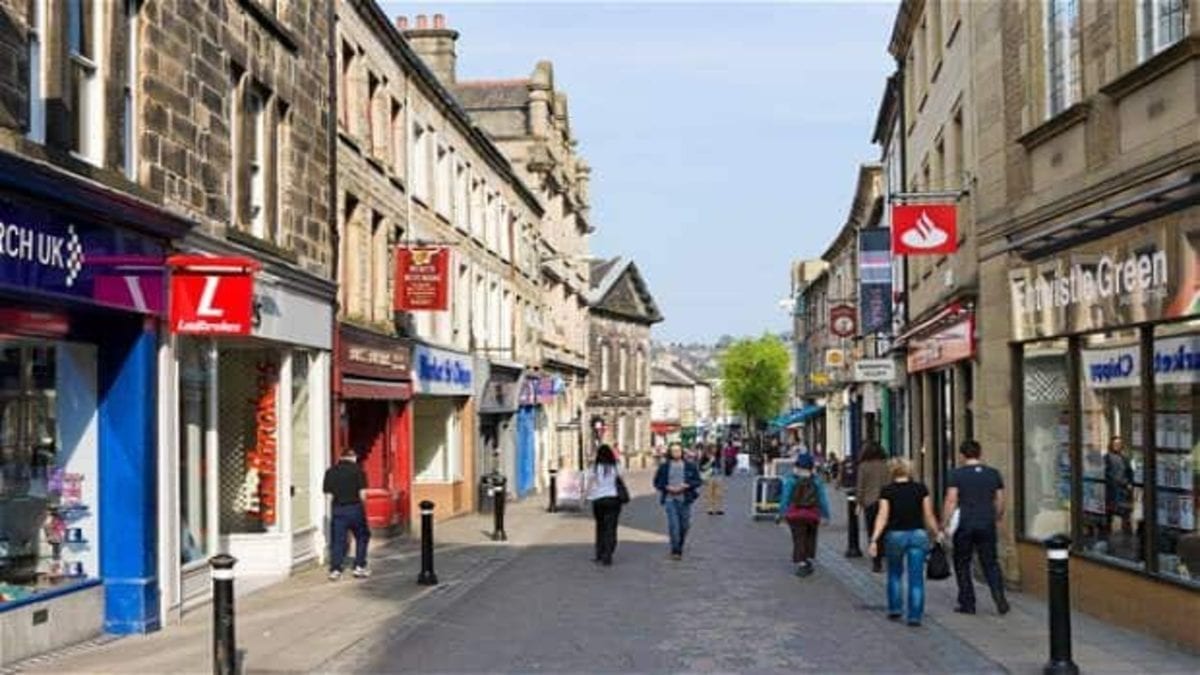
Remember when Mary Portas was banging on about saving the high street? Appointed in May 2011 by David Cameron and Nick Clegg to “breathe life back” into shopping hubs, this “retail consultant’s” well-meant attempt ended up sadly achieving little in reality.
Now, partly due to the impact of coronavirus and in many cases actually due to longer standing systemic problems with largescale companies, Britain’s towns and cities need to fast adapt if their central business districts are to survive.
Firstly, the high street’s customer base has altered and businesses must come to understand this. With those who’d worked in offices previously having used sandwich shops and retailers at lunchtime gone, many operations such as Pret are seeing footfall collapse and opting to cut staff hours and close stores.
Two stories to keep beside you

May it Haunt Her
As David Cameron is caught on camera criticising the “stupidity” of Philip Hammond’s budget, we join those warning the guffawing PM that her ride is about to get a bit rougher Yesterday, at the unveiling of a new war memorial, former Prime Minister David Cameron was caught on camera saying: “Breaking a manifesto promise […]

The appeal of Assange
As Julian Assange is granted the right to appeal against an arrest warrant for an alleged rape, Matthew Steeples examines the high profile individuals who have visited him during his time at the Embassy of Ecuador in London
Secondly, the likes of Marks & Spencer – which announced 7,000 job cuts yesterday – will find itself forced into doing more business online. People have adapted to having their food and clothing delivered and a shift to more of that kind of business seems the only way forward for the big household names.
Thirdly, as both retail and office space empties as a result of these changes, town planners must look at new ways of drawing in life and use for this accommodation. Whilst some such spaces are suitable for conversion to housing, another idea could be to make more locations centres of specialisation. Hay-on-Wye, for example, has prospered as a book town whilst Margate has gone from a shabby resort to a vastly successful centre for the arts. Another example is Leeds – which took advantage of the .com boom in the 1990s and became a major location for financial services businesses and call centres.
In spite of a future that looks bleak right now – with Pizza Express axing 1,000 of its workers also as they close numerous locations – if our currently completely haphazard government help it adapt, there could be a future for the high street. It must, however, be one that will have to involve more reasonable landlords and a firm goodbye to greedy robber barons asset strippers like Sir Philip Green also.
Facebook: @TheSteepleTimes
Instagram: @TheSteepleTimes
Twitter: @SteepleTimes and @M_Steeples


Readers have their say
2 comments
You should have a look at Brighton and Hove, the utterly useless Green-led council seem to be actively emptying the high streets.
We all want a clean place to live but this council are shoving in lane wide cycle lanes everywhere. They are unused and causing incredible congestion and pollution.
This is of course part of the plan, to claim that the pollution is so bad that they will have to bring in a congestion charge.
I have friends that have lost everything as their shops and businesses close thanks to Brexit, Coronavirus and now the Greens stopping people driving into town.
As someone that grew up there and saw the town in it’s hey-day, the difference is incredible and very sad.
I’ll be off myself soon.
Very right about greedy landlords , let’s hope that this will bring more balance and fairness in commercial real estate
In the meantime Bezos and co see their wealth sky rocketing to disturbing heights..