
James Murphy reviews ‘Thor: The Dark World’ and ‘The Fifth Estate’
Thor: The Dark World and The Fifth Estate are two movies that do not seem ripe for comparison at first glance. Their genres – one based upon fact, one in fiction – antipathetic; their motivations disparate – one aims to entertain; the other to provoke and inform.
Two stories to keep beside you
Dark discoveries
A review of ‘Star Trek Into Darkness’ by James Murphy

A week of spectacular cars
The mainstay of the week: car displays and auctions London has been the backdrop for some of the world’s finest cars this week.
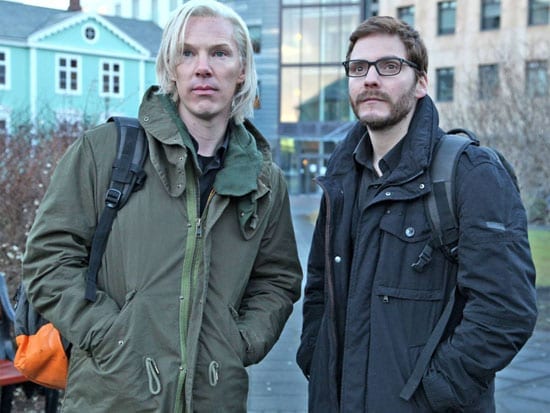
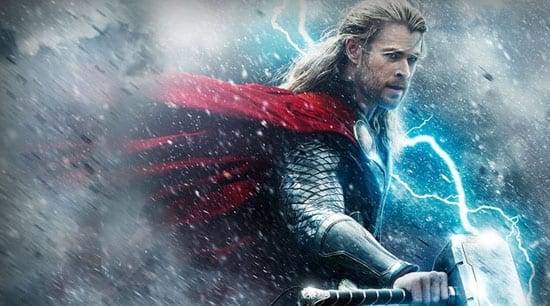
Somehow, though, they make the perfect double-bill because of that very contrast. Thor is a master-class in glossy professionalism that gets it right, whilst The Fifth Estate crumbles under its own hubristic lack of definition. Neither film is inspired or groundbreaking: they succeed or fail based on how effectively they define their aims and deploy sometimes similar methods.
Thor arrives with the mighty machinery of Marvel Studios – a cinematic equivalent to Thor’s Asgardian empire: they gave us Iron Man, Avengers Assemble, et al. Cue mammoth marketing: I was even given a special cup for my Coke with a model Thor attached. Just imagine being a kid with that kind of atmosphere surrounding the cinematic experience, before the film even starts.
That infectious spirit of imagination propels you into the film and neither relents nor retreats: you will be embraced by its joyously comic book ethos of romantic adventure. Thor faces an ancient army of elves, awakened by a cosmic anomaly. Truly epic action ensues, punctuated by dazzling production design, rousing music score, flattering shots of London and hilarious comedy. Kat Dennings is a true show stealer.
Thor has a simple aim: entertainment. The film therefore successfully deploys its methods (great actors, designers, technicians) to accomplish its mission with clarity, conviction and consistency. That is not the case with The Fifth Estate.
Is Julian Assagne a hero or villain? We may never cultivate a unanimous judgement there.
Fact one: He pioneered codes enabling clandestine and concealed communications, online.
Fact two: He exposed corporate greed and other abuses of power.
Fact three: WikiLeaks was a global phenomenon, transforming concepts of security and classified secrets (some as innocuous as a leaked film script for an Indiana Jones film; some far more serious).
Fact four: Our national security and that of other countries was compromised by the site’s activities, putting innocent personnel at risk.
Fact five: You must decide whether that last fact makes Assagne worthy of admiration or castigation. I was never a fan of WikiLeaks and this film did not change my position.
In the film, you get a portrait of a social misfit, who creepily stalks his new associate and rants a lot. Cumberbatch does not play Assange so much as impersonate him. It’s an accurate capture of voice and mannerisms but lacks anything more revealing. One cannot even empathise, let alone sympathise with him.
With clever use of atmospheric lighting, we get to see some beautiful shots of London and European cityscapes but those assets have nowhere to go in a film that wants to fuse Bourne Supremacy to The Social Network. In actual fact, The Fifth Estate fails to match either’s distinction.
It’s a dull affair and focuses on how Assagne’s friendship with his associate Daniel Berg was tested and destroyed. Peter Capaldi pops up pointlessly as a newspaper editor and Dan Stevens tries to win attention in a very minor cameo. In short, the film is memorable for its failings: defined by ambivalent ambitions, much like Assagne himself, in fact.
What else might these films have in common? They will both translate to television. For all its 3D conversion, Thor feels quite intimate and the Fifth Estate simply belonged on a small screen.
Both films feature British heartthrobs du jour: Benedict Cumberbatch and Tom Hiddleston. These two are now top of the list on Empire’s “sexiest stars” survey. Patriotic pride aside, it’s difficult to accept their appeal without envy and disbelief. Matinee idols they ain’t, but aside from that there is no doubting their commitment to the craft of acting and genuine hard work. It can only be a matter of time before they team up: just like Thor and his brother Loki, or Assagne and Berg. That prospect is a film pitch in itself.
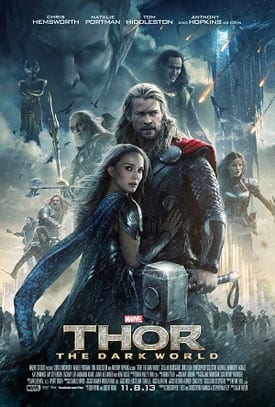 Starring: Chris Hemsworth and Natalie Portman
Director: Alan Taylor
Genre: Adventure/fantasy
Certificate: 12 A
Running time: 112 minutes
In short: Mighty Thor returns to save earth from a gang of evil elves.
Grade: A-, good work.
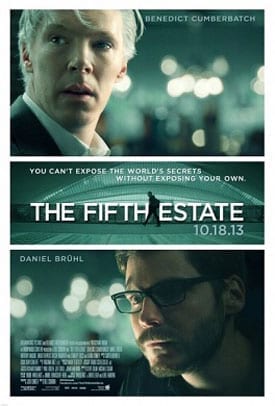 Starring: Benedict Cumberbatch and Daniel Bruhl
Director: Bill Condon
Genre: Biopic/thriller
Certificate: 15
Running time: 128 minutes
In short: Julian Assagne founds a website called WikiLeaks. As the website rises, his friendships fall.
Grade: C-, know your limits.
James Murphy is a freelance writer and graduate of the University of Oxford.
Subscribe to our free once daily email newsletter here:[contact-form-7 id=”225″ title=”Contact form 1″]



Readers have their say
2 comments
I respect James Murphy’s love and enthusiasm for films and cinema. I used to be fanatical about cinema and films during my younger days. I used to attend the Saturday morning shows and matinees at the local bioscope.
I became so obsessed that I worked as a doorman and assistant projectionist during the School holidays.
My father used to say “Why bother coming home, make yourself a bed there”
I became a specialist on movies coming from the 20th Century Fox, Metro Goldwyn Mayer, United Artist, Universal, and Columbia production houses. Perhaps James could also cover World cinema and vintage cinema.
Matthew, please have a word in his ear. Let the good times roll again. See you in the stalls.
Murphy nails it . Masterly Judgement on both .