
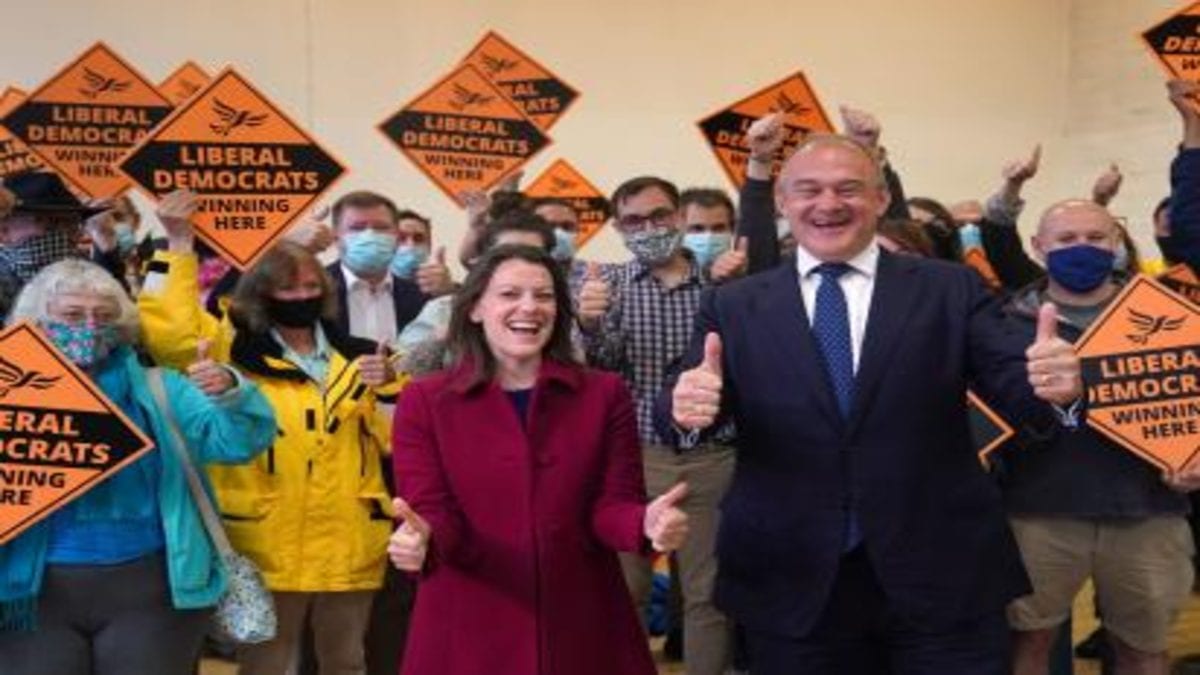
A month after the Conservatives obliterated Labour in Hartlepool, the Liberal Democrats have struck back by winning Chesham and Amersham, a Conservative stronghold since its creation in 1974.
The Liberal Democrat candidate Sarah Green won 56.7% of the vote, compared to the Conservatives 35.5% of the vote; this is not surprising, considering the fact that 55% of the constituency’s voters supported remaining in the EU in 2016, which reflects the region’s more liberal, middle-class electorate.
Although Brexit was still a prevalent issue during the campaign, the HS2 was a more major concern in the lead-up to the election, as many individuals within the constituency were concerned that the government’s plans to remove the locals’ rights to decide on developments would lead to the railway system being built in the Chilterns. Home County areas like Chesham and Amersham were the place where Reform UK was able to make gains back in 2019 due to their promise to scrap the HS2, and it’s clear that the Lib Dems capitalised on that ‘NIMBY’ attitude.
Two stories to keep beside you
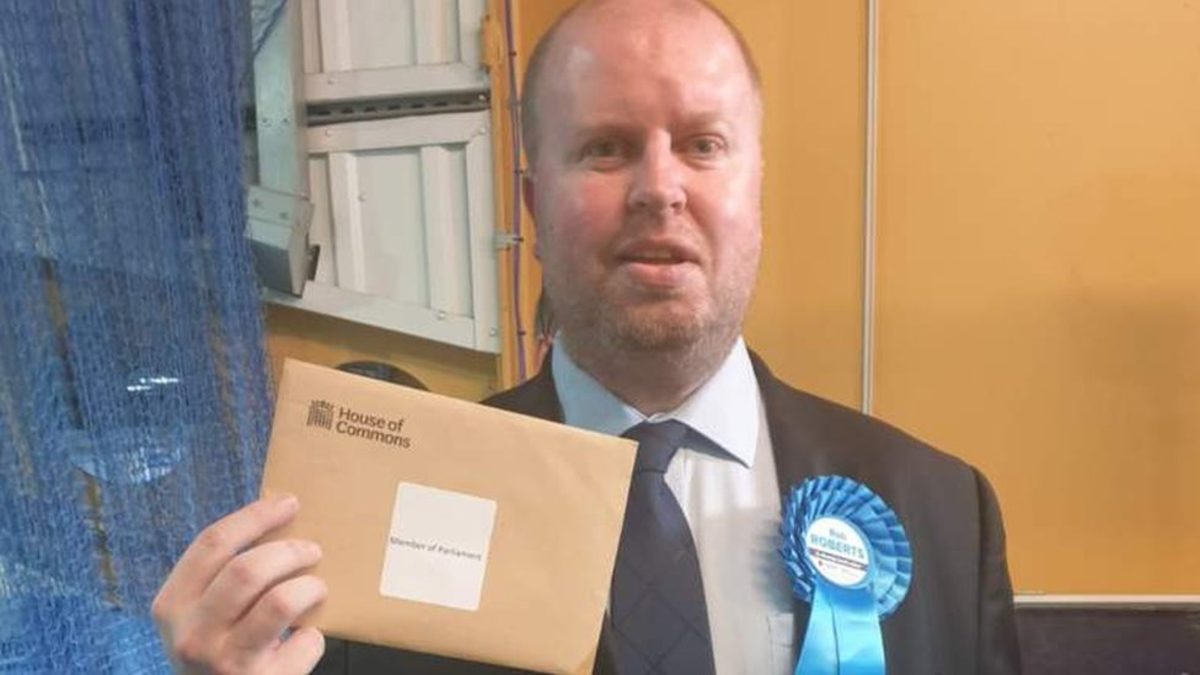
Randy Rob Must NOT Return
Nikolay Kalinin suggests that 12 weeks suspension is far from enough for serial sex pest ‘Randy Rob’ Roberts MP.

A Ridiculous Rant From Reform UK
Nikolay Kalinin on Metro Bank closing down the bank account of the Reform UK party and loopy leader Richard Tice’s ridiculous reaction.
The demographics have also been influential in determining the outcome, since many within the area are young, middle-class liberal voters who have moved out of London and who were more likely to vote Remain in 2016.
Not only is this the greatest thing to happen to Lib Dems in a long time, but also the victory has shown that the “blue wall” in Southern England is not unbreakable, a fact that was teased back in May when the party lost several councillors in strongholds such as Tunbridge Wells, Surrey and Chipping Norton, and also when they lost the Oxfordshire council.
The Lib Dems ability to appeal to the locals’ concerns regarding HS2 should show Labour MPs the importance of appealing to the needs of the people in their constituency; at the same time, it also should be of serious concern to Boris Johnson, because even though he can bring down the red wall, the opposition parties can do the same.
Much of this is because according to Ed Davey, the people in traditionally-Conservative constituencies “feel they’re being ignored by the Conservatives, taken for granted.” One southern Conservative MP further elaborated by stating: “There’s an element that our party is trying too hard to be Brexiteers”.
The defeat of the Conservatives in the by-election should be taken seriously by the public and by the politicians, because this could be a foreshadowing to further defeats of Conservatives in the south of England – especially the Home Counties – as the party tries to appeal to more Northern working-class voters, which will definitely alienate the more traditional base of the Conservative party in the South who are more liberal.



Readers have their say
2 comments
A one minute saga. Bang and the Lib Dems will be gone yet again.
Lib Dems need to go into coalition with Keir Starmer. Sir Keir and Sir Ed vs. Boris Johnson, easy peasy… Two knights against one pawn.