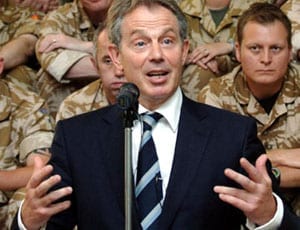
Tag: Blair

  • By George – It’s Time To Eat Your Hat

    By George – It’s Time To Eat Your Hat

    Nikolay Kalinin digests the result of the Batley and Spen by-election and reminds firebrand fruitcake George Galloway to eat his hat

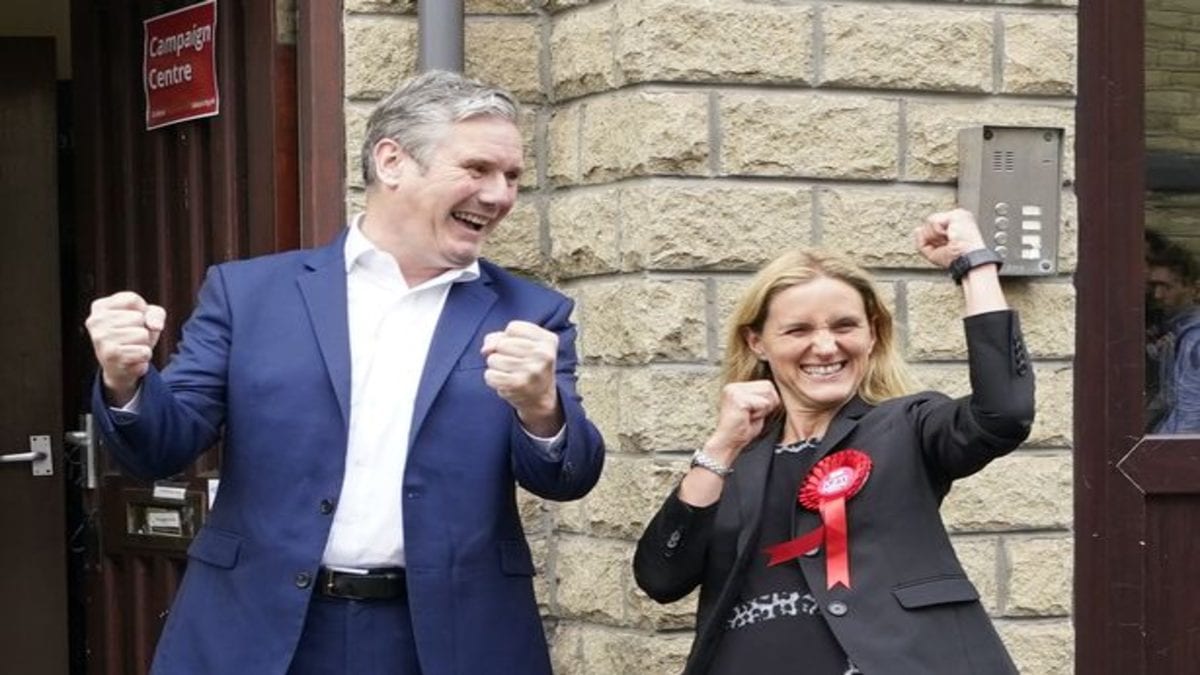
    It didn’t seem likely, but Labour has managed to keep the Batley and Spen seat – albeit with a minimal majority of just 323 votes, with Kim Leadbeater narrowly beating Conservative candidate Ryan Stephenson.


    This result brings an end to what has been a campaign that has been described as “a battleground” by one constituent, mainly due to the divisions within the Muslim community, most of whom have condemned Labour’s stance on foreign policy issues such as Palestine and have not forgotten Blair’s support for the Iraq war.


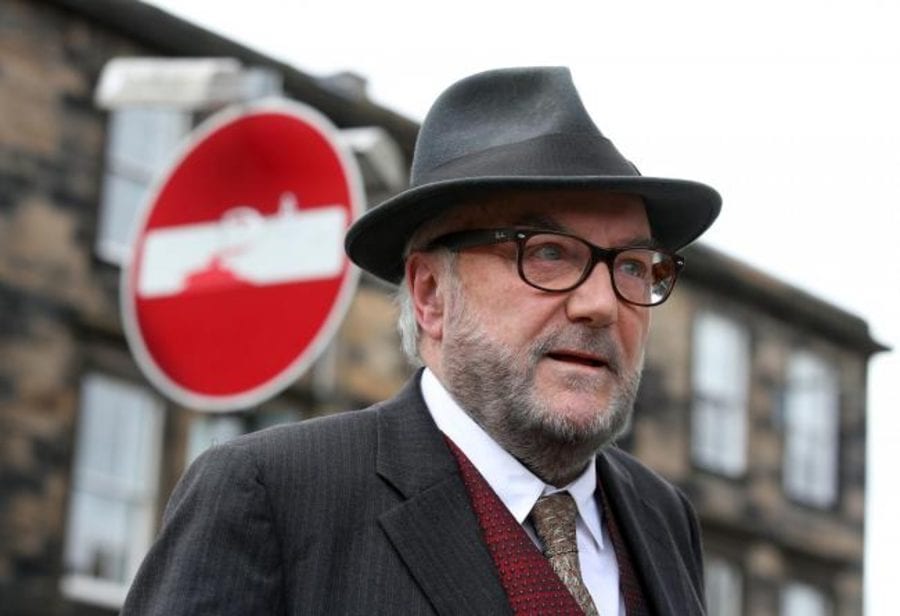
    The man who helped further inflame these divisions, George Galloway, who in the days leading up to the election complained about the Batley council taking down his posters for not meeting election requirements, has responded to Labour’s win by transforming into Britain’s answer to Donald Trump and telling reporters: “On multiple grounds, we will apply to the court for this election result.”


    During the campaign Galloway claimed that if Labour came in any other place but third, he would eat his own hat, and if he truly is a politician of honour, he should now keep his word and do just such.


    The campaign has also seen allegations of dirty tactics used by groups in order to ruin Labour’s chances, with the most notable example being the distribution of a fake TUC leaflet highlighting Sir Keir Starmer’s support for BLM and stating that “it is high time that white people acknowledged their privilege and gave something back to people of colour.”


    What Labour must remember is that their minimal majority should actually be a wake-up call for them, even if Conservative MPs and members of the public have attributed the narrow defeat of the Tories to Matt Hancock’s affair and the government pushing back “freedom day.”


    Ever since MP Jo Cox – who was the sister of the new MP Leadbeater – was murdered in 2016 by a member of the far-right, there have been attempts to divide the community, and the events at local grammar school are the latest which have allowed people like George Galloway to exploit divisions for their own gain.


    Even though Galloway did not manage to topple Starmer and Labour, he did manage to cause significant damage to Labour by taking away a sizeable amount of their Muslim base, notably by condemning LGBTQ+ inclusive education and promising to give control of what children can learn to their parents, which appealed to much of the Muslim population.


    Labour should work as hard as possible within their English constituencies in order to prevent division, not only regarding the issue of Brexit but also regarding local issues. Starmer should also not restrain himself from condemning Johnson’s government at every opportunity, because only then will ‘Bosie The Clown’ be made to take accountability.


    George Galloway Eat Your Hat
    After his antics in Batley & Spen simply caused division, but allowed Labour its narrow victory, it is time to remind George Galloway of his own words and to make him follow up on his promise and consume his own headwear.
    Commenting on the result for the ‘Daily Mail,’ Simon Walters observed: “[The] Batley by-election loss proves Boris Johnson needs a shot in the arm all over again… One Conservative from a ‘Red Wall’ constituency who campaigned there told me: ‘I owe my seat to Boris but people in Batley were not happy with his dithering on Hancock. It was tin-eared.’”
    Sir Keir Starmer may have been just about saved from obliteration in Batley and Spen, but what must be remembered about the campaign is that George Galloway used the seat to spark what Lady Shami Chakrabarti, the former attorney general for England and Wales, termed “complex northern brew toxic.” Going further, Lady Chakrabarti added: “Galloway has form for misogyny, having made offensive comments about forced marriage in the hateful campaign he ran against Naz Shah in Bradford West in 2015, and having speculated that sex assault allegations made against Julian Assange were merely ‘bad sexual etiquette.’ In his latest campaign, the dexterous shapeshifter has made hay from a nasty dispute about images of the prophet being shown in a classroom, one minute affirming people’s ‘right to defend religious sensibilities’ and the next sidling up to self-styled ‘free speech activist’ Lawrence Fox.”
    George Galloway has now vowed to challenge the result in court. In a statement, he remarked: “The result of this by-election cannot stand. We will take whatever legal measures necessary to have that result set-aside. There are multiple reasons… But the tin hat was put on the banana republic exercise that has been called this parliamentary by-election by the returning officer’s decision to refuse to grant a recount when the margin of victory was less than one per cent.”
  • The Money of McCann

    The Money of McCann

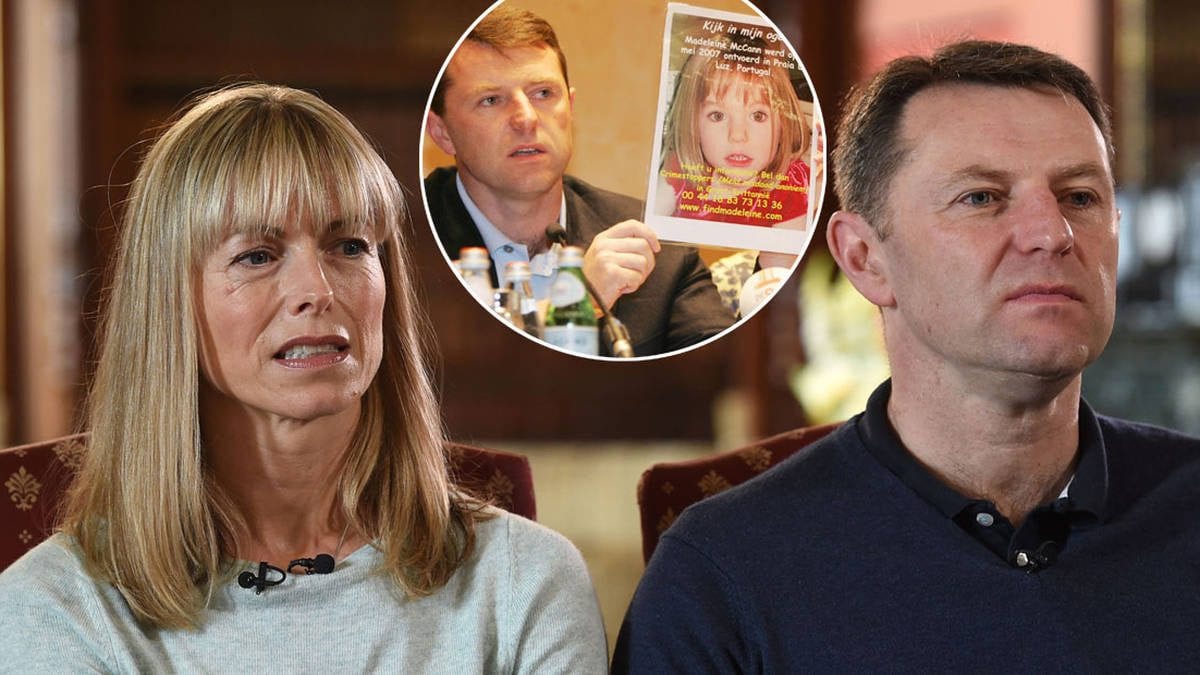
    Gerry and Kate McCann rake in £773,600 of private money in spite of admitting there is “nothing much to report” 14 years into the fast approaching £13 million public funded investigation into the dubious ‘disappearance’ of their daughter Madeleine

    Not content with having garnered over £12.5 million in public funding for the police investigation with a further £300,000 top-up likely to come soon, it has this week been revealed that Gerry and Kate McCann’s privately administered fund now has an astonishing net worth of £773,629.


    Madeleine’s Fund: Leaving No Stone Unturned Ltd. – which counts controversial double glazing tycoon Brian Kennedy, a man whom once bizarrely claimed he “had visions of flying in by helicopter to rescue Madeleine,” amongst its directors since 16th May 2007 – is listed as having £235,900 in cash and £245,000 in assets in newly released accounts.


    Whilst last week, Dr and Mrs McCann told the Mirror that they “still believe in miracles,” in a post on the ‘Official Find Madeleine Campaign’ Facebook page the particularly pugnacious pair also had to admit of the investigation: “Nothing much to report.”


    Previously, a ‘friend’ (‘unnamed,’ of course, as is so often the case with anyone speaking on behalf of those close to the case of missing Madeleine McCann) of Dr and Mrs McCann remarked:


    “Kate and Gerry know the police investigation cannot go on forever.”


    “When [the police investigation] is shelved, and if there is no result, Kate and Gerry will use money in the fund to continue the hunt.”


    “That is what it is there for. They paid for their own team of private investigators initially and when the official inquiry ends they will do so again although in the past it has proven to be extremely costly.”


    Today, again, we ask: “Why does so much public money continue to be wasted on an investigation that has achieved nothing in 14 years and why is another £300,000 about to be given from the public purse when other missing person searches get little to nothing? Why is this disproportionate allocation of taxpayer funded resources allowed to go on?”


    The Money of McCann – £300k public and £774k more to McCann search – Gerry and Kate McCann rake in £773,600 in spite of admitting there is “nothing much to report” 14 years into the fast approaching £13 million public funded investigation into the dubious ‘disappearance’ of their daughter Madeleine. What about financial support for other missing person cases such as that of Martin Allen, Luke Durbin and Ben Needham?
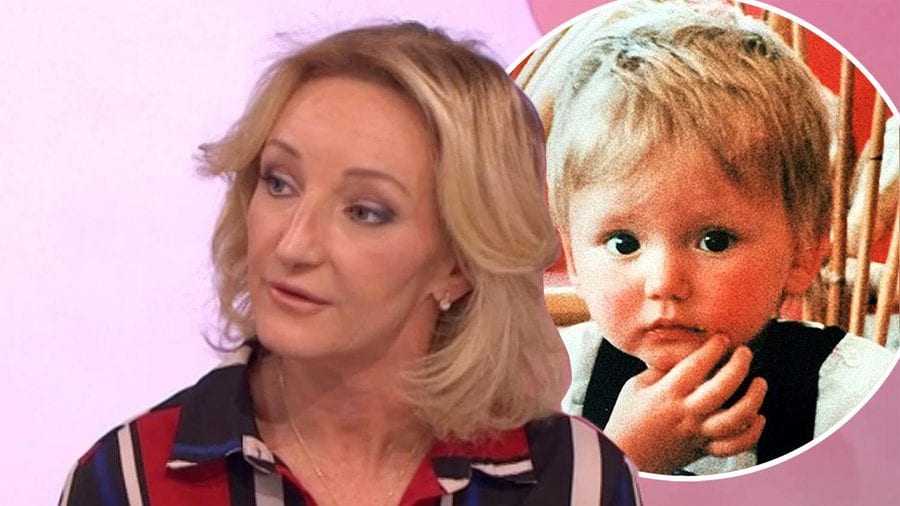
    The Money of McCann – Ben Needham, then aged just 1, disappeared on the Greek island of Kos on 24th July 1991. He has been missing for over 29 year and in the time since his mother, Kerry Needham, has shockingly come under attack from supporters of the family of Madeleine McCann. Of this in October 2015, she commented: “It feels like a personal attack on me. It is deeply, deeply hurtful. I have myself had massive amounts of slanderous abuse from supporters of the McCann campaign in the past but I have never taken that personally. It’s freedom of speech. But it is getting the names of two missing children out there which is really important.”
    The Money of McCann – £300k public and £774k more to McCann search – Gerry and Kate McCann rake in £773,600 in spite of admitting there is “nothing much to report” 14 years into the fast approaching £13 million public funded investigation into the dubious ‘disappearance’ of their daughter Madeleine. What about financial support for other missing person cases such as that of Martin Allen, Luke Durbin and Ben Needham?
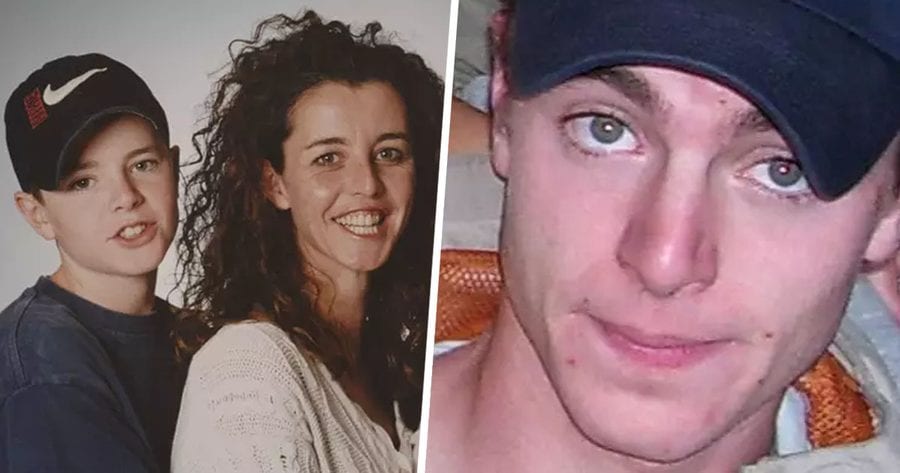
    The Money of McCann – Luke Durbin disappeared aged just 19 in Suffolk in May 2006. In spite of his mother’s tireless campaign to attempt to find her vanished son, why don’t the police devote more resources to the search for him?
    The Money of McCann – £300k public and £774k more to McCann search – Gerry and Kate McCann rake in £773,600 in spite of admitting there is “nothing much to report” 14 years into the fast approaching £13 million public funded investigation into the dubious ‘disappearance’ of their daughter Madeleine. What about financial support for other missing person cases such as that of Martin Allen, Luke Durbin and Ben Needham?
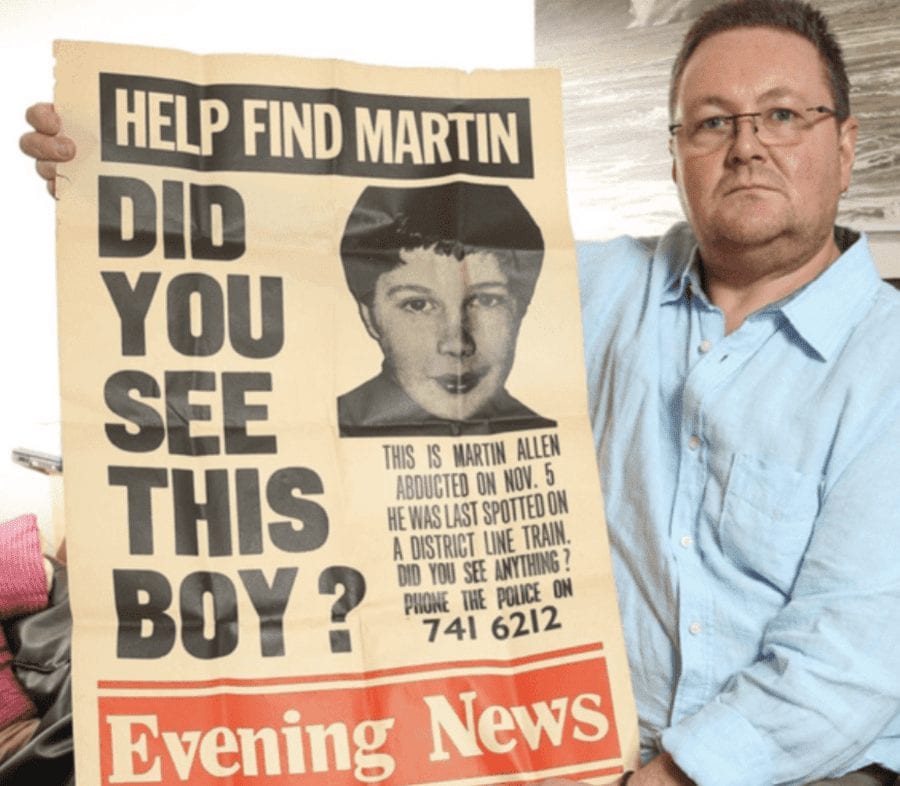
    The Money of McCann – Martin Allen vanished without a trace in London on 5th November 1979 aged just 15. Though his brother, Kevin Allen, has kept the case in the public eye as much as he can, he gets little to no help from the Metropolitan Police. Again today, we ask: “Why isn’t money from the public purse allocated to solving this case and thousands like it and why, instead, has fast approaching £13 million been allocated to a case that has not been solved in 14 years?”
    The Money of McCann – In September 2018, Ben Needham’s mother Kerry quite rightly told ITV1’s ‘Loose Women’ that “it hurts” that so much money has been allocated to the search for Madeleine McCann whilst so little has been given to aid help other families find their missing relatives. She added: “[Madeleine] deserves to be found, but so does Ben. We haven’t had a fraction, I’ve had to fight alone as a single mum and try to get the help that Ben deserves… I don’t take anything away from anyone who’s got a loved one who is missing, but every single one deserves to be found.”
  • Costly Carrie

    Costly Carrie

    The extravagance of Carrie Symonds plainly knows no bounds; what ‘Costly Carrie’ wants, cost unconscious puppet mistress Carrie gets

    ‘Princess Nut Nut’ – AKA ‘Costly Carrie’ Symonds – will go down in history as Downing Street’s answer to Barbara Amiel. With an attitude to expenditure that makes she whose “extravagance knew no bounds” look meek, Boris Johnson’s puppet mistress has deservedly been criticised in recent days for her £200,000 “monstrous” and “inappropriate” makeover of the flat occupied by the Prime Minister.


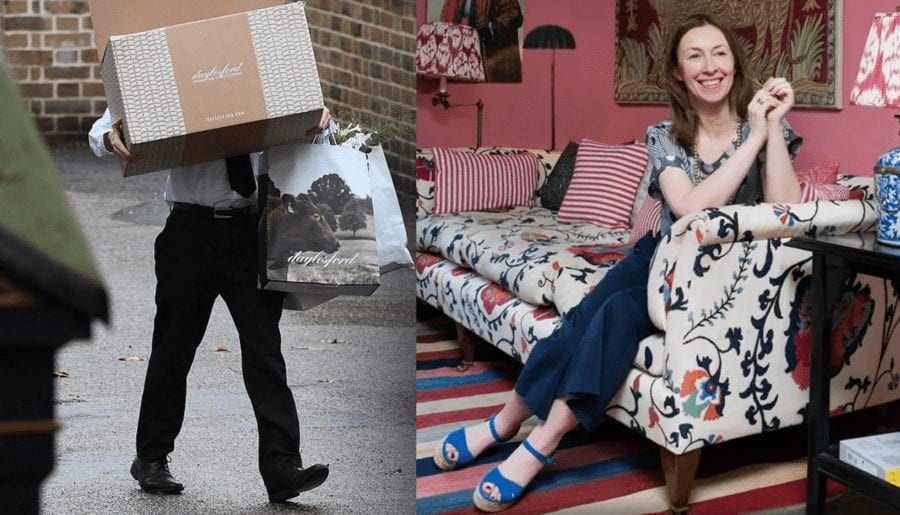
    Now, with news that she’s topped her spendaholic lifestyle with over £12,500 of deliveries from ritzy Daylesford – owned by “lady doors to manual” Carole Bamford – during successive lockdowns, this utterly out-of-touch with ordinary folk woman is understandably being mocked and derided. Here is someone whose Imelda Marcos ways will ultimately make Cherie Blair seem like a comparative penny pincher.


    Having first shown her harridan handiwork in forcing ‘Bosie The Clown’ to turf out Dominic Cummings for not kowtowing to her, ‘modern day Marie Antoinette’ Symonds – who also faces scandal in the face of an investigation into the charity she works for – has also been slammed for appointing her cronies without following due process.


    One-time employee of another charity linked to incarcerated mucky madam Ghislaine Maxwell, psychotic wine-chucker ‘Carrie Not On Regardless’ has plenty of previous. Aside from bedroom area shenanigans with The Sun’s Harry Cole, Britain’s rather unfortunate equivalent of a first lady previously had an “emotionally charged… tumultuous” relationship with Oliver Haiste, an alleged fake news hoaxer with links to the deranged far right Traditional Britain Group.


    Costly Carrie Symonds 2021 – Boris Johnson’s spouse Carrie Symonds is a spendaholic – The extravagance of Carrie Symonds plainly knows no bounds; what ‘Costly Carrie’ wants, cost unconscious puppet mistress Carrie gets.
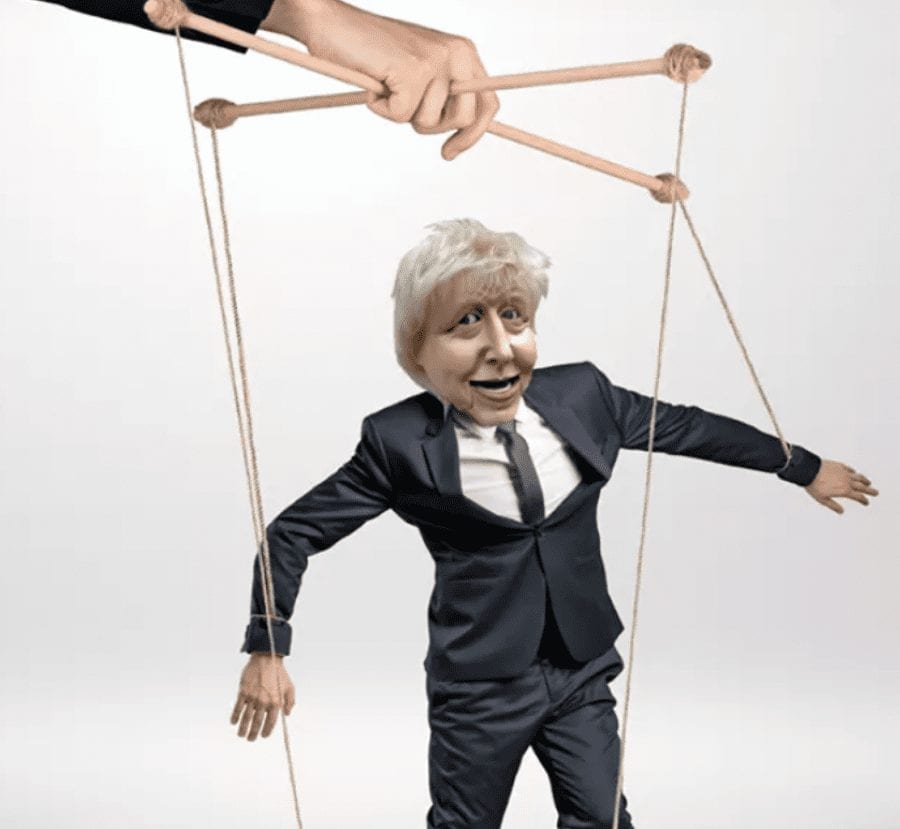
    Costly Carrie – Carrie Symonds definitely wields the power in Downing Street these days. Her drippy hubby-to-be Boris Johnson is nothing but a puppet, in fact.
    Costly Carrie Symonds 2021 – Boris Johnson’s spouse Carrie Symonds is a spendaholic – The extravagance of Carrie Symonds plainly knows no bounds; what ‘Costly Carrie’ wants, cost unconscious puppet mistress Carrie gets.
    Costly Carrie – Aside from daily deliveries of expensive provisions from Lady Bamford’s ritzy Daylesford “farm shop” during the pandemic lockups, Symonds brought in the anything but cheap “celebrity eco designer” Lulu Lytle to eliminate the “John Lewis furniture nightmare” of the Theresa May era décor of the Prime Minister’s Downing Street private residence.
  • E-Scooter-ing a Shameless Minister For Rent

    E-Scooter-ing a Shameless Minister For Rent

    As the government disgracefully announces they’ll be allowing rentable e-scooters on Britain’s roads, Matthew Steeples asks: “Who gave ‘a Robert Jenrick’?” to get this multi-million market going

    ‘Doing a Bernie’ became the stock description of a political bung of £1 million in the Blair years and now, in ‘Bosie The Clown’ Britain, it seems ‘a Robert Jenrick’ should be the description for a much cheaper option: A £12,000 donation that allegedly could have “handed Tory donor [Richard Desmond an] extra £106 million.”


    Now, at a time when coronavirus deaths look set to once again spike with what is sadly going on in Leicester being our starter-for-ten, our government has decided to put lives at risk in another totally avoidable way. Last night, in announcing that the ban on rentable e-scooters will be lifted on Britain’s roads for 12 months, Tory transport minister Rachel Maclean did just such and now this moronic woman also leaves herself open to questions of sleaze as well.


    Under Maclean’s new rules, set to come into play from Saturday, rental scooters will be allowed on roads, but not pavements. Privately owned e-scooters, for now, however, will continue to be illegal.


    Opening up a line for substantial profits for those set to own and manage rental e-scooter operations, Maclean is endangering the public quite unnecessarily. Whilst she argues that her scheme will “ease the burden on the transport network… and allow for social distancing,” she neglects to mention that in July last year, YouTuber Emily Hartridge died after being struck by a lorry in Battersea whilst riding an e-scooter on the road. There have been many injuries as a result of accidents caused by these ridiculous contraptions in addition on both roads and pavements.


    Last night, in response to the news, registered blind disability awareness campaigner Deborah Farley-Persaud told the BBC: “[E-scooters] are frightening because you can’t hear them and you can’t see them.” Mrs Farley-Pesaud was “injured last year following a collision with an e-scooter” in Old Street and now “does not feel safe to go out.” She added: “They clearly haven’t got any regard for the rules of the road,” whilst previously Colin Wingrove of the Metropolitan Police stated: “Electric scooters should not be on the pavement or the road.”


    As was pointed out by Inc. in their winter 2018/2019 edition, one e-scooter rental operator in America, Bird, was alone valued at £1.6 billion. The numbers involved in this new market are potentially colossal and now, in the UK, the questions that need to be answered are:


    • “What donations have those who’ll be operating e-scooter rental businesses in Britain given to the Conservative Party to date?”
    • And: “Who’s been Robert Jenrick-ed?”


    Facebook: @TheSteepleTimes

    Instagram: @TheSteepleTimes

    Twitter: @SteepleTimes and @M_Steeples


    E-Scooter-ing Out a Minister For Rent – As the government disgracefully announces they’ll be allowing rentable e-scooters on Britain’s roads, Matthew Steeples asks: “Who gave ‘a Robert Jenrick’?” to get this multi-million market going.
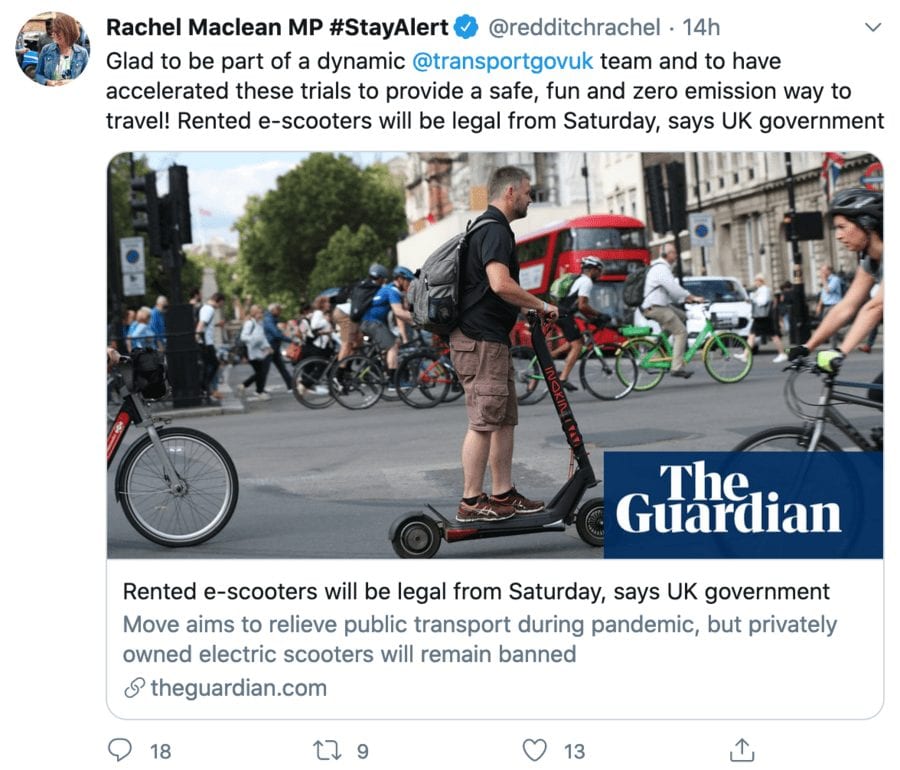
    Rachel Maclean took to Twitter on Tuesday to boast about having “accelerated [e-scooter] trials to provide a safe, fun and zero emission way to travel!” One is left asking: “What really motivated her actions?”
    E-Scooter-ing Out a Minister For Rent – As the government disgracefully announces they’ll be allowing rentable e-scooters on Britain’s roads, Matthew Steeples asks: “Who gave ‘a Robert Jenrick’?” to get this multi-million market going.
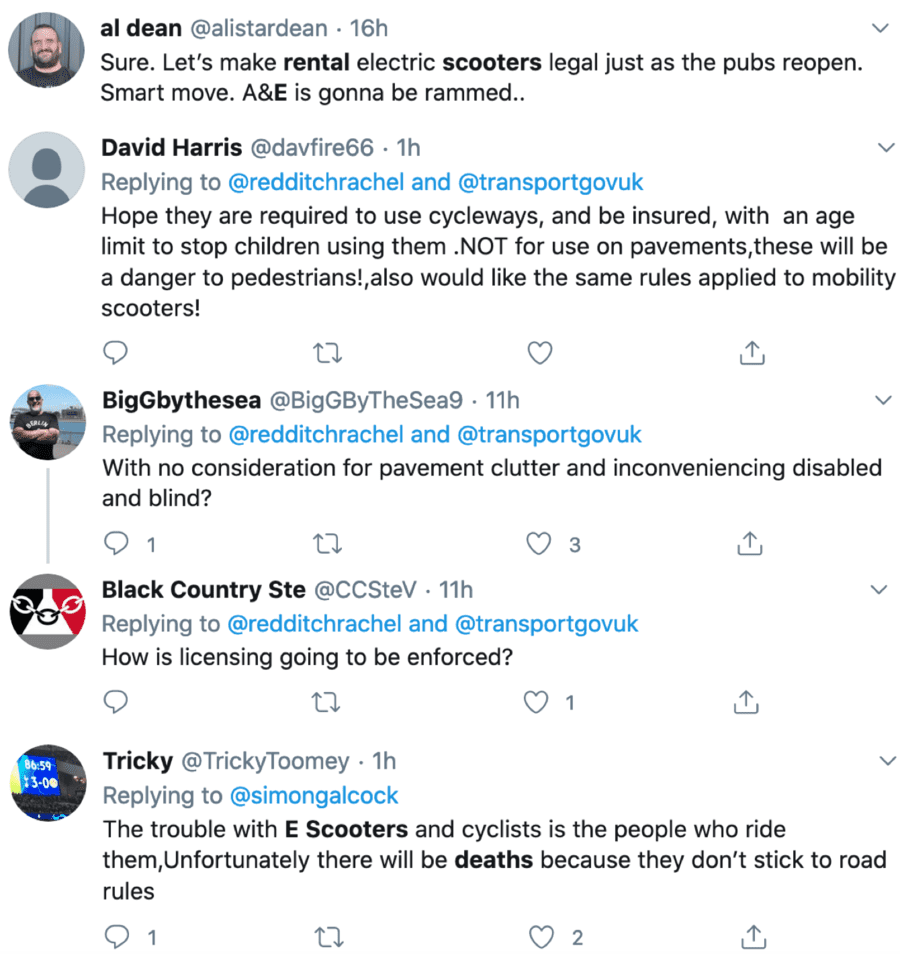
    Many Twitter users reacted with fury at the decision. One suggested: “A&E is going to be rammed” whilst another argued the “trouble with e-scooters… is the people who ride them.” They added: “Unfortunately there will be deaths because they don’t stick to road rules.”
    E-Scooter-ing Out a Minister For Rent – As the government disgracefully announces they’ll be allowing rentable e-scooters on Britain’s roads, Matthew Steeples asks: “Who gave ‘a Robert Jenrick’?” to get this multi-million market going.
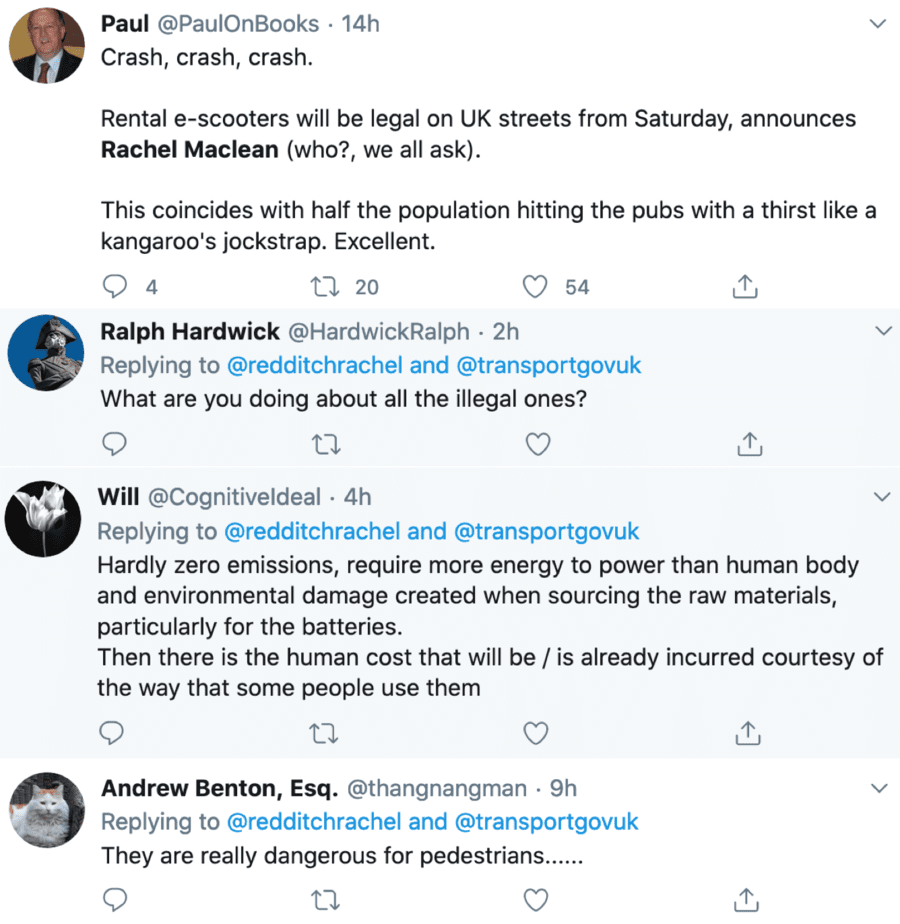
    Another tweeted: “This coincides with half the population hitting the pubs with a thirst like a kangaroo’s jockstrap. Excellent.” Another quite rightly pointed out: “They are really dangerous for pedestrians.”
    E-Scooter-ing Out a Minister For Rent – As the government disgracefully announces they’ll be allowing rentable e-scooters on Britain’s roads, Matthew Steeples asks: “Who gave ‘a Robert Jenrick’?” to get this multi-million market going.
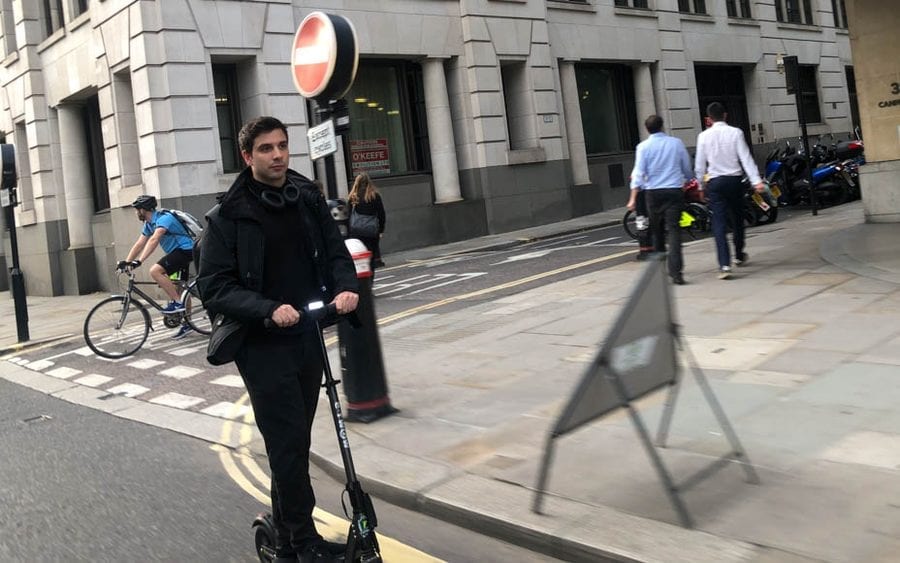
    In July 2019, ‘The Steeple Times’ reported on a twerp named Ambar Zohra bashing into a pensioner on a scooter in Walton Street, Chelsea. At the time, this foul-mouthed horror was rightly asked by Jane Morris of Percy Bass: “Where do you think you are from? The five floors of whores?”
    E-Scooter-ing Out a Minister For Rent – As the government disgracefully announces they’ll be allowing rentable e-scooters on Britain’s roads, Matthew Steeples asks: “Who gave ‘a Robert Jenrick’?” to get this multi-million market going.
    In August 2019, ‘The Steeple Times’ highlighted an example of a danger on the road on an e-scooter. Of this particular terror, a taxi driver rightly observed: “If I’d hit him, I’d have blood on my hands but he isn’t meant to be there. He is breaking the law purely by his presence. He should be prosecuted and that thing should be confiscated.”
    Emily Hartridge tragically died after being hit by a lorry whilst on her e-scooter in Battersea in July 2019. After such an occurrence, you’d think the government would ban these dangerous contraptions; Conservative minister Rachel Maclean has shamefully gone and done to the contrary.
    https://www.youtube.com/watch?v=ilNc6WeqCHc
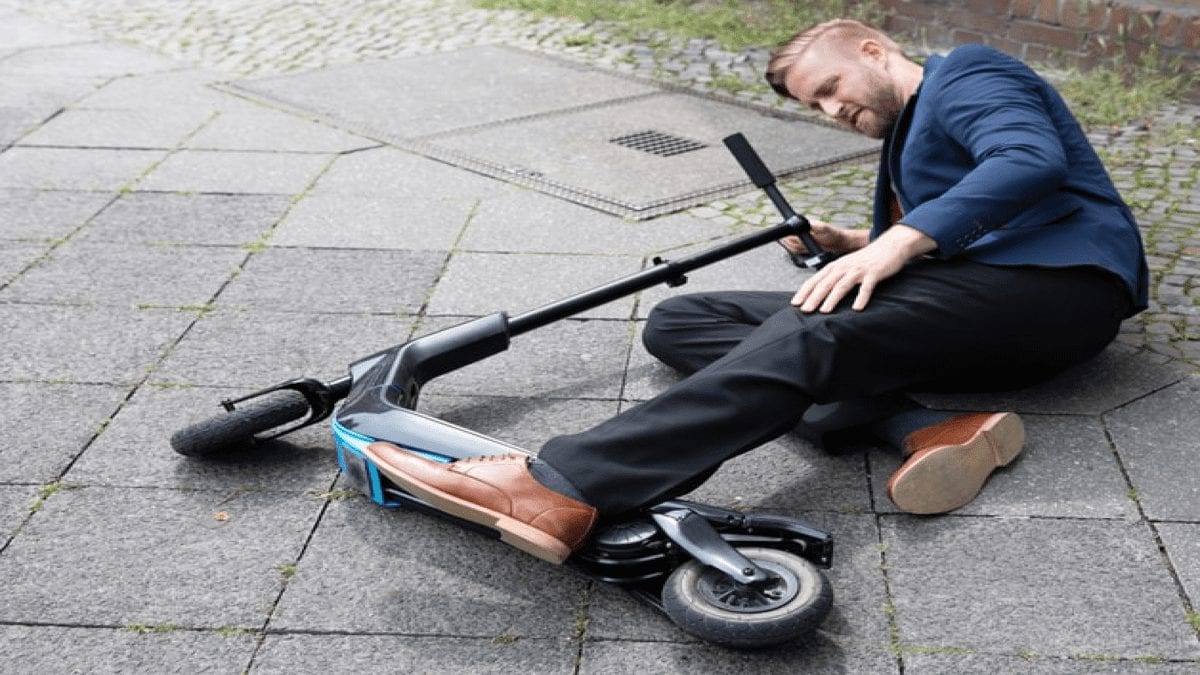
    E-scooters are deservedly disliked contraptions. They are, after all, dangerous and generally operated by irresponsible idiots.
    Vile porn star and alleged sex offender Ron Jeremy “nearly died” on an e-scooter in October 2017.
  • A Massive Media Maelstrom – McCann, Mandelson and Maxwell

    A Massive Media Maelstrom – McCann, Mandelson and Maxwell

    Matthew Steeples highlights how the ‘Mandelson Media Method’ is very much in play in both the case of the Prince Andrew-Jeffrey Epstein connection and the renewed interest in the Madeleine McCann disappearance

    According to the former British ambassador to Uzbekistan turned activist and human rights campaigner Craig Murray, when Madeleine McCann went missing on 3rd May 2007 “New Labour’s No. 10 saw, in typical Blair fashion, a highly photogenic tragedy which there might be popularity in appearing to work on.”


    Guided by the “Prince of Darkness at the heart of New Labour” with “his dark satanic looks” and “his Machiavellian meddling,” the political party Peter Mandelson ever so brilliantly guided (in terms of electoral success) knew the value of such and they well and truly milked it in the matter of McCann.


    As Andrew Marr pointed out in his History of Modern Britain – screened on BBC Four last night – in his example, highlighting the case of the senseless murder of the innocent toddler Jamie Bulger by two truly evil teenagers during John Major’s premiership – Madeleine McCann’s disappearance occurred just a month before Blair left office and Gordon Brown took over. News of it dominated the media during the transition period.


    Defining the Brown years – during which Peter Mandelson was a government minister from October 2008 until May 2010 – in terms of the vast acres of pages devoted to the case and garnering disproportionate attention from government thus, as Murray pointed out: “British diplomatic staff were under direct instruction to support the McCanns far beyond the usual.”


    Mandelson had his finger on the pulse with the McCann story then and today the proof of its usefulness is still in the pudding by way of the fact that it wiped other ‘bad news’ stories off the front pages in the last week. Equally, as has been the case with the renewal of interest in Prince Andrew’s “has he or hasn’t he” cooperated with the investigations into Jeffrey Epstein in the last 24 hours, here are matters that show that the Mandelson style of media management haven’t moved on.


    One rather conveniently unavailable person who links the ‘players’ in these matters is still apparently missing in action. Again, this morning, we again join those asking: “Why doesn’t Ghislaine Maxwell finally come forward?”


    Facebook: @TheSteepleTimes

    Instagram: @TheSteepleTimes

    Twitter: @SteepleTimes and @M_Steeples


    A Massive Media Maelstrom – McCann, Mandelson and Maxwell – Matthew Steeples highlights how the ‘Mandelson Media Method’ is very much in play in both the case of the Prince Andrew-Jeffrey Epstein connection and the renewed interest in the Madeleine McCann disappearance.
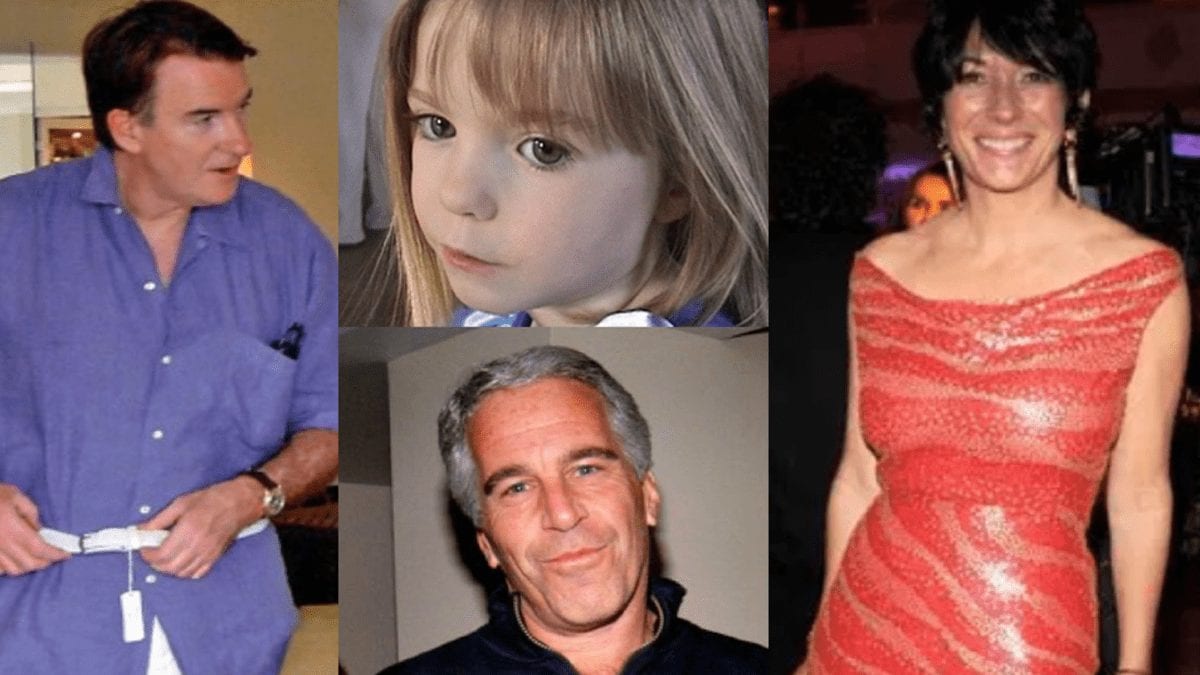
    Peter Mandelson pictured trying on a belt whilst Jeffrey Epstein looks on in St Barts in 2005. They are said to have been introduced by their mutual friend Ghislaine Maxwell and there is no suggestion that Lord Mandelson knew anything of Epstein’s criminal activities.
    A Massive Media Maelstrom – McCann, Mandelson and Maxwell – Matthew Steeples highlights how the ‘Mandelson Media Method’ is very much in play in both the case of the Prince Andrew-Jeffrey Epstein connection and the renewed interest in the Madeleine McCann disappearance.
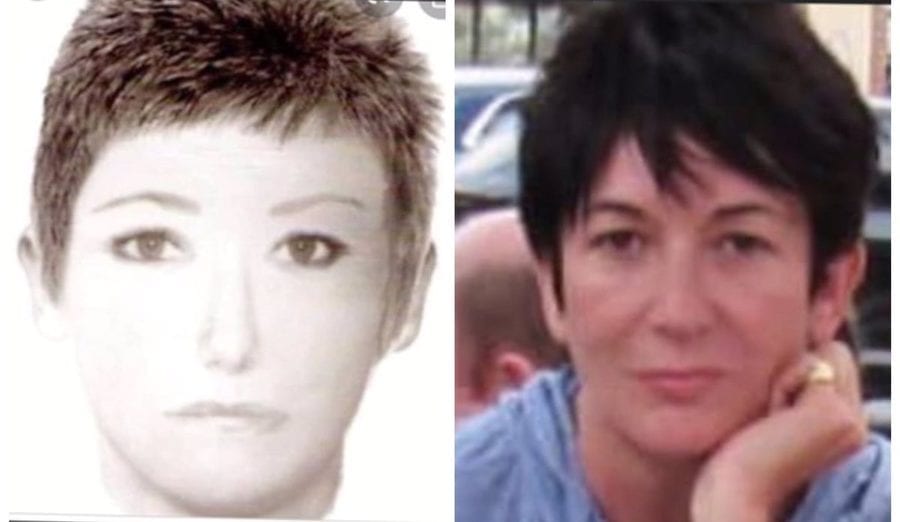
    In 2009, private investigators for Gerry and Kate McCann issued an E-FIT to the media of a woman they believed could be “potentially significant” to their investigation. She has never been found, but, speculation online (entirely unproven as accurate thus far) has regularly included: “She looks remarkably like Ghislaine Maxwell.” There is no suggestion that this is one and the same woman, but it would be ever so helpful if Miss Maxwell came forward and cleared this up for once and for all.
    A Massive Media Maelstrom – McCann, Mandelson and Maxwell – Matthew Steeples highlights how the ‘Mandelson Media Method’ is very much in play in both the case of the Prince Andrew-Jeffrey Epstein connection and the renewed interest in the Madeleine McCann disappearance.
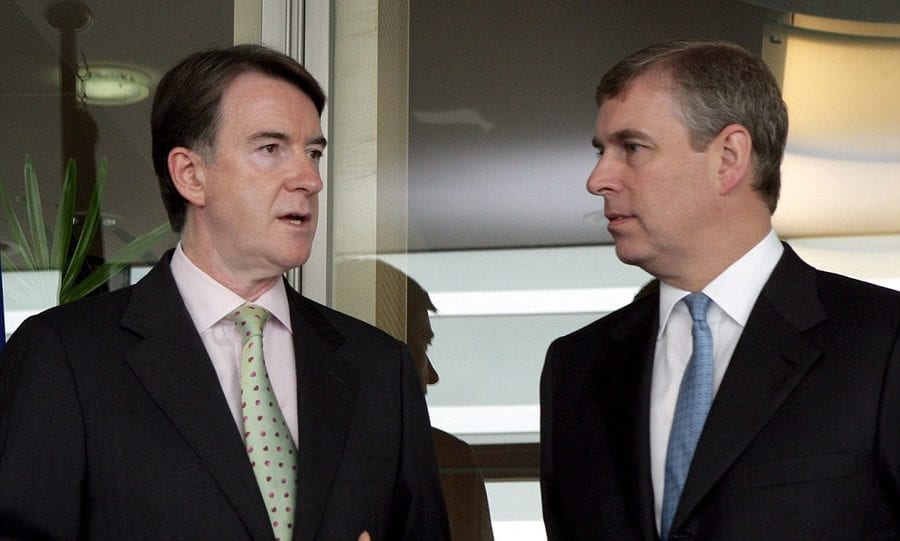
    The no-longer so “grand old Duke of York” Prince Andrew poses for a picture with the “master of spin” and king of media relations Lord Mandelson.
    A Massive Media Maelstrom – McCann, Mandelson and Maxwell – Matthew Steeples highlights how the ‘Mandelson Media Method’ is very much in play in both the case of the Prince Andrew-Jeffrey Epstein connection and the renewed interest in the Madeleine McCann disappearance.
    Peter Mandelson worked with PR spinner Matthew Freud, the late Sir Clement Freud’s son, on the Millennium Dome. The pair have partied together on many occasions – including at Freud’s then marital home, Burford Priory, and most famously with George Osborne, Oleg Deripaska and Nat Rothschild in Corfu.
    A Massive Media Maelstrom – McCann, Mandelson and Maxwell – Matthew Steeples highlights how the ‘Mandelson Media Method’ is very much in play in both the case of the Prince Andrew-Jeffrey Epstein connection and the renewed interest in the Madeleine McCann disappearance.
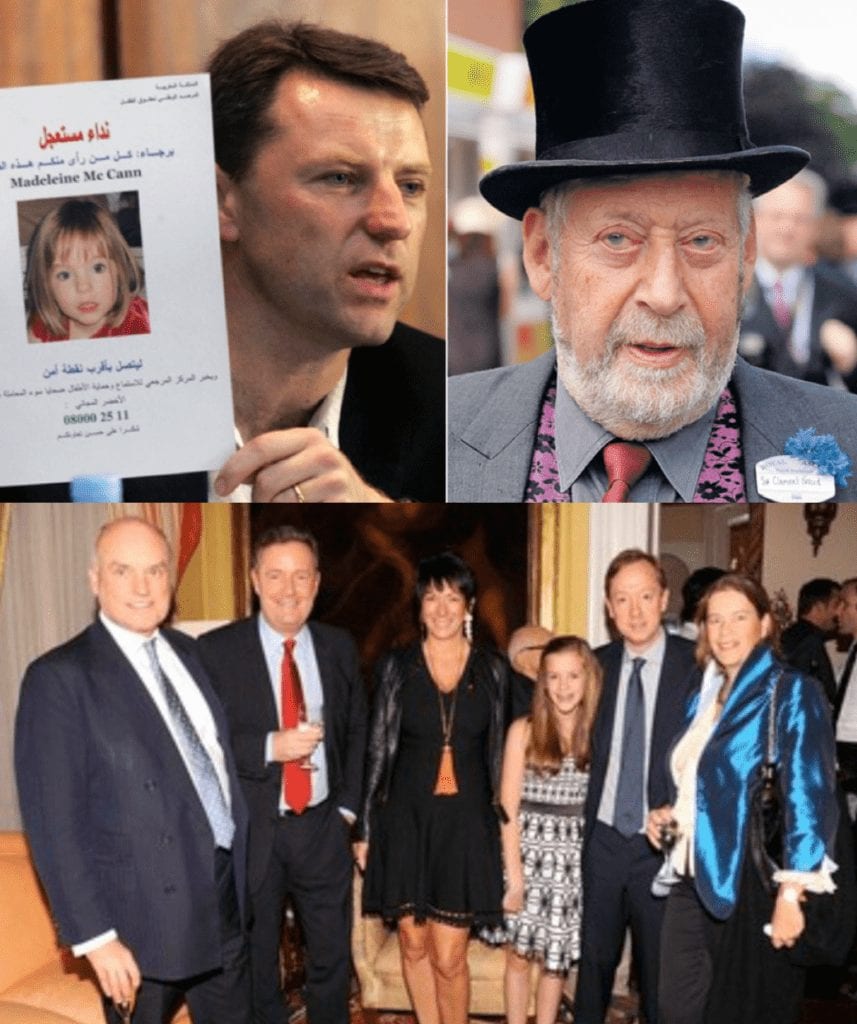
    Pictured top: Paedophile Sir Clement Freud (right) lunched with Gerry (left) and Kate McCann in Praia da Luz in Portugal in July 2007, two months after their daughter’s disappearance. Mrs McCann later praised the risotto as “the best she’d ever tasted.” Pictured below: Ghislaine Maxwell pictured at the launch of a book about Sir Clement’s brother, Lucian, titled ‘Breakfast With Lucian’ in 2013 by Geordie Greig. Also in the image are Nicholas Coleridge, Piers Morgan, an unknown child, Geordie Greig and Ariadne Calvo-Platero.
  • Sheen Shines

    Sheen Shines

    The ‘Guardian’s’ Rebecca Nicholson’s fascinating interview with the actor Michael Sheen is exactly the kind of reading needed during coronavirus lockdown; he reveals previously unknown details about bizarre encounters with Tony Blair, Rupert Murdoch and Wendi Deng Murdoch

    It’s hard to find stories to read right now in newspapers that don’t relate to coronavirus and it’s even harder to find compelling interviews that don’t feature bleeding hearts banging on about what good they’re doing (when they’re just actually craving a return to their glory days gaining acres of Alexa Chung-type press acreage).


    Gone are the days of the great, the good and the not-so-good actually revealing something we didn’t already know and instead, it seems, COVID-19 has reduced The Telegraph, for example, to unimaginatively asking the chef Jason Atherton: “Powder or piste?” (His 50/50 chance answer: The latter – for those of you actually interested in this kind of inane drivel).


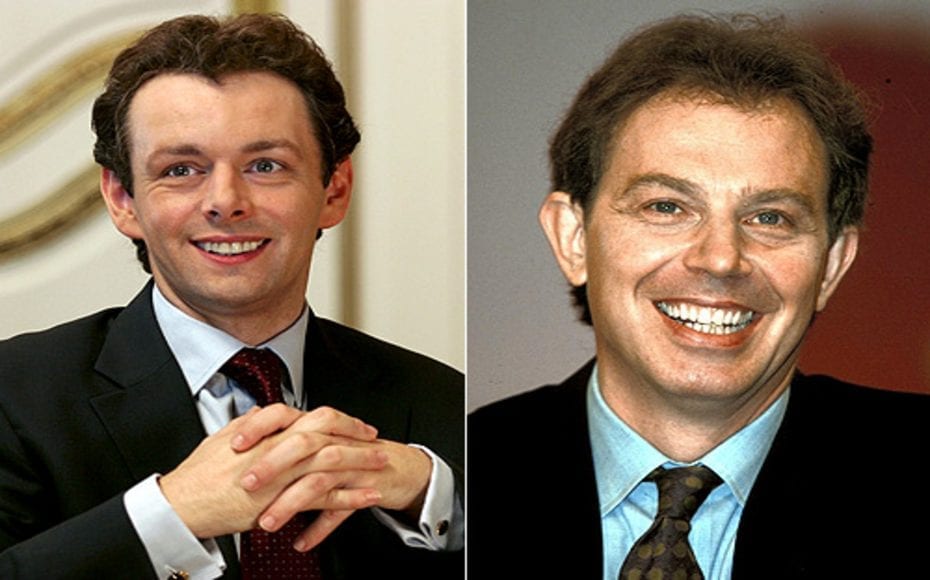
    Today, however, the Guardian’s Rebecca Nicholson pulled a blinder with what one reader described as a “marvellous portrait” of the actor best known for repeatedly playing Tony Blair, Michael Sheen. Though ‘Two Tony’s’ – according to an individual who left a comment online afterwards – “sounds thoroughly uncomfortable,” Nicholson coaxed her subject into revealing amongst other things that Wendi Deng Murdoch once asked him to “dress like [Blair]” and “make [his] hair look like him” so she could “bring [him] out and surprise [Blair].” Please don’t throw up whilst considering that rather scary image. Thankfully there’s no mention as to whether Sheen enquired about the alleged extra-marital relations that went on between the ‘real’ Tony and the now ex-Mrs Murdoch, as there would be a detail that’d certainly be nearly as off-putting as what allegedly went on between the wife of one of the most loathed premier’s in history and Carole Caplin (what on earth became of her?) in a shower in Downing Street.


    Sheen, a man “fascinated by Blair’s legacy,” but someone who didn’t meet the “wary of [him]” ex-PM until after he’d already played him twice, also shares snippets of an encounter with Rupert Murdoch. Of it, the ex of Kate Beckinsale recalls: “There was a very peculiar moment with Murdoch. I remember standing looking out at the view, and then I realised that Murdoch was standing next to me. It was quite a hot day. I just remember seeing a little bead of black dye, running down his face. I thought, oh, Ozymandias [two sonnets by Percy Shelley about the decline of rulers with their pretensions to greatness].”


    Moving on to how he is “astonished” by our current Prime Minister, Sheen observes: “It’s very hard to trust someone who can go so easily in different ways.” Nicholson then concludes the interview with a suggestion: “Part of me hopes [Michael Sheen] might one day take the idea of Michael Sheen MP seriously, after all.” Superb.


    Facebook: @TheSteepleTimes

    Instagram: @TheSteepleTimes

    Twitter: @SteepleTimes


  • Bollocks to Brexit

    Bollocks to Brexit

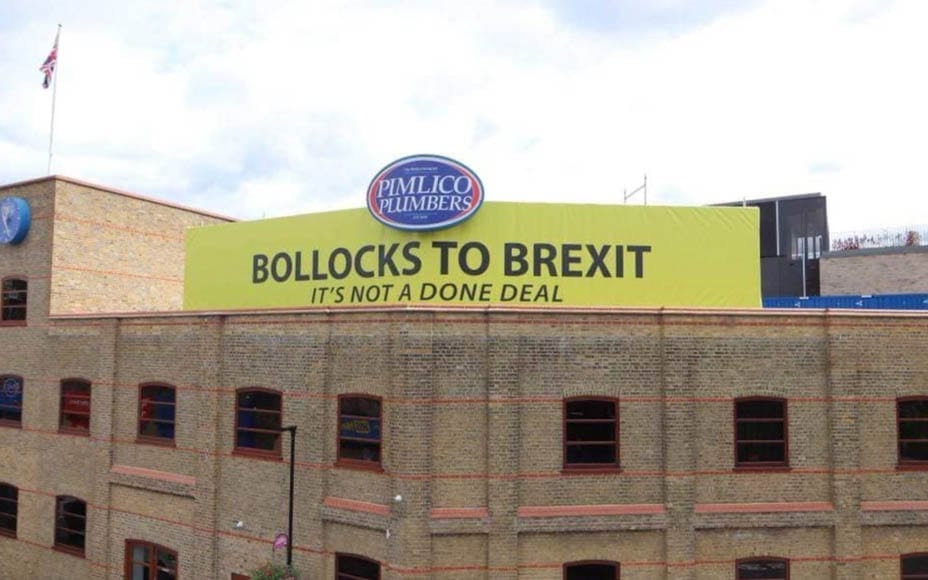
    As Pimlico Plumbers’ founder sticks up a ‘Bollocks to Brexit’ sign on his headquarters and Gina Miller launches ‘End The Chaos!’, The Steeple Times predicts Brexit will NOT actually happen


    Charlie Mullins, founder of Pimlico Plumbers, is well-known for having supported Gina Miller’s successful Article 50 case at The Supreme Court.


    Now, in a brilliantly bold move, this multi-millionaire businessman has stuck a huge sign on his company’s headquarters in Waterloo that reads: “Bollocks to Brexit, It’s not a done deal.”


    Shared on Facebook by a Facebook group named ‘Pants to Brexit,’ an image of this gigantic yellow and black announcement comes just as Miller herself launched a new campaign called ‘End the Chaos!’ It also accompanied revelations of Tony Blair, Nick Clegg and Sir John Major holding “secret meetings” to establish how Britain could actually remain in the EU.


    We join Mr Mullins in saying: “BOLLOCKS TO BREXIT” and look forward to the imminent collapse of the mess that she who’s been too busy wandering in the wheatfields presides over.


    Please join those backing ‘End the Chaos’ – Let the people decide by clicking here.


    Facebook: @TheSteepleTimes

    Instagram: @TheSteepleTimes

    Twitter: @SteepleTimes


  • The Business of Blair

    The Business of Blair

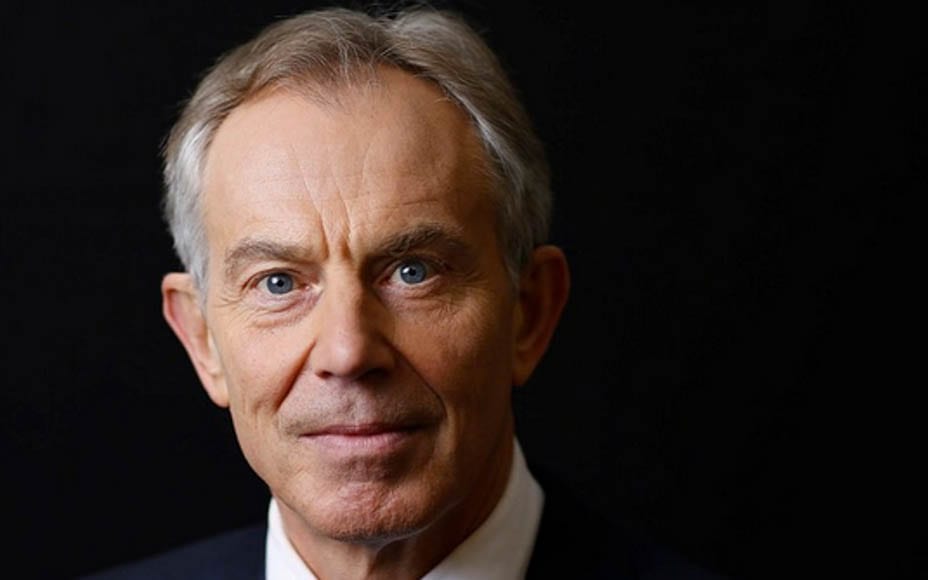
    Tony Blair ditches business and also denies a return to public office


    For weeks, the mainstream media have claimed Tony Blair is preparing to return to public office to save Britain from the nightmare of Brexit. They have claimed he’s ready to seize the support of the 48% and that him and Nick Clegg are colluding to create a new ‘centre left’. He did little to deny it at first but late last week, he shared a post on Facebook that frankly puts a stop to this kind of nonsense.


    Blair, a plainly toxic force in politics due to his highly unpopular backing of George W. over the War on Iraq (and because of his refusal to confine his equally disliked weirdo wife to social Siberia), will never make a comeback and now he’s finally acknowledged that in a very public way.


    In our view, Mr Blair is actually wrong. He’s not nearly as bad as #DarthVader Theresa May and he’s not nearly as ghastly as either the worst Prime Minister’s-in-living-history John Major and Gordon Brown and though we share with you his justifications for not getting involved again, we weirdly find ourselves actually lauding Mr Blair for saying the right thing (for once in his sorry lifetime).


    Mr Blair’s comment, in full, follows:


    Over the past nine years we have built a family of organisations which together employ nearly 200 people; have worked in over 30 countries; and have produced some real and lasting achievements. I am very proud of the commitment and impact of the people I have had the privilege to work with.


    The Africa Governance Initiative has become a respected partner and leader in effective governance where we have worked in 10 different African countries.


    The work we are doing in Africa has been right at the centre of government covering everything from boosting electricity, to improving child and maternal mortality rates to helping on the ground during the Ebola crisis in West Africa, a contribution praised for its impact by both the Presidents of the countries concerned and the international community.


    Outside of Africa in the work done by the commercial governance arm, we again made successful interventions in over 12 countries with 30 different projects promoting reform and change programmes with governments.


    The Tony Blair Faith Foundation has done ground-breaking work in interfaith relations, education and leadership, and most recently in the research and policy work on religiously based extremism through the Centre on Religion and Geopolitics which has been widely recognised as authoritative. 


    In the first years of the Quartet role in the Middle East, we hit double digit growth on the West Bank, drew up ambitious plans for Gaza’s infrastructure and changed the rules around entry of materials into Gaza. In 2011, we played a significant part in the attempt to agree terms of reference for a renewal of the peace process.


    Progress became much more difficult once the peace process stalled. We were partners in the later fresh attempts by the USA to revive the peace process, particularly around plans for the economy to support a future Palestinian state. Unfortunately these attempts also failed.


    Nonetheless, after stepping down from the Quartet position, our new Initiative for the Middle East has re-vitalised our work and means this stays a large part of what we do. I have made over 35 visits to the region this year alone.


    During the time since leaving office, I have learnt a huge amount about the world and frankly what I can do and can’t do to affect it positively.


    We built up a successful business side, though attracted a large measure of criticism for it, much of it inaccurate. It was entirely necessary to build the business to help with the funding to grow the organisations; but it was open to misrepresentation and to criticism either that we were conflating private and public roles or that we were working in countries which aroused controversy.


    Having said that, I also learnt a lot about the way the global economy functions from that experience and pay tribute to the great team I worked with who made much of the development of our work across the organisations possible.


    We are now at the stage and have built the financial infrastructure where it is time to enter a new phase. First we can take the work we have done in Africa, in governance, on extremism and in the Middle East to a new and more effective level; and secondly, in the past six months we have seen political earthquakes in the UK with Brexit and in the American election, as well as an explosion in populist movements all over the European continent. This impacts profoundly all the work we do and the future of globalisation.


    So I want us to bring all the different organisations together under one roof and to re-orient our mission.


    We have deliberately focused, up to now, on some of the greatest and most difficult challenges faced in the era of globalisation: how to give nations the governing capacity to overcome the problems of development and lift their people out of poverty; how to combat the religiously based extremism which threatens global security; how to resolve the most intractable peace process in the world.


    In each case, we have presented a new approach, with the aim of providing new ideas and thinking.


    In governance, especially in Africa, our analysis is that, today, building the capacity to govern effectively – making the way government works efficient as well as transparent – is as important for developing nations as aid.


    Look around the world, and see countries living next to each other – same size population, same resources, same natural potential – one succeeding, one failing. The reason for the difference is found in the quality of governance. Take the following examples: Venezuela and Colombia; Poland and Ukraine; Rwanda and Burundi. And the greatest example in contrasting, contiguous systems of governance the world has seen in modern political history – the Korean Peninsula, North and South Korea. The nation which is succeeding is applying the best rules and lessons of governance; the failing nation is ignoring or defying them.


    On religious extremism, we believe it is essential to widen the struggle, to tackle the ideology behind the violence and not simply the violence itself. So we can defeat ISIS militarily but unless we defeat the ideas behind Islamism – the belief that a particular view of religion should dominate society, politics and the economy, something incompatible with a modern world in which pluralism is the essence – we will never win this battle.


    On the Middle East peace process, we are convinced that a traditional peace process between Israelis and Palestinians with US guidance alone is inadequate; that what is required is a new approach which involves the wider region and the Arab nations and which resolves not just the final status issues like borders but which also resolves the underlying issues of cultural acceptance and regional stability. So we are now working on Arab-Israeli relations, and not simply Israeli-Palestinian relations.


    But it has become clear that there is much overlap between these different areas of work. Extremism is also today a barrier to development. The Middle East conflict impacts extremism. Changing and reforming government applies to Middle East nations as well.


    And since all of these approaches basically represent the open-minded response to global problems, the salience of these new approaches depends on us having an answer to the new populism of left and right which exploits the anger and drives the world apart.


    This new populism may differ in some respects between left and right – the left anti-business, the right anti-immigrant – but in others what is remarkable is the convergence between them, especially around isolationism and protectionism, in what is an essentially closed-minded approach to globalisation and its benefits and to international engagement.


    So we want to add a fourth pillar to what we do. I emphasise this is not in place of our other work but in addition to it.


    This is the creation of a platform designed to build a new policy agenda for the centre ground together with the networks which link people up, and allow a reasonable and evidence based discussion of the future which avoids the plague of social media-led exchanges of abuse. 


    This platform will have a policy unit which will draw on the best ideas and practical solutions, building partnerships with other organisations, in the public policy and private spheres, so that those in the frontline of politics have a bigger and better policy agenda to reflect upon; and a networking capability to join like-minded people up. 


    This is not a think tank. There are enough of those, many doing excellent work we would want to utilise. It is a platform for engagement to inform and support the practising politician.


    It is what I know I would want were I still in the frontline of politics.


    Part of its focus will plainly be around the European debate; but this will not be its exclusive domain. It has to go far wider than that since in many ways the Europe debate is a lightning rod for the whole of politics.


    We’re now planning to bring all of these four parts together in one new Not For Profit Institute. 


    The business side has been shut down and the assets, running into many millions of pounds, gifted to the Institute. In the New Year, we plan to merge the activities of the different organisations into the Institute, with any charitable funds used exclusively for the purposes for which they were originally given.


    This will allow us to work more coherently across the board; use the obvious synergies between the different elements of the work; and to be far stronger on the global policy side than we have been up to now. The focus previously was mainly on programmes. These will remain but the organisation will also be far more about thought leadership.


    This is not about my returning to the front line of politics. I have made it abundantly clear that this is not possible.


    However, I care about my country and the world my children and grandchildren will grow up in; and want to play at least a small part in contributing to the debate about the future of both.  
     

    The Africa Governance Initiative has become a respected partner and leader in effective governance where we have worked in 10 different African countries.


    The work we are doing in Africa has been right at the centre of government covering everything from boosting electricity, to improving child and maternal mortality rates to helping on the ground during the Ebola crisis in West Africa, a contribution praised for its impact by both the Presidents of the countries concerned and the international community.


    Outside of Africa in the work done by the commercial governance arm, we again made successful interventions in over 12 countries with 30 different projects promoting reform and change programmes with governments.


    The Tony Blair Faith Foundation has done ground-breaking work in interfaith relations, education and leadership, and most recently in the research and policy work on religiously based extremism through the Centre on Religion and Geopolitics which has been widely recognised as authoritative. 


    In the first years of the Quartet role in the Middle East, we hit double digit growth on the West Bank, drew up ambitious plans for Gaza’s infrastructure and changed the rules around entry of materials into Gaza. In 2011, we played a significant part in the attempt to agree terms of reference for a renewal of the peace process.


    Progress became much more difficult once the peace process stalled. We were partners in the later fresh attempts by the USA to revive the peace process, particularly around plans for the economy to support a future Palestinian state. Unfortunately these attempts also failed.


    Nonetheless, after stepping down from the Quartet position, our new Initiative for the Middle East has re-vitalised our work and means this stays a large part of what we do. I have made over 35 visits to the region this year alone.


    During the time since leaving office, I have learnt a huge amount about the world and frankly what I can do and can’t do to affect it positively.


    We built up a successful business side, though attracted a large measure of criticism for it, much of it inaccurate. It was entirely necessary to build the business to help with the funding to grow the organisations; but it was open to misrepresentation and to criticism either that we were conflating private and public roles or that we were working in countries which aroused controversy.


    Having said that, I also learnt a lot about the way the global economy functions from that experience and pay tribute to the great team I worked with who made much of the development of our work across the organisations possible.


    We are now at the stage and have built the financial infrastructure where it is time to enter a new phase. First we can take the work we have done in Africa, in governance, on extremism and in the Middle East to a new and more effective level; and secondly, in the past six months we have seen political earthquakes in the UK with Brexit and in the American election, as well as an explosion in populist movements all over the European continent. This impacts profoundly all the work we do and the future of globalisation.


    So I want us to bring all the different organisations together under one roof and to re-orient our mission.


    We have deliberately focused, up to now, on some of the greatest and most difficult challenges faced in the era of globalisation: how to give nations the governing capacity to overcome the problems of development and lift their people out of poverty; how to combat the religiously based extremism which threatens global security; how to resolve the most intractable peace process in the world.


    In each case, we have presented a new approach, with the aim of providing new ideas and thinking.


    In governance, especially in Africa, our analysis is that, today, building the capacity to govern effectively – making the way government works efficient as well as transparent – is as important for developing nations as aid.


    Look around the world, and see countries living next to each other – same size population, same resources, same natural potential – one succeeding, one failing. The reason for the difference is found in the quality of governance. Take the following examples: Venezuela and Colombia; Poland and Ukraine; Rwanda and Burundi. And the greatest example in contrasting, contiguous systems of governance the world has seen in modern political history – the Korean Peninsula, North and South Korea. The nation which is succeeding is applying the best rules and lessons of governance; the failing nation is ignoring or defying them.


    On religious extremism, we believe it is essential to widen the struggle, to tackle the ideology behind the violence and not simply the violence itself. So we can defeat ISIS militarily but unless we defeat the ideas behind Islamism – the belief that a particular view of religion should dominate society, politics and the economy, something incompatible with a modern world in which pluralism is the essence – we will never win this battle.


    On the Middle East peace process, we are convinced that a traditional peace process between Israelis and Palestinians with US guidance alone is inadequate; that what is required is a new approach which involves the wider region and the Arab nations and which resolves not just the final status issues like borders but which also resolves the underlying issues of cultural acceptance and regional stability. So we are now working on Arab-Israeli relations, and not simply Israeli-Palestinian relations.


    But it has become clear that there is much overlap between these different areas of work. Extremism is also today a barrier to development. The Middle East conflict impacts extremism. Changing and reforming government applies to Middle East nations as well.


    And since all of these approaches basically represent the open-minded response to global problems, the salience of these new approaches depends on us having an answer to the new populism of left and right which exploits the anger and drives the world apart.


    This new populism may differ in some respects between left and right – the left anti-business, the right anti-immigrant – but in others what is remarkable is the convergence between them, especially around isolationism and protectionism, in what is an essentially closed-minded approach to globalisation and its benefits and to international engagement.


    So we want to add a fourth pillar to what we do. I emphasise this is not in place of our other work but in addition to it.


    This is the creation of a platform designed to build a new policy agenda for the centre ground together with the networks which link people up, and allow a reasonable and evidence based discussion of the future which avoids the plague of social media-led exchanges of abuse.


    This platform will have a policy unit which will draw on the best ideas and practical solutions, building partnerships with other organisations, in the public policy and private spheres, so that those in the frontline of politics have a bigger and better policy agenda to reflect upon; and a networking capability to join like-minded people up. 


    This is not a think tank. There are enough of those, many doing excellent work we would want to utilise. It is a platform for engagement to inform and support the practising politician.


    It is what I know I would want were I still in the frontline of politics.


    Part of its focus will plainly be around the European debate; but this will not be its exclusive domain. It has to go far wider than that since in many ways the Europe debate is a lightning rod for the whole of politics.


    We’re now planning to bring all of these four parts together in one new Not For Profit Institute. 


    The business side has been shut down and the assets, running into many millions of pounds, gifted to the Institute. In the New Year, we plan to merge the activities of the different organisations into the Institute, with any charitable funds used exclusively for the purposes for which they were originally given.


    This will allow us to work more coherently across the board; use the obvious synergies between the different elements of the work; and to be far stronger on the global policy side than we have been up to now. The focus previously was mainly on programmes. These will remain but the organisation will also be far more about thought leadership.


    This is not about my returning to the front line of politics. I have made it abundantly clear that this is not possible.


    However, I care about my country and the world my children and grandchildren will grow up in; and want to play at least a small part in contributing to the debate about the future of both.  
     

  • Quote of the Week: Tony Blair claims: “I’ve not changed”

    Quote of the Week: Tony Blair claims: “I’ve not changed”

    Tony Blair disputes estimates of his wealth and claims that he just wants to make a difference


    Last week, our former Prime Minister Tony Blair declared: “I’ve not changed. It’s not about making money. It’s about making a difference”. Curiously, for a man with so little interest in cash, he then went on to spend £50,000 on a lavish surprise party for his wife’s 60th birthday on Friday night. (more…)

  • Phillipified

    Phillipified

    Journalist Melanie Phillips is right in her analysis of the impact of the decision not to publish the full correspondence between Tony Blair and George W. Bush before the 2003 invasion of Iraq


    On the 2nd June, Melanie Phillips, a journalist loathed by many on the left, argued that “the threat from Saddam Hussein…” [and thus his Weapons of Mass Destruction] “… was real” (more…)