This morning, as I walked through the streets of Chelsea, I heard a lady blabbering into her mobile telephone about how she’d had a “chit-chat” with her friend. I cringed. I don’t know why, but I do truly hate this phrase.
To “chit-chat” or “not to chit-chat”: that is the question
My first encounter with “chit-chat” was in the early 2000s when I knew a certain rival of the especially lowbrow glamour model Jordan (AKA Katie Price). This individual, since married off to an equally esteemed chap from Essex, used to call me and say: “ ‘Allo, I’m just giving ya a tinkle-tankle for a bit of a chit-chat.” Her words stuck in my mind and now every time I hear those words, I sadly think of her.
A Google search on the origins of “chit-chat” produces two separate citations from 1710. The first comes in Samuel Palmer’s Moral essays on some of the most curious English, Scotch, and foreign proverbs:
“ ‘Tis the custom of foolish people … in their chit chat to be always biting people’s reputation behind their back.”
A second mention comes in a piece by Sir Richard Steele in edition 197 of The Tatler:
“If Ralph had Learning added to the common Chit-Chat of the Town.”
Is this a phrase to embrace or one that should be consigned to the dustbin of history? I think you know my view.
“Lounge,” to my mind is a word that conjures laziness. “Lounging around” is something one did as a teenager and in the process annoyed one’s parents and school teachers.
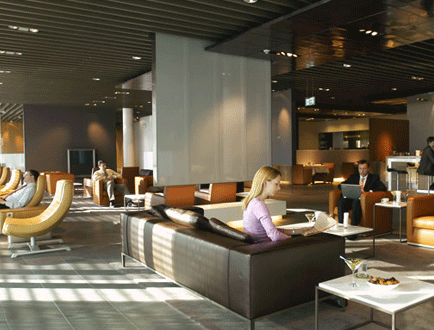
An airport lounge
“Lounge” is a word that is often misused in other contexts. When I think of a “lounge,” I link it to either an airport or railway station. It is somewhere to sit whilst waiting for something else to occur. It is a place to wait for a plane or train but more frequently one finds it being used, especially by estate agents, to describe the main entertaining room in a house. In my view, a better description of such a space might be, in a casual context, a “sitting” or “living” room or, more formally, a “drawing room.”
Let’s stop “lounging around” and learn to use the English language properly.
“Thank you for reaching out!”: a phrase that should be banned
“Thank you for reaching out” is a phrase that I’ve noticed is used far too frequently. During the Olympics, BBC presenters used it when medal winners gave a minute or two of their time to conduct an interview after a grueling challenge. If I’d been an Olympian, I’d probably have punched said presenter. “Well done on such a wonderful performance” is what should have instead been said as no “reaching out” had actually occurred.
An example of a “Thank you for reaching out!” message
This tedious quip, usually accompanied by an exclamation mark, is a misuse of the English language that seems to have been accepted in all walks of life with gusto. It’s used by call centre staff trying to flog direct debit mandates for phony charities and it’s used most probably by double glazing salesmen when someone actually bothers to spend five minutes listening to their drivel.
The origin of the phrase, I imagine, probably came from some Scientology or Holy Spirit Association for the Unification of World Christianity type cult. I can just hear a preacher thanking his audience for “reaching out” just as he pockets their substantial donation. On this basis, let’s consign this hideous phrase to where it belongs: Siberia.
Contrasting 6th August 2012 with the 6th August 2011
This time last year, I was on the Isle of Wight enjoying Cowes Week. A day’s sailing with my friend Andreas Widegren was proceeded by a stay in a rather strange Holiday Inn in Southampton. The surreal contrast between the hotel full of noisy travelling salesman and the wonderful time that we had on the boat was quite something. As news came in that London was burning and the streets full of rioting yobs, we, however, became utterly relieved to be out in the sunshine onboard a yacht rather than in a city full of chaos.
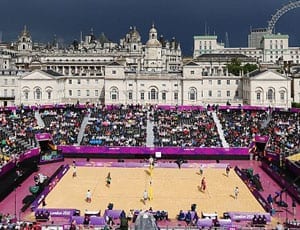
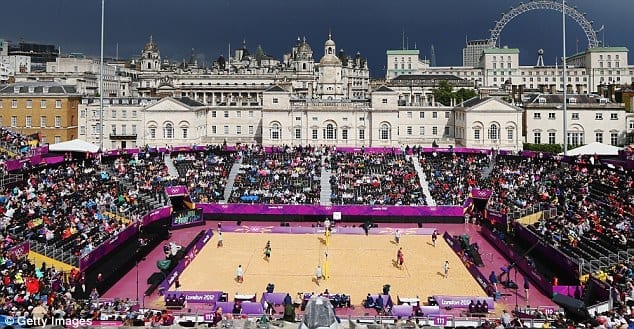
The glorious setting of the Olympic beach volleyball
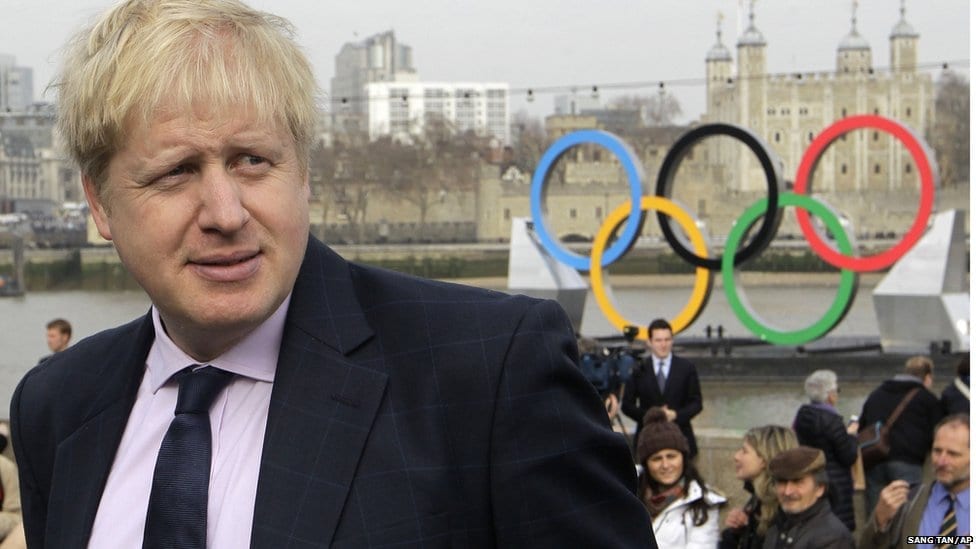
Today, 6th August 2012, in contrast to 6th August 2011, London is full of visiting athletes and the thousands who have come to cheer them on. As the city shows itself as one of the best in the world, the Mayor of London, Boris Johnson, appeared on Radio 4’s Today programme and rightly pointed out that London today is showing “national self-confidence” instead of the “deep social problems” we saw last year.
Boris is right. Thank goodness that the riots have been replaced with riotous celebrations on the streets of London. This and our brilliantly run Olympic Games are genuinely worthy of a mighty cheer.
Boris Johnson hosts Rupert Murdoch at the Olympics
The Daily Mail and other titles are in uproar today. It has been revealed that the Mayor of London, Boris Johnson, has invited Rupert Murdoch and his wife, Wendi Deng, to be his guests at the women’s 800m freestyle swimming finals of the Olympics this week.
Boris Johnson
Accused of “appalling judgement” by Jenny Jones, a Green Party member, further criticism came from Len Duvall, leader of the Labour group on the London Assembly, who stated:
“There are serious questions as to the appropriateness of Boris Johnson taking Mr Murdoch to the Olympics.”
I wholeheartedly disagree. Mr Murdoch, like or loathe him, happens to own what remain the most influential media outlets in this country. He is a man of influence and unlike Mr Cameron, Boris realises how to utilise both him and the power of the press.
The Steeple Times features in The Sunday Telegraph
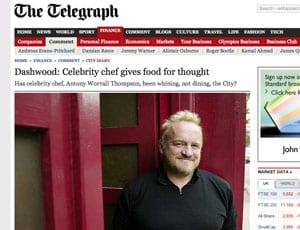
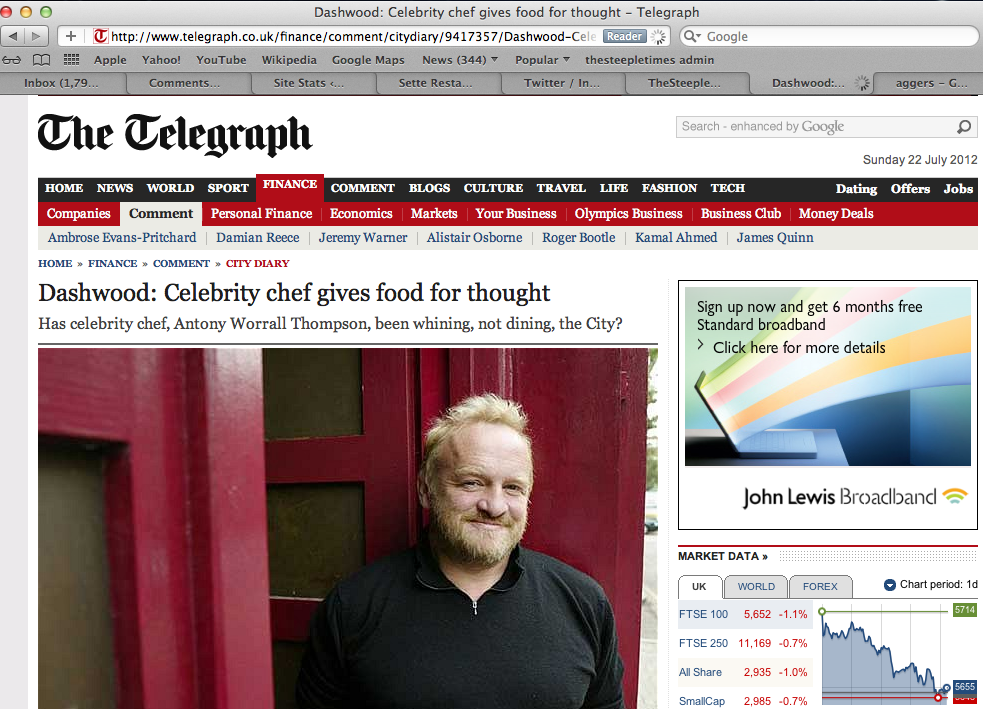
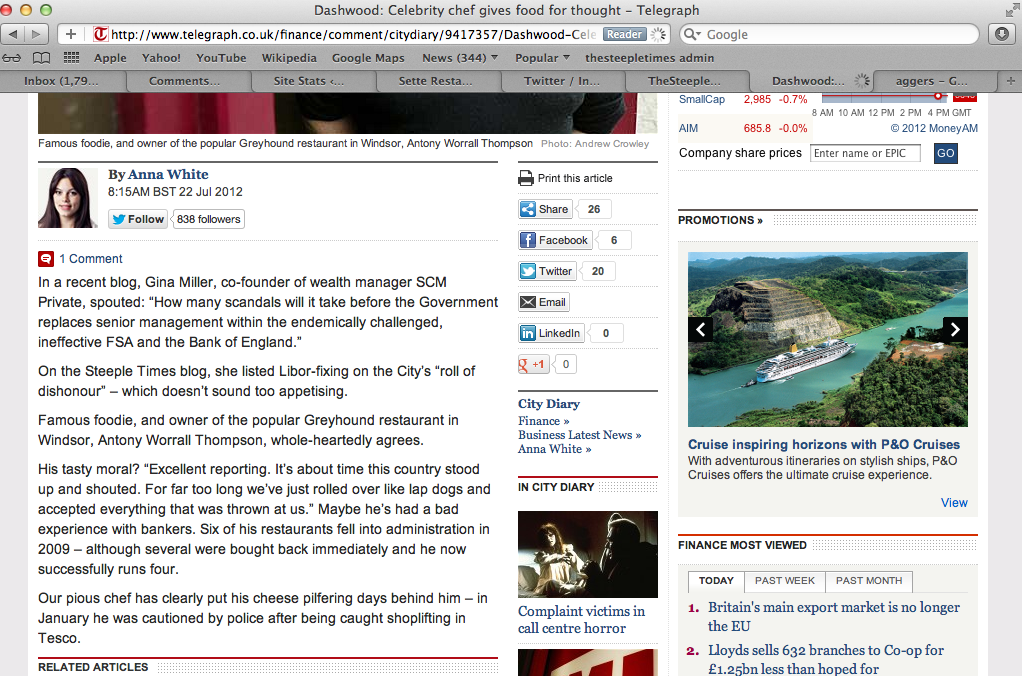
Yesterday, we received our first mainstream press mention with a feature in The Sunday Telegraph’s “Dashwood” column.
The Sunday Telegraph’s “Dashwood” features The Steeple TimesAnna White’s article
Anna White picked up on a comment on Gina Miller’s open letter to our title from the chef and personality Antony Worrall Thompson and since we’ve also received similar messages from fellow restaurateurs Peter Burrell, Rex Leyland and Michael Proudlock.
Plainly restaurateurs have more to say about the banking scandal than the bankers themselves. I salute them, Gina Miller and The Sunday Telegraph.
In a five star hotel last week, a waitress followed the delivery of every course with the phrase: “Please enjoy.” My guest and I commented on it each time and today, on a show named Come Dine With Me, I noticed that a hostess included the word “enjoy” anytime she did anything. I felt like throwing something at the television every time she uttered a word to which she really did not attach any genuine meaning to.
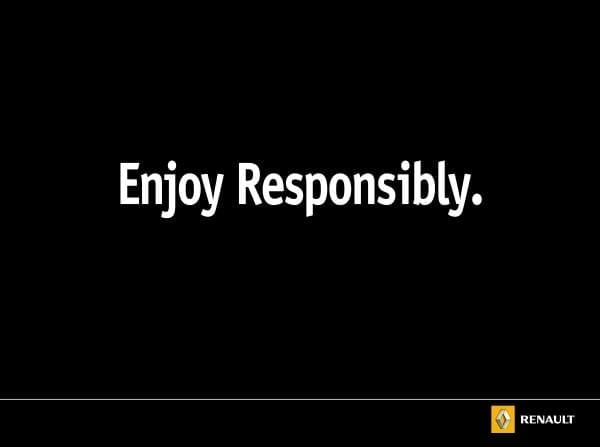
Saatchi & Saatchi’s “Enjoy Responsibly.” advert for Renault
Coca Cola base their marketing primarily around the use of the word “enjoy” also and an advertising campaign for Renault by Saatchi & Saatchi focuses on responsible enjoyment. Frankly, though, it’s reached a point where this word has simply been used too often and too insincerely.
Of course we all wish to “enjoy” what we are doing, but please could the overuse of this word just cease? Everyone will find any experience vastly more enjoyable as a result.
Vadim J. Birstein wins the first Intelligence Book of the Year Award
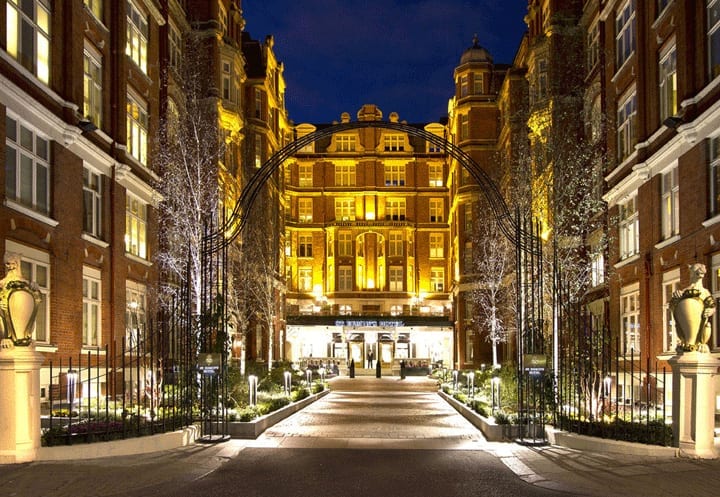
Yesterday a reception was held in a fascinating hotel named the St. Ermin’s to announce the winner of the first Intelligence Book of the Year Awards.
The grand exterior of the recently refurbished St. Ermin's Hotel, Caxton Street, London, SW1H 0QW
The setting, just next to Scotland Yard, was most appropriate as the hotel has many connections to diplomacy, spying and covert operations. The building’s close proximity to the headquarters of the British Secret Intelligence Services (SIS, AKA MI6) was a reason it became a convenient venue where agents could meet in the 1930s and 1940s but it was when SIS took over an entire floor in 1936 to accommodate a new division that it became most important.
Section D, referring to “D” for destruction, was headed by Colonel Lawrence Grand and he was tasked with preparing plans for the sabotage of strategic sites in Europe that might fall into Nazi hands in the event of war. The division remained at the hotel until 1940 when Section D was absorbed into the Special Operations Executive but even after continued to use the St. Ermin’s as a meeting place.
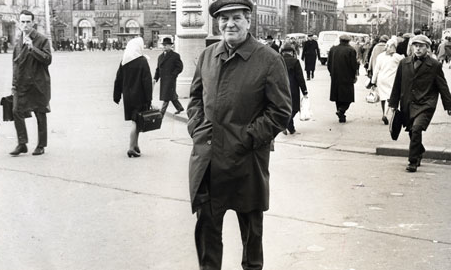
Kim Philby in Russia in 1968, five years after defecting
The most famous spy linked to the hotel was Kim Philby. In his memoirs, My Silent War, Philby, whose cryptonym was “Stanley,” tells of being interviewed to join the SIS there and also of meeting Guy Burgess at his office in the building. He was also said to have used the hotel’s Caxton Bar with fellow Cambridge Five traitor Donald Duart Maclean, AKA “Homer.”
Invited by one of the judges, British intelligence analyst Glenmore Trenear-Harvey, I found it intriguing to attend an event which mixed such luminaries as the espionage journalist and author Harry Chapman Pincher, the Evening Standard’s Mira Bar-Hillel, former CBS reporter Jesse Schulman and Claire Rubinstein, formerly of the BBC. A smattering of journalists, a racehorse owner and various representatives of the hotel equally were a delight to converse with as the champagne flowed.
The judging panel for the award, which featured a list of some 34 books, included an intelligence bibliophile and historian named Daniel J. Mulvenna, formerly of the Security Service of the Royal Canadian Mounted Police; Andrew Lownie, an author of a forthcoming book on the life of Guy Burgess; Michael Smith, an author of many books on espionage; and Nigel West, a former Conservative MP, intelligence historian and author who is also known as Rupert Allason.
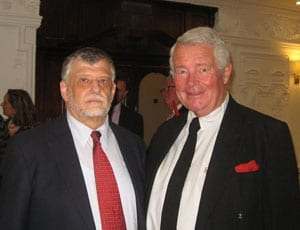
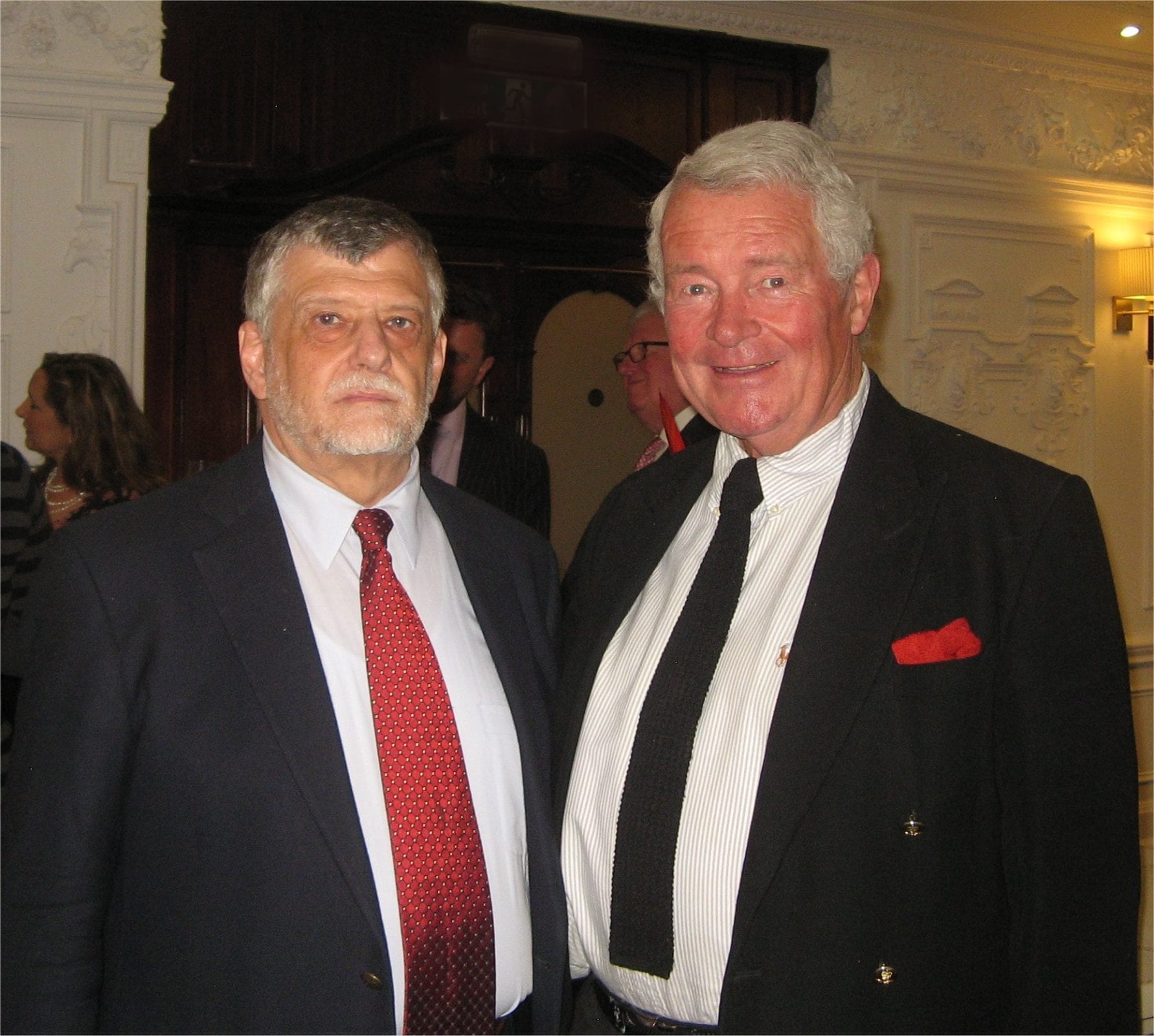
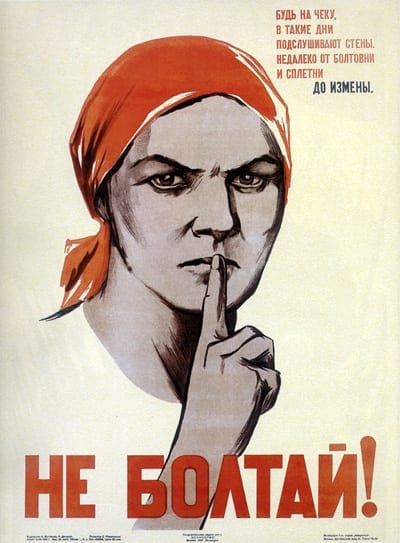
Dr Vadim J. Birstein, scientist and historian, award-winning author, pictured at the St. Ermin’s Hotel with Glenmore S. Trenear-Harvey, Editor-in-Chief of the World Intelligence Review and an Intelligence Book of the Year Award judgeThe famous “Don’t Chatter” poster created by Nina Vatolina, an aunt of the "SMERSH" author Dr Vadim Birstein, during the first days of the Great Patriotic War
West spoke on behalf of the panel when he awarded Dr Vadim J. Birstein, a Russian-American historian and molecular geneticist, a £3,000 prize for his groundbreaking history of an acronym of a Russian phrase, SMERSH. In his account SMERSH: Stalin’s Secret Weapon Soviet Counter Intelligence in WWII, Birstein enlightens readers with his account of a phrase that means: “Death to spies.” Though the term is best known because of SMERSH being James Bond’s sinister opponent in Ian Fleming’s novels, the real life version was said to be far worse.
In his concluding remarks Nigel West commented that the spy genre is “thriving in literary terms” and indeed instead of SMERSH, may I add: “Long live the spies.”
For further information on the Intelligence Book of the Year Awards contact Tim Fordham-Moss on +44 (0) 771 049 1788 or email:[email protected]
After attending a cocktail reception for the Intelligence Book of the Year Award today and meeting a fascinating array of intelligent people from the world of security, I lunched in the bar of the St. Ermin’s Hotel with my good friend Claire Rubinstein.
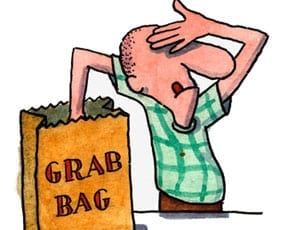
A man in a cheap suit joined a party at the next table and immediately announced: “Can we grab a bite?” I cringed. Ms Rubinstein cringed. The entire room cringed. What is it with the British these days? Why do we lower ourselves to the misuse of the English language in such a way?
Grabbing grabbers
When you meet someone for lunch, you would suppose you would wish to enjoy their company in a leisurely and civilised fashion. You don’t, surely, wish to just “grab” and go. Like other “grabbers” I have encountered, most especially that pair who so love television sofas, this is a word that truly should know its place.
At 12 noon I often receive a message from my good friend the photographer to the stars, John Stoddart. As a fellow gin aficionado, we regularly raise a toast to one another as well as all manner of others things. After all, as they say: “If you can’t have one eleven, have eleven at one.”
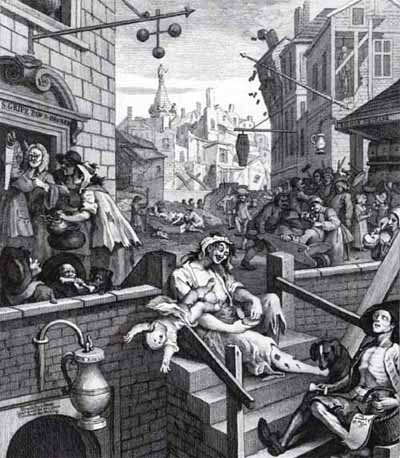
Hogarth’s famous print “Gin Lane”
Saturday 9th June marks a celebration of all things gin as it is World Gin Day™ and I am pleased to share with you news of a brilliant way of celebrating what could become the only invented celebratory day that I will agree to embrace with gusto. The Rib Room at the Jumeirah Carlton Tower is offering a Sloane Street Vesper to all who take their mum to their bar and quote the words “Mother’s Ruin” absolutely free of charge.
The drink itself consists of a combination of Sipsmith Gin, Pinky Vodka, Americano Cocchi and Lillet Blanc served straight up. The Rib Room themselves describe it as being: “Cheek, chic, pose and poise.”
I’ll certainly be there to celebrate “Gin O’Clock.” Make mine a treble.