Author and travel writer Sarah Tucker visits Madagascar and laments its future
Every year I’m sent press releases that tell me I should visit a place before it loses what makes it special. Vienna, the Maldives and Istanbul have all been on the “go before they go” itinerary, but Madagascar had never been one of them.
The reality is Madagascar is disappearing fast, or, alternatively put, the uniqueness of Madagascar is disappearing fast. The rainforests there have been transformed into terraces of paddy fields cut in huge swathes, with piles of bricks made of the red clay from the soil which fed those magnificent forests, where the indigenous lemurs sing and dance. And they do.
I spent fifteen days there with adventure travel experts Explore and travelled over 1,000 miles across the island. I found that my visit left me with emotions as intense as Hurricane Irma hitting at Force Five.
On the east, it is cool and wet and the forests are still thriving. WWF and other ecologists like Patricia Wright, who discovered a new breed of lemur back in 1997, have made some headway against a corrupt government and ancestral traditions which verge on the quirky to the downright cruel. All cultures have such but, indeed, whilst visiting Madagascar – which is undergoing some sort of industrial revolution – I saw much of the fault in my own culture and its own quirks and cruelties.
On the east coast, it is hot and arid, and more like the Africa I know, but therein lies the tragedy. And it is a tragedy. Once the rainforests have gone – and they will go soon – there will be nothing unique about this special island. Although it is not on the headlines of any news programme at the moment, for those who have visited in the past and choose to go again, you will mourn its lost.
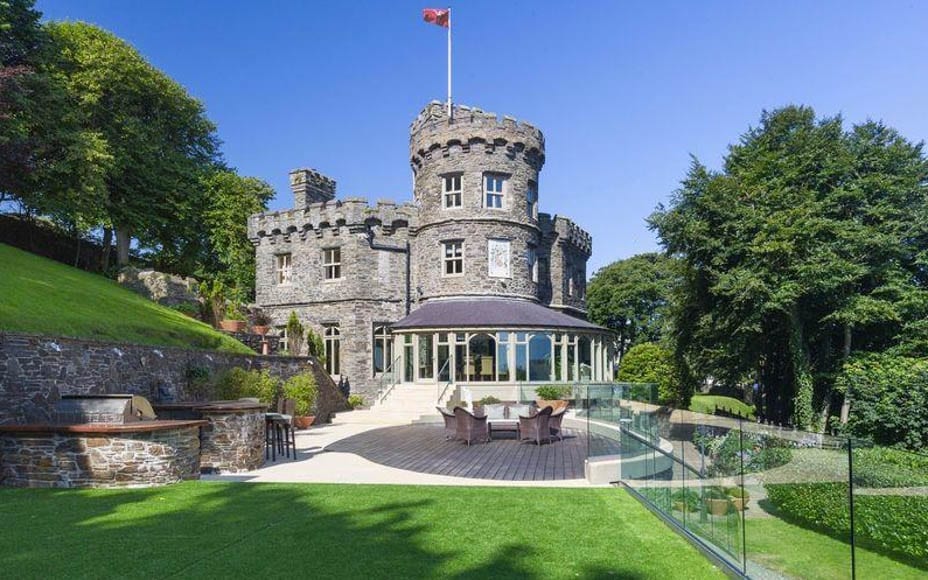
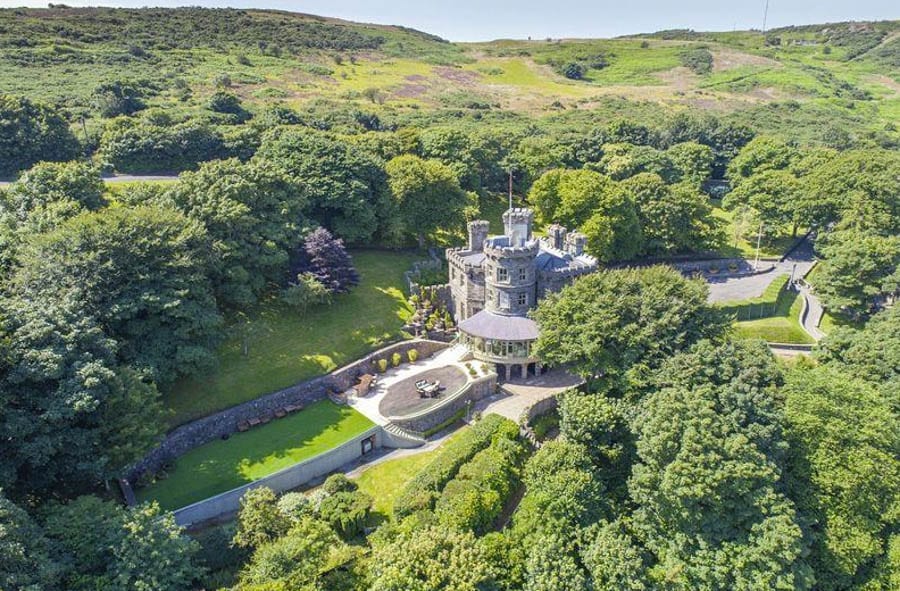
Tower house on Isle of Man that was home to the Romantic artist John Martin for sale for £3.95 million
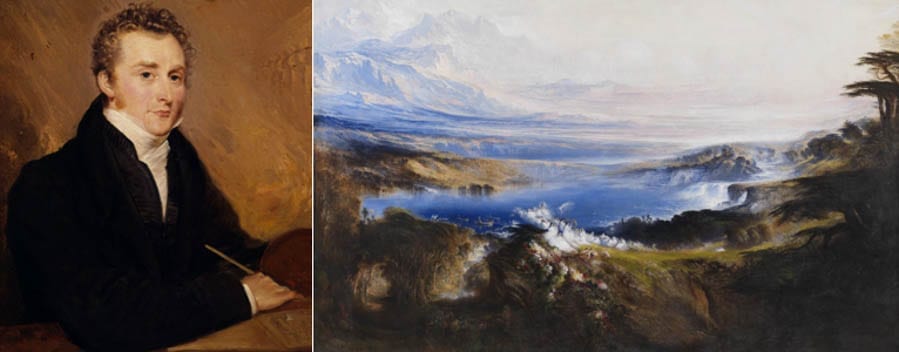
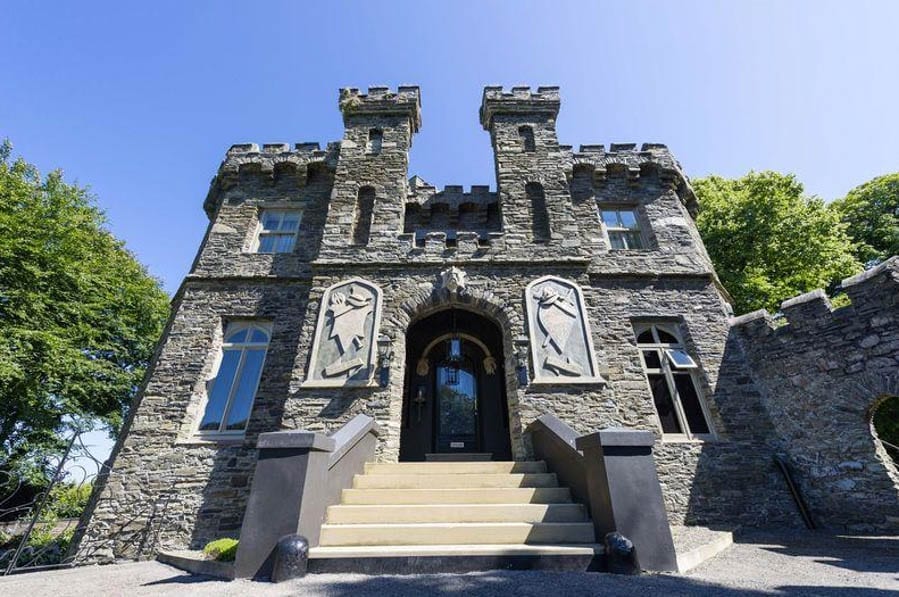
Described as “the most sublime and extraordinary pictures in the world” by critic Simon Wilson and “the most popular painter of his day” by fellow artist Sir Thomas Lawrence, English Romantic painter John Martin (1789 – 1854) is renowned to this day for fantastic compositions and such works as The Destruction of Sodom and Gomorrah, Destruction of Tyre and The Plains of Heaven. He was born in Haydon Bridge, Northumberland and died in the Isle of Man and now a castellated tower house there, where he lived from 1851 to 1853, is for sale for £3.95 million ($5.32 million, €4.50 million or درهم19.56 million).
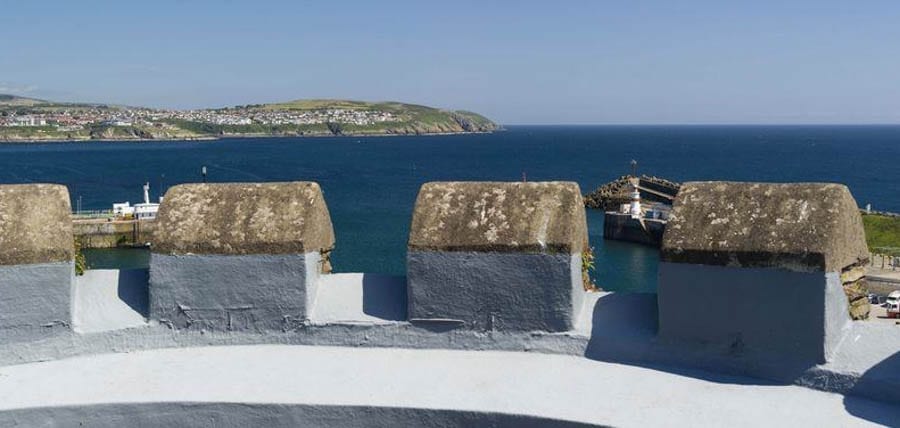
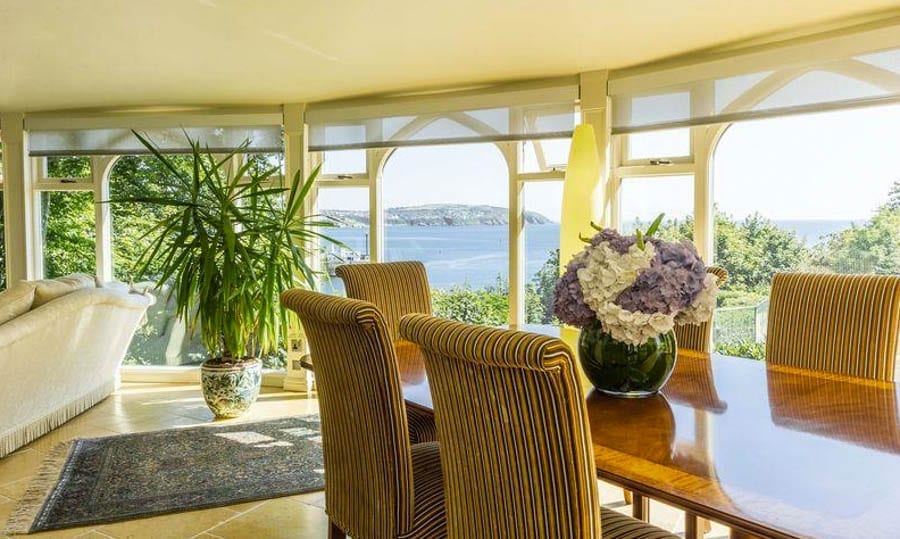
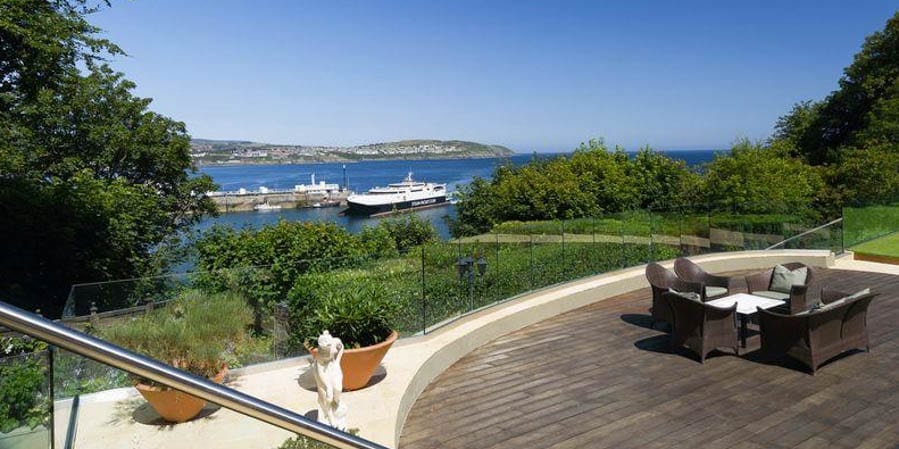
A portrait of John Martin and his own painting “The Plains of Heaven”The view out to sea from the castellated roof terrace of Harold Tower
Of the Gothic style and dating to circa 1833, Harold Tower in Douglas was allegedly named after either Harold Harefoot (Harold I, King of England from 1035 to 1040) or Harold Godwinson (Harold II, King of England in 1066). It was constructed in a hexagonal shape, was described as a “lately erected villa” in 1856 and used as a hotel during the Second World War.
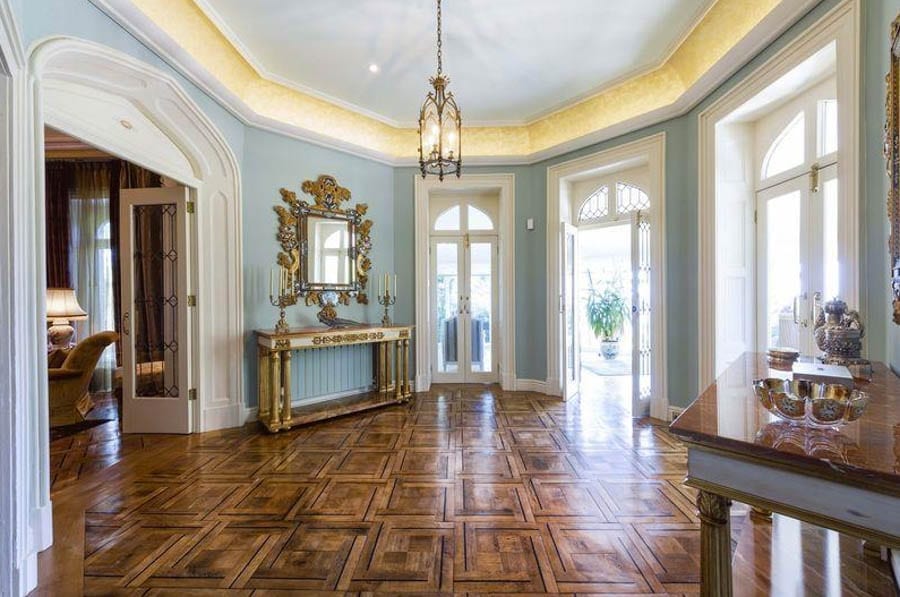
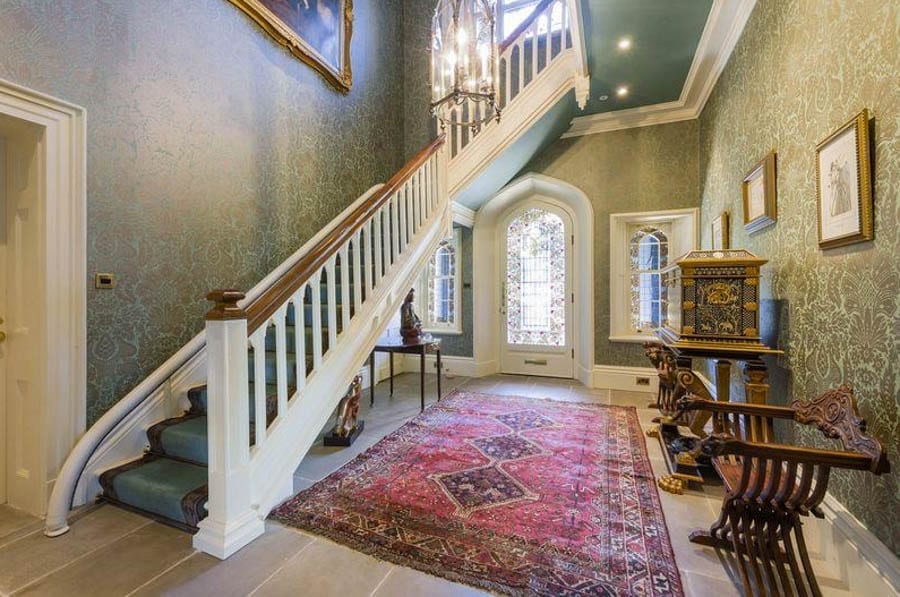
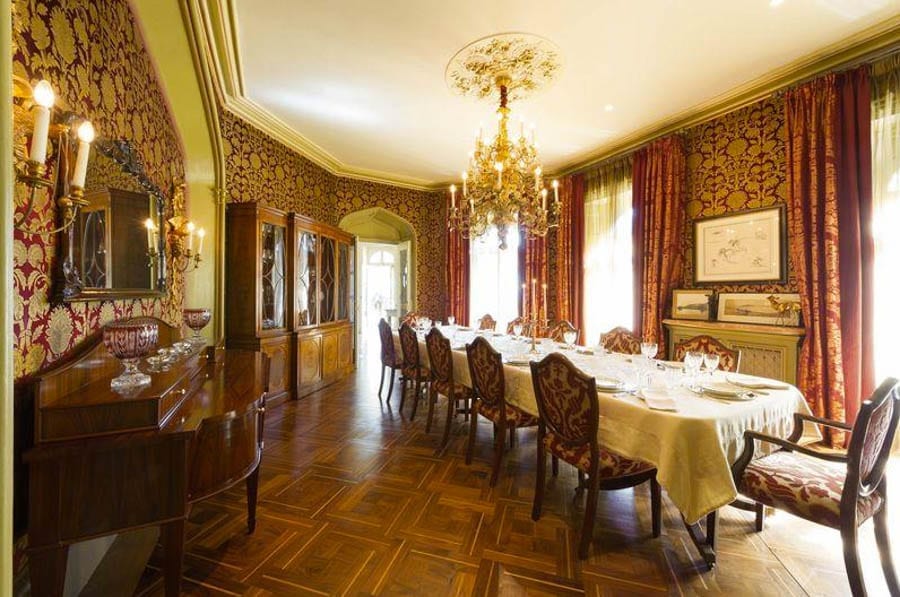
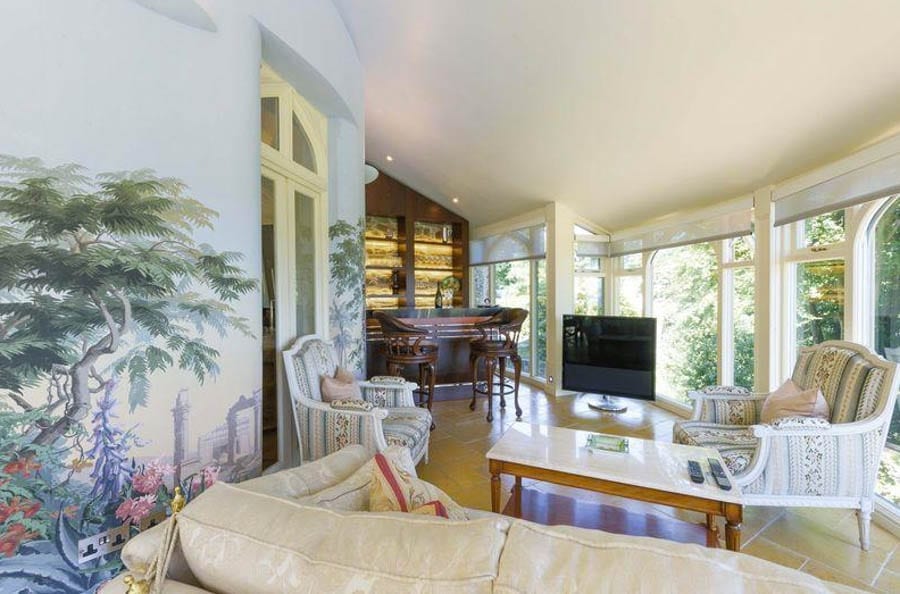
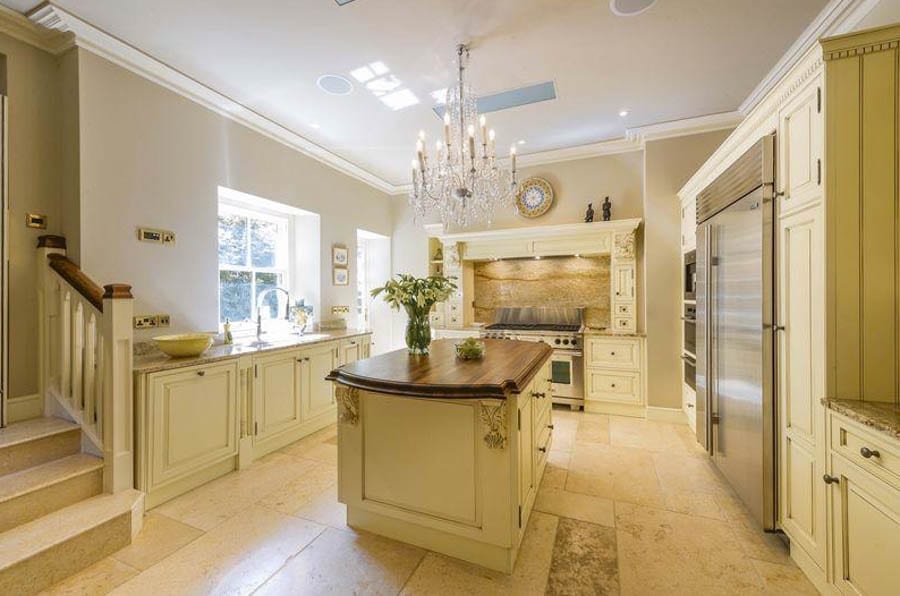
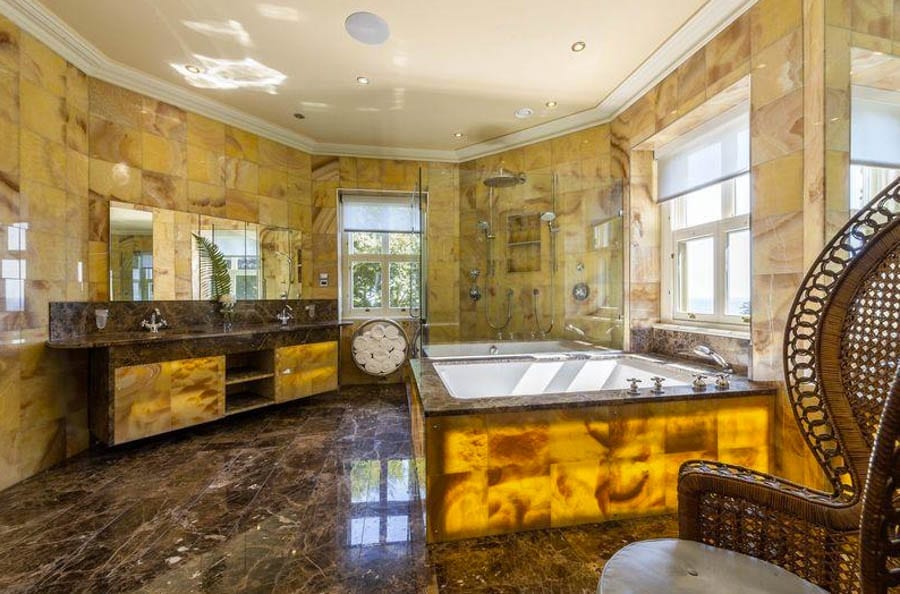
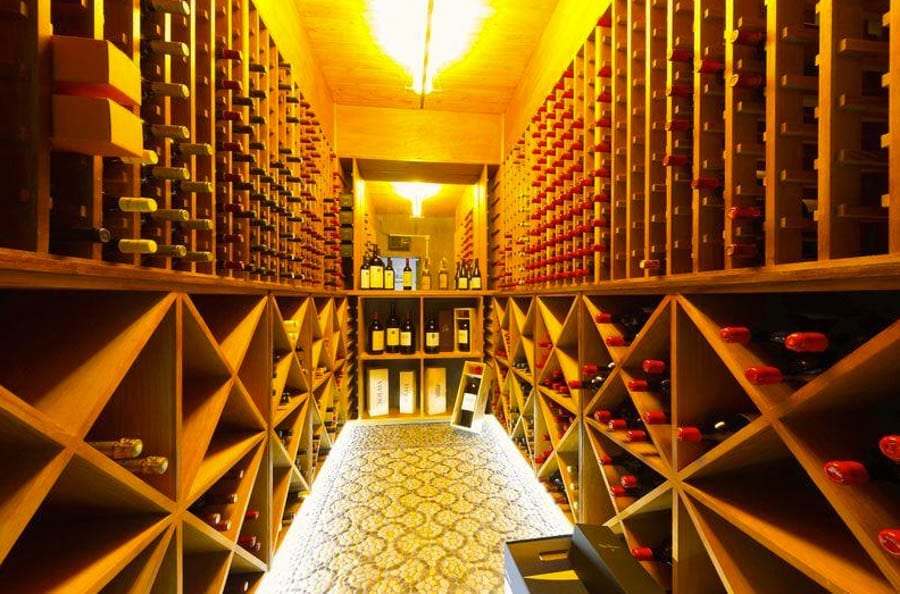
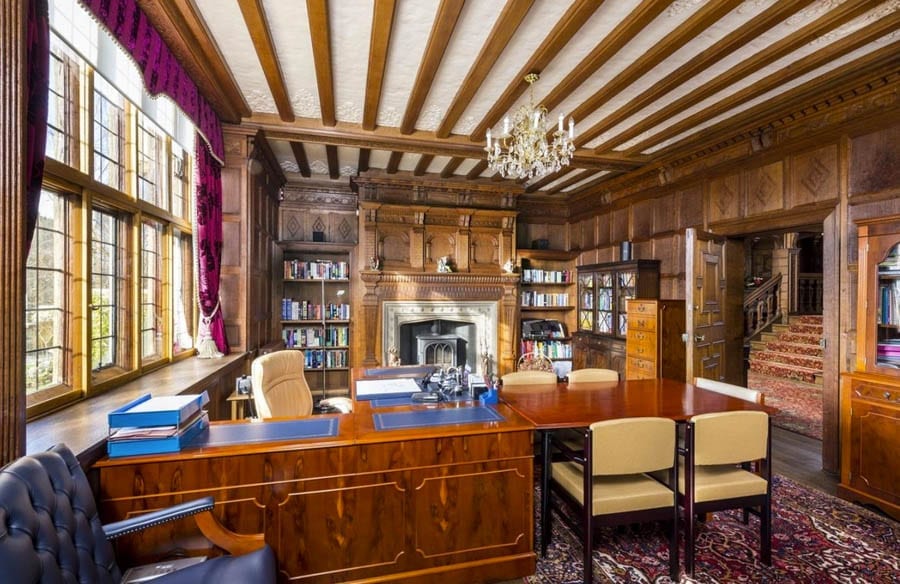
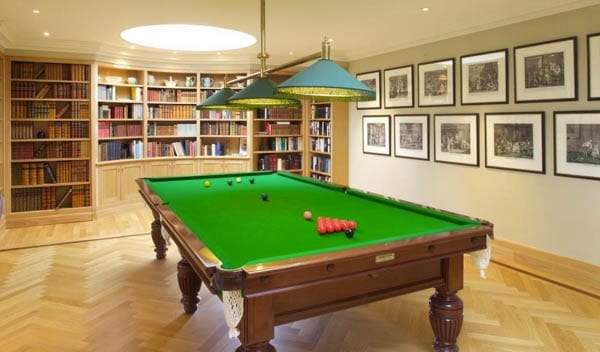
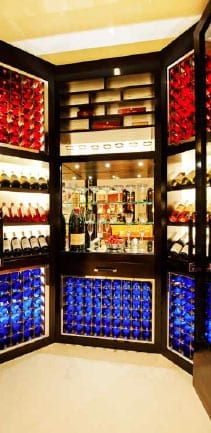
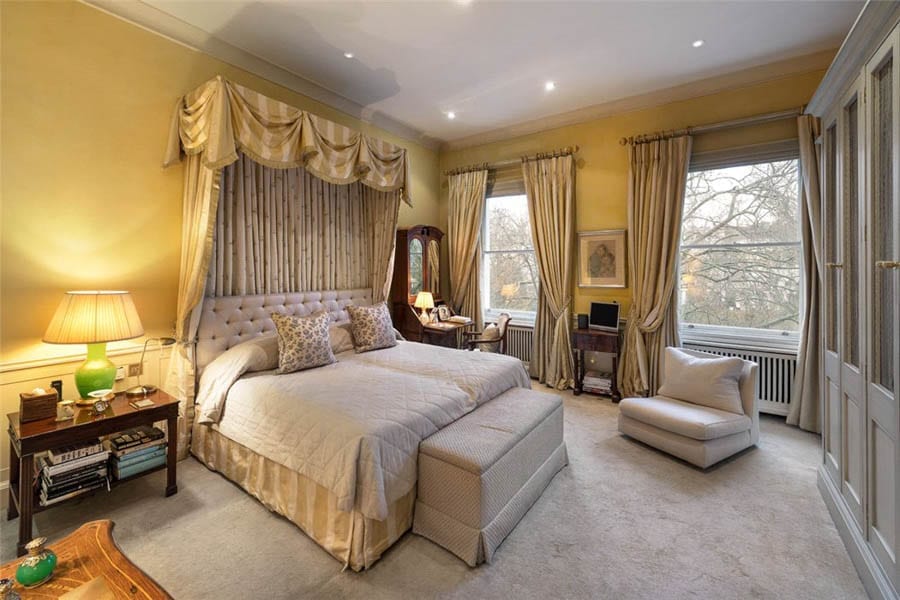
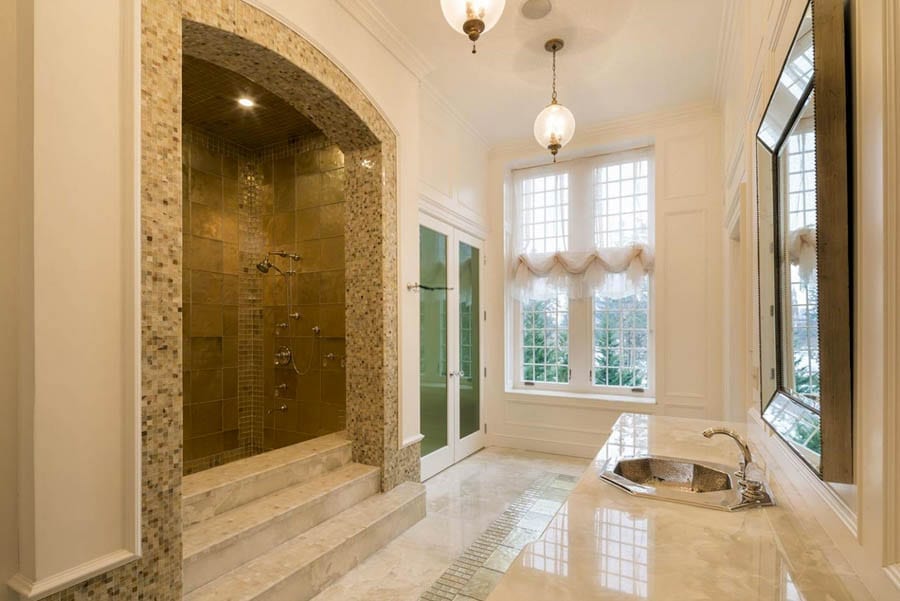
Set within 3 acres of formal gardens, Harold Tower was renovated between 2009 and 2012. It is laid out over 5 levels and includes 3 reception rooms, a cinema, a wine cellar, 3 bedrooms suites with truly lavish bathrooms and an octagonal office with a roof terrace with sea views above. In addition, a 3 bedroom guest house and a 2 bedroom guest cottage are located within the grounds along with an outdoor swimming pool.
Thrice bankrupt bigot Viscount St Davids banged to rights and set to be jailed Thursday; he blames Gina Miller as “untruthful” and Matthew Steeples as “an eavesdropper” and accepts utterly no blame for what he did
On Thursday, if he doesn’t turn up at Westminster Magistrates’ Court on time, justice will come knock, knock, knockin’ on Baron Strange of Knockin’s door.
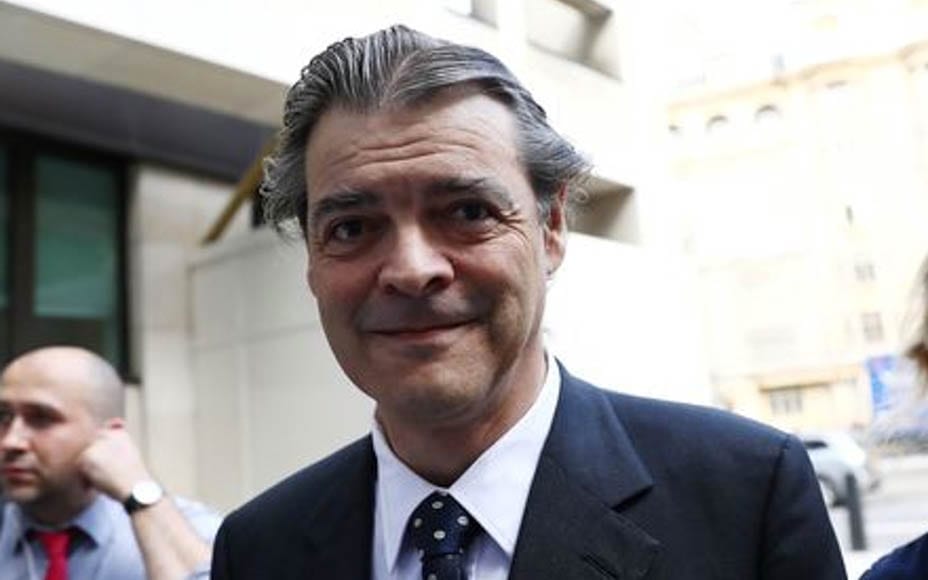
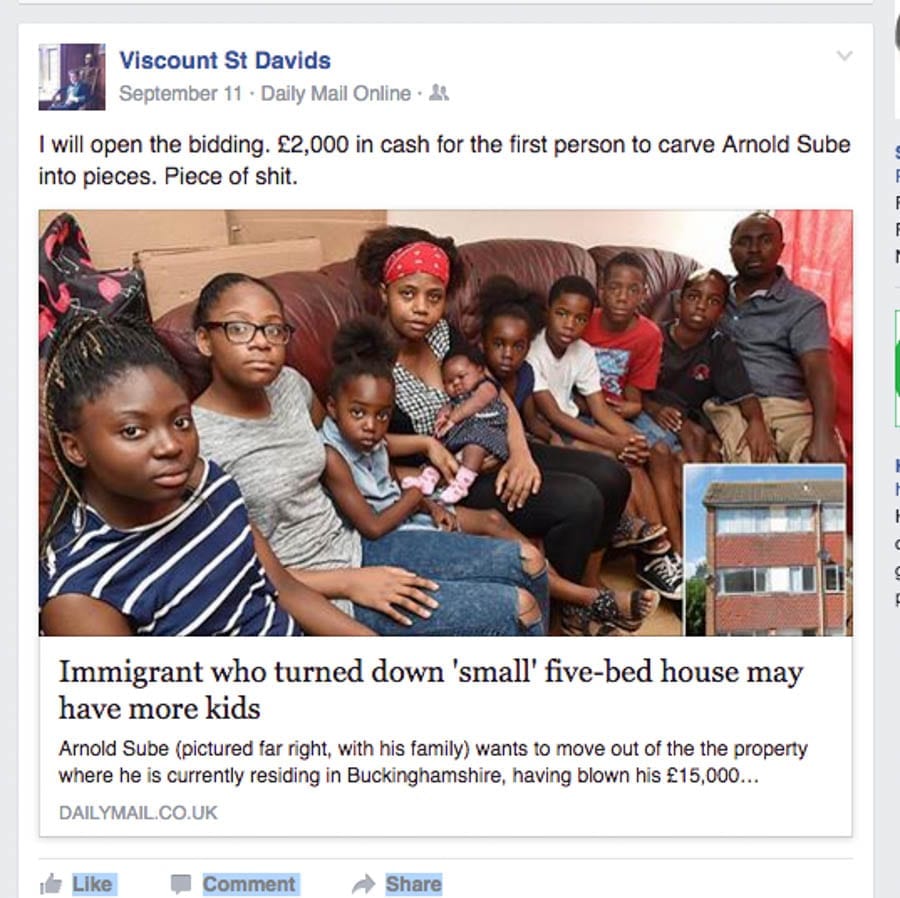
Donald Trump supporter and serial bankrupt Rhodri Philipps (AKA 4th Viscount St Davids, Lord St Davids, Baron Hungerford, Baron de Moleyns, Baron Strange of Knockin and, to the public and no doubt his new jailbird chums, plain old Mr Philipps) – a bigot whose insistence on being called anything other than Mister sealed his fate as the real life representation of Paul Whitehouse’s Rowley Birkin QC – was found guilty Tuesday of two counts of sending menacing messages on a public electronic communications network. After convicting him, chief magistrate Emma Arbuthnot warned the aristocrat: “The first port of call will obviously be a prison sentence.”
“I have no doubt the first post was menacing, you were offering money to have [Gina Miller] killed. A reasonable person reading the post would have felt a sense of apprehension at least, if not fear.”
“I don’t accept you didn’t understand the post could be shared. On Facebook users share and have shared any number of others’ posts – nothing is private about a Facebook post.”
“They were not funny, not a joke, they were sent when Lord St Davids was infuriated – they were not meant to be light-hearted comment, they were intended to cause apprehension among some of your Facebook acquaintances, not all as some clearly shared his views.”
“I find you knew when you posted these messages they might create apprehension in a reasonable person reading them in the multi-racial country we live in.”
Represented initially by a chubby dimwit American and Conservative councillor for Kensington (yes, one of them, a member of the worst council in Britain) named Andrew Rinker – a curious creature commonly known as ‘Rinker The Stinker’ in even the most polite circles – Philipps proved himself nothing but a nasty piece of work and a fool in the dock. He tried to blame me for “stalking” and “trolling” him and referenced me “a professional eavesdropper.” He claimed his trial was “political” and motivated because of his multiple titles and whilst his scumbag chum and cohort Tariq Siddiqitargeted me also via social media throughout the period, he was ultimately convicted simply because the Crown was able to prove he is nothing but an inept racist incapable of covering his own vile tracks.
Of the result, Kate Mulholland of the Crown Prosecution Service commented:
“This threat caused extreme concern to Gina Miller and although Lord St Davids claimed his Facebook friends would have been tolerant of his views, they were open to the public.”
“No-one should have these kind of menacing comments made to them or about them and where there is evidence of an offence the CPS and police will bring a prosecution.”
As I said previously, the law must now change: What goes on social media, doesn’t stay on social media. We must all be held accountable for whatever we post.
A 20-question interview with artist, ceramicist and designer Enzina Fuschini
The Steeple Times shares “wit and wisdom”. What’s your guiding force?
God. I am a Christian and I believe in what is good and honourable.
“Don’t get even, get medieval” is, in our humble opinion, a great motto. What’s yours?
To forgive and forget.
Kerry Katona was considered unacceptable in 2007. Who or what is unacceptable in 2017?
A lack of support for mental health.
Tony Blair misses being Prime Minister. What do you miss most in your life?
Human justice and my childhood home.
What might you swap all your wealth for?
One more day with my mother and grandmother. Both have sadly passed away.
Donald Trump was once a case of: “If you owe the bank a thousand, they close you down; but if you owe the bank a billion, you own the bank”. What’s your view on the state of the financial system?
It is a disaster. The financial target is to control and depopulate humanity. The rich want to get rich at any cost and they want to create an elite race.
What phrase or word do you most loathe?
I loathe swearing in any context.
In the UK, some people consider charity to “begin at home”. What’s your view and what causes do you personally support?
I support charities associated with my faith and congregation at Holy Trinity Brompton (HTB), Knightsbridge.
The judge in Law Abiding Citizen states: “I can pretty much do whatever I want” before being blown up whilst answering her mobile phone. What’s your view on the appropriate use of such devices?
Mobile phones are useful but people are addicted and these devices cause them to become anti-social.
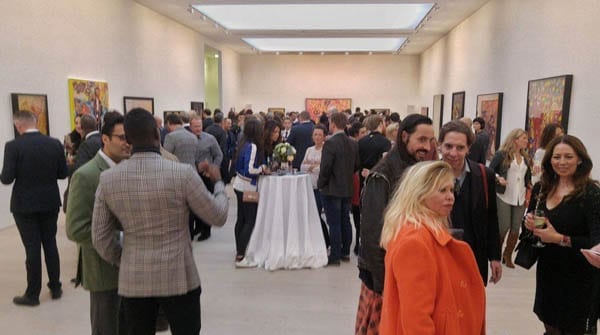
Enzina Fuschini exhibited at the 508 Kings Road Gallery in Chelsea, London, SW10 in June 2017
If you could fill a carriage on The Orient Express, who would be your fellow passengers?
People not fortunate enough to be able to afford this experience that work hard and would deserve it.
If you were unfortunate enough to end up on death row, what would be your last meal and where would you eat it?
I wouldn’t want to eat anything as I would be too scared about death.
What time is it acceptable to consume the first drink of the day?
At lunchtime with friends.
A Negroni, a martini or a cup of tea?
A dry martini.
Whose parties do you enjoy the most and why?
Those given by family and friends that celebrate the achievements of life.
Who is the most positive person you know?
My daughters are the most positive people I know.
What’s your most guilty pleasure?
Apple tarts. The best one I’ve ever had was at The Botanist on Sloane Square.
If a tattoo were to sum you up, what would it be of?
A tattoo could not sum me up as I do not like them.
If you were a car, what marque would you be?
A Jaguar.
Cilla Black presented Surprise, Surprise. Tell us the most surprising thing about you.
When you get to know me, you will know. I’m not giving away my secrets.
What’s currently sitting on your mantelpiece?
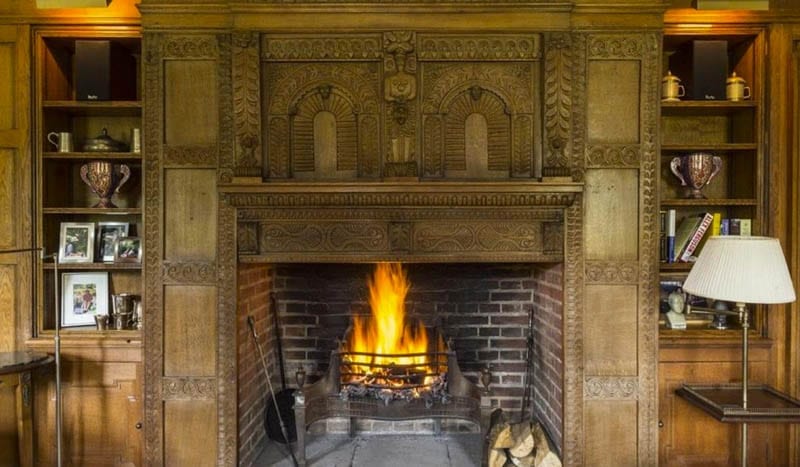
An antique mirror and a vase of white roses.
Enzina Fuschini is a London based artist, ceramicist and designer. She was born in Matierno, Italy and aside from exhibiting internationally, has also produced luxury collections for and to be sold by amongst others The Dorchester, Harrods and Sunseeker Yachts. Her style has drawn comparisons with the ‘wit’ of Picasso and the vitality of Kandinsky, Klee and Miro.
A financier, a photographer and a doctor explain why they’ll respectively choose the Conservatives, the Liberal Democrats and Labour today
Financier Zachary Latif on why he’ll vote for the Conservative Party
Brexit is the primary question
Firstly, this election was called on the issue of Brexit and when voters go to the polls, the primary question is whom do they want as their chief negotiator to deal with Europe: Will it be Theresa May or will it be Jeremy Corbyn? It is incontrovertible that Theresa May, a lady with a sensible and steady pair of hands, is the one to captain the ship. When I compare her approach to the untried and untested Jeremy Corbyn, I know without a shadow of doubt that I want Theresa May and her team to be leading Brexit.
Making Britain prosperous
The economy will go through a very shaky time over the next five years and we need a party that has the economic expertise that can guide us through these rocky waters. We all remember the last terrible time under Labour when the treasury was literally left with no money. Britain, now, under the Tories, has low unemployment, a balanced budget and ambitious plans for economic growth. If you want a prosperous Britain then it can only be for the blues.
Multiculturalism and being proud to be British
The cult of multiculturalism, as Angela Merkel touched on a few years ago, has failed. We need a Britain that revolves around the Union, a bicameral Parliament, the Crown and an understanding of the strong role that the Church (Anglicanism South of the Wall and Presbyterianism North of the Wall) plays. We need a government that is able to both manage the world outside but also be able to stand up for Britain and this precious Union of Nation, as Theresa May puts it. Jeremy Corbyn is a revolutionary but has no instinct for British patriotism – as his extensive links with the IRA testify. The Conservative Party is the only major party that makes one feel proud to be British and also able to retain a global outlook.
Cambridge based Zachary Latif is a founder of Raef LLC, a high yield investment firm. He has appeared as a guest host on CNBC several times and is also an actor and playwright.
Photographer James Smith on why he’ll vote for the Liberal Democrats
Corbyn is the tail shaking the Labour dog
I’m a centrist and believe government should work for all rather than guarding the wealth or indulging the politics of envy. By pulling his party to the hard left, Corbyn and his army in the wings have allowed May to become more right wing. How dare he and how dare she abandon the middle. Corbyn has alienated so many of his more reasonable party members that only the dregs will serve with him on the front benches. Corbyn may be a great campaigner but he’s been a lazy politician in opposition and seems bored when he’s not absorbing the energy of an adoring crowd. Remind you of anyone?
The Liberal Democrats punched above their weight in the coalition
I thought the coalition government was a grown-up union born of necessity. Neither party could fall back to their comfort zones, they had to work together to deal with a dire situation. For the most part, both sides did well but the Lib Dems suffered because of lazy accusations of betrayal by their core voters. To me they’ve proven they’re grown-ups. They’re honest that there’s no magic money tree and we’ll all need to pay for the NHS and social care through higher income tax. The idea of a Labour-SNP pact would be the worst of all worlds: Bye bye UK.
The Liberal Democrats could help facilitate a more sensible Brexit
While I won’t be celebrating a Labour or a Conservative victory, Jeremy Corbyn would be significantly worse for the health of the country. His ideological policies may ultimately harm the people he is trying to help. Emily Thornberry is my incumbent MP and she has been totally unaccountable to her staunchly Remain constituents. She refuses to campaign for a second ‘Are you sure?’ EU referendum, something the local Lib Dem candidate, Alain Desmier, has promised to do. If you must take the UK into radical territory, don’t do it when we’re uncoupling from our like minded neighbours and facing a less stable wider world. Lashing out with a vote for Corbyn is a bit like a hand break turn along a cliff edge.
James Smith is an Islington based photographer. He was educated at a public school and an arts institute.
Sally Jackson on why she’ll vote for the Labour Party
For the many, not the few
Labour has pledged to rebalance an economy that just works for the likes of billionaires like Sir Philip Green right now. We need a fairer tax system and the guarantee of no income tax rises for those earning below £80,000 a year is proof that Labour will not “tax the country until the pips squeak” – an accusation so commonly thrown by the right that Jeremy Corbyn has again and again disproven.
Doing right by the NHS
Jeremy Hunt is a symbol of the callous Tories and their assault on humanity. As a healthcare professional I want him and Theresa’s team gone and I believe only Labour will deliver a fairer deal for patients and healthcare workers. We’re under extreme threat right now and cuts to pharmacy funding are one of the worst false economies I’ve come across. As someone wrote on a wall recently: “I’m no gynaecologist but I know a Hunt when I see one”.
It’s not just about Brexit
I’ve heard enough about “Brexit means Brexit” but I’m glad Jeremy Corbyn voted for Article 50 and opposed a second referendum. The country has spoken and it’s time to get on with it. I supported leave myself and I did so because Europe wasn’t giving us a fair, inclusive society. I believe Labour will give us that and now the focus back on to what’s “Best for Britain” – a phrase that the remoaners Gina Miller and Sir Bob Geldoff should never have been allowed to hijack.
Sally Jackson works as a doctor in Manchester. She was born in Devon and is a graduate of Queen Mary, University of London.
Matthew Steeples asks Conservative candidate for Kensington Lady Borwick five questions; he put the same to the Liberal Democrats Annabel Mullin also whilst Labour’s Emma Dent Coad failed to respond
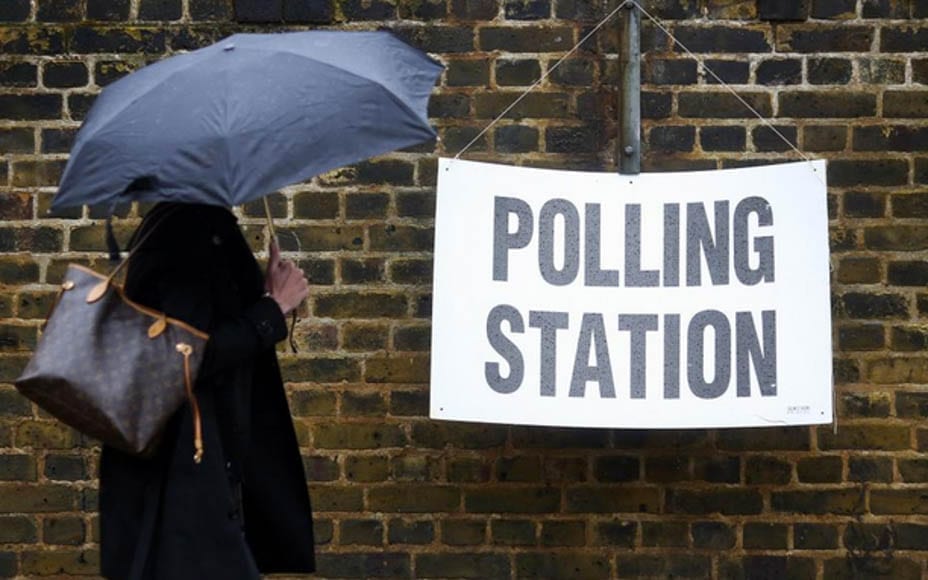
In the final hours of the 2017 General Election campaign, I asked the Conservative candidate for Kensington, Lady Borwick, five questions I considered relevant to voters in one of Britain’s most wealthy constituencies. I publish below her answers in full and unedited form and beneath also include the responses of the Liberal Democrat candidate, Annabel Mullin, to the same questions.
Emma Dent Coad, Labour’s candidate, was also given the opportunity to answer but failed to respond to several requests.
The five questions to Lady Borwick (initially and then more generally to Annabel Mullin and Emma Dent Coad) were:
Hidden homeless: “What will you do to help the ‘hidden homeless’ of Kensington?”
Money park Kensington: “How will you help local businesses counter such decline if re-elected?”
Brexit: “How, going forward, will you credibly represent the 48% who voted to ‘remain’, as someone who went on the phones to support ‘leave’?”
Answering constituents: “How will you improve your pathetically low 18% response rate to constituents’ correspondence, as registered on TheyWorkForYou.com if re-elected?”
Ivory: “Will you continue to lobby Theresa May about ivory in spite of such being highly unpopular with constituents and others such as Deborah Meaden?”
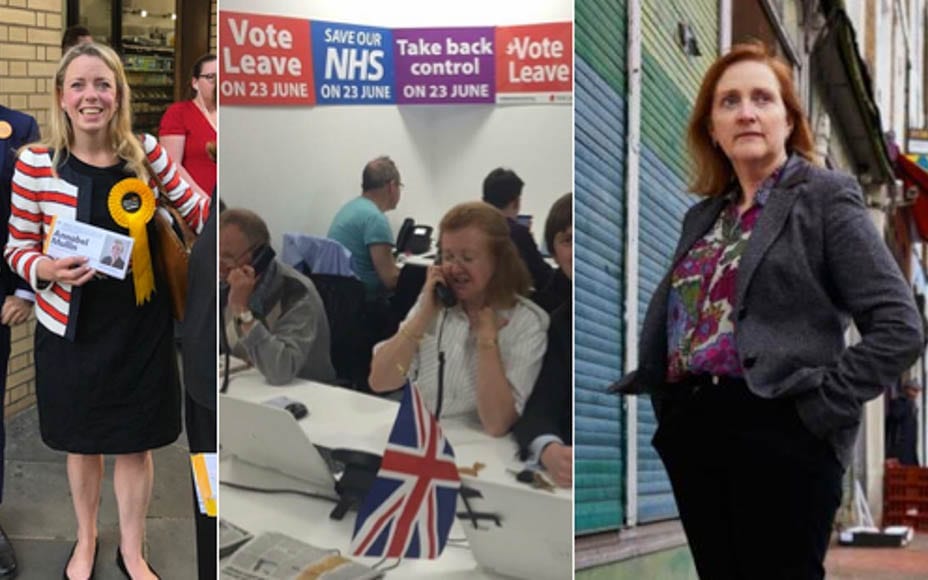
Pictured above: Annabel Mullin campaigning, Lady Borwick during the Brexit referendum and Emma Dent Coad
Pictured above: Annabel Mullin campaigning, Lady Borwick during the Brexit referendum and Emma Dent Coad
Victoria Borwick, Conservative Party
What will you do to help the ‘hidden homeless’ of Kensington?”
In Parliament, the Homeless Reduction Bill was recently passed –which was almost the last bill to be “signed off” before Parliament broke for the election. This puts pressure on local councillors to provide a range of early intervention solutions.
Current local services – There are a number of local churches who are working in this sector such as St Cuthbert’s (who I visited earlier this week) and our local charities.
From my previous work at the GLA, I know that although there is a hostel place for everyone that is not enough. People need more and longer-term help which is why there are some good charities working locally, for example the Glass Door Project and Homeless Link. I have also worked with several of the veterans’ charities whose aim is not “no second night out” but “no first night out”.
The situation with those that are “street homeless” – these are the people who, for a complex number of reasons, spend time living on the streets. Some do have somewhere to sleep at night, but spend the day on the streets and some live on the streets full time, including overnight.
The first port of call for street homeless people is a hostel and these fall into two categories. “Direct access” and those that require a referral from an agency. These agencies provide not only shelter but some way to address the terrible loneliness, mental health and other problems that most street homeless people feel. We need to look at the provision of hostels, but also work with the organisations that provide longer term support, to help people get over their crisis and get back on their feet – and this can take months, and sometimes longer.
There has to be short-term accommodation but also ways of dealing with the causes of street homelessness. There needs to be “move on” accommodation, for those that have managed to get themselves into a stable state, and where they are becoming independent, but may still need some ongoing support. I have visited services where they have a range of provision in the same location, I.E. those in immediate crisis and those that are more capable.
We need to provide services to help people with drug and alcohol problems which causes so many people to become street homeless, and also with the mental health problems that afflict so many of these people. The council’s Public Health Department has made this a high priority. I particularly welcome the changes to our mental health laws that the Prime Minister has pledged to bring in. These should make a big difference for homeless people with mental health problems.
Money park Kensington: “How will you help local businesses counter such decline if re-elected?”
I have grown up in Kensington and lived here all my life, with my family.
Supporting our small and medium sized local businesses is very important for all of us in Kensington. Local businesses are the backbone of our economy and provide employment and opportunities in our community.
Firstly we have to stop losing small independent businesses, as you have refereed to, so that people do not lose their opportunity to be working locally and also to start business locally. RBKC has continued with our planning exemptions, otherwise across London small businesses were being turfed out of their premises. Many local restaurants have sadly closed.
I have lobbied the Chancellor, and if re-elected will continue to lobby the Chancellor against the rash of additional regulations for small business – the proposed quarterly reporting, the apprenticeship levy – should be for larger firms, the pensions levy and of course the revaluation which has negatively impacted on our shops – and not on the out of town warehouses for mail order.
I recently undertook a survey of many local shops and businesses, either in writing or by visiting in person. On the basis of the response, I wrote to the Treasury, as indeed did the Borough, and also raised it personally with the Chancellor to see if there is any other way of looking at the rates – so that rateable value could be examined to take into account factors such as turnover, size of premises, whether the shop is independent or a chain of premises and so on. If re-elected, I shall continue to raise these concerns with other central London MPs as they affect us all.
I will continue to support local businesses by supporting any legislation in Parliament which will promote businesses and support our local economy.
Buy to Leave – This is a real issue in Central London, and this is something that, as an MP, I discussed with other Central London MPs from all parties. As we are aware this is “investment purchasing” where investors buy, usually a new property, and then do not live in it, and treat it as “money in the bank” which is why they don’t want it to be lived in as they want to keep it new.
When discussing this and researching what is actually happening – RBKC undertook a survey, as have Westminster Council on this topic. There is a pocket of properties where this is very prevalent, however there is not overall interest in this because it affect so very few nationally.
That does not make it any less of a problem – the previous Mayor tried to address this by saying that properties have to be marketed in the UK first, but we are often used to getting a mortgage first and these overseas buyers are cash buyers so naturally they can jump in. The new Mayor is also examining what measures can be taken.
There are examples in Switzerland and Australia where they have tried to tackle this issue. Buy to leave homes have a very negative effect on the community as there are less “eyes on the streets” less community activity and it is difficult for local business to survive.
By continuing to have schools and local amenities it brings together a community and encourages homes for families.
Brexit: “How, going forward, will you credibly represent the 48% who voted to ‘remain’, as someone who went on the phones to support ‘leave’?”
I previously worked for Open Europe which was working with the previous administration on renegotiation, which was my preferred stance. I had hoped that the EU would and could use this time to examine its own processes and undertake reform. I realise the result of the referendum is not the outcome for which everyone might have hoped. My chief concern was accountability, and it became clear there was little that could be done to persuade the Commission towards greater transparency.
As a country we voted to leave the EU. Parliament has voted on two occasions to implement the result, with cross-party support. All sides have agreed to respect the referendum and to get on with the re-negotiations. The Lib Dems may have also offered a second referendum on the result of the negotiations. Theresa May has said she will bring the final agreement to Parliament for a vote.
For Kensington, if re-elected, my role will be to lobby for reciprocal rights for all our long-term residents. Over 50% of the residents in Kensington were not born here and many have made Kensington their home for many years. We should continue to make sure they are welcomed and can continue to play an active part in our community. Many are also great contributors to voluntary and charitable works.
I will represent the views of Kensington in Westminster if I am re-elected; working closely with Ministers to make sure they understand the complexity of Kensington.
The choice for everyone is: “Who should be leading the Brexit negotiations?” Which team do you want? I am supporting Theresa May and her team. I support the PMs ambition to strive for a good outcome for the country.
Answering constituents: “How will you improve your pathetically low 18% response rate to constituents’ correspondence, as registered on TheyWorkForYou.com if re-elected?”
I have always prioritised urgent casework when responding to the vast amount of correspondence my office receives. I receive referrals and pleas for help from individual constituents, charities, churches, the mosque and other religious groups, along with organisations such as the Citizens Advice Bureau and free legal advice clinics. We have helped several thousand families over my time in Parliament. These referrals, usually from someone in crisis, do not come through “They Work for You” thus they are not logged in this way.
People tend to write to us on “They Work for You” if they are asking for our views on a particular campaign. If the campaign has nothing to do with Kensington residents, then I put my views on the website, so that people can see my opinion. However, I try not to comment on things that are not directly relevant to the majority of Kensington residents.
As a team – my priority is casework and dealing directly with residents, and meeting residents each week. I try to avoid “lobbying emails”. Obviously with complex cases we need to see the residents a number of times, and help them with their various meetings with officers or officials and if appropriate I also work with their local councillors (from any party) to make sure they are not left without support.
A Member of Parliament is often the last resort for people on housing, immigration and benefits. I have been able to help a great many residents since elected and I hope to continue to do this if re-elected.
Ivory: “Will you continue to lobby Theresa May about ivory in spite of such being highly unpopular with constituents and others such as Deborah Meaden?”
I supplied a full response to Deborah Meaden who said she was content with my response and why I am representing the antiques trade in Kensington and our great museums. She kindly offered to send my response to others who were concerned. I have offered to meet her should I get re-elected.
I support the current proposals which are to make sure we enforce the ban on trading in modern ivory.
No antique dealer wants to kill elephants; no antique dealer supports poaching. The only ivory that can be sold in this country is antique and carved. However, there are countries, including those in Europe who still permit the trading of tusks, although this is shortly to be outlawed – not before time.
We can and should preserve works of art that are our shared cultural inheritance for future generations, while at the same time doing everything in our power to ensure that these terrible assaults on wildlife do not continue. The next generation need to be able to grow up in a world with healthy herds of elephants. However, these are not mutually exclusive positions. This is a view expressed by some of our leading museums, such as the Victoria and Albert Museum and the British Museum.
As you will be aware many musical instruments contain ivory “tinkling the ivories – playing the piano” comes to mind as well as significant treasures in our churches. In our area we have three magnificent museums – the Natural History, V&A and Science Museums – and they all have ivory – antique and old ivory.
Both elephants and our shared cultural inheritance are there for us all; we need to work together to look after both, and I have no doubt that this is possible.
Annabel Mullin, Liberal Democratic Party
What will you do to help the ‘hidden homeless’ of Kensington?”
Rough sleepers and the homesless have had a very tough time of late. Funding has dried up, centres have closed and specialist help has become less frequent. We need to provide holistic care – that means that we must look at social care with mental health for these individuals alongside.
Money park Kensington: “How will you help local businesses counter such decline if re-elected?”
I would like to bring a private members’ bill to fundamentally change business rates as they are killing our local businesses.
Brexit: “How, going forward, will you credibly represent the 48% who voted to ‘remain’, as someone who went on the phones to support ‘leave’?”
As a passionate European and Remainer who feels we are best placed in the European Union, I will fight especially for being in the single market (not just access) and to protect the rights of all EU citizens and their freedom of movement.
Answering constituents: “How will you improve your pathetically low 18% response rate to constituents’ correspondence, as registered on TheyWorkForYou.com if re-elected?”
It has been an absolute pleasure getting to know people in and around Kensington over the last nearly seven weeks. It would be a privilege to serve Kensington and communicate with everyone.
Ivory: “Will you continue to lobby Theresa May about ivory in spite of such being highly unpopular with constituents and others such as Deborah Meaden?”
I find it incredible that China has a ban but the current MP for Kensington does not support it.
Emma Dent Coad, Labour Party
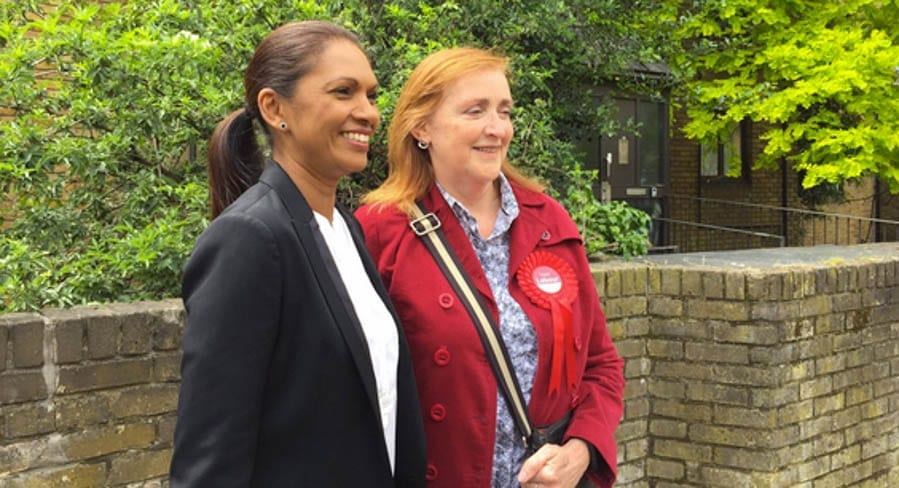
Emma Dent Coad (pictured with Gina Miller of Best For Britain)
Ms Dent Coad failed to respond to repeated requests from The Steeple Times to answer the five questions. They were put to her via email.
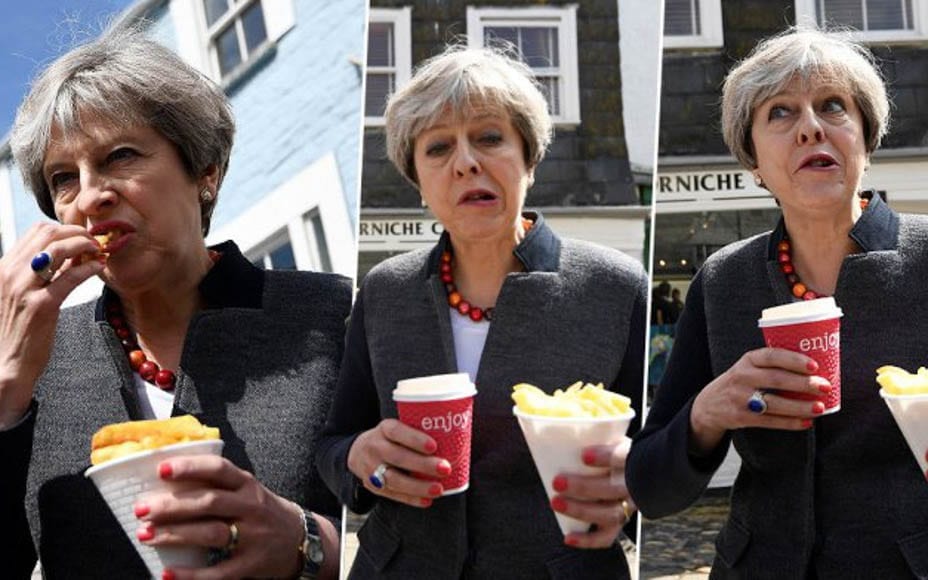
Images of Theresa May eating chips prove to be her ‘Ed Milliband moment’
Theresa May likes to refer to her “red, white and blue Brexit” and “Corbyn’s coalition of chaos”, but yesterday, the hectoring vicar’s daughter had a moment of madness when she decided to allow herself be photographed eating chips in Cornwall.
The Prime Minister – now the winner of the “most awkward photo of a politician eating ever” – was subsequently lampooned on Twitter and of the image, one user named @iBreezeblock brilliantly remarked: “Theresa May eats chips like a disturbed seabird eats her own young”.
New Jersey mansion, complete with 58 rooms, for sale for equivalent sum to what it cost to build in 1909; the £37 million house’s original owner was a man whose extravagance knew absolutely no bounds
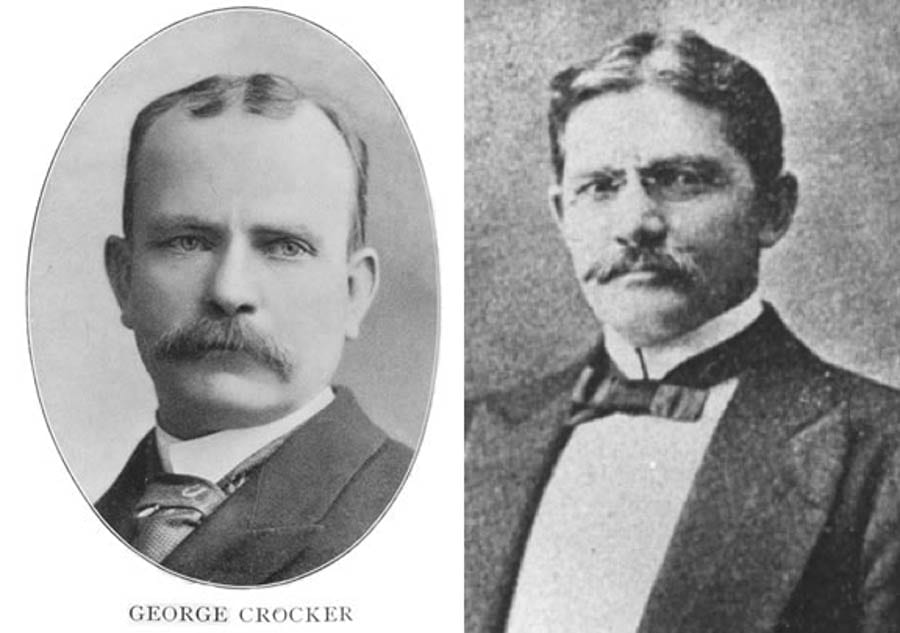
George Crocker (1856 – 1909) makes F. Scott Fitzgerald’s Jay Gatsby seem like an amateur. Born in Sacramento and the son of a railway magnate worth some $30 million on his death (the equivalent of £634 million or $812 million today), Crocker was willed a significant $6 million (the equivalent of £127 million or $163 million today) on the condition that “after the space of five years continuously he shall abstain from the use of spirituous, vinous, and malt liquors to the extent that he shall not during this period have been intoxicated”.
Crocker decided to ignore the terms of his father’s behest and from 1888 to 1891 lived in San Francisco as “one of the most reckless young men about town when reckless young men thereabouts were common” but then admitted himself to a sanatorium, put himself on the straight and narrow and finally collected the sum of $6 million in 1898.
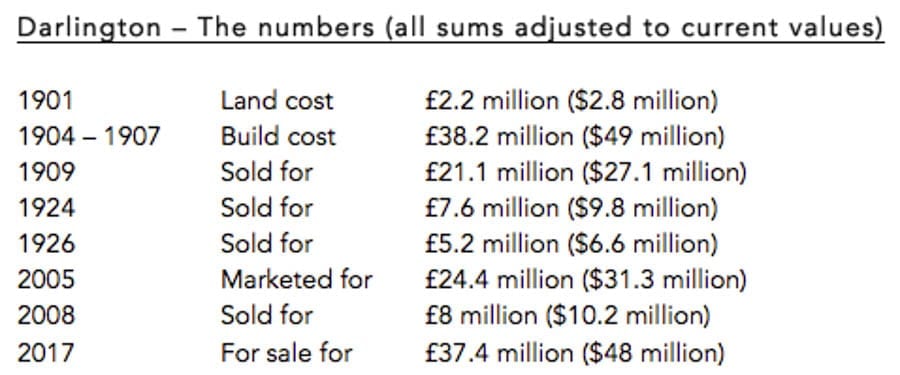
With wealth and a glamorous wife, Emma Rutherford, a widow from California, Crocker set himself up as the toast of New York society. Though he owned a townhouse at 1 East 64th Street and a villa in Newport, it was on paying $96,500 (the equivalent of £2.2 million or $2.8 million today) for the 1,100 acre Darling estate in Bergen County, Mahwah, New Jersey in 1901 that he truly became someone noticeable.
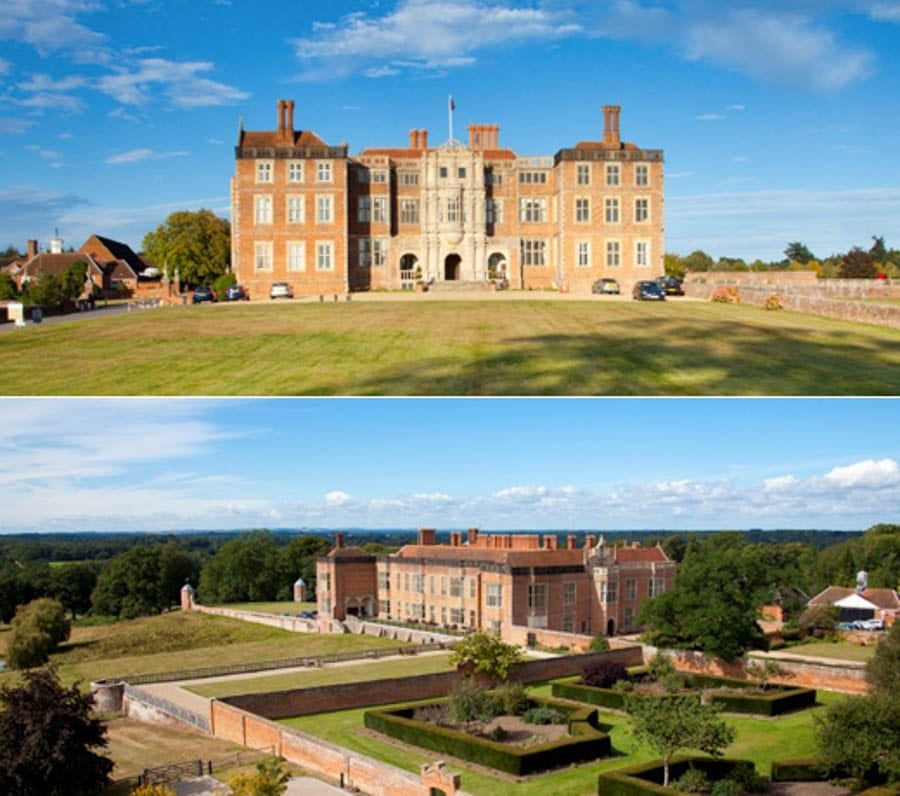
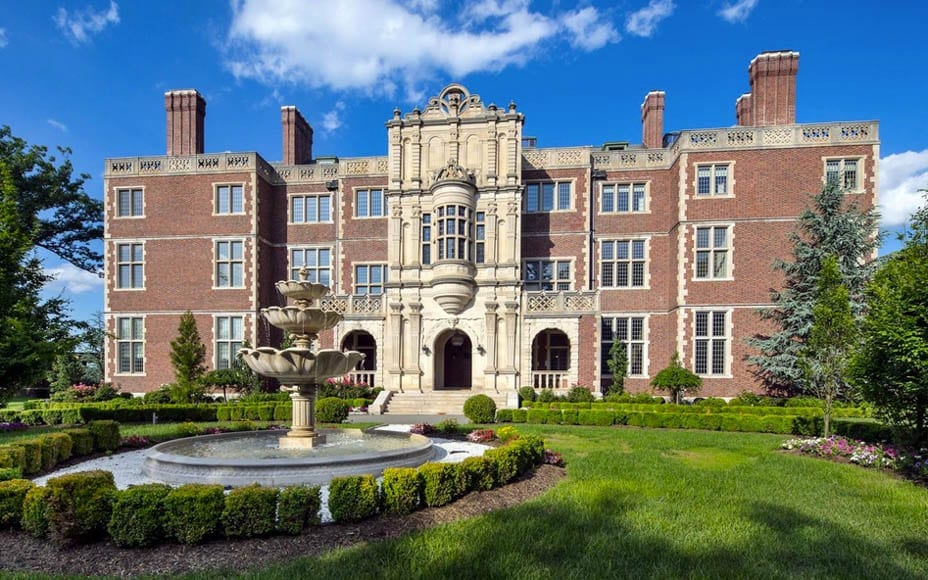
Choosing what he called “the finest site for a residence in the country”, Crocker commissioned an architect named James Brite (died 1942) to build him a mansion “sparing no expense”. Modeled on a Jacobean prodigy house, Bramshill House in Hampshire, England and built from Indiana limestone and Harvard brick, the “Crocker Mansion” or “Darlington” – as it is more widely known – cost $2 million to build (the equivalent of £38.2 million or $49 million today) and included 75 rooms and around 50,000 square foot of accommodation. Its features included steam heating, elevators, ice cream freezers, integrated vacuum systems and a switchboard and in its grounds a racetrack and 16 greenhouses were constructed whilst a pond was stocked with 4,000 trout.
George Crocker and Emerson McMillin
The design of Darlington was based on “one of the most haunted houses in England”, Bramshill in Hampshire; that building itself was also eventually separated from much of its estate and after being used as the European Police College was sold to developers City & Country for £25 million ($19.5 million) in 2014
Commentators wowed at the resulting creation and noted details such as a library painted after the style of the Italian Renaissance by Tiffany Studios, elaborate wood carving by Italian craftsmen and Tiffany silver chandeliers and a 1906 Aeolian player pipe organ in the building’s 30-foot high Great Hall. In 1912, Architectural Record, chose even to swoon over the basement. They remarked:
“Where Bramshill’s cellar housed for centuries lanterns, tallow dips, forest faggots, wooden vessels for the distribution of light, heat and water through personal service of human slaveys, its American reincarnation is a storehouse of miracle workers in the comfort and luxury of modern domestic life”.
Unfortunately, Mr and Mrs Crocker did not truly get to enjoy the fruits of their extravagant spending. Emma Crocker died in 1904 of cancer and George Crocker also succumbed to the disease in 1909. His estate was valued at $20 million (the equivalent of £422 million or $541 million today) and amongst items found at his mansion were 60,000 personally monogrammed, custom-made cigars valued at $30,000 (the equivalent of £635,000 or $813,000 today).
Sold subsequently to a “self-made” banker, industrialist and astronomy enthusiast named Emerson McMillin (1844 – 1922) in 1909 for $1 million (the equivalent of £21.1 million or $27.1 million), Darlington was next used to display a fine collection of Chinese and Japanese porcelain whilst a herd of Jerseys were kept in the grounds.
After McMillin’s death, his widow sold the estate in 1924 for $685,000 (the equivalent of £7.6 million or $9.8 million) to the Darlington Development Company, which in turn made it available to the Darling Golf and Country Club. They converted the building to a hotel and club that “promised to offer a new dimension to life in Mahwah” but “the development corporation and the club were soon in financial difficulties” and the McMillin estate foreclosed and regained possession.
A new buyer came forward in the form of the Roman Catholic Diocese of Newark. They paid $478,000 for the property in 1926 (the equivalent of £5.2 million or $6.6 million today) and used Darlington as a theological seminary. The surrounding land was gradually sold off and in 1986, the Immaculate Conception Seminary also departed.
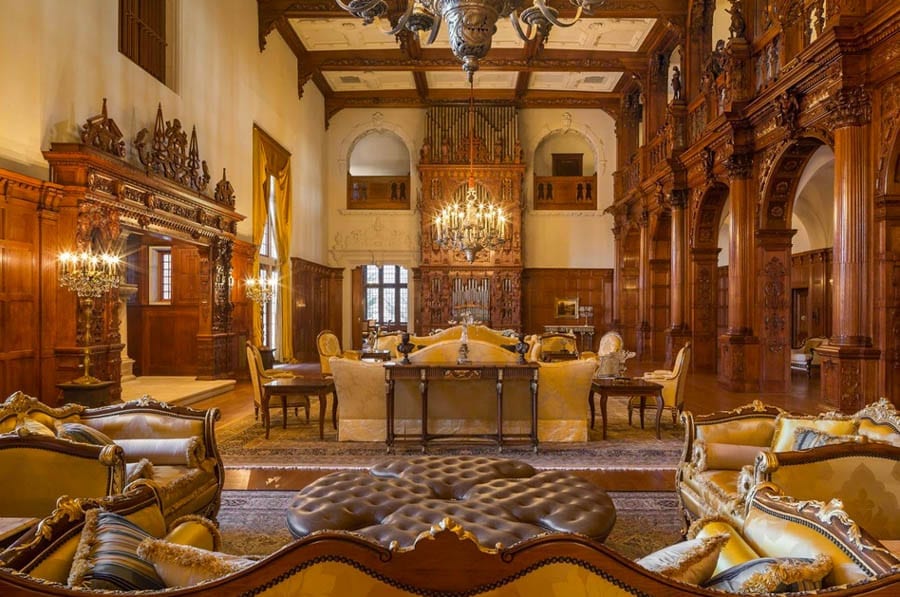
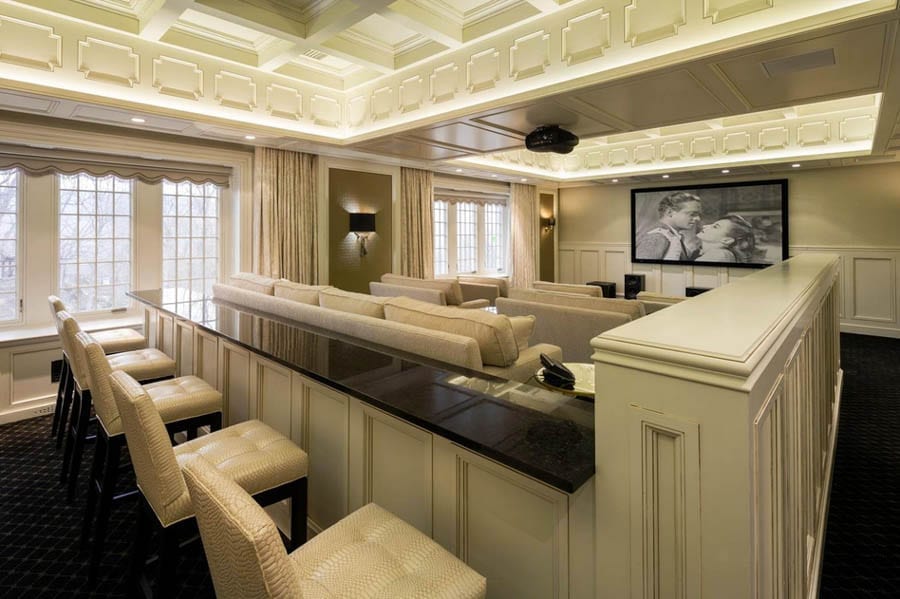
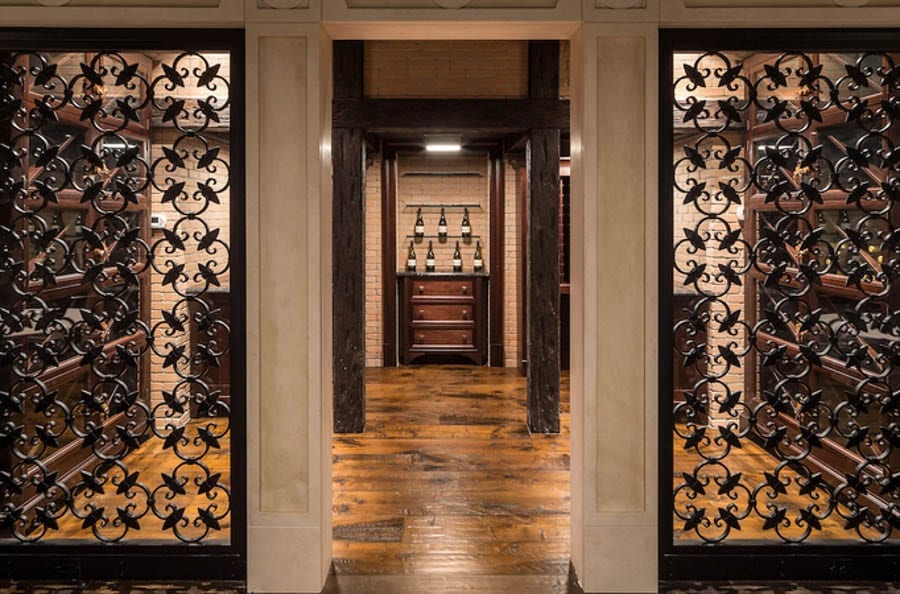
Darlington today – The 30-foot high Great Hall is still dominated by a 1906 Aeolian player pipe organDarlington today – Ilija Pavlovic expanded the mansion by some 12,000 square foot and amongst other things added a large home cinemaDarlington today – Another addition comes in the form of a vast wine cellar; George Crocker’s father would not have approved
Subsequently restored and modernised with, according to Forbes, plumbing, heating, air conditioning and communications systems being installed, Darlington was placed on the market with just 12.1 acres in 2005 by Darlington Associates, a firm who’d built “multiple residential communities surrounding the mansion”. An ambitious figure of $25 million (the equivalent of £24.4 million or $31.3 million today) was sought for the now classified historic site but it was not until 2008 that a buyer came forth in the form of a local businessman named Ilija Pavlovic. He paid just $8.875 million (the equivalent of £8 million or $10.2 million today) and then embarked on the “challenge” of “both preserving the historic home while also restoring it to meet 21st-century standards”. The resulting creation spans four floors and includes amongst many other things a tea room, 3 libraries, 2 game rooms, 2 kitchens, a “his and her master bedroom wing”, 12 further guest bedrooms and 5 staff bedrooms.
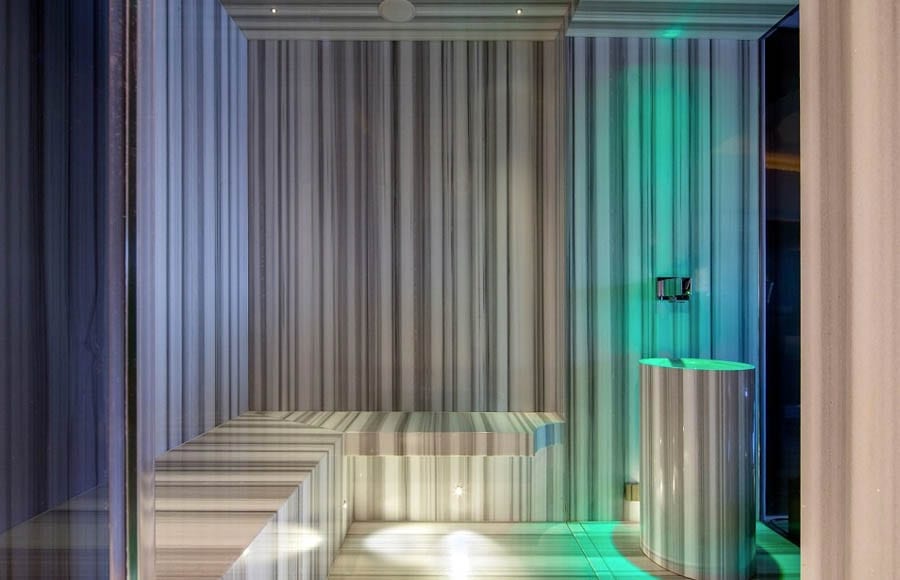
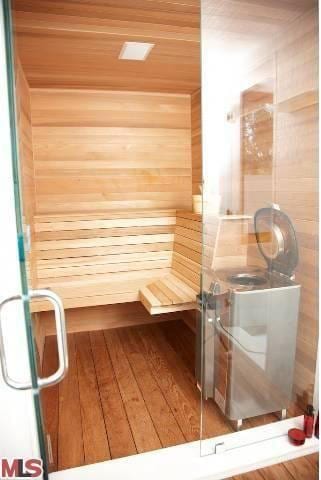
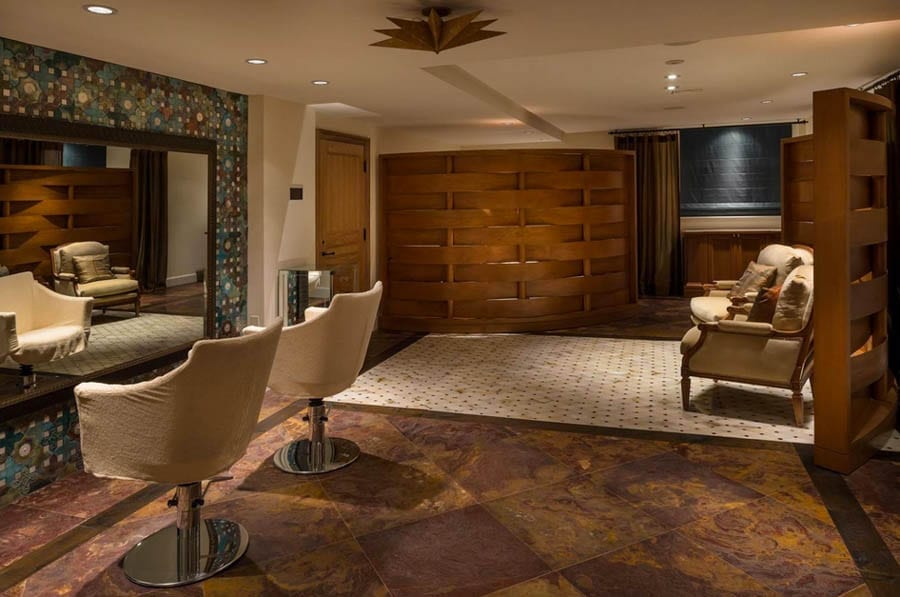
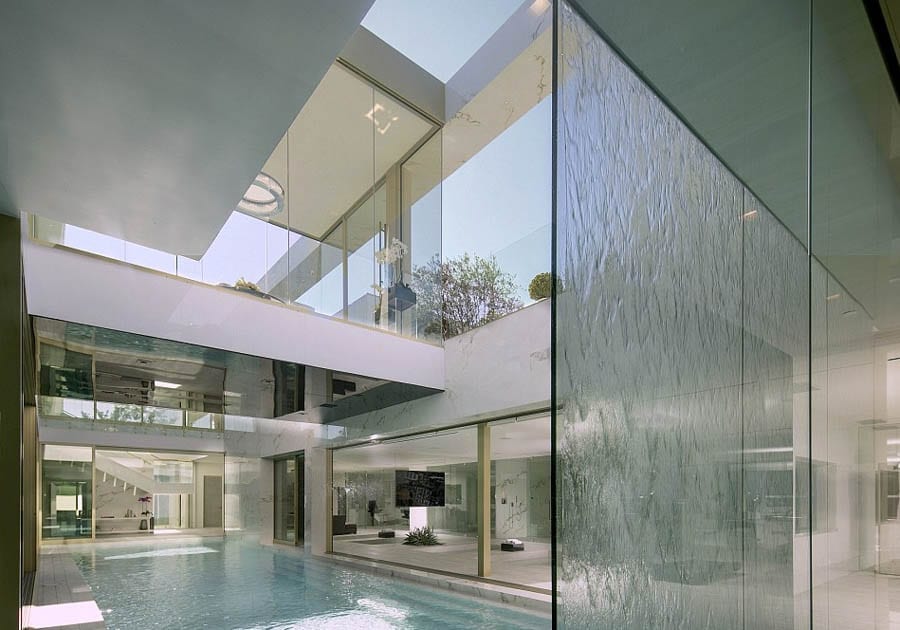
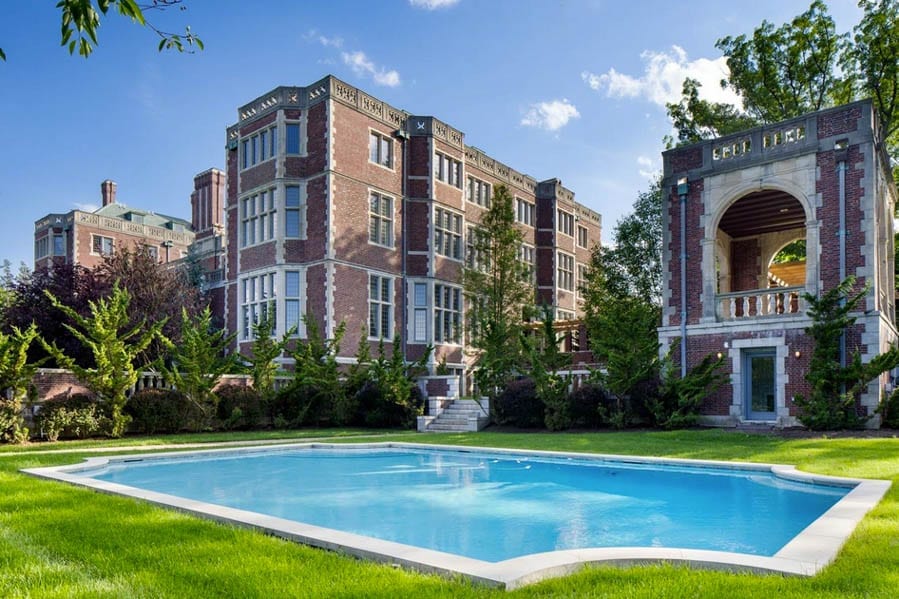
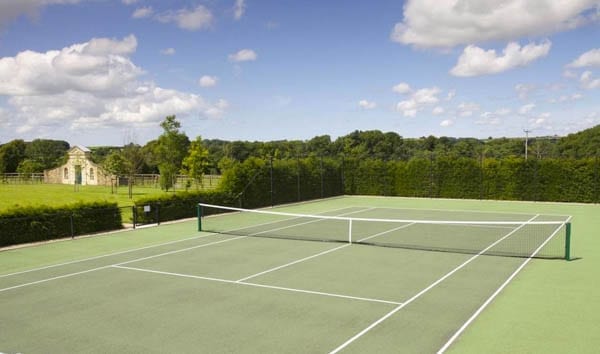
The biggest issue with the house, it transpired, was that its 476 leaded windows needed to be replaced. This reportedly cost $2 million alone (the equivalent of £1.8 million or $2.3 million today) and in addition, Pavlovic renewed all the mechanical systems, redid all 19 bathrooms, replaced the slate roof and added amongst other things a spa with an indoor lap pool, a gym, a massage room, a beauty salon and a home cinema. There is also a gatehouse, a professional kitchen that can serve 250 meals at a time, a wine cellar, a poker room, a cigar room, a billiards room, an 8-car garage, a tennis court and an outdoor swimming pool.
Property blog 6sqft – which claimed Friday that the current owners do not live at Darlington full-time and simply use it to host events – reported that this still massive mansion minus its formerly equally gigantic estate is now for sale now for £37.4 million ($48 million, €44.7 million or درهم176.3 million) through a firm Mr Pavlovic chairs, Special Properties Real Estate Services – an affiliate of Christie’s International Real Estate. Any buyer will undoubtedly be a vastly wealthy figure, but one can guarantee one thing: They’ll never live as lavishly as the barmy boozer George Crocker.
New Jersey mansion Darlington, complete with 58 rooms, for sale for equivalent sum to what it cost to build in 1909; the £37 million house’s original owner was a man whose extravagance knew absolutely no bounds
George Crocker (1856 – 1909) makes F. Scott Fitzgerald’s Jay Gatsby seem like an amateur. Born in Sacramento and the son of a railway magnate worth some $30 million on his death (the equivalent of £634 million or $812 million today), Crocker was willed a significant $6 million (the equivalent of £127 million or $163 million today) on the condition that “after the space of five years continuously he shall abstain from the use of spirituous, vinous, and malt liquors to the extent that he shall not during this period have been intoxicated”.
Crocker decided to ignore the terms of his father’s behest and from 1888 to 1891 lived in San Francisco as “one of the most reckless young men about town when reckless young men thereabouts were common” but then admitted himself to a sanatorium, put himself on the straight and narrow and finally collected the sum of $6 million in 1898.
With wealth and a glamorous wife, Emma Rutherford, a widow from California, Crocker set himself up as the toast of New York society. Though he owned a townhouse at 1 East 64th Street and a villa in Newport, it was on paying $96,500 (the equivalent of £2.2 million or $2.8 million today) for the 1,100 acre Darling estate in Bergen County, Mahwah, New Jersey in 1901 that he truly became someone noticeable.
Choosing what he called “the finest site for a residence in the country”, Crocker commissioned an architect named James Brite (died 1942) to build him a mansion “sparing no expense”. Modeled on a Jacobean prodigy house, Bramshill House in Hampshire, England and built from Indiana limestone and Harvard brick, the “Crocker Mansion” or “Darlington” – as it is more widely known – cost $2 million to build (the equivalent of £38.2 million or $49 million today) and included 75 rooms and around 50,000 square foot of accommodation. Its features included steam heating, elevators, ice cream freezers, integrated vacuum systems and a switchboard and in its grounds a racetrack and 16 greenhouses were constructed whilst a pond was stocked with 4,000 trout.
George Crocker and Emerson McMillin
The design of Darlington was based on “one of the most haunted houses in England”, Bramshill in Hampshire; that building itself was also eventually separated from much of its estate and after being used as the European Police College was sold to developers City & Country for £25 million ($19.5 million) in 2014
Commentators wowed at the resulting creation and noted details such as a library painted after the style of the Italian Renaissance by Tiffany Studios, elaborate wood carving by Italian craftsmen and Tiffany silver chandeliers and a 1906 Aeolian player pipe organ in the building’s 30-foot high Great Hall. In 1912, Architectural Record, chose even to swoon over the basement. They remarked:
“Where Bramshill’s cellar housed for centuries lanterns, tallow dips, forest faggots, wooden vessels for the distribution of light, heat and water through personal service of human slaveys, its American reincarnation is a storehouse of miracle workers in the comfort and luxury of modern domestic life”.
Unfortunately, Mr and Mrs Crocker did not truly get to enjoy the fruits of their extravagant spending. Emma Crocker died in 1904 of cancer and George Crocker also succumbed to the disease in 1909. His estate was valued at $20 million (the equivalent of £422 million or $541 million today) and amongst items found at his mansion were 60,000 personally monogrammed, custom-made cigars valued at $30,000 (the equivalent of £635,000 or $813,000 today).
Sold subsequently to a “self-made” banker, industrialist and astronomy enthusiast named Emerson McMillin (1844 – 1922) in 1909 for $1 million (the equivalent of £21.1 million or $27.1 million), Darlington was next used to display a fine collection of Chinese and Japanese porcelain whilst a herd of Jerseys were kept in the grounds.
After McMillin’s death, his widow sold the estate in 1924 for $685,000 (the equivalent of £7.6 million or $9.8 million) to the Darlington Development Company, which in turn made it available to the Darling Golf and Country Club. They converted the building to a hotel and club that “promised to offer a new dimension to life in Mahwah” but “the development corporation and the club were soon in financial difficulties” and the McMillin estate foreclosed and regained possession.
A new buyer came forward in the form of the Roman Catholic Diocese of Newark. They paid $478,000 for the property in 1926 (the equivalent of £5.2 million or $6.6 million today) and used Darlington as a theological seminary. The surrounding land was gradually sold off and in 1986, the Immaculate Conception Seminary also departed.
Darlington today – The 30-foot high Great Hall is still dominated by a 1906 Aeolian player pipe organ
Darlington today – Ilija Pavlovic expanded the mansion by some 12,000 square foot and amongst other things added a large home cinema
Darlington today – Another addition comes in the form of a vast wine cellar; George Crocker’s father would not have approved
Subsequently restored and modernised with, according to Forbes, plumbing, heating, air conditioning and communications systems being installed, Darlington was placed on the market with just 12.1 acres in 2005 by Darlington Associates, a firm who’d built “multiple residential communities surrounding the mansion”.
An ambitious figure of $25 million (the equivalent of £24.4 million or $31.3 million today) was sought for the now classified historic site but it was not until 2008 that a buyer came forth in the form of a local businessman named Ilija Pavlovic. He paid just $8.875 million (the equivalent of £8 million or $10.2 million today) and then embarked on the “challenge” of “both preserving the historic home while also restoring it to meet 21st-century standards”. The resulting creation spans four floors and includes amongst many other things a tea room, 3 libraries, 2 game rooms, 2 kitchens, a “his and her master bedroom wing”, 12 further guest bedrooms and 5 staff bedrooms.
The biggest issue with the house, it transpired, was that its 476 leaded windows needed to be replaced. This reportedly cost $2 million alone (the equivalent of £1.8 million or $2.3 million today) and in addition, Pavlovic renewed all the mechanical systems, redid all 19 bathrooms, replaced the slate roof and added amongst other things a spa with an indoor lap pool, a gym, a massage room, a beauty salon and a home cinema. There is also a gatehouse, a professional kitchen that can serve 250 meals at a time, a wine cellar, a poker room, a cigar room, a billiards room, an 8-car garage, a tennis court and an outdoor swimming pool.
Property blog 6sqft – which claimed Friday that the current owners do not live at Darlington full-time and simply use it to host events – reported that this still massive mansion minus its formerly equally gigantic estate is now for sale now for £37.4 million ($48 million, €44.7 million or درهم176.3 million) through a firm Mr Pavlovic chairs, Special Properties Real Estate Services – an affiliate of Christie’s International Real Estate. Any buyer will undoubtedly be a vastly wealthy figure, but one can guarantee one thing: They’ll never live as lavishly as the barmy boozer George Crocker.
Whilst Theresa May’s Easter message is nothing but a damp squib, Jeremy Corbyn’s response is as much use as a chocolate teapot
“Let us come together… Let us build a stronger, fairer Britain that works for everyone”, clucked Theresa May on Sunday in a 3:10 minute Easter message posted on YouTube.
Mixing her Christian values with Brexit, the unelected Prime Minister went on about growing up in a vicarage and stood next to a wonky light fitting. She neglected to mention how the Mail on Sunday had exposed her “grubby, underhand deal” that sacrifices endangered species in favour of trade and growth and she said nothing of the failing inquiry into historic abuse that she’s already wasted over £100 million on.
In The Guardian, former Labour spin doctor Alastair Campbell took an axe to the message and lambasted it by commenting:
“I think even vicars’ daughters should be a little wary of allying their politics to their faith… She does not exactly say if God had a vote he would have voted Leave, but she gets closer to it than she should. If she really thinks she is leading a united country full of hope … I suggest she gets out more”.
He added:
“I don’t think I have ever known Britain more divided. As for her talk of compassion, community, citizenship and obligations to one another, she has taken an axe to those with regard to Britain’s relations to the rest of the world, and plenty of her domestic agenda points in the opposite direction”.
Labour leader Jeremy Corbyn responded by calling for “peace” and “reconciliation” but neither he nor Mrs May offer very much hope. God help us all and God help (once) Great Britain.