Tag: religion

  • Morons of the Moment – Piccadilly Boy Racers

    Morons of the Moment – Piccadilly Boy Racers

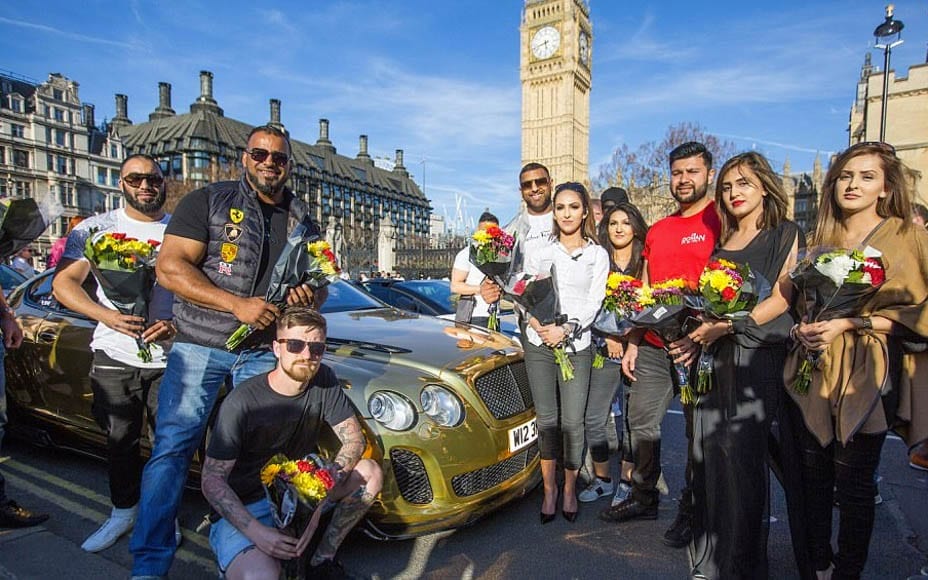
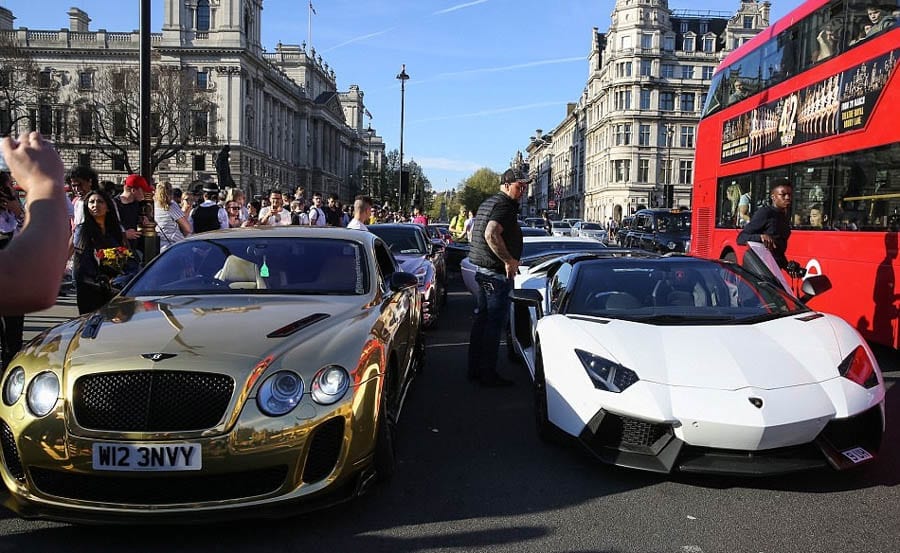
    Insensitive showoffs wreak havoc in Parliament Square with their gaudy supercars; they claimed to be honouring the dead and injured of the Westminster attack but simply caused annoyance


    Though five people died and around fifty others were injured as a result of Khalid Masood smashing his rented 4×4 into them on Westminster Bridge on 22nd March, a group of insensitive showoffs decided it would be appropriate to cause gridlock with their gaudy supercars in Parliament Square on Sunday.


    Shabs Ahmad, a spokesman for the group, which is known as the Piccadilly Boy Racers, told the MailOnline:


    “Following recent attacks in Westminster which cost the lives of innocent civilians as well as PC Keith Palmer, we felt it was only right to pay our condolences and show our love by standing united to oppose the atrocious acts of violence”.


    “We felt that being British Muslims with a platform, we wanted to speak up against such acts and bring people of all race and religion together as a symbol of peace, love and unity”.


    The police felt quite differently about their presence and told these ridiculous vulgarians to swiftly to move on.


    Morons of the Moment – Piccadilly Boy Racers – Insensitive showoffs cause havoc in Parliament Square with their gaudy supercars. The Piccadilly Boy Racers should be ashamed of themselves.

  • A Parson’s Moat

    A Parson’s Moat

    East Sussex country house for sale; it comes complete with an enormous rectangular moat allegedly dug by an eccentric parson in the 1700s


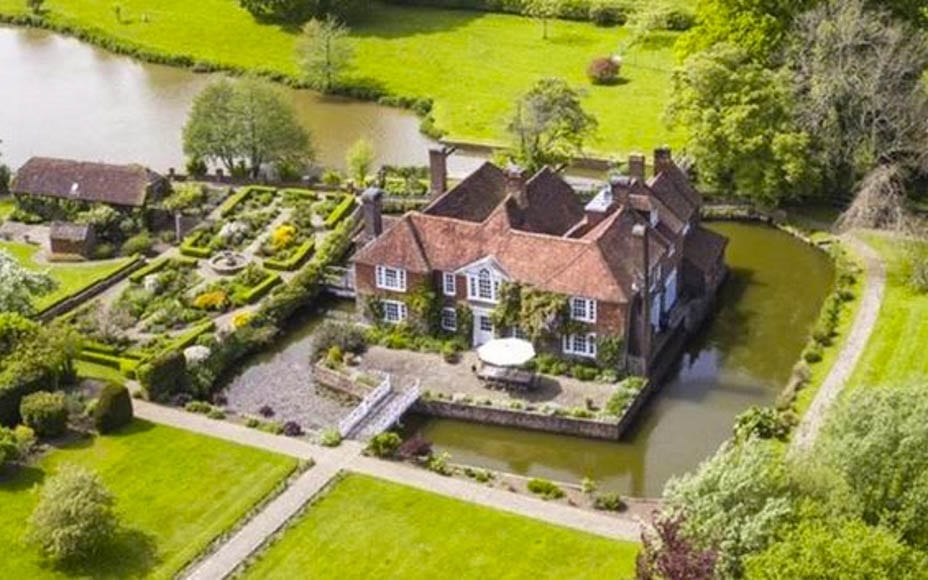
    One generally associates moats with castles and manor houses – such as the one we featured last month – but an old rectory currently for sale for £5 million ($6.3 million or €5.9 million or درهم‎‎23.2 million) in East Sussex comes with an especially impressive ground water-fed, rectangular example complete with three timber footbridges.


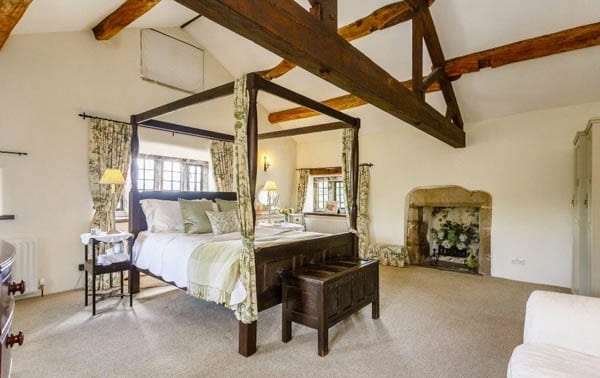
    A Parson’s Moat – Chailey Moat, Chailey Green, East Sussex, United Kingdom, BN8 4DA – £5 million ($6.3 million or €5.9 million or درهم‎‎23.2 million)
    Chailey Moat, Chailey Green, East Sussex, United Kingdom, BN8 4DA
    A Parson’s Moat – Chailey Moat, Chailey Green, East Sussex, United Kingdom, BN8 4DA – £5 million ($6.3 million or €5.9 million or درهم‎‎23.2 million)
    The house in Victorian times with the Reverend Thomas Harry Lee Jellicoe outside with his servants circa 1900
    A Parson’s Moat – Chailey Moat, Chailey Green, East Sussex, United Kingdom, BN8 4DA – £5 million ($6.3 million or €5.9 million or درهم‎‎23.2 million)
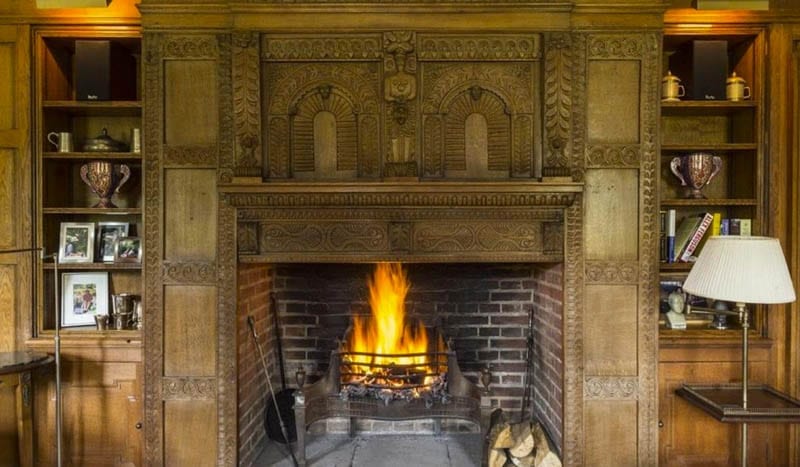
    This fireplace is one of the most stunning and historic features internally
    A Parson’s Moat – Chailey Moat, Chailey Green, East Sussex, United Kingdom, BN8 4DA – £5 million ($6.3 million or €5.9 million or درهم‎‎23.2 million)
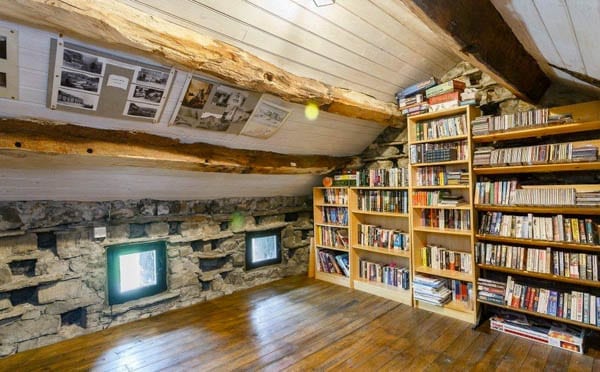
    It is situated within this reading room
    A Parson’s Moat – Chailey Moat, Chailey Green, East Sussex, United Kingdom, BN8 4DA – £5 million ($6.3 million or €5.9 million or درهم‎‎23.2 million)
    Another view of the main house shows the size of the moat


    Previously marketed for £3.5 million ($4.4 million or €4.1 million or درهم‎‎16.2 million) in 2007 but not sold at that time, Grade II listed Chailey Moat at Chailey Green, near Haywards Heath in East Sussex dates to around 1540 and was previously known as ‘The Parsonage’. It blends Tudor, Carolean, Elizabethan and Georgian elements and is centred on an original timber framed medieval structure hidden by later additions. The south-eastern façade is described by selling agents Savills as “most striking” and amongst other unusual features are a Venetian window on the first floor and a brick fireplace in a reading room with an intricately carved overmantel that allegedly came from part of a Charles I bedstead.


    Aside from a 6,146 square foot main house with 5 reception rooms and upto 8 bedrooms over three floors, there is a 398 square foot 1 bedroom cottage and a 4 bedroomed, 17th century barn conversion that extends to 807 square foot and also provides a substantial games room.


    Gardens and grounds extend to 43.76 acres and aside from the moat – which was allegedly singlehandedly dug by the Reverend Richard Porter, rector from 1713 to 1753 – there is also a enclosed tennis court, an outdoor swimming pool, a stream fed lake, a productive orchard and rolling pastureland.


    Chailey Moat is offered by Savills and was described by Country Life’s Penny Churchill as a “mansion of peace” in June this year. In October, the medieval property’s current owner, businessman Andrew Colin, described its idyllic setting to The Times. “It’s like sitting in the middle of a nature reserve”, he said.


    A Parson’s Moat – Chailey Moat, Chailey Green, East Sussex, United Kingdom, BN8 4DA – £5 million ($6.3 million or €5.9 million or درهم‎‎23.2 million)
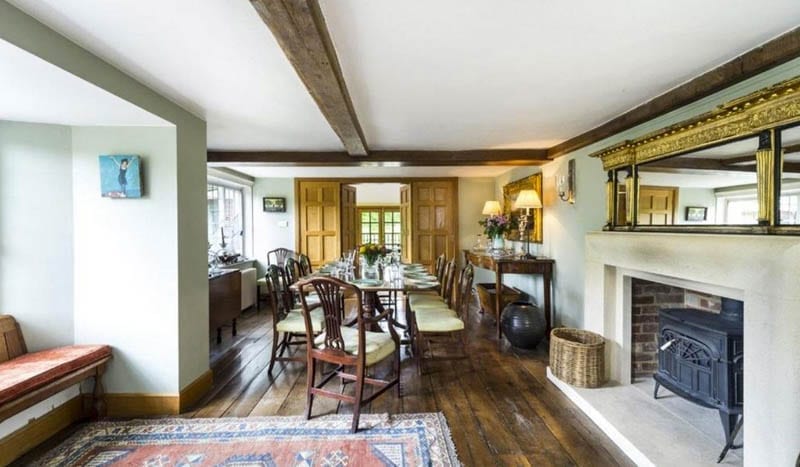
    The dining hall
    A Parson’s Moat – Chailey Moat, Chailey Green, East Sussex, United Kingdom, BN8 4DA – £5 million ($6.3 million or €5.9 million or درهم‎‎23.2 million)
    The drawing room
    A Parson’s Moat – Chailey Moat, Chailey Green, East Sussex, United Kingdom, BN8 4DA – £5 million ($6.3 million or €5.9 million or درهم‎‎23.2 million)
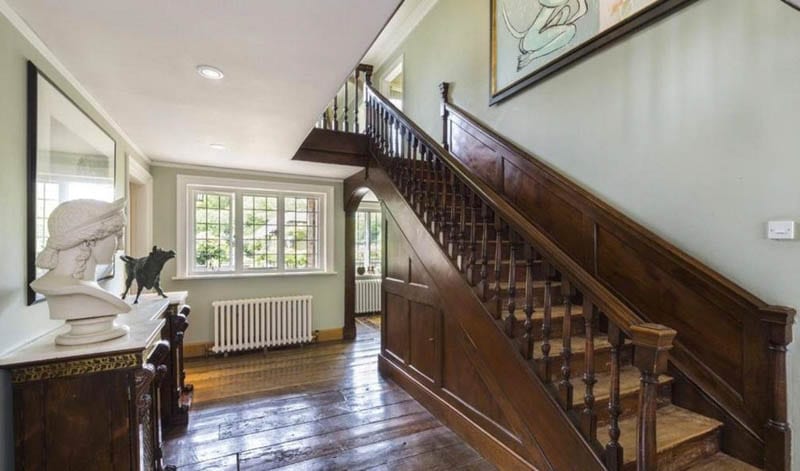
    The staircase dates from the 18th century
    A Parson’s Moat – Chailey Moat, Chailey Green, East Sussex, United Kingdom, BN8 4DA – £5 million ($6.3 million or €5.9 million or درهم‎‎23.2 million)
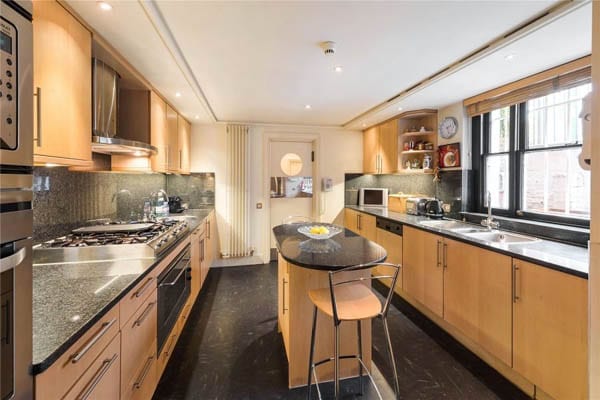
    The kitchen has a four-oven AGA
    A Parson’s Moat – Chailey Moat, Chailey Green, East Sussex, United Kingdom, BN8 4DA – £5 million ($6.3 million or €5.9 million or درهم‎‎23.2 million)
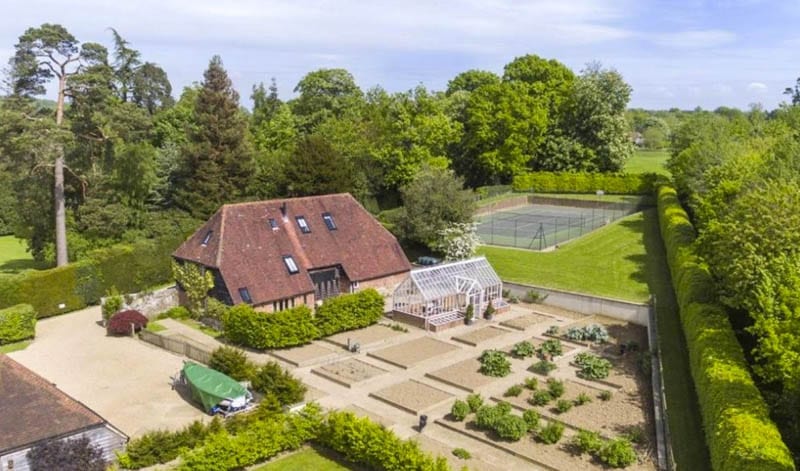
    This barn conversion provides ideal staff or guest accommodation and beyond it is a full-sized tennis court
    A Parson’s Moat – Chailey Moat, Chailey Green, East Sussex, United Kingdom, BN8 4DA – £5 million ($6.3 million or €5.9 million or درهم‎‎23.2 million)
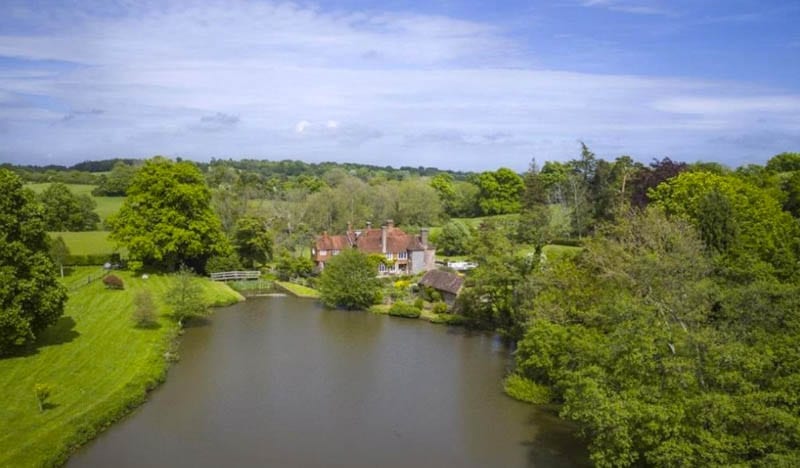
    A lake is situated within the grounds
    A Parson’s Moat – Chailey Moat, Chailey Green, East Sussex, United Kingdom, BN8 4DA – £5 million ($6.3 million or €5.9 million or درهم‎‎23.2 million)
    Whilst extensive lawned gardens extend out across the moat
    A Parson’s Moat – Chailey Moat, Chailey Green, East Sussex, United Kingdom, BN8 4DA – £5 million ($6.3 million or €5.9 million or درهم‎‎23.2 million)
    Another view of the gardens
    A Parson’s Moat – Chailey Moat, Chailey Green, East Sussex, United Kingdom, BN8 4DA – £5 million ($6.3 million or €5.9 million or درهم‎‎23.2 million)
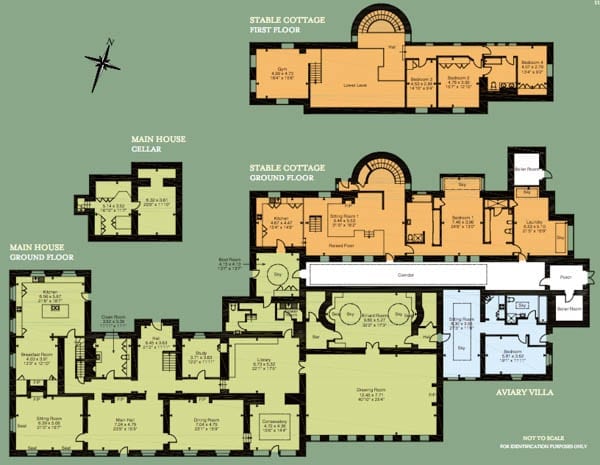
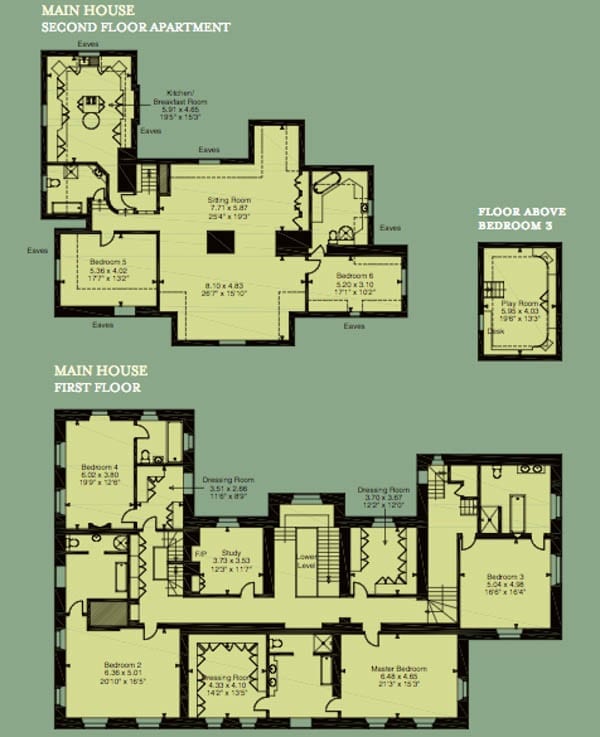
    A floor plan of the main house
    A Parson’s Moat – Chailey Moat, Chailey Green, East Sussex, United Kingdom, BN8 4DA – £5 million ($6.3 million or €5.9 million or درهم‎‎23.2 million)
    Floor plans of the barn conversion, cottage and outbuildings
  • Sexing up Brexit

    Sexing up Brexit

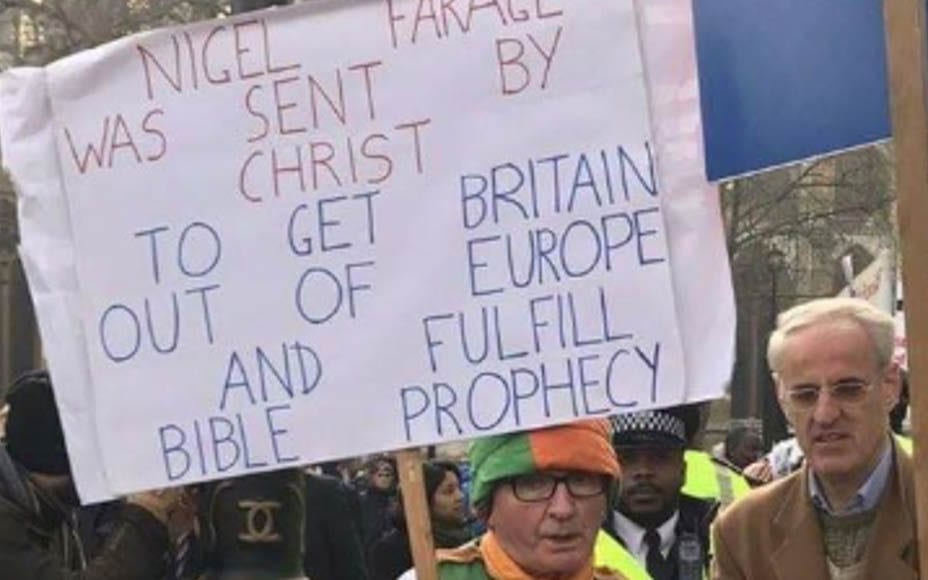
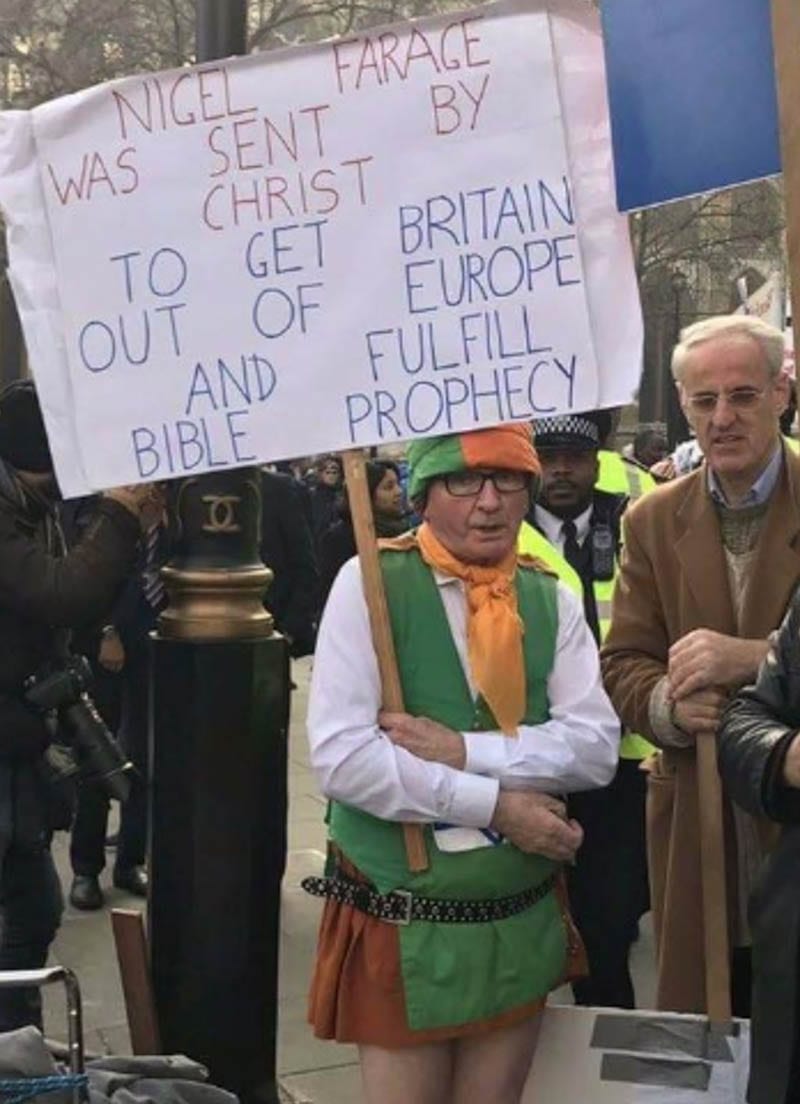
    Defrocked priest appears outside the Supreme Court dancing a jig without any trousers; he believes Nigel Farage was “sent by Christ”


    This week, as the Supreme Court debated one of the most serious constitutional cases in history, a strange little man dressed as a leprechaun danced a jig whilst holding placards about Nigel Farage, a Third World War and Brexit.


    The strange, trouser-less pensioner’s banners bizarrely were captioned:


    “Nigel Farage was sent by Christ to get Britain out of Europe and fulfill [sic] Bible prophecy”.


    “Britain will fight for Israel in the Third World War whereas Europe will fight against Israel and against Christ”.


    Dubbed a “sex elf” in one tweet, The Huffington Post later suggested the man to be Neil Horan, “a defrocked Irish Catholic priest who has previously disrupted major events like the Grand Prix and the Olympics and appeared on Britain’s Got Talent”. Horan was given an ASBO for attempting to disrupt the London Marathon in 2007 and his published works number A Glorious New World Very Soon to Come and Christ Will Soon Take Power From All Governments.


    In 2006, Horan was held for two months in custody in Germany during the World Cup. He had announced that he had planned to carry posters that declared “Adolf Hitler was a good leader who was following the word of Christ”.


    You truly couldn’t make it up.


    Sexing up Brexit – Defrocked priest Neil Horan appears outside the Supreme Court dancing a jig without any trousers; he believes Nigel Farage was “sent by Christ”Sexing up Brexit – Defrocked priest Neil Horan appears outside the Supreme Court dancing a jig without any trousers; he believes Nigel Farage was “sent by Christ”

  • Living on a Prayer

    Living on a Prayer

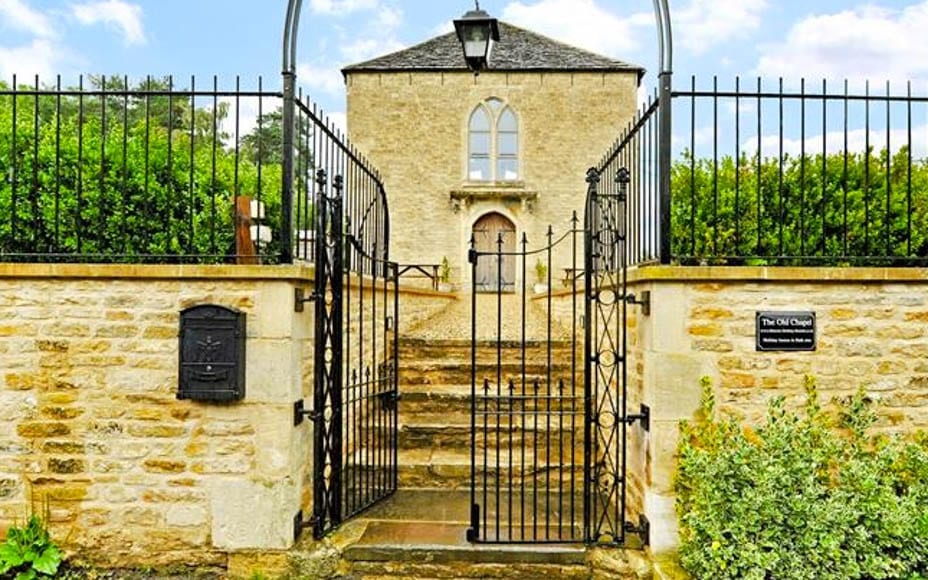
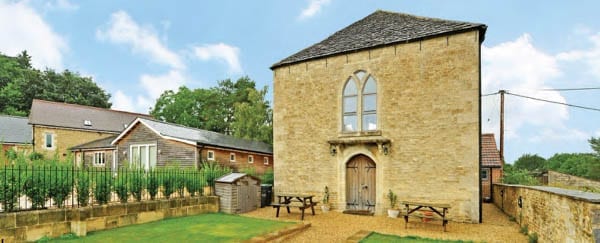
    Converted Methodist chapel in Wiltshire for sale


    Currently used as a “highly successful” holiday let, The Old Chapel at Lacock, near Chippenham in Wiltshire is for sale for £600,0000 ($755,000 or €703,000 or درهم‎‎2.8 million).


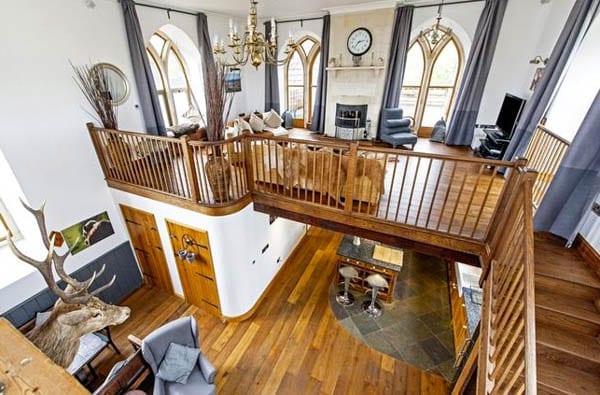
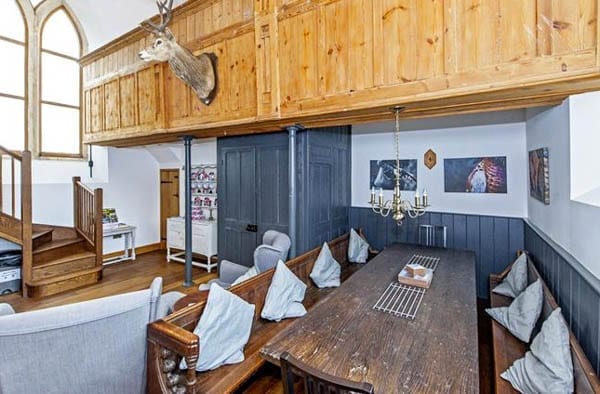
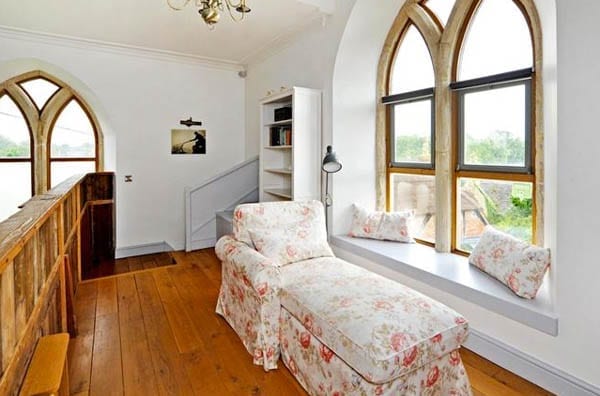
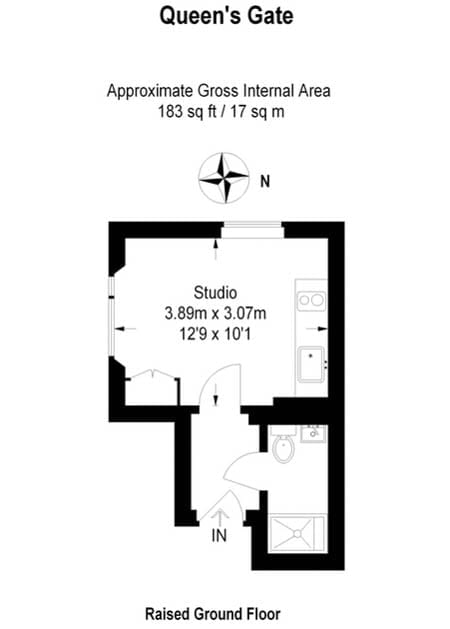
    A former Methodist chapel, the 2,725 square foot property includes accommodation over three floors and currently features 4 bedrooms and 4 bathrooms. It is dominated by a vast double height, open plan living space with kitchen. Above, in the former choir gallery, is a sitting room with Gothic style arched mullioned windows, and beyond one finds a roof deck with two rooms with planning permission for development to provide two further rooms and a bathroom.


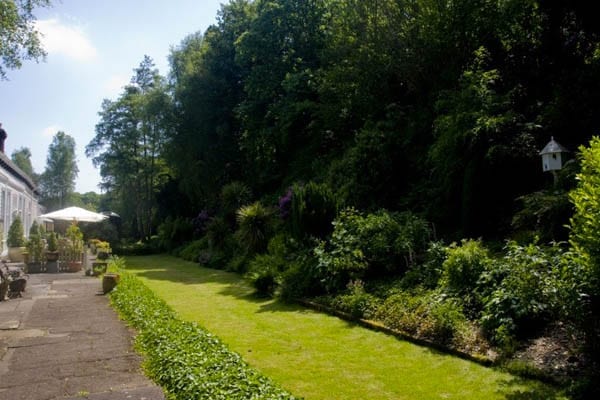
    To the front is a small lawned garden and parking is available on the nearby High Street.


    Selling agents Hamptons offer The Old Chapel either as a shell or with the existing furniture and fittings.

    Living on a Prayer – The Old Chapel, Chapel Hill, Lacock, Chippenham, Wiltshire, SN15 2LA – For sale through Hamptons for £600,000Living on a Prayer – The Old Chapel, Chapel Hill, Lacock, Chippenham, Wiltshire, SN15 2LA – For sale through Hamptons for £600,000Living on a Prayer – The Old Chapel, Chapel Hill, Lacock, Chippenham, Wiltshire, SN15 2LA – For sale through Hamptons for £600,000Living on a Prayer – The Old Chapel, Chapel Hill, Lacock, Chippenham, Wiltshire, SN15 2LA – For sale through Hamptons for £600,000Living on a Prayer – The Old Chapel, Chapel Hill, Lacock, Chippenham, Wiltshire, SN15 2LA – For sale through Hamptons for £600,000Living on a Prayer – The Old Chapel, Chapel Hill, Lacock, Chippenham, Wiltshire, SN15 2LA – For sale through Hamptons for £600,000Living on a Prayer – The Old Chapel, Chapel Hill, Lacock, Chippenham, Wiltshire, SN15 2LA – For sale through Hamptons for £600,000

  • The Business of Blair

    The Business of Blair

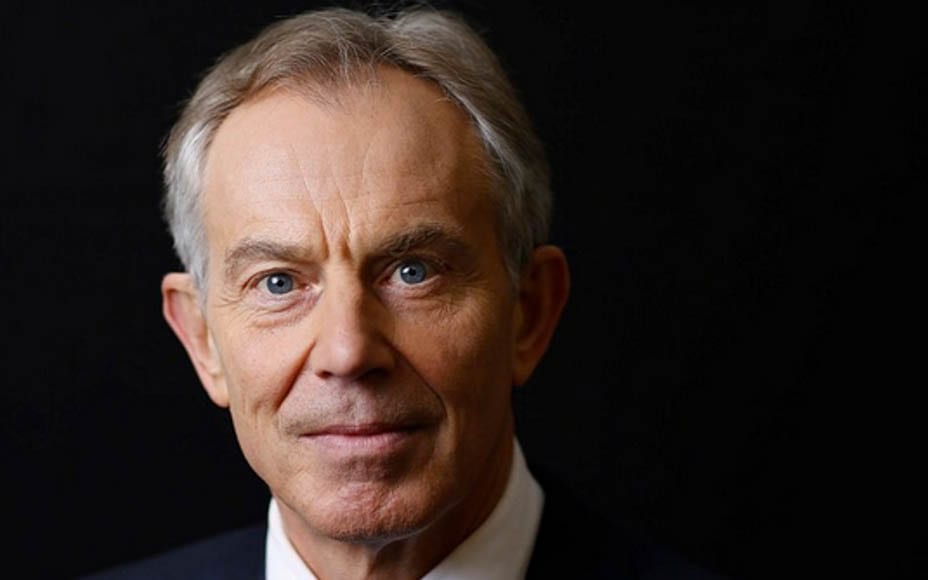
    Tony Blair ditches business and also denies a return to public office


    For weeks, the mainstream media have claimed Tony Blair is preparing to return to public office to save Britain from the nightmare of Brexit. They have claimed he’s ready to seize the support of the 48% and that him and Nick Clegg are colluding to create a new ‘centre left’. He did little to deny it at first but late last week, he shared a post on Facebook that frankly puts a stop to this kind of nonsense.


    Blair, a plainly toxic force in politics due to his highly unpopular backing of George W. over the War on Iraq (and because of his refusal to confine his equally disliked weirdo wife to social Siberia), will never make a comeback and now he’s finally acknowledged that in a very public way.


    In our view, Mr Blair is actually wrong. He’s not nearly as bad as #DarthVader Theresa May and he’s not nearly as ghastly as either the worst Prime Minister’s-in-living-history John Major and Gordon Brown and though we share with you his justifications for not getting involved again, we weirdly find ourselves actually lauding Mr Blair for saying the right thing (for once in his sorry lifetime).


    Mr Blair’s comment, in full, follows:


    Over the past nine years we have built a family of organisations which together employ nearly 200 people; have worked in over 30 countries; and have produced some real and lasting achievements. I am very proud of the commitment and impact of the people I have had the privilege to work with.


    The Africa Governance Initiative has become a respected partner and leader in effective governance where we have worked in 10 different African countries.


    The work we are doing in Africa has been right at the centre of government covering everything from boosting electricity, to improving child and maternal mortality rates to helping on the ground during the Ebola crisis in West Africa, a contribution praised for its impact by both the Presidents of the countries concerned and the international community.


    Outside of Africa in the work done by the commercial governance arm, we again made successful interventions in over 12 countries with 30 different projects promoting reform and change programmes with governments.


    The Tony Blair Faith Foundation has done ground-breaking work in interfaith relations, education and leadership, and most recently in the research and policy work on religiously based extremism through the Centre on Religion and Geopolitics which has been widely recognised as authoritative. 


    In the first years of the Quartet role in the Middle East, we hit double digit growth on the West Bank, drew up ambitious plans for Gaza’s infrastructure and changed the rules around entry of materials into Gaza. In 2011, we played a significant part in the attempt to agree terms of reference for a renewal of the peace process.


    Progress became much more difficult once the peace process stalled. We were partners in the later fresh attempts by the USA to revive the peace process, particularly around plans for the economy to support a future Palestinian state. Unfortunately these attempts also failed.


    Nonetheless, after stepping down from the Quartet position, our new Initiative for the Middle East has re-vitalised our work and means this stays a large part of what we do. I have made over 35 visits to the region this year alone.


    During the time since leaving office, I have learnt a huge amount about the world and frankly what I can do and can’t do to affect it positively.


    We built up a successful business side, though attracted a large measure of criticism for it, much of it inaccurate. It was entirely necessary to build the business to help with the funding to grow the organisations; but it was open to misrepresentation and to criticism either that we were conflating private and public roles or that we were working in countries which aroused controversy.


    Having said that, I also learnt a lot about the way the global economy functions from that experience and pay tribute to the great team I worked with who made much of the development of our work across the organisations possible.


    We are now at the stage and have built the financial infrastructure where it is time to enter a new phase. First we can take the work we have done in Africa, in governance, on extremism and in the Middle East to a new and more effective level; and secondly, in the past six months we have seen political earthquakes in the UK with Brexit and in the American election, as well as an explosion in populist movements all over the European continent. This impacts profoundly all the work we do and the future of globalisation.


    So I want us to bring all the different organisations together under one roof and to re-orient our mission.


    We have deliberately focused, up to now, on some of the greatest and most difficult challenges faced in the era of globalisation: how to give nations the governing capacity to overcome the problems of development and lift their people out of poverty; how to combat the religiously based extremism which threatens global security; how to resolve the most intractable peace process in the world.


    In each case, we have presented a new approach, with the aim of providing new ideas and thinking.


    In governance, especially in Africa, our analysis is that, today, building the capacity to govern effectively – making the way government works efficient as well as transparent – is as important for developing nations as aid.


    Look around the world, and see countries living next to each other – same size population, same resources, same natural potential – one succeeding, one failing. The reason for the difference is found in the quality of governance. Take the following examples: Venezuela and Colombia; Poland and Ukraine; Rwanda and Burundi. And the greatest example in contrasting, contiguous systems of governance the world has seen in modern political history – the Korean Peninsula, North and South Korea. The nation which is succeeding is applying the best rules and lessons of governance; the failing nation is ignoring or defying them.


    On religious extremism, we believe it is essential to widen the struggle, to tackle the ideology behind the violence and not simply the violence itself. So we can defeat ISIS militarily but unless we defeat the ideas behind Islamism – the belief that a particular view of religion should dominate society, politics and the economy, something incompatible with a modern world in which pluralism is the essence – we will never win this battle.


    On the Middle East peace process, we are convinced that a traditional peace process between Israelis and Palestinians with US guidance alone is inadequate; that what is required is a new approach which involves the wider region and the Arab nations and which resolves not just the final status issues like borders but which also resolves the underlying issues of cultural acceptance and regional stability. So we are now working on Arab-Israeli relations, and not simply Israeli-Palestinian relations.


    But it has become clear that there is much overlap between these different areas of work. Extremism is also today a barrier to development. The Middle East conflict impacts extremism. Changing and reforming government applies to Middle East nations as well.


    And since all of these approaches basically represent the open-minded response to global problems, the salience of these new approaches depends on us having an answer to the new populism of left and right which exploits the anger and drives the world apart.


    This new populism may differ in some respects between left and right – the left anti-business, the right anti-immigrant – but in others what is remarkable is the convergence between them, especially around isolationism and protectionism, in what is an essentially closed-minded approach to globalisation and its benefits and to international engagement.


    So we want to add a fourth pillar to what we do. I emphasise this is not in place of our other work but in addition to it.


    This is the creation of a platform designed to build a new policy agenda for the centre ground together with the networks which link people up, and allow a reasonable and evidence based discussion of the future which avoids the plague of social media-led exchanges of abuse. 


    This platform will have a policy unit which will draw on the best ideas and practical solutions, building partnerships with other organisations, in the public policy and private spheres, so that those in the frontline of politics have a bigger and better policy agenda to reflect upon; and a networking capability to join like-minded people up. 


    This is not a think tank. There are enough of those, many doing excellent work we would want to utilise. It is a platform for engagement to inform and support the practising politician.


    It is what I know I would want were I still in the frontline of politics.


    Part of its focus will plainly be around the European debate; but this will not be its exclusive domain. It has to go far wider than that since in many ways the Europe debate is a lightning rod for the whole of politics.


    We’re now planning to bring all of these four parts together in one new Not For Profit Institute. 


    The business side has been shut down and the assets, running into many millions of pounds, gifted to the Institute. In the New Year, we plan to merge the activities of the different organisations into the Institute, with any charitable funds used exclusively for the purposes for which they were originally given.


    This will allow us to work more coherently across the board; use the obvious synergies between the different elements of the work; and to be far stronger on the global policy side than we have been up to now. The focus previously was mainly on programmes. These will remain but the organisation will also be far more about thought leadership.


    This is not about my returning to the front line of politics. I have made it abundantly clear that this is not possible.


    However, I care about my country and the world my children and grandchildren will grow up in; and want to play at least a small part in contributing to the debate about the future of both.  
     

    The Africa Governance Initiative has become a respected partner and leader in effective governance where we have worked in 10 different African countries.


    The work we are doing in Africa has been right at the centre of government covering everything from boosting electricity, to improving child and maternal mortality rates to helping on the ground during the Ebola crisis in West Africa, a contribution praised for its impact by both the Presidents of the countries concerned and the international community.


    Outside of Africa in the work done by the commercial governance arm, we again made successful interventions in over 12 countries with 30 different projects promoting reform and change programmes with governments.


    The Tony Blair Faith Foundation has done ground-breaking work in interfaith relations, education and leadership, and most recently in the research and policy work on religiously based extremism through the Centre on Religion and Geopolitics which has been widely recognised as authoritative. 


    In the first years of the Quartet role in the Middle East, we hit double digit growth on the West Bank, drew up ambitious plans for Gaza’s infrastructure and changed the rules around entry of materials into Gaza. In 2011, we played a significant part in the attempt to agree terms of reference for a renewal of the peace process.


    Progress became much more difficult once the peace process stalled. We were partners in the later fresh attempts by the USA to revive the peace process, particularly around plans for the economy to support a future Palestinian state. Unfortunately these attempts also failed.


    Nonetheless, after stepping down from the Quartet position, our new Initiative for the Middle East has re-vitalised our work and means this stays a large part of what we do. I have made over 35 visits to the region this year alone.


    During the time since leaving office, I have learnt a huge amount about the world and frankly what I can do and can’t do to affect it positively.


    We built up a successful business side, though attracted a large measure of criticism for it, much of it inaccurate. It was entirely necessary to build the business to help with the funding to grow the organisations; but it was open to misrepresentation and to criticism either that we were conflating private and public roles or that we were working in countries which aroused controversy.


    Having said that, I also learnt a lot about the way the global economy functions from that experience and pay tribute to the great team I worked with who made much of the development of our work across the organisations possible.


    We are now at the stage and have built the financial infrastructure where it is time to enter a new phase. First we can take the work we have done in Africa, in governance, on extremism and in the Middle East to a new and more effective level; and secondly, in the past six months we have seen political earthquakes in the UK with Brexit and in the American election, as well as an explosion in populist movements all over the European continent. This impacts profoundly all the work we do and the future of globalisation.


    So I want us to bring all the different organisations together under one roof and to re-orient our mission.


    We have deliberately focused, up to now, on some of the greatest and most difficult challenges faced in the era of globalisation: how to give nations the governing capacity to overcome the problems of development and lift their people out of poverty; how to combat the religiously based extremism which threatens global security; how to resolve the most intractable peace process in the world.


    In each case, we have presented a new approach, with the aim of providing new ideas and thinking.


    In governance, especially in Africa, our analysis is that, today, building the capacity to govern effectively – making the way government works efficient as well as transparent – is as important for developing nations as aid.


    Look around the world, and see countries living next to each other – same size population, same resources, same natural potential – one succeeding, one failing. The reason for the difference is found in the quality of governance. Take the following examples: Venezuela and Colombia; Poland and Ukraine; Rwanda and Burundi. And the greatest example in contrasting, contiguous systems of governance the world has seen in modern political history – the Korean Peninsula, North and South Korea. The nation which is succeeding is applying the best rules and lessons of governance; the failing nation is ignoring or defying them.


    On religious extremism, we believe it is essential to widen the struggle, to tackle the ideology behind the violence and not simply the violence itself. So we can defeat ISIS militarily but unless we defeat the ideas behind Islamism – the belief that a particular view of religion should dominate society, politics and the economy, something incompatible with a modern world in which pluralism is the essence – we will never win this battle.


    On the Middle East peace process, we are convinced that a traditional peace process between Israelis and Palestinians with US guidance alone is inadequate; that what is required is a new approach which involves the wider region and the Arab nations and which resolves not just the final status issues like borders but which also resolves the underlying issues of cultural acceptance and regional stability. So we are now working on Arab-Israeli relations, and not simply Israeli-Palestinian relations.


    But it has become clear that there is much overlap between these different areas of work. Extremism is also today a barrier to development. The Middle East conflict impacts extremism. Changing and reforming government applies to Middle East nations as well.


    And since all of these approaches basically represent the open-minded response to global problems, the salience of these new approaches depends on us having an answer to the new populism of left and right which exploits the anger and drives the world apart.


    This new populism may differ in some respects between left and right – the left anti-business, the right anti-immigrant – but in others what is remarkable is the convergence between them, especially around isolationism and protectionism, in what is an essentially closed-minded approach to globalisation and its benefits and to international engagement.


    So we want to add a fourth pillar to what we do. I emphasise this is not in place of our other work but in addition to it.


    This is the creation of a platform designed to build a new policy agenda for the centre ground together with the networks which link people up, and allow a reasonable and evidence based discussion of the future which avoids the plague of social media-led exchanges of abuse.


    This platform will have a policy unit which will draw on the best ideas and practical solutions, building partnerships with other organisations, in the public policy and private spheres, so that those in the frontline of politics have a bigger and better policy agenda to reflect upon; and a networking capability to join like-minded people up. 


    This is not a think tank. There are enough of those, many doing excellent work we would want to utilise. It is a platform for engagement to inform and support the practising politician.


    It is what I know I would want were I still in the frontline of politics.


    Part of its focus will plainly be around the European debate; but this will not be its exclusive domain. It has to go far wider than that since in many ways the Europe debate is a lightning rod for the whole of politics.


    We’re now planning to bring all of these four parts together in one new Not For Profit Institute. 


    The business side has been shut down and the assets, running into many millions of pounds, gifted to the Institute. In the New Year, we plan to merge the activities of the different organisations into the Institute, with any charitable funds used exclusively for the purposes for which they were originally given.


    This will allow us to work more coherently across the board; use the obvious synergies between the different elements of the work; and to be far stronger on the global policy side than we have been up to now. The focus previously was mainly on programmes. These will remain but the organisation will also be far more about thought leadership.


    This is not about my returning to the front line of politics. I have made it abundantly clear that this is not possible.


    However, I care about my country and the world my children and grandchildren will grow up in; and want to play at least a small part in contributing to the debate about the future of both.  
     

  • Going by God

    Going by God

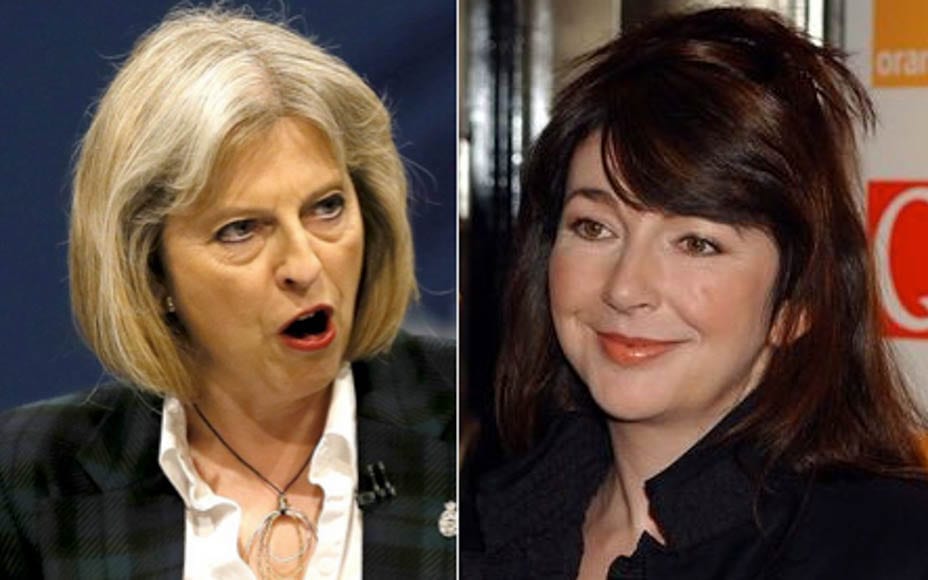
    After claiming she’s lead by God over Brexit, Theresa May bizarrely gets the backing of Kate Bush


    On Sunday, Theresa May told The Sunday Times Magazine that her Christian faith is guiding her decisions around Brexit and also spoke of how leaving the EU keeps her awake at night.


    Yesterday, in Maclean’s Magazine, a Canadian publication, the reclusive musician Kate Bush described piled praise on Theresa May and announced:


    “We have a female prime minister here in the UK. I actually really like her and think she’s wonderful. I think it’s the best thing that’s happened to us in a long time. She’s a very intelligent woman but I don’t see much to fear. I will say it is great to have a woman in charge of the country. She’s very sensible and I think that’s a good thing at this point in time”.


    News that Bush, previously a fan of Ken Livingstone and the writer of a song that stated: “Ken is the man that we all need”, shocked the likes of The Guardian and The Independent’s Geoff Norcott, but unsurprisingly, the majority of the fans of this singer-songwriter and supporter of changing to a bartering economy’s typically left-wing fans won’t be Running Up That Hill in support of her new found conversion.


  • Religious Pigeons

    Religious Pigeons

    Grade II* listed North Yorkshire hall for sale; it comes with a converted chapel and a converted pigeon loft


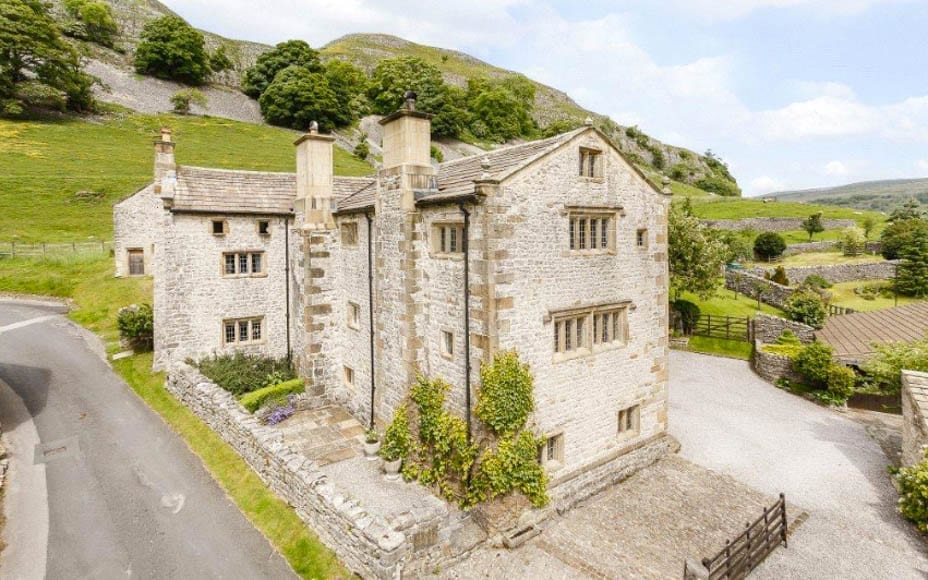
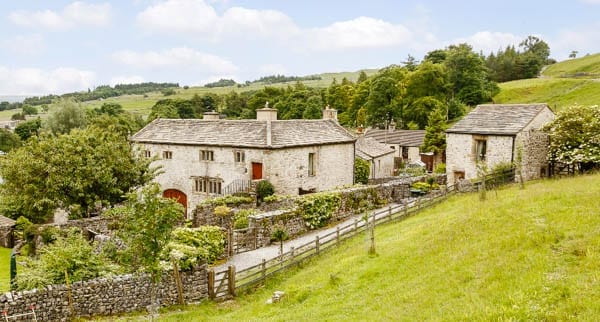
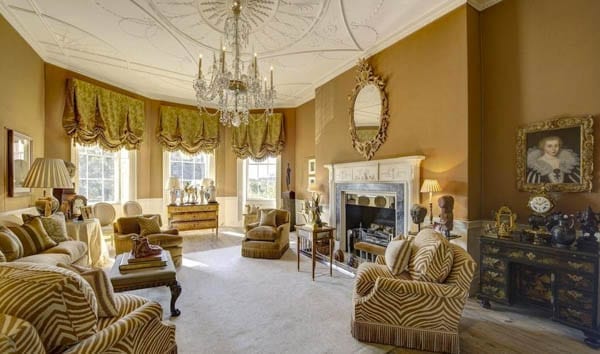
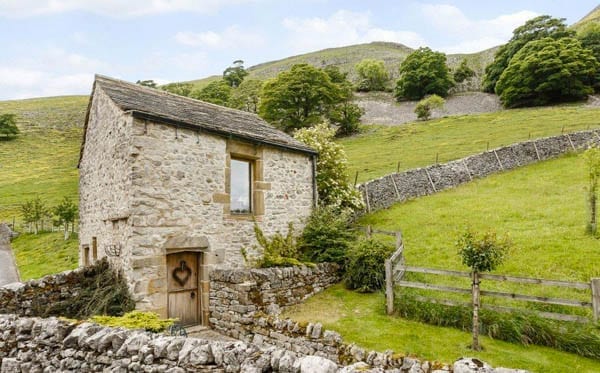
    £925,000 ($1.14 million or €1.03 million) will barely buy a broom cupboard in Kensington and Chelsea, but for the same sum a 3,893 square foot Grade II* listed medieval hall in the Yorkshire Dales National Park.


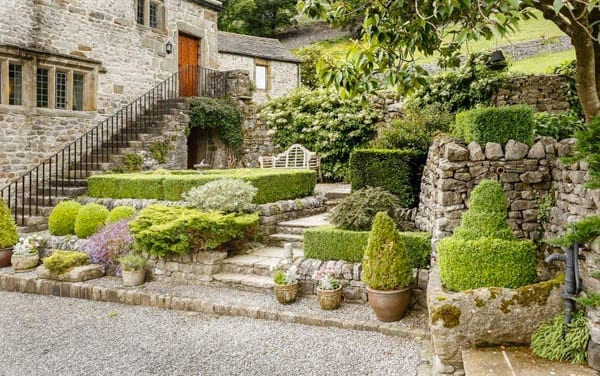
    Standing on a plot of 2½ acres, Kilnsey Old Hall in the picturesque village of Kilnsey, near Grassington was built as an administrative centre for the Cistercian Monks of Fountains Abbey. It was from here that they managed their grazing land and all flocks of sheep were driven to Kilnsey for their annual shearing. In 1648, the majority of the current hall was built by Christopher Wade, a relative of Armagil Wade, an adventurer who was known as the ‘Columbus of the North’. It has now been restored and certainly makes for a charming family home.


    In addition to there being four bedrooms in the main house, Kilnsey Old Hall comes with a former pigeon loft on the third floor and a former chapel that was converted into a stable and hayloft and now a one bedroom cottage. This has been used as a holiday let and is described as “bringing in a useful source of income”.


    The joint selling agents for the property are Carter Jonas and Harrison Boothman.


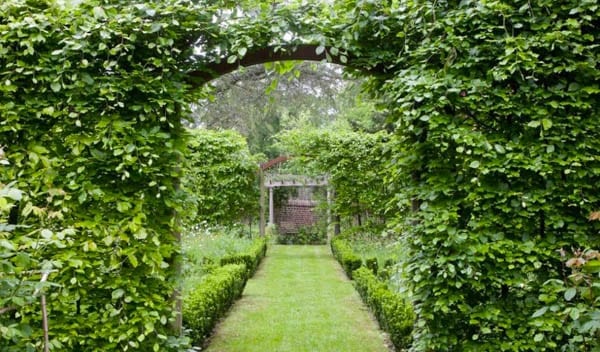
    Religious Pigeons – Kilnsey Old Hall, Kilnsey, North Yorkshire, BD23 5PS – £925,000 ($1.14 million or €1.03 million) – Carter Jonas and Harrison BoothmanReligious Pigeons – Kilnsey Old Hall, Kilnsey, North Yorkshire, BD23 5PS – £925,000 ($1.14 million or €1.03 million) – Carter Jonas and Harrison Boothman Religious Pigeons – Kilnsey Old Hall, Kilnsey, North Yorkshire, BD23 5PS – £925,000 ($1.14 million or €1.03 million) – Carter Jonas and Harrison BoothmanReligious Pigeons – Kilnsey Old Hall, Kilnsey, North Yorkshire, BD23 5PS – £925,000 ($1.14 million or €1.03 million) – Carter Jonas and Harrison BoothmanReligious Pigeons – Kilnsey Old Hall, Kilnsey, North Yorkshire, BD23 5PS – £925,000 ($1.14 million or €1.03 million) – Carter Jonas and Harrison Boothman Religious Pigeons – Kilnsey Old Hall, Kilnsey, North Yorkshire, BD23 5PS – £925,000 ($1.14 million or €1.03 million) – Carter Jonas and Harrison BoothmanReligious Pigeons – Kilnsey Old Hall, Kilnsey, North Yorkshire, BD23 5PS – £925,000 ($1.14 million or €1.03 million) – Carter Jonas and Harrison BoothmanReligious Pigeons – Kilnsey Old Hall, Kilnsey, North Yorkshire, BD23 5PS – £925,000 ($1.14 million or €1.03 million) – Carter Jonas and Harrison BoothmanReligious Pigeons – Kilnsey Old Hall, Kilnsey, North Yorkshire, BD23 5PS – £925,000 ($1.14 million or €1.03 million) – Carter Jonas and Harrison Boothman Religious Pigeons – Kilnsey Old Hall, Kilnsey, North Yorkshire, BD23 5PS – £925,000 ($1.14 million or €1.03 million) – Carter Jonas and Harrison BoothmanReligious Pigeons – Kilnsey Old Hall, Kilnsey, North Yorkshire, BD23 5PS – £925,000 ($1.14 million or €1.03 million) – Carter Jonas and Harrison Boothman

  • Berkoff on Sir Shifty

    Berkoff on Sir Shifty

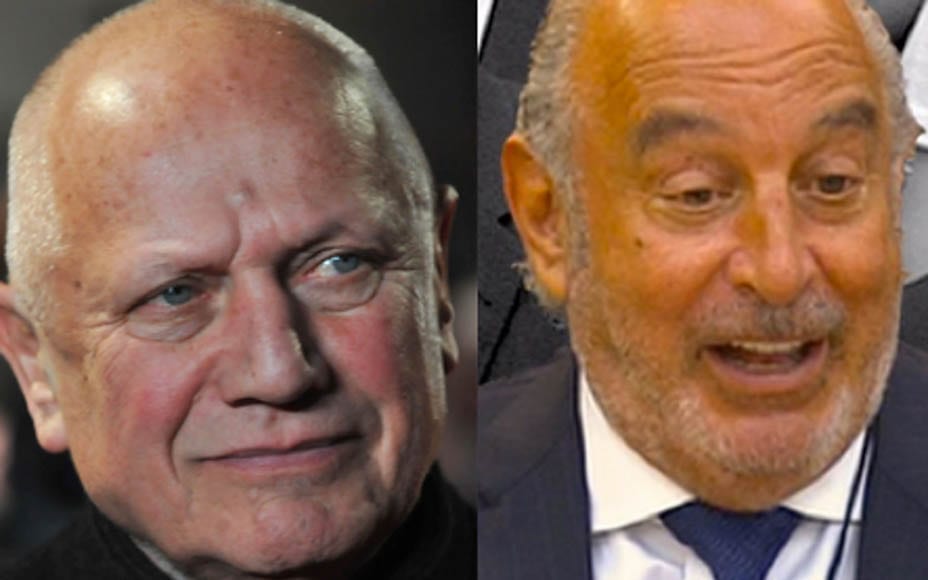
    Actor, producer and writer Steven Berkoff shares his views about Sir Philip Green


    I recently watched a group of investigators sitting around a semi-circular table politely asking questions of Sir Philip Green. They elicited either vague responses, unsure responses, or contemptuous responses about him flogging BHS, a once venerable institution, to a somewhat dodgy character for a quid. If one of the pale faced interrogators even hinted that some of his business practises smelt a little like stinking fish or let’s say a little strange, Green’s surly reply was always: “That’s your opinion”.


    What was most fascinating to me, watching him live on television, was his whole stance and body language: He sat, heavy arms spread akimbo like he was a wrestler between bouts and waiting for the next round. The obviously university educated interlocutors were mostly decent professional men who faced a person whose way of life could not be more different. ‘Sir Shifty’ (as the Daily Mail mockingly now refer to him) has, after all, fought his way up from market dealer to wealthy mogul and he’s eaten people like these all his life.


    I even noticed one woman on the committee staring at Green from time to time and then turning away to whoever was asking him questions. She only dared to glimpse back at him for a few seconds. The feeling was that she was facing some kind of monster, a rabid devourer of nervous young English ladies. He then even rudely abused a member of the committee with sarcasm and a threating wit. It reminded me of the young toughs at the Lyceum Dance Hall in the fifties and their “Oo ya looking at!” jibes.


    Green actually said something similar to this at one time and directed it to one of the members, reproaching him for staring. It is a bit difficult, if you are facing someone under investigation, not to stare, I would have thought but then this is the ‘Green look’. His stare is nothing less than demonic; his dark beady eyes less meant for merely looking than for ‘eye balling’ with a shadowy hint of violence beneath. He didn’t just respond, he responded with an expression that seemed to dare you to challenge him. His voice carried notes of warning in it and yet was not grating – even if the timbre reminded me of Petticoat Lane.
     

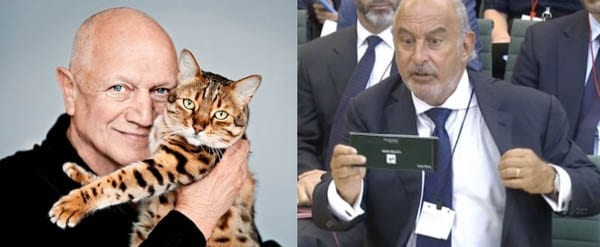
    Berkoff on Sir Shifty – Steven Berkoff shares his view on Sir Philip Green
    Steven Berkoff views Sir Philip Green to be anything but a pussy cat


    Now, what made the whole exercise even more bizarrely fascinating was that he is a Jew. This might create a slightly awkward backstory since Jews were famously interrogated by the guardians of the church centuries past. A group of priests, many of them with a strong intellectual bent, frequently interrogated Rabbis on the meaning of their faith and hurled questions of religious complexity challenging them on all sorts of issues, the failure of which to answer satisfactorily could mean, a rather painful conclusion.


    These sessions were held in public and their main purpose was to ridicule and humiliate. So, watching Green’s examination many similar thoughts flittered through my mind, not least of all the appalling interrogation of Shylock in Shakespeare’s unpleasant satire, The Merchant of Venice.


    The ever-changing mosaic of thoughts shifted and I saw Shylock being interrogated, except here is no Portia tripping up the recalcitrant Jew. Here are at least a dozen pairs of eyes and I can guarantee that not one of them, could avoid, thinking and not with malice, that in front of them sat a Jew; a money bags dealer. Even if not one of them would ever admit to a shred of anti-Semitism, it would be impossible not to see a distant cousin of Shylock in front of them. I certainly did; I could not help it. How awful, but it is also true. It has been rubbed in our faces by Shakespeare no less than Dickens. And here sitting in front of them, including the lady who could hardly bare to look his way, was the archetypical Jew. You couldn’t make it up.


    Even if Shylock was originally in an Italian play, it found its way to our shores: The Italian villain was then changed to Jew. Centuries ago under those horrible interrogation and inquisitions, the Jew would have to answer civilly and been humble, humble yet intellectually sound.


    No need for humbleness now; Green was the direct opposite of his distant predecessor. If his eyes were basilisks he would have scorched up the entire circle but yet, he was steaming if not actually burning. It was his face and his expressions that carried the shades of the demonic. Up to now I have only read about the deeds of Green and the rather shabby money dealings and his frequent photo ops with one of his models, out on the town with his heavy paw around some nubile waist. Now, for the first time I heard him and I watched the ‘gentle’ eyes of the Christians attempting to unravel the complex spider webs of this bully and his empire.


    I hope the public who were watching were also able to resist the brain washing of centuries and not give in to an almost reflex action and think “look at him, another one of those lying, money grabbing yids”.


    I found that I couldn’t switch over to another channel. This was actually too dramatic. This was life and death not those easy, shallow chat shows of Norton, Ross and company with the forced laughter. No, this is the real thing. Now my mind shifted again from Shylock to Al Capone.


    Of course, if Green’s empire ever totally collapses and he is looking for another job he should think of shifting his base to LA and having a bash at a few villains. He would make a marvellous Al Capone as what makes gangsters so dangerous is that they are all deliberately thin skinned. They don’t want to be calmly tolerant or turn the other cheek. Green’s bull-like face was full on and he even chided one of the committee with a snide: “Put your glasses back on”. The confessors, however, won’t get much of a confession out of Green. And he won’t take any criticism: “That’s your opinion”, he uttered again and again.


    I can see Sir Shifty in the dock: A perfect Capone; think about it Phil.


    Steven Berkoff is an actor, producer and writer.


    Subscribe to our free once daily email newsletter here:[wysija_form id=”2″]


  • Picture of the Week: Praying for Uber

    Picture of the Week: Praying for Uber

    Uber driver spotted praying on a pavement in Knightsbridge (more…)

  • Chris Bryant MP

    Chris Bryant MP

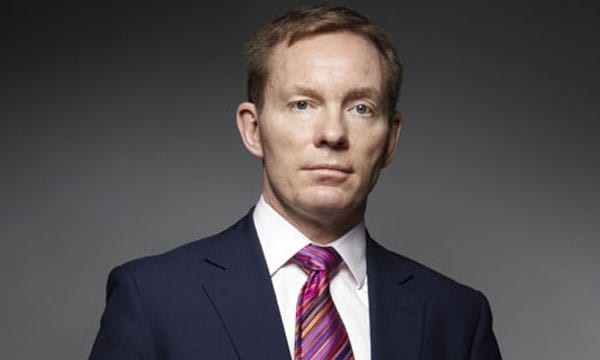
    Chris Bryant MP (AKA “Captain Underpants”)Known primarily for posing in his underpants on a gay dating site and for the utterly ridiculous assessment that Delilah is a song about the murder of a prostitute, Chris Bryant is one of the most pointless MPs ever. (more…)