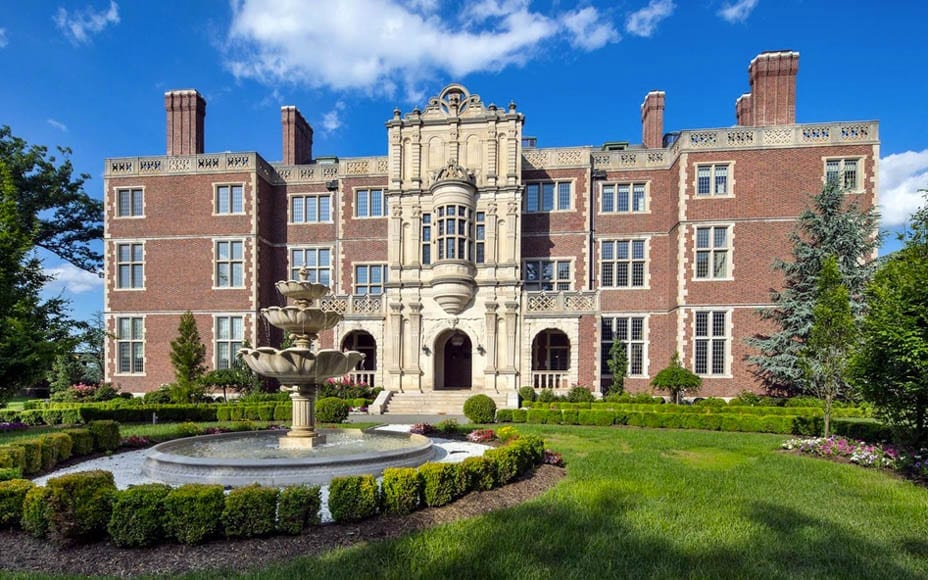
Eccentric Hudson Heights, New York cliffside residence for sale for £3.33 million; at certain times of day it resembles a pumpkin
16 Chittenden Avenue, Hudson Heights, New York certainly doesn’t sound like an inspirational place to live. Though mention of this address won’t set pulses racing and despite one previous owner joking: “It’s not the White House”, whoever buys it will actually get something quite breathtaking situated on the highest natural point in Manhattan.
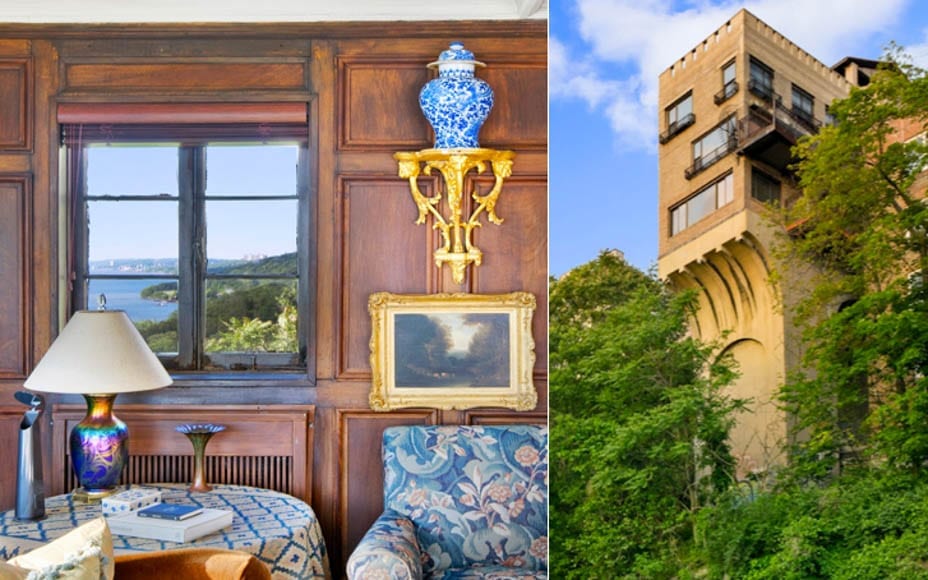
Offered for £3.33 million – a figure 202% higher than it sold for 17 years ago in 2000 – ‘The Pumpkin House’, as the residence is more famously known, is a freestanding cliffside structure that is described by selling agents Sotheby’s International Realty as having a “seemingly jack-o’-lantern face that glows across the Hudson [River] reflecting the light of the setting sun”.
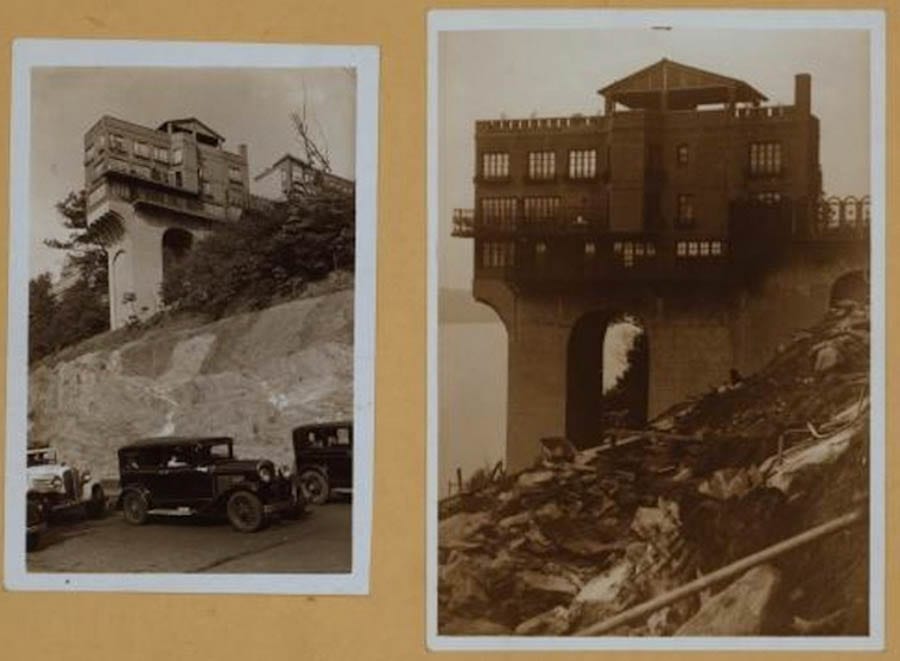
The Pumpkin House – 16 Chittenden Avenue, Hudson Heights, New York, NY 10033, United States of AmericaThe building in the 1930s
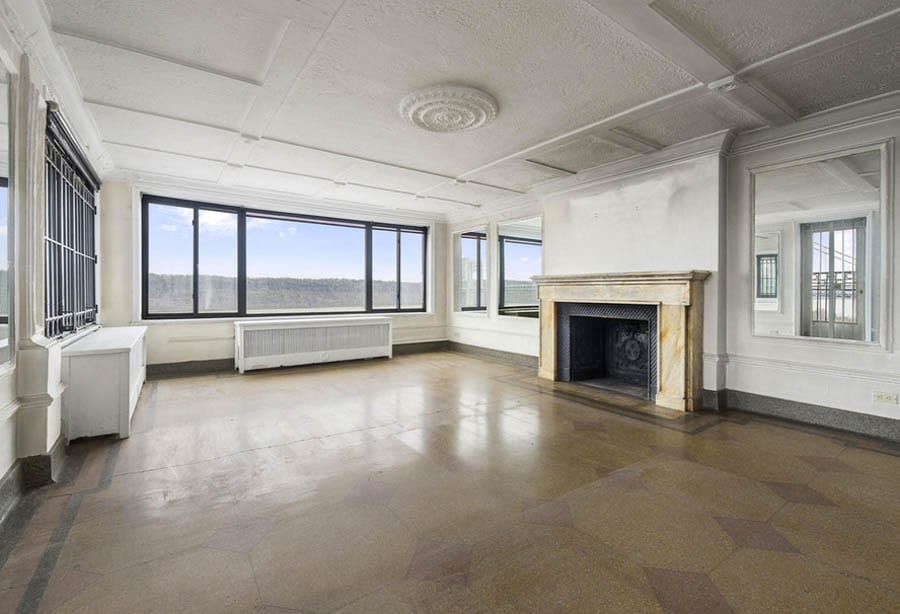
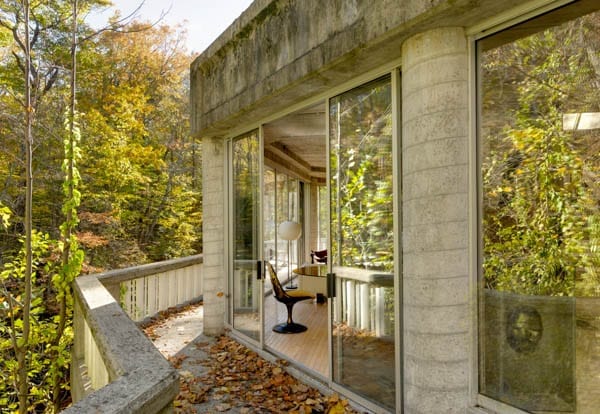
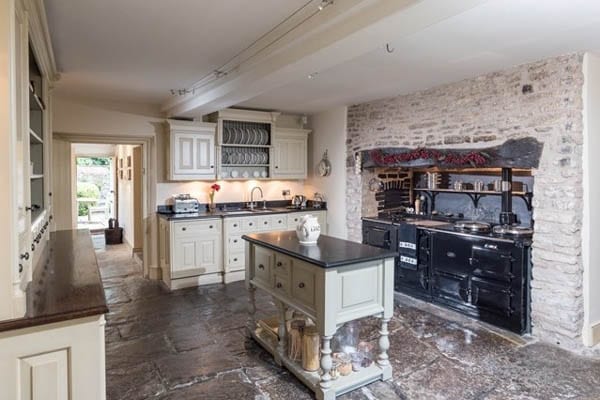
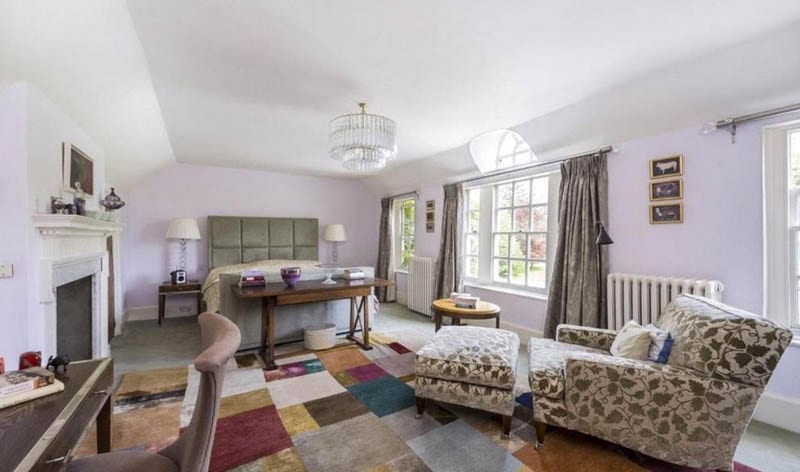
It is spread over 4 floors, extends to 3,144 square foot and includes 2 reception rooms, a library, a home office, a “French country style” kitchen, 4 bedrooms and 2 bathrooms. A basement flat provides 1 reception room, a kitchen, 1 bedroom and 1 bathroom and in addition to a 2-car garage, there is a small garden, a balcony and a vast, part covered 66-foot long roof terrace.
Built on a steel foundation in 1925 by an engineer and “sort of a dreamer” named Cleveland Walcutt and referenced by The New York Times in 2008 as “a face in the crowd”, ‘The Pumpkin House’ was owned by an interior designer named William Spink from 2000 to 2011. During the renovations he orchestrated, a construction worker fell off the building and was seriously injured but what potential buyers will either love or loathe about this architectural miracle suspended over a 265-foot drop is that it truly is utterly eccentric.
The Numbers – The Pumpkin House
2000 – Sold for $1.10 million (the equivalent of $1.56 million, £1.22 million, €1.39 million or درهم5.73 million today).
2005 – Listed for $3.45 million (the equivalent of $4.32 million, £3.38 million, €3.86 million or درهم15.87 million today). Failed to sell.
2010 – Relisted for increased price of $3.90 million (the equivalent of $4.38 million, £3.43 million, €3.91 million or درهم16.09 million today).
“Dapper Dan” and “quasi New Yorker” Isaac Hindin-Miller established his online presence “at the very beginning of the blogging boom” in 2008. A “shameless self-promoter”, New Zealand born Hindin-Miller offers “relationship advice for anybody who asks” and claims not to be afraid of legal spats. He lists his career highlights as having met Kanye West and watching Tyga record Hotel California.
Prominent banker attempts to sell San Francisco mansion for a sum 205% higher than it achieved in 1993; it comes with an outdoor theatre
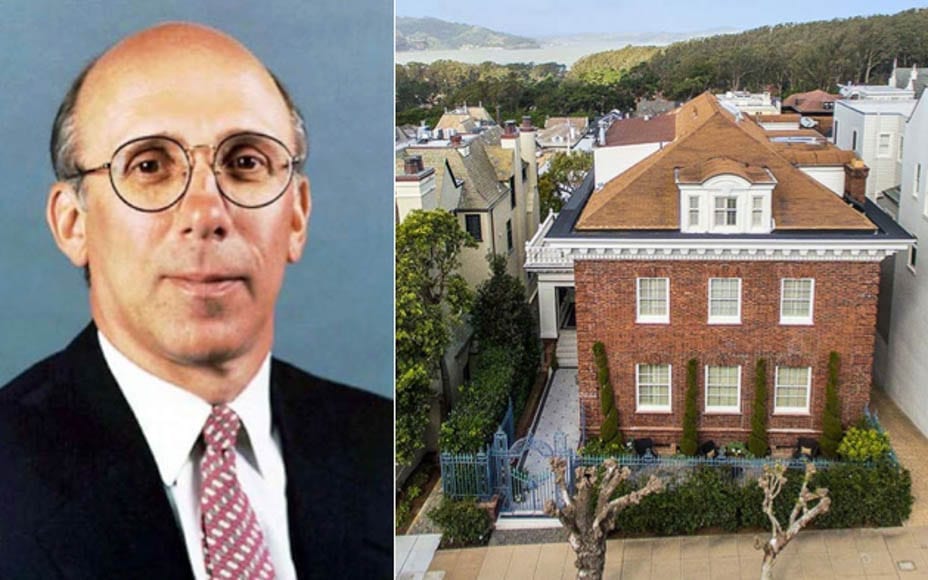
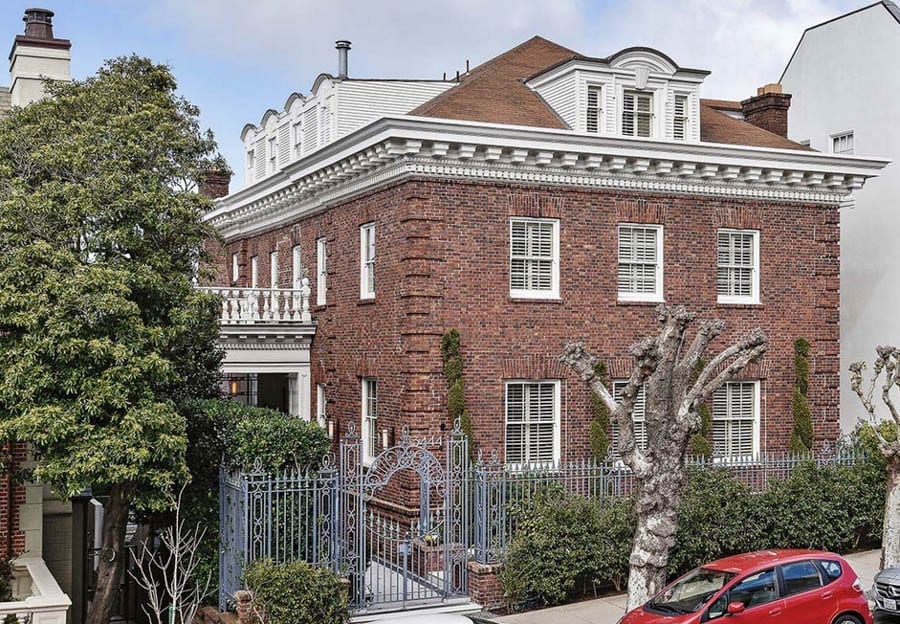
Built in 1904 of brick on a wood frame and subject to a seismic upgrade in 1994, 3444 Washington Street in Presidio Heights, San Francisco was sold for $15.2 million in 2006 (the equivalent of £11.8 million, $18.4 million, €13.9 million or درهم55.8 million today) and before that for $5.9 million in 1993 (the equivalent of £7.8 million, $10 million, €9.1 million or درهم36.7 million today). It is currently owned by the banker David A. Coulter and his “social entrepreneur” wife Susan Weeks Coulter and has recently been placed for sale for £14 million ($18 million, €16.5 million or درهم66.1 million).
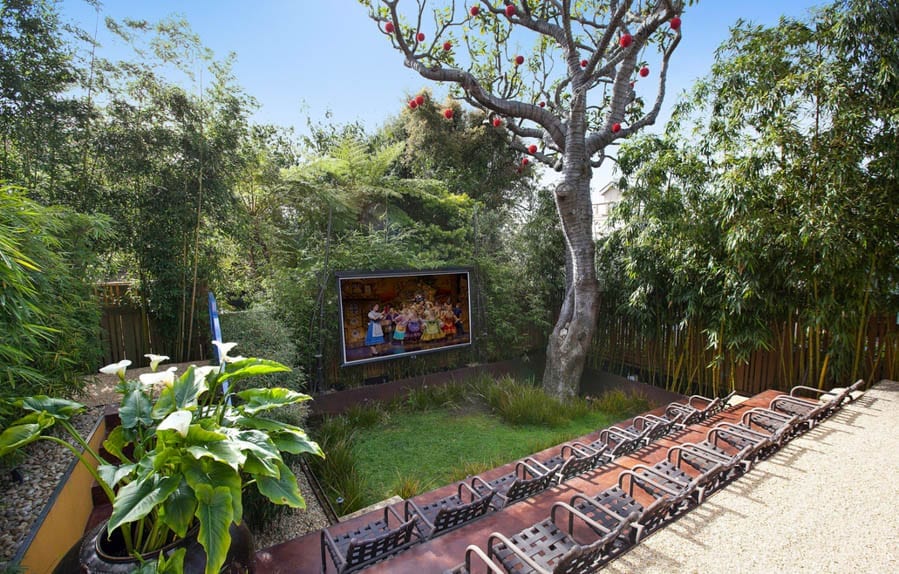
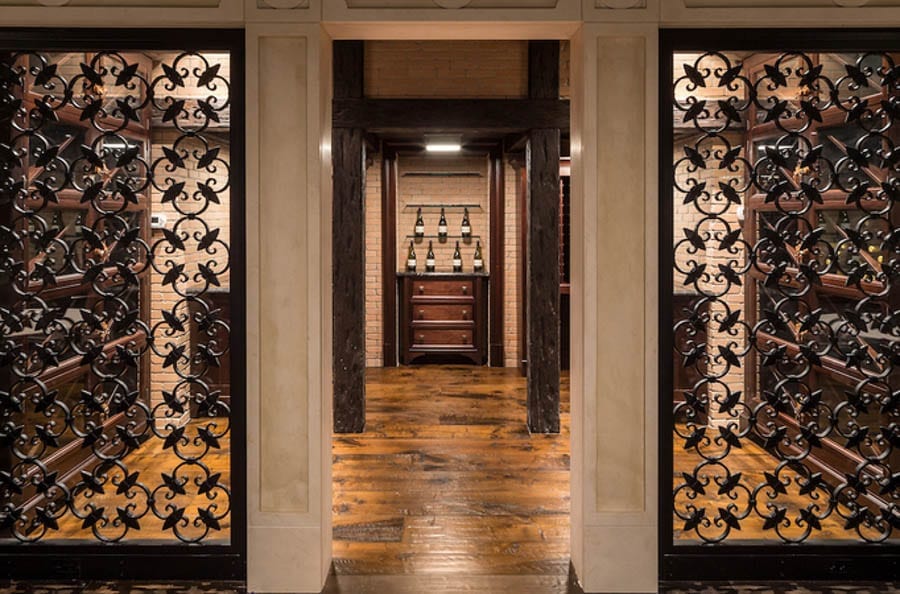
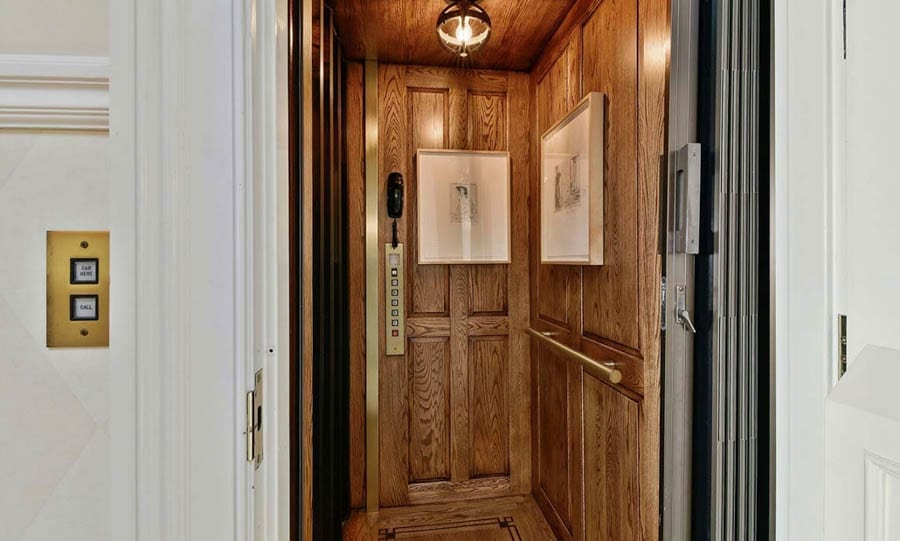
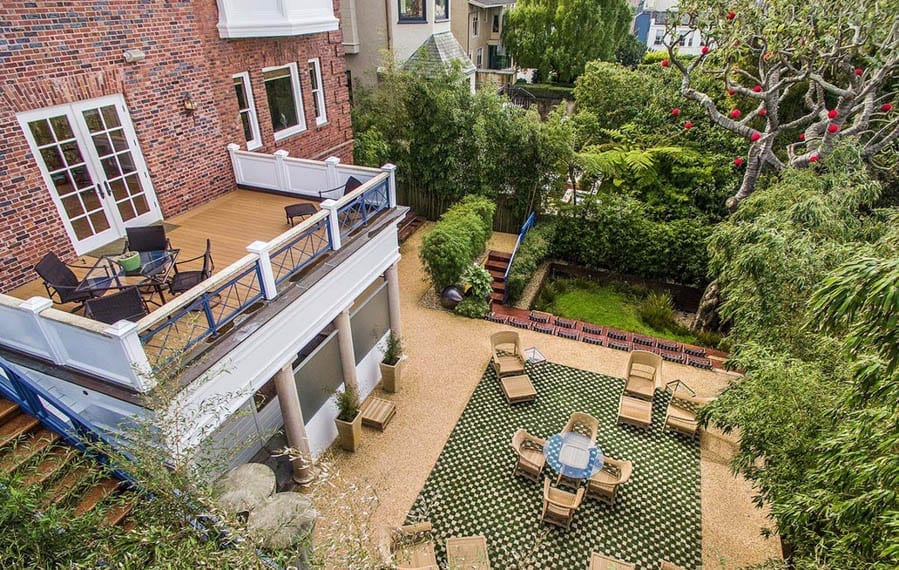
Offered by Linda Mayne of Mayne & Company, the 9,074 square foot “Georgian-style residence” comes with not only 6 bedrooms and 6 bathrooms but also an outdoor amphitheatre complete with terraced seating and an al fresco kitchen with a barbecue. The 4-storey building was last remodeled in 2008 and also includes a media room with wet bar and views of the Golden Gate Bridge, a wine cellar with capacity for 1,600 bottles, a lift, staff quarters and a 2-car garage.
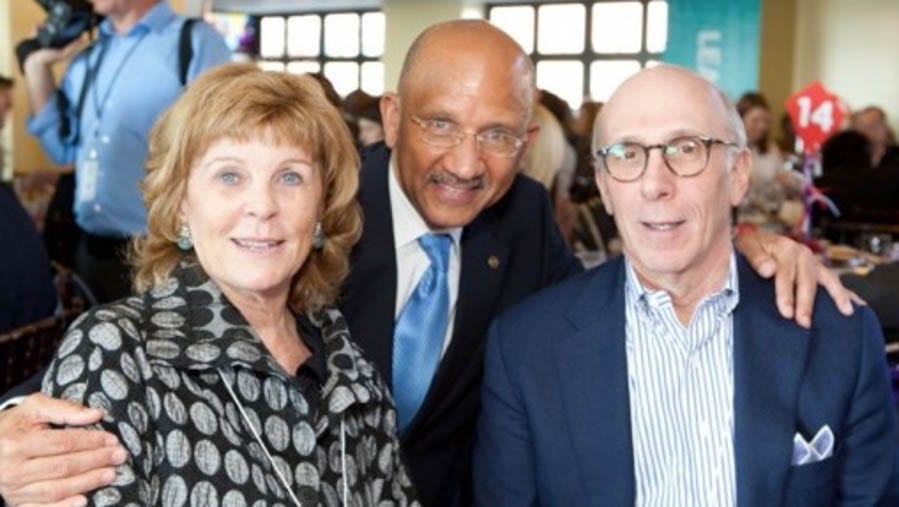
Susan Weeks Coulter and her husband David A. Coulter (left and right)3444 Washington Street, Presidio Heights, San Francisco, California, CA 94118, United States of AmericaThe garden features an amphitheatre complete with terraced seatingThe view from the house
Property taxes on the house were a not insubstantial sum of £154,959 in 2015 ($199,685, €182,686 or درهم733,690). Mr and Mrs Coulter attempted to sell 3444 Washington Street in 2008 but subsequently withdrew it from the market after reducing their then asking price from $17.5 million to $12 million (the equivalent of £13.6 million to £10.6 million, $19.9 million to $13.6 million, €16 million to €12.4 million or درهم64.3 million to درهم50 million today). They also own reportedly bought a penthouse at 55 East 72nd Street in New York in 2012.
Pennsylvania born, Carnegie Mellon University educated Mr Coulter, currently a special limited partner at Warburg Pincus, was previously vice chairman of JP Morgan Chase & Co. from 2001 to 2005. He was chairman and CEO of Bank of America Corporation for two years from 1996, but was unceremoniously fired when that organisation was “eaten alive” by Hugh McColl’s NationsBank in October 1998.
Apartment in mansion block in Sloane Square for sale for £6.2 million in spite of needing updating; it is within the building from which a Mayor of Chelsea lived and departed to his death on RMS Titanic
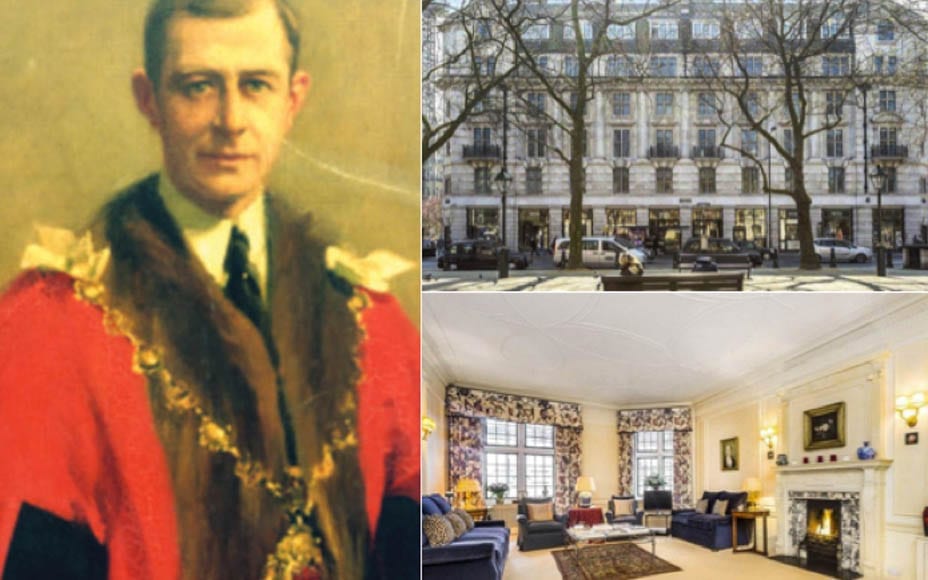
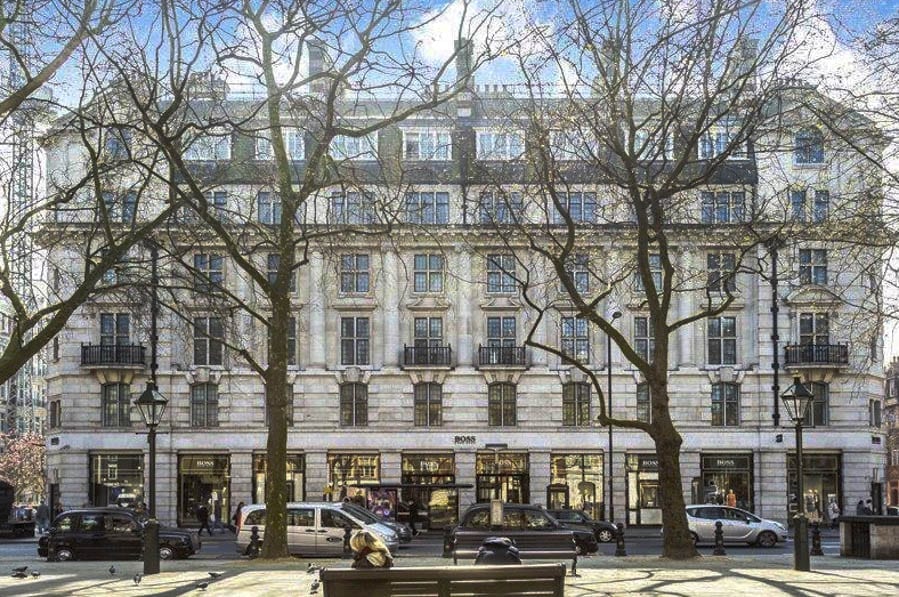
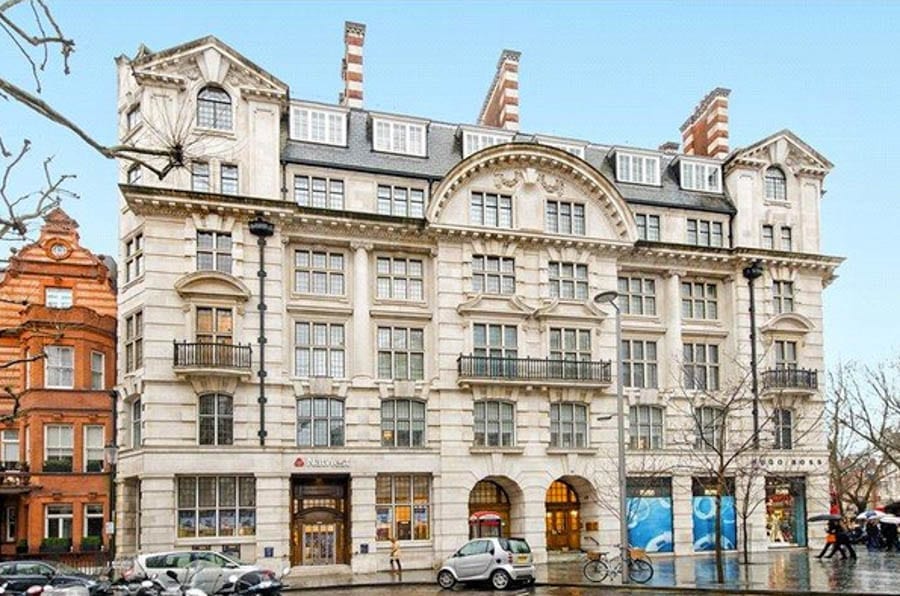
A third floor flat in a portered mansion block on Sloane Square has gone on sale for £6.2 million ($8 million, €7.3 million or درهم29.5 million) through Cluttons in spite of being decorated like a relic from the 1980s. It is situated above Hugo Boss’ flagship store and within Grade II listed Wyndham House, the building from which a former Mayor of Chelsea went to his untimely death aboard the RMS Titanic in 1912.
Previously priced at £6.5 million ($8.4 million, €7.7 million or درهم30.9 million) when marketed by Russell & Simpson in February 2016, the 2,684 square foot lateral apartment includes a 30-foot long reception room, 3 bedrooms and 3 bathrooms and features such details as ornate ceiling friezes and plasterwork and working fireplaces. A larger 5 bedroom flat within Wyndham House sold for the staggering sum of £12 million ($15.5 million, €14.2 million or درهم57 million) in July 2015 according to Land Registry records.
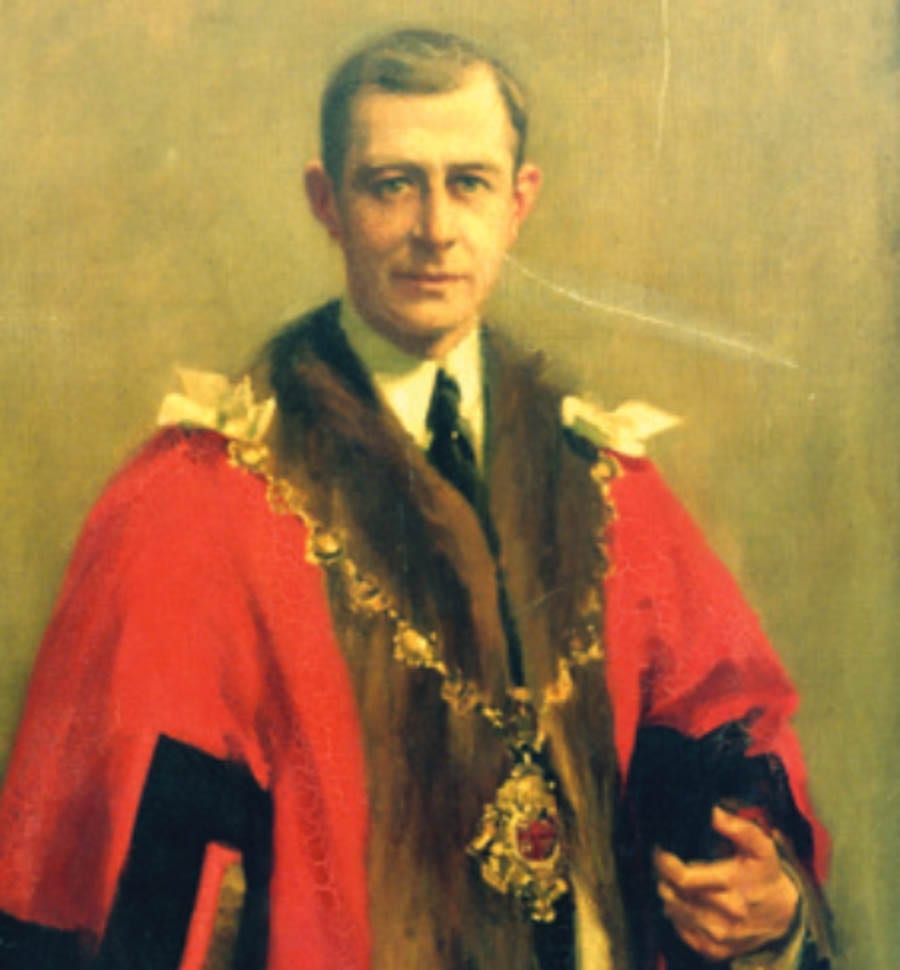
Wyndham House resident and Mayor of Chelsea from 1909 to 1911 Charles Head (1869 – 1912) perished aboard RMS Titanic, his body was never recovered but a sundial was erected in his memory in nearby Cadogan Place Gardens
Aside from being one of Chelsea’s grandest residential blocks, Wyndham House was at home to one of the victims of the Titanic maritime disaster in the early 1900s and it was from here that Charles Head, Mayor of Chelsea between 1909 and 1911, went to his death in April 1912. Head, a Cambridge educated barrister turned director of Head & Co. insurance brokers and underwriters at Lloyds of London, was a well known supporter of the arts, a councilor from 1906 and had only married 18 months earlier. He travelled alone on a £42 first class ticket (the equivalent of £4,400, $5,700, €5,200 or درهم20,900 today) on the Titanic’s maiden voyage and bizarrely had taken out a £25,000 insurance policy “against ocean accidents”. His precaution left his widow very well provided for given such a sum was the equivalent of £2.6 million today ($3.4 million, €3.1 million or درهم12.4 million).
Born in Banchory, Aberdeenshire in 1985, Pete Cashmore founded Mashable, a “one-stop-shop” digital media news and blogging site, in his bedroom in 2005 with the aim of “changing the world”. The firm now has over 120 employees, is based in New York and has 9 million followers on Twitter and achieves over 45 million unique views per month. He was once described as “one of the most influential voices of his generation – on and offline” and was also called “more than just a superb head of hair” by Hearst’s Town & Country magazine in 2016.
New York born, Yale educated Jack Schlossberg is the only grandson of JFK. The son of designer and artist Ed Schlossberg and former Ambassador to Japan Caroline Kennedy, Schlossberg co-founded ReLight New York, a non-profit organsiation that installed fluorescent lights in low-income housing developments, whilst at school and has expressed a desire to pursue a career in politics. In May 2017, he was interviewed on NBC Today and commented: “I’m inspired by my family’s legacy of public service. It’s something that I’m very proud of, but I’m still trying to make my own way, figure things out, so stay tuned”.
As black tie bonanzas deservedly take a bashing, we ask: “What’s next for Britain and America’s party paraders?”
Last May, the acerbic Spectator columnist Taki wrote a brilliant opinion piece bemoaning the ghastly affair he believed New York’s Metropolitan Museum Gala had become. It perfectly summed up the vulgarity of an age where Kardashians have replaced Vanderbilt Sloanes and where Anna Wintour and her condescending ‘club’ have seized the mantle. This week, Primates of Park Avenue author Wednesday Martin took the debate one stage further and asked: “Is it time to say bye-bye to the black tie charity ball?” in an article for Town & Country magazine.
Whilst Martin quoted a “titan of finance” as saying: “No one really wants to attend a gala”, she also suggested that “showing up feels somehow retro, tangible, genuine”. Society is still forced into the routine of putting on black tie and parading out in both America and Britain yet in reality, everyone would most likely rather be down their local spit-and-sawdust.
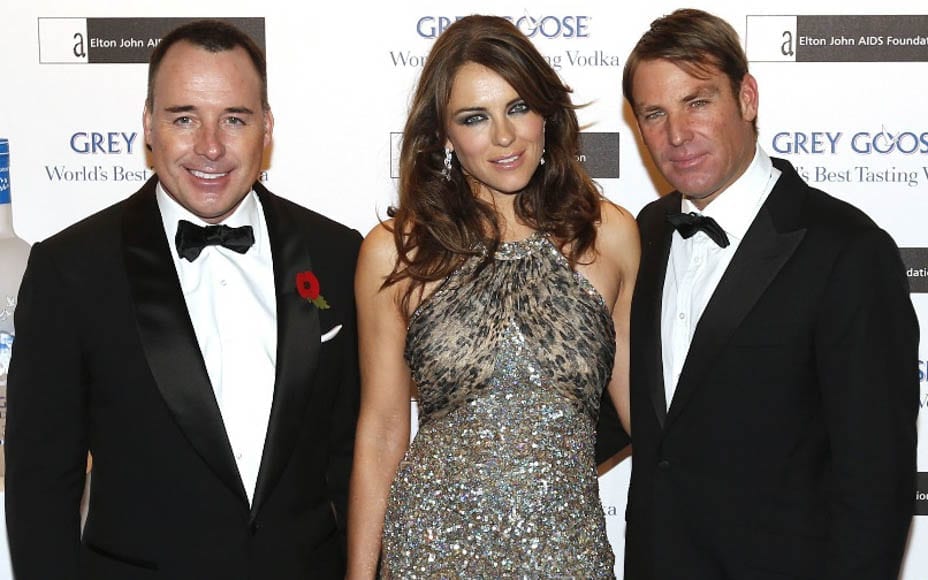
Aside from the rubber chicken (and vomit inducing wine), the likelihood of being stuck with nine crushing bores and the inevitable raffle of rubbish, such affairs are now mostly the preserve of a club of Z-listers and desperados. At such gatherings, you’ll find trolleyed trailer trash like Dawn Ward of The Real Housewives of Cheshire clucking with titleless tosspot twits like David Furnish and each and every Friday’s ES Magazine bears testimony to this fact. The black tie bash deserves to come to its natural end, but what on earth will replace it?
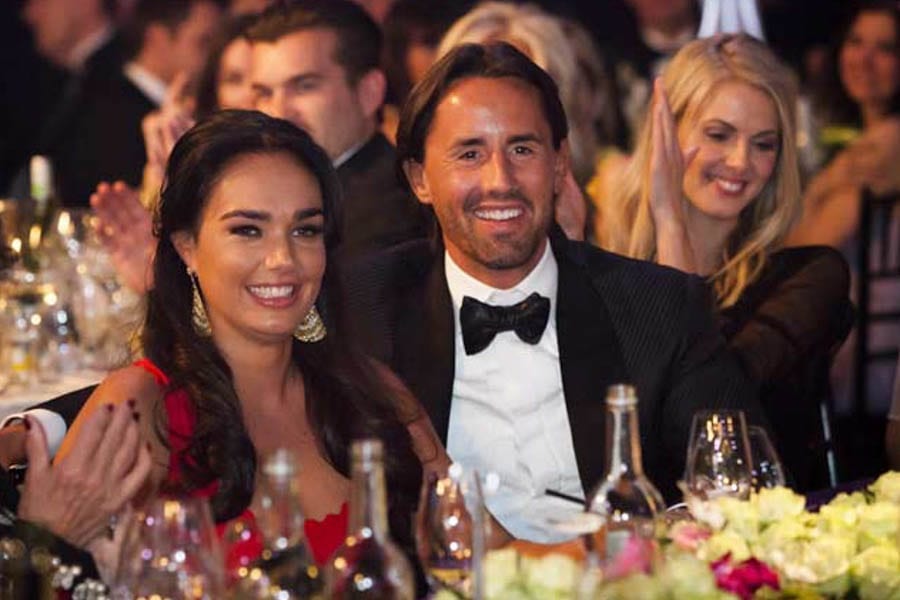
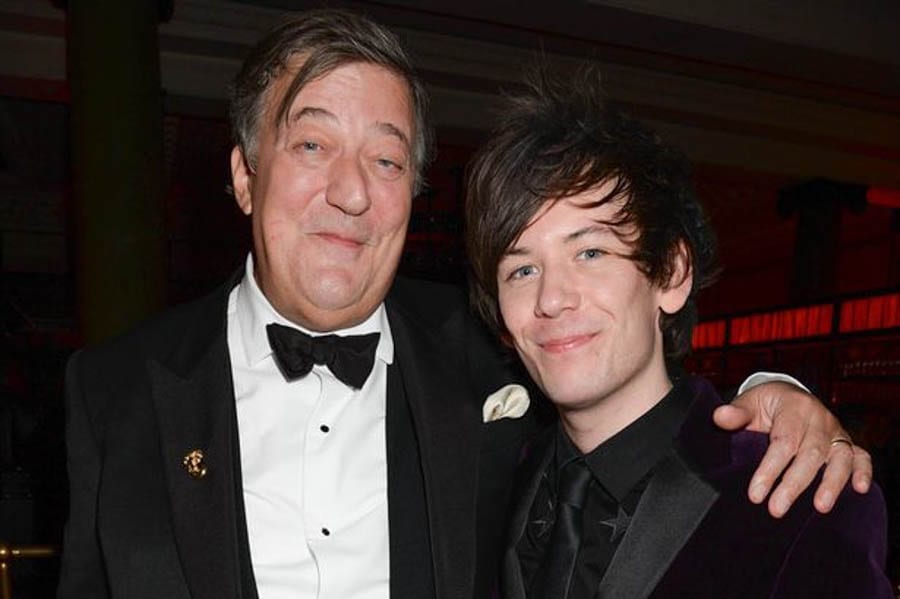
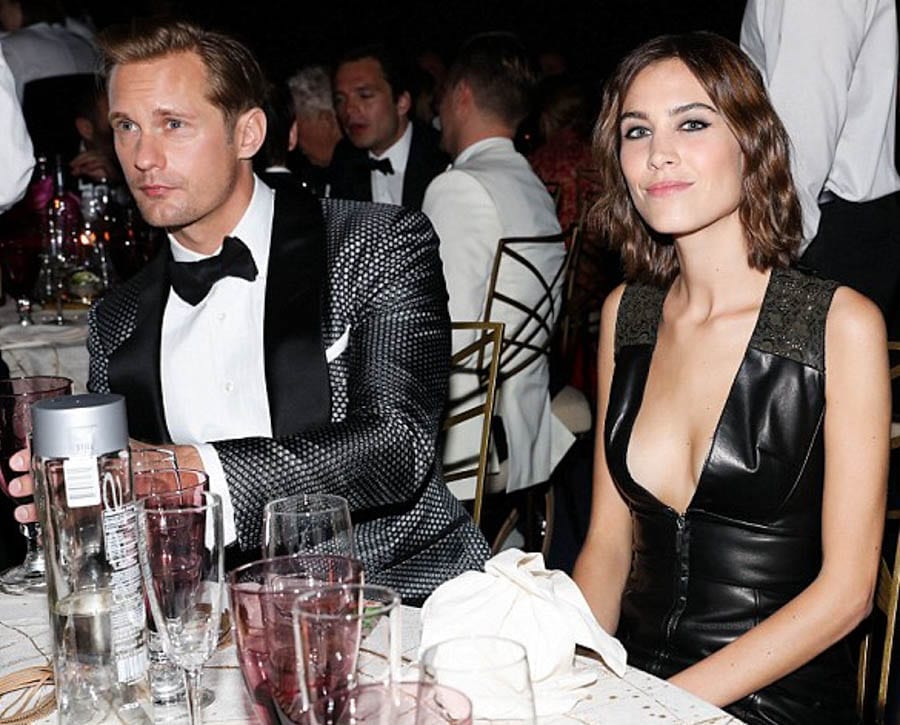
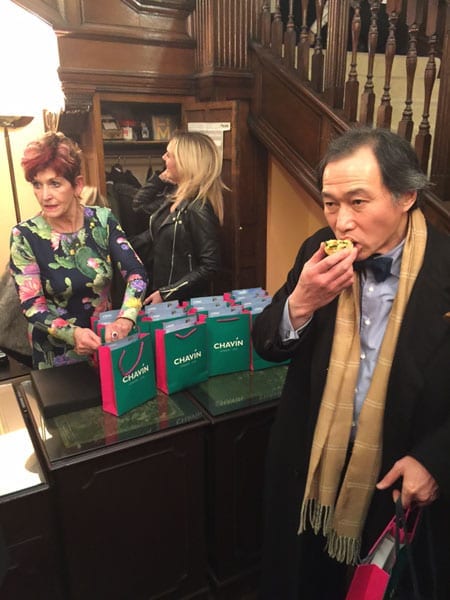
The inevitable rent-a-crowd that now dominates at black tie gatherings in Britain these days is focused on daytime TV presenters and obscure reality wannabesTamara Ecclestone and husband Jay Rutland (pictured with Donna Air behind them) might be moneyed, but where’s the class?Stephen Fry and husband Elliott Spencer are a duo willing to turn up to the opening of an envelopeIf you really want to lower the tone, invite champagne swiller Dawn Ward and her ex-footballer husbandAlexa Chung is the ultimate guest if you want to make it to the ‘ES Magazine’s’ party pages (in spite of the fact she’s actually pretty pointless)No party is complete without legendary crasher and shopping aficionado David Pun; last night he was spotted lingering outside the entrance to the opening night of the 2017 London Motor Show and given his antics he even has a Twitter account named in his honourAnthea Turner and Grant Bovey used to host an annual ball in their garden; their marriage is now toast and the ball, for them at least, is most definitely over
New Jersey mansion, complete with 58 rooms, for sale for equivalent sum to what it cost to build in 1909; the £37 million house’s original owner was a man whose extravagance knew absolutely no bounds
George Crocker (1856 – 1909) makes F. Scott Fitzgerald’s Jay Gatsby seem like an amateur. Born in Sacramento and the son of a railway magnate worth some $30 million on his death (the equivalent of £634 million or $812 million today), Crocker was willed a significant $6 million (the equivalent of £127 million or $163 million today) on the condition that “after the space of five years continuously he shall abstain from the use of spirituous, vinous, and malt liquors to the extent that he shall not during this period have been intoxicated”.
Crocker decided to ignore the terms of his father’s behest and from 1888 to 1891 lived in San Francisco as “one of the most reckless young men about town when reckless young men thereabouts were common” but then admitted himself to a sanatorium, put himself on the straight and narrow and finally collected the sum of $6 million in 1898.
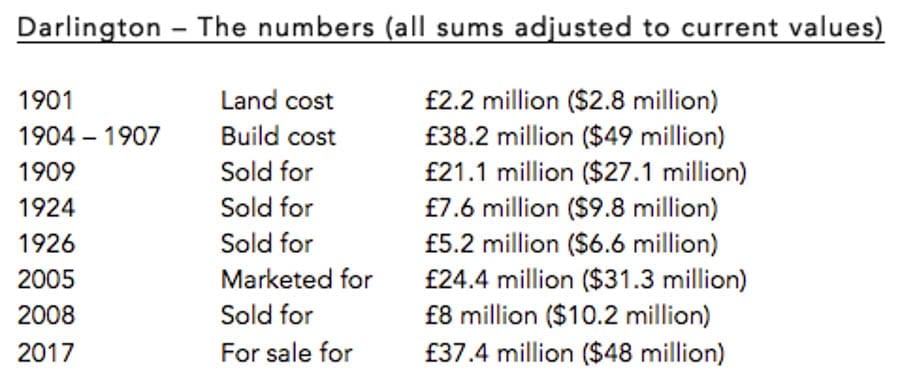
With wealth and a glamorous wife, Emma Rutherford, a widow from California, Crocker set himself up as the toast of New York society. Though he owned a townhouse at 1 East 64th Street and a villa in Newport, it was on paying $96,500 (the equivalent of £2.2 million or $2.8 million today) for the 1,100 acre Darling estate in Bergen County, Mahwah, New Jersey in 1901 that he truly became someone noticeable.
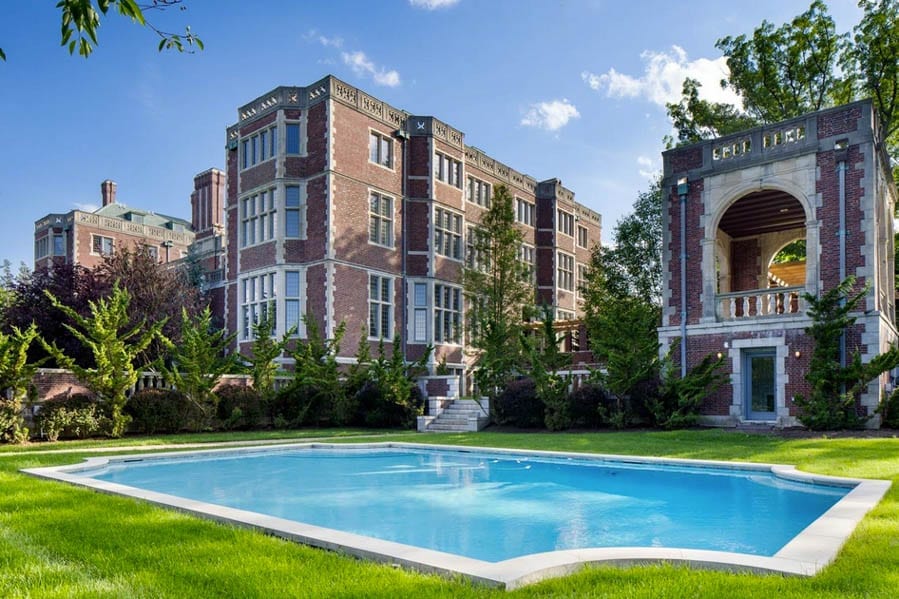
Choosing what he called “the finest site for a residence in the country”, Crocker commissioned an architect named James Brite (died 1942) to build him a mansion “sparing no expense”. Modeled on a Jacobean prodigy house, Bramshill House in Hampshire, England and built from Indiana limestone and Harvard brick, the “Crocker Mansion” or “Darlington” – as it is more widely known – cost $2 million to build (the equivalent of £38.2 million or $49 million today) and included 75 rooms and around 50,000 square foot of accommodation. Its features included steam heating, elevators, ice cream freezers, integrated vacuum systems and a switchboard and in its grounds a racetrack and 16 greenhouses were constructed whilst a pond was stocked with 4,000 trout.
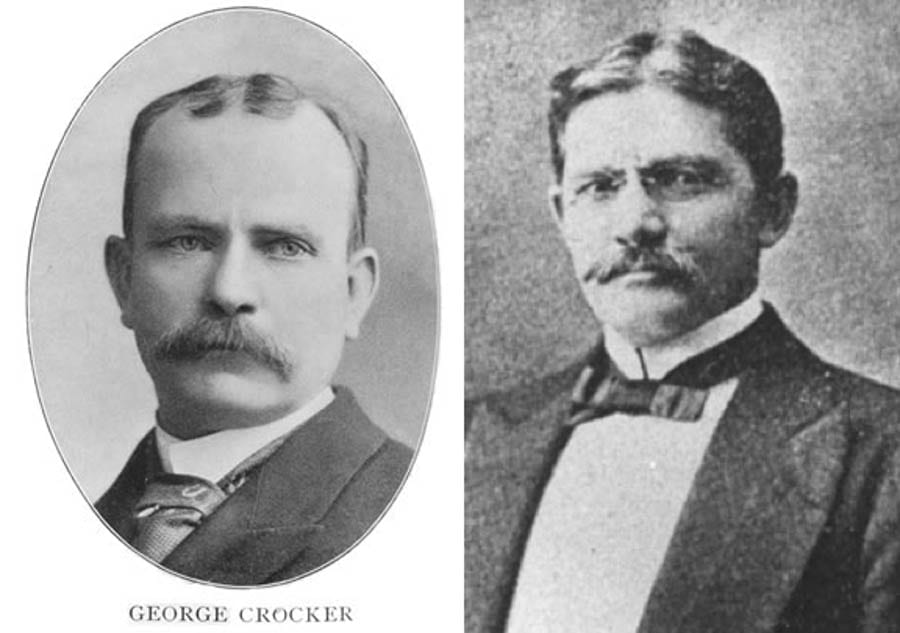
George Crocker and Emerson McMillin
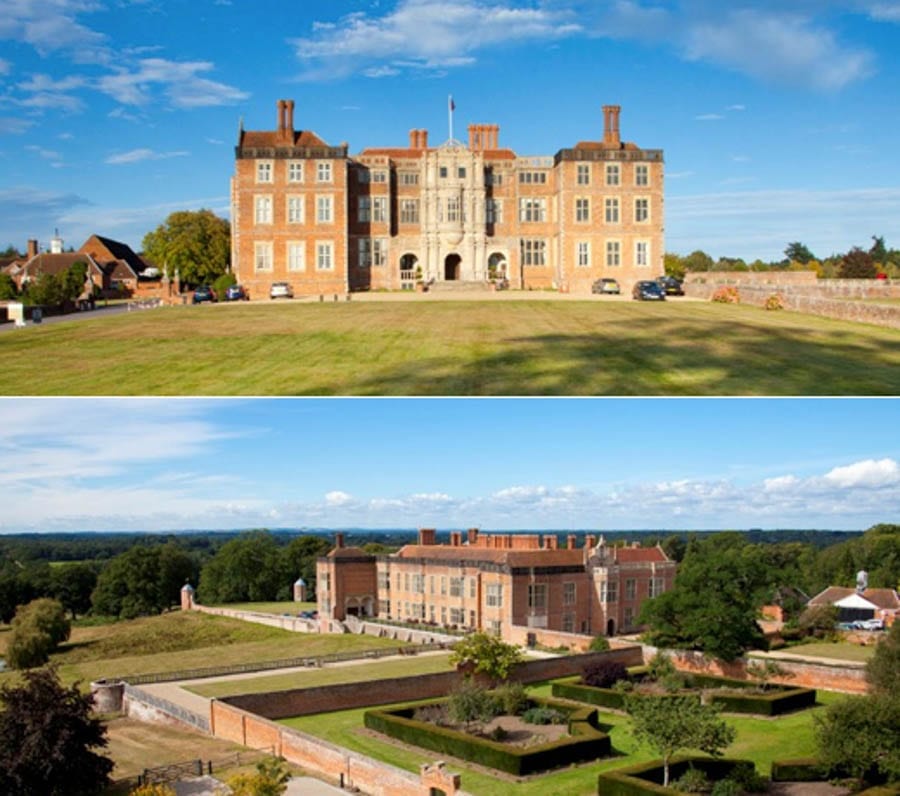
The design of Darlington was based on “one of the most haunted houses in England”, Bramshill in Hampshire; that building itself was also eventually separated from much of its estate and after being used as the European Police College was sold to developers City & Country for £25 million ($19.5 million) in 2014
Commentators wowed at the resulting creation and noted details such as a library painted after the style of the Italian Renaissance by Tiffany Studios, elaborate wood carving by Italian craftsmen and Tiffany silver chandeliers and a 1906 Aeolian player pipe organ in the building’s 30-foot high Great Hall. In 1912, Architectural Record, chose even to swoon over the basement. They remarked:
“Where Bramshill’s cellar housed for centuries lanterns, tallow dips, forest faggots, wooden vessels for the distribution of light, heat and water through personal service of human slaveys, its American reincarnation is a storehouse of miracle workers in the comfort and luxury of modern domestic life”.
Unfortunately, Mr and Mrs Crocker did not truly get to enjoy the fruits of their extravagant spending. Emma Crocker died in 1904 of cancer and George Crocker also succumbed to the disease in 1909. His estate was valued at $20 million (the equivalent of £422 million or $541 million today) and amongst items found at his mansion were 60,000 personally monogrammed, custom-made cigars valued at $30,000 (the equivalent of £635,000 or $813,000 today).
Sold subsequently to a “self-made” banker, industrialist and astronomy enthusiast named Emerson McMillin (1844 – 1922) in 1909 for $1 million (the equivalent of £21.1 million or $27.1 million), Darlington was next used to display a fine collection of Chinese and Japanese porcelain whilst a herd of Jerseys were kept in the grounds.
After McMillin’s death, his widow sold the estate in 1924 for $685,000 (the equivalent of £7.6 million or $9.8 million) to the Darlington Development Company, which in turn made it available to the Darling Golf and Country Club. They converted the building to a hotel and club that “promised to offer a new dimension to life in Mahwah” but “the development corporation and the club were soon in financial difficulties” and the McMillin estate foreclosed and regained possession.
A new buyer came forward in the form of the Roman Catholic Diocese of Newark. They paid $478,000 for the property in 1926 (the equivalent of £5.2 million or $6.6 million today) and used Darlington as a theological seminary. The surrounding land was gradually sold off and in 1986, the Immaculate Conception Seminary also departed.
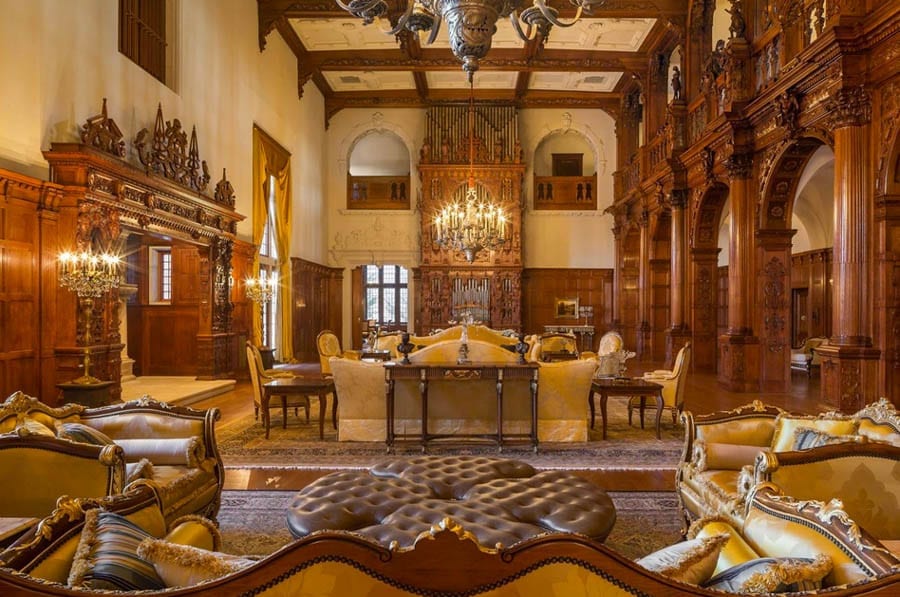
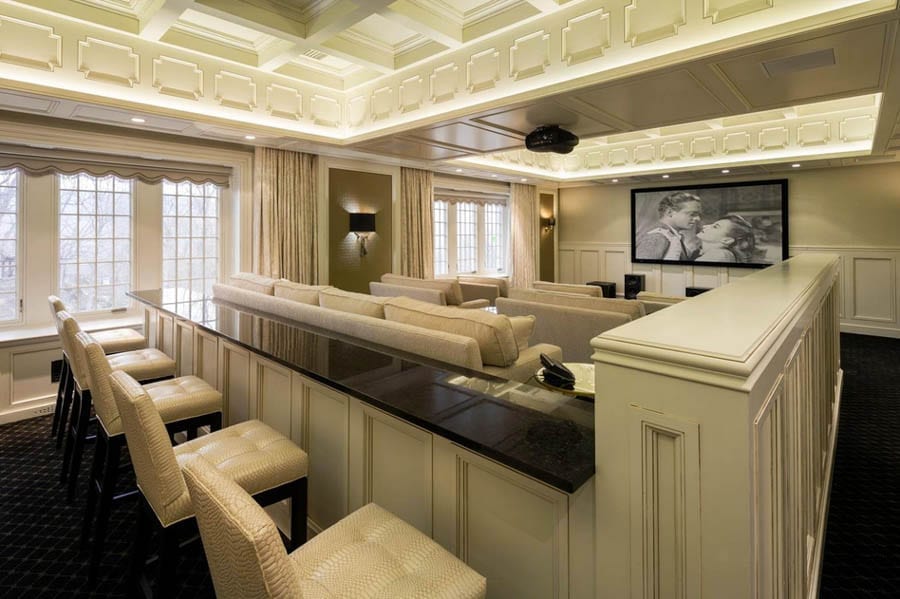
Darlington today – The 30-foot high Great Hall is still dominated by a 1906 Aeolian player pipe organDarlington today – Ilija Pavlovic expanded the mansion by some 12,000 square foot and amongst other things added a large home cinemaDarlington today – Another addition comes in the form of a vast wine cellar; George Crocker’s father would not have approved
Subsequently restored and modernised with, according to Forbes, plumbing, heating, air conditioning and communications systems being installed, Darlington was placed on the market with just 12.1 acres in 2005 by Darlington Associates, a firm who’d built “multiple residential communities surrounding the mansion”. An ambitious figure of $25 million (the equivalent of £24.4 million or $31.3 million today) was sought for the now classified historic site but it was not until 2008 that a buyer came forth in the form of a local businessman named Ilija Pavlovic. He paid just $8.875 million (the equivalent of £8 million or $10.2 million today) and then embarked on the “challenge” of “both preserving the historic home while also restoring it to meet 21st-century standards”. The resulting creation spans four floors and includes amongst many other things a tea room, 3 libraries, 2 game rooms, 2 kitchens, a “his and her master bedroom wing”, 12 further guest bedrooms and 5 staff bedrooms.
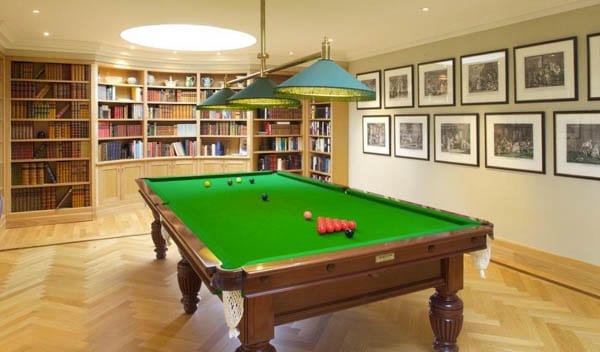
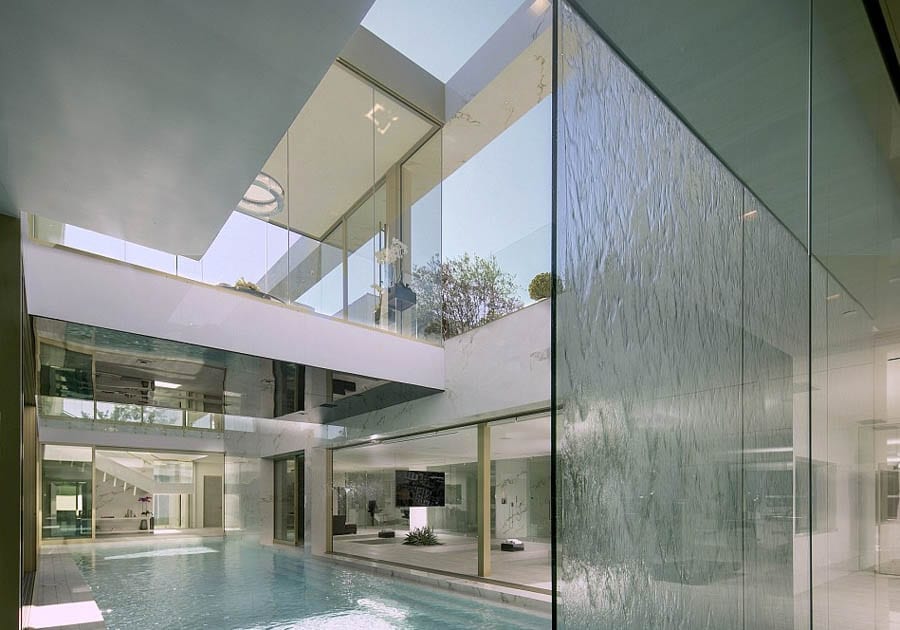
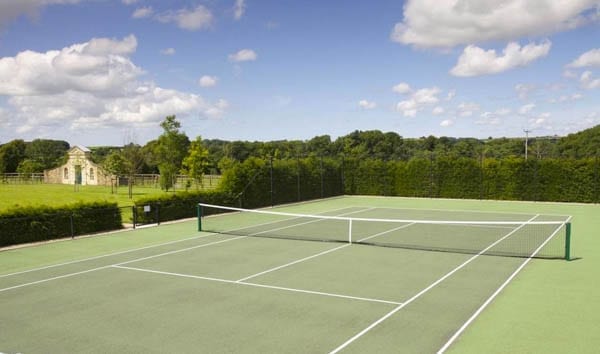
The biggest issue with the house, it transpired, was that its 476 leaded windows needed to be replaced. This reportedly cost $2 million alone (the equivalent of £1.8 million or $2.3 million today) and in addition, Pavlovic renewed all the mechanical systems, redid all 19 bathrooms, replaced the slate roof and added amongst other things a spa with an indoor lap pool, a gym, a massage room, a beauty salon and a home cinema. There is also a gatehouse, a professional kitchen that can serve 250 meals at a time, a wine cellar, a poker room, a cigar room, a billiards room, an 8-car garage, a tennis court and an outdoor swimming pool.
Property blog 6sqft – which claimed Friday that the current owners do not live at Darlington full-time and simply use it to host events – reported that this still massive mansion minus its formerly equally gigantic estate is now for sale now for £37.4 million ($48 million, €44.7 million or درهم176.3 million) through a firm Mr Pavlovic chairs, Special Properties Real Estate Services – an affiliate of Christie’s International Real Estate. Any buyer will undoubtedly be a vastly wealthy figure, but one can guarantee one thing: They’ll never live as lavishly as the barmy boozer George Crocker.
New Jersey mansion Darlington, complete with 58 rooms, for sale for equivalent sum to what it cost to build in 1909; the £37 million house’s original owner was a man whose extravagance knew absolutely no bounds
George Crocker (1856 – 1909) makes F. Scott Fitzgerald’s Jay Gatsby seem like an amateur. Born in Sacramento and the son of a railway magnate worth some $30 million on his death (the equivalent of £634 million or $812 million today), Crocker was willed a significant $6 million (the equivalent of £127 million or $163 million today) on the condition that “after the space of five years continuously he shall abstain from the use of spirituous, vinous, and malt liquors to the extent that he shall not during this period have been intoxicated”.
Crocker decided to ignore the terms of his father’s behest and from 1888 to 1891 lived in San Francisco as “one of the most reckless young men about town when reckless young men thereabouts were common” but then admitted himself to a sanatorium, put himself on the straight and narrow and finally collected the sum of $6 million in 1898.
With wealth and a glamorous wife, Emma Rutherford, a widow from California, Crocker set himself up as the toast of New York society. Though he owned a townhouse at 1 East 64th Street and a villa in Newport, it was on paying $96,500 (the equivalent of £2.2 million or $2.8 million today) for the 1,100 acre Darling estate in Bergen County, Mahwah, New Jersey in 1901 that he truly became someone noticeable.
Choosing what he called “the finest site for a residence in the country”, Crocker commissioned an architect named James Brite (died 1942) to build him a mansion “sparing no expense”. Modeled on a Jacobean prodigy house, Bramshill House in Hampshire, England and built from Indiana limestone and Harvard brick, the “Crocker Mansion” or “Darlington” – as it is more widely known – cost $2 million to build (the equivalent of £38.2 million or $49 million today) and included 75 rooms and around 50,000 square foot of accommodation. Its features included steam heating, elevators, ice cream freezers, integrated vacuum systems and a switchboard and in its grounds a racetrack and 16 greenhouses were constructed whilst a pond was stocked with 4,000 trout.
George Crocker and Emerson McMillin
The design of Darlington was based on “one of the most haunted houses in England”, Bramshill in Hampshire; that building itself was also eventually separated from much of its estate and after being used as the European Police College was sold to developers City & Country for £25 million ($19.5 million) in 2014
Commentators wowed at the resulting creation and noted details such as a library painted after the style of the Italian Renaissance by Tiffany Studios, elaborate wood carving by Italian craftsmen and Tiffany silver chandeliers and a 1906 Aeolian player pipe organ in the building’s 30-foot high Great Hall. In 1912, Architectural Record, chose even to swoon over the basement. They remarked:
“Where Bramshill’s cellar housed for centuries lanterns, tallow dips, forest faggots, wooden vessels for the distribution of light, heat and water through personal service of human slaveys, its American reincarnation is a storehouse of miracle workers in the comfort and luxury of modern domestic life”.
Unfortunately, Mr and Mrs Crocker did not truly get to enjoy the fruits of their extravagant spending. Emma Crocker died in 1904 of cancer and George Crocker also succumbed to the disease in 1909. His estate was valued at $20 million (the equivalent of £422 million or $541 million today) and amongst items found at his mansion were 60,000 personally monogrammed, custom-made cigars valued at $30,000 (the equivalent of £635,000 or $813,000 today).
Sold subsequently to a “self-made” banker, industrialist and astronomy enthusiast named Emerson McMillin (1844 – 1922) in 1909 for $1 million (the equivalent of £21.1 million or $27.1 million), Darlington was next used to display a fine collection of Chinese and Japanese porcelain whilst a herd of Jerseys were kept in the grounds.
After McMillin’s death, his widow sold the estate in 1924 for $685,000 (the equivalent of £7.6 million or $9.8 million) to the Darlington Development Company, which in turn made it available to the Darling Golf and Country Club. They converted the building to a hotel and club that “promised to offer a new dimension to life in Mahwah” but “the development corporation and the club were soon in financial difficulties” and the McMillin estate foreclosed and regained possession.
A new buyer came forward in the form of the Roman Catholic Diocese of Newark. They paid $478,000 for the property in 1926 (the equivalent of £5.2 million or $6.6 million today) and used Darlington as a theological seminary. The surrounding land was gradually sold off and in 1986, the Immaculate Conception Seminary also departed.
Darlington today – The 30-foot high Great Hall is still dominated by a 1906 Aeolian player pipe organ
Darlington today – Ilija Pavlovic expanded the mansion by some 12,000 square foot and amongst other things added a large home cinema
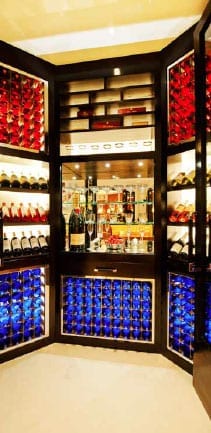
Darlington today – Another addition comes in the form of a vast wine cellar; George Crocker’s father would not have approved
Subsequently restored and modernised with, according to Forbes, plumbing, heating, air conditioning and communications systems being installed, Darlington was placed on the market with just 12.1 acres in 2005 by Darlington Associates, a firm who’d built “multiple residential communities surrounding the mansion”.
An ambitious figure of $25 million (the equivalent of £24.4 million or $31.3 million today) was sought for the now classified historic site but it was not until 2008 that a buyer came forth in the form of a local businessman named Ilija Pavlovic. He paid just $8.875 million (the equivalent of £8 million or $10.2 million today) and then embarked on the “challenge” of “both preserving the historic home while also restoring it to meet 21st-century standards”. The resulting creation spans four floors and includes amongst many other things a tea room, 3 libraries, 2 game rooms, 2 kitchens, a “his and her master bedroom wing”, 12 further guest bedrooms and 5 staff bedrooms.
The biggest issue with the house, it transpired, was that its 476 leaded windows needed to be replaced. This reportedly cost $2 million alone (the equivalent of £1.8 million or $2.3 million today) and in addition, Pavlovic renewed all the mechanical systems, redid all 19 bathrooms, replaced the slate roof and added amongst other things a spa with an indoor lap pool, a gym, a massage room, a beauty salon and a home cinema. There is also a gatehouse, a professional kitchen that can serve 250 meals at a time, a wine cellar, a poker room, a cigar room, a billiards room, an 8-car garage, a tennis court and an outdoor swimming pool.
Property blog 6sqft – which claimed Friday that the current owners do not live at Darlington full-time and simply use it to host events – reported that this still massive mansion minus its formerly equally gigantic estate is now for sale now for £37.4 million ($48 million, €44.7 million or درهم176.3 million) through a firm Mr Pavlovic chairs, Special Properties Real Estate Services – an affiliate of Christie’s International Real Estate. Any buyer will undoubtedly be a vastly wealthy figure, but one can guarantee one thing: They’ll never live as lavishly as the barmy boozer George Crocker.
Witty Fort Lauderdale based philanthropist Michael Bienes passes away
Philanthropist Michael Bienes sadly died of cancer on 5th April according to the Sun Sentinel.
New York born Mr Bienes, a multi-millionaire many times over until falling prey to Bernard Madoff’s crooked Ponzi scheme, was known for hosting lavish parties and supported everything from the Holy Cross Hospital in Broward County to the Royal Opera House in London. He was generous to a tee and known for his dry sense of humour and wit.
The 80-year old, whose accountancy firm, Avellino & Bienes was an early feeder fund of Bernard L. Madoff Securities, leaves a widow, Dianne. She told the Sun Sentinel:
“Michael was never a man who would take advantage of anyone simply because he was always afraid of doing anything wrong. He loved people and valued the relationships he cultivated”.
Michael Bienes will be missed by many in both America and Britain. We offer our condolences to his wife and family.