Tag: Gordon Brown

  • The Money of McCann

    The Money of McCann

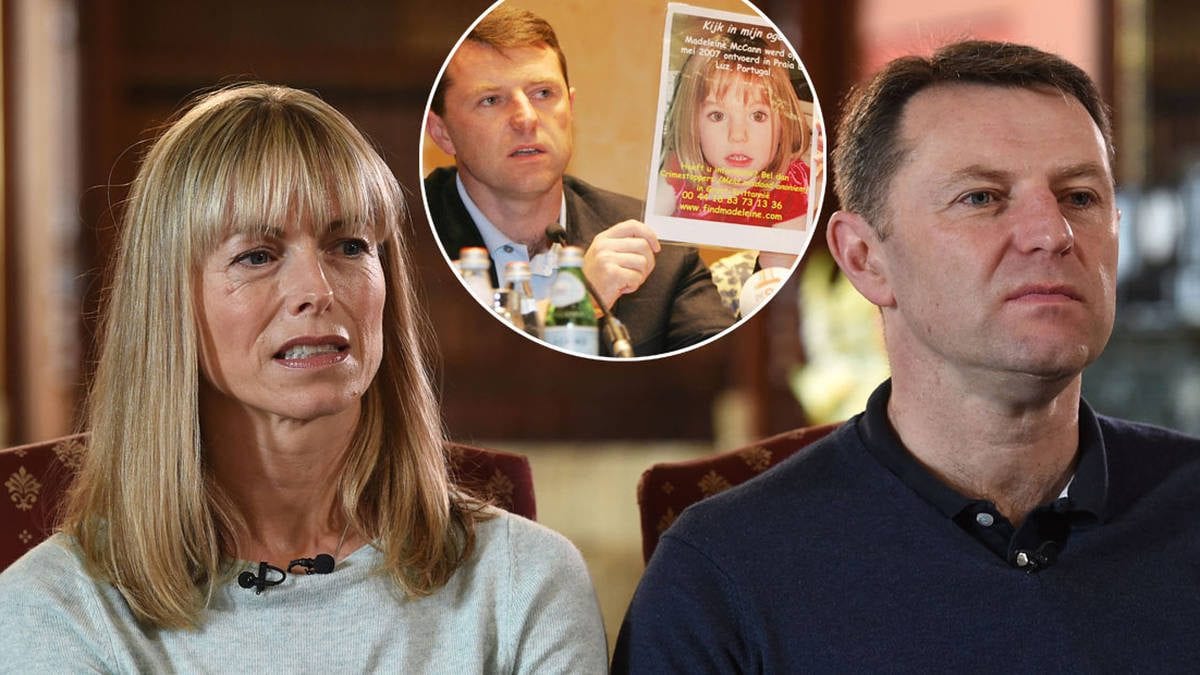
    Gerry and Kate McCann rake in £773,600 of private money in spite of admitting there is “nothing much to report” 14 years into the fast approaching £13 million public funded investigation into the dubious ‘disappearance’ of their daughter Madeleine

    Not content with having garnered over £12.5 million in public funding for the police investigation with a further £300,000 top-up likely to come soon, it has this week been revealed that Gerry and Kate McCann’s privately administered fund now has an astonishing net worth of £773,629.


    Madeleine’s Fund: Leaving No Stone Unturned Ltd. – which counts controversial double glazing tycoon Brian Kennedy, a man whom once bizarrely claimed he “had visions of flying in by helicopter to rescue Madeleine,” amongst its directors since 16th May 2007 – is listed as having £235,900 in cash and £245,000 in assets in newly released accounts.


    Whilst last week, Dr and Mrs McCann told the Mirror that they “still believe in miracles,” in a post on the ‘Official Find Madeleine Campaign’ Facebook page the particularly pugnacious pair also had to admit of the investigation: “Nothing much to report.”


    Previously, a ‘friend’ (‘unnamed,’ of course, as is so often the case with anyone speaking on behalf of those close to the case of missing Madeleine McCann) of Dr and Mrs McCann remarked:


    “Kate and Gerry know the police investigation cannot go on forever.”


    “When [the police investigation] is shelved, and if there is no result, Kate and Gerry will use money in the fund to continue the hunt.”


    “That is what it is there for. They paid for their own team of private investigators initially and when the official inquiry ends they will do so again although in the past it has proven to be extremely costly.”


    Today, again, we ask: “Why does so much public money continue to be wasted on an investigation that has achieved nothing in 14 years and why is another £300,000 about to be given from the public purse when other missing person searches get little to nothing? Why is this disproportionate allocation of taxpayer funded resources allowed to go on?”


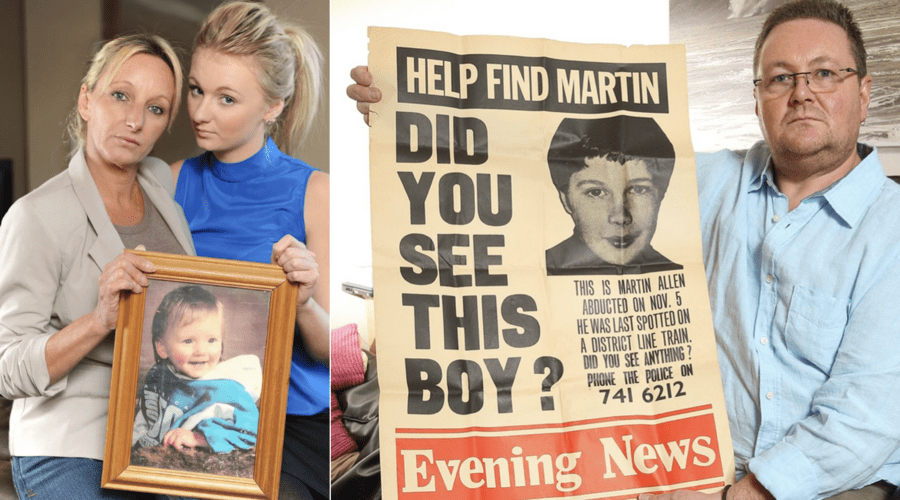
    The Money of McCann – £300k public and £774k more to McCann search – Gerry and Kate McCann rake in £773,600 in spite of admitting there is “nothing much to report” 14 years into the fast approaching £13 million public funded investigation into the dubious ‘disappearance’ of their daughter Madeleine. What about financial support for other missing person cases such as that of Martin Allen, Luke Durbin and Ben Needham?
    The Money of McCann – Ben Needham, then aged just 1, disappeared on the Greek island of Kos on 24th July 1991. He has been missing for over 29 year and in the time since his mother, Kerry Needham, has shockingly come under attack from supporters of the family of Madeleine McCann. Of this in October 2015, she commented: “It feels like a personal attack on me. It is deeply, deeply hurtful. I have myself had massive amounts of slanderous abuse from supporters of the McCann campaign in the past but I have never taken that personally. It’s freedom of speech. But it is getting the names of two missing children out there which is really important.”
    The Money of McCann – £300k public and £774k more to McCann search – Gerry and Kate McCann rake in £773,600 in spite of admitting there is “nothing much to report” 14 years into the fast approaching £13 million public funded investigation into the dubious ‘disappearance’ of their daughter Madeleine. What about financial support for other missing person cases such as that of Martin Allen, Luke Durbin and Ben Needham?
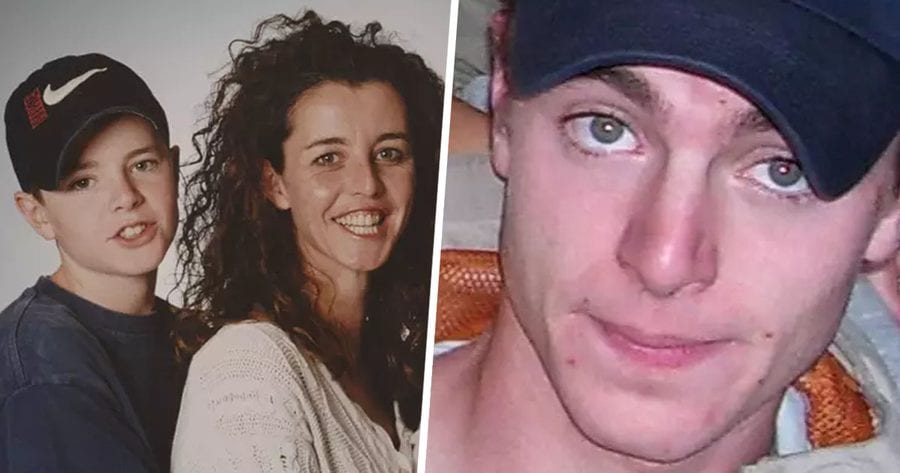
    The Money of McCann – Luke Durbin disappeared aged just 19 in Suffolk in May 2006. In spite of his mother’s tireless campaign to attempt to find her vanished son, why don’t the police devote more resources to the search for him?
    The Money of McCann – £300k public and £774k more to McCann search – Gerry and Kate McCann rake in £773,600 in spite of admitting there is “nothing much to report” 14 years into the fast approaching £13 million public funded investigation into the dubious ‘disappearance’ of their daughter Madeleine. What about financial support for other missing person cases such as that of Martin Allen, Luke Durbin and Ben Needham?
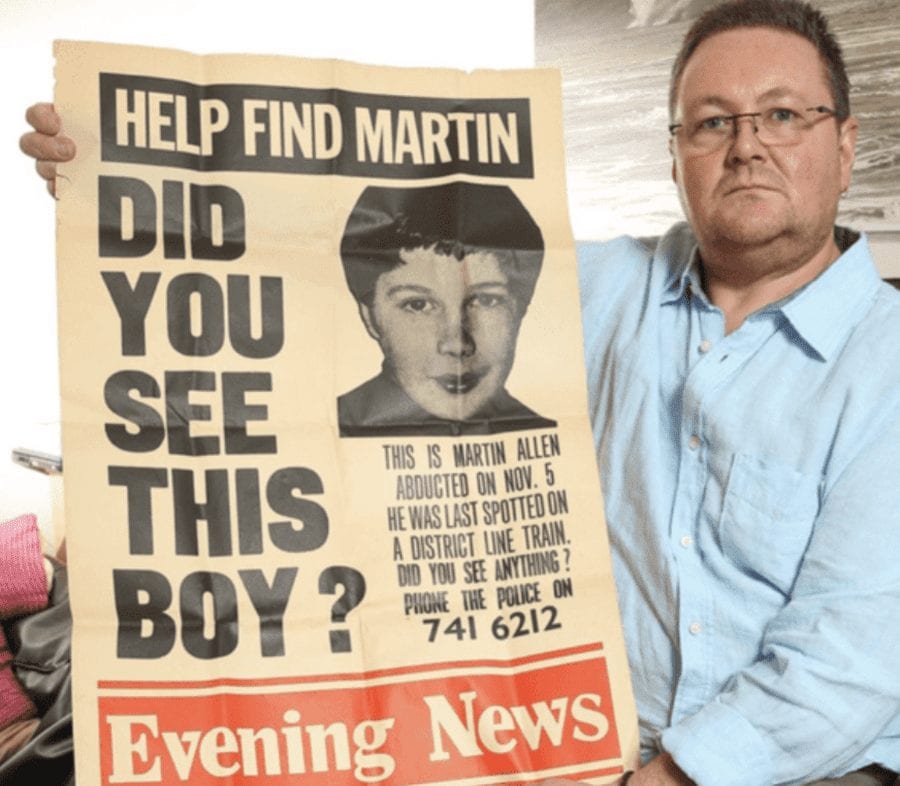
    The Money of McCann – Martin Allen vanished without a trace in London on 5th November 1979 aged just 15. Though his brother, Kevin Allen, has kept the case in the public eye as much as he can, he gets little to no help from the Metropolitan Police. Again today, we ask: “Why isn’t money from the public purse allocated to solving this case and thousands like it and why, instead, has fast approaching £13 million been allocated to a case that has not been solved in 14 years?”
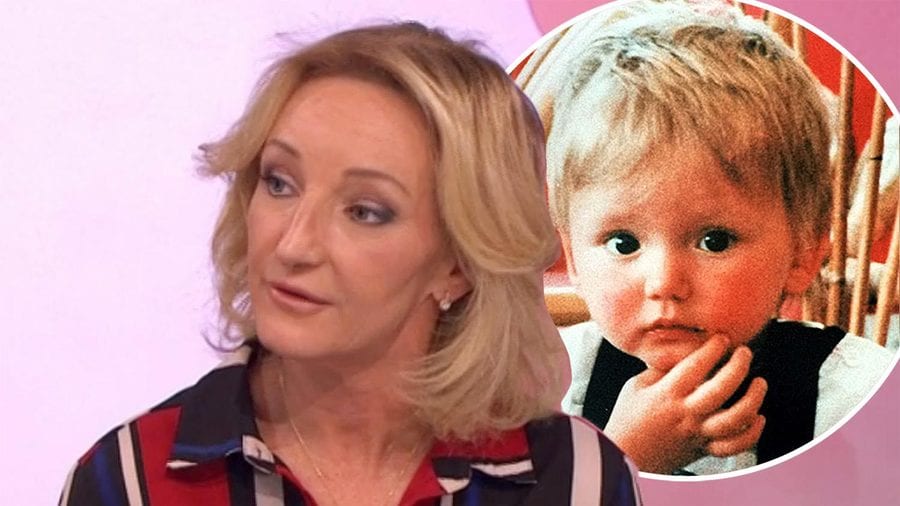
    The Money of McCann – In September 2018, Ben Needham’s mother Kerry quite rightly told ITV1’s ‘Loose Women’ that “it hurts” that so much money has been allocated to the search for Madeleine McCann whilst so little has been given to aid help other families find their missing relatives. She added: “[Madeleine] deserves to be found, but so does Ben. We haven’t had a fraction, I’ve had to fight alone as a single mum and try to get the help that Ben deserves… I don’t take anything away from anyone who’s got a loved one who is missing, but every single one deserves to be found.”
  • Outing Randy Andy

    Outing Randy Andy

    Will ‘Randy Andy’ the Duke of York erupt in anger with the outing of the depositions of Ghislaine Maxwell this morning? Could this be the non-sweater’s last stand?

    The Duke of York will no doubt be glued to his computer screen at 9am Eastern Daylight Time (2pm Greenwich Mean Time) today as this is the hour that the bombshell depositions mucky madam Ghislaine Maxwell tried to keep secret will be released to the public.


    Like Gordon Brown, ‘Randy Andy’ might erupt in fury and chuck a coffee cup at his device when the transcripts appear and according to author Nigel Cawthorne, this could be the latest “severe blow” that will forever stop this notoriously temperamental golf loving sort’s attempts to return to conducting royal duties.


    In comments yesterday to the Express, Cawthorne remarked:


    “The decision of the U.S. Court of Appeals to the Second Circuit to deny Prince Andrew’s close friend Ghislaine Maxwell’s request to keep the remaining unpublished depositions under seal has dealt a severe blow to the prince’s return to the frontline of the royal family.”


    “The detailed questions to Maxwell regarding any involvement in Epstein’s sex ring and her answers will once again cast the spotlight on the promise the prince made almost a year ago on BBC Newsnight to assist the FBI with its investigations into Epstein’s associates.”


    With this outing, could this be Randy Andy’s last stand? In spite of Richard Kay declaring his “fall” to be “complete” in July, we think not (quite yet), but it most certainly will be another body blow for this non-sweating Pizza Express fan.


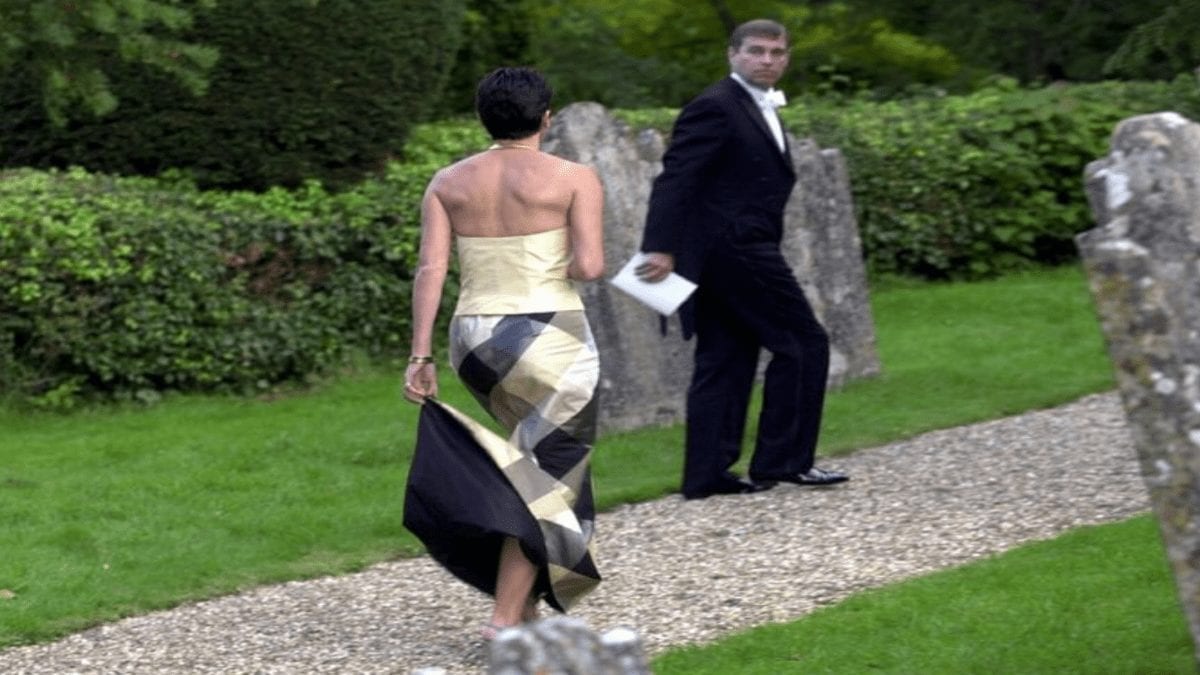
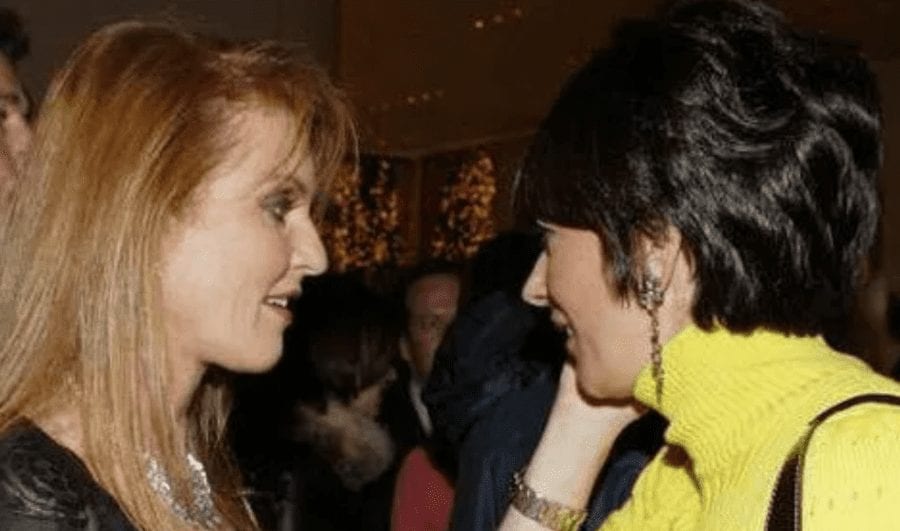
    Pictured top: Prince Andrew turning to look back at Ghislaine Maxwell at the wedding of Aurelia Cecil and Rupert Stephenson in 2000. The pair may well have to look at one another one day in a court room… Stranger things have indeed happened.


    Facebook: @TheSteepleTimes

    Instagram: @TheSteepleTimes

    Twitter: @SteepleTimes


    Outing Randy Andy – How will Prince Andrew react to document release? Will ‘Randy Andy’ the Duke of York erupt in anger with the outing of the depositions of Ghislaine Maxwell this morning? Could this be the non-sweater’s last stand?
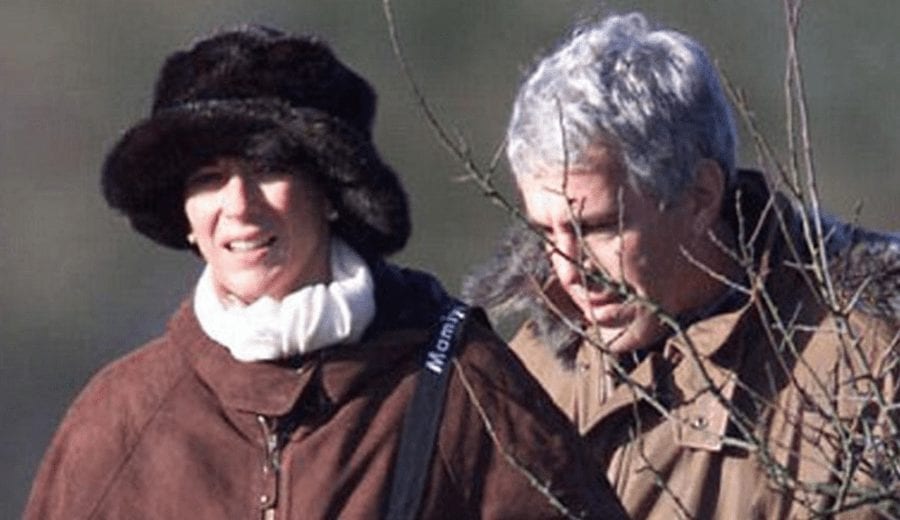
    Outing Randy Andy – Ghislaine Maxwell with Jeffrey Epstein during a shooting weekend hosted by Prince Andrew at Sandringham. Today’s document release could be yet another body blow for the royal.
    Outing Randy Andy – How will Prince Andrew react to document release? Will ‘Randy Andy’ the Duke of York erupt in anger with the outing of the depositions of Ghislaine Maxwell this morning? Could this be the non-sweater’s last stand?
    Outing Randy Andy – Prince Andrew’s live-in ex-wife Sarah Ferguson with Ghislaine Maxwell. It is still not known whether ‘Fergie’ ever repaid the money ‘loaned’ to her by the late paedophile Jeffrey Epstein.
  • A Massive Media Maelstrom – McCann, Mandelson and Maxwell

    A Massive Media Maelstrom – McCann, Mandelson and Maxwell

    Matthew Steeples highlights how the ‘Mandelson Media Method’ is very much in play in both the case of the Prince Andrew-Jeffrey Epstein connection and the renewed interest in the Madeleine McCann disappearance

    According to the former British ambassador to Uzbekistan turned activist and human rights campaigner Craig Murray, when Madeleine McCann went missing on 3rd May 2007 “New Labour’s No. 10 saw, in typical Blair fashion, a highly photogenic tragedy which there might be popularity in appearing to work on.”


    Guided by the “Prince of Darkness at the heart of New Labour” with “his dark satanic looks” and “his Machiavellian meddling,” the political party Peter Mandelson ever so brilliantly guided (in terms of electoral success) knew the value of such and they well and truly milked it in the matter of McCann.


    As Andrew Marr pointed out in his History of Modern Britain – screened on BBC Four last night – in his example, highlighting the case of the senseless murder of the innocent toddler Jamie Bulger by two truly evil teenagers during John Major’s premiership – Madeleine McCann’s disappearance occurred just a month before Blair left office and Gordon Brown took over. News of it dominated the media during the transition period.


    Defining the Brown years – during which Peter Mandelson was a government minister from October 2008 until May 2010 – in terms of the vast acres of pages devoted to the case and garnering disproportionate attention from government thus, as Murray pointed out: “British diplomatic staff were under direct instruction to support the McCanns far beyond the usual.”


    Mandelson had his finger on the pulse with the McCann story then and today the proof of its usefulness is still in the pudding by way of the fact that it wiped other ‘bad news’ stories off the front pages in the last week. Equally, as has been the case with the renewal of interest in Prince Andrew’s “has he or hasn’t he” cooperated with the investigations into Jeffrey Epstein in the last 24 hours, here are matters that show that the Mandelson style of media management haven’t moved on.


    One rather conveniently unavailable person who links the ‘players’ in these matters is still apparently missing in action. Again, this morning, we again join those asking: “Why doesn’t Ghislaine Maxwell finally come forward?”


    Facebook: @TheSteepleTimes

    Instagram: @TheSteepleTimes

    Twitter: @SteepleTimes and @M_Steeples


    A Massive Media Maelstrom – McCann, Mandelson and Maxwell – Matthew Steeples highlights how the ‘Mandelson Media Method’ is very much in play in both the case of the Prince Andrew-Jeffrey Epstein connection and the renewed interest in the Madeleine McCann disappearance.
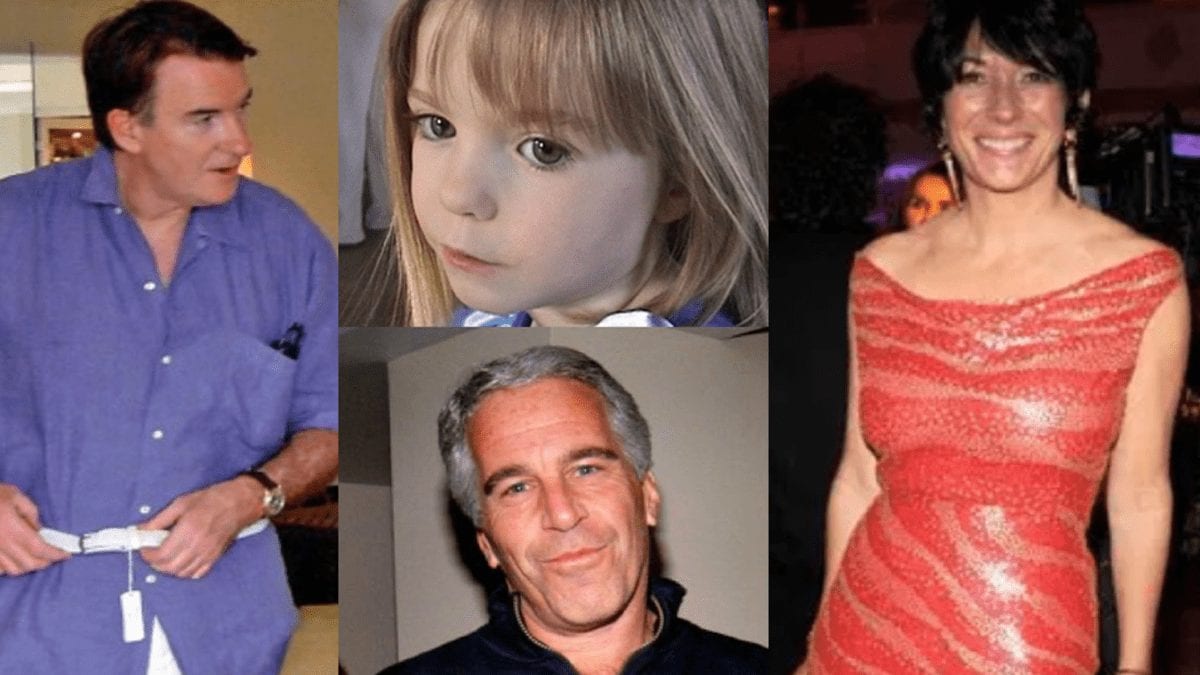
    Peter Mandelson pictured trying on a belt whilst Jeffrey Epstein looks on in St Barts in 2005. They are said to have been introduced by their mutual friend Ghislaine Maxwell and there is no suggestion that Lord Mandelson knew anything of Epstein’s criminal activities.
    A Massive Media Maelstrom – McCann, Mandelson and Maxwell – Matthew Steeples highlights how the ‘Mandelson Media Method’ is very much in play in both the case of the Prince Andrew-Jeffrey Epstein connection and the renewed interest in the Madeleine McCann disappearance.
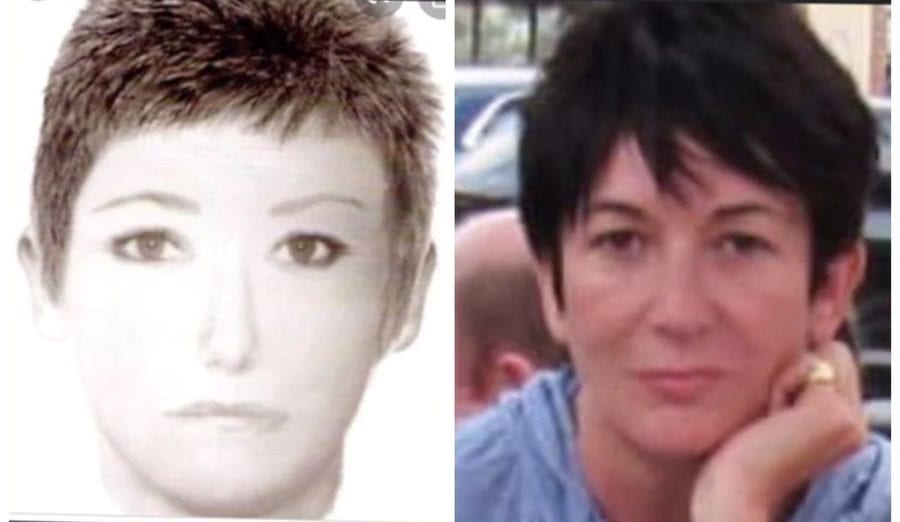
    In 2009, private investigators for Gerry and Kate McCann issued an E-FIT to the media of a woman they believed could be “potentially significant” to their investigation. She has never been found, but, speculation online (entirely unproven as accurate thus far) has regularly included: “She looks remarkably like Ghislaine Maxwell.” There is no suggestion that this is one and the same woman, but it would be ever so helpful if Miss Maxwell came forward and cleared this up for once and for all.
    A Massive Media Maelstrom – McCann, Mandelson and Maxwell – Matthew Steeples highlights how the ‘Mandelson Media Method’ is very much in play in both the case of the Prince Andrew-Jeffrey Epstein connection and the renewed interest in the Madeleine McCann disappearance.
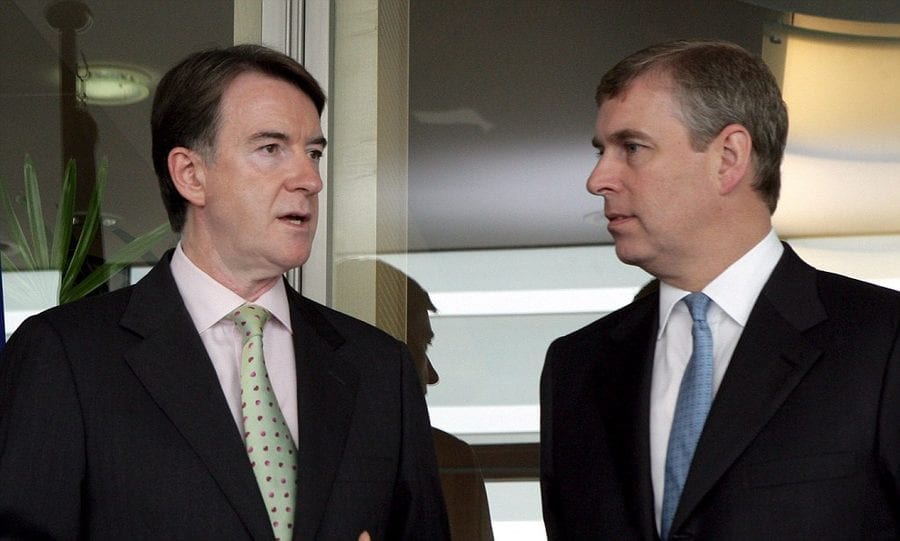
    The no-longer so “grand old Duke of York” Prince Andrew poses for a picture with the “master of spin” and king of media relations Lord Mandelson.
    A Massive Media Maelstrom – McCann, Mandelson and Maxwell – Matthew Steeples highlights how the ‘Mandelson Media Method’ is very much in play in both the case of the Prince Andrew-Jeffrey Epstein connection and the renewed interest in the Madeleine McCann disappearance.
    Peter Mandelson worked with PR spinner Matthew Freud, the late Sir Clement Freud’s son, on the Millennium Dome. The pair have partied together on many occasions – including at Freud’s then marital home, Burford Priory, and most famously with George Osborne, Oleg Deripaska and Nat Rothschild in Corfu.
    A Massive Media Maelstrom – McCann, Mandelson and Maxwell – Matthew Steeples highlights how the ‘Mandelson Media Method’ is very much in play in both the case of the Prince Andrew-Jeffrey Epstein connection and the renewed interest in the Madeleine McCann disappearance.
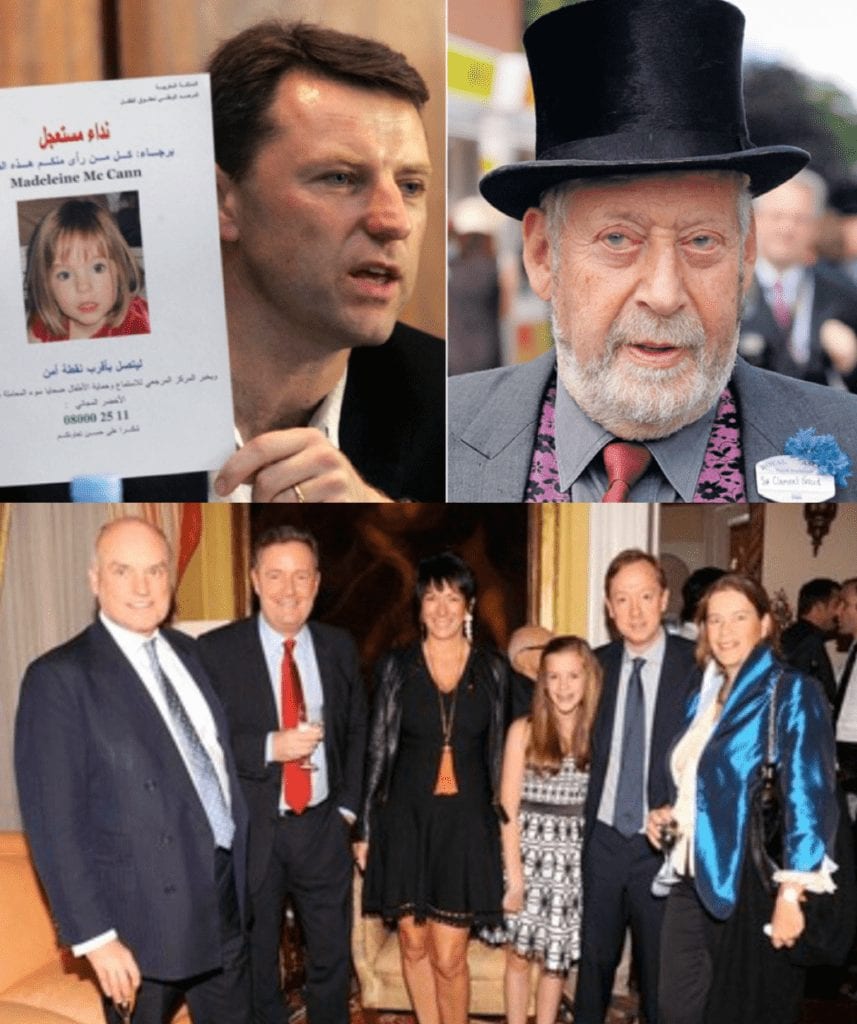
    Pictured top: Paedophile Sir Clement Freud (right) lunched with Gerry (left) and Kate McCann in Praia da Luz in Portugal in July 2007, two months after their daughter’s disappearance. Mrs McCann later praised the risotto as “the best she’d ever tasted.” Pictured below: Ghislaine Maxwell pictured at the launch of a book about Sir Clement’s brother, Lucian, titled ‘Breakfast With Lucian’ in 2013 by Geordie Greig. Also in the image are Nicholas Coleridge, Piers Morgan, an unknown child, Geordie Greig and Ariadne Calvo-Platero.
  • Shame on the Met

    Shame on the Met

    Matthew Steeples suggests that at a time when public resources are totally overstretched, that the Met Police are set to waste more money on the plainly pointless search for Madeleine McCann is an outrage

    Let’s be honest: Madeleine McCann will most likely never be found. Whatever people might say and however much they might hope, with nearly £12 million of public money and much more private cash wasted on a search that has achieved zilch, zero, nada, anything more is just throwing good wonga after bad.


    Now, with news last night that the Met Police will be allocating further funds to continue the search (at a time when they’re asking for retired officers to return to help police the public during the coronavirus outbreak), the public will be rightly outraged.


    Whilst I and others have for years argued that the disproportionate allocation of resources to this case stinks and that other missing children (whose cases get little to no financial aid) deserve parity, this latest announcement is a step too far. Speaking to The Sun yesterday, an unnamed police source stated:


    “There has been some recent speculation that the investigation into Madeleine’s disappearance could be put on hold or discontinued because of the coronavirus epidemic and a shortage of officers working. This isn’t the case and we can’t see the outbreak causing a problem for this ongoing inquiry. Neither can the Home Office. We’ve been told there will hopefully be no problem with new funding.”


    Gerry and Kate McCann’s closeness to the likes of Gordon Brown, David Cameron, Theresa May and Baroness Meyer has also aided their ability to keep the cash rolling in since their daughter ‘disappeared’ in May 2007. Equally, with mega rich ‘friends’ like the job killer Sir Richard Branson, the alleged sex abuser Sir Philip Green and the angry busybody J. K. Rowling on their side, the McCanns – unlike less wealthy parents of other missing children such as Kerry Needham – have been able to manipulate the media without good reason.


    Frankly, nothing new has been uncovered in this case in years and now it is not the time to give more money. Instead, it’s time to shelve the search for Madeleine McCann and instead use precious and scarce financial resources to solve cases that can actually be solved.


    Facebook: @TheSteepleTimes

    Instagram: @TheSteepleTimes

    Twitter: @SteepleTimes


    Shame on the Met – Met Police shouldn’t waste resources on Madeleine McCann – At a time when public resources are totally overstretched, that the Met Police are set to waste more money on the plainly pointless search for Madeleine McCann is an outrage. Ben Needham and Martin Allen cases deserve equal treatment, for example.
    Missing still yet little to no police resources for their cases – Ben Needham disappeared in Kos, Greece on the 24th July 1991 aged 1 and his mother gets little help for her search; Martin Allen disappeared in London on 5th November 1979 aged 15 and though his brother, Kevin, keeps the case in the public eye as much as he can, he gets little to no help from the Metropolitan Police.
    Shame on the Met – Met Police shouldn’t waste resources on Madeleine McCann – At a time when public resources are totally overstretched, that the Met Police are set to waste more money on the plainly pointless search for Madeleine McCann is an outrage. Ben Needham and Martin Allen cases deserve equal treatment, for example.
    Meanwhile, Madeleine McCann – whose parents left the doors and windows to the apartment they were staying in and did not pay for childcare on that fateful night – disappeared on the 3rd May 2007 in Praia da Luz, Portugal. The investigation into how she went ‘missing’ has cost nearly £12 million of British public money thus far and more is going to be given. Something, frankly, does not add up and interested individuals should take a look at our previous analysis: “Missing Madeleine – Questions without Answers.”
  • Bob Marshall-Andrews QC

    Bob Marshall-Andrews QC

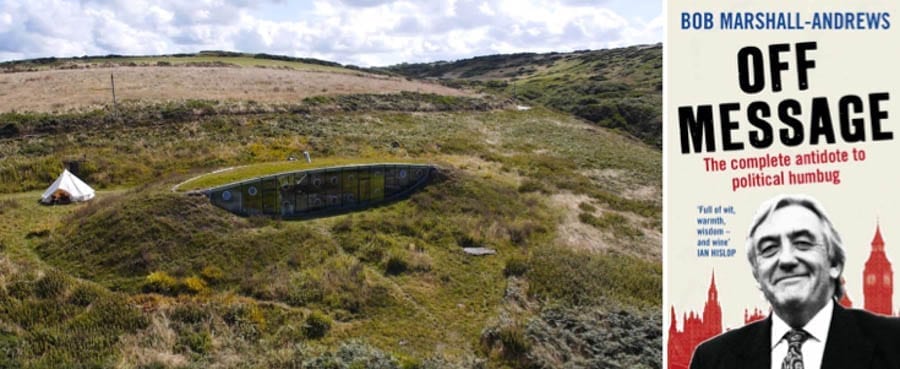
    A “libertarian-left” Labour MP between 1997 and 2010, distinguished barrister and novelist Bob Marshall-Andrews defected to the Liberal Democrats in 2017. Described as “an irritant” to his former party whilst they were in government, multi-millionaire Marshall-Andrews built and owns “one of the most innovative houses of the 20th century – the famed ‘Teletubby House’ in Druidston, Pembrokeshire – and is chairman of the George Adamson Wildlife Trust. In 2013, of him, Chambers Legal Directory remarked: “Juries love him… I’ve never seen a jury eat out of anyone’s hand as much” whilst he amusingly references himself as “the complete antidote to political humbug”. Of Labour, this “intellectually brilliant” individual added: “They’re a basket case…They effectively abdicated all responsibility [on Brexit]”.


    Bob Marshall-Andrews QC – Barrister, former Labour MP and novelist Bob Marshall-Andrews QC – Barrister, former Labour MP and novelist


  • The Business of Blair

    The Business of Blair

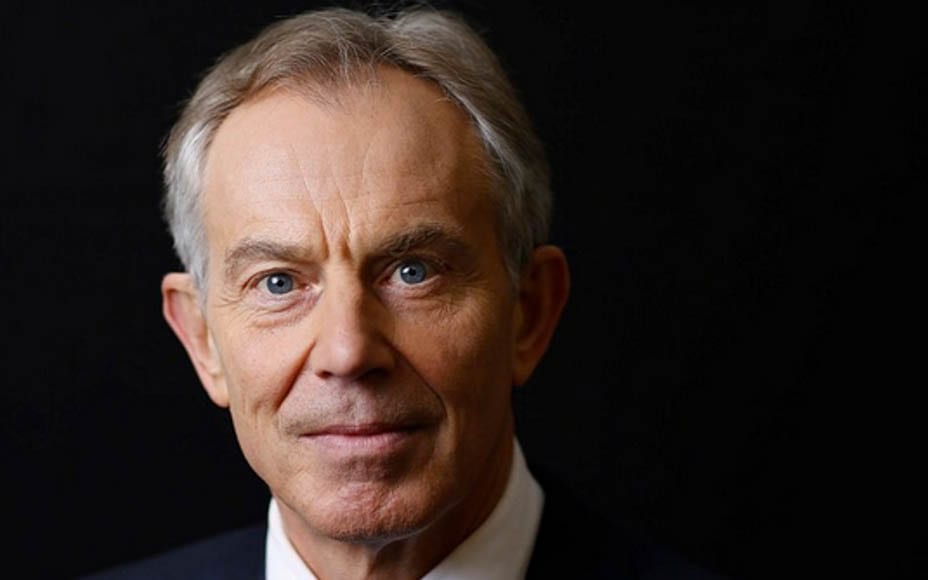
    Tony Blair ditches business and also denies a return to public office


    For weeks, the mainstream media have claimed Tony Blair is preparing to return to public office to save Britain from the nightmare of Brexit. They have claimed he’s ready to seize the support of the 48% and that him and Nick Clegg are colluding to create a new ‘centre left’. He did little to deny it at first but late last week, he shared a post on Facebook that frankly puts a stop to this kind of nonsense.


    Blair, a plainly toxic force in politics due to his highly unpopular backing of George W. over the War on Iraq (and because of his refusal to confine his equally disliked weirdo wife to social Siberia), will never make a comeback and now he’s finally acknowledged that in a very public way.


    In our view, Mr Blair is actually wrong. He’s not nearly as bad as #DarthVader Theresa May and he’s not nearly as ghastly as either the worst Prime Minister’s-in-living-history John Major and Gordon Brown and though we share with you his justifications for not getting involved again, we weirdly find ourselves actually lauding Mr Blair for saying the right thing (for once in his sorry lifetime).


    Mr Blair’s comment, in full, follows:


    Over the past nine years we have built a family of organisations which together employ nearly 200 people; have worked in over 30 countries; and have produced some real and lasting achievements. I am very proud of the commitment and impact of the people I have had the privilege to work with.


    The Africa Governance Initiative has become a respected partner and leader in effective governance where we have worked in 10 different African countries.


    The work we are doing in Africa has been right at the centre of government covering everything from boosting electricity, to improving child and maternal mortality rates to helping on the ground during the Ebola crisis in West Africa, a contribution praised for its impact by both the Presidents of the countries concerned and the international community.


    Outside of Africa in the work done by the commercial governance arm, we again made successful interventions in over 12 countries with 30 different projects promoting reform and change programmes with governments.


    The Tony Blair Faith Foundation has done ground-breaking work in interfaith relations, education and leadership, and most recently in the research and policy work on religiously based extremism through the Centre on Religion and Geopolitics which has been widely recognised as authoritative. 


    In the first years of the Quartet role in the Middle East, we hit double digit growth on the West Bank, drew up ambitious plans for Gaza’s infrastructure and changed the rules around entry of materials into Gaza. In 2011, we played a significant part in the attempt to agree terms of reference for a renewal of the peace process.


    Progress became much more difficult once the peace process stalled. We were partners in the later fresh attempts by the USA to revive the peace process, particularly around plans for the economy to support a future Palestinian state. Unfortunately these attempts also failed.


    Nonetheless, after stepping down from the Quartet position, our new Initiative for the Middle East has re-vitalised our work and means this stays a large part of what we do. I have made over 35 visits to the region this year alone.


    During the time since leaving office, I have learnt a huge amount about the world and frankly what I can do and can’t do to affect it positively.


    We built up a successful business side, though attracted a large measure of criticism for it, much of it inaccurate. It was entirely necessary to build the business to help with the funding to grow the organisations; but it was open to misrepresentation and to criticism either that we were conflating private and public roles or that we were working in countries which aroused controversy.


    Having said that, I also learnt a lot about the way the global economy functions from that experience and pay tribute to the great team I worked with who made much of the development of our work across the organisations possible.


    We are now at the stage and have built the financial infrastructure where it is time to enter a new phase. First we can take the work we have done in Africa, in governance, on extremism and in the Middle East to a new and more effective level; and secondly, in the past six months we have seen political earthquakes in the UK with Brexit and in the American election, as well as an explosion in populist movements all over the European continent. This impacts profoundly all the work we do and the future of globalisation.


    So I want us to bring all the different organisations together under one roof and to re-orient our mission.


    We have deliberately focused, up to now, on some of the greatest and most difficult challenges faced in the era of globalisation: how to give nations the governing capacity to overcome the problems of development and lift their people out of poverty; how to combat the religiously based extremism which threatens global security; how to resolve the most intractable peace process in the world.


    In each case, we have presented a new approach, with the aim of providing new ideas and thinking.


    In governance, especially in Africa, our analysis is that, today, building the capacity to govern effectively – making the way government works efficient as well as transparent – is as important for developing nations as aid.


    Look around the world, and see countries living next to each other – same size population, same resources, same natural potential – one succeeding, one failing. The reason for the difference is found in the quality of governance. Take the following examples: Venezuela and Colombia; Poland and Ukraine; Rwanda and Burundi. And the greatest example in contrasting, contiguous systems of governance the world has seen in modern political history – the Korean Peninsula, North and South Korea. The nation which is succeeding is applying the best rules and lessons of governance; the failing nation is ignoring or defying them.


    On religious extremism, we believe it is essential to widen the struggle, to tackle the ideology behind the violence and not simply the violence itself. So we can defeat ISIS militarily but unless we defeat the ideas behind Islamism – the belief that a particular view of religion should dominate society, politics and the economy, something incompatible with a modern world in which pluralism is the essence – we will never win this battle.


    On the Middle East peace process, we are convinced that a traditional peace process between Israelis and Palestinians with US guidance alone is inadequate; that what is required is a new approach which involves the wider region and the Arab nations and which resolves not just the final status issues like borders but which also resolves the underlying issues of cultural acceptance and regional stability. So we are now working on Arab-Israeli relations, and not simply Israeli-Palestinian relations.


    But it has become clear that there is much overlap between these different areas of work. Extremism is also today a barrier to development. The Middle East conflict impacts extremism. Changing and reforming government applies to Middle East nations as well.


    And since all of these approaches basically represent the open-minded response to global problems, the salience of these new approaches depends on us having an answer to the new populism of left and right which exploits the anger and drives the world apart.


    This new populism may differ in some respects between left and right – the left anti-business, the right anti-immigrant – but in others what is remarkable is the convergence between them, especially around isolationism and protectionism, in what is an essentially closed-minded approach to globalisation and its benefits and to international engagement.


    So we want to add a fourth pillar to what we do. I emphasise this is not in place of our other work but in addition to it.


    This is the creation of a platform designed to build a new policy agenda for the centre ground together with the networks which link people up, and allow a reasonable and evidence based discussion of the future which avoids the plague of social media-led exchanges of abuse. 


    This platform will have a policy unit which will draw on the best ideas and practical solutions, building partnerships with other organisations, in the public policy and private spheres, so that those in the frontline of politics have a bigger and better policy agenda to reflect upon; and a networking capability to join like-minded people up. 


    This is not a think tank. There are enough of those, many doing excellent work we would want to utilise. It is a platform for engagement to inform and support the practising politician.


    It is what I know I would want were I still in the frontline of politics.


    Part of its focus will plainly be around the European debate; but this will not be its exclusive domain. It has to go far wider than that since in many ways the Europe debate is a lightning rod for the whole of politics.


    We’re now planning to bring all of these four parts together in one new Not For Profit Institute. 


    The business side has been shut down and the assets, running into many millions of pounds, gifted to the Institute. In the New Year, we plan to merge the activities of the different organisations into the Institute, with any charitable funds used exclusively for the purposes for which they were originally given.


    This will allow us to work more coherently across the board; use the obvious synergies between the different elements of the work; and to be far stronger on the global policy side than we have been up to now. The focus previously was mainly on programmes. These will remain but the organisation will also be far more about thought leadership.


    This is not about my returning to the front line of politics. I have made it abundantly clear that this is not possible.


    However, I care about my country and the world my children and grandchildren will grow up in; and want to play at least a small part in contributing to the debate about the future of both.  
     

    The Africa Governance Initiative has become a respected partner and leader in effective governance where we have worked in 10 different African countries.


    The work we are doing in Africa has been right at the centre of government covering everything from boosting electricity, to improving child and maternal mortality rates to helping on the ground during the Ebola crisis in West Africa, a contribution praised for its impact by both the Presidents of the countries concerned and the international community.


    Outside of Africa in the work done by the commercial governance arm, we again made successful interventions in over 12 countries with 30 different projects promoting reform and change programmes with governments.


    The Tony Blair Faith Foundation has done ground-breaking work in interfaith relations, education and leadership, and most recently in the research and policy work on religiously based extremism through the Centre on Religion and Geopolitics which has been widely recognised as authoritative. 


    In the first years of the Quartet role in the Middle East, we hit double digit growth on the West Bank, drew up ambitious plans for Gaza’s infrastructure and changed the rules around entry of materials into Gaza. In 2011, we played a significant part in the attempt to agree terms of reference for a renewal of the peace process.


    Progress became much more difficult once the peace process stalled. We were partners in the later fresh attempts by the USA to revive the peace process, particularly around plans for the economy to support a future Palestinian state. Unfortunately these attempts also failed.


    Nonetheless, after stepping down from the Quartet position, our new Initiative for the Middle East has re-vitalised our work and means this stays a large part of what we do. I have made over 35 visits to the region this year alone.


    During the time since leaving office, I have learnt a huge amount about the world and frankly what I can do and can’t do to affect it positively.


    We built up a successful business side, though attracted a large measure of criticism for it, much of it inaccurate. It was entirely necessary to build the business to help with the funding to grow the organisations; but it was open to misrepresentation and to criticism either that we were conflating private and public roles or that we were working in countries which aroused controversy.


    Having said that, I also learnt a lot about the way the global economy functions from that experience and pay tribute to the great team I worked with who made much of the development of our work across the organisations possible.


    We are now at the stage and have built the financial infrastructure where it is time to enter a new phase. First we can take the work we have done in Africa, in governance, on extremism and in the Middle East to a new and more effective level; and secondly, in the past six months we have seen political earthquakes in the UK with Brexit and in the American election, as well as an explosion in populist movements all over the European continent. This impacts profoundly all the work we do and the future of globalisation.


    So I want us to bring all the different organisations together under one roof and to re-orient our mission.


    We have deliberately focused, up to now, on some of the greatest and most difficult challenges faced in the era of globalisation: how to give nations the governing capacity to overcome the problems of development and lift their people out of poverty; how to combat the religiously based extremism which threatens global security; how to resolve the most intractable peace process in the world.


    In each case, we have presented a new approach, with the aim of providing new ideas and thinking.


    In governance, especially in Africa, our analysis is that, today, building the capacity to govern effectively – making the way government works efficient as well as transparent – is as important for developing nations as aid.


    Look around the world, and see countries living next to each other – same size population, same resources, same natural potential – one succeeding, one failing. The reason for the difference is found in the quality of governance. Take the following examples: Venezuela and Colombia; Poland and Ukraine; Rwanda and Burundi. And the greatest example in contrasting, contiguous systems of governance the world has seen in modern political history – the Korean Peninsula, North and South Korea. The nation which is succeeding is applying the best rules and lessons of governance; the failing nation is ignoring or defying them.


    On religious extremism, we believe it is essential to widen the struggle, to tackle the ideology behind the violence and not simply the violence itself. So we can defeat ISIS militarily but unless we defeat the ideas behind Islamism – the belief that a particular view of religion should dominate society, politics and the economy, something incompatible with a modern world in which pluralism is the essence – we will never win this battle.


    On the Middle East peace process, we are convinced that a traditional peace process between Israelis and Palestinians with US guidance alone is inadequate; that what is required is a new approach which involves the wider region and the Arab nations and which resolves not just the final status issues like borders but which also resolves the underlying issues of cultural acceptance and regional stability. So we are now working on Arab-Israeli relations, and not simply Israeli-Palestinian relations.


    But it has become clear that there is much overlap between these different areas of work. Extremism is also today a barrier to development. The Middle East conflict impacts extremism. Changing and reforming government applies to Middle East nations as well.


    And since all of these approaches basically represent the open-minded response to global problems, the salience of these new approaches depends on us having an answer to the new populism of left and right which exploits the anger and drives the world apart.


    This new populism may differ in some respects between left and right – the left anti-business, the right anti-immigrant – but in others what is remarkable is the convergence between them, especially around isolationism and protectionism, in what is an essentially closed-minded approach to globalisation and its benefits and to international engagement.


    So we want to add a fourth pillar to what we do. I emphasise this is not in place of our other work but in addition to it.


    This is the creation of a platform designed to build a new policy agenda for the centre ground together with the networks which link people up, and allow a reasonable and evidence based discussion of the future which avoids the plague of social media-led exchanges of abuse.


    This platform will have a policy unit which will draw on the best ideas and practical solutions, building partnerships with other organisations, in the public policy and private spheres, so that those in the frontline of politics have a bigger and better policy agenda to reflect upon; and a networking capability to join like-minded people up. 


    This is not a think tank. There are enough of those, many doing excellent work we would want to utilise. It is a platform for engagement to inform and support the practising politician.


    It is what I know I would want were I still in the frontline of politics.


    Part of its focus will plainly be around the European debate; but this will not be its exclusive domain. It has to go far wider than that since in many ways the Europe debate is a lightning rod for the whole of politics.


    We’re now planning to bring all of these four parts together in one new Not For Profit Institute. 


    The business side has been shut down and the assets, running into many millions of pounds, gifted to the Institute. In the New Year, we plan to merge the activities of the different organisations into the Institute, with any charitable funds used exclusively for the purposes for which they were originally given.


    This will allow us to work more coherently across the board; use the obvious synergies between the different elements of the work; and to be far stronger on the global policy side than we have been up to now. The focus previously was mainly on programmes. These will remain but the organisation will also be far more about thought leadership.


    This is not about my returning to the front line of politics. I have made it abundantly clear that this is not possible.


    However, I care about my country and the world my children and grandchildren will grow up in; and want to play at least a small part in contributing to the debate about the future of both.  
     

  • Rowling in the Depp

    Rowling in the Depp

    JK Rowling pays £22 million for a yacht previously owned by Johnny Depp (more…)

  • Diane Abbott MP

    Diane Abbott MP

    Diane Abbott MPThe Steeple Times is honoured to be blocked on Twitter by this hypocritical loudmouthed Labour Member of Parliament. (more…)

  • Gillian Duffy

    Gillian Duffy

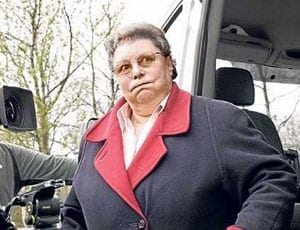
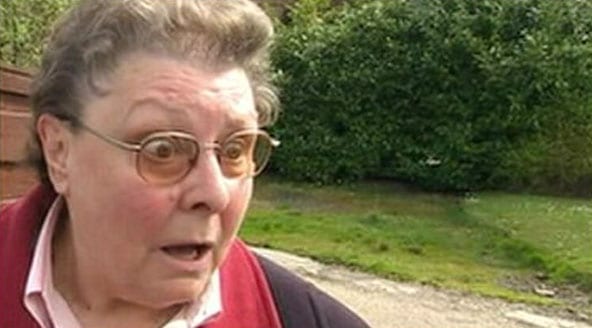
    Gillian DuffyThe personification of a political swingometer (more…)

  • Savage Savage

    Savage Savage

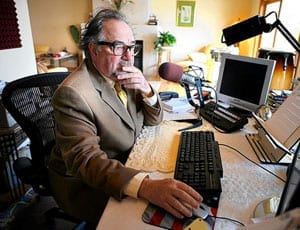
    Michael Fabricant MP is wrong to seek a lifting of the ban on shock jock Michael Savage entering Britain (more…)