Matthew Steeples previews ‘Who Is Gatsby Randolph?’ and finds it not only refreshingly raucous, but also proof that anyone can achieve their dream
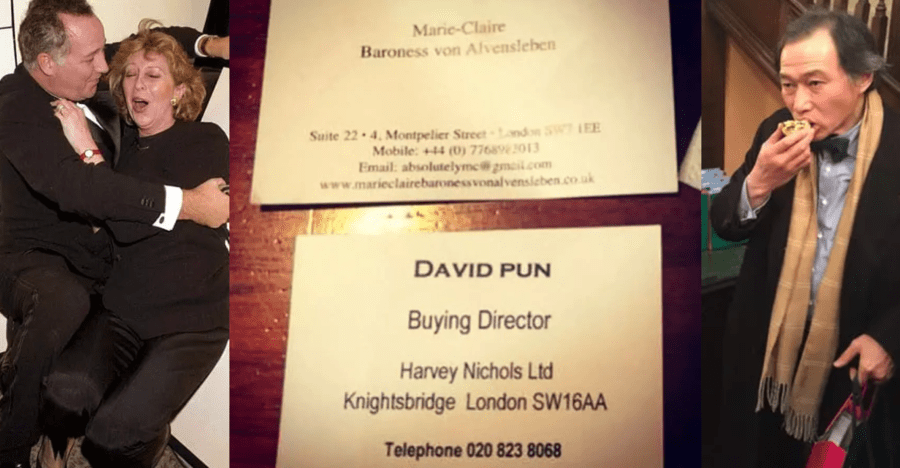
In England, we have party crashers like David Pun – a bow tie wearing blaggart who pretends to own Harvey Nichols, but actually lives in a bus shelter in Hammersmith. Freakish toerags like him and the bigoted berk Marie-Claire, Baroness von Alvensleben pollute events, hoovering up canapés and nabbing gift bags with audacity and awfulness, but in Hollywood there’s a marvelous man who has got the art of getting into the Vanity Fair Oscars after-party down to a fine art.
London’s leading liggers, amongst them bow tie wearing David Pun (right) and convicted racist Marie-Claire, ‘Baroness’ von Alvensleben (left, with disgraced ‘entertainer’ Michael Barrymore), flash business cards lacking class, style and elegance, but still somehow get their wicked way into society bashes. How they get away with it remains a mystery and though there have been proposals to make documentaries about their antics, these have yet to reach the viewing public.English actress turned award winning producer Alexa Jago, however, has managed to bring the remarkable yet totally true story of a humble boy from Memphis, Tennessee who sought out and achieved his dream of getting to the top in Tinseltown to the big screen.With a (borrowed but real) Oscar and a bottle of Dom Perignon (or five), this bio-documentary of an aspiring music producer turned tastemaker illustrates the power of Instagram. In it, the star claims “social media is archival footage” and through weaving his posts into a cohesive story, Gatsby Randolph becomes a genuine and welcomed personality.
https://vimeo.com/423678137
A ‘mockumentary’ in style and deservedly lauded as “Borat meets Entourage,” Who Is Gatsby Randolph? tells the story of Memphis, Tennessee born Kobie Randolph’s transition as he seeks out fame and fortune in Tinseltown. Rather like in F. Scott Fitzgerald’s novel from which he takes his adopted moniker, “people were not invited – they went there” is the premise of our suave, cigar chomping protagonist.
Produced by talented English theatre and film actress turned award winning producer Alexa Jago – best known for having worked alongside amongst others Kevin Costner and for having been part of the team behind the 2015 hit Kajaki (AKA Kilo Two Bravo) – and due for theatrical release in the coming months, here is a film about a young man’s rise from poverty to the pinnacle of power and privilege living in a mansion in the Hollywood Hills.
With 101,000 followers on Instagram currently, but ironically without 101 Dalmatians, in what has been described as “a poignant wild ride through red carpets with unlimited access to all the glitz and glamour,” this bio-documentary examines not only success, but also struggle.
Reinvention is key to Kobie Randolph’s transition into his alter-ego ‘Gatsby’ and of his journey, the star recently told FilmInk: “As a filmmaker, I recognised that my own story of rags to riches was, in fact, a movie in the making.” He most certainly has achieved that and Who Is Gatsby Randolph? most definitely looks set to be one of the hits of 2022.
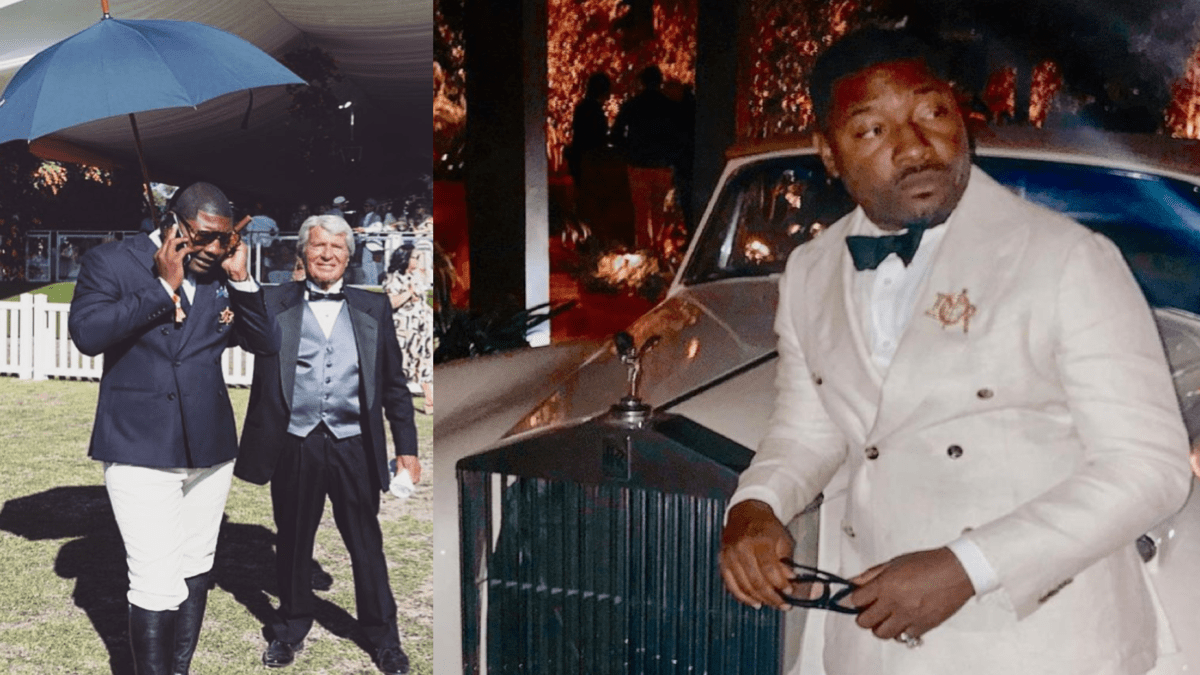
Pictured top – Kobie Randolph, a man described by British actor Hainsley Lloyd Bennett as making him “feel like I could take over Hollywood.” Of him, the ‘Pennyworth’ star recently remarked: “His electric spirit jumps through the screen… He projected that he was somebody, so everyone treated him like he was and that was irrespective of his race, his age and his looks.”
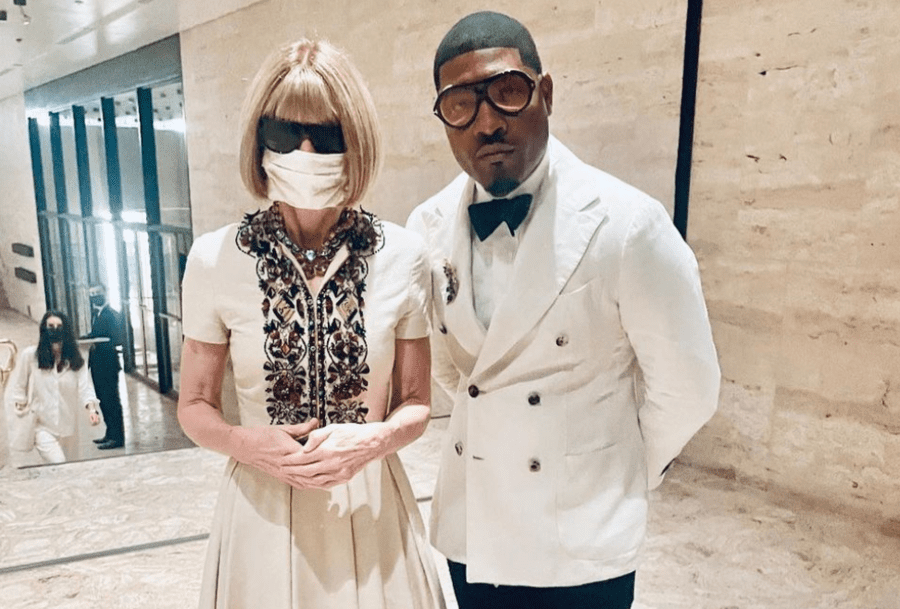
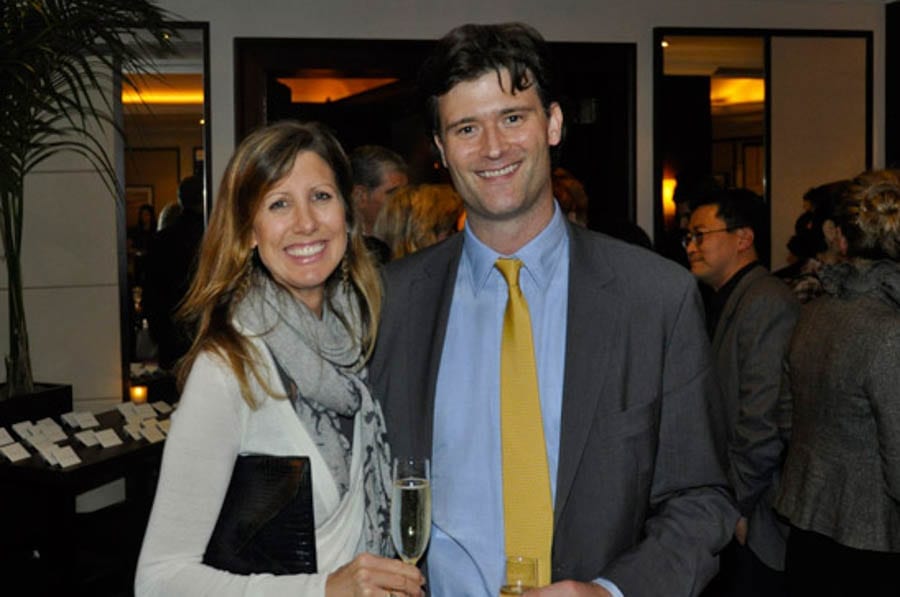
Here (pictured with Anna Wintour) is a hustler who threw convention to the wind and got himself in front of Steven Spielberg even.This is an amusing and lighthearted tale that echoes F. Scott Fitzgerald’s character’s intrepid pursuit of the American dream. Its protagonist (pictured here with screen sirens Glenn Close and Emily Blunt) really did get into ‘Vanity Fair’s’ Oscar after-party not only once but four times.On his journey, Gatsby Randolph met everyone from Angelina Jolie (pictured) to Reese Witherspoon.
Long Island mansion with links to ‘The Great Gatsby’ and ‘The Big Short’ for sale for £13.1 million (or 152% more than it sold for in 2011)
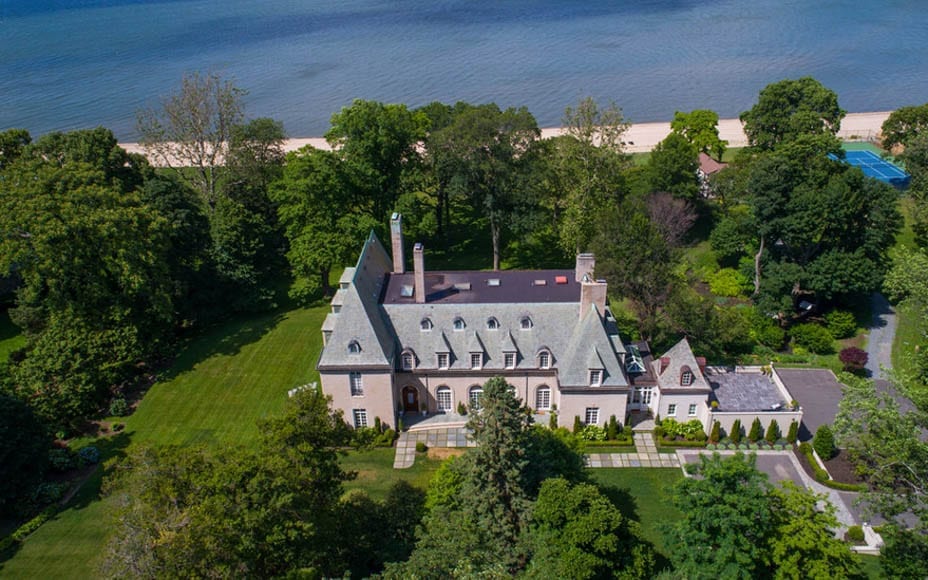
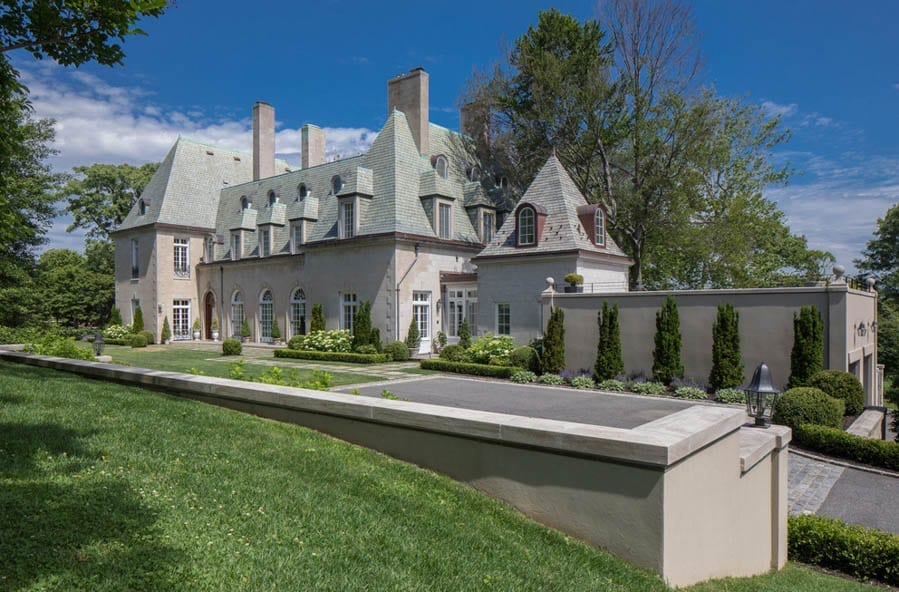
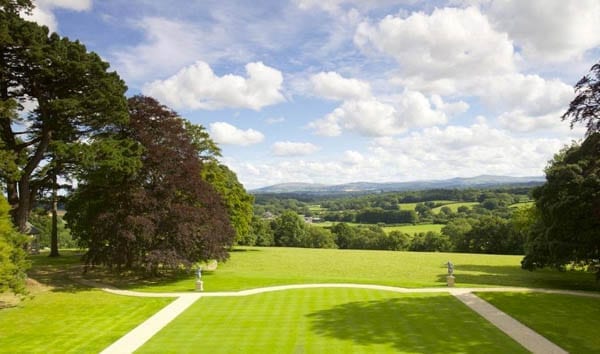
F. Scott Fitzgerald (1896 – 1940) set his ‘Roaring Twenties’ classic The Great Gatsby in the fictional locations of East Egg and West Egg on Long Island and now one of the homes that inspired him is available for sale.
Owned by Cornwall Capital founder James Mai – a man whose firm ironically made over 80 times its capital by buying credit default swaps on CDOs prior to the 2008 financial crisis – and his wife Chiara since 2011, 235 Middle Neck Road at Sands Point on Long Island’s Gold Coast was built in 1926 and home to the Rumsey-Harriman railroad dynasty from 1929.
Fitzgerald is said to have spent time at the residence learning about “the lifestyle of the moneyed aristocracy of Old Westport, Long Island, and their involvement in the movement of eugenics” from the Rumseys and ironically, James Mai, is also representative of a clash between ‘old’ and ‘new’ money. In 2008, he and his partner are said to have been the ones “screaming about [the coming crash] as loud as they could, but everyone turned a deaf ear.” The character Jamie Shipley, played by Finn Wittrock in the 2015 film The Big Short, is loosely based upon him.
Current owners Chiara and James Mai are said to have spent vast sums on the renovation of the estate
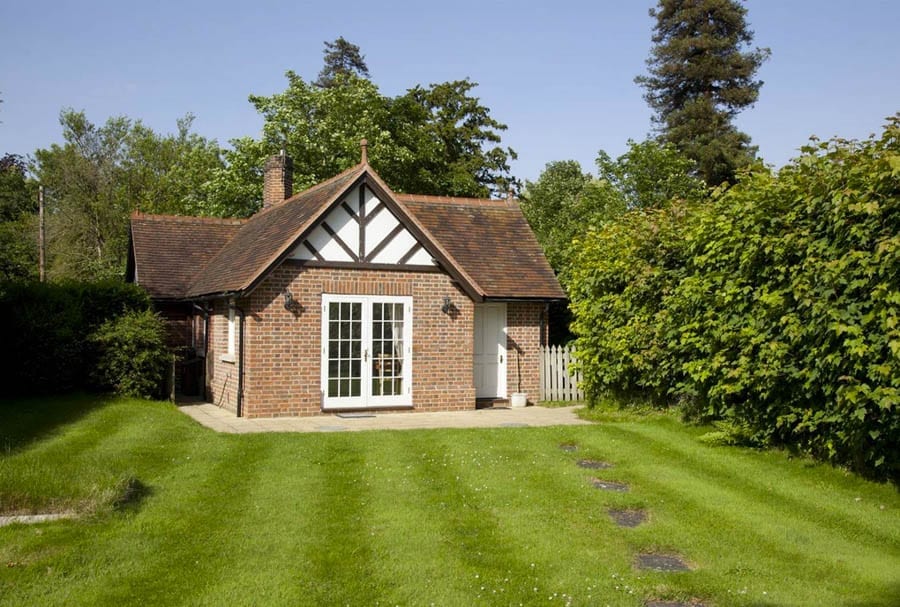
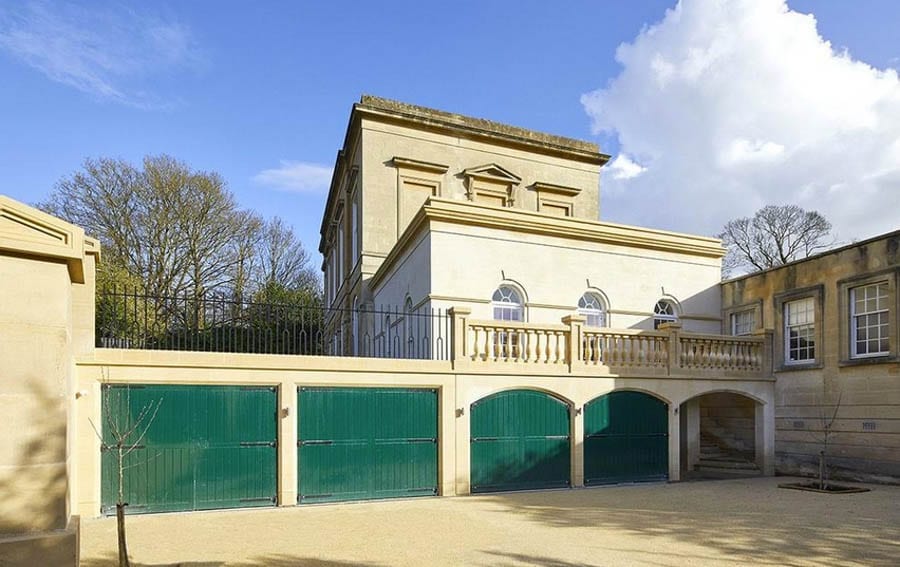
Featuring 11,955 square foot of renovated accommodation that includes formal and informal entertaining spaces, 13 bedrooms and 8 bathrooms. There is also a 6-car garage with a 3-bedroom caretaker’s cottage, a 4-bedroom beachside cottage and a boat house.
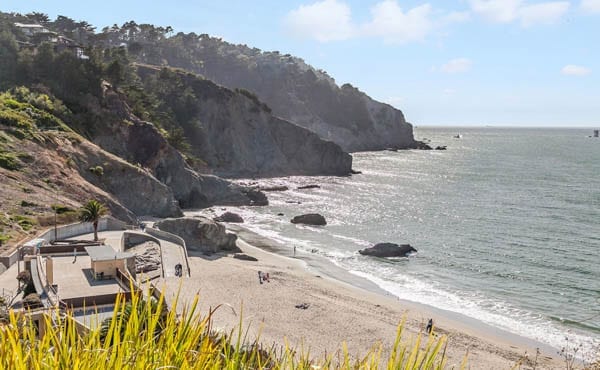
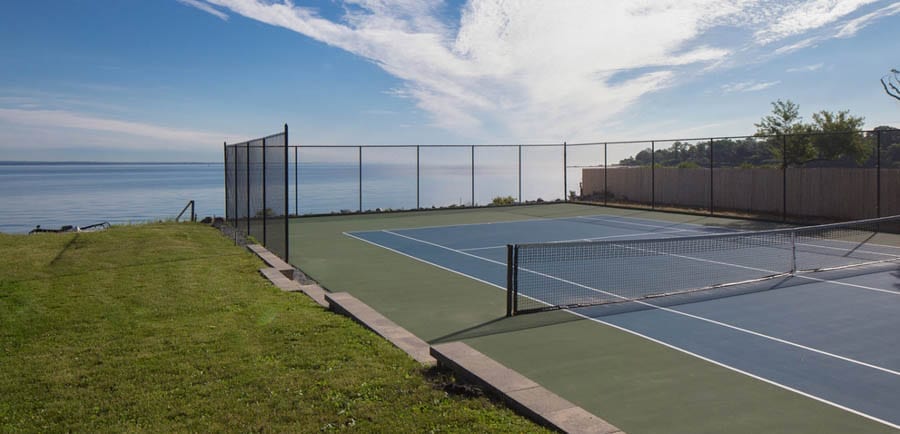
Outside, on a plot of some 5.3 acres, there is a 391-foot private beach, a tennis court and in spite of its seeming isolation, the property is situated just 29 miles from Downtown Manhattan and 25 minutes by boat.
235 Middle Neck Road is listed by Nava Mitnick of Daniel Gale Sotheby’s International. In December 2016, of it, she commented: “Obviously, it’s so imposing – you drive down and see the sweeping views. But when we entered the house, I described it as a ‘glorified cottage’, because it’s so homey.”
New Jersey mansion, complete with 58 rooms, for sale for equivalent sum to what it cost to build in 1909; the £37 million house’s original owner was a man whose extravagance knew absolutely no bounds
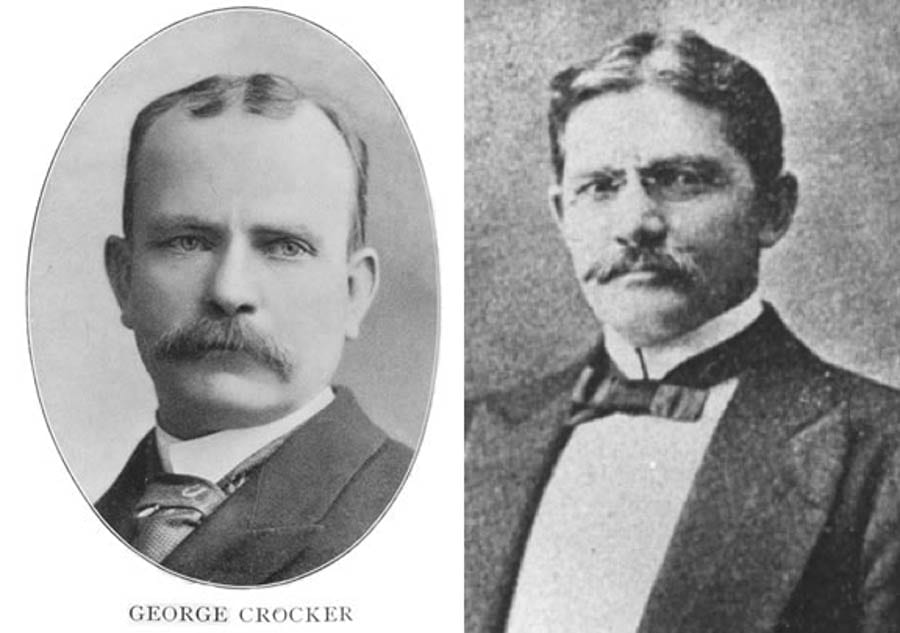
George Crocker (1856 – 1909) makes F. Scott Fitzgerald’s Jay Gatsby seem like an amateur. Born in Sacramento and the son of a railway magnate worth some $30 million on his death (the equivalent of £634 million or $812 million today), Crocker was willed a significant $6 million (the equivalent of £127 million or $163 million today) on the condition that “after the space of five years continuously he shall abstain from the use of spirituous, vinous, and malt liquors to the extent that he shall not during this period have been intoxicated”.
Crocker decided to ignore the terms of his father’s behest and from 1888 to 1891 lived in San Francisco as “one of the most reckless young men about town when reckless young men thereabouts were common” but then admitted himself to a sanatorium, put himself on the straight and narrow and finally collected the sum of $6 million in 1898.
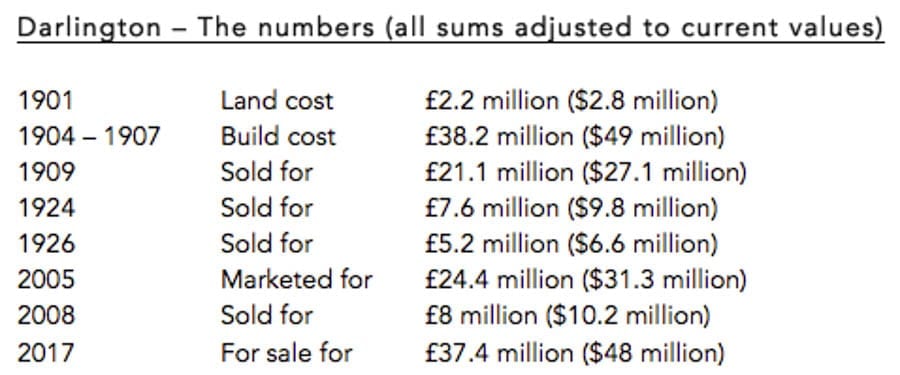
With wealth and a glamorous wife, Emma Rutherford, a widow from California, Crocker set himself up as the toast of New York society. Though he owned a townhouse at 1 East 64th Street and a villa in Newport, it was on paying $96,500 (the equivalent of £2.2 million or $2.8 million today) for the 1,100 acre Darling estate in Bergen County, Mahwah, New Jersey in 1901 that he truly became someone noticeable.
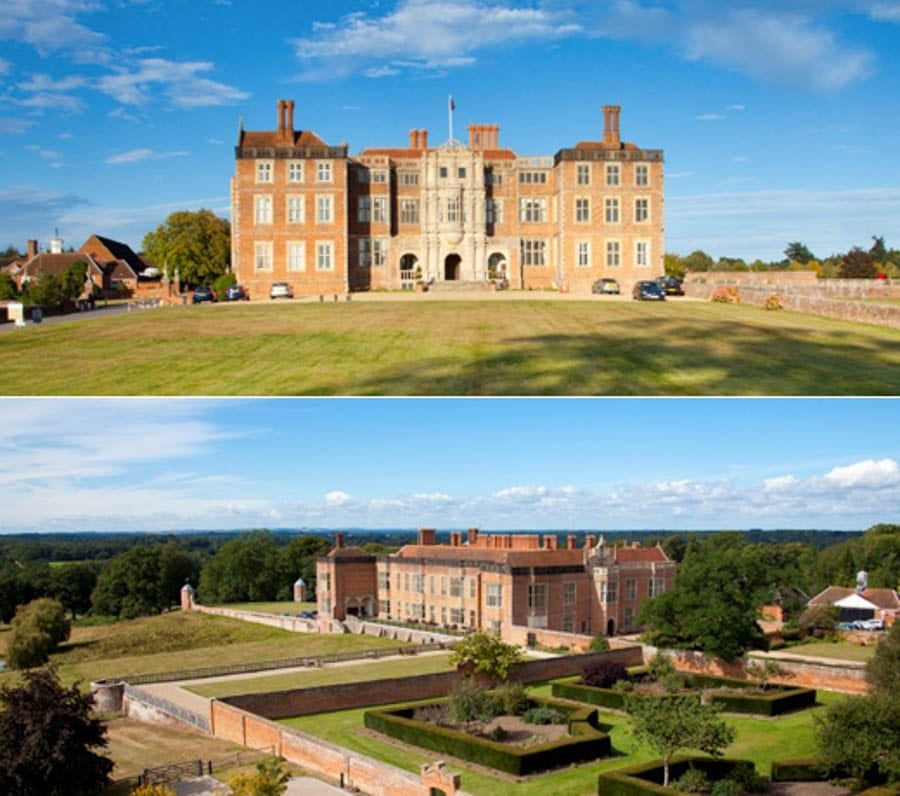
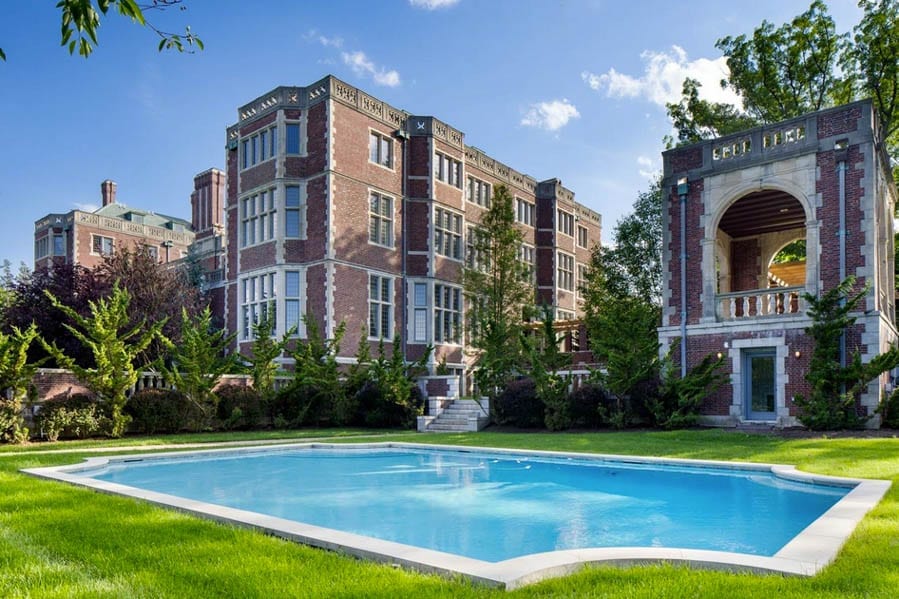
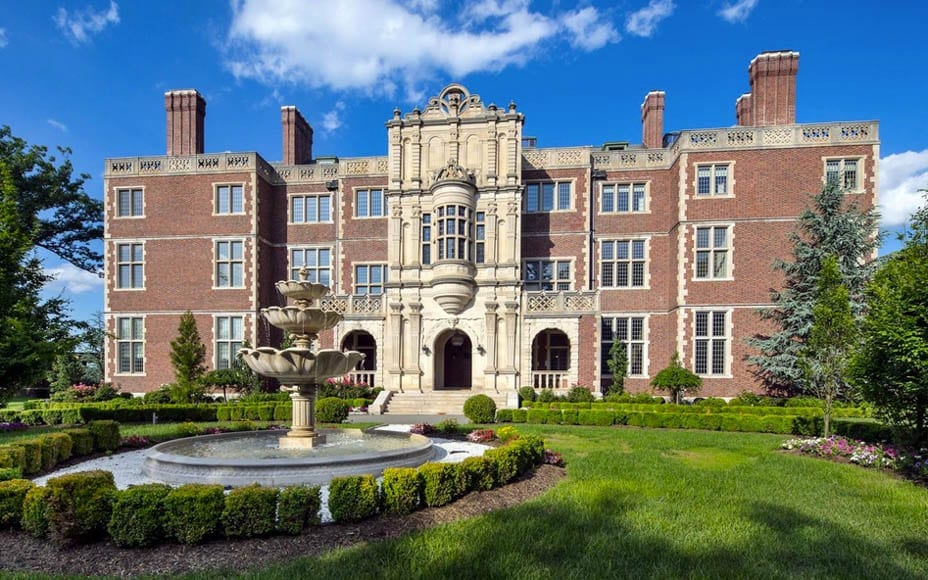
Choosing what he called “the finest site for a residence in the country”, Crocker commissioned an architect named James Brite (died 1942) to build him a mansion “sparing no expense”. Modeled on a Jacobean prodigy house, Bramshill House in Hampshire, England and built from Indiana limestone and Harvard brick, the “Crocker Mansion” or “Darlington” – as it is more widely known – cost $2 million to build (the equivalent of £38.2 million or $49 million today) and included 75 rooms and around 50,000 square foot of accommodation. Its features included steam heating, elevators, ice cream freezers, integrated vacuum systems and a switchboard and in its grounds a racetrack and 16 greenhouses were constructed whilst a pond was stocked with 4,000 trout.
George Crocker and Emerson McMillin
The design of Darlington was based on “one of the most haunted houses in England”, Bramshill in Hampshire; that building itself was also eventually separated from much of its estate and after being used as the European Police College was sold to developers City & Country for £25 million ($19.5 million) in 2014
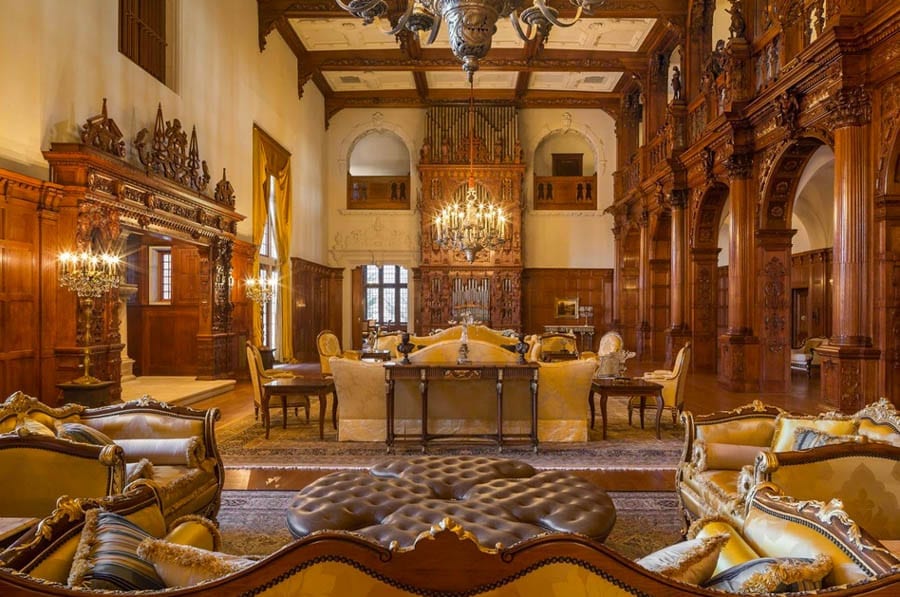
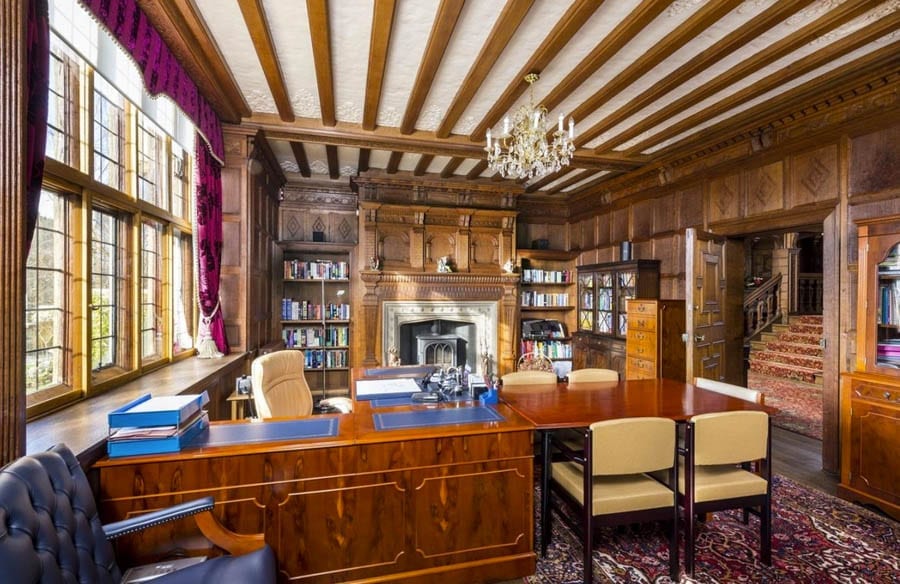
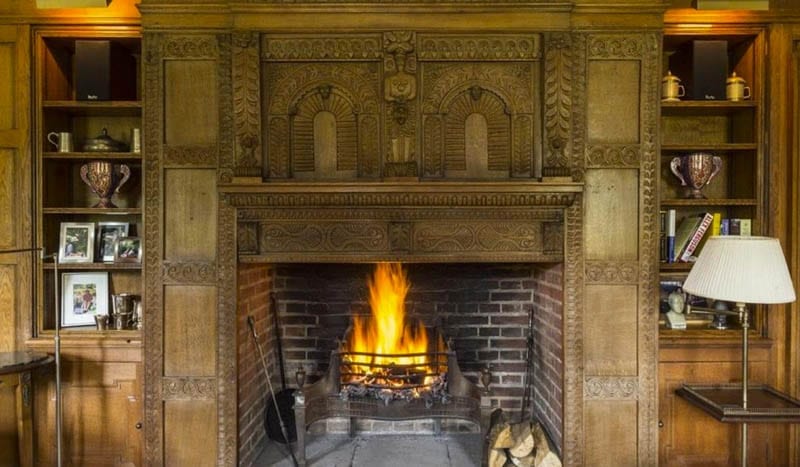
Commentators wowed at the resulting creation and noted details such as a library painted after the style of the Italian Renaissance by Tiffany Studios, elaborate wood carving by Italian craftsmen and Tiffany silver chandeliers and a 1906 Aeolian player pipe organ in the building’s 30-foot high Great Hall. In 1912, Architectural Record, chose even to swoon over the basement. They remarked:
“Where Bramshill’s cellar housed for centuries lanterns, tallow dips, forest faggots, wooden vessels for the distribution of light, heat and water through personal service of human slaveys, its American reincarnation is a storehouse of miracle workers in the comfort and luxury of modern domestic life”.
Unfortunately, Mr and Mrs Crocker did not truly get to enjoy the fruits of their extravagant spending. Emma Crocker died in 1904 of cancer and George Crocker also succumbed to the disease in 1909. His estate was valued at $20 million (the equivalent of £422 million or $541 million today) and amongst items found at his mansion were 60,000 personally monogrammed, custom-made cigars valued at $30,000 (the equivalent of £635,000 or $813,000 today).
Sold subsequently to a “self-made” banker, industrialist and astronomy enthusiast named Emerson McMillin (1844 – 1922) in 1909 for $1 million (the equivalent of £21.1 million or $27.1 million), Darlington was next used to display a fine collection of Chinese and Japanese porcelain whilst a herd of Jerseys were kept in the grounds.
After McMillin’s death, his widow sold the estate in 1924 for $685,000 (the equivalent of £7.6 million or $9.8 million) to the Darlington Development Company, which in turn made it available to the Darling Golf and Country Club. They converted the building to a hotel and club that “promised to offer a new dimension to life in Mahwah” but “the development corporation and the club were soon in financial difficulties” and the McMillin estate foreclosed and regained possession.
A new buyer came forward in the form of the Roman Catholic Diocese of Newark. They paid $478,000 for the property in 1926 (the equivalent of £5.2 million or $6.6 million today) and used Darlington as a theological seminary. The surrounding land was gradually sold off and in 1986, the Immaculate Conception Seminary also departed.
Darlington today – The 30-foot high Great Hall is still dominated by a 1906 Aeolian player pipe organ
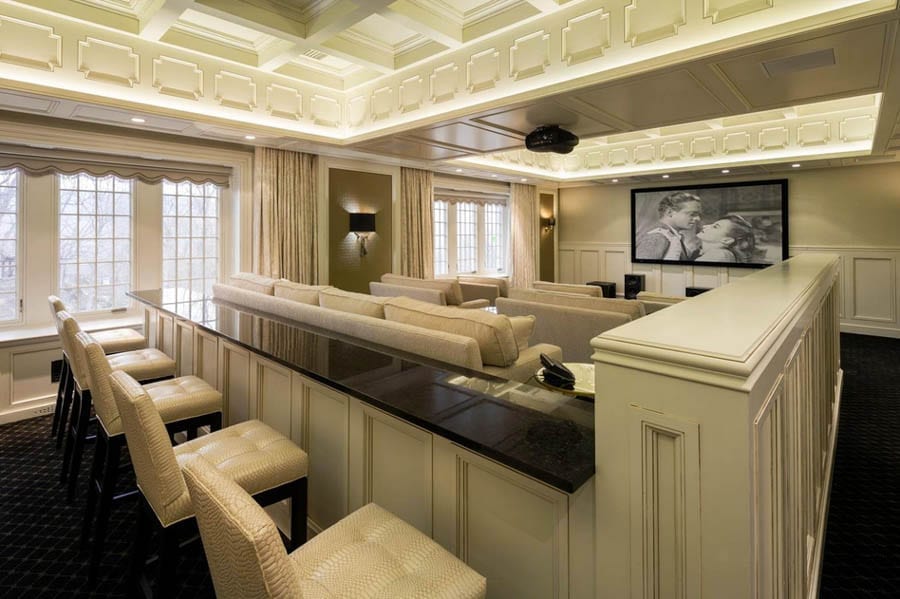
Darlington today – Ilija Pavlovic expanded the mansion by some 12,000 square foot and amongst other things added a large home cinema
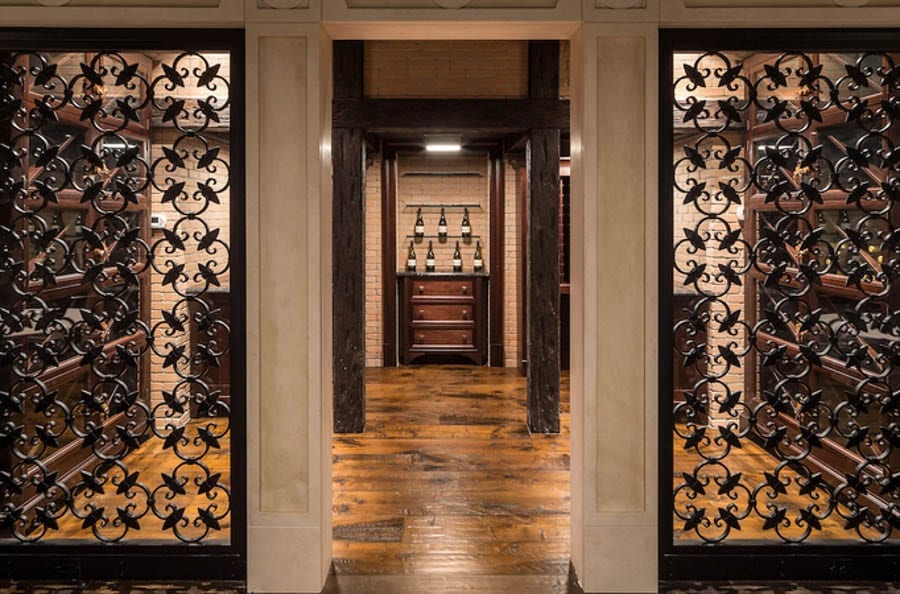
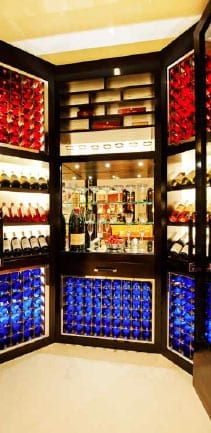
Darlington today – Another addition comes in the form of a vast wine cellar; George Crocker’s father would not have approved
Subsequently restored and modernised with, according to Forbes, plumbing, heating, air conditioning and communications systems being installed, Darlington was placed on the market with just 12.1 acres in 2005 by Darlington Associates, a firm who’d built “multiple residential communities surrounding the mansion”. An ambitious figure of $25 million (the equivalent of £24.4 million or $31.3 million today) was sought for the now classified historic site but it was not until 2008 that a buyer came forth in the form of a local businessman named Ilija Pavlovic. He paid just $8.875 million (the equivalent of £8 million or $10.2 million today) and then embarked on the “challenge” of “both preserving the historic home while also restoring it to meet 21st-century standards”. The resulting creation spans four floors and includes amongst many other things a tea room, 3 libraries, 2 game rooms, 2 kitchens, a “his and her master bedroom wing”, 12 further guest bedrooms and 5 staff bedrooms.
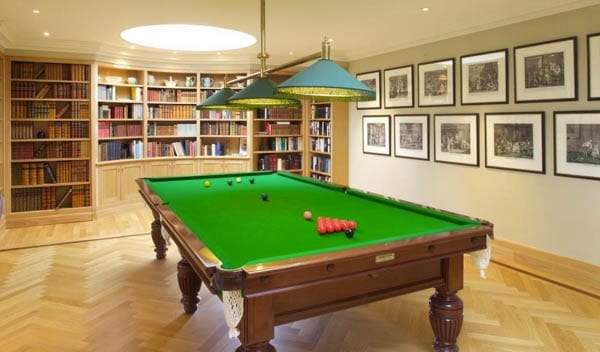
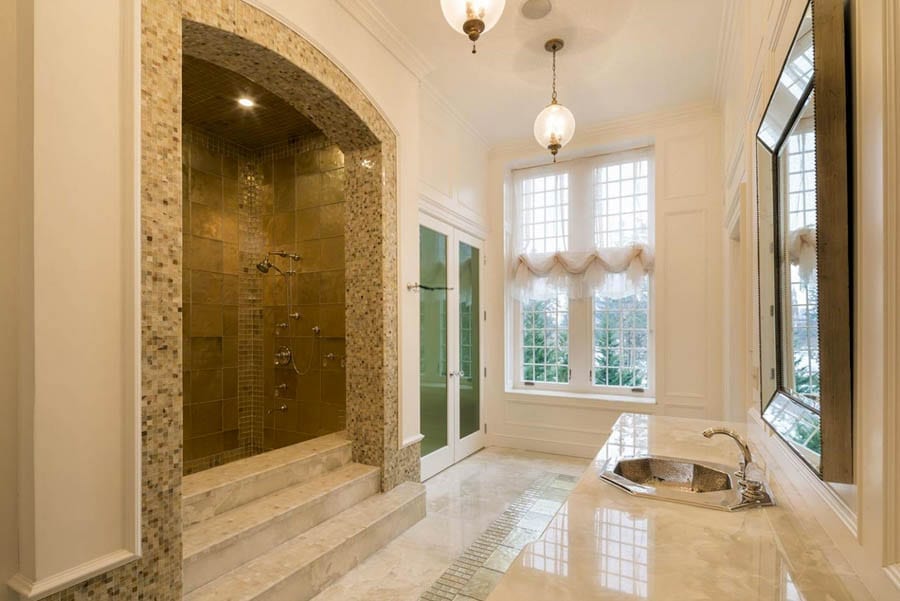
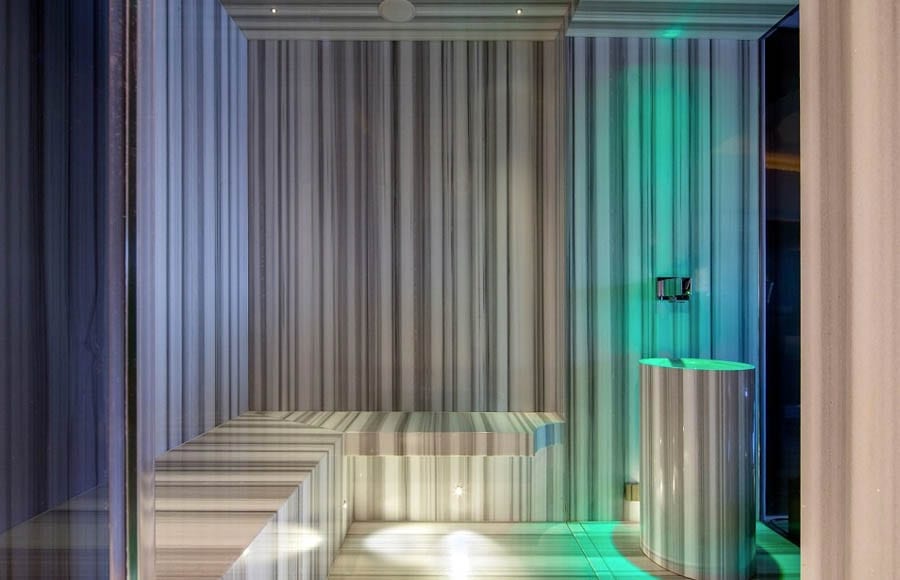
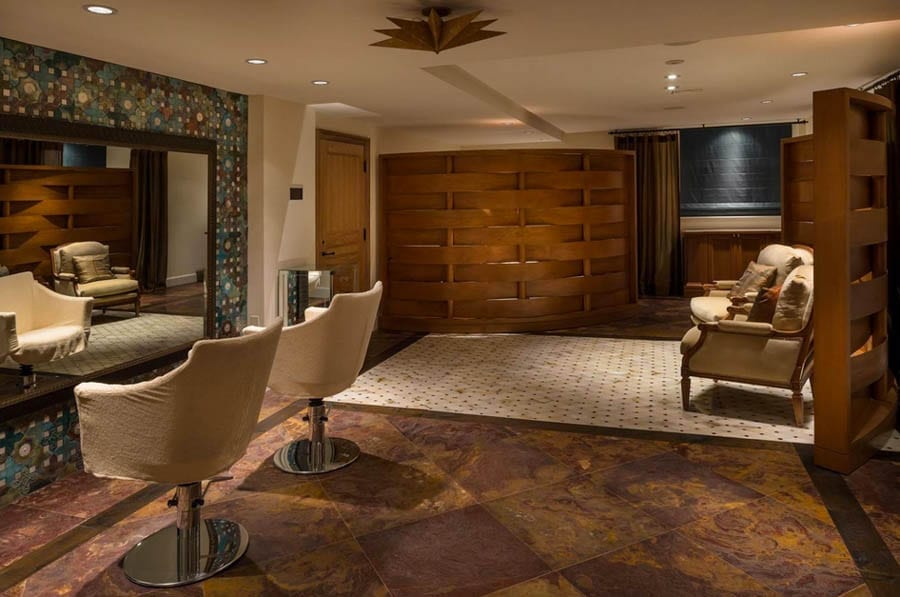
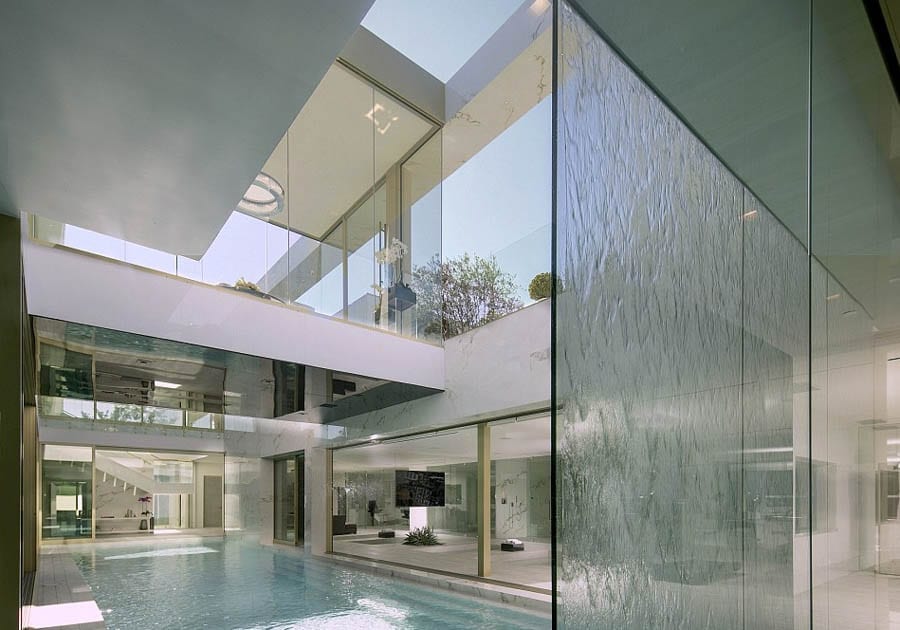
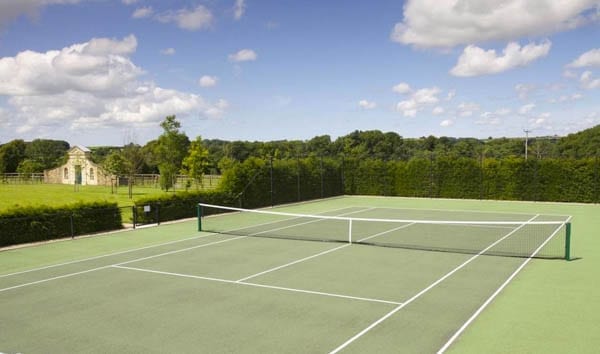
The biggest issue with the house, it transpired, was that its 476 leaded windows needed to be replaced. This reportedly cost $2 million alone (the equivalent of £1.8 million or $2.3 million today) and in addition, Pavlovic renewed all the mechanical systems, redid all 19 bathrooms, replaced the slate roof and added amongst other things a spa with an indoor lap pool, a gym, a massage room, a beauty salon and a home cinema. There is also a gatehouse, a professional kitchen that can serve 250 meals at a time, a wine cellar, a poker room, a cigar room, a billiards room, an 8-car garage, a tennis court and an outdoor swimming pool.
Property blog 6sqft – which claimed Friday that the current owners do not live at Darlington full-time and simply use it to host events – reported that this still massive mansion minus its formerly equally gigantic estate is now for sale now for £37.4 million ($48 million, €44.7 million or درهم176.3 million) through a firm Mr Pavlovic chairs, Special Properties Real Estate Services – an affiliate of Christie’s International Real Estate. Any buyer will undoubtedly be a vastly wealthy figure, but one can guarantee one thing: They’ll never live as lavishly as the barmy boozer George Crocker.
New Jersey mansion Darlington, complete with 58 rooms, for sale for equivalent sum to what it cost to build in 1909; the £37 million house’s original owner was a man whose extravagance knew absolutely no bounds
George Crocker (1856 – 1909) makes F. Scott Fitzgerald’s Jay Gatsby seem like an amateur. Born in Sacramento and the son of a railway magnate worth some $30 million on his death (the equivalent of £634 million or $812 million today), Crocker was willed a significant $6 million (the equivalent of £127 million or $163 million today) on the condition that “after the space of five years continuously he shall abstain from the use of spirituous, vinous, and malt liquors to the extent that he shall not during this period have been intoxicated”.
Crocker decided to ignore the terms of his father’s behest and from 1888 to 1891 lived in San Francisco as “one of the most reckless young men about town when reckless young men thereabouts were common” but then admitted himself to a sanatorium, put himself on the straight and narrow and finally collected the sum of $6 million in 1898.
With wealth and a glamorous wife, Emma Rutherford, a widow from California, Crocker set himself up as the toast of New York society. Though he owned a townhouse at 1 East 64th Street and a villa in Newport, it was on paying $96,500 (the equivalent of £2.2 million or $2.8 million today) for the 1,100 acre Darling estate in Bergen County, Mahwah, New Jersey in 1901 that he truly became someone noticeable.
Choosing what he called “the finest site for a residence in the country”, Crocker commissioned an architect named James Brite (died 1942) to build him a mansion “sparing no expense”. Modeled on a Jacobean prodigy house, Bramshill House in Hampshire, England and built from Indiana limestone and Harvard brick, the “Crocker Mansion” or “Darlington” – as it is more widely known – cost $2 million to build (the equivalent of £38.2 million or $49 million today) and included 75 rooms and around 50,000 square foot of accommodation. Its features included steam heating, elevators, ice cream freezers, integrated vacuum systems and a switchboard and in its grounds a racetrack and 16 greenhouses were constructed whilst a pond was stocked with 4,000 trout.
George Crocker and Emerson McMillin
The design of Darlington was based on “one of the most haunted houses in England”, Bramshill in Hampshire; that building itself was also eventually separated from much of its estate and after being used as the European Police College was sold to developers City & Country for £25 million ($19.5 million) in 2014
Commentators wowed at the resulting creation and noted details such as a library painted after the style of the Italian Renaissance by Tiffany Studios, elaborate wood carving by Italian craftsmen and Tiffany silver chandeliers and a 1906 Aeolian player pipe organ in the building’s 30-foot high Great Hall. In 1912, Architectural Record, chose even to swoon over the basement. They remarked:
“Where Bramshill’s cellar housed for centuries lanterns, tallow dips, forest faggots, wooden vessels for the distribution of light, heat and water through personal service of human slaveys, its American reincarnation is a storehouse of miracle workers in the comfort and luxury of modern domestic life”.
Unfortunately, Mr and Mrs Crocker did not truly get to enjoy the fruits of their extravagant spending. Emma Crocker died in 1904 of cancer and George Crocker also succumbed to the disease in 1909. His estate was valued at $20 million (the equivalent of £422 million or $541 million today) and amongst items found at his mansion were 60,000 personally monogrammed, custom-made cigars valued at $30,000 (the equivalent of £635,000 or $813,000 today).
Sold subsequently to a “self-made” banker, industrialist and astronomy enthusiast named Emerson McMillin (1844 – 1922) in 1909 for $1 million (the equivalent of £21.1 million or $27.1 million), Darlington was next used to display a fine collection of Chinese and Japanese porcelain whilst a herd of Jerseys were kept in the grounds.
After McMillin’s death, his widow sold the estate in 1924 for $685,000 (the equivalent of £7.6 million or $9.8 million) to the Darlington Development Company, which in turn made it available to the Darling Golf and Country Club. They converted the building to a hotel and club that “promised to offer a new dimension to life in Mahwah” but “the development corporation and the club were soon in financial difficulties” and the McMillin estate foreclosed and regained possession.
A new buyer came forward in the form of the Roman Catholic Diocese of Newark. They paid $478,000 for the property in 1926 (the equivalent of £5.2 million or $6.6 million today) and used Darlington as a theological seminary. The surrounding land was gradually sold off and in 1986, the Immaculate Conception Seminary also departed.
Darlington today – The 30-foot high Great Hall is still dominated by a 1906 Aeolian player pipe organ
Darlington today – Ilija Pavlovic expanded the mansion by some 12,000 square foot and amongst other things added a large home cinema
Darlington today – Another addition comes in the form of a vast wine cellar; George Crocker’s father would not have approved
Subsequently restored and modernised with, according to Forbes, plumbing, heating, air conditioning and communications systems being installed, Darlington was placed on the market with just 12.1 acres in 2005 by Darlington Associates, a firm who’d built “multiple residential communities surrounding the mansion”.
An ambitious figure of $25 million (the equivalent of £24.4 million or $31.3 million today) was sought for the now classified historic site but it was not until 2008 that a buyer came forth in the form of a local businessman named Ilija Pavlovic. He paid just $8.875 million (the equivalent of £8 million or $10.2 million today) and then embarked on the “challenge” of “both preserving the historic home while also restoring it to meet 21st-century standards”. The resulting creation spans four floors and includes amongst many other things a tea room, 3 libraries, 2 game rooms, 2 kitchens, a “his and her master bedroom wing”, 12 further guest bedrooms and 5 staff bedrooms.
The biggest issue with the house, it transpired, was that its 476 leaded windows needed to be replaced. This reportedly cost $2 million alone (the equivalent of £1.8 million or $2.3 million today) and in addition, Pavlovic renewed all the mechanical systems, redid all 19 bathrooms, replaced the slate roof and added amongst other things a spa with an indoor lap pool, a gym, a massage room, a beauty salon and a home cinema. There is also a gatehouse, a professional kitchen that can serve 250 meals at a time, a wine cellar, a poker room, a cigar room, a billiards room, an 8-car garage, a tennis court and an outdoor swimming pool.
Property blog 6sqft – which claimed Friday that the current owners do not live at Darlington full-time and simply use it to host events – reported that this still massive mansion minus its formerly equally gigantic estate is now for sale now for £37.4 million ($48 million, €44.7 million or درهم176.3 million) through a firm Mr Pavlovic chairs, Special Properties Real Estate Services – an affiliate of Christie’s International Real Estate. Any buyer will undoubtedly be a vastly wealthy figure, but one can guarantee one thing: They’ll never live as lavishly as the barmy boozer George Crocker.
Privileged and 6’3” tall, Princeton graduate Thomas Gilbert Jr. stands accused of the January 2015 slaying of his hedge fund manager father Thomas Gilbert Sr. (more…)
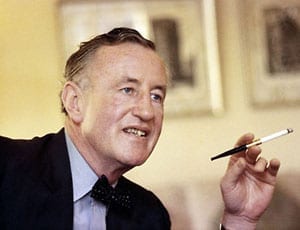
James Murphy examines his romantic heroes, Ian Fleming and James Bond
I was privileged to attend the recent Masterpiece art and antiques fair in Chelsea. For me, the undoubted highlight was coming face to face with the letters of Ian Fleming, the creator of James Bond, on Peter Harrington’s stand. (more…)
Two auctions featuring Princess Diana, Monica Lewinsky, President Kennedy, Wallis Simpson and Adolf Hitler
This Thursday, the Chelsea Arts Club in London is holding an event to conclude their silent auction of images and paintings by members of heroes and villains. In Los Angeles, on the same day, Nate D. Sanders, a specialist in rare collectibles, is selling some equally if not far more controversial items.