Tag: rich

  • Rocking with royalty

    Rocking with royalty

    A £26 million residence with connections to rock, royalty and rectors


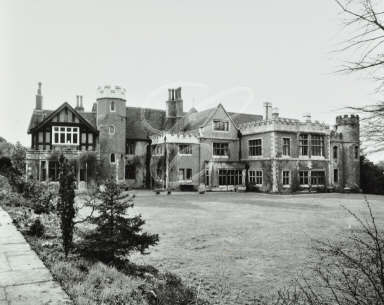
    Built in the early 1500s, The Old Rectory is Wimbledon’s oldest house. Standing in grounds of 2.5 acres, this 16,200 square foot property was once described by a biographer of Sir Henry Cecil as being “not luxurious, but adequate” but now once again it finds itself in an entirely different league.

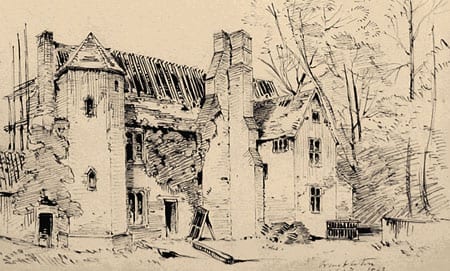
    An image of The Old Rectory, 82 Church Road, Wimbledon, London, SW19 5AA in 1978. Present day imagery has been removed at the request of agents acting for the current owners.

    Priced at £26,000,000, it is almost certainly one of the most expensive homes to ever come to the market in Wimbledon and whoever moves there next will undoubtedly be either an oligarch, an A-list personality or a top achieving business person.


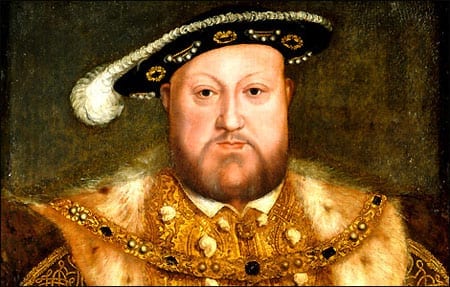
    The purchaser will follow in the footsteps of a fascinating array of historically important residents, the first of whom was Henry VIII (1491 – 1547). The King took up residence in 1547 in the months prior to his death and is said, as he was so bloated, to have been unable to climb the stairs to his sleeping chambers. His bed was relocated to the great hall of the house and here he slept next to the fire. Historical research recounts that, with a brewhouse, beer and wine cellars, a coal cellar, meat room, buttery and two dairy rooms, this was a “house fit for a king.”


    Henry VIII (1491 – 1547)
    Catherine Parr (1512 – 1548)

    Henry VIII gave The Old Rectory, which was originally called The Parsonage House, to his sixth and final wife, Catherine Parr (1512 – 1548). Preferring a residence in Chelsea, Parr left and the Dean and Chapter of Worcester Cathedral took possession. A lease was sold to Sir William Cecil (1520 – 1598), later Lord Burgley, and the manor then passed to his son Thomas Cecil (1542 – 1623), the 1st Earl of Exeter.


    In 1639, Charles I (1600 – 1649) bought the entire manor and gave it to Queen Henrietta Maria (1609 – 1669) but with the era of Comwell, The Old Rectory found itself occupied by General John Lambert (1619 – 1684). Shortly after, when a grander house was built next door, the property became first a laundry house and then servant accommodation and gradually fell into decline.


    The Old Rectory passed next to Sir Theodore Janssen (1658 – 1748) in 1720. This French-born English financier, who was said to be worth the staggering sum of £250,000 at the time of his purchase of the house, was a founder member of the Bank of English but later disgraced for his part in the South Sea Bubble. He was expelled from the House of Commons and with his ruination, The Old Rectory saw yet another chapter of abandonment.


    The garden front of The Old Rectory by Charles Henry Money Mileham (1837 – 1917)

    By 1802, the house was described as an “uninhabited” ruin. A speculator credited with developing “modern Wimbledon” named John Augustus Beaumont bought it and restored and extended it but when it was sold to a Samuel Wilson in 1882 for £6,000, an era of truly comprehensive upgrades was to begin. Wilson added a pebble-dashed two-storey drawing room wing, carved oak doors and installed English, Flemish and Italian chimneypieces.


    The next owner was a marine engineer named Matthias Jacobs who had been responsible for the construction of tunnels in Paris and New York. After having purchased The Old Rectory in 1909, he commissioned his brother to add a new single storey billiards room, a service wing and a study extension to mask the medieval chapel of the house. Jacobs sold up in 1923 to a Thomas Lethaby, who fitted oak paneling from Chantry House in Newark and a plaster ceiling based on the one at Knole House, Kent.


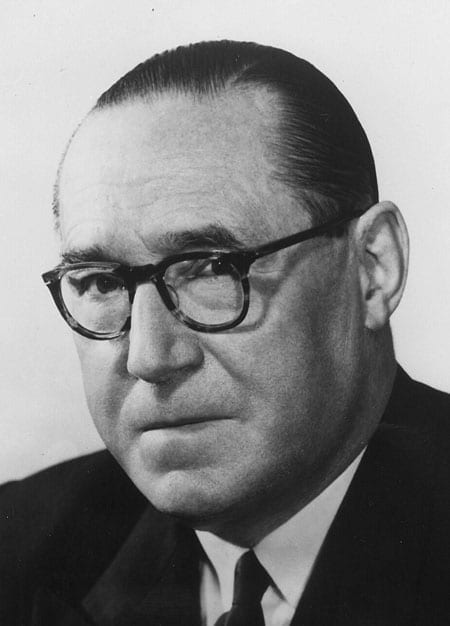
    Lord Brock FRCS, FRCP (1903 – 1980)

    In 1953, the eminent London surgeon and cardiologist, Lord Brock FRCS, FRCP (1903 – 1980), took possession of The Old Rectory after having paid £13,750 for it.  Brock is credited as on of the pioneers of modern open heart surgery and also founded the Lord Brock Memorial Trust that to this day funds the museum he founded, The Old Operating Theatre Museum and Herb Garret in Southwark, SE1.


    Following the death of his first wife Germaine Louise Ladavèze, Brock sold to an Iraqi entrepreneur and philanthropist named Basil Faidhi in 1978. Faidhi had fled Iraq for Britain and though he spent vast sums restoring the house with assistance from English Heritage, he also created a basement discotheque for his daughter, Nina, and a bar. Aside from bringing the house into the “yuppie era,” Faidhi also commissioned a historian named Richard Milward MA to write a history of the building in 1992 entitled: The Rectory – Wimbledon’s Oldest House.


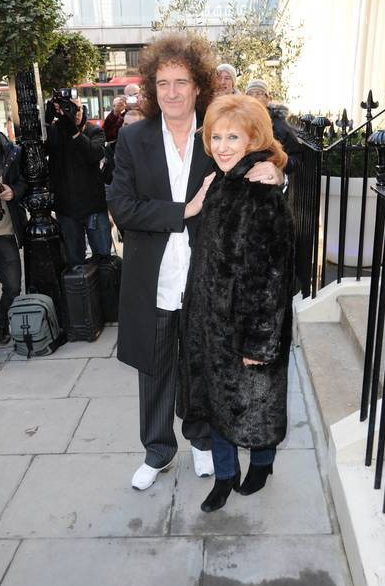
    The Queen lead vocalist and anti-badger cull campaigner Brian May CBE purchased The Old Rectory in 1994 for £4,000,000 with the intention of living there with the Eastenders actress Anita Dobson.


    Brian May CBE with his second wife Anita Dobson

    Dobson, who didn’t marry May until 2008, had other ideas and refused to move in. It was suggested that she preferred a smaller house the pair occupied in Kensington and, at the time, a friend commented:


    “[May] begged her to move into the new house so they can make a fresh start. Nobody can believe that Anita doesn’t want to be the lady of this fabulous house. But Brian says he can’t get through to her.”


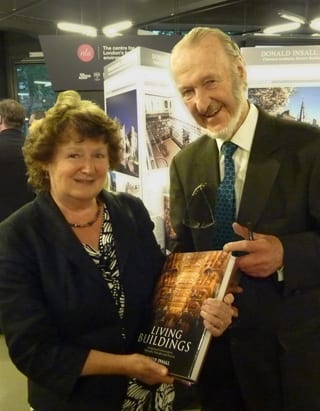
    Sir Donald Insall CBE

    As a result, May never properly moved into The Old Rectory and eventually decided to sell. In 2006, it achieved a record price of £16,000,000 and in the ensuing years, an Italian architect-owner named Antonella Carminati and her husband have lavished time and money on further restorations with the help of Sir Donald Insall CBE’s Insall Associates firm of architects.

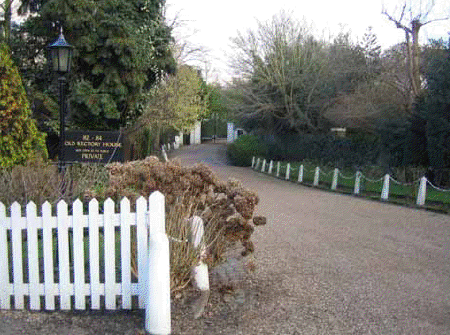
    The driveway that leads to The Old Rectory from Church Road gives plenty of privacy

    New fittings have been installed throughout and substantial extensions to the house have included a new kitchen and breakfast room with garaging beneath. The couple have demolished an early 20th century porch and an “unsightly” oak conservatory, remodeled the billiards room as a drawing room and removed a “bilious” blue swimming pool from the east lawn.


    Now featuring 12,882 square foot of accommodation in the main house and 3,320 square foot of additional accommodation, The Old Rectory has been planned to include 8 reception rooms; a vast kitchen with La Cornue appliances and an adjoining breakfast room; master bedroom suite with two dressing rooms, his and her bathrooms and a sitting room and 7 further bedrooms.


    Outside, the gardens feature an original medieval fig tree trail, shaded paths, lawns and a large pond as well as garaging for six cars. Planning permission for an indoor swimming pool complex has also been granted and ample staff accommodation is provided above one of the garages and in the gate lodge.


    Given the now limited financial resources of the traditional religious houses of Britain, will it be rock, royalty or new money that next takes possession of The Old Rectory? The historians of Wimbledon will undoubtedly be watching.


    The Old Rectory, 82 Church Road, Wimbledon, London, SW19 5AA is for sale through the Wimbledon office of Knight Frank. For more information call: +44 (0) 20 8946 0026.

  • Reversing Fortunes: Tales of former home of Claus von Bulow

    Reversing Fortunes: Tales of former home of Claus von Bulow

    A most curious tale of playboys, socialites, lawyers and real estate moguls


    This week the mystery buyer of Clarendon Court, the former marital home of Claus and Martha “Sunny” Von Bülow (1932 – 2008), was revealed as a restaurateur and real estate mogul named Paul Roiff. Separately, the New York Post reported that Mr Von Bülow’s former lawyer, Alan Dershowitz, had purchased an apartment in Sutton Place, New York at the same time as a postal worker was on trial for killing his sister. The lives of the rich and famous are never anything other than dramatic.


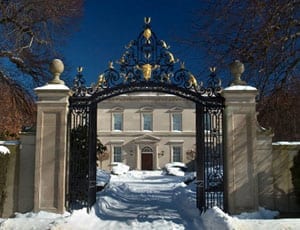
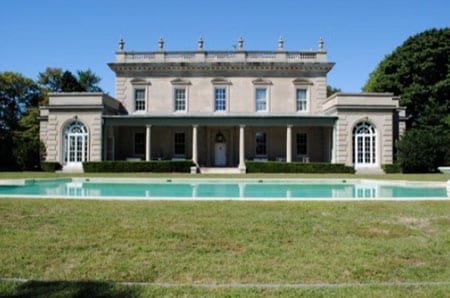
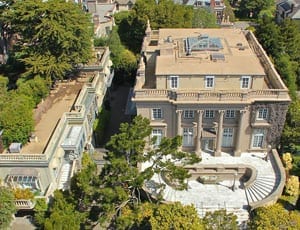
    The front elevation of the former residence of Claus von Bulow: Clarendon Court, 626 Bellvue Avenue, Newport, Rhode Island, RI 02840
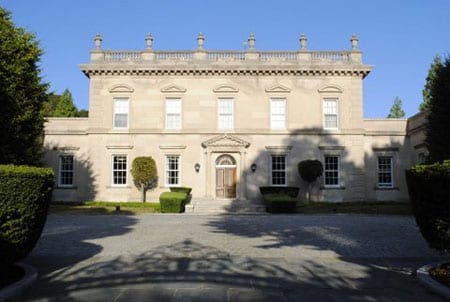
    The rear elevation of Clarendon Court, 626 Bellvue Avenue, Newport, RI 02840
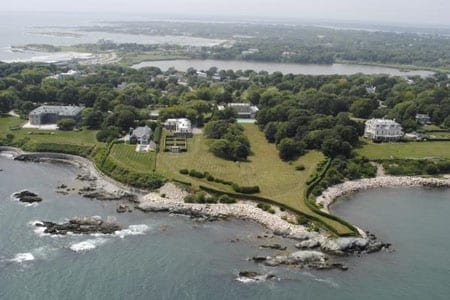
    An aerial shot of Clarendon Court from the Atlantic Ocean

    8-bedroomed Clarendon Court on Bellvue Avenue in Newport, Rhode Island is best known for the events surrounding the utilities heiress Martha Crawford Von Bülow falling into a 28-year coma there and her husband subsequently being tried, convicted and then acquitted for her attempted murder, but this fine residence has much else in its past as well.


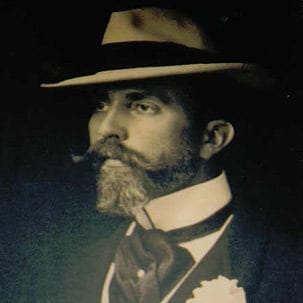
    Edward Collings Knight, Jr. (1863 – 1936)

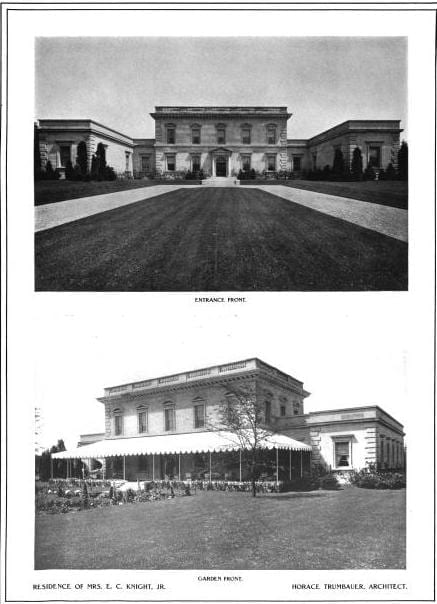
    Designed by the most prominent Ameircan architect of the “Gilded Age,” Horace Trumbauer (1868 – 1938), this Palladian style villa was commissioned in 1903 by Edward Collings Knight, Jr. (1863 – 1936), a sugar-refiner and railroad executive, and his wife, Clara. It was built on an acre plot with views of the Narragansett Bay and is most curiously termed “one of Newport’s finest cottages.” The mansion that was constructed for the couple is an almost exact replica of a proposed house by Colin Campbell at Chester-le-Street in County Durham, England and features Doric columns, quoins and an urn-embellished balustrade. It provided a suitable illustration of Mr and Mrs Knight’s wealth and status.


    Claradon Court in the early 1900s

    Edward Knight, who was once described as exhibiting “more talent at spending money than making it,” named the house Claradon Court in honour of his wife and shortly before it was completed in 1904, he acquired an additional six acres of land behind the plot with direct frontage to the Atlantic. Here, he had Trumbauer design a vast carriage house in an early Georgian vernacular as well as a series of high brick walls to protect the gardens from the ocean winds.


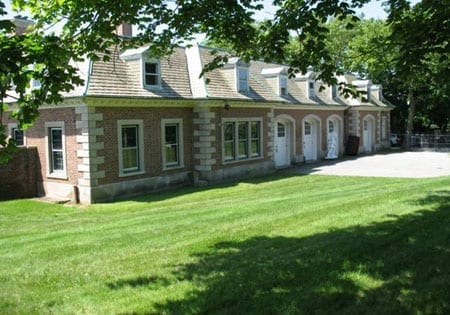
    The coach house at Clarendon Court today
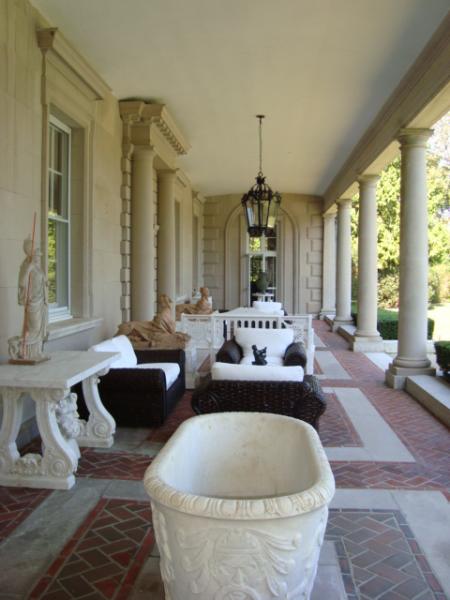
    The rear loggia was added by Mr & Mrs Knight at a later date
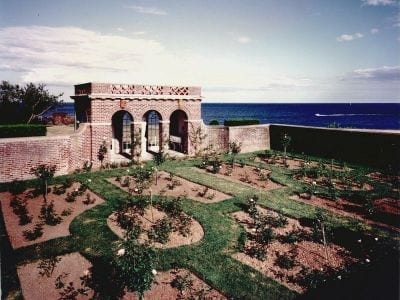
    This arch and walling was added to provide protection against the force of the Atlantic
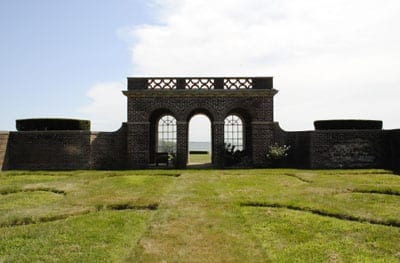
    A more recent shot illustrates that the flower beds have been laid to lawn

    The Knights engaged a Parisian decorator named Jules Allard to decorate Claradon Court in the English Georgian manner and after several seasons in residence added two wings onto the back of the house. Following Clara Knight’s death in 1928, her husband sold the estate, moved to a more modest Trumbauer designed house in neighbouring Middleton and remarried. His second wife, Marie Louise LeBel, is remembered as a “foul-mouthed, hard-drinking [woman], who thought nothing of killing a neighbour’s dog with a shot from her pearl-handled pistol.”  Together they went on to spend the vast sum of constructing a $383,000 mansion in North Carolina as a hunting lodge. It is now the home of the Whalehead Club.


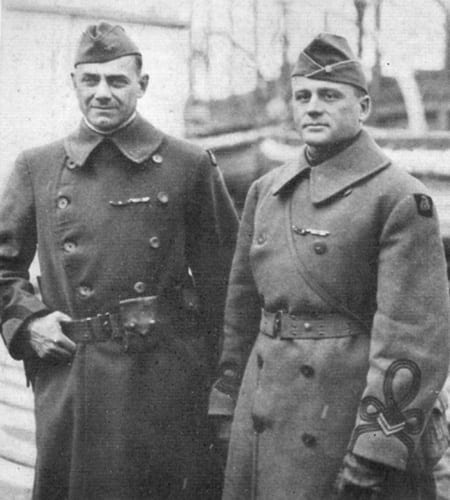
    Colonel William Hayward with Major Arthur W. Little

    The purchaser of Claradon Court was a First World War hero named Colonel William Hayward (1877 – 1944) and his wife, Mae (1880 – 1956). Whilst the colonel is remembered as the commander of the “Harlem Hellfighters,” a regiment that “never lost a man captured, a trench, or a foot of ground,” his wife was truly a character.


    Born in Connecticut, Mae Cadwell had divorced her first husband Selden B. Manwaring of Hartford in 1914 to marry the older and richer Morton F. Plant of New York and New London, Connecticut. Morton Plant adopted her son by her first marriage, Philip “Paul” Morgan Manwaring Plant (1901 – 1941), and when he married the well-known actress Constance Bennett (1904 – 1965) in 1925 more controversy followed. The millionaire socialite Plant’s life is well documented not only as it was for him that the term “playboy” was originally created but also because of his bitter divorce from Bennett in 1929.


    Following their purchase, Colonel and Mrs Hayward decided to have the name of Claradon Court changed to Clarendon Court to distance any lingering associations with Clara Knight and she is said to have filled the building with fine and decorative art. The colonel died in 1944 and his widow married for the fourth time, this time taking the president of the American Car & Foundry Company, John E. Rovensky, as her husband. After her death in 1956, Rovensky continued to use Clarendon Court until his own death in 1970 and even allowed it to be used as the set of the 1956 American musical comedy film High Society that starred Bing Crosby, Grace Kelly and Frank Sinatra.


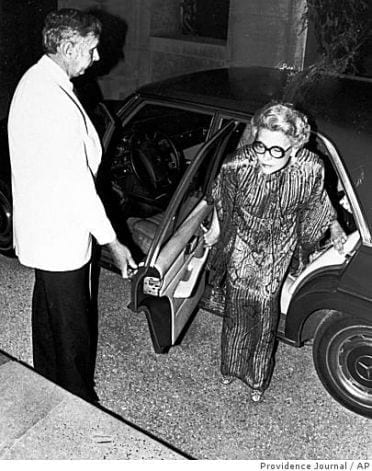
    Martha “Sunny” Von Bülow (1932 – 2008)
    Claus Von Bülow during one of his trials

    In 1970, Clarendon Court’s most notorious chapter commenced when the utilities heiress Sunny Von Bülow and her husband Claus purchased the house as it was here in December 1980 that Mrs Von Bülow fell into the irreversible coma that she was to remain in until her death in December 2008. The story of Claus Von Bülow’s trials for the attempted murder of his wife is well known and the 1990 film Reversal of Fortune, starring Jeremy Irons, Glenn Close and Ron Silver, is most definitely a true masterpiece.


    Considered a couple of “exceptional taste,” the Von Bülows were described as having filled Clarendon Court with exceptional 18th and 19th century English furniture. They also significantly improved the grounds by hiring the landscapers Innocenti & Webel to create an elegant allée to the sea by removing a hillock that had always deprived the ground floor rooms of an ocean view.


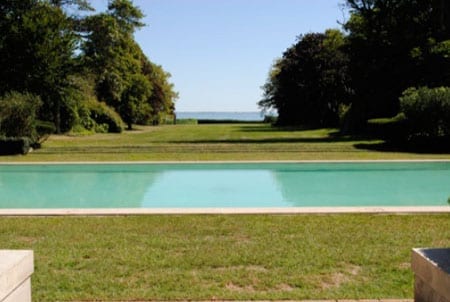
    The Von Bülow landcaped the grounds to create a better view from Clarendon Court towards the Atlantic Ocean

    In 1974, Claus Von Bülow wrote of Clarendon Court in an article for the Bulletin of the Newport Historical Society:


    “The author of this article has lived happily at ‘Clarendon’ for the past four years. As a European he has found much to admire in Newport, with its sense of history and its preservation of a unique architectural heritage. He hopes some future writer will cover the occupancy of his family at ‘Clarendon’ with as much wistful charity as he has endeavored to extend to its previous owners.”


    Von Bülow, at that time, plainly could not have imagined the tragic event that was to follow in December 1980 and for what the house would indeed become best known.


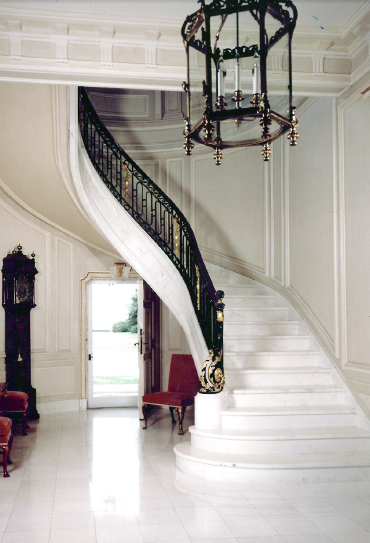
    The main staircase at Clarendon Court
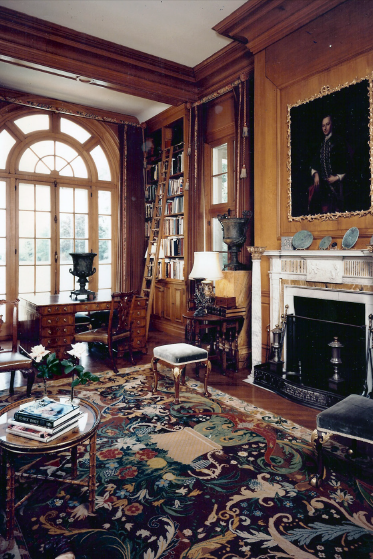
    A study at Clarendon Court

    A committee managing Sunny Von Bülow’s affairs sold Clarendon Court in 1988 to a fine art and antique dealer named Glenn C. Randall and his wife Patricia for $4,300,000. The couple converted the service wing into a gallery for their collection and lived there until Mrs Randall died after a battle with cervical cancer in May 2010. The 12,800 square foot house and it’s 10,000 square foot coach house were placed on the market for $17,800,000 in October 2010 and whilst the price was subsequently was brought down to $15,800,000, it languished until being sold in July 2012.


    The new master of Clarendon Court, Paul G. Roiff, is a graduate of Boston University and Suffolk Law School. He is the president of a real estate company named Heath Properties and also co-owns a number of restaurants in Boston including Mistral, Mooo, Teatro and Sorellina as well as a 63-bedroom hotel named XV Beacon.


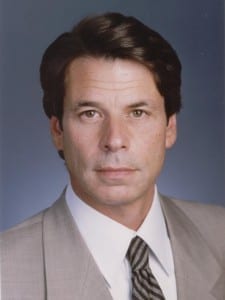
    Paul G. Roiff

    Plainly publicity shy, Roiff, who also owns homes in Florida and Michigan, used one of his employees, Keith Beardsley, to purchase Clarendon Court on his behalf. He paid $13,126,000 for the estate.


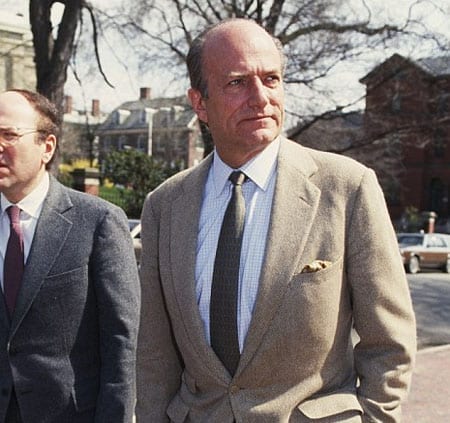
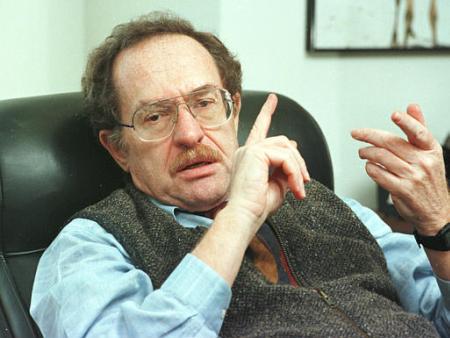
    Celebrity lawyer Alan Dershowitz
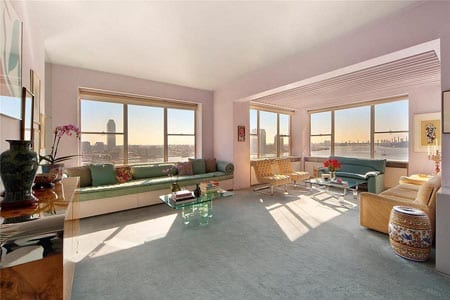
    Alan Dershowitz’s new pied-à-terre at 45 Sutton Place, New York, NY 10022, USA

    In another development, on the 25th September The New York Observer reported that the lawyer who became famous representing Claus Von Bülow, Alan M. Dershowitz, had bought a 3-bedroomed apartment in the “stronghold of old money,” 45 Sutton Place, for $1,680,000. Plainly Mr Dershowitz, who subsequently represented O. J. Simpson, has done well and is plainly now richer than his first “celebrity” client. He also owns a 6-bedroom residence in Cambridge, Massachusetts and was able to use his verbal talent to persuade the sellers of the Sutton Place co-op downwards from their original $2,290,000 asking price.


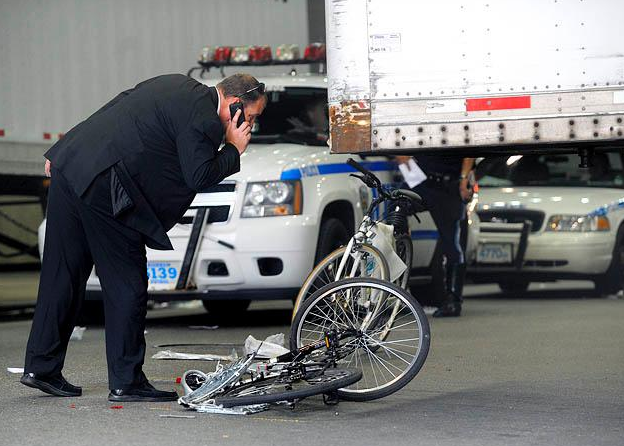
    Separately, late last month, Dershowitz and his family were in court for the trial of a postal worker named Ian Clement. A 7-tonne truck driven by Clement had crushed and killed Marilyn, the 68-year old sister-in-law of Alan Dershowitz, in New York in July 2011. Dershowitz, a retired special referee for the New York court system, had been out for a bicycle ride with her husband, Nathan, a partner at Dershowitz, Eiger & Anderson.


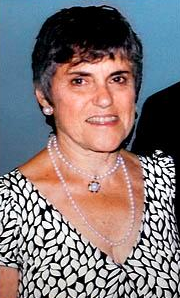
    Marilyn Dershowitz
    The scene of the fatal accident that killed Marilyn Dershowitz

    Surprisingly and much to the distaste of the Dershowitz family, Clement, who had been charged with leaving the scene of a fatal accident, was acquitted by a jury on the 20th September. Of this, Alan Dershowitz commented:


    “The facts clearly justified a guilty verdict… I think a stronger presentation might have brought about justice. Instead, we have an injustice.”


    Both the Von Bülows and the Dershowitz family have endured loss and a huge amount of media attention since the events of the early 1980s. Perhaps these most recent moves will bring with them a new chapter for both Clarendon Court and Mr Dershowitz himself. Meanwhile, Claus Von Bülow, though not quite as wealthy as he was in his days at Clarendon, prospers in London and is considered one of the city’s “finest wits.” How fortunes do indeed revolve.


    For more details about The Whalehead Club, go to: http://www.whaleheadclub.org


    Contact Alan M. Dershowitz at: Hauser Hall 520, 1575 Massachusetts Avenue, Cambridge, Massachusetts, MA 02138. Telephone: +1 (617) 495-4617. View his official website at: http://www.alandershowitz.com/ or follow him on Twitter at: http://www.twitter.com/alandersh


    The agent for Glenn C. Randall in the sale of Clarendon Court was Paul Leys of Gustave White who can be contacted on +1 (401) 848-6706 or by email at: [email protected]

  • Going under the Kosh

    Going under the Kosh

    The sale of a $25 million mansion modeled on Marie Antoinette’s favourite retreat that has connections to Levi Strauss & Co., Yehudi Menuhin, the Zodiac Killer and a controversial dot-com tycoon


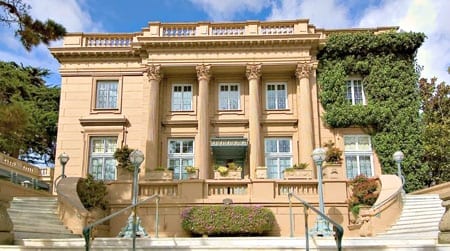
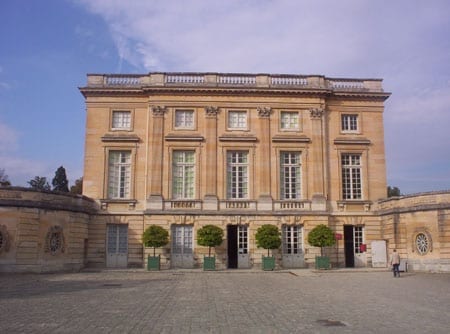
    Modeled on the Petit Trianon, a small château in the grounds of Versailles that was favoured by Louis XVI’s wife Marie Antoinette, the Koshland Mansion at 3800 Washington Street in Presidio Heights, San Francisco, California was built between 1902 and 1904 for a pioneer wool, hide and fur merchant named Marcus S. Koshland and his wife, Corrine.


    The Washington Street elevation of the former Koshland Mansion at 3800 Washington Street, San Francisco, California, CA 94118
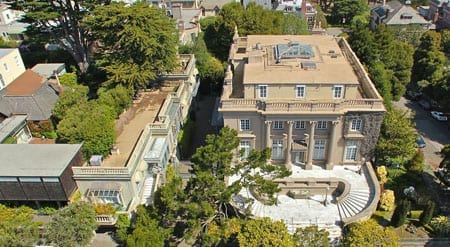
    An aerial view of the 18,000 square foot property and the 2,600 square foot guest accommodation
    The inspiration for the Koshland Mansion: The Petit Trianon, Château de Versailles, Place d’Armes – 78000 Versailles, France

    The Koshlands, whose son Daniel (1920 – 2007) was to become a president of Levi Strauss & Co., commissioned an architect named Frank S. Van Tree to design a replica of the Petit Trianon after having admired it whilst on holiday in France. The front of the building, facing onto Washington Street, is considered such a faithful representation of the neoclassical building the Koshlands copied and as a result the house is now designated a San Francisco Designated Landmark.


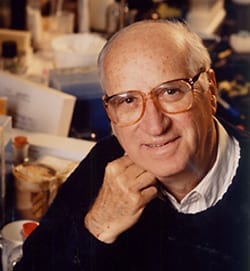
    Daniel E. Koshland, Jr.

    Some 20,000 square foot in size and set on a 2/3rd acre plot, the completion of this sandstone faced “single family residence” was celebrated by the Koshland family with a Marie Antoinette themed ball in 1904. The invitations to this legendary event were purchased and printed in Paris and hand delivered to the guests.


    The Koshland Mansion survived San Francisco’s 1906 earthquake with only a little damage to the front elevation

    The 1906 San Francisco earthquake, just two years after they’d completed the building, somewhat interrupted the Koshlands hectic party schedule at 3800 Washington Street. Though the disaster caused the front columns and roof balustrade to collapse, the couple generously opened the otherwise undamaged property to some 60 to 80 displaced family and friends. With no mains water, the guests had to fetch water from Fort Mason but they were no doubt happy to have had somewhere to take refuge.


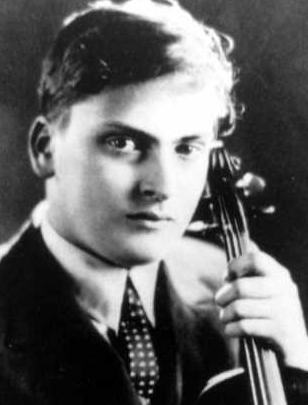
    During subsequent renovations, as well as restoring the façade, a 5-car garage was added in 1909 and a greenhouse and extension in 1912. In the ensuing years, until her death in 1953, Corrine Koshland, better known as Cora, opened up 3800 Washington Street as a venue for concerts. A founder of the San Francisco Symphony Association and one of the first directors of the San Francisco Opera Company, Koshland invited music critics to review the performances and gave both Yehudi Menuhin and Isaac Stern their musical debuts at the house as child prodigies. Amongst the other big names to play in the masnion were Igor Stravinsky, Jascha Heifitz and Leonard Bernstein.


    Sir Yehudi Menuhin KBE (1916 – 1999) pictured in his youth

    In 1953, the Koshland Mansion was sold for $100,000 by the estate of Cora Koshland. The purchaser was Walter E. Buck (1884 – 1966), president of the American Distilling Company. Buck and his wife Emily, who were well known for “Gatsby-esque parties” at their 1,300 acre estate, Woodside, redecorated 3800 Washington Street by “painting the mahogany library white, removing the dark green, gold-tooled leather from the dining room and developing small card rooms in the basement.” It seems likely that the era of parties at 3800 Washington Street continued during their occupancy.


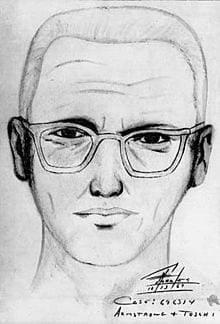
    On 11th October 1969, a murder occurred on the block where 3800 Washington Street stands when the Zodiac Killer, a to this day unidentified serial killer who operated in Northern California in the 1960s and 1970s, shot and killed a cab driver named Paul Stine. Stine had collected his passenger one block west of Union Square and had, as requested, driven him to the intersection of Washington and Maple Streets in Presidio Heights. Once there, the cab driver was shot once in the head with a 9mm before the killer, observed by three teenagers across the street, took his wallet and car keys. The Zodiac Killer tore off a section of Stine’s bloodstained shirt, wiped the cab clean and walked off into the night before the police could arrive.


    A sketch of the Zodiac Killer

    Subsequently, on the 14th October 1969, the San Francisco Chronicle were mailed a swatch of Stine’s shirt to prove he was the killer and then on 9th November 1969, a 7-page letter followed. Excerpts from it were published from it in the newspaper on 12th November which revealed that a police officer, Don Fouke, who had responded to the teenager’s call, had actually encountered the killer for 5 to 10 seconds on a stairway of a house close to the murder scene. Fouke had been told to look for a black suspect and on seeing a white man going into the yard of a house, had discounted the individual and drove on. The Zodiac Killer, in his letter, detailed the encounter but claimed that two policemen had actually spoken with him 3-minutes after he’d shot Stine.


    In 1975, a neighbour, Paul Renne purchased 3800 Washington Street for $675,000, supposedly to prevent it being acquired by property developers, but having been used as the 1982 San Francisco Decorator Showcase house, it was placed on the market and sold to a gallery owner named Heidi Betz and her business partner, an art collector named Charles Pankow. They paid $1.5 million for the house but failed in their bid to turn it into an art gallery due to objections from neighbouring residents.


    Halsey Minor

    In the two decades that followed 3800 Washington Street was sold several more times but finally it’s glory days looked set to return in 2007 when it was purchased by an “internet titan” named Halsey Minor and his second wife, Shannon. Having paid approximately $22 million for what essentially was going to be a very expensive renovation project, Minor supposedly assigned a further $15 million towards renovations and hired Michelle Obama’s favourite designer, Michael S. Smith, to oversee the project.


    Minor founded CNET, a tech media website that published news, articles, blogs and podcasts on technology and consumer electronics, in 1992 after leaving Merrill Lynch and built it into one of the first internet companies to achieve profitability. CNET was sold for $1.8 billion in 2008 and is now CBS Interactive. Another of the companies he co-founded in 2000, salesforce.com, was “one of the most successful companies of the decade” and achieved a market capitalisation of in excess of $15 billion.


    Having made a small fortune from his dot-com success, Minor diversified into investments that brought with them a lifestyle that would later be described as “a multi-millionaire who lived life as a billionaire.” In 2007, he began construction of a hotel in his hometown of Charlottesville, Virginia and announced this would be part of a series he’d open as part of the Minor Family Hotel group he planned. The hotel has never been completed.


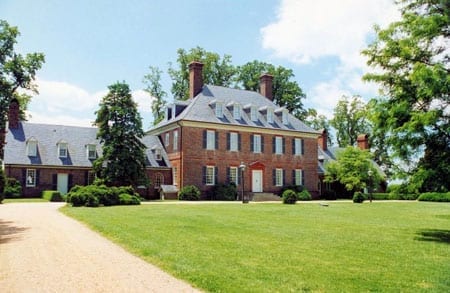
    Carter’s Grove, 8797 Pocahontas Trail, Colonial Williamsburg, Virginia, VA 23187: considered to be one of America’s finest and most historic residences. It was bought by Halsey Minor in 2007 and has fallen into significant decline in the years since.
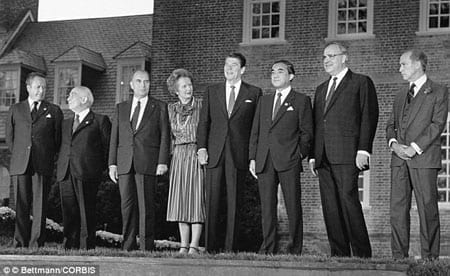
    The 1983 Group of Seven (G7) meeting at Carter’s Grove. Pictured outside the house are: Pierre Trudeau, Prime Minister, Canada; François Mitterrand, President, France; Helmut Kohl, Chancellor, West Germany; Amintore Fanfani, Prime Minister, Italy; Yasuhiro Nakasone, Prime Minister, Japan; Margaret Thatcher, Prime Minister, United Kingdom; Ronald Reagan, President, United States of America and Gaston Thorn, President, European Commission

    In the same year, he also bought the Koshland Mansion and purchased 400 acres of land and a residence on the James River, the Carter’s Grove Plantation, for $15.3 million. Here, he planned a centre for thoroughbred horse breeding and at around the same time he attempted to buy both the Hialeah Park Race Track in Hialeah, Florida and the Pimlico Track in Baltimore. Both bids failed.


    Minor’s investments were not just limited to property and the equine sector. In 2006, he placed a $3 million deposit on a $59 million Gulfstream G650 and at Sotheby’s in 2008, he was the winning bidder on a painting by Edward Hicks, The Peaceable Kingdom, at a hammer price of $9.6 million and also bought paintings by Andy Warhol and Childe Hassam.


    Around this point, however, this dot-com tycoon’s fortune began to unravel when Merrill Lynch called in a $25 million loan and various legal suits connected to his art collection, investments and properties commenced. Several of his homes were repossessed and at a court hearing in August 2011, he claimed to have just $112,643 in cash and owned no publicly traded securities. Minor claimed to be majorly broke but the declaration did not cover illiquid assets such as art, real estate and shares in non-public companies. To this day, Minor remains listed in first place on the State of California’s Franchise Tax Board’s top 500 delinquent taxpayers owing some $10,455,580.69.


    In response to his supposed progression from riches to rags, Minor wrote an article for The Huffington Post in July 2012 entitled “Why I Fight”:


    “I often wonder what Thomas Jefferson would think of today’s America, a nation that is rapidly but silently abandoning the individual in favour of faceless corporations, rapacious banks and a collusive, unresponsive government… The simple answer is that someone must [fight] or we will emerge from this recession with wealth and power concentrated in a few tiny financial institutions representing a new ruling elite, not unlike the one that inspired Thomas Jefferson’s generation to revolution.”


    Somehow, in spite of his changed circumstances, Minor has managed to hold on to 3800 Washington Street. Though, during his tenure, the house has fallen into decline and is now half covered in ivy, it is still one of San Francisco’s finest properties and it is still situated in one of the city’s best neighbourhoods. It is still an asset of considerable value and Minor’s decision to sell may well help him rake back some of what he has lost.


    The hallway at 3800 Washington Street
    A drawing room at 3800 Washington Street
    One of the property’s dining rooms
    The opulent ballroom at 3800 Washington Street

    Steven Mavromihalis of Pacific Union International launched 3800 Washington Street onto the market in May 2012 for $25,000,000. This move came just after two Abandoned Building Notices had been issued on the property by the City and County of San Francisco Department of Building Inspection. On offer is the 18,000 square foot main house at 3800 Washington Street, a 2,600 square foot 3-bedroom house at 3810 Washington Street and a vacant lot at 125 Maple Street. Though the agents don’t give much more in the way of details, they do refer to the house having a double marble Palladian staircase, 22 rooms, a “spectacular ballroom,” 8 bedrooms, 7 bathrooms, 9 fireplaces, 3 kitchens, an elevator and three original stained glass windows by the San Francisco poet, writer sculptor and artist Bruce Porter (1865 – 1964).


    According to the agents, 3800 Washington Street is second only to Danielle Steele’s 55-room residence, The Spreckels Mansion, at 2080 Washington Street in the rankings of the largest homes in San Francisco. This is most certainly a mansion with a fair few tales to tell but whoever buys it will need both Steele’s wealth and imagination to get it back into good order. Dot-com tycoons and serial killers need not apply.


    Read more about the Zodiac Killer at: http://en.wikipedia.org/wiki/Zodiac_Killer


    A profile of Daniel E. Koshland, Jr. is available at: http://en.wikipedia.org/wiki/Daniel_E._Koshland,_Jr.


    Read more about the downfall of Halsey Minor at: http://www.dailymail.co.uk/news/article-2154564/Halsey-Minor-tech-guru-files-bankruptcy-ruined-Carters-Grove-estate.html


    All enquiries about 3800 Washington Street, Presidio Heights, San Francisco, California, CA 94118 should be directed to Steven Mavromihalis of Pacific Union International on +1 (415) 345 3030 or email him at: [email protected].


    More details are available at: http://www.pacunion.com/homes/CA/San_Francisco/94118/3800__Washington_St/AGT-107397278-685992/ whilst a video tour of the property can be viewed at: http://vimeo.com/42775765

  • Hospitality’s game changers

    Hospitality’s game changers

    Sixteen rising stars in hospitality in New York by Oliver Estreich


    In the first of a series, we profile the up and coming achievers working in hospitality in New York:


    Miranda Mancuso:

    A lifelong New Yorker and graduate of the Brearley School, Miranda Mancuso’s interest in the hotel industry led her to the Cornell School of Hotel Administration. After graduation, she began her career with André Balazs Properties and is currently director of acquisitions and development. In that role, she focuses on finding and underwriting potential properties, helping to grow the company’s portfolio of boutique hotels. One recent project Mancuso was involved in was the acquisition of the Cooper Square Hotel, which is currently being transformed into the Standard East Village.


    Bobby Rossi:
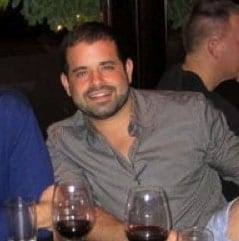
    A New York native and Penn State graduate, Rossi has had a long history of brand building and hospitality development under his belt. Currently, Rossi owns and operates No.8 in which has quickly been recognised as an elite venue in New York City. Due to it’s rapid success, further outposts of the brand are being developed in Miami and Las Vegas with his partners, LDV Hospitality. In addition to his venues, Rossi is the principle of two other companies. One is Rossi Marketing Group, a leader in the strategic marketing field, and the other, Headlines & Heroes, an online men’s lifestyle guide that features products and services from an array of categories.


    Brian Mazza:

    Windsor Custom co-founder Brian Mazza developed an appreciation for the finest in menswear at an early age through his father, who instilled a love of fashion and understanding of quality, cut and design. A native New Yorker, he attended the University of Rhode Island where he majored in communications and dedicated a year to pursue his true passion and studied fashion and art in Florence, Italy at Lorenzo de Medici. When he returned to the States, Mazza accepted a position working in sales at Generra and also merchandised the collection for their top retailers. He subsequently began exploring the hospitality industry at The Paige Management Group where he quickly rose to director of hospitality and soon after became a partner at The Ainsworth and The Fulton, the group’s top-ranked venues. Windsor Custom combines Mazza’s expertise and love of the best in entertainment and dressing.


    Christina Civetta:
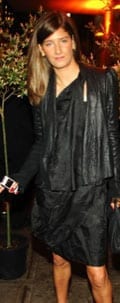
    Civetta started interning at PR Consulting where she had her first real opportunity to see some of the biggest NYFW shows and after-parties come together. It was this behind the scenes rush that sparked her interest. She states she has always have had a passionate love for fashion, art and music and that she loves that to to combine them organising events. Her favourite project was working on Mick Rock’s Exposed book tour, which she did with his manager and one of her close friends, Liz Vap of FeralCat Productions. She launched C2 Worldwide in 2010 with Cole Miller and feels she: “Hasn’t really looked back (or had time to!)” Her company works on partnerships for some of the most exclusive venues in Manhattan. She’s now expanding through the US and globally with brands and venue projects.


    David Hart:
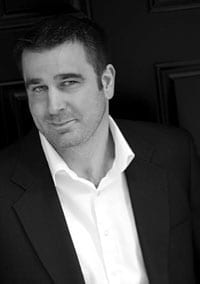
    A chef who trained in London, David Hart has developed a wealth of diverse experience over the course of 18 years at the highest levels of the restaurant business. Having worked his way to the top in renowned companies, such as Soho House, Claridges Hotel and other well-known London restaurants, he adapted his talents and knowledge of the business to help launch various restaurants and bars in the UK.


    In 2004, Hart started his own events company and quickly secured prestigious accounts for the BBC and MTV at both the Monaco Grand Prix and Cannes Film Festival. It was while managing events logistics on board the yacht Annaliesse at Cannes in 2005 that he worked with Richard O’Hagan and the two became firm friends. Hart moved to the US in 2006 to run his own chef training and restaurant consultancy service. As Desmond’s executive chef and operations director, his culinary creativity is matched with significant operational knowledge.


    Michael Blum:
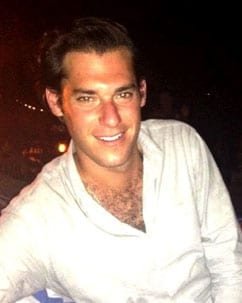
    Michael Blum has been working in real estate for the better part of ten years. He began on the construction site of a private residence and then worked for several developers and investors including a DC-based company focusing on commercial real estate. After graduating college, he moved to Bombay to co-manage the acquisitions for Crescent Heights, a US-based condo developer/converter. He also spent almost a year between India and Vietnam on residential, commercial and hospitality deals.


    In 2009, during his studies for his master’s in real estate development, he found a hotel in the Hamptons to use as his Capstone project for an artsy, boutique hotel. Simultaneously, he tried to acquire the hotel, only to lose out to a far more experienced Sean MacPherson.


    After completing his master’s, Blum was hired by a Mexican investor and hotel company, Grupo Habita, to oversee the construction and opening of a boutique hotel in Chelsea, called Hotel Americano. The hotel is on West 27th Street between 10th and 11th Avenues. It has 56 rooms, 2 restaurants, and four bars. In addition to acting as a developer, Blum was also in charge of the pre-opening and became general manager, overseeing a team of over 100 employees. Hotel Americano was on Condé Nast’s 2012 Hot List, and won a James Beard Award for Best Restaurant Graphics.


    Blum has recently left Hotel Americano to redevelop a hotel and retail project of his own at Texas A&M University.


    Michael Stillman:

    As the son of one of the country’s leading restaurateurs, Michael Stillman grew up with a unique vantage point on the inner workings of the industry. Michael learned from a young age how artful design, quality ingredients, and creative marketing all play a critical role in attracting and retaining a loyal clientele.


    After graduating from Brown University with a double degree in modern and contemporary painting and African-American political theory, Stillman worked for the acclaimed Union Square Hospitality Group before learning the business of The Smith & Wollensky Restaurant Group from the ground up. After stints in the restaurants’ kitchens and purchasing departments, Stillman played a critical role in the opening of the Smith & Wollensky restaurants in Houston, Dallas, and Boston. During openings, Stillman participated in staff recruitment and training, menu development, and operations. He then led the creation and execution of every aspect of Quality Meats, Park Avenue, and the group’s newest project, The Hurricane Club.


    When the proposed merger of The Smith & Wollensky Restaurant Group closed, Stillman became president of Fourth Wall Restaurants, a New York-based restaurant group that owns, manages, and develops unique restaurant concepts, including Park Avenue, Quality Meats, Maloney & Porcelli, The Post House, The Hurricane Club and Smith & Wollensky New York.


    Dana Loia: 
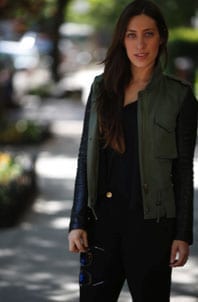
    A native New Yorker and the creative force behind Dana’s Bakery. During her career as a photo editor, Loia achieved great success but felt something was missing. Pursuing her passion for baking, she enrolled in the pastry and baking program at New York’s Institute of Culinary Education, and graduated with honors.


    A pastry advocate and longtime lover of macarons, Loia was surprised by the lack of variety in flavors available. She saw an opportunity to do something no one else was doing and created a line of French macarons that have an American twist.


    With flavors like caramel popcorn, thin mint and S’mores to name a few, Dana’s Bakery has received an overwhelming response and is an instant hit among New Yorkers.


    Dana’s Bakery is currently sold exclusively in New York City and will launch nationwide in August.


    Brandon Freid:
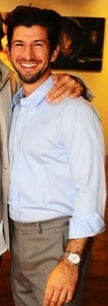
    A native New Yorker and graduate of the University of Miami, Brandon Freid joined the Impulsive Group in 2003 where he began his business career managing operations and assets for the Ameritania Hotel in New York City. Freid now oversees the operations and management of the complete Impulsive Group portfolio, which includes Impulsive Charters, which charters yachts around the world, the sophisticated four-star Ameritania Hotel located in Midtown’s Theater District; the Moroccan-themed Marrakech Hotel nestled in the Upper West Side and the award-winning Sanctuary Hotel, also located in the Theater District.


    Freid’s mastery of business and finance is coupled with a solid grasp of architecture and design. He plays an instrumental role in the interior design and renovation work of all Impulsive Group properties.  His most recent project was designing The Sanctuary Hotel’s new rooftop lounge and restaurant, Haven, which just opened this month.


    Zachary Goldberg:  

    Zachary Goldberg was born and raised in Manhattan and entered the world of nightlife at a young age. He attended Columbia Grammar and Preparatory School for high school and continued his college education at Baruch where he graduated with a degree in corporate communications. Goldberg has worked in restaurants ever since he was 16 years old beginning as an assistant maitre’d at Town Restaurant and Blue Water Grill. His first nightlife gig was creating electronic dance music parties, before EDM was cool, at Marquee. When Lavo Nightclub premiered, Goldberg obtained then glamorous position of VIP host.

    Vip Manchanda:
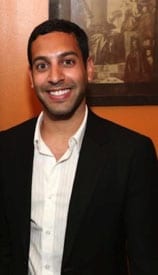
    One successful restaurant will just be the start of it for Vip Manchanda, who is just getting his feet wet in New York City.


    Manchanda worked in nightclubs, bars, and restaurants as a student at the George Washington University and after graduating in 2008 came to New York to pursue his career in finance. That year, he opened Brick NYC. After realising his true passion was in hospitality, he left his finance career in 2009 and has never looked back.


    Apparently there are many more projects in the works, and Brick NYC just seems to be the launching pad for this successful restaurateur.


    Brick NYC is a two-floor space located in Tribeca and serves modern Italian fare.


    Nick Kenner:
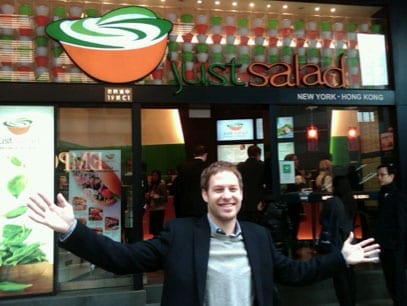
    Nick Kenner left his job in finance to go into the risky restaurant business with his pal Rob Crespi. Their idea for Just Salad came when they realized there weren’t enough quick, healthy lunch options near their offices in Midtown.


    With the help and knowledge of a family friend, chef Laura Pensiero, who developed the menu and created 27 unique dressings, Just Salad opened its doors in 2006. A line of hungry young professionals gathered and Just Salad became a de facto singles scene. The lunch spot was such a hit that Kenner and Crespi were able to open another location only eight months later. Revenue is expected to top $3 million this year.


    Nick Cohen:
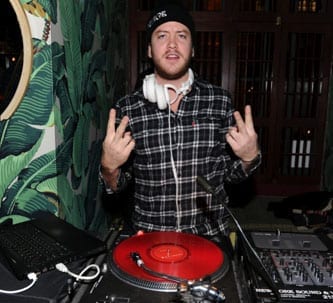
    It’s been said of DJ Nick Cohen: “I don’t know if he’s better known for his skills, the women he’s been with or the sneakers he’s created, but either way if DJing were movies, this kid would be the Australian version of a young Johnny Depp.”


    Cohen’s skills are great, but his music selection is better. He is not afraid to play any song and has a knack for understanding what makes women dance. Recent coverage in W Magazine and the following of a really interesting crowd makes Cohen my choice for the next New York DJ to take the crown: “More importantly, whenever he is spinning, the party is very high end. Good energy is hard to bottle and Cohen has a supply for several lifetimes.”


    Cohen lost his DJ virginity at Bungalow 8, New York City’s legendary playground for the international jet set. By the time he was old enough to drink legally, he was regularly featured in the many publications which chronicle the movements of the young and influential tastemakers who compose his loyal fan base, such as New York Magazine, Page Six, The Wall Street Journal, the Daily News, Gotham and Hamptons Magazine, to name a few.


    Having sharpened his teeth at elite nightclubs and private parties in his native Manhattan and Southampton summer playground, Cohen has in recent years transcended his birthplace and taken the game on the road, headlining marquee gigs coast to coast and across the globe.


    In fashion circles they say that you’ve got to know the rules before you can break them. This concept succinctly sums up Cohen’s iconoclastic boundary-breaking and genre-defying style. The hallmark of DJ genius is dropping the track nobody expected to hear and hearing a dull roar of enthusiasm bubble up from the crowd as the dance floor fills to capacity. Whether he’s bumping Nas at a white-tie wedding or throwing on Fleetwood Mac at a hip-hop industry gathering, DJ Nick Cohen keeps their heads ringing and their bodies moving.


    His singular sonic signature has everyone from Paris Vogue editor Carine Roitfeld to real estate kingpin Aby Rosen, Stavros Niarchos, Vito Schnabel, Gwen Stefani, Larry Gagosian, Dasha Zhukova, Maria Sharapova and Shady Aftermath Records chief Stuart Parr asking for: “The Nick Cohen sound.”


    Having fully earned his stripes through years of residencies at storied venues like Bungalow 8, Marquee, Avenue, 1Oak, Le Bain, Jet East, Pink Elephant, Cain and countless more, Cohen is now available strictly for private functions. In his spare time, he has recently developed, launched, and successfully sold high-end sneaker company Upper Echelon Shoes and is currently working on what promises to be New York’s most exciting new restaurant venture. Stay tuned.


    Alexander Ott:  
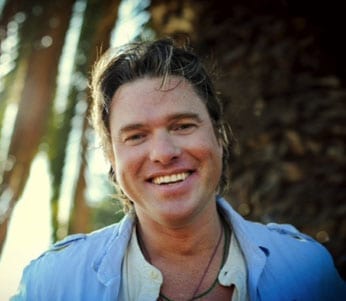
    World-renowned master alchemist, published author, and explorer Alex Ott learned the life of a nomad from his globe-trotting mother and father, a nutritionist, architect and musician, respectively, who exposed young Ott to a vast array of adventures.


    From playing with lions in Africa to exploring the Atlas Mountains, surfing with dolphins, and fighting off nature’s elements in the rainforest, Ott learned how to get the most out of life. His journeys provided him with the unique ability to experience the flavors of foreign lands and taste all the fruits of the earth.


    Ott began his career in mixology at age fourteen and learned the tricks of the trade under the tutelage of Heiko Beck and Thomas Kothe, owners of one of Europe’s most creative cocktail bars. After getting his bachelor of science in organic chemistry and further cultivating his craft, Alex launched the exotic cocktail menu for the famed Buddha Bar in Paris. The process inspired Alex to delve deeper into the art and science of drink alchemy and to develop his unique approach to infusing fresh fruits, spices, and herbs into elixirs used to stimulate the mind and body.


    For the next few years, Ott continued traveling and experiencing foreign cultures, tastes, and scents. After surviving a harrowing plane crash in Thailand in 1998 that killed 101 passengers, Ott had a renewed sense of dedication to all of the passions in his life, including art, surfing, film production, nature preservation, and flavor alchemy. Alexander Ott’s path led him to New York City, where he made a name for himself at the fusion eatery Sushi Samba where he was the first in Manhattan to use the famous muddle stick.


    Acclaimed for his unconventional drink mixes, Ott landed roles as himself in the HBO series Sex and the City and earned titles such as “Mixologist of the Year” and “Best Mixologist in America” from national publications for many consecutive years. Since then, Ott has worked and consulted with scientists, flavor houses such as Givaudan, more than fifty major spirits brands, including Svedka Vodka, Gallo Wines and Möet Hennessy. He has created over 290 cocktail menus worldwide, and endless cocktails for high-end establishments and events such as the Oscars, produced Tom Ford fragrances, invented space travel beverages for NASA, and helped conjure the hangover prevention drink MERCY.


    From over twenty years of experience in food and drink science, Alex has developed a one-of-a-kind approach to cocktails, now called elixirs and potions. In his upcoming book DR COCKTAIL 50 Spirited infusions for the Body and Mind he shares his knowledge of food science of botanicals, juices, herbs, and spices to awaken and stimulate the world to the effects and benefits of earth’s finest offerings.

    Daniel Holzman:
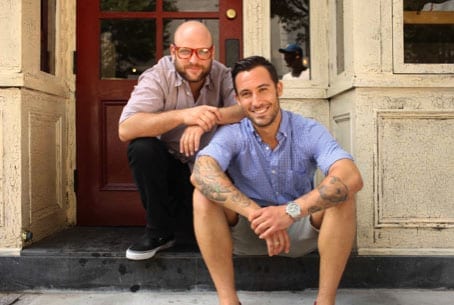
    Co-owner and executive chef of The Meatball Shop, Daniel Holzman started his cooking career at age 15 at Le Bernardin in New York City. Working after school and on weekends and holidays, Holzman remained there for 4 years until, at the suggestion of chef Eric Ripert, he attended the Culinary Institute of America with a full scholarship from the James Beard Foundation. Prior to graduation, Holzman accepted a position at the soon-to-open Paladin in New York City for chef Jean Louis Paladin, working alongside such culinary notables as Wylie Dufresne and Sam Mason.


    Six months later Jean Louis Paladin asked Holzman if he would be willing to move to Las Vegas, NV, to fill a vacancy at his flagship restaurant Napa in the Rio Hotel. Accepting the offer, Holzman began what would ultimately become a 10-year culinary journey through some of Los Angeles, and San Francisco’s finest restaurants including The Campton Place, The Fifth Floor, Aqua and Jardinière.


    In 2004, Holzman began his first management job as chef of the California organic bistro, Axe, in Venice, Los Angeles. After 1 year at Axe, Holzman was offered and accepted the position of executive chef at the Inn of the Seventh Ray, a 250-seat restaurant in the Topanga hills known for its romantic outdoor setting and lavish weddings. Holzman remained at the Inn until 2007 when he moved to San Francisco to open SPQR, a rustic Roman osteria, as co-owner and executive chef.  Within 3 months of opening SPQR received 3½ out of 4 stars from Michael Bauer in The San Francisco Chronicle, a rating usually reserved for far fancier restaurants.


    In 2008, Holzman and three partners founded KB Treats LLC, an ice cream novelty company. KB’s first product, QB’s (crispy rice and marshmallow treats filled with ice cream), were an immediate success and can be found in markets nationwide, including Whole Foods, Giant and Stop and Shop.


    Michael Chernow:

    Co-owner and general manager of The Meatball Shop, Michael Chernow began his professional restaurant career in 1996 behind the bar of the popular nightclub, Life, on Bleecker Street in New York City.


    Learning from the ground up, Chernow quickly worked his way through the ranks becoming the youngest bartender on staff. After 2 years working at both Life in New York and its East Hampton sister club, The Tavern, Chernow signed on to open Woo Lae Oak on Mercer St. in New York City. In 2001, Chernow made the move to Los Angeles where he worked at Woo Lae Oak’s original location on La Cienega Blvd. Returning to New York, he opened Punch and Judy, a wine bar on Clinton Street. In 2002, Frank Prizanzano offered Chernow a position behind the bar of his eponymous flagship restaurant Frank on Second Avenue.


    For 7 years, Chernow managed the bar at Frank where he had a large, loyal following. In 2007, Chernow enrolled in the French Culinary Institute (FCI), graduated with honors, and was awarded an associate’s degree in both culinary arts and restaurant management in 2008.
     

  • Jo Malone MBE

    Jo Malone MBE

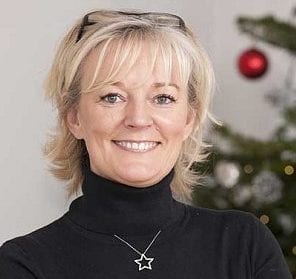
    This dynamo opened her first store at 154 Walton Street in Chelsea in 1994 and admits she had no money and made every error in the book whilst starting out. It all paid off as the Jo Malone brand that was created in her kitchen was sold to Estée Lauder in a multi-million pound “deal of a lifetime” in 1999. Malone grew up in a council flat in Bexleyheath and readily admits she’s a “merchant at heart.” She’s now moved into television presenting and also launched a new fragrance brand, Jo Loves, in March 2011.

  • Oliver Estreich

    Oliver Estreich

    This New Yorker founded theNativeSociety private social networking website that cleverly brings together the most exceptional individuals under the age of 40. Oliver Estreich is also involved in the hospitality division of his father’s architecture practice, David Estreich Architects, and lists his favourite author as Bret Easton Ellis. Here is a gent who brings style and substance to all that he involves himself in.


  • The Rt. Hon. Gregory Barker (AKA “Greg Barker”)

    The Rt. Hon. Gregory Barker (AKA “Greg Barker”)

    Gregory BarkerGregory Barker worked for Roman Abramovich at the Sibneft Oil Group and as Energy Minister, took his daschund, Otto, to work at the Houses of Parliament. A Conservative Member of Parliament between 2001 and 2015, Barker lives between Notting Hill and Sussex and is widely cited as the architect of David Cameron’s “green conservatism”.


  • Sam Higginson

    Sam Higginson

    Like his entrepreneurial father before him, Sam Higginson is making waves in the world of online marketing. A proud Lancastrian, Higginson’s latest venture digitalbox is changing the way we buy online.

  • Trenton Oldfield

    Trenton Oldfield

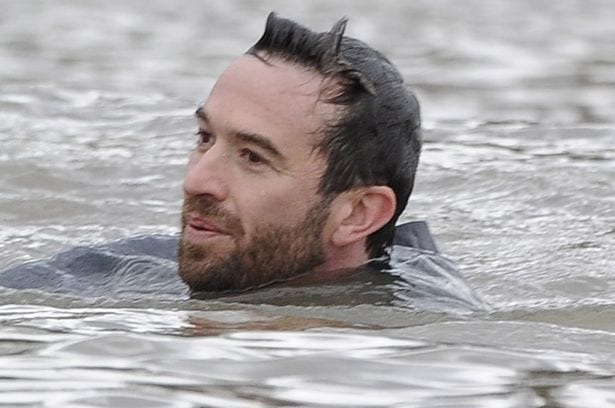
    He swam into the path of the Oxford vessel in the 2012 Xchanging Boat Race. Oldfield claimed to be protesting about “elitism” but it transpired that he was himself educated at a private school and the LSE. His hypocrisy knows no bounds and thankfully he ended up in the clink.

  • Rupert Murdoch

    Rupert Murdoch

    This father of six is a media mogul who doesn’t back down. Faced with being labeled the prime culprit in the phone hacking debacle, he battles on. His second wife Wendi packs a mean left hook.