Tag: Poland

  • Lauding Lorna Brooke

    Lauding Lorna Brooke

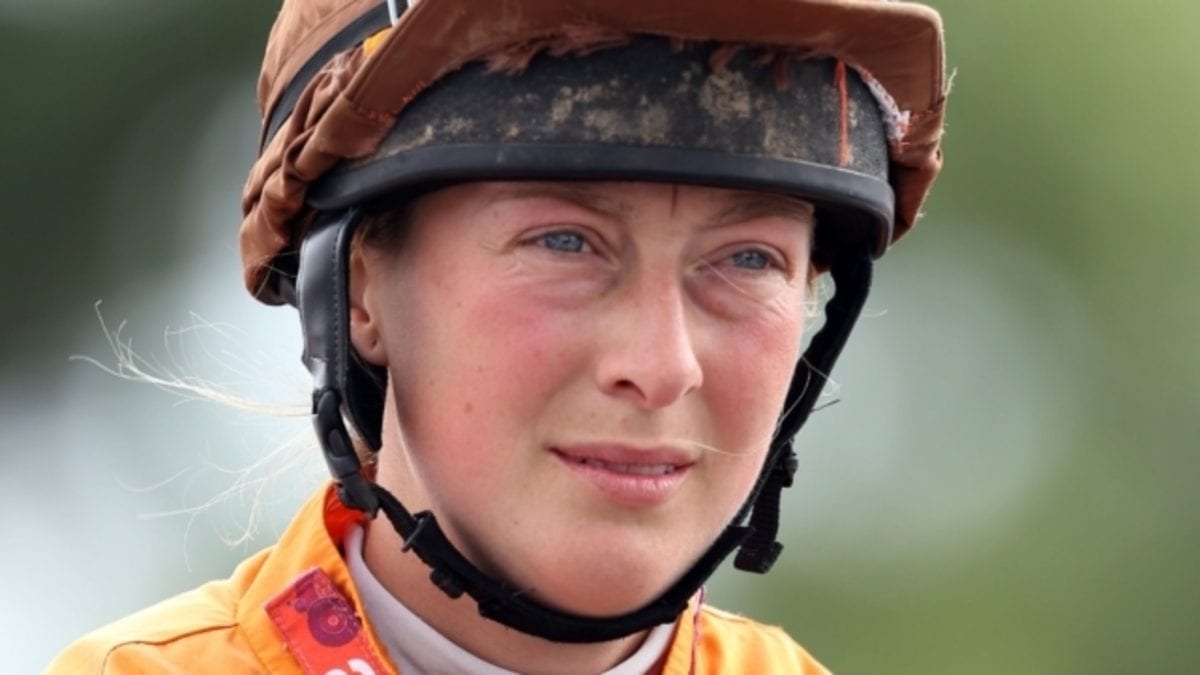
    Cheltenham to quite rightly honour the life of the amateur jockey Lorna Brooke with a race named in the late 37-year-old’s honour on Friday

    This morning, the Mirror shared news that Lorna Brooke – whom tragically passed away aged just 37 on 19th April after a fall on her mother Lady Susan Brooke’s horse, Orchestrated, at Taunton on 8th April – is to have a race named in her honour at tomorrow’s Hunter Chase meeting at Cheltenham.


    Brooke, a rising star amateur jockey, rode 17 winners and took more than 400 rides from February 2002 onwards and celebrated her first victory in April 2007 on her mother’s horse, Super Nomad.


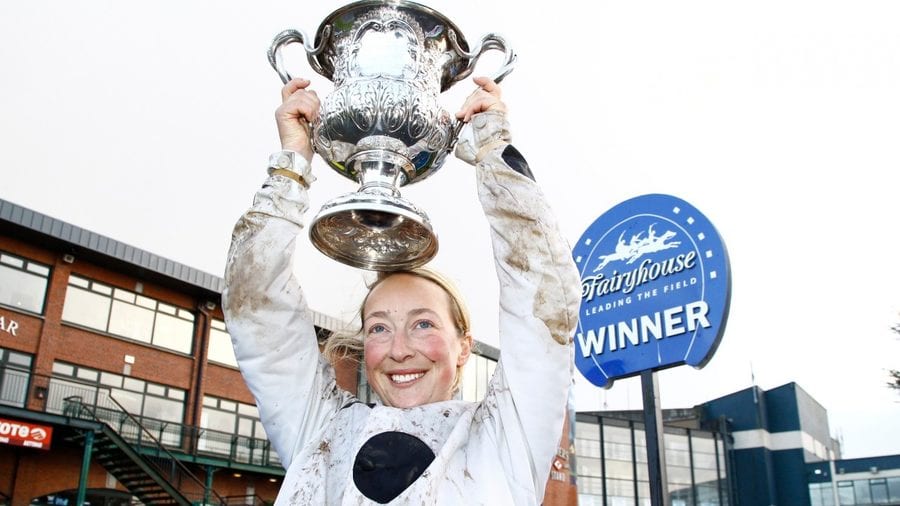
    She subsequently secured her biggest victory at Fairyhouse in 2015 at odds of 25/1 on Moonlone Lane for Paul Stafford – even beating rider of 2021 and first woman to win the Grand National Rachael Blackmore – in the process and represented Great Britain in Arabian racing in Abu Dhabi, Bahrain and Poland that year also.


    Of Brooke, fellow amateur jockey David Maxwell, told the BBC earlier this month:


    “Amateurs do it for love – the love of the game and more importantly the love of the horse.”


    “There’s such passion in the sport. At the amateur level nobody has to do it. Lorna was at the forefront of the Corinthians.”


    Tomorrow, this much -oved lady will be remembered in the 7.45pm at Cheltenham. It has been named the Lorna Brooke Open Hunters’ Chase and separately on the 24th May a celebration of her life will be held at Ludlow Racecourse.


    Those wishing to attend, can email the track at [email protected].


    Lauding Lorna Brooke 2021 – Launa Brooke to be remembered at Cheltenham – Cheltenham to quite rightly honour the life of the jockey Lorna Brooke with a race named in the late 37-year-old’s honour on 30th April 2021.
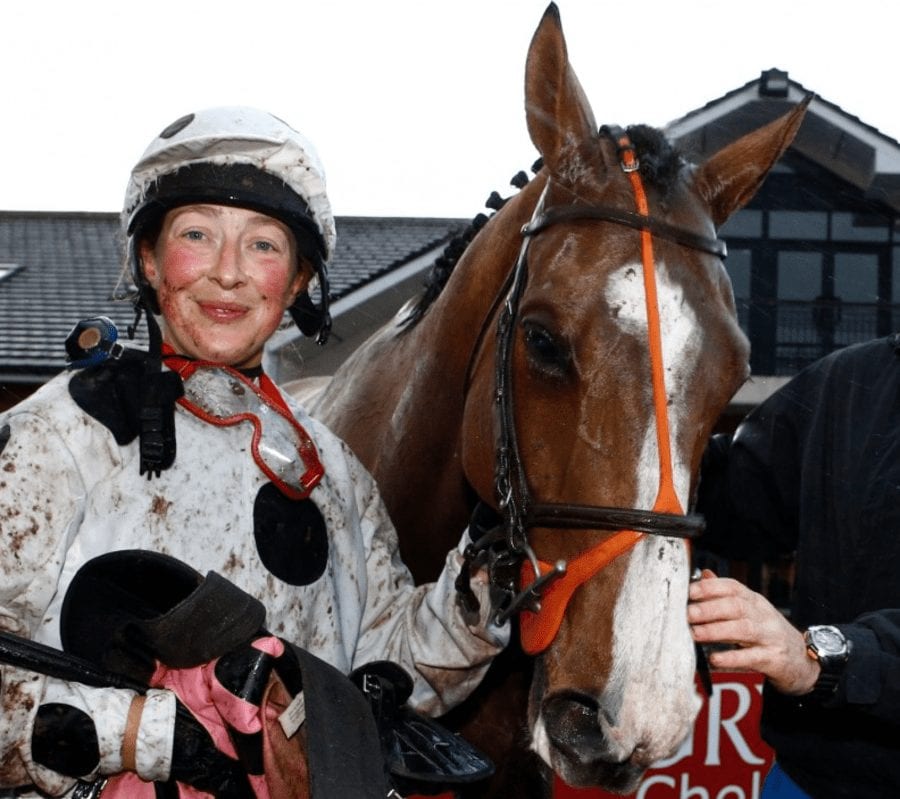
    Brooke celebrating the biggest victory of her career at Fairyhouse in 2015.
    Lauding Lorna Brooke 2021 – Launa Brooke to be remembered at Cheltenham – Cheltenham to quite rightly honour the life of the jockey Lorna Brooke with a race named in the late 37-year-old’s honour on 30th April 2021.
    Brooke with Moonlone Lane after their historic victory.
    Lauding Lorna Brooke 2021 – Launa Brooke to be remembered at Cheltenham – Cheltenham to quite rightly honour the life of the jockey Lorna Brooke with a race named in the late 37-year-old’s honour on 30th April 2021.
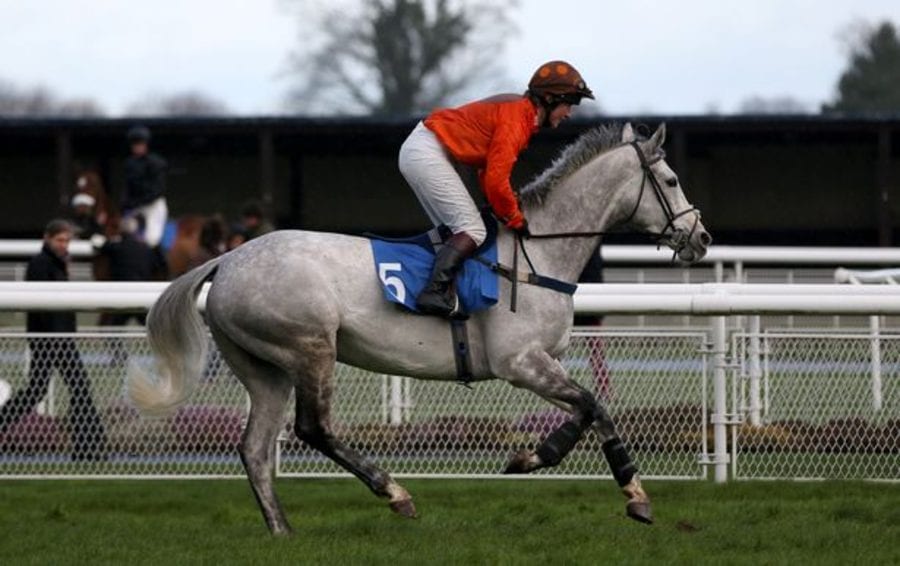
    Lorna Brooke on Radius Bleu in 2016.
  • Lavish Living and Little Owls at Lilford Hall

    Lavish Living and Little Owls at Lilford Hall

    Crumbling Northamptonshire estate Lilford Hall – where the little owl was introduced to Britain – for sale for £10 million, a sum £35 million lower than in 2014

    • Grade I listed Jacobean mansion with 13 chimney stacks for sale for £10 million; it was for sale last for £44.9 million in 2014 in spite of being listed on English Heritage’s ‘At Risk Register.’
    • Lilford Hall – parts of which have not been occupied since 1947 – is currently owned by a businessman who tried to sell burial plots in the grounds for £1,250 a pop and shares in a yacht loosely associated with Frank Sinatra for £23 each.
    • The 321-acre estate includes not only overgrown parkland, but also a zoo with cages that formerly housed bears and a lake for flamingos.
    • From 1711 until 1990, Lilford House was the seat of the Powys family – the 4th baron is credited with introducing the little owl to the UK.
    • More recently, in 1969, the “sexual mystic” artist Penny Slinger used the at-the-time derelict mansion in one of her best-known works.

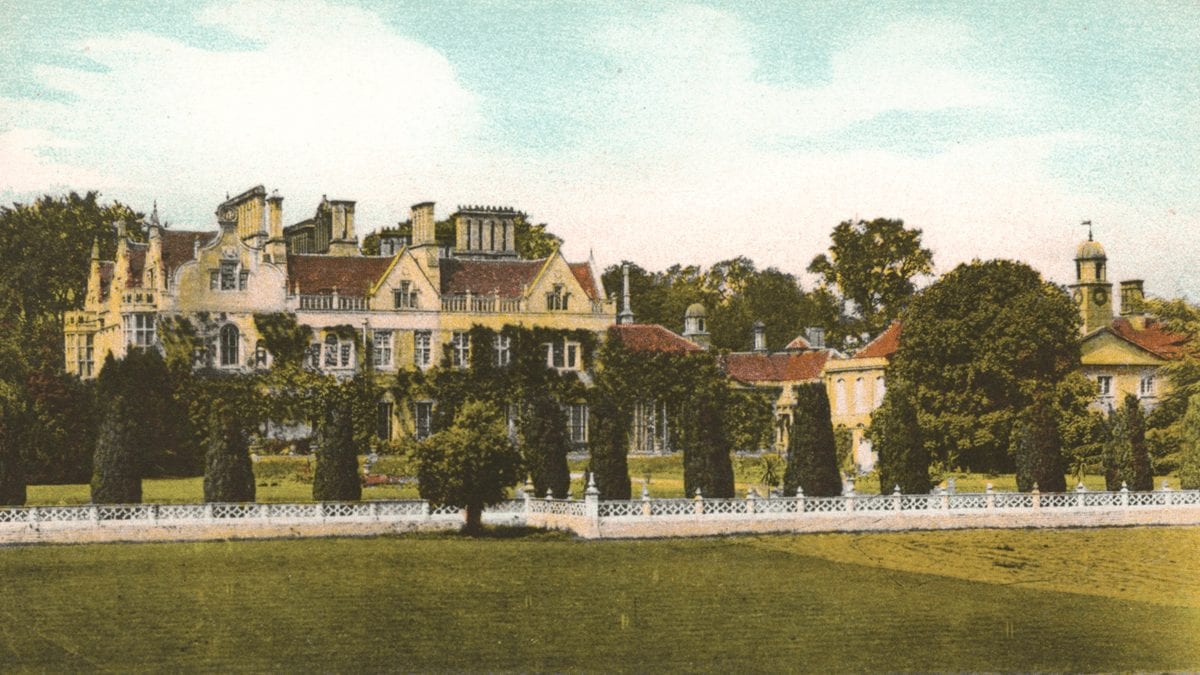
    A 32,406 square foot Grade I listed Jacobean mansion 82 miles from Central London has gone on sale for £10 million – or the equivalent of just £308 per square foot.


    On this basis, Lilford Hall – set in 321 acres near Oundle – seems a comparative bargain when considered against the £4,786 per square foot sought for a Lennox Gardens, Knightsbridge triplex flat The Steeple Times featured in May, but buyers need to remember this – parts of this crumbling building, most notably the major state rooms, have not been used since 1947.


    Marketed last in 2014 for the even more punchy sum of £45 million, the “exceptional residential and amenity estate located on the River Nene,” is now offered by agents Savills. The “wonderfully proportioned” U-shaped mansion itself  is constructed of grey limestone and includes over 100 rooms and amongst them are 7 “impressive” reception rooms, a ballroom, a ‘great chamber’ and 9 bedrooms. In addition, there are two Georgian pavilions that were formerly coach houses and stabling, three cottages, a former zoo, the oldest private softball court in the world, a former flamingo enclosure and a deer park.


    “Impressiveness in the chief attribute of Lilford Hall as a specimen of architecture” claimed County Life in 1990 and as the seat of the Powys family from 1711 until 1990, it became not only a Downton Abbey-esque entertaining pad, but also housed nurses in the Second World War. Here, indeed, is an English country house that has seen lavishness and decline and thankfully here is an example that thankfully escaped the wrecking ball wrought so disgracefully on such houses in the 1950s and 1960s.


    Fascinatingly in the 1880s, Thomas Powys, 4th Baron Lilford filled his aviaries on the estate with rheas, kiwis, pink-headed ducks, free-flying lammergeiers and it was from here that he also introduced the little owl into the UK. There are said to be around 5,700 breeding pairs today, but sadly, according to the RSPB, their numbers are now in decline.


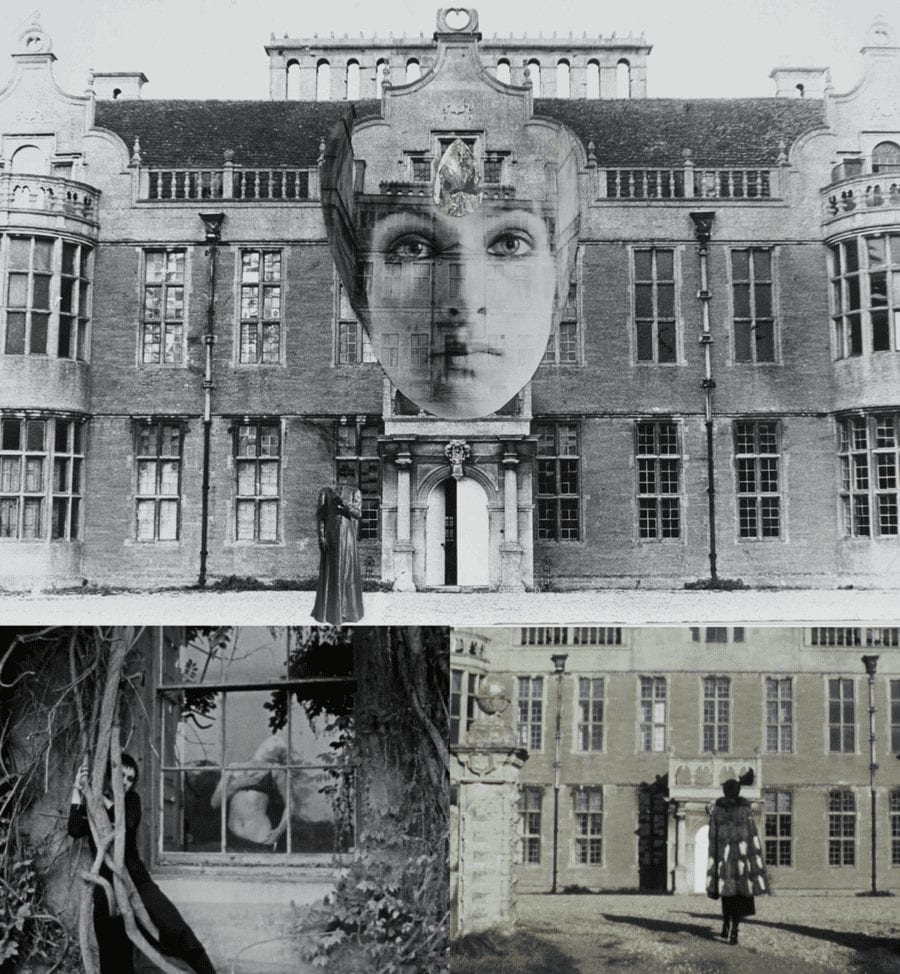
    More recently, in 1969, “sexually erotic” performance artist Penny Slinger took over the by then “derelict” mansion in conjunction with the filmmaker Peter Whitehead. Their resulting work, titled An Exorcism, was exhibited internationally and in 2004, after the current owners, Charles and Aziza Micklewright, acquired the house, they did something equally avant-garde; they attempted to sell burial plots in the grounds to Americans by citing the estate’s connections to the founder of the Brownists, Robert Browne – a man better known as ‘The Father of the Pilgrims’ and ‘The Grandfather of the Nation’ (of the United States of America).


    Whilst Mr and Mrs Micklewright were lauded for their considerable efforts towards the “huge task” of restoring Lilford Hall, they came to the attention of Historic England in May 2019 when the building was listed on the At Risk Register. At that time, the Oundle Chronicle reported: “The roof covering is in poor condition leading to water ingress and distress to the upper storeys. The front bays require structural attention. A schedule of urgent repairs has been identified but not implemented, and no long-term solution has been agreed.”


    Now, someone with very, very deep pockets is required to restore this gem. It would be helpful if they liked erotic art, bears, squash and owls also.


    https://www.youtube.com/watch?v=cii3VlgfVy0
    Lavish Living and Little Owls at Lilford Hall, Northants – £10 million ($12.5 million, €11.1 million or درهم46 million) for The Lilford Hall Estate, Lilford, Oundle, Peterborough, Northamptonshire, PE8 5SG, United Kingdom through estate agents Savills – Crumbling Northamptonshire estate Lilford Hall – where the little owl was introduced to Britain – for sale for £10 million, a sum £35 million lower than in 2014.
    The artwork created by Penny Slinger and Peter Whitehead at the house has been exhibited internationally.

    The Names & Numbers – The Lilford Hall Estate, Lilford, Oundle, Peterborough, Northamptonshire, PE8 5SG, United Kingdom


    June 2020 – The estate is listed sale for £10 million ($12.5 million, €11.1 million or درهم46 million) through Savills. It includes 321.31 acres, of which 148.17 acres are pasture land whilst 157.48 acres are woodland. The majority of the estate is held on a freehold title, whilst the remaining 127.6 acres – known as ‘The Linches’ and ‘Lilford Woods’ – are held on a lease with 91 years remaining.


    2015 – Promoted as ‘The National Memorial Gardens,’ burial plots in the gardens of the hall were offered “available to any UK resident or national for an outstanding price of only £1,250 ($1,568, €1,393 or درهم5,758)” by Mark Bailey of Harley Investments. Around the same time, a website dedicated to Lilford Hall marketed “a piece of the formal gardens” for sale for £299 ($375, €333 or درهم1,377) to include “an officially certified ‘Squire of Lilford’ [title] … with this little piece of history.”


    March 2014 – The Irish Times reported that the asking price for the estate had been increased to £44.9 million ($56.3 million, €50 million or 206.8درهم million). They claimed the agents Coldwell Banker blamed “confusion over currency conversion rates and new instructions from the owner.”


    April 2014 – The Lilford Hall Estate is listed for sale through Coldwell Banker on MyHome.ie for £33.7 million ($44.2 million, €37.5 million or درهم155 million) on behalf of “an English gentleman.”


    2004 – The estate is acquired by the Micklewright family. Little information is available online about the Old Framlingham Charles Micklewright (born July 1958), but he is described as a “patent attorney” on Companies Houses pages. The businessman is mentioned also as a publisher and trustee of the Marsh Christian Trust elsewhere, whilst his Singaporean born wife, Aziza (born 1964), was a director of Lilford Properties Limited from 2013 to 2018.


    A website operated by Sign of the Times Limited, a Hong Kong company of Lilford Hall, Lilford, Oundle, Northamptonshire, PE8 5SG, currently offers shares in a yacht named ‘Sinatra the Voice’ for £23.91 ($29.99, €26.64 or درهم110.14) per share. The boat was built in 1956 and is tenuously linked to Frank Sinatra by the fact that a one-time owner, Beale Poste, loaned it occasionally to the crooner between 1968 and 1974 in West Palm Beach, Florida.


    1990 – The estate is closed to the public.


    1980s – The house is used as a location in the BBC English Civil War inspired historical drama series By the Sword Divided.


    1970s – Aviaries on the estate restocked by George Powys, 7th Baron Lilford (1931 – 2005). He “opened [the estate] to the public as a leisure park” and housed more than 350 birds of 110 species there. It remained thus for around 20 years and included a restaurant and shop. The aviaries and the 1,896 square foot restaurant building remain present still today.


    1969 – 1970 – American British “sexual mystic” artist Penny Slinger (born 1947) and Liverpudlian filmmaker Peter Whitehead used the “derelict mansion” as the setting for their works An Exorcism and Lilford Hall. They are lauded as a “photo romance” and exhibited at the Blum and Poe Gallery in Los Angeles in 2014, at the Haywood Gallery in London in 2015 and at the Fortnight Institute in New York in 2019.


    1949 – Stephen Powys, 6th Baron Lilford (1869 – 1949) died without having married or having had children. His properties aside from Lilford – a house in Mayfair, Bank Hall in Lancashire and the Bewsey Estate in Cheshire – passed to his second cousin twice removed.


    1947 – The estate is sold to a company named Merchant Ventures by the Powys family (though they remain present on the estate until 1990).


    1939 – 1945 – During the Second World War, the parkland of the estate was used as a military hospital for nearby airfields. From 1949 to 1954, some of the buildings constructed during this period were then used as a Polish school.


    1923 – First-class Northamptonshire cricketer Major John Powys, 5th Baron Lilford (1863 – 1945) built the first private softball court in the world in the grounds of the hall. It is now in disrepair and the roof has fallen into the inner court.


    1909 – 1910 – The hall was extended in the Edwardian manner including the provision of a new master bedroom with dressing room and bathroom by William Dunn and Robert Watson of Dunn & Watson.


    1901 – The estate surrounding the hall reaches its largest size and totals a vast 8,000 acres of land. Around this time, Queen Mary, wife of King George V, is said to have visited the gardens.


    1880s – Ornithologist and expert on the fauna of the Balearics Thomas Littleton Powys, 4th Baron Lilford (1833 – 1896) introduces the little owl into England on the estate. His aviaries were said to “feature exotic birds from all around the world” and a species of European lizard, the Lilford’s wall lizard (Podarcis lilfordi), is named in his honour. The 4th baron is repeatedly mentioned in the works of Charles Darwin for his contribution to the study of the science of evolution.


    1840s – Further changes to the building are orchestrated by the architect William Gilbee Habershon (circa 1818 – 1891). The Campaign to Protect Rural England described these Victorian extensions as “sensitive” in 2006 – a rare accolade given most additions to English country houses during this period were simply brash and vulgar.


    1740s – The Palladian architect Henry Flitcroft (1697 – 1769) adds “outstanding” Georgian interiors whilst “respecting the hall’s Jacobean exterior.” He “softened and brightened” the building as a result and also “constructed the Georgian pavilions and additional storeys to the east end of the two wings.” Other works by Flitcroft can be seen at Bower House in Essex, Wentworth Woodhouse in Yorkshire and Woburn Abbey in Bedfordshire.


    1711 – Lilford Hall is sold to the judge and Tory politician Sir Thomas Powys (1649 – 1719), Attorney General to King James II. Powys is best remembered for conducting the prosecution of the Seven Bishops in 1699. He is buried at Lilford.


    1630s – Construction of the main exterior of what to this day remains Lilford Hall as a “Jacobean-style gentry house” by William Elmes (the younger).


    1473 – The land that forms the estate is acquired by William Browne (1410 – 1489), a wealthy wool merchant and landowner from Stamford, from the estate of Baron Welles (who was beheaded by King Edward IV for treason). In 1495, “in a Tudor style,” he built a hall on the site and it passed to Robert Browne (1550 – 1633), the founder of the Brownists, ‘The Father of the Pilgrims’ and ‘The Grandfather of the Nation’ (of the United States of America).


    Facebook: @TheSteepleTimes

    Instagram: @TheSteepleTimes

    Twitter: @SteepleTimes


  • Positivity From Pleurat

    Positivity From Pleurat

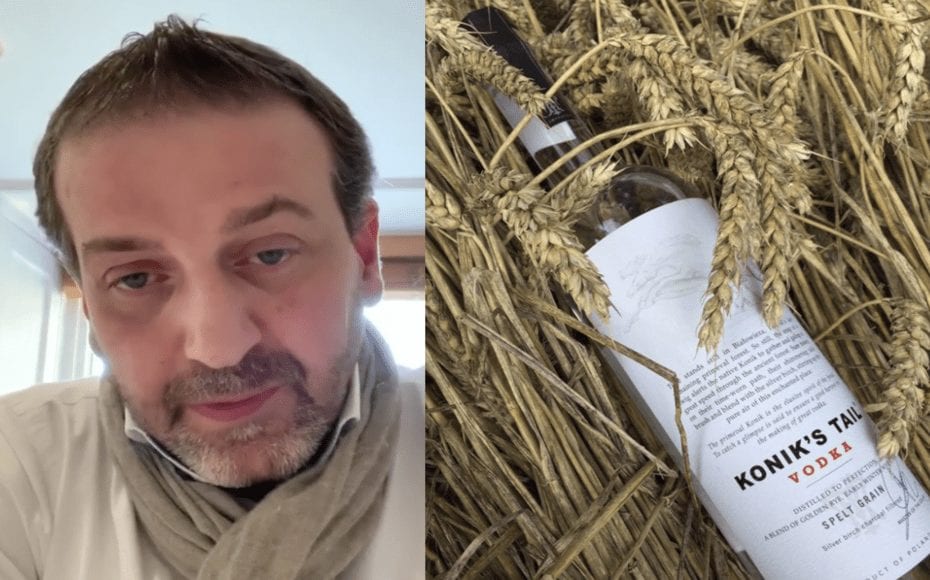
    Refugee turned “one-man vodka band” Pleurat Shabani shares a message of positivity (and a reminder that we’ll all be having a martini or three together again soon)

    Having escaped the civil war in Croatia, Kosovo born Pleurat Shabani headed to London in 1994. He, unlike Dick Whittington, did not find streets paved with gold but ended up working as a lavatory cleaner and kitchen porter.


    Later, forced onto the streets after losing his job at Soho House, Shabani “hit rock bottom” but did not give up. He found a job as a glass washer at Oliver Peyton’s Atlantic Bar & Grill – which ironically was later ‘sunk’ by Marco Pierre White’s Titanic restaurant – and after being promoted to a role as a bartender, began a journey that ultimately resulted in the creation of his own vodka, Konik’s Tail.


    Shabini, without the big money backing most spirits brands garnered in the early-to-mid 2000s, is a surprising success story. We reported on it back in 2014 and in spite of his shoestring budget – and the fact he literally had to glue his own footwear together (he considers them “ part of his journey”) – Konik’s Tail is now stocked in everywhere from Dukes Hotel to Waitrose.


    Now, at this time of lockdown, the notoriously shy luddite Shabani has taken to social media and on Instagram, a place he’s only posted once before, shared a message of positivity that we should all heed. It follows in full below:


    “First of all, I hope this finds you well in these increasingly challenging times of disruption and enormous changes to the daily lives of all of us. Together, we have learnt that passion, optimism and community will help us all come out stronger.”


    “The pride of who we are as a community is not part of our past, it defines our present and our future. You have inspired me. Your presence has inspired me. Your friendship has inspired me. And, your stories have inspired me.”


    “Together we will succeed and that success will belong to everyone of us. Better days will return. Stools behind the bar might be empty, no late nights, no last calls, but this – you are not forgotten. Our hearts are full of love until we are reunited again. I know we will be with our friends again, with our families again and I know we will share a Konik’s Tail martini again.”


    “Spread the love and positive energy, help a friend, even a stranger. Until we meet again, be well, be safe and love each other. My warmest wishes to you all and thank you from the bottom of my heart.”


    Konik’s Tail Vodka is available from Waitrose for £38 for a 70cl bottle. Thankfully they can still deliver it – so have your chilled martini glasses at the ready.


    Facebook: @TheSteepleTimes

    Instagram: @TheSteepleTimes

    Twitter: @SteepleTimes


  • Tossed in Tonbridge

    Tossed in Tonbridge

    Kentish salad company Southern Salads tosses 260 jobs to the wolves after going into administration because of Brexit


    Illustrations of the likely negative impact of Britain’s decision to leave the UK are coming from far and wide and though Nigel Farage may be crowing over an alleged £60 million film deal – though unsurprisingly no particular studio has actually announced such ‘news’ as ‘truth’ – companies are relocating staff abroad and even closing altogether. Even hardline Brexiteers are being heard to remark: “There’s going to be a heavy price to pay for the complacency… Britain is f***ed” and asking: “What the hell have we done?”


    Aside from Bloomberg revealing “London could lose 10,000 banking jobs and 20,000 roles in financial services” to such cities as Dublin, Frankfurt and Paris in an article last month, a more localised illustration of the impact of Theresa May’s appallingly bad handling of this issue was provided yesterday in the form of news that a Tonbridge, Kent based firm, Southern Salads, had gone into administration due to “unprecedented pressure on cash flow in the immediate aftermath of the Brexit vote.”


    Southern Salads, a 30-year old, family run firm which employed 260 people and whose motto was “share the passion”, ceased trading Wednesday and of why it failed, joint administrator Ian Vickers of FRP Advisory told KentLive:


    “The sudden decline in sterling was not foreseen by the company, leaving the business grappling with an immediate fall of between 10% and 20% in its purchasing power for overseas-grown salads required for the winter and early spring UK market, which in turn put a severe strain on cash-flow.”


    “With insufficient protection from its currency hedging arrangements, pressure increased on cash-flow as the business traded through to this spring.”


    “The company was unsuccessful in negotiating any significant changes to its pricing terms with its suppliers in mainland Europe, while also being unable to pass on its cost increases to supermarkets and its other customers.”


    “The company relies on European suppliers for fresh vegetables and fruit from the Netherlands and Poland in the north to France, Italy and Spain in the south.”


    It’d be fascinating to know what Nigel Farage, Boris Johnson and Theresa May thinks about that.


  • Miriam Margolyes OBE

    Miriam Margolyes OBE

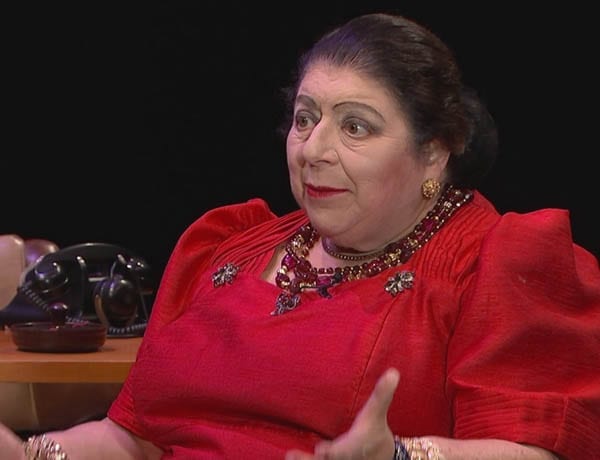
    In April 2017, esteemed actress Miriam Margolyes described Theresa May as “that awful woman” and hinted that she had little-to-any enthusiasm for Jeremy Corbyn’s “hell of a mess” also. In the same interview, in her “distinctive voice”, she added: “It is the job of the arts to engage in life… That’s what I care about”. She is best known for having won a BAFTA for her role in Martin Scorsese’s The Age of Innocence in 1993 but is famous to younger audiences for having appeared in Harry Potter and the Chamber of Secrets and Harry Potter & the Deathly Hallows. A dual British-Australian citizen and humanitarian advocate, Oxford born Margolyes also played the self-made cosmetics billionairess Helena Rubinstein in 2017 and lives with her partner, Heather Sutherland, in London, Tuscany and New South Wales.

  • A Right to Rape

    A Right to Rape

    That a man who raped a 12-year old child has walked free is an utter disgrace


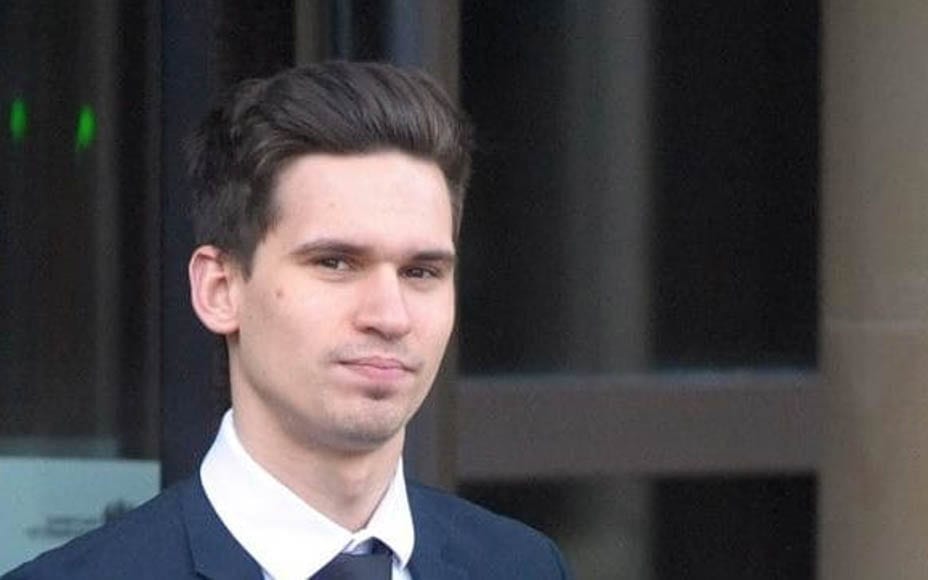
    Daniel Cieslak met a 12-year old child in a taxi queue in Edinburgh city centre at 4am on 31st July 2015. He took her to a friend’s flat, had sexual intercourse with her and on being arrested “became distressed” and told detectives he had been led to believe she was 16.


    On the 17th March, Cieslak, a Polish born, 21-year old student at Napier University, pleaded guilty to rape but was shockingly discharged without sentence and without requirement to sign the sex offenders’ register at the High Court in Glasgow.


    The judge in the case, Lady Scott, took what she described as the “wholly exceptional” decision to “discharge [Cieslak] absolutely” despite the fact that she accepted that a victim under 13 years is “deemed incapable of consent”. She remarked: “Whilst there is no defence to this offence because of strict liability, the fact is that you would have had a defence if the victim had been a few months older”.


    That Daniel Cieslak escaped punishment is an utter disgrace. It is true that the girl he raped lied to him and told him she was far older than her years, but that he claimed he did not know the true age of what essentially is a child seems a little far-fetched. In response, Isabelle Kerr, manager of Glasgow’s Rape Crisis Centre told The Scottish Sun:


    “The law really can’t be any clearer. If someone is under the age of 16 they cannot give consent – therefore a 12-year old is not able to consent”.


    “It’s a concern to be talking about someone of that age as an ‘active participant’. It’s going down the road of victim blaming, something we’ve been working to tackle”.


    “I would be concerned that young women might be deterred from reporting rape if they feel they are not going to be believed or not taken seriously”.


    Whilst Lady Scott may be of the view that “justice [has been] best served” by her judgment, we agree with those who say that she got it wrong. That Daniel Cieslak walked free is entirely wrong and that a website named Tabloid Corrections claimed that he is an “innocent man” is even worse. As with the case of the convicted but not jailed paedophile Andrew Picard, all this result does is to bring shame on Britain’s legal system.


  • The Business of Blair

    The Business of Blair

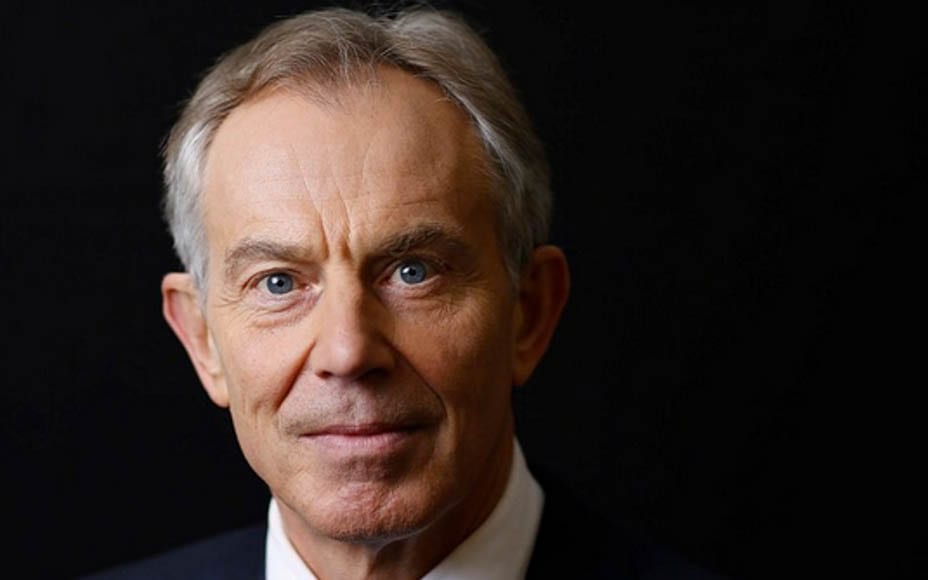
    Tony Blair ditches business and also denies a return to public office


    For weeks, the mainstream media have claimed Tony Blair is preparing to return to public office to save Britain from the nightmare of Brexit. They have claimed he’s ready to seize the support of the 48% and that him and Nick Clegg are colluding to create a new ‘centre left’. He did little to deny it at first but late last week, he shared a post on Facebook that frankly puts a stop to this kind of nonsense.


    Blair, a plainly toxic force in politics due to his highly unpopular backing of George W. over the War on Iraq (and because of his refusal to confine his equally disliked weirdo wife to social Siberia), will never make a comeback and now he’s finally acknowledged that in a very public way.


    In our view, Mr Blair is actually wrong. He’s not nearly as bad as #DarthVader Theresa May and he’s not nearly as ghastly as either the worst Prime Minister’s-in-living-history John Major and Gordon Brown and though we share with you his justifications for not getting involved again, we weirdly find ourselves actually lauding Mr Blair for saying the right thing (for once in his sorry lifetime).


    Mr Blair’s comment, in full, follows:


    Over the past nine years we have built a family of organisations which together employ nearly 200 people; have worked in over 30 countries; and have produced some real and lasting achievements. I am very proud of the commitment and impact of the people I have had the privilege to work with.


    The Africa Governance Initiative has become a respected partner and leader in effective governance where we have worked in 10 different African countries.


    The work we are doing in Africa has been right at the centre of government covering everything from boosting electricity, to improving child and maternal mortality rates to helping on the ground during the Ebola crisis in West Africa, a contribution praised for its impact by both the Presidents of the countries concerned and the international community.


    Outside of Africa in the work done by the commercial governance arm, we again made successful interventions in over 12 countries with 30 different projects promoting reform and change programmes with governments.


    The Tony Blair Faith Foundation has done ground-breaking work in interfaith relations, education and leadership, and most recently in the research and policy work on religiously based extremism through the Centre on Religion and Geopolitics which has been widely recognised as authoritative. 


    In the first years of the Quartet role in the Middle East, we hit double digit growth on the West Bank, drew up ambitious plans for Gaza’s infrastructure and changed the rules around entry of materials into Gaza. In 2011, we played a significant part in the attempt to agree terms of reference for a renewal of the peace process.


    Progress became much more difficult once the peace process stalled. We were partners in the later fresh attempts by the USA to revive the peace process, particularly around plans for the economy to support a future Palestinian state. Unfortunately these attempts also failed.


    Nonetheless, after stepping down from the Quartet position, our new Initiative for the Middle East has re-vitalised our work and means this stays a large part of what we do. I have made over 35 visits to the region this year alone.


    During the time since leaving office, I have learnt a huge amount about the world and frankly what I can do and can’t do to affect it positively.


    We built up a successful business side, though attracted a large measure of criticism for it, much of it inaccurate. It was entirely necessary to build the business to help with the funding to grow the organisations; but it was open to misrepresentation and to criticism either that we were conflating private and public roles or that we were working in countries which aroused controversy.


    Having said that, I also learnt a lot about the way the global economy functions from that experience and pay tribute to the great team I worked with who made much of the development of our work across the organisations possible.


    We are now at the stage and have built the financial infrastructure where it is time to enter a new phase. First we can take the work we have done in Africa, in governance, on extremism and in the Middle East to a new and more effective level; and secondly, in the past six months we have seen political earthquakes in the UK with Brexit and in the American election, as well as an explosion in populist movements all over the European continent. This impacts profoundly all the work we do and the future of globalisation.


    So I want us to bring all the different organisations together under one roof and to re-orient our mission.


    We have deliberately focused, up to now, on some of the greatest and most difficult challenges faced in the era of globalisation: how to give nations the governing capacity to overcome the problems of development and lift their people out of poverty; how to combat the religiously based extremism which threatens global security; how to resolve the most intractable peace process in the world.


    In each case, we have presented a new approach, with the aim of providing new ideas and thinking.


    In governance, especially in Africa, our analysis is that, today, building the capacity to govern effectively – making the way government works efficient as well as transparent – is as important for developing nations as aid.


    Look around the world, and see countries living next to each other – same size population, same resources, same natural potential – one succeeding, one failing. The reason for the difference is found in the quality of governance. Take the following examples: Venezuela and Colombia; Poland and Ukraine; Rwanda and Burundi. And the greatest example in contrasting, contiguous systems of governance the world has seen in modern political history – the Korean Peninsula, North and South Korea. The nation which is succeeding is applying the best rules and lessons of governance; the failing nation is ignoring or defying them.


    On religious extremism, we believe it is essential to widen the struggle, to tackle the ideology behind the violence and not simply the violence itself. So we can defeat ISIS militarily but unless we defeat the ideas behind Islamism – the belief that a particular view of religion should dominate society, politics and the economy, something incompatible with a modern world in which pluralism is the essence – we will never win this battle.


    On the Middle East peace process, we are convinced that a traditional peace process between Israelis and Palestinians with US guidance alone is inadequate; that what is required is a new approach which involves the wider region and the Arab nations and which resolves not just the final status issues like borders but which also resolves the underlying issues of cultural acceptance and regional stability. So we are now working on Arab-Israeli relations, and not simply Israeli-Palestinian relations.


    But it has become clear that there is much overlap between these different areas of work. Extremism is also today a barrier to development. The Middle East conflict impacts extremism. Changing and reforming government applies to Middle East nations as well.


    And since all of these approaches basically represent the open-minded response to global problems, the salience of these new approaches depends on us having an answer to the new populism of left and right which exploits the anger and drives the world apart.


    This new populism may differ in some respects between left and right – the left anti-business, the right anti-immigrant – but in others what is remarkable is the convergence between them, especially around isolationism and protectionism, in what is an essentially closed-minded approach to globalisation and its benefits and to international engagement.


    So we want to add a fourth pillar to what we do. I emphasise this is not in place of our other work but in addition to it.


    This is the creation of a platform designed to build a new policy agenda for the centre ground together with the networks which link people up, and allow a reasonable and evidence based discussion of the future which avoids the plague of social media-led exchanges of abuse. 


    This platform will have a policy unit which will draw on the best ideas and practical solutions, building partnerships with other organisations, in the public policy and private spheres, so that those in the frontline of politics have a bigger and better policy agenda to reflect upon; and a networking capability to join like-minded people up. 


    This is not a think tank. There are enough of those, many doing excellent work we would want to utilise. It is a platform for engagement to inform and support the practising politician.


    It is what I know I would want were I still in the frontline of politics.


    Part of its focus will plainly be around the European debate; but this will not be its exclusive domain. It has to go far wider than that since in many ways the Europe debate is a lightning rod for the whole of politics.


    We’re now planning to bring all of these four parts together in one new Not For Profit Institute. 


    The business side has been shut down and the assets, running into many millions of pounds, gifted to the Institute. In the New Year, we plan to merge the activities of the different organisations into the Institute, with any charitable funds used exclusively for the purposes for which they were originally given.


    This will allow us to work more coherently across the board; use the obvious synergies between the different elements of the work; and to be far stronger on the global policy side than we have been up to now. The focus previously was mainly on programmes. These will remain but the organisation will also be far more about thought leadership.


    This is not about my returning to the front line of politics. I have made it abundantly clear that this is not possible.


    However, I care about my country and the world my children and grandchildren will grow up in; and want to play at least a small part in contributing to the debate about the future of both.  
     

    The Africa Governance Initiative has become a respected partner and leader in effective governance where we have worked in 10 different African countries.


    The work we are doing in Africa has been right at the centre of government covering everything from boosting electricity, to improving child and maternal mortality rates to helping on the ground during the Ebola crisis in West Africa, a contribution praised for its impact by both the Presidents of the countries concerned and the international community.


    Outside of Africa in the work done by the commercial governance arm, we again made successful interventions in over 12 countries with 30 different projects promoting reform and change programmes with governments.


    The Tony Blair Faith Foundation has done ground-breaking work in interfaith relations, education and leadership, and most recently in the research and policy work on religiously based extremism through the Centre on Religion and Geopolitics which has been widely recognised as authoritative. 


    In the first years of the Quartet role in the Middle East, we hit double digit growth on the West Bank, drew up ambitious plans for Gaza’s infrastructure and changed the rules around entry of materials into Gaza. In 2011, we played a significant part in the attempt to agree terms of reference for a renewal of the peace process.


    Progress became much more difficult once the peace process stalled. We were partners in the later fresh attempts by the USA to revive the peace process, particularly around plans for the economy to support a future Palestinian state. Unfortunately these attempts also failed.


    Nonetheless, after stepping down from the Quartet position, our new Initiative for the Middle East has re-vitalised our work and means this stays a large part of what we do. I have made over 35 visits to the region this year alone.


    During the time since leaving office, I have learnt a huge amount about the world and frankly what I can do and can’t do to affect it positively.


    We built up a successful business side, though attracted a large measure of criticism for it, much of it inaccurate. It was entirely necessary to build the business to help with the funding to grow the organisations; but it was open to misrepresentation and to criticism either that we were conflating private and public roles or that we were working in countries which aroused controversy.


    Having said that, I also learnt a lot about the way the global economy functions from that experience and pay tribute to the great team I worked with who made much of the development of our work across the organisations possible.


    We are now at the stage and have built the financial infrastructure where it is time to enter a new phase. First we can take the work we have done in Africa, in governance, on extremism and in the Middle East to a new and more effective level; and secondly, in the past six months we have seen political earthquakes in the UK with Brexit and in the American election, as well as an explosion in populist movements all over the European continent. This impacts profoundly all the work we do and the future of globalisation.


    So I want us to bring all the different organisations together under one roof and to re-orient our mission.


    We have deliberately focused, up to now, on some of the greatest and most difficult challenges faced in the era of globalisation: how to give nations the governing capacity to overcome the problems of development and lift their people out of poverty; how to combat the religiously based extremism which threatens global security; how to resolve the most intractable peace process in the world.


    In each case, we have presented a new approach, with the aim of providing new ideas and thinking.


    In governance, especially in Africa, our analysis is that, today, building the capacity to govern effectively – making the way government works efficient as well as transparent – is as important for developing nations as aid.


    Look around the world, and see countries living next to each other – same size population, same resources, same natural potential – one succeeding, one failing. The reason for the difference is found in the quality of governance. Take the following examples: Venezuela and Colombia; Poland and Ukraine; Rwanda and Burundi. And the greatest example in contrasting, contiguous systems of governance the world has seen in modern political history – the Korean Peninsula, North and South Korea. The nation which is succeeding is applying the best rules and lessons of governance; the failing nation is ignoring or defying them.


    On religious extremism, we believe it is essential to widen the struggle, to tackle the ideology behind the violence and not simply the violence itself. So we can defeat ISIS militarily but unless we defeat the ideas behind Islamism – the belief that a particular view of religion should dominate society, politics and the economy, something incompatible with a modern world in which pluralism is the essence – we will never win this battle.


    On the Middle East peace process, we are convinced that a traditional peace process between Israelis and Palestinians with US guidance alone is inadequate; that what is required is a new approach which involves the wider region and the Arab nations and which resolves not just the final status issues like borders but which also resolves the underlying issues of cultural acceptance and regional stability. So we are now working on Arab-Israeli relations, and not simply Israeli-Palestinian relations.


    But it has become clear that there is much overlap between these different areas of work. Extremism is also today a barrier to development. The Middle East conflict impacts extremism. Changing and reforming government applies to Middle East nations as well.


    And since all of these approaches basically represent the open-minded response to global problems, the salience of these new approaches depends on us having an answer to the new populism of left and right which exploits the anger and drives the world apart.


    This new populism may differ in some respects between left and right – the left anti-business, the right anti-immigrant – but in others what is remarkable is the convergence between them, especially around isolationism and protectionism, in what is an essentially closed-minded approach to globalisation and its benefits and to international engagement.


    So we want to add a fourth pillar to what we do. I emphasise this is not in place of our other work but in addition to it.


    This is the creation of a platform designed to build a new policy agenda for the centre ground together with the networks which link people up, and allow a reasonable and evidence based discussion of the future which avoids the plague of social media-led exchanges of abuse.


    This platform will have a policy unit which will draw on the best ideas and practical solutions, building partnerships with other organisations, in the public policy and private spheres, so that those in the frontline of politics have a bigger and better policy agenda to reflect upon; and a networking capability to join like-minded people up. 


    This is not a think tank. There are enough of those, many doing excellent work we would want to utilise. It is a platform for engagement to inform and support the practising politician.


    It is what I know I would want were I still in the frontline of politics.


    Part of its focus will plainly be around the European debate; but this will not be its exclusive domain. It has to go far wider than that since in many ways the Europe debate is a lightning rod for the whole of politics.


    We’re now planning to bring all of these four parts together in one new Not For Profit Institute. 


    The business side has been shut down and the assets, running into many millions of pounds, gifted to the Institute. In the New Year, we plan to merge the activities of the different organisations into the Institute, with any charitable funds used exclusively for the purposes for which they were originally given.


    This will allow us to work more coherently across the board; use the obvious synergies between the different elements of the work; and to be far stronger on the global policy side than we have been up to now. The focus previously was mainly on programmes. These will remain but the organisation will also be far more about thought leadership.


    This is not about my returning to the front line of politics. I have made it abundantly clear that this is not possible.


    However, I care about my country and the world my children and grandchildren will grow up in; and want to play at least a small part in contributing to the debate about the future of both.  
     

  • Sir Martin Sorrell (AKA “The Third Brother”)

    Sir Martin Sorrell (AKA “The Third Brother”)

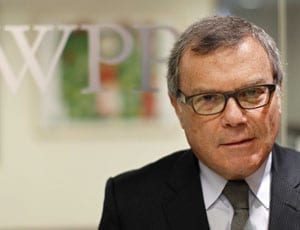
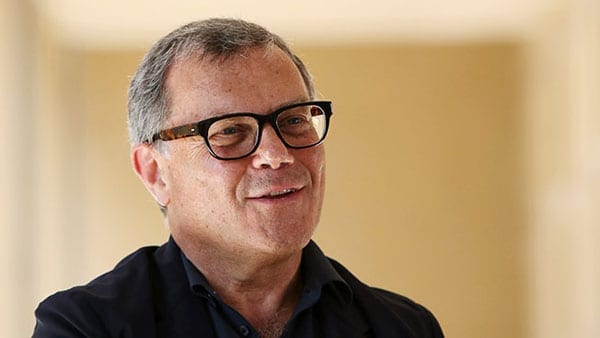
    Sir Martin SorrellBritain’s highest paid CEO in 2014 (he earned £42.98 million in a single year) Sir Martin Sorrell is the CEO of the advertising giant WPP.  (more…)

  • The silent evil

    The silent evil

    ‘The Steeple Times’ highlights a shadowy evil lurking in our midst in Europe: Stille Hilfe (more…)

  • Madams and margaritas

    Madams and margaritas

    The brass of Chelsea


    Though the characters of Chelsea are changing, the murky world beneath its privileged surface will never disappear. (more…)