Matthew Steeples explores theconundrum of how to describe cheese made from goat’s milk and shares the eclectic thoughts of everyone from Susie Dent to Alan Rusbridger, Christine Hamilton, Jay Rayner, Matthew Jukes, Mic Wright, Nigella Lawson, Matthew Wright, Tom Parker Bowles and Samantha Markle on goat cheese
At the River Café in Hammersmith, the menu references serving Rabiola Rochetta cheese from Piemonte that is made with “goat’s milk” to get around a conundrum that has “got the goat” of many over the years.
London’s most traditional establishments, amongst them The Ritz and Wiltons, avoid the pasturised matter completely. They respectively just list “artisan cheeses” and “farmhouse cheeses” on their menus, whilst the self-declared “old fashioned restaurateur” James Chiavarini, proprietor of one of J. K. Rowling’s favourite haunts in Kensington, Il Portico, told me: “I haven’t the faintest idea to be honest!” when I enquired as to his thoughts on a cheese that is rather like Marmite in being both loved and loathed.
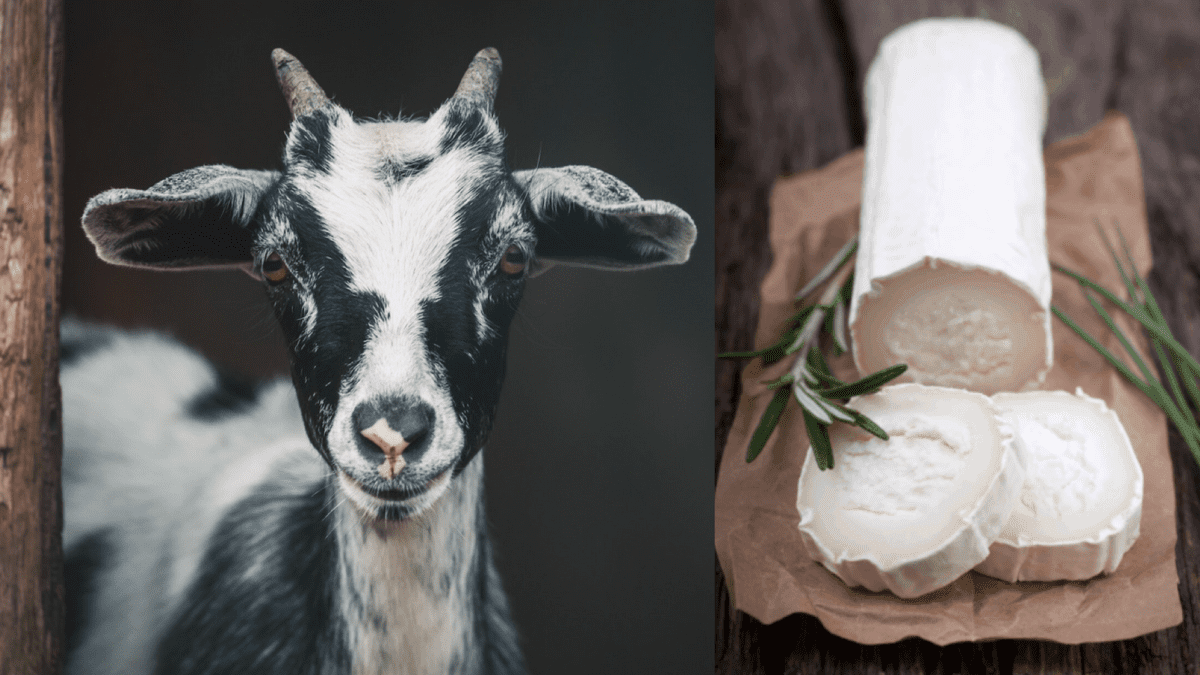
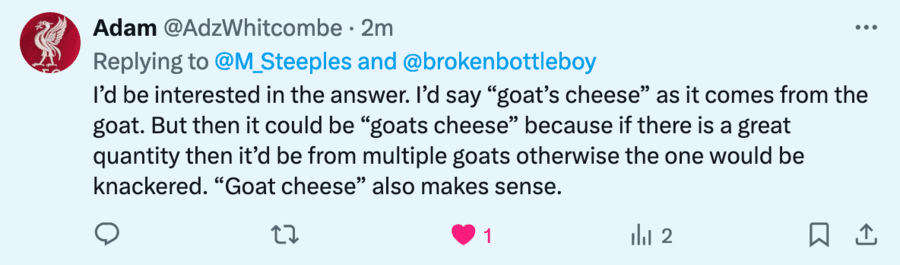
That matter? The debate over whether a restaurant or grocery store should list cheese made from goat’s milk should as “goat cheese” or whether it should be “goat’s cheese” or “goats cheese” or “goats’ cheese” even. Also described by the French as “chèvre,” one respondent to my questioning argued that it should, in fact – like “soured” rather than “sour” cream – be written-up as “goated.”
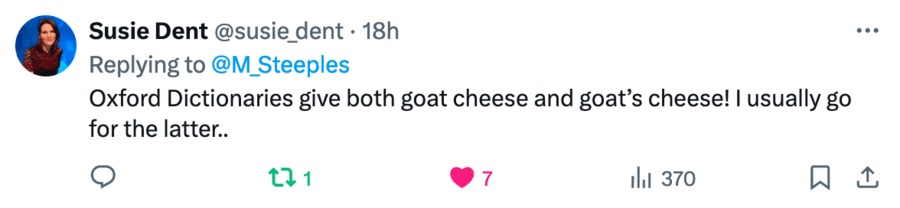
Detested by multiple respondents to my inquistive questioning including charity fundraising supremo Lorraine Burns, LBC Weekend Breakfast presenter Matthew Wright and TalkTV Crime Suspect host Peter Bleksley, this contentious cheese made with milk supplied by goats attracted the attention of Channel 4’s Countdown’s ‘Dictionary Corner’ guru Susie Dent. Her synopsis? “Oxford Dictionaries give both goat cheese and goat’s cheese. I usually go for the latter.”
Though other views (and plenty of brands with differing approaches) follow below, ‘La Dent’ – as The Observer’s restaurant critic Jay Rayner referenced this “God in these matters” – will now, excuse the pun, be the “goat-to” Queen of “goat cheese.” This cheesy conundrum can now finally be put out to pasture allowing grammar pedants to return to waging war on Waterstones (which should surely have always remained Waterstone’s).
In Broadstairs, lovers of the product made with goat’s milk can enjoy a bring-and-join-in ‘Cheeseboard Tuesday’ gathering weekly every Tuesday from 2pm until 5pm hosted by the delightfully delectable Sam Hawkins at The Magnet, 37 Albion Street, Broadstairs, Kent, CT10 ENE. Other cheese varieties, condiments and bread will be available.
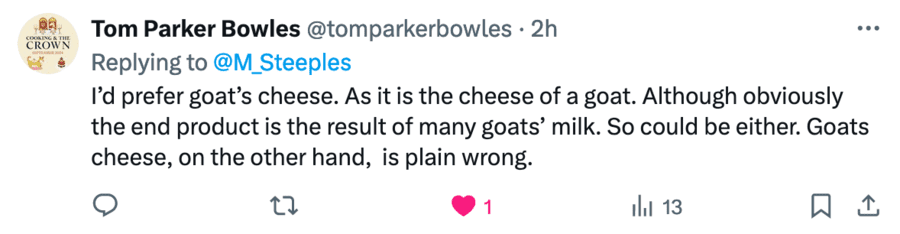
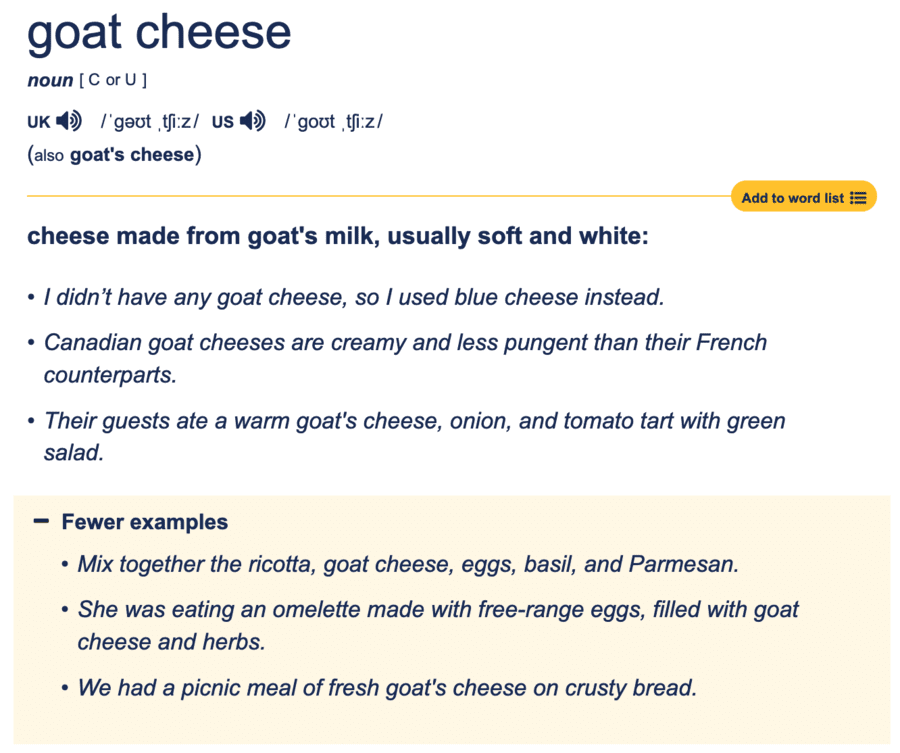
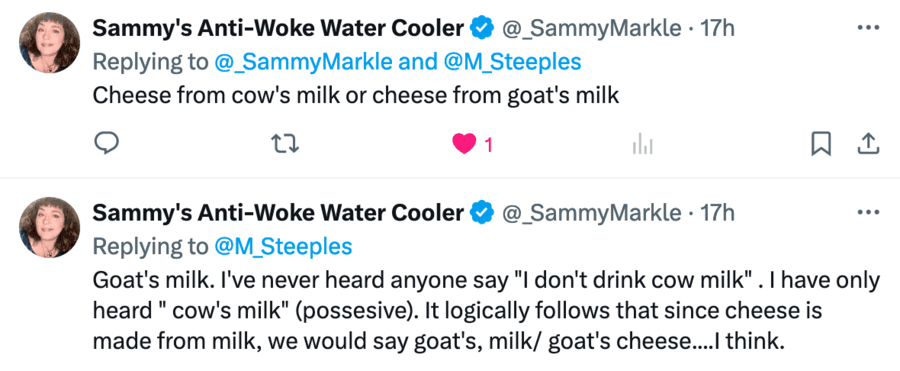
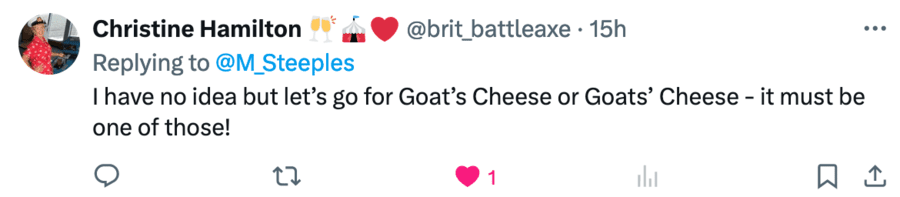
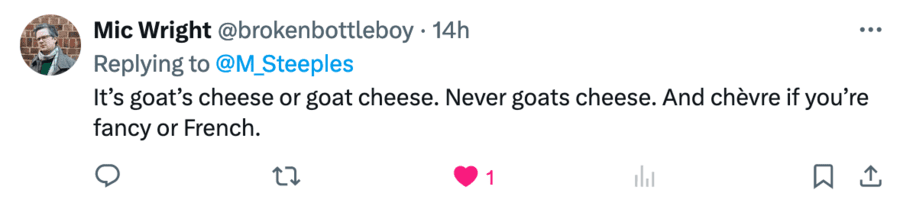
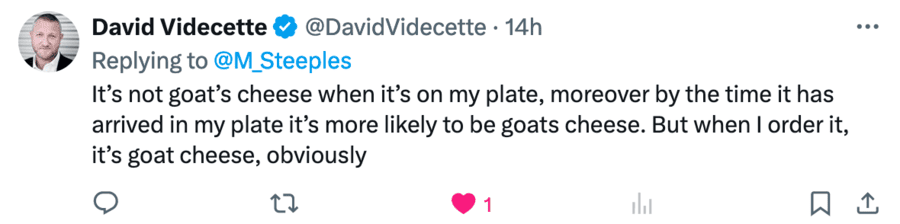
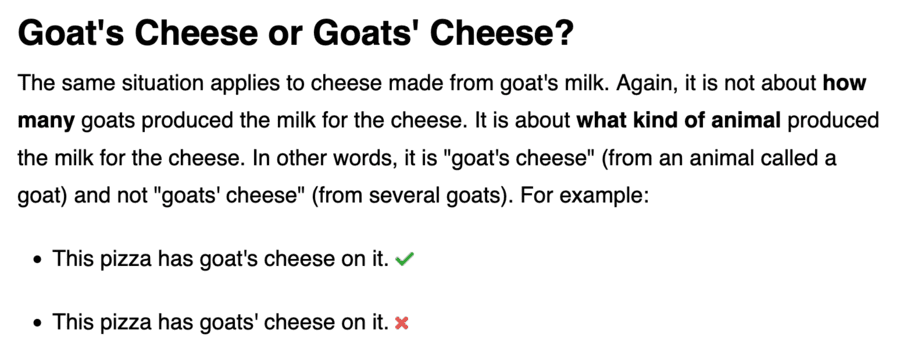
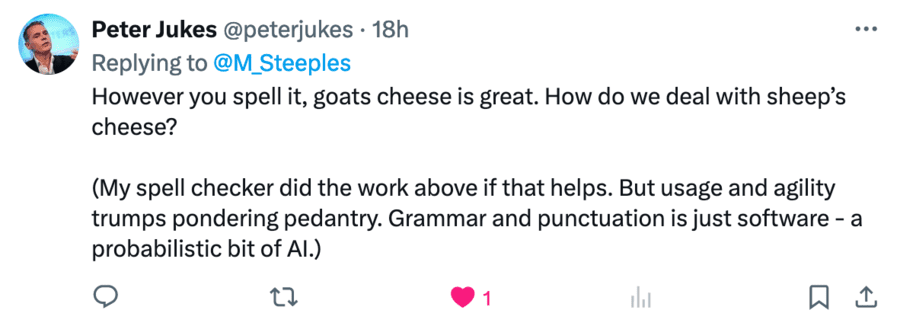
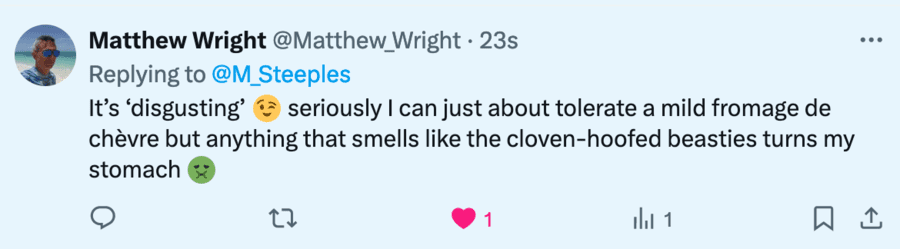
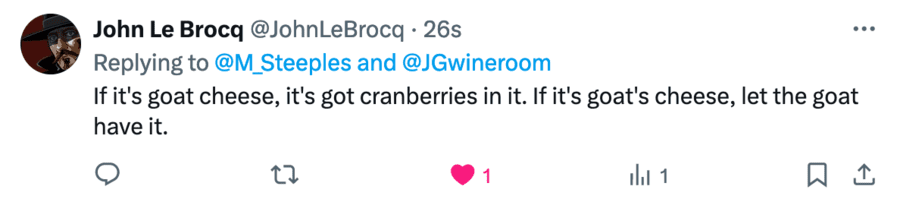
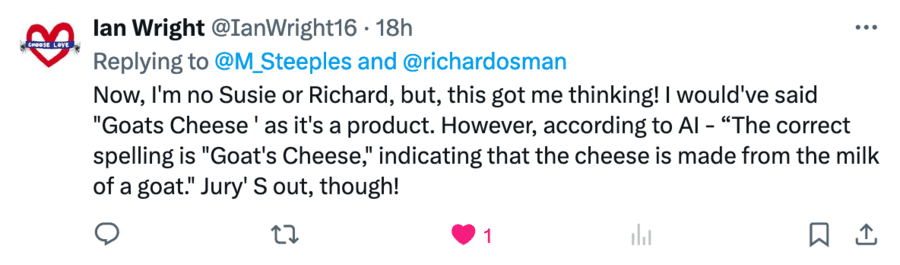
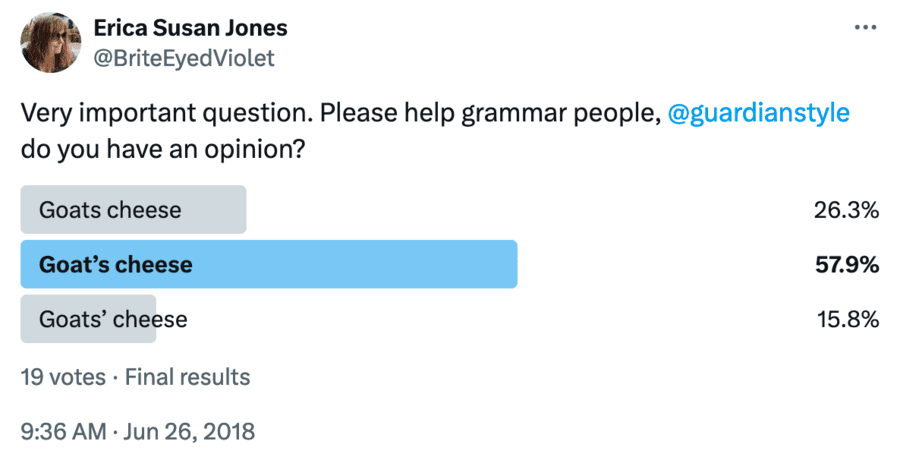
The legendary lexicographer Susie Dent – “That woman in Dictionary Corner” – was first to respond to my query about the GOAT/GOATS/GOAT’S/GOATS’ conundrum. The author of ‘Words From The Heart’ remarked: “Oxford Dictionaries give both goat cheese and goat’s cheese! I usually go for the latter.”Notable food critic for ‘The Observer’ and famous face on the telly box Jay Rayner responded to the same question via email. He observed: “I won’t deny: it’s one I hesitate over. So much so that I couldn’t immediately tell you what I put in the copy I file. So I had a look at a few of the reviews in which I’ve mentioned it and it’s clear our house style is ‘goat’s cheese’. Just as it would be ‘cow’s milk’. That said I’ve had a Quick Look online and my conclusion is that, as with so much in language, there is no definitive answer. You could make a plausible argument for three of the four. I’m just not sure you could argue for ‘goats cheese’ without any possessive. That said La Dent is god in these matters and I’ll happily defer to her.”Fellow food critic Tom Parker Bowles, also on Twitter, argued: “I’d prefer goat’s cheese. As it is the cheese of a goat. Although obviously the end product is the result of many goats’ milk. So could be either. Goats cheese, on the other hand, is plain wrong.”The Cambridge Dictionary, giving examples of usage, declared the noun “goat cheese (also goat’s cheese)” to mean “cheese made from goat’s milk, usually soft and white.” Elsewhere, the Milking Goat Association share of goats in Britain: “The UK dairy goat industry is made up of 40-45 thousand goats producing just less than 34 million litres of milk commercially. This compares to a UK dairy herd of 1.9 million cows producing just less than 15 billion litres of cows’ milk (2014/5). Though significant, goat dairy remains a specialist market with goat milk representing less than 0.2% of the volume of cows’ milk produced in the UK. Goat cheese (UK and imported) is now in the top 10 cheeses consumed in the UK. Goats’ milk produced in the UK is primarily sold as butter, cheese and yogurt.” Clearly both luminaries in their respective fields favour the use of GOAT in regard to the cheese produced using goat’s milk.Author and screenwriter Samantha Markle takes the view that it is GOAT’S CHEESE and argued: “Goat’s milk. I’ve never heard anyone say ‘I don’t drink cow milk.’ I have only heard ‘cow’s milk’ (possessive). It logically follows that since cheese is made from milk, we would say goat’s milk/goat’s cheese… I think.”Former editor of ‘The Guardian’ turned editor of ‘Prospect’ Alan Rusbridger hesitatingly observed: “I’ve always thought goats’ cheese. But I may be wrong.”Equally, legendary British battleaxe and media personality Christine Hamilton shared: “I have no idea, but let’s go for goat’s cheese or goats’ cheese – it must be one of those!”Nigella Lawson stated: “I generally go for goat’s cheese, though I feel goat cheese is also ok.”Taking an entirely different view was Charlie Baker of ‘The Fence’ magazine. He opted for GOATS’ over all the other options.Doyenne in raising funds for cancer charities Lorraine Burns from Broadstairs, Kent responded and made clear that she’d solved the matter for once and for all: “What a contentious little question indeed. However, I believe that goat’s cheese is correct – the cheese produced using the milk of goats and I won’t stand for any other usage. Please inform all other recipients of the email, there is no need to respond, the issue is resolved.”Writer, media critic and ‘Conquest of the Useless’ newsletter creator Mic Wright was his usually to the point self. He stated: “It’s goat’s cheese or goat cheese. Never goats cheese. And chèvre if you’re fancy or French.”Colin Steeples asked: “Is it not about how many goats produced the milk for the cheese but what kind of animal produced it? Goat’s cheese for me.”Ex Scotland Yard detective turned TalkTV ‘Crime Suspect’ host and author Peter Bleksley didn’t have a view on the apostrophe, but he did have a clear view on the cheese: “It’s rank. You’re welcome.”Former 7/7 counter-terror Scotland Yard detective turned investigator and author of ‘Finding Suzy’ David Videcette shared: “It’s not goat’s cheese when it’s on my plate, moreover by the time it has arrived in my plate it’s more likely to be goats cheese. But when I order it’s goat cheese, obviously.” Some may find that analysis a little cryptic.Restaurateur James Chiavarini – owner of the much loved Il Portico on Kensington High Street and the adjoining more recently opened La Palombe –was more honest than most. He declared: “I haven’t the faintest idea to be honest!”The Grammar Monster website favours “goat’s” over other options.Screenwriter turned ‘Byline Times’ founder and executive editor Peter Jukes just believes the cheese to be “great… however you spell it.”Respected wine writer Matthew Jukes went against the grain of the dictionaries and favours GOATS’ cheese.Restaurateur and bon viveur Rex Leyland – former proprietor of Royal Hospital Road, Chelsea institution Foxtrot Oscar – was more interested in the smell of the cheese. He suggested “cheese from goats” as an alternative description.Joining those believing the dairy product to be “disgusting” was LBC radio host Matthew Wright. He shared: “Anything that smells like the cloven-hoofed beasties turns my stomach.”
Nine notably different examples of labelling on packaging of cheese made from goat’s milk… Illustration of utterly no consistency
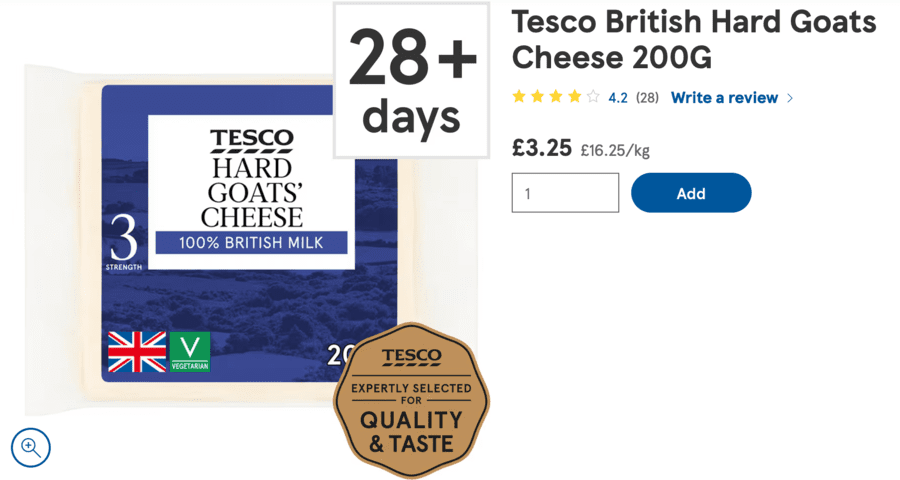
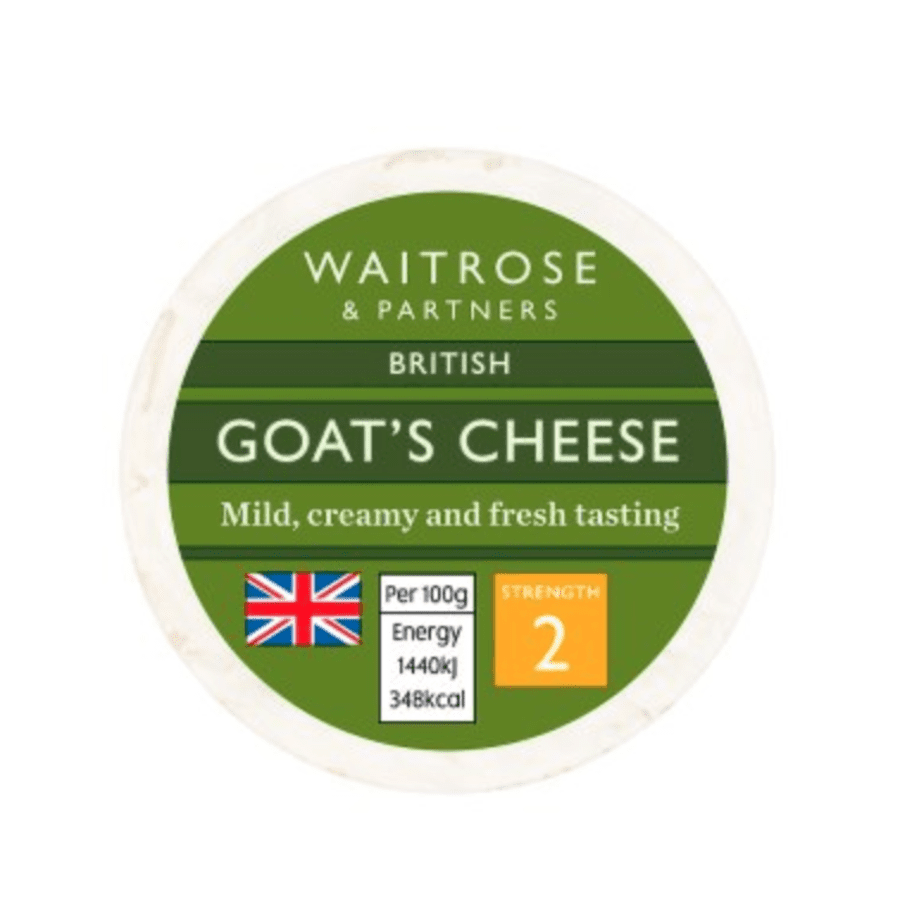
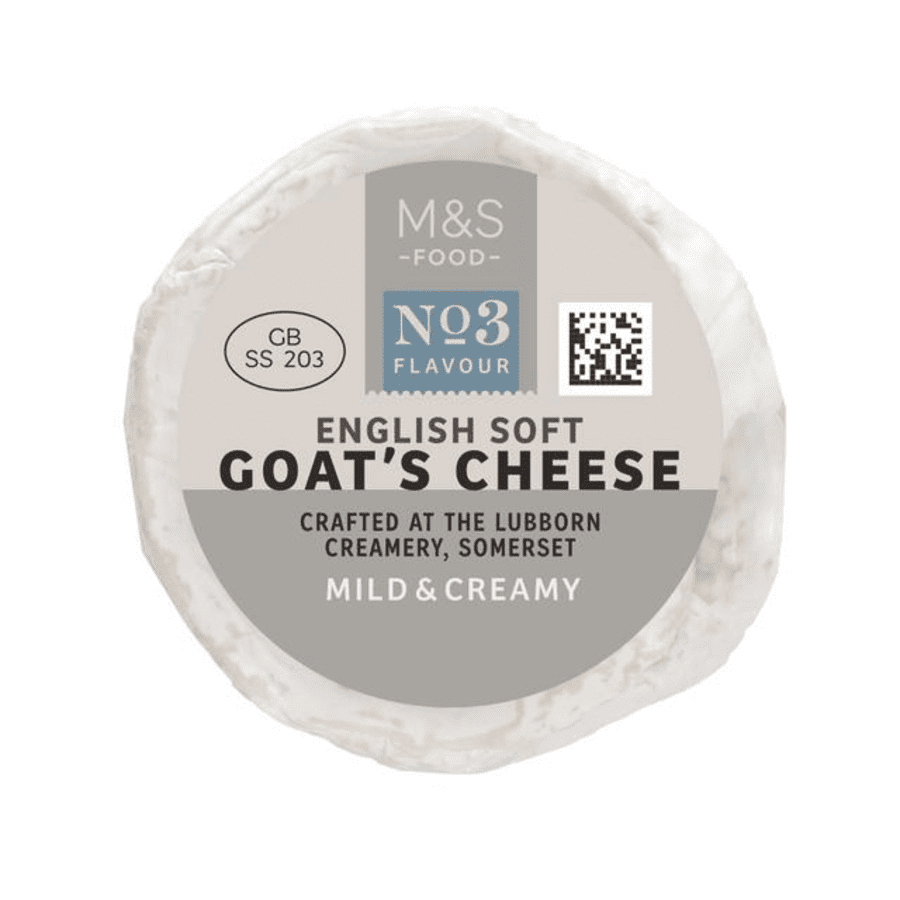
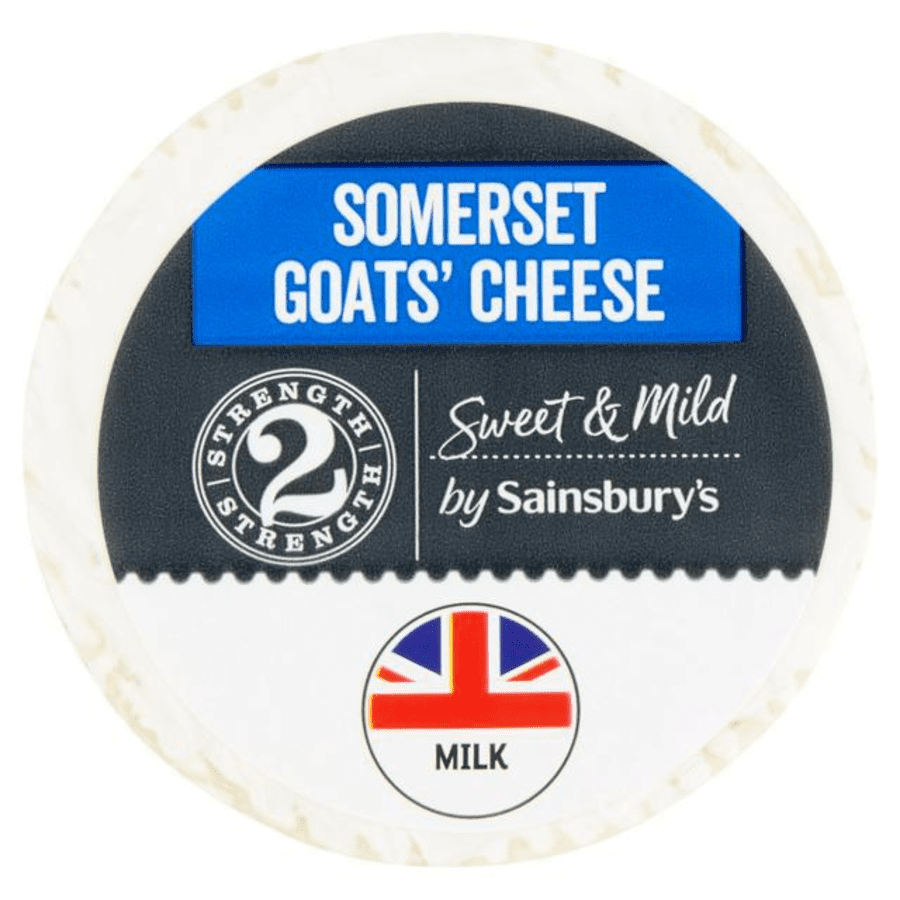
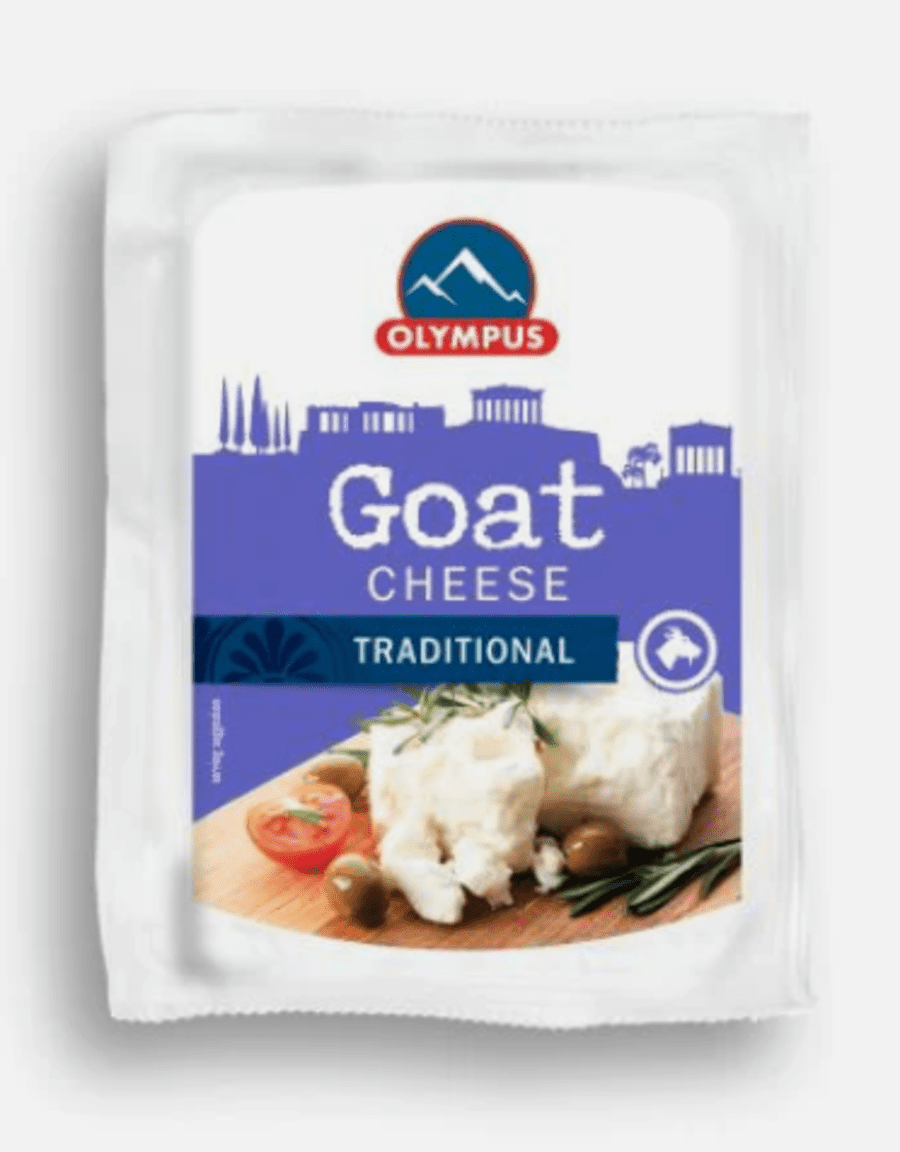
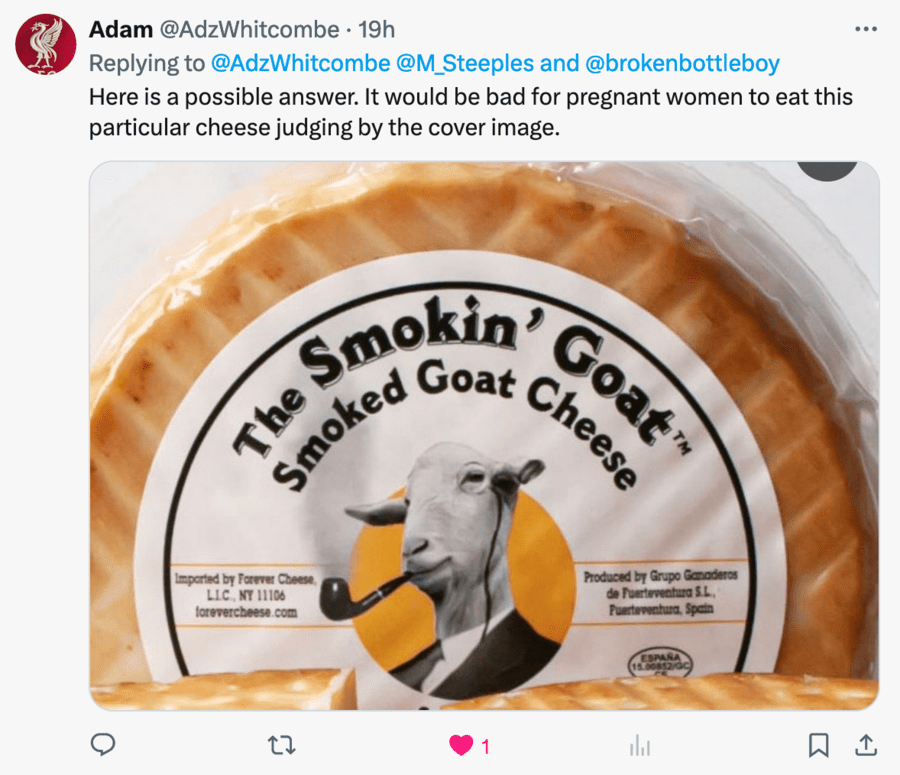
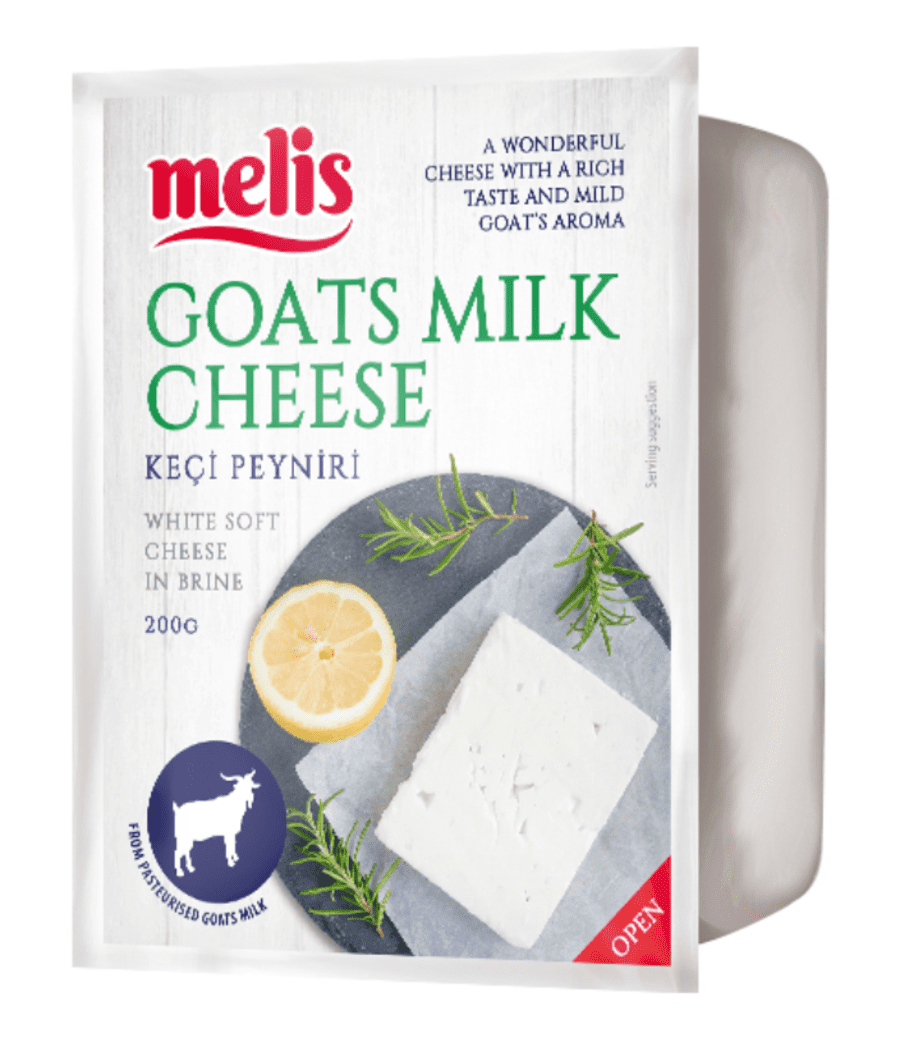
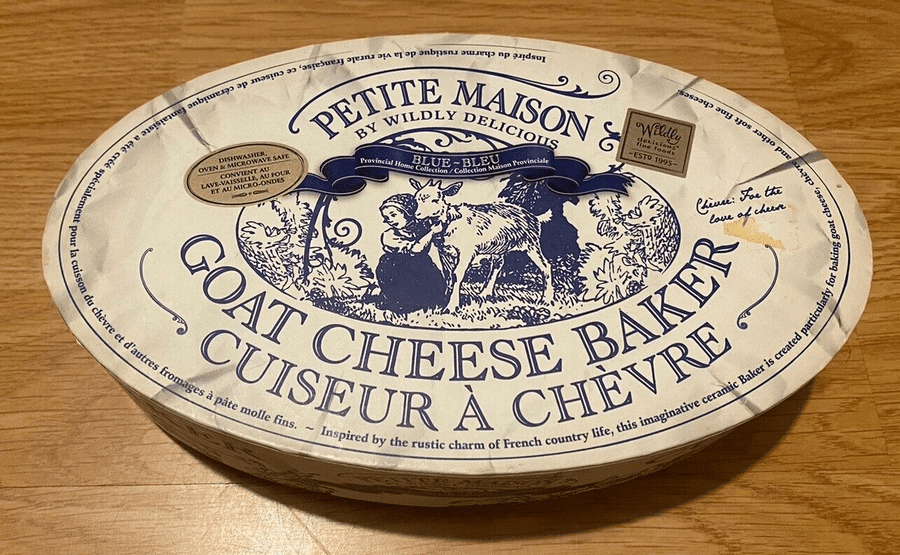
Tesco opt for GOATS’ cheese and were featured in an August 2013 article in ‘The Guardian’ by David Marsh. Included in their ‘Mind Your Language’ section and titled: “If you can’t use an apostrophe, you don’t know your shit,” Marsh said of the retailing giant: “Tesco, Britain’s biggest supermarket, is in a class of its own when it comes to apostrophe abuse. You’d think that someone among its half a million employees would know better than to put up signs saying ‘Kids toys.’ It gets worse in the clothing department: a simple ‘Kids’ seems fair enough, but the signs nearby are a scarcely credible ‘Mens’ and ‘Womens.’ The meaning may be clear but the sloppiness demonstrated by this insult to the intelligence of its customers makes you wonder what else the company gets wrong. Sell-by dates? Prices? I wonder how far I’d get with a job application to Tesco if I wrote something like this: ‘Id really like a job at Tescos, I think its a great company, it sell’s everything from kids toys to Mens. p.s I also like the BOGOF’s.’”Waitrose & Partners opt instead for GOAT’S and market their “British” offering as “mild, creamy and fresh tasting.”Marks & Spencer also opt for GOAT’S and currently sell an “English soft” that is “mild and creamy” that is “crafted at the Lubborn Creamery, Somerset.”Sainsbury’s, however, follow Tesco and go for GOATS’ also with the “sweet and mild” cheese made in Somerset.Another product offered online, “Capricorn” has no apostrophe at all. It is simply GOATS cheese.A firm named Olympus simply opt for GOAT as labelling on the packaging of their “traditional” offering.On Twitter, @AdzWhitcombe shared an image with me of a goat with a pipe on the packaging of a “smoked goat cheese” called “The Smokin’ Goat.” He argued: “It would be bad for pregnant women to eat this particular cheese judging by the cover image.”Another brand, Melis, to promote its “white soft cheese in brine” that is supposedly “a wonderful cheese with a rich taste and mild goat’s [note the apostrophe] aroma” as GOATS MILK CHEESE. Confusion clearly reigns at this particular firm when it comes to apostrophes.Wildly Delicious opt for a more artisan look and follow the Oxford and Cambridge Dictionaries suggestion with plain old GOAT. They do also reference their cheese as “chèvre” however and thus keep both the Brits and French satisfied.
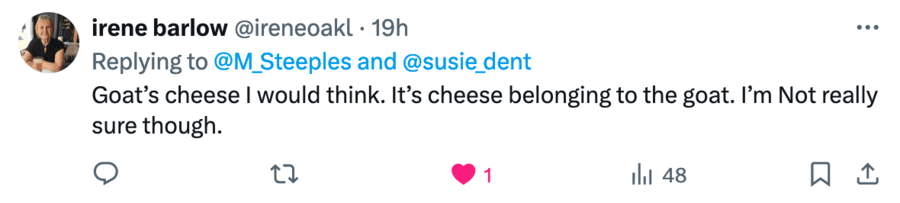
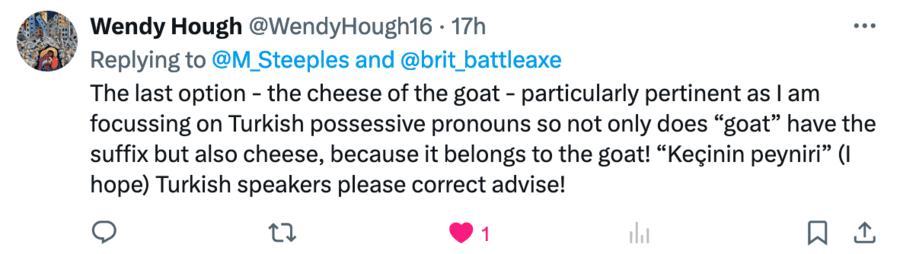
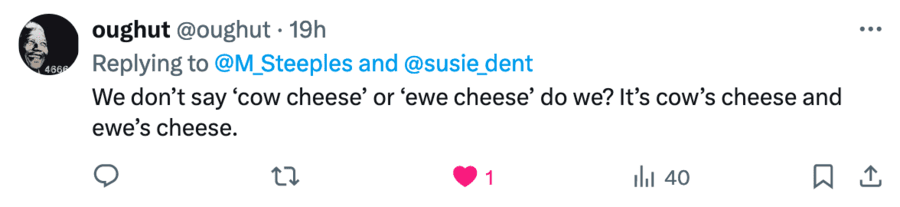
The varied thoughts of the Twitterati on this contentiously cheesy topic….
An examination of the true character traits of the Duchess of Sussex’s PR peddling biased ‘bestie’ Omid Scobie by Nikolay Kalinin
Apart from being a royal editor for Harper’s Bazaar, Omid Scobie claims to be “an authoritative voice on the lives and philanthropic endeavors of the royal family’s younger members.” Strangely though, very little is actually known about this mysterious meddler and given his supposed “fame,” isn’t it strange that there isn’t even a Wikipedia page about him?
On his Twitter feed, Scobie does pompously announce that he’s written a “Sunday Times bestseller” called Finding Freedom about Prince Harry, Meghan Markle and their subsequent marriage and defection from the royal family to contradictorily being “private” in the commercial sector. He doesn’t, however, add that said tosh filled tome went to half-price, bargain basement in most bookstores.
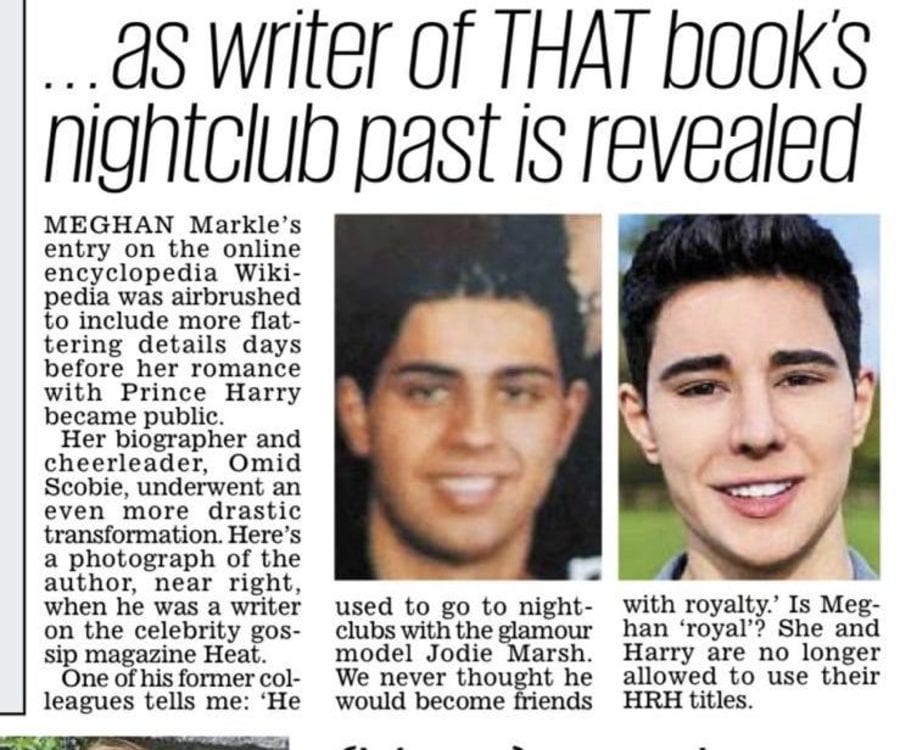
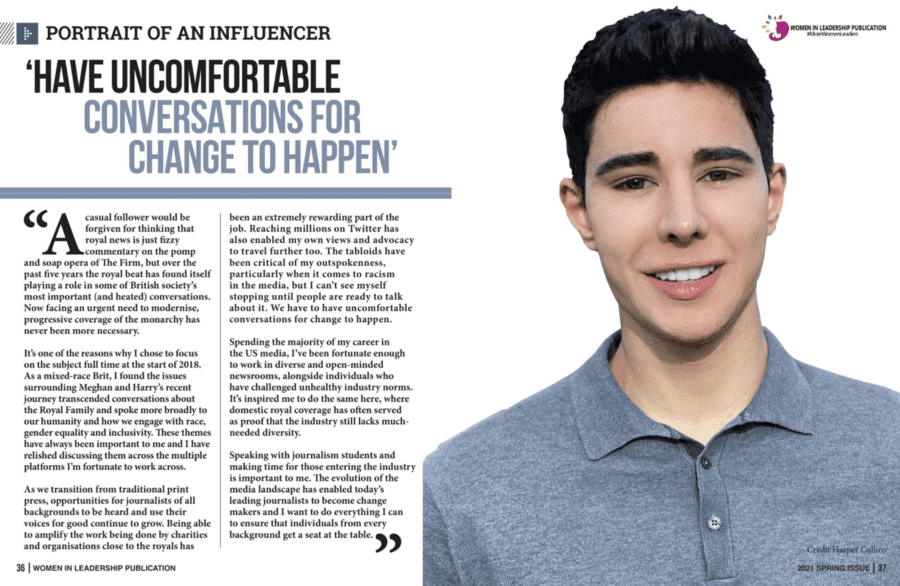
In August 2020, the ‘Daily Mail’ shared that plastic-not-fantastic Omid previously worked at gossip magazine ‘Heat’ and partied with the ‘glamour model’ Jodie Marsh. They mentioned how somebody had “airbrushed” Meghan Markle’s “entry on the online encyclopedia Wikipedia… to include more flattering details days before her romance with Prince Harry became public” and illustrated the ‘Finding Freedom’ author’s “drastic transformation” in two very different photographs.Illustrating himself to be anything but a real journalist, “influencer” Scobie told the ‘Women in Leadership Publication’: “A casual follower be forgiven for thinking that royal news is just fizzy commentary on the pomp and soap opera of The Firm” in their spring 2021 edition. He self-importantly added: “Reaching millions on Twitter has also enabled my own views and advocacy to travel further” and concluded: “I want to do everything I can to ensure that individuals from every background can get a seat at the table.” Here is someone far from a journalist; here, in fact, is someone who should just be called out as the Duchess of Sussex’s PR peddler.
According to HITC, Scobie was born in Oxfordshire to an Iranian mother and a Scottish father. His papa, Bill Scobie, runs a marketing group called Lingo; it has only one Twitter follower and he purports also to be a musician.
Scobie’s journalistic career began when he worked as a reporter for the gossip go-to Heat. He quit the magazine after he claimed that an executive called him a “P**i” in an email. Whether he was compensated or got an apology for this unproven allegation remains unknown.
Meanwhile, WaliKali suggests that Scobie’s net worth is $800k. It is not only mysterious as to how they managed to calculate that, but it’s also impossible because this means that his net worth is more than that of say LBC host Nick Ferrari – even though the latter has a bigger audience than Scobie and is certainly a far better-known figure.
Scobie’s circle of associates is just as curious; for example, Markus Anderson – a man who mysteriously went from a waiter at Soho House to become one of their top consultants – supposedly introduced Scobie to Markle and was the one who led him on the path of becoming an unofficial spin doctor for the Sussexes. Not much is known about Anderson in general; he was born in Canada and according to Town & Country, “his upbringing has influenced his taste in beverages.”
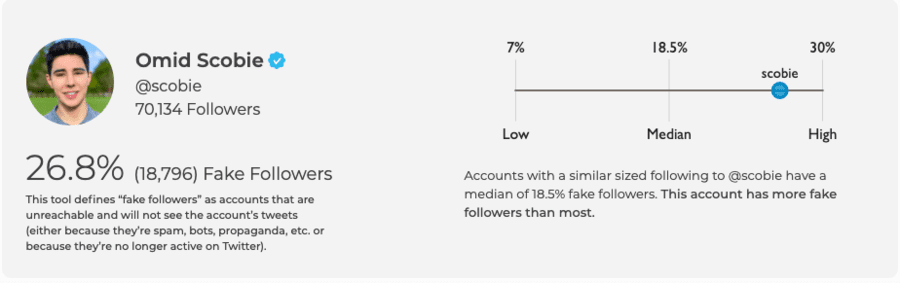
Scobie has a verified Twitter account with over 70,000 followers, which sounds legitimate, except for the fact that in reality 26% – almost 19,000 – of those followers are fake. If you’re the kind of person who uses fake followers, that means you are the kind of person who has no legitimacy in the media industry.
Things are no better for Scobie’s associate Carolyn Durand, who co-wrote Finding Freedom. She has over 12,000 followers on Twitter, of whom almost 44% – in other words 5,293 followers – are fake. It’s surprising how she is also verified on Twitter.
The “Sunday Times bestseller” Finding Freedom has 4/5 stars on Amazon.co.uk, which gives the impression that it was well-liked by readers. It is true that the book did top the charts in the UK, selling 31,000 copies in almost a week. However, what many forget is that a group of people called “Sussex Squad” – which sounds like a battalion of people who could execute anyone who dare criticise the Duchess of Sussex – had been leaving fake 5-star reviews on Amazon on purpose, until Amazon stopped that by limiting reviews to “verified purchases.”
The analysis of the book from esteemed media outlets were no better; whereas on Amazon the book is listed as being described by the Daily Telegraph as “utterly gripping,” the actual review references it as “a one massive moanathon – a one-sided, highly biased, self-pitying account of the relationship (between Harry and Meghan).”
What’s even worse is that both the Duke and Duchess of Sussex actually disowned the biography before it was even published; as the Daily Express reports, the Duchess of Sussex’s lawyer had claimed that the book is “either extremely anodyne and/or I understand are the product of creative licence and/or are inaccurate.” Bizarrely, later, her representative argued that she contributed to the book, but did not provide the authors with the contents of the letter sent to her estranged father.
Scobie’s unreliability can also be evidenced by the fact that he accused the Duke of Cambridge’s aides of planting reports that the latter was “worried about Harry’s mental health,” while not providing evidence that this was the case. Honestly, if you want some-one to believe your side of the story regarding the affair, you have to provide solid evidence, and that goes for both sides.
It seems that ITV too have become suspicious of ‘Spin Doctor Scobie’ as his comments about “planted reports” were cut at the last minute from their documentary Harry & William: What Went Wrong? It aired last night and told opinions on the story about Princes Harry and William’s supposed “rift.”
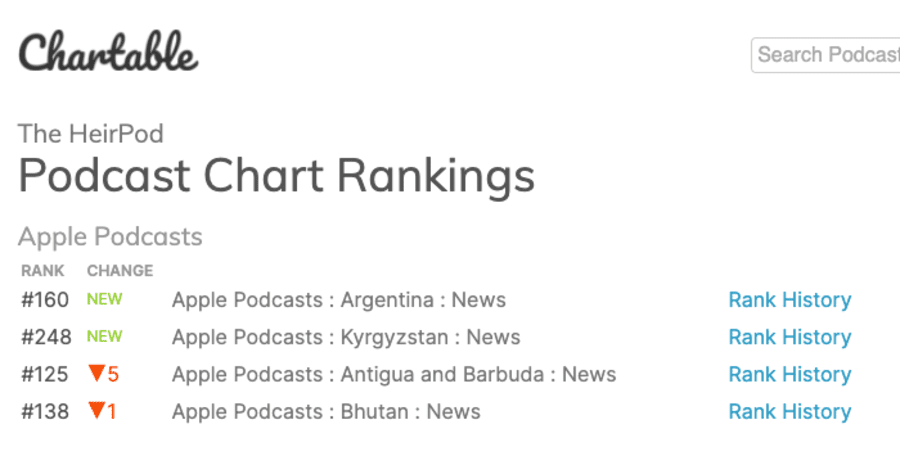
Scobie is also advertised on the HarperCollins website as the host of ABC’s “popular” podcast The Heir Pod, yet the podcast is anything but popular. If you go to Chartable, a service which provides statistics on podcasts, the podcast does have a rating of 4.7 stars out of 5, but only on the basis of 735 reviews. Meanwhile, popular podcasts within the news category – of which The Heir Pod is listed in – such as the BBC’s Global News podcast and The Ben Shapiro Show have thousands of reviews, which demonstrates that there is practically no engagement with Scobie’s podcast.
Another piece evidence of the podcast being anything but “popular” is the fact that it doesn’t chart in any of the big markets such as the US, UK, Canada or Australia. At the time of writing, The Heir Pod charts in Argentina (160th place), Kyrgyzstan (248th place), Antigua and Barbuda (125th place) and Bhutan (138th place). It thus seems to me like ABC is pointlessly wasting millions on a podcast which its target audience doesn’t even want to listen to.
Similarly, Scobie and other members of the sanctimoniously sinsister “Sussex Squad” have silenced and attacked Kate Robertson, a youth organisation leader who criticised the Duchess of Sussex on Twitter for not resolving her grievances with the royal family in private. Eventually, they forced her to delete the tweet and apologise.
Later, Scobie went on Good Morning Britain and justified what happened by saying: “Everyone’s allowed the right to have an opinion on this,” but then also stated: “It stands out when someone speaks so against the couple.” To me, this sounds like pure reinforcement of double standards. Honestly, if you have to rely on ‘cancel culture’ and suppression of freedom of speech in order to defeat your opponent, you don’t deserve to be called a journalist and you certainly should be seen as a threat to society rather than a respected public figure.
What all of this demonstrates is that Omid Scobie is not a genuinely honest reporter and most certainly not the “authoritative voice on the lives and philanthropic endeavors of the royal family’s younger members” that he claims to be. The truth, instead, is that Omid Scobie is a washed-up, childish clot who tries yet fails to portray himself as someone with legitimacy and it’s about time that he got exposed for being nothing but ‘MeGain’s’ number one PR peddler.
Whilst Omid Scobie’s podcast, #TheHeirPod, was “downgraded from ‘a real chore’ to ‘unlistenable’” according to ‘Royal Analysis,’ the true revelation is that it isn’t even popular in the places where it surely should be most relevant, Britain and America.An analysis of Omid Scobie’s Twitter feed clearly shows that a large proportion of his followers are a bit like himself: FAKE.
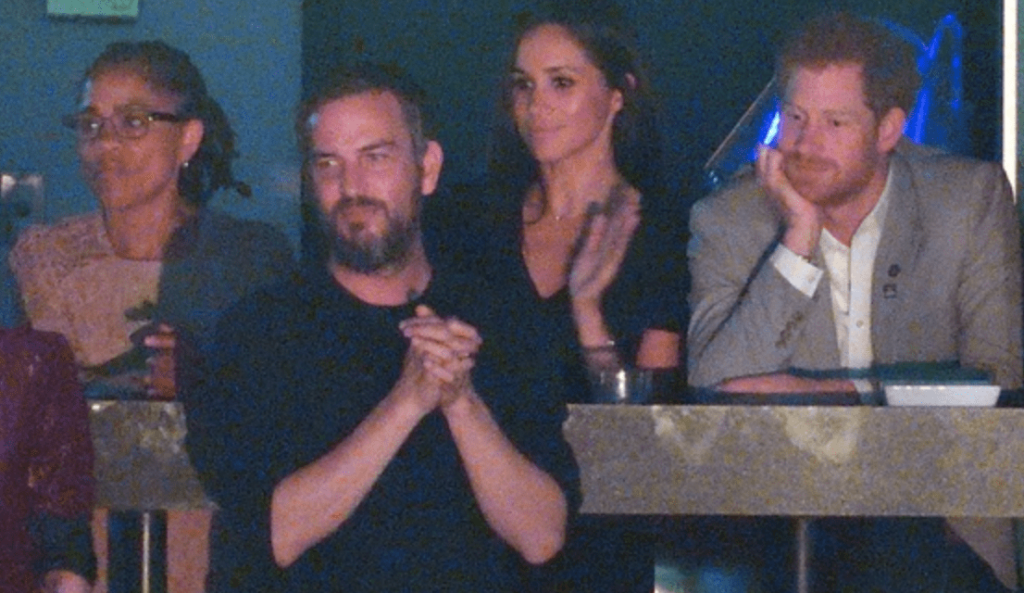
When he’s not bragging about wearing Balenciaga, Gucci, Louis Vuitton and Christian Dior or sharing photos of his dog, Yoshi, on his Instagram account, the ‘Finding Freedom’ author constantly bangs on about how he believes the royal family to have racist elements. His speculation is rarely supported by anything other than unnamed sources that give his suggestions little to no credibility.Markus Anderson with the Duke and Duchess of Sussex and her mother, Doria Ragland.
Canadian waiter turned Soho House director Markus Anderson was allegedly the person to have introduced Prince Harry and the then Meghan Markle. This “champagne partial” individual has been repeatedly linked also to Omid Scobie online on sites such as Quora whilst the site ‘Royal Analysis’ has reported: “Well, apparently, Omid and Markus used to be very close. I don’t think it’s out of the question for Markus to have facilitated Meghan and Omid getting together to strategize about what positive press coverage Omid could give to Meghan.”
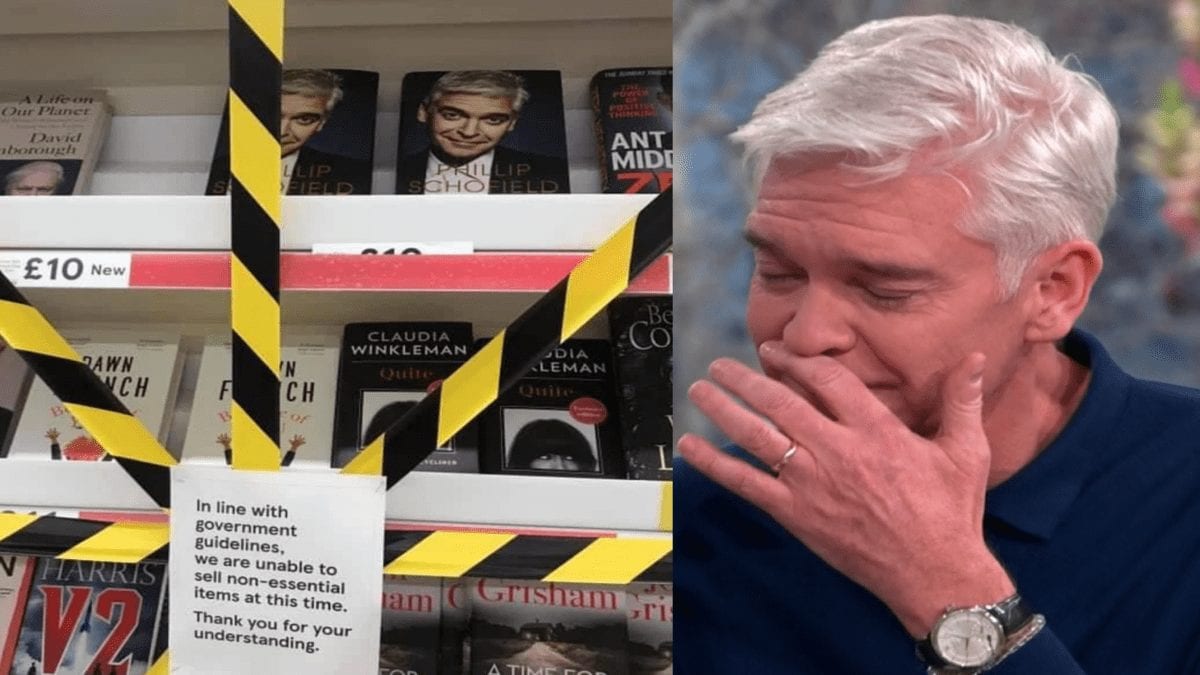
As Phillip Schofield’s book is banned from sale in Wales, we ask: “Did the temperamental telly host ‘Schofe’ have another meltdown as a result?”
Whilst nobody was surprised when Bangladesh, Egypt, India, Iran, Kenya, Kuwait, Liberia, Malaysia, Pakistan, Senegal, Singapore, Sri Lanka and Thailand amongst others banned The Satanic Verses in 1988 for supposed blasphemy against Islam, news that Phillip Schofield’s memoirs have been outlawed from sale in Wales might actually surprise.
Though no doubt an affront to literature in terms of the quality and relevance of its content, an image of Schofield’s recently released Life’s What You Make It in a taped off section of a Tesco store in Cardiff appeared yesterday in The Sun. Appropriately, however, given the shocking reviews the tome has deservedly received, a notice was pinned to the shelving stating: “We are unable to sell non-essential items at this time.”
We’re left wondering: Did ‘Schofe’ hit his “only fit for the bin” boxed wine as a result? If so, we can only pity those dealing with his hangover this morning.
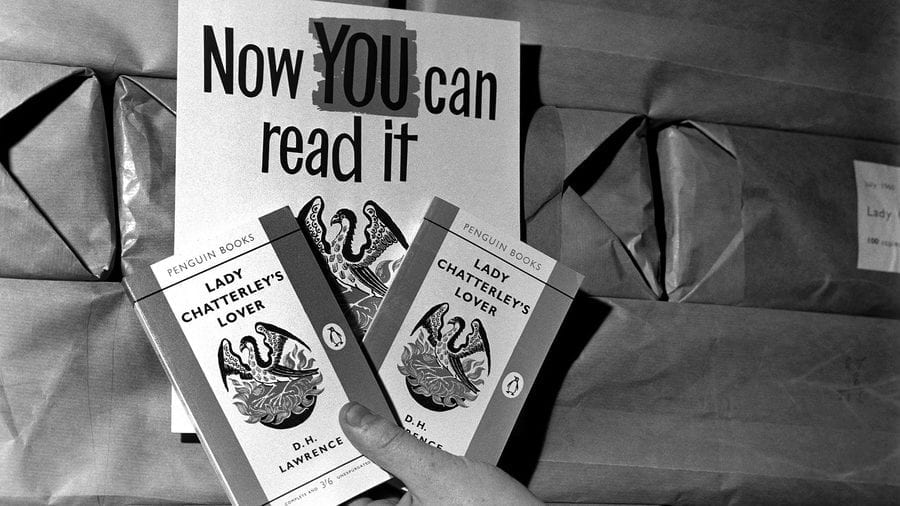
Schofe Banned – With his memoirs banned from sale in supermarkets in Wales and his boxed wine rubbished as “no more palatable than fizzy Ribena,” ‘Schofe’ no doubt had another temper tantrum. Poor lamb.Schofe Banned – D. H. Lawrence’s ‘Lady Chatterley’s Lover’ was banned from sale in the United Kingdom for violation of obscenity laws. The ban was lifted in 1960 and one is now left wondering how long Phillip Schofield’s tome will remain on a list of banned books for.
Manhattan mansion listed for 77% less than in 2014 as part of a “bankruptcy sale;” it is situated on a street featured in Billy Joel’s ‘Close to the Borderline’ that was once termed: “Bloody, Bloody Beekman Place: Where the Wealthy Wind Up Dead”
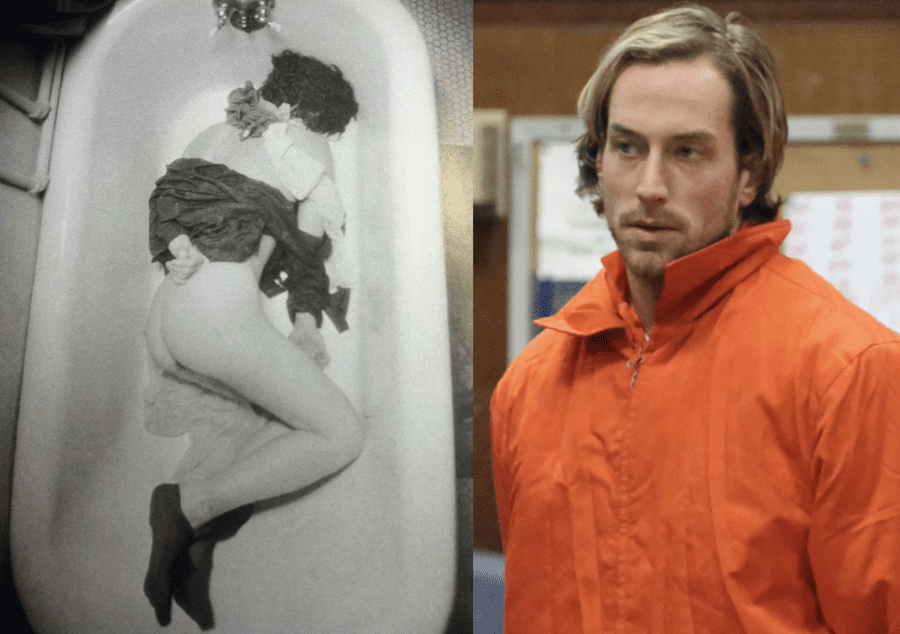
On 10th April 1936, Good Friday, a writer named Nancy Titterton was found dead in her bathtub at the home she shared with her husband at 22 Beekman Place in Manhattan. She had been raped and strangled by an upholsterer’s assistant, John Fiorenza, who had ironically repaired a loveseat for the couple. The case of the ‘Beauty in the Bathtub’ ended with Fiorenza’s conviction and execution at Sing Sing on 22nd January 1937, but for Beekman Place this was not the first nor last murder.
Aside from the killing of Dr Fritz Gebhardt, an industrialist and associate of Hermann Göring, by his lover Vera Stretz in a hotel in the street on 12th November 1935, on 4th January 2015, a Princeton graduate named Tommy Gilbert, Jr. shot his financier father in the head at his apartment at 20 Beekman Place. Prior to committing the murder, after a row about his monthly allowance, the 30-year old had sent his mother out to buy him a can of Coca Cola and a sandwich. As a result of these series of slayings, in January 2015, the Daily Beast ran an article about the street with the headline: “Bloody, Bloody Beekman Place: Where the Wealthy Wind Up Dead.”
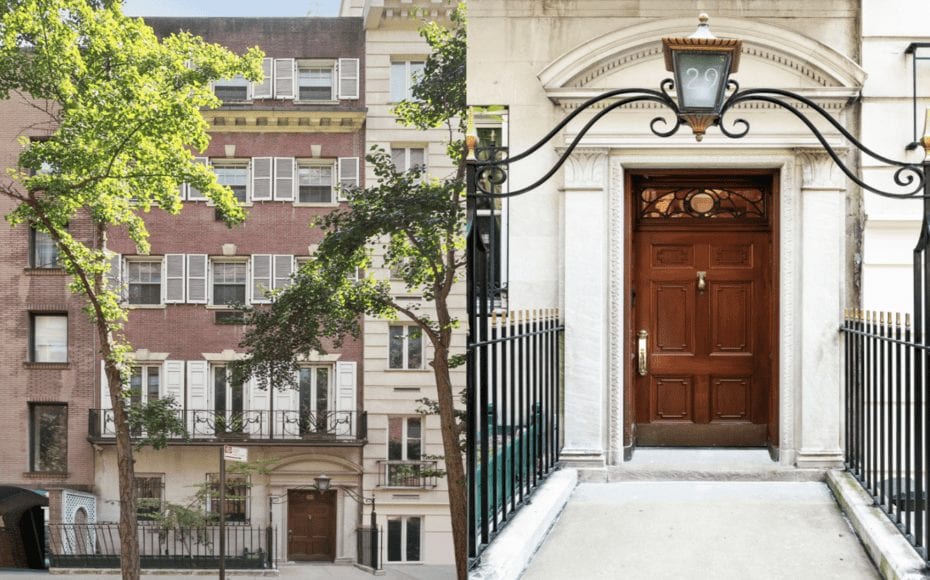
The naked body of 33-year-old Nancy Titterton was discovered in her bathtub at 22 Beekman Place on 10th April 1936; “Pampered Ivy-leaguer” Tommy Gilbert, Jr. was sentenced to 30 years to life in jail in September 2019 for murdering his father, Thomas Gilbert, Sr. in his apartment at 20 Beekman Place in January 2015.Owners of 29 Beekman Place – Mary Lasker, William S. Paley and Princess Ashraf Pahlavi.
Now, for altogether different reasons, the street – whose more ‘happy’ residents have included variously not just the Second Lady of the United States, Happy Rockefeller, but also Prince Aly Khan and A&P supermarket heir Huntington Hartford – Beekman Place is making headlines once again.
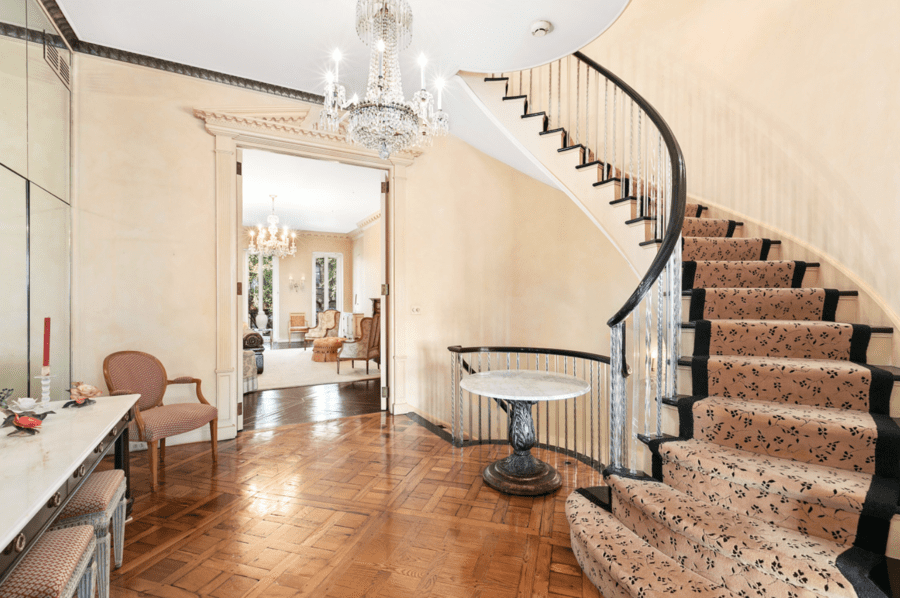
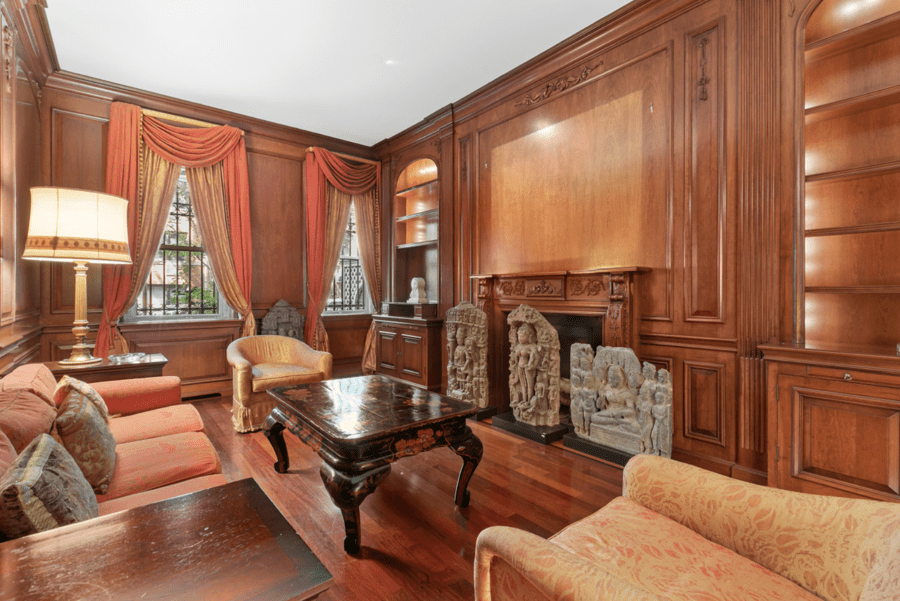
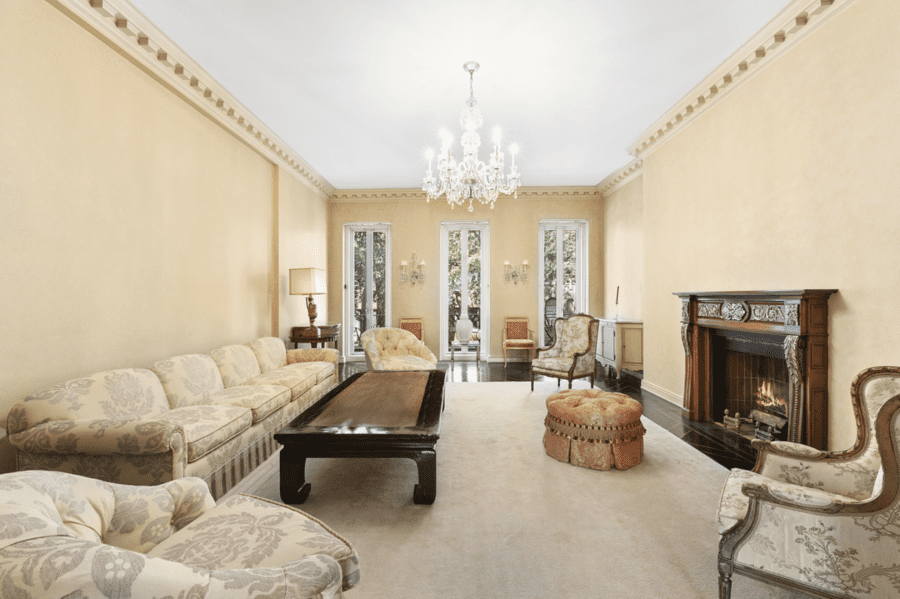
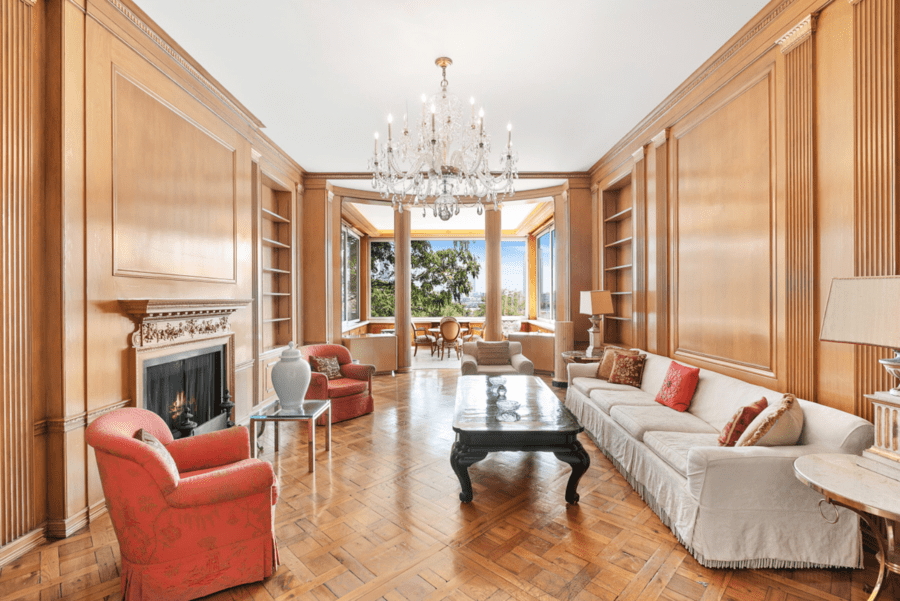
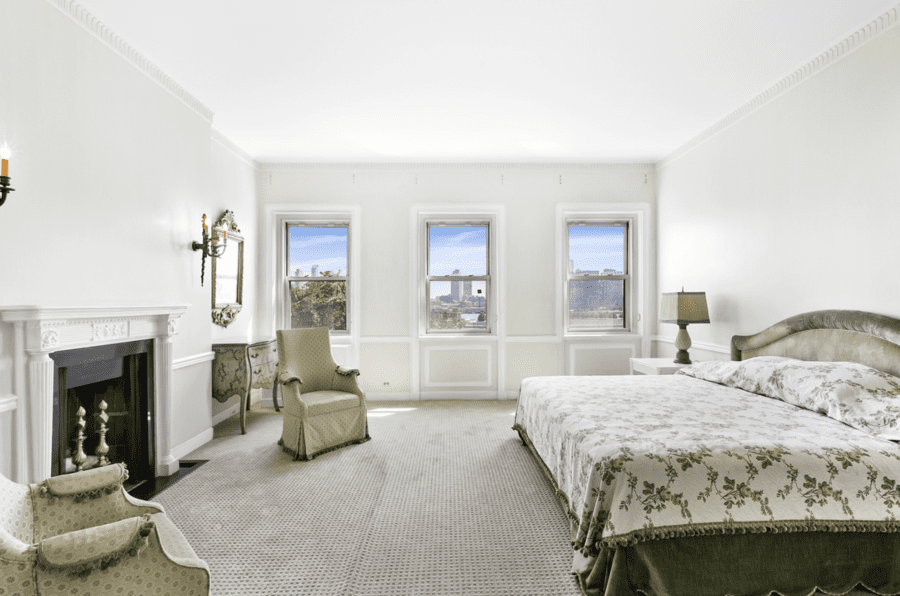
Whilst the asking prices of properties are often reduced, the case of 22 Beekman Place is an extreme one. Built in 1934 for William S. Paley, the man who “turned CBS from a small radio network into the foremost radio and television network in the United States,” and owned subsequently by a philanthropist and then the twin sister of the Shah of Iran, the house was placed for sale for the plainly extremely over-ambitious sum of £40.2 million in February 2014.
In the period since, the nine floor, 12,260 square foot “trophy mansion| has yo-yoed on and off the market and now after being listed as a “BANKRUPTCY SALE!! Excellent Value – Price Reduced to Sell!!” has just reappeared for ‘just’ £9.2 million.
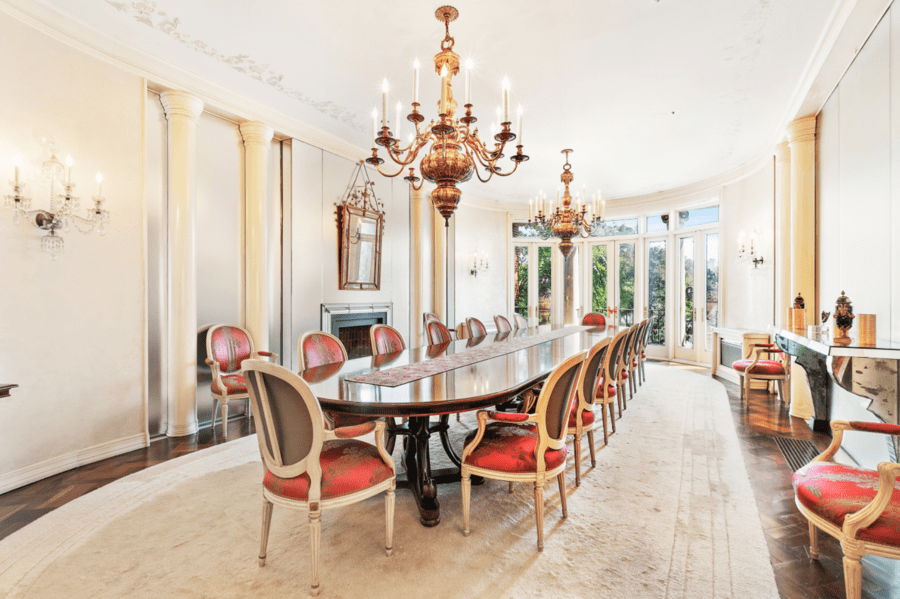
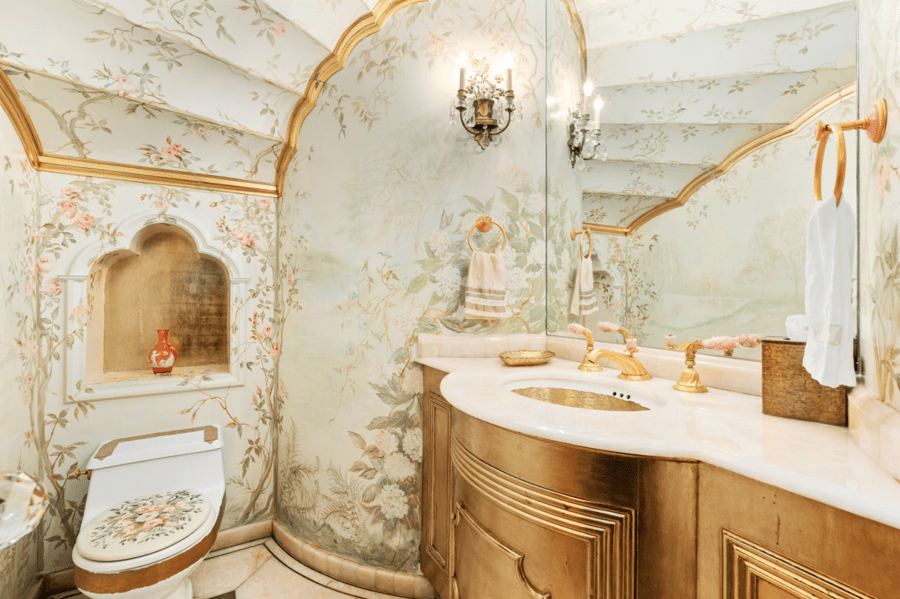
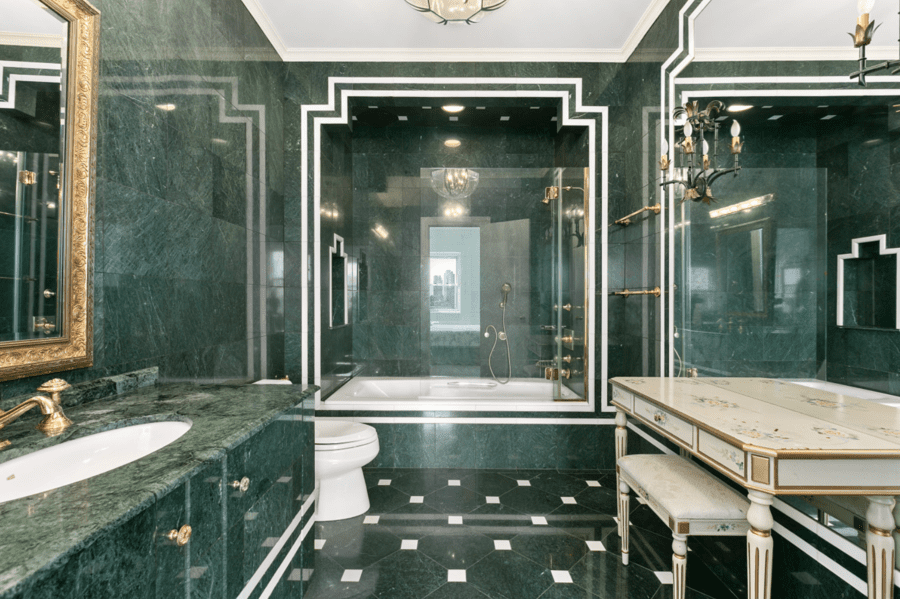
Described by Curbed New York as having “truly lovely architectural details” and an oval-shaped dining room that has been frequented by “heads of states and foreign dignitaries from all over the world,” the red brick and limestone property has 10 bedrooms and 9 bathrooms. Additionally, it includes 1,500 square foot of outdoor space in the form of two private terraces, a chef’s kitchen, a wine cellar, a lift and a banquet hall.
Agents Compass laud 29 Beekman Place as being “designed with grand scale entertaining in mind” and suggest it “appropriate for a private mansion, live/work, a foundation, or an ideal consulate or diplomat residence.” They add: “Do not miss this opportunity to purchase a piece of New York history,” (but unsurprisingly don’t mention any of the infamous murders in the neighbouring buildings).
The Names & Numbers – 29 Beekman Place, Midtown East, Manhattan, New York, NY 10022, United States of America
April 2020 – Relisted for £9.22 million ($11.45 million, €10.58 million or درهم42.05 million) through Compass as a “bankruptcy sale.”
September 2019 – Relisted for £11.7 million ($14.5 million, €13.4 million or درهم53.3 million) through Compass.
October 2017 – Relisted for £22.5 million ($28 million, €25.9 million or درهم102.8 million) through Sotheby’s International Realty.
January 2016 – Relisted for £27.4 million ($34 million, €31.4 million or درهم124.9 million).
May 2015 – Relisted for £30.2 million ($37.5 million, €34.7 million or درهم137.7 million) through Douglas Elliman.
February 2014 – Listed for £40.2 million ($49.9 million, €46.2 million or درهم183.3 million) through Brown Harris Stevens.
Mid 1970s – Sold to Princess Ashraf Pahlavi (1919 – 2016), the twin sister of the Shah of Iran.
1940s – After Mr and Mrs Paley divorced, the house was first rented to and then bought by the philanthropist Mary Woodward Lasker (1900 – 1994). She lived there with her second husband, advertising executive Albert Lasker (1940 – 1952), and remained there after his death until circa 1975.
1934 – Built for the “notorious womaniser” and first CEO of Columbia Broadcasting System (CBS), William S. Paley (1901 – 1990) and his first wife Dorothy Hart Hearst (ex-wife of John Randolph Hearst).
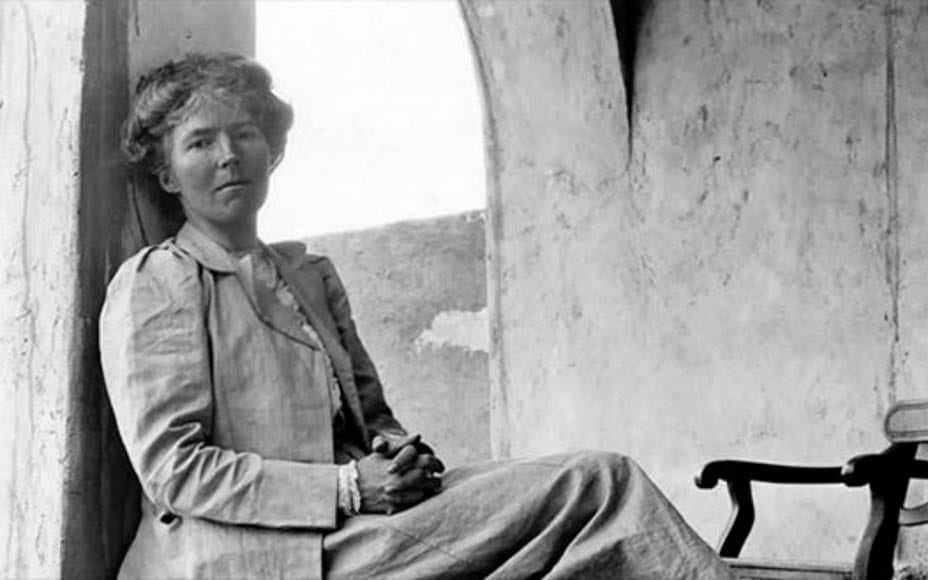
Should there be a blue plaque in honour of the controversial explorer Gertrude Bell in Cadogan Square in spite of the fact she did not actually “live” there?
Today, in The Guardian, arts correspondent Mark Brown reported on the controversy that has arisen as a result of English Heritage deciding it appropriate to approve a blue plaque in honour of Gertrude Bell CBE (1868 – 1926) in Cadogan Square, Knightsbridge.
Gertrude Bell has variously been described as an administrator, peace maker, preserver of heritage, pioneer and a woman of international influence. She was also considered a spy and mocked for opposing vote’s for women.
Though home to the explorer’s grandmother and a place she stayed at on “numerous occasions” for over 40 years, Bell’s biographer, Graham Best, asks: “Is this a case of cultural appropriation? … She didn’t really have anything to do with London.”
He continues:
“The thing with Gertrude Bell is that everyone is trying to appropriate her as a person. She is deeply misunderstood.”
“The thing is everyone is trying to grab hold of Gertrude Bell and say yes, she’s one of us. But she’s not.”
Going further, the article also attempts to smear “Queen of the Desert” Bell by referring to the fact that she opposed vote’s for women and repeatedly makes reference to the William Morris designed Red Barns in Redcar being her genuine home.
Just like with Queen Elizabeth I – a woman who seemingly slept in every bed in the land – it is effectively plaques to famous people could end up being put up just about everywhere they ever went. In February this year, The Steeple Times reported on a condominium in Pacific Heights, San Francisco that was for sale complete with a plaque that proclaimed: “2151 Sacramento Street: This house, built in 1881, was once occupied by Sir Arthur Conan Doyle.” It turned out that the author had “visited” the building for just a few hours.
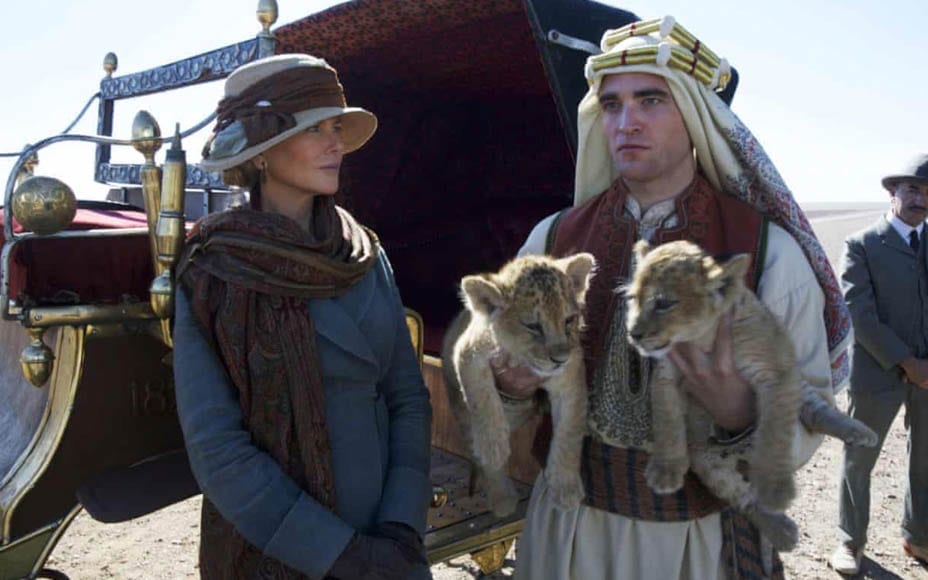
Pictured top: Nicole Kidman as Gertrude Bell with Robert Pattinson as T. E. Lawrence in the “muddled mess” that was Werner Herzog’s 2015 film ‘Queen of the Desert.’
Matthew Steeples suggests Nigel Farage is wrong about Boris Johnson’s latest gaffe about burkas in Britain
On Wednesday morning, on Sky News, Nigel Farage was interviewed about what he thinks about Boris Johnson – a self-serving man who simply loves to stay in the headlines – comparing women in burkas to “bank robbers” and suggesting they “look like letter boxes.”
Farage argued that “Joe Public is not interested” in this story and went as far to suggest: “This is just for the Westminster bubble… Politics is way to PC… You have to accept that sometimes people will be offended.”
Clearly, Farage has misjudged the interest in Johnson’s clearly provocative comments. This may be the ‘Silly Season’ but wherever I go in the UK and whenever I am in a situation where there are burka wearers, people – of all backgrounds – have something to say. Some are of the opinion that we must be respectful of such whilst others are of the mind that the burka is nothing but inappropriate in a modern, Western society.
In such places as Iran and Saudi Arabia, females, foreign and local, are forced to conform to the dress codes of those countries. Many here in Britain consider such “medieval” and “backward” and I, for one (as much as I personally loathe the bozo Johnson), certainly don’t believe anyone should be silenced from sharing their views for or against a ban on the burka in Britain.
With such a name, this suave gent just had to design landmarks. University of Westminster educated and Hampshire based Robert Adam (born 1948) followed his more famous namesake (1728 – 1792) and became a designer of “progressive neo-classical style buildings” in 1975. He won “the richest prize in architecture” in January 2017 and counts the Sackler Library at the University of Oxford, a “miniature Baroque mansion” at Eastwood Farm – complete with a lion on the roof – in Herstmonceux, East Sussex and the “KGB proof” Ingliston House on the Wentworth Estate in Surrey amongst his notable works.
When Ken Livingstone lost for a second time to Boris Johnson May 2012, he announced “this will be my last election” and signaled that he might quietly disappear from frontline politics.
Sadly, he’s plainly reassessed the idea and today caused great offence with comments made on the Iranian television channel Press TV about the motives of the Boston bombers. (more…)
The Steeple Times asks designer Sophie Rossdale: “What’s on your mantelpiece?”
The Steeple Times shares “wit and wisdom”. What’s your guiding force?
An inkpot and a computer.
“Don’t get even, get medieval” is, in our humble opinion, a great motto. What’s yours?
“If in doubt, add more wine”.
Kerry Katona was considered unacceptable in 2007. Who or what is unacceptable in 2013?
The TOWIEs and Made in Chelsea crew. They’re so scripted and utterly crap.
Tony Blair misses being Prime Minister. What do you miss most in your life?
My dog, Mojo.
What might you swap all your wealth for?
A time machine so I can go back and find out which horse I should have backed for this year’s Grand National. I’d then put all my wealth on it.
Donald Trump was once a case of: “If you owe the bank a thousand, they close you down; but if you owe the bank a billion, you own the bank”. What’s your view on the banking crisis?
It’s terrible. I don’t think anyone could comment in any other way.
What phrase or word do you most loathe?
“Moist”.
In the UK, some people consider charity to “begin at home”. What’s your view and what causes do you personally support?
I like to support smaller charities as I’d like to know where my money is going. I support a charity for children in India because of my business involvement there. I also support a charity for women in Iran.
The judge in Law Abiding Citizen states: “I can pretty much do whatever I want” before being blown up whilst answering her mobile phone. What’s your view on the appropriate use of such devices?
I can achieve a lot on my phone without moving. I deal with people in India to manufacture and supply my fabrics and being able to communicate with them so easily is just great.
Designer Sophie Rossdale
If you could fill a carriage on The Orient Express, who would be your fellow passengers?
Maggie Smith, Danny DeVito, Peter O’Toole, Paul Newman (when he was younger). It’s such a weird mix but I’d rather have these than the obvious.
If you were unfortunate enough to end up on death row, what would be your last meal and where would you eat it?
I would have dressed crab to start and as a main I’d opt for a steak and green salad. I’d have a raspberry cheesecake to finish. I’d eat it on a terrace in the sun with a glass of rosé.
What time is it acceptable to consume the first drink of the day?
I think 12 o’clock but some people say just after 11.
A Negroni, a martini or a cup of tea?
A cup of tea. I don’t like the other two.
Whose parties do you enjoy the most and why?
My own, as I know where everything is.
Who is the most positive person you know?
My father.
What’s your most guilty pleasure?
Smoking.
If a tattoo were to sum you up, what would it be of?
A tattoo of bubbles as “Bubbles” is my nickname.
If you were a car, what marque would you be?
Something old and rusty.
Cilla Black presented Surprise, Surprise. Tell us the most surprising thing about you.
I’m colour-blind but my fabric designs are much loved because people consider them unusual.
What’s currently sitting on your mantelpiece?
An empty wine glass, pictures of my sisters and a smelly candle.
Sophie Rossdale is a designer and importer of fabrics from India. Her tablecloths, cushions, bedspreads and napkins are a combination of Indian and European styles and she sells them through her firm, Adair UK.
View Sophie Rossdale’s official website at: http://www.adairuk.com