Born in Banchory, Aberdeenshire in 1985, Pete Cashmore founded Mashable, a “one-stop-shop” digital media news and blogging site, in his bedroom in 2005 with the aim of “changing the world”. The firm now has over 120 employees, is based in New York and has 9 million followers on Twitter and achieves over 45 million unique views per month. He was once described as “one of the most influential voices of his generation – on and offline” and was also called “more than just a superb head of hair” by Hearst’s Town & Country magazine in 2016.
New Jersey mansion, complete with 58 rooms, for sale for equivalent sum to what it cost to build in 1909; the £37 million house’s original owner was a man whose extravagance knew absolutely no bounds
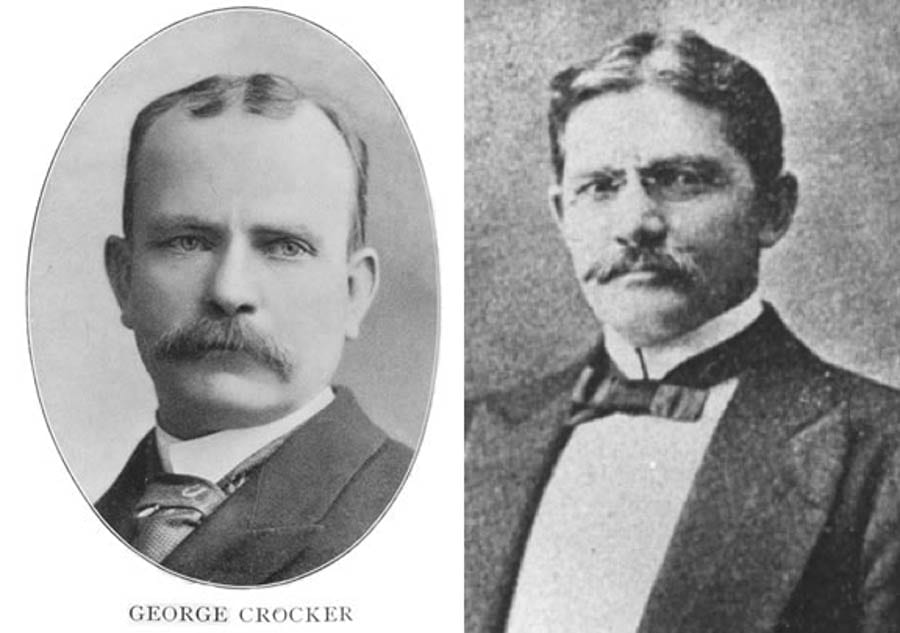
George Crocker (1856 – 1909) makes F. Scott Fitzgerald’s Jay Gatsby seem like an amateur. Born in Sacramento and the son of a railway magnate worth some $30 million on his death (the equivalent of £634 million or $812 million today), Crocker was willed a significant $6 million (the equivalent of £127 million or $163 million today) on the condition that “after the space of five years continuously he shall abstain from the use of spirituous, vinous, and malt liquors to the extent that he shall not during this period have been intoxicated”.
Crocker decided to ignore the terms of his father’s behest and from 1888 to 1891 lived in San Francisco as “one of the most reckless young men about town when reckless young men thereabouts were common” but then admitted himself to a sanatorium, put himself on the straight and narrow and finally collected the sum of $6 million in 1898.
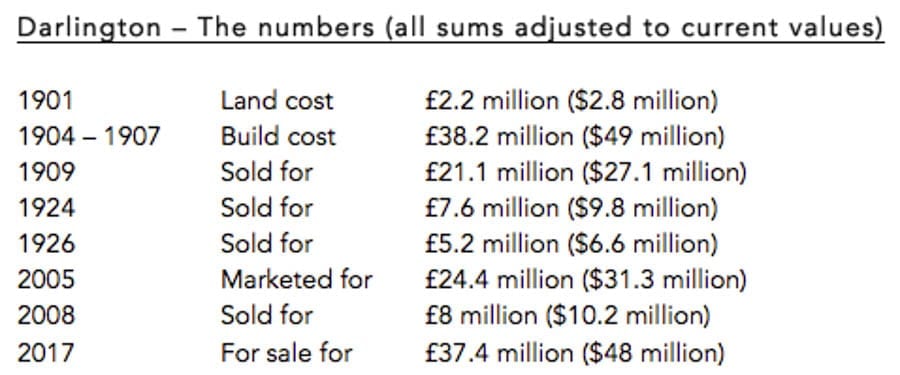
With wealth and a glamorous wife, Emma Rutherford, a widow from California, Crocker set himself up as the toast of New York society. Though he owned a townhouse at 1 East 64th Street and a villa in Newport, it was on paying $96,500 (the equivalent of £2.2 million or $2.8 million today) for the 1,100 acre Darling estate in Bergen County, Mahwah, New Jersey in 1901 that he truly became someone noticeable.
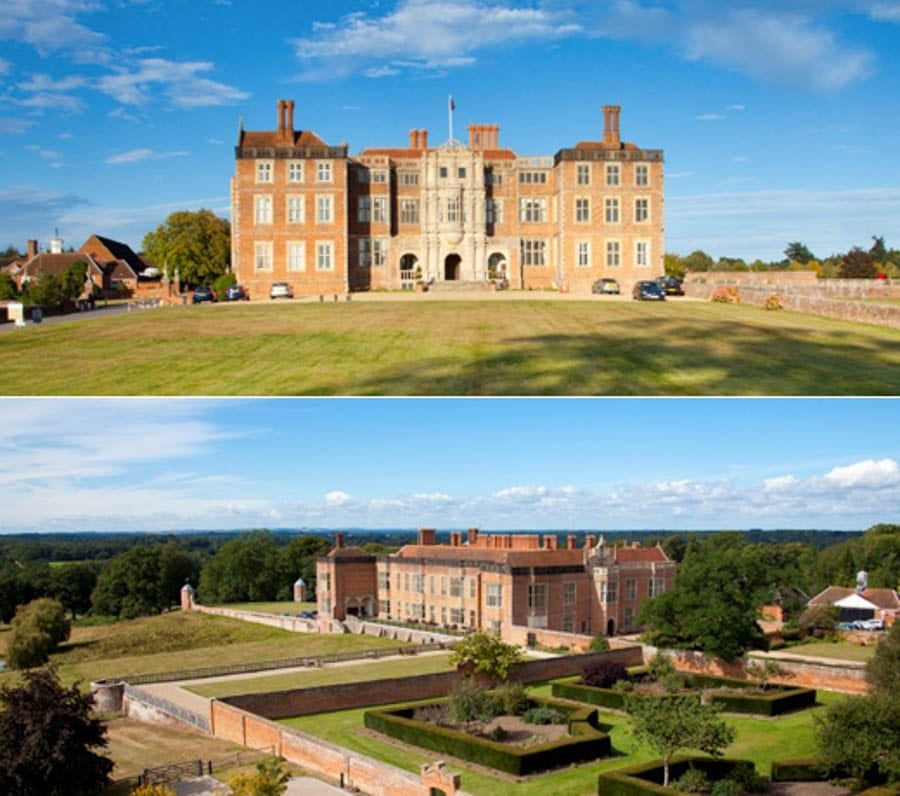
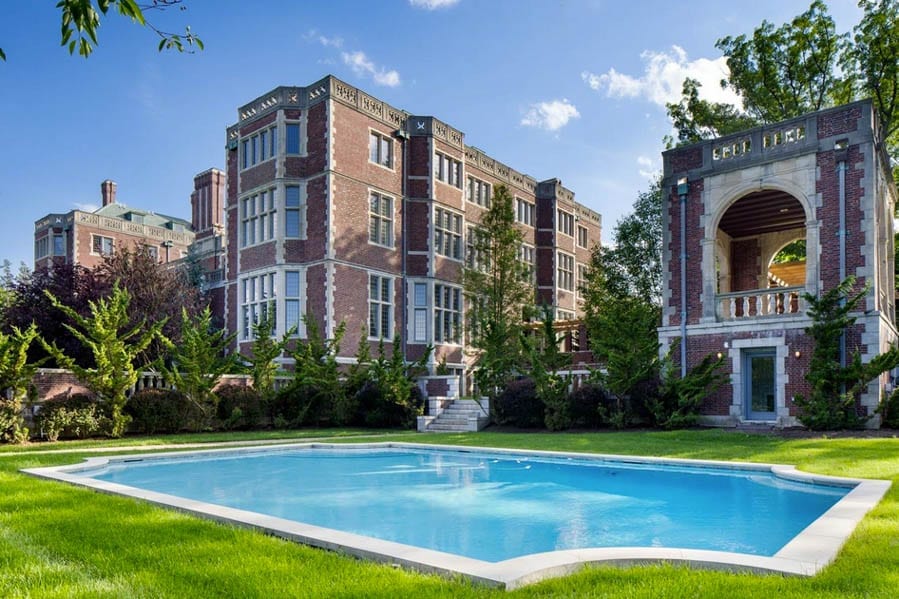
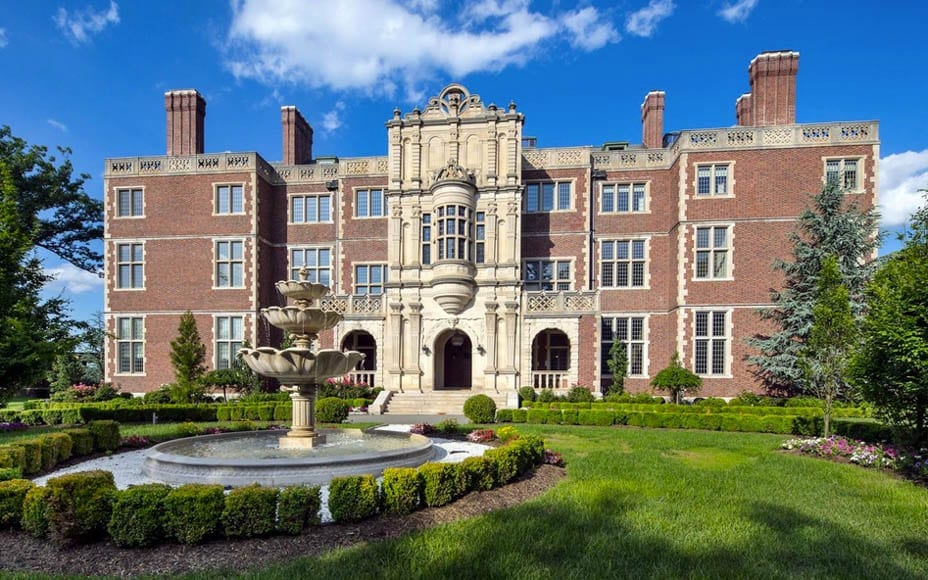
Choosing what he called “the finest site for a residence in the country”, Crocker commissioned an architect named James Brite (died 1942) to build him a mansion “sparing no expense”. Modeled on a Jacobean prodigy house, Bramshill House in Hampshire, England and built from Indiana limestone and Harvard brick, the “Crocker Mansion” or “Darlington” – as it is more widely known – cost $2 million to build (the equivalent of £38.2 million or $49 million today) and included 75 rooms and around 50,000 square foot of accommodation. Its features included steam heating, elevators, ice cream freezers, integrated vacuum systems and a switchboard and in its grounds a racetrack and 16 greenhouses were constructed whilst a pond was stocked with 4,000 trout.
George Crocker and Emerson McMillin
The design of Darlington was based on “one of the most haunted houses in England”, Bramshill in Hampshire; that building itself was also eventually separated from much of its estate and after being used as the European Police College was sold to developers City & Country for £25 million ($19.5 million) in 2014
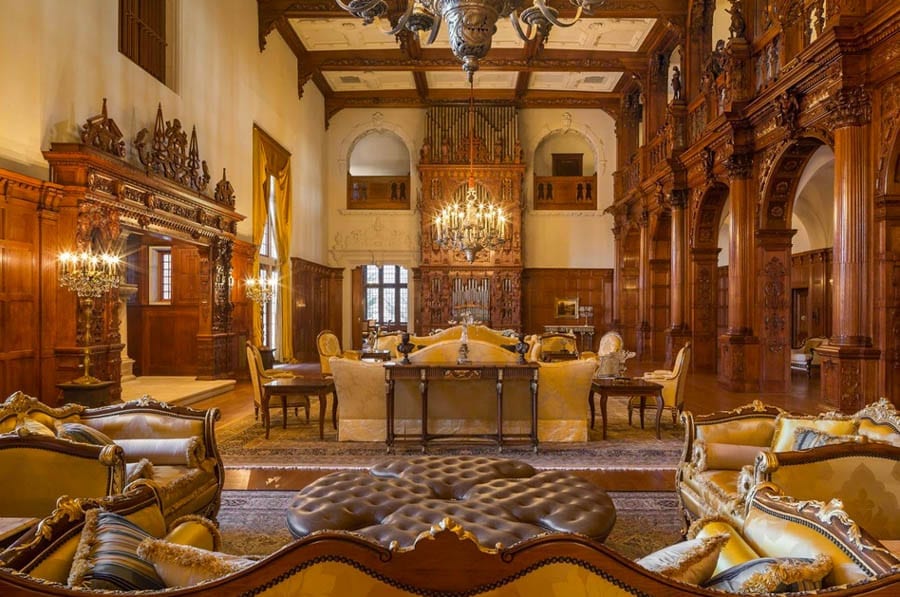
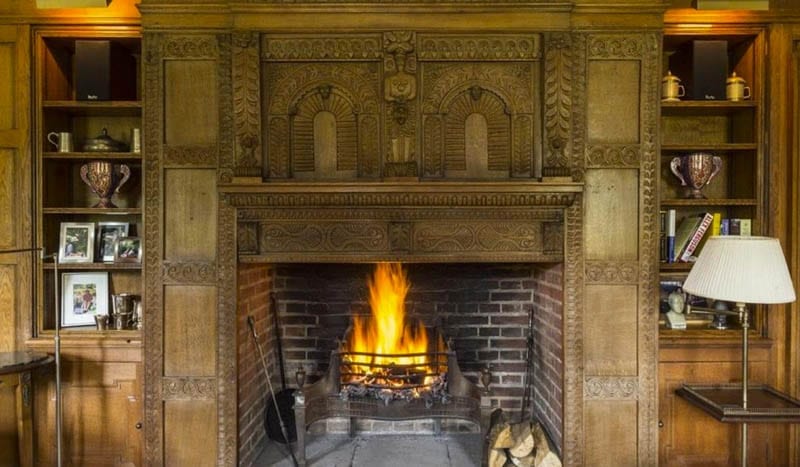
Commentators wowed at the resulting creation and noted details such as a library painted after the style of the Italian Renaissance by Tiffany Studios, elaborate wood carving by Italian craftsmen and Tiffany silver chandeliers and a 1906 Aeolian player pipe organ in the building’s 30-foot high Great Hall. In 1912, Architectural Record, chose even to swoon over the basement. They remarked:
“Where Bramshill’s cellar housed for centuries lanterns, tallow dips, forest faggots, wooden vessels for the distribution of light, heat and water through personal service of human slaveys, its American reincarnation is a storehouse of miracle workers in the comfort and luxury of modern domestic life”.
Unfortunately, Mr and Mrs Crocker did not truly get to enjoy the fruits of their extravagant spending. Emma Crocker died in 1904 of cancer and George Crocker also succumbed to the disease in 1909. His estate was valued at $20 million (the equivalent of £422 million or $541 million today) and amongst items found at his mansion were 60,000 personally monogrammed, custom-made cigars valued at $30,000 (the equivalent of £635,000 or $813,000 today).
Sold subsequently to a “self-made” banker, industrialist and astronomy enthusiast named Emerson McMillin (1844 – 1922) in 1909 for $1 million (the equivalent of £21.1 million or $27.1 million), Darlington was next used to display a fine collection of Chinese and Japanese porcelain whilst a herd of Jerseys were kept in the grounds.
After McMillin’s death, his widow sold the estate in 1924 for $685,000 (the equivalent of £7.6 million or $9.8 million) to the Darlington Development Company, which in turn made it available to the Darling Golf and Country Club. They converted the building to a hotel and club that “promised to offer a new dimension to life in Mahwah” but “the development corporation and the club were soon in financial difficulties” and the McMillin estate foreclosed and regained possession.
A new buyer came forward in the form of the Roman Catholic Diocese of Newark. They paid $478,000 for the property in 1926 (the equivalent of £5.2 million or $6.6 million today) and used Darlington as a theological seminary. The surrounding land was gradually sold off and in 1986, the Immaculate Conception Seminary also departed.
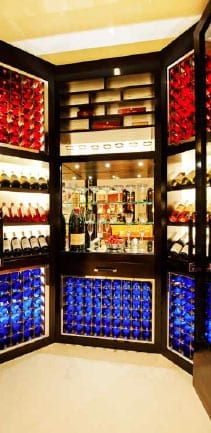
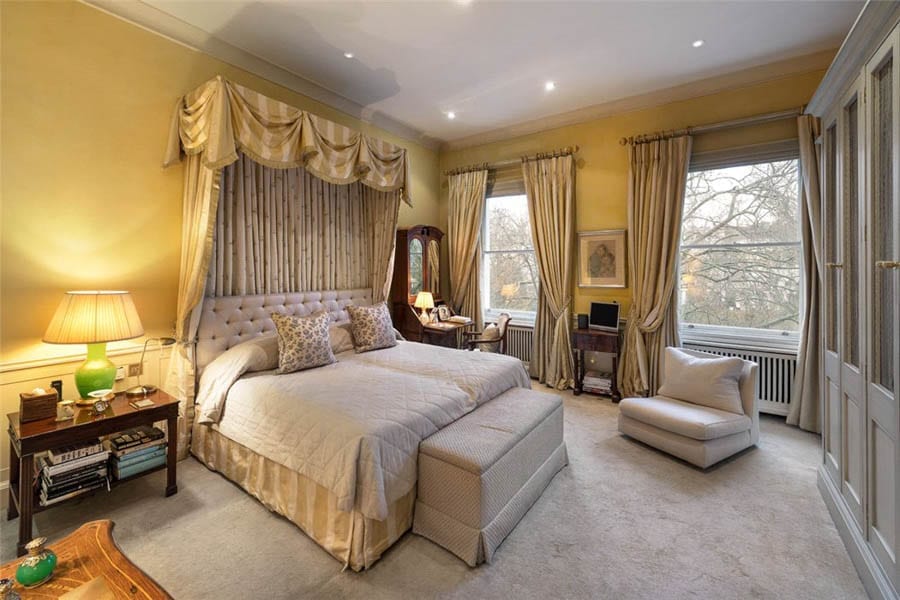
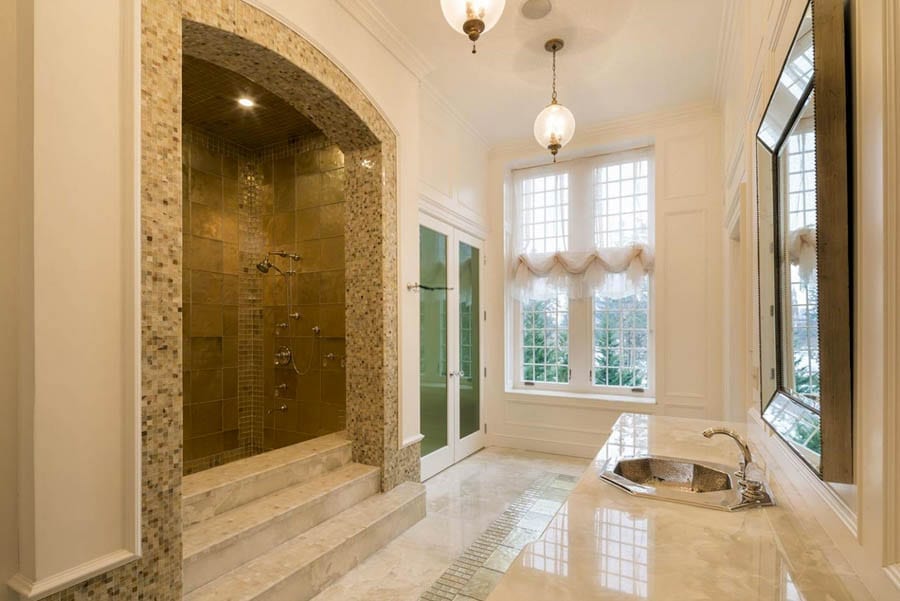
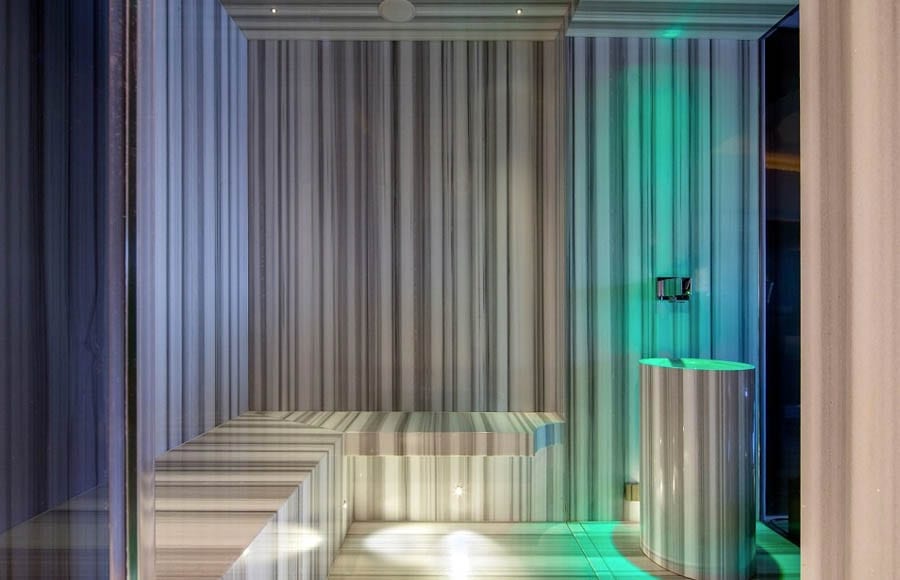
Darlington today – The 30-foot high Great Hall is still dominated by a 1906 Aeolian player pipe organDarlington today – Ilija Pavlovic expanded the mansion by some 12,000 square foot and amongst other things added a large home cinemaDarlington today – Another addition comes in the form of a vast wine cellar; George Crocker’s father would not have approved
Subsequently restored and modernised with, according to Forbes, plumbing, heating, air conditioning and communications systems being installed, Darlington was placed on the market with just 12.1 acres in 2005 by Darlington Associates, a firm who’d built “multiple residential communities surrounding the mansion”. An ambitious figure of $25 million (the equivalent of £24.4 million or $31.3 million today) was sought for the now classified historic site but it was not until 2008 that a buyer came forth in the form of a local businessman named Ilija Pavlovic. He paid just $8.875 million (the equivalent of £8 million or $10.2 million today) and then embarked on the “challenge” of “both preserving the historic home while also restoring it to meet 21st-century standards”. The resulting creation spans four floors and includes amongst many other things a tea room, 3 libraries, 2 game rooms, 2 kitchens, a “his and her master bedroom wing”, 12 further guest bedrooms and 5 staff bedrooms.
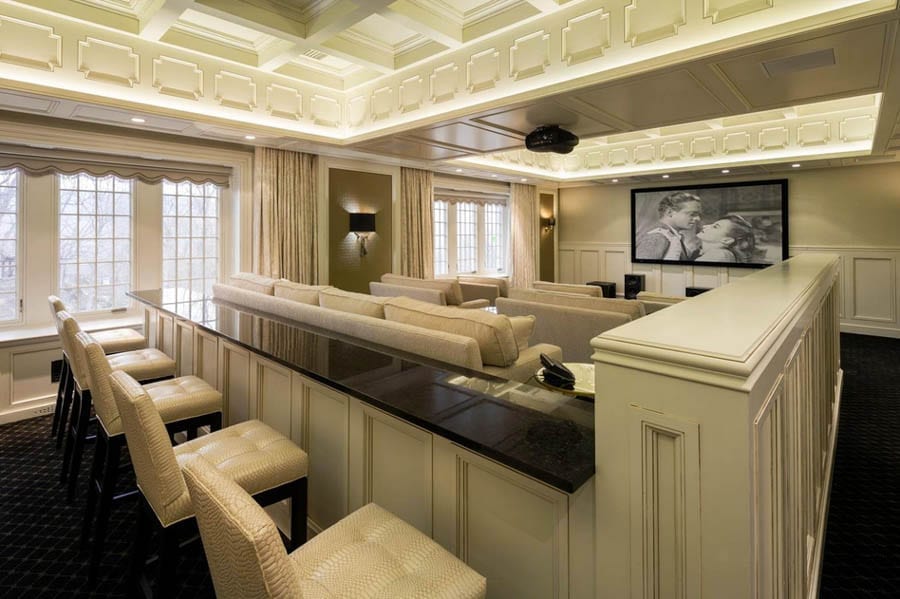
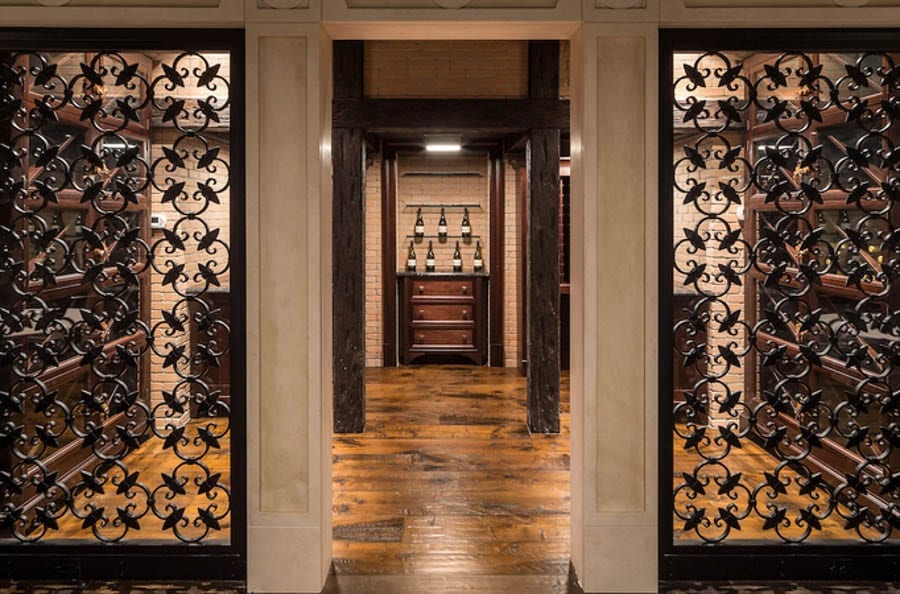
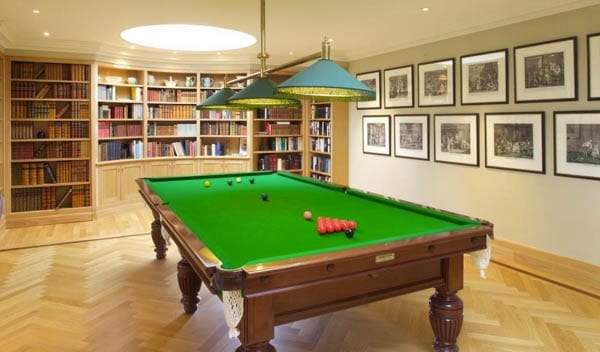
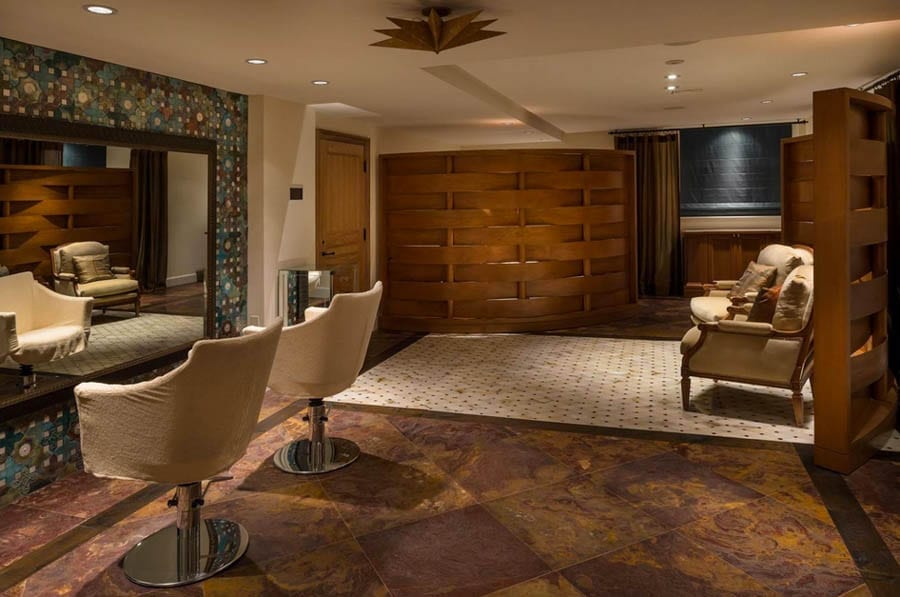
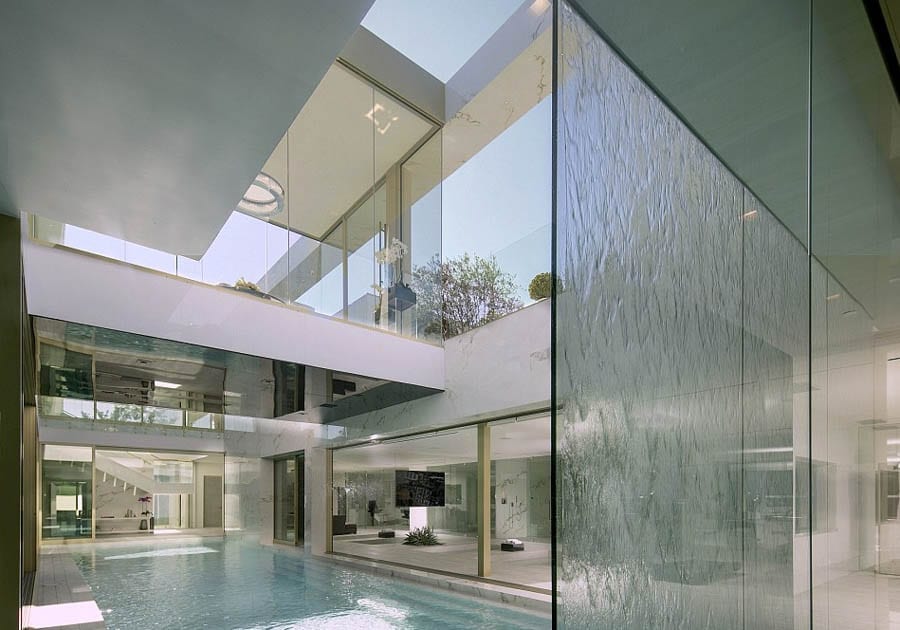
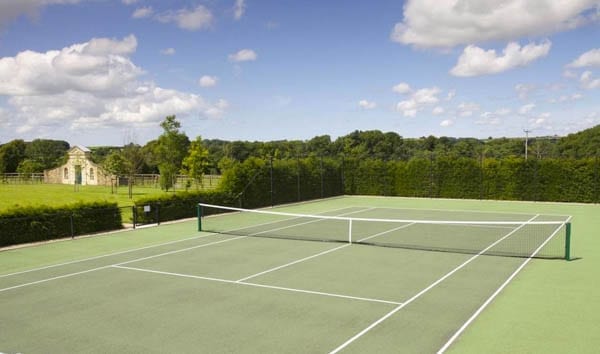
The biggest issue with the house, it transpired, was that its 476 leaded windows needed to be replaced. This reportedly cost $2 million alone (the equivalent of £1.8 million or $2.3 million today) and in addition, Pavlovic renewed all the mechanical systems, redid all 19 bathrooms, replaced the slate roof and added amongst other things a spa with an indoor lap pool, a gym, a massage room, a beauty salon and a home cinema. There is also a gatehouse, a professional kitchen that can serve 250 meals at a time, a wine cellar, a poker room, a cigar room, a billiards room, an 8-car garage, a tennis court and an outdoor swimming pool.
Property blog 6sqft – which claimed Friday that the current owners do not live at Darlington full-time and simply use it to host events – reported that this still massive mansion minus its formerly equally gigantic estate is now for sale now for £37.4 million ($48 million, €44.7 million or درهم176.3 million) through a firm Mr Pavlovic chairs, Special Properties Real Estate Services – an affiliate of Christie’s International Real Estate. Any buyer will undoubtedly be a vastly wealthy figure, but one can guarantee one thing: They’ll never live as lavishly as the barmy boozer George Crocker.
New Jersey mansion Darlington, complete with 58 rooms, for sale for equivalent sum to what it cost to build in 1909; the £37 million house’s original owner was a man whose extravagance knew absolutely no bounds
George Crocker (1856 – 1909) makes F. Scott Fitzgerald’s Jay Gatsby seem like an amateur. Born in Sacramento and the son of a railway magnate worth some $30 million on his death (the equivalent of £634 million or $812 million today), Crocker was willed a significant $6 million (the equivalent of £127 million or $163 million today) on the condition that “after the space of five years continuously he shall abstain from the use of spirituous, vinous, and malt liquors to the extent that he shall not during this period have been intoxicated”.
Crocker decided to ignore the terms of his father’s behest and from 1888 to 1891 lived in San Francisco as “one of the most reckless young men about town when reckless young men thereabouts were common” but then admitted himself to a sanatorium, put himself on the straight and narrow and finally collected the sum of $6 million in 1898.
With wealth and a glamorous wife, Emma Rutherford, a widow from California, Crocker set himself up as the toast of New York society. Though he owned a townhouse at 1 East 64th Street and a villa in Newport, it was on paying $96,500 (the equivalent of £2.2 million or $2.8 million today) for the 1,100 acre Darling estate in Bergen County, Mahwah, New Jersey in 1901 that he truly became someone noticeable.
Choosing what he called “the finest site for a residence in the country”, Crocker commissioned an architect named James Brite (died 1942) to build him a mansion “sparing no expense”. Modeled on a Jacobean prodigy house, Bramshill House in Hampshire, England and built from Indiana limestone and Harvard brick, the “Crocker Mansion” or “Darlington” – as it is more widely known – cost $2 million to build (the equivalent of £38.2 million or $49 million today) and included 75 rooms and around 50,000 square foot of accommodation. Its features included steam heating, elevators, ice cream freezers, integrated vacuum systems and a switchboard and in its grounds a racetrack and 16 greenhouses were constructed whilst a pond was stocked with 4,000 trout.
George Crocker and Emerson McMillin
The design of Darlington was based on “one of the most haunted houses in England”, Bramshill in Hampshire; that building itself was also eventually separated from much of its estate and after being used as the European Police College was sold to developers City & Country for £25 million ($19.5 million) in 2014
Commentators wowed at the resulting creation and noted details such as a library painted after the style of the Italian Renaissance by Tiffany Studios, elaborate wood carving by Italian craftsmen and Tiffany silver chandeliers and a 1906 Aeolian player pipe organ in the building’s 30-foot high Great Hall. In 1912, Architectural Record, chose even to swoon over the basement. They remarked:
“Where Bramshill’s cellar housed for centuries lanterns, tallow dips, forest faggots, wooden vessels for the distribution of light, heat and water through personal service of human slaveys, its American reincarnation is a storehouse of miracle workers in the comfort and luxury of modern domestic life”.
Unfortunately, Mr and Mrs Crocker did not truly get to enjoy the fruits of their extravagant spending. Emma Crocker died in 1904 of cancer and George Crocker also succumbed to the disease in 1909. His estate was valued at $20 million (the equivalent of £422 million or $541 million today) and amongst items found at his mansion were 60,000 personally monogrammed, custom-made cigars valued at $30,000 (the equivalent of £635,000 or $813,000 today).
Sold subsequently to a “self-made” banker, industrialist and astronomy enthusiast named Emerson McMillin (1844 – 1922) in 1909 for $1 million (the equivalent of £21.1 million or $27.1 million), Darlington was next used to display a fine collection of Chinese and Japanese porcelain whilst a herd of Jerseys were kept in the grounds.
After McMillin’s death, his widow sold the estate in 1924 for $685,000 (the equivalent of £7.6 million or $9.8 million) to the Darlington Development Company, which in turn made it available to the Darling Golf and Country Club. They converted the building to a hotel and club that “promised to offer a new dimension to life in Mahwah” but “the development corporation and the club were soon in financial difficulties” and the McMillin estate foreclosed and regained possession.
A new buyer came forward in the form of the Roman Catholic Diocese of Newark. They paid $478,000 for the property in 1926 (the equivalent of £5.2 million or $6.6 million today) and used Darlington as a theological seminary. The surrounding land was gradually sold off and in 1986, the Immaculate Conception Seminary also departed.
Darlington today – The 30-foot high Great Hall is still dominated by a 1906 Aeolian player pipe organ
Darlington today – Ilija Pavlovic expanded the mansion by some 12,000 square foot and amongst other things added a large home cinema
Darlington today – Another addition comes in the form of a vast wine cellar; George Crocker’s father would not have approved
Subsequently restored and modernised with, according to Forbes, plumbing, heating, air conditioning and communications systems being installed, Darlington was placed on the market with just 12.1 acres in 2005 by Darlington Associates, a firm who’d built “multiple residential communities surrounding the mansion”.
An ambitious figure of $25 million (the equivalent of £24.4 million or $31.3 million today) was sought for the now classified historic site but it was not until 2008 that a buyer came forth in the form of a local businessman named Ilija Pavlovic. He paid just $8.875 million (the equivalent of £8 million or $10.2 million today) and then embarked on the “challenge” of “both preserving the historic home while also restoring it to meet 21st-century standards”. The resulting creation spans four floors and includes amongst many other things a tea room, 3 libraries, 2 game rooms, 2 kitchens, a “his and her master bedroom wing”, 12 further guest bedrooms and 5 staff bedrooms.
The biggest issue with the house, it transpired, was that its 476 leaded windows needed to be replaced. This reportedly cost $2 million alone (the equivalent of £1.8 million or $2.3 million today) and in addition, Pavlovic renewed all the mechanical systems, redid all 19 bathrooms, replaced the slate roof and added amongst other things a spa with an indoor lap pool, a gym, a massage room, a beauty salon and a home cinema. There is also a gatehouse, a professional kitchen that can serve 250 meals at a time, a wine cellar, a poker room, a cigar room, a billiards room, an 8-car garage, a tennis court and an outdoor swimming pool.
Property blog 6sqft – which claimed Friday that the current owners do not live at Darlington full-time and simply use it to host events – reported that this still massive mansion minus its formerly equally gigantic estate is now for sale now for £37.4 million ($48 million, €44.7 million or درهم176.3 million) through a firm Mr Pavlovic chairs, Special Properties Real Estate Services – an affiliate of Christie’s International Real Estate. Any buyer will undoubtedly be a vastly wealthy figure, but one can guarantee one thing: They’ll never live as lavishly as the barmy boozer George Crocker.
Historic Battersea mansion for sale for the same sum it was marketed for in 2011; it has been mostly empty throughout the intervening period and was renovated by the late billionaire Malcolm Forbes
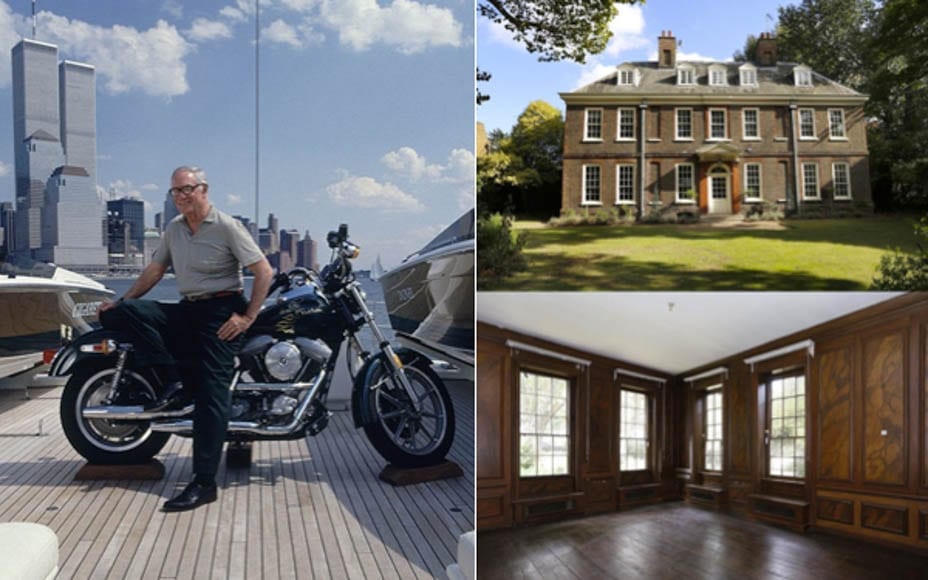
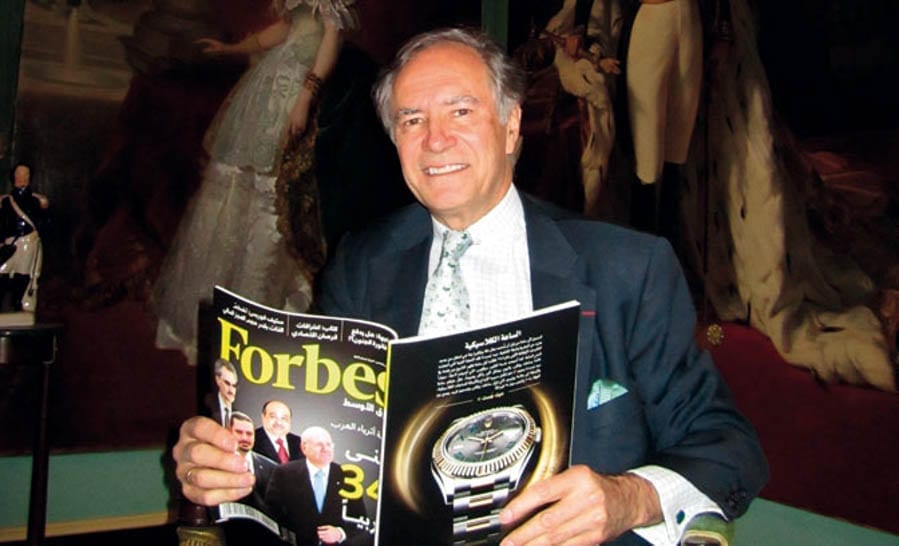
Billionaire publisher Malcolm Forbes was a man who liked to live large. He had a huge yacht named The Highlander, threw lavish parties across the globe and counted Gianni Agnelli, Gordon Getty, Calvin Klein, Robert Maxwell, Rupert Murdoch, Henry Kissinger, Ronald Reagan and Donald Trump as friends. This “mysterious collector” also owned numerous residences and one of these, Old Battersea House in London, is for sale for the same sum as it was marketed for in 2011.
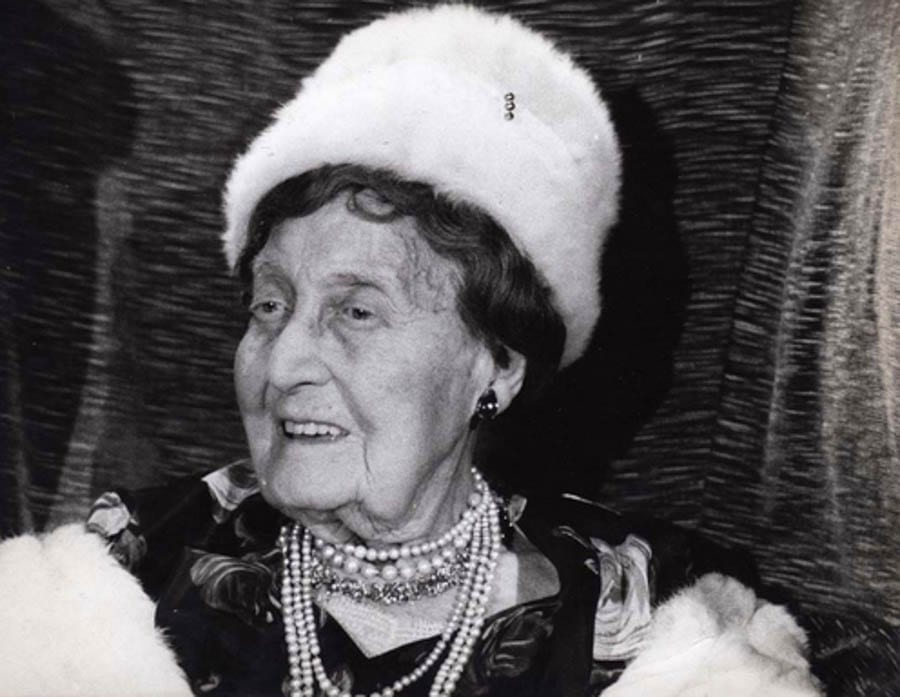
Often seen with Elizabeth Taylor at his side and described as “living life in the fabulous”, Forbes purchased Old Battersea House in 1971. It had previously been home to and saved from demolition by Battersea Council by the eccentric author and ghost hunter Wilhemina Stirling. She took up a lifetime tenancy on the building in 1931 and used it to house artworks by her sister, Evelyn de Morgan (1855 – 1919).
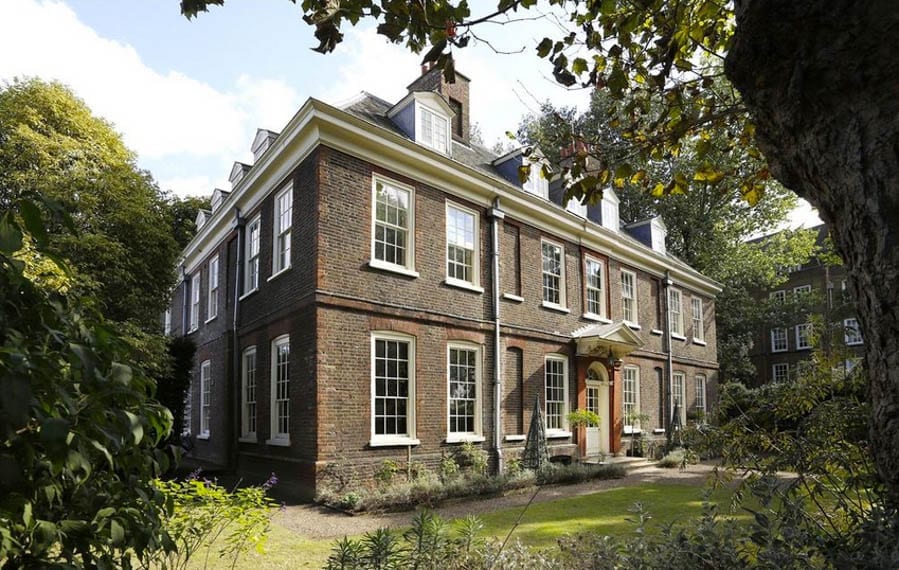
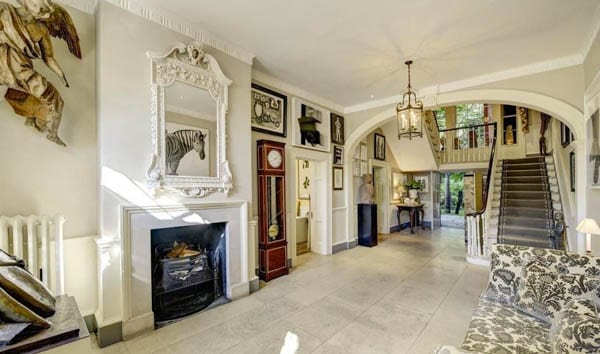
Grade II* listed since 1954 and adapted during Forbes and subsequently his son Kip’s ownership to showcase a vast collection of Victorian art and antiques, Old Battersea House was built on Tudor foundations in 1699 and was at first known as ‘Terrace House’. It originally had gardens extending down to the River Thames and is rumoured to have been designed by Sir Christopher Wren (1632 – 1723).
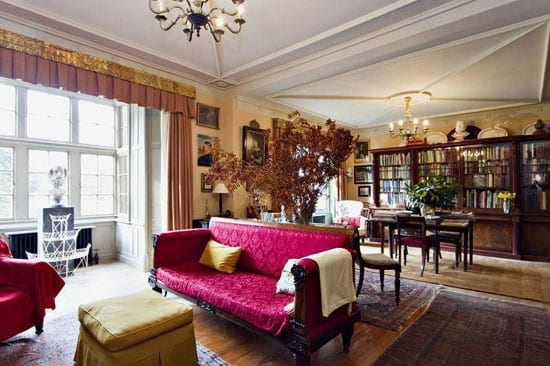
Featuring “handsome classical proportions throughout” and standing within a 110-foot wide walled garden, the 10,100 square foot house includes 4 reception rooms, 10 double bedrooms and 7 bathrooms. It has off-street parking and a garden store but it is sadly overlooked by the adjoining housing estate that was built in its grounds in the 1930s.
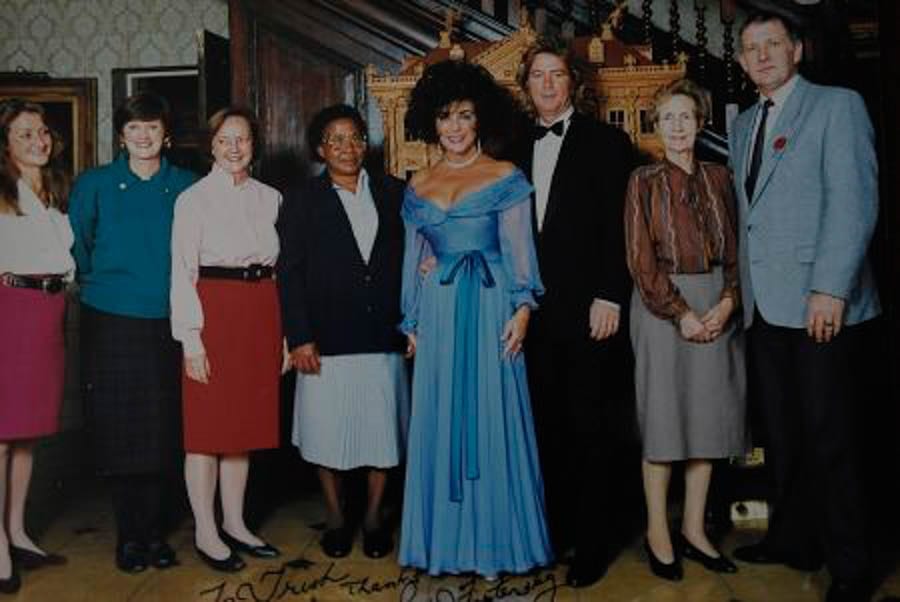
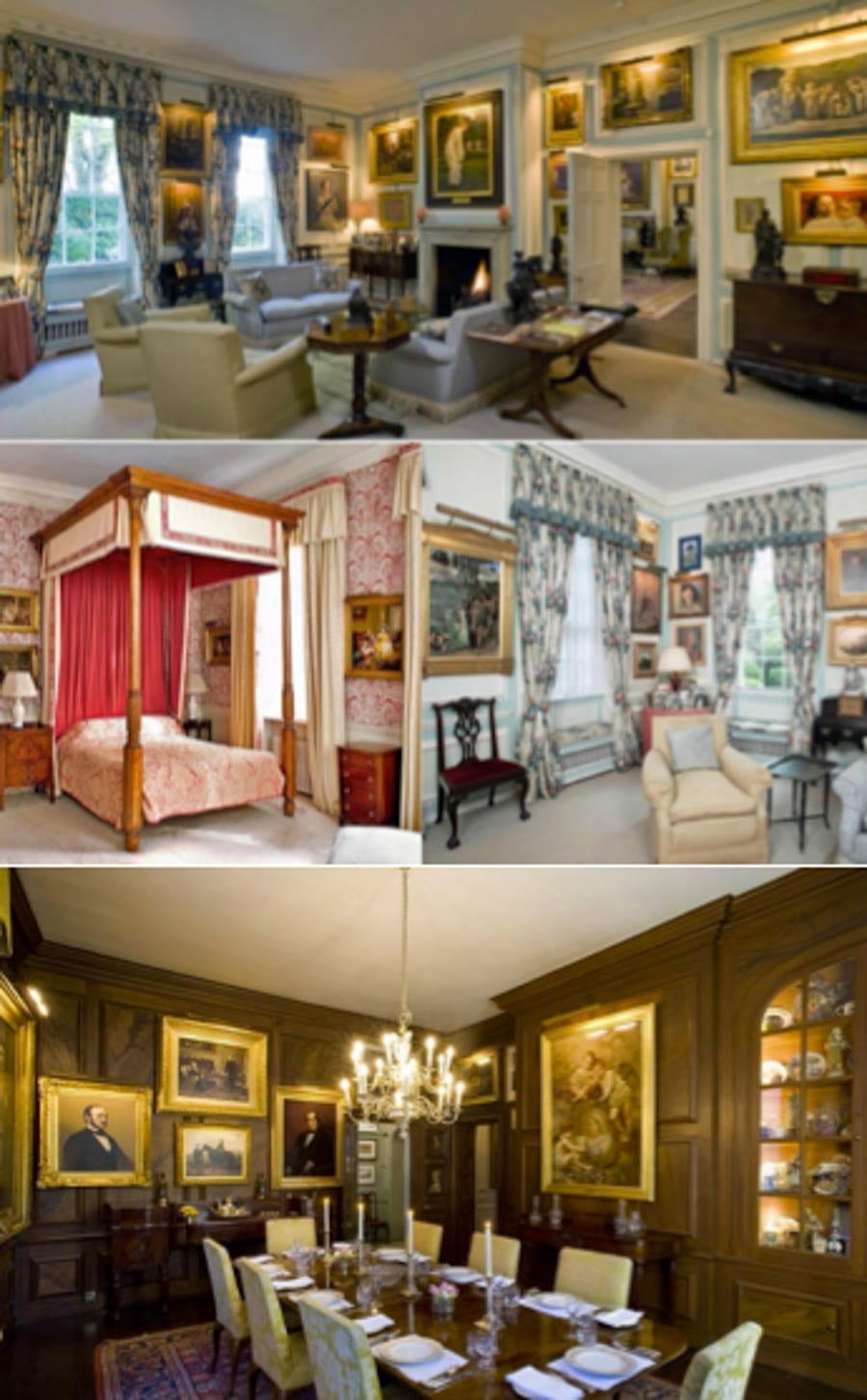
The impressive hallway of Old Battersea HouseAnother entertaining spaceElizabeth Taylor and her then husband Larry Fortensky at Old Battersea House in 1992Images of the house as it was furnished during the ownership of the Forbes family
Matthew Steeples highlights the workings and truths behind the changed political landscape of 2016
2016 will be remembered as the year when the world flipped convention on its head. With the brutal monster Fidel Castro finally gone, Donald Trump headed for The White House and Brexit in Britain, comes a new era but it is not one that is actually as clear-cut as many make out.
Unlike in previous eras, social media undoubtedly has had more influence than the traditional media and pollsters have taken a bashing. In spite, for example, of the fact that “Hillary Clinton [is] currently beating Donald Trump by 64.2 million votes to 62.2 million in the popular vote” and thus “winning the election by 3.1%”, according to Kevin Chesters, chief strategy officer at Ogilvy & Mather Group UK, “as usual the historical narrative will swallow the bulls**t myths instead”. He rightly points out “the polls nailed it” as they predicted “all gave Hillary between a 2-5% lead nationally with a +/- 3% margin of error” but the likes of Breitbart, unsurprisingly instead, spread a myth that ‘The Donald’s’ victory was epic. It was just that, in the sense that he achieved a win in spite of being mocked as an extremist joker who’d fail at the beginning, but the true margin of support for him is indicated by the fact that nationwide turnout fell from 61.6% in 2008 to 57.9% in 2016.
In Britain, equally, the Brexit vote was “won” by just 2.2% and thus both results can be described as being far less significant than the right-wing media make out. Nigel Farage is lauded as a “hero”, yet, despite standing seven times, has never won a seat in the House of Commons; Nicola Sturgeon’s SNP failed to get independence for Scotland yet she dominates our screens daily.
Trump and Farage have clearly both been clever in their respective strategies and just as Castro opted to ignore convention and ruled Cuba with a rod of iron, these two ditched the politics we know and played an entirely different game. Hillary Clinton’s decision to stand with self-serving billionaires and loudmouth celebrities truly backfired and instead, in Jared Kushner, his 35-year old businessman son-in-law, and the tech tycoon Peter Thiel, Trump was led to a strategy that trounced traditional political convention.
A truly revealing analysis of Kushner’s genius appeared in Forbes this week when he was interviewed by for the first time since Trump’s victory. In the feature article, Eric Schmidt, the former CEO of Google and designer of the Clinton campaign’s technology system, stated:
“Best I can tell, [Kushner] actually ran the campaign and did it with essentially no resources… Jared understood the online world in a way the traditional media folks didn’t. He managed to assemble a presidential campaign on a shoestring using new technology and won. That’s a big deal”.
Kushner himself added:
“I helped facilitate a lot of relationships that wouldn’t have happened otherwise… People were being told in Washington that if they did any work for the Trump campaign, they would never be able to work in Republican politics again. I hired a great tax-policy expert who joined under two conditions: We couldn’t tell anybody he worked for the campaign, and he was going to charge us double”.
“People really saw hope in [Donald Trump’s] message. They wanted the things that wouldn’t have been obvious to a lot of people I would meet in the New York media world, the Upper East Side or at Robin Hood [Foundation] dinners”.
“I called some of my friends from Silicon Valley, some of the best digital marketers in the world, and asked how you scale this stuff. They gave me their subcontractors… Our best people were mostly the ones who volunteered for me pro bono. People from the business world, people from non-traditional backgrounds”.
“We weren’t afraid to make changes. We weren’t afraid to fail. We tried to do things very cheaply, very quickly. And if it wasn’t working, we would kill it quickly… It meant making quick decisions, fixing things that were broken and scaling things that worked”.
As Dan Hodges concluded in an editorial in today’s Mail Online:
“Once, we used to send a gunboat. In the post-Brexit era, all it takes is a tweet”.
An eternal wanderer and worth some £985 million ($1.56 billion), art collector and founder of the Berggruen Holdings, Inc. fund of hedge funds Nicolas Berggruen prefers to live in five-star hotels (more…)