Tag: Africa

  • Monster of the Moment – Dr Walter Palmer

    Monster of the Moment – Dr Walter Palmer

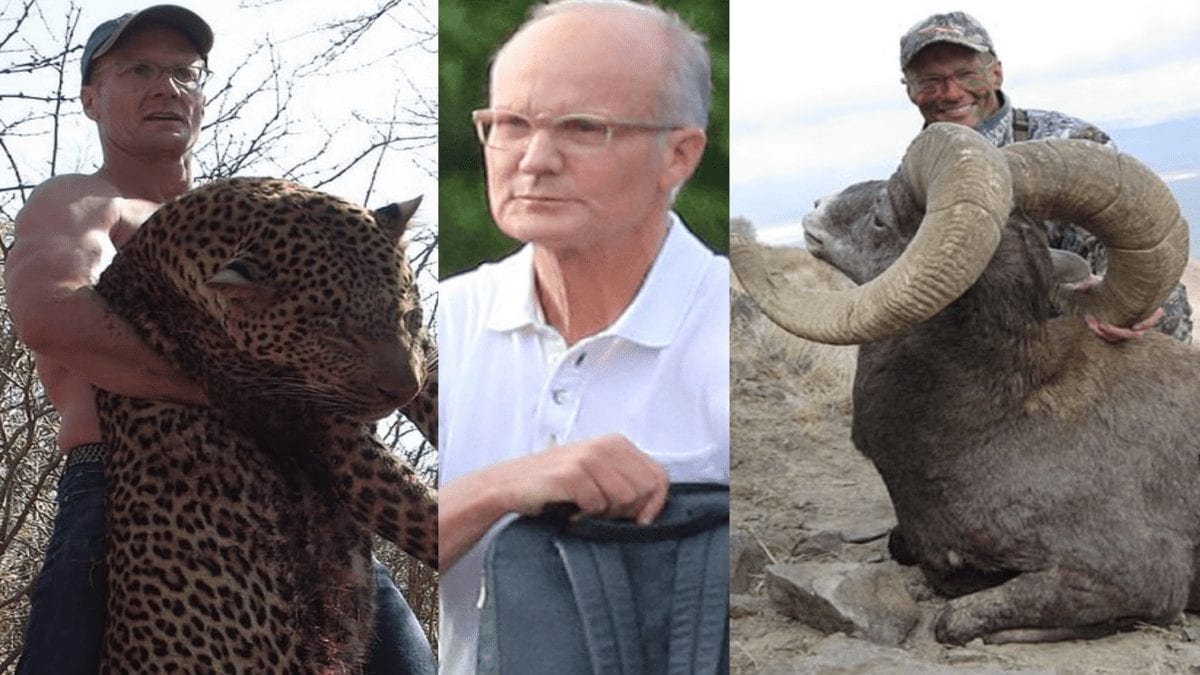
    Reprehensible “driller killer” dentist Walter Palmer will forever be remembered for slaying ‘Cecil The Lion’; the sexual harasser of his own employees has now gone and done it again – this time the monster massacred an endangered ram

    Last month, we featured the story of a female manufacturer of undercrackers emblazoned with Donald Trump’s name who takes ‘pleasure’ in slaying bears. Social media junkie and hideous horror Priscilla Magana unsurprisingly outraged with her antics, whilst previously, her twisted ‘bestie,’ the shover-of-sex-toys-up-the-bums-of-sheep Larysa Switlyk, repeatedly did the same after we named and shamed her on these pages.


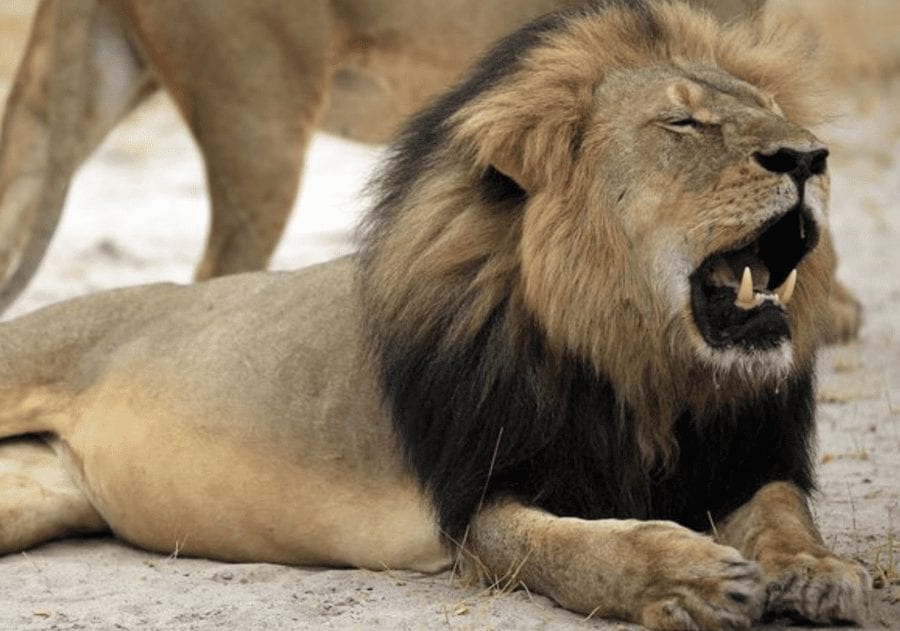
    Now, an even viler example of barbarity has unbelievably returned to public attention in the form of Eden Prairie, near Minneapolis based Dr Walter Palmer, proprietor of River Bluff Dental. You will likely recall him as the degenerate dentist responsible for luring ‘Cecil The Lion’ to his death with the corpse of an elephant he’d also massacred in July 2015 in Hawagne District, Zimbabwe.


    “Enjoyer of all outdoor activities” Palmer – a cretin who ‘kills’ his ‘prey’ with a bow and arrow rather than a rifle and someone whom deservedly became internationally loathed after having not orchestrated a “clean kill” on Cecil (whom tragically had to then be shot with a bullet 12 hours later after suffering immeasurable pain) – featured in the Mirror this morning after being snapped with a sheep he’d shot. This pointless Porsche driving pillock’s face supposedly “turned to anger” when confronted by a representative of the paper outside a bar in Bloomington, Minnesota about his having killed an endangered argali ram – a “species in danger of extinction.”


    Plainly as delusional and deranged now as he was five years ago, Dr Walter Palmer – whom was forced to attend a course in ethics after paying out £100,000 in a sexual harassment case in 2009 – travelled to Mongolia for his latest ‘escapade’ as “the ram was on his list of hunts he wanted complete” said an “insider.” His travel companion, Brent Sinclair, then took to Facebook after the trip and disgustingly celebrated what they had done. Without naming his feckless ‘friend,’ he casually commented:


    “Another great adventure has come and gone, one to be put in the memory book for sure. Just back from Mongolia, and it’s almost like it was only a dream. We saw rams every day and climbed around the hills in the Altai region getting as close as 20 yards one day to sheep bigger than I could imagine.”


    “Sheep hunting isn’t sheep hunting without a midday nap in the sun on a mountain side, but its [sic] hard to relax and count sheep when all you can see through the scope are horns on rams bedded 200 yards away that carry twice the mass I have ever seen on sheep here in North America.”


    “I’ve felt my heart beat in my ears when an 8000 lb+ bull elephant looked down his trunk at us as we stood in the thorn brush a mere 31 yards from those tusks and all you had was a bow in your hand… You drew back those 95 limbs and I thought to myself theres [sic] now way it’s going to do the job of harvesting that massive bull, but you placed the arrow perfect and the rest is history. This may however be the one that will be at the top of the pinnacle and hard to beat.”


    “The Altai Argali of Mongolia is the largest of the worlds wild sheep and humbling is the only word one can use when you walk up to a ram like this for the first time… Thanks Amigo for the adventure… Look forward to our next one.”


    After outrage over Palmer’s actions in 2015 resulted in him quite deservedly receiving death threats, Cecil’s head and skin was given to police in Zimbabwe. In the wake of his latest antics, we wouldn’t be surprised if members of the public now demand that this twisted monster have his very own teeth pulled out; we couldn’t think of a better fate for the monster that is Dr Walter Palmer.


    To support our Change.org petition to get the barbarian bear slaying horror Larysa Switlyk banned from Instagram, please click here.


    Facebook: @TheSteepleTimes

    Instagram: @TheSteepleTimes

    Twitter: @SteepleTimes


    Monster of the Moment – Dr Walter Palmer kills an endangered ram – Reprehensible “driller killer” dentist Walter Palmer will forever be remembered for slaying ‘Cecil The Lion’; the sexual harasser of his own employees has now gone and done it again – this time the monster massacred an endangered ram.
    ‘Cecil The Lion’ was pointlessly slayed by Dr Walter Palmer in 2015. Whilst the lion will forever be remembered fondly, the dentist will remain deservedly hated for having paid £32,000 to barbarically kill this much loved, majestic beast.
    Dr Walter Palmer found his business targeted quite deservedly after he killed ‘Cecil The Lion’ and now he’ll hopefully find just the same after slaying an endangered ram. His firm’s address is River Bluff Dental, 10851 Rhode Island Avenue South, Bloomington, Minnesota, MN 55438 and his telephone number is +1 (952) 314 8668. He can be emailed at [email protected]
    Dr Walter Palmer was deservedly condemned across the world in the wake of the 2015 slaying of ‘Cecil The Lion.’ Amongst those calling him out were the conservationist and zoologist Dr Andrew Loveridge of Oxford University – whom later wrote of the incident in his 2018 book ‘Lion Hearted.’

  • Penny Streeter OBE (née Penny Stiff)

    Penny Streeter OBE (née Penny Stiff)

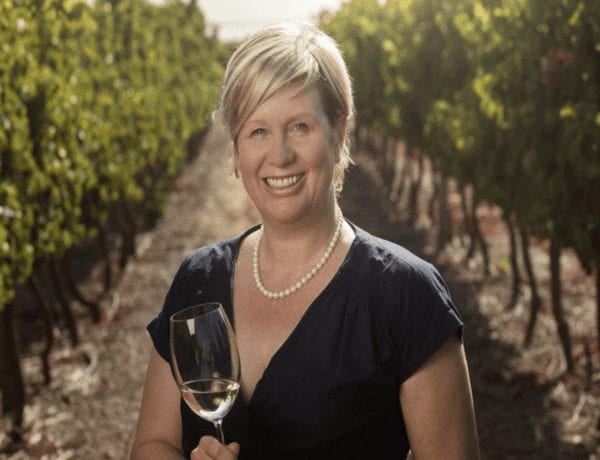
    A classic ‘rags to riches’ tale is that of Penny Streeter. Born in what was then Rhodesia, this police superintendent’s daughter came to England when she was 12 and worked on Margaret Thatcher’s Youth Training Scheme and in Pizzaland at the age of 16. She went into business with her mother at 22, went bust and after ending up living in a homeless refuge with her children, worked her way back and launched what has become A24 Group, a healthcare recruitment agency in 1995. By 2002, this hard-working woman’s company was the “fastest-growing company in the UK” and in 2019, she was listed as being worth £208 million in The Sunday Times ‘Rich List.’ Streeter and her husband now own a vineyard in South Africa and a winery in Horsham, West Sussex. We say: Cheers to her!

  • A Grand Old Man’s Grand Old Merc

    A Grand Old Man’s Grand Old Merc

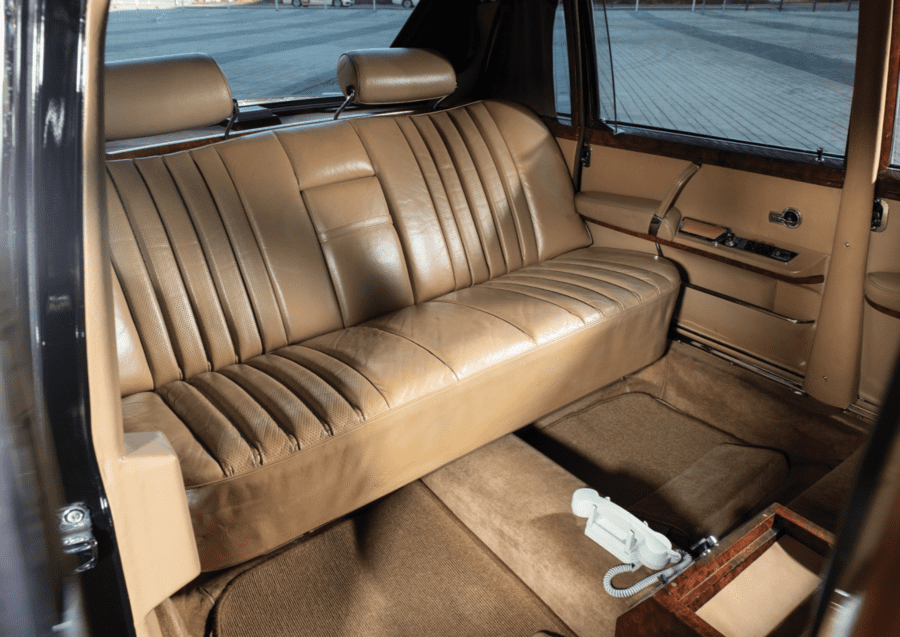
    1967 Mercedes ‘Dictator Car’ limousine owned until 1993 by the first President of Ivory Coast to be auctioned after being restored at vast expense

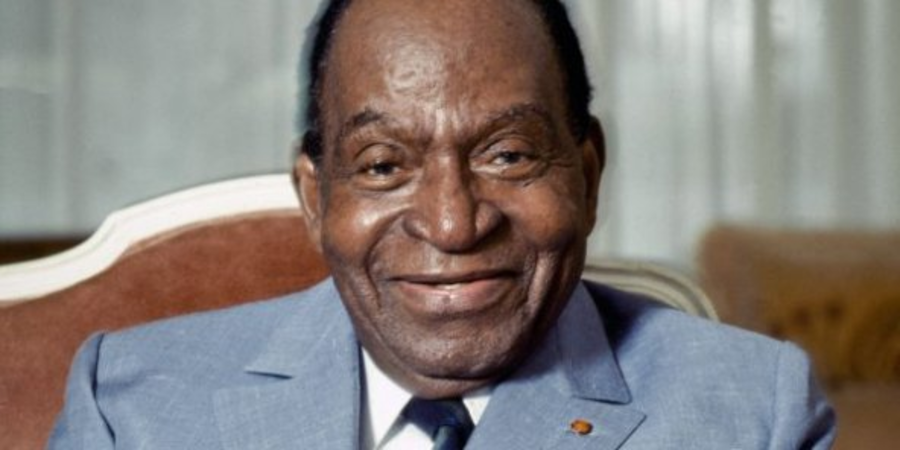
    Félix Houphouët-Boigny (whom claimed to be born in 1908, but was more likely born in 1905, and died in 1993) was known variously as ‘Papa Houphouët’ (‘The Old One’), the ‘Sage of Africa,’ the ‘Farmer President’ and the ‘Grand Old Man of Africa.’ Westerners, more simply called him: ‘HB.’


    The first President of Ivory Coast and ruler from 1960 to 1963 was considered “politically moderate” and under him the country “prospered economically.” His tenure was referred to as the “Ivorian miracle” and with growth, this larger-than-life leader moved the capital from Abidjan to his hometown, Yamoussoukro, in 1983. There he built not only an international airport, but also, at an extraordinary cost of the equivalent of £629 million ($780 million, €713 million or درهم2.9 billion) today, the largest church in the world, the Basilica of Our Lady of Peace of Yamoussoukro.


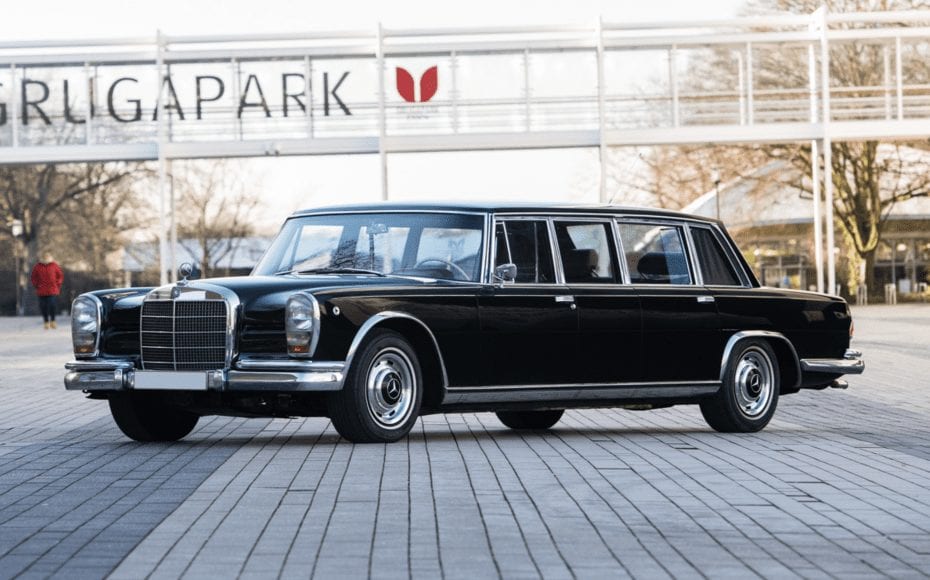
    A Grand Old Man’s Grand Old Merc – President Félix Houphouët-Boigny – 1967 Mercedes ‘Dictator Car’ owned until 1993 by the first President of Ivory Coast to be auctioned after being restored at vast expense – 1967 Mercedes-Benz 600 Six-Door Pullman to be sold by RM Sotheby’s at their 24th to 27th June 2020 sale in Essen, Germany on behalf of current owner Dr Urich Speicher. An estimate of £220,000 to £247,000 ($273,000 to $306,000, €250,000 to €280,000 or درهم1 million to درهم1.1 million) has been set.
    “Well-loved first President of Ivory Coast” Félix Houphouët-Boigny (1905 or 1908 – 1993).
    A Grand Old Man’s Grand Old Merc – President Félix Houphouët-Boigny – 1967 Mercedes ‘Dictator Car’ owned until 1993 by the first President of Ivory Coast to be auctioned after being restored at vast expense – 1967 Mercedes-Benz 600 Six-Door Pullman to be sold by RM Sotheby’s at their 24th to 27th June 2020 sale in Essen, Germany on behalf of current owner Dr Urich Speicher. An estimate of £220,000 to £247,000 ($273,000 to $306,000, €250,000 to €280,000 or درهم1 million to درهم1.1 million) has been set.
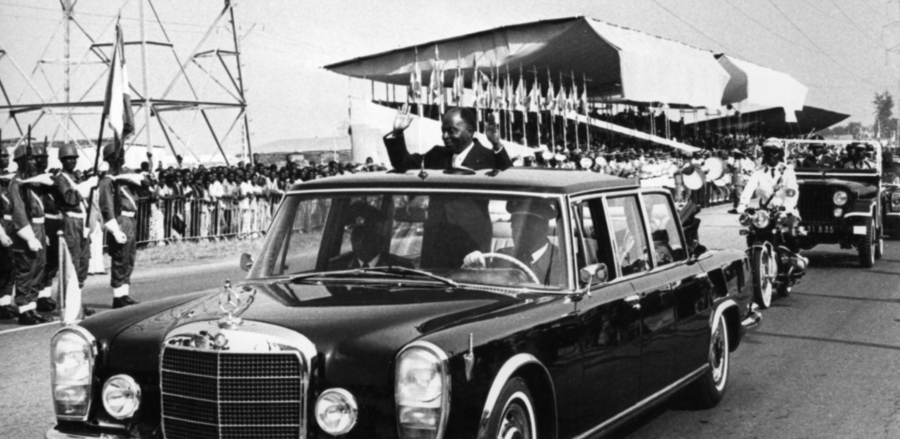
    Félix Houphouët-Boigny travelling in one of his Mercedes-Benz ‘Dictator Cars’.

    Aside from the usual ‘perks’ purchased by leaders of his time – including homes in France, Italy and Switzerland – Houphouët-Boigny was known for his love of shiny metals. In 1983, he declared: “People are surprised that I like gold. It’s just that I was born in it.” With his ‘Françafrique-style’ of diplomacy, Houphouët-Boigny liked to travel in style also and now one of his fleet of cars is to be sold at auction in June.


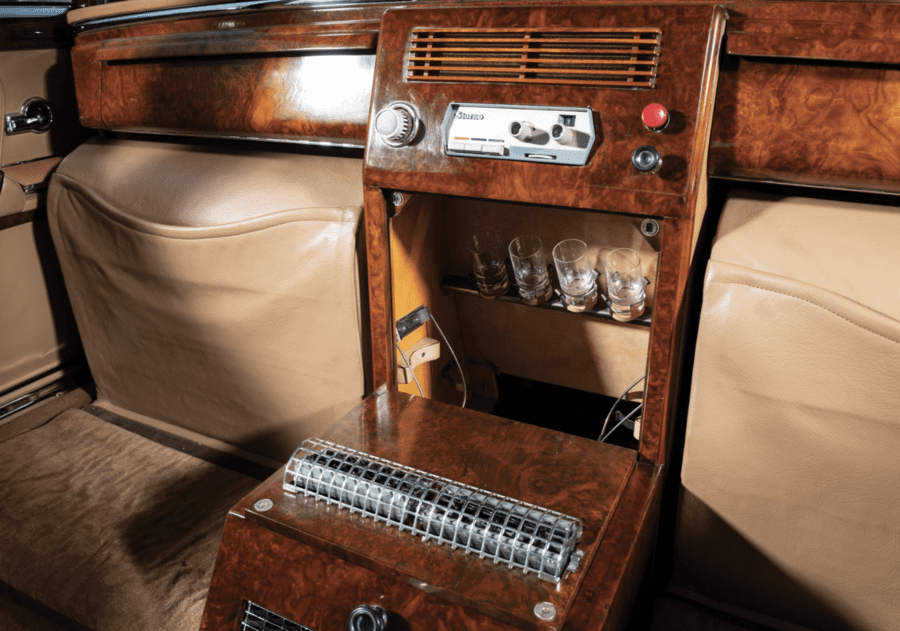
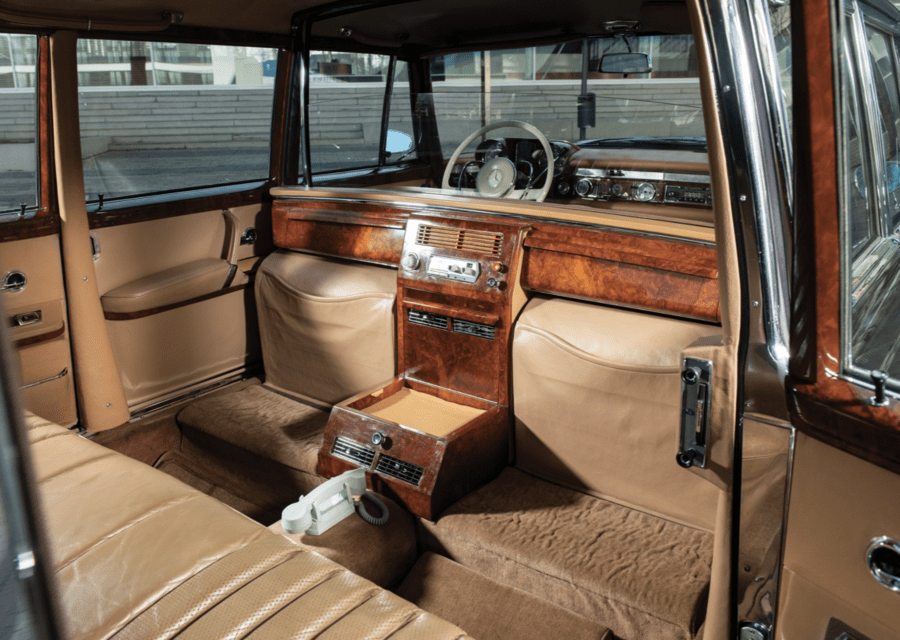
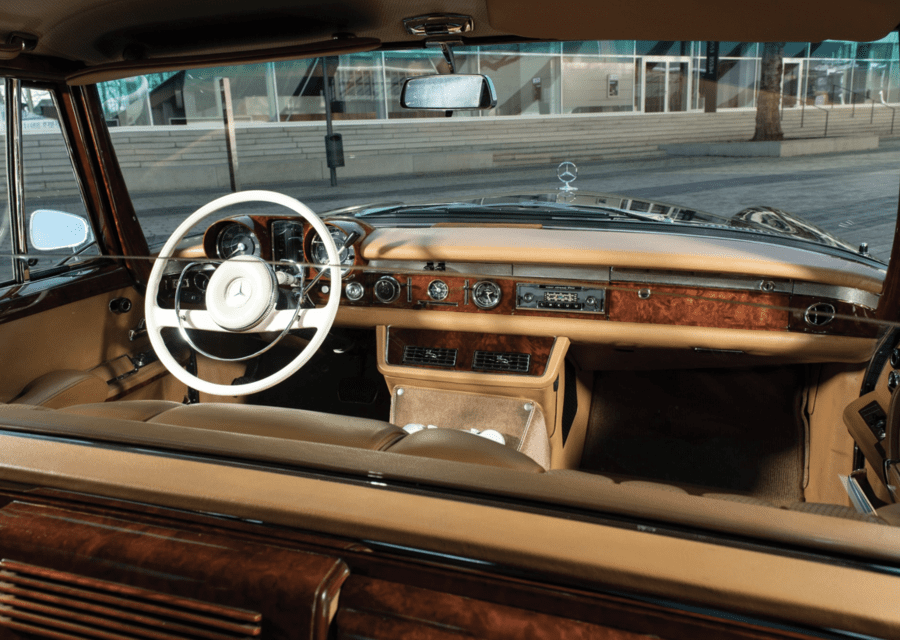
    The car to be offered by RM Sotheby’s is a 1967 Mercedes-Benz 600 Pullman with six-doors. It is one of five delivered to Ivory Coast at that time, unusually has no door handles on its middle doors and is fitted with air conditioning and an intercom also. Presented in its original colour combination of black lacquer with a natural coloured leather interior and brown carpets, the car left Africa after the death of Houphouët-Boigny in 1993. It was then exported to Germany and in the time since has been subject to restorative work costing some £88,000 ($109,000, €100,000 or درهم401,000) in 1994 and between 2013 and 2014 also. The auctioneers note that “the car is equipped with a replacement engine of the right type and that a second engine of the right type comes with the purchase.”


    Twice married Houphouët-Boigny was said to be worth somewhere between the staggering sums of £5.7 billion and £8.9 billion ($7 billion and $11 billion, €6.4 billion and €10 billion or درهم25.7 billion and درهم40.4 billion) on his death. His funeral was attended by 7,000 people and subsequently Ivory Coast’s economy declined rapidly. A religiously grounded civil war followed and still today, what was previously a prosperous land remains “severely damaged.”


    RM Sotheby’s will sell the ex-Félix Houphouët-Boigny Mercedes-Benz 600 Pullman at their Essen sale on behalf of its current owner, Dr Urich Speicher. The event runs from 24th to 27th June and an estimate of £220,000 to £247,000 ($273,000 to $306,000, €250,000 to €280,000 or درهم1 million to درهم1.1 million) has been set.


    Facebook: @TheSteepleTimes

    Instagram: @TheSteepleTimes

    Twitter: @SteepleTimes


    A Grand Old Man’s Grand Old Merc – President Félix Houphouët-Boigny – 1967 Mercedes ‘Dictator Car’ owned until 1993 by the first President of Ivory Coast to be auctioned after being restored at vast expense – 1967 Mercedes-Benz 600 Six-Door Pullman to be sold by RM Sotheby’s at their 24th to 27th June 2020 sale in Essen, Germany on behalf of current owner Dr Urich Speicher. An estimate of £220,000 to £247,000 ($273,000 to $306,000, €250,000 to €280,000 or درهم1 million to درهم1.1 million) has been set.
    A Grand Old Man’s Grand Old Merc – President Félix Houphouët-Boigny – 1967 Mercedes ‘Dictator Car’ owned until 1993 by the first President of Ivory Coast to be auctioned after being restored at vast expense – 1967 Mercedes-Benz 600 Six-Door Pullman to be sold by RM Sotheby’s at their 24th to 27th June 2020 sale in Essen, Germany on behalf of current owner Dr Urich Speicher. An estimate of £220,000 to £247,000 ($273,000 to $306,000, €250,000 to €280,000 or درهم1 million to درهم1.1 million) has been set.
    A Grand Old Man’s Grand Old Merc – President Félix Houphouët-Boigny – 1967 Mercedes ‘Dictator Car’ owned until 1993 by the first President of Ivory Coast to be auctioned after being restored at vast expense – 1967 Mercedes-Benz 600 Six-Door Pullman to be sold by RM Sotheby’s at their 24th to 27th June 2020 sale in Essen, Germany on behalf of current owner Dr Urich Speicher. An estimate of £220,000 to £247,000 ($273,000 to $306,000, €250,000 to €280,000 or درهم1 million to درهم1.1 million) has been set.
    A Grand Old Man’s Grand Old Merc – President Félix Houphouët-Boigny – 1967 Mercedes ‘Dictator Car’ owned until 1993 by the first President of Ivory Coast to be auctioned after being restored at vast expense – 1967 Mercedes-Benz 600 Six-Door Pullman to be sold by RM Sotheby’s at their 24th to 27th June 2020 sale in Essen, Germany on behalf of current owner Dr Urich Speicher. An estimate of £220,000 to £247,000 ($273,000 to $306,000, €250,000 to €280,000 or درهم1 million to درهم1.1 million) has been set.
    A Grand Old Man’s Grand Old Merc – President Félix Houphouët-Boigny – 1967 Mercedes ‘Dictator Car’ owned until 1993 by the first President of Ivory Coast to be auctioned after being restored at vast expense – 1967 Mercedes-Benz 600 Six-Door Pullman to be sold by RM Sotheby’s at their 24th to 27th June 2020 sale in Essen, Germany on behalf of current owner Dr Urich Speicher. An estimate of £220,000 to £247,000 ($273,000 to $306,000, €250,000 to €280,000 or درهم1 million to درهم1.1 million) has been set.
    A Grand Old Man’s Grand Old Merc – President Félix Houphouët-Boigny – 1967 Mercedes ‘Dictator Car’ owned until 1993 by the first President of Ivory Coast to be auctioned after being restored at vast expense – 1967 Mercedes-Benz 600 Six-Door Pullman to be sold by RM Sotheby’s at their 24th to 27th June 2020 sale in Essen, Germany on behalf of current owner Dr Urich Speicher. An estimate of £220,000 to £247,000 ($273,000 to $306,000, €250,000 to €280,000 or درهم1 million to درهم1.1 million) has been set.
    A Grand Old Man’s Grand Old Merc – President Félix Houphouët-Boigny – 1967 Mercedes ‘Dictator Car’ owned until 1993 by the first President of Ivory Coast to be auctioned after being restored at vast expense – 1967 Mercedes-Benz 600 Six-Door Pullman to be sold by RM Sotheby’s at their 24th to 27th June 2020 sale in Essen, Germany on behalf of current owner Dr Urich Speicher. An estimate of £220,000 to £247,000 ($273,000 to $306,000, €250,000 to €280,000 or درهم1 million to درهم1.1 million) has been set.
    A Grand Old Man’s Grand Old Merc – President Félix Houphouët-Boigny – 1967 Mercedes ‘Dictator Car’ owned until 1993 by the first President of Ivory Coast to be auctioned after being restored at vast expense – 1967 Mercedes-Benz 600 Six-Door Pullman to be sold by RM Sotheby’s at their 24th to 27th June 2020 sale in Essen, Germany on behalf of current owner Dr Urich Speicher. An estimate of £220,000 to £247,000 ($273,000 to $306,000, €250,000 to €280,000 or درهم1 million to درهم1.1 million) has been set.
    A Grand Old Man’s Grand Old Merc – President Félix Houphouët-Boigny – 1967 Mercedes ‘Dictator Car’ owned until 1993 by the first President of Ivory Coast to be auctioned after being restored at vast expense – 1967 Mercedes-Benz 600 Six-Door Pullman to be sold by RM Sotheby’s at their 24th to 27th June 2020 sale in Essen, Germany on behalf of current owner Dr Urich Speicher. An estimate of £220,000 to £247,000 ($273,000 to $306,000, €250,000 to €280,000 or درهم1 million to درهم1.1 million) has been set.
    A Grand Old Man’s Grand Old Merc – President Félix Houphouët-Boigny – 1967 Mercedes ‘Dictator Car’ owned until 1993 by the first President of Ivory Coast to be auctioned after being restored at vast expense – 1967 Mercedes-Benz 600 Six-Door Pullman to be sold by RM Sotheby’s at their 24th to 27th June 2020 sale in Essen, Germany on behalf of current owner Dr Urich Speicher. An estimate of £220,000 to £247,000 ($273,000 to $306,000, €250,000 to €280,000 or درهم1 million to درهم1.1 million) has been set.
  • A Victory for Babar

    A Victory for Babar

    IFAW secure a ban on the sale of most items of ivory in the UK with the assistance of Michael Gove MP and ‘Fake or Fortune’s’ Philip Mould


    Elephants love Wednesday, and so will you.

    Elephants remember Wednesday as if it was only Tuesday.

    Anthony T. Hincks, author.


    Last week, the International Fund for Animal Welfare announced that the Ivory Bill had been approved in the House of Commons and will now go for Royal Assent.


    Superb news for elephants in the regard that this will close most elements of the UK ivory market, The Steeple Times has long supported this cause. Prior to Theresa May’s pointless election in 2017, Matthew Steeples, editor-in-chief, wrote to Lady Borwick – then the MP for Kensington. This bizarre woman, who was also President of The British Antiques Dealers’ Association and spoke frequently in the House of Commons in support of the ivory trade, responded with the bizarre comment: “[Doesn’t everyone enjoy] tinkling the ivories – playing the piano?”


    Of the news, David Cowdrey, UK head of policy and campaigns at IFAW told The Steeple Times:


    “This amazing news means we can give the best present ever to elephants this year; namely that another ivory market is closing and increasing pressure for all countries to do the same and help make the killing of elephants for ivory a thing of the past.”


    “The Bill’s passage through Parliament was not easy and at times worrying. There were a number of attempts by the antiques lobby to water down the Bill, putting forward amendments that would have created more loopholes than a sieve full of water, but IFAW was on the case and briefed hundreds of supportive MPs and Lords throughout the Bill’s passage through Parliament. The end result was that all of those bad amendments were either withdrawn or voted down and we will now have one of the toughest ivory bans in the world, with a few very limited exemptions, which we put forward and supported.”


    “The resulting Ivory Act will now ban the sale of most ivory items in the UK, which is fantastic news and we could not have done this without you. With elephant populations in crisis and an elephant poached every 26 minutes for the illegal ivory trade, it is vital to shut down the legal markets as urgently as possible so that they can no longer be used as a smokescreen for illegal killing and trafficking.”


    “IFAW would like to congratulate everyone involved, especially our supporters and the UK Government for taking such swift action since pledging to introduce a ban. It has to be said that the Ivory Bill must be one of the quickest pieces of legislation to pass through Parliament in recent years and this reflects the importance that the Government attached to it.”


    “I have to personally congratulate The Rt. Hon. Michael Gove MP, Secretary of State for the Environment, who has championed this Bill from our very first meeting and also the Ivory Bill team at Defra (Department for Environment, Food and Rural Affairs) for their amazing support and work in delivering a balanced and excellent piece of legislation. It is also important to note that all political parties supported this Bill and without their support it would not have succeeded.”


    “When IFAW stepped up its campaign for an ivory ban in earnest about three years ago, we were starting from a bleak place. Though it had been included on manifesto documents little had been done politically, it was not a priority and was even dropped as a manifesto pledge by the Government at the last election. IFAW crafted a campaign that would create real change and brought in some vital players we needed to reassure and have on side, such as the Musicians’ Union, Music Industries Association and Association of British Orchestras to really understand their issues and work together as partners.”


    “We spoke to museums and fine art dealers like Philip Mould and took their concerns on board, worked with them and built strong relationships that would shape the campaign and achieve real positive change for elephants. I also spoke to enforcement officers to understand what would work and what would not work, because at the end of the day any new legislation has to be enforceable and we want the people behind the illegal wildlife trade to be brought to justice. We lobbied hundreds and hundreds of MPs, Lords and civil servants. We wrote letters, IFAW published reports, gave evidence to select committees, conducted surveys, signed petitions and kept up a constant pressure, advocating real joined up solutions to the Government and all of our suggestions were taken on board.”


    “As a public element to the campaign, we ran another UK ivory surrender, our fourth in the UK, where members of the public were encouraged to give up any unwanted ivory to be put beyond use and ensure it would not be traded. We continue to be overwhelmed by the huge public response to this, with hundreds of ivory trinkets and tusks donated to IFAW over recent months. The majority of donated ivory is passed to the relevant Government agency to destroy, and just a few items are retained for education work and publicity purposes.”


    “Our partnership approach was supported and echoed by other NGOs and we all worked together to deliver one of the best and strongest ivory bans in the world. We now hope this will be replicated by the European Union and that they will act as courageously as the UK Government did to close down the EU to ivory and produce equally strong legislation. Our job will not be done until all ivory markets are closed and people only value ivory on a living, wild elephant.”


    “It has been a hard, long and successful campaign thanks to all of your support and I hope has delivered a great Christmas present and one that we can all celebrate. The elephants won’t forget, and neither will we.”


    Facebook: @TheSteepleTimes

    Instagram: @TheSteepleTimes

    Twitter: @SteepleTimes

  • Madness in Madagascar

    Madness in Madagascar

    Author and travel writer Sarah Tucker visits Madagascar and laments its future


    Every year I’m sent press releases that tell me I should visit a place before it loses what makes it special. Vienna, the Maldives and Istanbul have all been on the “go before they go” itinerary, but Madagascar had never been one of them.


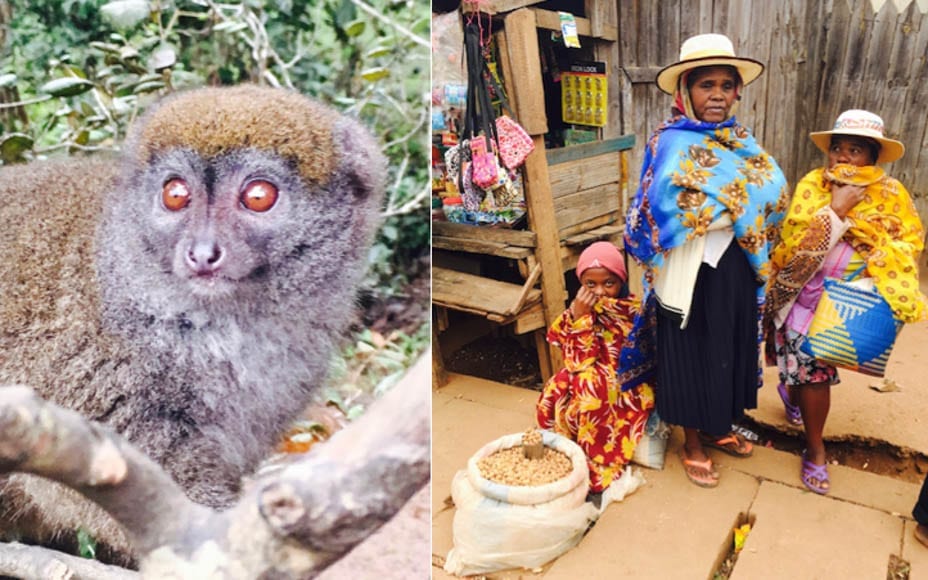
    The reality is Madagascar is disappearing fast, or, alternatively put, the uniqueness of Madagascar is disappearing fast. The rainforests there have been transformed into terraces of paddy fields cut in huge swathes, with piles of bricks made of the red clay from the soil which fed those magnificent forests, where the indigenous lemurs sing and dance. And they do.


    Madness in Madagascar – Visit this special country before it declines – Author and travel writer Sarah Tucker visits Madagascar and laments its future.


    I spent fifteen days there with adventure travel experts Explore and travelled over 1,000 miles across the island. I found that my visit left me with emotions as intense as Hurricane Irma hitting at Force Five.


    On the east, it is cool and wet and the forests are still thriving. WWF and other ecologists like Patricia Wright, who discovered a new breed of lemur back in 1997, have made some headway against a corrupt government and ancestral traditions which verge on the quirky to the downright cruel. All cultures have such but, indeed, whilst visiting Madagascar – which is undergoing some sort of industrial revolution – I saw much of the fault in my own culture and its own quirks and cruelties.


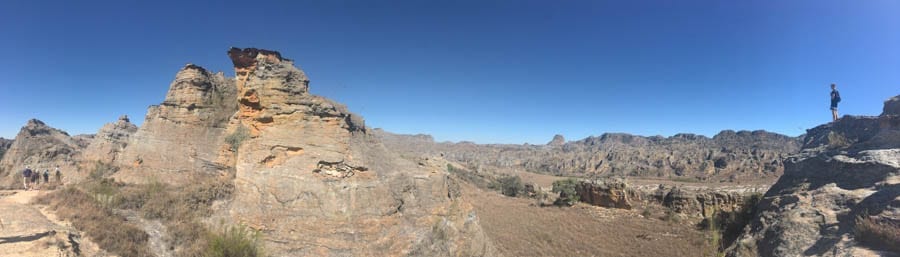
    On the east coast, it is hot and arid, and more like the Africa I know, but therein lies the tragedy. And it is a tragedy. Once the rainforests have gone – and they will go soon – there will be nothing unique about this special island. Although it is not on the headlines of any news programme at the moment, for those who have visited in the past and choose to go again, you will mourn its lost.


    Follow Sarah Tucker on Twitter at @madasatucker.


  • Bob Marshall-Andrews QC

    Bob Marshall-Andrews QC

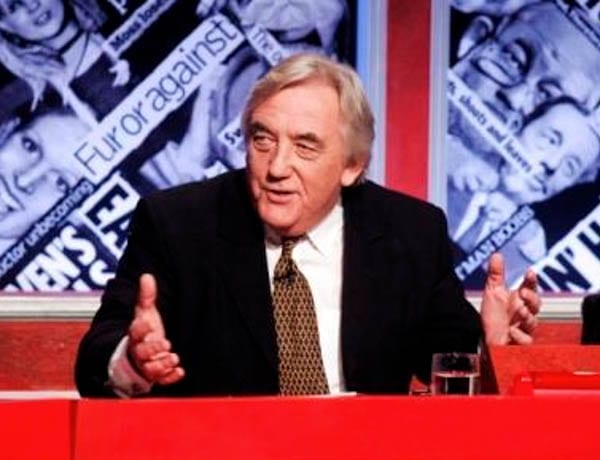
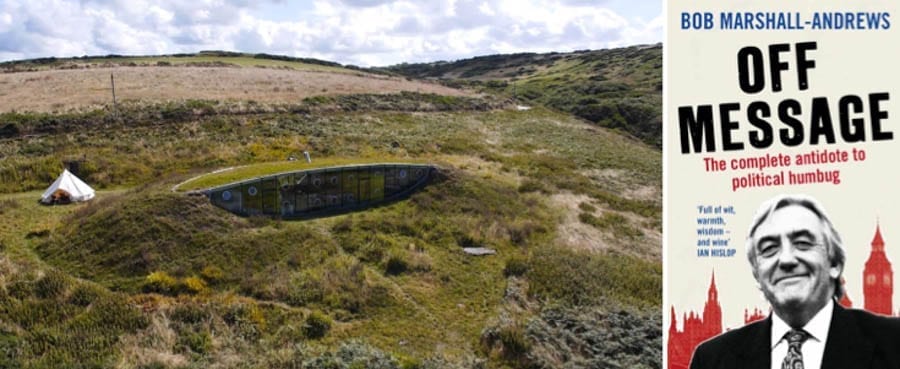
    A “libertarian-left” Labour MP between 1997 and 2010, distinguished barrister and novelist Bob Marshall-Andrews defected to the Liberal Democrats in 2017. Described as “an irritant” to his former party whilst they were in government, multi-millionaire Marshall-Andrews built and owns “one of the most innovative houses of the 20th century – the famed ‘Teletubby House’ in Druidston, Pembrokeshire – and is chairman of the George Adamson Wildlife Trust. In 2013, of him, Chambers Legal Directory remarked: “Juries love him… I’ve never seen a jury eat out of anyone’s hand as much” whilst he amusingly references himself as “the complete antidote to political humbug”. Of Labour, this “intellectually brilliant” individual added: “They’re a basket case…They effectively abdicated all responsibility [on Brexit]”.


    Bob Marshall-Andrews QC – Barrister, former Labour MP and novelist Bob Marshall-Andrews QC – Barrister, former Labour MP and novelist


  • Charlot Malin (1969 – 2017)

    Charlot Malin (1969 – 2017)

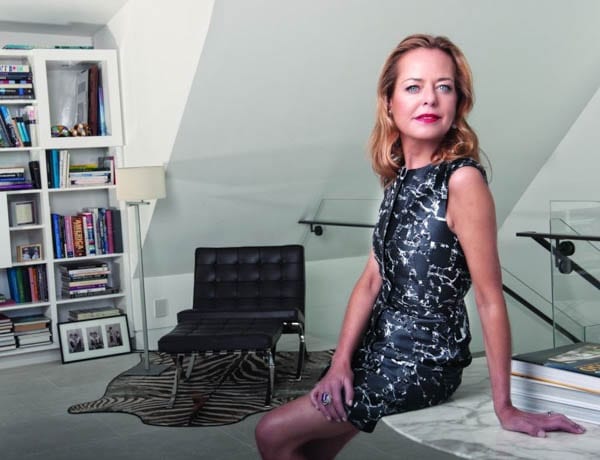
    Oslo born, San Francisco based interior designer and philanthropist Charlot D. Malin had a day named in her honour by The City and County of San Francisco in November 2016. A mother of twins and the co-founder of Troon Pacific Inc. with her husband Gregory, “forward-thinking” Malin worked on properties for George Lucas and Robert Redford and supported everything from the San Francisco Opera Guild to the Voss Foundation. She considered “health the ultimate luxury” and loathed microwave ovens.

  • The Business of Blair

    The Business of Blair

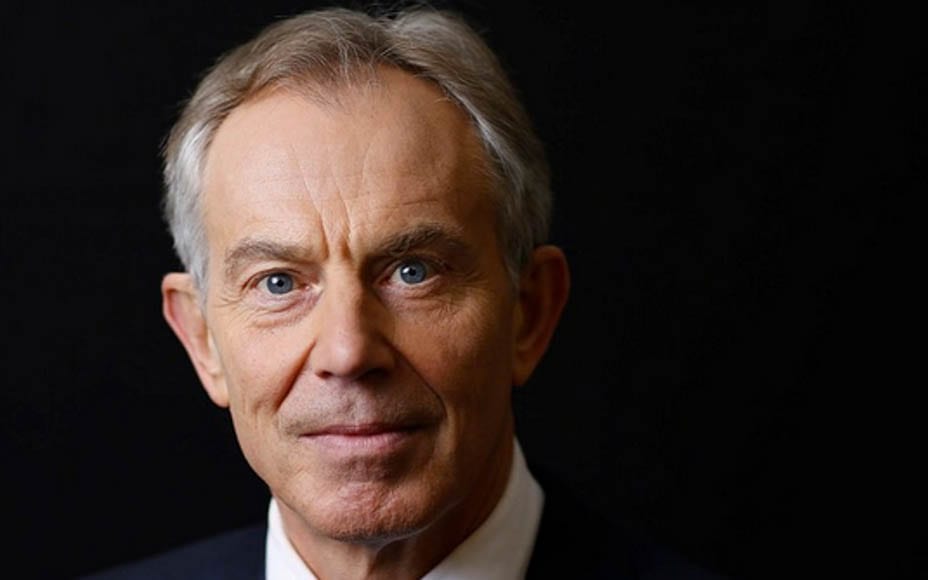
    Tony Blair ditches business and also denies a return to public office


    For weeks, the mainstream media have claimed Tony Blair is preparing to return to public office to save Britain from the nightmare of Brexit. They have claimed he’s ready to seize the support of the 48% and that him and Nick Clegg are colluding to create a new ‘centre left’. He did little to deny it at first but late last week, he shared a post on Facebook that frankly puts a stop to this kind of nonsense.


    Blair, a plainly toxic force in politics due to his highly unpopular backing of George W. over the War on Iraq (and because of his refusal to confine his equally disliked weirdo wife to social Siberia), will never make a comeback and now he’s finally acknowledged that in a very public way.


    In our view, Mr Blair is actually wrong. He’s not nearly as bad as #DarthVader Theresa May and he’s not nearly as ghastly as either the worst Prime Minister’s-in-living-history John Major and Gordon Brown and though we share with you his justifications for not getting involved again, we weirdly find ourselves actually lauding Mr Blair for saying the right thing (for once in his sorry lifetime).


    Mr Blair’s comment, in full, follows:


    Over the past nine years we have built a family of organisations which together employ nearly 200 people; have worked in over 30 countries; and have produced some real and lasting achievements. I am very proud of the commitment and impact of the people I have had the privilege to work with.


    The Africa Governance Initiative has become a respected partner and leader in effective governance where we have worked in 10 different African countries.


    The work we are doing in Africa has been right at the centre of government covering everything from boosting electricity, to improving child and maternal mortality rates to helping on the ground during the Ebola crisis in West Africa, a contribution praised for its impact by both the Presidents of the countries concerned and the international community.


    Outside of Africa in the work done by the commercial governance arm, we again made successful interventions in over 12 countries with 30 different projects promoting reform and change programmes with governments.


    The Tony Blair Faith Foundation has done ground-breaking work in interfaith relations, education and leadership, and most recently in the research and policy work on religiously based extremism through the Centre on Religion and Geopolitics which has been widely recognised as authoritative. 


    In the first years of the Quartet role in the Middle East, we hit double digit growth on the West Bank, drew up ambitious plans for Gaza’s infrastructure and changed the rules around entry of materials into Gaza. In 2011, we played a significant part in the attempt to agree terms of reference for a renewal of the peace process.


    Progress became much more difficult once the peace process stalled. We were partners in the later fresh attempts by the USA to revive the peace process, particularly around plans for the economy to support a future Palestinian state. Unfortunately these attempts also failed.


    Nonetheless, after stepping down from the Quartet position, our new Initiative for the Middle East has re-vitalised our work and means this stays a large part of what we do. I have made over 35 visits to the region this year alone.


    During the time since leaving office, I have learnt a huge amount about the world and frankly what I can do and can’t do to affect it positively.


    We built up a successful business side, though attracted a large measure of criticism for it, much of it inaccurate. It was entirely necessary to build the business to help with the funding to grow the organisations; but it was open to misrepresentation and to criticism either that we were conflating private and public roles or that we were working in countries which aroused controversy.


    Having said that, I also learnt a lot about the way the global economy functions from that experience and pay tribute to the great team I worked with who made much of the development of our work across the organisations possible.


    We are now at the stage and have built the financial infrastructure where it is time to enter a new phase. First we can take the work we have done in Africa, in governance, on extremism and in the Middle East to a new and more effective level; and secondly, in the past six months we have seen political earthquakes in the UK with Brexit and in the American election, as well as an explosion in populist movements all over the European continent. This impacts profoundly all the work we do and the future of globalisation.


    So I want us to bring all the different organisations together under one roof and to re-orient our mission.


    We have deliberately focused, up to now, on some of the greatest and most difficult challenges faced in the era of globalisation: how to give nations the governing capacity to overcome the problems of development and lift their people out of poverty; how to combat the religiously based extremism which threatens global security; how to resolve the most intractable peace process in the world.


    In each case, we have presented a new approach, with the aim of providing new ideas and thinking.


    In governance, especially in Africa, our analysis is that, today, building the capacity to govern effectively – making the way government works efficient as well as transparent – is as important for developing nations as aid.


    Look around the world, and see countries living next to each other – same size population, same resources, same natural potential – one succeeding, one failing. The reason for the difference is found in the quality of governance. Take the following examples: Venezuela and Colombia; Poland and Ukraine; Rwanda and Burundi. And the greatest example in contrasting, contiguous systems of governance the world has seen in modern political history – the Korean Peninsula, North and South Korea. The nation which is succeeding is applying the best rules and lessons of governance; the failing nation is ignoring or defying them.


    On religious extremism, we believe it is essential to widen the struggle, to tackle the ideology behind the violence and not simply the violence itself. So we can defeat ISIS militarily but unless we defeat the ideas behind Islamism – the belief that a particular view of religion should dominate society, politics and the economy, something incompatible with a modern world in which pluralism is the essence – we will never win this battle.


    On the Middle East peace process, we are convinced that a traditional peace process between Israelis and Palestinians with US guidance alone is inadequate; that what is required is a new approach which involves the wider region and the Arab nations and which resolves not just the final status issues like borders but which also resolves the underlying issues of cultural acceptance and regional stability. So we are now working on Arab-Israeli relations, and not simply Israeli-Palestinian relations.


    But it has become clear that there is much overlap between these different areas of work. Extremism is also today a barrier to development. The Middle East conflict impacts extremism. Changing and reforming government applies to Middle East nations as well.


    And since all of these approaches basically represent the open-minded response to global problems, the salience of these new approaches depends on us having an answer to the new populism of left and right which exploits the anger and drives the world apart.


    This new populism may differ in some respects between left and right – the left anti-business, the right anti-immigrant – but in others what is remarkable is the convergence between them, especially around isolationism and protectionism, in what is an essentially closed-minded approach to globalisation and its benefits and to international engagement.


    So we want to add a fourth pillar to what we do. I emphasise this is not in place of our other work but in addition to it.


    This is the creation of a platform designed to build a new policy agenda for the centre ground together with the networks which link people up, and allow a reasonable and evidence based discussion of the future which avoids the plague of social media-led exchanges of abuse. 


    This platform will have a policy unit which will draw on the best ideas and practical solutions, building partnerships with other organisations, in the public policy and private spheres, so that those in the frontline of politics have a bigger and better policy agenda to reflect upon; and a networking capability to join like-minded people up. 


    This is not a think tank. There are enough of those, many doing excellent work we would want to utilise. It is a platform for engagement to inform and support the practising politician.


    It is what I know I would want were I still in the frontline of politics.


    Part of its focus will plainly be around the European debate; but this will not be its exclusive domain. It has to go far wider than that since in many ways the Europe debate is a lightning rod for the whole of politics.


    We’re now planning to bring all of these four parts together in one new Not For Profit Institute. 


    The business side has been shut down and the assets, running into many millions of pounds, gifted to the Institute. In the New Year, we plan to merge the activities of the different organisations into the Institute, with any charitable funds used exclusively for the purposes for which they were originally given.


    This will allow us to work more coherently across the board; use the obvious synergies between the different elements of the work; and to be far stronger on the global policy side than we have been up to now. The focus previously was mainly on programmes. These will remain but the organisation will also be far more about thought leadership.


    This is not about my returning to the front line of politics. I have made it abundantly clear that this is not possible.


    However, I care about my country and the world my children and grandchildren will grow up in; and want to play at least a small part in contributing to the debate about the future of both.  
     

    The Africa Governance Initiative has become a respected partner and leader in effective governance where we have worked in 10 different African countries.


    The work we are doing in Africa has been right at the centre of government covering everything from boosting electricity, to improving child and maternal mortality rates to helping on the ground during the Ebola crisis in West Africa, a contribution praised for its impact by both the Presidents of the countries concerned and the international community.


    Outside of Africa in the work done by the commercial governance arm, we again made successful interventions in over 12 countries with 30 different projects promoting reform and change programmes with governments.


    The Tony Blair Faith Foundation has done ground-breaking work in interfaith relations, education and leadership, and most recently in the research and policy work on religiously based extremism through the Centre on Religion and Geopolitics which has been widely recognised as authoritative. 


    In the first years of the Quartet role in the Middle East, we hit double digit growth on the West Bank, drew up ambitious plans for Gaza’s infrastructure and changed the rules around entry of materials into Gaza. In 2011, we played a significant part in the attempt to agree terms of reference for a renewal of the peace process.


    Progress became much more difficult once the peace process stalled. We were partners in the later fresh attempts by the USA to revive the peace process, particularly around plans for the economy to support a future Palestinian state. Unfortunately these attempts also failed.


    Nonetheless, after stepping down from the Quartet position, our new Initiative for the Middle East has re-vitalised our work and means this stays a large part of what we do. I have made over 35 visits to the region this year alone.


    During the time since leaving office, I have learnt a huge amount about the world and frankly what I can do and can’t do to affect it positively.


    We built up a successful business side, though attracted a large measure of criticism for it, much of it inaccurate. It was entirely necessary to build the business to help with the funding to grow the organisations; but it was open to misrepresentation and to criticism either that we were conflating private and public roles or that we were working in countries which aroused controversy.


    Having said that, I also learnt a lot about the way the global economy functions from that experience and pay tribute to the great team I worked with who made much of the development of our work across the organisations possible.


    We are now at the stage and have built the financial infrastructure where it is time to enter a new phase. First we can take the work we have done in Africa, in governance, on extremism and in the Middle East to a new and more effective level; and secondly, in the past six months we have seen political earthquakes in the UK with Brexit and in the American election, as well as an explosion in populist movements all over the European continent. This impacts profoundly all the work we do and the future of globalisation.


    So I want us to bring all the different organisations together under one roof and to re-orient our mission.


    We have deliberately focused, up to now, on some of the greatest and most difficult challenges faced in the era of globalisation: how to give nations the governing capacity to overcome the problems of development and lift their people out of poverty; how to combat the religiously based extremism which threatens global security; how to resolve the most intractable peace process in the world.


    In each case, we have presented a new approach, with the aim of providing new ideas and thinking.


    In governance, especially in Africa, our analysis is that, today, building the capacity to govern effectively – making the way government works efficient as well as transparent – is as important for developing nations as aid.


    Look around the world, and see countries living next to each other – same size population, same resources, same natural potential – one succeeding, one failing. The reason for the difference is found in the quality of governance. Take the following examples: Venezuela and Colombia; Poland and Ukraine; Rwanda and Burundi. And the greatest example in contrasting, contiguous systems of governance the world has seen in modern political history – the Korean Peninsula, North and South Korea. The nation which is succeeding is applying the best rules and lessons of governance; the failing nation is ignoring or defying them.


    On religious extremism, we believe it is essential to widen the struggle, to tackle the ideology behind the violence and not simply the violence itself. So we can defeat ISIS militarily but unless we defeat the ideas behind Islamism – the belief that a particular view of religion should dominate society, politics and the economy, something incompatible with a modern world in which pluralism is the essence – we will never win this battle.


    On the Middle East peace process, we are convinced that a traditional peace process between Israelis and Palestinians with US guidance alone is inadequate; that what is required is a new approach which involves the wider region and the Arab nations and which resolves not just the final status issues like borders but which also resolves the underlying issues of cultural acceptance and regional stability. So we are now working on Arab-Israeli relations, and not simply Israeli-Palestinian relations.


    But it has become clear that there is much overlap between these different areas of work. Extremism is also today a barrier to development. The Middle East conflict impacts extremism. Changing and reforming government applies to Middle East nations as well.


    And since all of these approaches basically represent the open-minded response to global problems, the salience of these new approaches depends on us having an answer to the new populism of left and right which exploits the anger and drives the world apart.


    This new populism may differ in some respects between left and right – the left anti-business, the right anti-immigrant – but in others what is remarkable is the convergence between them, especially around isolationism and protectionism, in what is an essentially closed-minded approach to globalisation and its benefits and to international engagement.


    So we want to add a fourth pillar to what we do. I emphasise this is not in place of our other work but in addition to it.


    This is the creation of a platform designed to build a new policy agenda for the centre ground together with the networks which link people up, and allow a reasonable and evidence based discussion of the future which avoids the plague of social media-led exchanges of abuse.


    This platform will have a policy unit which will draw on the best ideas and practical solutions, building partnerships with other organisations, in the public policy and private spheres, so that those in the frontline of politics have a bigger and better policy agenda to reflect upon; and a networking capability to join like-minded people up. 


    This is not a think tank. There are enough of those, many doing excellent work we would want to utilise. It is a platform for engagement to inform and support the practising politician.


    It is what I know I would want were I still in the frontline of politics.


    Part of its focus will plainly be around the European debate; but this will not be its exclusive domain. It has to go far wider than that since in many ways the Europe debate is a lightning rod for the whole of politics.


    We’re now planning to bring all of these four parts together in one new Not For Profit Institute. 


    The business side has been shut down and the assets, running into many millions of pounds, gifted to the Institute. In the New Year, we plan to merge the activities of the different organisations into the Institute, with any charitable funds used exclusively for the purposes for which they were originally given.


    This will allow us to work more coherently across the board; use the obvious synergies between the different elements of the work; and to be far stronger on the global policy side than we have been up to now. The focus previously was mainly on programmes. These will remain but the organisation will also be far more about thought leadership.


    This is not about my returning to the front line of politics. I have made it abundantly clear that this is not possible.


    However, I care about my country and the world my children and grandchildren will grow up in; and want to play at least a small part in contributing to the debate about the future of both.  
     

  • Charlie David – What’s on your mantelpiece?

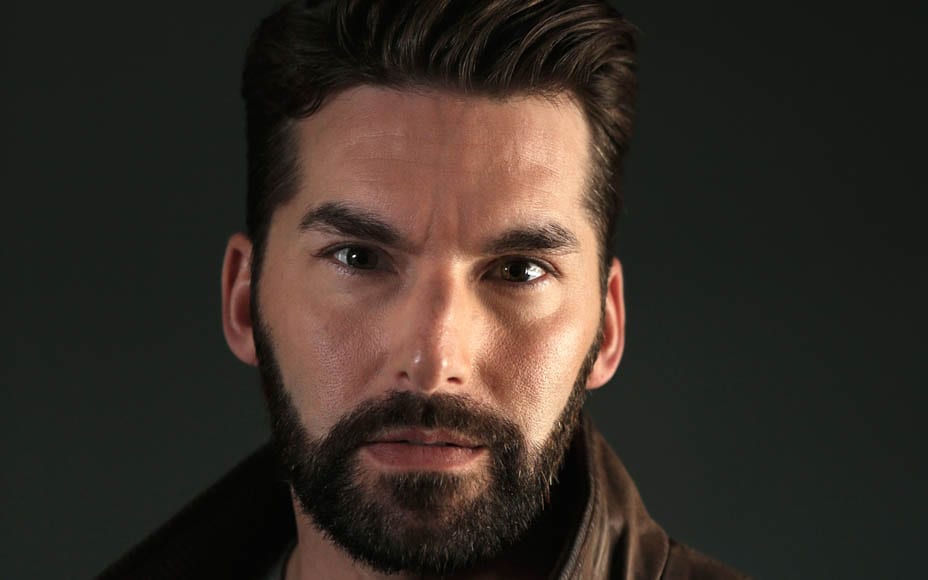
    Charlie David – What’s on your mantelpiece?

    A 20-question interview with director and producer Charlie David


    The Steeple Times shares “wit and wisdom”. What’s your guiding force?

    I have an uncanny knack for honing in on beautiful Brazilian men in a crowd. I’m mysteriously led to them like a dowsing stick to water.


    “Don’t get even, get medieval” is, in our humble opinion, a great motto. What’s yours?

    Be brave enough to be honest with everyone in your life.


    Kerry Katona was considered unacceptable in 2007. Who or what is unacceptable in 2016?

    Man buns.


    Tony Blair misses being Prime Minister. What do you miss most in your life?

    Playing the piano. I know, I know! Easy enough to fix. A little easier to get back in the saddle with than becoming the head of Her Majesty’s Government in the United Kingdom.


    What might you swap all your wealth for?

    One night of debauchery with Ricky Martin.


    Donald Trump was once a case of: “If you owe the bank a thousand, they close you down; but if you owe the bank a billion, you own the bank”. What’s your view on the banking crisis?

    Like travel, music, film, and other industries before it, the big banks now face the squeeze of existing in the age of the Internet. There are better places to invest than through traditional means and people are becoming savvy to that.


    What phrase or word do you most loathe?

    In television, network execs are very fond of using the words ‘buckets’ and ‘wheelhouse’ to describe the topics or areas of interest on their shopping list. It makes me gag a little.


    Overheard at the markets this year: “Murder is huge. We want BIG characters and murder. Like if you have anything with a village of little people who come together as a community to sleuth out a serial killer who has been stalking them? That would definitely be in our wheelhouse”.


    In the UK, some people consider charity to “begin at home”. What’s your view and what causes do you personally support?

    Through trips to Tanzania, Kenya, Zambia, Zimbabwe, Botswana and South Africa I was able to see a lot of wildlife, humanitarian and environmental initiatives. I think these are important but somehow we’re still really missing the mark in terms of foreign aid.


    I recently read Paul Theroux’s Dark Star Safari: Overland from Cairo to Cape Town and it was a bit shocking to me in its frank and pragmatic assessment of the impact of foreign aid and voluntourism. Definitely a very good read for anyone who has spent time in Africa or other parts of the world as a volunteer. It certainly caused me to pause and reflect a lot on the type of initiatives I lend my time and dollars to.


    Now on the international front, I micro-lend through Kiva.org which to me seems a more pragmatic way forward than hand-outs. It supports entrepreneurs around the world who are unable to apply for a traditional bank loan. I think it fosters business skills, accountability and trust which are all great characteristics for a thriving community.


    At home I like to contribute to educational, environmental and arts organizations and generally prefer to donate time/money directly to ones I’ve been involved in. That way I know the people; I can gage the impact and witness the ongoing results.


    The judge in Law Abiding Citizen states: “I can pretty much do whatever I want” before being blown up whilst answering her mobile phone. What’s your view on the appropriate use of such devices?

    They should be well and truly hidden whenever humans gather to break bread.


     Charlie David – What’s on your mantelpiece?


    If you could fill a carriage on The Orient Express, who would be your fellow passengers?

    Ricky Martin. Can we have one carriage to ourselves? Please? Honestly, I just think he’s talented and a total D.I.L.F. It’s likely just a passing fancy, not fanaticism.


    If you were unfortunate enough to end up on death row, what would be your last meal and where would you eat it?

    I’d ask for something I could share with the other inmates like a pizza party at the gym in the courtyard. I’d want it to be a block party, not a solo steak dinner.


    What time is it acceptable to consume the first drink of the day?

    If you’re in control of your use of alcohol and it’s not controlling you, then the hour of the clock is irrelevant.


    A Negroni, a martini or a cup of tea?

    A Negroni s’il vous plait.


    Whose parties do you enjoy the most and why?

    My nephews’ and nieces’. I love watching them go to work on a piñata.


    Who is the most positive person you know?

    My mother. She is pure joy and gratitude. I strive to embody that outlook.


    What’s your most guilty pleasure?

    Pizza and Netflix.


    If a tattoo were to sum you up, what would it be of?

    Ricky Martin eating a pizza and watching Netflix.


    If you were a car, what marque would you be?

    Honda – Reliable, frugal and pragmatic.


    Cilla Black presented Surprise, Surprise. Tell us the most surprising thing about you.

    I had a band as a teenager and opened for Destiny’s Child when Ferra was still part of the group.


    What’s currently sitting on your mantelpiece?

    Books, books, books. And a bobble-head doll of Ricky Martin.


    Charlie David is a storyteller with film, books and web. He lives in Toronto and Montréal, Canada and is the founder of Border2Border Entertainment, Inc.


    Follow him on Twitter at @CharlieDavid and view his channel on YouTube at @MrCharlieDavid.


    Subscribe to our free once daily email newsletter here:[wysija_form id=”2″]


  • One family from new

    One family from new

    Grade I listed house in Northern Ireland offered for sale for the first time since it was built in 1620 (more…)