1950s Cold War espionage device disguised as a watch to be auctioned for a surprisingly low sum; someone could end up spying a bargain and something akin to what Jack Ruby even once owned
FBI informant and ‘assassin’s assassin’ Jack Ruby – the man whom fatally shot Lee Harvey Oswald, the alleged assassin of John F. Kennedy in November 1963 – supposedly owned a Protona microphone wrist watch, but these German devices were primarily used in Europe during the Cold War by police and intelligence organisations.
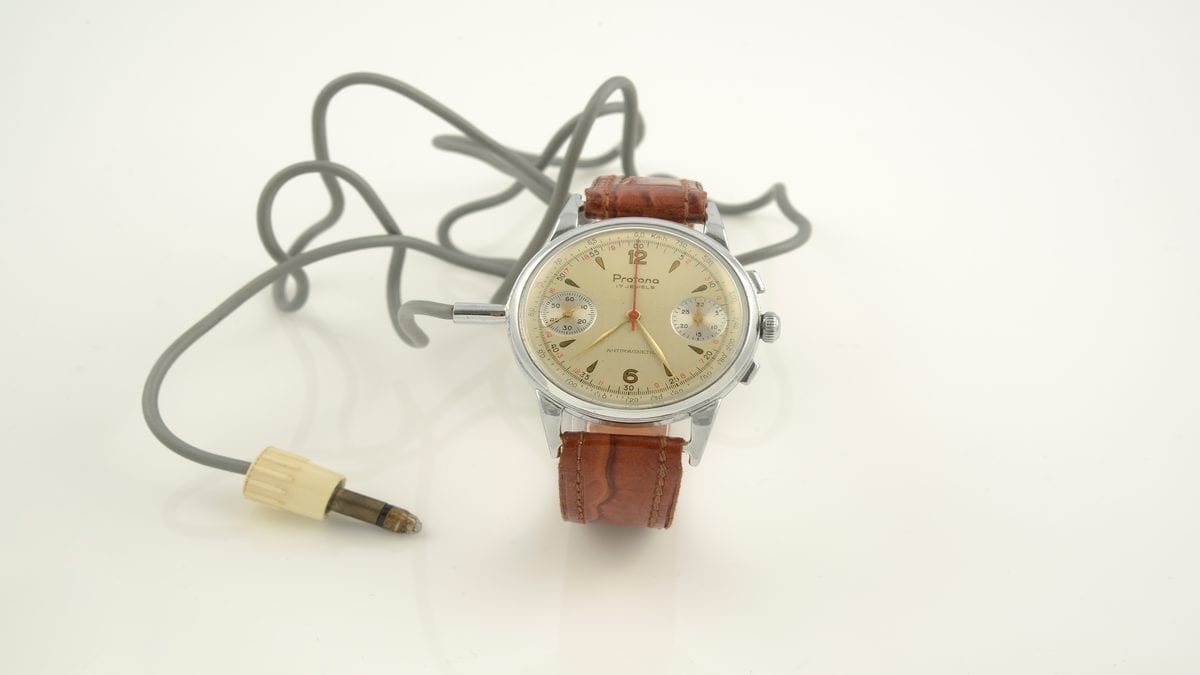
Now, an opportunity to buy a Protona in an online auction has arisen for what seems a surprisingly low price. The item concerned appears to the eye as a 40mm chronograph stainless steel wrist watch, but it also has an insert where a wire can be attached and hidden under the sleeve of the clothing of the person wearing it. That wire would then connect to a portable recording device concealed over their shoulder that could pick up audio for upto one hour.
Remarking of the quirky item her firm is set to sell, Laura Bishop, watch manager at Fellows auction house, commented:
“This is the perfect opportunity to own a fascinating piece of espionage and an intriguing watch combined. I can only imagine some of the conversations that this device might have recorded. We have been unable to gain access to the movement of the watch to find out its exact condition, however the dial is intact with no visible marks. History and watch enthusiasts alike won’t want to miss this one. I’m sure it will fly above its estimate.”
Fellows have set an estimate of £140 to £200 ($187 to $267, €157 to €224 or درهم687 to درهم982) and will sell it online on 8th December whilst elsewhere on eBay, another example is for sale along with a case full of extras for a far more punchy £897.50 ($1,199, €1,007 or درهم4,406).
The watch to be sold on someone’s wrist.The watch has a brown leather strap and a gold plated pin buckle.Items associated with espionage and those linked to JFK’s assassination sell for ludicrous sums. In June 2013, we featured the sale of two pieces of bloodstained leather from the back from the back seat of the Lincoln Continental in which President Kennedy was assassinated in 1963. They sold for £9,785 ($13,045, €10,963 or درهم47,908) whilst in the same year Lee Harvey Oswald’s widow sold his wedding ring for £68,000 ($90,600, €76,200 or درهم332,900).In January 2015, we featured an Aston Martin DB10 used in the film ‘Spectre’ that was sold at auction by Christie’s for the staggering sum of £2.785 million ($3.711 million, €3.118 million or درهم13.629 million). A fan of the ultimate spy James Bond plainly truly fell under the spell as the car was simply just an undriveable show item.
Crumbling Northamptonshire estate Lilford Hall – where the little owl was introduced to Britain – for sale for £10 million, a sum £35 million lower than in 2014
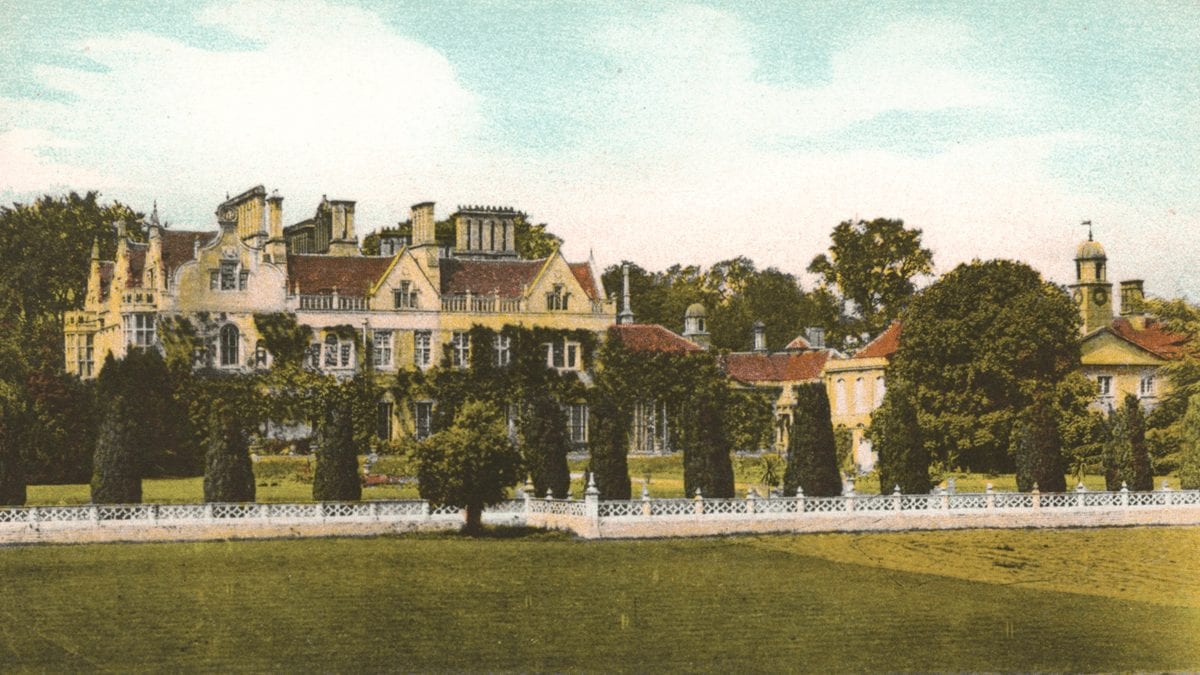
Grade I listed Jacobean mansion with 13 chimney stacks for sale for £10 million; it was for sale last for £44.9 million in 2014 in spite of being listed on English Heritage’s ‘At Risk Register.’
Lilford Hall – parts of which have not been occupied since 1947 –is currently owned by a businessman who tried to sell burial plots in the grounds for £1,250 a pop and shares in a yacht loosely associated with Frank Sinatra for £23 each.
The 321-acre estate includes not only overgrown parkland, but also a zoo with cages that formerly housed bears and a lake for flamingos.
From 1711 until 1990, Lilford House was the seat of the Powys family – the 4th baron is credited with introducing the little owl to the UK.
More recently, in 1969, the “sexual mystic” artist Penny Slinger used the at-the-time derelict mansion in one of her best-known works.
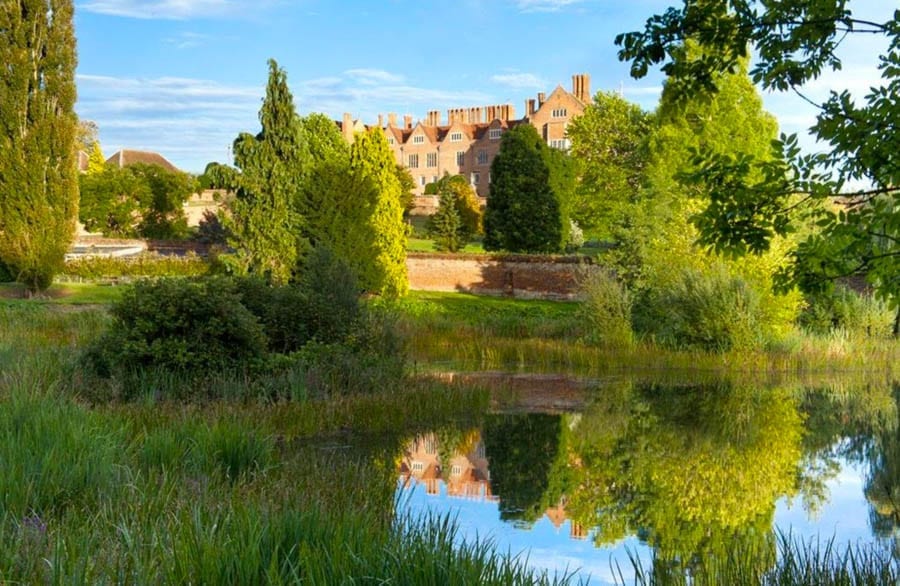
A 32,406 square foot Grade I listed Jacobean mansion 82 miles from Central London has gone on sale for £10 million – or the equivalent of just £308 per square foot.
On this basis, Lilford Hall – set in 321 acres near Oundle – seems a comparative bargain when considered against the £4,786 per square foot sought for a Lennox Gardens, Knightsbridge triplex flatThe Steeple Times featured in May, but buyers need to remember this – parts of this crumbling building, most notably the major state rooms, have not been used since 1947.
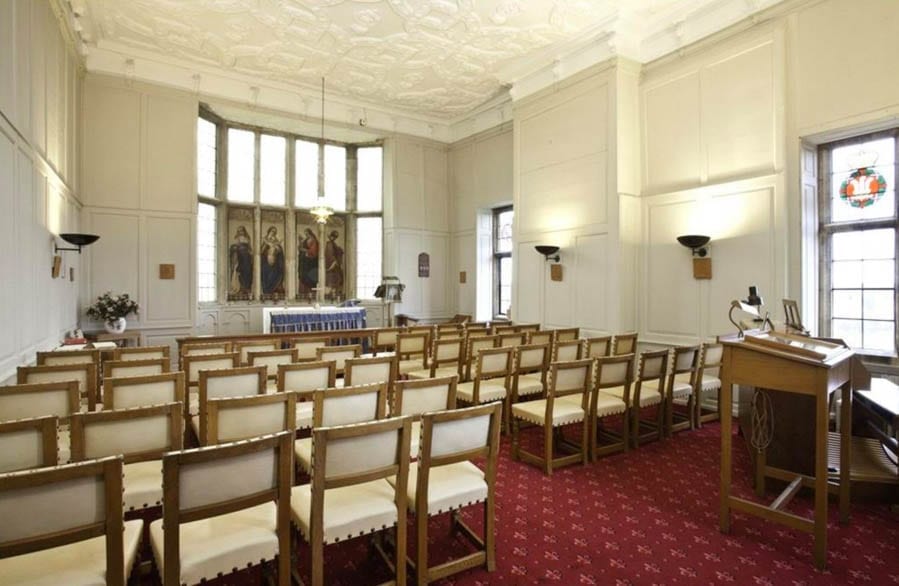
Marketed last in 2014 for the even more punchy sum of £45 million, the “exceptional residential and amenity estate located on the River Nene,” is now offered by agents Savills. The “wonderfully proportioned” U-shaped mansion itself is constructed of grey limestone and includes over 100 rooms and amongst them are 7 “impressive” reception rooms, a ballroom, a ‘great chamber’ and 9 bedrooms. In addition, there are two Georgian pavilions that were formerly coach houses and stabling, three cottages, a former zoo, the oldest private softball court in the world, a former flamingo enclosure and a deer park.
“Impressiveness in the chief attribute of Lilford Hall as a specimen of architecture” claimed County Life in 1990 and as the seat of the Powys family from 1711 until 1990, it became not only a Downton Abbey-esque entertaining pad, but also housed nurses in the Second World War. Here, indeed, is an English country house that has seen lavishness and decline and thankfully here is an example that thankfully escaped the wrecking ball wrought so disgracefully on such houses in the 1950s and 1960s.
Fascinatingly in the 1880s, Thomas Powys, 4th Baron Lilford filled his aviaries on the estate with rheas, kiwis, pink-headed ducks, free-flying lammergeiers and it was from here that he also introduced the little owl into the UK. There are said to be around 5,700 breeding pairs today, but sadly, according to the RSPB, their numbers are now in decline.
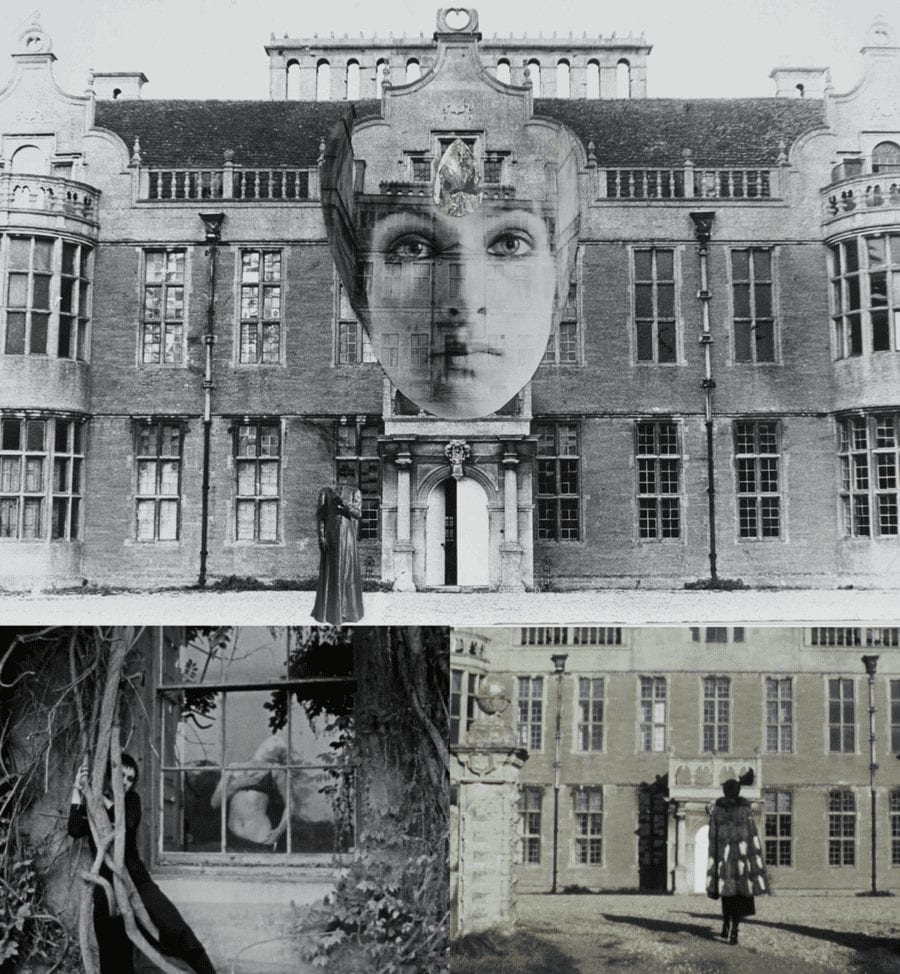
More recently, in 1969, “sexually erotic” performance artist Penny Slinger took over the by then “derelict” mansion in conjunction with the filmmaker Peter Whitehead. Their resulting work, titled An Exorcism, was exhibited internationally and in 2004, after the current owners, Charles and Aziza Micklewright, acquired the house, they did something equally avant-garde; they attempted to sell burial plots in the grounds to Americans by citing the estate’s connections to the founder of the Brownists, Robert Browne – a man better known as ‘The Father of the Pilgrims’ and ‘The Grandfather of the Nation’ (of the United States of America).
Whilst Mr and Mrs Micklewright were lauded for their considerable efforts towards the “huge task” of restoring Lilford Hall, they came to the attention of Historic England in May 2019 when the building was listed on the At Risk Register. At that time, the Oundle Chronicle reported: “The roof covering is in poor condition leading to water ingress and distress to the upper storeys. The front bays require structural attention. A schedule of urgent repairs has been identified but not implemented, and no long-term solution has been agreed.”
Now, someone with very, very deep pockets is required to restore this gem. It would be helpful if they liked erotic art, bears, squash and owls also.
The Names & Numbers – The Lilford Hall Estate, Lilford, Oundle, Peterborough, Northamptonshire, PE8 5SG, United Kingdom
June 2020 – The estate is listed sale for £10 million ($12.5 million, €11.1 million or درهم46 million) through Savills. It includes 321.31 acres, of which 148.17 acres are pasture land whilst 157.48 acres are woodland. The majority of the estate is held on a freehold title, whilst the remaining 127.6 acres – known as ‘The Linches’ and ‘Lilford Woods’ – are held on a lease with 91 years remaining.
2015 – Promoted as ‘The National Memorial Gardens,’ burial plots in the gardens of the hall were offered “available to any UK resident or national for an outstanding price of only £1,250 ($1,568, €1,393 or درهم5,758)” by Mark Bailey of Harley Investments. Around the same time, a website dedicated to Lilford Hall marketed “a piece of the formal gardens” for sale for £299 ($375, €333 or درهم1,377) to include “an officially certified ‘Squire of Lilford’ [title] … with this little piece of history.”
March 2014 – The Irish Times reported that the asking price for the estate had been increased to £44.9 million ($56.3 million, €50 million or 206.8درهم million). They claimed the agents Coldwell Banker blamed “confusion over currency conversion rates and new instructions from the owner.”
April 2014 – The Lilford Hall Estate is listed for sale through Coldwell Banker on MyHome.ie for £33.7 million ($44.2 million, €37.5 million or درهم155 million) on behalf of “an English gentleman.”
2004 – The estate is acquired by the Micklewright family. Little information is available online about the Old Framlingham Charles Micklewright (born July 1958), but he is described as a “patent attorney” on Companies Houses pages. The businessman is mentioned also as a publisher and trustee of the Marsh Christian Trust elsewhere, whilst his Singaporean born wife, Aziza (born 1964), was a director of Lilford Properties Limited from 2013 to 2018.
A website operated by Sign of the Times Limited, a Hong Kong company of Lilford Hall, Lilford, Oundle, Northamptonshire, PE8 5SG, currently offers shares in a yacht named ‘Sinatra the Voice’ for £23.91 ($29.99, €26.64 or درهم110.14) per share. The boat was built in 1956 and is tenuously linked to Frank Sinatra by the fact that a one-time owner, Beale Poste, loaned it occasionally to the crooner between 1968 and 1974 in West Palm Beach, Florida.
1990 – The estate is closed to the public.
1980s – The house is used as a location in the BBC English Civil War inspired historical drama series By the Sword Divided.
1970s – Aviaries on the estate restocked by George Powys, 7th Baron Lilford (1931 – 2005). He “opened [the estate] to the public as a leisure park” and housed more than 350 birds of 110 species there. It remained thus for around 20 years and included a restaurant and shop. The aviaries and the 1,896 square foot restaurant building remain present still today.
1969 – 1970 – American British “sexual mystic” artist Penny Slinger (born 1947) and Liverpudlian filmmaker Peter Whitehead used the “derelict mansion” as the setting for their works An Exorcism and Lilford Hall. They are lauded as a “photo romance” and exhibited at the Blum and Poe Gallery in Los Angeles in 2014, at the Haywood Gallery in London in 2015 and at the Fortnight Institute in New York in 2019.
1949 – Stephen Powys, 6th Baron Lilford (1869 – 1949) died without having married or having had children. His properties aside from Lilford – a house in Mayfair, Bank Hall in Lancashire and the Bewsey Estate in Cheshire – passed to his second cousin twice removed.
1947 – The estate is sold to a company named Merchant Ventures by the Powys family (though they remain present on the estate until 1990).
1939 – 1945 – During the Second World War, the parkland of the estate was used as a military hospital for nearby airfields. From 1949 to 1954, some of the buildings constructed during this period were then used as a Polish school.
1923 – First-class Northamptonshire cricketer Major John Powys, 5th Baron Lilford (1863 – 1945) built the first private softball court in the world in the grounds of the hall. It is now in disrepair and the roof has fallen into the inner court.
1909 – 1910 – The hall was extended in the Edwardian manner including the provision of a new master bedroom with dressing room and bathroom by William Dunn and Robert Watson of Dunn & Watson.
1901 – The estate surrounding the hall reaches its largest size and totals a vast 8,000 acres of land. Around this time, Queen Mary, wife of King George V, is said to have visited the gardens.
1880s – Ornithologist and expert on the fauna of the Balearics Thomas Littleton Powys, 4th Baron Lilford (1833 – 1896) introduces the little owl into England on the estate. His aviaries were said to “feature exotic birds from all around the world” and a species of European lizard, the Lilford’s wall lizard (Podarcis lilfordi), is named in his honour. The 4th baron is repeatedly mentioned in the works of Charles Darwin for his contribution to the study of the science of evolution.
1840s – Further changes to the building are orchestrated by the architect William Gilbee Habershon (circa 1818 – 1891). The Campaign to Protect Rural England described these Victorian extensions as “sensitive” in 2006 – a rare accolade given most additions to English country houses during this period were simply brash and vulgar.
1740s – The Palladian architect Henry Flitcroft (1697 – 1769) adds “outstanding” Georgian interiors whilst “respecting the hall’s Jacobean exterior.” He “softened and brightened” the building as a result and also “constructed the Georgian pavilions and additional storeys to the east end of the two wings.” Other works by Flitcroft can be seen at Bower House in Essex, Wentworth Woodhouse in Yorkshire and Woburn Abbey in Bedfordshire.
1711 – Lilford Hall is sold to the judge and Tory politician Sir Thomas Powys (1649 – 1719), Attorney General to King James II. Powys is best remembered for conducting the prosecution of the Seven Bishops in 1699. He is buried at Lilford.
1630s – Construction of the main exterior of what to this day remains Lilford Hall as a “Jacobean-style gentry house” by William Elmes (the younger).
1473 – The land that forms the estate is acquired by William Browne (1410 – 1489), a wealthy wool merchant and landowner from Stamford, from the estate of Baron Welles (who was beheaded by King Edward IV for treason). In 1495, “in a Tudor style,” he built a hall on the site and it passed to Robert Browne (1550 – 1633), the founder of the Brownists, ‘The Father of the Pilgrims’ and ‘The Grandfather of the Nation’ (of the United States of America).
‘Horrified of Haddenham’ Garry May gets taken to the cleaners – and then quite literally put through the launderette’s washing machine
Earlier this week, we featured one of those “archaic idealists” who likes to hark back to the (supposed) glory days of the 1950s. Prolific man of letters Garry May of Haddenham, Buckinghamshire’s endearing support of piemen and postmen was clear, but his disdain with cash didn’t meet with the approval of all of The Telegraph’s fuddy-duddy followers.
In a missive, published Friday, one Ann Dashper remarked:
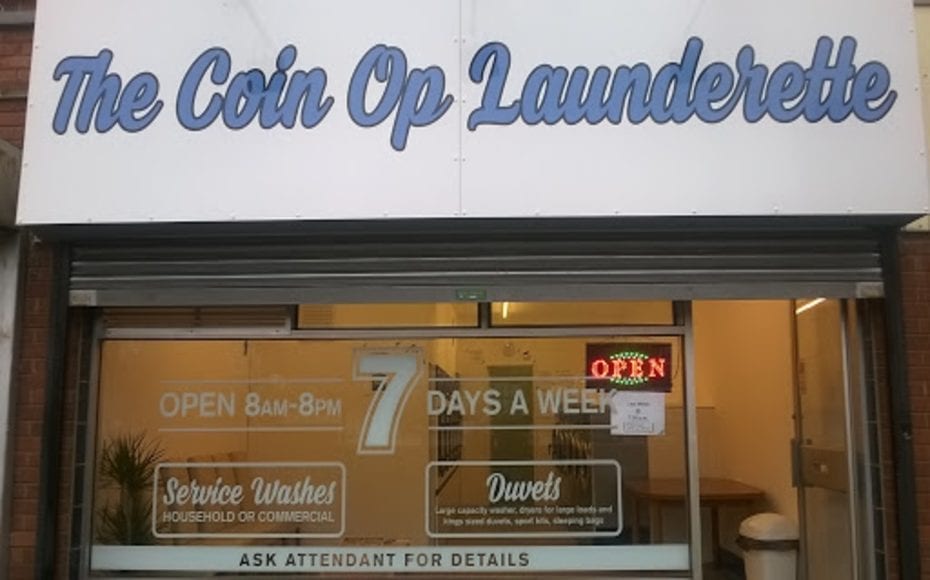
SIR – Garry May, who hopes to see the end of cash, has clearly never had to use a launderette.
The machines and dryers only take cash. He would not get far with a card.
Ann Dashper
Tuxford, Nottinghamshire
Just as with marmalade at the Guardian earlier this year, we suspect ‘cash correspondence’ might go the same way. Like a run on the bank, let’s watch as this runs and runs during the continuing lockdown.
Irrational ‘Disgusted of Tunbridge Wells’ type correspondence is on the increase in national newspapers during the coronavirus lockdown; ‘Horrified of Haddenham’ cash-coronavirus conspiracist Garry May is a fine case in point
The coronavirus lockdown has no doubt resulted in a dramatic increase in the number of ‘Disgusted of Tunbridge Wells’ (and even paradoxically ‘Delighted of Tunbridge Wells’) types corresponding with both national and local newspapers. There are, after all, now many more people moping around at home with little else to do other than to ponder with a pen (or clatter on a keyboard).
Whilst in November 2019, The Telegraph stated that its letters editor received and read 600 missives per day from readers (and subsequently published 18 of them in their next edition) and in June that year, the Guardian referenced a by comparison meagre sum of 82 per day (citing 30,000 communications annually), one can only assume that both publications have seen huge spikes in their mailbags in the last few weeks – the content of which of course now mostly arrives by email rather than with the help of the Royal Mail.
Editors such as Christopher Howse – who has worked on The Telegraph’s letters pages for over twenty years – however, is plainly still favouring letters from his reliable riled-up regulars and yesterday was no exception. In publishing a totally irrational observation from one Garry May of Haddenham, Buckinghamshire linking cash to coronavirus (a totally nonsensical view very clearly empirically denied by the World Health Organisation in March), the paper fulfilled its ability to share views to spread yet more Eamonn Holmes-esque claptrap. This kind of 5G type twaddle will no doubt appeal to its stereotypical conspiracy theory believing old buffer audience, but it is without factual base.
SIR – I hope this pandemic cements the use of debit cards for all transactions, and thereby the end of cash.
Bank notes and coins spread diseases. Ruling out ready money could also put an end to most drug deals on our streets.
Garry May
Haddenham, Buckinghamshire
On a date exact unknown circa 2011, in a letter to The Telegraph, that was subsequently republished in the compilation book The Lunatics Have Taken Over The Asylum: Political Letters to The Daily Telegraph, Mr May previously shared his views on phone hacking. He presented yet another pastiche of days gone by and read:
SIR – The hacking scandal left my family debating who we can still rely on. Our shortlist of trustworthies came down to the Gurkhas, other ranks in our Armed Forces, postmen and Simon the pieman, who works in the butcher’s shop.
Garry May
Haddenham, Buckinghamshire
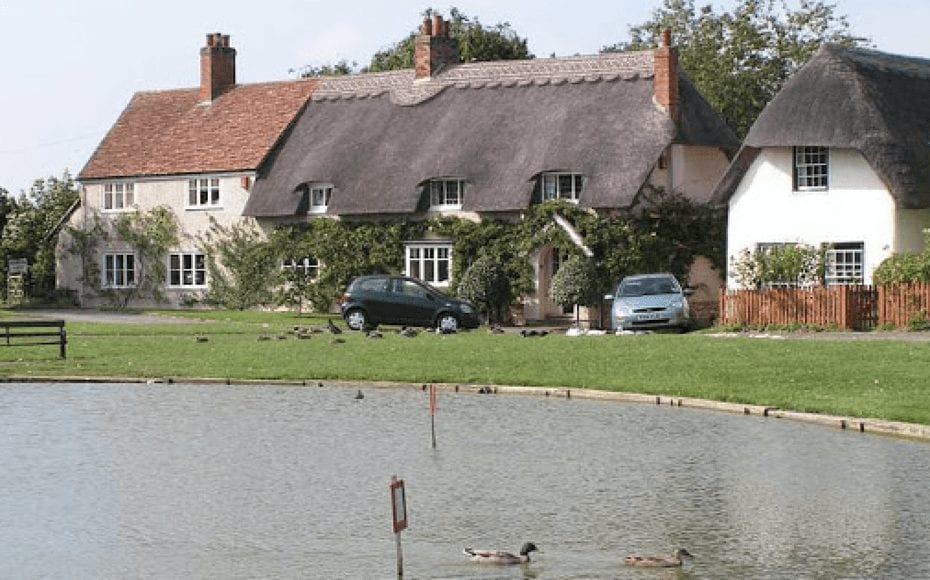
Mr May’s archaic idealism might resonate as charming and worthy, but what should be noted is that this prolific man of letters belonging in the 1950s lives in Haddenham, a quintessential English village that most definitely has Midsomer Murders-esque qualities (it was used as a location in eight episodes of the television drama even). One of only three ‘wychert’ settlements in the country and a place peppered with thatched cottages and a duck pond famed for breeding Aylesbury ducks, one can imagine the era of “old maids bicycling to holy communion through the morning mist” John Major-style still reigns in this parish.
Indeed, at this time, as countless rural residents turn to growing their own vegetables and even start going to their local ‘community shop’ in order to avoid queuing for hours whilst safe distancing at Tesco, many will join in eulogising a love of postmen and piemen and – quite rightly – a loathing for evil drug dealers also.
Sadly, however, getting rid of cash will not wipe out that particularly vile scourge on society and it will not stop the spread of coronavirus. Instead, maybe it’s time for ‘Horrified of Haddenham’ to find another topic to get het up about: Perhaps, indeed, Mr May could turn his pen to the squealing sickness of snitching ‘quarantine shaming’ or maybe he could just calm down and pour himself a large G&T.
An early example of ‘Disgusted of Tunbridge Wells’ correspondence:
SIR – Being present at the unveiling of the plaque on Thursday last week on the Pantiles, I was surprised when the National Anthem was played to see that in a place like Tunbridge Wells, which is noted for its loyalty and calls itself ‘Royal,’ there should be people who refused to remove their hats. Are such people Communists? If they are, Tunbridge Wells should be no place for such as they. We can do without them.
Letters to the Editor, ‘Tunbridge Wells Advertiser’ – 14th June 1929.
Pictured top: Haddenham, Buckinghamshire – a quintessentially quaint English village with a duck pond and thatched cottages from whence nosy parkers peer from behind net curtains.
One-of-a-kind “big caravan-house” with patio on the roof for sale for £30,000; the current owner bought it for just £1 and spent £70,000 restoring it
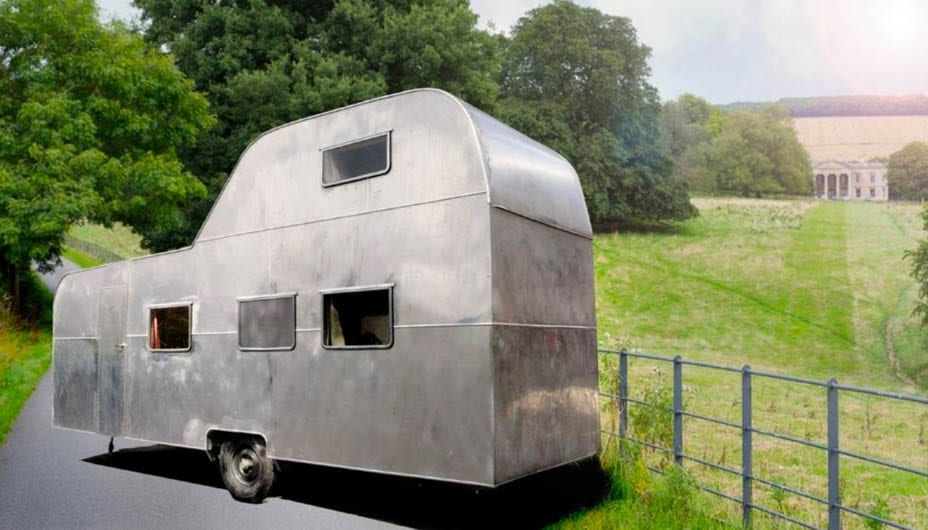
Believed to be the last remaining example of 99 originally made, a “revolutionary” hammer finished aluminium caravan named a Berkeley Statesman has gone on sale.
Costing £1,065 when new in 1951 – the same price as a terrace house – and rebuilt at great expense by its current owner Tim Mitchinson after he found it hidden on a farm in Bedfordshire in 2004, the two-floor structure is described as being “a wonderful piece of history lovingly restored to its former glory.”
The 22-foot long by 12-foot high caravan features a living and dining area, a 1950s style kitchen with a range of appliances, two bedrooms capable of sleeping four and a shower room complete with a modern shower and an ingenious sink from an old railway carriage.
An advert for the Berkeley Statesman following its launch at the Earl’s Court Motor Show in 1951
On occasions, Berkeley Statesman caravans have known to take to racetracks
Of it, Mitchinson told the Discovery Channel:
“I thought it so ugly it, it had to be mine… [Restoring it was an] exercise in insanity… But it [is] absolutely unique… She arrived on the back of a lorry and I thought: ‘We’ll have a go.’ … A beautiful silver phoenix… It’s been blood, sweat and tears… A remarkable restoration.”
“I need to sell it so [my] house can be extended but I will miss it terribly. I am really proud of rescuing what is a valuable piece of social history.”
Estate agents RM English are marketing the Berkeley Statesman for just £30,000 ($38,500, €33,200 or درهم141,500) and point out that it is currently located in the centre of York. They add: “It will need to be transported off-site by a low loader trailer.”
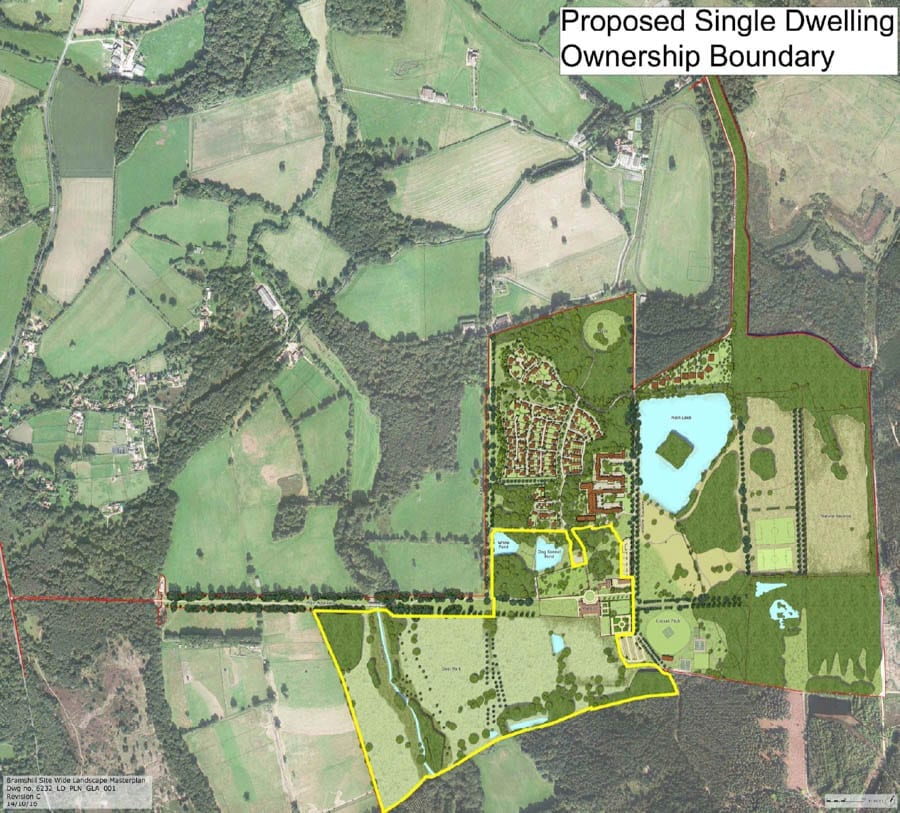
Grade I listed Jacobean prodigy house in Hampshire for sale for £10 million; it allegedly is haunted by 14 ghosts and comes with planning permission to create a mammoth 57,000 square foot single residential home
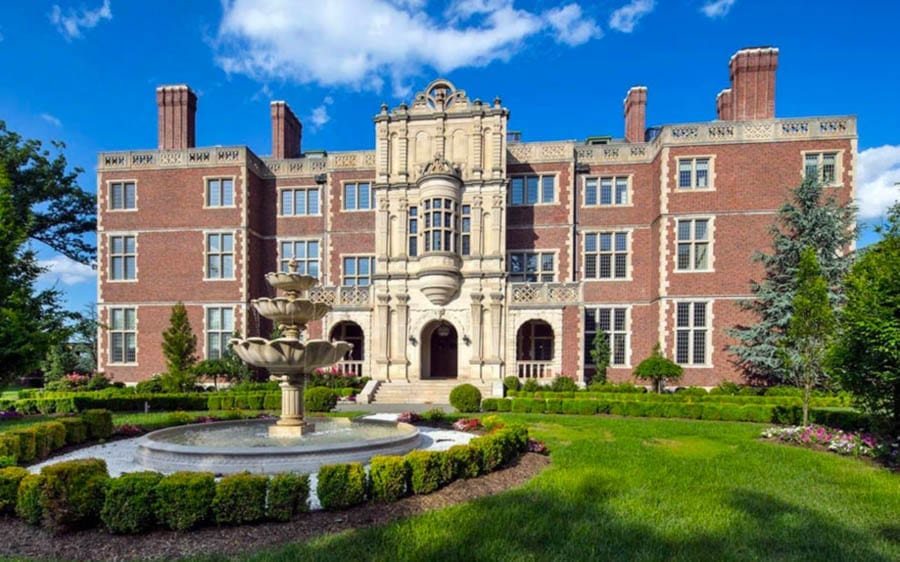
In April 2017, The Steeple Times featured the sale of a vast New Jersey mansion named Darlington. Offered for the sum of £37 million, that property remains for sale but now the English Jacobean prodigy house on which it was modelled has also been placed on the market.
Bramshill House, Bramshill, Hook, Hampshire, RG27 8ND, United Kingdom is for sale for £10 million
Darlington in New Jersey, USA was designed to look just like Bramshill
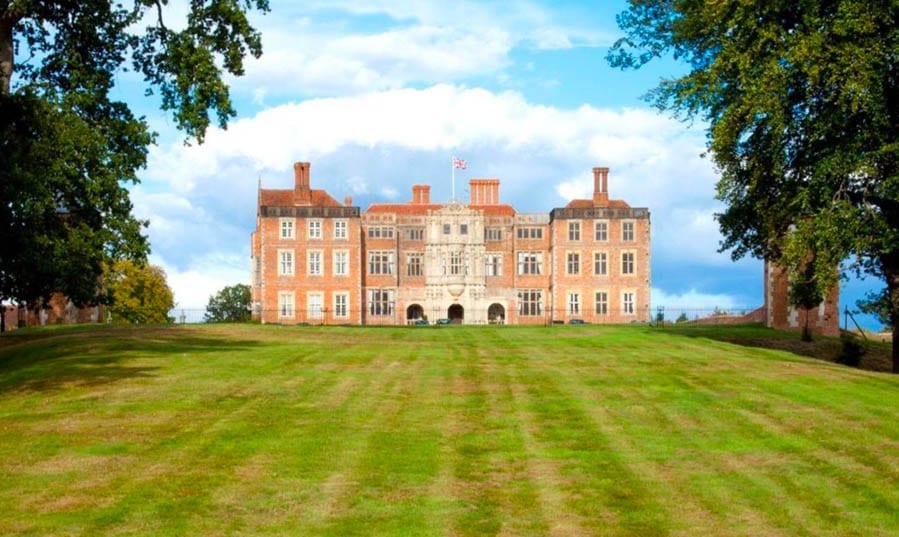
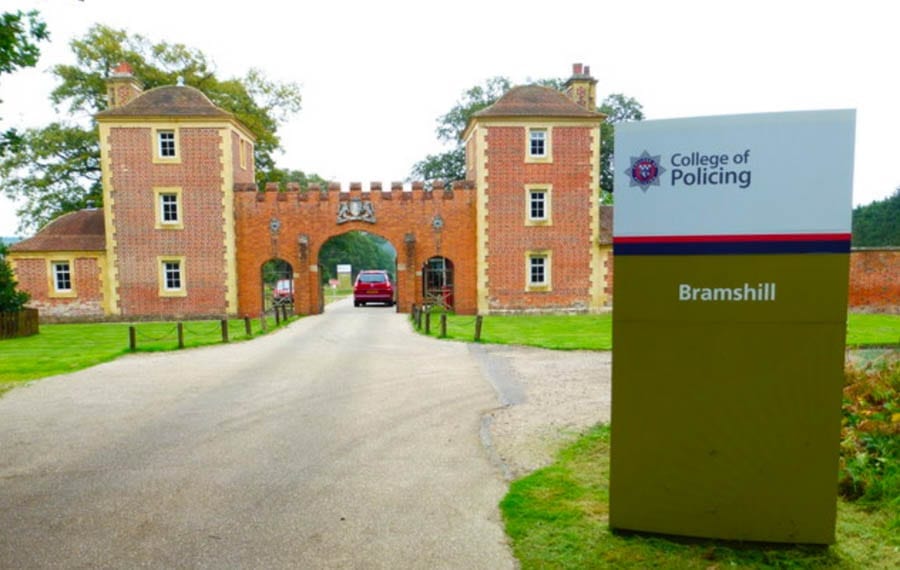
Bramshill was used as a police college from the 1950s until 2013 (the entrance pictured here is no longer included with the ownership of the main house)
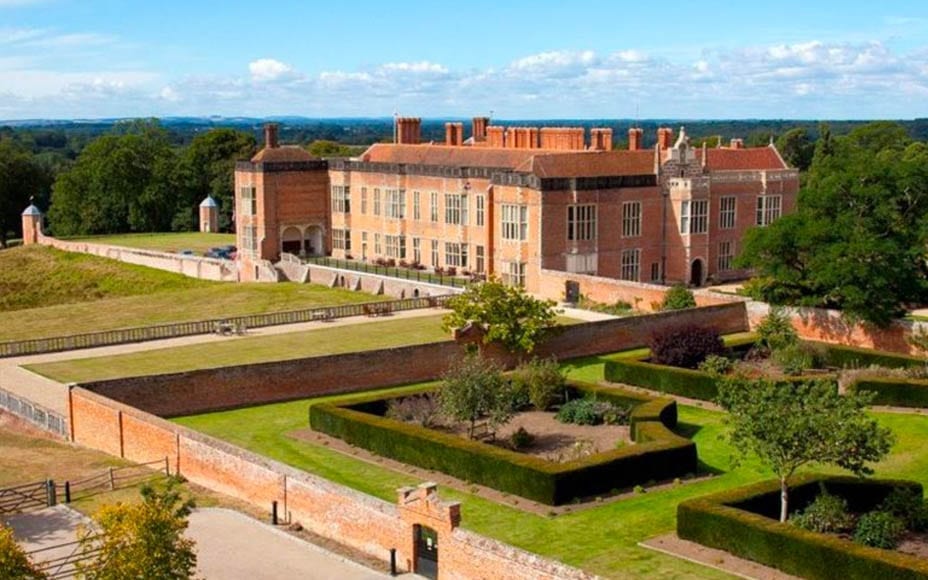
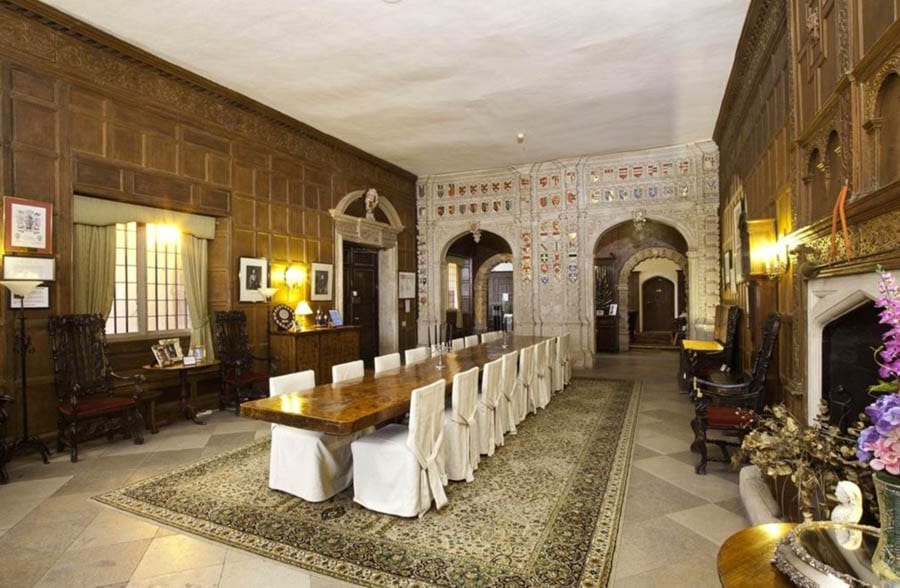
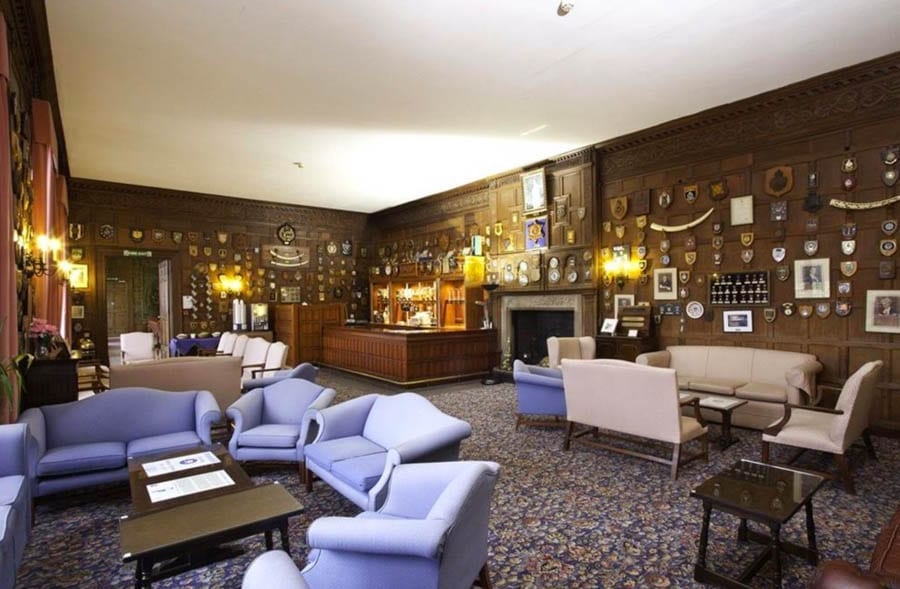
Used as a police college from the 1950s until 2013, Bramshill House, near Hook has permission to be returned to a single family residence with a colossal total size of 56,974 square feet. Described as “one of England’s great stately homes,” the proposed accommodation that could be created – after a supposed additional expenditure of £10 million on refurbishments on top of the £10 million asking price – would include 10 reception rooms and 10 bedrooms. Additionally, there would be a 126-foot long gallery, a cinema, gym, a wine cellar, a disco and even a chapel.
Bramshill was built in the early 17th century by Baron Edward la Zouche (1556 – 1625), famed for his lone vote against the condemnation of Mary Queen of Scots, and is described as being of the Italian Renaissance style. It was later occupied by the 2nd Baron Brocket and the exiled King Michael and Queen Anne of Romania before being acquired by the British government in 1953.
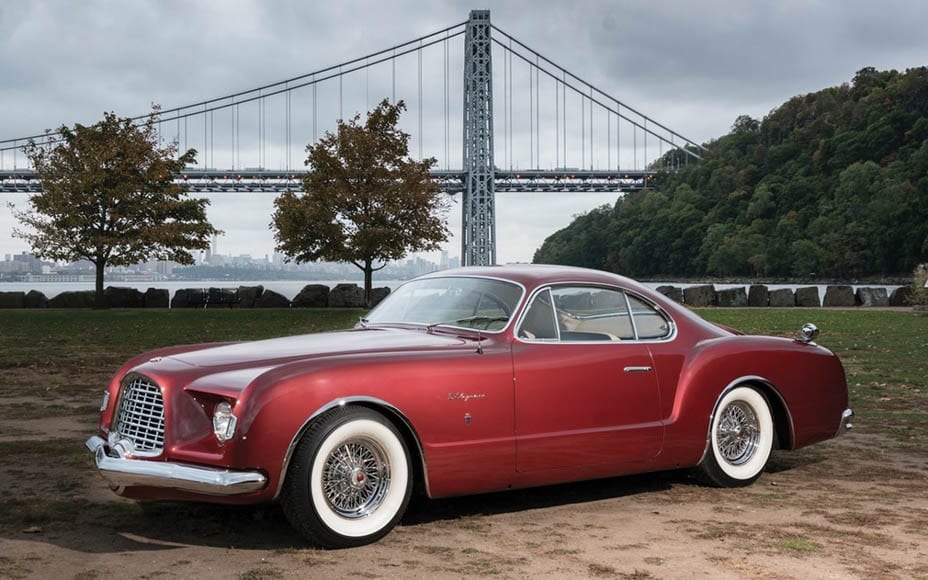
Futuristic 1952 Chrysler styling prototype to be auctioned in New York; its “wild technology” includes a hydraulically operated spare wheel
Concept cars don’t generally go far and most end up sidelined to the world of dreams, but a 1952 Chrysler D’Elegance by Ghia headed to auction in December is something quite to the contrary.
Described as an ‘Idea Car’ and the product of a collaboration between Chrysler’s Virgil Exner Sr. (1909 – 1973) and Ghia’s Felice Mario Boano (1903 – 1989) – the designer of the Ferrari 250 GT Boano – the D’Elegance was built on a shortened 292 centimetre chassis and comes with two comfortable armchairs, power steering and electric windows.
What makes this car standout, however, are its gunsight taillights, distinctive egg-crate grille and “wild technology” such as a rear deck lid with a hydraulically operated full-size spare wheel that raises and lowers at the touch of a switch.
Described by Virgil Exner Jr. as “one of my father’s favourite cars” in 2011, the D’Elegance now comes with a 1956 vintage 354 Hemi V8 engine and a pedigree that includes ownership in the Blackhawk Collection, winning a special class of Chrysler Concepts at the Amelia Island Concours d’Elegance and having been driven through the Alps from Monaco to Venice as part of the Louis Vuitton Classic Serenissima Run.
RM Sotheby’s will sell the fully restored car with an estimate of £682,000 to £834,000 ($900,000 to $1.1 million, €771,000 to €943,000 or درهم3.3 million to درهم4 million) at their ‘Icons’ sale in New York on the 6th December.
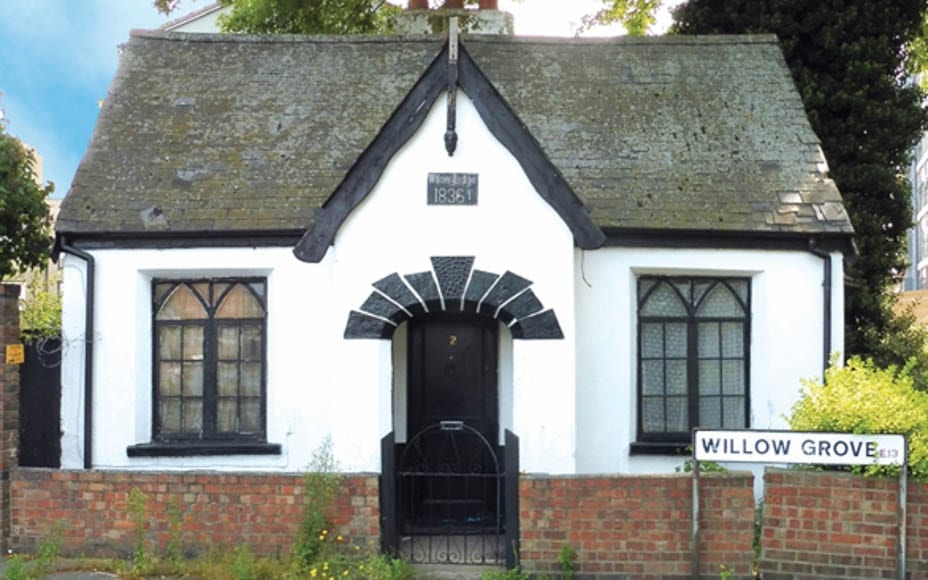
Detached Grade II listed Georgian cottage in London, E13 for sale for just £180,000
What could be one of London’s cheapest detached Georgian houses is headed to auction.
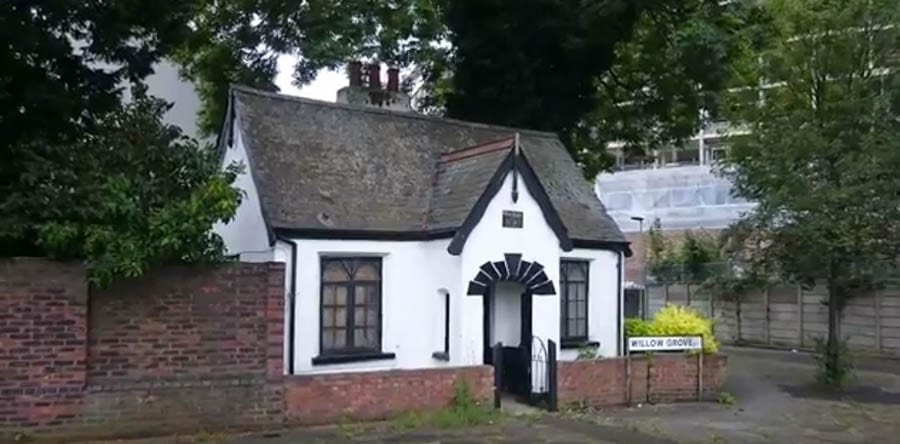
Built in 1836 as the gate lodge to a now demolished mansion known as Bedfords and later The Willows, Grade II listed Willow Lodge in Willow Grove, Plaistow, E13 was itself originally thatched but now has a slate roof.
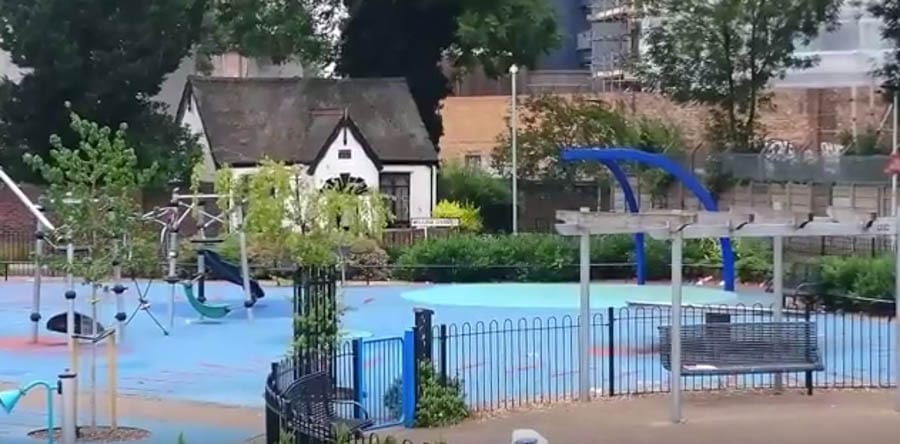
The rendered and whitewashed single storey freehold cottage, which provides one reception room, a kitchen, one bedroom and a bathroom, looks idyllic in close-up pictures but actually, sadly, adjoins a rather grim looking 1950s/1960s housing estate to the rear and a playground named the Valetta Grove open space to the front. It comes with a private rear garden and is described as “in need of modernisation.”
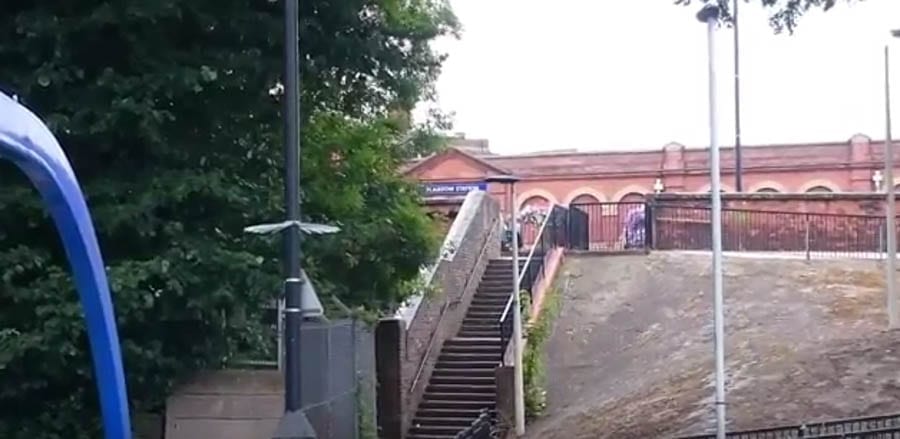
Plaistow London Underground Station is just two minutes away and a guide price of £180,000+ ($237,000+, €198,000+ or درهم871,000+) has been set by auctioneers Savills. They will sell the property on Monday 25th September at the Marriott Hotel in Grosvenor Square, Mayfair, W1.
“Ultra-rare” 1951 Invicta Black Prince to be auctioned; here is a truly astounding shooting brake complete with an incredible mascot
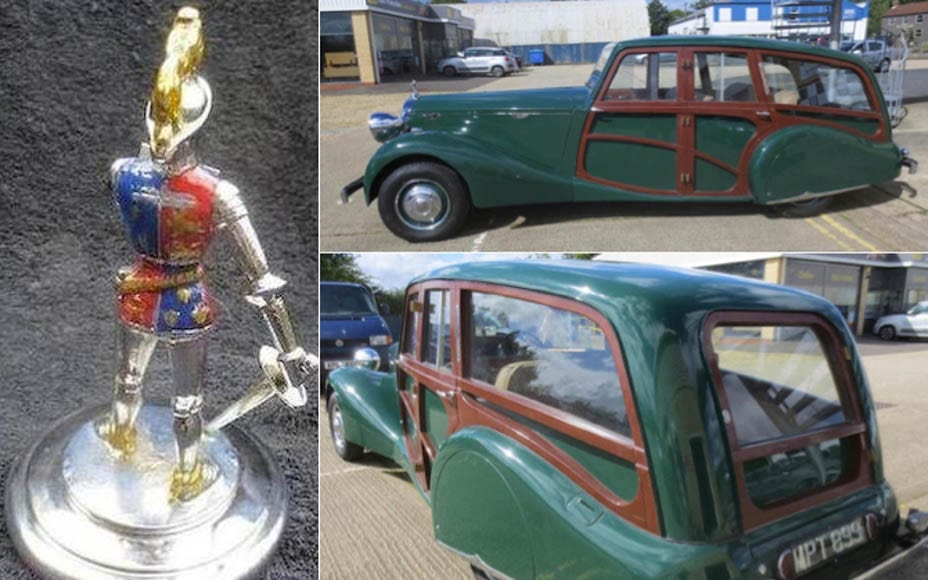
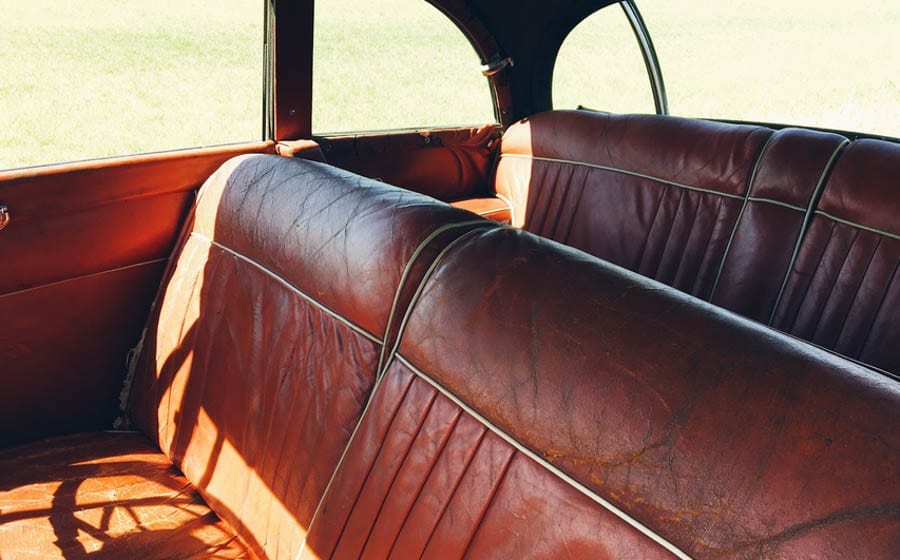
An ultimate example of 1950s luxury, a 1951 Invicta Black Prince shooting brake with coachwork by Associated Coachbuilders – that cost £3,820 new (the equivalent of £110,000, $142,000, €119,000 or درهم521,000 today) – is to be auctioned in September.
Featuring an all alloy 3.0-litre six-cylinder engine with twin overheard camshafts, twin-plug ignition and triple SU carburetors, this automatic, dark green vehicle is just one of twelve survivors of sixteen cars made. It was actually completed after the Invicta brand ceased to exist in 1950 and finished in Sunderland as ‘MPT 850’ on 3rd November 1951.
Restored and upgraded in the 1980s, the car comes with “a wealth of documentation” and retains its “truly extravagant mascot of the Black Prince himself.”
The shooting brake will be sold by Bonhams at their Beaulieu sale on 2nd September in Hampshire. An estimate of £22,000 to £27,000 ($28,000 to $35,000, €24,000 to €28,000 or درهم104,000 to درهم128,000) has been set.
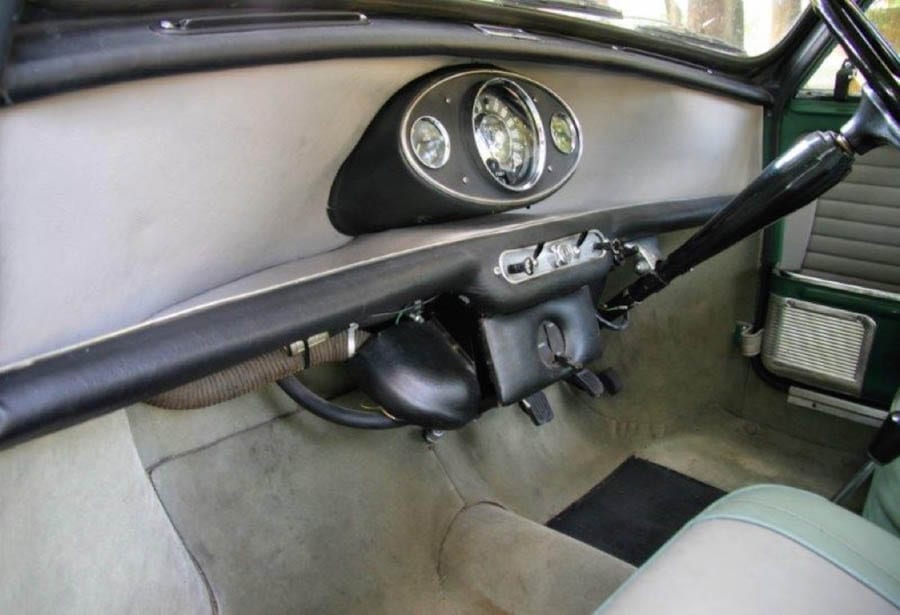
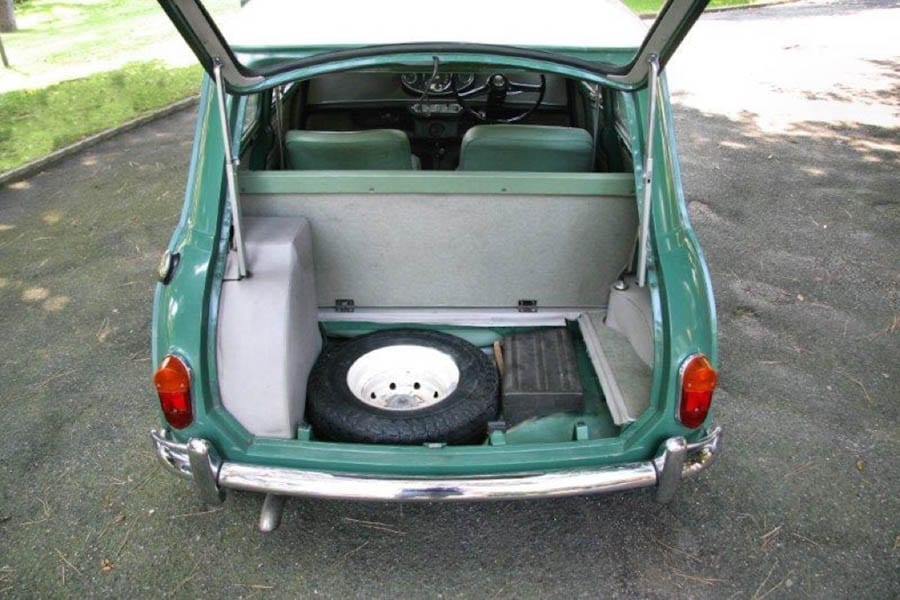
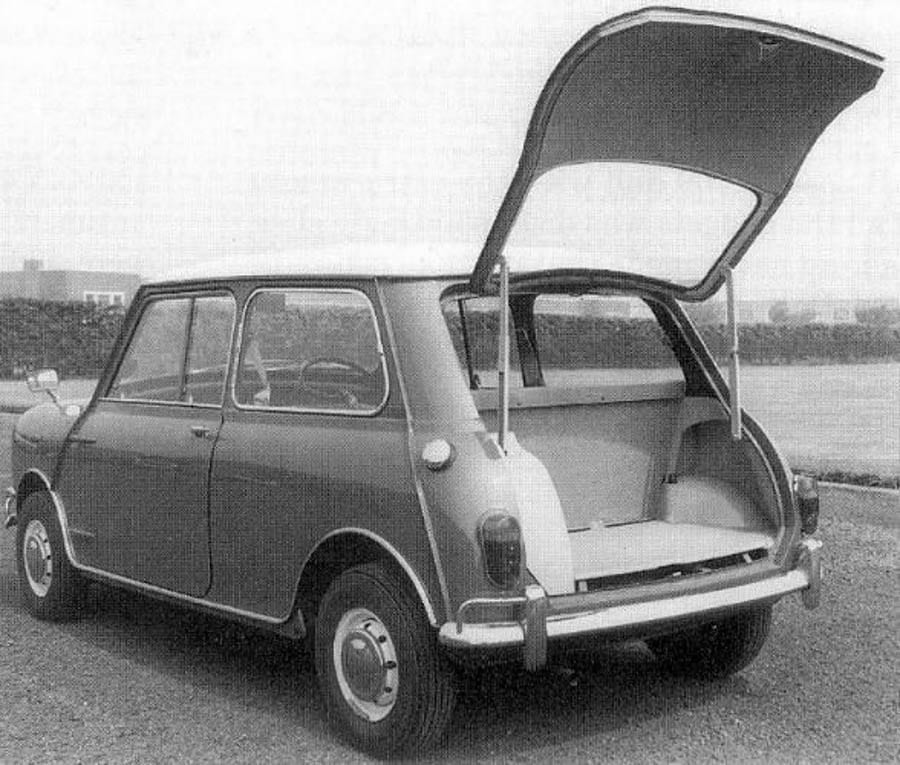
1964 Mini Cooper S hatchback designed to carry the golf clubs of the much-loathed Postmaster General, Minister of Transport and alleged tax fraudster Ernest Marples for sale
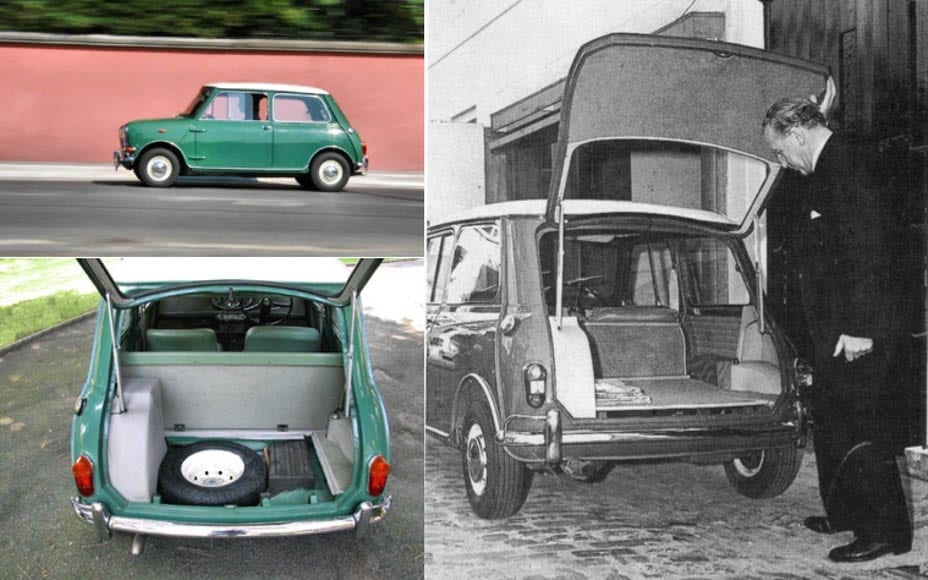
Twice married and born in Levenshulme, Manchester, Ernest Marples – later Lord Marples – makes the very worst of modern politicians look like relative babes in arms. He can, however, be credited with commissioning a rare thing – the first ever Mini hatchback. Two were made in total and one, which was eventually transferred to the ownership of the politician in 1968, is to be auctioned in July.
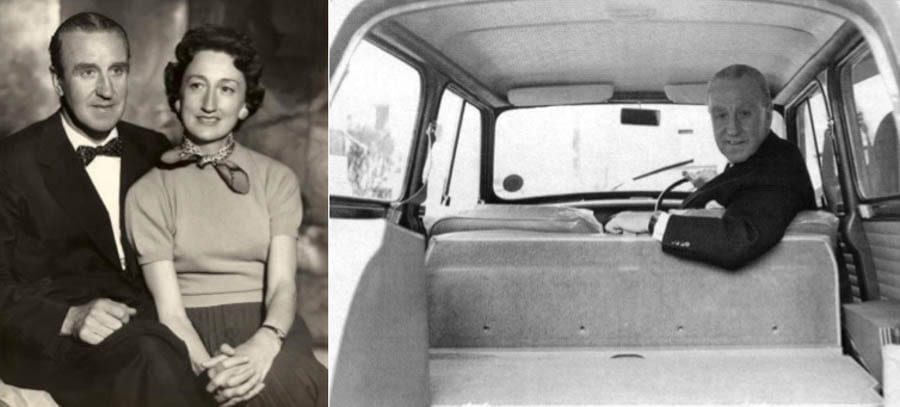
Pictured left: (Alfred) Ernest Marples (1907 – 1978) with his secretary turned second wife, Ruth Dobson. They married in 1956 and he became The Rt. Hon. The Lord Marples, PC in 1974. Pictured right: Lord Marples in his ‘Marples Mini’ (date unknown).
Marples, whose upbringing was within the Labour Party and whose love of eccentric orange-brown shoes and blue suits was well known, worked as a miner, postman, chef and accountant before a stint in the Royal Artillery between 1941 and 1944. He then joined the Conservative Party, was elected Member of Parliament for Wallasey in 1945 and took his first ministerial post in 1951. Promoted by Churchill, Macmillan and Douglas-Home, he rose to become Postmaster General and Minister of Transport and introduced the STD telephone code, the Premium Bond scheme, the first postcodes, the MOT test, roadside single yellow and double yellow lines and possibly, in his most unpopular move of all, traffic wardens.
Aside from his public appointments, controversially, Marples became a director of various companies in the 1940s. Without considering any potential conflicts of interest, he involved himself in firms that built the first motorways and several power stations also and attracted much attention after protestors spray painted a motorway bridge near Luton that his firm, Marples Ridgway and Partners, constructed with the caption: “Marples Must Go!”
Subsequently, Marples brought the government into disrepute through his part in a prostitution scandal and after this was covered up in 1963, he later “cut and run” to Monaco in 1975 to avoid “a substantial tax bill” after being discovered having parked most of his assets in Monaco and Liechtenstein. He spent his final years on his 45-acre vineyard estate in Fleurie, France and died in a Monte Carlo hospital in 1978.
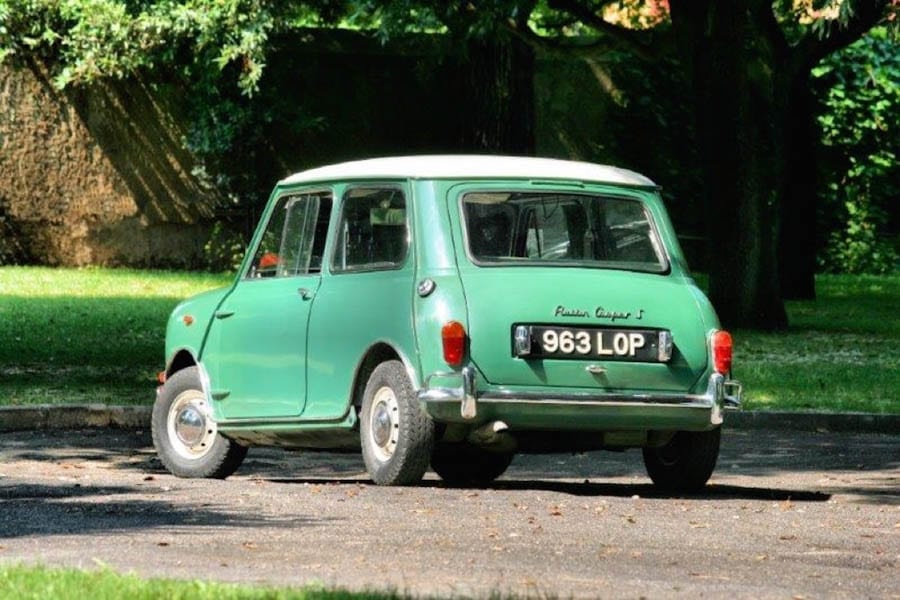
The ex-Ernest Marples 1964 Austin Mini Cooper S 1071 will be sold by H&H Classics at their Imperial War Museum Duxford sale in Cambridgeshire on the 26th July. It has an estimate of £70,000 to £80,000 ($89,500 to $102,300, €79,100 to €90,400 or درهم328,800 to درهم375,900) – a sum that would no doubt, if he were still alive, have money obsessed Marples smiling with glee.
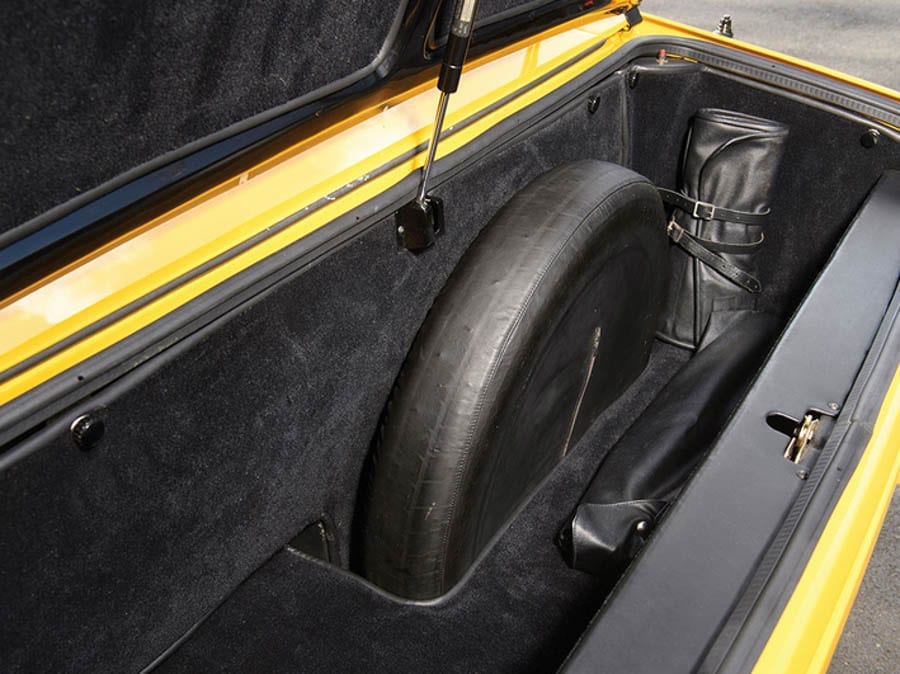
Of the almond green car, which supposedly the hatchback boot was fitted to on the orders of Marples on the basis he wanted to be easily able to fill it with cases of wine and golf clubs, Damian Jones of H&H Classics commented:
“This is not just another Mini. It is history on four wheels. Its former owner, Transport Minister Ernest Marples changed the face of Britain with housing, bridges, motorways. He was a very ‘colourful character’ to say the least. It is fascinating that he chose to buy and use this relatively modest car when going golfing or going to France on holiday. If this car could speak what tales might it tell? It is truly one of a kind.”