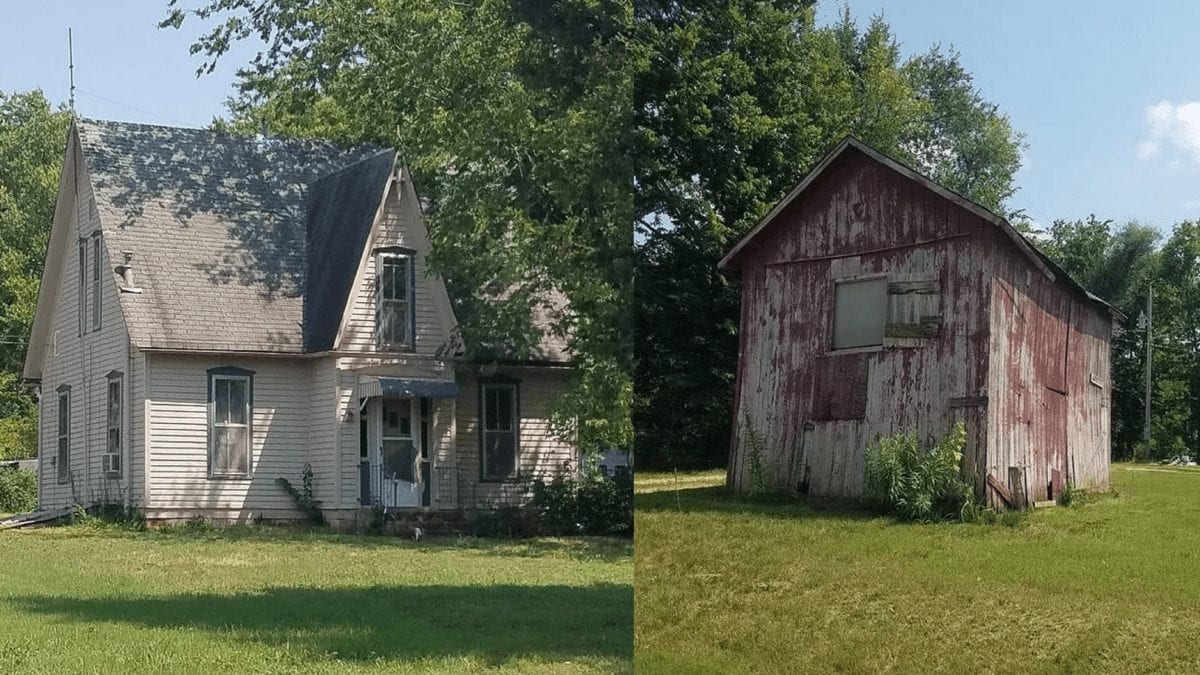
Charming detached Edwardian house in Buffalo, Kansas – the birthplace of the first man to beat Mach 3 – for sale for just £15,000; it comes with 0.5 acres of land, a barn and is in reasonable condition
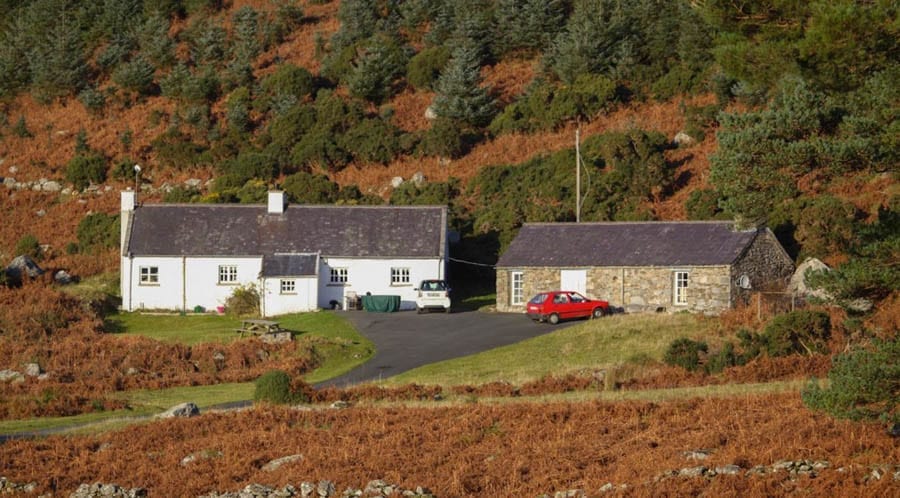
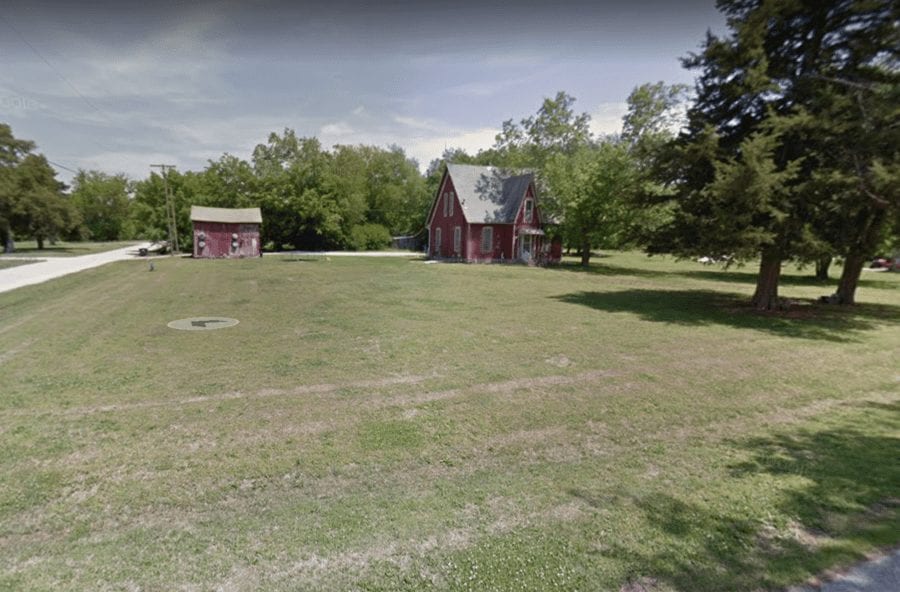
In England, £15,000 will just about buy you a Ford Fiesta hatchback, but in Buffalo, Kansas, you could get a detached Edwardian house on a plot of 0.44 acres.
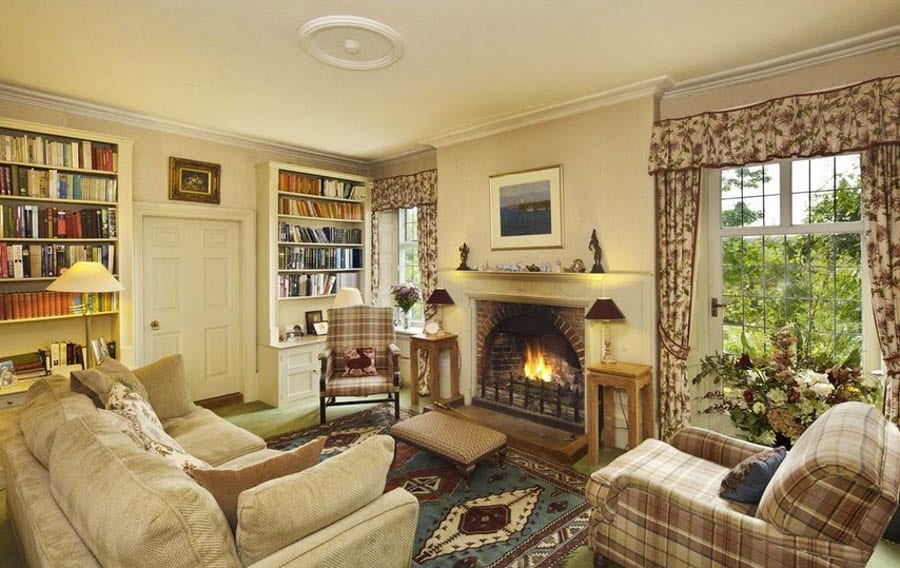
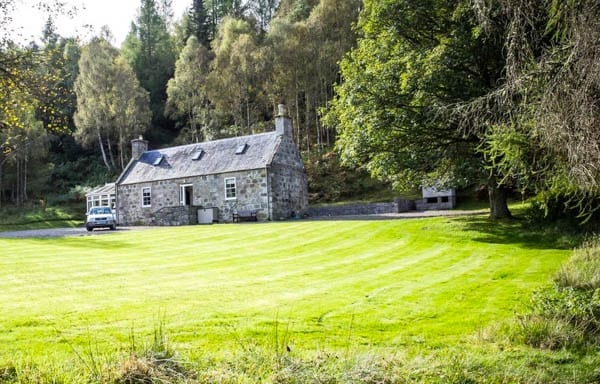
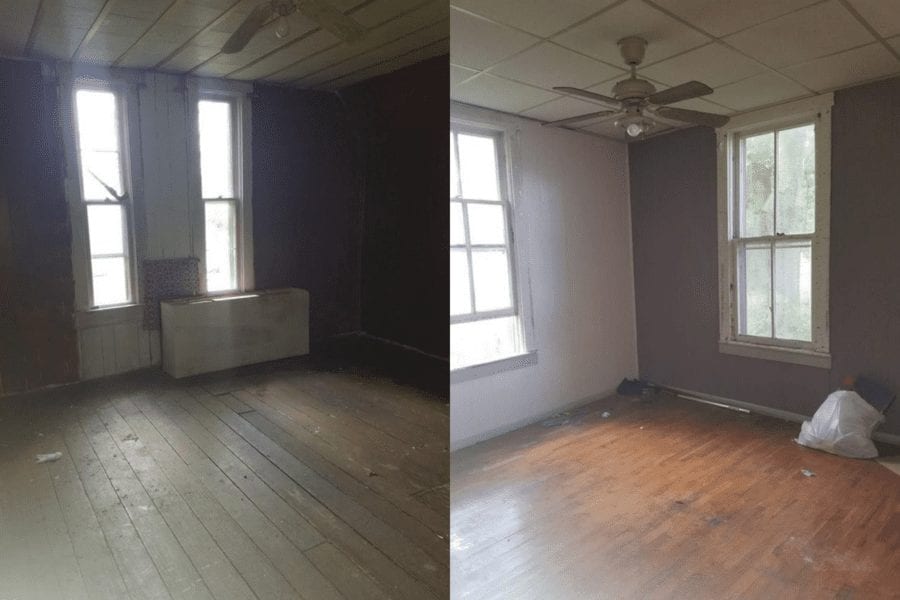
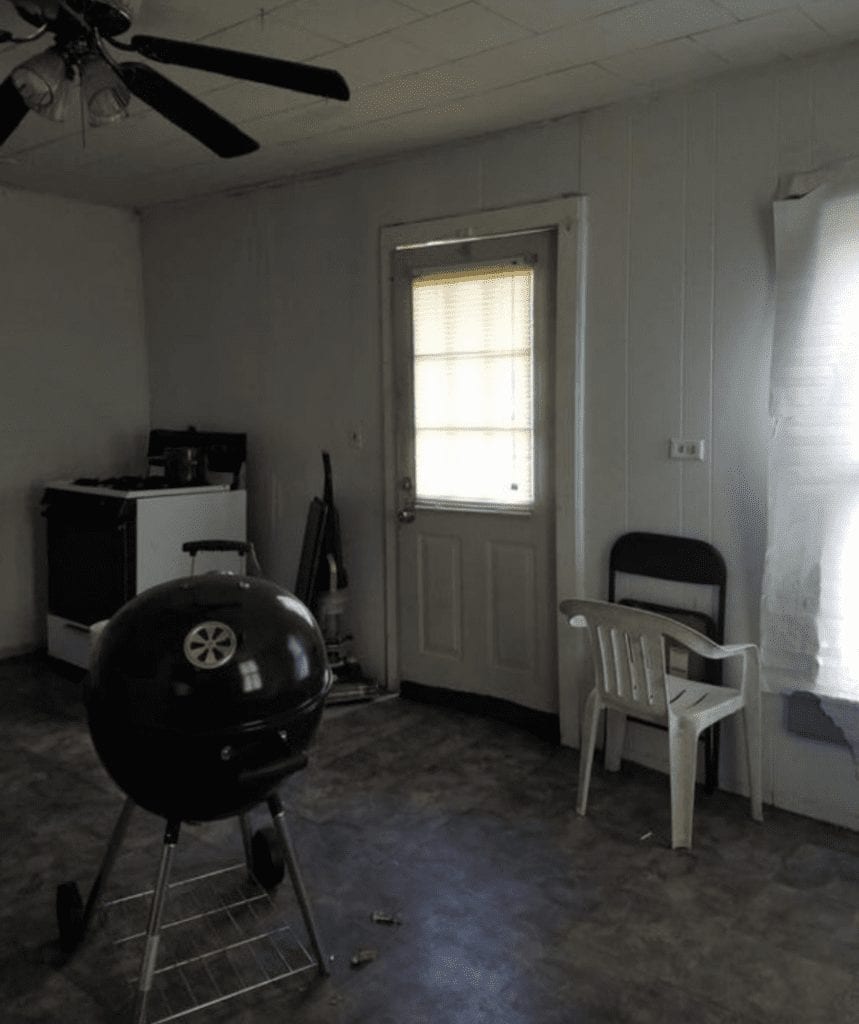
Featured on the blog Old Houses Under $50k, 309 North Church Street comprises of a 3-bedroom, 1-bathroom house extending to 2,197 square foot and it comes with a small barn also. It is a “fixer-upper” but it appears surprisingly not in the very worst of states.
Built in 1910, the house comes in at a price of just £6.89 per square foot – which seems a true bargain compared to the £4,909 per square foot Chelsea Barracks, London one bedroom we featured in June – and is described as “very cute” and the “perfect [place] for raising your own chickens.”
Milburn G. ‘Mel’ Apt (9th April 1924 – 27th September 1956) was born in Buffalo, Kansas and graduated from Buffalo High School in 1942. He was killed after separating from the Bell X-2 in his escape capsule during the record-setting flight that exceeded Mach 3.
Buffalo, Wilson County itself was founded in 1867 if you believe Wikipedia. It was “named after the American bison, commonly known as the buffalo.” It grew to be incorporated as a city in 1898 due to the Missouri Pacific Railroad passing through it, but as of 2010 had a population of just 232 people. Mel Apt (1924 – 1956), the first man to attain speeds faster than Mach 3, was born there.
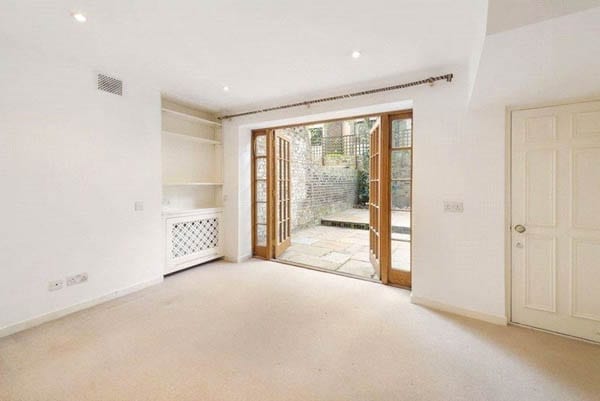
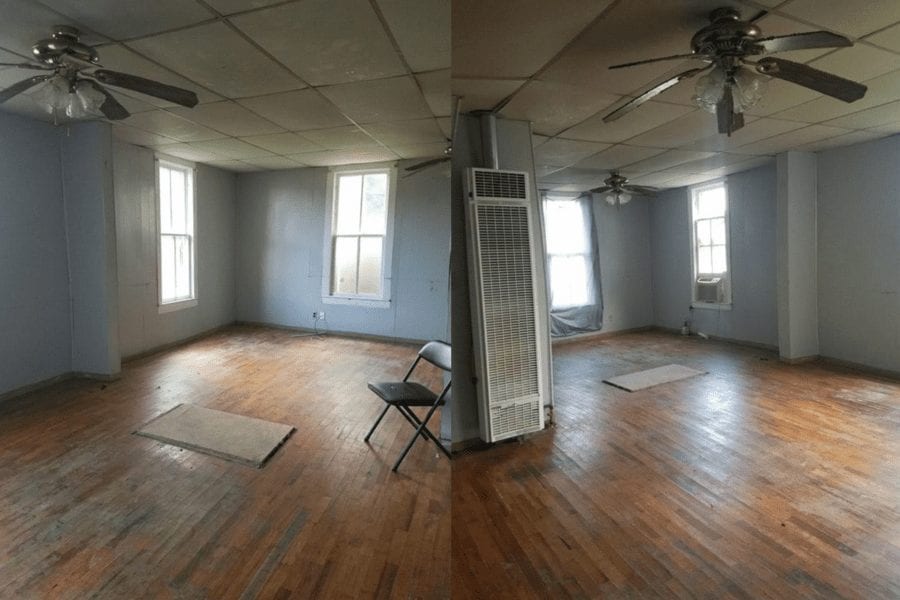
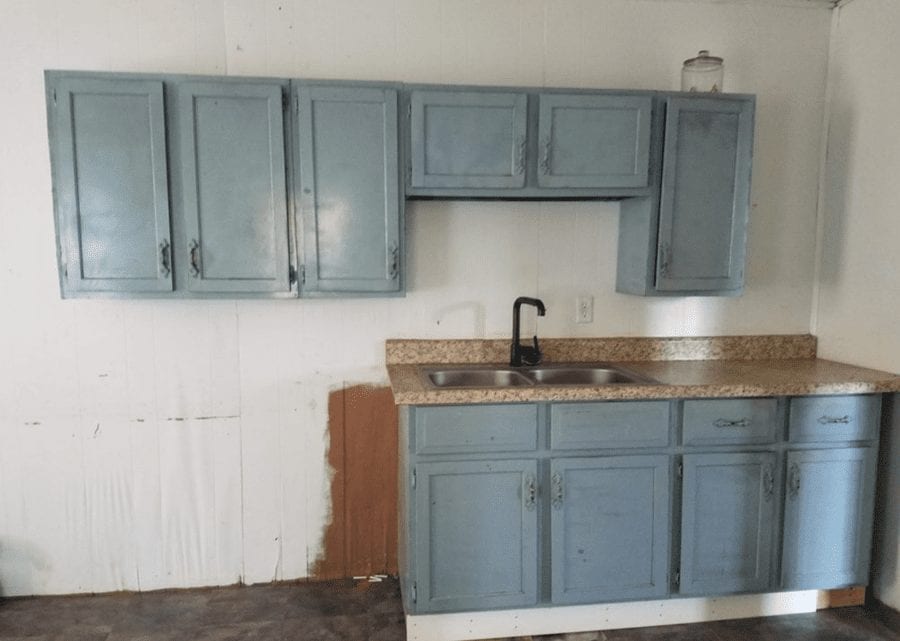
A Mach 3 Fixer Upper – An internal shot of 309 North Church Street, Buffalo indicates that it might be in basic condition, but it is far from a wreck.A Mach 3 Fixer Upper – Further empty rooms in the property include character features such as sash windows and wooden floors.A Mach 3 Fixer Upper – The house a kitchen where you can currently cook on a stove or barbecue and sit on a plastic chair or a fold-up one.A Mach 3 Fixer Upper – The kitchen cabinets definitely need replacing.A Mach 3 Fixer Upper – A Google Maps image of the house and barn shows that they were both previously painted red. The plot is open and flat.
Crumbling Northamptonshire estate Lilford Hall – where the little owl was introduced to Britain – for sale for £10 million, a sum £35 million lower than in 2014
Grade I listed Jacobean mansion with 13 chimney stacks for sale for £10 million; it was for sale last for £44.9 million in 2014 in spite of being listed on English Heritage’s ‘At Risk Register.’
Lilford Hall – parts of which have not been occupied since 1947 –is currently owned by a businessman who tried to sell burial plots in the grounds for £1,250 a pop and shares in a yacht loosely associated with Frank Sinatra for £23 each.
The 321-acre estate includes not only overgrown parkland, but also a zoo with cages that formerly housed bears and a lake for flamingos.
From 1711 until 1990, Lilford House was the seat of the Powys family – the 4th baron is credited with introducing the little owl to the UK.
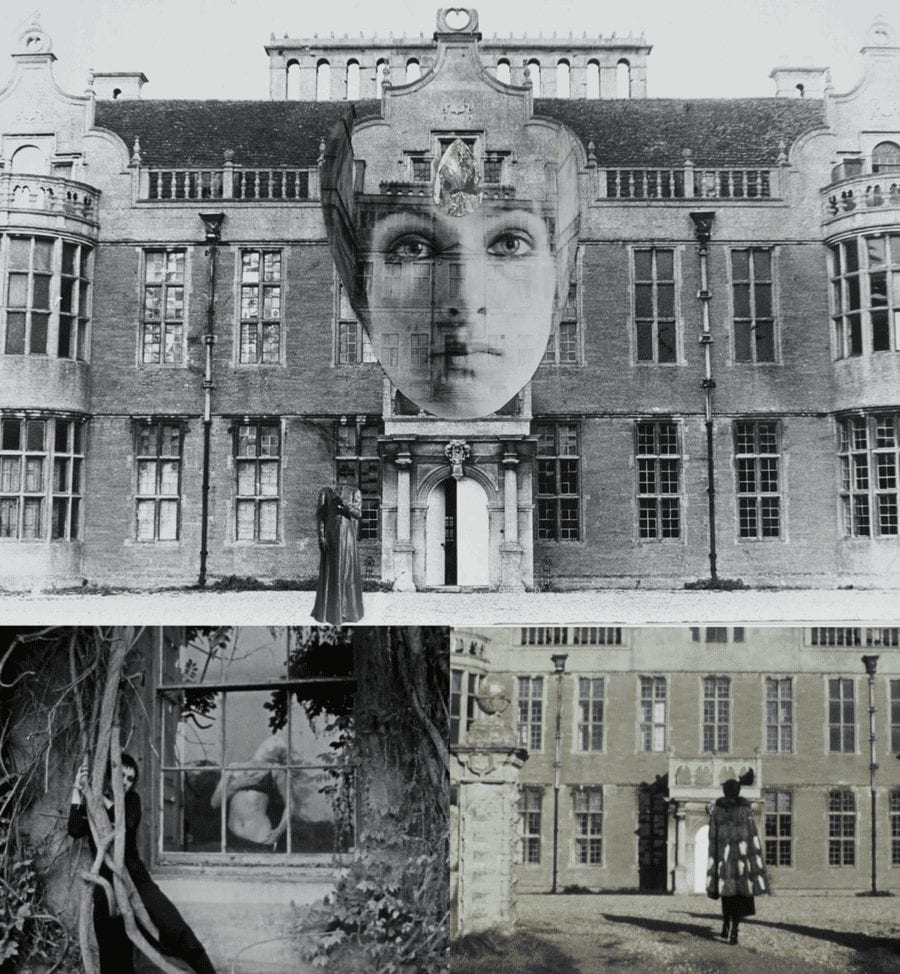
More recently, in 1969, the “sexual mystic” artist Penny Slinger used the at-the-time derelict mansion in one of her best-known works.
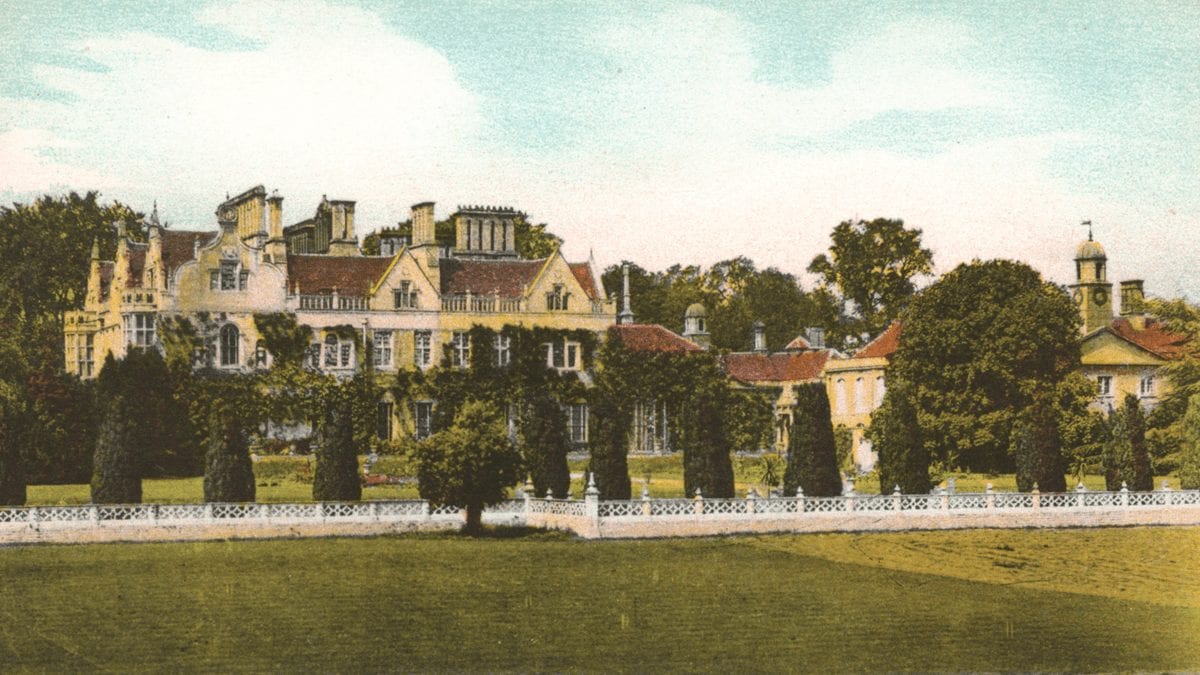
A 32,406 square foot Grade I listed Jacobean mansion 82 miles from Central London has gone on sale for £10 million – or the equivalent of just £308 per square foot.
On this basis, Lilford Hall – set in 321 acres near Oundle – seems a comparative bargain when considered against the £4,786 per square foot sought for a Lennox Gardens, Knightsbridge triplex flatThe Steeple Times featured in May, but buyers need to remember this – parts of this crumbling building, most notably the major state rooms, have not been used since 1947.
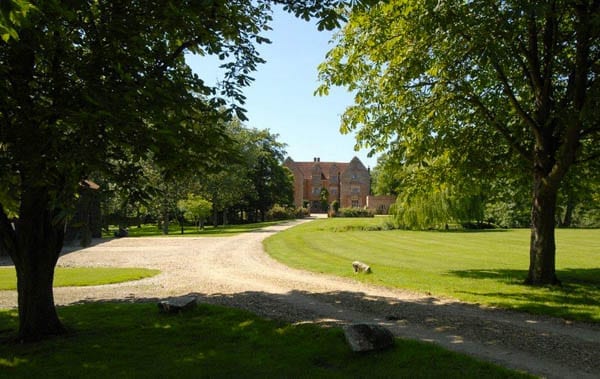
Marketed last in 2014 for the even more punchy sum of £45 million, the “exceptional residential and amenity estate located on the River Nene,” is now offered by agents Savills. The “wonderfully proportioned” U-shaped mansion itself is constructed of grey limestone and includes over 100 rooms and amongst them are 7 “impressive” reception rooms, a ballroom, a ‘great chamber’ and 9 bedrooms. In addition, there are two Georgian pavilions that were formerly coach houses and stabling, three cottages, a former zoo, the oldest private softball court in the world, a former flamingo enclosure and a deer park.
“Impressiveness in the chief attribute of Lilford Hall as a specimen of architecture” claimed County Life in 1990 and as the seat of the Powys family from 1711 until 1990, it became not only a Downton Abbey-esque entertaining pad, but also housed nurses in the Second World War. Here, indeed, is an English country house that has seen lavishness and decline and thankfully here is an example that thankfully escaped the wrecking ball wrought so disgracefully on such houses in the 1950s and 1960s.
Fascinatingly in the 1880s, Thomas Powys, 4th Baron Lilford filled his aviaries on the estate with rheas, kiwis, pink-headed ducks, free-flying lammergeiers and it was from here that he also introduced the little owl into the UK. There are said to be around 5,700 breeding pairs today, but sadly, according to the RSPB, their numbers are now in decline.
More recently, in 1969, “sexually erotic” performance artist Penny Slinger took over the by then “derelict” mansion in conjunction with the filmmaker Peter Whitehead. Their resulting work, titled An Exorcism, was exhibited internationally and in 2004, after the current owners, Charles and Aziza Micklewright, acquired the house, they did something equally avant-garde; they attempted to sell burial plots in the grounds to Americans by citing the estate’s connections to the founder of the Brownists, Robert Browne – a man better known as ‘The Father of the Pilgrims’ and ‘The Grandfather of the Nation’ (of the United States of America).
Whilst Mr and Mrs Micklewright were lauded for their considerable efforts towards the “huge task” of restoring Lilford Hall, they came to the attention of Historic England in May 2019 when the building was listed on the At Risk Register. At that time, the Oundle Chronicle reported: “The roof covering is in poor condition leading to water ingress and distress to the upper storeys. The front bays require structural attention. A schedule of urgent repairs has been identified but not implemented, and no long-term solution has been agreed.”
Now, someone with very, very deep pockets is required to restore this gem. It would be helpful if they liked erotic art, bears, squash and owls also.
The Names & Numbers – The Lilford Hall Estate, Lilford, Oundle, Peterborough, Northamptonshire, PE8 5SG, United Kingdom
June 2020 – The estate is listed sale for £10 million ($12.5 million, €11.1 million or درهم46 million) through Savills. It includes 321.31 acres, of which 148.17 acres are pasture land whilst 157.48 acres are woodland. The majority of the estate is held on a freehold title, whilst the remaining 127.6 acres – known as ‘The Linches’ and ‘Lilford Woods’ – are held on a lease with 91 years remaining.
2015 – Promoted as ‘The National Memorial Gardens,’ burial plots in the gardens of the hall were offered “available to any UK resident or national for an outstanding price of only £1,250 ($1,568, €1,393 or درهم5,758)” by Mark Bailey of Harley Investments. Around the same time, a website dedicated to Lilford Hall marketed “a piece of the formal gardens” for sale for £299 ($375, €333 or درهم1,377) to include “an officially certified ‘Squire of Lilford’ [title] … with this little piece of history.”
March 2014 – The Irish Times reported that the asking price for the estate had been increased to £44.9 million ($56.3 million, €50 million or 206.8درهم million). They claimed the agents Coldwell Banker blamed “confusion over currency conversion rates and new instructions from the owner.”
April 2014 – The Lilford Hall Estate is listed for sale through Coldwell Banker on MyHome.ie for £33.7 million ($44.2 million, €37.5 million or درهم155 million) on behalf of “an English gentleman.”
2004 – The estate is acquired by the Micklewright family. Little information is available online about the Old Framlingham Charles Micklewright (born July 1958), but he is described as a “patent attorney” on Companies Houses pages. The businessman is mentioned also as a publisher and trustee of the Marsh Christian Trust elsewhere, whilst his Singaporean born wife, Aziza (born 1964), was a director of Lilford Properties Limited from 2013 to 2018.
A website operated by Sign of the Times Limited, a Hong Kong company of Lilford Hall, Lilford, Oundle, Northamptonshire, PE8 5SG, currently offers shares in a yacht named ‘Sinatra the Voice’ for £23.91 ($29.99, €26.64 or درهم110.14) per share. The boat was built in 1956 and is tenuously linked to Frank Sinatra by the fact that a one-time owner, Beale Poste, loaned it occasionally to the crooner between 1968 and 1974 in West Palm Beach, Florida.
1990 – The estate is closed to the public.
1980s – The house is used as a location in the BBC English Civil War inspired historical drama series By the Sword Divided.
1970s – Aviaries on the estate restocked by George Powys, 7th Baron Lilford (1931 – 2005). He “opened [the estate] to the public as a leisure park” and housed more than 350 birds of 110 species there. It remained thus for around 20 years and included a restaurant and shop. The aviaries and the 1,896 square foot restaurant building remain present still today.
1969 – 1970 – American British “sexual mystic” artist Penny Slinger (born 1947) and Liverpudlian filmmaker Peter Whitehead used the “derelict mansion” as the setting for their works An Exorcism and Lilford Hall. They are lauded as a “photo romance” and exhibited at the Blum and Poe Gallery in Los Angeles in 2014, at the Haywood Gallery in London in 2015 and at the Fortnight Institute in New York in 2019.
1949 – Stephen Powys, 6th Baron Lilford (1869 – 1949) died without having married or having had children. His properties aside from Lilford – a house in Mayfair, Bank Hall in Lancashire and the Bewsey Estate in Cheshire – passed to his second cousin twice removed.
1947 – The estate is sold to a company named Merchant Ventures by the Powys family (though they remain present on the estate until 1990).
1939 – 1945 – During the Second World War, the parkland of the estate was used as a military hospital for nearby airfields. From 1949 to 1954, some of the buildings constructed during this period were then used as a Polish school.
1923 – First-class Northamptonshire cricketer Major John Powys, 5th Baron Lilford (1863 – 1945) built the first private softball court in the world in the grounds of the hall. It is now in disrepair and the roof has fallen into the inner court.
1909 – 1910 – The hall was extended in the Edwardian manner including the provision of a new master bedroom with dressing room and bathroom by William Dunn and Robert Watson of Dunn & Watson.
1901 – The estate surrounding the hall reaches its largest size and totals a vast 8,000 acres of land. Around this time, Queen Mary, wife of King George V, is said to have visited the gardens.
1880s – Ornithologist and expert on the fauna of the Balearics Thomas Littleton Powys, 4th Baron Lilford (1833 – 1896) introduces the little owl into England on the estate. His aviaries were said to “feature exotic birds from all around the world” and a species of European lizard, the Lilford’s wall lizard (Podarcis lilfordi), is named in his honour. The 4th baron is repeatedly mentioned in the works of Charles Darwin for his contribution to the study of the science of evolution.
1840s – Further changes to the building are orchestrated by the architect William Gilbee Habershon (circa 1818 – 1891). The Campaign to Protect Rural England described these Victorian extensions as “sensitive” in 2006 – a rare accolade given most additions to English country houses during this period were simply brash and vulgar.
1740s – The Palladian architect Henry Flitcroft (1697 – 1769) adds “outstanding” Georgian interiors whilst “respecting the hall’s Jacobean exterior.” He “softened and brightened” the building as a result and also “constructed the Georgian pavilions and additional storeys to the east end of the two wings.” Other works by Flitcroft can be seen at Bower House in Essex, Wentworth Woodhouse in Yorkshire and Woburn Abbey in Bedfordshire.
1711 – Lilford Hall is sold to the judge and Tory politician Sir Thomas Powys (1649 – 1719), Attorney General to King James II. Powys is best remembered for conducting the prosecution of the Seven Bishops in 1699. He is buried at Lilford.
1630s – Construction of the main exterior of what to this day remains Lilford Hall as a “Jacobean-style gentry house” by William Elmes (the younger).
1473 – The land that forms the estate is acquired by William Browne (1410 – 1489), a wealthy wool merchant and landowner from Stamford, from the estate of Baron Welles (who was beheaded by King Edward IV for treason). In 1495, “in a Tudor style,” he built a hall on the site and it passed to Robert Browne (1550 – 1633), the founder of the Brownists, ‘The Father of the Pilgrims’ and ‘The Grandfather of the Nation’ (of the United States of America).
Harry Houdini’s escape prop sack to be sold alongside all manner of other unusual items on Valentine’s Day
On 14th February, Bonhams will hold their ‘Gentleman’s Library Sale’ in Knightsbridge, London. Amongst the circa five hundred items to be offered are all manner of unusual items and here we choose five of the best:
($2,100 to $2,800, €1,700 to €2,300 or درهم7,800 to درهم10,400; pictured above)
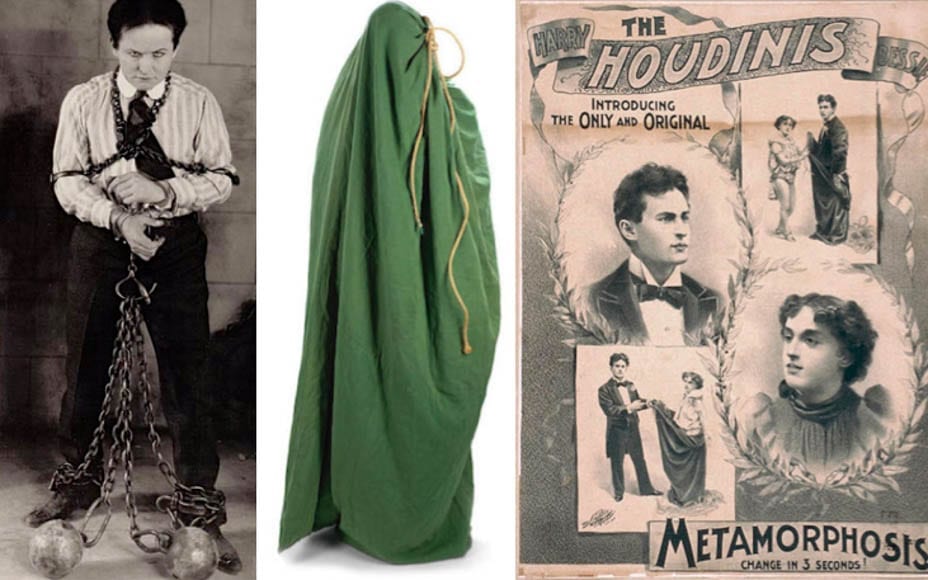
This green, oversized canvas sack was used by Harry Houdini (1874 – 1926) as a prop for tricks. It dates to around 1915 and comes with a poster for his ‘Metamorphosis’ act. Houdini’s brother, Theo, gave the item to a mutual friend after his death and it was last sold at Christie’s in 2011.
($210 to $350, €170 to €280 or درهم780 to درهم1,300)
Dating to the 19th century, 69cm long and made of carved and incised hardwood this dangerous weapon could certainly be used to see off a burglar. It was collected in the 1860s in Queensland, Australia.
($1,100 to $1,700, €910 to €1,400 or درهم4,200 to درهم6,200)
This early 20th century silver plated model battleship is 23cm high and comes with three pairs of cannons to the deck. It’d make a jolly addition to any desk.
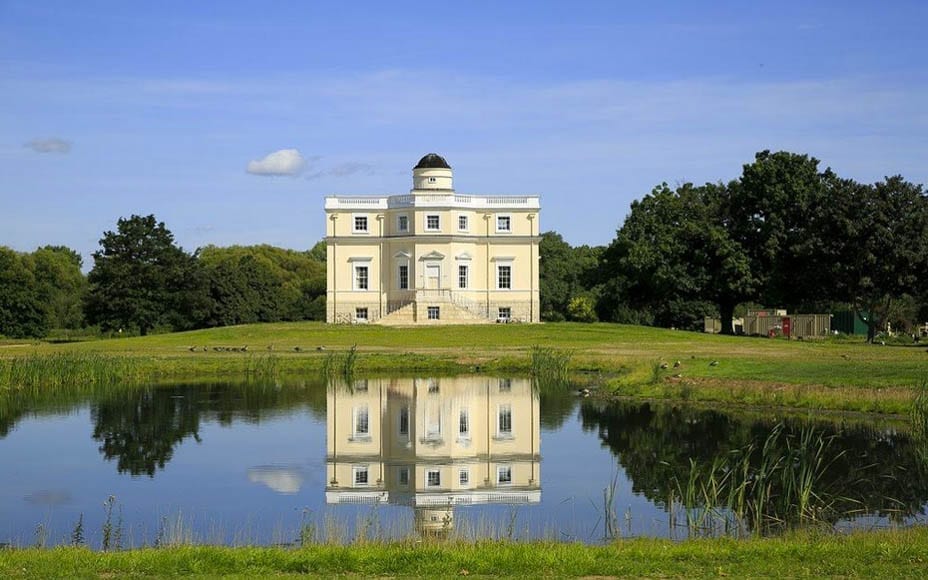
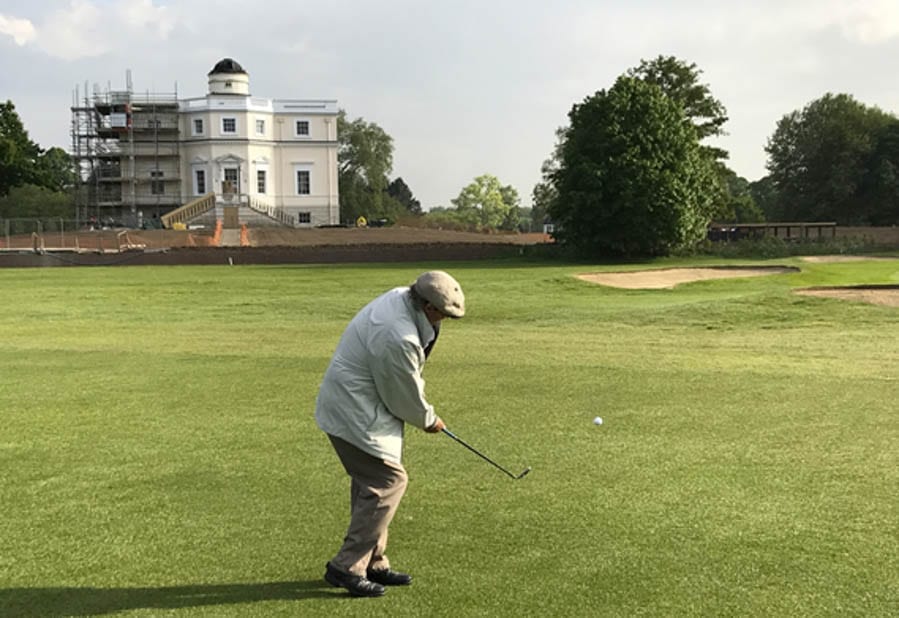
Grade I listed house in Richmond Old Deer Park, Surrey that is owned by the Crown Estate and was originally a royal observatory to rent for £450,000 per year
A Grade I listed house set on 6.6 acres of World Heritage Site and Grade I listed land in the middle of the Royal Mid-Surrey Golf Course has been listed to rent for £37,500 per month ($48,300, €41,000 or درهم177,300 per month).
Extending to 6,157 square foot in total but quite manageable in terms of the accommodation provided, The King’s Observatory in Old Deer Park, Richmond upon Thames was designed by the Scottish-Swedish architect Sir William Chambers (1723 – 1796) and used by King George III (1738 – 1820) to house his extensive collection of scientific instruments. It features the oldest cupola in the world specifically constructed to allow astrologists to “track the rare phenomenon of Venus crossing the sun.”
Owned by the Crown Estate, the building was used as a classroom for royalty, was converted to provide a home for the Meteorological Office from 1910 to 1980 and became the offices of Hill Samuel Bank and then Autoglas until 2011. Plans were approved to convert to a single residence in 2014 but features including a cinema, games room, gym, underground swimming pool and garaging for 16 cars were not actually constructed.
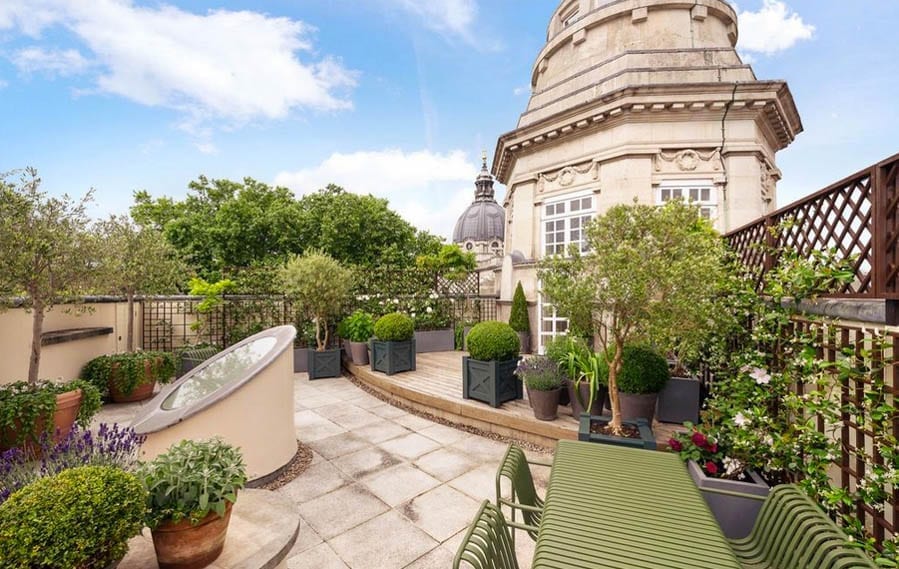
The King’s Observatory – which was built in 1769 – is offered by Knight Frank and includes 5 reception rooms, 4 bedroom suites and a large roof terrace.
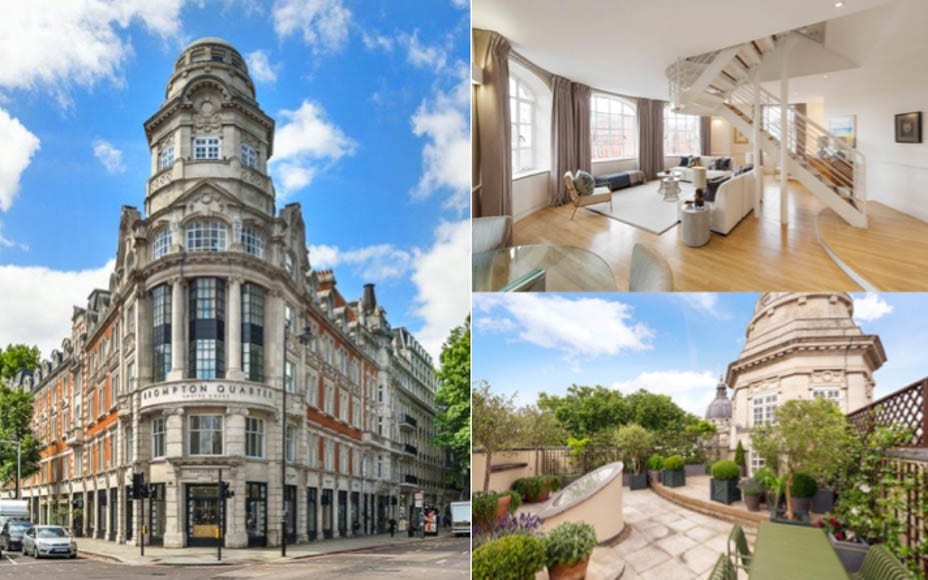
Penthouse with tower in prominent Knightsbridge landmark for sale for £8.25 million
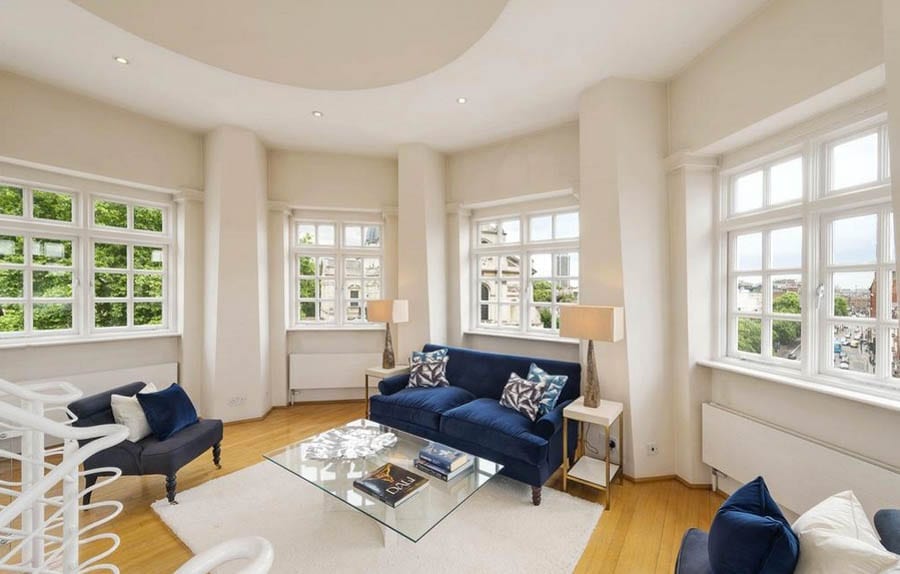
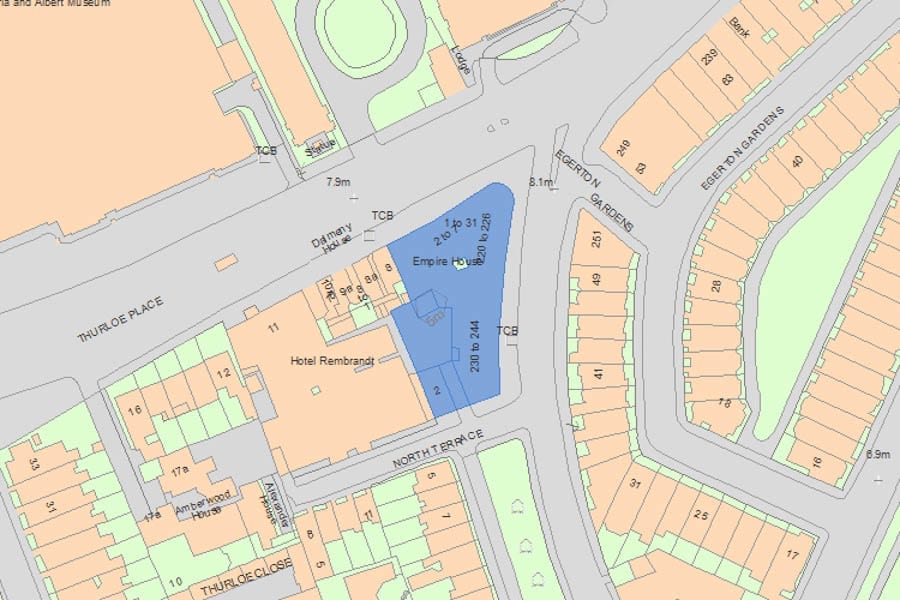
A penthouse with a tower in a Grade II listed landmark triangular ‘flat-iron’ building on the border of South Kensington and Knightsbridge has gone on sale for £8.25 million ($10.51 million, €9.39 million or درهم38.62 million).
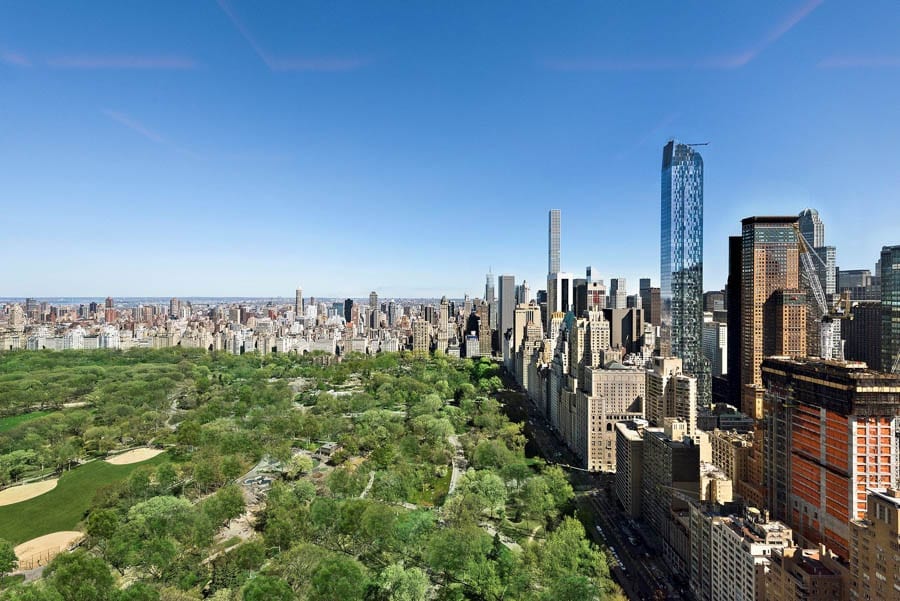
Created in 1991 to designs by Susan Walker Architects and involving the clever merger of two fourth floor flats as part of a £1.70 million scheme (the equivalent of £3.35 million, $4.27 million, €3.81 million or درهم15.68 million today), the 3,475 square foot apartment offered overlooks the Brompton Oratory and has a vista down the Brompton Road towards Harrods. It is within a building known as Empire House that was itself built between 1909 and 1916 to designs by Paul Hoffmann and was originally used by a German firm, the Continental Tyre Company.
Currently featuring a large reception room, a dining kitchen, 5 bedrooms, 5 bathrooms and a laundry on the building’s fourth floor, a tower with domed reception space from the sixth to the seventh floors and a private roof terrace on its fifth floor, the apartment comes with planning permission for internal rearrangement.
Held on a leasehold basis expiring 2142 and subject to a service charge of £20,550 per annum ($26,187, €23,391 or درهم96,211 per annum) according to agents JLL, a buyer will also have to pay a one-off charge of £12,054 ($15,360, €13,720 or درهم56,434) towards the cost of refurbishing the portered building’s lift.
Apartment in mansion block in Sloane Square for sale for £6.2 million in spite of needing updating; it is within the building from which a Mayor of Chelsea lived and departed to his death on RMS Titanic
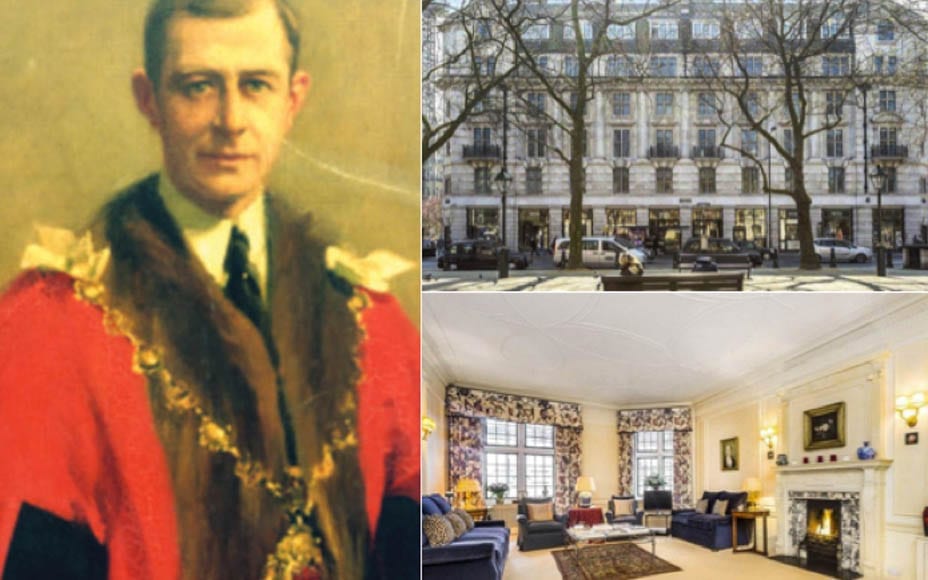
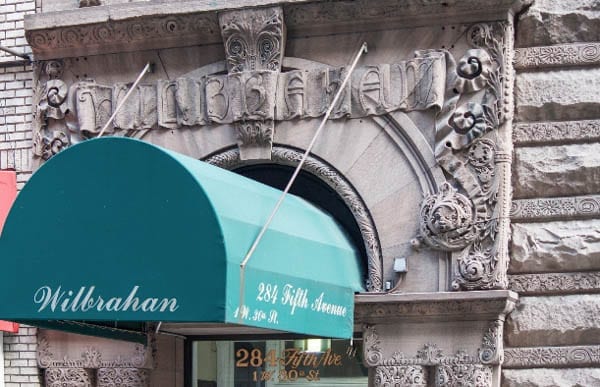
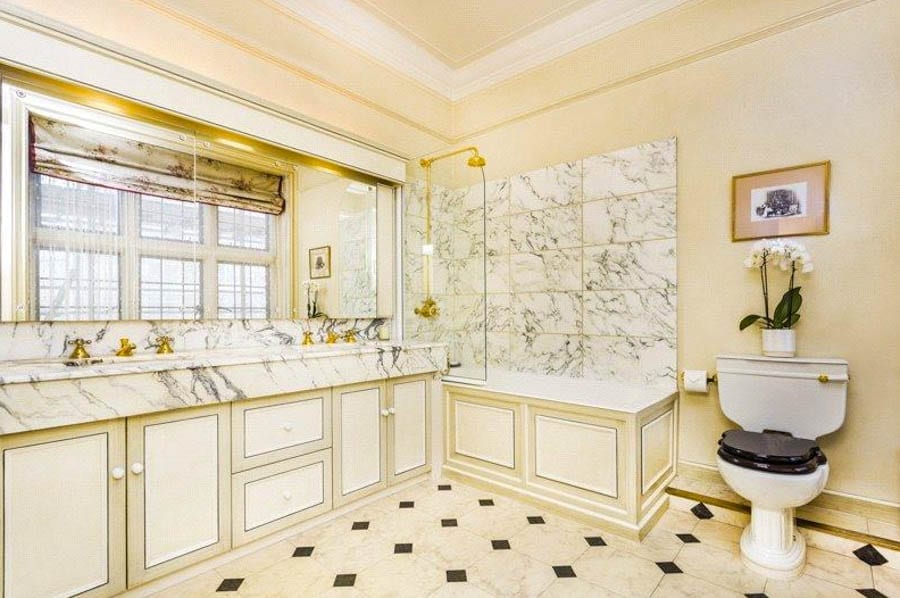
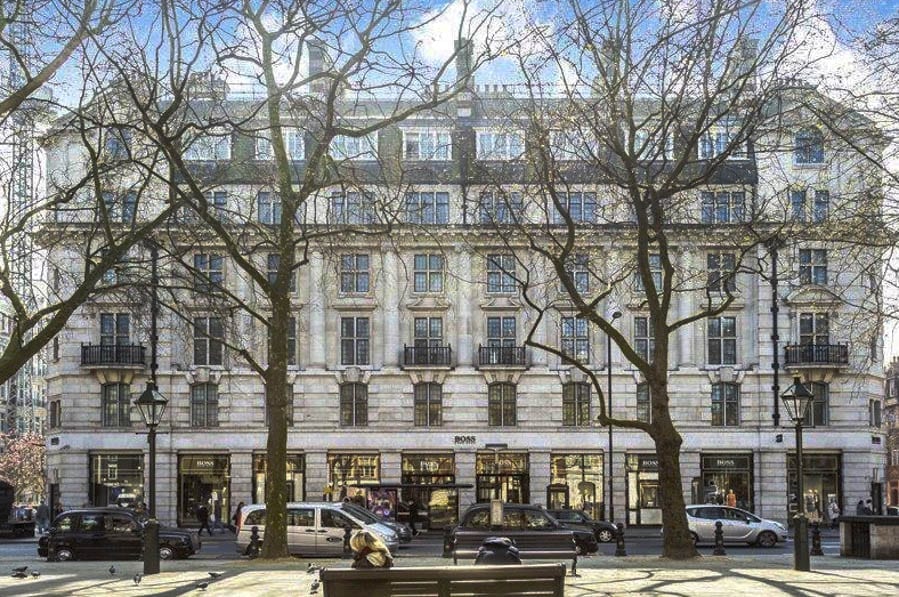
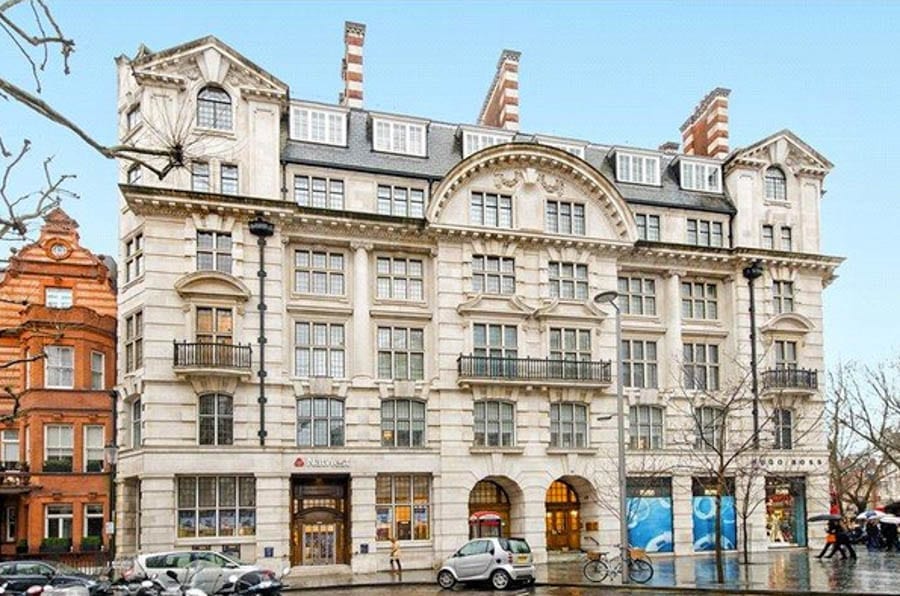
A third floor flat in a portered mansion block on Sloane Square has gone on sale for £6.2 million ($8 million, €7.3 million or درهم29.5 million) through Cluttons in spite of being decorated like a relic from the 1980s. It is situated above Hugo Boss’ flagship store and within Grade II listed Wyndham House, the building from which a former Mayor of Chelsea went to his untimely death aboard the RMS Titanic in 1912.
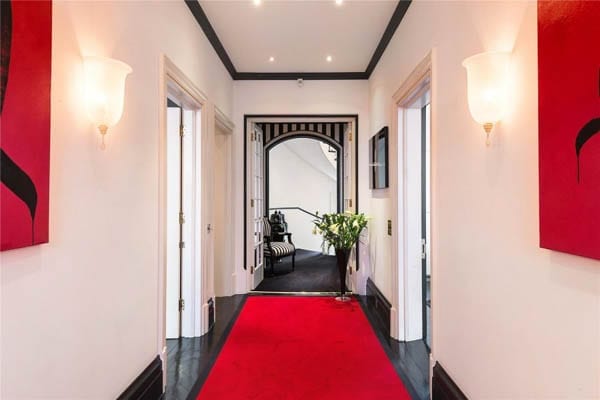
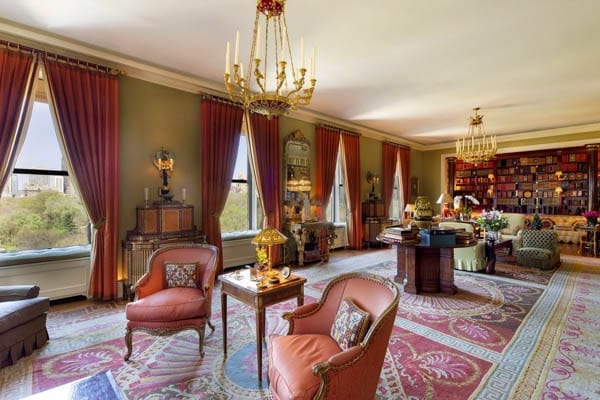
Previously priced at £6.5 million ($8.4 million, €7.7 million or درهم30.9 million) when marketed by Russell & Simpson in February 2016, the 2,684 square foot lateral apartment includes a 30-foot long reception room, 3 bedrooms and 3 bathrooms and features such details as ornate ceiling friezes and plasterwork and working fireplaces. A larger 5 bedroom flat within Wyndham House sold for the staggering sum of £12 million ($15.5 million, €14.2 million or درهم57 million) in July 2015 according to Land Registry records.
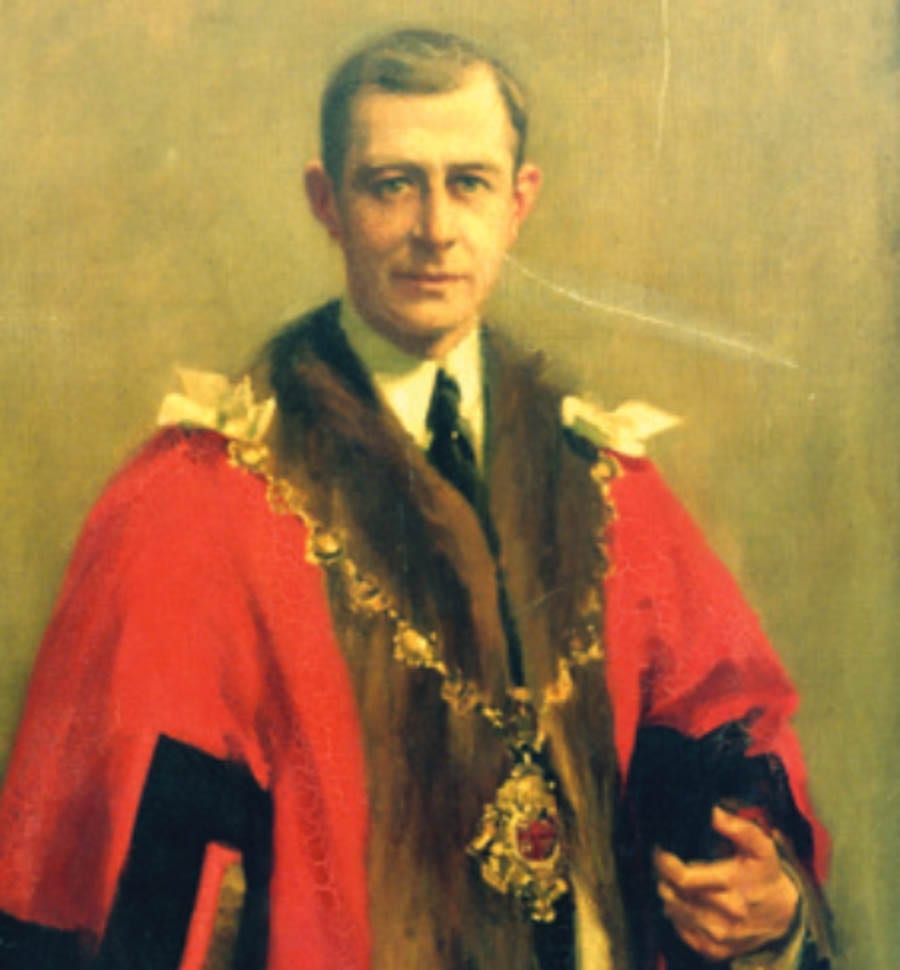
Wyndham House resident and Mayor of Chelsea from 1909 to 1911 Charles Head (1869 – 1912) perished aboard RMS Titanic, his body was never recovered but a sundial was erected in his memory in nearby Cadogan Place Gardens
Aside from being one of Chelsea’s grandest residential blocks, Wyndham House was at home to one of the victims of the Titanic maritime disaster in the early 1900s and it was from here that Charles Head, Mayor of Chelsea between 1909 and 1911, went to his death in April 1912. Head, a Cambridge educated barrister turned director of Head & Co. insurance brokers and underwriters at Lloyds of London, was a well known supporter of the arts, a councilor from 1906 and had only married 18 months earlier. He travelled alone on a £42 first class ticket (the equivalent of £4,400, $5,700, €5,200 or درهم20,900 today) on the Titanic’s maiden voyage and bizarrely had taken out a £25,000 insurance policy “against ocean accidents”. His precaution left his widow very well provided for given such a sum was the equivalent of £2.6 million today ($3.4 million, €3.1 million or درهم12.4 million).
5,000 acre Irish estate where “anything can happen” for sale for £24.1 million; its current owner would prefer a buyer who’ll allow him to use it for three months a year
Michael Jackson hid out at Luggala in County Wicklow, Ireland in 2006 for three months after being cleared of child molestation charges and other guests at this magical estate have included Francis Bacon, Orlando Bloom, Bono, John Paul Getty II, Mel Gibson, John Hurt, Mick Jagger, Patrick Leigh Fermor, Paul McCartney and Anita Pallenberg.
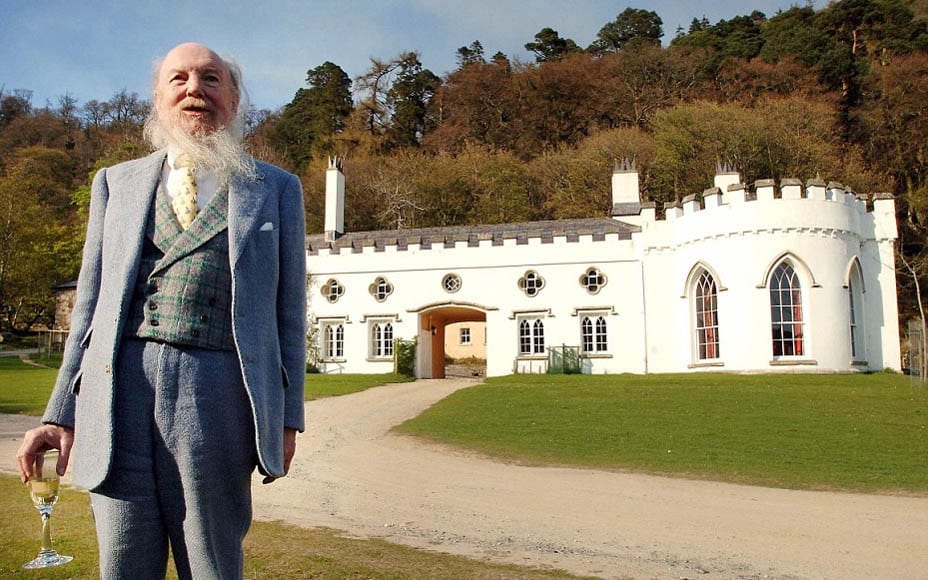
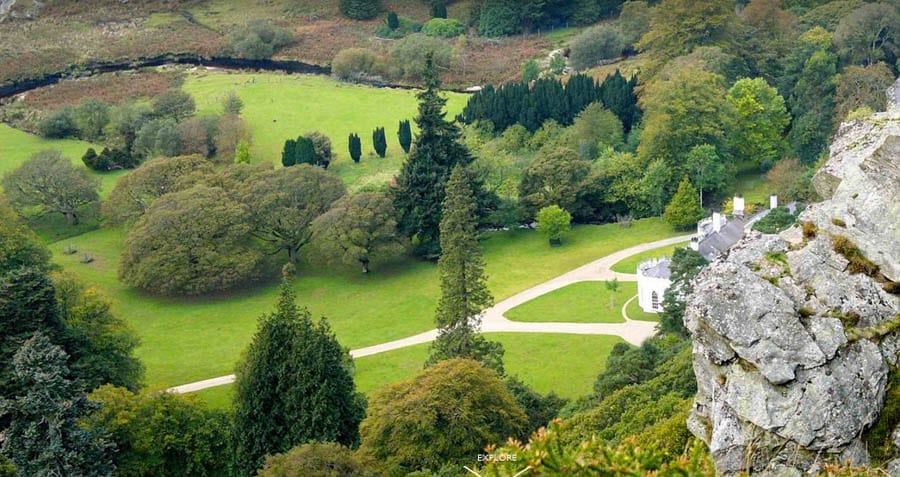
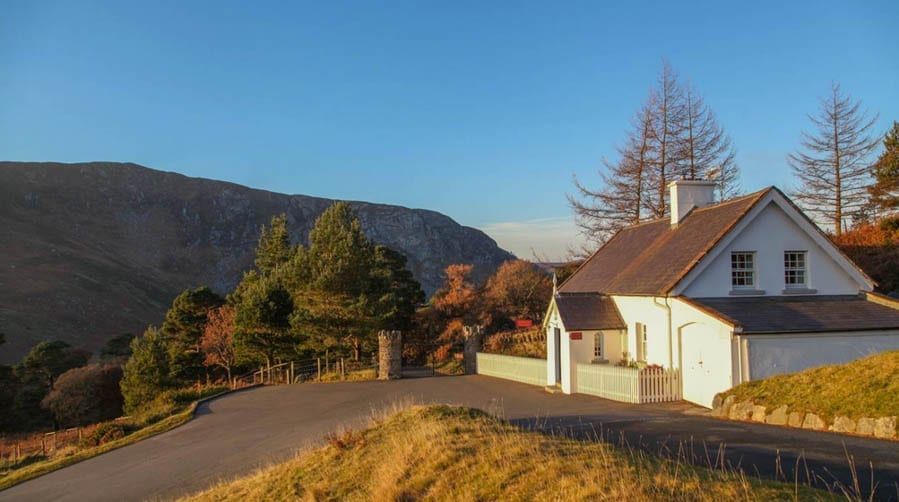
Encompassing a plot of some 5,000 acres, Luggala (meaning: “a hollow in a ridge”) is also known as ‘Fancy Mountain’ and has been used in films including Zardoz, Braveheart and Excalibur. It is located 28 miles south-west of Dublin, was described by the singer Marianne Faithfull as “the most beautiful place in the world” and the main house there has gradually morphed into what has been called “the most decorative honeypot in Ireland”.
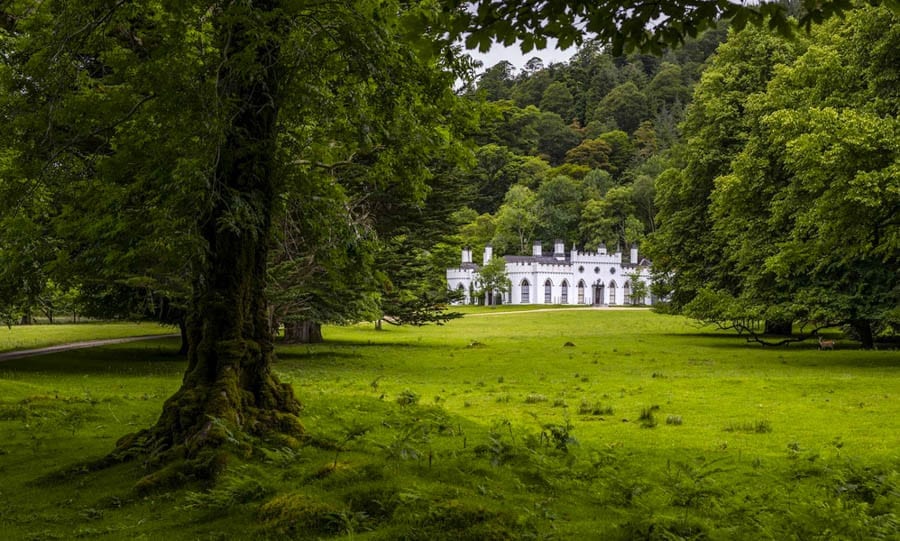
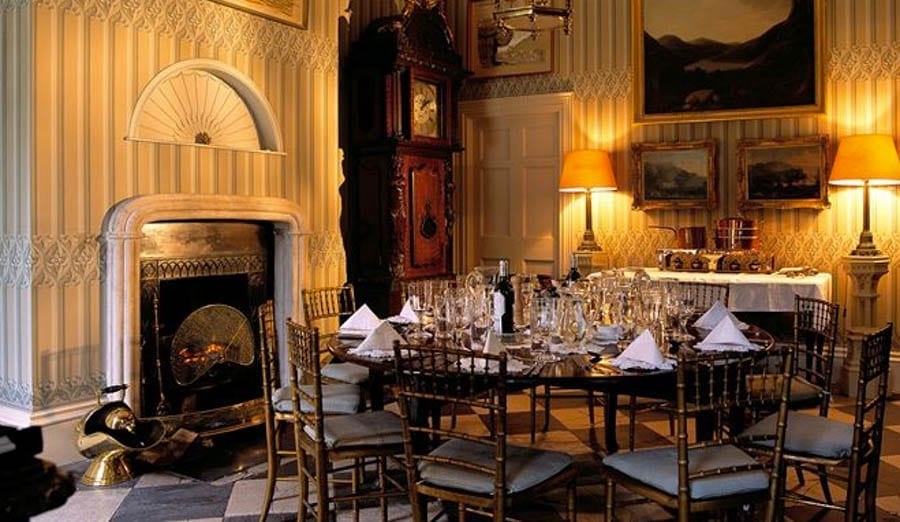
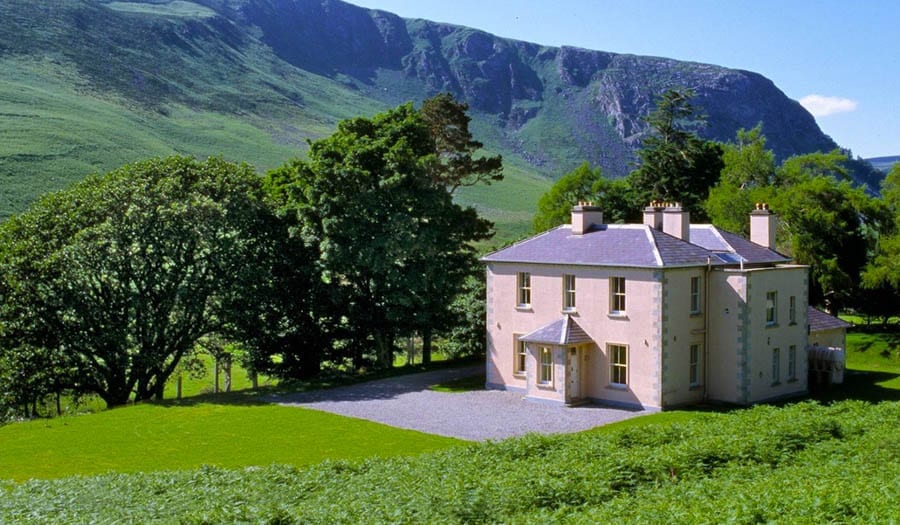
Architecturally significant, Luggala Lodge (also known as Luggala Castle), was built in 1787 and is lauded as having “that special brand of 18th century Gothick that rejoices in little battlements, crochets, trefoil and quatrefoil windows and ogee mantelpieces, Indeed, quite like the Gothick of pastry cooks and Rockingham china”. It “boasts all the appurtenances of a grand castle but on a miniature scale” and though standing on a modest footprint, extends to some 7,438 square foot in total.
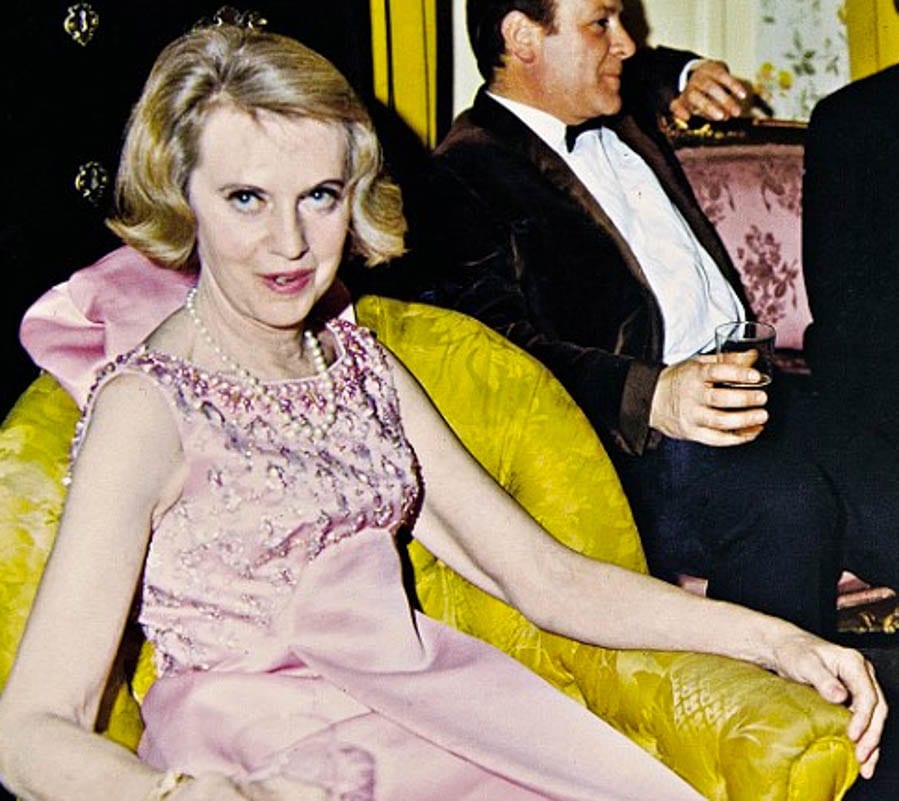
In 1937, the estate was bought by the Hon. Ernest Guinness (1876 – 1949) and given to his daughter, Oonagh, on her marriage to Lord Oranmore and Browne – a peer with the rare distinction of managing to sit in the House of Lords without ever saying a single thing. It subsequently became a place where “nobody could stay away: Dublin intelligentsia, literati, painters, actors, scholars, hangers-on, toffs, punters, poets and social hang-gliders” and was even immortalised in poetry by Seamus Heaney.
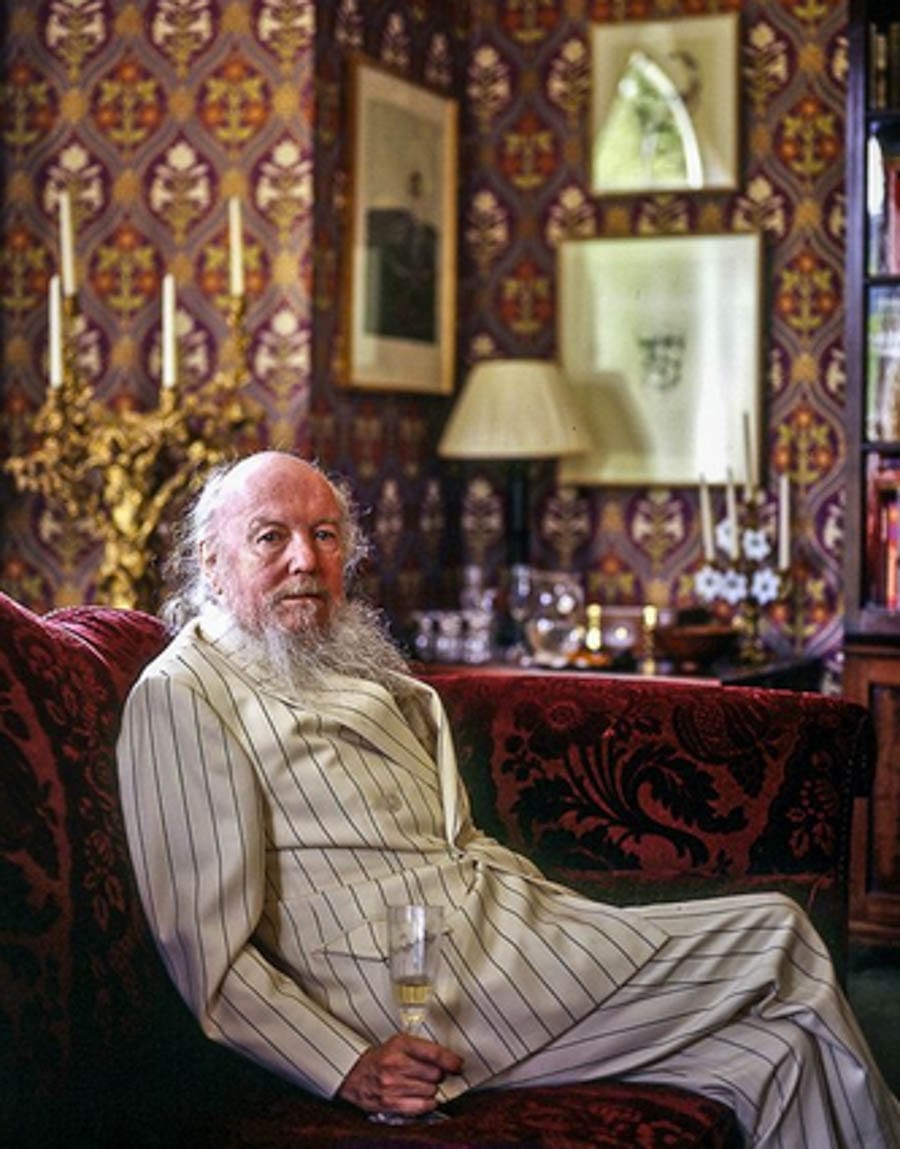
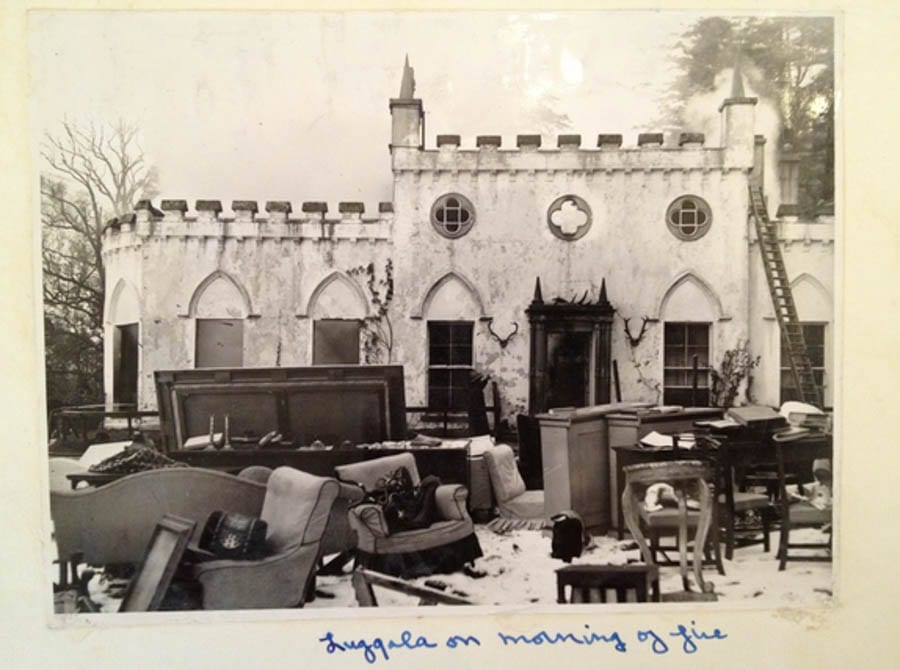
Current owner of Luggala, the decidedly eccentric the Hon. Dr. Garech Browne (born 1939)Luggala Lodge, Roundwood, Leinster, County Wicklow, IrelandLuggala Lodge after a fire in 1956Oonagh Guinness, Oonagh, Lady Oranmore and Browne (1910 – 1995)
On Oonagh, Lady Oranmore and Browne’s death in 1970, the estate passed into the “custody” of her son, the Hon. Dr. Garech Browne. He has spent considerable sums restoring the house and made it a “cultural hub for Irish music, art and literature”. A co-founder of the record label Claddagh Records and instrumental in the formation of the traditional Irish folk group, The Chieftans, Browne and his Indian princess wife, Purna Devi of Morvi, added an indoor swimming pool to Luggala Lodge as well as a Gothic library for his collection of 8,000 books.
Now for sale due to 77-year old Garlech Browne and his wife primarily choosing to be based in Singapore, it has been suggested that the Irish State should purchase the estate. Thus far no offer has been forthcoming and this week Jennifer O’Connell of The Irish Times even penned an article that suggested: “Opening the national chequebook is not the way to secure [Luggala’s] future”.
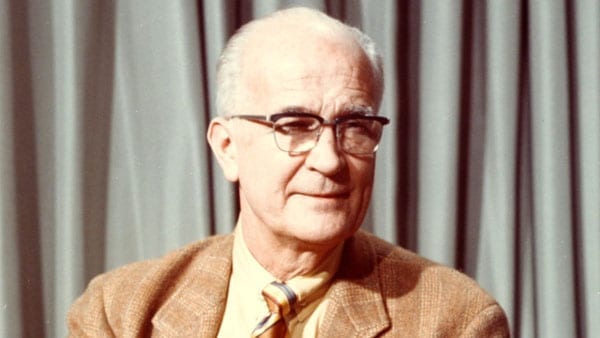
Considered by some a racist, “The father of Silicon Valley” was an American born in London who won the 1956 Nobel Prize in Physics. Stanford professor William Shockley’s attempts to comercialise his transistor design led to him being credited as “the man who brought silicon to Silicon Valley” but by the time he died of prostate cancer he was estranged from most of his friends and family. The children of this staunch advocate of eugenics are reported to have only learnt of his death through the print media.
Original Scotland Yard site to become hotel ‘of the quality of Chateau Marmont’
An Edwardian building on the site of the original Scotland Yard is to be converted into a 92,000 square foot, 235-bedroom 5-star hotel of the “world class… quality of The Mercer or the Chateau Marmont” (more…)
One of Chelsea’s most important modernist houses comes to the market
Built for the parliamentarian and playwright Benn Levy and his actress wife and designed by the Bauhaus school founder Walter Gropius, 66 Old Church Street is one of Chelsea’s most significant modernist houses. It’s no wonder that, even though in need of renovation, therefore, a £45 million price tag has been attached to the house by agents Beauchamp Estates. (more…)

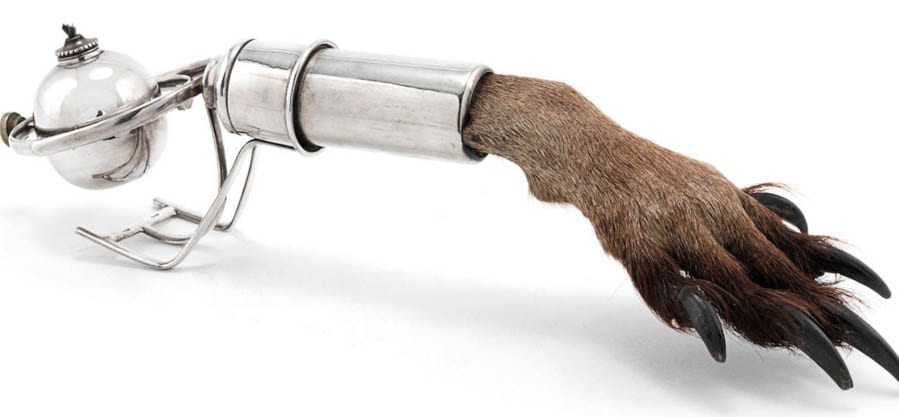 Possibly one of the most unusual cigarette lighters available, this unusual item was made by WD&Co Limited in 1910. It is 40cm long.
 Dating to the 19th century, 69cm long and made of carved and incised hardwood this dangerous weapon could certainly be used to see off a burglar. It was collected in the 1860s in Queensland, Australia.
 This early 20th century silver plated model battleship is 23cm high and comes with three pairs of cannons to the deck. It’d make a jolly addition to any desk.
 This 62cm tall gilt and bronze 19th century clock is designed in the form of a model of the Eiffel Tower. It has a brass dial with Roman numerals.