Category: Amazing Finds

  • Michael’s Marvelous Motor – Sir Michael Caine’s First Car To Be Sold

    Michael’s Marvelous Motor – Sir Michael Caine’s First Car To Be Sold

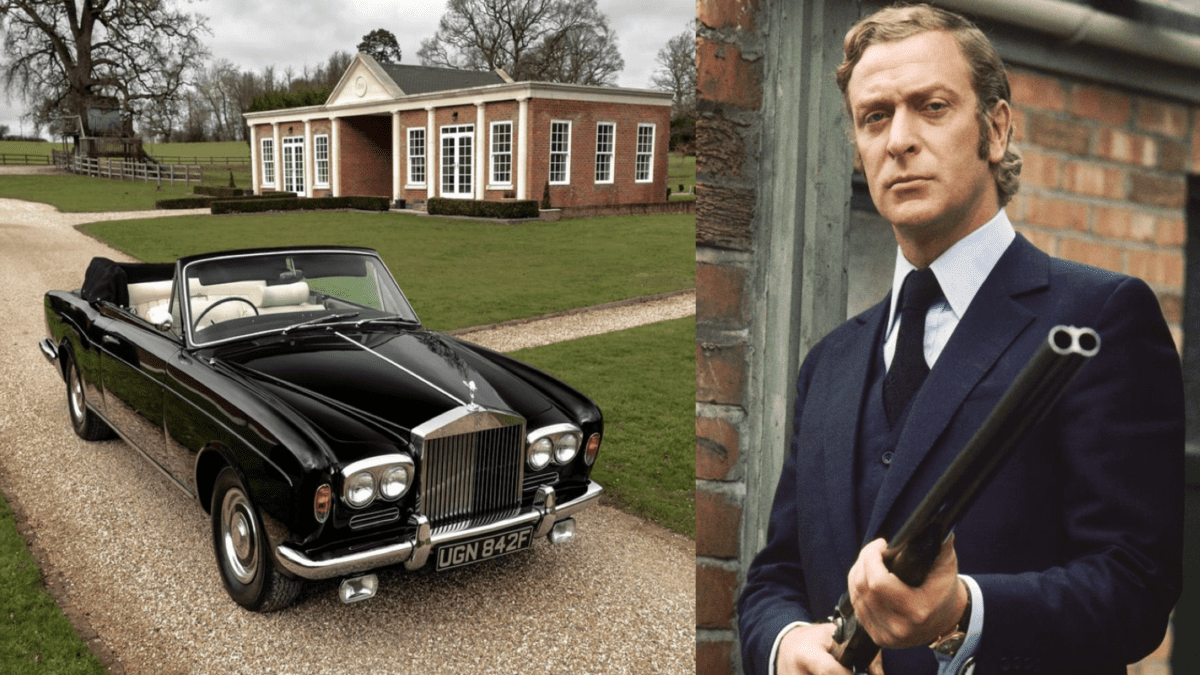
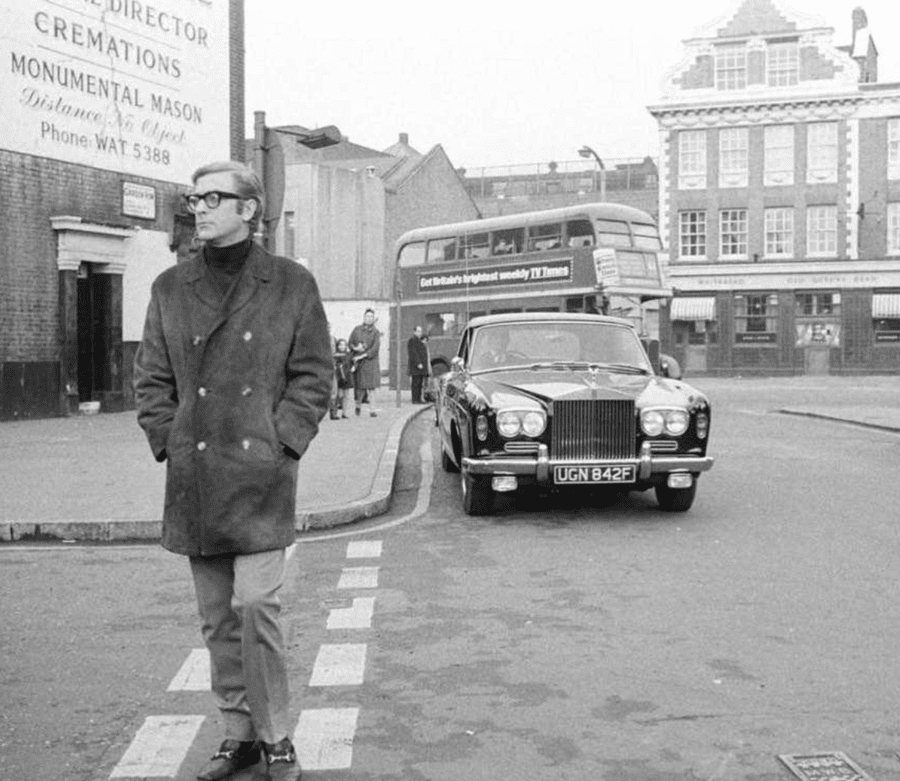
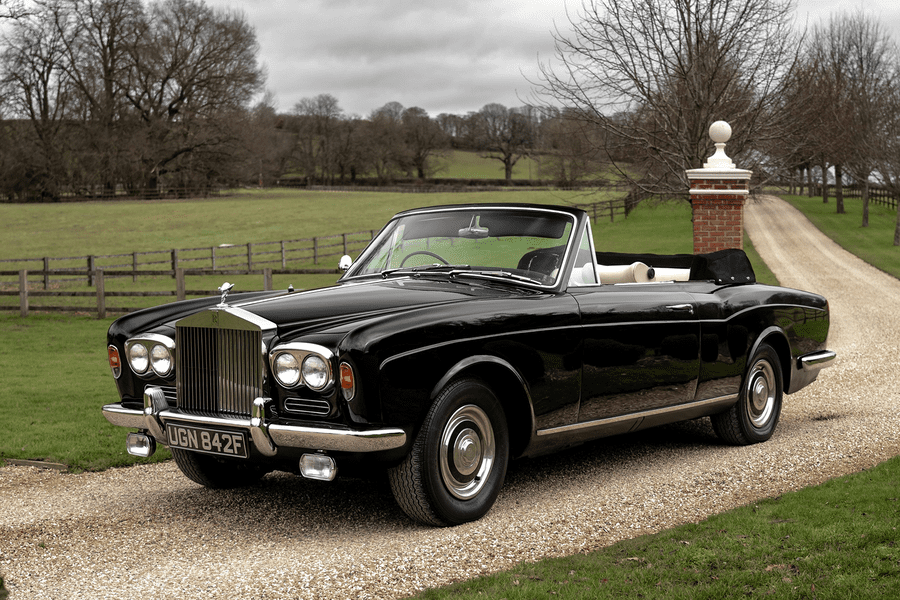
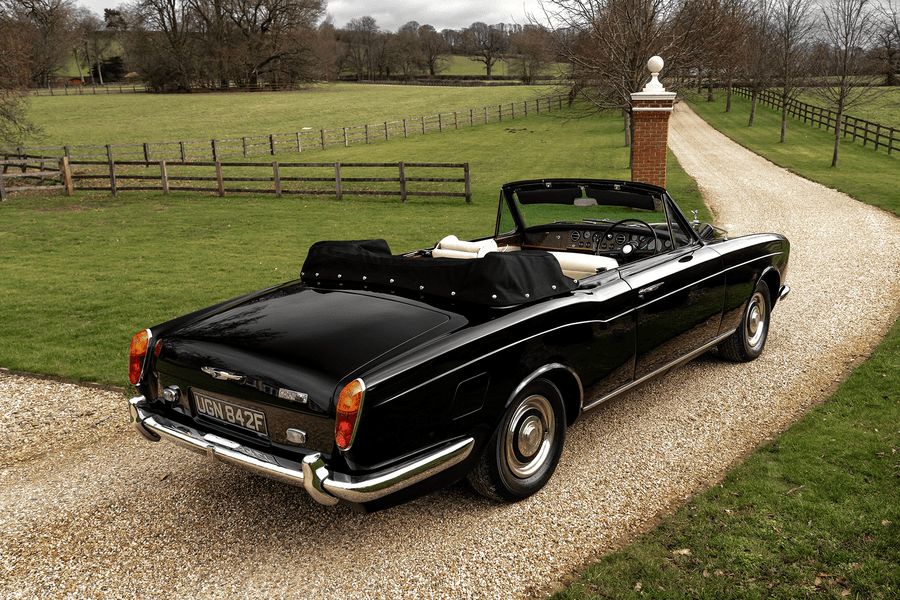
    As Sir Michael Caine turns 90 today, his rather ritzy first car, a Rolls-Royce Silver Shadow, is set to be auctioned; it was subsequently owned by the rather rambunctious owner of the infamous Gasworks restaurant

    Today marks the 90th birthday of Sir Michael Caine CBE. Renowned for such films as The Italian Job, Dirty Rotten Scoundrels and Zulu, this Academy Awards, BAFTA and Golden Globe award winning actor was born the son of a fish market porter and a char lady in Rotherhithe, East London.


    Twice married Sir Michael – whose birth name was Maurice Micklewhite – began acting in the 1950s after completing national service in 1954 and with success came fortune and with fortune came the ability to buy, amongst other things, fancy motors.


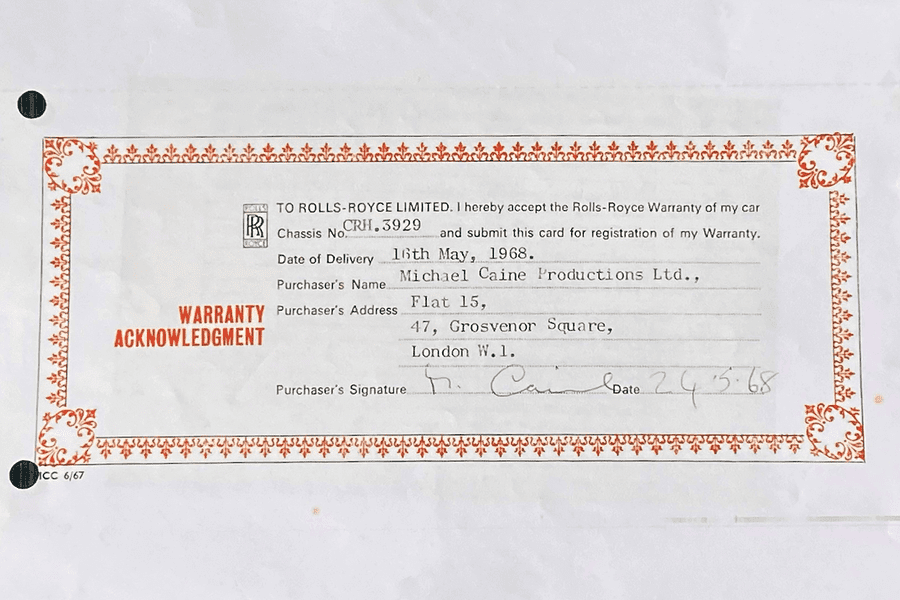
    Quoted as having once said: “I’m every bourgeois nightmare; a Cockney with intelligence and a million dollars,” self-declared “the audience’s representative on earth” Sir Michael naturally didn’t opt for a Lada or a Mini for his first car. Instead, in 1968, if you believe the marketing guff of H&H Classics – who are about to auction the very car he purchased, a 1968 Rolls-Royce Silver Shadow Corniche two-door drophead coupé – the actor:


    “Wandered into the renowned Jack Barclay showroom on Berkeley Square, with a handwritten shopping list which read, ‘milk, bread, newspaper, cigarettes, Rolls-Royce.’ Unkempt and unshaven, Caine was ushered off the premises, so he journeyed to Mayfair’s other Rolls-Royce dealership, H.A. Fox on Dover Street, where he found the Silver Shadow which had been taken into stock after the playwright and screenwriter, Terence Rattigan, cancelled his order for it.”


    “Having bought the car, despite not having his own driving licence, the actor found it was much cheaper to employ a chauffeur than pay the premium his insurers quoted should he decide to go down the ‘L-plate’ route. The 35-year-old actor subsequently took great pleasure in being driven past the offending Jack Barclay salesman in his new car and flicking him a V-sign!”


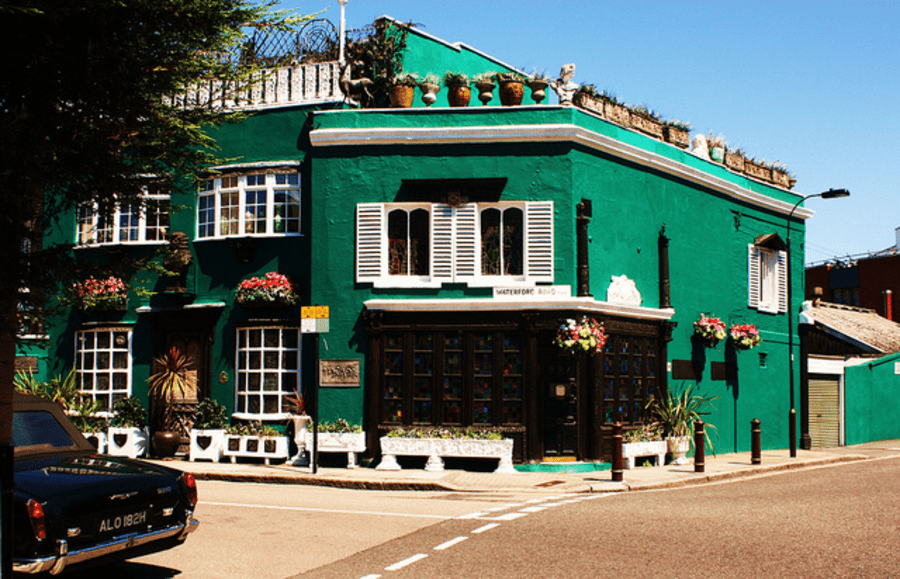
    Grosvenor Square dwelling ‘Man about Mayfair’ Sir Michael subsequently sold the car to one of his “less salubrious acquaintances,” the restaurateur John Leonard Ernest Leach (AKA ‘Jack Leach’) in 1970. Mr Leach was best-known for having run the haunt of everone from gangsters to royalty that was the “infamous” The Gasworks restaurant on Waterford Road in Fulham, SW6.


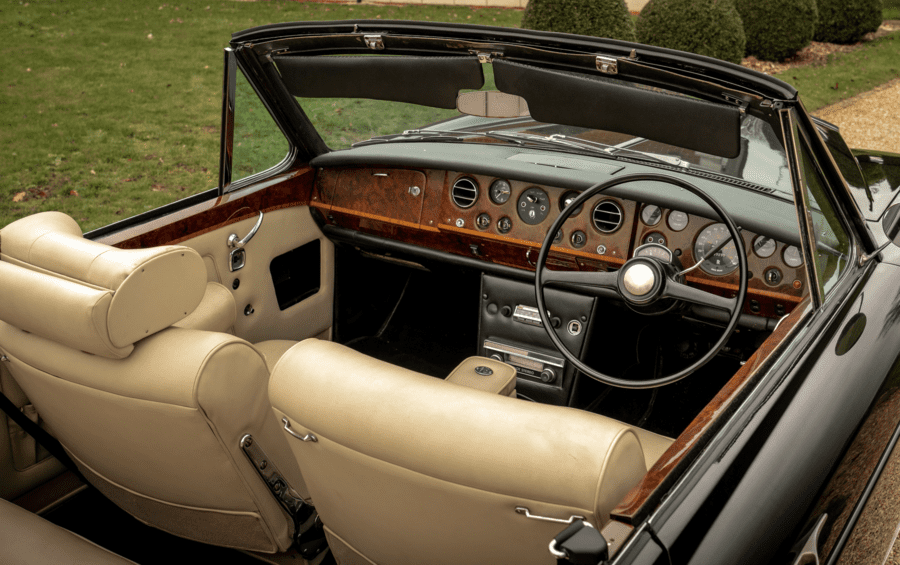
    Mr Leach kept the black with magnolia leather interior car until his death in 2013 and was “a familiar sight on the Fulham and Kings Road” as “its erstwhile driver puffing away on a cigar.” It was subsequently placed in storage and acquired by the current owner in 2018.


    Of its subsequent renovation, H&H share that their client spent “the best part of £100,000 ($122,000, €113,000 or درهم446,000)” on its renovation and that this process “apparently revealed the presence of various escort girl calling cards secreted about the interior.”


    H&H Classics will auction the four-seater car – which has 59,000 miles on the clock – tomorrow, Wednesday 15th March 2023, at their Imperial War Museum, Duxford, Cambridgeshire sale with an estimate of £100,000 to £150,000 ($122,000 to $182,000, €113,000 to €170,000 or درهم446,000 to درهم670,000).


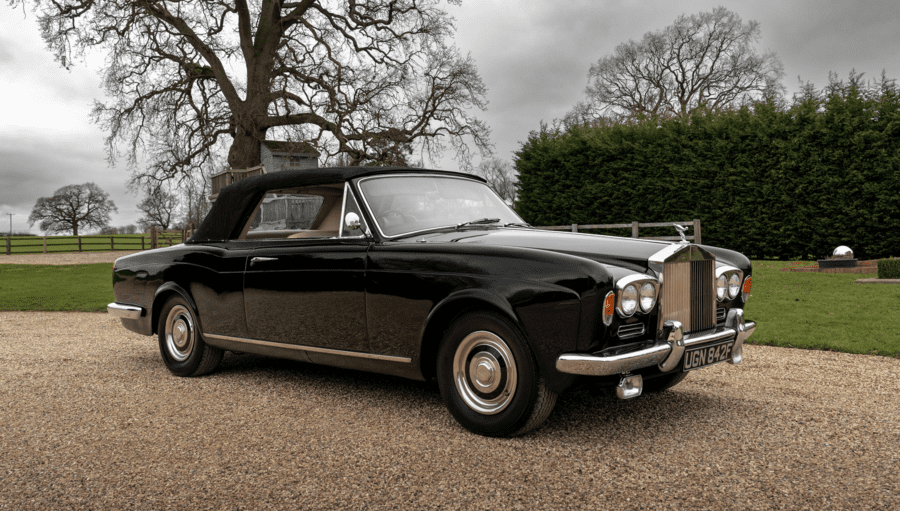
    Of the vehicle – which is registered now as ‘ALO 182H’ (formerly ‘UGN 842F’) but comes with dummy original plates for display purposes – Damian Jones, senior motorcar specialist at H&H Classics, remarked:


    “Appearing in more than 160 films across seven decades, Sir Michael Caine is a true British icon, so it’s a pleasure to be able to offer his very first car for sale, which in itself is another great British classic.


    “From its original purchase by Sir Michael, and its subsequent 43-year ownership by infamous Gasworks restaurateur, Jack Leach, the car’s history is truly captivating and one which I’m sure will delight and fascinate the new owner.”


    “Personifying cool since the swinging sixties, Caine and the Silver Shadow remain instantly recognisable and widely admired. So, to combine both of these in one fantastic motor car is incredibly rare indeed and we expect significant interest from fans around the world.”


    Bizarrely for a man with Rolls-Royce tastes, in April 2017, pro-Brexiteer Sir Michael declared himself a “socialist” and went as far to say: “I wouldn’t live in a country that didn’t pay income tax.” He had been previously named in 2014 as an investor in a tax avoidance scheme named Liberty. In an interview at that time, he added: “In order to do something good, I don’t just do work which is no good. I don’t do commercials” whilst conveniently forgetting that he was paid a six-figure sum to film a commercial for Sky television in 2013.


    Editor’s Note – Unlike as is the case in many publications, this article was NOT sponsored or supported by a third-party.
     

    Sir Michael Caine
    Warranty
    Gasworks
    Front
    Rear
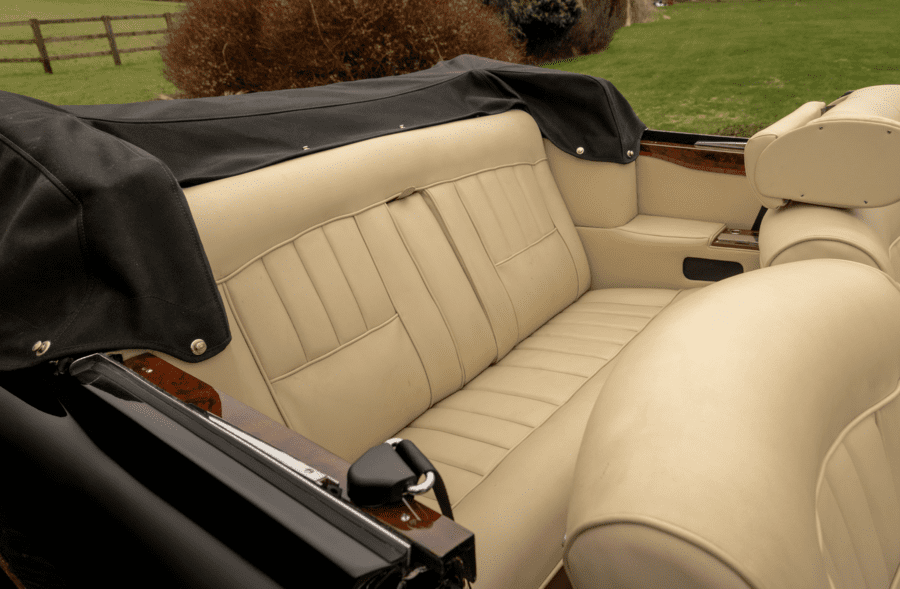
    Front interior
    Rear interior
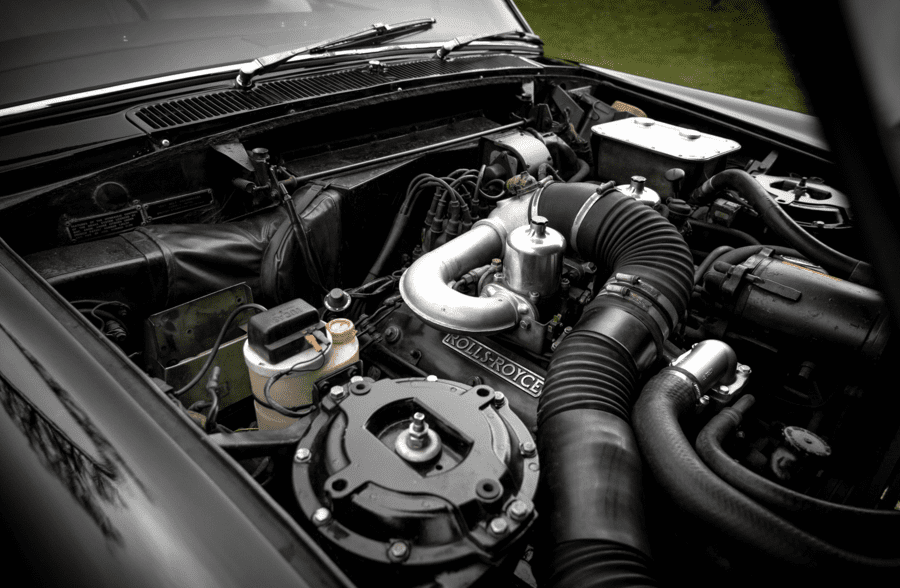
    Engine
    Hood up
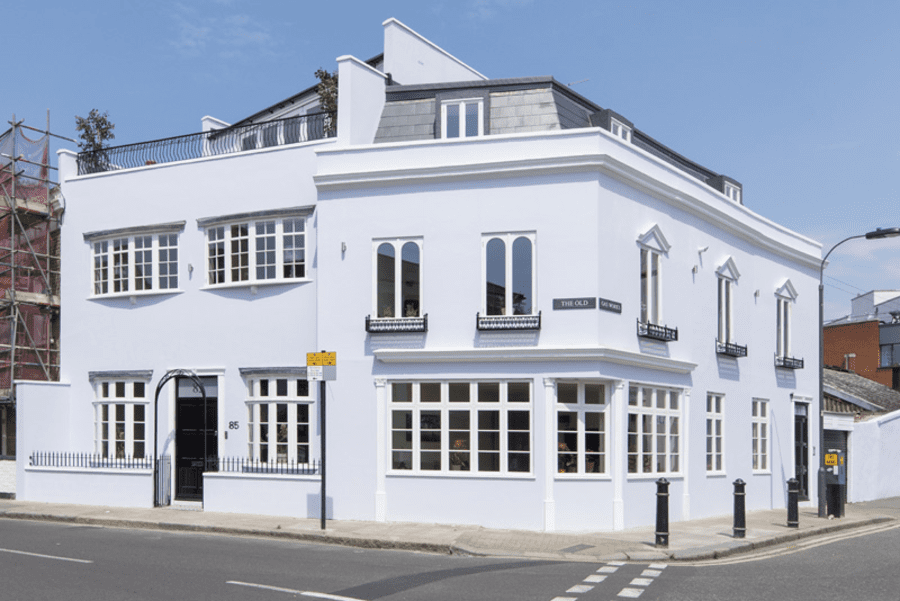
    85 Waterford Road

    Marina O’Loughlin reviews The Gasworks for ‘Noble Rot’ (July 2020):

    The Gasworks – complete with its British racing green frontage – has sadly like so many London institutions long since faded into legend. Situated in a “no man’s land between Chelsea and Fulham,” it closed after the death of Jack Leach and was placed up for sale for £2.5 million ($3 million, €2.8 million or درهم11.2 million) before being converted into flats.


    Though the food was “absolutely horrific,” The Gasworks was a firm favourite of many and of it one blogger, Luke Honey, remarked in February 2012: “That fast changing corner of SW6 won’t be the same without [it].”


    Marina O’Loughlin on off-radar, old-school and classic restaurants


    The Gasworks

    Waterford Road

    London SW6 2ET


    People often ask me what my favourite restaurant ever was. How the hell should I know? I barely remember the day before yesterday. Out of perversity, I answer The Gasworks, which, of course, nobody has ever heard of. But it’s not just an affectation: this strange and wonderful and spectacularly awful place impressed me like no other. There’s never been anywhere like it – and it’s unlikely there ever will be again.


    Young and impressionable I might have been when this den of peculiarity was open, but ringing the doorbell was like blundering into a cheese frenzy-induced dream. The main space consisted of two linked rooms, one lined with perfunctory booths, one with an imposing, huge central dining table, every surface covered with, well, stuff. Dusty brown stuff, lurking in the dim light; all, apparently, for sale. (As an aside, a pal of mine was once offered a Lucian Freud charcoal by Jack, The Gasworks’ owner, for £50, because Jack wanted to put a bet on. The pal refused.)


    Squint closely, and a pair of malevolent eyes would stare back out at you from a treacly oil painting, possibly priceless, possibly worth less than the – generally execrable – food on your plate. Or the ornate chess-set on one table would reveal itself to be wildly pornographic. There was a lot of rather unprepossessing taxidermy, not to forget the ‘art’ in the lavs, reached via a penumbral corridor stacked with avocados – who knew a goat could actually do that to a woman? Staff were equally outré. One night, our server, Pearl, was a study in languid camp, feeding us double measures of spirits all night long instead of our requested red wine. “Avocado vinaigrette or vegetable soup?” he asked. To the sap who asked for soup, he drawled, “Oh, I wouldn’t sweetie, it’s only Heinz.”


    The choices, from ‘chef’ Shirl, a foul-mouthed and generally pissed-up harridan, were duck – shrivelled, grey, utterly tooth-resistant; or lamb – vaguely edible, swamped with supermarket mint sauce. We didn’t care. We got drunker and drunker, goggling at the clientele, a mesmerising assortment of toffs and lowlifes. The bill arrived. Thanks to all those double shots, far more money than any of us had. One chum, braver (or more plastered) than the rest of us, remonstrated: why didn’t they simply accept the cash we’d managed to scrabble together? After all, what we’d eaten wasn’t worth much. “Right enough,” said Pearl sanguinely before releasing us into an arse-end of Fulham night that looked suspiciously like dawn. It was love.


    I went back time and time again. Shirley started to recognise me, spouting incomprehensible obscenities on my arrival: I was as thrilled as if Le Caprice’s Jesus Adorno had said, “your regular table, Madame?” On a birthday, I was presented with a cake, a Sainsbury’s chocolate gateau, several slices missing, the gaps filled in with squirty cream. Commit a solecism – ask for a cappuccino, say – and you’d be ejected through the heavy carved door with a brisk “fark off”.


    The Gasworks’ history is shrouded in mystery and obfuscation. What is known is that the mullioned-windowed building was owned by Jack Leach and wife Shirley. Jack, a surprisingly dapper chap given to silk socks and cashmere Crombies, was variously described as a fence, a member of the Irish mafia, a friend of the Krays and, by fabric designer Nicole Fabre, who briefly ran the kitchen in the late ’60s, as “a rather naughty man”. His vehicle of choice was a Rolls-Royce Phantom. Once, he decided to show me the upstairs room. Up a narrow, creaking stairway lay a room set up for an abandoned wedding feast, undisturbed since it failed to fulfil its purpose, the china dusty, the blooms papery husks, the candelabra trailing eerie tendrils of cobweb.


    In its heyday, in the late ’60s and early ’70s, when Nicole and her partner Thierry Cabanne ran the place for Shirley and Jack (they went on to open the legendary Thierry’s – originally called Gasworks 2 – on the King’s Road), it was a honeypot for the beautiful and the powerful. Neither Thierry nor Nicole had ever cooked before; requests for anything beyond their limited repertoire of egg mayonnaise, ratatouille and coq au vin would result in panicky phone calls to mamans in France. Everyone from royalty to The Stones to the Profumo set loved The Gasworks. Famous transsexual socialite April Ashley put it on the map for a sexually adventurous clientele. “It offered them anonymity,” says Nicole. Here, too, they could enjoy the frisson of rubbing shoulders with a bit of rough. Witness Princess Margaret and her gangland lover, local Fulham slumboy John ‘Biffo’ Bindon. What was it that attracted the princess to the violent hoodlum and occasional actor? Anything to do with his party trick of dangling up to five pint mugs on his, um, manhood? I’m assuming they were those dimpled kind with handles.


    Even for commoners, the atmosphere of decadent loucheness was contagious. One regular reminisces about a ’70s lunch party during which he enjoyed a clandestine encounter in the loos with a chum’s ‘straight’ boyfriend. When they emerged, the waiter said, “I hope you boys had a nice time because your pudding’s gone cold. Oh, and there’s spunk on your shoe.”


    Nicole and Thierry gave up the gig rather suddenly. One afternoon in 1971 they returned from the market – to which they drove in the Rolls-Royce – to find what Nicole calls “Gunfight at the OK Corral”: a gangland bust-up, complete with firearms. It was time to go. The kitchen reverted to Shirley, under whose tender aegis it was to remain until one day, for no apparent reason, it simply ceased to be. I drove past it recently. No longer the violent, green-painted love child of Hansel and Gretel and Hammer Horror, the building was sold in 2015 and now seems to house typically beige Fulham flats. Jack and Shirley have moved on to the great den of iniquity in the sky. I miss them.


  • A Loner’s Lair – £250,000 For “England’s Most Inaccessible Home” (That’s Also Next To A Busy Railway Line & Tourist Hotspot)

    A Loner’s Lair – £250,000 For “England’s Most Inaccessible Home” (That’s Also Next To A Busy Railway Line & Tourist Hotspot)

    Detached cottage dubbed “England’s most inaccessible home” has its asking price cut after even trainspotters fail to be attracted by its isolated position in the Yorkshire Dales National Park

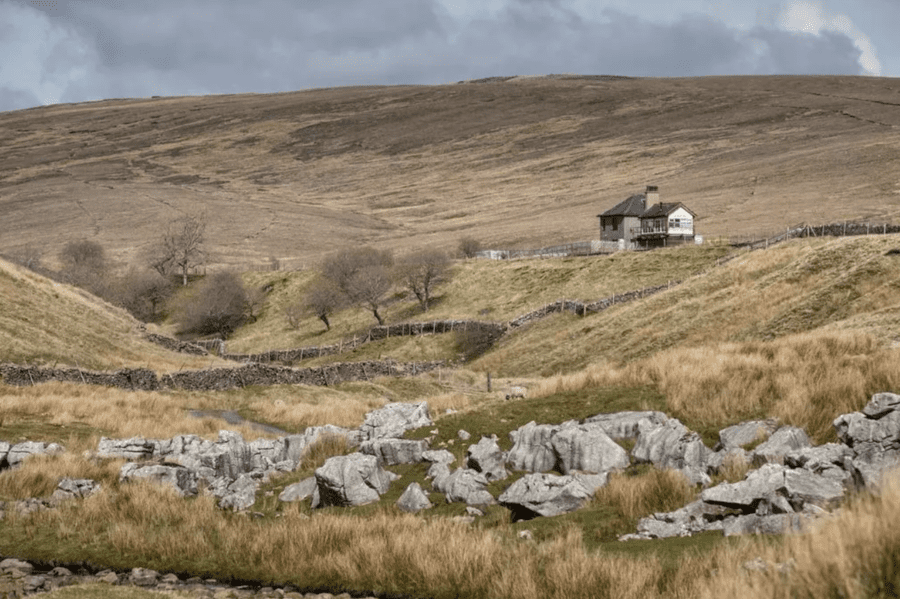
    It might be situated right next to the famous and rather busy Settle to Carlisle railway line, but a cottage currently for sale for £250,000 is being touted as “England’s most inaccessible home.”


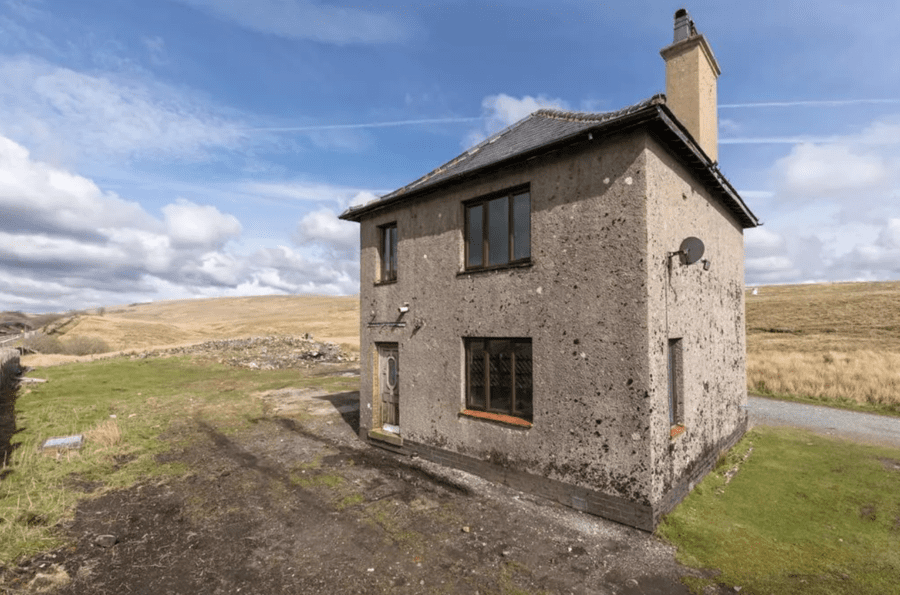
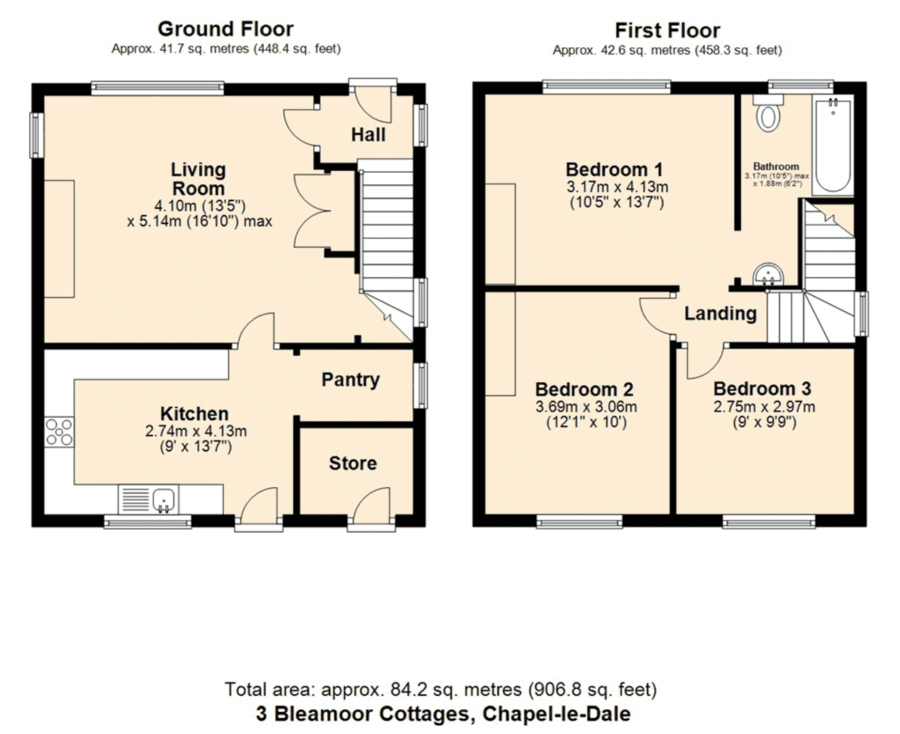
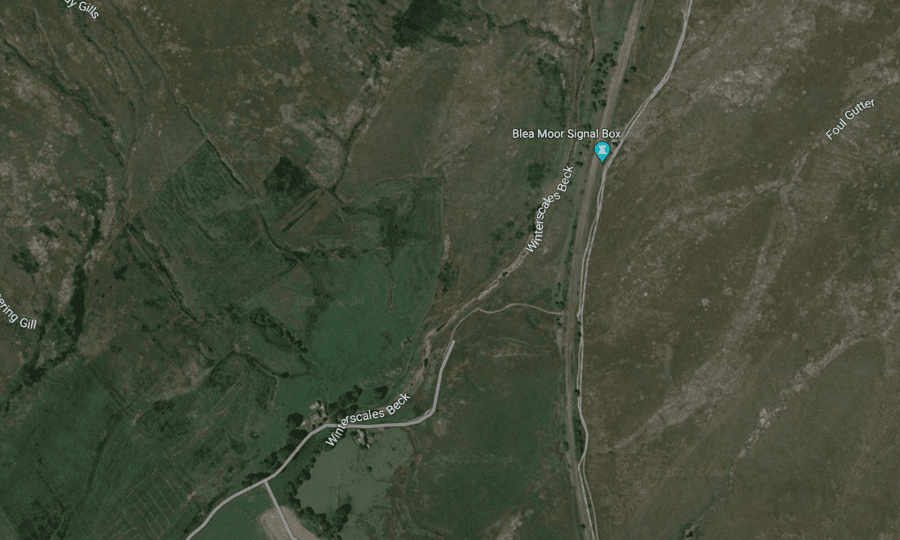
    Detached and extending to 907 square foot in total, the 1940s property near Whernside in the Yorkshire Dales National Park can only be reached by foot for viewings according to selling agents Fisher Hopper. Those wishing to take a gander have to park at Ribblehead Viaduct and then walk 20 minutes along a track to reach the house, though the agents also note the vendors have a current annual licence for vehicle access – for which they pay £125 per year to the landowner and which allows them access using a “route suitable only for 4×4 vehicles and quads.”


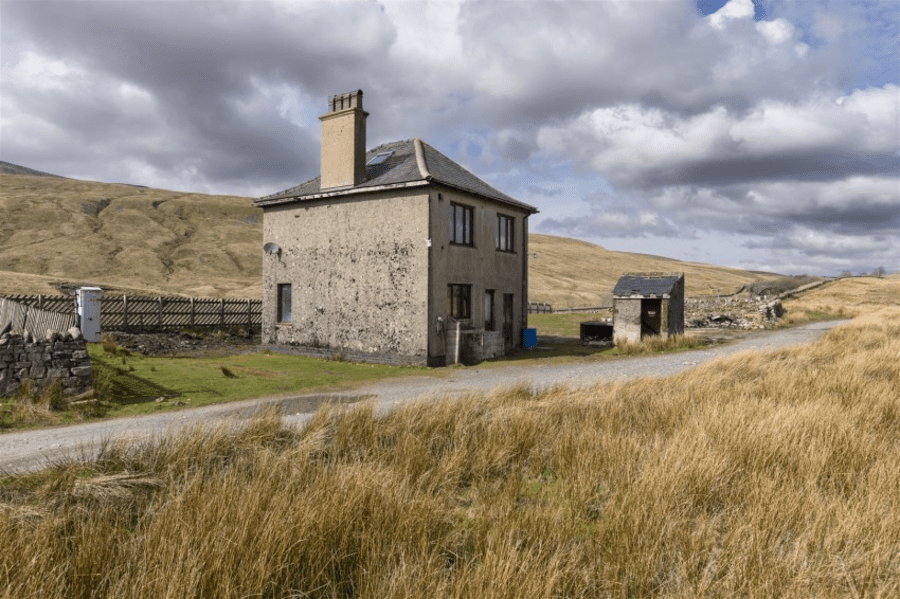
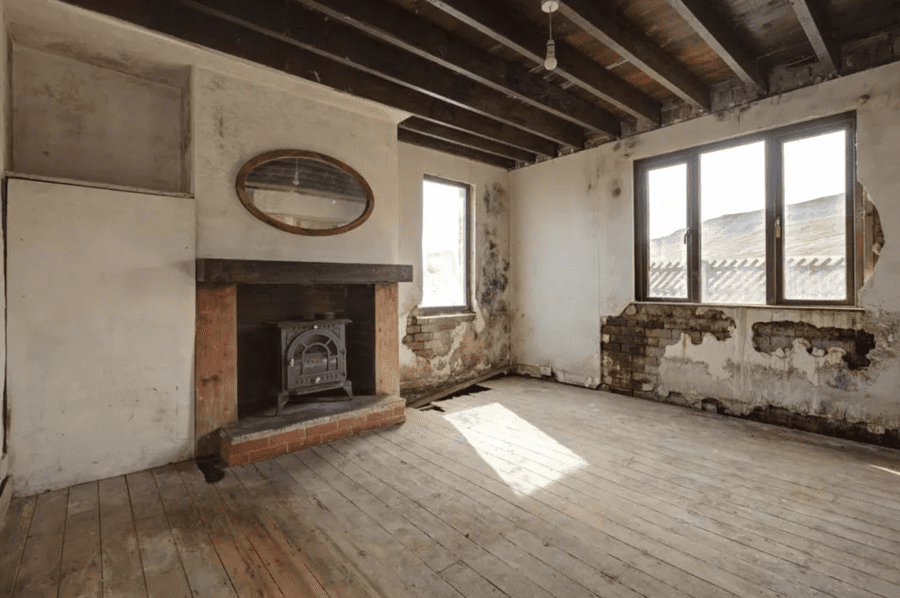
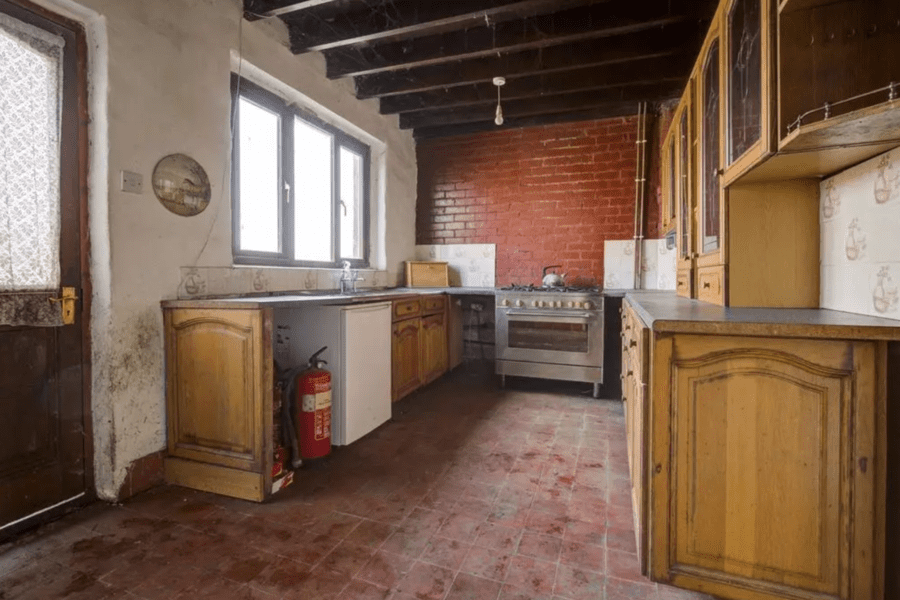
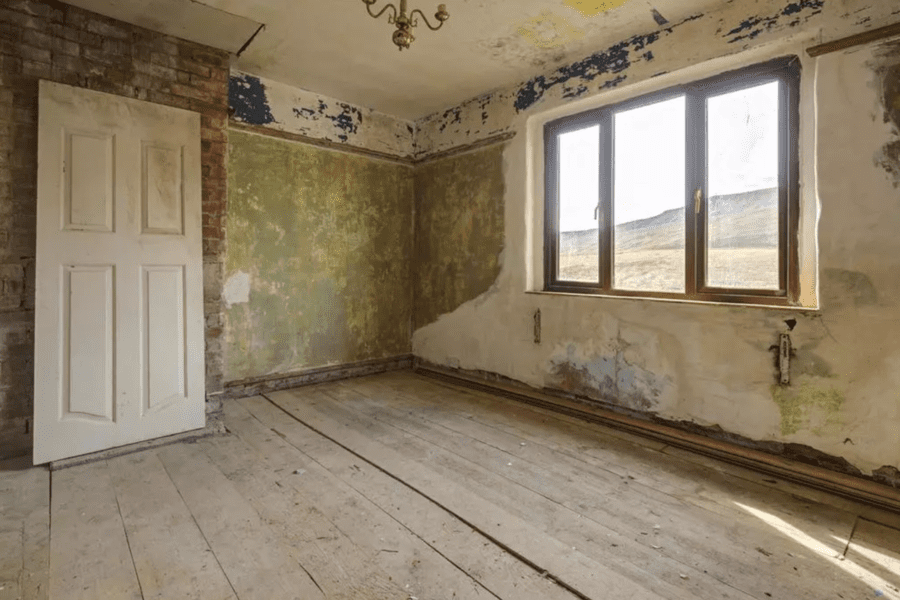
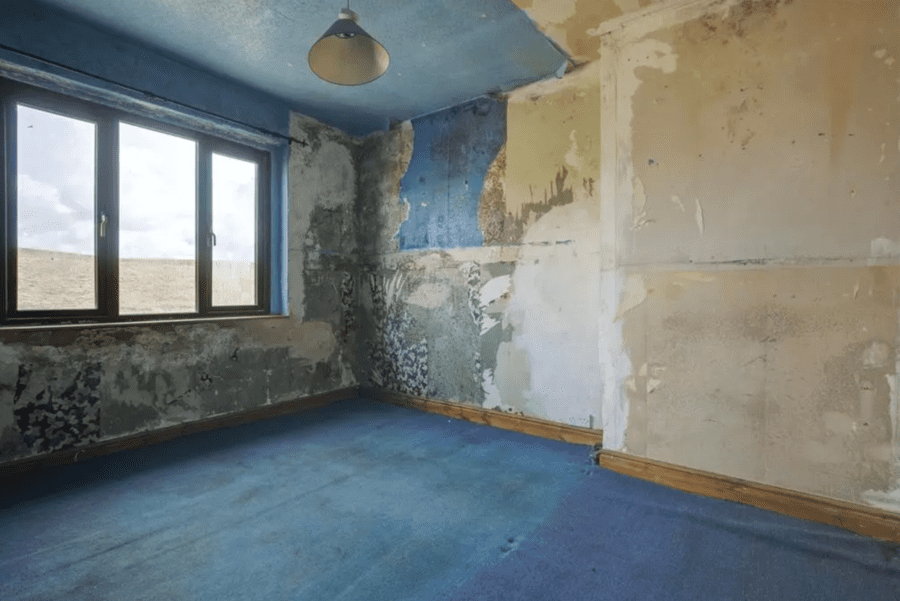
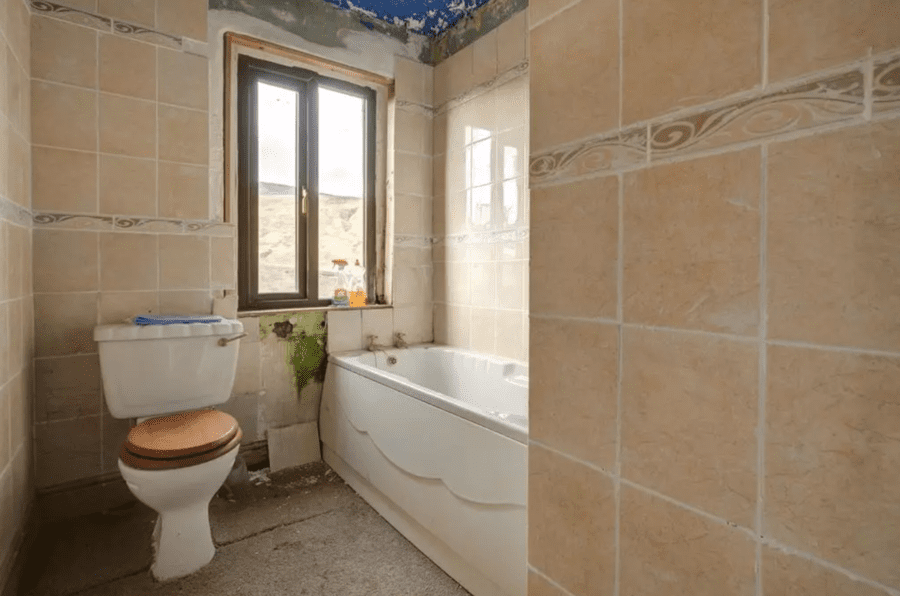
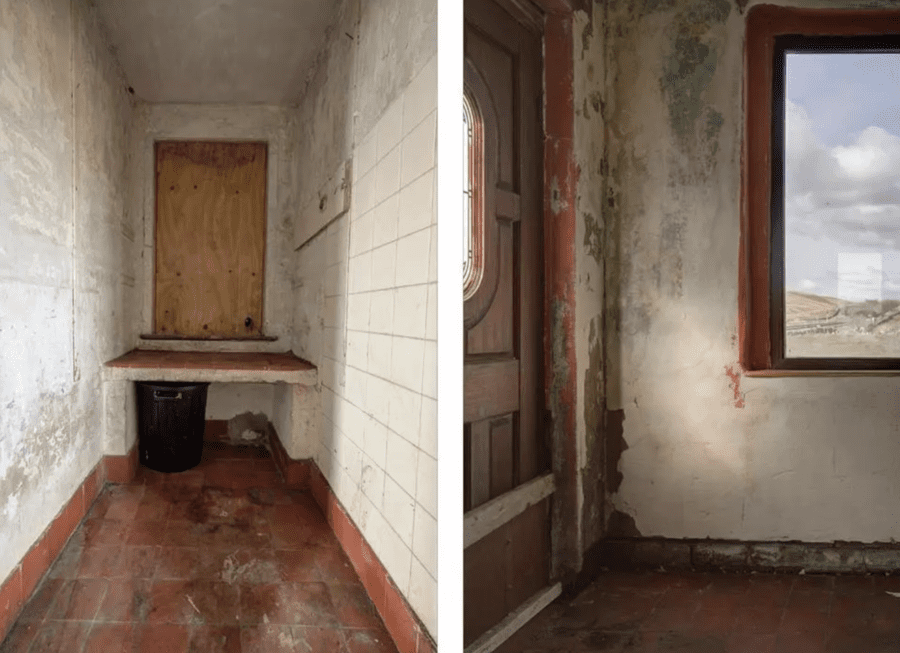
    3 Blea Moor Cottages itself consists of a sitting room, kitchen and pantry to the ground floor and 3 double bedrooms and a bathroom to the first floor. It stands on what is described as a “good sized plot,” is fenced to the perimeter of the adjoining railway line and is being marketed as an “exciting renovation project in a stunningly beautiful location.”


    Going further in their marketing brochure, the agents note:


    “The property presents an interesting investment, with a range of potential commercial opportunities apparent: private holiday home; unique AirBnB style experience; bunkhouse or refreshment stop on the Yorkshire Three Peaks Challenge route. Plans will be subject to the necessary consents – this is in the heart of the National Park – but for the right buyer with vision, there is great potential here.”


    “There are no mains services available. When the property was last inhabited, the following arrangements were in place: Electricity generation via a windmill and generator, Calor Gas cylinders for cooking; multi-fuel stove for heat; septic tank drainage (now disconnected) and water was transported via a trailer.”


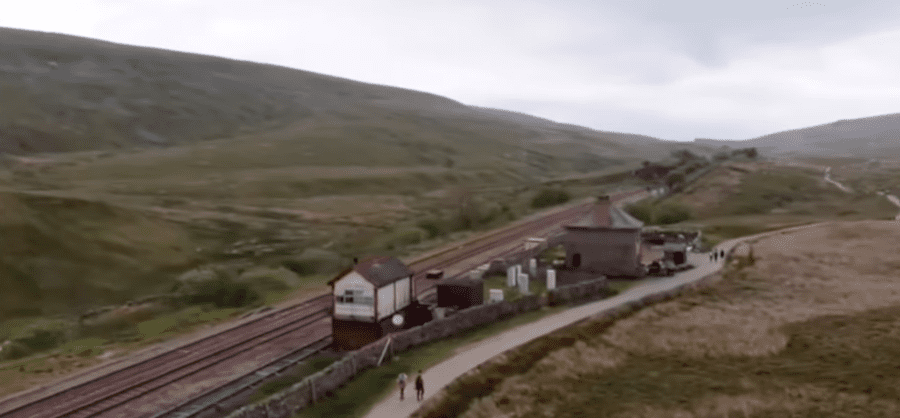
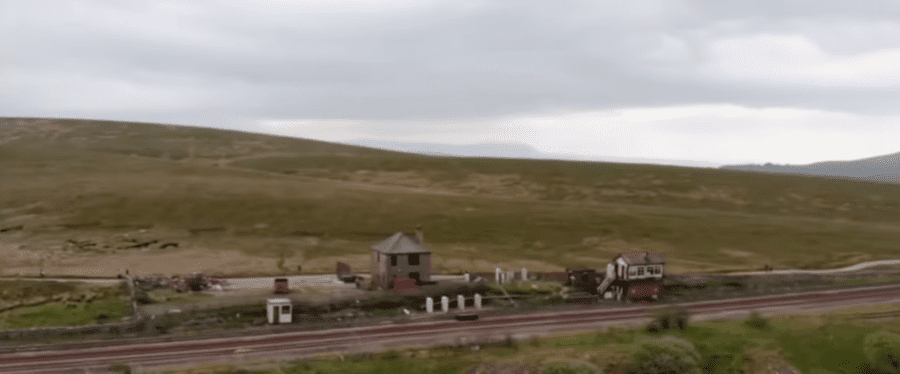
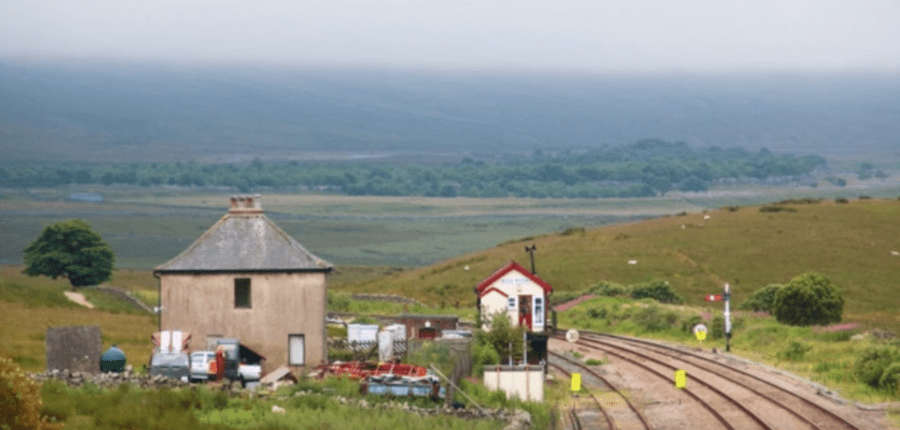
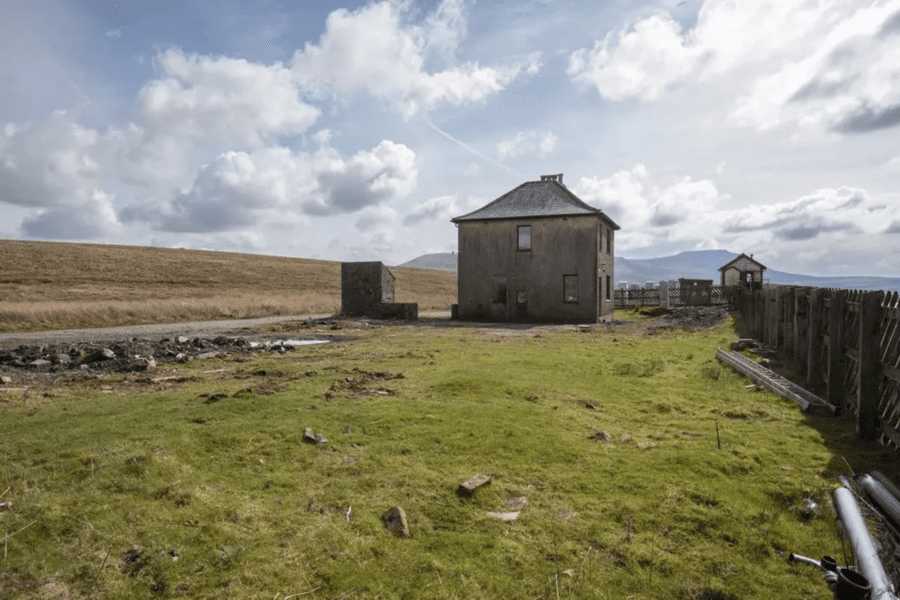
    Originally one of three railway workers’ cottages – the other two were demolished many years ago – the property adjoins what Network Rail term “Britain’s most remote operational signal box” and with that comes a bonus; the signal box has “fast and strong Internet connection” to the “corporate local area network (LAN)” and to the firm’s “next generation fixed telecoms network (FTNx).” Presumably, if they feel neighbourly, the eventual buyer might be allowed to piggyback on that for communications purposes.


    Situated near the 2,629-yard long Blea Moor Tunnel – which cost the £109,000 or the equivalent of £10.9 million to build in 1875 – here is a freehold house that has ignited both local and national opinion. Back in February 2010, the then resident, a hermit-like figure named John Myerscough, was condemned after turning the garden into scrapyard that was condemned by planners as “spoiling the view” for the 100,000 walkers who pass by annually.


    Now cleaned up, but still in semi-derelict condition, the property went on the market for £300,000 last summer. It did not sell and now, Darren Spratt, the owner of the Fisher Hopper agency, has taken to YouTube to try to get the building finally flogged.


    In a 3:38-minute video, watched by 5,900 individuals thus far, Mr Spratt shared:


    “It is a genuinely unique property… It is now in need of full renovation, but it represents an exciting opportunity for a buyer with vision. It is a 20-minute walk from Ribblehead to get to this property. If you think you’ve got what it takes to bring this property back to life contact Fisher Hopper… Thanks for watching.”


    Last August, of a building condemned by one social media as “not a house, just a single brick layer shed with no insulation,” a clearly Fred Dibnah-like vlogger named Thomas Edward enthused in a video watched on YouTube 6,600 times:


    “I’m gonna [sic] show you something very exciting… We have come to see something very special… This house, I came here about ten years ago… It was a proper wild house, but now obviously [the then resident] has passed on or he’s moved on and it is for sale.”


    “It’s very wild. I love a wild property. I could come here… And it had an outside bog originally and it needs a lot of work. It’s had some smashed windows. You can’t trust anyone these days.”


    “So, this is on a main public footpath… In the height of summer, you’d have a lot of people walking past.”


    “On RightMove, they’re trying to sell it as an Airbnb… to make it into a holiday cottage… And I think that’s a shame because a lovely house, a lovely property in the middle of nowhere and locals can’t get houses. And anyone, someone in Ingleton whose in a small flat or further afield in Lancaster, in a small flat, or someone whose actually on the register to get council housing could live in here very happily and enjoy it, but there’s so many people who want that all the time.”


    “It’ll be turned into some holiday cottage and if some guy will have it, he’ll be down in Kent somewhere and he’ll rent it out and he won’t have nuffin’ [sic] to do with it except you’ll pay him a lot of money for a week… It’d be a lot of money and he wouldn’t have anything to do with it, except he’d send up some cleaners. He would have local cleaners cleaning it out, but there again, it’s not giving back to the local community. And I love giving back to the local community and that’s what should happen.”


    “In six months time, I could be walking out that door and you’d go: ‘Ah, Thomas Edward’s moved into it.’ It could happen, but you never know, it might not… There you go, it’s on the market… It needs a bit of work, there’s a few holes in the floorboards and it’s got some Roland Rats in there and mice and bats and so on, but it could be a great house and we could put a garage on there and maybe sell a few teas to the walkers… I could have a goat and have it on a postcard and you could come and pose with it.”


    Mr Edwards clearly did not purchase the clearly cold and obviously very damp crib and most recently last month a vlogger named Matilda River Walden – a charming and enthusiastic young lady who won the world record for assembling a ‘Mr Potato Head’ in just 5.69-seconds – was the next to visit it and the adjoining signal box also. She shared:


    “The signal box is still manned 24 hours a day with one signal box person every 12 hours. Next to the signal box is an old house that’s really spooky.”


    “There’s no vehicular access to the buildings, so the people at the box each time have to walk a mile when they start and finish their shifts… So, I wouldn’t like to be finishing my shift in the middle of the night.”


    Editor’s Note – Unlike as is the case in many publications, this article was NOT sponsored or supported by a third-party.
     

    https://www.youtube.com/watch?v=Q62Sc2oCxvw
    Darren Spratt of Fisher Hopper did his best to laud the qualities of the 1940s cottage in a promotional video his firm shared on YouTube last year. He mentioned the accessibility issues, but did not delve into the lack of services and the issues that may face a new owner. Aside from loneliness, this is a property that will be totally inaccessible in extreme weather conditions and most especially will certainly be a place that regularly gets snowed in during the winter months.
    Enthusiastic vlogger Thomas Edward definitely is the kind of wonderful eccentric who’d suit owning the crib perfectly. Perhaps, if he did buy it, he could invite Britain’s favourite train enthusiast, the former Tory MP Michael ‘Choo Choo’ Portillo around for a cuppa. It’d make for a great show.
    Vlogger Matilda River Walden enthused about the setting, but found 3 Blea Moor Cottages itself “spooky.”
    3 Bleamoor Cottages Chapel-le-Dale
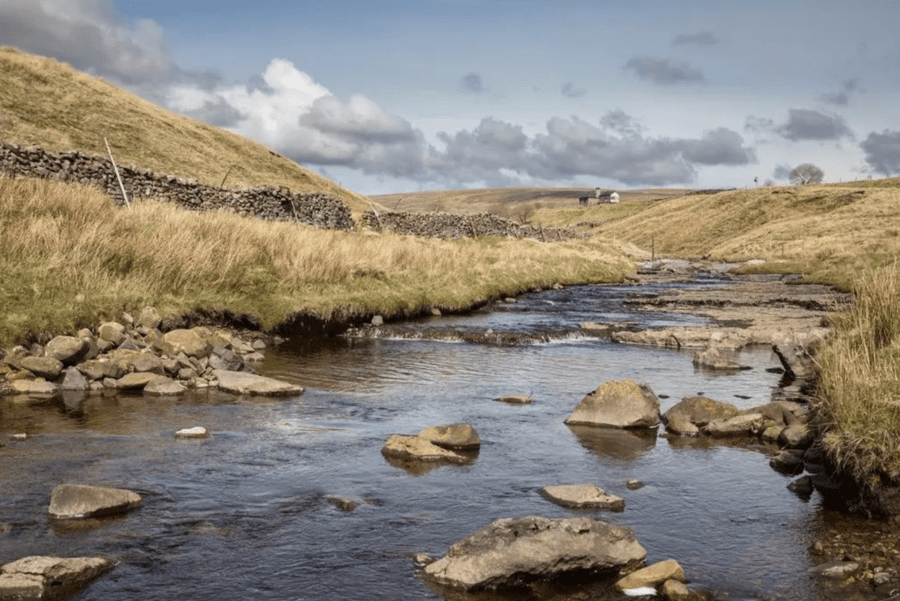
    The house, which is set next to a footpath supposedly traversed by 100,000 walkers per year and bounded to the rear by the Settle to Carlisle railway line, is described as a “renovation project.” Frankly, if the eventual buyer could get planning permission, they’d do better to pull it down and start again. Given there were two other cottages on the site in times past, the new owner may even be able to build a more substantial and practical property. Basically, what some might say you have here is an expensive and not easily accessible building plot with no services.

    Social media reactions to the marketing of the cottage…

    “Top class views, zero amenities.”


    “No facilities, but a lot of trains in your back garden and thousands walking past on a good day… If you want peace and quiet, this ain’t for you.”


    “£250,000 to live in a shed that needs £100,000 maybe more spending on it… Bonkers! Do they throw in a train at that price?”


    “That’s not a house, that is a single depth brick shed with no cavity wall, no insulation, no mains utilities, no mains drainage, not even connected to a septic tank, no road access… Best knock it down and build something sustainable.”


    “It’s not Blea Moor, it’s just a BLEAK dump.”


    “This should go to a working class local and not a retired middle-class southerner. Talk about sending boat people to Rwanda; we should be sending bloody middle-class southerners there ‘anall.”


    “Some snob from the south will outbid the locals for this. Like they always do.”


    “I’m a local and whoever buys it, I hope they like the snow because you will be snowed in living there and if you’re not, you will have the delight of living in low cloud a lot of the winter months. I live just further up the valley and it’s very bleak in winter.”


    “It’s right on the Yorkshire Three Peaks route at a spot where there are no facilities for miles. It could become a gold mine for whoever’s lucky to bag themselves it – selling bacon butties and coffees to thousands of hikers a week.”


    “It’s a former railway worker’s cottage. The irony is that you could never afford to buy it now on a railway worker’s wage. What sad times we are living in.”


    “£250,000 for this… Put the weed down dude… These estate agents must be on acid.”


    Historic 1
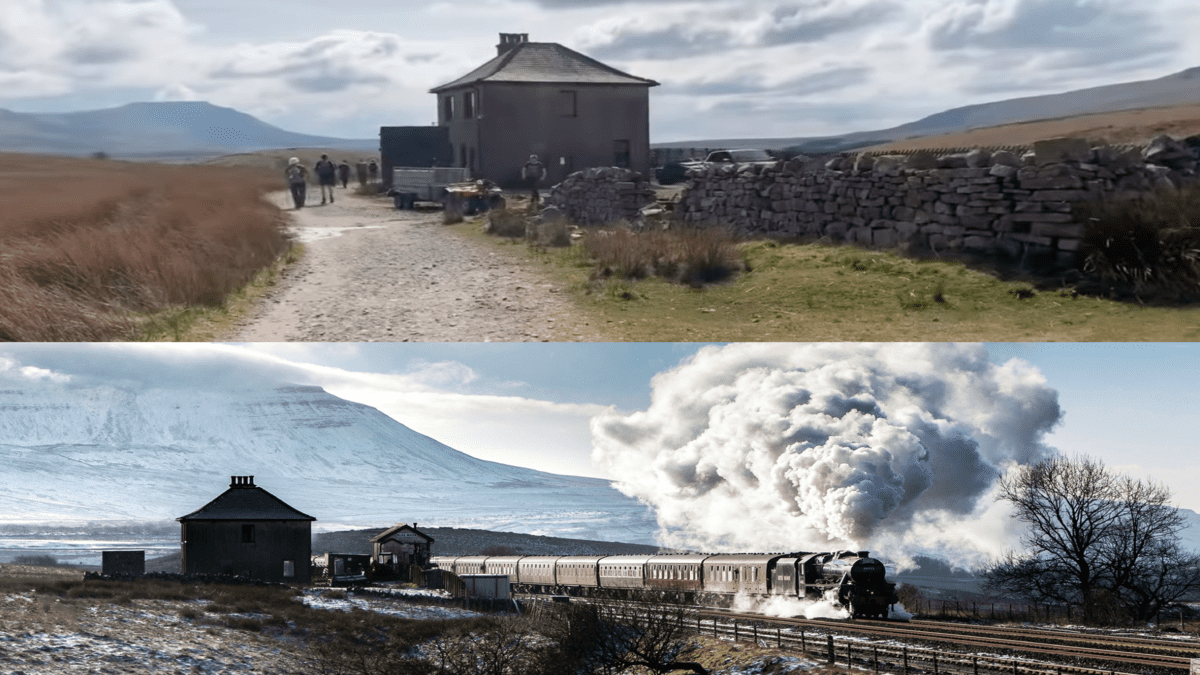
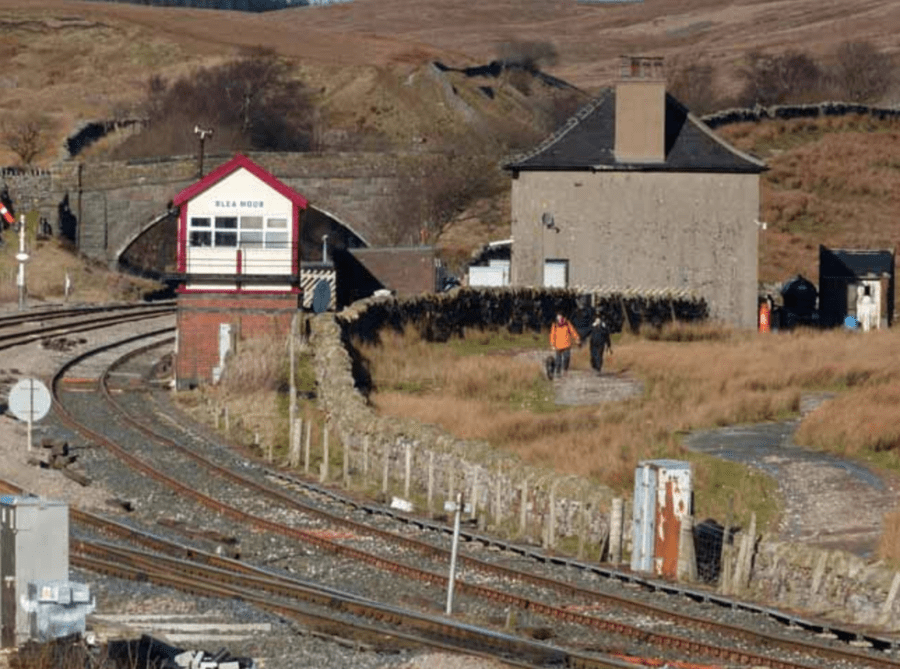
    The house stands in close proximity to England’s most remote working signal box and is passed by thousands of walkers each year.
    Historic 2
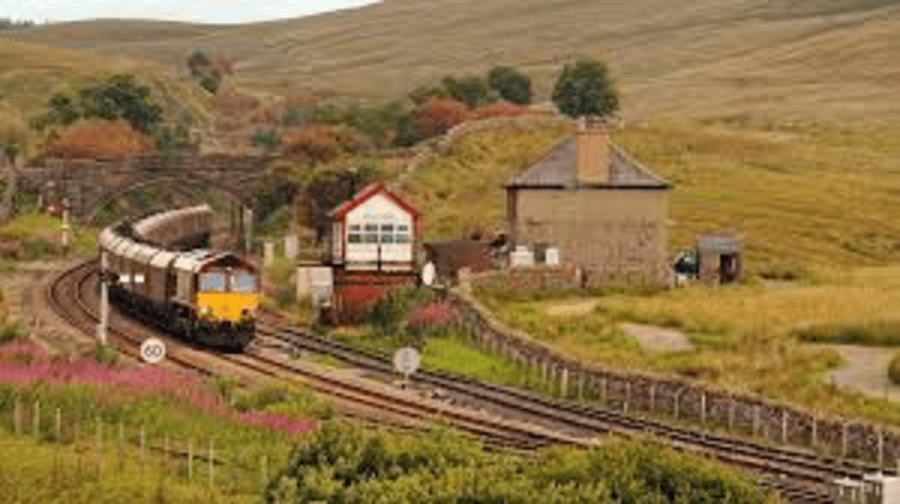
    Trains, carrying both goods and passengers, thunder by on a regular basis also – making this an ideal home for the train obsessed Instagram and TikTok influencer Francis Bourgeois (born Luke Nicholson) surely. He surely could be the one to make 3 Blea Moor Cottages famous and could even perhaps run a commercial venture from there with the support of his 1.6 million followers.

    The Names & Numbers – 3 Blea Moor Cottages (also known as ‘Bleamoor’), Blea Moor Road, Ribblehead, Chapel-le-Dale, Whernside, Carnforth, LA6 3AT, United Kingdom

    January 2023 – Price reduced to £250,000 ($302,000, €282,000 or درهم1.1 million) by Fisher Hopper after “struggling to attract offers” according to The Yorkshire Post.


    July 2022 – For sale for a price of £300,000 ($362,000, €338,000 or درهم1.3 million) according to vlogger Thomas Edward and featured in The Sun in August that year as “one of Britain’s most remote homes.” Offered by estate agents Fisher Hopper.


    February 2010 – Featured in The Westmorland Gazette and described as an “eyesore in a Yorkshire Dales beauty spot.”


    An article by Daniel Orr referenced how: “Since moving in to Blea Moor Cottage, close to the Ribblehead Viaduct, near Ingleton, about three years ago, John Myerscough has accumulated scrap vehicles and waste which is seen by locals and tourists using the famous Three Peaks route every day.”


    Going further, Orr added: “Among the rubble on his land are two shipping containers, a caravan, five disused oil tanks, a small digger, a cement mixer, numerous tyres and wheels, and a huge pile of household waste including a sofa, two wardrobes and a television.”


    “Passengers on the Settle to Carlisle railway, which runs right behind the property, get a close-up view of the mess and the Yorkshire Dales National Park Authority believes the land has an ‘adverse effect on the amenity of the area’.


    “Now it has imposed an enforcement order on Mr Myerscough, thought to be in his forties, on the grounds that the ‘untidy land’ goes against planning policy and if he does not clear up within three months he will face prosecution.”


    Peter Watson, head of planning at the YDNPA, said: ‘For an individual property it is one of the worst I have ever seen and it is in a very prominent location next to a walkway which is used by 100,000 people every year. It is a serious offence.’”


    “‘It is in the Settle to Carlisle railway conservation area, and that is a very popular route known throughout the world. It is spoiling a beautiful view for people. For the past two years, we have been pursuing Mr Myerscough and have written to him and tried to talk to him on a number of occasions to help him with the situation, but he doesn’t respond. The problem has just grown over that period.’”


    “Locals say Mr Myerscough, also known as ‘Hippo,’ brought the shipment containers up to his land using a tractor and trailer via the bridleway, which was widened for maintenance track work.”


    “He is said to be a ‘recluse’ and is known to have worked at a garage in the Dales, but left about two years ago.”


    “Peter Handley, of nearby Gunnerfleet Farm, said: ‘You don’t really see much of Mr Myserscough really. Only now and again.’”


    “Blea Moor Cottage is the only remaining building from three former British Rail work buildings, and was converted by Mr Myerscough into a dwelling.”


    1940s – Built by the London, Midland and Scottish Railway to provide accommodation for workers on the Settle to Carlisle railway line.


    Historic 3
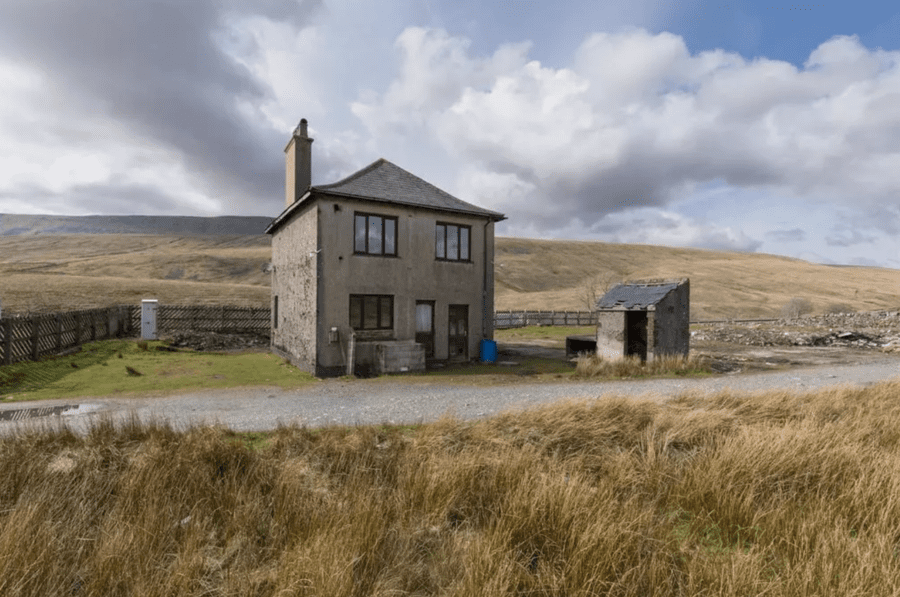
    Though the cottage is isolated in terms of its proximity to a road, it is most certainly very close to the adjoining railway line.
    Historic 4
    The eventual purchaser will have daily visitors in the form of signalmen working on the railway and plenty of walkers also.
    Historic 5
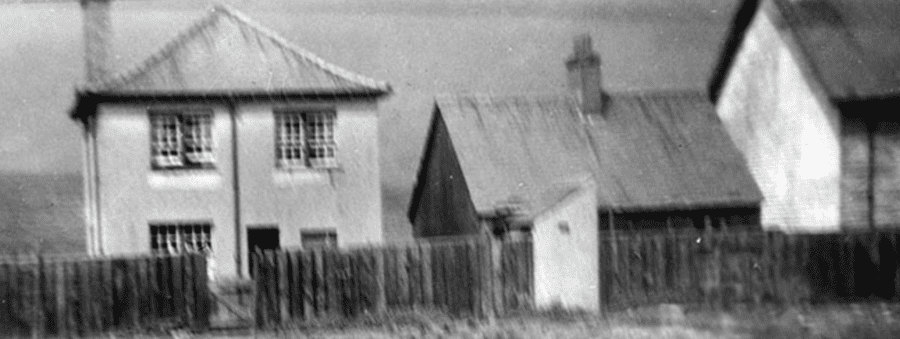
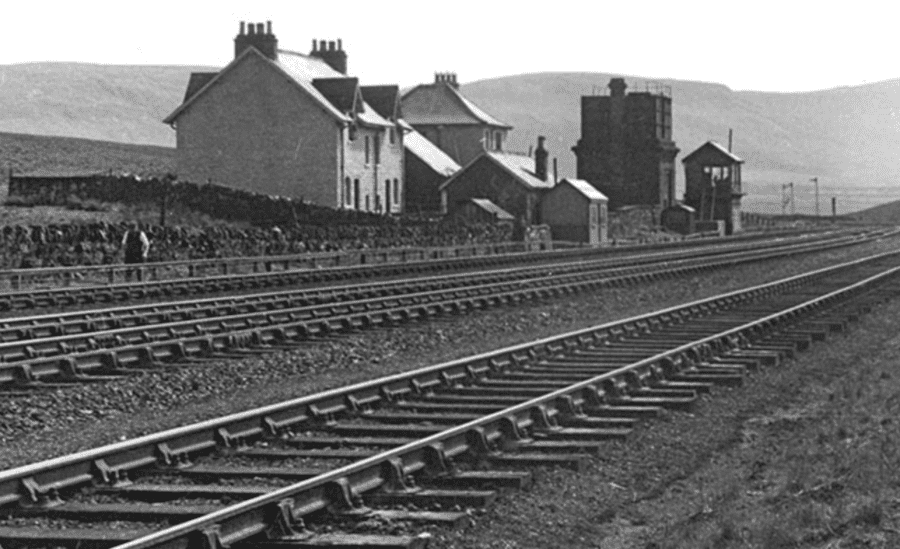
    An historic image showing the cottage when two others stood next to it. Their previous presence may help a buyer persuade the planning authorities to allow expansion of the house offered.
    Historic 6
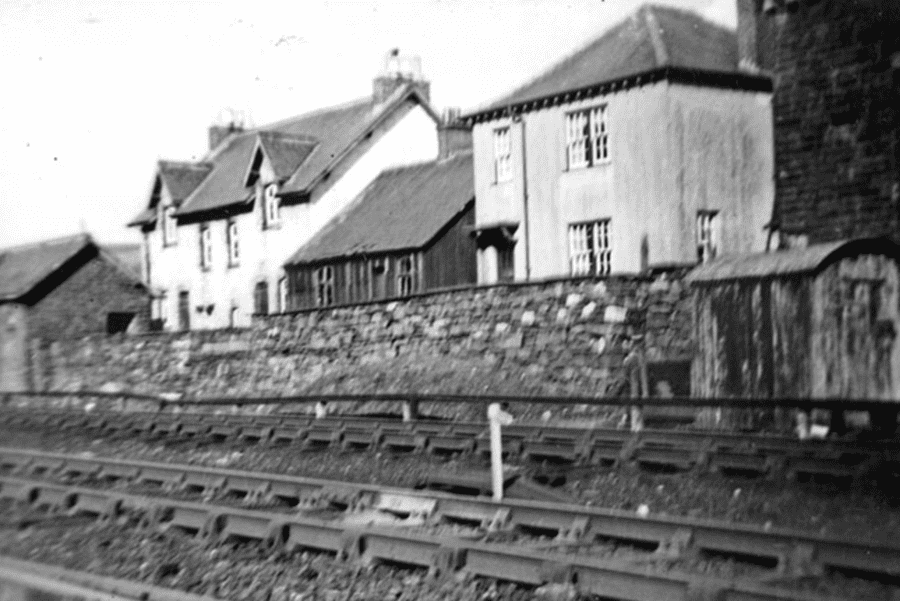
    Another image shows the three cottages from the railway line and illustrate that in times past there was actually a community of people living on Blea Moor.
    Historic 7
    The settlement and railway line from another angle in an image most likely taken in the 1950s.
    Historic 8
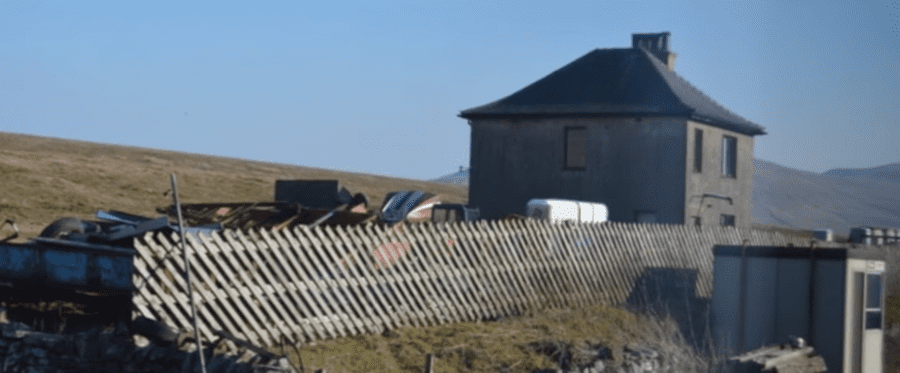
    The property during the occupation of John Myerscough became a dumping ground for junk.
    Historic 9
    Thankfully the rubbish pictured has now long gone.

    More pictures of 3 Blea Moor Cottages… “England’s most inaccessible home”

    3 Blea Moor Cottages 1
    3 Blea Moor Cottages 2
    3 Blea Moor Cottages 3
    3 Blea Moor Cottages 4
    3 Blea Moor Cottages 5
    3 Blea Moor Cottages 6
    3 Blea Moor Cottages 7
    3 Blea Moor Cottages 8
    3 Blea Moor Cottages 9
    3 Blea Moor Cottages 10
    3 Blea Moor Cottages 11
    3 Blea Moor Cottages 12
    3 Blea Moor Cottages 13
    3 Blea Moor Cottages 14
    3 Blea Moor Cottages 15
  • A Curious ‘Cotswold Castle’ In ‘Motor City’

    A Curious ‘Cotswold Castle’ In ‘Motor City’

    Bizarre Detroit house built of ‘Cotswold stone’ marketed for sale as a “19th century United Kingdom castle;” its price is 48% lower than when last sold in 2021 and its interior is beyond curious

    Nicknamed ‘Motor City,’ Detroit is best known as the place where Henry Ford pioneered the use of production lines to mass manufacture automobiles. It had a population of 639,000 as of the 2020 census and is often cited for its connections with gangsters and violent crime.


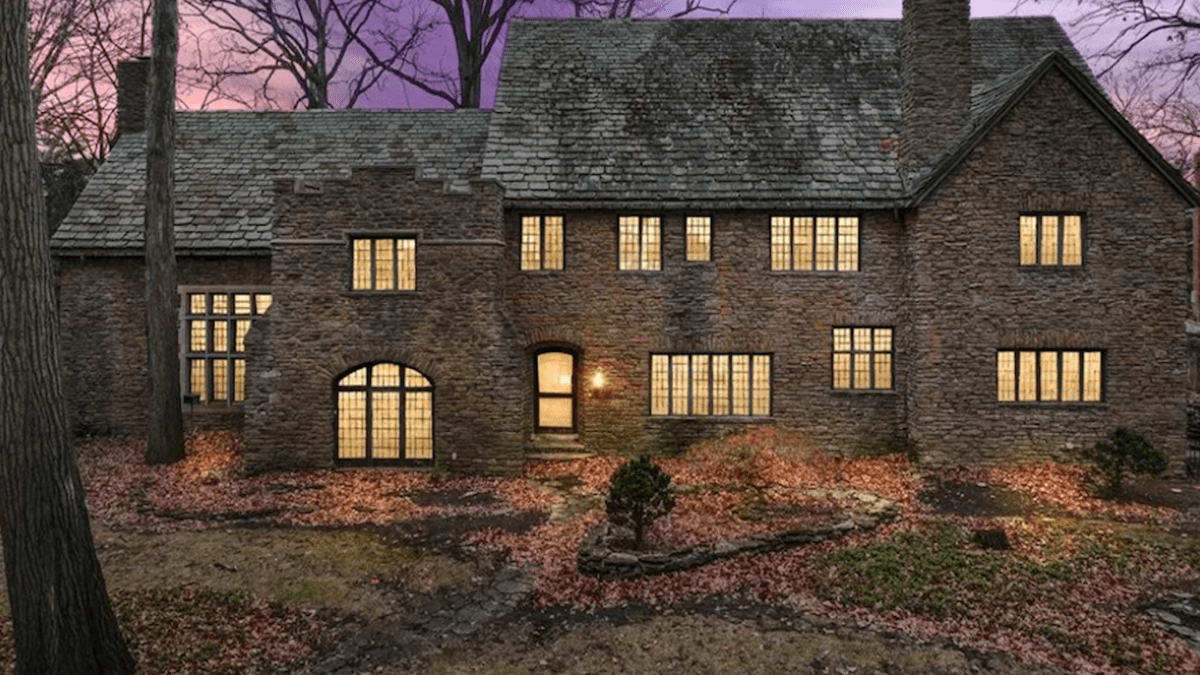
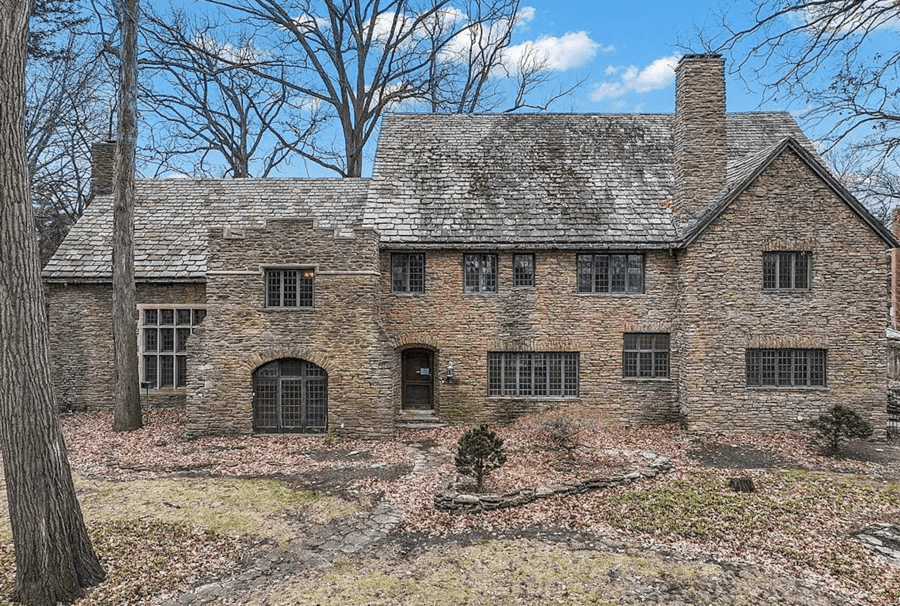
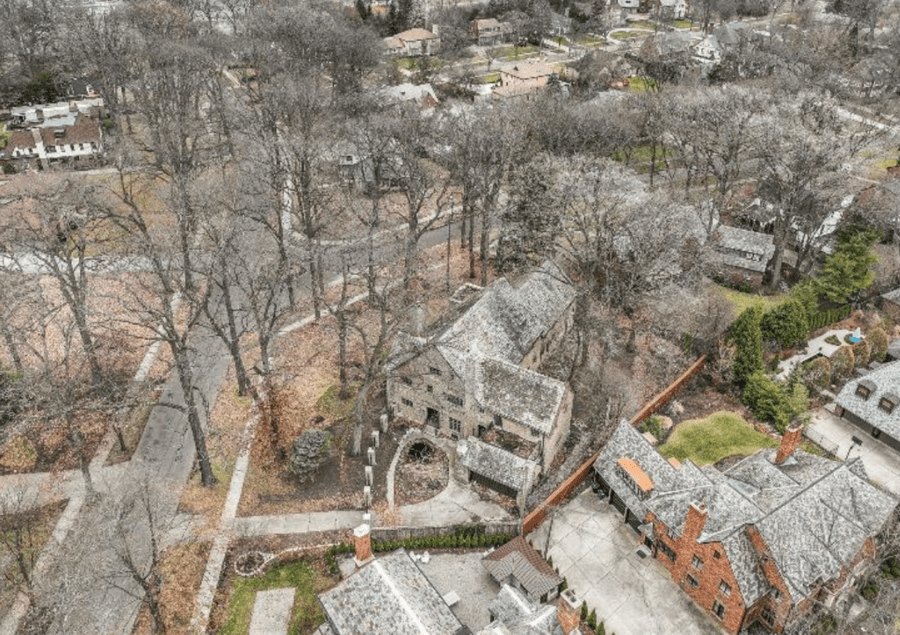
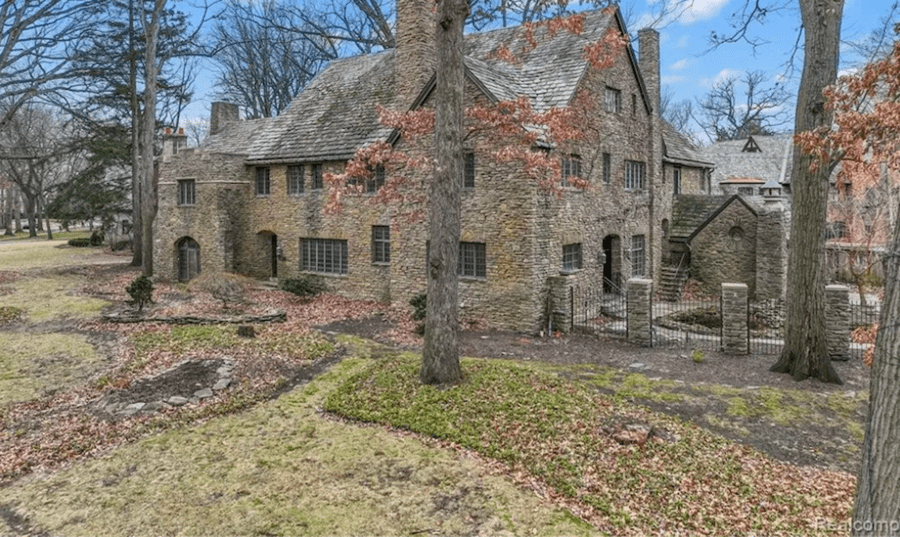
    Bizarrely, however, now a realtor is somewhat laughably trying to sell a dilapidated house built in 1925 in one of the ‘toniest’ districts in this place of plenty of no-go areas as a “19th century United Kingdom castle” of “elegance and grandeur.” It actually resembles something only maybe Morticia Addams might, as it is currently presented, love.


    19551 Burlington Drive, Palmer Woods 1
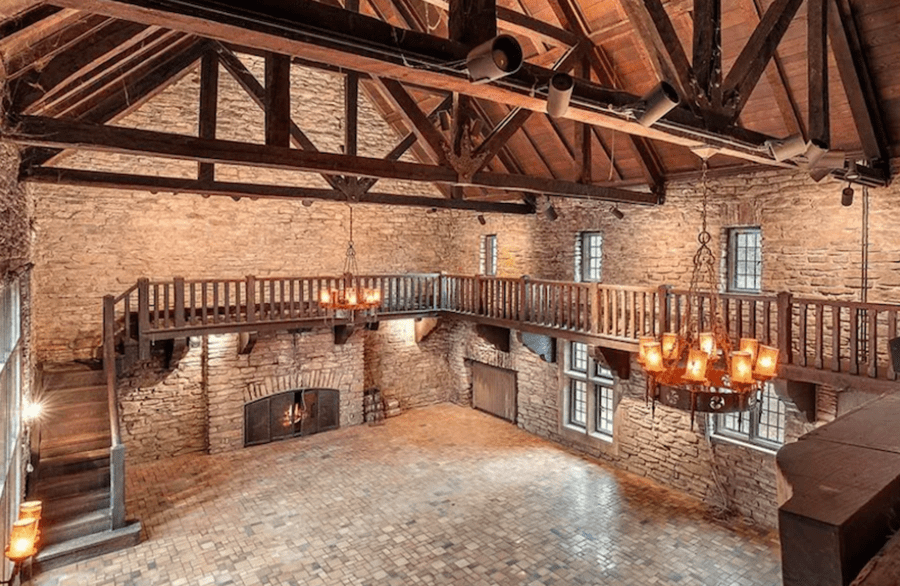
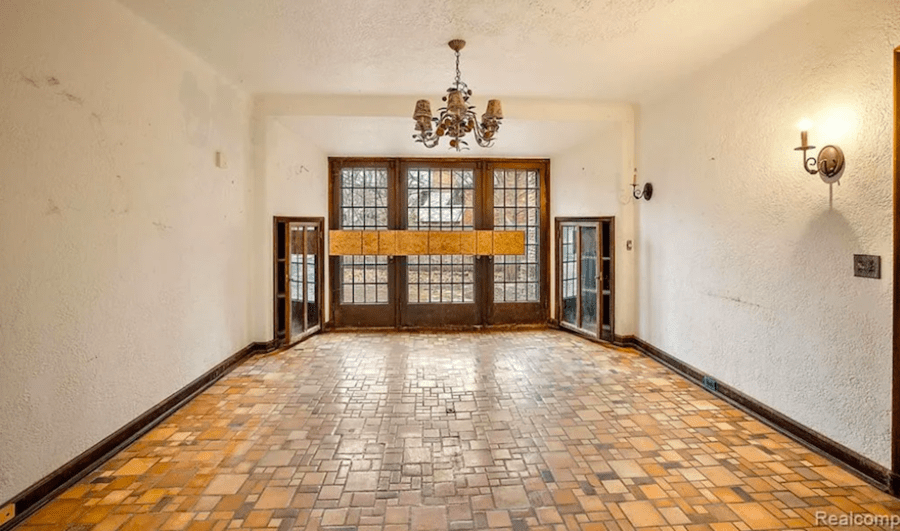
    The residence does indeed feature a ‘Great Hall’ that is certainly not what one would expect to find in the midst of a housing estate. It certainly has character, but is more akin to being in a village hall than a residential dwelling. Of it, in a Facebook group discussing this and other properties, one comment reads: “That tiny fireplace in the giant, drafty room wouldn’t put a dent in a Michigan winter. That room needs four or six fireplaces. It looks so cold.”
    19551 Burlington Drive, Palmer Woods 4
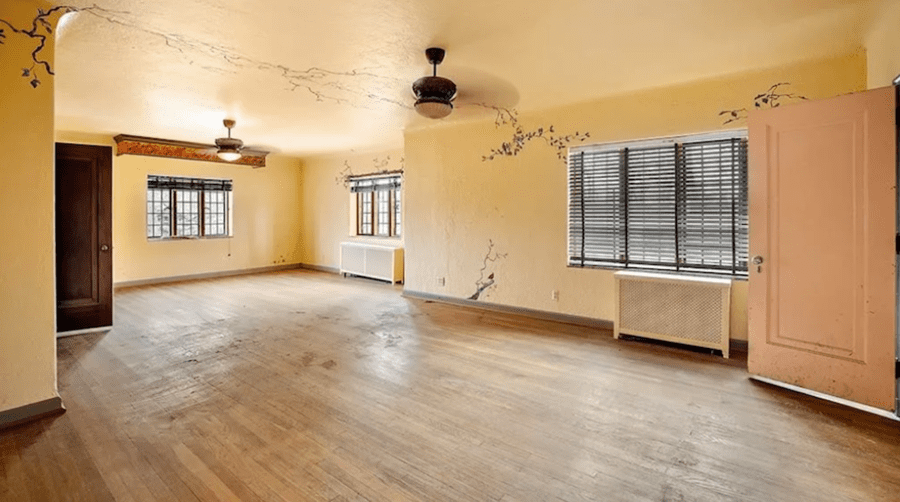
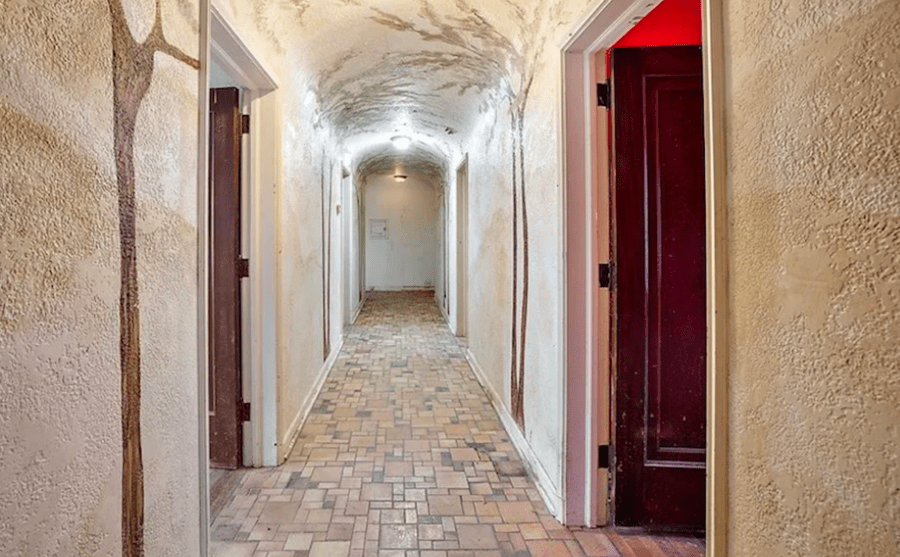
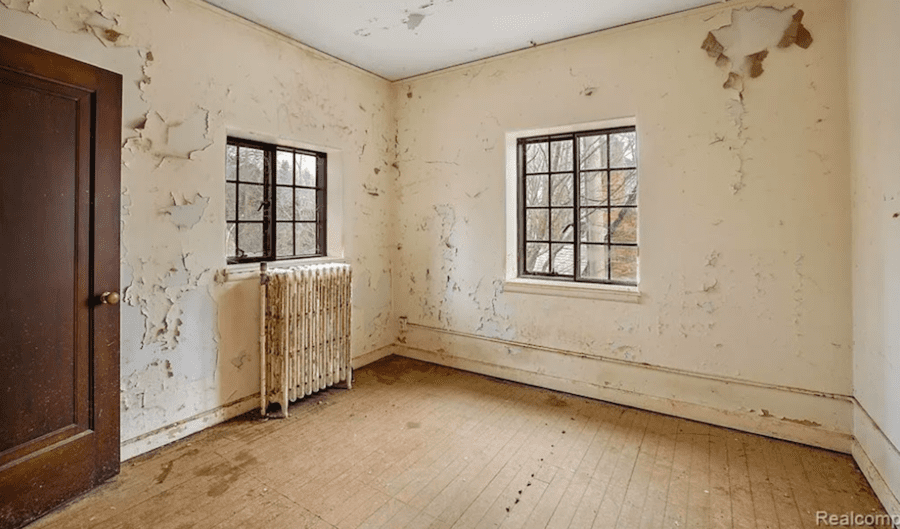
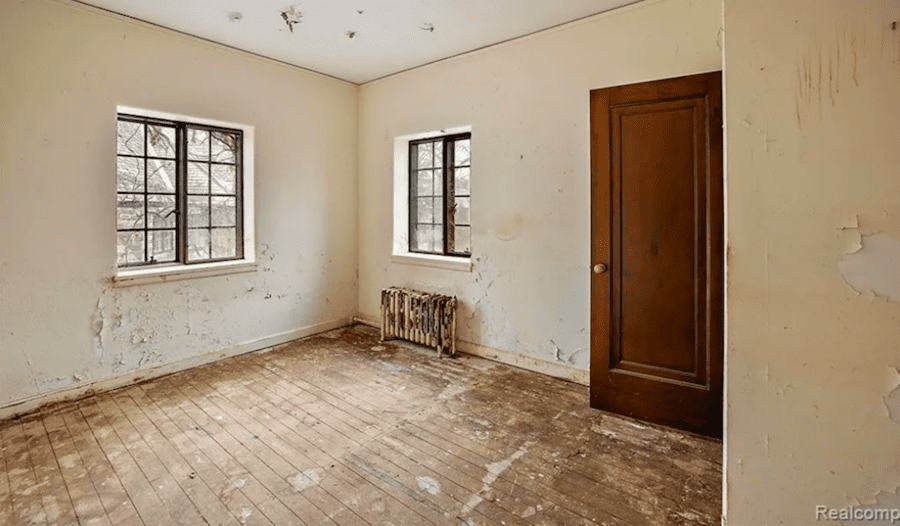
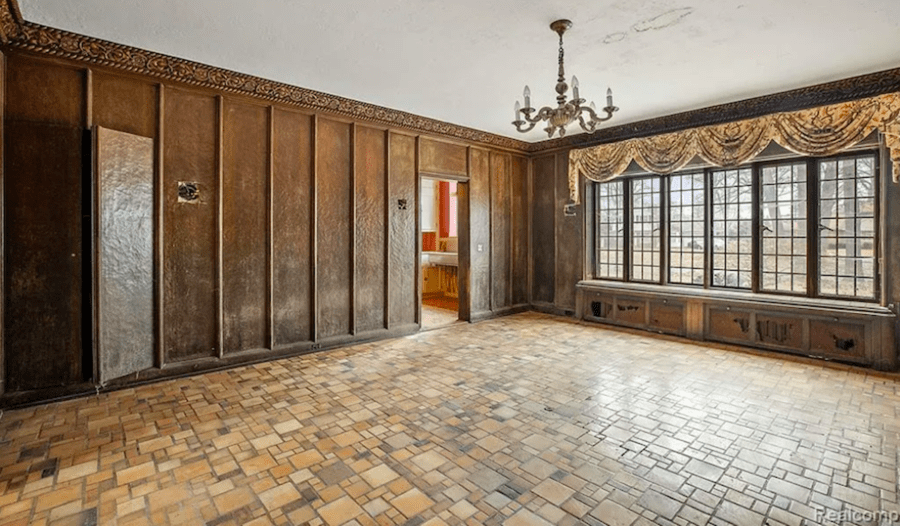
    Many of the rooms are decorated in a very odd fashion and throughout the building someone once busied themselves randomly painting vines and creepers. They’re not exactly masterpieces.
    19551 Burlington Drive, Palmer Woods red room
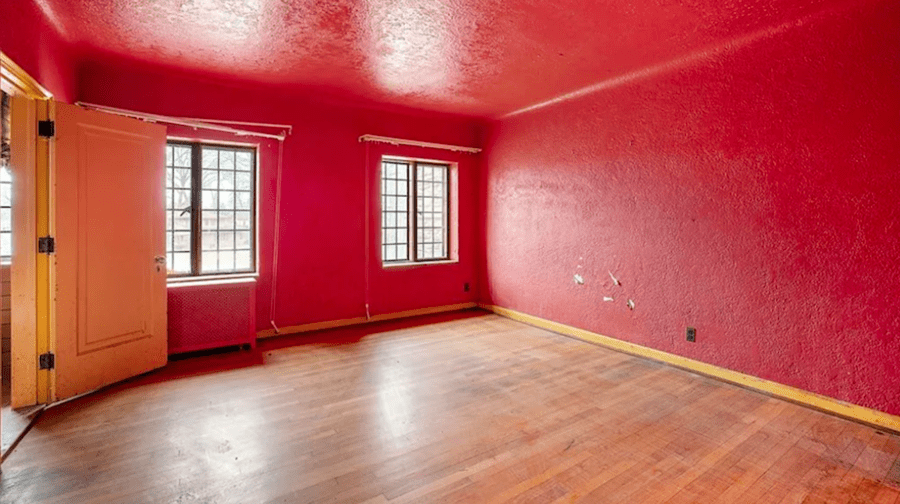
    This particular room wouldn’t look out of place in a brothel or the home of the dastardly decorator and champagne swiller Dawn Ward.
    https://www.youtube.com/watch?v=7GN_F9ykjxE
    The marketing video shared by estate agent Matt O’Laughlin is accompanied by Pachebel’s Canon in D Major. Clearly, O’Laughlin sees the house as potentially usable as a wedding venue given that the accompanied canon has been one of the most used pieces of music at weddings since the 1980s throughout the western world.
    19551 Burlington Drive, Palmer Woods 7
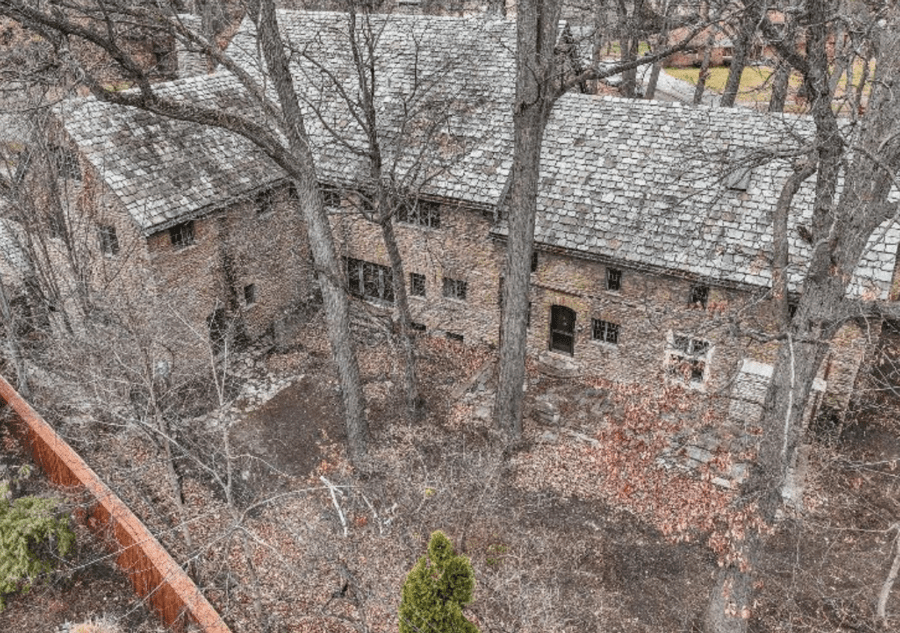
    The rear yard of the house, with lots of exposed earth, most definitely gives off serial killer film set vibes. Goodness knows what’s buried here.
    19551 Burlington Drive, Palmer Woods 2
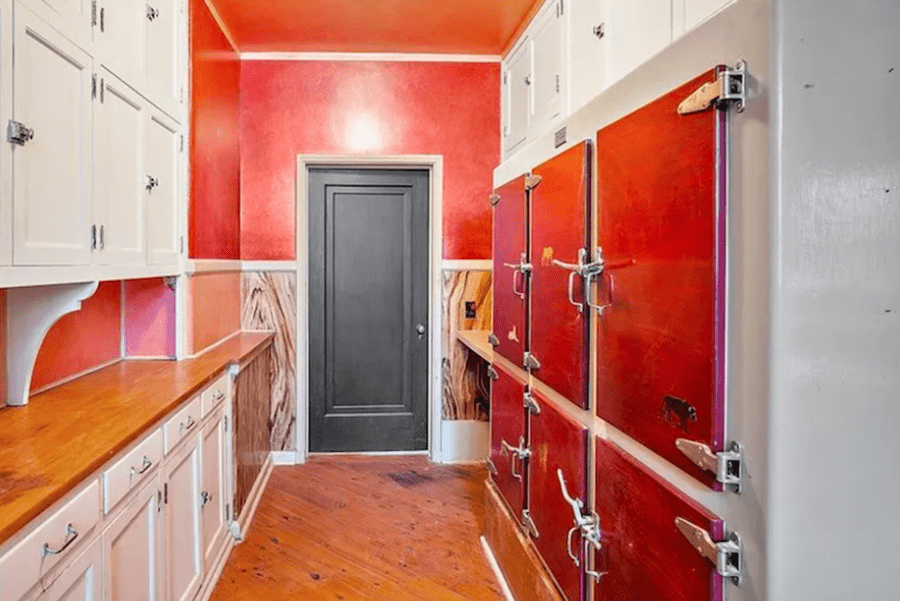
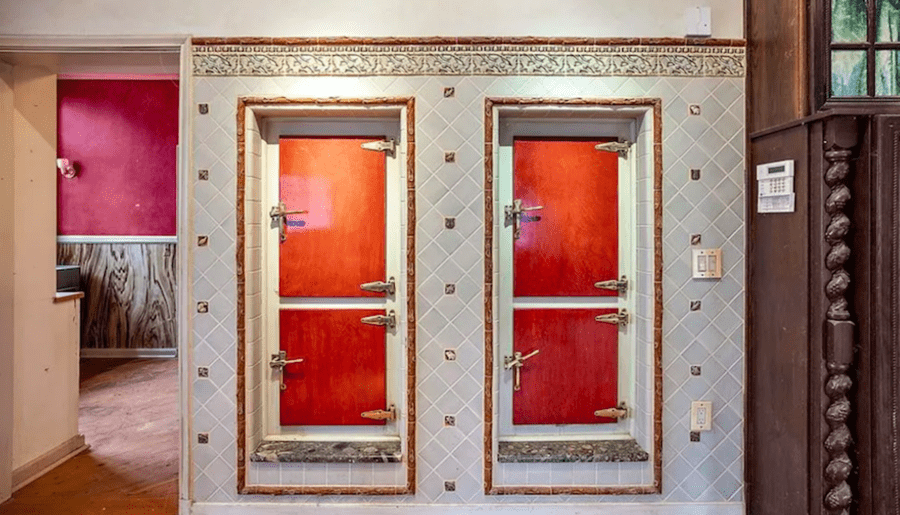
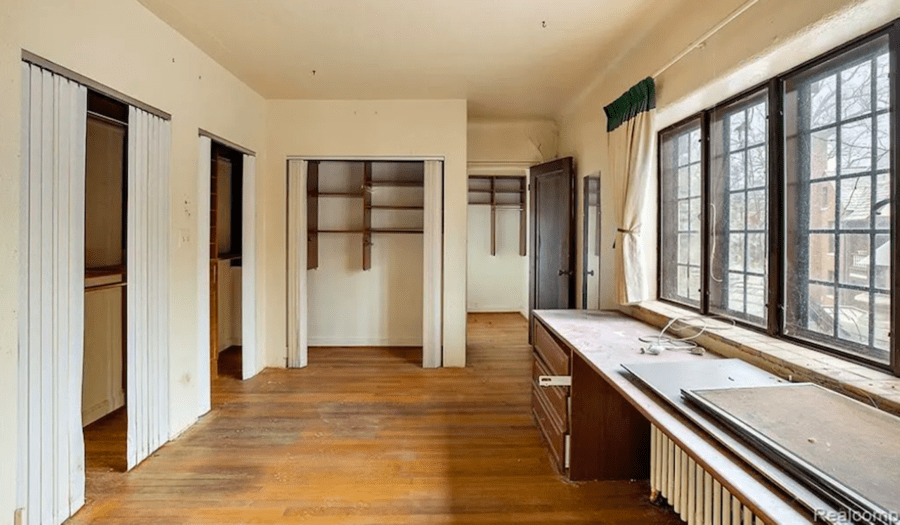
    Throughout the house are lots of odd-looking cupboards. One commentator on Facebook describes them as being “suitable for use perhaps by a child catcher.” Chilling, at the very least.
    19551 Burlington Drive, Palmer Woods 3
    Yet more examples of “child catcher cupboards.”
    19551 Burlington Drive, Palmer Woods 5
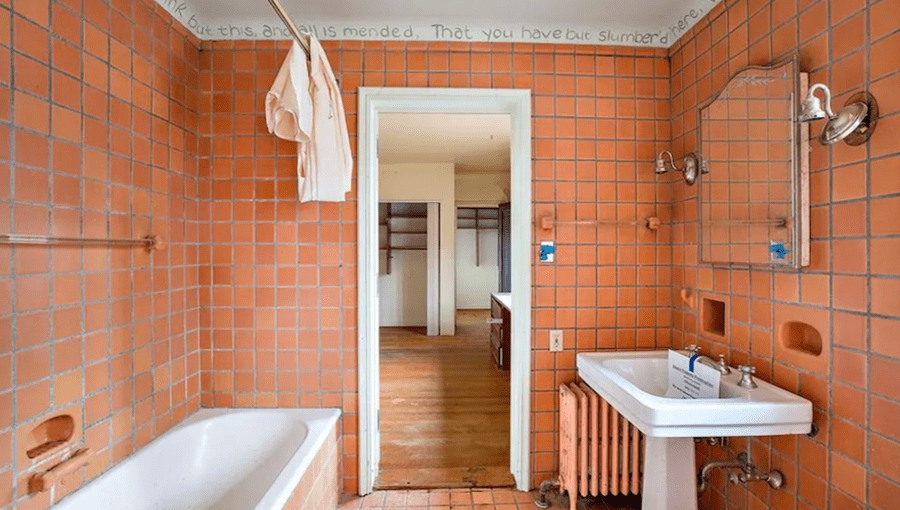
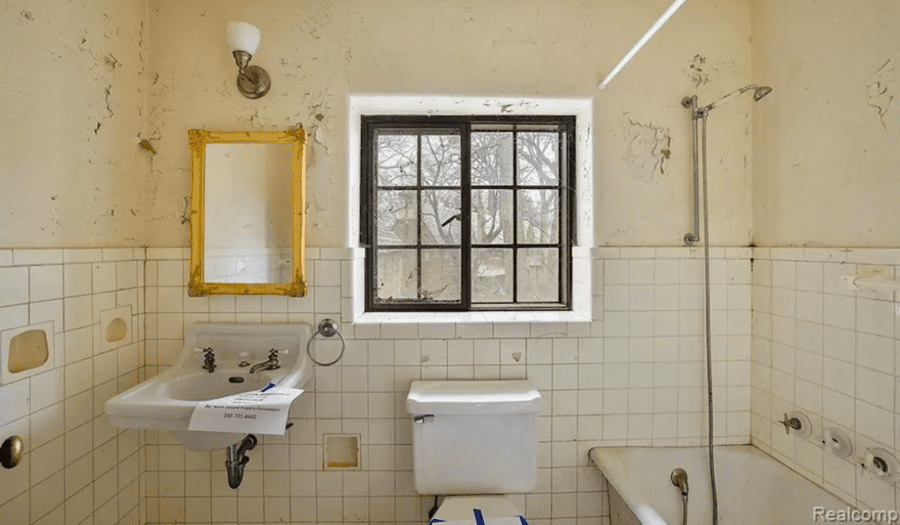
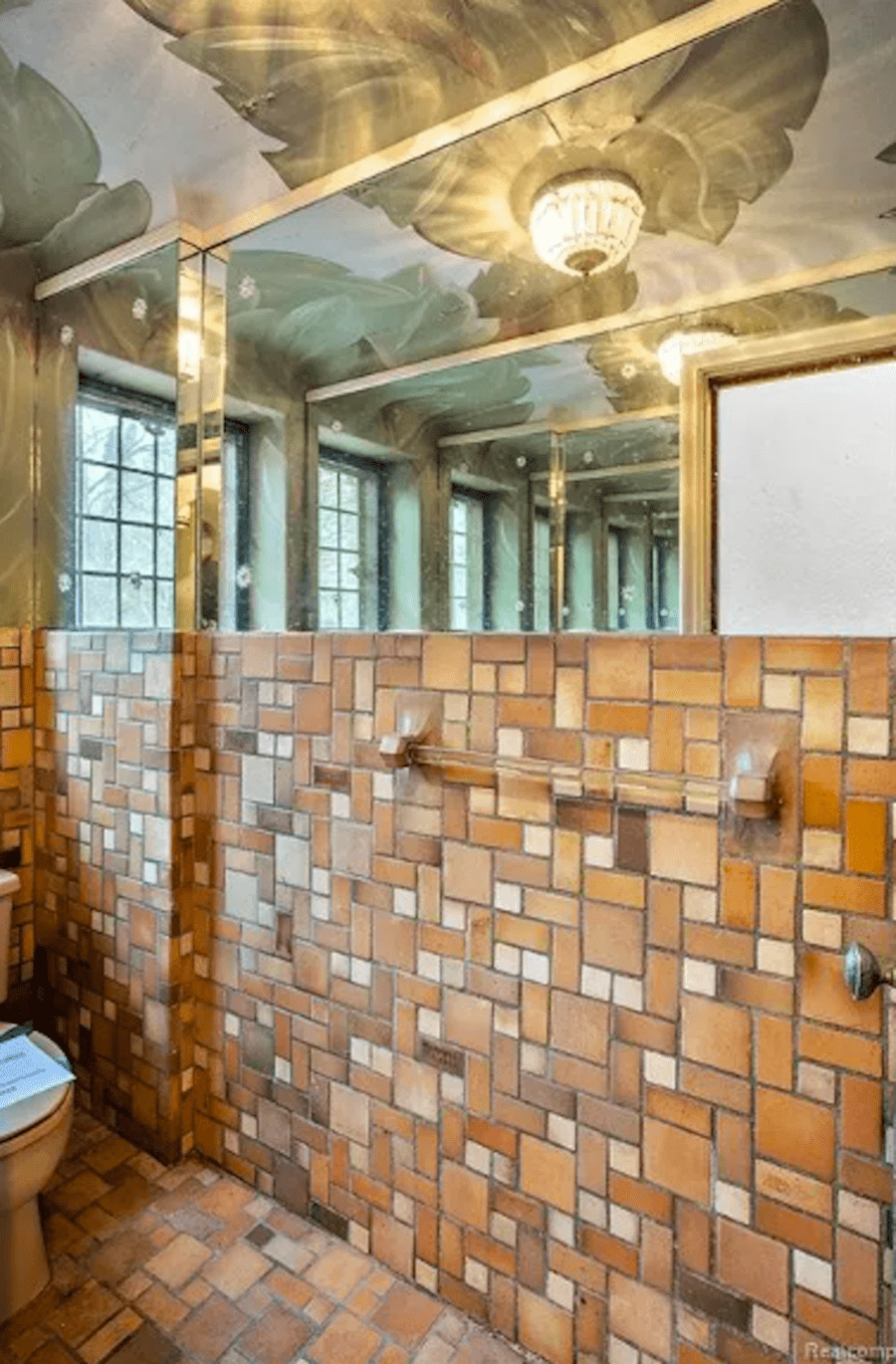
    Whilst the bathrooms are perhaps original in terms of their tiling and fitting, somebody oddly has decided to write text just beneath the ceiling. Whilst the full narrative here cannot be read, it includes: “Think but this and all is mended. That you have but slumber’d here…” Okay.
    19551 Burlington Drive, Palmer Woods 6
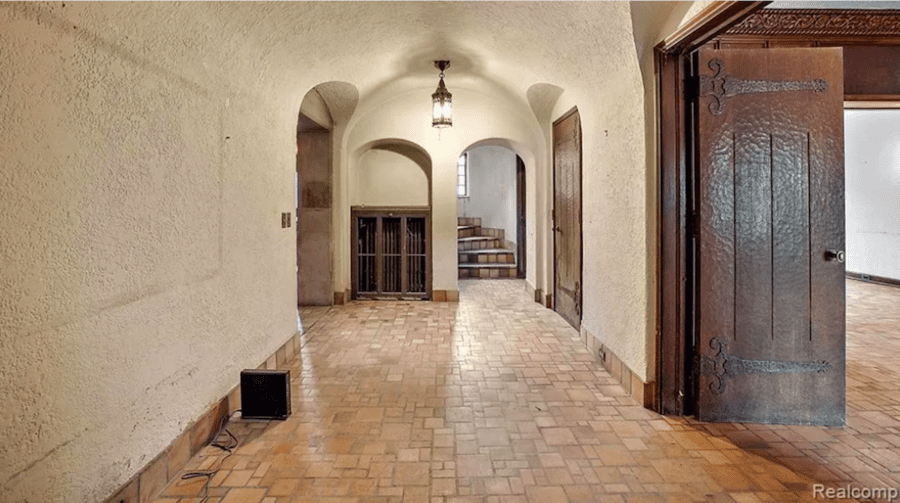
    Corridor areas do look especially creepy and dungeon-esque.
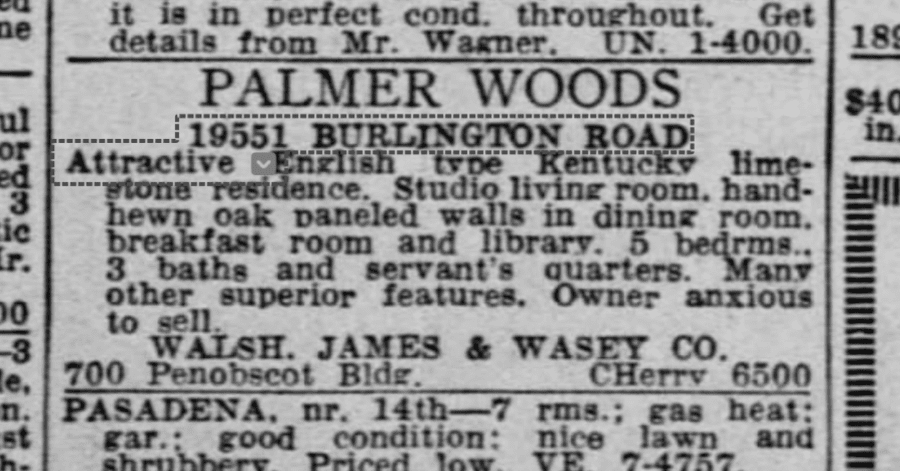
    1943 sale listing 19551 Burlington Road Palmer Woods
    The ‘Detroit Free Press’ advertisement from 19th September 1943 offering the house – then described at 19551 Burlington Road – for sale at an undisclosed price by an “owner anxious to sell.”

    Priced currently at just £412,200 after having previously sold in October 2021 for the far punchier sum of £748,300, the 8,019 square foot property at 19551 Burlington Drive is situated in a district known as Palmer Woods. It includes 7 bedrooms, 6.5 bathrooms, a 4-car garage and stands on a plot that extends to 0.57 acres.


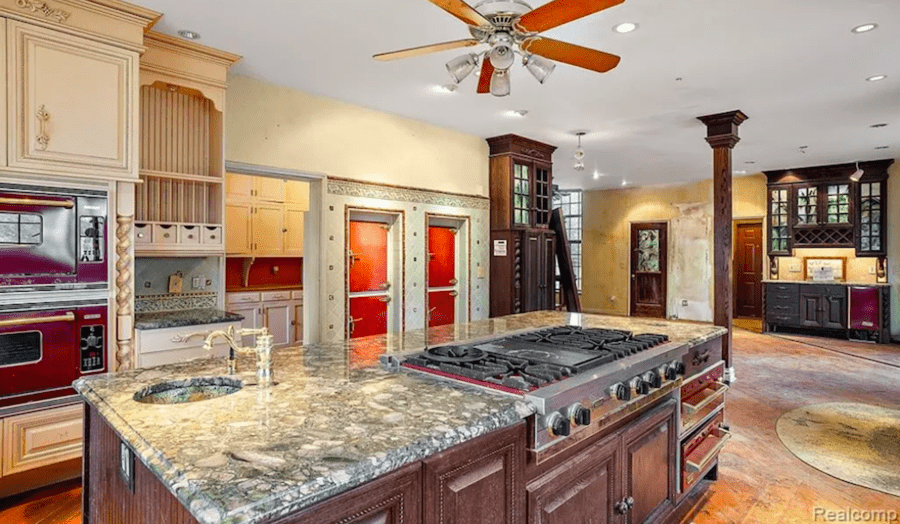
    Described as being of “Cotswold stone” construction and “a one-of-a-kind estate” in spite of its small plot, the 3-storey building offered includes what the selling agent Matt O’Laughlin of Max Broock Realtors references as “soaring wood-beamed ceilings, long arched hallways, intricate custom millwork, and a great hall fit for a modern-day king and queen.”


    The Palmer Woods sub-division itself extends to around 188 acres and has been home to everyone from presidents of motor corporations including Chevrolet, Chrysler and Dodge to politicians such as the 2012 Republican presidential nominee Mitt Romney. For a time in the 1920s, a leading member of Detroit’s Purple Gang – a gang so feared that even Al Capone kowtowed to it – lived in a house there and more recently the former Detroit Pistons player John Salley was master of a 35,000 crib that was originally built by the Archdiocese of Detroit.


    In March 2011, The Atlantic featured Palmer Woods in an article by Ta-Nehisi Coates titled ‘The Other Detroit.’ Whilst lauding it as a “really beautiful neighbourhood in the north-west portion of the city,” she pointedly referenced how when it was founded it was decreed that lots should “not be sold or leased or to be occupied by any person or persons other than that of the Caucasian race.” A clause, however, allowed: “This shall not be interpreted to exclude occupancy by persons other than of the Caucasian race when such occupancy is incidental to their employment on the premises.”


    When 19551 Burlington Drive – also known as ‘The Souther Residence’ – was offered for sale in September 1943 by an “owner anxious to sell,” it was listed as having “servant’s quarters.” Thankfully, those bigoted restrictive covenants relating to servants were subsequently ruled unconstitutional in 1948 and subsequent black American residents of the area have included the popular Motown songwriter Lamont Dozier and Keith Ellison, the first Muslim congressman.


    Editor’s Note – Unlike as is the case in many publications, this article was NOT sponsored or supported by a third-party.
     

    Many more pictures of the wacky interior of ‘The Souther Residence’ follow at the end of this article.


    The Names & Numbers – ‘The Souther Residence,’ 19551 Burlington Drive, Palmer Woods Plats, Detroit, Michigan, MI 48203, United States of America

    1st January 2023 – Marked on Zillow.com as “listed by bank” with the lender “now selling it.”


    12th December 2022 – Listed for sale for at a price -48.1% lower than sold for one year earlier for £412,200 ($495,900, €465,900 or درهم1.8 million) or the equivalent of £52 ($62, €58 or درهم228) per square foot. The selling agent is Matt O’Laughin of Max Broock Realtors and the taxes payable amount to £9,740 ($11,717, €11,013 or درهم43,031) per annum.


    October 2022 – Valued by Zestimate at £998,000 ($1.2 million, €1.1 million or درهم4.4 million).


    26th October 2021 – Sold for a sum +142.4% higher than its 1994 sale price for £794,800 ($956,152, €898,400 or درهم3.5 million) or the equivalent of £99 ($119, €112 or درهم437) per square foot.


    28th August 2014 – Listed to be sold by auction after being subject to a foreclosure by the Bank of America, N.A. The sum of the 1st mortgage amount was £748,300 ($900,008, €846,100 or درهم3.3 million). The name of the then “owner” was given as Evan Burkholder and a “trustee,” Trott & Trott, P.C. was also mentioned.


    18th July 1994 – Sold for £327,900 ($394,500, €370,700 or درهم1.4 million) or the equivalent of £41 ($49, €46 or درهم180) per square foot.


    19th September 1943 – Featured in the Detroit Free Press in an advert by Walsh, James & Wasey Co. They claimed the “owner anxious to sell” and listed the property as an “attractive English type Kentucky limestone residence” complete with 5 bedrooms, 3 bathrooms and servant’s quarters. They lauded the offering also as having “many other superior features.” No asking price was mentioned.


    1925 – Built, according to Instagrammer, tour guide and architectural history enthusiast Jonathan Peters, for a Mr Chester Souther and his wife, Keturah.


    In a post dedicated to the property on 12th December 2021, Peters shared:


    “Mr Souther was vice president of the Norton Land Corporation as well as manager in the tax department for General Motors. Leonard B. Willeke was one of the Detroit area’s more talented and prolific residential architects of the first half of the 20th century, most known for his Arts & Crafts designs.”


    “The Souther residence is Palmer Woods’ lone home to be completely faced with stone. Detroit and environs are no stranger to Cotswold, with several iterations of the style to be found in neighborhoods throughout the city and suburbs. The most notable example being the Cotswold Cottage in Greenfield Village, which was modified, disassembled, transported from the Cotswold countryside and rebuilt in 1929 – 1930.”


    Notable Residents of Palmer Woods

    Walter O Briggs, George Romney, Mitt Romney and John Salley
    Left to right – Residents of Palmer Woods have included variously included many considered amongst the ‘great and the good’ – amongst them Walter O. Briggs Sr., George Romney, Mitt Romney and John Salley.

    Whilst other areas of Detroit, such as the Russell Woods district, counted The Supremes’ Diana Ross amongst the prominent names to have lived there, those ‘famous faces’ who’ve variously called Palmer Woods home have included:


    • John Ballantyne (1868 – 1937), financial advisor to the Dodge Brothers Motor Corporation and president of Merchant’s National Bank., resided for a time at 15750 Balmoral. He was born in Paisley, Scotland


    • Walter O. Briggs Sr. (1877 – 1952), automobile body manufacturer, philanthropist and owner of the Detroit Tigers baseball team from 1919 until his death in 1952. He built his 8,136 square foot residence in a ‘Tudor style’ in the area in 1925 along with a “rare carriage house.”


    • Joseph Burnstein has been described as “one of the smartest and toughest leaders of the Purple Gang.” He lived at 1920 Lincolnshire Drive for a time and for 49 years more recently, somewhat ironically, the building was home to a commanding officer of the Detroit Police Department’s Organised Crime Division. The Jewish led gang, also known as ‘The Sugar Gang’ and ‘The Purples,’ operated as bootleggers and hijackers in the 1920s and “even Chicago’s notorious Al Capone made peace with them and bought Canadian whisky from them rather than fight them for territory.” His surname is often misspelt as “Bernstein” and by the time of the gang’s fall in 1935, he and his cohorts no longer reigned over Detroit’s underworld, at least 18 gang members were dead and many others in prison.


    • Marvin E. Coyle (1887 – 1961), general manager and president of the Chevrolet Motor Company in the 1930s and 1940s, resided for a time at 19391 Suffolk. He was known around the world as ‘Mr Facts & Figures’ and referenced as “having decimal points in his blood.”


    • Lamont Dozier (1941 – 2022), part of the popular Motown songwriting team Holland-Dozier-Holland, is said to have lived in the district for a time. This thrice married, father of six co-wrote and produced 14 US Billboard number-one hits and 4 number ones in the UK.


    • Mike Duggan (born 1958), the 75th Mayor of Detroit (elected in 2013), is said to live in the district. He received national attention for becoming the first white mayor of the majority black populated city since the 1970s.


    • Charles Van Dusen, lauded as a “department store king,” is said to have lived in the district for a time.


    • Keith Ellison (born 1963) the first Muslim congressman, is said to have lived in the district for a time. He currently serves as the 30th Attorney General of Minnesota and is a member of the Democratic-Farmer-Labor Party (DFL).


    • Brothers Alfred Fisher (1892 – 1963) and William Fisher (1886 – 1969), who ran the Fisher Body automotive company which was eventually absorbed into General Motors, both had homes in the district in the 1920s and 1930s at 1771 Balmoral Drive and 1791 Wellesley Drive respectively. The later was demolished after a fire in 1994.


    • K. T. Keller (1885 – 1966) president of the Chrysler Corporation between 1935 and 1949 and the company’s chairman from 1950 to 1956, resided for a time at 19366 Cumberland. He was also appointed by President Truman to serve as chairman of the President’s Advisory Committee on the Merchant Marine and the director of the Office of Guided Missiles after the Second World War.


    • William S. Knudsen (1879 – 1948), president of General Motors between 1937 and 1940 and an appointee of Franklin D. Roosevelt to head the War Mobilization Board during the Second World War, resided for a time at 1501 Balmoral. He featured on the cover of Time magazine in 1940 and was commissioned by Franklin D. Roosevelt to help lead the United States’ war material production efforts during the Second World War.


    • George W. Romney (1907 – 1995), who was president of the American Motor Corporation and the 43rd governor of Michigan, owned a house in the district until circa 1952. He was father to 4 children including the 2012 Republican presidential nominee Mitt Romney (born 1947) and the latter politician is described as having lived in Palmer Woods until he turned five.


    • In 1915, the family of the late senator Thomas W. Palmer (1830 – 1913) sold the 188 acres of land that now forms the district to one Charles Burton. He founded the Palmer Woods Company and hired a landscape architect, Ossian Simmonds, to design what has been noted as an “oasis of winding streets and irregular sized lots.” A summerhouse designed by the architects Mason & Rice for the Palmer family in 1885 is still to be found in Palmer Park.


    One house in particular, ‘The Bishop Gallagher Residence’ at 19366 Lucerne Drive is considered the most notable residence in the area. It was built between 1920 and 1925, stands on a plot of 2.06 acres and consists of 20,030 square foot of “livable area.” The 62-room residence’s ‘notable names’ have included:


    • Bishop Wayne T. Jackson of Great Faith Ministries International and founder of the Impact Network, the largest African-American Christian television network in the USA, subsequently lived there from 1995. He sold it to a real estate developer for a sum said to be “more than” £2.1 million ($2.5 million, €2.3 million or درهم2 million) in 2017. Bishop Jackson was amongst those who gave benedictions at the inauguration of President Donald Trump on 20th January 2017 at the United States Capitol in Washington. He has 9 children and 26 grandchildren.


    • John Salley (born 1964), former Detroit Pistons, Miami Heat, Toronto Raptors, Chicago Bulls and Los Angeles Lakers basketball player, owned ‘The Bishop Gallagher Residence’ from 1989 to 1995. He subsequently appeared in the Luther Vandross music video Take You Out and in programmes ranging from the Weakest Link to I’m A Celebrity… Get Me out of Here! and is now known as a vegan activist and cannabis brand owner.


    • Various bishops and archbishops of Detroit including Bishop Gallagher, Cardinal Edward Mooney and Cardinal John Dewden lived in the property in the years after its construction.


    More pictures of ‘The Souther Residence’ from its current realtor listing

    19551 Burlington Drive, Palmer Woods 9
    19551 Burlington Drive, Palmer Woods 10
    19551 Burlington Drive, Palmer Woods 11
    19551 Burlington Drive, Palmer Woods 12
    19551 Burlington Drive, Palmer Woods 13
    19551 Burlington Drive, Palmer Woods 14
    19551 Burlington Drive, Palmer Woods 15
    19551 Burlington Drive, Palmer Woods 16
    19551 Burlington Drive, Palmer Woods 17
    19551 Burlington Drive, Palmer Woods 19
    19551 Burlington Drive, Palmer Woods 20
    19551 Burlington Drive, Palmer Woods 21
    19551 Burlington Drive, Palmer Woods 22
    19551 Burlington Drive, Palmer Woods 23
    Palmer Woods map
  • Punchy & Paltry Priced Properties – From Balmy To Bonkers; £1 For A Cottage, £3 Million For A Room

    Punchy & Paltry Priced Properties – From Balmy To Bonkers; £1 For A Cottage, £3 Million For A Room

    Which would you prefer? One room in Knightsbridge for a punchy payment of £3 million or a detached 16th century cottage for the paltry price of £1 in the West Midlands?

    In April 2017, an apartment at 199 Knightsbridge – a ritzy residence formed of 205 flats, penthouses and mews house opposite the Hyde Park Barracks that houses the Household Cavalry – sold for an astonishing sum of £90 million ($109 million, €104 million or درهم400 million).


    Now, whilst Harrods Estates currently offer a 4-bedroom, 4-bathroom lateral unit that extends to 3,145 square foot in the building for £13.95 million ($16.9 million, €16.2 million or درهم61.9 million), someone on a lower budget could get just one room there for £3 million ($3.6 million, €3.5 million or درهم13.3 million). A veritable bargain or yet another indication of ‘Bonkers Britain’?


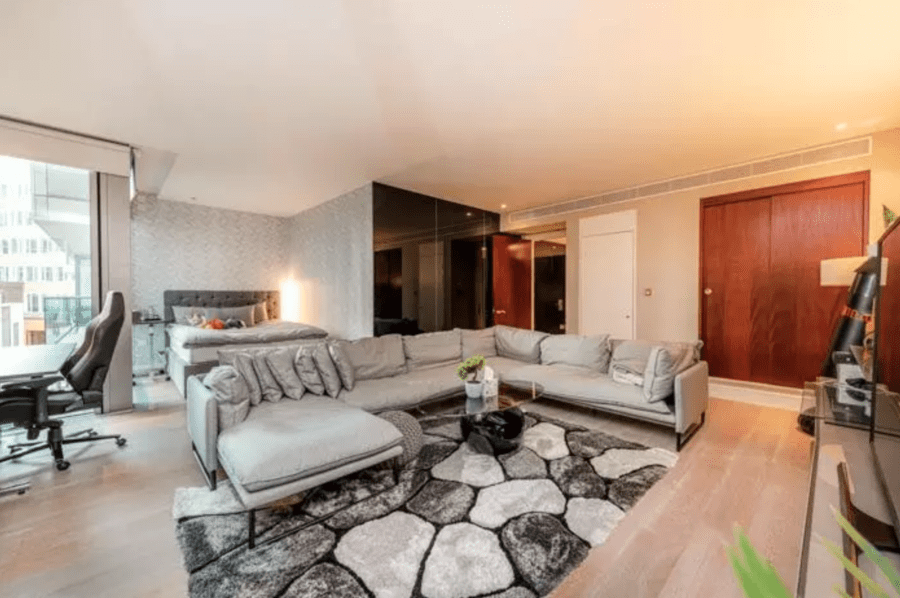
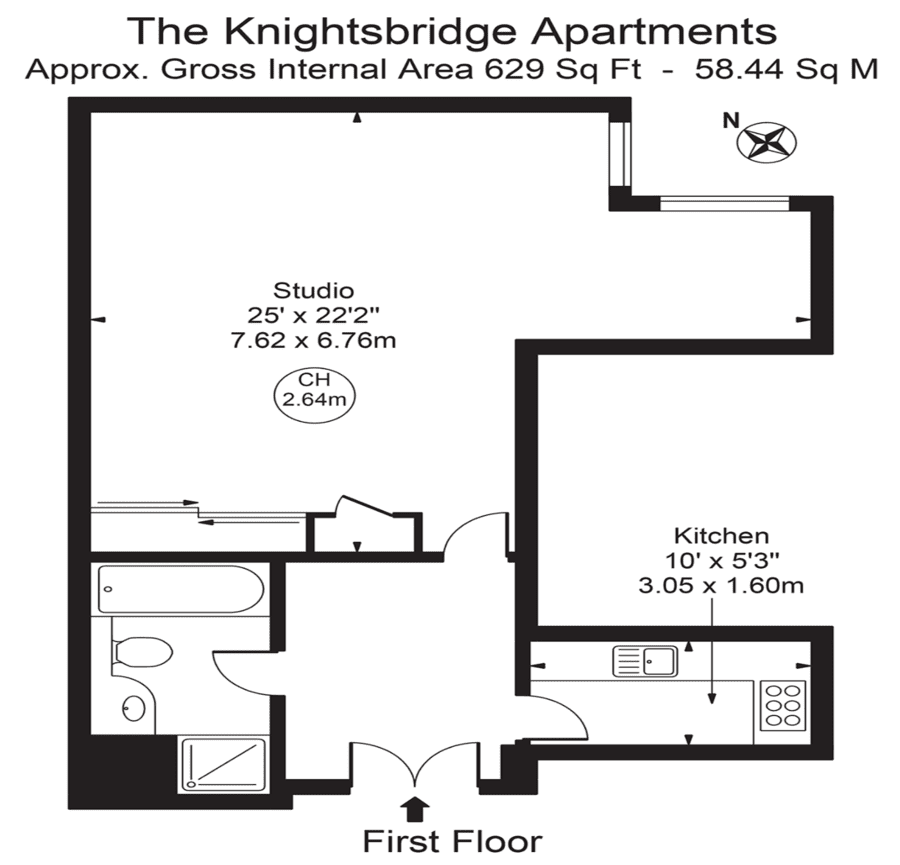
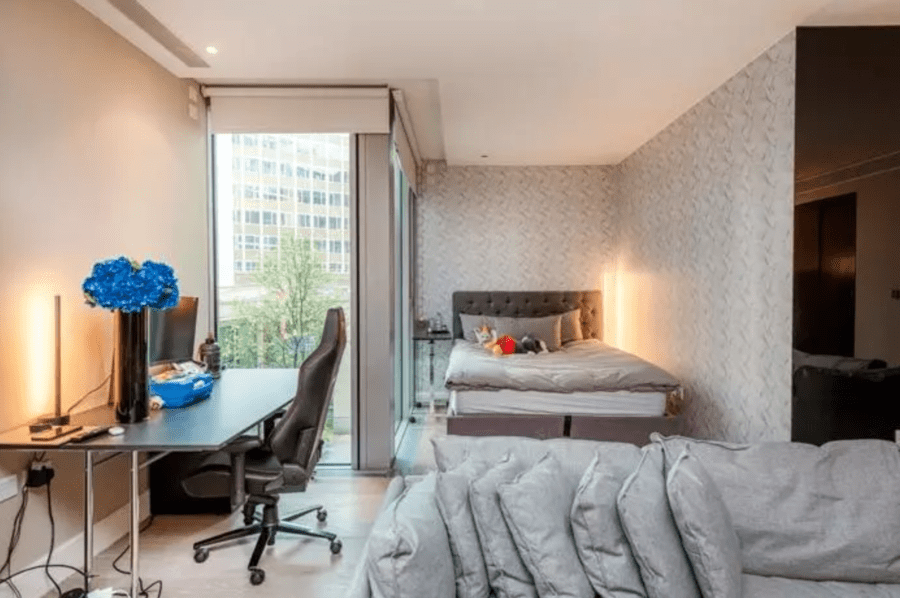
    Marketed for a somewhat punchy £4,769 per square foot ($5,766, €5,537 or درهم21,177 per square foot) at asking price, a first-floor space offered by agents The Cloister is formed of a 25-foot by 22-foot living room that forms the only bedroom also. There is also a kitchen and bathroom – the former being just 5-foot wide and just 10-foot long – and frankly one is left realising this is actually a ‘home’ where only the multi-millionaire capable of buying it will clearly have “barely enough room to swing a cat.”


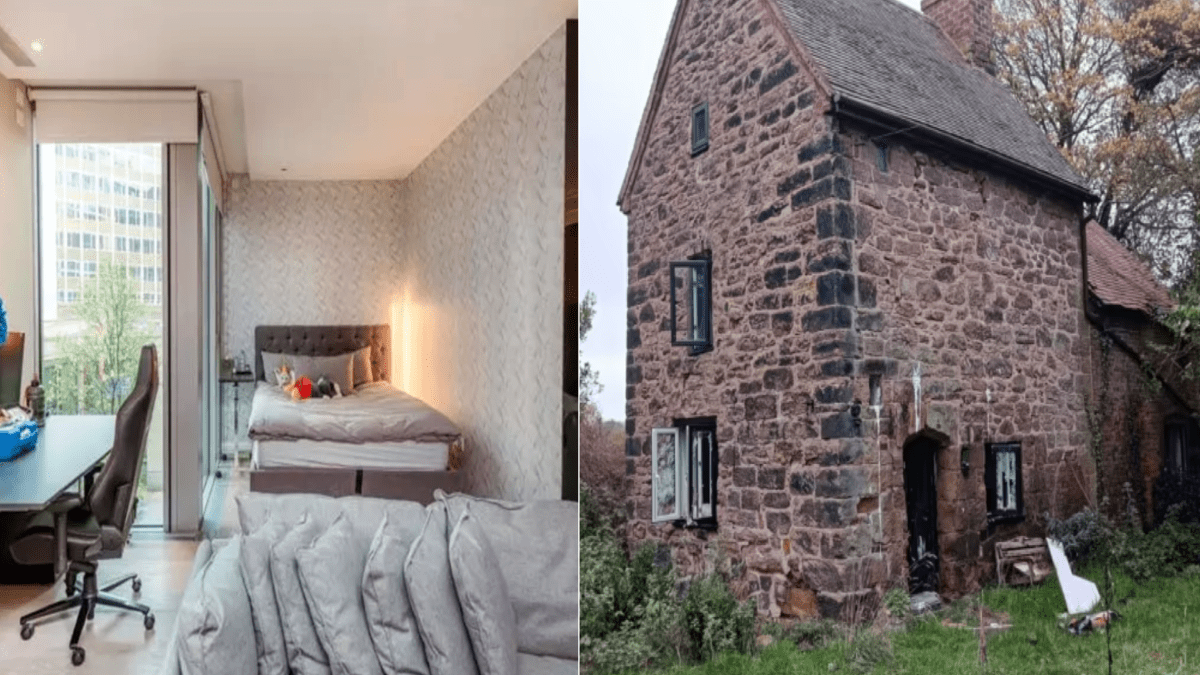
    Studio flat at 199 Knightsbridge single room
    Situated opposite Hyde Park Barracks – more commonly known as Knightsbridge Barracks – this 629 square foot space has just two small windows and is rather awkwardly shaped. In its current configuration there’s a slimline double bed crammed into a nook with just one beside table but there’s not even a dining table. In spite of its £3 million price tag, this is a pad for those who simply want sofa suppers rather than to entertain on a grand scale.
    Studio flat at 199 Knightsbridge floor plan
    The floor plan of the space on offer illustrates just how little a multi-millionaire can actually get for their money in this neck of SW7. This is a property that is smaller than most hotel rooms and agents The Cloister make no mention of the no doubt very hefty accompanying service charges.
    Mutton's Castle - High Heath Cottage, Withy Hill Road, Sutton Coldfield, B75 6JR exterior
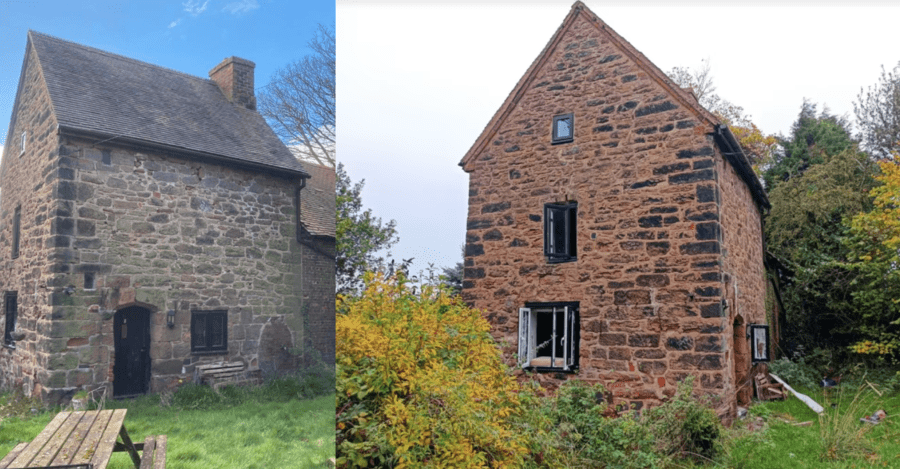
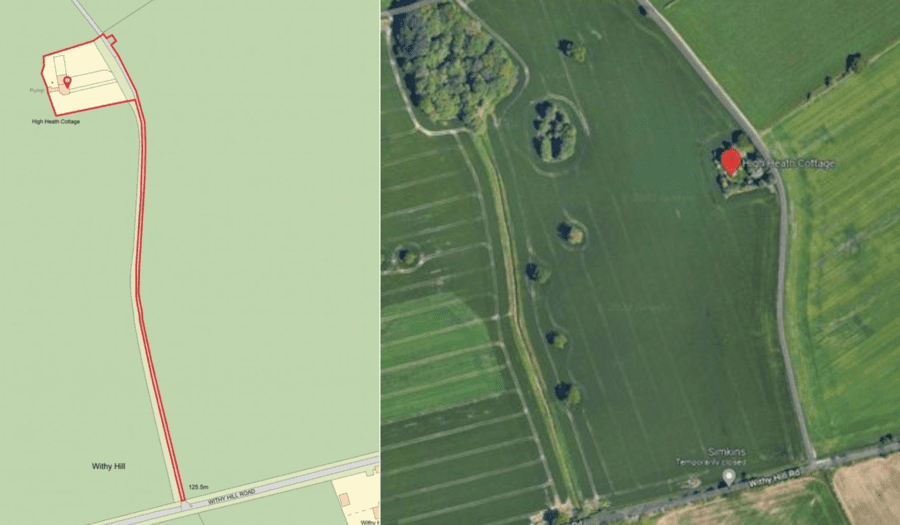
    Paltry priced High Heath Cottage – also known as ‘Mutton Castle’ due to a local tradition that a man who had stolen a sheep barricaded himself in the structure to avoid the hanging offence of being caught stealing sheep – is situated on Withy Hill Road, Sutton Coldfield, B75 6JR. It was constructed as one of around fifty servant’s cottages by The Right Reverend John Vessey (born John Harman, 1519 – 1551), who became Bishop of Exeter, and of it auctioneer Gupreet Bassi of Bond Wolfe told ITV: “This property has a fascinating history and the appearance of a mini watchtower, looking out across the valley to a lonely stretch of the old coach road from Coleshill to Lichfield, now the A446, where highwaymen could lurk. By the 19th century, the cottage was part of the Moor Hall Estate, and there was once a row of three cottages adjoining it, occupied by farm labourers in 1851. But the adjoining cottages fell into disrepair, and the present-day High Heath Cottage stands alone in the landscape much as it did nearly 500 years ago. This three-storey property is suitable for development but requires refurbishment and modernisation within the Grade II* building and green belt regulations, as well as the usual planning permission.”
    Mutton's Castle - High Heath Cottage, Withy Hill Road, Sutton Coldfield, B75 6JR site plan
    The cottage has two rooms on the ground floor, one room on the first floor and one room on the second floor. It has gardens to all sides and the agents add: “We understand the cottage incorporates a fireplace in each floor and is connected via a stone spiral staircase.” Sutton Coldfield town centre is approximately two miles distant.

    Providing a stark contrast at the opposite end of the market, yet apparently something far more idyllic in its setting, Birmingham based auctioneers Bond Wolfe will be hoping to hammer down what they describe as “a vacant freehold Grade II* listed cottage in disrepair constructed in the 1530s by Bishop Vesey” in the “rural part of Sutton Coldfield” in the West Midlands next month.


    They offer the three-storey stone-built structure with a paltry guide price of just £1 ($1.21, €1.16 or درهم4.44) and will sell the detached building on 14th December by public auction.


    Editor’s Note – Unlike as is the case in many publications, this article was NOT sponsored or supported by a third-party.
     

    ‘The Punchy’ and ‘The Paltry’ – Five properties at both ends of the price spectrum…

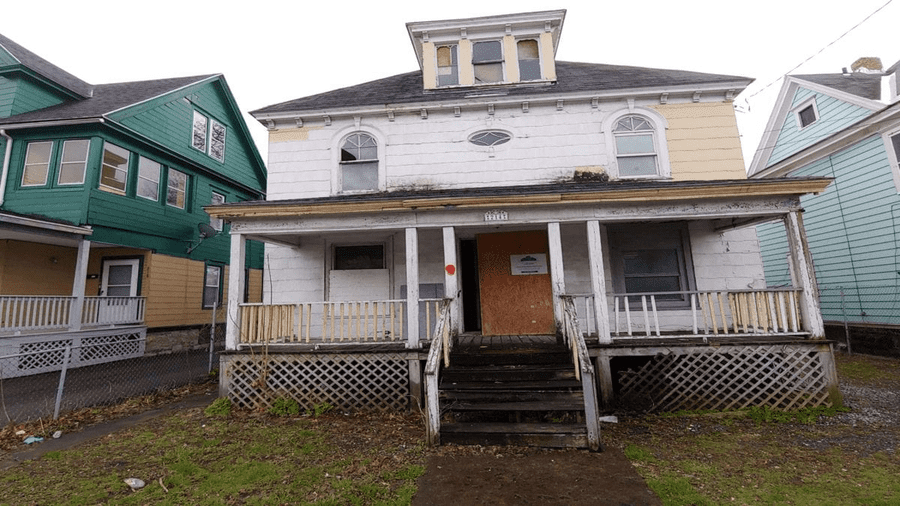
    This detached, 2,061 square foot Edwardian house featured in Syracuse, New York featured in ‘The Steeple Times’ in September 2020 when it was offered for just £827 ($1,000, €960 or درهم3,673). It eventually sold in March 2021 for that sum though the buyer would have had to have shown proof of funds available to guarantee the £63,200 ($76,416, €73,375 or درهم280,639) costs of renovation required. The property’s most famous resident prior had been a German police dog named Jack that latched onto the building’s owner, Dr. Scott R. Fisher, on the Hindenburg line in France in October 1918. Supposedly, “when Jack spotted Dr. Fisher, he stuck to him and refused to leave his side – ensuring he found a way to be with Fisher his entire way back to base. Dr. Fisher told the paper that, ‘such devotion deserves reward,’ and decided to take Jack back home with him… Jack was stowed away in an overcrowded ship which was bringing American soldiers home and where each man was allowed only a certain poundage of baggage. Dr. Fisher shared his own rations with Jack because dog food was not available in the ship’s stores. When they arrived back in America, the pair settled here on Syracuse’s Southside.”
    Knockhall Castle
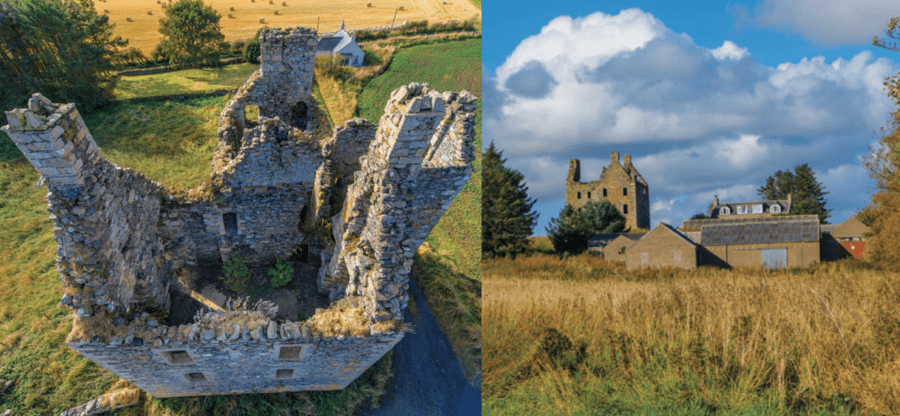
    In August 2017, ‘The Steeple Times’ shared news of a castle in Aberdeenshire for sale for just £130,000 ($157,000, €151,000 or درهم577,000). In “stablised” condition, but roofless the structure was lauded by Savills as “a blank canvas for someone to develop the building’s full potential as a spectacular family home or business.” Knockhall Castle had still not sold by January 2020 and was described in April this year as still being a “tumbled down romantic ruin.”
    Barlaston Hall
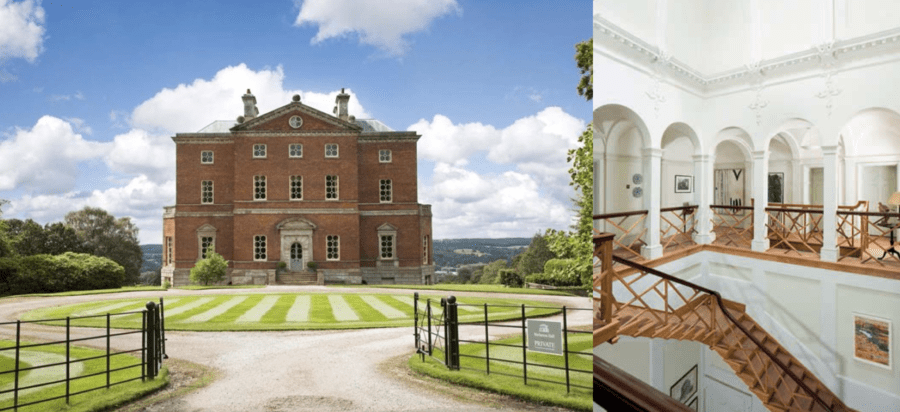
    In a state of collapse when sold to former ‘Country Life’ editor Marcus Binney for £1 ($1.21, €1.16 or درهم4.44) in 1981, 16,409 square foot, Grade I listed Barlaston Hall in Staffordshire – complete with a Chinese Chippendale staircase – was made safe and sold on for £300,000 ($363,000, €348,000 or درهم1.2 million) in 1992 and then offered for sale again in June 2014 for £2.3 million ($2.8 million, €2.7 million or درهم10.2 million). It was purchased for £2 million ($2.4 million, €2.3 million or درهم8.9 million) by Cameron and Claire Gilchrist-Dick since November 2020 and in a “separate sale,” the pair also snapped up the neighbouring 12th century church to use as a wedding venue.
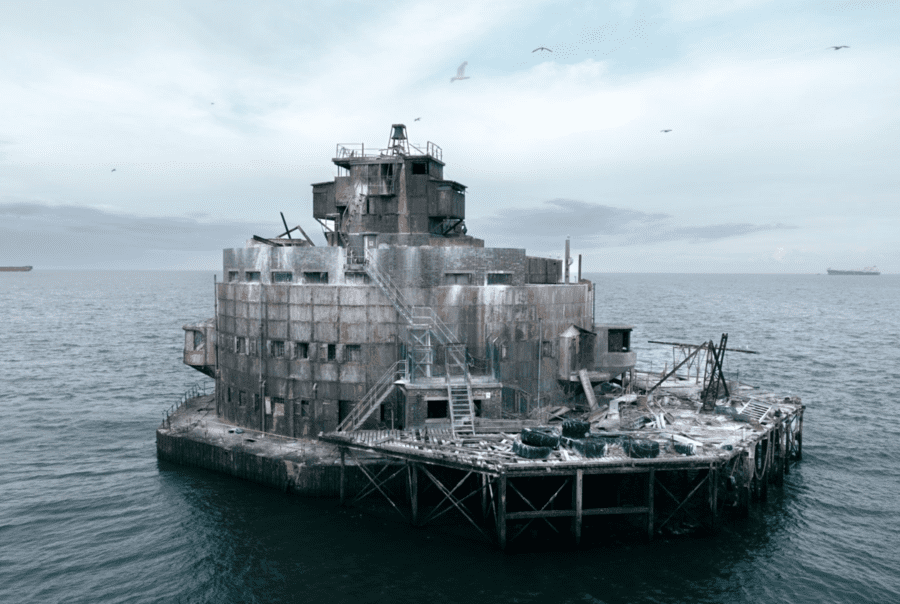
    In July this year, a derelict Second World War fort in the Humber Estuary, once planned to be an ‘Island of Hope’ for detoxing drug addicts was offered for sale for £50,000 ($60,100, €58,700 or درهم220,600) at auction by Savills. Bull Sand Fort, near Hull hammered down for a punchy sum 880% higher at £490,000 ($588,500, €575,000 or درهم2.2 million) to a mystery bidder.
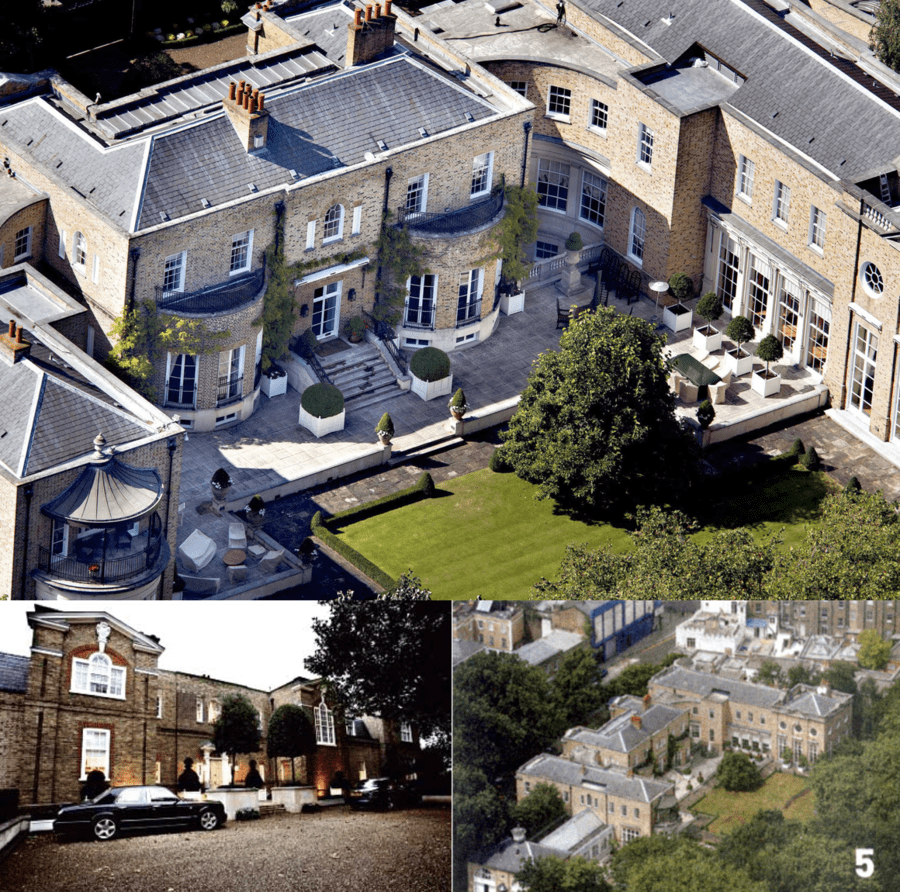
    At the top end of the market, in May 2019, we featured the possible sale of The Old Rectory in Old Church Street, Chelsea, London, SW3 for at least £200 million ($242 million, €232 million or درهم888 million). Its current owner, shipping magnate John Fredriksen, merging two adjoining properties paid a combined £70 million ($85 million, €81 million or درهم311 million) to create a two-acre compound between 2001 and 2006. It is believed that the house remains in the ownership of the Fredriksen family currently.

    The Punchy – More images of the first-floor studio apartment in The Knightsbridge, 199 Knightsbridge, London, SW7 1RH offered for the outrageous sum of £3 million…

    Described on the official website of what they somewhat lavishly laud as ‘The Residence,’ one room boxes in this building are somewhat laughably shouted instead as “executive studios” that are “perfect pied-à-terres.”


    199 Knightsbridge 3million studio flat 1
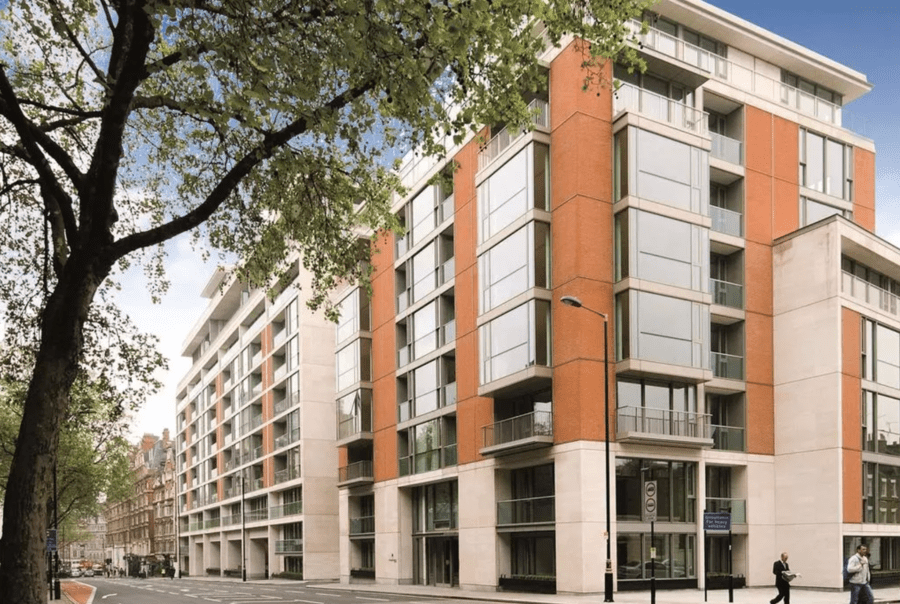
    The exterior of ‘The Knightsbridge’ was never going to go down in history as an example of fantastic architectural design. It has a closer resemblance to a budget hotel or an office block that might appeal to David Brent.
    199 Knightsbridge 3million studio flat 2
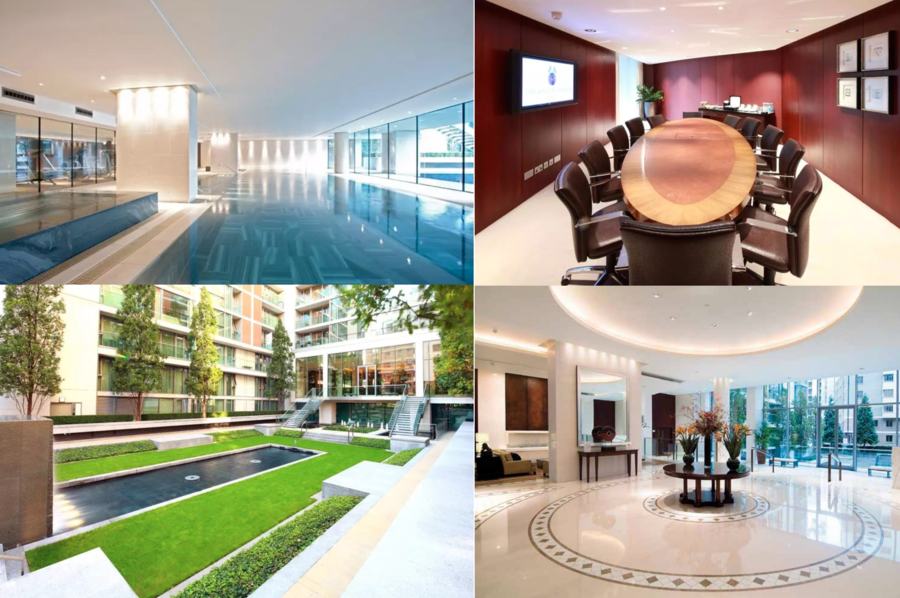
    Facilities for residents number a 24-hour concierge, security, valet parking and use of ‘leisure facilities’ such as a swimming pool and business facilities including a 12-seat boardroom (which has “complimentary refreshments available”). The annual charges for such are not listed for the £3 million studio offered, but for the £13.95 million apartment also on sale currently the charges are £78,900 per annum plus £5,700 per annum per car parking space included.
    199 Knightsbridge 3million studio flat 3
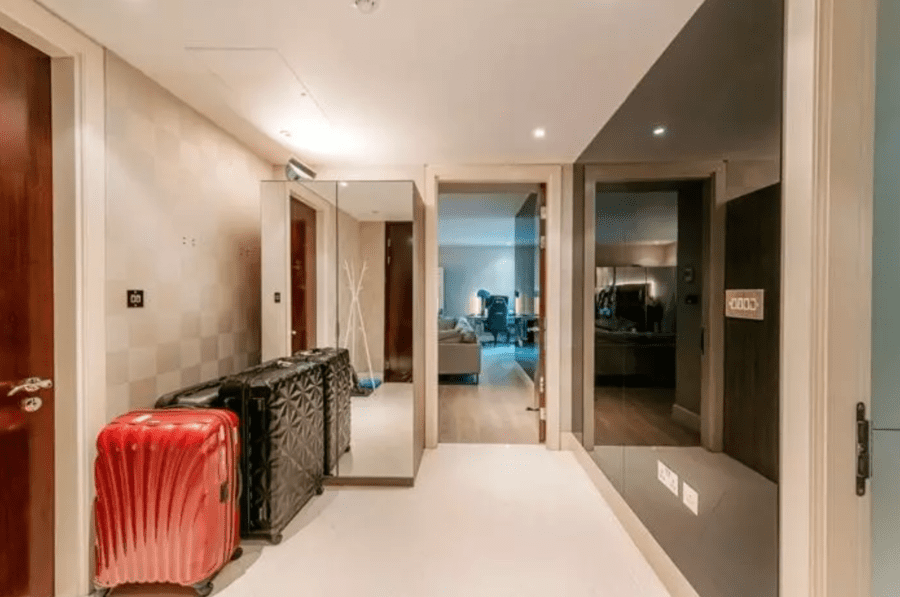
    There’s so little space in the “executive studio” that the current resident has put a wardrobe in the hall and keeps their suitcases there also.
    199 Knightsbridge 3million studio flat 4
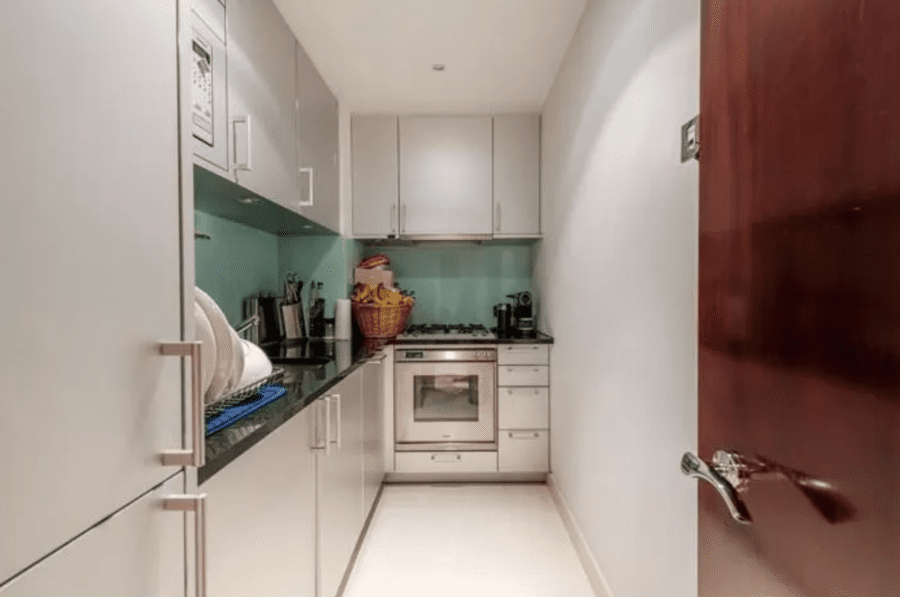
    The minute, windowless kitchen is most definitely not a space for an aspiring Nigella Lawson or Delia Smith.
    199 Knightsbridge 3million studio flat 5
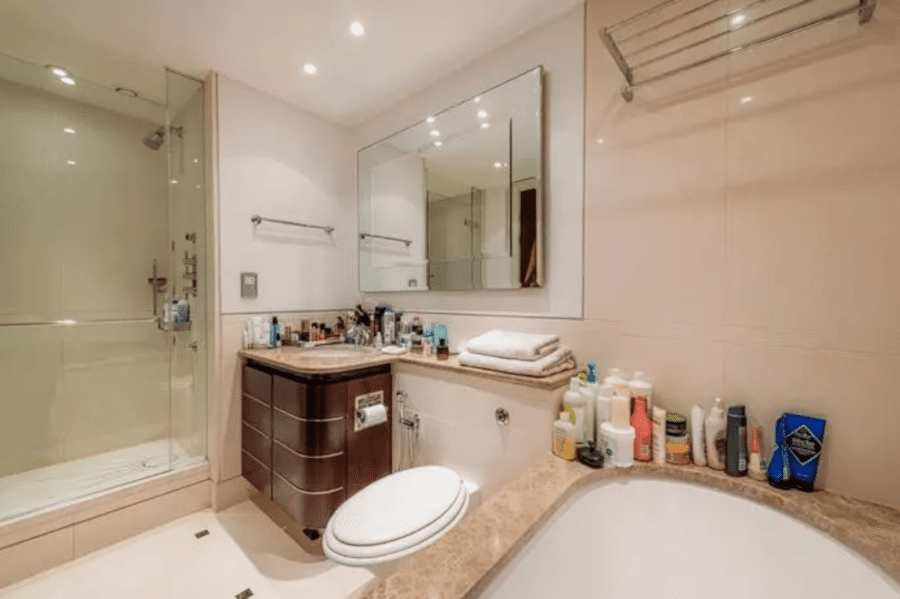
    The current decoration scheme wouldn’t look out of place in student digs. It’s hardly what anyone would expect in a £3 million pad.
    199 Knightsbridge 3million studio flat 6
    The bathroom, equally, is hardly opulent.

    The Paltry – More images of the £1 cottage, High Heath Cottage (AKA ‘Mutton’s Castle’), Withy Hill Road, Sutton Coldfield, West Midlands, B75 6JR…

    Whilst this stone-built cottage might be cheap and off-the-beaten-track, it certainly will require a lot of work. Undoubtedly, however, the £1 price tag will encourage many to dig deeper – so do anticipate a bidding war on 14th December that will actually take the ultimate sale price of this property far, far higher.


    High Heath Cottage Sutton Coldfield Mutton's Castle 1
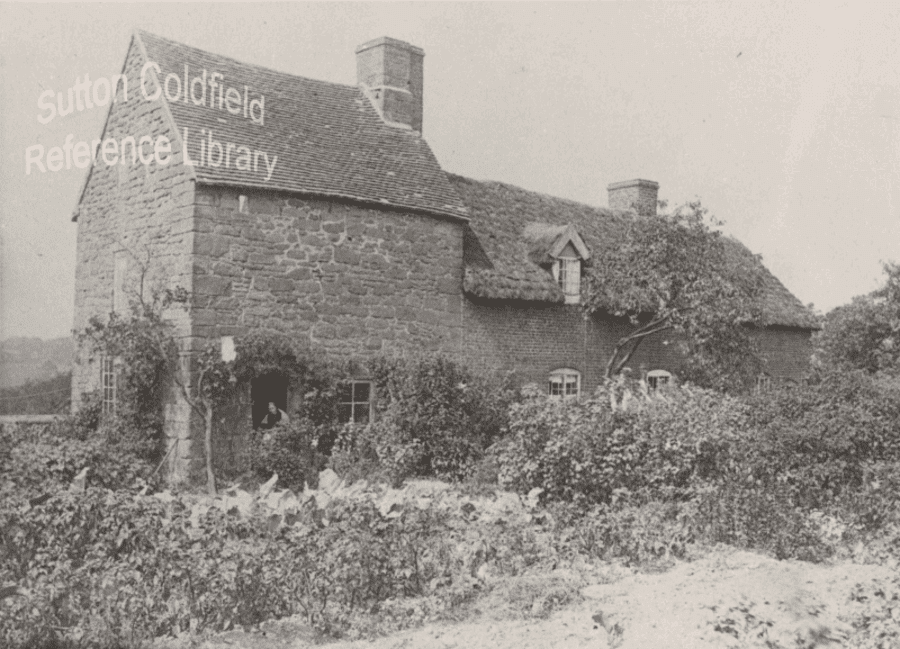
    An image of High Heath Cottage from the Sutton Reference Library taken circa 1908. Of it, in 2008 the Sutton Coldfield Local History Research Group observed: “Sutton Coldfield has a number of stone houses dating from the sixteenth century of a kind not found anywhere else in England. According to the great historian Sir William Dugdale, Bishop Vesey built fifty-one of these stone houses here, where previously almost all the houses had been timber-framed. High Heath Cottage is the smallest of the surviving stone houses, built in an isolated spot. In the 1530s it was surrounded by the open commons of High Heath, and today it stands alone in the middle of bleak hedgeless farmland. It is a tall house, with three storeys connected by a stone spiral staircase, but narrow, with only one room on each floor, and a massive chimney. Writing in 1544, John Leland said that Vesey built the houses for his poor kinsmen, but other sources suggest that they were built to house servants of the Bishop who would keep order in outlying parts of Sutton. The house at High Heath has the appearance of a watchtower, and it looks across the valley to a lonely stretch of the old coach road from Coleshill to Lichfield (now the A446) where highwaymen could lurk. The cottage was easy to defend from attack, having, originally, only one ground-floor window. There is a local tradition that a man who had stolen a sheep barricaded himself in the cottage – this at a time when sheep-stealing was a hanging offence. He is supposed to have held out for a considerable time, and so the cottage used to be known locally as ‘Mutton Castle.’ In the nineteenth century the cottage was part of the Moor Hall Estate belonging to the Hacketts of Moxhull, and by 1824 a row of three cottages had been built adjoining it. All four of the cottages were occupied by farm labourers in 1851; one of them, William Lunt, had seven children. The adjoining cottages fell into disrepair, and eventually the end one was converted to form an extension to the stone house to make a single dwelling – the present-day High Heath Cottage stands alone in the landscape much as it did 460 years ago.”
    High Heath Cottage Sutton Coldfield Mutton's Castle 2
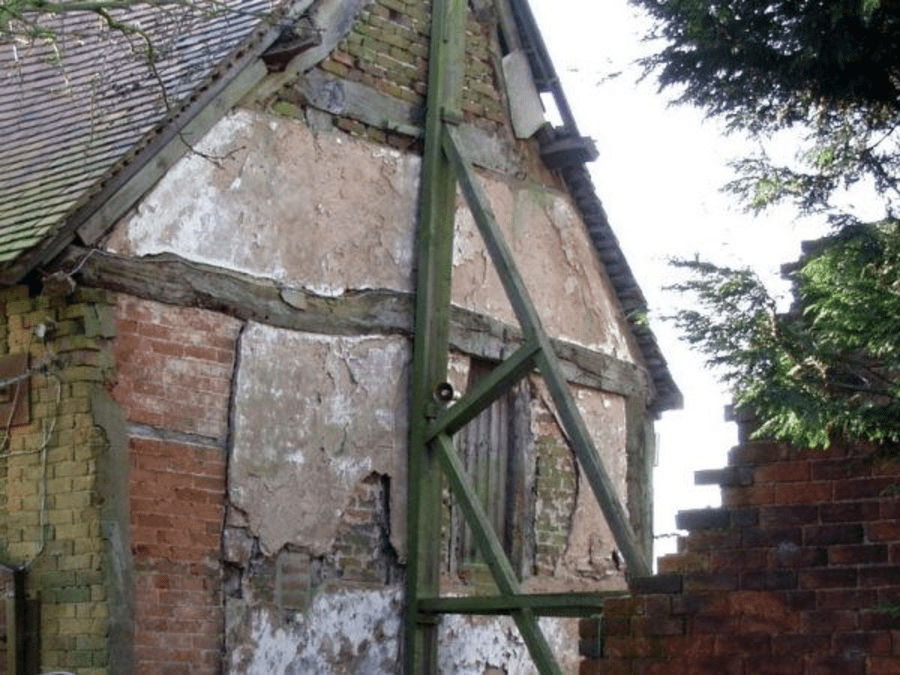
    The building is clearly in a perilous state, but any of those who enthuse about Channel 4’s ‘Grand Designs’ could find far worse projects than this.
    High Heath Cottage Sutton Coldfield Mutton's Castle 3
    If wandering like Heathcliff is your desire, ‘Mutton Castle’ could be the perfect spot for someone with £1 going spare.
  • Cut Price Cairness House – 58% Slashed Off Price Of “Scotland’s most important Greek Revival house”

    Cut Price Cairness House – 58% Slashed Off Price Of “Scotland’s most important Greek Revival house”

    “Internationally important” Greek Revival Cairness House has its price slashed from £3 million to just £1.25 million in spite of it having been given a renovation that supposedly cost over £1 million

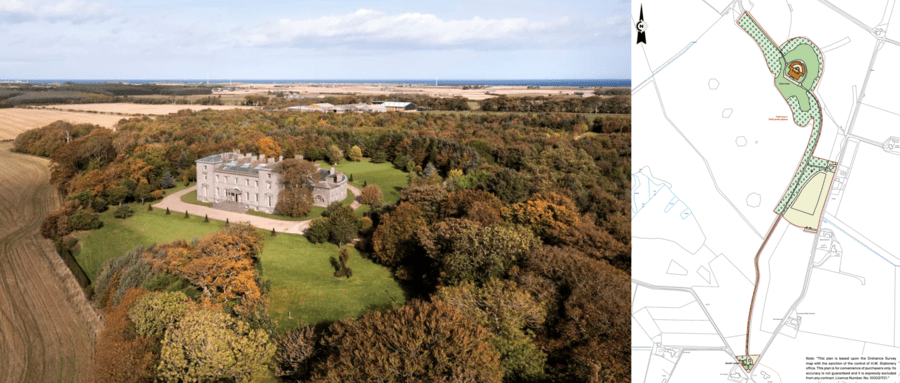
    Featured in The Steeple Times when last for sale in January 2015, a 10-bedroomed Scottish mansion once lauded by Country Life as “Scotland’s most important Greek Revival house” is back on the market.


    Priced this time at just £1.25 million as opposed to the £2 million it was promoted for back then – and at a staggering sum 58% lower than its £3 million tag in May 2011 – Cairness House at Lonmay, near Fraserburgh is being promoted by Knight Frank. This time round, they hail it as “being a 45-minute drive from city centre of Aberdeen, the oil capital of Europe.”


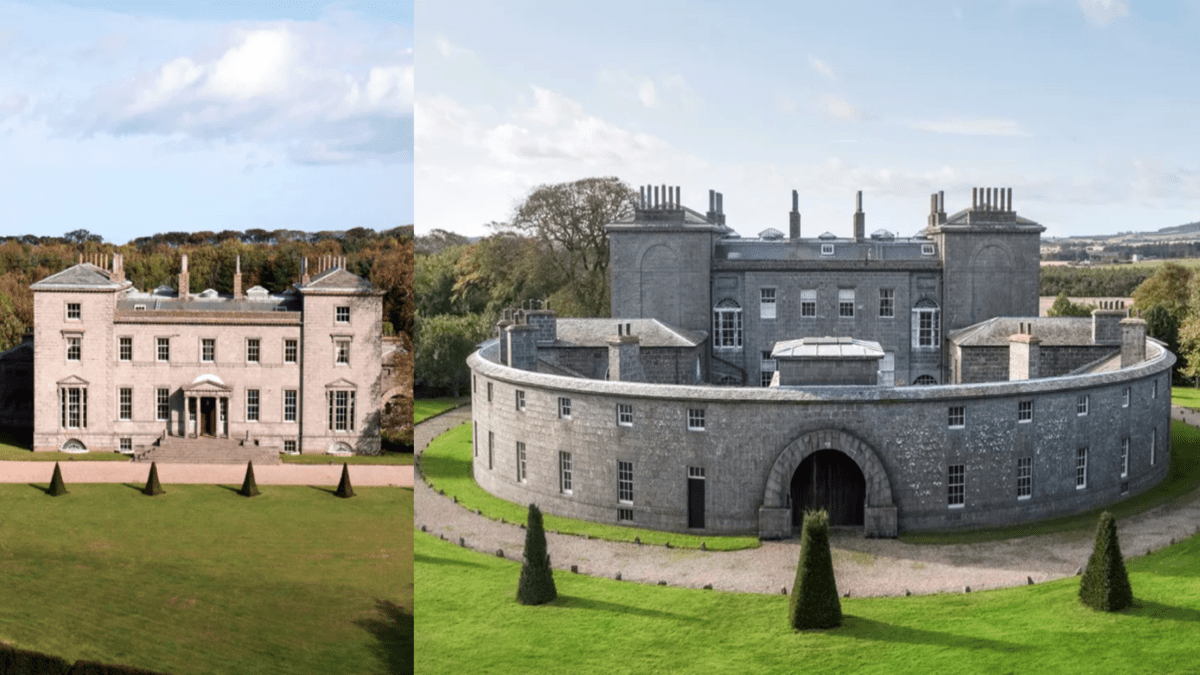
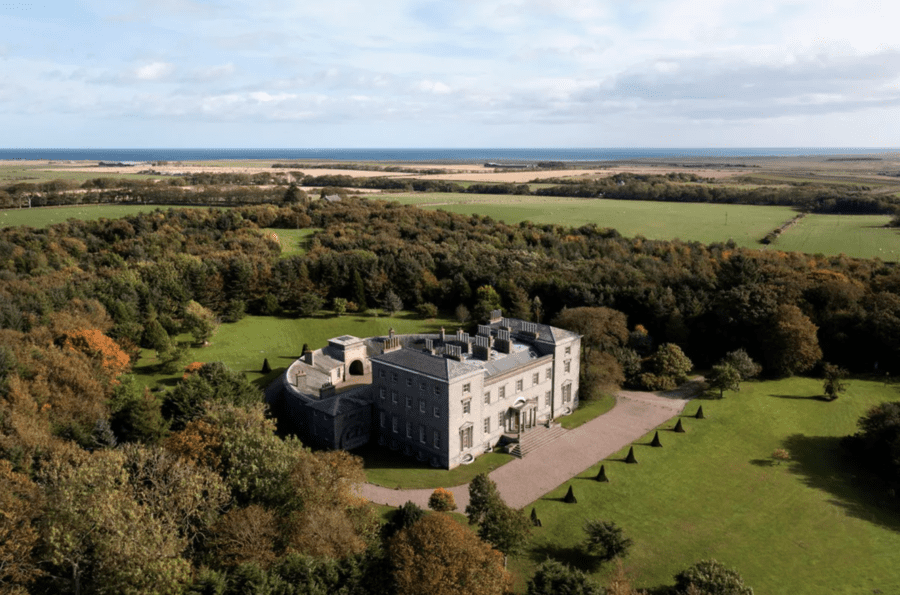
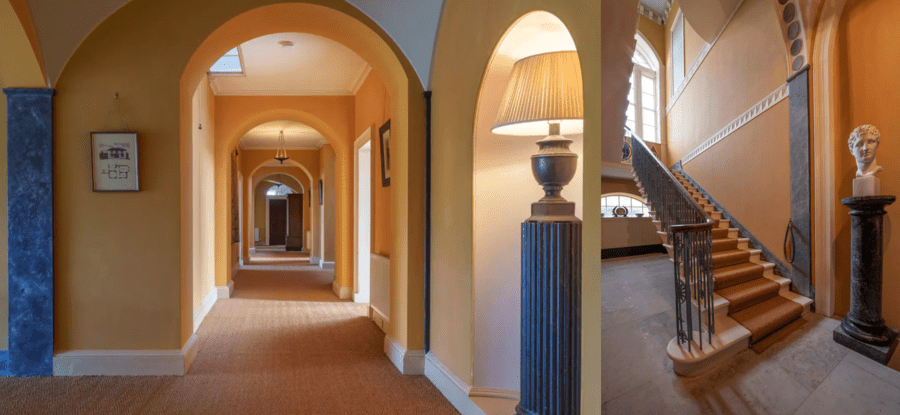
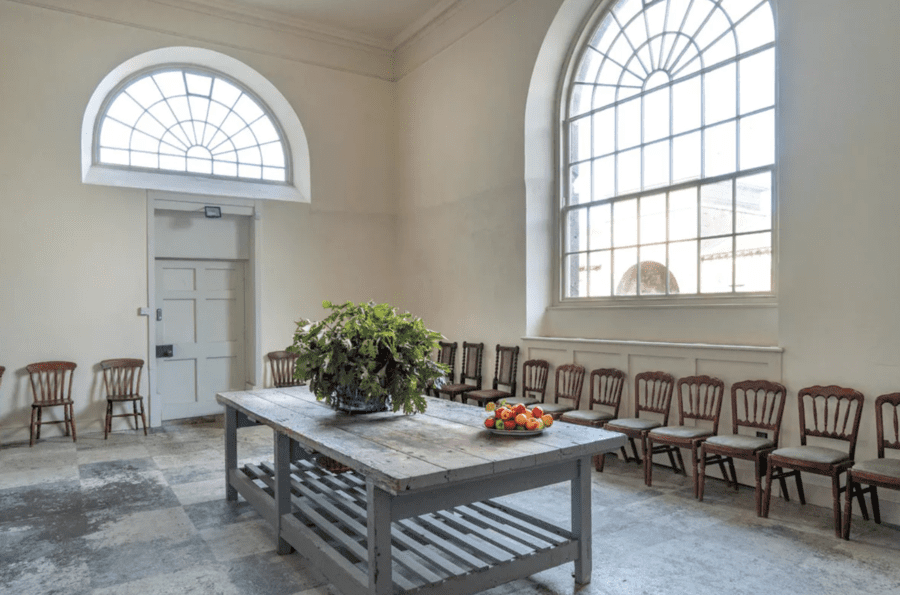
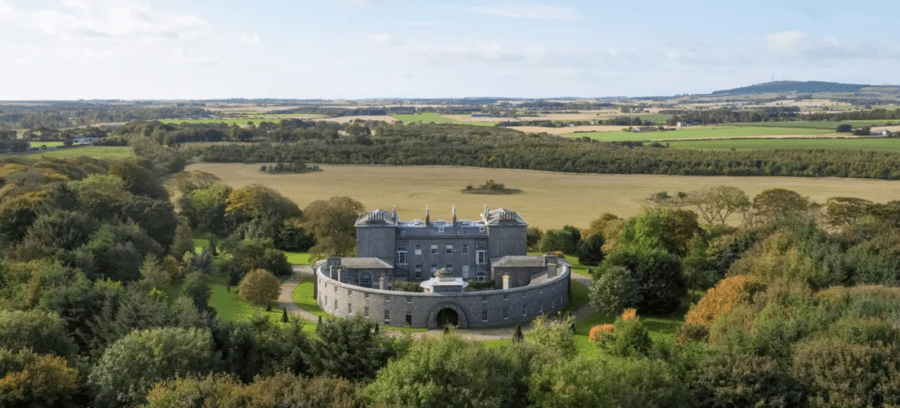
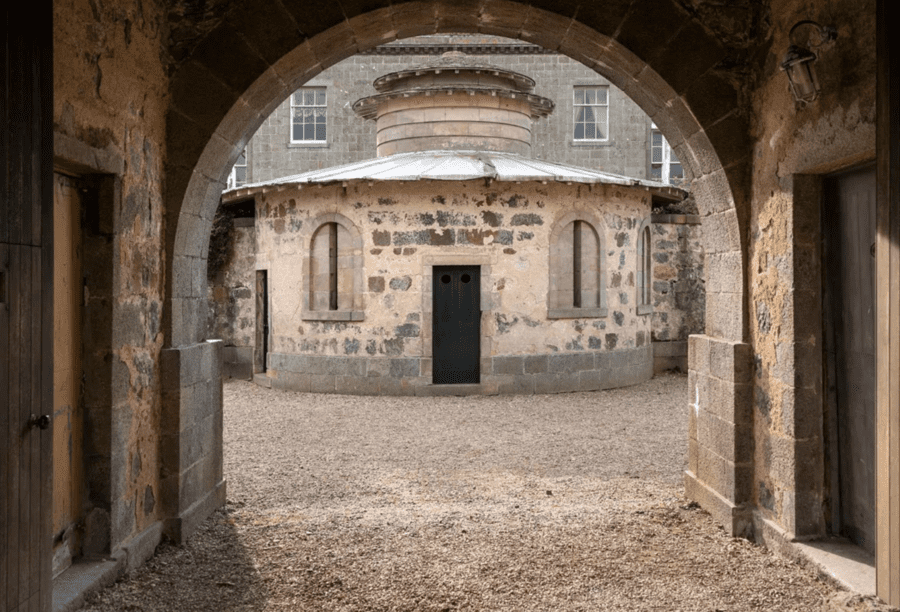
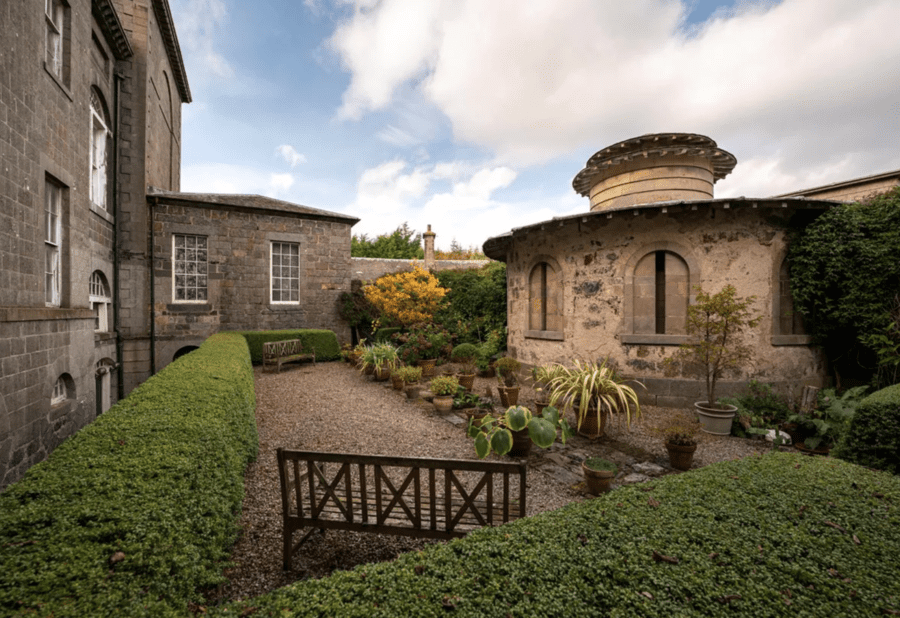
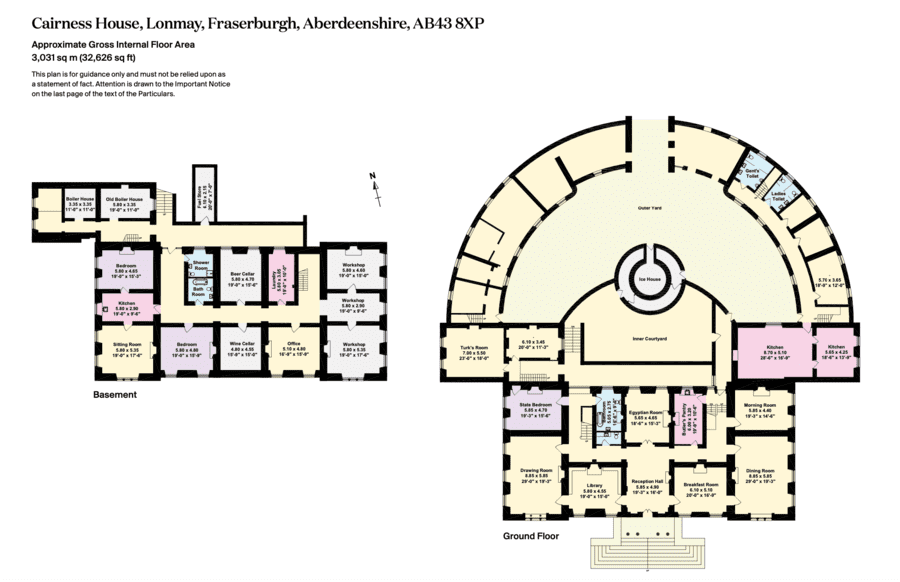
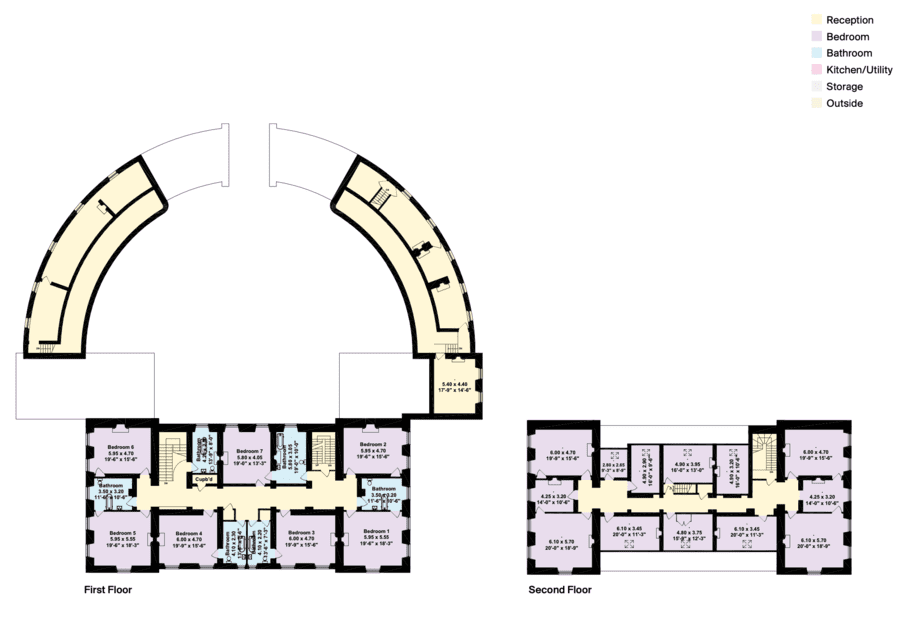
    Built to the designs of the much celebrated though very short-lived architect James Playfair (1755 to 1794) using “revolutionary forms of neoclassicism,” here is a truly spectacular residence constructed from finely detailed ashlar. It was designed as a ‘calendar house’ and consists of a 110-foot long main block flanked by two raised ‘bookend’ wings with a 270-foot long ‘hemicycle’ behind.


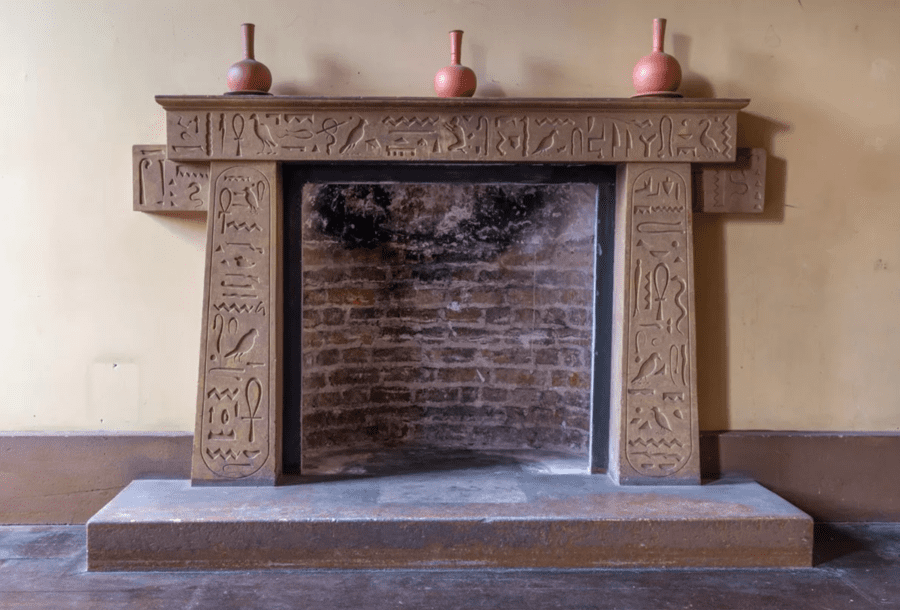
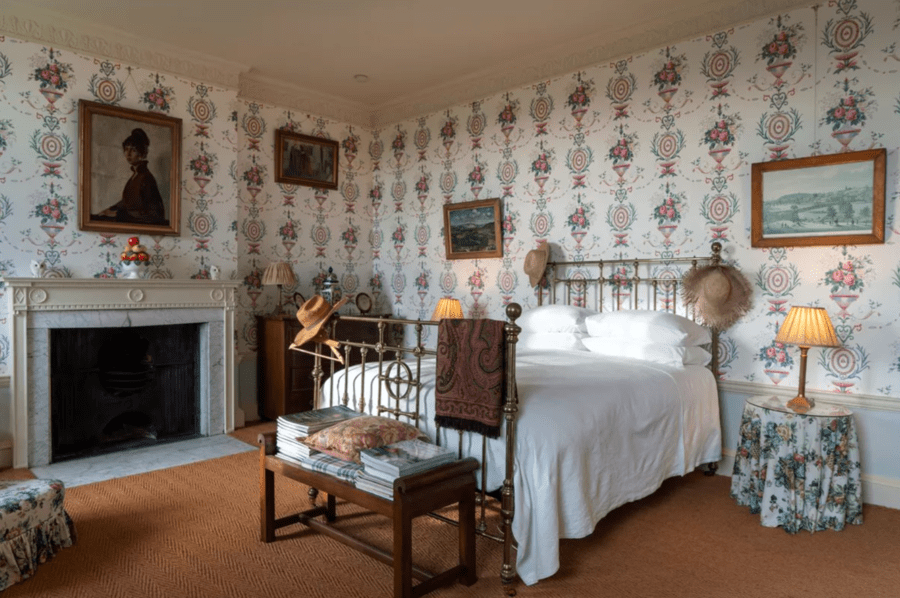
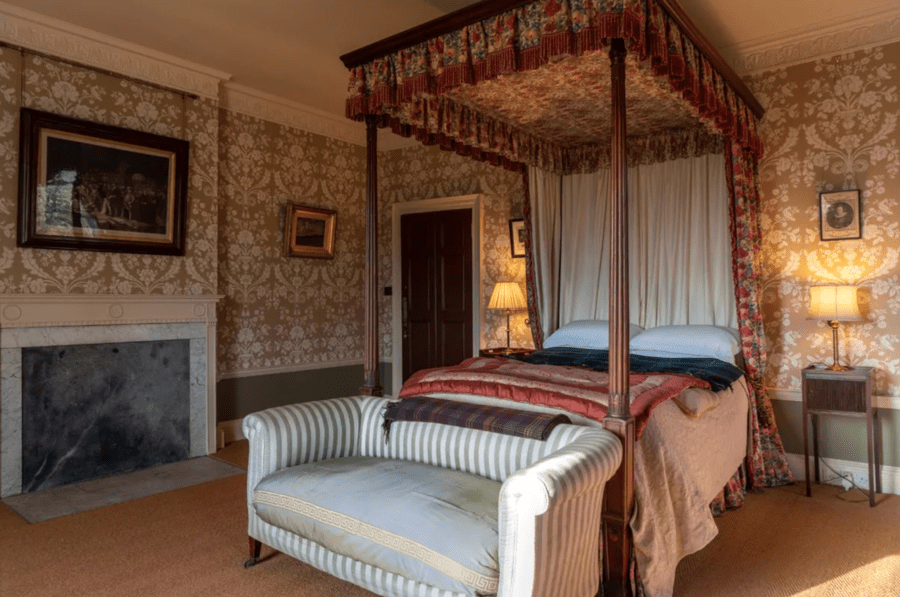
    Featuring the earliest surviving ‘Egyptian Revival Room’ in the world – complete with elaborate hieroglyph plasterwork – this is an elegantly proportioned building that extends to some 32,626 square foot.


    Speaking of Cairness House to The Scotsman in late October, Tom Stewart-Moore remarked:


    “The main part of the house is finished – the impressive public rooms and the grand bedrooms above. But there is further scope for the bedrooms on the second floor and the extra space in the semi-circle of buildings at the back.”


    “The buyer could be someone who loves the architecture and has the budget to develop it further for their own use. Others will want to make the most of the asset to develop as a venue – you have the whisky trail not far away, so it is an interesting hospitality package.”


    “But whoever buys it will have to understand the history and its importance – it is an architectural gem and deserves an understanding owner.”


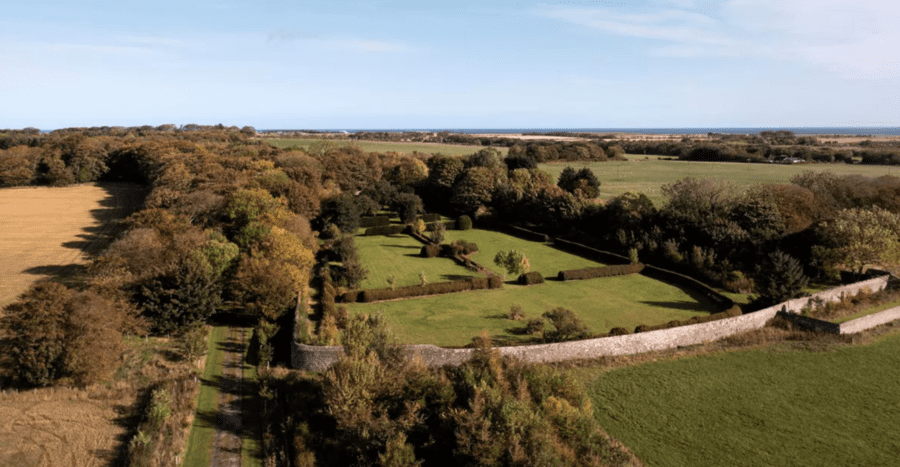
    Sadly, of the 9,000 acres that this palatial pad stood in when it was built between 1791 and 1797, just 16 acres remain. The current owners have, however, made the most of what they have and in 2002 planted 150 young specimen trees that created an arboretum that marked the Queen’s Golden Jubilee.


    Editor’s Note – Unlike as is the case in many publications, this article was NOT sponsored or supported by a third-party.
     

    Khalil Hafiz-Khairallah and Julio Soriano-Ruiz
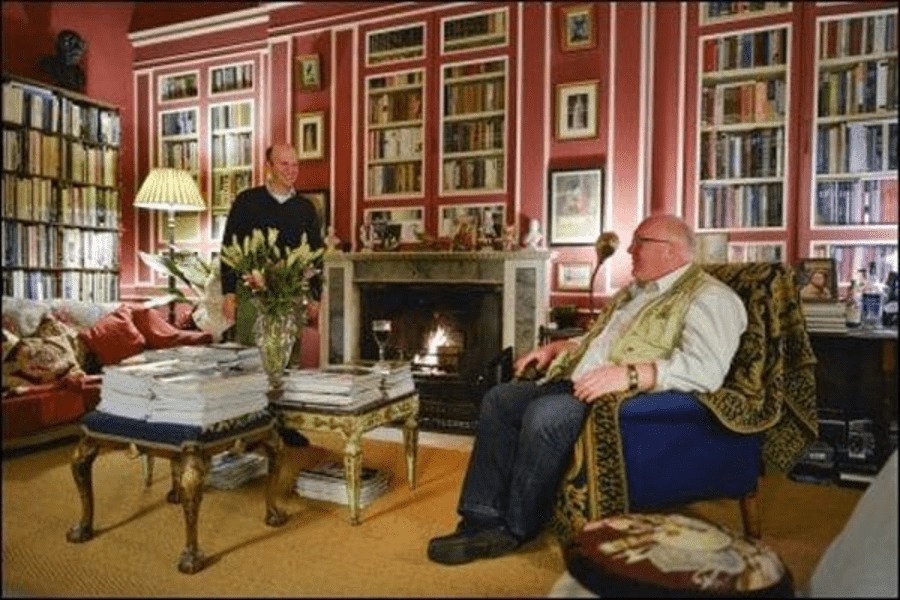
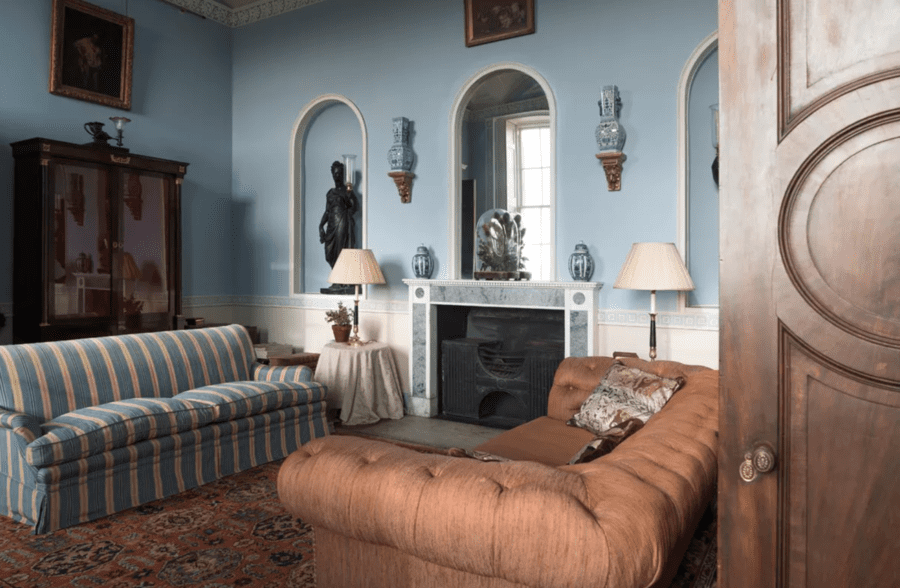
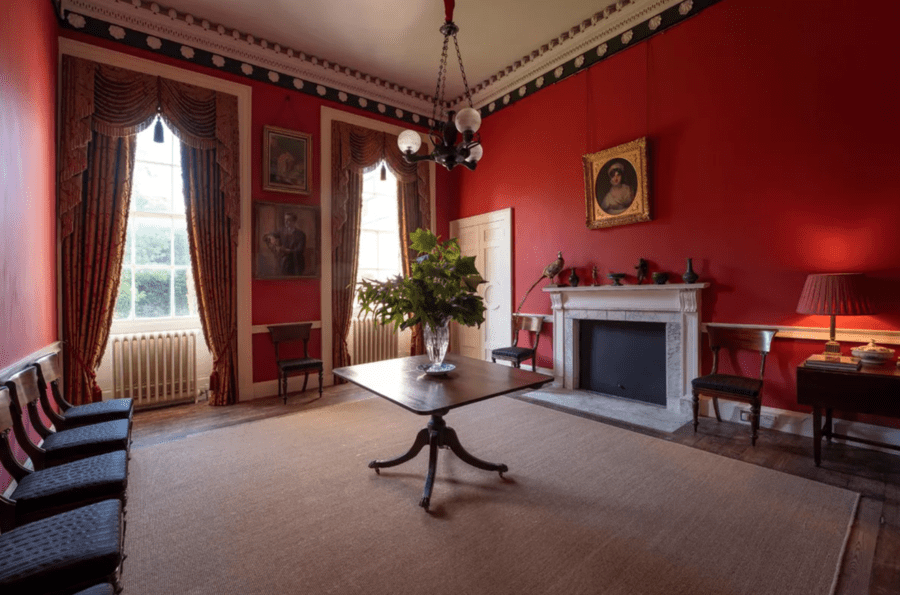
    Current owners Khalil Hafiz-Khairallah and Julio Soriano-Ruiz in one of the many reception rooms in a house they have clearly lavished great amounts of money restoring.

    The Names & Numbers – Cairness House, St Combs, Lonmay, Fraserburgh, Buchan, Aberdeenshire, AB43 8XP, United Kingdom

    November 2022 – Placed for sale with Knight Frank again for the much lower sum of £1.25 million ($1.48 million, €1.44 million or درهم5.44 million), a sum 58% lower than the asking price in 2011.


    January 2015 – On sale with Knight Frank for a significantly reduced price of £2 million ($2.4 million, €2.3 million or درهم8.7 million) after four years on the market.


    May 2011 – Placed for sale for £3 million ($3.6 million, €3.5 million or درهم13.1 million).


    2009 – The restoration works carried out by Khairallah and Soriano-Ruiz were commended by the Duke of Gloucester when their project won the Georgian Group prize for the best restoration of a Georgian house in Britain. In a statement, the group observed: “From being a moribund building at risk riddled with dry rot, Cairness is now a magnificent private home.”


    2000 – Sold to Lebanese journalist Khalili Hafiz Khairallah and his Spanish art historian partner Julio Soriano-Ruiz for an undisclosed sum.
     

    The pair subsequently claimed to have spent over £1 million ($1.2 million, €1.2 million or درهم4.4 million) on renovations that included their having “retiled the roof, installed central heating, restored 180 windows and spent a year and a half removing and recasting 51 cast-iron chimney pots.”


    Of their purchase and subsequent renovation, Mr Khairallah told The Wall Street Journal in August 2012:


    “We spent a couple of years looking for a neoclassical house. It’s perhaps surprising that we found it in this part of Scotland, but there are lots of hidden gems in Scotland. It’s the best Greek revival house of its type in Scotland, if not Britain. It’s got the most exquisite neoclassical interiors.”
     

    “It needed an awful lot of work done to it. It was a ‘building at risk’, but we were looking for a house to restore and that was the challenge. We wanted a house that we could bring back to life.”


    “It’s actually very easy to live in because all the rooms are on a very human scale. There’s nothing vast or difficult to heat.”


    1994 – Offered to the National Trust of Scotland, but turned down by the organisation as “being too costly to repair” and sold to an architect named Philip Miller and his interior designer wife, Patricia, for a sum unknown. They “significantly renovated the property but after Mr Miller suffered a mild stroke, they ‘could no longer undertake such a large task and were forced to sell [in 2000] and find a less demanding project.’”


    1991 – Added to the Building at Risk Register by the Scottish Civic Trust.


    1950s onwards – The house becomes used as a farmhouse and falls into decline; its park is decimated and subjected to a “mass clearance of trees” to make way for the land being used for agricultural use.


    1939 to 1945 – Used by the Consolidated Pneumatic Tool Company of Fraserburgh as evacuation premises for their London head office.


    1937 – Sold by the Gordon family to Ethel, Countess of Southesk.


    1791 to 1797 – Constructed in the neoclassical style for Charles Gordon of Cairness and Buthlaw to the designs of architect James Playfair assisted by Sir John Soane. At this time the accompanying estate extended to some 9,000 acres of land.


    The building is subsequently described in the Pevsner Architectural Guides as: “Of international importance as the only house in Britain, the design and construction of which reflected and evolved with the rapid advances in French neoclassicism towards the end of the C18… Its survival is the more precious as so many of Playfair’s other designs were either not built or have been lost or altered.”


  • A 6-Mile Mini – 2001 Mini Cooper Sells For Staggering Sum Of £60,000

    A 6-Mile Mini – 2001 Mini Cooper Sells For Staggering Sum Of £60,000

    RM Sotheby’s auctioneer Lord Dalmeny hammers down a 2001 Mini Cooper with 6 miles on the clock for the staggering sum of nearly £60,000; it would have cost around £10,500 new

    In August 2014, Historics Auctioneers hammered down a 2001 Mini Cooper Sport 500 with 30,270 miles on the clock for £9,632 ($10,959, €10,992 or درهم40,248) whilst an example with just 204 miles on the clock “stunned the motor trade” when it sold for £20,160 ($22,938, €23,006 or درهم84,240) in September 2015.


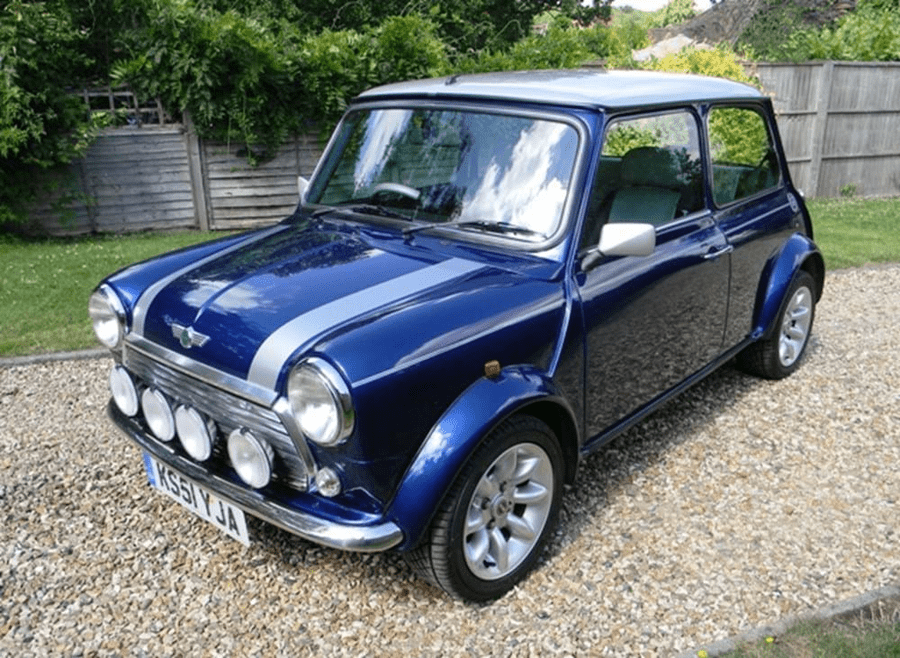
    Now, another of the certified last 500 Cooper Sport 500’s made to celebrate the end of ‘classic’ Mini production – which would have cost around £10,500 ($11,900, €12,000 or درهم43,900) when new – sold on Saturday at the RM Sotheby’s London 2022 sale for the even more staggering sum of £57,500 ($65,400, €65,600 or درهم240,100). It had been offered with an estimate of £30,000 to £40,000 ($34,100 to $45,500, €34,200 to €45,700 or درهم125,400 to درهم167,100).


    One of the last of the ‘original’ Minis designed by Sir Alexander Issigonis CBE FRS RDI (1906 – 1988) in conjunction with Dr Alexander Moulton CBE FREng (1920 – 2012) has now become the most expensive example ever sold. It has only 6 miles on the clock and had been displayed at the Cayman Islands Motor Museum until 2021.


    Of a tiny car that achieved a very high price, in their listing, RM Sotheby’s remarked:


    “It offers a rare chance to acquire a one-private-owner-from-new example with only ‘delivery miles.’”


    “All 500s were manufactured with the 1275 Plus four-cylinder A-series engine, rated at 62 horsepower. Customers could choose from one of four body colours: Anthracite, British Racing Green, Solar Red, or Tahiti Blue, with the roof and bonnet stripes finished in Platinum Silver, regardless of body colour choice.”


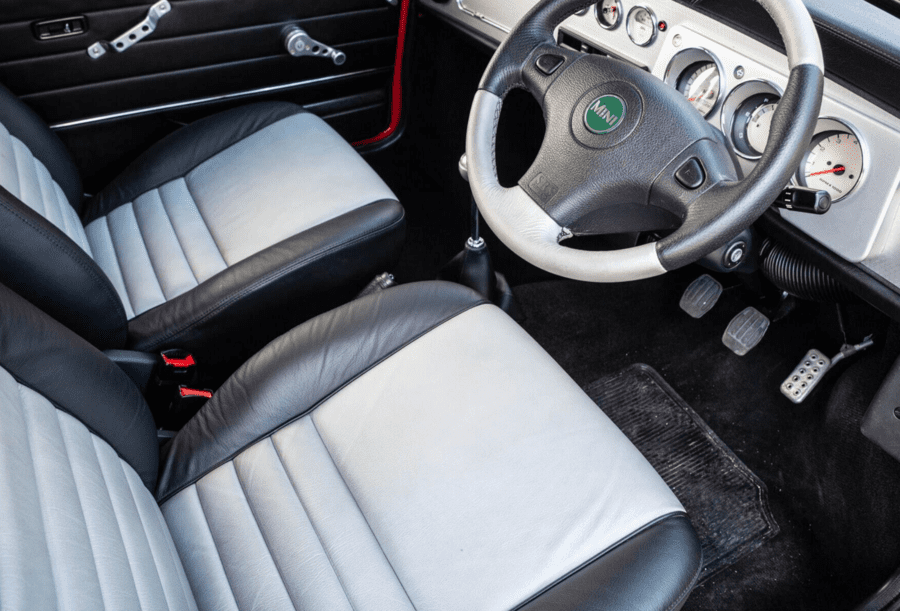
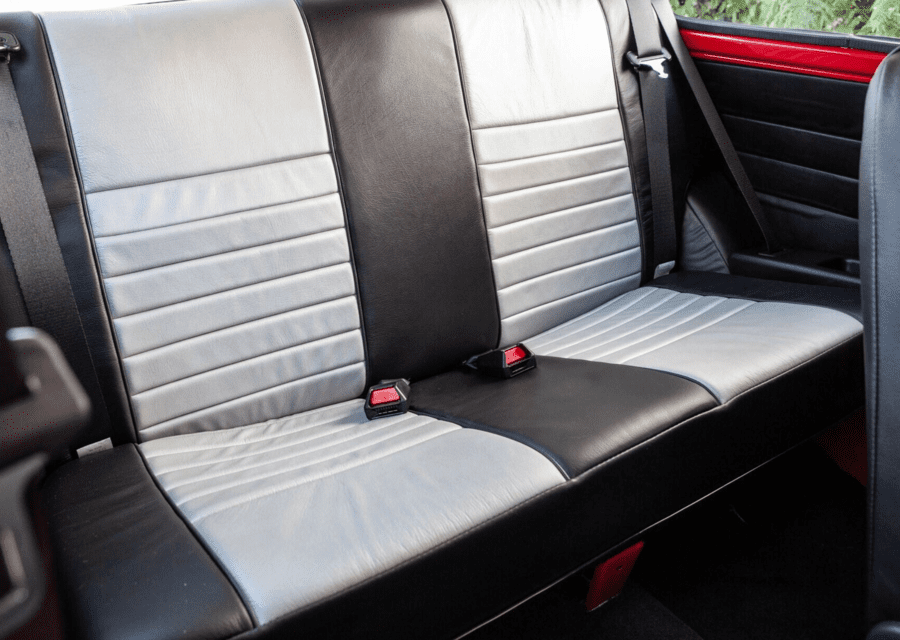
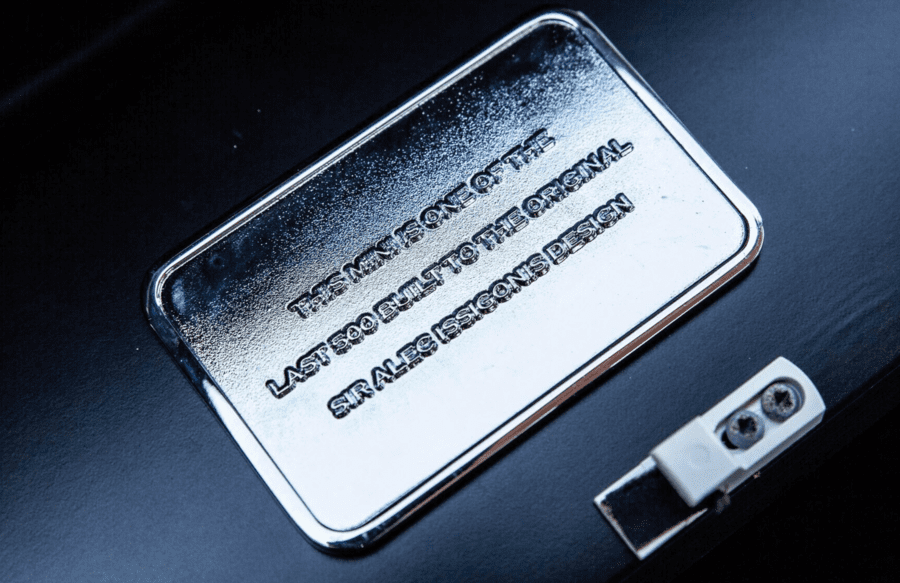
    “Included as special extras were 13-inch alloy wheels, a high-level brake light, four spot lamps, a certificate, and a commemorative plaque mounted inside the glove box. Inside all Cooper Sport 500s, the seats, door cards, steering wheel and dashboard were upholstered in black and silver leather. Rather than the standard plastic interior fittings, this model featured an alloy gear knob, window winders, dashboard, door handles, and pulls.”


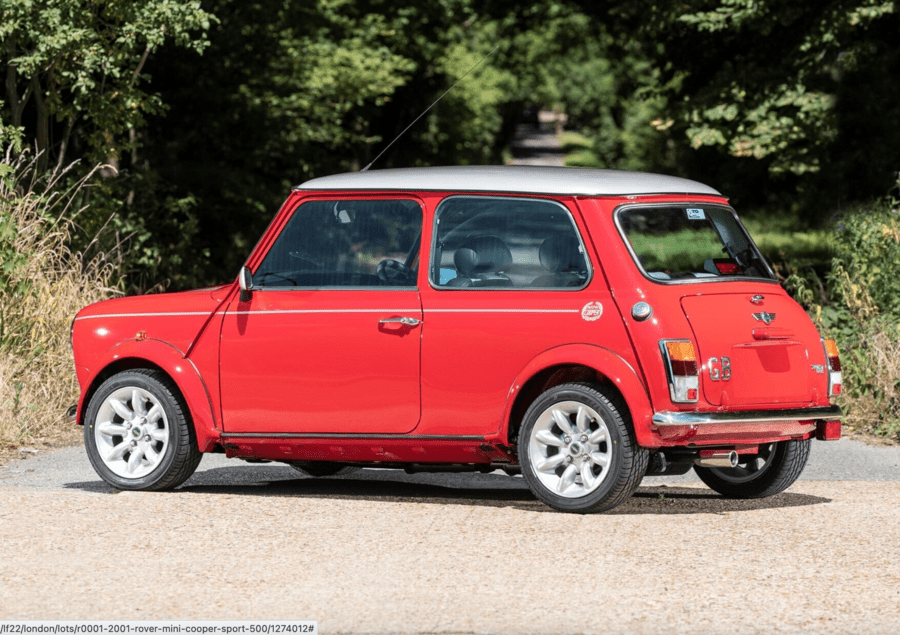
    “This Cooper Sport 500 is painted in Solar Red over a Platinum Silver roof, and is believed to be one of only 110 produced in this colour combination. It was registered on 3rd May 2001 and purchased new by its sole private owner from Caffyns of East Sussex, England. A copy of the original sales invoice accompanies this Mini. The cabin remains a factory-correct affair, with the seats upholstered in black and silver leather, the carpets trimmed in black, and retaining its original alloy fittings.”


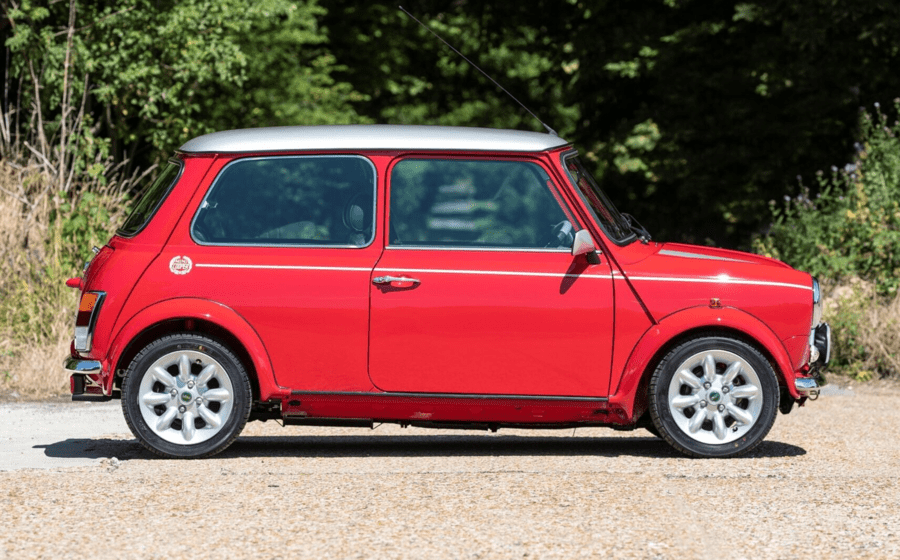
    Pictured top – The front of the car sold by RM Sotheby’s (left) and chairman of Sotheby’s since 2017 Harry Primrose, Lord Dalmeny DL on the rostrum auctioning the vehicle on 5th November 2022 (right).


    Side view
    The car sold on the 5th November 2022 at the RM Sotheby’s sale at Marlborough House in London.
    Tahiti blue
    A similar example – which was also one of the last 500 built, number 465 – in Tahiti Blue with 30,270 miles on the clock sold for £9,632 in August 2014 at the Historics Auctioneers sale at Brooklands Motor Museum in Weybridge, Surrey.
    Paul McCartney
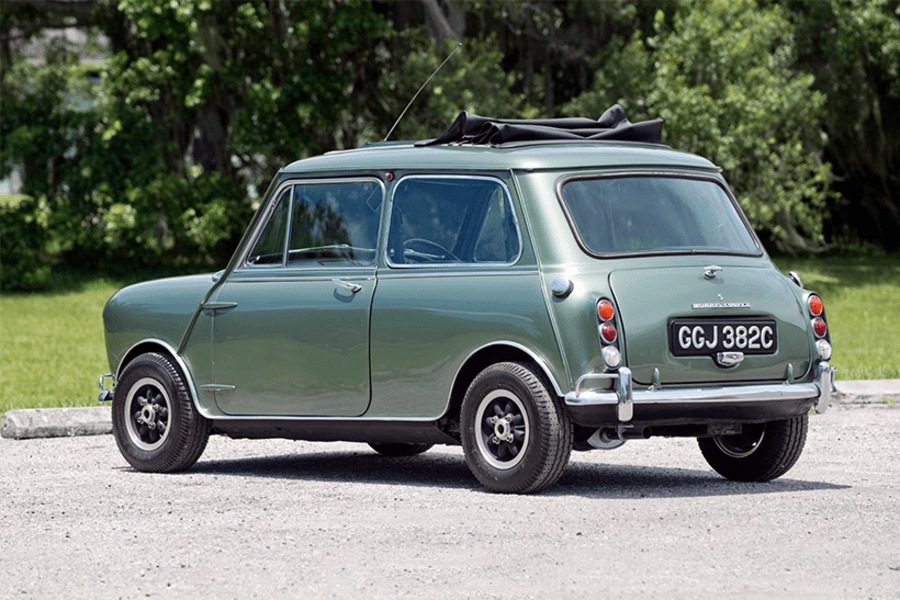
    A much older Mini, a coachbuilt 1965 Cooper S DeVille by Radford, originally owned by Sir Paul McCartney fetched £182,000 ($207,100, €207,700 or درهم760,500) at auction in Auburn, USA in September 2018. Its hammer price made it the most expensive Mini ever sold.
    Madonna
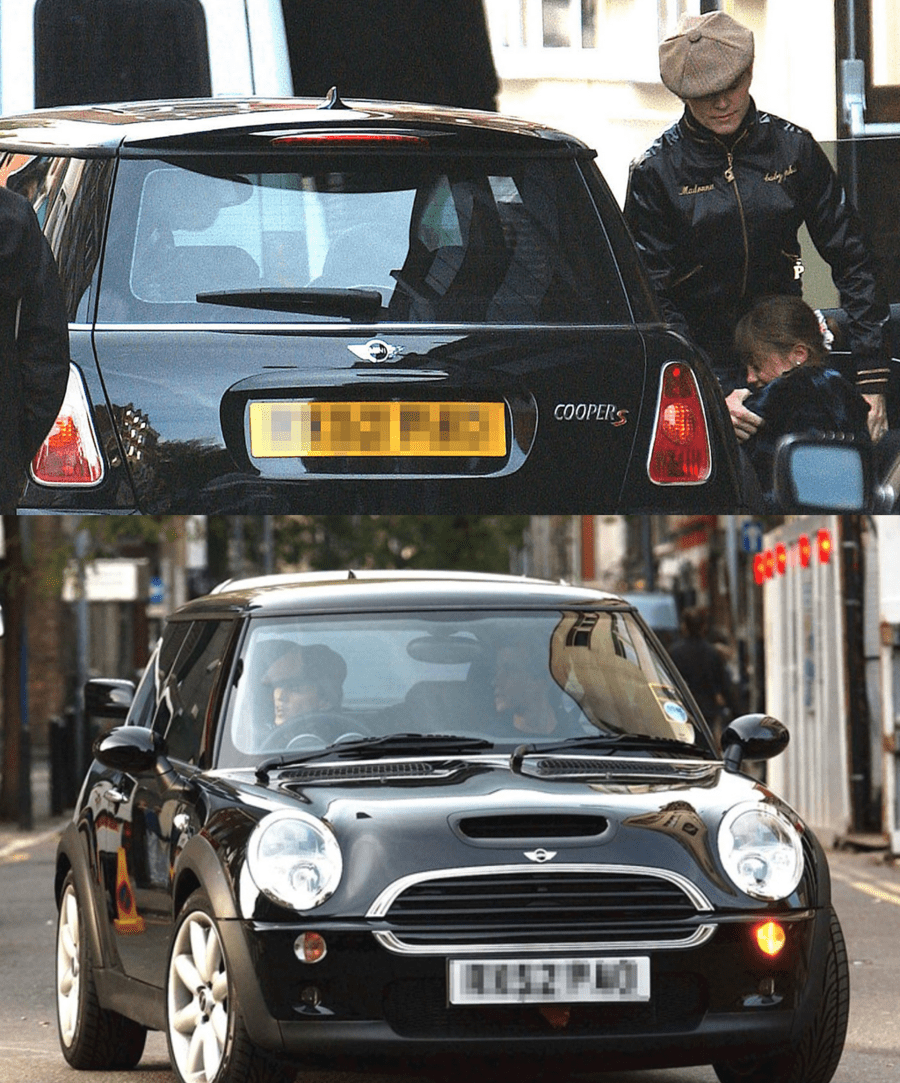
    A 1.6-litre petrol 2002 Mini Cooper S owned and driven by Madonna when she lived in London with her then husband Guy Ritchie was placed for sale for £55,000 ($62,600, €62,800 or درهم230,000) in August 2018 by one of her personal drivers – who acquired it in 2006. The singer clearly loved the “nippy” motor as in her 2003 hit ‘American Life’ she included the lyrics: “I drive my Mini Cooper, and I’m feeling super-duper, yo they tell me I’m a trooper, and you know I’m satisfied.” At the time ‘Auto Trader’s’ digital editor Rachael Hogg remarked: “It’s really timely that this car is up for sale just as Madonna turns 60. Previously owned by one of the world’s biggest music sensations and affectionately referenced in songs and TV interviews, this is the most expensive Mini Cooper S on the market, because for many it’s not just a car: it’s a significant piece of Madonna memorabilia. The three-door Mini Cooper S Hatch is a modest choice for a celebrity of Madonna’s wealth, but a sensible one for a star living in central London wanting to go under the radar when on the school run. It appears to be in immaculate condition still, so would make a lovely runaround for a Madonna fan with cash to flash.” At the time the same car without a ‘popstar pedigree’ was valued at £2,315 ($2,634, €2,642 or درهم9,673) – a sum 1,800% lower than what the singer’s car was offered for.

    More pictures of the little car sold for a very big price by RM Sotheby’s at their Marlborough House, St James’s, London, SW1 sale on 5th November 2022 prior to the London to Brighton Veteran Car Run

  • ‘Island of Hope’ – Bull Sand Fort Sells For 880% Above Guide

    ‘Island of Hope’ – Bull Sand Fort Sells For 880% Above Guide

    Once planned as an ‘Island of Hope’ for detoxing drug addicts, derelict Bull Sand Fort in the Humber Estuary sells at auction for 880% above its £50,000 guide price

    The British get into a tizzy about islands and castles and when Bull Sand Fort in the Humber Estuary, near Hull was placed on the market recently it was inevitable that its £50,000 ($60,100, €58,700 or درهم220,600) guide price was going to attract the usual dreamers and wannabe Grand Designers.


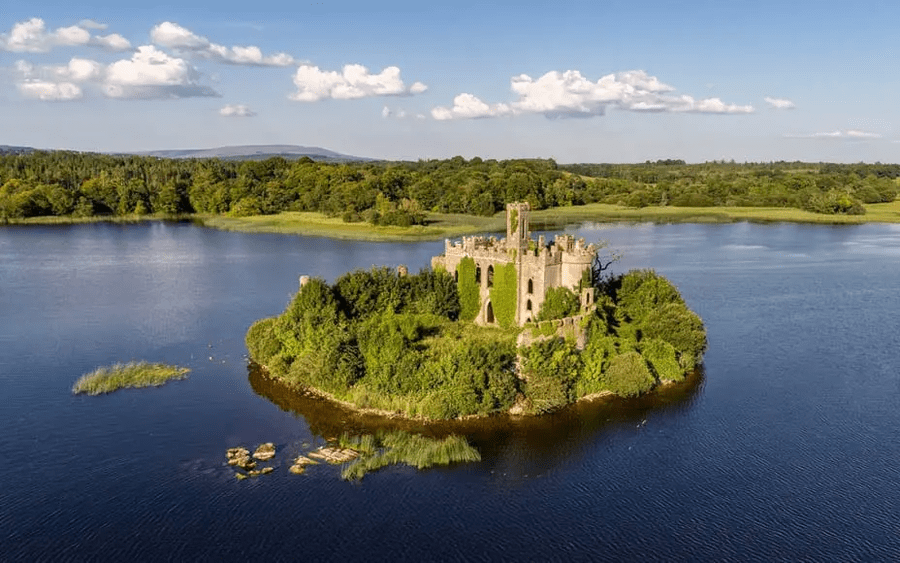
    Just as with the sale of McDermott’s Island – featured in The Steeple Times in November 2018 when offered for sale at £79,000 ($94,900, €92,700 or درهم348,500) and still one of our most repeatedly opened articles to this day – interest in this kind of property clearly ignites the passions of the public.


    Image 1
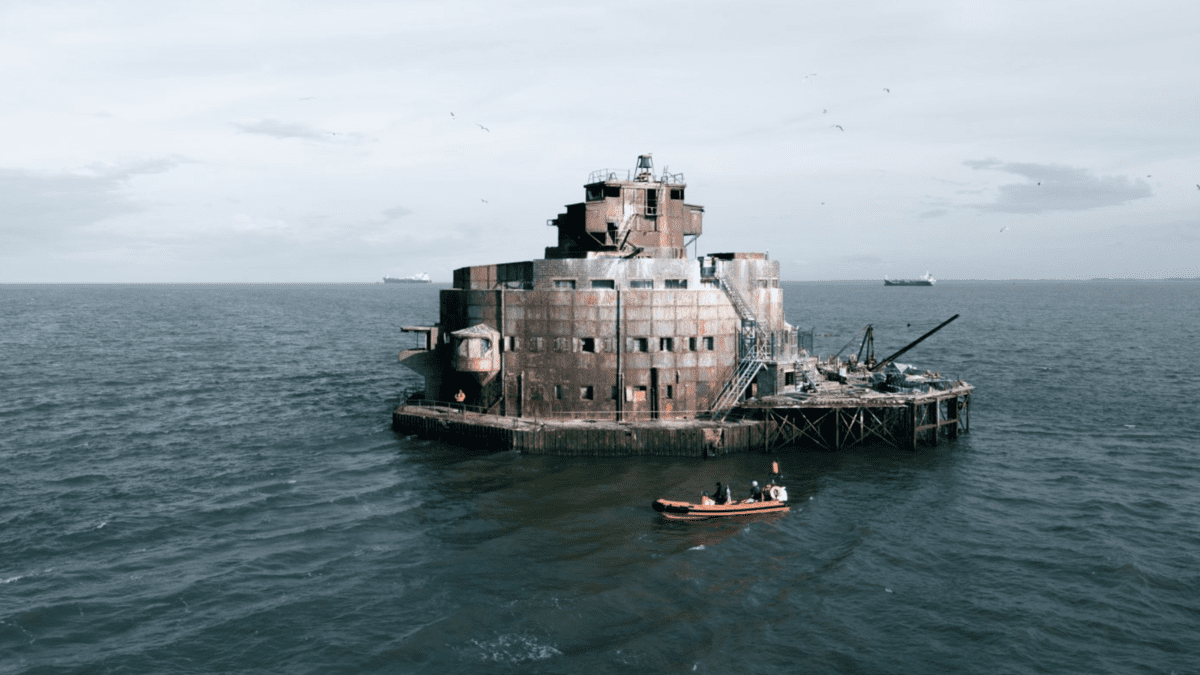
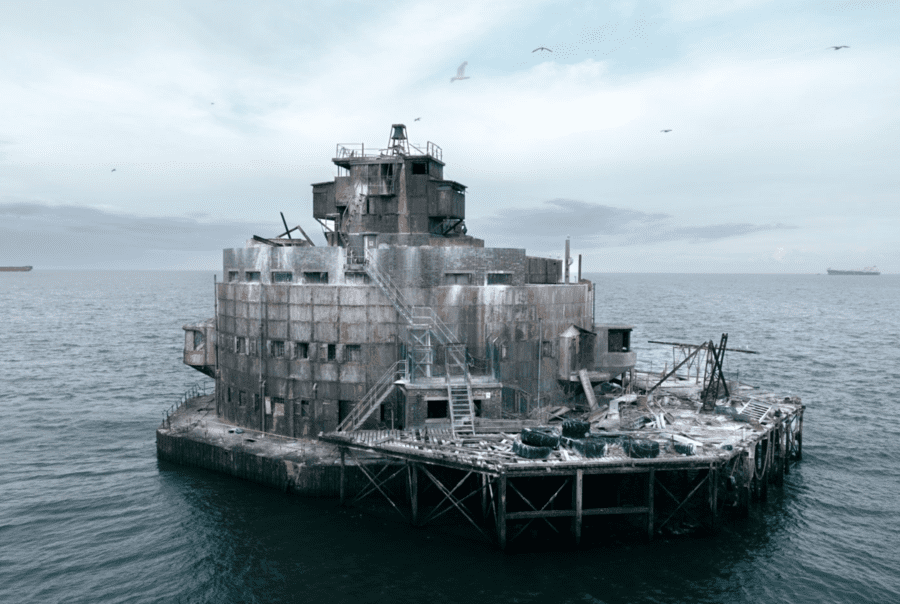
    Described as being in “need of refurbishment” but with “potential for development and alternative uses,” here is a structure that could be turned into a destination hotel, Bond villain type lair or even a truly unusual Airbnb. When it came on the market, “bemused locals” are said to have “jokingly asked: ‘Do Tesco deliver?’”
    McDermotts-Castle
    McDermott’s Island at the southeastern end of Lough Key, near Boyle in County Roscommon proved very popular with readers of ‘The Steeple Times’ in spite of the castle there being in a very “perilous state.” Associated with the Legend of Una Bhan – the tragic story of a girl who fell in love with the son of the clan chief owner of the island – McDermott’s Island also featured in the works of W. B. Yeats and was visited by Sir Bob Geldoff when he made a BBC film titled ‘A Fanatic Heart’ about the Irish poet in 2016. It was previously used for the Sky One sitcom ‘Moone Boy’ starring Steve Coogan and Johnny Vegas in 2014.

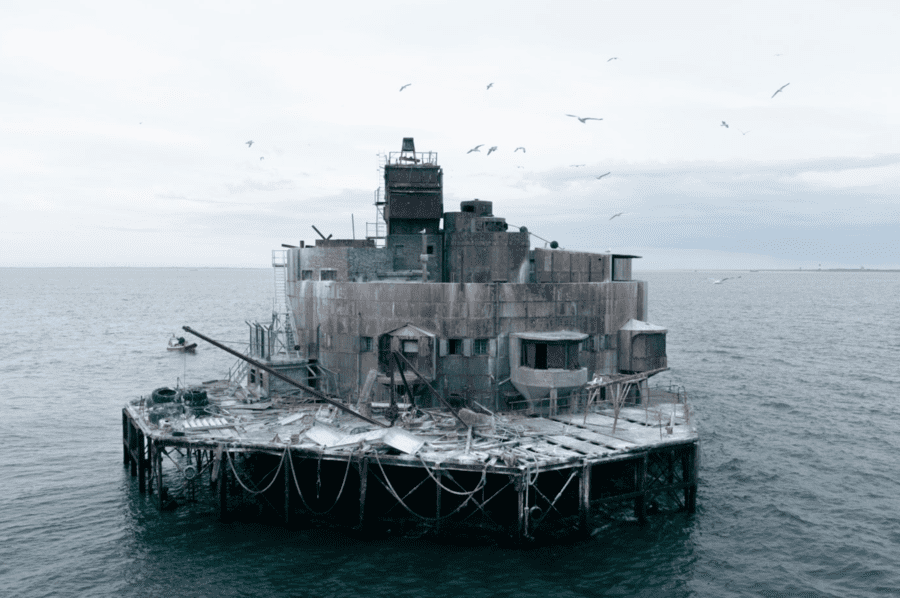
    Built between 1915 and 1919 with the intention of being used in the First World War but not actually put into actual operation until the Second World War, the now Grade II listed sea fort offered for sale was one of two fortifications intended to protect the strategically important ports of Hull and Grimsby from German submarines.


    Originally “featuring 12-inches of armour designed to withstand gunfire from naval units,” according to the selling agents Savills, “during World War II, it was armed, besides the usual small and rapid-fire weapons, by two 6-inch guns and two 6-pounder guns. It had sufficient accommodation for a garrison of 200 men… The fort was decommissioned in 1956.”


    Going further, they add: “The fort includes 3 floors with basement and magazine below sea level, and central 2-storey observation tower. Fresh water supply is available at the fort via an artesian well. Externally there is a balcony and jetty.”


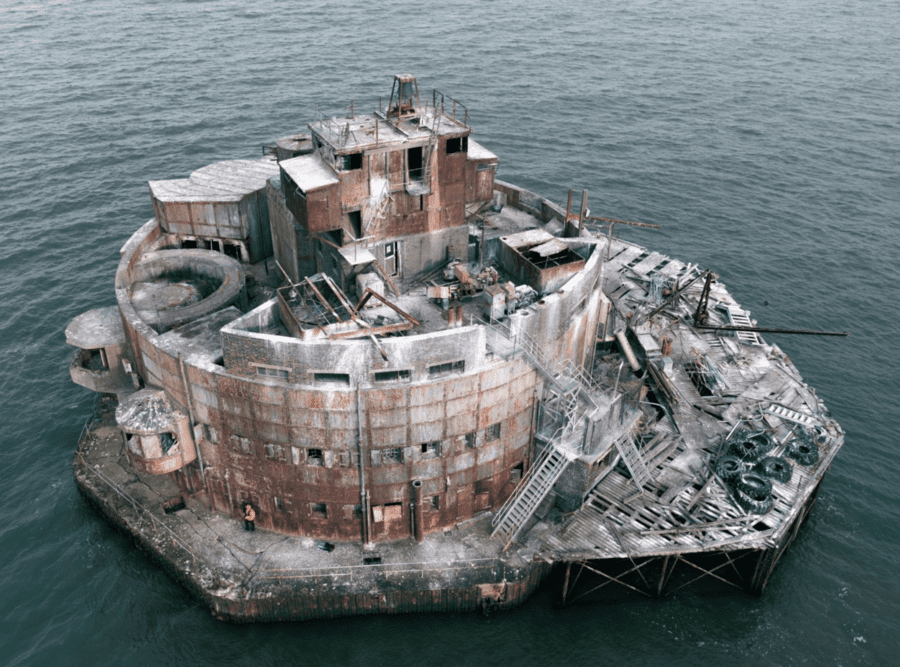
    Sold in 1997 to the since defunct Streetwise Charitable Trust – who intended to turn it into an ‘Island of Hope’ for detoxing drug addicts – Bull Sand Fort is of 4-storeys and the larger of the two structures. It is said to have been constructed with “great difficulty as its sandbank is 11-feet below water.”


    In spite of being a rotting hunk of concrete that is 1.5 miles from dry land and only accessible by boat, Bull Sand Fort knocked down at auction yesterday for £490,000 ($588,500, €575,000 or درهم2.2 million) or 880% above the guide price by Savills.


    The smaller of the two forts, Haile Sand Fort – also known as Sand Haile Fort – sold for £117,000 ($140,500, €137,300 or درهم516,000) at auction in October 2018 to a “mysterious buyer” on a guide price of £90,000 ($108,100, €105,600 or درهم397,000). It appeared in an article in GrimsbyLive this year and photographs indicated that though it appears in a better condition than Bull Sand Fort, it is still to be redeveloped.


    Image 2
    Of the property, Steven Morish of Savills told the BBC that it was an “exciting and unique lot” and added it could be “a high-end hotel, restaurant, ‘Grand Designs’ style personal dwelling, retreat or a tourist attraction.” Honorary research fellow at the Blaydes Maritime Centre at the University of Hull Dr Robb Robinson mockingly responded: “The building would be a bit ‘short on mod cons and a bit bracing’ for anyone to live there. ‘If somebody can up with something interesting to do with it, that would be fantastic,’ he added.”
    Image 3
    During the Second World War a steel mesh was stretched between the two structures and across the mouth of the estuary to prevent enemy submarines getting to the strategically important ports of Hull and Grimsby. Now, perhaps, given his liking for warring and the fact that the country likes him out of sight, maybe the buyer could let Boris Johnson and his puppet mistress move in. They’d be far enough out to see, after all, to stop annoying the nation whilst allowing them to blast out ABBA whilst only annoying seagulls.
    Image 4
    The Streetwise Charitable Trust planned to rename the construction the ‘Island of Hope’ and had a working name of ‘Detox UK.’ They intended to provide “purposeful front-line help to people blighted by unrelenting addiction who have reached a critical point to recover from alcohol and substance abuse.” They added that they intended “to provide a free, safe and secure medical detox facility on a World War One island fort located in the River Humber estuary for 30 days.” They are now listed as a “removed charity” and the future of this very unusual structure is now in the hands of whoever paid 880% above its guide price yesterday.
  • From £50 to £15,000

    From £50 to £15,000

    Chinese vase found in 2-up, 2-down house in Nottinghamshire sells for sum 29,900% higher than its estimate much to surprise of owner who was told by auction house to expect just £50 for it

    A routine house clearance of an “ordinary two-up, two-down” house in Nottinghamshire led to an extraordinary result after a 38-centimetre high vase discovered there sold for a staggering sum at auction in spite of initially being considered a reproduction.    


    Of the remarkable story, auctioneer Charles Hanson of Hansons Auctioneers commented:


    “I spotted the vase in an ordinary two-up, two-down. It was filled with a few dried flowers in a bedroom. I picked it up and asked the seller if he knew anything about it. He mentioned that it had been given to his father when he was working as a chauffeur in the 1950s.”

     

    “That prompted me to look closer. Working in the antiques world can feel a little like being a detective at times as you have to question, probe and hunt for clues to discover treasure in unexpected places.”


    “The blue and white vase embellished in typical Chinese style but it seemed incongruous. Why would a valuable piece of Chinese ceramics be tucked away in a modest house in Nottinghamshire?”


    “The property was due to be cleared and an offer of £1,000 had been made for the contents – but I arranged for the vase to be auctioned. However, despite my gut instinct, I made a mistake. After examination, I decided it was repro and consigned the vase into Hansons’ March Antiques and Collectables sale with a guide price of around £50 ($65, €60 or درهم240).”


    “But when the auction catalogue went live online extraordinary bids started to come in for the humble vase. I withdrew it from sale to give myself time to consult Chinese ceramics experts and, importantly, ensure we achieved the best price possible for our client.”


    Subsequently presented to Chinese ceramics experts, the vase was identified as a bulbous bodied blue and white bottle vase made circa 1640. It was reconsigned with an estimate of £2,000 to £3,000 ($2,600 to $3,900, €2,400 to €3,600 or درهم9,600 to درهم14,400) and then hammered down for the extraordinary sum of £15,000 ($19,600, €18,100 or درهم72,000) on 1st April.


    Concluding, Mr Hanson added:


    “I was delighted and our client was astonished. I was reminded yet again that antique treasures turn up in unexpected places. Inherited pieces of staggering value sit on top of cupboards or languish in glass cabinets for decades.”


    Pictured top – Auctioneer Charles Hanson with the vase.


    Expensive waste bins
    Previously in October 2020, we featured the sale of five waste bins that had come from the home of the late American socialite and philanthropist Jayne Wrightsman. Offered with an estimate of £230 to £390 ($300 to $509, €278 to €471 or درهم1,103 to درهم1,871), the Henri Samuel designed items eventually knocked down for the astonishing sum of £33,900 ($44,300, €40,900 or درهم162,600) or 14,639% higher than the original low estimate.
    Cristiano Ronaldo NFT
    In November 2021, we featured the auction of a “one-of-a-kind” non-fungible token (NFT) trading card of Cristiano Ronaldo. Auctioneers Bonhams sought £597,000 to £896,000 ($800,000 to $1.2 million, €697,000 to €1 million or درهم2.9 million to درهم4.4 million) for this “something and nothing.” They managed to achieve a much lower but still ludicrous sum of £306,000 ($400,000, €370,000 or درهم1.5 million) for the “item.”
    In 2016, Christie’s sold a large Ming Dynasty blue and white ‘Dragon’ jar for £15.6 million ($20.4 million, €18.9 million or درهم74.9 million) at an auction in Hong Kong. The circa 1426 to 1435 item had previously been thought to be just an “18th-century jar” and was described by the firm’s Marco Almedia as “an incredibly expensive umbrella stand.”
    An 18th century Chinese vase made Chinese emperor Qianlong sold at auction in November 2010 for a record sum of £43 million ($56 million, €52 million or درهم206 million). It had been found during a house clearance in the London suburb of Pinner by a lady whose sister had died. It had been sitting on a bookshelf its owner not realising the treasure sat before her. Subsequently the story went somewhat sour when the buyer refused to pay the auction fees and ultimately sold to an “unidentified buyer from the Far East” for “up to £25 million ($33 million, €30 million or درهم120 million).