Matthew Steeples reports on the sale of a £333,333 ‘pimped’ 1996 Hummer H1 that rapper Tupac Shakur bought just a month before he was gunned down and killed in a 1996 BMW 750iL leased by the ironically named Death Row Records just as his alleged killer goes to trial
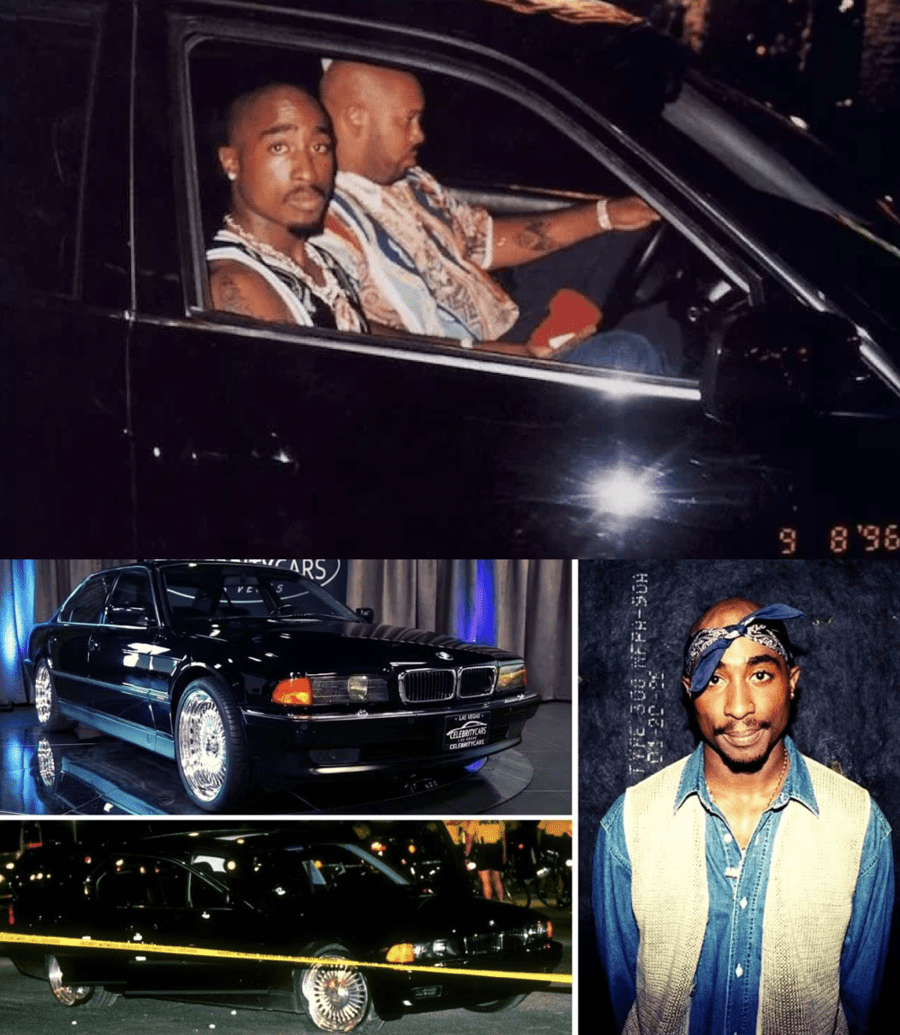
New York born rapper and actor Tupac Shakur – also known as ‘2Pac’ and ‘Makaveli’; born as Lesane Parish Crooks in 1971 – was well known for his love of flash motors and often featured them in his music videos. Whilst the black 1996 BMW 750iL he was shot in on 7th September 1996 is currently being hawked by Celebrity Cars Las Vegas for an astounding £1.3 million ($1.75 million), another of his vehicles is due to be auctioned later this month at a much lower sum just before a suspect in his slaying is finally due to go on trial also.
Purchased new on 16th August 1996 by the All Eyez on Me star and convicted sex offender just a month before he died in a Las Vegas hospital on 13th September that year, Bonhams will sell what was described in 2016 by Page Six as a “fully loaded” Hummer H1.
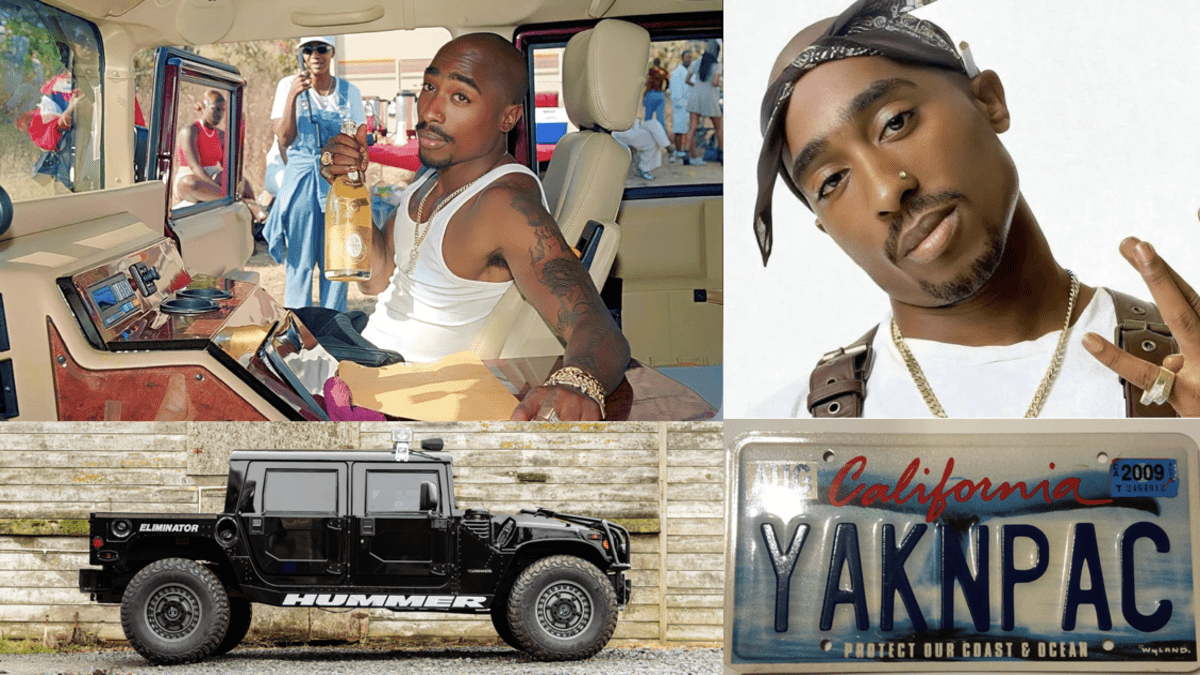
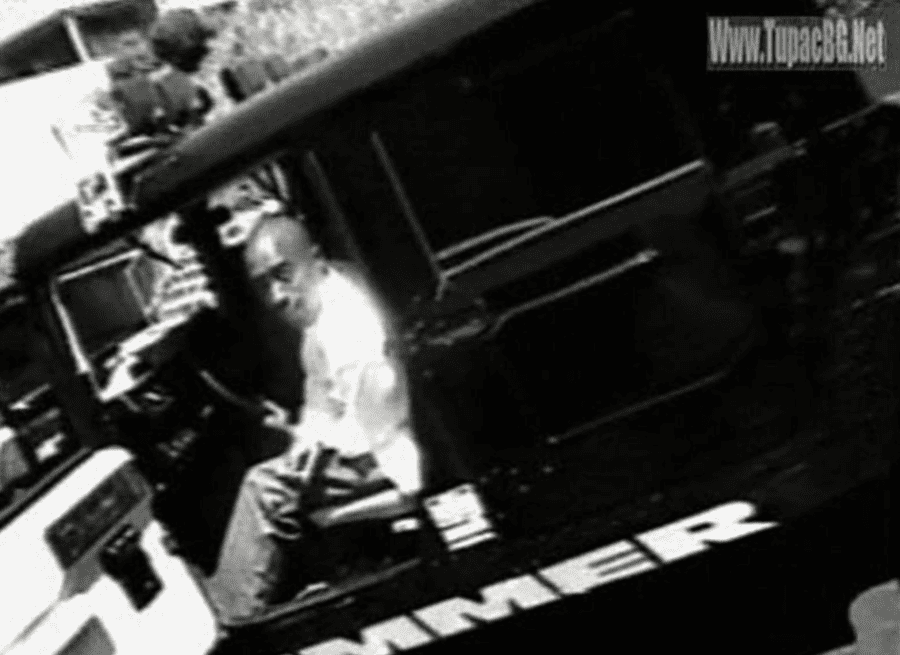
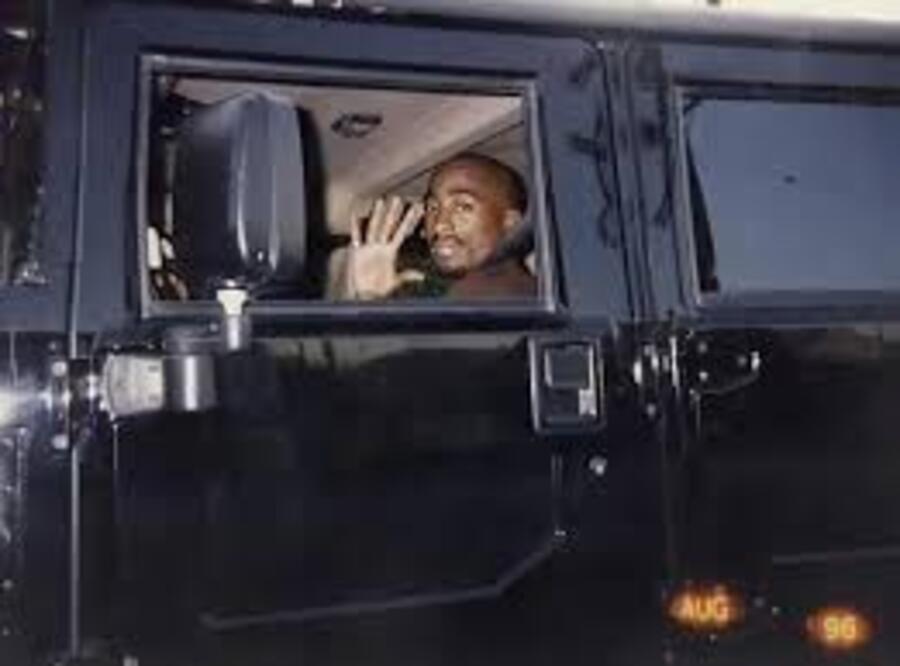
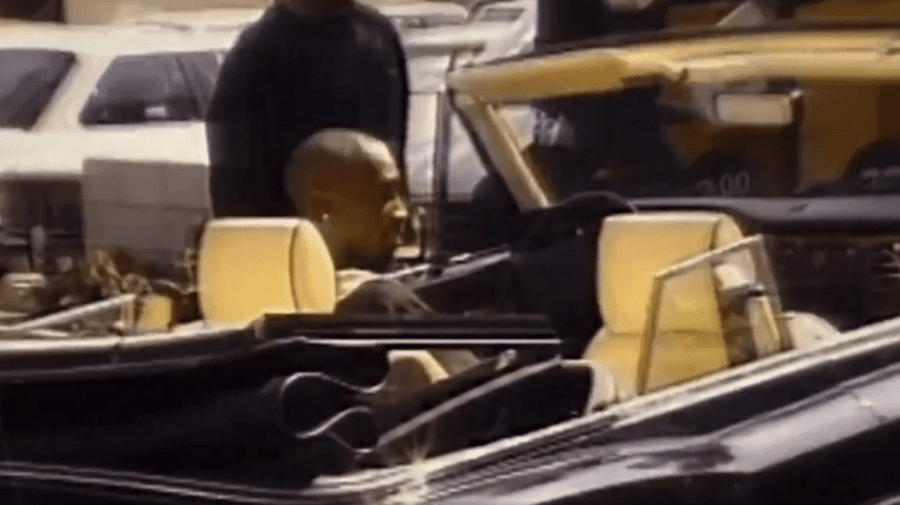
Made popular after prominence in TV footage during the Gulf War conflict and Arnold Schwarzenegger becoming the first civilian to purchase one, the AM General Humvee – originally known as the HMMWV – was launched to the public in 1992 and later retroactively renamed the H1. Early versions were basically 7’2” fender to fender in length demilitarised HMMWVs that had been adapted to adhere to federal road use requirements. Later versions were far more luxurious. The most extreme included a double decker, stretch limousine version of a H2, as featured in ‘The Steeple Times’ in October 2012.Accompanying the auction listing for the 23rd January sale, Bonhams include a black and white photograph of Tupac Shakur in the vehicle.Another image of the star shared widely online shows him waving from his blinged up beast.The 1996 BMW 750iL in which the rapper was shot on 7th September 1996 has been repeatedly offered for sale at sums quite frankly ludicrous. It currently is priced at £1.3 million through Celebrity Cars Las Vegas. On the fatal night, Shakur had been in Paradise, Nevada to attend the Bruce Seldon vs. Mike Tyson boxing match at the MGM Grand. He had been accompanied by his manager and Death Row Records founder Suge Knight and after the fight as they headed to the Death Row nightclub, Club 662. Stopped by police first at 11pm on Las Vegas Boulevard, but released without a ticket, the convoy in which the BMW travelled was subject to rapid fire on the passenger side from a white, four-door, late-model Cadillac sedan at 11:15pm. Shakur was struck four times whilst Knight was hit by shards only.The rapper had an extensive and varied car collection that included a ‘daily driver’ Rolls-Royce Corniche IV that the website 2PacLegacy.net declared as being something he was “quite proud of” and was “often seen driving.” After his death, however, his mother Afeni Shakur remarked: “I discovered he had next to zero, next to nothing. I discovered that the home that he had thought that he had just bought, was not his. I discovered that the Rolls-Royce that he was so proud of and that he loved so much, was not his. And since they were not his, I didn’t want any part of them.”
The music video for 2Pac featuring Dr Dre’s ‘California Love’ (1996), part of the ‘All Eyez on Me’ album, featured a number of Hummers including the one to be auctioned by Bonhams.
The 6.5-litre, turbo diesel V8 engine beast of a motor was customised for Shakur and features such things as an external PA system with three sirens, a twelve disc Clarion sound system, Sony GPS, a central tyre inflation system, air conditioning, rear sliding glass doors, privacy glass, Dick Cepek off-road lights, diamond plated bumpers and a 12,000 pound winch. Rather brazenly, ’Eliminator’ is proclaimed in large white lettering in the space above the rear driver’s side fender.
After the star’s untimely demise, the vehicle was was appraised at £55,500 ($75,000) in his estate’s inventory, kept in storage for several years, offered in a ‘Picture Me Rollin’ sweepstake in 2003 and then sold in 2007 to Havenotz Entertainment owners Sardar ‘Candyman 187’ Khan and Yaasmyn Fula.
Fula’s connection to the vehicle is relevant in that she was the mother of Shakur’s godbrother Yafeu ‘Yaki’ Akiyele Fula; an Outlawz hip-hop group member nicknamed ‘Kadafi’ in honour of the Libyan dictator Muammar Gaddafi. ‘Kadafi’ had also been in Las Vegas on the night of Tupac’s murder, was questioned about the crime by investigators and then was himself shot and killed in New Jersey just two months later in November 1996. He also was seen ‘cruising’ in the Hummer with his godbrother in in Los Angeles during the short period that Shakur owned it.
Subsequently owned by a Canadian collector, the H1 “complete with a very aggressive front guard” was put up for auction in April 2016 for £74,300 ($100,000). The very last car purchased and pimped up by Shakur achieved a punchy £250,446 ($337,114), but that sale subsequently collapsed. It was reoffered at the same reserve in August that year and came with a California plate ‘YAKNPAK’ honouring both Tupac Shakur and Yafeu Fula.
Classic.com report that recent prices achieved for 1996 Hummer H1s have ranged from £30,400 to £81,700 ($41,000 to $110,000); Bonhams will sell this mammoth military-esque motor on 23rd January 2026 at their Scottsdale sale at The Westin Kierland Resort and Spa and have set a very ambitious estimate of £277,800 to £333,333 ($375,000 to $450,000).
Duane ‘Keefe D’ Davis finally goes on trial for his alleged role in the first-degree murder of Tupac Shakur on 9th February 2026. He has pleaded not guilty and has been held in prison without bail since his arrest on 29th September 2023. In an interview with ‘Rolling Stone’ in March 2025, Davis declared: “I’m innocent. I ain’t killed nobody, never did ever kill nobody… I’m supposed to be out there enjoying my twilight at one of my f**king grandson’s football games, and basketball games. Enjoying life with my kids… God got my back, and God will see me through this. He had my back with cancer, I survived the streets, and the FBI. That’s a big accomplishment for a man from Compton.” He previously told ABC: “I shouldn’t have said nothing. I’m innocent, man.” For context, ‘Rolling Stone’ added: “Prosecutors have argued that Davis was a longtime member and leader of group within the Compton, California Crips street gang. According to his indictment, prosecutors argued that Davis orchestrated Tupac Shakur’s murder and provided the .40-caliber Glock. Authorities claim the murder was retaliation after Shakur got into a physical altercation with Crip gang member Orlando Anderson inside a casino after a Mike Tyson fight on Sept. 6, 1996, hours before the deadly shooting.”
Meanwhile, on 9th February, an actor Duane Davis – also known as ‘Keefe D’ – is due to finally face jury trial for the murder of Tupac Shakur after having been charged in September 2023. Davis, who has played minor roles in Diggstown, M.A.N.T.I.S., Psych, S.W.A.T. and Team Knight Rider, is an uncle of the alleged shooter Orlando Anderson. He is also the author of Compton Street Legend, a book about the crime which his defence now claims “is based on self-serving statements made for financial gain” rather than an admission of guilt.
If you haven’t done so already, please consider supporting keeping The Steeple Times in the business of telling the stories that the mainstream media don’t dare touch by helping fund our work via Patreon.
Further pictures of the 1996 Hummer H1 to be offered at auction by Bonhams:
Matthew Steeples reports on the sale of a rare 1992 Range Rover convertible created for the alleged sex pest playboy Prince Jefri of Brunei and comments on this shamed royal’s similarities to the Range Rover driving alleged sex pest formerly known as Prince Andrew
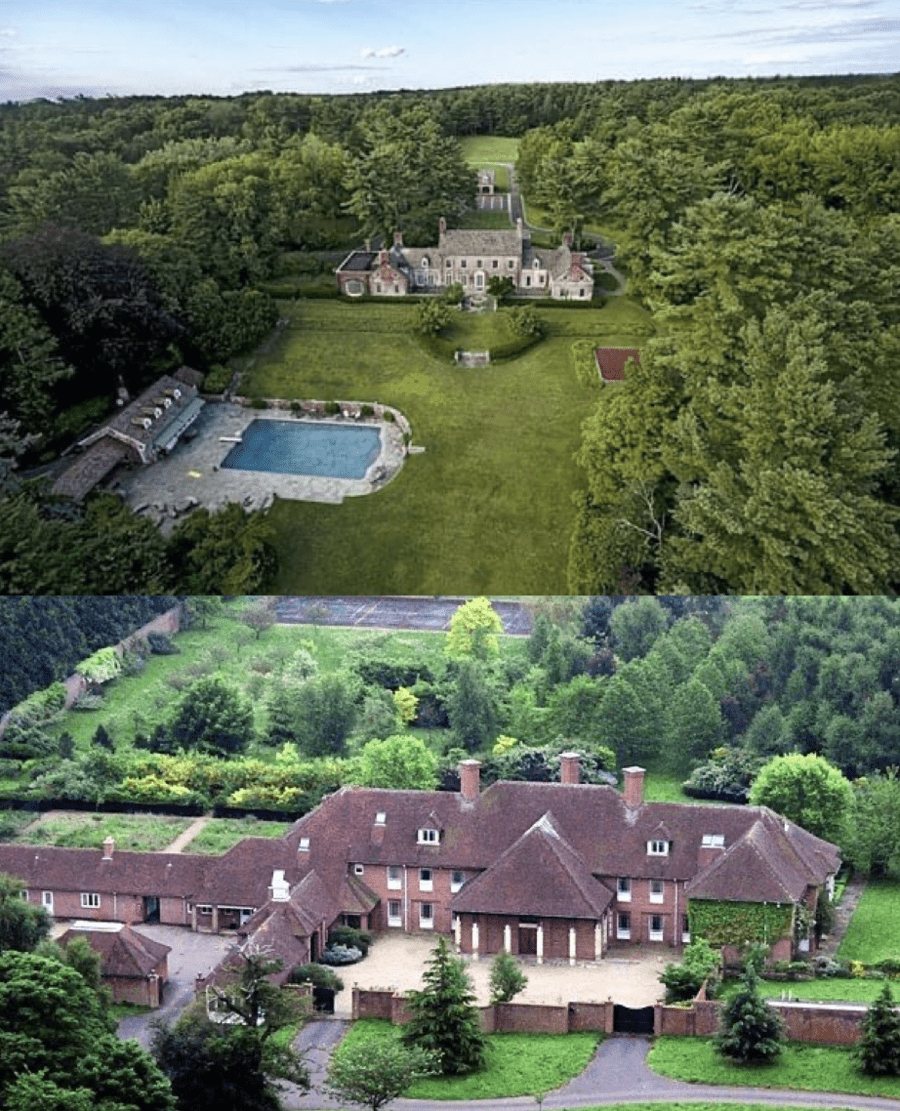
Both alleged sex pest Andrew Mountbatten-Windsor and alleged sex pest Prince Jefri Bolkiah of Brunei have owned rather large and rather gaudy houses that curiously shared the same name, Sunninghill.
The first, Sunninghill Park, situated on the edge Windsor Great Park in Berkshire, England was sold by Queen Elizabeth II’s now disgraced second son in 2007 for a totally overinflated price to a Kazakh billionaire. It was mockingly nicknamed ‘South York’ and ‘Tesco Towers’ and ended up flattened. The second, plainer-without-the-‘Park’ Sunninghill, in Glen Head, Long Island, New York, escaped the wrecking ball, but sold most recently for just £5.5 million ($7.5 million) in 2024 against the £8.7 million ($11.8 million) the renegade Brunei royal had most definitely overpaid for it back in 2006. The 28-acre estate has thankfully been long stripped of the sickening ‘sex statues’ that Prince Jefri ended up in an expensive court case in regard to.
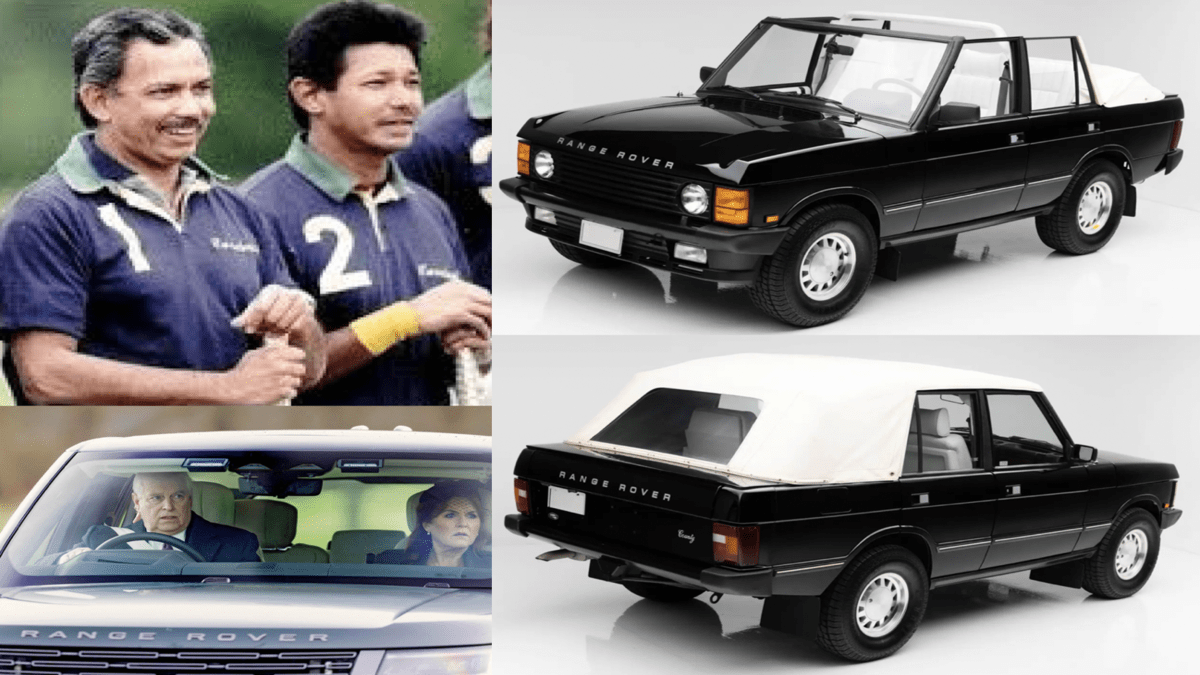
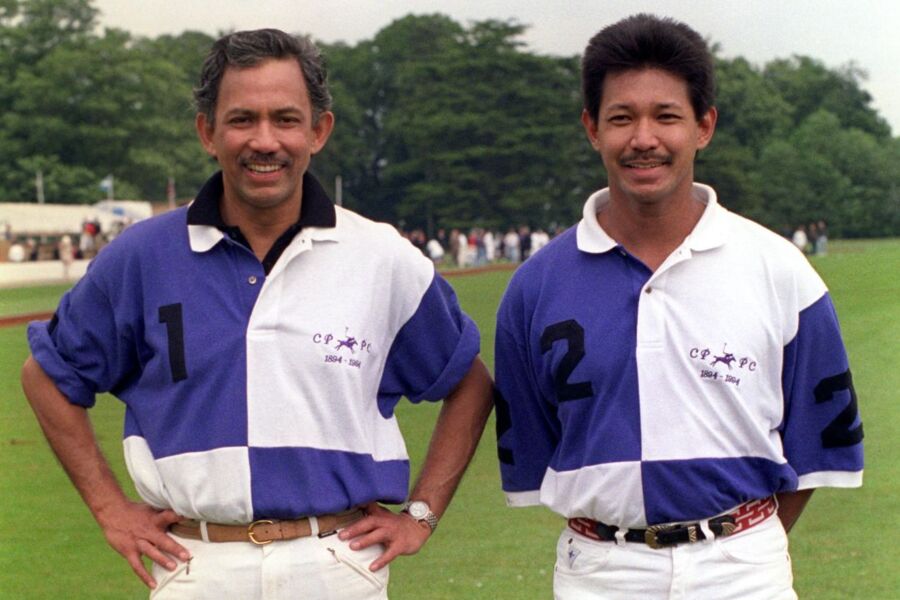
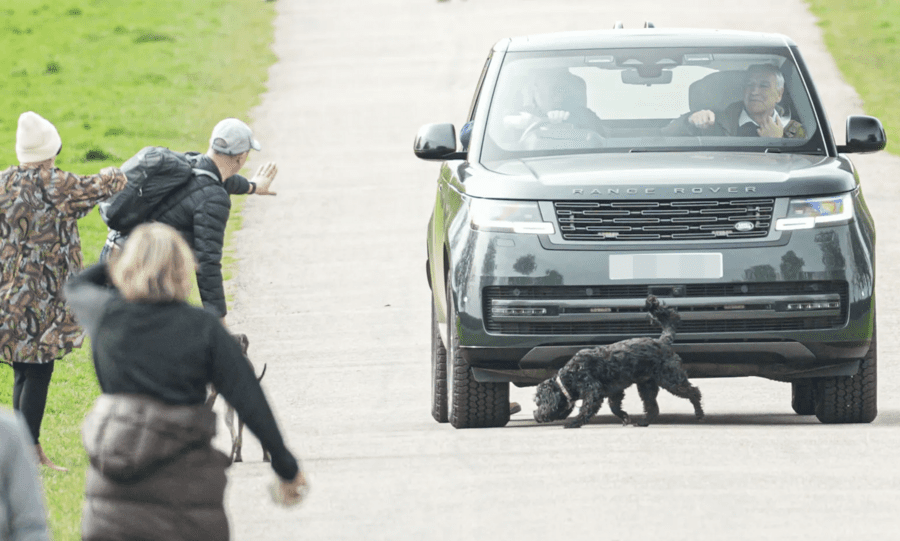
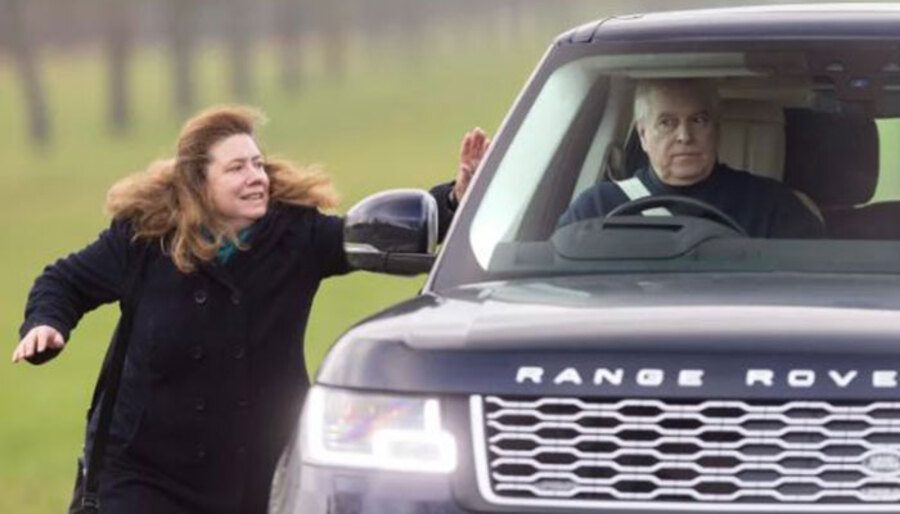
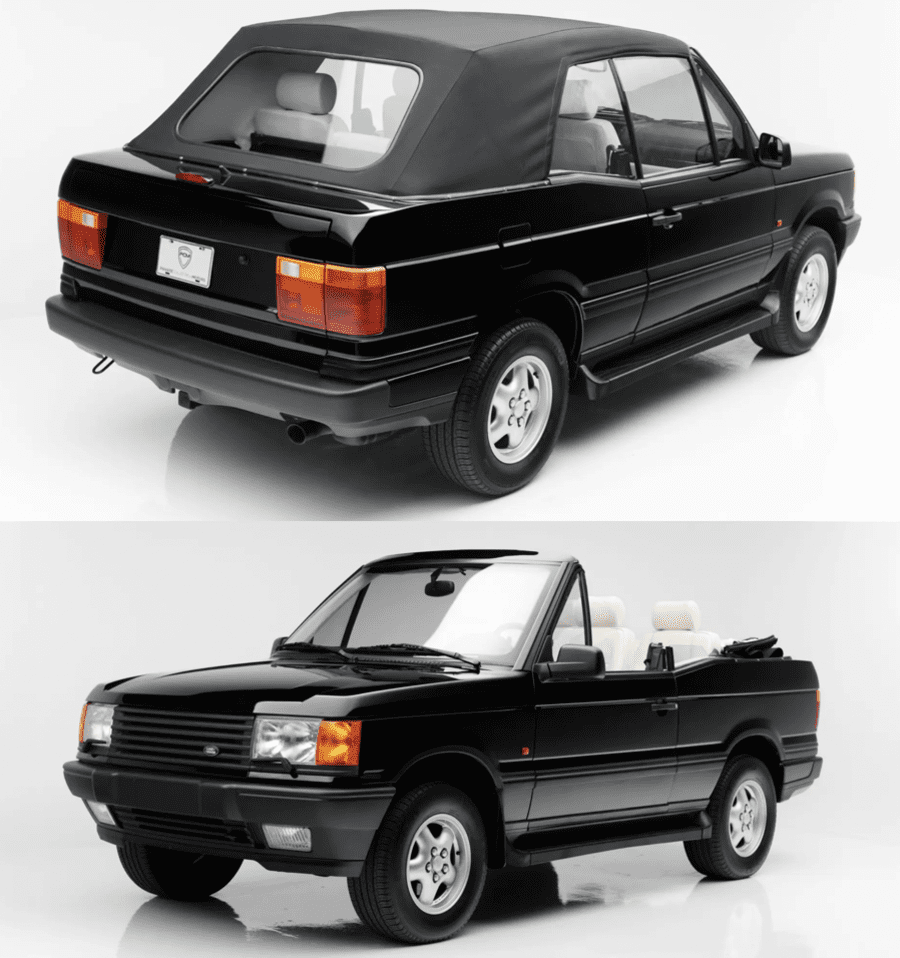
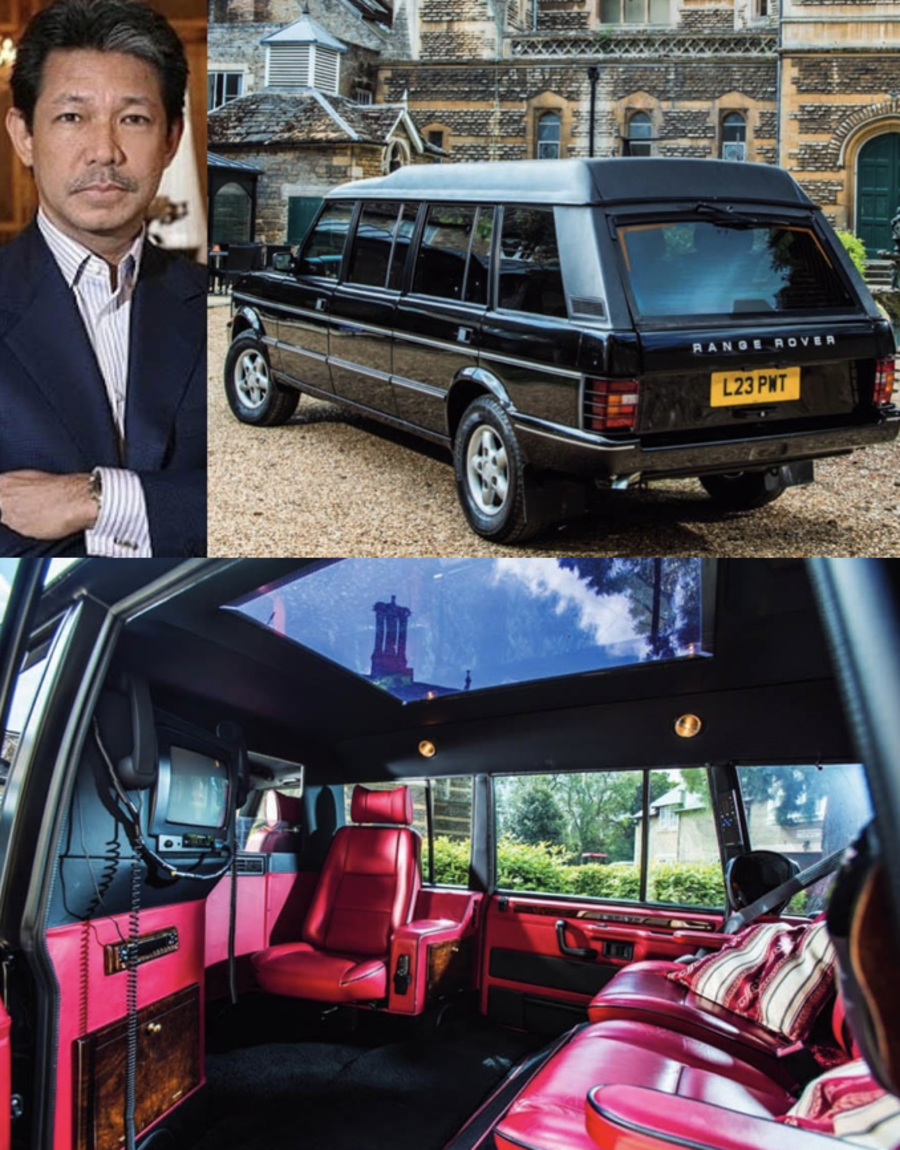
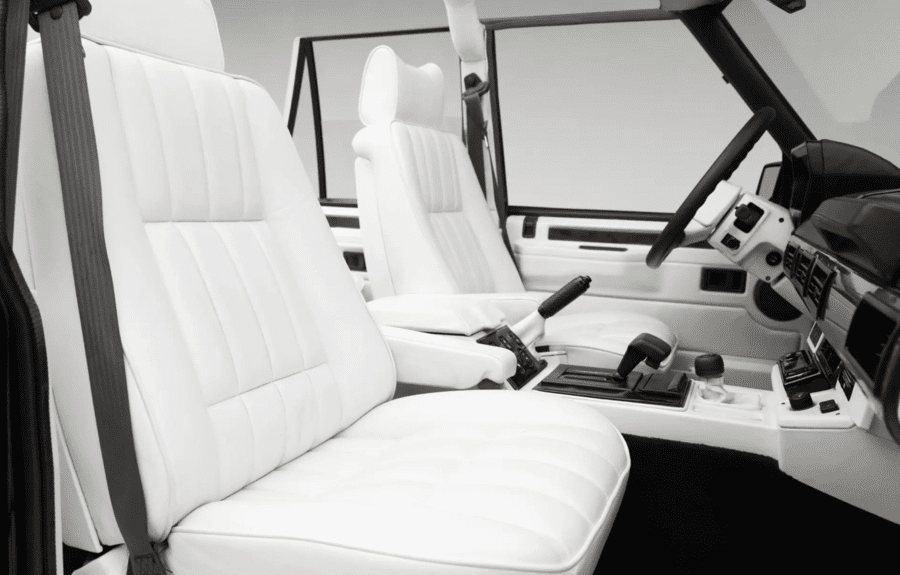
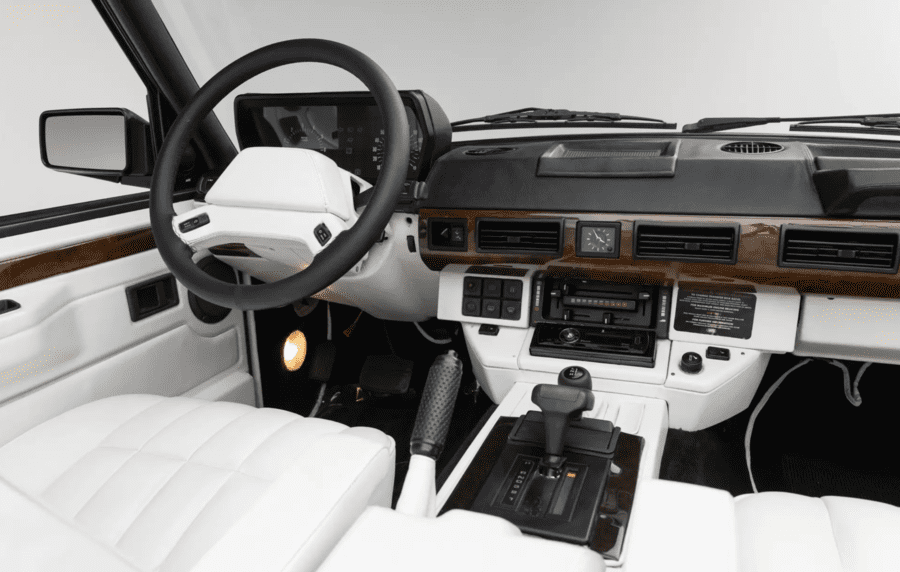
The former Sunninghill, Long Island, USA residence of Prince Jefri Bolkiah of Brunei and the since demolished Sunninghill Park, Berkshire, UK residence of the now former Duke of York and the now former Duchess of York, the money motivated proven liar Sarah Ferguson. Both homes became tainted by their associations with ostentation and grubby excess.Sunninghill, Glenhead, NY – which is just 26 miles from Manhattan – came to public attention in a 2010 court case Prince Jefri brought against former advisers when he unsuccessfully asked a judge to bar a jury from seeing photographs of pornographic statutes of himself and his former personal assistant and former fiancée, Micha Raines. Prince Jefri ultimately lost the case and had to pay out £16.5 million ($21 million) in damages.The Sultan of Brunei, Hassanl Bolkiah, with his since estranged spendaholic brother Prince Jefri.Whilst driving a green Range Rover, the then still Prince Andrew nearly ran over a dog on the Long Walk in Windsor in April 2024. ‘The Sun’ observed: “Andrew took the kerfuffle in good humour and laughed as the dog’s mortified owner sprinted to retrieve it.”On another occasion in December 2021, a woman “of no fixed abode… sprinted up to the [then still] Duke of York’s Range Rover” and “thumped on the window.”The ex-Prince Jefri of Brunei 1992 Land Rover Range Rover Chamois by Vantagefield to be offered for sale by auction by RM Sotheby’s on 23rd January 2026.
Equally, also connecting this pair of dastardly degenerates is that both have owned multiple Land Rover Range Rovers over many decades. Whilst the rotten royal formerly known as Prince Andrew’s Range Rovers have only been adapted with discrete security features such as covert police lighting, Prince Jefri and also his brother the Sultan of Brunei’s examples are on another level in terms of opulence.
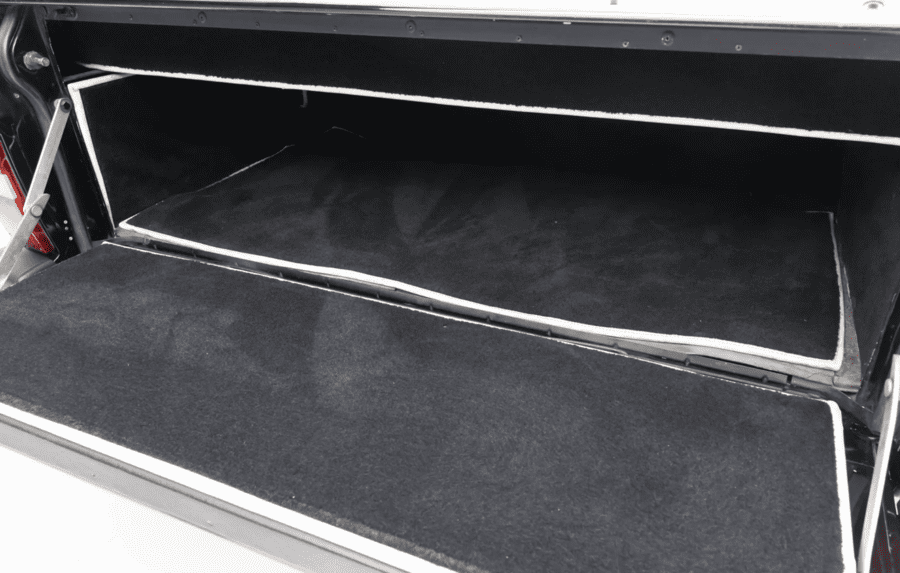
Going to auction on 23rd January at the RM Sotheby’s Arizona 206 sale is a 1992 Range Rover described as a “Chamois convertible.” It was coachbuilt by Vantagefield of London – a firm that subsequently went out of business due to non-paying Kuwaitis during the Gulf War not coughing up for similarly ostentatious conversions – and is presented in black with “sumptuous” white leather. It comes with a fully lined, power-operated soft-top and a black removable hardtop also.
Of this fancy 4×4 that was supposedly delivered new to the Brunei royal family at their residence in Beverly Hills, California, RM Sotheby’s remark:
“Designed with hunting in mind, they could be fitted with hydraulic mechanisms to lift the seats above the roofline for unparalleled views of the quarry… An excellent choice for Range Rover enthusiasts seeking a unique variation of a timeless classic, this fascinating, rare convertible will surely stand out wherever it goes, be it cruising beaches or chasing quarry.”
It has 41,406-miles on the clock, but comes without any imagery of Prince Jefri ‘in-action’ in pursuit of “quarry” on the streets of Los Angeles. Offered this coming January without reserve and a guide of £74,000 to £111,000 ($100,000 to $150,000), the vehicle was last sold alongside a second similar example, a 1995 P38-A Range Rover 4.0 SE convertible coupé by German firm Styling Garage in September 1999 to a Southern Californian owner. The latter example was auctioned by RM Sotheby’s in the summer of 2025 and achieved a hammer price of £85,500 ($115,500).
The 1995 Land Rover Range Rover 4.0 SE Convertible coupé by Styling GarageThe “sexually charged” 1994 Range Rover LSE limousine by Townley Cross Country Vehicles. It was sold with a ‘Brucie bonus’ in the form of an invitation to the Cartier ‘Style at Lux’ Concours D’Elegance at the 2020 Goodwood Festival of Speed and innocently described as being perfect for simply “taking your extended family out to lunch” in.
On a flashier scale and also used by Mike Tyson in its later existence, The Steeple Times featured another of Prince Jefri’s Range Rovers in November 2019 when it was auctioned by H&H Classics in the UK. The 1994 Range Rover Classic LSE had been stretched by 40” and had its roof raised by 8” by Townley Cross Country Vehicles; it featured a lavish interior in oxblood Connolly hide, full electric centre division with glass panel; three rear seats (two electrically operated); full air conditioning; stereo/CD player and two remote control 8″ television monitors with a VHS recorder. The lavish limousine reportedly had cost £165,000 ($223,000) new or the equivalent of £351,000 ($474,000) today; it sold for just £33,200 ($45,000).
Unlike with the late Queen Elizabeth II’s former Range Rovers, those owned by alleged sex pest princes most definitely are not in the top league of car porn. A 2006 Land Rover Range Rover 4.2 Supercharged Vogue SE owned by the late monarch hammered down at the Iconic Auctioneers sale at Silverstone in August 2025 for an astonishing £175,500 ($237,000); an example without royal heritage is currently worth around £10,000 ($13,500).
Grade II* listed timber framed house where King Charles I supposedly slept in 1645 in Herefordshire for sale for the surprising sum of just £50,000 in spite of having been valued at £295,000 in 2022 – BUT there are more than a few catches
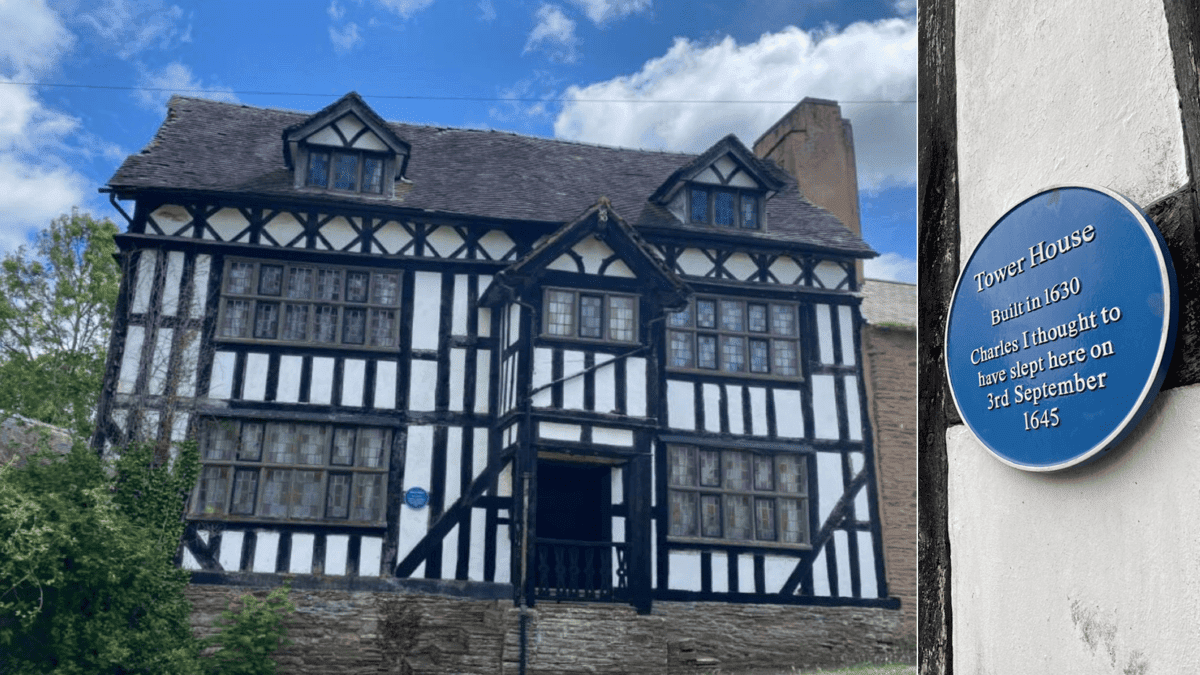
Dame Vanessa Redgrave lived in Bromyard in eastern Herefordshire with her family during the East End Blitz before returning to London in 1943 whilst Garrick Roberts of The Boomtown Rats resided there until his death in November 2022. Now, a timber framed Grade II* listed house where King Charles I was “thought to have slept” on the night of 3rd September 1645 in this market town is up for sale for the surprisingly low sum of just £50,000.
Offered previously for £180,000 or a sum 72% higher in October 2024 after the death of its longtime owner in what became an aborted attempt at a hammer down, that sale was seemingly thwarted by the title deeds to the property having been “lost.”
The house had been owned by a Miss Havisham-esque character described as having “a wicked sense of humour” by some and “unpleasant and bossy” by others named Anne Marie Sherwood until her death in May 2024. Now, The Tower House, Bromyard will return for a second attempt at auction by Savills on 12th February online and via telephone bidding.
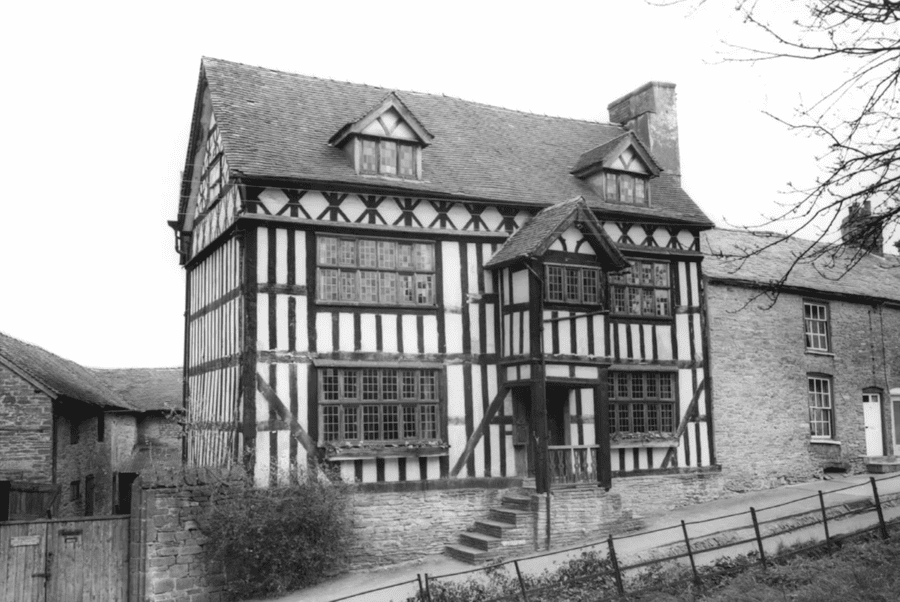
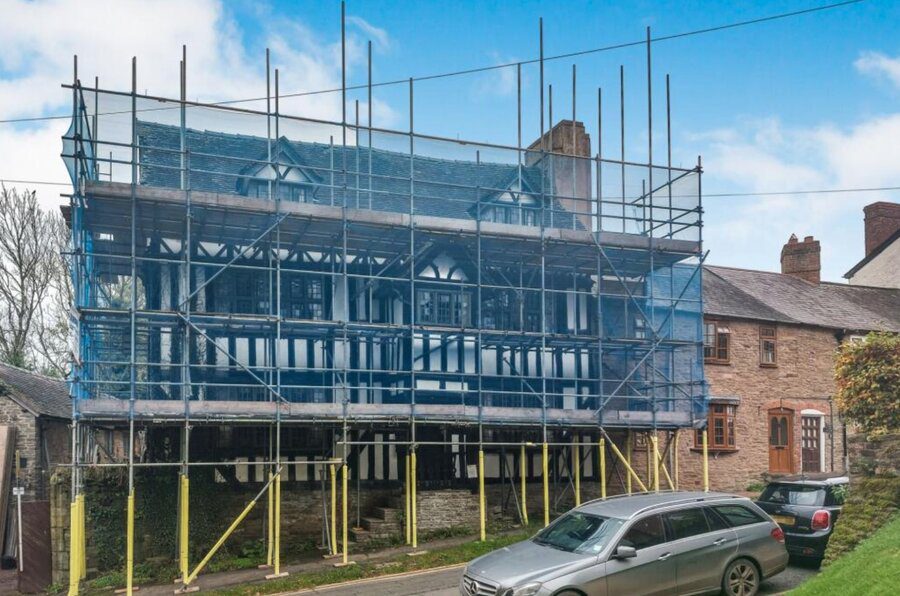
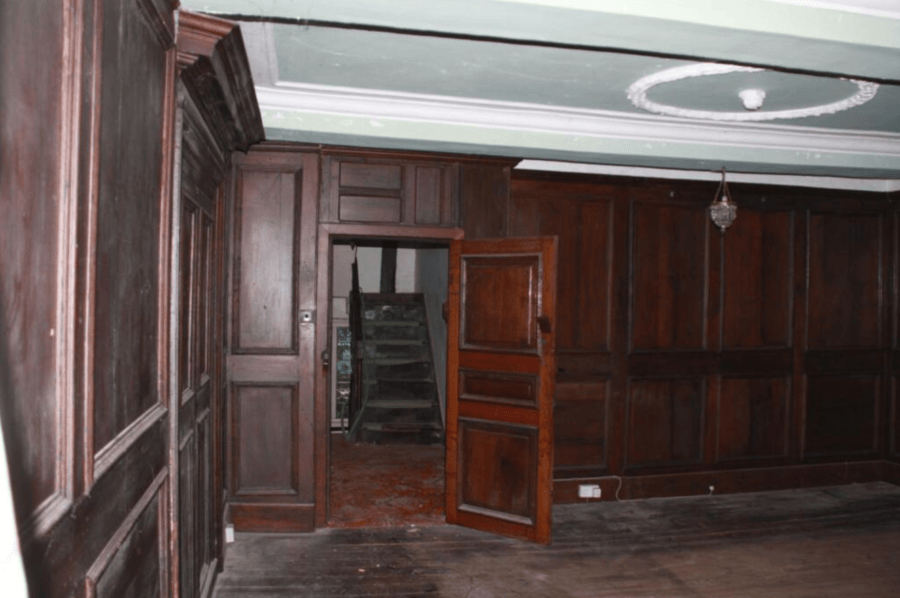
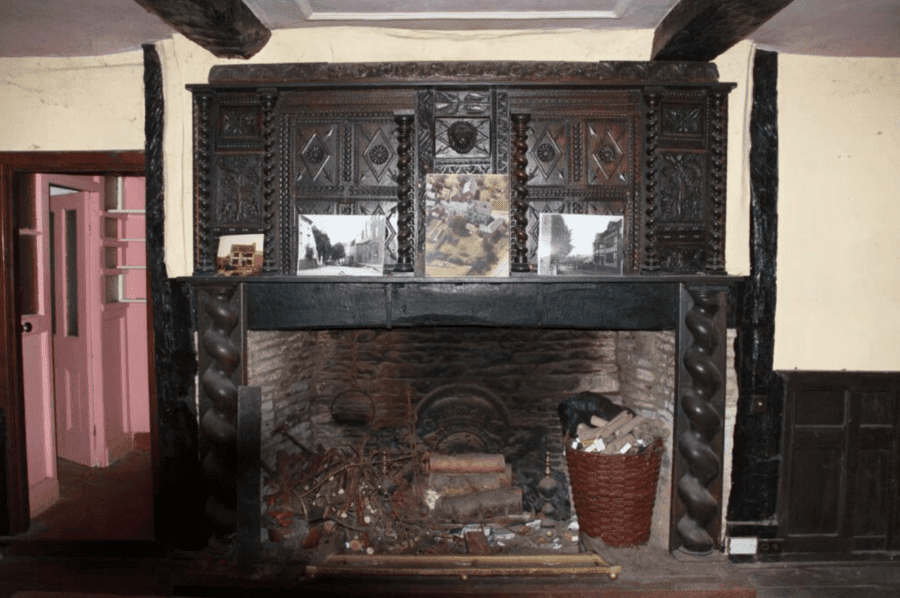
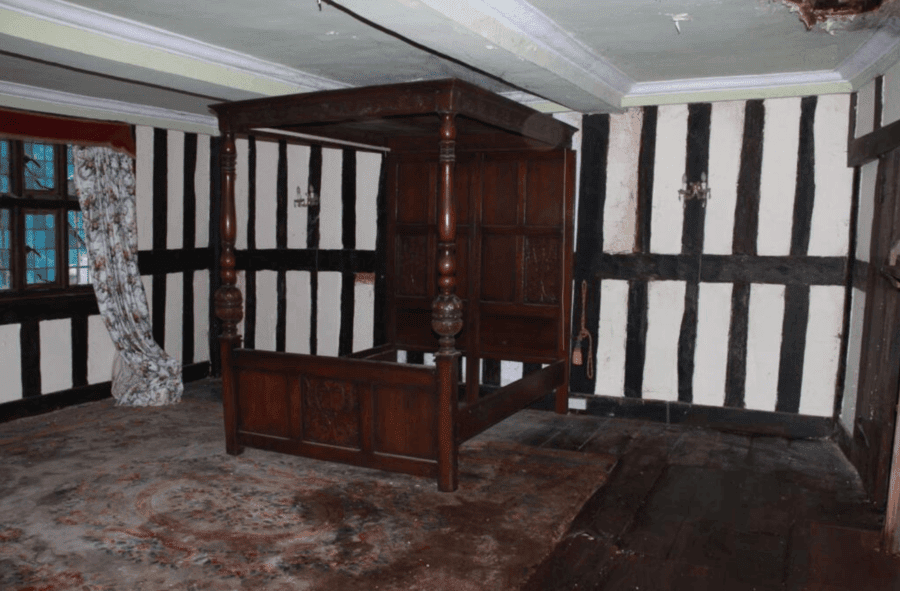
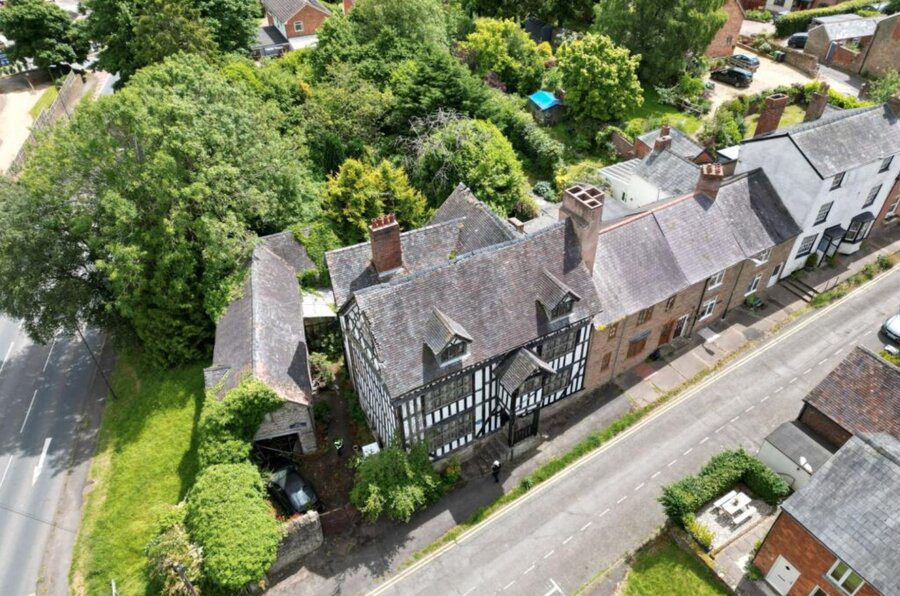
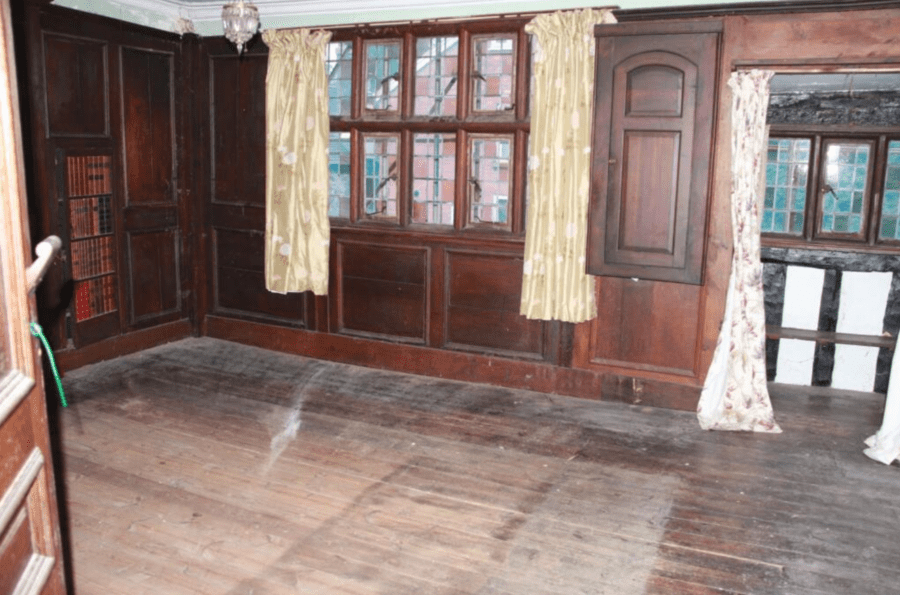
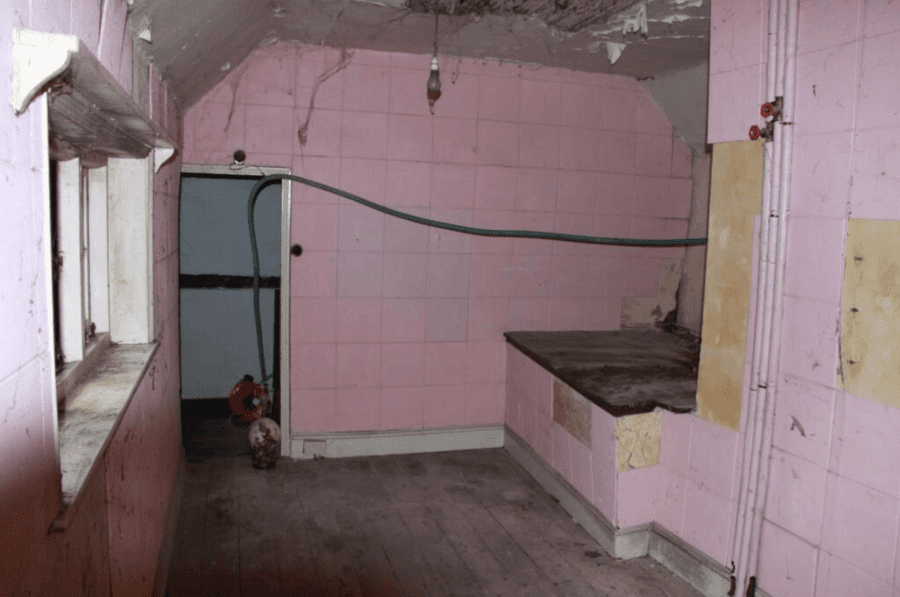
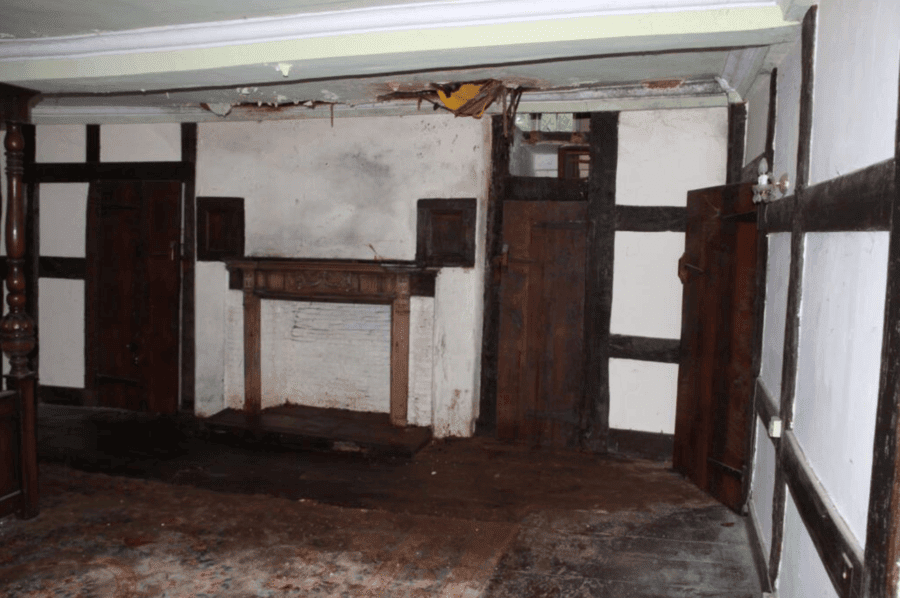
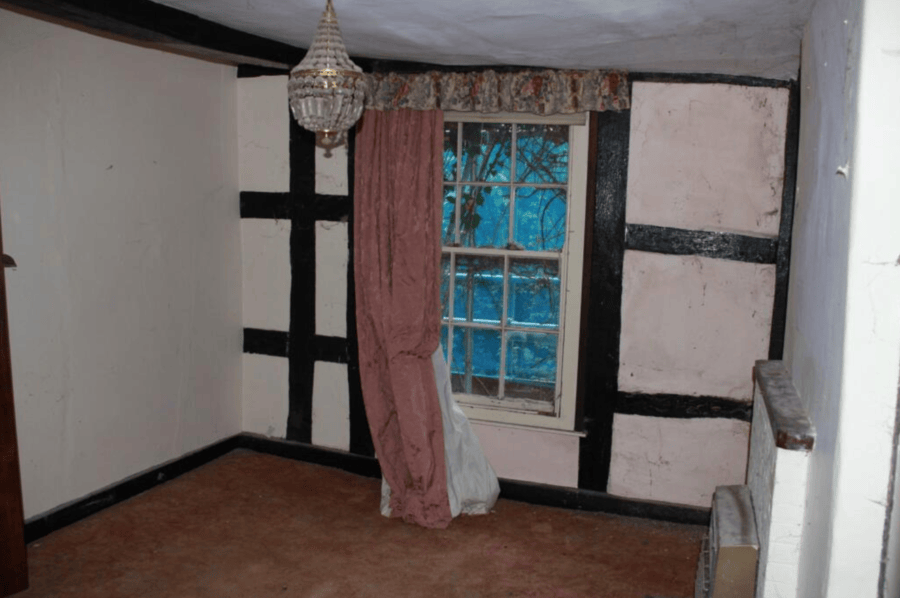
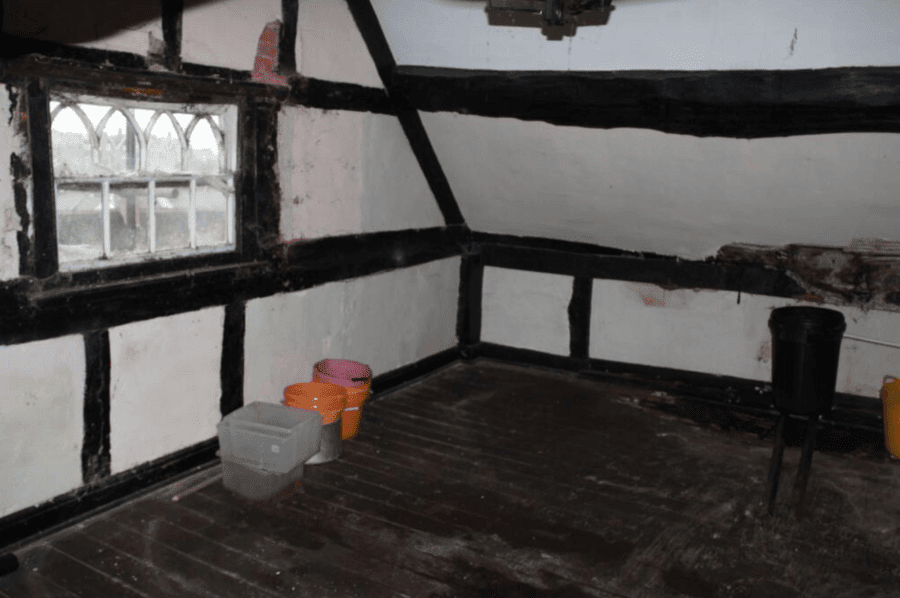
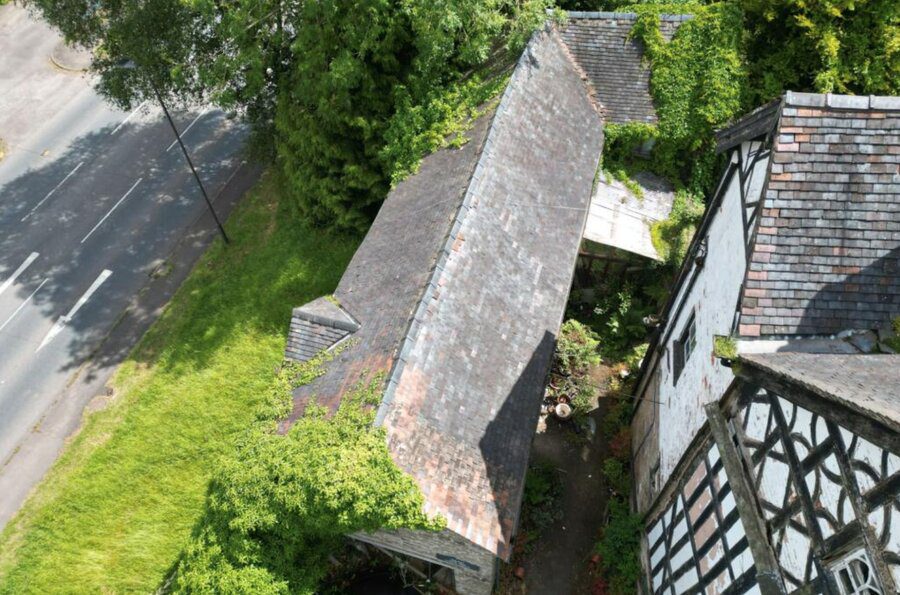
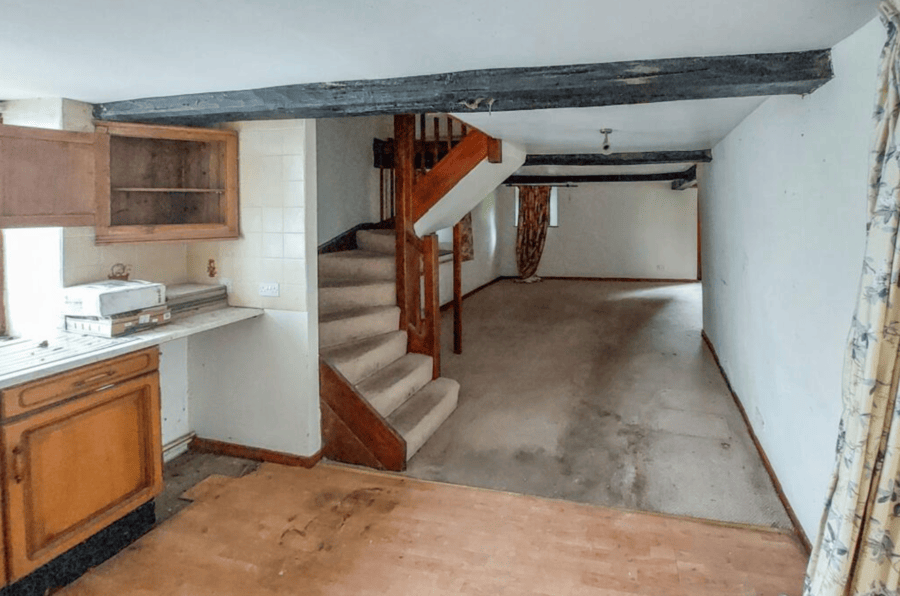
Bromyard is a town described by ‘Britain Express’ as “attractive” and dating to the 9th century. It “boasts a wonderful collection of historic buildings, many of them timber-framed” and “suffered during the Civil War when Prince Rupert, leading the Royalist army, pillaged Bromyard and Ledbury and ‘plundered every parish and house.’” Of The Tower House – pictured here in 1965 – they note: “Another picturesque ‘black and white’ building. King Charles I is said to have stayed at Tower Hill House in March 1645 on his way to Hereford. The house would have been quite modern at the time; it was built in 1630, a date that appears on a pendant under the gable. The house features beautiful decorative panelling around the gable and on moulded barge boards under the eaves.”The property – which is now covered in scaffolding – is listed on Companies House as the address of a company named S. Hill & Company Limited (incorporated in 1926) and its company secretary Miss Anne Marie Sherwood (born 1952, died 2024). The private limited company which describes it nature of business as “other letting and operating of own or leased real estate,” which has a registered office address at St Ethelbert House, Ryelands Street, Hereford, England, HR4 0LA is listed as having its accounts overdue and confirmation statement overdue also. Miss Sherwood was said to own 75% or more of the shares in the business and on 9th June 2022 described The Tower House as the “principal place of business.” In the same document, these accounts declared that “included within the net book value of land and buildings above is £295,000 (2021 – £270,000) in respect of freehold land and buildings.”Surprisingly, the interior (photographed prior to the keys being lost) seems to retain plenty of character.Original features such as this fireplace (if they still remain) clearly will add to the appeal of The Tower House. Given the number of bedrooms and the ancillary accommodation in the former coach house, this could make for a great Airbnb.A bedroom with a four poster bed is illustrative of the charm that remained in the house until the death of Miss Sherwood.
The building is described as “an attractive and historic timber framed Grade II* listed end of terrace house, built in 1630” by the firm. They share that the 4-bedroom, 4-reception room, 3-storey building comes with a 3-bedroom detached former coach house conversion and stands on a total site of 0.25 acres.
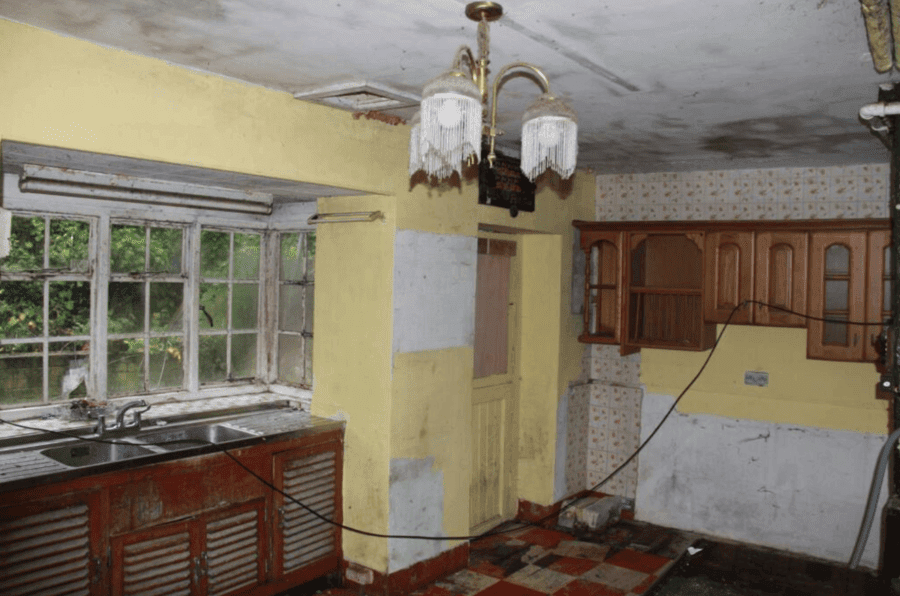
“Please note there will be no viewings of [The] Tower House because of the property’s deteriorated condition and the fact that there are no keys. Locks will need to be changed after completion at the buyers on expense. There will be partial viewings of the ground floor of the Coach House only at the viewers own risk. Please note the photos were taken in June 2024 and the property has now been cleared and external scaffolding erected.”
It seems that the “real character of Bromyard” Miss Sherwood left “the roof open fully to the weather for years” and this “architectural treasure was destroyed by neglect and greed,” if critical locals who took to Facebook to express their opinion in late 2024 are to be believed.
A leading property finance expert confirmed to The Steeple Times today “that a notice has been attached detailing an HMRC liability regarding inheritance tax” after the property was transferred last November to Wilsons Trust Corporation Limited, the administrator of Anne Marie Sherwood deceased. A valuation of £180,000 was given for the property at that time whilst in 2022, Miss Sherwood’s “principal place of business” was listed as having a value of £295,000 – 83% more than the current 2025 asking price – in other accounts on the Companies House register.
Unsurprisingly, Savills don’t add anything to their advertisement about the no doubt noisy Bromyard Bypass road that adjoins the plot either. According to The Francis Firth Collection: An Historical Photographic Archive of National Importance, this road “cut off” The Tower House from the town centre in the 1970s after its construction.
Further photographs of the house follow at the end of the article.
Editor’s note – Unlike as is the case in many publications, this article was NOT sponsored or supported by a third-party. Follow Matthew Steeples on Twitter at @M_Steeples and watch his shows on YouTube at @mjs2781/streams.
The Names & Numbers – The Tower House (also known as ‘Tower Hill House’), 1 Tower Hill, Bromyard, Herefordshire, HR7 4DF, United Kingdom
12th February 2025
To be offered for sale by Savills at a “remote bidding only” auction with a guide price of £50,000 ($61,600, €60,100 or درهم226,300).
The agency, whose director Paul Mooney is the registered point of contact, noted:
“Please note there will be no viewings of Tower House because of the property’s deteriorated condition and the fact that there are no keys. Locks will need to be changed after completion at the buyers on expense. There will be partial viewings of the ground floor of the Coach House only at the viewers own risk. Please note the photos were taken in June 2024 and the property has now been cleared and external scaffolding erected.”
18th November 2024
Valued at £180,000 ($221,800, €216,300 or درهم814,600) at the time of a purchase by Wilson’s Trust Corporation Limited, an entity that is the administrator of Anne Marie Sherwood deceased.
Of this, a leading property finance expert told The Steeple Times: “The title deeds have been lost. There is notice that there will possibly an HMRC liability regarding inheritance tax. Apparently, the property was removed from the last auction prior to the date. Possibly a low value, but given it will be a messy purchase given the deeds are lost, this is definitely a book plot. It is most likely Miss Sherwood’s affairs were not in any kind of order.”
19th October 2024
Withdrawn from an auction by Savills as “probate didn’t complete” according to a Facebook post, though one commentator added that a “Mr Jon Hitchings has purchased it for a rainy day project.” At the time the auction was announced, the guide price was £180,000 ($221,800, €216,300 or درهم814,600).
Others, also on Facebook, made various observations about the history of the building. Asides from comments of “money pit” and “I believe there’s been a quote of £500,000 ($616,100, €600,800 or درهم2.3 million) for the roof alone,” Karen Rock observed: “The owner told me English Heritage has offered to restore the house, but wanted to have occasional open days, which she wasn’t prepared to do.”
Another, Julia Hawkes-Moore, added: “As a trained architect, I would not touch it with a bargepole… But in my childhood, it was a beautiful house. I once viewed the shabby coach house with a view to renting it. The owner was unpleasant and bossy. She demanded that I mowed and cared for the garden and helped her out in the house, but that I still paid the over-high rent. An architectural treasure destoyed by neglect and greed.”
Philippa M. H. Jones further commented: “Such a beautiful house. It did have the most beautiful four poster beds. My parents were helping look after her when she was very poorly. Masses of history to the building. So sad as the inside will need much work to it. The roof was open fully to the weather for years.”
19th May 2024
“Very nice woman” Anne Marie Sherwood “died peacefully, according to the Hereford Times. Of her passing, St Joseph’s Church, Bromyard remarked: “Please pray for the repose of the soul of Anne Marie Sherwood, a longstanding Bromyard parishioner, who died on Saturday, 18th May, after a long and painful illness. May she rest in peace.”
Of Miss Sherwood, on Facebook, one Sue Rosser concluded: “An extremely knowledgeable lady, in her field of vintage apparel, with a wicked sense of humour, too. A real character of Bromyard.”
14th July 2009
Planning permission was granted for an external blue plaque about King Charles I’s alleged stay at the house “with conditions.”
Planning permission was granted for the conversion of the “dilapidated” former coach house into “living accommodation” that could “be used for tourist accommodation.”
Spring 1971:
The Bromyard & District Local History Society reported of The Tower House in their first newsletter:
“Among the many reactions to our book, Bromyard: A Local History are letters from Dr J. Wells, who practised here for sixteen years and now in his ninetieth year lives Whitchurch, Cardiff, and his son Mr. John Wells, who married the daughter of the late Mr W.T. Barneby of Saltmarshe Castle. Both correspondents question our use of the name, Tower House, for their old home, Mr Wells saying, ‘We called it Tower Hill House and as such it appeared in the telephone directory, etc. First Miss Woodhouse and later Mr Foster, a bank manager, lived above us in Tower House.’”
“Dr Wells gives the following interesting account, of his restorations of the house: ‘I came to Bromyard in 1920 and bought what I understood as Tower Hill House from Father Denys Mathieu, O.S.B. for a very small sum. When I bought the house, it was covered with a layer of stucco of a greyish colour, up to the level where the ornamental woodwork lies beneath the eaves.’”
“The N.E. side contained one sash window one on each floor; the N. side the same. There were four large rooms all; looking onto the street. The one on the left side of the front door upstairs, was a very handsome room panelled to the ceiling with old oak square panels, made with an adze, and a magnificent oak floor of very wide and thick boards.”
“The original fireplace had been replaced by a much later one. The other upstairs room was also panelled, but with very large panels at a much later date. The left-hand downstairs room with an enormous door was plastered and has a large plaster ornament on the ceiling, and a very fine Adam type mantlepiece. The other room had the original open fire, filled in with an erection of the very handsome bedpost. This we afterwards removed and revealed the open fireplace. The room was not plastered on road side but the outside woodwork was visible.”
“During one winter, the stucco came off from under the window of the panelled room and revealed two beams; on the strength of this, I took the risk and employed a local bricklayer, Thomas Handley, to strip the whole house and found it was a black and white house, made of large and smaller beams, with plastered oak laths in between them, covered with a heavy plaster outside and in containing a large amount of hair. Mr Handley renovated many of the larger beams which had rotted under the stucco, with concrete and Mr Barneby very kindly gave us some oak for the smaller one; the whole, was then creosoted and painted like it looks now.”
“When the stucco was removed from around the two sash windows to the left of the front -door the shape of the original windows was located by the position of the beans. The windows on the right-hand side had apparently never been altered. I presume the four sash windows were put in late in the eighteenth or early in the nineteenth century.”
“Father Denys could tell me nothing about the history of the house, but that when he cleaned it, he had found evidence that it had been used to store grain. With reference to the tradition that Charles I slept there I was told that he was the guest of Mrs Baynham but slept at the Bishop’s Palace. As soon as the work of changing the outside of the house was finished I had a letter from the Board of Works in London asking me if I was willing to have the house registered as a house of historic interest, which I agreed to, so I presume it is still and the panels may not be removed.”
“The original staircase had been removed. The house as it now is was altered to make it appear as it was in 1630 except there was only one gable window to the attic then.”
1964
Photographed; of this, The Francis Firth Collection: An Historical Photographic Archive of National Importanceobserved: “More about this scene: This beautiful building stands in Tower Hill, part of Bromyard that has been virtually cut off from the rest of the town by a new bypass. I suppose we should be thankful that it wasn’t pulled down when the bypass was built – several buildings were.”
25th October 1951
The house was added to the First List of Buildings of Special Architectural or Historic Interest as having a Grade II* listing.
“1630. Two storeys with dormers and cellar. Timber framed on high rubble base. On the north front the studding is close set grid. There are wallplates dividing it into four sections. Ornamental panelling in gable and moulded barge boards. Similar ornamental panelling and barge boards in front, where there is a central two storeyed porch the upper part supported on plain square posts. Gable has pendant with date 1630. Double steps to porch. Interior has ceilings with moulded beams, framing ornaments, plastered. ceilings- some original panelling with fluted pilasters flanking fireplace and other interesting features. RCHM Volume II, plate 28.”
1920
Sold by Father Denys Mathieu, O.S.B. “for a very small sum” to Dr J. Wells. It had previously been owned by a Miss Woodhouse and also a Mr Foster, a bank manager.
3rd September 1645
King Charles I was “thought” to have stayed at The Tower House – then known as “Mrs Banyham’s house” – for one night “on his way to Hereford.”
Circa 1630
The Tower House was built.
Further pictures of The Tower House, 1 Tower Hill, Bromyard, Herefordshire, HR7 4DF, United Kingdom
‘Star car’ Rolls-Royce used in classic film ‘Withnail and I’ and that was built for “Santa Claus lookalike” playboy Nubar Gulbenkian for sale for just £135,000 in spite of having had a £190,000 renovation
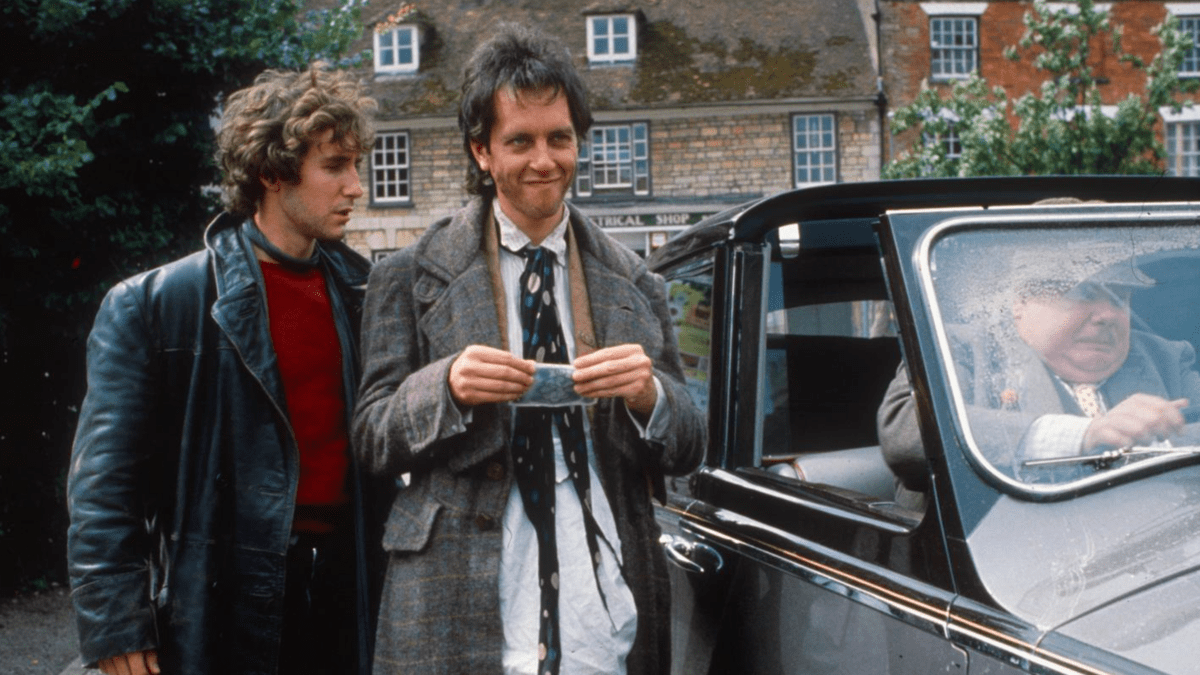
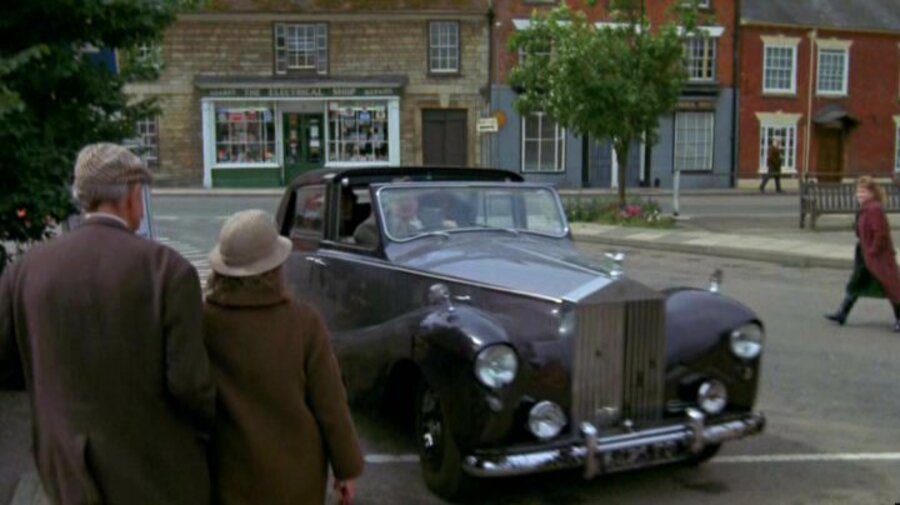
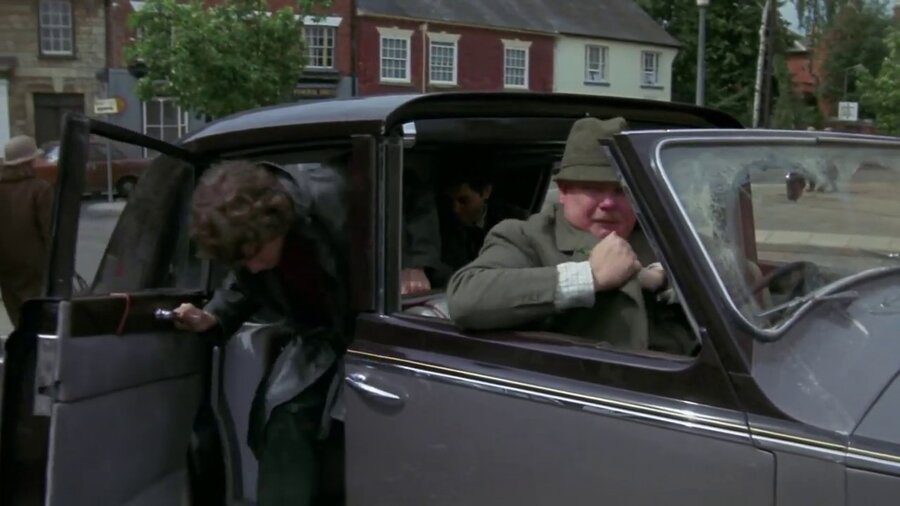
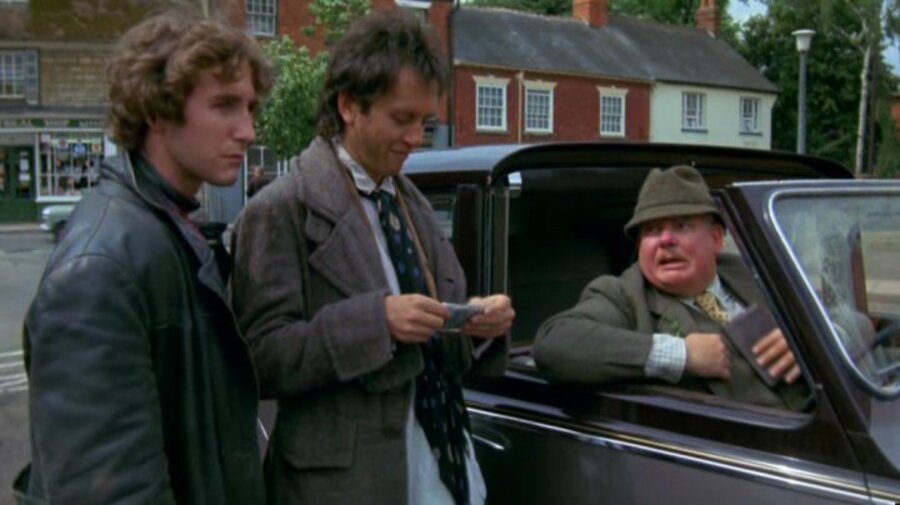
In a memorable moment in the 1987 classic black comedy Withnail and I, the constantly off-their-skulls protagonists – played by Richard E. Griffiths and Paul McGann – cause a bit of a consternation in a country café in Penrith, Cumbria and have to be spirited away by ‘Uncle Monty’ (played by the larger-than-life and now late, great Richard Griffiths) in his rather regal Rolls-Royce.
The scene went as follows:
Withnail [entering the tearoom, which has an ‘open’ sign displayed, and pointing to a table]: Alright here? Alright here?
Waitress, Miss Blennerhassett: What do you want?
Withnail: Cake.
Waitress: No, we’re closing.
Withnail: We’re leaving in a moment… We want cake and tea.
Teashop proprietor: Didn’t you hear? She said she’d closed. What do you want in here?
Withnail: Cake. What’s it got to do with you?
Teashop proprietor: I have to be the proprietor. Now, would you leave?
Withnail: Ah I’m glad you’re the proprietor. I was gonna have to have a word with you anyway. We’re working on a film up here. Locations, see. We might wanna do a film in here.
Teashop proprietor: You’re drunk.
Marwood: Just bring out the cakes.
Withnail: Cake and fine wine.
Waitress: If you don’t leave, we’ll call the police.
Withnail: Balls! We want the finest wines available to humanity. And we want them here. And we want them now!
Teashop proprietor: Miss Blennerhassett, telephone the police.
Marwood [with his mouth full]: All right, Miss Blennerhassett, I’m warning you, if you do, you’re fired. We are multi-millionaires. We shall buy this place and fire you immediately.
Withnail: Yes, we’ll buy this place and we’ll install a fucking jukebox in here and liven all you stiffs up a bit!”
Teashop proprietor: The police, Miss Blennerhassett. Just say there are a couple of drinks in the Penrith Tearooms and we want them removed.
Marwood: We are not drunks. We are multi-millionaires.
Teashop proprietor: Hurry up, Mabs. We’ll keep them here ‘till they arrive.
Withnail: You won’t keep us anywhere. We’ll buy this place and have it knocked down! [Uncle Monty’s Rolls-Royce pulls up outside the window]
Marwood [pulling back the net curtains of the tearoom]: It’s alright, it’s alright, it’s alright… We’re going. Our car has arrived!
Withnail: We’ll be back. We’re coming back in here.
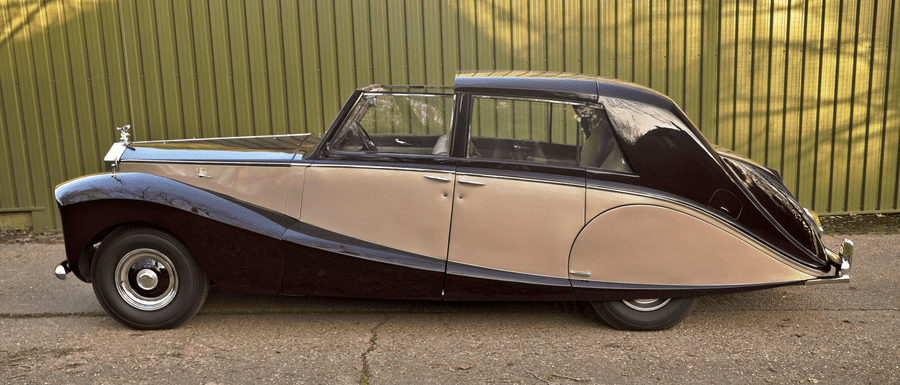
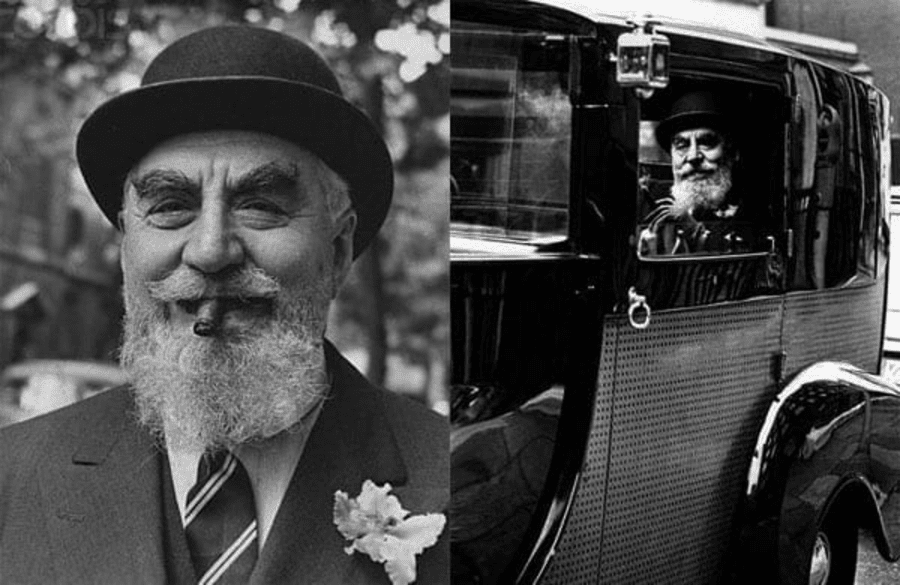
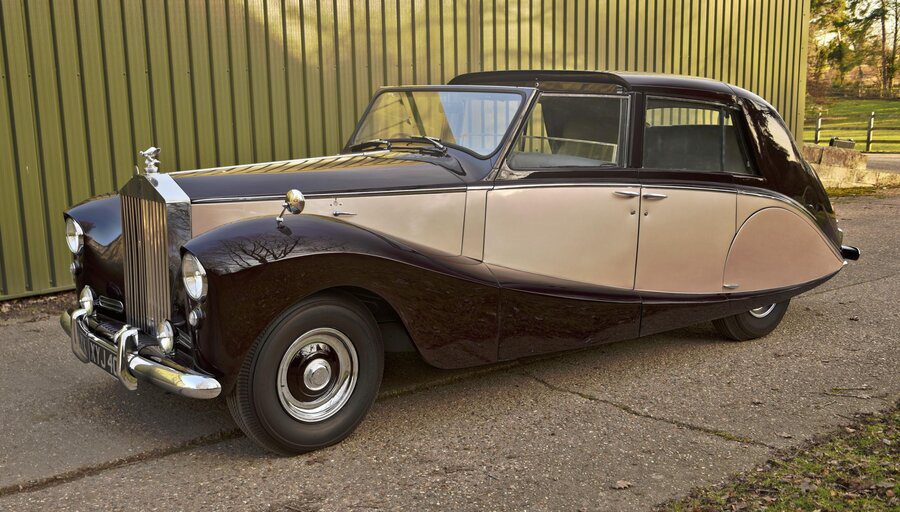
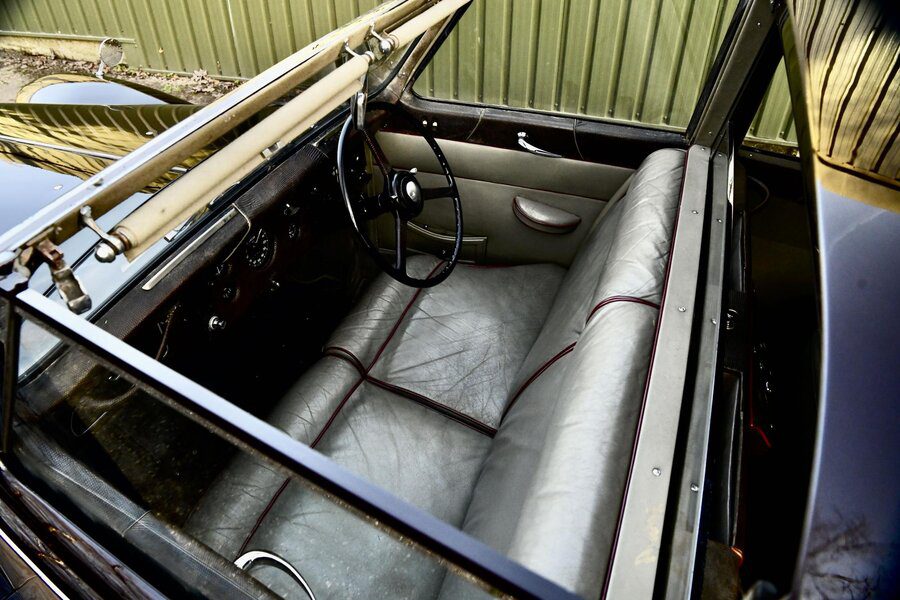
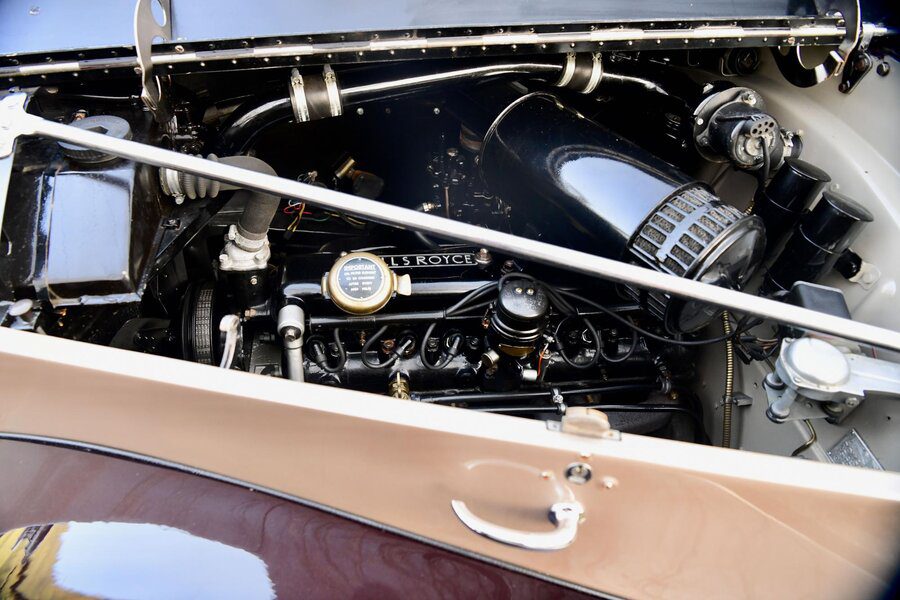
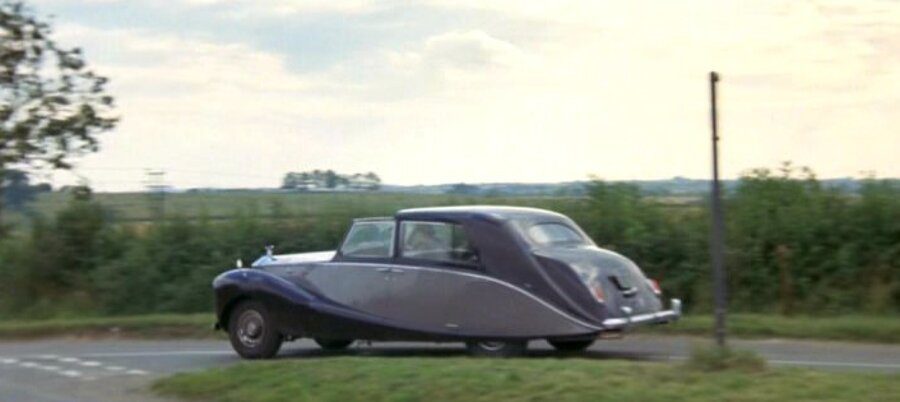
The ‘rescue car’ concerned, a 1953 Silver Wraith Hooper & Company Sedanca de Ville, was originally built for and owned by the extravagant Armenian born socialite business magnate Nubar Gulbenkian. This noted bon vivant – famed for eccentric remarks (a fine selection of which follow below) such as “I’ve had good wives, as wives go, and as wives go, two of them went” and for having brought an £4.7 million lawsuit against his father, Calouste, over the cost of a £1.80 lunch of chicken in tarragon jelly with asparagus tips – specified a speedometer be installed in the rear division “so he could keep an eye on his employee’s progress.”
Now offered for just £135,000 in spite of being subject to a full-scale renovation between 2015 and 2019 that cost £188,680, the car last featured in The Steeple Times when for sale at a price of £195,000 in October 2014. It was offered at auction subsequently but failed to sell in May 2023 and has most recently been owned by a “private collector” in the Isle of Man and the late James Crickmay – a “motoring expert” who rose from a humble salesman to being the chairman of the Rolls-Royce and Bentley “heritage” dealership Frank Dale & Stepsons.
Rather appropriately given it began life with the always nattily attired Gulbenkian, this “unique… piece of motoring history” is now being marketed by the always nattily attired Richard Biddulph of Vintage & Prestige Classic Cars.
The Nubar Gulbenkian ‘Withnail and I’ 1953 Rolls-Royce Silver Wraith Hooper & Company Sedanca de Ville currently for sale through Vintage & Prestige Classic Cars of Northampton for £135,000; it has previously been offered for sums as high as £195,000 and failed to sell at auction when offered with an estimate of £140,000 to £180,000.The ex-Nubar Gulbenkian Rolls-Royce in a scene in ‘Withnail And I’ being driven by Uncle Monty (Richard Griffiths).The first owner of the 1953 Rolls-Royce Silver Wraith Hooper & Company Sedanca de Ville offered was thrice married London taxi “aficionado” Nubar Gulbenkian – a man famed for a car collection that numbered two Austin FX4 cabs merged with the rear part of former horse drawn Hackney carriages as passenger compartments. Harrow and Cambridge educated Gulbenkian lived between a flat in Arlington House, next to The Ritz Hotel, in London, a former rectory in Hoggeston, near Bletchley in Buckinghamshire and a “sumptuous estate,” the Domaine de Colles, in Valbonne in the South of France.James Crickmay, proprietor and chairman of Frank Dale & Stepsons, owned and enjoyed the car for a considerable number of years.
The Names & Numbers – The Nubar Gulbenkian Withnail and I 1953 Rolls-Royce Silver Wraith Hooper & Company Sedanca de Ville, chassis number ALW47, registration number XYJ 402
May 2024 – Offered for sale for £135,000 ($169,000, €157,000 or درهم621,000) by the eccentric giant of the Rolls-Royce world Richard Biddulph of Vintage & Prestige Classic Cars of Northampton.
27th May 2023 – Offered for auction with an estimate of £140,000 to £180,000 ($175,000 to $226,000, €163,000 to €209,000 or درهم644,000 to درهم828,000) by Historics Auctioneers at their Ascot Racecourse sale. Listed as having had “a staggering” £188,000 ($235,000, €218,000 or درهم864,000) spent on a “a full mechanical re-build together with some bodywork restoration” by M. J. Pickles Limited of Macclesfield, Derbyshire between May 2015 and May 2019. The car had an odometer reading of 24,036 miles at this time, but did not sell in this sale.
October 2014 – Offered for sale for £195,000 ($244,000, €227,000 or درهم897,000) by Frank Dale & Stepsons Limited and featured in The Steeple Times.
Subsequently (date unknown) – Owned by James Crickmay (16th March 1949 – 24th February 2015) and formed part of his “private collection.” “Motoring expert at heart… and true expert in his field” Mr Crickmay went from being salesman at to the chairman of Rolls-Royce and Bentley specialists Frank Dale & Stepsons Limited after beginning his career in the Merchant Navy.”
Historics Auctioneers remarked: “[Crickmay] used the Silver Wraith regularly for social occasions, family events and the Rolls-Royce annual rally on many occasions, and it was also loaned by James to Lord March for several Goodwood Revival meetings, to chauffeur Lord March’s guests between the circuit and Goodwood House. In more recent times the car has been owned by a private collector on the Isle of Man.”
1953 – The long wheelbase car was built to the specifications of the legendarily eccentric Nubar Gulbenkian (1896 – 1972) – a man who “preferred everything” and one who counted at least four Rolls-Royce Silver Wraiths by Hooper & Company amongst his collection of motor cars.
Of it, in their 2023 auction listing, Historics observed: “This example is delightfully handsome, being built on a long wheelbase chassis and in the style of a Hooper Empress Line coachwork. However, this example is in the ‘Sedanca de Ville’ style and has reptile skin on the dashboard and some of the rear division section. Gulbenkian was known to have liked his chauffeurs to drive in a brisk manner and had a speedometer fitted to the rear division so he could keep an eye on his employee’s progress.”
The witty words of the gregarious gargantuan Nubar Gulbenkian
Of his fortune:
“I’ve been retired all my life, but I’ve also been working hard all my life. A fortune does not look after itself, after all.”
Of his schooling:
“At Harrow, I played no games and had an unpronounceable name and quite soon I was recognised as something of an oddity, but I was accepted on my own terms.”
Of his religious beliefs (and his somewhat whacky eyebrows):
“During Lent I brush my eyebrows down. It’s an oriental religious custom that you must show outward signs of your sorrow.”
Of taking England as his home:
“I get along very well with all honest people. England’s a very fine country, but it takes a long time to learn to take the English. I tell all my foreign friends the first forty years are the hardest.”
When asked to state his “position in life” on a market research form, his answer was:
“Enviable.”
Of his view of his own lifestyle:
“I believe in comfort. I enjoy myself. I enjoy life. I enjoy everything I do.”
“If something is too much of a bore to do thoroughly and with zest, then don’t bother to do it at all.”
When asked whether he preferred old brandy or young women, horses or Rolls‐Royces and city life over country life, he answered:
“I prefer everything.”
On money:
“I have all of it I could possibly desire.”
On business:
“My father always said oilmen are like cats. You can never tell whether they are fighting or making love.”
Asked about his hobbies, he invented a word (coined from Greek):
“Pan taraxia… Keeping people on their toes.”
The well-known gourmet on dinner parties:
“The best number for a dinner party is two – myself and a damn good head waiter.”
On food in general:
“Gastronomy is an art as difficult to master as music or painting, and, for me, much more rewarding. I certainly get more pleasure from working out a menu, discussing the pros and cons of each dish with a chef who knows his business than I do from listening to the best of Beethoven’s symphonies.”
“I never eat bad food. If you wander into any restaurant and want something quick, quick in ten minutes, you’ll get a bad meal and bloody well deserve it.”
Of his sartorial style:
“In England a man cannot be seen around horses without his gloves and hat. One never wears a gray bowler unless he is with horses. It wouldn’t do. It would shock people’s feelings.”
Of the only occasions he would not wear the trademark dark blue orchid that he sported daily:
“When I am in France, on board a French ship or airplane, or at a French Embassy. It is the French custom, in France, for those who have been granted the Legion of Honor to wear the insignia of the order in their buttonhole. I feel it only courteous, to show the respect for the country which granted me the honor, to wear mine instead of an orchid.”
Of how he made his orchid dark blue:
“I dip a white orchid into a mixture of Stephen’s Ink and water – I have got the mixture virtually right by now – let it dry, then shake it out gently – and I achieve a very adequate dark blue orchid.”
On suing his father in 1938 after the elder Gulbenkian upbraided him for having charged a meal of chicken in tarragon jelly with asparagus tips costing £1.80 to petty cash:
“That was surely the most expensive chicken in history.”
(The case was subsequently settled out of court, but the father had to pay £70,700 or the equivalent of £4.7 million today in court costs and lawyers’ fees).
Of his friendship with John Paul Getty:
“Have I got only one Rolls-Royce? Oh come now. I’m not so rich as Mr. Getty, but I not so poor as all that! Mr. Getty asks my wife and me down for a meal at his house, Sutton Place, from time to time. There is always plenty to eat and drink, it is all of good quality, but he does not take such an interest in gastronomy as I do. But then, few people do.”
On taking up hunting shortly after turning 65:
“I’m a huntin’ man,” he said. “Say ‘huntin’ man,’ not ‘hunter.’ A hunter is a horse, not a gentleman. ‘Fancy Nubar Gulbenkian dressing that way,’ they’d say. ‘He should know better.”
On golf:
“It is more satisfying to be a bad player at golf. The worse you play, the better you remember the occasional good shot.”
On owning two remodeled Austin FX4 taxi cabs merged with the rear parts of horse-drawn Hackney carriages:
“I like to travel in a gold‐plated taxi that can turn on a sixpence – whatever that is!”
“I wanted my taxi dolled-up, more comfortable inside and more distinguished outside, without losing its mobility. People recognise it. After a party or an opening they come and tell me where it is and I don’t have to wait.”
On marriage in general:
“I’ve had good wives, as wives go, and as wives go, two of them went.”
Of his second wife, Dora Freeland (married 1928), he stated:
“I certainly cannot blame Doré for our marriage breaking down. It was entirely my fault that it failed. Being younger and more virile than I am now, I succumbed to other charms.”
His third wife, Marie Berthe Edmée de Ayala (married 1948), on their union:
“Of course, he’s a very difficult man to live with, but it’s worthwhile. Don’t you think that all the most amusing, intelligent men would be difficult to live with? Heaven forbid that I should have married a mollusk.”
When a friend from his Cambridge University days, George Ansley, was asked about Gulbenkian, he answered:
“Nubar is so tough that every day he tires out three stockbrokers, three horses and three women.”
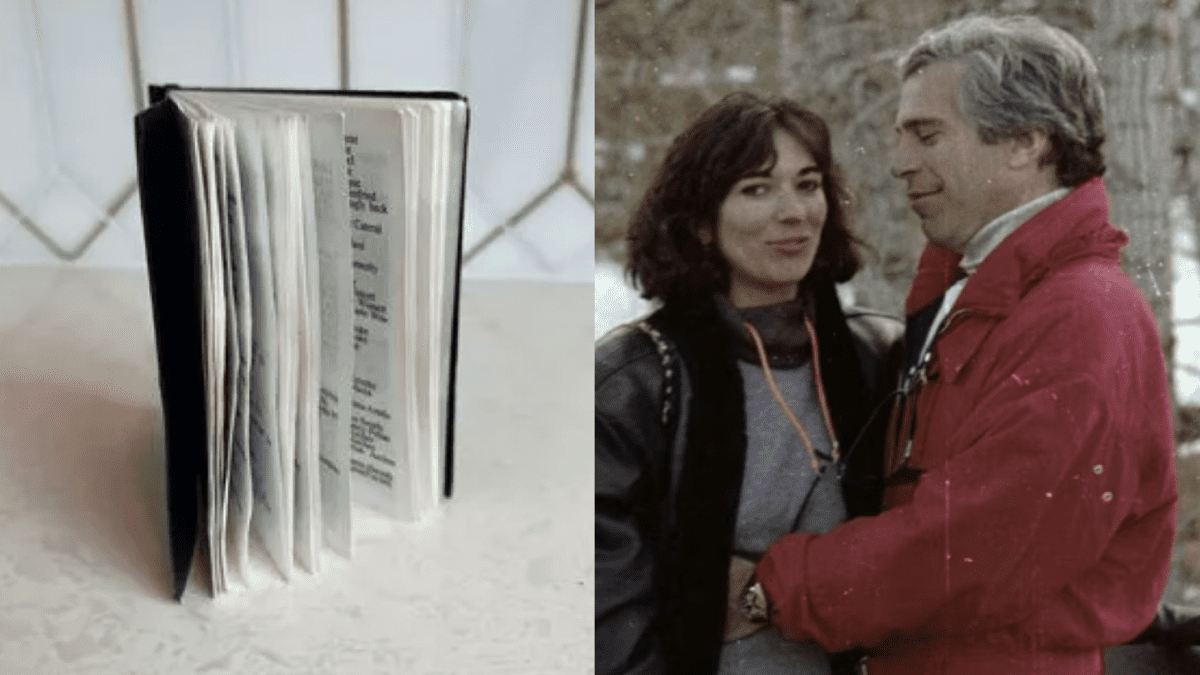
A previously not-seen-in-public Jeffrey Epstein 1990s address book – last sold for £400 in December 2020 on eBay – is about to be offered for sale at auction; it is estimated to fetch as much as £800,000 and one is left asking: “Will someone really pay so much to keep this out of the public eye?”
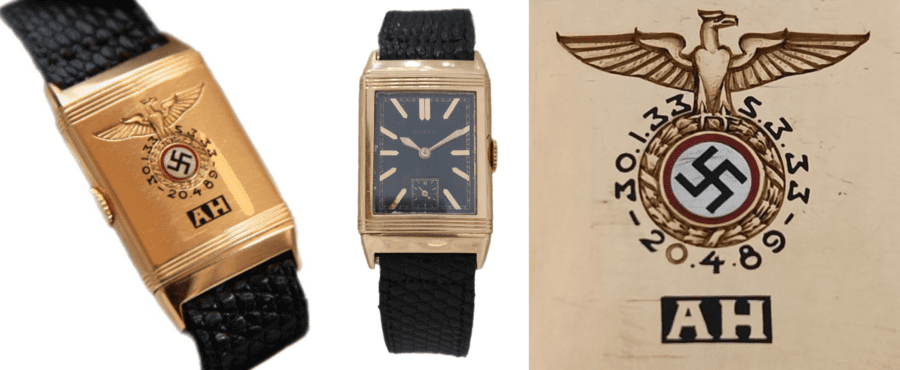
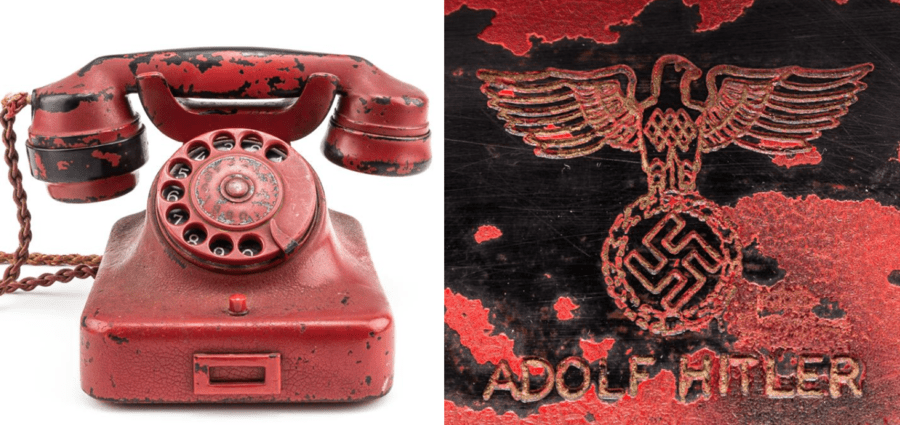
An American auction house in Chesapeake City, Maryland that has previously hammered down macabre items including one of the monstrous maniac Adolf Hitler’s watches for £881,000 ($1.1 million, €1 million or درهم4 million) and his personal Führerbunker telephone handset for £160,000 ($200,000, €186,000 or درهم735,000) is about to attempt sell one of the late paedophile Jeffrey Epstein’s infamous address books later this month.
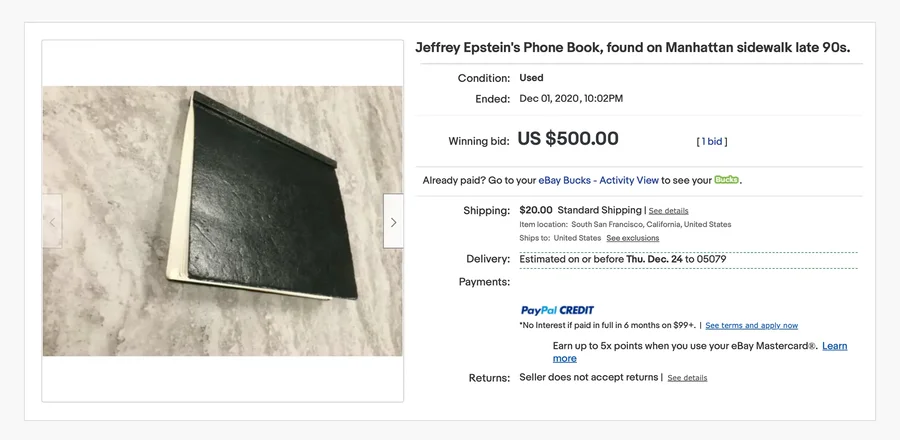
Curiously found on a Manhattan sidewalk in the late 1990s and last sold in December 2020 on eBay for just £400 ($500, €465 or درهم,1,800), the price sought for the diary concerned is yet to be revealed. Bill Panagopulos, owner of selling representatives Alexander Historical Auctions, did, however, tell The Daily Beast:
“There are no comparables for the sale of this kind of relic, but based on my experience, if I pressed to offer a price, I would think it be £80,000 to £160,000 ($100,000 to $200,000, €93,000 to €186,000 or درهم367,000 to درهم735,000), and up.”
Going further in comments to The Times, Panagopulos added of the address book:
“This criminal relic undoubtedly still has many stories to tell those who want to do the digging. Jeffrey Epstein was the epitome of evil and this book should be forever kept as evidence of his awful crimes.”
“It could fetch as little as £40,000 ($50,000, €47,000 or درهم184,000) or as much as £801,000 ($1 million, €930,000 or درهم3.7 million).”
“Why? There is so much confidential information, so much potential for new revelations within the book, that I believe there may be someone out there who will buy it simply to make it ‘disappear.’”
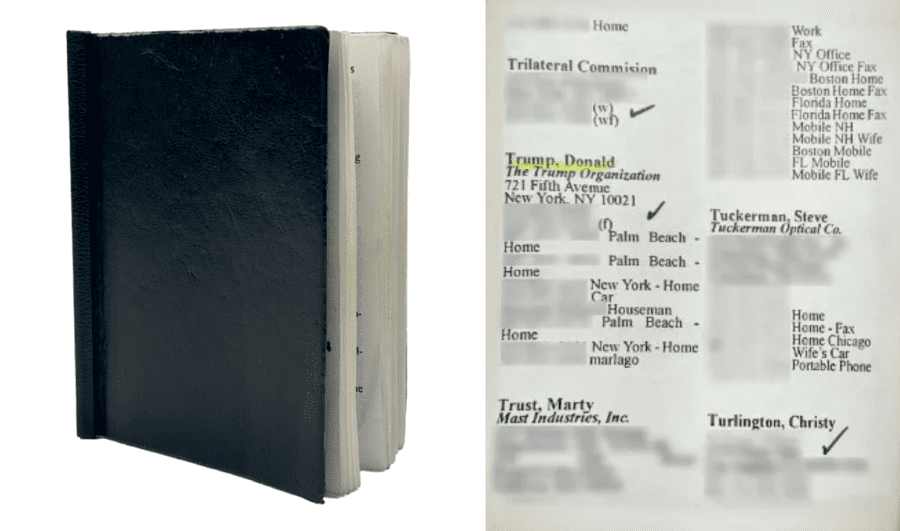
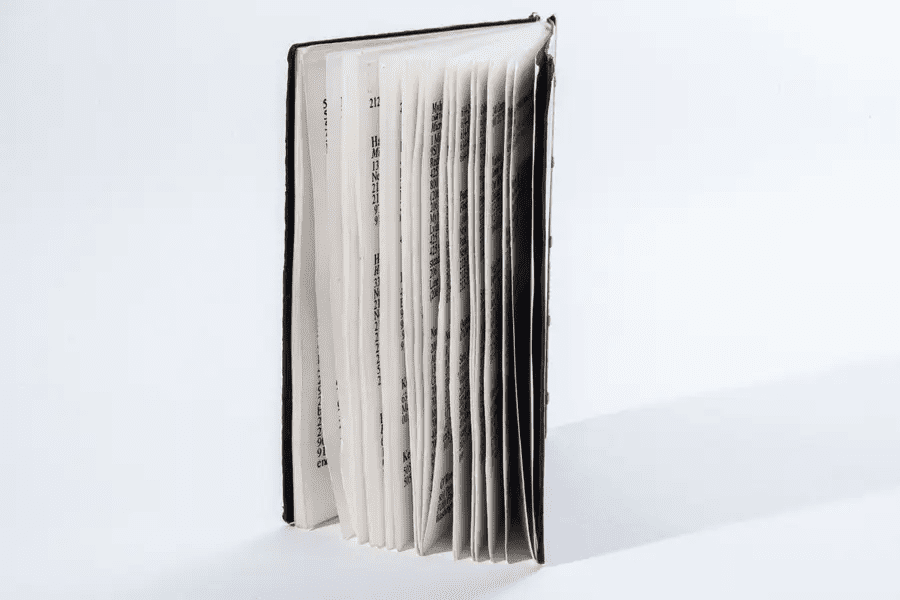
The 1990s Jeffrey Epstein address book offered and an example page (with redactions). Imagery of other pages of the 64-page document is being kept hidden only to those prepared to travel to Chesapeake City, Maryland to view it at the premises of Alexander Historical Auctions in an attempt to increase the item’s value.How the address book came to end up on a New York sidewalk in the late 1990s is one question that remains unanswered; whether someone will be prepared to spend £800,000 to get it and keep it out of the public domain is another.The Jeffrey Epstein 1990s address book was last sold on eBay for just £400 and thus one is left wondering if it really is going to attract the punchy sums mentioned by Bill Panagopulos of Alexander Historical Auctions.Alexander Historical Auctions previously hammered down one of Adolf Hitler’s reversible watches for the staggering sum of £881,000 ($1.1 million, €1 million or درهم4 million). There are still, clearly, some very warped fans of this monstrous maniac in existence.They also achieved a price of £160,000 ($200,000, €186,000 or درهم735,000) for Adolf Hitler’s personal Führerbunker telephone handset. The purchaser, most definitely, wasn’t planning on using that for E.T. to phone home.
The address book – which was last sold on eBay for just £400 ($500, €465 or درهم,1,800) in December 2020 to a “graduate student living on a farm in Vermont” – is believed to date to 1997 and is thus a far earlier record than the much mentioned 2004 ‘Epstein Little Black Book’ that was used during the federal trial of Ghislaine Maxwell. It features a “handwritten annotation,” according to a July 2021 report by Business Insider’s Angela Wang, that is dated 1st October 1997.
The item offered was found in the “mid-1990s” [surely late 1990s, we’d counter] on a pavement on New York’s Fifth Avenue by a musician named Denise Ondayko . She is said to have “picked it up out of curiosity,” according to The Sun, and “put the book in storage.” It was supposedly not until 2020 that she realised that the item “may have links to Epstein.”
In her article, Wang detailed much more about the book’s provenance than is described in the current listingon the Alexander Historical Auctions website. She observed:
“If legitimate, the 1997 book purchased on eBay would provide a window into Epstein’s social circle at least seven years before the era captured by the 2004 book. Its format was remarkably similar to the 2004 book, with detailed entries for long-known Epstein associates, as well as many names never publicly connected to Epstein before.”
“The address book’s unconventional provenance prompted skepticism — but Insider found initial interviews with both the Vermont man and the eBay seller to be credible. The seller [Ondayko], a self-described ‘enigmatic rock chick’ living in Manhattan’s East Village, had found it on Fifth Avenue in the 1990s and kept it as a souvenir, intrigued by the famous names listed inside. She rediscovered the book while cleaning out her storage unit [in 2020], and after realising it belonged to Jeffrey Epstein, sold it on eBay after a friend suggested it could be worth some money.”
“Insider took extensive steps to verify the authenticity of the book, beginning with outreach to those listed inside. We extracted the text from a scanned copy of the book and organized its entries into a searchable database; a comparison with Epstein’s previously known little black book found that the 1990s address book contained 221 unique names and 128 that appeared in both books.”
“In total, Insider reached out to four dozen prominent individuals who had never previously been tied to Epstein. More than a dozen told Insider on the record that they had crossed paths with Epstein in the 1990s.”
“To rule out the possibility that the address book was a forgery, Insider hired a forensic document examiner to investigate the book, driving to retrieve the book in Vermont, where we filmed an interview with its most recent owner for a forthcoming mini-documentary. The document examiner concluded that the book dated to the mid-to-late 1990s and had not been altered.”
“‘I’m confident that the book is circa 1995 to 2000,’ the document examiner told Insider. His investigation involved studying both the book’s physical characteristics, which included a distinctive binding strip manufactured in the 1990s, as well as its contents, including entries that contained a Palm Beach area code that was retired in 1996.”
“In addition to seeking the opinion of a forensic examiner, Insider spoke to sources who could corroborate accounts of the book’s discovery. A longtime friend of the eBay seller told Insider that she recalls looking through the book in her Manhattan apartment in the 1990s.”
“While the book bears no inscription definitively identifying it as belonging to Epstein, it does contain an extraordinarily detailed directory of more than 80 phone numbers associated with the sprawling estates in Manhattan, West Palm Beach, New Mexico, and Ohio that Epstein owned in the early 1990s. It includes numbers for more than a dozen vehicles, a horse stable, a bunkhouse, dedicated lines for internet modems, and phone and beeper numbers for many known Epstein staff members.”
“Notably missing are his Paris apartment, purchased in 2002, and his private island, Little Saint James, acquired in 1998 — both of which appear in Epstein’s later address book. The Rolodex, however, does contain an entry for Diane Cummin – misspelled as ‘Diane Cummings’ – then-wife of financier Arch Cummin, who owned Little Saint James prior to its sale to Epstein. The book also lists detailed entries for Epstein’s relatives, whose addresses matched residences listed in public records searches.”
“The history of this criminal relic is fascinating… The 64pp. page book measures 4.5 x 5.25 in. and is Gestetner-bound in black plastic. The entries are printed reproductions, likely reduced in size to accommodate this rather small binding. There are 386 printed entries with two additional entries penned in a childlike hand on the last page, very similar to Epstein’s hand but the sample is too small for us to warrant this as fact. They vary in length from only a few lines to over 10-15 lines or more each, and each of these entries may have several more names included within.”
“Additionally, 94 names bear black, hand-applied checkmarks, and five have been highlighted in yellow. All five names, including that of Donald Trump, are well-recognised financial and industrial figures. The significance of the checked and highlighted names is unknown.”
“The details included in the vast majority of the entries are most extensive: Epstein not only includes the name, address and telephone number of his contact, but in most cases also adds other residential addresses and numbers, contact information for family members, secretaries, immediate employees, and associates of the individual, cell phone and pager numbers, and in at least one instance, a contact’s girlfriend’s number. There is also a good deal of information hinting at Epstein’s sordid past.”
“Of the 1,731 names contained in the two volumes together, 221 appear in our earlier [1990s] book but do not appear in the circa 2004 book.”
“The book may be examined by appointment at our offices upon two days’ notice. No copies nor photographs are permitted.”
Bidding opens on 15th May and ends on the 15th June and on 16th June, the top two bidders will be “offered an opportunity to make a final offer.”
Vintage dealer David Lennox on ‘famous faces’ who’ve made significant profits in the world of classic cars; he also gives some advice about a key feature in a classic car – its alternator
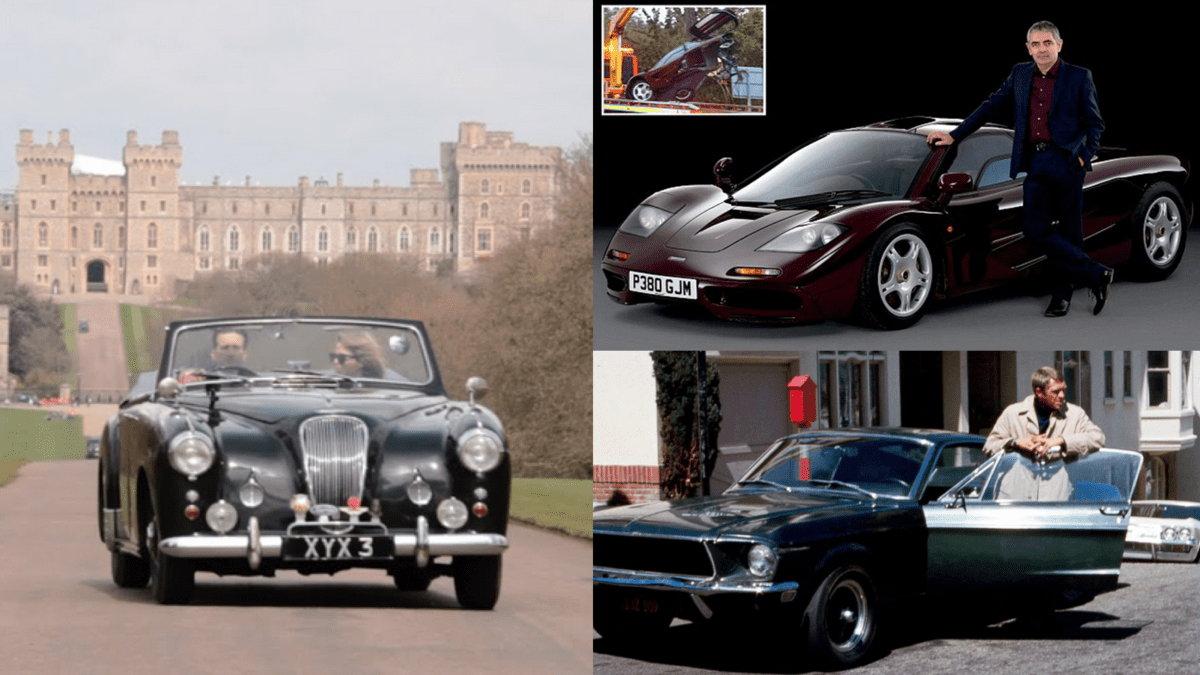
Whilst actor Rowan Atkinson’s most expensive car – www.slashgear.com was a 1997 McLaren F1 that he managed to crash twice still sold for a staggering £8.9 million ($11.1 million) sum higher than the £697,000 ($880,000) he originally bought it for new, other big and small screen stars and musicians have also profited from the motors they’ve bought.
In a world where your standard punter’s automotive purchase loses value as soon as it is driven off the forecourt and declines on average by 40% in value during its first year, many are dubious about ‘investing’ in cars. Those that dare to take a punt on a ‘classic car’ – interestingly defined in the UK by Her Majesty’s Revenue & Customs (HMRC) as one aged over 15 years old – can, however, actually make significant returns.
Amongst five other examples of other classic cars connected to the world of film and television that have made megabucks are:
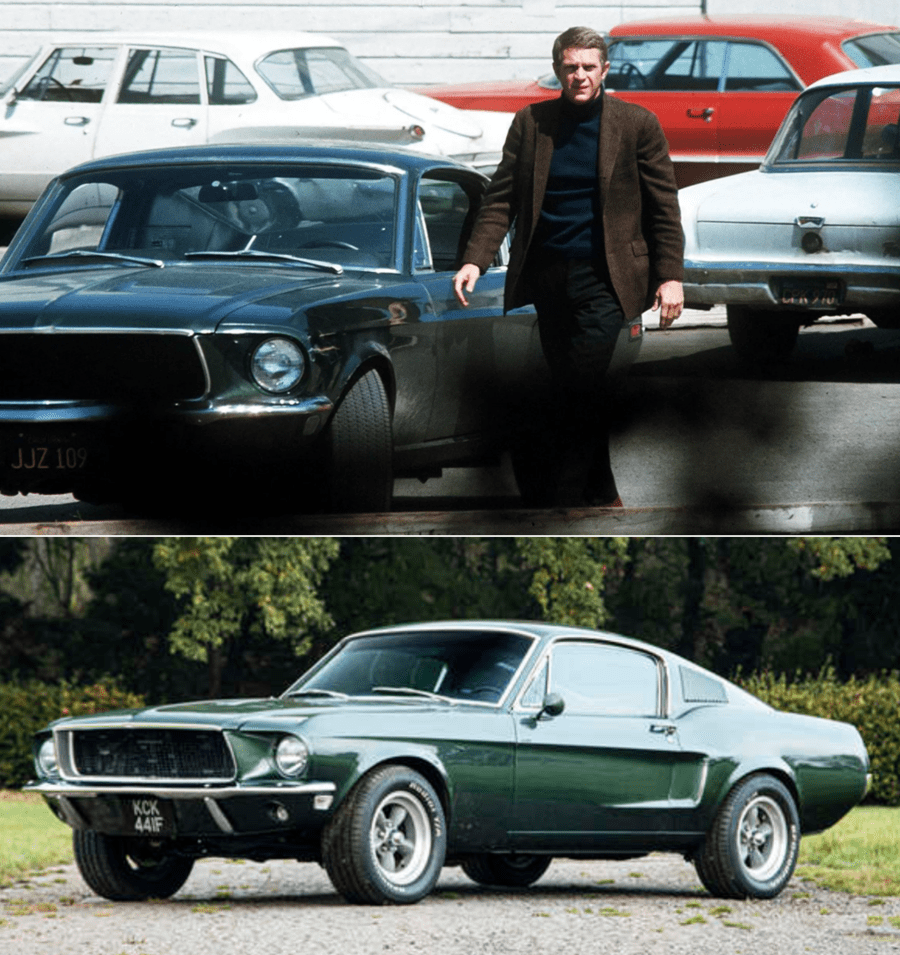
1 – The 1968 Ford Mustang GT that Steve McQueen drove in the cop thriller Bullitt was discarded after filming and sold for just £2,800 ($3,500) to Bob Kierman in the 1970s. It sold on for £2.7 million ($3.4 million) at a car show in Detroit – a sum 40 times as much as a ‘normal’ example. In 2020, what was termed a “respectful Bullitt homage,” a 1968 Ford Mustang in Highland green, sold at a Silverstone Auctions sale for £73,000 ($93,000); of it they added: “It should be mandatory to drive this car only in a pair of Persol 714 sunglasses.”
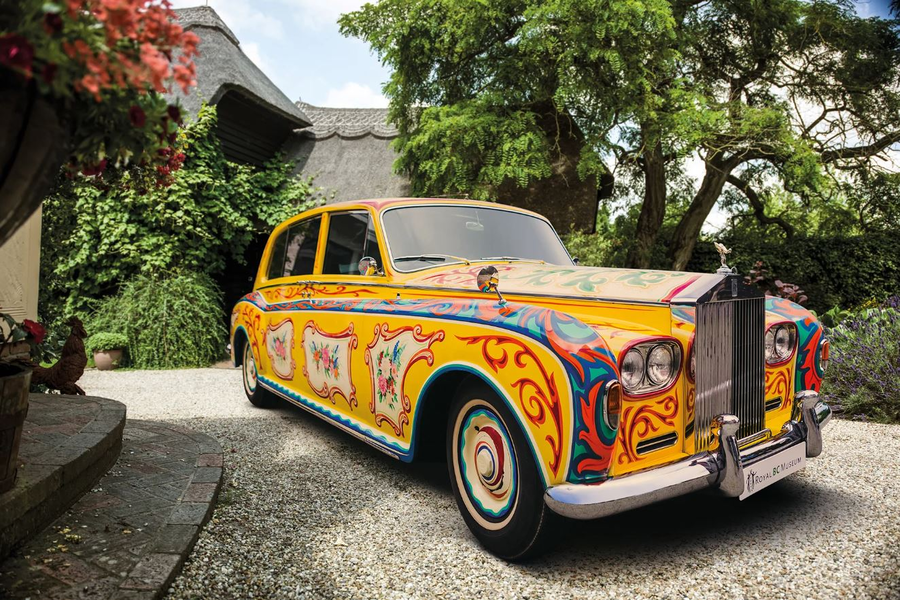
2 – John Lennon’s ‘psychedelic gypsy caravan’ styled 1964 Rolls-Royce Phantom V limousine cost him £6,600 ($8,300) new. He and it were attacked by a woman with an umbrella who yelled: “You swine! How can you do that to a Rolls-Royce?” but was later to sold to a Canadian billionaire named Jim Pattison for £2.4 million ($3 million) in 1985. A more ‘ordinary’ example lacking a ‘famous face’ connection sold for just £90,000 ($114,000) in 2018.
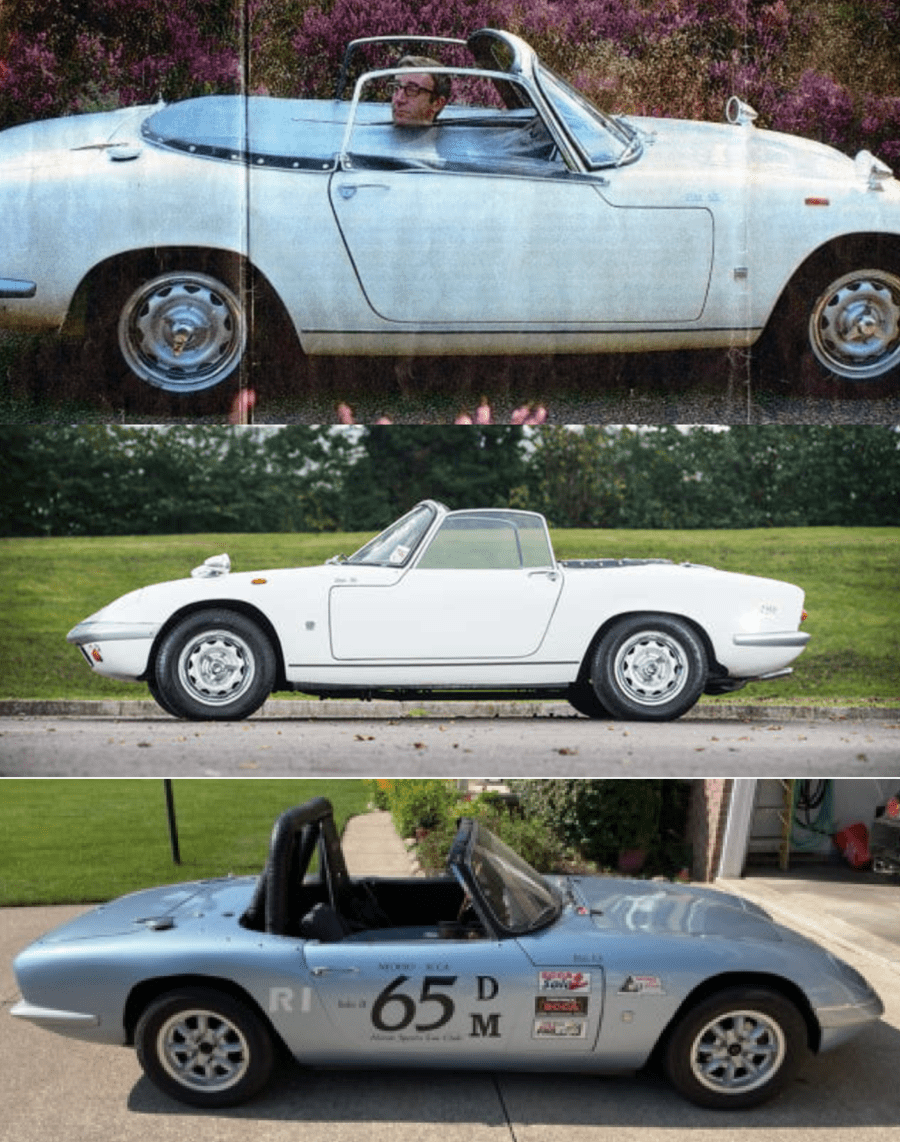
3 – A 1966 Lotus Elan S2 originally owned by actor and comedian Peter Sellers CBE sold at auction for just over £50,000 in 2015 at the NEC Classic Motor Show sale after being featured in The Steeple Times. A similar 1966 example with no connections to a ‘famous face’ is currently on offer for just £17,800 ($22,500).
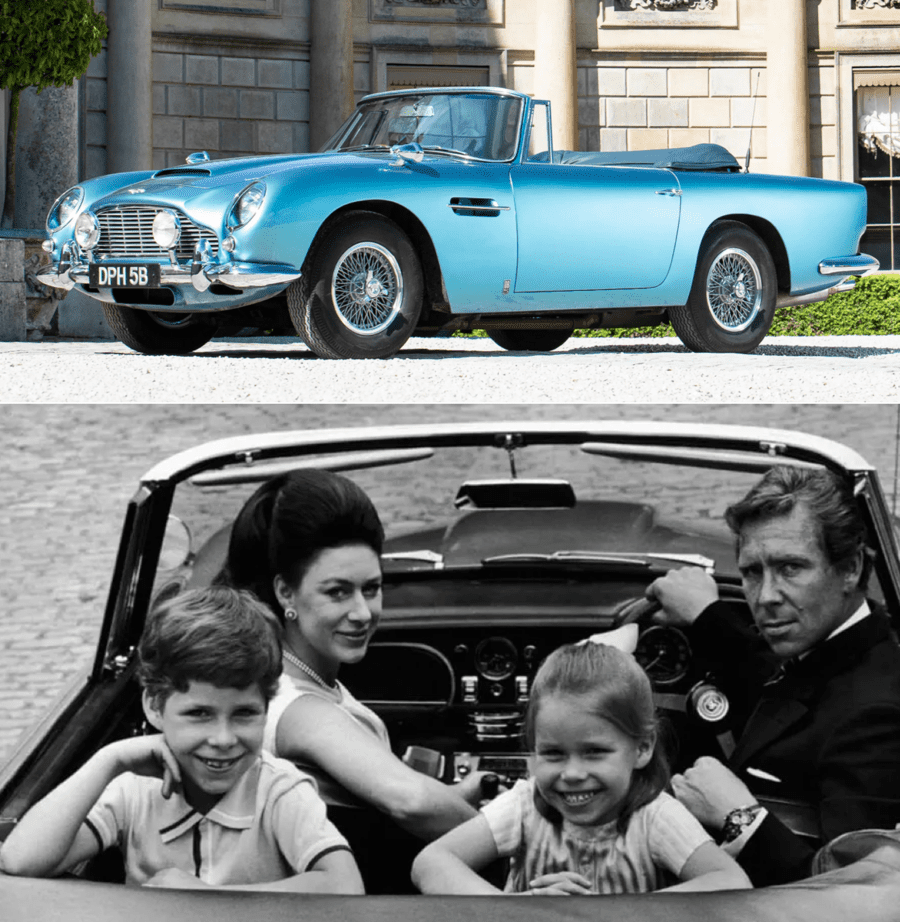
4 – Another racy run-about, not only also owned by Peter Sellers, but also by Princess Margaret’s husband, Anthony Armstrong-Jones, 1st Earl of Snowdon and more recently by TV presenter Chris Evans is another example of a ‘star priced car.’
Featured in The Steeple Times in June 2021 prior to being auctioned the following month by Bonhams at their Festival of Speed Sale at Goodwood, the 1964 Aston Martin DB5 was offered with an estimate of £1.3 million to £1.7 million ($1.8 million to $2.4 million). It had cost Peter Sellers just £4,490 new ($3,550); the actor and comedian sold it “at a loss” to the then Viscount Linley in 1965 – whose own son sold it in 2002 to pay towards the death duties incurred by his late mother’s estate.
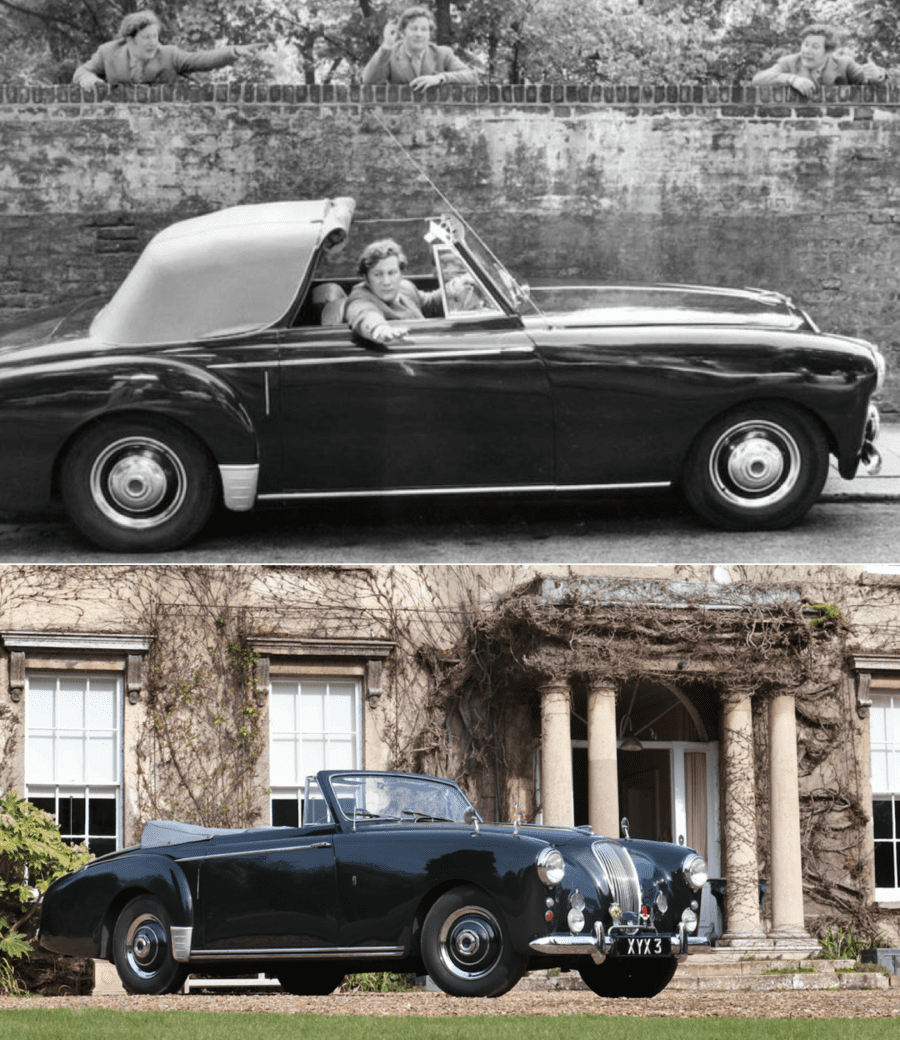
5 – Though a 1953 Lagonda DB drophead coupé originally owned by Sir Peter Ustinov, CBE FRSA failed to sell with an estimate of £90,000 ($114,000) in July 2017, auctioneers H&H Classics hammered down another ‘grander’ example, one owned by Prince Philip, for £340,000 ($432,000) the previous year. At the time, they remarked: “We sold Prince Philip’s Lagonda for a world record price… so the bar was set high.”
Advice on alternators
When it comes to classic cars, the alternator is a critical component that keeps the battery charged and the electrical system running smoothly.
Unlike modern vehicles, which might have more sophisticated diagnostic tools and electrical systems, classic cars require a more hands-on and attentive approach to identify and resolve issues with their alternators.
This section will guide you through the process of identifying and resolving problems with alternators in classic cars, ensuring that your vintage beauty runs as smoothly as it did in its heyday.
Understanding the alternator
The alternator is the heart of a car’s electrical system, responsible for charging the battery and powering the electrical system when the engine is running. It converts mechanical energy into electrical energy as alternating current (AC), which is then rectified to direct current (DC) suitable for the car’s electrical system and to charge the battery.
A malfunctioning alternator can lead to a dead battery, dimming lights, and ultimately, the car failing to start.
Symptoms of a faulty alternator
Identifying alternator problems early can save you from unexpected breakdowns. Here are common signs of a failing alternator:
– Dimming or overly bright lights: This can indicate that the alternator is not providing a consistent voltage.
– Dead battery: While batteries can fail on their own, a dead battery might also suggest that the alternator is not charging it properly.
– Warning lights on the dashboard: Many cars have a battery or alternator warning light that indicates when there’s an issue.
– Strange noises: A failing alternator can produce odd noises due to worn bearings or belts.
– Electrical issues: Malfunctioning accessories, such as power windows or radio, could point towards alternator problems.
Preventative maintenance
Preventative maintenance can extend the life of your classic car’s alternator and prevent many of the issues mentioned:
– Regular inspections: Routinely check the alternator belt for wear and ensure it is properly tightened.
– Clean terminals: Regularly clean the battery terminals and alternator connections to prevent corrosion.
– Battery maintenance: Keep the battery in good condition, as a failing battery can put extra strain on the alternator.
Conclusion
Maintaining the alternator in a classic car requires a blend of observation, basic electrical knowledge, and sometimes, a bit of detective work. By understanding how to identify and address issues with your alternator, you can ensure that your classic car remains reliable and ready for the road.
Remember, the key to troubleshooting and maintenance is regular inspection and early detection of potential problems. With these tips and a proactive approach, you can keep your classic car’s electrical system in top condition, preserving its legacy and performance for years to come.
The 1968 Ford Mustang GT used by Steve McQueen in the classic film ‘Bullitt’ (top) and an example made as a homage to it (below).John Lennon’s ‘psychedelic gypsy caravan’ styled 1964 Rolls-Royce Phantom V limousine. It certainly set a record price when sold in 1985.The 1966 Lotus Elan S2 originally owned by actor and comedian Peter Sellers CBE (top and centre) and a similar car without any ‘famous face’ connection (below).The 1964 Aston Martin DB5 that was owned by Peter Sellers CBE, the 1st Earl of Snowdon and later Chris Evans.The 1953 Lagonda DB drophead coupé originally owned by Sir Peter Ustinov, CBE FRSA and another example – which sold for a lot more – that was owned by the late Prince Philip.
Tardis-like hidden house in Knightsbridge once home to ‘airhead’ Donna Air – who once amusingly asked The Corrs: “Where did you all meet?” – for sale for £14.5 million (or 383% more than it was ‘worth’ in 2003)
Update, Thursday 4th April 2024 – Internal images removed at insistence of Annabel Edney, associate PR, Savills.
The ‘cheap wing’ of one of Knightsbridge’s landmark churches, St Saviour’s, has gone on sale for a not-insubstantial sum of £14.5 million after the more ‘expensive wing’ was marketed for the very punchy sum of £55 million in 2019 and the still somewhat punchy sum of £44 million in 2020.
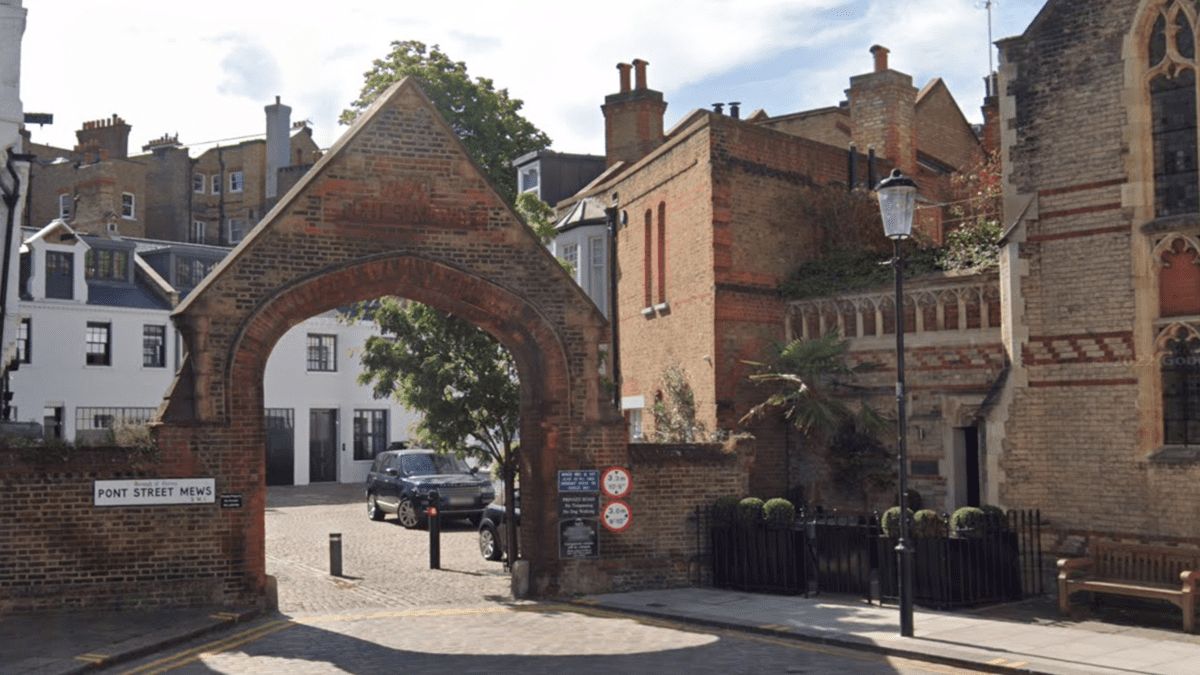
The deceptively Tardis-like Hastings House in Walton Street is a ‘blink-and-you’ll-miss-it’ home from the pavement. It is entered through a small door to the side of a church that was reduced in size to accommodate the vast 12,102 square foot St Saviour’s House and the new-build in 1999 property of 5,261 square foot now offered by agents Savills.
Actress and presenter Donna Air – who once hilariously asked the siblings that formed The Corrs: “Where did you all meet?” during an interview – numbers amongst the well-known ‘names’ to have lived in the house. This likeable lady shared the property with her wealthy conservationist then partner Damian Aspinall and even operated her even more hilariously named company (since dissolved) Airhead And Money Limited from the address.
Occupied also variously by a fast-living, Bugatti driving oil trader named Pierre Andurand and the controversial Italian sports manager Pierandrea Semeraro, the three-storey residence is centred around a “serene” private courtyard and includes 2 reception rooms, 3 bedrooms, 3 bathrooms and a rather impressive roof terrace.
Savills describe the freehold house as “opulent” and laud “one of the crowning jewels of the residence,” its underground pool, as a “hidden gem” in the basement; perhaps Sharon Corr and her siblings could hold a reunion there.
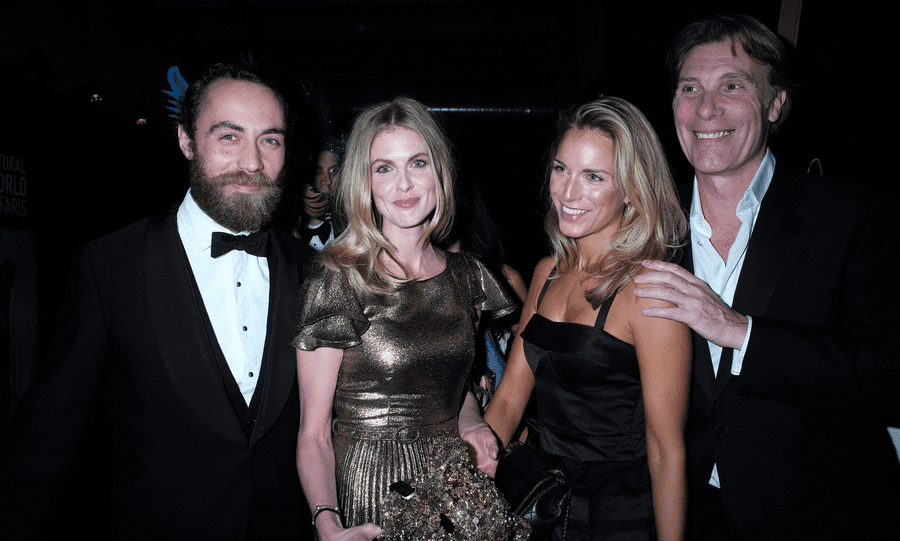
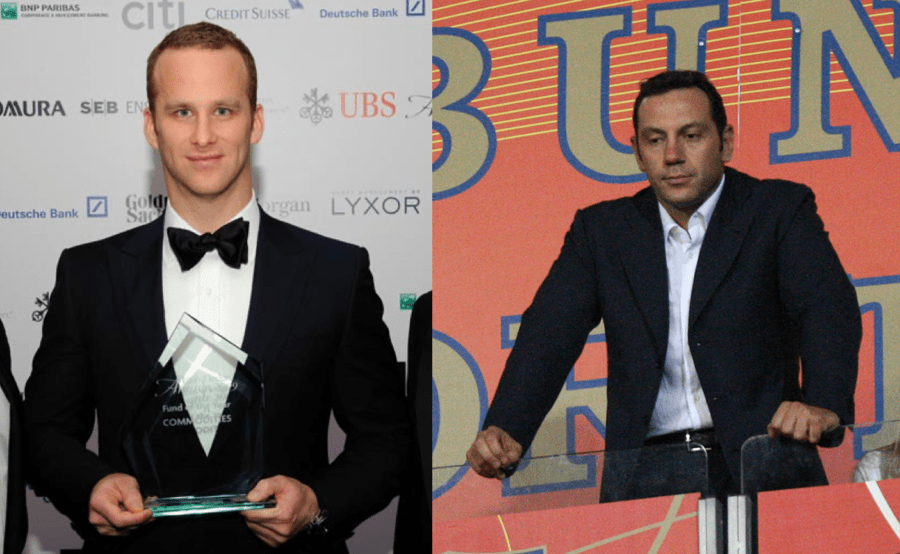
Actress and presenter Donna Air and conservationist Damian Aspinall with James Middleton – Air’s partner between 2013 and 2018 – and Victoria Fisher – whom Aspinall married in 2016. Aspinall and Air were an item between 2000 and 2007. Donna Air’s most famous moment on the telly box was summed up in an interview with Sharon Corr of the Celtic pop band The Corrs. Of the encounter, Corr stated: “We did a live television interview with Donna Air. Her opening question was: ‘So, where did you all meet?’ I looked at my brother and sisters and our hearts sank. If that was the opening question, it could only go downhill from there. It was clear that she knew absolutely nothing about us.”Oil trading tycoon Pierre Andurand and sports tycoon Pierandrea Semeraro have also both been listed at the address in Companies House records. How long each of the men lived at the property is unknown.
The Names & Numbers – Hastings House, Walton Place, Knightsbridge, London, SW3 1SA, United Kingdom
March 2024 – Offered for sale as an “ultra-cool freehold house” by William Duckworth-Chad and Alex Christian of Savills for £14.5 million ($18.3 million, €17 million or درهم67.2 million) – an asking price 123% higher than the asking price 20 years ago in March 2004 and 383% higher than the quoted worth in May 2003 – and described by Robb Report’s Abigail Montanez as a “stately London home hiding in plain sight… in the affluent Knightsbridge neighbourhood.”
April 2012 – Richard Compton Miller for The Standard bizarrely contradicts previous evidence and suggests Damian Aspinall and Donna Air “recently moved into [the] converted church.” It can only be assumed he was regurgitating somewhat outdated parish news.
April 2010 – Listed as the address of French “entrepreneur” Pierre Andurand on his appointment as a director of Andurand Events Limited company. The company ultimately was dissolved on 28th June 2011 after a compulsory strike-off.
Aixe-en-Provence born Mr Andurand is listed on Wikipedia as a “businessman and hedge fund manager” who was educated at the University of Oxford. This twice married “leader” of Andurand Capital has variously been listed as a “star trader,” an “oil trading wildcard” and someone who operates with “no set risk limits.” World Top Investors list this kickboxing enthusiast as “the comeback kid, the hotshot trader living the jock-bro dream, driving a Bugatti supercar, a Knightsbridge townhouse, and a trophy wife Russian model.”
23rd January 2007 – A planning application submitted by the Italian sports manager Pierandrea Semeraro concerning the property is approved.
Mr Semeraro is listed on Wikipedia as having been the president of the Sports Union Lecce from 2006 to 2010. He was subsequently banned and disqualified after an investigation into a football betting scandal.
November 2006 – Planning application submitted to make various alterations to Hastings House by a firm named Stanhope Gate including the addition of skylights.
April 2004 – Described by the Daily Mail’s Adam Helliker as being the “weekday… converted church” home where “daughter of a bus mechanic from Newcastle” who “has, by all accounts, rather taken to the life of luxury” Donna Air “busies herself with acting lessons, acupuncture, shiatsu and stints with her personal trainer.”
March 2004 – Featured once again by The Observer’s Ben Flanagan after going on sale for the far higher than he’d previously mentioned sum of £6.5 million ($8.2 million, €7.6 million or درهم30.1 million) through the rather ritzy realtors Aylesford.
Of it, Flanagan enthused:
“Behind a discreet doorway on an exclusive Knightsbridge street lies this 5,250 sq ft home, which the estate agent describes as ‘one of London’s hidden gems.’”
“You’d never guess the house was built in the 1990s as you wander through its elegant Italianate central courtyard to the neo-classical cloisters and drawing room. One clue, however, is the basement swimming pool and bar, which has a more modern – if a little Footballers’ Wives – look… ‘There’s an amazing ‘party pad’ feel to it,’ says a spokesman.”
May 2003 – Described by The Observer’s Ben Flanagan as worth £3 million ($3.8 million, €3.5 million or درهم13.9 million) in a feature that mentions it being the home of actress Donna Air and zoo owning tycoon Damian Aspinall.
28th July 2000 – Listed as the correspondence address of “presenter” Donna Air’s amusingly named “radio and television activities” company, Airhead And Money Limited. The company ultimately was dissolved on 1st March 2011 after a compulsory strike-off.
4th September 1998 – Full planning permission granted for the construction of Hastings House by the Royal Borough of Kensington & Chelsea. Of the planning history of the unlisted property then to be constructed, the council noted separately: “The subject site was formerly included within the ground of the St Saviour’s Church, which is a listed building, however following planning permission which was granted in August 1997 for the erection of the subject building, the subject site has been formally renumbered in 2001 as Hastings House and is considered as a separate planning unit to St Saviours Church.”
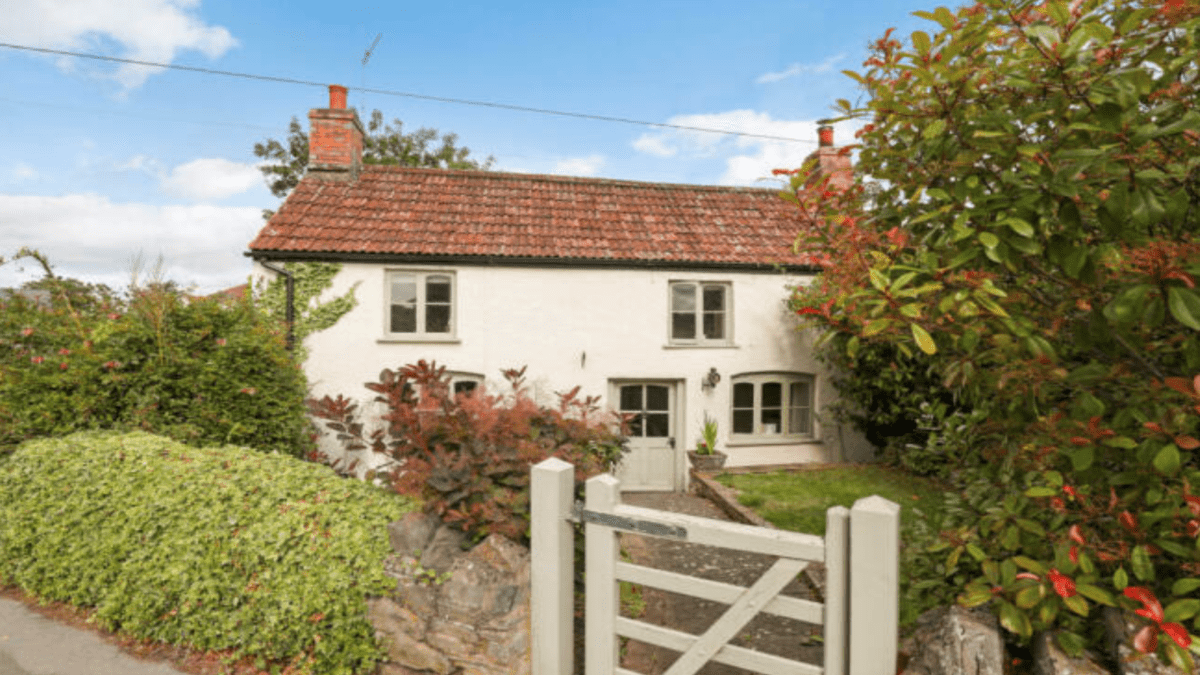
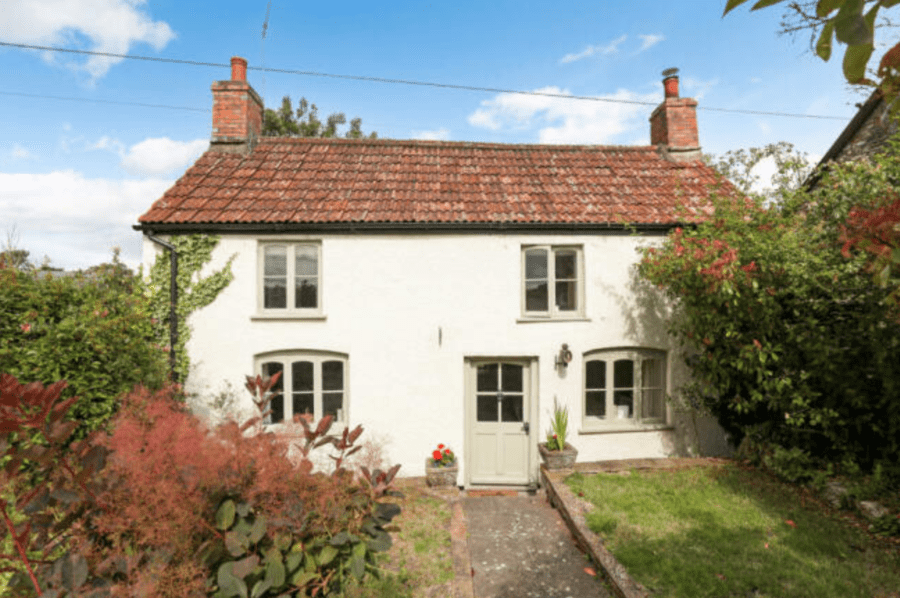
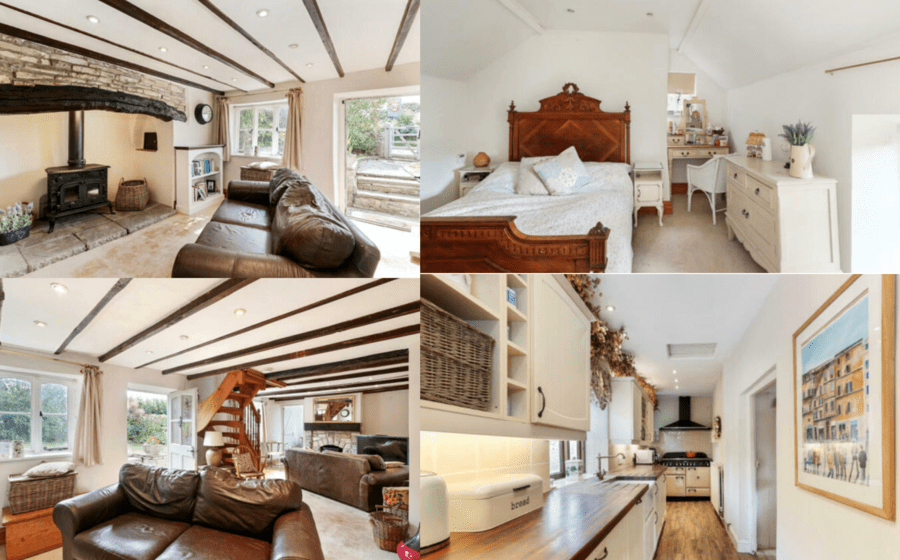
Compact yet cosy, the main attraction here is a 22-foot length sitting room with an inglenook fireplace and bread oven at one end and a natural stone fireplace at the other. It also includes a kitchen with a Rangemaster oven, a study and would make an ideal Airbnb given its proximity to Glastonbury and its annual festival.
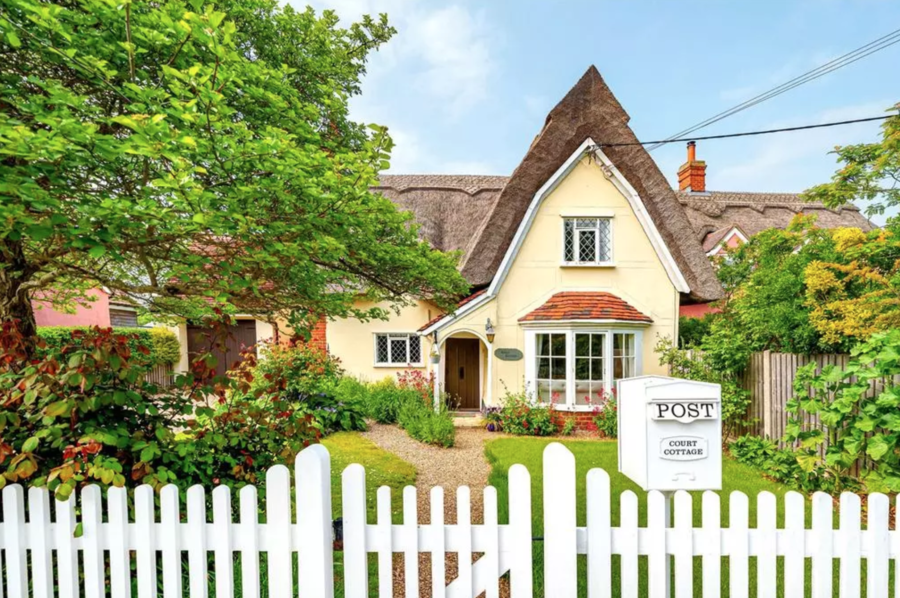
Another ‘chocolate box’ cottage comes in the form of Court Cottage – an 18th century detached property in a “highly regarded south Suffolk village” near Bury St Edmunds where one of Margaret Thatcher’s most trusted political advisers, David Hart, “lived-in-style” prior to his death in 2011.
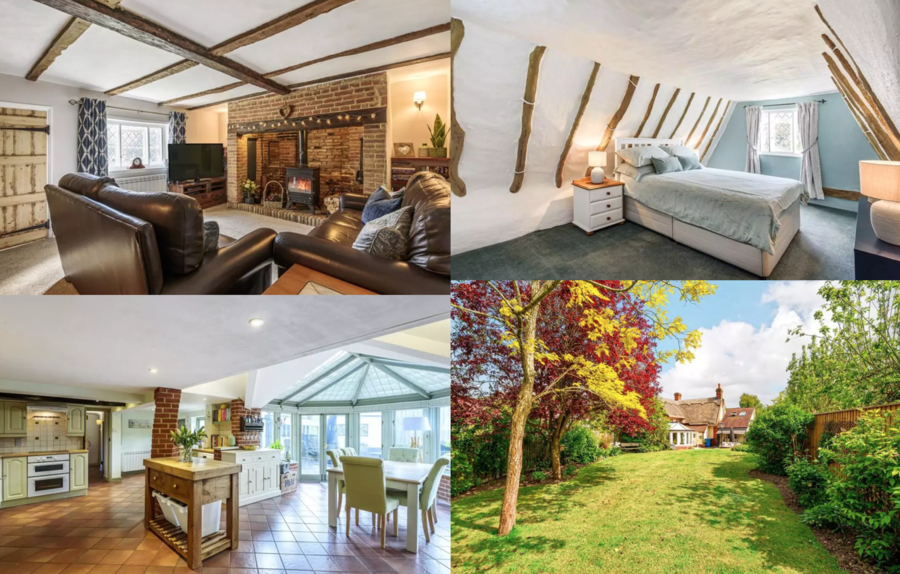
Offered by Jackson-Stops, this 1,615 square foot thatched building includes 2 reception rooms, 3 bedrooms and 2 bathrooms. It also has a “fabulous” dining kitchen, a garage with a room above, an electric car charging point and a lawned garden.
Curiously, the property has a “flying freehold” since the neighbour’s bathroom overhangs the property’s ground floor utility room and a “creeping freehold” since its cellar lies beneath the adjoining property’s living area.
Llangain, Dorstone, Herefordshire –£695,000 ($873,300, €800,500 or درهم3.2 million)
For the same sum, just 3.5 miles from the market town of Hay-on-Wye – famed as “the town of books” – this 18th century restored cottage on ½ acre is available freehold. It is situated close to the Golden Valley village of Dorstone – a settlement best known for its annual sloe gin competition where each year the winner is crowned the ‘Grand Master of the Sloes.’
Llangain, a farmhouse that was derelict from the First World War until 1995, itself has 4 bedrooms and in addition there is a 1-bedroom barn conversion. Agents Knight Frank laud the property as being in a “picturesque setting” and having “amazing views.”
Willow Cottage, Bethersden, Kent – £1.75 million ($2.20 million, €2.01 million or درهم8.07 million)
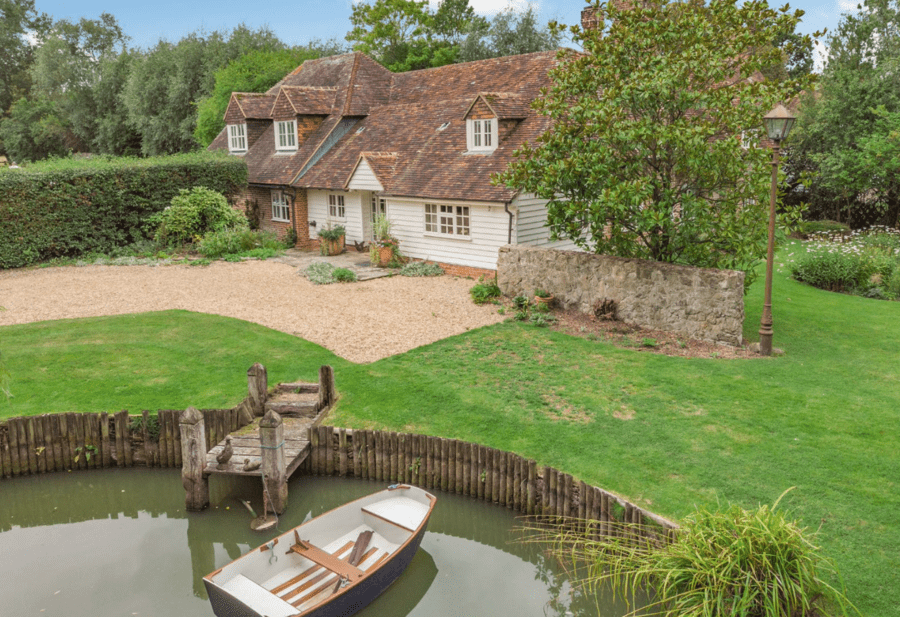
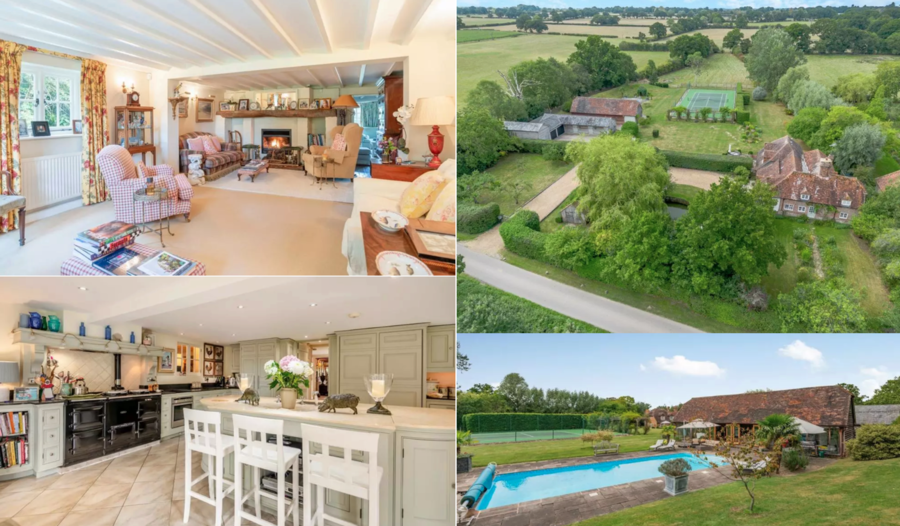
Situated in a village best known for producing rather ritzy rocking horses for everyone from the late Queen Elizabeth II to Sir Paul McCartney, Willow Cottage is being marketed by Strutt & Parker as having “evolved from the picturesque period cottage at its heart, and from which it derives its somewhat understated name” into an “elegant 4,800 square foot family house.”
Situated on a plot of 16.5 acres and last sold for £400,000 in July 1998, this 5-bedroomed residence comes with a separate 2-bedroomed ‘guest barn’ and also has a tennis court, a swimming pool, stabling, garaging, gardens and paddocks. A “picturesque pond” currently provides opportunity for Wind in the Willows-esque Messing About in a Boat, as our main photograph suggests.
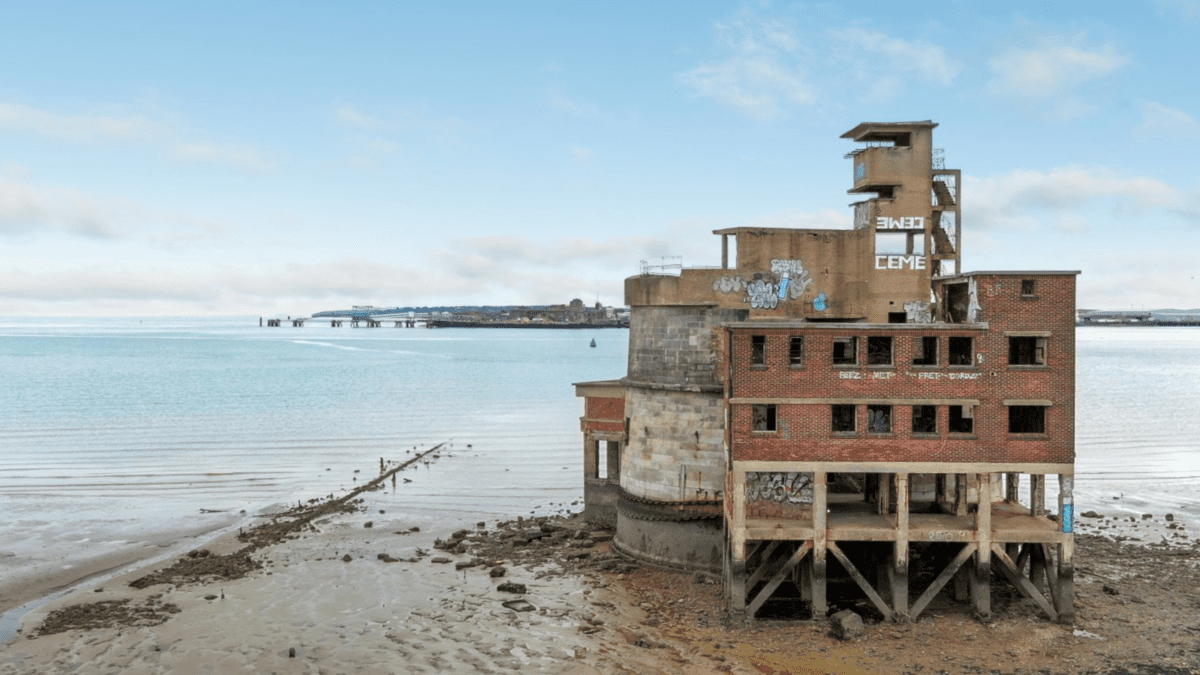
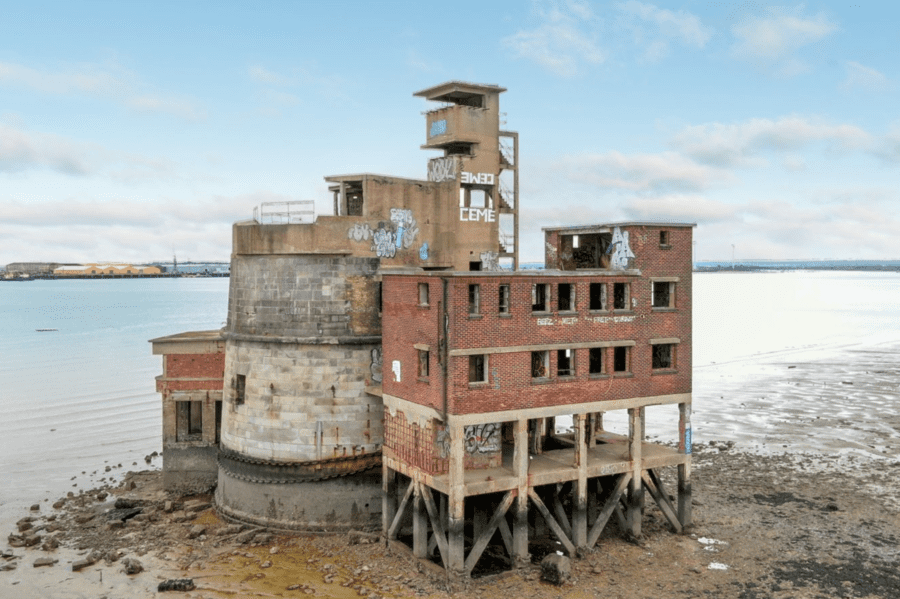
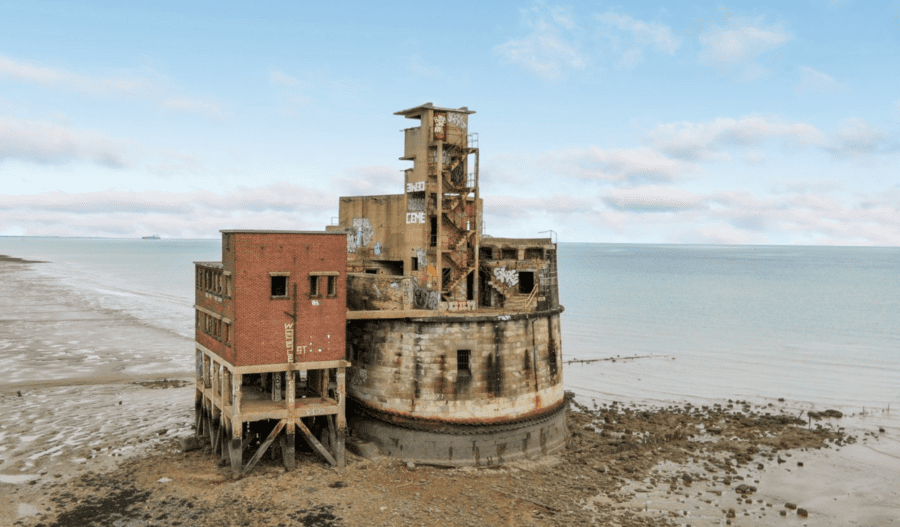
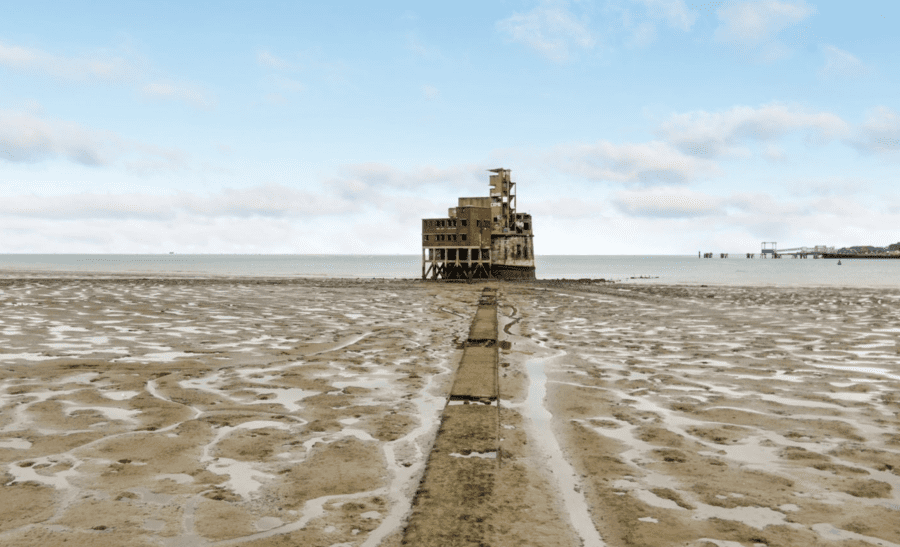
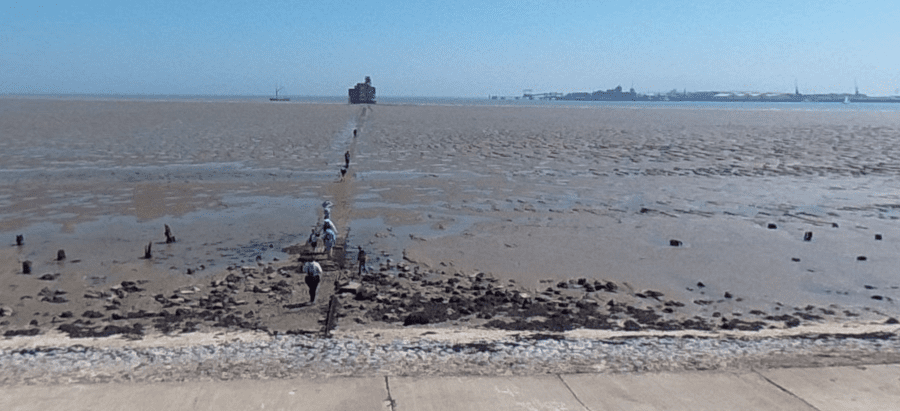
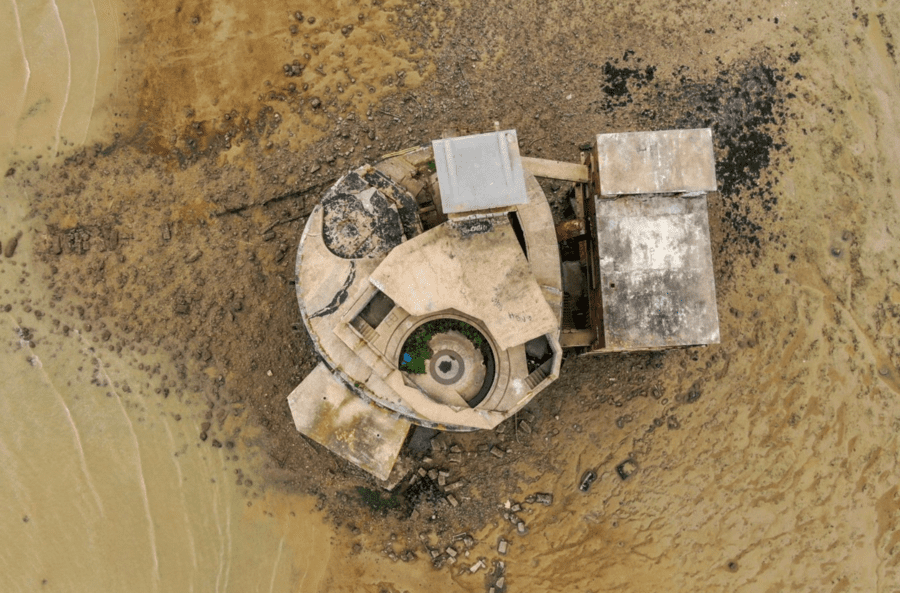
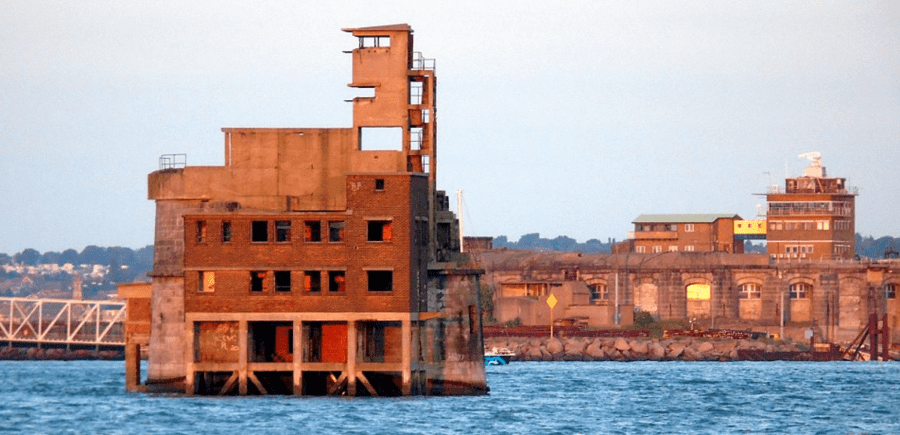
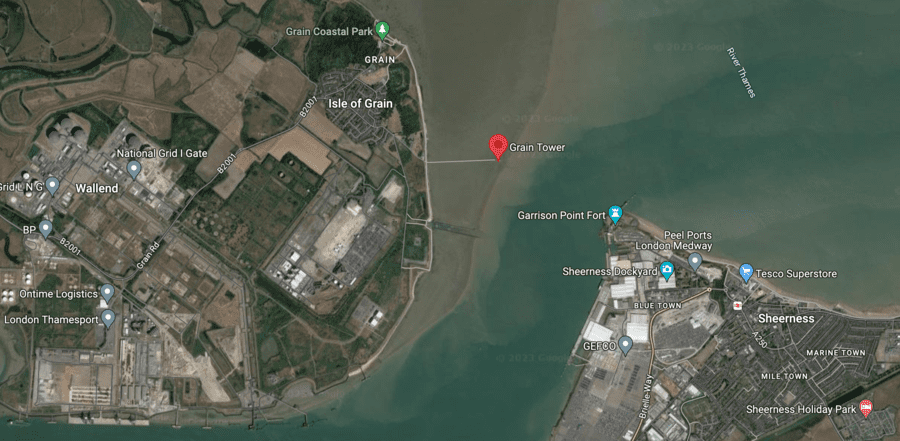
‘No. 1, The Thames’ (also known as ‘Grain Tower’) – which most definitely has the second-best address in the UK after the rather ritzy ‘No. 1, London’ on Hyde Park Corner – is situated 0.6 miles off the Isle of Grain and is being sold on the order of LPA receivers Kroll. It had previously been sold for £400,000 in October 2014 and was offered again for the far more punchy price of £1.9 million in August 2020.
“One of the last examples of a British gun tower” and accessible only on foot at low tide – or by boat or helicopter at other times – Grain Tower was constructed as a reaction to a potential French invasion of Britain in the 19th century. It was used in both the First and Second World Wars and was eventually decommissioned in 1956.
Sold by the Crown Estate in 2005 to a private buyer, the freehold building is situated near the Isle of Grain in Kent where the River Medway meets the River Thames. It could potentially be turned into a home, hotel or an event venue even and is being marketed as a “blank canvas.”
Editor’s note – Unlike as is the case in many publications, this article was NOT sponsored or supported by a third-party. Follow Matthew Steeples on Twitter at @M_Steeples and watch his current nightly show on YouTube at 9pm daily.
A message from our editorial team – Thank you for reading this article. We’re more reliant on your support than ever as the shift in consumer habits brought about by coronavirus and the cost-of-living crisis impacts our advertisers.
If you haven’t already, please consider supporting our trusted, fact-checked journalism by supporting our work via Patreon.
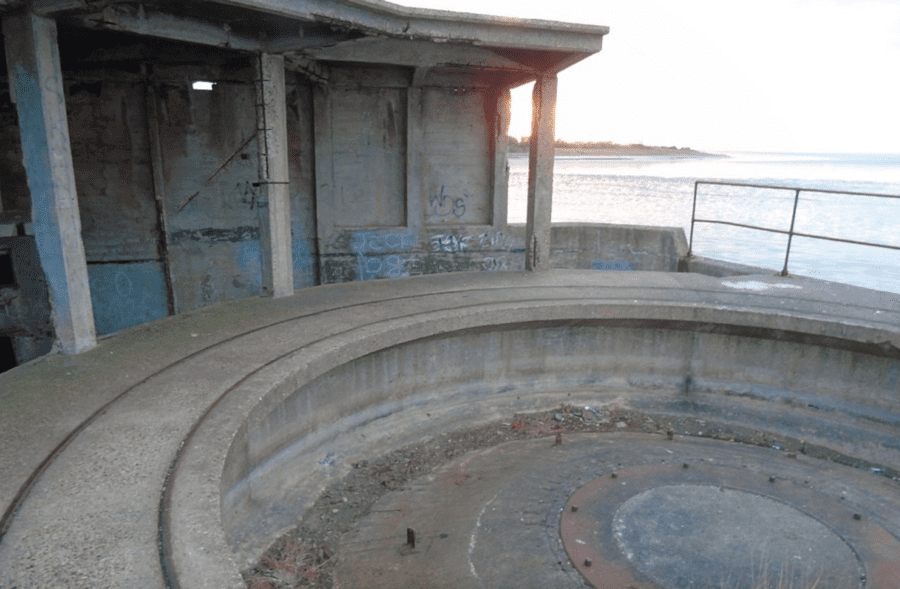
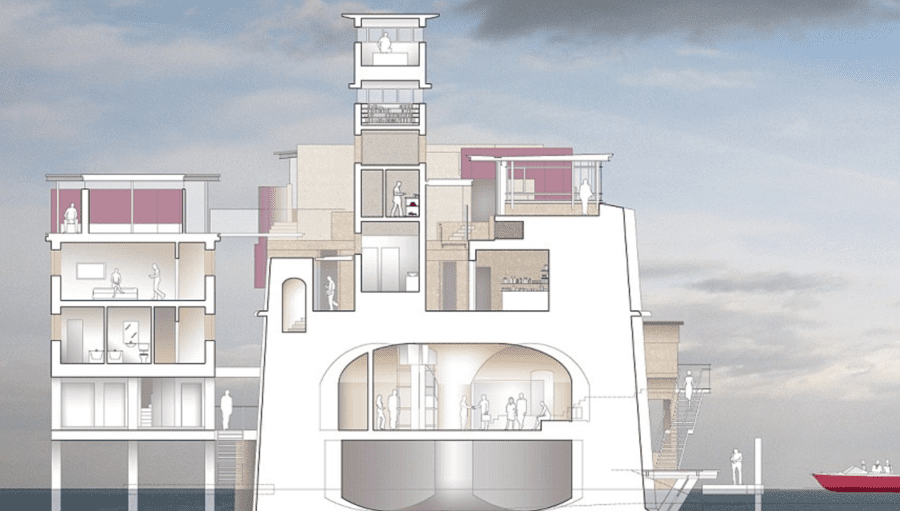
A former gun emplacement that could be turned, perhaps, into a swimming pool.A proposal for how the conversion of the tower might look. A cross-section of the design proposal.
The Names & Numbers – Grain Tower, No. 1, The Thames, Isle of Grain, Kent, ME3, United Kingdom (grid reference TQ8986976037)
20th September 2023 – To be offered for sale at auction with a guide price of £150,000 ($187,000, €174,000 or درهم687,000) by Savills.
In a press release, Jeremy Lamb, auction director at Savills, remarked:
“There is always excitement when unusual lots come along as they have a special power to capture the imagination. We’ve had water towers and military sea forts in our sales in the past, but this gun tower is a first; a blank canvas with heaps of history and phenomenal sea views, not to mention its coveted No. 1, The Thames address.”
“Historically, rare lots like this have seen significant interest in our auctions. Last summer, the hammer came down on Bull Sand Fort in the Humber Estuary at nearly 10 times guide price after attracting bids from around the world and the year before that we auctioned a water tower in Essex which has since received permission for residential use and a chance to design a once in a life time property.”
August 2020 – Placed for sale £1.9 million ($2.4 million, €2.2 million or درهم8.7 million) by the Chrome Residential group.
July 2015 – Listed as “at risk” by English Heritage due to its “poor condition and ongoing decay.”
October 2014 – Sold by agents Riverhomes for £400,000 ($498,000, €464,000 or درهم1.8 million) to a new owner who wished to “remain under the radar.”
August 2014 – Placed for sale again for £500,000 ($623,000, €581,000 or درهم2.3 million) through Riverhomes.
At the time, estate agent Nigel Day “said fervently” to The Guardian’s Maev Kennedy:
“I’m not going to lie to you, it’s an absolute monster… It’s fabulous, but it is pretty scary. I thought I was OK on heights, but there are bits of it where I was clinging on to the walls: you realise if you fall you aren’t coming back in a hurry… It’s huge. You do get the sense that it really is bomb proof – but there are places where your legs turn to jelly a bit.”
“The interest has been absolutely phenomenal; we’ve had people talking about turning it into a hotel, a home, a recording studio or a club.”
Speaking to the MailOnline’s Steph Cockcoft, Mr Day added:
“I am in awe of what an amazing building it is and its potential, which would be subject to planning permission and negotiations with English heritage.”
“It could be transformed into something really special – a stunning home, a hotel, a sanctuary or something to do with outdoor pursuits. There are so many possibilities.”
“The seller has owned it for around ten years and he doesn’t have the time to do anything with it. I think you would probably look at spending a minimum of £1 million ($1.2 million, €1.2 million or درهم4.6 million) turning it into a home.”
Going further of the fort, owner Simon Cowper cautioned and added: “It didn’t work well as a home [given] the cost of doing it up.”
2010 – Placed for sale for £500,000£500,000 ($623,000, €581,000 or درهم2.3 million).
2005 – Sold by the Crown Estate to a “private owner,” a “London builder named Simon Cowper.
1986 – Given a Grade II listed designation by English Heritage.
1956 – Decommissioned.
1944 – Reduced to “care and maintenance status.”
Second World War (1939 – 1945) – Addition of twin 6-pounder QF gun and Defence Electric Light Emplacement and further developments to enable the tower to become an anti-aircraft tower.
1929 – Grain Tower is disarmed.
1920s – Grain Tower is sold to the War Office “for the purpose of building a firing point for testing large weapons.”
Of the developments, in January 2014, Matthew Edgeworth for English Heritage observed:
“One of the names of the establishment, cited on early plans, was ‘Grain Island Firing Point.’ It was also referred to as the Yantlet Battery. The firing point was an ‘out’ battery of the experimental establishment at Shoeburyness on the other side of the estuary. It was used for firing long-range shells in a north-easterly direction across the estuary into shallow water on the mudflats along the Essex coast, known as Maplin Sands.”
“Facilities included two pairs of large velocity screen masts, an internal railway linked to the national network, a gun emplacement, a railway gun emblacement, domestic quarters and administrative offices, a gantry path for travelling crane and a wharf on Yantlet Creek for the unloading and loading of large guns and their mountings.”
“The firing point is an unusual monument type, further distinguished by the length of the range of which it was a part, the size of the guns that were tested there, and the state of preservation of its surviving structures.”
First World War (1914 – 1918) – Substantial alterations made to enable defence using two 4.7 quick firing guns against raids by fast moving torpedo boats. In addition, Grain Tower found an additional purpose as one end of a boom defence stretching across the Medway to Sheerness.”
1910 – Repurposed as a communications tower.
Mid-19th century – Becomes “effectively obsolete” as soon as completed due to “rapid improvements in artillery technology.”
17th November 1855 – Construction by Lincolnshire builders Kirk and Parry completed and the tower is handed over to the Ordnance authorities. The work had gone 50% over budget and had cost £16,798 ($20,940, €19,507 or درهم76,906) or the equivalent of £1.5 million ($1.8 million, €1.7 million or درهم6.8 million) today.
1848 – Construction of the tower commenced “in response to fears of a French invasion during the mid-19th century,” but “difficulties were soon encountered and construction was paused until 1853.”
Burgh Island in South Devon, where Agatha Christie wrote several novels and The Beatles stayed also, goes on sale for the staggering sum of £15 million
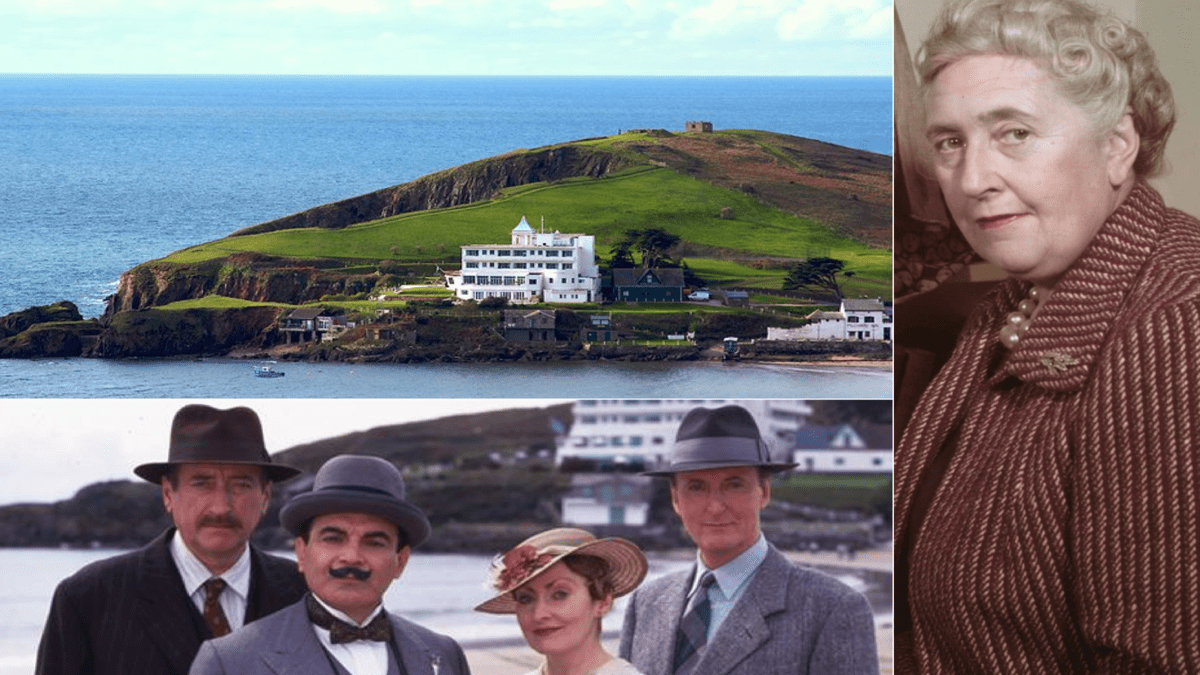
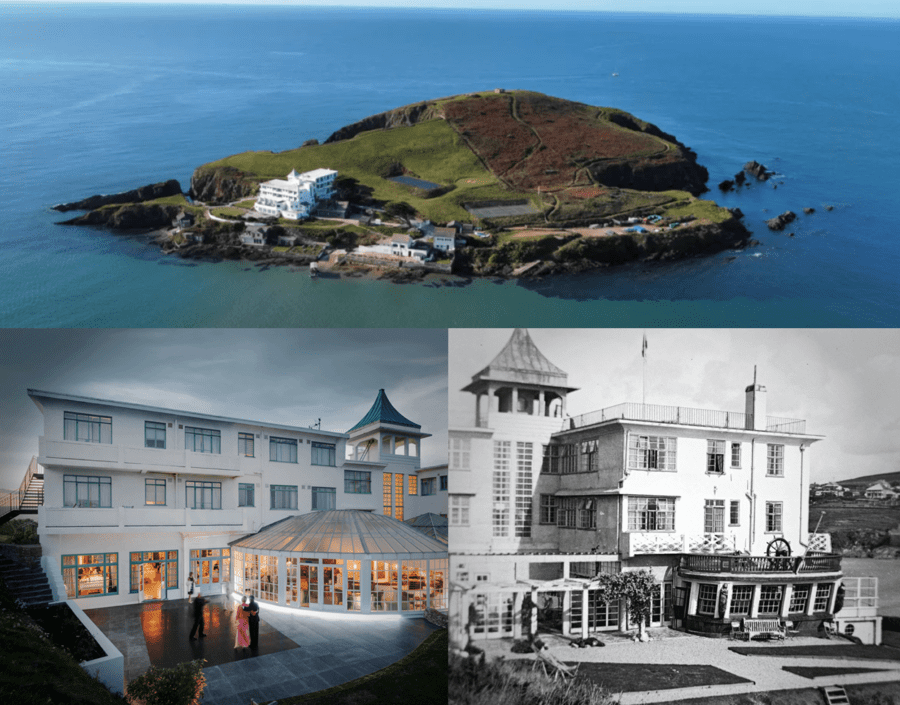
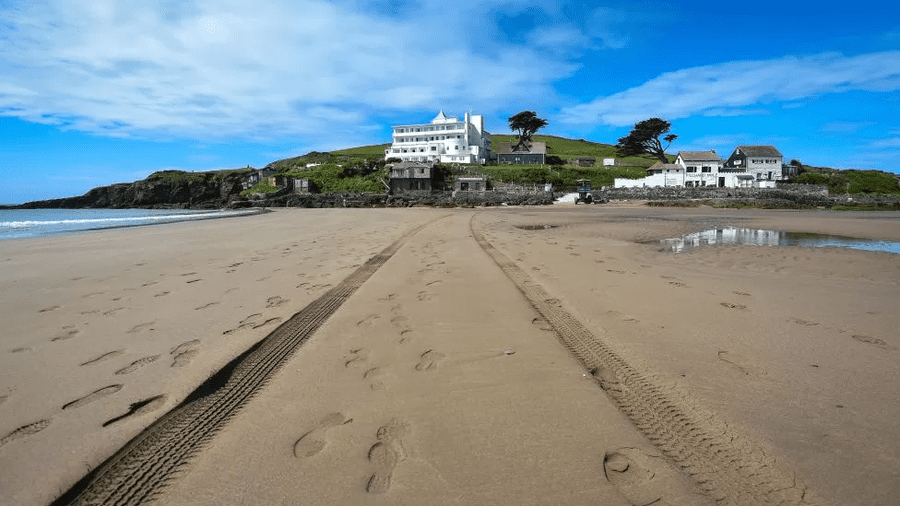
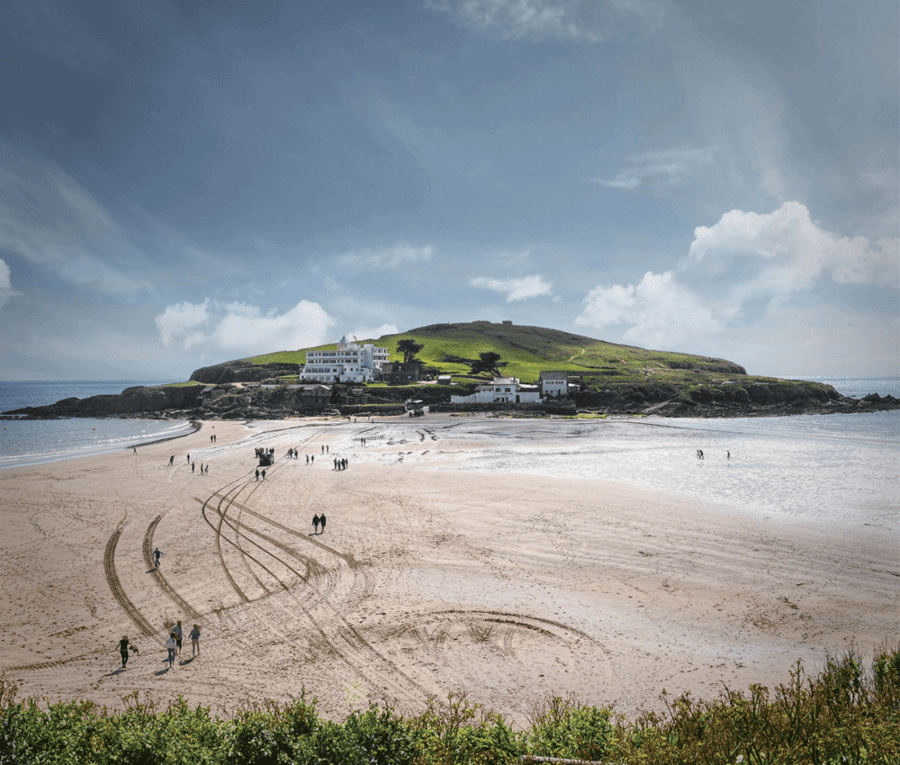
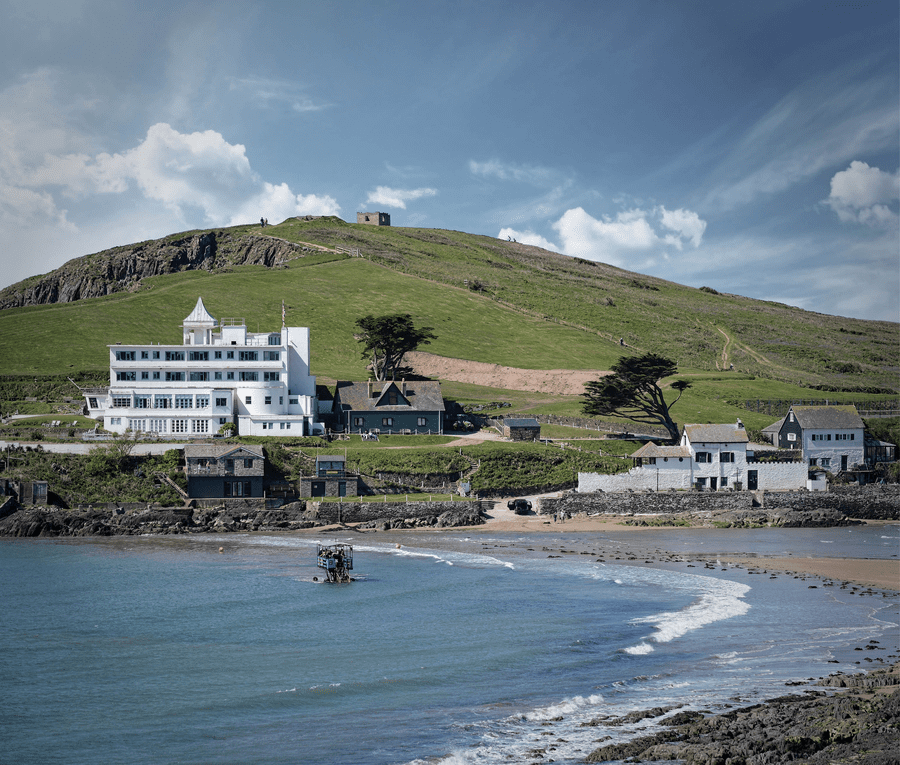
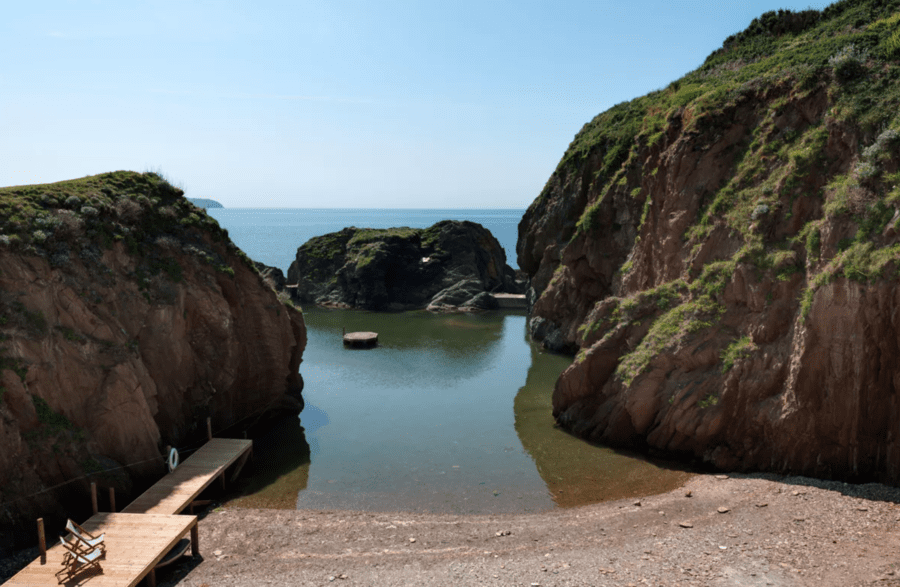
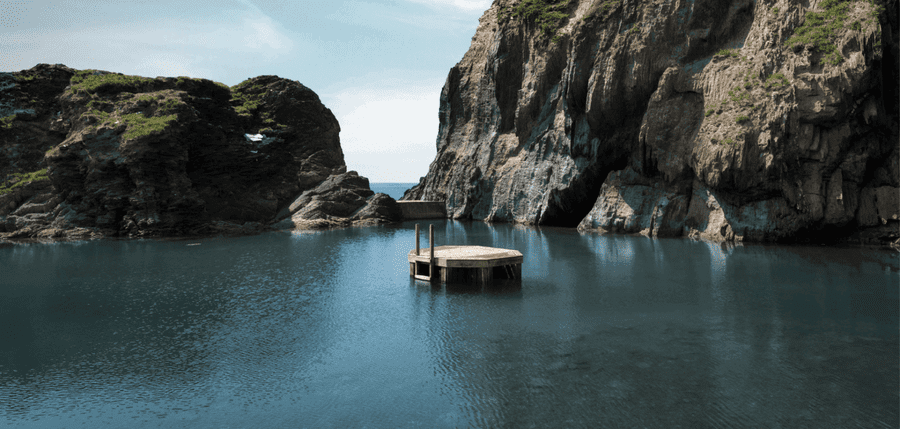
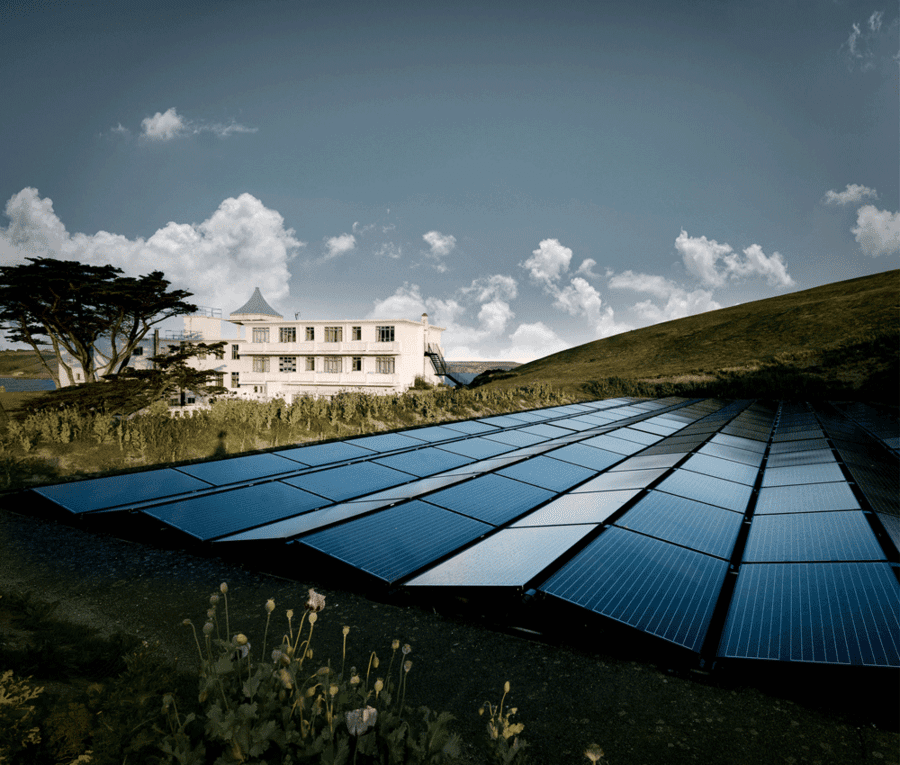
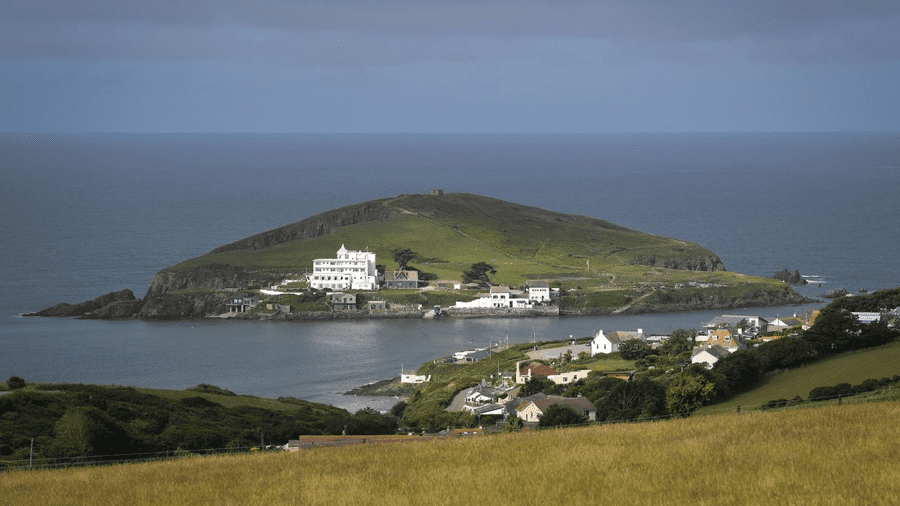
Described as “the best hotel west of The Ritz” by its current owner Giles Fuchs, a favourite South Devon bolthole of Agatha Christie has just come up for sale for £15 million. It was here that the ‘Queen of Crime’ had her own writer’s retreat and where also that she was inspired to pen both And Then There Were None and Evil Under The Sun.
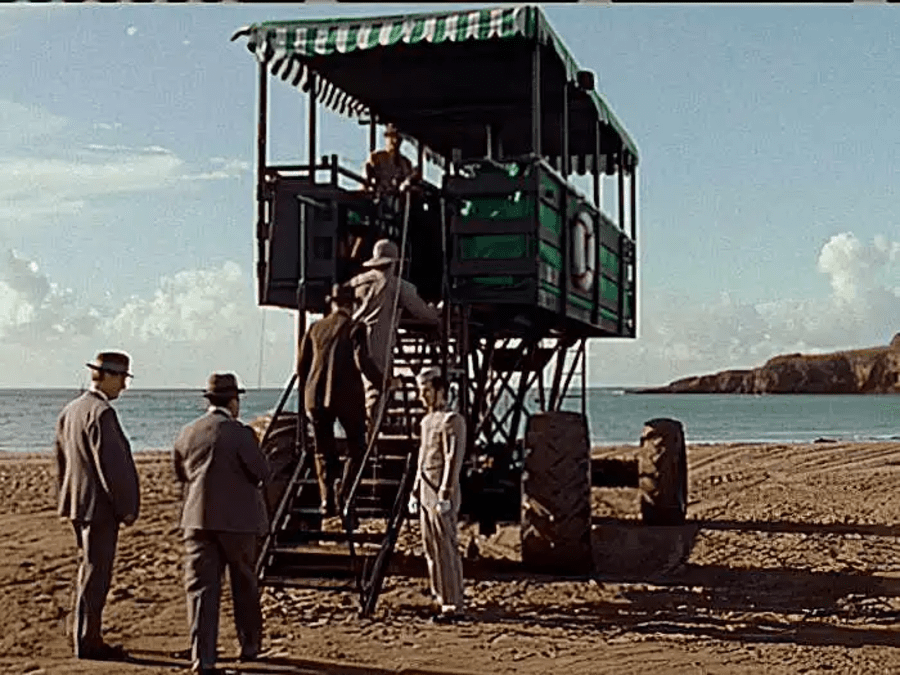
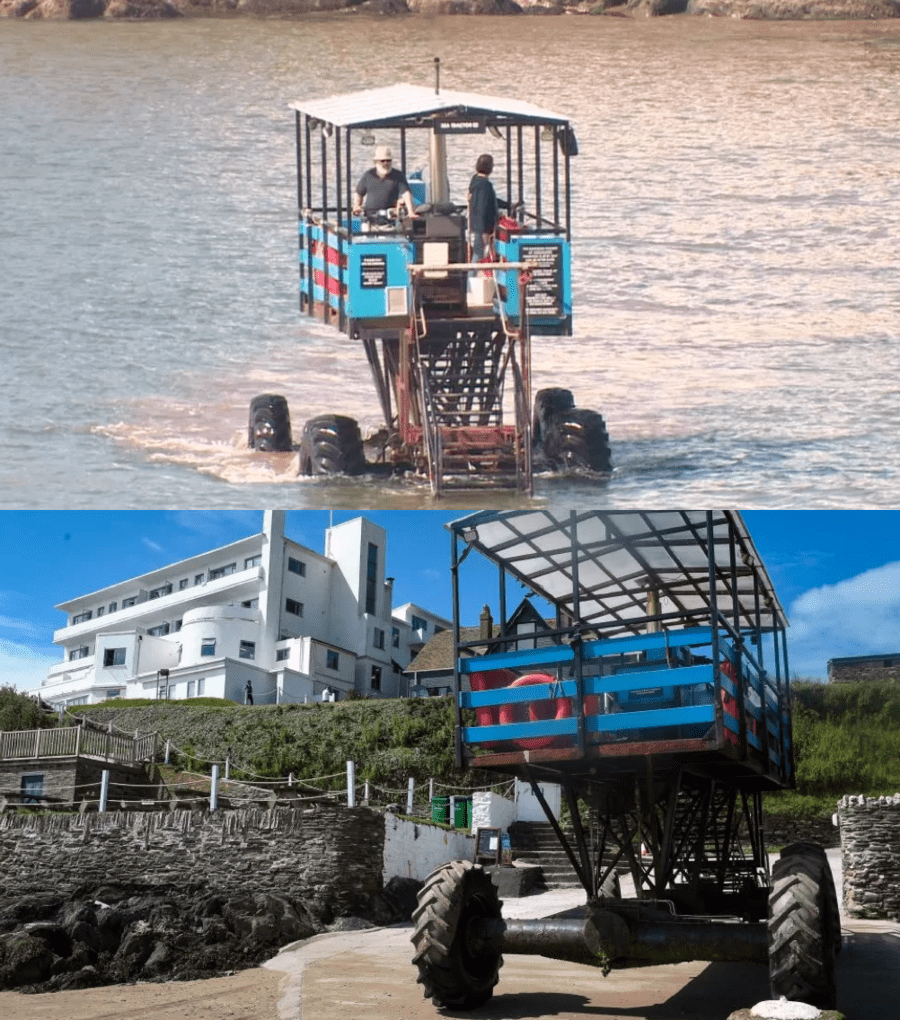
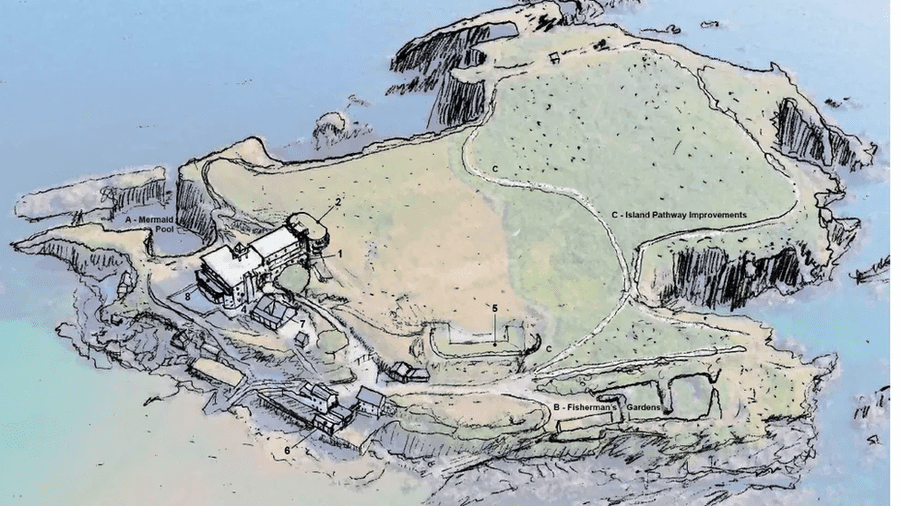
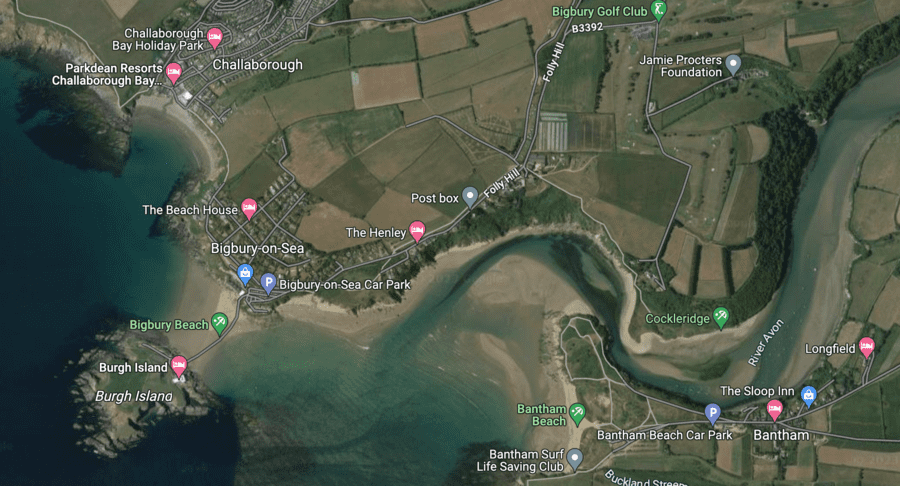
Burgh Island is situated just 820-feet from the mainland and is approachable by foot at low tide and accessible by a sea tractor at high tide; it also has a helipad for those wishing to make a grand entrance. Though 3 hours from London Paddington by train, those that have visited in the past – amongst them the Duke and Duchess of Windsor, Sir Winston Churchill and J. M. W. Turner even – supposedly returned again and again captivated, like Christie, by its seclusion and beauty.
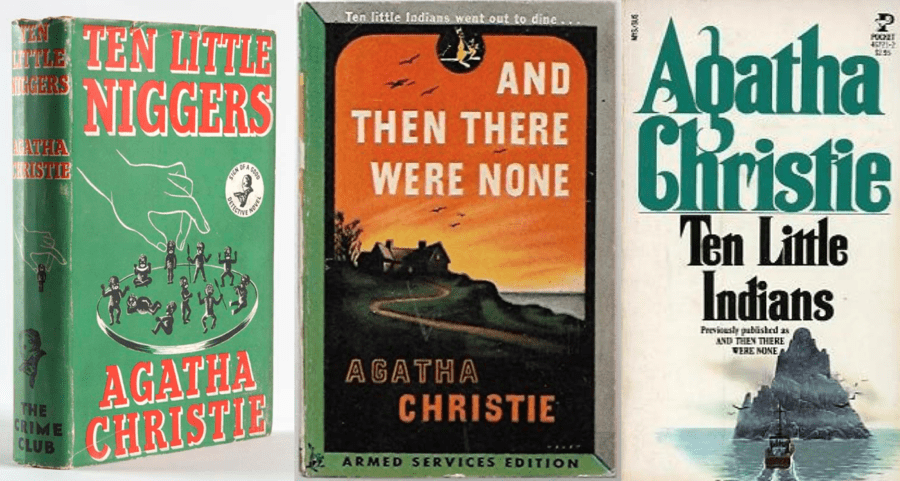
The 21-acre island – which has gone through several name changes itself and was once known as St Michael’s Island – was the inspiration for Christie’s fictional ‘Soldier Island’ in a novel titled Ten Little Niggers when it was first published in 1939. The 272-page book was subsequently retitled Ten Little Indians and then And Then There Were None because of concerns about offending – even prior to the arrival of ‘wokery’ and ‘cancel culture’ – the American market.
The strategy worked as to this day, the novel became both the best-selling crime and the best-selling mystery novel of all-time. Critics enthuse of what is a brilliantly warped yet rationally believable psychological thriller that follows the story of eight people invited to an isolated private island to meet their ultimate demise alongside their two caretaker hosts at a house party from hell. Unsurprisingly, since Christie produced a version for the stage in 1943, there have been more adaptations for that medium as well as for film, radio and television adaptations than of any of her other works.
A clear work of genius in both plot and the financial returns it generated for its author, And Then There Were None was actually structured around an 1869 minstrel song titled Ten Little Niggers by the British songwriter Frank Green. The rhyme – as published for these politically correct times where even future editions of Roald Dahl’s book will no longer feature the adjective ‘fat’ – reads:
Ten little Soldier Boys went out to dine; One choked his little self and then there were nine.
Nine little Soldier Boys sat up very late; One overslept himself and then there were eight.
Eight little Soldier Boys travelling in Devon; One said he’d stay there and then there were seven.
Seven little Soldier Boys chopping up sticks; One chopped himself in halves and then there were six.
Six little Soldier Boys playing with a hive; A bumblebee stung one and then there were five.
Five little Soldier Boys going in for law; One got in Chancery and then there were four.
Four little Soldier Boys going out to sea; A red herring swallowed one and then there were three.
Three little Soldier Boys walking in the zoo; A big bear hugged one and then there were two.
Two little Soldier Boys sitting in the sun; One got frizzled up and then there was one.
One little Soldier Boy left all alone; He went out and hanged himself and then there were none.
Whilst today’s visitors to the “comprehensively refurbished,” Grade II listed, 25-bedroom Burgh Island Hotel certainly are unlikely to face the unhappy endings of Christie’s ten unfortunates, they are able to enjoy “fine dining” at its two restaurants, and cocktails in its Palm Court bar. One can quite easily imagine Hercule Poirot sleuthing in or at the island’s 14th century pub, The Pilchard Inn. In addition, there is what is called the ‘Mermaid Pool’ – a naturally enclosed body of seawater where guests can swim or if, in the unlikely event they’d take a break from Dubai, perhaps ‘Wagatha Christie’ Coleen Rooney could witness Rebekah Vardy ‘Davy Jones-ing’ her mobile telephone for a second time even.
Of this “iconic landmark” – which a company ultimately controlled by Mr Fuchs paid around £5 million for in 2018 – selling agents Knight Frank enthused in their marketing material:
“The private island setting is virtually unique in the UK and the hotel, which has been fully restored, is one of the finest examples of working Art Deco architecture in Europe.”
“Burgh Island is a natural micro-environment, with wildlife to observe and cliff walks around the circumference. The sandy tidal beach on the eastern (mainland-facing) side is washed by the tide twice daily and so is always clean.”
Whilst the realty firm lauds total sales of in excess of £6 million for the year ending 2022, Agatha Christie actually best surmises why Mr Fuchs is seek to sell: “The best of an island is once you get there – you can’t go any farther… You’ve come to the end of things.” This week PlymouthLive revealed his company, Office Space in Town Limited (OSiT), “has debts of £130 million and is paying nearly £7 million in interests on its loans each year… [It] has borrowed huge sums and is relying on London property prices to remain stable in order to avoid breaching covenant terms which would mean loans having to be immediately repaid and potentially leading to the business going bust.”
Editor’s Note – Unlike as is the case in many publications, this article was NOT sponsored or supported by a third-party. Follow Matthew Steeples on Twitter at @M_Steeples.
Pictured Top – The island, hotel and The Pilchard Inn (top left); David Suchet as Poirot filmed ‘Evil Under The Sun’ there in 2001 (bottom left) and the island’s most famous visitor, Dame Agatha Christie DBE (right).
The island is being marketed by Knight Frank at a staggering price of £15 million after being sold last in 2018 for £5 million and prior for £2 million in 2001. The hotel includes 25 en-suite guest bedrooms and suites as well as the Ballroom Restaurant (64 covers), the Nettlefold Restaurant (72 covers), the Palm Court bar and lounge (42 covers) and The Pilchard Inn (35 internal and 114 external covers). There is also a billiards room, sauna and treatment room, a staff house with 9 bedrooms, a car park on the mainland with 18 spaces and a helipad. The property is offered on a freehold basis.Dame Agatha Christie DBE (1890 – 1976) remains to this day the world’s best-selling crime author. She penned 66 detective novels and 14 short story collections, as well as the world’s longest-running play, ‘The Mousetrap.’ Over a billion copies of her works in the English language and a billion in translation have been sold; most notable are ‘Murder on the Orient Express,’ ‘Death on the Nile,’ ‘The Murder at the Vicarage’ and ‘The A. B. C. Murders.’‘And Then There Were None’ began life as ‘Ten Little Niggers’ and via being ‘Ten Little Indians’ gained its present title to suit the American market. Christie claimed it was the most difficult of her books to write, but it is also one of her most popular – over 100 million copies have been sold and the work stands as the sixth best-selling title (any language, including reference works) of all-time.‘Evil Under The Sun’ (1931) – which features an investigation into the murder of a flirtatious but not liked woman who is murdered whilst on holiday in Devon –remains one of Christie’s most popular works. It has been adapted multiple times and became a feature film in 1982 with Peter Ustinov as Poirot. In 2001, David Suchet played the detective in a version with alterations including the addition of the characters of Hastings, Japp and Miss Lemon – none of whom appear in the original novel. A PC game version of the story has even been made and in 1999, John Moffat played Poirot for a BBC Radio 4 adaptation. Here, the cast are seen getting into Burgh Island’s famous sea-tractor during filming.Roguish antiques dealer Lovejoy (Ian McShane) and his eccentric sidekick Tinker (Dudley Sutton) brought a new era of drama to Burgh Island when they filmed an episode there titled ‘Somewhere – Over the Rainbow?’ It was first shown in October 1994 and featured them going there to save Tinker’s financially strapped sister and her wheelchair-bound husband (presented as owners of the hotel) from losing it to a greedy property developer. The key to the story is finding a treasure trove hidden there by a notorious smuggler centuries earlier.Self-made multi-millionaire Giles Fuchs is the current owner of Burgh Island. He began his career as an estate agent, claims to have invested more than £1 million renovating the hotel to turn into something that looks “pretty spectacular.” He doubled the number of staff on site, brought in Mark Mosimann, son of King Charles III’s favourite chef, Anton Mosimann, and also bought accommodation on the mainland for some of the hotel’s workers to live in. In July 2020, he described the hotel as “like a house party” and the island as “beautiful” in comments to ‘Great British Life’ magazine.
The ‘Famous Face’ Guest List – Burgh Island, Bigbury-on-Sea, South Devon, TQ7 4BG, United Kingdom (Formerly Known As St Michael’s Island, Borough Island And Bur Island)
Dancer and singer Josephine Baker.
Musicians The Beatles – The band stayed there before playing a concert in nearby Plymouth.
World speed record holder Malcolm Campbell.
Agatha Christie – The prolific author is described as having made the island “her second home” and wrote And Then There Were None (1939) and Evil Under The Sun (1941) there. A beach hut was built for her to use as a “writer’s retreat.”
Prime Minister Sir Winston Churchill – The politician supposedly met with President Dwight Eisenhower there prior to D-Day.
Flamboyant actor, playwright and singer Noël Coward – He supposedly booked in for three days, but stayed for three weeks and clearly very much enjoyed A Room With A View.
Shipping heiress, socialite and muse Nancy Cunard.
Odeon cinema chain founder Oscar Deutsche – The businessman travelled to the island with his wife and companion, World War One fighter ace Sol Joseph, in the latter’s Ford V8 Pilot just before the outbreak of the Second World War.
Actor and singer-songwriter George Formby – He is said to have been viewed as “the cheeky northern chappie who proudly picknicked on Bigbury Beach” during his visit who “guests didn’t know what to make of.”
Aviator Amy Johnson.
Actress Gertrude Lawrence.
Designer of the Spitfire R. J. Mitchell.
Last Viceroy of India Lord Mountbatten of Burma.
Artist J. M. W. Turner – The painter was “cast ashore during rough weather and ‘with a pencil, clambered nearly to the summit of the island’ to sketch its wilderness.”
Renegade royals The Duke and Duchess of Windsor – Said to have travelled to the islands on “frequent occasions” with their aide-de-camp Major Edward ‘Fruity’ Metcalfe.
In 1926, Christie disappeared from her home in Berkshire for 11 days. Mayhem and a manhunt worthy of her murder mystery books followed. Surprisingly, she didn’t choose to head to Burgh Island, but maybe that would have made her too easy to find given her love of the place. The reason for her decision to ‘vanish’ remains hotly contested today and this indeed will likely forever remain in the realms of the debate over who Jack the Ripper was – a case forever unsolved.
The Dates, Developments & Numbers – Burgh Island’s History
May 2023 – Placed for sale for £15 million ($18.8 million, €17.2 million or درهم69 million) through agents Matthew Smith and Henry Jackson of Knight Frank.
Commenting of the sale, Giles Fuchs told Plymouth Live: “Ownership of the Burgh Island Hotel has provided me with a wonderful journey and given me the true privilege of restoring and enhancing one of the most treasured tourist assets in the UK over the past few years. What we have achieved is an immense source of pride for all of us who have been involved and, in our work, we have always tried to ensure that the hotel’s 1920s spirit remains just as vibrant in the 2020s.”
Speaking to The Caterer, Matthew Smith of Knight Frank added: “It is rare for a hotel of such character and heritage to come to the open market.
“In recent years the buildings have received considerable investment and operates as a thriving business which generated in excess of £6 million ($7.5 million, €6.9 million or درهم27.6 million) turnover in its most recent financial year.”
“This is a unique opportunity to acquire a truly iconic hotel that benefits from a number of value-add opportunities to further develop the trading performance, and will no doubt appeal to a global investor audience.”
February 2023 – Plymouth Live reported on rumours about the hotel being for sale for £9 million ($11.3 million, €10.3 million or درهم41.4 million) after an advertisement appeared on Knight Frank’s website for a “mystery property” matching the description of it. Responding at the time, Henry Jackson of Knight Frank stated: “Burgh Island is not on the market. I don’t know where these rumours come from. At the time, the PR firm representing the hotel, Sapience Communications, added: “We have nothing additional to add.”
December 2022 – Planning permission granted for 12 additional guest bedrooms and suites and 13 staff bedrooms by South Hams District Council. Approval was also granted for extension of two of the restaurants and a spa facility.
This redevelopment, BBC News recently reported, will cost £7 million to £10 million ($8.8 million to $12.5 million, €8 million to €11.5 million or درهم32.2 million to درهم45.9 million) and of it, Mr Fuchs observed:
“I’m not the man for that job because once you start that, you need to do the whole thing. It’s also a substantial amount of cash and I don’t want to find [it], thanks very much.”
“We’ve got a big business in London and I could divert funds but the hotel was always about a love story; it was saving something that had been around for years that our family fell in love with.
“To divert more funds doesn’t make any sense to us. We want to buy more buildings in London.”
“She’s a demanding mistress and I ended up getting more and more involved at the expense of my life and other businesses, [but] I’m really pleased we’ve turned it around.”
Autumn 2021 – Burgh Island Limited accounts valued the business at £9.5 million ($11.9 million, €10.9 million or درهم43.7 million). At the time, profits of £296,000 ($370,000, €339,000 or درهم1.4 million) were listed down from £336,000 ($420,000, €385,000 or درهم1.5 million) in 2020.
The company was reported as employing 63 people with a wage bill of £1.6 million ($2 million, €1.8 million or درهم7.4 million). It paid dividends of £2 million ($2.5 million, €2.3 million or درهم9.2 million).
Mid 2018 – Sold by then owners Deborah Clark and Tony Orchard to Office Space in Town Ltd (OSiT), a company ultimately controlled by a London based businessman named Giles Fuchs and his sister Nichola, for a sum of £5 million ($6.3 million, €X million or درهم23 million).
January 2018 – Valued by estate agents Savills at £8.64 million ($10.81 million, €9.90 million or درهم39.69 million).
2012 – Singer-songwriter Ben Howard named his EP after the island.
2003 – The then owners closed the public footpaths on the island; this move was reversed in 2006 other than the routes closest to the hotel.
2002 – Used as a location for the television adaptation of Agatha Christie’s Evil Under The Sun.
2001 – Sold for £2 million ($2.5 million, €2.3 million or درهم9.2 million).
2001 – Used as the location of a television adaptation of Evil Under The Sun starring David Suchet as Hercule Poirot.
2001 and 2008 – Used as the location for ITV’s GMTV show Inch-loss Island.
1994 – Used as the location for an episode of the BBC series Lovejoy titled ‘Somewhere – Over the Rainbow?’
1987 – Used as a location in the BBC adaptation of Agatha Christie’s Miss Marple: Nemesis.
1986 – Sold to a couple named Tony and Beatrice Porter, who “faithfully restored it to its former Art Deco glory.”
1965 – Used as a location for the film Catch Me If You Can.
1950s – Renovated, but instead of being used as a hotel became self-catering accommodation.
1939 – 1945 – Used by the RAF as a recovery centre for wounded RAF personnel. During this period, the top two floors of the main building suffered damaged after a direct hit by a bomb.
1927 – Sold to the filmmaker Archibald Nettlefold. He constructed a more substantial 25-room hotel in the Art Deco style in 1929 and after it became popular in the 1930s, added improvements and extensions in 1932 including ‘The Captain’s Cabin’ – it had been taken from HMS Ganges, a warship built in 1821.
1890s – Purchased by the music hall star George H. Chirgwin. He built a prefabricated wooden house to use for weekend parties.
14th century – The Pilchard Inn, the ‘local’ hostelry, is constructed circa 1336. It is believed to have begun life as guest lodgings for a monastery that possibly stood on the site of the current hotel.
Iron Age to Sub-Roman period – First settlers, tin traders, believed to have arrived.
More Images Of Burgh Island…
The approach to Burgh Island at low tide.Many people approach on foot; there are also a number of footpaths for visitors to enjoy once they get to the island.For guests of the hotel, there is a sea tractor they can travel on. Those that have experienced this wonderful contraption have commented on how much they have enjoyed the journey back and forth to and from the mainland.The gates to the hotel are suitably reflective of the Art Deco style of the property.The building is striking and one can certainly see what attracted the likes of Agatha Christie to it and the island.The Palm Court features a restored circular skylight. It is stunning and this is certainly a place where one can imagine such people as the Duke and Duchess of Windsor and Nancy Cunard sipping martinis there of an evening whilst looking out to sea.One of two restaurants in the main hotel. The Nettlefold offers menus that are said to reflect the “uniquely wild island location.”The second, The Grand Ballroom, is a fine dining restaurant that is lauded as serving “award-winning food” in a setting that is styled around the “grandeur of a bygone era.”The guest rooms, such as ‘The Christie Room,’ have primarily been named after the famous faces who’ve stayed at the hotel in times past.The current owner has fully refurbished the property and furnished it with in-fitting Art Deco items.One of 25 bedrooms and suites at The Burgh Island Hotel; the majority enjoy superb views out to sea and to the South Devon countryside also.Another bedroom, this one with a private balcony.The Artist’s Studio is situated above The Pilchard Inn. It is a dog friendly room and just a few yards walk from the main Burgh Island Hotel building.Agatha’s Beach House has been described as “one of the sexiest hotel rooms in the UK” and is undoubtedly the ultimate place to stay on Burgh Island. It was built specifically for Agatha Christie in the 1930s and was where she penned both of her Burgh Island novels. It has a sitting room, outdoor hot tub, sun decks right onto the sea and includes a king sized bed, a double sofa bed and two single beds.The building from another angle.The sitting room of Agatha’s Beach House has the benefit of the most wonderful of aspects.It also has a woodburning stove.The Pilchard Inn was supposedly built in the 14th century as a lodging house for visitors to the monastery that is believed to have been on the island at that time. It is one of the oldest pubs in Devon.The bar.A traditional space perfect for drinks by the fire.Many of the rooms and suites at the Burgh Island Hotel, such as the Noël Coward suite, allow guests to experience the drama of the sea beyond.The ‘Mermaid Pool’ is a natural seawater pool in a “rugged” setting.Another view of this extremely unusual place to swim. Burgh Island is partly powered by solar panels.South Hams Council approved plans for additional rooms and additional staff accommodation at the Burgh Island Hotel in December 2022.The 21-acre island is just across the water from Bigbury-on-Sea.From a distance, one can genuinely see what attracted the great and the good to Burgh Island.