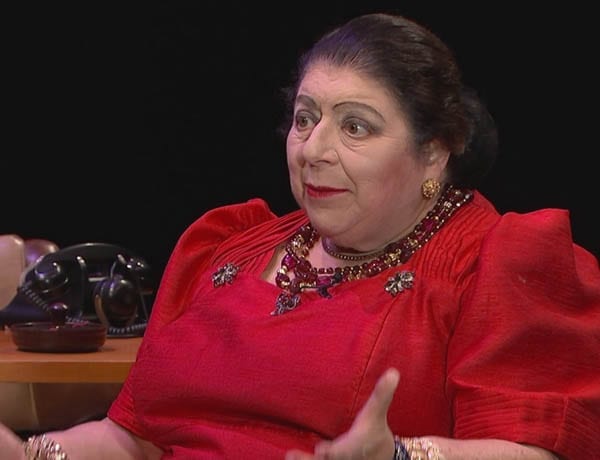
In April 2017, esteemed actress Miriam Margolyes described Theresa May as “that awful woman” and hinted that she had little-to-any enthusiasm for Jeremy Corbyn’s “hell of a mess” also. In the same interview, in her “distinctive voice”, she added: “It is the job of the arts to engage in life… That’s what I care about”. She is best known for having won a BAFTA for her role in Martin Scorsese’s The Age of Innocence in 1993 but is famous to younger audiences for having appeared in Harry Potter and the Chamber of Secrets and Harry Potter & the Deathly Hallows. A dual British-Australian citizen and humanitarian advocate, Oxford born Margolyes also played the self-made cosmetics billionairess Helena Rubinstein in 2017 and lives with her partner, Heather Sutherland, in London, Tuscany and New South Wales.
Tag: Wikipedia
-
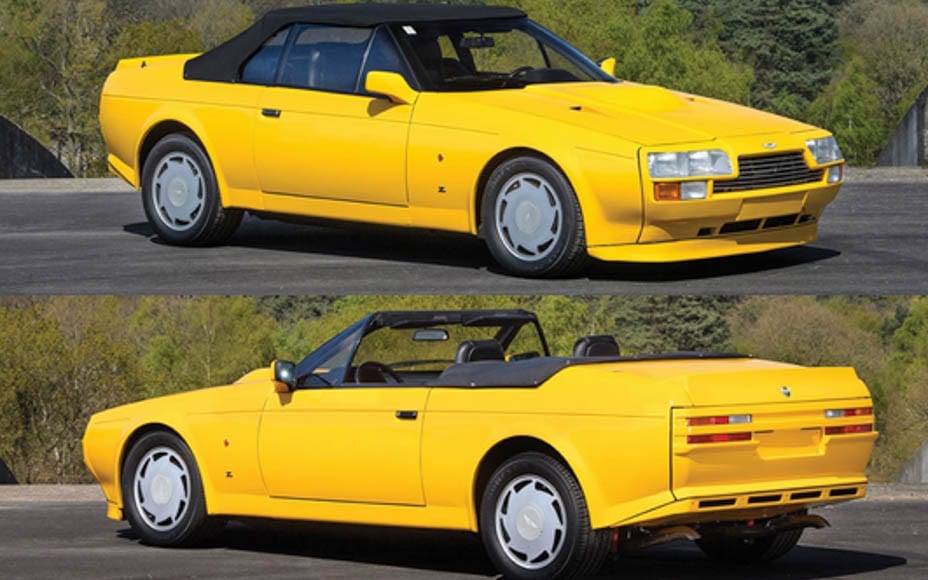
A Marmite Aston
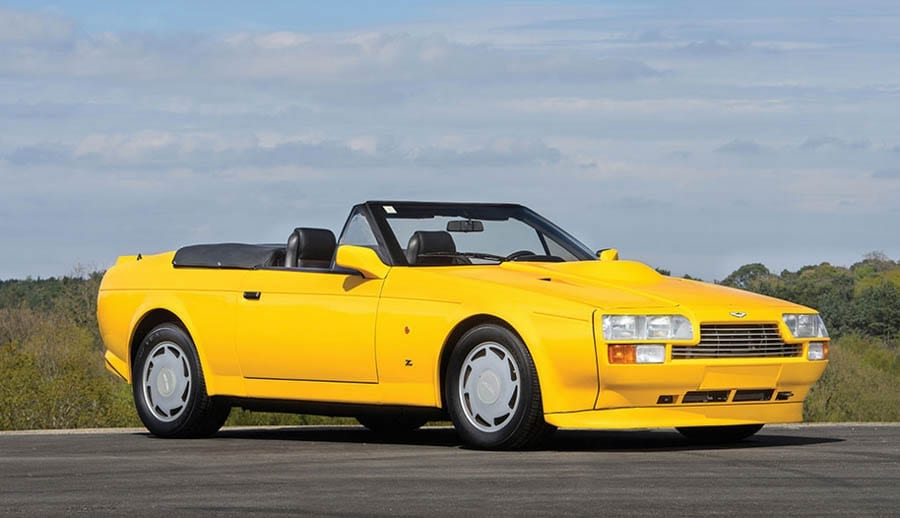
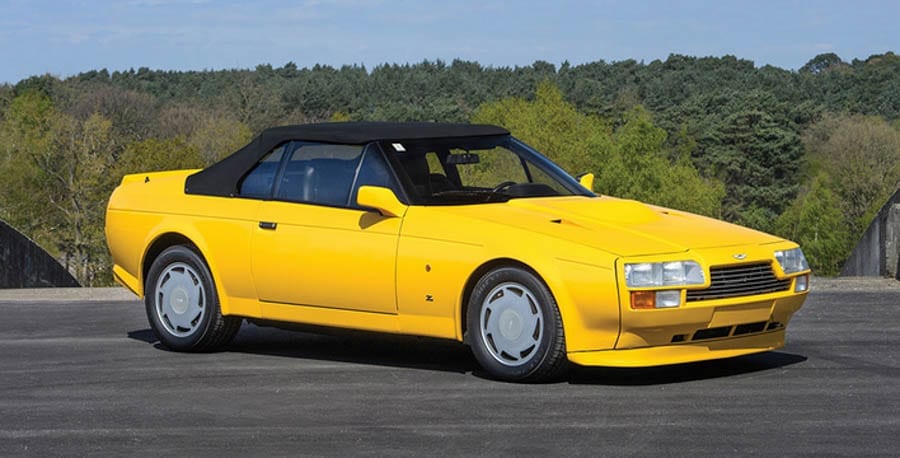
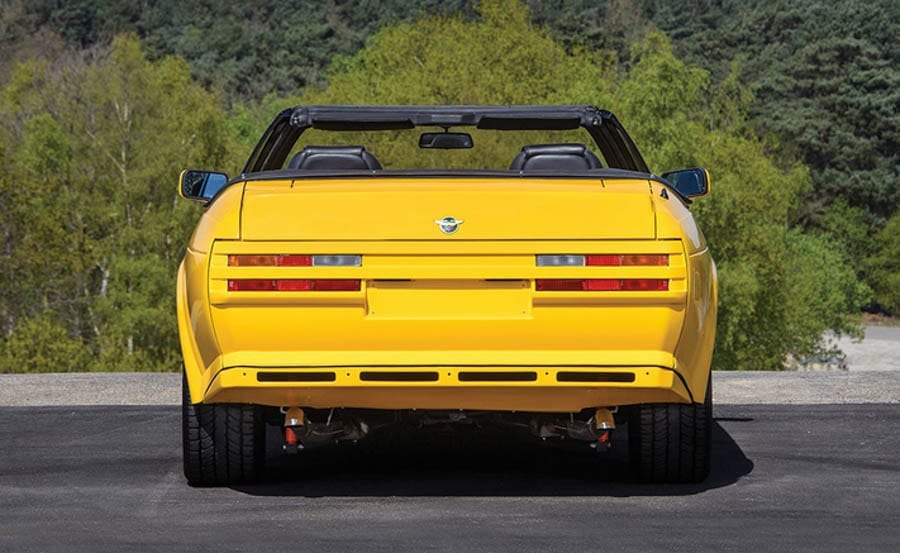
One-of-one left-hand drive 1989 Aston Martin V8 Vantage convertible in ‘Fury Yellow’ to be sold; it is a prime example of 1980s excess and a car you will either love or loathe
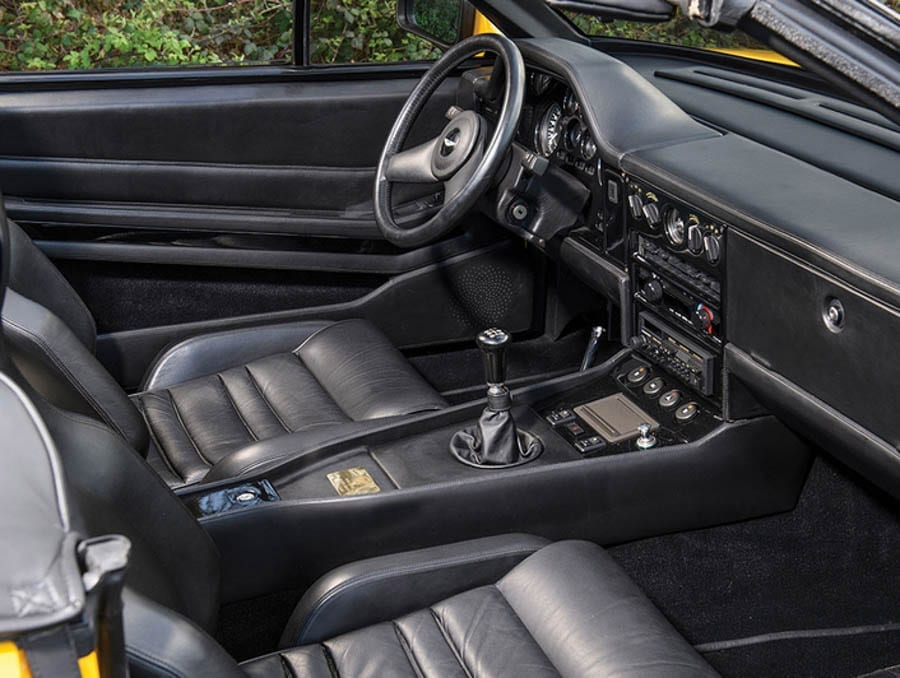
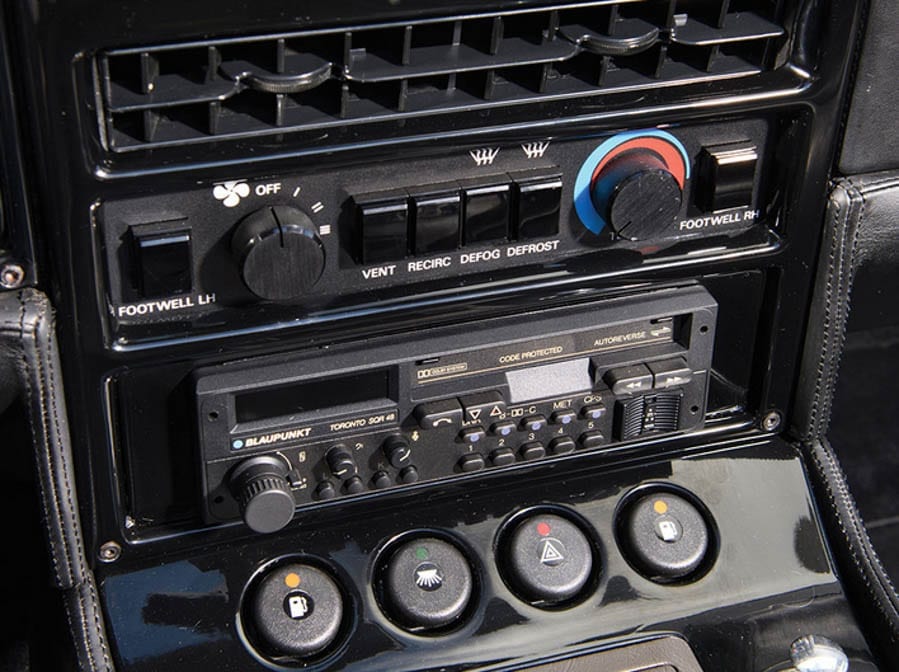
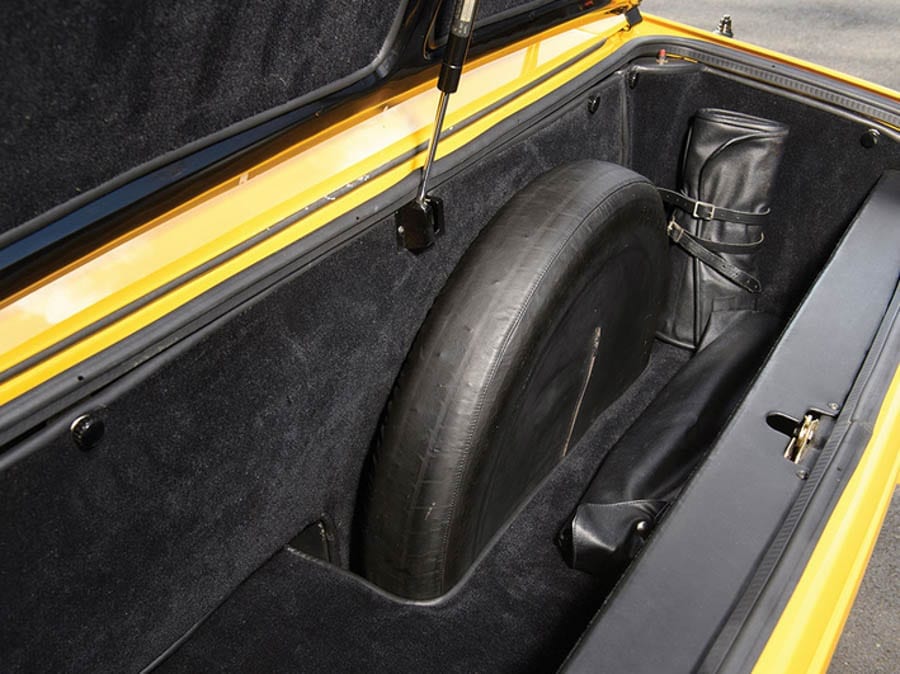
A 1989 Aston Martin V8 Vantage Volante Zagato that was the only left-hand drive example produced is to be sold by auction in May. It is a car that you’ll either love or loathe and given it is presented in ‘Fury Yellow’, it certainly reflects the era when “greed was good” in terms of its brashness and noticeability.
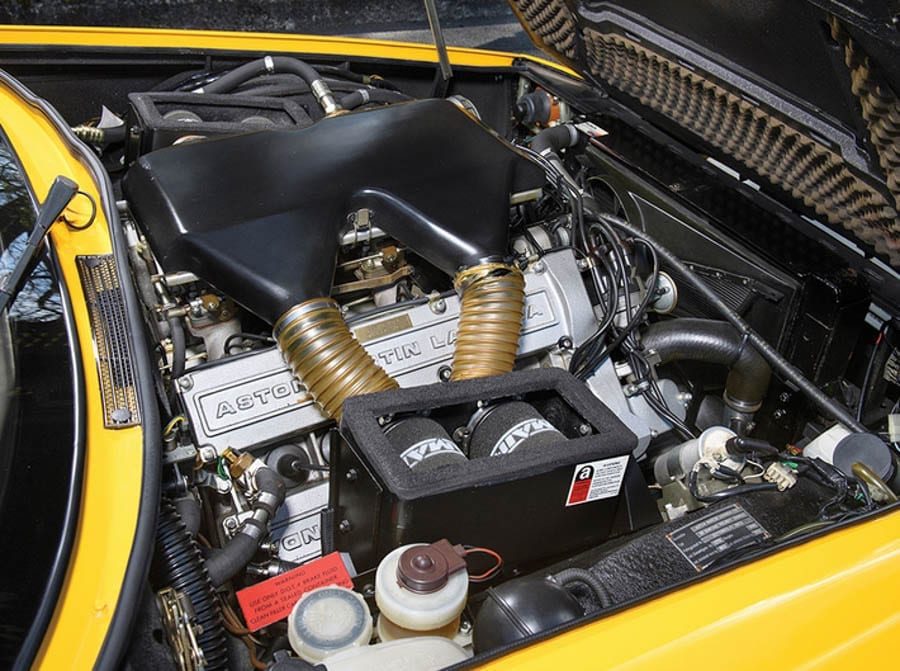
Capable of speeds of upto 183 miles per hour, the car offered was upgraded from a standard V585 V8 fuel-injected engine to a V580X Vantage engine by its original owner and also features a five-speed ZF manual gearbox. It has a specially styled black leather interior and a black mohair hood and is described as being “the essence of 1980s machismo”.
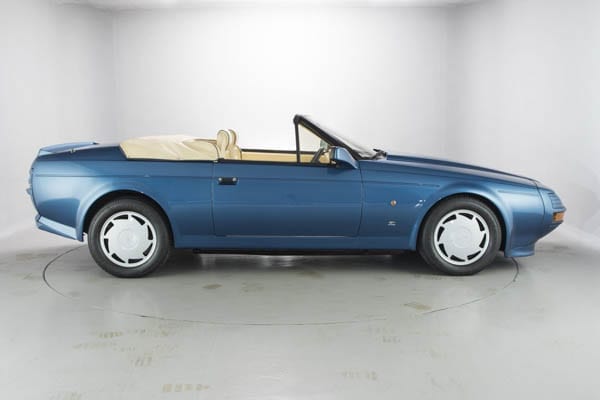
A total of thirty-six right hand drive examples of this especially angular convertible were built. Two sold in 2013 and 2014 at Bonhams at their Aston Martin Works Sales at Newport Pagnell in England. Though each achieved just £135,900 ($176,000, €161,000 or درهم646,000), RM Sotheby’s estimate the ‘Fury Yellow’ version they are to sell at a much more ambitious £379,000 to £464,000 ($491,000 to $600,000, €450,000 to €550,000 or درهم1.8 million to درهم2.2 million). They will sell it at their Villa Erba sale on the shores of Lake Como in Italy on Saturday 27th May.
-

Video of the Week – Mocking May
Comedian Jan Ravens’ impersonation of Theresa May is utterly brilliant
With the election campaign under way, a little humour is definitely required and a comical video shared on YouTube provides just such.
Featuring the actress Jan Ravens’ take on Theresa May, the 2:45 minute clip has over attracted over 70,000 hits – and even Tory supporters have celebrated its sheer brilliance.
In it, Ravens mocks Mrs May’s enthusiasm for grammar schools and remarks on her having put an alternative to the Chuckle brothers in charge of Brexit. She speaks of us “now [being] the cautionary tale other countries tell their electorates to stop them doing anything so bloody stupid in the future” and adds: “We are now the global ghost of Christmas future: Asymmetric neckline, bad blow dry, tense mouth”.
-
Gilded Glory
New York’s “last intact Gilded Age mansion” for sale for £38.75 million; it comes with a room that cannot be wiretapped
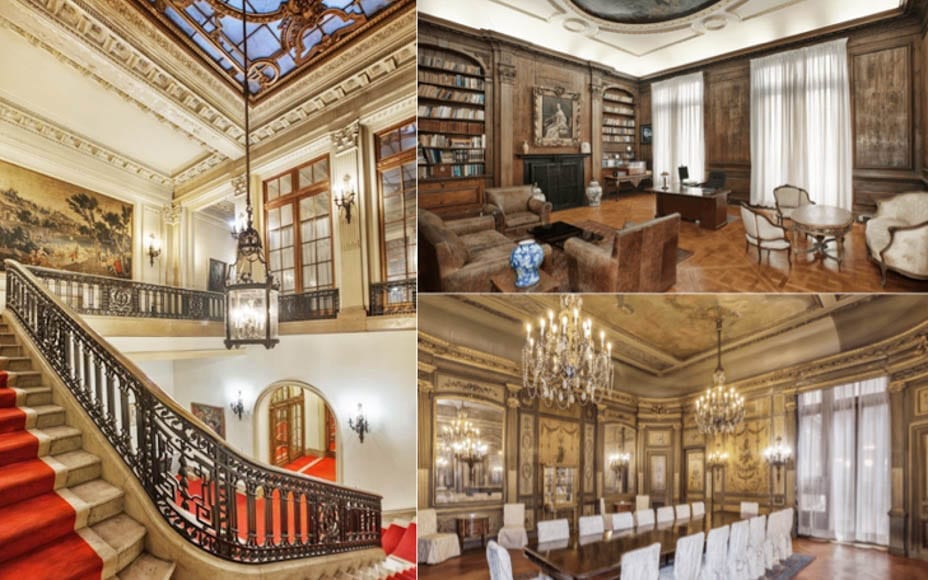
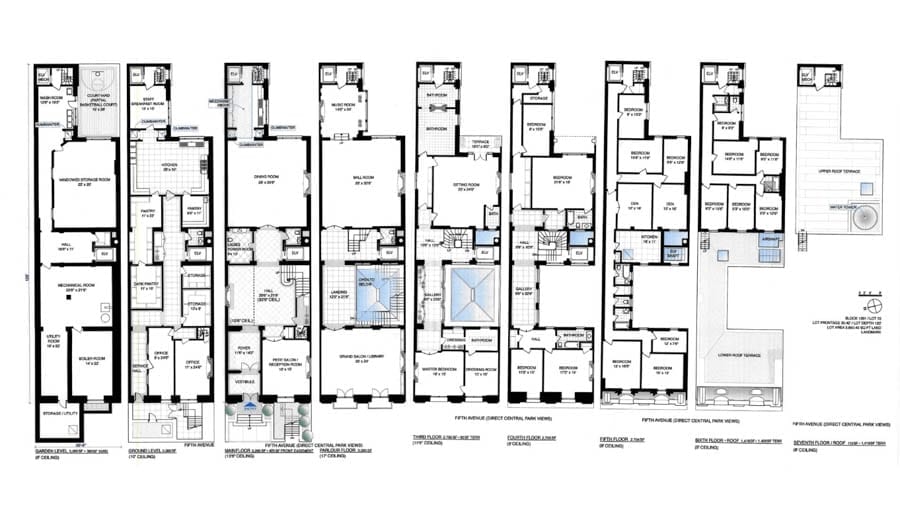
An Upper East Side “Beaux Arts palace on a small scale” described as “Manhattan’s last intact Gilded Age mansion” has gone on sale for £38.75 million ($50 million, €45.96 million or درهم183.65 million) with Douglas Elliman.
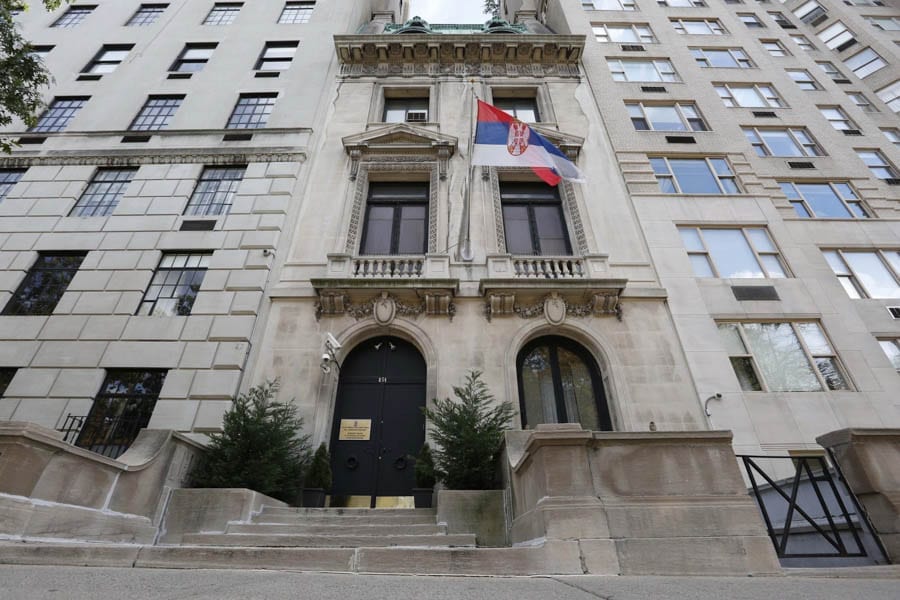
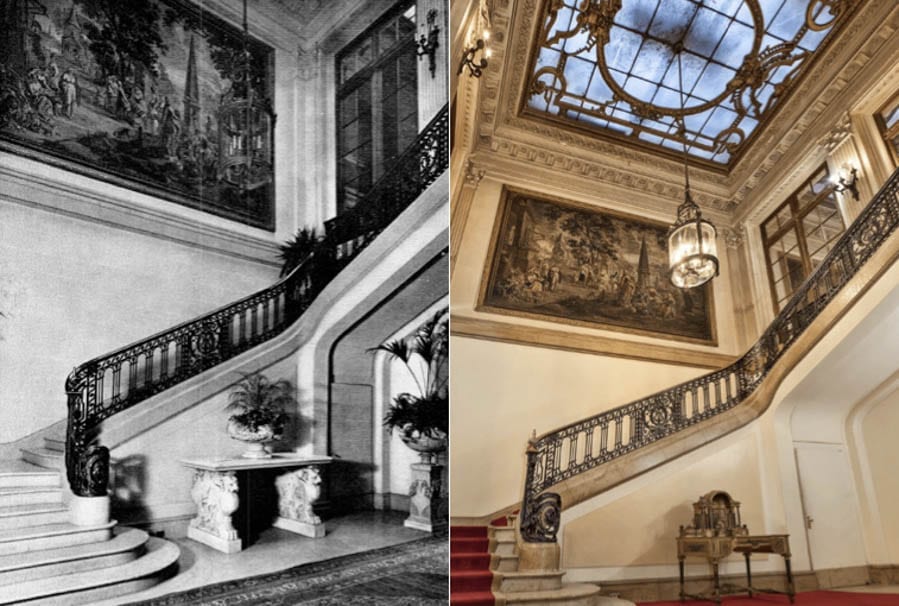
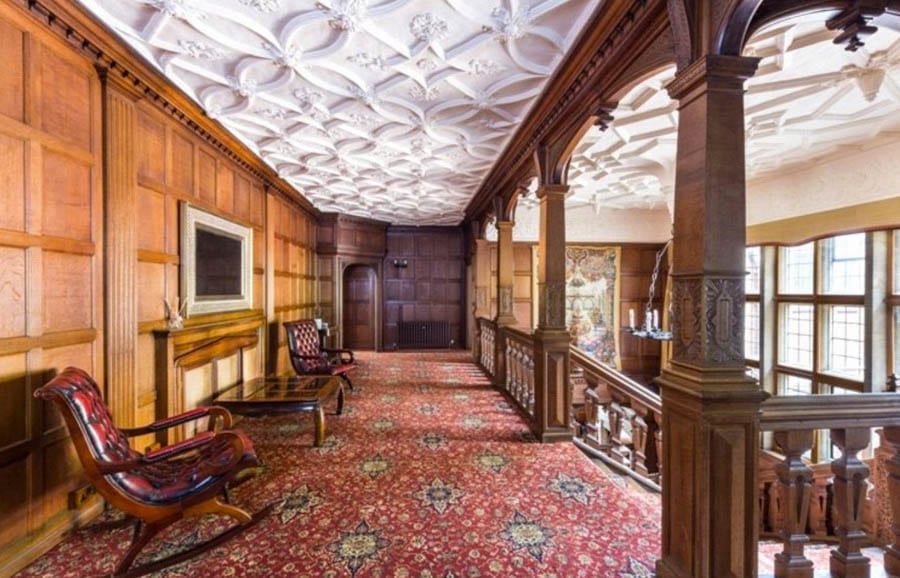
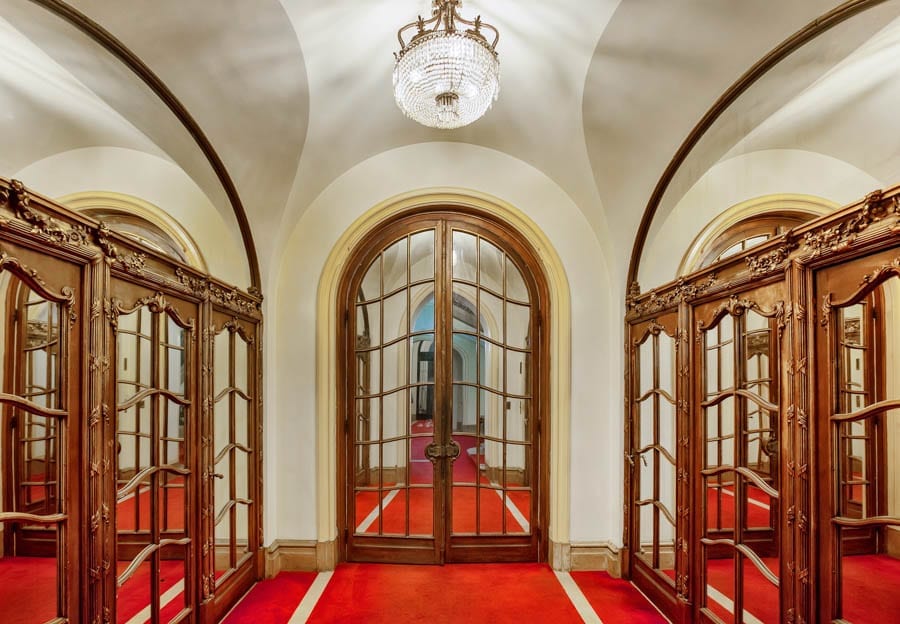
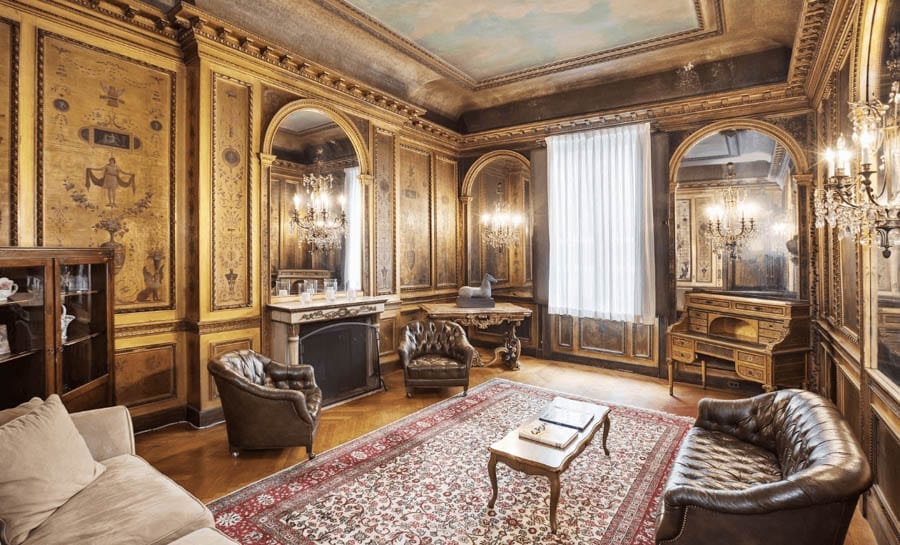
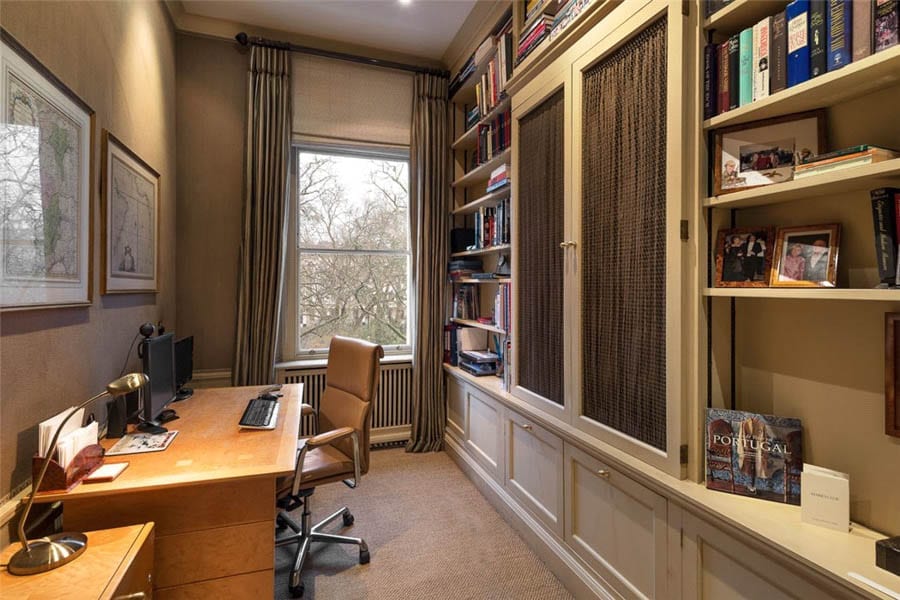
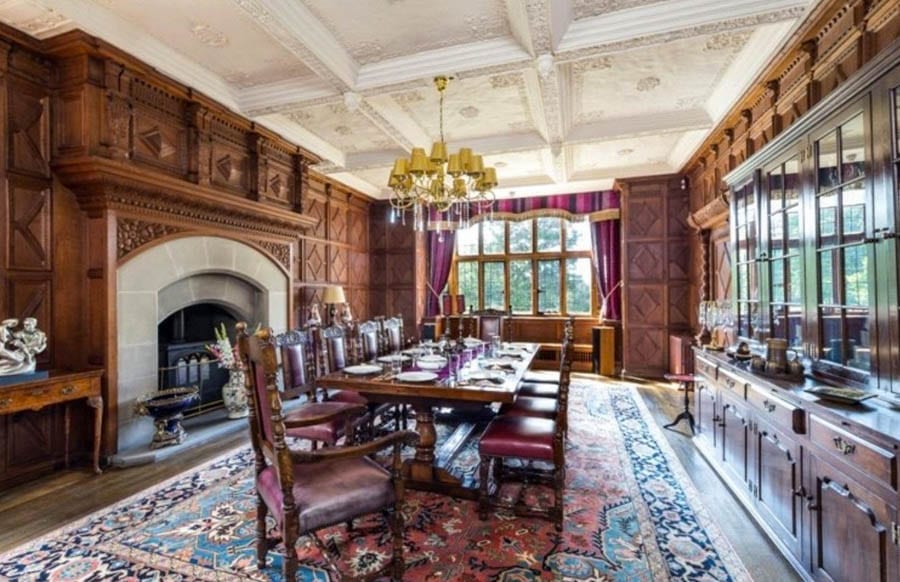
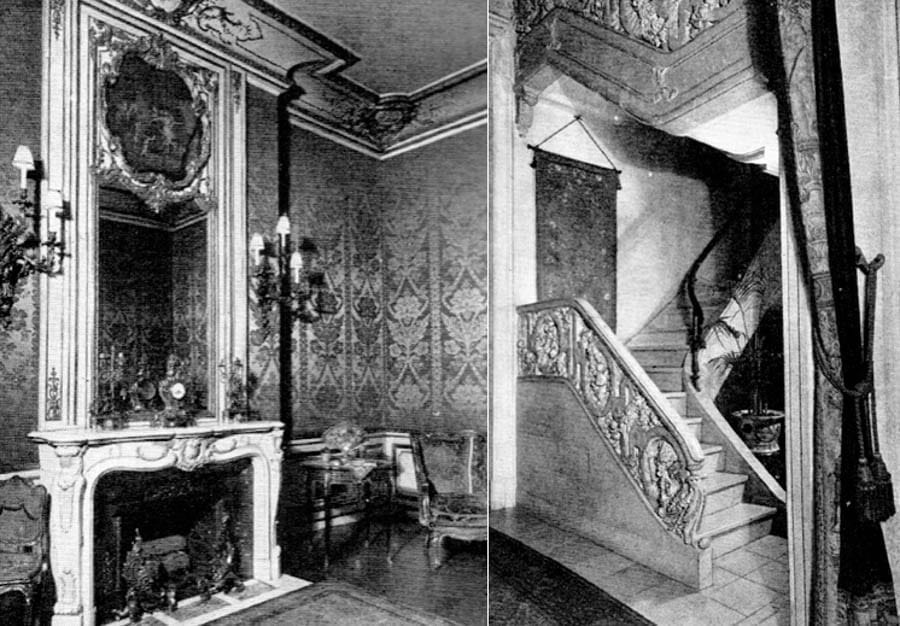
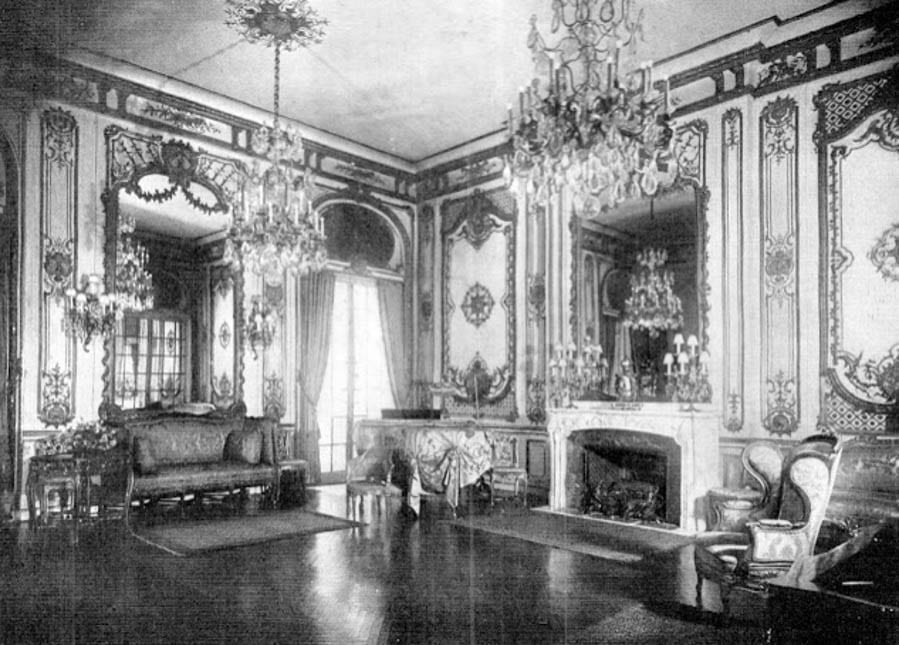
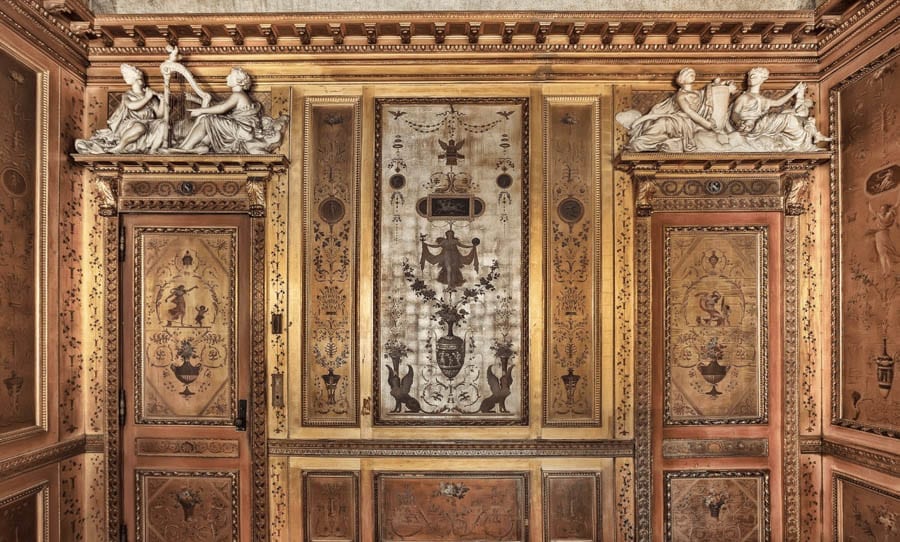
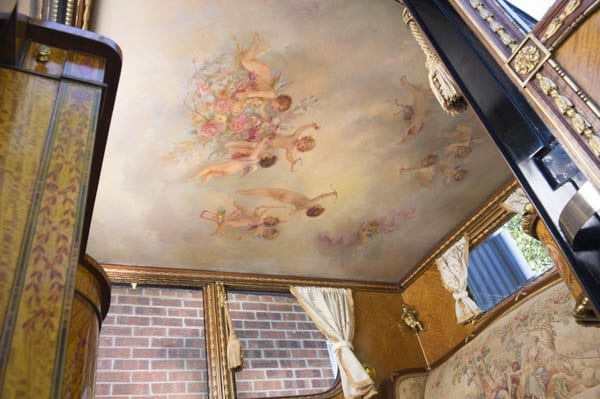
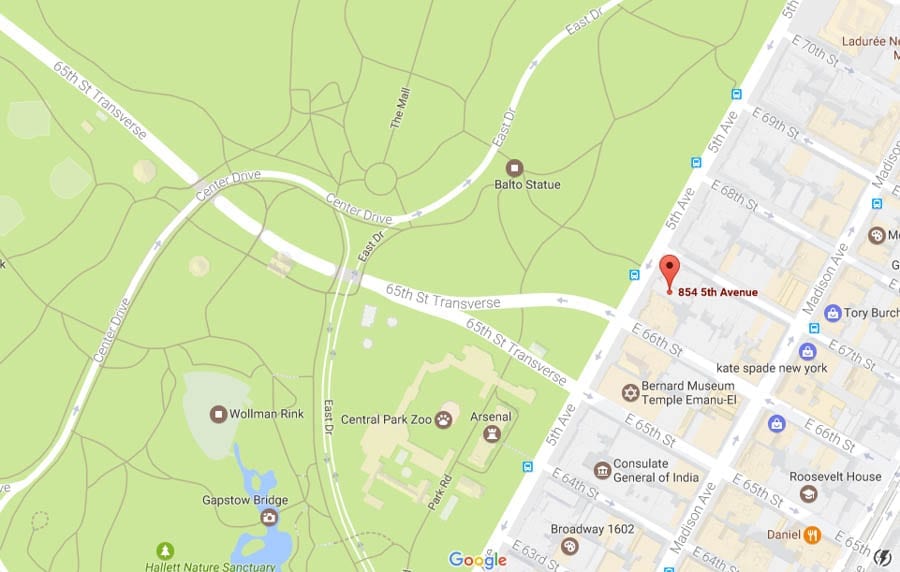
854 Fifth Avenue, Upper East Side, New York, NY 10065, United States of America Offering 20,000 square foot of accommodation over nine floors, 854 Fifth Avenue stands opposite Central Park and between 66th and 67th Streets. It was built in 1905 for a stockbroker named Robert Livingston Beeckman and constructed by architects Warren & Wetmore at a cost of $60,000 (the equivalent of $1.6 million, £1.2 million, €1.5 million or درهم5.9 million today). The residence was landmarked by the New York City Landmarks Preservation Commission as a “superb example of the French classic style of Louis XV” in 1966 and to this day, the 32-room property retains original features including hand-carved balustrades of white marble, ceiling frescoes of angels and clouds, an original working stove and two of the city’s first private elevators.

Robert Livingston Beeckman (1866 – 1935), Emily Thorn Vanderbilt Sloane White (1852 – 1946) and Henry White (1850 – 1927) Sold next to George Grant in 1912 after Beeckman – later 52nd Governor of Rhode Island – abandoned New York to spend more time at his Newport estate, Lands End, for a then record sum of $725,000 (the equivalent of $18.3 million, £14.1 million, €16.8 million or درهم67.2 million today), 854 Fifth Avenue was then offloaded to Henry White and his heiress wife Emily Thorn Vanderbilt Sloane White for the much lower sum of $450,000 in 1925 (the equivalent of $6.3 million, £4.9 million, €5.8 million or درهم23.1 million today).
Twice married financier of New York’s Sloane Hospital for Women Thorn Vanderbilt Sloane White and her ambassador husband are said to have “added their own touches” to the mansion and after she died, 854 Fifth Avenue was sold to the then nation of Yugoslavia. It has served as a government building since and was most recently used as the Permanent Mission of Serbia and Mission of Serbia to the UN.
Bombed on 11th July 1968 but thankfully subject to little damage in that attack, the mansion still to this day features a ‘Faraday Cage’ – a secret metal-padded room where officials could meet without the fear of being wiretapped – as well as bulletproof windows to its Central Park elevation.
Last week, of the property, Tristan Harper of Douglas Elliman told The Real Deal:
“Everything is virtually intact. Whoever buys it will own a piece of New York history. [The six individuals who have already expressed interest in purchasing 854 Fifth Avenue are] all extremely high-net-worth individuals of different backgrounds”.
Once bordered by houses of a similar scale, 854 Fifth Avenue is now adjoined by two behemoth-like apartment complexes. It stands sturdy and represents a little reminder of the glorious era of Carnegies, Rockefellers, Vanderbilts and Whitneys.
-
A Big Priced Basement
Cadogan Square flat for sale for a sum that, if achieved, could make it the most expensive subterranean home in London; it is offered at a price that equates to £2,130 per square foot
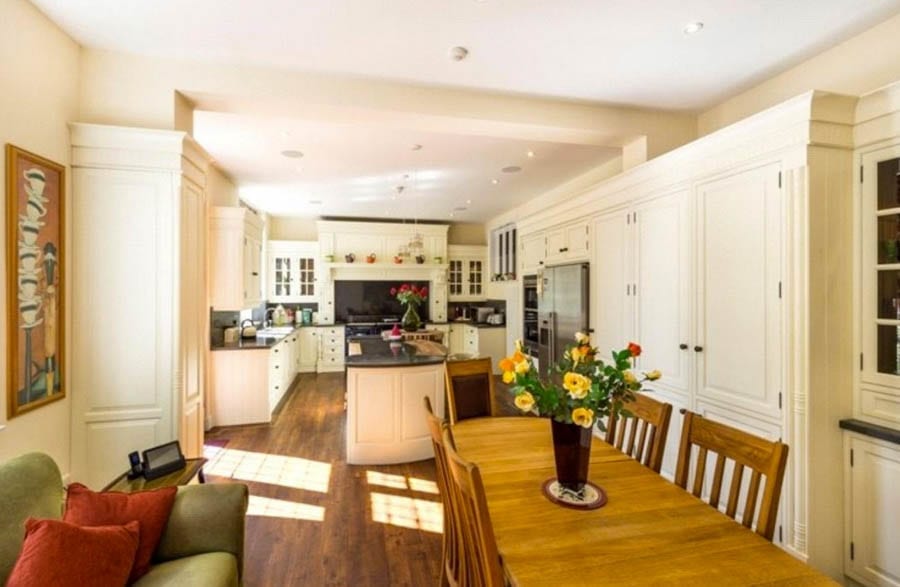
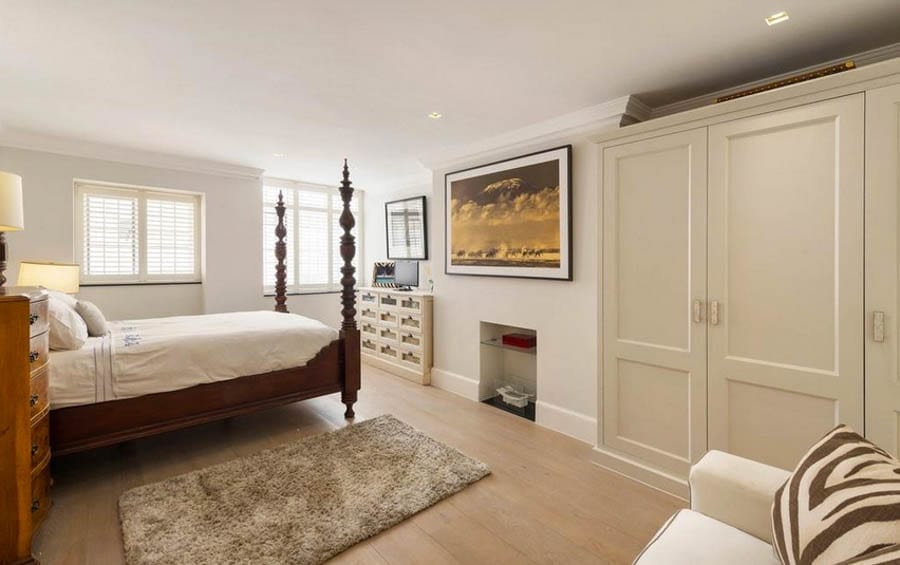
Created from the merger of two flats, one of which was marketed for £3 million ($3.8 million, €3.5 million or درهم14.1 million) in 2013, a basement apartment in Cadogan Square, Knightsbridge has gone on sale for the staggering sum of £6.25 million ($8.01 million, €7.35 million or درهم29.42 million).
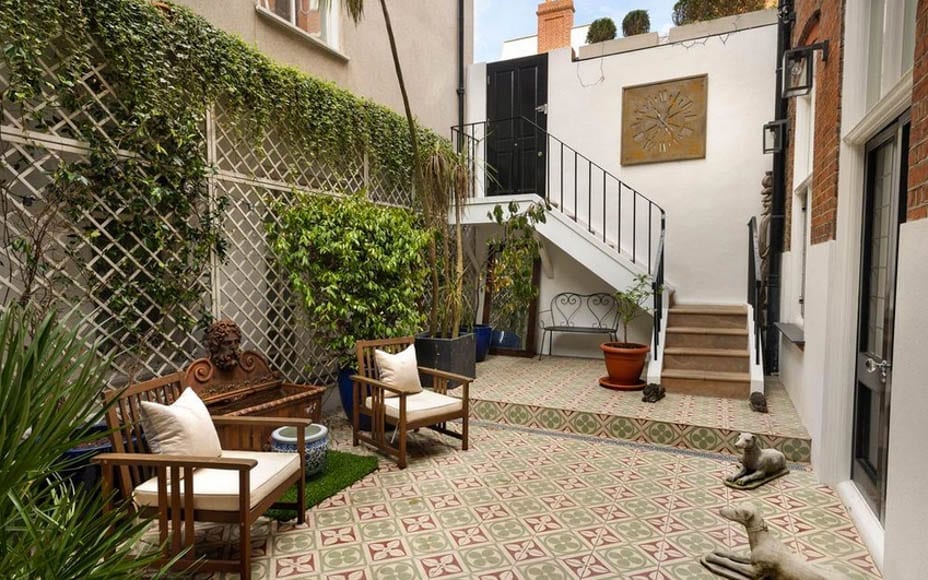
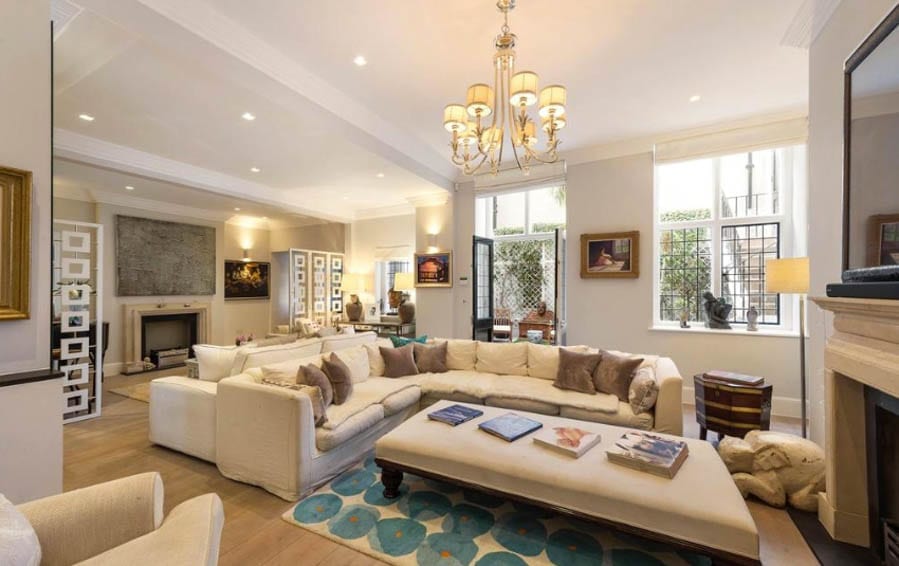
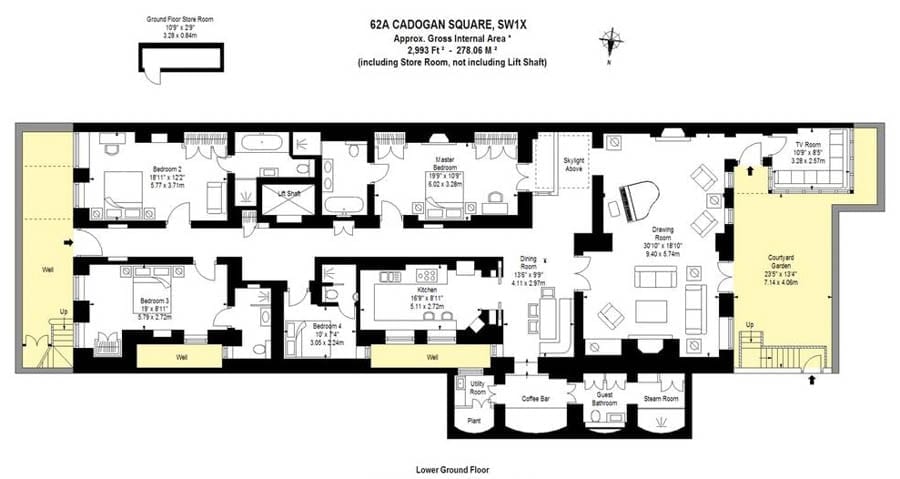
Possibly one of the most expensive subterranean homes in London, if not the world, the 2,933 square foot remodeled apartment comes with a Moroccan themed courtyard garden and includes not only 2 reception rooms, 4 bedrooms and 5 bathrooms, but also a coffee bar, a television room and a steam room. It is described as providing a “flexible living” space.
The share of freehold property is offered by Strutt & Parker and situated within a Grade II* listed building designed by the Scottish architect Richard Norman Shaw (1831 – 1912) in 1883.
-

A Star Subaru
1996 Subaru Impreza – chassis 001 – to be auctioned with an estimate of £175,000 to £200,000; it was driven by amongst others the late Colin McRae
“One of the most important rally cars ever made” – according to Octane magazine – is to be sold at auction this June.
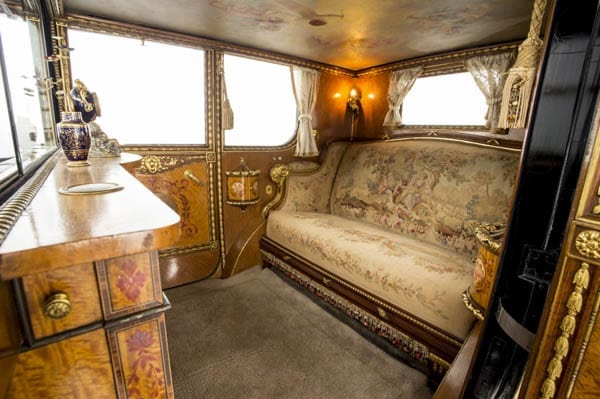
The Subaru Impreza – chassis number PR0WRC97001 – offered was the rally car that won at Rali Vinho da Madeira, Rally Cyprus and Aviano Rally in 1999. It was driven by amongst others Colin McRae MBE (1968 – 2007) and Valentino Rossi and was renovated using original parts in a project overseen by Subaru’s Prodrive sales manager, Steve Smith.
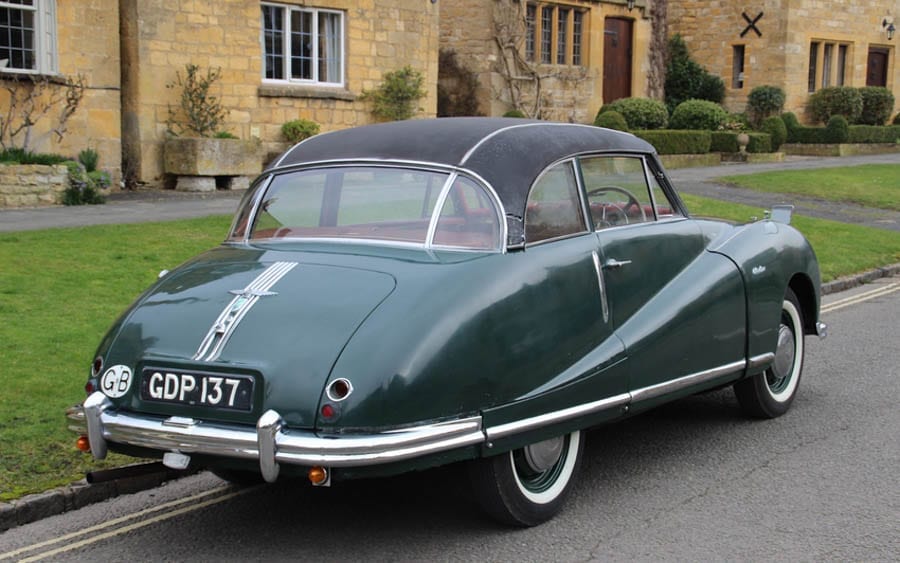
Of the car, its current owner commented:
“It’s a truly exhilarating car to drive with levels of grip and handling that would still embarrass many a modern supercar. Plus it runs on high octane pump fuel. It’s doubtful that there will ever be another Subaru rally car from the same period restored like this one if only because the correct SRT parts are so difficult to locate. Pattern parts might be produced in time but chassis 001 is the real thing”.
The left hand drive car – which comes with the registration ‘P18 WRC’ – will be sold on 6th June at the Royal Automobile Club at Woodcote Park in Surrey by H&H Auctioneers. An estimate of £175,000 to £200,000 ($224,000 to $256,000, €206,000 to €235,000 or درهم824,000 to درهم942,000) has been set – the same figure as it was guided at in October 2015. It was previously marketed for £85,000 ($109,000, €100,000 or درهم400,000) in 2009.
-
Living Large
New Jersey mansion, complete with 58 rooms, for sale for equivalent sum to what it cost to build in 1909; the £37 million house’s original owner was a man whose extravagance knew absolutely no bounds
George Crocker (1856 – 1909) makes F. Scott Fitzgerald’s Jay Gatsby seem like an amateur. Born in Sacramento and the son of a railway magnate worth some $30 million on his death (the equivalent of £634 million or $812 million today), Crocker was willed a significant $6 million (the equivalent of £127 million or $163 million today) on the condition that “after the space of five years continuously he shall abstain from the use of spirituous, vinous, and malt liquors to the extent that he shall not during this period have been intoxicated”.
Crocker decided to ignore the terms of his father’s behest and from 1888 to 1891 lived in San Francisco as “one of the most reckless young men about town when reckless young men thereabouts were common” but then admitted himself to a sanatorium, put himself on the straight and narrow and finally collected the sum of $6 million in 1898.
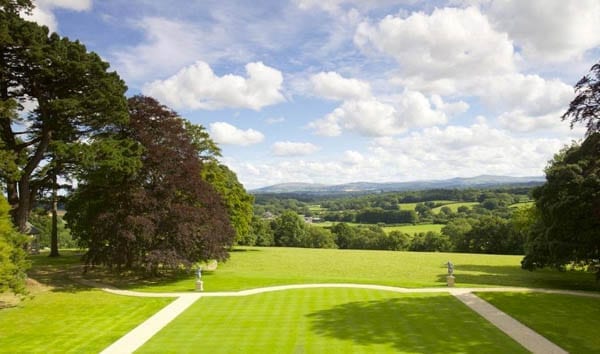
With wealth and a glamorous wife, Emma Rutherford, a widow from California, Crocker set himself up as the toast of New York society. Though he owned a townhouse at 1 East 64th Street and a villa in Newport, it was on paying $96,500 (the equivalent of £2.2 million or $2.8 million today) for the 1,100 acre Darling estate in Bergen County, Mahwah, New Jersey in 1901 that he truly became someone noticeable.
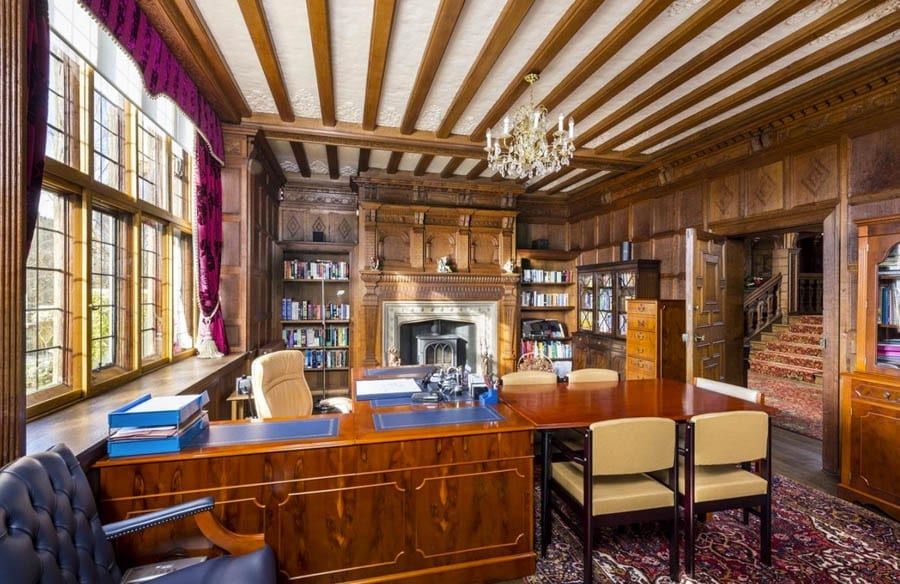
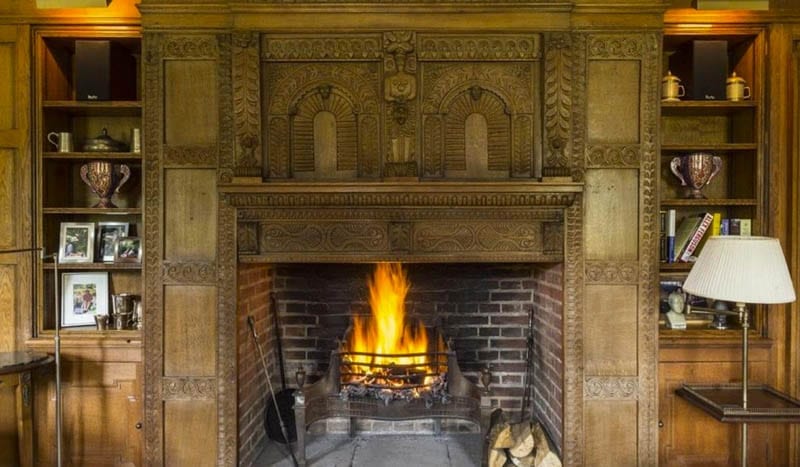
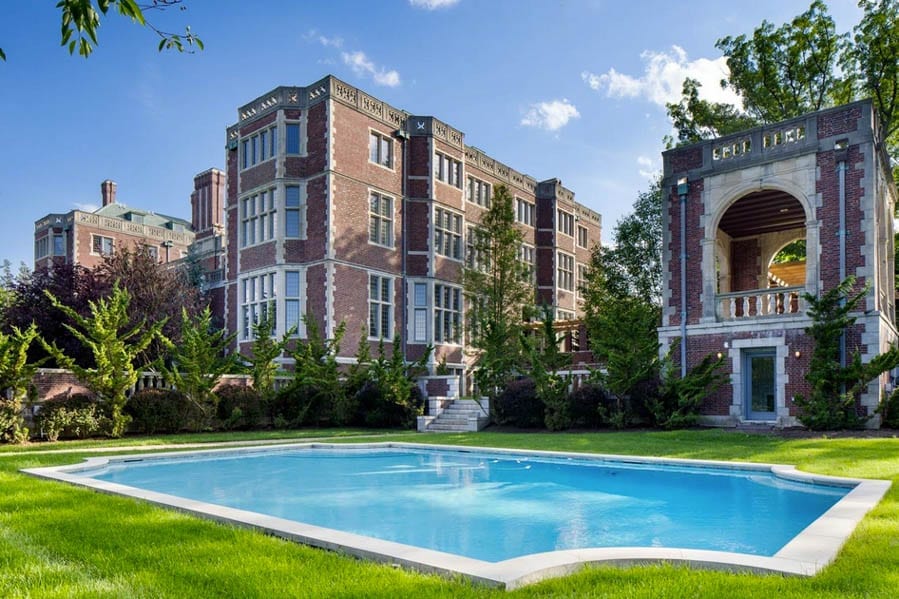
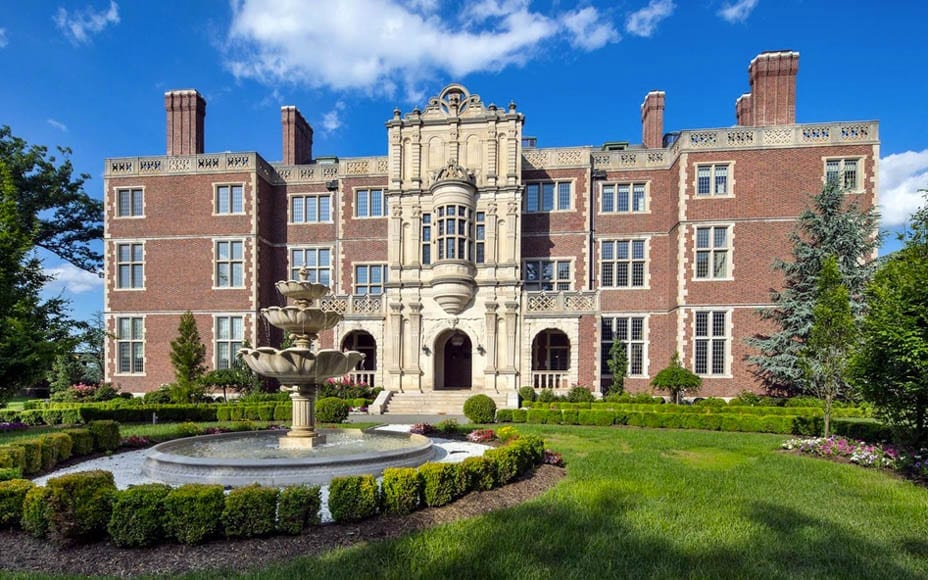
Choosing what he called “the finest site for a residence in the country”, Crocker commissioned an architect named James Brite (died 1942) to build him a mansion “sparing no expense”. Modeled on a Jacobean prodigy house, Bramshill House in Hampshire, England and built from Indiana limestone and Harvard brick, the “Crocker Mansion” or “Darlington” – as it is more widely known – cost $2 million to build (the equivalent of £38.2 million or $49 million today) and included 75 rooms and around 50,000 square foot of accommodation. Its features included steam heating, elevators, ice cream freezers, integrated vacuum systems and a switchboard and in its grounds a racetrack and 16 greenhouses were constructed whilst a pond was stocked with 4,000 trout.
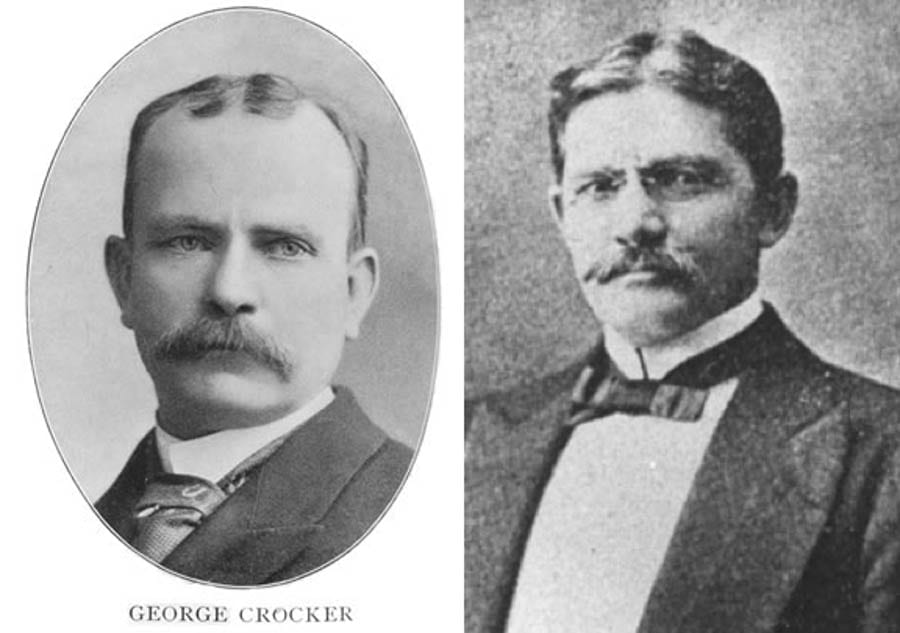
George Crocker and Emerson McMillin 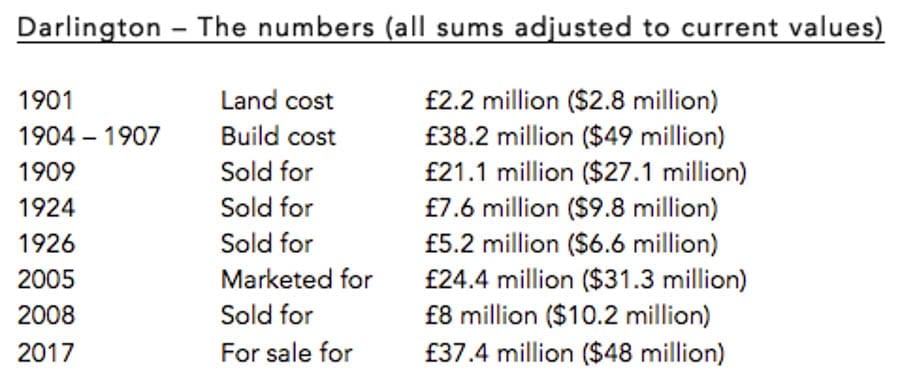
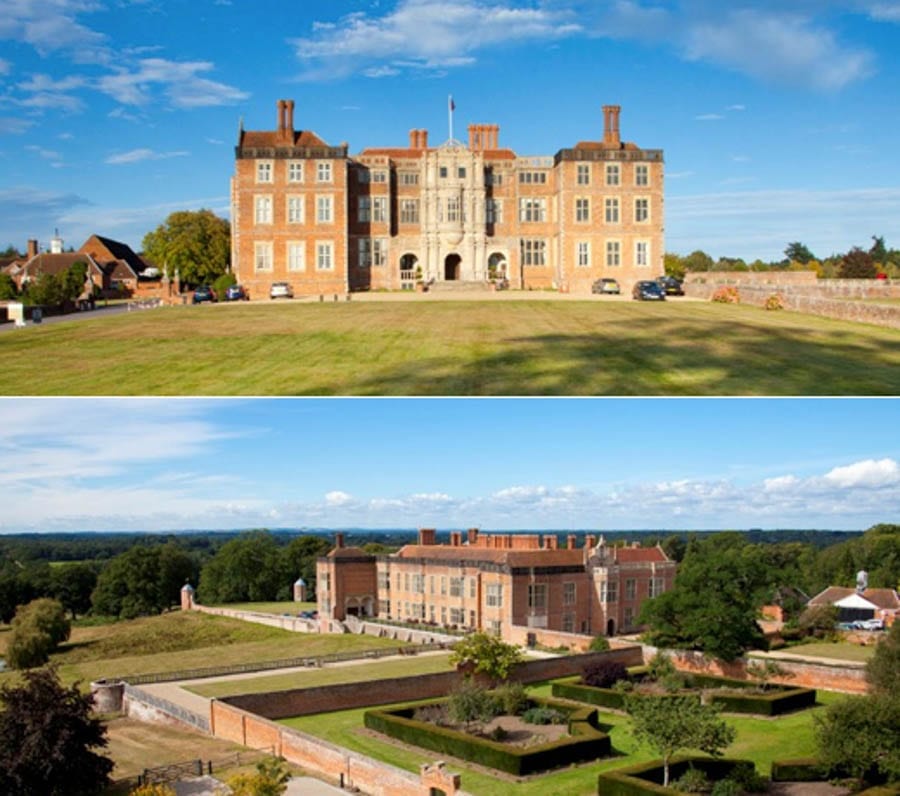
The design of Darlington was based on “one of the most haunted houses in England”, Bramshill in Hampshire; that building itself was also eventually separated from much of its estate and after being used as the European Police College was sold to developers City & Country for £25 million ($19.5 million) in 2014 Commentators wowed at the resulting creation and noted details such as a library painted after the style of the Italian Renaissance by Tiffany Studios, elaborate wood carving by Italian craftsmen and Tiffany silver chandeliers and a 1906 Aeolian player pipe organ in the building’s 30-foot high Great Hall. In 1912, Architectural Record, chose even to swoon over the basement. They remarked:
“Where Bramshill’s cellar housed for centuries lanterns, tallow dips, forest faggots, wooden vessels for the distribution of light, heat and water through personal service of human slaveys, its American reincarnation is a storehouse of miracle workers in the comfort and luxury of modern domestic life”.
Unfortunately, Mr and Mrs Crocker did not truly get to enjoy the fruits of their extravagant spending. Emma Crocker died in 1904 of cancer and George Crocker also succumbed to the disease in 1909. His estate was valued at $20 million (the equivalent of £422 million or $541 million today) and amongst items found at his mansion were 60,000 personally monogrammed, custom-made cigars valued at $30,000 (the equivalent of £635,000 or $813,000 today).
Sold subsequently to a “self-made” banker, industrialist and astronomy enthusiast named Emerson McMillin (1844 – 1922) in 1909 for $1 million (the equivalent of £21.1 million or $27.1 million), Darlington was next used to display a fine collection of Chinese and Japanese porcelain whilst a herd of Jerseys were kept in the grounds.
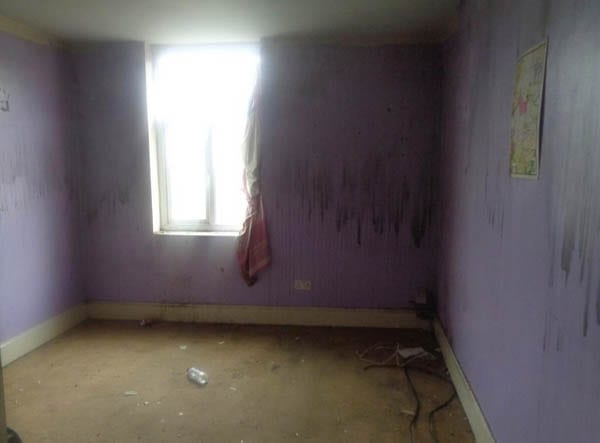
After McMillin’s death, his widow sold the estate in 1924 for $685,000 (the equivalent of £7.6 million or $9.8 million) to the Darlington Development Company, which in turn made it available to the Darling Golf and Country Club. They converted the building to a hotel and club that “promised to offer a new dimension to life in Mahwah” but “the development corporation and the club were soon in financial difficulties” and the McMillin estate foreclosed and regained possession.
A new buyer came forward in the form of the Roman Catholic Diocese of Newark. They paid $478,000 for the property in 1926 (the equivalent of £5.2 million or $6.6 million today) and used Darlington as a theological seminary. The surrounding land was gradually sold off and in 1986, the Immaculate Conception Seminary also departed.
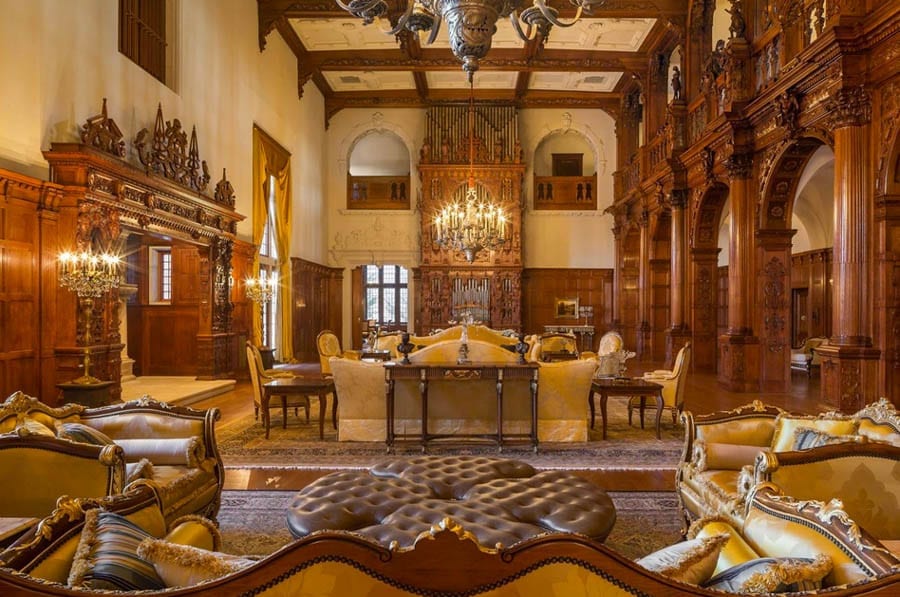
Darlington today – The 30-foot high Great Hall is still dominated by a 1906 Aeolian player pipe organ 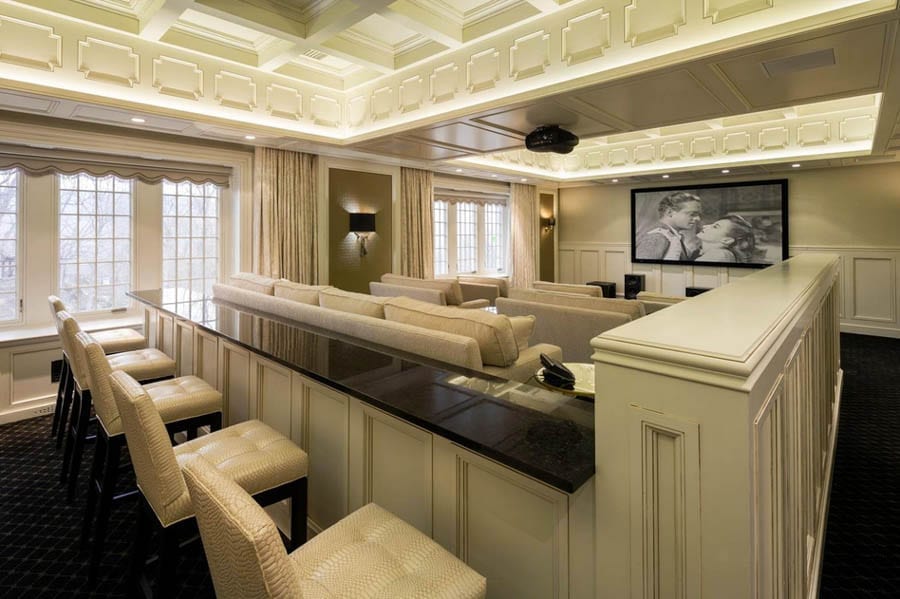
Darlington today – Ilija Pavlovic expanded the mansion by some 12,000 square foot and amongst other things added a large home cinema 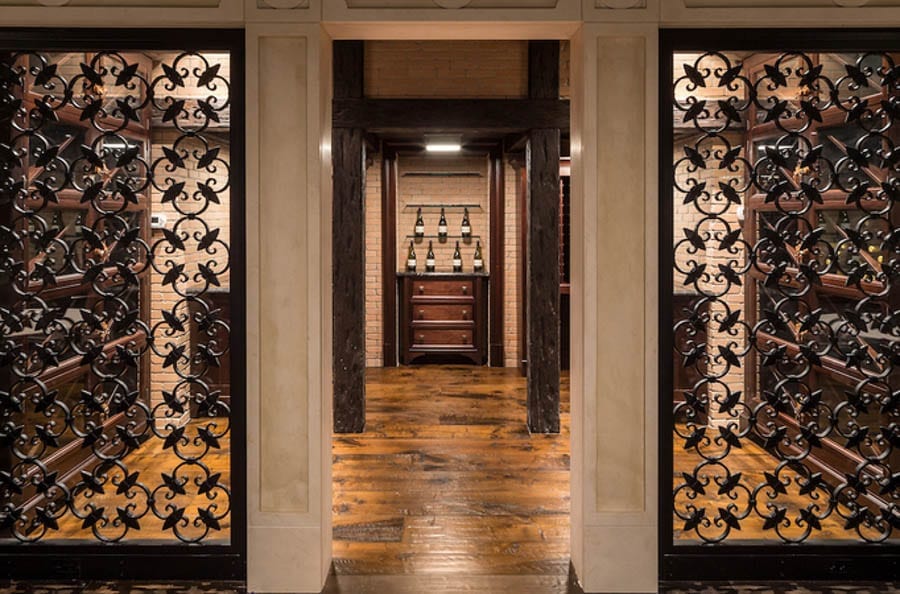
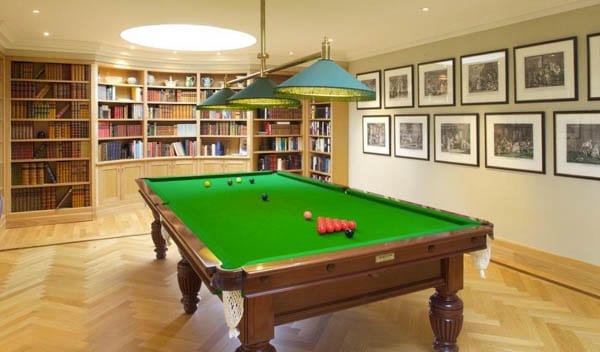
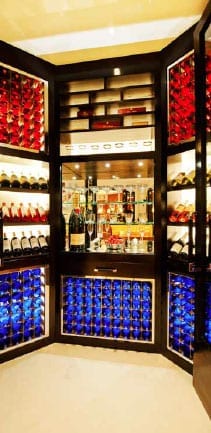
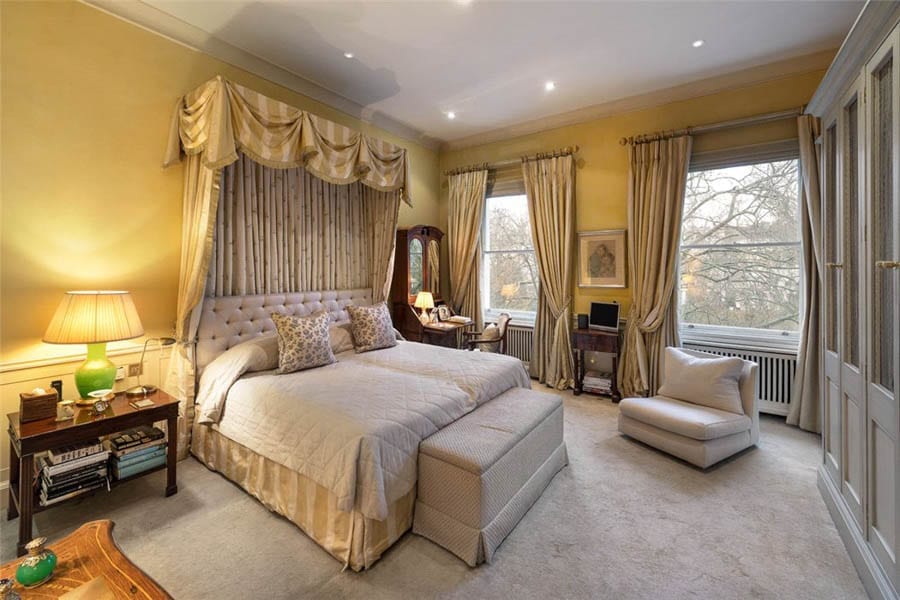
Darlington today – Another addition comes in the form of a vast wine cellar; George Crocker’s father would not have approved Subsequently restored and modernised with, according to Forbes, plumbing, heating, air conditioning and communications systems being installed, Darlington was placed on the market with just 12.1 acres in 2005 by Darlington Associates, a firm who’d built “multiple residential communities surrounding the mansion”. An ambitious figure of $25 million (the equivalent of £24.4 million or $31.3 million today) was sought for the now classified historic site but it was not until 2008 that a buyer came forth in the form of a local businessman named Ilija Pavlovic. He paid just $8.875 million (the equivalent of £8 million or $10.2 million today) and then embarked on the “challenge” of “both preserving the historic home while also restoring it to meet 21st-century standards”. The resulting creation spans four floors and includes amongst many other things a tea room, 3 libraries, 2 game rooms, 2 kitchens, a “his and her master bedroom wing”, 12 further guest bedrooms and 5 staff bedrooms.
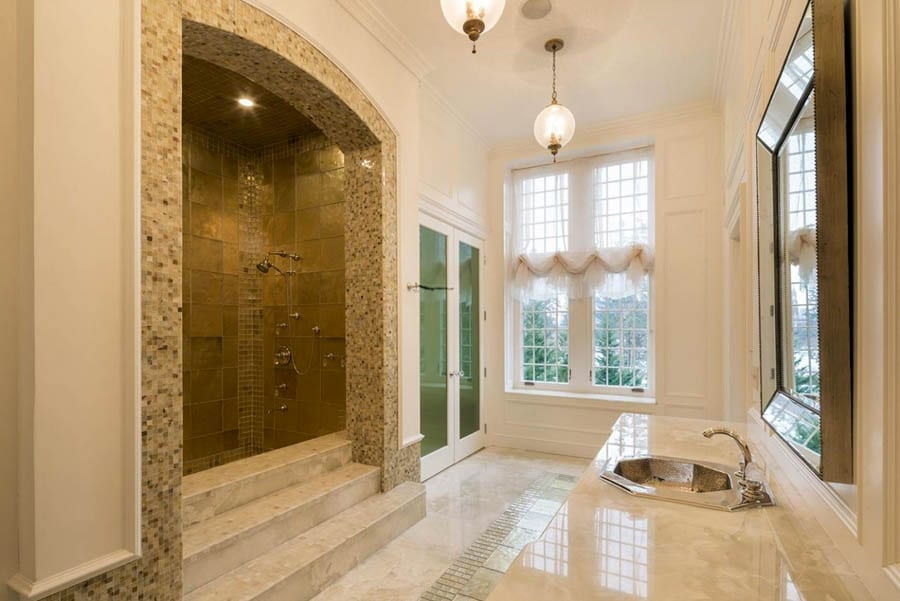
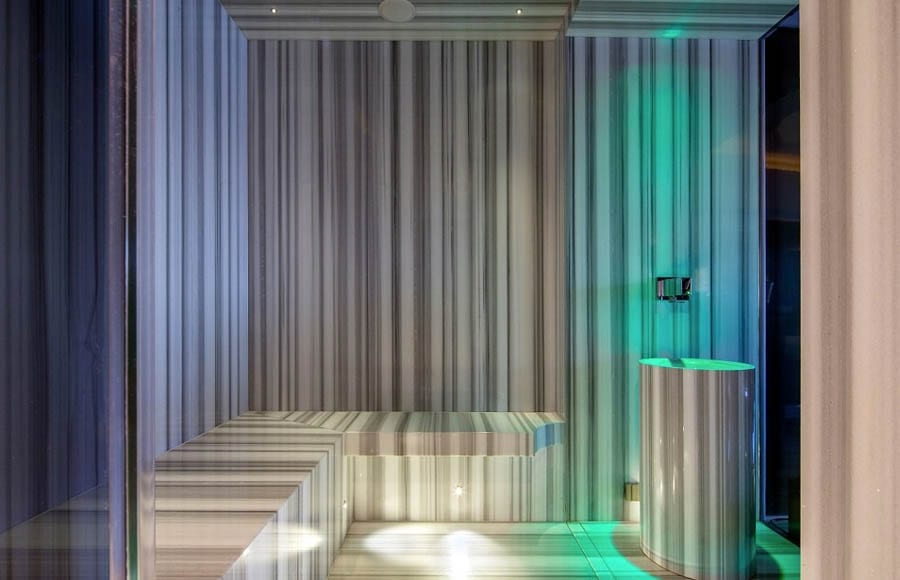
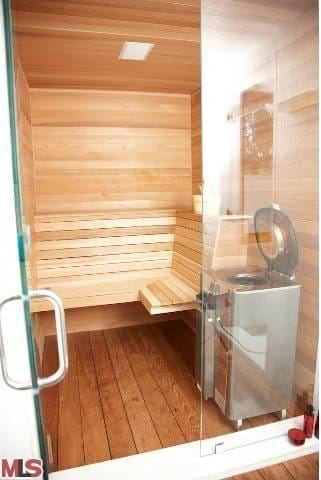
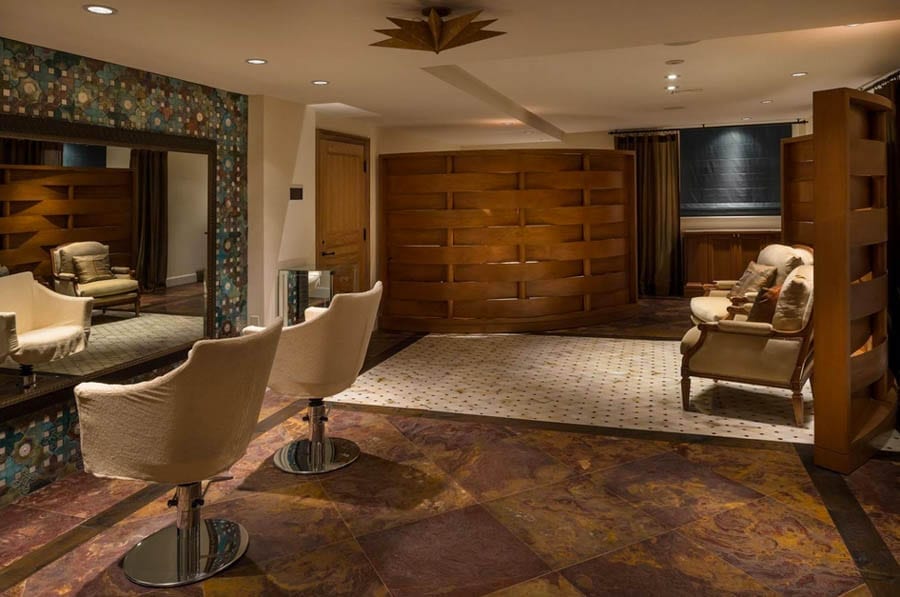
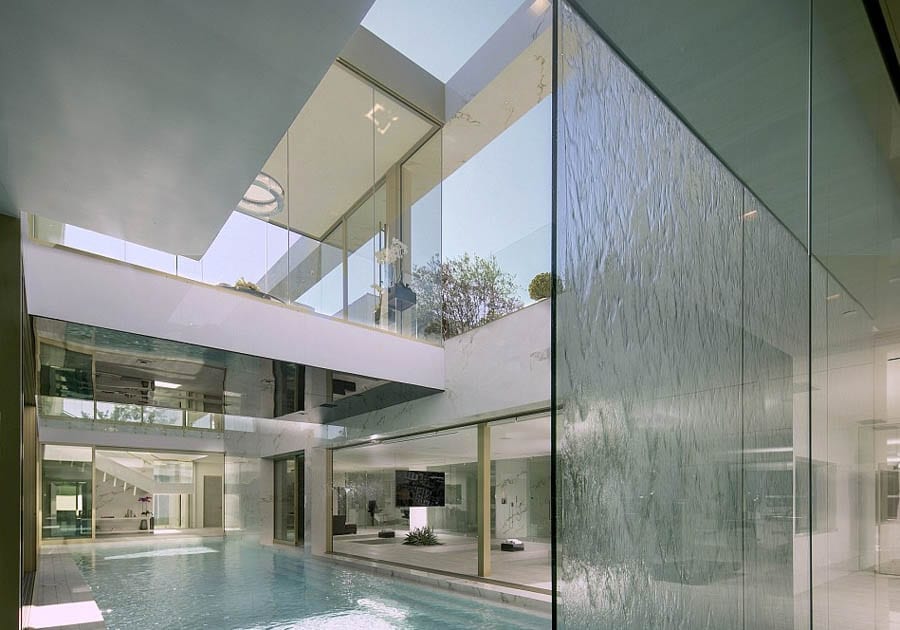
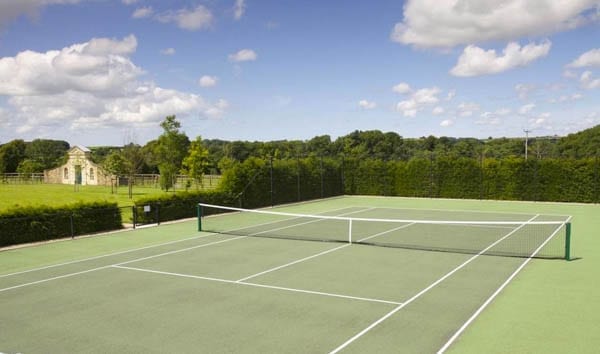
The biggest issue with the house, it transpired, was that its 476 leaded windows needed to be replaced. This reportedly cost $2 million alone (the equivalent of £1.8 million or $2.3 million today) and in addition, Pavlovic renewed all the mechanical systems, redid all 19 bathrooms, replaced the slate roof and added amongst other things a spa with an indoor lap pool, a gym, a massage room, a beauty salon and a home cinema. There is also a gatehouse, a professional kitchen that can serve 250 meals at a time, a wine cellar, a poker room, a cigar room, a billiards room, an 8-car garage, a tennis court and an outdoor swimming pool.
Property blog 6sqft – which claimed Friday that the current owners do not live at Darlington full-time and simply use it to host events – reported that this still massive mansion minus its formerly equally gigantic estate is now for sale now for £37.4 million ($48 million, €44.7 million or درهم176.3 million) through a firm Mr Pavlovic chairs, Special Properties Real Estate Services – an affiliate of Christie’s International Real Estate. Any buyer will undoubtedly be a vastly wealthy figure, but one can guarantee one thing: They’ll never live as lavishly as the barmy boozer George Crocker.


-
Living Large
New Jersey mansion Darlington, complete with 58 rooms, for sale for equivalent sum to what it cost to build in 1909; the £37 million house’s original owner was a man whose extravagance knew absolutely no bounds
George Crocker (1856 – 1909) makes F. Scott Fitzgerald’s Jay Gatsby seem like an amateur. Born in Sacramento and the son of a railway magnate worth some $30 million on his death (the equivalent of £634 million or $812 million today), Crocker was willed a significant $6 million (the equivalent of £127 million or $163 million today) on the condition that “after the space of five years continuously he shall abstain from the use of spirituous, vinous, and malt liquors to the extent that he shall not during this period have been intoxicated”.
Crocker decided to ignore the terms of his father’s behest and from 1888 to 1891 lived in San Francisco as “one of the most reckless young men about town when reckless young men thereabouts were common” but then admitted himself to a sanatorium, put himself on the straight and narrow and finally collected the sum of $6 million in 1898.
With wealth and a glamorous wife, Emma Rutherford, a widow from California, Crocker set himself up as the toast of New York society. Though he owned a townhouse at 1 East 64th Street and a villa in Newport, it was on paying $96,500 (the equivalent of £2.2 million or $2.8 million today) for the 1,100 acre Darling estate in Bergen County, Mahwah, New Jersey in 1901 that he truly became someone noticeable.
Choosing what he called “the finest site for a residence in the country”, Crocker commissioned an architect named James Brite (died 1942) to build him a mansion “sparing no expense”. Modeled on a Jacobean prodigy house, Bramshill House in Hampshire, England and built from Indiana limestone and Harvard brick, the “Crocker Mansion” or “Darlington” – as it is more widely known – cost $2 million to build (the equivalent of £38.2 million or $49 million today) and included 75 rooms and around 50,000 square foot of accommodation. Its features included steam heating, elevators, ice cream freezers, integrated vacuum systems and a switchboard and in its grounds a racetrack and 16 greenhouses were constructed whilst a pond was stocked with 4,000 trout.
George Crocker and Emerson McMillin The design of Darlington was based on “one of the most haunted houses in England”, Bramshill in Hampshire; that building itself was also eventually separated from much of its estate and after being used as the European Police College was sold to developers City & Country for £25 million ($19.5 million) in 2014 Commentators wowed at the resulting creation and noted details such as a library painted after the style of the Italian Renaissance by Tiffany Studios, elaborate wood carving by Italian craftsmen and Tiffany silver chandeliers and a 1906 Aeolian player pipe organ in the building’s 30-foot high Great Hall. In 1912, Architectural Record, chose even to swoon over the basement. They remarked:
“Where Bramshill’s cellar housed for centuries lanterns, tallow dips, forest faggots, wooden vessels for the distribution of light, heat and water through personal service of human slaveys, its American reincarnation is a storehouse of miracle workers in the comfort and luxury of modern domestic life”.
Unfortunately, Mr and Mrs Crocker did not truly get to enjoy the fruits of their extravagant spending. Emma Crocker died in 1904 of cancer and George Crocker also succumbed to the disease in 1909. His estate was valued at $20 million (the equivalent of £422 million or $541 million today) and amongst items found at his mansion were 60,000 personally monogrammed, custom-made cigars valued at $30,000 (the equivalent of £635,000 or $813,000 today).
Sold subsequently to a “self-made” banker, industrialist and astronomy enthusiast named Emerson McMillin (1844 – 1922) in 1909 for $1 million (the equivalent of £21.1 million or $27.1 million), Darlington was next used to display a fine collection of Chinese and Japanese porcelain whilst a herd of Jerseys were kept in the grounds.
After McMillin’s death, his widow sold the estate in 1924 for $685,000 (the equivalent of £7.6 million or $9.8 million) to the Darlington Development Company, which in turn made it available to the Darling Golf and Country Club. They converted the building to a hotel and club that “promised to offer a new dimension to life in Mahwah” but “the development corporation and the club were soon in financial difficulties” and the McMillin estate foreclosed and regained possession.
A new buyer came forward in the form of the Roman Catholic Diocese of Newark. They paid $478,000 for the property in 1926 (the equivalent of £5.2 million or $6.6 million today) and used Darlington as a theological seminary. The surrounding land was gradually sold off and in 1986, the Immaculate Conception Seminary also departed.
Darlington today – The 30-foot high Great Hall is still dominated by a 1906 Aeolian player pipe organ Darlington today – Ilija Pavlovic expanded the mansion by some 12,000 square foot and amongst other things added a large home cinema Darlington today – Another addition comes in the form of a vast wine cellar; George Crocker’s father would not have approved Subsequently restored and modernised with, according to Forbes, plumbing, heating, air conditioning and communications systems being installed, Darlington was placed on the market with just 12.1 acres in 2005 by Darlington Associates, a firm who’d built “multiple residential communities surrounding the mansion”.
An ambitious figure of $25 million (the equivalent of £24.4 million or $31.3 million today) was sought for the now classified historic site but it was not until 2008 that a buyer came forth in the form of a local businessman named Ilija Pavlovic. He paid just $8.875 million (the equivalent of £8 million or $10.2 million today) and then embarked on the “challenge” of “both preserving the historic home while also restoring it to meet 21st-century standards”. The resulting creation spans four floors and includes amongst many other things a tea room, 3 libraries, 2 game rooms, 2 kitchens, a “his and her master bedroom wing”, 12 further guest bedrooms and 5 staff bedrooms.
The biggest issue with the house, it transpired, was that its 476 leaded windows needed to be replaced. This reportedly cost $2 million alone (the equivalent of £1.8 million or $2.3 million today) and in addition, Pavlovic renewed all the mechanical systems, redid all 19 bathrooms, replaced the slate roof and added amongst other things a spa with an indoor lap pool, a gym, a massage room, a beauty salon and a home cinema. There is also a gatehouse, a professional kitchen that can serve 250 meals at a time, a wine cellar, a poker room, a cigar room, a billiards room, an 8-car garage, a tennis court and an outdoor swimming pool.
Property blog 6sqft – which claimed Friday that the current owners do not live at Darlington full-time and simply use it to host events – reported that this still massive mansion minus its formerly equally gigantic estate is now for sale now for £37.4 million ($48 million, €44.7 million or درهم176.3 million) through a firm Mr Pavlovic chairs, Special Properties Real Estate Services – an affiliate of Christie’s International Real Estate. Any buyer will undoubtedly be a vastly wealthy figure, but one can guarantee one thing: They’ll never live as lavishly as the barmy boozer George Crocker.
-
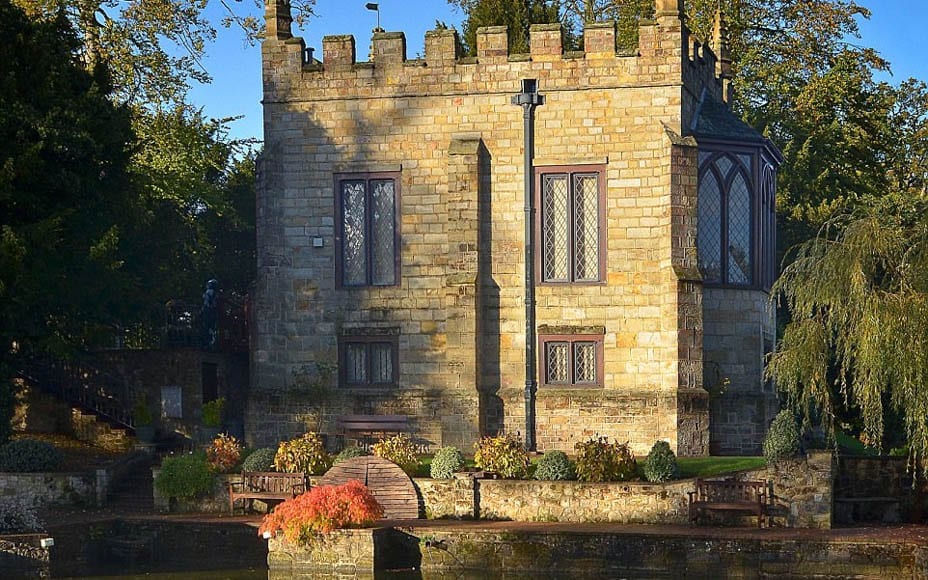
A Homely Castle
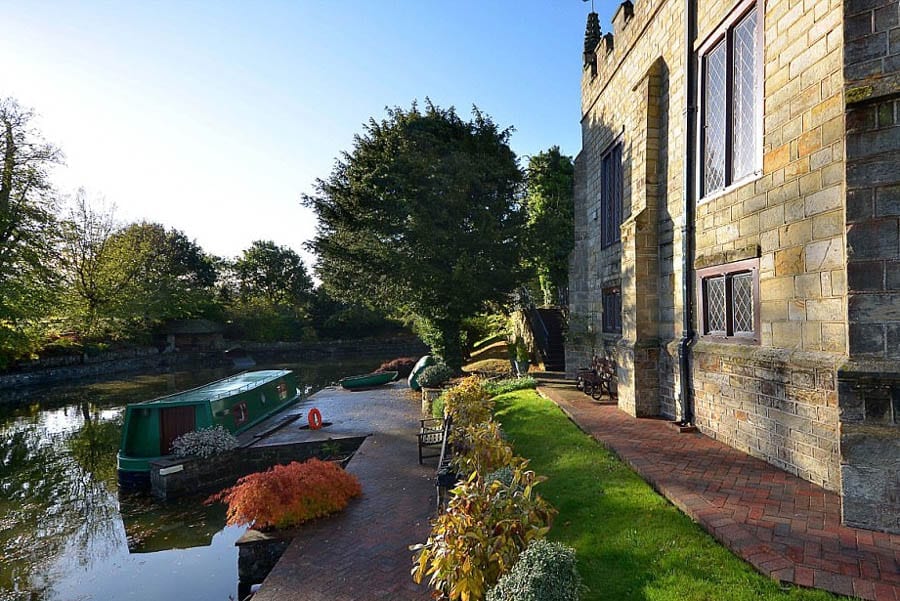
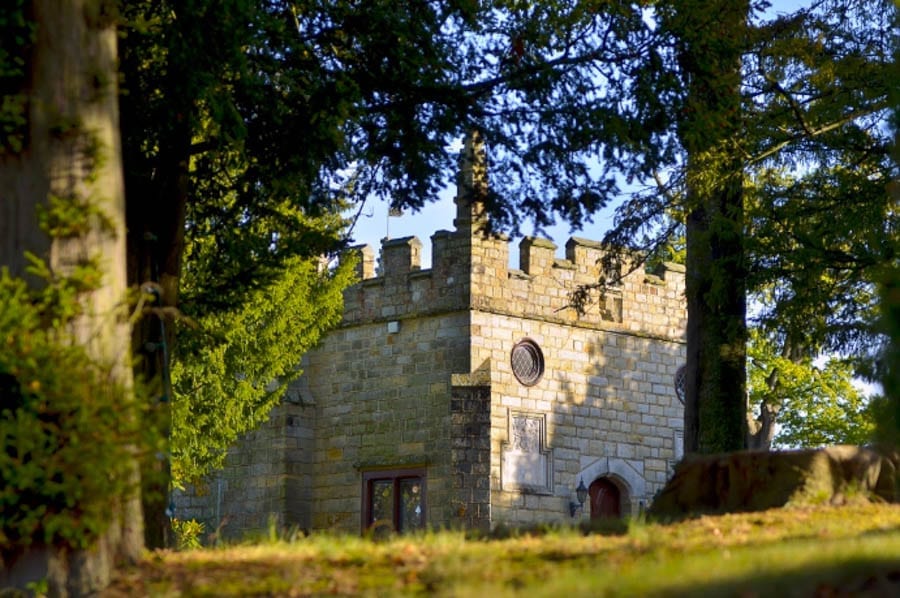
Britain’s smallest castle is for sale; it comes with 10 acres, a 44 million gallon moat and a narrow boat
Last marketed in 2003 for £1 million (the equivalent of £1.45 million, $1.86 million, €1.73 million or درهم6.83 million today), what is allegedly Britain’s smallest castle is back for sale for the slightly higher sum of £1.75 million ($2.24 million, €2.09 million or درهم8.24 million).
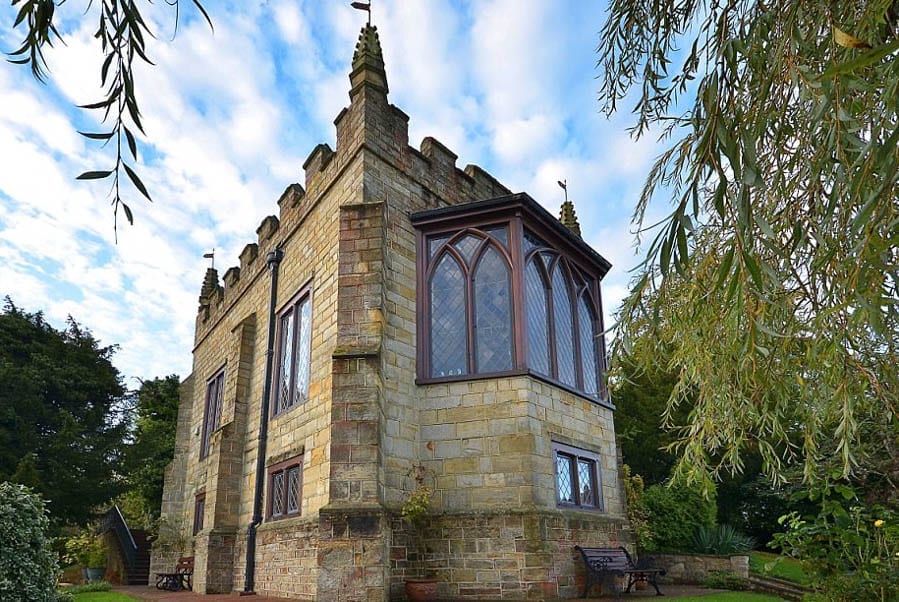
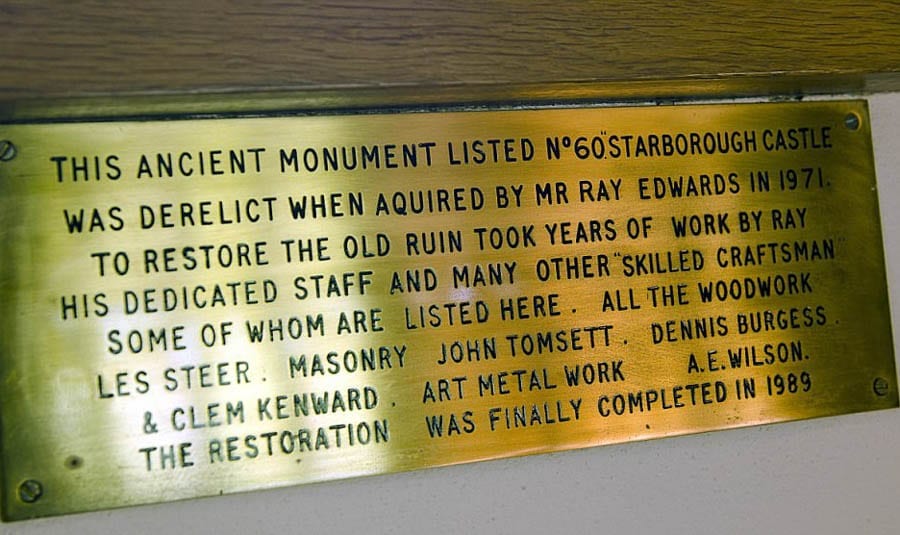
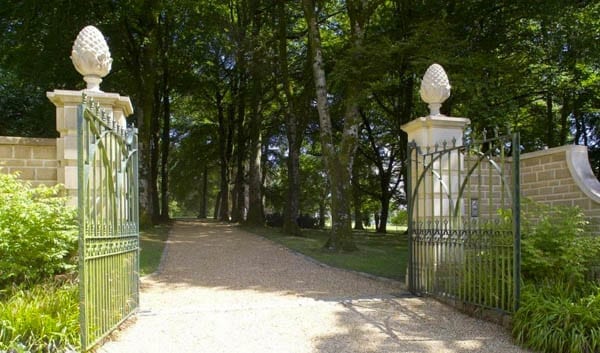
Offered by Belgravia based Henry & James, Starborough Castle is situated on the border of Kent and Surrey and stands in 10 acres of moated gardens and grounds. It is listed Grade II* and also as a scheduled ancient monument.
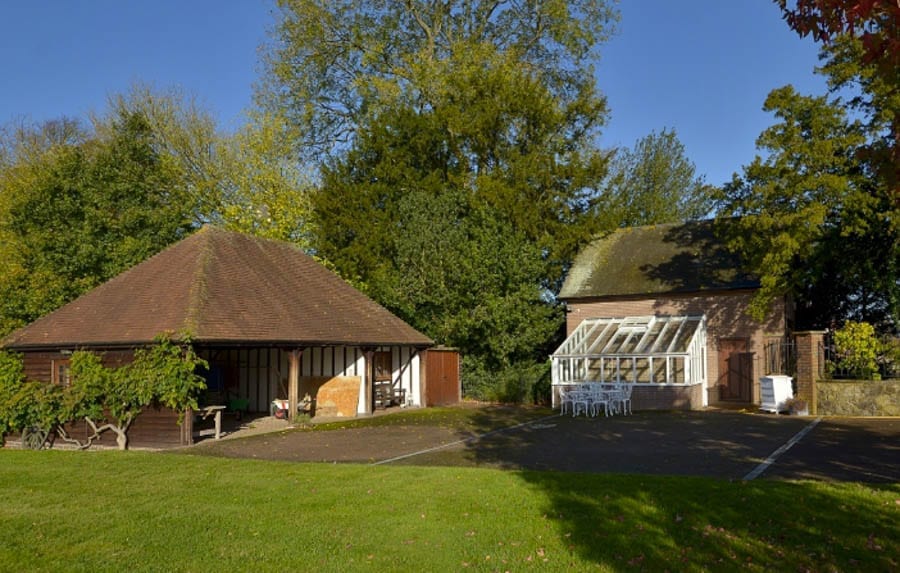
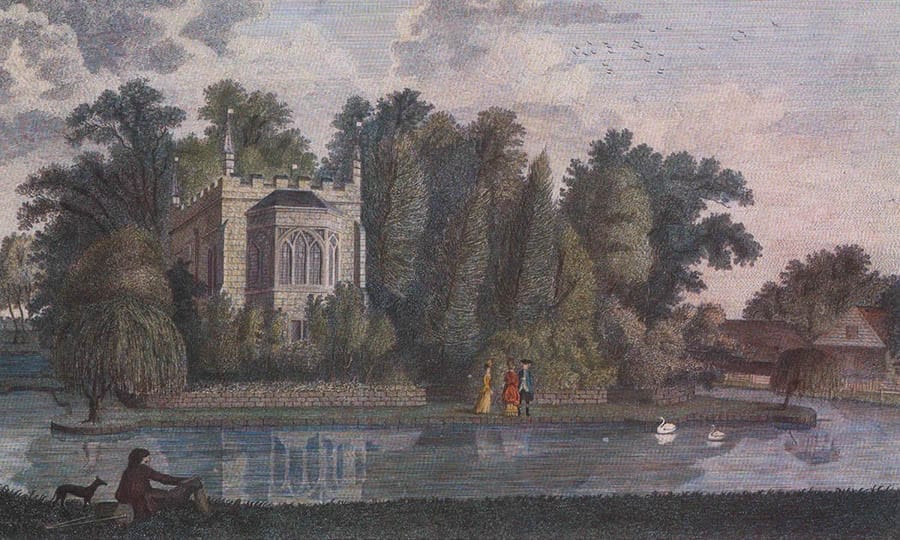
Dating to around 1754 and constructed on the site of a medieval house built circa 1341, the current dressed stone Neo-Gothic building on the site was restored by a farmer in the 1980s. He sold it to a purveyor of antique maps named Warwick Leadlay (1929 – 2013) in 1995 and in the years since, the grounds were landscaped and outbuildings and a cottage added.
Used by the Leadley family to host a “Glyndebourne of jazz-style” festival and more recently available for both short and long-term lets, Starborough Castle itself currently provides a total of 1,959 square foot of accommodation. There is a mini great hall, minstrel gallery kitchen, two double bedrooms and a bathroom in the main house and a detached one bedroom cottage offers further space for guests.
Of the pint-sized property, James Bailey of Henry & James told the Mail Online:
“It’s an amazing property, a complete one off, and a house of historical importance. The first recorded settlement was there in AD490. The moat was created around the medieval castle that occupied the entire island in the 1300s. That was torn down under Cromwell’s orders in the 1600s”.
“What is there now takes up just a small part of the island, it was built as a summerhouse and you could argue over whether it’s a folly or a castle”.
“It would be a perfect weekend destination place for a professional couple or an individual looking for something unique. The current owners have had it about 20 years and that’s what they have used it for, but they are based in London again now so don’t get to use it much”.
“They also put a barge on the moat to provide extra guest space. It’s a bit of fun, obviously you could only drive it in a circle round the moat, you can’t go anywhere”.

-

Alfie Best – What’s on your mantelpiece?
A 20-question interview with self-made businessman and star of ‘My Fat Gypsy Fortune’ Alfie Best
The Steeple Times shares “wit and wisdom”. What’s your guiding force?
For a man to know where he is going, he must remember where he is from.
“Don’t get even, get medieval” is, in our humble opinion, a great motto. What’s yours?
Life is a light, it is your job to make it shine brighter.
Kerry Katona was considered unacceptable in 2007. Who or what is unacceptable in 2017?
Internet trolls who are brave behind keyboards.
Tony Blair misses being Prime Minister. What do you miss most in your life?
Time.
What might you swap all your wealth for?
More time.
Donald Trump was once a case of: “If you owe the bank a thousand, they close you down; but if you owe the bank a billion, you own the bank”. What’s your view on the state of the financial system?
If you treat the bank as a bank, they will treat you as a customer but if you treat the banks as a partner within your business and build your relationship with the management of the bank, they will consider you as a partner and offer much more insight and help which it is own way, is free to you as a business.
What phrase or word do you most loathe?
“We have a problem”; one man’s problem is another man’s opportunity.
In the UK, some people consider charity to “begin at home”. What’s your view and what causes do you personally support?
I do believe charity begins at home but I also believe giving is not as good as teaching. If you give a man a fish, he will feed his family for a night, show the man how to fish and he will feed his family for a lifetime.
We’re actually setting up own charity – Wyldecrest Parks Charity – which hopefully we’ll be able to help vulnerable people in need.
The judge in Law Abiding Citizen states: “I can pretty much do whatever I want” before being blown up whilst answering her mobile phone. What’s your view on the appropriate use of such devices?
Connection is unbelievable and the forward bounds it has given us a society is unprecedented but we have to remember not to become disconnected from society.
If you could fill a carriage on The Orient Express, who would be your fellow passengers?
I would fill the carriage with my family and friends and invite Tracy Chapman and the musical artist Rodriguez; I would look for them to enjoy the ride and party whilst it lasted.
If you were unfortunate enough to end up on death row, what would be your last meal and where would you eat it?
Pie, mash and liquor at the White House with the President to try and get a reprieve whilst eating my last meal.
What time is it acceptable to consume the first drink of the day?
6:30am with a nice cup of lemon tea.
A Negroni, a martini or a cup of tea?
A cup of tea.
Whose parties do you enjoy the most and why?
I enjoy my son’s parties because the charisma he brings to the room is like a ray of sunshine on the beach.
Who is the most positive person you know?
Me.
What’s your most guilty pleasure?
Chocolate.
If a tattoo were to sum you up, what would it be of?
If I were to have a tattoo, it would state ‘BEST’ across my back because it would mean the best is behind me and there is even better to come.
If you were a car, what marque would you be?
A black Lamborghini.
Cilla Black presented Surprise, Surprise. Tell us the most surprising thing about you.
After becoming a millionaire at 20, I nearly went bust and slept in my car for 3 months.
What’s currently sitting on your mantelpiece?
A backward clock – it confuses everyone!
Alfie Best is a successful entrepreneur driven by tenacity. With humble origins, born and raised in a Romany Gypsy family, this self-made man started his professional path totally from scratch. Alongside Wyldecrest Parks, Alfie Best also owns other very successful businesses within the hospitality and leisure, events, trading and finance industries including Vinyl Bar, Kyoto Furniture, Axiom Uno and Wylde Event Management.
Follow him on Twitter at @alfiebest33.