Tag: UK

  • The Baloney of Brexit

    The Baloney of Brexit

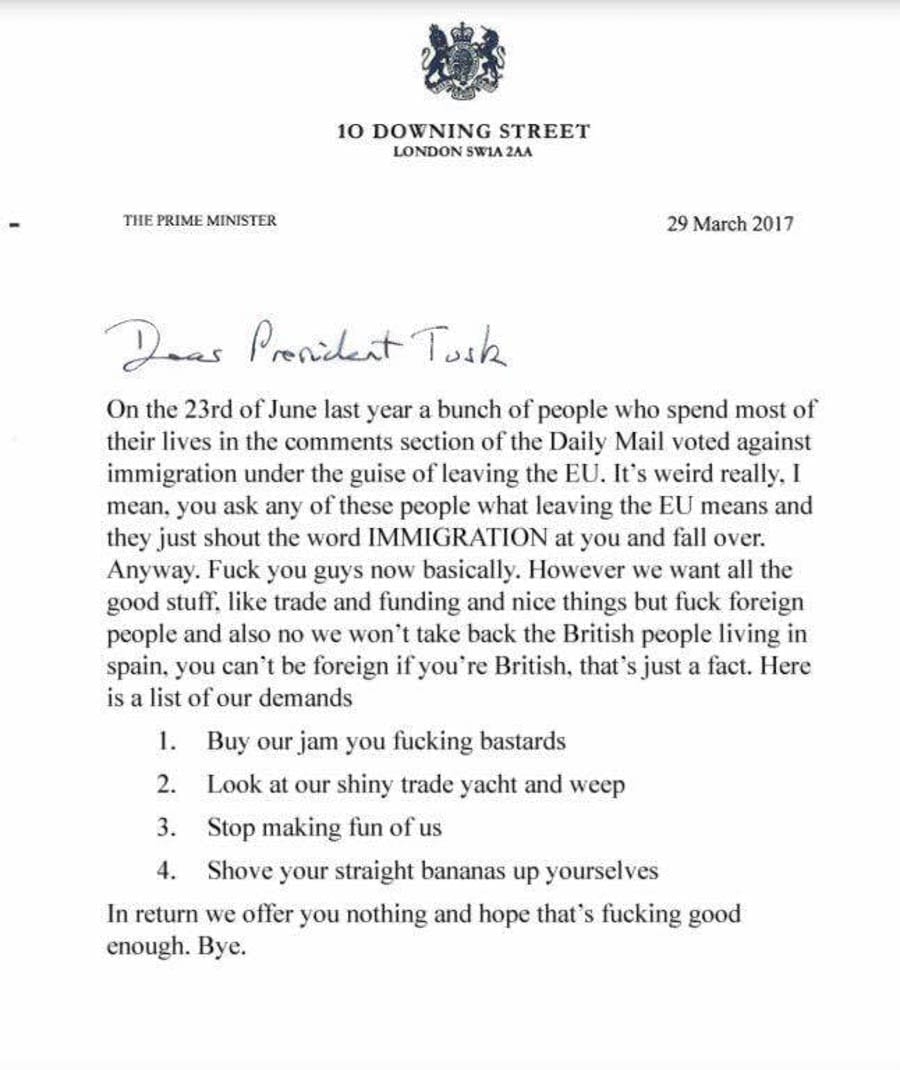
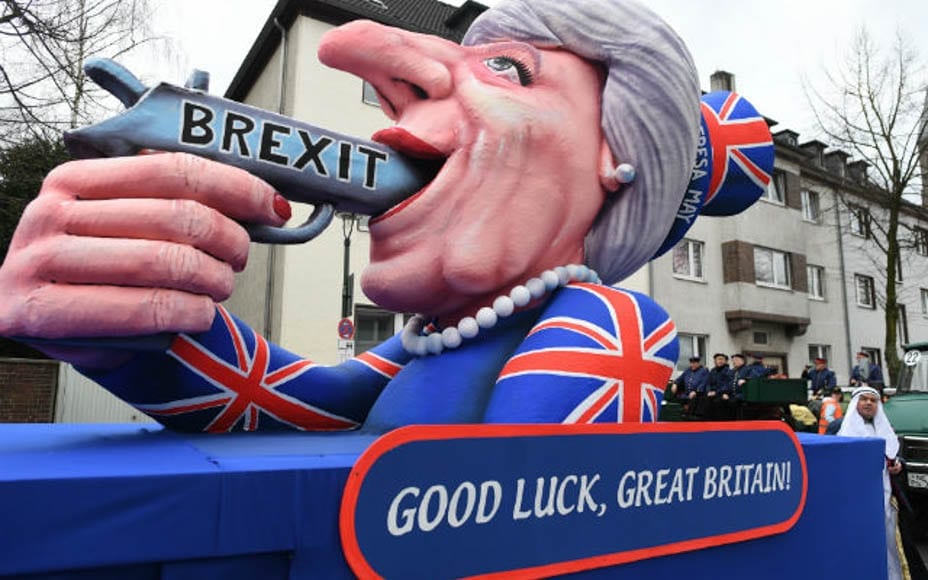
    Summing up Britain beginning its road to Brexit and an amusing take on the Prime Minister’s letter to Donald Tusk


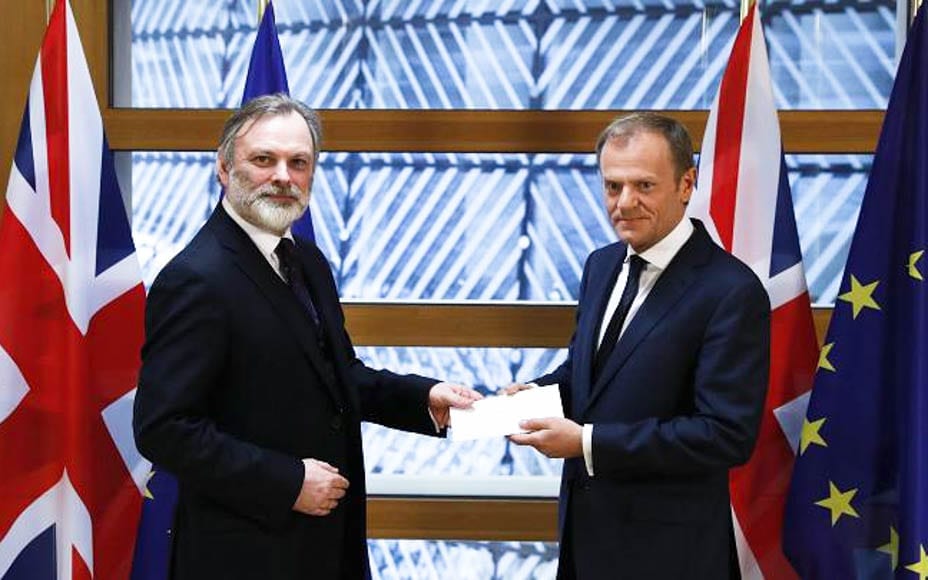
    Yesterday, Theresa May found her date with destiny and triggered Article 50. With no more restrictions on bendy bananas (a total myth) and the start of a long goodbye, Britain reached a “historic moment” from which there can be – as the shoe loving Prime Minister herself put it – “no turning back”.


    As Sky News suggested 56% of those they polled were happy with what is about to occur, Mrs May met with her cabinet in Downing Street. Bumbling Foreign Secretary Boris Johnson was the last to arrive at the gathering and the first to leave and later the well-known CV exaggerator turned Secretary of State for Environment, Food and Rural Affairs Andrea Leadsom announced she was “very happy” with what had been discussed.


    May was unsurprisingly subsequently heckled in Parliament when she announced: “We know we will lose influence… The world needs the liberal, democratic values of Europe” and was met with disdain from Lord Heseltine also. He commented:


    “The letter represents the biggest sacrifice of British sovereignty that I can remember… All the stuff about gaining sovereignty will be exposed for the hypocrisy that it was… It is the biggest sacrifice of self-interest I know of”.


    Whilst the President of the European Commission Jean-Claude Juncker remarked of the biggest victory for nationalism since the Second World War: “I’m deeply sad”, we’ll leave the final word with the President of the European Council Donald Tusk. He added: “Thank you and goodbye”.


    An amusing take on Theresa May’s letter, shared widely on social media, to Donald Tusk follows:

    The Baloney of Brexit – Summing up Britain beginning its road to Brexit


  • Bigots & Baseball Caps

    Bigots & Baseball Caps

    Intolerance comes in many forms but the very worst kind is middle class hypocrisy


    In a week when Damien Hirst was told: “Go home!” by animal rights activists in Venice (who also dumped 40kg of dung outside where he is due to exhibit a non-animal related show at the Palazzo Grassi), I, myself, experienced the wrath of a middle class maniac.


    On Saturday, minding my own business, walking along a quiet South Kensington street, I was accosted by a well-dressed woman. She screeched at me: “Take that hat off. It promotes terrorism”.


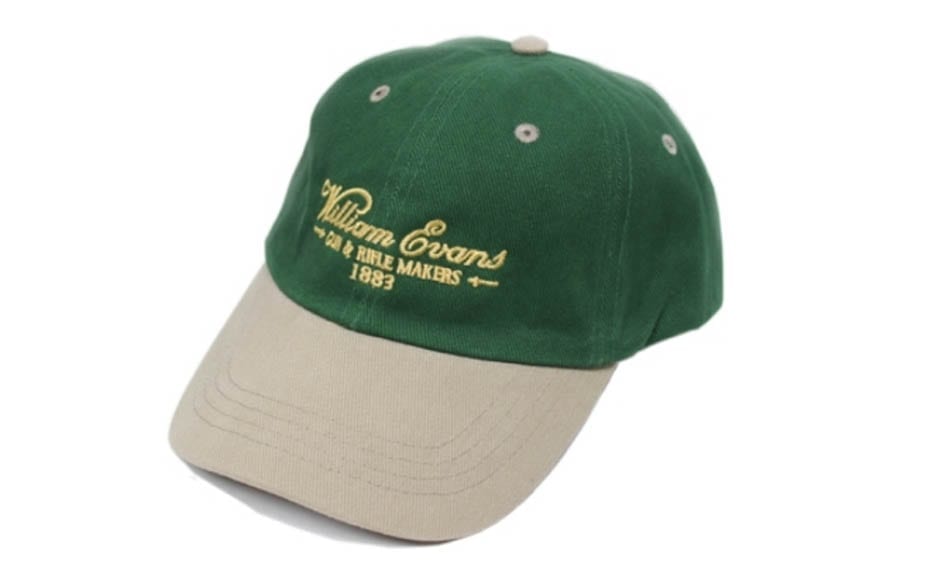
    My crime? Wearing a William Evans baseball cap. The reasoning for her distaste? The cap was captioned: “Gun and rifle makers, 1883”.


    After I responded to this ridiculous individual by telling her: “I can wear whatever I wish” and she had had her chance to rant about about intolerance and extremism, I realized one sorry thing: Here, in front of me, stood was nothing but the worst kind of bigot.


    William Evans signature baseball caps are available for £25. Wear one at your peril.


  • Limehouse

    Limehouse

    Matthew Steeples extols the relevance of the Donmar Warehouse’s ‘Limehouse’ to Britain’s contemporary political climate


    At a time when Brexit has divided Britain and Jeremy Corbyn’s Labour continues to provide little-to-no opposition to Theresa May’s somewhat unfocused, unelected government, the relevance of a play named Limehouse is especially poignant.


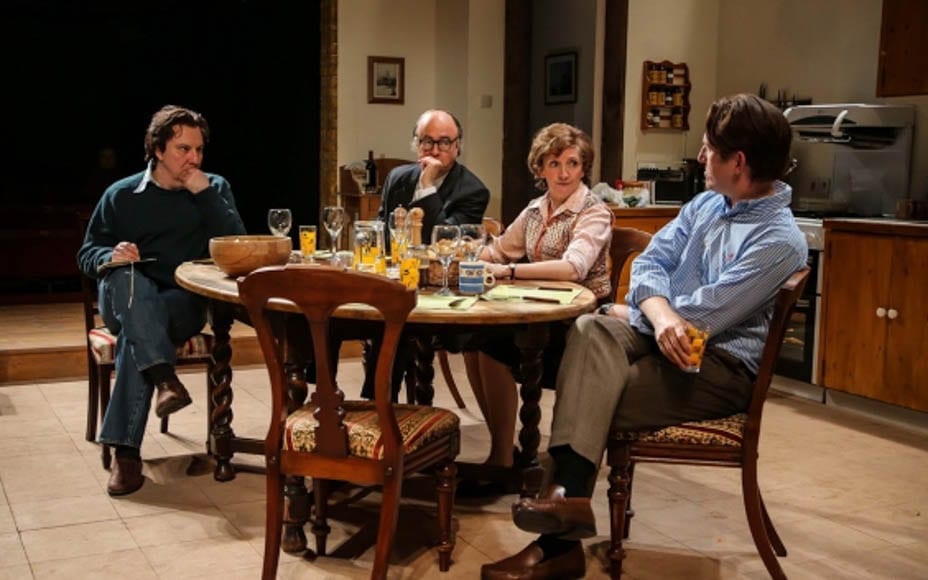
    Based around the formation of the ill-fated Social Democratic Party by the ‘Gang of Four’ – Bill Rodgers, Shirley Williams, Roy Jenkins and David Owen – in 1981, what The Telegraph calls a “domestic sitcom” takes place entirely in a “bourgeois” kitchen. It occurs during a period when moderates – driven to try to find an alternative to the rise of Thatcherism on one side and the loony left on the other – despaired at a nation divided and sought out a new way forward. Limehouse – named after the area where Owen lived at the time – effectively examines what this quartet believed the UK needed then and what many believe the UK again needs today: A credible centrist party.


    Played out as a kitchen table coup by four ultimately flawed politicians over two bottles of Château Lafite, the plot is cleverly guided by a fifth member, the American born literary agent wife of David Owen. She concludes the play by asking: “What if?” in the context of what might have happened had a sensible centrist political movement been successful back in the 1980s. It’s the very question that will be on the lips of so many as we head towards Theresa May triggering Article 50 on the 29th March.


    ‘Limehouse’ is at the Donmar Warehouse until 15th April.


  • Cooking-Up a Cock-Up

    Cooking-Up a Cock-Up

    As Donald Trump is criticised for dousing over-cooked steak in ketchup, we take a look at Theresa May’s preference for dining at the favourite restaurant of a paedophile and her lack of interest in the “absolutely meticulously” recipes of Delia Smith


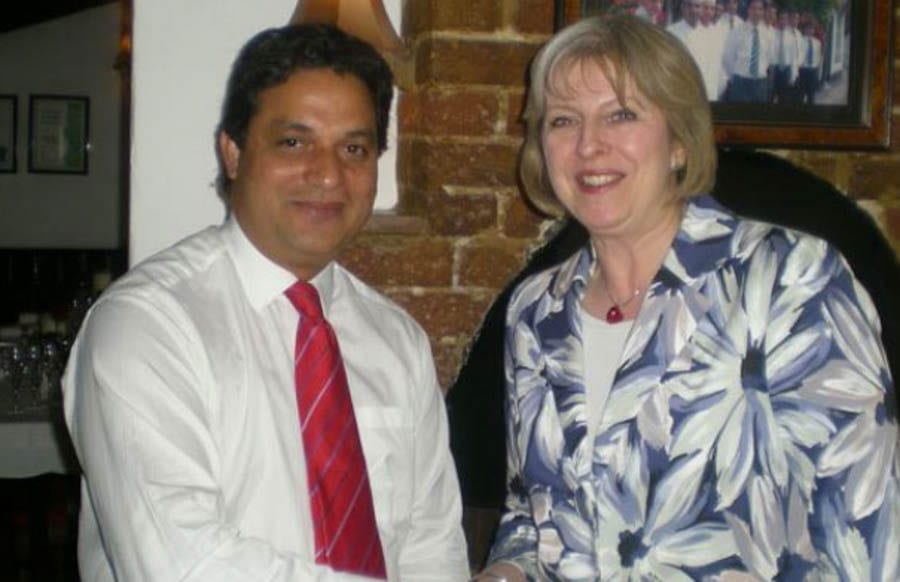
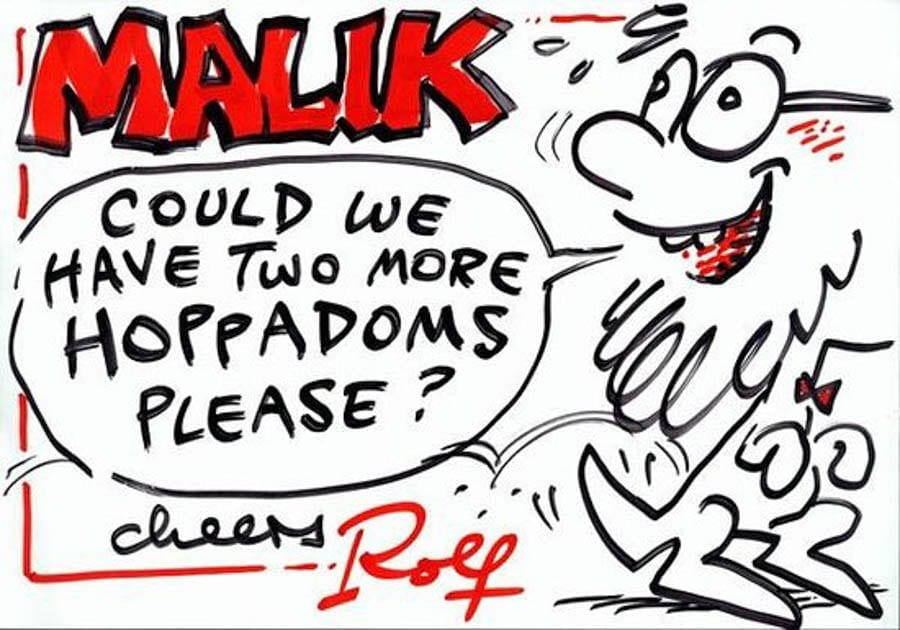
    In 2008, Theresa May told The Guardian: “I’ve knocked on Rolf Harris’s door and asked for his vote” and in the very same article the now Prime Minister also cited the since jailed paedophile’s favourite restaurant, Maliks Tandoori House in Cookham, Berkshire, as her own hangout of choice too.


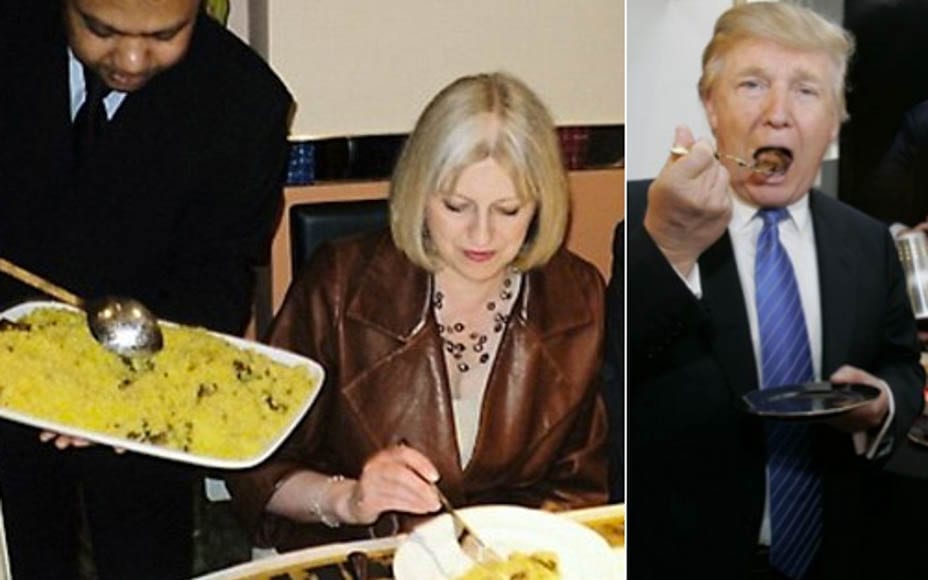
    The dining habits of top-drawer politicians came under scrutiny again earlier this week when Town & Country’s Sam Dangremond analysed Donald Trump’s preference for eating well-done steaks topped with ketchup. The 45th POTUS supposedly likes his meat to “rock on the plate” (according to his former butler) but in Britain, our somewhat clueless leader’s food choices are a little more specific.


    Aside from loving Indian cuisine and her eponymous “red, white and blue Brexit”, Mrs May is a woman with a preference for a no doubt red, white (but not so blue) Kit Kat and recipes from the cookbooks of the throttled ex-wife of Charles Saatchi, ‘Highgella’ Lawson. In 2008, she remarked: “The other day I did a Nigella recipe for a mustard-and-caper sauce on purple-sprouting broccoli”.


    The vicar’s daughter, it transpires, does not have Delia Smith’s books in her kitchen, however. Why? Not because the cook-turned-football-club-chairwoman is generally utterly smashed most of the time, but due to the fact she’s “absolutely meticulous”. The character of the government of Mrs May, thus, could be revealed in a cookbook; its title would no doubt be A Total & Utterly Unmeticulous Cock-Up.


    Cooking-Up a Cock-Up – Eating habits of Theresa May – Dining habits of Donald Trump and Theresa May. He likes overcooked steaks doused in ketchup; she likes to dine at the favourite restaurant of the paedo Rolf Harris
    Malik Ahmed with Theresa May
    Cooking-Up a Cock-Up – Eating habits of Theresa May – Dining habits of Donald Trump and Theresa May. He likes overcooked steaks doused in ketchup; she likes to dine at the favourite restaurant of the paedo Rolf Harris
    Rolf Harris with Alwyn Hughes and Malik Ahmed
    Cooking-Up a Cock-Up – Eating habits of Theresa May – Dining habits of Donald Trump and Theresa May. He likes overcooked steaks doused in ketchup; she likes to dine at the favourite restaurant of the paedo Rolf Harris
    A cartoon by Rolf Harris for Maliks restaurant
    Cooking-Up a Cock-Up – Eating habits of Theresa May – Dining habits of Donald Trump and Theresa May. He likes overcooked steaks doused in ketchup; she likes to dine at the favourite restaurant of the paedo Rolf Harris
    Donald Trump eating
  • Singleminded Sturgeon

    Singleminded Sturgeon

    As Nicola Sturgeon lobs a grenade at Theresa May’s “red, white and blue Brexit”, Jeremy Corbyn is met with equal derision


    Yesterday, Nicola Sturgeon pulled a blinder and threw a spanner in Theresa May’s plan to announce a “red, white and blue Brexit” with immediate effect.


    Undoubtedly the reason hapless Mrs May didn’t proceed to trigger Article 50 on Monday, Sturgeon’s actions left even Conservative hardliners questioning the merits of the unknown road Britain is currently on. They, of course, care for the Union more than anything else and that it is again at risk is most worrying indeed.


    On Tuesday morning, Tory MP Anna Soubry told SKY News:


    “I would say to Theresa May: Don’t turn your back on the Single Market. It would solve the problem in Scotland and Northern Ireland if we stayed in the Single Market”.


    Elsewhere, Labour lightweight Jeremy Corbyn took to Twitter to ask the public to “join [him] in Parliament Square and help defend the rights of EU citizens who have made a life here”. He was understandably met with utter derision and amongst the 618 comments in response were such remarks as:


    “Piss off Jeremy, you whipped your MPs into letting the UK get into this state. Stick your pointless rally up your arse”.


    “You do know you’re allowed inside Parliament, right? You actually have a nice platform in there where you can push for change”.


    “You’re the leader of a political party, not a protest movement. There’s a crucial vote in the Lords today, and soon in the Commons. Focus on that, not pick-nicking in the square”.


    “An oven glove on a stick would be a more effective opposition leader than you”.


  • Power Pays

    Power Pays

    That a convicted paedophile is able to avoid a jail sentence is an utter disgrace especially given pensioners get locked up for non-payment of TV licence fees; Old Etonian Andrew Picard shouldn’t be on the streets, he should be in the clink


    Andrew Picard (AKA Andrew Laurence and Andrew Boeckman) was caught with 1,185 indecent images of children as young as eight on his computer. He admitted to possessing videos of a three year old being raped, children being forced to have sex with dogs and sharing indecent images on Skype with an undercover policeman yet he was spared jail and handed a derisory non-custodial sentence late last month.


    Eton College, Berkshire and Williams College, Massachusetts educated former USA swimmer Picard – who changed his name from Andrew Boeckman to protect the supposed “good reputation” of his wealthy family during his trial – received a sentence of just 10 months imprisonment suspended for 18 months for ten counts of possessing child pornography in late February and thus, one must ask: “Why wasn’t he locked up?”


    Justifying why he spared Picard of Probyn House, Page Street, Westminster jail and why he also decided not to place this privileged pervert and predator on the sex offenders’ register, Judge Peter Ross remarked:


    “It has been said that you and your family have suffered deeply as a result of your arrest and public exposure. Your family didn’t deserve that… [Prison] would undo the counseling you have undergone”.


    Sallie Bennett-Jenkins QC, defending, added:


    “This is a young and very able man who has hopes for the future… He was able to have this opportunity [to seek help] and this was something Andrew sought for himself, by himself”.


    In a country where our government actively pursues jail sentences for pensioners refusing to pay their TV licence fees, it is a disgrace that the son of a prominent American lawyer named Philip J. Boeckman manages to avoid prison in spite of the seriousness of his offences. This utterly contemptible decision is something that brings only shame on Britain.


  • Chop the Charitycats

    Chop the Charitycats

    As San Francisco socialite and clothes horse Joy Venturini Bianchi is highlighted to be an American version of her fellow former ‘charitycat’ Lady Meyer, it’s time that charities worldwide were better regulated


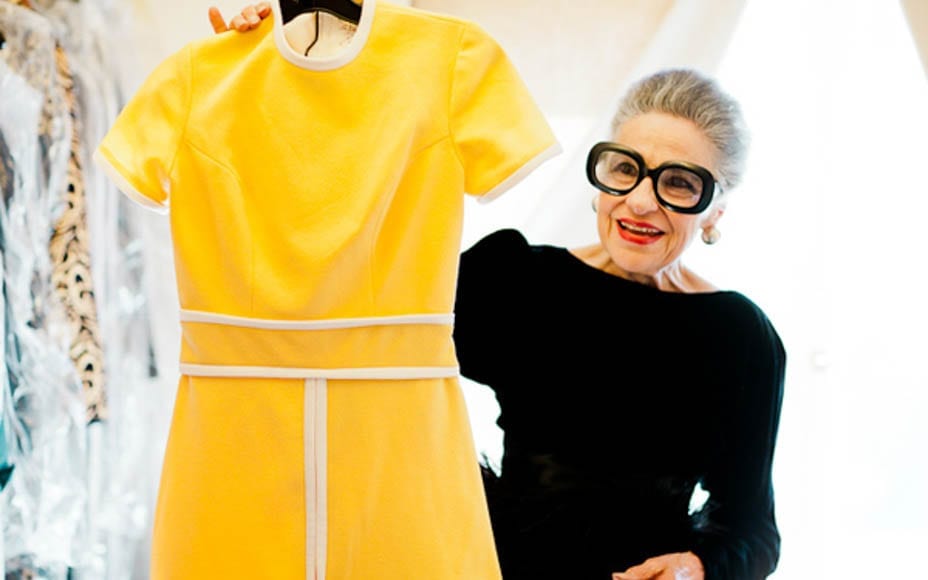
    In Britain, in 2011, the “Chanel-clad” wife of the former British ambassador to Washington, Lady Meyer, faced criticism after The Telegraph revealed the majority of the income of the charity she was then running was spent on her very own pay. She subsequently ceased to be involved in that organisation in 2016 but now, in San Francisco, a similar scandal has come to light in the form of Helpers Community Inc. (formerly rather crudely known as ‘Helpers of the Mentally Retarded’) and its executive director, a wannabe lookalike of Iris Apfel named Joy Venturini Bianchi.


    The so-called charity that “natty” Ms. Venturini Bianchi, a self-proclaimed “divorced philanthropist” runs, it was reported last Friday, must “repay the public tens of thousands of dollars after misleading city officials” according to the San Francisco Chronicle. The same paper had previously highlighted that Helpers had paid 78-year old Venturini Bianchi a base salary of £159,149 ($193,828), roughly £82,109 ($100,000) more annually than directors of similarly sized San Francisco non-profits and that supporters had been “disgusted with the way they were using this cause to raise money”.


    Ms. Venturini Bianchi stands accused of raising “millions of dollars but failed to adequately distribute [them]” and that she is also attacked for not doing “much to fulfill [her non-profit’s] promise to donors” is, if correct, truly shocking. Just as with Meyer in England, the board of Helpers was composed from “longtime friends” and as state senator Mark Leno pointed out: “It would appear that the board is in need of a serious governance makeover”.


    It is time the era of the ‘charitycat’ came to its natural conclusion. In Britain, America and elsewhere, for far too long, wealthy and connected individuals with little-to-no experience have been able to benefit from tax breaks, benefits, salaries and bonuses naïvely given by the public simply by taking over “a cause”. These amateurs should now be banished and running charities should instead become the domain of professionals.


    Chop the Charitycats – Joy Venturi Bianchi and Lady Meyer
    Joy Venturini Bianchi with Iris Apfel
    Chop the Charitycats – Joy Venturi Bianchi and Lady Meyer
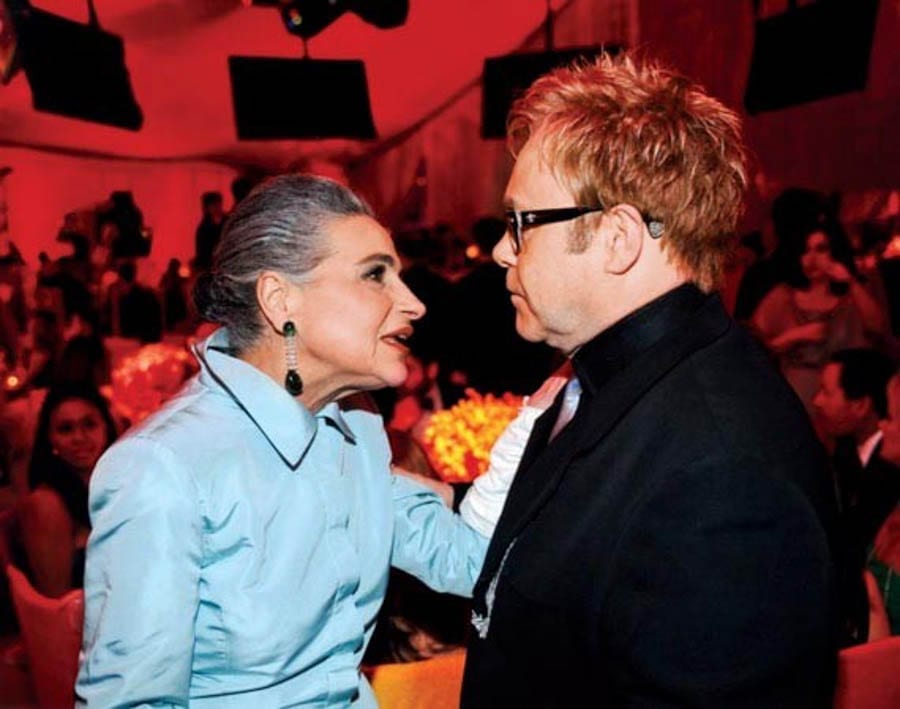
    Joy Venturini Bianchi with Sir Elton John
  • Lee Brahim Murray-Lamrani (AKA ‘Lightning Lee’ and ‘The Stopwatch’)

    Lee Brahim Murray-Lamrani (AKA ‘Lightning Lee’ and ‘The Stopwatch’)

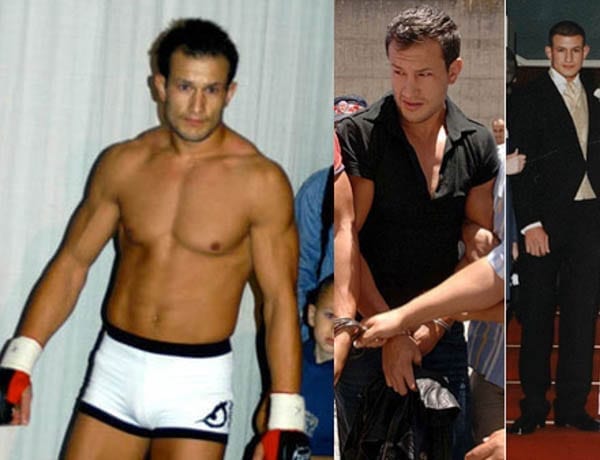
    The “mastermind of Britain’s biggest cash robbery”, “from the streets kid” and “scary son of a b**ch” Lee Murray was born in Greenwich and nicknamed (much to his displeasure) ‘The Alien’ by fellow members of what was known as the ‘Buttmarsh Boys’ gang. He “liked punching people almost at random in the street”, turned to crime in his teens and most notably received a sentence of twenty-five years in prison in 2010 for his part in the robbery of £53 million ($64.6 million, €61.1 million or درهم 237.4 million) in cash from a Securitas depot in Tonbridge, Kent in 2006.


    After what many called “the crime of avarice of the decade”, 6’3” tall Murray – a one-time rising star mixed martial arts fighter and “friend and rival” of Katie Price’s ex-husband Alex Reid – fled to Morocco (where his father had been born and attempted to claim nationality to avoid British justice) but was convicted of drugs offences in Rabat in 2007. A bid to return him to Britain in exchange for a suspected terrorist wanted in regard to the 2003 Casablanca bombings later came to nothing.


    In 2011, “caged cage fighter” Murray – who is said to have fathered a child “by a woman visitor who was not his wife” inside Salé prison and was put in “the hole” for six months due to being caught with a laptop computer in his cell – was amazingly able to give an interview via text message from his cell to the Middle Easy website. In it, he claimed being in a Moroccan jail is “better than being in a UK prison any day”, thanked those who’d created ‘Free Lee Murray’ T-shirts (but claimed he’d only instead wear one saying: ‘Free OJ’) and stated: “I have no regrets on any part of my life, the way I lived my life has made me the man I am today I’ve done a lot of things a lot of other people would regret but I don’t think you should regret anything in life, just learn from it instead”.


    Less than half the money stolen by Murray and his associates has ever been found and still to this day the former drug dealer, when asked, is said to state: “I was a millionaire before that heist, my friend”.


  • A Happy House

    A Happy House

    Berkshire country house named “Gays” for sale


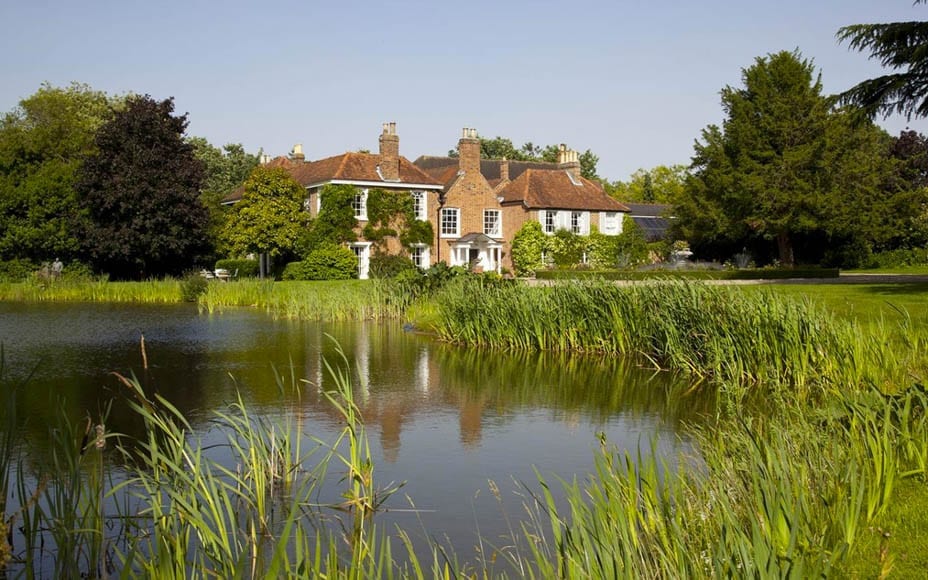
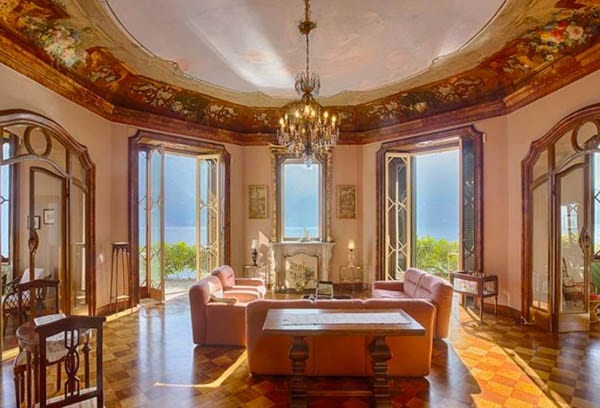
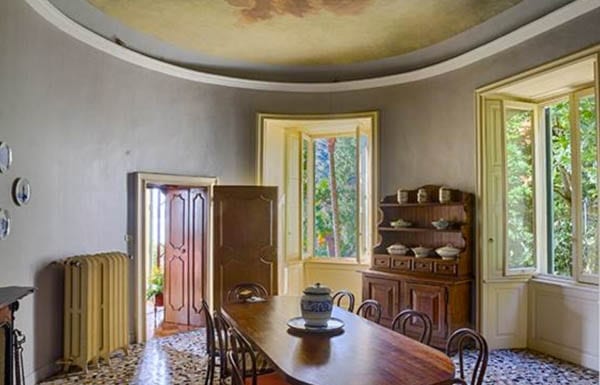
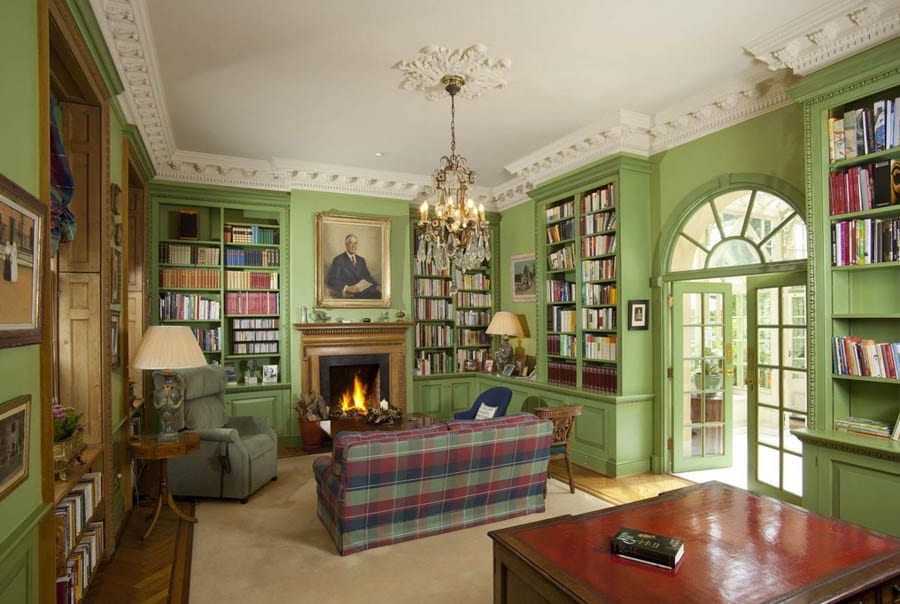
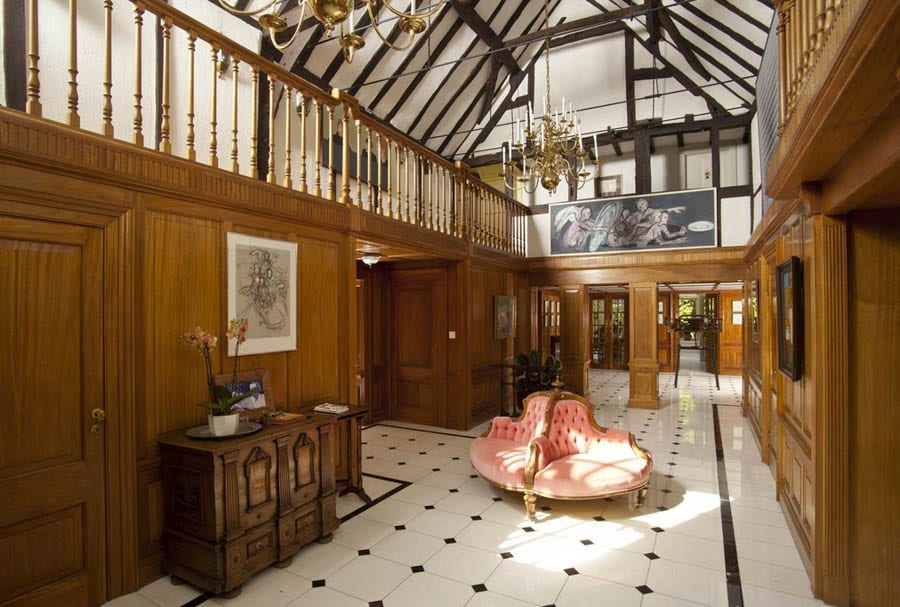
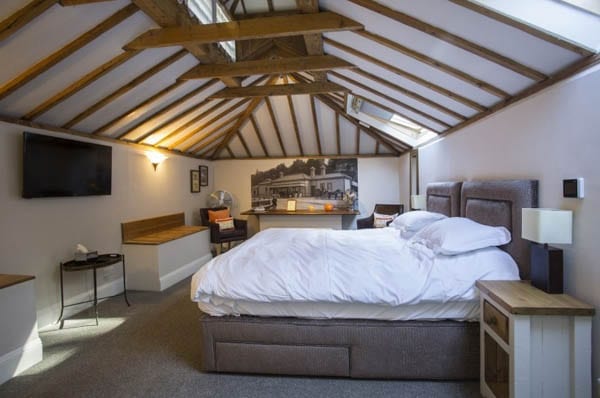
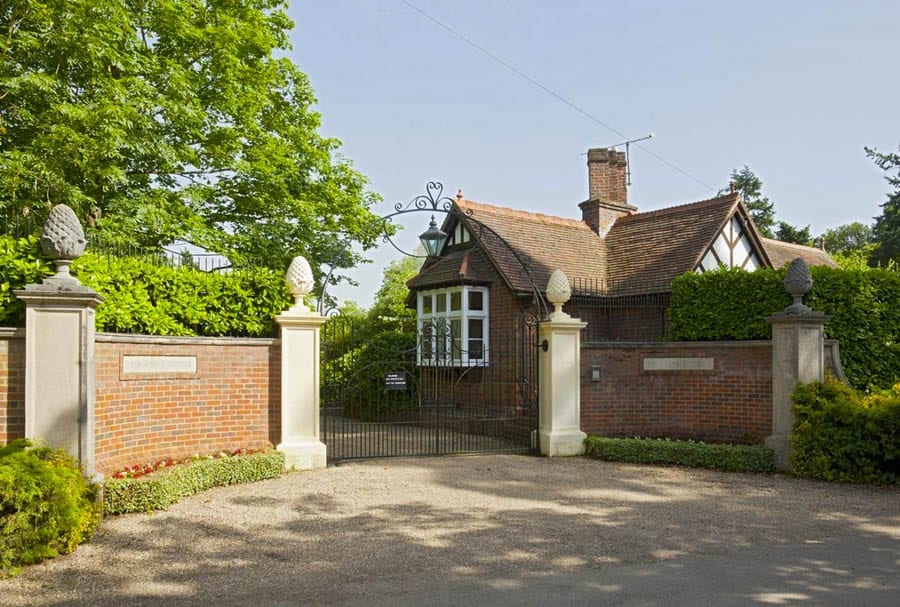
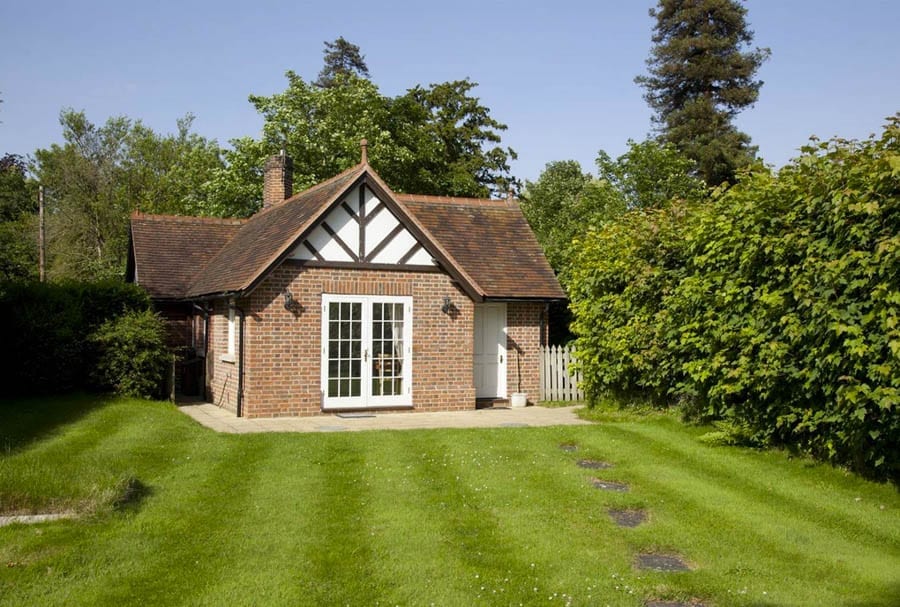
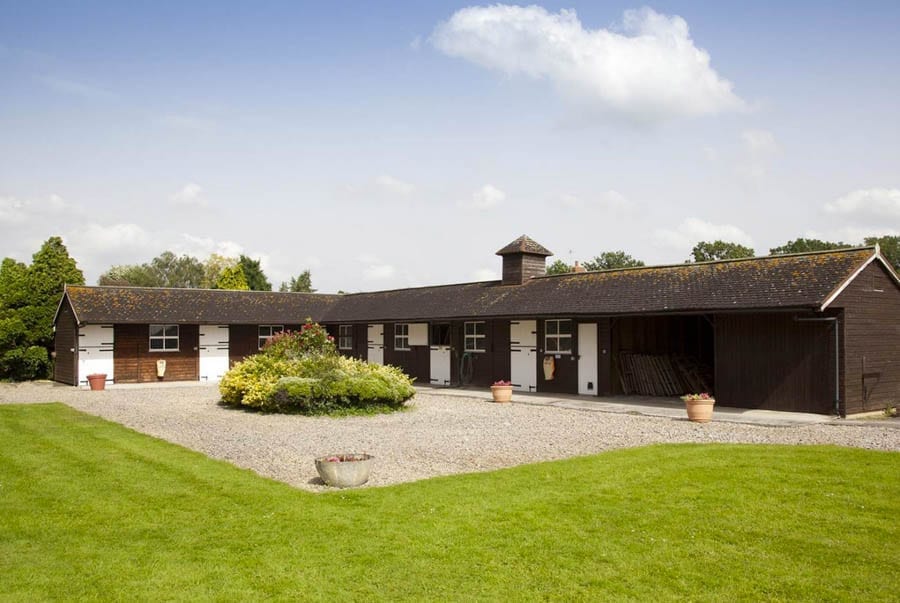
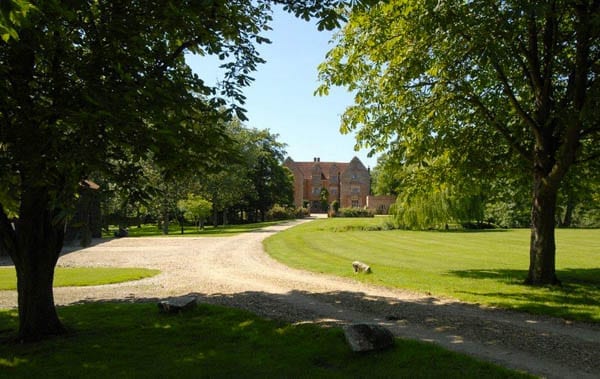
    Not connected with the LGBT community in any way, but in fact named after a man named John Gays, “Gays” at Holyport, near Maidenhead in Berkshire dates to around 1456 and is currently for sale for £5.95 million ($7.36 million, €6.88 million or درهم27.05 million).


    Gays or John Gays House, Langworthy Lane, Holyport, Maidenhead, Berkshire, SL6 2HN, England, United Kingdom – £5.95 million ($7.36 million, €6.88 million or درهم27.05 million) – For sale through Christie’s Real Estate
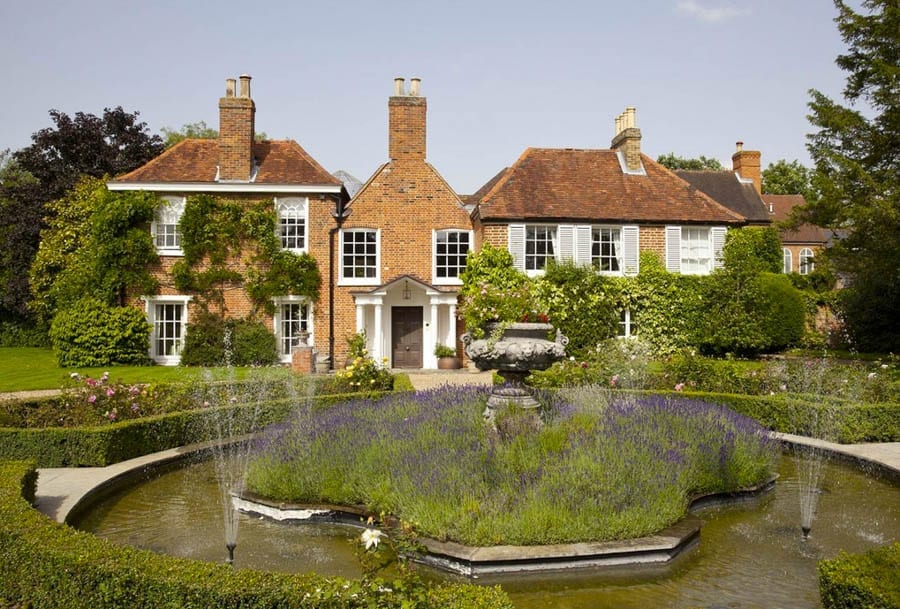
    Gays or John Gays House, Langworthy Lane, Holyport, Maidenhead, Berkshire, SL6 2HN, England, United Kingdom


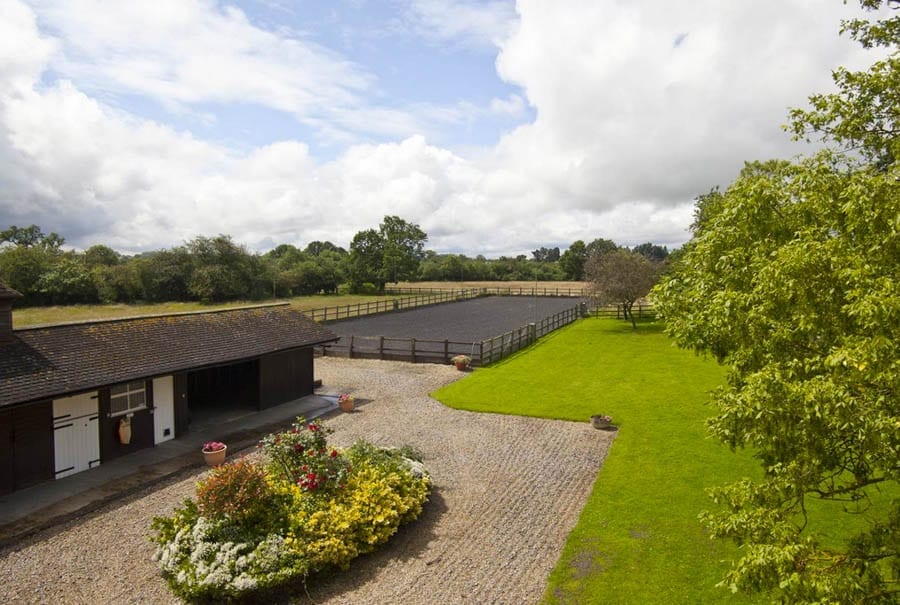
    Also referred to as “John Gays House” and offered to the market by Christie’s Real Estate, this 12,482 square foot “bijou old world residence” stands in 20.75 acres and is predominantly built of red brick elevations with attractive sash fenestration, under a tile roof. It is Grade II listed, dates to the Tudor period and also includes later Queen Anne, Georgian, Victorian and 20th century additions.


    Less than 30 miles from central London, Gays has been owned by a Swiss family for 20 years according to Country Life and includes 6 reception rooms, a conservatory, a master bedroom suite with 2 bedrooms, a bathroom and 2 dressing rooms, 6 further bedrooms and 5 further bathrooms. In addition, the property also comes with a 2-bedroom lodge cottage, a 2-bedroom staff cottage, an indoor swimming pool, wine store and 4-car garage.


    Aside from a large lawned garden with an irrigation system, a lake adjoins the house and there is also an orchard with apple and pear trees. A stable block, a manège and paddocks stand beyond whilst a 1-kilometre long sand and rubber chip horse exercise track circles it. The Duke of York, it transpires, borrowed these facilities in the late 1990s for his own horses.


    Gays or John Gays House, Langworthy Lane, Holyport, Maidenhead, Berkshire, SL6 2HN, England, United Kingdom – £5.95 million ($7.36 million, €6.88 million or درهم27.05 million) – For sale through Christie’s Real Estate Gays or John Gays House, Langworthy Lane, Holyport, Maidenhead, Berkshire, SL6 2HN, England, United Kingdom – £5.95 million ($7.36 million, €6.88 million or درهم27.05 million) – For sale through Christie’s Real EstateGays or John Gays House, Langworthy Lane, Holyport, Maidenhead, Berkshire, SL6 2HN, England, United Kingdom – £5.95 million ($7.36 million, €6.88 million or درهم27.05 million) – For sale through Christie’s Real EstateGays or John Gays House, Langworthy Lane, Holyport, Maidenhead, Berkshire, SL6 2HN, England, United Kingdom – £5.95 million ($7.36 million, €6.88 million or درهم27.05 million) – For sale through Christie’s Real EstateGays or John Gays House, Langworthy Lane, Holyport, Maidenhead, Berkshire, SL6 2HN, England, United Kingdom – £5.95 million ($7.36 million, €6.88 million or درهم27.05 million) – For sale through Christie’s Real EstateGays or John Gays House, Langworthy Lane, Holyport, Maidenhead, Berkshire, SL6 2HN, England, United Kingdom – £5.95 million ($7.36 million, €6.88 million or درهم27.05 million) – For sale through Christie’s Real EstateGays or John Gays House, Langworthy Lane, Holyport, Maidenhead, Berkshire, SL6 2HN, England, United Kingdom – £5.95 million ($7.36 million, €6.88 million or درهم27.05 million) – For sale through Christie’s Real EstateGays or John Gays House, Langworthy Lane, Holyport, Maidenhead, Berkshire, SL6 2HN, England, United Kingdom – £5.95 million ($7.36 million, €6.88 million or درهم27.05 million) – For sale through Christie’s Real EstateGays or John Gays House, Langworthy Lane, Holyport, Maidenhead, Berkshire, SL6 2HN, England, United Kingdom – £5.95 million ($7.36 million, €6.88 million or درهم27.05 million) – For sale through Christie’s Real Estate Gays or John Gays House, Langworthy Lane, Holyport, Maidenhead, Berkshire, SL6 2HN, England, United Kingdom – £5.95 million ($7.36 million, €6.88 million or درهم27.05 million) – For sale through Christie’s Real EstateGays or John Gays House, Langworthy Lane, Holyport, Maidenhead, Berkshire, SL6 2HN, England, United Kingdom – £5.95 million ($7.36 million, €6.88 million or درهم27.05 million) – For sale through Christie’s Real Estate

  • The Business of Blair

    The Business of Blair

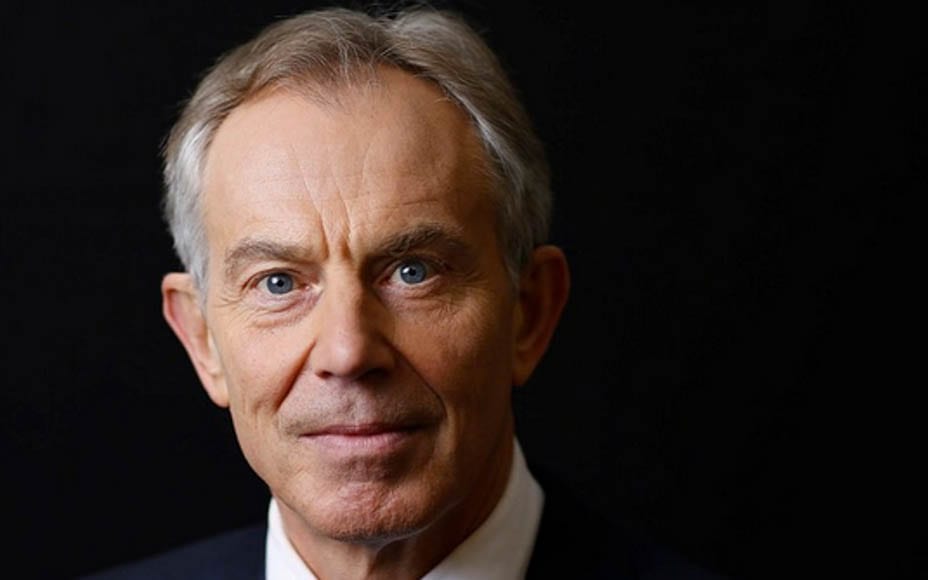
    Tony Blair ditches business and also denies a return to public office


    For weeks, the mainstream media have claimed Tony Blair is preparing to return to public office to save Britain from the nightmare of Brexit. They have claimed he’s ready to seize the support of the 48% and that him and Nick Clegg are colluding to create a new ‘centre left’. He did little to deny it at first but late last week, he shared a post on Facebook that frankly puts a stop to this kind of nonsense.


    Blair, a plainly toxic force in politics due to his highly unpopular backing of George W. over the War on Iraq (and because of his refusal to confine his equally disliked weirdo wife to social Siberia), will never make a comeback and now he’s finally acknowledged that in a very public way.


    In our view, Mr Blair is actually wrong. He’s not nearly as bad as #DarthVader Theresa May and he’s not nearly as ghastly as either the worst Prime Minister’s-in-living-history John Major and Gordon Brown and though we share with you his justifications for not getting involved again, we weirdly find ourselves actually lauding Mr Blair for saying the right thing (for once in his sorry lifetime).


    Mr Blair’s comment, in full, follows:


    Over the past nine years we have built a family of organisations which together employ nearly 200 people; have worked in over 30 countries; and have produced some real and lasting achievements. I am very proud of the commitment and impact of the people I have had the privilege to work with.


    The Africa Governance Initiative has become a respected partner and leader in effective governance where we have worked in 10 different African countries.


    The work we are doing in Africa has been right at the centre of government covering everything from boosting electricity, to improving child and maternal mortality rates to helping on the ground during the Ebola crisis in West Africa, a contribution praised for its impact by both the Presidents of the countries concerned and the international community.


    Outside of Africa in the work done by the commercial governance arm, we again made successful interventions in over 12 countries with 30 different projects promoting reform and change programmes with governments.


    The Tony Blair Faith Foundation has done ground-breaking work in interfaith relations, education and leadership, and most recently in the research and policy work on religiously based extremism through the Centre on Religion and Geopolitics which has been widely recognised as authoritative. 


    In the first years of the Quartet role in the Middle East, we hit double digit growth on the West Bank, drew up ambitious plans for Gaza’s infrastructure and changed the rules around entry of materials into Gaza. In 2011, we played a significant part in the attempt to agree terms of reference for a renewal of the peace process.


    Progress became much more difficult once the peace process stalled. We were partners in the later fresh attempts by the USA to revive the peace process, particularly around plans for the economy to support a future Palestinian state. Unfortunately these attempts also failed.


    Nonetheless, after stepping down from the Quartet position, our new Initiative for the Middle East has re-vitalised our work and means this stays a large part of what we do. I have made over 35 visits to the region this year alone.


    During the time since leaving office, I have learnt a huge amount about the world and frankly what I can do and can’t do to affect it positively.


    We built up a successful business side, though attracted a large measure of criticism for it, much of it inaccurate. It was entirely necessary to build the business to help with the funding to grow the organisations; but it was open to misrepresentation and to criticism either that we were conflating private and public roles or that we were working in countries which aroused controversy.


    Having said that, I also learnt a lot about the way the global economy functions from that experience and pay tribute to the great team I worked with who made much of the development of our work across the organisations possible.


    We are now at the stage and have built the financial infrastructure where it is time to enter a new phase. First we can take the work we have done in Africa, in governance, on extremism and in the Middle East to a new and more effective level; and secondly, in the past six months we have seen political earthquakes in the UK with Brexit and in the American election, as well as an explosion in populist movements all over the European continent. This impacts profoundly all the work we do and the future of globalisation.


    So I want us to bring all the different organisations together under one roof and to re-orient our mission.


    We have deliberately focused, up to now, on some of the greatest and most difficult challenges faced in the era of globalisation: how to give nations the governing capacity to overcome the problems of development and lift their people out of poverty; how to combat the religiously based extremism which threatens global security; how to resolve the most intractable peace process in the world.


    In each case, we have presented a new approach, with the aim of providing new ideas and thinking.


    In governance, especially in Africa, our analysis is that, today, building the capacity to govern effectively – making the way government works efficient as well as transparent – is as important for developing nations as aid.


    Look around the world, and see countries living next to each other – same size population, same resources, same natural potential – one succeeding, one failing. The reason for the difference is found in the quality of governance. Take the following examples: Venezuela and Colombia; Poland and Ukraine; Rwanda and Burundi. And the greatest example in contrasting, contiguous systems of governance the world has seen in modern political history – the Korean Peninsula, North and South Korea. The nation which is succeeding is applying the best rules and lessons of governance; the failing nation is ignoring or defying them.


    On religious extremism, we believe it is essential to widen the struggle, to tackle the ideology behind the violence and not simply the violence itself. So we can defeat ISIS militarily but unless we defeat the ideas behind Islamism – the belief that a particular view of religion should dominate society, politics and the economy, something incompatible with a modern world in which pluralism is the essence – we will never win this battle.


    On the Middle East peace process, we are convinced that a traditional peace process between Israelis and Palestinians with US guidance alone is inadequate; that what is required is a new approach which involves the wider region and the Arab nations and which resolves not just the final status issues like borders but which also resolves the underlying issues of cultural acceptance and regional stability. So we are now working on Arab-Israeli relations, and not simply Israeli-Palestinian relations.


    But it has become clear that there is much overlap between these different areas of work. Extremism is also today a barrier to development. The Middle East conflict impacts extremism. Changing and reforming government applies to Middle East nations as well.


    And since all of these approaches basically represent the open-minded response to global problems, the salience of these new approaches depends on us having an answer to the new populism of left and right which exploits the anger and drives the world apart.


    This new populism may differ in some respects between left and right – the left anti-business, the right anti-immigrant – but in others what is remarkable is the convergence between them, especially around isolationism and protectionism, in what is an essentially closed-minded approach to globalisation and its benefits and to international engagement.


    So we want to add a fourth pillar to what we do. I emphasise this is not in place of our other work but in addition to it.


    This is the creation of a platform designed to build a new policy agenda for the centre ground together with the networks which link people up, and allow a reasonable and evidence based discussion of the future which avoids the plague of social media-led exchanges of abuse. 


    This platform will have a policy unit which will draw on the best ideas and practical solutions, building partnerships with other organisations, in the public policy and private spheres, so that those in the frontline of politics have a bigger and better policy agenda to reflect upon; and a networking capability to join like-minded people up. 


    This is not a think tank. There are enough of those, many doing excellent work we would want to utilise. It is a platform for engagement to inform and support the practising politician.


    It is what I know I would want were I still in the frontline of politics.


    Part of its focus will plainly be around the European debate; but this will not be its exclusive domain. It has to go far wider than that since in many ways the Europe debate is a lightning rod for the whole of politics.


    We’re now planning to bring all of these four parts together in one new Not For Profit Institute. 


    The business side has been shut down and the assets, running into many millions of pounds, gifted to the Institute. In the New Year, we plan to merge the activities of the different organisations into the Institute, with any charitable funds used exclusively for the purposes for which they were originally given.


    This will allow us to work more coherently across the board; use the obvious synergies between the different elements of the work; and to be far stronger on the global policy side than we have been up to now. The focus previously was mainly on programmes. These will remain but the organisation will also be far more about thought leadership.


    This is not about my returning to the front line of politics. I have made it abundantly clear that this is not possible.


    However, I care about my country and the world my children and grandchildren will grow up in; and want to play at least a small part in contributing to the debate about the future of both.  
     

    The Africa Governance Initiative has become a respected partner and leader in effective governance where we have worked in 10 different African countries.


    The work we are doing in Africa has been right at the centre of government covering everything from boosting electricity, to improving child and maternal mortality rates to helping on the ground during the Ebola crisis in West Africa, a contribution praised for its impact by both the Presidents of the countries concerned and the international community.


    Outside of Africa in the work done by the commercial governance arm, we again made successful interventions in over 12 countries with 30 different projects promoting reform and change programmes with governments.


    The Tony Blair Faith Foundation has done ground-breaking work in interfaith relations, education and leadership, and most recently in the research and policy work on religiously based extremism through the Centre on Religion and Geopolitics which has been widely recognised as authoritative. 


    In the first years of the Quartet role in the Middle East, we hit double digit growth on the West Bank, drew up ambitious plans for Gaza’s infrastructure and changed the rules around entry of materials into Gaza. In 2011, we played a significant part in the attempt to agree terms of reference for a renewal of the peace process.


    Progress became much more difficult once the peace process stalled. We were partners in the later fresh attempts by the USA to revive the peace process, particularly around plans for the economy to support a future Palestinian state. Unfortunately these attempts also failed.


    Nonetheless, after stepping down from the Quartet position, our new Initiative for the Middle East has re-vitalised our work and means this stays a large part of what we do. I have made over 35 visits to the region this year alone.


    During the time since leaving office, I have learnt a huge amount about the world and frankly what I can do and can’t do to affect it positively.


    We built up a successful business side, though attracted a large measure of criticism for it, much of it inaccurate. It was entirely necessary to build the business to help with the funding to grow the organisations; but it was open to misrepresentation and to criticism either that we were conflating private and public roles or that we were working in countries which aroused controversy.


    Having said that, I also learnt a lot about the way the global economy functions from that experience and pay tribute to the great team I worked with who made much of the development of our work across the organisations possible.


    We are now at the stage and have built the financial infrastructure where it is time to enter a new phase. First we can take the work we have done in Africa, in governance, on extremism and in the Middle East to a new and more effective level; and secondly, in the past six months we have seen political earthquakes in the UK with Brexit and in the American election, as well as an explosion in populist movements all over the European continent. This impacts profoundly all the work we do and the future of globalisation.


    So I want us to bring all the different organisations together under one roof and to re-orient our mission.


    We have deliberately focused, up to now, on some of the greatest and most difficult challenges faced in the era of globalisation: how to give nations the governing capacity to overcome the problems of development and lift their people out of poverty; how to combat the religiously based extremism which threatens global security; how to resolve the most intractable peace process in the world.


    In each case, we have presented a new approach, with the aim of providing new ideas and thinking.


    In governance, especially in Africa, our analysis is that, today, building the capacity to govern effectively – making the way government works efficient as well as transparent – is as important for developing nations as aid.


    Look around the world, and see countries living next to each other – same size population, same resources, same natural potential – one succeeding, one failing. The reason for the difference is found in the quality of governance. Take the following examples: Venezuela and Colombia; Poland and Ukraine; Rwanda and Burundi. And the greatest example in contrasting, contiguous systems of governance the world has seen in modern political history – the Korean Peninsula, North and South Korea. The nation which is succeeding is applying the best rules and lessons of governance; the failing nation is ignoring or defying them.


    On religious extremism, we believe it is essential to widen the struggle, to tackle the ideology behind the violence and not simply the violence itself. So we can defeat ISIS militarily but unless we defeat the ideas behind Islamism – the belief that a particular view of religion should dominate society, politics and the economy, something incompatible with a modern world in which pluralism is the essence – we will never win this battle.


    On the Middle East peace process, we are convinced that a traditional peace process between Israelis and Palestinians with US guidance alone is inadequate; that what is required is a new approach which involves the wider region and the Arab nations and which resolves not just the final status issues like borders but which also resolves the underlying issues of cultural acceptance and regional stability. So we are now working on Arab-Israeli relations, and not simply Israeli-Palestinian relations.


    But it has become clear that there is much overlap between these different areas of work. Extremism is also today a barrier to development. The Middle East conflict impacts extremism. Changing and reforming government applies to Middle East nations as well.


    And since all of these approaches basically represent the open-minded response to global problems, the salience of these new approaches depends on us having an answer to the new populism of left and right which exploits the anger and drives the world apart.


    This new populism may differ in some respects between left and right – the left anti-business, the right anti-immigrant – but in others what is remarkable is the convergence between them, especially around isolationism and protectionism, in what is an essentially closed-minded approach to globalisation and its benefits and to international engagement.


    So we want to add a fourth pillar to what we do. I emphasise this is not in place of our other work but in addition to it.


    This is the creation of a platform designed to build a new policy agenda for the centre ground together with the networks which link people up, and allow a reasonable and evidence based discussion of the future which avoids the plague of social media-led exchanges of abuse.


    This platform will have a policy unit which will draw on the best ideas and practical solutions, building partnerships with other organisations, in the public policy and private spheres, so that those in the frontline of politics have a bigger and better policy agenda to reflect upon; and a networking capability to join like-minded people up. 


    This is not a think tank. There are enough of those, many doing excellent work we would want to utilise. It is a platform for engagement to inform and support the practising politician.


    It is what I know I would want were I still in the frontline of politics.


    Part of its focus will plainly be around the European debate; but this will not be its exclusive domain. It has to go far wider than that since in many ways the Europe debate is a lightning rod for the whole of politics.


    We’re now planning to bring all of these four parts together in one new Not For Profit Institute. 


    The business side has been shut down and the assets, running into many millions of pounds, gifted to the Institute. In the New Year, we plan to merge the activities of the different organisations into the Institute, with any charitable funds used exclusively for the purposes for which they were originally given.


    This will allow us to work more coherently across the board; use the obvious synergies between the different elements of the work; and to be far stronger on the global policy side than we have been up to now. The focus previously was mainly on programmes. These will remain but the organisation will also be far more about thought leadership.


    This is not about my returning to the front line of politics. I have made it abundantly clear that this is not possible.


    However, I care about my country and the world my children and grandchildren will grow up in; and want to play at least a small part in contributing to the debate about the future of both.