Matthew Steeples extols the relevance of the Donmar Warehouse’s ‘Limehouse’ to Britain’s contemporary political climate
At a time when Brexit has divided Britain and Jeremy Corbyn’s Labour continues to provide little-to-no opposition to Theresa May’s somewhat unfocused, unelected government, the relevance of a play named Limehouse is especially poignant.
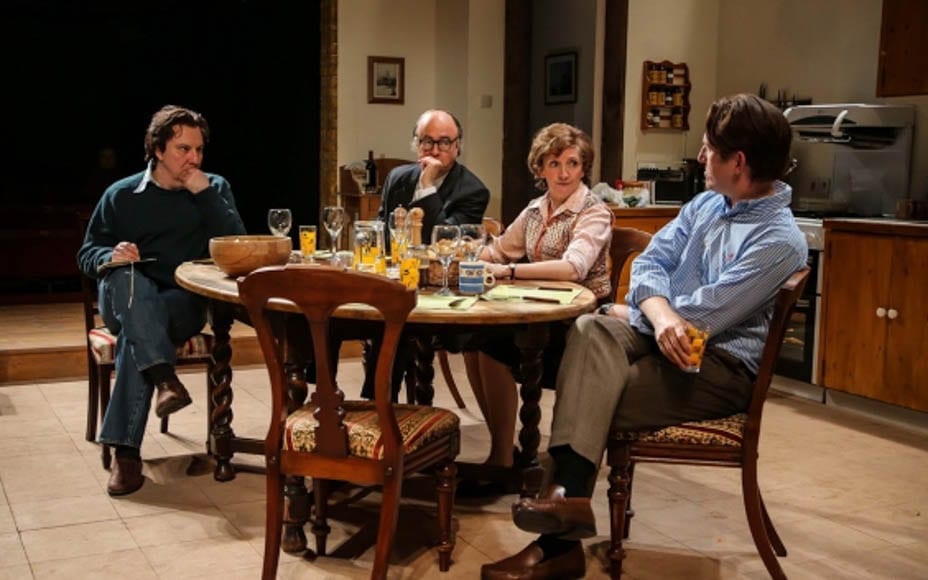
Based around the formation of the ill-fated Social Democratic Party by the ‘Gang of Four’ – Bill Rodgers, Shirley Williams, Roy Jenkins and David Owen – in 1981, what The Telegraph calls a “domestic sitcom” takes place entirely in a “bourgeois” kitchen. It occurs during a period when moderates – driven to try to find an alternative to the rise of Thatcherism on one side and the loony left on the other – despaired at a nation divided and sought out a new way forward. Limehouse – named after the area where Owen lived at the time – effectively examines what this quartet believed the UK needed then and what many believe the UK again needs today: A credible centrist party.
Played out as a kitchen table coup by four ultimately flawed politicians over two bottles of Château Lafite, the plot is cleverly guided by a fifth member, the American born literary agent wife of David Owen. She concludes the play by asking: “What if?” in the context of what might have happened had a sensible centrist political movement been successful back in the 1980s. It’s the very question that will be on the lips of so many as we head towards Theresa May triggering Article 50 on the 29th March.
That a convicted paedophile is able to avoid a jail sentence is an utter disgrace especially given pensioners get locked up for non-payment of TV licence fees; Old Etonian Andrew Picard shouldn’t be on the streets, he should be in the clink
Andrew Picard (AKA Andrew Laurence and Andrew Boeckman) was caught with 1,185 indecent images of children as young as eight on his computer. He admitted to possessing videos of a three year old being raped, children being forced to have sex with dogs and sharing indecent images on Skype with an undercover policeman yet he was spared jail and handed a derisory non-custodial sentence late last month.
Justifying why he spared Picard of Probyn House, Page Street, Westminster jail and why he also decided not to place this privileged pervert and predator on the sex offenders’ register, Judge Peter Ross remarked:
“It has been said that you and your family have suffered deeply as a result of your arrest and public exposure. Your family didn’t deserve that… [Prison] would undo the counseling you have undergone”.
Sallie Bennett-Jenkins QC, defending, added:
“This is a young and very able man who has hopes for the future… He was able to have this opportunity [to seek help] and this was something Andrew sought for himself, by himself”.
As San Francisco socialite and clothes horse Joy Venturini Bianchi is highlighted to be an American version of her fellow former ‘charitycat’ Lady Meyer, it’s time that charities worldwide were better regulated
In Britain, in 2011, the “Chanel-clad” wife of the former British ambassador to Washington, Lady Meyer, faced criticism after The Telegraph revealed the majority of the income of the charity she was then running was spent on her very own pay. She subsequently ceased to be involved in that organisation in 2016 but now, in San Francisco, a similar scandal has come to light in the form of Helpers Community Inc. (formerly rather crudely known as ‘Helpers of the Mentally Retarded’) and its executive director, a wannabe lookalike of Iris Apfel named Joy Venturini Bianchi.
The so-called charity that “natty” Ms. Venturini Bianchi, a self-proclaimed “divorced philanthropist” runs, it was reported last Friday, must “repay the public tens of thousands of dollars after misleading city officials” according to the San Francisco Chronicle. The same paper had previously highlighted that Helpers had paid 78-year old Venturini Bianchi a base salary of £159,149 ($193,828), roughly £82,109 ($100,000) more annually than directors of similarly sized San Francisco non-profits and that supporters had been “disgusted with the way they were using this cause to raise money”.
Ms. Venturini Bianchi stands accused of raising “millions of dollars but failed to adequately distribute [them]” and that she is also attacked for not doing “much to fulfill [her non-profit’s] promise to donors” is, if correct, truly shocking. Just as with Meyer in England, the board of Helpers was composed from “longtime friends” and as state senator Mark Leno pointed out: “It would appear that the board is in need of a serious governance makeover”.
It is time the era of the ‘charitycat’ came to its natural conclusion. In Britain, America and elsewhere, for far too long, wealthy and connected individuals with little-to-no experience have been able to benefit from tax breaks, benefits, salaries and bonuses naïvely given by the public simply by taking over “a cause”. These amateurs should now be banished and running charities should instead become the domain of professionals.
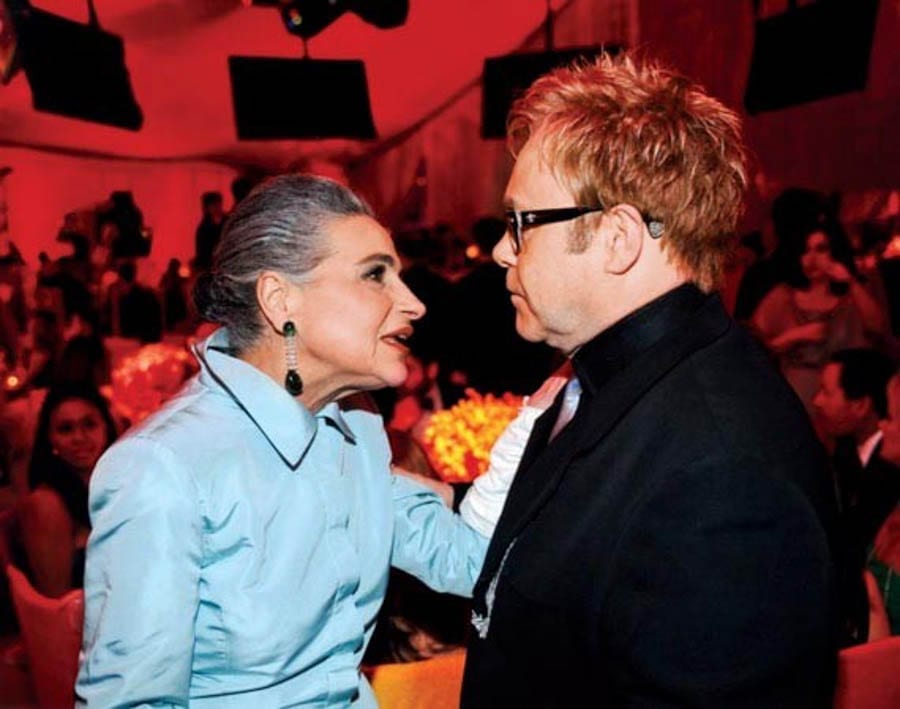
Joy Venturini Bianchi with Iris ApfelJoy Venturini Bianchi with Sir Elton John
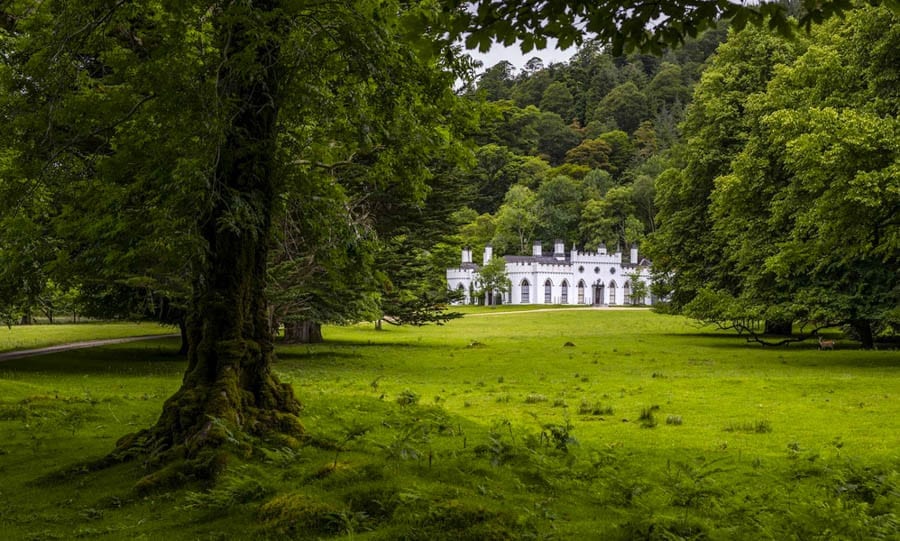
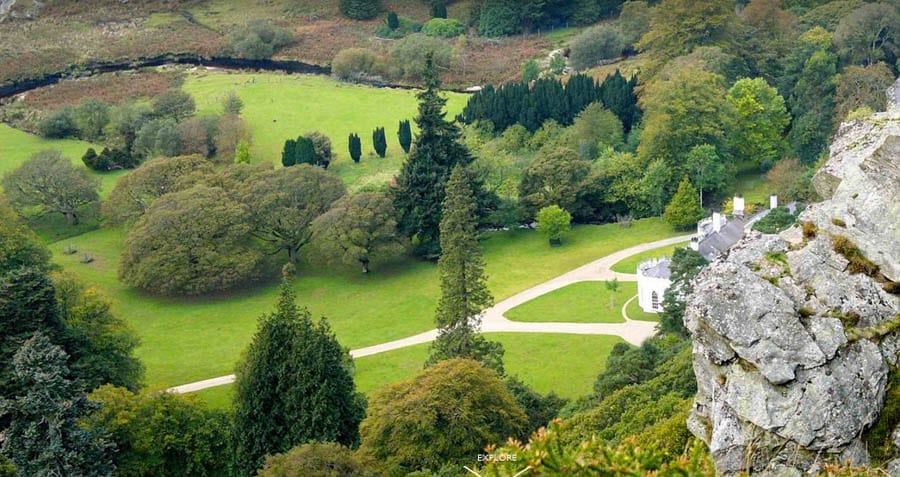
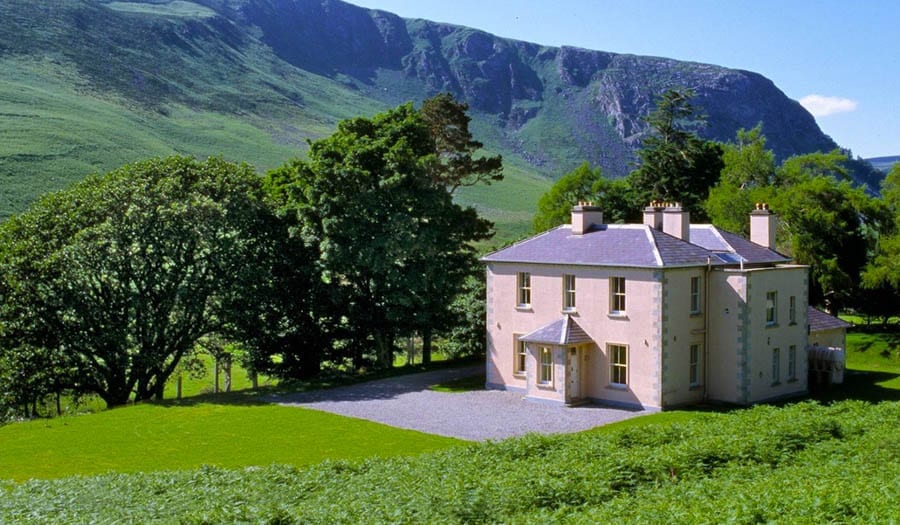
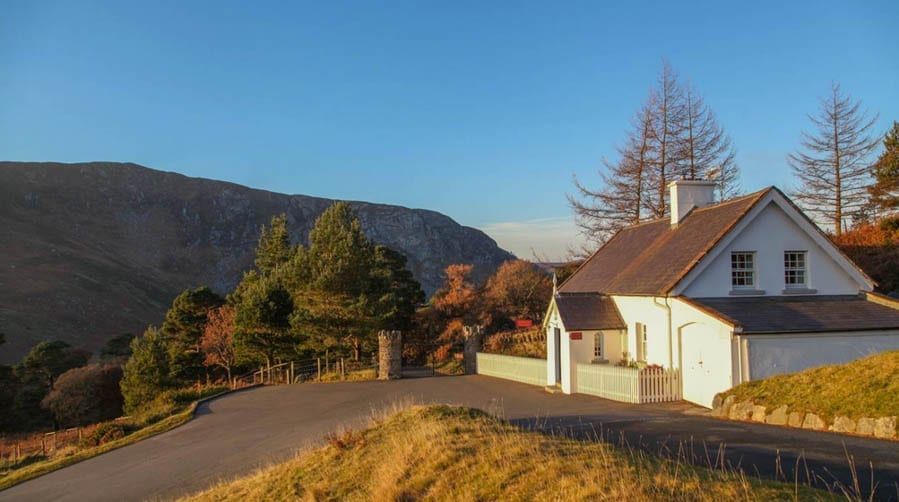
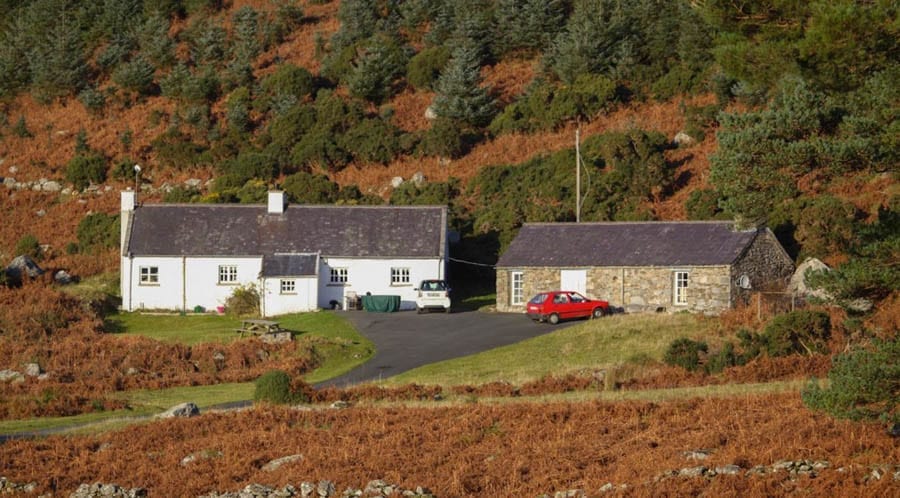
5,000 acre Irish estate where “anything can happen” for sale for £24.1 million; its current owner would prefer a buyer who’ll allow him to use it for three months a year
Michael Jackson hid out at Luggala in County Wicklow, Ireland in 2006 for three months after being cleared of child molestation charges and other guests at this magical estate have included Francis Bacon, Orlando Bloom, Bono, John Paul Getty II, Mel Gibson, John Hurt, Mick Jagger, Patrick Leigh Fermor, Paul McCartney and Anita Pallenberg.
Encompassing a plot of some 5,000 acres, Luggala (meaning: “a hollow in a ridge”) is also known as ‘Fancy Mountain’ and has been used in films including Zardoz, Braveheart and Excalibur. It is located 28 miles south-west of Dublin, was described by the singer Marianne Faithfull as “the most beautiful place in the world” and the main house there has gradually morphed into what has been called “the most decorative honeypot in Ireland”.
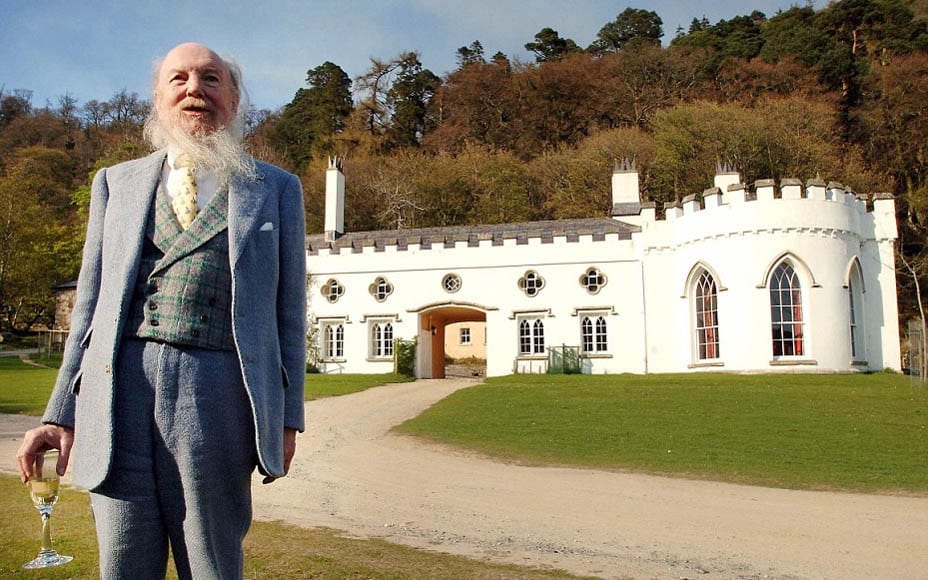
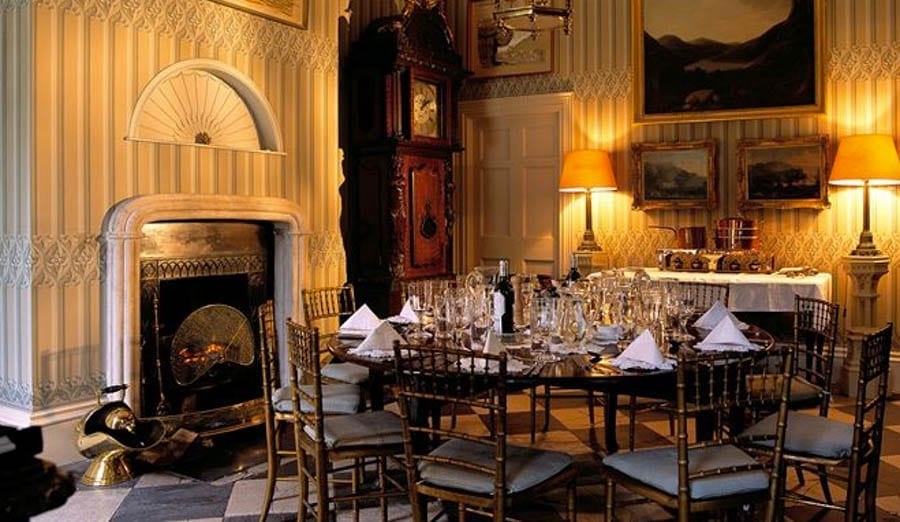
Architecturally significant, Luggala Lodge (also known as Luggala Castle), was built in 1787 and is lauded as having “that special brand of 18th century Gothick that rejoices in little battlements, crochets, trefoil and quatrefoil windows and ogee mantelpieces, Indeed, quite like the Gothick of pastry cooks and Rockingham china”. It “boasts all the appurtenances of a grand castle but on a miniature scale” and though standing on a modest footprint, extends to some 7,438 square foot in total.
In 1937, the estate was bought by the Hon. Ernest Guinness (1876 – 1949) and given to his daughter, Oonagh, on her marriage to Lord Oranmore and Browne – a peer with the rare distinction of managing to sit in the House of Lords without ever saying a single thing. It subsequently became a place where “nobody could stay away: Dublin intelligentsia, literati, painters, actors, scholars, hangers-on, toffs, punters, poets and social hang-gliders” and was even immortalised in poetry by Seamus Heaney.
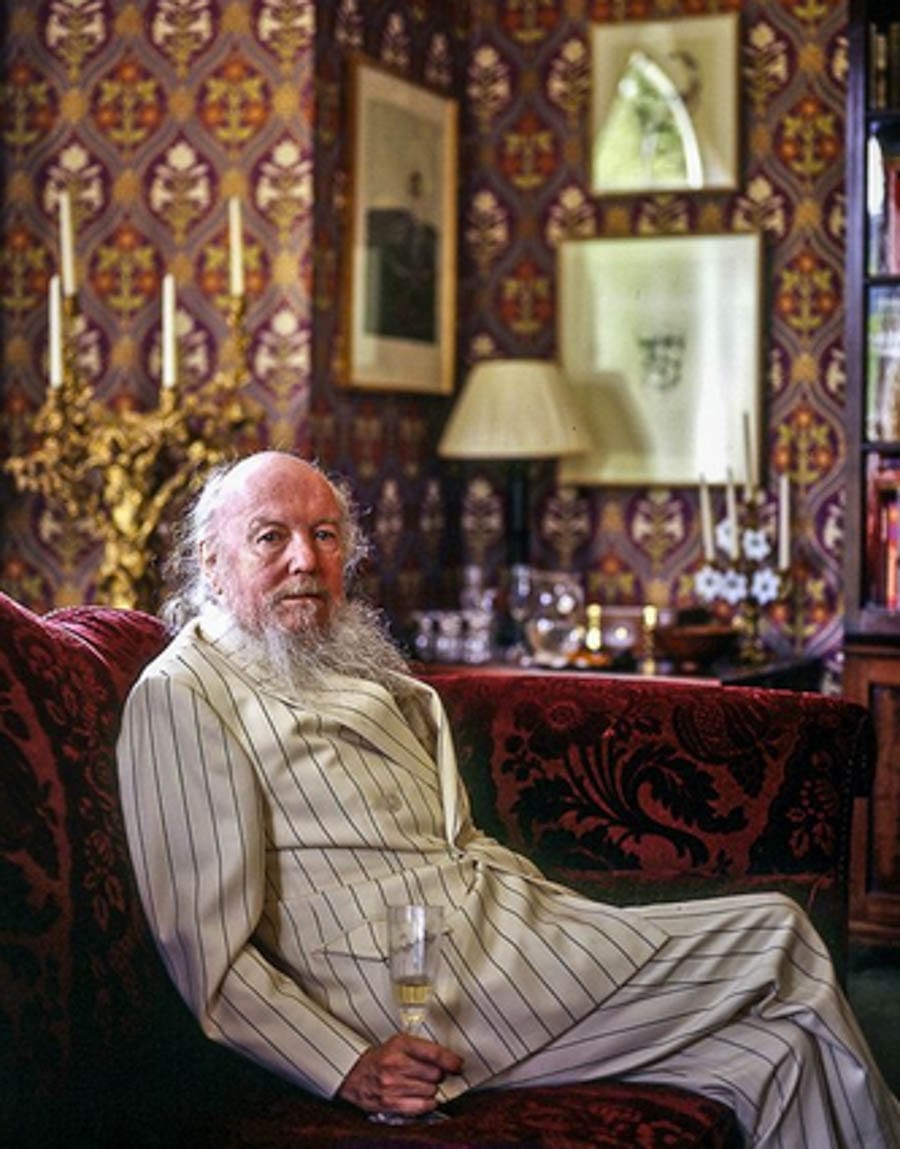
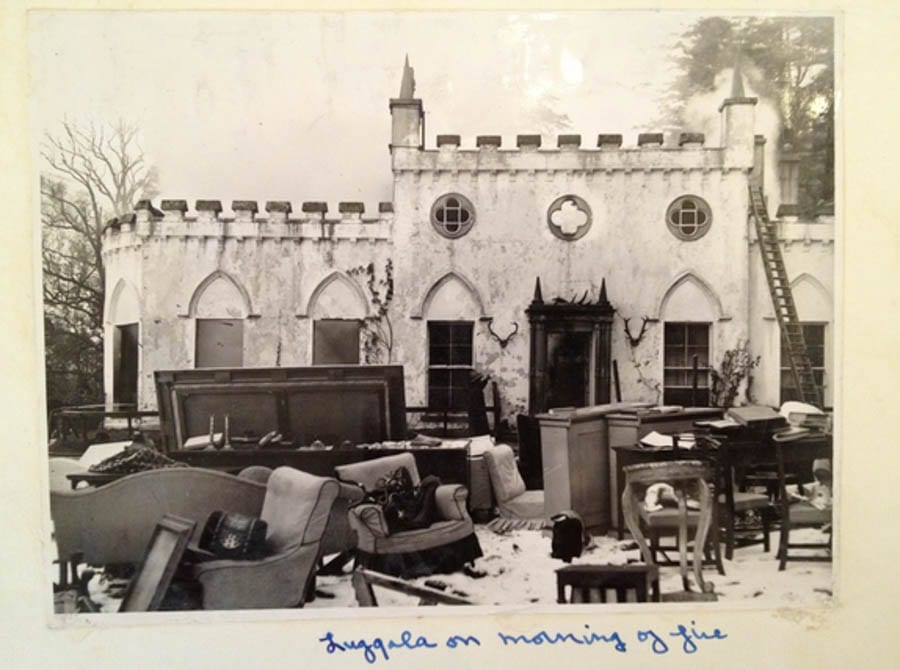
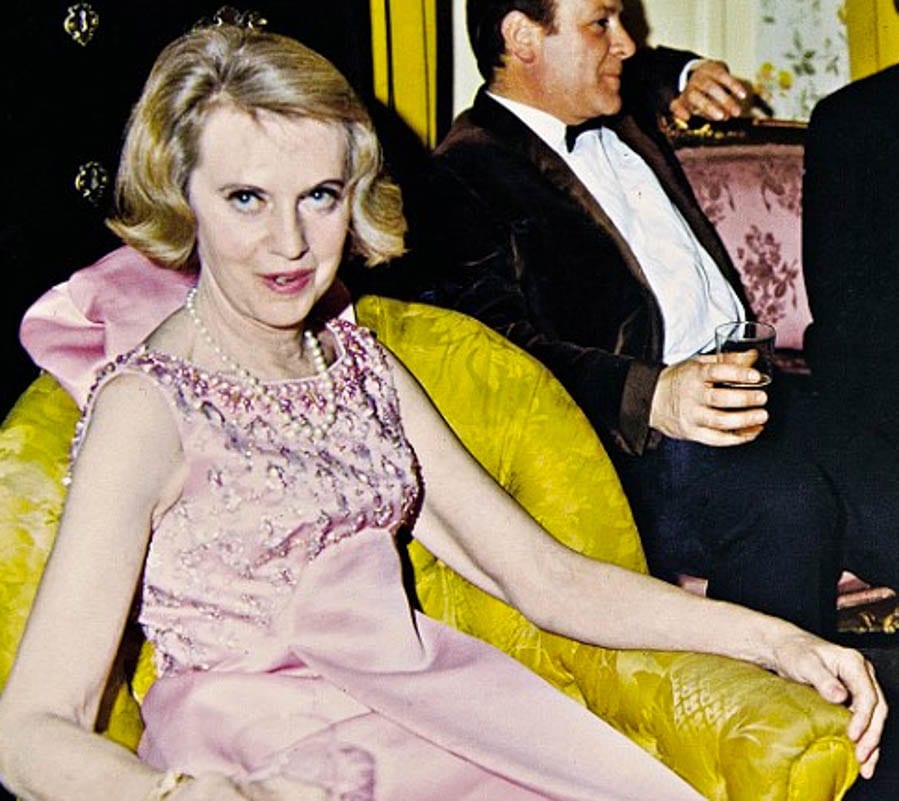
Current owner of Luggala, the decidedly eccentric the Hon. Dr. Garech Browne (born 1939)Luggala Lodge, Roundwood, Leinster, County Wicklow, IrelandLuggala Lodge after a fire in 1956Oonagh Guinness, Oonagh, Lady Oranmore and Browne (1910 – 1995)
On Oonagh, Lady Oranmore and Browne’s death in 1970, the estate passed into the “custody” of her son, the Hon. Dr. Garech Browne. He has spent considerable sums restoring the house and made it a “cultural hub for Irish music, art and literature”. A co-founder of the record label Claddagh Records and instrumental in the formation of the traditional Irish folk group, The Chieftans, Browne and his Indian princess wife, Purna Devi of Morvi, added an indoor swimming pool to Luggala Lodge as well as a Gothic library for his collection of 8,000 books.
Now for sale due to 77-year old Garlech Browne and his wife primarily choosing to be based in Singapore, it has been suggested that the Irish State should purchase the estate. Thus far no offer has been forthcoming and this week Jennifer O’Connell of The Irish Times even penned an article that suggested: “Opening the national chequebook is not the way to secure [Luggala’s] future”.
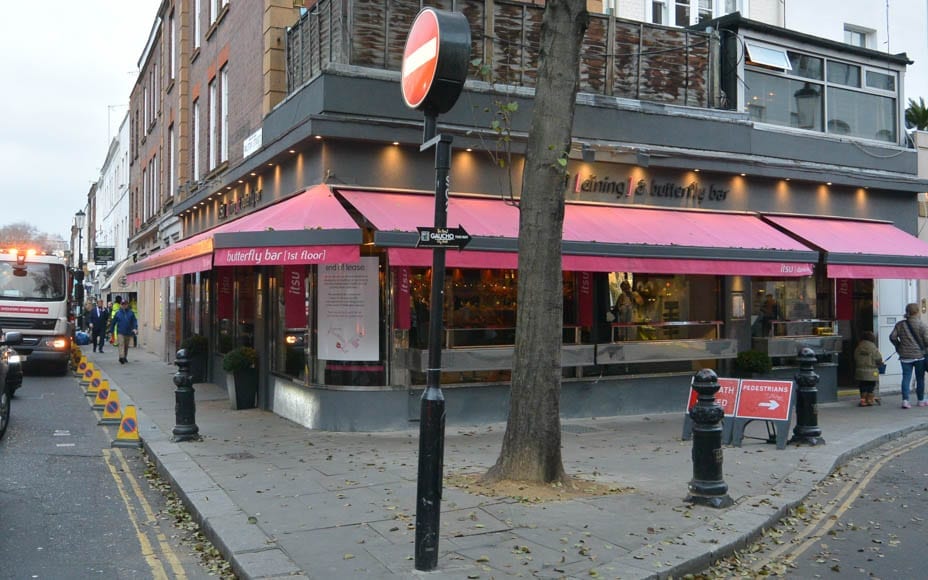
EXCLUSIVE – Chelsea restaurant Itsu set to close its doors for the final time
Itsu in Walton Street, Chelsea is set to close its doors shortly for the last time shortly due to rocketing rents.
Described by The Telegraph as a “timeless social hot spot for women in fur boots who can’t move their foreheads”, the restaurant was the original restaurant in the chain and opened in 1997. It was the brainchild of Pret a Manger founder Julian Metcalfe and businessman Clive Schlee and is currently one of over 60 locations that form part of the Asian-inspired food chain.
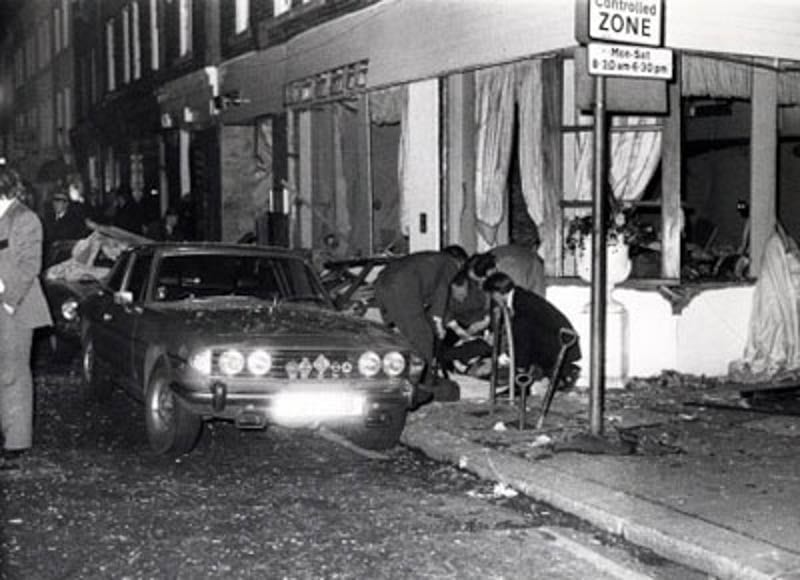
Prior to becoming Itsu, the Walton Street location was amongst other things the site of an “upmarket eatery” named Walton’s. That restaurant was bombed by an IRA unit named the Balcombe Street Gang on 18th November 1975. Two diners died and 23 others were injured.
The aftermath of the bombing of Walton’s on the corner of Walton Street and Draycott Avenue
Matthew Steeples highlights the workings and truths behind the changed political landscape of 2016
2016 will be remembered as the year when the world flipped convention on its head. With the brutal monster Fidel Castro finally gone, Donald Trump headed for The White House and Brexit in Britain, comes a new era but it is not one that is actually as clear-cut as many make out.
Unlike in previous eras, social media undoubtedly has had more influence than the traditional media and pollsters have taken a bashing. In spite, for example, of the fact that “Hillary Clinton [is] currently beating Donald Trump by 64.2 million votes to 62.2 million in the popular vote” and thus “winning the election by 3.1%”, according to Kevin Chesters, chief strategy officer at Ogilvy & Mather Group UK, “as usual the historical narrative will swallow the bulls**t myths instead”. He rightly points out “the polls nailed it” as they predicted “all gave Hillary between a 2-5% lead nationally with a +/- 3% margin of error” but the likes of Breitbart, unsurprisingly instead, spread a myth that ‘The Donald’s’ victory was epic. It was just that, in the sense that he achieved a win in spite of being mocked as an extremist joker who’d fail at the beginning, but the true margin of support for him is indicated by the fact that nationwide turnout fell from 61.6% in 2008 to 57.9% in 2016.
In Britain, equally, the Brexit vote was “won” by just 2.2% and thus both results can be described as being far less significant than the right-wing media make out. Nigel Farage is lauded as a “hero”, yet, despite standing seven times, has never won a seat in the House of Commons; Nicola Sturgeon’s SNP failed to get independence for Scotland yet she dominates our screens daily.
Trump and Farage have clearly both been clever in their respective strategies and just as Castro opted to ignore convention and ruled Cuba with a rod of iron, these two ditched the politics we know and played an entirely different game. Hillary Clinton’s decision to stand with self-serving billionaires and loudmouth celebrities truly backfired and instead, in Jared Kushner, his 35-year old businessman son-in-law, and the tech tycoon Peter Thiel, Trump was led to a strategy that trounced traditional political convention.
A truly revealing analysis of Kushner’s genius appeared in Forbes this week when he was interviewed by for the first time since Trump’s victory. In the feature article, Eric Schmidt, the former CEO of Google and designer of the Clinton campaign’s technology system, stated:
“Best I can tell, [Kushner] actually ran the campaign and did it with essentially no resources… Jared understood the online world in a way the traditional media folks didn’t. He managed to assemble a presidential campaign on a shoestring using new technology and won. That’s a big deal”.
Kushner himself added:
“I helped facilitate a lot of relationships that wouldn’t have happened otherwise… People were being told in Washington that if they did any work for the Trump campaign, they would never be able to work in Republican politics again. I hired a great tax-policy expert who joined under two conditions: We couldn’t tell anybody he worked for the campaign, and he was going to charge us double”.
“People really saw hope in [Donald Trump’s] message. They wanted the things that wouldn’t have been obvious to a lot of people I would meet in the New York media world, the Upper East Side or at Robin Hood [Foundation] dinners”.
“I called some of my friends from Silicon Valley, some of the best digital marketers in the world, and asked how you scale this stuff. They gave me their subcontractors… Our best people were mostly the ones who volunteered for me pro bono. People from the business world, people from non-traditional backgrounds”.
“We weren’t afraid to make changes. We weren’t afraid to fail. We tried to do things very cheaply, very quickly. And if it wasn’t working, we would kill it quickly… It meant making quick decisions, fixing things that were broken and scaling things that worked”.
As Dan Hodges concluded in an editorial in today’s Mail Online:
“Once, we used to send a gunboat. In the post-Brexit era, all it takes is a tweet”.
New contributor Jacina Coyne on how to spend a day in Petworth, West Sussex
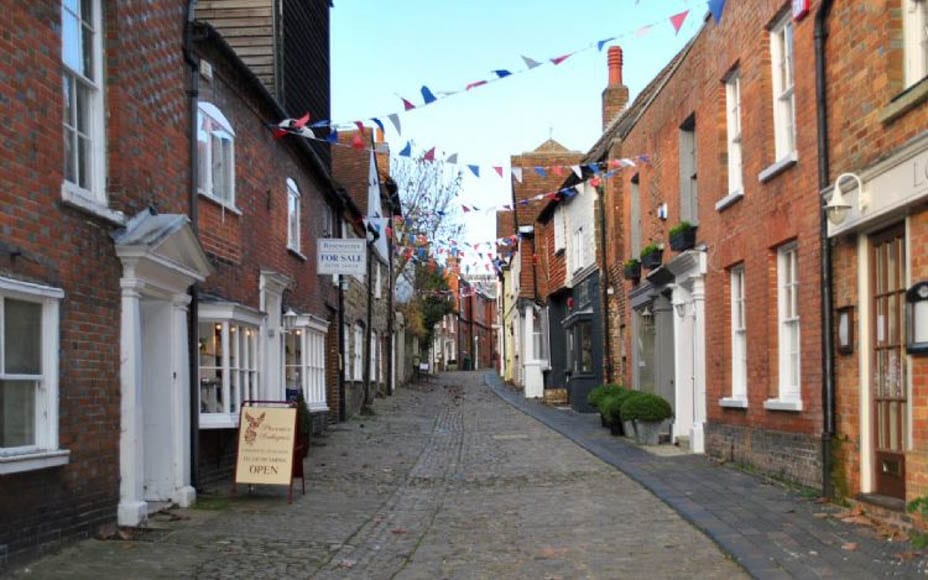
Petworth is well known for its synonymous stately home and its grounds by ‘England’s greatest gardener’, Capability Brown. This is a charming gem of a town in the English countryside and is easily accessible from London. I reached it in an hour with no traffic.
Overflowing with character, Petworth boasts over forty antiques shops and they are well known for the treasures within them. While this town is easy going, it also boasts sophisticated tastes.
I would suggest this to be the ideal place to take a visiting friend who wishes to see a bit of the English countryside; you will be hard pressed, in fact, to find anywhere better for a better day trip.
My five must visits are:
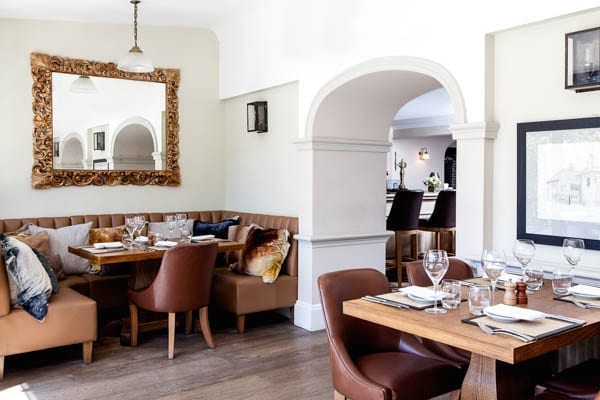
The Leconfield
A two rosette stared restaurant with a glorious outdoor dining area. The food is exquisite and the menu thoughtful; the atmosphere is relaxed but the service is five star.
A wonderful Georgian house brimming with everything from objets d’art to personalised monogrammed bags by the stylish yet practical Italian brand My Style Bags. Here, also, you’ll find the only concession of Linley outside London.
The best ready meals on the market according to The Telegraph’s Xanthe Clay. For me, though, it was their pecan pie that topped the bill. Be sure to take home a feast from this foodie’s paradise.
Unlucky mansion in Yorkshire with 13 bedrooms for sale for a lower sum than it was marketed for in 2007 – despite having been renovated internally in the time since
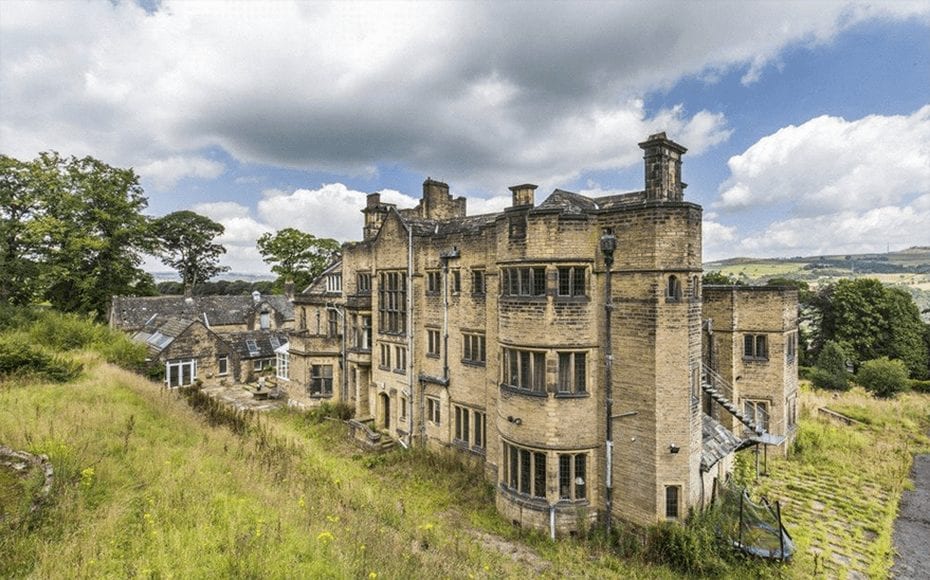
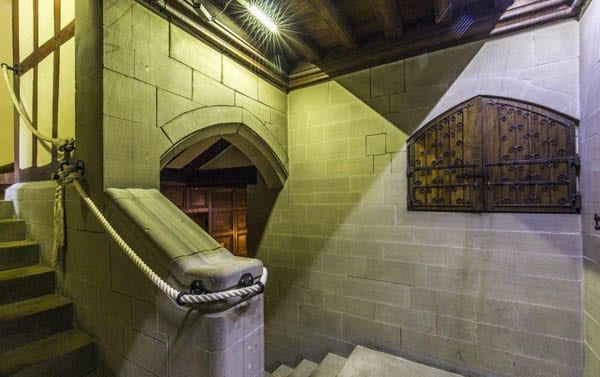
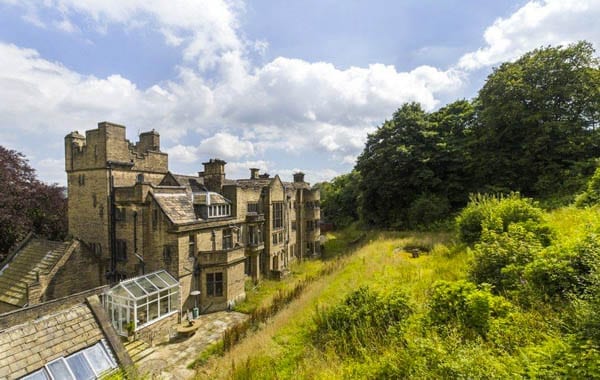
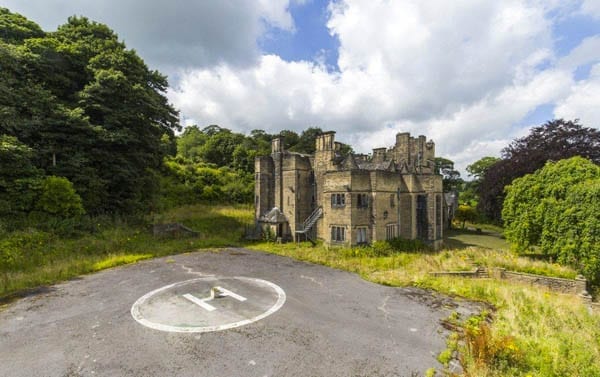
Offered for sale for less than it was last marketed in a “dilapidated condition” in 2007, Whinburn Hall in the gritty West Yorkshire mill town of Keighley has now been largely restored internally but is still surrounded by neglected yet Historic Buildings and Ancient Monuments Act 1953 protected grounds.
Described as a “fine country house… contrasting with the cramped rows of terraces in the streets behind them” according to Wikipeda, this Grade II listed Victorian Arts and Crafts mansion was built in 1897 for Prince Smith III (1869 – 1940), an exotically named gentleman who later renamed himself Prince Prince-Smith before becoming Sir Prince Prince-Smith on the death of his father in 1922.
Constructed from wealth generated by the Prince-Smith family’s textile machinery manufacturing business, Prince Smith & Son, the house was redesigned and extended in 1912 – 1913 and became a training centre for the National Institute of Houseworkers in 1940. Sold again in 1950 to the City of Bradford Metropolitan District Council, the “modern manor house” was run as a residential school and special referral unit until 2008 and then, after a period of dilapidation and the rejection of plans to turn Whinburn Hall into flats, was bought by a 35-year old businessman named James Sheldon in 2008.
An unlucky mansion – Whinburn Hall, Hollins Lane, Utley, Keighley, West Yorkshire, BD20 6LU – On the market for £1.45 million in 2016; marketed in 2007 for £1.5 million (or the equivalent of £1.88 million today)
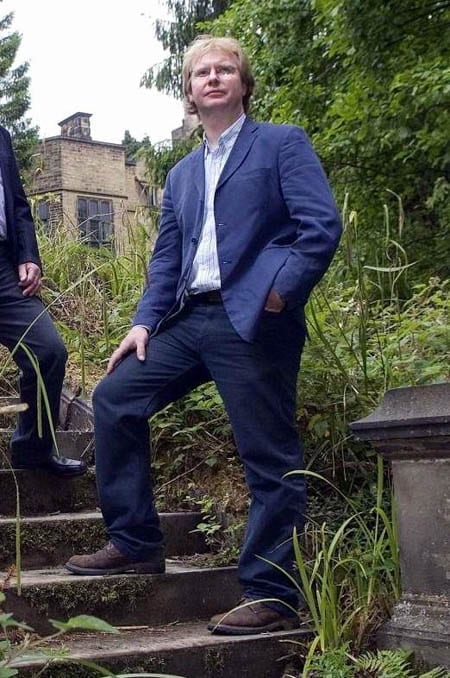
An unlucky mansion – James Sheldon purchased Whinburn Hall at the age of 35 and died there aged just 42
Sheldon, who worked as a lifeboat coxswain in Southport for 18 years, restored Whinburn Hall to use as a family home and also based his business Nav-comm, a specialist in the design of LED lighting systems for emergency vehicles, there.
In the years that followed, Mr Sheldon developed what he claimed to be a new form of “anti-terror security equipment” to detect explosives and drugs from 50 metres and took a stand at a trade show in London in 2013 to showcase this. It was later described as being like “an experiment a first year university student would have tried, but which failed” and in due course West Yorkshire Police’s Economic Crime Unit placed Sheldon and his father, Anthony, under investigation.
Both were arrested on allegations of fraud and on 23rd June 2015, after two police officers visited Whinburn Hall to inform the duo that they were to be rebailed for three months, 42-year old James Sheldon tragically jumped to his death from the fourth floor tower of the hall. It later transpired he had been served with an eviction order due his non-payment of the mortgage on the house and faced debts of some £1.25 million ($1.62 million or €1.45 million).
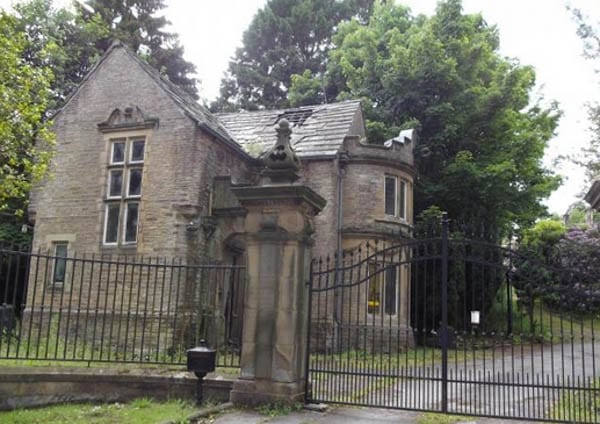
The main property, which is now for sale through agents Dacre Son & Hartley for just £1.45 million ($1.87 million or €1.68 million), currently – rather unluckily, some might also argue – features 13 bedrooms and 7 reception rooms. It comes with a detached bungalow and a dilapidated gatehouse and stands in 7 acres of protected gardens that includes a folly designed by the renowned Lancastrian garden designer and landscape architect Thomas Mawson. Hopefully the next owner, aside from tackling this “overgrown jungle”, will also bring with them better luck.
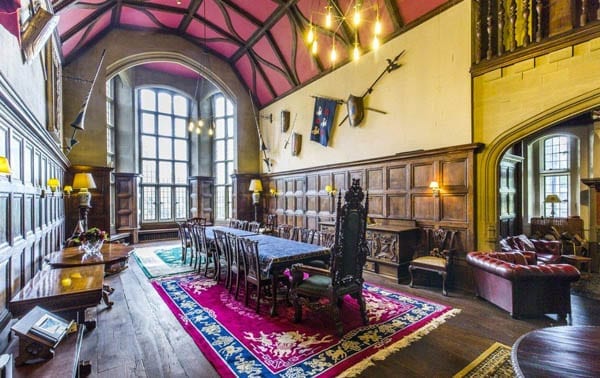
This ‘baronial hall’ is used as a dining room and is dominated a truly tasteless purple ceiling
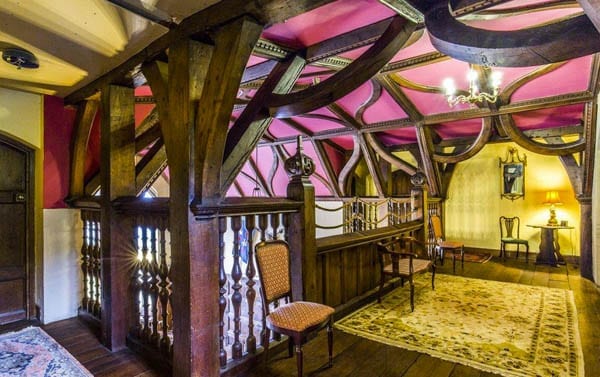
The purple theme continues in this gallery
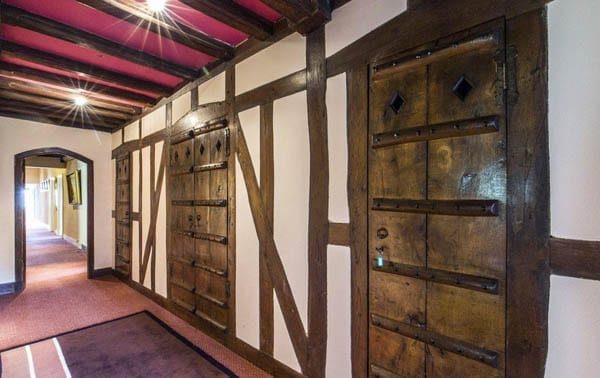
And there’s more of it in this corridor
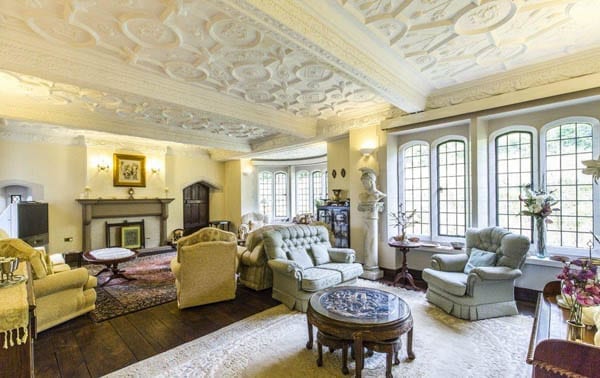
A drawing room complete with ‘classy’ DFS style furniture and a huge television set could be somewhat improved
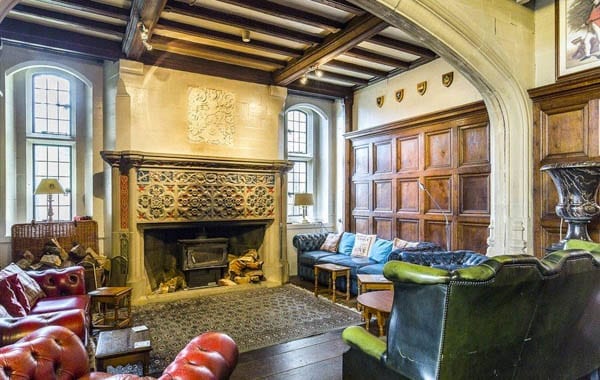
A striking fireplace in another room is surrounded by some pretty hideously coloured leather sofas
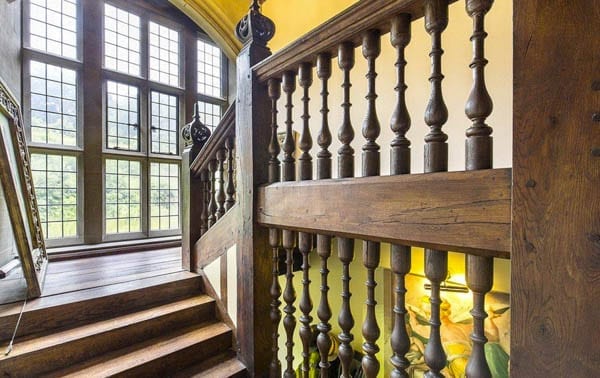
A staircase with a resemblance to something from a fun fair
Another staircase is a little more traditional
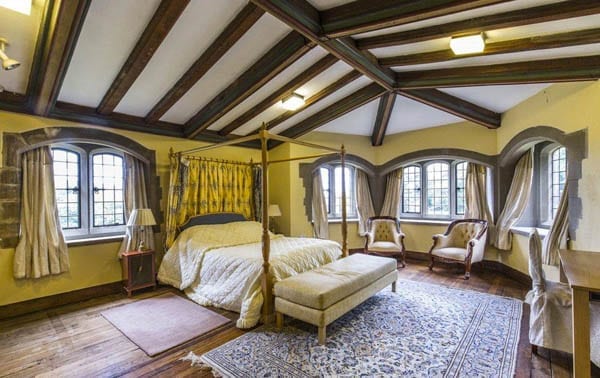
One of thirteen bedrooms
The house is surrounded by 7 acres of overgrown grounds
A somewhat amateur attempt at creating a helipad is located close to the house
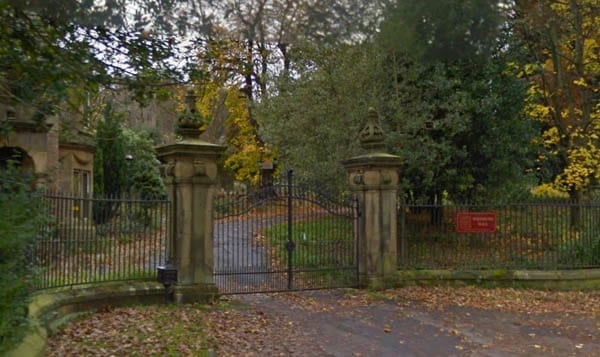
The entrance gates
The roof of the adjoining gatehouse is literally caving in
Subscribe to our free once daily email newsletter here:[wysija_form id=”2″]