Tag: PM

  • The Business of Blair

    The Business of Blair

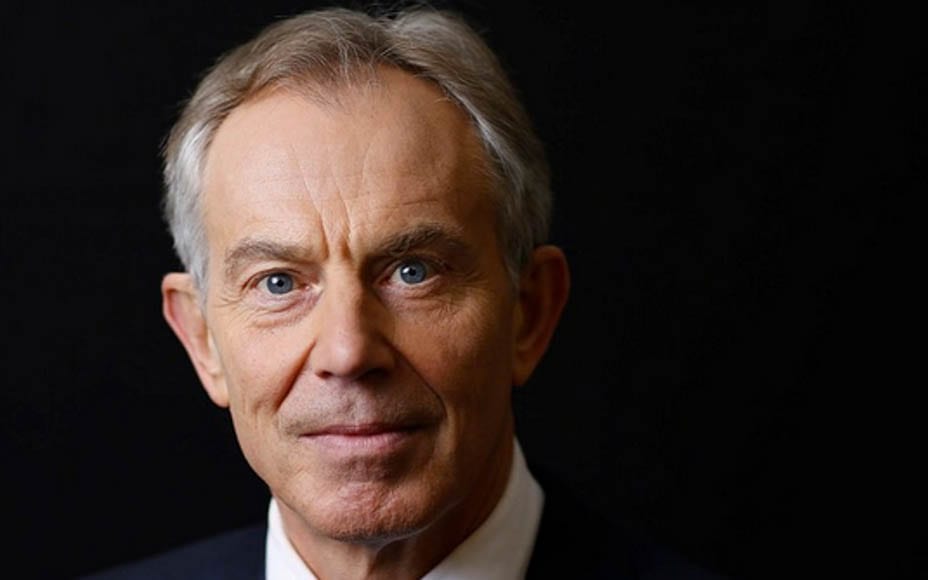
    Tony Blair ditches business and also denies a return to public office


    For weeks, the mainstream media have claimed Tony Blair is preparing to return to public office to save Britain from the nightmare of Brexit. They have claimed he’s ready to seize the support of the 48% and that him and Nick Clegg are colluding to create a new ‘centre left’. He did little to deny it at first but late last week, he shared a post on Facebook that frankly puts a stop to this kind of nonsense.


    Blair, a plainly toxic force in politics due to his highly unpopular backing of George W. over the War on Iraq (and because of his refusal to confine his equally disliked weirdo wife to social Siberia), will never make a comeback and now he’s finally acknowledged that in a very public way.


    In our view, Mr Blair is actually wrong. He’s not nearly as bad as #DarthVader Theresa May and he’s not nearly as ghastly as either the worst Prime Minister’s-in-living-history John Major and Gordon Brown and though we share with you his justifications for not getting involved again, we weirdly find ourselves actually lauding Mr Blair for saying the right thing (for once in his sorry lifetime).


    Mr Blair’s comment, in full, follows:


    Over the past nine years we have built a family of organisations which together employ nearly 200 people; have worked in over 30 countries; and have produced some real and lasting achievements. I am very proud of the commitment and impact of the people I have had the privilege to work with.


    The Africa Governance Initiative has become a respected partner and leader in effective governance where we have worked in 10 different African countries.


    The work we are doing in Africa has been right at the centre of government covering everything from boosting electricity, to improving child and maternal mortality rates to helping on the ground during the Ebola crisis in West Africa, a contribution praised for its impact by both the Presidents of the countries concerned and the international community.


    Outside of Africa in the work done by the commercial governance arm, we again made successful interventions in over 12 countries with 30 different projects promoting reform and change programmes with governments.


    The Tony Blair Faith Foundation has done ground-breaking work in interfaith relations, education and leadership, and most recently in the research and policy work on religiously based extremism through the Centre on Religion and Geopolitics which has been widely recognised as authoritative. 


    In the first years of the Quartet role in the Middle East, we hit double digit growth on the West Bank, drew up ambitious plans for Gaza’s infrastructure and changed the rules around entry of materials into Gaza. In 2011, we played a significant part in the attempt to agree terms of reference for a renewal of the peace process.


    Progress became much more difficult once the peace process stalled. We were partners in the later fresh attempts by the USA to revive the peace process, particularly around plans for the economy to support a future Palestinian state. Unfortunately these attempts also failed.


    Nonetheless, after stepping down from the Quartet position, our new Initiative for the Middle East has re-vitalised our work and means this stays a large part of what we do. I have made over 35 visits to the region this year alone.


    During the time since leaving office, I have learnt a huge amount about the world and frankly what I can do and can’t do to affect it positively.


    We built up a successful business side, though attracted a large measure of criticism for it, much of it inaccurate. It was entirely necessary to build the business to help with the funding to grow the organisations; but it was open to misrepresentation and to criticism either that we were conflating private and public roles or that we were working in countries which aroused controversy.


    Having said that, I also learnt a lot about the way the global economy functions from that experience and pay tribute to the great team I worked with who made much of the development of our work across the organisations possible.


    We are now at the stage and have built the financial infrastructure where it is time to enter a new phase. First we can take the work we have done in Africa, in governance, on extremism and in the Middle East to a new and more effective level; and secondly, in the past six months we have seen political earthquakes in the UK with Brexit and in the American election, as well as an explosion in populist movements all over the European continent. This impacts profoundly all the work we do and the future of globalisation.


    So I want us to bring all the different organisations together under one roof and to re-orient our mission.


    We have deliberately focused, up to now, on some of the greatest and most difficult challenges faced in the era of globalisation: how to give nations the governing capacity to overcome the problems of development and lift their people out of poverty; how to combat the religiously based extremism which threatens global security; how to resolve the most intractable peace process in the world.


    In each case, we have presented a new approach, with the aim of providing new ideas and thinking.


    In governance, especially in Africa, our analysis is that, today, building the capacity to govern effectively – making the way government works efficient as well as transparent – is as important for developing nations as aid.


    Look around the world, and see countries living next to each other – same size population, same resources, same natural potential – one succeeding, one failing. The reason for the difference is found in the quality of governance. Take the following examples: Venezuela and Colombia; Poland and Ukraine; Rwanda and Burundi. And the greatest example in contrasting, contiguous systems of governance the world has seen in modern political history – the Korean Peninsula, North and South Korea. The nation which is succeeding is applying the best rules and lessons of governance; the failing nation is ignoring or defying them.


    On religious extremism, we believe it is essential to widen the struggle, to tackle the ideology behind the violence and not simply the violence itself. So we can defeat ISIS militarily but unless we defeat the ideas behind Islamism – the belief that a particular view of religion should dominate society, politics and the economy, something incompatible with a modern world in which pluralism is the essence – we will never win this battle.


    On the Middle East peace process, we are convinced that a traditional peace process between Israelis and Palestinians with US guidance alone is inadequate; that what is required is a new approach which involves the wider region and the Arab nations and which resolves not just the final status issues like borders but which also resolves the underlying issues of cultural acceptance and regional stability. So we are now working on Arab-Israeli relations, and not simply Israeli-Palestinian relations.


    But it has become clear that there is much overlap between these different areas of work. Extremism is also today a barrier to development. The Middle East conflict impacts extremism. Changing and reforming government applies to Middle East nations as well.


    And since all of these approaches basically represent the open-minded response to global problems, the salience of these new approaches depends on us having an answer to the new populism of left and right which exploits the anger and drives the world apart.


    This new populism may differ in some respects between left and right – the left anti-business, the right anti-immigrant – but in others what is remarkable is the convergence between them, especially around isolationism and protectionism, in what is an essentially closed-minded approach to globalisation and its benefits and to international engagement.


    So we want to add a fourth pillar to what we do. I emphasise this is not in place of our other work but in addition to it.


    This is the creation of a platform designed to build a new policy agenda for the centre ground together with the networks which link people up, and allow a reasonable and evidence based discussion of the future which avoids the plague of social media-led exchanges of abuse. 


    This platform will have a policy unit which will draw on the best ideas and practical solutions, building partnerships with other organisations, in the public policy and private spheres, so that those in the frontline of politics have a bigger and better policy agenda to reflect upon; and a networking capability to join like-minded people up. 


    This is not a think tank. There are enough of those, many doing excellent work we would want to utilise. It is a platform for engagement to inform and support the practising politician.


    It is what I know I would want were I still in the frontline of politics.


    Part of its focus will plainly be around the European debate; but this will not be its exclusive domain. It has to go far wider than that since in many ways the Europe debate is a lightning rod for the whole of politics.


    We’re now planning to bring all of these four parts together in one new Not For Profit Institute. 


    The business side has been shut down and the assets, running into many millions of pounds, gifted to the Institute. In the New Year, we plan to merge the activities of the different organisations into the Institute, with any charitable funds used exclusively for the purposes for which they were originally given.


    This will allow us to work more coherently across the board; use the obvious synergies between the different elements of the work; and to be far stronger on the global policy side than we have been up to now. The focus previously was mainly on programmes. These will remain but the organisation will also be far more about thought leadership.


    This is not about my returning to the front line of politics. I have made it abundantly clear that this is not possible.


    However, I care about my country and the world my children and grandchildren will grow up in; and want to play at least a small part in contributing to the debate about the future of both.  

     

    The Africa Governance Initiative has become a respected partner and leader in effective governance where we have worked in 10 different African countries.


    The work we are doing in Africa has been right at the centre of government covering everything from boosting electricity, to improving child and maternal mortality rates to helping on the ground during the Ebola crisis in West Africa, a contribution praised for its impact by both the Presidents of the countries concerned and the international community.


    Outside of Africa in the work done by the commercial governance arm, we again made successful interventions in over 12 countries with 30 different projects promoting reform and change programmes with governments.


    The Tony Blair Faith Foundation has done ground-breaking work in interfaith relations, education and leadership, and most recently in the research and policy work on religiously based extremism through the Centre on Religion and Geopolitics which has been widely recognised as authoritative. 


    In the first years of the Quartet role in the Middle East, we hit double digit growth on the West Bank, drew up ambitious plans for Gaza’s infrastructure and changed the rules around entry of materials into Gaza. In 2011, we played a significant part in the attempt to agree terms of reference for a renewal of the peace process.


    Progress became much more difficult once the peace process stalled. We were partners in the later fresh attempts by the USA to revive the peace process, particularly around plans for the economy to support a future Palestinian state. Unfortunately these attempts also failed.


    Nonetheless, after stepping down from the Quartet position, our new Initiative for the Middle East has re-vitalised our work and means this stays a large part of what we do. I have made over 35 visits to the region this year alone.


    During the time since leaving office, I have learnt a huge amount about the world and frankly what I can do and can’t do to affect it positively.


    We built up a successful business side, though attracted a large measure of criticism for it, much of it inaccurate. It was entirely necessary to build the business to help with the funding to grow the organisations; but it was open to misrepresentation and to criticism either that we were conflating private and public roles or that we were working in countries which aroused controversy.


    Having said that, I also learnt a lot about the way the global economy functions from that experience and pay tribute to the great team I worked with who made much of the development of our work across the organisations possible.


    We are now at the stage and have built the financial infrastructure where it is time to enter a new phase. First we can take the work we have done in Africa, in governance, on extremism and in the Middle East to a new and more effective level; and secondly, in the past six months we have seen political earthquakes in the UK with Brexit and in the American election, as well as an explosion in populist movements all over the European continent. This impacts profoundly all the work we do and the future of globalisation.


    So I want us to bring all the different organisations together under one roof and to re-orient our mission.


    We have deliberately focused, up to now, on some of the greatest and most difficult challenges faced in the era of globalisation: how to give nations the governing capacity to overcome the problems of development and lift their people out of poverty; how to combat the religiously based extremism which threatens global security; how to resolve the most intractable peace process in the world.


    In each case, we have presented a new approach, with the aim of providing new ideas and thinking.


    In governance, especially in Africa, our analysis is that, today, building the capacity to govern effectively – making the way government works efficient as well as transparent – is as important for developing nations as aid.


    Look around the world, and see countries living next to each other – same size population, same resources, same natural potential – one succeeding, one failing. The reason for the difference is found in the quality of governance. Take the following examples: Venezuela and Colombia; Poland and Ukraine; Rwanda and Burundi. And the greatest example in contrasting, contiguous systems of governance the world has seen in modern political history – the Korean Peninsula, North and South Korea. The nation which is succeeding is applying the best rules and lessons of governance; the failing nation is ignoring or defying them.


    On religious extremism, we believe it is essential to widen the struggle, to tackle the ideology behind the violence and not simply the violence itself. So we can defeat ISIS militarily but unless we defeat the ideas behind Islamism – the belief that a particular view of religion should dominate society, politics and the economy, something incompatible with a modern world in which pluralism is the essence – we will never win this battle.


    On the Middle East peace process, we are convinced that a traditional peace process between Israelis and Palestinians with US guidance alone is inadequate; that what is required is a new approach which involves the wider region and the Arab nations and which resolves not just the final status issues like borders but which also resolves the underlying issues of cultural acceptance and regional stability. So we are now working on Arab-Israeli relations, and not simply Israeli-Palestinian relations.


    But it has become clear that there is much overlap between these different areas of work. Extremism is also today a barrier to development. The Middle East conflict impacts extremism. Changing and reforming government applies to Middle East nations as well.


    And since all of these approaches basically represent the open-minded response to global problems, the salience of these new approaches depends on us having an answer to the new populism of left and right which exploits the anger and drives the world apart.


    This new populism may differ in some respects between left and right – the left anti-business, the right anti-immigrant – but in others what is remarkable is the convergence between them, especially around isolationism and protectionism, in what is an essentially closed-minded approach to globalisation and its benefits and to international engagement.


    So we want to add a fourth pillar to what we do. I emphasise this is not in place of our other work but in addition to it.


    This is the creation of a platform designed to build a new policy agenda for the centre ground together with the networks which link people up, and allow a reasonable and evidence based discussion of the future which avoids the plague of social media-led exchanges of abuse.


    This platform will have a policy unit which will draw on the best ideas and practical solutions, building partnerships with other organisations, in the public policy and private spheres, so that those in the frontline of politics have a bigger and better policy agenda to reflect upon; and a networking capability to join like-minded people up. 


    This is not a think tank. There are enough of those, many doing excellent work we would want to utilise. It is a platform for engagement to inform and support the practising politician.


    It is what I know I would want were I still in the frontline of politics.


    Part of its focus will plainly be around the European debate; but this will not be its exclusive domain. It has to go far wider than that since in many ways the Europe debate is a lightning rod for the whole of politics.


    We’re now planning to bring all of these four parts together in one new Not For Profit Institute. 


    The business side has been shut down and the assets, running into many millions of pounds, gifted to the Institute. In the New Year, we plan to merge the activities of the different organisations into the Institute, with any charitable funds used exclusively for the purposes for which they were originally given.


    This will allow us to work more coherently across the board; use the obvious synergies between the different elements of the work; and to be far stronger on the global policy side than we have been up to now. The focus previously was mainly on programmes. These will remain but the organisation will also be far more about thought leadership.


    This is not about my returning to the front line of politics. I have made it abundantly clear that this is not possible.


    However, I care about my country and the world my children and grandchildren will grow up in; and want to play at least a small part in contributing to the debate about the future of both.  
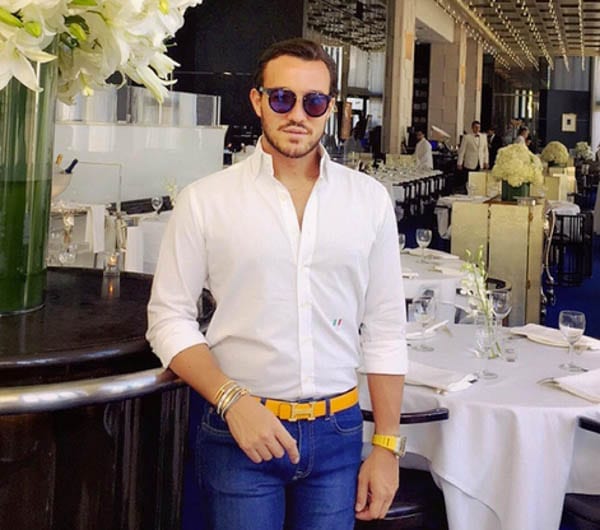
     

  • Emir Bahadir – What’s on your mantelpiece?

    Emir Bahadir – What’s on your mantelpiece?

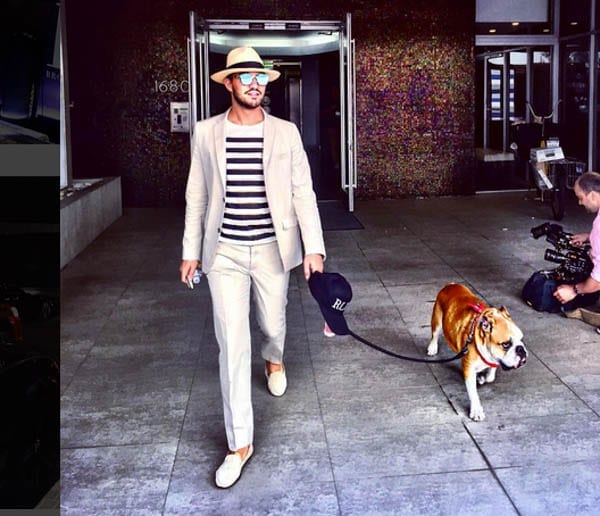
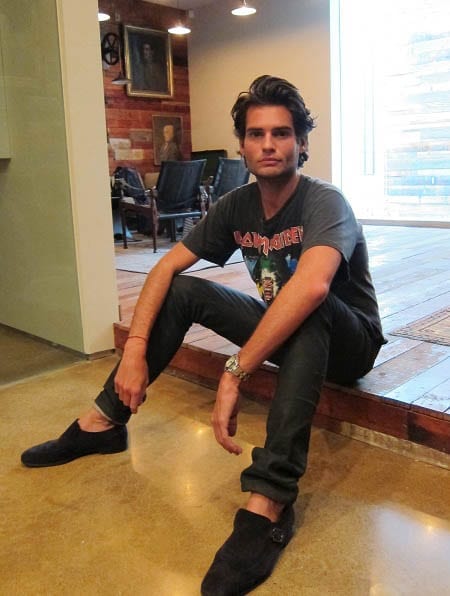
    A 20-question interview with 25-year old New York based BHDR real estate brokerage and development firm founder Emir Bahadir


    The Steeple Times shares “wit and wisdom”. What’s your guiding force?

    My driving force is being able to bridge the gap between international investors and local markets. Being a member of the fifth generation of my family, my guiding force is maintaining the business standards set forth by my ancestors.


    “Don’t get even, get medieval” is, in our humble opinion, a great motto. What’s yours?

    ‘More is more, work smart not hard’ and ‘Well done is better than well said’.


    Kerry Katona was considered unacceptable in 2007. Who or what is unacceptable in 2016?

    This is relative depending on the realm of the industry you are in. Two of the things that I find unacceptable are dishonesty and lack of communication.


    Tony Blair misses being Prime Minister. What do you miss most in your life?

    I miss my high school days when I had no responsibility and was surrounded by intellectual people. Maybe this has a lot to do with my young age and my active business life, even then. I feel I never got to be reckless after graduating from high school in Switzerland and became very responsible and focused instead.


    What might you swap all your wealth for?

    I would swap my wealth for helping end hunger and poverty throughout the world. Most people don’t have awareness of what the world’s real needs are.


    Donald Trump was once a case of: “If you owe the bank a thousand, they close you down; but if you owe the bank a billion, you own the bank”. What’s your view on the state of the financial system?

    Based on that comment, that statement is truthful. Based on that statement, today the banking system is changing for the better. I believe in the short-term we will see a lot of improvements.


    What phrase or word do you most loathe?

    I used to think: “The worst thing in life is to end up alone”. It’s not: “The worst thing in life is to end up with people who make you feel alone”. The reason why I hate this phrase is because it is so true.


    In the UK, some people consider charity to “begin at home”. What’s your view and what causes do you personally support?

    Charity does start at home. Growing up, my parents emphasised the importance of charity and then it became a way of life, a routine. I have volunteered in Zambia to help build schools and teach kids. Whilst there, we also took 500 mattresses to the schools in different tribes. Today, my family’s foundation helps hundreds of children with scholarships to study and become successful members of their communities.


    The judge in Law Abiding Citizen states: “I can pretty much do whatever I want” before being blown up whilst answering her mobile phone. What’s your view on the appropriate use of such devices?

    There is always a risk using any kind of technology regardless if it is security based or not. However, I think there is a strong need for technology, especially with the fast pace of the business world these days.


    If you could fill a carriage on The Orient Express, who would be your fellow passengers?

    Benjamin Franklin, Steve Jobs, Abraham Lincoln, Mozart and Picasso.


    If you were unfortunate enough to end up on death row, what would be your last meal and where would you eat it?

    I hope that won’t be my reality ever. However, to answer your question, I would like to eat the judge who sentenced me to death.


    What time is it acceptable to consume the first drink of the day?

    Lunchtime usually is the time to start. However, at weekends, noon bellinis are acceptable.


    A Negroni, a martini or a cup of tea?

    A martini; a very, very dirty martini.


    Whose parties do you enjoy the most and why?

    I do enjoy my own parties because I pay so much attention to the details prior. It means that, during the event itself, I can put all my energy and efforts into entertaining my guests.


    Who is the most positive person you know?

    My grandmother is one of the most positive people I know and my COO, Tanya, always calms me down when I get a little wound up.


    What’s your most guilty pleasure?

    Eating chocolate late at night.


    If a tattoo were to sum you up, what would it be of?

    Even though I have a tattoo of the OHM sign, it does not really sum me up. I wish it did. My other one, Dum Spiro Spero (When I Breath I Hope), would be the one to describe me. I tend to hope and dream and work hard to make my dreams come true.


    If you were a car, what marque would you be?

    A Bentley – Fast and furious, yet classy and comfortable.


    Cilla Black presented Surprise, Surprise. Tell us the most surprising thing about you.

    That I am humble and relatable to is a surprise to most people. Considering my background and my current motivation to succeed on another level, people don’t expect it.


    What’s currently sitting on your mantelpiece?

    I have a small sculpture by Jeff Koons.


    Emir Bahadir is a 25-year old entrepreneur based in New York. He was educated at the American School in Switzerland and New York University. Bahadir is the founder and CEO of the BHDR real estate brokerage and development firm, invests in tech startup firms and is also an art collector.


    Follow him on Instagram at @emirbahadir and use his own hashtag, #bahadiring


    Emir Bahadir – What’s on your mantelpiece? The Steeple Times conducts a 20 question interview with 25-year old New York based BHDR real estate brokerage and development firm founder Emir Bahadir – He is also a star of the website Rich Kids of InstagramEmir Bahadir – What’s on your mantelpiece? The Steeple Times conducts a 20 question interview with 25-year old New York based BHDR real estate brokerage and development firm founder Emir Bahadir – He is also a star of the website Rich Kids of Instagram Emir Bahadir – What’s on your mantelpiece? The Steeple Times conducts a 20 question interview with 25-year old New York based BHDR real estate brokerage and development firm founder Emir Bahadir – He is also a star of the website Rich Kids of InstagramEmir Bahadir – What’s on your mantelpiece? The Steeple Times conducts a 20 question interview with 25-year old New York based BHDR real estate brokerage and development firm founder Emir Bahadir – He is also a star of the website Rich Kids of Instagram

  • Nolan Browne – What’s on your mantelpiece?

    Nolan Browne – What’s on your mantelpiece?

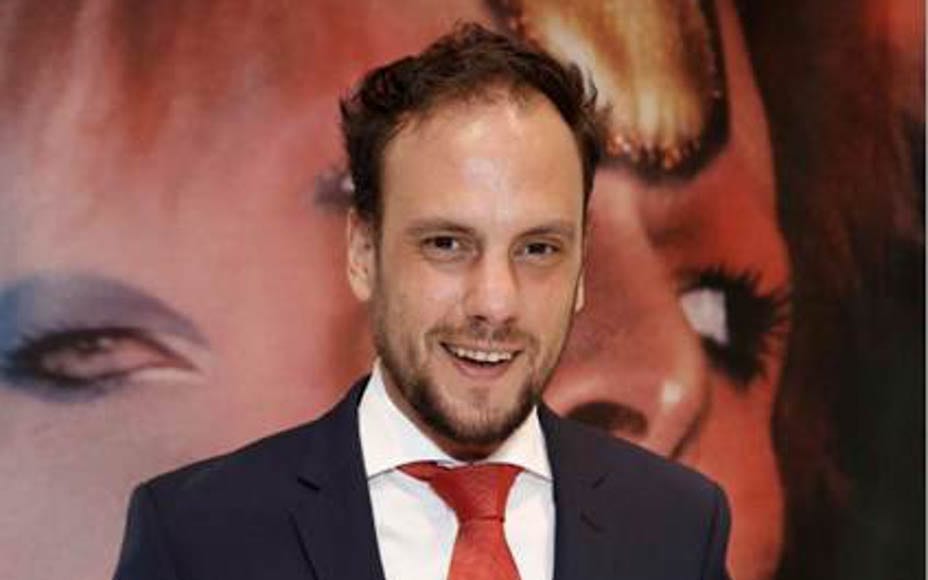
    A 20-question interview with Nolan Browne, manager of London’s Taschen store and Gallery Nolan Browne


    The Steeple Times shares “wit and wisdom”. What’s your guiding force?

    Ambition.


    “Don’t get even, get medieval” is, in our humble opinion, a great motto. What’s yours?

    Rubbish in, rubbish out.


    Kerry Katona was considered unacceptable in 2007. Who or what is unacceptable in 2016?

    Homelessness and Donald Trump.


    Tony Blair misses being Prime Minister. What do you miss most in your life?

    A couple of people.


    What might you swap all your wealth for?

    I wouldn’t.


    Donald Trump was once a case of: “If you owe the bank a thousand, they close you down; but if you owe the bank a billion, you own the bank”. What’s your view on the banking crisis?

    Is there still a crisis?


    What phrase or word do you most loathe?

    ‘Take care’.


    In the UK, some people consider charity to “begin at home”. What’s your view and what causes do you personally support?

    I detest chuggers and I’m running the Royal Park Half Marathon in October for Shelter, who help the homeless.


    The judge in Law Abiding Citizen states: “I can pretty much do whatever I want” before being blown up whilst answering her mobile phone. What’s your view on the appropriate use of such devices?

    Don’t text while driving or cycling. Remarkable that people do it.


    If you could fill a carriage on The Orient Express, who would be your fellow passengers?

    Woody Allen and Magritte and a billionaire, just to find out exactly how you get that rich.


    If you were unfortunate enough to end up on death row, what would be your last meal and where would you eat it?

    I doubt you could wander too far, so maybe a nice Harrods hamper in the prison yard.


    What time is it acceptable to consume the first drink of the day?

    Anytime depending on the occasion.


    A Negroni, a martini or a cup of tea?

    A martini.


    Whose parties do you enjoy the most and why?

    Arty ones – always full of characters and great chat.


    Who is the most positive person you know?

    Both of my sisters are very positive.


    What’s your most guilty pleasure?

    Thomas Pink shirts.


    If a tattoo were to sum you up, what would it be of?

    No answer.


    If you were a car, what marque would you be?

    Any kind of Ferrari.


    Cilla Black presented Surprise, Surprise. Tell us the most surprising thing about you.

    I was born in Bangkok.


    What’s currently sitting on your mantelpiece?

    A wedding invitation and some art related postcards.


    Nolan Browne is the manager of London’s TASCHEN Store and Gallery Nolan Browne. Travel and art are in his blood and he is the son of a diplomat and an art collector. Browne was born in Bangkok, grew up in New York, Somalia, Ukraine and Rwanda and went to school in the UK. While at university, he founded Unscene Art, a pop-up platform for emerging artists. It was dubbed “The student Turner Prize” by i-D magazine. Pitstops at White Cube and Phillips Auction House led him to TASCHEN – where he is fast turning the London store into one of the capital’s art destinations.


    Follow him on Instagram at @nolanbrowne.


    Subscribe to our free once daily email newsletter here:[wysija_form id=”2″]


  • Charlie David – What’s on your mantelpiece?

    Charlie David – What’s on your mantelpiece?

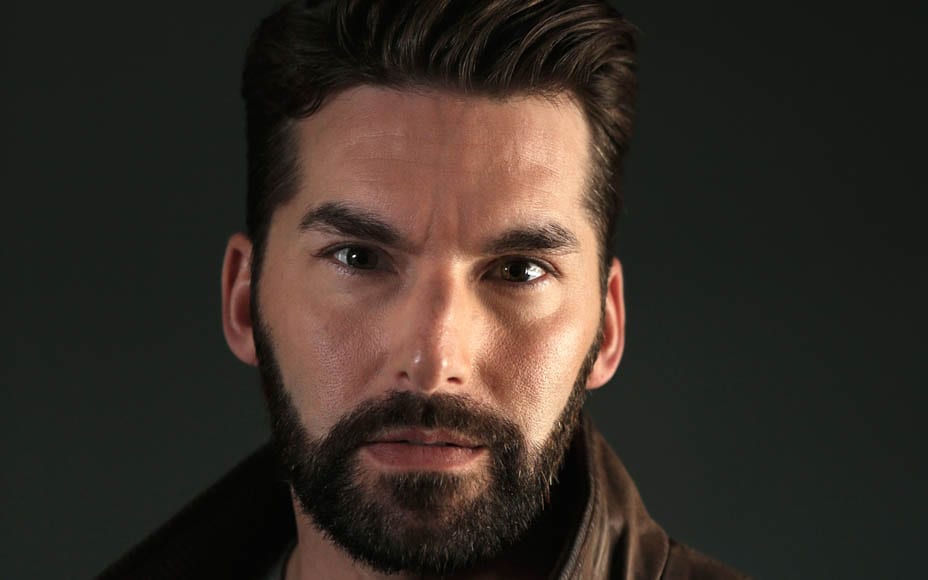
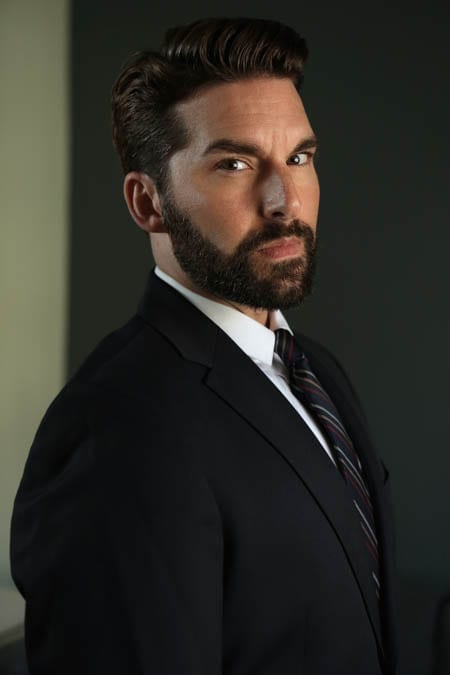
    A 20-question interview with director and producer Charlie David


    The Steeple Times shares “wit and wisdom”. What’s your guiding force?

    I have an uncanny knack for honing in on beautiful Brazilian men in a crowd. I’m mysteriously led to them like a dowsing stick to water.


    “Don’t get even, get medieval” is, in our humble opinion, a great motto. What’s yours?

    Be brave enough to be honest with everyone in your life.


    Kerry Katona was considered unacceptable in 2007. Who or what is unacceptable in 2016?

    Man buns.


    Tony Blair misses being Prime Minister. What do you miss most in your life?

    Playing the piano. I know, I know! Easy enough to fix. A little easier to get back in the saddle with than becoming the head of Her Majesty’s Government in the United Kingdom.


    What might you swap all your wealth for?

    One night of debauchery with Ricky Martin.


    Donald Trump was once a case of: “If you owe the bank a thousand, they close you down; but if you owe the bank a billion, you own the bank”. What’s your view on the banking crisis?

    Like travel, music, film, and other industries before it, the big banks now face the squeeze of existing in the age of the Internet. There are better places to invest than through traditional means and people are becoming savvy to that.


    What phrase or word do you most loathe?

    In television, network execs are very fond of using the words ‘buckets’ and ‘wheelhouse’ to describe the topics or areas of interest on their shopping list. It makes me gag a little.


    Overheard at the markets this year: “Murder is huge. We want BIG characters and murder. Like if you have anything with a village of little people who come together as a community to sleuth out a serial killer who has been stalking them? That would definitely be in our wheelhouse”.


    In the UK, some people consider charity to “begin at home”. What’s your view and what causes do you personally support?

    Through trips to Tanzania, Kenya, Zambia, Zimbabwe, Botswana and South Africa I was able to see a lot of wildlife, humanitarian and environmental initiatives. I think these are important but somehow we’re still really missing the mark in terms of foreign aid.


    I recently read Paul Theroux’s Dark Star Safari: Overland from Cairo to Cape Town and it was a bit shocking to me in its frank and pragmatic assessment of the impact of foreign aid and voluntourism. Definitely a very good read for anyone who has spent time in Africa or other parts of the world as a volunteer. It certainly caused me to pause and reflect a lot on the type of initiatives I lend my time and dollars to.


    Now on the international front, I micro-lend through Kiva.org which to me seems a more pragmatic way forward than hand-outs. It supports entrepreneurs around the world who are unable to apply for a traditional bank loan. I think it fosters business skills, accountability and trust which are all great characteristics for a thriving community.


    At home I like to contribute to educational, environmental and arts organizations and generally prefer to donate time/money directly to ones I’ve been involved in. That way I know the people; I can gage the impact and witness the ongoing results.


    The judge in Law Abiding Citizen states: “I can pretty much do whatever I want” before being blown up whilst answering her mobile phone. What’s your view on the appropriate use of such devices?

    They should be well and truly hidden whenever humans gather to break bread.


     Charlie David – What’s on your mantelpiece?


    If you could fill a carriage on The Orient Express, who would be your fellow passengers?

    Ricky Martin. Can we have one carriage to ourselves? Please? Honestly, I just think he’s talented and a total D.I.L.F. It’s likely just a passing fancy, not fanaticism.


    If you were unfortunate enough to end up on death row, what would be your last meal and where would you eat it?

    I’d ask for something I could share with the other inmates like a pizza party at the gym in the courtyard. I’d want it to be a block party, not a solo steak dinner.


    What time is it acceptable to consume the first drink of the day?

    If you’re in control of your use of alcohol and it’s not controlling you, then the hour of the clock is irrelevant.


    A Negroni, a martini or a cup of tea?

    A Negroni s’il vous plait.


    Whose parties do you enjoy the most and why?

    My nephews’ and nieces’. I love watching them go to work on a piñata.


    Who is the most positive person you know?

    My mother. She is pure joy and gratitude. I strive to embody that outlook.


    What’s your most guilty pleasure?

    Pizza and Netflix.


    If a tattoo were to sum you up, what would it be of?

    Ricky Martin eating a pizza and watching Netflix.


    If you were a car, what marque would you be?

    Honda – Reliable, frugal and pragmatic.


    Cilla Black presented Surprise, Surprise. Tell us the most surprising thing about you.

    I had a band as a teenager and opened for Destiny’s Child when Ferra was still part of the group.


    What’s currently sitting on your mantelpiece?

    Books, books, books. And a bobble-head doll of Ricky Martin.


    Charlie David is a storyteller with film, books and web. He lives in Toronto and Montréal, Canada and is the founder of Border2Border Entertainment, Inc.


    Follow him on Twitter at @CharlieDavid and view his channel on YouTube at @MrCharlieDavid.


    Subscribe to our free once daily email newsletter here:[wysija_form id=”2″]


  • Nicola Radano – What’s on your mantelpiece?

    Nicola Radano – What’s on your mantelpiece?

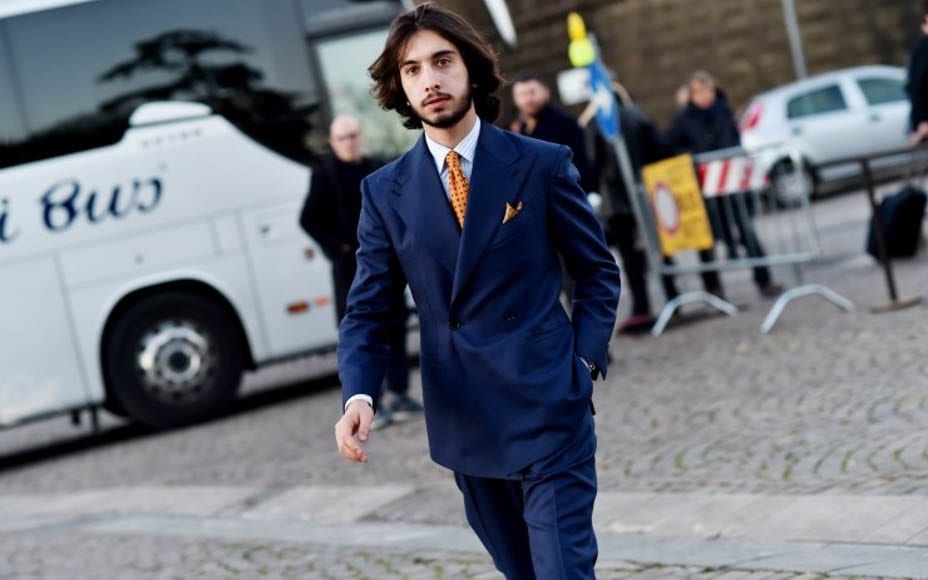
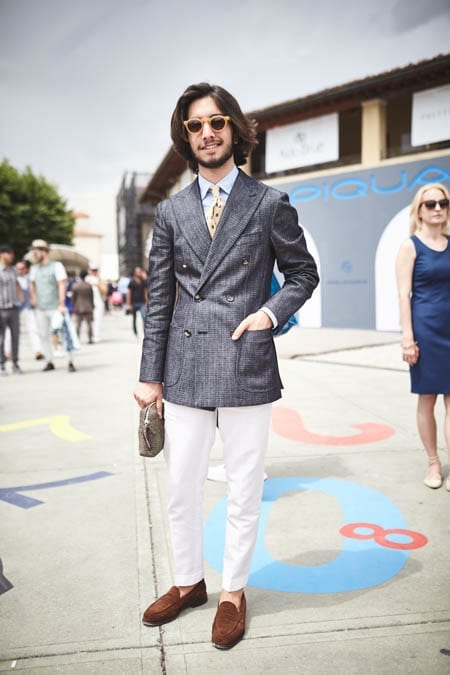
    A 20-question interview with Nicola Radano, an Italian fashion blogger and founder of tie producers Spacca Neapolis


    The Steeple Times shares “wit and wisdom”. What’s your guiding force?

    Determination and loyalty.


    “Don’t get even, get medieval” is, in our humble opinion, a great motto. What’s yours?

    “One can get rich at any moment, but if one has no class, one is always a beggar” – paraphrased from philosopher and connoisseur of Neapolitan culture Luciano De Crescenzo.


    Kerry Katona was considered unacceptable in 2007. Who or what is unacceptable in 2016?

    A lot of people.


    Tony Blair misses being Prime Minister. What do you miss most in your life?

    I miss being able to sail.


    What might you swap all your wealth for?

    Living in a world populated by principled people.


    Donald Trump was once a case of: “If you owe the bank a thousand, they close you down; but if you owe the bank a billion, you own the bank”. What’s your view on the banking crisis?

    The banking crisis was born to the low value given to the Euro. I have no words to say on that.


    What phrase or word do you most loathe?

    “I can’t do it”.


    In the UK, some people consider charity to “begin at home”. What’s your view and what causes do you personally support?

    For me, it’s absolutely right to support both domestic and international charities. Helping someone who has little is the most gallant gesture that anyone can do.


    The judge in Law Abiding Citizen states: “I can pretty much do whatever I want” before being blown up whilst answering her mobile phone. What’s your view on the appropriate use of such devices?

    Smartphones are now improperly used by young children. This is harmful because many of them prefer using them to reading a good book.


    Nicola Radano – What’s on your mantelpiece? A 20-question interview with Nicola Radano, an Italian fashion blogger and founder of tie producers Spacca Neapolis
    Nicola Radano


    If you could fill a carriage on The Orient Express, who would be your fellow passengers?

    Only elegant men.


    If you were unfortunate enough to end up on death row, what would be your last meal and where would you eat it?

    A plate of spaghetti with tomato sauce by the sea.


    What time is it acceptable to consume the first drink of the day?

    In the afternoon.


    A Negroni, a martini or a cup of tea?

    A cup of Neapolitan coffee please.


    Whose parties do you enjoy the most and why?

    I like afternoon appetizers in the summer time. I find them most relaxing.


    Who is the most positive person you know?

    My mum.


    What’s your most guilty pleasure?

    Sleeping in late without being interrupted.


    If a tattoo were to sum you up, what would it be of?

    A rudder.


    If you were a car, what marque would you be?

    A Porsche.


    Cilla Black presented Surprise, Surprise. Tell us the most surprising thing about you.

    That I’ve been able to create unexpected things from nothing.


    What’s currently sitting on your mantelpiece?

    Family photos, antique ashtrays and a clock.


    Nicola Radano declares his passion to be classical fashion and Neapolitan tailoring. He established a blog about the subject titled ‘Me, Myself & I’ in 2013 and launched his own firm of hand sewn tie producers, Spacca Neapolis, in 2016.


    Follow him on Instagram at @nicolaradano and on Facebook by clicking here.


    Subscribe to our free once daily email newsletter here:[wysija_form id=”2″]


  • Gerald Ratner – What’s on your mantelpiece?

    Gerald Ratner – What’s on your mantelpiece?

    A 20-question interview with well-known businessman Gerald Ratner


    The Steeple Times shares “wit and wisdom”. What’s your guiding force?

    Road cycling.


    “Don’t get even, get medieval” is, in our humble opinion, a great motto. What’s yours?

    Don’t give up. Failure is the route to success. You will fail many times before you succeed so embrace failure.


    Kerry Katona was considered unacceptable in 2007. Who or what is unacceptable in 2016?

    Mark Carney is a mine of misinformation. He said interest rates would go up for the last five years and scared the sh*t out of us on Brexit.


    Tony Blair misses being Prime Minister. What do you miss most in your life?

    Running a big company.


    What might you swap all your wealth for?

    I haven’t got all that much wealth, but, as you get older, you appreciate your health more.


    Donald Trump was once a case of: “If you owe the bank a thousand, they close you down; but if you owe the bank a billion, you own the bank”. What’s your view on the banking crisis?

    Business requires endless cash and if you can’t raise it anymore, that has a negative effect on the economy.


    What phrase or word do you most loathe?

    Starting every sentence with ‘So’.


    In the UK, some people consider charity to “begin at home”. What’s your view and what causes do you personally support?

    I support animal charities but I don’t like the aggressive approach to fundraising by certain charities and their endless shock adverts on television.


    The judge in Law Abiding Citizen states: “I can pretty much do whatever I want” before being blown up whilst answering her mobile phone. What’s your view on the appropriate use of such devices?

    I hate people screaming down them in public.


    If you could fill a carriage on The Orient Express, who would be your fellow passengers?

    Robin van Persie (my all time hero), David Tang (stylish and witty) and Mark Carney (so I can throw him out the window).


    Gerald Ratner – What’s on your mantelpiece?
    Gerald Ratner


    If you were unfortunate enough to end up on death row, what would be your last meal and where would you eat it?

    The Waterside Inn at Bray. I would order a magnum of Château Latour.


    What time is it acceptable to consume the first drink of the day?

    During the week: At nighttime.


    A Negroni, a martini or a cup of tea?

    A double espresso.


    Whose parties do you enjoy the most and why?

    One that ends early.


    Who is the most positive person you know?

    My dog, Bear. He thinks he is human.


    What’s your most guilty pleasure?

    Cigars.


    If a tattoo were to sum you up, what would it be of?

    I hate tattoos.


    If you were a car, what marque would you be?

    I was a Ferrari. Now, I’m a Volvo.


    Cilla Black presented Surprise, Surprise. Tell us the most surprising thing about you.

    I never called my jewellery ‘crap’ in that infamous speech. I described it as high quality but unfortunately I called a sherry decanter ‘crap’.


    What’s currently sitting on your mantelpiece?

    A picture of my dog.


    Gerald Ratner is the former chairman and chief executive of the Ratners Group. He is now a keynote speaker.


    Follow him on Twitter at @Gerald_Ratner.


    Subscribe to our free once daily email newsletter here:[wysija_form id=”2″]


  • Eric Meier– What’s on your mantelpiece?

    Eric Meier– What’s on your mantelpiece?

    A 20-question interview with jetsetter Eric Meier


    The Steeple Times shares “wit and wisdom”. What’s your guiding force?

    My intuition.


    “Don’t get even, get medieval” is, in our humble opinion, a great motto. What’s yours?

    ‘Forgive but don’t forget’.


    Kerry Katona was considered unacceptable in 2007. Who or what is unacceptable in 2016?

    Donald Trump and Crocs.


    Tony Blair misses being Prime Minister. What do you miss most in your life?

    My sanity.


    What might you swap all your wealth for?

    World peace or never ageing.


    Donald Trump was once a case of: “If you owe the bank a thousand, they close you down; but if you owe the bank a billion, you own the bank”. What’s your view on the banking crisis?

    Invest. Banks are a joke.


    What phrase or word do you most loathe?

    ‘I need’ – Even though I use it every day and a lot.


    In the UK, some people consider charity to “begin at home”. What’s your view and what causes do you personally support?

    Anything to do with children. Their innocence and honesty inspires me.


    The judge in Law Abiding Citizen states: “I can pretty much do whatever I want” before being blown up whilst answering her mobile phone. What’s your view on the appropriate use of such devices?

    My answer here is biased since I’m addicted to my phone. I think it’s actually glued to me.


    Eric Meier – What’s on your mantelpiece?
    Eric Meier


    If you could fill a carriage on The Orient Express, who would be your fellow passengers?

    Oprah, Mariah Carey and Karl Lagerfeld.


    If you were unfortunate enough to end up on death row, what would be your last meal and where would you eat it?

    The cheesecake at Hôtel Costes in Paris or an In and Out burger.


    What time is it acceptable to consume the first drink of the day?

    In Europe, everything goes; in America, happy hour is at 4pm.


    A Negroni, a martini or a cup of tea?

    A martini. Filthy.


    Whose parties do you enjoy the most and why?

    Those given by Riccardo Tisci – Beautiful people and beautiful clothes.


    Who is the most positive person you know?

    Myself – I’m never a pessimist.


    What’s your most guilty pleasure?

    My boyfriend.


    If a tattoo were to sum you up, what would it be of?

    I have one of a broken heart as I’m a hopeless romantic.


    If you were a car, what marque would you be?

    A Rolls-Royce Ghost extended version.


    Cilla Black presented Surprise, Surprise. Tell us the most surprising thing about you.

    I’m human.


    What’s currently sitting on your mantelpiece?

    Candles. Great lighting is key.


    Eric Meier is based in Beverly Hills, California and describes himself as a well-travelled jetsetter. He adds: “Biographies are for dead people”.


    Join his 28,000 followers on Instagram at @meiereric.


    Subscribe to our free once daily email newsletter here:[wysija_form id=”2″]


  • Brian Clivaz – What’s on your mantelpiece?

    Brian Clivaz – What’s on your mantelpiece?

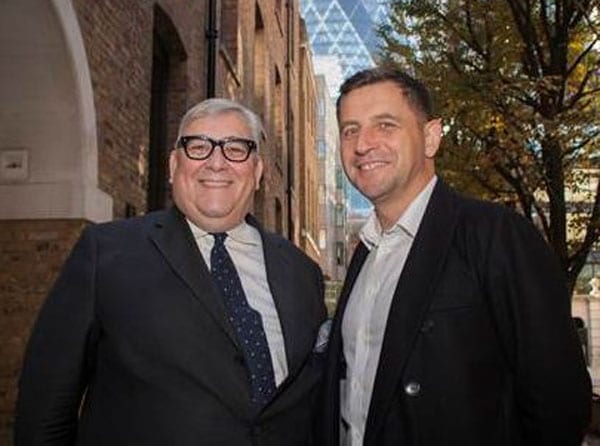
    A 20-question interview with bon viveur, chairman of L’Escargot and chief executive of Devonshire Club Brian Clivaz


    The Steeple Times shares “wit and wisdom”. What’s your guiding force?

    The Sermon on the Mount – Ask, Seek, Knock. (Matthew 7:7).


    “Don’t get even, get medieval” is, in our humble opinion, a great motto. What’s yours?

    “Rise above it”.


    Kerry Katona was considered unacceptable in 2007. Who or what is unacceptable in 2016?

    Sam Allardyce as England Manager. He’s a nice guy, but I mean, really?


    Tony Blair misses being Prime Minister. What do you miss most in your life?

    My father. He died two years ago.


    What might you swap all your wealth for?

    A verdant tropical island.


    Donald Trump was once a case of: “If you owe the bank a thousand, they close you down; but if you owe the bank a billion, you own the bank”. What’s your view on the banking crisis?

    Crisis, what crisis? The bankers seem to be doing all right to me.


    What phrase or word do you most loathe?

    “Toilet”.


    In the UK, some people consider charity to “begin at home”. What’s your view and what causes do you personally support?

    Give it all away: You can’t take it with you. I support the Royal Academy Schools, the RSPB, the RSPCA and the Terrence Higgins Trust.


    The judge in Law Abiding Citizen states: “I can pretty much do whatever I want” before being blown up whilst answering her mobile phone. What’s your view on the appropriate use of such devices?

    ‘Irritating gadgets’ are essential tools for modern life; but please keep your voice down and learn how to put it on silent.


    Brian Clivaz – What’s on your mantelpiece? A 20-question interview with bon viveur, chairman of L’Escargot and chief executive of Devonshire Club Brian Clivaz
    Brian Clivaz


    If you could fill a carriage on The Orient Express, who would be your fellow passengers?

    The French rugby team.


    If you were unfortunate enough to end up on death row, what would be your last meal and where would you eat it?

    Terrine of foie gras, lobster thermidor, roast grouse, raspberries and cream and stilton and digestives. I would eat it in my cell.


    What time is it acceptable to consume the first drink of the day?

    Bollinger at breakfast is a good mantra.


    A Negroni, a martini or a cup of tea?

    A Negroni but please don’t muck around with it and add all those mad “hone-made” vermouths and botanicals. Give me equal measures of Campari, sweet martini and Plymouth or Beefeater gin. Serve in a big glass with plenty of ice. I’m ambivalent about the orange slice.


    Whose parties do you enjoy the most and why?

    David Morgan-Hewitt’s annual birthday party in the penthouse at The Dorchester is the best as there is free flowing Krug to start and Château D’Yquem to finish.


    Who is the most positive person you know?

    Tony Buzan, the creator of “mind-mapping”, is a seriously positive person and always recharges my synapses.


    What’s your most guilty pleasure?

    Roquefort and McVities.


    If a tattoo were to sum you up, what would it be of?

    A bulldog, although I’m more of a hippo, I’d go for a bulldog as I have a lovely bitch called Doris.


    If you were a car, what marque would you be?

    A Jaguar MKII 3.4-litre with overdrive.


    Cilla Black presented Surprise, Surprise. Tell us the most surprising thing about you.

    I live in Brixton and travel around London on a Vespa.


    What’s currently sitting on your mantelpiece?

    A “waterfall” clock given to me by my late grandmother, a pair of vases and a couple of Roja Dove aoud candles.


    Brian Clivaz was born in Brighton and started his career at The Dorchester. He then worked throughout the world until launching the Home House private members’ club in 1998. Clivaz then revived and relaunched Mayfair’s Arts Club and as well as being chairman of L’Escargot in Soho has just opened a new private club in the City of London named Devonshire Club.


    Follow him on Twitter at @BrianClivaz.


    Subscribe to our free once daily email newsletter here:[wysija_form id=”2″]


  • MAYbe a SHOEin

    MAYbe a SHOEin

    Theresa May’s appointment as Prime Minister leaves a lot to be desired suggests Matthew Steeples – but we can thank God for small mercies also


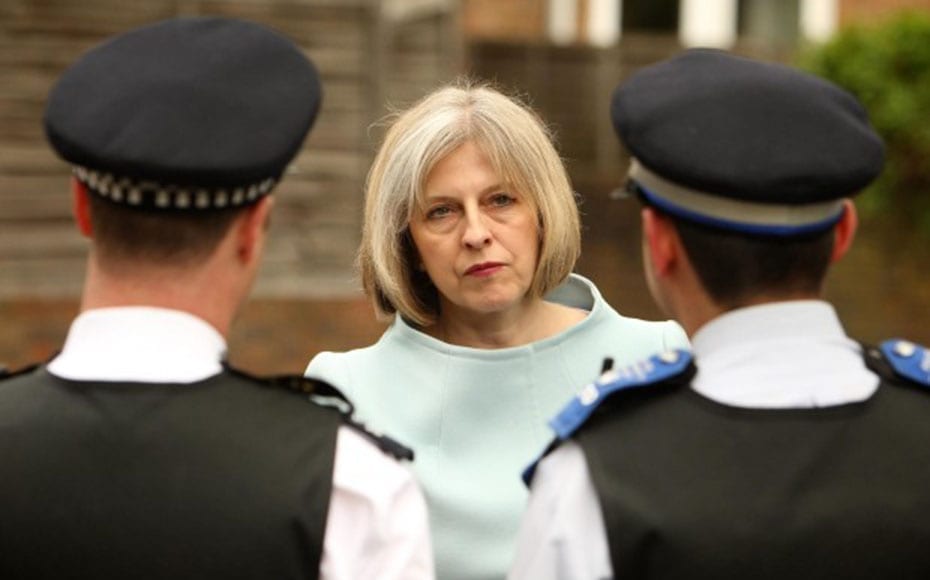
    Theresa May as Prime Minister: As much as I disliked the idea, it was never a MAYbe and was always going to be a SHOEin. Goodness knows what’s next, but with she-who-cannot-make-up-her-mind in charge, nothing will ever be predictable.


    With Angela Leadsom’s cowardice exposed – she should not, in fact, ever have stood in the first place if she knew she wasn’t good enough – the inevitable occurred and now the real loser in all of this, David Cameron, will be swiftly sent on his way. Perhaps it was all planned but most likely it was simply a farce.


    The country needs strong leadership right now and the worst Home Secretary in history and a woman who consistently has failed to deliver anything other than chaos is not, in my humble opinion, going to do that. At least, and though I very much doubt she’ll ever become PM herself, with Angela Eagle challenging Jeremy Corbyn we’ll end up with a decent opposition. Thank God for small mercies but even she couldn’t raise anyone to ask her a question at her campaign launch on Monday. The Eagle well and truly has yet to land but Darth Vader’s sister is sadly very much in control of the House. This is a sad day for democracy.


    Matthew Steeples is editor-in-chief and co-founder of The Steeple Times.


    Subscribe to our free once daily email newsletter here:[contact-form-7 id=”225″ title=”Contact form 1″]


  • Eva Lewis: What’s on your mantelpiece?

    Eva Lewis: What’s on your mantelpiece?

    A 20-question interview with actress turned beauty writer and expert Eva Lewis (more…)