As some ‘Guardian’ readers attempt to move on from marmalade, others demand the “marmalade saga” is allowed to continue on the letters pages
Readers of the Guardian have been banging on about marmalade now for months. In a most endearing series, which we’ve occasionally chronicled ourselves, they’ve discussed different types, having the time (or not) to make it and even suggested it can beat coronavirus. Longevity and marmalade attracted an especially significant amount of attention.
This week, however, the love-hate affair with marmalade came to a head. Whilst one reader, Dr Anthony Isaacs, wrote in to urge people to move on to pickles and jams, another, Claudia Campbell, demanded the matter doesn’t “come to a sticky end.”
Their respective missives follow for your amusement:
Since the marmalade saga is coming to a sticky end (Letters, 17 March), would it not be appropriate to our current tribulations for your letter writers to advise us on the challenges of pickles and jams?
Dr Anthony Isaacs
London
Oh no! Please don’t let the marmalade saga come to a sticky end. The letters page is the first thing I turn to these days in the hope of sharing the joy of marmalade with others. After Seville marmalade comes three-fruit marmalade and after that comes lemon or lime. The show must go on! (I’m not an octogenarian but my husband is 86 and he helps me cut up the rinds.)
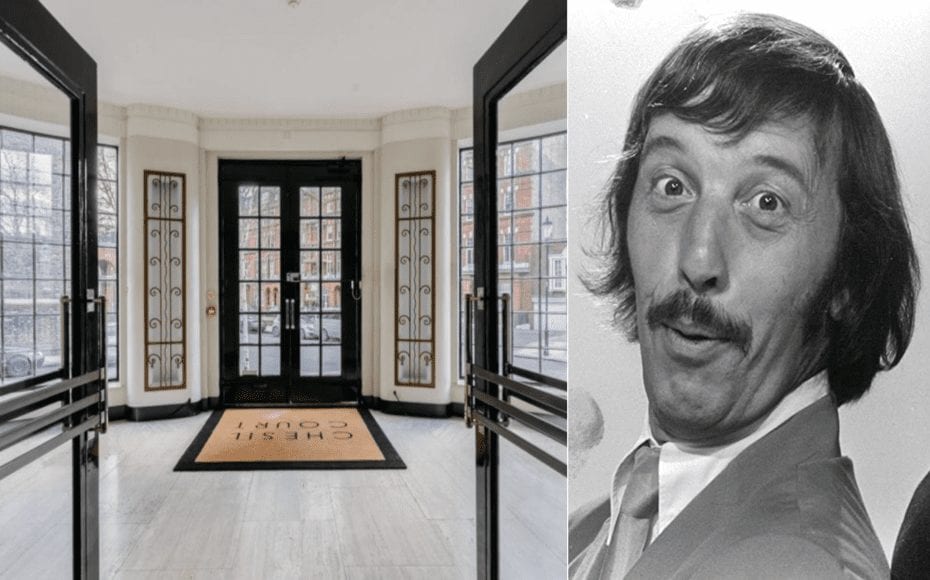
Art deco mansion block apartment in Chelsea that was once home to the “cheeky Cockney” actor Harry Fowler for sale
“Cheeky Cockney” actor Harry Fowler MBE (1926 – 2012) appeared in everything from Minder to Lawrence of Arabia. He was first discovered as “a near illiterate newspaper boy” making eight shillings a week and invited on the BBC on a radio programme about life in wartime London. He was an immediate hit and subsequently a film company executive offered this Lambeth born boy a “monumental 42 shillings a day” to play an evacuee in The Demi-Paradise – which starred Laurence Olivier and Penelope Ward.
Subsequently Fowler took on many “juvenile roles” and after serving in the RAF during the war, he appeared in films and television series including Dixon of Dock Green, Z-Cars, Jackanory, In Sickness and in Health, The Bill and Casualty and was described by Terence Pettigrew as being “as English as suet pudding.” Going further, of him, the broadcaster added: “His characters were neither honest nor irretrievably delinquent, merely wise in the ways of the streets, surviving through a combination of wit and stealth. He had a certain arrogance, but there was an appealing vulnerability, too.”
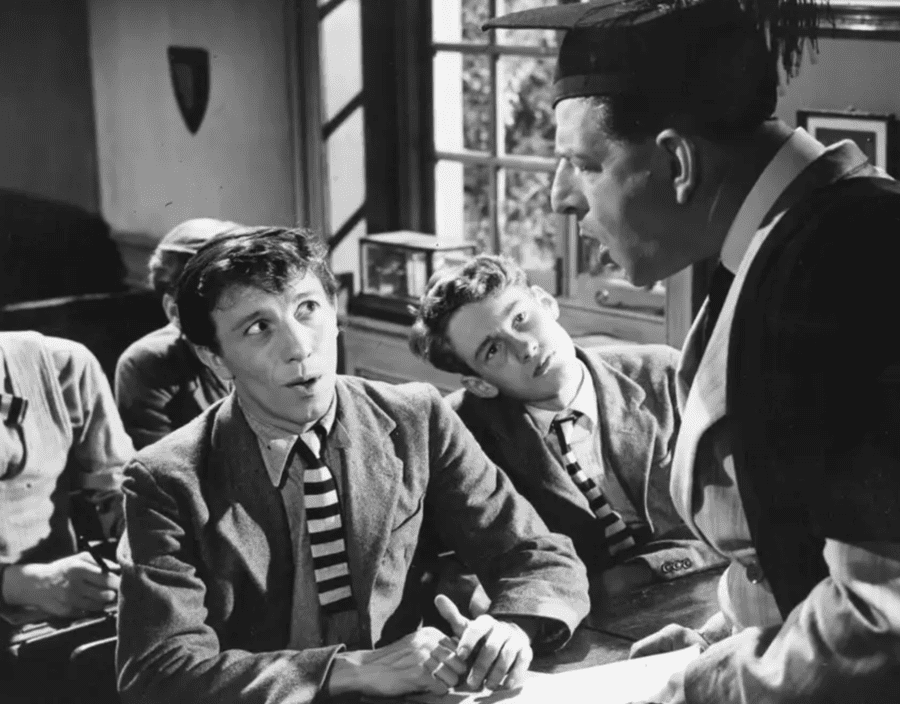
Harry Fowler as a schoolboy named Albert in John Paddy Carstairs’ British comedy film. ‘Top of the Form’ (1953).
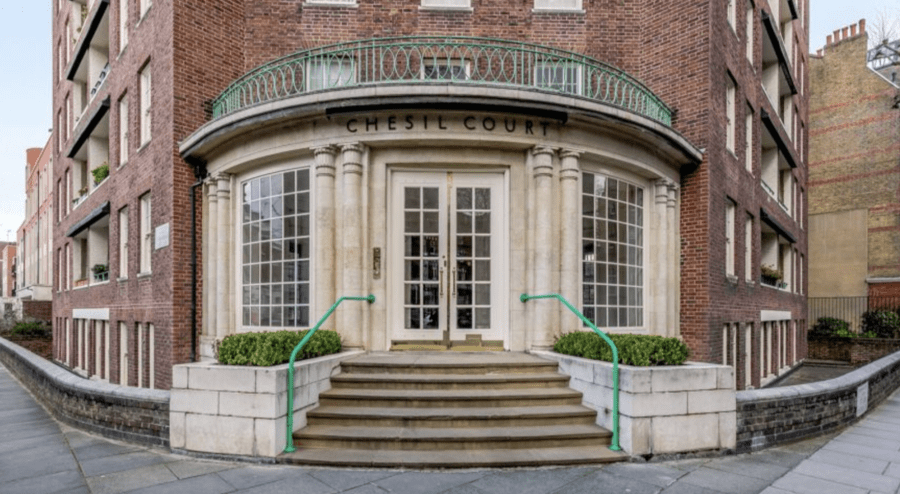
Married first to the Ealing Studios star Joan Dowling, whom tragically committed suicide in 1954 by gas poisoning, Fowler’s second wife was Catherine Palmer. The couple had no children and amongst where they lived was in a portered art deco mansion block called Chesil Court in Chelsea, London, SW3.
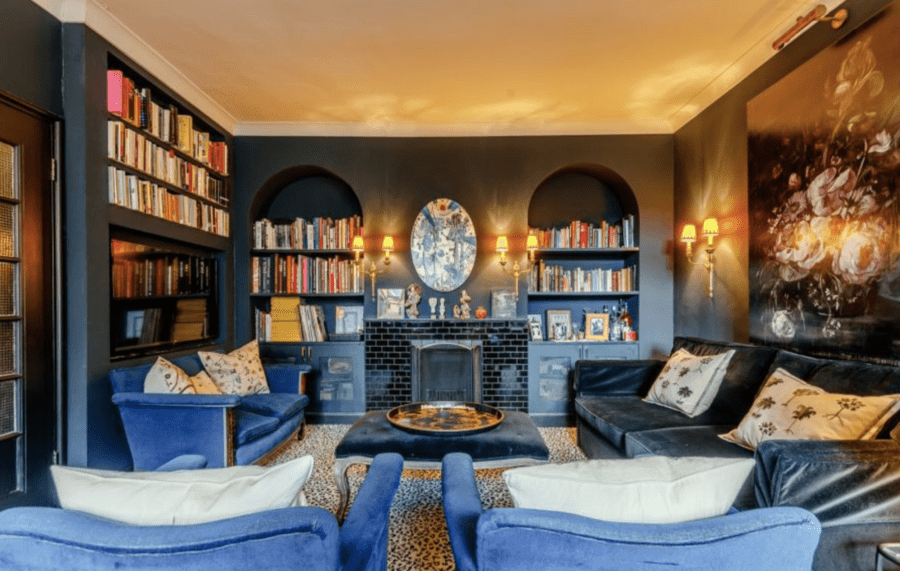
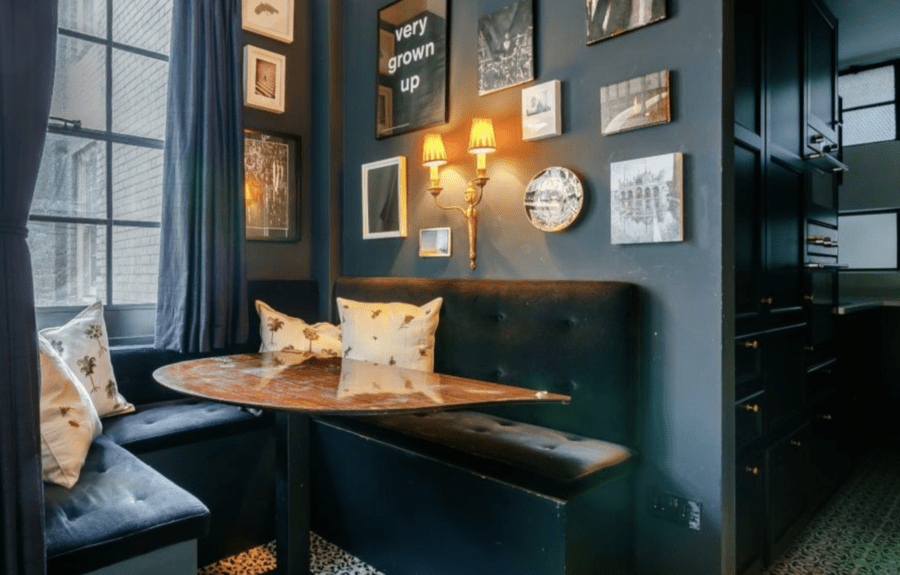
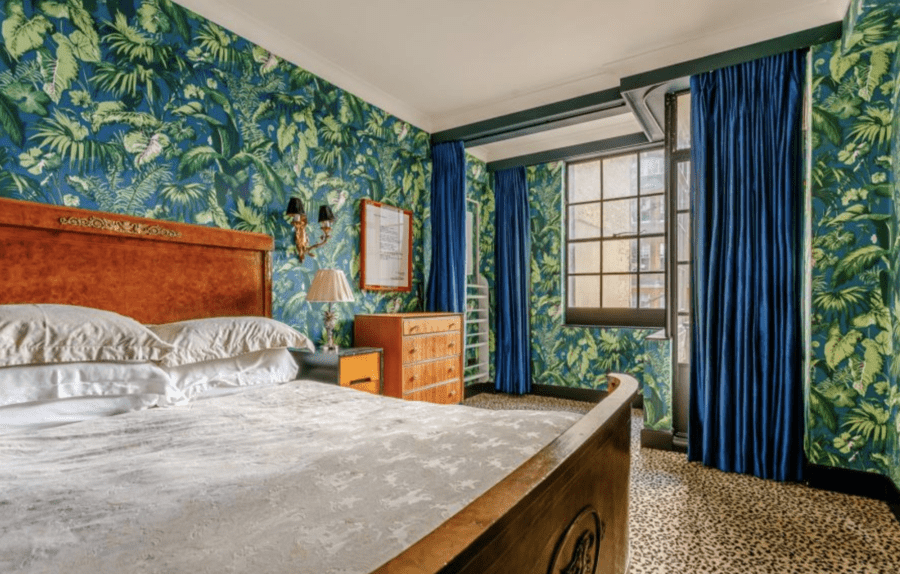
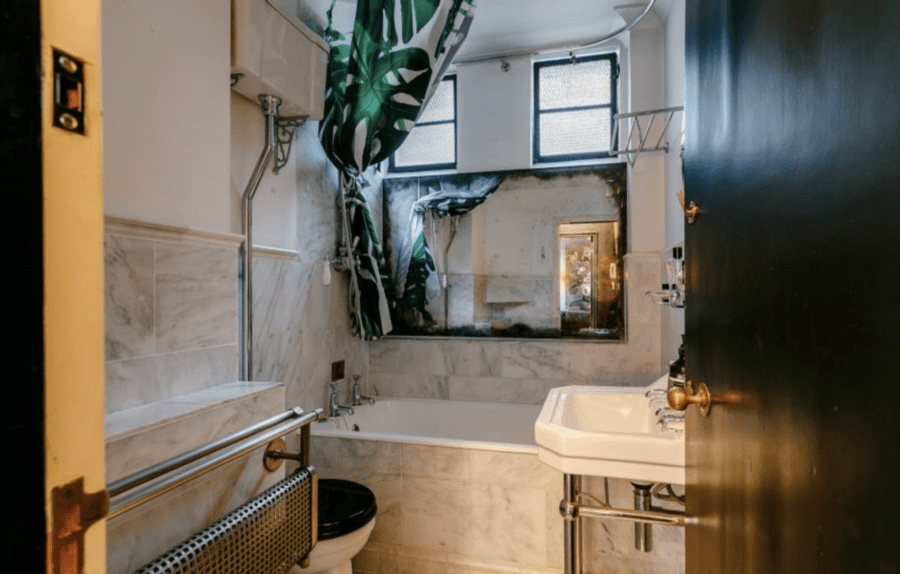
Now offered for £975,000 ($1.2 million, €1.1 million or درهم4.3 million), the one-bedroomed first floor flat in which the “everyman for every occasion” and his wife resided is appropriately decorated in authentic 1930s style. It has an original iron bath and original radiators and a Chesil Court clock even. In the bedroom, the wallpaper is a Parisienne print by Madeleine Castaing and in-keeping also are the peacock blue silk blackout curtains and silk leopard print curtains that can be found throughout, according to agents Strutt & Parker.
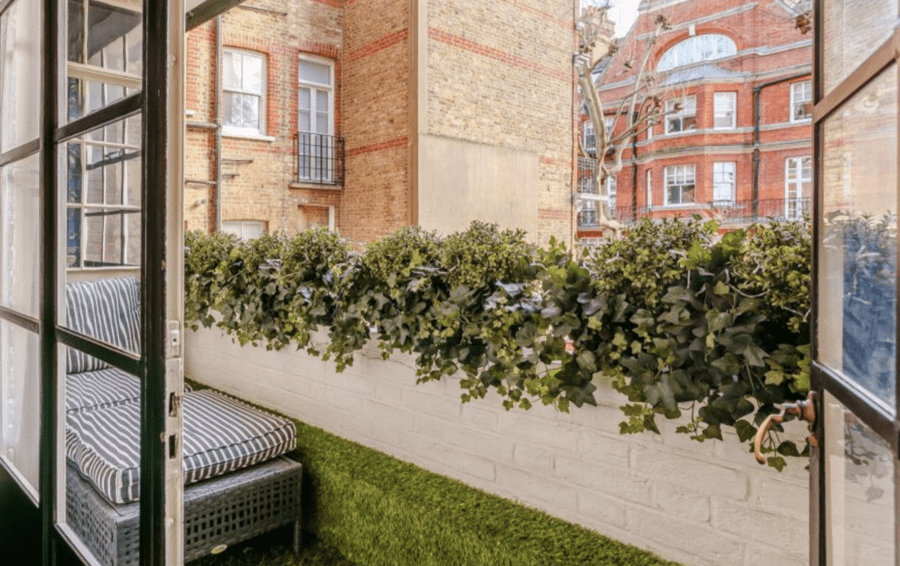
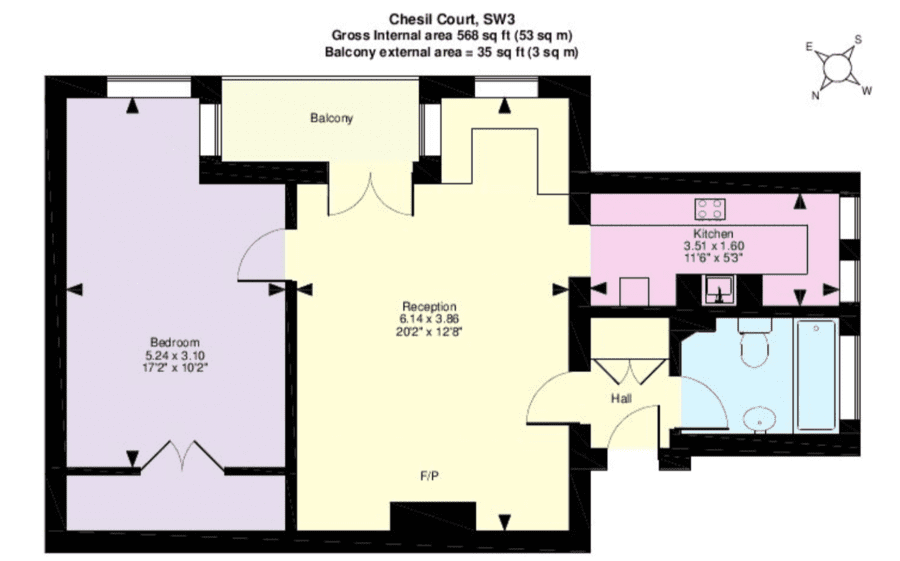
The 586 square foot apartment is small but perfectly formed and comes with a 35 square foot south facing balcony and it was no doubt there that this Labour supporter decided against a career in parliament. “I found there was little room for laughter in politics,” The Telegraph reported he concluded.
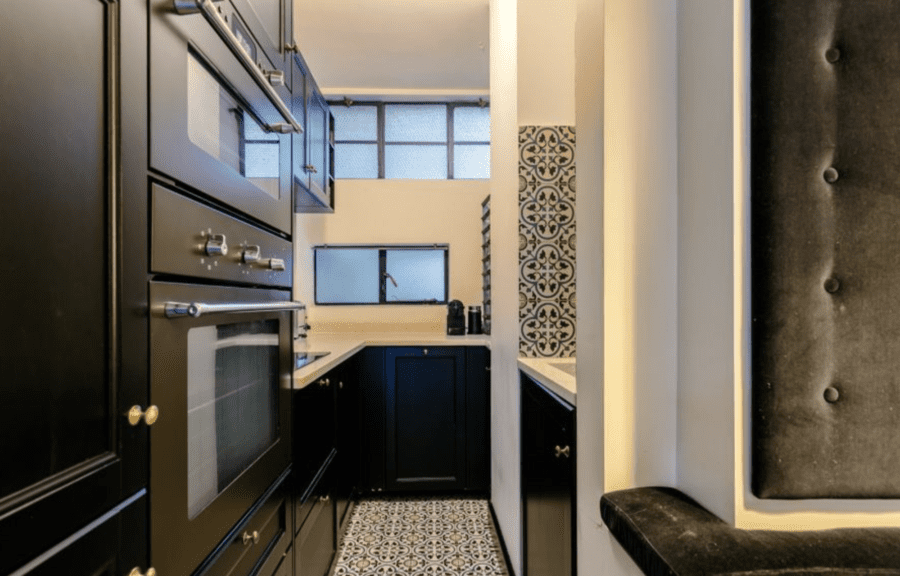
The sitting room is furnished in appropriate 1930s style.The dining area.The kitchen is small but stylish.The bedroom features rainforest patterned wallpaper.The original 1930s bathroom.The south facing balcony.The entrance to Chesil Court, Chelsea Manor Street, Chelsea, London, SW3 5QS, United Kingdom.A floor plan of the first floor apartment.
Did Sheila Caffell shoot herself once or twice or was she murdered by her bother Jeremy Bamber? New evidence is revealed
On the eve of the final episode of ITV’s White House Farm airing, fresh doubt has been raised as to whether Sheila Caffell was the victim of murder or whether she was the perpetrator of a murder-suicide.
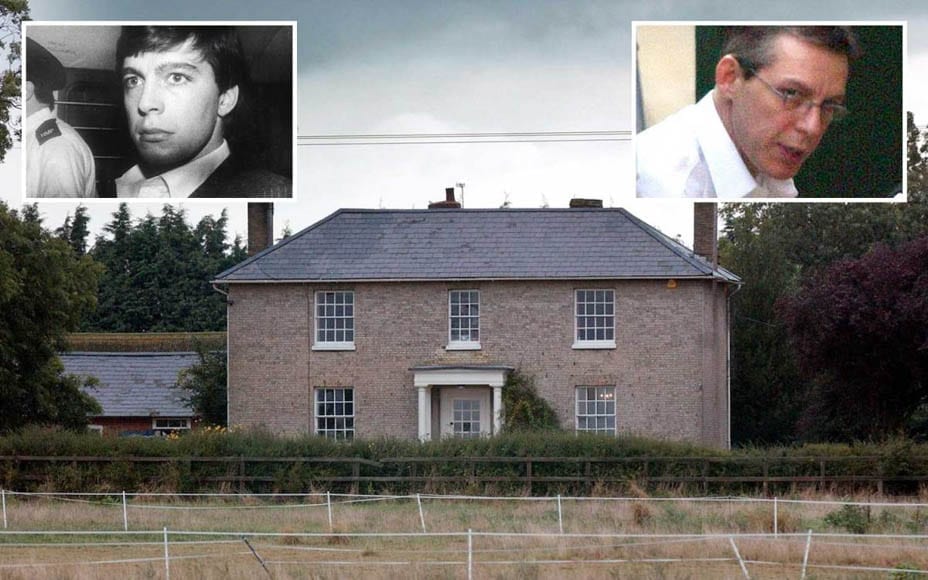
This morning, the Guardian revealed that lawyers for Jeremy Bamber – who is serving a whole life sentence for murdering his adoptive parents Nevill and June Bamber, his sister Sheila Caffell and her twin sons Daniel and Nicholas Caffell – have discovered in archives a number of statements that contradict the claim that Sheila Caffell was shot twice before police entered the crime scene at White House Farm, near Tolleshunt D’Arcy in Essex.
In summary, “the newly discovered statements show that before the Essex Police photographer began taking crime scene photographs at the scene at 10.20am on 7th August, illustrating that Caffell had sustained two gunshot wounds, five senior officers and the police surgeon had seen Caffell and suggested there was only one wound,” according to the Guardian’s Simon Hattenstone.
Speaking to the paper, Mark Newby of Quality Solicitors Jordans for Bamber – a man whom has never ceased protesting his innocence – remarked:
“The jury only heard of the two shots, which was relied upon by the crown to support their case, but this wasn’t the whole picture. It represents yet another significant aspect to this case which supports Jeremy Bamber and undermines this conviction.”
At the very least, alongside the alleged evidence relating to whether movement was sighted inside the farmhouse whilst Jeremy Bamber was outside with police, the contradictory telephone records and the contradictory evidence relating to silencers, there is indeed now a level of doubt in this case that makes it worthy of reinvestigation.
Businessman and harsher press regulation supporter Max Mosley spotted reading ‘Breaking News’ in South Kensington
On Monday, Max Mosley was spotted by an eagle eyed reader lunching at Bibendum in South Kensington.
Whilst enjoying his meal for one, Mosley – a businessman whose family is one of the main funders of the press regulator IMPRESS – was reading the fascinatingly titled Breaking News: The Remaking of Journalism and Why It Matters Now by the former editor-in-chief of The GuardianAlan Rusbridger.
This leaves us with a question: “What next for press regulation?”
Billionaire Brexiteer James Dyson (yet again) shows himself as nothing but a self-serving prick in relocating his HQ to Singapore
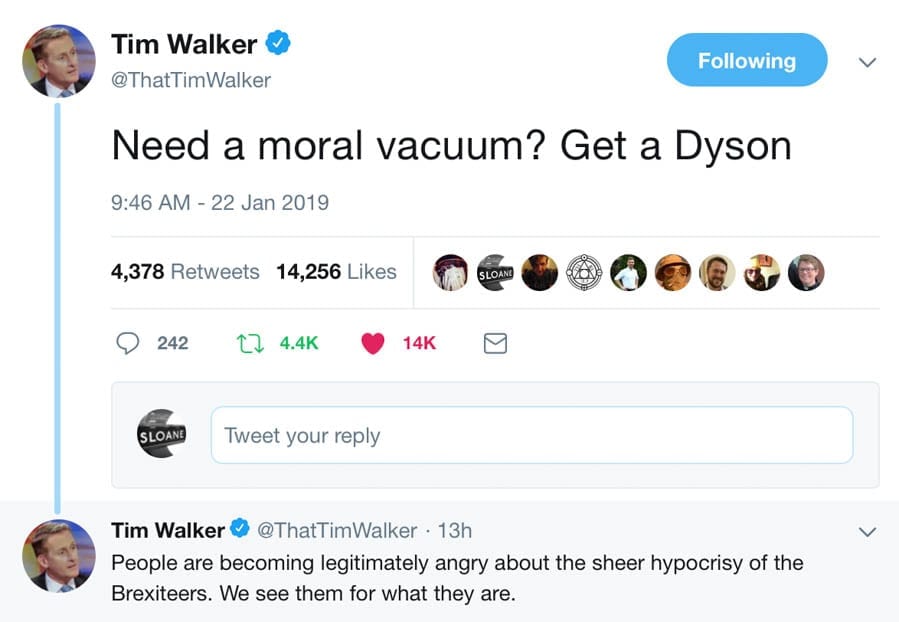
Yesterday, in the wake of the crappy hoover manufacturer Sir James Dyson announcing he’d be relocating his headquarters to Singapore, the journalist Tim Walker tweeted: “Need a moral vacuum? Get a Dyson” and followed up with: “People are becoming legitimately angry about the sheer hypocrisy of the Brexiteers. We see them for what they are.”
Journalist Tim Walker tweets about James Dyson’s “moral vacuum”
This morning, in a similar vein, a spoof news site named Evening Harold ran a story titled ‘Dyson launch moral vacuum’ in which they declared the billionaire’s products to have: “100% less integrity than rival products and comes in cordless, bagless, spineless and gutless models.”
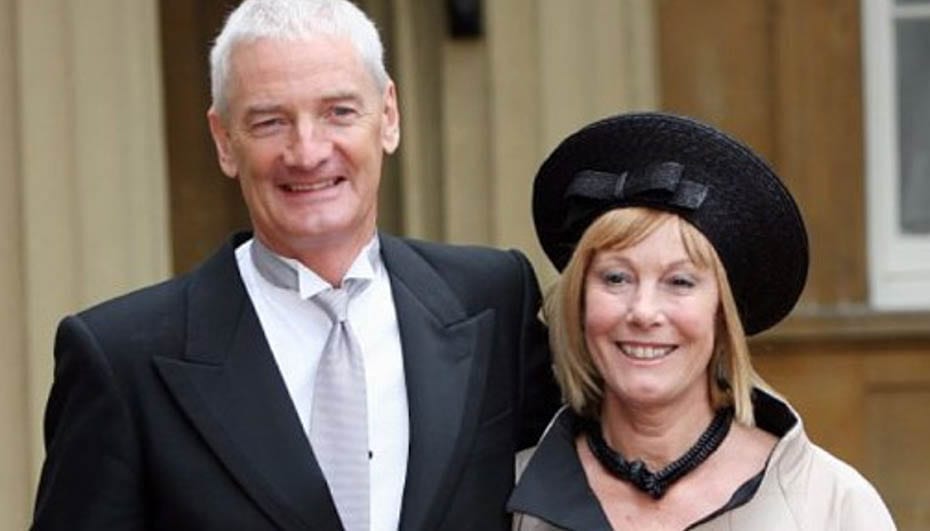
They are right: This tax avoider – whom also recently spent £57 million ($74 million) on a Manhattan penthouse – and his dreary overpriced rugmaker wife Deirdre are the finest examples of hypocrites on the planet; they pompously tell the populous what to do and do exactly the opposite. It’s time this “it’s one rule for us and another for everyone else” duo just bogged off to whatever tax haven they feel most comfortable in.
Diane Abbott proves herself to be nothing but a moaning menace (yet again)
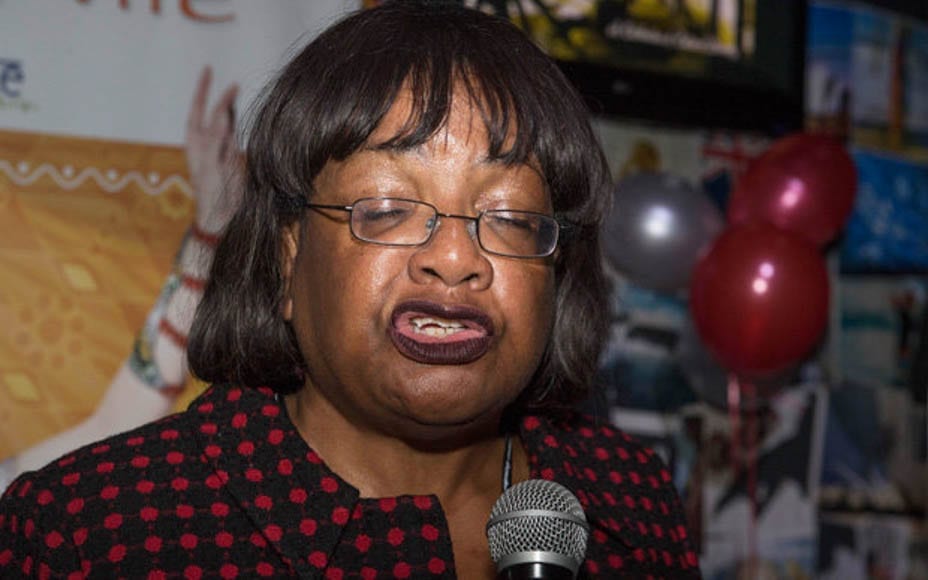
Diane Abbott just cannot help herself. This dreadful harpy of a woman – whom it must be most excruciatingly be remembered once slept with Jeremy Corbyn – appeared on the BBC’s Question Time show on Thursday and is now claiming she was “unfairly mocked” and was “singled out” by the audience.
A spokesperson for Abbott, who has been an MP since 1987 and once slipped up by saying recruiting 10,000 extra police officers would cost the equivalent of just £30 per officer, remarked:
“We are appalled by the treatment of Diane Abbot on BBC’s Question Time. It was clear that a hostile was whipped up, propped up by reports of inappropriate sexist commentary in the audience warm-up session.”
“A public broadcaster like the BBC should be expected to be a model of impartiality and equality. The BBC cannot claim anything of the sort when analysis of the programme shows that the only black woman on the panel was jeered at and interrupted more times than any other panellist, including by the chair herself.”
“The media must stop legitimising mistreatment, bias and abuse against Ms Abbott as a black woman in public life. The BBC should be ashamed that their programming is complicit in such behaviour.”
The facts of this matter are simple: If Diane Abbott doesn’t like the heat, she should never have entered the kitchen. This ridiculous woman is unfit for high office and she should just give up.
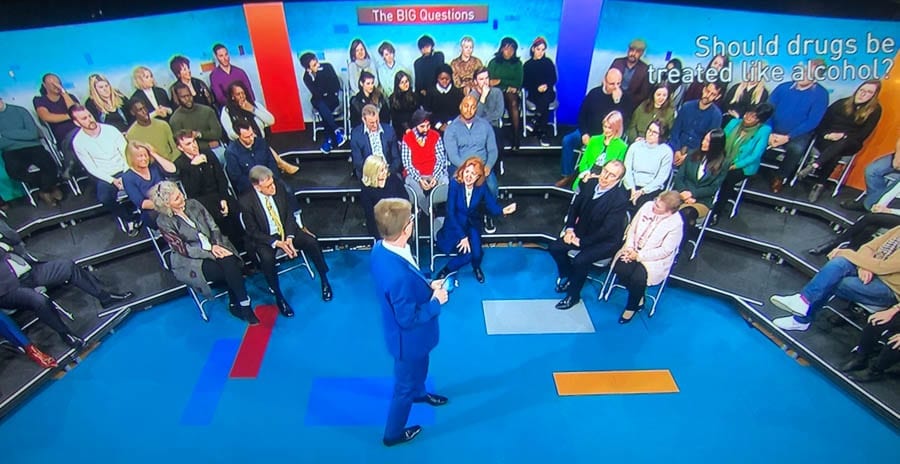
Lady ‘Call Me Victoria’ Borwick makes a fool of herself on the BBC’s ‘Big Question’ as it is revealed that the MP who managed to lose the safe seat of Kensington is ludicrously seeking a comeback
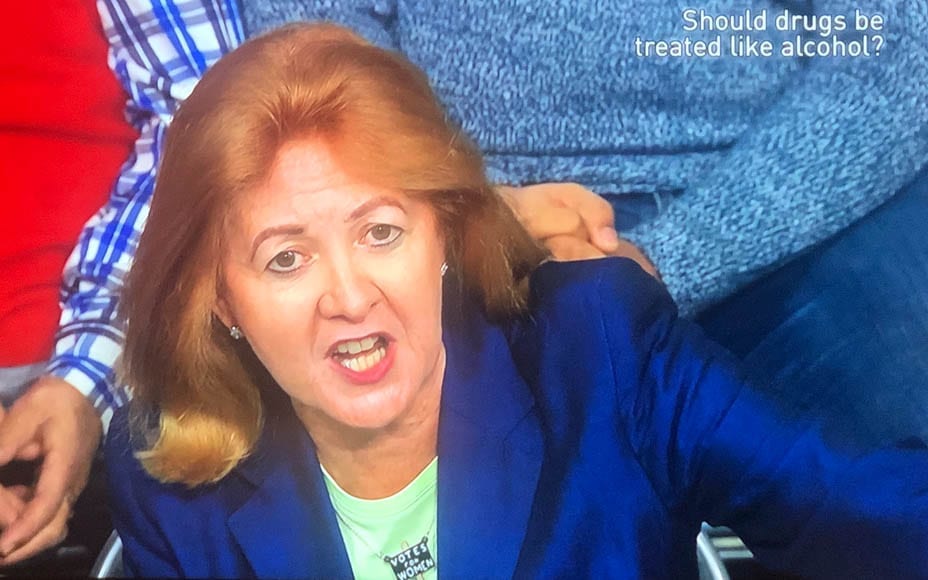
Yesterday morning, Lady ‘Call Me Victoria’ Borwick nodded her head on the BBC’s The Big Questions as another member of the audience suggested it ridiculous that a family living in a poky flat in Beckenham worth £300,000 can be paying the same in council tax as a family living in Kensington in a £25 million mansion.
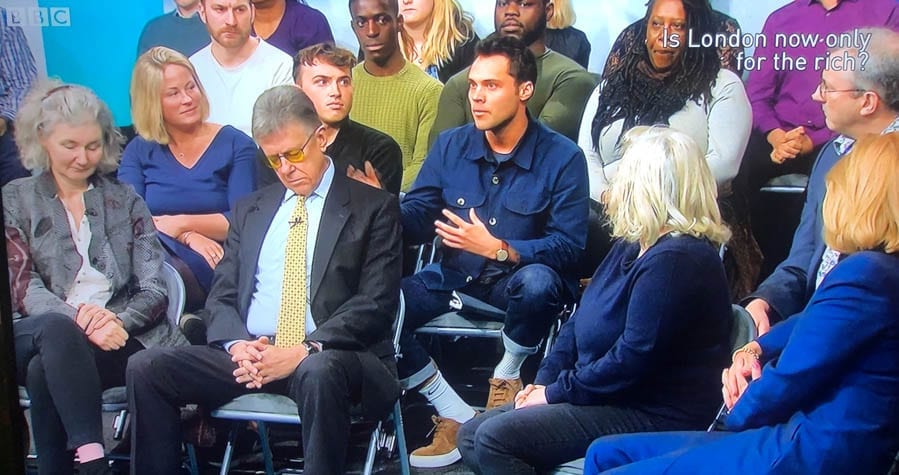
“Please Victoria, stop interrupting, come on, let’s have someone else,” responded the programme’s host Nicky Campbell as this redheaded mother of the chief technology officer for Vote Leave tried to interject. “I’m a Londoner” later shouted the former Conservative MP – whom lost a seat that anyone would agree a “pig in a blue rosette should have won” – whilst Made in Chelsea’sAndy Jordan, in a bizarre attempt to be meritocratic, added: “Made in Chelsea should be Made for Everybody. I like that.”
This delusional cocktail party loving ex-MP, it should be added, herself lives in Phillimore Gardens, W8 – one of Britain’s most expensive streets and one where houses regularly sell for upwards of £35 million – and is the very same woman who did little to nothing for the homeless whilst in office. Instead, Borwick mostly asked questions during her time at Westminster in support of the antiques trade in general and the ivory business in particular. She now wants to return.
In spite of Borwick declaring: “I’m not a politician anymore” on The Big Questions, her very own website tells a very different story. Its homepage begins with the announcement: “I have made no secret of the fact that I would like to be re-elected as your Member of Parliament for Kensington and represent my fellow residents in Parliament.” No doubt, soon, ‘Call Me Victoria’ will also be picking up the phones. God help the Conservative Party and God help Kensington.
#bbctbq #lazyborwick
Watch the programme by clicking here (time limited for 29 days).
Lady Borwick on: “Should drugs be treated like alcohol?”
Nicky Campbell: “I know you’re very against drugs, but, of course, George Osborne, David Cameron, Boris Johnson – It didn’t do them any harm did it?”
Lady Borwick: “I am sorry I cannot think of a reason why legalising drugs would be… [Interuption from an audience member] Hang on, I’m not in politics any more… The important point is legalising drugs is not going to make us as a nation healthier.”
Nicky Campbell: “Did you have a drink over Christmas?”
Lady Borwick: “Yes, but not very much.”
Nicky Campbell: “But, then, are you a hypocrite?”
Lady Borwick: “We’re just facing Dry January. We’re telling people they shouldn’t be drinking in January… Why do we want encourage people to get addicted [to drugs]? The most important point is that the drug dealers are not going to go away, they’re not going to give up and tend their own gardens I’m sorry to say. But if you legalise pushing outside our schools… They’ll find some other way of engaging in criminal activity.”
Lady Borwick on: “Is London only for the rich?” and the Grenfell Tower tragedy and gangs
Nicky Campbell: “Well Victoria, you were the MP for [Kensington] and it is a very divided city, London. Most people would agree with that.”
Lady Borwick: “Just a touch. Just a touch. I will touch on Grenfell because you’ve raised that.”
Nicky Campbell: “Can I read out one of your emails because it does concentrate minds on what the problem is.”
Lady Borwick: “I was just going to quickly say, having been to see Grenfell because while… I went to see Grenfell several times. I helped them form a residents’ association because they had some very, very valid concerns. And I of course, I passed on all those concerns to the police. This is no secret. This has been in the Guardian. This has been in the media. But the problem is this is a tragedy and today is all about: ‘Is London too expensive?’ but I think all of us in Kensington, everyone in Kensington and Chelsea, everyone in London appreciates what a tragedy this is and how…”
Nicky Campbell: “But on the subject of the two nations that we are living in in London. Those of us who do and these remarks come from an email [from Lady Borwick]. It’s very interesting because you say: ‘The local community was difficult to help in the aftermath of the disaster because rather like gangs they don’t go into another community.”
Lady Borwick: “I was explaining… I was explaining in a four page email that we need to reach out to them. You cannot expect people to come to you.”
Nicky Campbell: “Why did you say: ‘Like gangs’?”
Lady Borwick: “It’s like communities, groups. It’s just terminology, of you know, saying you’ve got to reach out to people. You’ve not got to expect in life that people are going to come to you. We shouldn’t be judging people. We should be here reaching out. And that’s why when I saw the Grenfell people, I went to see them.”
Audience member: “That’s quite a pejorative term…”
Lady Borwick: “OK, as a group, the people we had to deal with…”
Anna Minton (journalist and academic): “There was an absolute breakdown of relations with the community and local government over Grenfell.”
Lady Borwick: “I agree with that and it’s an absolute tragedy and we must make sure that, that that never, ever happens again… These people had genuine concerns and I went to see them about a whole range of things.”
Alex Proud (restaurateur and gallery owner): “The politicians weren’t interested and aren’t interested. You destroyed the city we live in.”
Lady Borwick: “I’m sorry. I am really sorry. I went and listened to various people and they had genuine, genuine concerns. They weren’t just about those things.”
Nicky Campbell: “Victoria, Victoria… Please… Moving on from Grenfell…”
Lady Borwick: “I don’t want people thinking I didn’t have genuine concerns.”
Lady Borwick on empty housing in London:
Lady Borwick (in response to an audience member saying “housing shouldn’t be about all the investment units in the golden postcodes of Knightsbridge and Kensington”): “We’ve got to have homes that people actually want to live in.”
Nicky Campbell: “Please, Victoria, come on. Let’s have someone else. We’ve got speak to someone else now.”
The studio audience on the BBC’s Big Question were hosted by Nicky Campbell and included Londoner’s pro and anti-drugs and those interested in the city’s housing crisis.
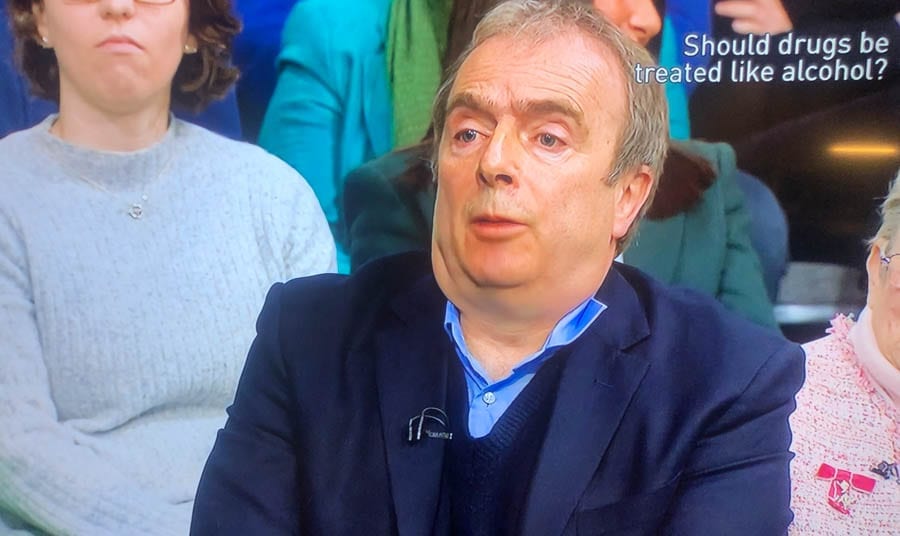
The rabid right-wing journalist Peter Hitchens was also in the studio; later on Twitter the anti-drugs campaigner lamented: “Sometimes it is useful to have had some practice in being a minority of one in a TV studio.”
‘Made in Chelsea’ ‘star’ Andy Jordan pointed out that the reality show did not portray the reality of life in one of the country’s richest boroughs; he also added: “They showed me driving round in a Ferrari. I actually own a white Transit van.”
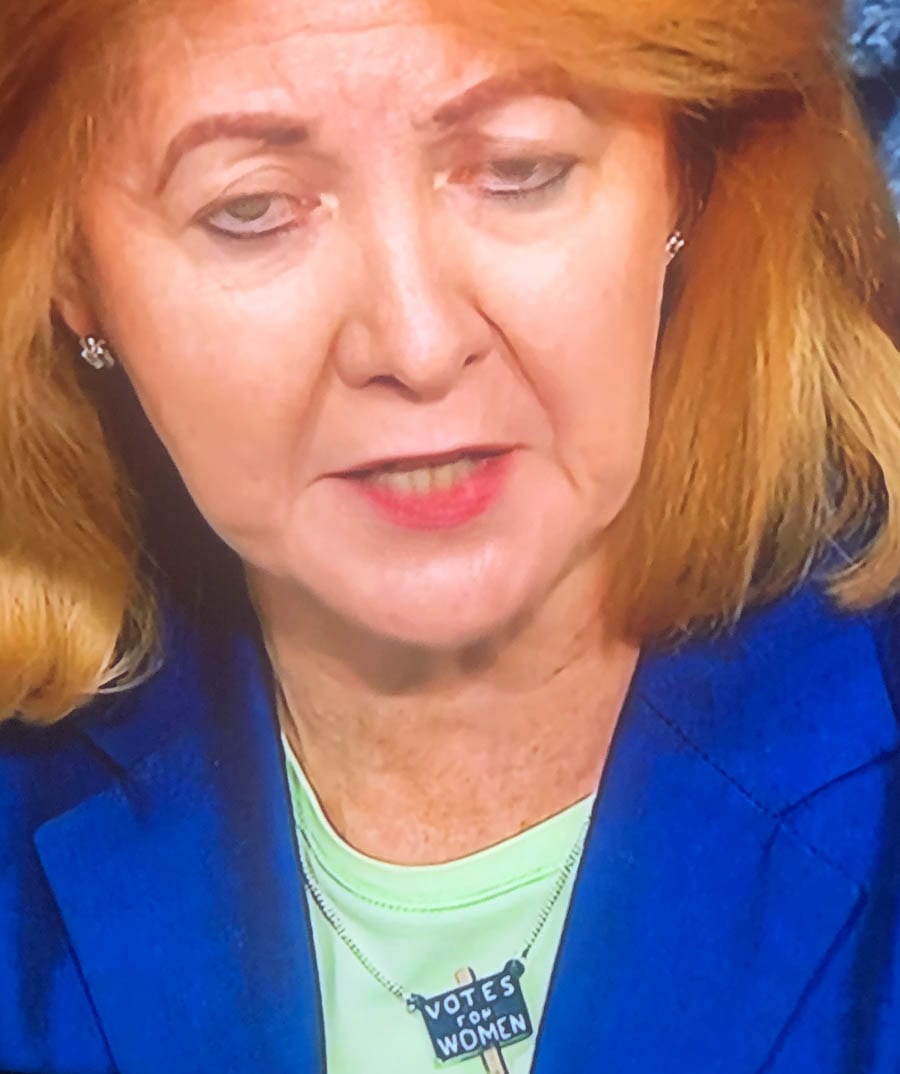
Lady Borwick plainly hasn’t caught up with the times. She wore a necklace that proclaimed: “Votes for Women” in spite of the fact that women got the vote in Britain 101 years ago in 1918.
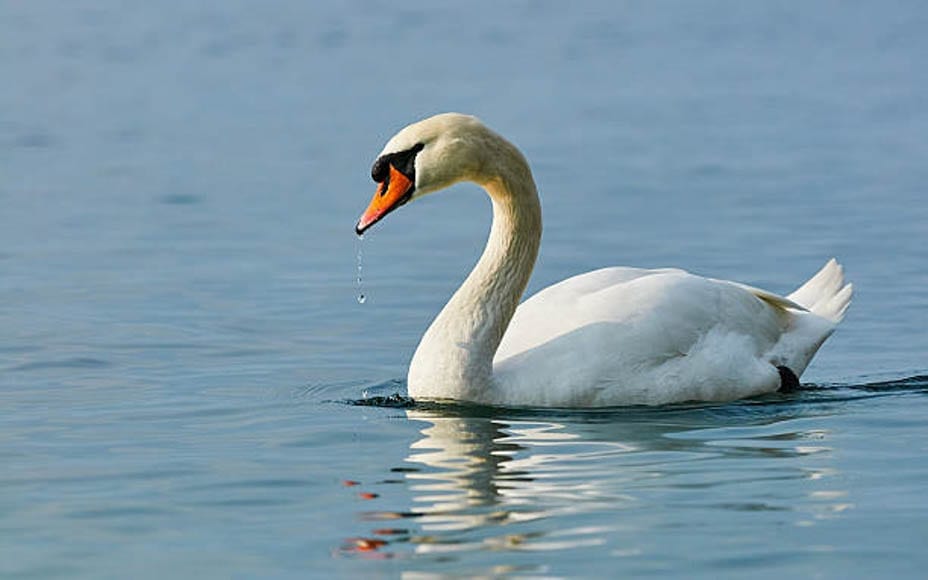
Matthew Steeples highlights that not only the appalling case of two swans and five cygnets being shot in Kent but also other problems facing these majestic birds
This summer, on The Serpentine in Hyde Park, I witnessed a Chinese tourist attempting to hug a swan. Though I told him how unacceptable this truly was, he simply shrugged his shoulders (he plainly couldn’t speak a word of English) and attempted to carry on. Though hindered by one of my arm being in a sling, in a slightly wingless fashion, I managed to pull him away and the majestic yet wrongly targeted bird waddled off into the water.
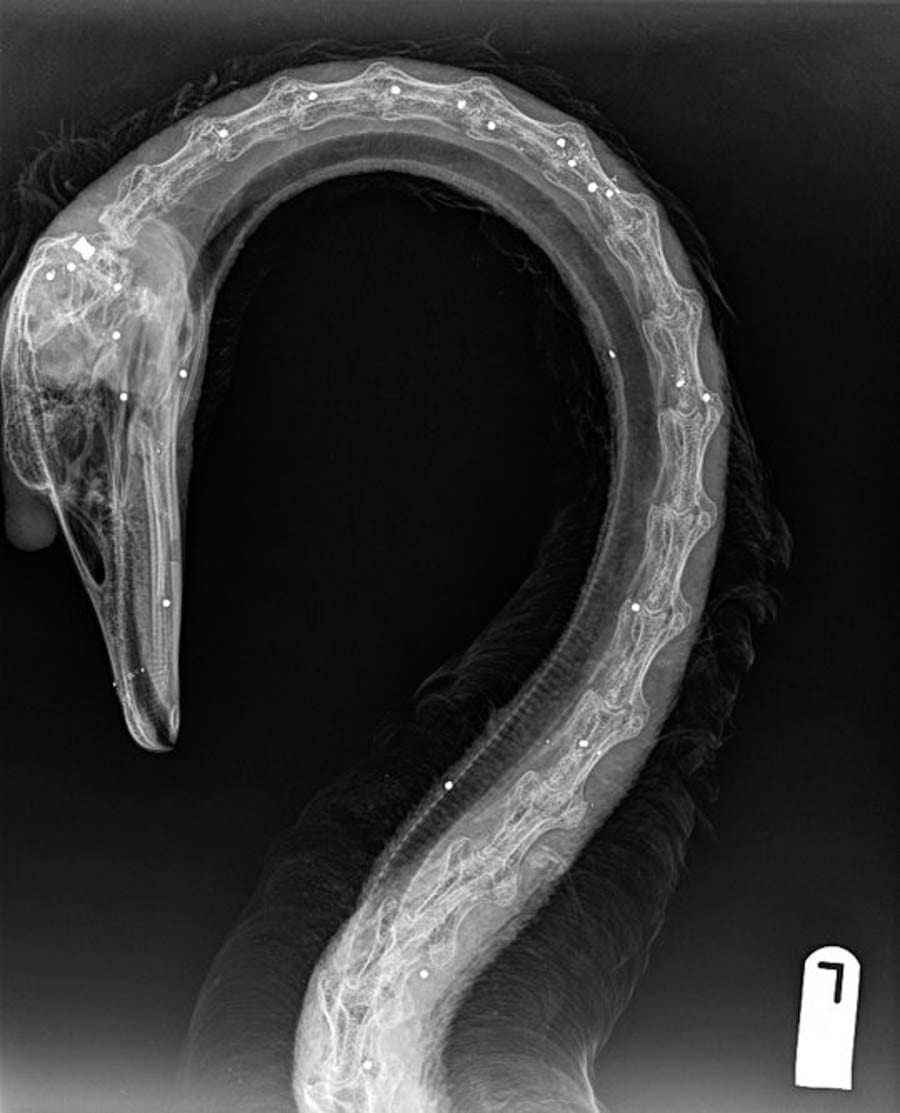
An X-ray of one of the birds that was so brutally slaughtered
Given that virtually all swans in England and Wales are owned by the Queen, it has been suggested that the birds were targeted due to their association with royalty. Stephen Knight of the Swan Sanctuary in Shepperton, Middlesex remarked:
“The reason they pick on swans is because it is widely know that they belong to the Crown, so they are a symbol of the establishment.”
“The kind of people who do this are faceless bullies that have got no moral compass. Someone once posted a gag that was titled ‘how to upset the Queen.’ It included a picture of a gun and swan, which was locked in a cage. After that we saw a little spike in shootings.”
Elsewhere, it has been revealed that the “Bin the Bread” campaign to stop people feeding swans bread has resulted in many of the birds now being underweight. In comments to The Telegraph, the Queen’s Swan Marker, David Barber, Member of the Royal Victorian Order, remarked stated “there is no good reason” not to feeds swans bread. He remarked that many now wander the roads and put themselves in further danger whilst looking for food and added:
“Supporters of the campaign claim that bread should not be fed to swans on the grounds that it is bad for them. This is not correct. Swans have been fed bread for many hundreds of years without causing any ill effects.”
“While bread may not be the best dietary option for swans compared to their natural food such as river weed, it has become a very important source of energy for them, supplementing their natural diet and helping them to survive the cold winter months when vegetation is very scarce.”
“There is no good reason not to feed bread to swans, provided it is not mouldy.”
“Most households have surplus bread and children have always enjoyed feeding swans with their parents.”
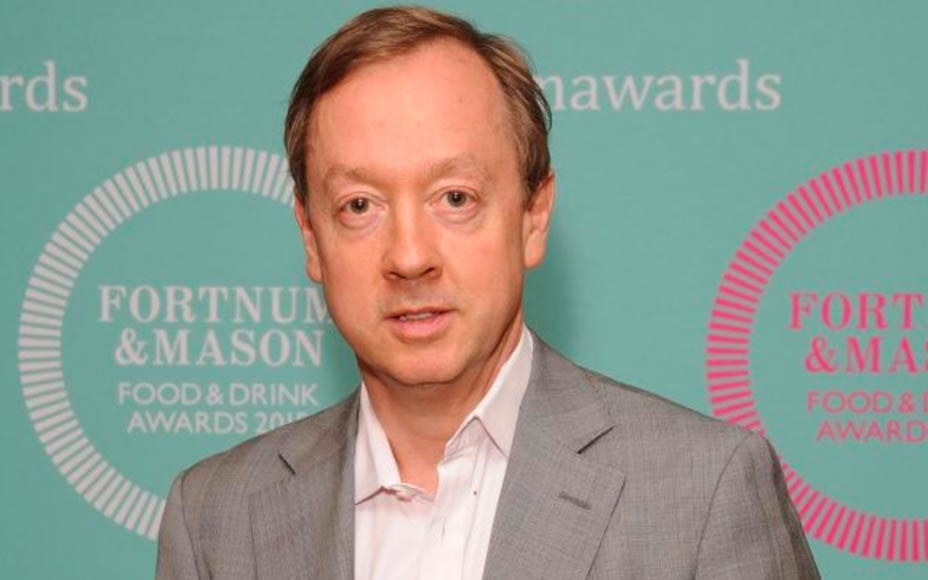
Will ‘more toff than tough’ Geordie Greig take the ‘Daily Mail’ into the realm of rational? Matthew Steeples suggests that’s as likely as Jacob Rees-Mogg donning a Kappa tracksuit and dancing a jig with Diane Abbott
Yesterday, in an opinion piece for The Guardian, Jane Martinson claimed new editor of the Daily MailGeordie Greig “finds himself walking on a tightrope” as he juggles keeping Brexiteers, remainers, anti-immigrant readers and his pugnacious proprietor happy.
In her overall observation, Martinson is entirely right. Greig’s arrival marks a major change at the paper in that he comes not from the world of political journalism of his “poisoner in chief” predecessor Paul Dacre, but instead is an Old Etonian who has edited “aristocrat’s favourite” Tatler magazine and written about the life of the louche father of fourteen and “unapologetically self-absorbed” portrait painter Lucian Freud.
Described by The Observer in 2005 as “Britain’s most connected man” and married to a Texan, Greig, in many ways, harks back to the era of David Cameron and George Osborne’s politics. He, like them, lives in Notting Hill, is a “friend” of the “socialite” Oxford-LSE graduate wife of (the Mail’s owner) Viscount Rothermere, Claudia Clemence, and is even credited with persuading the former chancellor’s new boss, Evgeny Lebedev, to buy the Evening Standard in 2009. In this regard, I’d argue, this 57 year old is very much a key component of the establishment elite that is what I like to mockingly term: ‘The Club.’
Greig comes from what can limply be termed “a nicer school of journalism” and despite his grandfather having briefly flirted with the far right when he joined the January Club, “an establishment ginger group for the British Union of Fascists,” he is himself seen to be cultural and no enemy of the postmodern era. This former fashion writer collects works by the pro-Margaret Thatcher, pro-Prince Charles collaborative artists Gilbert & George and supposedly has already “[ripped] out Dacre’s [old fashioned] panelling and chintz office and [brought] in his own [‘Notting Hill Set’ style] soft furnishings.” No doubt, the chattering classes will titter and suggest they come from OKA – the furniture emporium founded by Viscountess Astor (the mother of Samantha Cameron) that was sold to Investindustrial, the owners of Aston Martin, in January this year – but in doing so they have a point: Greig is most definitely more toff than tough.
Whether “mild-mannered… by nature liberal, fiscally conservative” Greig will be able to replace Paul Dacre’s “I give my readers a daily hate” racist, homophobic, philistine, “enemies of the people” agenda at the Mail with something more liberal and tolerant remains to be seen. It does, however, seem as likely as Jacob Rees-Mogg donning a Kappa tracksuit and dancing a jig with Diane Abbott.
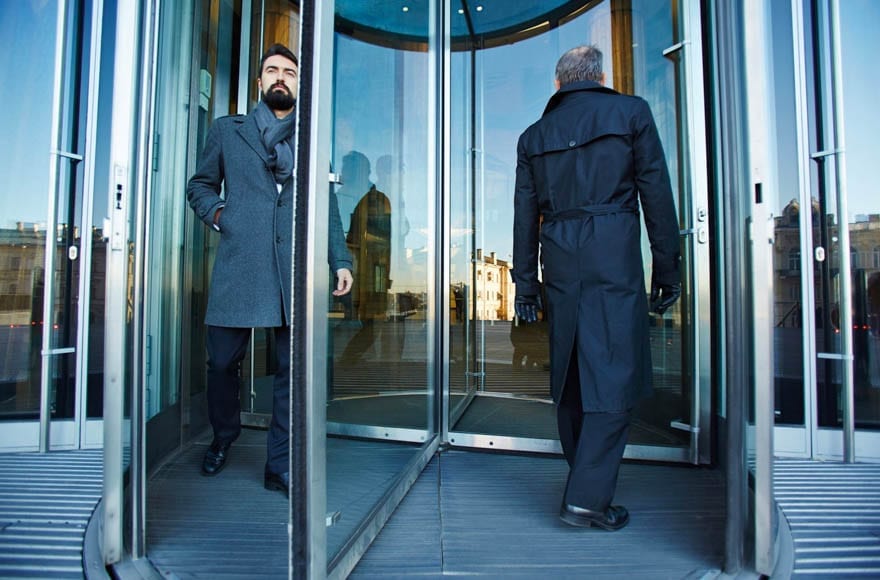
Friendship is a ‘revolving door’ suggests Matthew Steeples; embrace the unknown
One’s life, in terms of those we become acquainted with, is much like a revolving door. It is a door that operates at varying speeds dependent on some coming and staying and others coming and going more quickly than others. Sometimes, even, this door is known to repeat itself and welcome back old timers and sometimes it rightly bangs shut in such people’s very faces.
Friends, alas, are often transient in how long they remain with you and last week, after reading an insightful article by Rhik Samadder of the Guardian, I got thinking about some of the most recent ‘revolvers’ to have passed through the doors of my life. Pertinently, Samadder remarked:
“Seasons change, friendships fade, people die. But there are new relationships, jobs, houses, waiting to rise under the ground of your loss. Extraordinary things you know nothing about yet. That is why it’s good to make friends with the unknown.”
He is entirely right and in this age where the majority have become totally absorbed by social media we must embrace just such.