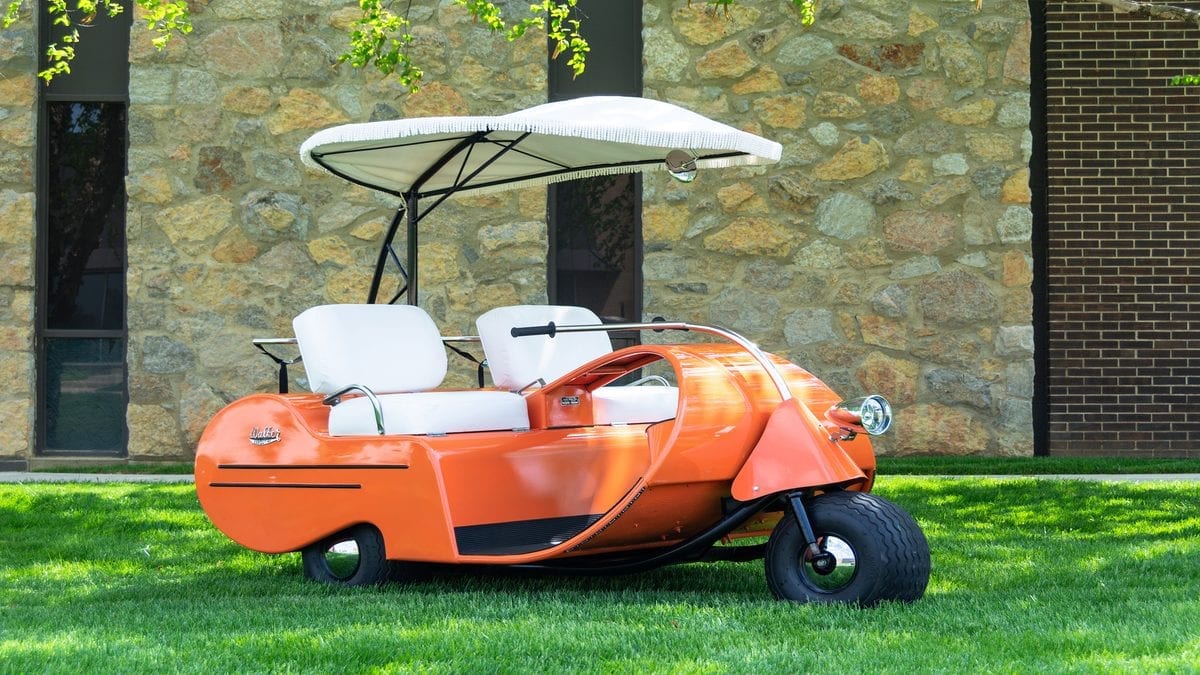
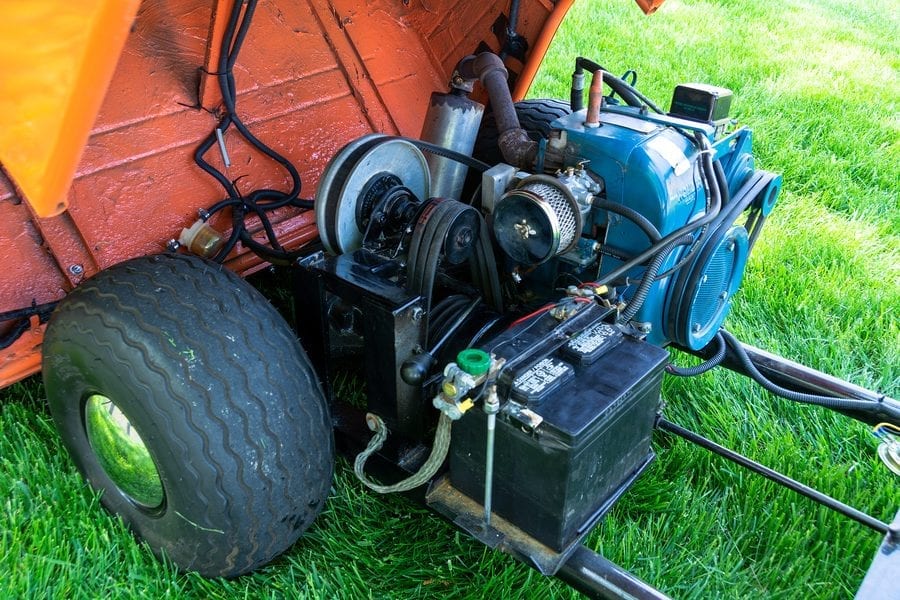
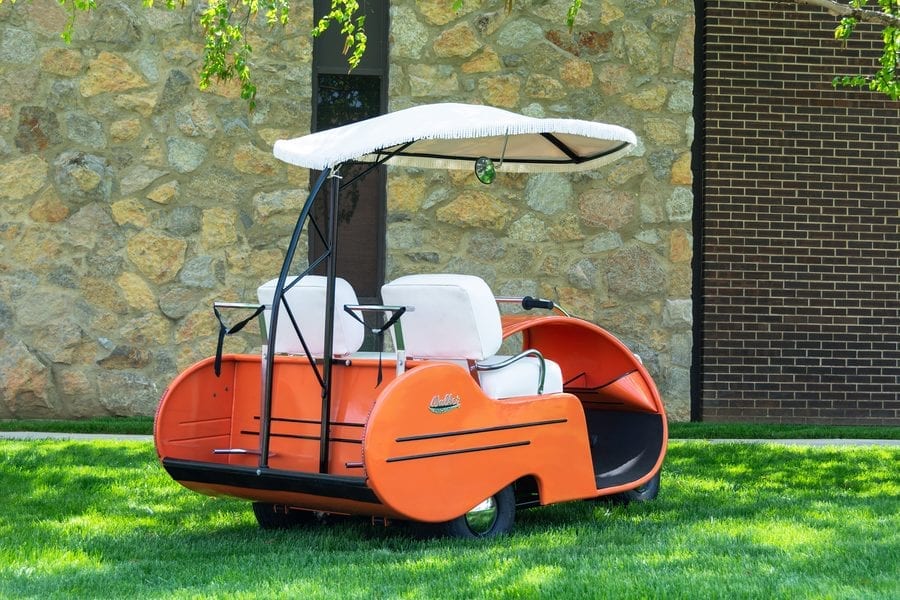
Rare example of first ever production petrol powered golf cart to be auctioned; the 1957 Jato Walker Executive, however, does not come cheap
Whilst British golfers will be celebrating that they have been allowed to get back to the game that someone (but not Mark Twain) once said is “a good walk spoiled” by the government this week, their American cousins more likely will be found touring their courses on electric golf carts when they are again allowed out.
The three-wheeled vehicle was designed by a Kansas farmer and inventor named Max Walker after he became frustrated by the fact that electric carts with batteries often failed to last an entire round of play. His project, however, was short-lived as with improvements to battery technology, electric alternatives took hold and he sold the rights to Jato Manufacturing.
Of it, RM Sotheby’s remark: “The Jato Walker Executive is a charming bit of mid-century modern design… It runs well and is a delight to drive, motoring along with ease from either seat.”
The auctioneers have set an estimate of £8,200 to £12,300 ($10,000 to $15,000, €9,300 to €13,900 or درهم37,000 to درهم55,000) for this “finely restored example” and will sell it as part of their 21st to 29th May 2020 ‘Driving Into Summer’ sale.
‘Randy Andy’s’ ex-wife Sarah Ferguson excels (again) in sharing videos of coronavirus bailout money grabber Sir Richard Branson’s son on her not so popular YouTube channel
You’d have thought Sarah Ferguson – ex-wife and live-in comedy sidekick of he who doesn’t sweat (unless he’s in the Woking branch of Pizza Express or allegedly grubbing around doing a bit of groping in the mansion of a now dead paedophile) Prince Andrew – would have kept her gob shut for once, but no, as ever, this weird whackjob just could not help herself.
Sarah Ferguson seems to think reading stories to children on YouTube will help redeem her reputation; the investors and creditors owed millions quite rightly think otherwise.
As part of her crassly titled “Fergie & Friends” (does she actually have any left?) stories series, Sam Branson read from a book titled: I Am Human: A Book of Empathy. Somewhat laughably, the tale about “finding my way and choosing my path” (something Fergie most definitely isn’t terribly good at) had only received 12 likes on YouTube by Monday morning and given any chance of forgiveness for the ‘Duchess of Dork’ – whom also is facing legal actions from Chinese investors whom she took over £500,000 from – is all but over, she’d perhaps have done better to have parked this particular episode.
Also last week, self-declared “spokesperson, best-selling children’s author, businesswoman, wellness advocate, producer and global humanitarian” (is there anything she can’t turn her money snatching hands to?) Ferguson joined LinkedIn. God only knows why she took such a course of action as frankly no one in their right mind would employ this train wreck. Frankly, instead, the well-known toe sucking wastrel would have done better to have simply done something else: She should have given up on the idea of ‘work’ (not that she knows what such even is) and taken ‘Randy Andy’ and retired together Sotogrande. If she did that, perhaps poor old ‘Brenda’ might get out of supposedly once again having to pay off yet more of the on-off couple’s bills and the non-sweater could save a dime and enjoy yet another freebie on the golf course.
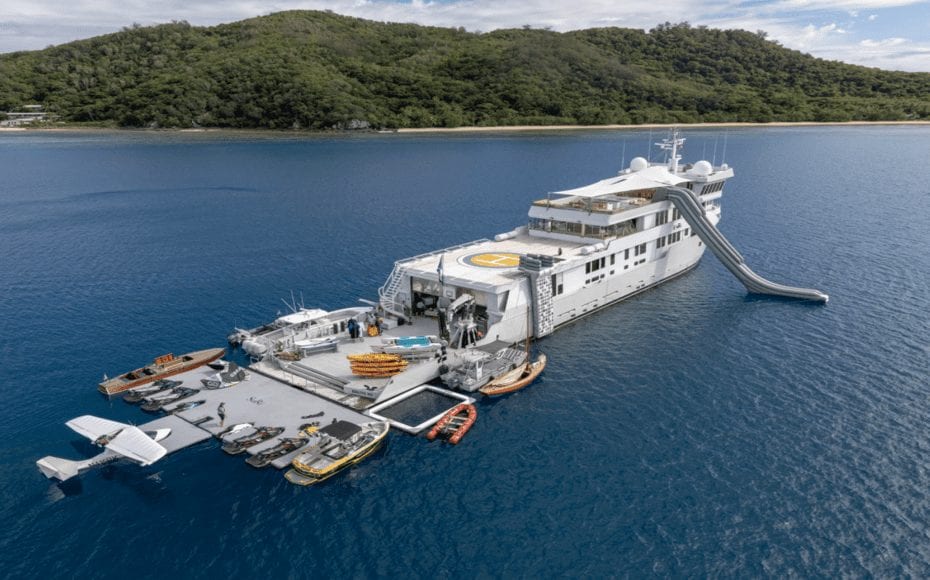
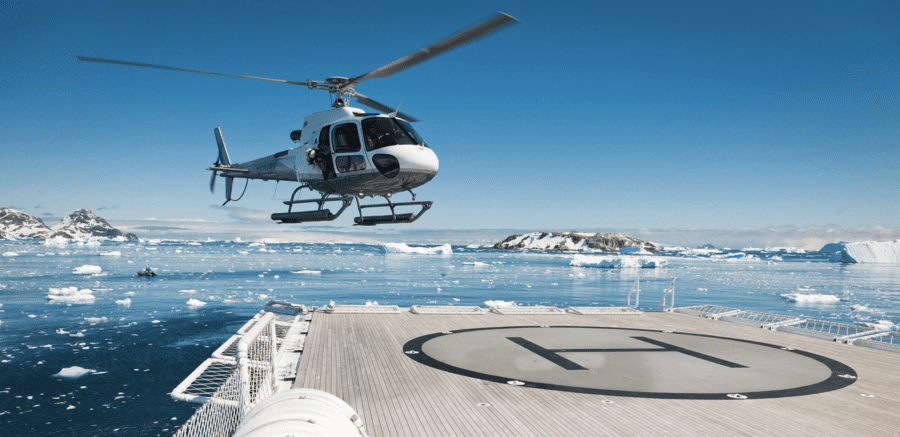
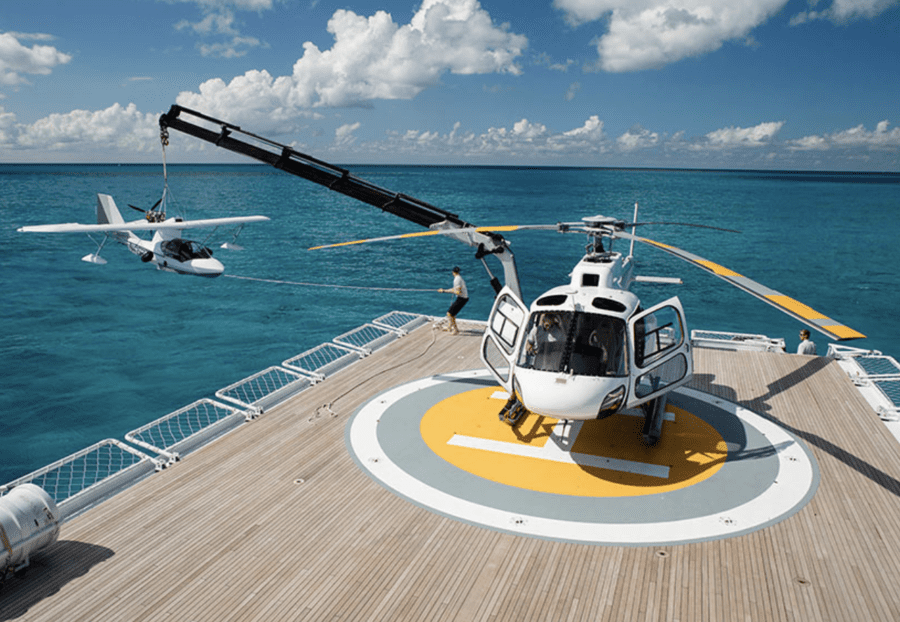
“Ugly duckling” ex-crab boat converted into “ultimate fun factory” by billionaire equity investor for sale for 47% less than in 2017; it comes with gadgets galore amongst them a two-seat amphibious flying boat
Stanford educated private equity investor Richard Kayne manages over £25.3 billion ($31 billion, €28.7 billion or درهم113.8 billion) through his firm Kayne Anderson Capital Advisers. He also “doesn’t like to sit still,” has over 300 employees and is not only pretty “alternative” in the way he invests; he’s also pretty unusual in the style of yacht he favours.
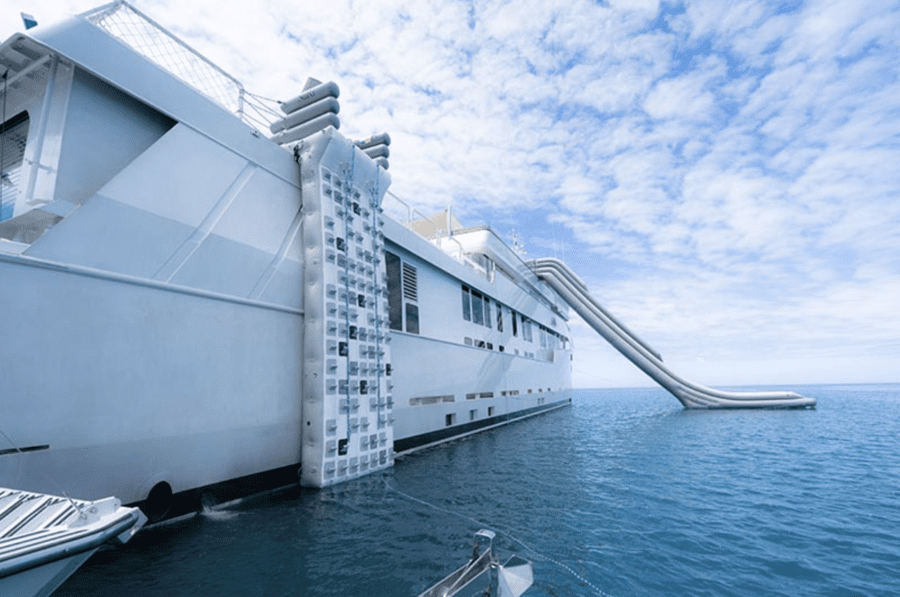
Father of three Kayne took up sailing in order to “get [his] daughters involved in a family experience” around 2002 and then commissioned a 164-foot yacht named JeMaSa – a merger of the names of Jenni, Maggie and Saree, his aforementioned children. His love of “toys” – such as Eurocopter helicopters, sea planes, submarines, tenders, flyboards, jet-skis and inflatable water slides – subsequently resulted in a further purchase, a 170-foot steel hulled crab fishing boat that he intended simply to use as a “supply boat” to house his ever-growing collection of “kit.”
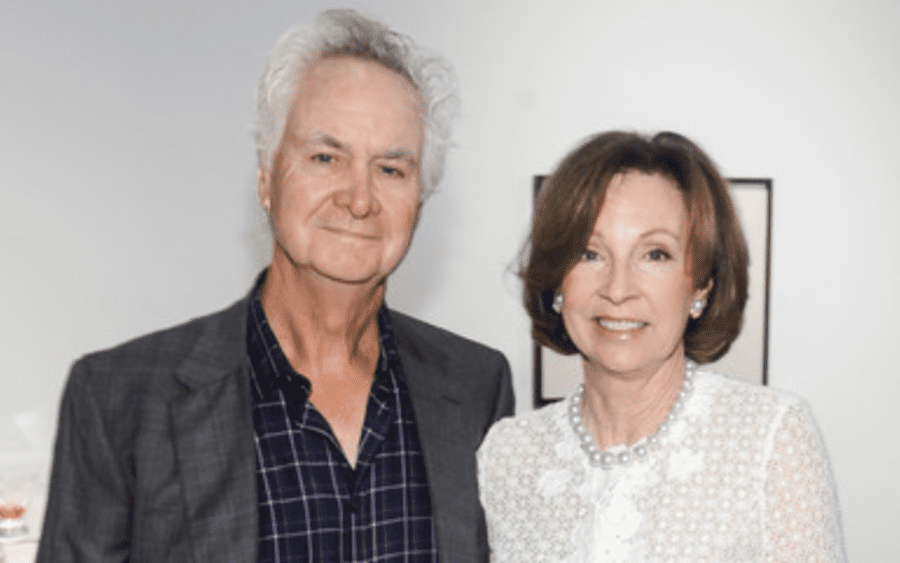
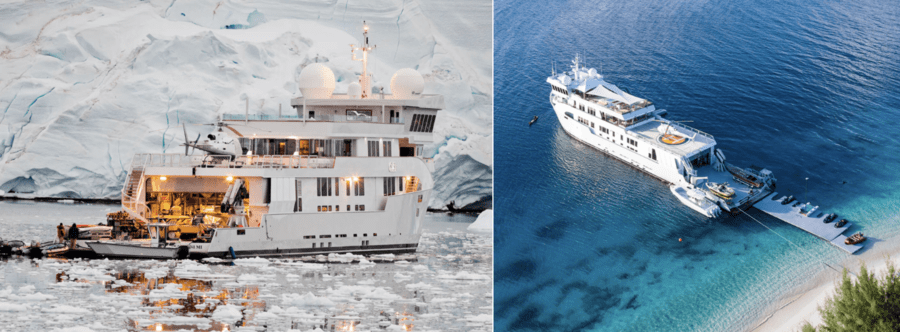
Richard Kayne and his wife Suzanne.Prior to becoming ‘SuRi,’ the yacht was a crab fishing vessel named ‘Fierce Contender.’Nowadays, the boat is more likely to be found taking wealthy individuals to off-the-beaten track locations.
Previously known as Fierce Contender (built in Lockport, Louisiana in 1978) and used in the Discovery Channel television series Deadliest Catch, the boat was converted into a “shadow yacht” in Seattle over the winter of 2007. Of the work, in November 2019, Kayne told Boat International:
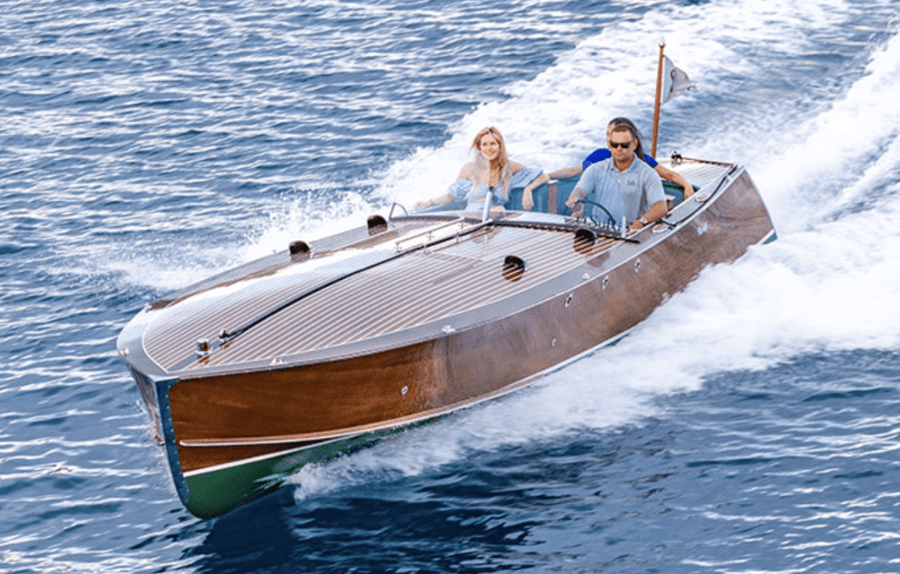
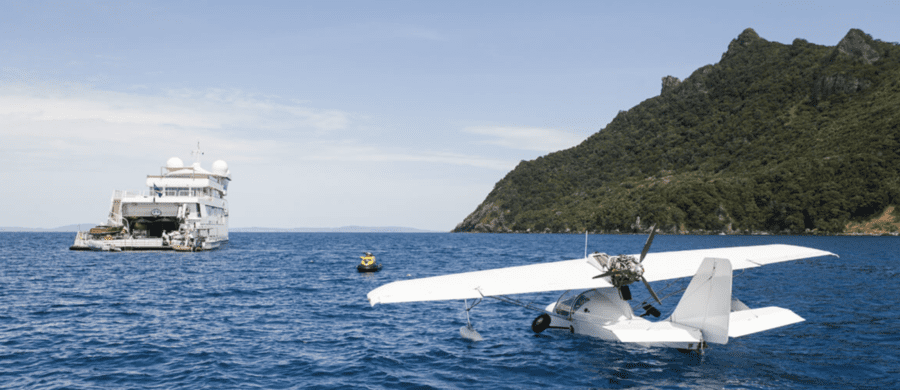
“Designing the garage was a challenge. In addition to the helicopter we had a hovercraft, one of the world’s noisiest boats, a hand-built mahogany speedboat, a work boat, WaveRunners, Sea-Doos, sailboats, ski and wakesurfing boats and, eventually, an amphibious airplane.”
Renamed SuRi – a combination of his name and that of his wife, Suzanne – the Kayne family then took their fleet to Denarau, Fiji and though together the financier termed them his “hundred-metre articulated yacht,” he later came to realise that “neither yacht was adequate for all the people and all the toys.”
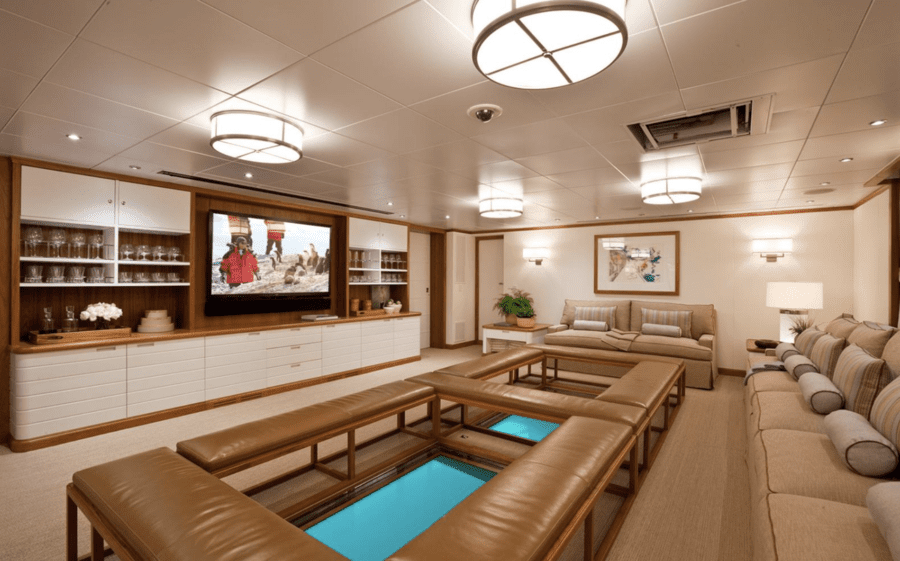
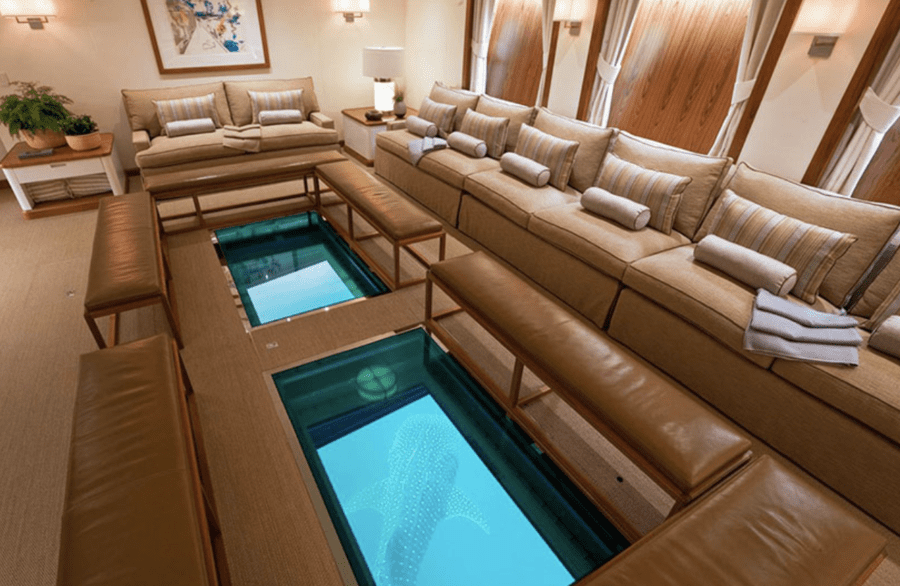
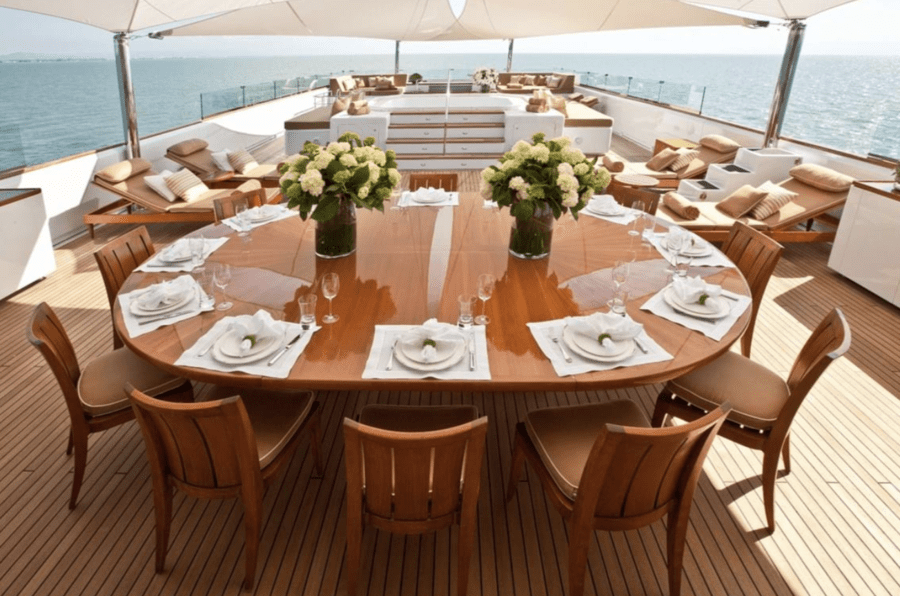
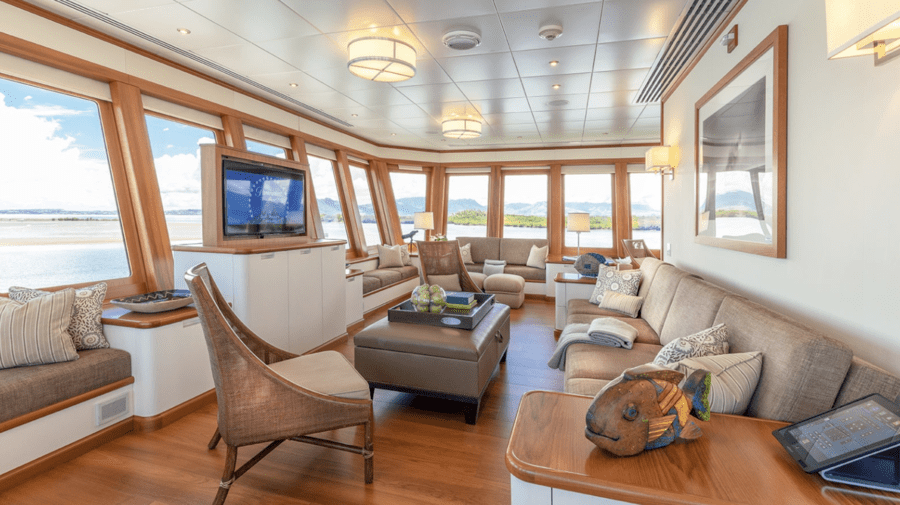
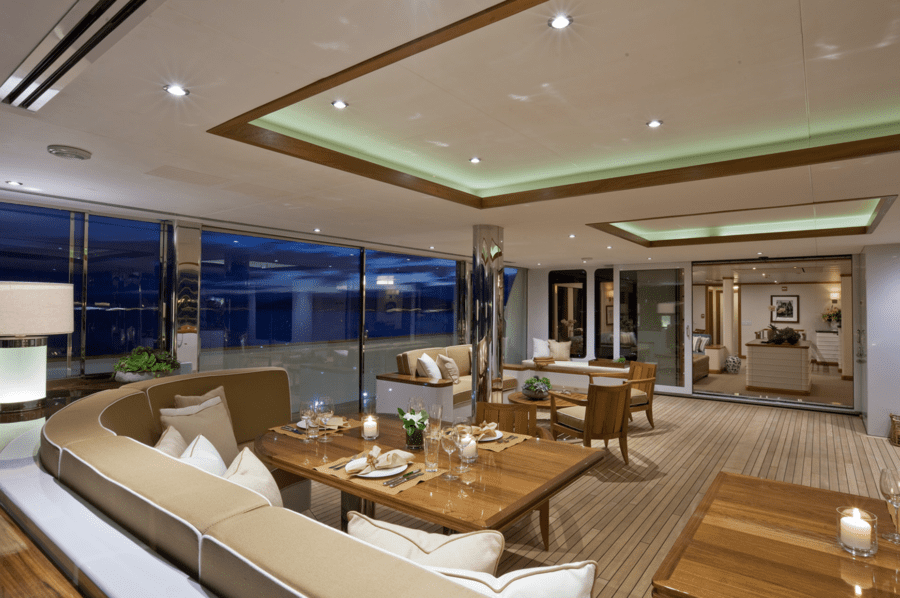
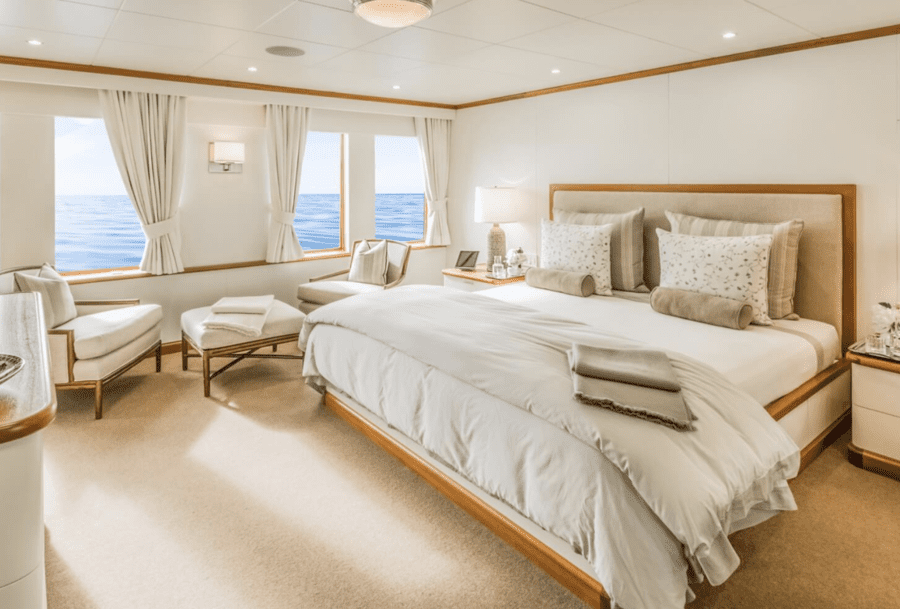
His response came in 2011 and of it, he announced: “I did another silly thing – I decided to sell JeMeSa and jumbo-size SuRi.” The boat was taken to Alameda, California, cut in half and expanded to provide further accommodation and “what is arguably the largest toy garage-cum-aircraft hangar afloat outside the US Navy.” The resulting “amenity-rich explorer yacht” is now 208-foot long and can accommodate 18 guests in 7 cabins with 19 crew.
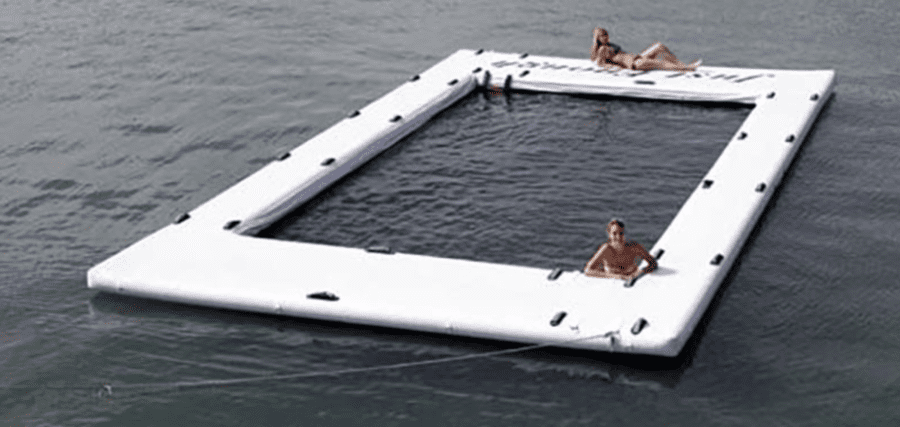
Capable of a range of 7,400 nautical miles at a maximum speed of 13 knots, SuRi became what its owner termed “the ultimate fun factory” where: “Whatever it is that you want to do – put jet boots on your feet and go flying up in the air, go kitesurfing, take a cruise in a Riva type of boat, or go wakeboarding, wake surfing, waterskiing, fishing or diving, you just go and do it.”
Now, however, Kayne’s enthusiasm has moved on to developing an “American-style golf club” on New Zealand’s North Island. He first put SuRi – which astonishingly has over 3,300 followers on its Instagram account – up for charter through firms such as Cookson Adventures and then tried to sell the yacht for £35.8 million ($43.9 million, €40.7 million or درهم161.2 million) in 2017. That price plainly was not achievable and now, Burgess Yachts are offering the craft for the much-reduced sum of £18.8 million ($23 million, €21.7 million or درهم84.5 million).
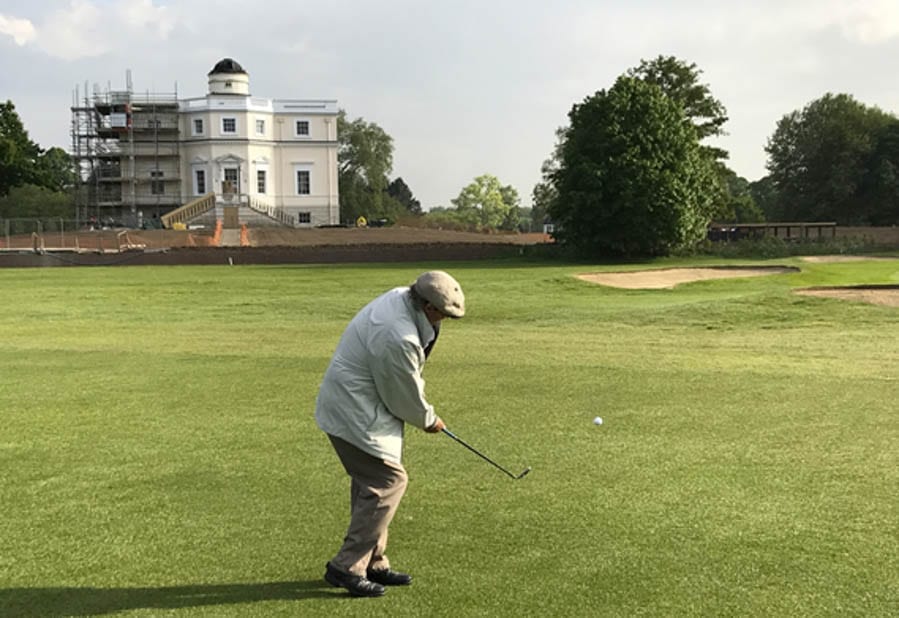
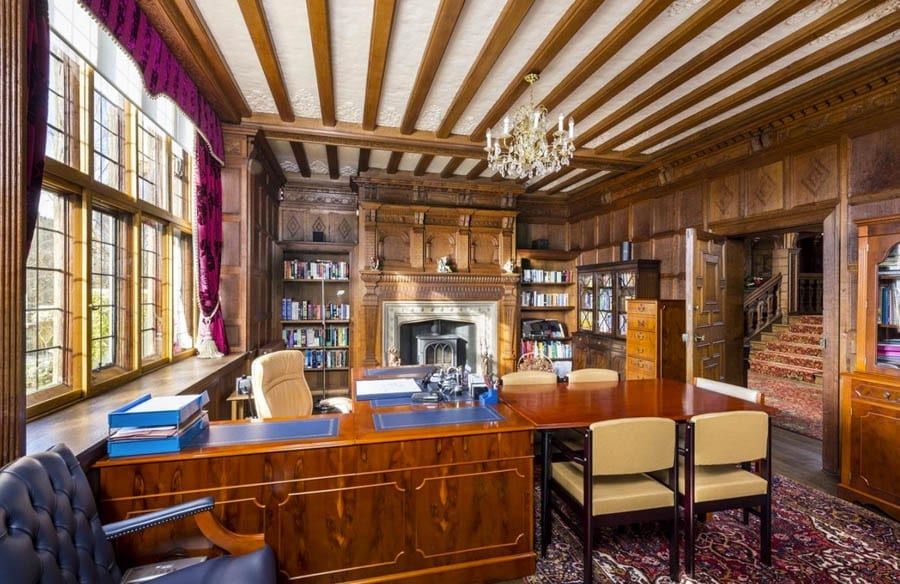
Grade I listed house in Richmond Old Deer Park, Surrey that is owned by the Crown Estate and was originally a royal observatory to rent for £450,000 per year
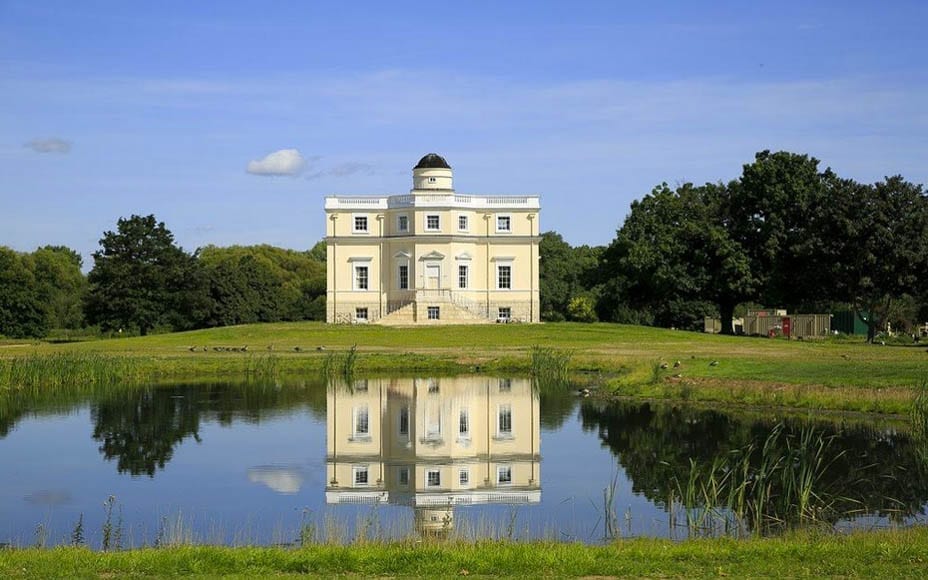
A Grade I listed house set on 6.6 acres of World Heritage Site and Grade I listed land in the middle of the Royal Mid-Surrey Golf Course has been listed to rent for £37,500 per month ($48,300, €41,000 or درهم177,300 per month).
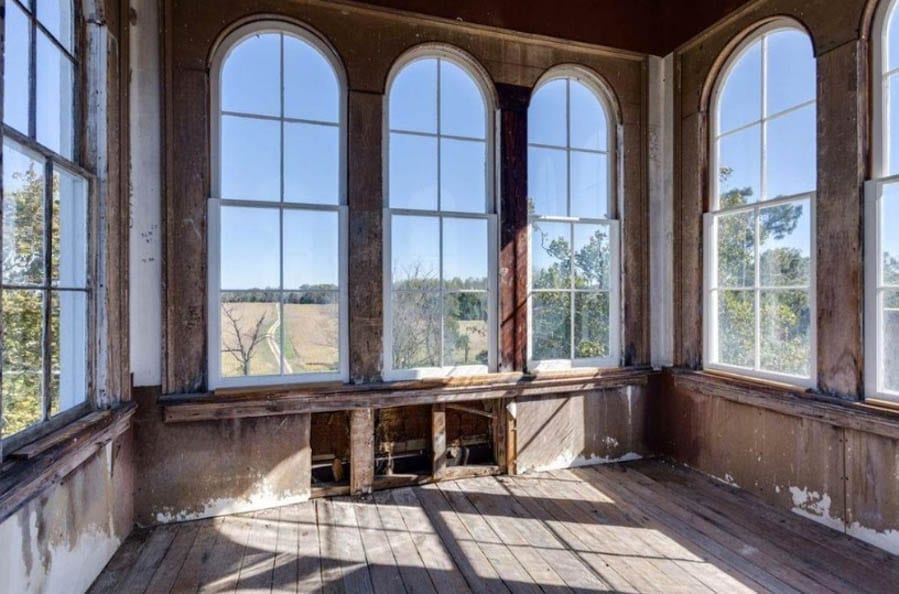
Extending to 6,157 square foot in total but quite manageable in terms of the accommodation provided, The King’s Observatory in Old Deer Park, Richmond upon Thames was designed by the Scottish-Swedish architect Sir William Chambers (1723 – 1796) and used by King George III (1738 – 1820) to house his extensive collection of scientific instruments. It features the oldest cupola in the world specifically constructed to allow astrologists to “track the rare phenomenon of Venus crossing the sun.”
Owned by the Crown Estate, the building was used as a classroom for royalty, was converted to provide a home for the Meteorological Office from 1910 to 1980 and became the offices of Hill Samuel Bank and then Autoglas until 2011. Plans were approved to convert to a single residence in 2014 but features including a cinema, games room, gym, underground swimming pool and garaging for 16 cars were not actually constructed.
The King’s Observatory – which was built in 1769 – is offered by Knight Frank and includes 5 reception rooms, 4 bedroom suites and a large roof terrace.
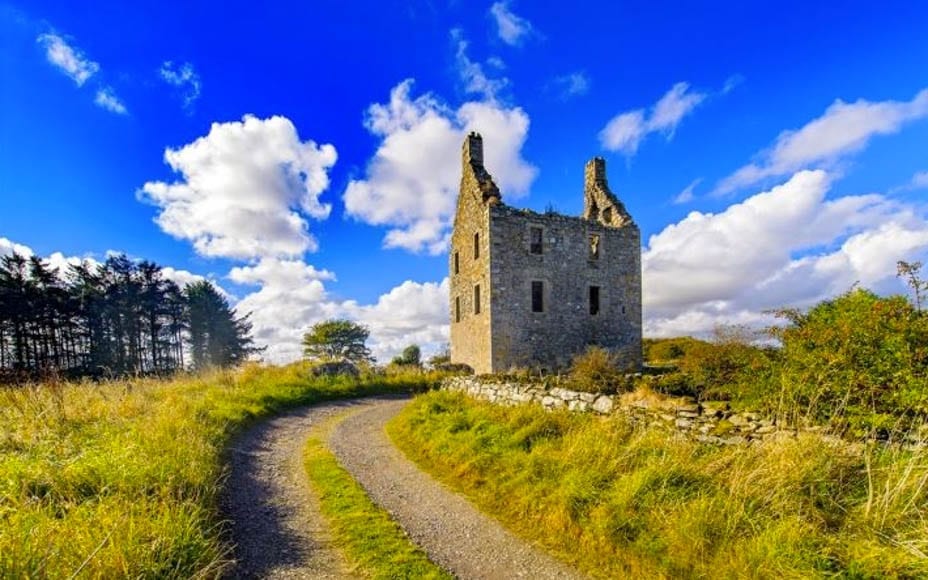
Scottish castle on sale for just £130,000; it comes without a roof and is located near the Trump International Golf Links in Aberdeenshire
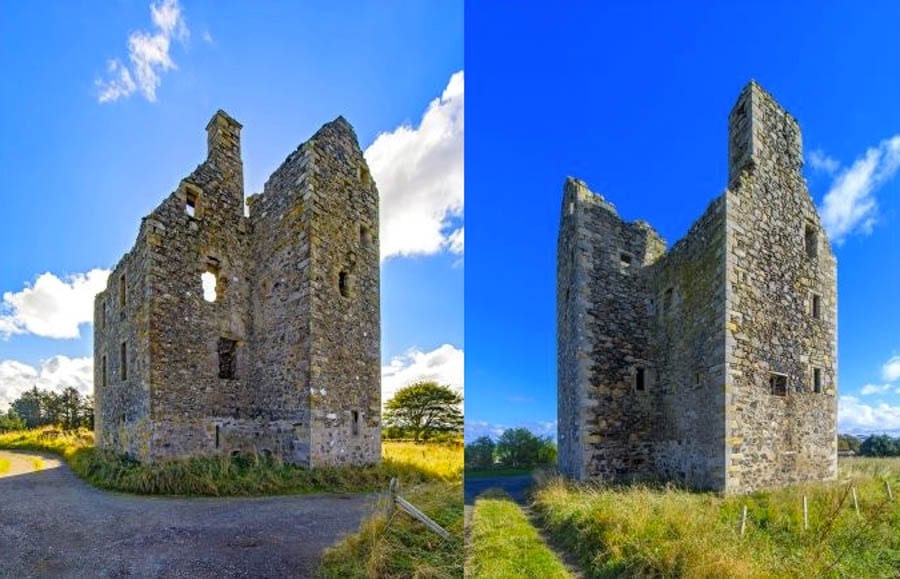
A castle in Aberdeenshire, Scotland is for sale for £130,000 ($168,000, €143,000 or درهم616,000) in spite of being nothing other than a roofless shell.
Reduced in price from £150,000 ($193,000, €165,000 or درهم710,000) and dating to 1565, Knockhall Castle in the coastal village of Newburgh, near Aberdeen is described as “having been in the current owner’s family for hundreds of years” and was accidentally burnt to the ground by Jamie Fleming, “a servant fool” of then owners the Udny of that Ilk family, in 1734.
Presented in “stabilised” condition, the B-listed building stands on a small plot accessed by a private road. It is close to the Trump International Golf Links course at Balmedie and Forvie Sands, a designated nature conservation area populated by seals.
Savills have the listing and market the structure as “a blank canvas for someone to develop the building’s full potential as a spectacular family home or business.”
Of this fixer-upper, in which James VI is reported to have stayed in July 1589, Historic Scotland add:
“Knockhall Castle, in the parish of Foveran, is situated near the mouth of the river Ythan and was probably built in 1565 as an L plan towerhouse of three stories and an attic with a projecting staircase tower on its northside. The tower does not have a parapet and the gables have skews rather than crowsteps. To the south of the castle there was an enclosed courtyard, but all that now remains of this is a fragmentary round tower at the south east angle of the enclosure which incorporated a dovecot on its upper level. The tower has undergone significant alteration, probably in the second quarter of the 17th century.”
“The tower is lit by large rectangular windows in the south and east walls. These are arranged more or less symmetrically and their raised margins suggest they are insertions dating to the mid 17th century. The earlier windows which have survived have a typical roll moulding of mid 16th century type, and some appear to have had gunloops in their sills. The basement is pierced by a number of wide-mouthed gunloops but also has some fairly large windows which have the raised margins of the 17th century windows.”
“The entrance is in the re-entrant angle and the lintel of the door is inscribed with the date 1565. Above this are two empty heraldic panels and at eaves level there is a projecting stone shelf which appears to have been intended to shed water away from the entrance doorway. The doorway gives access to a corridor running the length of the building and leads to the main stair. Entered off the corridor, on the left, is the kitchen, complete with fireplace, sink and drain. The main block contains a large cellar also with a sink and drain. Both spaces are vaulted although that over the kitchen has collapsed.”
“The circular stair is wide and provides access both to the principal upper floors in the main block and to those in the wing. The tower is externally complete and in there is often sufficient evidence for a tower to be restored for modern occupation without detracting from its historic significance.”
“The planning of this tower, with a large stair serving the two wings, and with ample light through the large rectangular windows, would also make its adaptive re-use possible.”
“It should be noted that there is significant potential for associated archaeology surrounding the tower. In schemes of adaptive re-use, archaeology is an important issue to be addressed.”
1964 Mini Cooper S hatchback designed to carry the golf clubs of the much-loathed Postmaster General, Minister of Transport and alleged tax fraudster Ernest Marples for sale
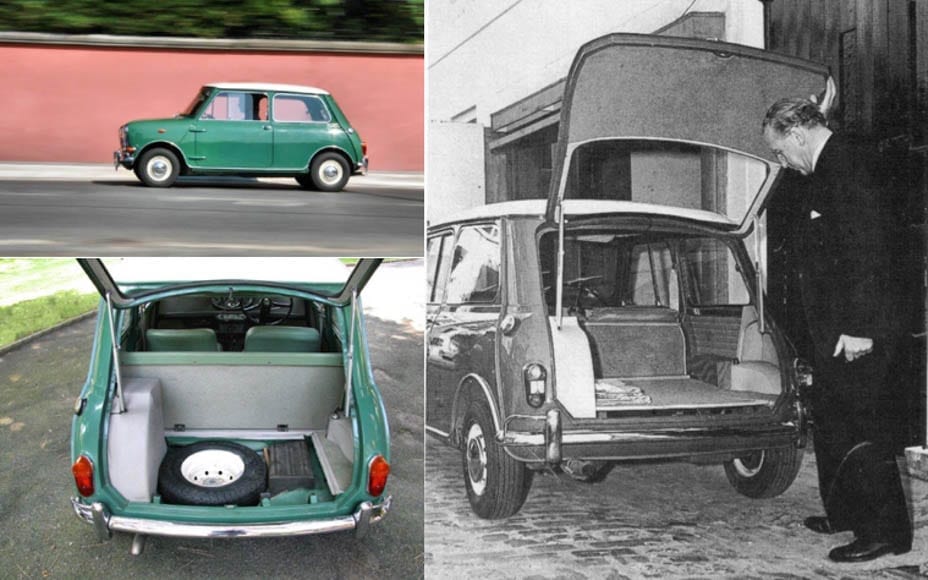
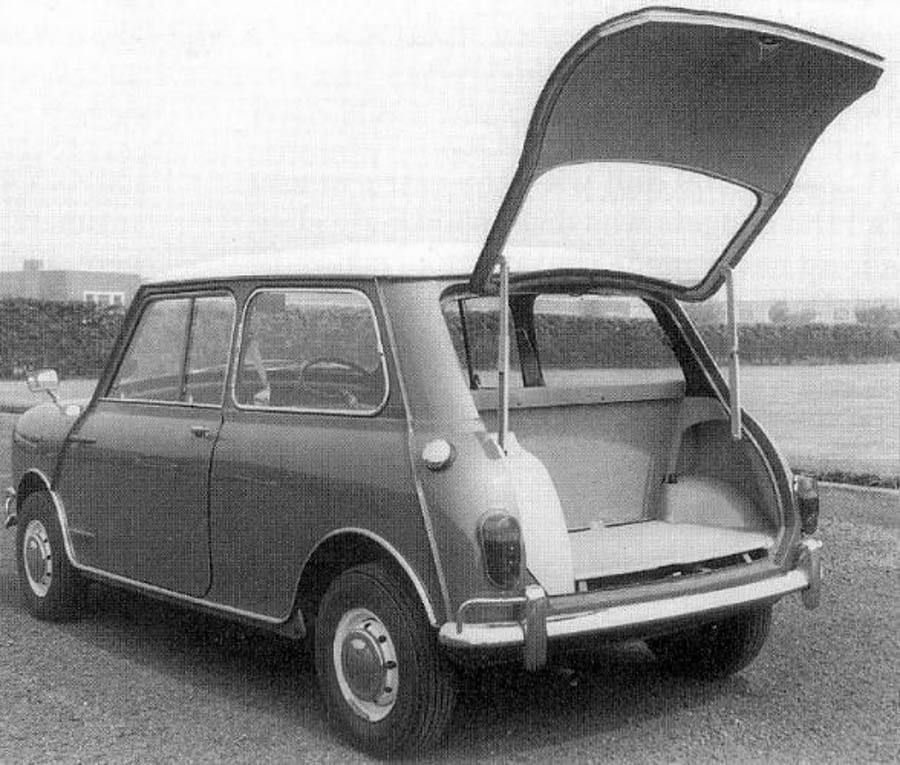
Twice married and born in Levenshulme, Manchester, Ernest Marples – later Lord Marples – makes the very worst of modern politicians look like relative babes in arms. He can, however, be credited with commissioning a rare thing – the first ever Mini hatchback. Two were made in total and one, which was eventually transferred to the ownership of the politician in 1968, is to be auctioned in July.
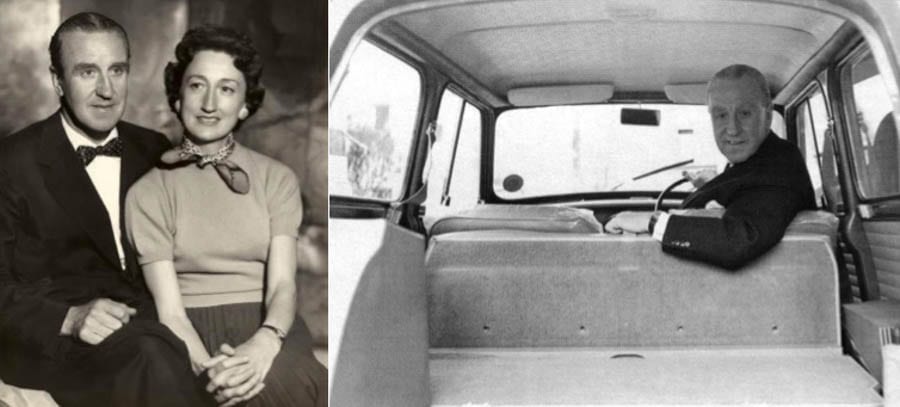
Pictured left: (Alfred) Ernest Marples (1907 – 1978) with his secretary turned second wife, Ruth Dobson. They married in 1956 and he became The Rt. Hon. The Lord Marples, PC in 1974. Pictured right: Lord Marples in his ‘Marples Mini’ (date unknown).
Marples, whose upbringing was within the Labour Party and whose love of eccentric orange-brown shoes and blue suits was well known, worked as a miner, postman, chef and accountant before a stint in the Royal Artillery between 1941 and 1944. He then joined the Conservative Party, was elected Member of Parliament for Wallasey in 1945 and took his first ministerial post in 1951. Promoted by Churchill, Macmillan and Douglas-Home, he rose to become Postmaster General and Minister of Transport and introduced the STD telephone code, the Premium Bond scheme, the first postcodes, the MOT test, roadside single yellow and double yellow lines and possibly, in his most unpopular move of all, traffic wardens.
Aside from his public appointments, controversially, Marples became a director of various companies in the 1940s. Without considering any potential conflicts of interest, he involved himself in firms that built the first motorways and several power stations also and attracted much attention after protestors spray painted a motorway bridge near Luton that his firm, Marples Ridgway and Partners, constructed with the caption: “Marples Must Go!”
Subsequently, Marples brought the government into disrepute through his part in a prostitution scandal and after this was covered up in 1963, he later “cut and run” to Monaco in 1975 to avoid “a substantial tax bill” after being discovered having parked most of his assets in Monaco and Liechtenstein. He spent his final years on his 45-acre vineyard estate in Fleurie, France and died in a Monte Carlo hospital in 1978.
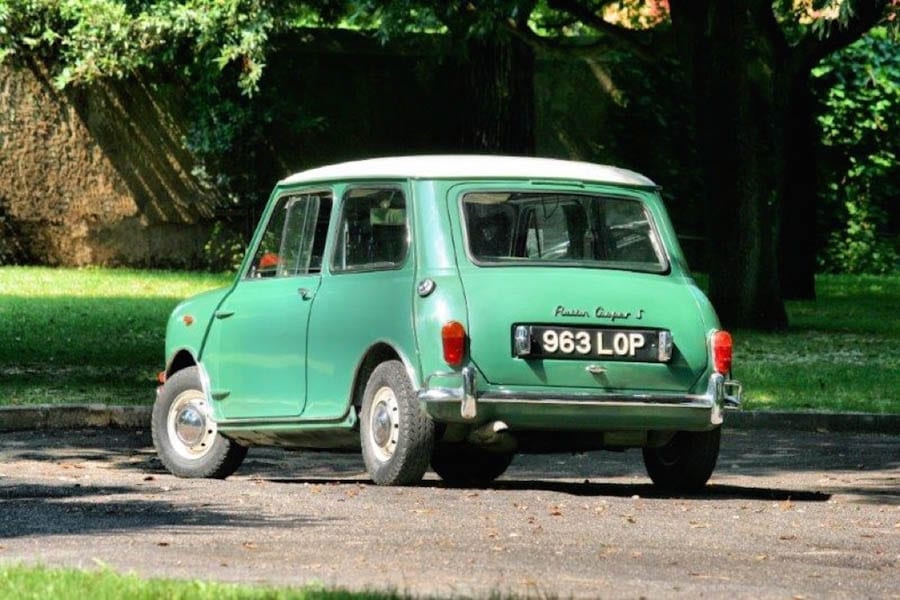
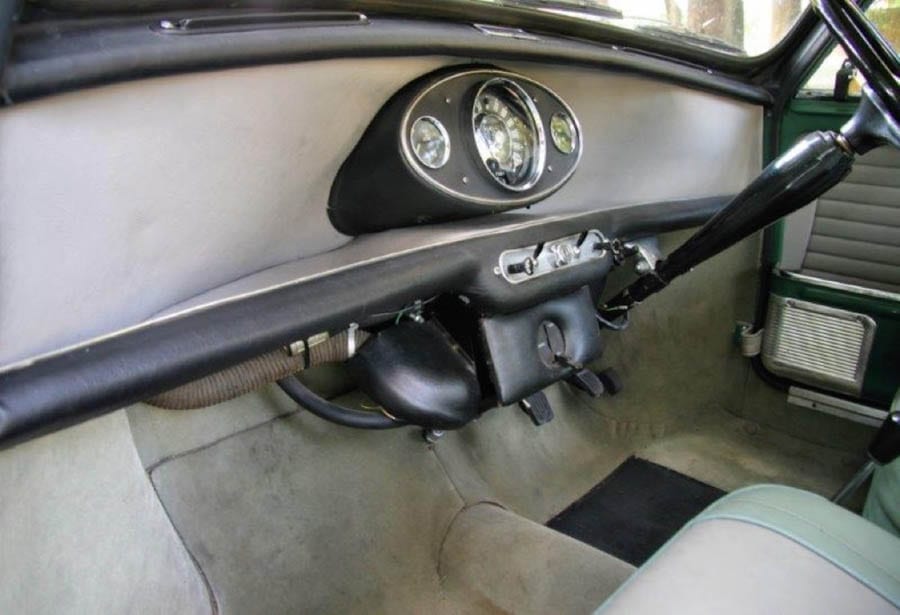
The ex-Ernest Marples 1964 Austin Mini Cooper S 1071 will be sold by H&H Classics at their Imperial War Museum Duxford sale in Cambridgeshire on the 26th July. It has an estimate of £70,000 to £80,000 ($89,500 to $102,300, €79,100 to €90,400 or درهم328,800 to درهم375,900) – a sum that would no doubt, if he were still alive, have money obsessed Marples smiling with glee.
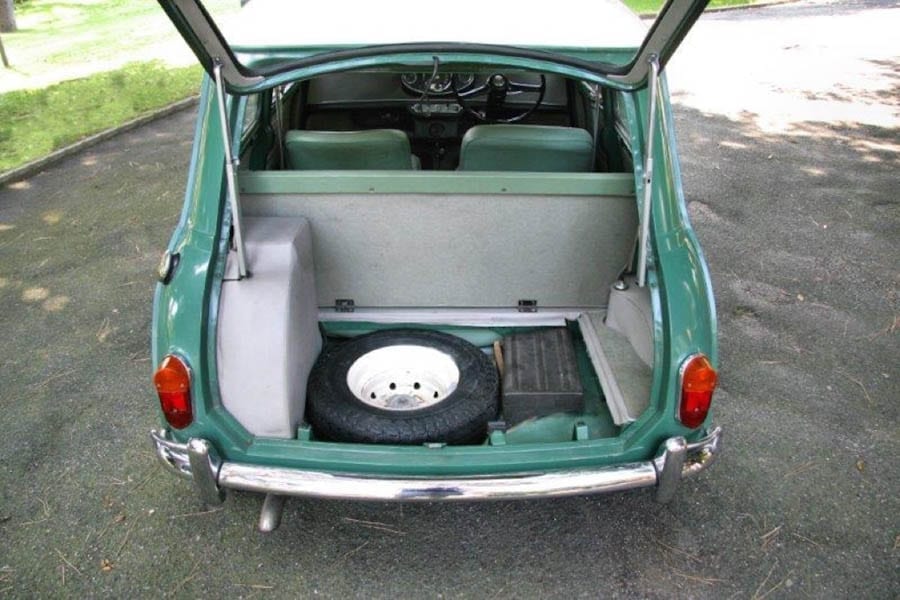
Of the almond green car, which supposedly the hatchback boot was fitted to on the orders of Marples on the basis he wanted to be easily able to fill it with cases of wine and golf clubs, Damian Jones of H&H Classics commented:
“This is not just another Mini. It is history on four wheels. Its former owner, Transport Minister Ernest Marples changed the face of Britain with housing, bridges, motorways. He was a very ‘colourful character’ to say the least. It is fascinating that he chose to buy and use this relatively modest car when going golfing or going to France on holiday. If this car could speak what tales might it tell? It is truly one of a kind.”
New Jersey mansion, complete with 58 rooms, for sale for equivalent sum to what it cost to build in 1909; the £37 million house’s original owner was a man whose extravagance knew absolutely no bounds
George Crocker (1856 – 1909) makes F. Scott Fitzgerald’s Jay Gatsby seem like an amateur. Born in Sacramento and the son of a railway magnate worth some $30 million on his death (the equivalent of £634 million or $812 million today), Crocker was willed a significant $6 million (the equivalent of £127 million or $163 million today) on the condition that “after the space of five years continuously he shall abstain from the use of spirituous, vinous, and malt liquors to the extent that he shall not during this period have been intoxicated”.
Crocker decided to ignore the terms of his father’s behest and from 1888 to 1891 lived in San Francisco as “one of the most reckless young men about town when reckless young men thereabouts were common” but then admitted himself to a sanatorium, put himself on the straight and narrow and finally collected the sum of $6 million in 1898.
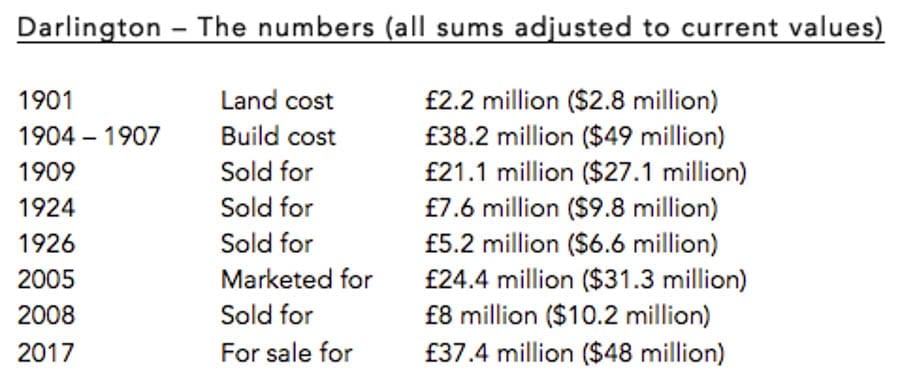
With wealth and a glamorous wife, Emma Rutherford, a widow from California, Crocker set himself up as the toast of New York society. Though he owned a townhouse at 1 East 64th Street and a villa in Newport, it was on paying $96,500 (the equivalent of £2.2 million or $2.8 million today) for the 1,100 acre Darling estate in Bergen County, Mahwah, New Jersey in 1901 that he truly became someone noticeable.
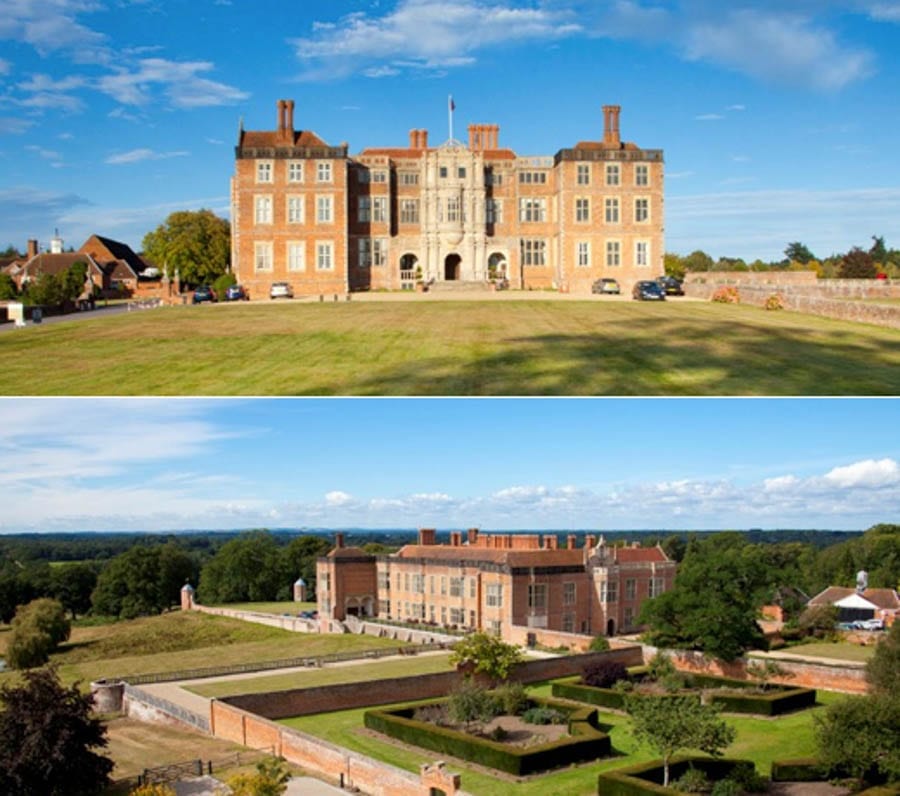
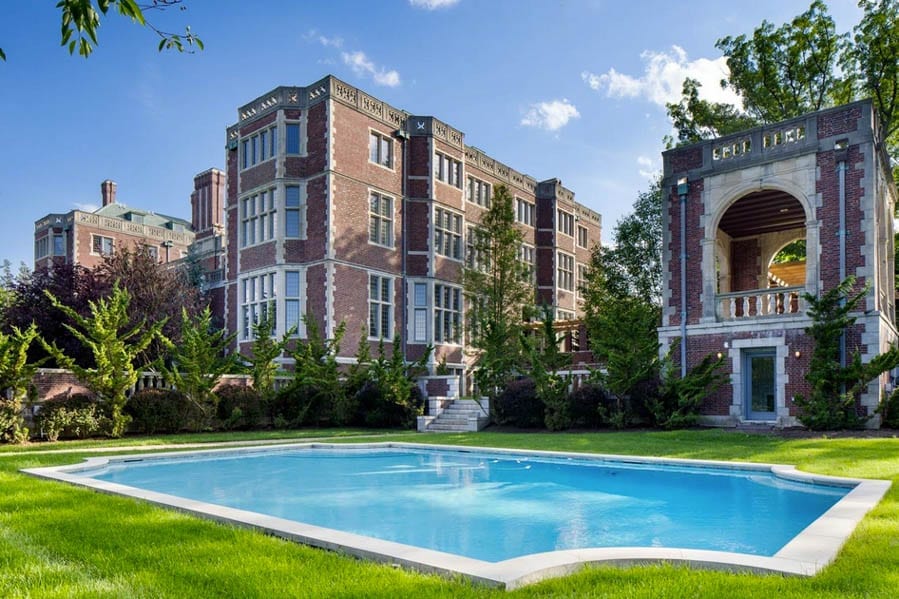
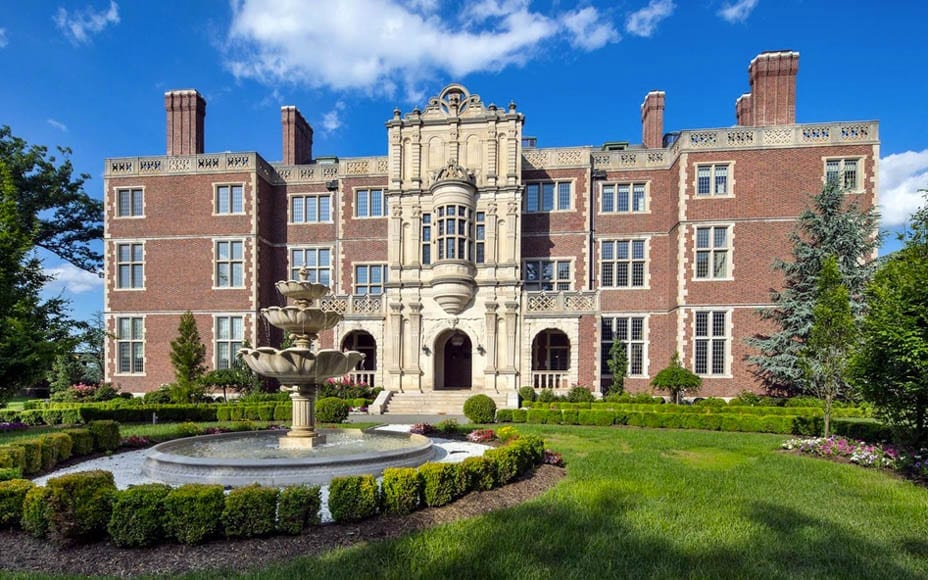
Choosing what he called “the finest site for a residence in the country”, Crocker commissioned an architect named James Brite (died 1942) to build him a mansion “sparing no expense”. Modeled on a Jacobean prodigy house, Bramshill House in Hampshire, England and built from Indiana limestone and Harvard brick, the “Crocker Mansion” or “Darlington” – as it is more widely known – cost $2 million to build (the equivalent of £38.2 million or $49 million today) and included 75 rooms and around 50,000 square foot of accommodation. Its features included steam heating, elevators, ice cream freezers, integrated vacuum systems and a switchboard and in its grounds a racetrack and 16 greenhouses were constructed whilst a pond was stocked with 4,000 trout.
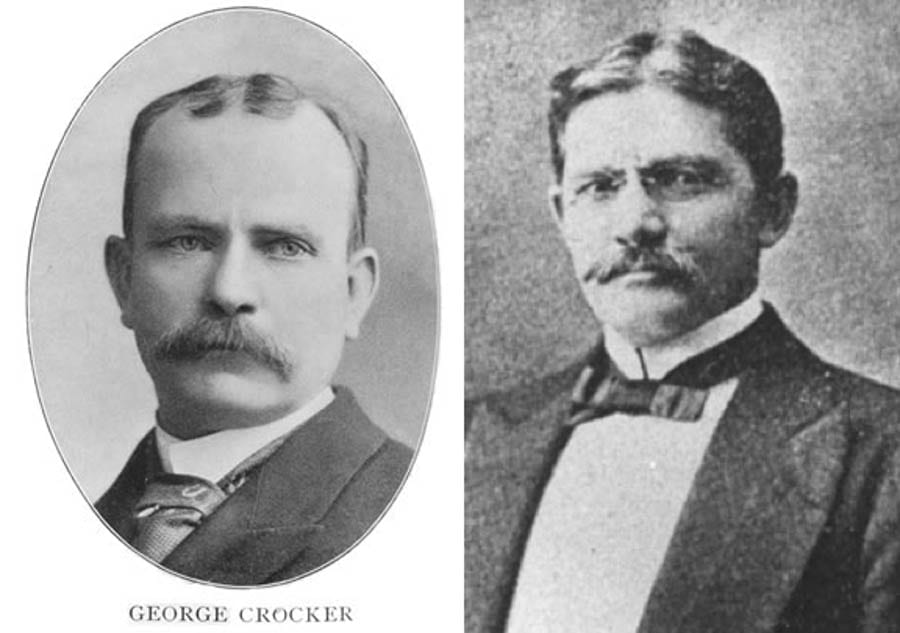
George Crocker and Emerson McMillin
The design of Darlington was based on “one of the most haunted houses in England”, Bramshill in Hampshire; that building itself was also eventually separated from much of its estate and after being used as the European Police College was sold to developers City & Country for £25 million ($19.5 million) in 2014
Commentators wowed at the resulting creation and noted details such as a library painted after the style of the Italian Renaissance by Tiffany Studios, elaborate wood carving by Italian craftsmen and Tiffany silver chandeliers and a 1906 Aeolian player pipe organ in the building’s 30-foot high Great Hall. In 1912, Architectural Record, chose even to swoon over the basement. They remarked:
“Where Bramshill’s cellar housed for centuries lanterns, tallow dips, forest faggots, wooden vessels for the distribution of light, heat and water through personal service of human slaveys, its American reincarnation is a storehouse of miracle workers in the comfort and luxury of modern domestic life”.
Unfortunately, Mr and Mrs Crocker did not truly get to enjoy the fruits of their extravagant spending. Emma Crocker died in 1904 of cancer and George Crocker also succumbed to the disease in 1909. His estate was valued at $20 million (the equivalent of £422 million or $541 million today) and amongst items found at his mansion were 60,000 personally monogrammed, custom-made cigars valued at $30,000 (the equivalent of £635,000 or $813,000 today).
Sold subsequently to a “self-made” banker, industrialist and astronomy enthusiast named Emerson McMillin (1844 – 1922) in 1909 for $1 million (the equivalent of £21.1 million or $27.1 million), Darlington was next used to display a fine collection of Chinese and Japanese porcelain whilst a herd of Jerseys were kept in the grounds.
After McMillin’s death, his widow sold the estate in 1924 for $685,000 (the equivalent of £7.6 million or $9.8 million) to the Darlington Development Company, which in turn made it available to the Darling Golf and Country Club. They converted the building to a hotel and club that “promised to offer a new dimension to life in Mahwah” but “the development corporation and the club were soon in financial difficulties” and the McMillin estate foreclosed and regained possession.
A new buyer came forward in the form of the Roman Catholic Diocese of Newark. They paid $478,000 for the property in 1926 (the equivalent of £5.2 million or $6.6 million today) and used Darlington as a theological seminary. The surrounding land was gradually sold off and in 1986, the Immaculate Conception Seminary also departed.
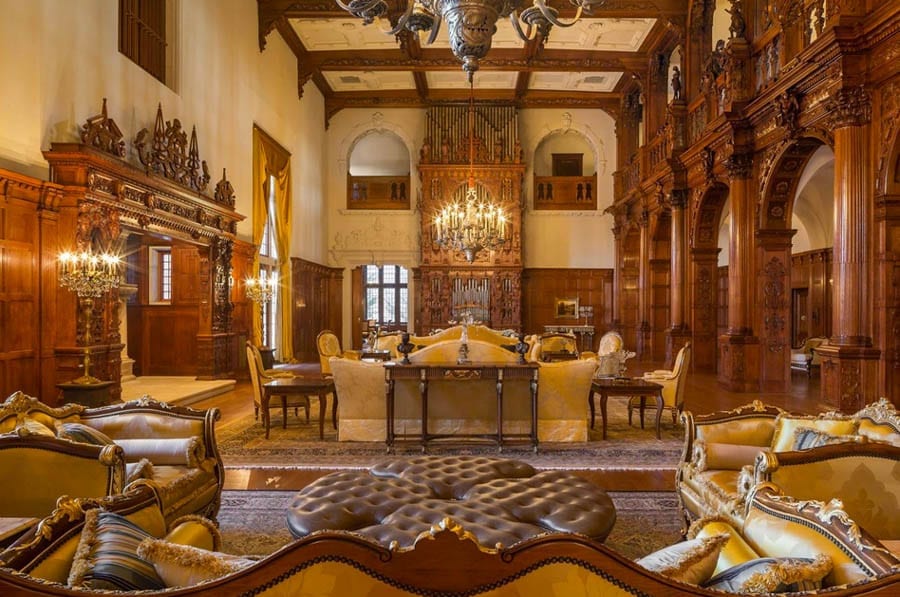
Darlington today – The 30-foot high Great Hall is still dominated by a 1906 Aeolian player pipe organ
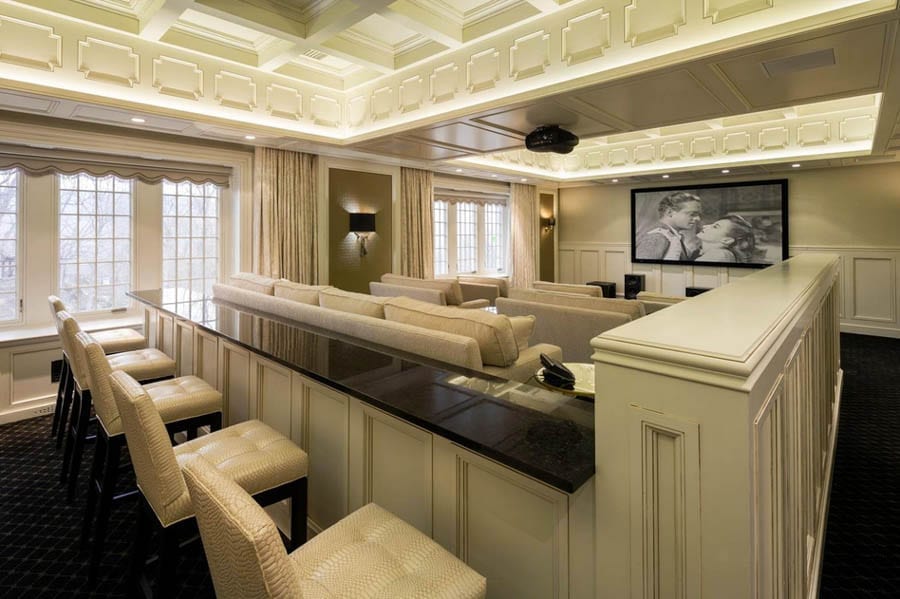
Darlington today – Ilija Pavlovic expanded the mansion by some 12,000 square foot and amongst other things added a large home cinema
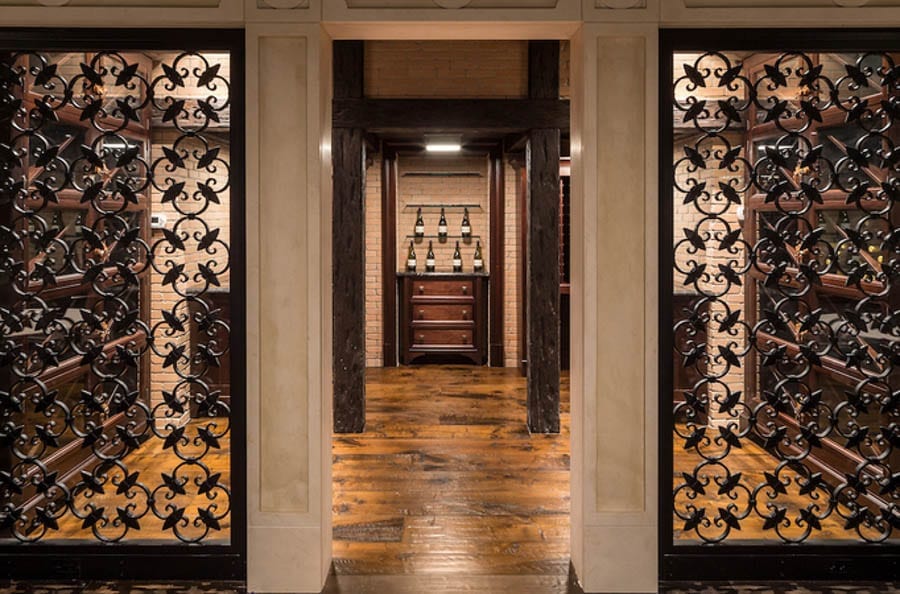
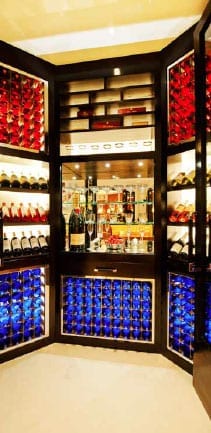
Darlington today – Another addition comes in the form of a vast wine cellar; George Crocker’s father would not have approved
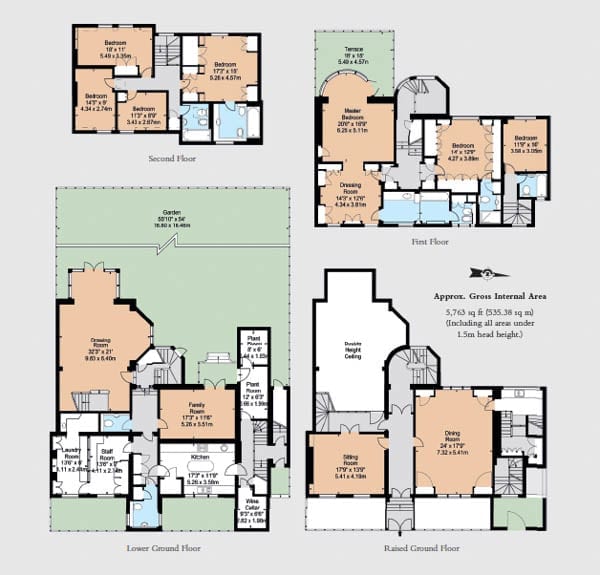
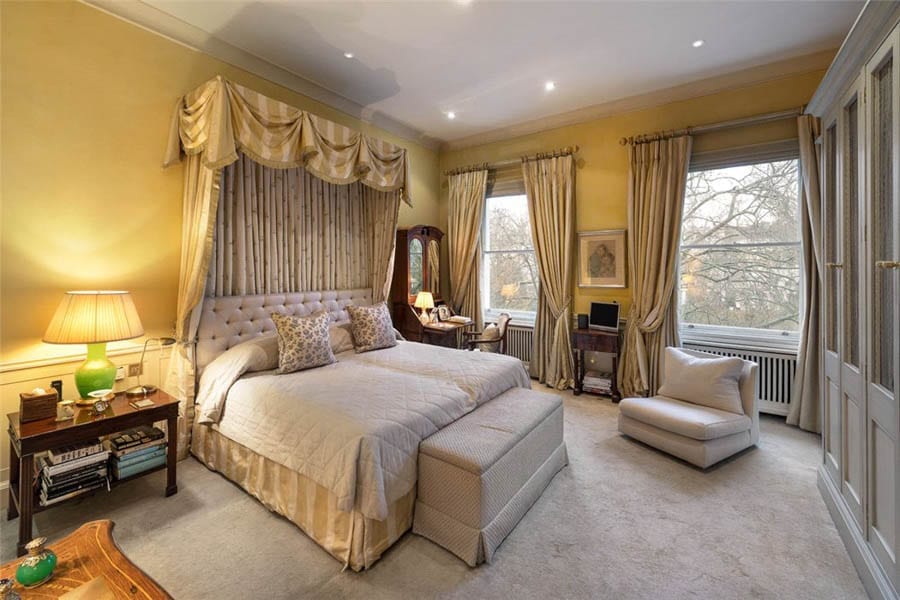
Subsequently restored and modernised with, according to Forbes, plumbing, heating, air conditioning and communications systems being installed, Darlington was placed on the market with just 12.1 acres in 2005 by Darlington Associates, a firm who’d built “multiple residential communities surrounding the mansion”. An ambitious figure of $25 million (the equivalent of £24.4 million or $31.3 million today) was sought for the now classified historic site but it was not until 2008 that a buyer came forth in the form of a local businessman named Ilija Pavlovic. He paid just $8.875 million (the equivalent of £8 million or $10.2 million today) and then embarked on the “challenge” of “both preserving the historic home while also restoring it to meet 21st-century standards”. The resulting creation spans four floors and includes amongst many other things a tea room, 3 libraries, 2 game rooms, 2 kitchens, a “his and her master bedroom wing”, 12 further guest bedrooms and 5 staff bedrooms.
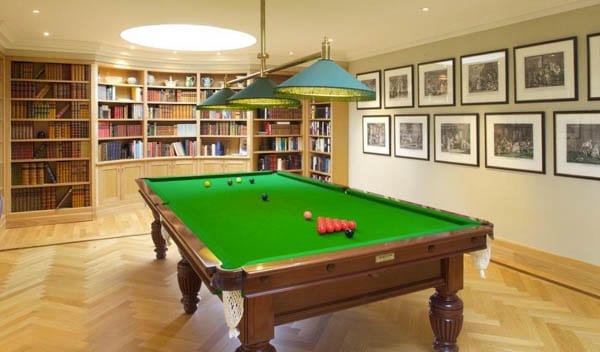
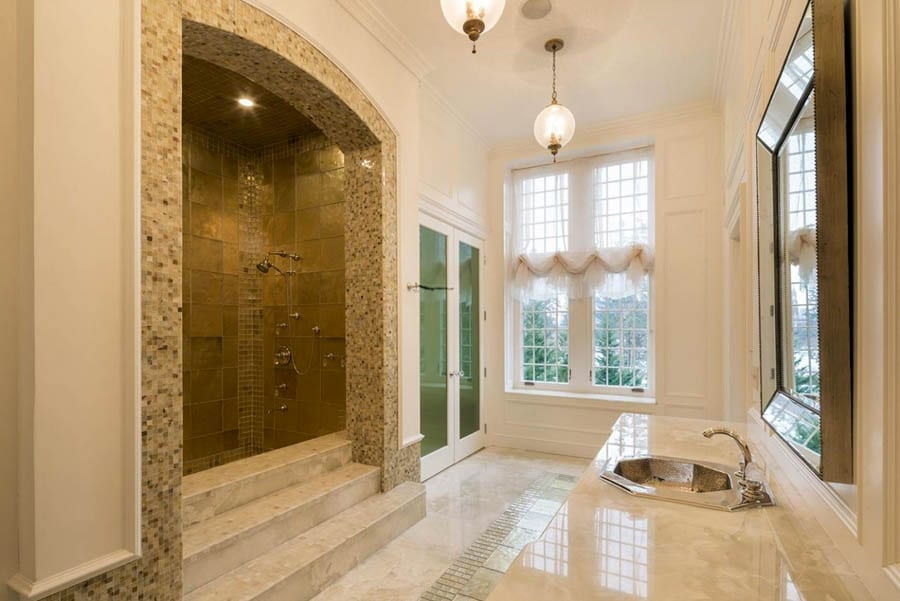
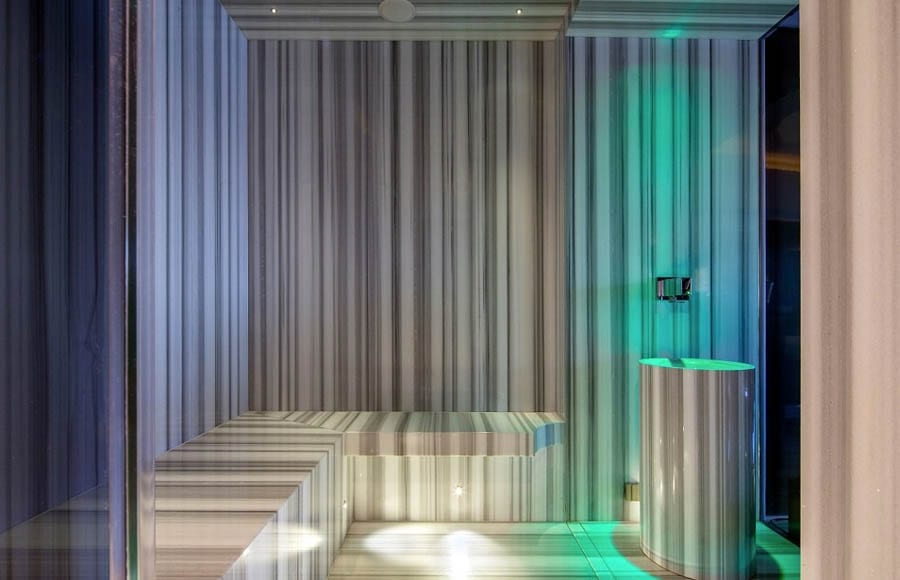
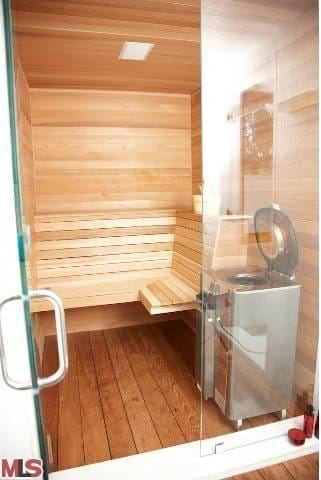
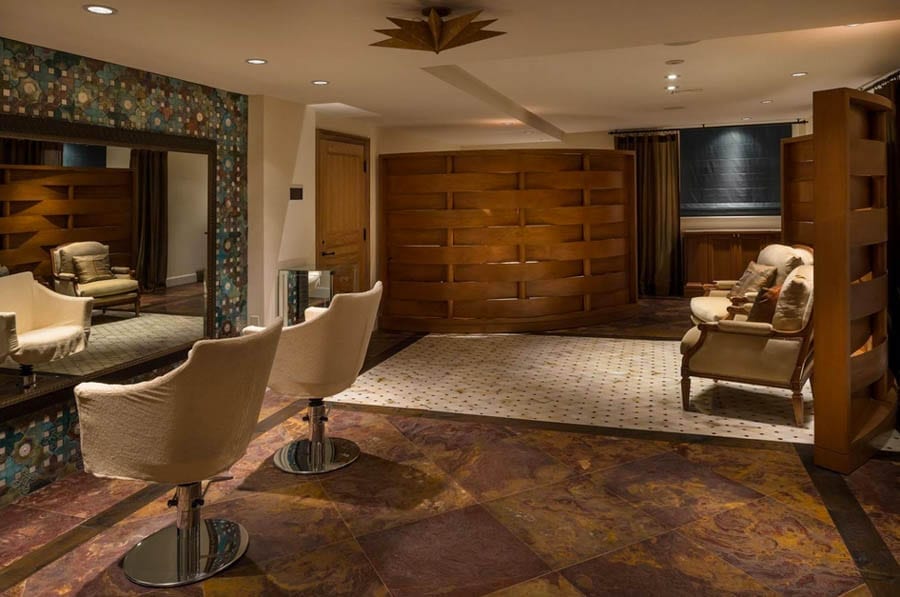
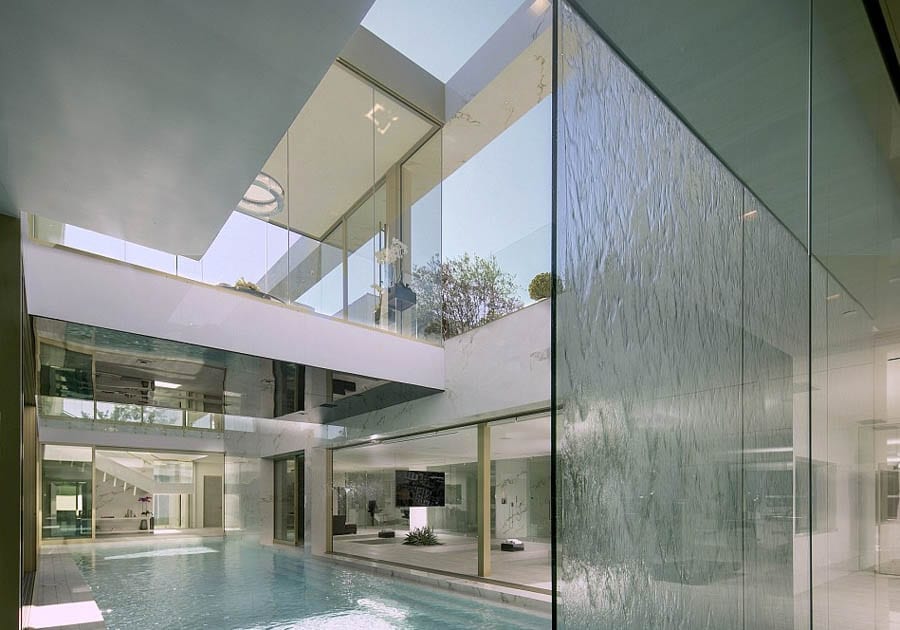
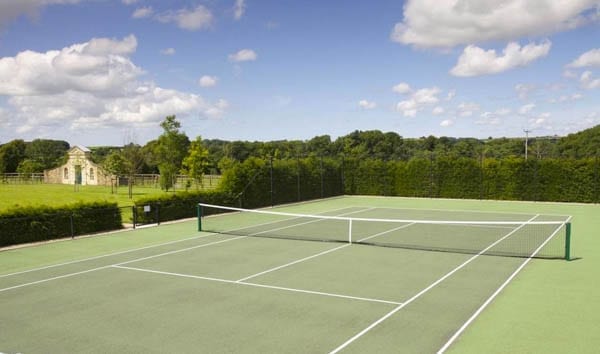
The biggest issue with the house, it transpired, was that its 476 leaded windows needed to be replaced. This reportedly cost $2 million alone (the equivalent of £1.8 million or $2.3 million today) and in addition, Pavlovic renewed all the mechanical systems, redid all 19 bathrooms, replaced the slate roof and added amongst other things a spa with an indoor lap pool, a gym, a massage room, a beauty salon and a home cinema. There is also a gatehouse, a professional kitchen that can serve 250 meals at a time, a wine cellar, a poker room, a cigar room, a billiards room, an 8-car garage, a tennis court and an outdoor swimming pool.
Property blog 6sqft – which claimed Friday that the current owners do not live at Darlington full-time and simply use it to host events – reported that this still massive mansion minus its formerly equally gigantic estate is now for sale now for £37.4 million ($48 million, €44.7 million or درهم176.3 million) through a firm Mr Pavlovic chairs, Special Properties Real Estate Services – an affiliate of Christie’s International Real Estate. Any buyer will undoubtedly be a vastly wealthy figure, but one can guarantee one thing: They’ll never live as lavishly as the barmy boozer George Crocker.
New Jersey mansion Darlington, complete with 58 rooms, for sale for equivalent sum to what it cost to build in 1909; the £37 million house’s original owner was a man whose extravagance knew absolutely no bounds
George Crocker (1856 – 1909) makes F. Scott Fitzgerald’s Jay Gatsby seem like an amateur. Born in Sacramento and the son of a railway magnate worth some $30 million on his death (the equivalent of £634 million or $812 million today), Crocker was willed a significant $6 million (the equivalent of £127 million or $163 million today) on the condition that “after the space of five years continuously he shall abstain from the use of spirituous, vinous, and malt liquors to the extent that he shall not during this period have been intoxicated”.
Crocker decided to ignore the terms of his father’s behest and from 1888 to 1891 lived in San Francisco as “one of the most reckless young men about town when reckless young men thereabouts were common” but then admitted himself to a sanatorium, put himself on the straight and narrow and finally collected the sum of $6 million in 1898.
With wealth and a glamorous wife, Emma Rutherford, a widow from California, Crocker set himself up as the toast of New York society. Though he owned a townhouse at 1 East 64th Street and a villa in Newport, it was on paying $96,500 (the equivalent of £2.2 million or $2.8 million today) for the 1,100 acre Darling estate in Bergen County, Mahwah, New Jersey in 1901 that he truly became someone noticeable.
Choosing what he called “the finest site for a residence in the country”, Crocker commissioned an architect named James Brite (died 1942) to build him a mansion “sparing no expense”. Modeled on a Jacobean prodigy house, Bramshill House in Hampshire, England and built from Indiana limestone and Harvard brick, the “Crocker Mansion” or “Darlington” – as it is more widely known – cost $2 million to build (the equivalent of £38.2 million or $49 million today) and included 75 rooms and around 50,000 square foot of accommodation. Its features included steam heating, elevators, ice cream freezers, integrated vacuum systems and a switchboard and in its grounds a racetrack and 16 greenhouses were constructed whilst a pond was stocked with 4,000 trout.
George Crocker and Emerson McMillin
The design of Darlington was based on “one of the most haunted houses in England”, Bramshill in Hampshire; that building itself was also eventually separated from much of its estate and after being used as the European Police College was sold to developers City & Country for £25 million ($19.5 million) in 2014
Commentators wowed at the resulting creation and noted details such as a library painted after the style of the Italian Renaissance by Tiffany Studios, elaborate wood carving by Italian craftsmen and Tiffany silver chandeliers and a 1906 Aeolian player pipe organ in the building’s 30-foot high Great Hall. In 1912, Architectural Record, chose even to swoon over the basement. They remarked:
“Where Bramshill’s cellar housed for centuries lanterns, tallow dips, forest faggots, wooden vessels for the distribution of light, heat and water through personal service of human slaveys, its American reincarnation is a storehouse of miracle workers in the comfort and luxury of modern domestic life”.
Unfortunately, Mr and Mrs Crocker did not truly get to enjoy the fruits of their extravagant spending. Emma Crocker died in 1904 of cancer and George Crocker also succumbed to the disease in 1909. His estate was valued at $20 million (the equivalent of £422 million or $541 million today) and amongst items found at his mansion were 60,000 personally monogrammed, custom-made cigars valued at $30,000 (the equivalent of £635,000 or $813,000 today).
Sold subsequently to a “self-made” banker, industrialist and astronomy enthusiast named Emerson McMillin (1844 – 1922) in 1909 for $1 million (the equivalent of £21.1 million or $27.1 million), Darlington was next used to display a fine collection of Chinese and Japanese porcelain whilst a herd of Jerseys were kept in the grounds.
After McMillin’s death, his widow sold the estate in 1924 for $685,000 (the equivalent of £7.6 million or $9.8 million) to the Darlington Development Company, which in turn made it available to the Darling Golf and Country Club. They converted the building to a hotel and club that “promised to offer a new dimension to life in Mahwah” but “the development corporation and the club were soon in financial difficulties” and the McMillin estate foreclosed and regained possession.
A new buyer came forward in the form of the Roman Catholic Diocese of Newark. They paid $478,000 for the property in 1926 (the equivalent of £5.2 million or $6.6 million today) and used Darlington as a theological seminary. The surrounding land was gradually sold off and in 1986, the Immaculate Conception Seminary also departed.
Darlington today – The 30-foot high Great Hall is still dominated by a 1906 Aeolian player pipe organ
Darlington today – Ilija Pavlovic expanded the mansion by some 12,000 square foot and amongst other things added a large home cinema
Darlington today – Another addition comes in the form of a vast wine cellar; George Crocker’s father would not have approved
Subsequently restored and modernised with, according to Forbes, plumbing, heating, air conditioning and communications systems being installed, Darlington was placed on the market with just 12.1 acres in 2005 by Darlington Associates, a firm who’d built “multiple residential communities surrounding the mansion”.
An ambitious figure of $25 million (the equivalent of £24.4 million or $31.3 million today) was sought for the now classified historic site but it was not until 2008 that a buyer came forth in the form of a local businessman named Ilija Pavlovic. He paid just $8.875 million (the equivalent of £8 million or $10.2 million today) and then embarked on the “challenge” of “both preserving the historic home while also restoring it to meet 21st-century standards”. The resulting creation spans four floors and includes amongst many other things a tea room, 3 libraries, 2 game rooms, 2 kitchens, a “his and her master bedroom wing”, 12 further guest bedrooms and 5 staff bedrooms.
The biggest issue with the house, it transpired, was that its 476 leaded windows needed to be replaced. This reportedly cost $2 million alone (the equivalent of £1.8 million or $2.3 million today) and in addition, Pavlovic renewed all the mechanical systems, redid all 19 bathrooms, replaced the slate roof and added amongst other things a spa with an indoor lap pool, a gym, a massage room, a beauty salon and a home cinema. There is also a gatehouse, a professional kitchen that can serve 250 meals at a time, a wine cellar, a poker room, a cigar room, a billiards room, an 8-car garage, a tennis court and an outdoor swimming pool.
Property blog 6sqft – which claimed Friday that the current owners do not live at Darlington full-time and simply use it to host events – reported that this still massive mansion minus its formerly equally gigantic estate is now for sale now for £37.4 million ($48 million, €44.7 million or درهم176.3 million) through a firm Mr Pavlovic chairs, Special Properties Real Estate Services – an affiliate of Christie’s International Real Estate. Any buyer will undoubtedly be a vastly wealthy figure, but one can guarantee one thing: They’ll never live as lavishly as the barmy boozer George Crocker.
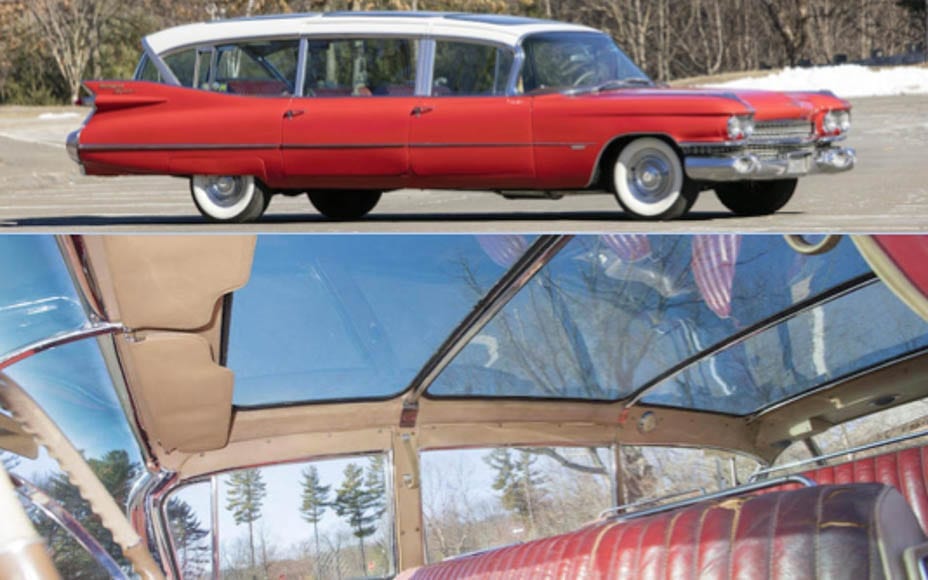
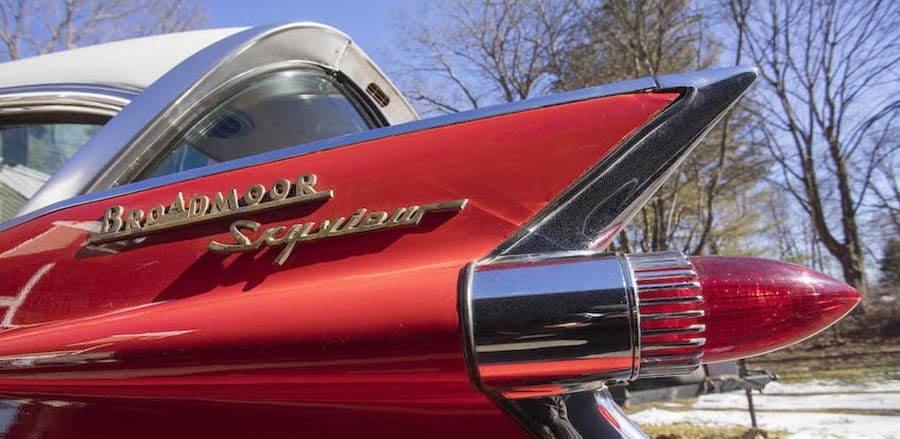
Bonhams to offer what they call “the world’s most sought after Cadillac” at auction in Florida; it was originally made for the famed BROADMOOR Hotel resort in El Paso County, Colorado
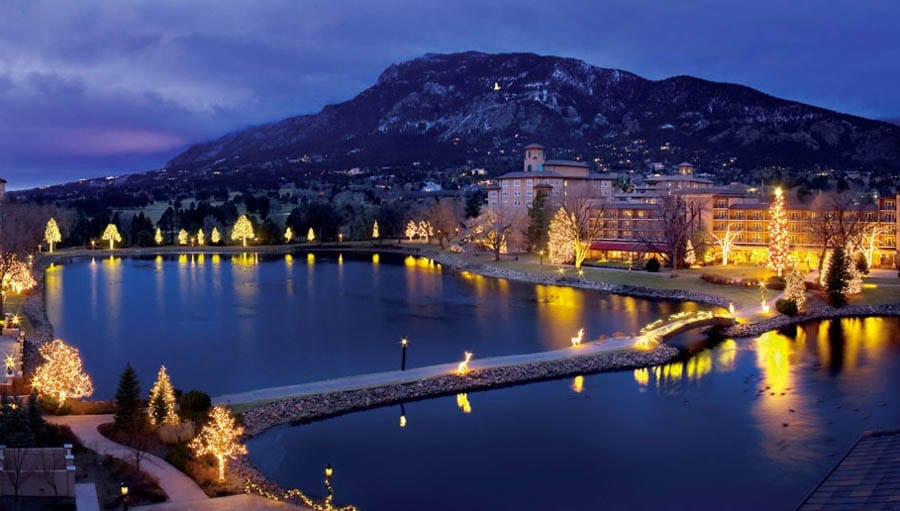
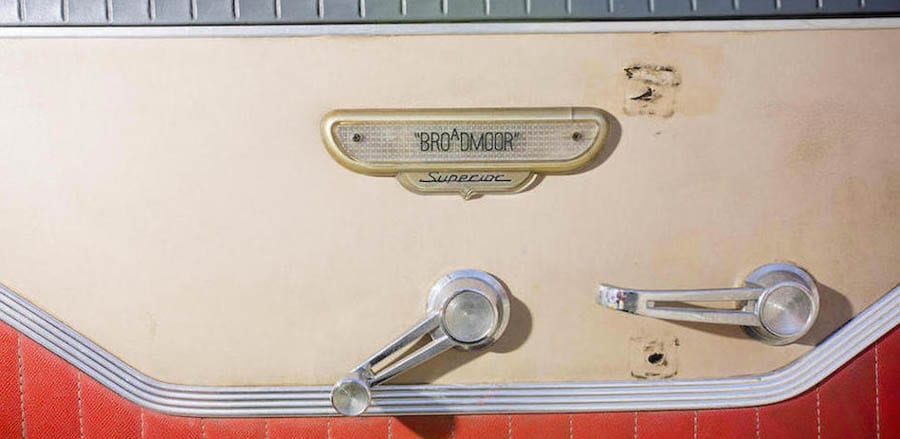
The BROADMOOR – a name that is unique and copyrighted due to its little raised “A” – in Colorado Springs is a vast hotel at the base of the 9,570 foot tall Cheyenne Mountain, the location of the operations base for the North American Aerospace Defense Command (NORAD). Built in the Italian Renaissance style and featuring 784 guest rooms, the complex has three golf courses, 18 restaurants and a fishing camp and is said to be the place where President George W. Bush decided to quit drinking after waking up with a hangover in the summer of 1986.
The Broadmoor Hotel.The main hotel building.
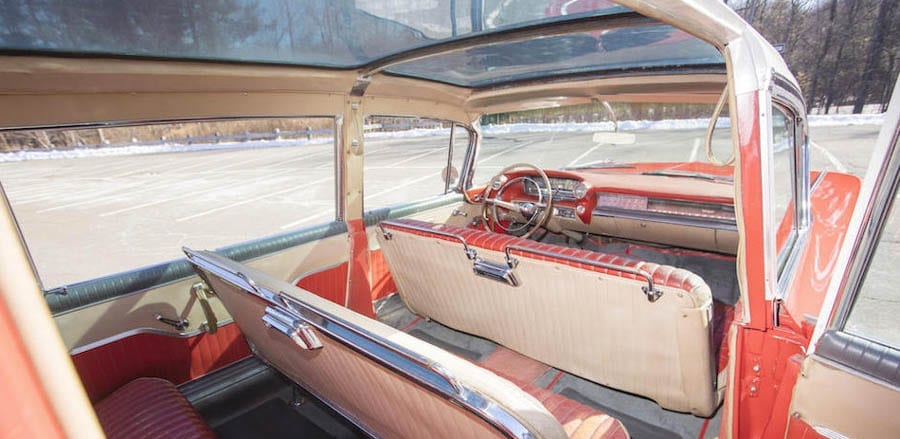
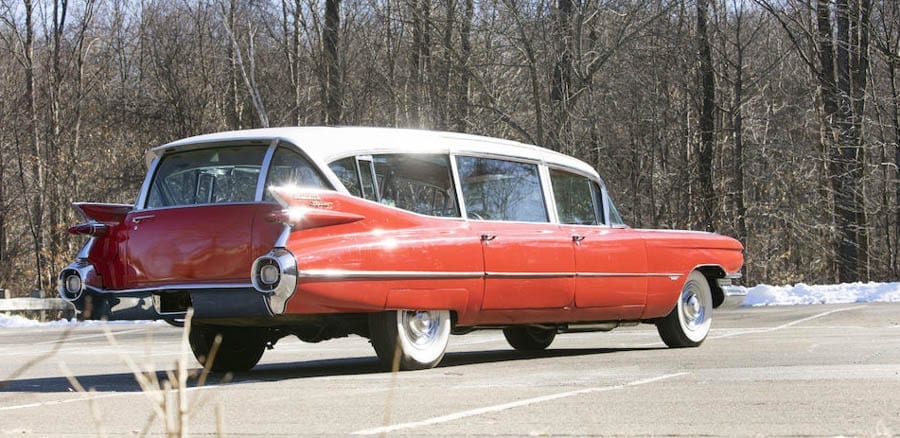
The original owners of the hotel, the Penrose family, “wanted their guests to be escorted form the airport to the hotel and to be given tours of the area’s majestic beauty in the finest of luxury” according to the Bonhams catalogue entry on a 1959 Cadillac BROADMOOR Skyview they are set to auction in March. It is the last of around 28 Cadillac limousines made for the hotel from 1937 and was built by the Superior Coach Corp., a now defunct Ohio based manufacturer of yellow school buses and hearses.
251-inches long overall, equipped with power steering, power brakes, a 390 cubic inch V8 engine and dominated by a vast plexi panel ‘Skyview’ roof, the car was designed to accommodate 11 passengers. It remained in service at the hotel until the early 1970s, was then was sold to a Cadillac collector in Branford, Connecticut and subsequently underwent a full restoration at the behest of its current owner.
Bonhams will sell this unusual vehicle at their Amelia Island auction on 9th March at the Fernandina Beach Club. They have set an estimate of £140,000 to £200,000 ($175,000 to $250,000 or €165,000 to €235,000 or درهم640,000 to درهم915,000) and describe it as “one of the most exclusive Cadillacs ever built”.