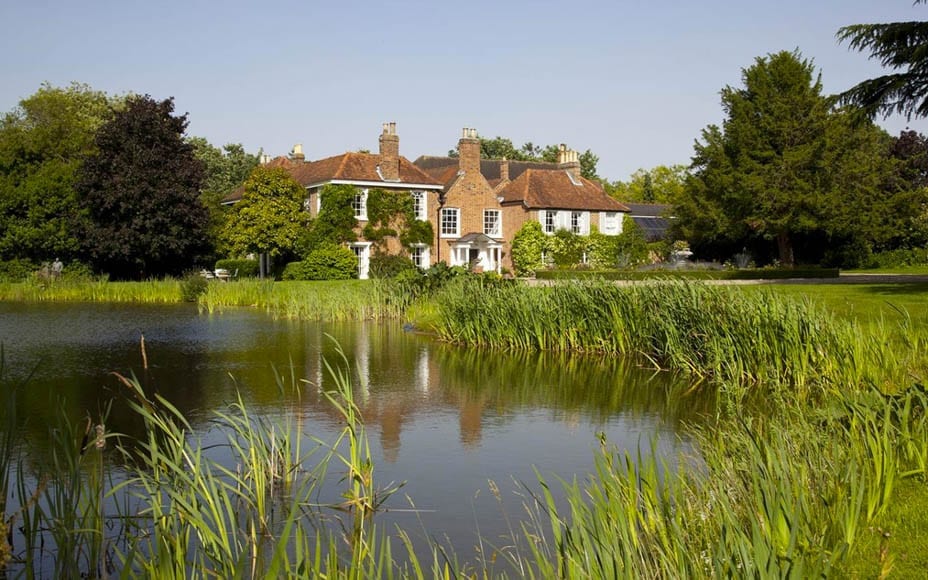
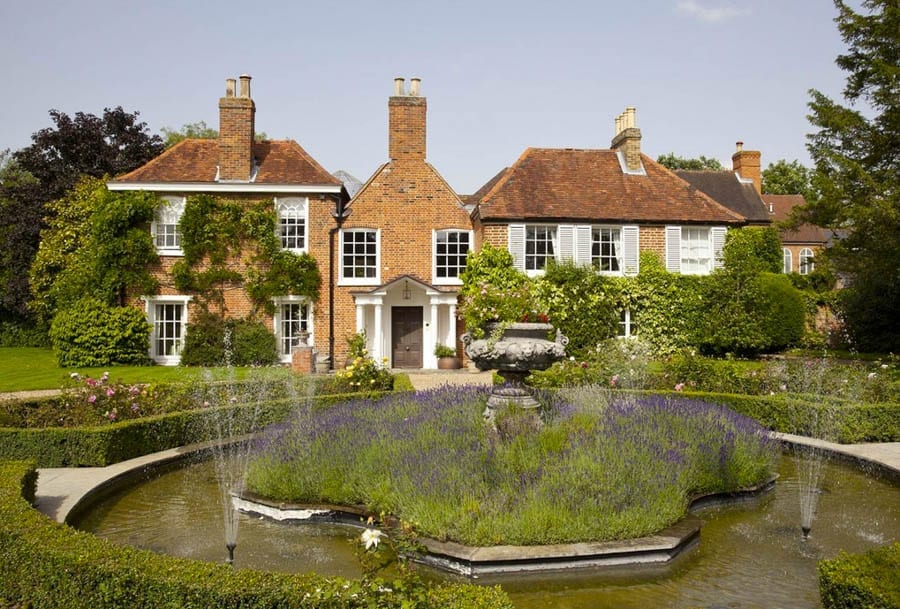
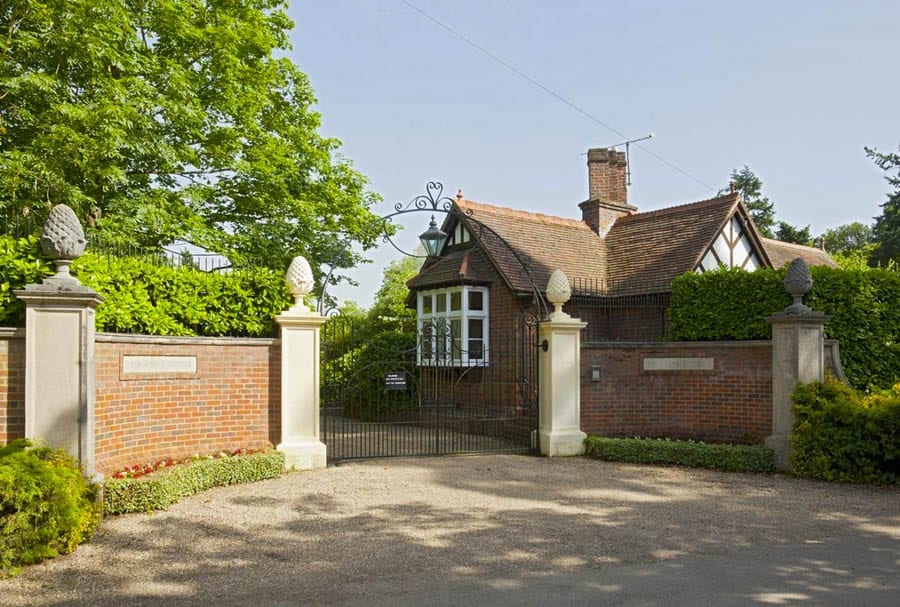
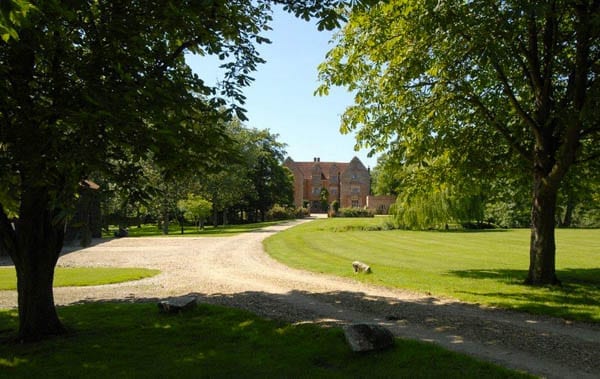
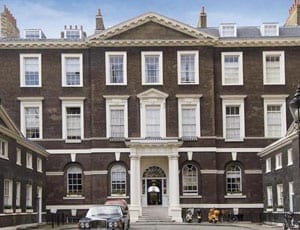
Not connected with the LGBT community in any way, but in fact named after a man named John Gays, “Gays” at Holyport, near Maidenhead in Berkshire dates to around 1456 and is currently for sale for £5.95 million ($7.36 million, €6.88 million or درهم27.05 million).
Gays or John Gays House, Langworthy Lane, Holyport, Maidenhead, Berkshire, SL6 2HN, England, United Kingdom
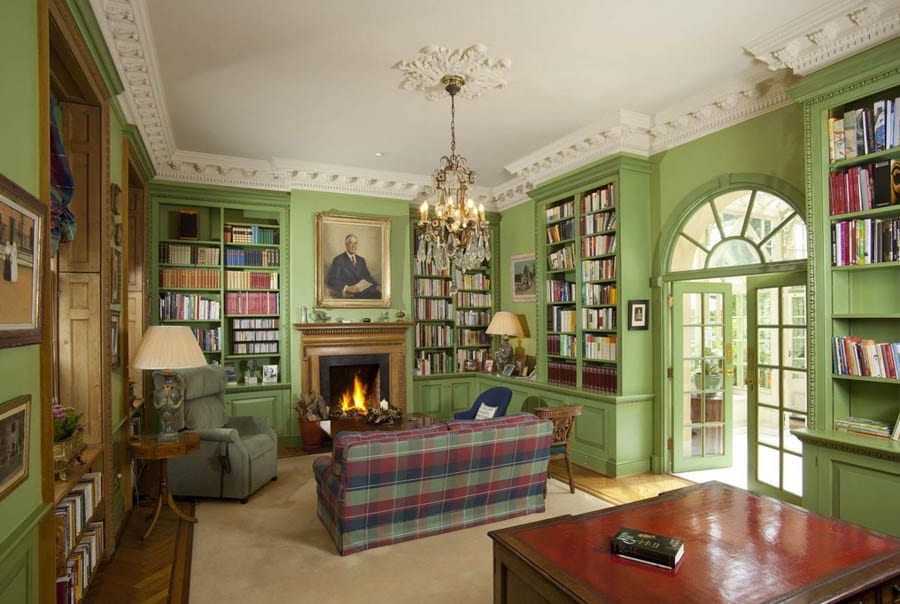
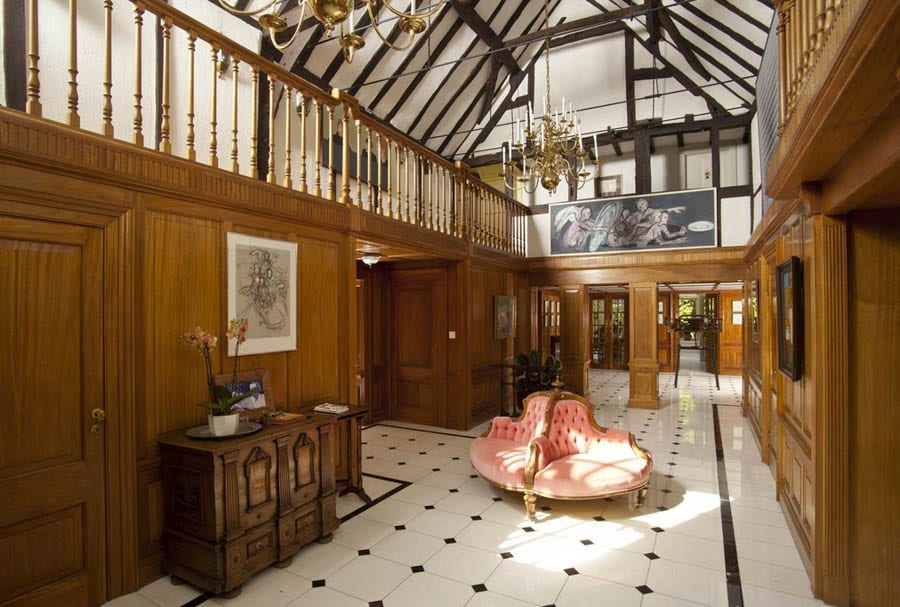
Also referred to as “John Gays House” and offered to the market by Christie’s Real Estate, this 12,482 square foot “bijou old world residence” stands in 20.75 acres and is predominantly built of red brick elevations with attractive sash fenestration, under a tile roof. It is Grade II listed, dates to the Tudor period and also includes later Queen Anne, Georgian, Victorian and 20th century additions.
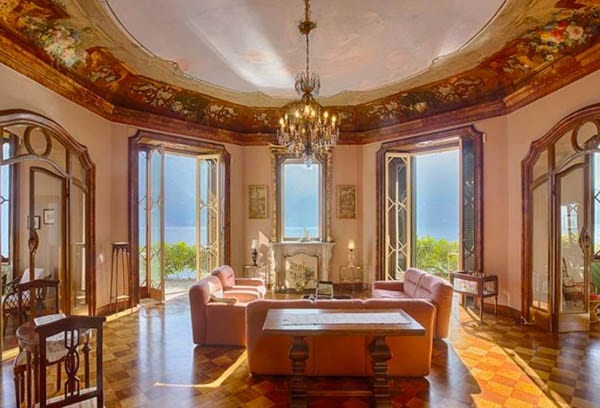
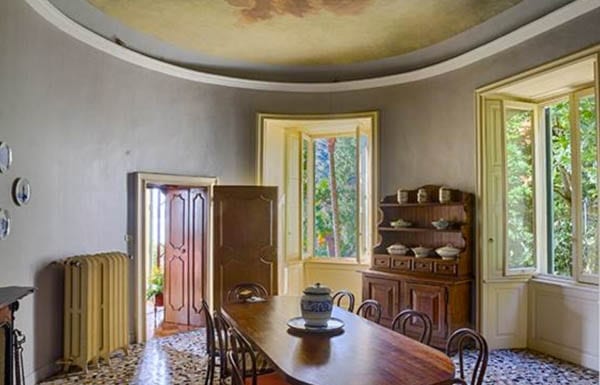
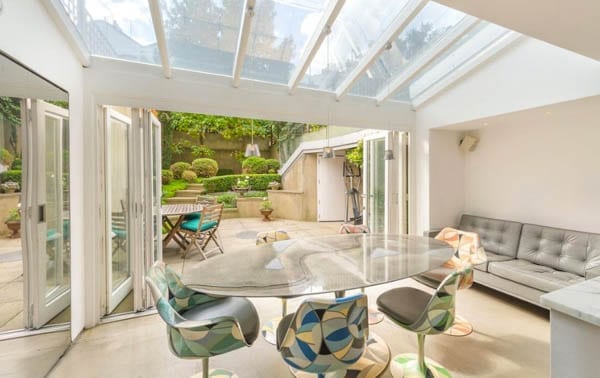
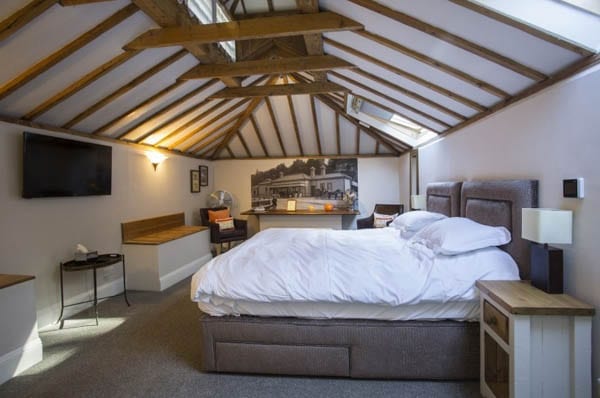
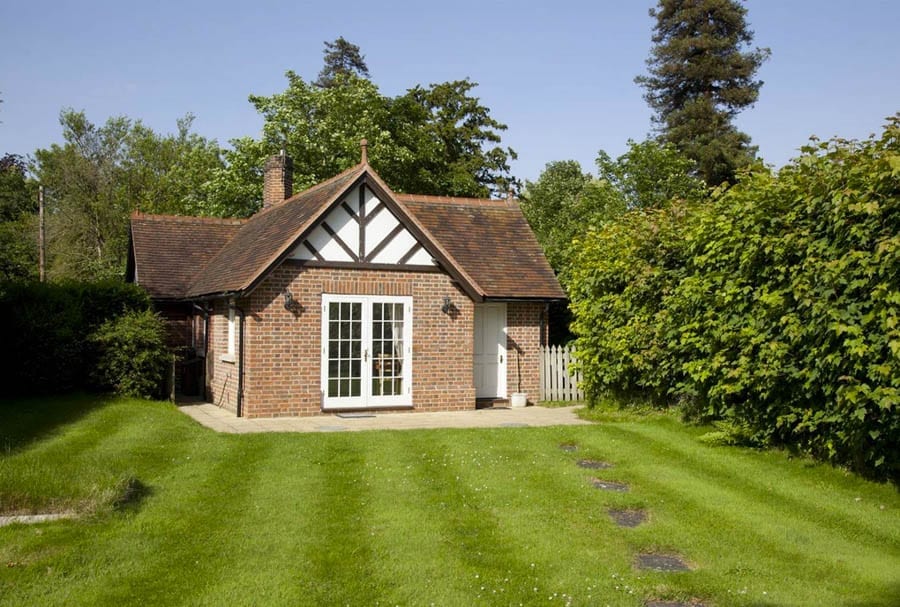
Less than 30 miles from central London, Gays has been owned by a Swiss family for 20 years according to Country Life and includes 6 reception rooms, a conservatory, a master bedroom suite with 2 bedrooms, a bathroom and 2 dressing rooms, 6 further bedrooms and 5 further bathrooms. In addition, the property also comes with a 2-bedroom lodge cottage, a 2-bedroom staff cottage, an indoor swimming pool, wine store and 4-car garage.
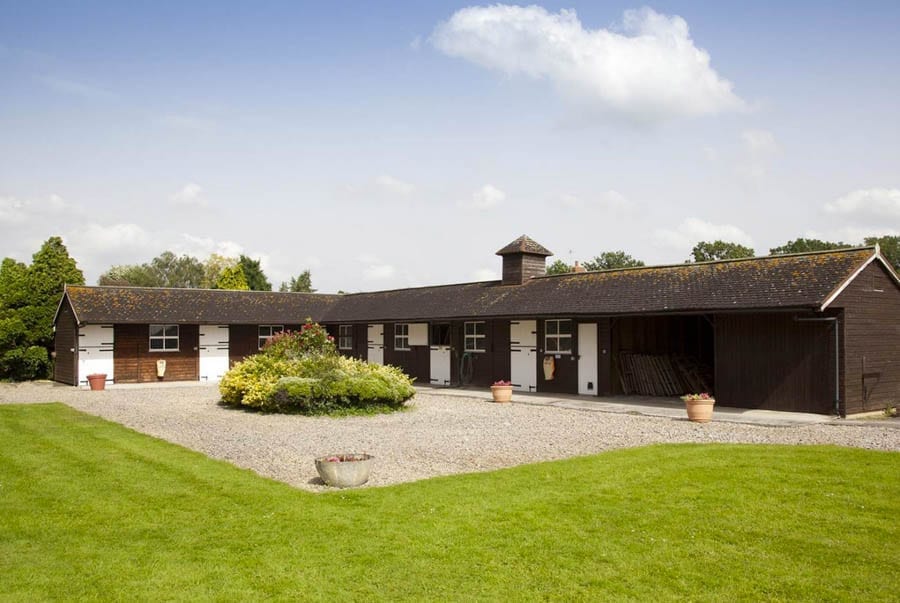
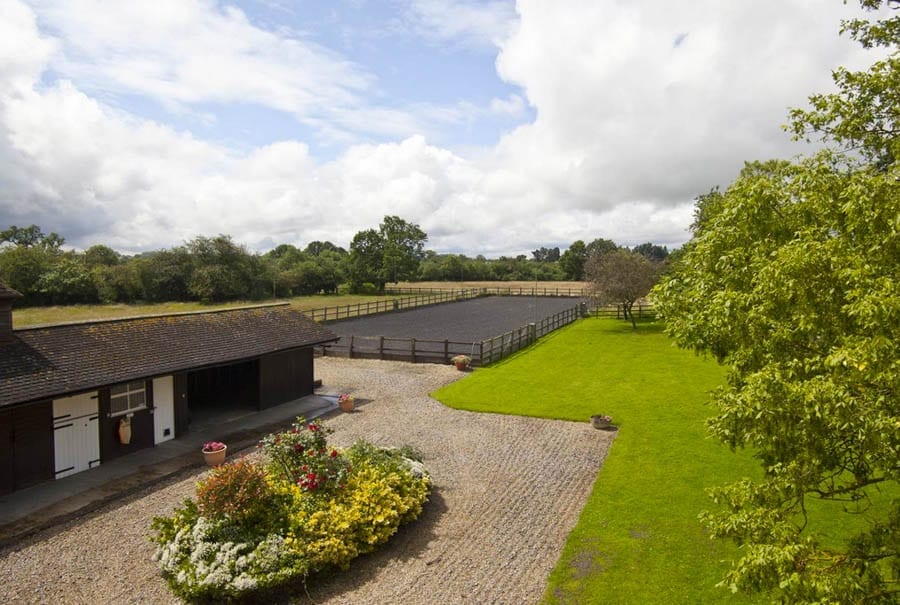
Aside from a large lawned garden with an irrigation system, a lake adjoins the house and there is also an orchard with apple and pear trees. A stable block, a manège and paddocks stand beyond whilst a 1-kilometre long sand and rubber chip horse exercise track circles it. The Duke of York, it transpires, borrowed these facilities in the late 1990s for his own horses.
Social media has given a gang of angry old men a voice that is truly repugnant; weirdly they’re united by their adoration of cats and dogs
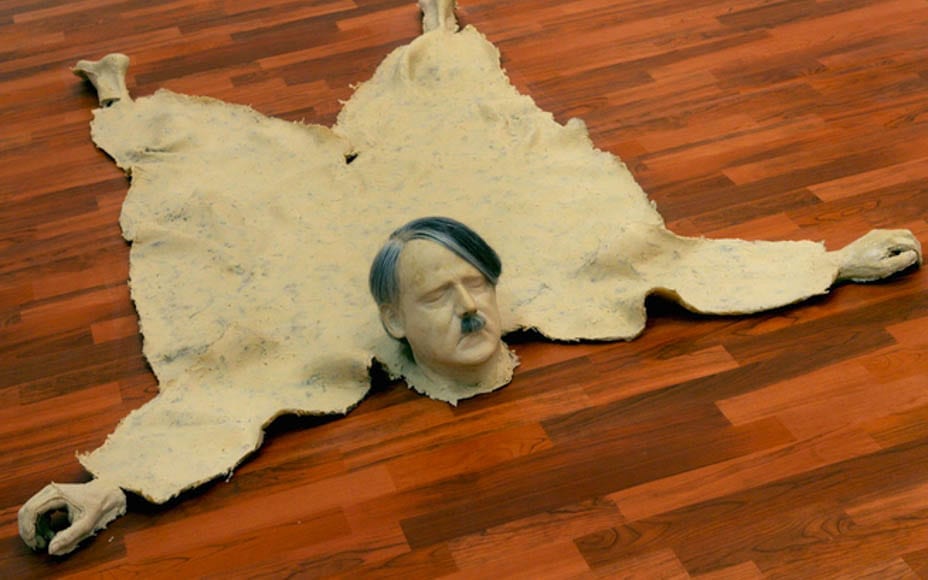
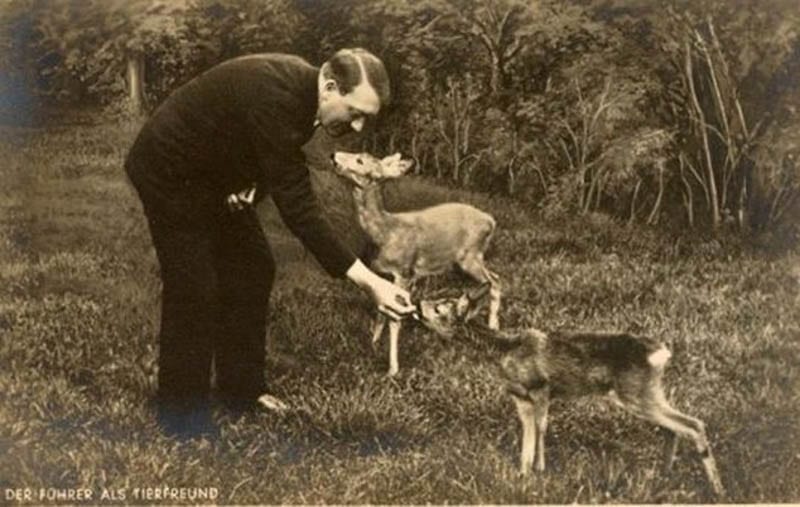
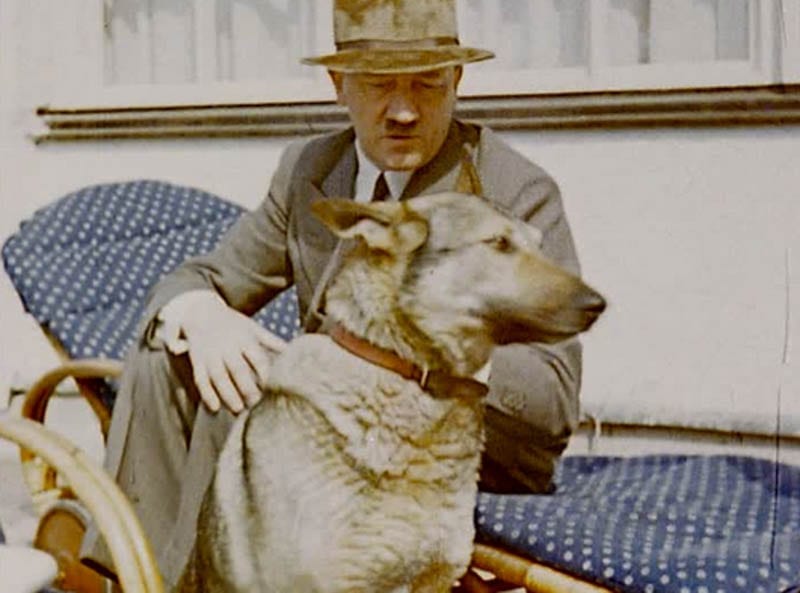
Hitler loved animals. He didn’t like most humans and he especially didn’t like Jews, gypsies and gays. Now, a group of angry, bitter men have taken to social media in the wake of Brexit and the election of Trump and surprisingly, the one thing that unites them is that this mob also like sharing pictures of cats, dogs and other animals.
Aside from their vile rants about Gina Miller – one offered a reward of £5,000 to anyone who might “accidentally run her over” – this nasty gaggle talk of how they “want to piss off the PC” and link to articles about robberies where they claim “blacks carry on this kind of work”. They brand anyone they don’t like “PC c**ts”, term them “feral dogs” and refer to Bernie Sanders as “a fascist neo-Liberal alt-left clown”. Surprisingly, however, these sorry excuses for humans also pepper their posts with images of wolves playing – accompanied by caption such as “how lovely” – and “lions running on grass for the first time” – “stunning, delightful”.
Follow these people on Facebook and Twitter at your peril as all you’ll see is angry Middle England at its worst; the most intolerant animals have taken over the asylum and they love only the animals that can’t answer them back.
Matthew Steeples suggests that Brendan O’Neill’s mocking attack on alleged victims of Westminster VIP abusers as a ‘paedophile panic’ in ‘The Spectator’ is nothing but a disgrace(more…)
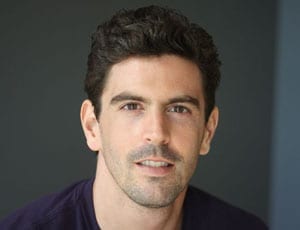
British born, American raised, Miller rose to fame in the Fox Network series Prison Break. A Princeton graduate, the actor turned screenwriter used the pseudonym Ted Foulke to write Stoker and Uncle Charlie and came out as gay in August 2013 in a letter posted on GLAAD’s website where he declined to attend a film festival in Russia on the basis of the country’s treatment of homosexuals. In his letter he boldly stated: “I cannot in good conscience participate in a celebratory occasion hosted by a country where people like myself are being systematically denied their basic right to live and love openly”.
Matthew Steeples offers offers a tribute to the late Robert Troyan
I first met the larger than life Bostonian character Robert Troyan (1950 – 2013) with his partner Anthony Feldman in the early 2000s at their impressive apartment in Mayfair. Though I did not come to know them well, I fondly recall a number of evenings that they hosted there planning an event for a charity we were all involved in named Marine Conservation and several dinner parties.
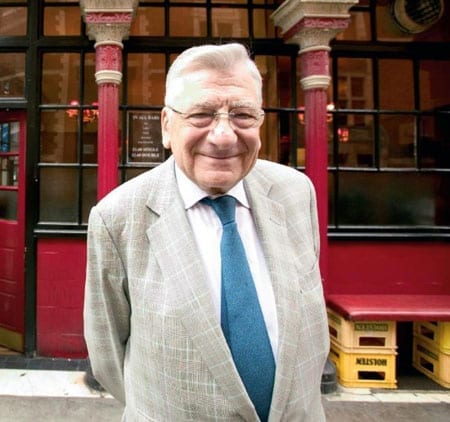
“London’s rudest landlord” enjoyed causing offence more than anything else. Following on from his father’s purchase of the lease of Soho’s The Coach & Horses pub in 1943 Norman “You’re Barred” Balon worked there and then later, as landlord, presided over “prostitutes, gays, lesbians and a bit of the theatre community”. When a visiting rugby player asked for a Snakebite, his response was: “We don’t do cocktails here. Get out!” A Sikh customer was asked: “You’re not a fackin’ Muslim are you?” When he answered no, the bombastic landlord answered: “All right, you can stay then”. Balon states he chose to retire in 2006 “because all my customers are my age and one by one they’re dropping off their bar stools” before concluding that he hoped more of them would die abroad as then he’d be able to avoid “the cheap shit they serve at wakes”. The hospitality industry (sadly) doesn’t allow for the existence of characters like this anymore.
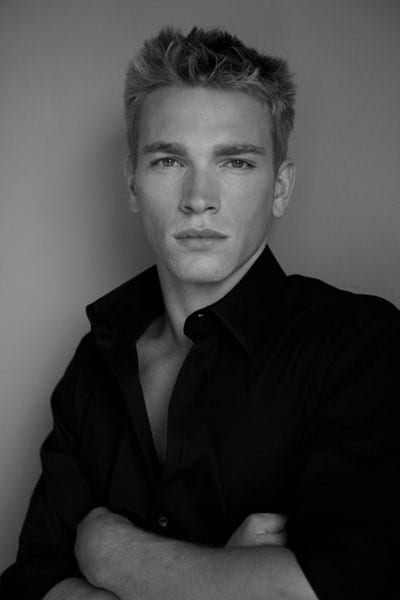
The Steeple Times asks model and personality Nicholas Gruber: “What’s on your mantelpiece?”
The Steeple Times shares “wit and wisdom.” What’s your guiding force?
I try to learn something from everyone I meet.
“Don’t get even, get medieval” is, in our humble opinion, a great motto. What’s yours?
Life is short so enjoy a part of every day, even the shitty ones.
Kerry Katona was considered unacceptable in 2007. Who or what is unacceptable in 2012?
Picking on anyone less fortunate than you. That’s why the Republicans lost the election in the US.
Tony Blair misses being Prime Minister. What do you miss most in your life?
My grandmother, Judy Bolduc. She was the first lesbian in California to adopt a child, my dad.
What might you swap all your wealth for?
Honey, pick up a paper: I did that already for some freedom.
Donald Trump was once a case of: “If you owe the bank a thousand, they close you down; but if you owe the bank a billion, you own the bank.” What’s your view on the banking crisis?
Greed is never good in any way, shape or form.
What phrase or word do you most loathe?
“Thank you so much.” It seems insincere whereas just “thank you” seems genuine.
In the UK, some people consider charity to “begin at home.” What’s your view and what causes do you personally support?
Toys for Tots because I know first hand what it feels like to be a kid with nothing under the tree.
The judge in “Law Abiding Citizen” states: “I can pretty do whatever I want” before being blown up whilst answering her mobile phone. What’s your view on the appropriate use of such devices?
It is only appropriate to blow up terrorists.
If you could fill a carriage on The Orient Express, who would be your fellow passengers?
My new boyfriend, John Luciano, and my former one, Calvin Klein. Now, that would be one hell of a ride.
Nicholas Gruber
If you were unfortunate enough to end up on death row, what would be your last meal and where would you eat it?
Pasta from Bar Pitti. Two helpings. Plus a slice of German chocolate cake.
What time is it acceptable to consume the first drink of the day?
I’m sober so for me that would be noon. Joking. I don’t drink but I also don’t judge.
A Negroni, a martini or a cup of tea?
None of the above. I will take a coconut water please.
Whose parties do you enjoy the most and why?
Calvin Klein. He might be three times my age but he can party like a rock star.
Who is the most positive person you know?
A tie between Calvin and John. They both believed in me when I didn’t believe in myself.
What’s your most guilty pleasure?
Having a mob related boyfriend who allows me to have girlfriends.
If a tattoo were to sum you up, what would it be of?
A glass that was half full because that’s how I roll.
If you were a car, what marque would you be?
A smiley face.
Cilla Black presented “Surprise, Surprise.” Tell us the most surprising thing about you.
Matthew Steeples delves into the history of Albany, Piccadilly and discovers an affordable way of living there
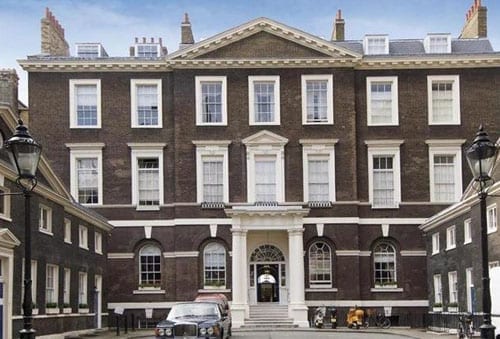
Albany, off Piccadilly in Mayfair, was most probably London’s first apartment block and it’s certainly the city’s most exclusive. It may be next to the Royal Academy and opposite Fortnum & Mason but surprisingly few have even heard of it.
Considering its location, Albany, which some make the mistake of referring to as “The Albany,” is an amazingly quiet oasis of peace and tranquility but, equally, it is a place of intrigue and drama. Residents, or “proprietors,” as they prefer to be known, of the 69 “sets” are particular about the “the” part of the name as they’d rather their residence not be confused with a public house and they are even more protective of their privacy. A porters’ lodge guards the entrance to the building and it is staffed mostly by ex-servicemen, who, until the early 2000s, had to wear top hats and tailcoats. Those allowed to pass enter a rarefied world frequented by what the Irish novelist Marmion Savage (1803 – 1872) identified as “incurable oddities” and “superannuated fops” in The Bachelor of Albany.
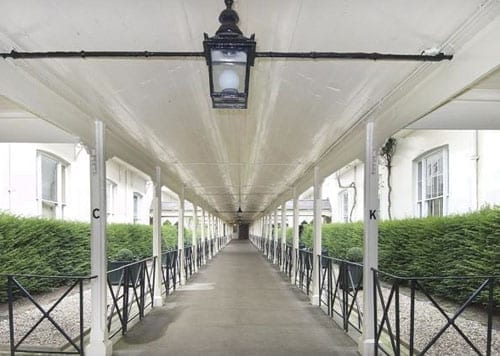
The front courtyard and façade of Albany, Piccadilly, Mayfair, London, W1J 0ALThe rope-walk connecting the various sets of Albany has been traversed by some of the greatest names in history
Built by Sir William Chambers (1723 – 1796), who also designed Somerset House and the pagoda at Kew, between 1770 and 1774 for 1st Viscount Melbourne (1745 – 1828), Albany was originally known as Melbourne House and conceived as a three-storey mansion, seven bays wide with a pair of service wings flanking a front courtyard. From 1791 to 1802, the property was occupied by George III’s son, Prince Frederick, Duke of York and Albany (1763 – 1827), but after he left, the renowned architect Henry Holland (1745 – 1806) sub-divided the existing house and added two parallel sets of buildings running the length of the garden to create 69 “bachelor apartments” which he named “sets.”
The “roll call” of residents since could easily fill our very own pages thrice over. They number royalty, politicians, artists, playwrights, academics and philosophers and here is a brief selection:
– Anthony Armstong-Jones, later 1st Earl of Snowdon
– Sir Thomas Beecham
– Sir Isaiah Berlin
– Lord Byron
– George Canning
– Sir Kenneth Clark
– Baroness Pauline de Rothschild
– William Ewart Gladstone
– Sir Edward Heath
– David Hicks
– Aldous Huxley
– Sir Simon Jenkins
– Rupert Lycett Green
– Malcolm Muggeridge
– Sir Harold Nicholson
– J. B. Priestley
– Sir Terence Rattigan
– Roger Scruton
– Baroness Sharples
– W. Somerset Maugham
– Terence Stamp
– Sir Denis and Lady Thatcher
– Sir Herbert Beerbohm Tree
Each had to pass the vetting of a committee of trustees of this Grade I listed building. That committee forbids children under 14, pets, musical instruments and commercial activities and each approved resident has undoubtedly added to the history of this den dominated by a central walkway named the “rope-walk.” Incidentally, an example of a curious quirk at Albany is that no resident is allowed to speak to another on this walkway. If they do, a fine is incurred. Albany, indeed, is rather like a college in its systems of rules, regulations, order and hierarchy.
For several centuries, women were not even allowed to cross the threshold and one legendary tale tells of Lady Caroline Lamb (1785 – 1828), disguised as a page boy, stealing into Lord Byron’s (1788 – 1824) set in 1815 to leave a note: “Remember me, Byron.” He replied with a simple verse:
Remember thee, aye, doubt it not:
Thy husband too shall think of thee.
By neither shalt thou be forgot —
Thou false to him, thou fiend to me.
The strict and formal structure that controls Albany and ensured its maintenance has succeeded in the main because 34 of the 69 sets are owned by Peterhouse College, Cambridge. They and the other owners are highly particular in whom they lease to and on one occasion on hearing of an “unsuitable tenant,” the secretary of the trustees is reported to have shouted:
“He’s a foreigner. Don’t like him. Don’t trust him.”
Needless to say, that application didn’t progress and nor did one from a physiotherapist who planned to operate from the building. Bone bashing in Albany just wouldn’t do.
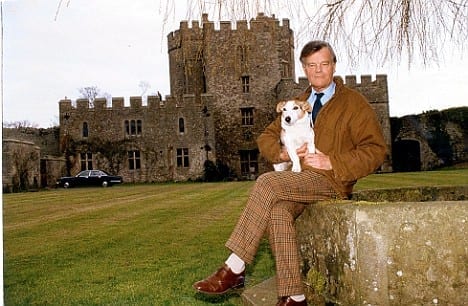
The Rt. Hon. Alan Clark MP (1928 – 1999) in the grounds of his main home, Saltwood Castle, near Hythe in Kent in 1993
A horsewhip, however, nearly crossed the threshold of set B5 in 1994, as it was here that the late Alan Clark MP (1928 – 1999) lived. The affable philanderer seduced the wife and both daughters of a certain South African named Judge Harkess and the wronged man stated he would “have horse-whipped Clark if he had known how comprehensively he had violated his honour.” B5, itself, was described as having the feel of “the straitened quarter of an Edwardian bachelor on his uppers” and the dotty, English attitude of the residents is best summed up by the reaction of Clark’s neighbour when he accidentally flooded their basement. When asked what he could do to make amends, their answer was quite simple: “Go and lie down in Piccadilly and wait for a double-decker bus.”
The dandy and journalist John Morgan (1959 – 2000) typified social change at Albany in the 20th century just as much as he himself redefined etiquette and manners at Debrett’s and The Times. Of “humble origins,” Morgan was brought up in a “modest” bungalow in St Madoes, Perth, Scotland but is credited with persuading William Hague to remove his baseball cap whilst Conservative leader and offering advice ranging from “how to eat a banana” to “how best to tell friends that the partner you would like to bring to their wedding will be of the same sex as you.”
Dandy and etiquette expert John Morgan (1959 – 2000)
For the bachelor and GQ style director, living in Albany was symbolic of his own personal social elevation but he did not disown his past. This modern day Beau Brummell was a man of social contradictions who cashed his cheques at Claridge’s but was a member of the National Union of Journalists. He was a Tory but still regularly attended chapel meetings as he had done in his youth. Here was a man of paradoxes who seemed unable to come to terms with the fact that he was a homosexual.
Morgan, an asthma sufferer, fell to his death from a fourth floor window on 9th July 2000. He was found in just a white shirt in a basement below a window whose sill was strangely undisturbed. The coroner left an open verdict with a suspicion of suicide and it was widely reported that police found 60 made-to-measure Savile row suits, 300 monogrammed shirts and 90 pairs of shoes in the etiquette expert’s small set. Mystery shrouds the story of his tragic demise to this day but Johnny Morgan will forever be remembered as an arbiter of both good taste and behaviour.
Whilst Morgan represented continuation of the trend of bachelors living in Albany, change also came in the 20th century when the building’s committee removed the restriction that allowed only bachelors to be resident. With that females were allowed in and amongst them Fleur Fenton Cowles (1908 – 2009) was one of the most fascinating.
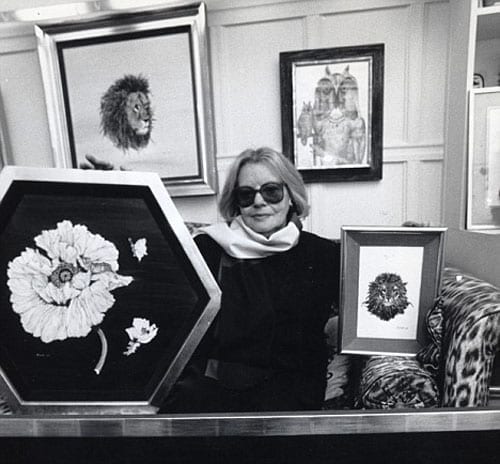
Fleur Fenton Cowles (1908 – 2009) in her set at Albany with some of her paintings and one by Salvador Dali
This writer and artist occupied five sets knocked into one with her fourth husband, timber merchant Tom Montague Meyer, and according to the Daily Mail’s Geoffrey Levy, hosted “elite soirees of the powerful and famous.” Levy recounts them at length but here is a flavour:
“On a Wednesday evening, a typical dinner party… would include Foreign Secretary Selwyn Lloyd, Labour leader Hugh Gaitskell, entertainer Danny Kaye and film star Douglas Fairbanks Jr. The Queen Mother regularly came to tea and was once joined by Pavarotti who sang Happy Birthday for the royal guest. ‘I don’t want her to die,’ said Fleur. ‘I couldn’t bear to think she doesn’t live just down the street.’ ”
Fenton Cowles, founder of the ill-fated Flair magazine and a “woman who knew everyone,” loved Albany and an exact replica of her “windowless, milk-yellow” study there has even been recreated at the University of Texas.
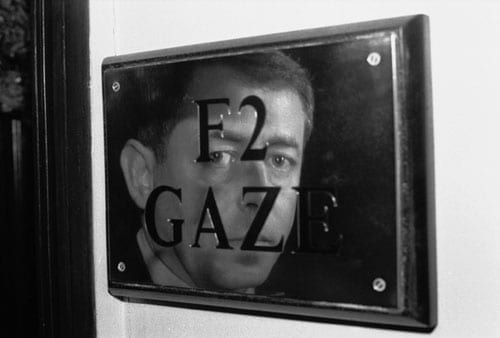
Another known for hosting extravagant bashes in Albany was my late friend, the Russian icon dealer John Gaze (1947 – 2011). Gaze had, as a boy, asked his father about the building when he passed it as a child and immediately declared he would live there one day. He took F2, the former set of Edward Heath that overlooked Savile Row to the rear, in the mid 1990s as he craved the safety that the building offered after having been kidnapped at gunpoint by an Oxford graduate conman named Sacheverell de Houghton in April 1991 from his then home in Fournier Street, E1. He made the most of his tenancy.
Russian icon dealer John Gaze (1947 – 2011) reflected in the brass plaque outside his Albany set, F2. It was formerly occupied by Sir Edward Heath.
Gaze’s parties included a fundraiser for people with AIDS hosted by a drag queen. This sparked fury with certain other residents and coverage in the Daily Telegraph and another incident there involved him encountering Alan Clark on the ropewalk carrying a portrait of Lenin. “Where the fuck are you taking that?” Clark supposedly bellowed but was “reassured” when he was told it was “destined for a less salubrious address in Whitechapel.” John Gaze remained at Albany for several years but, like a number of others I know, was forced out by ever rising rents and moved first to Chelsea and then Ennismore Gardens, Knightsbridge. He always remembered his time at Albany fondly and as a bon vivant, he truly belonged there.
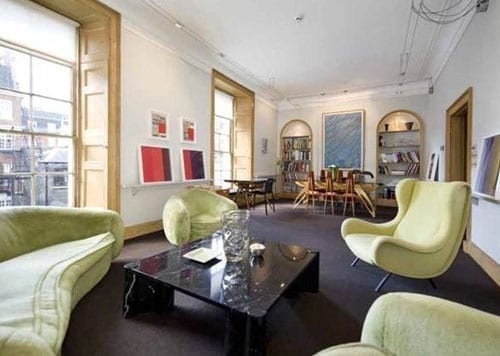
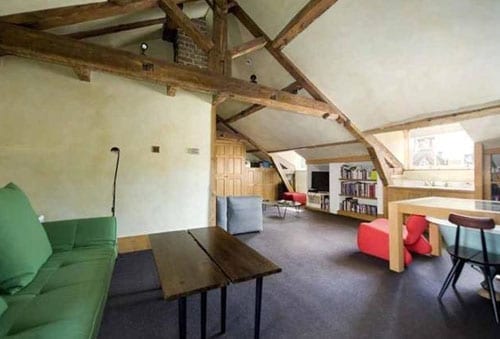
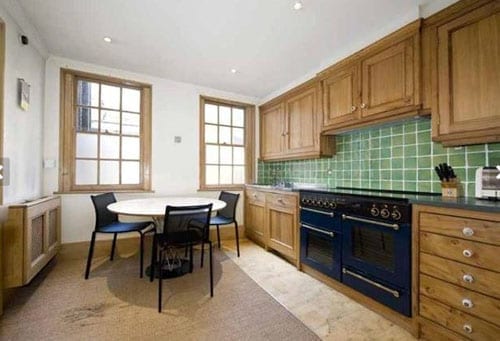
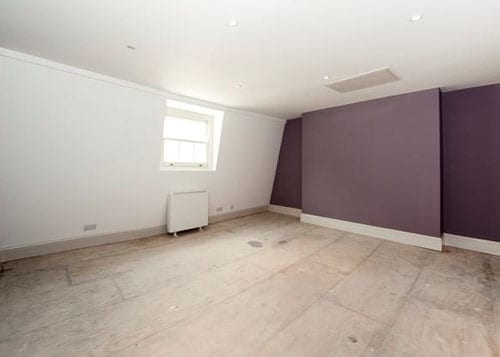
The main reception room in a £1,400 a week set currently available in AlbanyAn attic room in the set that could be used as a second reception room or second bedroomThe kitchen is lacking in character but offers ample space for informal dining
Contrary to what you’d expect, living in Albany is not quite as expensive as one might think. A 2-bedroomed 1,970 square foot set is currently available through Knight Frank for £1,400 a week: a figure that seems quite reasonable given the location, history and size of this property. Available on a minimum 8-year rental term, it includes a formal reception room, a dining kitchen, 2 bedrooms and 2 bathrooms.
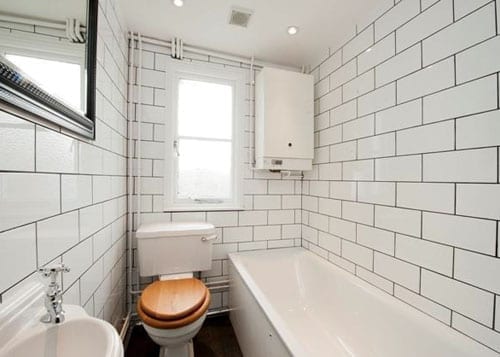
This £300 per week set, D2, consists of just one roomThe communal bathroom D2 shares with other sets is basic but clean
For those looking for something cheaper, Savills offer D2 Albany at £300 per week. This set consists of a 221 square foot third floor attic room with access to a communal bathroom and the agents suggest that it: “would make an ideal reading or writing room or an occasional bedroom for a pied-a-terre.” It’s effectively a posh form of tenement but what a way to impress your peers and subordinates.
Damon and Sandra de László in their “duplex” in Albany
Those renting either of these sets would find the likes of the industrialist Damon de László, a descendant of the Hungarian painter Philip Alexius de László (1869 – 1937), as their neighbour. The couple occupy Lord Byron’s former set, A2, and have, on occasions, opened it for a charity dinner with Matthew Parris at £1,000 a ticket as well and for members of The Portrait Institute to view their collection of de László’s works.
Professor Philip C. Bobbitt in his grand freehold set
Another present day resident is a man Henry Kissinger calls “the outstanding philosopher of our times,” Professor Philip C. Bobbitt. This Texan lawyer is a nephew of Lyndon B. Johnson and the author of Terror and Consent, which Tony Blair describes as “required reading for political leaders.” Bobbitt owns an impressive flying freehold set that is described as having a masculine style of décor and a “kitchen he has designed to look like a bar.” In an interview for TheIndependent he states that he finds Albany: “a propitious place to work.”
Though governments and bankers come and go, behind this quintessentially English façade, order and disorder have always been maintained. The wildcards of this hidden haven have a knack for living by the doctrine “to live at Albany is to live in history” and indeed they make the most of that. Those who are lucky enough to be let in, do, indeed, truly find themselves in the “Paradise of Piccadilly.”
This talented author was born in South Africa but educated at Eton and New College, Oxford. The Drowning People, his first novel, gained him a “vast” advance and was published during his first year at university. It’s been translated into 22 languages and has sold over 3 million copies. Richard Mason funds a foundation in memory of his sister that pays for gifted South African children from poor backgrounds to attend the country’s top private schools and with a writing style that’s been compared to “Henry James on Viagra”, he’s definitely got many more pages to pen. An early critic, who told him he “should have killed [himself] rather than publish”, is now writing reviews of home décor shows.