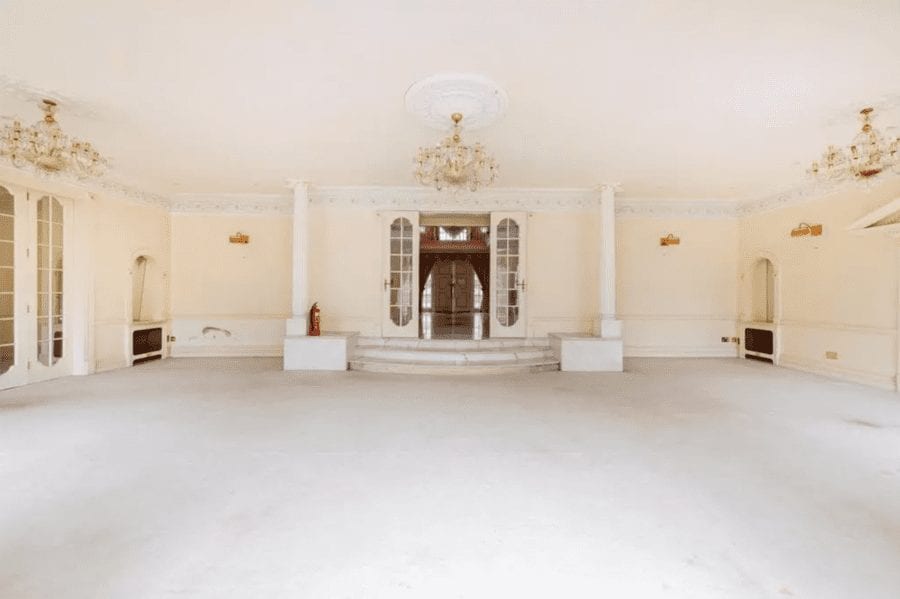
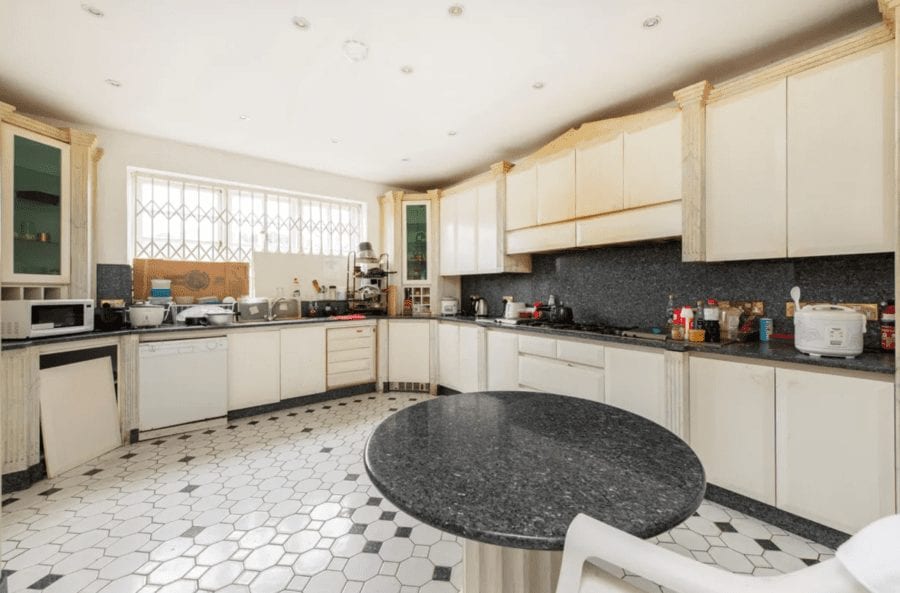
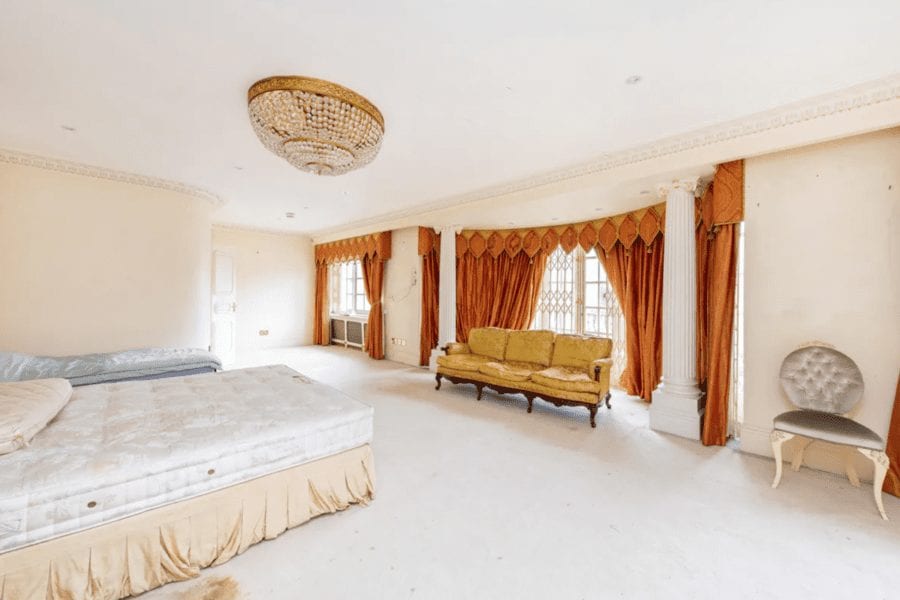
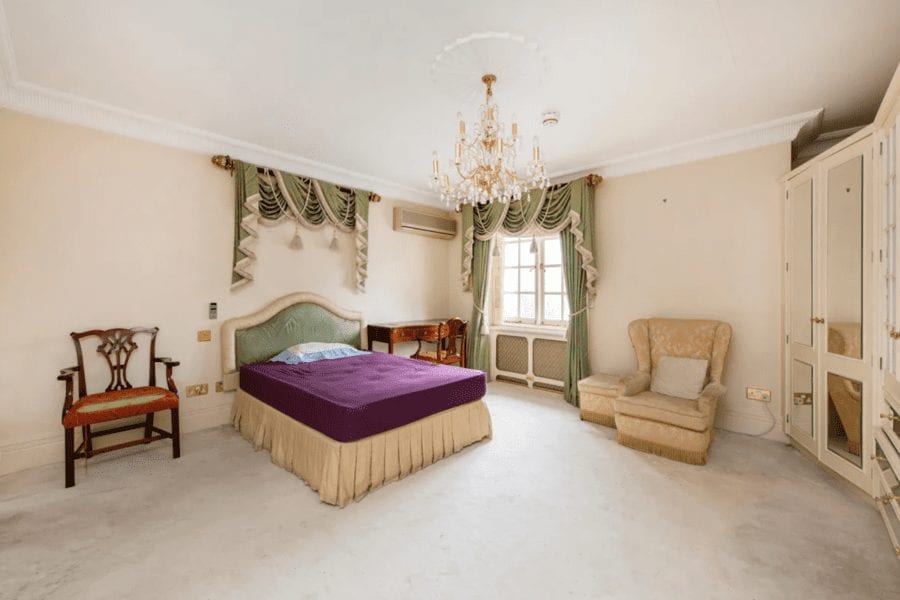
Fire damaged Wimbledon house with half its roof missing goes on sale for the staggering sum of £5 million; is this Britain’s most expensive roofless wreck?
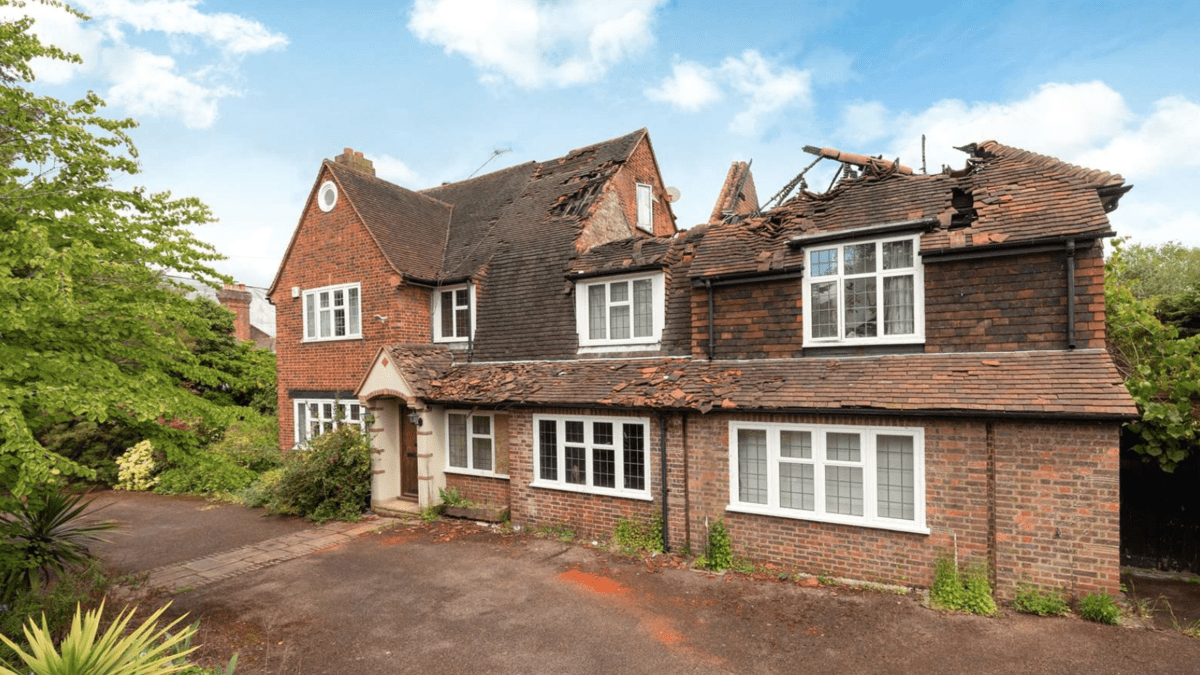
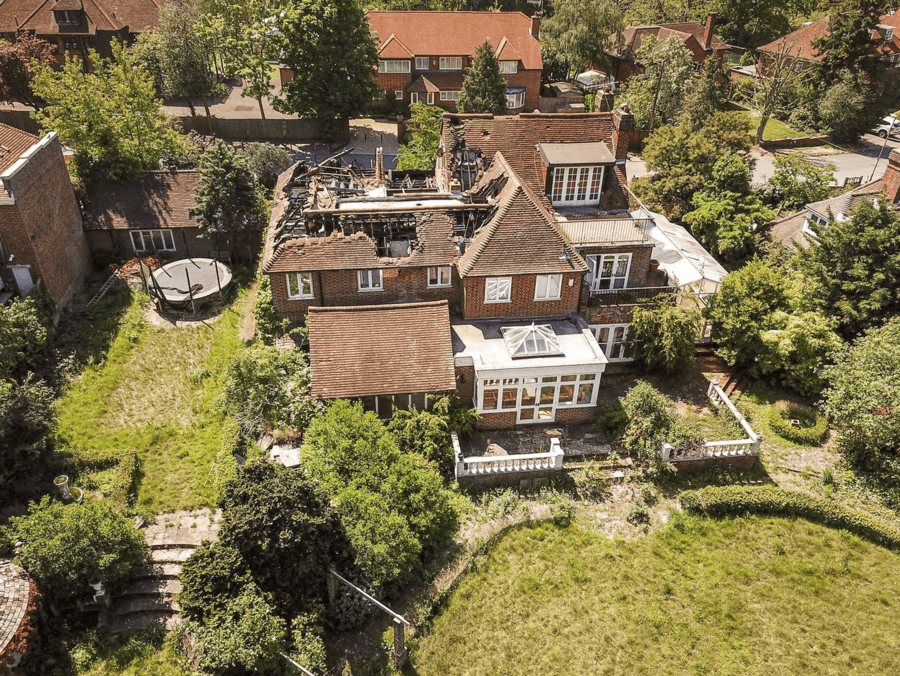
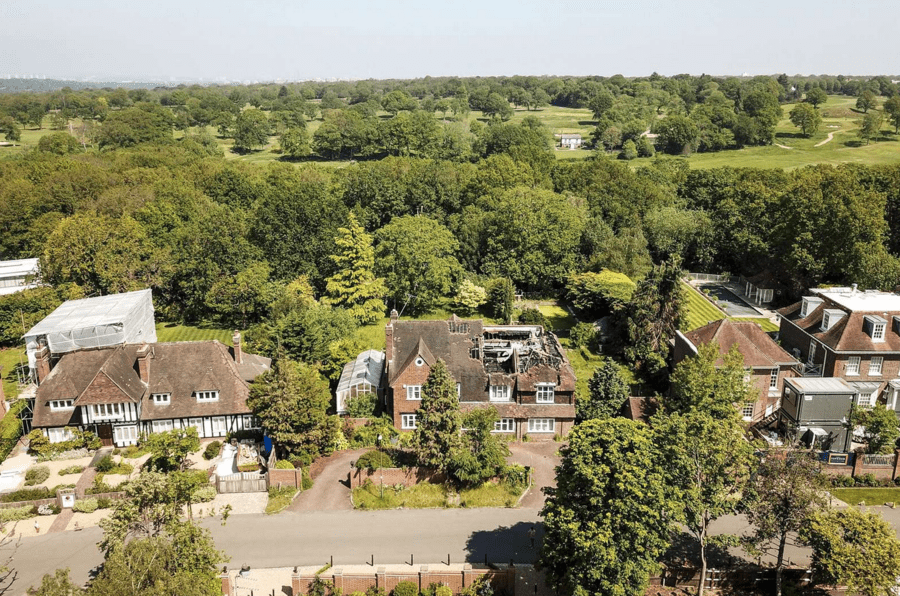
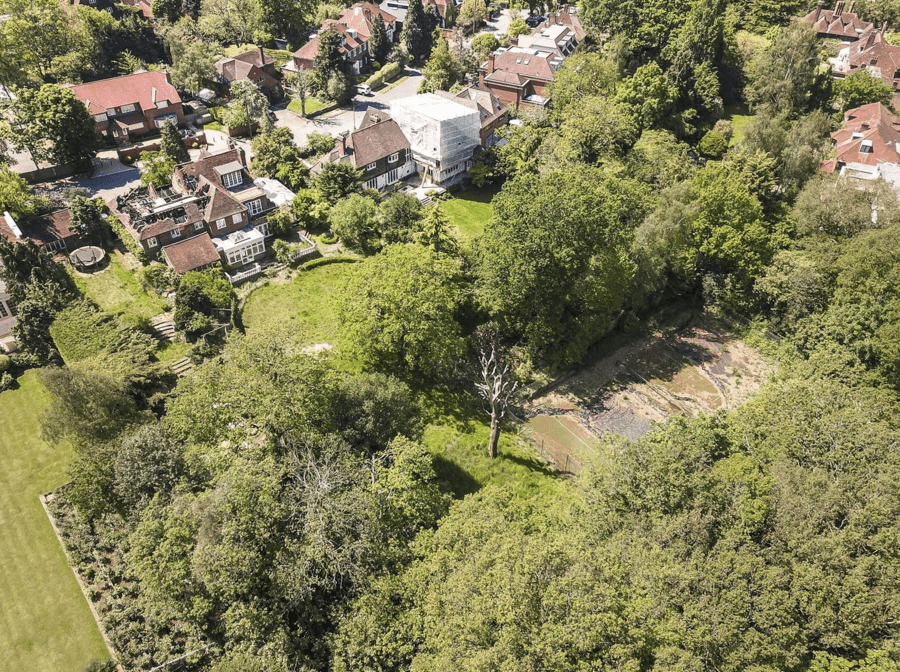
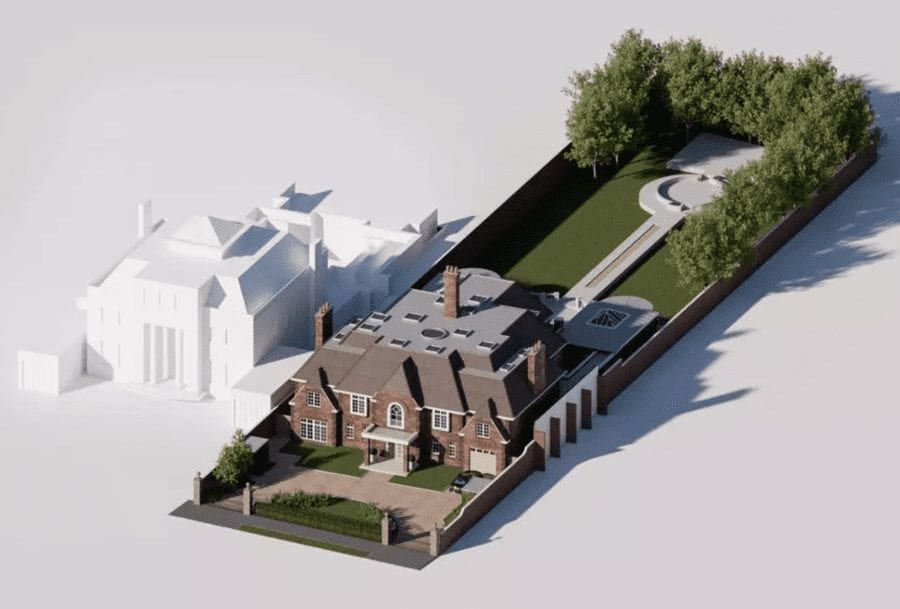
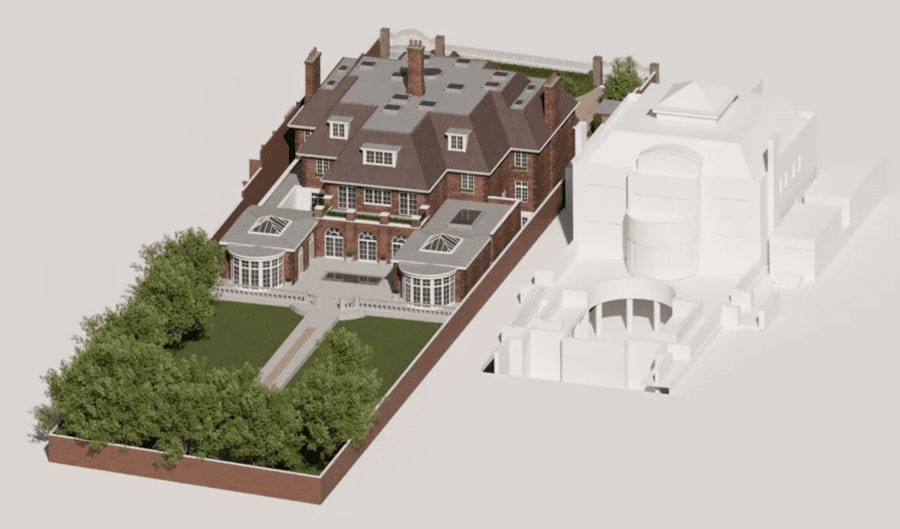
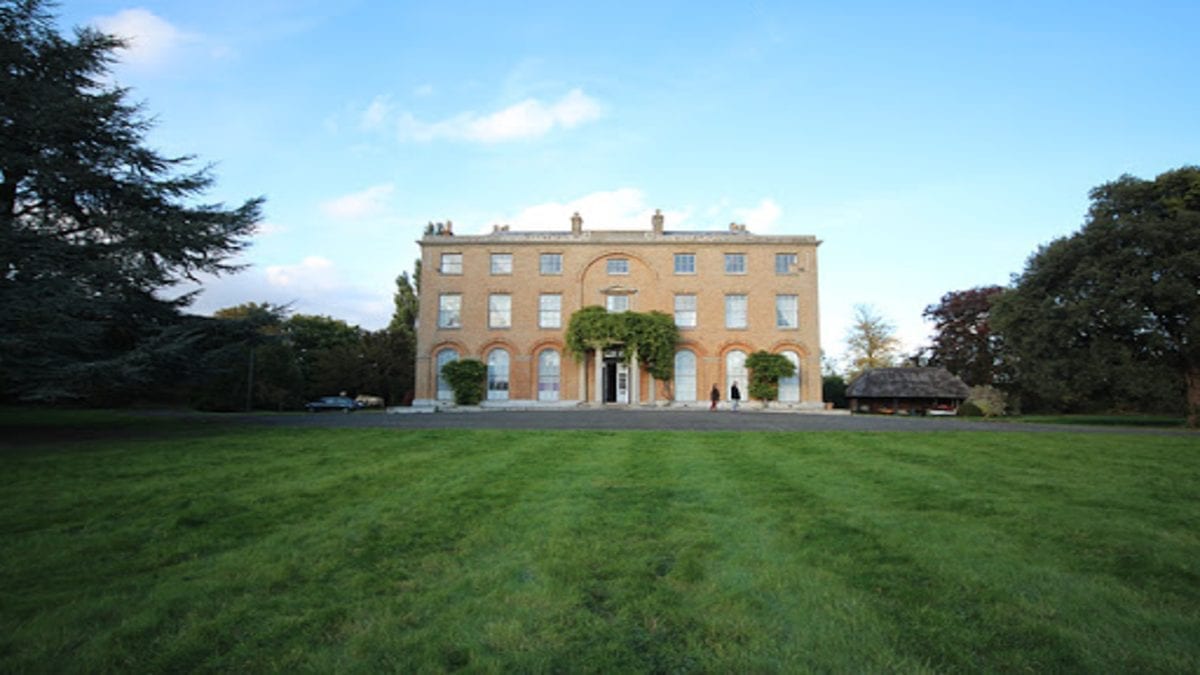
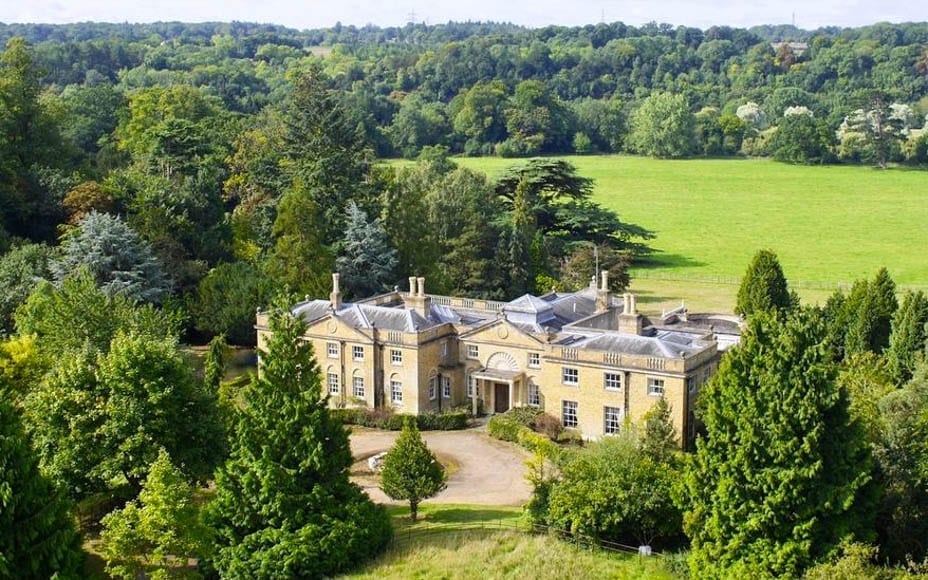
Britain’s now likely most expensive wreck without a roof comes in the form of a 5,000 square foot detached house – which, surprisingly is “locally listed” and thus cannot just be flattened – on a plot of one acre backing onto the Royal Wimbledon golf course.
The “period” property lost half its first floor and half its roof on 10th January 2018 when it caught fire. It took six fire engines and thirty-five firefighters just over two hours to bring the blaze under control, according to the Wimbledon Guardian.
James Morrison of selling agents Savills is anything but despondent about the future prospects for this currently not-so-regal residence. In typically bullish realtor fashion, he seizes an exclamation mark and begins: “[This is] a simply exceptional opportunity!”
Continuing Morrison gushes: “The house requires extensive refurbishment throughout. However, there is plenty of scope to extend and renovate this wonderful period property.”
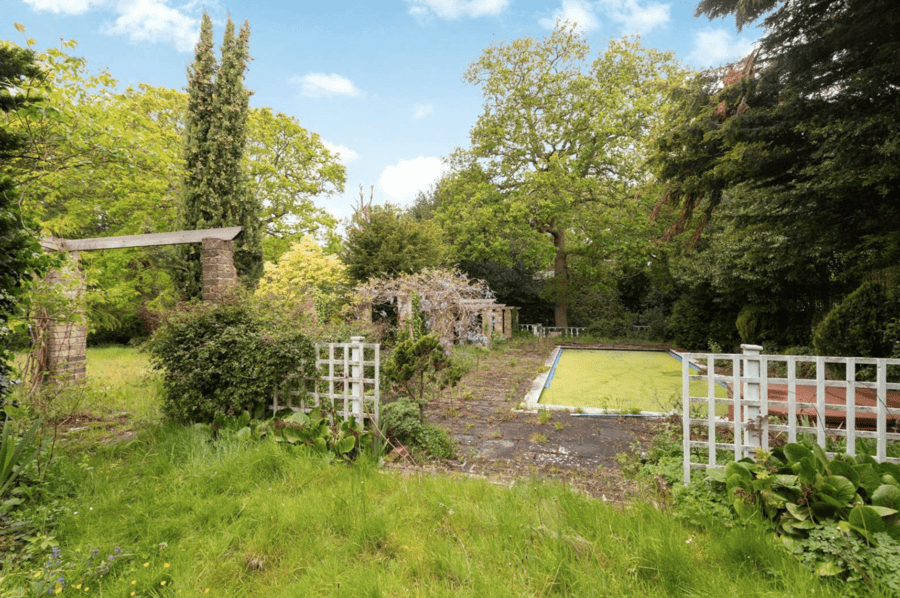
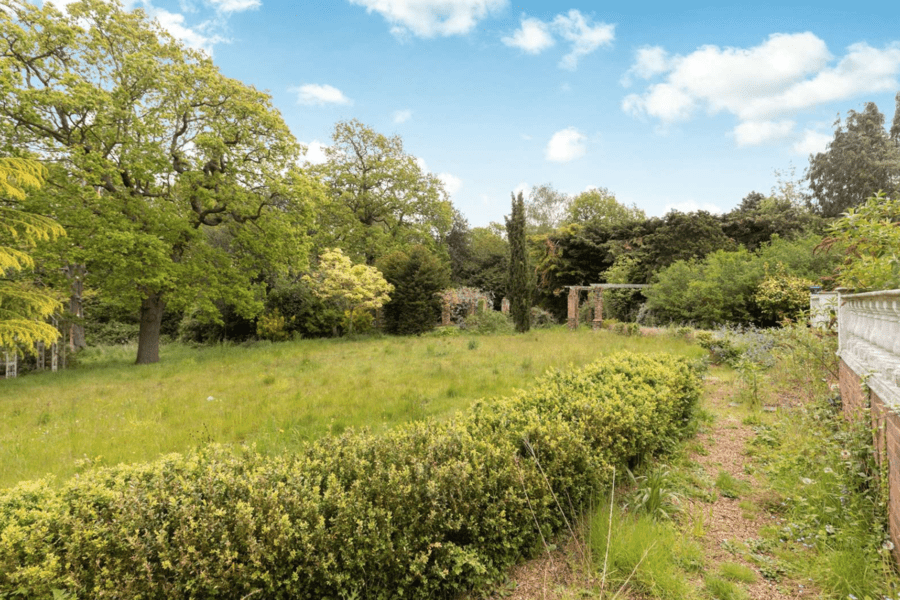
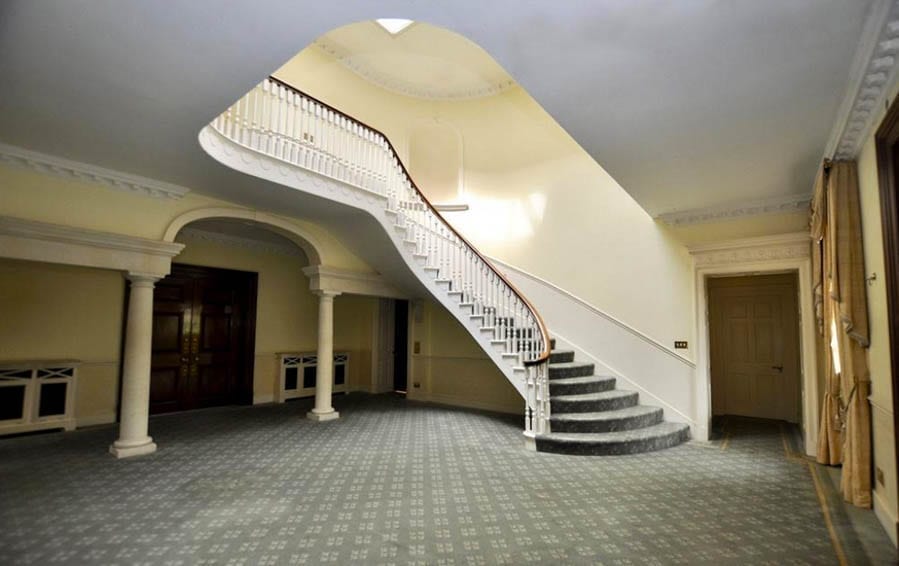
Aside from “well balanced living and entertaining space across three floors with a central galleried stairwell” – and presumably a lot of charring and ingressed water damage, there is also an overgrown garden, weed infested swimming pool and a currently derelict tennis court.
Buyers will no doubt be flocking round the block to move in time for the Wimbledon Championships 2021, which starts on 28th June.
OTHER WRECKS WITHOUT A ROOF PREVIOUSLY FEATURED IN ‘THE STEEPLE TIMES’
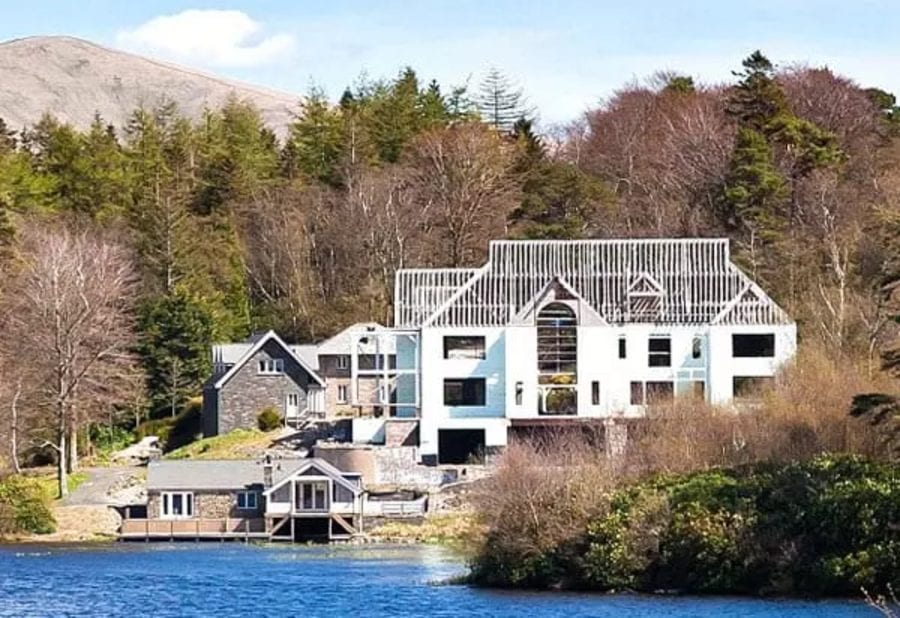
The Lilymere Estate, Killington, Cumbria, England
Featured when offered as repossession from a disgraced and struck-off solicitor in June 2015, this lacking shelter from the elements, potentially 8-bedroom, house came with a price tag of £3 million ($4.1 million, €3.5 million or درهم15.2 million) and 1,530 acres of land.
Of the estate, at the time, another overly optimistic estate agent, Andrew Black, also of Savills, mused: “An awful lot has been invested in it and what has been done has been done to a high standard. You can see what the vision was but they never got to complete it.”
“It needs someone with the vision and the resources to finish it. Within reason, they’ve essentially got a blank canvas to put their own decorative style on. It is a one-off and a special place but it will be a challenge and require further investment.”
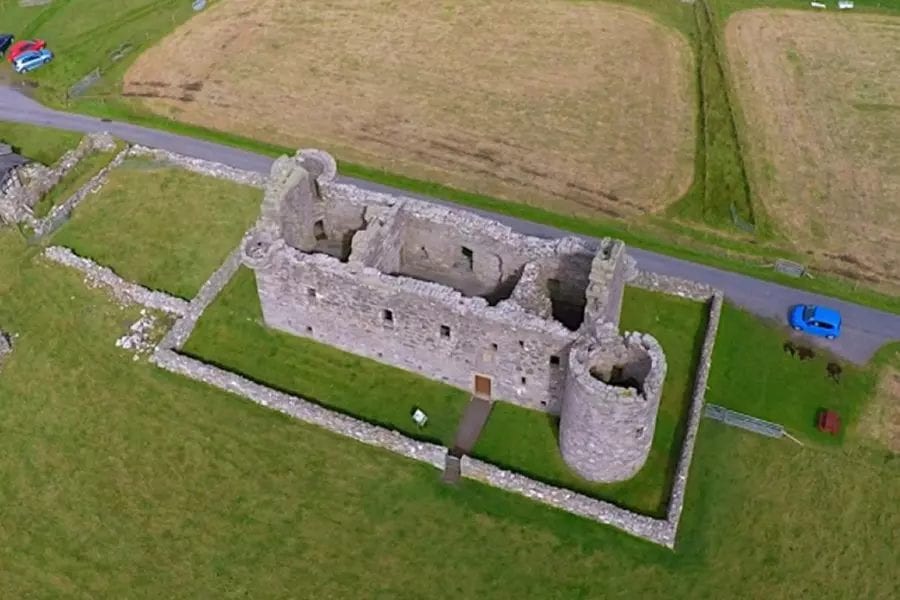
Muness Castle, Island of Unst, Scotland
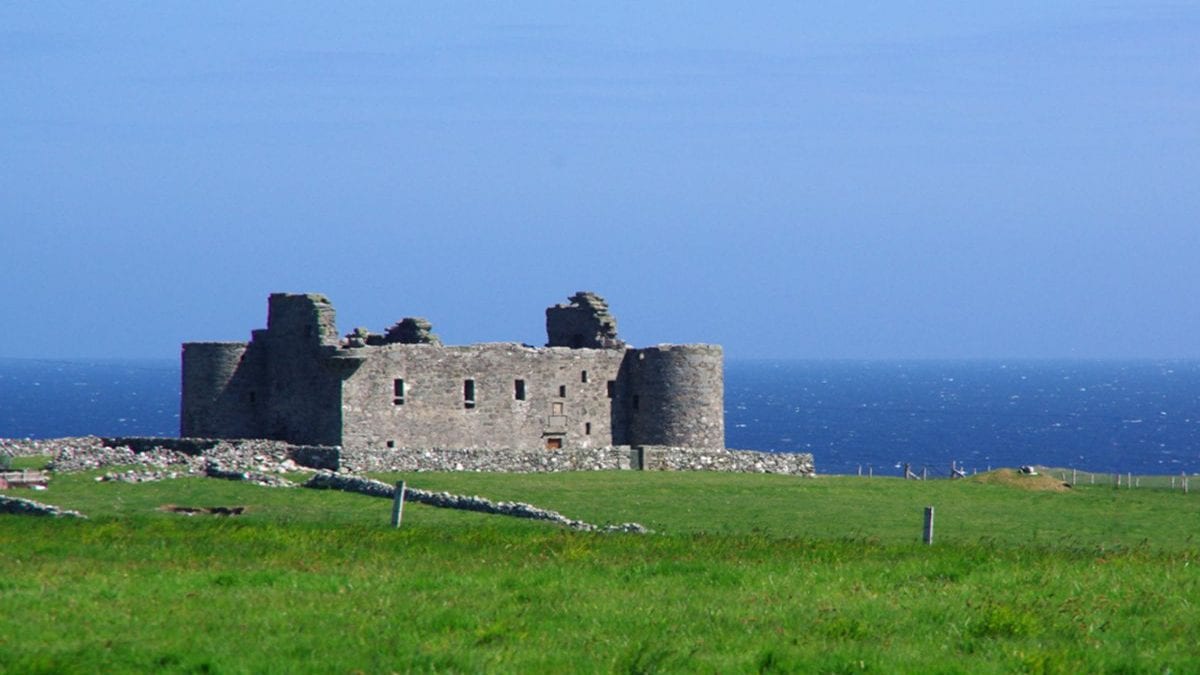
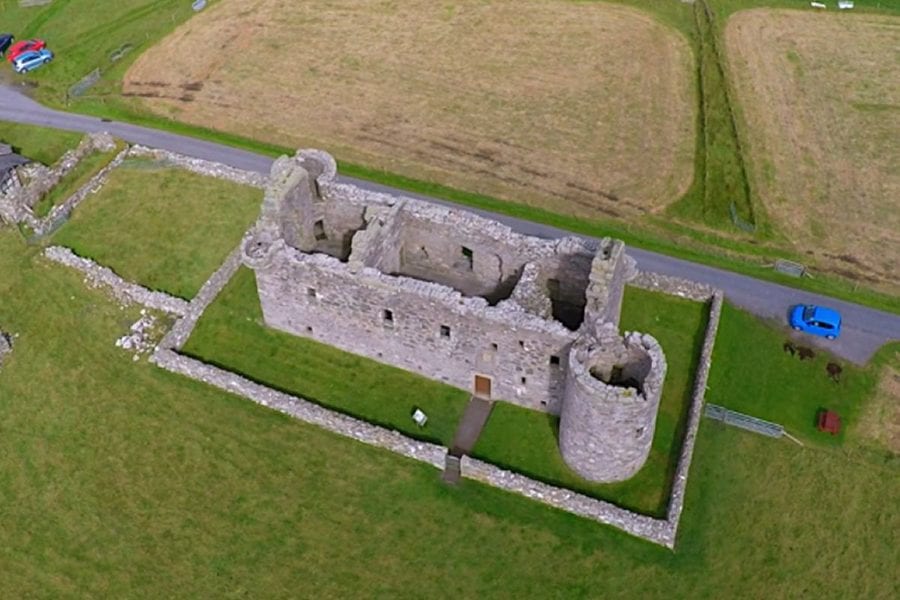
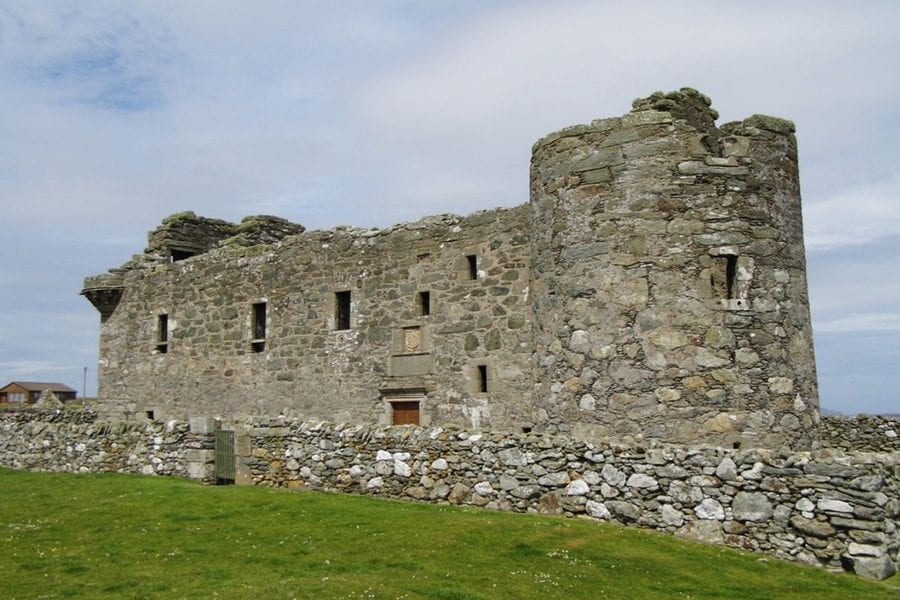
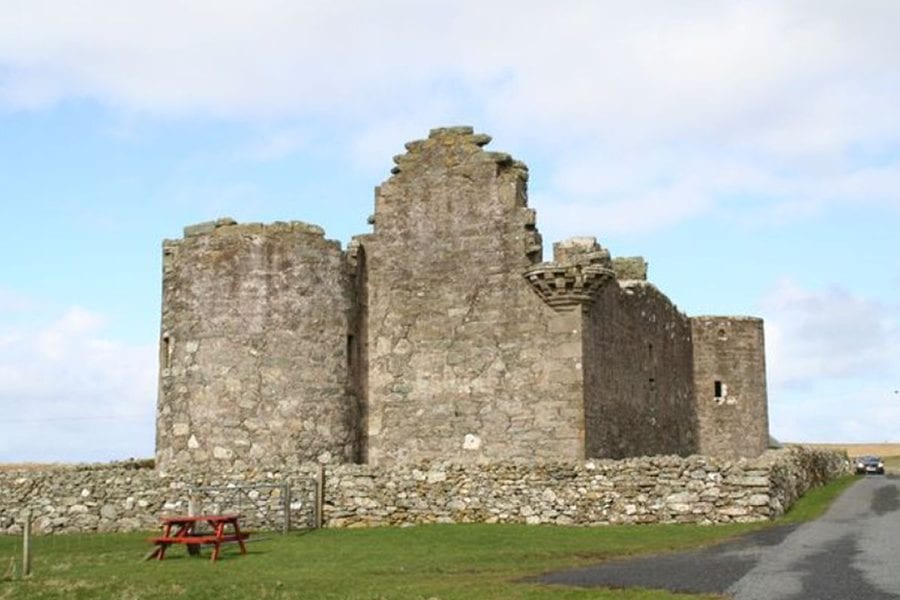
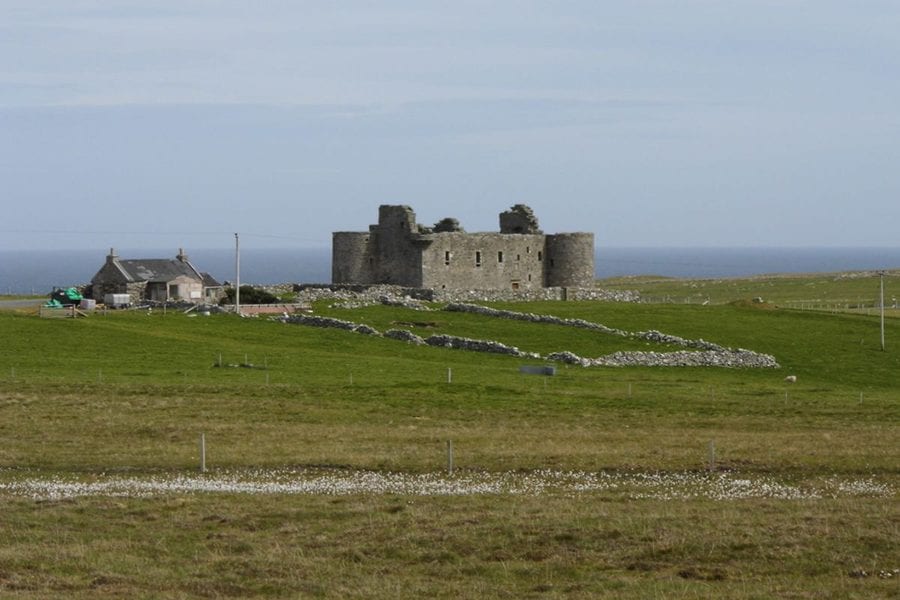
Offered for auction in April 2021 for just £130,000 ($179,000, €151,000 or درهم659,000), this Grade A-listed castle came with with cottages, barony title, gold and copper reserves and 240 acres of land. It was bizarrely subsequently put up for auction again with just 160 acres of land a few days later after apparently selling for £184,000 ($254,000, €214,000 or درهم933,000).
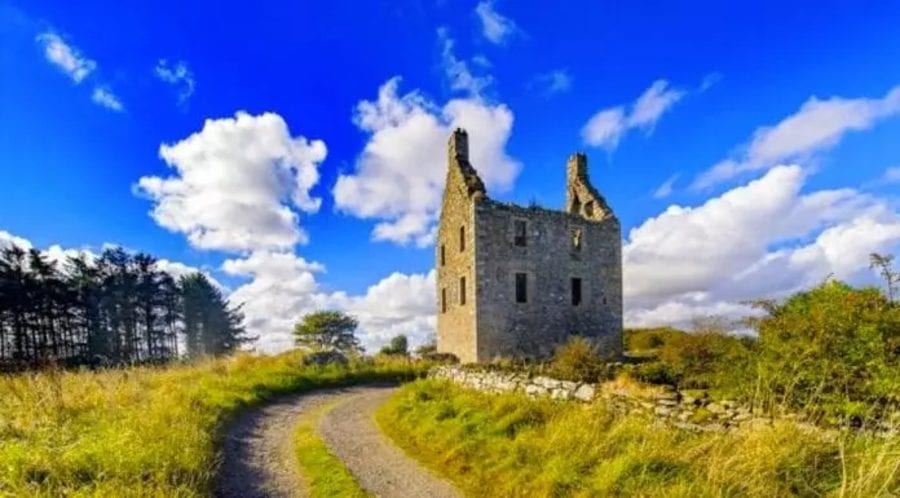
Knockhall Castle, Newburgh, Aberdeen, Scotland
Also priced at £130,000 ($179,000, €151,000 or درهم659,000) when placed on the market in August 2017, this shell dates to 1565 and stands near the Trump International Golf Links course. The B-listed structure was accidentally burnt to the ground by Jamie Fleming, “a servant fool” of the then owners, the Udny of that Ilk family, in 1734.
MORE IMAGES OF THE £5,000,000 DRAX AVENUE, WIMBLEDON, LONDON, SW20 0EH WRECK CURRENTLY ON SALE
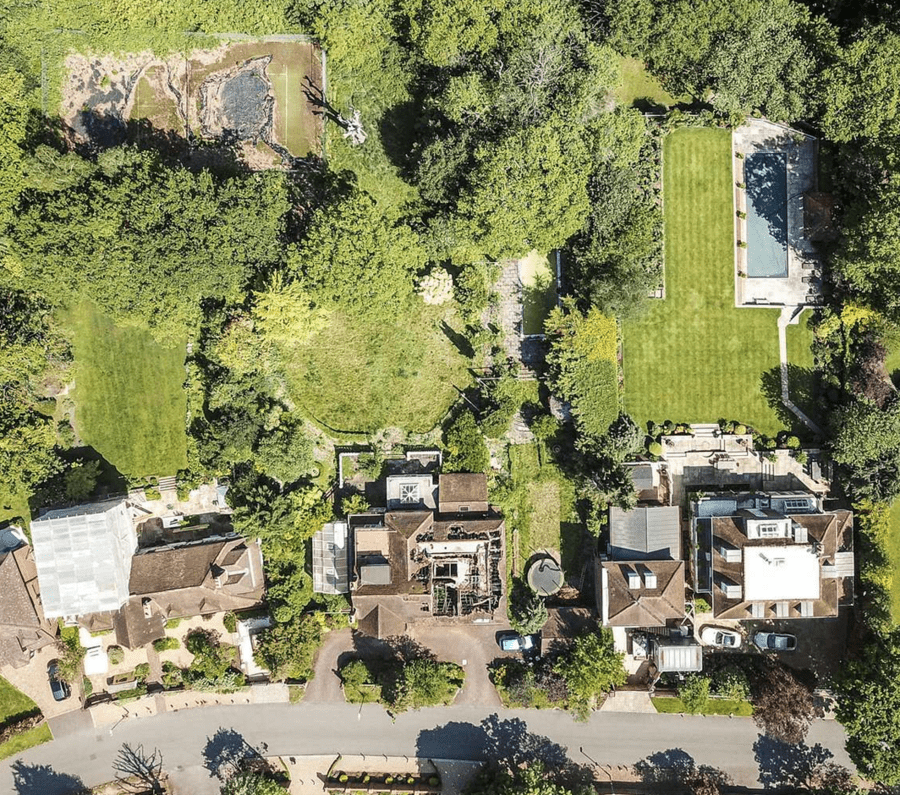
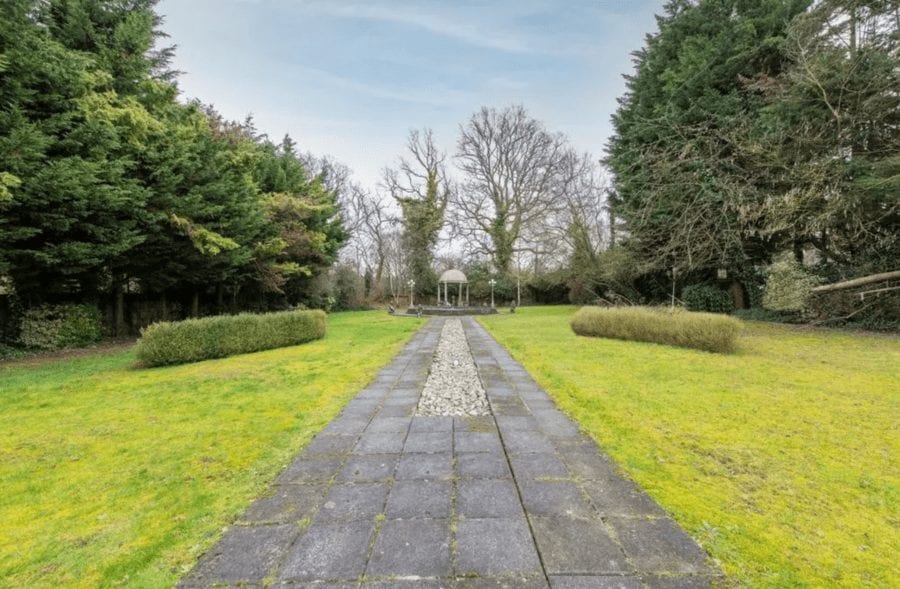
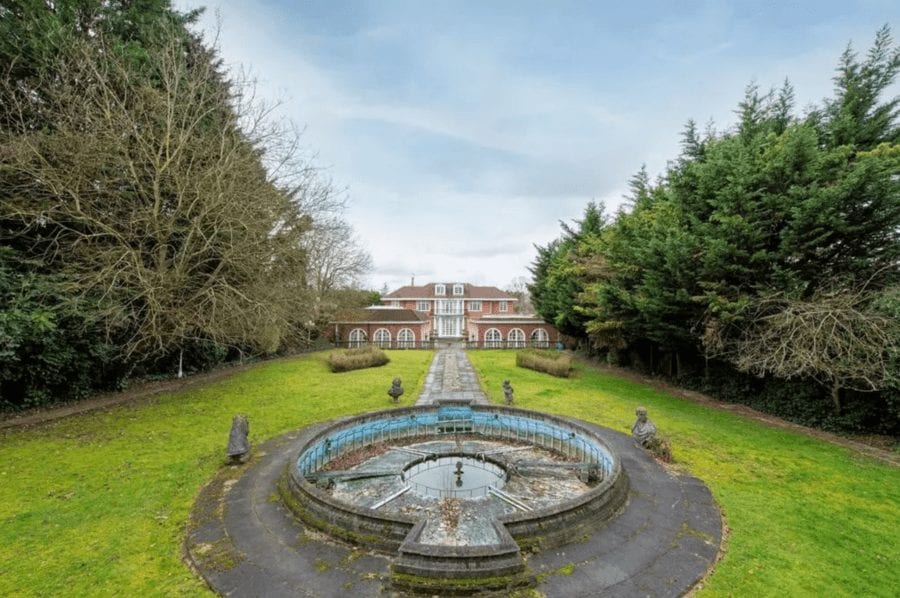
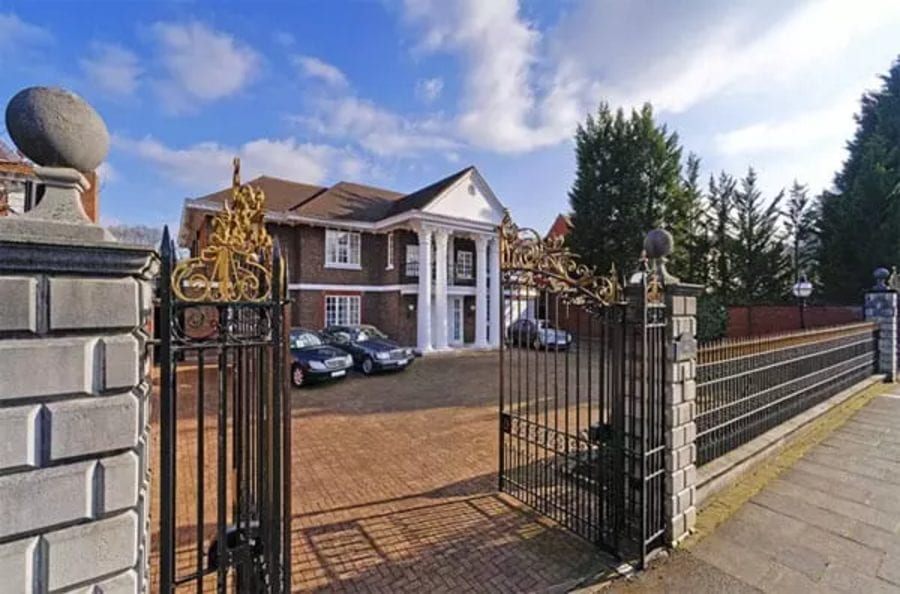
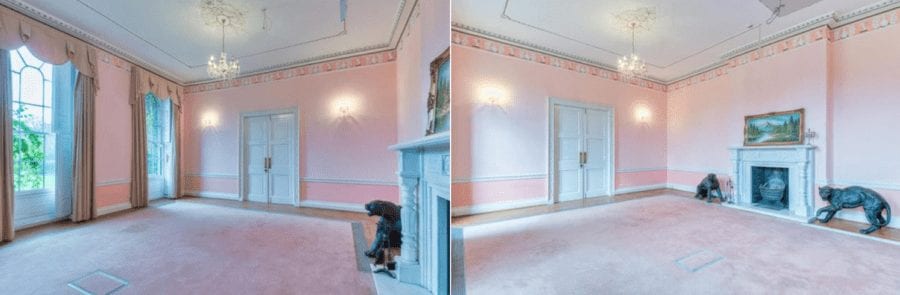
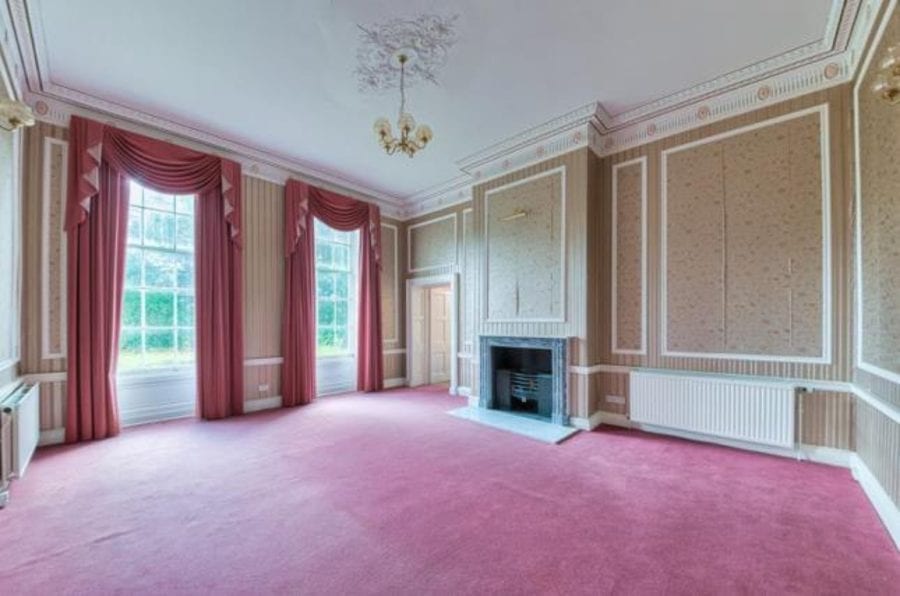
Seen from the rear, the damage to the roof is more extensive than it appears from the front of the building.From this angle, the front doesn’t look quite so bad.An aerial view of the setting shows neighbouring houses undergoing alterations also.The one acre plot has become somewhat neglected since the January 2018 fire and a former tennis court is now nothing but a ruin.The current condition of the swimming pool makes the one at Katie Price’s ‘mucky mansion’ look decidedly desirable.A lawnmower is definitely required.An aerial view of the wrecked house on Drax Avenue in otherwise ritzy West Wimbledon and its environs illustrates the degree of work required to fix up this property to liveable conditions. Beyond the somewhat punchy £5 million price tag, any purchaser will have to shell out a fortune for a lot more beyond just roof tiles.
Grade A listed freehold Scottish castle with cottages, barony title, gold and copper reserves and 240 acres of land goes to auction for just £130,000 just as plans for a space centre are announced in the vicinity
Our November 2018 article on an Irish castle on a private island that was for sale for just £80,000 ($111,000, €93,000 or درهم409,000) continues to attract numerous hits each week to this day and now we’ve found something equally ‘cheap’ in Scotland that we imagine will prove equally popular.
Situated on Unst, the northernmost of the inhabited isles of Great Britain, 15th century Muness Castle is to be sold at auction on 23rd April with a guide price of just £130,000 ($181,000, €151,000 or درهم665,000). It comes with 240 acres and thus comes in at an astonishingly low price equivalent of just £542 per acre ($755, €629 or درهم2,800 per acre).
Given farmland in Oxfordshire is currently valued at around £10,300 per acre ($14,400, €12,000 or درهم52,700 per acre), this apparent bargain does, however, come with a number of catches. The “number of crofter’s cottages” that come as part of the property are “mainly in derelict condition,” according to auctioneers Future Property Auctions of Glasgow, and the most definitely presently anything but inhabitable 73-foot by 26-foot, Grade A listed castle itself is currently “run as museum by Historic Scotland” on a “free of charge basis.”
Currently owned by one Gavin Farquhar of the Ecclesgreig Estate in Kincardineshire, the property offered was listed as having a “consideration” value of £65,000 ($91,000, €75,000 or درهم333,000) in August 2006 and aside from a number of “burdens” to various parties, includes part-diviso rights to “gold and copper reserves discovered in a recently commissioned geological survey.”
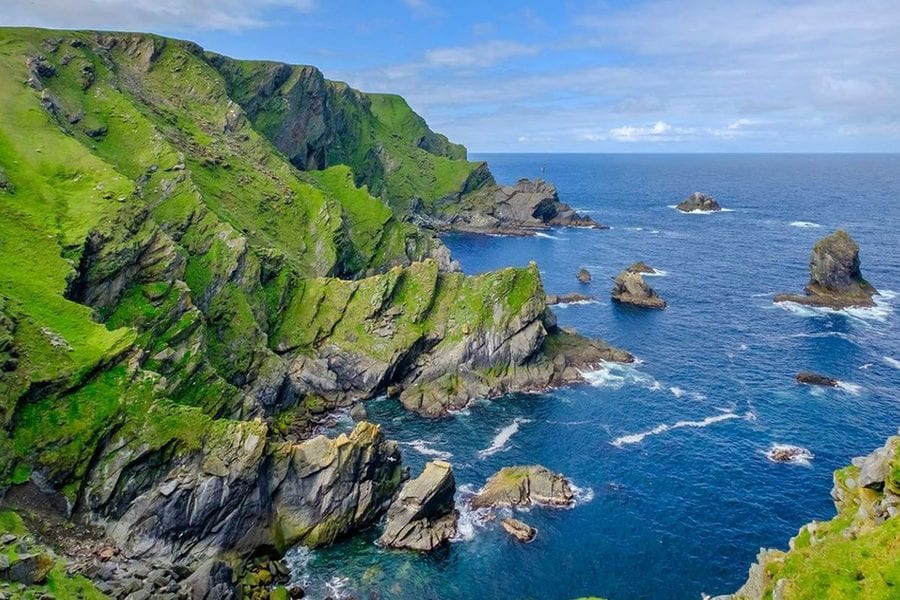
For a buyer wanting a barony title, seclusion and to own land on a “superb section of coastline” rich in flora, fauna and sea life where dolphins, otters, puffins, seals and whales are spotted regularly, here is a bargain piece of paradise. Unst covers an area of 46 square miles, has a population of 632 and is accessible primarily by ferry since its airport was mothballed in 1996.
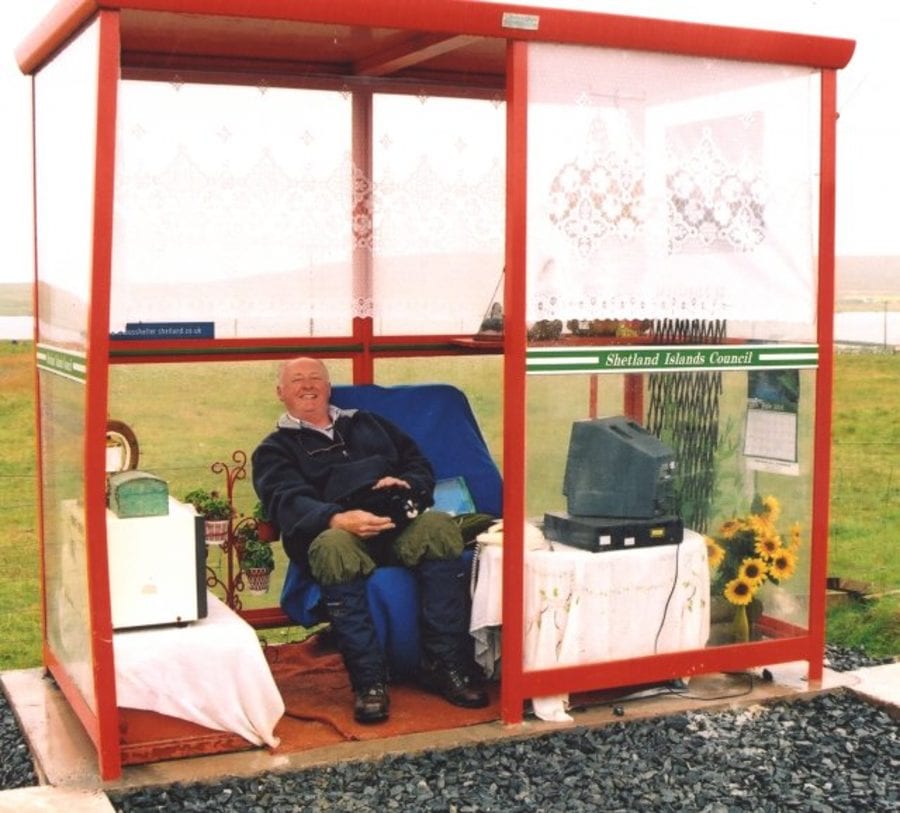
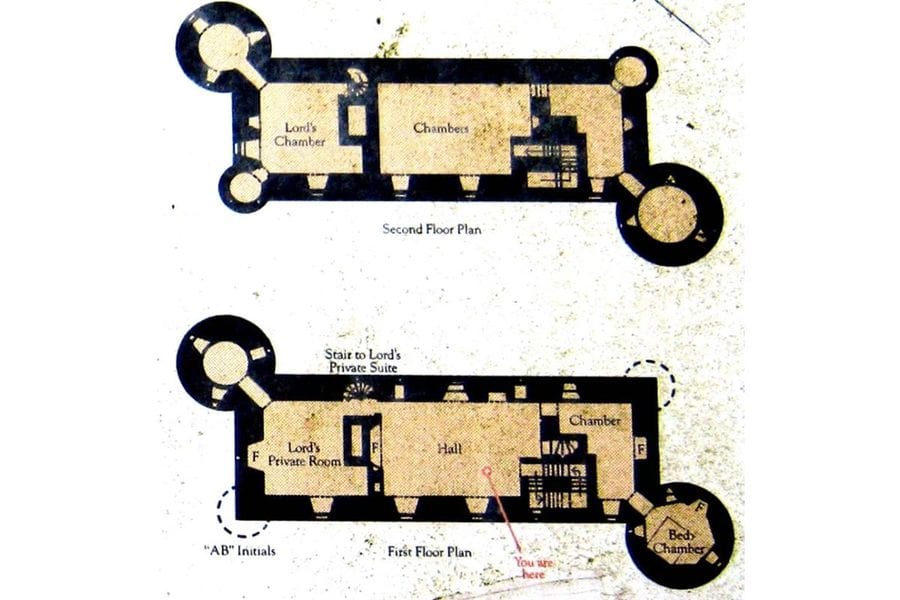
The island of Unst is bizarrely internationally famous for a bus shelter known as ‘Bobby’s Bus Shelter.’ The stop and shelter was saved by a then 7-year-old boy named Bobby Macaulay in 1996 after he wrote to the local council asking them not to remove it because it was where he kept his bike whilst at school. The council relented and furnished it with a sofa and television and periodically give it themed additions which have included tributes to Nelson Mandela, sheep, puffins and women’s suffrage in the United Kingdom.Another attraction on the island was the Valhalla Brewery, the northernmost brewery in the United Kingdom. Named after the Norse god Odin, Valhalla produced dark ales from malt, hops and bere barley, but after the owners fell ill, it ultimately closed permanently. In March this year, plans to reuse the brewery site for the construction of the Shetland Space Centre were announced and should they go ahead around 140 new jobs would be created on Unst as a result.An aerial view of the castle shows how thick its walls are and thus provides evidence as to why it has lasted over 423 years in spite of the harsh climate of its situation.The structure retains many original architectural details.Though the building is currently simply a tourist attraction, perhaps – subject to any planning processes – it could be returned to residential usage. The cost and dealing with bureaucrats might, however, be prohibitive and request by ‘The Steeple Times’ to selling auctioneers Future Property Auctioneers about such had not been answered at time of publication.The setting of the castle with views to the North Sea beyond and a cottage adjoining.The original floor plan of the building (before French pirate enemies of the then owner burnt the place down in 1627). As a result, now, the castle now has only two of its original three stories remaining. The building was used from 1713 by the Dutch East India Company as a storage space for goods the Company managed to salvage from the wreck of one of their vessels, but was then recorded as roofless and abandoned in 1775.This map shows the true isolation of the location.The coastline of Unst is truly epically spectacular.
This 2018 video shows Muness Castle with scaffolding around it – indication that good care has been taken of what remains of the structure.
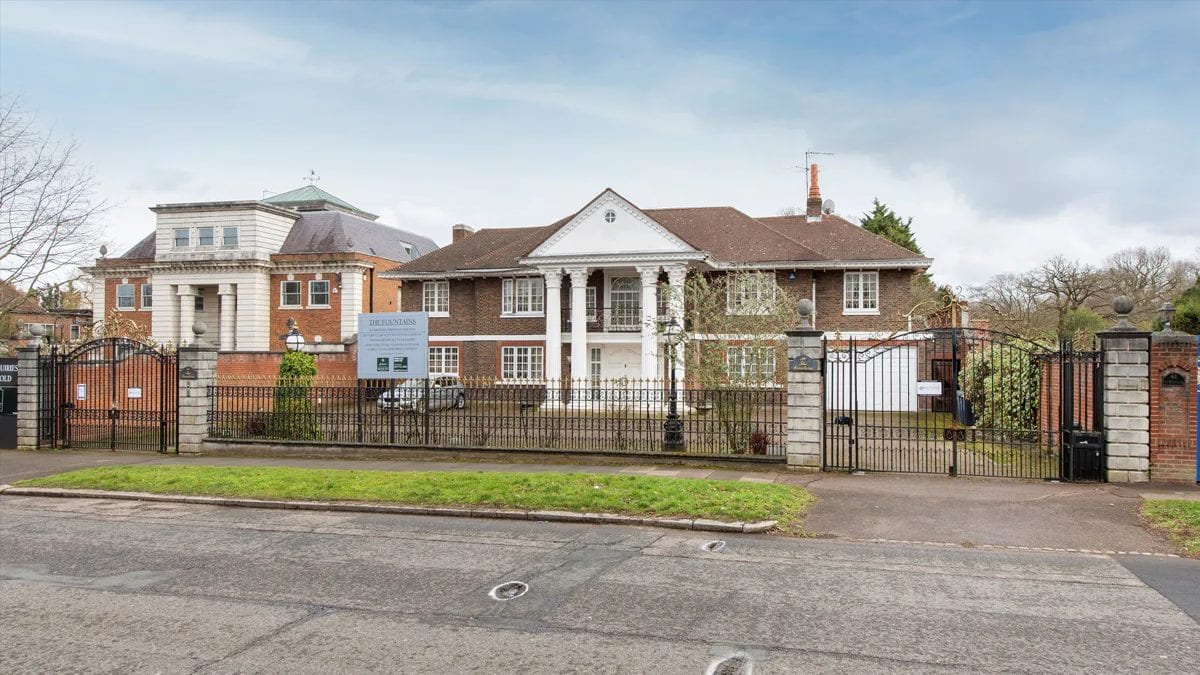
Boxy “Town Hall classical style” dictator crib ‘The Fountains’ on infamous The Bishops Avenue, N2 for sale for £3 million less than it listed for in 2012; this time it is destined for flattening
When we featured a 12,602 square foot house on The Bishops Avenue – a street often nicknamed ‘Billionaire’s Row” and a place where the Greek fashion tycoon Aristos Constantinou was shot dead on New Year’s Day 1985 with six bullets – in May 2015, it was for sale for £15 million.
Standing on a 0.65-acre plot, ‘The Fountains’ – originally named ‘Deans Cote’ and more simply known as just ‘39 The Bishops Avenue’ – has simply been left to rot in the time since and has now been placed on the market, but this time listed as just “land for sale.”
Gone, here, are the day of deviant dignitaries and dodgy despots entertaining in this house – built in 1926 and mocked more recently as “very boxy” and of a “Town Hall classical style” – and now, though much of the same furniture remains six years later, Knight Frank offer it for £12 million.
In spite of the £3 million reduction at a time when prices for houses with land has elsewhere risen, the seller has also spent time and money to gain planning permission to flatten the house and replace it with a larger 23,695 square foot “grand new build residence.”
Of the proposals, Knight Frank remark:
“The designs elevate the quality of the internal accommodation, offering increased lateral volume and a luxurious sense of space throughout.”
“The proposed residence comprises six-bedroom suites and a new lower ground floor with staff quarters and a range of additional amenity and leisure facilities including swimming pool, gym, cinema, catering kitchen and secure car parking.”
“The proposed landscaping for the private rear gardens includes a sensitive restoration of the historic water feature and pavilion.”
In 2014, whilst the Guardian revealed that of the 66 houses on the street, 16 were derelict and rotting, local estate agent Trevor Abrahmsohn bragged of it in 2006: “Among the wealthiest circles in the world, The Bishops Avenue is better known than Buckingham Palace. It’s a significant demonstration of status. If you live there, you don’t need to explain to people that you’re rich.”
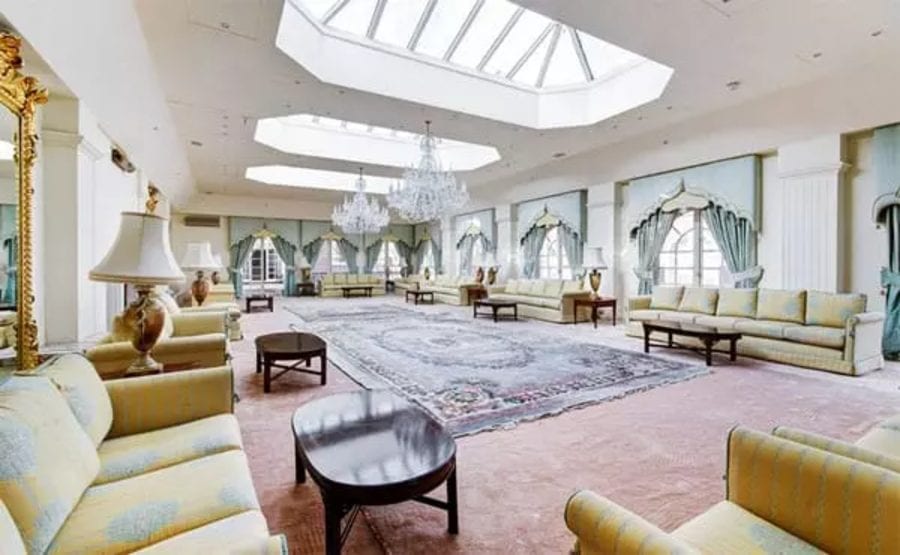
When the house was marketed in 2012, Knight Frank made specific reference to the house having “majilis” or “private places where guests, usually male, are received and entertained.” Goodness knows, however, who was received in this airport sized room, but it certainly looks like a place that would have suited Saddam Hussein a treat.
The Numbers – The Fountains, 39 The Bishops Avenue, Hampstead Garden Suburb, London, N2 0BA, United Kingdom
April 2021 – Offered for sale for £12 million ($16.6 million, €13.9 million or درهم61 million) with planning permission to demolish and replace through Knight Frank’s Hampstead office.
May 2015 – Offered for sale for £15 million ($20.8 million, €17.3 million or درهم76.2 million) through Knight Frank and Glentree on behalf of executors of persons unnamed.
Today, instead of lauding its gaudy past, Knight Frank share this mockup of an even larger mansion that could replace the existing 1926-built structure.Another mockup shows the proposed replacement from the rear.The current entrance hall is somewhere the 1980s soap opera ‘Dynasty’s’ Alexis Colby (played by Joan Collins) would certainly feel in ecstasy.The entrance is dominated by balconies and plenty of gold paint.Acres of marble were used throughout the existing structure.There’s plenty of filthy shagpile too.The dining room today retains the very same table that was there in 2015. It’s certainly got enough seats for even the likes of Mohammed bin Salman even to host an interrogation with David Cameron and Lex Greenskill.A corridor leading to the main “majali.”The “majali” has been cleared of furnishings, but retains a few tacky chandeliers and columns.The decrepit kitchen is an area that would not exactly appeal to Nigella Lawson or Delia Smith even.The master bedroom has fallen into decline and features a carpet dotted with brown stains and a filthy looking pair of beds.Another bedroom resembles something out of an OAP home.The master bathroom has retained its frankly hideous murals.The “majalis” from above with an overgrown ‘patio’ separating them.The garden is somewhat neglected, but not nearly in as bad a condition as those of some of the neighbouring mansions.Supposedly, these fountains are of historic value. At the moment, they’re just a tip.The existing floor plans.The proposed plans for the ground and basement levels include a new swimming pool, gym and cinema room.Plans for the first floor and a new second floor.Barratt Homes on steroids – The Fountains, 39 The Bishops Avenue, London, N2 as it was in 2015.
Detached cottage in nearly an acre of land, far from the madding crowd and 5 miles from the nearest village in Sutherland, Scotland for sale for just £95,000; it’s perfect for an isolationist whisky lover
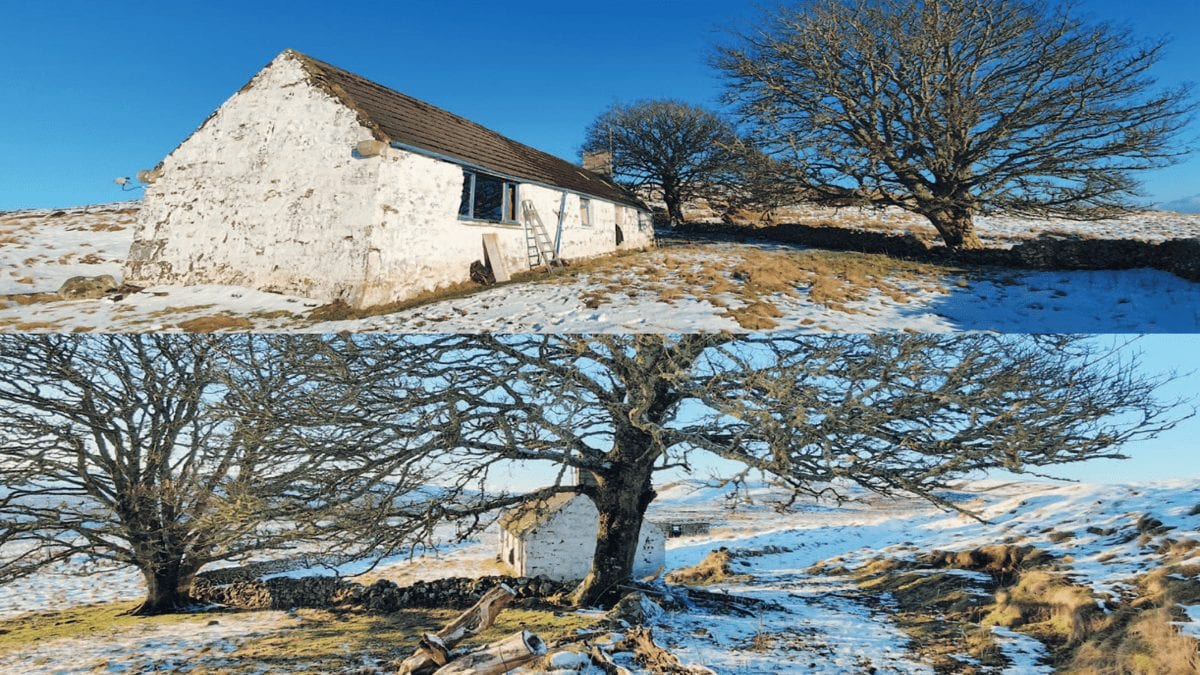
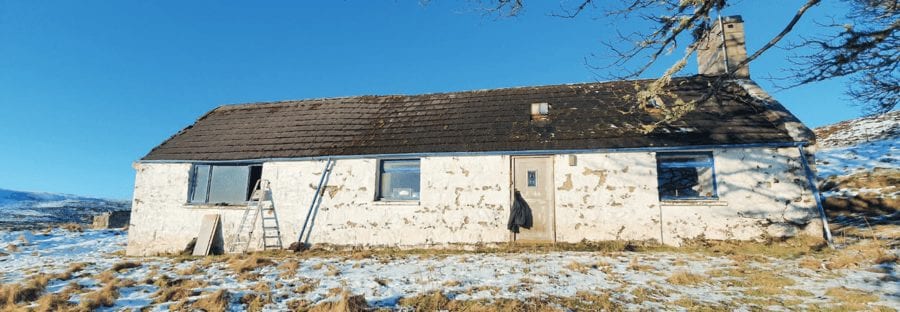
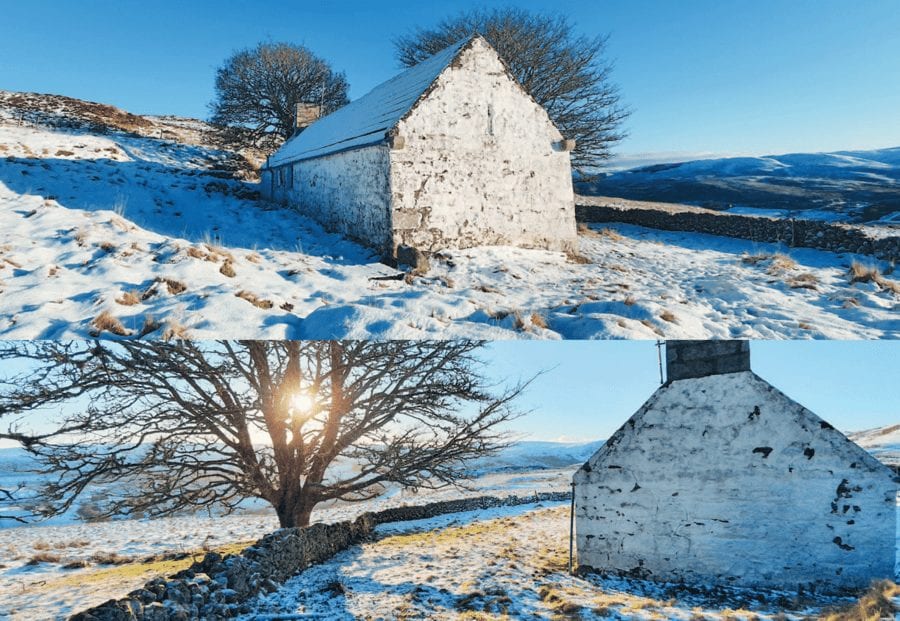
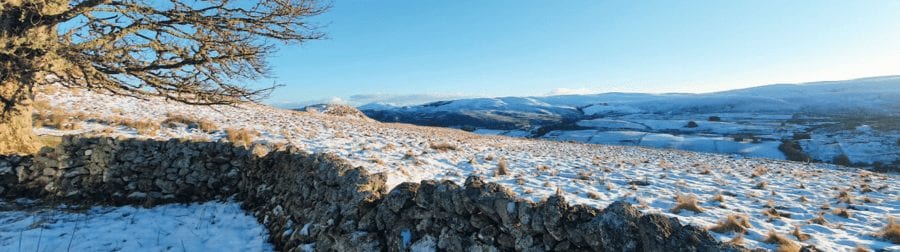
‘Achastaile’ is said to mean ‘field of the whisky still’ and now someone looking for somewhere truly far from the madding crowd, could purchase a truly remote house of that name at the heart of the Highlands in the true wilderness that is Sutherland in Scotland.
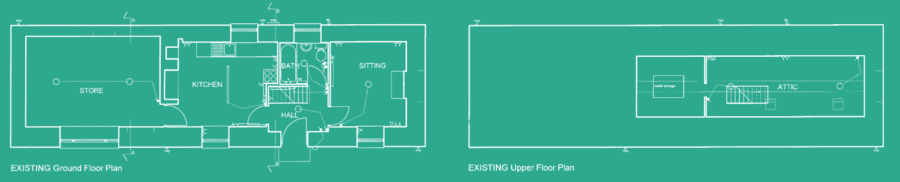
Situated a mile up an access track described by its selling agents as “rough” and 5 miles from the small village of Rogart, the “semi-derelict” cottage offered sits on a plot of ¾ of an acre and currently includes a hall, a sitting room with cast iron fireplace, a kitchen with “basic” fittings and a stone inglenook fireplace, a “spacious” bedroom, a bathroom and an attic room.
Serviced by mains electricity in spite of its isolation, ‘Achastaile’ has a private water supply, a UV water treatment system and drainage is to a septic tank.
Described as an “ultimate hideaway” in the Sutherland Hills that offers “complete peace and tranquility,” the property “requires complete refurbishment and renovation.” Prior planning permission for such has now lapsed, but “the existing plans can be made available to prospective purchasers on request.”
Arthur & Carmichael estate agents market ‘Achastaile’ – also known more simply as ‘188 Muie’ – at a price of offers over £95,000 ($131,000, €110,000 or درهم483,000). They advise viewers that they will not “accept any liability for damage or injury caused as a result of visiting the property” and provide detailed directions for access that read:
“Take the A9 north over Dornoch Bridge and follow the road until you reach ‘The Mound’. Turn left at the sign for Rogart. Go through the village and after 2.2 miles from the last ‘30 mile’ sign at the end of the village, turn right into Blarich estate. Please close the gate.”
“Follow the driveway and bear to the right and you will see a fence line where the drive continues to a large farm building. Park at the fence line (please take care to not obstruct the lane) and walk up the hill following the track to the left for approximately 1 mile. There are 2 gates on the way up the track – please make sure that these are closed behind you.”
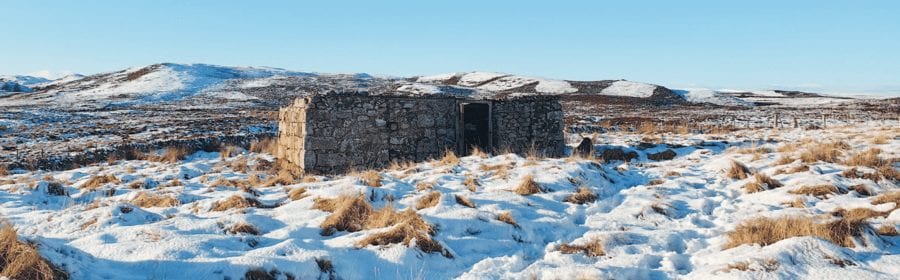
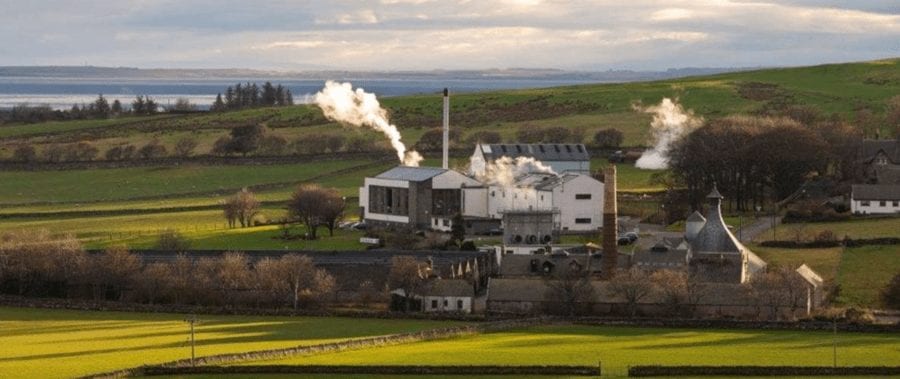
Far From The Madding Crowd (But Well-Near The Whisky) – Whilst ‘Achastaile’ at 188 Muie, Rogart, Sutherland, Highland, IV28 3UB might seem a bargain at just £95,000, a 41,433 square foot castle in Sutherland we featured in April 2016 could be considered even more of a steal. Carbisdale Castle was offered at a price of just £900,000 or £21.70 per square foot.Far From The Madding Crowd (But Well-Near The Whisky) – The cottage is situated at the heart of Britain’s “last true wilderness.”Far From The Madding Crowd (But Well-Near The Whisky) – A stone-building outbuilding without a roof currently within the grounds is described as “offering further potential.”Far From The Madding Crowd (But Well-Near The Whisky) – The cottage is situated at the heart of Britain’s “last true wilderness.”Far From The Madding Crowd (But Well-Near The Whisky) – The existing accommodation could be easily expanded.The Clynelish Distillery is situated in Brora, a small industrial village on Sutherland’s east coast.
Distilleries in Sutherland
Whilst ‘Achastaile’ itself is terribly isolated, its eventual purchaser will find not only nature as solace. In nearby Ross-Shire, there are well known distilleries such as Balbair, Glenmorangie and Glen Ord and in Sutherland itself, the “water of life” flows at amongst others:
Originally built in 1819, the Clynelish Distillery is now owned by Diageo. Around 95% of the spirit made there is used in Johnnie Walker blends, primarily for the Gold Label Reserve.
Founded in 2016 by Phil and Simon Thompson, this micro-distillery located in a ‘Fire House’ in the grounds of the Dornoch Castle Hotel produces “whisky styles of the 1960s” and gin also.
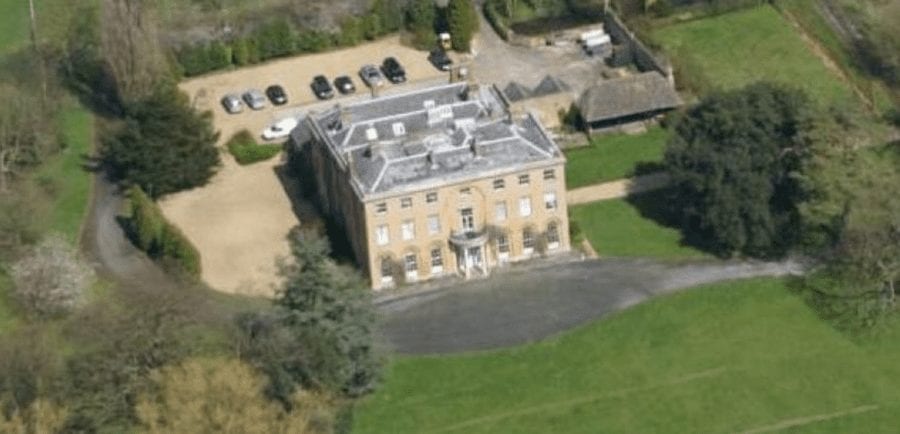
Cambridgeshire mansion used by Special Operations Executives in the Second World War and as a borstal subsequently for sale; Gaynes Hall is next to the prison that housed Max Clifford and was briefly a cannabis farm in 2019
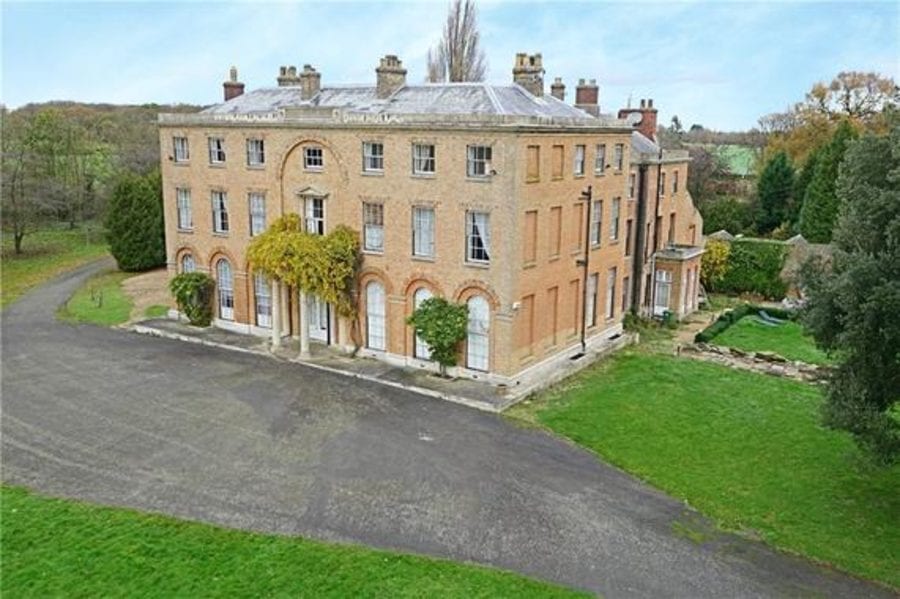
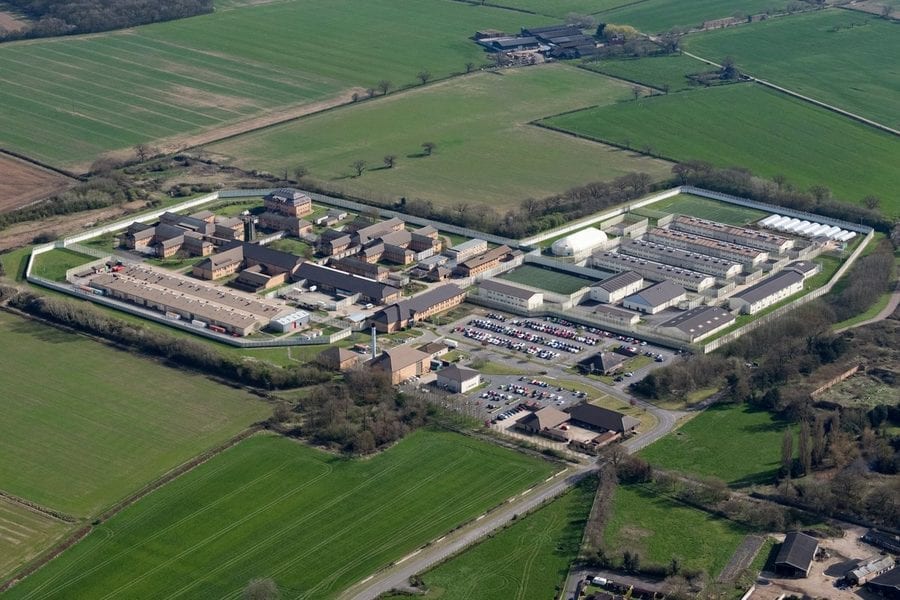
Grade II* listed Georgian mansion in Cambridgeshire for sale for £2.65 million in spite of being in far from perfect condition and next door to a prison housing 1,220 convicted sex offenders.
The estate was owned by the aristocratic Duberly family from 1798 until 1940. An earlier house on the house had been home to Oliver Cromwell’s namesake and uncle.
It was requisitioned in the Second World War by the Special Operations Executive. Hitler was so annoyed by the operations at Gaynes Hall that he supposedly nicknamed the place “the hornet’s nest.”
After the war, the hall became a borstal and after that closed, part of the estate became HM Prison Littlehey – famous for housing PR ‘guru’ Max Clifford, victim of a miscarriage of justiceStephen Downing and Australian cricketer Alex Hepburn.
More recently, the estate came to public attention after being discovered to be the centre of operations for drug lords. £250,000 of cannabis were seized there in 2019.
In June 2019, once ritzy Gaynes Hall at Perry, near Huntingdon in Cambridgeshire came to public attention when a drugs baron who’d turned part of the building into a cannabis farm was jailed. For his troubles, Nebir Tahiraj was relieved of £250,000 of drugs and ‘gained’ a sentence of 13 months.
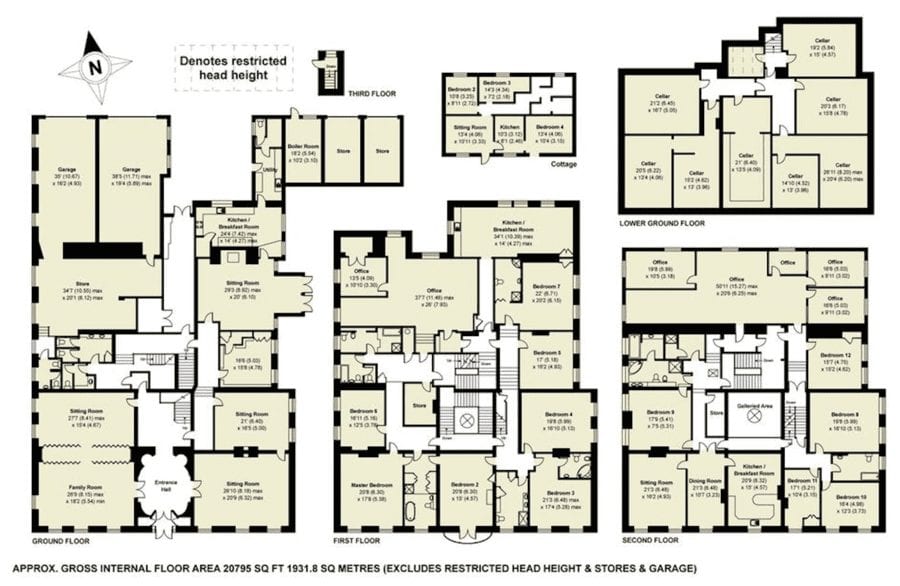
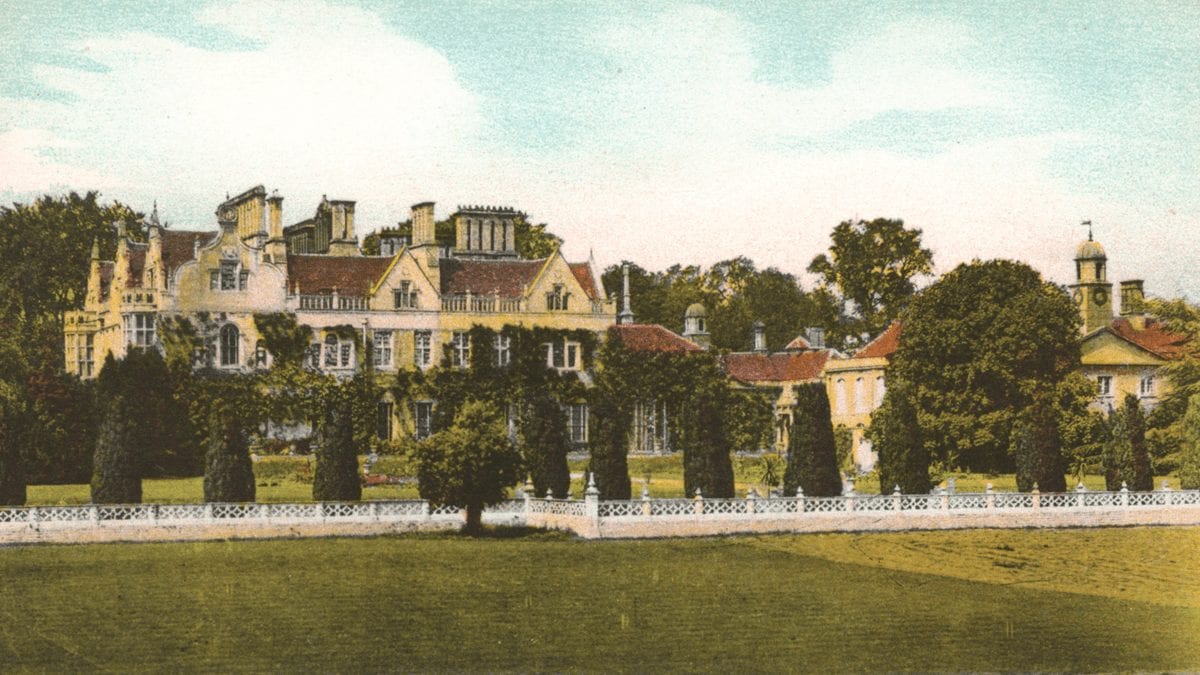
Grade II* listed and built circa 1800 for Sir James Duberly (1758 – 1832), the gault brick house was originally plaster rendered. Of three storeys plus cellars and seven bays, the 20,795 square foot building is currently being marketed by agents Wilson Peacock for £2.65 million – up from £2.2 million back in 2019.
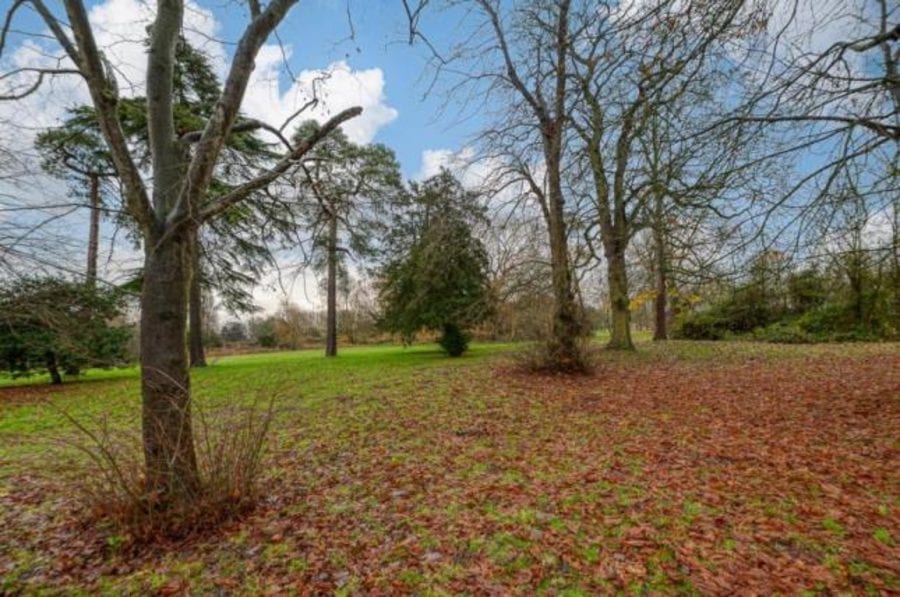
Gaynes Hall (also known as ‘Gaines Hall’ occasionally) stands in 16 acres of grounds including lakes and a moat and comes with a three bedroom cottage “requiring full modernisation and refurbishment.” It was home to the Duberly family until 1940 when it was requisitioned by Special Operations Executives (SOE) on the instructions of Winston Churchill.
Supposedly, according to the local Parish Council’s website, Hitler was so exasperated by the activities at Gaynes Park that he referenced the house “the hornet’s nest.” It was known locally during this period as a “spy school” and its master, Wing Commander Thomas Odett, was nicknamed ‘The White Rabbit’ on the basis that “he was always popping up in unexpected places.”
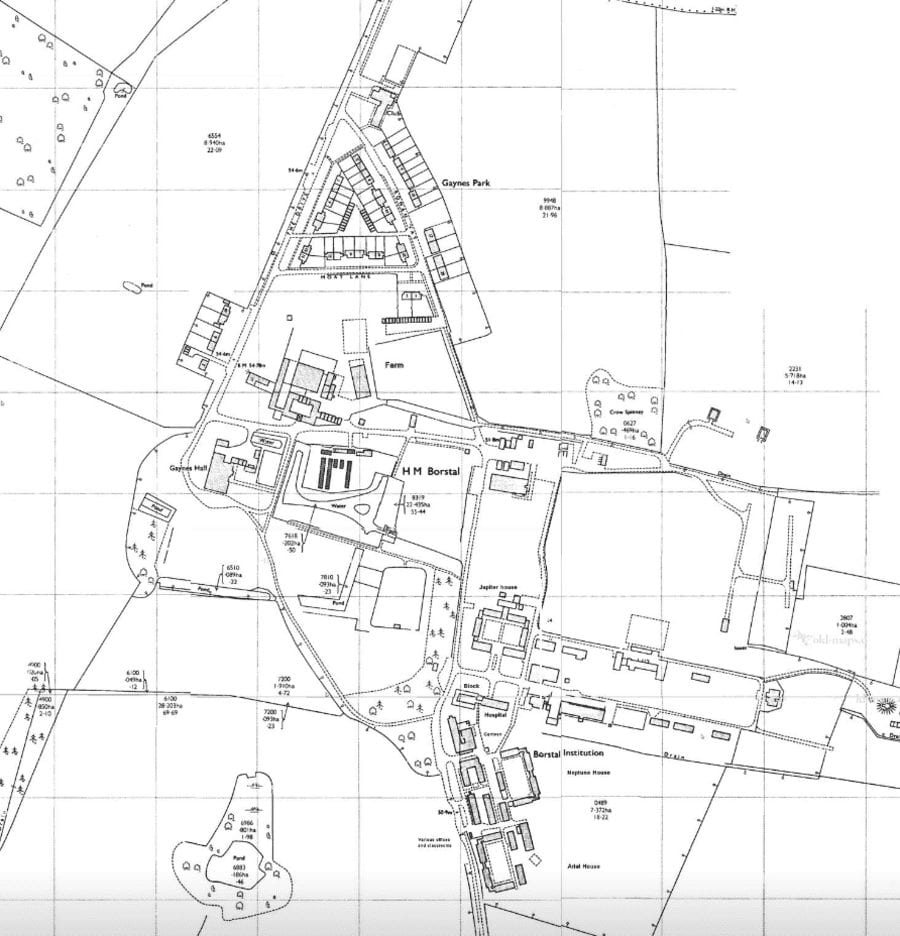
After the war, the mansion became the governor’s residence and administrative offices of the newly created Her Majesty’s Borstal Gaynes Hall and remained in that use until 1983 when the borstal closed. Her Majesty’s Prison Littlehey, which is best known as the place of death of the public relations ‘guru’ paedophile Max Clifford, was subsequently opened next door and residents of Perry get to hear its sirens periodically if a prisoner escapes or there is a disturbance.
In 1985, AIM Cambridge (later AIM Technology) leased the hall and from the Ministry of Defence and converted it into offices. When their business failed, the building became empty and in 1990, Gaynes Hall was sold again. In the years since, it has been in mixed use.
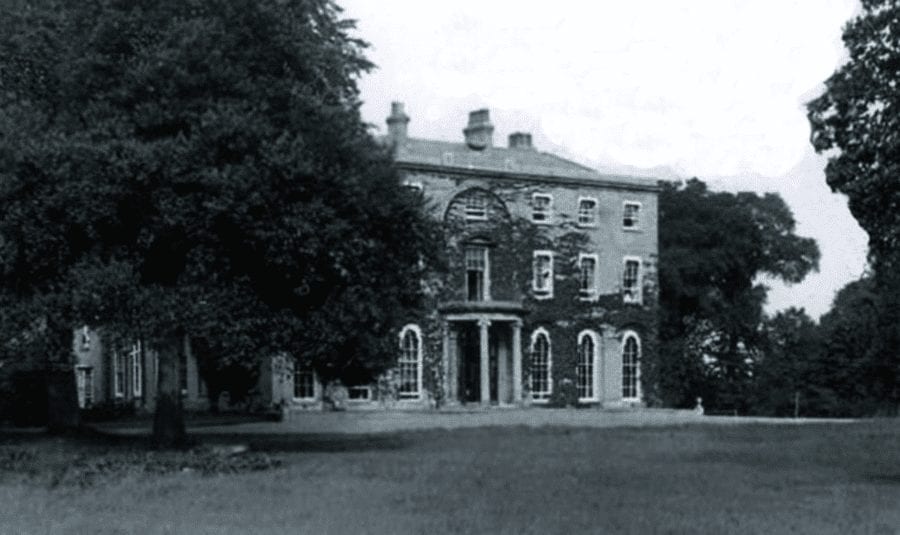
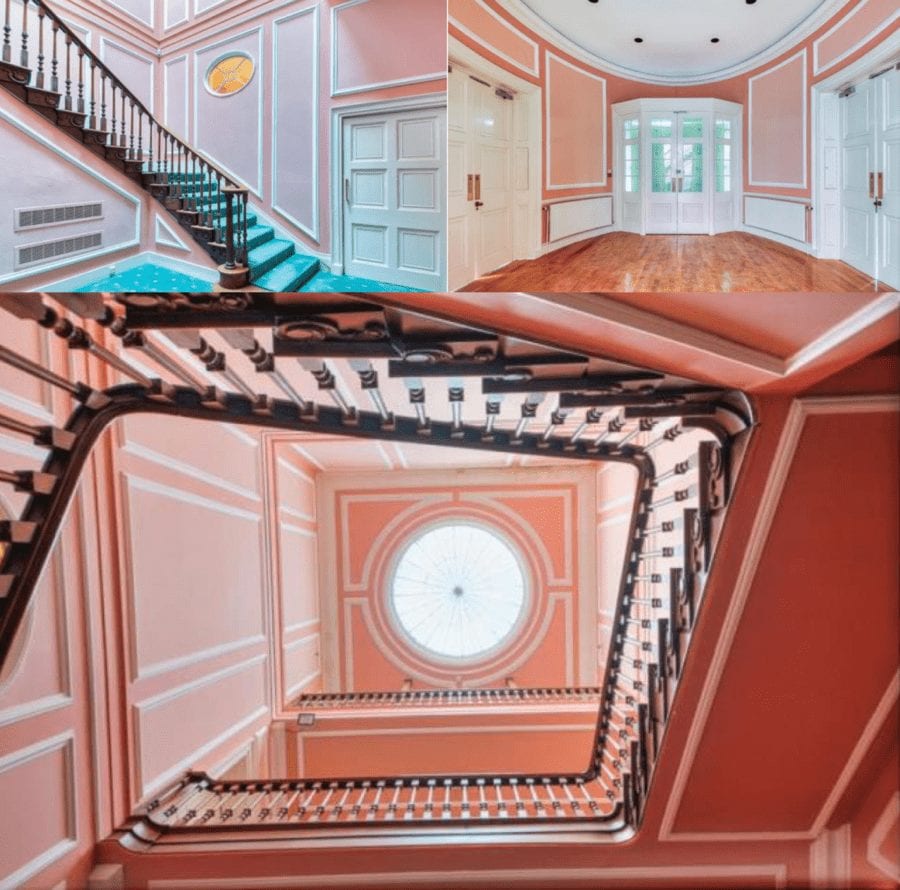
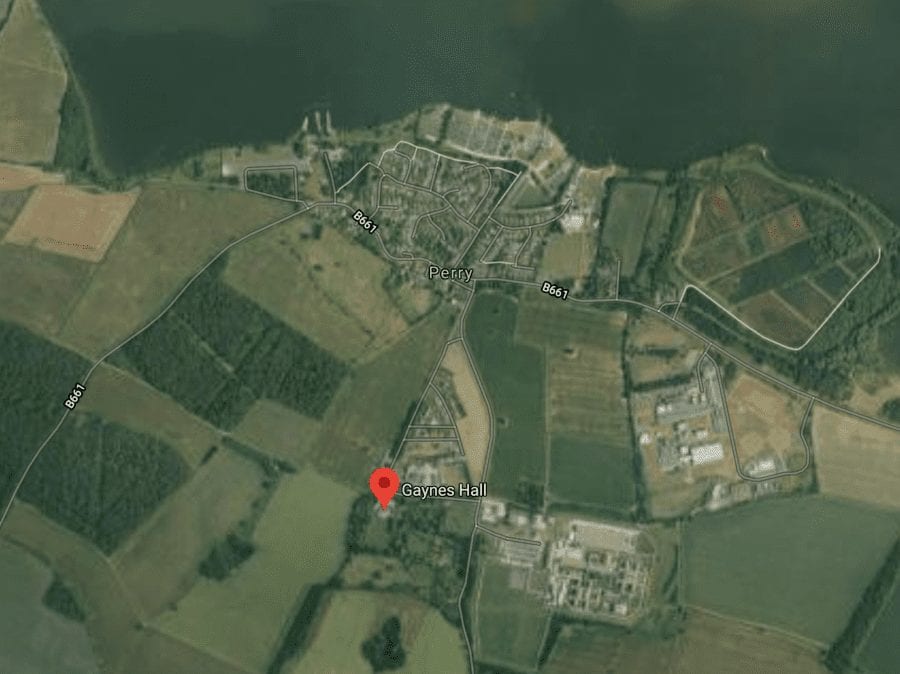
In need of some attention – Gaynes Hall has variously been used as a grand residence by aristocracy, requisitioned for use by Special Services Executives (SOE), served as an administrative office and governor’s house for a borstal and been converted to offices. It is currently configured in ‘mixed-use’ format and includes 20,975 square foot of accommodation.An aristocratic drug farm – Nebir Tahiraj was imprisoned in 2019 after having turned part of Gaynes Hall into a cannabis farm. He was caught with over £250,000 of drugs on the premises after neighbours complained about the noxious smell.Proximity to a prison – An aerial view of Her Majesty’s Prison Littlehey. Gaynes Hall is situated just to the west.Rapists next door – Convicted rapist and ex-cricketer cricketer Alex Hepburn, Stephen Downing (whose conviction for murder was overturned in 2002 after he had served 27 years in prison) and paedophile Max Clifford (who died in the prison) are connected by having been imprisoned at the Category C male prison HM Prison Littlehey. It has a capacity for 1,200 male prisoners – who all have been convicted of sexual offences.A once grand gentleman’s residence – Gaynes Hall in an image taken circa 1913. An earlier house on the site was leased for 21 years by Sir Oliver Cromwell (1566 – 1655), the uncle and namesake of the lord protector, from 1599.
The Names & Numbers – Gaynes Hall, Perry, Great Staughton, Huntingdon, Cambridgeshire, PE28 0ST, United Kingdom
December 2019 – Listed for sale by Wilson Peacock Country Homes at the increased price of £2.65 million ($3.35 million, €2.96 million or درهم12.32 million).
14th June 2019 – 35-yeard old Nebir Tahiraj found guilty at Cambridge Crown Court of “being concerned in the production of cannabis” in his flat at Gaynes Hall and jailed for 13 months. When police raided the property, they “found more than 200 plants at varying stages of growth, growing equipment and two large bags of cannabis ready to be sold” worth circa £250,000 ($316,000, €279,000 or درهم1.2 million). He attempted to claim “he was being exploited and kept at the flat against his will,” but the National Crime Agency (NCA) discovered he had been willingly involved.
Mid 2019 – For Sale for £2.2 million ($2.8 million, €2.5 million or درهم10.2 million) through Michael Graham.
March 2019 – Fleet Assist announce they will be moving their business from Gaynes Hall to Ermine Business Park in Huntingdon.
2002 – Purchased by the Malik family (according to Wikipedia).
1994 – 2002 – Owned by the McCallion family (according to Wikipedia).
1985 – Converted to offices and used by firms including AIM Cambridge (AIM Technology) and Fleet Assist in the years subsequently. Part-let as apartments and by the room also for residential use.
1945 – 1983 – Used as the governor’s residence and administrative officers of the Her Majesty’s Borstal Gaynes Hall. ‘Boys’ who were detained there have recounted their experiences on this fascinating Facebook page; it plainly was not an especially pleasant place.
1940 – Requisitioned for use by Special Operations Executive (SOE). Gaynes Hall – under the codename ‘Station 61’ – became the headquarters for Air Liason Officers and used as a ‘hotel’ for them prior to their being dropped into occupied Europe.
1798 – 1940 – Owned by the Duberly family. The present house was constructed for them circa 1800 to the designs of architect George Byfield (circa 1756 – 1813).
Crumbling Northamptonshire estate Lilford Hall – where the little owl was introduced to Britain – for sale for £10 million, a sum £35 million lower than in 2014
Grade I listed Jacobean mansion with 13 chimney stacks for sale for £10 million; it was for sale last for £44.9 million in 2014 in spite of being listed on English Heritage’s ‘At Risk Register.’
Lilford Hall – parts of which have not been occupied since 1947 –is currently owned by a businessman who tried to sell burial plots in the grounds for £1,250 a pop and shares in a yacht loosely associated with Frank Sinatra for £23 each.
The 321-acre estate includes not only overgrown parkland, but also a zoo with cages that formerly housed bears and a lake for flamingos.
From 1711 until 1990, Lilford House was the seat of the Powys family – the 4th baron is credited with introducing the little owl to the UK.
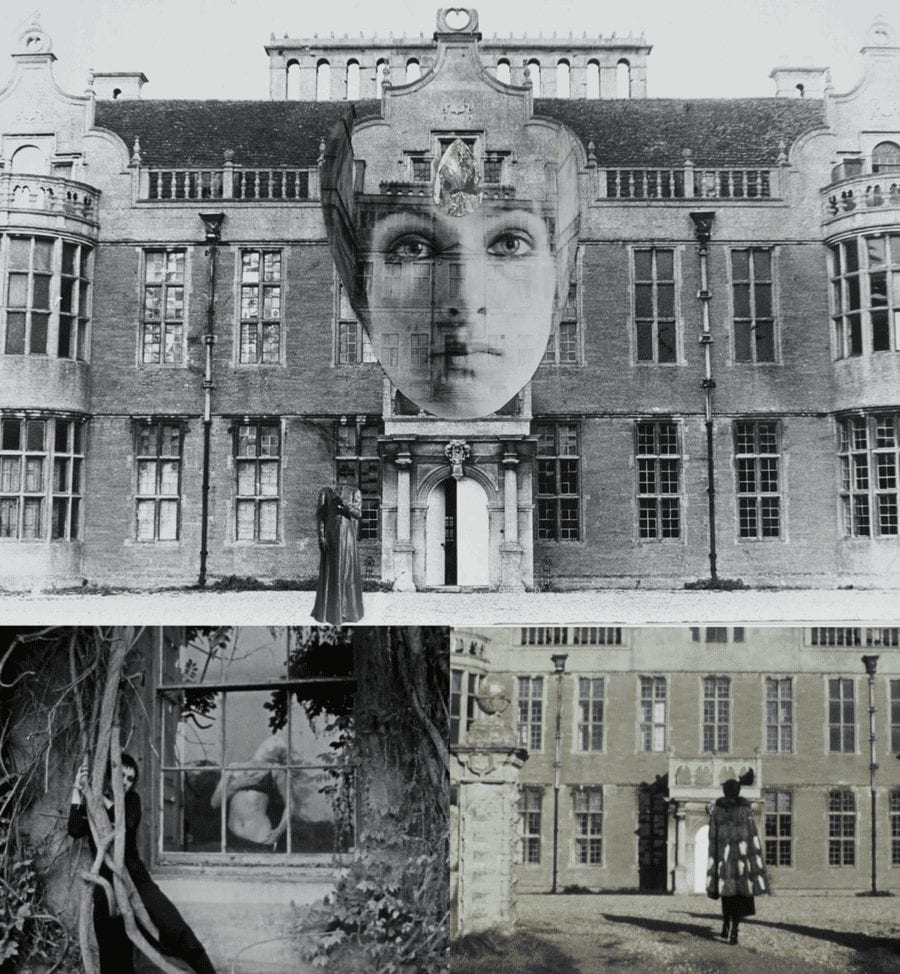
More recently, in 1969, the “sexual mystic” artist Penny Slinger used the at-the-time derelict mansion in one of her best-known works.
A 32,406 square foot Grade I listed Jacobean mansion 82 miles from Central London has gone on sale for £10 million – or the equivalent of just £308 per square foot.
On this basis, Lilford Hall – set in 321 acres near Oundle – seems a comparative bargain when considered against the £4,786 per square foot sought for a Lennox Gardens, Knightsbridge triplex flatThe Steeple Times featured in May, but buyers need to remember this – parts of this crumbling building, most notably the major state rooms, have not been used since 1947.
Marketed last in 2014 for the even more punchy sum of £45 million, the “exceptional residential and amenity estate located on the River Nene,” is now offered by agents Savills. The “wonderfully proportioned” U-shaped mansion itself is constructed of grey limestone and includes over 100 rooms and amongst them are 7 “impressive” reception rooms, a ballroom, a ‘great chamber’ and 9 bedrooms. In addition, there are two Georgian pavilions that were formerly coach houses and stabling, three cottages, a former zoo, the oldest private softball court in the world, a former flamingo enclosure and a deer park.
“Impressiveness in the chief attribute of Lilford Hall as a specimen of architecture” claimed County Life in 1990 and as the seat of the Powys family from 1711 until 1990, it became not only a Downton Abbey-esque entertaining pad, but also housed nurses in the Second World War. Here, indeed, is an English country house that has seen lavishness and decline and thankfully here is an example that thankfully escaped the wrecking ball wrought so disgracefully on such houses in the 1950s and 1960s.
Fascinatingly in the 1880s, Thomas Powys, 4th Baron Lilford filled his aviaries on the estate with rheas, kiwis, pink-headed ducks, free-flying lammergeiers and it was from here that he also introduced the little owl into the UK. There are said to be around 5,700 breeding pairs today, but sadly, according to the RSPB, their numbers are now in decline.
More recently, in 1969, “sexually erotic” performance artist Penny Slinger took over the by then “derelict” mansion in conjunction with the filmmaker Peter Whitehead. Their resulting work, titled An Exorcism, was exhibited internationally and in 2004, after the current owners, Charles and Aziza Micklewright, acquired the house, they did something equally avant-garde; they attempted to sell burial plots in the grounds to Americans by citing the estate’s connections to the founder of the Brownists, Robert Browne – a man better known as ‘The Father of the Pilgrims’ and ‘The Grandfather of the Nation’ (of the United States of America).
Whilst Mr and Mrs Micklewright were lauded for their considerable efforts towards the “huge task” of restoring Lilford Hall, they came to the attention of Historic England in May 2019 when the building was listed on the At Risk Register. At that time, the Oundle Chronicle reported: “The roof covering is in poor condition leading to water ingress and distress to the upper storeys. The front bays require structural attention. A schedule of urgent repairs has been identified but not implemented, and no long-term solution has been agreed.”
Now, someone with very, very deep pockets is required to restore this gem. It would be helpful if they liked erotic art, bears, squash and owls also.
The Names & Numbers – The Lilford Hall Estate, Lilford, Oundle, Peterborough, Northamptonshire, PE8 5SG, United Kingdom
June 2020 – The estate is listed sale for £10 million ($12.5 million, €11.1 million or درهم46 million) through Savills. It includes 321.31 acres, of which 148.17 acres are pasture land whilst 157.48 acres are woodland. The majority of the estate is held on a freehold title, whilst the remaining 127.6 acres – known as ‘The Linches’ and ‘Lilford Woods’ – are held on a lease with 91 years remaining.
2015 – Promoted as ‘The National Memorial Gardens,’ burial plots in the gardens of the hall were offered “available to any UK resident or national for an outstanding price of only £1,250 ($1,568, €1,393 or درهم5,758)” by Mark Bailey of Harley Investments. Around the same time, a website dedicated to Lilford Hall marketed “a piece of the formal gardens” for sale for £299 ($375, €333 or درهم1,377) to include “an officially certified ‘Squire of Lilford’ [title] … with this little piece of history.”
March 2014 – The Irish Times reported that the asking price for the estate had been increased to £44.9 million ($56.3 million, €50 million or 206.8درهم million). They claimed the agents Coldwell Banker blamed “confusion over currency conversion rates and new instructions from the owner.”
April 2014 – The Lilford Hall Estate is listed for sale through Coldwell Banker on MyHome.ie for £33.7 million ($44.2 million, €37.5 million or درهم155 million) on behalf of “an English gentleman.”
2004 – The estate is acquired by the Micklewright family. Little information is available online about the Old Framlingham Charles Micklewright (born July 1958), but he is described as a “patent attorney” on Companies Houses pages. The businessman is mentioned also as a publisher and trustee of the Marsh Christian Trust elsewhere, whilst his Singaporean born wife, Aziza (born 1964), was a director of Lilford Properties Limited from 2013 to 2018.
A website operated by Sign of the Times Limited, a Hong Kong company of Lilford Hall, Lilford, Oundle, Northamptonshire, PE8 5SG, currently offers shares in a yacht named ‘Sinatra the Voice’ for £23.91 ($29.99, €26.64 or درهم110.14) per share. The boat was built in 1956 and is tenuously linked to Frank Sinatra by the fact that a one-time owner, Beale Poste, loaned it occasionally to the crooner between 1968 and 1974 in West Palm Beach, Florida.
1990 – The estate is closed to the public.
1980s – The house is used as a location in the BBC English Civil War inspired historical drama series By the Sword Divided.
1970s – Aviaries on the estate restocked by George Powys, 7th Baron Lilford (1931 – 2005). He “opened [the estate] to the public as a leisure park” and housed more than 350 birds of 110 species there. It remained thus for around 20 years and included a restaurant and shop. The aviaries and the 1,896 square foot restaurant building remain present still today.
1969 – 1970 – American British “sexual mystic” artist Penny Slinger (born 1947) and Liverpudlian filmmaker Peter Whitehead used the “derelict mansion” as the setting for their works An Exorcism and Lilford Hall. They are lauded as a “photo romance” and exhibited at the Blum and Poe Gallery in Los Angeles in 2014, at the Haywood Gallery in London in 2015 and at the Fortnight Institute in New York in 2019.
1949 – Stephen Powys, 6th Baron Lilford (1869 – 1949) died without having married or having had children. His properties aside from Lilford – a house in Mayfair, Bank Hall in Lancashire and the Bewsey Estate in Cheshire – passed to his second cousin twice removed.
1947 – The estate is sold to a company named Merchant Ventures by the Powys family (though they remain present on the estate until 1990).
1939 – 1945 – During the Second World War, the parkland of the estate was used as a military hospital for nearby airfields. From 1949 to 1954, some of the buildings constructed during this period were then used as a Polish school.
1923 – First-class Northamptonshire cricketer Major John Powys, 5th Baron Lilford (1863 – 1945) built the first private softball court in the world in the grounds of the hall. It is now in disrepair and the roof has fallen into the inner court.
1909 – 1910 – The hall was extended in the Edwardian manner including the provision of a new master bedroom with dressing room and bathroom by William Dunn and Robert Watson of Dunn & Watson.
1901 – The estate surrounding the hall reaches its largest size and totals a vast 8,000 acres of land. Around this time, Queen Mary, wife of King George V, is said to have visited the gardens.
1880s – Ornithologist and expert on the fauna of the Balearics Thomas Littleton Powys, 4th Baron Lilford (1833 – 1896) introduces the little owl into England on the estate. His aviaries were said to “feature exotic birds from all around the world” and a species of European lizard, the Lilford’s wall lizard (Podarcis lilfordi), is named in his honour. The 4th baron is repeatedly mentioned in the works of Charles Darwin for his contribution to the study of the science of evolution.
1840s – Further changes to the building are orchestrated by the architect William Gilbee Habershon (circa 1818 – 1891). The Campaign to Protect Rural England described these Victorian extensions as “sensitive” in 2006 – a rare accolade given most additions to English country houses during this period were simply brash and vulgar.
1740s – The Palladian architect Henry Flitcroft (1697 – 1769) adds “outstanding” Georgian interiors whilst “respecting the hall’s Jacobean exterior.” He “softened and brightened” the building as a result and also “constructed the Georgian pavilions and additional storeys to the east end of the two wings.” Other works by Flitcroft can be seen at Bower House in Essex, Wentworth Woodhouse in Yorkshire and Woburn Abbey in Bedfordshire.
1711 – Lilford Hall is sold to the judge and Tory politician Sir Thomas Powys (1649 – 1719), Attorney General to King James II. Powys is best remembered for conducting the prosecution of the Seven Bishops in 1699. He is buried at Lilford.
1630s – Construction of the main exterior of what to this day remains Lilford Hall as a “Jacobean-style gentry house” by William Elmes (the younger).
1473 – The land that forms the estate is acquired by William Browne (1410 – 1489), a wealthy wool merchant and landowner from Stamford, from the estate of Baron Welles (who was beheaded by King Edward IV for treason). In 1495, “in a Tudor style,” he built a hall on the site and it passed to Robert Browne (1550 – 1633), the founder of the Brownists, ‘The Father of the Pilgrims’ and ‘The Grandfather of the Nation’ (of the United States of America).
Empty Gothic church in Kelso, Scotland for sale for just £130,000; it was home until 2006 to the conspiracy theorist Dean Warwick – who collapsed and died on stage at a UFO conference in Blackpool mid speech
“Alternative energy pioneer” Dean Warwick (1944 – 2006) believed 9/11 was a “farce.” This controversial crackpot claimed he had been trained in the military to bring down the Twin Towers using satellite waves in the mid-1960s and that he also categorically knew exactly who JFK’s murderer was.
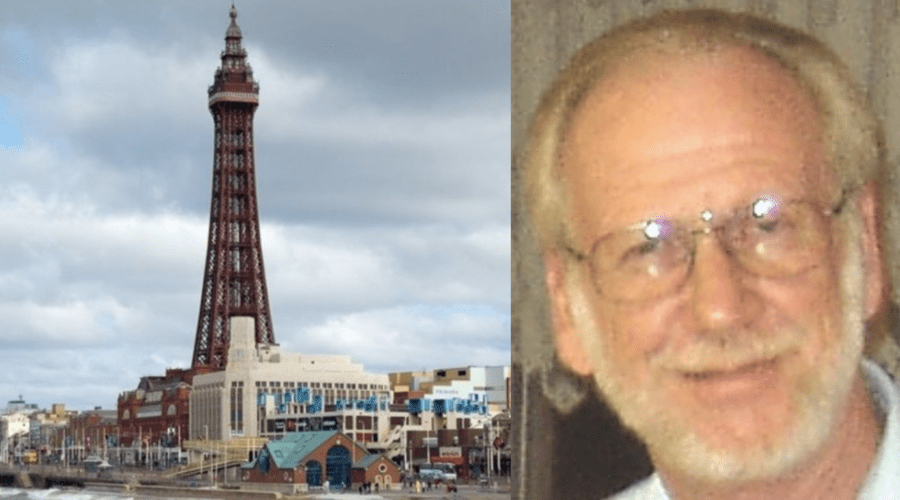
Whilst “going on and on and on” at Probe International’s paranormal conference in Blackpool, Lancashire on 7th October 2006 about these matters and “children having their skin eaten whilst they were still alive in the New Forest” and about how he knew who the “real” killers of Holly Wells and Jessica Chapman were also, Warwick supposedly announced: “Bear with me for a moment.” He then “leaned with his left elbow on a nearby table with his right arm across his body, and then fell flat on his face. Shortly afterwards he was pronounced dead.” Fellow conspiracy cranks (including David Icke) later claimed: “This was an Intelligence agency ‘hit’ using an ELF (Extremely Low Frequency) weapon,” but this was never ultimately proven true.
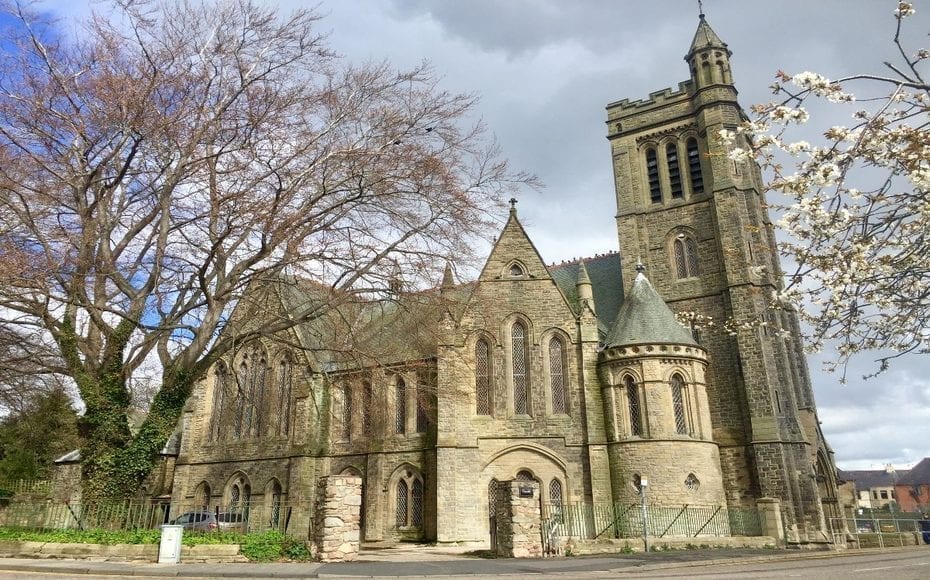
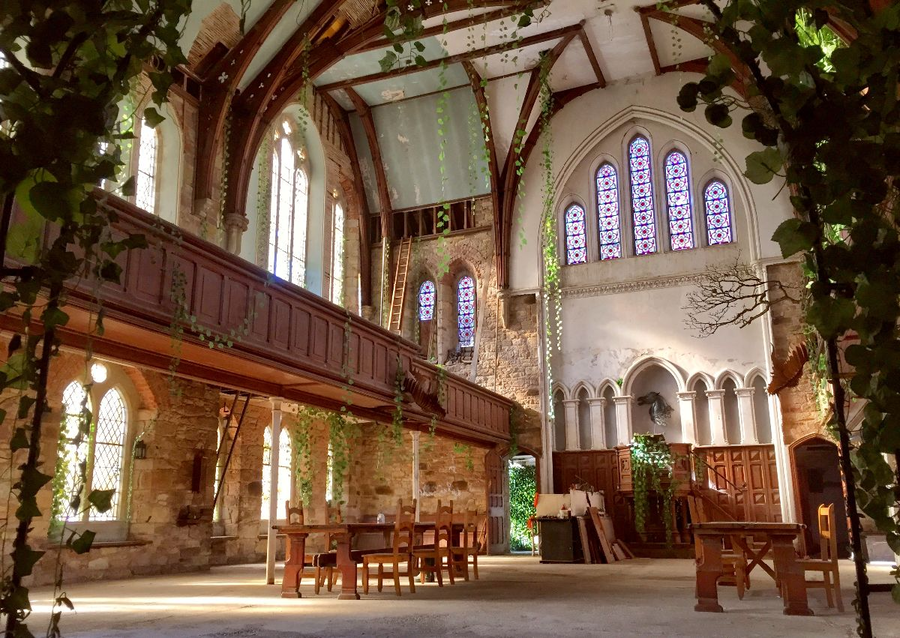
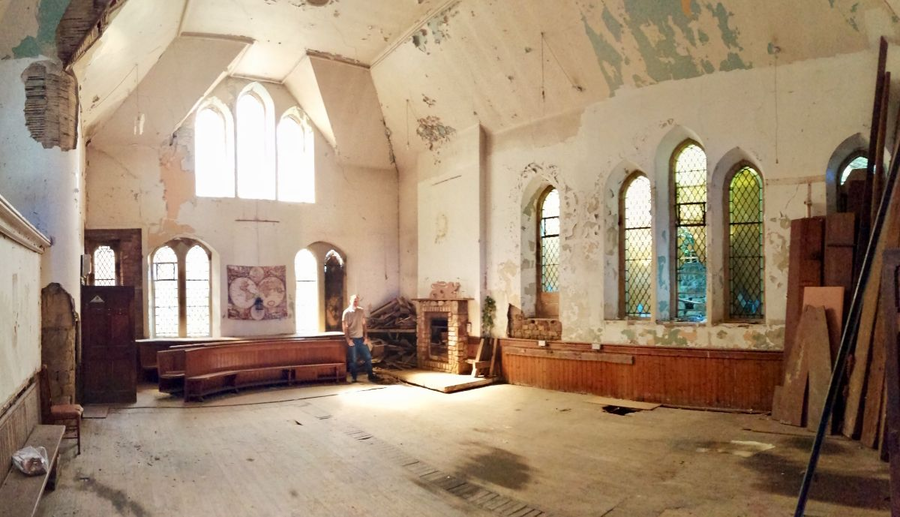
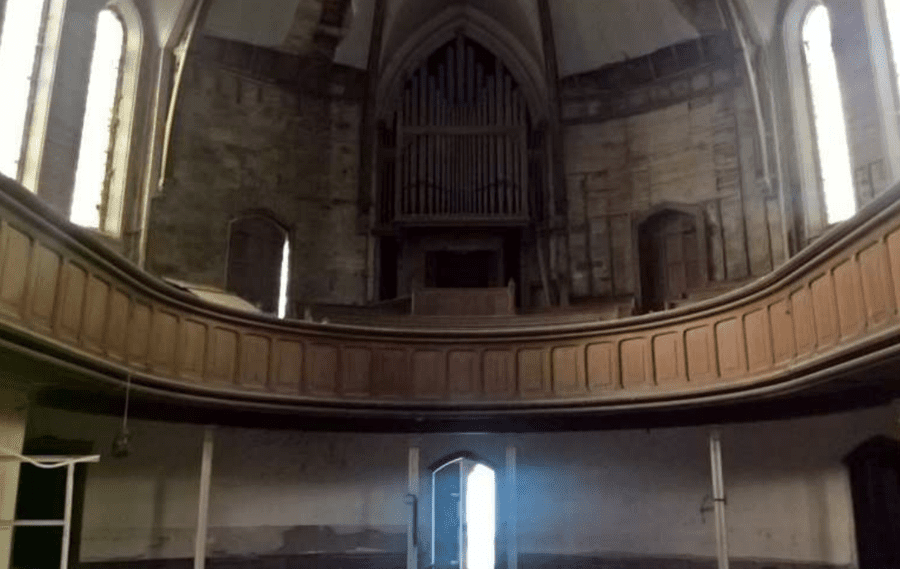
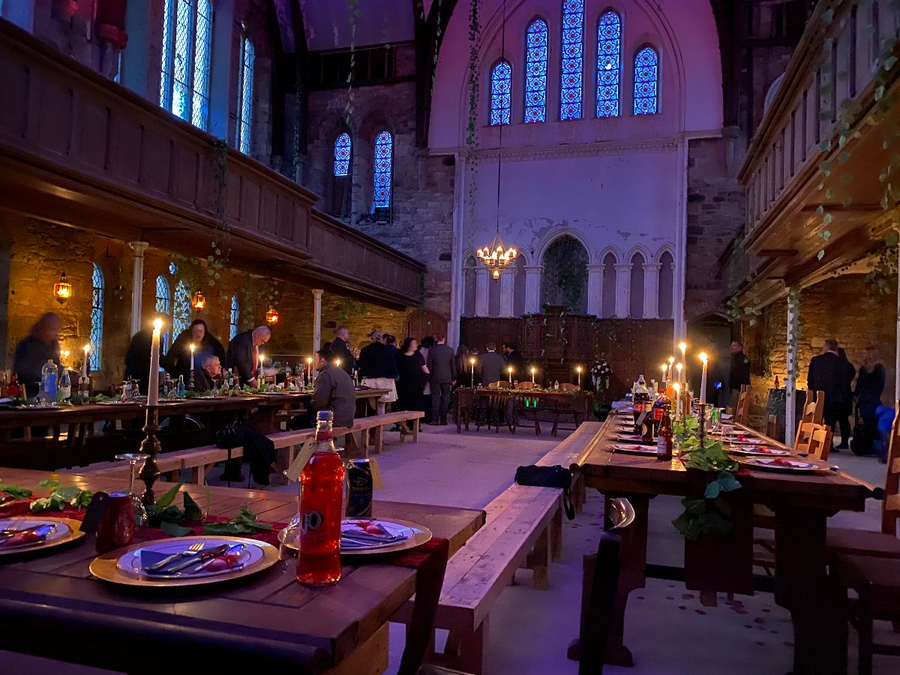
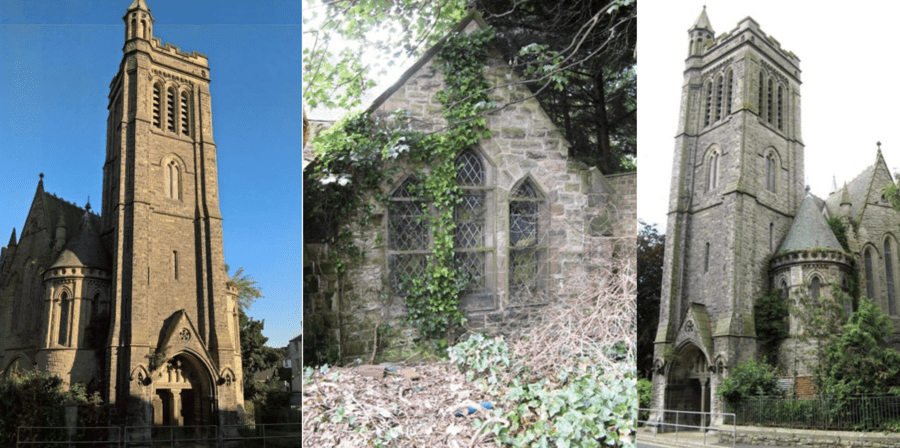
Warwick had, for about twenty years, lived in the heart of the national hunt racecourse town of Kelso in the Scottish Borders. Here, along with his actress wife Jean, he occupied in a Gothic church and now that building, North Trinity Church is once again for sale.
After Dean Warwick collapsed on stage in Blackpool, Lancashire on 7th October 2006, one fellow conspiracy theorist present observed: “When Dean collapsed on the floor a woman witnessed a man with dark hair slip out of the hall. She followed this man who then proceeded to walk down the stairs whistling merrily to himself, get into a car and make a phone call. He was then seen laughing down the phone to whoever he was speaking to. Who walks out of a hall whistling happily to themselves and then starts laughing down the phone after a man has just collapsed and stopped breathing on stage?”Bulgarian businessman Kirk Kirchev paid £80,000 for North Trinity Church, Kelso in November 2018 and intended to use £35,000 of his mother’s savings to restore the building.
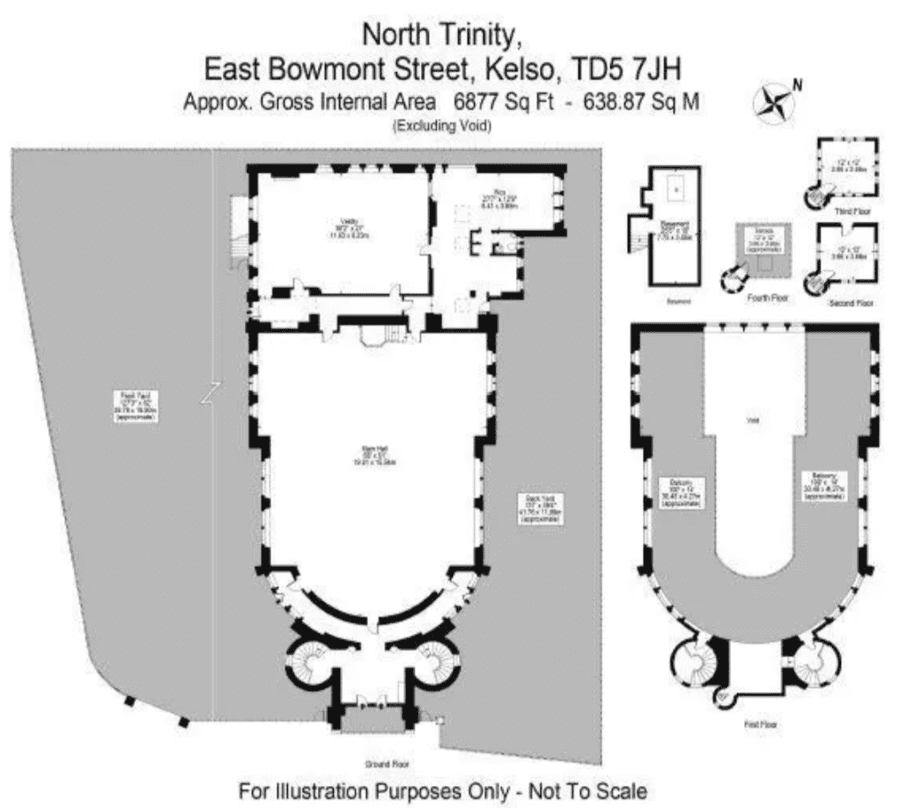
Recorded as having changed hands in August 2014 for the sum of £45,000, the 6,877 square foot building was again sold in November 2018 for about £80,000 to a Bulgarian businessman named Kirk Kirchev. Of his purchase, in December 2019 talking to Borders TV, the camping tent manufacturer turned face mask retailer remarked:
“I saw the church online and thought this is amazing… It was very cheap, nobody wanted to touch it, the windows were boarded up… When I got in, it was dark, scary with pigeons circling in the main hall, but I could see that it had the soul, the spirit, the sort of magic, that, that bought me.”
“I’ve done 90% of the work I needed, I’ve made it usable. It’s still retaining its derelict and magical look… People think I’m crazy: It’s a given, but I think this place needs someone crazy to take it on because otherwise it will simply fall apart.”
“[When it’s finished” I hope it’ll be a great venue and the focal point of the town. It has a lot of potential as a gathering place for people. I am kind of surprised why people don’t see this because it’s right in the middle of town, it’s got car parks all around, it’s great for a venue and all it needs is a little bit. I think people like the character and all it needs is to be made safe and legal and certified and all that.”
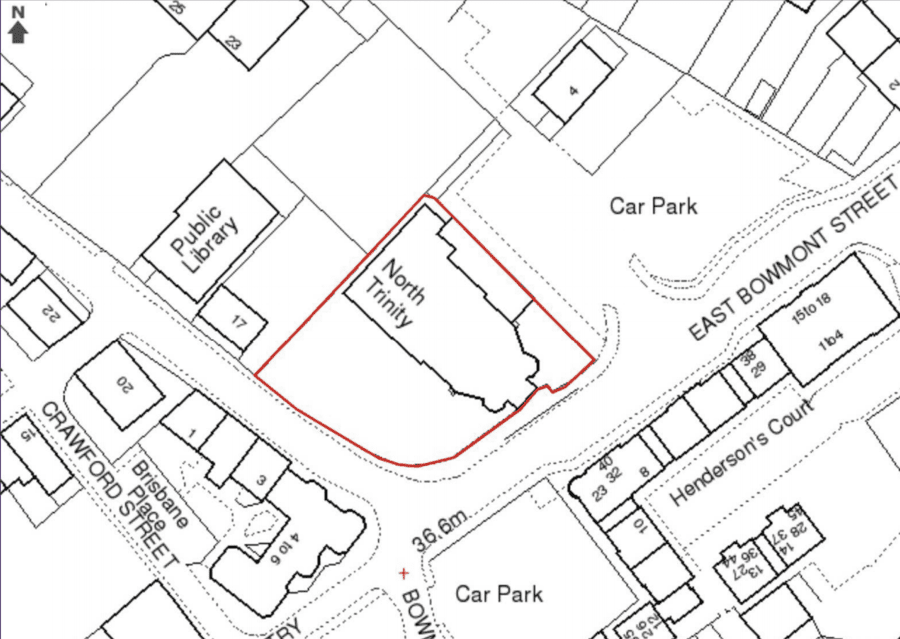
Standing on a site extending to 0.4 acres, Mr Kirchev plainly has decided not to proceed further with his project to find another use for this former religious building. North Trinity Church is now on the market for £130,000 through agents Ballantynes and could be used for residential or commercial purposes. No doubt, however, local residents very much hope another Dean Warwick type doesn’t turn up with yet another conspiracy theory; that, indeed, would be even worse than the shameful local councillors who proposed pulling down this beautiful Category B listed building last November.
The Names & Numbers – North Trinity Church, East Bowmont Street, Kelso, Roxboroughshire, Scotland, TD5 7JH, United Kingdom
April 2020 – For sale for £130,000 ($163,000, €150,000 or درهم597,000) through agents Ballantynes.
November 2018 – Sold to Bulgarian born Kirk Kirchev for £80,000 ($100,000, €92,000 or درهم367,000).
December 2017 – Offered for sale as a “development opportunity” for £75,000 ($94,000, €86,000 or درهم344,000) by Edwin Thompson.
August 2014 – Sold for £45,000 ($56,000, €52,000 or درهم207,000).
2011 – A community organisation, The Future Kelso Group, attempted to convert the church into a community hub. These plans did not come to fruition.
2006 onwards – The building “fell into disrepair” after the death of the New Zealand-born conspiracy theorist Dean Warwick during a UFO conference in Blackpool on 7th October 2006 aged 62. The building had been home to him and his actress wife, Jean, for “over 20 years.”
1885 – 1886 – Built to the designs of architect John Starforth for use as the Kelso United Presbyterian Church on the site of a previous church that was built in 1788. Prominent features are said to “include a four-stage angle buttressed tower over the gable porch to the southern end of the building; lanceted belfry; gabled transepts: and decorative detailing to ridge tiles to main roof. The tower is flanked by two-storey circular stair towers with slated conical roofs, each with side entrances.”
Grade II* listed Cumbrian mansion built by opium dealer and once marketed for £1.5 million for sale for just £460,000; it was also the scene of the UK’s biggest ever cannabis raid in 2012
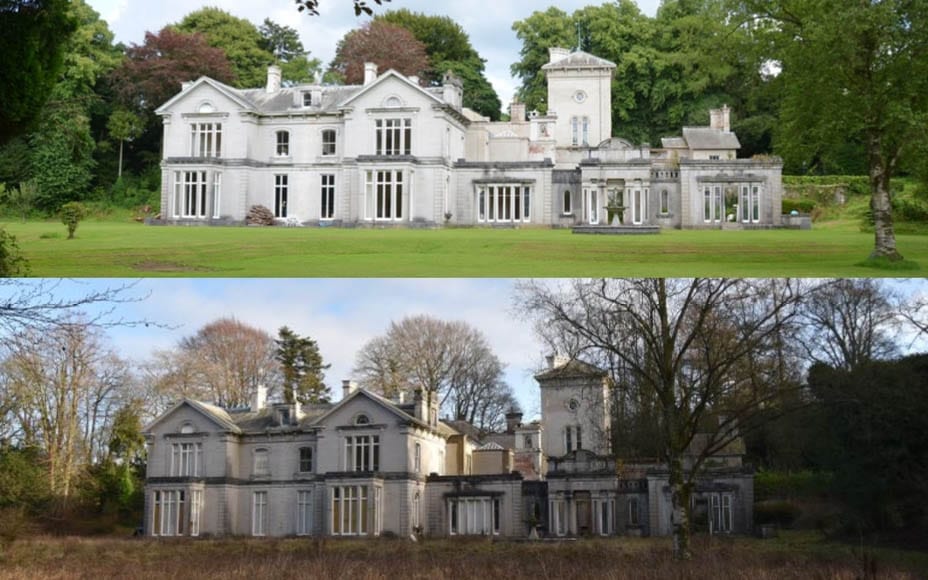
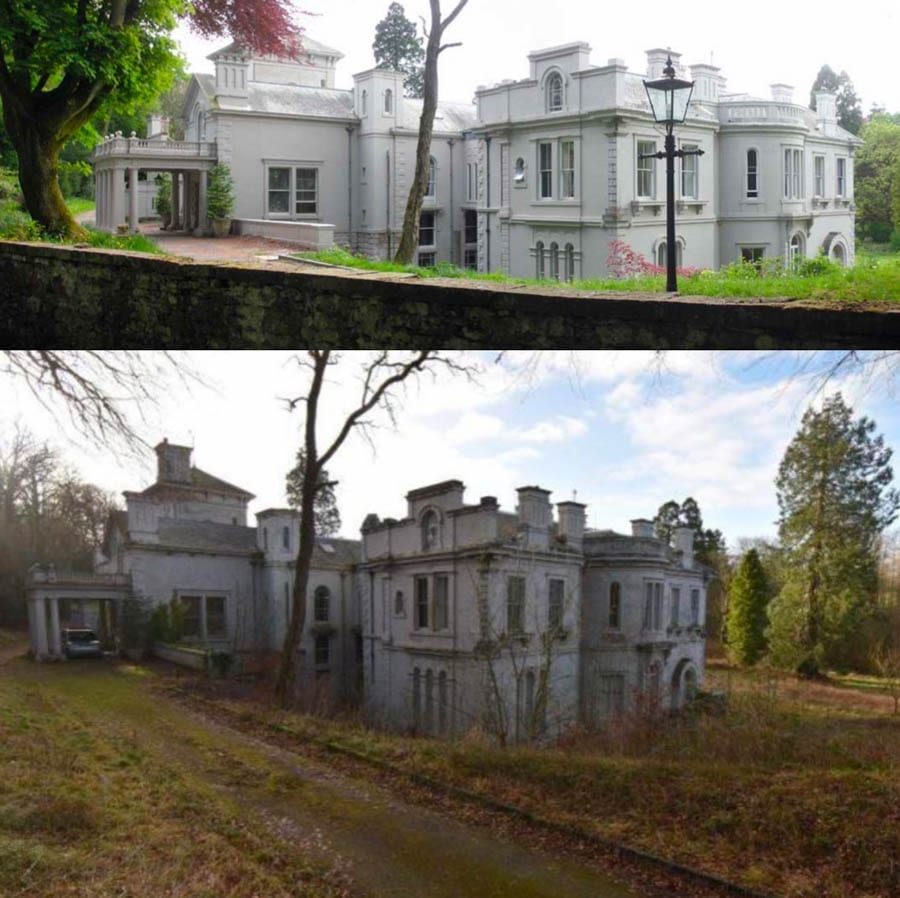
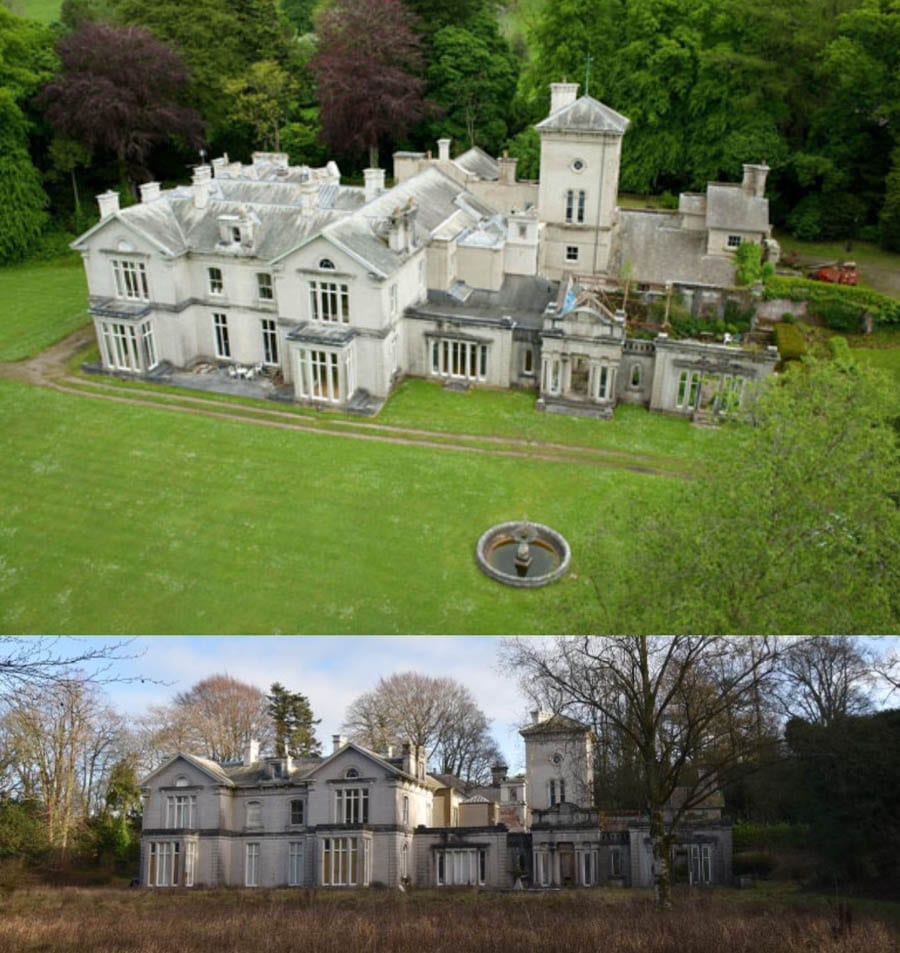
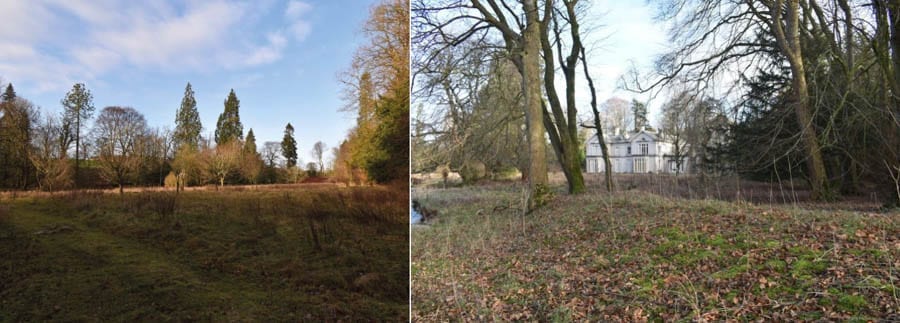
A 23,000 square foot, 52 room, mid-19th century Palladian mansion in the Westmorland Dales National Park is to be sold at auction – by order of the mortgagees not in possession – for £1 million less than it was marketed for in 2014. It is sadly now described as being in an utterly wrecked, vandalised condition.
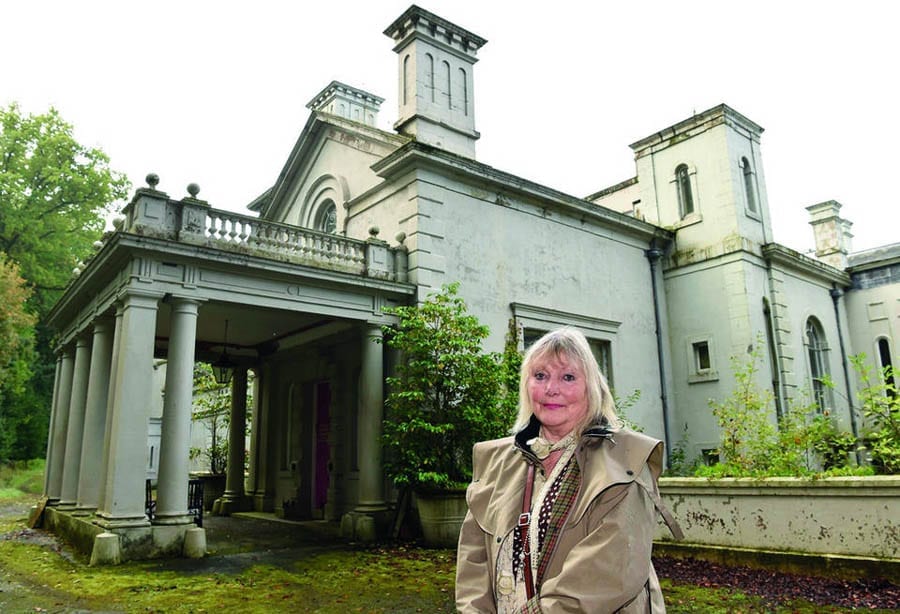
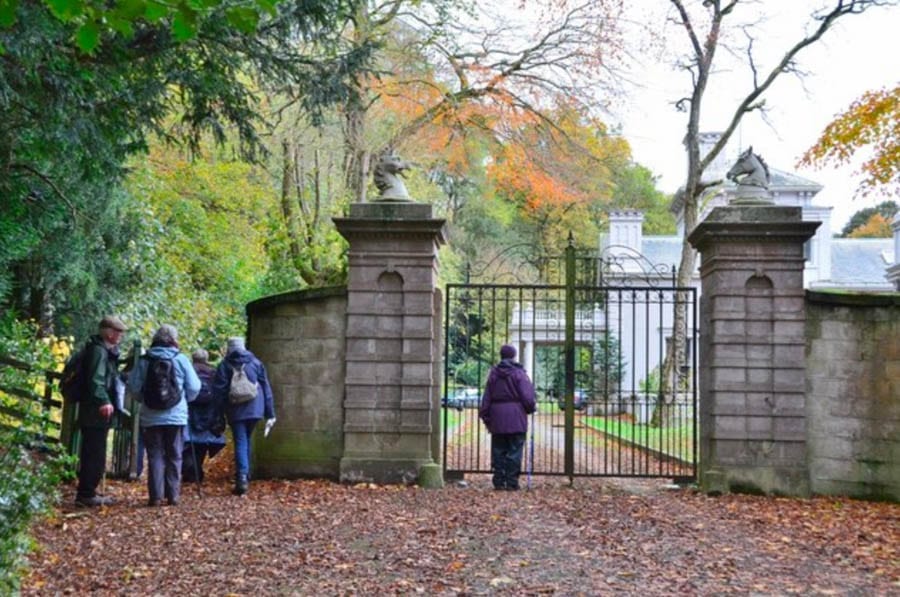
The entrance elevation of the mansion then and now
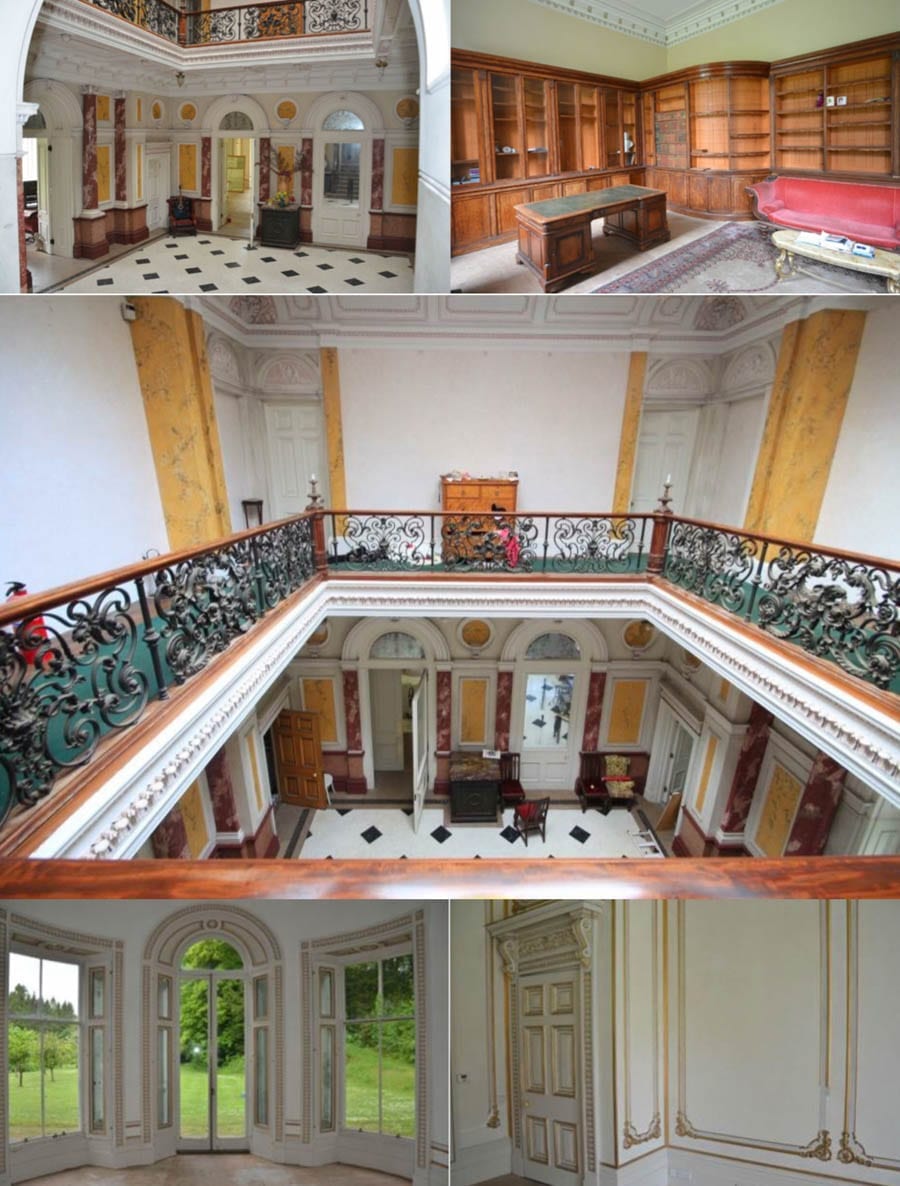
The strikingly grand interiors of Flass (prior to visits from the ‘Urban Explorers’)
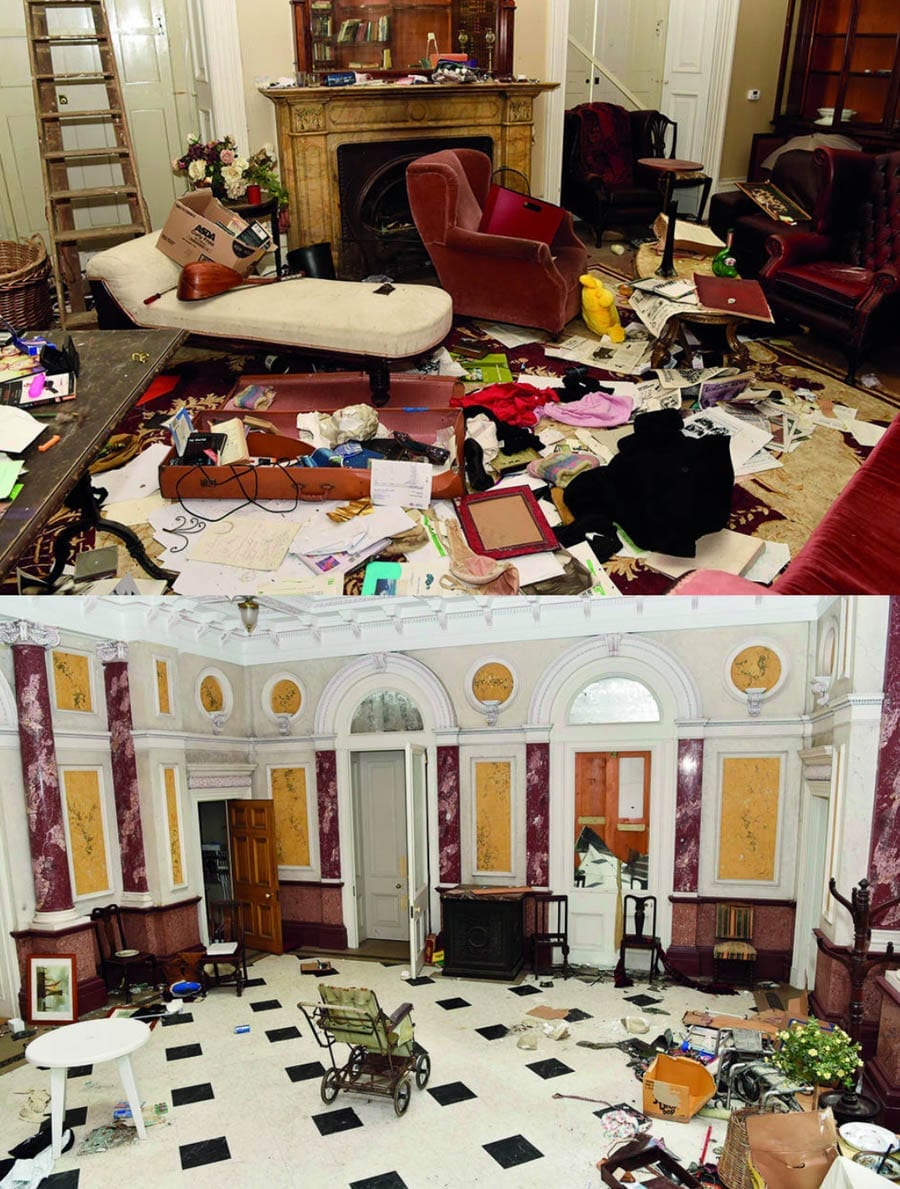
The completely trashed interiors of the mansion (after visits from the ‘Urban Explorers’)
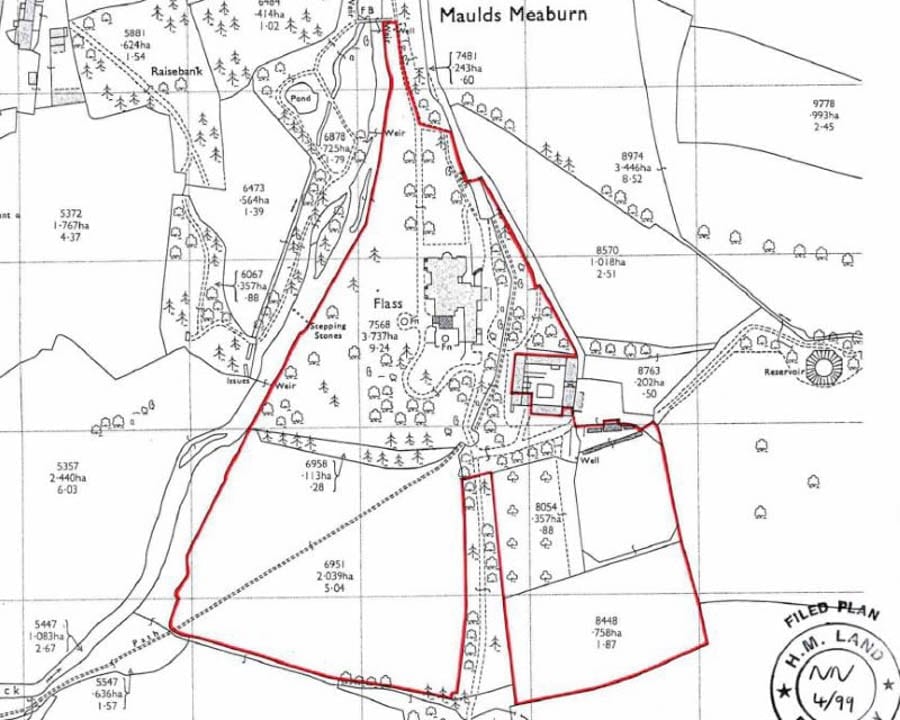
Built in 1851 for wealthy merchant brothers and tea and opium magnets Lancelot and Wilkinson Dent, 8-bedroomed Flass at Maulds Meaburn, near Penrith in Cumbria was designed by architects Grey and Mair and includes furnishings by the renowned firm Gillows of Lancaster and London.
Opulent to its core and said to have featured marble fireplaces, ivory door handles and friezes with pearls, Flass remained in the Dent family until 1973. Just prior to being sold for £17,000 (the equivalent of £202,000 today) that year to a historian named Frank Walsh, the then owner Sir Robert Dent opened up an attic of the house and discovered items from the Mughal Empire that he then auctioned for the astounding sum of £220,000 (the equivalent of £2.6 million today).
Subsequently this vast stucco finished, limestone built house – complete with a Doric porte-cochère and a three-storey tower – became a care home and was then after sold in 2000 to a singer-songwriter best known for co-writing the creepy Christian crooner Sir Cliff Richard’s Devil Woman named Christine Holmes (also known as Kristine Sparkle) and her husband Paul Davies. The pair turned the property into a performing arts school.
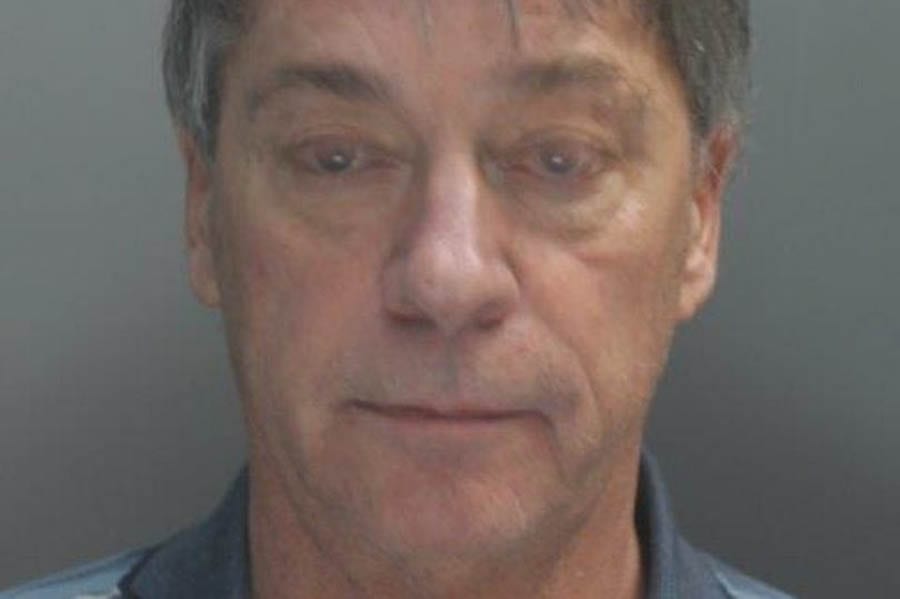
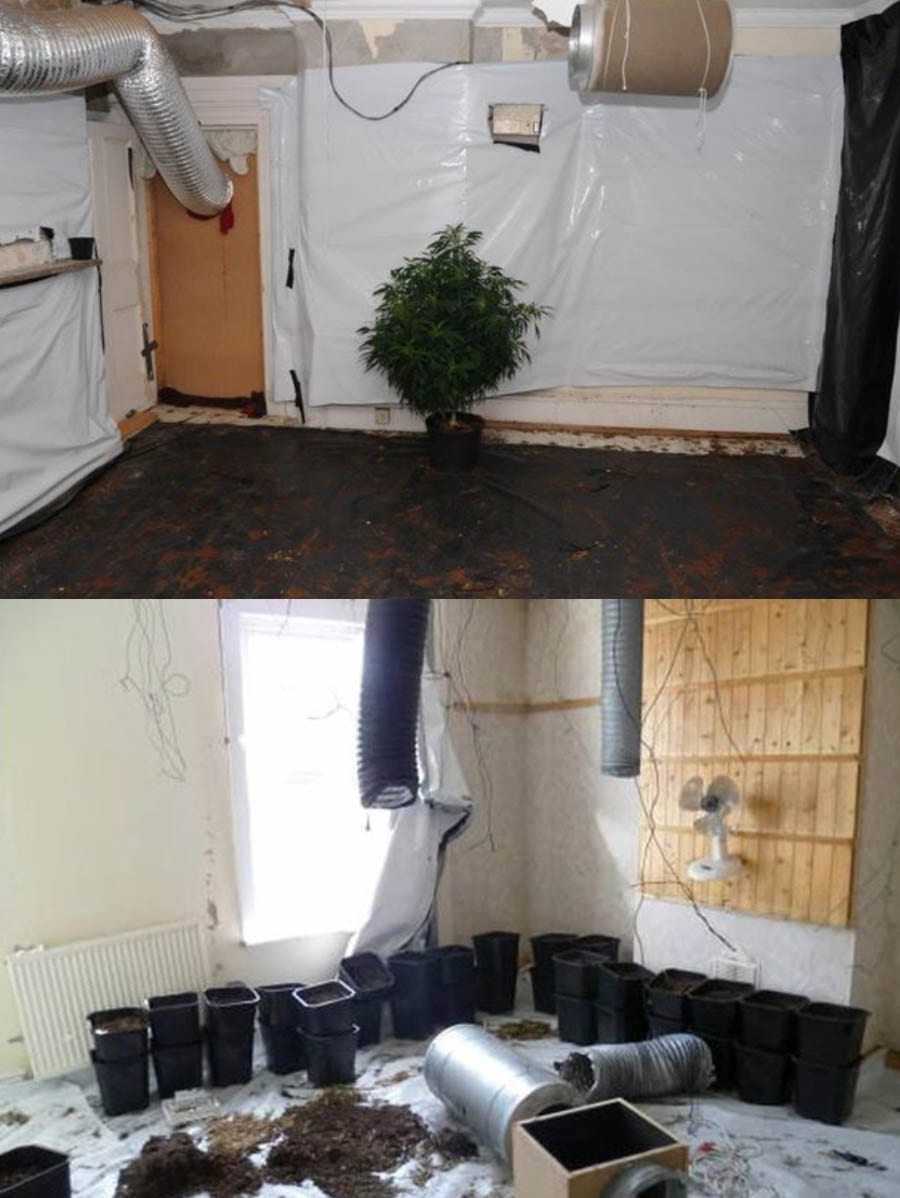
After the couple divorced, Davies took control of the mansion but due to spiraling maintenance costs, he eventually got himself involved with a gang of drug dealers in 2011. Due to what rental agents at the time described as the house being “totally private and hidden away, with an unmatched seclusion and charm,” Davies and his five cohorts were able to grow cannabis with a street value of £5.26 million undetected until a neighbour became suspicious. He was jailed for his role in the crime for three years and eight months in September 2015.
Singer-songwriter Christine Holmes outside Flass in September 2017 (after visits from the ‘Urban Explorers’ and their having trashed her home)
Paul Davies turned Flass into Britain’s biggest cannabis farm (and got himself three years and eight months in jail for his efforts; on his conviction his representative said: “He blames nobody but himself for getting involved in this criminal business”)
The “massive scale” £5 million cannabis farm operated at Flass was described in court as “a professional setup” and having the “real hallmarks of organised crime”
Christine Holmes subsequently took back control of Flass and after trying and failing to sell the house for £1.5 million spent £200,000 on renovations to put right the damage done by the drug operation. Her bad luck, however, was not to end there. In September 2017, the Cumberland & Westmorland Herald reported that a gang of ‘Urban Explorers’ had raided the somewhat derelict building and filmed their exploits. In the weeks that followed, trespassers returned at least twelve further times and “ransacked and trashed” the once glorious residence. She told the paper:
“I was absolutely horrified when I saw [videos of the house] online. I couldn’t believe how anyone could come into my home and believe it was an abandoned building.”
“I think since then people have been staying in the building and have even been there hiding while I’ve been there. I’m petrified. These are evil people who are breaking into my home. I think it’s becoming a game to them. They are breaking in every day.”
Auctioneers Harman Healy will now offer Grade II* listed Flass along with 17.5 acres of overgrown grounds with a guide price of just £460,000+ on 30th January. Christine Holmes no doubt will be glad if she finally gets shot of what she likely ended up considering to be the worst kind of white elephant.
Flass – The Numbers
January 2019 – To be offered at auction with a guide price of just £460,000 ($596,000, €525,000 or درهم2.2 million).
July 2014 – Offered for sale for £1.5 million ($1.9 million, €1.7 million or درهم7.1 million).
2000 – Sold for £490,000 ($635,000, €559,000 or درهم2.3 million) to the currently jailed drug dealer Paul Davies and his then wife songwriter Christine Holmes.
1998 – Reduced to £650,000 ($842,000, €741,000 or درهم3.1 million).
1997 – For sale for £750,000 ($972,000, €855,000 or درهم3.6 million).
1982 – Sold for £115,000 ($149,000, €131,000 or درهم547,000) to a retired solicitor named Malcolm Whiteside. He turned Flass into a care home which he ran with his wife Mary.
1973 – Sold by Sir Robert Dent, a descendant of the family who built the house, for £17,000 ($22,000, €19,000 or درهم81,000) to a historian named Frank Welsh.
Derelict Uncle Monty-esque farmhouse in the countryside of the Lake District National Park World Heritage Site for sale for a staggering sum
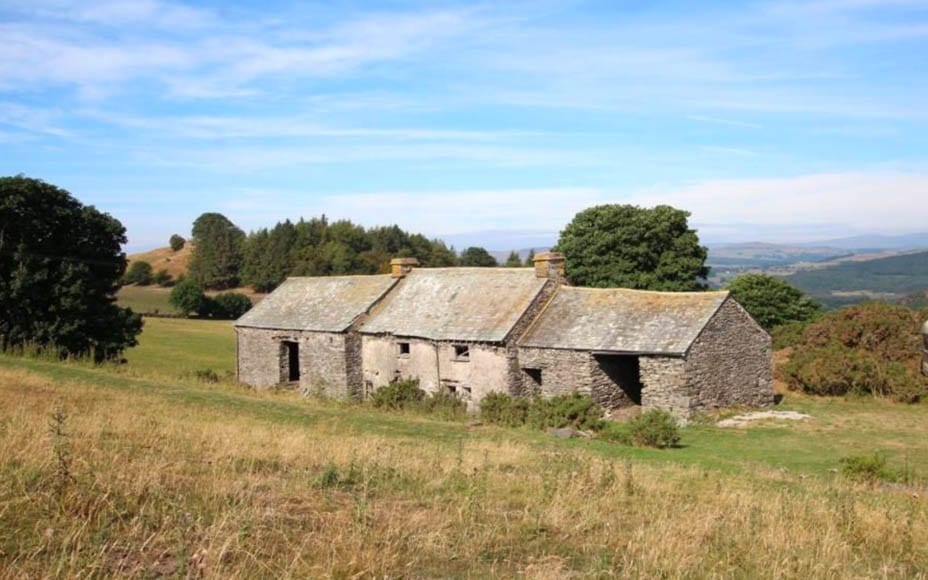
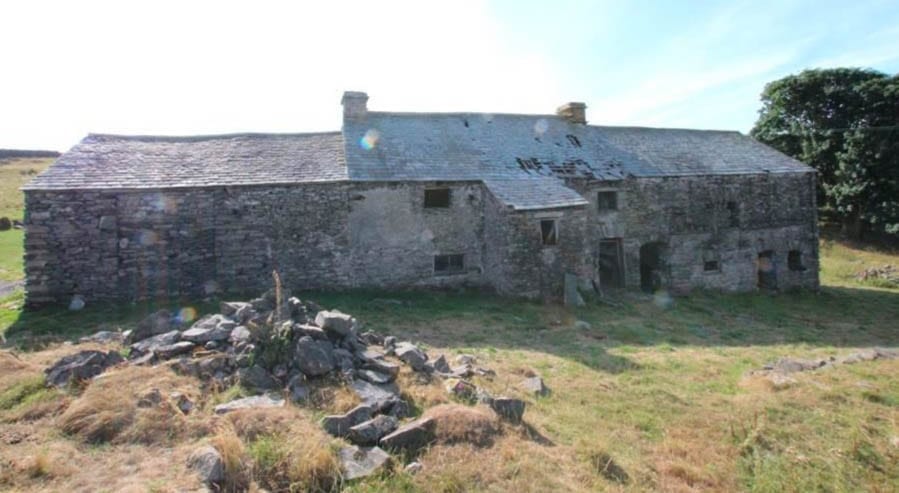
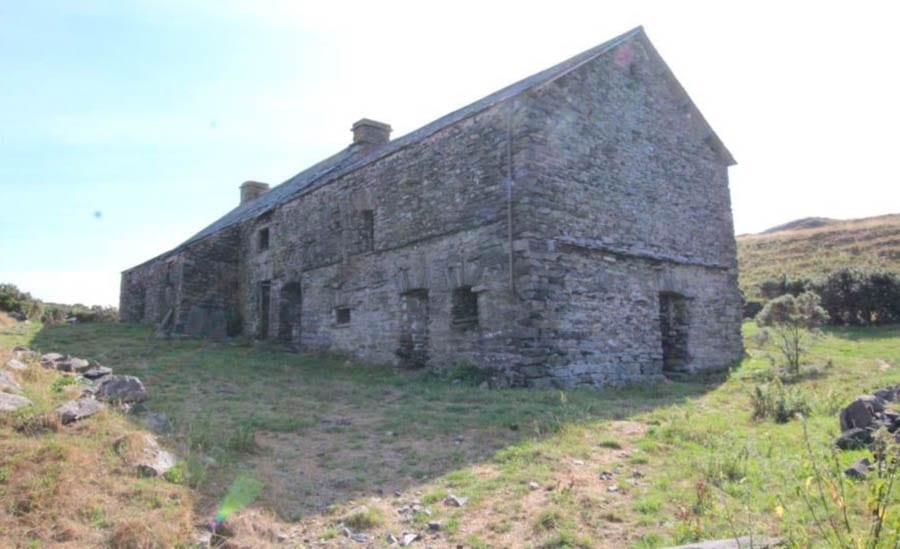
Described as “one of the most stunning sites in the Lake District National Park” by selling agents Michael C. L. Hodgson, the Hard Crag farmstead above High Brow Edge at Backbarrow in Cumbria has gone on sale for £795,000 ($1 million, €889,000 or درهم3.8 million) in spite of being nothing but an utter wreck.
Unusual in that it was built high on a hillside rather than in a valley in the 17th century and unoccupied since 1954, this ‘yeoman style farmhouse’ with a barn and outbuildings is Grade II listed and on the National Park Authority’s register of Listed Buildings at Risk.
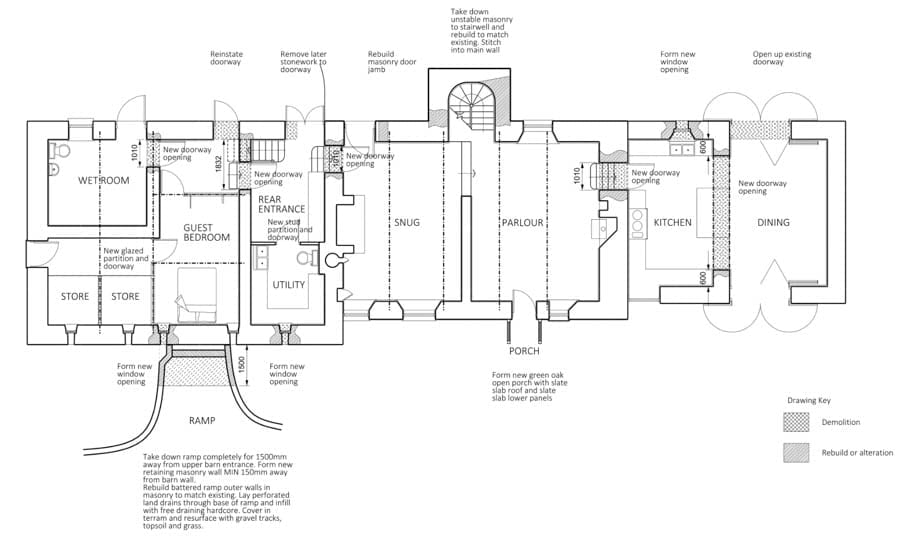
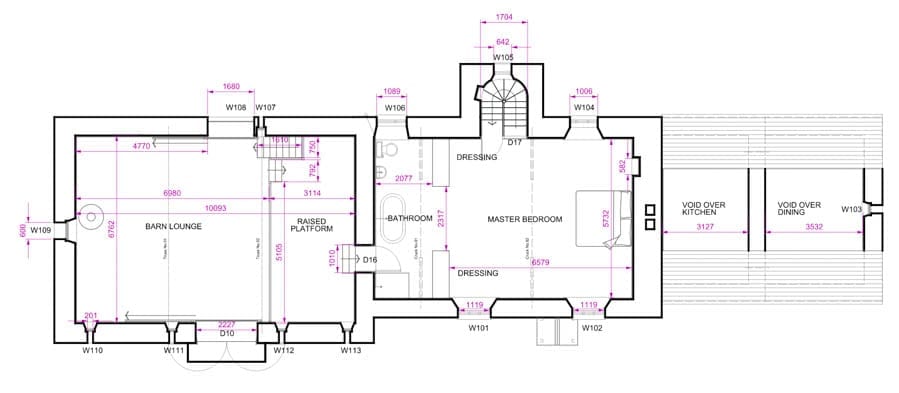
Offered with planning permission for redevelopment, designs for Hard Crag envision the creation of a parlour, snug, dining kitchen, utility room and guest bedroom suite with wet room to the ground floor and a sitting room with a raised platform and a master bedroom suite with a dressing room and bathroom to the first floor.
Surrounded by 36 acres of land that includes pasture, grazing, meadows, a tarn and rocky outcrop features, what sets this property apart are its views to Consiston, Scafell and the Langdales.
Though presently akin to Uncle Monty’s cottage in the cult film Withnail & I in its present condition, Hard Crag will most certainly once again soon be a truly fine home.
Derelict 18th century Oxfordshire mansion with 125 acres of land for sale for £10 million
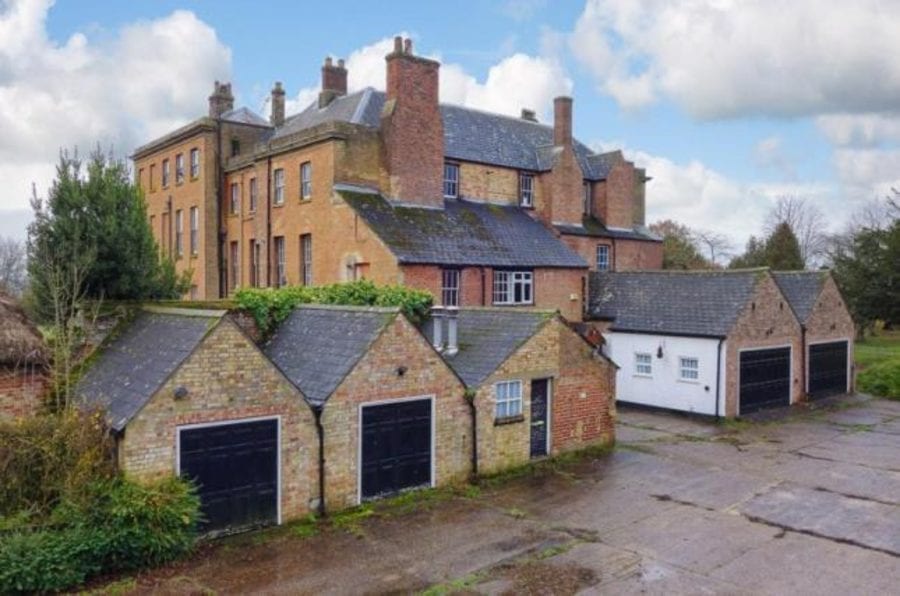
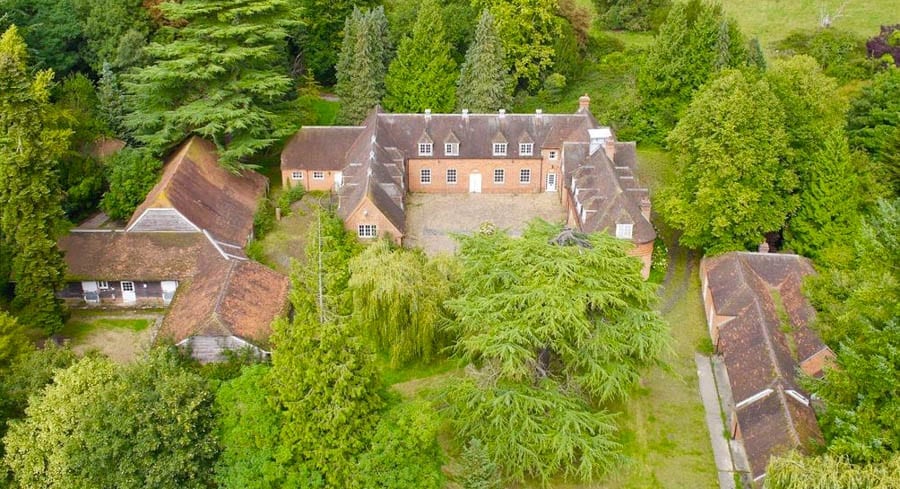
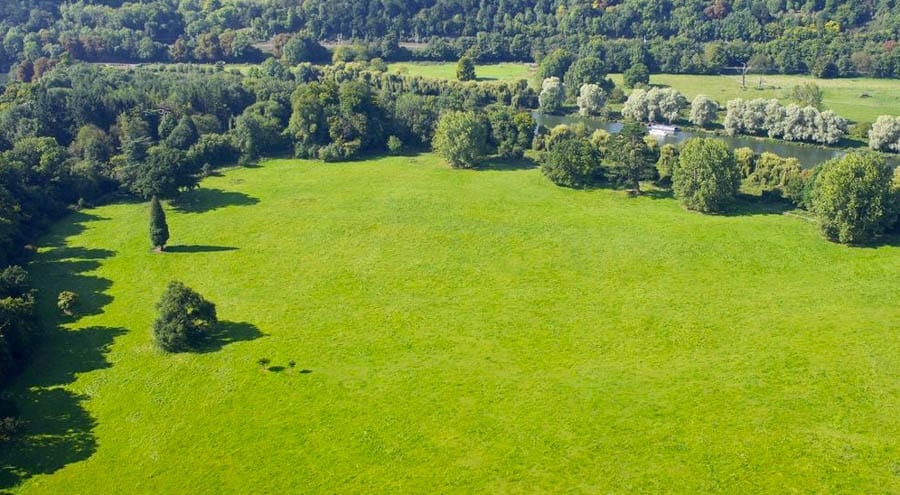
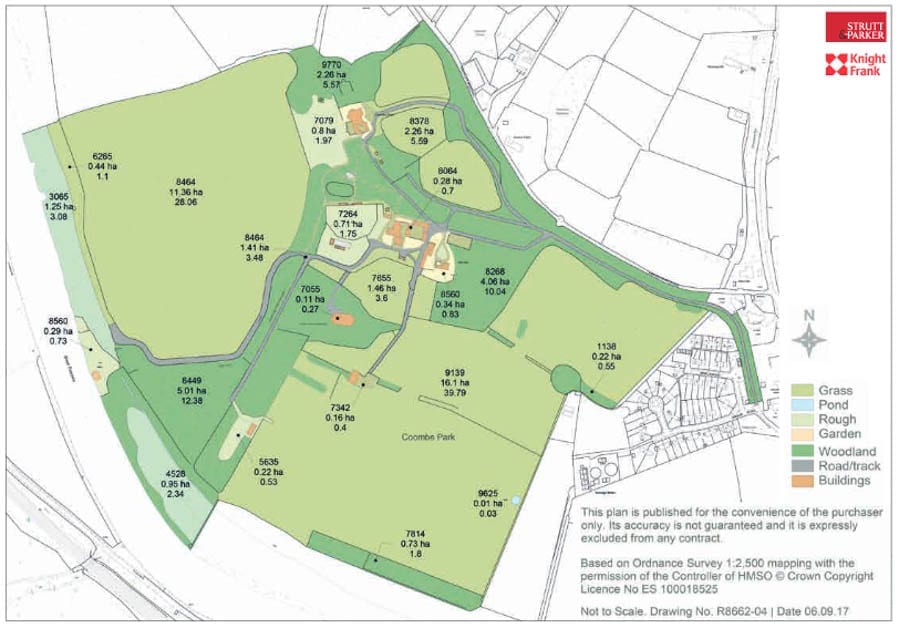
A 125-acre Oxfordshire estate with Humphrey Repton landscaped grounds has gone on sale for £10 million ($13.2 million, €11.3 million or درهم48.7 million) in spite of being described as being “in poor order.”
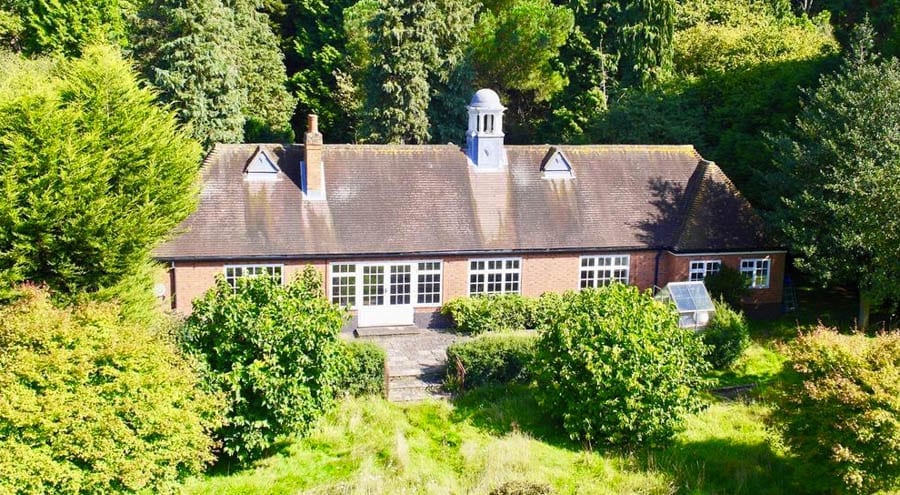
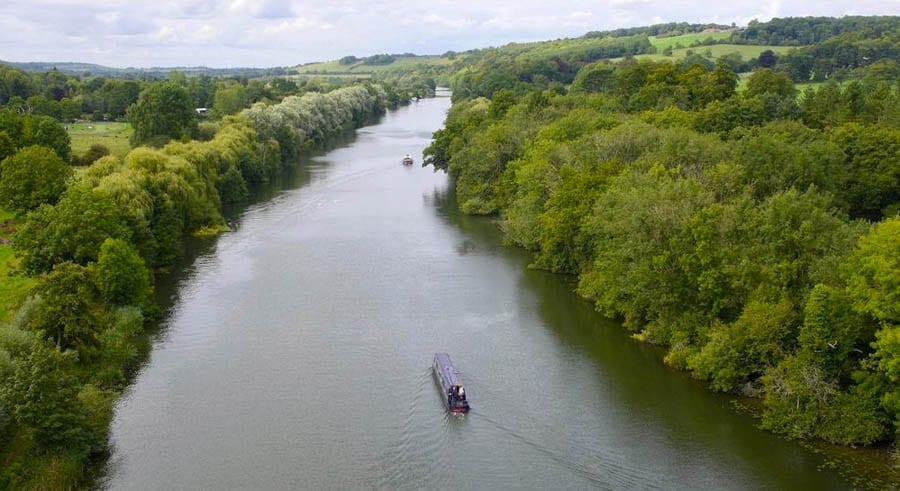
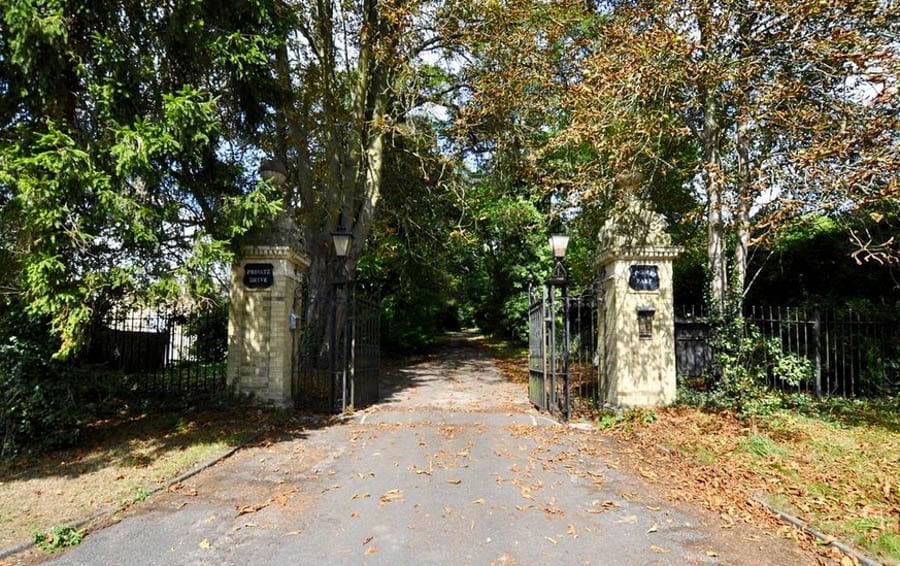
The Coombe Park Estate at Whitchurch-on-Thames is situated at the end of a ¾ of a mile long private drive just 49 miles from Central London. Constructed in 1865, the original mansion was later demolished and what now remains consists of a 13,368 square foot house created from the original servants’ quarters, a coach house and an extension built in 1982.
Featuring 4 main reception rooms, an indoor swimming pool, 6 bedrooms and 5 bathrooms, Coombe Park itself “has been unoccupied a number of years” but now presents an opportunity for a buyer to unleash its “enormous potential” according to selling agents Strutt & Parker.
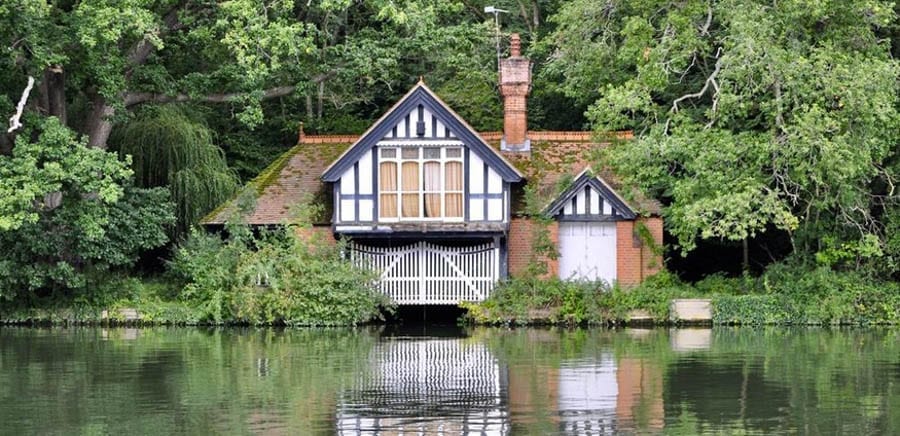
In addition to the main residence, there are three additional houses, an orangery, a coach house, offices, a sports pavilion, an indoor tennis court, stabling and a boat house included in the sale.
According to a blog from 2008, the estate – which was used by the American military as a rest and recuperation ‘flak house’ during the Second World War – has been in the ownership of an individual from Rotterdam since 1982. He is described as having now “sadly lost his fortune.”