Historic Battersea mansion for sale for the same sum it was marketed for in 2011; it has been mostly empty throughout the intervening period and was renovated by the late billionaire Malcolm Forbes
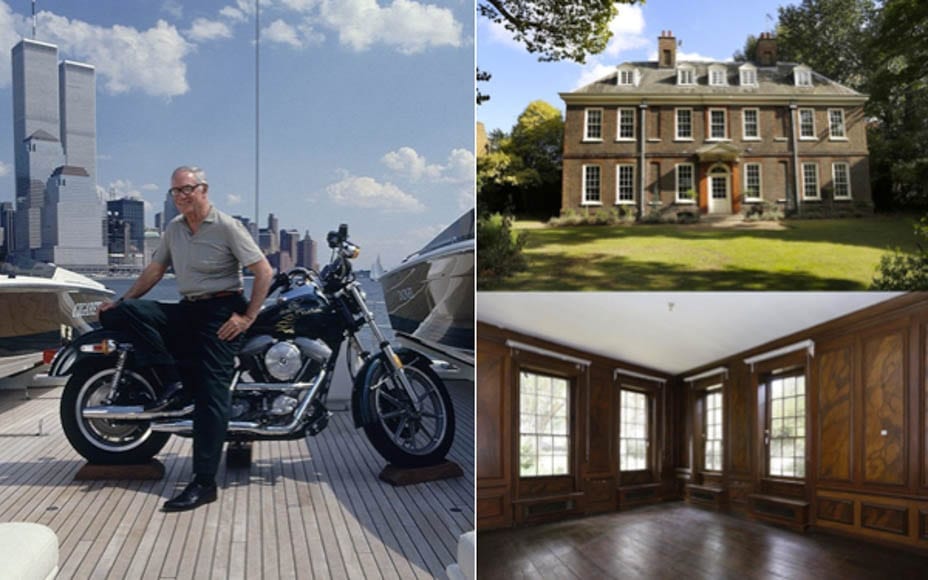
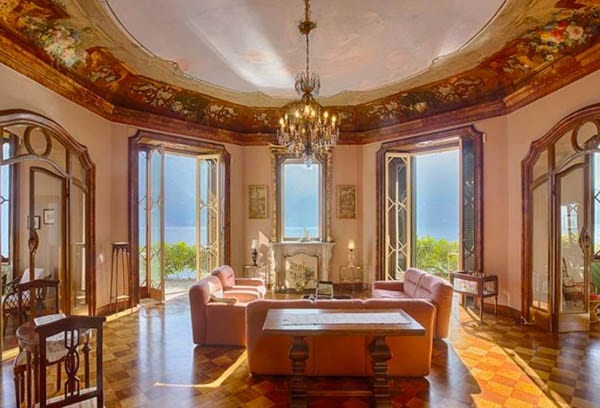
Billionaire publisher Malcolm Forbes was a man who liked to live large. He had a huge yacht named The Highlander, threw lavish parties across the globe and counted Gianni Agnelli, Gordon Getty, Calvin Klein, Robert Maxwell, Rupert Murdoch, Henry Kissinger, Ronald Reagan and Donald Trump as friends. This “mysterious collector” also owned numerous residences and one of these, Old Battersea House in London, is for sale for the same sum as it was marketed for in 2011.
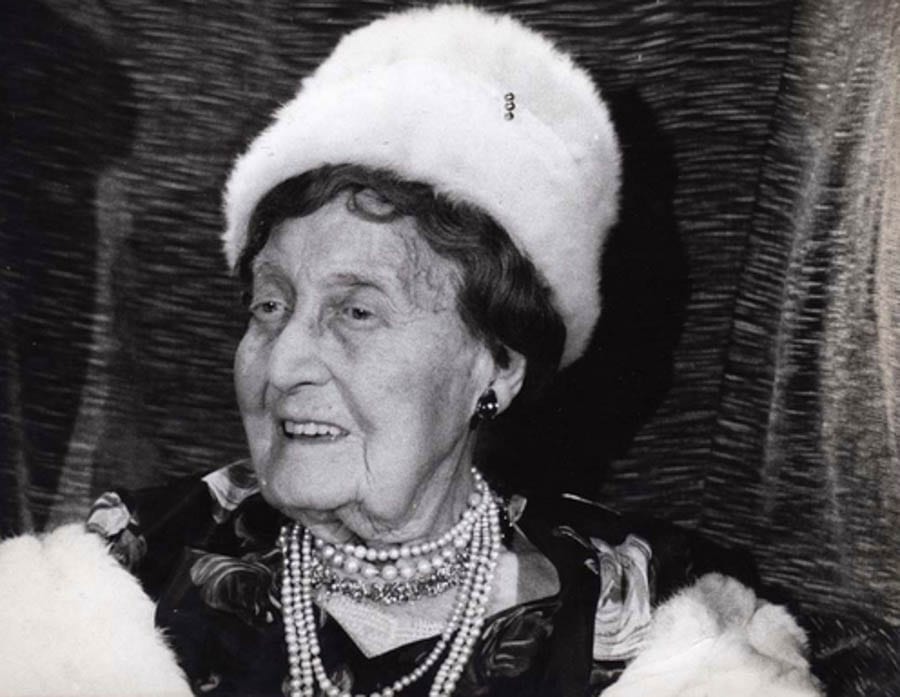
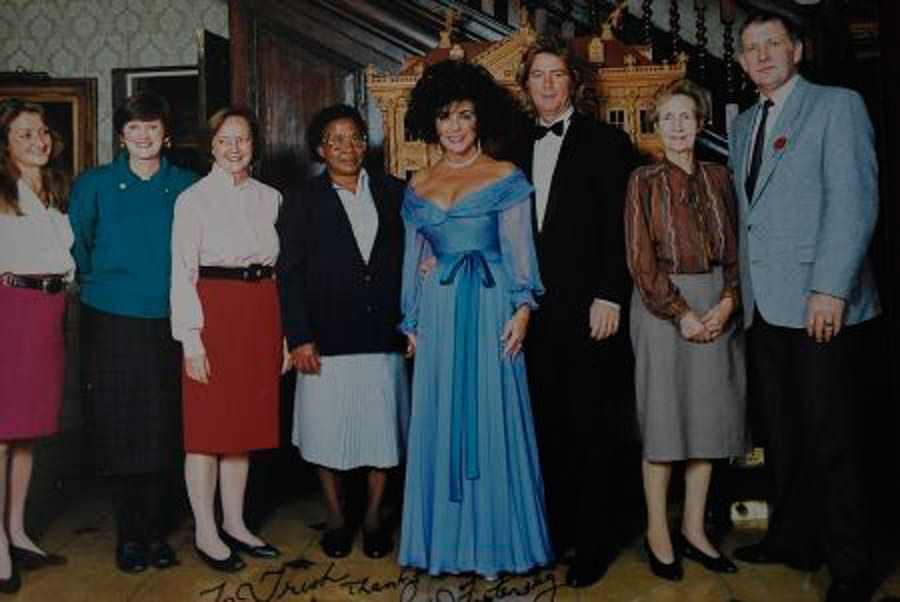
Often seen with Elizabeth Taylor at his side and described as “living life in the fabulous”, Forbes purchased Old Battersea House in 1971. It had previously been home to and saved from demolition by Battersea Council by the eccentric author and ghost hunter Wilhemina Stirling. She took up a lifetime tenancy on the building in 1931 and used it to house artworks by her sister, Evelyn de Morgan (1855 – 1919).
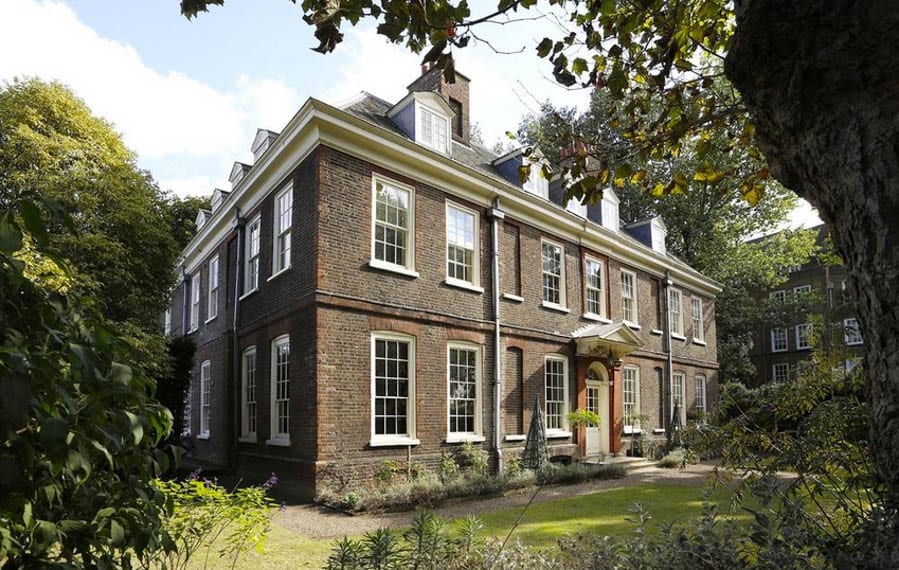
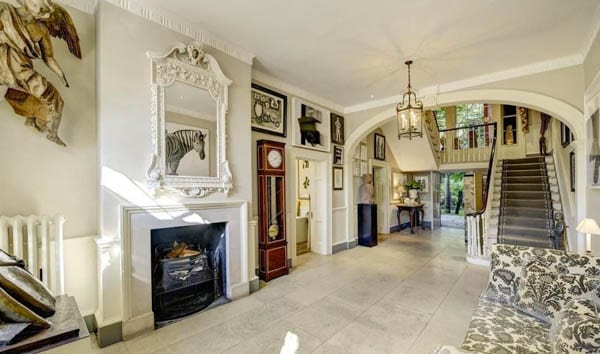
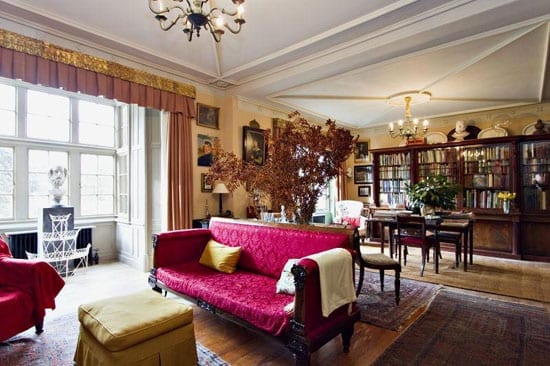
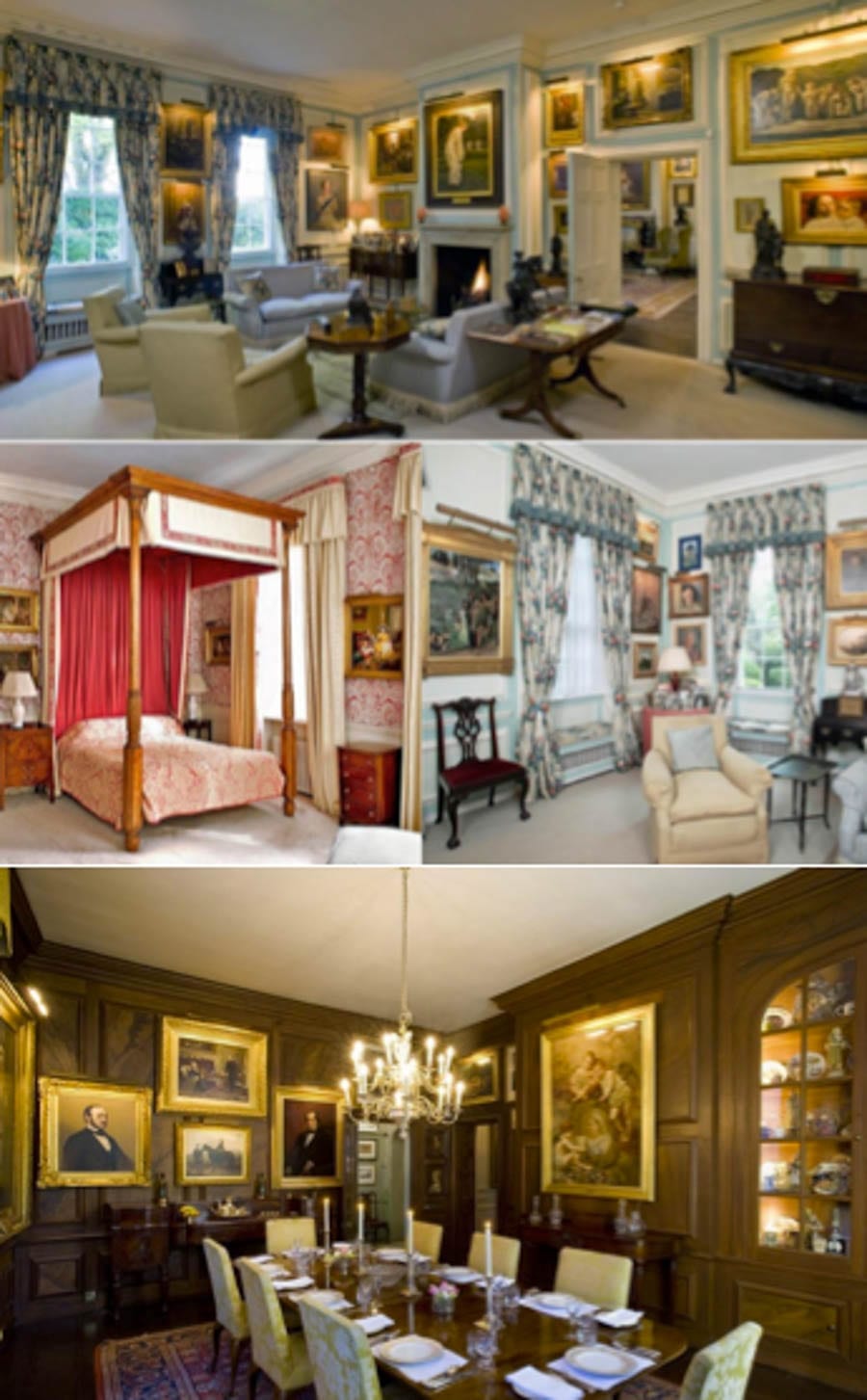
Grade II* listed since 1954 and adapted during Forbes and subsequently his son Kip’s ownership to showcase a vast collection of Victorian art and antiques, Old Battersea House was built on Tudor foundations in 1699 and was at first known as ‘Terrace House’. It originally had gardens extending down to the River Thames and is rumoured to have been designed by Sir Christopher Wren (1632 – 1723).
Featuring “handsome classical proportions throughout” and standing within a 110-foot wide walled garden, the 10,100 square foot house includes 4 reception rooms, 10 double bedrooms and 7 bathrooms. It has off-street parking and a garden store but it is sadly overlooked by the adjoining housing estate that was built in its grounds in the 1930s.
The impressive hallway of Old Battersea HouseAnother entertaining spaceElizabeth Taylor and her then husband Larry Fortensky at Old Battersea House in 1992Images of the house as it was furnished during the ownership of the Forbes family
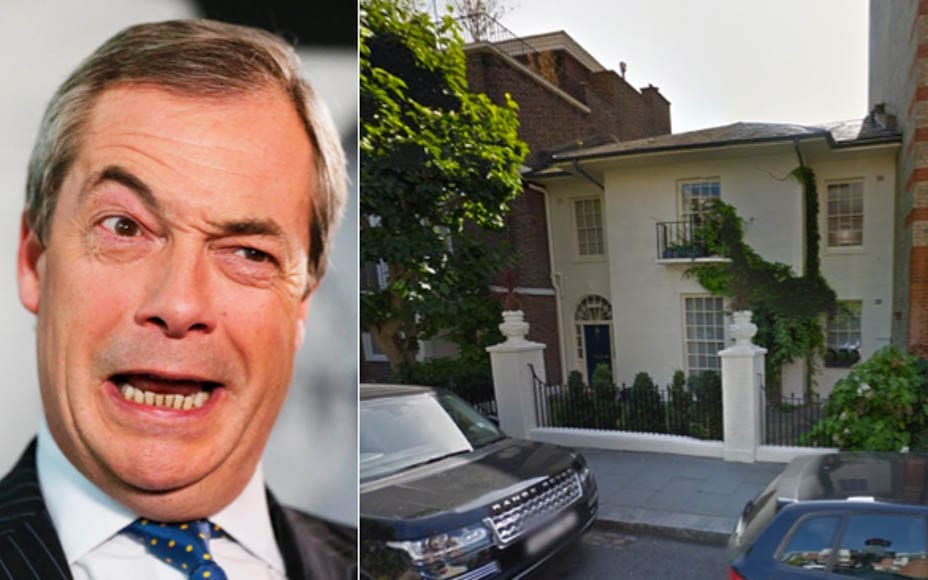
Nigel Farage joins the elite and moves to a large period property in Chelsea, London
Until recently Nigel Farage claimed he was the leader of the “people’s army”. He presented himself as a man living in a “small semi-detached house in the country” and someone who had “no regrets about being poor”. He targeted working class voters, sought out the “ordinary man” and championed bringing down the “elite”.
This pint-loving politician, it now transpires, has now taken up residence in a large period house in Elystan Street, Chelsea. Situated next door to My Hotel Chelsea, the white painted property is “owned by a businessman” according to the Mail on Sunday. Mr Farage is allegedly using it as his weekday “bolthole”, the paper adds, but does not declare if he is paying rent.
Spotted recently dining at upmarket eatery Bibendum – accompanied by four burly security guards – also, Farage is as entitled to make money and live the high life as much as the next man. In doing so, however, he can no longer claim to be a ‘Man of the People’. Instead, it’s time billionaire Donald Trump’s new ‘British Best Friend’ admitted what he now is: Meet Nigel Farage – ‘Man of the Elite’.
East Sussex country house for sale; it comes complete with an enormous rectangular moat allegedly dug by an eccentric parson in the 1700s
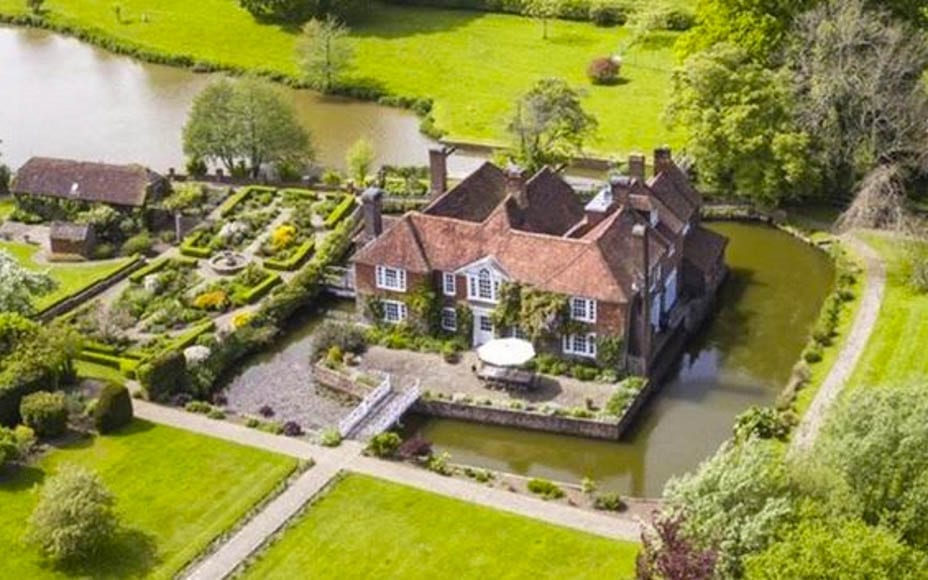
One generally associates moats with castles and manor houses – such as the one we featured last month – but an old rectory currently for sale for £5 million ($6.3 million or €5.9 million or درهم23.2 million) in East Sussex comes with an especially impressive ground water-fed, rectangular example complete with three timber footbridges.
Chailey Moat, Chailey Green, East Sussex, United Kingdom, BN8 4DA
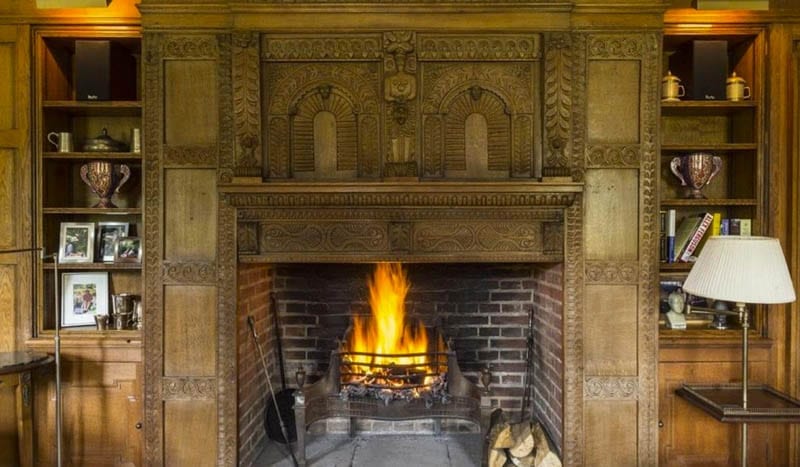
This fireplace is one of the most stunning and historic features internally
It is situated within this reading room
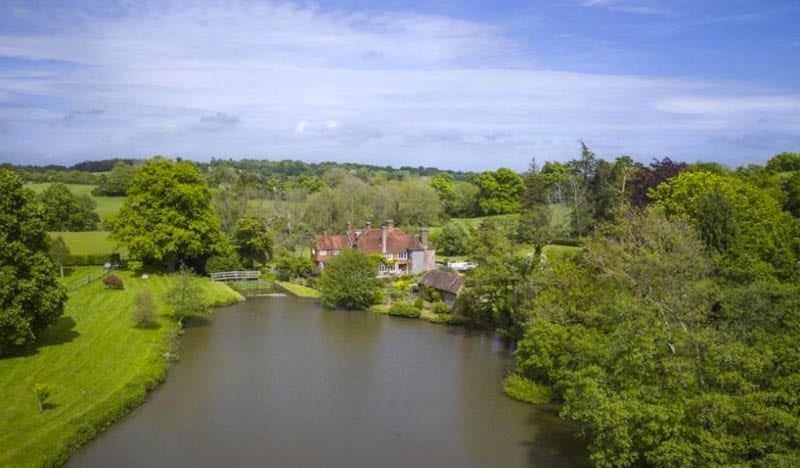
Another view of the main house shows the size of the moat
Previously marketed for £3.5 million ($4.4 million or €4.1 million or درهم16.2 million) in 2007 but not sold at that time, Grade II listed Chailey Moat at Chailey Green, near Haywards Heath in East Sussex dates to around 1540 and was previously known as ‘The Parsonage’. It blends Tudor, Carolean, Elizabethan and Georgian elements and is centred on an original timber framed medieval structure hidden by later additions. The south-eastern façade is described by selling agents Savills as “most striking” and amongst other unusual features are a Venetian window on the first floor and a brick fireplace in a reading room with an intricately carved overmantel that allegedly came from part of a Charles I bedstead.
Aside from a 6,146 square foot main house with 5 reception rooms and upto 8 bedrooms over three floors, there is a 398 square foot 1 bedroom cottage and a 4 bedroomed, 17th century barn conversion that extends to 807 square foot and also provides a substantial games room.
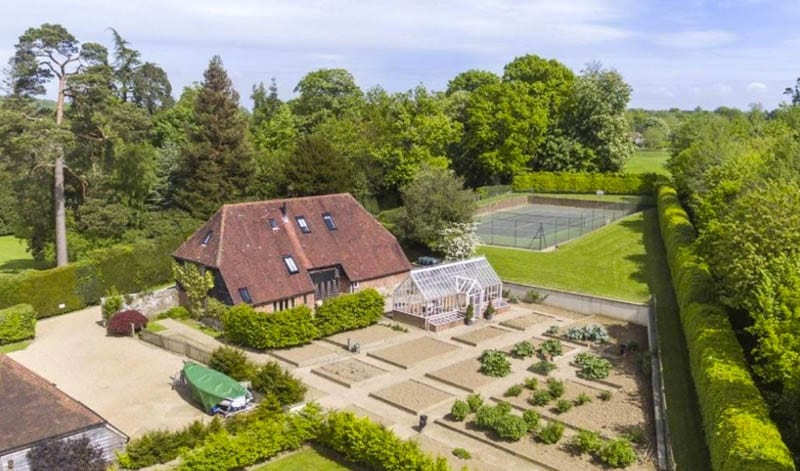
Gardens and grounds extend to 43.76 acres and aside from the moat – which was allegedly singlehandedly dug by the Reverend Richard Porter, rector from 1713 to 1753 – there is also a enclosed tennis court, an outdoor swimming pool, a stream fed lake, a productive orchard and rolling pastureland.
Chailey Moat is offered by Savills and was described by Country Life’s Penny Churchill as a “mansion of peace” in June this year. In October, the medieval property’s current owner, businessman Andrew Colin, described its idyllic setting to The Times. “It’s like sitting in the middle of a nature reserve”, he said.
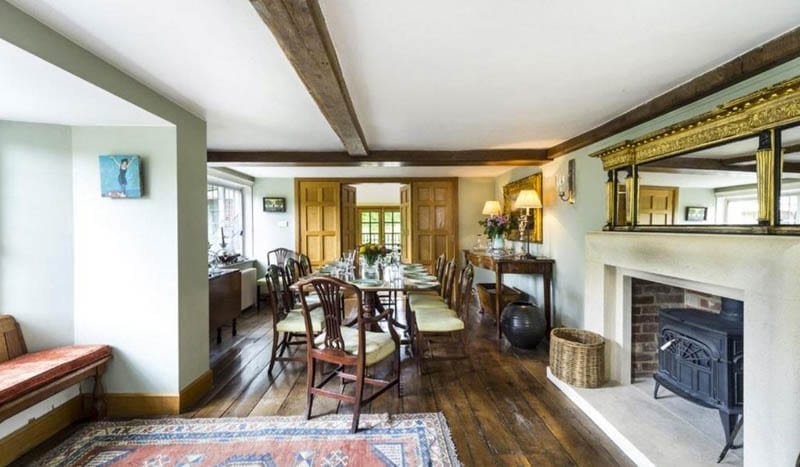
The dining hall
The drawing room
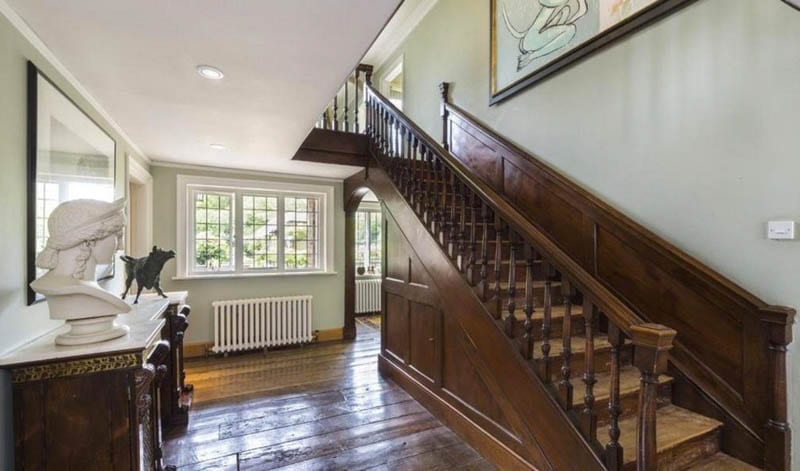
The staircase dates from the 18th century
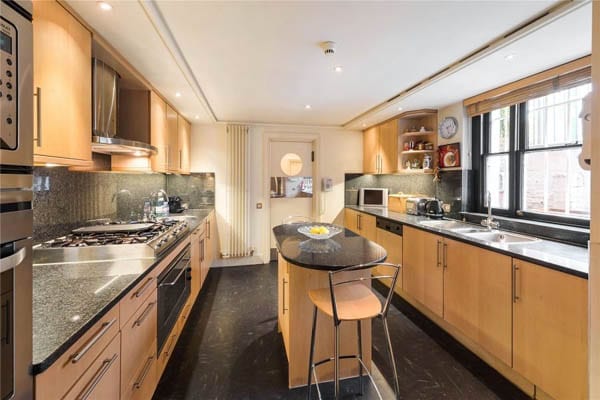
The kitchen has a four-oven AGA
This barn conversion provides ideal staff or guest accommodation and beyond it is a full-sized tennis court
A lake is situated within the grounds
Whilst extensive lawned gardens extend out across the moat
Another view of the gardens
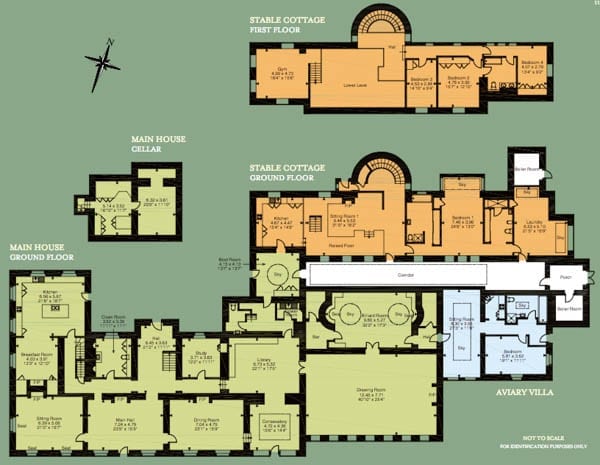
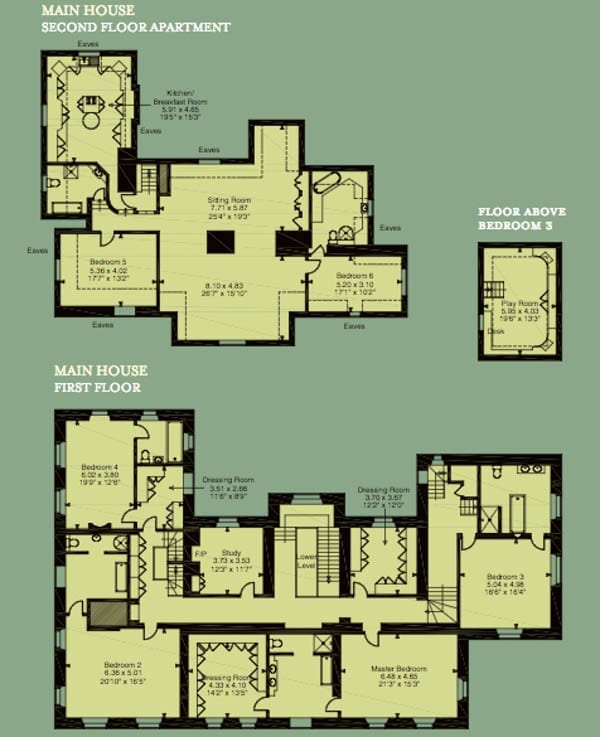
A floor plan of the main house
Floor plans of the barn conversion, cottage and outbuildings
Donald Trump on ‘Saturday Night Live’ back in 2015 needs to be viewed again; it might be comedy but now it looks like an especially scary indicator of what is yet to come
Back in 2015, Donald Trump and his daughter, Ivanka, appeared in a sketch on Saturday Night Live.
At the time, ‘The Donald’ was still just a brash businessman, self-promoting ‘celebrity’ and possible Republican candidate but what he said during a 3:56 minute sketch back then now actually provides indication of how he truly views what being President of the United States of America is really about. For him, it appeared, the whole thing is nothing but an utter joke and an opportunity to make more money for the Trump Organization.
In the video clip we share here, the then highly unlikely future winning opponent to ‘Crooked Hillary’ – as he later cruelly christened Mrs Clinton – behaved more like a comedy actor than the leader of the free world. He appeared – in a pretend setting of a fake “White House in 2018” – and stated: “I don’t have to get specific, with me it just works, it’s always been that way my whole life” whilst an actress playing his wife (plainly the real one was too incomprehensible to join in) remarked that 1600 Pennsylvania Avenue is “the smallest place Donald and I have ever lived but we made it work”.
Aside from announcing that China is in debt to America and that the national anthem has been rewritten and retitled It’s yuuuge, one of Trump’s The Apprentice candidates, Omarosa Manigault, told Trump: “After your face-to-face meeting, Putin has withdrawn from Ukraine. Believe me, he does not want to be called a loser again. He cried for hours”.
“You’ve really made America great again”, another of Trump’s fake cabinet added whilst his fake wife gibed: “See I told you. More than just words on a silly hat”.
Complete with a fake Mexican President telling Trump: “Nothing brings two countries together like a wall” (before handing him a cheque that ‘The Donald’ promptly pocketed), the clip ends with his fake assistant remarking:
“The American people are just sick of winning, they’re winning so much, it’s just too great sir”.
Trump, always one for having the last word, responded:
“Look, I know how they feel. It’s exhausting. Winning is that tough. It’s not that easy. If you think that’s how it’s going to be when I’m President, you’re wrong. It’s going to be even better”.
“I said to the writer’s of this sketch: Keep it modest, OK. It’s better to start with low expectations. That way, you have no way to go but up”.
At the time, this sketch was no doubt amusing to many. Now, frankly, it’s nothing but a scary indicator of what’s to come.
Matthew Steeples highlights the workings and truths behind the changed political landscape of 2016
2016 will be remembered as the year when the world flipped convention on its head. With the brutal monster Fidel Castro finally gone, Donald Trump headed for The White House and Brexit in Britain, comes a new era but it is not one that is actually as clear-cut as many make out.
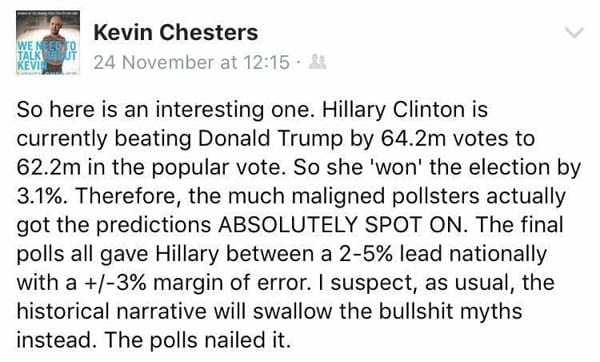
Unlike in previous eras, social media undoubtedly has had more influence than the traditional media and pollsters have taken a bashing. In spite, for example, of the fact that “Hillary Clinton [is] currently beating Donald Trump by 64.2 million votes to 62.2 million in the popular vote” and thus “winning the election by 3.1%”, according to Kevin Chesters, chief strategy officer at Ogilvy & Mather Group UK, “as usual the historical narrative will swallow the bulls**t myths instead”. He rightly points out “the polls nailed it” as they predicted “all gave Hillary between a 2-5% lead nationally with a +/- 3% margin of error” but the likes of Breitbart, unsurprisingly instead, spread a myth that ‘The Donald’s’ victory was epic. It was just that, in the sense that he achieved a win in spite of being mocked as an extremist joker who’d fail at the beginning, but the true margin of support for him is indicated by the fact that nationwide turnout fell from 61.6% in 2008 to 57.9% in 2016.
In Britain, equally, the Brexit vote was “won” by just 2.2% and thus both results can be described as being far less significant than the right-wing media make out. Nigel Farage is lauded as a “hero”, yet, despite standing seven times, has never won a seat in the House of Commons; Nicola Sturgeon’s SNP failed to get independence for Scotland yet she dominates our screens daily.
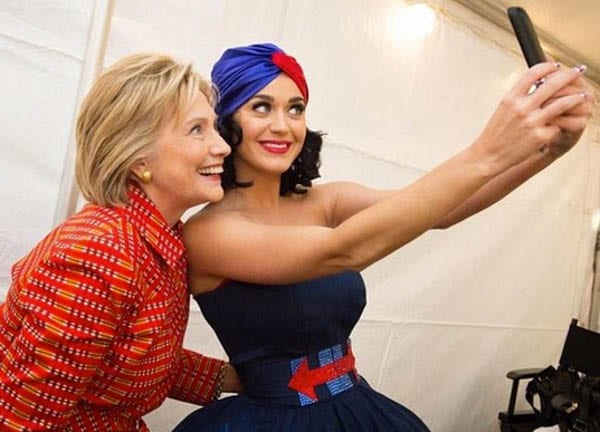
Trump and Farage have clearly both been clever in their respective strategies and just as Castro opted to ignore convention and ruled Cuba with a rod of iron, these two ditched the politics we know and played an entirely different game. Hillary Clinton’s decision to stand with self-serving billionaires and loudmouth celebrities truly backfired and instead, in Jared Kushner, his 35-year old businessman son-in-law, and the tech tycoon Peter Thiel, Trump was led to a strategy that trounced traditional political convention.
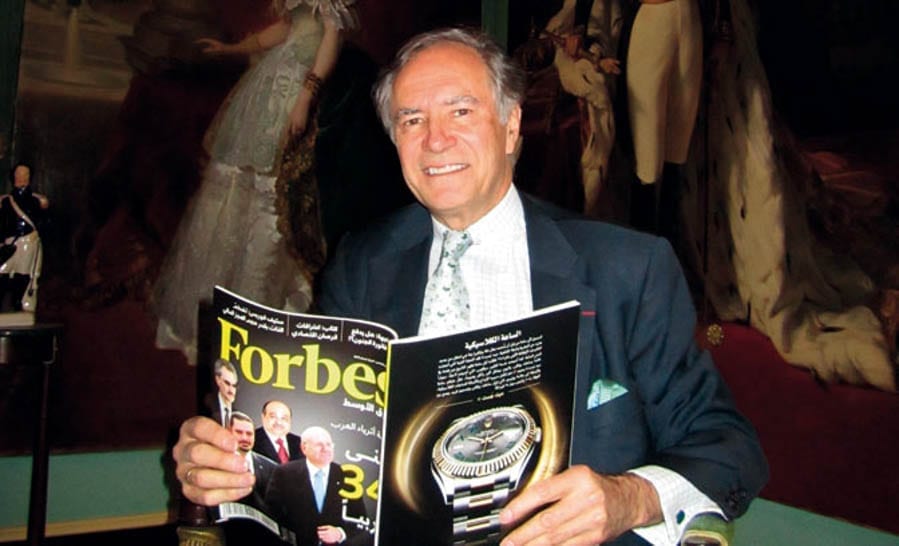
A truly revealing analysis of Kushner’s genius appeared in Forbes this week when he was interviewed by for the first time since Trump’s victory. In the feature article, Eric Schmidt, the former CEO of Google and designer of the Clinton campaign’s technology system, stated:
“Best I can tell, [Kushner] actually ran the campaign and did it with essentially no resources… Jared understood the online world in a way the traditional media folks didn’t. He managed to assemble a presidential campaign on a shoestring using new technology and won. That’s a big deal”.
Kushner himself added:
“I helped facilitate a lot of relationships that wouldn’t have happened otherwise… People were being told in Washington that if they did any work for the Trump campaign, they would never be able to work in Republican politics again. I hired a great tax-policy expert who joined under two conditions: We couldn’t tell anybody he worked for the campaign, and he was going to charge us double”.
“People really saw hope in [Donald Trump’s] message. They wanted the things that wouldn’t have been obvious to a lot of people I would meet in the New York media world, the Upper East Side or at Robin Hood [Foundation] dinners”.
“I called some of my friends from Silicon Valley, some of the best digital marketers in the world, and asked how you scale this stuff. They gave me their subcontractors… Our best people were mostly the ones who volunteered for me pro bono. People from the business world, people from non-traditional backgrounds”.
“We weren’t afraid to make changes. We weren’t afraid to fail. We tried to do things very cheaply, very quickly. And if it wasn’t working, we would kill it quickly… It meant making quick decisions, fixing things that were broken and scaling things that worked”.
As Dan Hodges concluded in an editorial in today’s Mail Online:
“Once, we used to send a gunboat. In the post-Brexit era, all it takes is a tweet”.
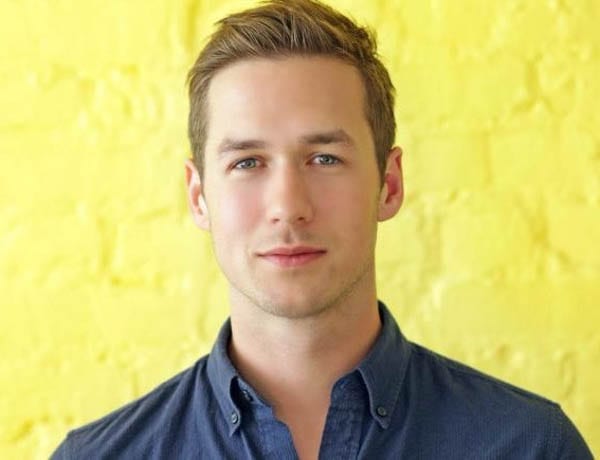
Born in 1983 in Alnwick, Northumberland, Nick Bell is amongst the few youngsters who genuinely deserve the accolade “entrepreneur”. A former pupil of The Royal Grammar School, Newcastle, Bell sold his first company, Tennfront.com, for £1 million at the age of 16 and has been vice president of content at Snapchat since 2013. Meeting him has been described as being like a “golden ticket” to success. He has over 5,000 followers on Twitter.
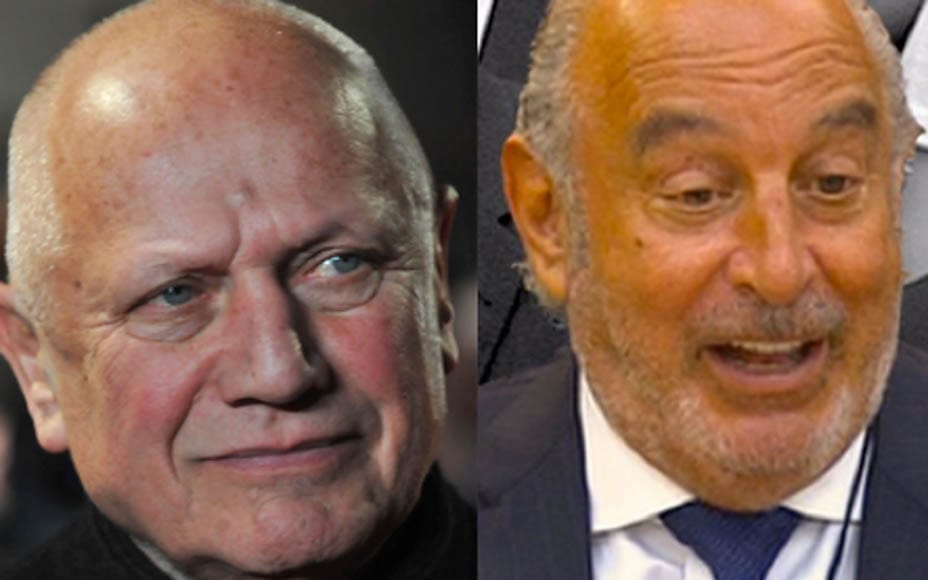
Actor, producer and writer Steven Berkoff shares his views about Sir Philip Green
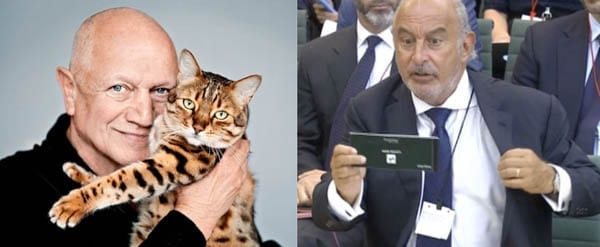
I recently watched a group of investigators sitting around a semi-circular table politely asking questions of Sir Philip Green. They elicited either vague responses, unsure responses, or contemptuous responses about him flogging BHS, a once venerable institution, to a somewhat dodgy character for a quid. If one of the pale faced interrogators even hinted that some of his business practises smelt a little like stinking fish or let’s say a little strange, Green’s surly reply was always: “That’s your opinion”.
What was most fascinating to me, watching him live on television, was his whole stance and body language: He sat, heavy arms spread akimbo like he was a wrestler between bouts and waiting for the next round. The obviously university educated interlocutors were mostly decent professional men who faced a person whose way of life could not be more different. ‘Sir Shifty’ (as the Daily Mail mockingly now refer to him) has, after all, fought his way up from market dealer to wealthy mogul and he’s eaten people like these all his life.
I even noticed one woman on the committee staring at Green from time to time and then turning away to whoever was asking him questions. She only dared to glimpse back at him for a few seconds. The feeling was that she was facing some kind of monster, a rabid devourer of nervous young English ladies. He then even rudely abused a member of the committee with sarcasm and a threating wit. It reminded me of the young toughs at the Lyceum Dance Hall in the fifties and their “Oo ya looking at!” jibes.
Green actually said something similar to this at one time and directed it to one of the members, reproaching him for staring. It is a bit difficult, if you are facing someone under investigation, not to stare, I would have thought but then this is the ‘Green look’. His stare is nothing less than demonic; his dark beady eyes less meant for merely looking than for ‘eye balling’ with a shadowy hint of violence beneath. He didn’t just respond, he responded with an expression that seemed to dare you to challenge him. His voice carried notes of warning in it and yet was not grating – even if the timbre reminded me of Petticoat Lane.
Steven Berkoff views Sir Philip Green to be anything but a pussy cat
Now, what made the whole exercise even more bizarrely fascinating was that he is a Jew. This might create a slightly awkward backstory since Jews were famously interrogated by the guardians of the church centuries past. A group of priests, many of them with a strong intellectual bent, frequently interrogated Rabbis on the meaning of their faith and hurled questions of religious complexity challenging them on all sorts of issues, the failure of which to answer satisfactorily could mean, a rather painful conclusion.
These sessions were held in public and their main purpose was to ridicule and humiliate. So, watching Green’s examination many similar thoughts flittered through my mind, not least of all the appalling interrogation of Shylock in Shakespeare’s unpleasant satire, The Merchant of Venice.
The ever-changing mosaic of thoughts shifted and I saw Shylock being interrogated, except here is no Portia tripping up the recalcitrant Jew. Here are at least a dozen pairs of eyes and I can guarantee that not one of them, could avoid, thinking and not with malice, that in front of them sat a Jew; a money bags dealer. Even if not one of them would ever admit to a shred of anti-Semitism, it would be impossible not to see a distant cousin of Shylock in front of them. I certainly did; I could not help it. How awful, but it is also true. It has been rubbed in our faces by Shakespeare no less than Dickens. And here sitting in front of them, including the lady who could hardly bare to look his way, was the archetypical Jew. You couldn’t make it up.
Even if Shylock was originally in an Italian play, it found its way to our shores: The Italian villain was then changed to Jew. Centuries ago under those horrible interrogation and inquisitions, the Jew would have to answer civilly and been humble, humble yet intellectually sound.
No need for humbleness now; Green was the direct opposite of his distant predecessor. If his eyes were basilisks he would have scorched up the entire circle but yet, he was steaming if not actually burning. It was his face and his expressions that carried the shades of the demonic. Up to now I have only read about the deeds of Green and the rather shabby money dealings and his frequent photo ops with one of his models, out on the town with his heavy paw around some nubile waist. Now, for the first time I heard him and I watched the ‘gentle’ eyes of the Christians attempting to unravel the complex spider webs of this bully and his empire.
I hope the public who were watching were also able to resist the brain washing of centuries and not give in to an almost reflex action and think “look at him, another one of those lying, money grabbing yids”.
I found that I couldn’t switch over to another channel. This was actually too dramatic. This was life and death not those easy, shallow chat shows of Norton, Ross and company with the forced laughter. No, this is the real thing. Now my mind shifted again from Shylock to Al Capone.
Of course, if Green’s empire ever totally collapses and he is looking for another job he should think of shifting his base to LA and having a bash at a few villains. He would make a marvellous Al Capone as what makes gangsters so dangerous is that they are all deliberately thin skinned. They don’t want to be calmly tolerant or turn the other cheek. Green’s bull-like face was full on and he even chided one of the committee with a snide: “Put your glasses back on”. The confessors, however, won’t get much of a confession out of Green. And he won’t take any criticism: “That’s your opinion”, he uttered again and again.
I can see Sir Shifty in the dock: A perfect Capone; think about it Phil.