Petronella Wyatt is spot on in quoting Oscar Wilde on morality in art; “books are either well written or badly written,” they are not “moral or immoral”
In the preface to his philosophical novel The Picture of Dorian Gray, Oscar Wilde wrote: “There is no such thing as a moral or immoral book. Books are either well written or badly written. That is all.”
Shared on Twitter by the witty journalist and author Petronella Wyatt at a time when ludicrously Gone With the Wind is under attack even, this is a timely reminder that works of art should be subjected to aesthetic judgment rather than moral judgment.
The bosses of the BBC and Netflix would do well to remember such.
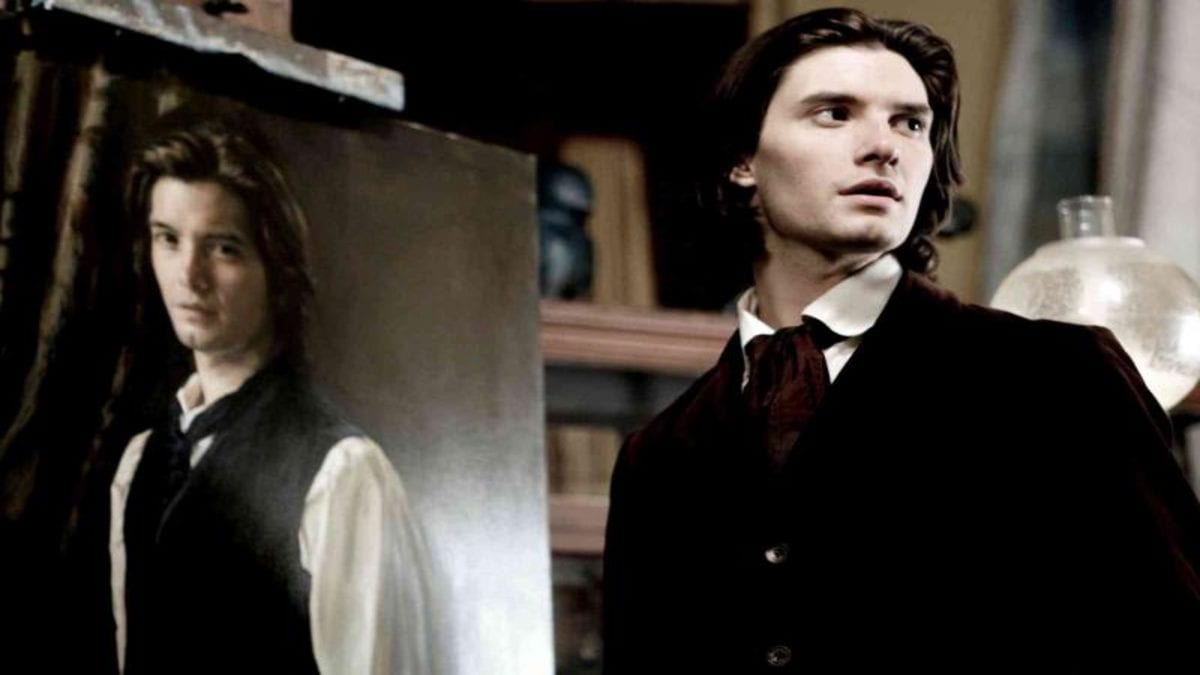
Pictured top:Ben Barnes starred as Dorian Gray in the 2009 British fantasy-horror adaptation of 1890 novel ‘The Picture of Dorian Gray.’
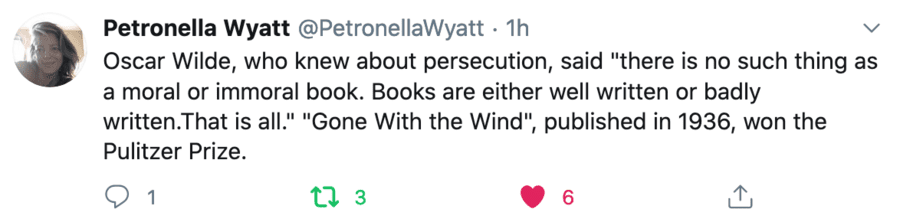
Petronella Wyatt’s tweet pointed out: “Oscar Wilde, who knew about persecution, said: ‘There is no such thing as a moral or immoral book. Books are either well written or badly written. That is all.’ ‘Gone With the Wind,’ published in 1936, won the Pulitzer Prize.’
Travel writer Sarah Tucker shares news of her latest novella – it’s timely and its titled ‘The Redundant Travel Journalist’
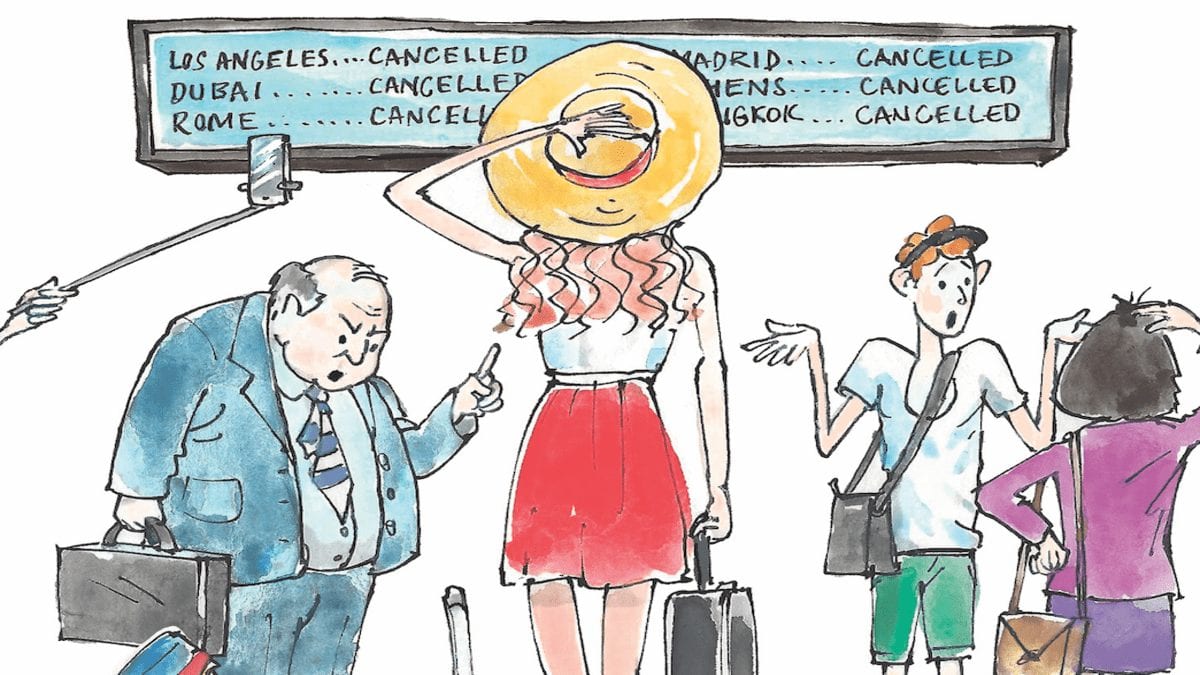
My book The Redundant Travel Journalist has just come out. I would say “just in time for the holidays and in all good book shops” – but, as I don’t know which shops will be open and whether anyone will be taking anything vaguely resembling a holiday, I become aware of how many social constructs surround us. Holidays are one of them. The short novel is a dystopian tale of what travel will be like post-virus, although there may never be a post-virus.
It started off as fiction, but now I’m not so sure such is the boundary between what we think could never happen and what actually occurs. The travel industry has been most vulnerable to this surreal quality of wistful creatively about envisaging a normal, or a new normal, when really the industry is well off the cliff and currently walking on air, spin and hope. We dare not look down because we know, deep down, we have fallen, and are just waiting for the thud or a branch to break the fall.
Travel editors are in overdrive about what travel will be like, although their pages are thinning as there is no advertising and no one is going anywhere (well they are, they are just doing it illegally and in their own private jets).
There are so many webinars with very cross looking travel editors being signposted on Instagram and papers are asking writers in these unprecedented times to not write in these unprecedented times, and also drop all intention of writing virtual travel stories.
They are quote: “Fucking sick of them.” Travel experts are contradicting financial experts about asking for refunds from tour operators and the idea of staycations fills people with apathy and also incredulity (will hotels be open, expensive, can I afford them and then there’s the hygiene issues).
So, I thought I would write a ‘non-fiction’ tale of what it will be like post virus. (‘non-fiction’ being ‘nothing is intentionally made up’). Although research out this week (“What day is it?” I hear you ask) has just shown that all research and advice about what travel will be like during a crisis (the 2008 financial one, for example) never comes true. So, there you have it: There has been research to disprove the value of research.
Travel has become even more bonkers and surreal than it usually is. The dream destination has turned into exactly that, the journey of a lifetime, could be the last journey you take and getting way from the crowds is more of a necessity and less of a casual ask.
But, the Brits have always been ones to take their lives in their hands and travel whilst other nationalities stay put. There just may not be the airlines to fly with, or hotels to stay in. If airlines crash, there will be no use for airports, in which case, they could turn them into socially distancing schools, where children can learn and have the sense they are going somewhere metaphorically even if they aren’t. Or can’t. Like the rest though, I live in hope.
Sarah Tucker is an award-winning travel journalist, novelist, producer and broadcaster. She has edited, produced and presented a number of radio and TV series’ as well as presenting reports for the BBC’s ‘Holiday Programme’ and anchoring ‘I Want That House’ on ITV. She is the author of best-selling novels ‘The Playground Mafia,’ ‘The Battle for Big School,’ ‘The Last Year of Being Single’ and ‘The Control Freak Chronicles.’
To buy a copy of ‘The Redundant Travel Journalist’ by Sarah Tucker for £6.99 through Amazon, click here. Tucker has also recently written ‘The Witches of Richmond’ – it is also available on Amazon for £6.99.
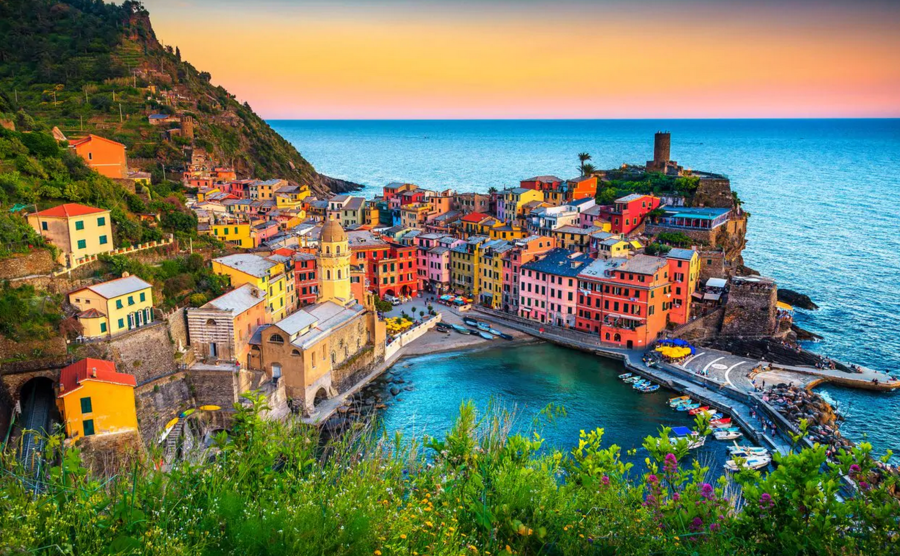
“When you can travel, where will you go?” – Italy’s foreign minister Luigi Di Maio yesterday promised “foreign tourists will be welcome this summer” according to ‘The Telegraph.’
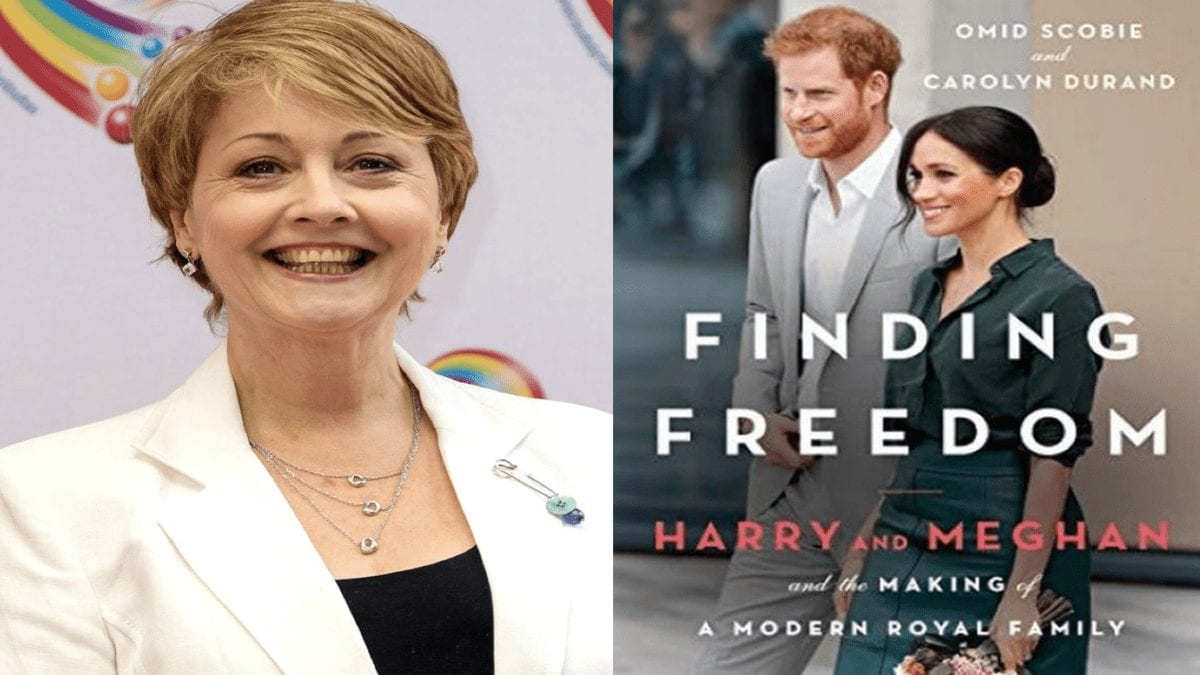
Anne Diamond is right to call out the Duchess of Sussex’s mint-making collaboration with Omid Scobie and Carolyn Durand’s ‘Finding Freedom’ as annoying, daft and delusional
Yesterday, in the Mirror, Anne Diamond launched what some termed a “brutal attack” on the Duchess of Sussex and her collaboration with her favourite mouthpiece PR people, Omid Scobie and Carolyn Durand.
Diamond, whom branded ‘MeGain’ “either clever, cynical or both” and suggested the public will “all be daft enough to buy [Scobie and Durand’s book Finding Freedom],” rightly argued that the exercise is nothing but an attempt to sure up a “nest egg.”
Going further of this “laughing all the way to the bank” excuse for a “F*** Off Fund par excellence” for the former Miss Markle, Diamond rightly labelled this tripe “futile” and “annoying.”
Anne Diamond is spot on. This tome of “self-serving conceit” deserves to be pulped.
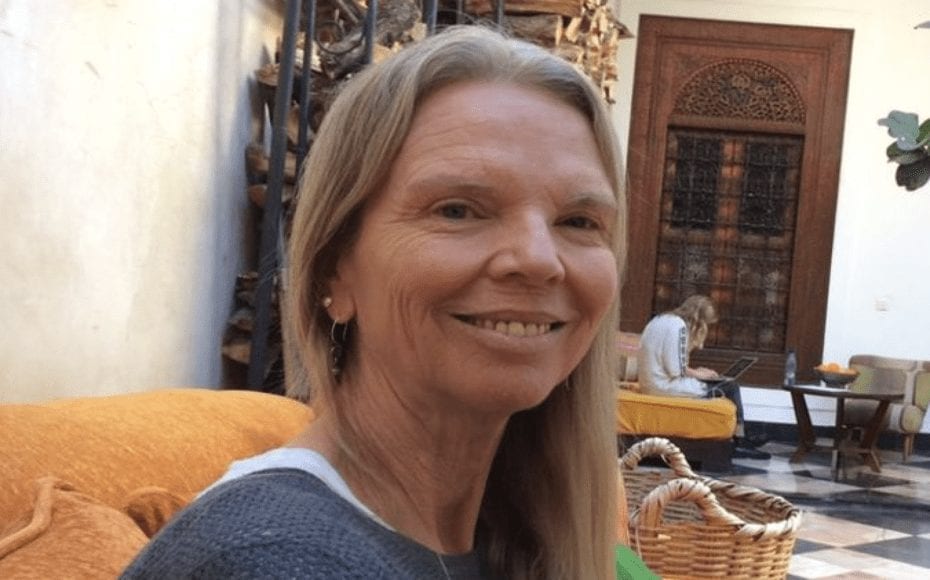
At a time when her billionaire brother Sir Richard is deservedly taking a pounding for trying to rape the state, multi-millionairess Vanessa Branson could have perhaps postponed the launch of her self-indulgent autobiography
It’s not Vanessa Branson’s fault that she’s the sister of the all-round dickhead Sir Richard Branson, but it is she alone whom made the choice to gauchely publicise a book about her anything but modest life during the worst pandemic since Spanish Flu.
Serialised, as only it could be in the top paying publication for such guff, the Daily Mail, Vanessa Branson’s One Hundred Summers: A Family Story has a stench of what the Scottish would call “guff” about it. Aside from bemoaning “sulking about” buying a tidal island complete with 9 houses in the Inner Hebrides – which she terms “Neverland Found” – this privileged woman boldly touts her book as: “Taking the reader on a journey from the dying embers of Edwardian England, through the trauma of two world wars, the hedonism of London in the 1980s and ‘Cool Britannia’ in the 1990s right up to the present day.” How utterly endearing.
Just like her self-publicising brother, this constantly crying 61-year old former art gallery owner plainly cannot get enough of herself. Here is a ramble through holidays in palazzos in Venice and trips to LA; there’s an arts festival in Morocco and there’s a second home in Sussex. Life ain’t that shabby for this woman, but all she does is moan. Her husband comes and goes (and comes and goes again and again), but with such she name-drops how Grayson Perry gave her a pot charmingly featuring the words “Marriage Wrecker” next to “images of fat middle-aged men with drooping breasts and sagging scrotums” and Tracey Emin wrote her a poem for her to use on her headboard. Its read: “Oh God you made me feel so beautiful/ And then I wanted to feel it again and again. With myself, by myself/ Never forgetting.” That’s surely enough to make anyone join in blubbering with this very, very rich multi-millionairess.
With her brattish brother condemned even by that pillar of capitalism that is The Telegraph as “Now Virgin Atlantic’s biggest liability,” Vanessa Branson could not have chosen a worse time to launch her tome. Though lauded as: “A vivid and charming tapestry of English eccentricity, fortune, fate and passion,” One Hundred Summers is more likely to ultimately be remembered just as a tale of the pathetic appendage of the deservedly most loathed man of the 2020 coronavirus pandemic. Here is one book we most definitely will not be recommending as essential lockdown literature.
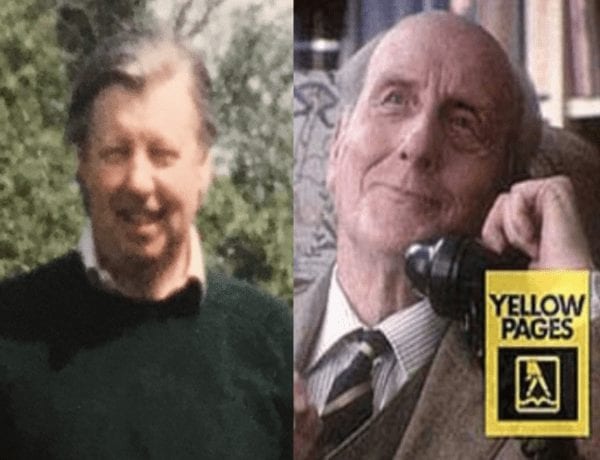
Described in The Telegraph’sobituary of him as a “publisher, wit and author,” Michael Russell is best known for writing the spoof memoirs of J. R. Hartley – the charming mythical old man of Yellow Pages advert fame in the 1980s. Bournemouth born, Oxford educated and a father of three, Russell loved horse racing and fishing and was known for his “extremely shrewd judgement as to which books would sell in shops.” His one-man company produced over 500 books by the time of his death and amongst titles that were hits were Richard Spitzy’s How We Squandered the Reich – a book that described Hitler as being “like a cross between a head waiter and a chimney sweep.”
Nonagenarian from Stockport beats coronavirus by eating marmalade sandwiches; she’s previously survived a bomb and likes biscuits also
Like Guardian readers, we at The Steeple Times love marmalade and we especially enjoy marmalade with lots of whisky in it. We’ve reported on the correspondence sent to the letter’s column of the previously mentioned King’s Cross based publication on the subject of the link between marmalade and longevity and now, today, it can be revealed that the eldest person to recover from coronavirus is proof of the pudding.
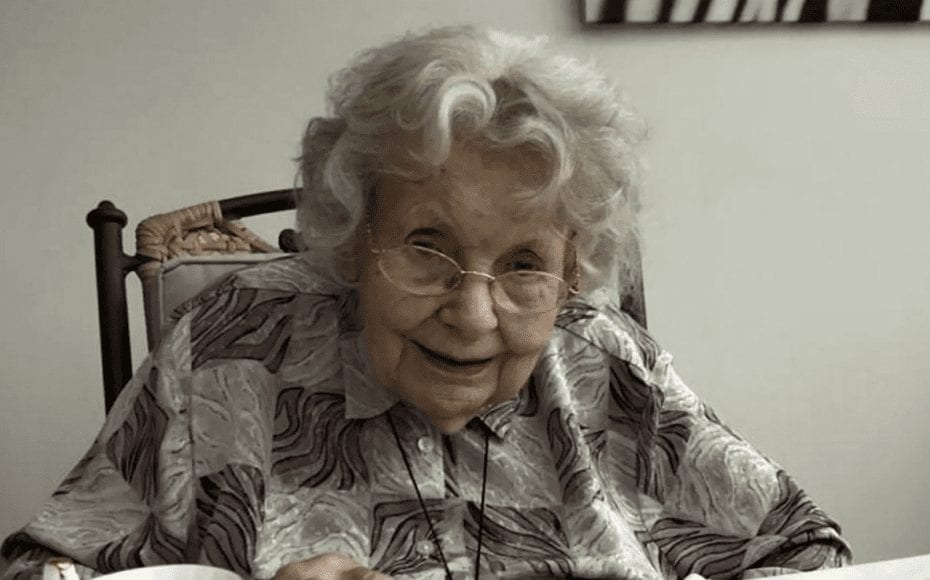
Against all odds, 99-year old Rita Reynolds from Bramhall, Stockport – whom fell ill with COVID-19 on 25th March – has beaten the virus and made a full recovery.
Of this good news, the nonagenarian’s grandson, Henry Phillips, told the Guardian’s Jessica Murray: “I don’t know how she got through it. I don’t think she has ever eaten a vegetable or fruit. She lives on marmalade sandwiches and biscuits. But she’s never smoked or really drank.”
Mrs Reynolds is plainly like a cat with nine lives. In the Second World War, aged 21, she supposedly refused to go into an air raid shelter “because she wanted to read her book.” She instead hid under a table at her home in Liverpool and amazingly survived when a bomb landed right outside.
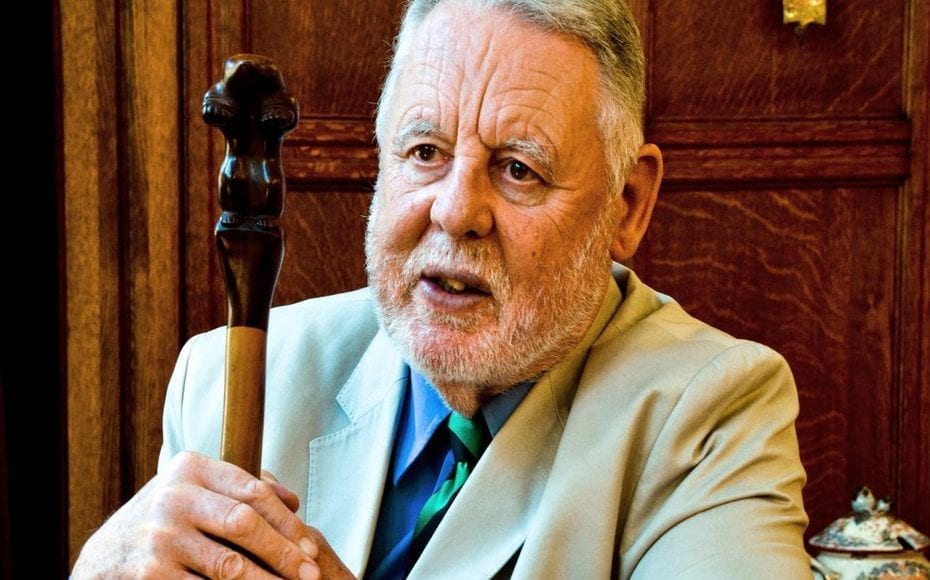
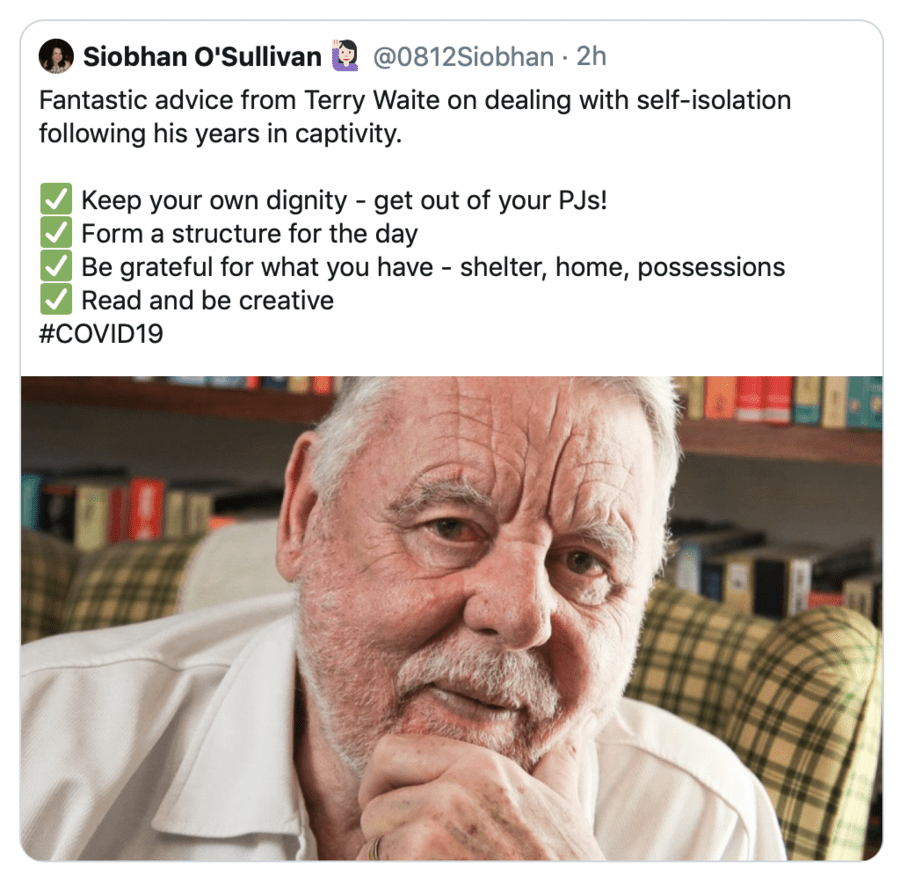
Former hostage Terry Waite wisely tells the nation to keep their dignity, structure their day, become creative and be grateful during the coronavirus lockdown
Speaking to Sarah-Jane Mee of Sky News on Tuesday from his home in Hartest, Suffolk, Terry Waite CBE provided insightful and wise tips to the nation about how to cope with the current coronavirus lockdown.
Waite, who spent 1,736 days or almost five years in captivity in Beirut from 1987 until 1991, told of how he is himself self-isolating and of how the current strange conditions have “levelled” us all. He urged people to be positive about the future and remarked:
“The way to do that, in part, is to try and live for the moment; try and live for now. Erm, try and make the moment as full as possible. Now, how do you do that in captivity where you’ve no books, you’ve no paper, you’ve nothing? Well, I had to do that by mentally adjusting to the situation. Saying there’s little or nothing I can do to change this, but I can hold on to the fact that I have life now, not tomorrow, I have it now. And I’m going to live it as fully as possible.”
Speaking of finding something useful to do, he continued:
“I began to write in my head, I began to use my mental capacity in a way that extends that. And that was a way of just surviving. And, as I say, there will be many people who are deeply afraid and worried at the moment; well, somehow, remember that this virus will be defeated, there will be a life after that and, you know, things do have a habit of turning out well if we want to work for them.”
“For the majority of us, it will be fine. But we just somehow have to develop that capacity within ourselves to take the situation at the moment as it is.”
“What I had to do, also, was to keep myself, keep myself, erm, alive in the following way. I mean, I’ll tell you a silly story, but it is perfectly true. In the first week of captivity, I had my own clothes. And at night, I managed to get my trousers off even though I was chained. And I put them under the mattress to press them. Now, that might sound really stupid, but it was something that I learned in the army during National Service.”
“In all these situations, keep your own dignity, keep yourself smart and the same applies today when those people are at home in lockdown. You know, don’t just get up and hang around all day in a dressing gown or pajamas. Take a pride in your appearance still, keep yourself smart. Retain your own dignity. That’s really pretty important.”
“The other thing to say is form a structure for the day. Now, I’m sitting here at home alone. I’ve been in lockdown for the last week, maybe longer, but I’m so fortunate. I mean, I’m surrounded by my books, I’m surrounded by papers, I’ve got access to the Internet, a whole range of things. I can use this time creatively, which I’m trying to do. I’m actually beginning to start writing a new book at the moment. We can use this time creatively… rather than emphasising the negative.”
Moving on, more generally, the humanitarian added:
“I remember a few years ago, a politician saying: ‘There’s no such thing as society.’ Well, I think that’s been proved to be absolutely wrong. I’m here in Suffolk in a small village and we are very, very fortunate because there is a good sense of community.”
Waite finally spoke of the positives he sees for the future. He concluded:
“On Saturday, I needed some shopping doing and on Sunday morning someone left a bag of shopping at my front door. I heard yesterday, that the local church, through a charity, has organised a system of distributing meals for those that need it. And in all sorts of ways, people are responding… The British people, the time like this, it often brings out the best in people. It brings out the worst in some people and we’ve had examples of that. But, overall, it brings out the best.”
“And what I hope will happen is that we’ll have a new sense of community and society when we’ve been through this and, in fact, even going much further than that perhaps we’ll have a new understanding that be in tune and in touch with our environment in a way that perhaps we haven’t been in the past.”
Terry Waite is entirely right: It’s time we were more grateful for what we actually have and it’s time we put to good use this lockdown. Let his words be a lesson to us all.
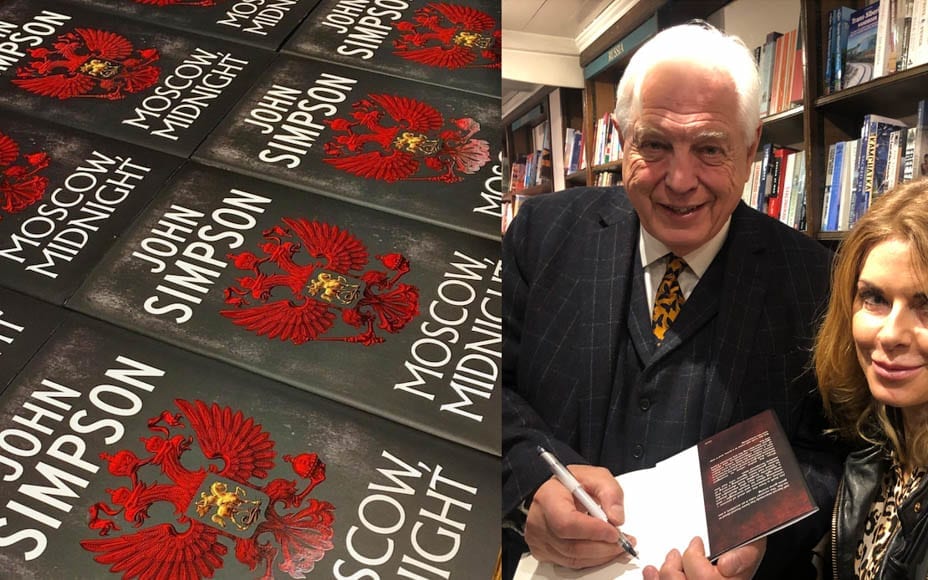
John Simpson marks the publication of his novel ‘Moscow Nights’ at Daunt Books in Marylebone
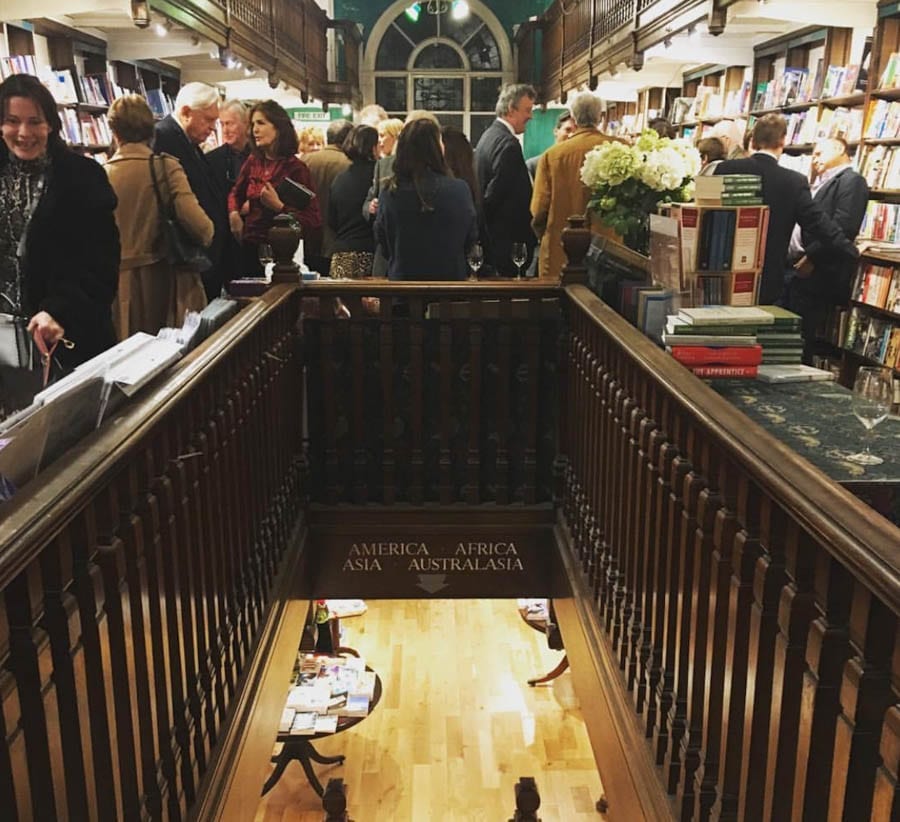
Described as: “An engaging yarn with a strong, sometimes mischievous autobiographical element” by The Sunday Times, esteemed foreign correspondent John Simpson launched his second novel at Daunt Books in Marylebone last night.
John Simpson and Claire Rubinstein
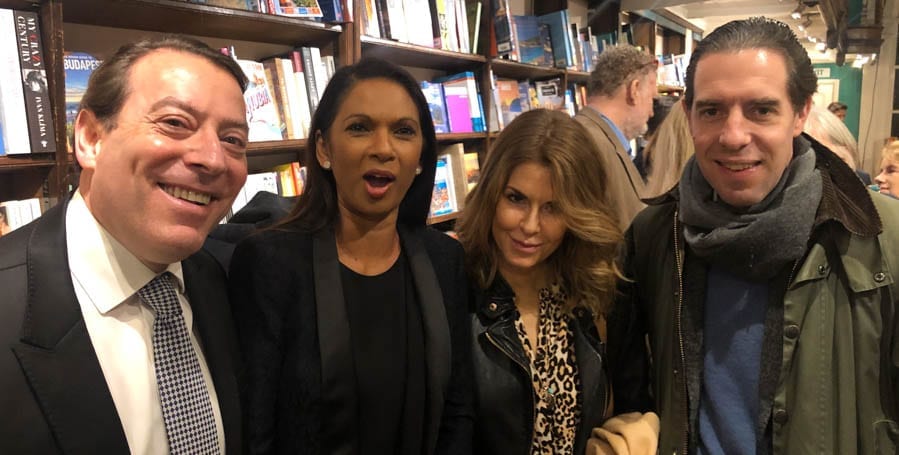
Amongst those present to celebrate the occasion were – in from New York – financier Marcel Croome, Brexit campaigner Gina Miller and her hedge fund titan husband Alan, the Daily Mail’s Alexis Parr and social media guru Claire Rubinstein. As drinks flowed, guests admired Daunt Books’ clever displays and many copies of Simpson’s book – a topical tale based around espionage and skulduggery titled Moscow, Midnight – were sold to a most enthusiastic gathering.
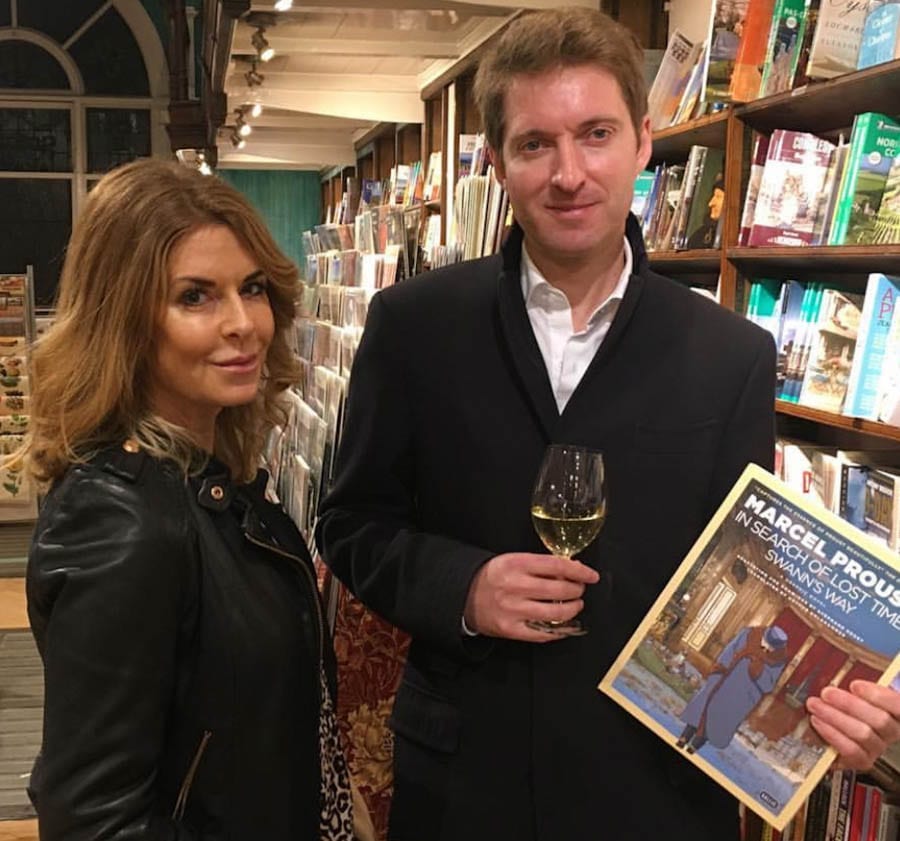
Alan Miller, Gina Miller, Claire Rubinstein and Matthew Steeples
Daunt Books was packed for the occasion
Claire Rubinstein and Marcel Croome
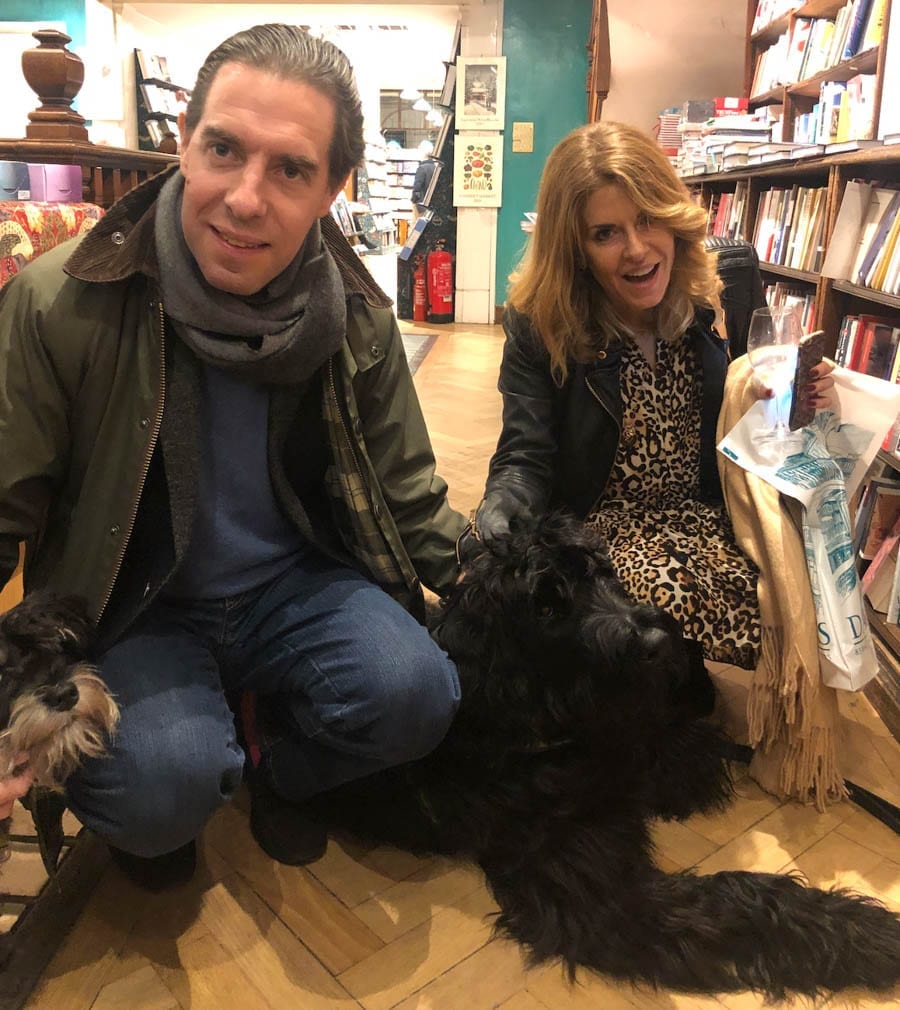
Matthew Steeples, Claire Rubinstein and friends
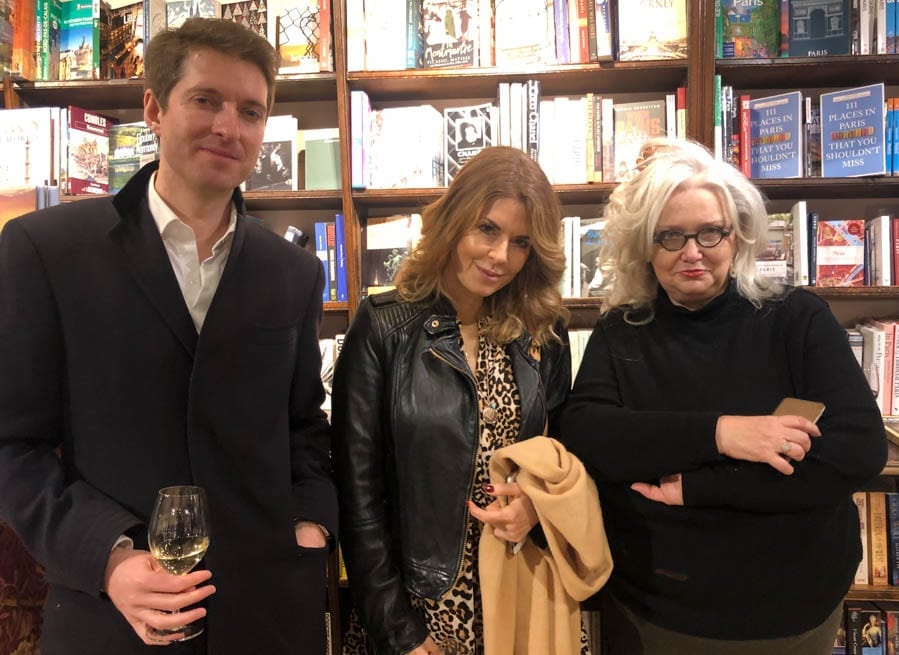
Marcel Croome, Claire Rubinstein and Alexis Parr
Description – MP Patrick Macready has been found dead in his flat. The coroner rules it an accident, a sex game gone wrong.
Jon Swift is from the old stock of journos – cynical, cantankerous and overweight – and something about his friend’s death doesn’t seem right. Then days after Macready’s flat is apparently burgled, Swift discovers that his friend had been researching a string of Russian government figures who had met similarly ‘accidental’ fates.
When the police refuse to investigate further, Swift gets in touch with his contacts in Moscow, determined to find out if his hunch is correct. Following the lead, he is soon drawn into a violent underworld, where whispers of conspiracies, assassinations and double-agents start blurring the line between friend and foe.
But the truth will come at a price, and it may cost him everything.