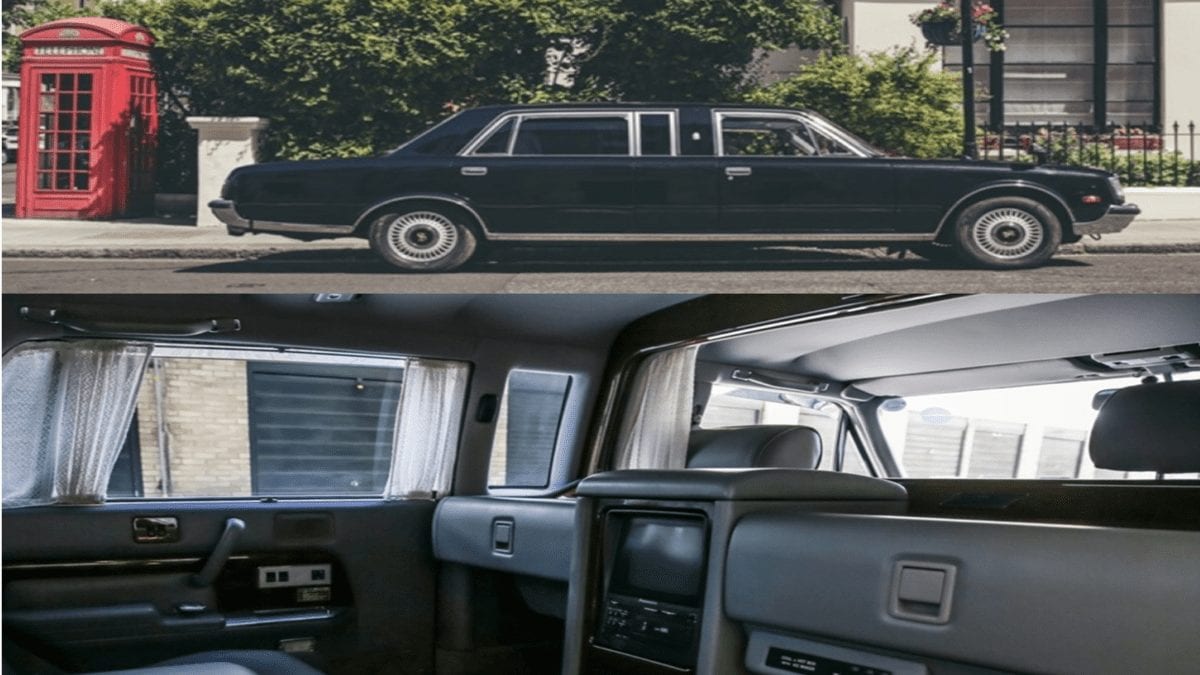
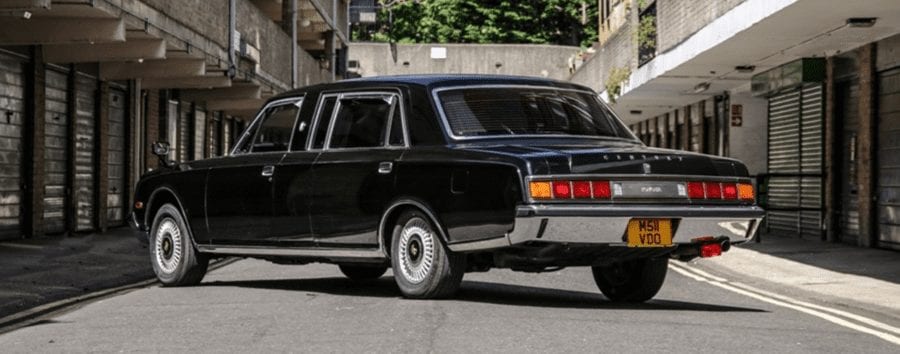
‘Stretched’ 1994 Toyota Century for sale for less than the price of a brand new Ford Fiesta; the rammed full of gadgets limousine comes with a food heating compartment and privacy curtains favoured by notoriously shy Japanese people even
Whilst a 1967 Mercedes-Benz ‘Dictator Car we featured in April eventually sold for £237,000 ($298,000, €264,000 or درهم1.1 million), a lover of limousines with far shallower pockets might care to bid on a Japanese example that is headed to auction this month.
Though the word “limousine” originally derived from the “type of carriage hood that physically resembled the cloak worn by shepherds in the Limousin region of France,” this automotive category is now sadly more generally associated with that especially ghastly, much over-used adjective “luxury.”
Limousines are not only considered the preserve of the aforementioned despots, but they’re also the favoured modes of conveyance of business titans, young Arabic and Russian showoffs and rappers now even. A well-known reader of ours even once stated she’d like to have several herself. This friend of royalty added that a collection of security guards running alongside with torches also would complete her ideal spectacle.
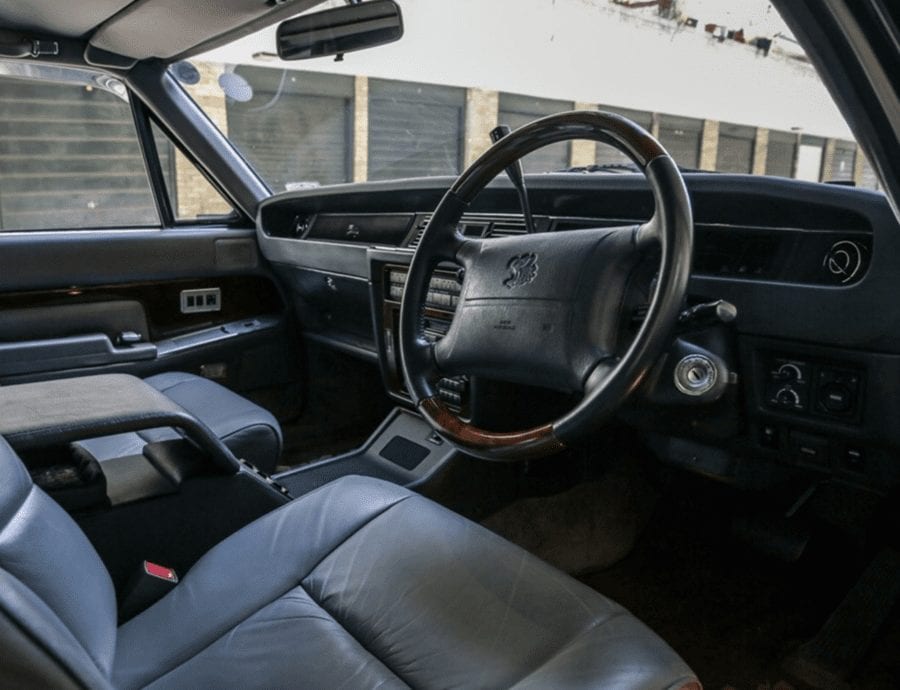
Coming in the form of a four-seat, stretched saloon car, the 1994 Toyota Century to be offered was imported to the UK by Mohamad Issa in 2019. It is longer than a Rolls-Royce Phantom, but slightly shorter than a Maybach at 19-feet in length, is presented in black with a black leather interior and was fully serviced in Japan prior to being shipped. The odometer reads 34,500 miles.
Historics Auctioneers will sell the 1994 Toyota Century limousine at their Windsorview Lakes sale on 18th July. They have set an estimate of just £13,000 to £17,000 ($16,300 to $21,300, €14,500 to €18,900 or درهم59,900 to درهم78,300) and describe the car as being: “A stunning example of a rare car even in Japan, this is a real collector’s car that is a sign of wealth and power for the price of a new Ford Fiesta!”
Featured earlier this year in a 19-minute video by two vloggers named Ben and Alfie of a YouTube channel named The Department of Motoring Affairs, of this particular Century they surmised: “People are surprised that this is a Toyota… If you don’t get it by now you don’t belong in the club anyway… If you know, you know” and indeed they’re right: Here is a quirky limousine that you could only originally have had if the Japanese ‘powers that be’ allowed you.
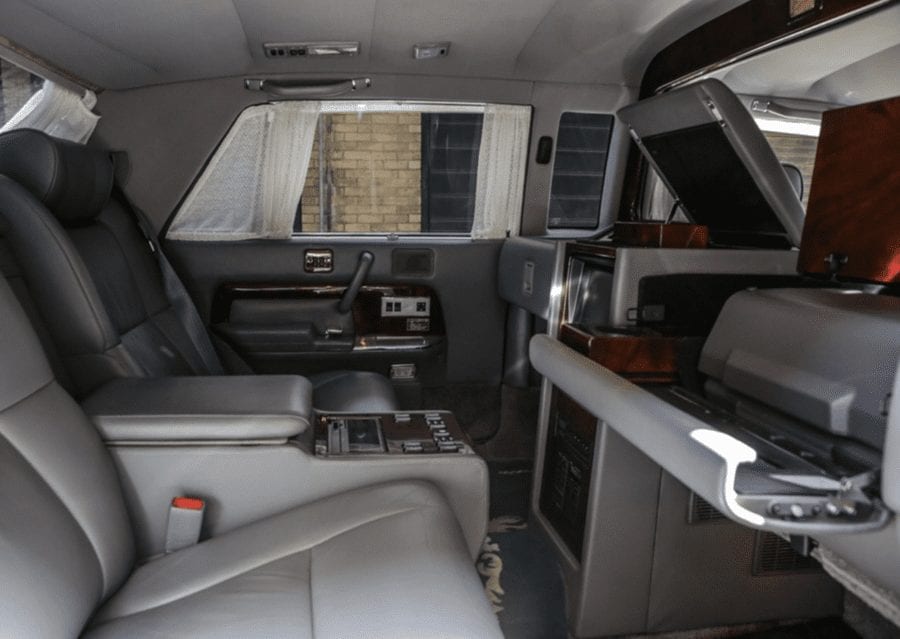
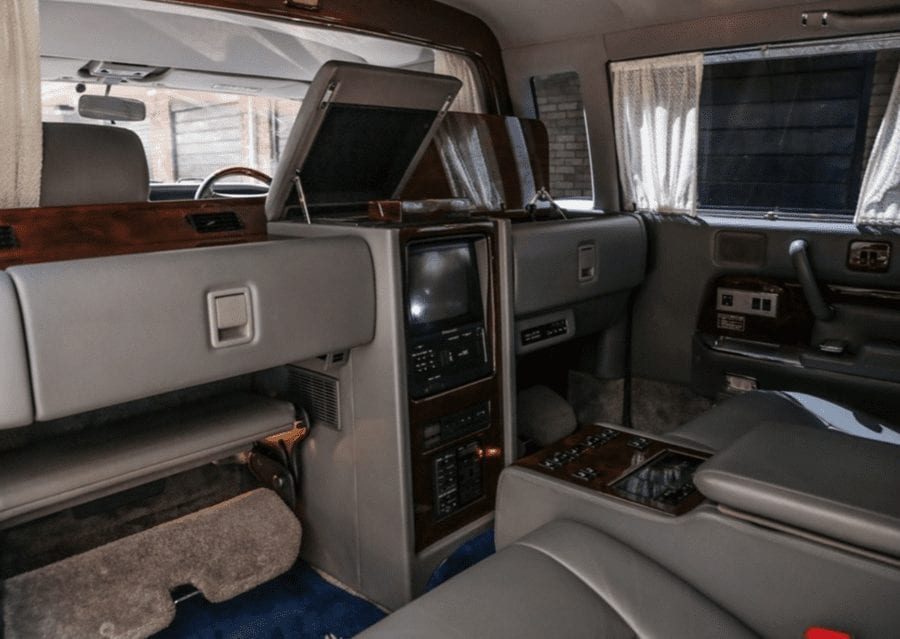
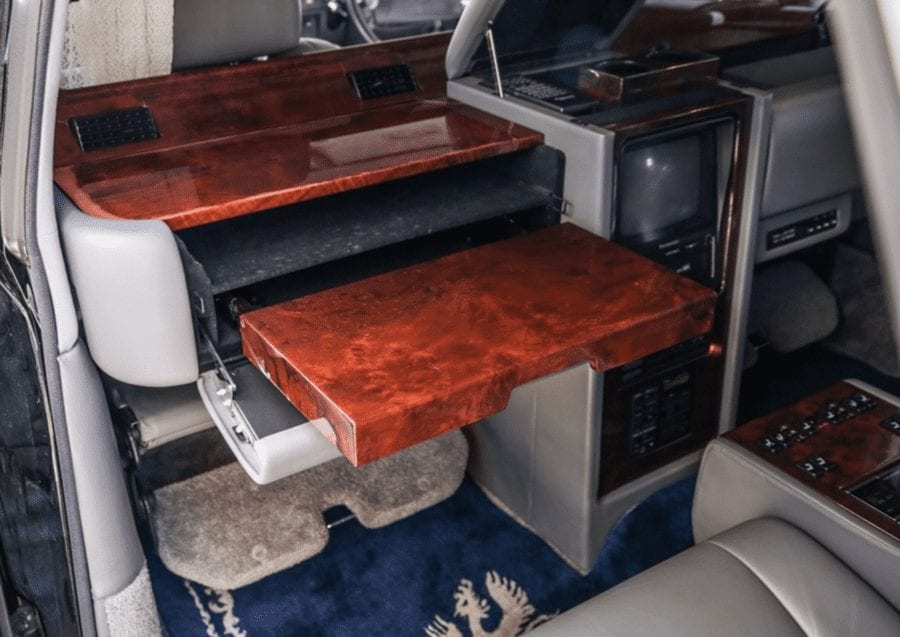
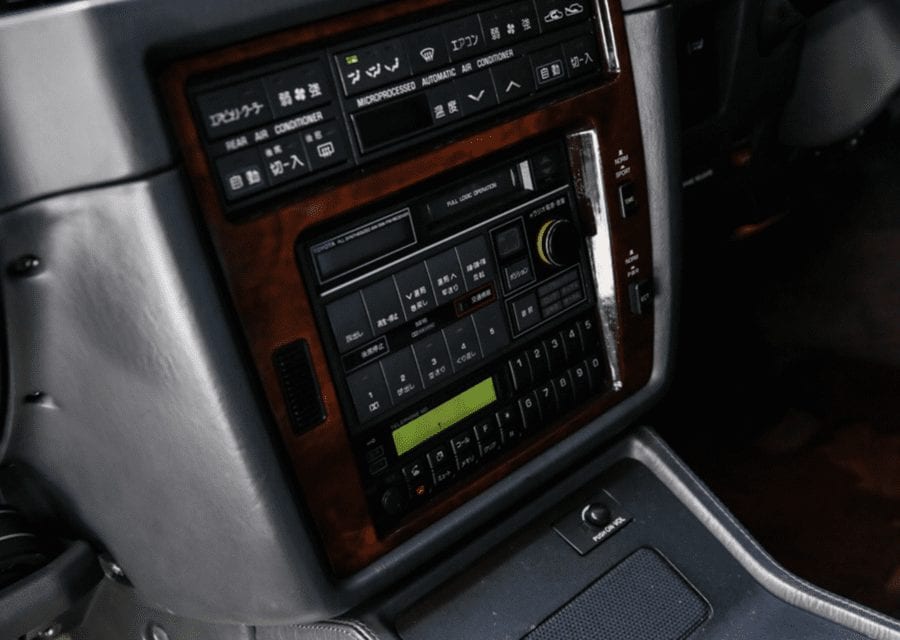
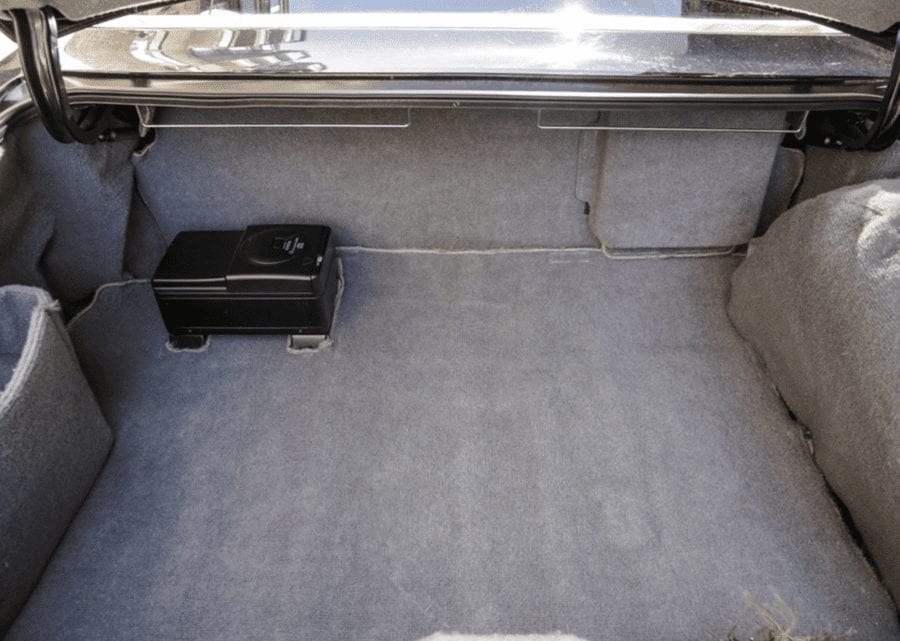
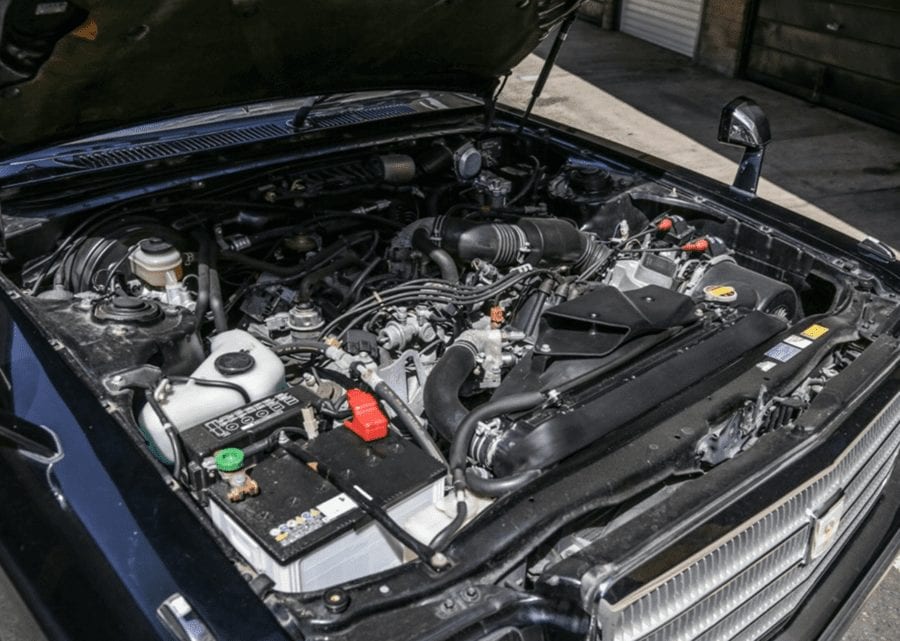
The passenger “compartment” is described as “richly appointed” and includes not only “soft and supple” heated power, leather seats with variable speed massage functions, but also gadgets galore. Most importantly for the notoriously shy Japanese market, the compartment has all-round curtains as well as an electric privacy partition to separate it from the driver’s compartment (with an intercom communications system).There is a cordless 1990s mobile telephone, a television (described as “working but TV to Japanese specification”) with a VHS player, as well as a tape deck built into the rear centre armrest that even has an in-built recording device. A mini fridge also has a heating function for hot food and there is a cabinet containing crystal glasses and a decanter even.A desk can fold out for a mogul who wishes to work whilst on-the-road inside their Toyota Century limousine. It is made of mahogany and for those that wish to ‘drink-and-ride’ there are mahogany glass holders as well.The chauffeur also gets to sit in luxury (unlike in many other limousines). Whilst in original limousines, the chauffeur’s compartment was open, here they get not only a roof, but a leather seat also.Technology is the order of the day given this Toyota Century limousine was manufactured in Japan. The car has automatic transmission, cruise control and a fully functional digital dash.The soft-closing boot contains the original tyre and jacking equipment.The engine is a Lexus 4-litre 5V-EU V8. Of it, Historics Auctioneers remark: “We are informed by the vendor that [it] starts well and pulls strong with the temperature gauge reading a little below half and the automatic transmission shifts are firm and smooth.”From the front; this Toyota Century stretched saloon is described as “clean and straight, the chrome trim and bumpers are all intact and gleaming.” And from the rear; here is a car that Historics Auctioneers laud as having a look “denoting conservative success.”
Historics Auctioneers have produced a video tour of the vehicle to market it to potential purchasers during the coronavirus lockdown.
The 1994 Toyota Century limousine to be auctioned featured in an amusing 19-minute long YouTube video in March this year by vlogger Alfred Munkenbeck and his co-host Ben (surname unknown). They plainly loved the vehicle.
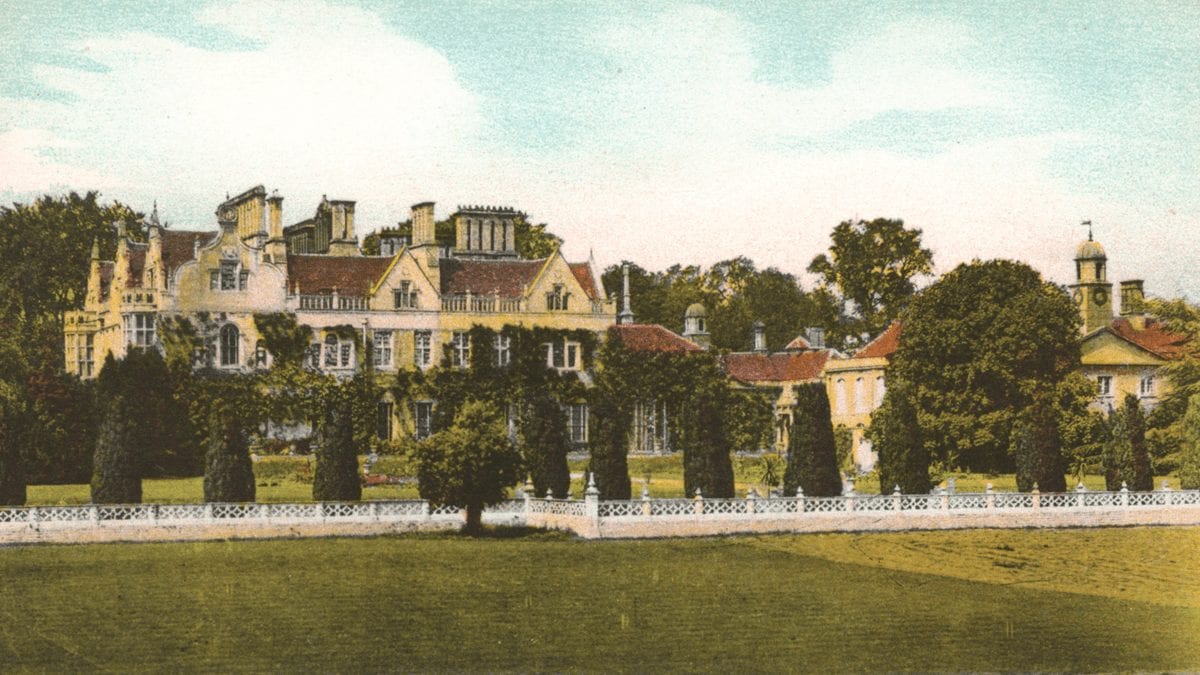
Crumbling Northamptonshire estate Lilford Hall – where the little owl was introduced to Britain – for sale for £10 million, a sum £35 million lower than in 2014
Grade I listed Jacobean mansion with 13 chimney stacks for sale for £10 million; it was for sale last for £44.9 million in 2014 in spite of being listed on English Heritage’s ‘At Risk Register.’
Lilford Hall – parts of which have not been occupied since 1947 –is currently owned by a businessman who tried to sell burial plots in the grounds for £1,250 a pop and shares in a yacht loosely associated with Frank Sinatra for £23 each.
The 321-acre estate includes not only overgrown parkland, but also a zoo with cages that formerly housed bears and a lake for flamingos.
From 1711 until 1990, Lilford House was the seat of the Powys family – the 4th baron is credited with introducing the little owl to the UK.
More recently, in 1969, the “sexual mystic” artist Penny Slinger used the at-the-time derelict mansion in one of her best-known works.
A 32,406 square foot Grade I listed Jacobean mansion 82 miles from Central London has gone on sale for £10 million – or the equivalent of just £308 per square foot.
On this basis, Lilford Hall – set in 321 acres near Oundle – seems a comparative bargain when considered against the £4,786 per square foot sought for a Lennox Gardens, Knightsbridge triplex flatThe Steeple Times featured in May, but buyers need to remember this – parts of this crumbling building, most notably the major state rooms, have not been used since 1947.
Marketed last in 2014 for the even more punchy sum of £45 million, the “exceptional residential and amenity estate located on the River Nene,” is now offered by agents Savills. The “wonderfully proportioned” U-shaped mansion itself is constructed of grey limestone and includes over 100 rooms and amongst them are 7 “impressive” reception rooms, a ballroom, a ‘great chamber’ and 9 bedrooms. In addition, there are two Georgian pavilions that were formerly coach houses and stabling, three cottages, a former zoo, the oldest private softball court in the world, a former flamingo enclosure and a deer park.
“Impressiveness in the chief attribute of Lilford Hall as a specimen of architecture” claimed County Life in 1990 and as the seat of the Powys family from 1711 until 1990, it became not only a Downton Abbey-esque entertaining pad, but also housed nurses in the Second World War. Here, indeed, is an English country house that has seen lavishness and decline and thankfully here is an example that thankfully escaped the wrecking ball wrought so disgracefully on such houses in the 1950s and 1960s.
Fascinatingly in the 1880s, Thomas Powys, 4th Baron Lilford filled his aviaries on the estate with rheas, kiwis, pink-headed ducks, free-flying lammergeiers and it was from here that he also introduced the little owl into the UK. There are said to be around 5,700 breeding pairs today, but sadly, according to the RSPB, their numbers are now in decline.
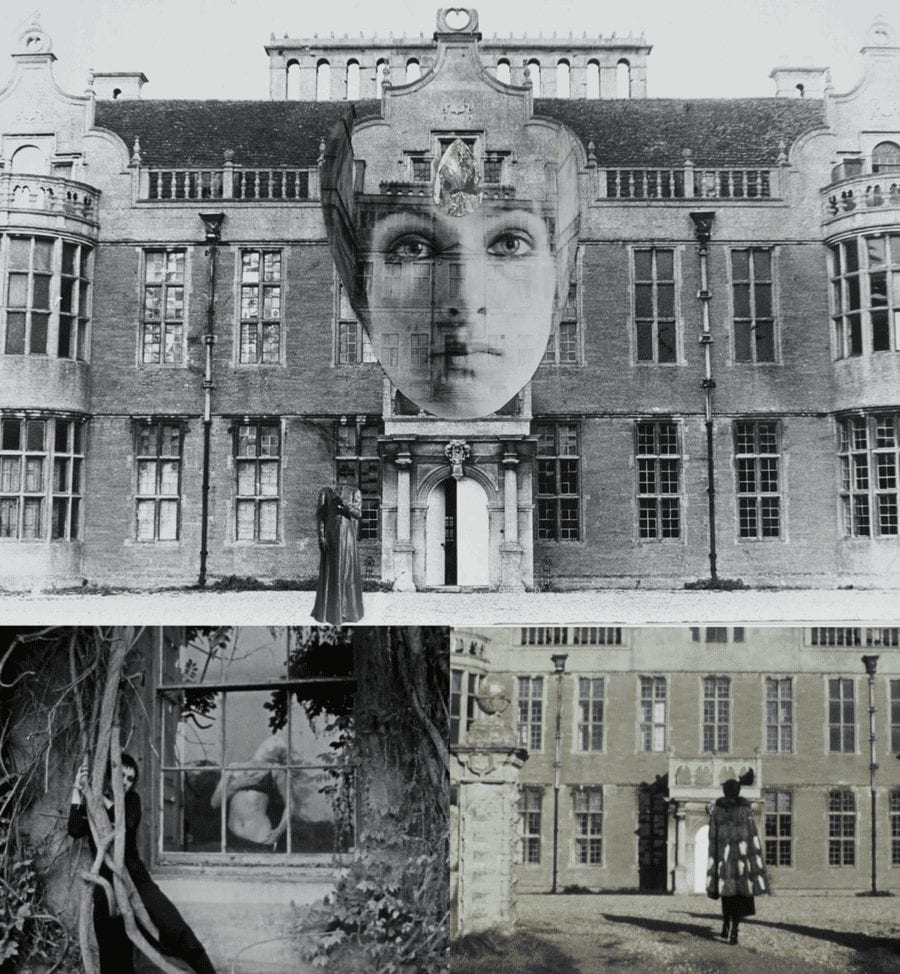
More recently, in 1969, “sexually erotic” performance artist Penny Slinger took over the by then “derelict” mansion in conjunction with the filmmaker Peter Whitehead. Their resulting work, titled An Exorcism, was exhibited internationally and in 2004, after the current owners, Charles and Aziza Micklewright, acquired the house, they did something equally avant-garde; they attempted to sell burial plots in the grounds to Americans by citing the estate’s connections to the founder of the Brownists, Robert Browne – a man better known as ‘The Father of the Pilgrims’ and ‘The Grandfather of the Nation’ (of the United States of America).
Whilst Mr and Mrs Micklewright were lauded for their considerable efforts towards the “huge task” of restoring Lilford Hall, they came to the attention of Historic England in May 2019 when the building was listed on the At Risk Register. At that time, the Oundle Chronicle reported: “The roof covering is in poor condition leading to water ingress and distress to the upper storeys. The front bays require structural attention. A schedule of urgent repairs has been identified but not implemented, and no long-term solution has been agreed.”
Now, someone with very, very deep pockets is required to restore this gem. It would be helpful if they liked erotic art, bears, squash and owls also.
The Names & Numbers – The Lilford Hall Estate, Lilford, Oundle, Peterborough, Northamptonshire, PE8 5SG, United Kingdom
June 2020 – The estate is listed sale for £10 million ($12.5 million, €11.1 million or درهم46 million) through Savills. It includes 321.31 acres, of which 148.17 acres are pasture land whilst 157.48 acres are woodland. The majority of the estate is held on a freehold title, whilst the remaining 127.6 acres – known as ‘The Linches’ and ‘Lilford Woods’ – are held on a lease with 91 years remaining.
2015 – Promoted as ‘The National Memorial Gardens,’ burial plots in the gardens of the hall were offered “available to any UK resident or national for an outstanding price of only £1,250 ($1,568, €1,393 or درهم5,758)” by Mark Bailey of Harley Investments. Around the same time, a website dedicated to Lilford Hall marketed “a piece of the formal gardens” for sale for £299 ($375, €333 or درهم1,377) to include “an officially certified ‘Squire of Lilford’ [title] … with this little piece of history.”
March 2014 – The Irish Times reported that the asking price for the estate had been increased to £44.9 million ($56.3 million, €50 million or 206.8درهم million). They claimed the agents Coldwell Banker blamed “confusion over currency conversion rates and new instructions from the owner.”
April 2014 – The Lilford Hall Estate is listed for sale through Coldwell Banker on MyHome.ie for £33.7 million ($44.2 million, €37.5 million or درهم155 million) on behalf of “an English gentleman.”
2004 – The estate is acquired by the Micklewright family. Little information is available online about the Old Framlingham Charles Micklewright (born July 1958), but he is described as a “patent attorney” on Companies Houses pages. The businessman is mentioned also as a publisher and trustee of the Marsh Christian Trust elsewhere, whilst his Singaporean born wife, Aziza (born 1964), was a director of Lilford Properties Limited from 2013 to 2018.
A website operated by Sign of the Times Limited, a Hong Kong company of Lilford Hall, Lilford, Oundle, Northamptonshire, PE8 5SG, currently offers shares in a yacht named ‘Sinatra the Voice’ for £23.91 ($29.99, €26.64 or درهم110.14) per share. The boat was built in 1956 and is tenuously linked to Frank Sinatra by the fact that a one-time owner, Beale Poste, loaned it occasionally to the crooner between 1968 and 1974 in West Palm Beach, Florida.
1990 – The estate is closed to the public.
1980s – The house is used as a location in the BBC English Civil War inspired historical drama series By the Sword Divided.
1970s – Aviaries on the estate restocked by George Powys, 7th Baron Lilford (1931 – 2005). He “opened [the estate] to the public as a leisure park” and housed more than 350 birds of 110 species there. It remained thus for around 20 years and included a restaurant and shop. The aviaries and the 1,896 square foot restaurant building remain present still today.
1969 – 1970 – American British “sexual mystic” artist Penny Slinger (born 1947) and Liverpudlian filmmaker Peter Whitehead used the “derelict mansion” as the setting for their works An Exorcism and Lilford Hall. They are lauded as a “photo romance” and exhibited at the Blum and Poe Gallery in Los Angeles in 2014, at the Haywood Gallery in London in 2015 and at the Fortnight Institute in New York in 2019.
1949 – Stephen Powys, 6th Baron Lilford (1869 – 1949) died without having married or having had children. His properties aside from Lilford – a house in Mayfair, Bank Hall in Lancashire and the Bewsey Estate in Cheshire – passed to his second cousin twice removed.
1947 – The estate is sold to a company named Merchant Ventures by the Powys family (though they remain present on the estate until 1990).
1939 – 1945 – During the Second World War, the parkland of the estate was used as a military hospital for nearby airfields. From 1949 to 1954, some of the buildings constructed during this period were then used as a Polish school.
1923 – First-class Northamptonshire cricketer Major John Powys, 5th Baron Lilford (1863 – 1945) built the first private softball court in the world in the grounds of the hall. It is now in disrepair and the roof has fallen into the inner court.
1909 – 1910 – The hall was extended in the Edwardian manner including the provision of a new master bedroom with dressing room and bathroom by William Dunn and Robert Watson of Dunn & Watson.
1901 – The estate surrounding the hall reaches its largest size and totals a vast 8,000 acres of land. Around this time, Queen Mary, wife of King George V, is said to have visited the gardens.
1880s – Ornithologist and expert on the fauna of the Balearics Thomas Littleton Powys, 4th Baron Lilford (1833 – 1896) introduces the little owl into England on the estate. His aviaries were said to “feature exotic birds from all around the world” and a species of European lizard, the Lilford’s wall lizard (Podarcis lilfordi), is named in his honour. The 4th baron is repeatedly mentioned in the works of Charles Darwin for his contribution to the study of the science of evolution.
1840s – Further changes to the building are orchestrated by the architect William Gilbee Habershon (circa 1818 – 1891). The Campaign to Protect Rural England described these Victorian extensions as “sensitive” in 2006 – a rare accolade given most additions to English country houses during this period were simply brash and vulgar.
1740s – The Palladian architect Henry Flitcroft (1697 – 1769) adds “outstanding” Georgian interiors whilst “respecting the hall’s Jacobean exterior.” He “softened and brightened” the building as a result and also “constructed the Georgian pavilions and additional storeys to the east end of the two wings.” Other works by Flitcroft can be seen at Bower House in Essex, Wentworth Woodhouse in Yorkshire and Woburn Abbey in Bedfordshire.
1711 – Lilford Hall is sold to the judge and Tory politician Sir Thomas Powys (1649 – 1719), Attorney General to King James II. Powys is best remembered for conducting the prosecution of the Seven Bishops in 1699. He is buried at Lilford.
1630s – Construction of the main exterior of what to this day remains Lilford Hall as a “Jacobean-style gentry house” by William Elmes (the younger).
1473 – The land that forms the estate is acquired by William Browne (1410 – 1489), a wealthy wool merchant and landowner from Stamford, from the estate of Baron Welles (who was beheaded by King Edward IV for treason). In 1495, “in a Tudor style,” he built a hall on the site and it passed to Robert Browne (1550 – 1633), the founder of the Brownists, ‘The Father of the Pilgrims’ and ‘The Grandfather of the Nation’ (of the United States of America).
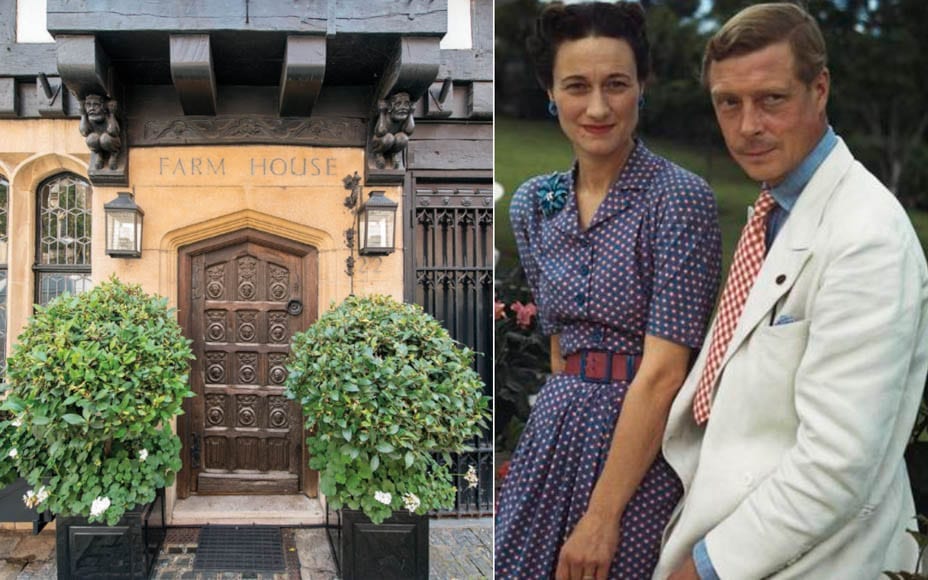
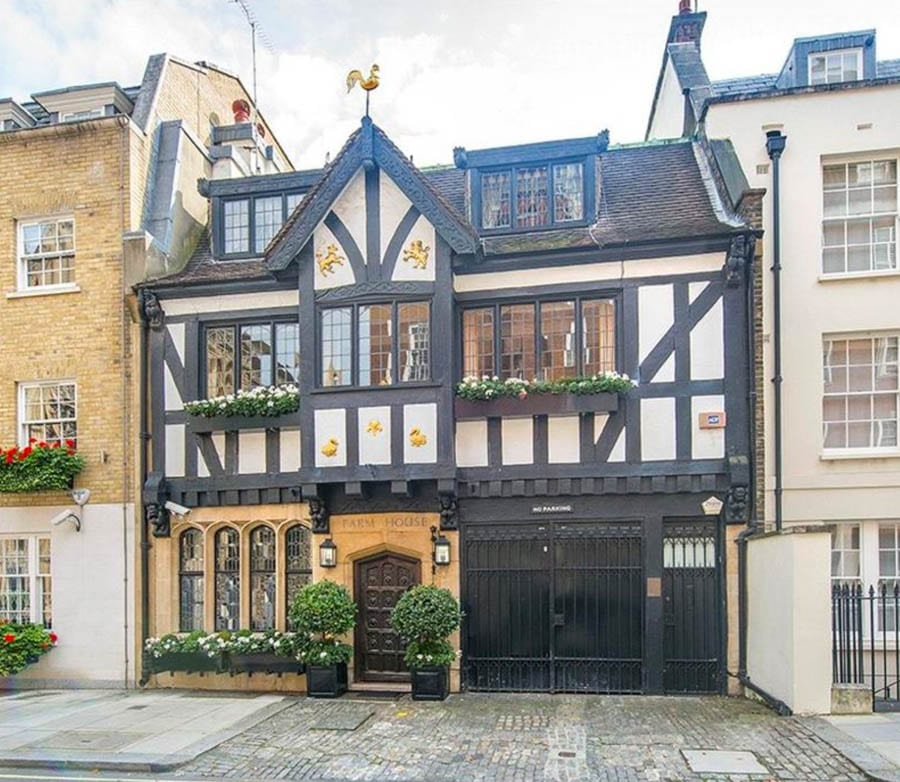
Mayfair “farmhouse” where Mrs Simpson began her affair with the then Prince of Wales for sale for 147% more than it was marketed for in 2012
Last marketed at a price of £4.75 million ($6.04 million, €5.30 million or درهم22.19 million) in 2012 and offered for sale in 2005 at an undisclosed sum also, a house where the then Mrs Simpson began her affair with the then Prince of Wales is again for sale.
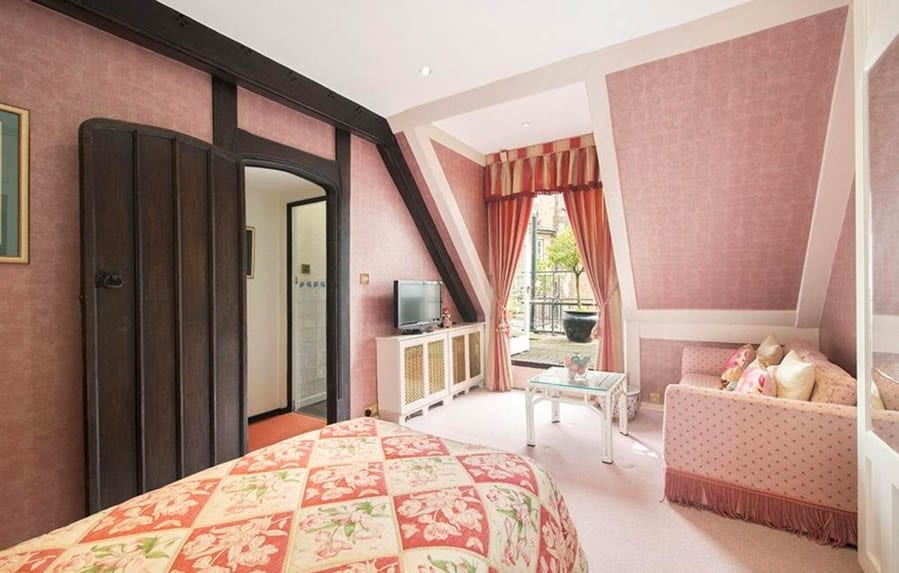
Rebuilt in the early 1900s by a Mrs M. Strakosch in “the Gothic style,” Farm House – or 22 Farm Street as it is more simply known – stands on the site of a farmhouse that predated the development of Mayfair.
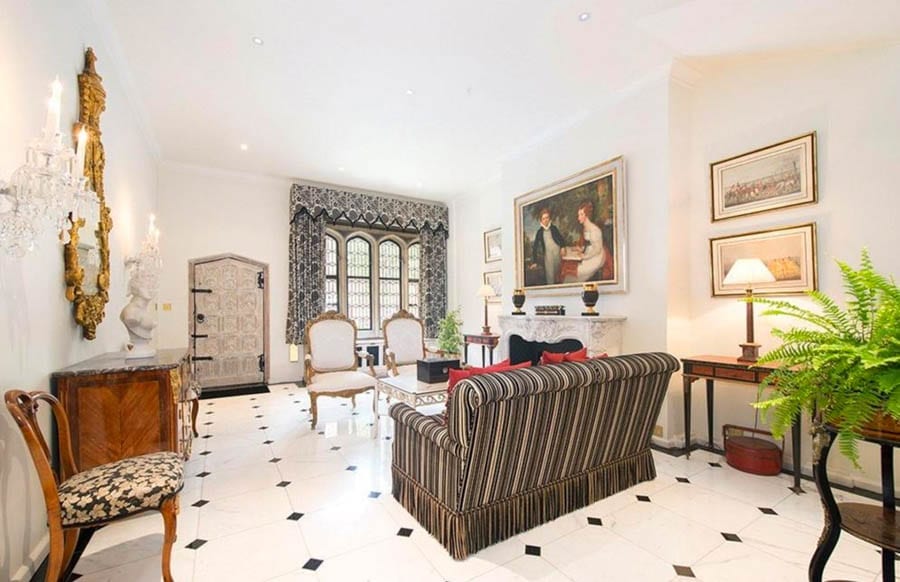
Entered through a large oak front door that feature the heads of the twelve apostles, the half-timbered house Mrs Strakosch commissioned featured Flemish linenfold paneling and 17th century doors. Though much of this has now gone, a number of Jacobean and medieval features remain and what is now offered is described as “the perfect space for modern entertaining.”
Farm House, 22 Farm Street, Mayfair, London, W1J 5RQ – For sale for £11.75 million
Gloria Swanson, Gloria Vanderbilt and Thelma Furness
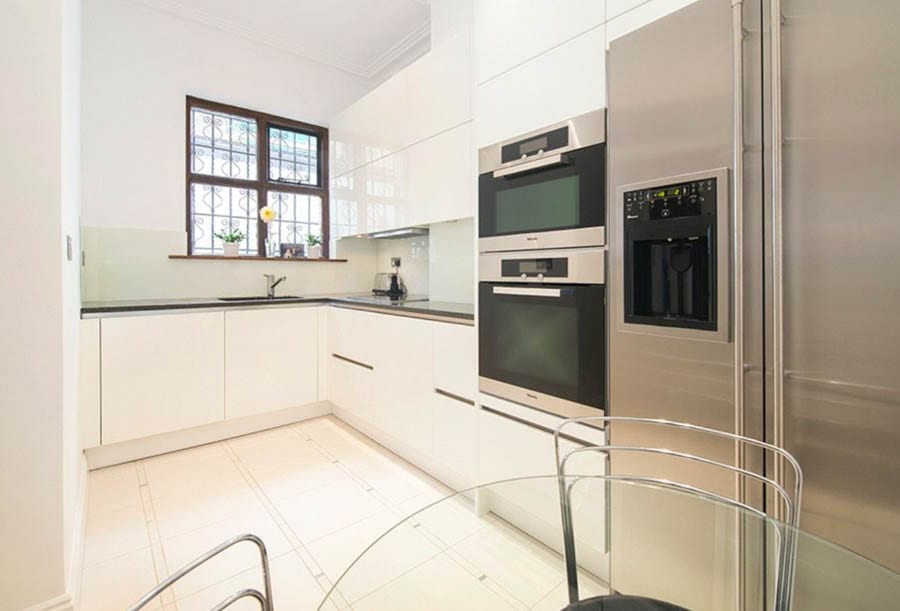
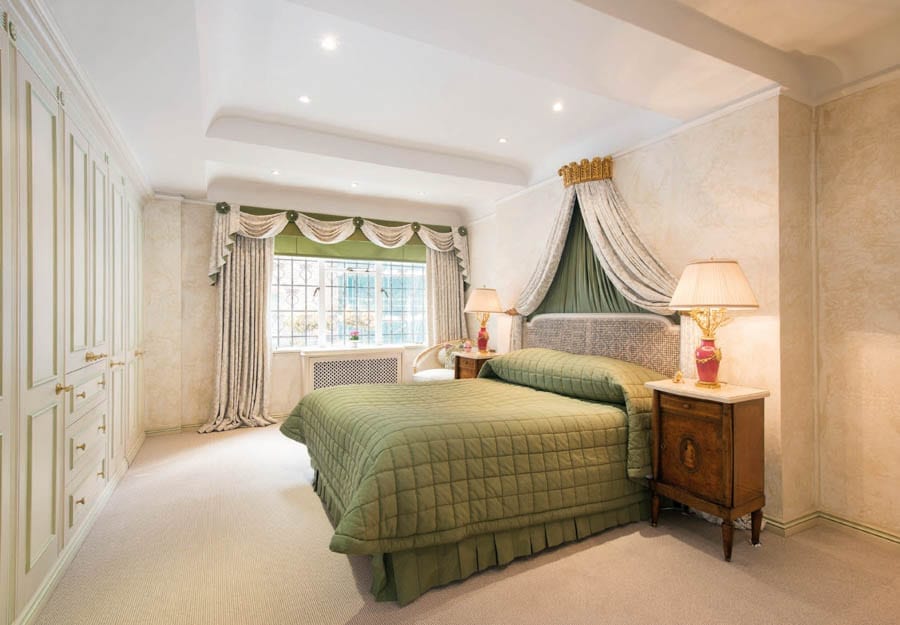
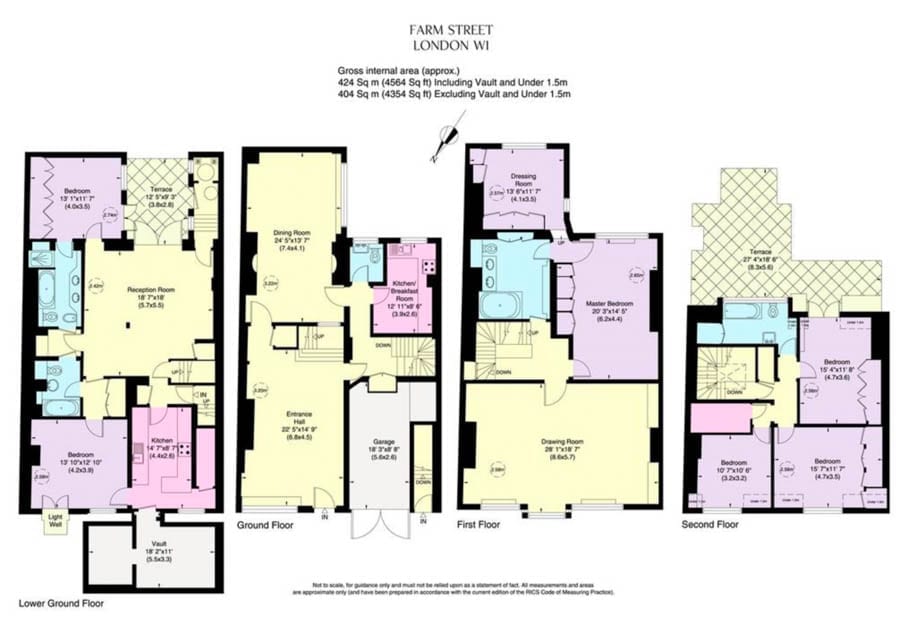
Farm House includes three reception rooms, two kitchens, six bedrooms, four bathrooms, two terraces and a garage. It extends to 4,564 square foot over four floors and was home to the Swiss born Thelma Furness, Viscountess Furness (1904 – 1970), the twice married mistress of the then Prince of Wales and later King Edward VIII between 1930 and 1934, during their relationship.
Furness, whose twin sister Gloria (1904 – 1965) became a Vanderbilt and was also the maternal grandmother of the American news anchor Anderson Cooper, at this time, was friends with Wallis Simpson. She introduced her American friend to the prince at her country house, Burrough Court, near Melton Mowbray, first in 1931 but then became supplanted in his affections in 1934.
With their relationship approaching its end, Furness embarked on a short affair with Prince Aly Khan whilst in America and whilst there allowed Simpson to live in her Farm Street home according to the actress Gloria Swanson (1899 – 1983). Later, in her autobiography Silent Boulevard, Swanson wrote:
“Lady Thelma Furness had a charming house on Farm Street, where her friend Wallis Simpson has kept the Prince of Wales company while Thelma was away in the States.”
Swanson, whilst pregnant, and her then husband Michael Farmer subsequently rented Farm House from Furness and of their time there wrote: “The house was empty for the moment, so we settled in to wait for the baby and see old friends.”
Knight Frank now seek £11.75 million ($14.95 million, €13.12 million or درهم54.90 million) for Farm House. Reportedly, according to a 2012 Mayfair Times article, the property comes with deeds that specifically mention that it still has a “right of way for sheep.”
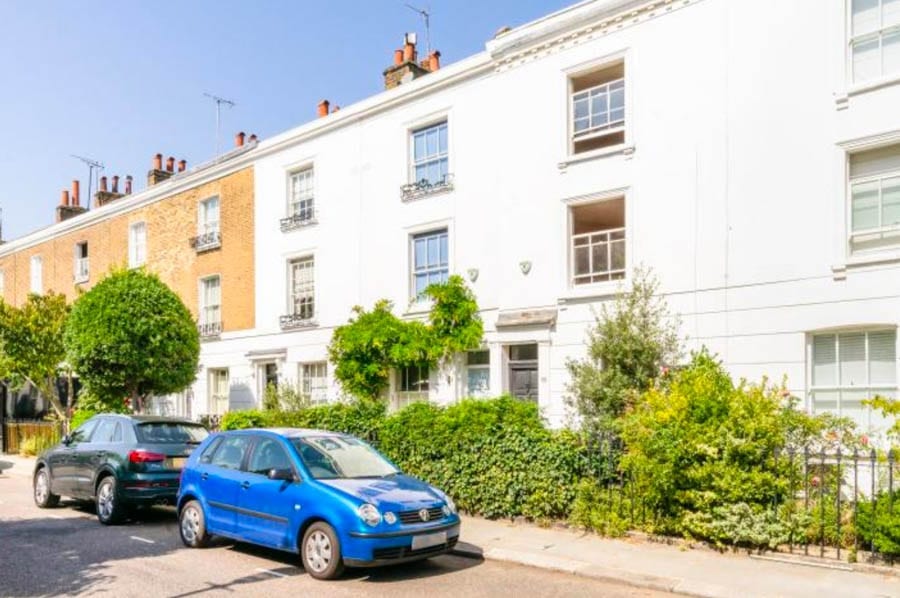
Chelsea estate agent optimistically markets an £850 per week house with unpainted walls and an exposed gas meter by announcing: “It does have a new boiler”
Other than the legendary Roy Brooks, the only honest man in his game, estate agents will be optimistic about just about anything. A bit of damp: “no problem”; a nuclear power station next door: “positively charming” but John D. Wood & Co. truly take the biscuit with the marketing material for a property they are currently trying to let in chi-chi Christchurch Street, Chelsea, London.
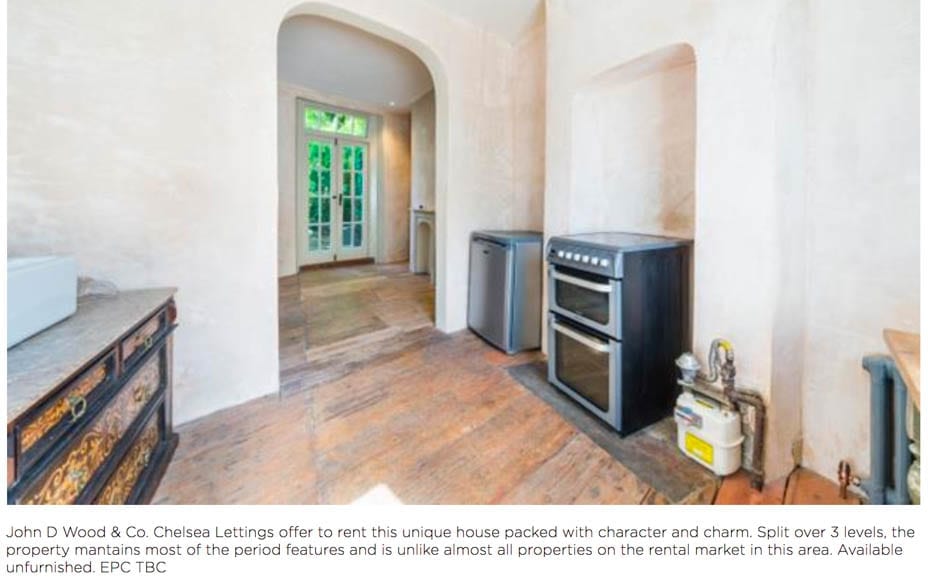
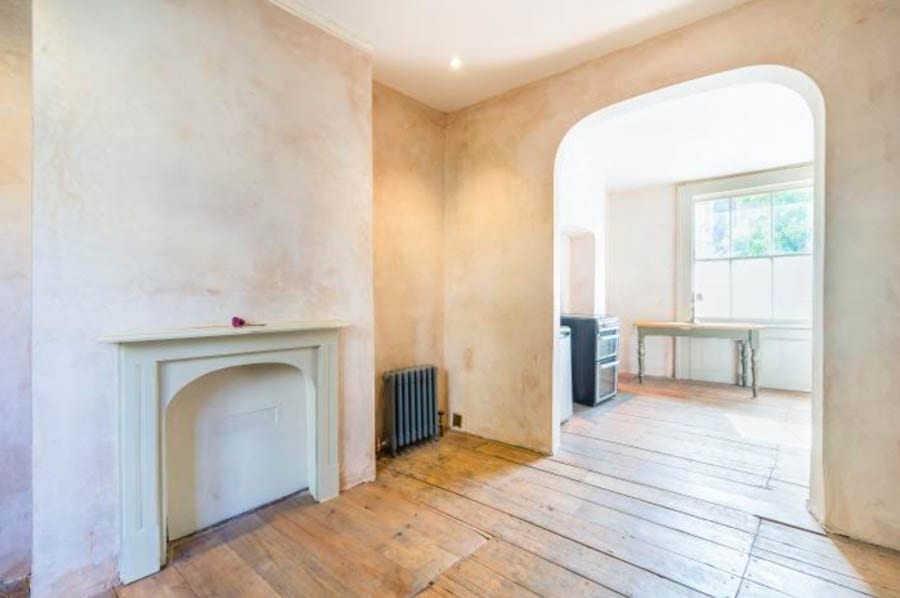
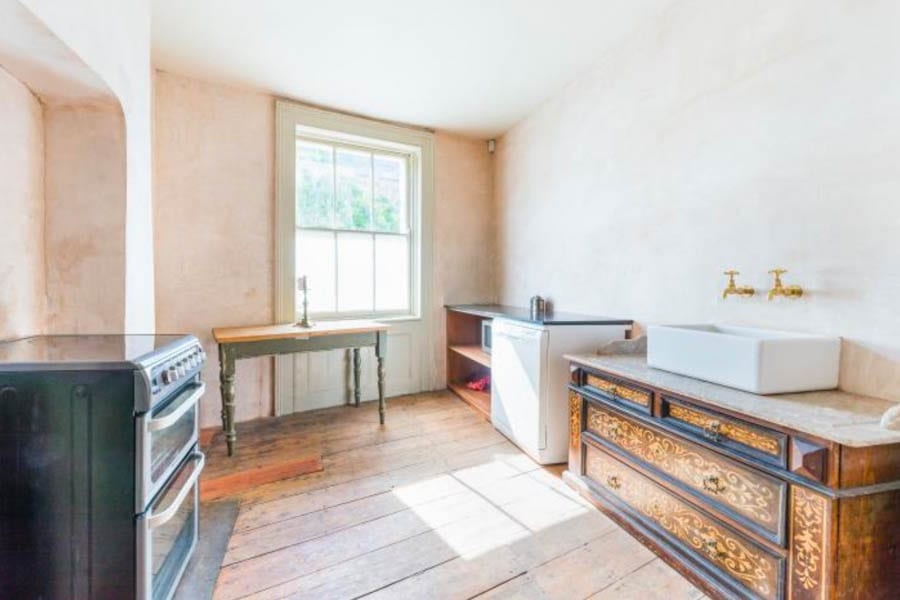
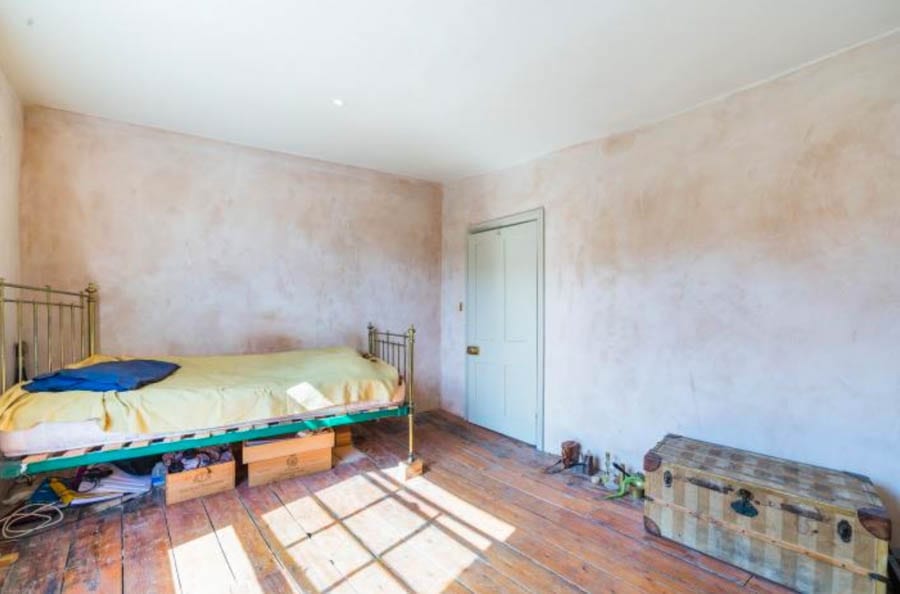
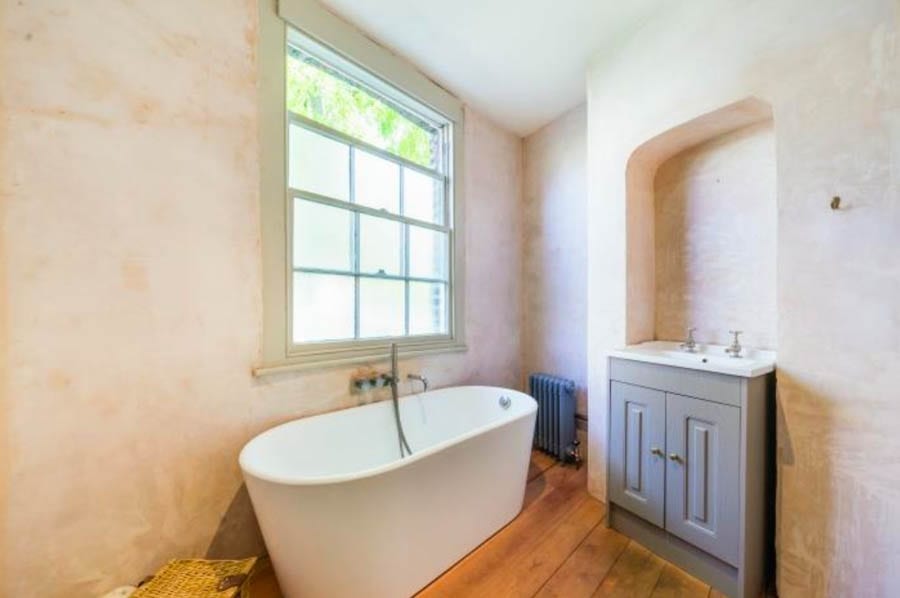
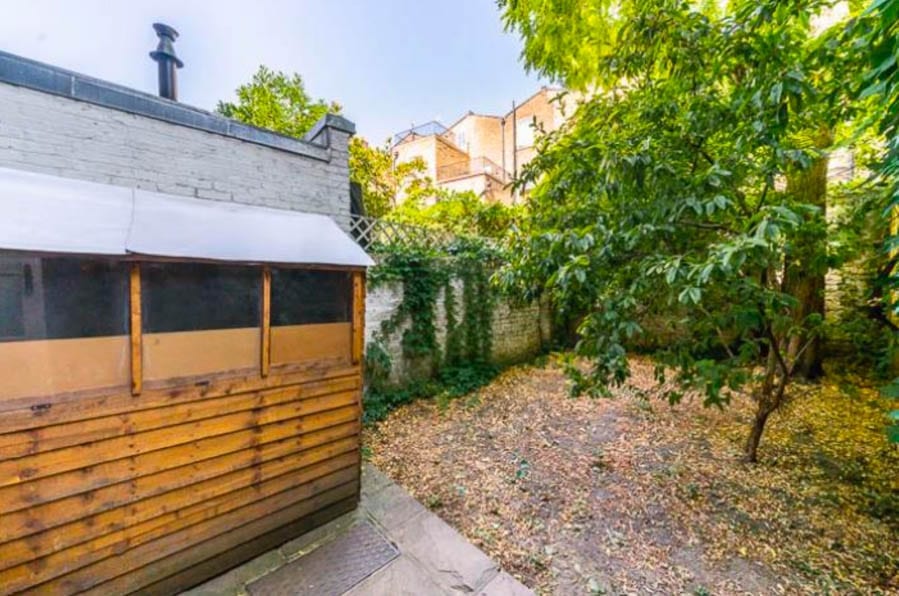
Sent to us by an eagle eyed reader, the £850 per week ($1,108, €955 or درهم4,070 per week), 867 square foot three floor aforementioned house has conventional features such as a reception room, kitchen, three bedrooms and a bathroom. It also, rather unconventionally, has walls that haven’t even been painted and are just bare plaster. Pictures show also scruffily made-up beds propped up on wooden blocks, wiring and ageing televisions discarded on the floors and a garden littered with leaves.
Of this strange offering, our reader remarked: “I saw this listing and thought it was a half-finished project and up for sale, but no, it’s a rental. Buy-to-let plainly says can’t afford to finish it, says sod it and tries to rent it out in a half-finished state and describe it as a ‘unique house packed with character and charm.’ I particularly like the exposed gas meter!”
When he telephoned, a member of staff at John D. Wood told our reader: “The landlord would prefer to rent the property ‘as is’ and not do further work. It would be at least £1,000 per week if it were finished. He is happy for any tenant to paint and make further improvements.”
In typical estate agent fashion, she optimistically added: “It does have a new boiler.”
Roy Brooks – “A painfully honest estate agent”
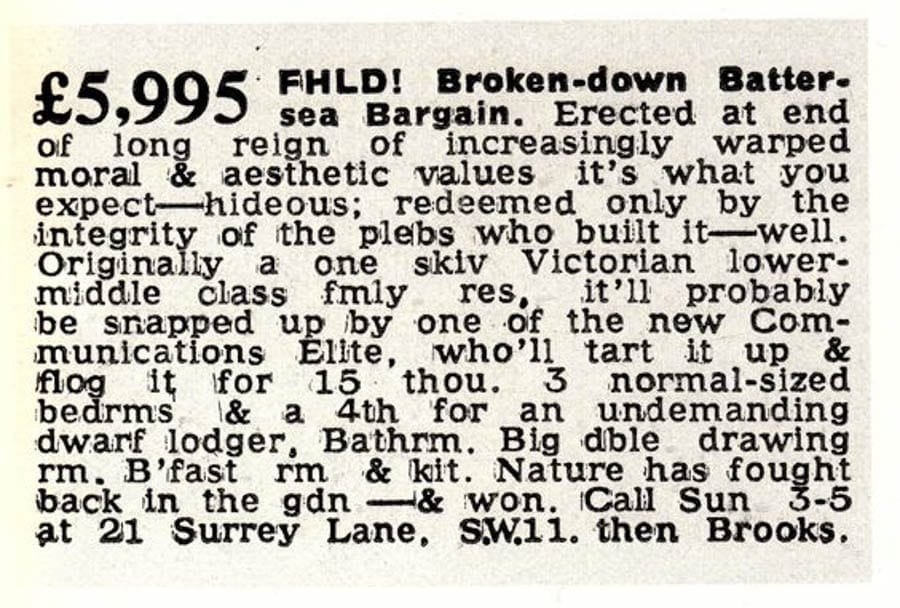
“Beyond any doubt the best copywriter for property advertising in the history of the British press,” Roy Brooks (died 1971) took a “puckish delight in telling the truth” about the houses he was asked to sell.
An example of this Kings Road based eccentric’s advertisements read:
“Do not be misled by the trim exterior of this modest period res with its dirty broken windows; all is not well with the inside. The décor of the nine rooms, some of which hangs inelegantly from the walls, is revolting. Not entirely devoid of plumbing, there is a pathetic kitchen and one cold tap. No bathroom, of course, but Chelsea has excellent public baths. Rain sadly drips through the ceiling on to the oilcloth. The pock-marked basement floor indicates a thriving community of woodworm, otherwise there is not much wrong with the property… Sacrifice £6,750.”
Another announced:
“Wanted: Someone with taste, means and a stomach strong enough to buy this erstwhile house of ill-repute in Pimlico. It is untouched by the 20th century as far as conveniences for even the basic human decencies are concerned. Although it reeks of damp or worse, the plaster is coming off the walls and daylight peeps through a hole in the roof, it is still habitable judging by the bed of rags, fag ends and empty bottles in one corner. Plenty of scope for the socially aspiring to express their decorative taste and get their abode in The Glossy, and nothing to stop them putting Westminster on their notepaper. Comprises 10 rather unpleasant rooms with slimy back yard, £4,650 Freehold. Tarted up, these houses make £15,000.”
Justifying his reasoning for driving his Rolls-Royce from London to Russia loaded up with 1,000 pairs of shoes, Brooks – author of Brothel in Pimlico and Mud, Straw and Insults: Confessions of an Honest Estate Agent – glibly explained: “I take these for old times’ sake – Stalingrad and the defeat of the German hordes. Perhaps I could bring back in return some of their women engineers whose factories I saw prefabricating good homes by the thousands.”
Diverse 2,000 acre Suffolk riverside estate for sale for £31.5 million; it has been owned by the same family since the 19th century and produces an income of some £500,000 per year
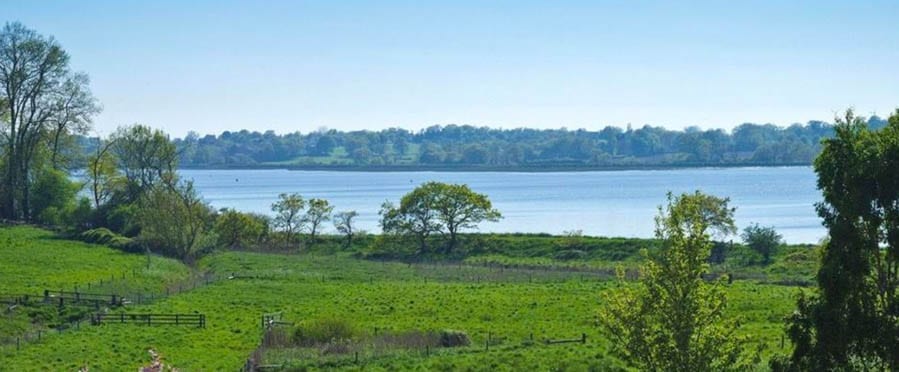
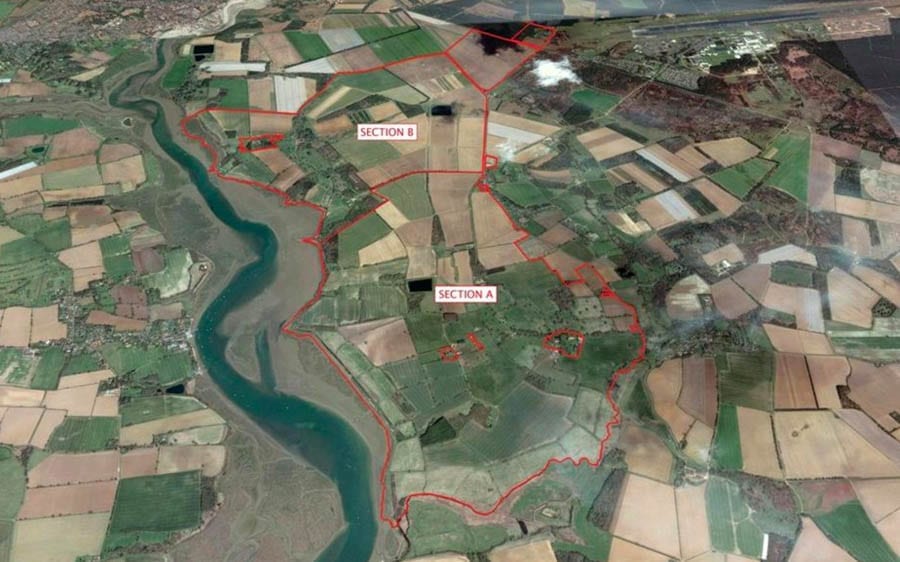
A vast Suffolk estate – just 120 miles from London – has gone on sale for £31.5 million ($40.1 million, €35.3 million or درهم147.4 million) either as a whole or in upto 21 lots through agents Knight Frank.
Owned by Sir Guy and Lady Quilter and originally part of a larger 8,000 acre property, the 2,177 acre Sutton Hall Estate, near Woodbridge has been in the same family since the early 1900s. It has 3½ miles of frontage to the River Deben and is divided between 1,432 acres of irrigable arable land served by two large reservoirs, 375 acres of mature woodland and 242 acres of grazing and parkland.
Centred around a 6,084 square foot Grade II listed Georgian house with eight bedrooms, the estate also comes with eleven further farmhouses and cottages, numerous outbuildings, a keepered sporting shoot and a private quay.
Crops grown on the property include wheat, winter barley, potatoes, sugar beat, rape, vining peas, carrots, parsnips and onions whilst the selling agents comment: “For those looking to create an even more diversified business, the environmental and agricultural opportunities are boundless.”
“We feel very lucky to have had the opportunity and I’m really proud of what we’ve achieved, but it feels like we’ve done as much as we’re comfortable doing without changing the nature of the estate.”
“You have to feel completely comfortable running a place like this because you can get it wrong very easily. History is littered with estates that have turned to dust within a generation.”
C-shaped glass and stone house complete with a Grade II listed set of Druid stones for sale for £7 million; it sits next door to the £140 million home of the fugitive billionaire financier Andrey Borodin
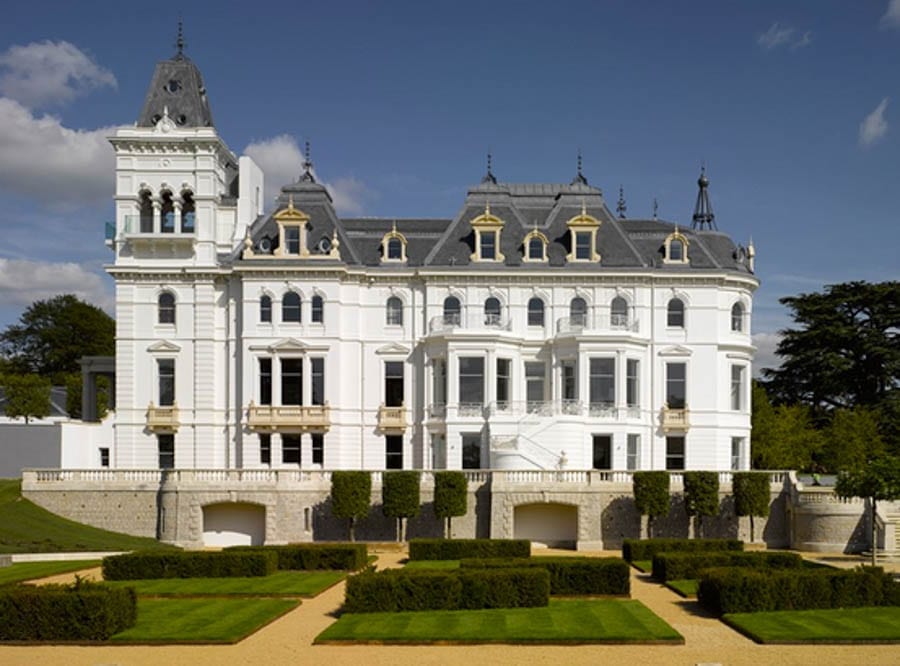
A C-shaped 20th century house in 43 acres of parkland has gone on sale for £7 million ($9.2 million, €7.8 million or درهم33.9 million).
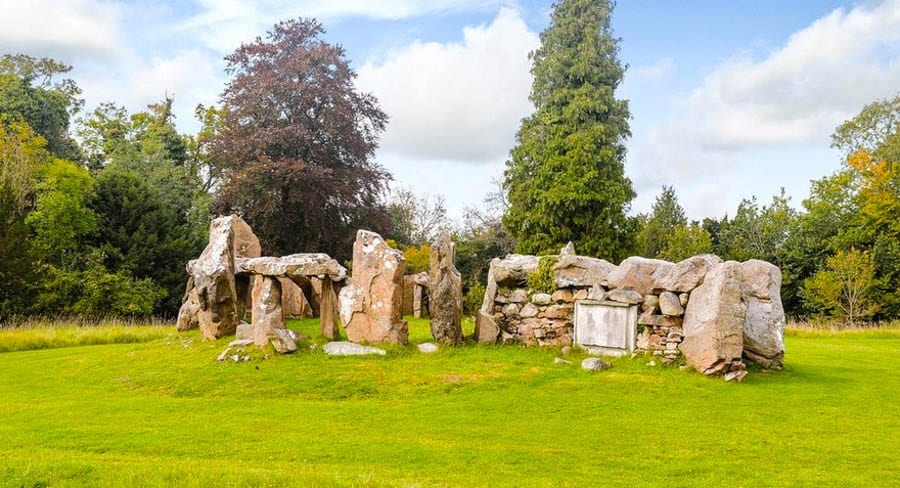
A set of Grade II listed ancient stones named the Druids Altar forms part of the estate
Templecombe House is the neighbour of the £140 million Park Place Estate
Park Place is owned by the fugitive Russian oligarch Andrey Borodin
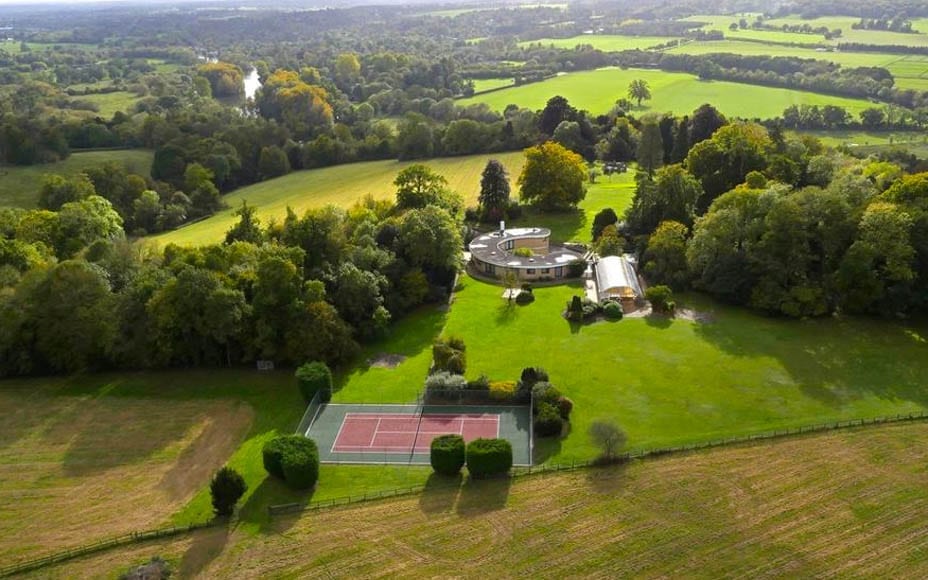
Situated next to the Park Place Estate – bought by the fugitive Russian billionaire financier Andrey Borodin for £140 million ($185 million, €157 million or درهم678 million) in 2011 and used in the 2007 film St Trinian’s – Templecombe House, near Henley-on-Thames extends to 3,014 square foot and includes 2 reception rooms, 4 bedrooms, 3 bathrooms and an indoor swimming pool. It also has garaging for 2 cars and comes with a 1 bedroom Victorian gate lodge, a hard tennis court and views towards the River Thames.
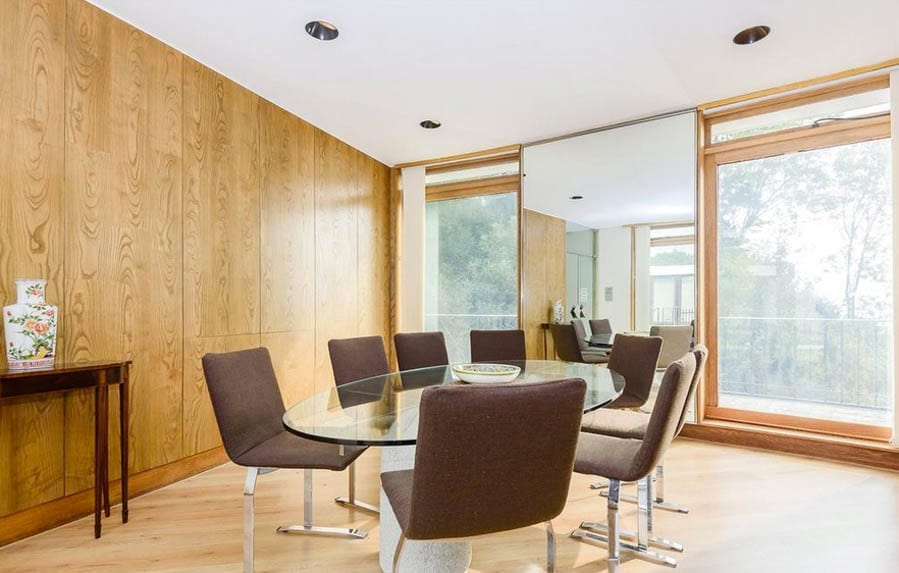
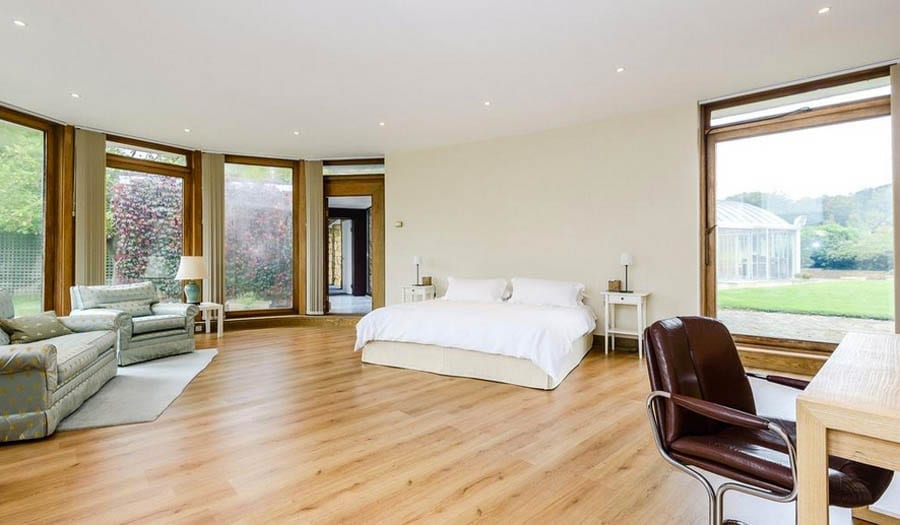
Described as being of a “striking curved design” and featuring large picture windows, the most unusual part of the estate comes in the form of a set of Grade II listed ancient stones named the Druids Altar.
Whilst a Russian court ordered Park Park Place be seized from Mr Borodin in May 2016, Templecombe House is offered to the open market by agents Savills.
C-shaped glass and stone house complete with a Grade II listed set of Druid stones for sale for £7 million; it sits next door to the £140 million home of the fugitive billionaire financier Andrey Borodin
A C-shaped 20th century house in 43 acres of parkland has gone on sale for £7 million ($9.2 million, €7.8 million or درهم33.9 million).
A set of Grade II listed ancient stones named the Druids Altar forms part of the estate
Templecombe House is the neighbour of the £140 million Park Place Estate
Park Place is owned by the fugitive Russian oligarch Andrey Borodin
Situated next to the Park Place Estate – bought by the fugitive Russian billionaire financier Andrey Borodin for £140 million ($185 million, €157 million or درهم678 million) in 2011 and used in the 2007 film St Trinian’s – Templecombe House, near Henley-on-Thames extends to 3,014 square foot and includes 2 reception rooms, 4 bedrooms, 3 bathrooms and an indoor swimming pool. It also has garaging for 2 cars and comes with a 1 bedroom Victorian gate lodge, a hard tennis court and views towards the River Thames.
Described as being of a “striking curved design” and featuring large picture windows, the most unusual part of the estate comes in the form of a set of Grade II listed ancient stones named the Druids Altar.
Whilst a Russian court ordered Park Park Place be seized from Mr Borodin in May 2016, Templecombe House is offered to the open market by agents Savills.
London estate agents launch three properties priced over £25 million each on General Election day
Pundits may be referencing worrying times ahead in Britain’s post-Brexit economy, but London’s top tier estate agents have come out all guns blazing on General Election day and launched a series of jaw droppingly priced properties.
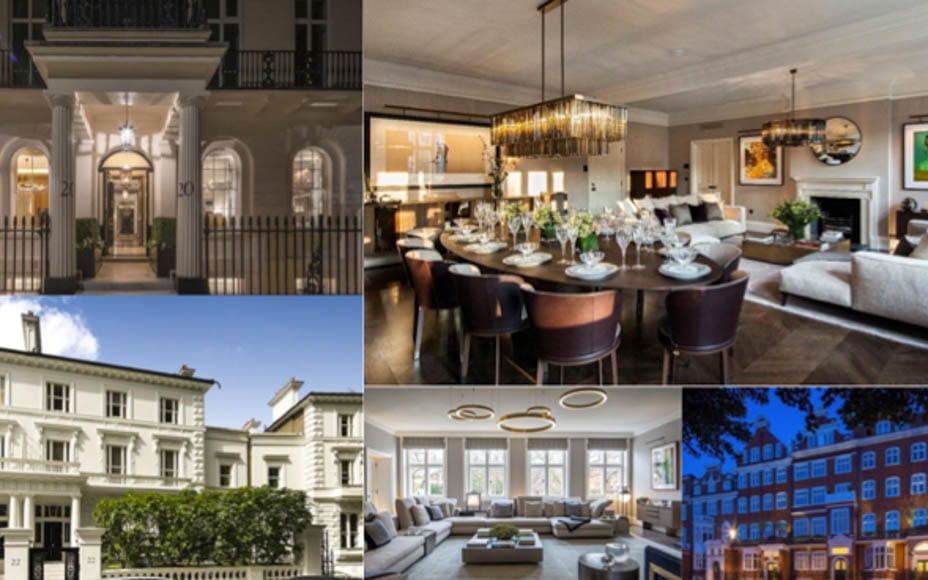
In Knightsbridge’s Lennox Gardens, SW1X – where a similar, though situated on the much more sought after first-floor, apartment was promoted for what then seemed an ambitious £27.5 million ($35.6 million, €31.7 million or درهم130.9 million) in 2015 – Savills showcased a 6,392 square foot second floor flat with a basement annex priced at an even more punchy price of £35 million ($45.4 million, €40.3 million or درهم166.6 million). Aside from 2 vast reception rooms, 5 bedrooms and 5 bathrooms, it comes with not only a fingerprint recognition security system but also 2 gymnasiums, a sauna, a steam room, a treatment room, a wine cellar and even a juice bar.
Elsewhere, this morning, on the UK’s top property portal, OnTheMarket.com, agents Knight Frank listed an apartment in Eaton Square, SW1W for £25 million ($32.4 million, €28.8 million or درهم119 million) whilst Aylesford announced the sale of a house in The Boltons, SW10 for £57.5 million ($74.5 million, €66.2 million or درهم273.8 million). Whether we get Corbyn or May, one is left with just one question: Will these super-prime properities flop or will they fly?
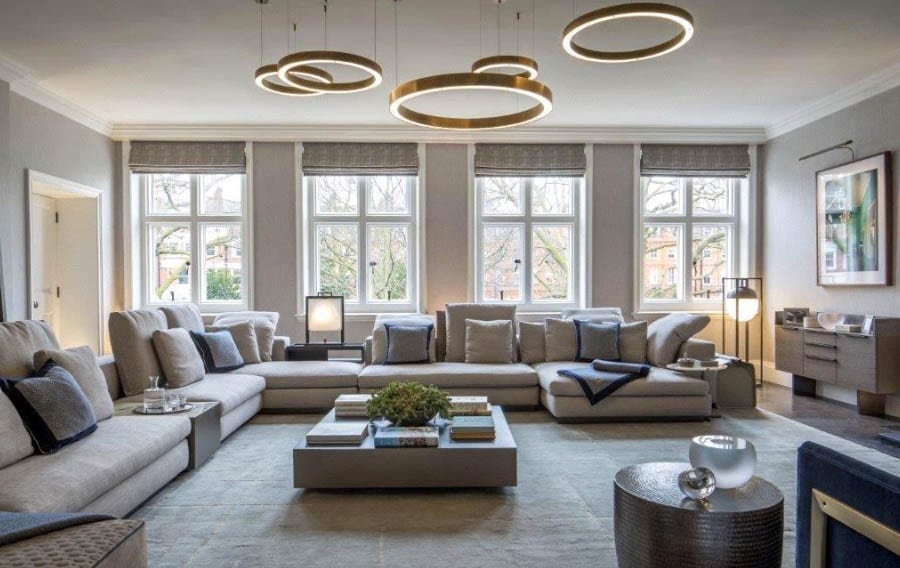
The main reception room of the £25 million Lennox Gardens apartment on the first floor of ‘The Lennox’, 31-33 Lennox Gardens, Knightsbridge, SW1x
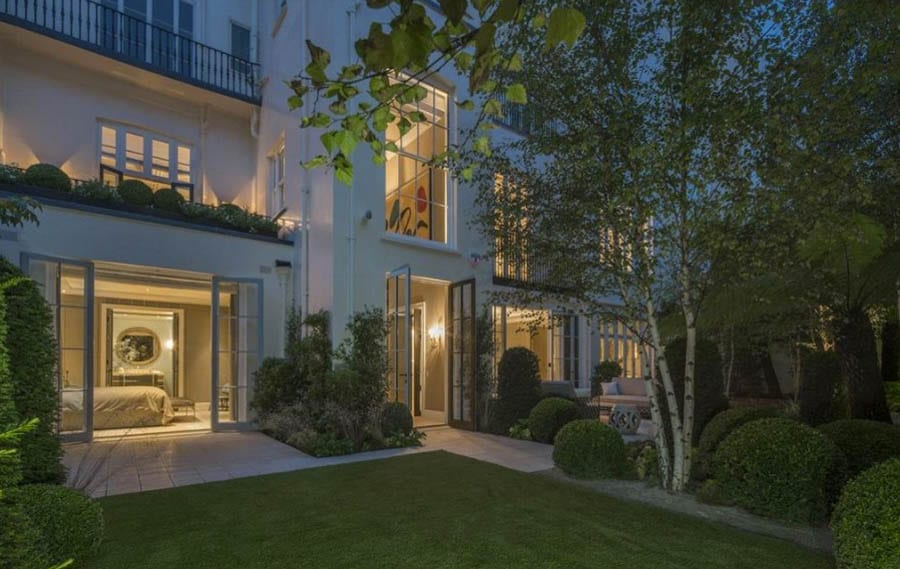
The garden of the 2,188 square foot ground and basement apartment at 20 Eaton Square, Belgravia, SW1W
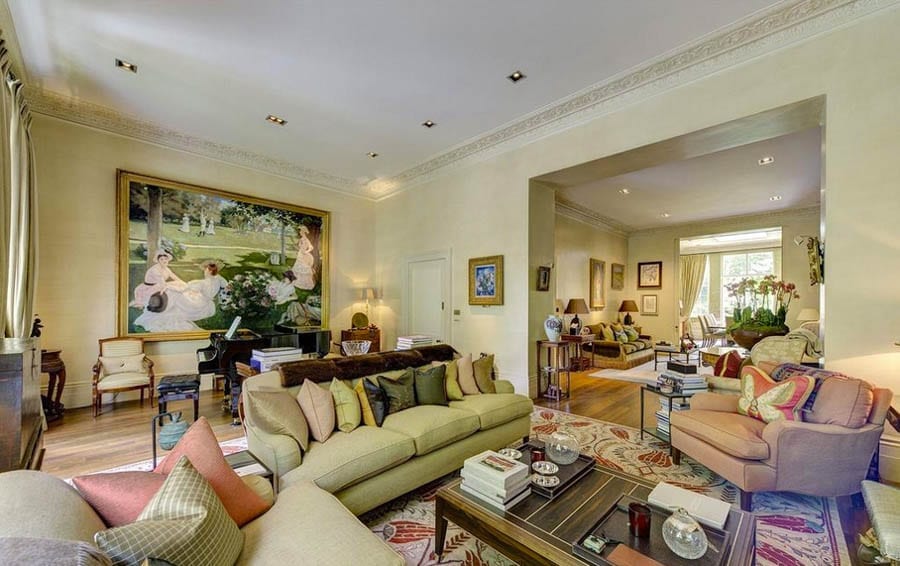
The drawing room of the 9,989 square foot 22 The Boltons, Chelsea, SW10
“Grand” Grade II* listed Midlands manor for sale for just £350,000; it comes with a 49-seat cinema and several unexpected catches
Where there’s muck, there’s money and a late 18th century Midlands manor house currently for sale for just £350,000 ($451,000, €402,000 or درهم1.65 million) provides an example of the tale of the progress and decline of industrial wealth in once Great Britain.
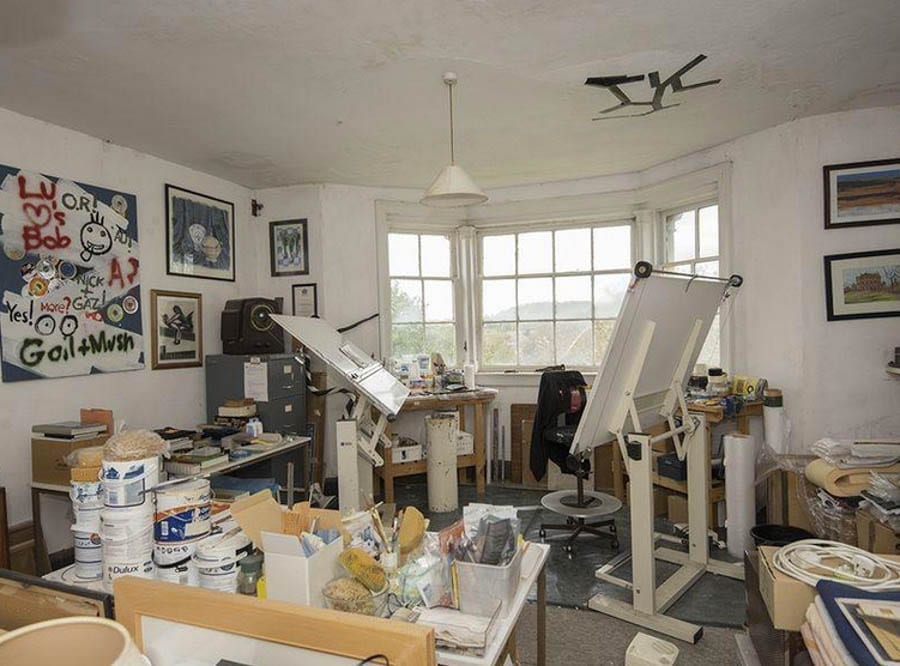
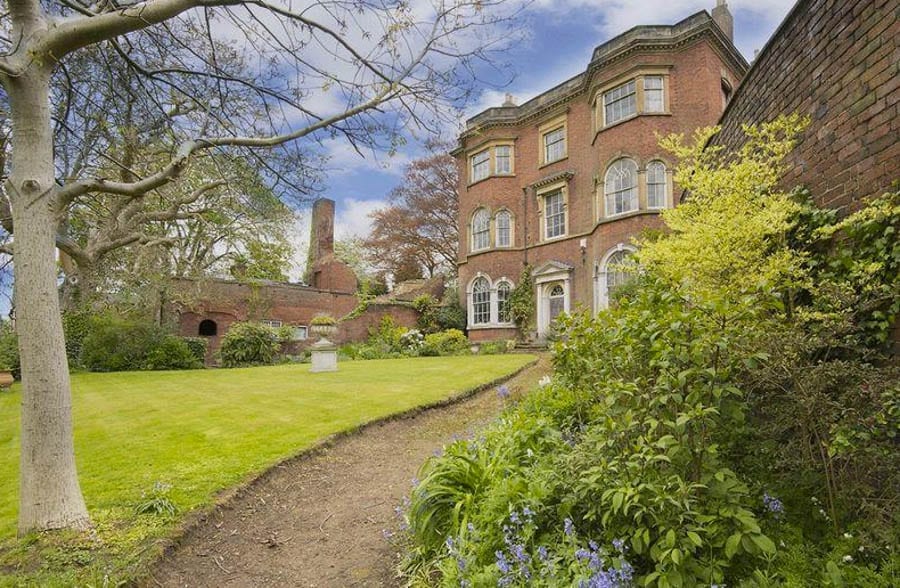
Built in 1757 for a family of Black Country industrialists, Wordsley Manor in Wordsley, near Stourbridge has been owned by the Firmstone family and their relatives since around 1850. A red brick built, four floor “small mansion” that extends to 7,464 square foot in total, the building has been Grade II* listed since 1976 and was expanded in the 19th century with the addition of two service wings.
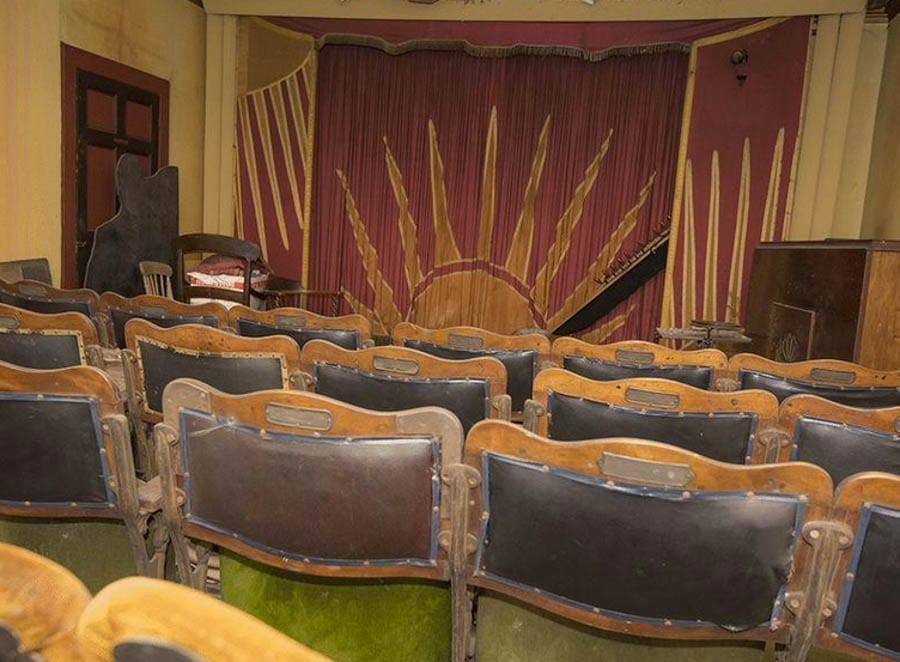
Comprising of 3 reception rooms, 7 cellar rooms, 4 bedrooms and just 1 bathroom, dilapidated Wordsley Manor is – giving explanation for its extremely low asking price – in need of complete renovation. It comes, however, with an unexpected bonus: Where bedrooms previously existed on its second floor, there is currently an art studio and a quirky 49-seat cinema with a Christie organ, box office and projection and switch rooms.
Architect Christopher Firmstone and wife Joan have been occupants of Wordsley since inheriting it in 1991. They have attempted to maintain the house but in 2011, Mr Firmstone told the Birmingham Mail:
“I took it on and sorted it out as best I could. Most people would have run a mile, but I had a real sense of attachment to it [he spent his childhood there also]”.
“I spent a bit more than I could afford on it, but I was unable to do everything that needed doing”.
In 2013, the couple followed in the footsteps of relatives who had sold off much of the surrounding land for housing in the mid 20th century and agreed a deal with a firm of developers named David Alexander Homes. In exchange for yet another parcel of the former estate’s grounds – that was subsequently marketed rather cheesily as a residential complex named “To the Manor Bourne” – a £400,000 ($512,000, €460,000 or درهم1.88 million) payment is to be made towards the restoration of Wordsley Manor.
In their sales brochure, agents The Lee, Shaw Partnership state: “Best and final offers must be made for Wordsley Manor by 5.30pm on Tuesday 27th June”. They add: “Only cash purchasers” need apply.
EXCLUSIVE – “Nationally important” Grade II* listed Berkshire mansion in 130 acres for sale for £26 million; its interior is yet to be renovated
A Grade II* listed building capable of being reinstated as one of Britain’s finest country houses has just been placed on the market for £26 million.
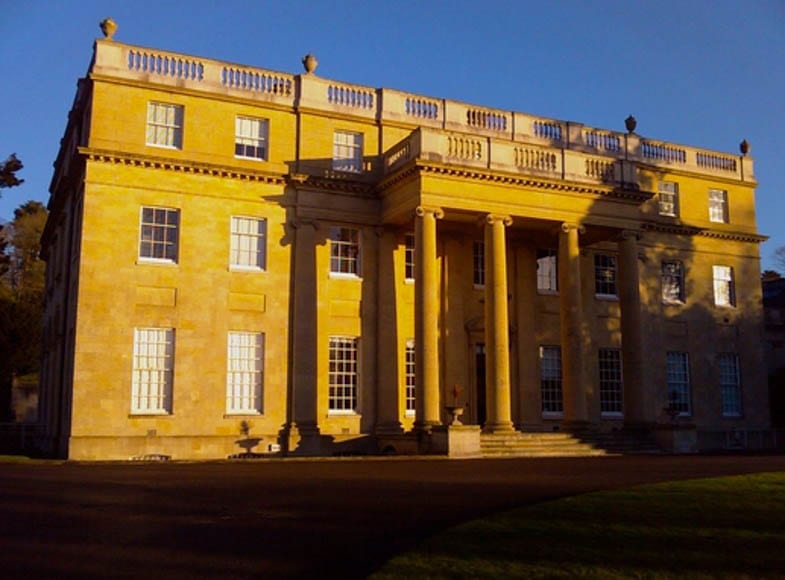
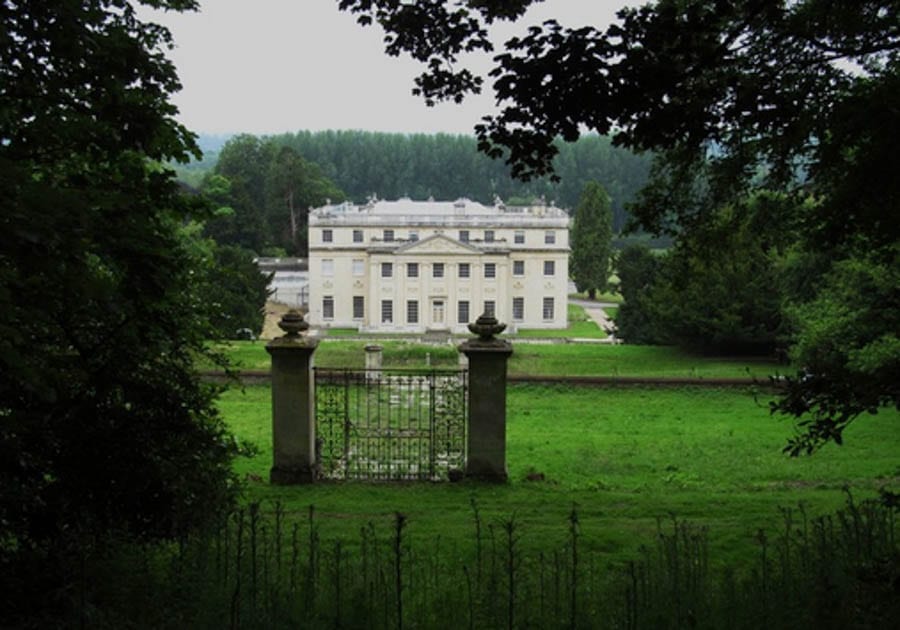
Benham Park – formerly known as Benham Vallence – at Marsh Benham, near Newbury comes with around 130 acres of Grade II listed Capability Brown (1716 – 1783) designed parkland and currently extends to 27,620 square foot. It has planning permission in place to either revert to a truly epic single family mansion or to convert into a 100 bedroom ‘wellness centre’ to rival Champneys in Hertfordshire and Clinique La Prairie in Switzerland. The schemes proposed would provide between 50,000 and 140,000 square foot of accommodation and, already, businessmen Harry Marriott and Michael Fresson, owners since 2011, have restored the exterior of the building along with its gardens and park.
Built at the behest of the nobleman William Craven (1738 – 1791) to designs of the Fulham born architect Henry Holland (1745 – 1806) in 1774 – 1775, this fine neoclassical house was constructed from Bath stone and later altered by the extremely wealthy Sutton baronets during their tenure in the late 19th and early 20th centuries. The estate was sold for £1 million to the innovative computer manufacturers Norsk Data in 1983 and remained in the firm’s ownership until it was dissolved in 1992. It then became the offices of other technology companies until again being placed for sale for £6 million in 2010.
Benham Park in the era when it was used as offices; the modern buildings have now been demolished and the car park landscaped
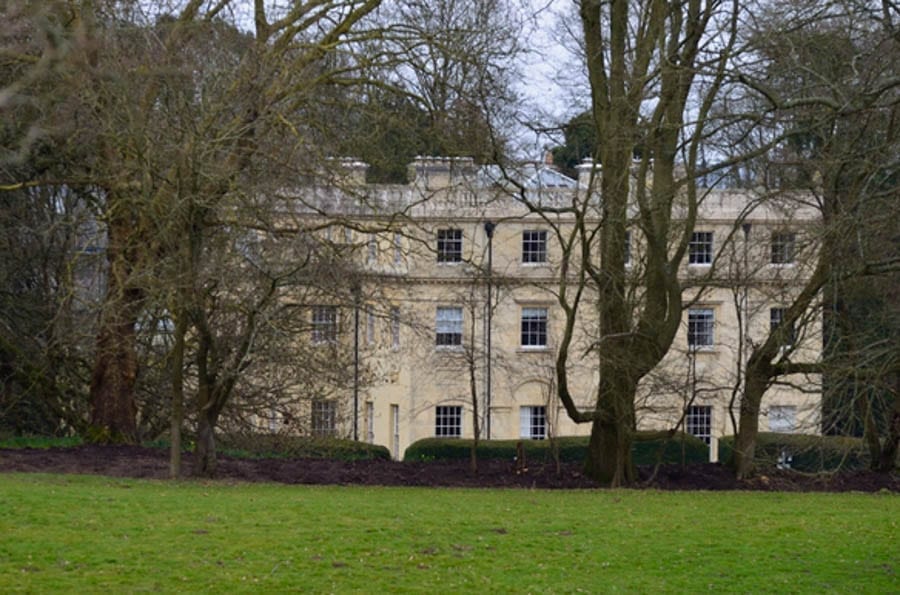
The main mansion prior to renovation of its exterior
A view from another angle (after external renovation)
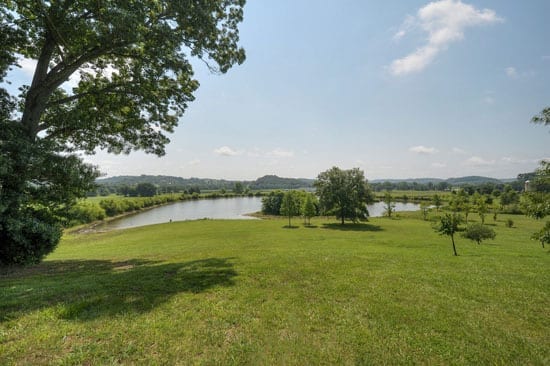
From the lake
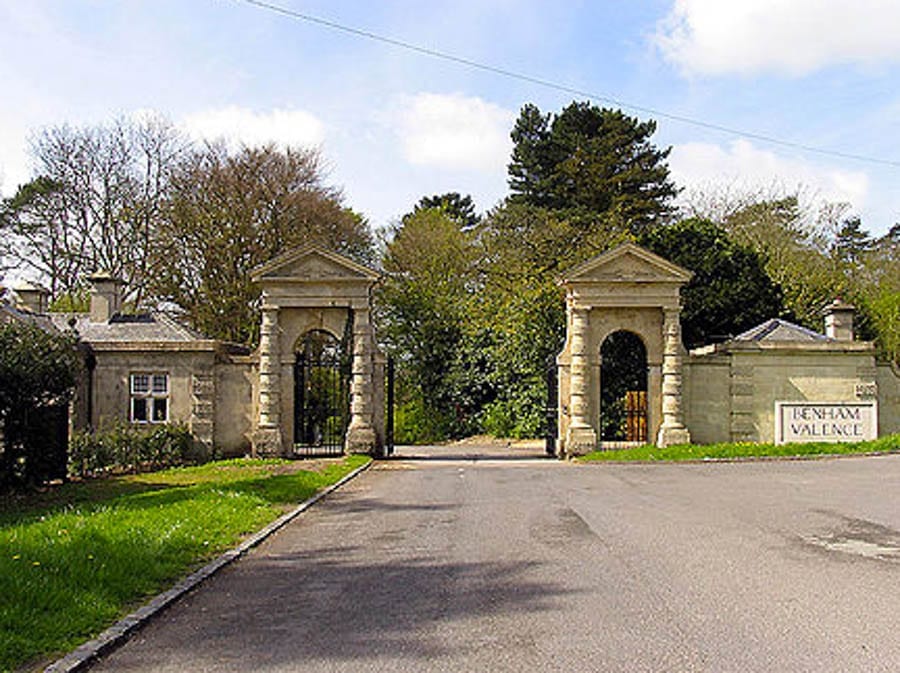
And from its imposing entrance
One of several entrances to the estate
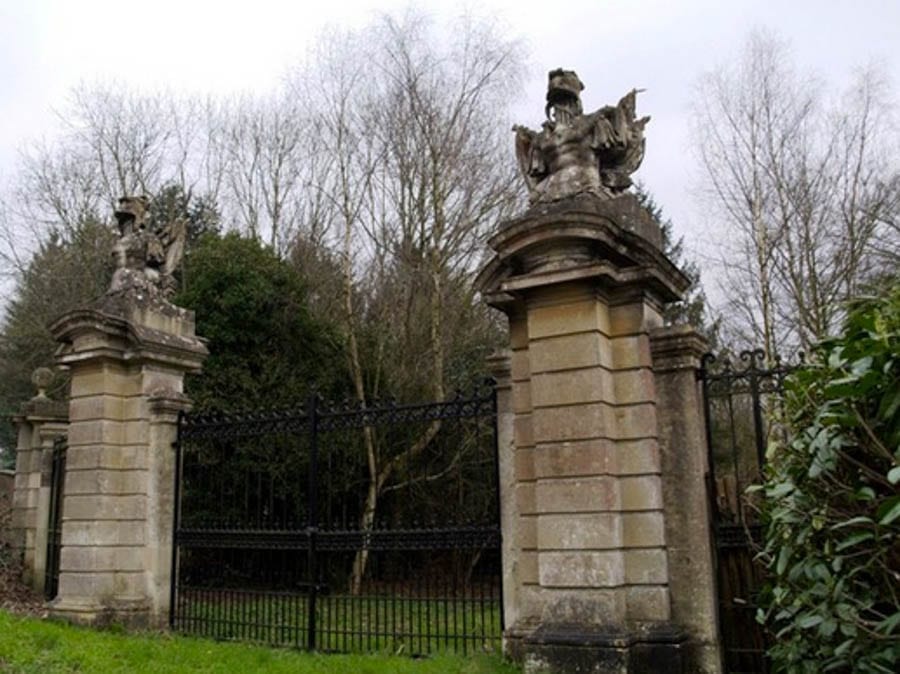
Another set of impressive gates
Should a buyer use the existing designs for a residential scheme, they would find themselves owning a house that would not only come with 12 reception rooms and 29 bedroom suites, but also one with a sports complex, a sculpture gallery, a 40-seat cinema and garaging for 50 cars. Aside from an existing 5-bedroom mill house on the estate’s 10 acre lake and a gate lodge, the proposals would add a further 8 additional ancillary houses also.
Of Benham Park, Crispin Holborow of selling agent Savills commented:
“[This] is a nationally important stately home so its sale presents a very exciting proposition for a future owner to oversee its transformation. The prospect of restoring a property of such magnificent proportions with excellent access to London has not arisen for many years, and we expect interest from potential buyers for either its reinstatement as a significant country residence or its repurpose into a world leading wellness centre”.
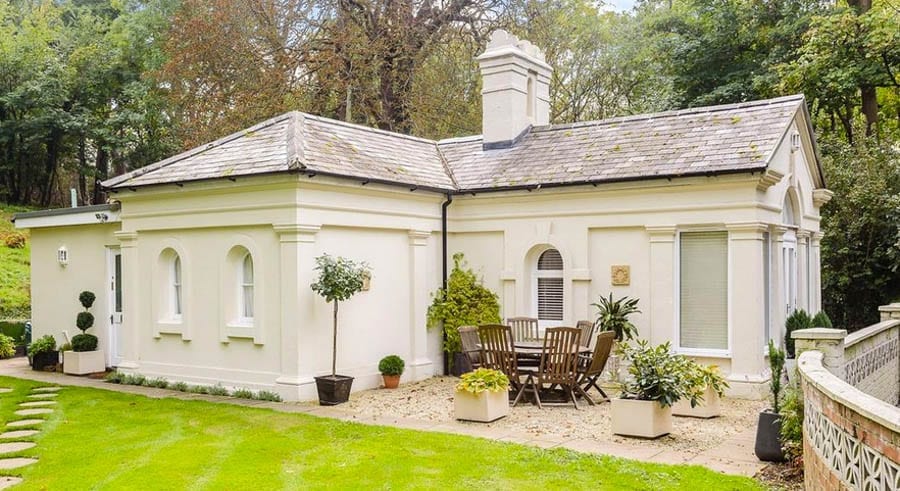
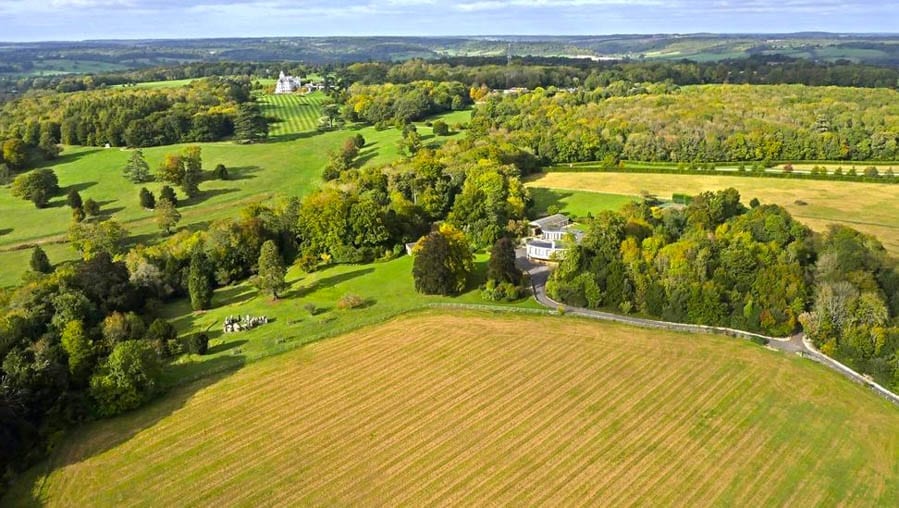
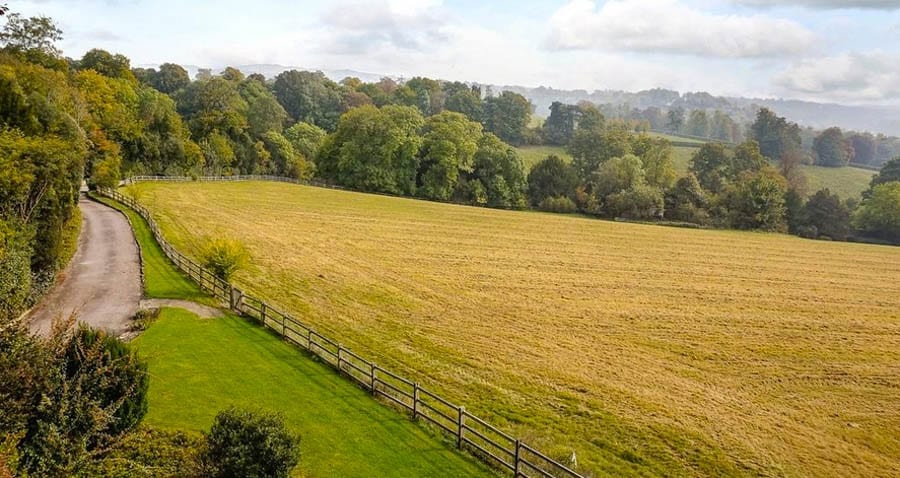
Those looking to extend the compound further have the option to purchase two separately owned properties that were formerly part of the estate. A house known as ‘Greenhouses’, for sale with Savills, is offered for £1.3 million and comes with 1.47 acres of land whilst Mill Bank House, which stands in 2 acres, is on the market through Strutt & Parker.
The Numbers – Benham Park
1771 – 1774
William Craven, 6th Baron Craven paid Capability Brown £7,150 for works to the house and grounds. This sum is the equivalent of £989,000 today ($1.3 million, €1.1 million or درهم4.7 million).
1982
Sold to Norsk Data for £1 million (the equivalent of £3.2 million, $4.1 million, €3.7 million or درهم15.1 million today) by Sir Richard Sutton (born 1937).
2010
Placed on the market for £6 million ($7.7 million, €6.9 million or درهم28.3 million).
2011
Sold to Harry Marriott and Michael Fresson for £5 million ($6.4 million, €5.7 million or درهم23.6 million).
2017
Benham Park placed on the market for £26 million ($33.4 million, €29.9 million or درهم123 million).
Separately owned estate houses
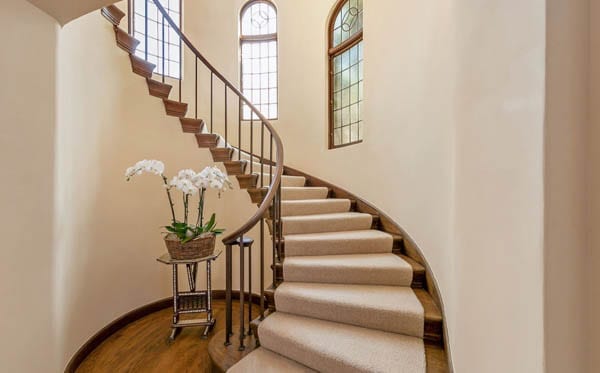
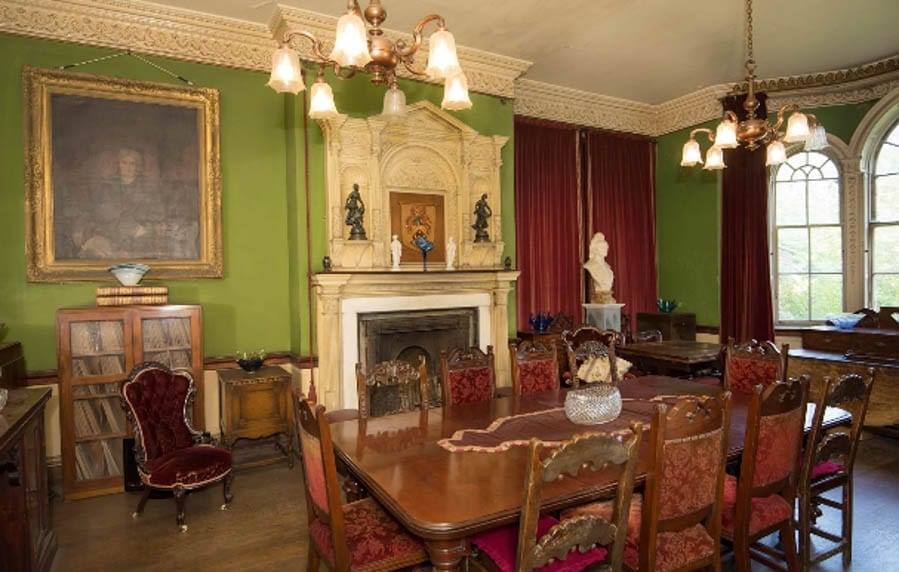
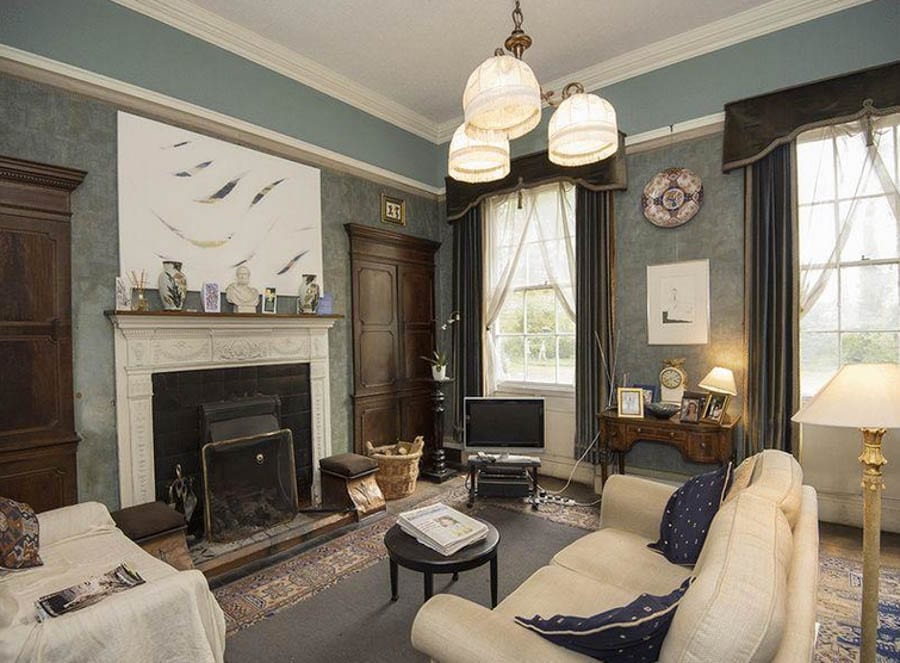
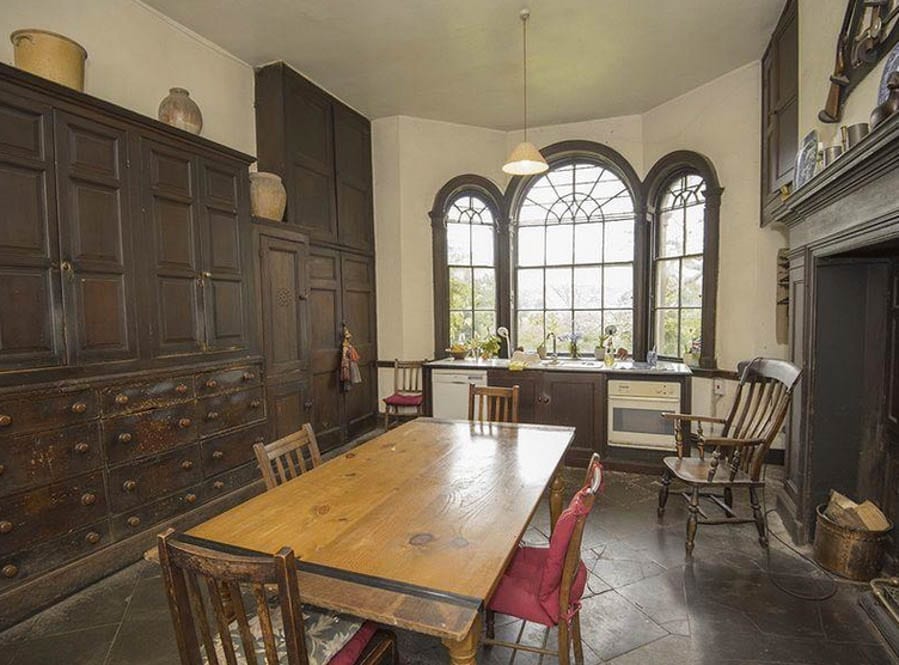
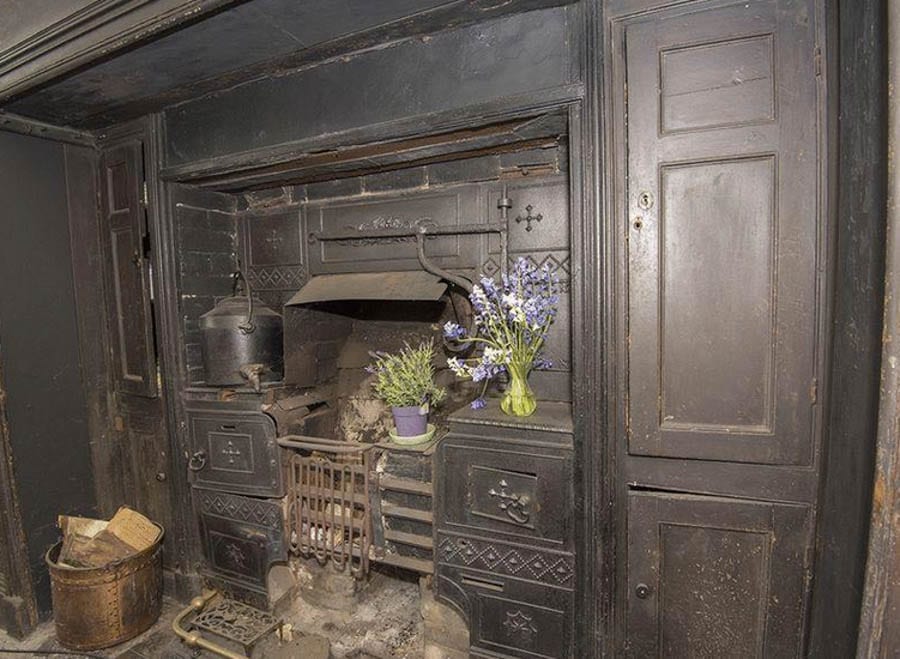
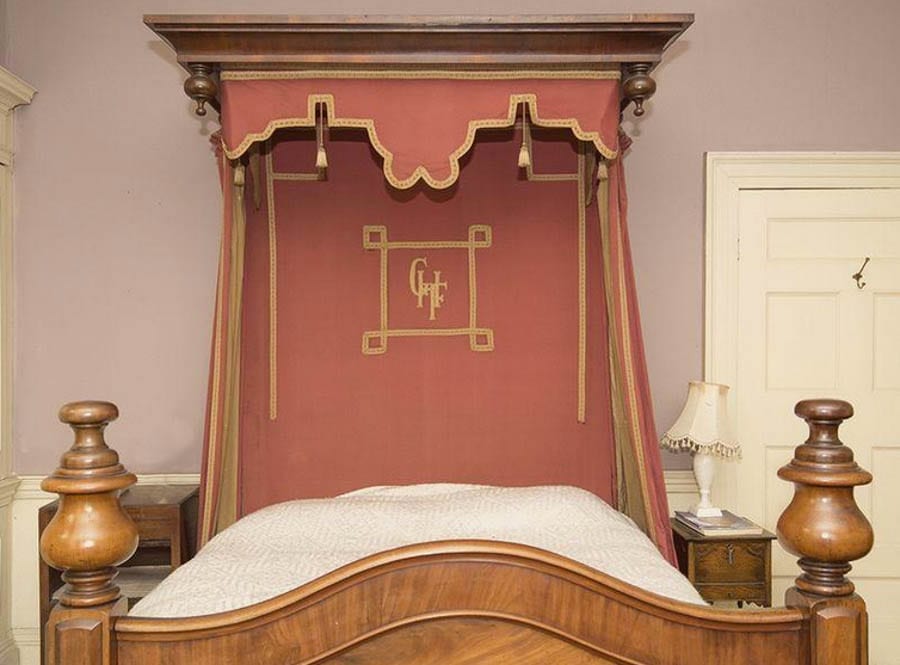
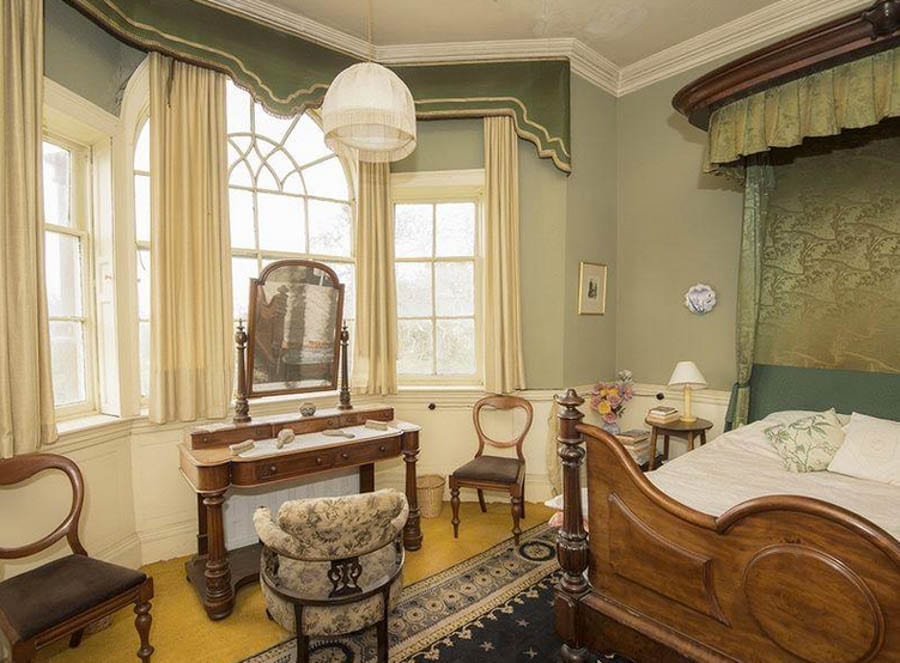
Mill Bank House – On the market for £1.4 million ($1.8 million, €1.6 million or درهم6.6 million).
Greenhouses – On the market for £1.3 million ($1.7 million, €1.5 million or درهم6.1 million).







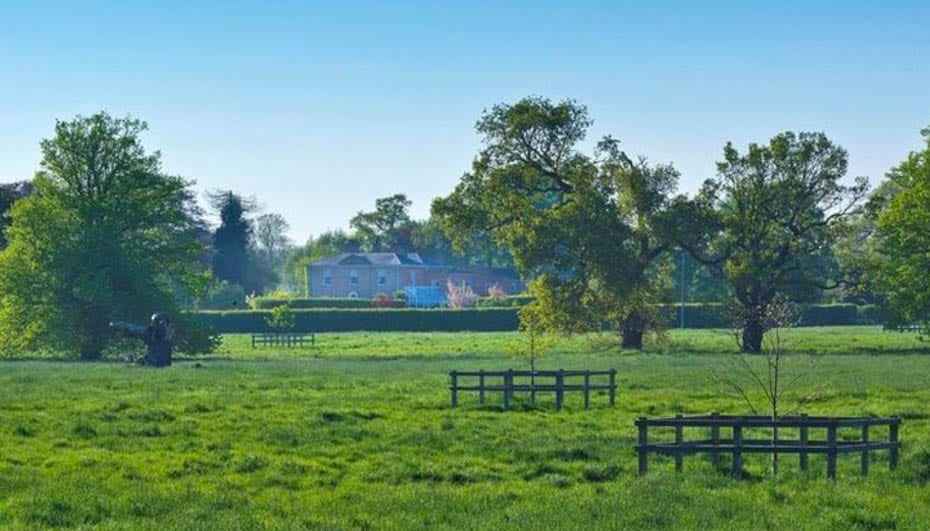
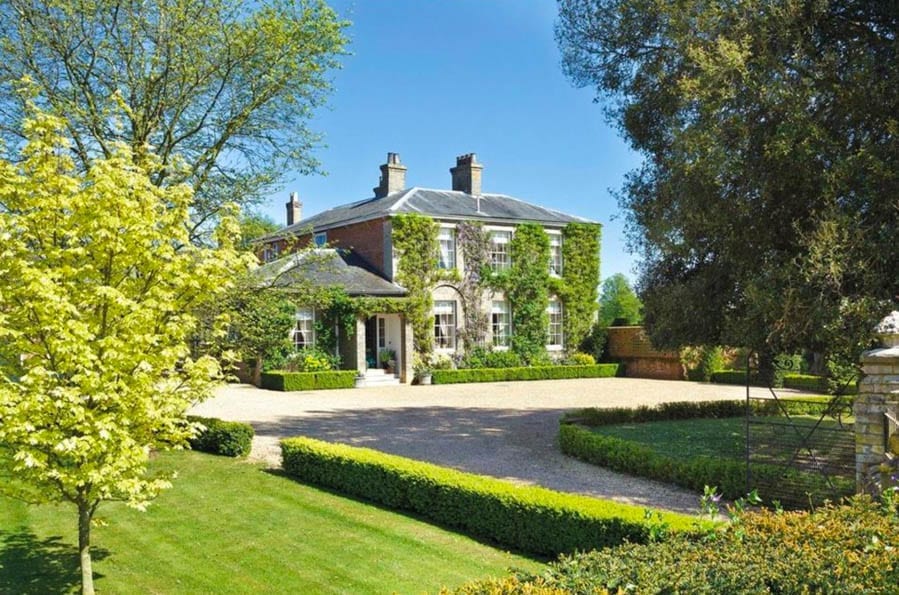
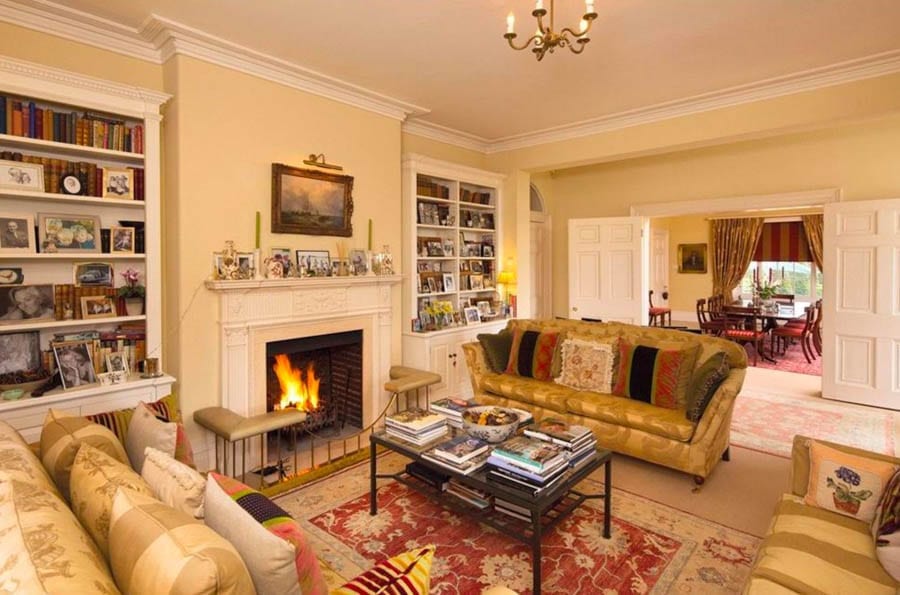
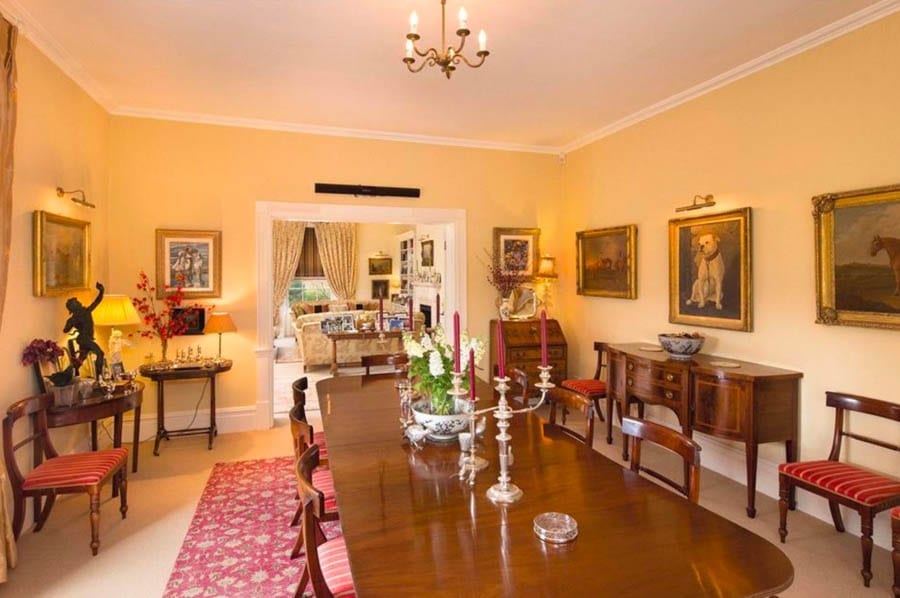
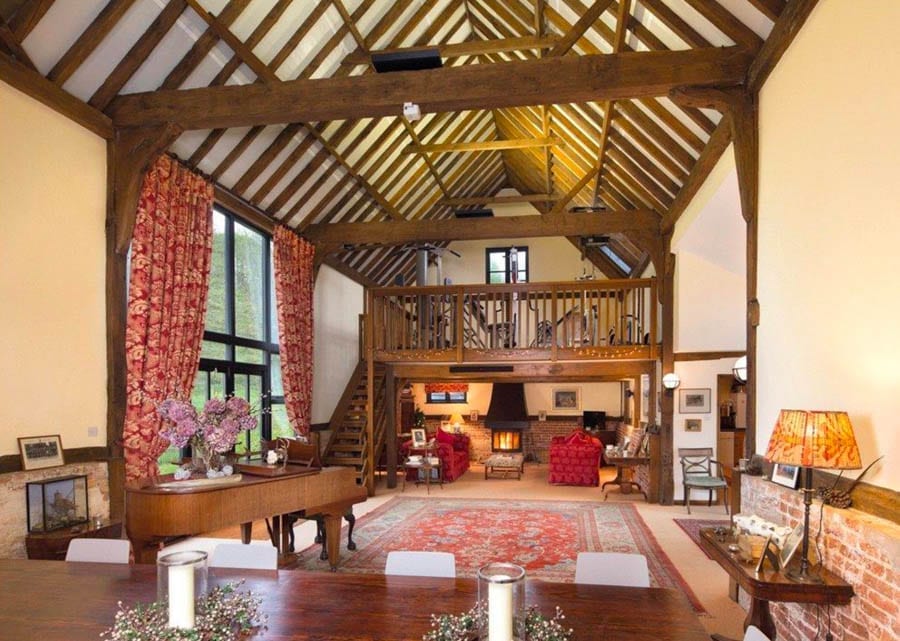
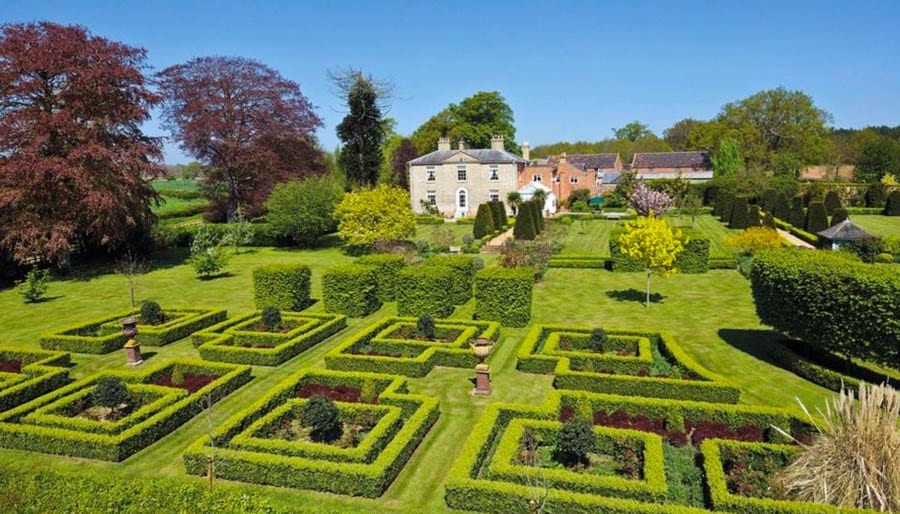
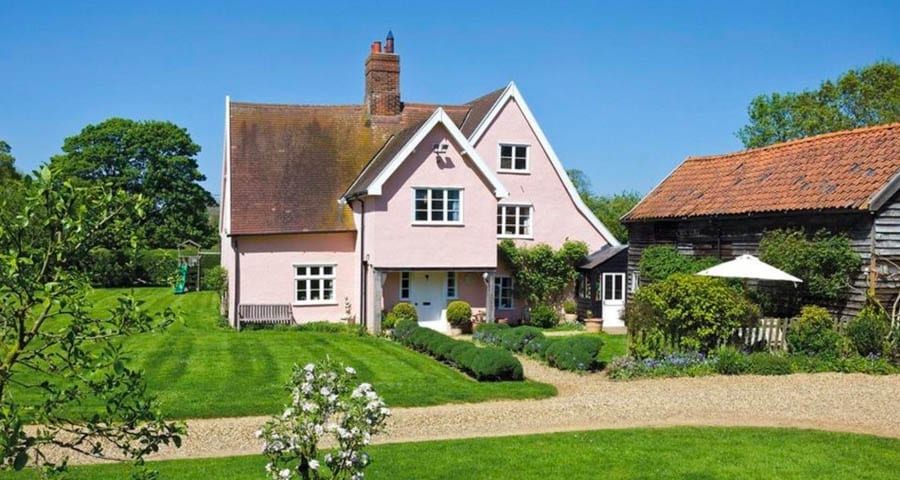
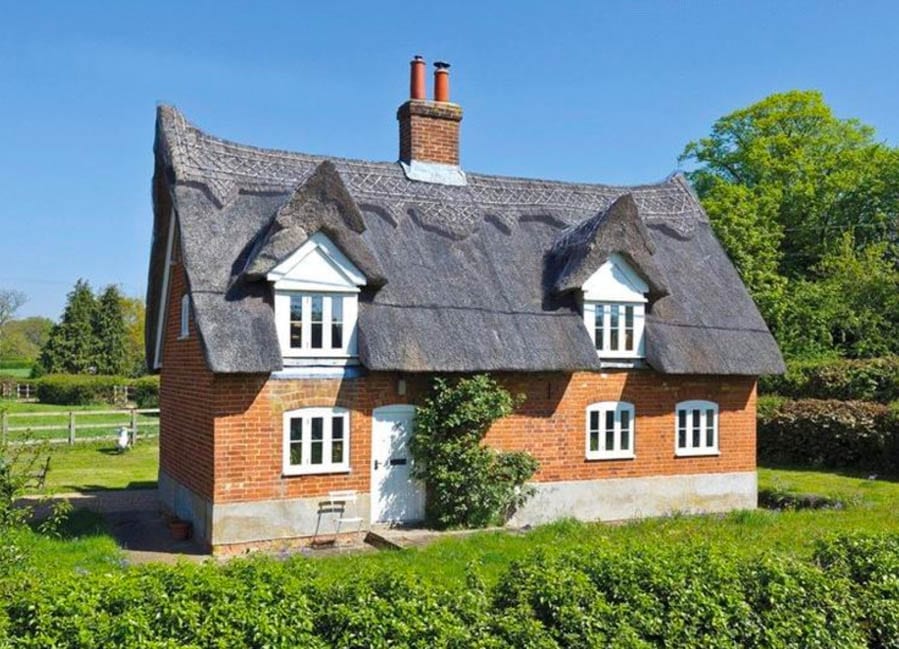
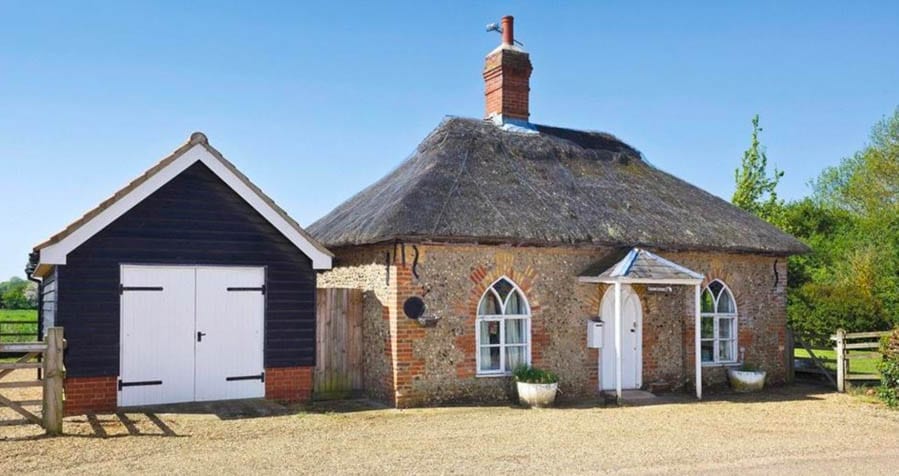
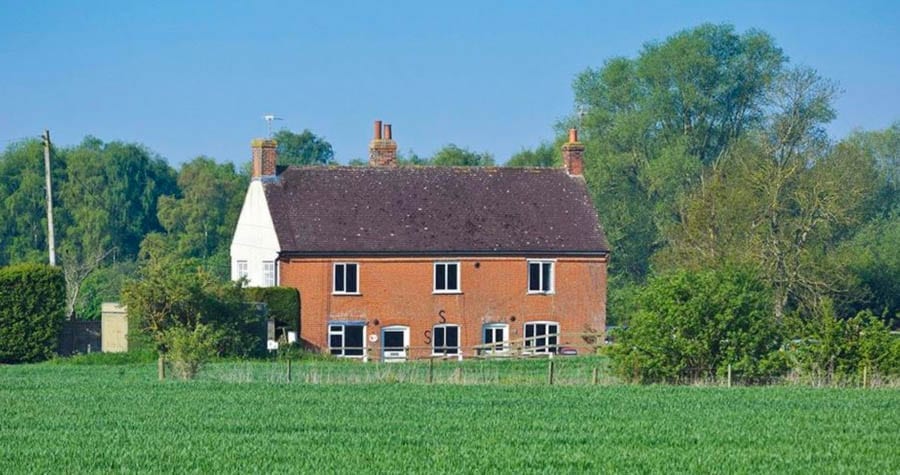
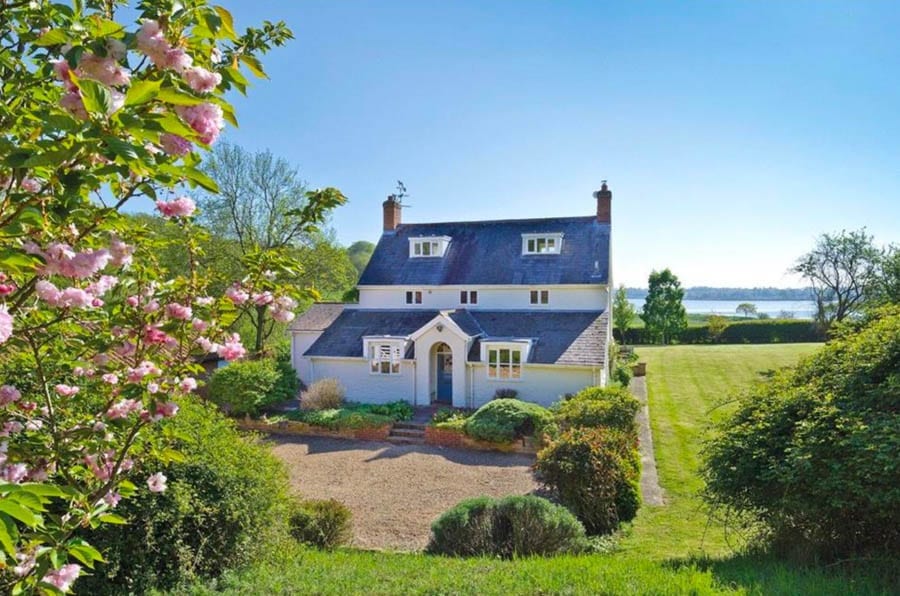
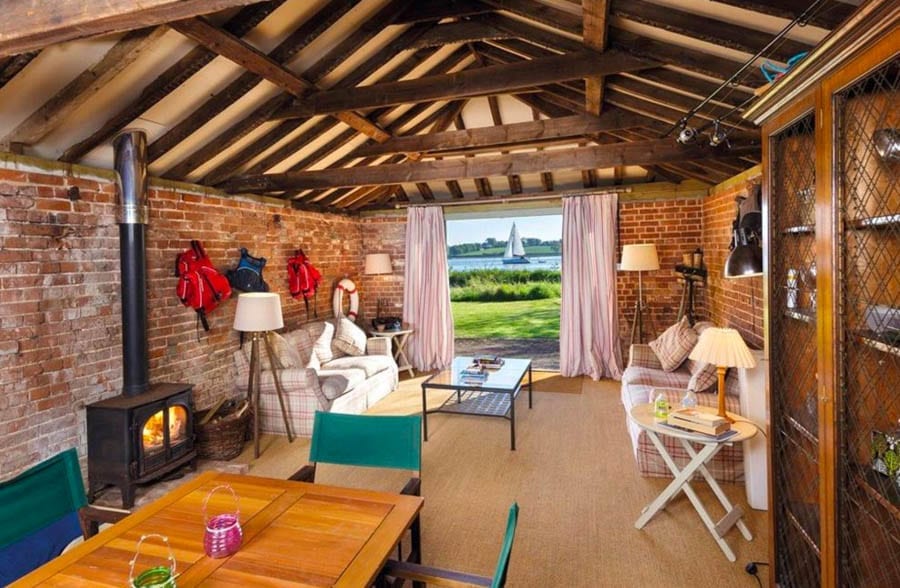
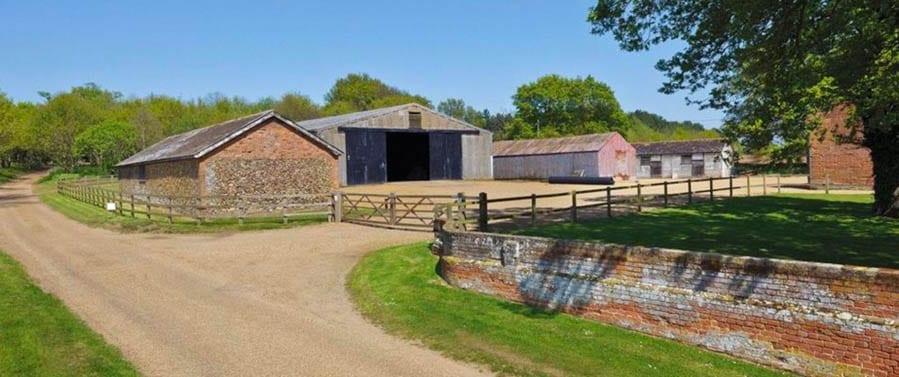
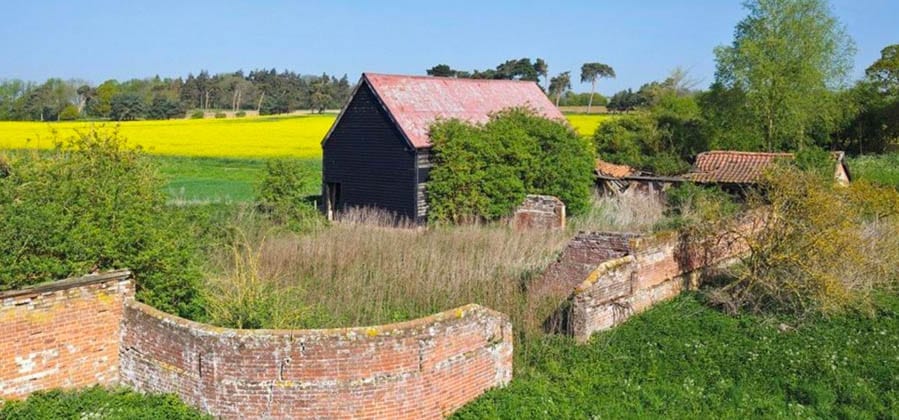
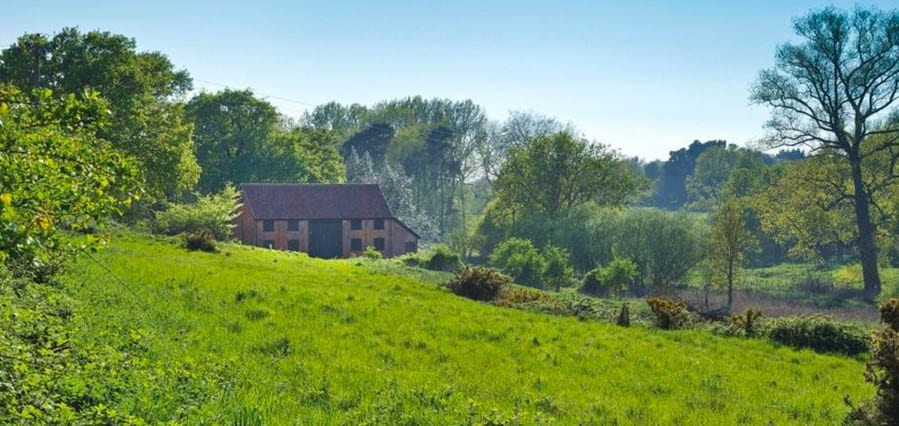
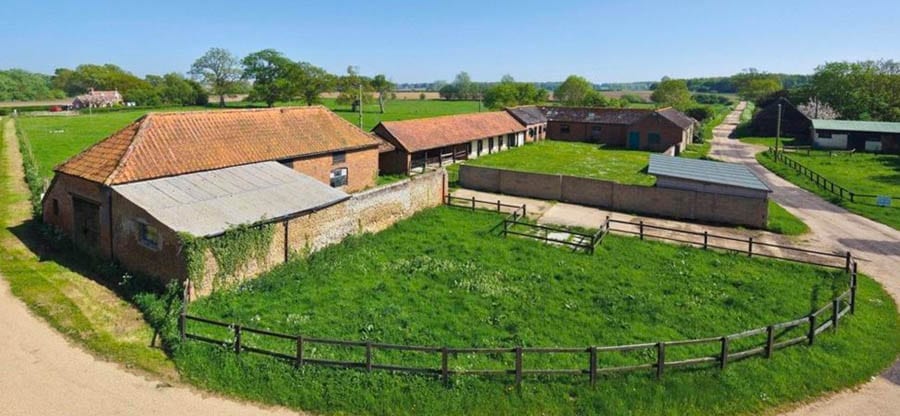












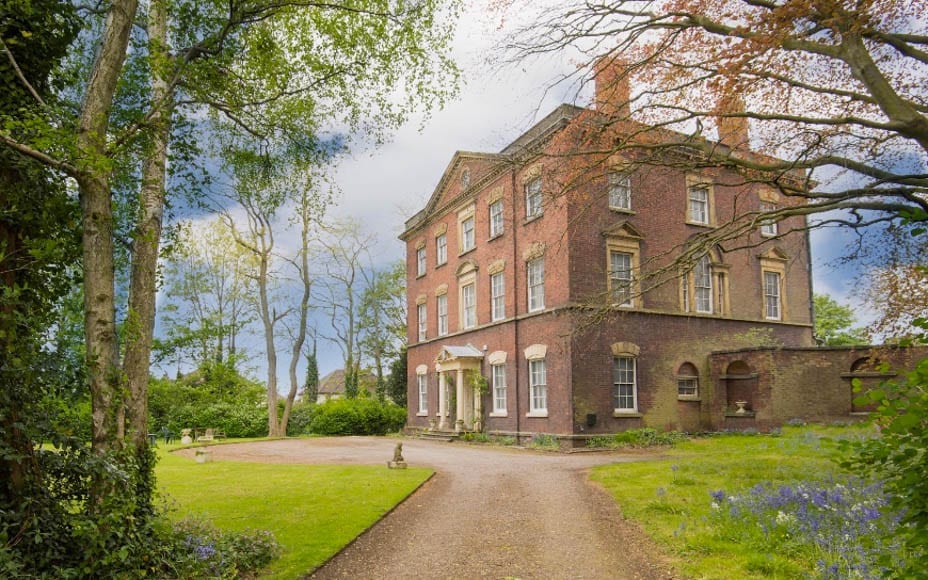




 Mill Bank House – On the market for £1.4 million ($1.8 million, €1.6 million or درهم6.6 million).
 Greenhouses – On the market for £1.3 million ($1.7 million, €1.5 million or درهم6.1 million).