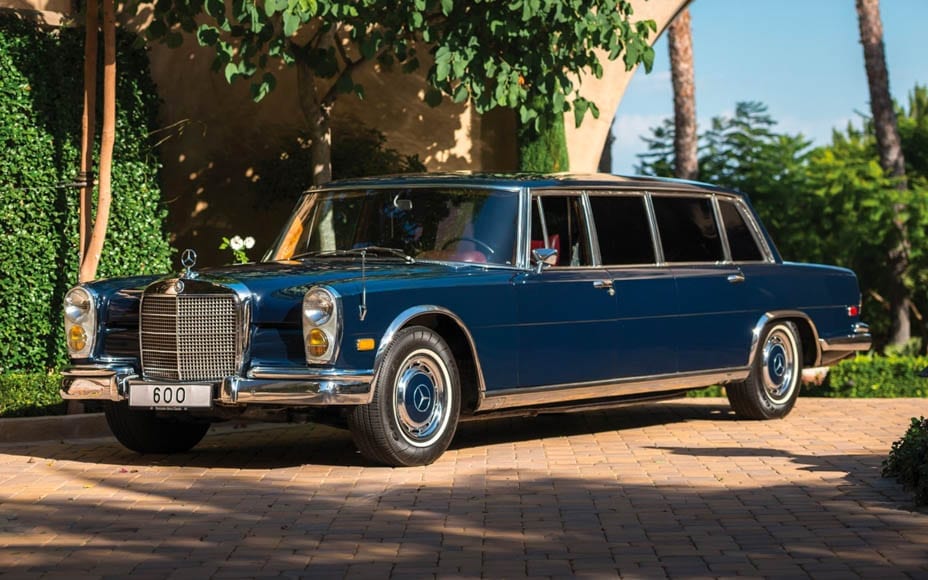
Superb example of the “world’s ultimate limousine” to be auctioned; the Mercedes-Benz 600 Pullman was the favourite of dictators across the globe
Produced from 1963 to 1981 with a run of 2,677 units made, the Mercedes-Benz 600 Pullman – also known as the ‘Grosser’ or ‘Grand Mercedes’ – is undoubtedly a star amongst cars.
With owners having included politicians such as Ferdinand and Imelda Marcos (who had four) and Robert Mugabe and personalities including Coco Chanel and Elvis Presley, these high-end king of sedans has not only presence but also provide a smooth and quiet ride and extreme levels of comfort.
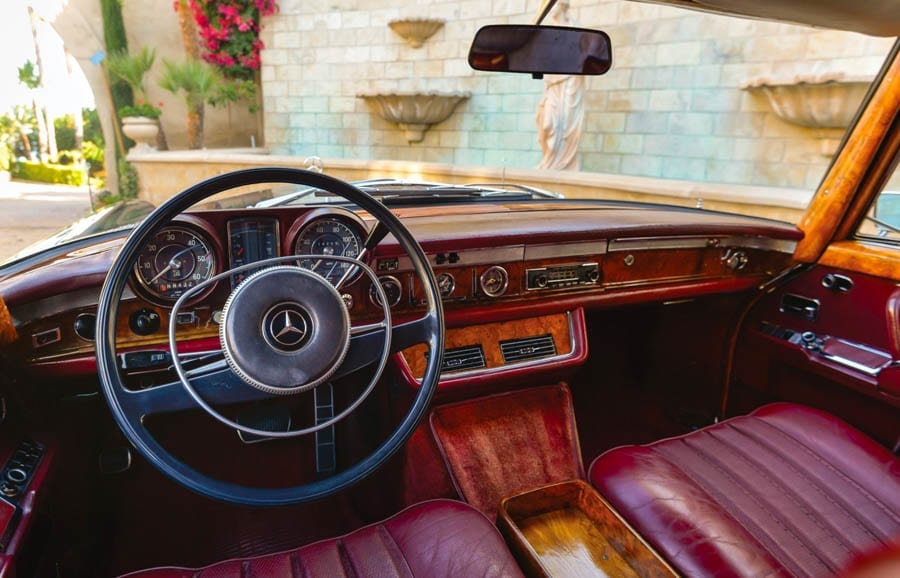
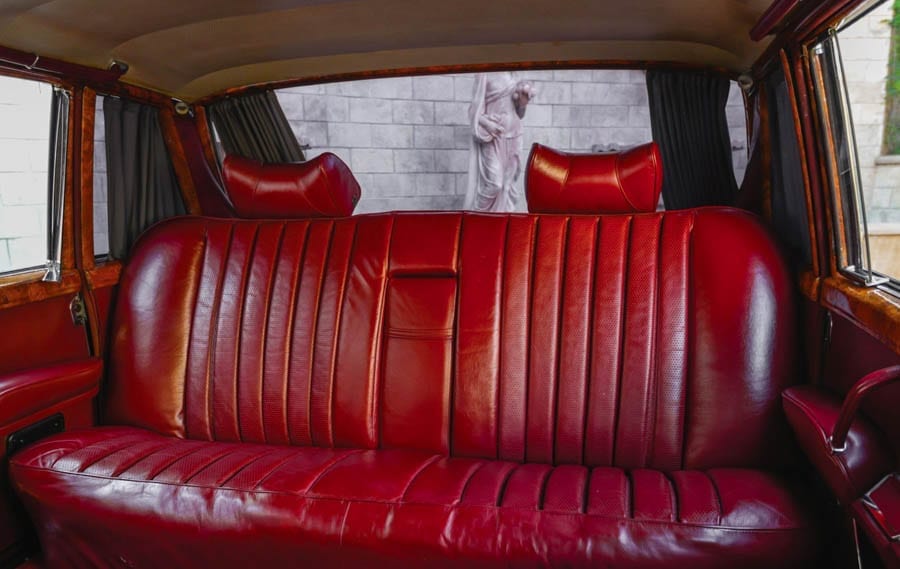
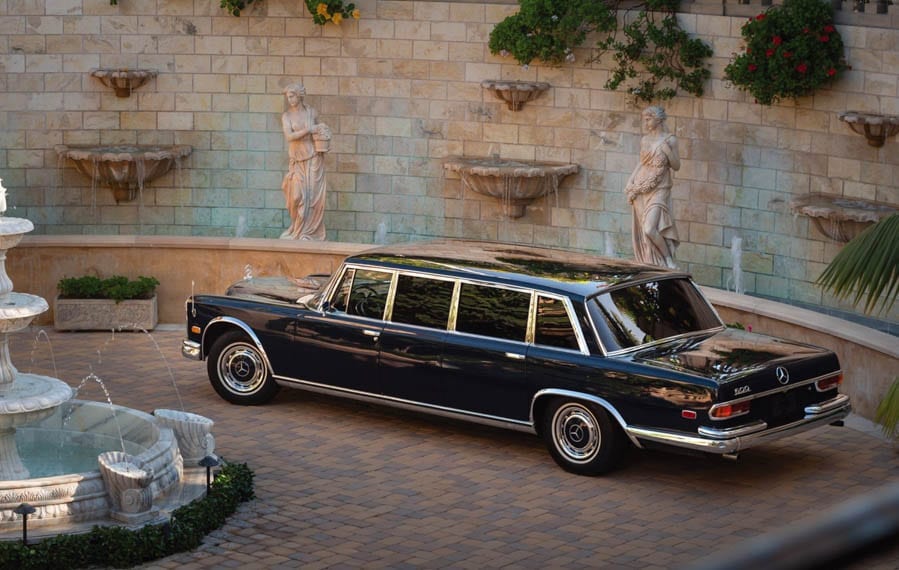
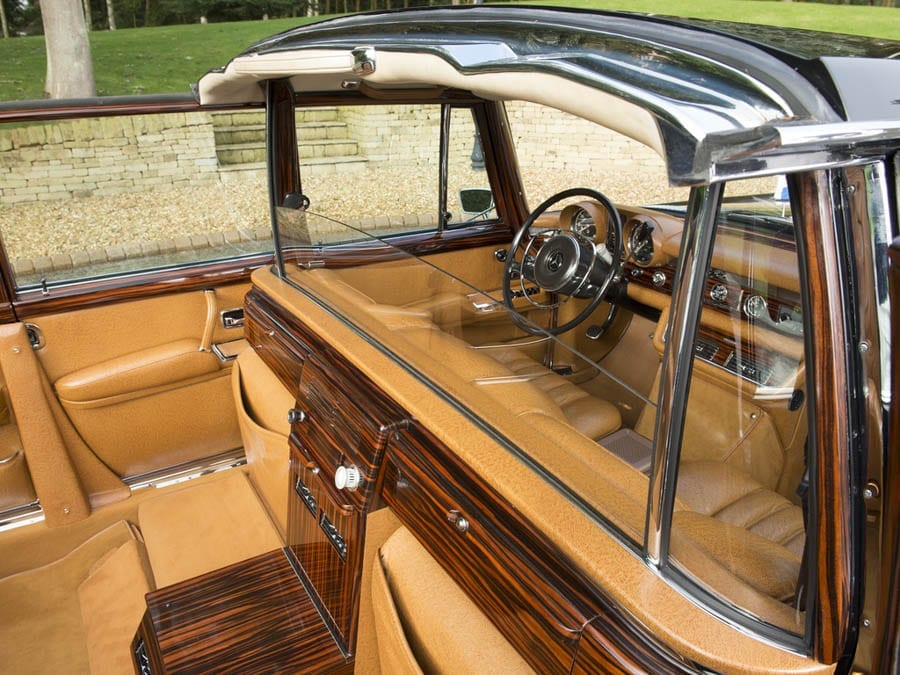
Later this month in California, a fine example of such a car will be sold at auction. Presented in dark blue (which is rare given most ‘Grossers’s’ are in black) with red leather, the 1969 Pullman offered has a 6,332-cc overhead-cam V8 engine and has been subject to a comprehensive renovation since being purchased by its current owner in 2005.
An estimate of £157,000 to £196,000 ($200,000 to $250,000, €176,000 to €220,000 or درهم735,000 to درهم918,000) has been set for the vehicle. It will be sold at RM Sotheby’sPeterson Automotive Museum auction on 8th December and seems like a veritable bargain given that Yugoslavian president Josip Broz Tito’s ‘Grosser’ sold for £2.5 million ($3.2 million, €2.8 million or درهم11.7 million) in 2017.
“One of Britain’s finest 20th-century country houses” has been placed for sale for £20 million; it comes with 530 acres and was built by the late businessman Sebastian de Ferranti in the 1980s
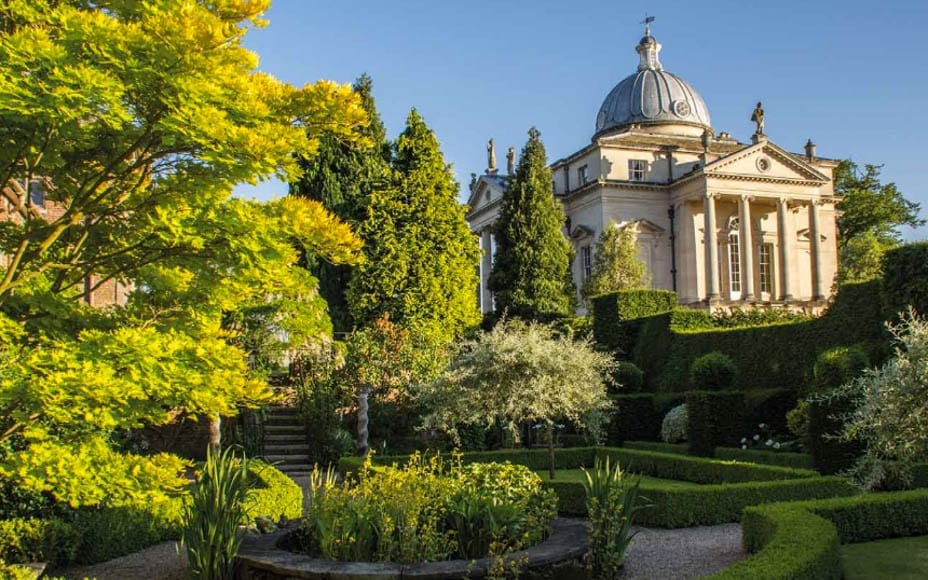
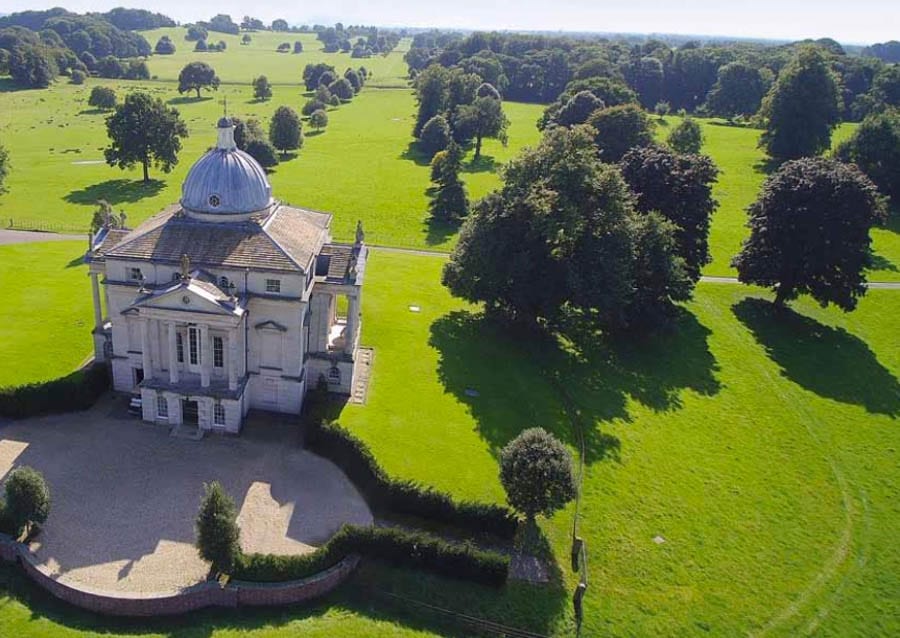
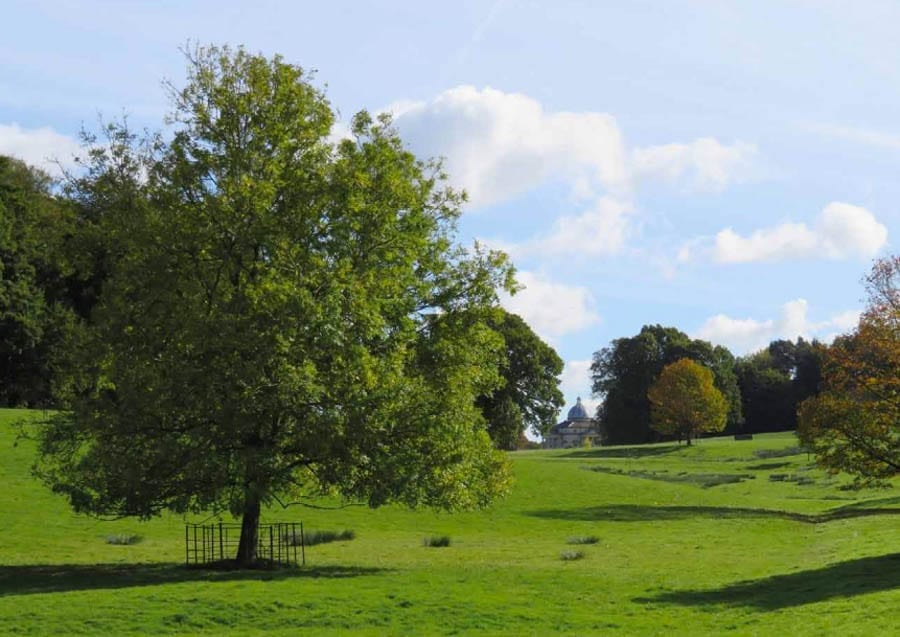
One could imagine being in the early 18th century or in Italy even on first taking a look at the Palladian style Henbury Hall, near Macclesfield in Cheshire. However, as Moliere said: “One is easily fooled by that one loves” and in reality this 12,496 square foot beauty was actually constructed between 1980 and 1986.
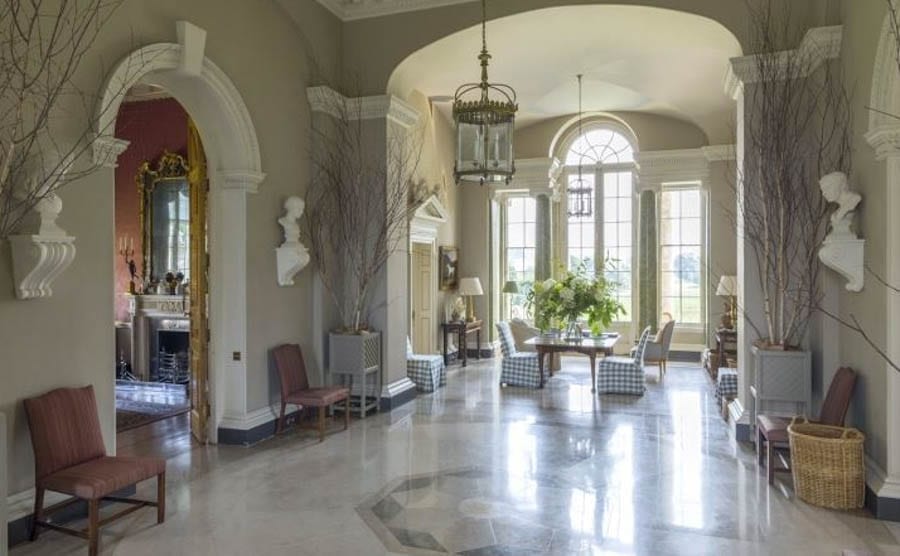
The vision of the buccaneer businessman and patron of the arts Sebastian de Ferranti (1927 – 2015) and based upon Palladio’s Villa Rotunda at Vizenza, the 6-bedroomed main residence stands on the site of an earlier mansion demolished in the 1950s. It was designed by the architect Julian Bicknell in conjunction with Felix Kelly and David Mlinaric, was constructed by Tarmac Construction and is faced with warm-toned limestone from north east France. The estate also includes a Grade II listed dower house, five further houses and cottages, a Grade II listed and stable block and courtyard.
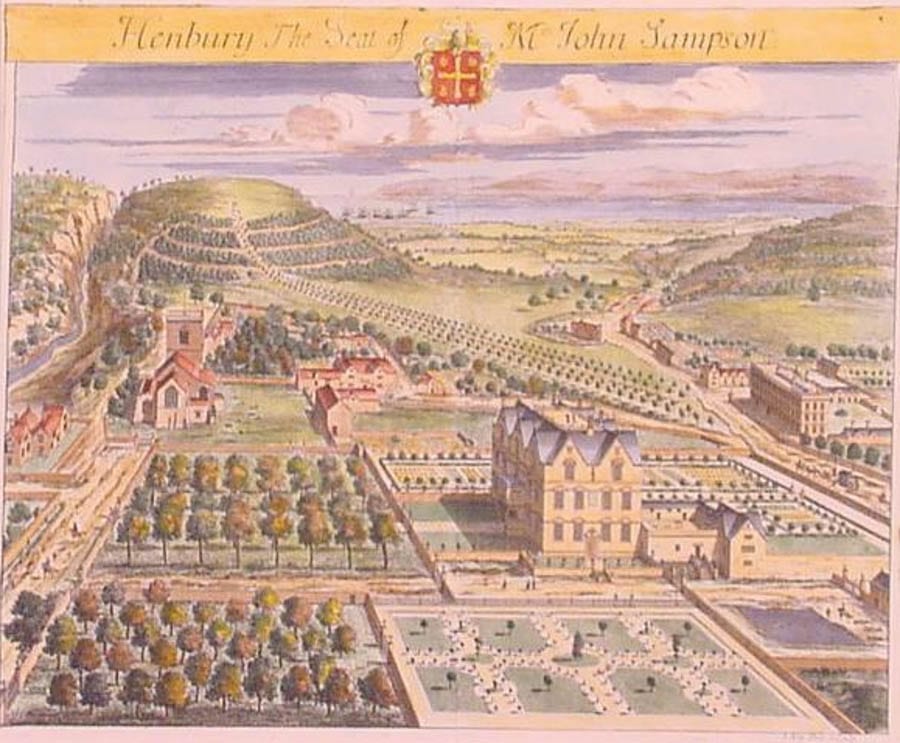
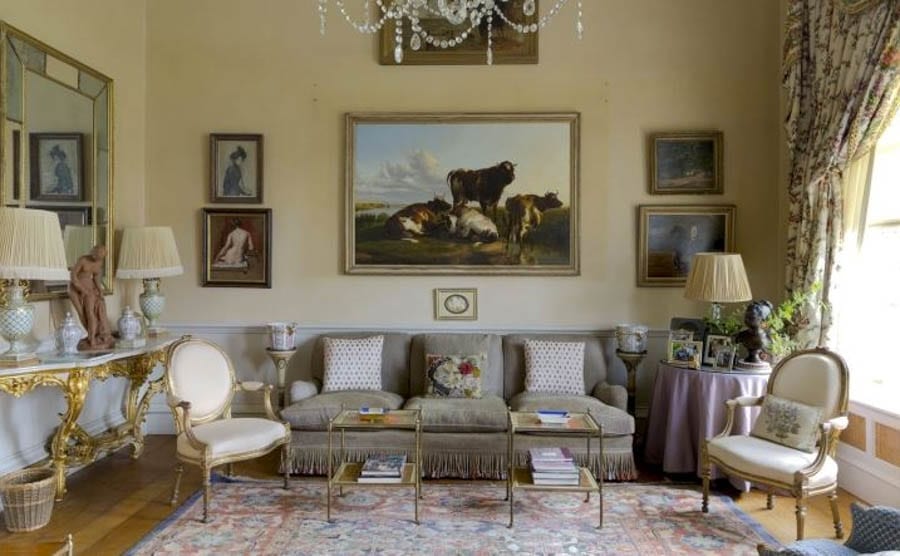
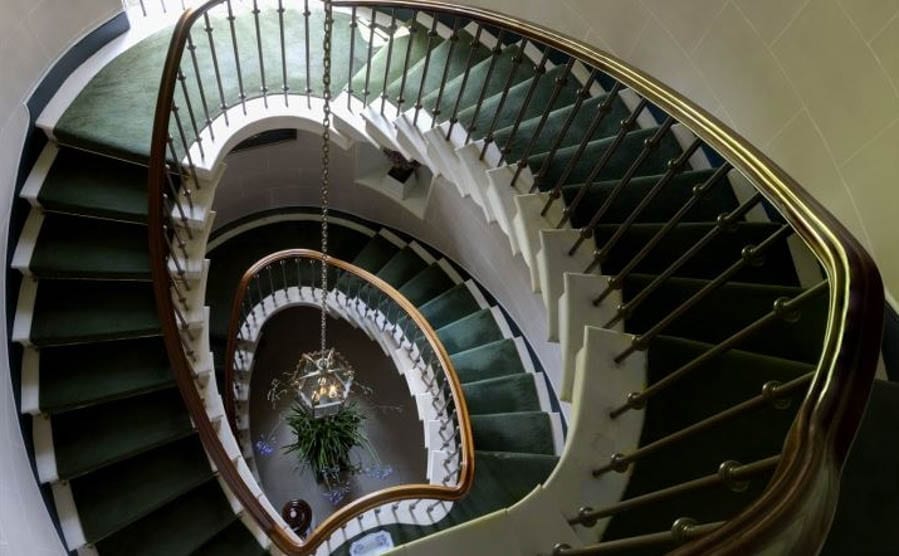
The late Sebastian de FerrantiHenbury Hall during constructionA depiction of the original Henbury Hall in 1707The front elevation of the current Henbury Hall with parkland beyond
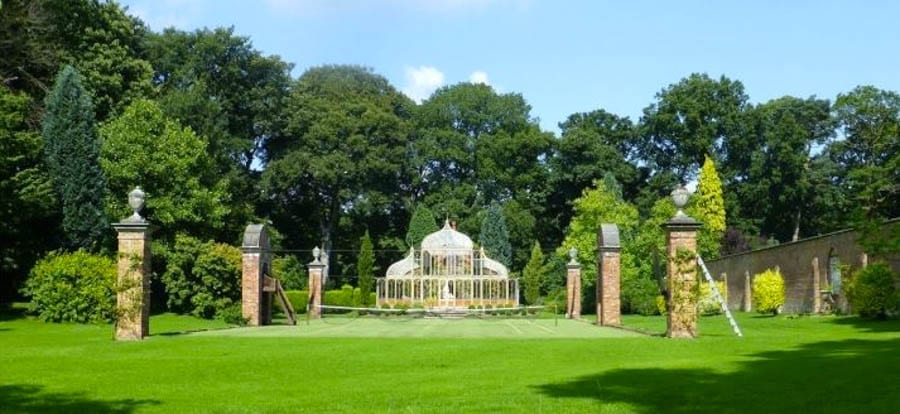
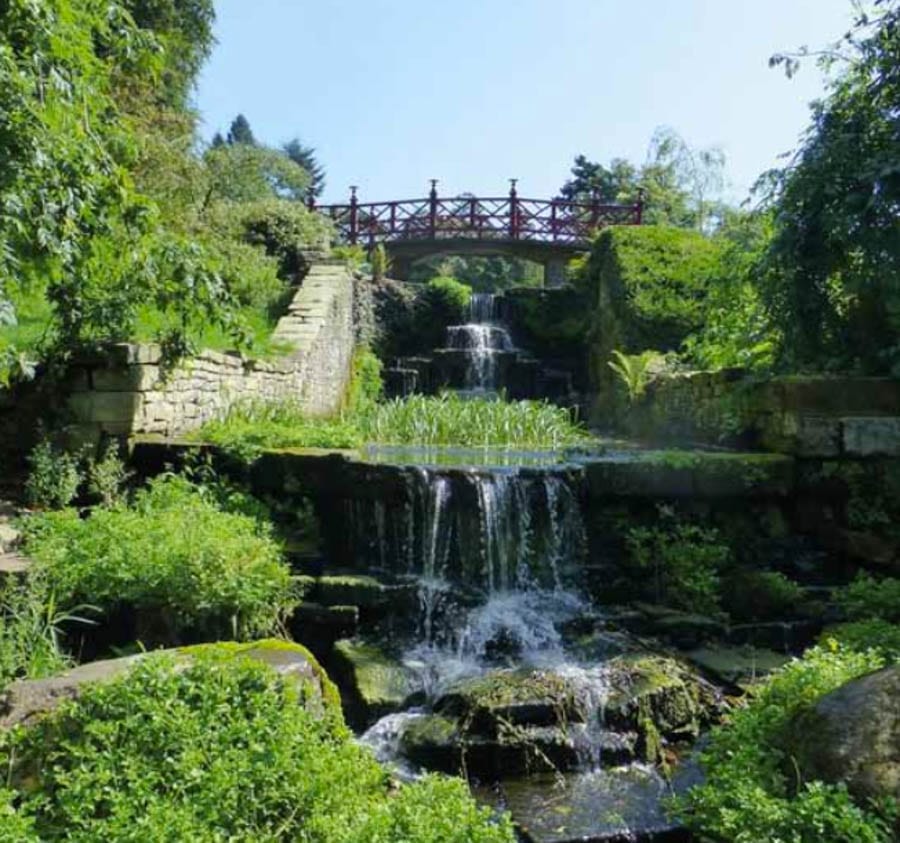
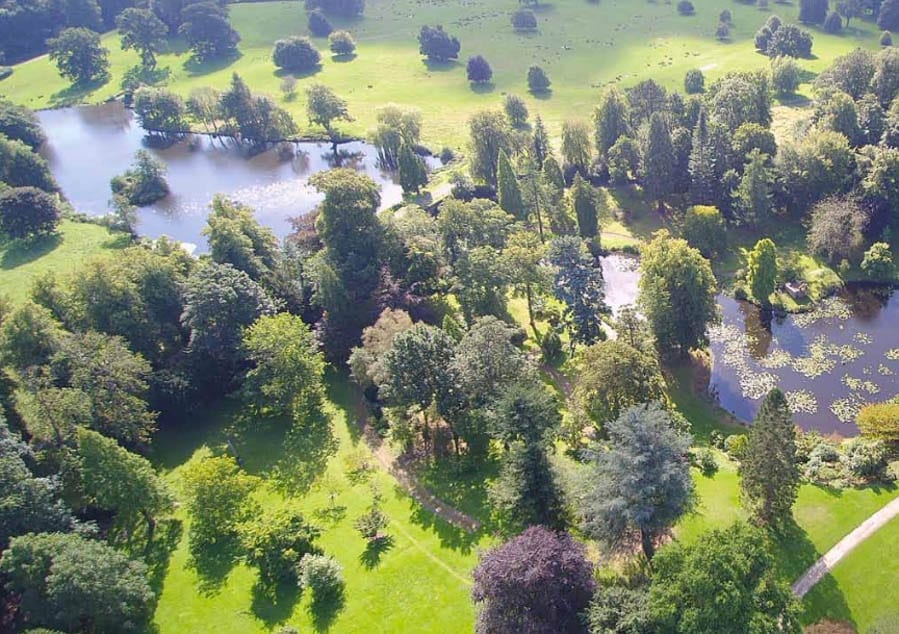
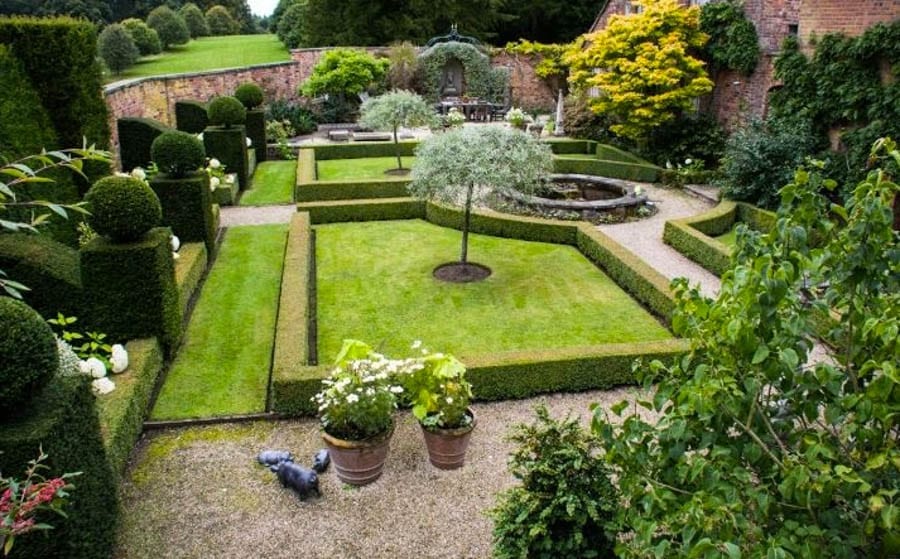
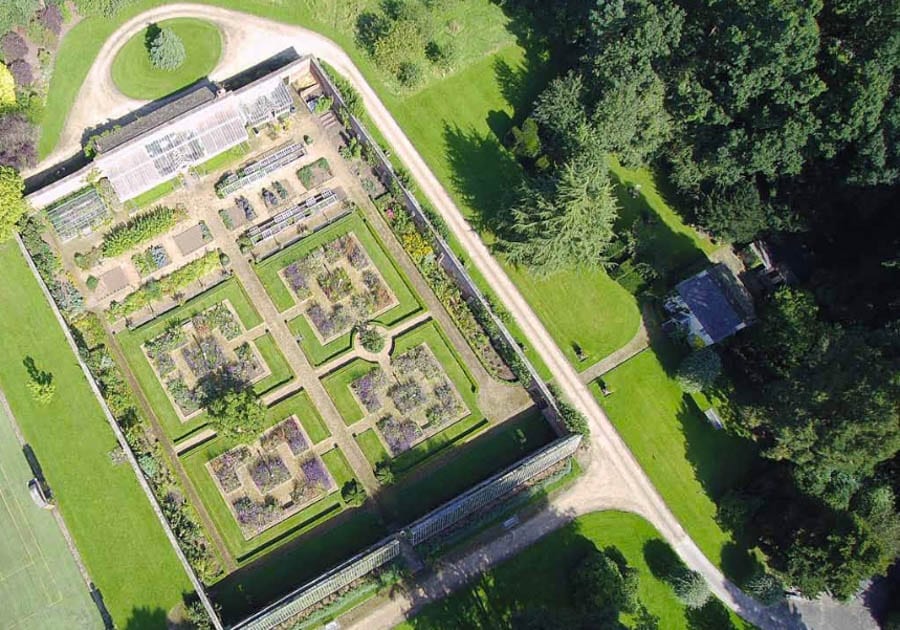
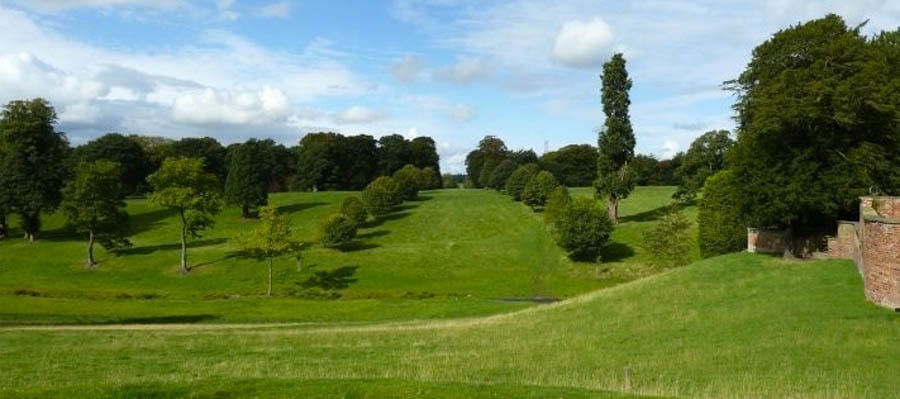
Aside from 12 acres of immaculate gardens with a series of lakes, there is a 200 year old landscaped park, woodland, agricultural land, a beautifully designed swimming pool, a tennis court and a polo field.
Selling agents Savills offer the Henbury Hall Estate as a whole for a guide price of £20 million – a world away from the £9,000 sum the estate sold for in 1872 (the equivalent of £934,000 today).
Knightsbridge townhouse for sale for sum 11% lower than it sold for in 2011; it comes with a rather large hole in the garden that has been described as “almost as deep as the Führerbunker”
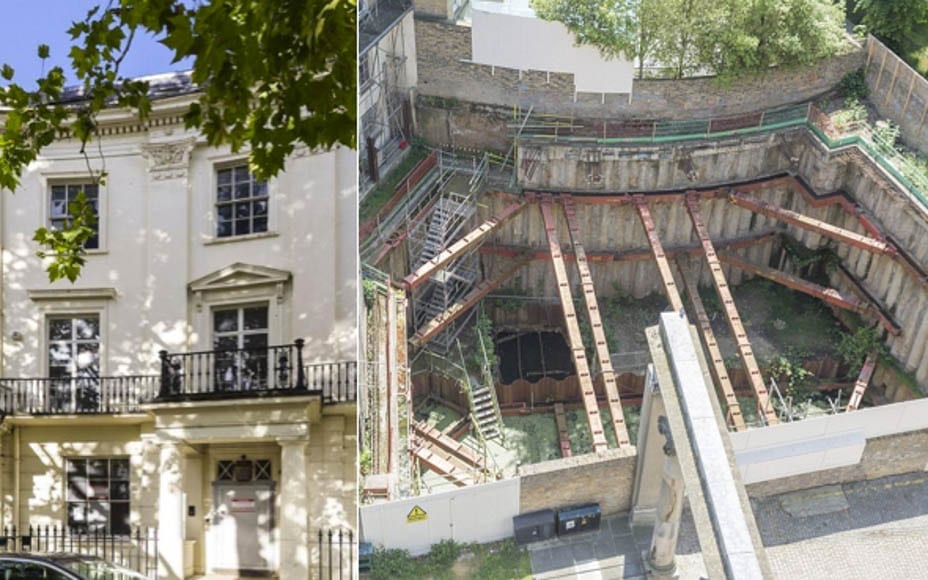
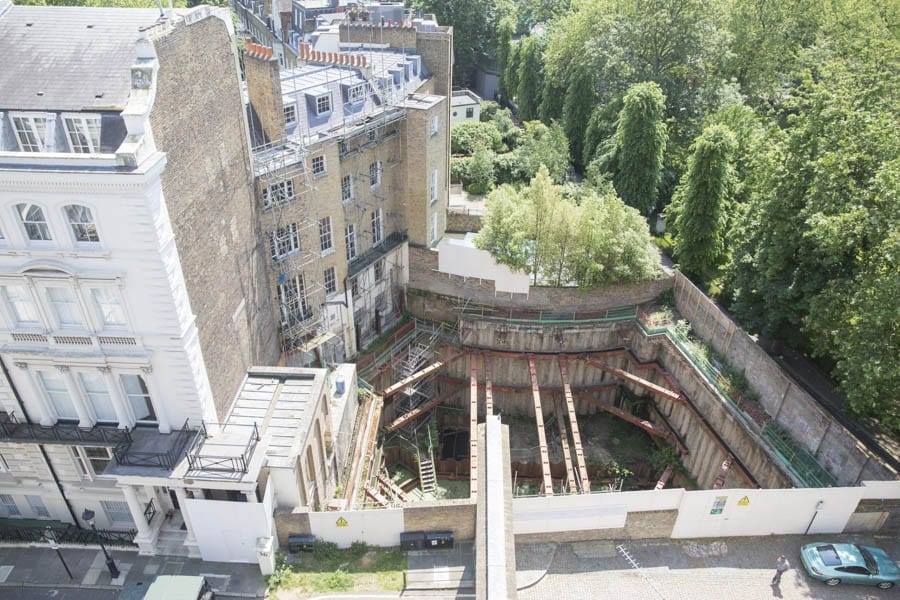
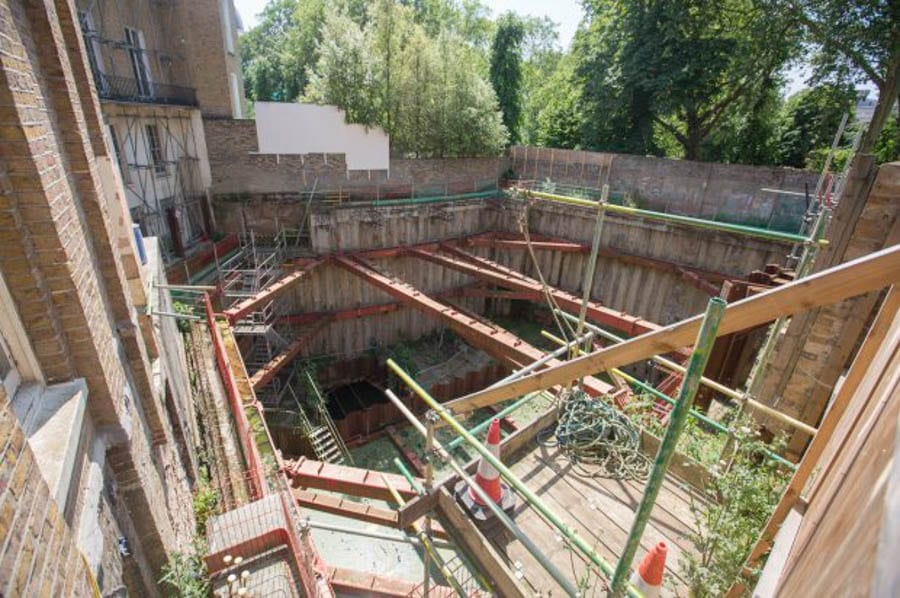
To the poet and wit Henry Luttrell (1765 – 1861) “eating pâté de foie gras to the sound of trumpets” was his idea of heaven. Now, a very wealthy buyer has the opportunity to acquire what some might consider the very opposite of such with the sale of his former home – complete with a 4-storey hole in its garden – in Knightsbridge.
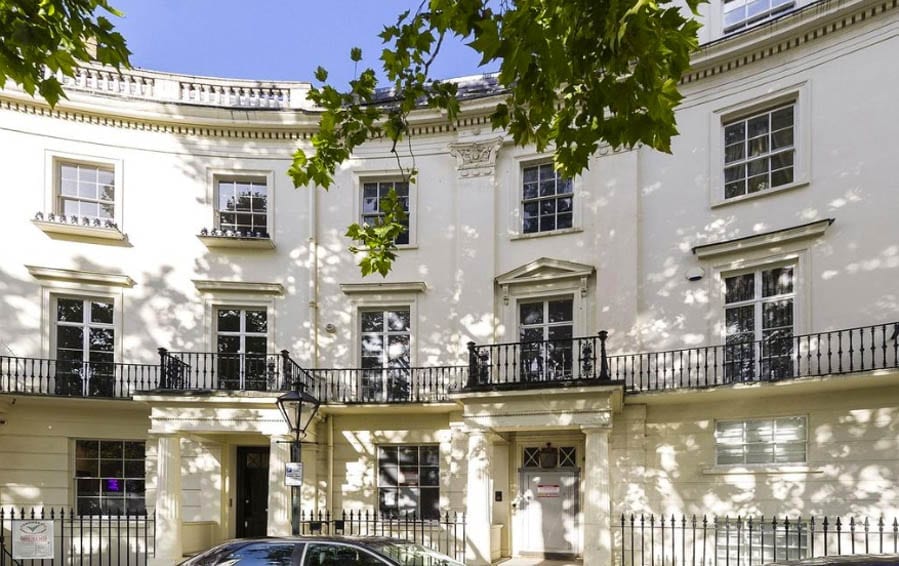
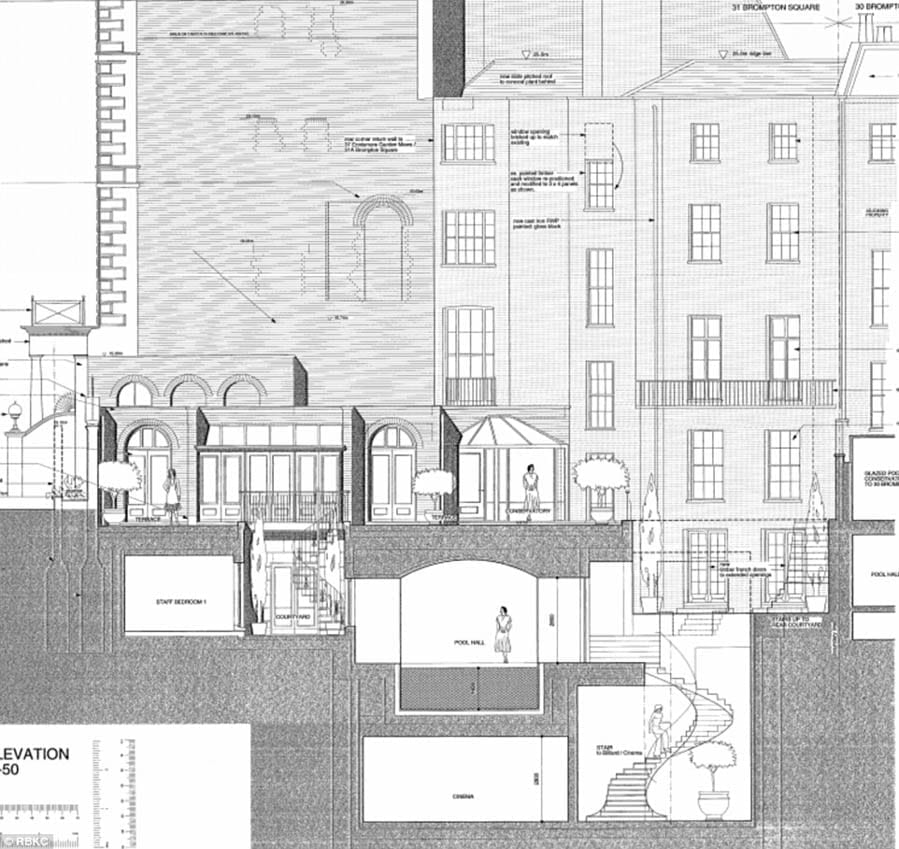
Empty for many years and the subject of numerous critical articles about its dereliction in such titles as the Mirror and Daily Mail, Grade II listed 31 Brompton Square is on the market for £3 million less than it sold for in 2011. It was previously reportedly owned by the industrialist Lord Tanlaw and was also in the possession of the High Commission of Malaysia at some point.
Fraudster Achilleas Kallakis was undoubtedly the most controversial owner of the buildingPhilanthropists Dora and Mary de Beer (pictured with Esmond de Beer) were certainly more civilised residentsBaron Tanlaw of Tanlawhill reportedly owned the house for a period also
Aside from being home to the philanthropist sisters Dora and Mary de Beer (owners of the house between 1934 and 1981) and the Conservative Party politician the Hon. Michael Astor in addition, most controversially the property was bought by the now jailed businessman Achilleas Kallakis in the mid 2000s.
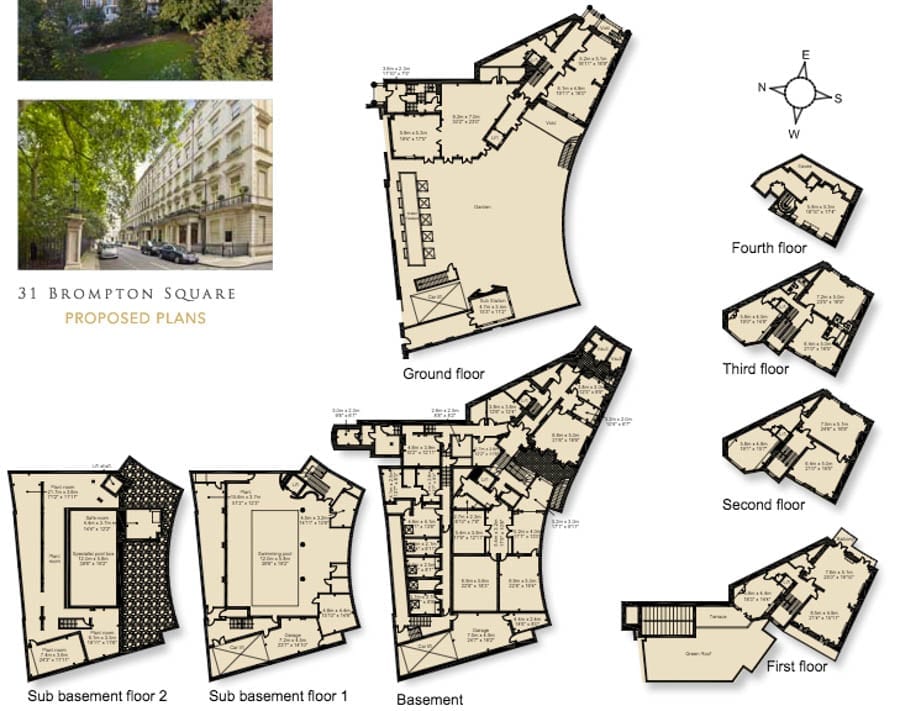
Kallakis – who in spite of demanding he be called ‘His Excellency’ and ‘The Don’ was actually simply “Britain’s biggest mortgage fraudster” – began work on a scheme to create what he termed a “pleasure palace” at 31 Brompton Square in 2005. He employed contractors to dig four levels down beneath what had been a pretty garden and commenced both authorised and unauthorised works to create what could still ultimately become a 22,000 square foot, 8-floor “trophy home.”
Construction stopped in 2008 after Kallakis’ arrest and in 2011, 31 Brompton Square was sold for £8 million more than sought to a Virgin Islands based company by receivers acting for Barclays Wealth. Said by locals to actually be owned at that time by a Dubai based businessman named Jonathan Hart, further planning schemes were submitted in October 2016 and now agents Savills seek £25 million for the unfinished building.
Of the sale, one near neighbour told The Steeple Times:
“This bastard of a basement has blighted this area of Knightsbridge for far too long.”
“We have feared subsidence might cause the hole to cave in since 2005 and now hope a new owner will rectify the mess left by the conman Kallakis. We simply want to be able to live out our years in peace and would like a nice, quiet family rather than a brash billionaire be the purchasers.”
September 2017 – For sale for £25 million ($33.9 million, €28.4 million or درهم125 million).
June 2016 – Predicted to be worth £50 million ($67.8 million, €56.9 million or درهم249 million) if iceberg extension were to be completed.
March 2011 – Sold for £28 million ($38 million, €31.9 million or درهم139.5 million) after a bidding war on an asking price of £20 million ($27.1 million, €22.7 million or درهم99.6 million).
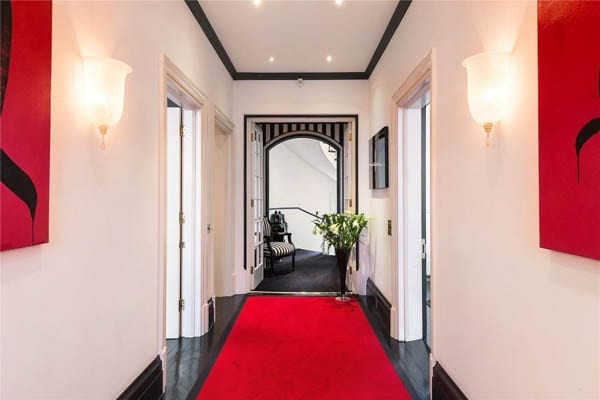
An aerial view of the giant hole behind 31 Brompton SquareA closer view of the dormant siteThe front elevation of 31 Brompton SquareA proposed floor plan for the buildingA CGI image of a proposed design for a reception room within the existing buildingA CGI image of a proposed design for a reception space in the proposed extension of the houseA CGI image of a proposed design for a reception space backing onto the gardenA CGI image of a proposed design for a swimming pool within the extensionA CGI image of the proposed gardenAnother view of the spaceA drawing of the proposed redevelopment
Octagonal Victorian Gothic landmark in Westchester County, New York available for rent; Bono was filmed there and it includes the only domestic Egyptian Revival room in existence
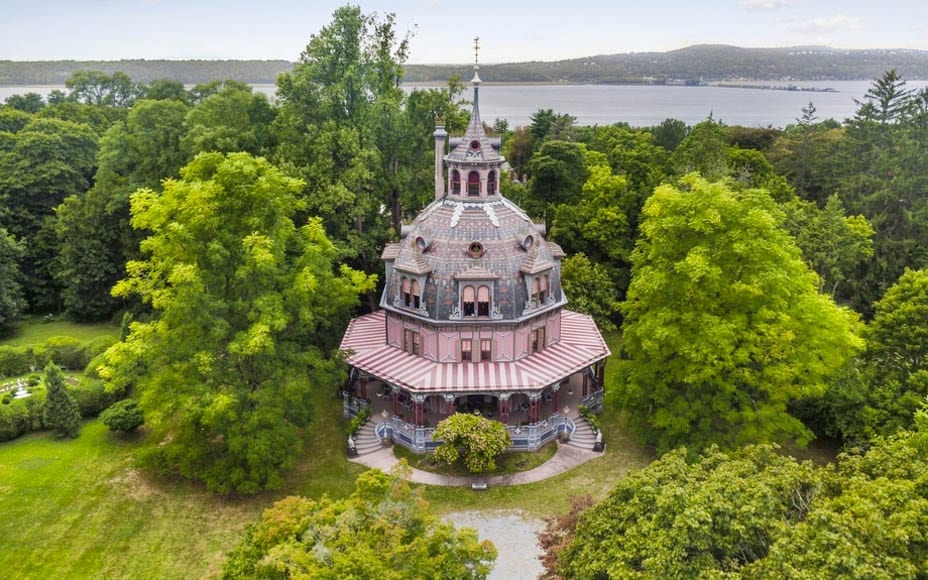
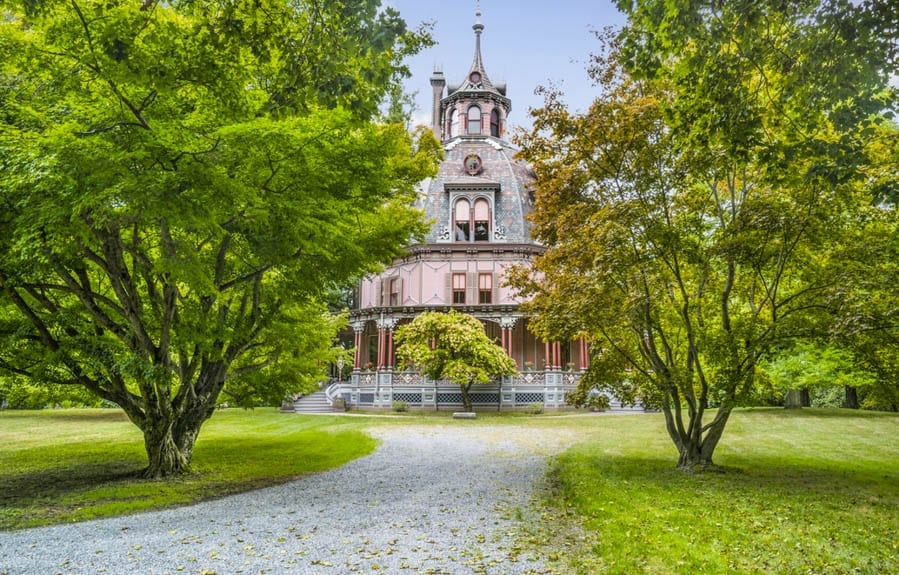
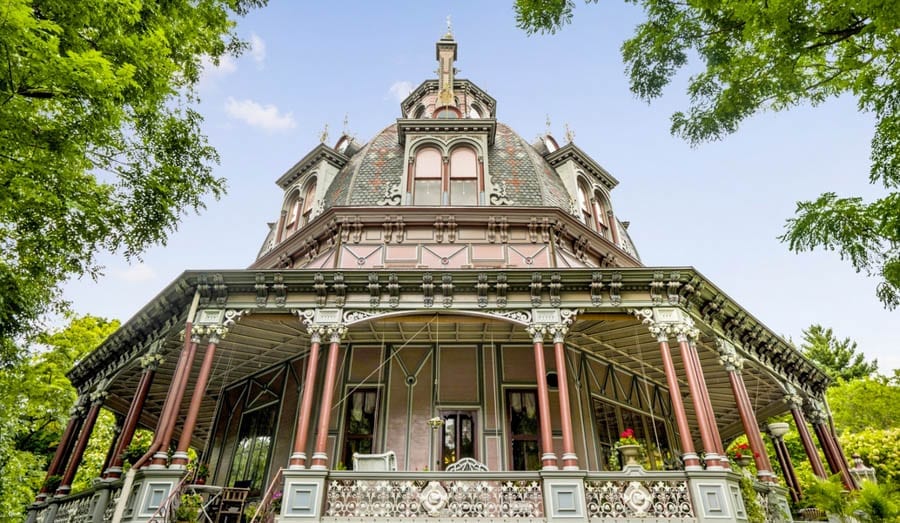
A Victorian Gothic house in Irvington, Westchester County, New York that resembles a wedding cake has been put on the market to rent for £30,300 per month ($40,000, €33,200 or درهم147,000 per month).
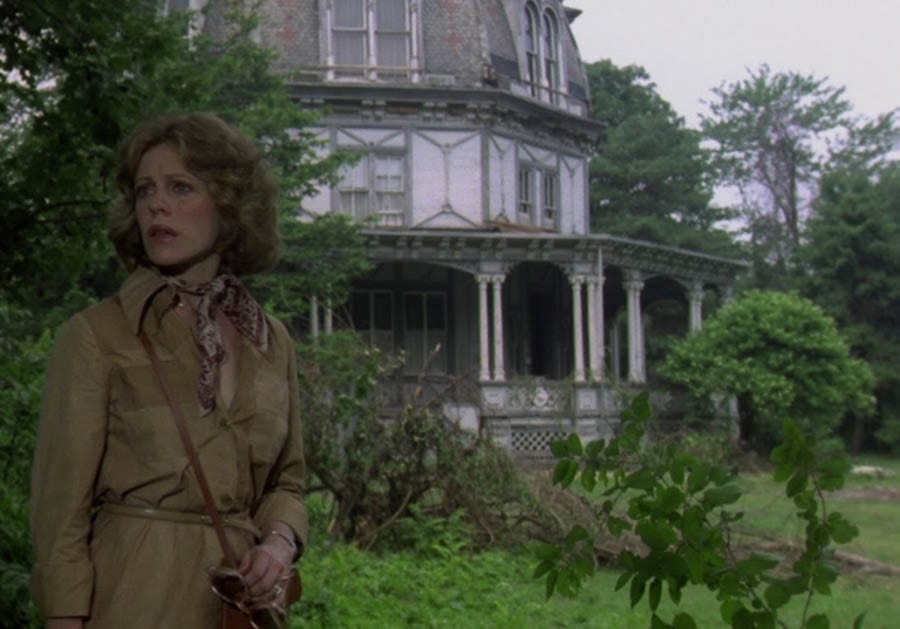
Built for a financier named Paul J. Armour between 1859 and 1860, this octagon shaped and domed landmark was subsequently home to the author Carl Carmer (1893 – 1976) – best known for his widely praised book Stars Fell on Alabama – between 1940 and his death. The building was later the main setting for the less popular (and seized and confiscated in the UK under Section 3 of the Obscene Publications Act 1959) 1981 horror film The Nesting and then completely renovated by the award winning conservationist architect Joseph Pell Lombardi.
The Octagon House in 1882 and 1975The Octagon House in the 1981 film “The Nesting”; the then owner launched a $1 million lawsuit against the filmmakers after they supposedly trashed the building
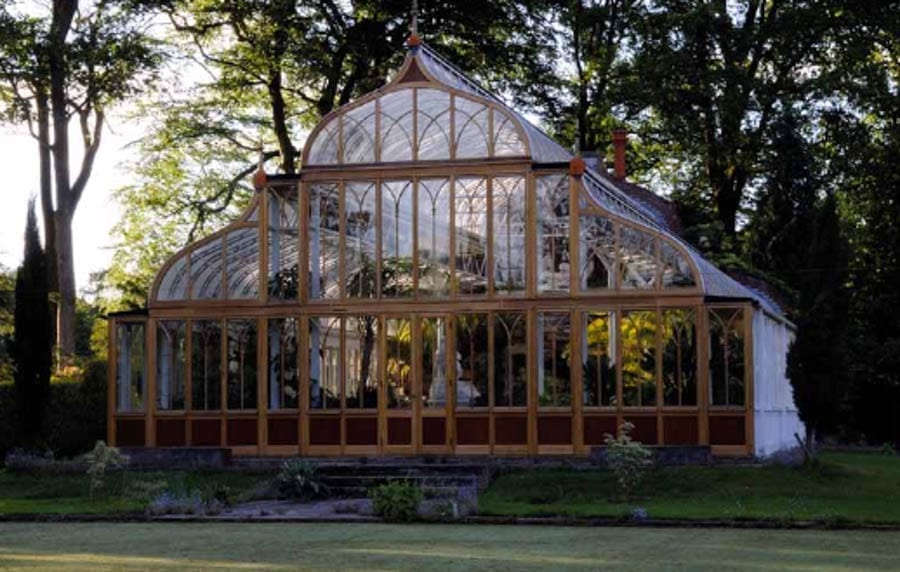
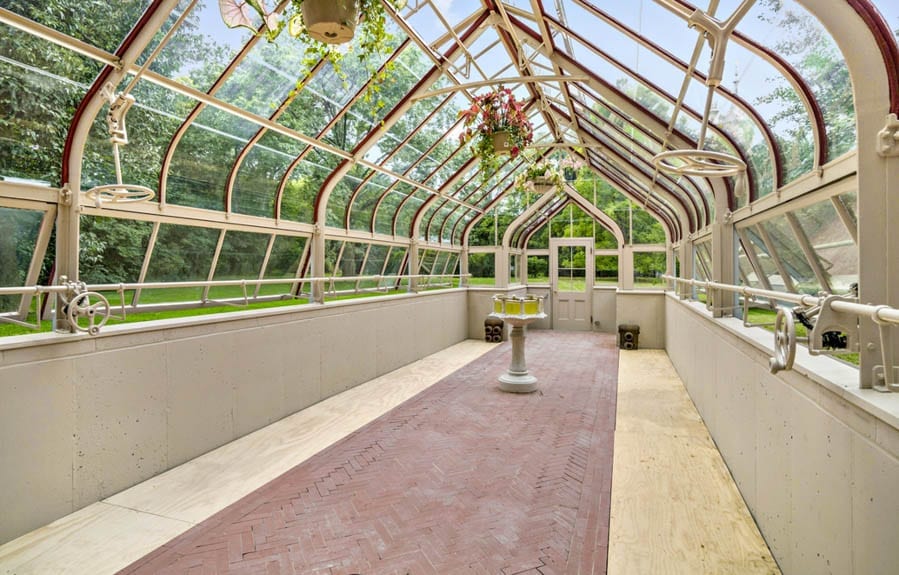
Known alternatively as the Armour-Stiner House, the Carmer Octagon House, The Octagon House or simply 45 West Clinton Avenue, the National Register of Historic Places listed residence is being marketed by agents William Pitt Sotheby’s International Realty as “one of the most visually unique homes in the world.” It stands on a plot close to the Hudson River of 3.05 acres, provides 8,400 square foot of accommodation and has a drawing room, dining room, ballroom, 7 bedrooms and 3 bathrooms. Within the grounds is an original Lord & Banham conservatory and a carriage house that provides garaging for 4 vehicles.
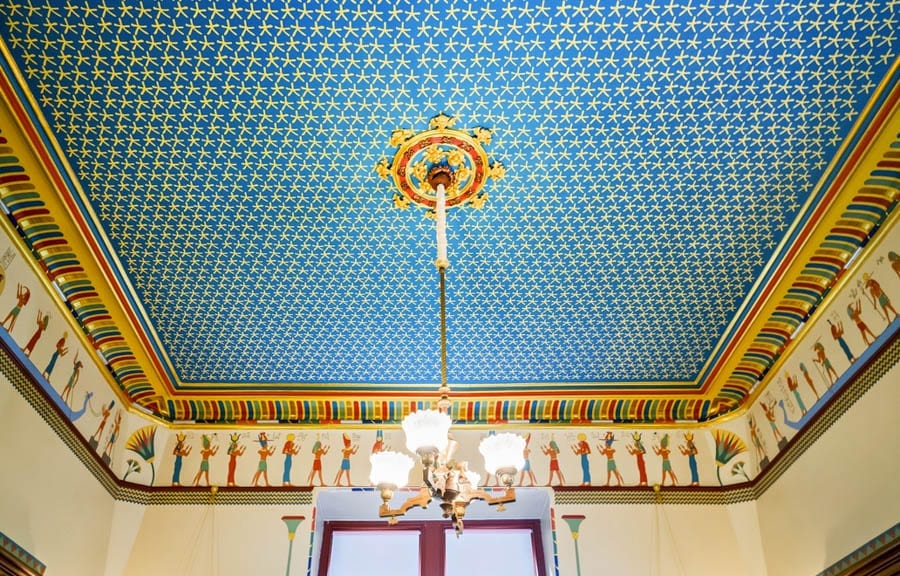
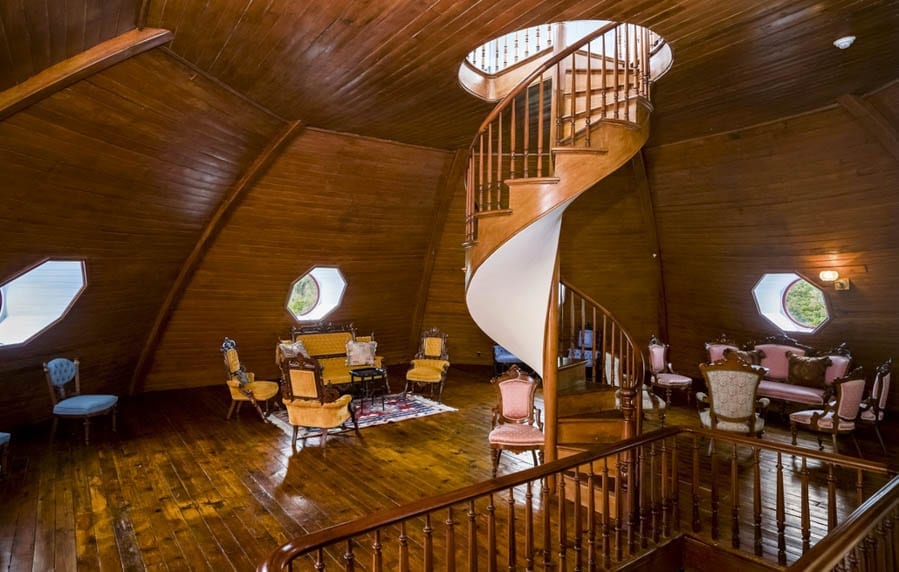
Especially impressive architectural features of the building number the only domestic Egyptian Revival room still in existence, an attic with a staircase to a stunning cupola and a wraparound veranda with 56 columns. In the 2007 film Across the Universe, the billionaire Irish singer-songwriter Bono (playing a character named ‘Dr Robert’) described The Octagon House as the “Headquarters of the League of Spiritual Deliverance.” It most definitely abounds in such.
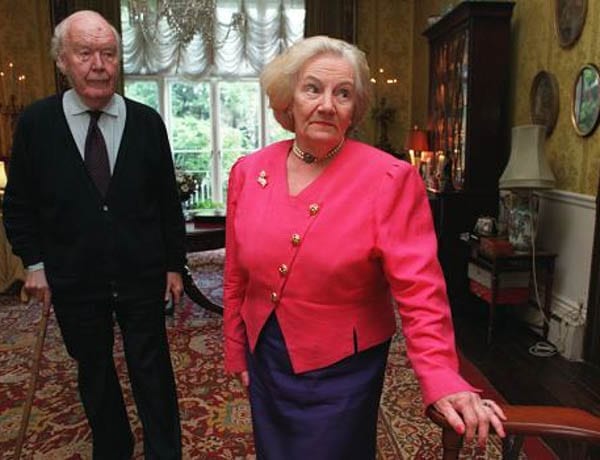
Dame Paddy Ridsdale, as she generally known, was an intelligence operative, secretary to Ian Fleming during WW2 and the inspiration for the Bond character Miss Moneypenny.
A Conservative Party stalwart and married to Member of Parliament for Harwich from 1954 to 1992 Sir Julian Ridsdale CBE (1915 – 2004), Dame Paddy – or Vicky, as she was known to some – is best known for her role in ‘Operation Mincemeat’, a “famous caper” concerning a “man who never was” in 1943.
In the war, Dame Paddy wrote love letters and telegrams that were planted on the body of ‘Major William Martin’, an invented, drowned naval officer, that was floated in the ocean off Spain. The body carried fictitious plans of a purported Allied invasion of Sardinia and Greece and formed part of a plot designed to deflect attention from the Allied landings in Sicily. Of it, she later remarked: “I was sent to buy clothes in all the best men’s shops and had to pose as his girlfriend. I had to go to post offices and rather loudly send this telegram to ‘my boyfriend’, hoping of course that somebody would overhear me”. In due course, the body was indeed found, the Axis powers completely taken in and “Mincemeat swallowed whole, hook, line, and sinker”. A BAFTA winning film directed by Ronald Neame, The Man Who Never Was, made about the deceptive scheme in 1956.
Dame Paddy was known as a “political hostess in the style of a bygone era”, lived in a mansion “sandwiched between a sheikh and a Saudi prince” in The Boltons for the majority of her adult life and is buried in the grounds of the church there. She had one daughter, became Lady Ridsdale when her husband was knighted in 1981 and was appointed Dame Commander of the British Empire (DBE) in her own right, for political services, in 1991.
Of her relationship with her one-time employer Fleming, she concluded: “Ian had so many girlfriends that I was not tempted to become one of them”.
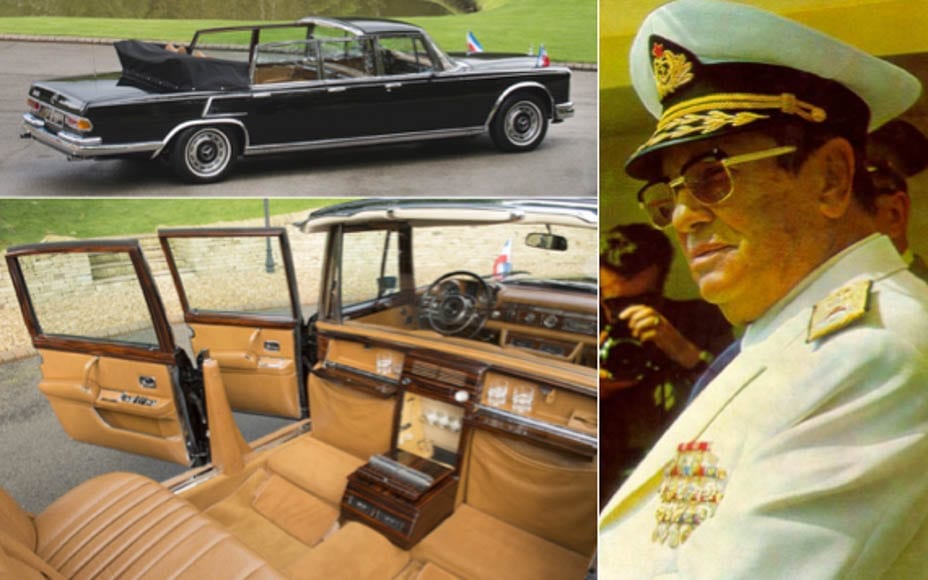
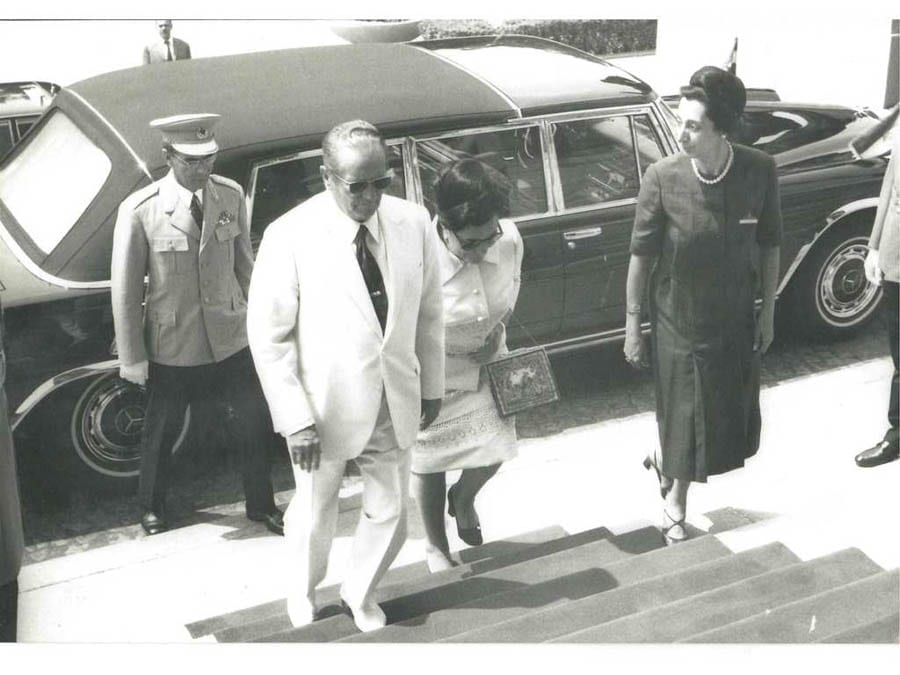
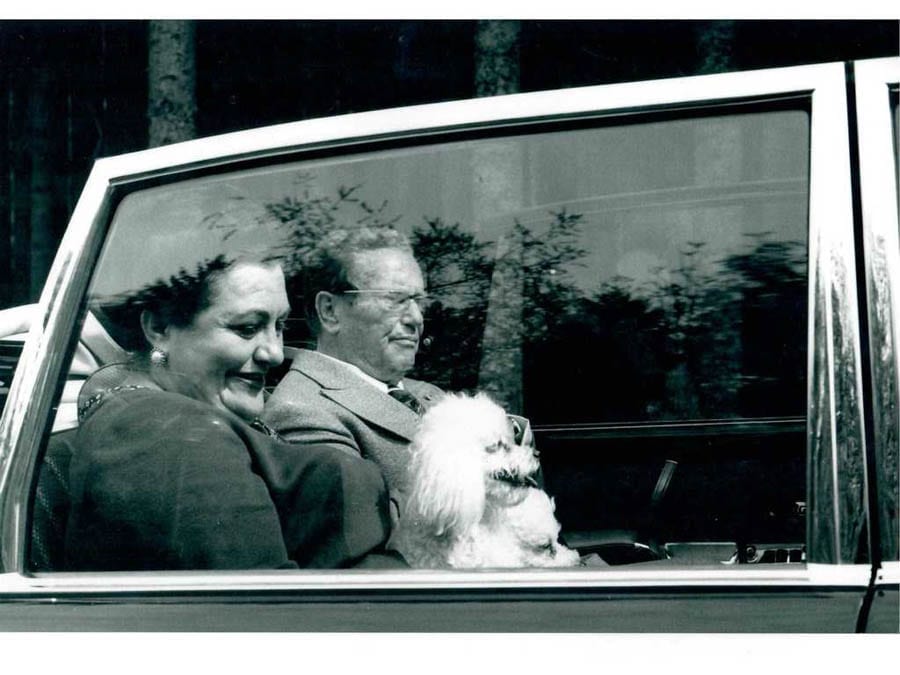
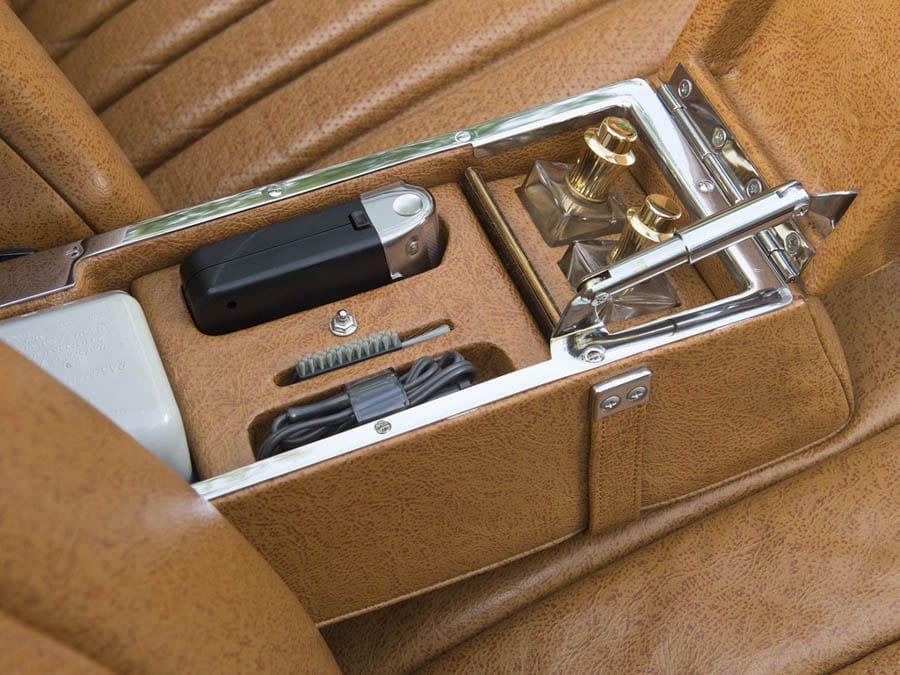
Tito with the car in the backgroundTito used to take his dog for rides in the vehicleAnd apparently he used to shave in it too
Capable of achieving 0 mph to 100 mph in 10 seconds, this 2.5-tonne, 6.3-litre limousine was built to Tito’s personal specification. The ‘dictator-mobile’s’ bespoke features numbered not only a drinks cabinet but also a shaving kit in its rear centre console and despite having covered 17,012 miles and having passed through various owners, is in remarkably good condition.
Justifying the punchy price sought, in November 2016, Tom Hartley Jnr. told Car Dealer magazine:
“I’ve always been in love with the car. It’s a very significant and very important car – all of the Landaulets are, and only nine of them were built in the long roof, six-door configuration. Of those nine, this is probably regarded as the most original, the most unmolested car and it also has great provenance”.
A 1965 Mercedes-Benz 600 Pullman owned by China’s Foreign Minister, Chen Yi, sold for just £147,200 ($182,800, €172,500 or درهم671,400) in 2014 whilst just £225,000 ($279,400, €263,700 or درهم1.03 million) was sought for a 1977 example originally owned by Bokassa I of Central Africa in 2015.
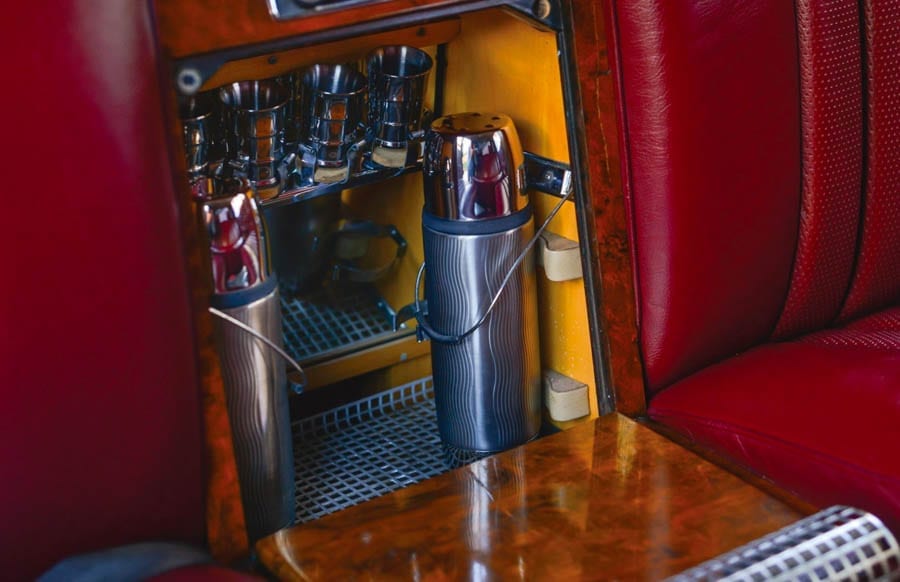
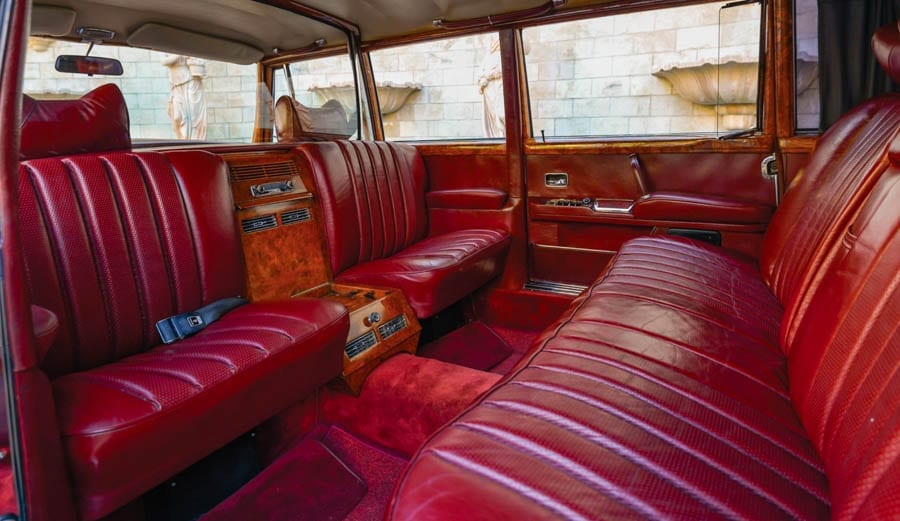
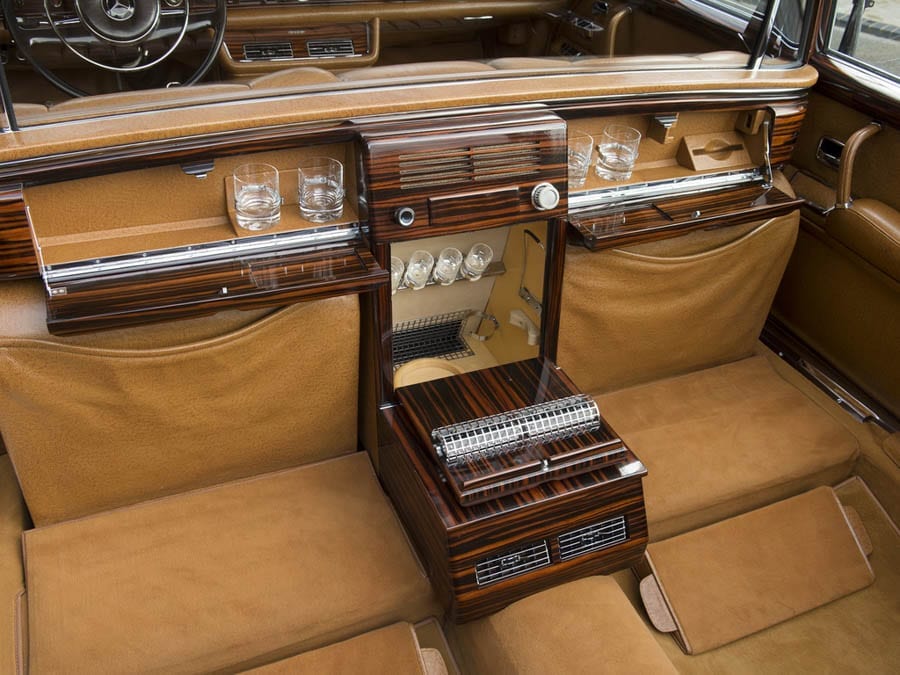
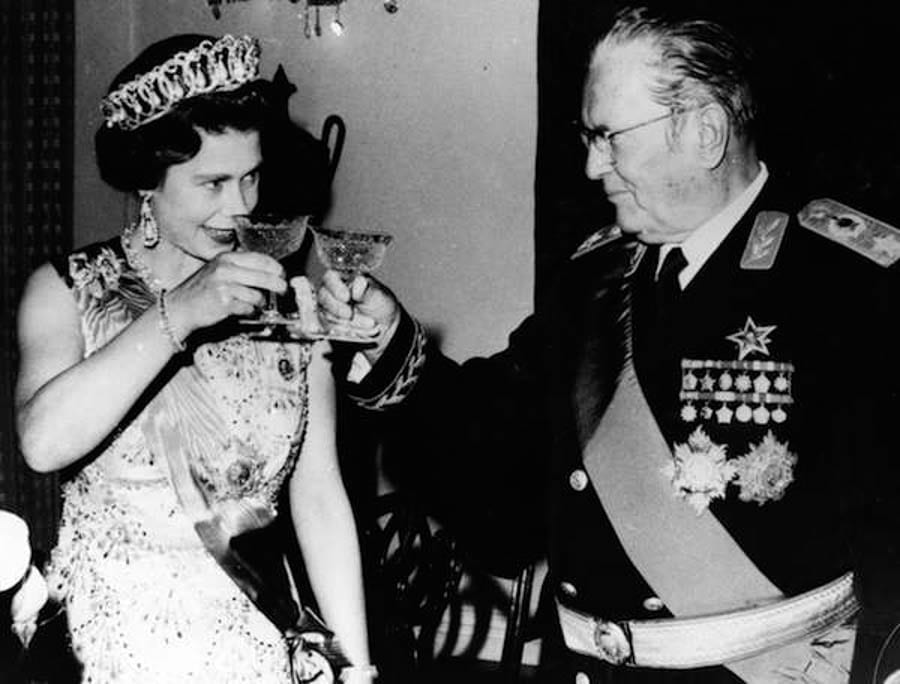
Naturally, the needs of drinkers was a prime consideration when it came to bespoke fittingsLuxurious rear seatingThe glass partition between the passengers and the driverThe driver’s seatingAnd hood downHer Majesty Queen Elizabeth II with Tito in 1972
Matthew Steeples extols the relevance of the Donmar Warehouse’s ‘Limehouse’ to Britain’s contemporary political climate
At a time when Brexit has divided Britain and Jeremy Corbyn’s Labour continues to provide little-to-no opposition to Theresa May’s somewhat unfocused, unelected government, the relevance of a play named Limehouse is especially poignant.
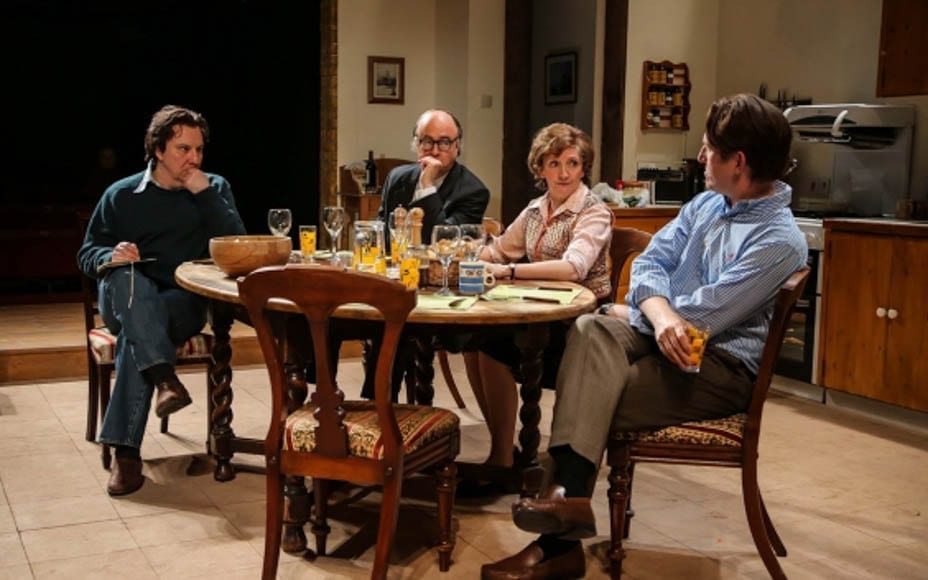
Based around the formation of the ill-fated Social Democratic Party by the ‘Gang of Four’ – Bill Rodgers, Shirley Williams, Roy Jenkins and David Owen – in 1981, what The Telegraph calls a “domestic sitcom” takes place entirely in a “bourgeois” kitchen. It occurs during a period when moderates – driven to try to find an alternative to the rise of Thatcherism on one side and the loony left on the other – despaired at a nation divided and sought out a new way forward. Limehouse – named after the area where Owen lived at the time – effectively examines what this quartet believed the UK needed then and what many believe the UK again needs today: A credible centrist party.
Played out as a kitchen table coup by four ultimately flawed politicians over two bottles of Château Lafite, the plot is cleverly guided by a fifth member, the American born literary agent wife of David Owen. She concludes the play by asking: “What if?” in the context of what might have happened had a sensible centrist political movement been successful back in the 1980s. It’s the very question that will be on the lips of so many as we head towards Theresa May triggering Article 50 on the 29th March.