Tag: 1970

  • Julian Sessé, ‘The Belgravia Butler’ (1906 – 1970, murdered by meat cleaver)

    Julian Sessé, ‘The Belgravia Butler’ (1906 – 1970, murdered by meat cleaver)

    • A Belgian born butler to the bastion of business Lord Bernstein – chief of Granada Television – was brutally murdered in a mansion in Wilton Crescent, Belgravia, London just before Christmas in 1970.
    • The closeted victim, Julian Sessé, was savagely slayed with a knife and a meat cleaver by a much younger bisexual gigolo, Mustapha Bassiane.
    • Bassiane subsequently fled to Morocco and then got snared when he audaciously returned to Europe in 1972; he was sentenced to life in prison in 1973 and deported back to his homeland 11 years later.
    • The ‘Scotland Yard Uncensored’ podcast recently covered this little known case, but failed to mention the strange fact that The National Archives have records on the case closed until January 2071; who is actually being protected here and why?

    London’s Belgravia is renowned for its associations with power and privilege and as some might say, where there’s money there’s quite often muck, meddling, murkiness and murder.


    Whilst the infamous 7th November 1974 murder of Sandra Rivett – the nanny to the children of Lord and Lady Lucan – at 46 Lower Belgrave Street, SW1 has gone down in history for all the wrong reasons, a sadistic slaying four years earlier on 19th December 1970 at another ritzy residence nearby is one that has been largely forgotten.


    The victim in the particular case in question, it was noted in a recent Scotland Yard Confidential podcast by John Hopkins, was “a kind and generous man in life,” but one who was “shamed and shunned after his own brutal murder.” In this day and age, such a clear cancellation would quite rightly be called out as an utter outrage and especially at a time when the Metropolitan Police are so deservedly under fire for their appalling levels of misconduct.


    On the tragic Saturday night in question in 1970 and just before London revelled in the arrival of a ‘White Christmas’ just six days later, 64-year-old Belgian butler Julian Louis George Sessé was senselessly beaten and brutally murdered with a kitchen knife and meat cleaver. Here was a crime that involved a butler to the rich and famous, but a crime also that was quite the opposite of those crimes orchestrated by the notorious ‘Killer Butler’ Archibald Hall. For those yet to know of him, Hall – who was also known as the ‘Monster Butler’ – mercilessly robbed and murdered in the same part of Belgravia later in the 1970s. Perhaps there could be something in the water of that part of SW1…


    Unlike self-serving monster Hall, “dedicated” Sessé had worked at a 5-bedroomed mansion at 32 Wilton Crescent, just off Belgrave Square “for decades.” His end was to come that snowy evening when he was mercilessly slaughtered sometime after 11pm in a basement grace and favour flat that he occupied in the home of his very well-known employer Sidney Bernstein, Baron Bernstein – the buccaneering bastion businessman and chairman of the Granada Group and Granada Television.


    Described as “tall and distinguished” and always “neatly dressed in pinstriped trousers and black jackets,” neighbours argued this particular butler to be “the perfect servant.” Grey haired Sessé was lauded by the owner of the nearest ale house to 32 Wilton Crescent, The Grenadier, as “a quiet and respectable customer.” Here, indeed, was an example of someone who would not wanted to have brought any “shame or stigma” upon his master and mistress.


    Alone that night in the vast and imposing 32 Wilton Crescent mansion whilst Lord and Lady Bernstein were away on holiday in the West Indies and with other staff having been given a “leave of absence,” homosexual Sessé most unfortunately decided to take advantage of something akin to “whilst the cat’s away, the butler might play.” He invited a “drifter-like” 26-year-old unemployed Moroccan nurse named Mustapha Bassaine to ‘visit’ his “cosy apartment” and clearly anticipated a night of fun and frollicks. The two clearly closeted – but for very different reasons – men had met prior and money had previously been exchanged for ‘companionship’ and sexual activities, it was later noted.


    That night’s ‘pairing’ represented anything but a ‘relationship’ of equals and was one instead where the elder man expected intimacy with the former whilst the younger believed he could rinse the latter of as much money as possible. Given “pock marked” faced Bassaine was a dastardly deviant and diminutive desperado who’d been out drinking with his girlfriend prior, it was to be a meeting that was never going to end well.


    Sessé was said to have been of the view that “money that exchanged hands be called a ‘gift,’” but was similarly described as not being under any delusions about what he gained from the “clandestine” encounters he had with various young men. He was a man with ‘friends’ with similar attractions, but in the wake of his death, his family and most associates clammed up and denied knowledge of such preferences. As loyal as the butler, relative and friend had been, it seemed that that was sadly never repaid by those he should have been able to have expected to have remained closest to him.


    After a delivery driver and a part-time cleaner failed to find signs of life and several days of out-of-date newspapers on the doorstep of 32 Wilton Crescent on Monday 21st December, the latter called Lord Bernstein’s secretary, a 24-year-old named Miss Hazelwood. She then opened up the property and discovered a scene that Hopkins described as having “shocked her to the core” in the basement. Naturally scared witless, the secretary dialled 999 and the police process began.


    Blood was said to spattered everywhere. It was all over the living room and all over the kitchen, but it was in a bathroom – most bizarrely locked from the outside – that the body of Julian Sessé was discovered draped in an equally bloody bath towel. The poor unfortunate’s throat had been cut and aside from multiple stab wounds to his head and chest, his stomach had been slashed open. A knife and a meat cleaver were bizarrely located by officers in the bowl of a latrine and given the “high profile” of the house owner, the case was “quickly passed to Scotland Yard.” Scandal, after all, would be something that the likes of Lord and Lady Bernstein obviously would rather avoid.


    Detective Superintendent John ‘Ginger’ Hensley – who had previously been involved in the investigation of the vicious 1966 Shepherd’s Bush policemen murders by Harry Roberts – took the case and the next item to be found just happened to be the bloodstained trousers of the man presumed to be the killer in a washing machine. They were clearly not the trousers of the much larger Sessé and with a wardrobe in his bedroom ajar, it was thus determined the murderer likely fled in a pair belonging to his victim.


    Evidence of foul play was everywhere and no attempt had been made to clean up. It was noted by Hopkins that it “all seemed wild and confused” and with no sign of forced entry and letters that indicated Sessé’s ‘activities’ with other gay men including paying for sex, Hensley is said to have immediately surmised it a “crime of passion” rather than a simpler robbery gone wrong.


    Shortly thereafter, a pathologist determined that Sessé had partaken in sexual intercourse not long prior to his demise and found the cause of his death to be shock and loss of blood following a frenzied attack with both the knife and the meat cleaver. His demise would have not been instant and wounds to the body suggested that this was a man whom most definitely courageously fought back.


    As police inquiries proceeded, few friends and associates were willing to divulge information. This, after all, was an era where to be seen to be gay was still the ultimate taboo. Though one local vaguely cited a “foreign looking man” having been seen outside the house at the time of the murder most horrid, all leads had alibis and even Sessé’s very own family made it clear that they knew nothing of his sexuality. The family went as far as to add that that they simply “did not want to know.”


    Given these factors, here was a case that initially seemed headed to join a long list of unsolved murders, but a breakthrough came just days later on Wednesday 23rd December. On that date, police were contacted by an Irish waitress named Jean Fitzgerald from her home in Anson Road, Tufnell Park after she’d “spent days and nights wondering about the case.” The 22-year-old claimed to have met Sessé through her bisexual boyfriend and stated thatmhe had arranged to go to meet the butler at 32 Wilton Crescent after the couple had been for drinks in the West End late on the fateful night in question.


    Allegedly, Bassaine had told his girlfriend that he would “visit Sessé to try and get some money off him.” She admitted to police she was “not a fan of her partner’s activities with other men,” but “understood that he usually got well paid for his ‘services.’” Hopkins went further and surmised that this “somewhat timid woman, but one with fire in her eyes” had an excuse for overlooking the ‘activities.’ That excuse was: “Besides, we always needed money.”


    During questioning, Fitzgerald stated that she had gone home after being in the West End alone late on 19th December as Bassaine had left her to head over to Belgravia at around 11pm. She further shared:


    “We paid the rent on the apartment between the two of us. He got money in another way when he was unemployed. Sometimes he gave me money but I don’t know where he got it from. He said something about going out with ‘faggots,’ having drinks with them, and getting money from them. He showed me a picture of Mr Sessé and told me that the butler often gave him money.”


    Bassiane did not return home that night, but instead called Fitzgerald the next afternoon. He asked her to come to Sessé’s apartment, but she declined. Of why, she subsequently reminisced:


    “I thought it was very strange that he wanted me to go there. He wanted me to go for a drink [at 32 Wilton Crescent] and he got mad when I said no. I was afraid of Mustapha Bassaine because he was very depraved at times and I was afraid that he would beat me like he had done before.”


    After his girlfriend’s refusal to attend, Bassiane himself returned to Anson Road drunk and cried as he told Fitzgerald that he had argued with his ‘friend.’ She noted that he was wearing clothes he had not worn before – including trousers and a jumper that were “too large for him” – and “assumed they belonged to Sessé.” Going further, aside from noting her boyfriend’s shoes were stained with blood and that he had scratches on his hands, she suggested that she was so scared of Bassiane’s mental state that she was fearful to go to bed. Instead, she sat up all night with him, she continued.


    “He arrived with a bag full of drinks and fruit and showed me a watch, a camera and a ring that he told me were Christmas gifts that Julian had given him. On 22nd December, he threw some clothes and some papers in the trash and told me that he had to go to Morocco immediately because his mother was sick. He bought an air ticket and went by plane. He had no difficulty paying for the ticket in cash even though he had no money when he went to Julian’s house over the weekend.”


    Despite being supposedly penniless and potless only a couple of days earlier, Mustapha Bassaine flew to Casablanca on 23rd December after having paid the then not insubstantial sum of £44 in cash for a one-way ticket. He also exchanged a further £50 in cash for Moroccan Dirhams and after giving Jean Fitzgerald his Moroccan familial address, requested she send any newspaper cuttings that mentioned his name there. Allegedly, according to the Irish waitress, he also mentioned having seen newspaper reports about the murder at 32 Wilton Crescent and added “he couldn’t understand how anyone could have done such a thing to a man as nice as Julian.”


    Though police officers questioned whether Fitzgerald could just be another ‘spurned girlfriend,’ some of the details mentioned made Hensley take her more seriously than the many cranks who call in when crime occurs. A search of bins in the neighbourhood followed and resulted in the aforementioned bloodstained shoes and trousers being found.


    Justifiably, Bassiane – who turned out to be the son of a high ranking official in the Moroccan Foreign Office – was either a man too stupid to dispose of the items of his crime or he was someone who had a plan and didn’t think he needed to be bothered about the consequences of the DNA on them. Meanwhile, fingerprints found in the couple’s Anson Road flat matched fingerprints found at 32 Wilton Crescent and thus here was a man who rose straight to number one on the list of suspects.


    Ten days after the murder, police issued an international warrant being for Musapha Bassiane’s arrest, but there was a major problem for Scotland Yard as Britain had no extradition treaty with Morocco. It seemed, given the key suspect had already ‘flown the nest,’ as long as he stayed in his homeland, Bassiane was a safe fugitive from justice. This was a situation similar to that involving the billionaire playboy Farouk Abdulhak in the more recent 2008 ‘Murder in Mayfair’ of Martine Vik Magnussen; getting someone back from a country like Morocco then or Yemen now is, in fact, nigh on impossible.


    In addition, in case Fitzgerald had either got it wrong about where her errant bisexual lover was travelling to, or was instead covering for him, a police watch was put on her Anson Road flat in case he decided to return. Of course, aware that this young Irish girl was of no further use to him, the grubby, grifter never, ever did revisit that address but found himself safely hidden away in his homeland.


    Meanwhile, with their holidays over, Lord and Lady Bernstein returned from their tour of the West Indies – where they had visited either Barbados or Bermuda or perhaps even both (depending on which reports you believe) – shortly after Christmas. Funeral arrangements were made for Julian Sessé, but only a small number of people were said to have attended a service at St Mary’s Catholic church in Cadogan Street, Chelsea. The deceased’s place of burial remains presently unknown, but it is said that his clearly embarrassed family “refused” to attend the service in what can only be perceived as move most spineless.


    Separately, on returning to 32 Wilton Crescent, though Lady Bernstein identified that a sum of £80 was missing from the desk in her bedroom, a search of the house discovered that no further familial property had been stolen. By now, however, it seemed that the aforementioned watch, camera and ring and perhaps further money taken by Bassiane to the Anson Road apartment had actually been stolen instead from his victim.


    In spite of all of this relevant new information, the judicial process was opened and postponed no less than eight times. According to the person in charge of the criminal investigation, a Mr Gavin Ilurston, “the investigations were not finished.” The reasoning for such is definitely something worthy of question still to this day.


    Hensley, however, knew exactly where Bassiane was in Morocco and “through Interpol asked other the police of all European countries in Europe countries to be prepared” in case the suspected killer appeared. Eighteen months later, he got again lucky when he and his colleague Detective Sergeant Bernard Davis were informed that the on-the-run deadbeat was planning a trip to Germany and the Netherlands.


    “Handlebar moustached” dimwit Bassaine was arrested on 28th June 1972 after police in Holland detained him for immigration offences in Rotterdam. Given the fugitive from justice had been on Interpol’s list as wanted for murder, if he’d simply stayed in Morocco, he would not have ever been caught, but here instead was a feckless fool clearly beyond arrogant who thought himself above the law.


    By 10th July 1972, with extradition paperwork complete, Mustapha Bassiane was transferred to the custody of Davis and shackled to him and flown to London. A flight attendant, Hopkins in the conclusions of his podcast shared, requested the shackles be removed for the duration of the journey, but Davis was most definitely not going to allow any opportunity his captive to escape for a second time. The unshackling was rejected and once in London, it was straight off to a remand prison until trial for the man suspected of the murder of Julian Sessé.


    On 8th February 1973, Bassiane’s trial began at London’s ‘Old Bailey’ Central Criminal Court. Akin to form, he pleaded not guilty and though admitting to having spent the evening with Sessé, argued that “the butler was in fine health when he left on the Sunday morning.”


    Turning the cards on his by then ex-lover Fitzgerald, Bassiane told the court that she “flew into a wild jealous rage” and threatened to “harm the old man and hurt the old bastard… She threatened to smash his face.” He added that “the same day Jean Fitzgerald had gone out and he had not seen her until the afternoon. She was shaking and had told him she was sick.” His basic and somewhat bizarre line of defence – given the substantive forensic evidence against his own person – was that it was her and not him that had committed the ‘crime passionnel.’


    Unsurprisingly, the jury did not believe this “fierce tempered” killer and Mustapha Bassiane found himself sentenced to life in prison on 12th February 1973. He also received a concurrent sentence of two years for stealing £80 in cash from Lady Bernstein’s desk – a sum that was about equivalent to a month’s average wages at that time, but most definitely not a sum worth killing for.


    Before sending him down, the judge in the case slammed Bassiane. Judge Forbes is said to have told the court: “This was a brutal murder. The sentence has been the product of evidence in which there is no doubt. Your attempt to place part of the blame on Miss Fitzgerald has received the treatment it deserves.”


    It is unknown what became of this murdering monster after he was deported in 1984. Mustapha Bassiane had served just 11 years of his life sentence in the UK; a term that surely was far from long enough for such a brutal and evil murder and a crime committed in a country where young men who proclaim their innocence like Mark Alexander and Omar Benguit have rotted in prison for 13 years and 18 years respectively in spite of a clear lack of evidence against them.


    Turning to other thoughts post-sentencing, Hopkins shared in his podcast that Hensley believed Bassaine had tried to blackmail the butler and killed him when he didn’t comply. He also suggested that “hapless” Fitzgerald could have been implicated if she had gone to the mansion that night and concluded “her distrust of his motives may have just saved her from a dark fate” at 32 Wilton Crescent. Would her lover have killed her there also or would he have set the place up to pin the blame on her? Thankfully, given she saw sense, no one will ever know.


    If still alive in 2023, Mustapha Bassaine would be 79-years-old; Julian Sessé, on the other hand, would be long dead, but if he hadn’t met his noxious nemesis that night in December 1973, he’d probably have gotten to have enjoyed a long, happy and fulfilled retirement. The ‘Belgravia Butler’ perhaps should have been more careful, but he most definitely didn’t deserve such a sordid end.


    Given also that a National Archive lockdown on documents relating to this case was orchestrated for 97 years on 1st January 1973 with a record opening date of 1st January 2071 and a review date of 2021 that changed nothing, is something still being hidden regarding this case? After all, this murder occurred in the home of Lord Bernstein, a very powerful Chagall collecting business titan with links to Sir Alfred Hitchcock and a man once part of the Ministry of Information. We join John Hopkins of Scotland Yard Confidential and wonder if “the real truth” of what happened to “kindly” Julian Sessé on 19th December 1970 will ever actually be known.


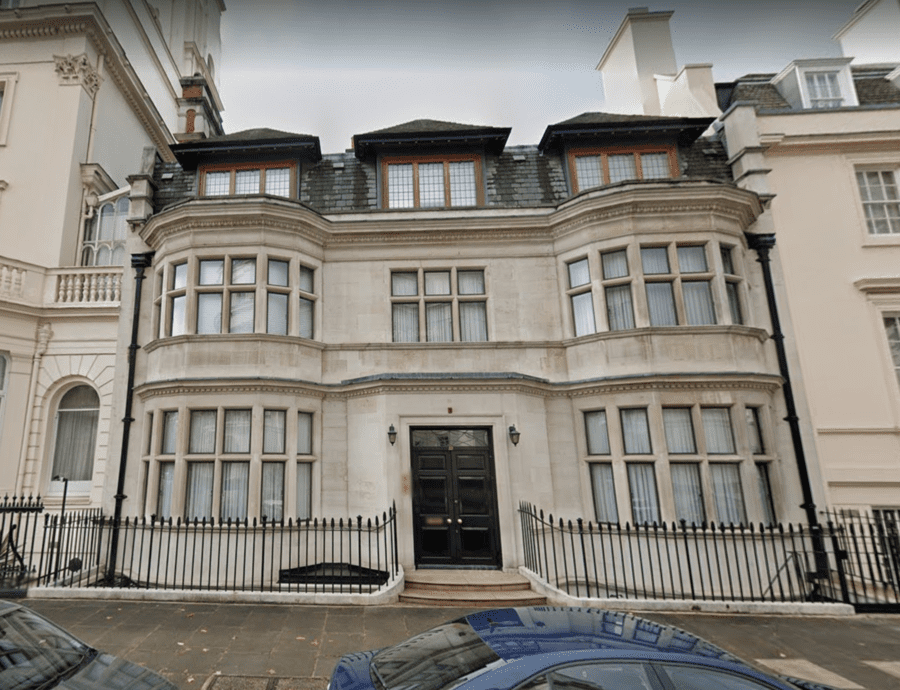
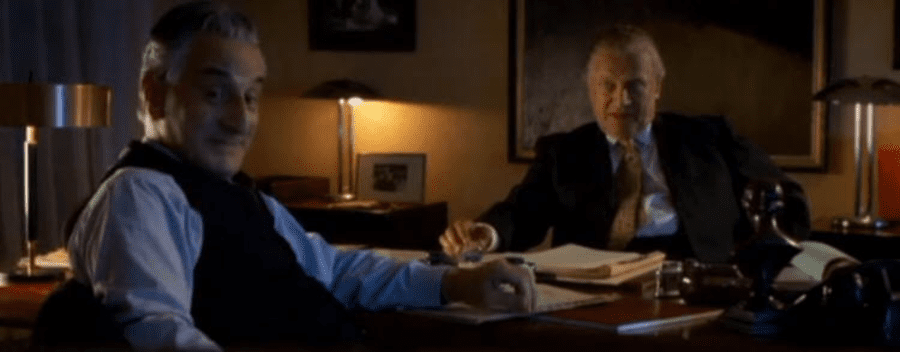
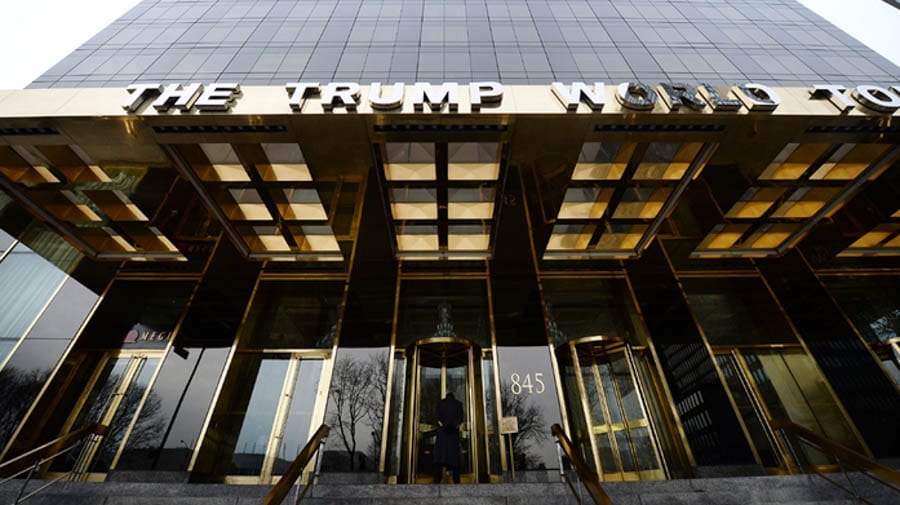
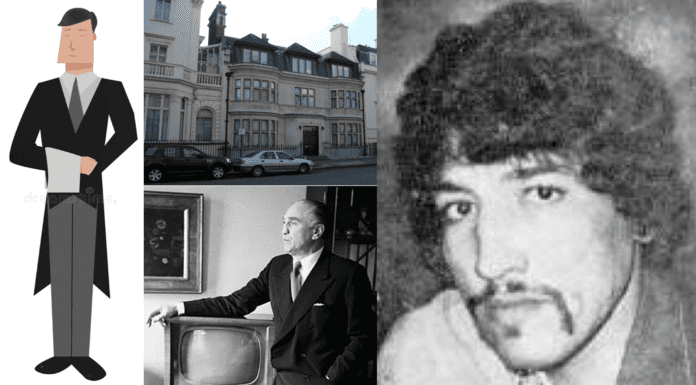
    Pictured top – No image of Julian Sessé can be found on the Internet (left); 32 Wilton Crescent (top centre) and the late Granada head honcho Lord Bernstein (lower centre); killer Mustapha Bassaine in the only known image available of him (right).


    Listen to the ‘Scotland Yard Confidential’ episode about the slaying of ‘The Peer’s Butler’ by clicking here.


    Editor’s note – Unlike as is the case in many publications, this article was NOT sponsored or supported by a third-party. Follow Matthew Steeples on Twitter at @M_Steeples.


    A message from our editorial team – Thank you for reading this article. We’re more reliant on your support than ever as the shift in consumer habits brought about by coronavirus and the cost-of-living crisis impacts our advertisers. If you haven’t already, please consider supporting our trusted, fact-checked journalism by supporting our work via Patreon.

     

    Scotland Yard Confidential butler murder Belgravia Julian Sesse 1970
    The story of the December 1970 slaying at 32 Wilton Crescent features in a 37:02-minute March 2023 episode of the excellent podcast ‘Scotland Yard Confidential’ – which can be listened to as ‘A Spotify Original.’ The description for the episode reads: “In December 1970, Julian Sessé, the long-serving butler to Granada TV Chairman, Lord Bernstein, was found brutally murdered in his basement flat in Belgravia. With little hope for a successful investigation, and two murder cases already on their books, local police quickly handed the case to Scotland Yard. Evidence gathered from the flat revealed that the elegant 65-year-old butler was in the habit of picking up younger men and entertaining them at his home. He was discreet and private in these affairs, and his personal acquaintances were equally secretive. Was his killer a stranger or a friend? And how would detectives trace him if no one was willing to talk? It fell to Detective Chief Superintendent John ‘Ginger’ Hensley to crack the case of the Peer’s Butler. Learn more about your ad choices.”
    Julian Sesse murderer Mustapha Bassaine convicted
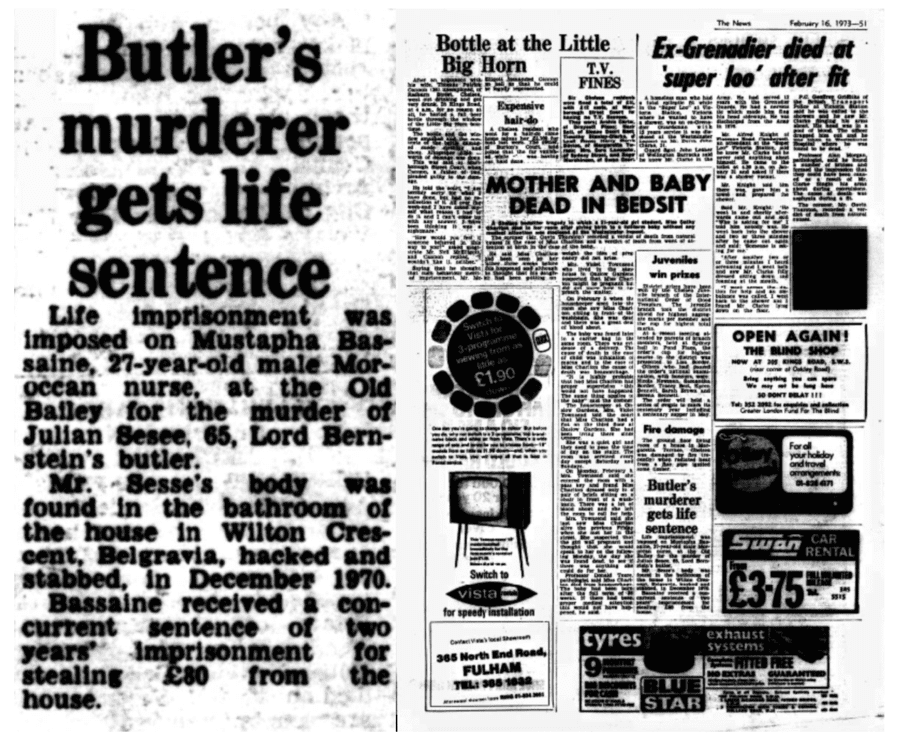
    In an edition of ‘The News’ on 16th February 1973 that reported on Julian Bassaine receiving a life sentence for the slaying of Lord Bernstein’s butler, other articles included one about a Burton’s Court, Chelsea, SW3 resident having had £1,100 fur coat stolen “while she was having her hair done” and another listing TV licence fines awarded to residents of Draycott Place, Sloane Court West, Lyall Streeet, Margeretta Terrace, Sydney Street and Swan Court. A tragic story of a mother and baby found dead in a bedsit in Onslow Gardens, SW7 was referenced on the same page along with an ex-Grenadier Guardsmen being found dead after a fit in a ‘super loo’ at Victoria Station, SW1. A tale of a drunken man being fined after throwing a bottle through a Kings Road boutique, the Little-Big-Horn was one of the day’s more light-hearted pieces of coverage; Thomas Patrick Canon of Redburn Street, SW3 told the judge: “I am terribly sorry for what I have done, but had no recollection of it. All over the weekend I have asked myself what reason I had to do it and I can’t come up with any answer. I have been thinking it was a nightmare. I wouldn’t like it, neither [if that had been done to a shop I owned].”
    32 Wilton Crescent Belgravia London SW1 murder
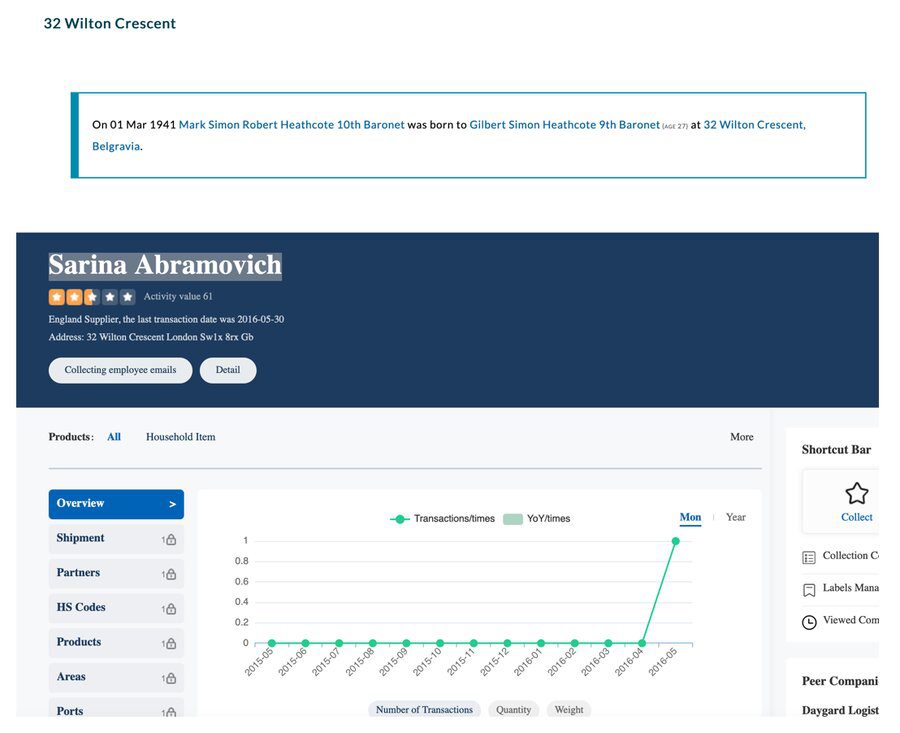
    The scene of a murder most horrid on the 19th December 1970 – 32 Wilton Crescent, Belgravia, London, SW1X 8RX. Beyond the then owner Sidney Bernstein (formally titled The Right Honourable The Lord Bernstein of Leigh in the County of Kent, 1899 – 1993), others who have have variously lived or have connections to the likely now worth upwards of £40 million residence have included Gilbert Heathcote, 9th Baronet (in 1941) and a lady named Sarina Abramovich (circa 2015 to 2016). Ms Abramovich was subsequently (in 2021) 432 Park Avenue, New York based and shares a surname with the former Chelsea Football Club owning, one-time Putin supporting billionaire Roman Abramovich, but it is unknown if they are related. A statue of Sir Robert Grosvenor KG stands just opposite 32 Wilton Crescent and others to have lived on this most tony of streets have included the 1st Earl Mountbatten of Burma, Lord Randolph Churchill, Quentin Crewe, the Grand Duchesss Charlotte of Luxembourgh and Demetri Marchessini.
    Steven Berkoff Granada Television Lord Bernstein
    Essex born and Jewish, Sidney Bernstein, Baron Bernstein was lauded as “the dominant influence on the growth and development of commercial television” by the British Film Institute. Twice married and a father of three, his business interests included amongst other things a circuit of 60 cinemas and theatres, motorway services stations and a hugely profitable television rental business. He was a lifelong friend and partner of Sir Alfred Hitchcock in film production and turned Granada Television into a huge commercial success; he was portrayed by Steven Berkoff in the 2010 BBC one-off drama, ‘The Road to Coronation Street.’
    32 Wilton Crescent Belgravia Mark Heathcote Sarina Abramovich
    Sarina Abramovich is listed as being connected with 32 Wilton Crescent in 2015 and 2016 in documents relating to imports and exports. Whether she has any connection with the property now is unknown and records relating to the building remain shrouded in mystery. The Heathcote family were connected with the house in the 1940s when Mark Heathcote, 10th Baronet was born there in 1941.
  • Elvis & Epstein’s ‘Dictator Car’

    Elvis & Epstein’s ‘Dictator Car’

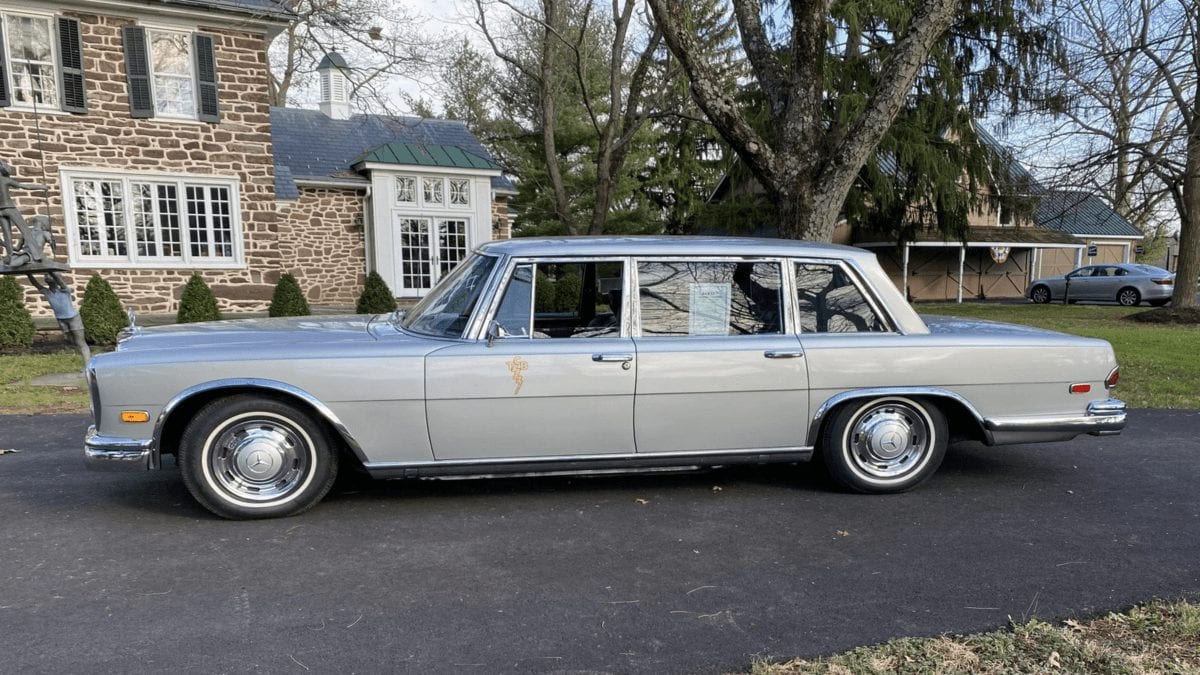
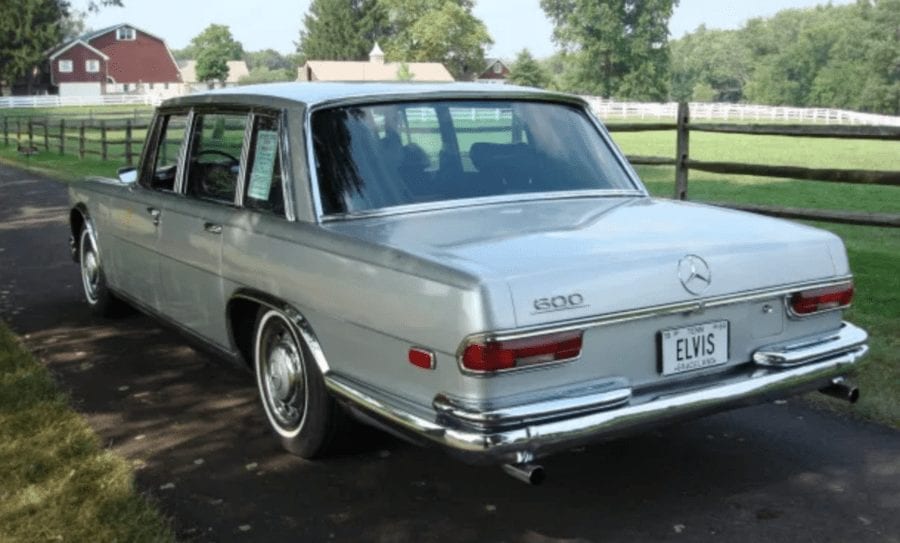
    1969 Mercedes-Benz 600 ‘Dictator Car’ sedan originally owned by Elvis Presley and currently by an Epstein is being sold by auction

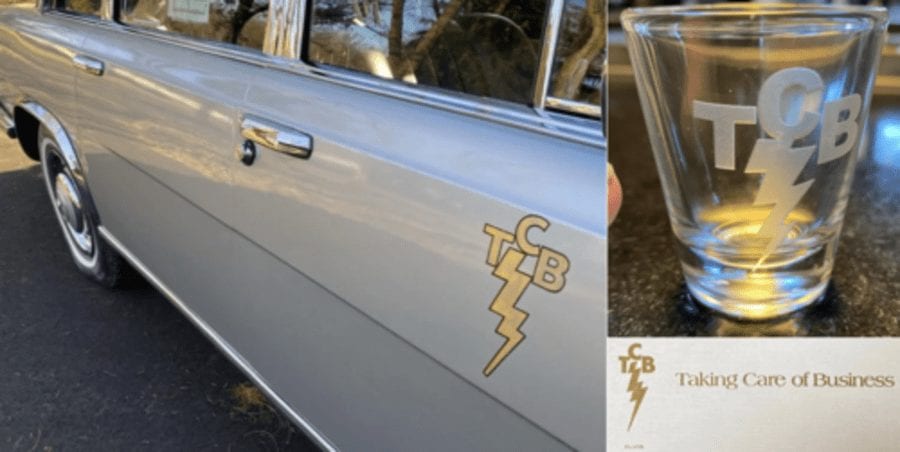
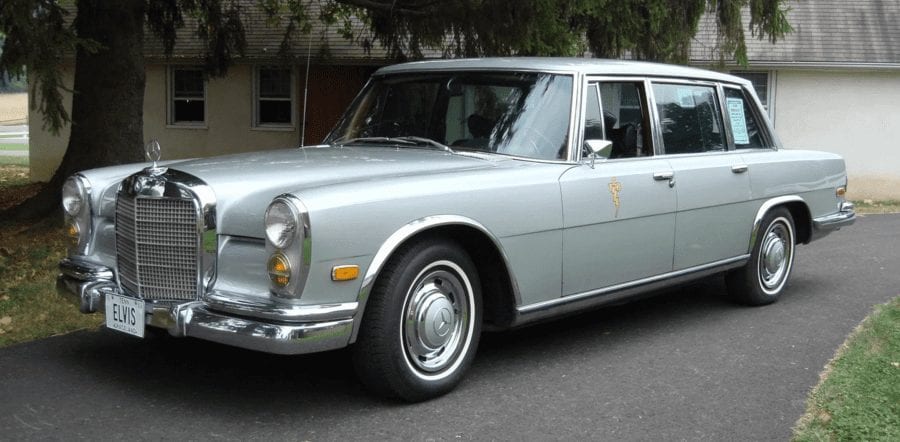
    ‘Taking Care of Business’ was said to be “Elvis Presley’s business motto and working philosophy.” Now, someone with deep pockets can buy the ‘King’s’ 1969 Mercedes-Benz 600 ‘Dictator Car’ sedan emblazoned with ‘TCB’ on its side that is being auctioned for charity this December.


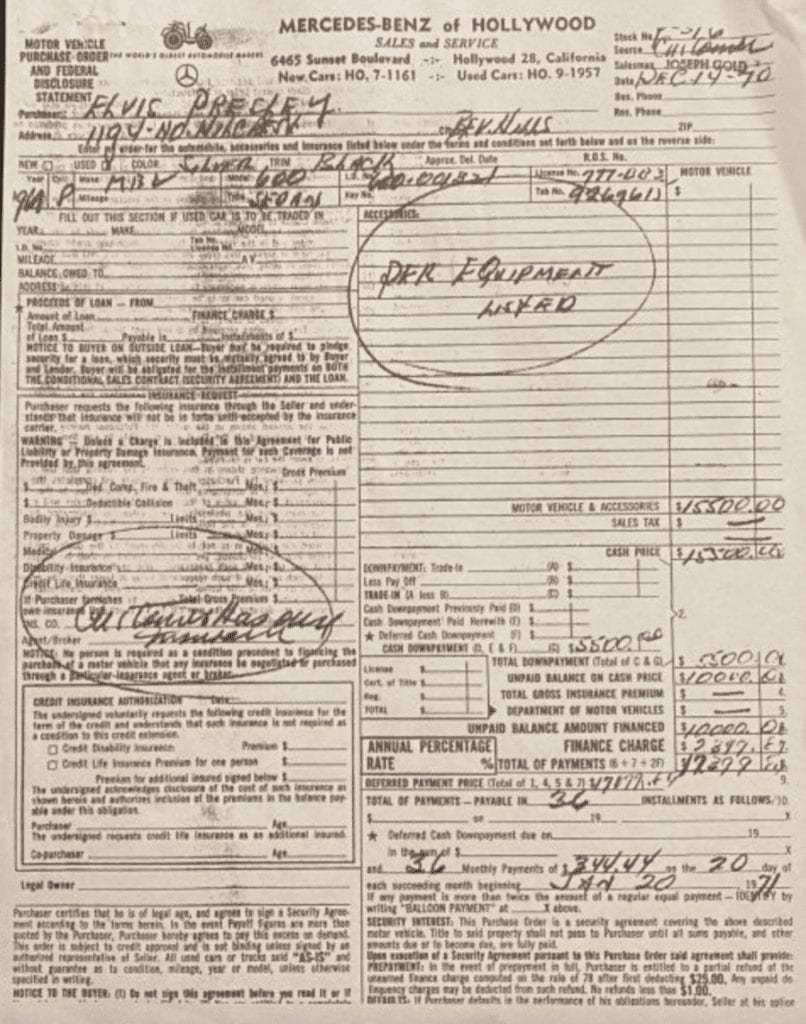
    Said to be one of over 200 cars that the Blue Suede Shoes, Hound Dog and Jailhouse Rock singer owned and mostly gave away as gifts, the short-wheelbase limousine was purchased by him on 14th December 1970 at Mercedes-Benz of Hollywood on Sunset Boulevard for $15,000 (or the equivalent of £75,300, $100,600, €82,900 or درهم369,500 today).


    Elvis & Epstein’s Dictator Car – Ex-Elvis Presley Mercedes 600 to be sold – 1969 Mercedes-Benz 600 ‘Dictator Car’ sedan originally owned by Elvis Presley and currently by an Epstein is being sold by auction –1969 Mercedes-Benz 600 sedan, chassis number 10001212001321, originally owned by Elvis Presley and gifted to Jimmy Velvet in the mid-1970s – To be sold by Bring A Trailer on Friday 18th December 2020 at 7.05pm – Current bid of £160,400 ($214,500, €177,000 or درهم787,800).
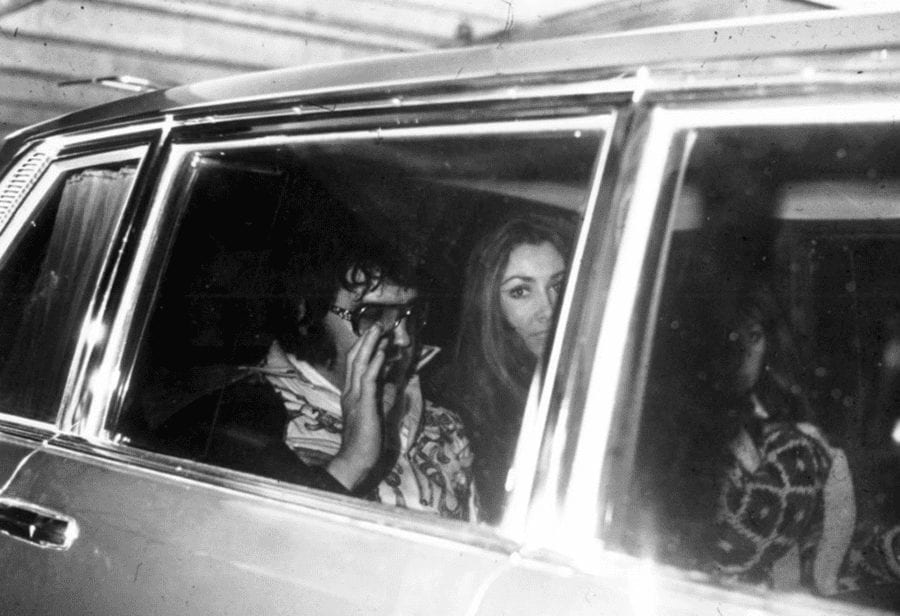
    Elvis and Priscilla Presley in the car.
    Elvis & Epstein’s Dictator Car – Ex-Elvis Presley Mercedes 600 to be sold – 1969 Mercedes-Benz 600 ‘Dictator Car’ sedan originally owned by Elvis Presley and currently by an Epstein is being sold by auction –1969 Mercedes-Benz 600 sedan, chassis number 10001212001321, originally owned by Elvis Presley and gifted to Jimmy Velvet in the mid-1970s – To be sold by Bring A Trailer on Friday 18th December 2020 at 7.05pm – Current bid of £160,400 ($214,500, €177,000 or درهم787,800).
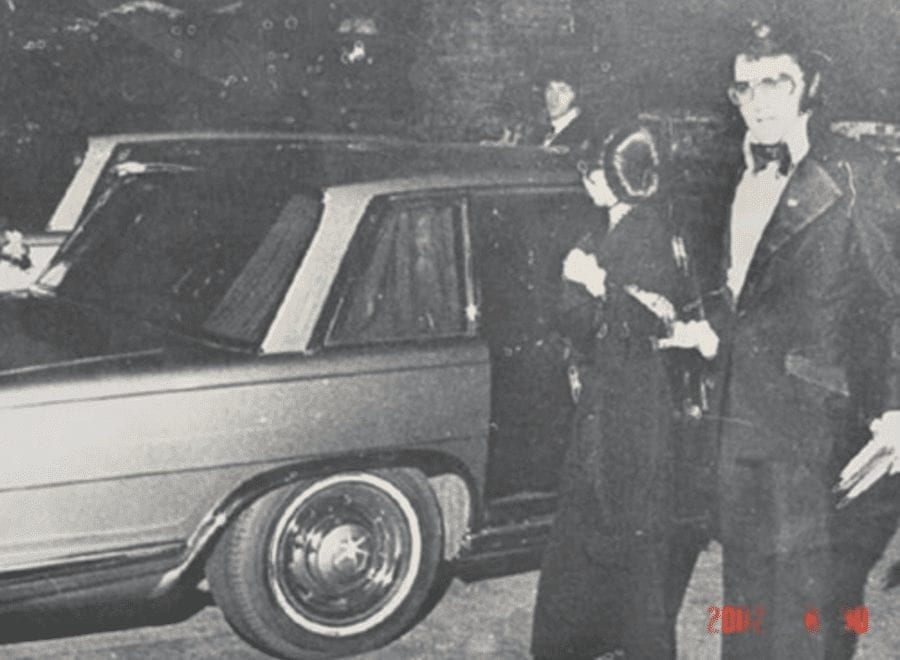
    And pictured standing next to it.

    Presley reportedly used the 6.3-litre engine vehicle until the mid-1970s and then gave it to his vocalist friend Jimmy Velvet – who was later to become the operator of an Elvis memorabilia museum. Later sold on to the CEO of Dollar General and “refreshed” in the 1990s, a businessman turned philanthropist named Gene Epstein bought the ‘Dictator Car’ in 2002 after seeing it at the Amelia Island Concours.


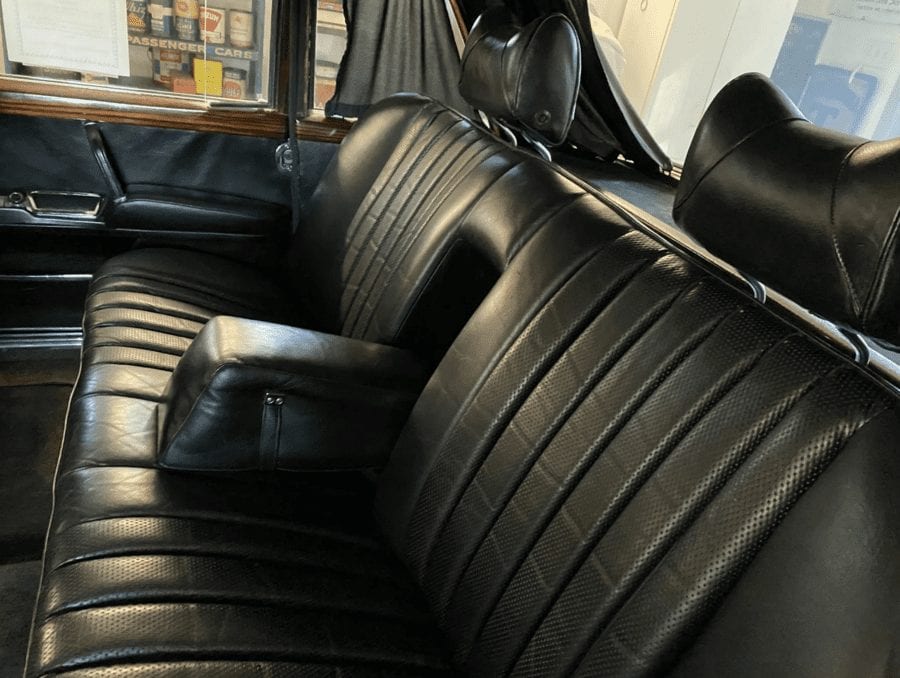
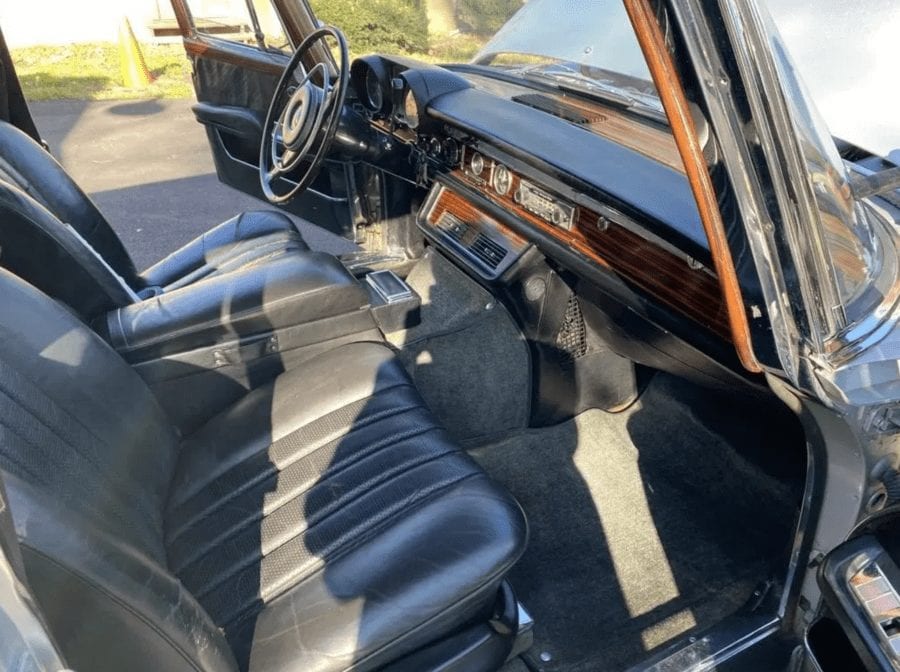
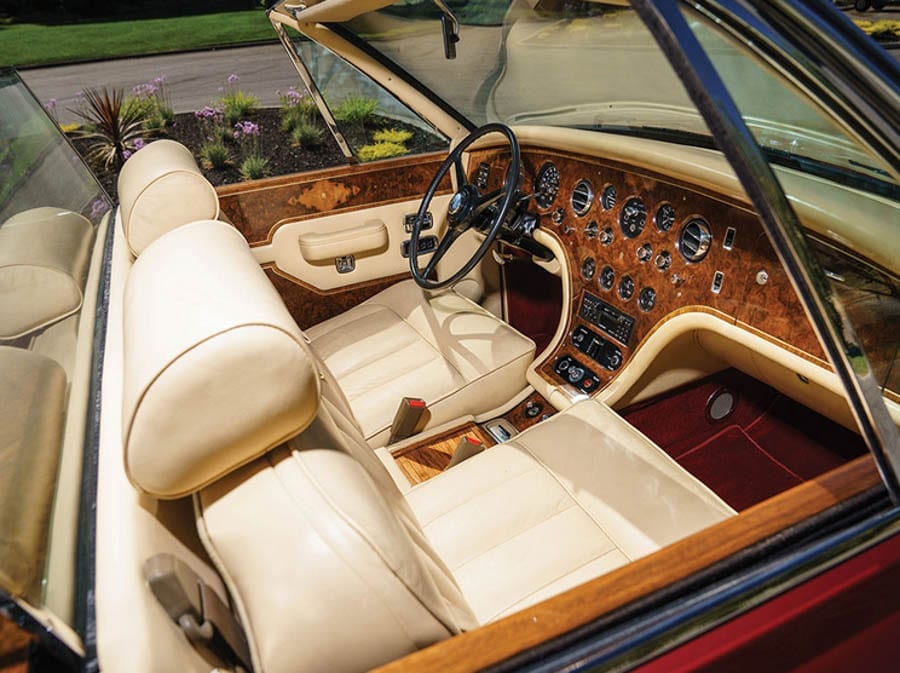
    Finished in silver and featuring a black leather with dark grey carpets and ‘zebrawood accents’ interior, the automatic car has privacy curtains, separate front and rear heating and air conditioning controls and a refrigerated console between the front seats. It has covered 60,500 miles and is being promoted as being in need of a new owner “with a big enough personality to pull it off.”


    Of why he is selling the limousine – which comes with an array of Elvis Presley related memorabilia and paperwork – Gene Epstein (whom has no known connection to the late monster Jeffrey Epstein) commented:


    “We feel that after owning and enjoying ‘Elvis’ for nearly 20 years it is time to say goodbye for the better need. Especially since Covid has shut down just about every event that we have planned.”


    “Giving this car to our charity was a major decision that I’ve been advised against by my accountant who simply looks at the bottom line after taxes. I know that I exceed any tax benefit but how in the world can any of us enjoy life while seeing other people suffering?”


    “The lightning bolt on Elvis is TCB could very well have been on mine. There’s not enough time in the day to do the best for everybody every day but we have to keep trying.”


    “Elvis’s Mercedes is one hell of an automobile. And fun to drive… I hope it brings a world record price.”


    In September 2019, a 1966 Mercedes-Benz 600 sedan The Steeple Times featured that had belonged to Nubar Gulbenkian sold for £310,900 ($415,000, €342,500 or درهم1.5 million). That car admittedly was undoubtedly a one-off in that its eccentric owner had changed the rear seats to a double bed and added a full glass roof, but by comparison the current bid of £160,400 ($214,500, €177,000 or درهم787,800) on the ex-Elvis ‘ride’ makes it seem cheap at a sum 48.4% lower.


    Bring A Trailer’s online auction for this It’s Now or Never of a limousine concludes on the 18th December.


    Facebook: @TheSteepleTimes

    Instagram: @TheSteepleTimes

    Twitter: @SteepleTimes


    Elvis & Epstein’s Dictator Car – Ex-Elvis Presley Mercedes 600 to be sold – 1969 Mercedes-Benz 600 ‘Dictator Car’ sedan originally owned by Elvis Presley and currently by an Epstein is being sold by auction –1969 Mercedes-Benz 600 sedan, chassis number 10001212001321, originally owned by Elvis Presley and gifted to Jimmy Velvet in the mid-1970s – To be sold by Bring A Trailer on Friday 18th December 2020 at 7.05pm – Current bid of £160,400 ($214,500, €177,000 or درهم787,800).
    The black leather to the rear passenger seating is original yet in good condition.
    Elvis & Epstein’s Dictator Car – Ex-Elvis Presley Mercedes 600 to be sold – 1969 Mercedes-Benz 600 ‘Dictator Car’ sedan originally owned by Elvis Presley and currently by an Epstein is being sold by auction –1969 Mercedes-Benz 600 sedan, chassis number 10001212001321, originally owned by Elvis Presley and gifted to Jimmy Velvet in the mid-1970s – To be sold by Bring A Trailer on Friday 18th December 2020 at 7.05pm – Current bid of £160,400 ($214,500, €177,000 or درهم787,800).
    There is some wear and tear to the front seating, however.
    Elvis & Epstein’s Dictator Car – Ex-Elvis Presley Mercedes 600 to be sold – 1969 Mercedes-Benz 600 ‘Dictator Car’ sedan originally owned by Elvis Presley and currently by an Epstein is being sold by auction –1969 Mercedes-Benz 600 sedan, chassis number 10001212001321, originally owned by Elvis Presley and gifted to Jimmy Velvet in the mid-1970s – To be sold by Bring A Trailer on Friday 18th December 2020 at 7.05pm – Current bid of £160,400 ($214,500, €177,000 or درهم787,800).
    The car is emblazoned with ‘TCB’ on its front doors and also comes with an example of Elvis Presley’s ‘TCB’ stationery and some shot glasses marked ‘TCB’ also.
    Elvis & Epstein’s Dictator Car – Ex-Elvis Presley Mercedes 600 to be sold – 1969 Mercedes-Benz 600 ‘Dictator Car’ sedan originally owned by Elvis Presley and currently by an Epstein is being sold by auction –1969 Mercedes-Benz 600 sedan, chassis number 10001212001321, originally owned by Elvis Presley and gifted to Jimmy Velvet in the mid-1970s – To be sold by Bring A Trailer on Friday 18th December 2020 at 7.05pm – Current bid of £160,400 ($214,500, €177,000 or درهم787,800).
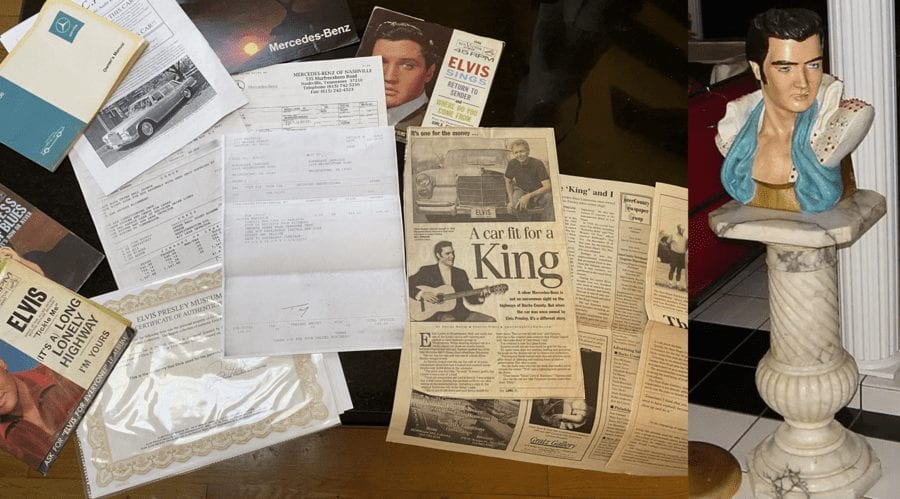
    Amongst other memorabilia with the car are original documents, cuttings and an Elvis Presley bust.
    Elvis & Epstein’s Dictator Car – Ex-Elvis Presley Mercedes 600 to be sold – 1969 Mercedes-Benz 600 ‘Dictator Car’ sedan originally owned by Elvis Presley and currently by an Epstein is being sold by auction –1969 Mercedes-Benz 600 sedan, chassis number 10001212001321, originally owned by Elvis Presley and gifted to Jimmy Velvet in the mid-1970s – To be sold by Bring A Trailer on Friday 18th December 2020 at 7.05pm – Current bid of £160,400 ($214,500, €177,000 or درهم787,800).
    The original bill of sale from Mercedes-Benz of Hollywood.
    Elvis & Epstein’s Dictator Car – Ex-Elvis Presley Mercedes 600 to be sold – 1969 Mercedes-Benz 600 ‘Dictator Car’ sedan originally owned by Elvis Presley and currently by an Epstein is being sold by auction –1969 Mercedes-Benz 600 sedan, chassis number 10001212001321, originally owned by Elvis Presley and gifted to Jimmy Velvet in the mid-1970s – To be sold by Bring A Trailer on Friday 18th December 2020 at 7.05pm – Current bid of £160,400 ($214,500, €177,000 or درهم787,800).
    From the front.
    Elvis & Epstein’s Dictator Car – Ex-Elvis Presley Mercedes 600 to be sold – 1969 Mercedes-Benz 600 ‘Dictator Car’ sedan originally owned by Elvis Presley and currently by an Epstein is being sold by auction –1969 Mercedes-Benz 600 sedan, chassis number 10001212001321, originally owned by Elvis Presley and gifted to Jimmy Velvet in the mid-1970s – To be sold by Bring A Trailer on Friday 18th December 2020 at 7.05pm – Current bid of £160,400 ($214,500, €177,000 or درهم787,800).
    And from the rear.
    https://www.youtube.com/watch?time_continue=2&v=rYCxTiEdvoc&feature=emb_logo
    A video of the car to be offered.
    The car to be sold arriving at Gene Epstein’s 75th birthday party in July 2014.
    https://www.youtube.com/watch?v=ex0XUS6ppas
    Another Mercedes-Benz 600 sedan owned by Elvis Presley was sold by Bonhams in December 2010 in the UK.
    Elvis Presley originally recorded ‘Long Black Limousine’ in January 1969.

  • Lavish Living and Little Owls at Lilford Hall

    Lavish Living and Little Owls at Lilford Hall

    Crumbling Northamptonshire estate Lilford Hall – where the little owl was introduced to Britain – for sale for £10 million, a sum £35 million lower than in 2014

    • Grade I listed Jacobean mansion with 13 chimney stacks for sale for £10 million; it was for sale last for £44.9 million in 2014 in spite of being listed on English Heritage’s ‘At Risk Register.’
    • Lilford Hall – parts of which have not been occupied since 1947 – is currently owned by a businessman who tried to sell burial plots in the grounds for £1,250 a pop and shares in a yacht loosely associated with Frank Sinatra for £23 each.
    • The 321-acre estate includes not only overgrown parkland, but also a zoo with cages that formerly housed bears and a lake for flamingos.
    • From 1711 until 1990, Lilford House was the seat of the Powys family – the 4th baron is credited with introducing the little owl to the UK.
    • More recently, in 1969, the “sexual mystic” artist Penny Slinger used the at-the-time derelict mansion in one of her best-known works.

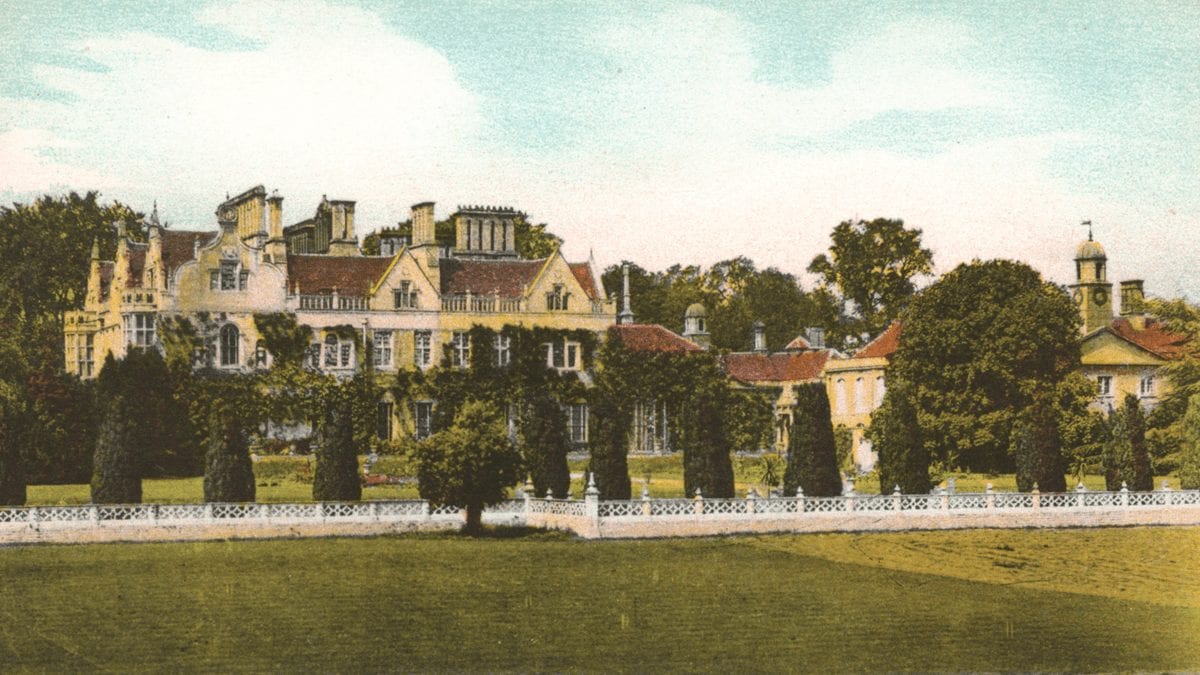
    A 32,406 square foot Grade I listed Jacobean mansion 82 miles from Central London has gone on sale for £10 million – or the equivalent of just £308 per square foot.


    On this basis, Lilford Hall – set in 321 acres near Oundle – seems a comparative bargain when considered against the £4,786 per square foot sought for a Lennox Gardens, Knightsbridge triplex flat The Steeple Times featured in May, but buyers need to remember this – parts of this crumbling building, most notably the major state rooms, have not been used since 1947.


    Marketed last in 2014 for the even more punchy sum of £45 million, the “exceptional residential and amenity estate located on the River Nene,” is now offered by agents Savills. The “wonderfully proportioned” U-shaped mansion itself  is constructed of grey limestone and includes over 100 rooms and amongst them are 7 “impressive” reception rooms, a ballroom, a ‘great chamber’ and 9 bedrooms. In addition, there are two Georgian pavilions that were formerly coach houses and stabling, three cottages, a former zoo, the oldest private softball court in the world, a former flamingo enclosure and a deer park.


    “Impressiveness in the chief attribute of Lilford Hall as a specimen of architecture” claimed County Life in 1990 and as the seat of the Powys family from 1711 until 1990, it became not only a Downton Abbey-esque entertaining pad, but also housed nurses in the Second World War. Here, indeed, is an English country house that has seen lavishness and decline and thankfully here is an example that thankfully escaped the wrecking ball wrought so disgracefully on such houses in the 1950s and 1960s.


    Fascinatingly in the 1880s, Thomas Powys, 4th Baron Lilford filled his aviaries on the estate with rheas, kiwis, pink-headed ducks, free-flying lammergeiers and it was from here that he also introduced the little owl into the UK. There are said to be around 5,700 breeding pairs today, but sadly, according to the RSPB, their numbers are now in decline.


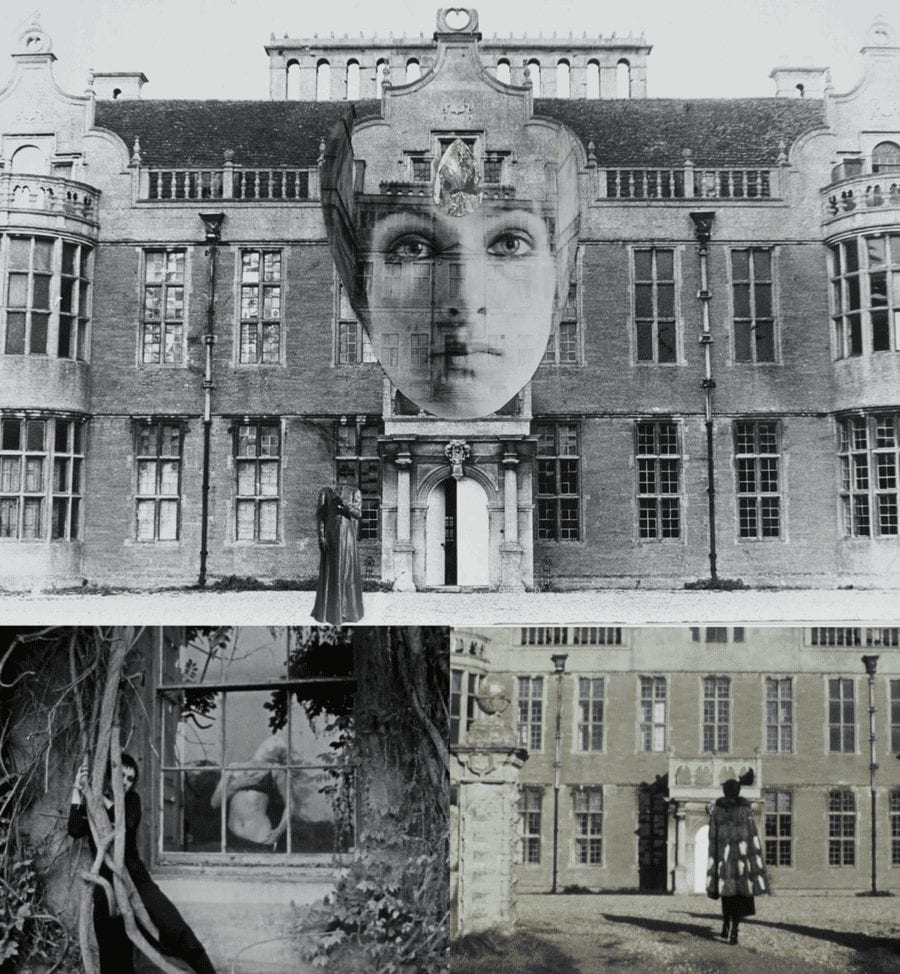
    More recently, in 1969, “sexually erotic” performance artist Penny Slinger took over the by then “derelict” mansion in conjunction with the filmmaker Peter Whitehead. Their resulting work, titled An Exorcism, was exhibited internationally and in 2004, after the current owners, Charles and Aziza Micklewright, acquired the house, they did something equally avant-garde; they attempted to sell burial plots in the grounds to Americans by citing the estate’s connections to the founder of the Brownists, Robert Browne – a man better known as ‘The Father of the Pilgrims’ and ‘The Grandfather of the Nation’ (of the United States of America).


    Whilst Mr and Mrs Micklewright were lauded for their considerable efforts towards the “huge task” of restoring Lilford Hall, they came to the attention of Historic England in May 2019 when the building was listed on the At Risk Register. At that time, the Oundle Chronicle reported: “The roof covering is in poor condition leading to water ingress and distress to the upper storeys. The front bays require structural attention. A schedule of urgent repairs has been identified but not implemented, and no long-term solution has been agreed.”
     

    Now, someone with very, very deep pockets is required to restore this gem. It would be helpful if they liked erotic art, bears, squash and owls also.
     

    https://www.youtube.com/watch?v=cii3VlgfVy0
    Lavish Living and Little Owls at Lilford Hall, Northants – £10 million ($12.5 million, €11.1 million or درهم46 million) for The Lilford Hall Estate, Lilford, Oundle, Peterborough, Northamptonshire, PE8 5SG, United Kingdom through estate agents Savills – Crumbling Northamptonshire estate Lilford Hall – where the little owl was introduced to Britain – for sale for £10 million, a sum £35 million lower than in 2014.
    The artwork created by Penny Slinger and Peter Whitehead at the house has been exhibited internationally.

    The Names & Numbers – The Lilford Hall Estate, Lilford, Oundle, Peterborough, Northamptonshire, PE8 5SG, United Kingdom


    June 2020 – The estate is listed sale for £10 million ($12.5 million, €11.1 million or درهم46 million) through Savills. It includes 321.31 acres, of which 148.17 acres are pasture land whilst 157.48 acres are woodland. The majority of the estate is held on a freehold title, whilst the remaining 127.6 acres – known as ‘The Linches’ and ‘Lilford Woods’ – are held on a lease with 91 years remaining.


    2015 – Promoted as ‘The National Memorial Gardens,’ burial plots in the gardens of the hall were offered “available to any UK resident or national for an outstanding price of only £1,250 ($1,568, €1,393 or درهم5,758)” by Mark Bailey of Harley Investments. Around the same time, a website dedicated to Lilford Hall marketed “a piece of the formal gardens” for sale for £299 ($375, €333 or درهم1,377) to include “an officially certified ‘Squire of Lilford’ [title] … with this little piece of history.”


    March 2014 – The Irish Times reported that the asking price for the estate had been increased to £44.9 million ($56.3 million, €50 million or 206.8درهم million). They claimed the agents Coldwell Banker blamed “confusion over currency conversion rates and new instructions from the owner.”


    April 2014 – The Lilford Hall Estate is listed for sale through Coldwell Banker on MyHome.ie for £33.7 million ($44.2 million, €37.5 million or درهم155 million) on behalf of “an English gentleman.”


    2004 – The estate is acquired by the Micklewright family. Little information is available online about the Old Framlingham Charles Micklewright (born July 1958), but he is described as a “patent attorney” on Companies Houses pages. The businessman is mentioned also as a publisher and trustee of the Marsh Christian Trust elsewhere, whilst his Singaporean born wife, Aziza (born 1964), was a director of Lilford Properties Limited from 2013 to 2018.


    A website operated by Sign of the Times Limited, a Hong Kong company of Lilford Hall, Lilford, Oundle, Northamptonshire, PE8 5SG, currently offers shares in a yacht named ‘Sinatra the Voice’ for £23.91 ($29.99, €26.64 or درهم110.14) per share. The boat was built in 1956 and is tenuously linked to Frank Sinatra by the fact that a one-time owner, Beale Poste, loaned it occasionally to the crooner between 1968 and 1974 in West Palm Beach, Florida.


    1990 – The estate is closed to the public.


    1980s – The house is used as a location in the BBC English Civil War inspired historical drama series By the Sword Divided.


    1970s – Aviaries on the estate restocked by George Powys, 7th Baron Lilford (1931 – 2005). He “opened [the estate] to the public as a leisure park” and housed more than 350 birds of 110 species there. It remained thus for around 20 years and included a restaurant and shop. The aviaries and the 1,896 square foot restaurant building remain present still today.


    1969 – 1970 – American British “sexual mystic” artist Penny Slinger (born 1947) and Liverpudlian filmmaker Peter Whitehead used the “derelict mansion” as the setting for their works An Exorcism and Lilford Hall. They are lauded as a “photo romance” and exhibited at the Blum and Poe Gallery in Los Angeles in 2014, at the Haywood Gallery in London in 2015 and at the Fortnight Institute in New York in 2019.


    1949 – Stephen Powys, 6th Baron Lilford (1869 – 1949) died without having married or having had children. His properties aside from Lilford – a house in Mayfair, Bank Hall in Lancashire and the Bewsey Estate in Cheshire – passed to his second cousin twice removed.


    1947 – The estate is sold to a company named Merchant Ventures by the Powys family (though they remain present on the estate until 1990).


    1939 – 1945 – During the Second World War, the parkland of the estate was used as a military hospital for nearby airfields. From 1949 to 1954, some of the buildings constructed during this period were then used as a Polish school.


    1923 – First-class Northamptonshire cricketer Major John Powys, 5th Baron Lilford (1863 – 1945) built the first private softball court in the world in the grounds of the hall. It is now in disrepair and the roof has fallen into the inner court.


    1909 – 1910 – The hall was extended in the Edwardian manner including the provision of a new master bedroom with dressing room and bathroom by William Dunn and Robert Watson of Dunn & Watson.


    1901 – The estate surrounding the hall reaches its largest size and totals a vast 8,000 acres of land. Around this time, Queen Mary, wife of King George V, is said to have visited the gardens.


    1880s – Ornithologist and expert on the fauna of the Balearics Thomas Littleton Powys, 4th Baron Lilford (1833 – 1896) introduces the little owl into England on the estate. His aviaries were said to “feature exotic birds from all around the world” and a species of European lizard, the Lilford’s wall lizard (Podarcis lilfordi), is named in his honour. The 4th baron is repeatedly mentioned in the works of Charles Darwin for his contribution to the study of the science of evolution.


    1840s – Further changes to the building are orchestrated by the architect William Gilbee Habershon (circa 1818 – 1891). The Campaign to Protect Rural England described these Victorian extensions as “sensitive” in 2006 – a rare accolade given most additions to English country houses during this period were simply brash and vulgar.


    1740s – The Palladian architect Henry Flitcroft (1697 – 1769) adds “outstanding” Georgian interiors whilst “respecting the hall’s Jacobean exterior.” He “softened and brightened” the building as a result and also “constructed the Georgian pavilions and additional storeys to the east end of the two wings.” Other works by Flitcroft can be seen at Bower House in Essex, Wentworth Woodhouse in Yorkshire and Woburn Abbey in Bedfordshire.


    1711 – Lilford Hall is sold to the judge and Tory politician Sir Thomas Powys (1649 – 1719), Attorney General to King James II. Powys is best remembered for conducting the prosecution of the Seven Bishops in 1699. He is buried at Lilford.


    1630s – Construction of the main exterior of what to this day remains Lilford Hall as a “Jacobean-style gentry house” by William Elmes (the younger).


    1473 – The land that forms the estate is acquired by William Browne (1410 – 1489), a wealthy wool merchant and landowner from Stamford, from the estate of Baron Welles (who was beheaded by King Edward IV for treason). In 1495, “in a Tudor style,” he built a hall on the site and it passed to Robert Browne (1550 – 1633), the founder of the Brownists, ‘The Father of the Pilgrims’ and ‘The Grandfather of the Nation’ (of the United States of America).


    Facebook: @TheSteepleTimes

    Instagram: @TheSteepleTimes

    Twitter: @SteepleTimes


  • A Seriously Slow Subaru

    A Seriously Slow Subaru

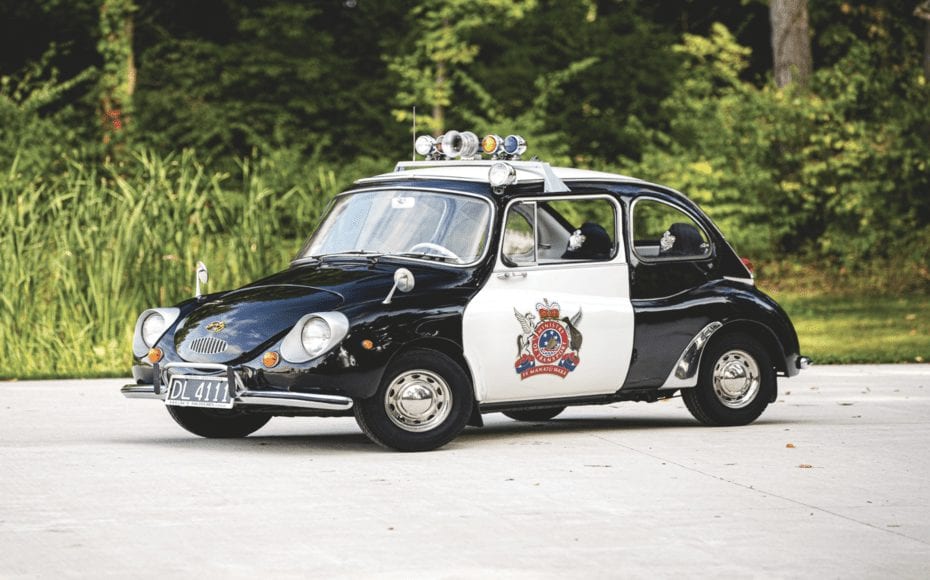
    Quirky 1970 Subaru 360 police car to be sold at auction; unlike anything Colin McRae drove it’s as slow as a snail

    Advertised quite accurately in the United States as “cheap and ugly” by its importer Malcolm Bricklin, the Subaru 360 was the first car produced by the Japanese transport conglomerate Fuji Heavy Industries.


    Exempt from normal safety standards because it weighed less than 1,000 pounds, the car was branded “not acceptable” because of safety concerns and lack of power, but now one of the few left – many were “tossed overboard” off boats or “shredded to pieces” due to their unpopularity – is now headed to auction via RM Sotheby’s in May.


    A Seriously Slow Subaru – 1970 Subaru 360 police car to be auctioned by RM Sotheby’s on 1st to 2nd May 2020 as part of the Elkhart Collection in Elkhart, Indiana – Quirky Subaru police car to be sold at auction; unlike anything Colin McRae drove it’s as slow as a snail.
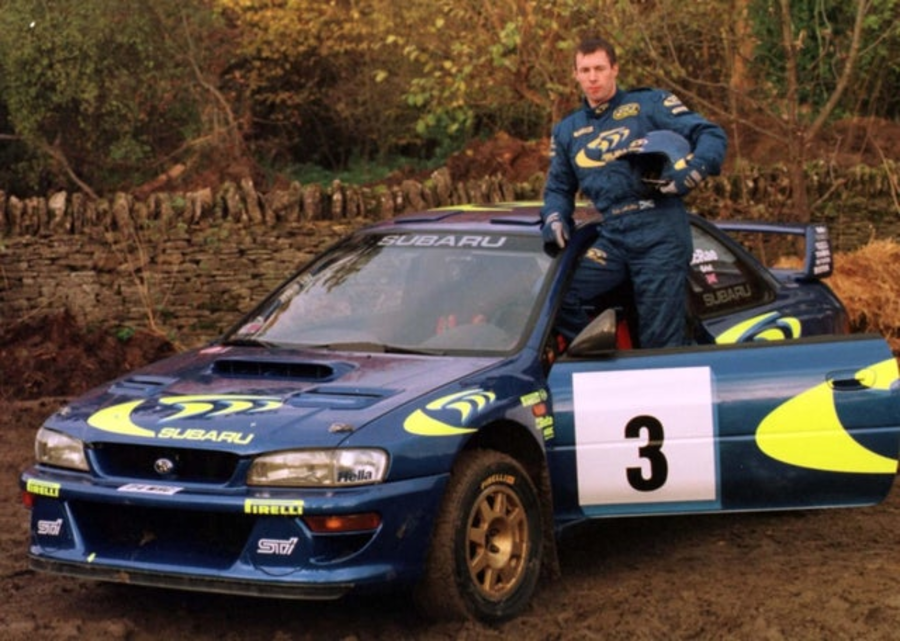
    The car to be offered by RM Sotheby’s is nothing like the vehicles that Subaru later created in terms of their abilities to drive at speed; in the 1990s the company became renowned for its wins at the World Rally Championships courtesy of the likes of the late Colin McRae MBE – the Subaru 360 would not have even have got off the starting block in such rallies.

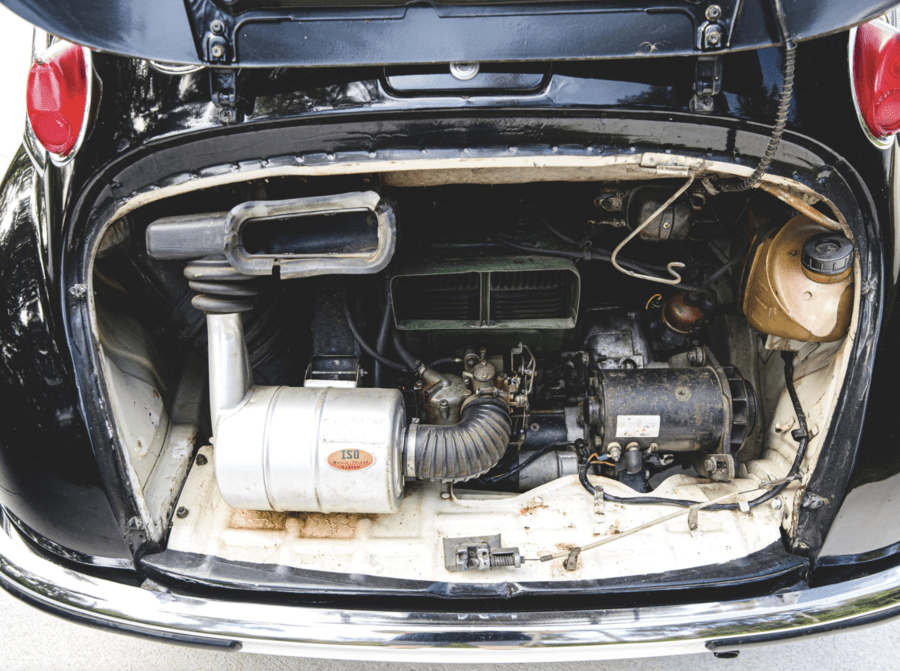
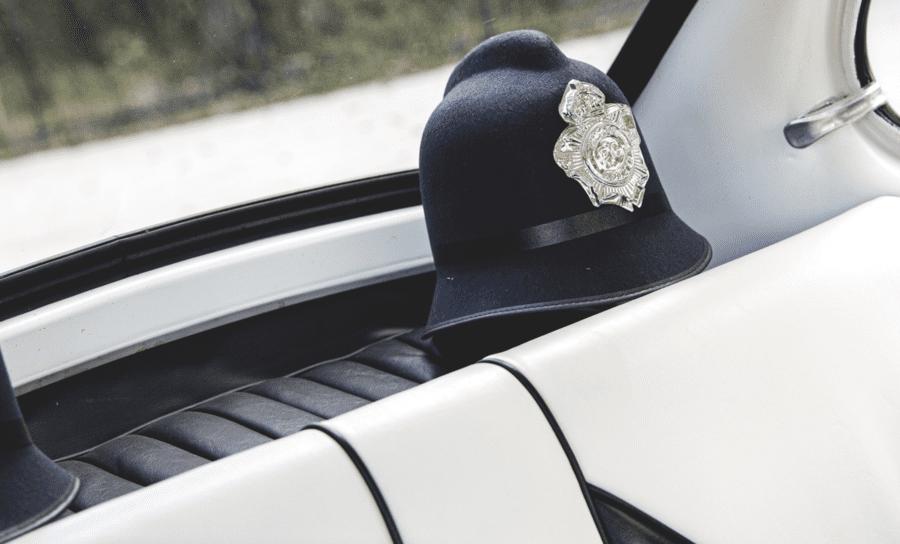
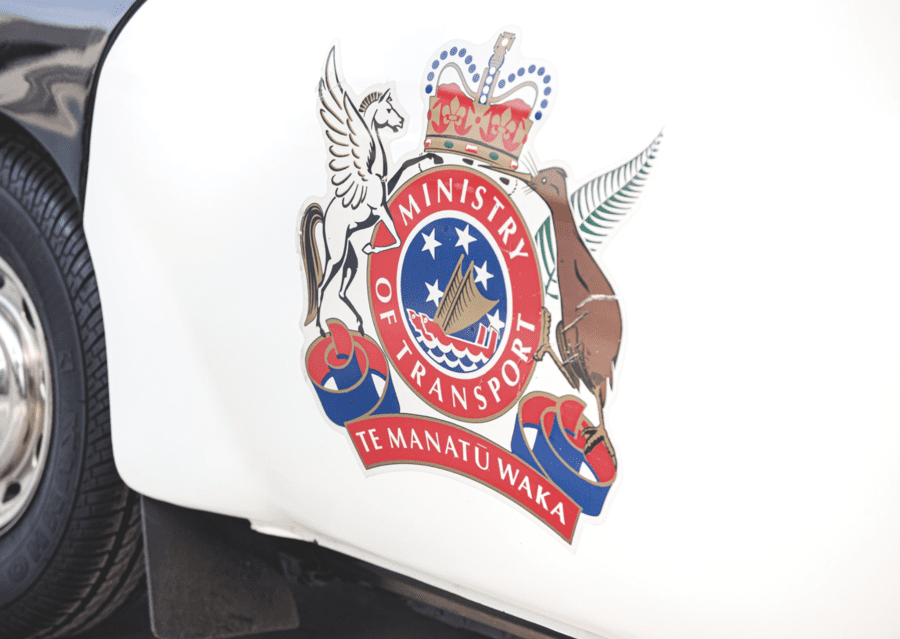
    The fibreglass monocque construction car to be sold, an example from 1970, comes in the form of a police car complete with the livery of the New Zealand Ministry of Transport. It has a siren, light bar and included also are bobby hats according to the auctioneers.


    They will offer the vehicle as part of their single owner Elkhart Collection sale on 1st and 2nd of May in Elkhart, Indiana and remark: “[It’s] unlikely to catch any speeders.” Like most of the 230 cars to be auctioned, no reserve set.


    Facebook: @TheSteepleTimes

    Instagram: @TheSteepleTimes

    Twitter: @SteepleTimes


    A Seriously Slow Subaru – 1970 Subaru 360 police car to be auctioned by RM Sotheby’s on 1st to 2nd May 2020 as part of the Elkhart Collection in Elkhart, Indiana – Quirky Subaru police car to be sold at auction; unlike anything Colin McRae drove it’s as slow as a snail.
    A Seriously Slow Subaru – 1970 Subaru 360 police car to be auctioned by RM Sotheby’s on 1st to 2nd May 2020 as part of the Elkhart Collection in Elkhart, Indiana – Quirky Subaru police car to be sold at auction; unlike anything Colin McRae drove it’s as slow as a snail.
    A Seriously Slow Subaru – 1970 Subaru 360 police car to be auctioned by RM Sotheby’s on 1st to 2nd May 2020 as part of the Elkhart Collection in Elkhart, Indiana – Quirky Subaru police car to be sold at auction; unlike anything Colin McRae drove it’s as slow as a snail.
    A Seriously Slow Subaru – 1970 Subaru 360 police car to be auctioned by RM Sotheby’s on 1st to 2nd May 2020 as part of the Elkhart Collection in Elkhart, Indiana – Quirky Subaru police car to be sold at auction; unlike anything Colin McRae drove it’s as slow as a snail.
    A Seriously Slow Subaru – 1970 Subaru 360 police car to be auctioned by RM Sotheby’s on 1st to 2nd May 2020 as part of the Elkhart Collection in Elkhart, Indiana – Quirky Subaru police car to be sold at auction; unlike anything Colin McRae drove it’s as slow as a snail.
    A Seriously Slow Subaru – 1970 Subaru 360 police car to be auctioned by RM Sotheby’s on 1st to 2nd May 2020 as part of the Elkhart Collection in Elkhart, Indiana – Quirky Subaru police car to be sold at auction; unlike anything Colin McRae drove it’s as slow as a snail.
  • Mrs Simpson Farmed in Mayfair

    Mrs Simpson Farmed in Mayfair

    Mayfair “farmhouse” where Mrs Simpson began her affair with the then Prince of Wales for sale for 147% more than it was marketed for in 2012


    Last marketed at a price of £4.75 million ($6.04 million, €5.30 million or درهم22.19 million) in 2012 and offered for sale in 2005 at an undisclosed sum also, a house where the then Mrs Simpson began her affair with the then Prince of Wales is again for sale.


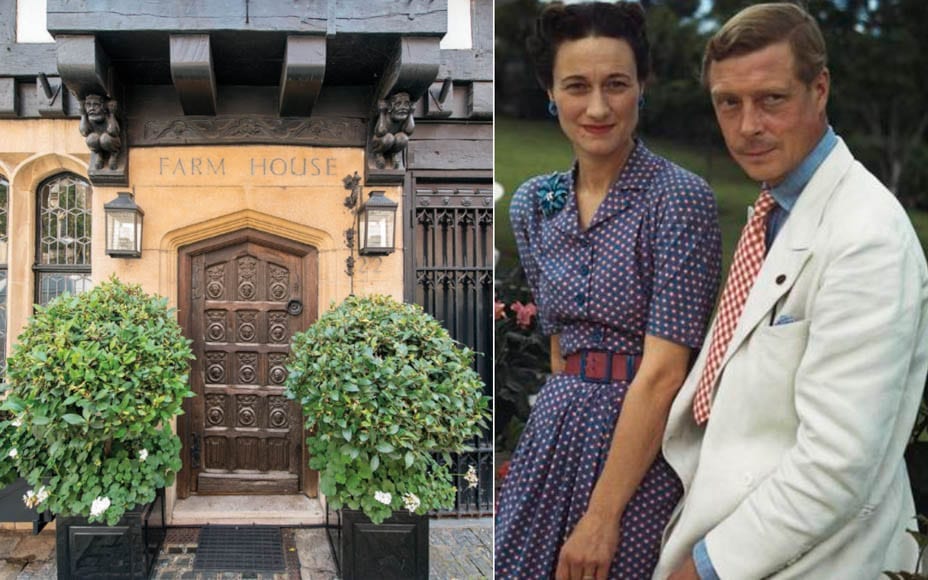
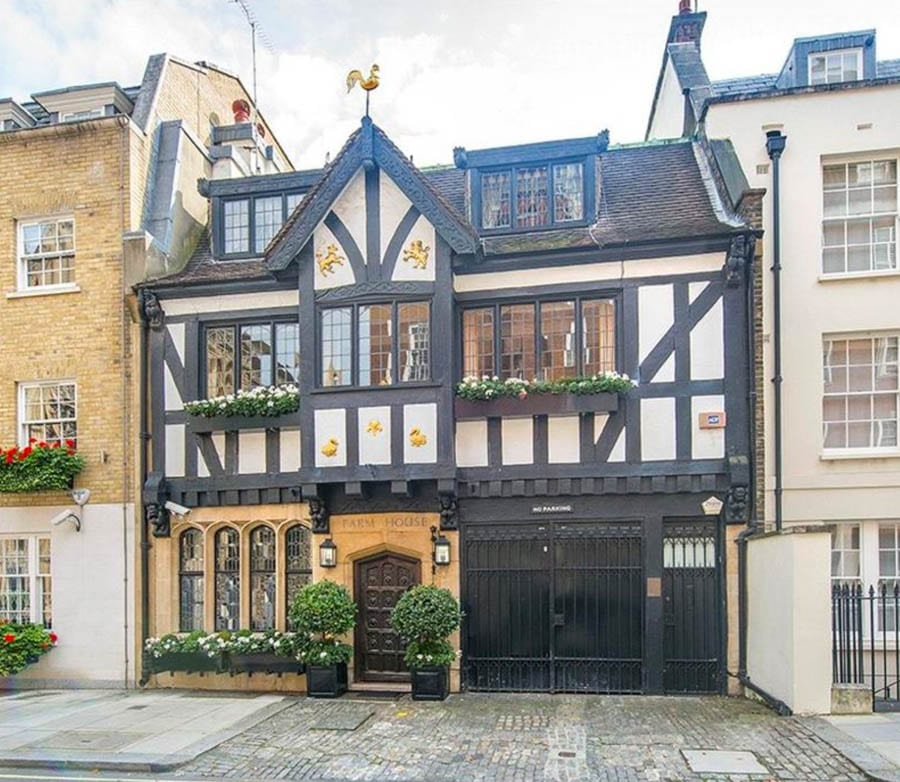
    Rebuilt in the early 1900s by a Mrs M. Strakosch in “the Gothic style,” Farm House – or 22 Farm Street as it is more simply known – stands on the site of a farmhouse that predated the development of Mayfair.


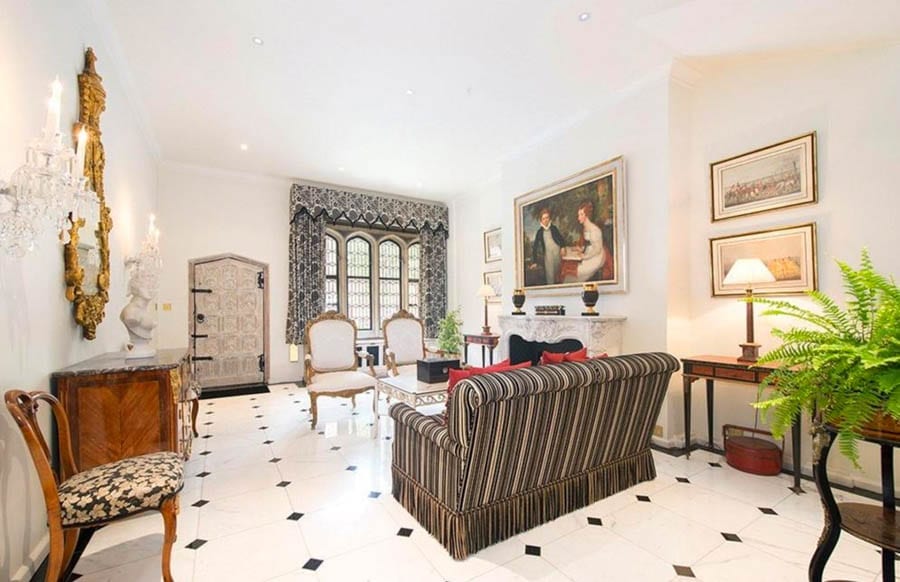
    Entered through a large oak front door that feature the heads of the twelve apostles, the half-timbered house Mrs Strakosch commissioned featured Flemish linenfold paneling and 17th century doors. Though much of this has now gone, a number of Jacobean and medieval features remain and what is now offered is described as “the perfect space for modern entertaining.”


    Mrs Simpson Farmed in Mayfair – Farm House, 22 Farm Street, Mayfair, London, W1J 5RQ, United Kingdom – For sale for £11.75 million ($14.95 million, €13.12 million or درهم54.90 million) through Knight Frank.
    Farm House, 22 Farm Street, Mayfair, London, W1J 5RQ – For sale for £11.75 million

    Mrs Simpson Farmed in Mayfair – Farm House, 22 Farm Street, Mayfair, London, W1J 5RQ, United Kingdom – For sale for £11.75 million ($14.95 million, €13.12 million or درهم54.90 million) through Knight Frank.
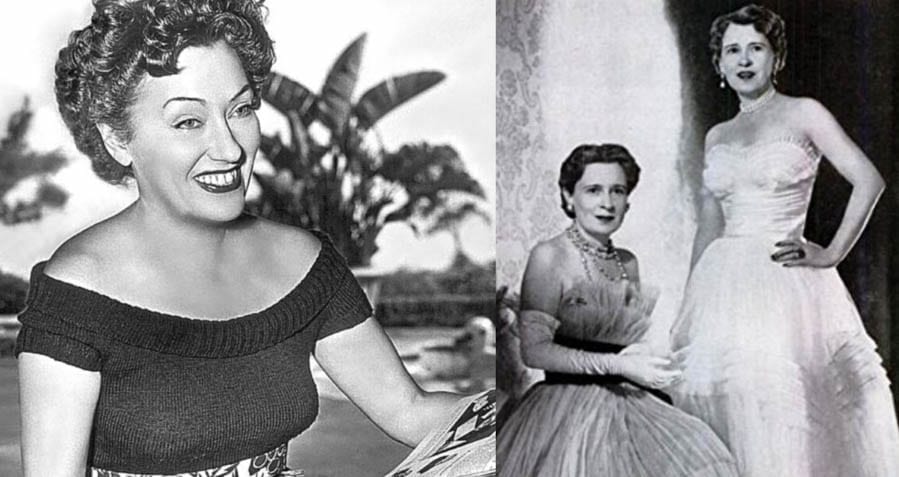
    Gloria Swanson, Gloria Vanderbilt and Thelma Furness


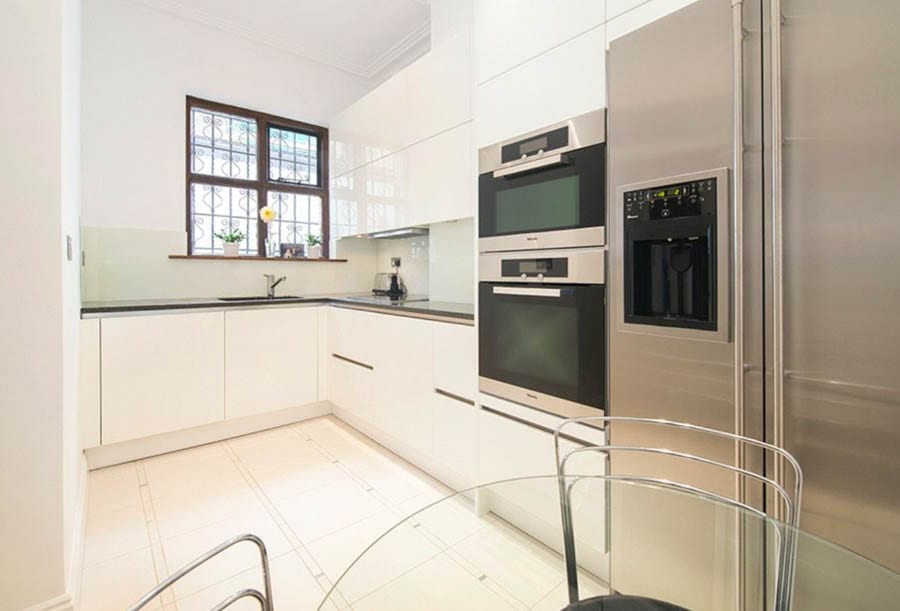
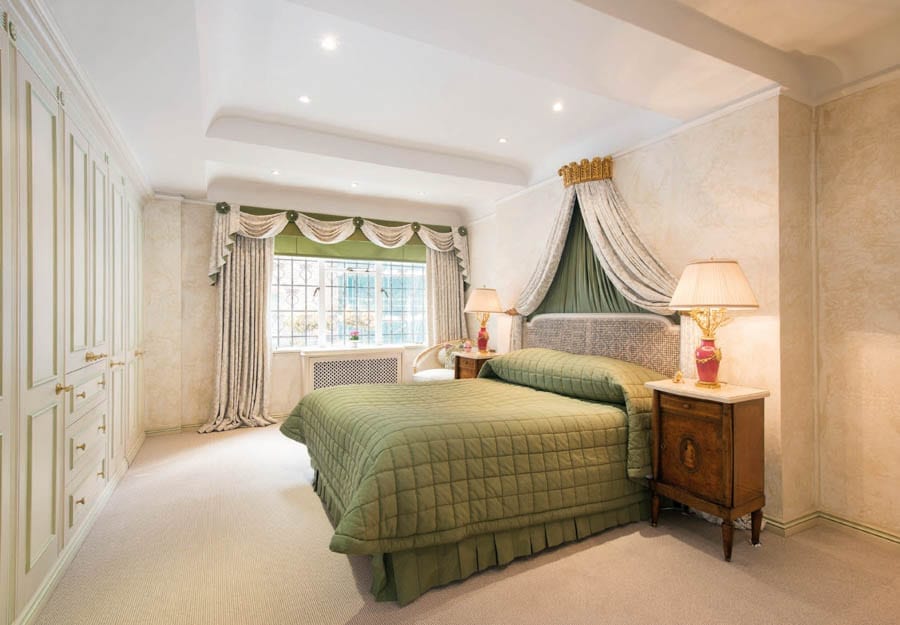
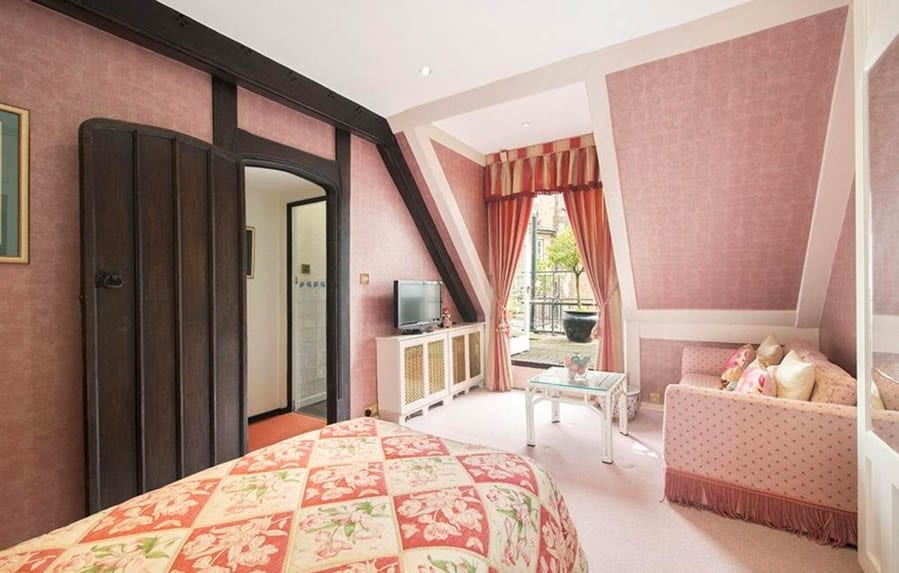
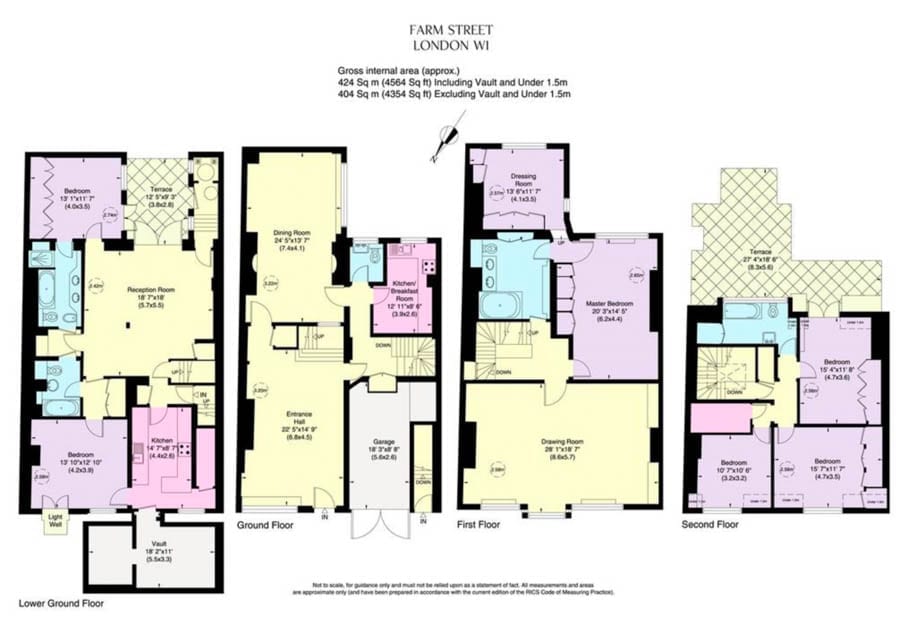
    Farm House includes three reception rooms, two kitchens, six bedrooms, four bathrooms, two terraces and a garage. It extends to 4,564 square foot over four floors and was home to the Swiss born Thelma Furness, Viscountess Furness (1904 – 1970), the twice married mistress of the then Prince of Wales and later King Edward VIII between 1930 and 1934, during their relationship.


    Furness, whose twin sister Gloria (1904 – 1965) became a Vanderbilt and was also the maternal grandmother of the American news anchor Anderson Cooper, at this time, was friends with Wallis Simpson. She introduced her American friend to the prince at her country house, Burrough Court, near Melton Mowbray, first in 1931 but then became supplanted in his affections in 1934.


    With their relationship approaching its end, Furness embarked on a short affair with Prince Aly Khan whilst in America and whilst there allowed Simpson to live in her Farm Street home according to the actress Gloria Swanson (1899 – 1983). Later, in her autobiography Silent Boulevard, Swanson wrote:


    “Lady Thelma Furness had a charming house on Farm Street, where her friend Wallis Simpson has kept the Prince of Wales company while Thelma was away in the States.”


    Swanson, whilst pregnant, and her then husband Michael Farmer subsequently rented Farm House from Furness and of their time there wrote: “The house was empty for the moment, so we settled in to wait for the baby and see old friends.”


    Knight Frank now seek £11.75 million ($14.95 million, €13.12 million or درهم54.90 million) for Farm House. Reportedly, according to a 2012 Mayfair Times article, the property comes with deeds that specifically mention that it still has a “right of way for sheep.”


    Facebook: @TheSteepleTimes

    Instagram: @TheSteepleTimes

    Twitter: @SteepleTimes

    Mrs Simpson Farmed in Mayfair – Farm House, 22 Farm Street, Mayfair, London, W1J 5RQ, United Kingdom – For sale for £11.75 million ($14.95 million, €13.12 million or درهم54.90 million) through Knight Frank. Mrs Simpson Farmed in Mayfair – Farm House, 22 Farm Street, Mayfair, London, W1J 5RQ, United Kingdom – For sale for £11.75 million ($14.95 million, €13.12 million or درهم54.90 million) through Knight Frank.Mrs Simpson Farmed in Mayfair – Farm House, 22 Farm Street, Mayfair, London, W1J 5RQ, United Kingdom – For sale for £11.75 million ($14.95 million, €13.12 million or درهم54.90 million) through Knight Frank.Mrs Simpson Farmed in Mayfair – Farm House, 22 Farm Street, Mayfair, London, W1J 5RQ, United Kingdom – For sale for £11.75 million ($14.95 million, €13.12 million or درهم54.90 million) through Knight Frank.Mrs Simpson Farmed in Mayfair – Farm House, 22 Farm Street, Mayfair, London, W1J 5RQ, United Kingdom – For sale for £11.75 million ($14.95 million, €13.12 million or درهم54.90 million) through Knight Frank. Mrs Simpson Farmed in Mayfair – Farm House, 22 Farm Street, Mayfair, London, W1J 5RQ, United Kingdom – For sale for £11.75 million ($14.95 million, €13.12 million or درهم54.90 million) through Knight Frank. Mrs Simpson Farmed in Mayfair – Farm House, 22 Farm Street, Mayfair, London, W1J 5RQ, United Kingdom – For sale for £11.75 million ($14.95 million, €13.12 million or درهم54.90 million) through Knight Frank.

  • A Con and A Cabriolet

    A Con and A Cabriolet

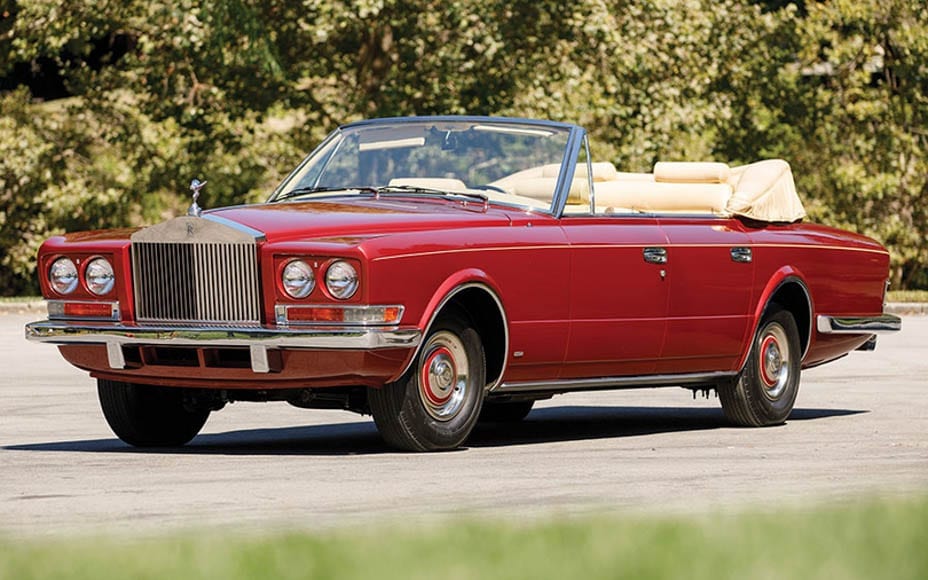
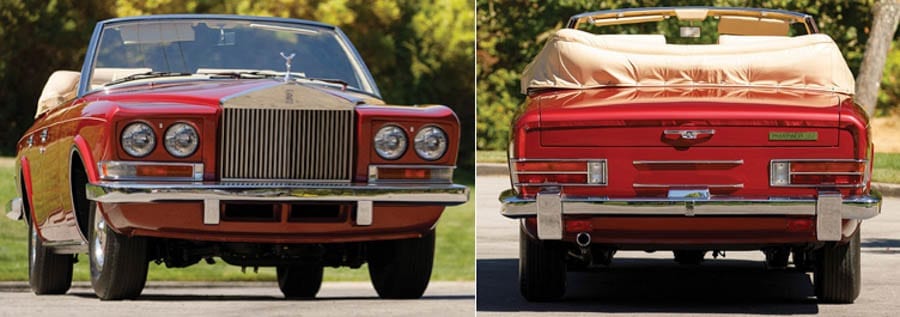
    One-off 1971 Rolls-Royce Phantom VI cabriolet to be auctioned; originally commissioned by a British playboy turned jailbird with connections to Princess Margaret but only actually completed in 1993


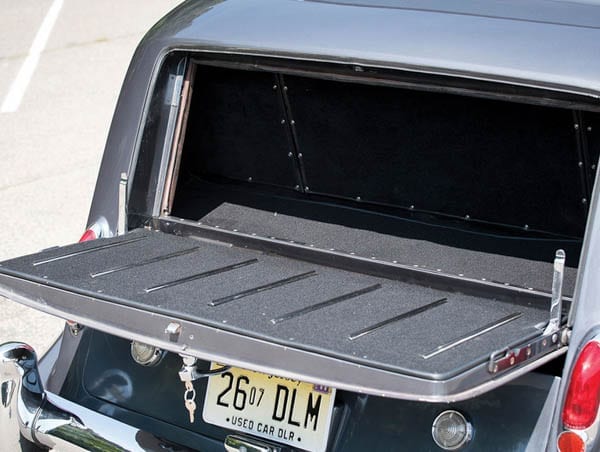
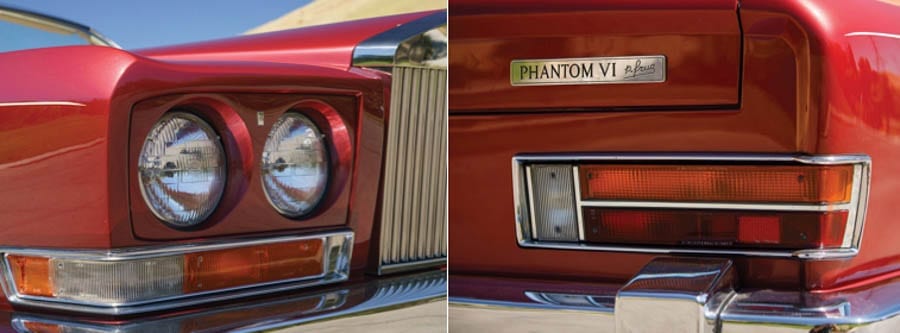
    A 1971 Rolls-Royce Phantom VI all-weather cabriolet with bodywork by the renowned Italian automotive stylist Frua is to be auctioned this month.


    Offered with an estimate of £308,000 to £462,000 ($400,000 to $600,000, €340,000 to €511,000 or درهم1.5 million to درهم2.2 million), this truly unique, one-of-one design was amazingly the final Rolls-Royce Phantom VI completed in spite of the model remaining in production until 1991. This mammoth beast of a car, surprisingly, however, has just 72 miles on its clock and is thus described as “as brand new.”


    The car’s first owner, Robert ‘Bobby’ Buchanan-Michaelson, was a bit of a playboy but sadly he never got to actually drive or be driven in it. A “member of Princess Margaret’s inner circle of friends,” this Cambridge graduate was a member of the “Mayfair mammas’ lists of the season’s most eligible bachelors” until “exchanging his Edwardian hacking jacket for prison grey” in 1954 after being jailed for 12 months for an import/export fraud according to a report in Sydney’s World’s News in August that year.


    Some years after being freed, ex-con Buchanan-Michaelson took part in the 10,000 mile 1968 London to Sydney Marathon in a Mercedes-Benz 280SE. In a book about the adventure he was described as both a “successful and wealthy businessman, employing a cook, a butler, a maid and a chauffeur” and as an “accomplished sportsman.” Also listed as a lavish spender, Buchannan-Michaelson was later bankrupted in November 1977 – though at the time he lived in grandeur at both at Churchbury Manor at Fairford, Gloucestershire and 26 The Vale, in Chelsea, London, SW3.


    In 1970, in the period between the international car race and his bankruptcy, Buchanan-Michaelson commissioned Rolls-Royce to build him a Phantom VI. After delivery to Jack Barclay Ltd. In June 1971, the vehicle’s chassis was sent to Frua of Torino, Italy to have bodywork fitted but for some reason work stopped and it was not until 1977 – and by now with a new American owner, James Leake, and new drawings of its eventual form – that the project continued.


    With Pietro Frua (1913 – 1983) retiring soon thereafter and Mr Leake’s death in 1983, the chassis passed to new ownership and it was only eventually completed as a finished motor vehicle in 1993.


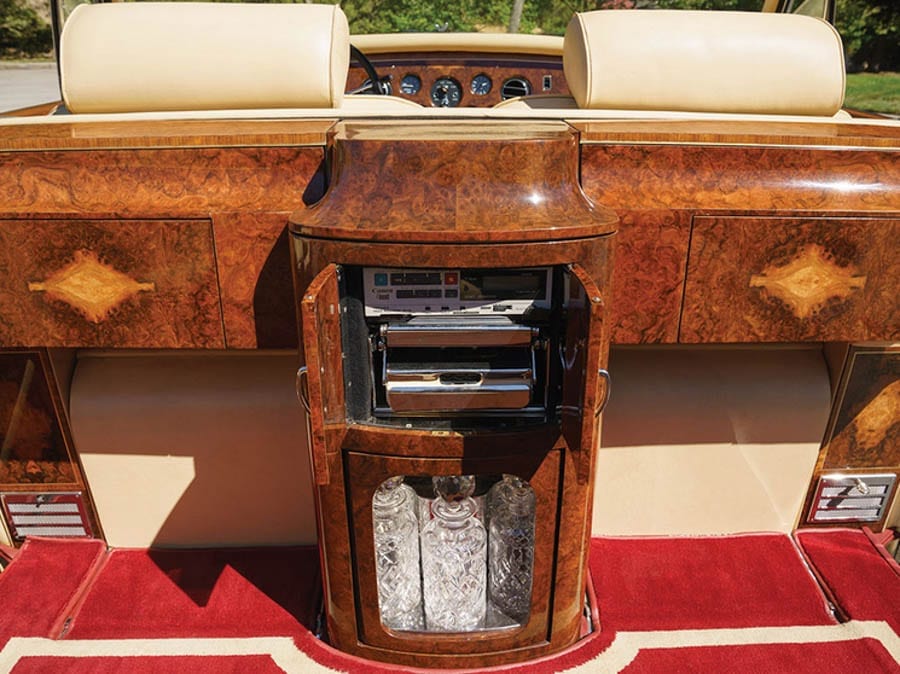
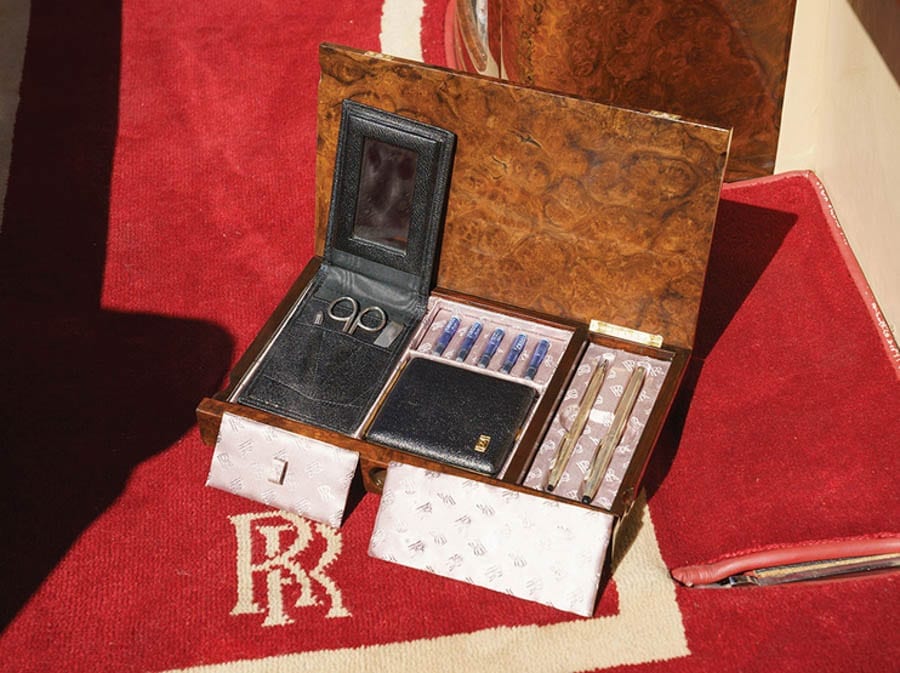
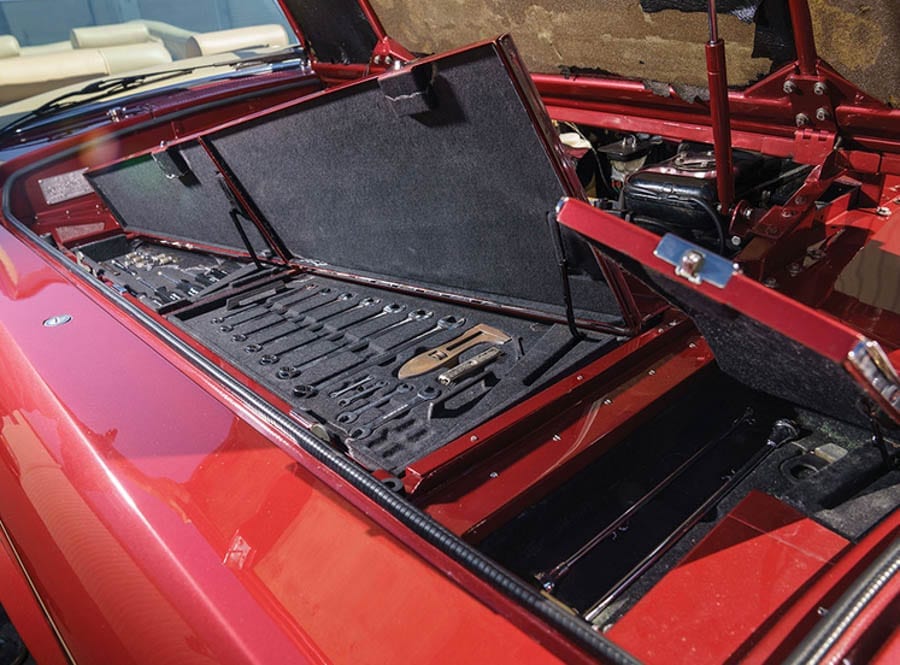
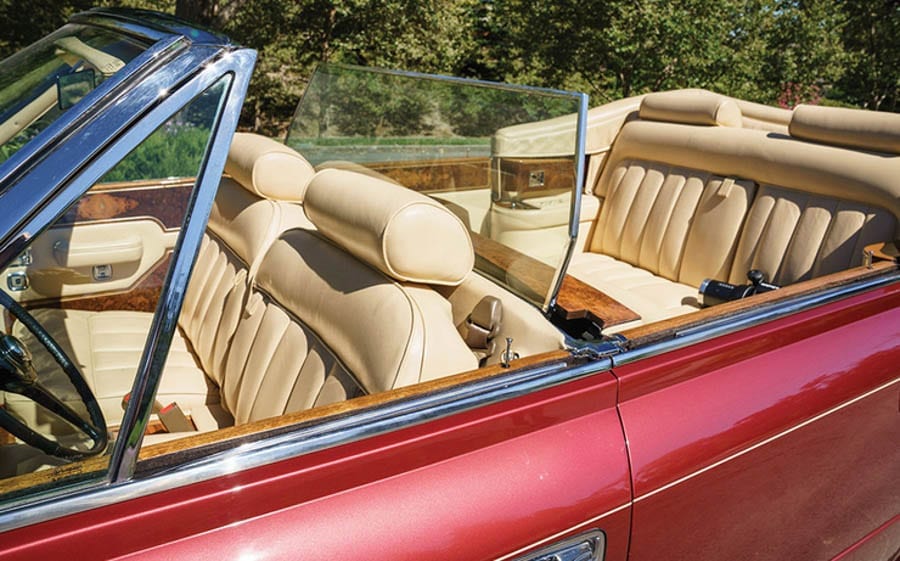
    That year, the four-door ‘state cabriolet’ was displayed at the Geneva Motor Show and its boxy look must have surely either have wowed or horrified visitors. It is described as having “an elaborate multi-position convertible top allows the car to be configured as a sedanca de ville, landaulet or fully open convertible.” The interior is trimmed in burled walnut with sterling silver inlays and amongst other luxuries are front and rear heating, air-conditioning, fresh-air ventilation systems, a television, a video player, a radio and a cocktail cabinet. Underneath the seats is a portable Davidoff cigar humidor and even a matching silk-lined ladies’ vanity case. What more could anyone ever need?


    RM Sotheby’s will sell the Frua Phantom VI at their Monterey sale in California on 19th August and term it: “The last word in modern opulence.”


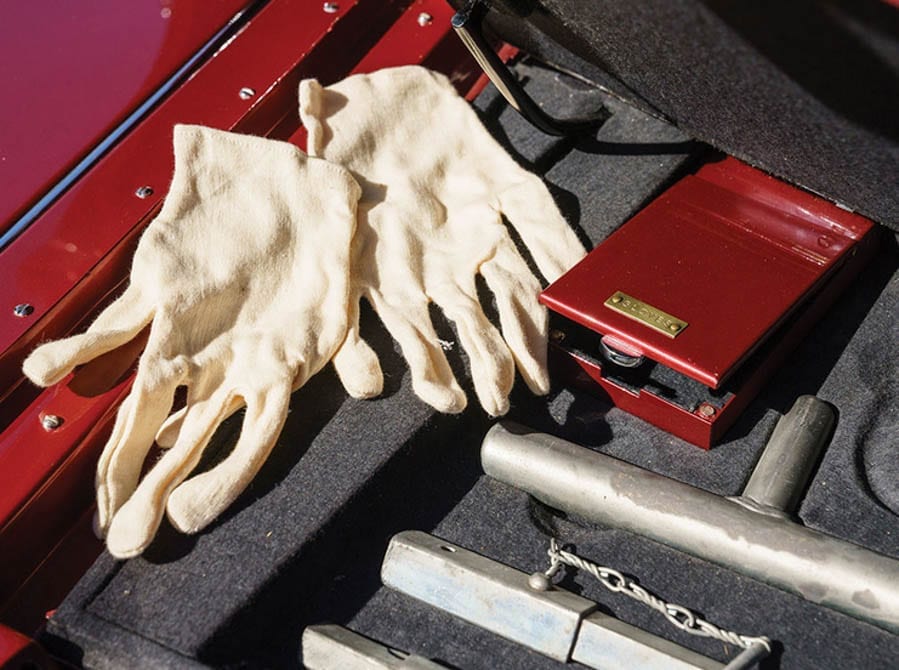
    A Con and A Cabriolet – 1971 Rolls-Royce Phantom VI all-weather cabriolet by Pietro Frua – To be sold at auction by RM Sotheby’s at their Monterey sale on Saturday 19th August 2017 – Estimate of £308,000 to £462,000 ($400,000 to $600,000, €340,000 to €511,000 or درهم1.5 million to درهم2.2 million) – Owned by Robert ‘Bobby’ Buchanan-Michaelson originallyA Con and A Cabriolet – 1971 Rolls-Royce Phantom VI all-weather cabriolet by Pietro Frua – To be sold at auction by RM Sotheby’s at their Monterey sale on Saturday 19th August 2017 – Estimate of £308,000 to £462,000 ($400,000 to $600,000, €340,000 to €511,000 or درهم1.5 million to درهم2.2 million) – Owned by Robert ‘Bobby’ Buchanan-Michaelson originallyA Con and A Cabriolet – 1971 Rolls-Royce Phantom VI all-weather cabriolet by Pietro Frua – To be sold at auction by RM Sotheby’s at their Monterey sale on Saturday 19th August 2017 – Estimate of £308,000 to £462,000 ($400,000 to $600,000, €340,000 to €511,000 or درهم1.5 million to درهم2.2 million) – Owned by Robert ‘Bobby’ Buchanan-Michaelson originallyA Con and A Cabriolet – 1971 Rolls-Royce Phantom VI all-weather cabriolet by Pietro Frua – To be sold at auction by RM Sotheby’s at their Monterey sale on Saturday 19th August 2017 – Estimate of £308,000 to £462,000 ($400,000 to $600,000, €340,000 to €511,000 or درهم1.5 million to درهم2.2 million) – Owned by Robert ‘Bobby’ Buchanan-Michaelson originallyA Con and A Cabriolet – 1971 Rolls-Royce Phantom VI all-weather cabriolet by Pietro Frua – To be sold at auction by RM Sotheby’s at their Monterey sale on Saturday 19th August 2017 – Estimate of £308,000 to £462,000 ($400,000 to $600,000, €340,000 to €511,000 or درهم1.5 million to درهم2.2 million) – Owned by Robert ‘Bobby’ Buchanan-Michaelson originallyA Con and A Cabriolet – 1971 Rolls-Royce Phantom VI all-weather cabriolet by Pietro Frua – To be sold at auction by RM Sotheby’s at their Monterey sale on Saturday 19th August 2017 – Estimate of £308,000 to £462,000 ($400,000 to $600,000, €340,000 to €511,000 or درهم1.5 million to درهم2.2 million) – Owned by Robert ‘Bobby’ Buchanan-Michaelson originallyA Con and A Cabriolet – 1971 Rolls-Royce Phantom VI all-weather cabriolet by Pietro Frua – To be sold at auction by RM Sotheby’s at their Monterey sale on Saturday 19th August 2017 – Estimate of £308,000 to £462,000 ($400,000 to $600,000, €340,000 to €511,000 or درهم1.5 million to درهم2.2 million) – Owned by Robert ‘Bobby’ Buchanan-Michaelson originallyA Con and A Cabriolet – 1971 Rolls-Royce Phantom VI all-weather cabriolet by Pietro Frua – To be sold at auction by RM Sotheby’s at their Monterey sale on Saturday 19th August 2017 – Estimate of £308,000 to £462,000 ($400,000 to $600,000, €340,000 to €511,000 or درهم1.5 million to درهم2.2 million) – Owned by Robert ‘Bobby’ Buchanan-Michaelson originallyA Con and A Cabriolet – 1971 Rolls-Royce Phantom VI all-weather cabriolet by Pietro Frua – To be sold at auction by RM Sotheby’s at their Monterey sale on Saturday 19th August 2017 – Estimate of £308,000 to £462,000 ($400,000 to $600,000, €340,000 to €511,000 or درهم1.5 million to درهم2.2 million) – Owned by Robert ‘Bobby’ Buchanan-Michaelson originallyA Con and A Cabriolet – 1971 Rolls-Royce Phantom VI all-weather cabriolet by Pietro Frua – To be sold at auction by RM Sotheby’s at their Monterey sale on Saturday 19th August 2017 – Estimate of £308,000 to £462,000 ($400,000 to $600,000, €340,000 to €511,000 or درهم1.5 million to درهم2.2 million) – Owned by Robert ‘Bobby’ Buchanan-Michaelson originallyA Con and A Cabriolet – 1971 Rolls-Royce Phantom VI all-weather cabriolet by Pietro Frua – To be sold at auction by RM Sotheby’s at their Monterey sale on Saturday 19th August 2017 – Estimate of £308,000 to £462,000 ($400,000 to $600,000, €340,000 to €511,000 or درهم1.5 million to درهم2.2 million) – Owned by Robert ‘Bobby’ Buchanan-Michaelson originallyA Con and A Cabriolet – 1971 Rolls-Royce Phantom VI all-weather cabriolet by Pietro Frua – To be sold at auction by RM Sotheby’s at their Monterey sale on Saturday 19th August 2017 – Estimate of £308,000 to £462,000 ($400,000 to $600,000, €340,000 to €511,000 or درهم1.5 million to درهم2.2 million) – Owned by Robert ‘Bobby’ Buchanan-Michaelson originally

  • Marples Must Go

    Marples Must Go

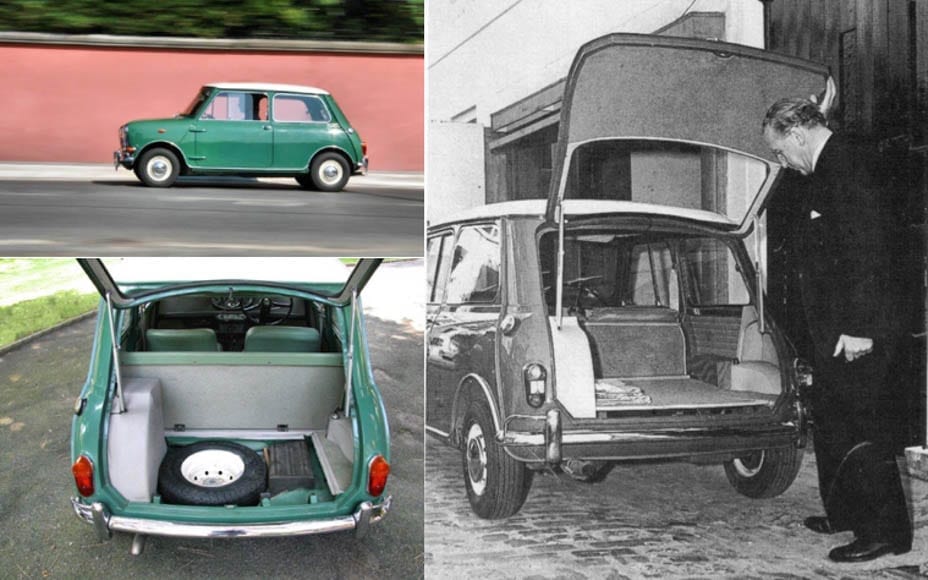
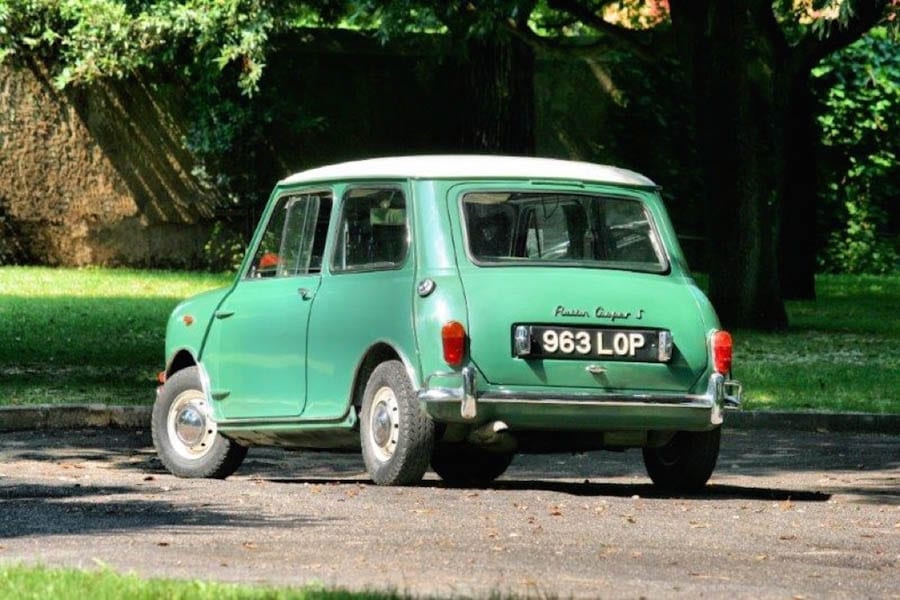
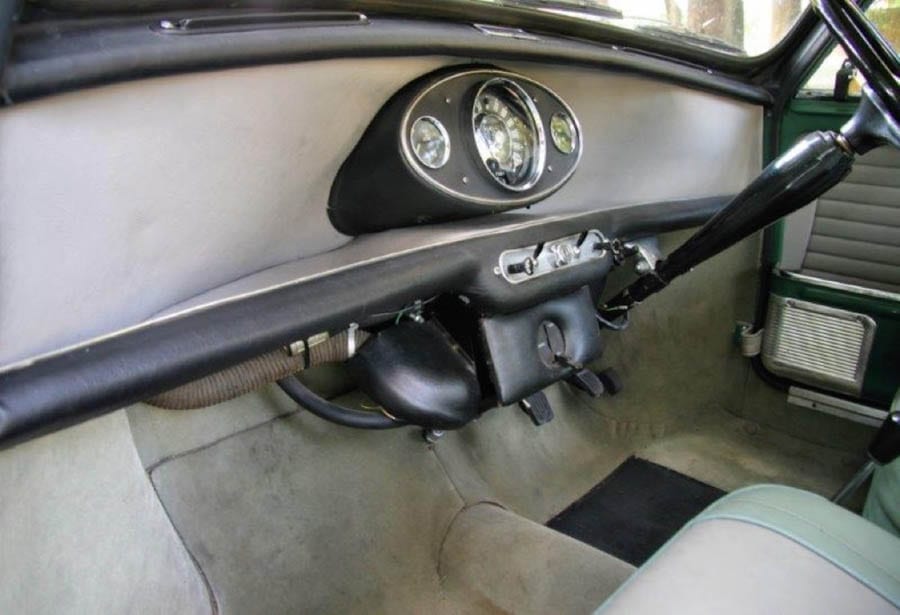
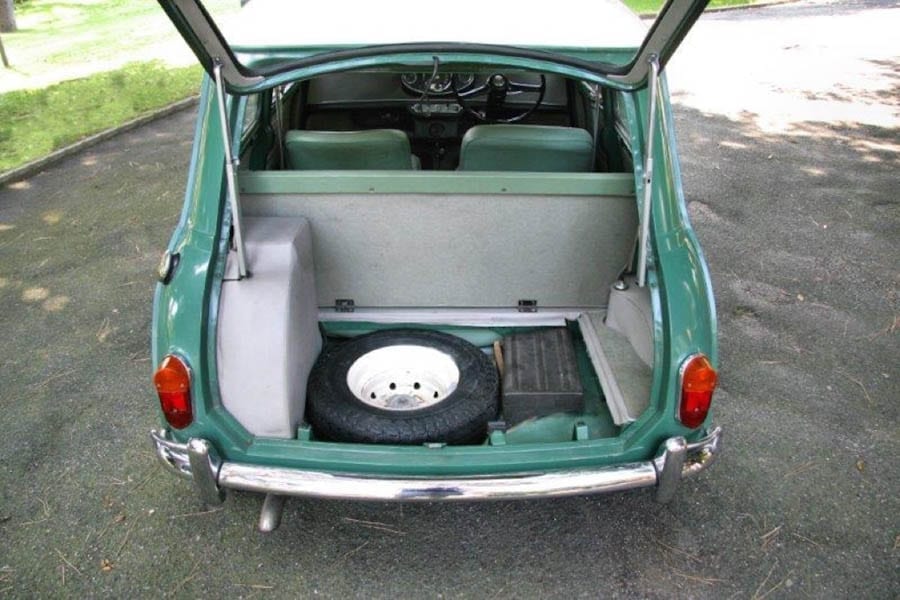
    1964 Mini Cooper S hatchback designed to carry the golf clubs of the much-loathed Postmaster General, Minister of Transport and alleged tax fraudster Ernest Marples for sale


    Twice married and born in Levenshulme, Manchester, Ernest Marples – later Lord Marples – makes the very worst of modern politicians look like relative babes in arms. He can, however, be credited with commissioning a rare thing – the first ever Mini hatchback. Two were made in total and one, which was eventually transferred to the ownership of the politician in 1968, is to be auctioned in July.


    Marples Must Go – 1964 Austin Mini Cooper S 1071 originally owned by much-loathed Postmaster General, Minister of Transport and alleged tax fraudster The Rt. Hon. The Lord Marples, PC – Alfred Ernest Marples (1907 – 1978) to be auctioned by H&H Classics on 26th July 2017 – Estimate of £70,000 to £80,000 ($89,500 to $102,300, €79,100 to €90,400 or درهم328,800 to درهم375,900)
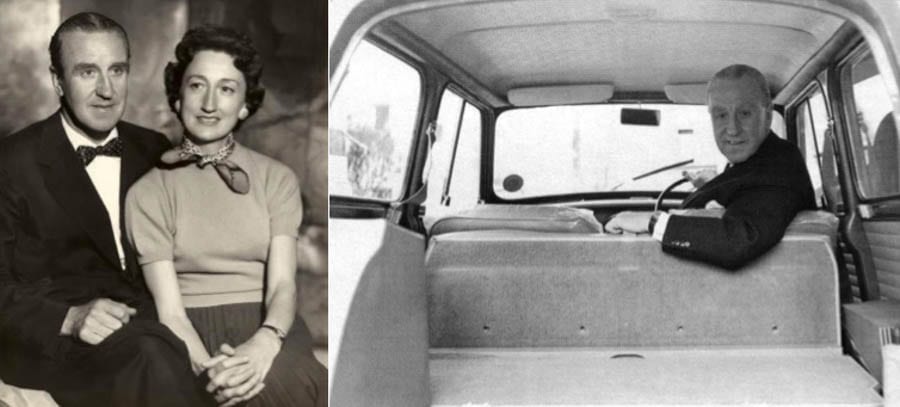
    Pictured left: (Alfred) Ernest Marples (1907 – 1978) with his secretary turned second wife, Ruth Dobson. They married in 1956 and he became The Rt. Hon. The Lord Marples, PC in 1974. Pictured right: Lord Marples in his ‘Marples Mini’ (date unknown).


    Marples, whose upbringing was within the Labour Party and whose love of eccentric orange-brown shoes and blue suits was well known, worked as a miner, postman, chef and accountant before a stint in the Royal Artillery between 1941 and 1944. He then joined the Conservative Party, was elected Member of Parliament for Wallasey in 1945 and took his first ministerial post in 1951. Promoted by Churchill, Macmillan and Douglas-Home, he rose to become Postmaster General and Minister of Transport and introduced the STD telephone code, the Premium Bond scheme, the first postcodes, the MOT test, roadside single yellow and double yellow lines and possibly, in his most unpopular move of all, traffic wardens.


    Aside from his public appointments, controversially, Marples became a director of various companies in the 1940s. Without considering any potential conflicts of interest, he involved himself in firms that built the first motorways and several power stations also and attracted much attention after protestors spray painted a motorway bridge near Luton that his firm, Marples Ridgway and Partners, constructed with the caption: “Marples Must Go!”


    Subsequently, Marples brought the government into disrepute through his part in a prostitution scandal and after this was covered up in 1963, he later “cut and run” to Monaco in 1975 to avoid “a substantial tax bill” after being discovered having parked most of his assets in Monaco and Liechtenstein. He spent his final years on his 45-acre vineyard estate in Fleurie, France and died in a Monte Carlo hospital in 1978.


    The ex-Ernest Marples 1964 Austin Mini Cooper S 1071 will be sold by H&H Classics at their Imperial War Museum Duxford sale in Cambridgeshire on the 26th July. It has an estimate of £70,000 to £80,000 ($89,500 to $102,300, €79,100 to €90,400 or درهم328,800 to درهم375,900) – a sum that would no doubt, if he were still alive, have money obsessed Marples smiling with glee.


    Of the almond green car, which supposedly the hatchback boot was fitted to on the orders of Marples on the basis he wanted to be easily able to fill it with cases of wine and golf clubs, Damian Jones of H&H Classics commented:


    “This is not just another Mini. It is history on four wheels. Its former owner, Transport Minister Ernest Marples changed the face of Britain with housing, bridges, motorways. He was a very ‘colourful character’ to say the least. It is fascinating that he chose to buy and use this relatively modest car when going golfing or going to France on holiday. If this car could speak what tales might it tell? It is truly one of a kind.”


    Marples Must Go – 1964 Austin Mini Cooper S 1071 originally owned by much-loathed Postmaster General, Minister of Transport and alleged tax fraudster The Rt. Hon. The Lord Marples, PC – Alfred Ernest Marples (1907 – 1978) to be auctioned by H&H Classics on 26th July 2017 – Estimate of £70,000 to £80,000 ($89,500 to $102,300, €79,100 to €90,400 or درهم328,800 to درهم375,900)Marples Must Go – 1964 Austin Mini Cooper S 1071 originally owned by much-loathed Postmaster General, Minister of Transport and alleged tax fraudster The Rt. Hon. The Lord Marples, PC – Alfred Ernest Marples (1907 – 1978) to be auctioned by H&H Classics on 26th July 2017 – Estimate of £70,000 to £80,000 ($89,500 to $102,300, €79,100 to €90,400 or درهم328,800 to درهم375,900) Marples Must Go – 1964 Austin Mini Cooper S 1071 originally owned by much-loathed Postmaster General, Minister of Transport and alleged tax fraudster The Rt. Hon. The Lord Marples, PC – Alfred Ernest Marples (1907 – 1978) to be auctioned by H&H Classics on 26th July 2017 – Estimate of £70,000 to £80,000 ($89,500 to $102,300, €79,100 to €90,400 or درهم328,800 to درهم375,900)Marples Must Go – 1964 Austin Mini Cooper S 1071 originally owned by much-loathed Postmaster General, Minister of Transport and alleged tax fraudster The Rt. Hon. The Lord Marples, PC – Alfred Ernest Marples (1907 – 1978) to be auctioned by H&H Classics on 26th July 2017 – Estimate of £70,000 to £80,000 ($89,500 to $102,300, €79,100 to €90,400 or درهم328,800 to درهم375,900)

    https://www.youtube.com/watch?v=AWymCebAl6g

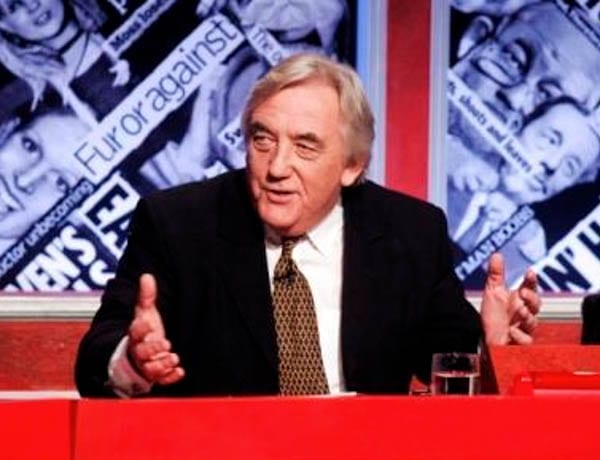
  • Bob Marshall-Andrews QC

    Bob Marshall-Andrews QC

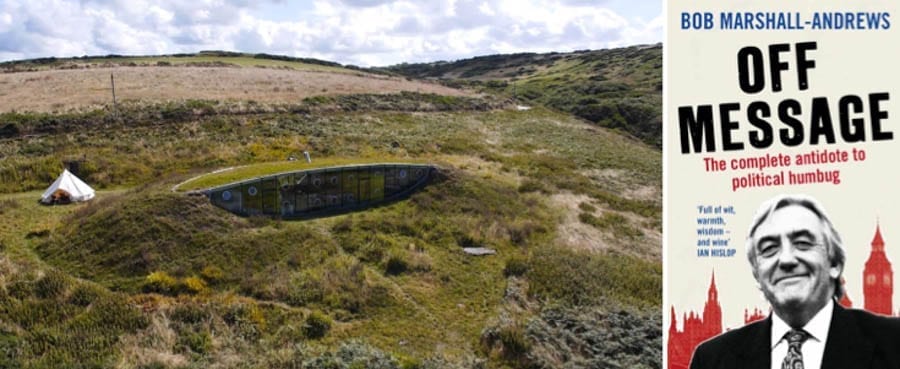
    A “libertarian-left” Labour MP between 1997 and 2010, distinguished barrister and novelist Bob Marshall-Andrews defected to the Liberal Democrats in 2017. Described as “an irritant” to his former party whilst they were in government, multi-millionaire Marshall-Andrews built and owns “one of the most innovative houses of the 20th century – the famed ‘Teletubby House’ in Druidston, Pembrokeshire – and is chairman of the George Adamson Wildlife Trust. In 2013, of him, Chambers Legal Directory remarked: “Juries love him… I’ve never seen a jury eat out of anyone’s hand as much” whilst he amusingly references himself as “the complete antidote to political humbug”. Of Labour, this “intellectually brilliant” individual added: “They’re a basket case…They effectively abdicated all responsibility [on Brexit]”.


    Bob Marshall-Andrews QC – Barrister, former Labour MP and novelist Bob Marshall-Andrews QC – Barrister, former Labour MP and novelist


  • Trump Gold

    Trump Gold

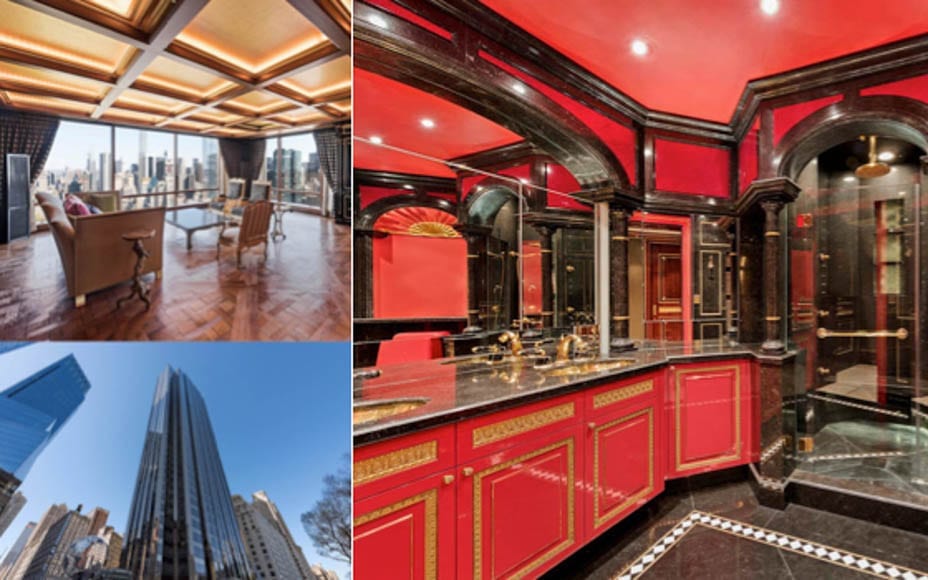
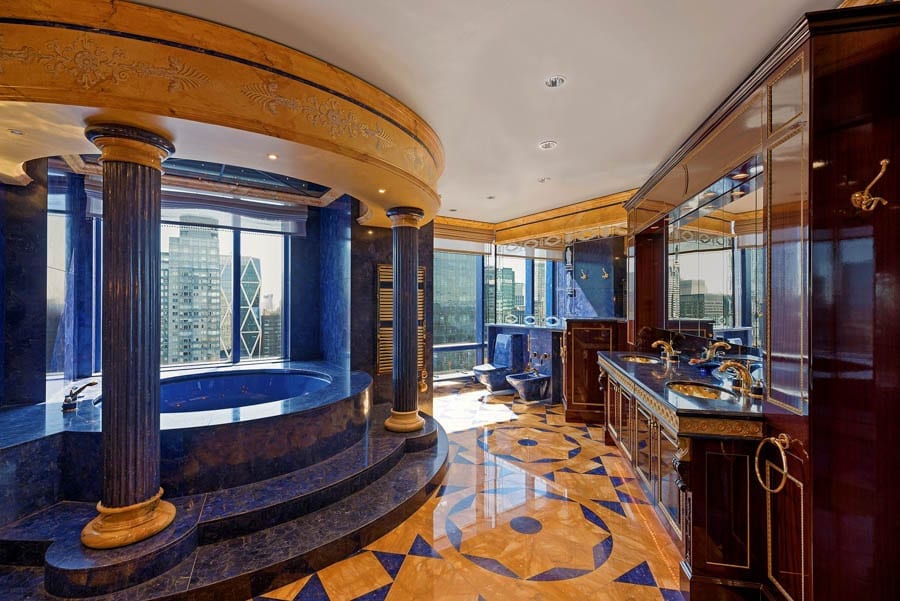
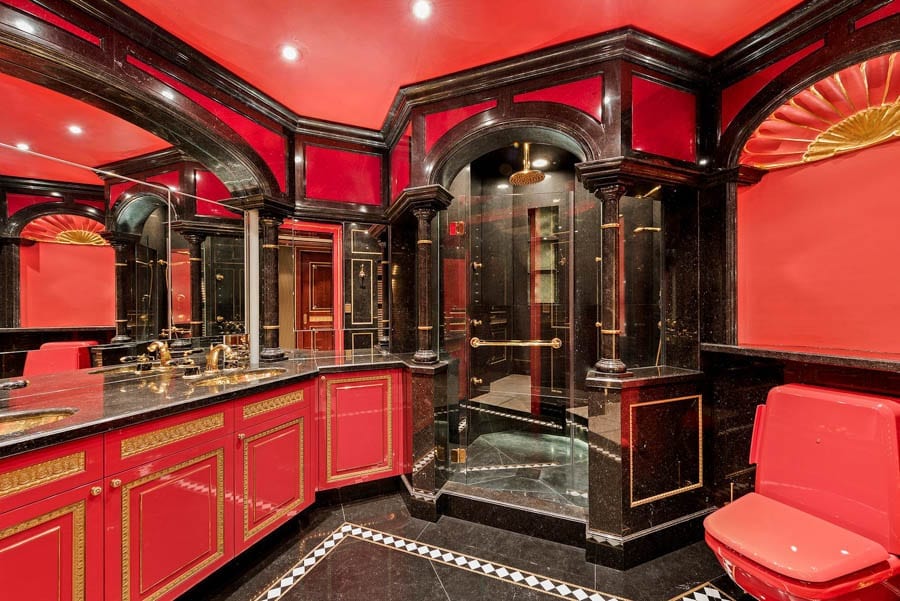
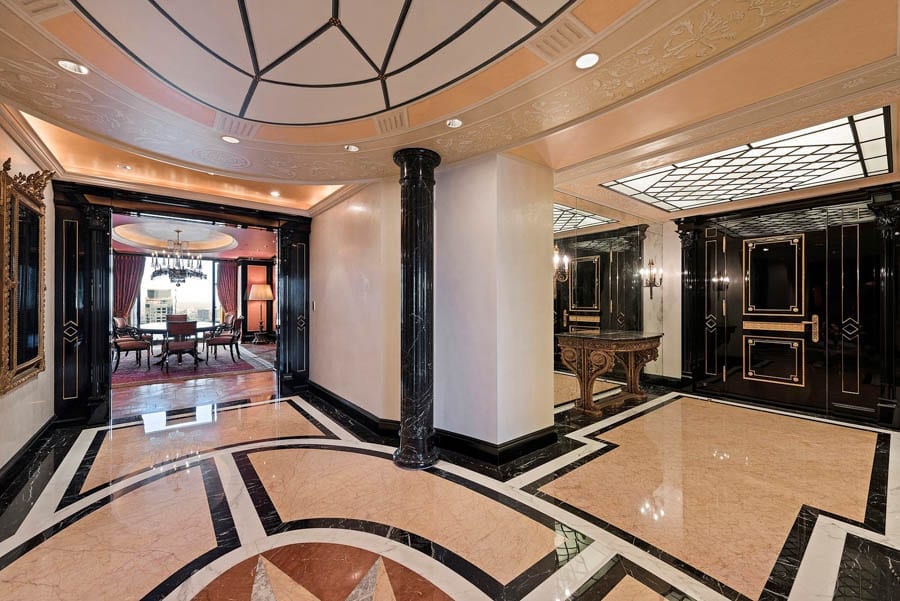
    Horrific £27.6 million apartment in Trump International Tower is struggling to sell; in this case its not the links to the POTUS that is the cause, it’s simply revoltingly decorated


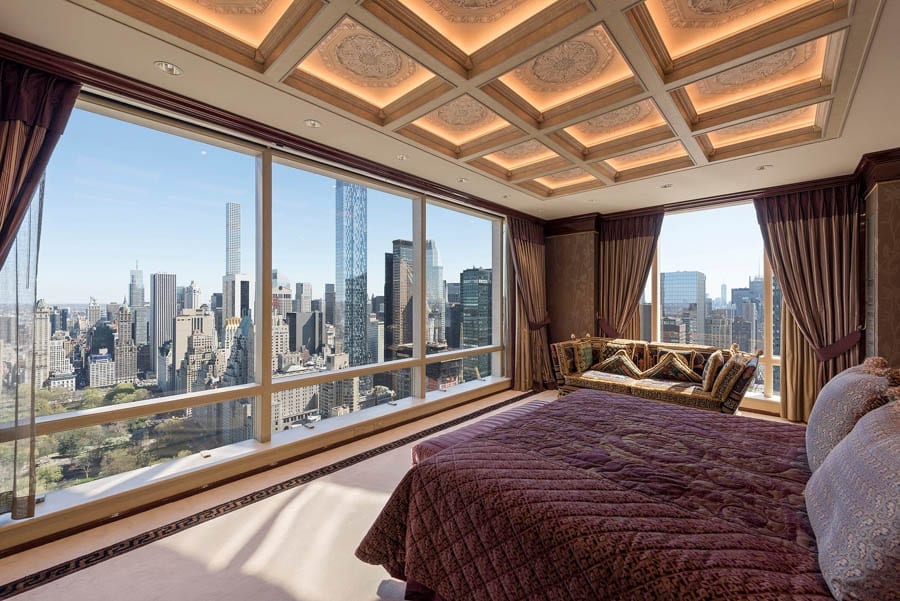
    “Don’t let the opulence distract you”, suggest the many agents marketing what could be quite possibly the gaudiest apartment at One Central Park West – AKA ‘Trump International Hotel and Tower’ – in New York. If they’d been honest, they’d have said something completely different and that would be: “This place is truly horrific”.


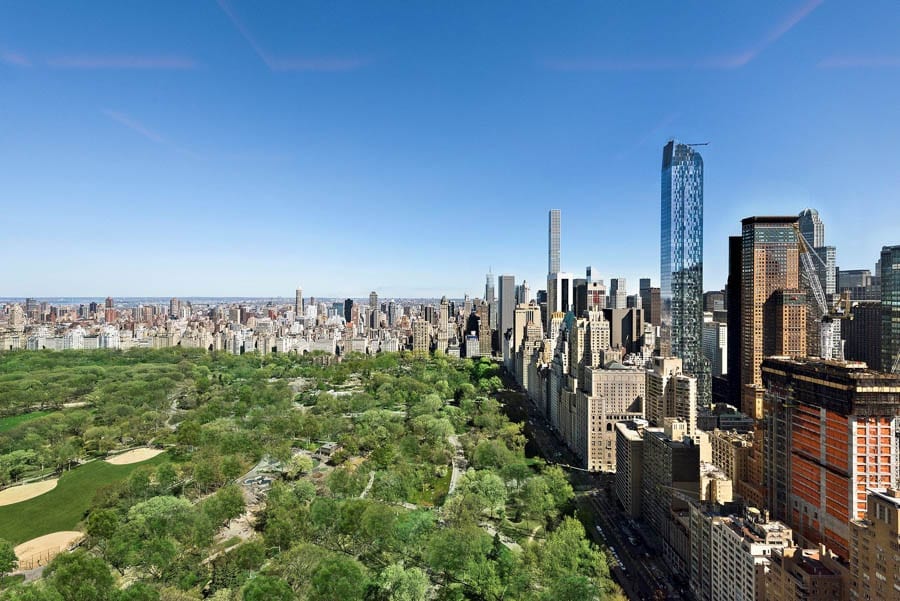
    Originally priced at £32 million ($40 million, €37.6 million or درهم146.9 million) when first placed on the market in May 2016, apartment #47BC within the 44-floor tower has recently been reduced to £27.6 million ($34.5 million, €32.4 million or درهم126.7 million). The 6,360 square foot, 6 bedroom gold-leafed, marble-floored monstrosity admittedly enjoys “extraordinary views” of Central Park but comes with bathrooms so over-the-top that even Liberace would have blushed.


    Trump International Tower itself was originally built between 1968 and 1970 and converted to a mix of hotel and residential space by Donald Trump between 1995 and 1997. The 583-foot tall, Thomas E. Stanley designed building featured in the 2011 comedy crime film Tower Heist and has a 30-foot wide silver globe to the front of it.


    Knight Frank and Douglas Elliman are amongst the tribe of agents attempting to sell what they describe as a “Central Park West sprawling gem”. It was last sold in 2008 to an anonymous entity named Daisho Development USA, Inc. They paid $26 million (the equivalent of £23.4 million, $29.3 million, €27.5 million or درهم107.6 million today) for the vast 14-room space.


    Trump Gold – Gaudy apartment #47BC, Trump International Hotel and Tower, One Central Park West, 15 Columbus Circle, Upper West Side, New York, NY 10023 – £27.6 million ($34.5 million, €32.4 million or درهم126.7 million) through Knight Frank – Reduced from £32 million ($40 million, €37.6 million or درهم146.9 million)Trump Gold – Gaudy apartment #47BC, Trump International Hotel and Tower, One Central Park West, 15 Columbus Circle, Upper West Side, New York, NY 10023 – £27.6 million ($34.5 million, €32.4 million or درهم126.7 million) through Knight Frank – Reduced from £32 million ($40 million, €37.6 million or درهم146.9 million)Trump Gold – Gaudy apartment #47BC, Trump International Hotel and Tower, One Central Park West, 15 Columbus Circle, Upper West Side, New York, NY 10023 – £27.6 million ($34.5 million, €32.4 million or درهم126.7 million) through Knight Frank – Reduced from £32 million ($40 million, €37.6 million or درهم146.9 million)Trump Gold – Gaudy apartment #47BC, Trump International Hotel and Tower, One Central Park West, 15 Columbus Circle, Upper West Side, New York, NY 10023 – £27.6 million ($34.5 million, €32.4 million or درهم126.7 million) through Knight Frank – Reduced from £32 million ($40 million, €37.6 million or درهم146.9 million)Trump Gold – Gaudy apartment #47BC, Trump International Hotel and Tower, One Central Park West, 15 Columbus Circle, Upper West Side, New York, NY 10023 – £27.6 million ($34.5 million, €32.4 million or درهم126.7 million) through Knight Frank – Reduced from £32 million ($40 million, €37.6 million or درهم146.9 million)Trump Gold – Gaudy apartment #47BC, Trump International Hotel and Tower, One Central Park West, 15 Columbus Circle, Upper West Side, New York, NY 10023 – £27.6 million ($34.5 million, €32.4 million or درهم126.7 million) through Knight Frank – Reduced from £32 million ($40 million, €37.6 million or درهم146.9 million)Trump Gold – Gaudy apartment #47BC, Trump International Hotel and Tower, One Central Park West, 15 Columbus Circle, Upper West Side, New York, NY 10023 – £27.6 million ($34.5 million, €32.4 million or درهم126.7 million) through Knight Frank – Reduced from £32 million ($40 million, €37.6 million or درهم146.9 million)Trump Gold – Gaudy apartment #47BC, Trump International Hotel and Tower, One Central Park West, 15 Columbus Circle, Upper West Side, New York, NY 10023 – £27.6 million ($34.5 million, €32.4 million or درهم126.7 million) through Knight Frank – Reduced from £32 million ($40 million, €37.6 million or درهم146.9 million)Trump Gold – Gaudy apartment #47BC, Trump International Hotel and Tower, One Central Park West, 15 Columbus Circle, Upper West Side, New York, NY 10023 – £27.6 million ($34.5 million, €32.4 million or درهم126.7 million) through Knight Frank – Reduced from £32 million ($40 million, €37.6 million or درهم146.9 million)Trump Gold – Gaudy apartment #47BC, Trump International Hotel and Tower, One Central Park West, 15 Columbus Circle, Upper West Side, New York, NY 10023 – £27.6 million ($34.5 million, €32.4 million or درهم126.7 million) through Knight Frank – Reduced from £32 million ($40 million, €37.6 million or درهم146.9 million)Trump Gold – Gaudy apartment #47BC, Trump International Hotel and Tower, One Central Park West, 15 Columbus Circle, Upper West Side, New York, NY 10023 – £27.6 million ($34.5 million, €32.4 million or درهم126.7 million) through Knight Frank – Reduced from £32 million ($40 million, €37.6 million or درهم146.9 million)

  • Anything Can Happen

    Anything Can Happen

    5,000 acre Irish estate where “anything can happen” for sale for £24.1 million; its current owner would prefer a buyer who’ll allow him to use it for three months a year

    Michael Jackson hid out at Luggala in County Wicklow, Ireland in 2006 for three months after being cleared of child molestation charges and other guests at this magical estate have included Francis Bacon, Orlando Bloom, Bono, John Paul Getty II, Mel Gibson, John Hurt, Mick Jagger, Patrick Leigh Fermor, Paul McCartney and Anita Pallenberg.


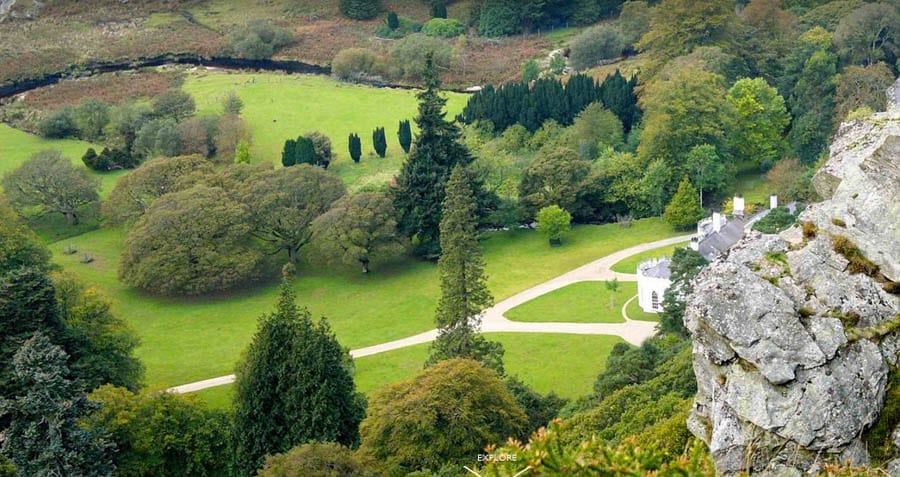
    Encompassing a plot of some 5,000 acres, Luggala (meaning: “a hollow in a ridge”) is also known as ‘Fancy Mountain’ and has been used in films including Zardoz, Braveheart and Excalibur. It is located 28 miles south-west of Dublin, was described by the singer Marianne Faithfull as “the most beautiful place in the world” and the main house there has gradually morphed into what has been called “the most decorative honeypot in Ireland”.


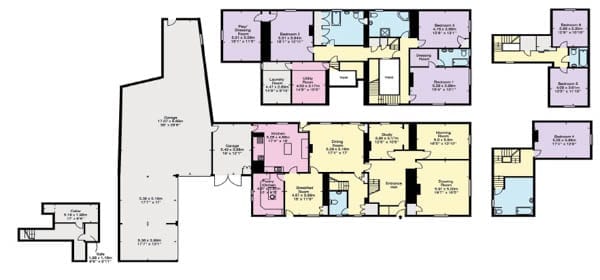
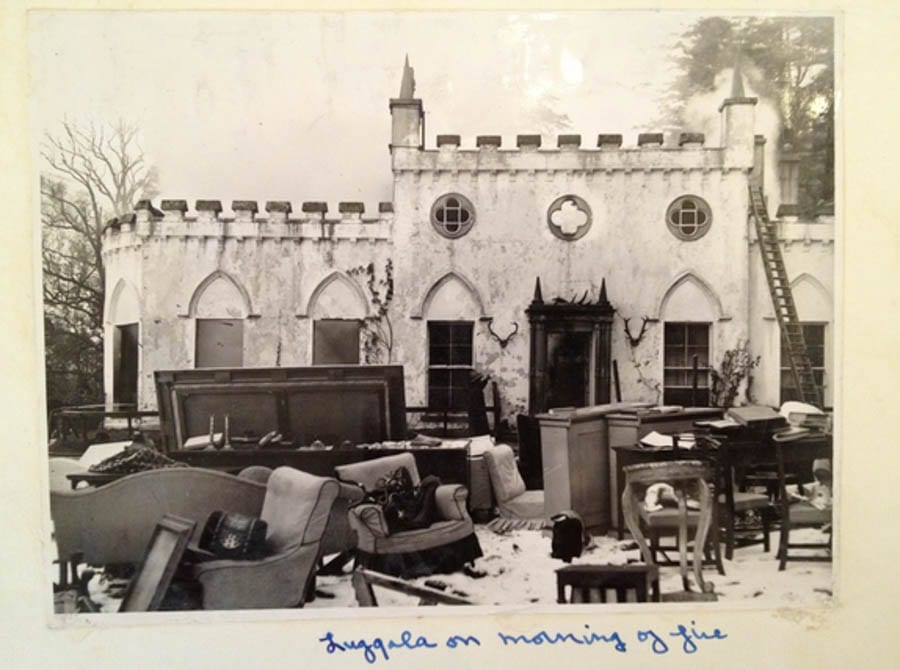
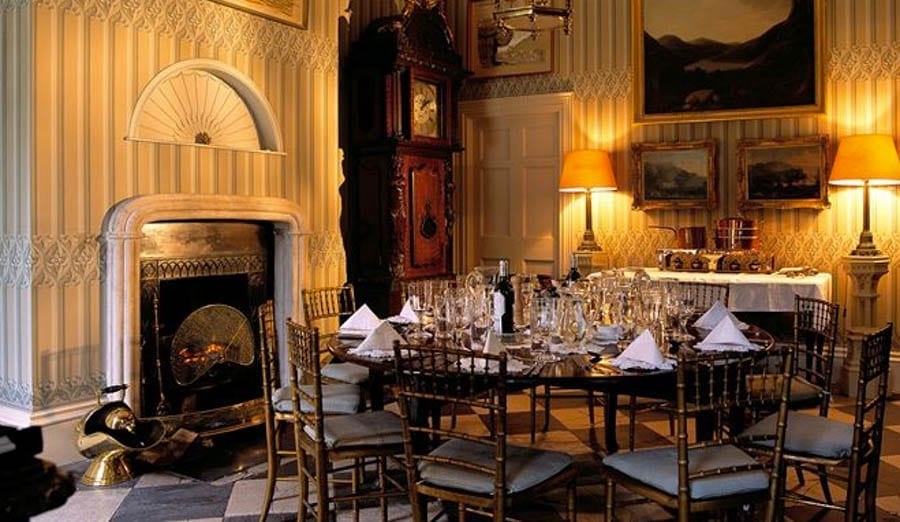
    Architecturally significant, Luggala Lodge (also known as Luggala Castle), was built in 1787 and is lauded as having “that special brand of 18th century Gothick that rejoices in little battlements, crochets, trefoil and quatrefoil windows and ogee mantelpieces, Indeed, quite like the Gothick of pastry cooks and Rockingham china”. It “boasts all the appurtenances of a grand castle but on a miniature scale” and though standing on a modest footprint, extends to some 7,438 square foot in total.


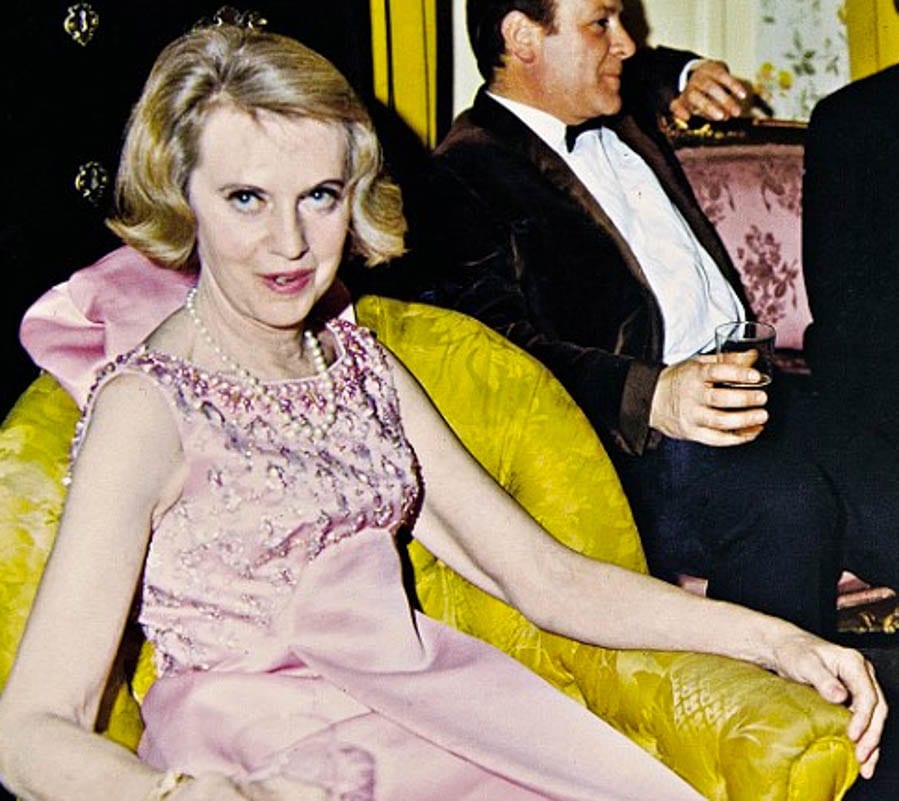
    In 1937, the estate was bought by the Hon. Ernest Guinness (1876 – 1949) and given to his daughter, Oonagh, on her marriage to Lord Oranmore and Browne – a peer with the rare distinction of managing to sit in the House of Lords without ever saying a single thing. It subsequently became a place where “nobody could stay away: Dublin intelligentsia, literati, painters, actors, scholars, hangers-on, toffs, punters, poets and social hang-gliders” and was even immortalised in poetry by Seamus Heaney.


    Anything Can Happen – Luggala, Roundwood, Leinster, County Wicklow, Ireland –For sale for £24.1 million ($30.1 million, €28 million or درهم110.7 million) through Sotheby’s International Realty and Crawford’s
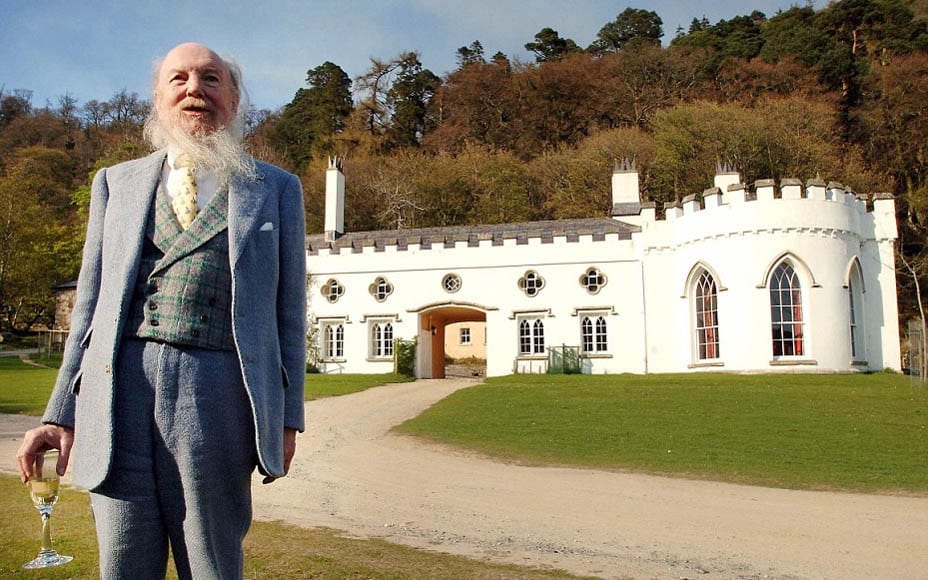
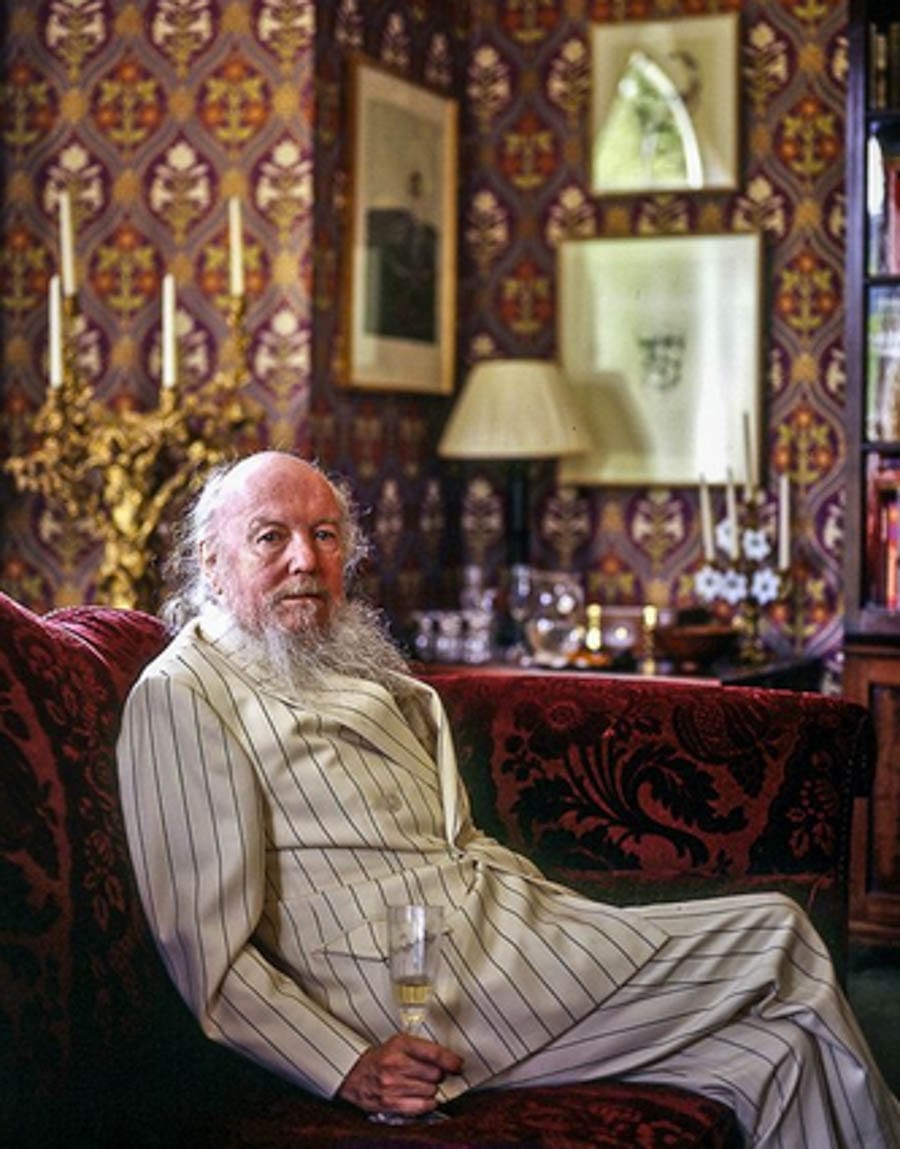
    Current owner of Luggala, the decidedly eccentric the Hon. Dr. Garech Browne (born 1939)
    Anything Can Happen – Luggala, Roundwood, Leinster, County Wicklow, Ireland –For sale for £24.1 million ($30.1 million, €28 million or درهم110.7 million) through Sotheby’s International Realty and Crawford’s
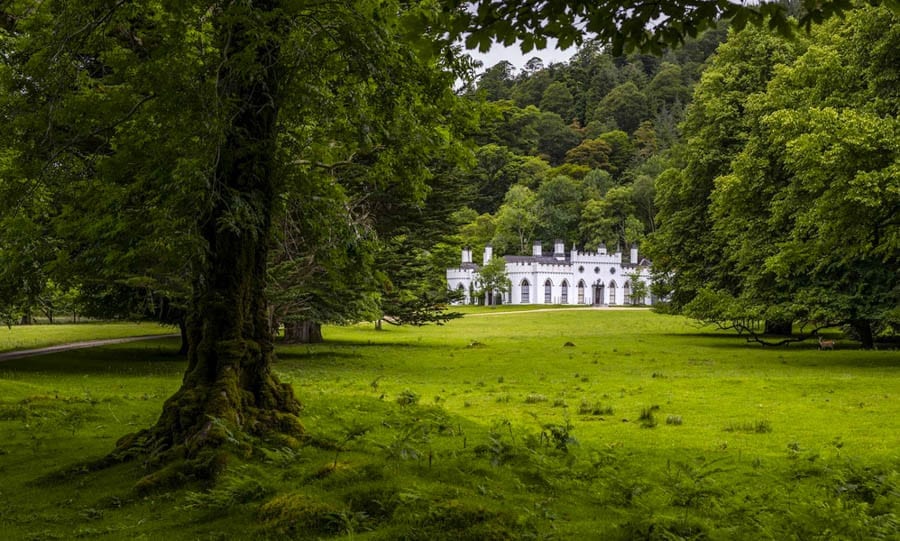
    Luggala Lodge, Roundwood, Leinster, County Wicklow, Ireland
    Anything Can Happen – Luggala, Roundwood, Leinster, County Wicklow, Ireland –For sale for £24.1 million ($30.1 million, €28 million or درهم110.7 million) through Sotheby’s International Realty and Crawford’s
    Luggala Lodge after a fire in 1956
    Anything Can Happen – Luggala, Roundwood, Leinster, County Wicklow, Ireland –For sale for £24.1 million ($30.1 million, €28 million or درهم110.7 million) through Sotheby’s International Realty and Crawford’s
    Oonagh Guinness, Oonagh, Lady Oranmore and Browne (1910 – 1995)


    On Oonagh, Lady Oranmore and Browne’s death in 1970, the estate passed into the “custody” of her son, the Hon. Dr. Garech Browne. He has spent considerable sums restoring the house and made it a “cultural hub for Irish music, art and literature”. A co-founder of the record label Claddagh Records and instrumental in the formation of the traditional Irish folk group, The Chieftans, Browne and his Indian princess wife, Purna Devi of Morvi, added an indoor swimming pool to Luggala Lodge as well as a Gothic library for his collection of 8,000 books.


    Now for sale due to 77-year old Garlech Browne and his wife primarily choosing to be based in Singapore, it has been suggested that the Irish State should purchase the estate. Thus far no offer has been forthcoming and this week Jennifer O’Connell of The Irish Times even penned an article that suggested: “Opening the national chequebook is not the way to secure [Luggala’s] future”.


    Luggala – which comes with 7 estate lodges and cottages – is offered jointly by Sotheby’s International Realty and Crawford’s with a guide price of £24.1 million ($30.1 million, €28 million or درهم110.7 million). The Guernsey based Guinness Trust that currently controls the actual ownership of the property has indicated that it “seeks a freehold sale and will entertain offers with both vacant possession and non-vacant possession”. Though such a deal seems as unlikely as that that Christian de Guigné IV proposed of his £81 million ($100 million, €94 million or درهم367 million) estate at Hillsborough in California, at the mythical delight that is Luggala, anything could indeed happen.


    Anything Can Happen – Luggala, Roundwood, Leinster, County Wicklow, Ireland –For sale for £24.1 million ($30.1 million, €28 million or درهم110.7 million) through Sotheby’s International Realty and Crawford’s Anything Can Happen – Luggala, Roundwood, Leinster, County Wicklow, Ireland –For sale for £24.1 million ($30.1 million, €28 million or درهم110.7 million) through Sotheby’s International Realty and Crawford’sAnything Can Happen – Luggala, Roundwood, Leinster, County Wicklow, Ireland –For sale for £24.1 million ($30.1 million, €28 million or درهم110.7 million) through Sotheby’s International Realty and Crawford’sAnything Can Happen – Luggala, Roundwood, Leinster, County Wicklow, Ireland –For sale for £24.1 million ($30.1 million, €28 million or درهم110.7 million) through Sotheby’s International Realty and Crawford’sAnything Can Happen – Luggala, Roundwood, Leinster, County Wicklow, Ireland –For sale for £24.1 million ($30.1 million, €28 million or درهم110.7 million) through Sotheby’s International Realty and Crawford’s Anything Can Happen – Luggala, Roundwood, Leinster, County Wicklow, Ireland –For sale for £24.1 million ($30.1 million, €28 million or درهم110.7 million) through Sotheby’s International Realty and Crawford’s Anything Can Happen – Luggala, Roundwood, Leinster, County Wicklow, Ireland –For sale for £24.1 million ($30.1 million, €28 million or درهم110.7 million) through Sotheby’s International Realty and Crawford’s Anything Can Happen – Luggala, Roundwood, Leinster, County Wicklow, Ireland –For sale for £24.1 million ($30.1 million, €28 million or درهم110.7 million) through Sotheby’s International Realty and Crawford’s