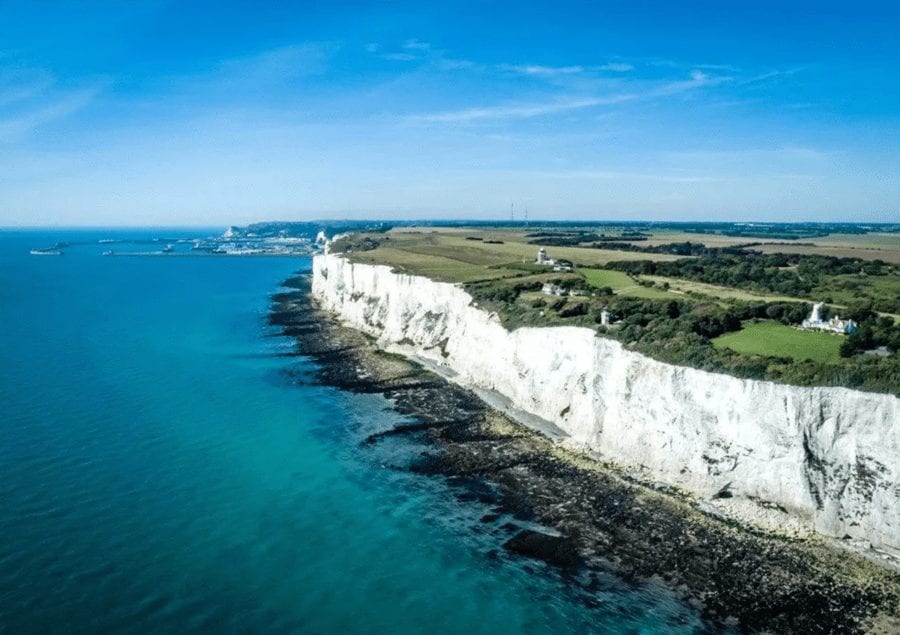
Coastal ‘estate’ with its own lighthouse perched on The Front above the White Cliffs of Dover for sale; it was used in scenes featuring Oliver Reed in ‘The Shuttered Room’
In November 2013, The Steeple Times featured the sale of ‘The South Foreland Estate’ for £4 million. Its price bizarrely had been increased by £500,000 from when it was on the market earlier that year and now it is again being promoted – this time for an even more punchy sum of £5 million.
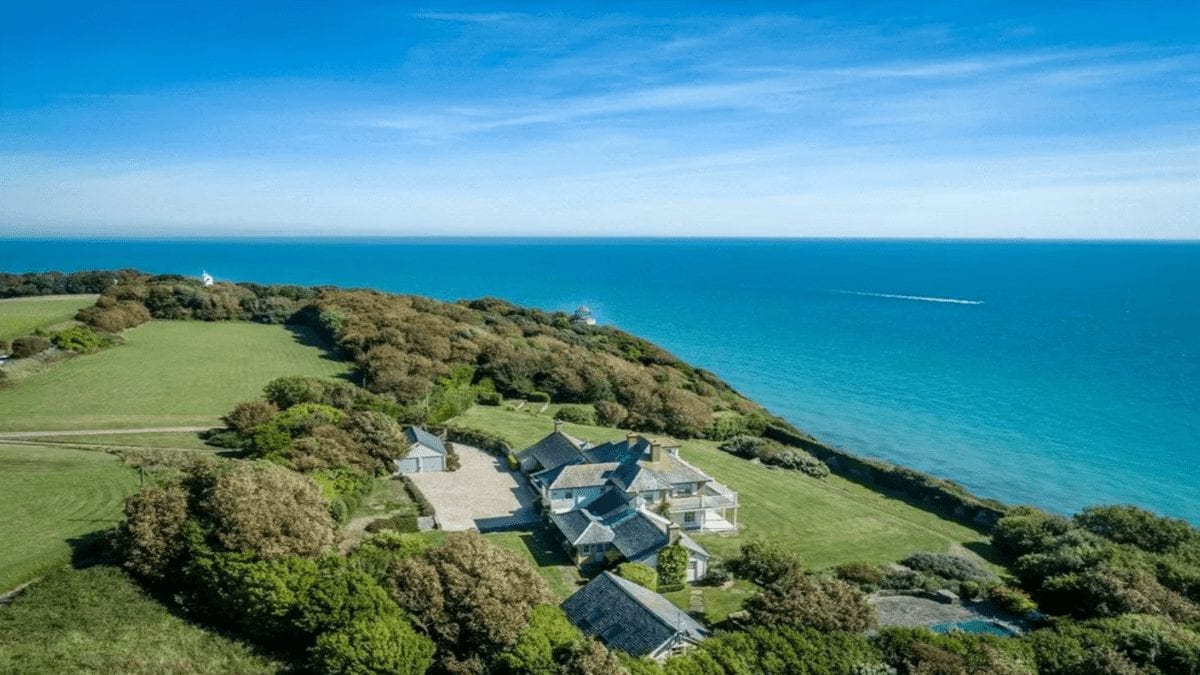
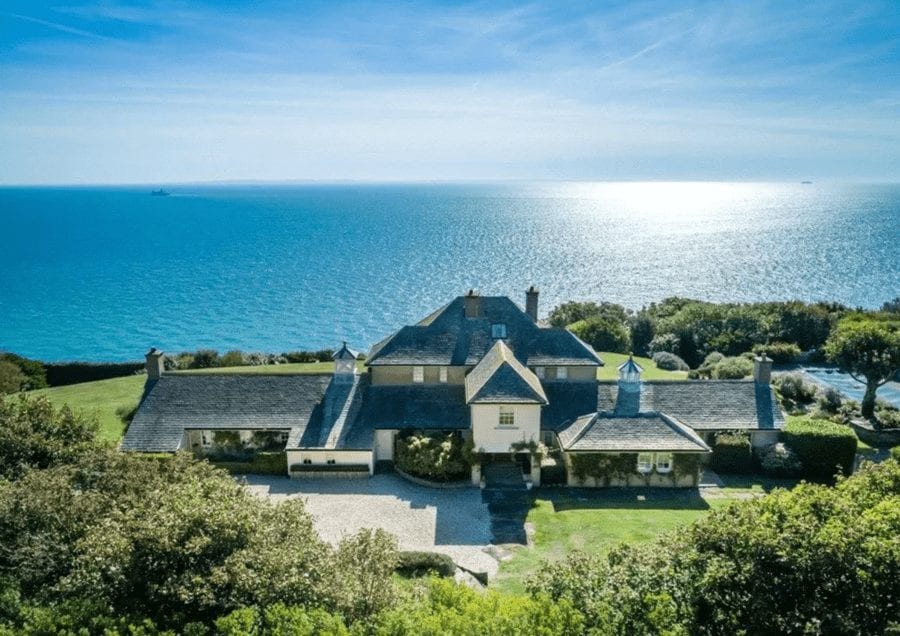
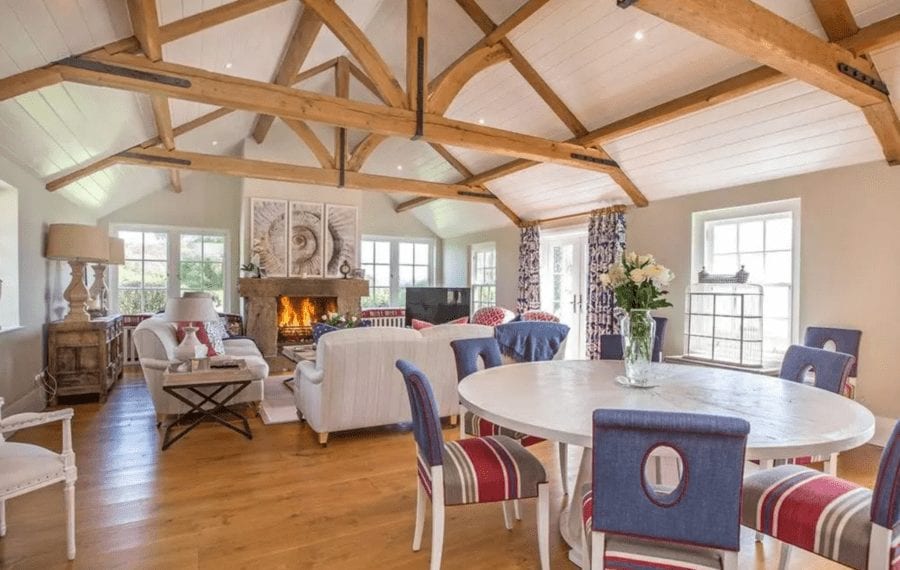
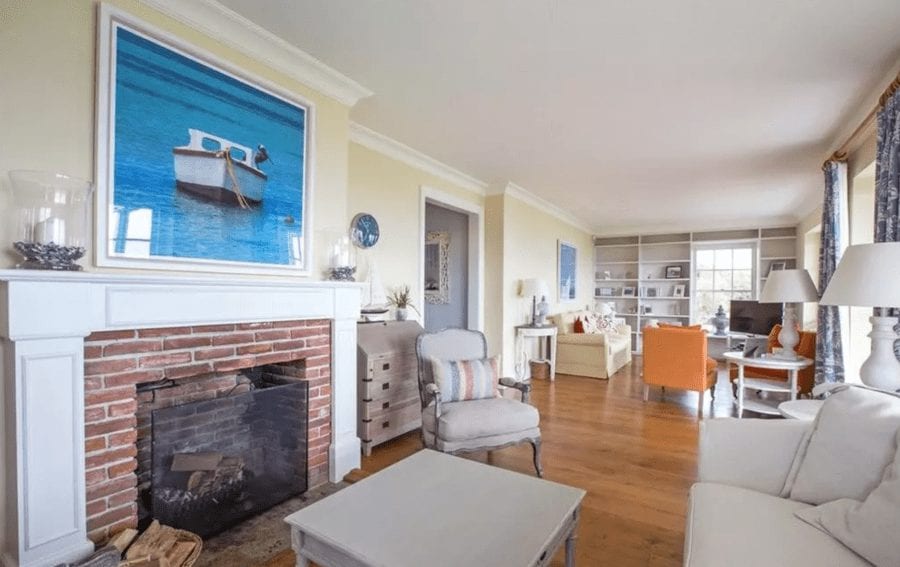
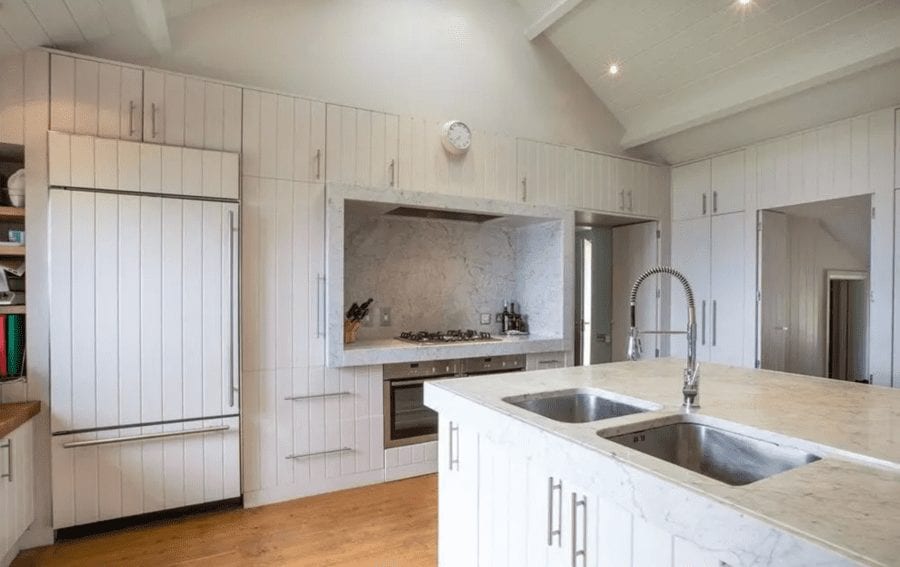
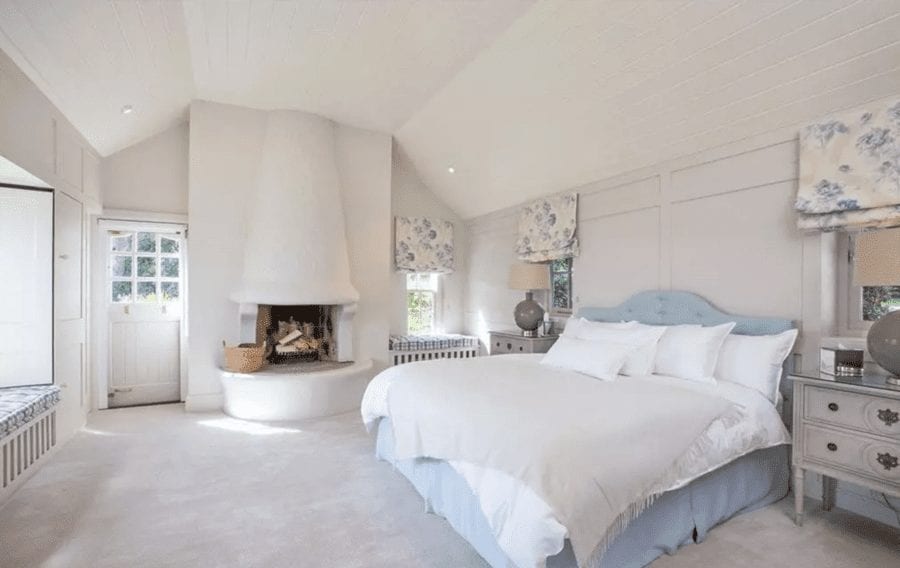
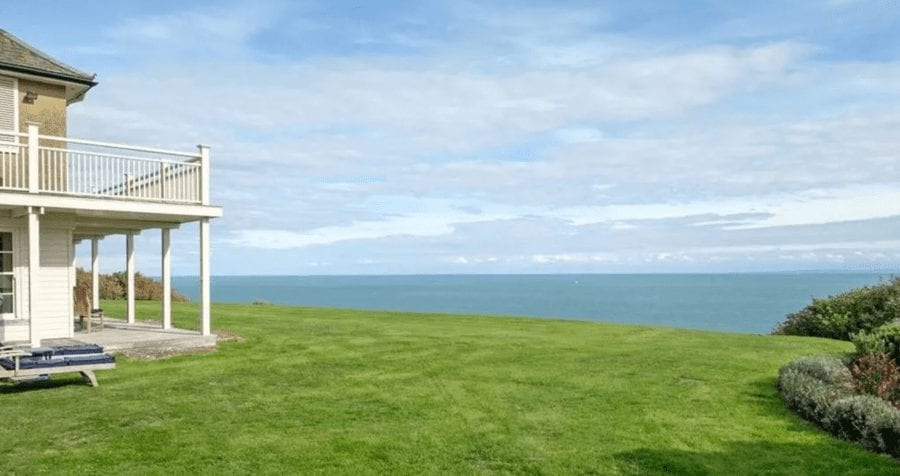
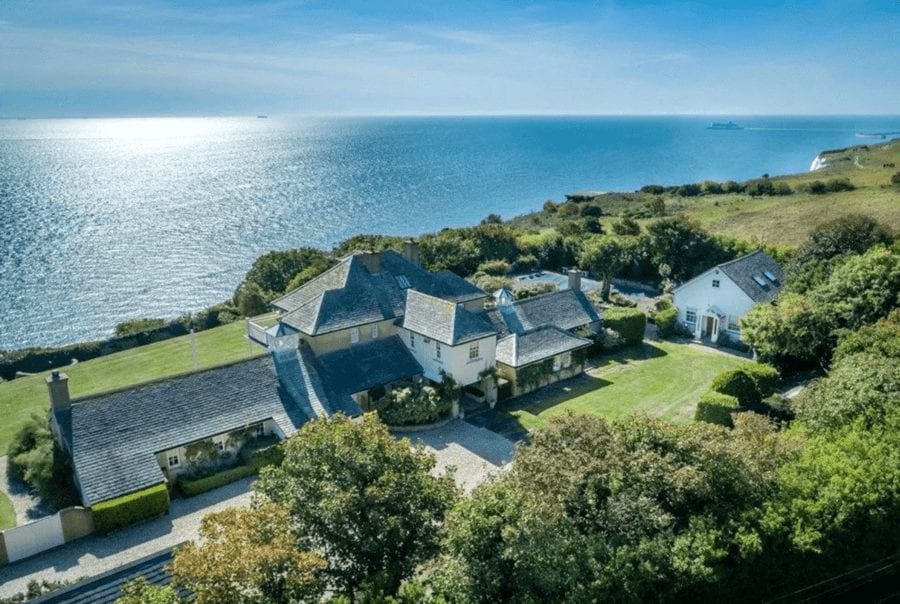
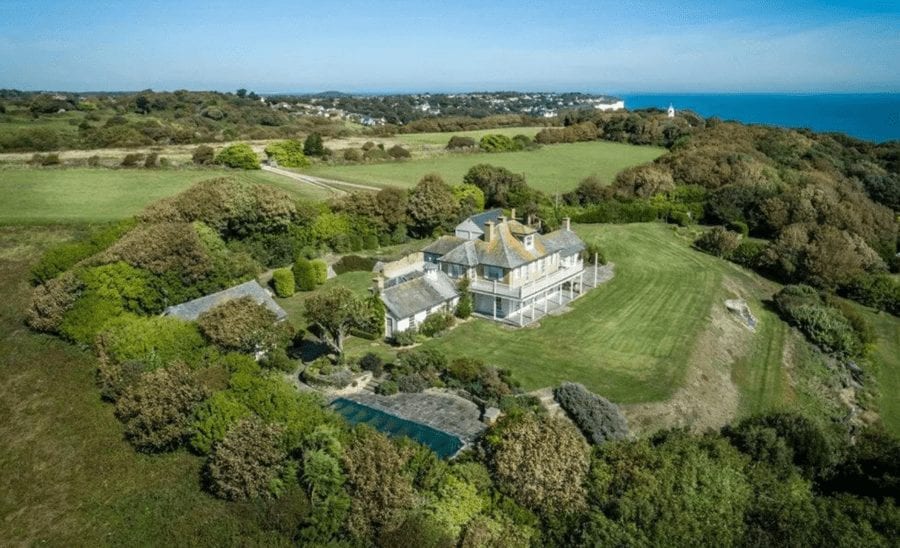
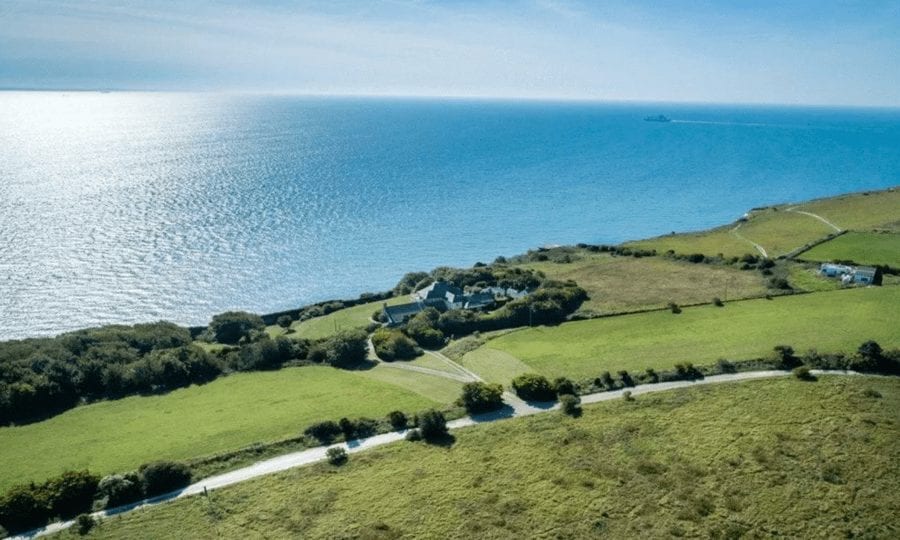
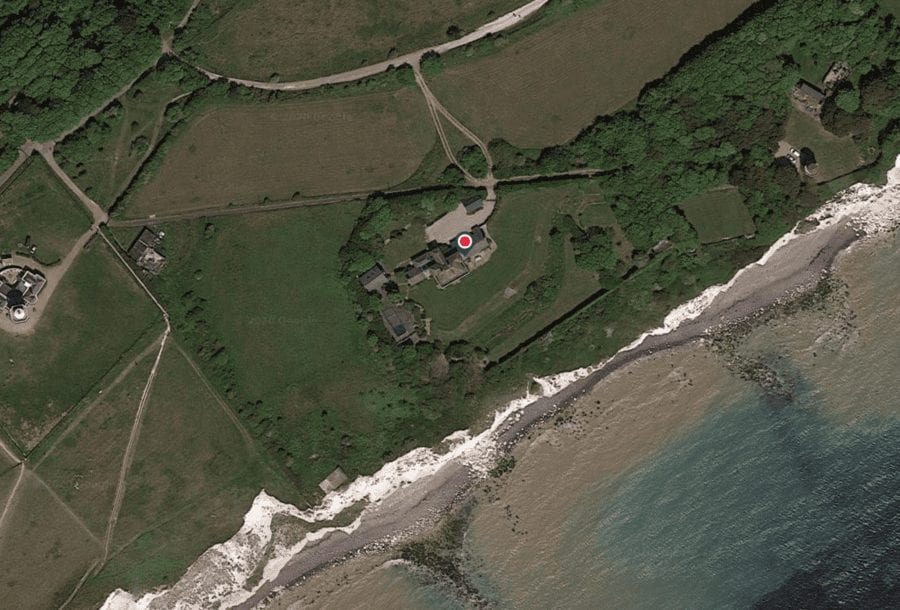
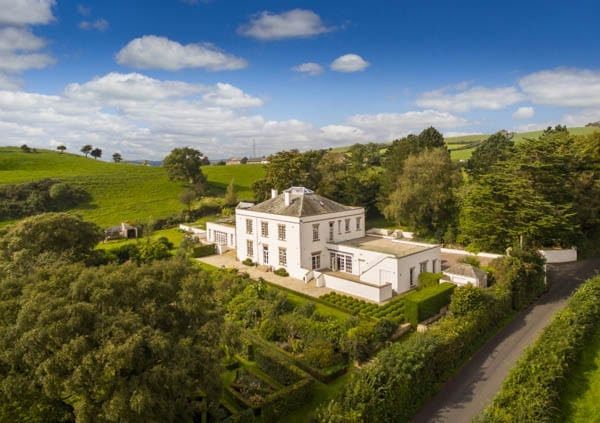
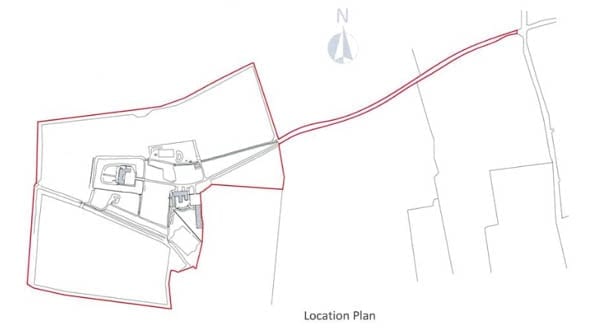
Standing in 11.5 acres of land on the edge of the White Cliffs of Dover in “the most remarkable location on the Kent coast” according to Knight Frank, the freehold property is now known more simply as ‘The Cliff House.’ It is described as having “been renovated by the past two proprietors” and of it, they add: “The current owners have carried out extensive redecoration during their occupation.”
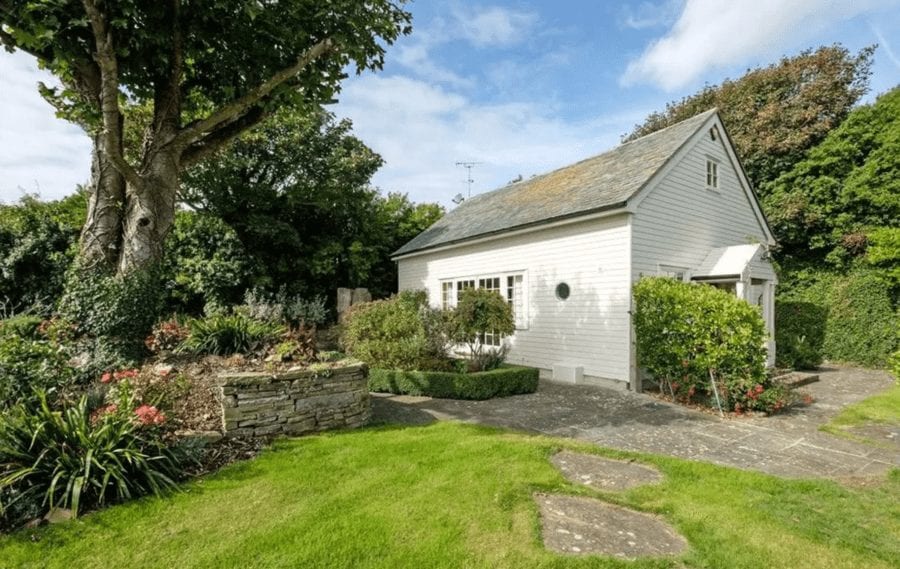
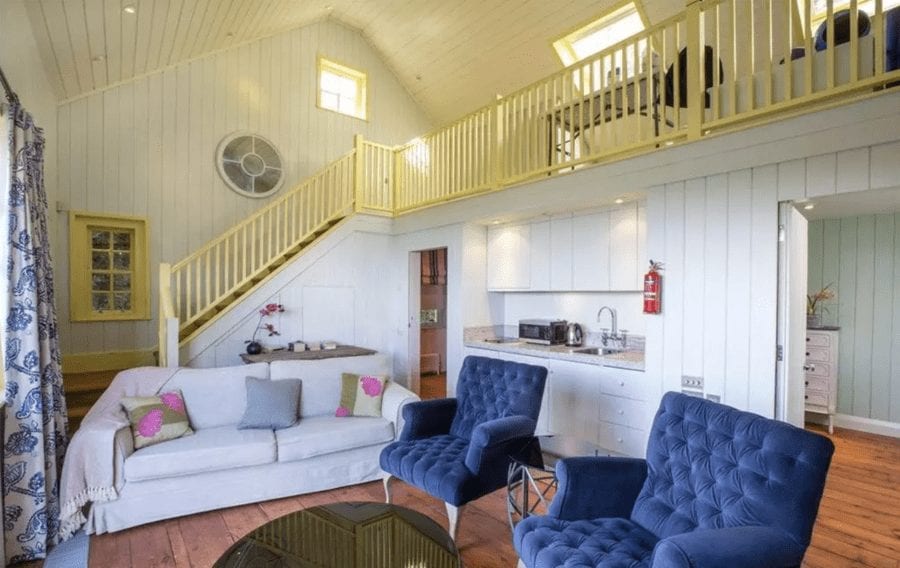
Aside from the main house with 3 reception rooms and 5 bedroom suites, there is a 2 bedroom annexe, a 3 bedroom cottage and a 2 bedroom cottage. Also included is an unused lighthouse, a large garage, a swimming pool, lawned gardens and some “light woodland.”
The agents don’t, however, mention if the owners will be making Dame Vera Lynn available to sing about bluebirds at post lockdown viewings.
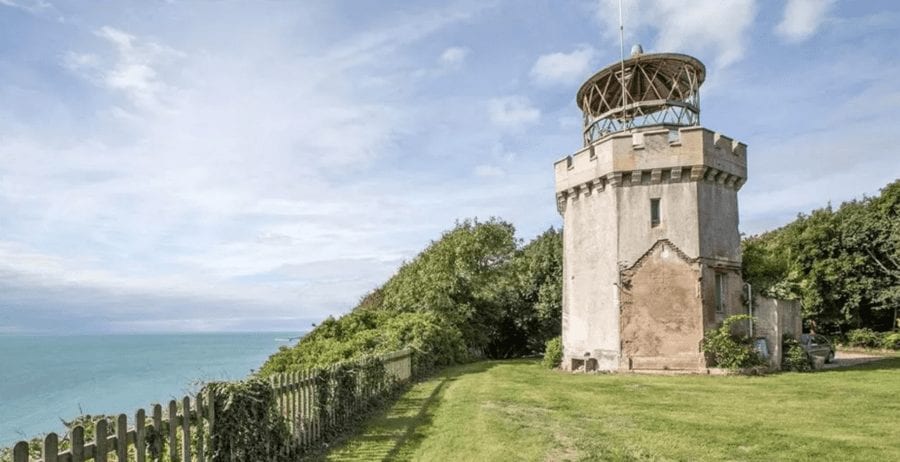
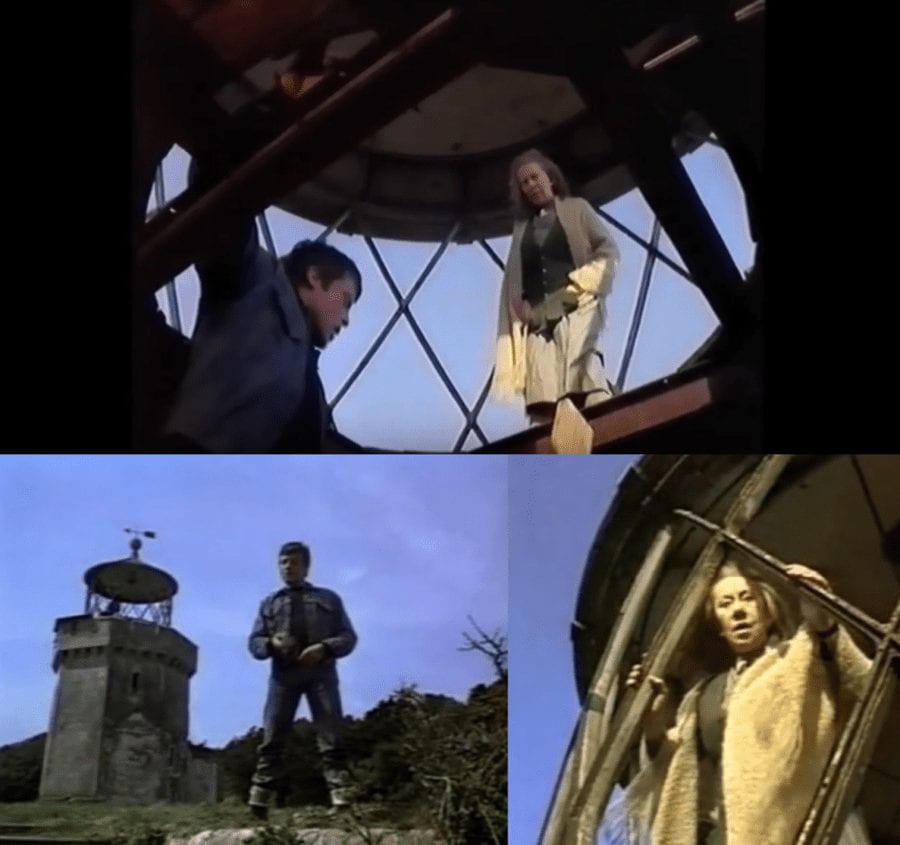
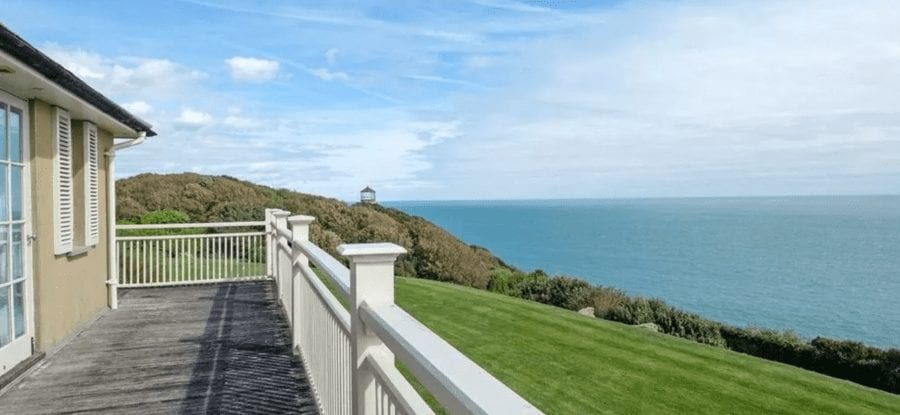
The lighthouse, originally known as the Lower South Foreland Lighthouse, itself was built in 1843 on the site of an earlier building. It was decommissioned in 1904 after the sands shifted and is Grade II listed. Agents Knight Frank simply remark of it: “Not use.”Oliver Reed as ‘Ethan’ at South Foreland Lighthouse in ‘The Shuttered Room’ with Flora Robson as ‘Aunt Agatha’ looking down. The 1967 British horror film was directed by David Greene and starred Gig Young and Carol Lynley.
The Numbers – The Cliff House, The South Foreland Estate, The Front, St Margaret’s Bay, Dover, Kent, CT15 6HP, United Kingdom
June 2020 – For sale for £5 million ($6.3 million, €5.6 million or درهم22.3 million) through Knight Frank.
November 2018 – For sale for £5 million ($6.3 million, €5.6 million or درهم22.3 million) through Knight Frank.
November 2013 – For sale for £4 million ($5.1 million, €4.5 million or درهم18.6 million) through Strutt & Parker.
July 2013 – For sale for £3.5 million ($4.4 million, €3.9 million or درهم16.3 million) through Strutt & Parker.
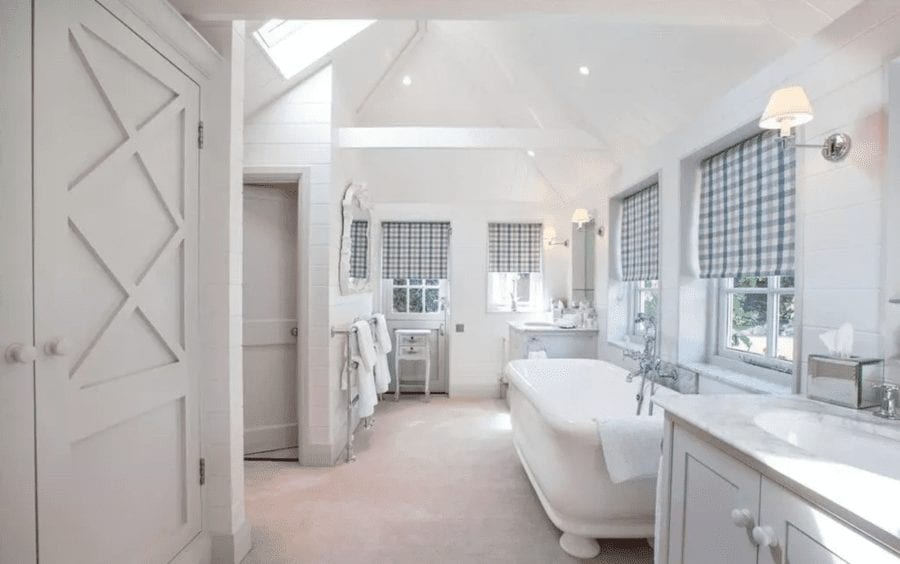
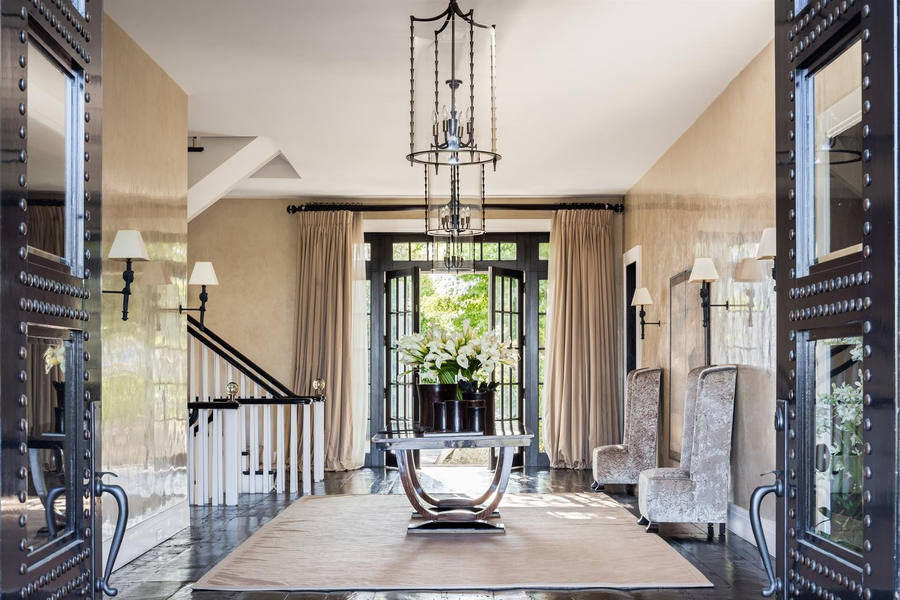
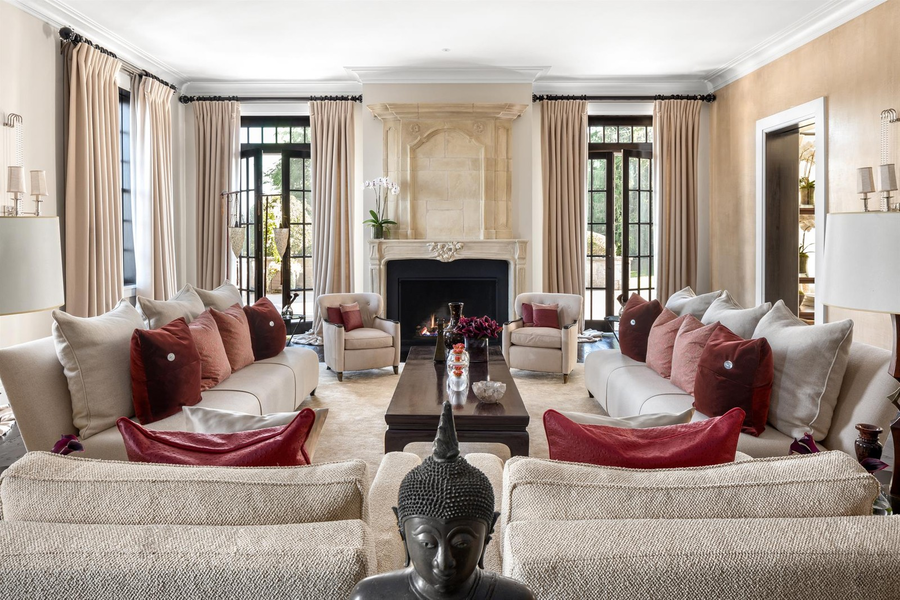
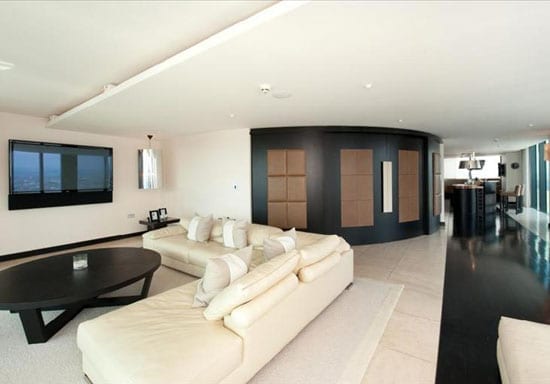
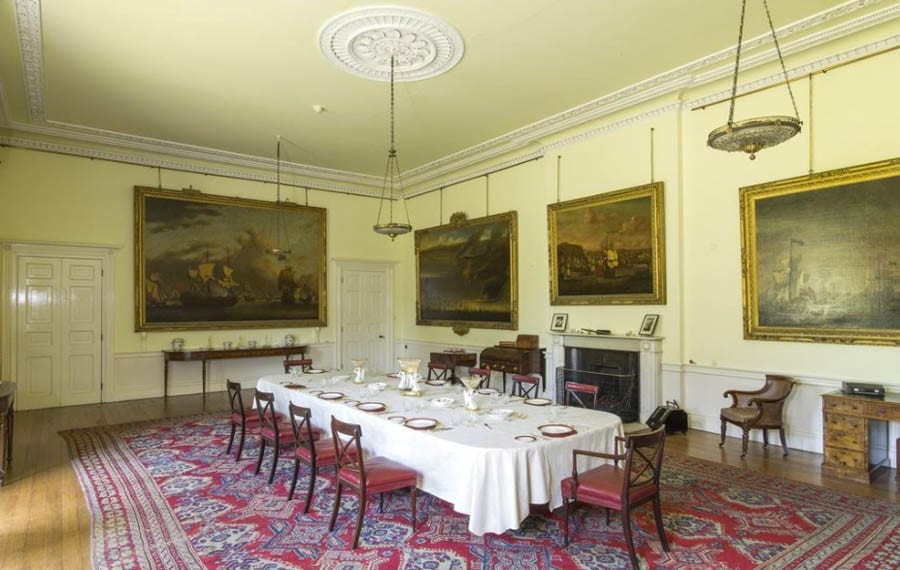
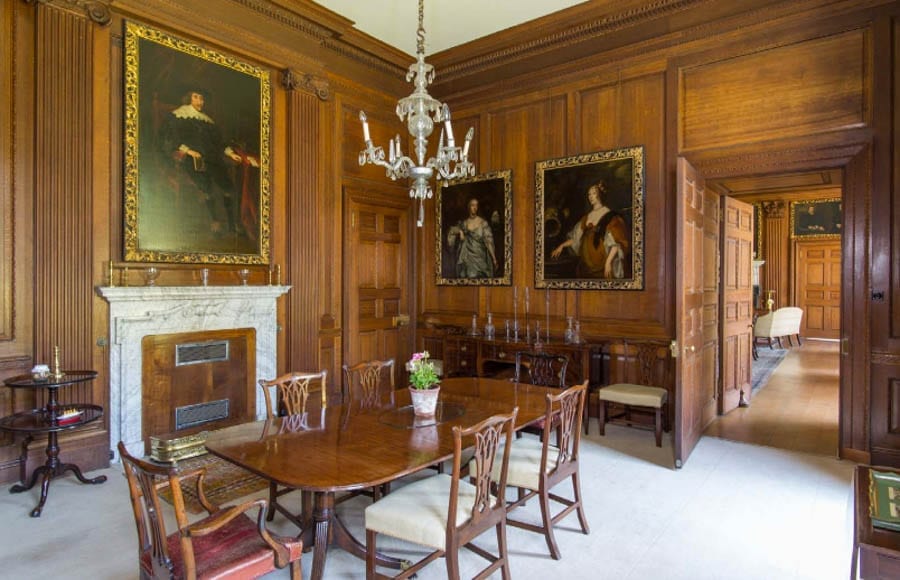
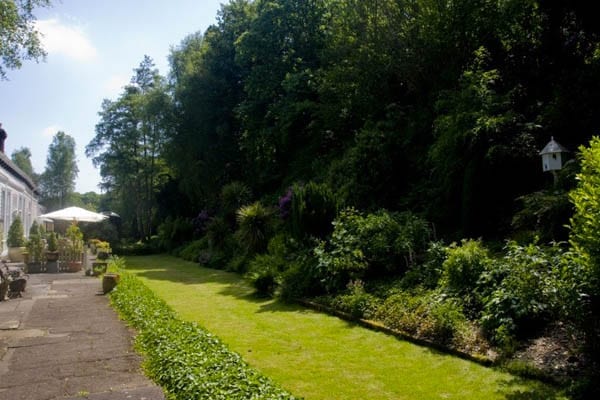
Out on The Front – The main entrance to The Cliff House.The main entertaining space is a large 27-foot by 17-foot drawing room. There is also a sitting room.The kitchen has been redecorated by the current owners.One of five bedroom suites.The largest of the bathrooms in the house.Out on The Front – Views out to sea.A balcony overlooking the Strait of Dover.Thrree ancillary properties are included in the sale price.The interior of one of these spaces.Looking out to sea.Looking inland.The property is surrounded by land owned by the National Trust.The White Cliffs.Out on The Front – An aerial shot of the property.
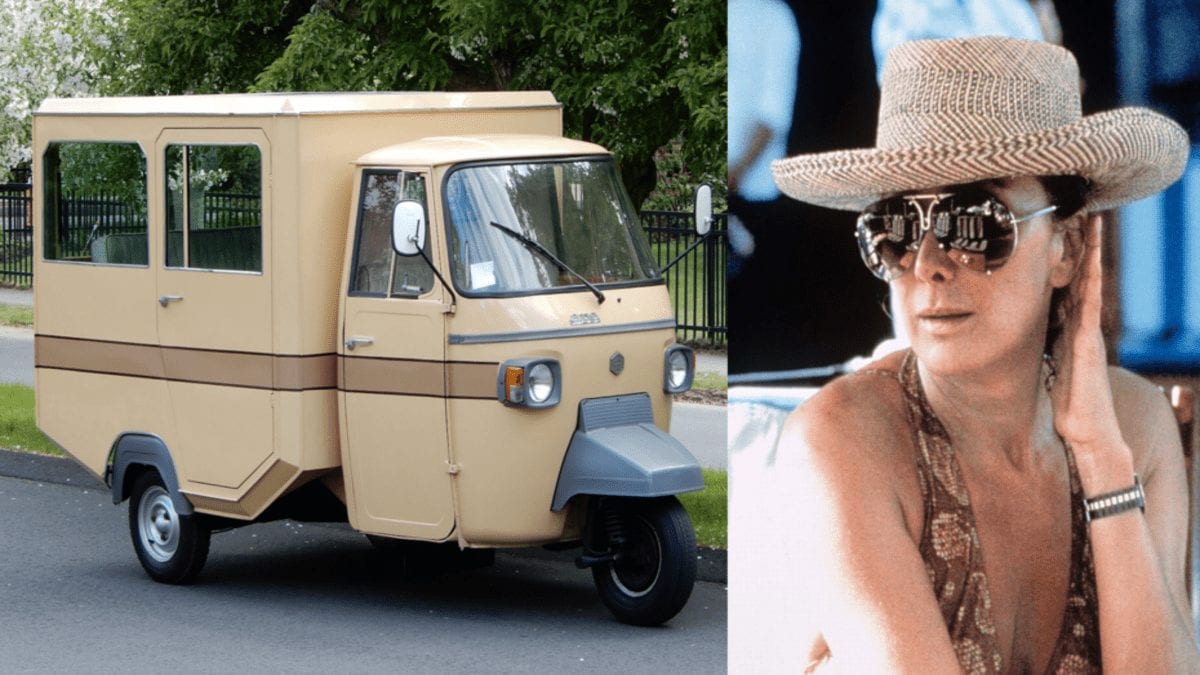
1978 Piaggio Ape ‘limousine’ used by the controversial Countess Agusta – a woman who either fell or was pushed to her death from her home above Portofino in 2001 – to be auctioned
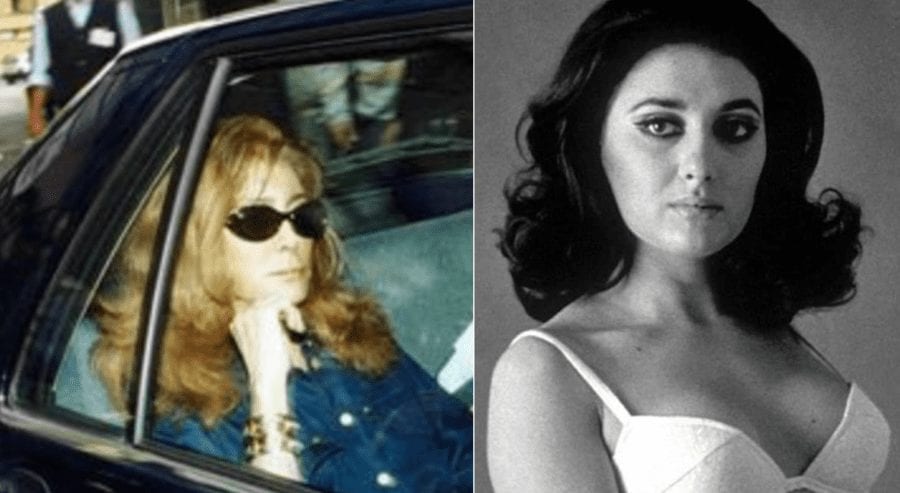
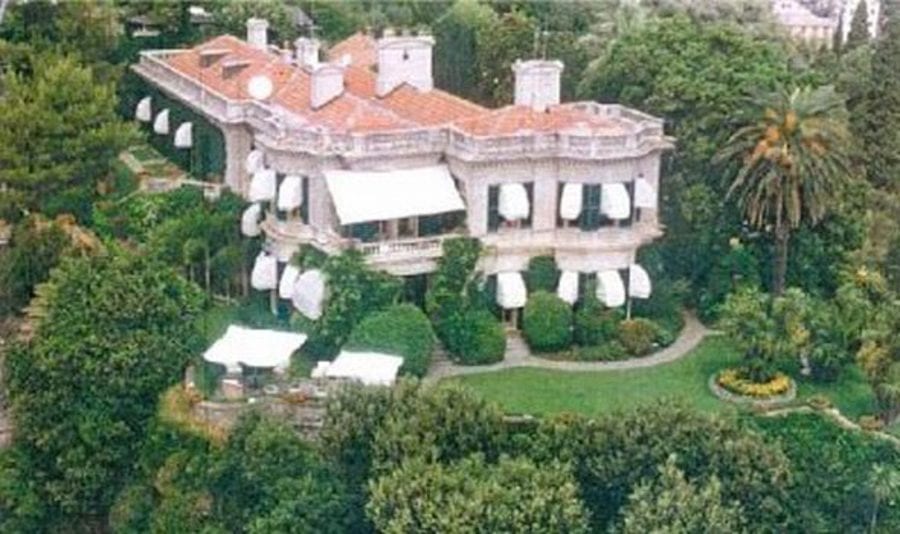
On 8th January 2001, “shop assistant turned model turned multi-millionairess many times over turned fugitive” (via a stretch in what American’s so pleasantly term ‘pokey’) Countess Francesca Vacca Agusta “disappeared” from the terrace of her Ligurian seaside home. The series of events that preceded and followed could have featured in an Agatha Christie novel or a Sherlock Holmes story.
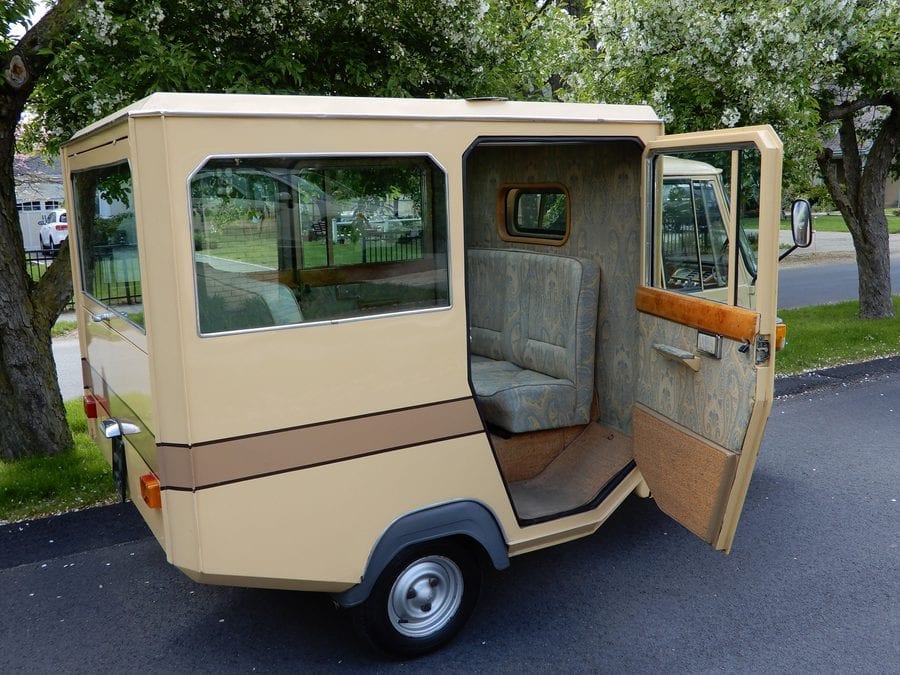
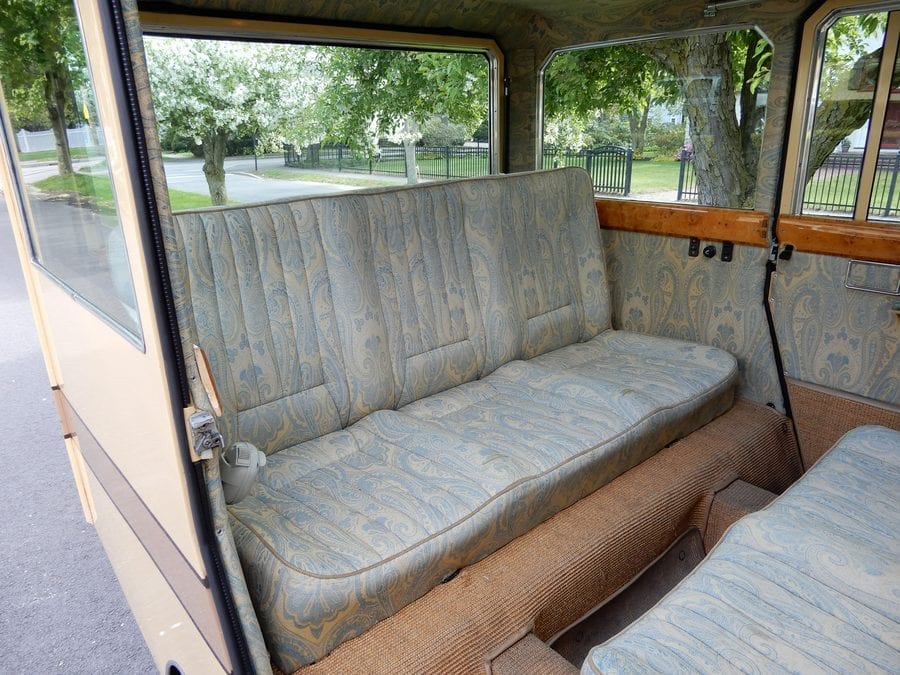
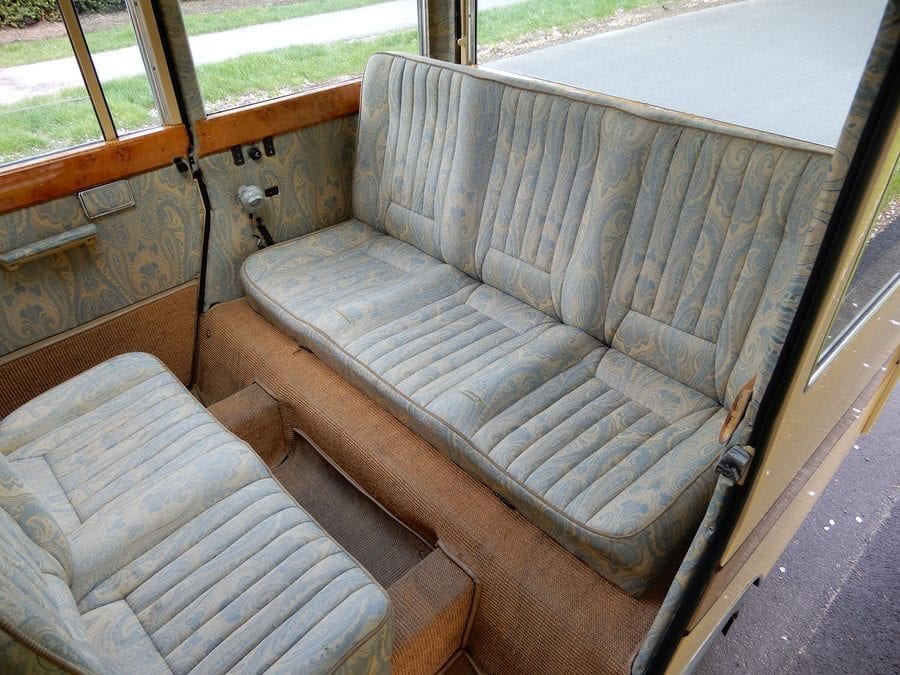
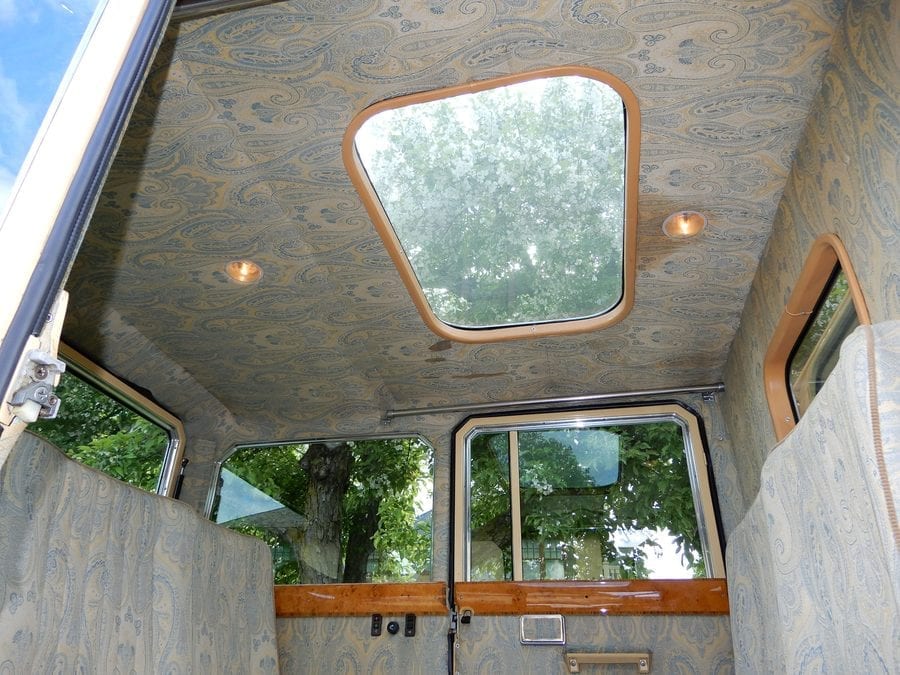
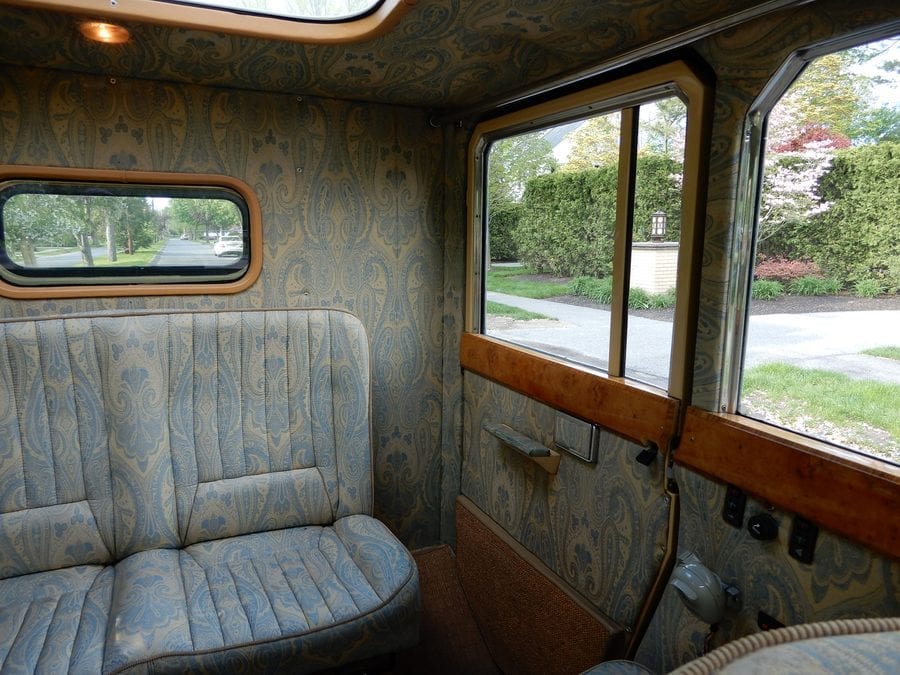
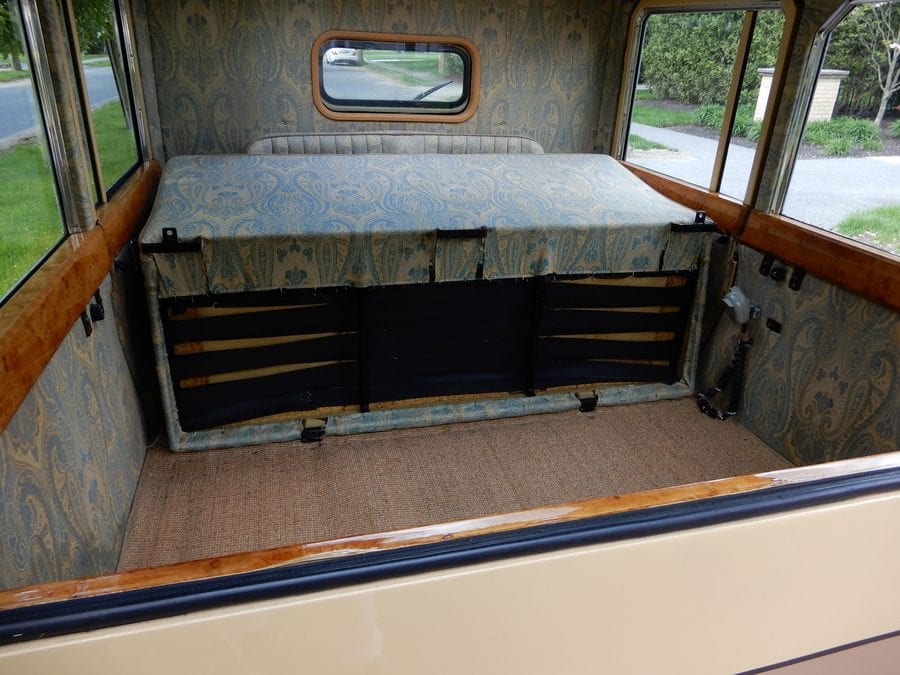
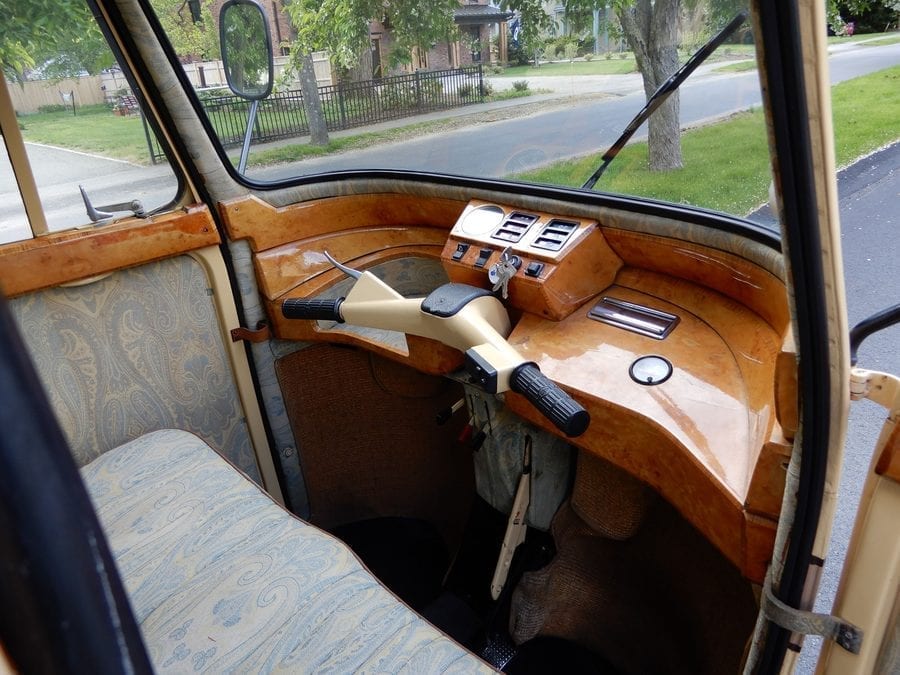
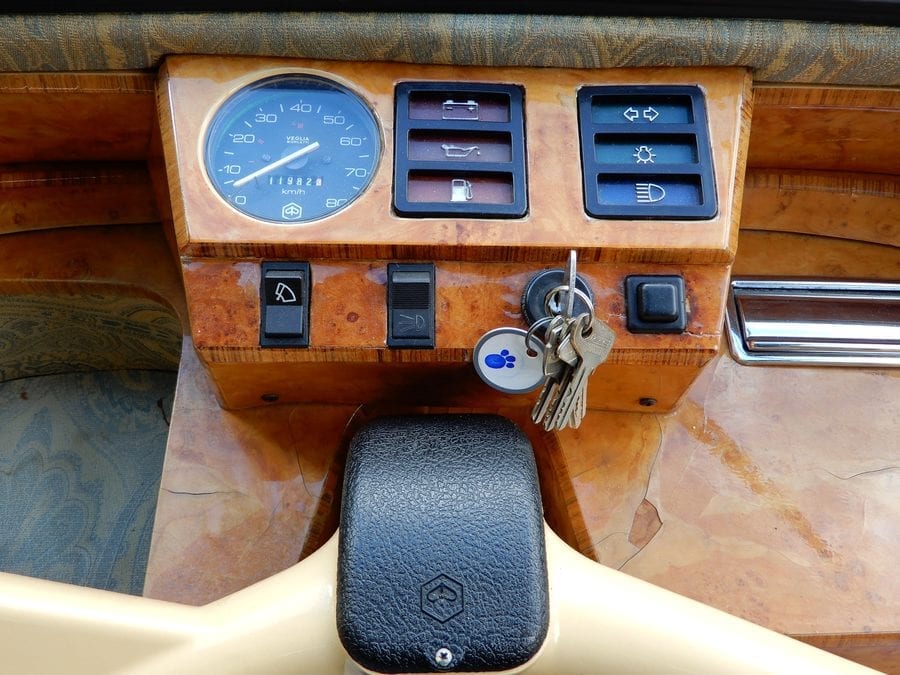
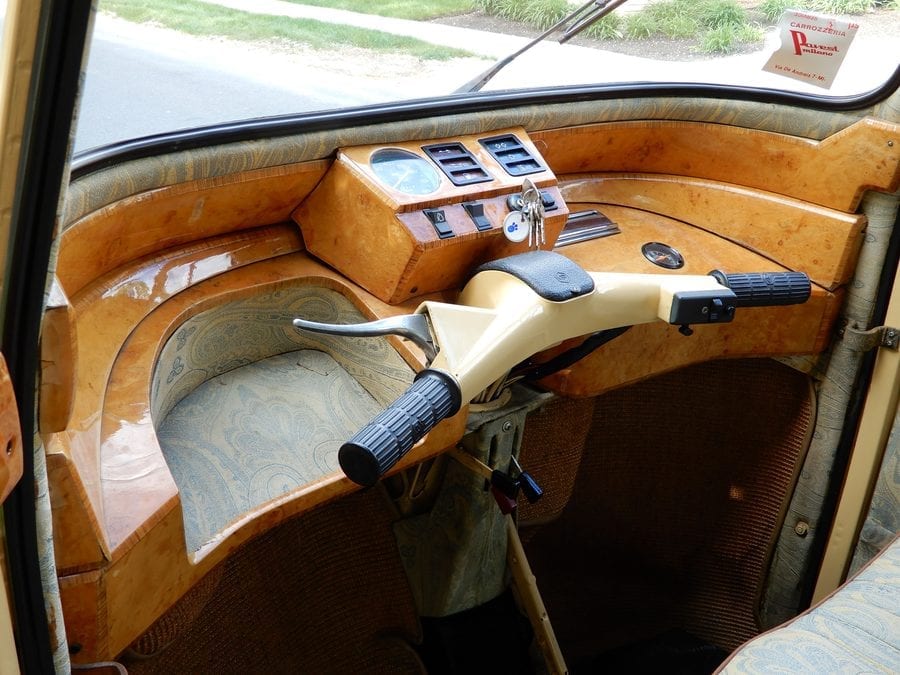
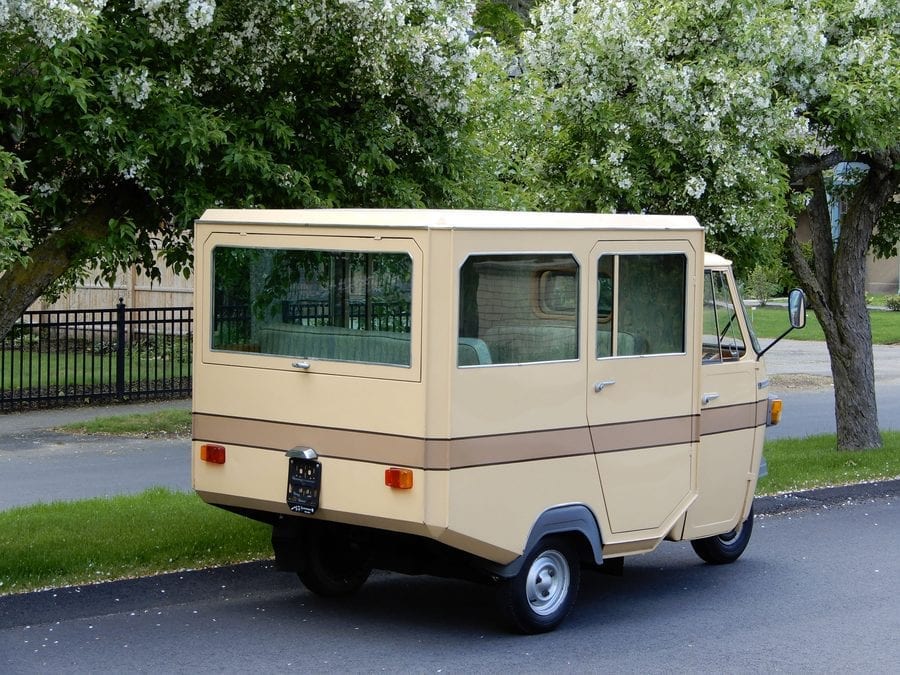
Graffagni saw off the business tycoon’s first wife, Pupetta Maresca, after a torrid affair and following their marriage in 1974, amongst other things, became chatelaine of a 40-room property complete with a helipad. It had been built in 1870 by George Herbert, 4th Earl of Carnarvon – whose death was attributed by amongst others Sir Arthur Conan Doyle to the “curse of King Tut” – as his holiday home and during the 1970s and 1980s guests to “jet-set parties” given at the house by the socialite Countess were ferried back and forth from their dock in Portofino harbour in a custom built 1978 Piaggio Ape coachbuilt ‘limousine.’ This vehicle, described as a “perfect yacht tender” with its opulently patterned interior and passenger-driver intercom, is now for sale.
Countess Francesca Agusta (née Francesca Vacca Graffagni, 29th October 1942 – 8th January 2001). It is most surprising that the late Dominick Dunne did not make a television programme about her life and demise.Villa Altachiara (alternatively known as ‘Villa Alta Chiara’ or ‘Villa Carnarvon’) was one of Countess Agusta’s homes from the 1960s until her death in 2001; it was originally built as a holiday home for Lord Carnarvon (26th June 1866 – 5th April 1923) – the financier of Howard Carter’s explorations of Egypt’s Valley of the Kings that led to the discovery of Tutankhamen’s tomb. The Carnarvon family hosted many guests during their ownership, amongst them Brooke Astor and Evelyn Waugh.
Count Agusta died in 1989 without divorcing his second wife in spite of separating from her in 1985. At that time, in addition to Villa Altachiara, he had given her four apartments in Milan, an estate in Cuernavaca, Mexico, family jewellery and an undisclosed cash sum. With his demise, she came into yet further fortune.
This by-then “very wealthy woman” hit the headlines again in 1994 when she and her new lover, a “former Portofino playboy politician [named] Maurizio Raggio,” were discovered to have been part of a corruption scandal involving Bettino Craxi, the Prime Minister of Italy from 1983 to 1987. Before police could apprehend them to charge them with amongst other things money laundering, the pair fled to Mexico and lived on her estate until 1997 as fugitives. During this period, the Countess reportedly attempted suicide at least once.
Upon her return to Italy, the Countess plea-bargained and spent just three months in Milan’s Opera prison for her crimes in spite of receiving a two-year jail sentence. After “some further time under house arrest” in the Villa Altachiara, the “retired” gadabout then took up with a Mexican, Tirso ‘Tito’ Chazaro (also known as ‘Tirso Di Ricardo’ and ‘Rafael Tirso Roncado Gonzales’), and lived in the style of Miss Havisham. She was rarely seen in public and having become dependent on drink and drugs, was known for her erratic behaviour and temper.
“Considerably the worse for wear and muttering she would not be coming back” on the night of 8th January 2001, the Countess supposedly told her lover and two others present that she was going for a swim, but either slipped on wet leaves or was pushed off a veranda into the sea. A search followed, but after the only traces found were the Countess’s dressing gown on the seabed close to the Villa Altachiara and her slippers on nearby rocks, press reports suggested she had either committed suicide or, given her past form, staged an “elaborate disappearing act.”
Countess Agusta’s badly decomposed body washed up three weeks later on a beach at Toulon on the French Riviera. Her feet had been gnawed off by fish, her skull was smashed and her face was disfigured. She could only be identified by two rings she was wearing and her exact cause of death could thus not be determined.
As an autopsy found no trace of water in her lungs, she plainly did not die by drowning, but in in 2004 the Countess’s brother, Domenico Vacca Graffagni, was quoted in the Independent as stating: “The [original] inquiry was closed in a hasty fashion because of absence of proof, relying too readily on ‘reasonable doubt’ … It was manslaughter. He [Chazaro] was always beating her. He didn’t mean to kill her. But that evening things didn’t go the way the Carabinieri said, my sister was not drunk and she did not slip on wet leaves on the veranda.”
Adding further to speculation, much earlier, the Countess’s step-son, racing driver and team owner Rocky Agusta (1950 – 2018), told Corriere della Sera in 2001: “Francesca was a beautiful woman, simpatica, very rich… People have written that she inherited 500bn lire, but if it had been only 50 or 25, who commits suicide with 25bn lire set aside? … The people who were around her certainly did not help her… It’s not up to me to formulate accusations, but Francesca was not alone that night. She was very upset. She should have been put to bed. Instead, they let her go out into a dark, wet, cold night, not even dressed.”
In due course, the last of many wills left by Countess Agusta revealed Tirso Chazaro to be her sole beneficiary, but after this was challenged in court by her former lover, Maurizio Raggio, the pair split the legacy – reported to be worth as much as £165 million ($201 million, €186 million or درهم738 million) according to the Guardian in 2001 – sixty-forty between them.
In 2009, the Villa Altachiara was offered for sale initially for £44 million ($54 million, €50 million or درهم198 million) and then for £30 million ($37 million, €34 million or درهم135 million) in 2014. It supposedly eventually sold for less than half that sum to a Russian billionaire a number of years later in spite of an estate agent remarking: “Some say the spirit of Countess Francesca Vacca Agusta still walks the estate looking for her husband and you can hear her shouting for him on the wind.”
An estimate of £37,000 to £49,000 ($45,000 to $60,000, €42,000 to €55,000 or درهم165,000 to درهم220,000) for the Countess’s Piaggio Ape. Described as “sweet” and “[anything but] an Italian tuk-tuk” by RideApart, the one-off private taxi will be auctioned as part of the forthcoming RM Sotheby’s ‘Driving Into Summer’ 21st to 29th May 2020 online sale. One can only hope it finds a happier home than it encountered at that of its former mistress.
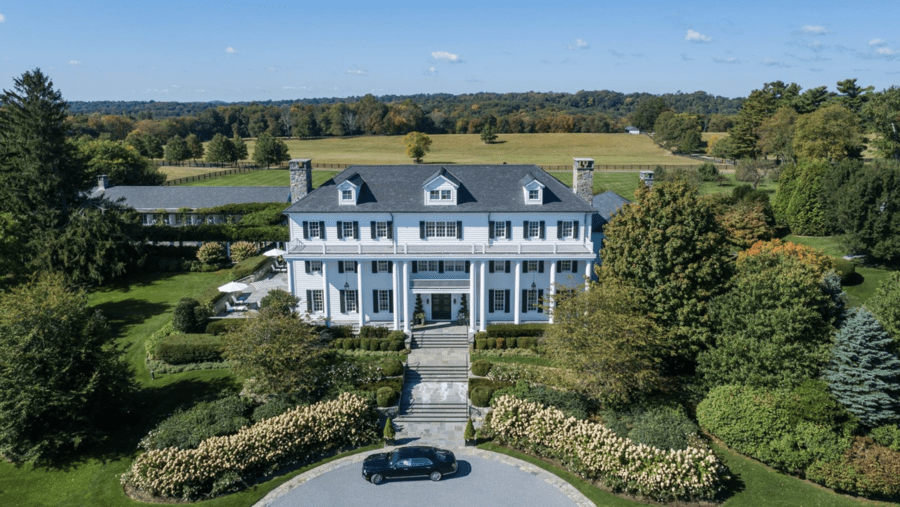
Co-founder of Calvin Klein Inc. puts his 740 acre equestrian estate just an hour from New York up for sale for £81 million; about 65 stake winners and several horses that have competed at the Kentucky Derby have been produced there
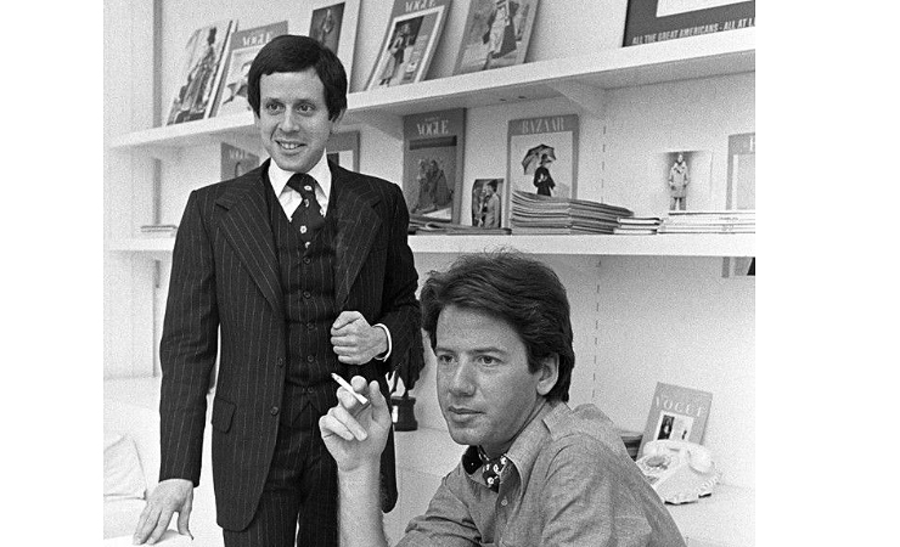
“Murdered grocer’s son from the Bronx” Barry K. Schwartz and his childhood friend Calvin Klein co-founded the now world-famous fashion brand Calvin Klein Inc. in 1968 and sold it for £589 million in 2003.
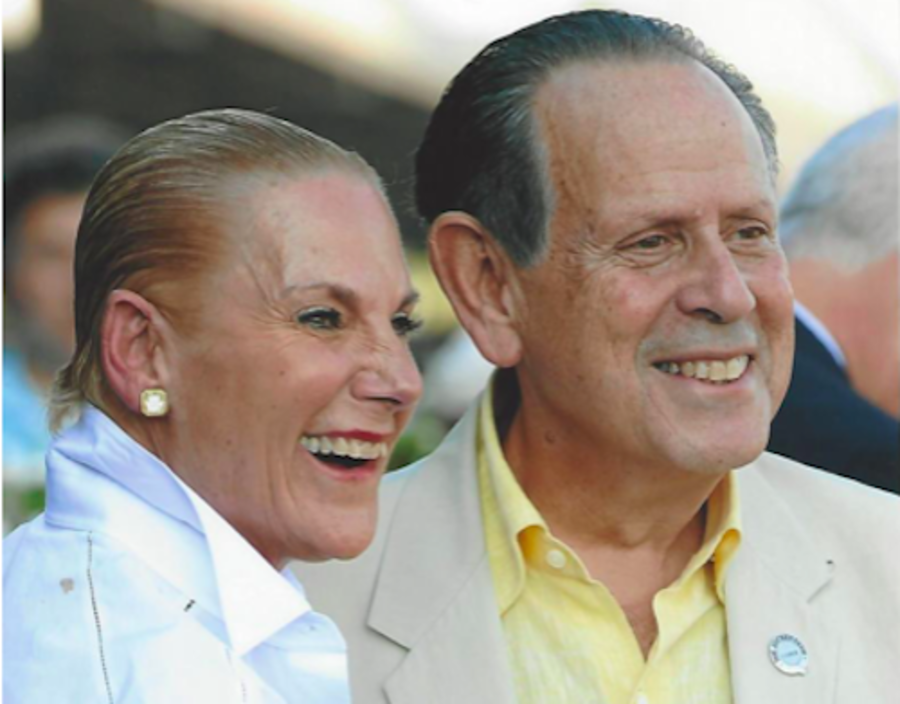
Barry K. Schwartz with Calvin Klein.Barry K. and Sheryl Schwartz.
Aside from spending his ever-growing fortune on horses – one of which he named ‘Degenerate Jon’ (after his son) and another ‘Killer Diller’ (after his friend the media mogul Barry Diller) – Schwartz and his wife, Sheryl, purchased 673 acres of land to the north of New York City in Westchester County in 1979 for the back then far from insubstantial sum then of £2.6 million.
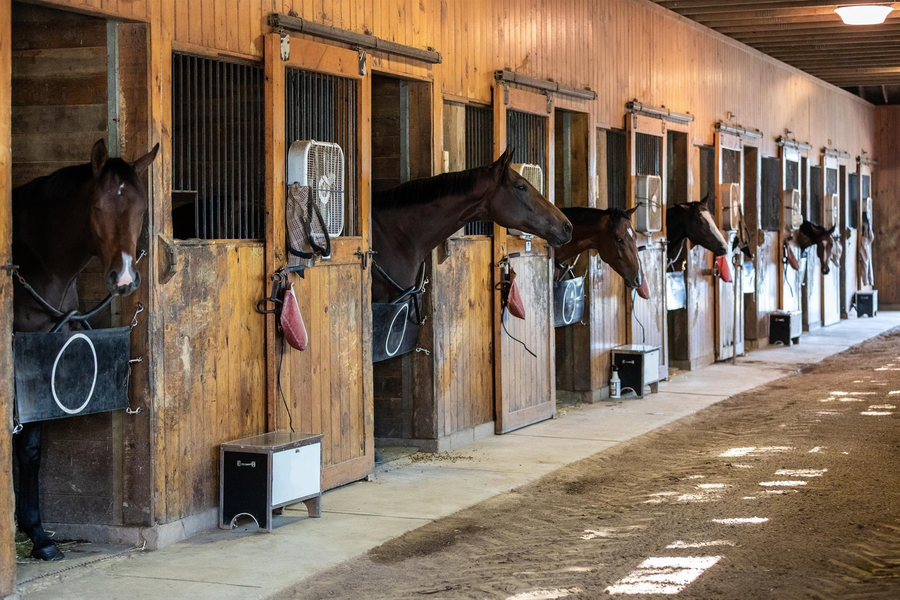
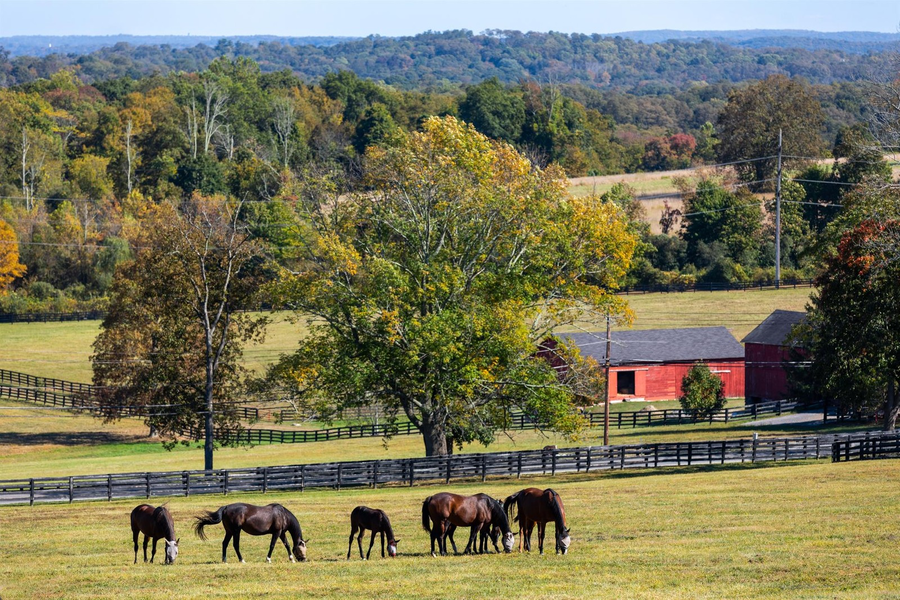
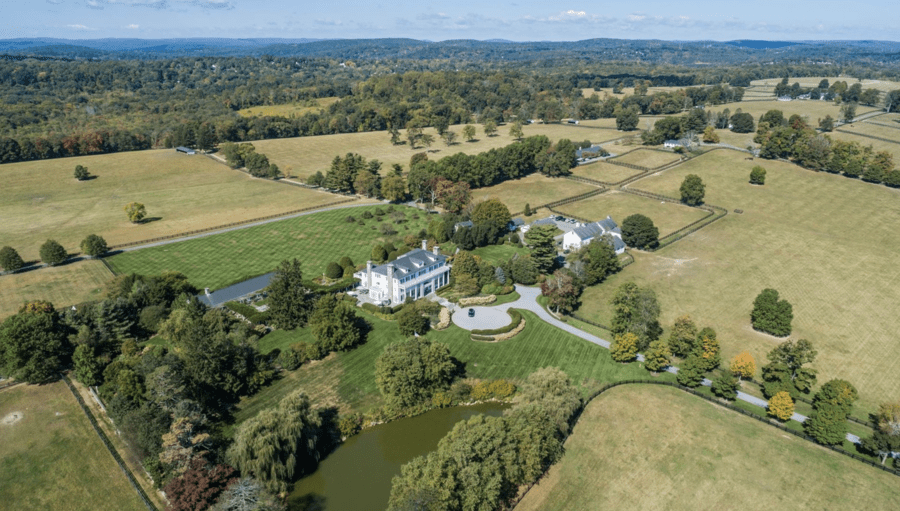
There, not that far from Belmont Park racetrack in the small residential hamlet of Granite Springs, after adding yet more land to take their “equestrian estate” to a grand total of 18 deeded parcels on 740 contiguous acres, the couple created a world-class equestrian establishment that they filled with thoroughbred racehorses. Facilities at ‘Stonewall Farm’ – as it is now known – have evolved to include a turf racetrack, riding trails, a 40-stall yearling barn, two 24-stall broodmare barns, round pens and 4board fenced paddocks and pastures with run-in sheds.
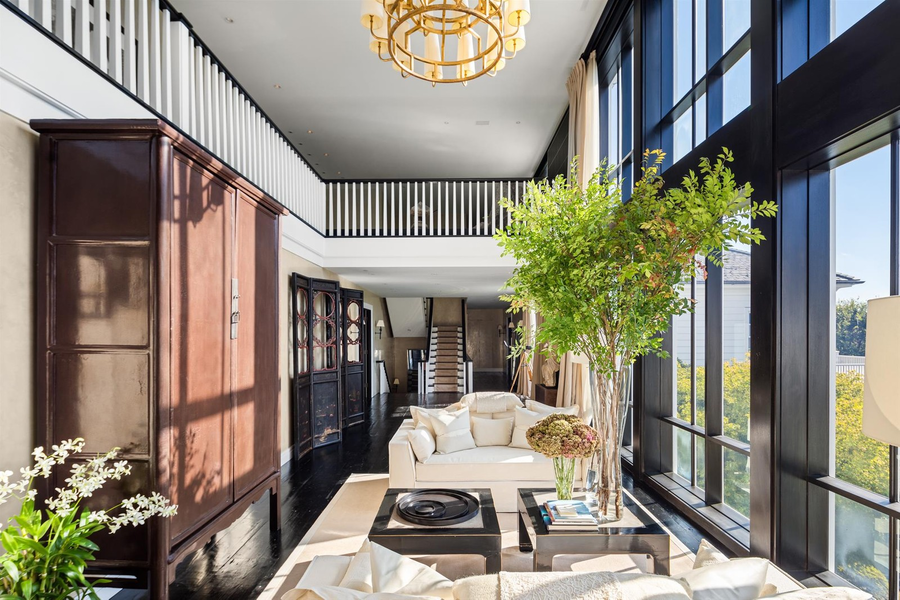
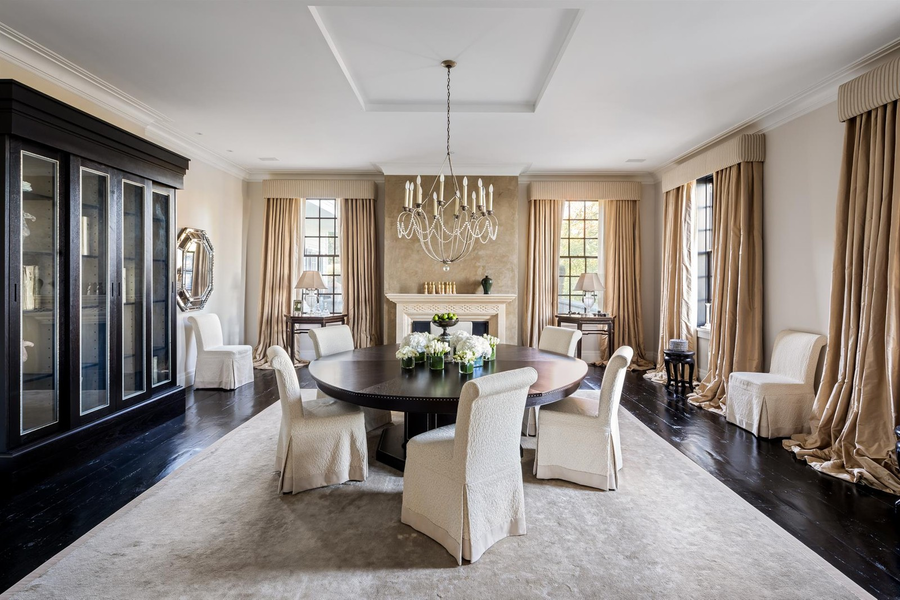
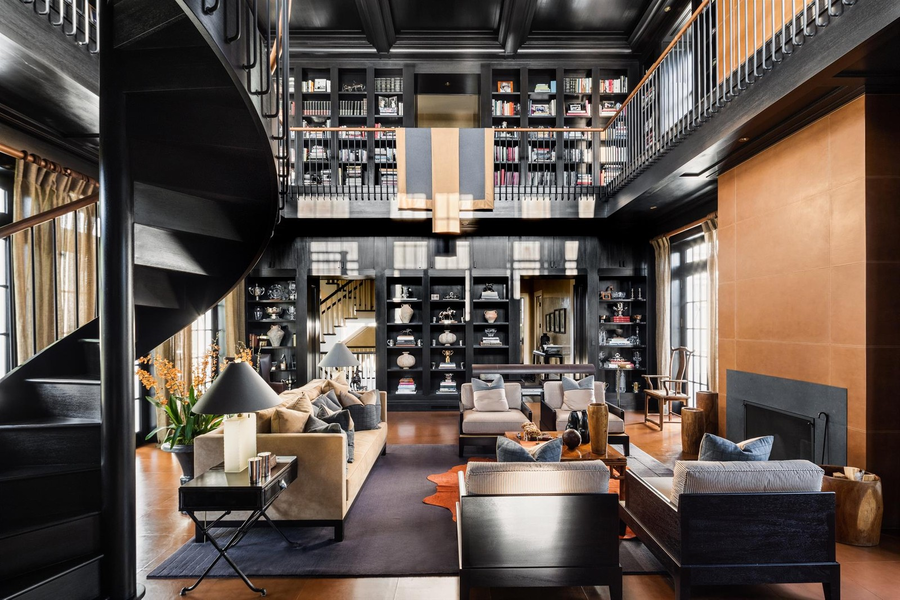
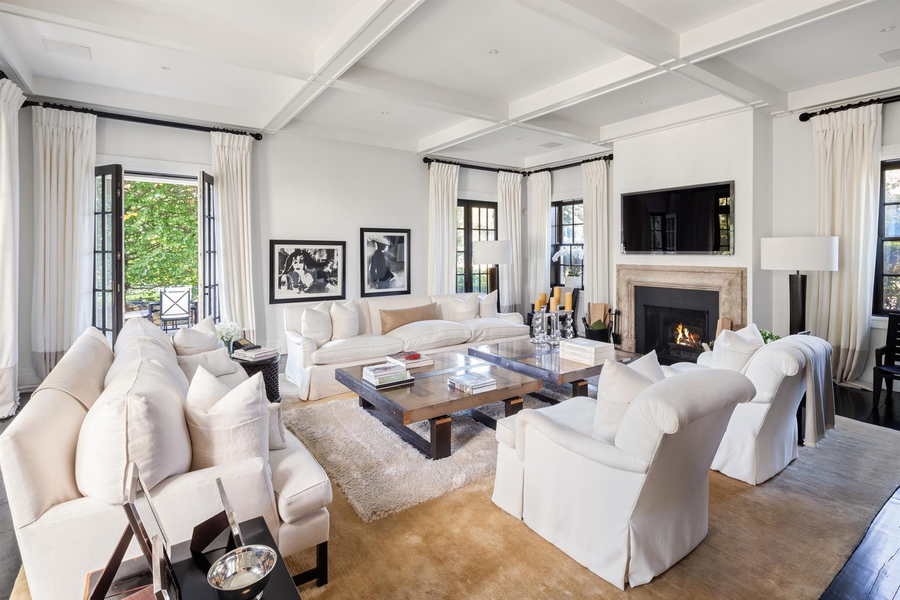
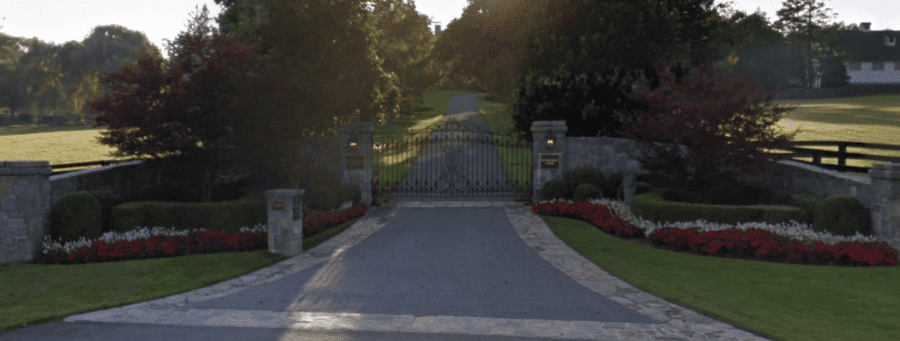
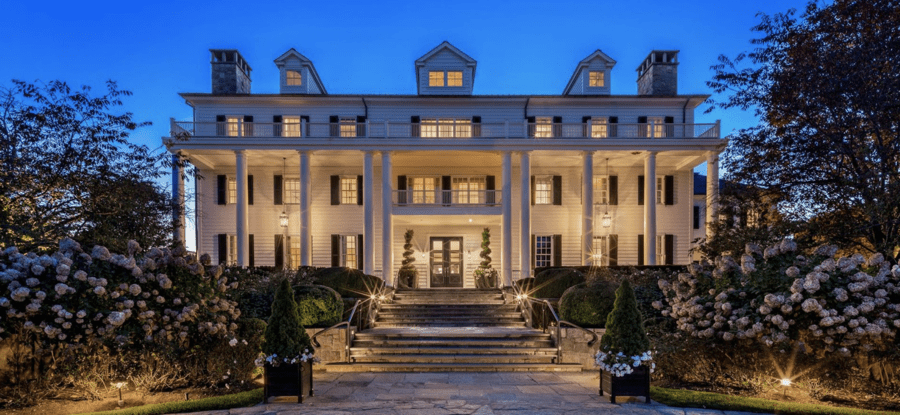
A year after cashing in alongside Klein, stamp collector Schwartz’s new home was completed on the property. It features 24,000 square foot of accommodation, 8 bedrooms and 8 bathrooms. There is a 2,200-bottle wine cellar, a pub, a two-storey library “that would delight any reader” and living spaces that “invites elegant entertaining, whether intimate or on a grand scale,” according to selling agents Christie’s International Real Estate.
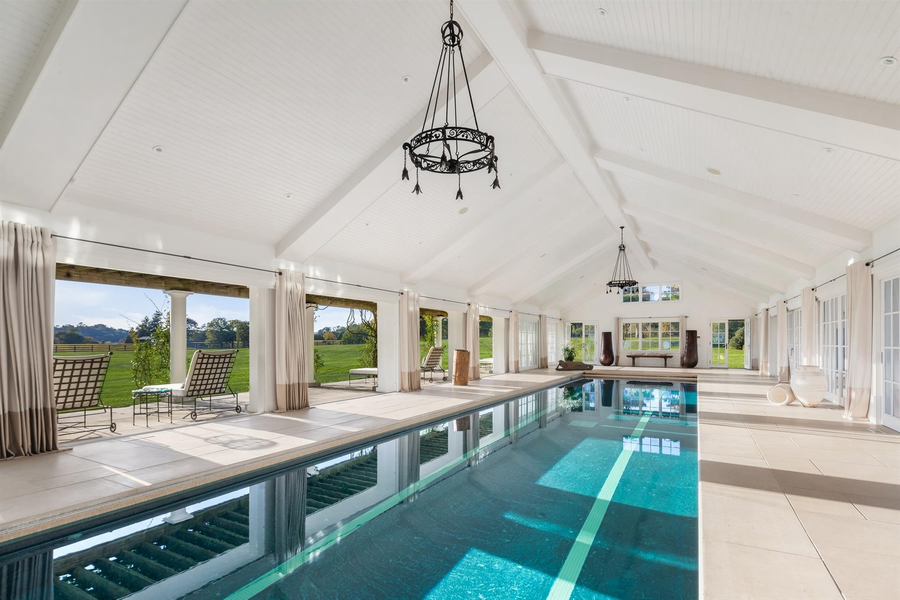
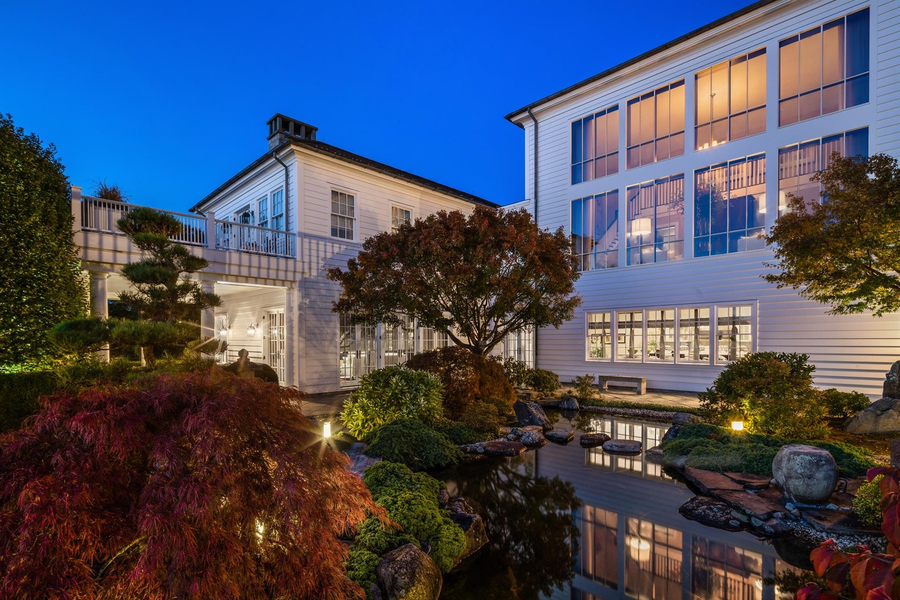
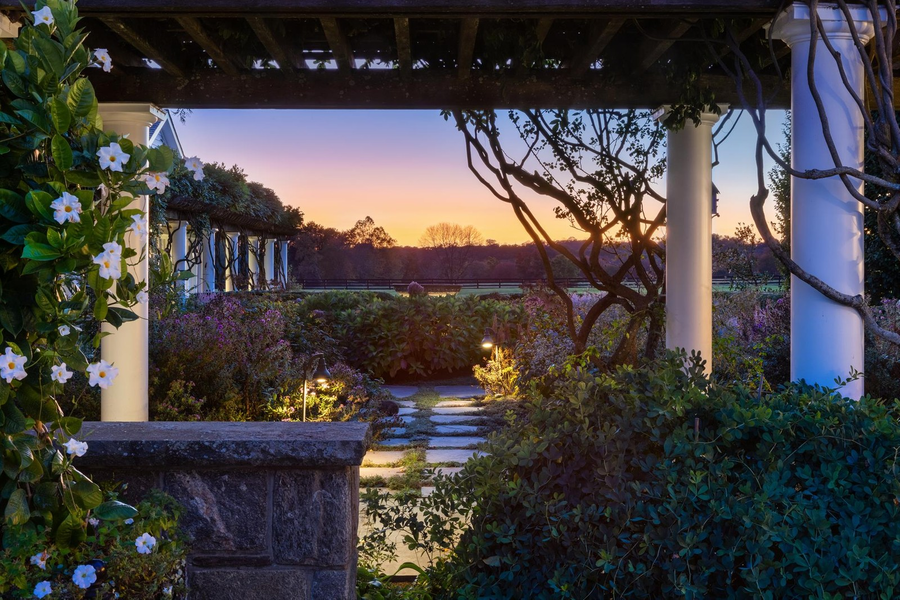
Elsewhere in the grounds, there are 8 staff residences (to house the 30 employees that currently maintain the estate), a guest house and a caretaker’s house. Formal gardens, designed by Edmund D. Hollander in geometric French and Japanese styles, adjoin the house and there is a 60-foot long swimming pool within a 4,000 square foot pavilion also.
Stonewall Farm is situated just one hour from Manhattan, but now that Mr and Mrs Schwartz are spending more time at another of their homes in Santa Barbara, California, they have decided to sell. Of it, realtor Kathleen Coumou told The Journal News:
“It’s on one of the largest pieces of property that one can purchase in the county. It was so convenient for [the Schwartzes] to be on this farm, with all its privacy, and still be close to New York… [It’s] magnificently laid out, with a southern-looking main house and behind it, it’s like you’re in Kentucky. You see the pastures with the horses and lots of woodlands. It’s quite spread out – it feels like you’re somewhere else, not in Westchester County… You have gorgeous views – hills and ponds and horses and paddocks, and different levels of rolling hills… You certainly can’t see anybody else around.”
“[Stonewall Farm will be sold to] a billionaire, who could come from anywhere.”
The Names & Numbers – Stonewall Farm, Mahopac Avenue, Granite Springs, Westchester County, New York, NY 10527, United States of America
April 2020 – For sale for £80.7 million ($100 million, €92.1 million or درهم368 million) through Christie’s International Real Estate. Of why, they chose this sum, realtor Kathleen Coumou told The Journal News: “We did a very thorough appraisal of the property – the land and all of the buildings – and came up with a price of $110 million, and then we decided to round it down to $100 million.”
1999 to 2004 – Construction of main house, a “colonial-style manor” with a “white clapboard facade and a slate roof repurposed from the Yale Divinity School,” was completed to the designs of the New York architect Rebecca Rasmussen with an interior by the London based interior designer Kelly Hoppen.
2003 – Calvin Klein and Barry K. Schwartz sell their company to Philips-Van Heusen (now known as PVH Corp.) for £589 million ($730 million, €672 million or درهم2.7 billion).
1979 – Barry K. and Sheryl Schwartz pay £2.6 million ($3.25 million, €3 million or درهم11.9 million) for 673 acres of land. Of buying it, Mr Schwartz later commented: “”It was the easiest negotiation of my life. The seller asked $3.5 million, I offered $3 million and we settled on $3.25 million.” The couple purchased further land shortly thereafter.
1968 – Calvin Klein (born 19th November 1942) co-founds Calvin Klein Inc. with his childhood friend Barry K. Schwartz (born 25th May 1942) with a loan of £8,100 ($10,000, €9,200 or درهم36,700).
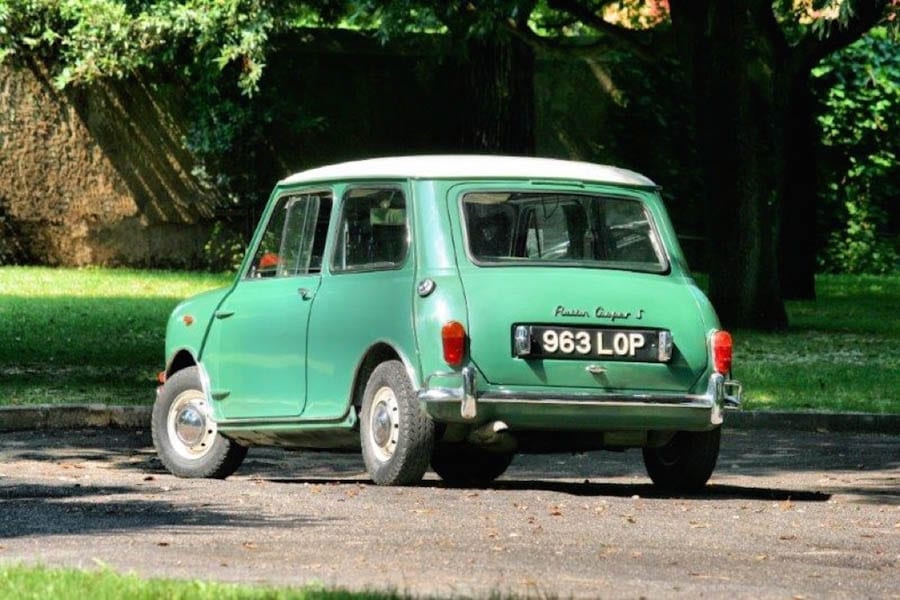
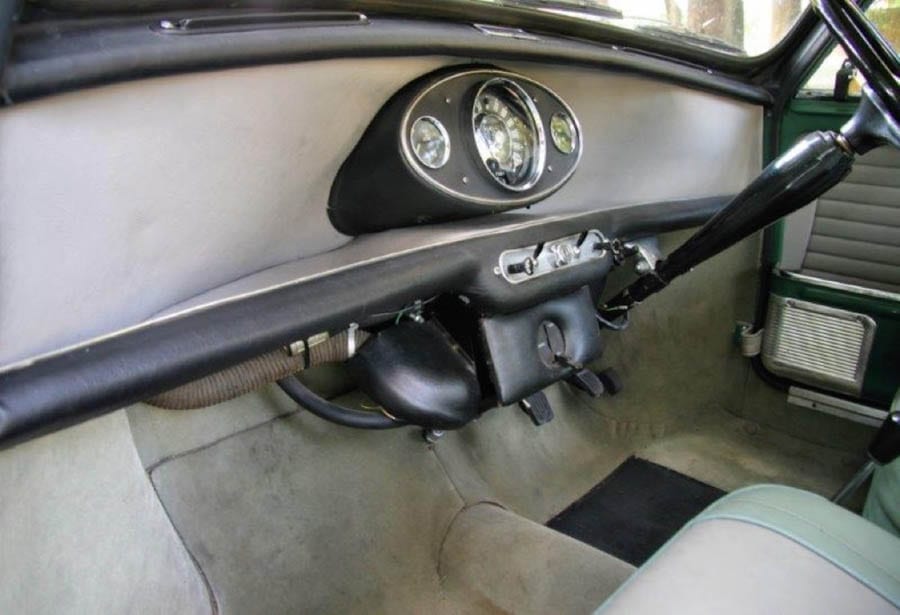
1964 Mini Cooper S hatchback designed to carry the golf clubs of the much-loathed Postmaster General, Minister of Transport and alleged tax fraudster Ernest Marples for sale
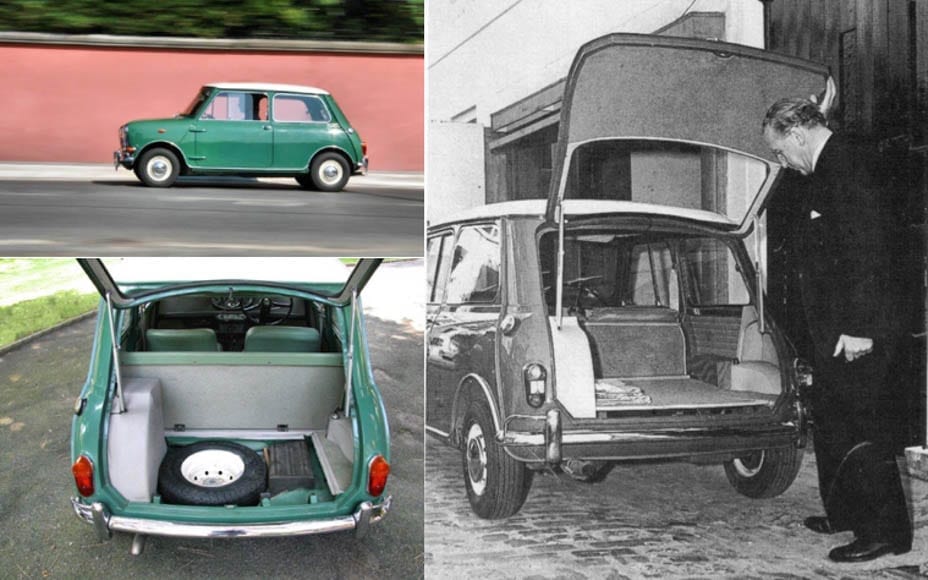
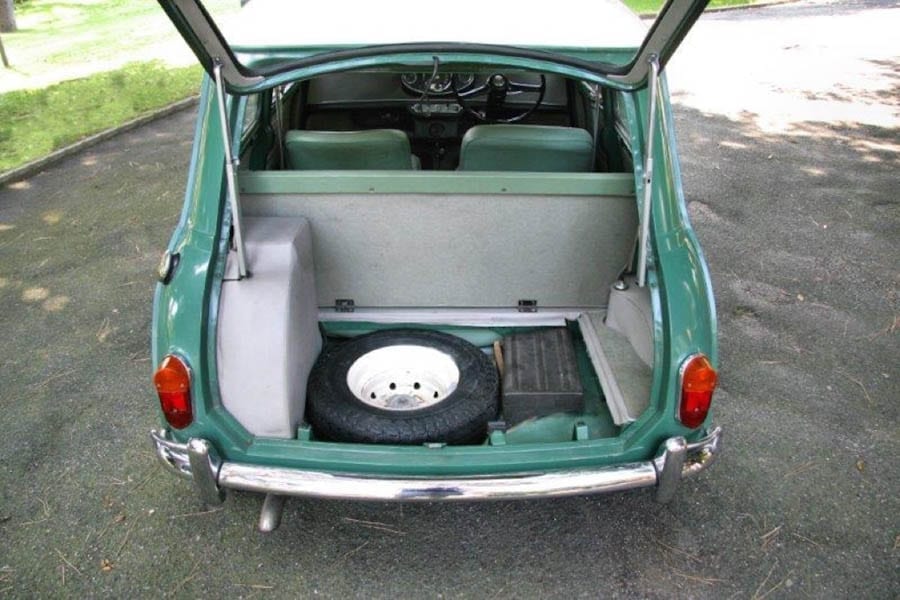
Twice married and born in Levenshulme, Manchester, Ernest Marples – later Lord Marples – makes the very worst of modern politicians look like relative babes in arms. He can, however, be credited with commissioning a rare thing – the first ever Mini hatchback. Two were made in total and one, which was eventually transferred to the ownership of the politician in 1968, is to be auctioned in July.
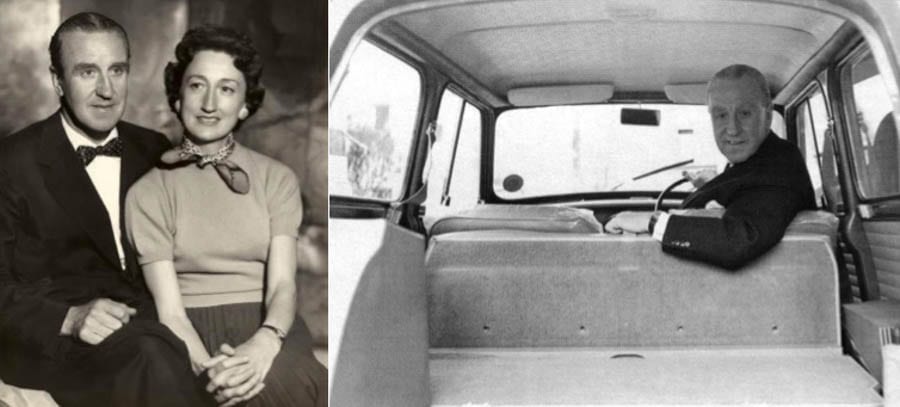
Pictured left: (Alfred) Ernest Marples (1907 – 1978) with his secretary turned second wife, Ruth Dobson. They married in 1956 and he became The Rt. Hon. The Lord Marples, PC in 1974. Pictured right: Lord Marples in his ‘Marples Mini’ (date unknown).
Marples, whose upbringing was within the Labour Party and whose love of eccentric orange-brown shoes and blue suits was well known, worked as a miner, postman, chef and accountant before a stint in the Royal Artillery between 1941 and 1944. He then joined the Conservative Party, was elected Member of Parliament for Wallasey in 1945 and took his first ministerial post in 1951. Promoted by Churchill, Macmillan and Douglas-Home, he rose to become Postmaster General and Minister of Transport and introduced the STD telephone code, the Premium Bond scheme, the first postcodes, the MOT test, roadside single yellow and double yellow lines and possibly, in his most unpopular move of all, traffic wardens.
Aside from his public appointments, controversially, Marples became a director of various companies in the 1940s. Without considering any potential conflicts of interest, he involved himself in firms that built the first motorways and several power stations also and attracted much attention after protestors spray painted a motorway bridge near Luton that his firm, Marples Ridgway and Partners, constructed with the caption: “Marples Must Go!”
Subsequently, Marples brought the government into disrepute through his part in a prostitution scandal and after this was covered up in 1963, he later “cut and run” to Monaco in 1975 to avoid “a substantial tax bill” after being discovered having parked most of his assets in Monaco and Liechtenstein. He spent his final years on his 45-acre vineyard estate in Fleurie, France and died in a Monte Carlo hospital in 1978.
The ex-Ernest Marples 1964 Austin Mini Cooper S 1071 will be sold by H&H Classics at their Imperial War Museum Duxford sale in Cambridgeshire on the 26th July. It has an estimate of £70,000 to £80,000 ($89,500 to $102,300, €79,100 to €90,400 or درهم328,800 to درهم375,900) – a sum that would no doubt, if he were still alive, have money obsessed Marples smiling with glee.
Of the almond green car, which supposedly the hatchback boot was fitted to on the orders of Marples on the basis he wanted to be easily able to fill it with cases of wine and golf clubs, Damian Jones of H&H Classics commented:
“This is not just another Mini. It is history on four wheels. Its former owner, Transport Minister Ernest Marples changed the face of Britain with housing, bridges, motorways. He was a very ‘colourful character’ to say the least. It is fascinating that he chose to buy and use this relatively modest car when going golfing or going to France on holiday. If this car could speak what tales might it tell? It is truly one of a kind.”
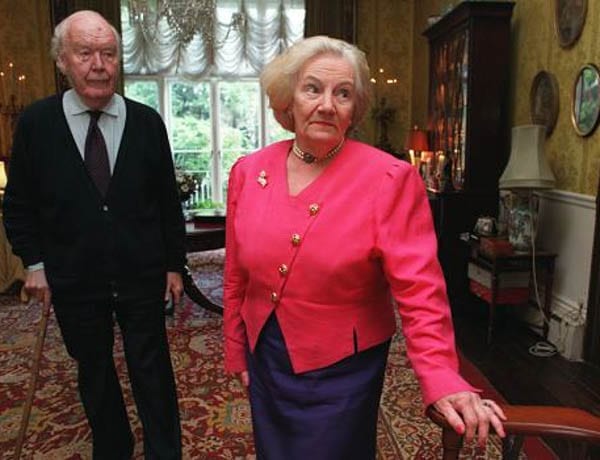
Dame Paddy Ridsdale, as she generally known, was an intelligence operative, secretary to Ian Fleming during WW2 and the inspiration for the Bond character Miss Moneypenny.
A Conservative Party stalwart and married to Member of Parliament for Harwich from 1954 to 1992 Sir Julian Ridsdale CBE (1915 – 2004), Dame Paddy – or Vicky, as she was known to some – is best known for her role in ‘Operation Mincemeat’, a “famous caper” concerning a “man who never was” in 1943.
In the war, Dame Paddy wrote love letters and telegrams that were planted on the body of ‘Major William Martin’, an invented, drowned naval officer, that was floated in the ocean off Spain. The body carried fictitious plans of a purported Allied invasion of Sardinia and Greece and formed part of a plot designed to deflect attention from the Allied landings in Sicily. Of it, she later remarked: “I was sent to buy clothes in all the best men’s shops and had to pose as his girlfriend. I had to go to post offices and rather loudly send this telegram to ‘my boyfriend’, hoping of course that somebody would overhear me”. In due course, the body was indeed found, the Axis powers completely taken in and “Mincemeat swallowed whole, hook, line, and sinker”. A BAFTA winning film directed by Ronald Neame, The Man Who Never Was, made about the deceptive scheme in 1956.
Dame Paddy was known as a “political hostess in the style of a bygone era”, lived in a mansion “sandwiched between a sheikh and a Saudi prince” in The Boltons for the majority of her adult life and is buried in the grounds of the church there. She had one daughter, became Lady Ridsdale when her husband was knighted in 1981 and was appointed Dame Commander of the British Empire (DBE) in her own right, for political services, in 1991.
Of her relationship with her one-time employer Fleming, she concluded: “Ian had so many girlfriends that I was not tempted to become one of them”.
Grade I listed Georgian mansion in Worcestershire for sale for the first time since the 1720s
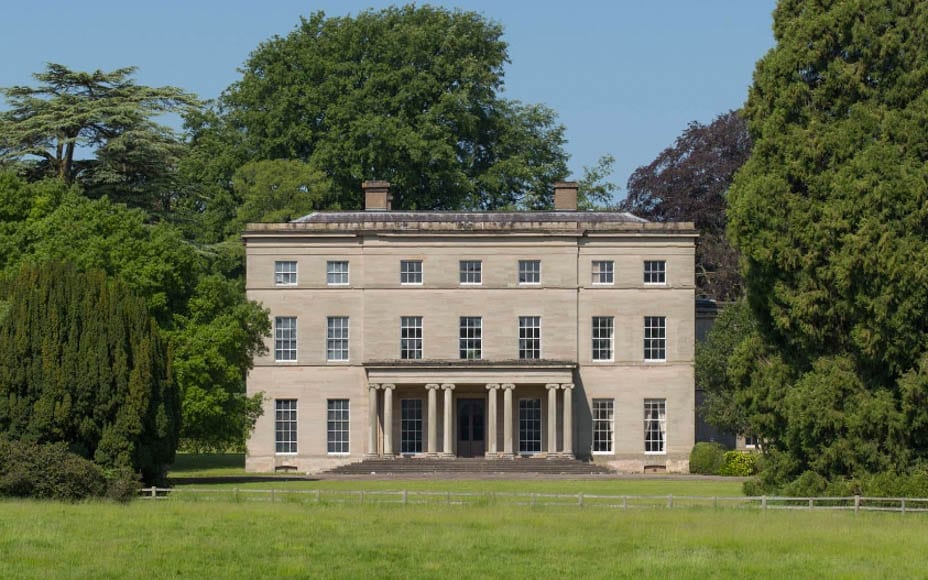
Few houses remain in the ownership of the same family for three hundred years, but an example of such, Ombersley Court at Ombersley in Worcestershire, has just been placed on the market for £3.5 million ($4.5 million, €4.1 million or درهم16.7 million).
Designed and built for the 1st Lord Sandys by the master builder Francis Smith of Warwick between 1723 and 1730, Ombersley Court was substantially alerted by the landscape architect John Webb in 1809. Grade I listed and featuring impressive entertaining spaces, the 27,449 square foot house comes with a 13,188 square foot Grade II* listed stable complex and 39 acres of land. A further 11 acres and a three bedroom cottage are available as separate lots.
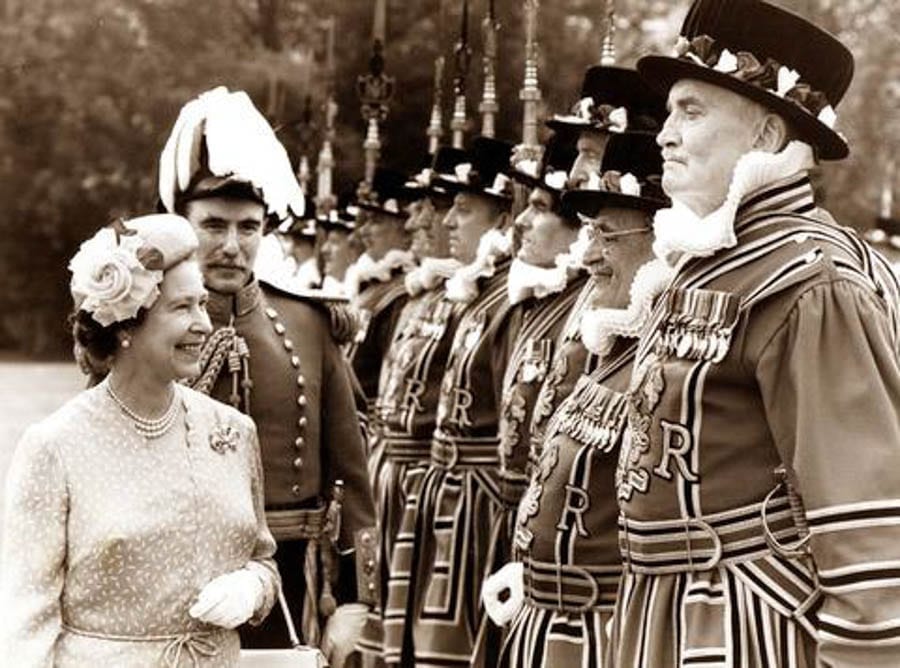
Richard Michael Oliver Hill, 7th Baron Sandys of Ombersley (1942 – 2013) accompanying the Queen on her inspection of the Yeoman of the Guard
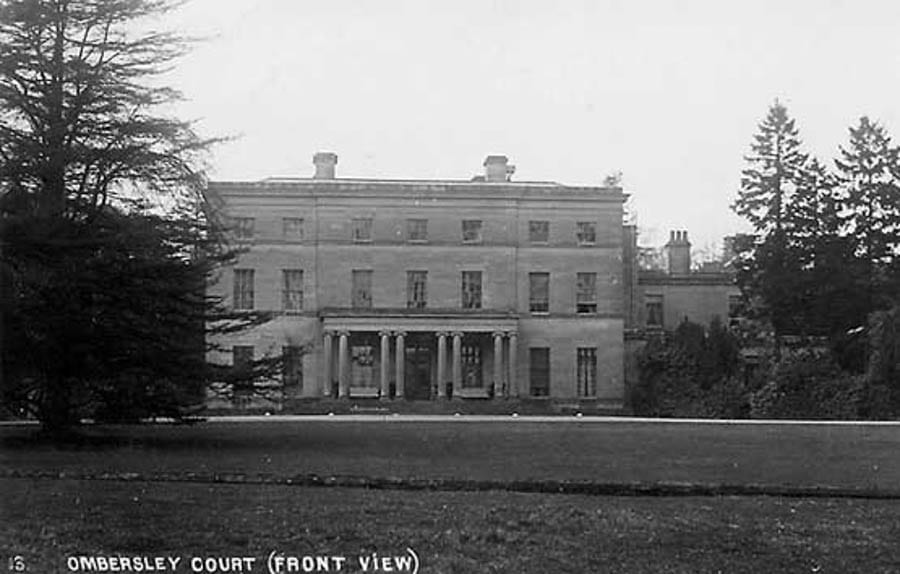
An image of Ombersley Court before the service extension that provided kitchen and staff accommodation (right) was demolished in 1964
“With the death of Lord Sandys in 2013 the house passed to Lady Sandys but following her recent death, concerns were raised and rebutted via letters in Country Life that this wonderful house would be forced (for complicated reasons) to become a care home; a fate which would have despoiled this jewel of a house. Instead, for the first time since it was built in 1724, it has been placed on the market. This is a house created by one of the finest craftsmen of the early-Georgian period, with connections to a wider, distinct Midlands architectural tradition which epitomises all that one would hope to see in a country seat”.
“As an important house which deserves respect, one hopes that the new owner will appreciate this remarkable situation and that perhaps the best approach would simply be to buy the house and contents and perhaps another couple hundred acres to truly secure an Arcadian ideal, one which would be hard to better anywhere in the country”.
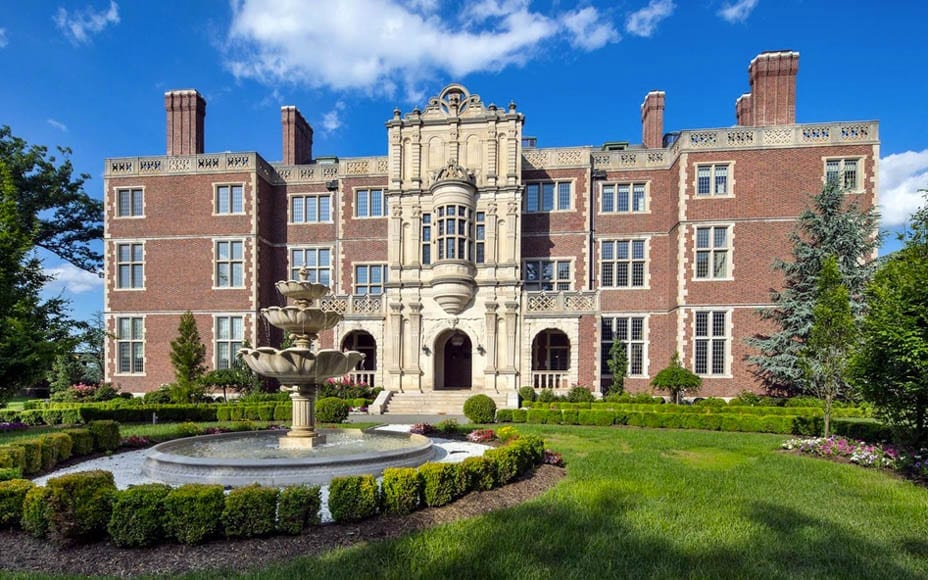
New Jersey mansion, complete with 58 rooms, for sale for equivalent sum to what it cost to build in 1909; the £37 million house’s original owner was a man whose extravagance knew absolutely no bounds
George Crocker (1856 – 1909) makes F. Scott Fitzgerald’s Jay Gatsby seem like an amateur. Born in Sacramento and the son of a railway magnate worth some $30 million on his death (the equivalent of £634 million or $812 million today), Crocker was willed a significant $6 million (the equivalent of £127 million or $163 million today) on the condition that “after the space of five years continuously he shall abstain from the use of spirituous, vinous, and malt liquors to the extent that he shall not during this period have been intoxicated”.
Crocker decided to ignore the terms of his father’s behest and from 1888 to 1891 lived in San Francisco as “one of the most reckless young men about town when reckless young men thereabouts were common” but then admitted himself to a sanatorium, put himself on the straight and narrow and finally collected the sum of $6 million in 1898.
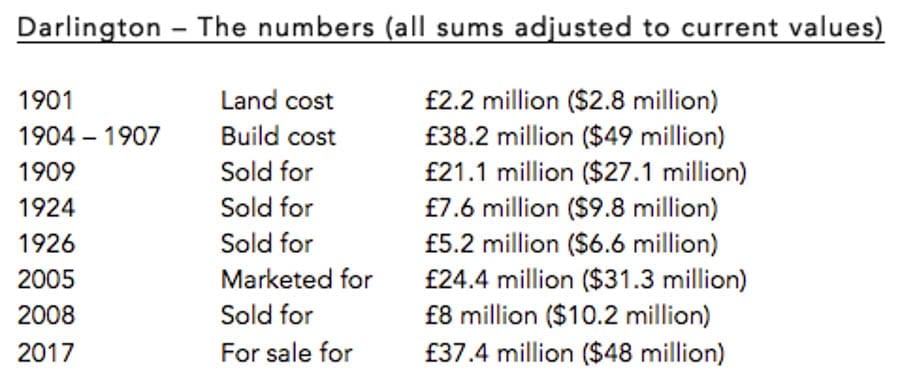
With wealth and a glamorous wife, Emma Rutherford, a widow from California, Crocker set himself up as the toast of New York society. Though he owned a townhouse at 1 East 64th Street and a villa in Newport, it was on paying $96,500 (the equivalent of £2.2 million or $2.8 million today) for the 1,100 acre Darling estate in Bergen County, Mahwah, New Jersey in 1901 that he truly became someone noticeable.
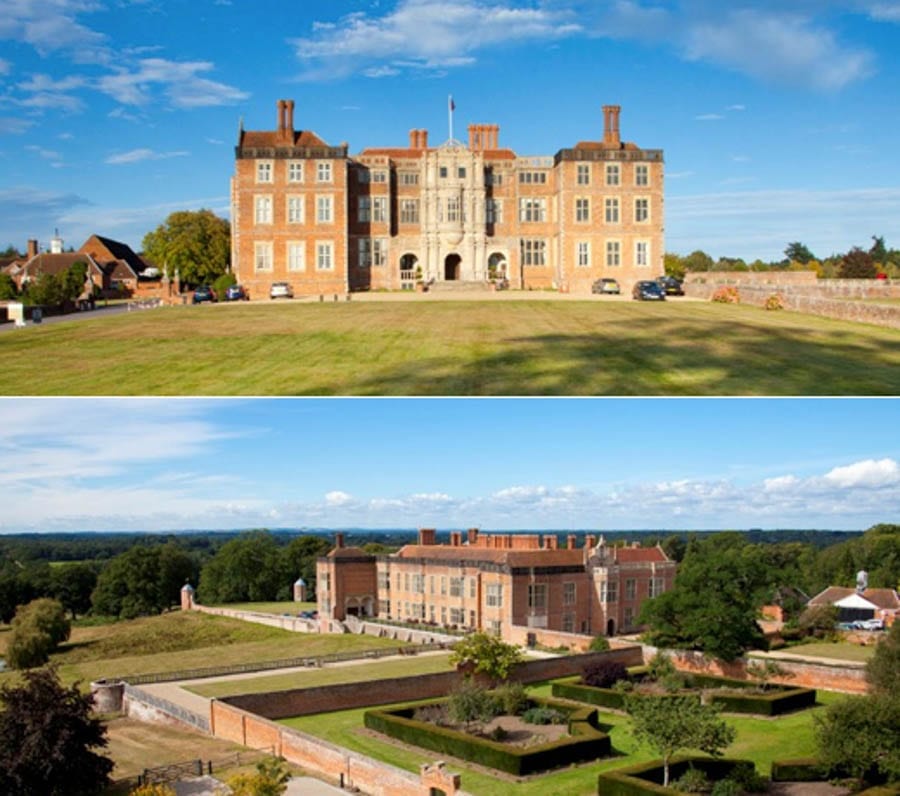
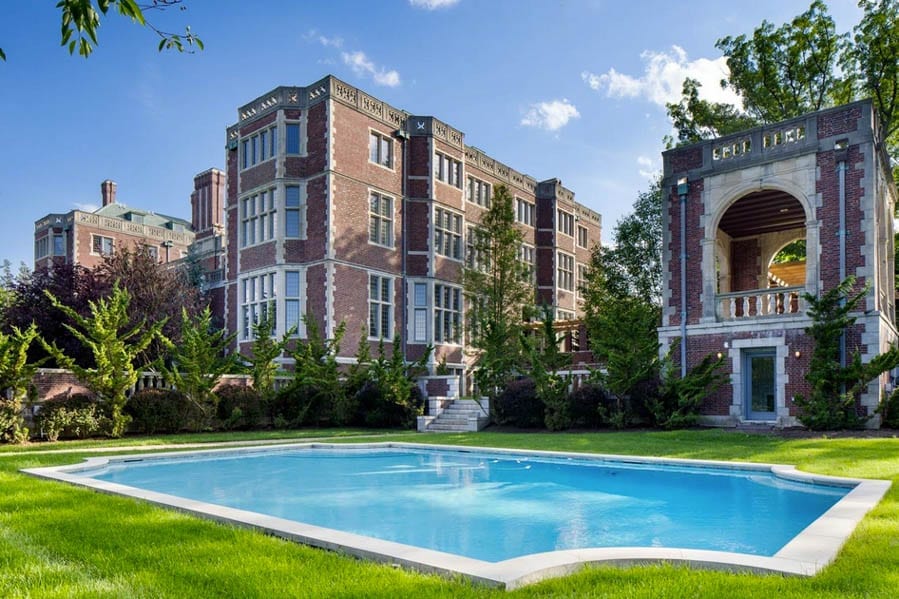
Choosing what he called “the finest site for a residence in the country”, Crocker commissioned an architect named James Brite (died 1942) to build him a mansion “sparing no expense”. Modeled on a Jacobean prodigy house, Bramshill House in Hampshire, England and built from Indiana limestone and Harvard brick, the “Crocker Mansion” or “Darlington” – as it is more widely known – cost $2 million to build (the equivalent of £38.2 million or $49 million today) and included 75 rooms and around 50,000 square foot of accommodation. Its features included steam heating, elevators, ice cream freezers, integrated vacuum systems and a switchboard and in its grounds a racetrack and 16 greenhouses were constructed whilst a pond was stocked with 4,000 trout.
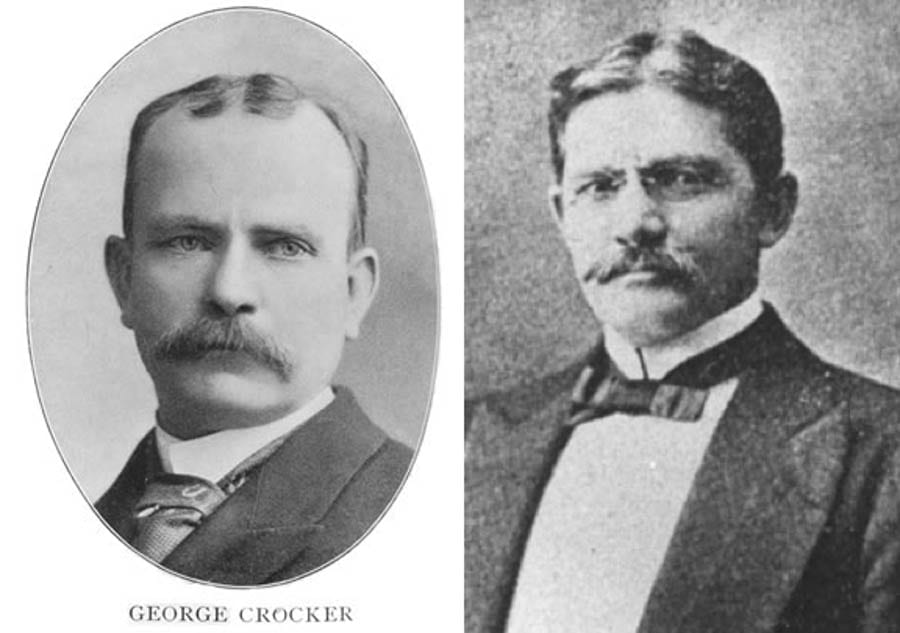
George Crocker and Emerson McMillin
The design of Darlington was based on “one of the most haunted houses in England”, Bramshill in Hampshire; that building itself was also eventually separated from much of its estate and after being used as the European Police College was sold to developers City & Country for £25 million ($19.5 million) in 2014
Commentators wowed at the resulting creation and noted details such as a library painted after the style of the Italian Renaissance by Tiffany Studios, elaborate wood carving by Italian craftsmen and Tiffany silver chandeliers and a 1906 Aeolian player pipe organ in the building’s 30-foot high Great Hall. In 1912, Architectural Record, chose even to swoon over the basement. They remarked:
“Where Bramshill’s cellar housed for centuries lanterns, tallow dips, forest faggots, wooden vessels for the distribution of light, heat and water through personal service of human slaveys, its American reincarnation is a storehouse of miracle workers in the comfort and luxury of modern domestic life”.
Unfortunately, Mr and Mrs Crocker did not truly get to enjoy the fruits of their extravagant spending. Emma Crocker died in 1904 of cancer and George Crocker also succumbed to the disease in 1909. His estate was valued at $20 million (the equivalent of £422 million or $541 million today) and amongst items found at his mansion were 60,000 personally monogrammed, custom-made cigars valued at $30,000 (the equivalent of £635,000 or $813,000 today).
Sold subsequently to a “self-made” banker, industrialist and astronomy enthusiast named Emerson McMillin (1844 – 1922) in 1909 for $1 million (the equivalent of £21.1 million or $27.1 million), Darlington was next used to display a fine collection of Chinese and Japanese porcelain whilst a herd of Jerseys were kept in the grounds.
After McMillin’s death, his widow sold the estate in 1924 for $685,000 (the equivalent of £7.6 million or $9.8 million) to the Darlington Development Company, which in turn made it available to the Darling Golf and Country Club. They converted the building to a hotel and club that “promised to offer a new dimension to life in Mahwah” but “the development corporation and the club were soon in financial difficulties” and the McMillin estate foreclosed and regained possession.
A new buyer came forward in the form of the Roman Catholic Diocese of Newark. They paid $478,000 for the property in 1926 (the equivalent of £5.2 million or $6.6 million today) and used Darlington as a theological seminary. The surrounding land was gradually sold off and in 1986, the Immaculate Conception Seminary also departed.
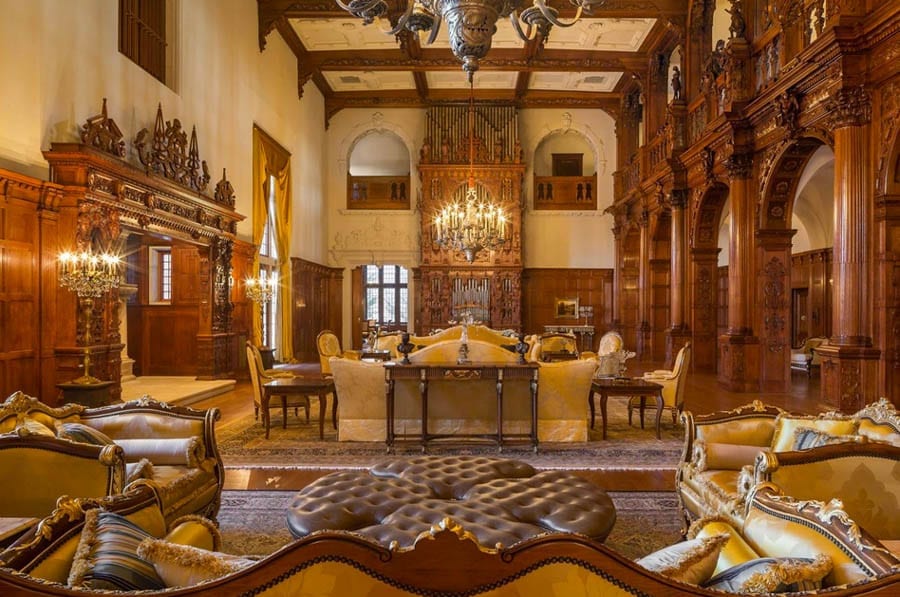
Darlington today – The 30-foot high Great Hall is still dominated by a 1906 Aeolian player pipe organ
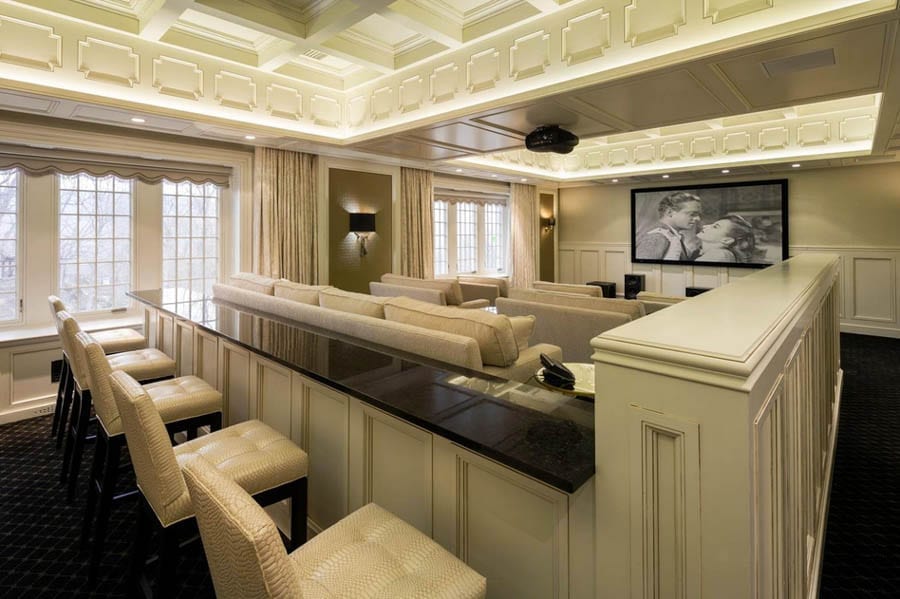
Darlington today – Ilija Pavlovic expanded the mansion by some 12,000 square foot and amongst other things added a large home cinema
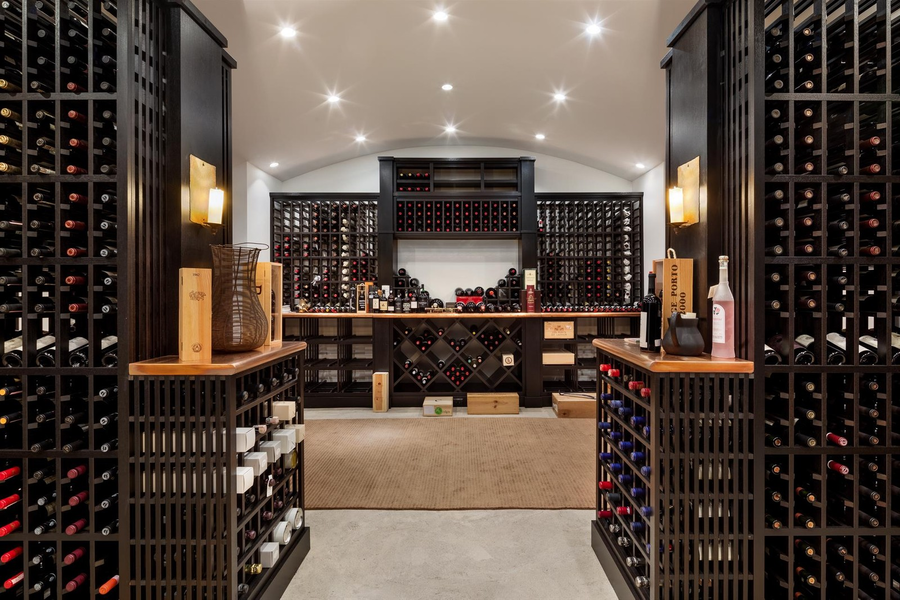
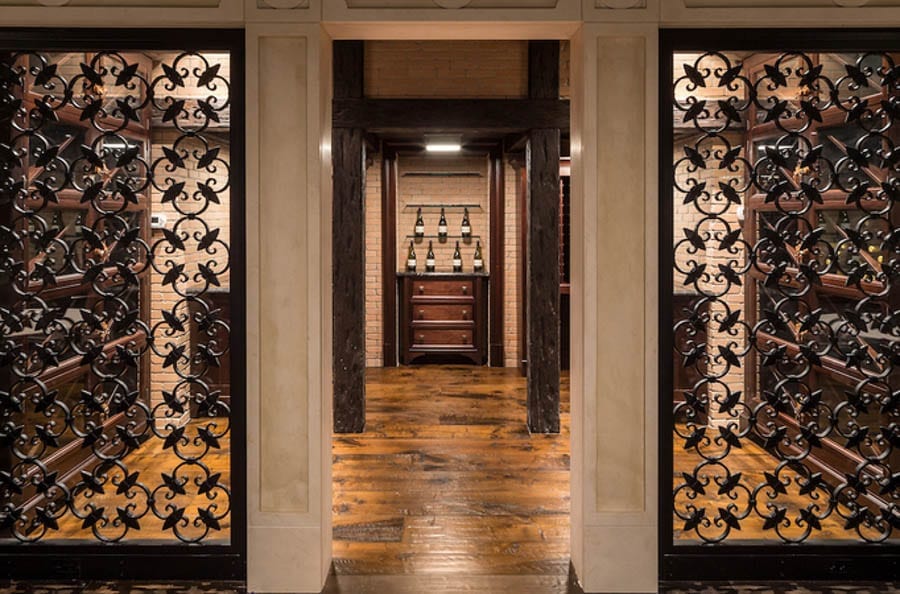
Darlington today – Another addition comes in the form of a vast wine cellar; George Crocker’s father would not have approved
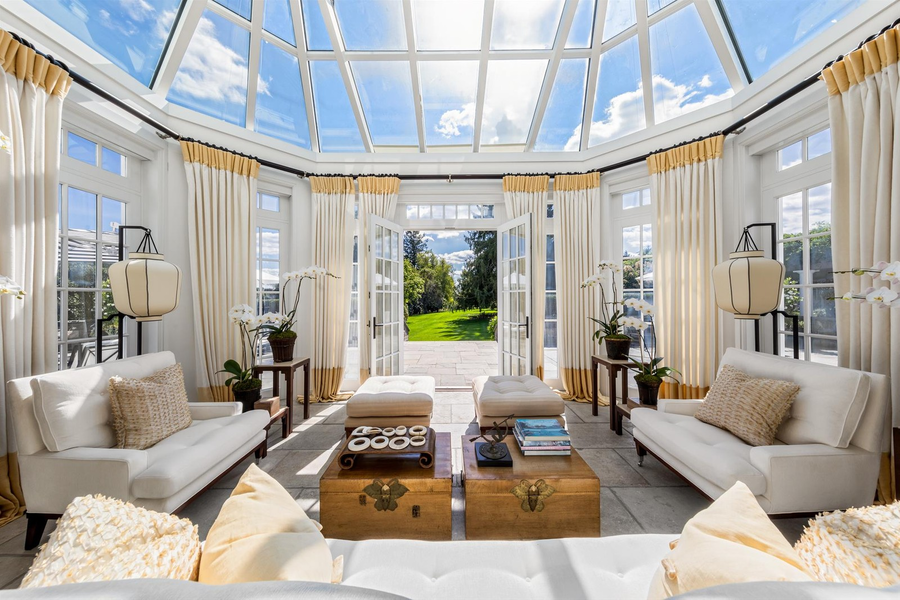
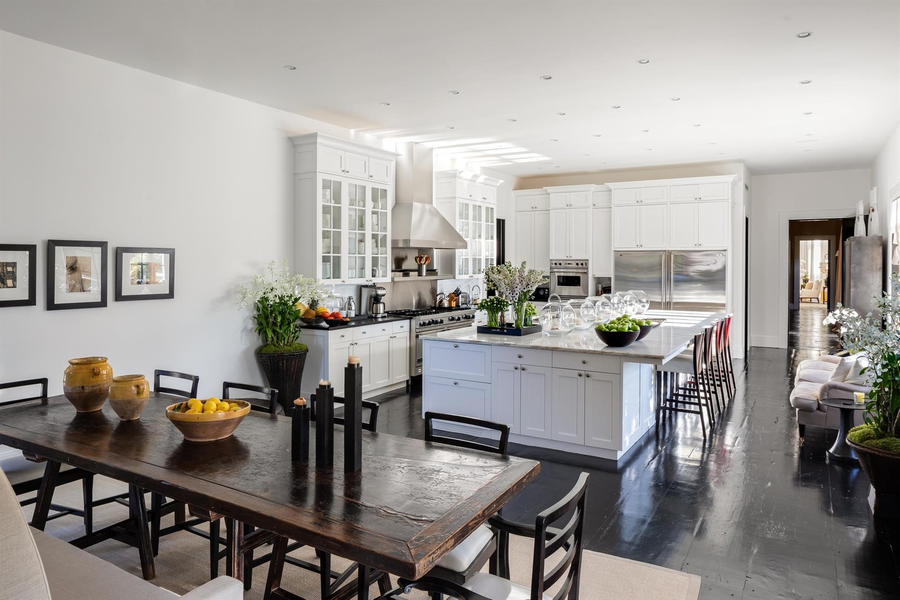
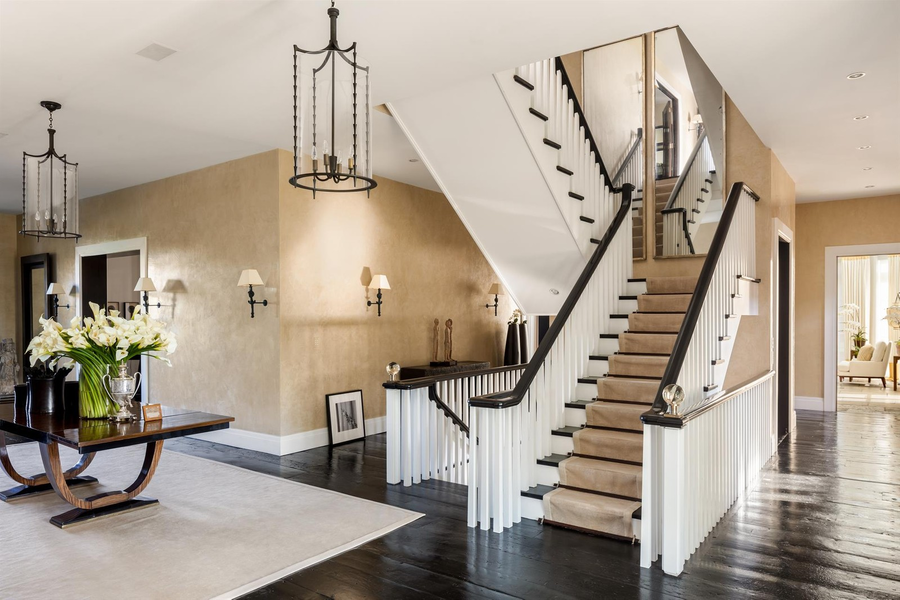
Subsequently restored and modernised with, according to Forbes, plumbing, heating, air conditioning and communications systems being installed, Darlington was placed on the market with just 12.1 acres in 2005 by Darlington Associates, a firm who’d built “multiple residential communities surrounding the mansion”. An ambitious figure of $25 million (the equivalent of £24.4 million or $31.3 million today) was sought for the now classified historic site but it was not until 2008 that a buyer came forth in the form of a local businessman named Ilija Pavlovic. He paid just $8.875 million (the equivalent of £8 million or $10.2 million today) and then embarked on the “challenge” of “both preserving the historic home while also restoring it to meet 21st-century standards”. The resulting creation spans four floors and includes amongst many other things a tea room, 3 libraries, 2 game rooms, 2 kitchens, a “his and her master bedroom wing”, 12 further guest bedrooms and 5 staff bedrooms.
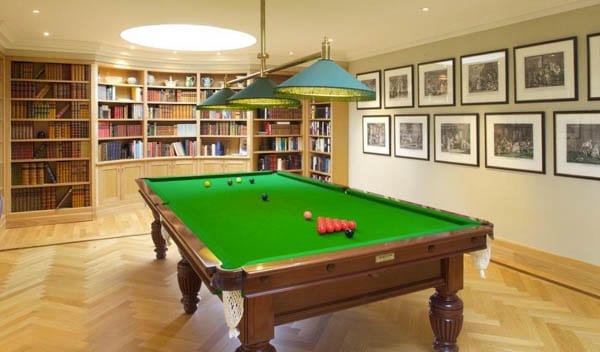
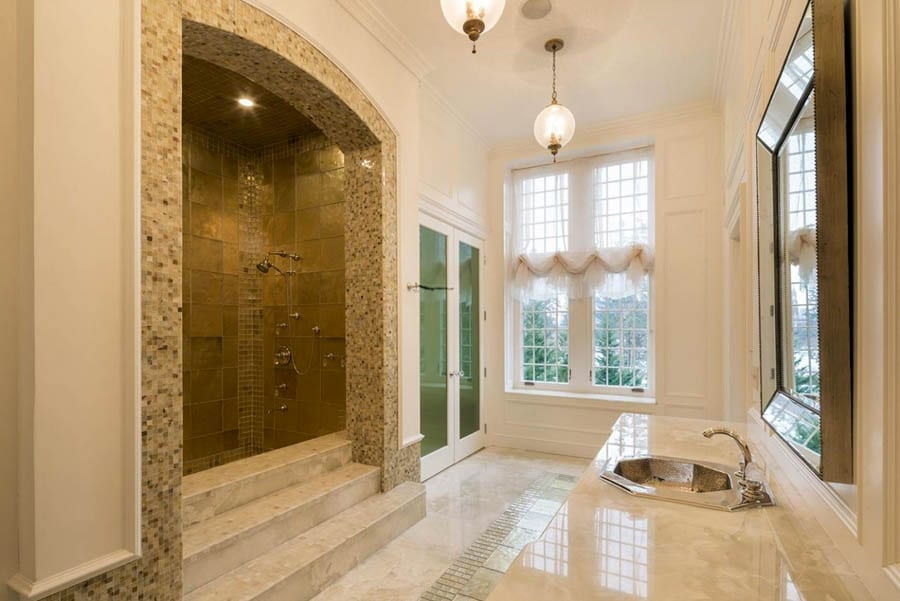
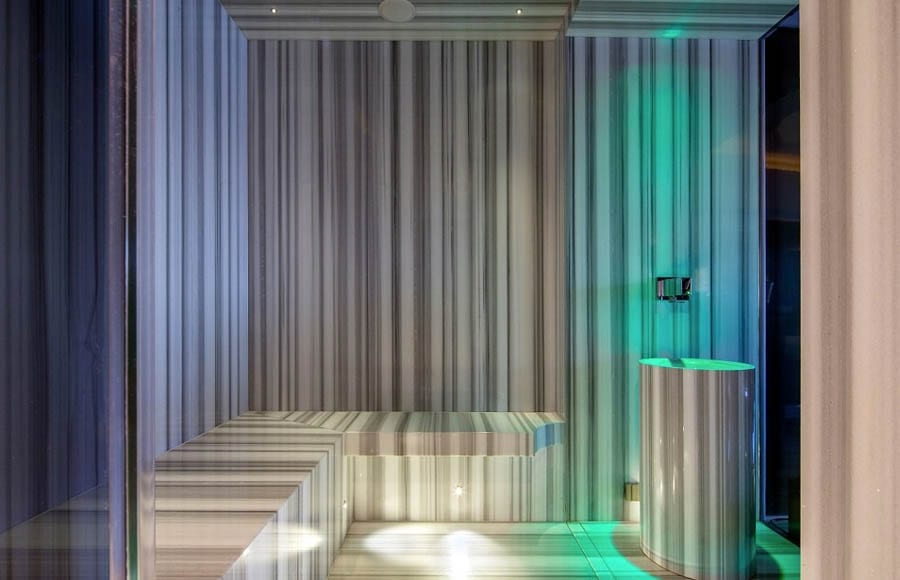
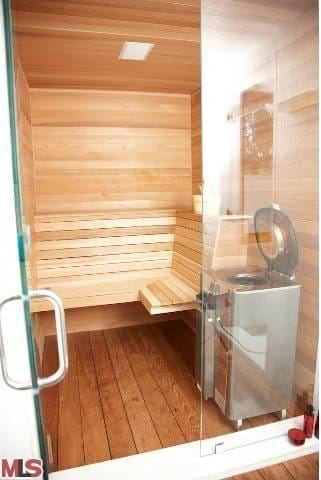
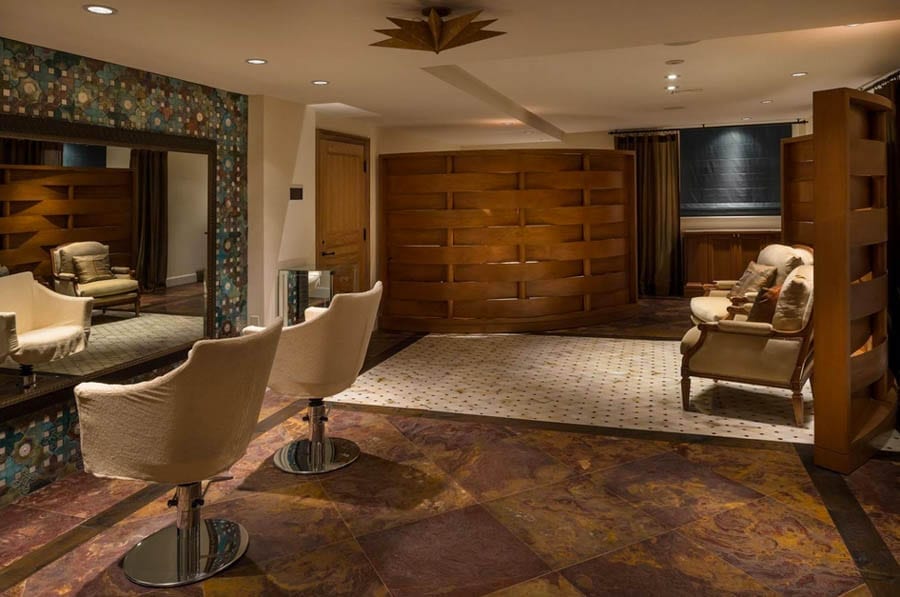
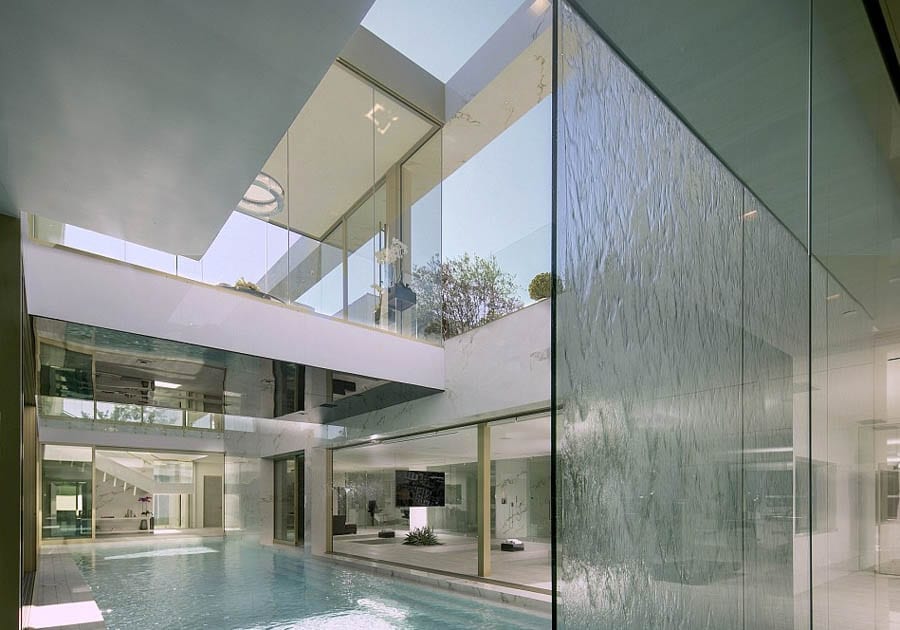
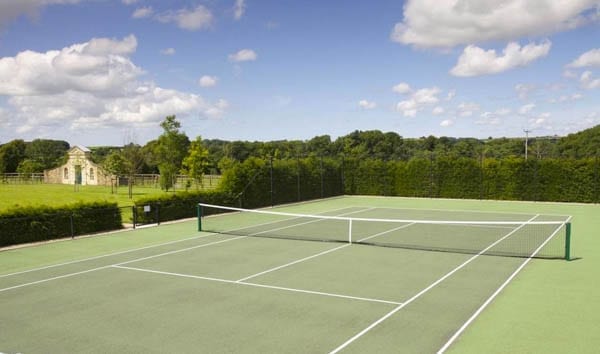
The biggest issue with the house, it transpired, was that its 476 leaded windows needed to be replaced. This reportedly cost $2 million alone (the equivalent of £1.8 million or $2.3 million today) and in addition, Pavlovic renewed all the mechanical systems, redid all 19 bathrooms, replaced the slate roof and added amongst other things a spa with an indoor lap pool, a gym, a massage room, a beauty salon and a home cinema. There is also a gatehouse, a professional kitchen that can serve 250 meals at a time, a wine cellar, a poker room, a cigar room, a billiards room, an 8-car garage, a tennis court and an outdoor swimming pool.
Property blog 6sqft – which claimed Friday that the current owners do not live at Darlington full-time and simply use it to host events – reported that this still massive mansion minus its formerly equally gigantic estate is now for sale now for £37.4 million ($48 million, €44.7 million or درهم176.3 million) through a firm Mr Pavlovic chairs, Special Properties Real Estate Services – an affiliate of Christie’s International Real Estate. Any buyer will undoubtedly be a vastly wealthy figure, but one can guarantee one thing: They’ll never live as lavishly as the barmy boozer George Crocker.
New Jersey mansion Darlington, complete with 58 rooms, for sale for equivalent sum to what it cost to build in 1909; the £37 million house’s original owner was a man whose extravagance knew absolutely no bounds
George Crocker (1856 – 1909) makes F. Scott Fitzgerald’s Jay Gatsby seem like an amateur. Born in Sacramento and the son of a railway magnate worth some $30 million on his death (the equivalent of £634 million or $812 million today), Crocker was willed a significant $6 million (the equivalent of £127 million or $163 million today) on the condition that “after the space of five years continuously he shall abstain from the use of spirituous, vinous, and malt liquors to the extent that he shall not during this period have been intoxicated”.
Crocker decided to ignore the terms of his father’s behest and from 1888 to 1891 lived in San Francisco as “one of the most reckless young men about town when reckless young men thereabouts were common” but then admitted himself to a sanatorium, put himself on the straight and narrow and finally collected the sum of $6 million in 1898.
With wealth and a glamorous wife, Emma Rutherford, a widow from California, Crocker set himself up as the toast of New York society. Though he owned a townhouse at 1 East 64th Street and a villa in Newport, it was on paying $96,500 (the equivalent of £2.2 million or $2.8 million today) for the 1,100 acre Darling estate in Bergen County, Mahwah, New Jersey in 1901 that he truly became someone noticeable.
Choosing what he called “the finest site for a residence in the country”, Crocker commissioned an architect named James Brite (died 1942) to build him a mansion “sparing no expense”. Modeled on a Jacobean prodigy house, Bramshill House in Hampshire, England and built from Indiana limestone and Harvard brick, the “Crocker Mansion” or “Darlington” – as it is more widely known – cost $2 million to build (the equivalent of £38.2 million or $49 million today) and included 75 rooms and around 50,000 square foot of accommodation. Its features included steam heating, elevators, ice cream freezers, integrated vacuum systems and a switchboard and in its grounds a racetrack and 16 greenhouses were constructed whilst a pond was stocked with 4,000 trout.
George Crocker and Emerson McMillin
The design of Darlington was based on “one of the most haunted houses in England”, Bramshill in Hampshire; that building itself was also eventually separated from much of its estate and after being used as the European Police College was sold to developers City & Country for £25 million ($19.5 million) in 2014
Commentators wowed at the resulting creation and noted details such as a library painted after the style of the Italian Renaissance by Tiffany Studios, elaborate wood carving by Italian craftsmen and Tiffany silver chandeliers and a 1906 Aeolian player pipe organ in the building’s 30-foot high Great Hall. In 1912, Architectural Record, chose even to swoon over the basement. They remarked:
“Where Bramshill’s cellar housed for centuries lanterns, tallow dips, forest faggots, wooden vessels for the distribution of light, heat and water through personal service of human slaveys, its American reincarnation is a storehouse of miracle workers in the comfort and luxury of modern domestic life”.
Unfortunately, Mr and Mrs Crocker did not truly get to enjoy the fruits of their extravagant spending. Emma Crocker died in 1904 of cancer and George Crocker also succumbed to the disease in 1909. His estate was valued at $20 million (the equivalent of £422 million or $541 million today) and amongst items found at his mansion were 60,000 personally monogrammed, custom-made cigars valued at $30,000 (the equivalent of £635,000 or $813,000 today).
Sold subsequently to a “self-made” banker, industrialist and astronomy enthusiast named Emerson McMillin (1844 – 1922) in 1909 for $1 million (the equivalent of £21.1 million or $27.1 million), Darlington was next used to display a fine collection of Chinese and Japanese porcelain whilst a herd of Jerseys were kept in the grounds.
After McMillin’s death, his widow sold the estate in 1924 for $685,000 (the equivalent of £7.6 million or $9.8 million) to the Darlington Development Company, which in turn made it available to the Darling Golf and Country Club. They converted the building to a hotel and club that “promised to offer a new dimension to life in Mahwah” but “the development corporation and the club were soon in financial difficulties” and the McMillin estate foreclosed and regained possession.
A new buyer came forward in the form of the Roman Catholic Diocese of Newark. They paid $478,000 for the property in 1926 (the equivalent of £5.2 million or $6.6 million today) and used Darlington as a theological seminary. The surrounding land was gradually sold off and in 1986, the Immaculate Conception Seminary also departed.
Darlington today – The 30-foot high Great Hall is still dominated by a 1906 Aeolian player pipe organ
Darlington today – Ilija Pavlovic expanded the mansion by some 12,000 square foot and amongst other things added a large home cinema
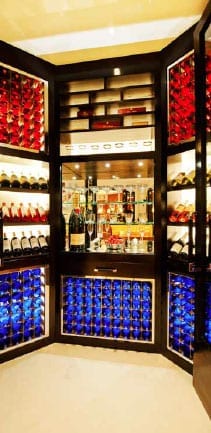
Darlington today – Another addition comes in the form of a vast wine cellar; George Crocker’s father would not have approved
Subsequently restored and modernised with, according to Forbes, plumbing, heating, air conditioning and communications systems being installed, Darlington was placed on the market with just 12.1 acres in 2005 by Darlington Associates, a firm who’d built “multiple residential communities surrounding the mansion”.
An ambitious figure of $25 million (the equivalent of £24.4 million or $31.3 million today) was sought for the now classified historic site but it was not until 2008 that a buyer came forth in the form of a local businessman named Ilija Pavlovic. He paid just $8.875 million (the equivalent of £8 million or $10.2 million today) and then embarked on the “challenge” of “both preserving the historic home while also restoring it to meet 21st-century standards”. The resulting creation spans four floors and includes amongst many other things a tea room, 3 libraries, 2 game rooms, 2 kitchens, a “his and her master bedroom wing”, 12 further guest bedrooms and 5 staff bedrooms.
The biggest issue with the house, it transpired, was that its 476 leaded windows needed to be replaced. This reportedly cost $2 million alone (the equivalent of £1.8 million or $2.3 million today) and in addition, Pavlovic renewed all the mechanical systems, redid all 19 bathrooms, replaced the slate roof and added amongst other things a spa with an indoor lap pool, a gym, a massage room, a beauty salon and a home cinema. There is also a gatehouse, a professional kitchen that can serve 250 meals at a time, a wine cellar, a poker room, a cigar room, a billiards room, an 8-car garage, a tennis court and an outdoor swimming pool.
Property blog 6sqft – which claimed Friday that the current owners do not live at Darlington full-time and simply use it to host events – reported that this still massive mansion minus its formerly equally gigantic estate is now for sale now for £37.4 million ($48 million, €44.7 million or درهم176.3 million) through a firm Mr Pavlovic chairs, Special Properties Real Estate Services – an affiliate of Christie’s International Real Estate. Any buyer will undoubtedly be a vastly wealthy figure, but one can guarantee one thing: They’ll never live as lavishly as the barmy boozer George Crocker.