Category: Foodies

  • Ten of the Priciest – 2025’s Most Expensive Food & Drink Products

    Ten of the Priciest – 2025’s Most Expensive Food & Drink Products

    Anthony Smart explores the background to ten of the world’s most expensive food and drink products

    Whilst Aldo Gucci once said that “quality is remembered long after price is forgotten,” some of the most expensive food and drinks products out there are very, very expensive with good reason.

    Topping the list of steeply priced foods and drinks are items that are made with scarcely available ingredients or produced in peculiar ways that might be labour or time intense, or indeed both.


    If you can stomach the outlay involved, here are ten of the most expensive food and drink products you might wish to add to your shopping list:


    Almas caviar (as much as £40,000 per kilogram)

    The world’s highest value caviar is known as Almas and harvested from albino beluga sturgeon eggs taken from the South Caspian Sea. It is so highly priced mainly because it is considered the “rarest of the rare” caviars and the process of harvesting it is laborious.


    Alba white truffle (approximately £8,800 per kilogram)

    Another pricey treasure is the Alba white truffle, which originates from Piedmont in Italy. Valued for the depth of flavour it provides; it is in high demand, but very difficult to grow due to its unique climate and soil needs.


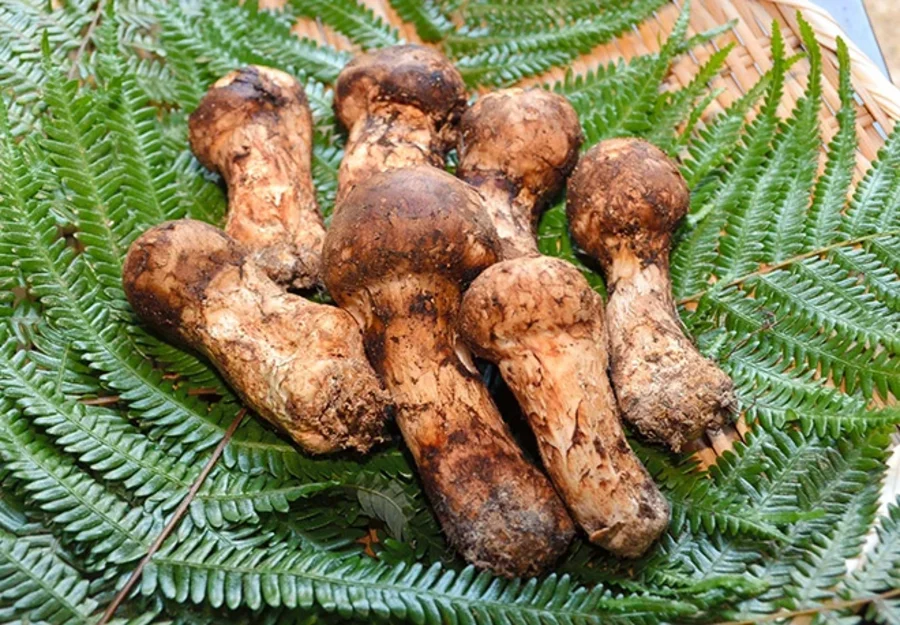
    Matsutake mushrooms (approximately £1,760 per kilogram)

    The Japanese value matsutake mushrooms (pine mushrooms) for their distinctive aroma and flavour. This especially hard-to-find fungus, which can go for £800 a pound (around £1,760 a kilo), are wild foraged, not farmed, and require very particular growth conditions. In 2020, they were added to the International Union for Conservation of Nature (IUCN) red list of threatened species for the first time.


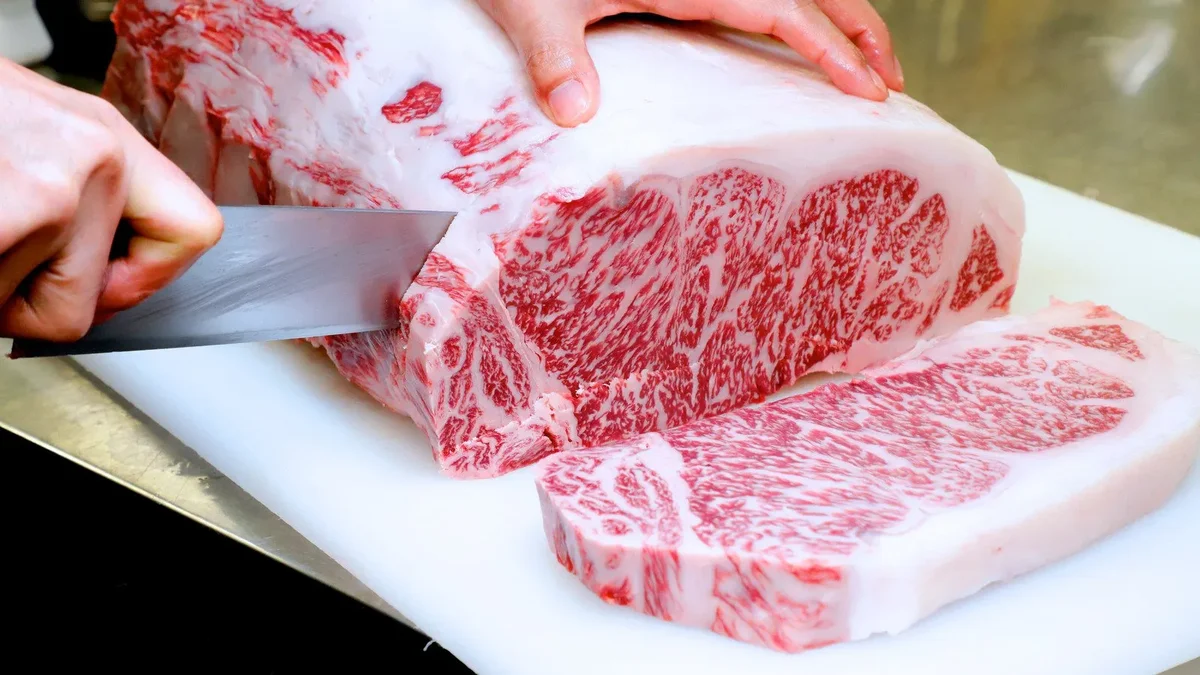
    Kobe beef (approximately £352 per kilogram)

    Kobe beef is raised in Hyōgo prefecture in Japan, using a particular breed of Wagyu cattle. This beef can be sold for £160 per pound (around £352 per kilogram) because of its fat marbling and tenderness, according to Lottoland’s guide. One factor that adds to its high price is the strict regulation of its production and its limited supply.
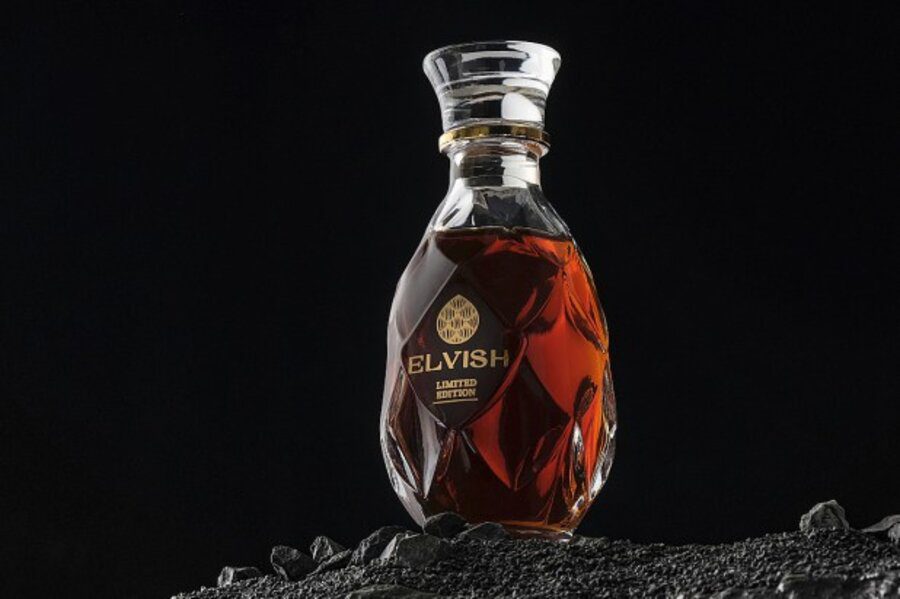
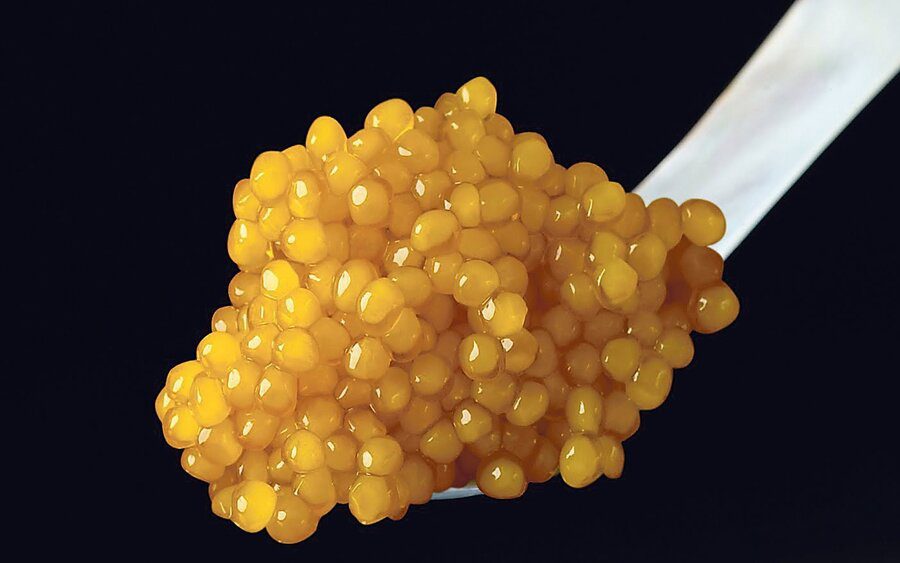
     

    Elvish honey
    Elvish honey is also known as ‘Fairy Honey’ and considered “the densest, highest and most magical honey harvested in the north-east Black Sea. It is cultivated “high in the untouched mountains of Arhavi and produced by a colony of Caucasian wild bees that pollinate from medicinal, endemic herbs and plants.”
    Alamas caviar
    Almas caviar is lauded as “boasting the rich buttery notes of fresh beluga, enhanced by a natural aroma that is entirely its own.” The albino beluga sturgeon must reach the age of 100 years before its eggs can finally be harvested and the result is said to be a “caviar of breathtaking beauty, with a brilliant ethereal white hue that sparkles like diamonds.”
    Matsutake mushrooms
    Matsutake mushrooms are prized in Japanese cuisine for their distinct, spicy aroma. Whilst abundant in the country until the 1940s, the annual harvest of matsutake in Japan itself is now less than 1,000 tonnes per year – which has resulted in their price rocketing.
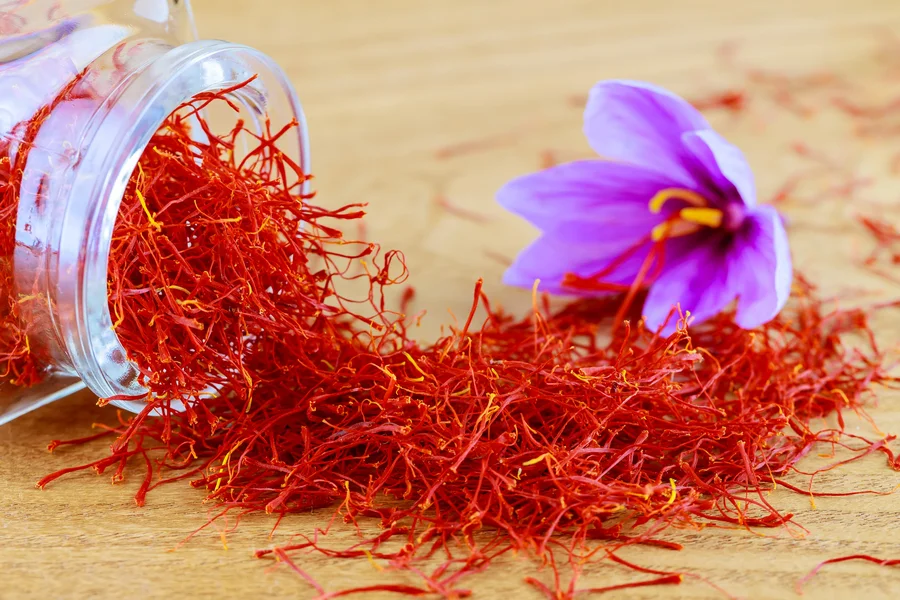
    Saffron
    Saffron is a spice derived from the flower of crocus sativus. It is used as a seasoning and colouring agent in food and is the world’s costliest spice by weight.

    Saffron (approximately £8,800 per kilogram)

    Often referred to as ‘red gold,’ saffron is the most expensive spice in the world, going for roughly £4,000 a pound (£8,800 a kilogram). It has a premium price because harvesting saffron is very labour-intensive, needing thousands of crocus flowers for a small number of saffron threads.


    Bluefin tuna sushi (as much as £250,000 per fish)

    At the top end of sushi cuisine, particularly in Japan, is bluefin tuna. This beautiful fish can touch six feet in length and weigh hundreds of pounds. With individual fish going for upwards of £250,000 at auction, the prices have rocketed because of overfishing and endangered species status. Seafood lovers will appreciate the deep flavour and texture.


    Kopi luwak coffee (approximately £1,100 per kilogram)

    Kopi luwak is the priciest coffee in the world, costing approximately £500 per pound (£1,100 per kilogram). Made from coffee beans that are consumed and then excreted by civets, this speciality coffee is fermented in the digestive system of these animals, which adds to its flavour.


    Ibérico ham (between £400 to £5,500 per leg)

    Ibérico ham is Spanish cured ham made from free-range Ibérico pigs fed on acorns during the ‘montanero’ period (October to February). Prices can range from £400 to more than £5,500 depending on grade and quality and the process of ageing can take a number of years. Its umami taste is rich and is in demand for gourmet goods.


    Elvish honey (around £4,500 per kilogram)

    This ‘elixir’ is harvested under challenging conditions in Turkey and can reach a price of around £4,500 per kilogram. The steep cost is largely due to the specialised environment in which this ‘precious nectar’ is produced on the north-east Black Sea and the laborious process of harvesting it; honey hunters need to work extremely hard to access the hives and walk for eight hours to reach the ‘safeguard tree’ once per year.


    Densuke watermelon (upto £5,000 each)

    The Densuke watermelon, prized for its unique black skin, is only cultivated on Hokkaido Island in Japan. As there are only about 10,000 harvested each year, these watermelons can fetch as much as £5,000 each at auction.


    Anthony Smart is a food writer who has spent his life sampling delicious delights and whose grandfather was Field Marshal Montgomery’s personal chef. Follow him on Twitter / X at @A_Smart_Writes.
     

  • Getting One’s Goat – A Cheesy Conundrum – Goat vs Goats vs Goat’s vs Goats’ Cheese

    Getting One’s Goat – A Cheesy Conundrum – Goat vs Goats vs Goat’s vs Goats’ Cheese

    Matthew Steeples explores the conundrum of how to describe cheese made from goat’s milk and shares the eclectic thoughts of everyone from Susie Dent to Alan Rusbridger, Christine Hamilton, Jay Rayner, Matthew Jukes, Mic Wright, Nigella Lawson, Matthew Wright, Tom Parker Bowles and Samantha Markle on goat cheese

    At the River Café in Hammersmith, the menu references serving Rabiola Rochetta cheese from Piemonte that is made with “goat’s milk” to get around a conundrum that has “got the goat” of many over the years.


    London’s most traditional establishments, amongst them The Ritz and Wiltons, avoid the pasturised matter completely. They respectively just list “artisan cheeses” and “farmhouse cheeses” on their menus, whilst the self-declared “old fashioned restaurateur” James Chiavarini, proprietor of one of J. K. Rowling’s favourite haunts in Kensington, Il Portico, told me: “I haven’t the faintest idea to be honest!” when I enquired as to his thoughts on a cheese that is rather like Marmite in being both loved and loathed.


    That matter? The debate over whether a restaurant or grocery store should list cheese made from goat’s milk should as “goat cheese” or whether it should be “goat’s cheese” or “goats cheese” or “goats’ cheese” even. Also described by the French as “chèvre,” one respondent to my questioning argued that it should, in fact – like “soured” rather than “sour” cream – be written-up as “goated.”


    Detested by multiple respondents to my inquistive questioning including charity fundraising supremo Lorraine Burns, LBC Weekend Breakfast presenter Matthew Wright and TalkTV Crime Suspect host Peter Bleksley, this contentious cheese made with milk supplied by goats attracted the attention of Channel 4’s Countdown’s ‘Dictionary Corner’ guru Susie Dent. Her synopsis? “Oxford Dictionaries give both goat cheese and goat’s cheese. I usually go for the latter.”


    Though other views (and plenty of brands with differing approaches) follow below, ‘La Dent’ – as The Observer’s restaurant critic Jay Rayner referenced this “God in these matters” – will now, excuse the pun, be the “goat-to” Queen of “goat cheese.” This cheesy conundrum can now finally be put out to pasture allowing grammar pedants to return to waging war on Waterstones (which should surely have always remained Waterstone’s).


    In Broadstairs, lovers of the product made with goat’s milk can enjoy a bring-and-join-in ‘Cheeseboard Tuesday’ gathering weekly every Tuesday from 2pm until 5pm hosted by the delightfully delectable Sam Hawkins at The Magnet, 37 Albion Street, Broadstairs, Kent, CT10 ENE. Other cheese varieties, condiments and bread will be available.


    Editor’s note – Unlike as is the case in many publications, this article was NOT sponsored or supported by a third-party. Follow Matthew Steeples on Twitter at @M_Steeples and watch his current nightly show on YouTube at 8.30pm GMT daily.


    A message from our editorial team – Thank you for reading this article. We’re more reliant on your support than ever as the shift in consumer habits brought about by coronavirus and the cost-of-living crisis impacts our advertisers. If you haven’t already, please consider supporting our trusted, fact-checked journalism by supporting our work via Patreon.


    Susie Dent
    The legendary lexicographer Susie Dent – “That woman in Dictionary Corner” – was first to respond to my query about the GOAT/GOATS/GOAT’S/GOATS’ conundrum. The author of ‘Words From The Heart’ remarked: “Oxford Dictionaries give both goat cheese and goat’s cheese! I usually go for the latter.”
    Jay Rayner
    Notable food critic for ‘The Observer’ and famous face on the telly box Jay Rayner responded to the same question via email. He observed: “I won’t deny: it’s one I hesitate over. So much so that I couldn’t immediately tell you what I put in the copy I file. So I had a look at a few of the reviews in which I’ve mentioned it and it’s clear our house style is ‘goat’s cheese’. Just as it would be ‘cow’s milk’. That said I’ve had a Quick Look online and my conclusion is that, as with so much in language, there is no definitive answer. You could make a plausible argument for three of the four. I’m just not sure you could argue for ‘goats cheese’ without any possessive. That said La Dent is god in these matters and I’ll happily defer to her.”
    Tom Parker Bowles
    Fellow food critic Tom Parker Bowles, also on Twitter, argued: “I’d prefer goat’s cheese. As it is the cheese of a goat. Although obviously the end product is the result of many goats’ milk. So could be either. Goats cheese, on the other hand, is plain wrong.”
    Cambridge Dictionary
    The Cambridge Dictionary, giving examples of usage, declared the noun “goat cheese (also goat’s cheese)” to mean “cheese made from goat’s milk, usually soft and white.” Elsewhere, the Milking Goat Association share of goats in Britain: “The UK dairy goat industry is made up of 40-45 thousand goats producing just less than 34 million litres of milk commercially. This compares to a UK dairy herd of 1.9 million cows producing just less than 15 billion litres of cows’ milk (2014/5). Though significant, goat dairy remains a specialist market with goat milk representing less than 0.2% of the volume of cows’ milk produced in the UK. Goat cheese (UK and imported) is now in the top 10 cheeses consumed in the UK. Goats’ milk produced in the UK is primarily sold as butter, cheese and yogurt.” Clearly both luminaries in their respective fields favour the use of GOAT in regard to the cheese produced using goat’s milk.
    Samantha Markle 1
    Author and screenwriter Samantha Markle takes the view that it is GOAT’S CHEESE and argued: “Goat’s milk. I’ve never heard anyone say ‘I don’t drink cow milk.’ I have only heard ‘cow’s milk’ (possessive). It logically follows that since cheese is made from milk, we would say goat’s milk/goat’s cheese… I think.”
    Alan Rusbridger
    Former editor of ‘The Guardian’ turned editor of ‘Prospect’ Alan Rusbridger hesitatingly observed: “I’ve always thought goats’ cheese. But I may be wrong.”
    Christine Hamilton
    Equally, legendary British battleaxe and media personality Christine Hamilton shared: “I have no idea, but let’s go for goat’s cheese or goats’ cheese – it must be one of those!”
    Nigella Lawson
    Nigella Lawson stated: “I generally go for goat’s cheese, though I feel goat cheese is also ok.”
    Charlie Baker
    Taking an entirely different view was Charlie Baker of ‘The Fence’ magazine. He opted for GOATS’ over all the other options.
    Lorraine Burns
    Doyenne in raising funds for cancer charities Lorraine Burns from Broadstairs, Kent responded and made clear that she’d solved the matter for once and for all: “What a contentious little question indeed. However, I believe that goat’s cheese is correct – the cheese produced using the milk of goats and I won’t stand for any other usage. Please inform all other recipients of the email, there is no need to respond, the issue is resolved.”
    Mic Wright
    Writer, media critic and ‘Conquest of the Useless’ newsletter creator Mic Wright was his usually to the point self. He stated: “It’s goat’s cheese or goat cheese. Never goats cheese. And chèvre if you’re fancy or French.”
    Colin Steeples
    Colin Steeples asked: “Is it not about how many goats produced the milk for the cheese but what kind of animal produced it? Goat’s cheese for me.”
    Peter Bleksley
    Ex Scotland Yard detective turned TalkTV ‘Crime Suspect’ host and author Peter Bleksley didn’t have a view on the apostrophe, but he did have a clear view on the cheese: “It’s rank. You’re welcome.”
    David Videcette
    Former 7/7 counter-terror Scotland Yard detective turned investigator and author of ‘Finding Suzy’ David Videcette shared: “It’s not goat’s cheese when it’s on my plate, moreover by the time it has arrived in my plate it’s more likely to be goats cheese. But when I order it’s goat cheese, obviously.” Some may find that analysis a little cryptic.
    James Chiavarini
    Restaurateur James Chiavarini – owner of the much loved Il Portico on Kensington High Street and the adjoining more recently opened La Palombe –was more honest than most. He declared: “I haven’t the faintest idea to be honest!”
    Grammar Monster
    The Grammar Monster website favours “goat’s” over other options.
    Peter Jukes
    Screenwriter turned ‘Byline Times’ founder and executive editor Peter Jukes just believes the cheese to be “great… however you spell it.”
    Matthew Jukes
    Respected wine writer Matthew Jukes went against the grain of the dictionaries and favours GOATS’ cheese.
    Rex Leyland
    Restaurateur and bon viveur Rex Leyland – former proprietor of Royal Hospital Road, Chelsea institution Foxtrot Oscar – was more interested in the smell of the cheese. He suggested “cheese from goats” as an alternative description.
    Matthew Wright
    Joining those believing the dairy product to be “disgusting” was LBC radio host Matthew Wright. He shared: “Anything that smells like the cloven-hoofed beasties turns my stomach.”

    Nine notably different examples of labelling on packaging of cheese made from goat’s milk… Illustration of utterly no consistency

    Tesco Goats' Cheese
    Tesco opt for GOATS’ cheese and were featured in an August 2013 article in ‘The Guardian’ by David Marsh. Included in their ‘Mind Your Language’ section and titled: “If you can’t use an apostrophe, you don’t know your shit,” Marsh said of the retailing giant: “Tesco, Britain’s biggest supermarket, is in a class of its own when it comes to apostrophe abuse. You’d think that someone among its half a million employees would know better than to put up signs saying ‘Kids toys.’ It gets worse in the clothing department: a simple ‘Kids’ seems fair enough, but the signs nearby are a scarcely credible ‘Mens’ and ‘Womens.’ The meaning may be clear but the sloppiness demonstrated by this insult to the intelligence of its customers makes you wonder what else the company gets wrong. Sell-by dates? Prices? I wonder how far I’d get with a job application to Tesco if I wrote something like this: ‘Id really like a job at Tescos, I think its a great company, it sell’s everything from kids toys to Mens. p.s I also like the BOGOF’s.’”
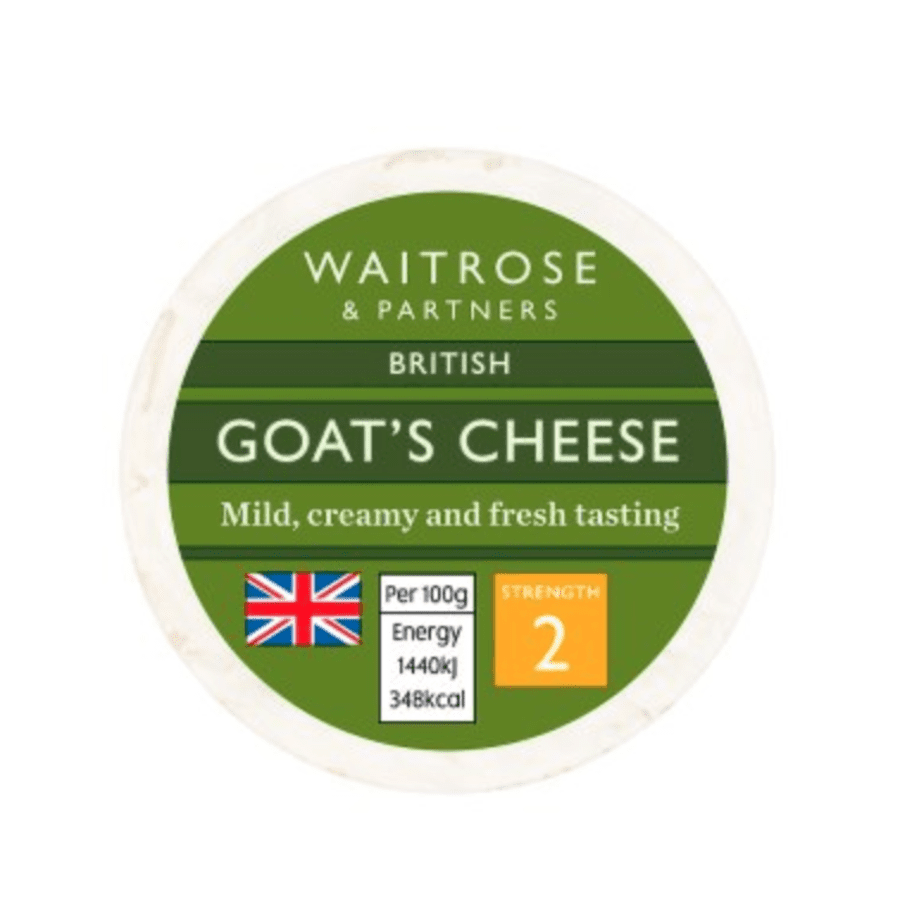
    Waitrose Goat's Cheese
    Waitrose & Partners opt instead for GOAT’S and market their “British” offering as “mild, creamy and fresh tasting.”
    M&S Goat's Cheese
    Marks & Spencer also opt for GOAT’S and currently sell an “English soft” that is “mild and creamy” that is “crafted at the Lubborn Creamery, Somerset.”
    Sainsbury's Goats' Cheese
    Sainsbury’s, however, follow Tesco and go for GOATS’ also with the “sweet and mild” cheese made in Somerset.
    Somerset Goats Cheese
    Another product offered online, “Capricorn” has no apostrophe at all. It is simply GOATS cheese.
    Goat Cheese
    A firm named Olympus simply opt for GOAT as labelling on the packaging of their “traditional” offering.
    Adam The Smokin' Goat
    On Twitter, @AdzWhitcombe shared an image with me of a goat with a pipe on the packaging of a “smoked goat cheese” called “The Smokin’ Goat.” He argued: “It would be bad for pregnant women to eat this particular cheese judging by the cover image.”
    Melis Goats Milk Cheese
    Another brand, Melis, to promote its “white soft cheese in brine” that is supposedly “a wonderful cheese with a rich taste and mild goat’s [note the apostrophe] aroma” as GOATS MILK CHEESE. Confusion clearly reigns at this particular firm when it comes to apostrophes.
    Petite Maison Goat Cheese
    Wildly Delicious opt for a more artisan look and follow the Oxford and Cambridge Dictionaries suggestion with plain old GOAT. They do also reference their cheese as “chèvre” however and thus keep both the Brits and French satisfied.

    The varied thoughts of the Twitterati on this contentiously cheesy topic….

    The Sussex Bunion
    Green Carrot
    Irene Barlow
    Queen Biddie
    Wendy Hough 1
    Oughut
    PrincessKidWrangler
    Weemoo
    John Le Brocq
    Ian Wright
    Erica Susan Jones (2018)