Category: Food Fortunes

  • Ten of the Priciest – 2025’s Most Expensive Food & Drink Products

    Ten of the Priciest – 2025’s Most Expensive Food & Drink Products

    Anthony Smart explores the background to ten of the world’s most expensive food and drink products

    Whilst Aldo Gucci once said that “quality is remembered long after price is forgotten,” some of the most expensive food and drinks products out there are very, very expensive with good reason.

    Topping the list of steeply priced foods and drinks are items that are made with scarcely available ingredients or produced in peculiar ways that might be labour or time intense, or indeed both.


    If you can stomach the outlay involved, here are ten of the most expensive food and drink products you might wish to add to your shopping list:


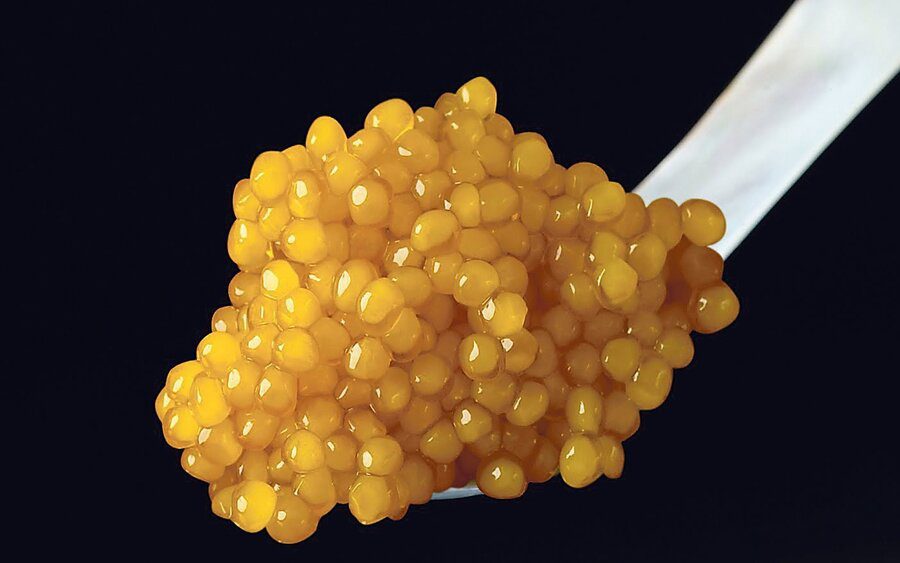
    Almas caviar (as much as £40,000 per kilogram)

    The world’s highest value caviar is known as Almas and harvested from albino beluga sturgeon eggs taken from the South Caspian Sea. It is so highly priced mainly because it is considered the “rarest of the rare” caviars and the process of harvesting it is laborious.


    Alba white truffle (approximately £8,800 per kilogram)

    Another pricey treasure is the Alba white truffle, which originates from Piedmont in Italy. Valued for the depth of flavour it provides; it is in high demand, but very difficult to grow due to its unique climate and soil needs.


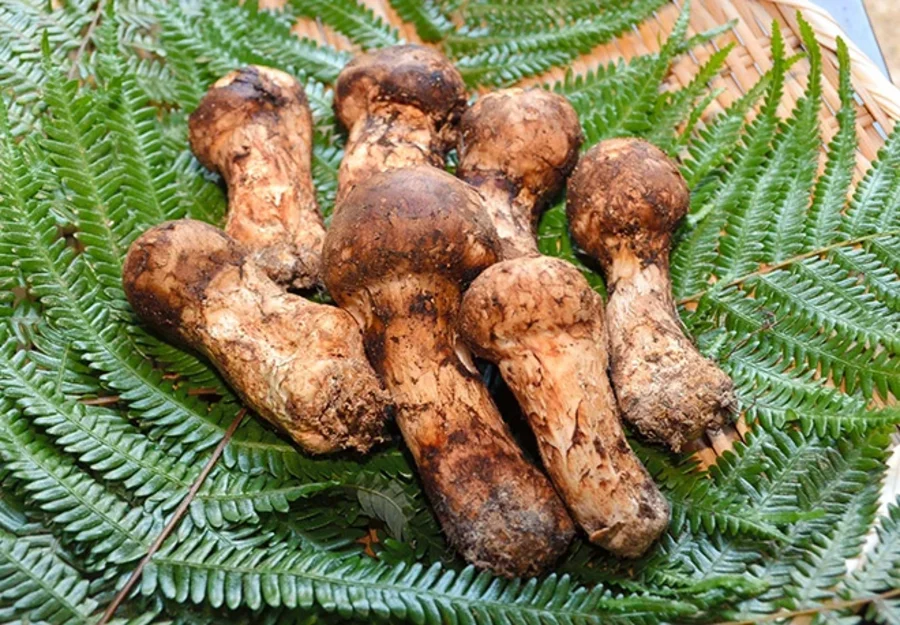
    Matsutake mushrooms (approximately £1,760 per kilogram)

    The Japanese value matsutake mushrooms (pine mushrooms) for their distinctive aroma and flavour. This especially hard-to-find fungus, which can go for £800 a pound (around £1,760 a kilo), are wild foraged, not farmed, and require very particular growth conditions. In 2020, they were added to the International Union for Conservation of Nature (IUCN) red list of threatened species for the first time.


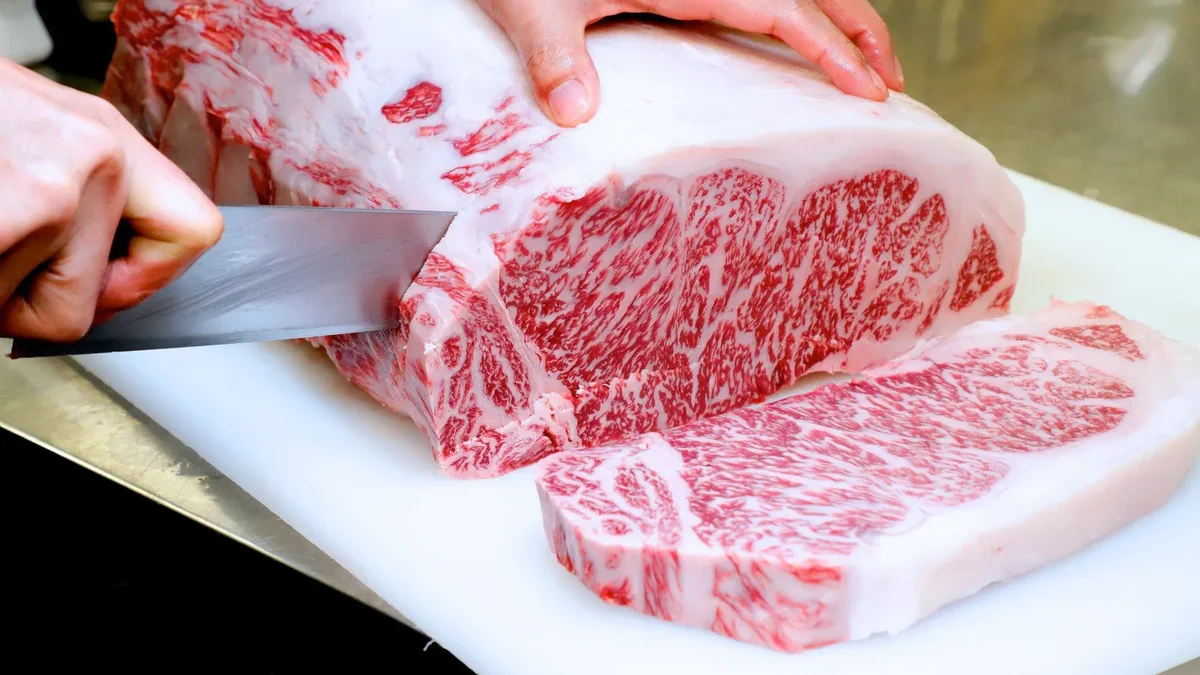
    Kobe beef (approximately £352 per kilogram)

    Kobe beef is raised in Hyōgo prefecture in Japan, using a particular breed of Wagyu cattle. This beef can be sold for £160 per pound (around £352 per kilogram) because of its fat marbling and tenderness, according to Lottoland’s guide. One factor that adds to its high price is the strict regulation of its production and its limited supply.
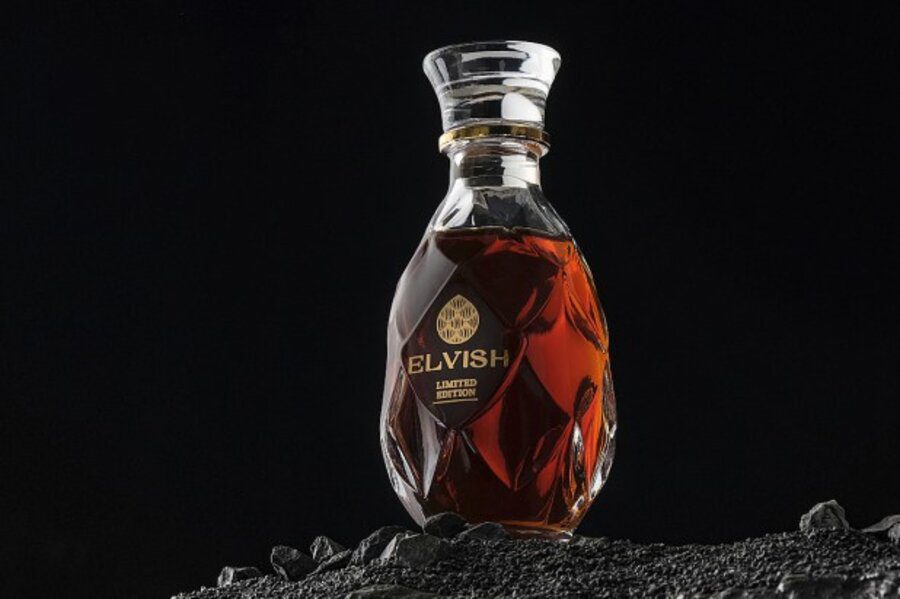
     

    Elvish honey
    Elvish honey is also known as ‘Fairy Honey’ and considered “the densest, highest and most magical honey harvested in the north-east Black Sea. It is cultivated “high in the untouched mountains of Arhavi and produced by a colony of Caucasian wild bees that pollinate from medicinal, endemic herbs and plants.”
    Alamas caviar
    Almas caviar is lauded as “boasting the rich buttery notes of fresh beluga, enhanced by a natural aroma that is entirely its own.” The albino beluga sturgeon must reach the age of 100 years before its eggs can finally be harvested and the result is said to be a “caviar of breathtaking beauty, with a brilliant ethereal white hue that sparkles like diamonds.”
    Matsutake mushrooms
    Matsutake mushrooms are prized in Japanese cuisine for their distinct, spicy aroma. Whilst abundant in the country until the 1940s, the annual harvest of matsutake in Japan itself is now less than 1,000 tonnes per year – which has resulted in their price rocketing.
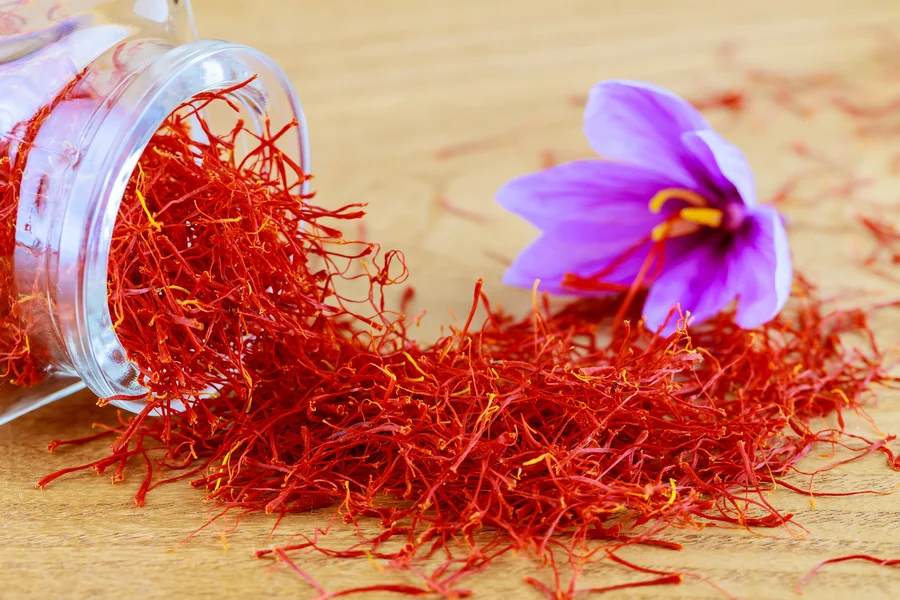
    Saffron
    Saffron is a spice derived from the flower of crocus sativus. It is used as a seasoning and colouring agent in food and is the world’s costliest spice by weight.

    Saffron (approximately £8,800 per kilogram)

    Often referred to as ‘red gold,’ saffron is the most expensive spice in the world, going for roughly £4,000 a pound (£8,800 a kilogram). It has a premium price because harvesting saffron is very labour-intensive, needing thousands of crocus flowers for a small number of saffron threads.


    Bluefin tuna sushi (as much as £250,000 per fish)

    At the top end of sushi cuisine, particularly in Japan, is bluefin tuna. This beautiful fish can touch six feet in length and weigh hundreds of pounds. With individual fish going for upwards of £250,000 at auction, the prices have rocketed because of overfishing and endangered species status. Seafood lovers will appreciate the deep flavour and texture.


    Kopi luwak coffee (approximately £1,100 per kilogram)

    Kopi luwak is the priciest coffee in the world, costing approximately £500 per pound (£1,100 per kilogram). Made from coffee beans that are consumed and then excreted by civets, this speciality coffee is fermented in the digestive system of these animals, which adds to its flavour.


    Ibérico ham (between £400 to £5,500 per leg)

    Ibérico ham is Spanish cured ham made from free-range Ibérico pigs fed on acorns during the ‘montanero’ period (October to February). Prices can range from £400 to more than £5,500 depending on grade and quality and the process of ageing can take a number of years. Its umami taste is rich and is in demand for gourmet goods.


    Elvish honey (around £4,500 per kilogram)

    This ‘elixir’ is harvested under challenging conditions in Turkey and can reach a price of around £4,500 per kilogram. The steep cost is largely due to the specialised environment in which this ‘precious nectar’ is produced on the north-east Black Sea and the laborious process of harvesting it; honey hunters need to work extremely hard to access the hives and walk for eight hours to reach the ‘safeguard tree’ once per year.


    Densuke watermelon (upto £5,000 each)

    The Densuke watermelon, prized for its unique black skin, is only cultivated on Hokkaido Island in Japan. As there are only about 10,000 harvested each year, these watermelons can fetch as much as £5,000 each at auction.


    Anthony Smart is a food writer who has spent his life sampling delicious delights and whose grandfather was Field Marshal Montgomery’s personal chef. Follow him on Twitter / X at @A_Smart_Writes.
     

  • The Fortune of Flapjackery

    The Fortune of Flapjackery

    New contributor Anthony Smart delights in flapjacks created by two retired Devon ladies; they’ve turned Flapjackery into a £1 million business that has even attracted the attention of Prince Charles and his wife, Camilla Duchess of Cornwall

    I was delighted to be provided with a rather unobtrusive box of delights recently by Matthew Steeples. His instructions were simple: “Please try these and write about them.”

    The little box was furtively opened to reveal a sumptuous selection of what appeared to be flapjacks. “What is this Flapjackery?” I asked myself. Indeed, that’s exactly what it was. A box of handmade flapjacks sent to us by the two ladies at a firm named Flapjackery. How could I refuse?

    “Fancy making a few flapjacks for some farmers’ markets?” was the question retired to Devon having run a print business Carol Myott, 62, asked former communications for the elderly turned fudge shop worker Sally Jenkin, 59, in 2015 at a street food festival in Exeter.

    Out of this humble beginning, a flapjack empire that now employs 24 people was born. Their locally made golden, sticky wonders soon started to do rather well at the Devonshire farmers markets. Sally and Carol decided that there may well be a larger market for traditional, homestyle flapjacks. Not the pathetically generic industrial kitchen made pap from major supermarkets. No, the generously sized, densely sticky, rich treats we all remember our mothers making to wash down with a nice cup of Jacksons Earl Grey.

    As I took the first oat-laden syrupy wonder from its individual wrapping, I was quite excited to read the words “Cherry Bakewell.” As a young whippersnapper, I used to enjoy demolishing Mr Kipling’s version of this British classic, whose advertising at the time suggested the man himself may have baked his exceedingly not so good cakes in his own haze-filtered, sun drenched country kitchen and put the cherries on top with love before sending it to me personally.

    Of course, had I known the truth that Mr Kipling was purely a product of a London advertising agency’s creative department and in fact the insipid, dry, poor quality excuse for a cake was mass produced in a faceless factory somewhere up North, I would have cast the box aside and requested my mother produce something more like Flapjackery.

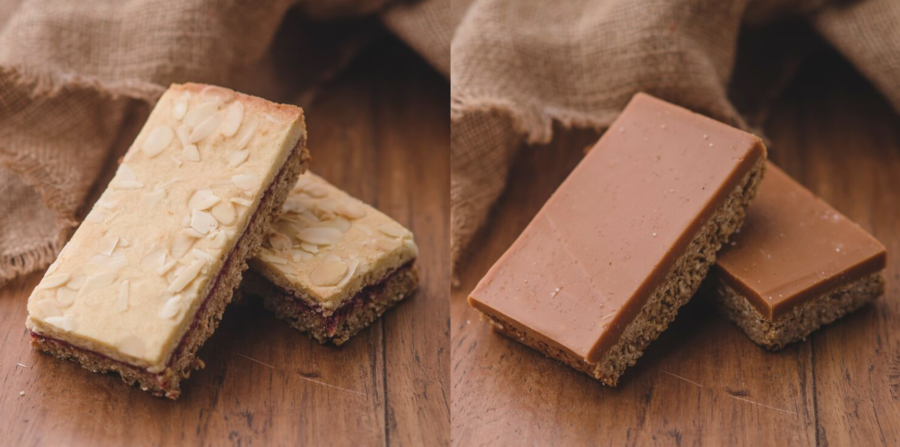
    Seemingly, this is what has now happened. This flapjack version is what I imagine the real Mr Kipling would have made had he existed and decided to put it into flapjack form factor. This oozes with almond and delicated natural cherry flavour intertwined with buttery oats to create all of the elements of that fine cake in a convenient flapjack of fun. Delicious!

    I should point out the size of these fine farmhouse fruits of labour is generous. I was already quite satiated after trying the first. In the interests of good food journalism though, I could not leave it there. Number two was the Salted Caramel variant.

    It’s fair to say even without the lovely little labels on each flapjack, the flavours are so well defined that one does not need it to be labelled.

    The first bite into Salted Caramel was that signature buttery, salty edge with a hint of toasted sugar that is so characteristic of a good salted caramel natural flavour. It’s very different from the chemically flavoured tosh of mainstream snackery.

    The natural caramelisation of the sugar balances beautifully with just the right amount of salt to give a wonderfully sharp yet sweet mouthful. Again, the flapjack base and its generous butter infusion anchors the quite advanced flavours of the salted caramel to the flapjack signature base.

    This was quite divine and I have to say the generously sized portion led me to finish my tasting session at this point. I know that Matthew and friends continued to sample the rest of the box, but I feel that these two flavours were fine examples of how seriously good Flapjackery products are.

    Given the mess and hassle involved with hand making a basic flapjack, these superb ladies have taken the pain away and created a wonderful way to have a regular supply of interestingly flavoured jacks of Flap for all to enjoy via their shops across the South West, or even better – through their slick little website. 

    Do yourself a Sunday afternoon favour and acquire a selection box. Your guests will not be disappointed, though you may get through the entire box before they even arrive.

    A box of three giant flapjacks (700gr) starts at £12 and can be ordered online at Flapjackery.co.uk or purchased at the firm’s shops in Tavistock, Minehead, Wells and from 1st April in Plymouth also.

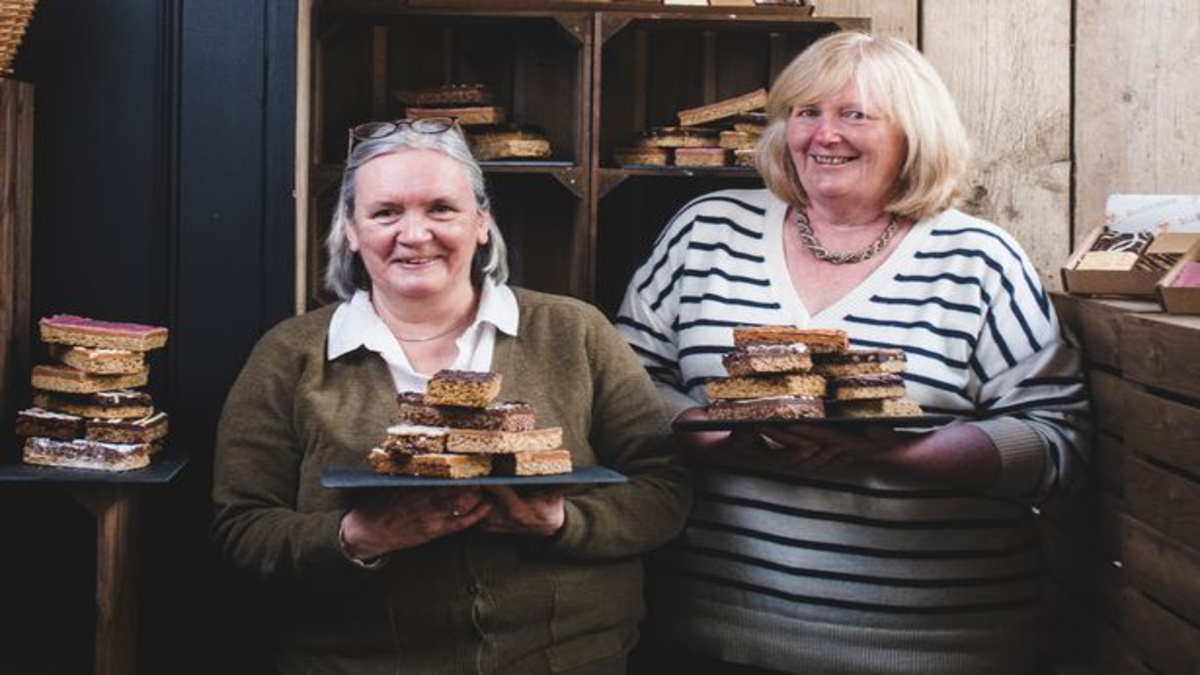
    Pictured top: Sally Jenkin and Carol Myott, two ladies who’ve remarkably created a business out of a mutal love for baking which now has a turnover of well in excess of £1 million through both online and in-store retail sales.


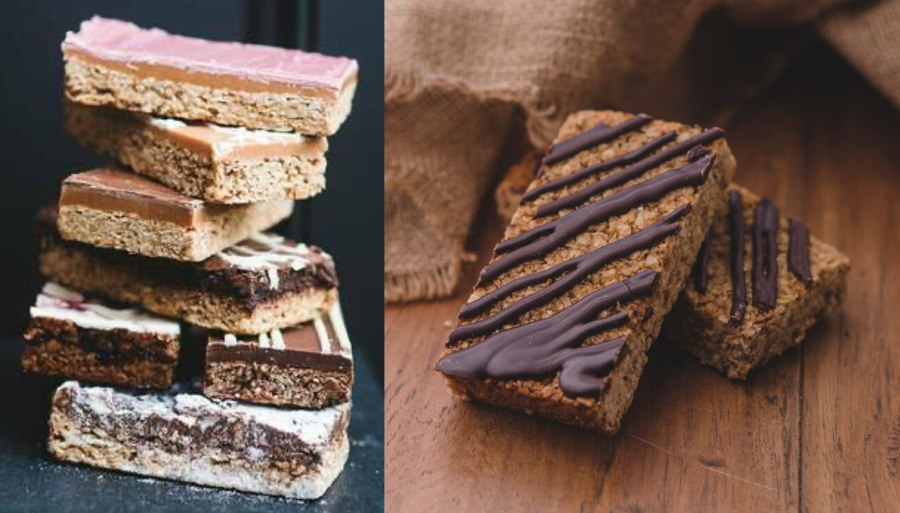
    Cherry Bakewell and Salted Caramel
    Two of the many flavours of flapjacks the two ladies make include Cherry Bakewell and Salted Caramel.
    Flavours including Ginger and Dark Chocolate
    Ginger and Dark Chocolate flapjacks number amongst the other delights on offer.
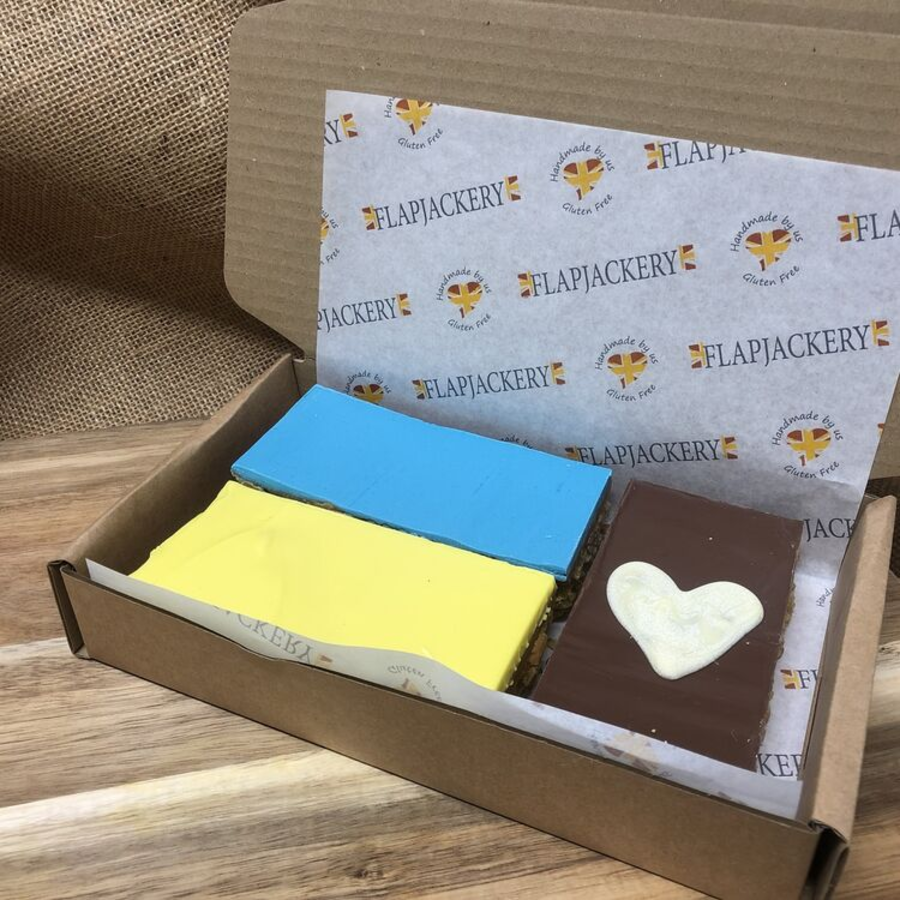
    Ukraine
    Flapjackery are also currently selling an ‘In Support Of Ukraine’ flapjack box featuring three giant millionaire flapjacks (700gr). One is topped with blue, one is with yellow chocolate and one is topped with a heart. All proceeds from the £12 price will go to Disasters Emergency Committee (DEC) Ukrainian Humanitarian Appeal.
    Prince Charles and his wife Camilla, Duchess of Cornwall are amongst the famous faces to have been wowed by the delights created by Flackjackery.