Category: Coffee

  • Ten of the Priciest – 2025’s Most Expensive Food & Drink Products

    Ten of the Priciest – 2025’s Most Expensive Food & Drink Products

    Anthony Smart explores the background to ten of the world’s most expensive food and drink products

    Whilst Aldo Gucci once said that “quality is remembered long after price is forgotten,” some of the most expensive food and drinks products out there are very, very expensive with good reason.

    Topping the list of steeply priced foods and drinks are items that are made with scarcely available ingredients or produced in peculiar ways that might be labour or time intense, or indeed both.


    If you can stomach the outlay involved, here are ten of the most expensive food and drink products you might wish to add to your shopping list:


    Almas caviar (as much as £40,000 per kilogram)

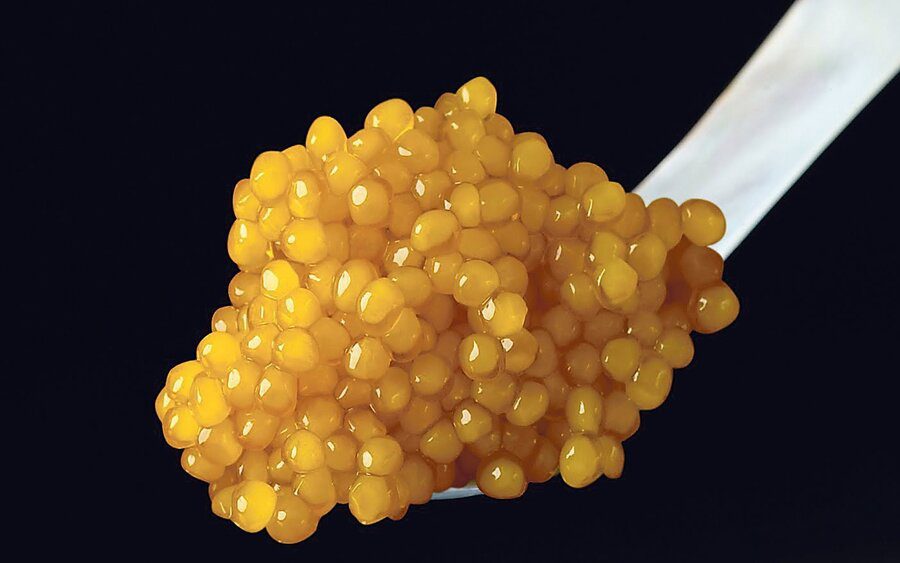
    The world’s highest value caviar is known as Almas and harvested from albino beluga sturgeon eggs taken from the South Caspian Sea. It is so highly priced mainly because it is considered the “rarest of the rare” caviars and the process of harvesting it is laborious.


    Alba white truffle (approximately £8,800 per kilogram)

    Another pricey treasure is the Alba white truffle, which originates from Piedmont in Italy. Valued for the depth of flavour it provides; it is in high demand, but very difficult to grow due to its unique climate and soil needs.


    Matsutake mushrooms (approximately £1,760 per kilogram)

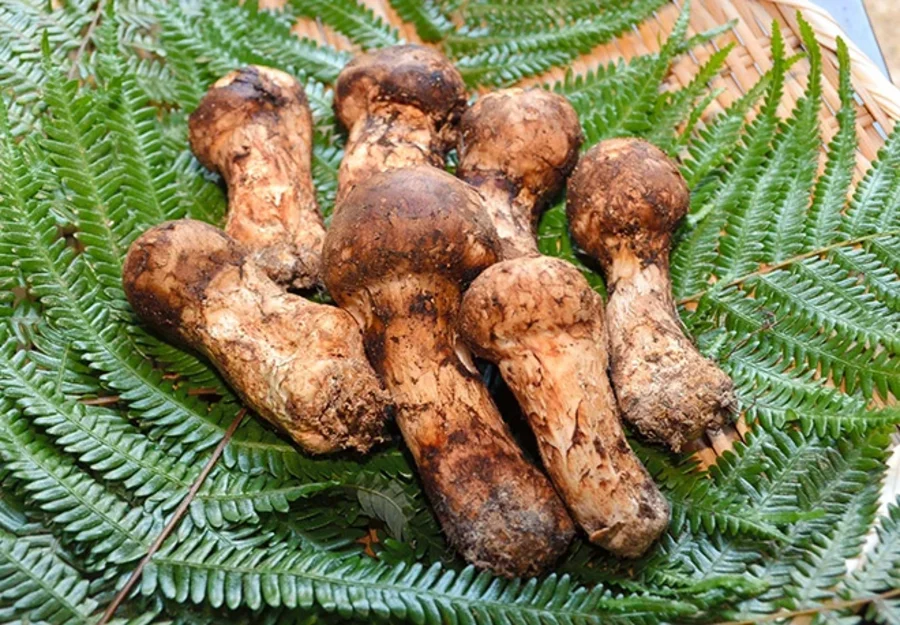
    The Japanese value matsutake mushrooms (pine mushrooms) for their distinctive aroma and flavour. This especially hard-to-find fungus, which can go for £800 a pound (around £1,760 a kilo), are wild foraged, not farmed, and require very particular growth conditions. In 2020, they were added to the International Union for Conservation of Nature (IUCN) red list of threatened species for the first time.


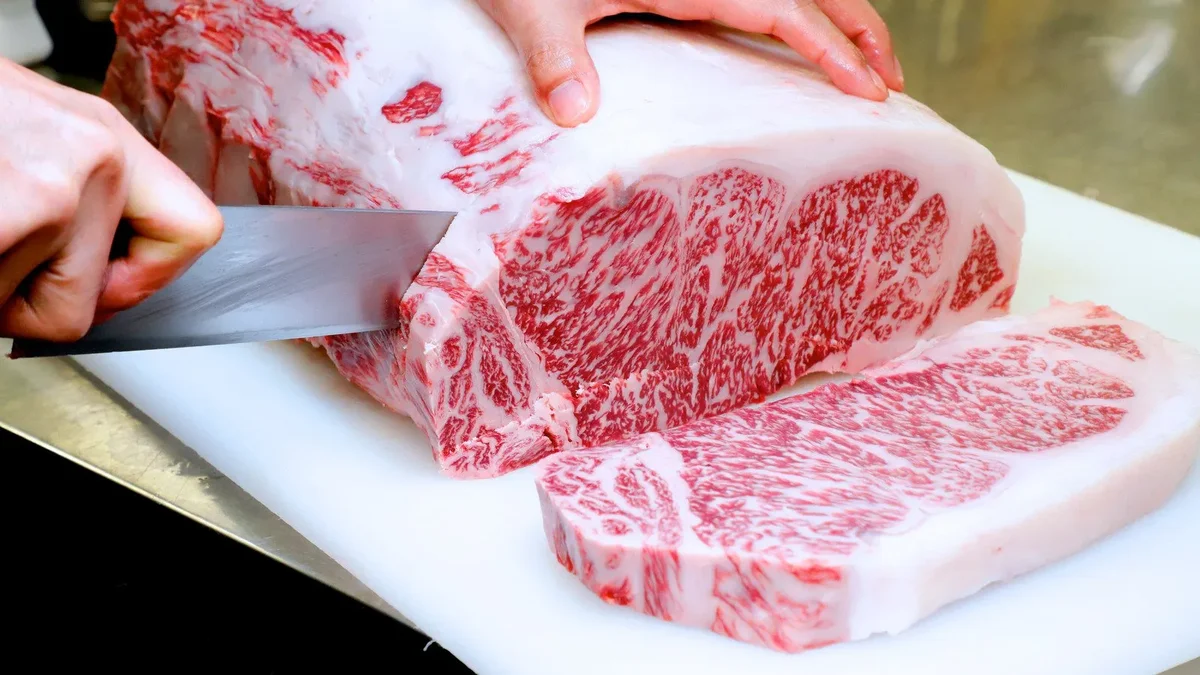
    Kobe beef (approximately £352 per kilogram)

    Kobe beef is raised in Hyōgo prefecture in Japan, using a particular breed of Wagyu cattle. This beef can be sold for £160 per pound (around £352 per kilogram) because of its fat marbling and tenderness, according to Lottoland’s guide. One factor that adds to its high price is the strict regulation of its production and its limited supply.
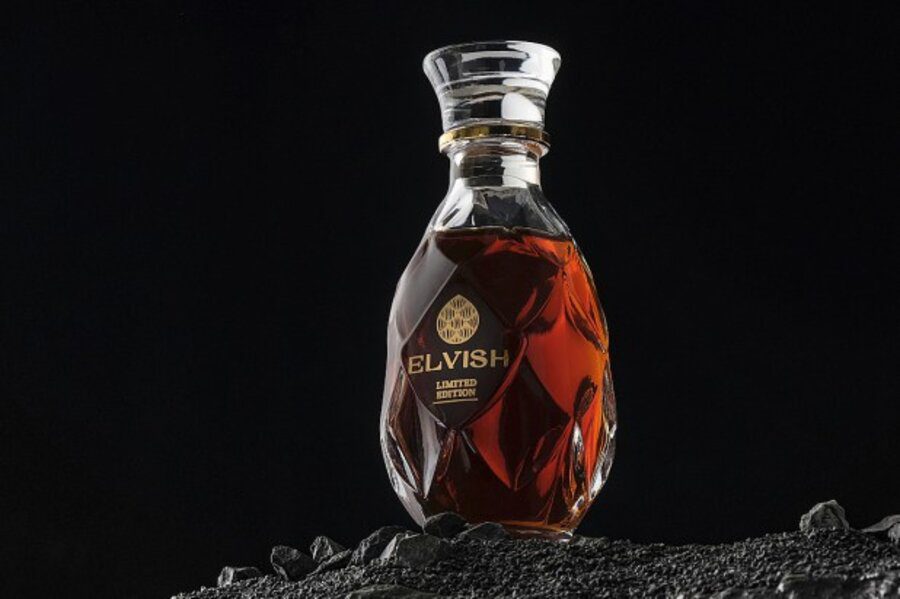
     

    Elvish honey
    Elvish honey is also known as ‘Fairy Honey’ and considered “the densest, highest and most magical honey harvested in the north-east Black Sea. It is cultivated “high in the untouched mountains of Arhavi and produced by a colony of Caucasian wild bees that pollinate from medicinal, endemic herbs and plants.”
    Alamas caviar
    Almas caviar is lauded as “boasting the rich buttery notes of fresh beluga, enhanced by a natural aroma that is entirely its own.” The albino beluga sturgeon must reach the age of 100 years before its eggs can finally be harvested and the result is said to be a “caviar of breathtaking beauty, with a brilliant ethereal white hue that sparkles like diamonds.”
    Matsutake mushrooms
    Matsutake mushrooms are prized in Japanese cuisine for their distinct, spicy aroma. Whilst abundant in the country until the 1940s, the annual harvest of matsutake in Japan itself is now less than 1,000 tonnes per year – which has resulted in their price rocketing.
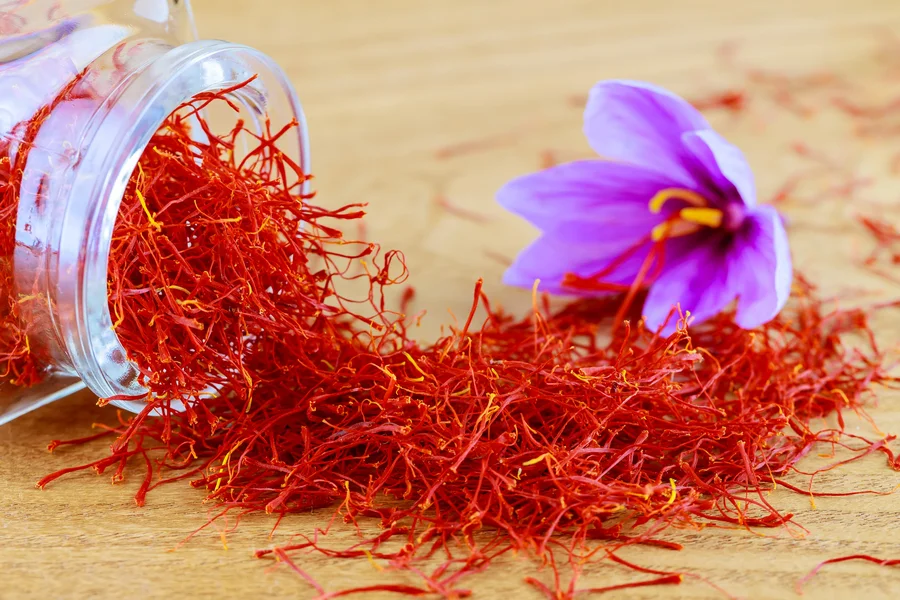
    Saffron
    Saffron is a spice derived from the flower of crocus sativus. It is used as a seasoning and colouring agent in food and is the world’s costliest spice by weight.

    Saffron (approximately £8,800 per kilogram)

    Often referred to as ‘red gold,’ saffron is the most expensive spice in the world, going for roughly £4,000 a pound (£8,800 a kilogram). It has a premium price because harvesting saffron is very labour-intensive, needing thousands of crocus flowers for a small number of saffron threads.


    Bluefin tuna sushi (as much as £250,000 per fish)

    At the top end of sushi cuisine, particularly in Japan, is bluefin tuna. This beautiful fish can touch six feet in length and weigh hundreds of pounds. With individual fish going for upwards of £250,000 at auction, the prices have rocketed because of overfishing and endangered species status. Seafood lovers will appreciate the deep flavour and texture.


    Kopi luwak coffee (approximately £1,100 per kilogram)

    Kopi luwak is the priciest coffee in the world, costing approximately £500 per pound (£1,100 per kilogram). Made from coffee beans that are consumed and then excreted by civets, this speciality coffee is fermented in the digestive system of these animals, which adds to its flavour.


    Ibérico ham (between £400 to £5,500 per leg)

    Ibérico ham is Spanish cured ham made from free-range Ibérico pigs fed on acorns during the ‘montanero’ period (October to February). Prices can range from £400 to more than £5,500 depending on grade and quality and the process of ageing can take a number of years. Its umami taste is rich and is in demand for gourmet goods.


    Elvish honey (around £4,500 per kilogram)

    This ‘elixir’ is harvested under challenging conditions in Turkey and can reach a price of around £4,500 per kilogram. The steep cost is largely due to the specialised environment in which this ‘precious nectar’ is produced on the north-east Black Sea and the laborious process of harvesting it; honey hunters need to work extremely hard to access the hives and walk for eight hours to reach the ‘safeguard tree’ once per year.


    Densuke watermelon (upto £5,000 each)

    The Densuke watermelon, prized for its unique black skin, is only cultivated on Hokkaido Island in Japan. As there are only about 10,000 harvested each year, these watermelons can fetch as much as £5,000 each at auction.


    Anthony Smart is a food writer who has spent his life sampling delicious delights and whose grandfather was Field Marshal Montgomery’s personal chef. Follow him on Twitter / X at @A_Smart_Writes.
     

  • Five Famous Coffee Drinkers – From Bach to Britney

    Five Famous Coffee Drinkers – From Bach to Britney

    Coffee addict David G. Lennox examines the stories of five famous coffee drinkers – including J. S. Bach and Britney Spears

    Some say that blue mountain beans from Jamaica – which are of extremely limited production and of which 80% of each year’s crop go to Japan – give those that purchase them the finest coffee in the world.


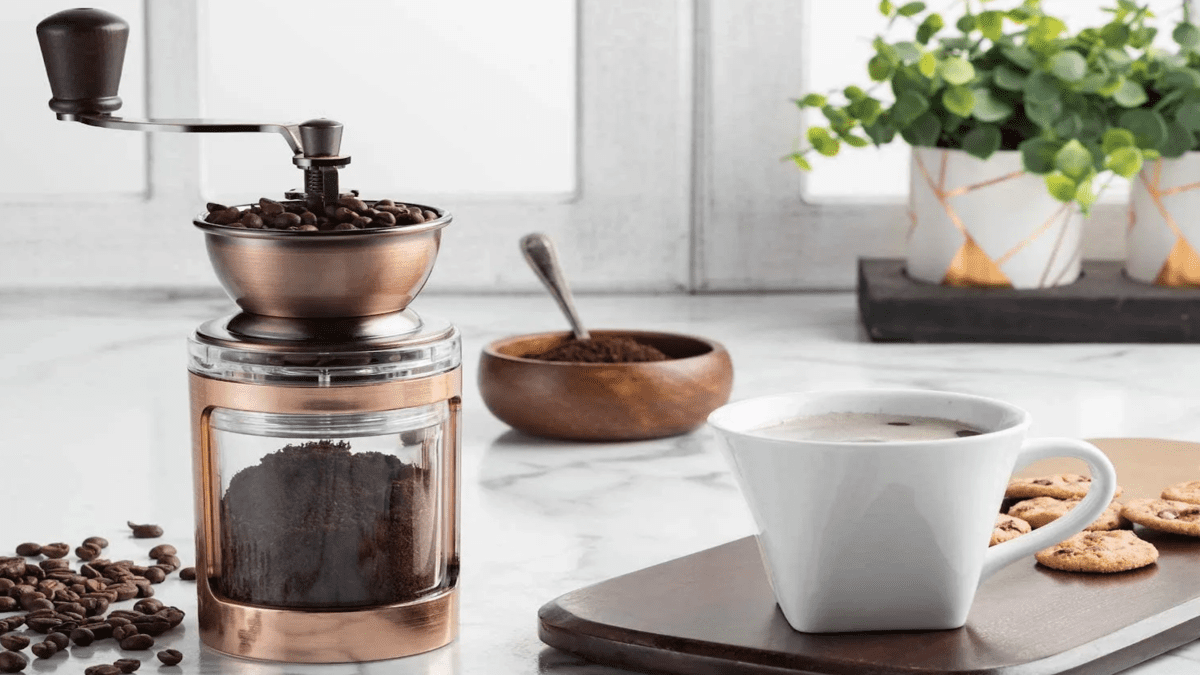
    Others, on a lesser budget, plump for Shoreditch brand Grind or “coffee without fuss” from Cirencester’s Rave collection, but for those looking to serve up something that is accessible yet enjoyable at home you will need a great quality coffee coffee grinder (also called a ‘mill’).


    By using such a device you’ll get a fresh brew that has a delicious aroma and a house smelling with pleasure and here below I select five famous individuals whose caffeinated brilliance allegedly stemmed from their addiction to the taste and smell of this black nectar.


    Johan Sebastian Bach (1685 – 1750)

    Johan Sebastian Bach

    “If I couldn’t, three times a day, be allowed to drink my little cup of coffee, in my anguish I will turn into a shriveled-up roast goat” shared the German composer and musician Johan Sebastian Bach in his humorous Coffee Cantata – a controversial 18th century secular vocal composition that was also titled Schweigt stille, plaudert nicht BWV 211 (‘Be still, stop chattering’).


    In it, a killjoy father urges his coffee addicted daughter to give up her pleasure and pursue happiness in marriage instead. By the end, both end up expounding the pleasures of coffee drinking and forgetting the woes of marriage.


        Father sir, but do not be so harsh!

        If I couldn’t, three times a day,

        be allowed to drink my little cup of coffee,

        in my anguish I will turn into

        a shriveled-up roast goat.


        Ah! How sweet coffee tastes,

        more delicious than a thousand kisses,

        milder than muscatel wine.

        Coffee, I have to have coffee,

        and, if someone wants to pamper me,

        ah, then bring me coffee as a gift!


    T. S. Eliot (1888 – 1965)

    Also well-known as a gin swiller, T. S. Eliot observed: “I have measured out my life with coffee spoons” in his first professionally published poem, The Love Song of Alfred Prufrock.


    Written from 1910 onwards and shared in the June 1915 edition of Poetry: A Magazine in Verse, this Dante inspired work was considered as “outlandish” in its content as the supposedly hundreds of cups of coffee the American born British transplant drank whilst penning it.


    Thomas Jefferson, 3rd President of the United States of America (1743 – 1826)

    Noted also as an “enthusiastic” wine drinker, this Founding Father referenced coffee as “the favourite drink of the civilised world.” Considered one of the finest examples of a “Renaissance man,” Jefferson enjoyed the coffee houses of Williamsburg and Paris and consumed a pound of it a day during his retirement. His French maïtre d’hôtel, Adrien Peitt, served the political titan’s beverage of choice from a “silver coffee urn made to his very own design.”


    Britney Spears (born 1981)

    The Baby One More Time singer created her twentieth fragrance in June 2016 with the help of coffee. “Get a whiff of Britney” enthused ETOnline of ‘Private Show’ whilst Miss Spears herself told them that she’d come up with “an uplifting, sexy scent that empowers [my fans] to achieve their dreams.”


    A press release for the perfume added that it was inspired by the Mississippi born ‘Princess of Pop’s’ “love of dulce de leche, white florals and iced coffee.”


    Voltaire (born François-Marie Arouet, 1694 – 1778)

    This witty French enlightenment writer, historian and philosopher was known best for his advocacy of freedom of speech and religion and the separation of church and state. Voltaire supposedly came to such views whilst drinking an astonishing 50 to 72 cups of coffee per day and aside from viewing this “brain brew” to be a creative inspiration paid “hefty bonuses” to servants who found his favourite beans.