[rollcallsidebar]
Category: CREATIVES
-
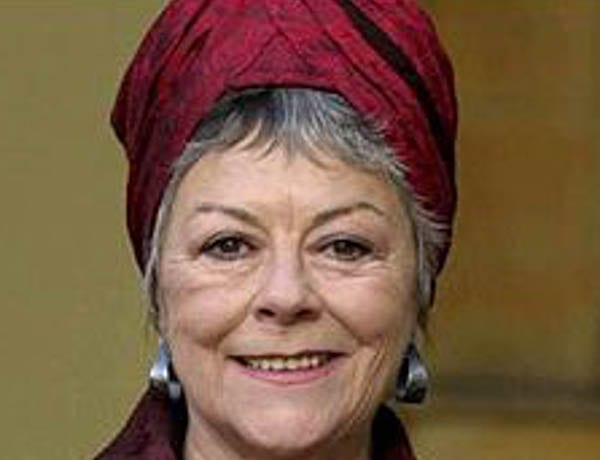
Dame Dorothy Tutin DBE (1930 – 2001)
A resident of a Chelsea houseboat named ‘Undine’ from 1953, Dame Dorothy Tutin was “one of UK’s most versatile actresses” and someone whom “bridged the gap between the classical grandes dames of the 1940s and the more modern performers of the 1960s.”
Lauded by Sir John Mills “as one of the best we ever had” and capable of “play[ing] almost anything,” this mother of two and wife of Z-Cars actor Derek Waring won two Olivier Awards and was known for her “husky voice” – which was dubbed “Tutinese.” She could be, supposedly, “very aloof.”
Tutin worked with everyone from Dirk Bogarde in A Tale of Two Cities (1958) to Sir John Gielgud in The Shooting Party (1985) and of her, Caryl Brahms wrote: “Miss Tutin is a small-scale hurricane. And once she is unleashed upon a part, there is bound to be, one feels, a short, sharp tussle. But Miss Tutin comes out on top, and having subdued it to her temperamental and technical measure, parades in it, all smiles and sequinned tears. She can be gay, pathetic, lively, stunned – part minx, part poet, part sex-kitten. A comedienne of skill and a pint-sized tragedienne.”
-
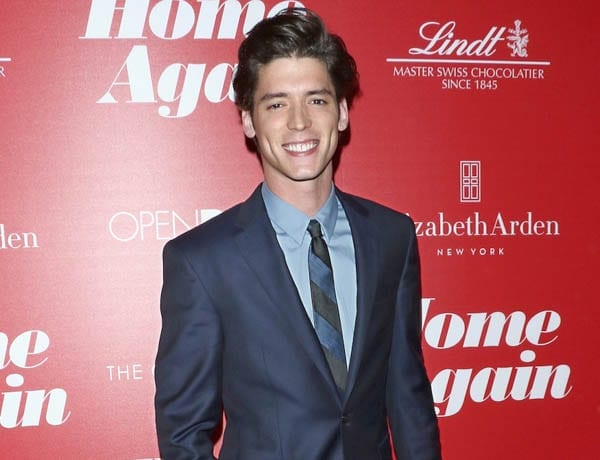
Pico Alexander (born Alexander Jogalla)
New York born actor Pico Alexander considered starring opposite Reese Witherspoon in the 2017 film Home Again “one of the sexiest scenes of [his] life.” Of Polish heritage, Alexander is the son of a cinematographer and studied at Fiorello H. LaGuardia High School, New York City and the Mason Gross School of the Arts at Rutgers University. This rising star avoids social media, is “fascinated by the darker sides of humanity” and has also appeared in Orange Is the New Black and War Machine alongside Brad Pitt.
-
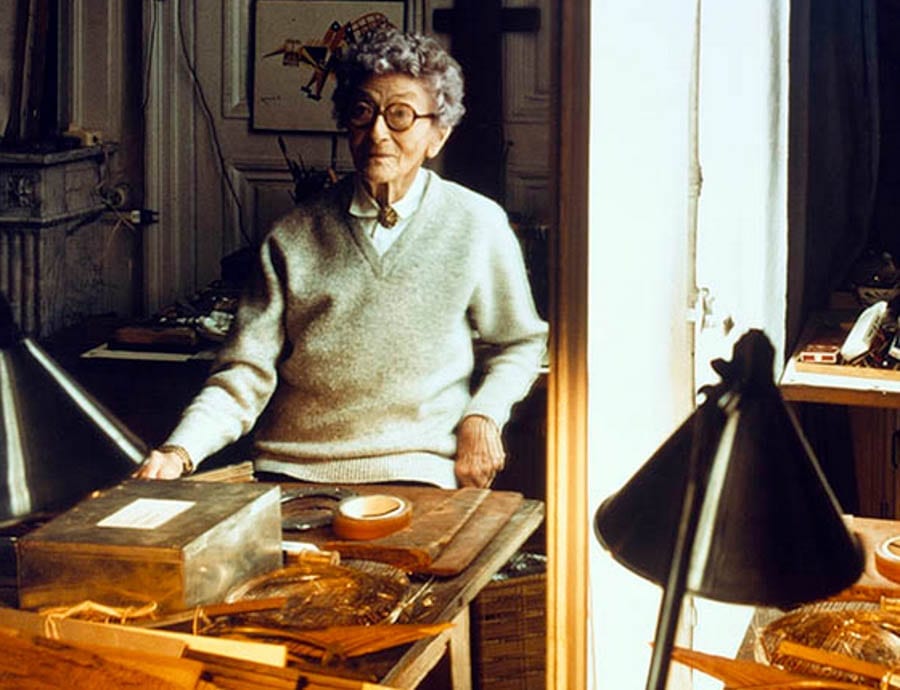
Eileen Gray (1878 – 1976, née Eileen Smith)
A pioneer of both the Art Deco style and the functionalist Modernist movement, bisexual Irish aristocrat Eileen Gray was best known for designing the Bibendum chair and the E.1027 table. This great tastemaker lived primarily in South Kensington, Paris and the South of France and another of her creations, once owned by Yves Saint Laurent, the ‘Fauteuil aux Dragons’ armchair, sold for £19 million at auction in 2009.
Extremely private, Gray once remarked: “The art of the engineer is not enough… A house is not a machine to live in. It is the shell of man, his extension, his release, his spiritual emanation. Not only its visual harmony but its organisation as a whole, the whole work combined together, make it human in the most profound sense.”
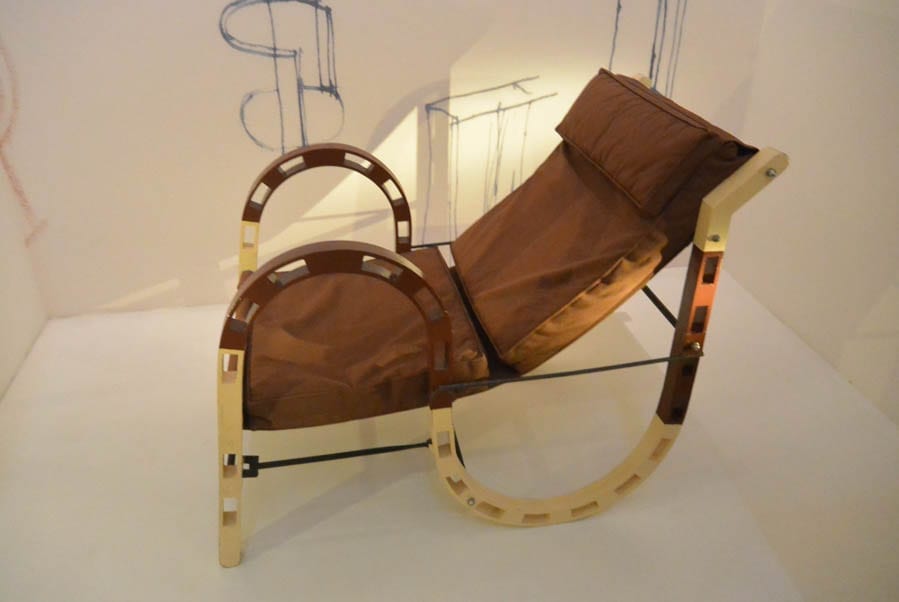 A stunning example of Eileen Gray’s work, an S-bend chair, is on display in Room 135, The Dr. Susan Weber Gallery at the Victoria & Albert Museum in London.
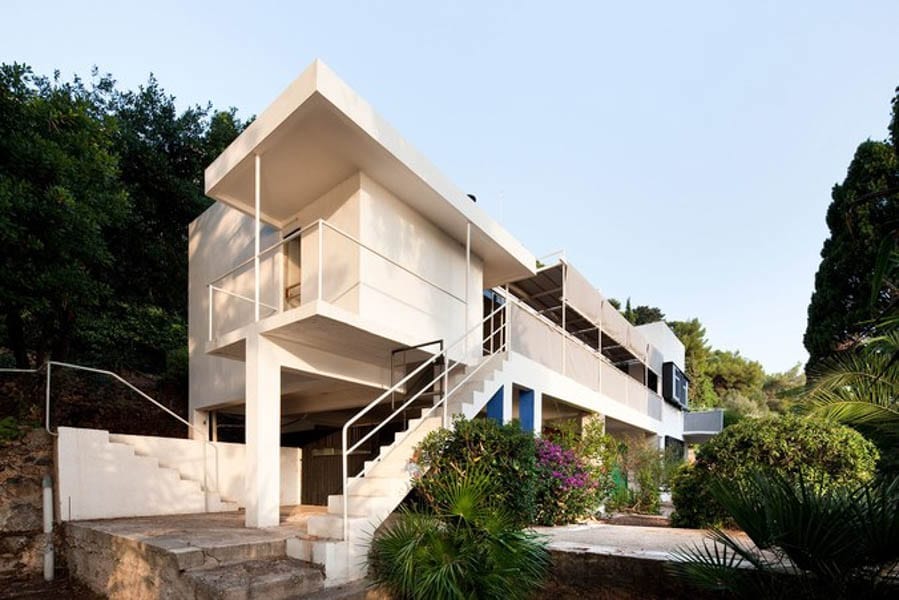 Eileen Gray also designed the ‘E.1027’ house at Roquebrune-Cap-Martin, overlooking the Bay of Monaco in Franc as a gift for her lover, Jean Badovici, the editor of ‘L’Architecture Vivante’. ‘E’ is for Eileen, ‘10’ for the tenth letter of the alphabet, ‘J’ for Jean, ‘2’ for ‘B’ for Badovici and ‘7’ for ‘G’ for Gray. The building was completed in 1929.
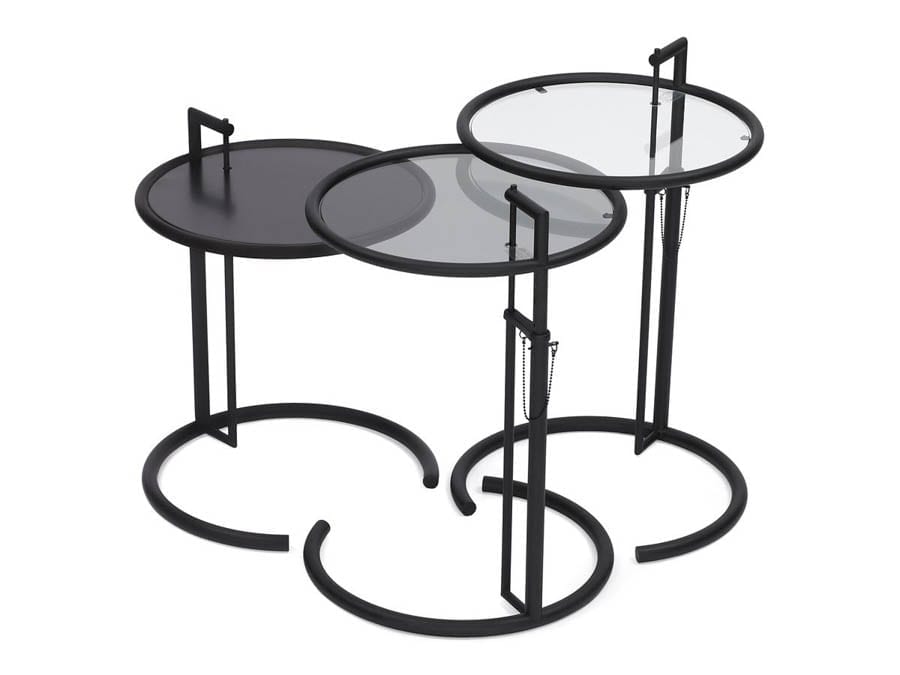 The E-1027 table was designed for the eponymous house in 1927.
 -
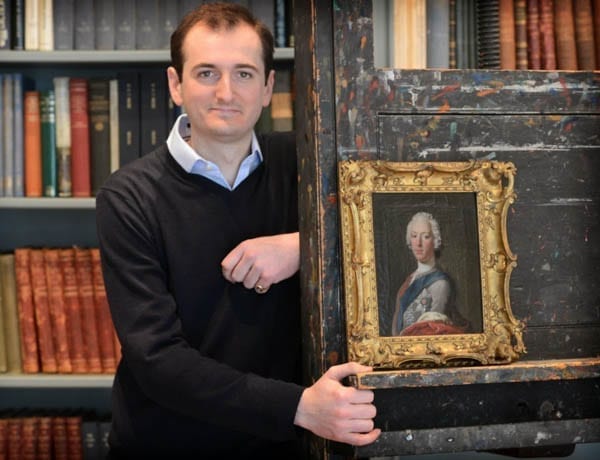
Dr Bendor Grosvenor
Harrow and Cambridge educated Old Masters expert Bendor Grosvenor describes himself as an “occasional ranter” to his 12,000 followers on Twitter. Aside from being amongst the team on the popular BBC One art programme Fake or Fortune?, Grosvenor has co-written a book titled Crap MPs: The 40 Worst Members of Parliament in History and another called Warts and All: The Portrait Miniatures of Samuel Cooper. He edits the extremely informative Arts History News blog, is of British-Swiss heritage and is fourth in line to the Marquessate of Westminster.
-
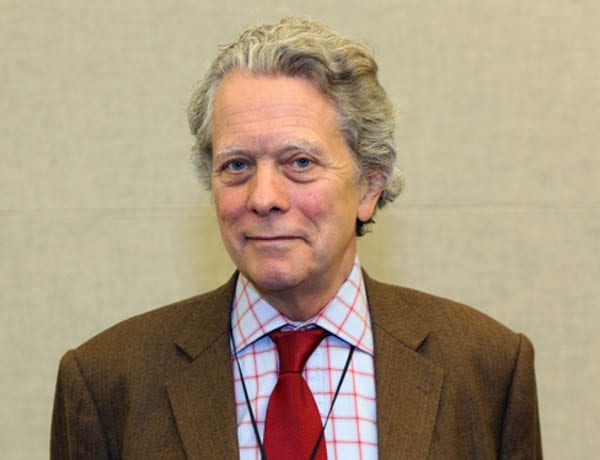
Robert Adam
With such a name, this suave gent just had to design landmarks. University of Westminster educated and Hampshire based Robert Adam (born 1948) followed his more famous namesake (1728 – 1792) and became a designer of “progressive neo-classical style buildings” in 1975. He won “the richest prize in architecture” in January 2017 and counts the Sackler Library at the University of Oxford, a “miniature Baroque mansion” at Eastwood Farm – complete with a lion on the roof – in Herstmonceux, East Sussex and the “KGB proof” Ingliston House on the Wentworth Estate in Surrey amongst his notable works.
-
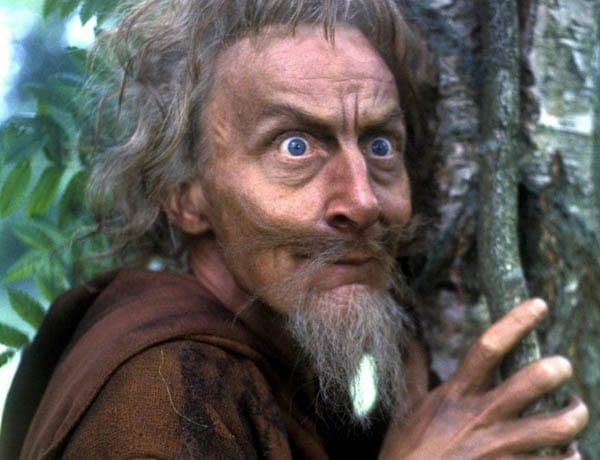
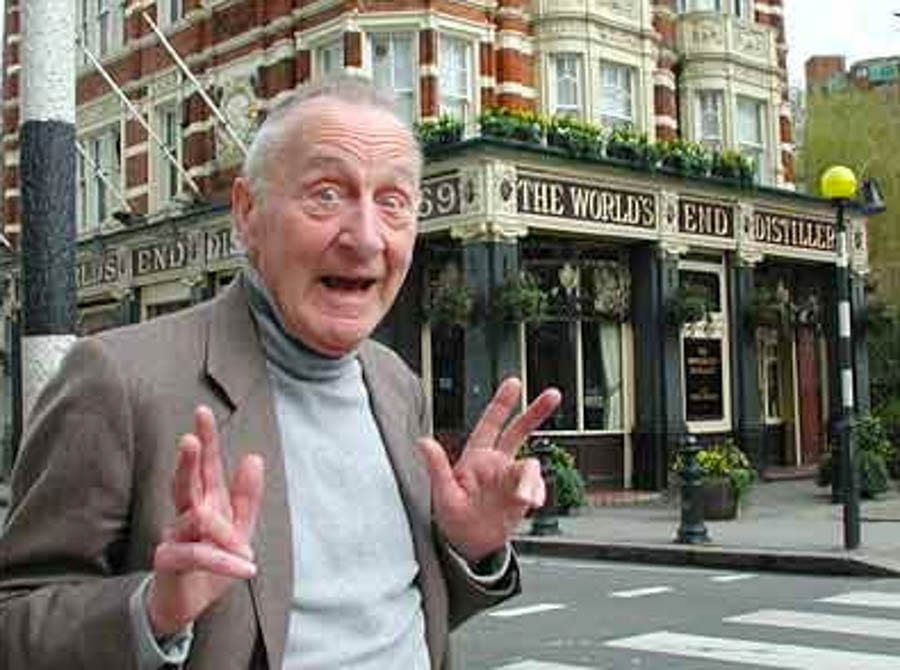
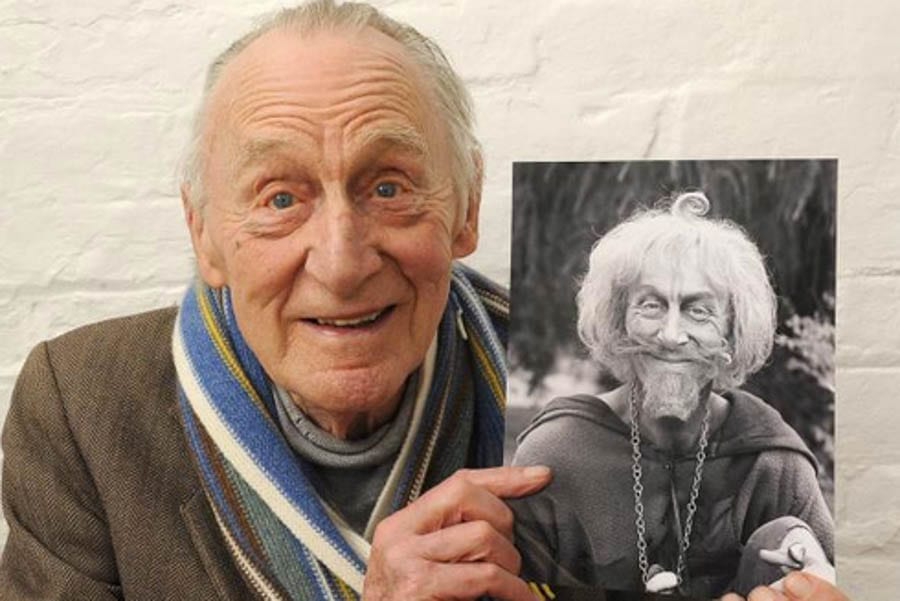
Geoffrey Bayldon (1924 – 2017)
Wacky Leeds born actor Geoffrey Bayldon was best known for playing Catweazle in the 1970s series of the same name as the Crowman in Worzel Gummidge. Bayldon also played ‘Q’ in Casino Royale in 1967, was gay, turned down the role of Dr Who twice thinking the series “too long” and enjoyed collecting watercolour paintings, gardening and walking.
-
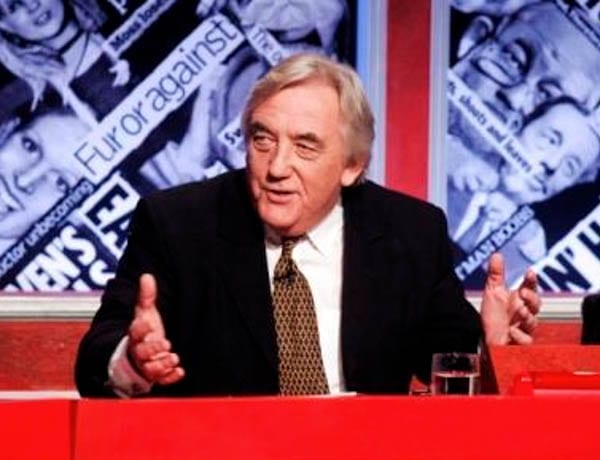
Bob Marshall-Andrews QC
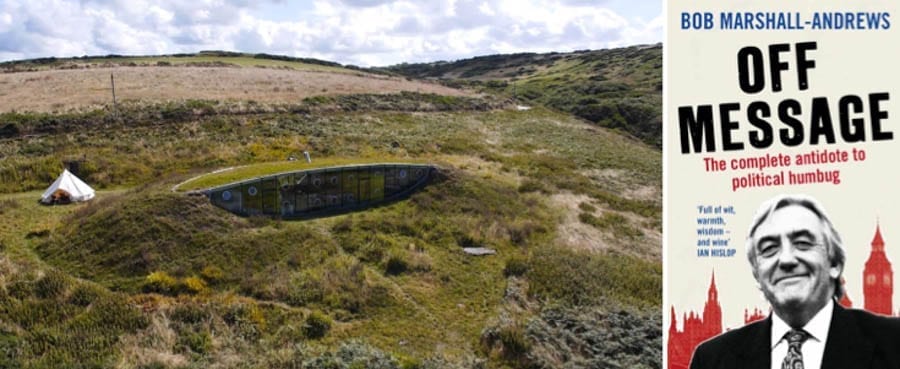
A “libertarian-left” Labour MP between 1997 and 2010, distinguished barrister and novelist Bob Marshall-Andrews defected to the Liberal Democrats in 2017. Described as “an irritant” to his former party whilst they were in government, multi-millionaire Marshall-Andrews built and owns “one of the most innovative houses of the 20th century – the famed ‘Teletubby House’ in Druidston, Pembrokeshire – and is chairman of the George Adamson Wildlife Trust. In 2013, of him, Chambers Legal Directory remarked: “Juries love him… I’ve never seen a jury eat out of anyone’s hand as much” whilst he amusingly references himself as “the complete antidote to political humbug”. Of Labour, this “intellectually brilliant” individual added: “They’re a basket case…They effectively abdicated all responsibility [on Brexit]”.

-
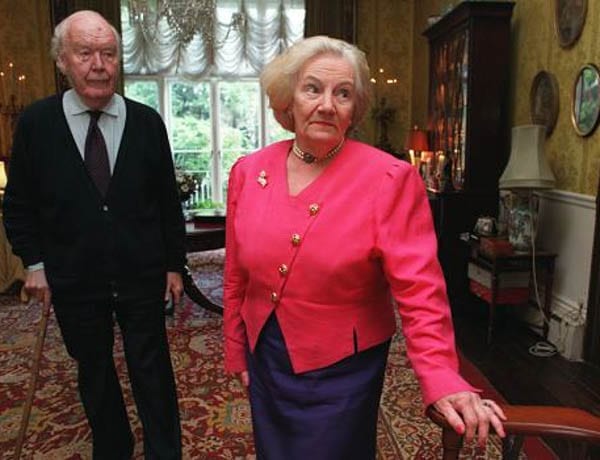
Lady Ridsdale DBE (1921 – 2009, née Victoire Bennett)
Dame Paddy Ridsdale, as she generally known, was an intelligence operative, secretary to Ian Fleming during WW2 and the inspiration for the Bond character Miss Moneypenny.
A Conservative Party stalwart and married to Member of Parliament for Harwich from 1954 to 1992 Sir Julian Ridsdale CBE (1915 – 2004), Dame Paddy – or Vicky, as she was known to some – is best known for her role in ‘Operation Mincemeat’, a “famous caper” concerning a “man who never was” in 1943.
In the war, Dame Paddy wrote love letters and telegrams that were planted on the body of ‘Major William Martin’, an invented, drowned naval officer, that was floated in the ocean off Spain. The body carried fictitious plans of a purported Allied invasion of Sardinia and Greece and formed part of a plot designed to deflect attention from the Allied landings in Sicily. Of it, she later remarked: “I was sent to buy clothes in all the best men’s shops and had to pose as his girlfriend. I had to go to post offices and rather loudly send this telegram to ‘my boyfriend’, hoping of course that somebody would overhear me”. In due course, the body was indeed found, the Axis powers completely taken in and “Mincemeat swallowed whole, hook, line, and sinker”. A BAFTA winning film directed by Ronald Neame, The Man Who Never Was, made about the deceptive scheme in 1956.
Dame Paddy was known as a “political hostess in the style of a bygone era”, lived in a mansion “sandwiched between a sheikh and a Saudi prince” in The Boltons for the majority of her adult life and is buried in the grounds of the church there. She had one daughter, became Lady Ridsdale when her husband was knighted in 1981 and was appointed Dame Commander of the British Empire (DBE) in her own right, for political services, in 1991.
Of her relationship with her one-time employer Fleming, she concluded: “Ian had so many girlfriends that I was not tempted to become one of them”.
https://www.youtube.com/watch?v=xemGlAV6TAw