Category: OPULENCE & SPLENDOUR

Luxury and the arts From houses to cars and from Hockney to van Dyck, a profile of the best and the worst

  • The badgers of Albany

    The badgers of Albany

    Matthew Steeples delves into the history of Albany, Piccadilly and discovers an affordable way of living there


    Albany, off Piccadilly in Mayfair, was most probably London’s first apartment block and it’s certainly the city’s most exclusive. It may be next to the Royal Academy and opposite Fortnum & Mason but surprisingly few have even heard of it.


    Considering its location, Albany, which some make the mistake of referring to as “The Albany,” is an amazingly quiet oasis of peace and tranquility but, equally, it is a place of intrigue and drama. Residents, or “proprietors,” as they prefer to be known, of the 69 “sets” are particular about the “the” part of the name as they’d rather their residence not be confused with a public house and they are even more protective of their privacy. A porters’ lodge guards the entrance to the building and it is staffed mostly by ex-servicemen, who, until the early 2000s, had to wear top hats and tailcoats. Those allowed to pass enter a rarefied world frequented by what the Irish novelist Marmion Savage (1803 – 1872) identified as “incurable oddities” and “superannuated fops” in The Bachelor of Albany.
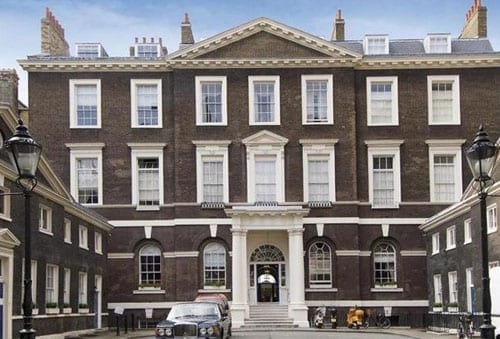
     

    The front courtyard and façade of Albany, Piccadilly, Mayfair, London, W1J 0AL
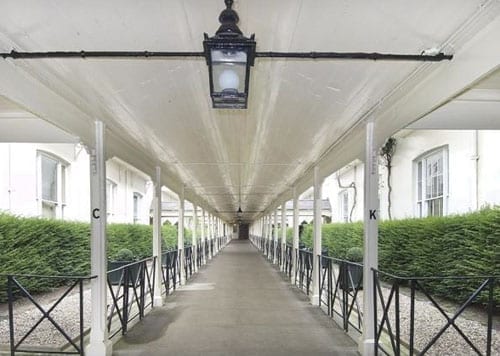
    The rope-walk connecting the various sets of Albany has been traversed by some of the greatest names in history

    Built by Sir William Chambers (1723 – 1796), who also designed Somerset House and the pagoda at Kew, between 1770 and 1774 for 1st Viscount Melbourne (1745 – 1828), Albany was originally known as Melbourne House and conceived as a three-storey mansion, seven bays wide with a pair of service wings flanking a front courtyard. From 1791 to 1802, the property was occupied by George III’s son, Prince Frederick, Duke of York and Albany (1763 – 1827), but after he left, the renowned architect Henry Holland (1745 – 1806) sub-divided the existing house and added two parallel sets of buildings running the length of the garden to create 69 “bachelor apartments” which he named “sets.”


    The “roll call” of residents since could easily fill our very own pages thrice over. They number royalty, politicians, artists, playwrights, academics and philosophers and here is a brief selection:


    –       Anthony Armstong-Jones, later 1st Earl of Snowdon

    –       Sir Thomas Beecham

    –       Sir Isaiah Berlin

    –       Lord Byron

    –       George Canning

    –       Sir Kenneth Clark

    –       Baroness Pauline de Rothschild

    –       William Ewart Gladstone

    –       Sir Edward Heath

    –       David Hicks

    –       Aldous Huxley

    –       Sir Simon Jenkins

    –       Rupert Lycett Green

    –       Malcolm Muggeridge

    –       Sir Harold Nicholson

    –       J. B. Priestley

    –       Sir Terence Rattigan

    –       Roger Scruton

    –       Baroness Sharples

    –       W. Somerset Maugham

    –       Terence Stamp

    –       Sir Denis and Lady Thatcher

    –       Sir Herbert Beerbohm Tree


    Each had to pass the vetting of a committee of trustees of this Grade I listed building. That committee forbids children under 14, pets, musical instruments and commercial activities and each approved resident has undoubtedly added to the history of this den dominated by a central walkway named the “rope-walk.” Incidentally, an example of a curious quirk at Albany is that no resident is allowed to speak to another on this walkway. If they do, a fine is incurred. Albany, indeed, is rather like a college in its systems of rules, regulations, order and hierarchy.


    For several centuries, women were not even allowed to cross the threshold and one legendary tale tells of Lady Caroline Lamb (1785 – 1828), disguised as a page boy, stealing into Lord Byron’s (1788 – 1824) set in 1815 to leave a note: “Remember me, Byron.” He replied with a simple verse:


    Remember thee, aye, doubt it not:

    Thy husband too shall think of thee.

    By neither shalt thou be forgot —

    Thou false to him, thou fiend to me.


    The strict and formal structure that controls Albany and ensured its maintenance has succeeded in the main because 34 of the 69 sets are owned by Peterhouse College, Cambridge. They and the other owners are highly particular in whom they lease to and on one occasion on hearing of an “unsuitable tenant,” the secretary of the trustees is reported to have shouted:


    “He’s a foreigner. Don’t like him. Don’t trust him.”


    Needless to say, that application didn’t progress and nor did one from a physiotherapist who planned to operate from the building. Bone bashing in Albany just wouldn’t do.
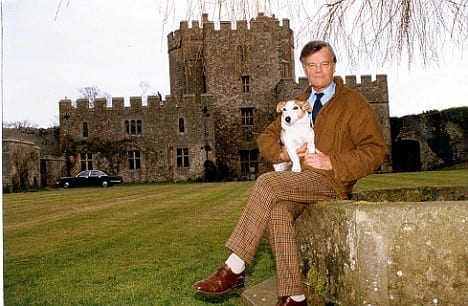
     

    The Rt. Hon. Alan Clark MP (1928 – 1999) in the grounds of his main home, Saltwood Castle, near Hythe in Kent in 1993

    A horsewhip, however, nearly crossed the threshold of set B5 in 1994, as it was here that the late Alan Clark MP (1928 – 1999) lived. The affable philanderer seduced the wife and both daughters of a certain South African named Judge Harkess and the wronged man stated he would “have horse-whipped Clark if he had known how comprehensively he had violated his honour.” B5, itself, was described as having the feel of “the straitened quarter of an Edwardian bachelor on his uppers” and the dotty, English attitude of the residents is best summed up by the reaction of Clark’s neighbour when he accidentally flooded their basement. When asked what he could do to make amends, their answer was quite simple: “Go and lie down in Piccadilly and wait for a double-decker bus.”


    The dandy and journalist John Morgan (1959 – 2000) typified social change at Albany in the 20th century just as much as he himself redefined etiquette and manners at Debrett’s and The Times. Of “humble origins,” Morgan was brought up in a “modest” bungalow in St Madoes, Perth, Scotland but is credited with persuading William Hague to remove his baseball cap whilst Conservative leader and offering advice ranging from “how to eat a banana” to “how best to tell friends that the partner you would like to bring to their wedding will be of the same sex as you.”

     

    Dandy and etiquette expert John Morgan (1959 – 2000)

    For the bachelor and GQ style director, living in Albany was symbolic of his own personal social elevation but he did not disown his past. This modern day Beau Brummell was a man of social contradictions who cashed his cheques at Claridge’s but was a member of the National Union of Journalists. He was a Tory but still regularly attended chapel meetings as he had done in his youth. Here was a man of paradoxes who seemed unable to come to terms with the fact that he was a homosexual.


    Morgan, an asthma sufferer, fell to his death from a fourth floor window on 9th July 2000. He was found in just a white shirt in a basement below a window whose sill was strangely undisturbed. The coroner left an open verdict with a suspicion of suicide and it was widely reported that police found 60 made-to-measure Savile row suits, 300 monogrammed shirts and 90 pairs of shoes in the etiquette expert’s small set. Mystery shrouds the story of his tragic demise to this day but Johnny Morgan will forever be remembered as an arbiter of both good taste and behaviour.


    Whilst Morgan represented continuation of the trend of bachelors living in Albany, change also came in the 20th century when the building’s committee removed the restriction that allowed only bachelors to be resident. With that females were allowed in and amongst them Fleur Fenton Cowles (1908 – 2009) was one of the most fascinating.
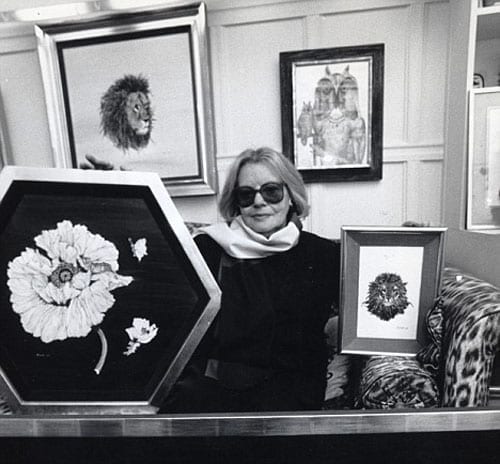
     

    Fleur Fenton Cowles (1908 – 2009) in her set at Albany with some of her paintings and one by Salvador Dali

    This writer and artist occupied five sets knocked into one with her fourth husband, timber merchant Tom Montague Meyer, and according to the Daily Mail’s Geoffrey Levy, hosted “elite soirees of the powerful and famous.” Levy recounts them at length but here is a flavour:


    “On a Wednesday evening, a typical dinner party… would include Foreign Secretary Selwyn Lloyd, Labour leader Hugh Gaitskell, entertainer Danny Kaye and film star Douglas Fairbanks Jr. The Queen Mother regularly came to tea and was once joined by Pavarotti who sang Happy Birthday for the royal guest. ‘I don’t want her to die,’ said Fleur. ‘I couldn’t bear to think she doesn’t live just down the street.’ ”


    Fenton Cowles, founder of the ill-fated Flair magazine and a “woman who knew everyone,” loved Albany and an exact replica of her “windowless, milk-yellow” study there has even been recreated at the University of Texas.


    Another known for hosting extravagant bashes in Albany was my late friend, the Russian icon dealer John Gaze (1947 – 2011). Gaze had, as a boy, asked his father about the building when he passed it as a child and immediately declared he would live there one day. He took F2, the former set of Edward Heath that overlooked Savile Row to the rear, in the mid 1990s as he craved the safety that the building offered after having been kidnapped at gunpoint by an Oxford graduate conman named Sacheverell de Houghton in April 1991 from his then home in Fournier Street, E1. He made the most of his tenancy.
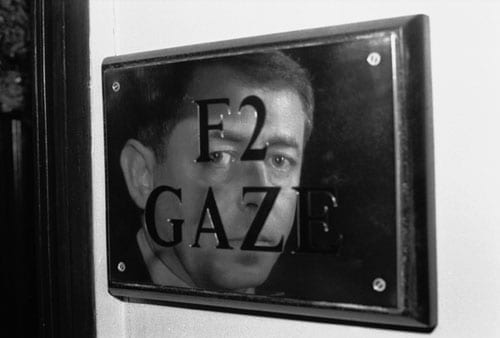
     

    Russian icon dealer John Gaze (1947 – 2011) reflected in the brass plaque outside his Albany set, F2. It was formerly occupied by Sir Edward Heath.

    Gaze’s parties included a fundraiser for people with AIDS hosted by a drag queen. This sparked fury with certain other residents and coverage in the Daily Telegraph and another incident there involved him encountering Alan Clark on the ropewalk carrying a portrait of Lenin. “Where the fuck are you taking that?” Clark supposedly bellowed but was “reassured” when he was told it was “destined for a less salubrious address in Whitechapel.” John Gaze remained at Albany for several years but, like a number of others I know, was forced out by ever rising rents and moved first to Chelsea and then Ennismore Gardens, Knightsbridge. He always remembered his time at Albany fondly and as a bon vivant, he truly belonged there.
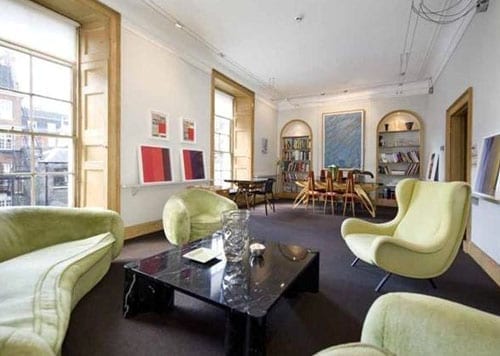
     

    The main reception room in a £1,400 a week set currently available in Albany
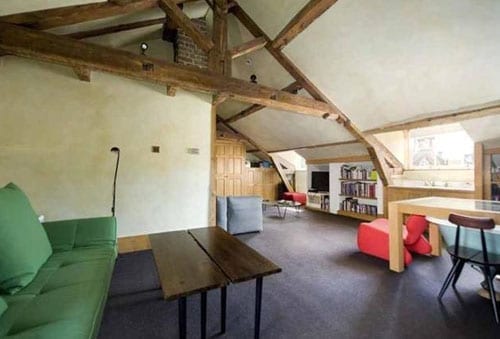
    An attic room in the set that could be used as a second reception room or second bedroom
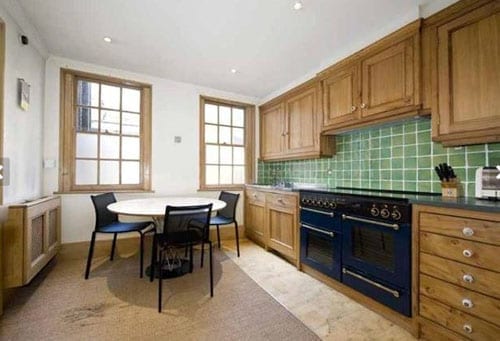
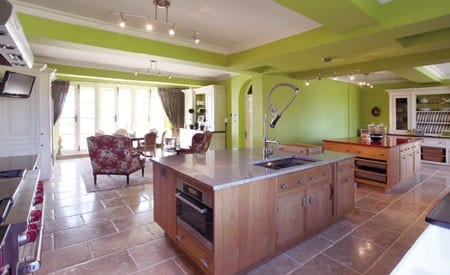
    The kitchen is lacking in character but offers ample space for informal dining

    Contrary to what you’d expect, living in Albany is not quite as expensive as one might think. A 2-bedroomed 1,970 square foot set is currently available through Knight Frank for £1,400 a week: a figure that seems quite reasonable given the location, history and size of this property. Available on a minimum 8-year rental term, it includes a formal reception room, a dining kitchen, 2 bedrooms and 2 bathrooms.
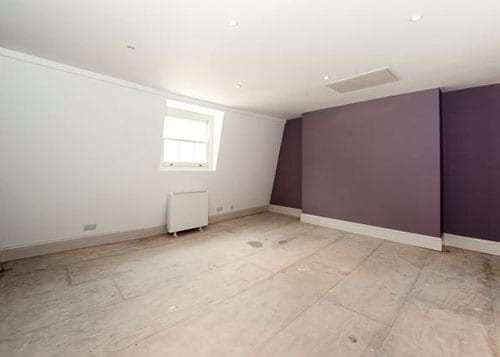
     

    This £300 per week set, D2, consists of just one room
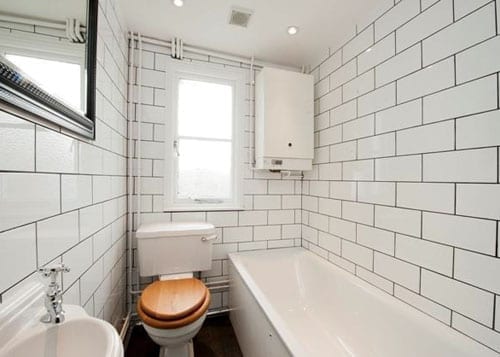
    The communal bathroom D2 shares with other sets is basic but clean

    For those looking for something cheaper, Savills offer D2 Albany at £300 per week. This set consists of a 221 square foot third floor attic room with access to a communal bathroom and the agents suggest that it: “would make an ideal reading or writing room or an occasional bedroom for a pied-a-terre.” It’s effectively a posh form of tenement but what a way to impress your peers and subordinates.


    Damon and Sandra de László in their “duplex” in Albany

    Those renting either of these sets would find the likes of the industrialist Damon de László, a descendant of the Hungarian painter Philip Alexius de László (1869 – 1937), as their neighbour. The couple occupy Lord Byron’s former set, A2, and have, on occasions, opened it for a charity dinner with Matthew Parris at £1,000 a ticket as well and for members of The Portrait Institute to view their collection of de László’s works.
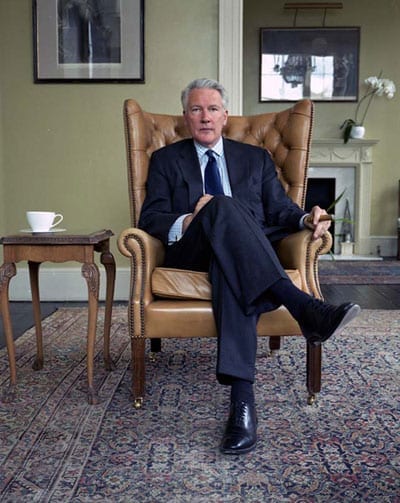
     

    Professor Philip C. Bobbitt in his grand freehold set


    Another present day resident is a man Henry Kissinger calls “the outstanding philosopher of our times,” Professor Philip C. Bobbitt. This Texan lawyer is a nephew of Lyndon B. Johnson and the author of Terror and Consent, which Tony Blair describes as “required reading for political leaders.” Bobbitt owns an impressive flying freehold set that is described as having a masculine style of décor and a “kitchen he has designed to look like a bar.” In an interview for The Independent he states that he finds Albany: “a propitious place to work.”


    Though governments and bankers come and go, behind this quintessentially English façade, order and disorder have always been maintained. The wildcards of this hidden haven have a knack for living by the doctrine “to live at Albany is to live in history” and indeed they make the most of that. Those who are lucky enough to be let in, do, indeed, truly find themselves in the “Paradise of Piccadilly.”


    For more information about the £1,400 per week 2-bedroomed set in Albany, contact Knight Frank on +44 (0) 20 3641 2489 or go to: http://www.primelocation.com/to-rent/details/21089526?search_identifier=561863685a1a55b5da85141e12cfeec7


    For more information about the £300 per week attic room in Albany, contact Savills on +44 (0) 20 3641 2584 or go to: http://www.primelocation.com/to-rent/details/26791351?search_identifier=561863685a1a55b5da85141e12cfeec7

     

  • More Purdey than Posh

    More Purdey than Posh

    Charles Mitford Cust test drives the Range Rover Evoque


    When I saw my first Range Rover Evoque coupé in the flesh I decided right then that it was time to emigrate. The actual remark I made is too rude to put in print, but the jist is that it’s ‘slammed’ rear styling reminded me of a baboon whose derriere had just suffered the unwanted amorous attentions of a short-sighted elephant.


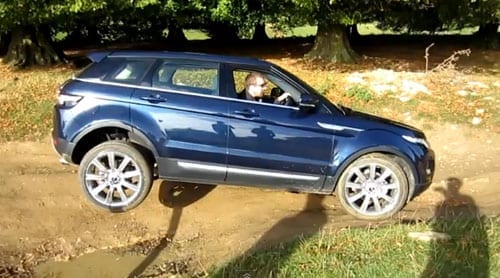
    The Evoque has a lot more off-road capability than you might expect


    It was my indignation that such a macho and traditional brand as Land Rover had built the thing at all, which led to me to cast unwarranted aspersions about the kind of car designers now working at the Land Rover HQ and the much-published fact that Victoria Beckham had designed the interior only added to my incandescent rage. As far I was concerned this was the ultimate example of design over function, and the last word in brand exploitation and betrayal, and to me this proved Land Rover as a British institution was dead.


    You see, my family has owned every model of Land Rover since the Series One was launched in the 1948. My father even took delivery of the second privately owned Range Rover sold, just a few days after Her Majesty had taken delivery of hers. I have Land Rover in my DNA, so to me the fact that they had built something like the Evoque coupe was like Purdey deciding to give up building guns in order to make designer curtains.


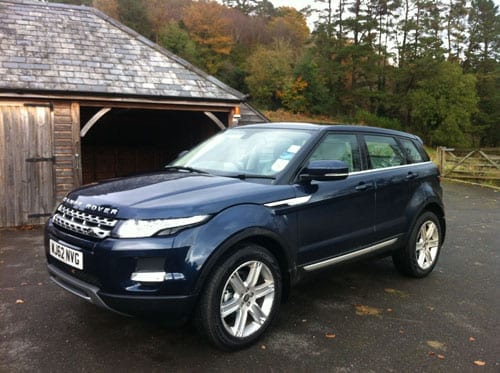
    Then one day, about a month ago, out shooting, I came across an example of the 2011 5-door version of the Evoque, the roofline of which has subtly been raised some 2-inches to accommodate the rear doors without compromising the original radical design. It was finished in dark Aintree green rather than the normal footballer pearlescent white, and standing there covered in mud on the top of a rain swept hill, it looked quite at home in it’s surroundings. I looked inside fully expecting to see the usual multi coloured blinged up interior, but instead I saw a muddy Labrador panting contentedly on plain black leather seats, which were strewn with cartridge boxes and general shooting detritus.


    I stepped back a couple of paces and looked at the vehicle in a new light, not as in the context of a Rangy, Disco or any full size 4×4, but as a compact SUV, or shooting break in old parlance, which is what the Evoque actually is, and do you know what? I reluctantly began to appreciate that I was looking at a work of genius, in fact quite simply the best looking SUV vehicle ever designed… in the entire world.


    It was with some considerable trepidation therefore that I decided to check out the performance reviews of the machine that was now causing me some consternation. I felt sure that my brief change of heart would be proved totally unjustified by reports of laughably pathetic off-road capability and a reinforcement of my original scepticism.


    Well I was to be disappointed; every test I read praised the quite unexpected off-road capability. Oh, obviously, with it’s sexy aerodynamic curves it was never destined to be a Defender, but it was more than holding it’s own against the best Jerry could build, and for that reason alone, it is a bit of a hero. Especially as whilst the efforts of BMW, Mercedes and Porsche were all incredibly ugly, in comparison, our homegrown SUV was as handsome as James Bond standing in a room full of bald, fat Blofeld clones.


    My research led me to a great YouTube clip of Top Gear’s James May driving an Evoque across the Mojave Desert. I noted that he was able to talk quite normally as he traversed the rock strewn desert floor at 70 mph, praising the amazing ride. Now I have considerable respect for deserts, I have nearly died in three: in the Nullabor from sun stroke, in the Nevada from hyperthermia and in the Sahara from riding a Paris Dakar bike at 60 mph into a dry river bed hidden from view by a the dust of riders ahead of me. So, I know only too well to my cost that deserts are places without mercy but May’s Evoque was making one of the toughest of the lot look like the M4 on a sunny midweek afternoon.


    It was not the high-speed desert floor performance, impressive although it was, that convinced me to look more closely at the Evoque. No, rather it was watching May climb up a horrific 40-degree rock strewn dry watercourse like the one that nearly accounted for the last of the Mitford Custs that caught my attention. I have been up these nightmares many times and take it from me, although ultimately the Evoque’s low profile road orientated tyres finally failed it about 90% of the way up, the fact it even made it that far was enough to make me pick up the phone to my local Land Rover dealer and request an immediate test drive.


    I really hadn’t bothered to bone up on the different specs in which the car is built before going there but it really came down to the fact I would be testing two versions: A 2-litre 240 bhp petrol Dynamic spec model with the optional Adaptive Dynamics suspension fitted, and a 2.2-litre 190 bhp diesel version in the Prestige configuration with standard suspension.


    So let’s see, one will go well and will corner like a sports car and the other will cough along like a drunk camel on roller skates. Pretty obvious which the Ferrari and Ducati loving Charlie boy is going to like best eh?


    Well that’s exactly what I thought, but once again, I could not have been more wrong.


    More handsome than it’s German rivals, but also tougher in the rough stuff, the Evoque is the James Bond of the SUV world


    Handling and ride

    What I am about to say is so extraordinary that it is essential that I establish my credibility first. As a teenager, I cut my teeth thrashing the wheel nuts off hairy arsed rear wheel drive rally cars like the 1800 BDA Mexico and RS 2000’s that only knew one way to corner, and that was completely sideways leaving a streak of molten rubber. By dealing in cars like this as a student I earned enough money to buy my first Ferrari, a black 308 GTS just in time for my 25th birthday.


    That is when my real driving career started. There have been many occasions during the next two decades and a quarter of a million Ferrari miles in which I have found it necessary to prove to some upstart in a Evo or Imprezza that contrary to what he obviously read in a car magazine, his slant eyed rice burner was not in fact able to overtake Italy’s finest on a tight twisting back-road. You get the picture.


    So if I say a car’s handling is crap please trust me, it truly is. If on the other hand I say that it’s cornering capability is utterly, and quite unexpectedly astonishing, well, you can take my word for it. I really do know what I am talking about.


    Such was the case when I picked up the “Prestige Pack” Evoque, the cooking pot version which drinks the fuel of the Devil, I fully expected it to roll about hopelessly on the tight switchback North Devon back-roads like most top heavy tractor-fuel guzzling four wheel drives do. I was so glad when they said that I could drive this model first, because this would make driving the petrol version so much more fun afterwards. Oh boy, was I was in for a shock.


    Once I turned off the main North Devon Link Road in the SD4 and on to one of the finest drivers ‘B’ roads in Devon, I found myself at the wheel of a car with truly astonishing poise. I simply could not find fault with it. The electrically powered steering was perfectly balanced, weighted and geared. It ‘turned in’ with absolute precision, no oversteer, no understeer, just right. The body control was astonishing for a vehicle of this type with no almost no roll or weave in mid corner. There was no discernable lateral pitch either under hard breaking. Believe me, I tried very hard to upset it by deliberately chucking it into corners using the wrong line or by making clumsy mid corner steering inputs, but it always kept its cool, very impressive indeed.


    In fact I can honestly say that much to my absolute amazement, the Evoque SD4 prestige proved to have one of the best combinations of ride and handling of any 5-door car I have ever driven, let alone an SUV with a relatively high centre of gravity.


    That said, here comes the next surprise: The petrol version, even this one which was fitted with the Adaptive Dynamics option with MagneRide dampers (which supposedly react to the road inputs 1000 times per second by employing magnetically reactive damper fluid and clever electronics), was a total disappointment. In ‘normal’ or ‘comfort’ setting it rolled around in all directions horribly, pitching and weaving like a tramp steamer in a rough sea. Unlike the SD4, the turn-in was woolly and the wheel twitched nervously whilst under-steering horribly, totally lacking the precision of the diesel.


    Bizarrely, engaging ’Adaptive Dynamics’ mode did very little to cure any of this, it just seemed to make the ride harder whilst still doing the same thing. It was horrible. I simply cannot understand how two versions of the same vehicle could be so different, one utterly brilliant, the other totally crap. Clearly as even the Adaptive Dynamics option did little to improve matters the problem has to be fundamental.


    All I can assume is that Land Rover must have spent the whole suspension budget perfecting the spring and damper rates for the most common model, the turbo diesel, and then just didn’t have any time resources or cash left over for the lighter engined petrol version.


    Performance and economy

    Other differences in the driving experience between the two models would seem to support this hypothesis. Both cars have the excellent steering wheel mounted flapper changes allowing manual override of the 6-speed auto boxes. However, whilst on the diesel the operation was seamlessly faultless, the petrol’s was jerky and rough. Presumably they haven’t bothered to re-tune the torque convertor for the higher revving petrol engine.


    I would say that the diesel lacked a bit of mid-range grunt, but at least its torque was usually in the right place. The same could not be said of the petrol’s, which was simply hard work to row along if you were trying to make ‘good progress’ as my ex-Police Class 1 driving instructors, whose services I have engaged over the years would say. Again, another first for me was that whilst the diesel was quiet and refined, the petrol engine was actually intrusively noisy. Not in a good or exciting way as it is in a Ferrari, just annoyingly so.


    The only good thing I can think to say about the petrol was that in a straight line, you could certainly feel the benefit of the extra 50 bhp in terms of overtaking acceleration. However, in real terms all the other drawbacks would outweigh this. On the average B-road, the diesel would win hands down with a real driver at the wheel. Plus a diesel is easy to re-programme these days. With the right engine management remap, you can claw that 50 bhp back in a few minutes.


    Economy was surprisingly similar between the two models. Zeroing the average mpg on the trip computer before the back road thrash, the diesel achieved 21 mpg and the petrol 19.6 mpg. Zeroing it again just as I rejoined the North Devon Link Road and then driving very sedately at a steady 60 mph average for 25 miles, achieved almost identical mpg of 30.5 for the diesel and 30.2 for the petrol. However, undoubtedly the diesel would prove more economical around town and also would creep up nearer to mid or late 30’s mpg over a longer distance on a motorway. Although I would bet my socks that cruising at motorway speeds it would not crack 40 mpg, no matter what Land Rover claims.


    An interesting insight as to why the diesel returned such poor economy could be identified when I followed up the test of these two Evoques with a test of the Discovery 4 by way of comparison. Doing exactly the same back road thrash and sedate run on the main road returned an average of 3 mpg better despite the fact that the Disco weighs nearly a tonne more than a Evoque. This can only be down to a better engine/weight ratio. This is why the 2011 Range Rover is even more economical again than the Disco. The combination of its larger 4.4 V8 engine and lighter alloy body win the day. You cannot escape the fact that big heavy cars need an appropriate engine capacity.


    It seems Land Rover has missed a trick here. Had they installed the Disco’s larger 3-litre diesel engine in the Evoque it would have had a world class winner. Not only would this drop the already respectable if not exactly tarmac melting 0-60 from 8 seconds to around 6.5 seconds by my guess, whilst adding mind blowing mid range grunt to boot, but it would also achieve at least 10 mpg better economy, probably 15 mpg.


    This is all down to the crazy way the green brigade force car manufacturers to create vehicles which produce fewer emissions at the exhaust pipe, whilst ignoring the reality of the fact that putting too small an engine in a vehicle will actually cause it to use far more fuel and therefore produce far more emissions over its lifetime. Just like catalytic convertors, yes they cut emissions, but fitting them causes all vehicles to use 5-10% more fuel, so the net result is far more global emissions, duh.


    The only advantage of the 2.2-litre diesel is the fact that it saves you £185 per year road tax, which is only a saving if you are not doing large mileages. If you were, then this would soon be negated by the extra economy from an Evoque fitted with the larger Disco engine.


    Off-road performance

    I had only a limited opportunity to try the SD4 off-road, but the little I did looked promising. A muddy field can sometimes stop even the most seriously modified off-roader in it’s tracks but despite it’s low profile road tyres the SD4 had no trouble pulling itself up a 25 degree slope of muddy wet grass. When I tried to get it to break traction by flooring the accelerator it’s traction control cut in smoothly and it refused to even step out of line.


    Next, I then tried it on a short stretch of green lane, which is used not only by serious offroading enthusiasts, but also several motor clubs for trials. Known locally as ‘Hell Hill’ its broken surface consists of mud covered slick rock. Very few contestants, either car drivers or dirt bikers clear the section in one attempt in a trial. The SD4 made light work of both going down and up the short section I attempted and surprisingly the road-orientated suspension did not cause it to bang or crash over the rough ground. It just absorbed it all smoothly and without drama. That’s all you could ask for on a compromise SUV like this, it does not pretend to be a Defender. I doubt any of the German competitors would have performed anywhere near as competently.


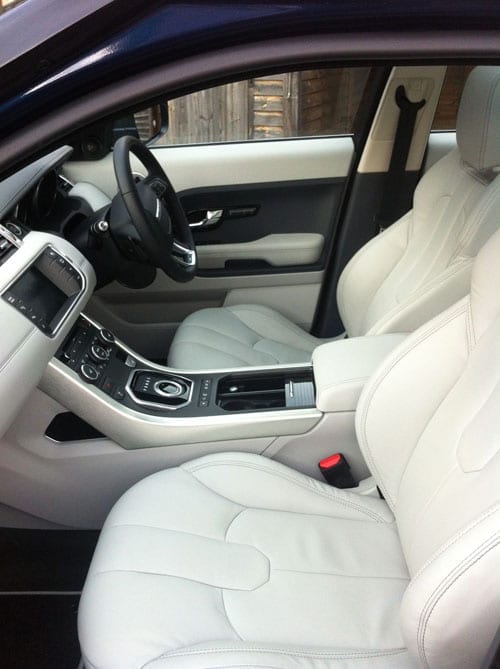
    The interior of the Evoque (I’d personally ditch the WAG look and get it in black)
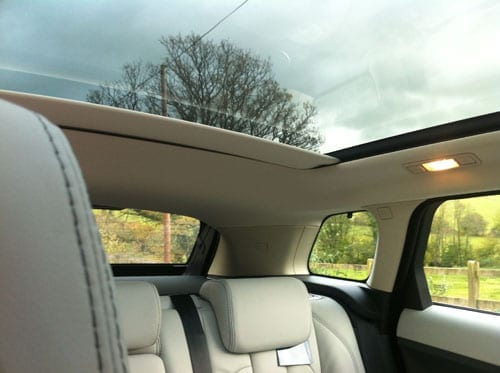
    The Evoque’s glass ceiling
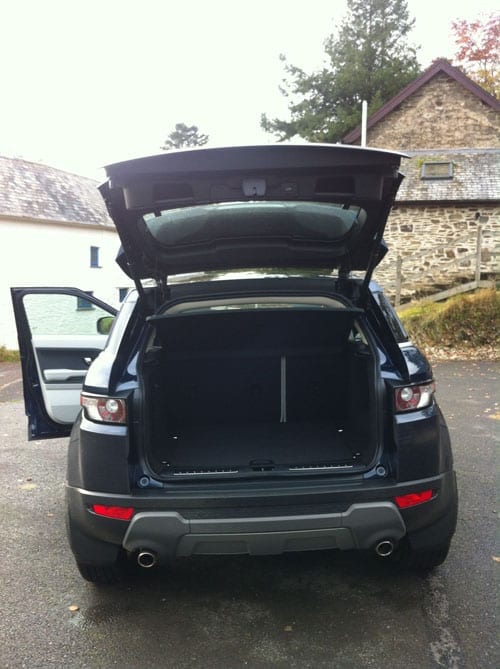
    Ample room for a Labrador and a pair of Purdeys


    Build quality and interior

    The Evoque has a high quality feel about it both inside and out. Fit and finish is excellent and both examples were rattle free. I have to confess I really struggle to believe Posh had much input in the interior’s design as it appears to me to be an identical clone of the Rangy and Disco’s but more compact. Even the instruments and switchgear are identical. Sounds like PR BS to me, and you know what that stands for.


    Frankly the seats could have been more comfortable, a little more front thigh support would have done wonders for long journey comfort. The sports seats in the ‘Dynamic’ package are worse than the ‘Prestige’. Why can’t car manufacturers get this simple aspect of seat design right? They only have to consult the top motor sport seat manufacturers.


    I loved the full-length transparent tinted roof, which gave the interior an airy feel it might have otherwise lacked, plus more headroom. The surround camera system was a nice gimmick, which could come in handy off-road sometimes although they would need to be frequently cleaned in muddy environments. The sat nav was clear and even works off-road. The upgrade 825w sound system with 16 speakers was first class and frankly I found it like sitting in my own Albert Hall.


    In conclusion

    The 5-door Evoque is actually a really brilliant SUV, which in its unique way is a credit to the Land Rover brand. I started off hating it but now I am a bit in love with it. If you are going to get one, take my advice and buy the diesel Prestige in a decent colour like dark green or the very nice dark blue like the SD4 tested. Avoid the petrol version like the plague. If you want to get the Adaptive Dynamics option make sure you test it back to back with the standard suspension first. There wasn’t a diesel available with this option for me to compare. Stick to black leather and everyone will applaud your good taste. The tinted transparent roof is a must and don’t, whatever you do, dare mess up the ride and handling by fitting the optional 20-inch wheels.


    What else? Oh yes, but you did not hear this from me right? Get the diesel re-programmed on the quiet to give it about 240 bhp, tons more torque and better economy. Make sure it is done by a reputable firm whose work cannot be detected so it doesn’t invalidate the warranty. Believe me, the chassis will easily handle the extra performance and it will be a lot cheaper to run. Then, I can assure you, the Evoque SD4 will become the best all round 5-door country car you ever owned.


    The Range Rover Evoque is priced from £28,695. For more details, go to: http://www.landrover.com/gb/en/lr/range-rover-evoque/


    Watch the Range Rover Evqoue in action: https://www.youtube.com/watch?v=6miuU8G7ufw

  • Which bear will take the 13th seat?

    Which bear will take the 13th seat?

    Could the number 13 be the reason Halcyon Hall has failed to sell?


    Several over the top Californian residences we’ve featured on The Steeple Times, namely the $40,000,000 Chateau d’Or in Bel Air and the $87,000,000 Villa del Lago on the Newport coast, were properties that have seen huge price reductions. Though $15,000,000 has been sliced off the asking price of the Bel Air pad, it remains unsold and meanwhile Villa del Lago, now renamed One Pelican Hill Road, achieved just $18.5 million in a bankruptcy auction. It sold for less than a quarter of what the developer originally sought for it.


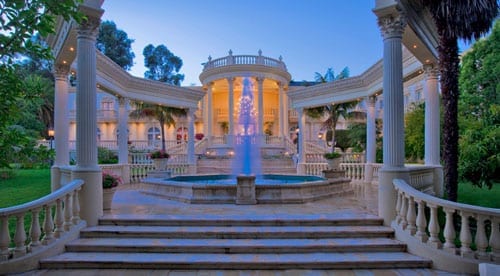
    The 25,000 square foot Chateau d’Or, 10425 West Sunset Boulevard, Bel Air, Los Angeles, California, CA 90077 first came on the market at $40,000,000 in 2009. At $25,000,000, it still hasn’t sold.
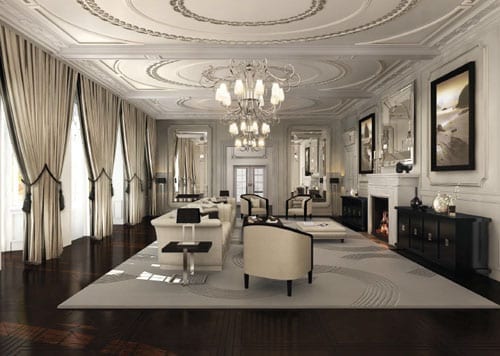
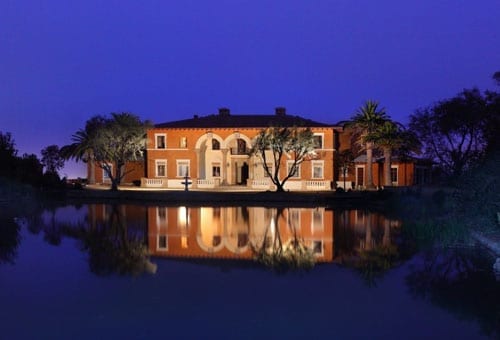
    One Pelican Hill Road North, Newport Coast, Newport Beach, Orange County, California, CA 92657 was originally on the market for $87,000,000. It eventually sold at a bankruptcy auction for just $18,500,000 and features a 17,706 square foot Italianate mansion with 8 bedrooms and 17 bathrooms. Additional features number staff accommodation, a gatehouse, garaging for 17 cars, a 1-acre lake with terraced waterfalls, a tennis court, stabling and a riding area and a private vineyard with a wine cave.

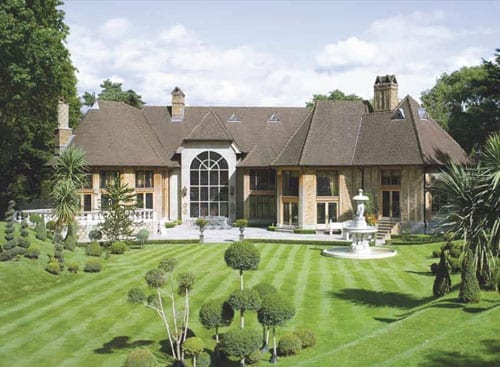
    We believed monstrous white elephants like these were confined to the US, but we are afraid we’ve come across something today that truly proves otherwise. The behemoth we refer to is a 14,000 square foot house in Radlett, Hertfordshire. Built in 2005 for a businessman named Barry Beck, “Halcyon Hall” stands on the site of a far more modest property that was simply known as 11 Newlands Avenue.


    The phrase “halcyon days” refers to “the seven days of winter when storms never occur” in the Greek myth of Alycone but whether this inspired Beck in naming this place is unknown. He and his wife, Pauline, did, however, decide upon an “Elizabethan theme” for the residence and our pictures illustrate their extravagantly eccentric tastes adequately.


    Halcyon Hall, 11 Newlands Avenue, Radlett, Hertfordshire, WD7 8EH
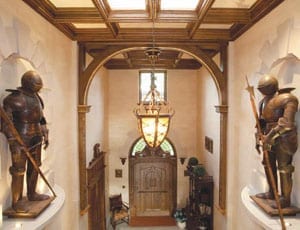
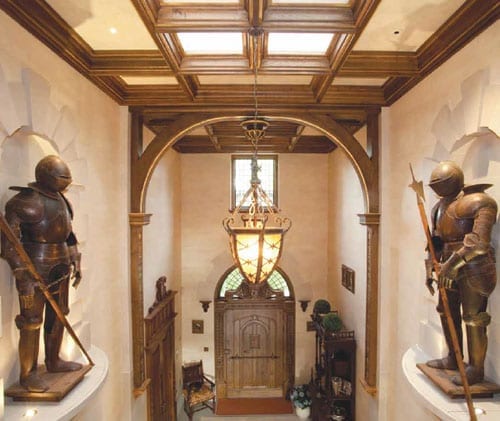
    The entrance hall is guarded by a pair of knights in full suits of armour
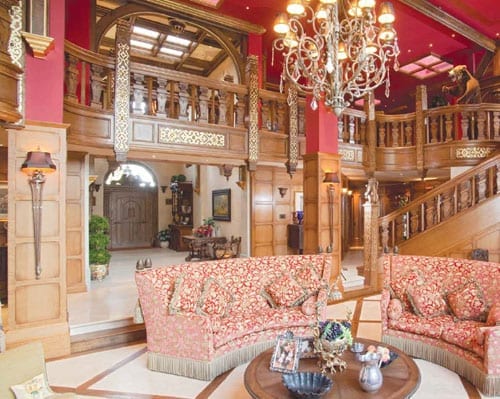
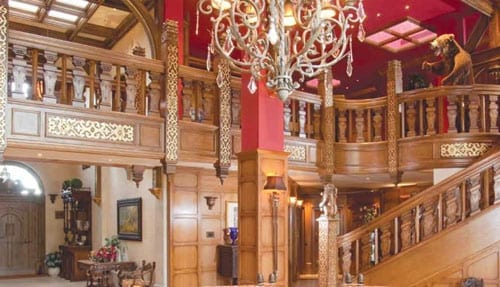
    The hall and entertaining salon is far from understated
    The main staircase is guarded by a life-size bear
    The dining room attempts to look Elizabethan
    Whilst the kitchen dabbles with medieval meets “The Real Housewives of New York”
    Decorating mish-mash continues in a formal entertaining space
    And the “games gallery” isn’t exactly neutral either
    The master bedroom suite takes “over-the-top” to another level
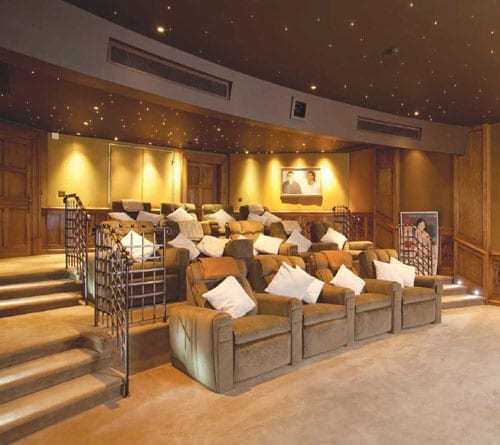
    But it is the thirteen seat cinema that we find most curious

    Undoubtedly the construction of this vast Hertfordshire crib is of a high quality but the look is nothing other than ludicrous. Here is a mix of pastiche, ostentatiousness and just plain odd. Not even a WAG could have come up with décor this curious and such things as a private cinema with 13 seats can plainly not be the choice of someone who follows the curse of the hangman’s noose.


    This 7-bedroomed house, which stands in 1.17 acres, would strangely, though, be ideal for someone who is a little paranoid. As well as all the security features you’d expect of any multi-million pound mansion in the Home Counties, it also includes a bathroom that doubles as a panic room. If you close the door in a certain way, steel bars supposedly come down making sure no intruder can follow you inside.


    Two knights in full suits of armour guard the entrance hallway and a life-size stuffed bear stands dominant in the games gallery of the house. Plainly this beast’s not persuaded anyone to bite yet as whilst the price of Halcyon Hall has fallen from £15,000,000 in February 2011 to just under £13,000,000 in November 2012, the house remains on the market. We suspect that the curse of “Unlucky Thirteen” may well be alive and well somewhere between numbers 11 and 15 Newlands Avenue.

    Halcyon Hall, 11 Newlands Avenue, Radlett, Hertfordshire, WD7 8EH is for sale through Statons. For more information telephone: +44 (0) 20 8445 3694 or email: [email protected]

  • For the love of Jobs

    For the love of Jobs

    Edward Kay takes a look at a yacht that forms part of the legacy of Steve Jobs


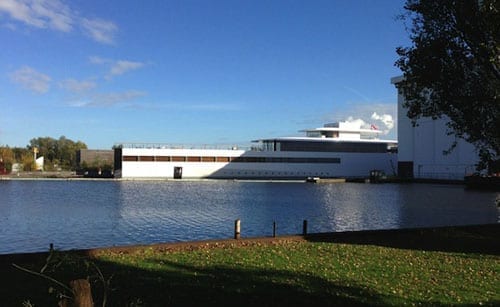
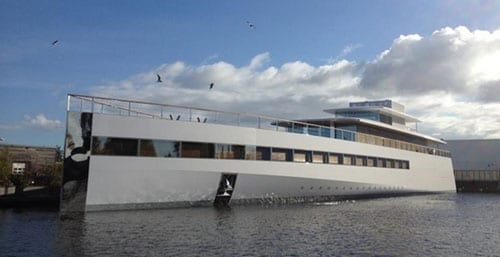
    In a bittersweet moment, Steve Jobs’s yacht was launched on 29th October from the Feadship’s de Vries yard in Aalsmeer, The Netherlands with his wife and three children aboard. The Jobs family gave the members of the yard iPod’s inscribed with the name of the yacht to show their appreciation for the six-year build.


    The unusual 256-foot yacht has been christened “Venus” after the Roman goddess of love and features huge floor to ceiling windows and teak decks.


    Venus emerges from the Feadship de Vries yard
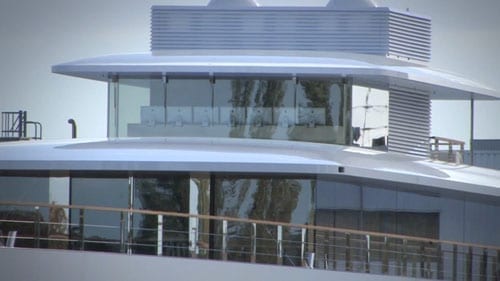
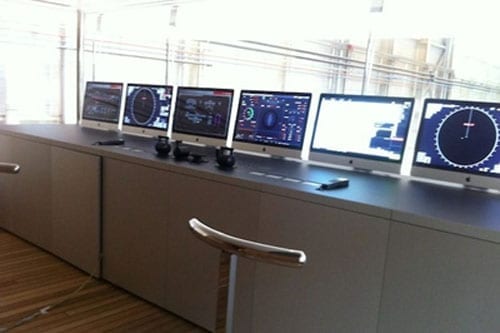
    A closeup of the bridge deck of Venus shows seven 27-inch iMacs
    The iMacs in situ
    Venus in all her glory
    Steve Jobs (1955 – 2011)

    The minimalist Phillipe Starck designed aluminium vessel has been described as looking like an iPhone resting on an iPad resting on a MacBook Air and there are indeed seven 27-inch Mac screens clearly visible on the bridge deck.


    Jobs told his biographer Walter Isaacson: “I know it’s possible I will die and leave Laurene [his wife] with a half built boat. But I have to keep going on it. If I don’t, it’s an admission that I’m about to die.”


    Of the boat itself, Starck adds:


    “The idea for the boat was very simple. It was mainly philosophical. It is not like a lot of mega yachts showing the vulgarity of money. It’s a boat showing the elegance of intelligence.”


    Indeed, when Jobs saw the designs, he is said to have stated: “My God, it’s better than I could have dreamt.” I quite agree. Venus is a spectacular bequest.


    Remembering Steve Jobs: http://www.apple.com/stevejobs/


    To view more examples of the works of Feadship, go to: http://www.feadship.nl

  • Couture worth celebrating

    Couture worth celebrating

    Claire Rubinstein previews Ralph & Russo’s support for “Champions in the Community”


    All at The Steeple Times are looking forward to the “Champions in the Community” charity dinner on Thursday 8th November. I’ll most certainly be reporting back with all the news from the night for you before the week’s out.


    Synonymous with red carpet glamour, couture label Ralph & Russo are principle sponsors of this event at London’s Hurlingham Club. With a long-standing association with Gina Miller, they are also passionate supporters of Miller Philanthropy, a family foundation that focuses on small community charities – the unsung heroes who undertake vital work at the coalface of the negative trends in our society. To mark their ongoing commitment, we can exclusively reveal that a Ralph & Russo gown to the value of £10,000 will be auctioned on Thursday night to raise funds for the charities that the event will support.


    Angelina Jolie in Ralph & Russo with Brad Pitt
    Dannii Minogue in Ralph & Russo
    Beyoncé Knowles in Ralph & Russo

    Eager to find out more about this curiously low-key label that is responsible for such high-octane glamour, I met with Ralph & Russo’s brand manager Anisha Tailor for a glimpse behind the scenes at their west London atelier.


    Tamara Ralph and Michael Russo

    Beneath an unassuming façade lies a powerhouse of activity, creativity and craftsmanship – not to mention the most stunning selection of gowns, fabrics, exotic skins and Swarovski crystals. Established in 2007 by design duo Tamara Ralph and Michael Russo, Ralph & Russo is now one of the most prestigious and exclusive couture labels in the world serving an exclusive clientele globally with bespoke evening, cocktail, bridal, tailored daywear and of course stagewear designs on a strict by-appointment only basis.


    Each piece is entirely unique with Tamara Ralph drawing inspiration from each of her clients who become her muse for every creation. The result comes in the form of glamorous one-off designs that embody the aesthetic and lifestyle of the individual for whom the piece is created.


    Clients include A-listers Angelina Jolie and Beyoncé Knowles as well as international royalty. In fact, Beyoncé’s Ralph & Russo dress, worn at her 2010 White House performance for President Obama, is now featured at the V&A’s latest exhibition, Ball Gowns: British Glamour Since 1950.


    Every bespoke Ralph & Russo creation comes as an entire package. It takes around four weeks to produce a gown with a team of highly skilled couturiers spend hundreds of hours on every detail from corsetry and boning to embroidery and beading. One famously intricate creation was even adorned with over 152,000 Swarovski elements.


    A Ralph & Russo creation in the making
    From the page to reality

    As clients are invariably cash rich and time poor, each is assigned a VIP client manager to facilitate every step of the process, from the initial sketches and measurements, through to fabric selection and completion. Ralph & Russo even arrange a chauffeur driven car to collect clients for fittings and appointments and have stylists on hand where necessary to source coordinating items such as jewellery from houses such as Van Cleef & Arpels and Cartier. Often, though, the gowns are so stunning and ornate that little additional sparkle is needed! Hair and makeup stylists can also be arranged for the occasion and as a very personal finishing touch, the client is presented with a beautiful hand-drawn sketch of the gown drawn by Tamara Ralph that marks an exquisite memento of an exceptional experience.


    With a boutique in Harrods and representation in the couture room of Bergdorf Goodman in New York, fashionistas can fall in love with Ralph & Russo’s inspirational pieces in the very best settings. While we can live in hope of a diffusion line, it looks like we may see a range of extremely limited edition Ralph & Russo handbags in the near future.


    Whoever bids successfully for this once in a lifetime experience at Thursday’s event will be guaranteed a piece of couture history in the making and they’ll also be easing their consciences by raising money for some very worthy causes. We at The Steeple Times will certainly be celebrating that.


    Ralph & Russo can be contacted on +44 (0) 20 8878 5399. Website: http://www.ralphandrusso.com
    Follow Ralph & Russo on Twitter at: http://www.ralphandrusso


    Ball Gowns: British Glamour Since 1950 can be seen at the Victoria & Albert Museum, Cromwell Road, London, SW7 2RL until

    http://www.vam.ac.uk/content/exhibitions/ballgowns/


    For more details about Miller Philanthropy, go to: http://www.millerphilanthropy.com and full details about “Champions in the Community” can be seen at: http://thesteepletimes.com/the-fog/celebrating-champions-in-the-community/

  • Boujis in the basement?

    Boujis in the basement?

    Matthew Steeples explores the story of an empty Kensington mansion


    A multi-million pound 8-bedroomed house in Kensington isn’t anything unusual. In fact, rather, they’re ten a penny. In this, one of the wealthiest boroughs in the land, large, expensive homes are just the norm.


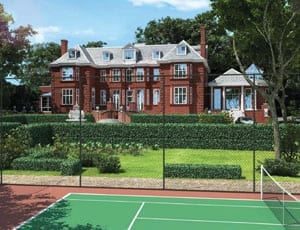
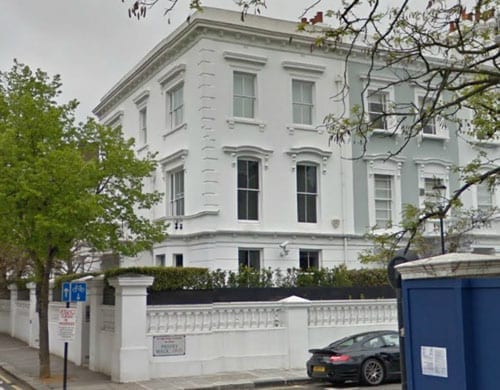
    An image of the existing exterior of No. 1 Campden Hill, London, W8 7AD
    A rendered image of how the exterior of the renovated property might look
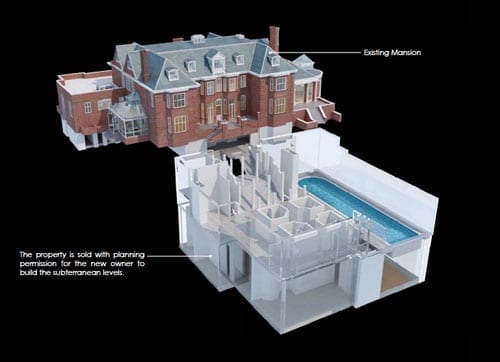
    The plans show a vast subterranean development that will vastly increase the size of No. 1 Campden Hill

    No. 1 Campden Hill, which is being marketed for an undisclosed eight-figure sum, is in a quite different league. Here is a detached Edwardian house in an acre of grounds just to the north of Kensington High Street. It’s an unrenovated property but it attracted much press attention in October 2011 because it was place on the market in October 2011 at a price of £75,000,000. Yes, you heard it right: £75 million for a fixer-upper. Last week, Radio 4 made a hell of a fuss about a derelict semi-detached house in Newcastle selling for just £14,000 so this truly must be something special.


    Architect Edward P. Warren (1856 – 1937), far right, in the offices of Bodley & Garner, 14 South Square, Gray’s Inn, London

    The architect of the house Edward Prioleau Warren (1856 – 1937), a Bristol born architect and archaeologist, was best known for “Oxford colleges and minor country houses” but also designed the War Cemetery at Basra. He was a friend and adviser to the American novelist Henry James and in addition to building No. 1 Campden Hill in 1915, he also designed a house at 5 Palace Green in 1906 and another, Estcort House in Kensington Palace Gardens, in 1904. Warren’s guiding style is described as having been to recreate an “understated revival of English late 17th century” architecture and at No. 1 Campden Hill he created just that.


    Colonel Edmond Grove-Hills (1864 – 1922), born Edmond Hills, and his wife, Juliet Spencer-Bell, were the architect’s clients. A plaque on the building bares their names and the following dedication:


    This House I built for Me & Mine

    May it be of Peace A Shrine

    And no Enmity or Sin

    Ever find its way therein

    AD 1915


    Sadly for the Grove-Hills, the following year, their son, Second Lieutenant Charles Herbert-Hills (1895 – 1916) was killed on the Somme aged just 21. His father, meanwhile, was awarded a CBE in 1918 after having served as the Assistant Chief Engineer of Eastern Command during the war.


    Aside from his military exploits, Edmond Grove-Hills is best known for his role as president of the Royal Astronomical Society. He took part in observations of eclipse of the sun in Japan in 1896, India in 1898 and Russia in 1914 and contributed papers analysing both this and the causes of the irregular movements of the earth’s axis of rotation.


    In 1951, No. 1 Campden Hill was purchased by the government of Uruguay and it became the residence of their ambassador to the United Kingdom. For the next fifty years the building was barely altered but when the lease from the Phillimore Kensington Estate came to an end, there were legal problems as the 1951 transfer had never been stamped. Of this, Sharon Mulroney of Forsters, the legal representatives of Phillimore, commented:


    “It is highly unusual to be faced with complications of this kind when dealing with a registered London title, but this made the transaction all the more fascinating. Even the decision to allow ambassadorial staff to return to the property for security purposes after completion was fraught with potential problems about security of tenure, employment and tax.”


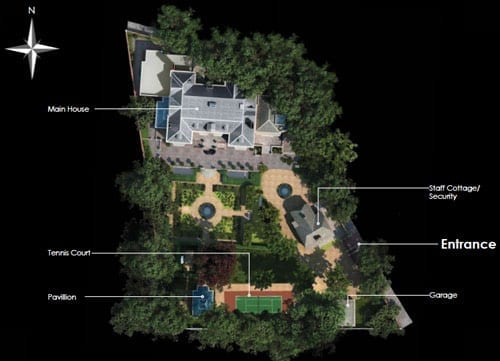
    The proposed site plan shows the addition of a garden pavilion, staff/security cottage and a tennis court

    Eventually, without issue, the Phillimore Estate sold on the house in 2001 for a price of approximately £17,000,000. In the years since, the property was effectively mothballed as all the purchasers have done is to have obtained planning permission to redevelop the building into a mammoth mansion of epic proportions.


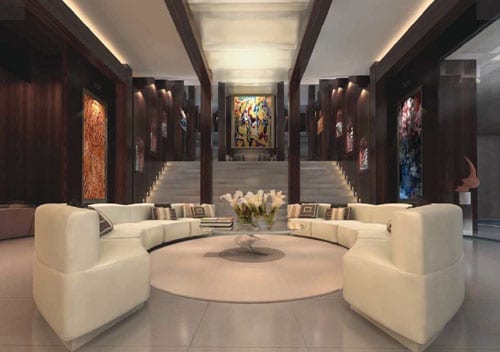
    A computer rendered image of how the drawing room might look
    The “leisure area” is reminiscent of the entrance to The Mandarin Oriental Hyde Park Hotel
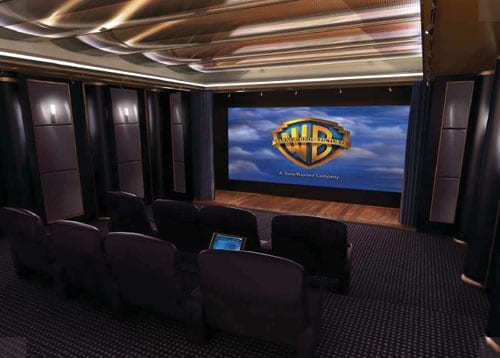
    The private home cinema would be the envy of any movie buff
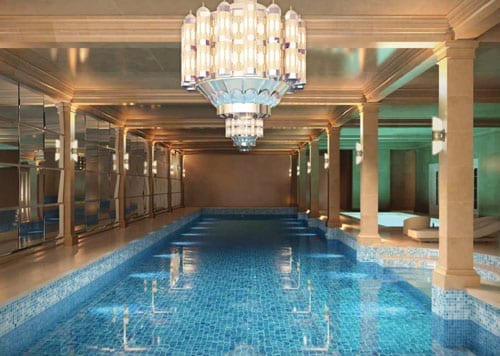
    The swimming pool
    The wine cellar is rather like a contemporary take on Berry Bros. & Rudd’s flagship store in St. James’s Street
    And to complete it all… The plans include your own version of Boujis in the basement

    The approved plans show designs for something quite remarkable. Warren’s “understated” residence will be replaced with 8 vast bedroom suites, grand entertaining spaces, a lift and even bedrooms for 5 staff. In addition to a full-scale renovation of the original freehold house, there is scope to provide a total of 30,000 square feet of accommodation by adding a huge subterranean complex that will include a 25-metre swimming pool, court, squash court, gym, sauna, steam room, function room, entertainment room, home cinema, wine tasting room and even a nightclub to rival any of Kensington’s trendiest haunts.


    On that basis alone, No. 1 Campden Hill is surely the ideal residence for Prince Harry: “Who needs Boujis?” we hear him cry.


    No. 1 Campden Hill, London, W8 7AD is for sale through Knight Frank. For more details contact Roddy Craggs on +44 (0) 20 7938 4311 or go to: http://search.knightfrank.com/ken100161 to download a brochure.


    For more information about The Phillimore Estate, go to: http://www.phillimore-kensington-estate.co.uk

  • Post-Fordism

    Post-Fordism

    The flexible £12.75 million former home of Tom Ford


    Number 26 Gilston Road in London’s SW10 is a property that has been on and off the market repeatedly in recent years. On each and every occasion it has been promoted as the “former home of the fashion icon Tom Ford” and though he hasn’t lived there in years, it is still just as he left it.


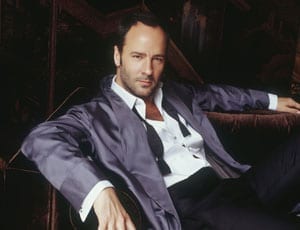
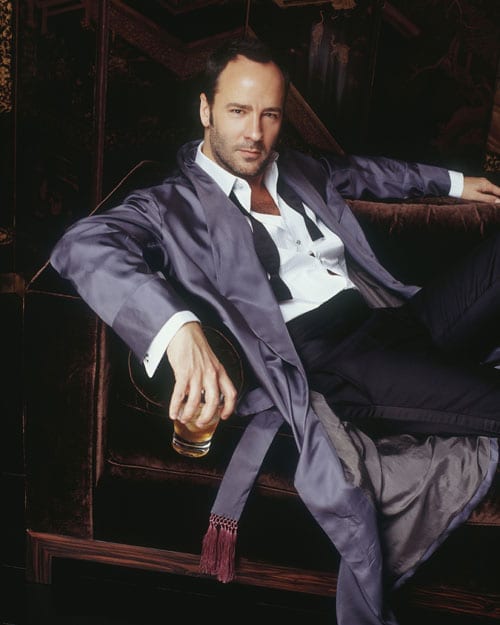
    Designer and film producer Tom Ford
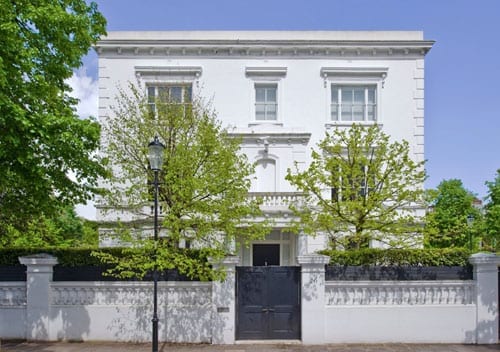
    “The former home of design icon Tom Ford”: 26 Gilston Road, London, SW10 9SS

    Situated at the end of a terrace on the corner of Priory Walk, one can see why the house appealed to the Texan born designer credited with turning around the fortunes of Gucci and Yves Saint Laurent. Hidden behind a high wall and hedging, 26 Gilston Road is private yet minutes from the restaurants of Old Brompton and Fulham Roads.


    This 4-storey townhouse was sold in June 1997 for £2,250,000 and again marketed in 2009 for £8,500,000 through Aylesford. In the time since, it has been available to let at prices ranging from £5,500 to £7,500 per week, but is now back for sale at the extraordinary figure of £12,750,00 through Russell Simpson.


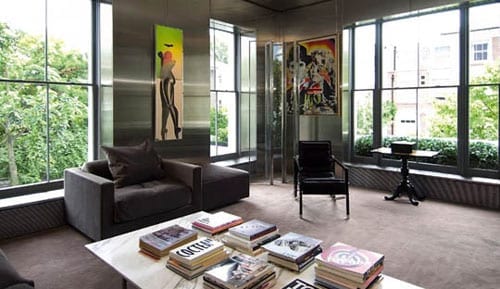
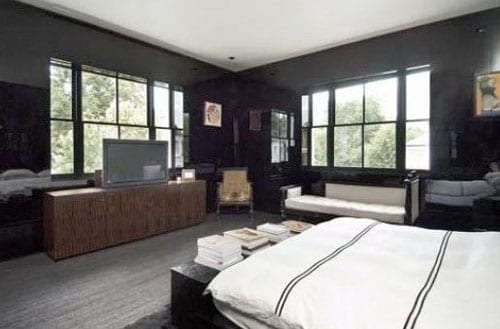
    One of the reception rooms, just as Tom Ford left it
    Another of the Tom Ford styled rooms
    A Tom Ford designed bedroom
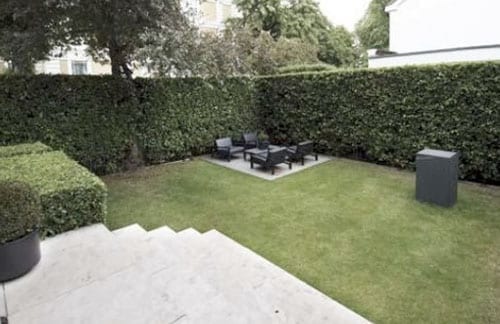
    The garden of the property is extremely private

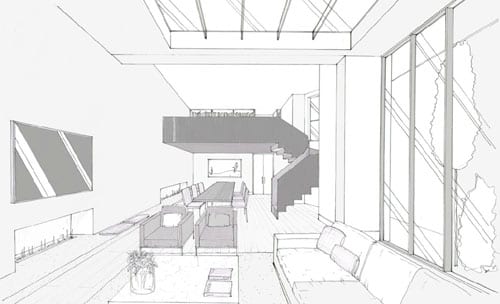
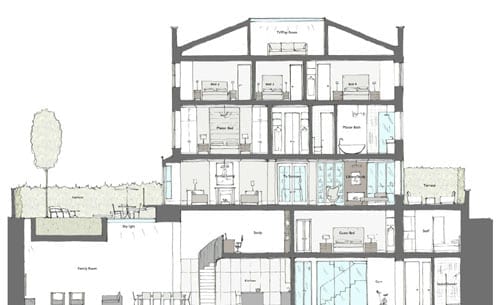
    What explains such a rise during a period of economic downturn? Well, it’s because developers Equilibrium have gained permission to “de-Ford” the house. As is now the trend in London, they have planned a total redesign. Their illustrations incorporate a new sub-basement and as a result the gross internal area will increase from just over 3,700 square feet to just under 5,300 square feet.


    Equilibrium’s plans include a vast living-dining-kitchen with a study in the void over. The space is lit by a skylight.
    A cutaway shows the extent of the redevelopment planned
    A view of 26 Gilston Road from the corner of Priory Walk

    Whilst the layout Tom Ford, himself a graduate in architecture from Parsons The New School of Design, created at 26 Gilston Road was ideal for A Single Man; the new floor plan with 4 bedrooms is much better suited to a family. Ford and his partner, Richard Buckley, announced the birth of their son, Alexander, in September. Perhaps they should put in a bid.


    For more information about 26 Gilston Road, London, SW10 9SS, contact Russell Simpson, 5 Anderson Street, London, SW3 3LU. Telephone: +44 (0) 20 7225 0277. View a brochure for the property at: http://www.russellsimpson.co.uk/assets/12/06/15/5081/pdf_archive-1.pdf


    View Equilibrium’s website at: http://www.equilibriumlondon.com


    View Tom Ford’s website at: http://www.tomford.com

  • Windows on the WAGs

    Windows on the WAGs

    A £15 million mansion fit for a self-made tycoon or an upwardly mobile WAG


    While the youth of the Kings Road and Loughton have featured in the reality shows Made in Chelsea and The Only Way is Essex, their counterparts in Cheshire have yet to undergo the same social experiment. Having come across a fair few of their number though, I can only imagine their antics would result in television of comparable car crash proportions.


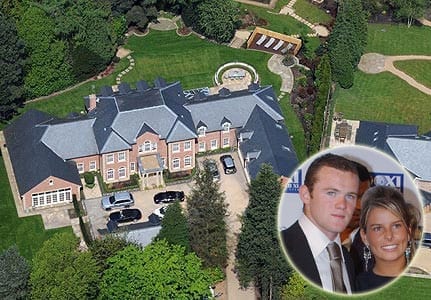
    Wayne and Coleen Rooney and their home on Collar House Drive in Prestbury, East Cheshire
    Warrington born Kerry Katona isn’t considered one of the “Cheshire set’s” finest exports


    Cheshire itself is a county of contrasts: there’s the farming and hunting set and then there’s the new money. From the 1950s onwards an invasion of nouveau riche footballers and self-made business people came to Alderley Edge and Wilmslow and it is said that there are more Rolls-Royces per square mile here than anywhere else in the UK.


    Though today’s Coronation Street actresses and Man United players generally favour brand new homes in Prestbury, the new wealth have not just consigned themselves to such. The likes of Take That’s Gary Barlow, for a time, owned Delamere Manor at Cuddington but sold it in 2005 due to his ever-growing commitments elsewhere. Equally, Neil Hamilton, whilst MP for Tatton, lived at The Old Rectory at Nether Alderley with his formidable wife Christine but when their days in politics came to an end, they too moved on. For a time, David and Victoria Beckham were the undoubted glitterati of this manor, but of those footballers still resident Wayne and Coleen Rooney are definitely now the best known.


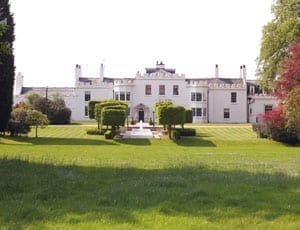
    Swettenham Hall, Swettenham, Congleton, Cheshire, CW12 2JZ
    Double glazing tycoon Brian Kennedy


    In a “grey area between old and new” sits Swettenham Hall at Swettenham near Congleton. This 12,590 square foot Georgian mansion dates to 1795 but since it was acquired by Brian Kennedy, a double glazing, home improvements and mobile telephone entrepreneur, the house has been given a total makeover. The colourful style he’s given the house can best be described as being akin to: “Laurence Llewelyn-Bowen meets Austin Powers.”


    Swettenham Hall’s drawing room is decorated and furnished in a cacophony of colours
    The kitchen is painted in an equally vivid shade of lime green
    A bedroom boasts a carpet that would make Austin Powers shout: “Yeah, baby, yeah!”
    The same carpeting continues into the wood paneled “gentleman’s study”
    At Swettenham Hall, bathrooms, equally, are far from neutral in their styling
    Mr Kennedy and his wife Christine employed Julian Bicknell Associates to design an impressive leisure wing in 2004


    Swettenham Hall is most definitely a party palace and along with the addition of a leisure wing consisting of a swimming pool, Jacuzzi®, plunge pool, steam room and gymnasium in 2004, Kennedy has also constructed a 47ft by 44ft helicopter hangar complete with a retractable helicopter pad.


    Standing in 100 acres of grounds, the house does seem a tad expensive at £15 million especially since that the adjoining former farm buildings were sold off and converted into eight homes in 1999. The driveway is partly shared with these homes and for those seeking the ultimate in privacy, this could indeed be an issue. It is perhaps why Swettenham Hall has yet to sell.


    The former farm buildings next to Swettenham Hall were sold off and converted into eight homes by Egerton Estates and Watts Developments in 1999
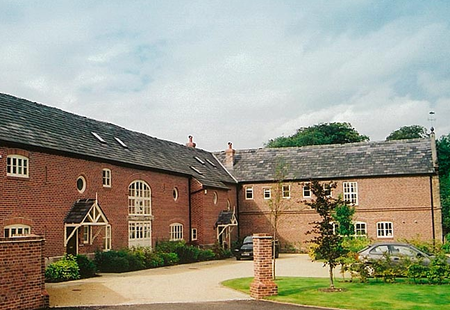
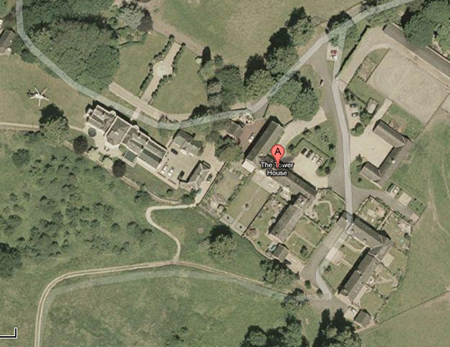
    The proximity of Swettenham Hall to the neighbouring barn conversions is illustrated in this Google Earth map

    Brian Kennedy is someone I hadn’t heard of until I came across Swettenham Hall but here is a fascinating man whose meteoric rise is frankly very clearly linked to windows. The son of a window cleaner from Edinburgh, this self-made tycoon started his career as a trainee manager at the Royal Bank of Scotland. He subsequently briefly worked as a trainee accountant but left when offered the chance to become youngest branch manager of Moben Kitchens at the age of 20.


    At around this time, Kennedy acquired a stake in Farouche Kitchens and with a Rochdale born property entrepreneur named David Russell, he was transformed from a door-to-door salesman to a pioneer in direct sales. In 1988, when Farouche was sold, Kennedy netted circa £1 million. From here, this entrepreneur returned to his family’s roots by venturing into double glazing with Weatherseal Windows and then home improvements with Space Kitchens & Bedrooms.


    In 1999, with the help of funds raised by private equity investors 3i, Kennedy paid £42 million for the well known brand Everest but sold part of his stake to the management for £63 million in 2003. In due course he added to his shareholding and then sold 21.5% of the company to Hutton Collins in a deal which valued the company at £150 million in 2007.


    Ever the empire builder, Kennedy paid £29 million for a conservatory manufacturer named Ultrafame in 2006 and then also added another double glazing brand, Zenith Staybrite, to his portfolio in 2008. Many other business ventures followed but not being afraid to diversify, Kennedy formed Patrick Properties, whose portfolio is now valued in excess of £100 million, in 2002 and Kennedy Renewables, which specialises in wind energy, in 2009.


    In the technology sector, a chance conversation in a Knutsford wine bar in 1995 led to him venturing into the mobile telephone market with a company named Genesis Communications. The business was sold to Dixons in 2002 for £31 million.


    In January 2012, Kennedy merged his main Latium Holdings business with Jim Rawson’s Epwin Group to form Epwin Holdings. The merger resulted in a company with more than 2,500 employees and brands numbering Spectus, Swish, CET and Kestrel.


    Of his success, Kennedy states:


    “Business is common sense [and] dealing with people is common sense. I don’t think I have any particular flair. I think it is about common sense, taking the opportunity when it comes and hard work.”


    Brian Kennedy’s wealth has allowed him to indulge many of his passions. A period of semi-retirement “drove [him] and [his] kids nuts,” but this Scotsman’s love of rugby resulted in him acquiring the Sale Sharks Rugby Club in 1999. He is said to have set the “club on a sound financial footing” and turned it into “one of the leading rugby clubs in Britain.”


    Philanthropy is something that Kennedy, a Jehovah’s Witness, has also dedicated his wealth to. Through his Brian Kennedy Trust, he has supported a number of charities and organisations but it is for his role as the main backer of Find Madeleine Fund that he has come to public attention. Of his reasoning for backing the missing child’s parents financially, he stated:


    “In light of the quite literally incredible accusations against Gerry and Kate McCann, which are clearly exacerbating their emotional torture, I felt compelled to offer, along with other like-minded businessmen, financial support and the full logistical support of the Latium team. That support is principally our in-house lawyer Ed Smethurst and [official spokesman] Clarence Mitchell.”


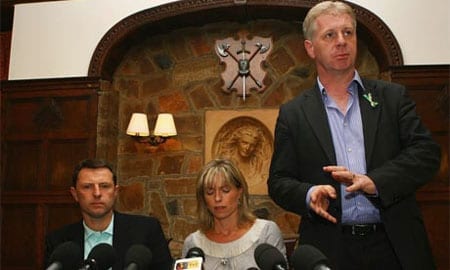
    Brian Kennedy was involved in the funding of a team that included Clarence Mitchell for the Find Madeleine Fund until 2009. Here Mitchell (standing) is pictured with Gerry and Kate McCann.
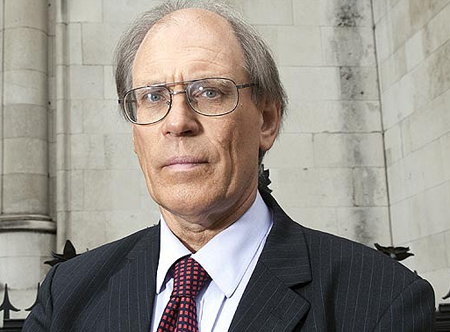
    An ex-lawyer and campaigner Anthony “Tony” Bennett is the former secretary of The Madeleine Foundation who has been involved in various legal disputes with Brian Kennedy and Gerry and Kate McCann


    Kennedy’s donation attracted much press attention in 2007 in the weeks following Madeleine McCann’s disappearance and he continues to support them to this day. A very public spat involving him, Gerry and Kate McCann and a campaigner named Tony Bennett, who also was involved in The Madeleine Foundation, has been the subject of various legal actions. In October 2011, Mr Bennett was forced to publicly apologise to Mr Kennedy and separately an August 2009 Evening Standard article by Mark Hollingsworth “investigat[ing] the investigators,” was pulled because for “legal and editorial reasons.” In it, “someone who worked closely with [Kennedy]” was quoted as saying:


    “He was appalled by the Portuguese police, but he also had visions of flying in by helicopter to rescue Madeleine.”


    Angelina Jolie, another avid aviator, once commented: “Wherever I am I find myself looking out of the window wishing I was somewhere else.” We do not know why Brian Kennedy is selling Swettenham Hall, but Jolie is indeed one of the few with the resources to take these particular windows off his hands.

     
    For more information about Swettenham Hall, Swettenham, Congleton, Cheshire, CW12 2JZ, contact Edward Welton of Knight Frank on +44 (0) 20 7861 1114.


    For more details about Brian Kennedy, go to: http://www.brian-kennedy.co.uk


    For more details about the Find Madeleine Fund go to: http://www.findmadeleine.com and for information on The Madeleine Foundation: http://www.madeleinefoundation.org.uk/

  • Docked excess

    Docked excess

    Matthew Steeples compares two comparable examples of motoring excess: the “Golden Zebra” and the Fulda Maybach Exelero


    In recent weeks I’ve received a number of messages about an $8,000,000 car named a Fulda Maybach Exelero. One of them referred to it as “one of the most over the top cars on the planet” and so it piqued my interest.


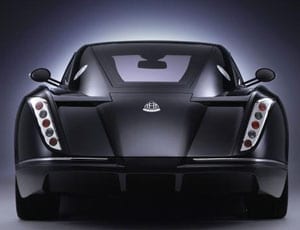
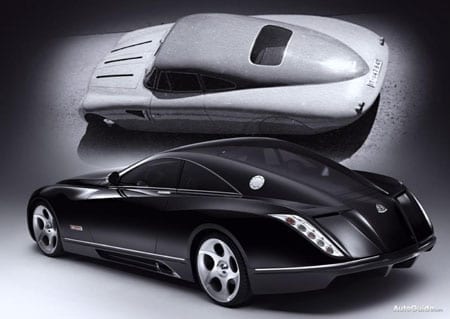
    The 2005 Fulda Maybach Exelero concept car was inspired by the design of the 1939 Maybach SW38 Stromlinie
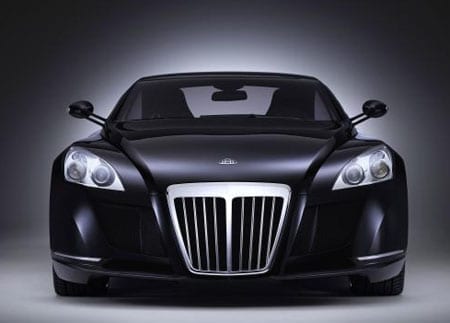
    The front of the car is dominated by an aggressively styled grille
    Whilst the rear would most definitely appeal to Batman
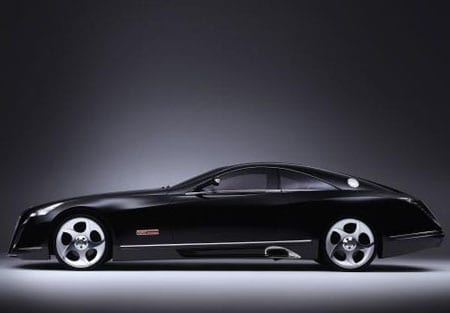
    A view from the side illustrates just how long this 5890mm vehicle truly is

    In these straightened times, such a figure seems quite a lot for a car but what, you may ask, makes it so special? Well, for a start it was a one off and commissioned in 2005 by the tyre company Fulda to showcase their Carat Exelero range. Designed for them by a 24-year old student named Fredrik Burchhardt of the Pforzheim Polytechnic Department of Transport Design and built on the chassis of a Maybach 57 limousine, this 2-seater coupé is 5890mm long and 2140mm wide. The vehicle, which weighs a not so insubstantial 2.6 tonnes, has a 5.9 litre V12 twin turbo engine and in testing achieved a top speed of 218mph at southern Italy’s Motodrom Nardo.


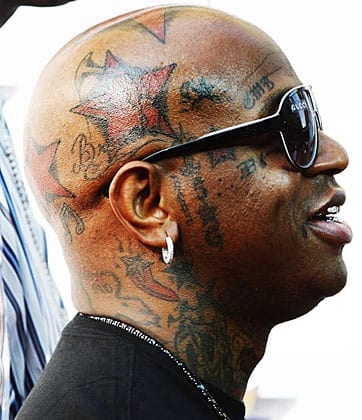
    In due course the Exelero was sold to André Action Diakité Jackson, a diamond industrialist, for €5,000,000. Jackson allowed Jay-Z to use the car in his Lost One music video before selling it to a “European entrepreneur” named Arnaud Massartic. Subsequently, various reports state that Massartic sold the vehicle on to the rapper Bryan “Birdman” Williams for $8,000,000 in April 2011 but other articles suggest that he failed to pay for the vehicle. Who knows where it is now.


    Rapper Bryan Williams (AKA “Birdman”) is best known as one half of the Big Tymers and is also the co-founder of Cash Money Records (http://birdmanstunna.com)
    Birdman in another of his cars, a Maybach 62s Landaulet
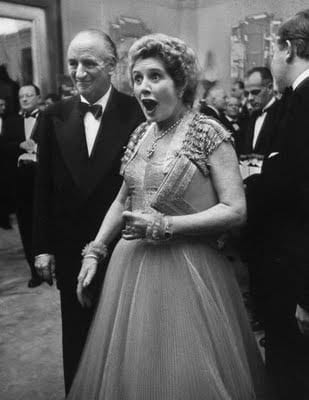
    Sir Bernard and Lady Docker
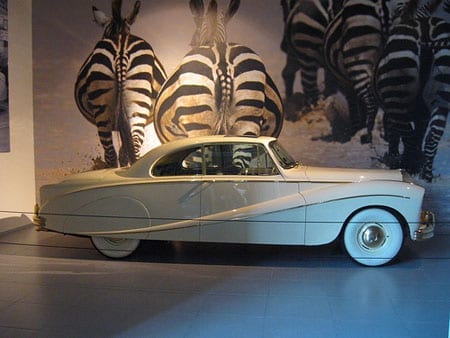
    The ex-London Motor Show 1955 Daimler DK400 “Golden Zebra” coupé with coachwork by Hooper & Company. Registration number: TYL 575, chassis number: 92705 and engine number: 48771.
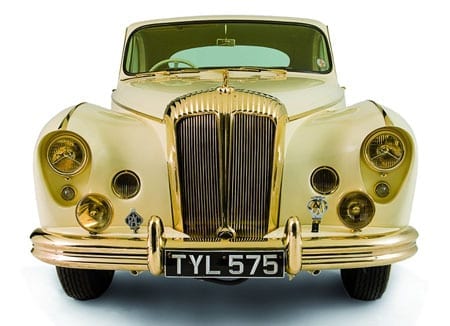
    The front of the “Golden Zebra”

    Whether or not this piece of “automotive art” is indeed in the ownership of a “bling-king,” there are countless other examples of individually designed vehicular excess but amongst the most extravagant has to be an example commissioned by Lady Docker in 1955.


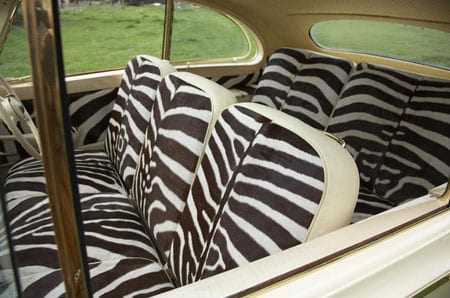
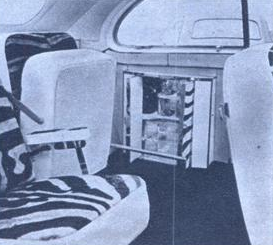
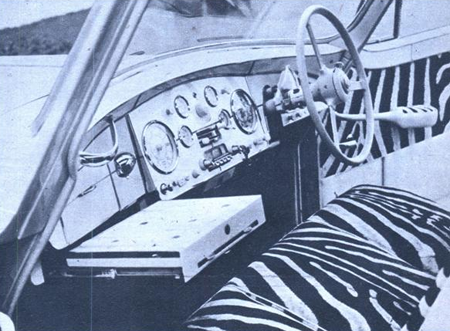
    Norah Docker (1905 – 1983), whose third husband was Sir Bernard Docker, chairman of Birmingham Small Arms and its subsidiary the Daimler Motor Company, spent £12,000 in 1955 creating the “Golden Zebra” coupé on the chassis of a DK400 limousine. She replaced anything on the car that would have normally been made in chrome with gold and upholstered it in real zebra hide. Black, white and gold-trimmed accessories completed the look and amongst them were picnic stools, folding rear seats complete with a cocktail bar and an elephant ivory dashboard makeup table with a mirror, compact, comb, brush, cigarette case and cream jars.


    Commenting as to why she chose to use zebra for the car’s upholstery, Lady Docker’s justification, in a quote that Barbara Amiel could only dream of having come up with, was simple:


    “Because mink is too hot to sit on.”


    The zebra hide upholstered interior of “The Golden Zebra”
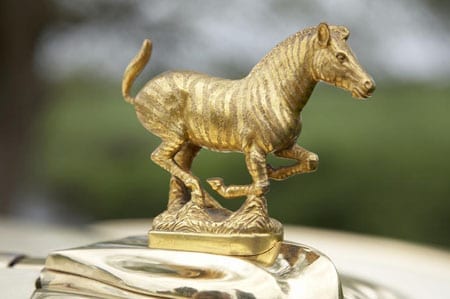
    The car even features a golden zebra as a mascot
    Lady Docker, considered a visionary in her design skills by some and as vulgar and brash by others, even thought to include a drinks cabinet within the folding rear seats.
    In the front, an elephant ivory dashboard makeup table with a mirror, compact, comb, brush, cigarette case and cream jars show how much thought she put into the vehicle’s creation.
    Conrad Black and his wife Barbara Amiel have been much discussed in the press in recent days for their “extravagance.” They had nothing on Sir Bernard and Lady Docker.

    The 4.6 litre “Golden Zebra” was to be last of the cars created to Lady Docker’s designs as shortly afterwards, in May 1956, Sir Bernard Docker was sacked from BSA’s board for squandering the company’s cash. In addition to the extravagance of the “Docker Daimlers,” he’d used shareholder money, in a manner that could indeed be compared to Lord and Lady Black’s days at Hollinger, to buy his wife a castle in Wales and maintain a 212ft motor yacht named Shemara.


    Daimler forced the Dockers to return the Daimler vehicles Lady Docker had so diligently designed and in revenge she bought a Bentley Continental from the firm’s rival, Rolls-Royce. The “Golden Zebra” and the other “Docker Daimlers” were stripped of their expensive trimmings and sold. In 1966, the car was offered for sale by Daimler distributors Henlys of Chester for just £1,400 and after passing through the hands of several other owners ended up in California.


    In 1988, the “Golden Zebra” was purchased by a Daimler collector named John Wentworth. He restored the vehicle to its original glory with the help of experienced craftsmen and even managed to locate Kenyan zebra hides at a tannery in South Africa. Wentworth died prior to the completion of the car’s restoration and in 2006, it achieved £177,500 at Bonhams. The “Golden Zebra” came up for sale again in 2011 for £175,000 in Florida. It is now on display in the Louwman Museum in The Hague, Netherlands.


    “The Golden Zebra” was certainly a car that reflected the excesses of the 1950s and the Exelero was without doubt the equivalent for the 2000s. What on earth could usurp these two moving monuments of extravagence next? We are on the lookout.


    Watch a video of Sir Bernard and Lady Docker at: http://www.britishpathe.com/video/sir-bernard-counted-out-1


    View the Louwman Museum entry for the 1955 “Golden Zebra” Daimler at: http://www.louwmanmuseum.nl/asp/appmain.asp?appactie=collectiedetail&taalcd=en&collsq=5486


    View Fulda’s website dedicated to the Fulda Maybach Exelero at: http://www.das-projekt.com/EN/maybach_homepage_en.html

  • A manageable mansion

    A manageable mansion

    The sale of the £20 million Bletchingdon Park, Oxfordshire


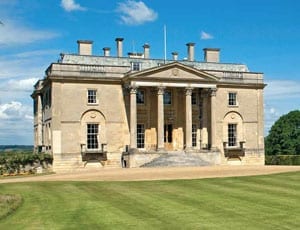
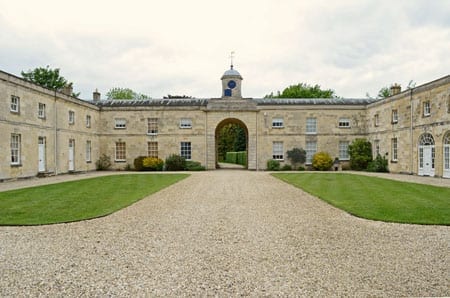
    Bletchingdon Park House in Oxfordshire is one of those classic Palladian villas that would make the perfect setting for a period drama. Unlike vast Jacobean mansions like Highclere Castle, better known as Julian Fellowes’ Downton Abbey, however, Bletchingdon is of a far more manageable size.


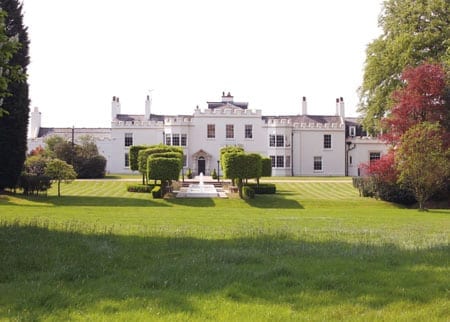
    The facade of Bletchingdon Park, Bletchingdon, Kidlington, Oxfordshire, OX5 3DW
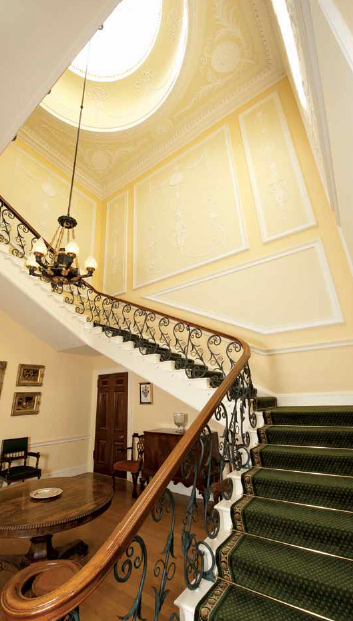
    The staircase hall
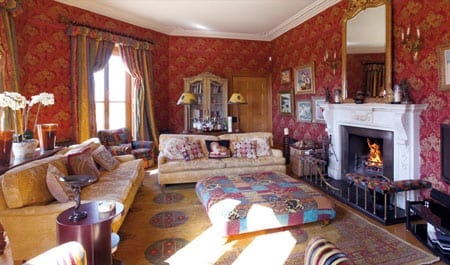
    A formal reception room
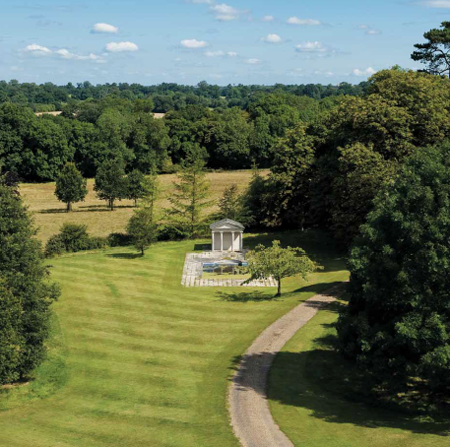
    The grounds of Bletchingdon Park

    This Grade II* listed Georgian house, built for Lord Valentina in 1782, may be some 24,600 square foot in size, but it has a layout that makes it both practical for living and suitable for entertaining on a grand scale. The accommodation, which has been renovated by the renowned building company Symm, includes 9 bedrooms and suites, well-proportioned formal reception rooms and a garden floor with further reception rooms, a billiards room and a fitness room with spa.


    Whilst the original stable block has been sold off and converted to residential accommodation, Bletchingdon Park includes 2 staff flats, a 2-bedroomed lodge cottage and a further 3-bedroomed cottage. With parkland and grounds extending to 127 acres, maintaining Bletchingdon’s plot is large, but easily maintained.


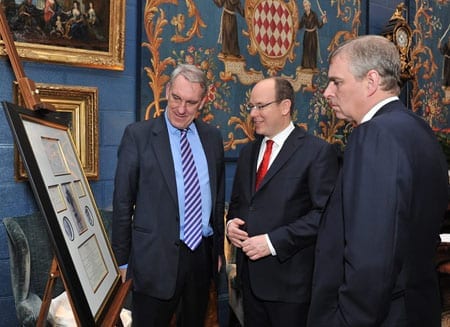
    Dr Michael Peagram with Albert II, Prince of Monaco and Prince Andrew, The Duke of York
    The former stables of Bletchingdon Park were sold off some years ago and have been converted into a number of homes

    In the 20th century Bletchingdon was owned by Lord Astor and then Lord Rotherwick. The current owner, Dr Michael Peagram, purchased the estate in 1993. Peagram made his fortune in the chemicals industry after having led a management buyout of Huddersfield based Holliday Chemicals Holdings (HCH) in 1987. He revitalised the business, expanded into new markets and floated the company in 1993. The business was ultimately sold to Yule Catto for £225 million in 1997 and in 2001 Peagram sold another company for a reported £44 million.


    At this point, this scientist turned tycoon moved to Monaco and saved himself, according to a 2009 Daily Mail article by Piers Morgan, some £13 million in capital gains tax. A wise businessman and a supporter of David Cameron, Peagram’s modus operandi is:


    “Winning with honour and playing by the rules… And not cheating.”


    In an interview with Monaco’s NeXt Generation Entrepreneur Forum, he states that he “did lots of work” to achieve his success but admits to “being a romantic at heart.” He has used much of his fortune to fund the philanthropic activities of Outward Bound Monaco with Prince Andrew, The Duke of York and Albert II, Prince of Moanco.


    Peagram placed Bletchingdon Park on the market in May 2012 at a price of £20 million. Of why it hasn’t sold, one blogger commented that a footpath runs close to the house and that there is a lack of leisure facilities and outbuildings. Somehow neither seem insurmountable and whoever purchases this fine residence will be a very lucky man. If I were Dr Peagram, though, I’d keep it.


    Bletchingdon Park, Bletchingdon, Kidlington, Oxfordshire, OX5 3DW is for sale through Knight Frank. For further details contact Damian Gray on +44 (0) 20 7629 8171 and to download a brochure go to: http://search.knightfrank.com/cho090098