Scottish castle on sale for just £130,000; it comes without a roof and is located near the Trump International Golf Links in Aberdeenshire
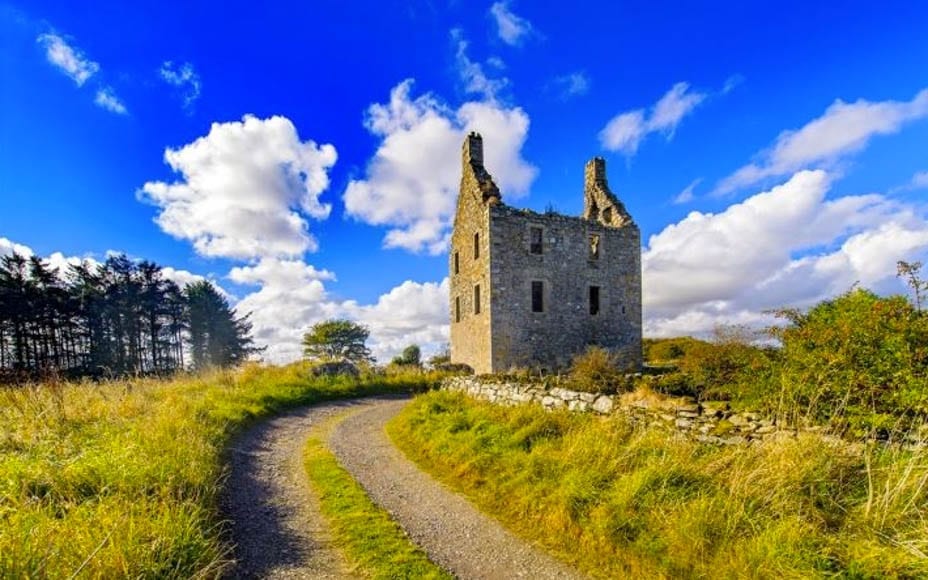
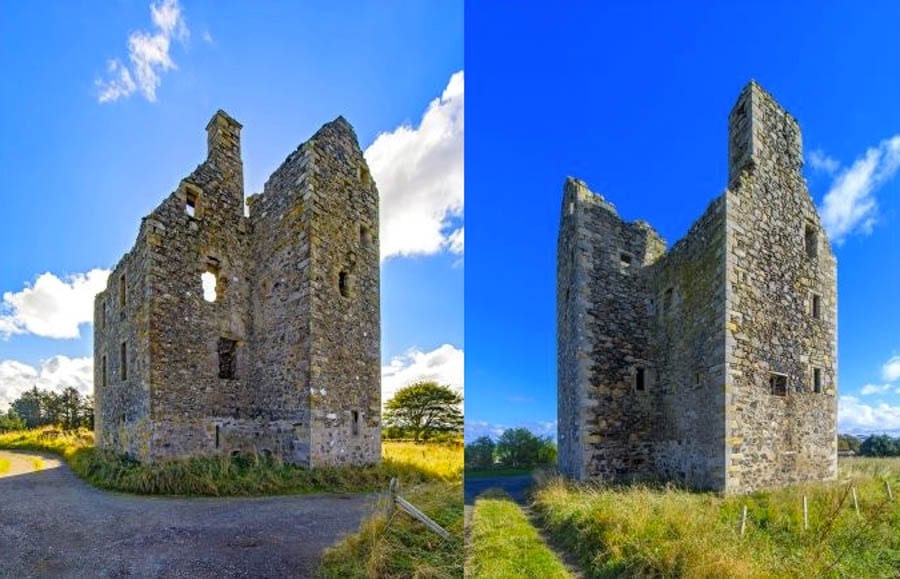
A castle in Aberdeenshire, Scotland is for sale for £130,000 ($168,000, €143,000 or درهم616,000) in spite of being nothing other than a roofless shell.
Reduced in price from £150,000 ($193,000, €165,000 or درهم710,000) and dating to 1565, Knockhall Castle in the coastal village of Newburgh, near Aberdeen is described as “having been in the current owner’s family for hundreds of years” and was accidentally burnt to the ground by Jamie Fleming, “a servant fool” of then owners the Udny of that Ilk family, in 1734.
Presented in “stabilised” condition, the B-listed building stands on a small plot accessed by a private road. It is close to the Trump International Golf Links course at Balmedie and Forvie Sands, a designated nature conservation area populated by seals.
Savills have the listing and market the structure as “a blank canvas for someone to develop the building’s full potential as a spectacular family home or business.”
Of this fixer-upper, in which James VI is reported to have stayed in July 1589, Historic Scotland add:
“Knockhall Castle, in the parish of Foveran, is situated near the mouth of the river Ythan and was probably built in 1565 as an L plan towerhouse of three stories and an attic with a projecting staircase tower on its northside. The tower does not have a parapet and the gables have skews rather than crowsteps. To the south of the castle there was an enclosed courtyard, but all that now remains of this is a fragmentary round tower at the south east angle of the enclosure which incorporated a dovecot on its upper level. The tower has undergone significant alteration, probably in the second quarter of the 17th century.”
“The tower is lit by large rectangular windows in the south and east walls. These are arranged more or less symmetrically and their raised margins suggest they are insertions dating to the mid 17th century. The earlier windows which have survived have a typical roll moulding of mid 16th century type, and some appear to have had gunloops in their sills. The basement is pierced by a number of wide-mouthed gunloops but also has some fairly large windows which have the raised margins of the 17th century windows.”
“The entrance is in the re-entrant angle and the lintel of the door is inscribed with the date 1565. Above this are two empty heraldic panels and at eaves level there is a projecting stone shelf which appears to have been intended to shed water away from the entrance doorway. The doorway gives access to a corridor running the length of the building and leads to the main stair. Entered off the corridor, on the left, is the kitchen, complete with fireplace, sink and drain. The main block contains a large cellar also with a sink and drain. Both spaces are vaulted although that over the kitchen has collapsed.”
“The circular stair is wide and provides access both to the principal upper floors in the main block and to those in the wing. The tower is externally complete and in there is often sufficient evidence for a tower to be restored for modern occupation without detracting from its historic significance.”
“The planning of this tower, with a large stair serving the two wings, and with ample light through the large rectangular windows, would also make its adaptive re-use possible.”
“It should be noted that there is significant potential for associated archaeology surrounding the tower. In schemes of adaptive re-use, archaeology is an important issue to be addressed.”
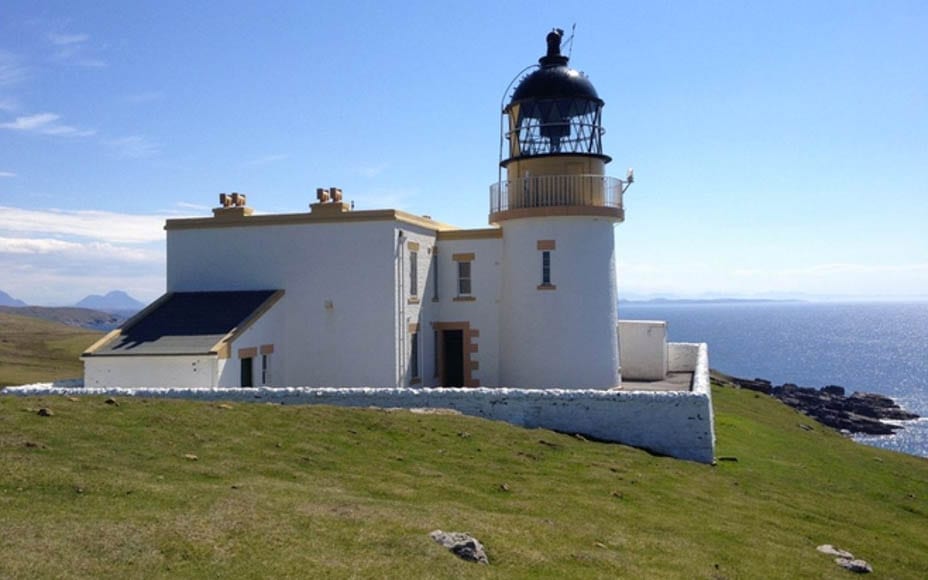
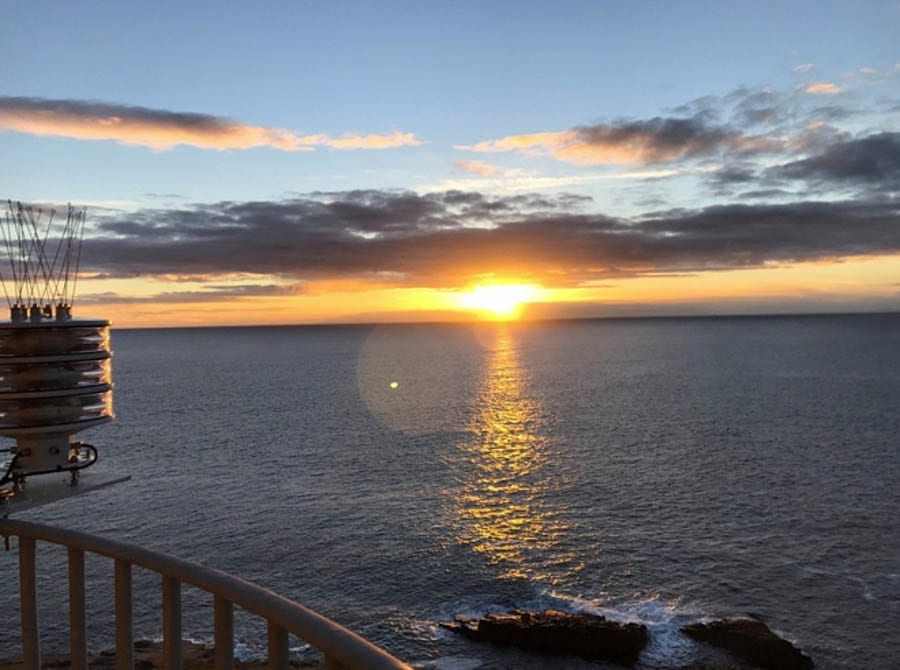
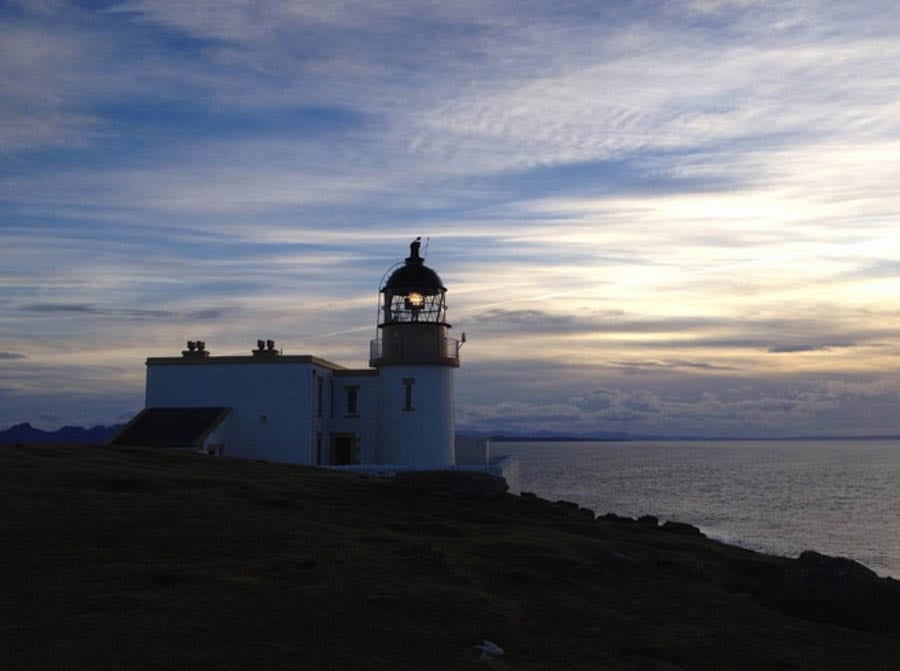
Stoer Lighthouse on Stoer Head in Sutherland, Scotland was built in 1870 and whilst the lighthouse itself is just 45-foot tall it sits at a height of 177-foot above sea level. It flashes four white ever fifteen seconds and because of the height of the cliffs on which it sits can be seen 24 miles out at sea. Automated since 1978, it is reportedly visited by 10,000 people each year in spite of its remoteness.
Whilst the lighthouse itself is operated and maintained by the Northern Lighthouse Board, the property offered consists of 1,506 square foot of renovated accommodation that includes a ground floor 2-bedroom flat, a first floor 2-bedroom flat and a bothy. Car parking is provided within a walled area and all three units are currently operated as holiday lets.
Bell Ingram have the listing and seek £371,500 ($478,000, €407,000 or درهم1.8 million) for the whole. They remark: “This is a rare opportunity… [The sale of] Stoer Lighthouse offers the potential purchaser the opportunity to continue the holiday letting business or to convert into a larger home in a stunning and unique location.”
Stoer Lighthouse on Stoer Head in Sutherland, Scotland was built in 1870 and whilst the lighthouse itself is just 45-foot tall it sits at a height of 177-foot above sea level. It flashes four white ever fifteen seconds and because of the height of the cliffs on which it sits can be seen 24 miles out at sea. Automated since 1978, it is reportedly visited by 10,000 people each year in spite of its remoteness.
Whilst the lighthouse itself is operated and maintained by the Northern Lighthouse Board, the property offered consists of 1,506 square foot of renovated accommodation that includes a ground floor 2-bedroom flat, a first floor 2-bedroom flat and a bothy. Car parking is provided within a walled area and all three units are currently operated as holiday lets.
Bell Ingram have the listing and seek £371,500 ($478,000, €407,000 or درهم1.8 million) for the whole. They remark: “This is a rare opportunity… [The sale of] Stoer Lighthouse offers the potential purchaser the opportunity to continue the holiday letting business or to convert into a larger home in a stunning and unique location.”
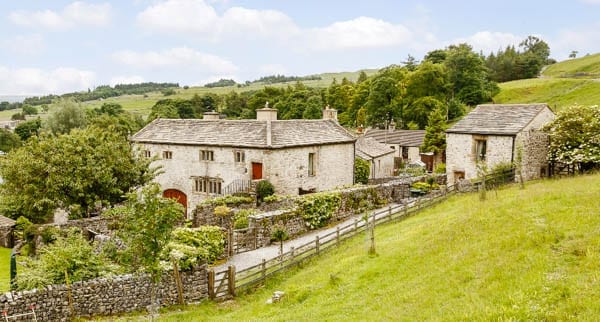
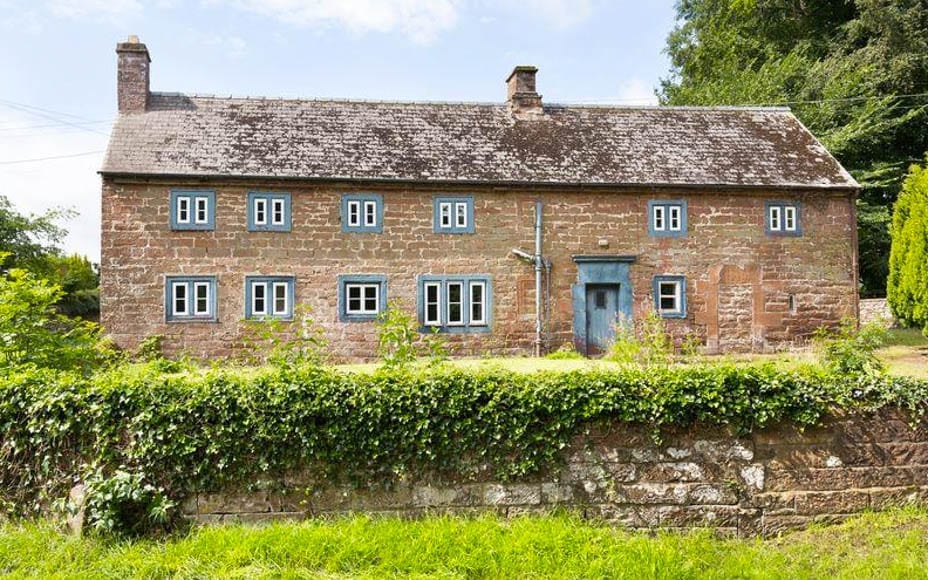
Previously listed last year for £225,000 as part of the £2.3 million sale of a 344-acre farm – where then agents Carter Jonas ultimately received 18 offers – Newbiggin Hall Farmhouse at Newbiggin is now marketed by Eden Estate Agents simply with its gardens.
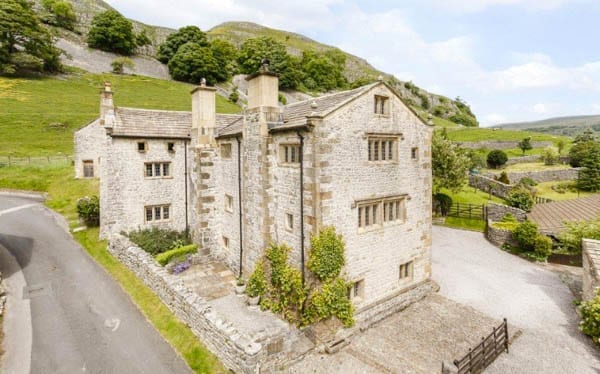
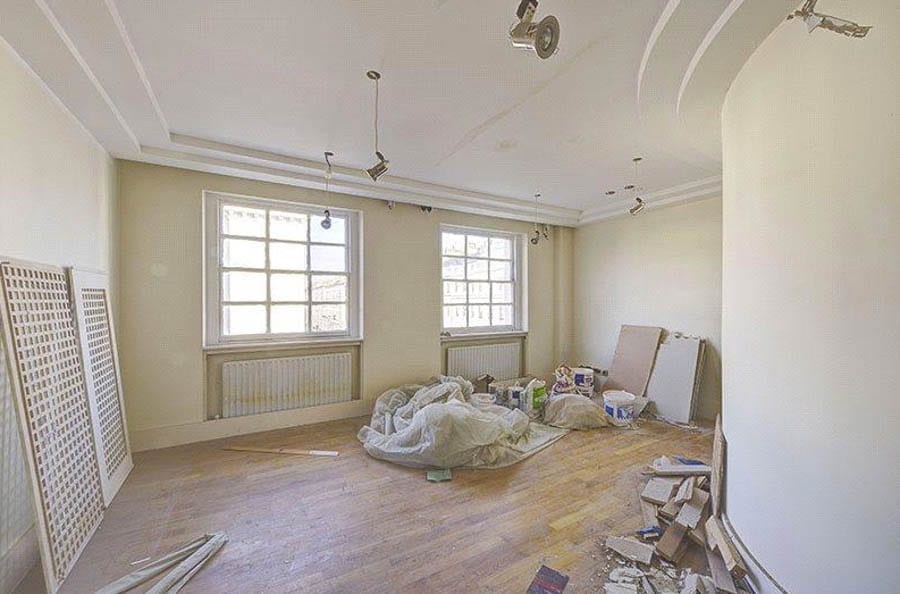
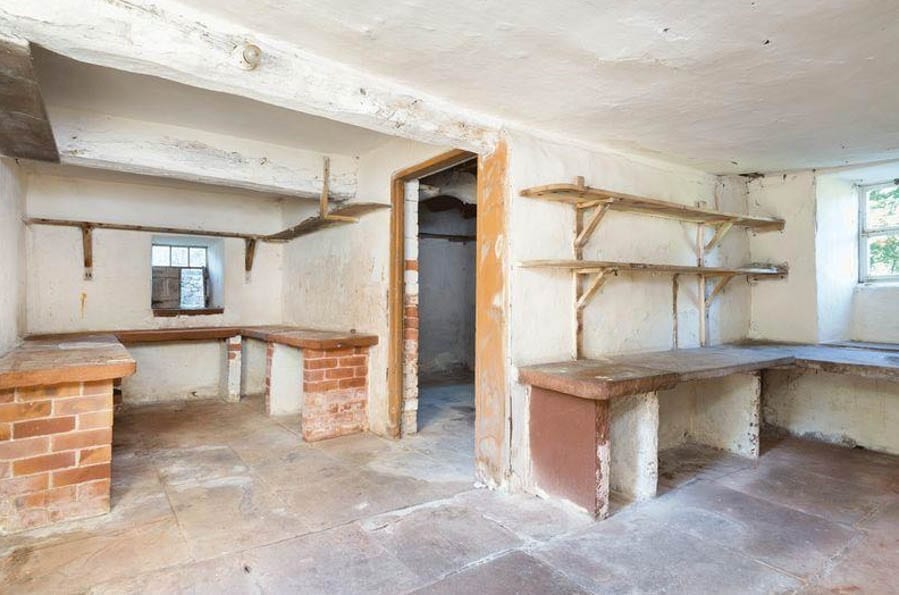
The 4-bedroom house is in need of complete refurbishment but with 2,291 square foot of accommodation and a price that thus equates to the paltry sum of £127 per square foot, it does indeed seem like a genuine bargain.
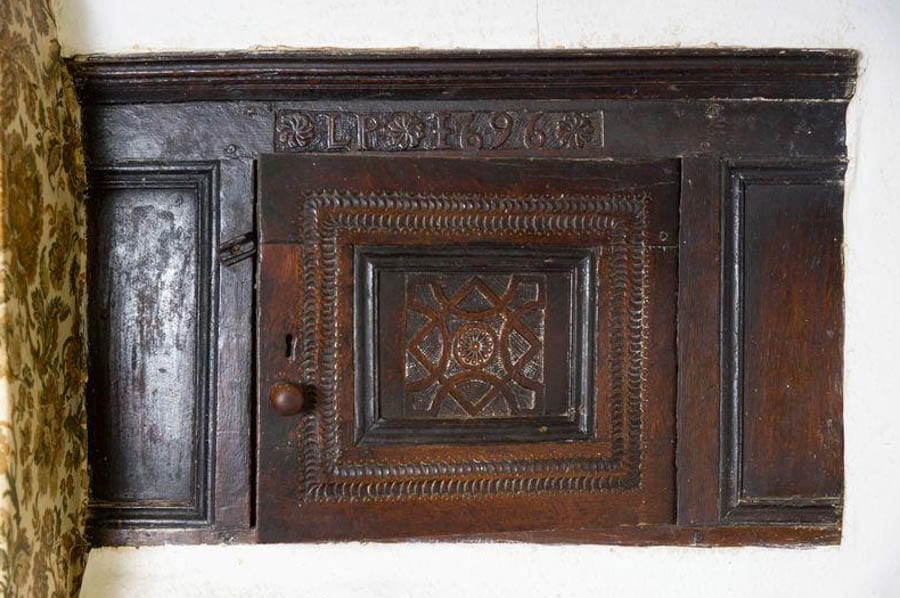
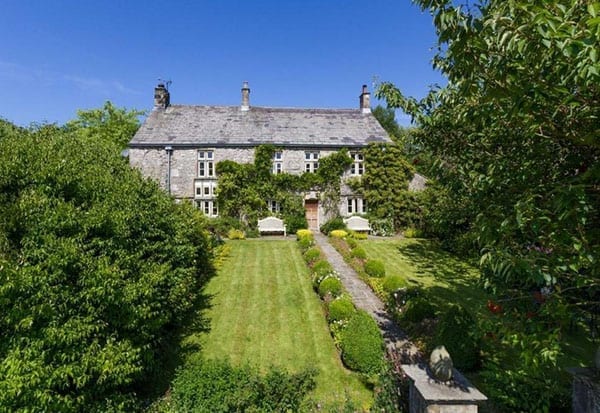
The selling agents comment: “The property is Grade II listed and has retained many charming period features, including exposed beams, paneling, feature windows and sandstone flags and stairs. This is a fascinating renovation project with a great deal of potential.”
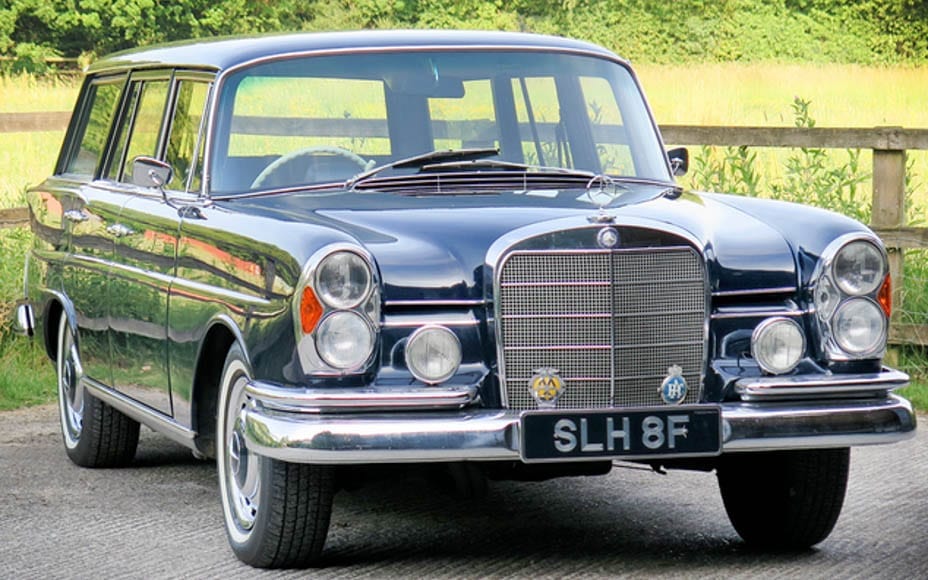
Rare “ugly duckling” seven-seat 1967 Mercedes-Benz shooting brake to be offered at auction; it will generate the same reaction as Marmite
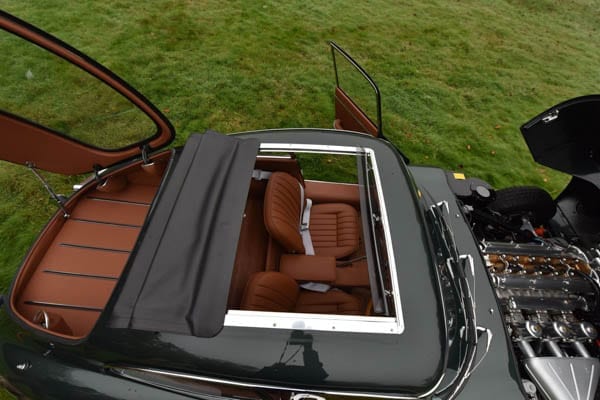
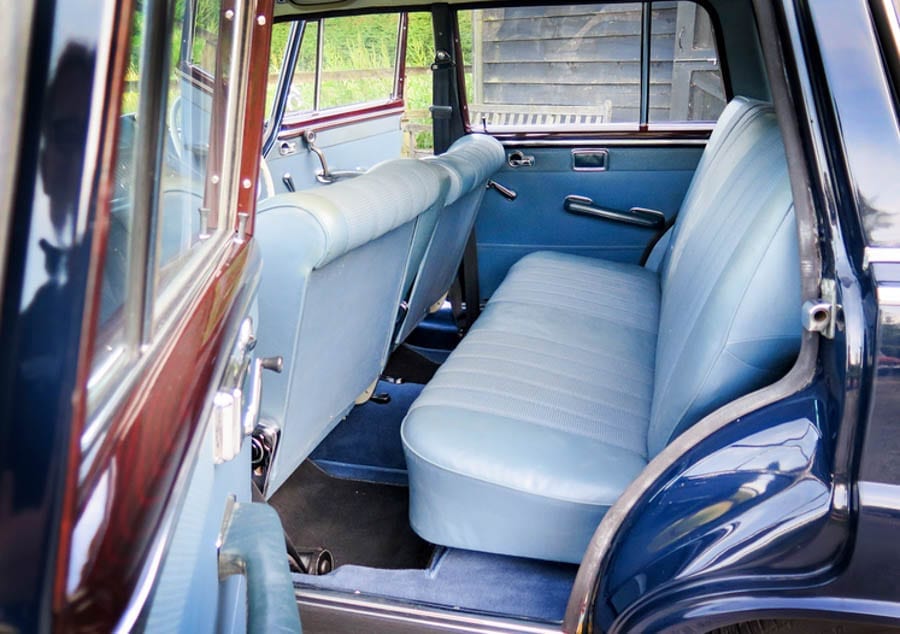
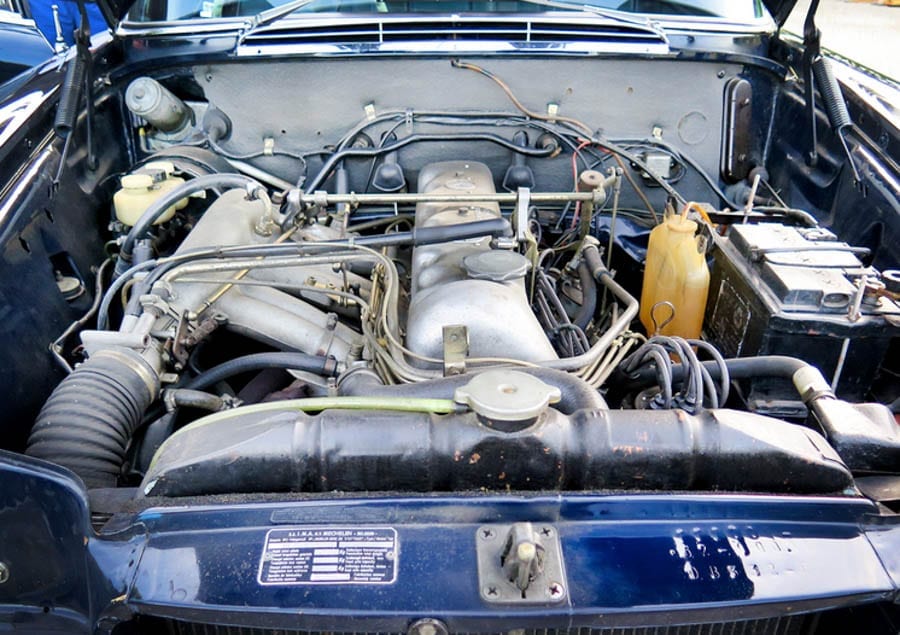
An extremely rare yet somewhat ugly 1967 Mercedes-Benz 230S ‘Universal’ is to be sold at auction this month with an estimate of £35,000 to £40,000 ($45,000 to $52,000, €39,000 to €45,000 or درهم167,000 to درهم191,000).
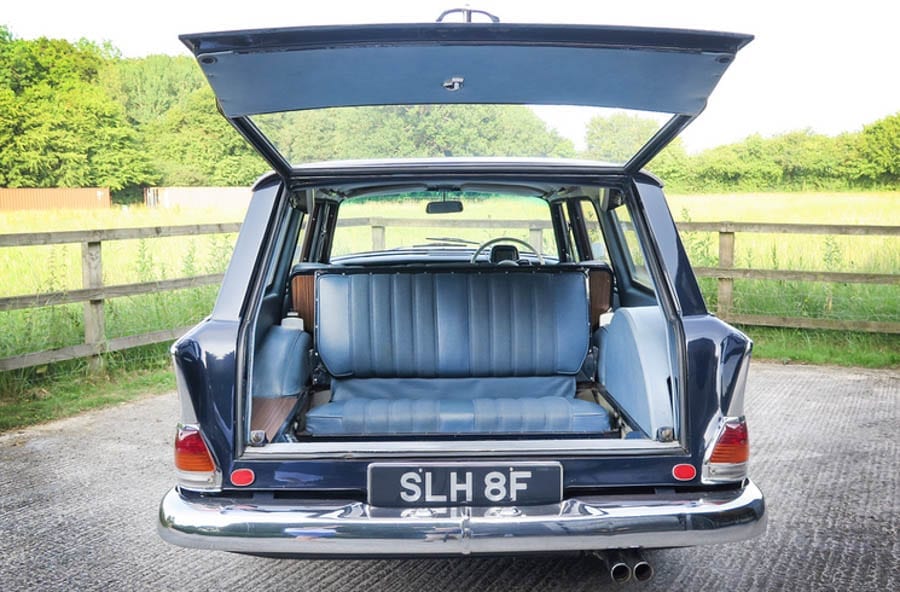
Just one of three examples ever produced for the UK market and converted to a shooting brake by IMA of Mechelen, Belgium, the special-order vehicle is said to have cost “three times the price of an equivalent estate from Ford of Vauxhall” when new. It features an original Ivory steering wheel, and seating for seven.
A representative of the firm comments: “This stylish estate is a true performer… It is a beautiful, timeless classic and has to be the ultimate seven-seater estate. Original and usable, get the picnic sets out let’s get off to Goodwood!”
Thatched seaside cottage in West Sussex for sale; it has a plot laid out in the style of the Chelsea Flower Show Gold Medal winning garden of 1936
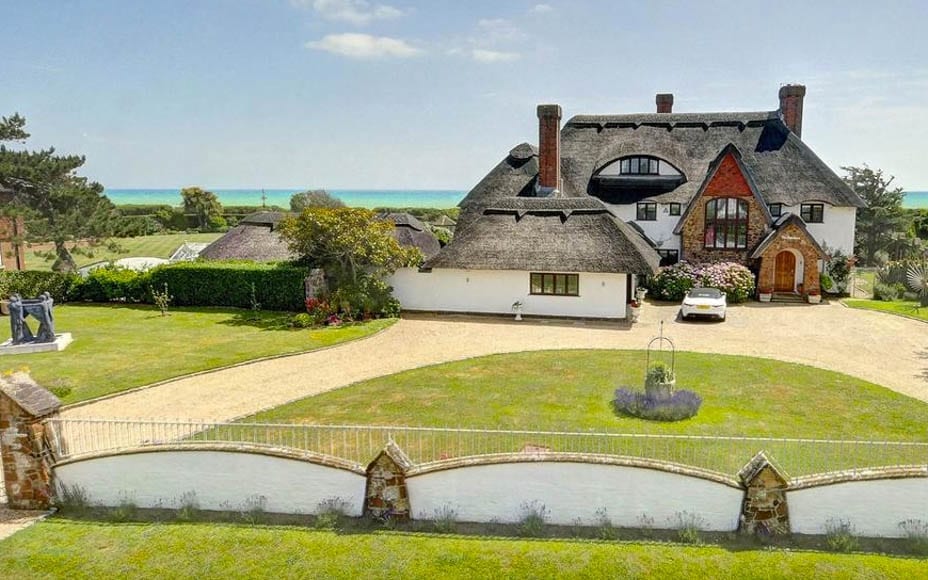
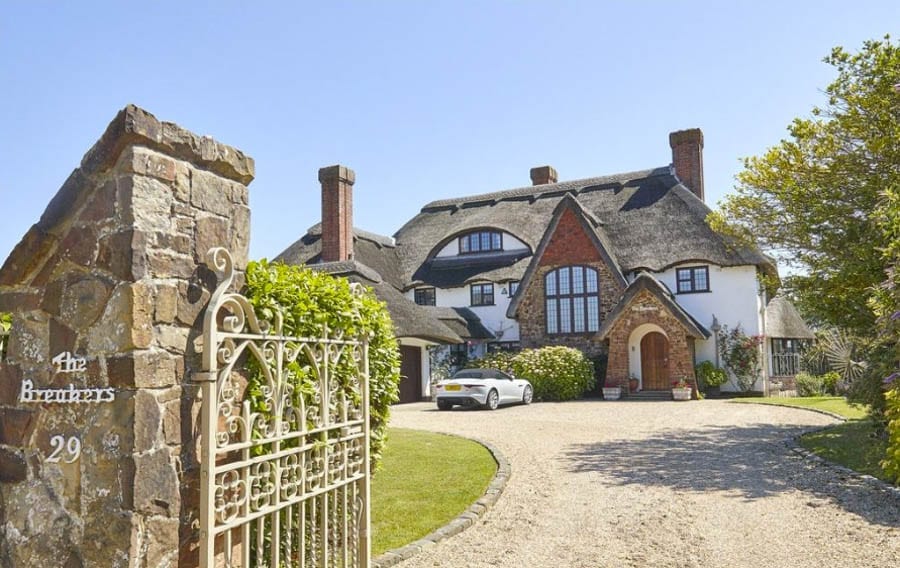
A thatched seaside cottage on what has been described as “the Sussex Riviera” has gone on sale for £3.25 million ($4.19 million, €3.67 million or درهم15.39 million) through agents Savills.
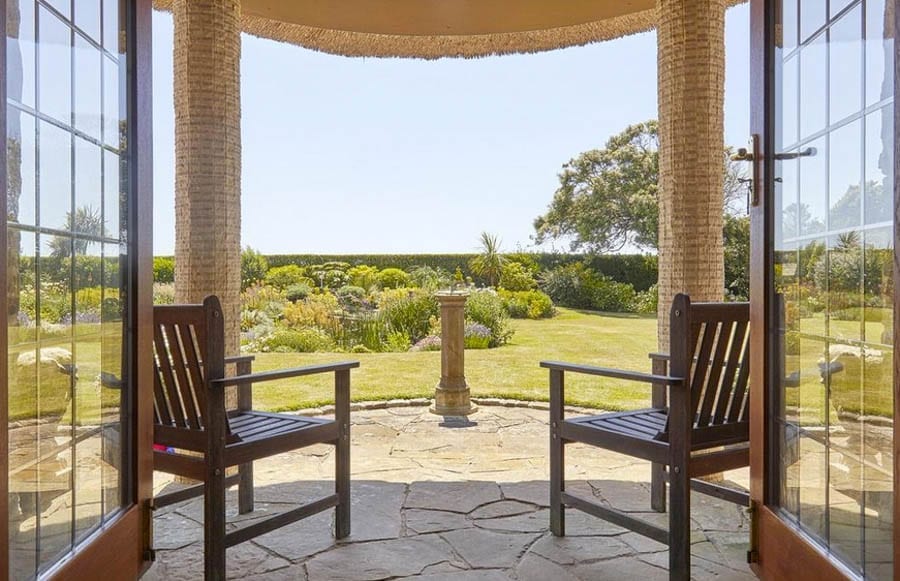
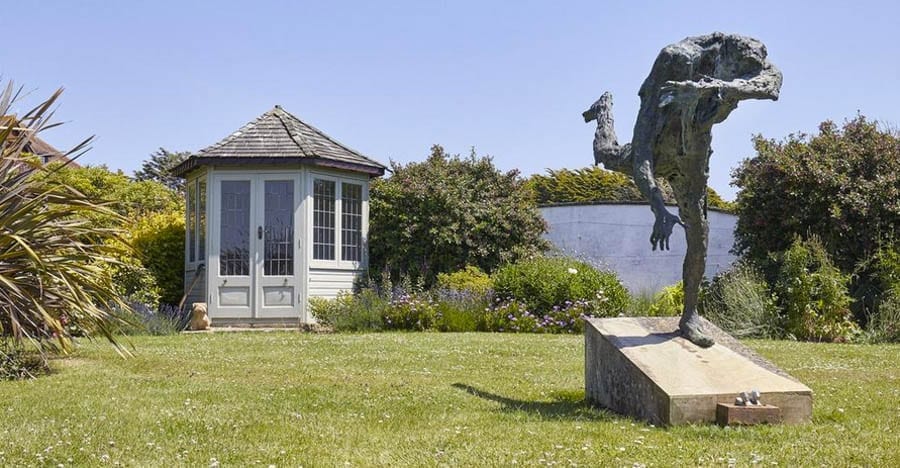
Having the look of something you might also find in the Hamptons in America, The Breakers on the Willowhayne Estate at East Preston, near Littlehampton was built in 1936 in the Arts and Crafts style and restored over the last nine years by the current owners.
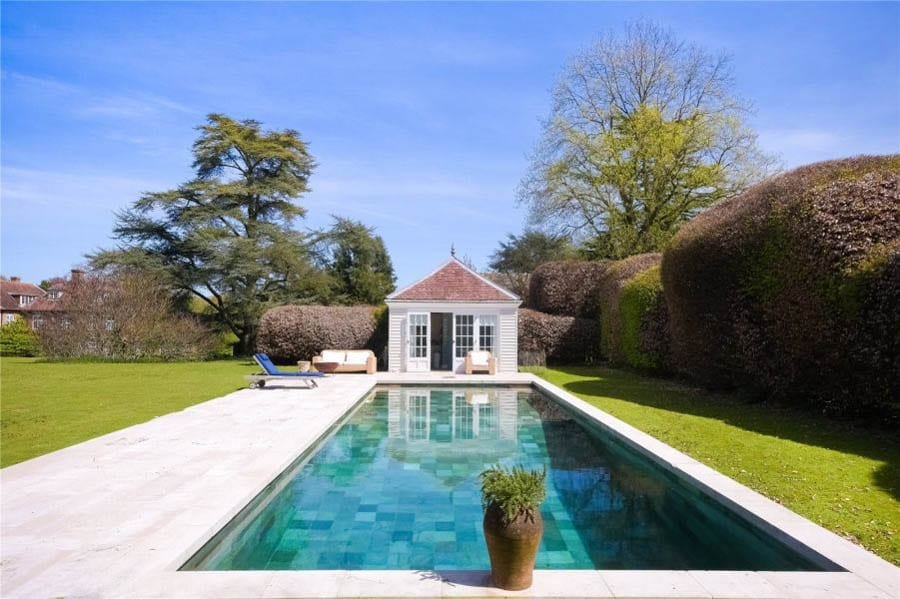
Providing 6,006 square foot of accommodation over three floors, the house includes 4 reception rooms, 6 bedrooms and 5 bathrooms. It stands on a 0.75-acre beachside plot laid out in the plan of the winning garden at Chelsea Flower Show in 1936 and has an outdoor swimming pool – built in 2010 – also.
A neighbouring house, owned by one of the original question setters for the game Trivial Pursuit, burnt to the ground in January 2014.
Eaton Square penthouse offered for £825,000 or 30% lower sum than it was marketed for two years ago; it comes with several catches
A penthouse in Eaton Square, Belgravia has gone on sale for £1.925 million ($2.483 million, €2.178 million or درهم9.121 million) in spite of being held on a lease with just 16 years remaining and being in a building with a Blue Plaque to the paedophile politician Lord Boothby (1900 – 1906).
1 Eaton Square was home to Lord Boothby until his death in 1986
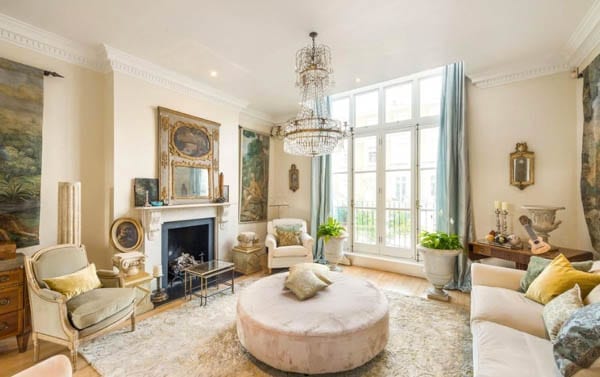
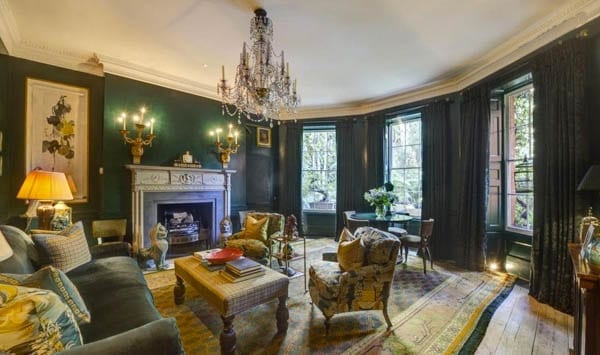
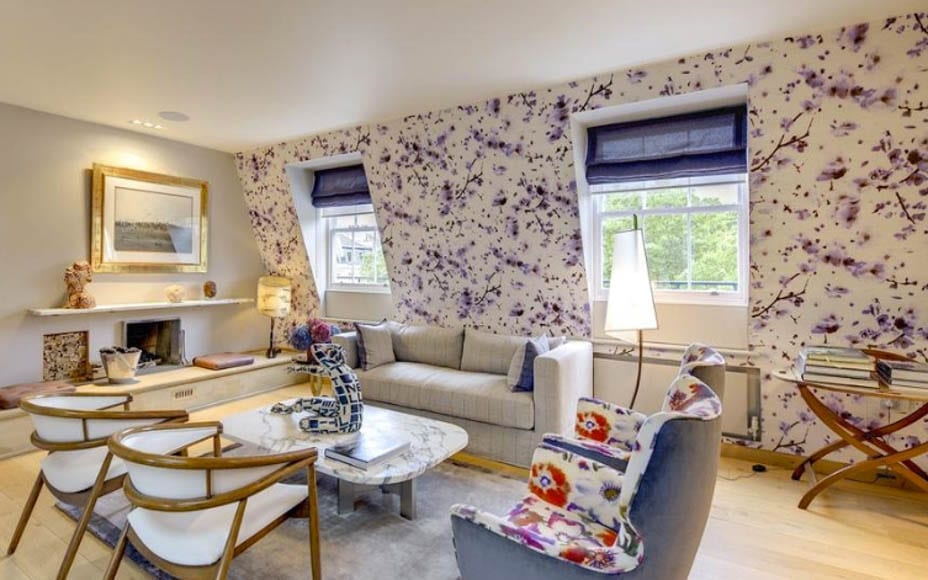
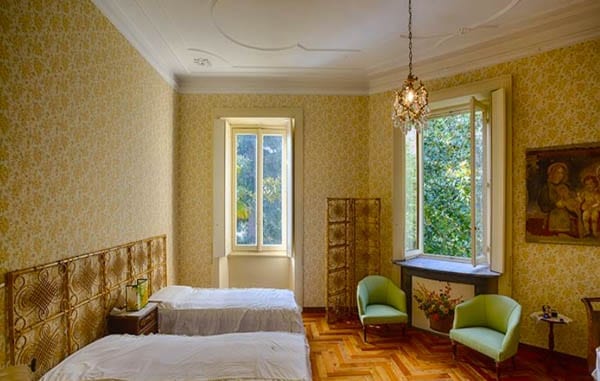
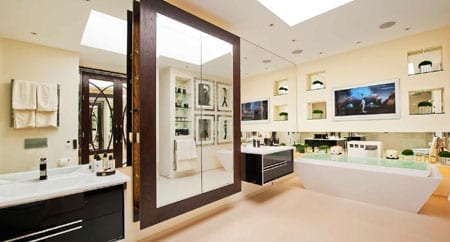
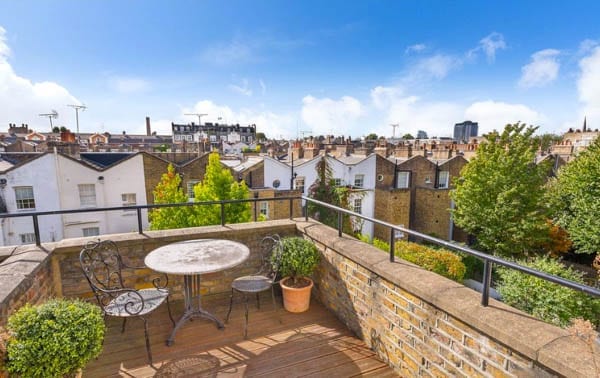
The fourth floor lateral flat – complete with colourful wallpaper and furnishings that would make even Laurence Llewelyn-Bowen blush – on offer at 1 Eaton Square spans two buildings and was previously offered for £2.750 million ($3.548 million, €3.111 million or درهم13.029 million) two years ago. It totals 1,202 square foot and includes a reception room, a dining kitchen, 2 bedrooms, 2 bathrooms and a roof terrace.
For sale through Savills, the Grade II listed, portered apartment is subject to a service charge and ground rent totaling £10,000 per annum ($12,900, €11,300 or درهم47,400 per annum) also.
Former Liberal Democrats headquarters for sale for somewhat reduced but still anything but liberal sum of £36 million (to include a Rodin)
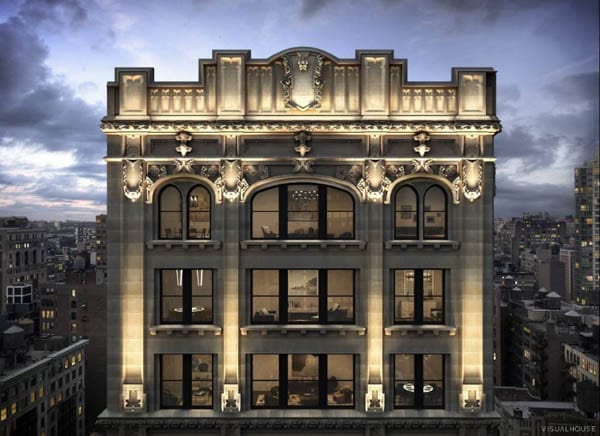
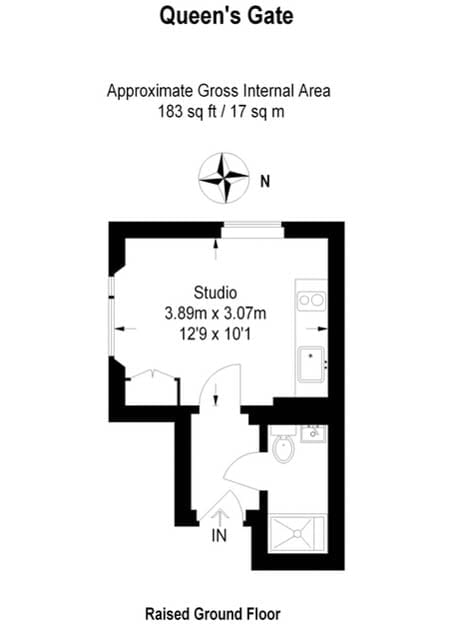
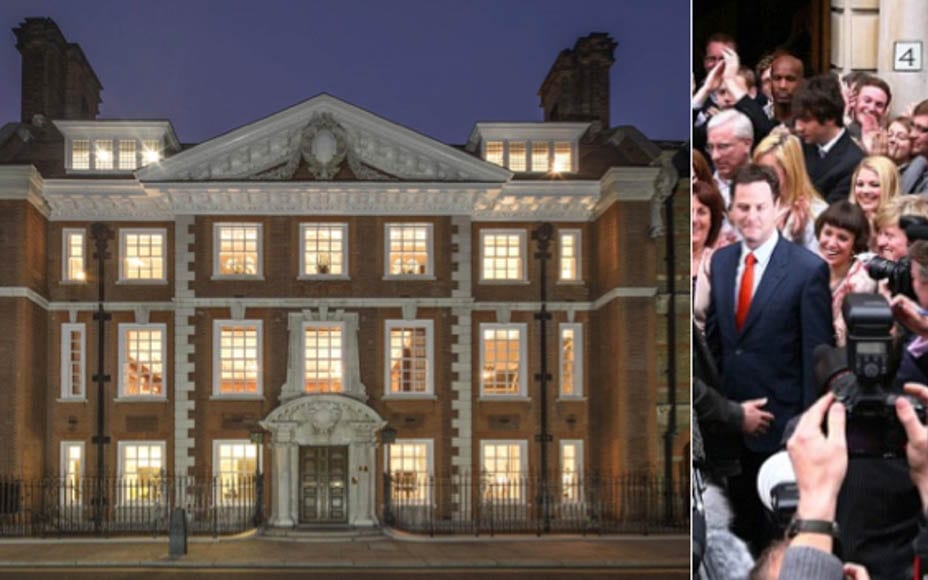
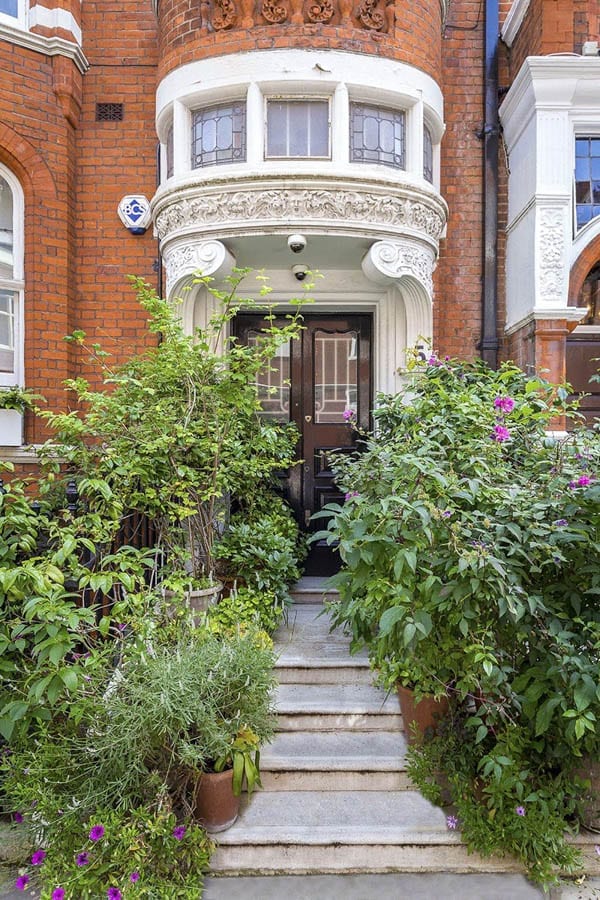
A building that was originally the London office of the North Eastern Railway Company and the headquarters of the Social Democratic Party and then their successors, the Liberal Democrats, between 1982 and 2011 has gone on sale for £36 million ($46.9 million, €41 million or درهم172.1 million) – with all furnishings and a bronze sculpture by Rodin said to be amongst the luxury items included in the price.
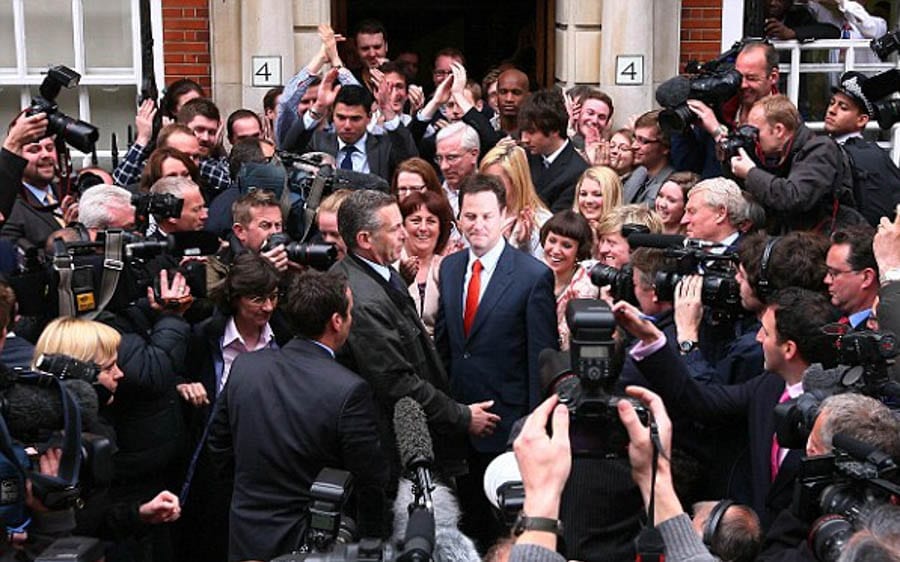
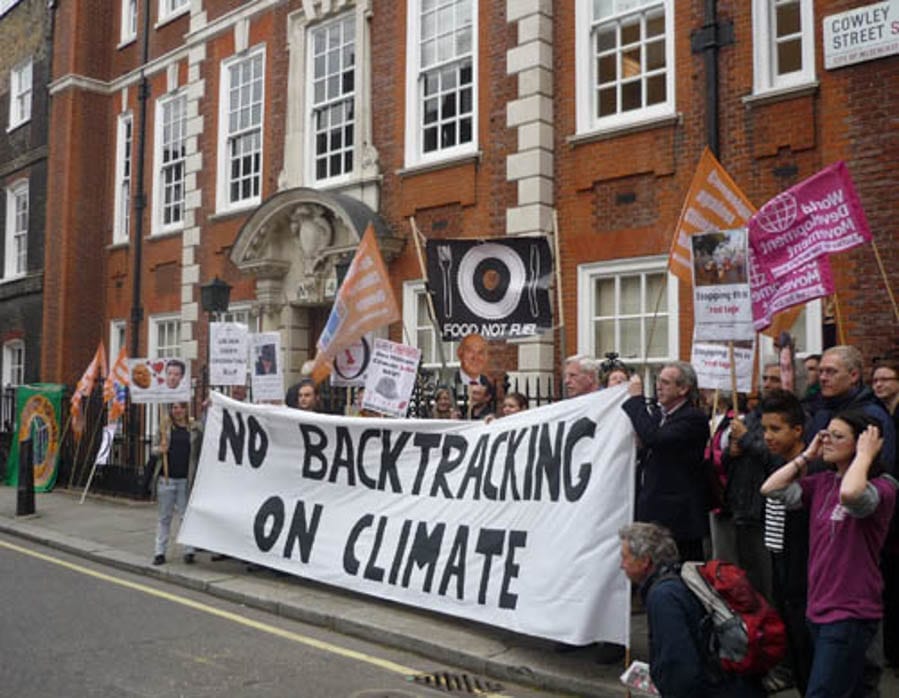
Then Liberal Democratic Party leader Nick Clegg outside 4 Cowley Street in 2010A protest outside 4 Cowley Street during the Liberal Democrats’ tenure of occupation
Offered to rent in 2011 for £225,000 per annum ($291,000, €256,000 or درهم1.1 million per annum) and then sold for around £10.8 million ($14 million, €12.3 million or درهم51.4 million), Mansion House – as it has now been rather grandly named – is situated in Cowley Street, Westminster. Constructed in 1905 and Grade II listed, this dark red brick terraced town house was designed by Horace Field and is described as being of “lavish late 17th century style, rather out of scale with its neighbours but with fine Arts and Crafts detailing.”
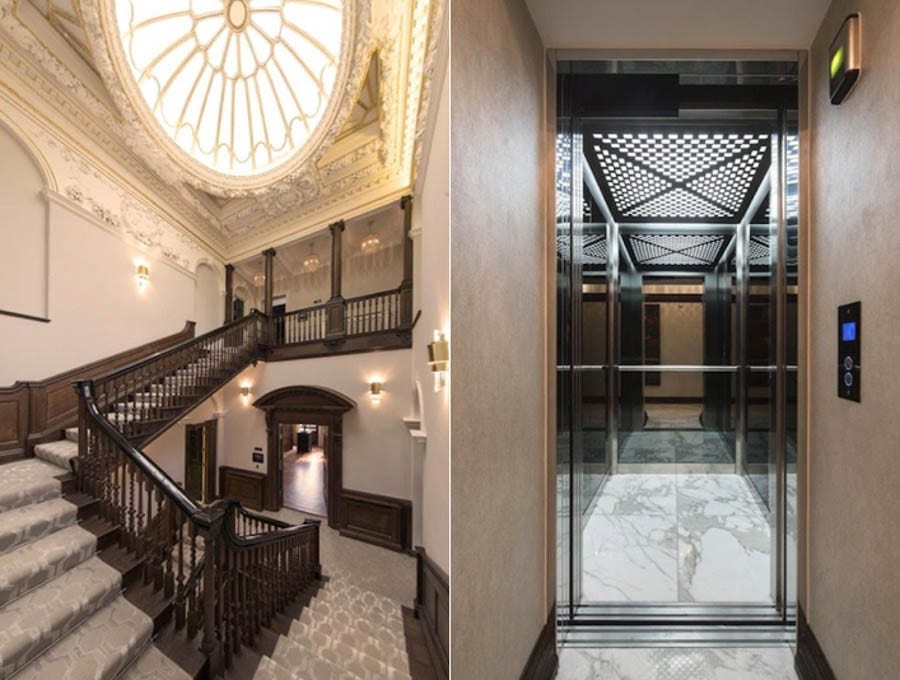
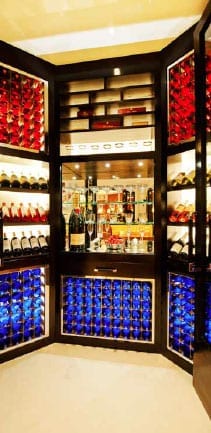
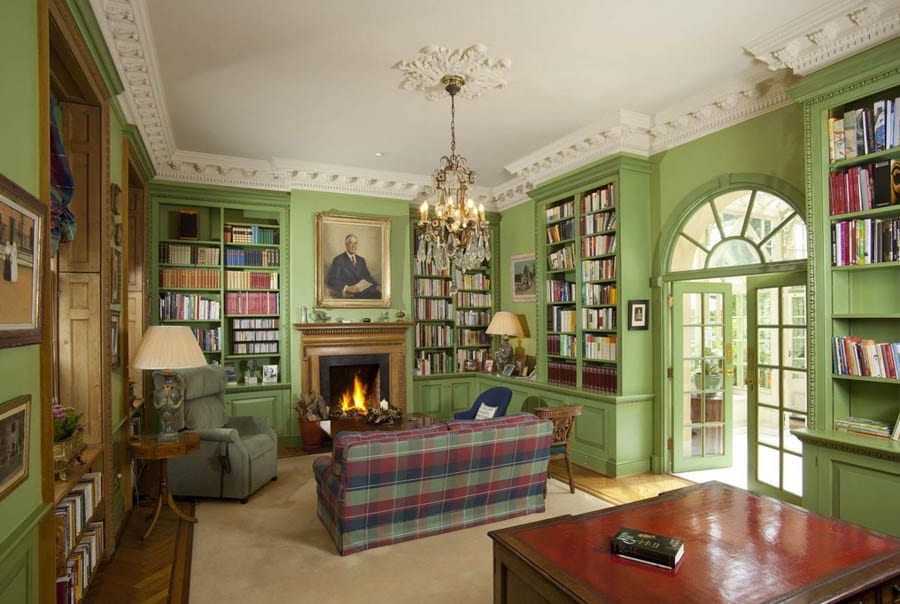
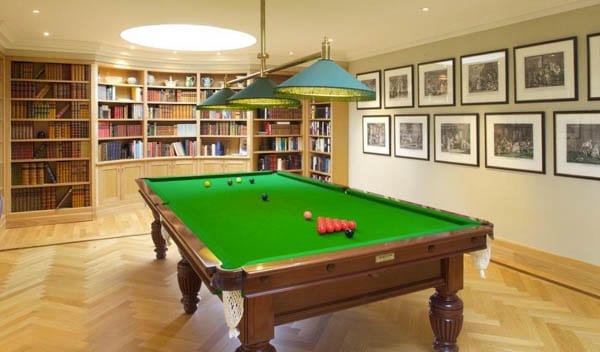
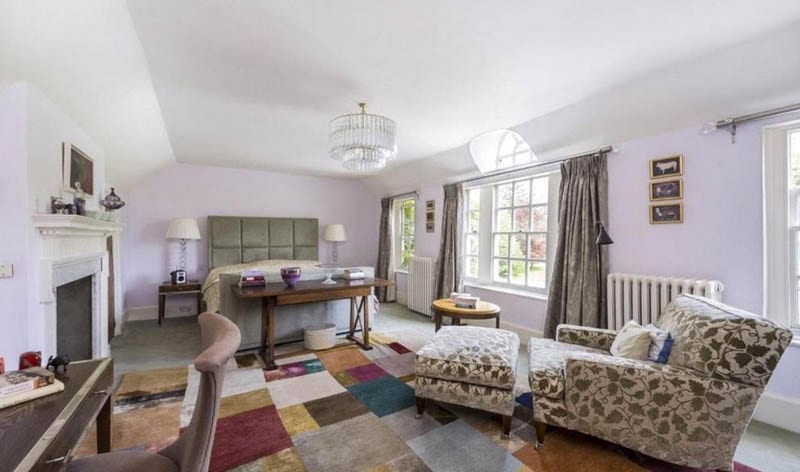
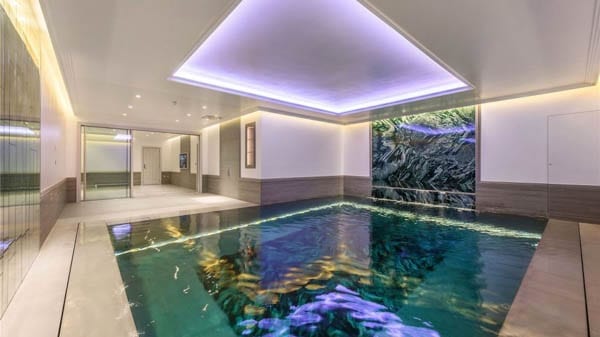
Consisting of 7,000 square foot of accommodation whilst in use as offices, developers Saigol DDC have expanded the space provided to create an 11,075 square foot residence of mammoth proportions. Aside from 5 reception rooms, 7 bedrooms and 6 bathrooms, the 5-storey mansion has an 8-person lift, a wine room, an indoor swimming pool, a gym and a roof terrace.
Mansion House, which is for sale through Knight Frank, was previously listed earlier this year for the higher price of £42.28 million ($54.77 million, €48.22 million or درهم201.21 million). The effects of Stamp Duty hikes, Brexit uncertainties plainly might cause it to fall yet further.
130 acre Surrey estate with gardens by Arabella Lennox Boyd for sale for £28 million (or £13 million more than it was marketed for in 2013)
A Surrey estate has gone on sale for 87% more than in was offered for four years ago.
Featured in Country Life in 2013 whilst for sale for £15 million ($19.1 million, €17.1 million or درهم70 million) and on the market now for the much higher sum of £28 million ($35.6 million, €31.9 million or درهم130.7 million), Pickhurst at Chiddingfold, near Goldalming centres around a 15,430 square foot Grade II* listed mansion.
Built by the Scottish born architect J. M. Brydon for himself in 1885 in the style of Norman Shaw and most recently refurbished by developers Royalton, the main half-timbered house was originally much larger. Reduced in size in the 1950s, after a fire devastated its service wing, it now includes not only 6 reception rooms and 6 bedroom suites, but also a vast wine cellar, a belvedere tower and a home cinema.
A further 3 bedrooms and a “hot relaxation suite” can be found in an adjoining coach house and in addition to two further 3 bedroom cottages and a Grade II listed gate lodge, there is also a stable block, machinery barn and garage. In total, internal space extends to some 30,000 square foot.
Unusually for a property just 42 miles from central London, Pickhurst comes with 130 acres of land. Divided into formal gardens partly designed by Lady Lennox-Boyd and Chelsea gold medalist Fiona Lawrenson, woodland and pasture, there is also a 1.23 acre lake, a clay tennis court and an outdoor swimming pool. A family shoot on the estate is described as “regularly having 250 bird days”.
Selling agent, Trevor Kearney of Savills, is far from modest in talking about Pickhurst. In marketing material for the property, he gushes:
“This is the very best country estate that I have ever seen. Pickhurst is a best in class offering of unquestionable style and quality”.
Of the renovation works he carried out to the house, in 2013, West Sussex based architect Ian Adam Smith, commented:
“At the outset, the house looked as if it had been more or less chainsawed in half, yet, in spite of the fact that, before the fire, it was almost twice its size, local planning regulations would only allow us to extend the footprint by 40%”.
“And, with no plans and no service wing to work with, we had to more or less create an entire new country house within a Grade II* listed building bearing in mind all the restrictions that that implies. Luckily, I was given a free hand by my very fastidious client, and we were able to build a new entrance, incorporate a modern-kitchen/family-living complex, upgrade the bedrooms and bathrooms, install acres of walnut panelling and replace the existing cherry-wood flooring with oak parquetry”.
“With more than a nod to Lutyens, Webb and, in the gardens, to Gertrude Jekyll, we also reintroduced some interesting original features, such as the belvedere from where you can look out across the roofs of the many and varied Arts-and-Crafts houses that are a distinctive feature of Chiddingfold and the other villages in this wonderful part of Surrey”.
Current pictures of the property removed at request of Claire Basing Lawson of Savills, 23rd August 2017.
New Kensington MP Emma Dent Coad fails to join Labour heavyweights showing support for the single market
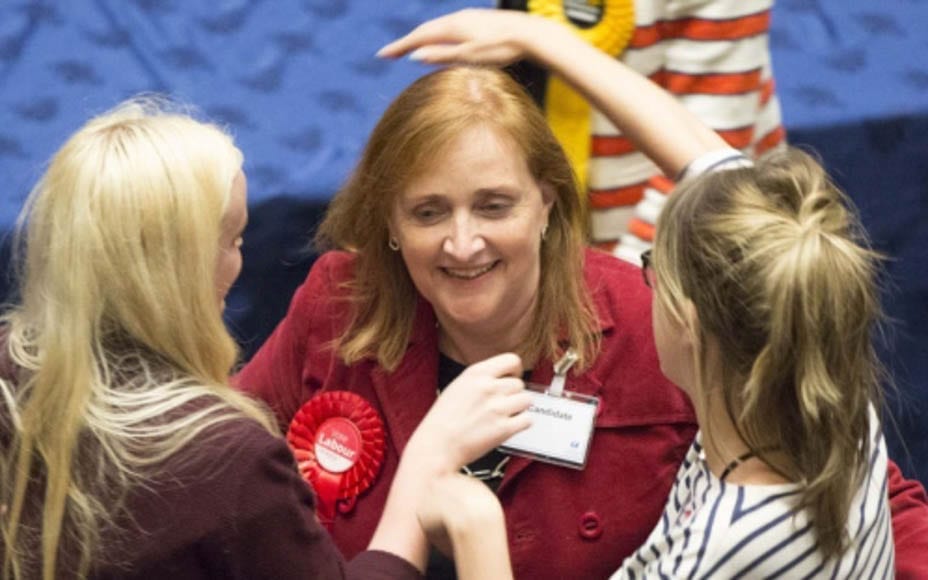
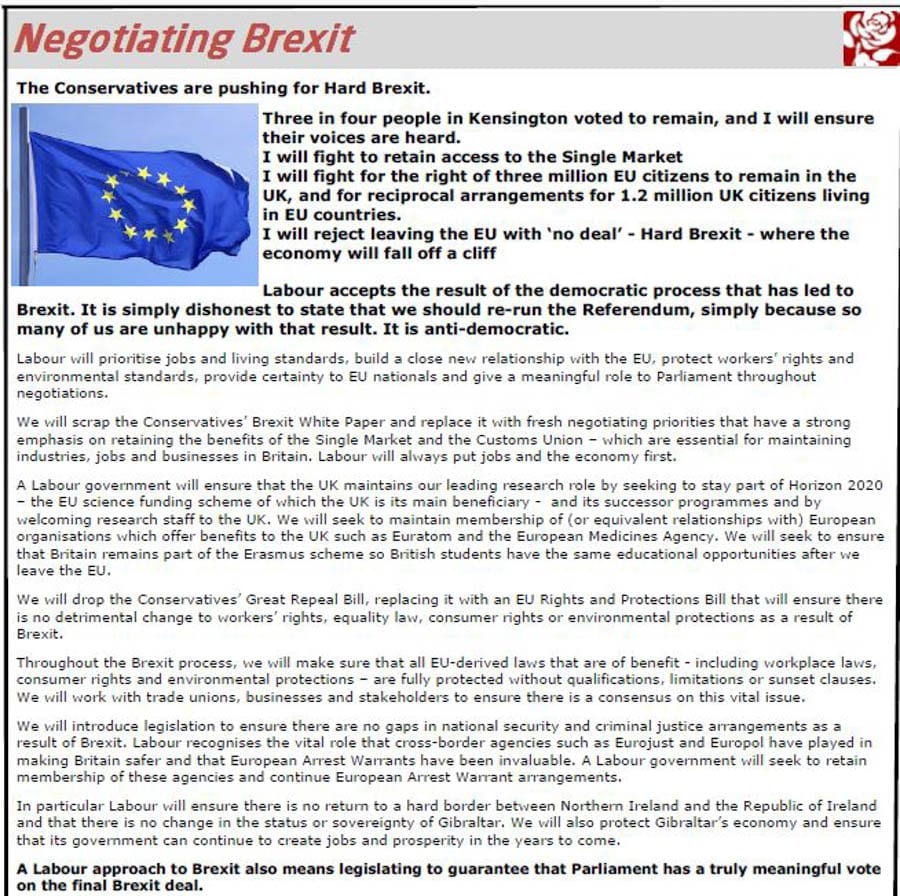
Prior to her victory, the now newly elected Member of Parliament for Kensington, Emma Dent Coad, clearly and repeatedly said she’d “fight to retain access to the single market”. Yesterday, however, she failed to join a whole array of fellow Labour politicians demanding exactly such and in doing so has left constituents questioning her true commitment to fighting ‘Hard Brexit’.
Aside from the fact that some of the party’s busiest and best known figures – including David Lammy MP, Stella Creasy MP and Chuka Umunna MP – bothered, unlike her, to sign a letter to The Guardian “supporting British membership of the single market after Brexit”, Dent Coad’s previous statement of: “Three in four people in Kensington voted to remain, and I will ensure their voices are heard” is beginning to appear rather hollow.
The electorate of Kensington are primarily ‘Remainers’ and given she also had the backing of Gina Miller’s Best for Britain on her path to power, Dent Coad must now speak up. We understand her priorities at this time must be with supporting the victims of the Grenfell Tower tragedy, but this believer that ‘Hard Brexit’ will lead to “the economy falling off a cliff” could have easily spared a moment to sign a letter that seeks to guide her party’s position on something that will ultimately affect all of her constituents. We join those expressing disappointment in Emma Dent Coad.
Emma Dent Coad’s supposed position on Brexit as set out during the 2017 General Election campaign
The letter sent by Labour heavyweights to The Guardian in full follows:
Jeremy Corbyn has rightly said that Labour’s position on Brexit is to focus on a deal that prioritises jobs first. We are all united behind that goal. For us that means membership of the single market. A country can be a member of the single market without being a member of the EU and we must be clear – “access” to the European single market is both different and inferior to “membership” of the single market. Why? Because if we leave the single market, whatever the level of access is negotiated, working people across Britain will be worse off and revenue to the exchequer will plummet – revenue the next Labour government will need to bring an end to years of damaging Tory austerity.
The single market is not a simple free trade zone. It is, uniquely, a framework of rules that protects people from the worst excesses of globalisation and unfettered capitalism, in addition to easing trade across the continent. If we have mere access to the single market, we are talking about leaving this framework of rules and achieving mere reductions in tariffs for trade with the European Union.
If Britain stays in the single market, we will continue to benefit from EU laws and court judgments that outlaw discrimination in the workplace; deliver vital rights to workers on holiday pay, maternity and paternity leave, the right to join a union, and much more; protect our natural environment from pollution; and keep workers safe through stringent health and safety requirements. Large multinational companies work across borders to maximise their profits to often reduce these protections; the next Labour government, as a member of the single market, can work with other European countries to resist this and advance social justice. If we leave the single market, and ask for mere “access”, we will be compromised in achieving these goals.
This is why so many people in the Labour movement are supporting British membership of the single market after Brexit. Frances O’Grady, the general secretary of the Trades Union Congress, has said that “if we leave the single market, working people will end up paying the price. It’d be bad for jobs, for work rights and for our living standards.” The USDAW trade union has warned that leaving the single market “will put at risk hundreds of thousands of jobs”.
And who is leading the charge to junk our membership of the single market? A motley crew of hard-right, pro-Brexit Tories. Michael Gove. Boris Johnson. John Redwood. Iain Duncan Smith. Priti Patel. Theresa May wants us out because her government is totally dominated by its obsession with leaving the single market. They want us to leave precisely because they want to roll back the social protections delivered by single market membership. Redwood authored a plan to cut regulation in Britain by 25%. Patel went one further, calling on the “burden” of EU regulations – those rules that protect working people – to be “halved”. We should not be providing political cover to hard-right Tories who stand diametrically opposed to Labour values.
The argument for leaving the single market is often focused around the need to end the free movement of people. However, we argue, and many experts agree, that changes to our immigration system can be made while keeping us inside it. Within the European treaties, free movement is not unconditional – at the moment we can require EU citizens to leave if they have no job or a prospect of a job three months after their arrival. Restrictions on free movement are explicitly allowed for reasons of “public policy, public security or public health”. Liechtenstein, which is outside the EU but in the single market, perfectly legally imposes quotas on EU migrants. French president Emmanuel Macron’s chief adviser has floated the idea of a “continental partnership” between Britain and the EU that would allow us to restrict free movement.
Another reason often cited for not remaining a member of the single market is that the state aid rules that apply in it stop governments from pursuing active industrial strategies to support their industries. But these have not stopped the likes of Germany having a national investment bank or France and the Netherlands supporting their industries through government procurement spend.
Ultimately, leaving the single market will make it much harder for a Labour government to end these years of Tory austerity. The economic damage it would cause would reduce the tax take, meaning less money could be spent on public services. The respected Institute for Fiscal Studies has forecast that leaving the single market for a free trade agreement could cause a £31bn hit to the public finances, extending austerity even further.
To win next time, Labour must provide a strong opposition to the Tories, stand up for the values of our voters, and continue to fight for the interests of all – not least young people who have the most to lose from an extreme Tory Brexit and who voted for the first time in 2017 for Labour, thinking we would stop the Tories in their tracks. This has to mean fighting unambiguously for membership of the single market. At the very least we should strongly oppose May’s decision to take membership off the table in these negotiations. An ambitious and confident alternative government – with Corbyn at the helm – should not throw in the towel as May has done, but could seek membership with reforms on immigration and the other matters we seek.
Chuka Umunna MP, Phil Wilson MP, Madeleine Moon MP, Maria Eagle MP, Liz Kendall MP, Stella Creasy MP, Wes Streeting MP, Mike Gapes MP, Kate Green MP, Lord Michael Cashman, Anne Coffey MP, Ian Murray MP, Rushanara Ali MP, Karen Buck MP, Stephen Doughty MP, Stephen Timms MP, Lord Spencer Livermore, Catherine McKinnell MP, Lord Peter Hain, Tulip Siddiq MP, Peter Kyle MP, Ruth Cadbury MP, Bridget Phillipson MP, Pat McFadden MP, Ann Clwyd MP, Thangam Debbonaire MP, Chris Bryant MP, Andy Slaughter MP, Daniel Zeichner MP, Alison McGovern MP, Darren Jones MP, Kerry McCarthy MP, Ben Bradshaw MP, Clare Moody MEP, Seb Dance MEP, Luciana Berger MP, Lord George Foulkes, Catherine Stihler MEP, David Martin MEP, Jude Kirton-Darling MEP, Mary Honeyball MEP, Paul Brannen MEP, Richard Corbett MEP, Julie Ward MEP, Derek Vaughan MEP, Lucy Anderson MEP, David Lammy MP, Lord John Monks, Meg Hillier MP, Adrian Bailey MP and Lady Meta Ramsay