Tag: peace

  • A Peaceful Reduction

    A Peaceful Reduction

    Designer Reed Krakoff slashes the price of his Hamptons mansion; Jackie Kennedy Onassis spent her childhood summers there


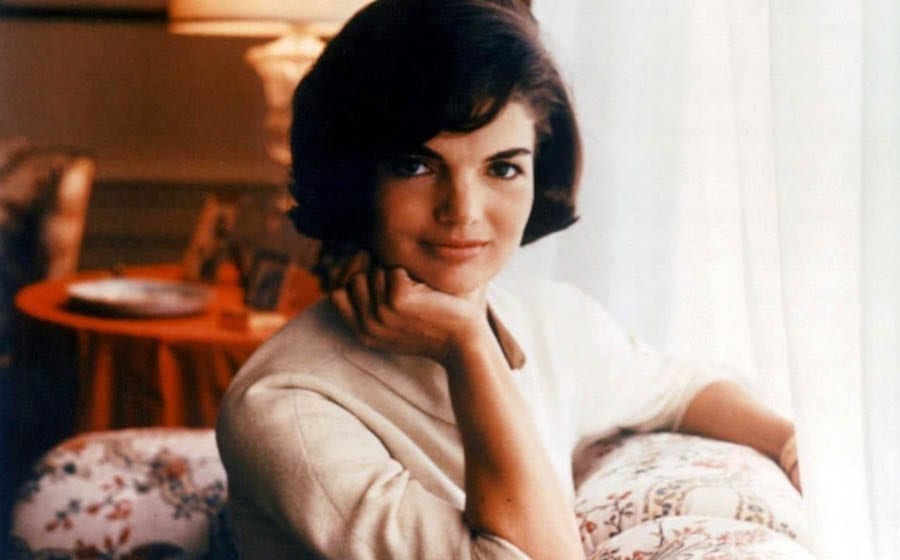
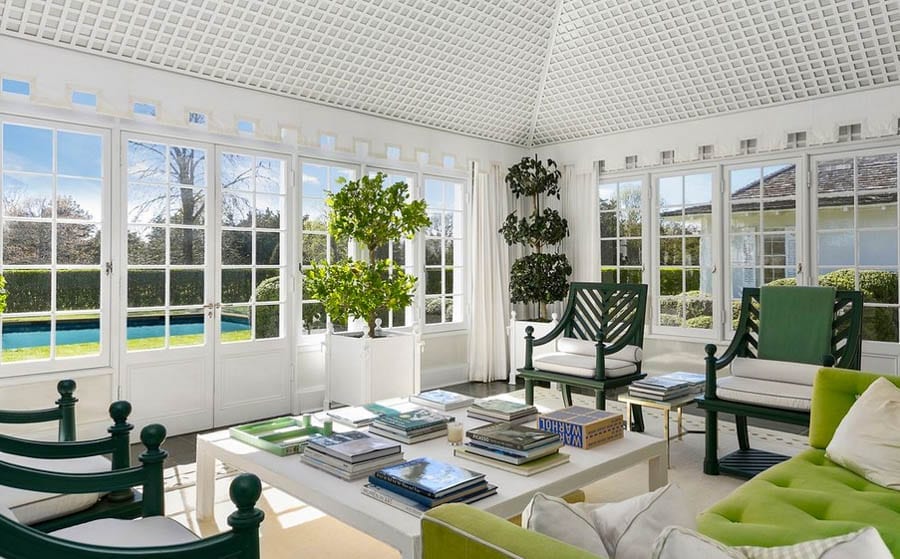
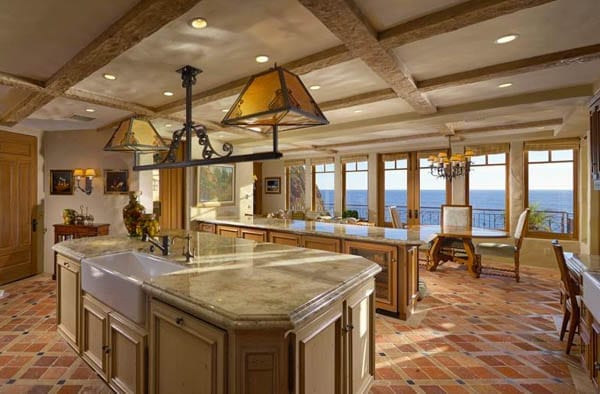
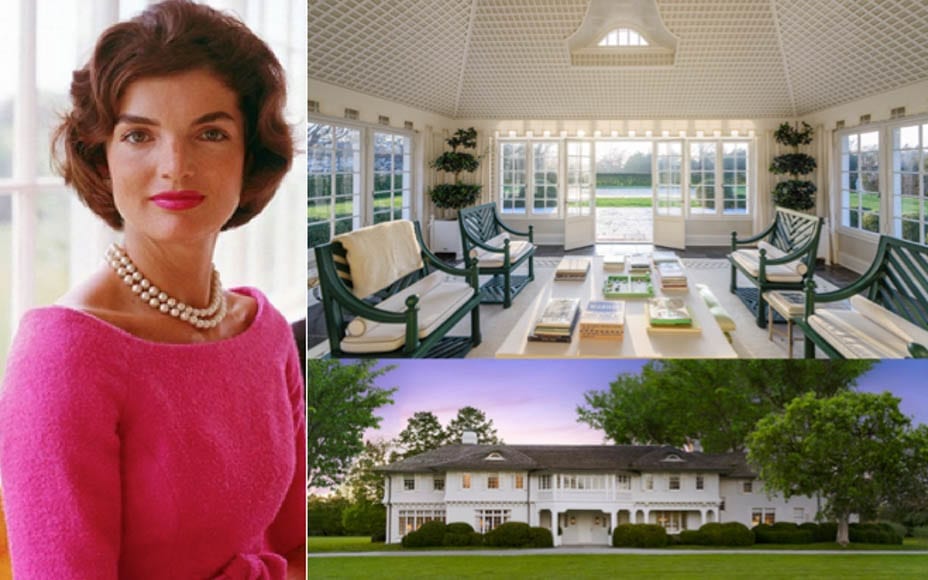
    A Hamptons mansion named Lasata – meaning: “Place of Peace” in Native American – where Jacqueline Bouvier (later Kennedy and later Kennedy Onassis) spent her childhood summers has recently been reduced in price from £41.5 million to £36.1 million.


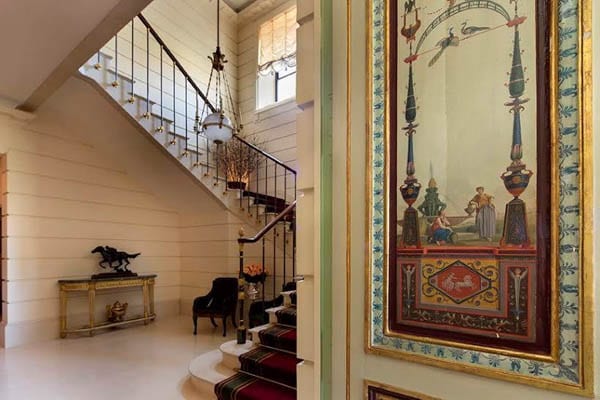
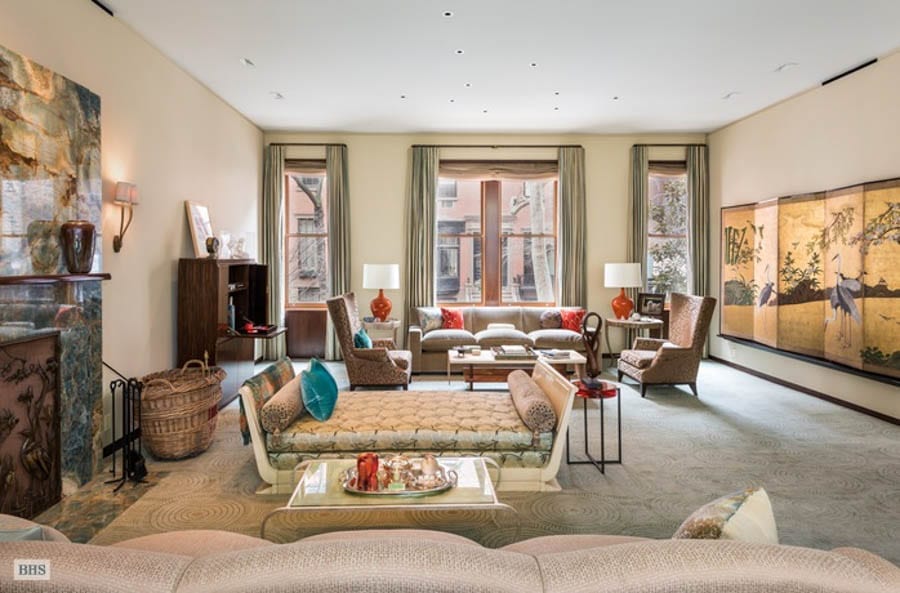
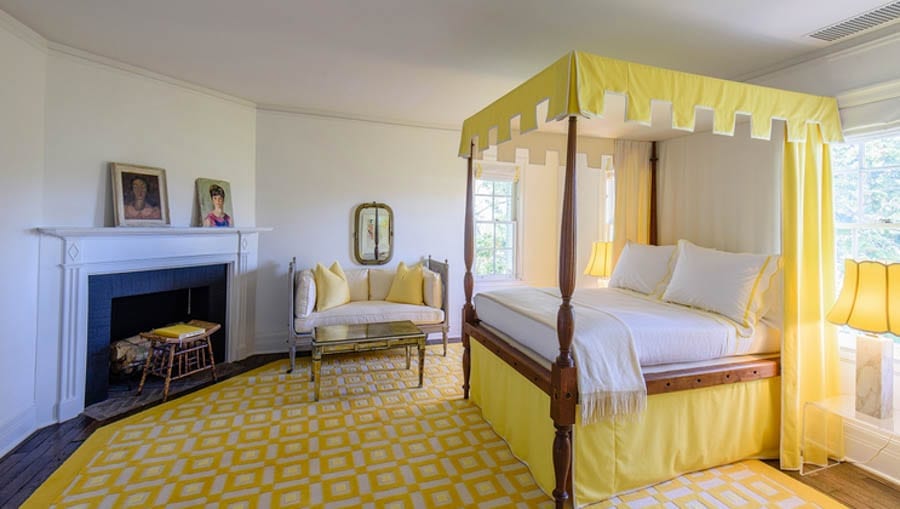
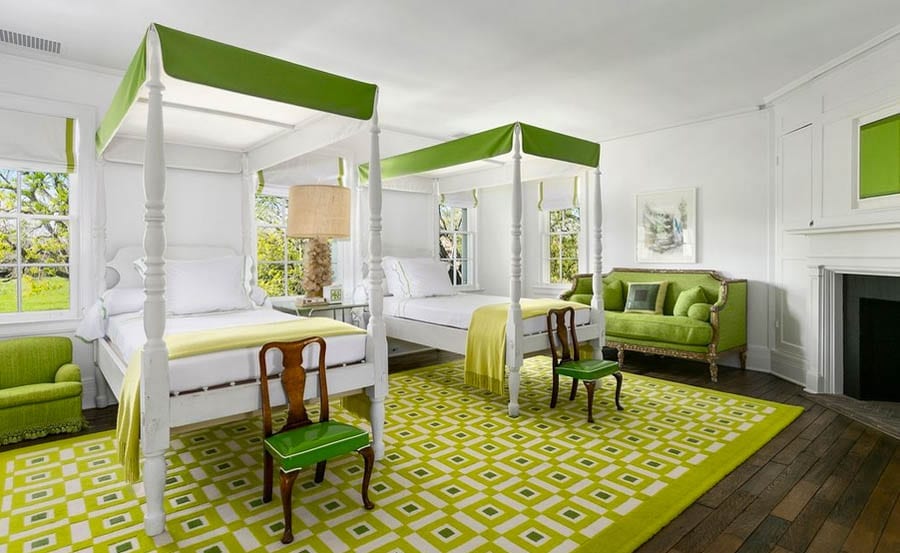
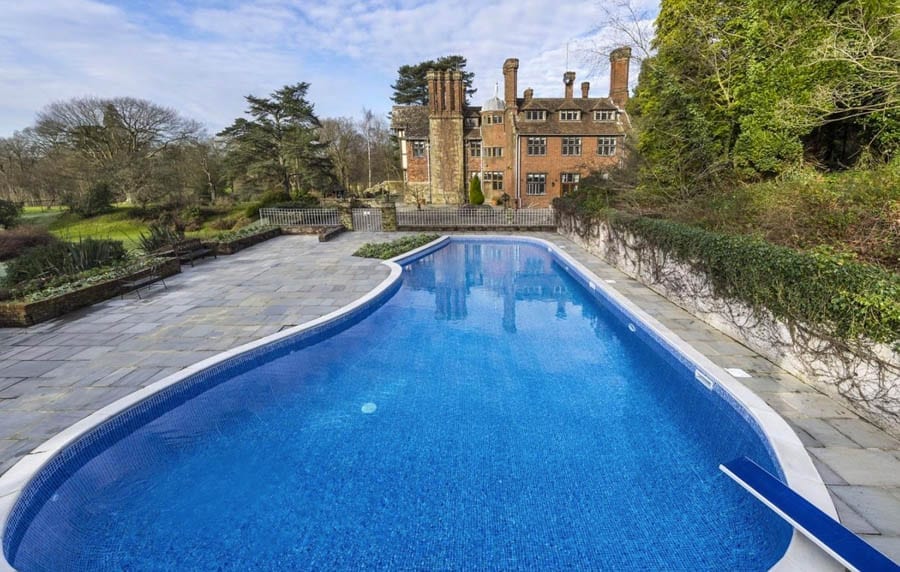
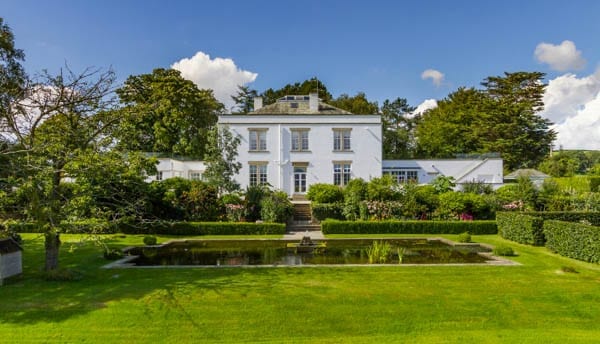
    A Peaceful Reduction – 121 Further Lane, East Hampton, New York, NY 11937, United States of America – For sale through Knight Frank for a reduced price of £36.1 million ($47 million, €40.4 million or درهم172.6 million) – Childhood summer home of Jackie Kennedy Onassis and currently owned by Reed Krakoff and his wife Delphine.
    121 Further Lane, East Hampton, New York, NY 11937, United States of America
    A Peaceful Reduction – 121 Further Lane, East Hampton, New York, NY 11937, United States of America – For sale through Knight Frank for a reduced price of £36.1 million ($47 million, €40.4 million or درهم172.6 million) – Childhood summer home of Jackie Kennedy Onassis and currently owned by Reed Krakoff and his wife Delphine.
    Jacqueline Kennedy Onassis (1929 – 1994)
    A Peaceful Reduction – 121 Further Lane, East Hampton, New York, NY 11937, United States of America – For sale through Knight Frank for a reduced price of £36.1 million ($47 million, €40.4 million or درهم172.6 million) – Childhood summer home of Jackie Kennedy Onassis and currently owned by Reed Krakoff and his wife Delphine.
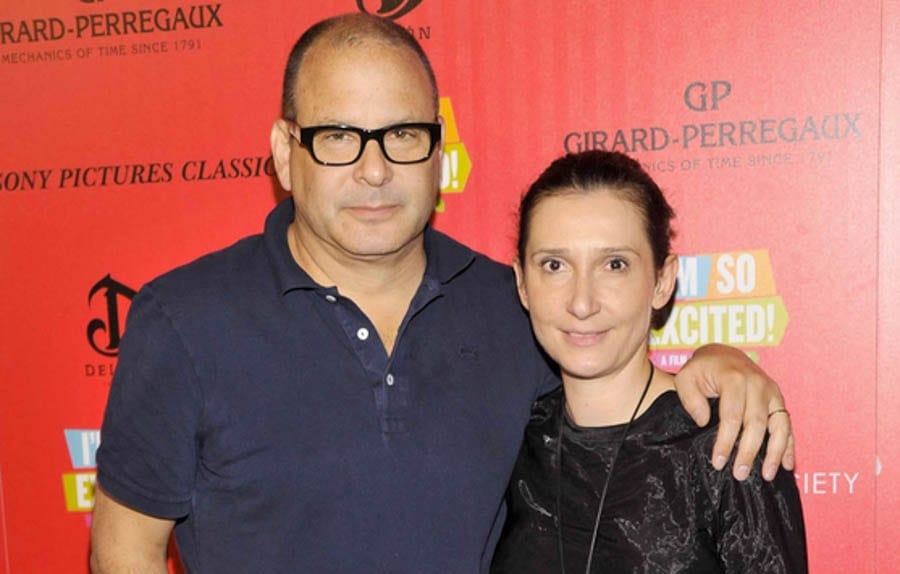
    Reed and Delphine Krakoff – Mr Krakoff was at one time tipped as “the next Tom Ford” but reportedly “walked away” from his eponymous brand after supposed differences of vision for it with investors


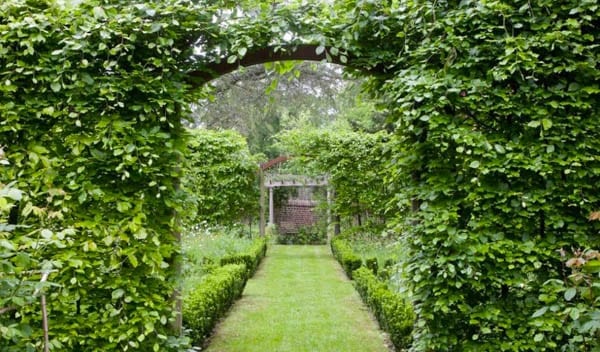
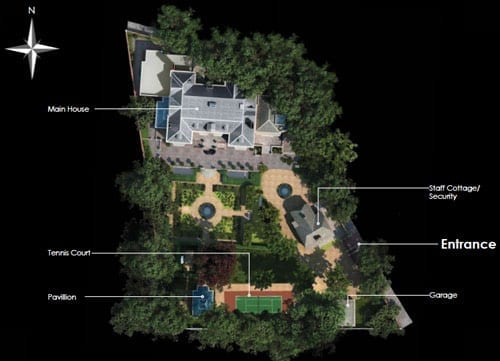
    Alternatively and more simply known as 121 Further Lane, the property concerned is situated in East Hampton and currently owned by the fashion designer Reed Krakoff and his wife Delphine. It extends to 8,500 square foot and includes 10 bedrooms and 10 bathrooms and stands on a plot of 11.54 acres.


    Two blocks from the Atlantic Ocean and three blocks from the Maidstone Club, Lasata was built in 1917 to the designs of Arthur Jackson and bought by Jackie Bouvier’s paternal grandfather, John Vernou Bouvier Jr. (AKA ‘The Major’), in 1935. The future President’s wife is said to have learnt to ride there and aged ten, wrote a poem about her time at the estate:


    When I go down to the sandy shore

    I can think of nothing I want more

    Than to live by the booming blue sea

    As the seagulls flutter around about me

    I can run about when the tide is out

    With the wind and the sea all about

    And the seagulls are swirling and diving for fish

    Oh-to live by the sea is my only wish


    The Arts and Crafts style property was subsequently sold and most recently bought by Mr and Mrs Krakoff for £15.3 million in 2007. The pair – whose other homes have variously included residences in Paris, New York’s Upper East Side and the former New Canaan, Connecticut residence of the eccentric recluse Huguette Clark – carried out extensive renovations and are said to be selling in order to move to a more contemporary beachfront Hamptons property.


    Available as a whole or in two lots, Lasata is offered by Knight Frank.


    121 Further Lane – The Numbers


    April 2007 – Sold for £15.3 million ($20 million, €17.2 million or درهم73.5 million).


    September 2016 – Listed for £41.47 million ($53.99 million, €46.44 million or درهم198.32 million).


    May 2017 – Relisted for £39.9 million ($51.99 million, €44.72 million or درهم190.97 million).


    June 2017 – Reduced to £36.1 million ($47 million, €40.4 million or درهم172.6 million).


    A Peaceful Reduction – 121 Further Lane, East Hampton, New York, NY 11937, United States of America – For sale through Knight Frank for a reduced price of £36.1 million ($47 million, €40.4 million or درهم172.6 million) – Childhood summer home of Jackie Kennedy Onassis and currently owned by Reed Krakoff and his wife Delphine.A Peaceful Reduction – 121 Further Lane, East Hampton, New York, NY 11937, United States of America – For sale through Knight Frank for a reduced price of £36.1 million ($47 million, €40.4 million or درهم172.6 million) – Childhood summer home of Jackie Kennedy Onassis and currently owned by Reed Krakoff and his wife Delphine.A Peaceful Reduction – 121 Further Lane, East Hampton, New York, NY 11937, United States of America – For sale through Knight Frank for a reduced price of £36.1 million ($47 million, €40.4 million or درهم172.6 million) – Childhood summer home of Jackie Kennedy Onassis and currently owned by Reed Krakoff and his wife Delphine.A Peaceful Reduction – 121 Further Lane, East Hampton, New York, NY 11937, United States of America – For sale through Knight Frank for a reduced price of £36.1 million ($47 million, €40.4 million or درهم172.6 million) – Childhood summer home of Jackie Kennedy Onassis and currently owned by Reed Krakoff and his wife Delphine. A Peaceful Reduction – 121 Further Lane, East Hampton, New York, NY 11937, United States of America – For sale through Knight Frank for a reduced price of £36.1 million ($47 million, €40.4 million or درهم172.6 million) – Childhood summer home of Jackie Kennedy Onassis and currently owned by Reed Krakoff and his wife Delphine.A Peaceful Reduction – 121 Further Lane, East Hampton, New York, NY 11937, United States of America – For sale through Knight Frank for a reduced price of £36.1 million ($47 million, €40.4 million or درهم172.6 million) – Childhood summer home of Jackie Kennedy Onassis and currently owned by Reed Krakoff and his wife Delphine.A Peaceful Reduction – 121 Further Lane, East Hampton, New York, NY 11937, United States of America – For sale through Knight Frank for a reduced price of £36.1 million ($47 million, €40.4 million or درهم172.6 million) – Childhood summer home of Jackie Kennedy Onassis and currently owned by Reed Krakoff and his wife Delphine.A Peaceful Reduction – 121 Further Lane, East Hampton, New York, NY 11937, United States of America – For sale through Knight Frank for a reduced price of £36.1 million ($47 million, €40.4 million or درهم172.6 million) – Childhood summer home of Jackie Kennedy Onassis and currently owned by Reed Krakoff and his wife Delphine. A Peaceful Reduction – 121 Further Lane, East Hampton, New York, NY 11937, United States of America – For sale through Knight Frank for a reduced price of £36.1 million ($47 million, €40.4 million or درهم172.6 million) – Childhood summer home of Jackie Kennedy Onassis and currently owned by Reed Krakoff and his wife Delphine.A Peaceful Reduction – 121 Further Lane, East Hampton, New York, NY 11937, United States of America – For sale through Knight Frank for a reduced price of £36.1 million ($47 million, €40.4 million or درهم172.6 million) – Childhood summer home of Jackie Kennedy Onassis and currently owned by Reed Krakoff and his wife Delphine.A Peaceful Reduction – 121 Further Lane, East Hampton, New York, NY 11937, United States of America – For sale through Knight Frank for a reduced price of £36.1 million ($47 million, €40.4 million or درهم172.6 million) – Childhood summer home of Jackie Kennedy Onassis and currently owned by Reed Krakoff and his wife Delphine.A Peaceful Reduction – 121 Further Lane, East Hampton, New York, NY 11937, United States of America – For sale through Knight Frank for a reduced price of £36.1 million ($47 million, €40.4 million or درهم172.6 million) – Childhood summer home of Jackie Kennedy Onassis and currently owned by Reed Krakoff and his wife Delphine.A Peaceful Reduction – 121 Further Lane, East Hampton, New York, NY 11937, United States of America – For sale through Knight Frank for a reduced price of £36.1 million ($47 million, €40.4 million or درهم172.6 million) – Childhood summer home of Jackie Kennedy Onassis and currently owned by Reed Krakoff and his wife Delphine.

  • Sandra Howard – What’s on your mantelpiece?

    Sandra Howard – What’s on your mantelpiece?

    A 20-question interview with Sandra Howard – novelist, former model and wife of Conservative politician The Rt. Hon. Lord Howard of Lympne


    The Steeple Times shares “wit and wisdom”. What’s your guiding force?

    Seeing the upside of life and what’s to laugh at.


    “Don’t get even, get medieval” is, in our humble opinion, a great motto. What’s yours?

    Perseverance pays.


    Kerry Katona was considered unacceptable in 2007. Who or what is unacceptable in 2017?

    Kim Kardashian’s bottom.


    Tony Blair misses being Prime Minister. What do you miss most in your life?

    Talking to my mother – She was a sage and a wonderful rock.


    What might you swap all your wealth for?

    A continuing, happy, healthy marriage.


    Donald Trump was once a case of: “If you owe the bank a thousand, they close you down; but if you owe the bank a billion, you own the bank”. What’s your view on the state of the financial system?

    That’s too taxing for my ‘small bear’ financial brain. Well above my pay grade.


    What phrase or word do you most loathe?

    “At the end of the day” and I’m not mad about: “You know what?” (Jeremy Corbyn’s favourite phrase).


    In the UK, some people consider charity to “begin at home”. What’s your view and what causes do you personally support?

    It should begin at home and continue overseas. I’d hate to see our foreign aid budget cut. I support Addaction (to help people off drugs), Youth Epilepsy and Hospice UK.


    The judge in Law Abiding Citizen states: “I can pretty much do whatever I want” before being blown up whilst answering her mobile phone. What’s your view on the appropriate use of such devices?

    They rule our lives, sometimes for better and frequently for worse.


    If you could fill a carriage on The Orient Express, who would be your fellow passengers?

    All my closest (bridge-playing and witty) friends.


    If you were unfortunate enough to end up on death row, what would be your last meal and where would you eat it?

    Fresh crab, Dover sole, some delicious smelly cheese and a ripe mango. I’d eat it on Grand Anse Beach in Grenada, slipping in a last swim in that glorious clear sea.


    What time is it acceptable to consume the first drink of the day?

    A Buck’s Fizz at breakfast isn’t a bad start to the day.


    A Negroni, a martini or a cup of tea?

    A cup of tea.


    Whose parties do you enjoy the most and why?

    Other peoples’ – I’m a mess of nerves when giving one of my own.


    Who is the most positive person you know?

    My husband – Most of the time.


    What’s your most guilty pleasure?

    A day (or more) entirely to myself to write in peace and privacy, not doing any of all the stuff, emails etc. that gets in the way.


    If a tattoo were to sum you up, what would it be of?

    A black cat – I think I’ve had lots of luck in my life.


    If you were a car, what marque would you be?

    A Mini Cooper is about my marque – fast, but I hope not flashy.


    Cilla Black presented Surprise, Surprise. Tell us the most surprising thing about you.

    I’m a passionate supporter of Liverpool Football Club.


    What’s currently sitting on your mantelpiece?

    Family photos, a pair of china cockerels and a vase of lovely lavender freesias.


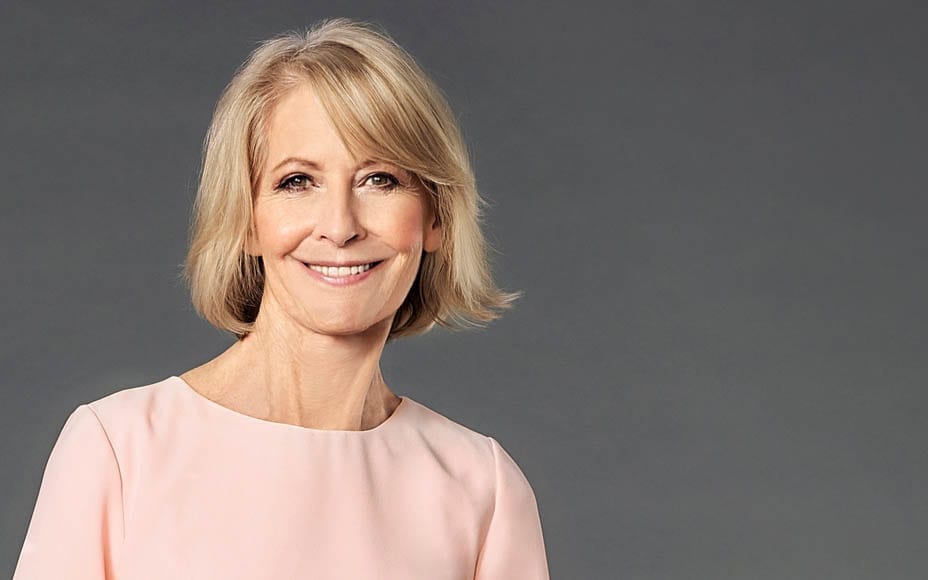
    Sandra Howard has quickly established herself as a successful author and journalist. She has written six novels; her latest, ‘The Consequence of Love’, is published on 13th July. She was, in the 1960s, a leading photographic fashion model and lives in London and Kent.


    Follow Sandra Howard on Twitter at @howardsandrac and like her page on Facebook at @sandrahoward76.


  • Rotten Rolf

    Rotten Rolf

    As convicted paedo Rolf Harris walks free from court and his nutty supporters once again reveal themselves, it must be remembered he is still a convicted abuser of girls as young as eight


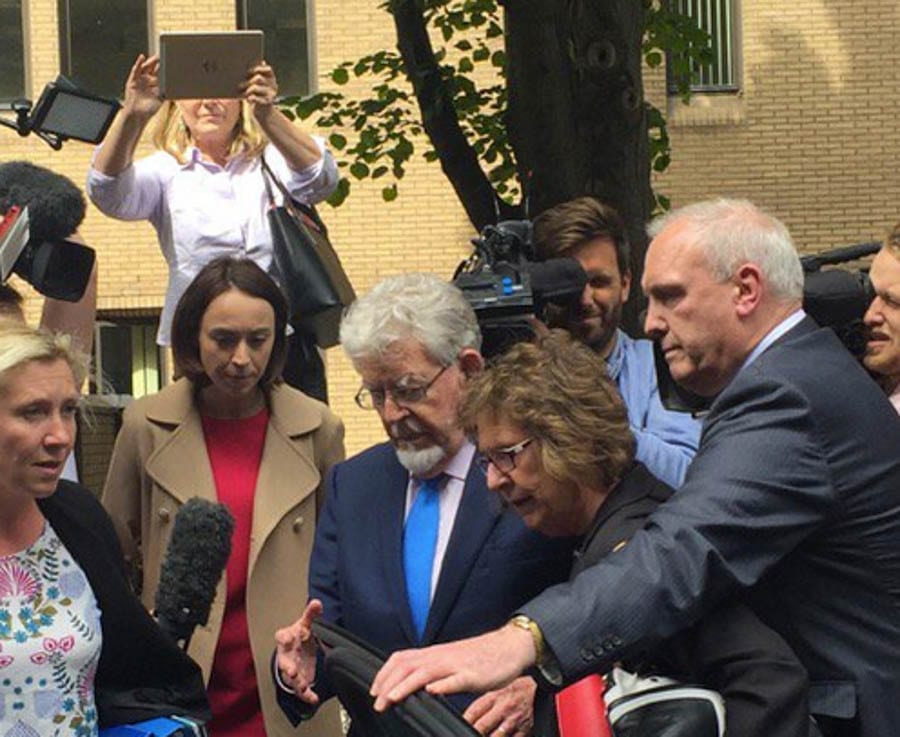
    Rolf Harris might well have walked free from court on Monday after a jury failed to reach a verdict on historical assault charges against three teenagers, but the public should remember one thing: This monster is still a monster and he is still a man convicted of 12 counts of indecent assault on victims as young as 8 years old.


    Outside the court and once again failing to show an ounce of compassion to those he had previously been jailed for molesting, a spokesman for Harris read out a statement. In it, Harris remarked:


    “While I’m pleased that this is all I over I feel no sense of victory, just relief. I’m 87 years old, my wife is in ill health and we simply want to spend our remaining time together in peace”.


    Rightly stripped of his MBE, OBE and CBE, the former television presenter and shockingly bad performer – best known for now seemingly rather inappropriate renditions such as Two Little Boys – should now do the decent thing. ‘Rotten Rolf’ should simply fade into obscurity and forever be consigned to social Siberia.


    Elsewhere, on Change.org, loopy ‘fans’ of the paedophile took the opportunity to brag about the verdict on a page titled: “A man who is innocent and knows he is innocent”. One, Cardiff based, Milford Haven School educated Sally Roberts, ridiculously commented: “This is as good as an innocent verdict considering there was no evidence to prove either way” before delusionally adding: “And an appeal over his first trial is imminent!!”


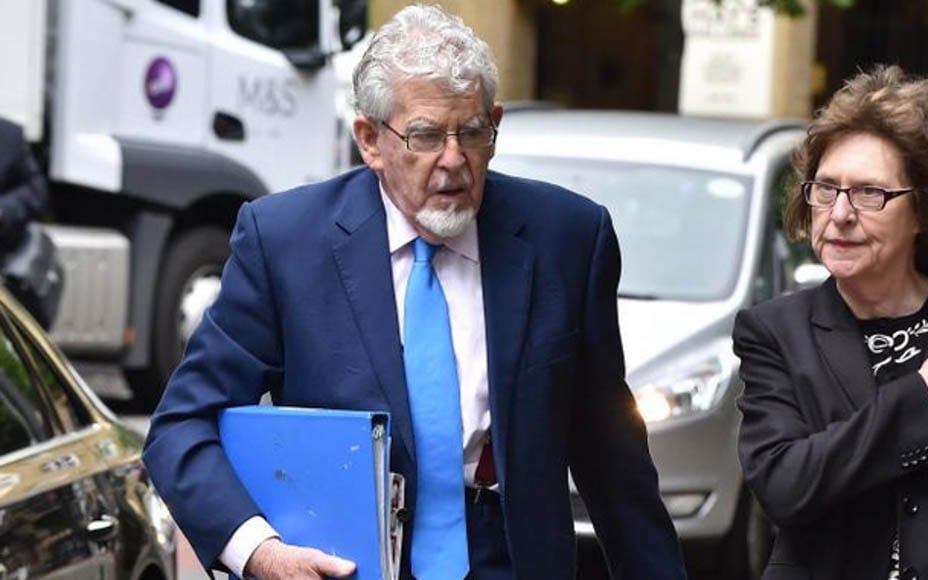
    Pictured above: Paedophile Rolf Harris with his “tireless [or ‘blind to his guilt’] supporter”, niece Jenny Harris.


    Rotten Rolf – Paedo Rolf Harris might be free but he’s still a paedo
    Rolf Harris was mobbed by the media as he left court with Jenny Harris on Tuesday 30th May 2017
  • Failing to Come Together

    Failing to Come Together

    Whilst Theresa May’s Easter message is nothing but a damp squib, Jeremy Corbyn’s response is as much use as a chocolate teapot


    “Let us come together… Let us build a stronger, fairer Britain that works for everyone”, clucked Theresa May on Sunday in a 3:10 minute Easter message posted on YouTube.


    Mixing her Christian values with Brexit, the unelected Prime Minister went on about growing up in a vicarage and stood next to a wonky light fitting. She neglected to mention how the Mail on Sunday had exposed her “grubby, underhand deal” that sacrifices endangered species in favour of trade and growth and she said nothing of the failing inquiry into historic abuse that she’s already wasted over £100 million on.


    In The Guardian, former Labour spin doctor Alastair Campbell took an axe to the message and lambasted it by commenting:


    “I think even vicars’ daughters should be a little wary of allying their politics to their faith… She does not exactly say if God had a vote he would have voted Leave, but she gets closer to it than she should. If she really thinks she is leading a united country full of hope … I suggest she gets out more”.


    He added:


    “I don’t think I have ever known Britain more divided. As for her talk of compassion, community, citizenship and obligations to one another, she has taken an axe to those with regard to Britain’s relations to the rest of the world, and plenty of her domestic agenda points in the opposite direction”.


    Labour leader Jeremy Corbyn responded by calling for “peace” and “reconciliation” but neither he nor Mrs May offer very much hope. God help us all and God help (once) Great Britain.


  • The Business of Blair

    The Business of Blair

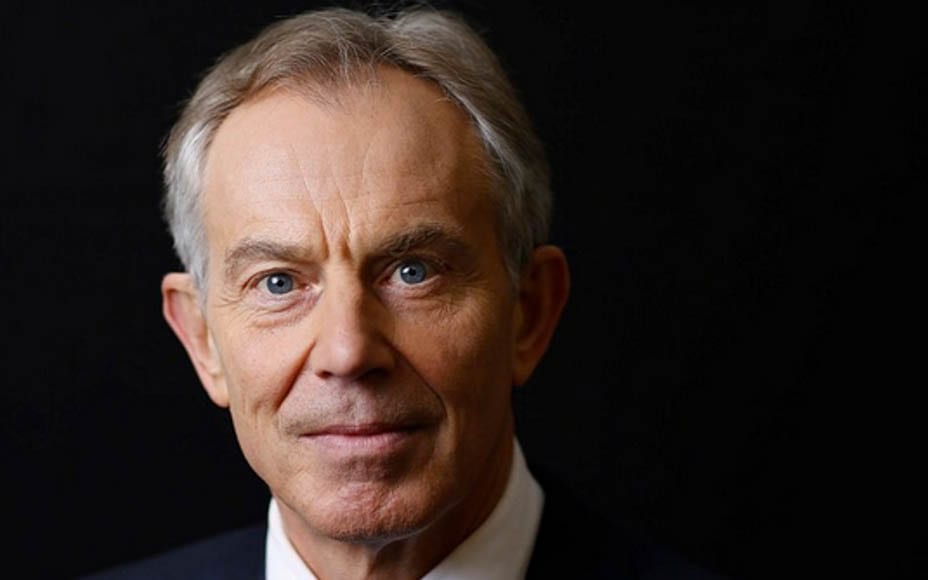
    Tony Blair ditches business and also denies a return to public office


    For weeks, the mainstream media have claimed Tony Blair is preparing to return to public office to save Britain from the nightmare of Brexit. They have claimed he’s ready to seize the support of the 48% and that him and Nick Clegg are colluding to create a new ‘centre left’. He did little to deny it at first but late last week, he shared a post on Facebook that frankly puts a stop to this kind of nonsense.


    Blair, a plainly toxic force in politics due to his highly unpopular backing of George W. over the War on Iraq (and because of his refusal to confine his equally disliked weirdo wife to social Siberia), will never make a comeback and now he’s finally acknowledged that in a very public way.


    In our view, Mr Blair is actually wrong. He’s not nearly as bad as #DarthVader Theresa May and he’s not nearly as ghastly as either the worst Prime Minister’s-in-living-history John Major and Gordon Brown and though we share with you his justifications for not getting involved again, we weirdly find ourselves actually lauding Mr Blair for saying the right thing (for once in his sorry lifetime).


    Mr Blair’s comment, in full, follows:


    Over the past nine years we have built a family of organisations which together employ nearly 200 people; have worked in over 30 countries; and have produced some real and lasting achievements. I am very proud of the commitment and impact of the people I have had the privilege to work with.


    The Africa Governance Initiative has become a respected partner and leader in effective governance where we have worked in 10 different African countries.


    The work we are doing in Africa has been right at the centre of government covering everything from boosting electricity, to improving child and maternal mortality rates to helping on the ground during the Ebola crisis in West Africa, a contribution praised for its impact by both the Presidents of the countries concerned and the international community.


    Outside of Africa in the work done by the commercial governance arm, we again made successful interventions in over 12 countries with 30 different projects promoting reform and change programmes with governments.


    The Tony Blair Faith Foundation has done ground-breaking work in interfaith relations, education and leadership, and most recently in the research and policy work on religiously based extremism through the Centre on Religion and Geopolitics which has been widely recognised as authoritative. 


    In the first years of the Quartet role in the Middle East, we hit double digit growth on the West Bank, drew up ambitious plans for Gaza’s infrastructure and changed the rules around entry of materials into Gaza. In 2011, we played a significant part in the attempt to agree terms of reference for a renewal of the peace process.


    Progress became much more difficult once the peace process stalled. We were partners in the later fresh attempts by the USA to revive the peace process, particularly around plans for the economy to support a future Palestinian state. Unfortunately these attempts also failed.


    Nonetheless, after stepping down from the Quartet position, our new Initiative for the Middle East has re-vitalised our work and means this stays a large part of what we do. I have made over 35 visits to the region this year alone.


    During the time since leaving office, I have learnt a huge amount about the world and frankly what I can do and can’t do to affect it positively.


    We built up a successful business side, though attracted a large measure of criticism for it, much of it inaccurate. It was entirely necessary to build the business to help with the funding to grow the organisations; but it was open to misrepresentation and to criticism either that we were conflating private and public roles or that we were working in countries which aroused controversy.


    Having said that, I also learnt a lot about the way the global economy functions from that experience and pay tribute to the great team I worked with who made much of the development of our work across the organisations possible.


    We are now at the stage and have built the financial infrastructure where it is time to enter a new phase. First we can take the work we have done in Africa, in governance, on extremism and in the Middle East to a new and more effective level; and secondly, in the past six months we have seen political earthquakes in the UK with Brexit and in the American election, as well as an explosion in populist movements all over the European continent. This impacts profoundly all the work we do and the future of globalisation.


    So I want us to bring all the different organisations together under one roof and to re-orient our mission.


    We have deliberately focused, up to now, on some of the greatest and most difficult challenges faced in the era of globalisation: how to give nations the governing capacity to overcome the problems of development and lift their people out of poverty; how to combat the religiously based extremism which threatens global security; how to resolve the most intractable peace process in the world.


    In each case, we have presented a new approach, with the aim of providing new ideas and thinking.


    In governance, especially in Africa, our analysis is that, today, building the capacity to govern effectively – making the way government works efficient as well as transparent – is as important for developing nations as aid.


    Look around the world, and see countries living next to each other – same size population, same resources, same natural potential – one succeeding, one failing. The reason for the difference is found in the quality of governance. Take the following examples: Venezuela and Colombia; Poland and Ukraine; Rwanda and Burundi. And the greatest example in contrasting, contiguous systems of governance the world has seen in modern political history – the Korean Peninsula, North and South Korea. The nation which is succeeding is applying the best rules and lessons of governance; the failing nation is ignoring or defying them.


    On religious extremism, we believe it is essential to widen the struggle, to tackle the ideology behind the violence and not simply the violence itself. So we can defeat ISIS militarily but unless we defeat the ideas behind Islamism – the belief that a particular view of religion should dominate society, politics and the economy, something incompatible with a modern world in which pluralism is the essence – we will never win this battle.


    On the Middle East peace process, we are convinced that a traditional peace process between Israelis and Palestinians with US guidance alone is inadequate; that what is required is a new approach which involves the wider region and the Arab nations and which resolves not just the final status issues like borders but which also resolves the underlying issues of cultural acceptance and regional stability. So we are now working on Arab-Israeli relations, and not simply Israeli-Palestinian relations.


    But it has become clear that there is much overlap between these different areas of work. Extremism is also today a barrier to development. The Middle East conflict impacts extremism. Changing and reforming government applies to Middle East nations as well.


    And since all of these approaches basically represent the open-minded response to global problems, the salience of these new approaches depends on us having an answer to the new populism of left and right which exploits the anger and drives the world apart.


    This new populism may differ in some respects between left and right – the left anti-business, the right anti-immigrant – but in others what is remarkable is the convergence between them, especially around isolationism and protectionism, in what is an essentially closed-minded approach to globalisation and its benefits and to international engagement.


    So we want to add a fourth pillar to what we do. I emphasise this is not in place of our other work but in addition to it.


    This is the creation of a platform designed to build a new policy agenda for the centre ground together with the networks which link people up, and allow a reasonable and evidence based discussion of the future which avoids the plague of social media-led exchanges of abuse. 


    This platform will have a policy unit which will draw on the best ideas and practical solutions, building partnerships with other organisations, in the public policy and private spheres, so that those in the frontline of politics have a bigger and better policy agenda to reflect upon; and a networking capability to join like-minded people up. 


    This is not a think tank. There are enough of those, many doing excellent work we would want to utilise. It is a platform for engagement to inform and support the practising politician.


    It is what I know I would want were I still in the frontline of politics.


    Part of its focus will plainly be around the European debate; but this will not be its exclusive domain. It has to go far wider than that since in many ways the Europe debate is a lightning rod for the whole of politics.


    We’re now planning to bring all of these four parts together in one new Not For Profit Institute. 


    The business side has been shut down and the assets, running into many millions of pounds, gifted to the Institute. In the New Year, we plan to merge the activities of the different organisations into the Institute, with any charitable funds used exclusively for the purposes for which they were originally given.


    This will allow us to work more coherently across the board; use the obvious synergies between the different elements of the work; and to be far stronger on the global policy side than we have been up to now. The focus previously was mainly on programmes. These will remain but the organisation will also be far more about thought leadership.


    This is not about my returning to the front line of politics. I have made it abundantly clear that this is not possible.


    However, I care about my country and the world my children and grandchildren will grow up in; and want to play at least a small part in contributing to the debate about the future of both.  
     

    The Africa Governance Initiative has become a respected partner and leader in effective governance where we have worked in 10 different African countries.


    The work we are doing in Africa has been right at the centre of government covering everything from boosting electricity, to improving child and maternal mortality rates to helping on the ground during the Ebola crisis in West Africa, a contribution praised for its impact by both the Presidents of the countries concerned and the international community.


    Outside of Africa in the work done by the commercial governance arm, we again made successful interventions in over 12 countries with 30 different projects promoting reform and change programmes with governments.


    The Tony Blair Faith Foundation has done ground-breaking work in interfaith relations, education and leadership, and most recently in the research and policy work on religiously based extremism through the Centre on Religion and Geopolitics which has been widely recognised as authoritative. 


    In the first years of the Quartet role in the Middle East, we hit double digit growth on the West Bank, drew up ambitious plans for Gaza’s infrastructure and changed the rules around entry of materials into Gaza. In 2011, we played a significant part in the attempt to agree terms of reference for a renewal of the peace process.


    Progress became much more difficult once the peace process stalled. We were partners in the later fresh attempts by the USA to revive the peace process, particularly around plans for the economy to support a future Palestinian state. Unfortunately these attempts also failed.


    Nonetheless, after stepping down from the Quartet position, our new Initiative for the Middle East has re-vitalised our work and means this stays a large part of what we do. I have made over 35 visits to the region this year alone.


    During the time since leaving office, I have learnt a huge amount about the world and frankly what I can do and can’t do to affect it positively.


    We built up a successful business side, though attracted a large measure of criticism for it, much of it inaccurate. It was entirely necessary to build the business to help with the funding to grow the organisations; but it was open to misrepresentation and to criticism either that we were conflating private and public roles or that we were working in countries which aroused controversy.


    Having said that, I also learnt a lot about the way the global economy functions from that experience and pay tribute to the great team I worked with who made much of the development of our work across the organisations possible.


    We are now at the stage and have built the financial infrastructure where it is time to enter a new phase. First we can take the work we have done in Africa, in governance, on extremism and in the Middle East to a new and more effective level; and secondly, in the past six months we have seen political earthquakes in the UK with Brexit and in the American election, as well as an explosion in populist movements all over the European continent. This impacts profoundly all the work we do and the future of globalisation.


    So I want us to bring all the different organisations together under one roof and to re-orient our mission.


    We have deliberately focused, up to now, on some of the greatest and most difficult challenges faced in the era of globalisation: how to give nations the governing capacity to overcome the problems of development and lift their people out of poverty; how to combat the religiously based extremism which threatens global security; how to resolve the most intractable peace process in the world.


    In each case, we have presented a new approach, with the aim of providing new ideas and thinking.


    In governance, especially in Africa, our analysis is that, today, building the capacity to govern effectively – making the way government works efficient as well as transparent – is as important for developing nations as aid.


    Look around the world, and see countries living next to each other – same size population, same resources, same natural potential – one succeeding, one failing. The reason for the difference is found in the quality of governance. Take the following examples: Venezuela and Colombia; Poland and Ukraine; Rwanda and Burundi. And the greatest example in contrasting, contiguous systems of governance the world has seen in modern political history – the Korean Peninsula, North and South Korea. The nation which is succeeding is applying the best rules and lessons of governance; the failing nation is ignoring or defying them.


    On religious extremism, we believe it is essential to widen the struggle, to tackle the ideology behind the violence and not simply the violence itself. So we can defeat ISIS militarily but unless we defeat the ideas behind Islamism – the belief that a particular view of religion should dominate society, politics and the economy, something incompatible with a modern world in which pluralism is the essence – we will never win this battle.


    On the Middle East peace process, we are convinced that a traditional peace process between Israelis and Palestinians with US guidance alone is inadequate; that what is required is a new approach which involves the wider region and the Arab nations and which resolves not just the final status issues like borders but which also resolves the underlying issues of cultural acceptance and regional stability. So we are now working on Arab-Israeli relations, and not simply Israeli-Palestinian relations.


    But it has become clear that there is much overlap between these different areas of work. Extremism is also today a barrier to development. The Middle East conflict impacts extremism. Changing and reforming government applies to Middle East nations as well.


    And since all of these approaches basically represent the open-minded response to global problems, the salience of these new approaches depends on us having an answer to the new populism of left and right which exploits the anger and drives the world apart.


    This new populism may differ in some respects between left and right – the left anti-business, the right anti-immigrant – but in others what is remarkable is the convergence between them, especially around isolationism and protectionism, in what is an essentially closed-minded approach to globalisation and its benefits and to international engagement.


    So we want to add a fourth pillar to what we do. I emphasise this is not in place of our other work but in addition to it.


    This is the creation of a platform designed to build a new policy agenda for the centre ground together with the networks which link people up, and allow a reasonable and evidence based discussion of the future which avoids the plague of social media-led exchanges of abuse.


    This platform will have a policy unit which will draw on the best ideas and practical solutions, building partnerships with other organisations, in the public policy and private spheres, so that those in the frontline of politics have a bigger and better policy agenda to reflect upon; and a networking capability to join like-minded people up. 


    This is not a think tank. There are enough of those, many doing excellent work we would want to utilise. It is a platform for engagement to inform and support the practising politician.


    It is what I know I would want were I still in the frontline of politics.


    Part of its focus will plainly be around the European debate; but this will not be its exclusive domain. It has to go far wider than that since in many ways the Europe debate is a lightning rod for the whole of politics.


    We’re now planning to bring all of these four parts together in one new Not For Profit Institute. 


    The business side has been shut down and the assets, running into many millions of pounds, gifted to the Institute. In the New Year, we plan to merge the activities of the different organisations into the Institute, with any charitable funds used exclusively for the purposes for which they were originally given.


    This will allow us to work more coherently across the board; use the obvious synergies between the different elements of the work; and to be far stronger on the global policy side than we have been up to now. The focus previously was mainly on programmes. These will remain but the organisation will also be far more about thought leadership.


    This is not about my returning to the front line of politics. I have made it abundantly clear that this is not possible.


    However, I care about my country and the world my children and grandchildren will grow up in; and want to play at least a small part in contributing to the debate about the future of both.  
     

  • Nuno Goncalves – What’s on your mantelpiece?

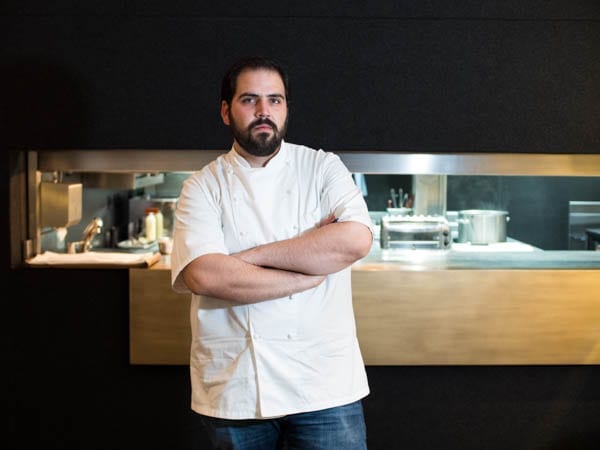
    Nuno Goncalves – What’s on your mantelpiece?

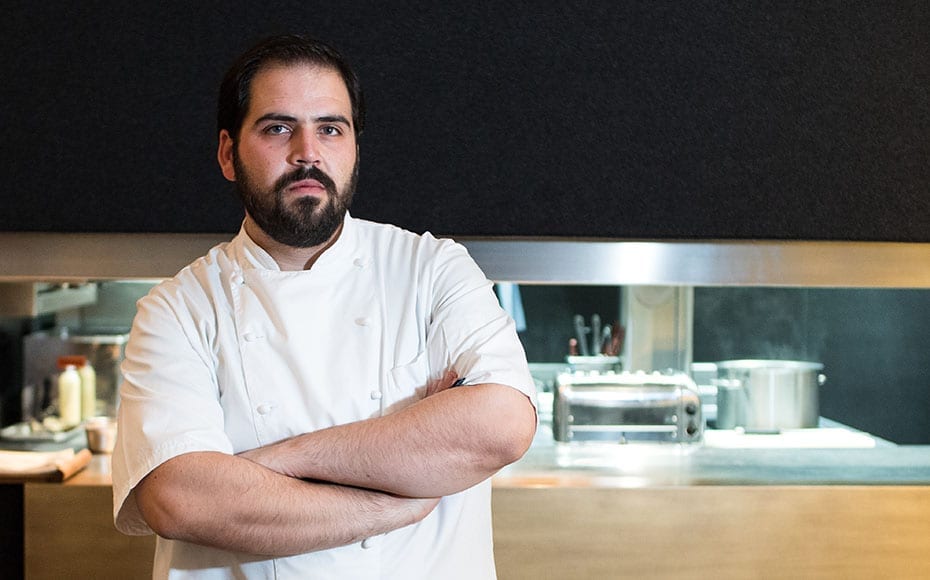
    A 20-question interview with executive chef Nuno Goncalves of 12 Hay Hill in London’s Mayfair


    The Steeple Times shares “wit and wisdom”. What’s your guiding force?

    I am as stubborn as you can get. If I set my mind to something, I won’t stop until I achieve it. It’s what keeps me going.


    “Don’t get even, get medieval” is, in our humble opinion, a great motto. What’s yours?

    Don’t leave for tomorrow what you can do today; life is too short for time wasting.


    Kerry Katona was considered unacceptable in 2007. Who or what is unacceptable in 2016?

    Boris Johnson leading the Leave campaign: It was clearly part of his political game to get to 10 Downing Street.


    Tony Blair misses being Prime Minister. What do you miss most in your life?

    A social life: It’s what you sign up for when you become a chef.


    What might you swap all your wealth for?

    A tranquil and peaceful life, surrounded by family, good friends, good food and, of course, good wine.


    Donald Trump was once a case of: “If you owe the bank a thousand, they close you down; but if you owe the bank a billion, you own the bank”. What’s your view on the banking crisis?

    Over-optimistic greedy bankers lending to over-optimistic under-achievers.


    What phrase or word do you most loathe?

    Ignorance.


    In the UK, some people consider charity to “begin at home”. What’s your view and what causes do you personally support?

    In my opinion it is everyone’s social and moral responsibility to help the less fortunate when possible. I support the British Heart Foundation; they are a fantastic organization helping people with heart disease all over the UK.


    The judge in Law Abiding Citizen states: “I can pretty much do whatever I want” before being blown up whilst answering her mobile phone. What’s your view on the appropriate use of such devices?

    They are a necessity in modern life, but at the same time reduce their user’s awareness of what surrounds them. Mankind is becoming a prisoner of its own evolution.


    Nuno Goncalves – What’s on your mantelpiece?
    Nuno Goncalves


    If you could fill a carriage on The Orient Express, who would be your fellow passengers?

    My wife, son, close friends and family, my team, Boris Johnson, Jeremy Clarkson, Barrack Obama and Donald Trump.


    If you were unfortunate enough to end up on death row, what would be your last meal and where would you eat it?

    Probably my wife’s spaghetti Bolognese at home.


    What time is it acceptable to consume the first drink of the day?

    Whatever time it’s necessary to get you through the day.


    A Negroni, a martini or a cup of tea?

    Coffee.


    Whose parties do you enjoy the most and why?

    As long as there is a party, I’m not really bothered.


    Who is the most positive person you know?

    Probably me.


    What’s your most guilty pleasure?

    Chocolate and wine: In that order.


    If a tattoo were to sum you up, what would it be of?

    Probably an atomic bomb mushroom cloud, but you do not want me to go off.


    If you were a car, what marque would you be?

    A Mercedes-Benz.


    Cilla Black presented Surprise, Surprise. Tell us the most surprising thing about you.

    Hard on the outside but soft on the inside.


    What’s currently sitting on your mantelpiece?

    A portrait of my wife and I; it reminds me of how we used to be. Time flies.


    Nuno Goncalves was born in Portugal and grew up in Toronto. He has worked at the Corinthia Hotel and Galvin at Windows and is now executive head chef of Shaun Rankin’s London restaurants and oversees the dining room at business members’ club 12 Hay Hill in Mayfair, London.


    Follow him on Instagram at @nunogoncalves84.


    Subscribe to our free once daily email newsletter here:[wysija_form id=”2″]


  • One family from new

    One family from new

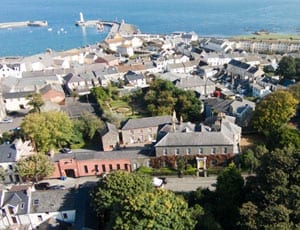
    Grade I listed house in Northern Ireland offered for sale for the first time since it was built in 1620 (more…)

  • Opening up

    Opening up

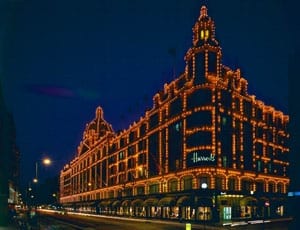
    Knightsbridge residents have a right to peace but they should not have the right to stop legitimate businesses such as Harrods running a restaurant that will serve both locals and visitors (more…)

  • Don’t be an arsehole, be a true friend

    Don’t be an arsehole, be a true friend

    A letter that just had to be shared


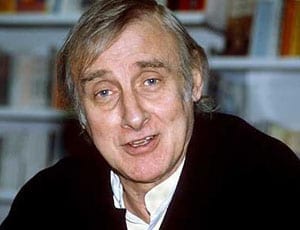
    Today I was sent a scan of a letter written on 6th December 1983 by Spike Milligan. It made me laugh and I thought it most worthy of sharing with readers of The Steeple Times.

      (more…)

  • Noelle Reno: “What’s on your mantelpiece?”

    Noelle Reno: “What’s on your mantelpiece?”

    The Steeple Times asks fashion entrepreneur Noelle Reno: “What’s on your mantelpiece?”


    The Steeple Times shares “wit and wisdom”. What’s your guiding force?

    The weather… Or Tolstoy.


    “Don’t get even, get medieval” is, in our humble opinion, a great motto. What’s yours?

    Eleanor Roosevelt: “Women are like tea bags. You never know how strong they are until you put them in hot water”.

      (more…)