Tag: New York

  • Rocking with royalty

    Rocking with royalty

    A £26 million residence with connections to rock, royalty and rectors


    Built in the early 1500s, The Old Rectory is Wimbledon’s oldest house. Standing in grounds of 2.5 acres, this 16,200 square foot property was once described by a biographer of Sir Henry Cecil as being “not luxurious, but adequate” but now once again it finds itself in an entirely different league.
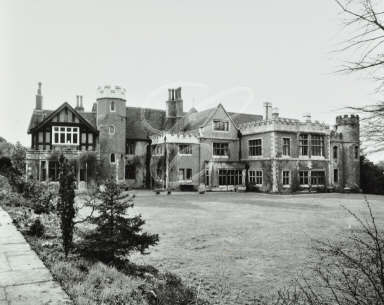
    An image of The Old Rectory, 82 Church Road, Wimbledon, London, SW19 5AA in 1978. Present day imagery has been removed at the request of agents acting for the current owners.

    Priced at £26,000,000, it is almost certainly one of the most expensive homes to ever come to the market in Wimbledon and whoever moves there next will undoubtedly be either an oligarch, an A-list personality or a top achieving business person.


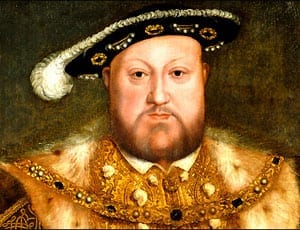
    The purchaser will follow in the footsteps of a fascinating array of historically important residents, the first of whom was Henry VIII (1491 – 1547). The King took up residence in 1547 in the months prior to his death and is said, as he was so bloated, to have been unable to climb the stairs to his sleeping chambers. His bed was relocated to the great hall of the house and here he slept next to the fire. Historical research recounts that, with a brewhouse, beer and wine cellars, a coal cellar, meat room, buttery and two dairy rooms, this was a “house fit for a king.”
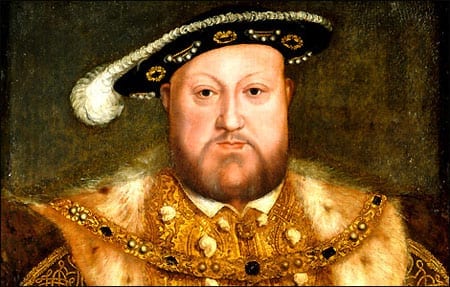
     

    Henry VIII (1491 – 1547)
    Catherine Parr (1512 – 1548)

    Henry VIII gave The Old Rectory, which was originally called The Parsonage House, to his sixth and final wife, Catherine Parr (1512 – 1548). Preferring a residence in Chelsea, Parr left and the Dean and Chapter of Worcester Cathedral took possession. A lease was sold to Sir William Cecil (1520 – 1598), later Lord Burgley, and the manor then passed to his son Thomas Cecil (1542 – 1623), the 1st Earl of Exeter.


    In 1639, Charles I (1600 – 1649) bought the entire manor and gave it to Queen Henrietta Maria (1609 – 1669) but with the era of Comwell, The Old Rectory found itself occupied by General John Lambert (1619 – 1684). Shortly after, when a grander house was built next door, the property became first a laundry house and then servant accommodation and gradually fell into decline.


    The Old Rectory passed next to Sir Theodore Janssen (1658 – 1748) in 1720. This French-born English financier, who was said to be worth the staggering sum of £250,000 at the time of his purchase of the house, was a founder member of the Bank of English but later disgraced for his part in the South Sea Bubble. He was expelled from the House of Commons and with his ruination, The Old Rectory saw yet another chapter of abandonment.
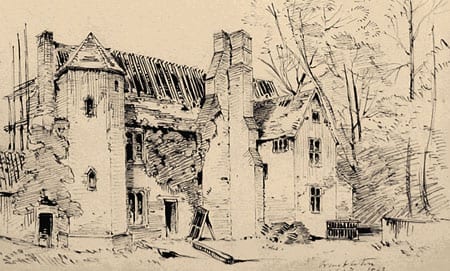
     

    The garden front of The Old Rectory by Charles Henry Money Mileham (1837 – 1917)

    By 1802, the house was described as an “uninhabited” ruin. A speculator credited with developing “modern Wimbledon” named John Augustus Beaumont bought it and restored and extended it but when it was sold to a Samuel Wilson in 1882 for £6,000, an era of truly comprehensive upgrades was to begin. Wilson added a pebble-dashed two-storey drawing room wing, carved oak doors and installed English, Flemish and Italian chimneypieces.


    The next owner was a marine engineer named Matthias Jacobs who had been responsible for the construction of tunnels in Paris and New York. After having purchased The Old Rectory in 1909, he commissioned his brother to add a new single storey billiards room, a service wing and a study extension to mask the medieval chapel of the house. Jacobs sold up in 1923 to a Thomas Lethaby, who fitted oak paneling from Chantry House in Newark and a plaster ceiling based on the one at Knole House, Kent.
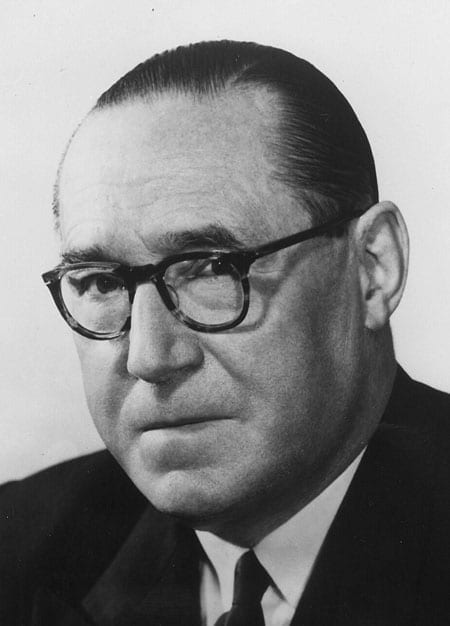
     

    Lord Brock FRCS, FRCP (1903 – 1980)

    In 1953, the eminent London surgeon and cardiologist, Lord Brock FRCS, FRCP (1903 – 1980), took possession of The Old Rectory after having paid £13,750 for it.  Brock is credited as on of the pioneers of modern open heart surgery and also founded the Lord Brock Memorial Trust that to this day funds the museum he founded, The Old Operating Theatre Museum and Herb Garret in Southwark, SE1.


    Following the death of his first wife Germaine Louise Ladavèze, Brock sold to an Iraqi entrepreneur and philanthropist named Basil Faidhi in 1978. Faidhi had fled Iraq for Britain and though he spent vast sums restoring the house with assistance from English Heritage, he also created a basement discotheque for his daughter, Nina, and a bar. Aside from bringing the house into the “yuppie era,” Faidhi also commissioned a historian named Richard Milward MA to write a history of the building in 1992 entitled: The Rectory – Wimbledon’s Oldest House.


    The Queen lead vocalist and anti-badger cull campaigner Brian May CBE purchased The Old Rectory in 1994 for £4,000,000 with the intention of living there with the Eastenders actress Anita Dobson.
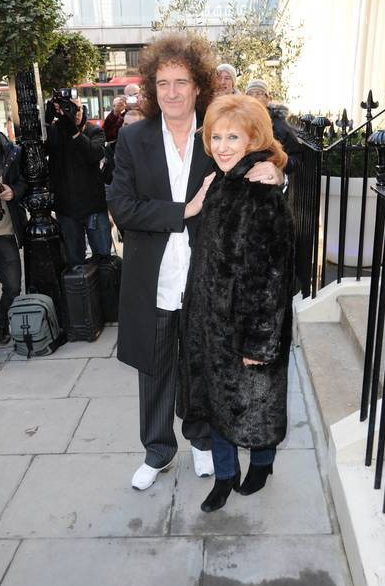
     

    Brian May CBE with his second wife Anita Dobson

    Dobson, who didn’t marry May until 2008, had other ideas and refused to move in. It was suggested that she preferred a smaller house the pair occupied in Kensington and, at the time, a friend commented:


    “[May] begged her to move into the new house so they can make a fresh start. Nobody can believe that Anita doesn’t want to be the lady of this fabulous house. But Brian says he can’t get through to her.”
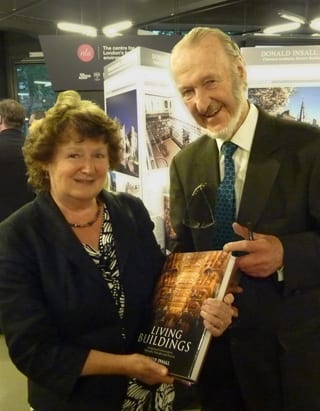
     

    Sir Donald Insall CBE

    As a result, May never properly moved into The Old Rectory and eventually decided to sell. In 2006, it achieved a record price of £16,000,000 and in the ensuing years, an Italian architect-owner named Antonella Carminati and her husband have lavished time and money on further restorations with the help of Sir Donald Insall CBE’s Insall Associates firm of architects.
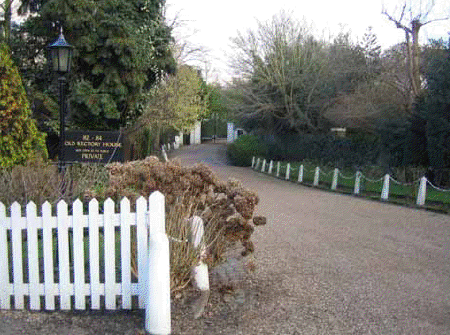
    The driveway that leads to The Old Rectory from Church Road gives plenty of privacy

    New fittings have been installed throughout and substantial extensions to the house have included a new kitchen and breakfast room with garaging beneath. The couple have demolished an early 20th century porch and an “unsightly” oak conservatory, remodeled the billiards room as a drawing room and removed a “bilious” blue swimming pool from the east lawn.


    Now featuring 12,882 square foot of accommodation in the main house and 3,320 square foot of additional accommodation, The Old Rectory has been planned to include 8 reception rooms; a vast kitchen with La Cornue appliances and an adjoining breakfast room; master bedroom suite with two dressing rooms, his and her bathrooms and a sitting room and 7 further bedrooms.


    Outside, the gardens feature an original medieval fig tree trail, shaded paths, lawns and a large pond as well as garaging for six cars. Planning permission for an indoor swimming pool complex has also been granted and ample staff accommodation is provided above one of the garages and in the gate lodge.


    Given the now limited financial resources of the traditional religious houses of Britain, will it be rock, royalty or new money that next takes possession of The Old Rectory? The historians of Wimbledon will undoubtedly be watching.


    The Old Rectory, 82 Church Road, Wimbledon, London, SW19 5AA is for sale through the Wimbledon office of Knight Frank. For more information call: +44 (0) 20 8946 0026.
  • Reversing Fortunes: Tales of former home of Claus von Bulow

    Reversing Fortunes: Tales of former home of Claus von Bulow

    A most curious tale of playboys, socialites, lawyers and real estate moguls


    This week the mystery buyer of Clarendon Court, the former marital home of Claus and Martha “Sunny” Von Bülow (1932 – 2008), was revealed as a restaurateur and real estate mogul named Paul Roiff. Separately, the New York Post reported that Mr Von Bülow’s former lawyer, Alan Dershowitz, had purchased an apartment in Sutton Place, New York at the same time as a postal worker was on trial for killing his sister. The lives of the rich and famous are never anything other than dramatic.
     

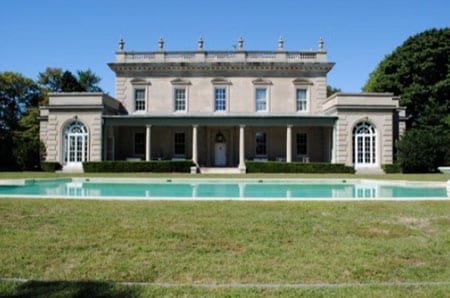
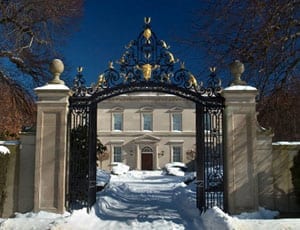
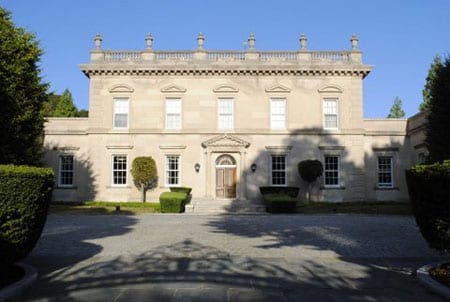
    The front elevation of the former residence of Claus von Bulow: Clarendon Court, 626 Bellvue Avenue, Newport, Rhode Island, RI 02840
    The rear elevation of Clarendon Court, 626 Bellvue Avenue, Newport, RI 02840
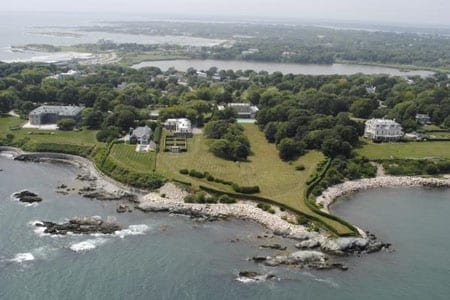
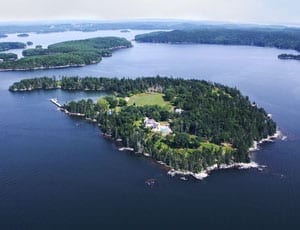
    An aerial shot of Clarendon Court from the Atlantic Ocean

    8-bedroomed Clarendon Court on Bellvue Avenue in Newport, Rhode Island is best known for the events surrounding the utilities heiress Martha Crawford Von Bülow falling into a 28-year coma there and her husband subsequently being tried, convicted and then acquitted for her attempted murder, but this fine residence has much else in its past as well.


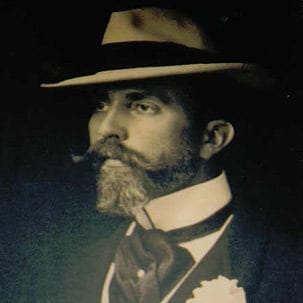
    Edward Collings Knight, Jr. (1863 – 1936)

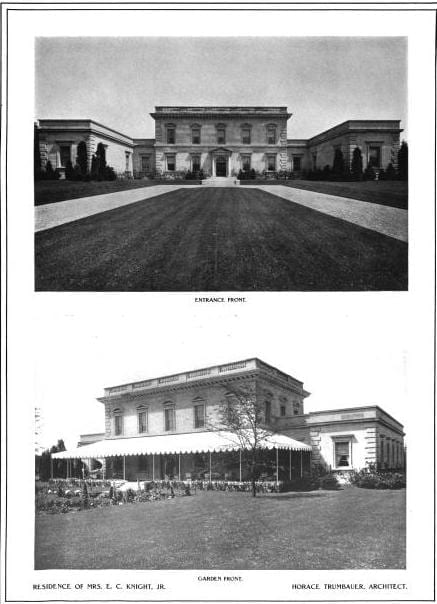
    Designed by the most prominent Ameircan architect of the “Gilded Age,” Horace Trumbauer (1868 – 1938), this Palladian style villa was commissioned in 1903 by Edward Collings Knight, Jr. (1863 – 1936), a sugar-refiner and railroad executive, and his wife, Clara. It was built on an acre plot with views of the Narragansett Bay and is most curiously termed “one of Newport’s finest cottages.” The mansion that was constructed for the couple is an almost exact replica of a proposed house by Colin Campbell at Chester-le-Street in County Durham, England and features Doric columns, quoins and an urn-embellished balustrade. It provided a suitable illustration of Mr and Mrs Knight’s wealth and status.


    Claradon Court in the early 1900s

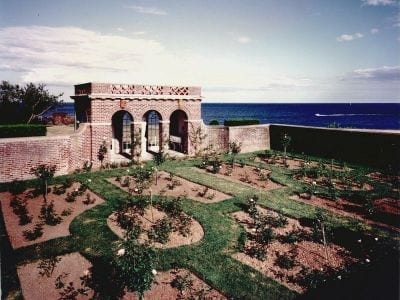
    Edward Knight, who was once described as exhibiting “more talent at spending money than making it,” named the house Claradon Court in honour of his wife and shortly before it was completed in 1904, he acquired an additional six acres of land behind the plot with direct frontage to the Atlantic. Here, he had Trumbauer design a vast carriage house in an early Georgian vernacular as well as a series of high brick walls to protect the gardens from the ocean winds.


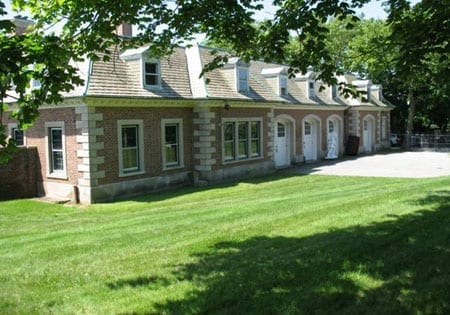
    The coach house at Clarendon Court today
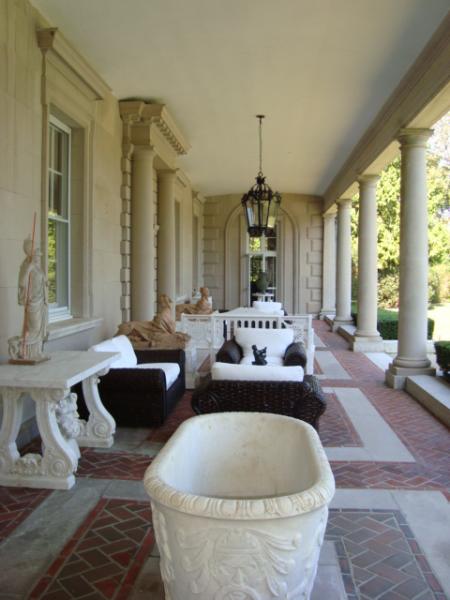
    The rear loggia was added by Mr & Mrs Knight at a later date
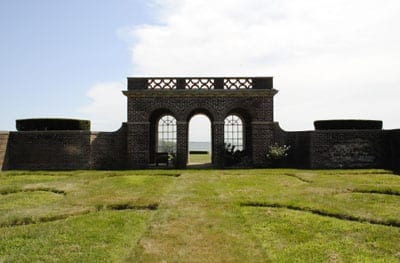
    This arch and walling was added to provide protection against the force of the Atlantic
    A more recent shot illustrates that the flower beds have been laid to lawn

    The Knights engaged a Parisian decorator named Jules Allard to decorate Claradon Court in the English Georgian manner and after several seasons in residence added two wings onto the back of the house. Following Clara Knight’s death in 1928, her husband sold the estate, moved to a more modest Trumbauer designed house in neighbouring Middleton and remarried. His second wife, Marie Louise LeBel, is remembered as a “foul-mouthed, hard-drinking [woman], who thought nothing of killing a neighbour’s dog with a shot from her pearl-handled pistol.”  Together they went on to spend the vast sum of constructing a $383,000 mansion in North Carolina as a hunting lodge. It is now the home of the Whalehead Club.


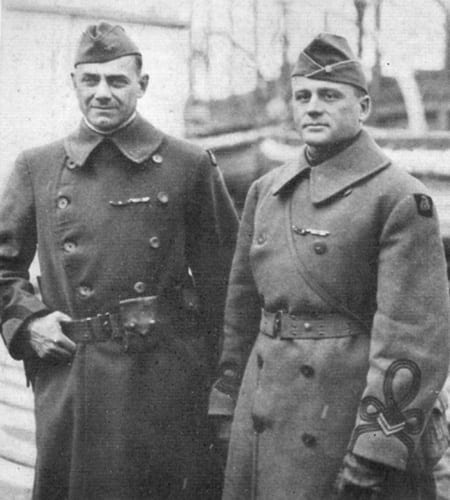
    Colonel William Hayward with Major Arthur W. Little

    The purchaser of Claradon Court was a First World War hero named Colonel William Hayward (1877 – 1944) and his wife, Mae (1880 – 1956). Whilst the colonel is remembered as the commander of the “Harlem Hellfighters,” a regiment that “never lost a man captured, a trench, or a foot of ground,” his wife was truly a character.


    Born in Connecticut, Mae Cadwell had divorced her first husband Selden B. Manwaring of Hartford in 1914 to marry the older and richer Morton F. Plant of New York and New London, Connecticut. Morton Plant adopted her son by her first marriage, Philip “Paul” Morgan Manwaring Plant (1901 – 1941), and when he married the well-known actress Constance Bennett (1904 – 1965) in 1925 more controversy followed. The millionaire socialite Plant’s life is well documented not only as it was for him that the term “playboy” was originally created but also because of his bitter divorce from Bennett in 1929.


    Following their purchase, Colonel and Mrs Hayward decided to have the name of Claradon Court changed to Clarendon Court to distance any lingering associations with Clara Knight and she is said to have filled the building with fine and decorative art. The colonel died in 1944 and his widow married for the fourth time, this time taking the president of the American Car & Foundry Company, John E. Rovensky, as her husband. After her death in 1956, Rovensky continued to use Clarendon Court until his own death in 1970 and even allowed it to be used as the set of the 1956 American musical comedy film High Society that starred Bing Crosby, Grace Kelly and Frank Sinatra.


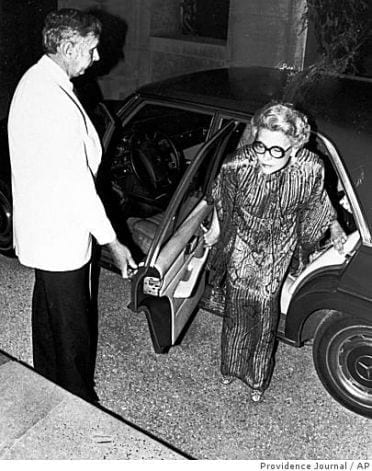
    Martha “Sunny” Von Bülow (1932 – 2008)
    Claus Von Bülow during one of his trials

    In 1970, Clarendon Court’s most notorious chapter commenced when the utilities heiress Sunny Von Bülow and her husband Claus purchased the house as it was here in December 1980 that Mrs Von Bülow fell into the irreversible coma that she was to remain in until her death in December 2008. The story of Claus Von Bülow’s trials for the attempted murder of his wife is well known and the 1990 film Reversal of Fortune, starring Jeremy Irons, Glenn Close and Ron Silver, is most definitely a true masterpiece.


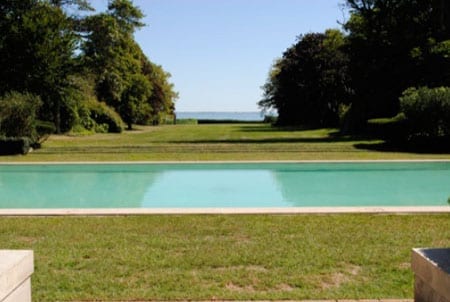
    Considered a couple of “exceptional taste,” the Von Bülows were described as having filled Clarendon Court with exceptional 18th and 19th century English furniture. They also significantly improved the grounds by hiring the landscapers Innocenti & Webel to create an elegant allée to the sea by removing a hillock that had always deprived the ground floor rooms of an ocean view.


    The Von Bülow landcaped the grounds to create a better view from Clarendon Court towards the Atlantic Ocean

    In 1974, Claus Von Bülow wrote of Clarendon Court in an article for the Bulletin of the Newport Historical Society:


    “The author of this article has lived happily at ‘Clarendon’ for the past four years. As a European he has found much to admire in Newport, with its sense of history and its preservation of a unique architectural heritage. He hopes some future writer will cover the occupancy of his family at ‘Clarendon’ with as much wistful charity as he has endeavored to extend to its previous owners.”


    Von Bülow, at that time, plainly could not have imagined the tragic event that was to follow in December 1980 and for what the house would indeed become best known.


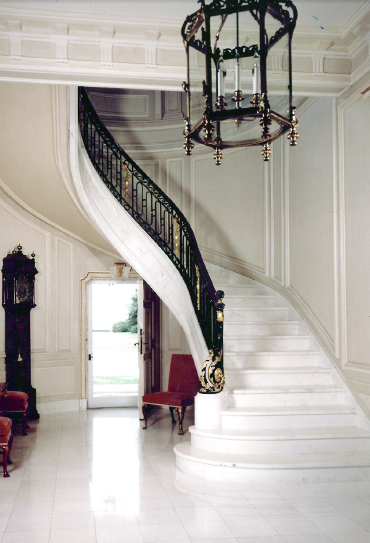
    The main staircase at Clarendon Court
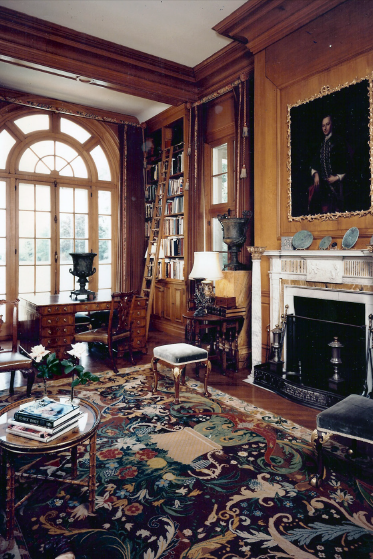
    A study at Clarendon Court

    A committee managing Sunny Von Bülow’s affairs sold Clarendon Court in 1988 to a fine art and antique dealer named Glenn C. Randall and his wife Patricia for $4,300,000. The couple converted the service wing into a gallery for their collection and lived there until Mrs Randall died after a battle with cervical cancer in May 2010. The 12,800 square foot house and it’s 10,000 square foot coach house were placed on the market for $17,800,000 in October 2010 and whilst the price was subsequently was brought down to $15,800,000, it languished until being sold in July 2012.


    The new master of Clarendon Court, Paul G. Roiff, is a graduate of Boston University and Suffolk Law School. He is the president of a real estate company named Heath Properties and also co-owns a number of restaurants in Boston including Mistral, Mooo, Teatro and Sorellina as well as a 63-bedroom hotel named XV Beacon.


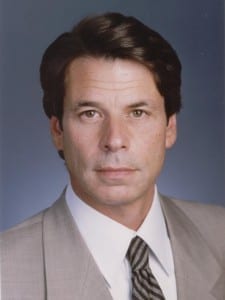
    Paul G. Roiff

    Plainly publicity shy, Roiff, who also owns homes in Florida and Michigan, used one of his employees, Keith Beardsley, to purchase Clarendon Court on his behalf. He paid $13,126,000 for the estate.


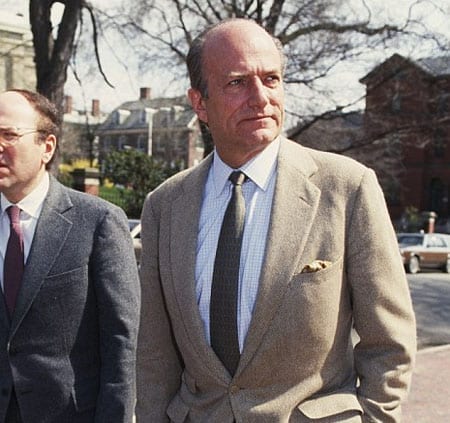
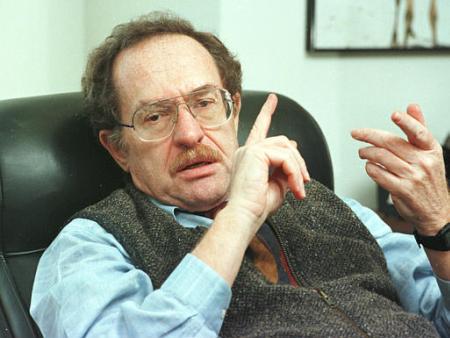
    Celebrity lawyer Alan Dershowitz
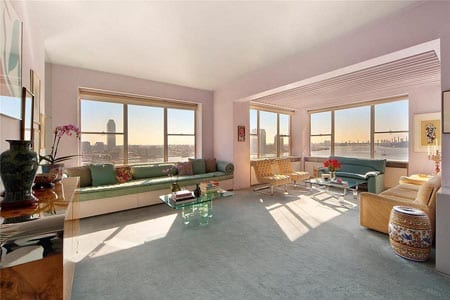
    Alan Dershowitz’s new pied-à-terre at 45 Sutton Place, New York, NY 10022, USA

    In another development, on the 25th September The New York Observer reported that the lawyer who became famous representing Claus Von Bülow, Alan M. Dershowitz, had bought a 3-bedroomed apartment in the “stronghold of old money,” 45 Sutton Place, for $1,680,000. Plainly Mr Dershowitz, who subsequently represented O. J. Simpson, has done well and is plainly now richer than his first “celebrity” client. He also owns a 6-bedroom residence in Cambridge, Massachusetts and was able to use his verbal talent to persuade the sellers of the Sutton Place co-op downwards from their original $2,290,000 asking price.


    Separately, late last month, Dershowitz and his family were in court for the trial of a postal worker named Ian Clement. A 7-tonne truck driven by Clement had crushed and killed Marilyn, the 68-year old sister-in-law of Alan Dershowitz, in New York in July 2011. Dershowitz, a retired special referee for the New York court system, had been out for a bicycle ride with her husband, Nathan, a partner at Dershowitz, Eiger & Anderson.


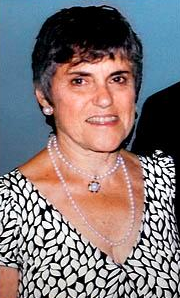
    Marilyn Dershowitz
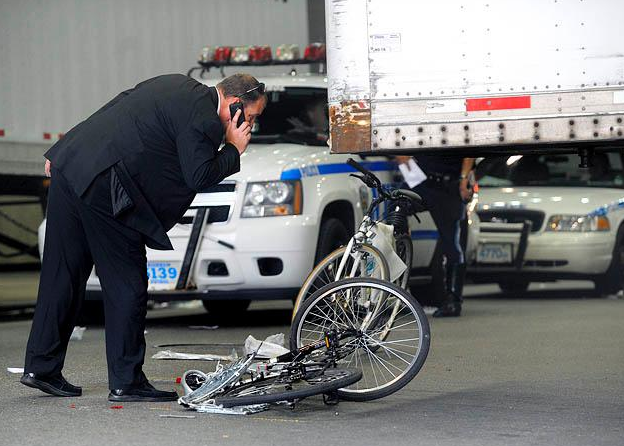
    The scene of the fatal accident that killed Marilyn Dershowitz

    Surprisingly and much to the distaste of the Dershowitz family, Clement, who had been charged with leaving the scene of a fatal accident, was acquitted by a jury on the 20th September. Of this, Alan Dershowitz commented:


    “The facts clearly justified a guilty verdict… I think a stronger presentation might have brought about justice. Instead, we have an injustice.”


    Both the Von Bülows and the Dershowitz family have endured loss and a huge amount of media attention since the events of the early 1980s. Perhaps these most recent moves will bring with them a new chapter for both Clarendon Court and Mr Dershowitz himself. Meanwhile, Claus Von Bülow, though not quite as wealthy as he was in his days at Clarendon, prospers in London and is considered one of the city’s “finest wits.” How fortunes do indeed revolve.


    For more details about The Whalehead Club, go to: http://www.whaleheadclub.org


    Contact Alan M. Dershowitz at: Hauser Hall 520, 1575 Massachusetts Avenue, Cambridge, Massachusetts, MA 02138. Telephone: +1 (617) 495-4617. View his official website at: http://www.alandershowitz.com/ or follow him on Twitter at: http://www.twitter.com/alandersh


    The agent for Glenn C. Randall in the sale of Clarendon Court was Paul Leys of Gustave White who can be contacted on +1 (401) 848-6706 or by email at: [email protected]

  • Martha Stewart

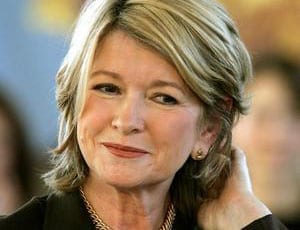
    Martha Stewart

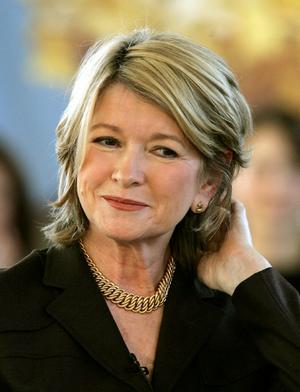
    This “High Priestess of Homemaking” was brought up in ordinary surroundings in Jersey City, New Jersey but became a self-made business magnate, author, magazine publisher and television personality. A divorced mother of one, Stewart briefly dated Sir Anthony Hopkins but couldn’t help associating him with his Silence of the Lambs character, Hannibal Lecter, and so ended the relationship. Now worth some $638 million, she was jailed briefly in 2004 after being convicted of insider trading but has made a remarkable comeback in the years since. Stewart lives in Katonahm, New York and also has a 35,000 square residence named Skylands on Mount Desert Island, Seal Habor, Maine that formerly belonged to Edsel Ford, the son of Henry Ford. America’s “Queen of Entertaining” is a lady who has worked extremely hard and as a result she is deservedly one of the world’s most successful businesswomen.

  • Stuart Graber: “What’s on your mantelpiece?”

    Stuart Graber: “What’s on your mantelpiece?”

    The Steeple Times asks Stuart Graber, chairman of The Alternative Board London and former managing director of Time Warner International: “What’s on your mantelpiece?”


    The Steeple Times shares “wit and wisdom.” What’s your guiding force?

    Superior mind, superior attitude.


     “Don’t get even, get medieval” is, in our humble opinion, a great motto. What’s yours?

    A quote from Calvin Coolidge: “Nothing in this world can take the place of persistence. Talent will not; nothing is more common than unsuccessful people with talent. Genius will jot; unrewarded genius is almost a proverb. Education will not; the world is full of educated derelicts. Persistence and determination alone are omnipotent. The slogan ‘press on’ has solved and always will solve the problems of the human race.”


    Kerry Katona was considered unacceptable in 2007. Who or what is unacceptable in 2012?

    Piers Morgan.


    Tony Blair misses being Prime Minister. What do you miss most in your life?

    Good friends who have gone over to the other side.


    What might you swap all your wealth for?

    Continued good health.


    Donald Trump was once a case of: “If you owe the bank a thousand, they close you down; but if you owe the bank a billion, you own the bank.” What’s your view on the banking crisis?

    History has taught us time and time again that when there is money to be made certain individuals will do “anything” they possibly can to benefit and that includes breaking the established rules and regulations.


    What phrase or word do you most loathe?

    “What will be, will be.”


    In the UK, some people consider charity to “begin at home.” What’s your view and what causes do you personally support?

    My family and I believe that children and animals are most deserving of our charitable giving.


    The judge in “Law Abiding Citizen” states: “I can pretty do whatever I want” before being blown up whilst answering her mobile phone. What’s your view on the appropriate use of such devices?

    These highly lethal modern technological marvels form a new arsenal of weaponry. I would imagine that the use of these devices requires a good deal of professional training and skill. If they are “used appropriately” by the military and law enforcement then they should be utilised to save lives.


    If you could fill a carriage on The Orient Express, who would be your fellow passengers?

    A mixture of family, friends and acquaintances whose company I enjoy.


    Stuart Graber

    If you were unfortunate enough to end up on death row, what would be your last meal and where would you eat it?

    A Chinese ten-course dinner with the leader or person who could commute my death sentence. It would preferably be consumed on a private jet that can take off when I tell it to.


    What time is it acceptable to consume the first drink of the day?

    It depends on which country and what age you happen to be however if pressed I would say about 2-3 hours before you eat dinner.


    A Negroni, a martini or a cup of tea?

    Martini.


    Whose parties do you enjoy the most and why?

    LA based entertainment industry parties. They are much more experienced and better equipped to create the most amazing environments for a party.


    Who is the most positive person you know?

    My wife, Susan.


    What’s your most guilty pleasure?

    Smoking Cuban cigars.


    If a tattoo were to sum you up, what would it be of?

    A British bulldog, not because they are tough or mean looking but because they are the embodiment of loyalty and love.


    If you were a car, what marque would you be?

    A Grabercar. For those who don’t know, they are lightweight sports cars.


    Cilla Black presented “Surprise, Surprise.” Tell us the most surprising thing about you.

    I am an expert marksman and knife thrower.


    What’s currently sitting on your mantelpiece?

    Statues of my bulldogs, The Manoush and Cupcake.


    A graduate of Harvard Business School, Stuart Graber is the chairman of the Alternative Board London. He lives in North London and was previously managing director of both Time Warner International and Music Choice Europe. He was also involved in developing, licensing and distributing culturally and linguistically adapted versions of Sesame Street and obtained the first commercial network radio license in the United Kingdom for Classic-FM.


  • Video of the Week: Total Control

    Video of the Week: Total Control

    Nicky Haslam adds another string to his bow


    Nicky Haslam is a man of many parts. He’s best known as an interior designer and author but over the years, in chameleon like fashion, he’s variously styled himself as Liam Gallagher, bought a house in Transylvania on the net and once told Vanity Fair he’d rather meet Kim Jong Il than Nelson Mandela. Whether he’s partying with Paris Hilton or working with a Russian oligarch, Haslam’s character and charm always shine through and for good reason he tops the list of the most invited in the land.


    Nicky Haslam’s “Total Control”


    Nicky Haslam’s life has been well documented in many a column but his latest move, recording a debut album entitled Midnight Matinée, can certainly be described as a bold departure. Yes, he did cabaret at Bellamy’s in 2009 and The Savoy in 2010 but having heard the first song, this truly does represent something akin to Kevin Spacey’s Beyond the Sea. I must admit that I thought it vastly superior.


    Produced by David Ogilvy, who wrote the music for a BBC film about the interior designer, Total Control is the first in the series of songs to be released. It is accompanied by a video by a Canadian filmmaker named Douglas Arrowsmith.


    We at The Steeple Times very much like Haslam’s “highly individual” foray into the “contemporary music scene” and for that reason make it our video of the week.


    For more on Nicky Haslam and his interior design business, go to: http://www.nh-design.co.uk


    Listen to Total Control and watch the accompanying video at: http://www.youtube.com/watch?v=gyvmrswykXM

  • How the mac ’n’ cheese met the truffle oil

    How the mac ’n’ cheese met the truffle oil

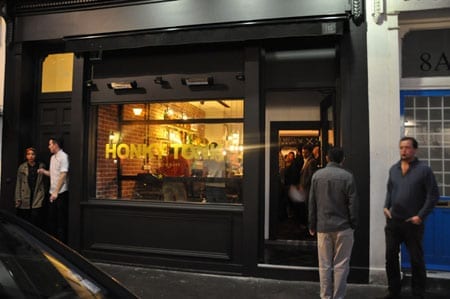
    Christian Huhnt recounts an evening of rock ‘n’ roll at the opening party for Hollywood Road’s latest venue, Honky Tonk


    When you hear about the opening of a London-based “underground NYC inspired rock ‘n’ roll restaurant,” the last thing you expect is to find it in the very heart of an area that estate agents now call “Little Chelsea.”


    Honky Tonk, 6 Hollywood Road, London, SW10 9HY

    So, my companion Steffen and I headed off to determine what this mystery may be, and to learn what the owner, who is supposedly involved in The Supper Club, was willing to reveal that night. As soon as I arrived, I found myself sipping a chilled drink, while listening to some Screamin’ Jay Hawkins vibes. “The Gringo,” a mix of tequila, juice and wheat beer is described as “a delectable intertwining of Mexican and British” on Honky Tonk’s drinks menu and it is just such.


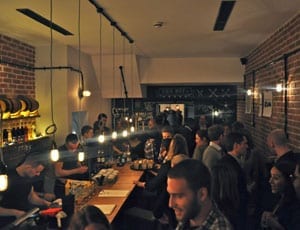
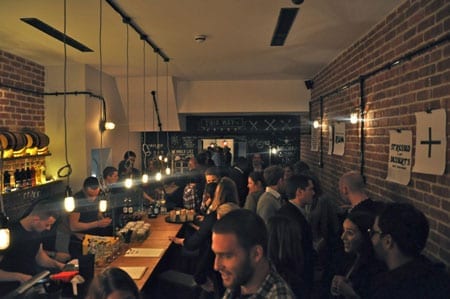
    As I was pushed deeper into the venue, away from the bar at the entrance, I felt I had been left alone in the middle of Shoreditch, with a 60s-inspired retro-American “highway diner” flair interior of unrendered walls, raw lightbulbs, Formica tables, and pierced and tattooed modern-hippy looking 20-somethings; only the pretty waitresses reminded me, that I was in fact not in a greasy US-diner, but at an opening in Chelsea, West London.

    Guests enjoying Honky Tonk’s opening bash
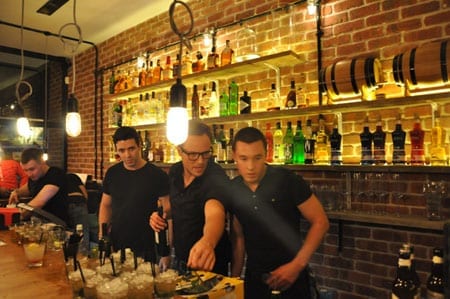
    Honky Tonk’s bar staff creating cocktails
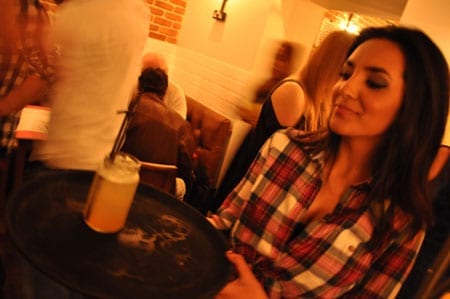
    One of Honky Tonk’s waitresses serving cocktails

    When it came to the food, served as canapés, it again became clear, that I was in SW10. The “not” fried chicken, as the waitress educated me, is only coated with a “special recipe” and then oven-baked. It has as much crispy pleasure as it would have had fried, but it is far healthier and plainly designed so as not to dispossess the figure conscious guests of this elite neighborhood.


    Almost finished with this delight, I tasted the next dish on the menu: New England crab cakes in a chili-mayo sauce, followed by little potato skins loaded with chilli con carne and sour cream. As I wasn’t sure anymore if this food could be solely called “good old-fashioned American bites,” the next dish was most definitely the tip of the iceberg: the macaroni cheese, apparently the “Baked Beans of America,” the synonym of cheap grub, the epitome of total culinary absence. Here at Honky Tonk, though, they controversially served this with a porcini béchamel and truffle oil sauce, along with roasted wild mushrooms. Believe it or not, it worked and it was bloody good.


    While getting in the mood with another fancy drink, one of my favorites by the way, I tried a rum and ginger beer concoction topped with a slice of lime and listened to Elvis Presley’s Mystery Train playing in the background. Whilst enjoying this, I realise that the Chelsea boys and girls have arrived and are mingling with the hip East London crowd. I have seen this lot at many other openings and can’t assume they were shipped in, but nonetheless the spot is suddenly buzzing and a great evening follows.


    Examples of the humour of Honky Tonk’s management adorn the venue’s walls

    Honky Tonk promises to deliver the New York vibe, bringing cool Blues, Jazz and Rockabilly tones with regular live music to the heart of posh Chelsea. Well done so far.


    Rock on!


    Honky Tonk, 6 Hollywood Road, London, SW10 9HY. Telephone: +44 (0) 207 351 1588. Website: http://www.honkytonkchelsea.com.

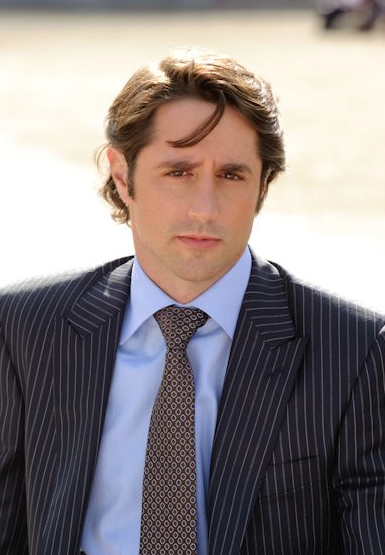
  • Prince Lorenzo Borghese: “What’s on your mantelpiece?”

    Prince Lorenzo Borghese: “What’s on your mantelpiece?”

    The Steeple Times asks the businessman, philanthropist and reality television star Lorenzo Borghese: “What’s on your mantelpiece?”


    The Steeple Times shares “wit and wisdom.” What’s your guiding force?

    Beer and bacon. I need both to function.


    “Don’t get even, get medieval” is, in our humble opinion, a great motto. What’s yours?

    “No one sues a homeless man.”


    Kerry Katona was considered unacceptable in 2007. Who or what is unacceptable in 2012?

    Kerry Katona: Who is she anyway?


    Tony Blair misses being Prime Minister. What do you miss most in your life?

    My black Labrador, Belle, who died of cancer in 2005.


    What might you swap all your wealth for?

    Someone else’s wealth, someone who has more wealth than I have.


    Donald Trump was once a case of: “If you owe the bank a thousand, they close you down; but if you owe the bank a billion, you own the bank.” What’s your view on the banking crisis?

    Plant more trees.


    What phrase or word do you most loathe?

    LOL.


    In the UK, some people consider charity to “begin at home.” What’s your view and what causes do you personally support?

    Charity begins with a problem that needs a solution. Helping others is our responsibility as the dominant beings on this planet. My favorite charity is Animal Aid USA not just because I co-founded it, but because all of it’s members are volunteers and love animals.


    The judge in “Law Abiding Citizen” states: “I can pretty do whatever I want” before being blown up whilst answering her mobile phone. What’s your view on the appropriate use of such devices?

    They say: “Whatever doesn’t kill you makes you stronger.” Being blown up kills you, so that’s where I draw the line.


    If you could fill a carriage on The Orient Express, who would be your fellow passengers?

    My family, close friends and a little band called The Rolling Stones – there’s never a good party without good music.


    Prince Lorenzo Borghese

    If you were unfortunate enough to end up on death row, what would be your last meal and where would you eat it?

    Three bacon cheeseburgers in the middle of the Amazon jungle.  I think they would provide me with enough energy to sneak away and get lost forever.


    What time is it acceptable to consume the first drink of the day?

    That all depends what one is drinking.


    A Negroni, a martini or a cup of tea?

    Why do I have to choose? I’ll take all three.


    Whose parties do you enjoy the most and why?

    The one’s I have because I tend to know more people at those.


    Who is the most positive person you know?

    Mickey Mouse: That guy is always waving and dancing.


    What’s your most guilty pleasure?

    I don’t have one. What pleases me doesn’t make me feel guilty.


    If a tattoo were to sum you up, what would it be of?

    A tiny freckle: I’m not a fan of tattoos, so the smaller the better.


    If you were a car, what marque would you be?

    Any electrical car as long as it’s yellow, has four wheels and a great sound system.


    Cilla Black presented “Surprise, Surprise.” Tell us the most surprising thing about you.

    I don’t wear underwear – I never understood the purpose.


    What’s currently sitting on your mantelpiece?

    Several pictures of my family, a lighter and an empty pack of matches.


    Prince Lorenzo Borghese is the founder and president of Royal Treatment, a high-end bath, body and skin care line for pets. He is also the founder and president of Animal Aid USA, a not-for-profit focusing on saving animals and changing laws to stop animal cruelty. In 2006, he starred in ABC’s reality show, The Bachelor, and in summer 2012, he was one of the housemates in Channel 5’s Celebrity Big Brother in the UK.


    For more information on Royal Treatment, go to: http://www.getroyaltreatment.com


    For more information on Animal Aid USA, go to: http://animalaidusa.org


  • Hook off

    Hook off

    The deportation of Abu Hamza and the story of Hassan Butt


    It’s taken far too long but thankfully the day of Abu Hamza al-Masri’s deportation has arrived. This evil one-eyed Egyptian-born Sunni preacher, best known for his hateful views and involvement in terrorism, has been in prison in Britain since 2004 and is now finally to be extradited to America to face terrorism charges.


    Abu Hamza al-Masri
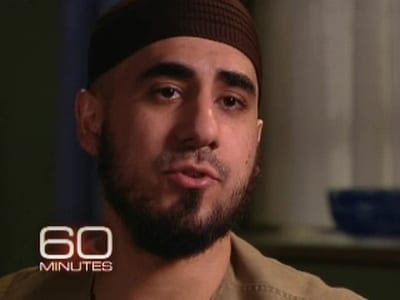
    Hassan Butt when he appeared on the American CBS television magazine news show “60 Minutes”

    My only experience of such people involved meeting a young man named Hassan Butt in 2008. Butt, known in the Muslim community as the Al Qaeda supergrass,” was allegedly a former recruiter for the organisation. I met with him after he wrote an article for the Daily Mail in which he stated:


    “My plea to fellow Muslims: you must renounce terror… My pleas to fellow Christians: you must renounce racism.”


    These words came from a man, born in 1980, who had previously said of Britain:


    “I feel absolutely nothing for this country. I have no problem with the British people… but if someone attacks them, I have no problem with that either.”


    These words came from the very mouth of a man who had been a member of the now banned radical Islamist group Al-Muhajiroun. Butt claimed to have taken tea with Mohammad Sidique Khan, the leader of the 7 July bombings, recruited upto 200 people to undergo jihadist training in Pakistan and raised between £7,000 and £9,000 a month towards the “cause.” Here was someone who had concluded that:


    “I would agree to being called a radical and one day I may even be called a terrorist, if Allah permits me. That is something it would be an honour to be called.”


    On the day Butt’s “Damascene conversion” article was printed I was working with an American billionaire vodka tycoon on his various projects in the UK. The man concerned came to London on a periodic basis and always began his day by scouring his favourite right-wing paper for whatever took his fancy. If there were something or someone he liked the look of in it, he’d yell across the room: “Get ‘em round.” More often than not, when I made the call, such people would turn up as many sought funding for their projects. Few of them ever got whatever they were after as this individual was especially careful with his dollars.


    On reading Butt’s article, which I admit I also found well written, the Jewish billionaire was thoroughly impressed. He said: “I like the sound of this guy. Get him round.” At the end of the article was a Gmail address so reluctantly, imagining that no doubt MI5 would begin monitoring my own account, I sent off a message. Within minutes, Mr Butt was on the phone.


    Butt told me that he’d be in London in the following days to appear on Newsnight with Jeremy Paxman so I invited him to lunch. On the day in question, an extremely well presented 27-year old appeared in a brand new £50,000 Audi Q7.  After he’d parked, I said: “That’s a nice car.” His response: “The BBC have loaned it to me.” I was perplexed and thought this unlikely, but let it go.


    I introduced Mr Butt to the vodka tycoon and for the next hour, the Muslim and the Jew chatted about the differences and similarities between their religions and ways of life. The utterly charming Butt wanted the billionaire, who happened to own a publishing house, to pay for and print his autobiography. The aggressive billionaire had another agenda. His vision of how to unite the religions was to produce a leaflet. He ranted: “It’ll begin thus: ‘If I want to worship a tree, I’ll worship a tree’.” An impasse was reached.


    Over lunch at Choy’s on the Kings Road, the conversation continued hopelessly in the same vein. When it was over and as Butt drove away in the Q7, all I could think of was that the security services would most probably now begin monitoring our business activities.


    That night, Butt appeared on Newsnight and beat off all of Jeremy Paxman’s attacks. I suppose all who recruit for terror organisations are probably charm personified but Butt most definitely showed his utter brilliance of mind when put up against the media’s finest.


    Butt’s strategy worked as he was subsequently invited by the then Minister of State for Security, Counter-terrorism, Crime and Policing, Tony McNulty, to advise them on how to stop young Muslims being “radicalised.” Butt, whom a government source described as having “understood the terrorist mindset perfectly,” had managed to get to the heart of the British government.


    The next move of this man, who was arrested but released without charge on five counter-terrorism charges between 2002 and 2008, was to claim that Greater Manchester Police were harassing him. Many of his allegations, though, were illustrated to be pure fantasy in the transcripts of interviews held with them:


    “I actually arranged myself to be stabbed in the shoulder, sorry in my arm and in my back because I knew if I said I had been attacked Shiv ([Malik] a freelance journalist and co-author of Butt’s autobiography, Leaving Al Qaeda: Inside The Life And Mind of A British Jihadist) was going to ask for some proof so basically I stabbed myself… you know it was just part of the whole scam.”


    I do not know what has become of Butt now but the last reports of him I have been able to find were published in the Daily Mail in July 2009. Here, the paper reports that he “hurled an onslaught of race abuse at police” during an argument over where his Audi Q7 was parked. How odd that that vehicle, supposedly loaned by the BBC, had surfaced again but equally strange was that this educated man was accused of shouting such things as: “Do you like feeling Pakis up?” and calling police “Gestapo,” “bald dogs” and “members of the BNP.” This portrayal was most certainly at odds with the Butt that I met, but plainly he was the Jekyll and Hyde of Al Qaeda.


    Whilst my encounter with the pseudo-terrorist Butt was almost certainly with a young man of fantasist tendencies, Abu Hamza truly is a preacher of hate and a force for evil. This hook-armed “terrorist facilitator with a global reach” claimed tens of thousands in benefits in Britain yet also incited others to blow up our citizens. He solicited murder and stirred up racial hatred yet happily ran up legal costs at this nation’s expense. As such, Abu Hamza’s downfall is very much welcomed and his deportation from the British Isles will be celebrated not just by Her Majesty the Queen but indeed by the whole nation.


    Watch a Channel 4 News video clip featuring Hassan Butt at: http://www.youtube.com/watch?v=_t3uw2nZ7kY


  • No man is an island

    No man is an island

    The joys and pitfalls of island life


    Living on a private island would, to many, seem like a dream. The prospect of being able to do what you want, when you want and without having to pander to rules and regulations indeed does sound appealing. Swapping the rat race and daily commute for white sandy beaches, crystal-clear waters and peace and tranquility would undoubtedly tempt huge numbers of us. Taking up the mantle of Robinson Crusoe certainly has it’s merits, but what are the perils of owning an island and what is currently available?


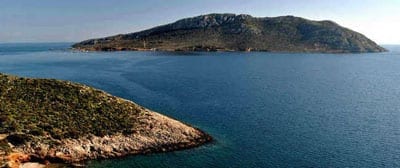
    The Greek island of Patroklos

    On the leading website for the sale of islands, Private Islands Online, the most expensive undeveloped island on offer is the island of Patroklos in Greece. This relatively flat 643-acre undeveloped island boasts a “mild and pleasant” climate and 275-acres of cultivable land. It has about 150 goats and 5,050 olive trees and the agent suggests now is the perfect opportunity to exploit and develop tourism there. A price of £120 million is sought. So much for Greek austerity as whoever buys it will still have to shell out further to construct at least one residence.


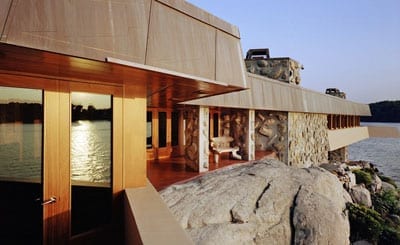
    The Frank Lloyd Wright inspired Massaro House on Petra Island

    An especially spectacular option, also available through Private Islands Online, is Petra Island, just 15 minutes by helicopter from New York City on Lake Mahopac. The island itself, which is said to have been for sale for a number of years, is 11 acres in size and is currently owned by Joseph Massaro, a sheet metal tycoon. The highlight here is a 1,200 square foot cottage designed by Frank Lloyd Wright and a 5,000 square foot residence, Massaro House, built to the same architect’s designs in 2008. Though the Frank Lloyd Wright Foundation state of the latter: ““It’s not a Frank Lloyd Wright house, because it hasn’t been certified by the foundation,” this is a home that would certainly suit any James Bond villain. The agent declines to share the asking price, but it certainly at the higher end of the scale.


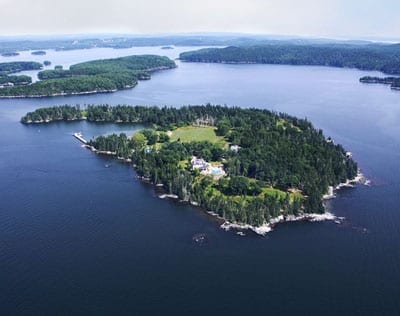
    At a more modest price is Nautilus Island, off Brooksville in Maine. This 37-acre island was in the ownership of the same family for 130 years until 2004 and is named after the British war sloop “Nautilus,” that engaged the American vessel “Hazard” in battle in it’s waters during the American Revolutionary War.


    An aerial view of the island of Nautilus
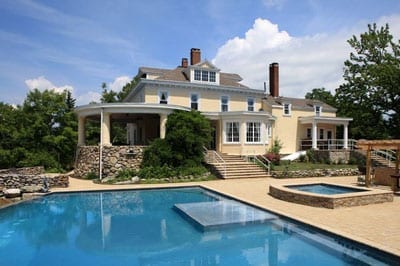
    The main residence on Nautilus Island
    The island of Nautilus’s boathouse now serves as a stylish private bar


    The island includes a renovated 6-bedroomed main house, a farmhouse and a guest cottage. It also boasts open fields, perennial and kitchen gardens and a seaside vineyard for wine production. There is a protected harbour with a pier and moorings and over one mile of rocky coastline with gravel and shell beaches. A price of approximately £4.9 million is sought prior to auction on the 18th October through John Saint-Amour of LandVest.


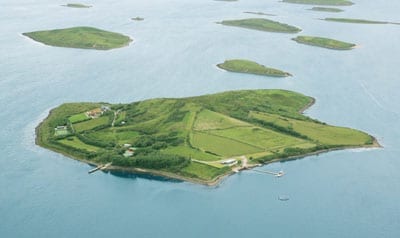
    Returning to Europe, Knight Frank offer a 65-acre island off Ireland’s west coast named Inishturk Beg at a price of £2.85 million. Sitting in Clew Bay, County Mayo alongside 364 other islands, receivers of an Egyptian-Irish businessman named Nadim Sadek are trying to find a buyer for a property that includes a main 7-bedroom house, 4 smaller properties, various outbuildings and an AstroTurf sports pitch.


    An aerial view of Inishturk Beg Island
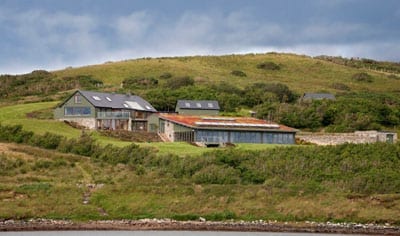
    The main residence on Inishturk Beg, The Island House, comes complete with extensive leisure facilities

    Singing the praises of Insishturk Beg, Harriet Grant of Knight Frank comments:


    “It is an easily accessible island and although it’s in the Atlantic it is very sheltered. And the island itself has plenty of natural shelter. It is an extraordinary development in which no expense has been spared. The electricity and water come straight from the mainland and it also has broadband access.”


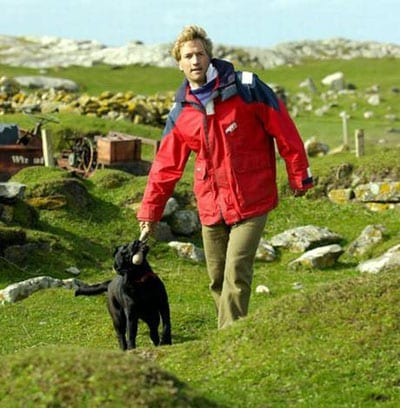
    British TV presenter Ben Fogle, who starred in the BBC reality show Castaway 2000, set on the Scottish island of Taransay, warned of the dangers of island ownership in an article in The Times recently when he commented: “A lot of people get seduced by the island dream without thinking of the realities.” Taransay came up for sale in 2011 and though Fogle put together a consortium that raised £1.5 million, he was beaten off by a landowner from the neighbouring island of Harris.


    Television presenter Ben Fogle pictured on Taransay during the filming of the BBC’s “Castaway 2000” reality show

    The Barclay brothers, owners of amongst other things The Ritz and The Telegraph Group, have had their fair share of trouble since purchasing the sister island of Sark, Brecqhou, in 1993. They have rowed with Sark’s government over everything from inheritance law to property taxes and whether they should or should not be allowed to use motor vehicles. Their case illustrates the perils of upsetting the locals.


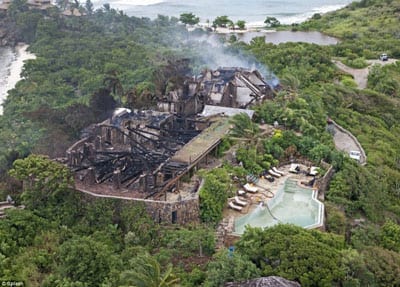
    Issues such as electricity provision, sanitation, the delivery of food supplies and how one would cope with an emergency may seem more mundane but also must be considered by those purchasing an island. Sir Richard Branson found this to his cost when the 8-bedroomed Great House on his £60 million Necker Island in the Caribbean burnt to the ground in August 2011. If he’d been on the mainland, his residence would most probably have been saved.


    The remains of The Great House on Sir Richard Branson’s Necker Island

    On this morning’s Desert Island Discs, Hollywood actress Goldie Hawn requested that the luxury she would like to take would be lip-gloss. Presenter Kirsty Young said she could have two tonnes of the stuff. Frankly, in reality though, anyone buying into island life would have to have a lot more practical things higher up their lists.


    For more information on Inishturk Beg Island, Westport, County Mayo, Ireland, go to: http://search.knightfrank.com/gwr120043


    For more information on the islands of Patroklos, Greece and Petra, New York, go to: http://www.privateislandsonline.com


    For more information on Nautilus Island, Brooksville, Maine, go to: http://nautilusisland.landvest.com

  • Trevor Abrahmsohn: “What’s on your mantelpiece?”

    Trevor Abrahmsohn: “What’s on your mantelpiece?”

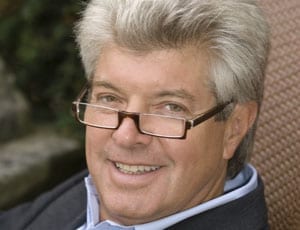
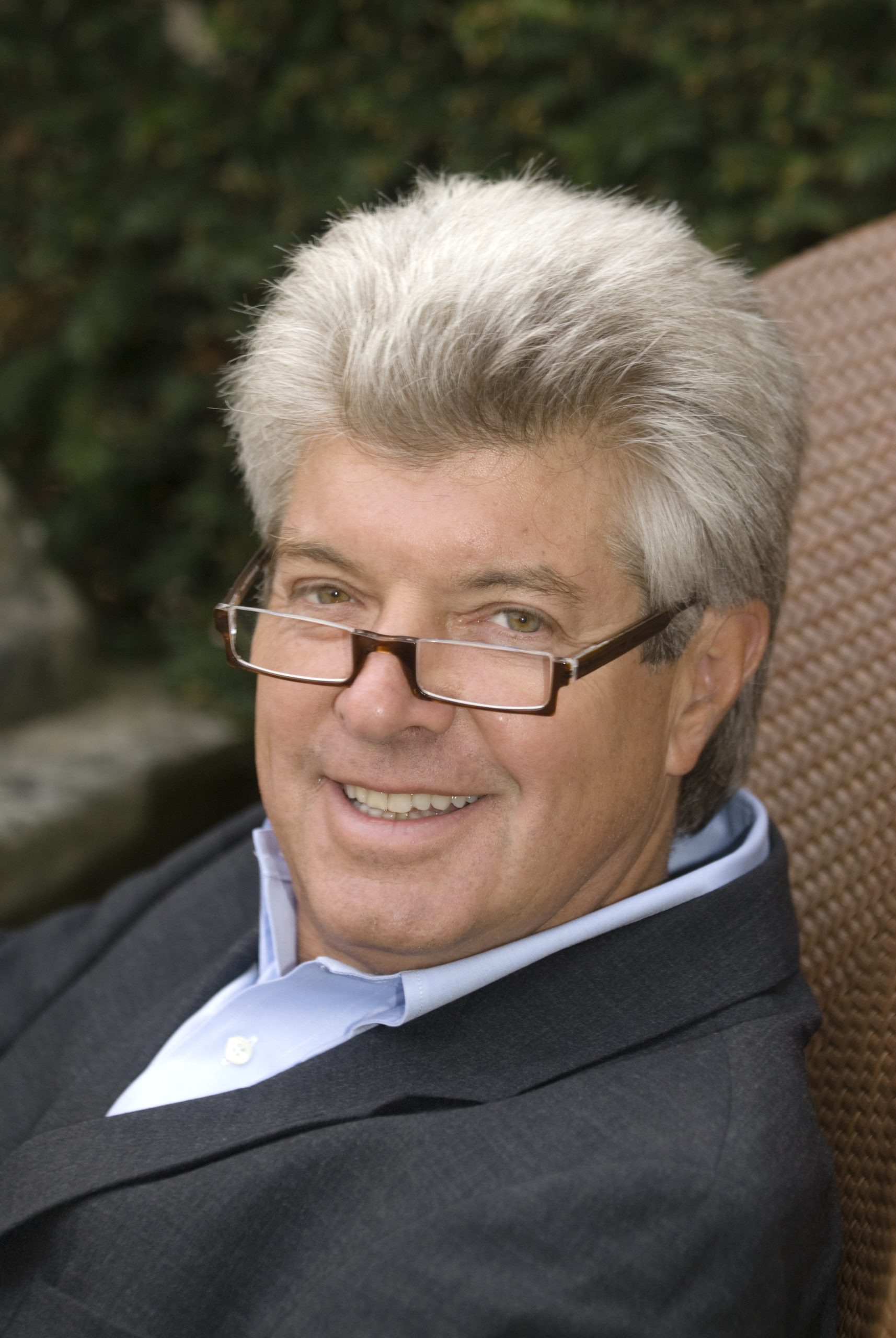
    The Steeple Times asks Trevor Abrahmsohn, the founder and managing director of Glentree Estates: “What’s on your mantelpiece?”


    The Steeple Times shares “wit and wisdom.” What’s your guiding force?

    Knowledge and charm.


     “Don’t get even, get medieval” is, in our humble opinion, a great motto. What’s yours?

    The ninth ‘no’ is a precursor to yes!


    Kerry Katona was considered unacceptable in 2007. Who or what is unacceptable in 2012?

    Vince Cable.


    Tony Blair misses being Prime Minister. What do you miss most in your life?

    Making money more easily.


    What might you swap all your wealth for?

    Good health if mine were failing.


    Donald Trump was once a case of: “If you owe the bank a thousand, they close you down; but if you owe the bank a billion, you own the bank.” What’s your view on the banking crisis?

    An accident that was waiting to happen.  No surprise there.


    What phrase or word do you most loathe?

     ‘Elf’ and Safety!


    In the UK, some people consider charity to “begin at home.” What’s your view and what causes do you personally support?

    A multiplicity of good causes with a significant percentage of our turnover donated to children’s cancer charities, Make A Wish Foundation and Jewish Care.


    The judge in “Law Abiding Citizen” states: “I can pretty do whatever I want” before being blown up whilst answering her mobile phone. What’s your view on the appropriate use of such devices?

    They are one of the most important building blocks in the post Thatcher liberated society and are responsible for the explosion of the service industry amongst others.  It is one of the most important innovations for both business and pleasure.


    If you could fill a carriage on The Orient Express, who would be your fellow passengers?

    Peter Ustinov, Frank Sinatra, Stephen Hawkins, Margaret Thatcher, John Barry, Ernie Bilko and Arthur Lowe.


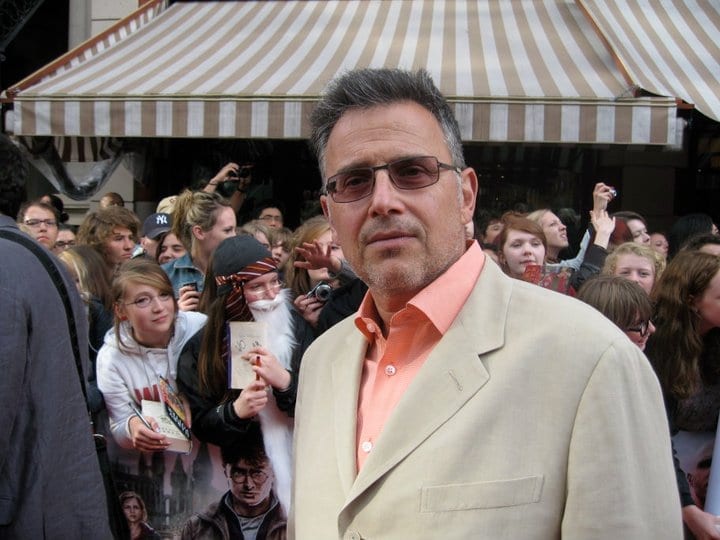
    Trevor Abrahmsohn of Glentree Estates

    If you were unfortunate enough to end up on death row, what would be your last meal and where would you eat it?

    A mighty New York strip steak with Idaho potato and salad in Palm Beach, Florida, looking at the sea.


    What time is it acceptable to consume the first drink of the day?

    7.30pm.


    A Negroni, a martini or a cup of tea?

    A Martini.


    Whose parties do you enjoy the most and why?

    The fun and informal ones with lots of laughter and cheer.


    Who is the most positive person you know?

    My wife and mother.


    What’s your most guilty pleasure?

    Too much good food.


    If a tattoo were to sum you up, what would it be of?

    99% good 1% bad!


    If you were a car, what marque would you be?

    A classic Aston Martin.


    Cilla Black presented “Surprise, Surprise.” Tell us the most surprising thing about you.

    My 14 handicap.


    What’s currently sitting on your mantelpiece?

    A father’s day card from my children.


    Trevor Abrahmsohn is best known for selling “trophy” homes and has dealt with the majority of the sales on London’s “Billionaire’s Row,” The Bishop’s Avenue. His firm, Glentree Estates, is situated at 698 Finchley Road, London, NW11 7NE. Telephone: +44 (0) 20 8458 7311. Website: http://www.glentree.co.uk