The sale of the £20 million Bletchingdon Park, Oxfordshire
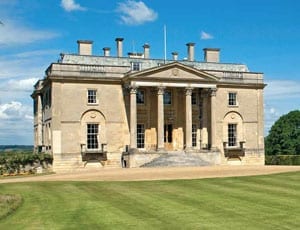
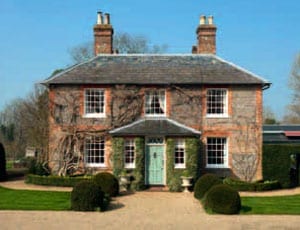
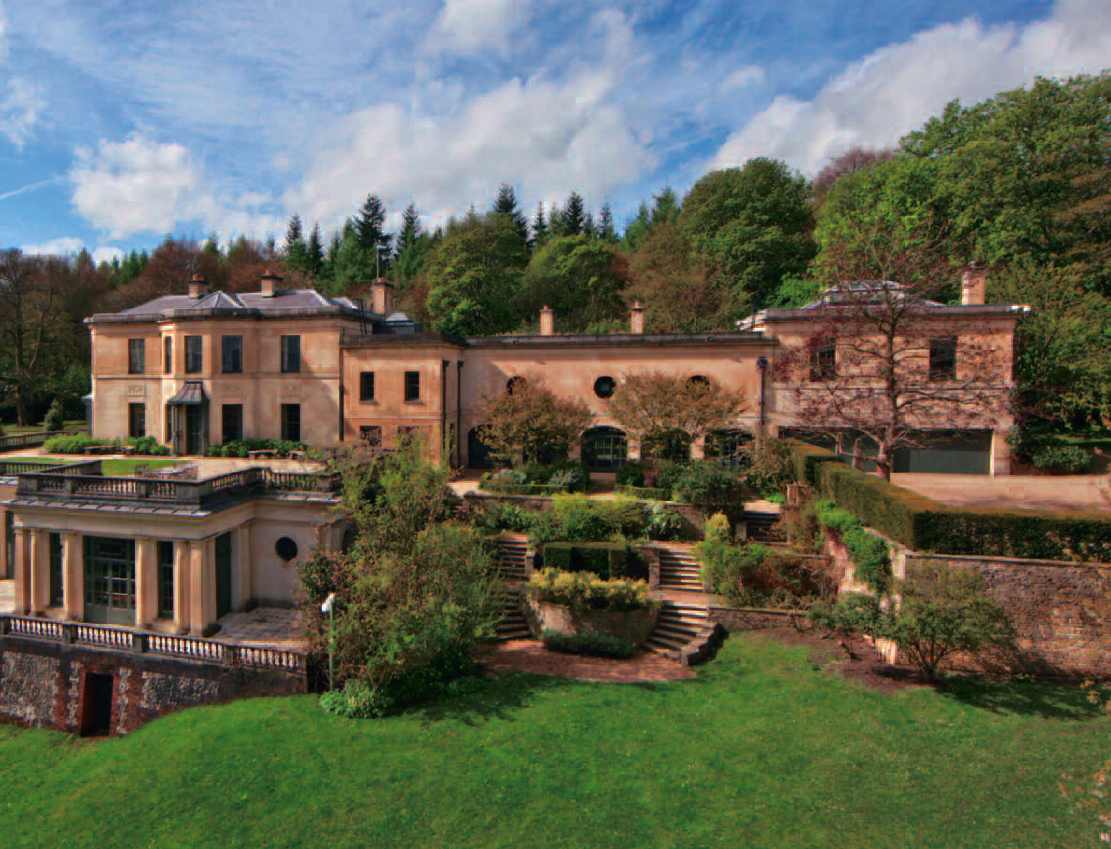
Bletchingdon Park House in Oxfordshire is one of those classic Palladian villas that would make the perfect setting for a period drama. Unlike vast Jacobean mansions like Highclere Castle, better known as Julian Fellowes’ Downton Abbey, however, Bletchingdon is of a far more manageable size.
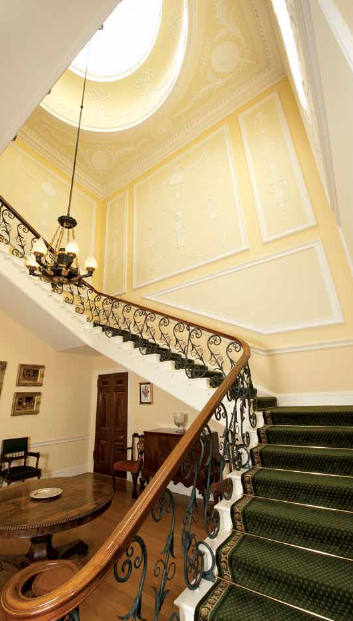
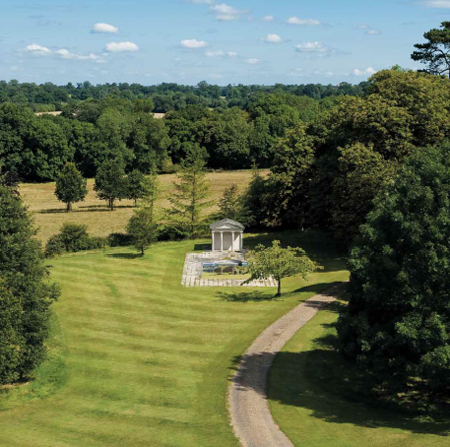
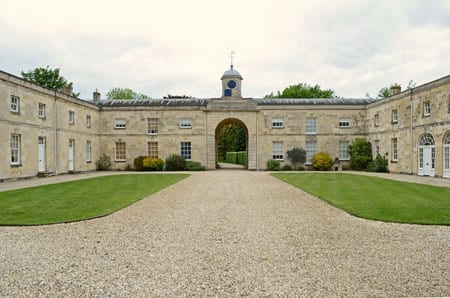
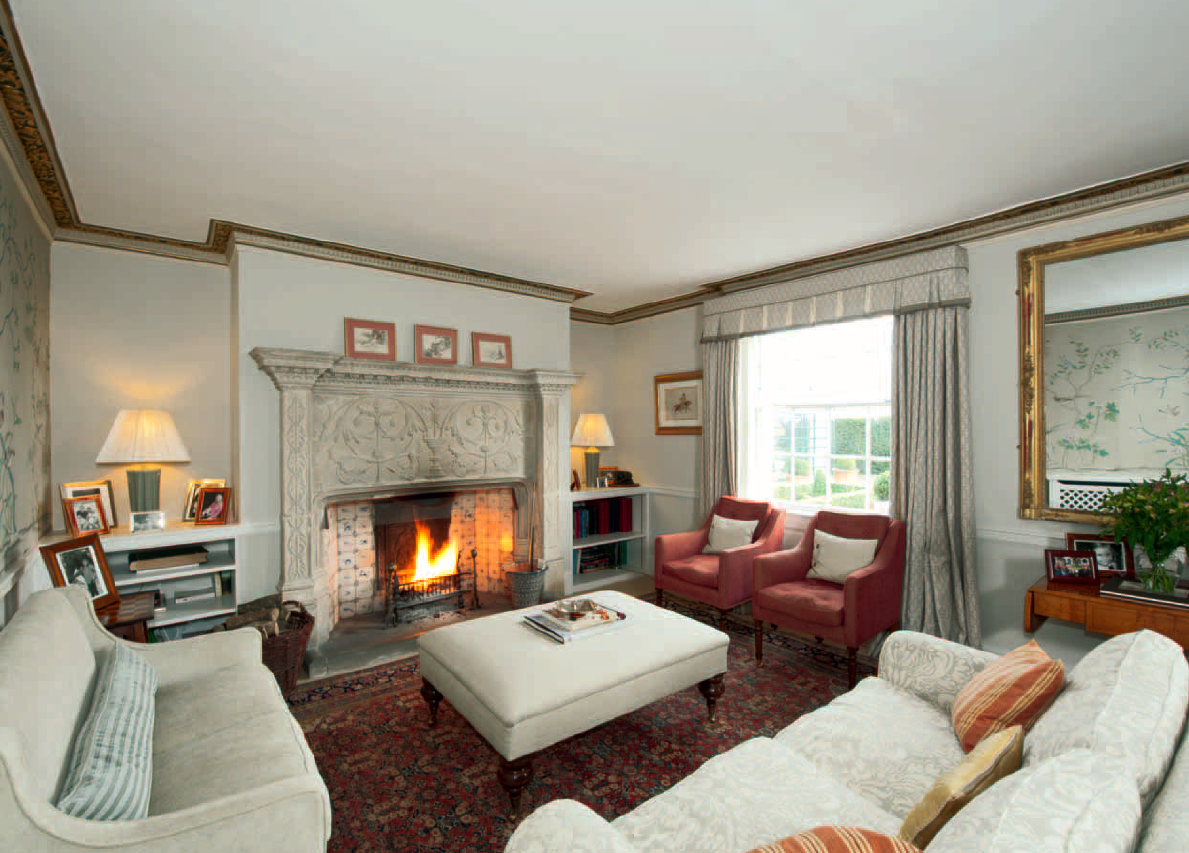
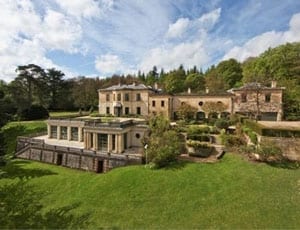
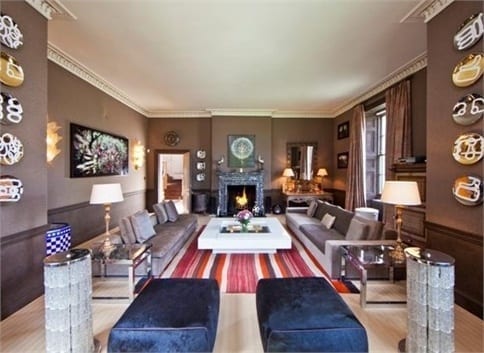
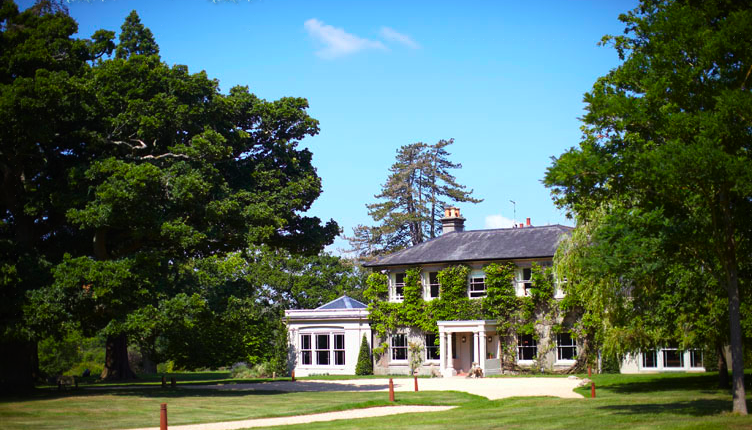
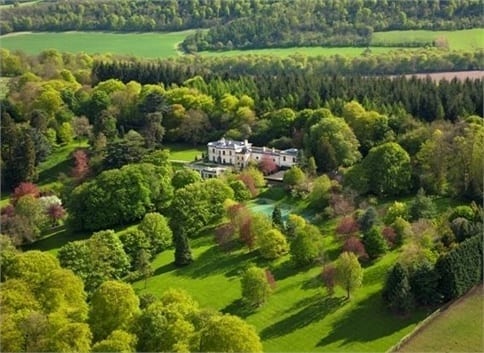
The facade of Bletchingdon Park, Bletchingdon, Kidlington, Oxfordshire, OX5 3DWThe staircase hallA formal reception roomThe grounds of Bletchingdon Park
This Grade II* listed Georgian house, built for Lord Valentina in 1782, may be some 24,600 square foot in size, but it has a layout that makes it both practical for living and suitable for entertaining on a grand scale. The accommodation, which has been renovated by the renowned building company Symm, includes 9 bedrooms and suites, well-proportioned formal reception rooms and a garden floor with further reception rooms, a billiards room and a fitness room with spa.
Whilst the original stable block has been sold off and converted to residential accommodation, Bletchingdon Park includes 2 staff flats, a 2-bedroomed lodge cottage and a further 3-bedroomed cottage. With parkland and grounds extending to 127 acres, maintaining Bletchingdon’s plot is large, but easily maintained.
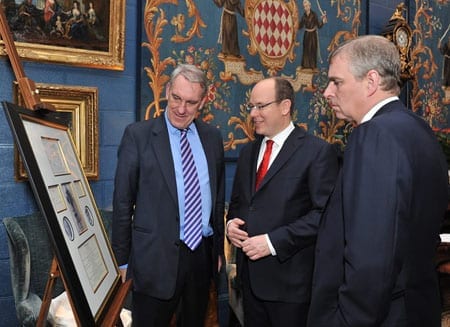
Dr Michael Peagram with Albert II, Prince of Monaco and Prince Andrew, The Duke of YorkThe former stables of Bletchingdon Park were sold off some years ago and have been converted into a number of homes
In the 20th century Bletchingdon was owned by Lord Astor and then Lord Rotherwick. The current owner, Dr Michael Peagram, purchased the estate in 1993. Peagram made his fortune in the chemicals industry after having led a management buyout of Huddersfield based Holliday Chemicals Holdings (HCH) in 1987. He revitalised the business, expanded into new markets and floated the company in 1993. The business was ultimately sold to Yule Catto for £225 million in 1997 and in 2001 Peagram sold another company for a reported £44 million.
At this point, this scientist turned tycoon moved to Monaco and saved himself, according to a 2009 Daily Mail article by Piers Morgan, some £13 million in capital gains tax. A wise businessman and a supporter of David Cameron, Peagram’s modus operandi is:
“Winning with honour and playing by the rules… And not cheating.”
In an interview with Monaco’s NeXt Generation Entrepreneur Forum, he states that he “did lots of work” to achieve his success but admits to “being a romantic at heart.” He has used much of his fortune to fund the philanthropic activities of Outward Bound Monaco with Prince Andrew, The Duke of York and Albert II, Prince of Moanco.
Peagram placed Bletchingdon Park on the market in May 2012 at a price of £20 million. Of why it hasn’t sold, one blogger commented that a footpath runs close to the house and that there is a lack of leisure facilities and outbuildings. Somehow neither seem insurmountable and whoever purchases this fine residence will be a very lucky man. If I were Dr Peagram, though, I’d keep it.
Bletchingdon Park, Bletchingdon, Kidlington, Oxfordshire, OX5 3DW is for sale through Knight Frank. For further details contact Damian Gray on +44 (0) 20 7629 8171 and to download a brochure go to: http://search.knightfrank.com/cho090098
As Fred Dibnah’s former home comes to the market, Matthew Steeples is reminded of a true BBC legend
As the nation continues to cringe in horror every time the name “Savile” is mentioned, memories of another BBC relic of the 1980s resurfaced when it was revealed that Fred Dibnah’s former home is for sale.
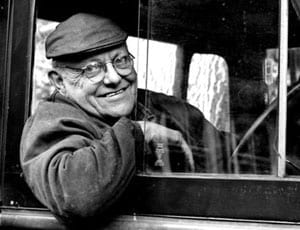
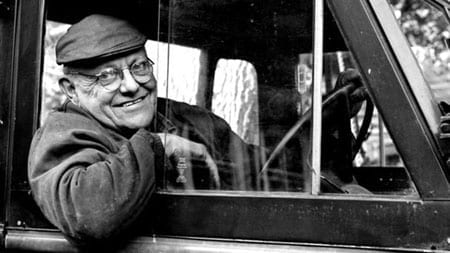
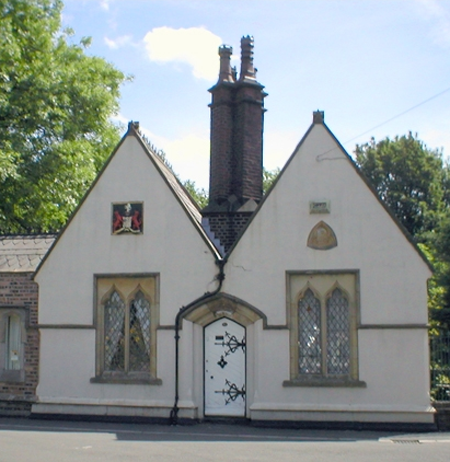
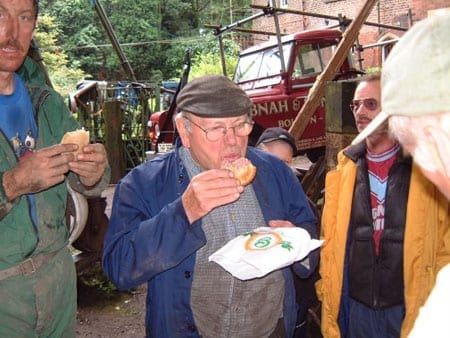
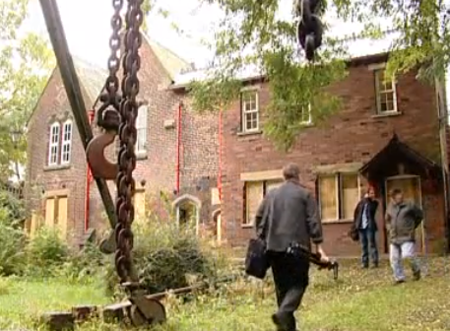
Dr. Frederick “Fred” Dibnah MBE (1938 – 2004)121 Radcliffe Road, The Haulgh, Bolton, Lancashire, BL2 1NU (originally known as Park Cottage)
For those of our readers who weren’t fortunate enough to be alive when Dibnah graced our screens, he, unlike Savile, was a legend who truly deserves the accolade of such a title. This thrice-married Lancastrian was a steeplejack who became a television personality just as his breed died out. He didn’t understand why he’d become famous and of it commented:
“It’s a funny thing, this celebrity. If you don’t wave back you’re a miserable bugger, if you do wave back you’re a big-headed bugger. I don’t know.”
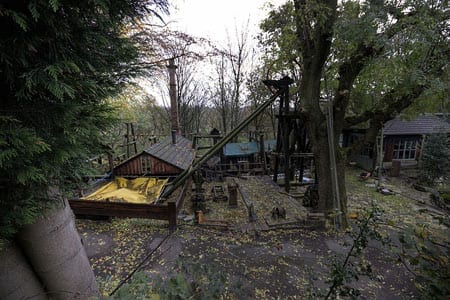
Fred Dibnah in his gardenA view of the “garden”
Fred Dibnah preferred to think of himself as “just a bum who climbs chimneys” but he ought instead be remembered for his forthright manner. Amongst the legendary comments this “chimney feller” came out with were remarks like:
“The modern world stinks… We’ve become a nation of con men, living by selling double-glazing to each other… Teaching boys to bake cakes? That’s no way to maintain an industrial empire… Them fancy London types don’t know the pleasure of eating chips with fingers… I prefer the past to the present. Because life today, with all its modern technology, isn’t very good, is it? And the future looks even worse.”
Dibnah bought 121 Radcliffe Road in Bolton in 1967 for £5,000. A Grade II listed former park keeper’s lodge, the building is known as “Two Cats” locally because of the coat of arms of the Earl of Bradford on one of the gables features two leopards and is said to have been built in 1854.
The cottage was the setting of the filming of many scenes from Dibnah’s shows and it was here also in 2003, whilst undergoing chemotherapy, that Dibnah decided to embark on the construction of a replica coal mine with his friend Alf Molyneux. His rationale for this was simple: “It’s not everyone who has a coal mine in their back garden.”
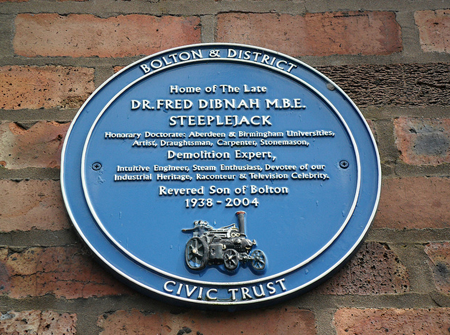
An attempt to auction the house with a guide price of £300,000 to £350,000 in 2007 failed because of a boundary disputeA Bolton & District Civic Trust plaque commemorates Dibnah having lived there from 1967 until 2004
Leon and Jeanette Powsney purchased the derelict property in 2009 for £185,000 and set about turning part of it into a 5-bedroomed home for themselves and the remainder into The Fred Dibnah Heritage Centre.
Visitors, who come by the coachload, are able to tour the yard and see Dibnah’s machinery. Amongst that on show are steam-powered workshop with a circular saw, a band saw and a hydraulic hammer. The 70ft mine shaft remains and in addition there is a 50ft chimney, a gift shop and a small tearoom. The venture turns over about £100,000 per annum and is now for sale through agents Intelligent Business Transfer.
Mr Powsney, who is planning to move abroad, commented:
“We’re selling it as a going concern. It was a business set up against all the odds, we saved it from being flattened and from being redeveloped. We have worked hard to make the centre what it is, and have invested a lot of money in it. We think there’s potential for a buyer to make a tidy profit from it, but we’re looking to relax a bit more now.”
If the asking price of £1,250,000 sought by Mr & Mrs Powsney is achieved, I’m sure the legendary steeplejack wouldn’t disagree that here is a case of: “Where there’s muck, there’s brass.”
A £26 million residence with connections to rock, royalty and rectors
Built in the early 1500s, The Old Rectory is Wimbledon’s oldest house. Standing in grounds of 2.5 acres, this 16,200 square foot property was once described by a biographer of Sir Henry Cecil as being “not luxurious, but adequate” but now once again it finds itself in an entirely different league.
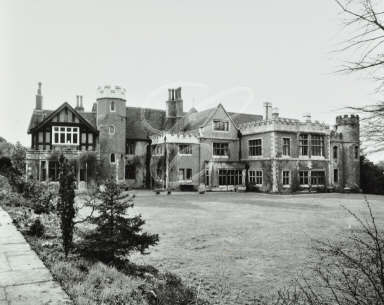
An image of The Old Rectory, 82 Church Road, Wimbledon, London, SW19 5AA in 1978. Present day imagery has been removed at the request of agents acting for the current owners.
Priced at £26,000,000, it is almost certainly one of the most expensive homes to ever come to the market in Wimbledon and whoever moves there next will undoubtedly be either an oligarch, an A-list personality or a top achieving business person.
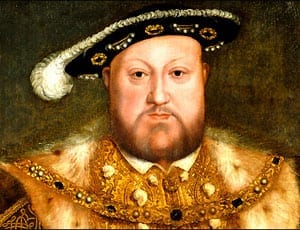
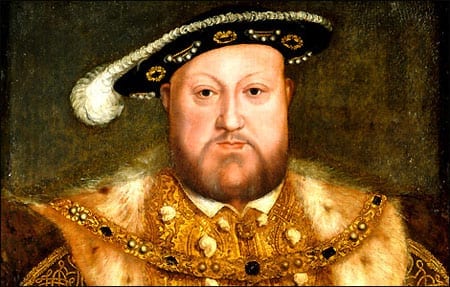
The purchaser will follow in the footsteps of a fascinating array of historically important residents, the first of whom was Henry VIII (1491 – 1547). The King took up residence in 1547 in the months prior to his death and is said, as he was so bloated, to have been unable to climb the stairs to his sleeping chambers. His bed was relocated to the great hall of the house and here he slept next to the fire. Historical research recounts that, with a brewhouse, beer and wine cellars, a coal cellar, meat room, buttery and two dairy rooms, this was a “house fit for a king.”
Henry VIII (1491 – 1547)Catherine Parr (1512 – 1548)
Henry VIII gave The Old Rectory, which was originally called The Parsonage House, to his sixth and final wife, Catherine Parr (1512 – 1548). Preferring a residence in Chelsea, Parr left and the Dean and Chapter of Worcester Cathedral took possession. A lease was sold to Sir William Cecil (1520 – 1598), later Lord Burgley, and the manor then passed to his son Thomas Cecil (1542 – 1623), the 1st Earl of Exeter.
In 1639, Charles I (1600 – 1649) bought the entire manor and gave it to Queen Henrietta Maria (1609 – 1669) but with the era of Comwell, The Old Rectory found itself occupied by General John Lambert (1619 – 1684). Shortly after, when a grander house was built next door, the property became first a laundry house and then servant accommodation and gradually fell into decline.
The Old Rectory passed next to Sir Theodore Janssen (1658 – 1748) in 1720. This French-born English financier, who was said to be worth the staggering sum of £250,000 at the time of his purchase of the house, was a founder member of the Bank of English but later disgraced for his part in the South Sea Bubble. He was expelled from the House of Commons and with his ruination, The Old Rectory saw yet another chapter of abandonment.
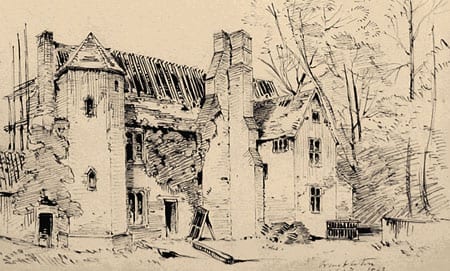
The garden front of The Old Rectory by Charles Henry Money Mileham (1837 – 1917)
By 1802, the house was described as an “uninhabited” ruin. A speculator credited with developing “modern Wimbledon” named John Augustus Beaumont bought it and restored and extended it but when it was sold to a Samuel Wilson in 1882 for £6,000, an era of truly comprehensive upgrades was to begin. Wilson added a pebble-dashed two-storey drawing room wing, carved oak doors and installed English, Flemish and Italian chimneypieces.
The next owner was a marine engineer named Matthias Jacobs who had been responsible for the construction of tunnels in Paris and New York. After having purchased The Old Rectory in 1909, he commissioned his brother to add a new single storey billiards room, a service wing and a study extension to mask the medieval chapel of the house. Jacobs sold up in 1923 to a Thomas Lethaby, who fitted oak paneling from Chantry House in Newark and a plaster ceiling based on the one at Knole House, Kent.
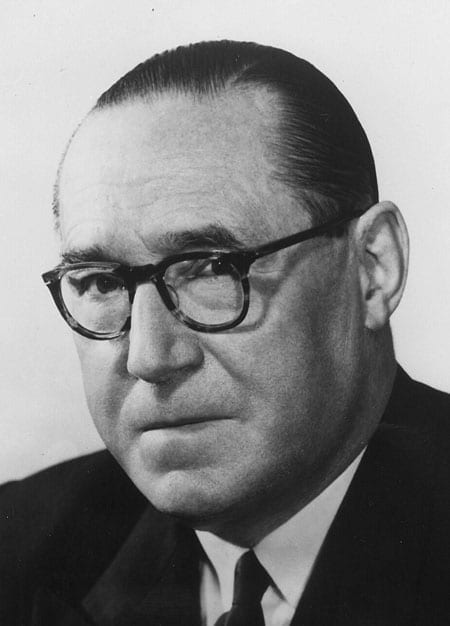
Lord Brock FRCS, FRCP (1903 – 1980)
In 1953, the eminent London surgeon and cardiologist, Lord Brock FRCS, FRCP (1903 – 1980), took possession of The Old Rectory after having paid £13,750 for it. Brock is credited as on of the pioneers of modern open heart surgery and also founded the Lord Brock Memorial Trust that to this day funds the museum he founded, The Old Operating Theatre Museum and Herb Garret in Southwark, SE1.
Following the death of his first wife Germaine Louise Ladavèze, Brock sold to an Iraqi entrepreneur and philanthropist named Basil Faidhi in 1978. Faidhi had fled Iraq for Britain and though he spent vast sums restoring the house with assistance from English Heritage, he also created a basement discotheque for his daughter, Nina, and a bar. Aside from bringing the house into the “yuppie era,” Faidhi also commissioned a historian named Richard Milward MA to write a history of the building in 1992 entitled: The Rectory – Wimbledon’s Oldest House.
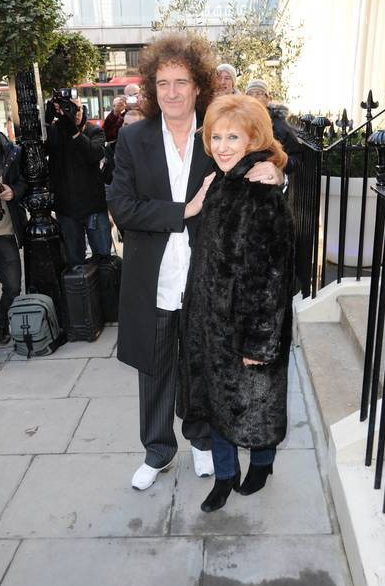
The Queen lead vocalist and anti-badger cull campaigner Brian May CBE purchased The Old Rectory in 1994 for £4,000,000 with the intention of living there with the Eastenders actress Anita Dobson.
Brian May CBE with his second wife Anita Dobson
Dobson, who didn’t marry May until 2008, had other ideas and refused to move in. It was suggested that she preferred a smaller house the pair occupied in Kensington and, at the time, a friend commented:
“[May] begged her to move into the new house so they can make a fresh start. Nobody can believe that Anita doesn’t want to be the lady of this fabulous house. But Brian says he can’t get through to her.”
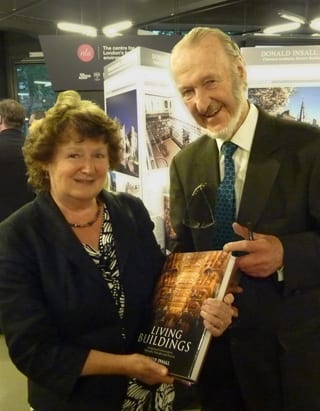
Sir Donald Insall CBE
As a result, May never properly moved into The Old Rectory and eventually decided to sell. In 2006, it achieved a record price of £16,000,000 and in the ensuing years, an Italian architect-owner named Antonella Carminati and her husband have lavished time and money on further restorations with the help of Sir Donald Insall CBE’s Insall Associates firm of architects.
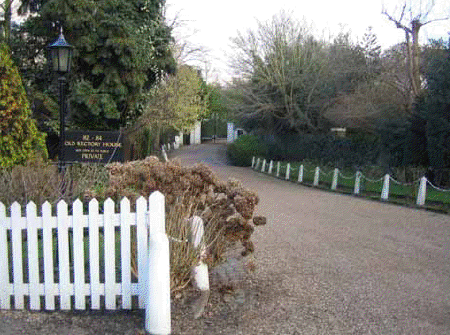
The driveway that leads to The Old Rectory from Church Road gives plenty of privacy
New fittings have been installed throughout and substantial extensions to the house have included a new kitchen and breakfast room with garaging beneath. The couple have demolished an early 20th century porch and an “unsightly” oak conservatory, remodeled the billiards room as a drawing room and removed a “bilious” blue swimming pool from the east lawn.
Now featuring 12,882 square foot of accommodation in the main house and 3,320 square foot of additional accommodation, The Old Rectory has been planned to include 8 reception rooms; a vast kitchen with La Cornue appliances and an adjoining breakfast room; master bedroom suite with two dressing rooms, his and her bathrooms and a sitting room and 7 further bedrooms.
Outside, the gardens feature an original medieval fig tree trail, shaded paths, lawns and a large pond as well as garaging for six cars. Planning permission for an indoor swimming pool complex has also been granted and ample staff accommodation is provided above one of the garages and in the gate lodge.
Given the now limited financial resources of the traditional religious houses of Britain, will it be rock, royalty or new money that next takes possession of The Old Rectory? The historians of Wimbledon will undoubtedly be watching.
The Old Rectory, 82 Church Road, Wimbledon, London, SW19 5AA is for sale through the Wimbledon office of Knight Frank. For more information call: +44 (0) 20 8946 0026.
The Manor, Bucklebury: a house that shortly may become home to Carole and Michael Middleton
First reported by The Daily Telegraph’s “Mandrake” columnist Richard Eden in May, the talk of today is that The Duchess of Cambridge’s parents, Carole and Michael Middleton, have just purchased a Georgian manor house at Bucklebury in West Berkshire.
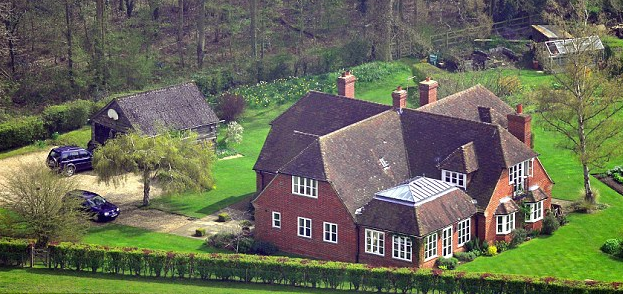
The exterior of The Manor, Bucklebury, Reading, West Berkshire, RG7 6RPThe eastern side of the house includes a steel framed garden room
The property’s formal gardens with parkland beyond
Currently owned by a Morgan Stanley banker named Justin Mason and his landscape artist wife, Jill, The Manor was subject to a bidding war featuring four parties and has now been taken off the market. Agents Savills have refused to confirm the name of the winning bid but this morning’s Mail Online claims the Middletons, who are said to be worth some £30 million from their Party Pieces empire, have “triumphed” and are paying some £4.7 million for the property. It was last sold in 2001 for circa £1.8 million.
The house’s formal drawing room
The family kitchen complete with full sized AGA
Featuring 7 bedrooms, 5 reception rooms, a swimming pool and tennis court, The Manor is set in 18.9 acres and situated 8.8 miles from Newbury. The Grade II listed house merges “contemporary and traditional styles” of décor and a main feature is a large kitchen that the agents describe as being “the heart of the house.” One could, indeed, imagine Mrs Middleton cooking up a feast fit for a future King in this vast room.
The current Middleton family residence: Oak Acre, The Avenue, Bucklebury, Reading, Berkshire, RG7 6NS
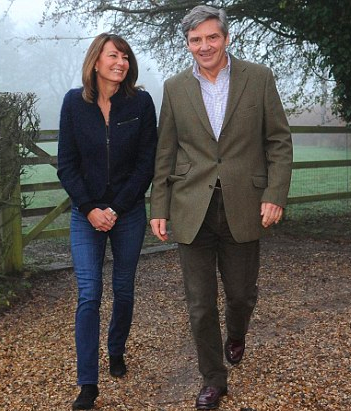
Carole and Michael Middleton on the driveway of their current home
Whilst many and most especially the Daily Mail mock this family, and if indeed they are the purchasers of The Manor, it is most certainly a most fitting residence for them. Their next step on the Monopoly board is much deserved.
For more information on The Manor, Bucklebury contact Michael Gatehouse of the Newbury office of Savills on +44 (0) 1635 277700 or email [email protected]
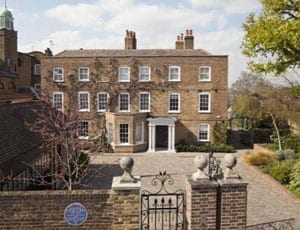
Ibstone House at Ibstone in Buckinghamshire has recently come to the market at a price of offers in excess of £15 million. Now owned by Ariadne “Ari” Getty Williams, the daughter of Paul Getty and Abigail Harris, Ibstone has also been home to Sun City tycoon Sol Kerzner, who is currently divorcing his wife Heather. This Grade II listed house is situated in the Chiltern Hills and was originally built in the late 18th century.
Ibstone House, Ibstone, Near High Wycombe, Buckinghamshire, HP14 3YAA reception room at Ibstone HouseThe house’s swimming poolAn aerial view of the estate
Arranged over three floors and including an extensive leisure and entertaining complex, the property includes 6 principal reception rooms, 7 bedrooms and an indoor pool. A 2-bedroom lodge cottage and large barn stand in the 79-acre grounds that also include gardens designed by Lady Arabella Lennox-Boyd.
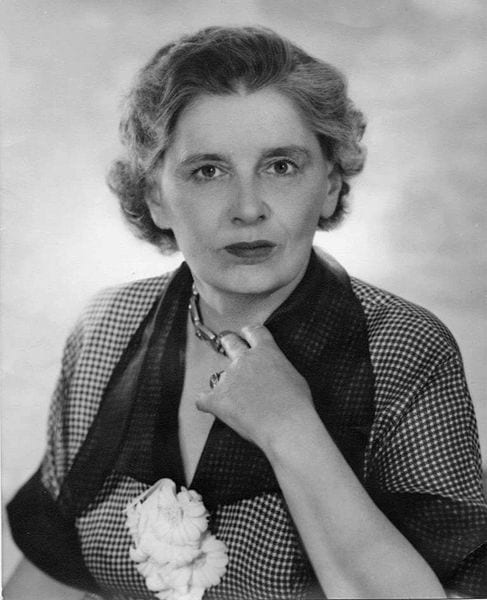
Dame Rebecca West, described by TIME Magazine as being “indisputably the world’s number one writer” in 1947, purchased Ibstone House in the late 1930s and lived there with her banker husband Henry Maxwell Andrews.
Dame Rebecca West DBE (1892 – 1983)
West, who had affairs with H. G. Wells, Charlie Chaplin and Lord Beaverbrook, used the grounds of the house as a small dairy farm and also housed Yugoslav refugees in the blacked out spare rooms of the manor during the Second World War. After the death of her husband, she sold up and moved to an apartment next to the Iranian Embassy in Prince’s Gate, London. During the 1980 siege there, aged 87, she had to be evacuated.
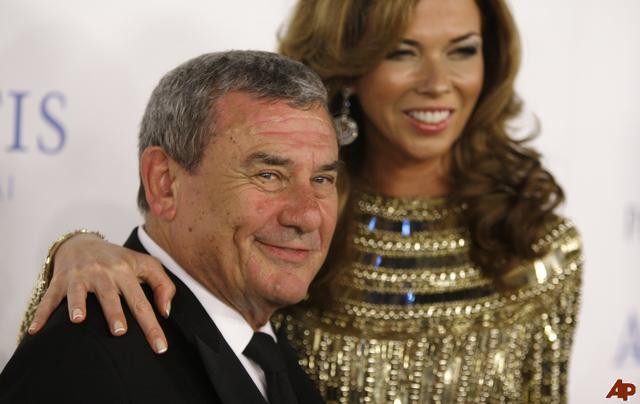
Solomon “Sol” and Heather Kerzner
Kerzner, who has been married four times to Kerzner and tragically lost his son, Butch, in a helicopter crash, has homes around the world and both he and his wife blamed the breakdown of their marriage on his workaholic lifestyle.
Of divorcing her husband, Heather Kerzner commented:
“He’s a hugely important person to myself and my children. I have only positive things to say about him. He’s the most influential person in my life – and that’s worth a lot. He’s one of the world’s most incredible men, he has shown me a different world and we had an incredible life together but sometimes I guess it just doesn’t work out.”
Some time ago the Kerzners sold Ibstone House to Ms. Getty but now she too has decided to sell up. Though best known because of her family name, Aridane Getty has run the Fuserna Foundation since 2005 and is considered a great philanthropist in her own right.
It’ll be fascinating to see what chapter opens next for this magnificent house.
For more information contact Stephen Christie-Miller of Savills on +44 (0) 1491 843000. To download a brochure for Ibstone House go to: http://residentialsearch.savills.co.uk/property-detail/333522/list
For more details on the Fuserna Foundation, go to: http://fusernafoundation.org
The sale of the £22,500,000 Clarence House in Richmond
Built in 1696 for a haberdasher merchant named Nathaniel Rawlins, Clarence House in Richmond was subsequently extended by his daughter, Elizabeth, before it became a Catholic school in 1792.
The exterior of the Grade II listed Clarence House, 2 The Vineyard, Richmond Hill, Surrey, TW10 6AQ
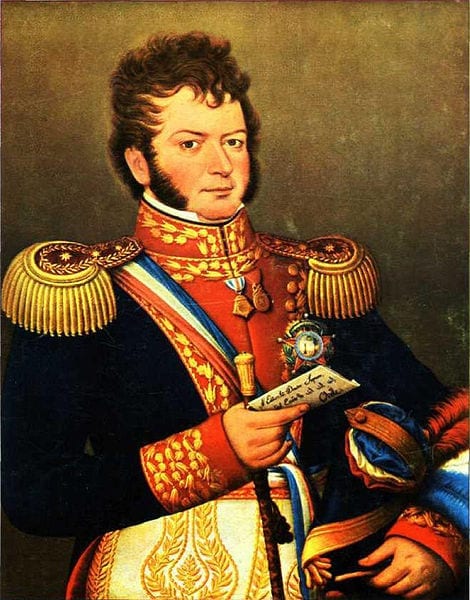
One student at the various schools that were subsequently run from the house was Bernardo O’Higgins, the liberator and founding father of Chile. Famous for his orders, which included such statements as: “Lads! Live with honour, or die with glory! He who is brave, follow me!” during the battle of El Roble, O’Higgins held office from 1817 to 1823. He was deposed by his former “closest ally” Ramón Freire in a conservative coup in January of that year, exiled to Peru and died due to cardiac problems in Lima in 1842.
Bernardo O’Higgins (1778 – 1842), 2nd Supreme Director of Chile
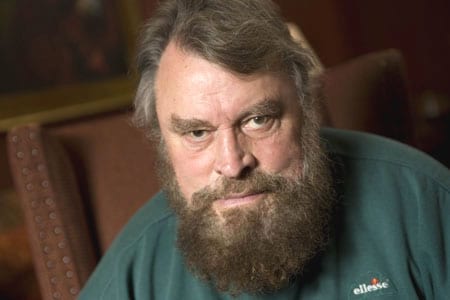
Between 1941 and 1947, Clarence House became a storage house for Fortnum & Mason. Their plans in 1943 to demolish the building and to replace it with a bakery, chocolate manufactory, store, tailoring shop and rooms for packing tea and coffee were not executed and in 1967 the house was purchased by the actor Brian Blessed.
Actor Brian Blessed (1936 – )
Blessed, known for his “sonorous voice and hearty, king-sized portrayals,” is a prolific performer who has appeared in Z-Cars, The Avengers, Lovejoy and Flash Gordon. After a successful campaign on the social network Facebook, Blessed became a voice option for TomTom’s satellite navigation devices in 2010 and he also holds the record being the oldest man to trek on foot to the magnetic North Pole. Married to Hildegarde Neil, an actress who appeared alongside Roger Moore in the The Man Who Haunted Himself, Blessed subsequently moved to Windlesham, also in Surrey.
A reception room designed by Taylor Howes DesignClarence House’s dining roomThe house’s ultra modern kitchen
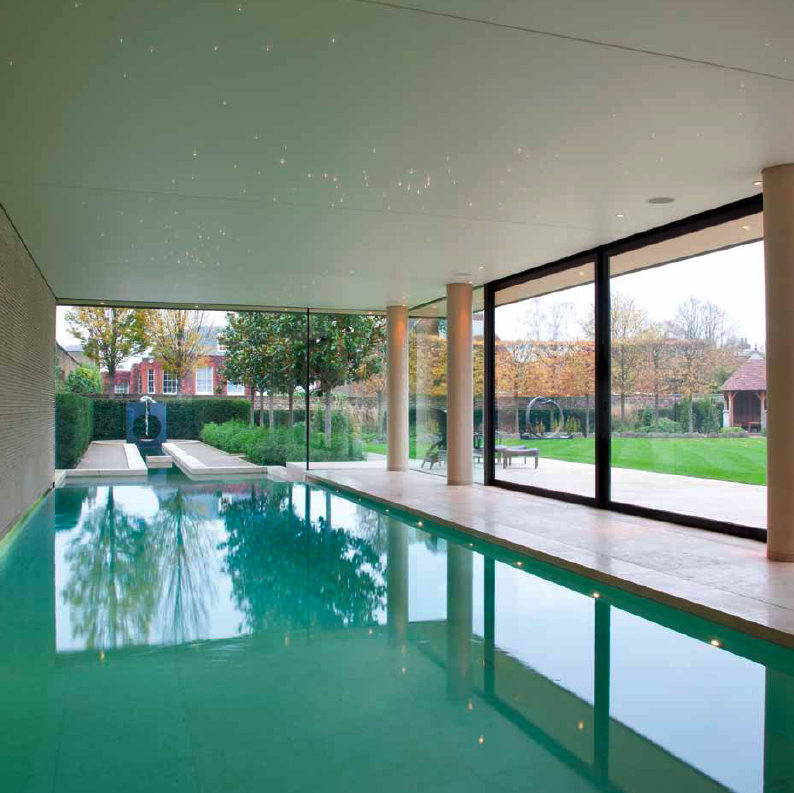
Considered “one of the finest houses in South West London,” Clarence House has been restored by Taylor Howes Design, who also designed the Hotel Meyrick in Galway, Ireland. It now includes 6 reception rooms, a master suite of bedroom, sitting room, dressing room and bathroom and 5 further bedroom suites. An indoor swimming pool with an infinity style design, gymnasium, 2,000-bottle wine cellar, artist’s studio and 1 bedroom guest cottage complete the offering whilst landscaped gardens by Ross Allan boast magnolia trees, a terrace and water features.
Clarence House’s swimming pool
Priced at £22,500,000, whoever buys this fine residence will indeed be blessed with more than 10,000 square foot of accommodation. The price, however, is a far cry from the £25,000 Blessed paid for it back in 1967.