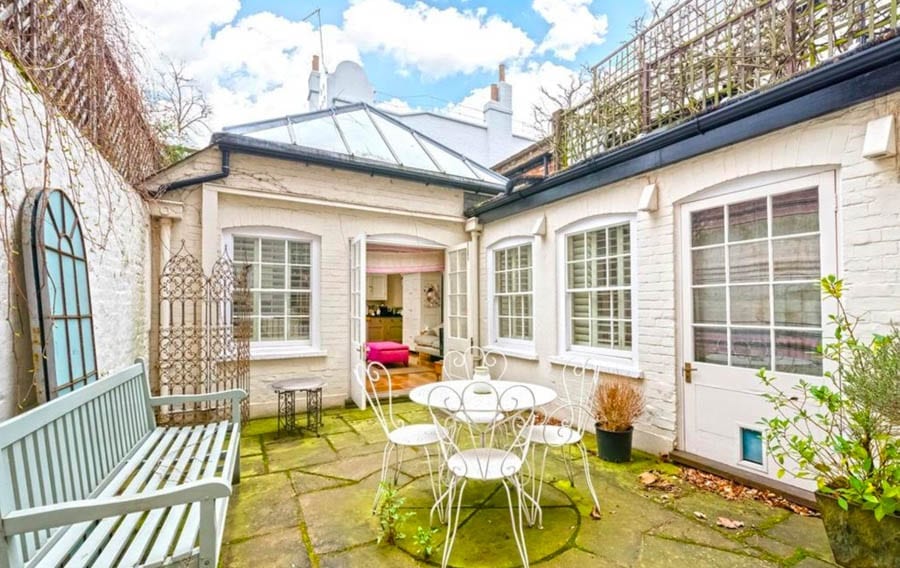
Second apartment in South Kensington’s famous ‘Thin House’ comes to the market after another has languished for sale for four years; the two could potentially be merged to make a truly spectacular artist’s studio in the sky
In May 2016, The Steeple Times featured a 603 square foot third floor artist’s studio flat in a building known as ‘The Thin House’ (or ‘The Skinny House’) in Thurloe Square, South Kensington. Priced then at £895,000 ($1.1 million, €1 million or درهم4.1 million), this apartment is surprisingly still for sale for the same sum and complete with the same furniture four years later. Now, however, it is no longer offered by the defunct agents W. A. Ellis and is instead available through agents Rokstone.
The third floor space for sale through Rokstone for £895,000 has been on the market since 2016, yet has never been reduced in price.
A reason this flat may not have ‘moved’ in the period is not only that the building in which it is situated is not only of an “architecturally weird shape,” but also because it directly backs onto the District and Circle line. With trains running from around 5.30am to 12.30am each day, it is undoubtedly noise affected.
Constructed on the remaining land of five neo-classical houses demolished to make way for the underground in the 1860s, red brick 5 Thurloe Square – just six foot wide at its narrowest point – was the brainchild of a local builder named William Douglas. Fitting into a “meagre” triangle, he designed and built seven artists’ studios between 1885 and 1887 and some of them are still in use by creatives to this day.
As well as the aforementioned share of freehold third floor property, a studio on the second floor of the building is also on the market. Offered by Winkworth for £875,000 ($1.1 million, €980,000 or درهم4 million), the 676 square foot space features a 21-foot by 16-foot studio with a small kitchen and bathroom off and a 13-foot by 7-foot mezzanine bedroom over. The agents describe the property as offering “exceptional space” and “the most magnificent view over the treetops of Thurloe Square towards the Victoria and Albert Museum.”
Subject to planning, imagination and deep pockets, an inspired individual could perhaps purchase and merge both apartments into one. The resulting 1,279 square foot creation would not only be thin, it could potentially be spectacular.
Images and floor plans of the third floor artist’s studio follow.
Highlight of the art and antiques calendar, Masterpiece London, announces its 2020 fair has been cancelled due to coronavirus
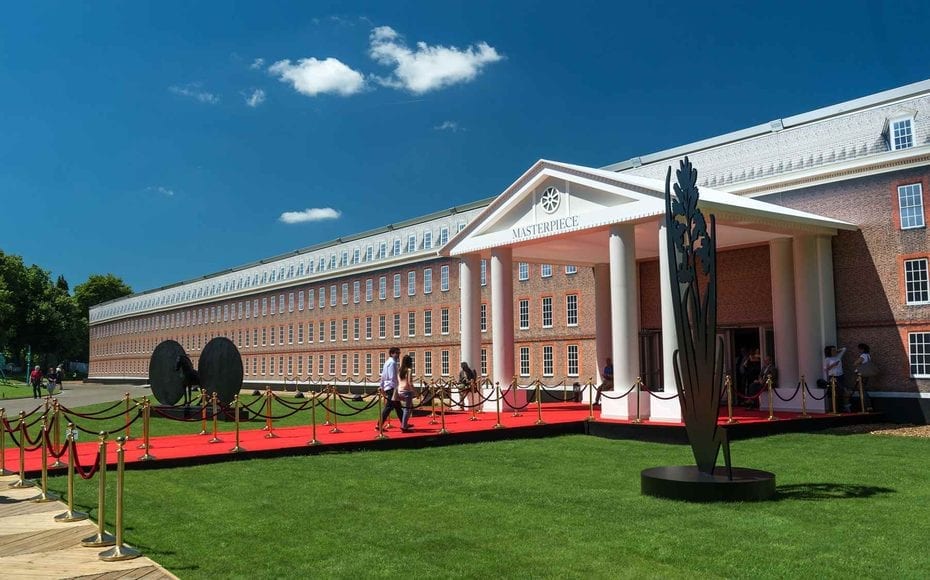
The brainchild of renowned dealer Harry Apter and three other founding members, Masterpiece London was due to take place at the Royal Hospital in Chelsea from 24th June to 1st July.
Sadly, as with many other largescale events, yesterday, its organisers announced they had “decided to cancel this year’s edition” due to the coronavirus outbreak. In a release on their official website, Masterpiece London, however, confirmed their 2021 fair will go ahead from 24th to 30th June 2021 and stated they will be launching a “range of initiatives in lieu of this year’s edition.”
In December 2017, MCH Group, the owners of Art Basel, bought 67.5% of the shares in the company that organises the fair. They most sensibly retained the esteemed expert Philip Hewat-Jaboor as chairman.
A full statement was issued on Masterpiece’s website. It reads:
In light of the evolving Covid-19 pandemic and increasing measures taken to combat it by the UK government, we have decided to cancel this year’s edition of Masterpiece London, which was scheduled to take place from 24 June – 1 July 2020. We are grateful for the support and hard work of our exhibitors, partners and staff in preparation for this year’s edition of the Fair; however the health of everyone involved in Masterpiece London is our absolute priority during these unprecedented times.
We are committed to supporting our exhibitors and visitors, and over the coming weeks will share details of a range of initiatives we will be launching in lieu of this year’s edition.
We look forward to welcoming you to the next edition of Masterpiece London, which will take place from 24 – 30 June 2021.
Self-entitled drug flogging billionaires Mortimer and Jacqueline Sackler were rightly roasted by ‘Guest of a Guest’ for their (latest) bleating email
Mortimer D. A. Sackler is a spoilt berk from a family who have galleries named after them. This drip and his ghastly oik of a wife, Jacqueline, hang out with royalty and are part of one of America’s richest dynasties, but there’s something utterly grating about them: They constantly moan.
In July, Jacqueline wrote to her lawyers. In her pathetic missive, this tedious tepid woman whined about the £9.98 billion ($13 billion, €11.99 billion or درهم47.74 billion) the family had gained from flogging dodgy pharmaceuticals including OxyCotin as having destroyed “our work, our friendships, our reputation and our ability to function in society.” She bleated: “And worse, it dooms my children. How is my son supposed to apply to high school in September?”
Now, according to Guest of a Guest, Jackie and her hubby have “been increasingly blacklisted by the upper crust” in New York. “Aren’t they just the worst?” they asked in an email to subscribers. With even the Met museum refusing to take any further donations from them, this vacuous pair have flogged their “ritzy Upper East Side townhouse” and fled to “winter term” it (their words, they wouldn’t come from anyone else, after all) in Gstad, Switzerland.
According to the site, the duo emailed friends and told them: “We would love to see you either in Gstaad, if you are here or nearby, or elsewhere in Europe (taking advantage of the ease of travel here vs ours in NYC).”
A spokesman for this pair of pillocks then followed up to announce that anyone suggesting they were siphoning off funds to Switzerland might be telling untruths and announced: “They fully intend to return to the US in the near future.” Guest of a Guest quite correctly responded: “Here’s hoping they don’t!”
Grade II* listed Cumbrian mansion built by opium dealer and once marketed for £1.5 million for sale for just £460,000; it was also the scene of the UK’s biggest ever cannabis raid in 2012
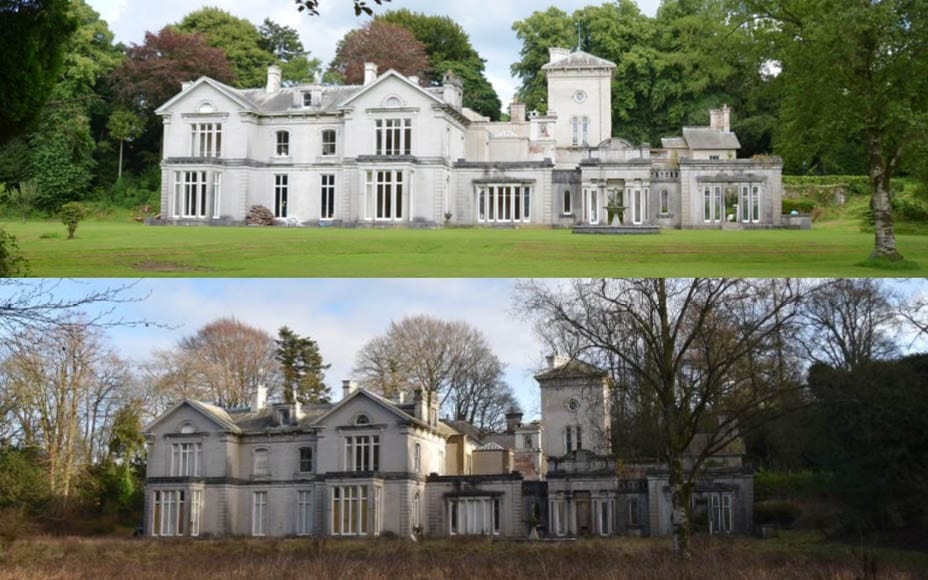
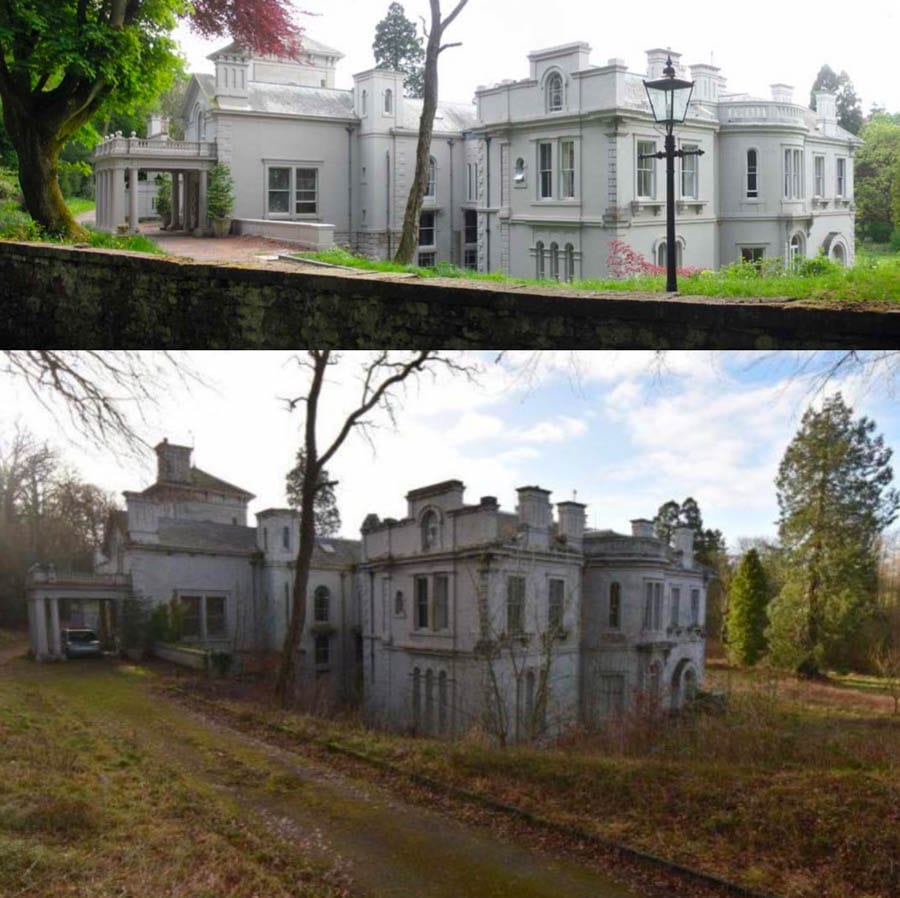
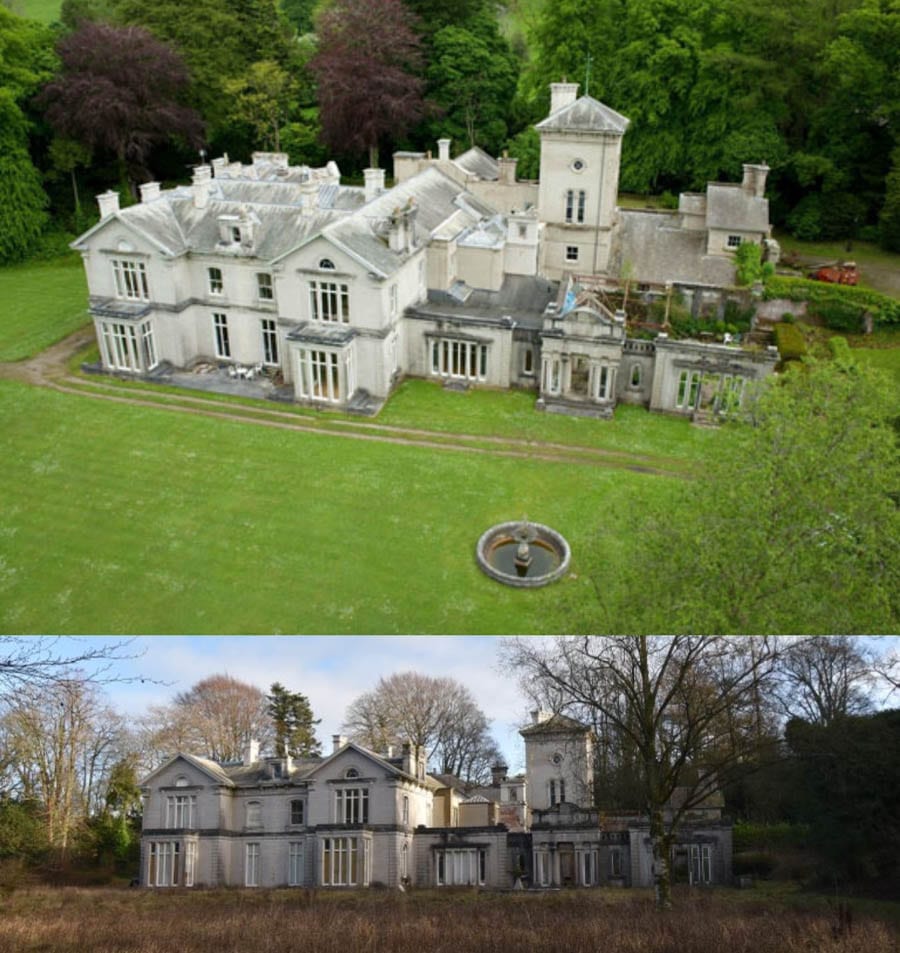
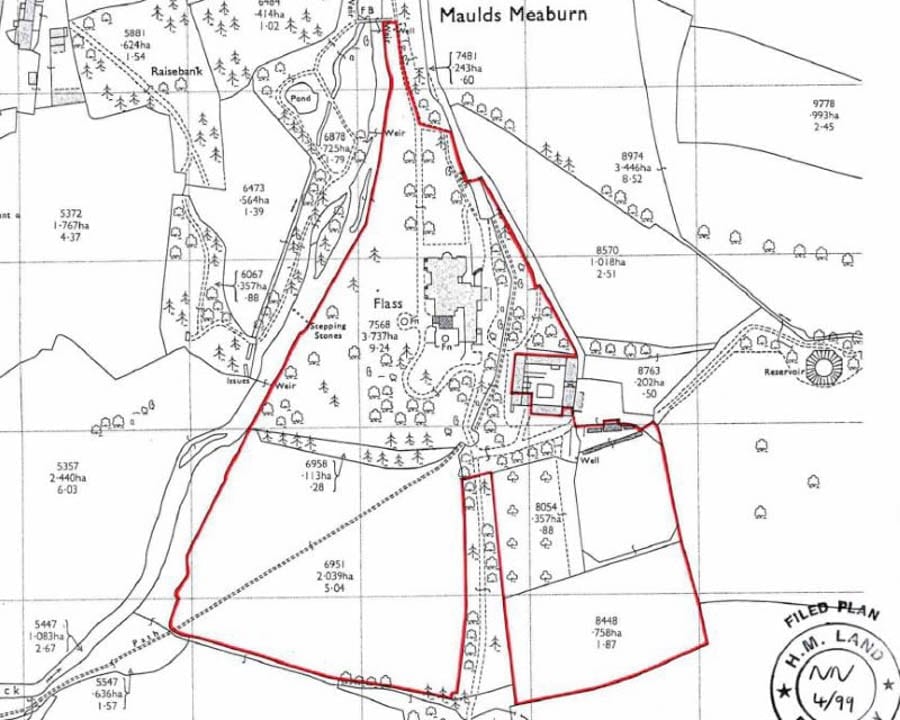
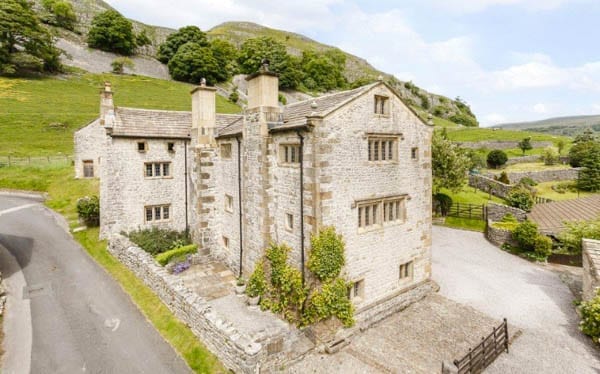
A 23,000 square foot, 52 room, mid-19th century Palladian mansion in the Westmorland Dales National Park is to be sold at auction – by order of the mortgagees not in possession – for £1 million less than it was marketed for in 2014. It is sadly now described as being in an utterly wrecked, vandalised condition.
The entrance elevation of the mansion then and now
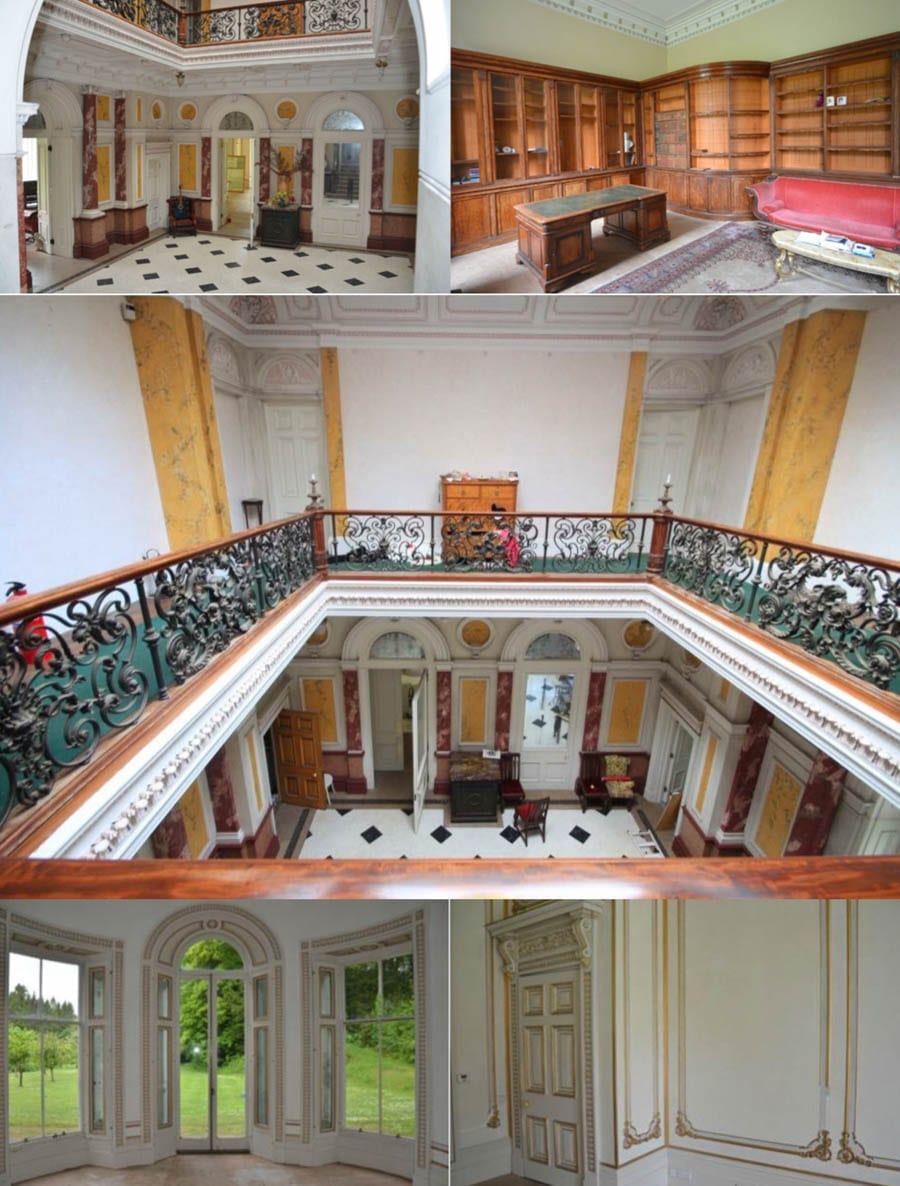
The strikingly grand interiors of Flass (prior to visits from the ‘Urban Explorers’)
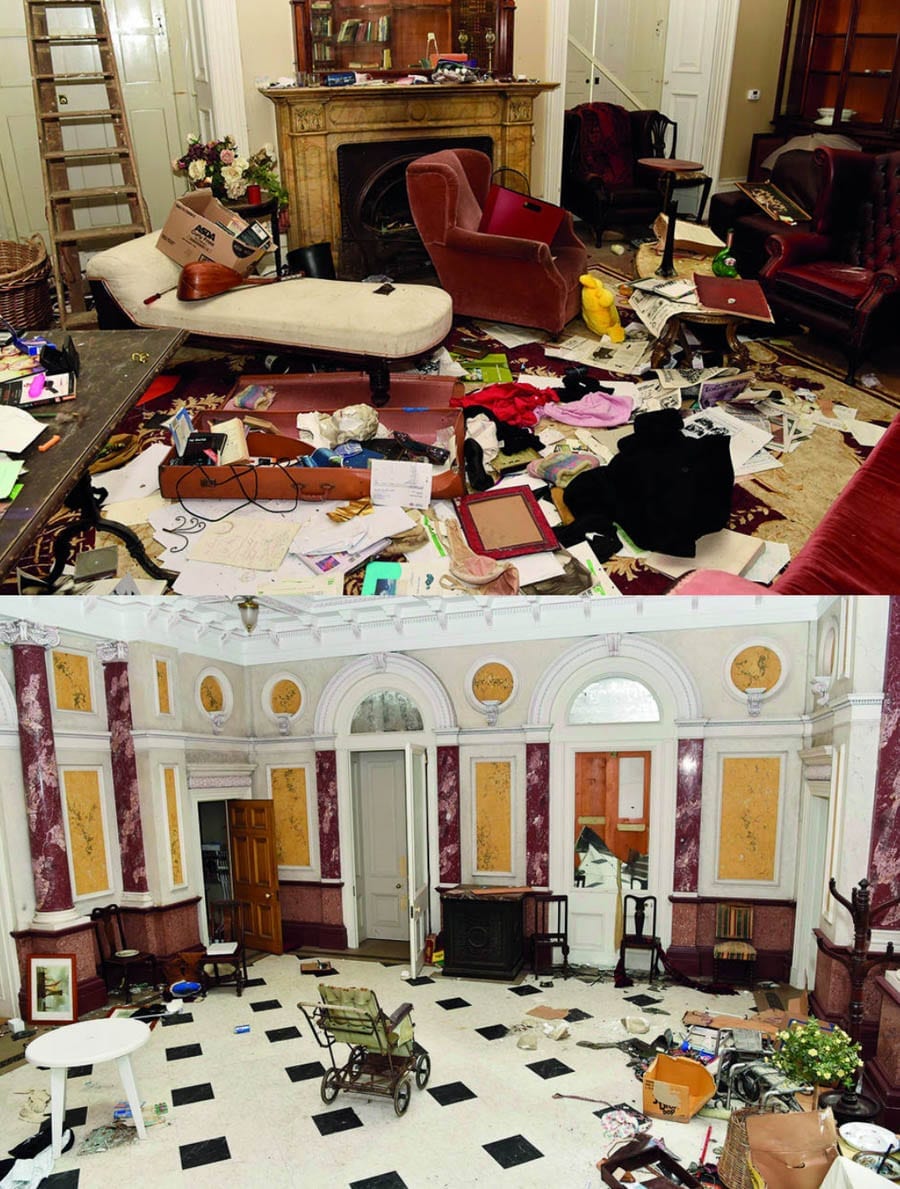
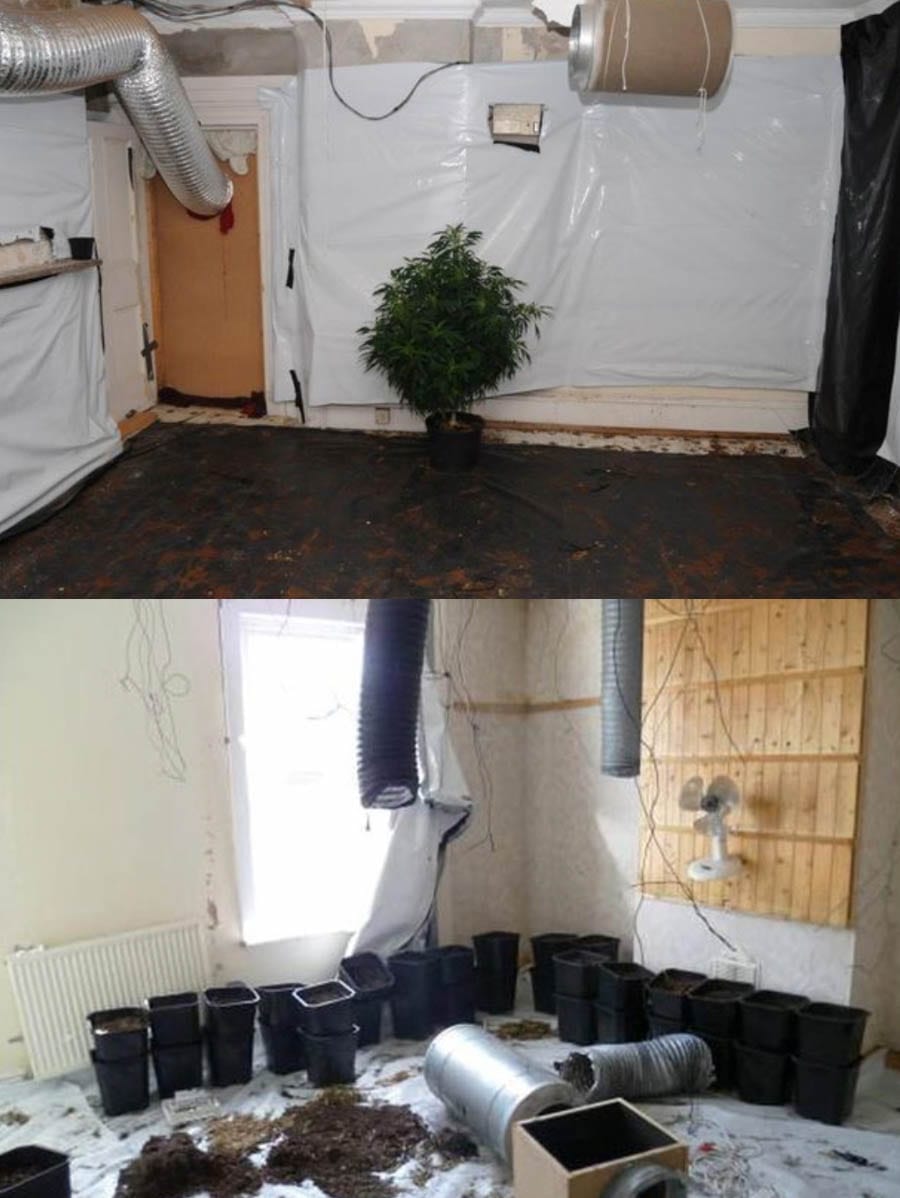
The completely trashed interiors of the mansion (after visits from the ‘Urban Explorers’)
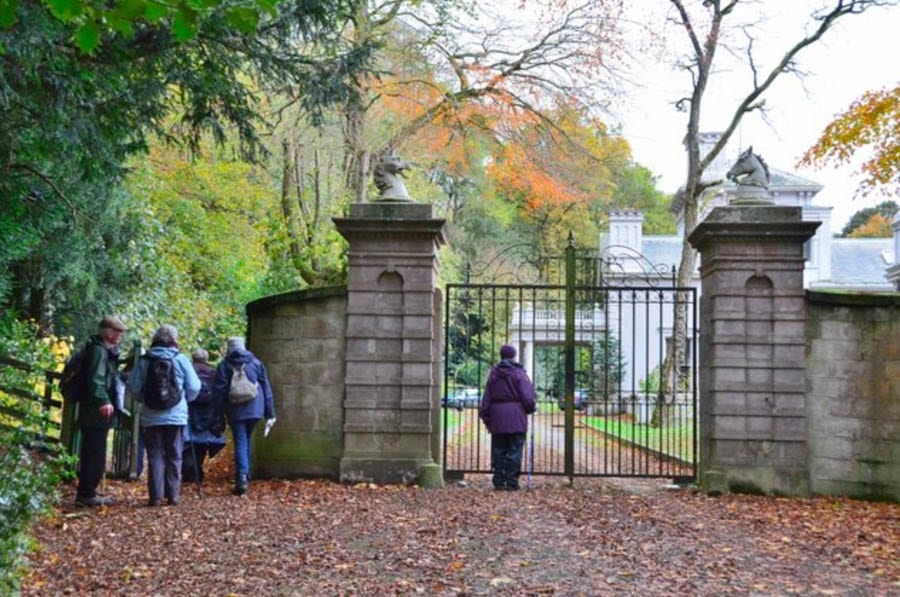
Built in 1851 for wealthy merchant brothers and tea and opium magnets Lancelot and Wilkinson Dent, 8-bedroomed Flass at Maulds Meaburn, near Penrith in Cumbria was designed by architects Grey and Mair and includes furnishings by the renowned firm Gillows of Lancaster and London.
Opulent to its core and said to have featured marble fireplaces, ivory door handles and friezes with pearls, Flass remained in the Dent family until 1973. Just prior to being sold for £17,000 (the equivalent of £202,000 today) that year to a historian named Frank Walsh, the then owner Sir Robert Dent opened up an attic of the house and discovered items from the Mughal Empire that he then auctioned for the astounding sum of £220,000 (the equivalent of £2.6 million today).
Subsequently this vast stucco finished, limestone built house – complete with a Doric porte-cochère and a three-storey tower – became a care home and was then after sold in 2000 to a singer-songwriter best known for co-writing the creepy Christian crooner Sir Cliff Richard’s Devil Woman named Christine Holmes (also known as Kristine Sparkle) and her husband Paul Davies. The pair turned the property into a performing arts school.
After the couple divorced, Davies took control of the mansion but due to spiraling maintenance costs, he eventually got himself involved with a gang of drug dealers in 2011. Due to what rental agents at the time described as the house being “totally private and hidden away, with an unmatched seclusion and charm,” Davies and his five cohorts were able to grow cannabis with a street value of £5.26 million undetected until a neighbour became suspicious. He was jailed for his role in the crime for three years and eight months in September 2015.
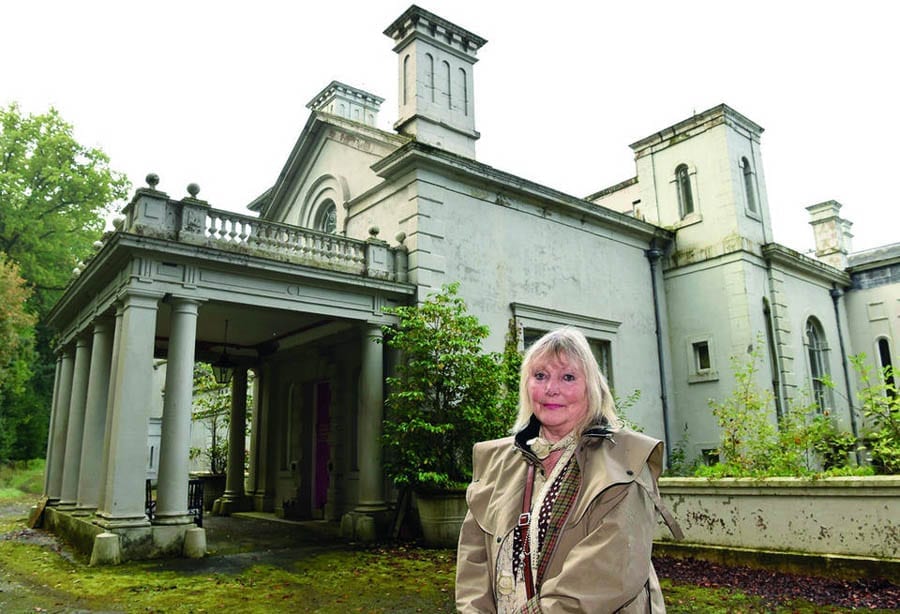
Singer-songwriter Christine Holmes outside Flass in September 2017 (after visits from the ‘Urban Explorers’ and their having trashed her home)
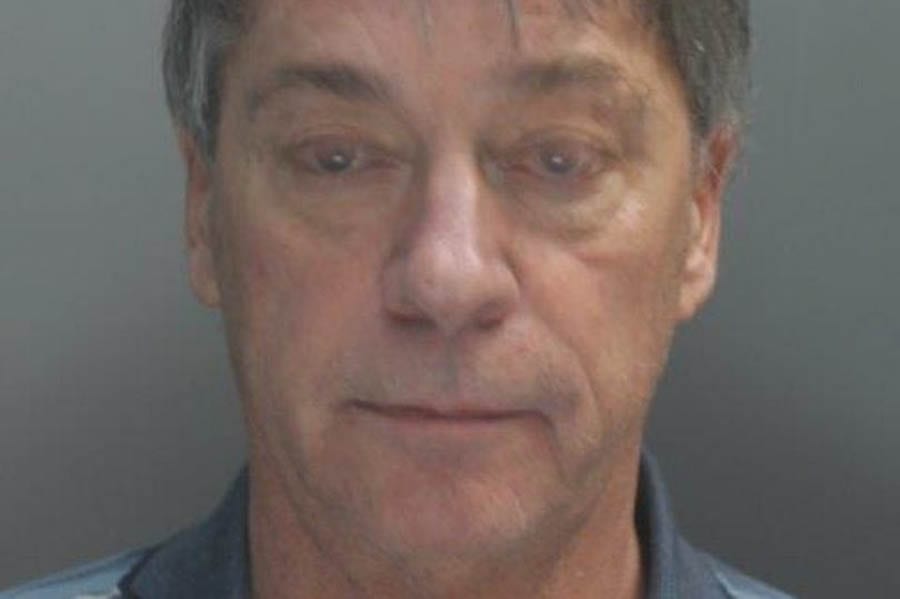
Paul Davies turned Flass into Britain’s biggest cannabis farm (and got himself three years and eight months in jail for his efforts; on his conviction his representative said: “He blames nobody but himself for getting involved in this criminal business”)
The “massive scale” £5 million cannabis farm operated at Flass was described in court as “a professional setup” and having the “real hallmarks of organised crime”
Christine Holmes subsequently took back control of Flass and after trying and failing to sell the house for £1.5 million spent £200,000 on renovations to put right the damage done by the drug operation. Her bad luck, however, was not to end there. In September 2017, the Cumberland & Westmorland Herald reported that a gang of ‘Urban Explorers’ had raided the somewhat derelict building and filmed their exploits. In the weeks that followed, trespassers returned at least twelve further times and “ransacked and trashed” the once glorious residence. She told the paper:
“I was absolutely horrified when I saw [videos of the house] online. I couldn’t believe how anyone could come into my home and believe it was an abandoned building.”
“I think since then people have been staying in the building and have even been there hiding while I’ve been there. I’m petrified. These are evil people who are breaking into my home. I think it’s becoming a game to them. They are breaking in every day.”
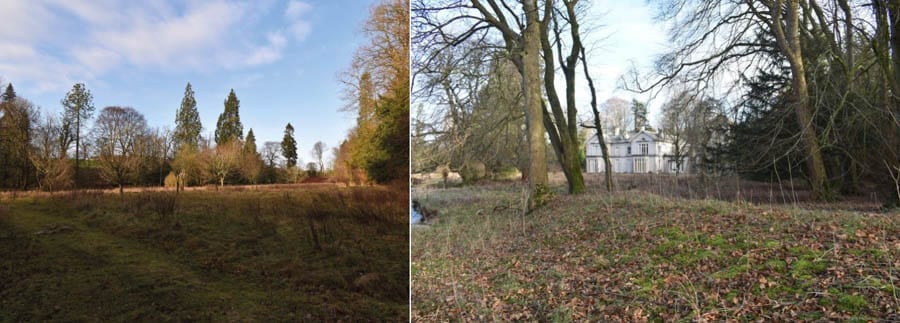
Auctioneers Harman Healy will now offer Grade II* listed Flass along with 17.5 acres of overgrown grounds with a guide price of just £460,000+ on 30th January. Christine Holmes no doubt will be glad if she finally gets shot of what she likely ended up considering to be the worst kind of white elephant.
Flass – The Numbers
January 2019 – To be offered at auction with a guide price of just £460,000 ($596,000, €525,000 or درهم2.2 million).
July 2014 – Offered for sale for £1.5 million ($1.9 million, €1.7 million or درهم7.1 million).
2000 – Sold for £490,000 ($635,000, €559,000 or درهم2.3 million) to the currently jailed drug dealer Paul Davies and his then wife songwriter Christine Holmes.
1998 – Reduced to £650,000 ($842,000, €741,000 or درهم3.1 million).
1997 – For sale for £750,000 ($972,000, €855,000 or درهم3.6 million).
1982 – Sold for £115,000 ($149,000, €131,000 or درهم547,000) to a retired solicitor named Malcolm Whiteside. He turned Flass into a care home which he ran with his wife Mary.
1973 – Sold by Sir Robert Dent, a descendant of the family who built the house, for £17,000 ($22,000, €19,000 or درهم81,000) to a historian named Frank Welsh.
Lady ‘Call Me Victoria’ Borwick makes a fool of herself on the BBC’s ‘Big Question’ as it is revealed that the MP who managed to lose the safe seat of Kensington is ludicrously seeking a comeback
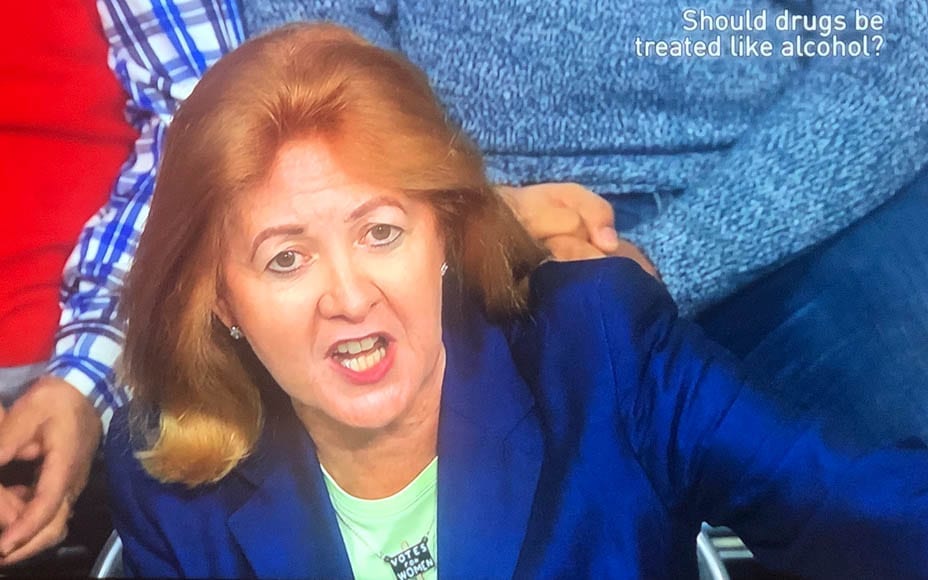
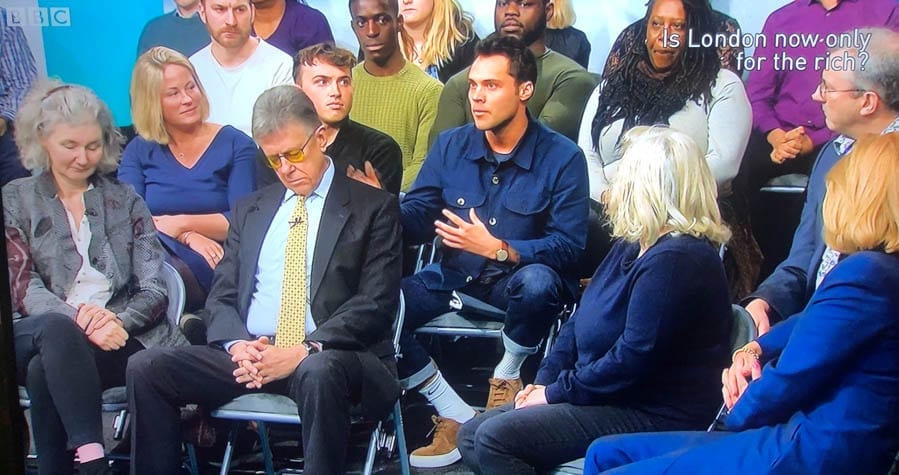
Yesterday morning, Lady ‘Call Me Victoria’ Borwick nodded her head on the BBC’s The Big Questions as another member of the audience suggested it ridiculous that a family living in a poky flat in Beckenham worth £300,000 can be paying the same in council tax as a family living in Kensington in a £25 million mansion.
“Please Victoria, stop interrupting, come on, let’s have someone else,” responded the programme’s host Nicky Campbell as this redheaded mother of the chief technology officer for Vote Leave tried to interject. “I’m a Londoner” later shouted the former Conservative MP – whom lost a seat that anyone would agree a “pig in a blue rosette should have won” – whilst Made in Chelsea’sAndy Jordan, in a bizarre attempt to be meritocratic, added: “Made in Chelsea should be Made for Everybody. I like that.”
This delusional cocktail party loving ex-MP, it should be added, herself lives in Phillimore Gardens, W8 – one of Britain’s most expensive streets and one where houses regularly sell for upwards of £35 million – and is the very same woman who did little to nothing for the homeless whilst in office. Instead, Borwick mostly asked questions during her time at Westminster in support of the antiques trade in general and the ivory business in particular. She now wants to return.
In spite of Borwick declaring: “I’m not a politician anymore” on The Big Questions, her very own website tells a very different story. Its homepage begins with the announcement: “I have made no secret of the fact that I would like to be re-elected as your Member of Parliament for Kensington and represent my fellow residents in Parliament.” No doubt, soon, ‘Call Me Victoria’ will also be picking up the phones. God help the Conservative Party and God help Kensington.
#bbctbq #lazyborwick
Watch the programme by clicking here (time limited for 29 days).
Lady Borwick on: “Should drugs be treated like alcohol?”
Nicky Campbell: “I know you’re very against drugs, but, of course, George Osborne, David Cameron, Boris Johnson – It didn’t do them any harm did it?”
Lady Borwick: “I am sorry I cannot think of a reason why legalising drugs would be… [Interuption from an audience member] Hang on, I’m not in politics any more… The important point is legalising drugs is not going to make us as a nation healthier.”
Nicky Campbell: “Did you have a drink over Christmas?”
Lady Borwick: “Yes, but not very much.”
Nicky Campbell: “But, then, are you a hypocrite?”
Lady Borwick: “We’re just facing Dry January. We’re telling people they shouldn’t be drinking in January… Why do we want encourage people to get addicted [to drugs]? The most important point is that the drug dealers are not going to go away, they’re not going to give up and tend their own gardens I’m sorry to say. But if you legalise pushing outside our schools… They’ll find some other way of engaging in criminal activity.”
Lady Borwick on: “Is London only for the rich?” and the Grenfell Tower tragedy and gangs
Nicky Campbell: “Well Victoria, you were the MP for [Kensington] and it is a very divided city, London. Most people would agree with that.”
Lady Borwick: “Just a touch. Just a touch. I will touch on Grenfell because you’ve raised that.”
Nicky Campbell: “Can I read out one of your emails because it does concentrate minds on what the problem is.”
Lady Borwick: “I was just going to quickly say, having been to see Grenfell because while… I went to see Grenfell several times. I helped them form a residents’ association because they had some very, very valid concerns. And I of course, I passed on all those concerns to the police. This is no secret. This has been in the Guardian. This has been in the media. But the problem is this is a tragedy and today is all about: ‘Is London too expensive?’ but I think all of us in Kensington, everyone in Kensington and Chelsea, everyone in London appreciates what a tragedy this is and how…”
Nicky Campbell: “But on the subject of the two nations that we are living in in London. Those of us who do and these remarks come from an email [from Lady Borwick]. It’s very interesting because you say: ‘The local community was difficult to help in the aftermath of the disaster because rather like gangs they don’t go into another community.”
Lady Borwick: “I was explaining… I was explaining in a four page email that we need to reach out to them. You cannot expect people to come to you.”
Nicky Campbell: “Why did you say: ‘Like gangs’?”
Lady Borwick: “It’s like communities, groups. It’s just terminology, of you know, saying you’ve got to reach out to people. You’ve not got to expect in life that people are going to come to you. We shouldn’t be judging people. We should be here reaching out. And that’s why when I saw the Grenfell people, I went to see them.”
Audience member: “That’s quite a pejorative term…”
Lady Borwick: “OK, as a group, the people we had to deal with…”
Anna Minton (journalist and academic): “There was an absolute breakdown of relations with the community and local government over Grenfell.”
Lady Borwick: “I agree with that and it’s an absolute tragedy and we must make sure that, that that never, ever happens again… These people had genuine concerns and I went to see them about a whole range of things.”
Alex Proud (restaurateur and gallery owner): “The politicians weren’t interested and aren’t interested. You destroyed the city we live in.”
Lady Borwick: “I’m sorry. I am really sorry. I went and listened to various people and they had genuine, genuine concerns. They weren’t just about those things.”
Nicky Campbell: “Victoria, Victoria… Please… Moving on from Grenfell…”
Lady Borwick: “I don’t want people thinking I didn’t have genuine concerns.”
Lady Borwick on empty housing in London:
Lady Borwick (in response to an audience member saying “housing shouldn’t be about all the investment units in the golden postcodes of Knightsbridge and Kensington”): “We’ve got to have homes that people actually want to live in.”
Nicky Campbell: “Please, Victoria, come on. Let’s have someone else. We’ve got speak to someone else now.”
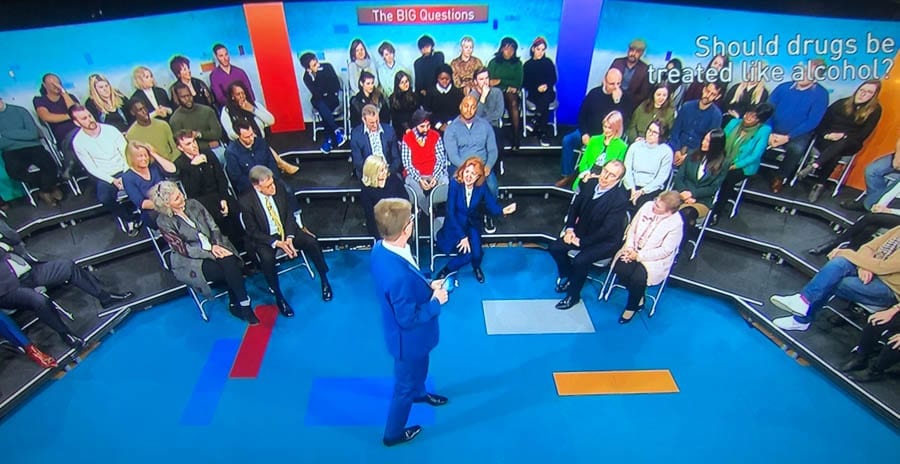
The studio audience on the BBC’s Big Question were hosted by Nicky Campbell and included Londoner’s pro and anti-drugs and those interested in the city’s housing crisis.
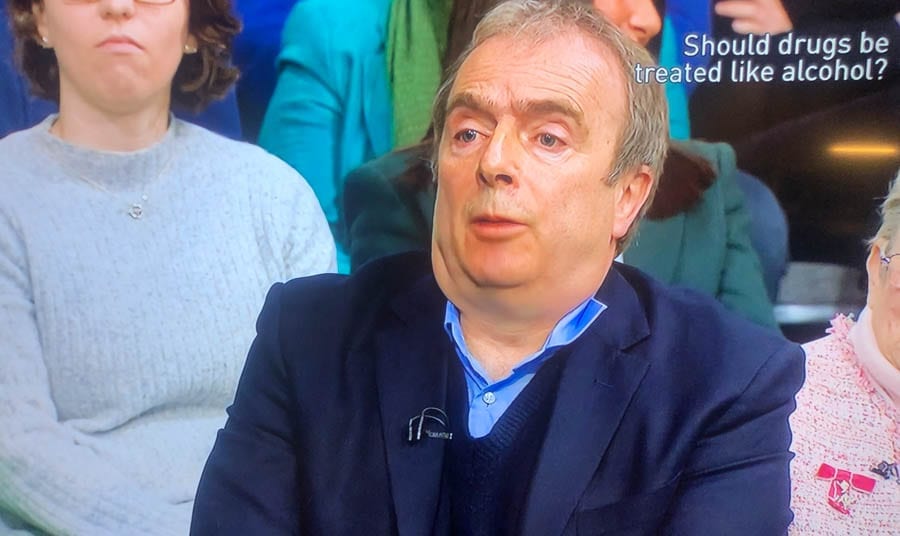
The rabid right-wing journalist Peter Hitchens was also in the studio; later on Twitter the anti-drugs campaigner lamented: “Sometimes it is useful to have had some practice in being a minority of one in a TV studio.”
‘Made in Chelsea’ ‘star’ Andy Jordan pointed out that the reality show did not portray the reality of life in one of the country’s richest boroughs; he also added: “They showed me driving round in a Ferrari. I actually own a white Transit van.”
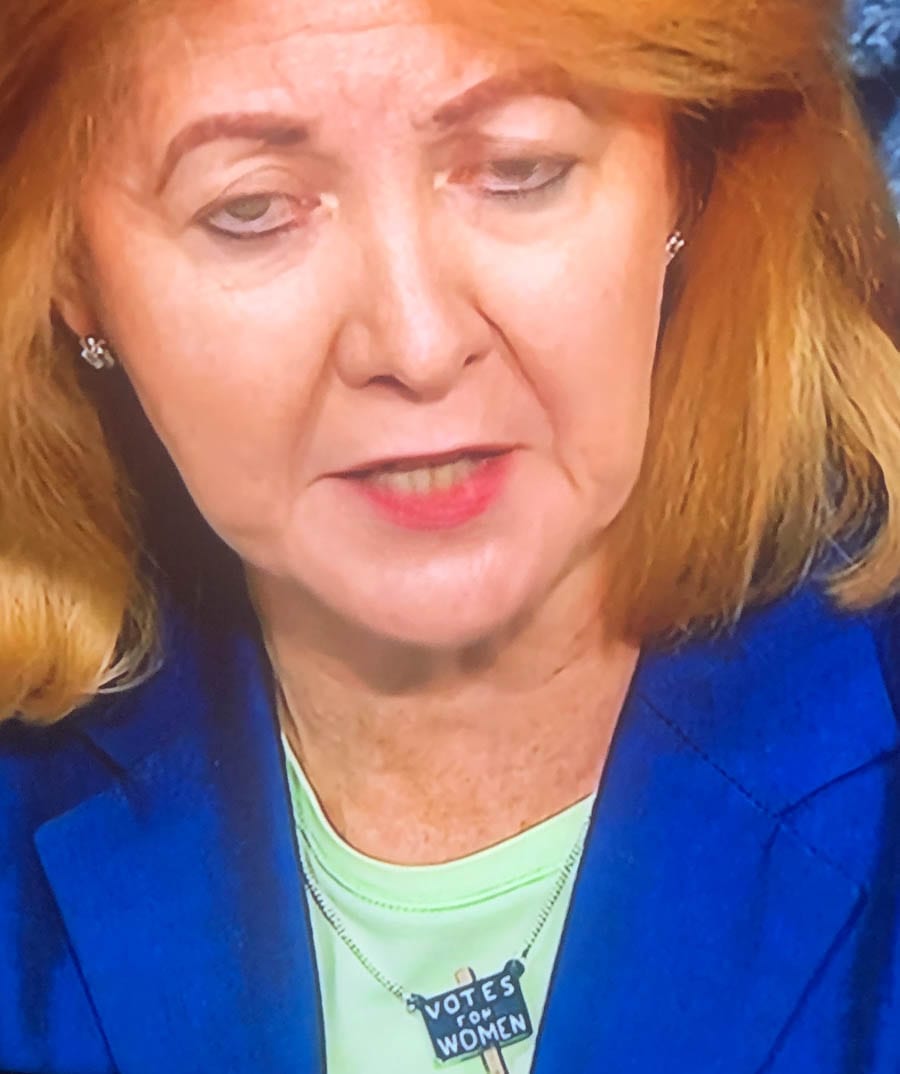
Lady Borwick plainly hasn’t caught up with the times. She wore a necklace that proclaimed: “Votes for Women” in spite of the fact that women got the vote in Britain 101 years ago in 1918.
‘Tables d’Exception’ launched at Rolls-Royce in Mayfair
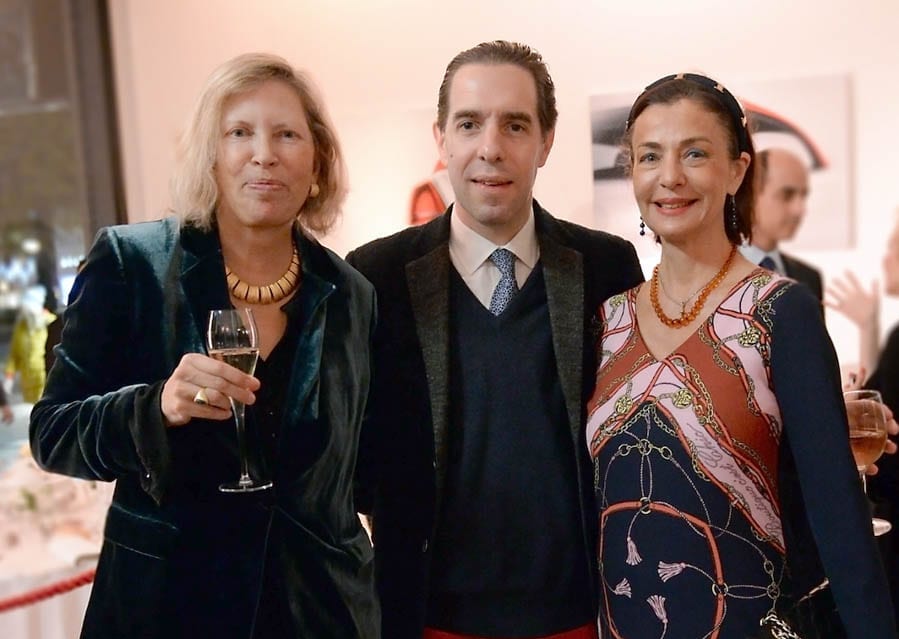
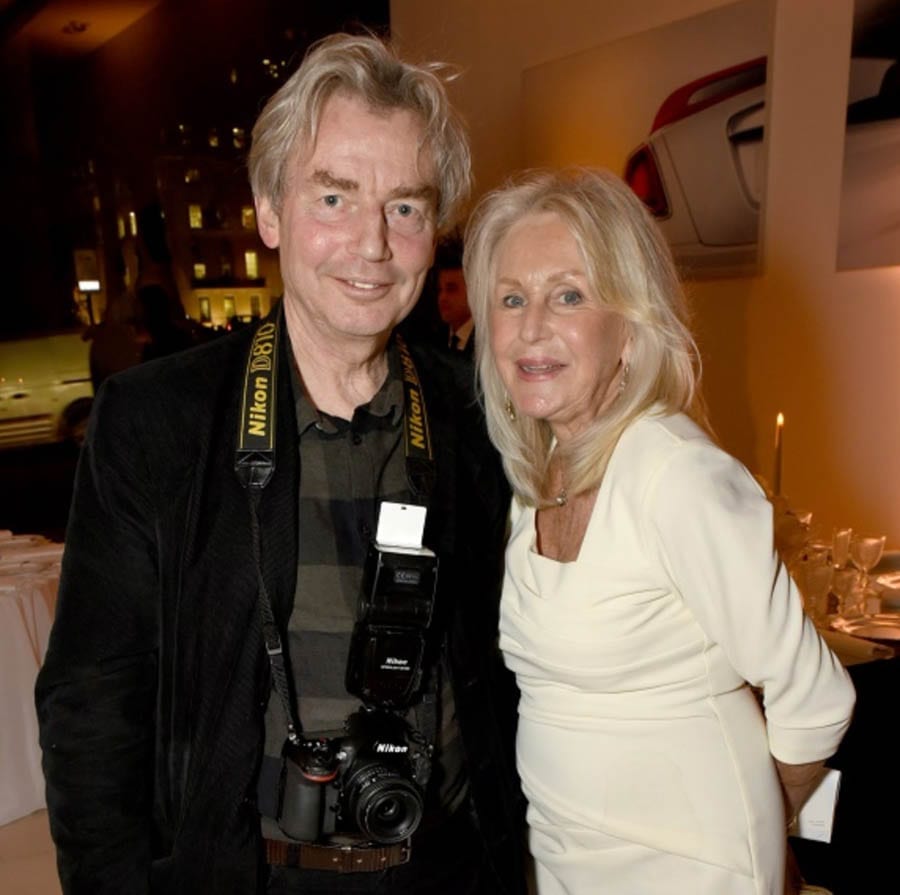
On 29th November 2018, the extremely connected and delightfully affable Alexandra Foley organised a party for her client the French interior architect and antique tableware collector Hubert de Vinols at Rolls-Royce Motor Cars London’s Berkeley Square showroom in Mayfair.
Showcasing Mr de Vinols’ ‘Tables d’Exception’ concept – whereby the ultimate lunch and dinner parties are created with antique ‘tablescapes’ inspired by the grand styles of the 18th and 19th centuries – the event not only offered guests a chance to view these ‘for hire’ works of art, but also a chance to begin what was one of the busiest Christmas party seasons in recent years in London in style.
Amongst those present were Heather Bird Tchenguiz, Liz Brewer, Basia Briggs, Dr Mark Collins, Navjot Dhanoa, Constantin Gordon, William Hanson, Christopher Hargreaves, Christian Huhnt, David Jenkins, Richard Martyn-Hemphill, Lord Oxmantown, Marie-Athena Papathanasiou, Alexis Parr, Melleney Samsudin and Matthew Steeples.
Of his reasoning to introduce his company into the UK to serve “à la française,” Vinols told The Steeple Times:
“I wish for Tables d’Exception to enable a return to refined entertaining, where a beautiful setting inspires convivial discourse. Tables d’Exception is the ‘Go To’ for generous hosts who want to entertain at the highest level, in the spirit of the Gilded Age and Belle Époque.”
IFAW secure a ban on the sale of most items of ivory in the UK with the assistance of Michael Gove MP and ‘Fake or Fortune’s’ Philip Mould
Elephants love Wednesday, and so will you.
Elephants remember Wednesday as if it was only Tuesday.
Anthony T. Hincks, author.
Last week, the International Fund for Animal Welfare announced that the Ivory Bill had been approved in the House of Commons and will now go for Royal Assent.
Superb news for elephants in the regard that this will close most elements of the UK ivory market, The Steeple Times has long supported this cause. Prior to Theresa May’s pointless election in 2017, Matthew Steeples, editor-in-chief, wrote to Lady Borwick – then the MP for Kensington. This bizarre woman, who was also President of The British Antiques Dealers’ Association and spoke frequently in the House of Commons in support of the ivory trade, responded with the bizarre comment: “[Doesn’t everyone enjoy] tinkling the ivories – playing the piano?”
Of the news, David Cowdrey, UK head of policy and campaigns at IFAW told The Steeple Times:
“This amazing news means we can give the best present ever to elephants this year; namely that another ivory market is closing and increasing pressure for all countries to do the same and help make the killing of elephants for ivory a thing of the past.”
“The Bill’s passage through Parliament was not easy and at times worrying. There were a number of attempts by the antiques lobby to water down the Bill, putting forward amendments that would have created more loopholes than a sieve full of water, but IFAW was on the case and briefed hundreds of supportive MPs and Lords throughout the Bill’s passage through Parliament. The end result was that all of those bad amendments were either withdrawn or voted down and we will now have one of the toughest ivory bans in the world, with a few very limited exemptions, which we put forward and supported.”
“The resulting Ivory Act will now ban the sale of most ivory items in the UK, which is fantastic news and we could not have done this without you. With elephant populations in crisis and an elephant poached every 26 minutes for the illegal ivory trade, it is vital to shut down the legal markets as urgently as possible so that they can no longer be used as a smokescreen for illegal killing and trafficking.”
“IFAW would like to congratulate everyone involved, especially our supporters and the UK Government for taking such swift action since pledging to introduce a ban. It has to be said that the Ivory Bill must be one of the quickest pieces of legislation to pass through Parliament in recent years and this reflects the importance that the Government attached to it.”
“I have to personally congratulate The Rt. Hon. Michael Gove MP, Secretary of State for the Environment, who has championed this Bill from our very first meeting and also the Ivory Bill team at Defra (Department for Environment, Food and Rural Affairs) for their amazing support and work in delivering a balanced and excellent piece of legislation. It is also important to note that all political parties supported this Bill and without their support it would not have succeeded.”
“When IFAW stepped up its campaign for an ivory ban in earnest about three years ago, we were starting from a bleak place. Though it had been included on manifesto documents little had been done politically, it was not a priority and was even dropped as a manifesto pledge by the Government at the last election. IFAW crafted a campaign that would create real change and brought in some vital players we needed to reassure and have on side, such as the Musicians’ Union, Music Industries Association and Association of British Orchestras to really understand their issues and work together as partners.”
“We spoke to museums and fine art dealers like Philip Mould and took their concerns on board, worked with them and built strong relationships that would shape the campaign and achieve real positive change for elephants. I also spoke to enforcement officers to understand what would work and what would not work, because at the end of the day any new legislation has to be enforceable and we want the people behind the illegal wildlife trade to be brought to justice. We lobbied hundreds and hundreds of MPs, Lords and civil servants. We wrote letters, IFAW published reports, gave evidence to select committees, conducted surveys, signed petitions and kept up a constant pressure, advocating real joined up solutions to the Government and all of our suggestions were taken on board.”
“As a public element to the campaign, we ran another UK ivory surrender, our fourth in the UK, where members of the public were encouraged to give up any unwanted ivory to be put beyond use and ensure it would not be traded. We continue to be overwhelmed by the huge public response to this, with hundreds of ivory trinkets and tusks donated to IFAW over recent months. The majority of donated ivory is passed to the relevant Government agency to destroy, and just a few items are retained for education work and publicity purposes.”
“Our partnership approach was supported and echoed by other NGOs and we all worked together to deliver one of the best and strongest ivory bans in the world. We now hope this will be replicated by the European Union and that they will act as courageously as the UK Government did to close down the EU to ivory and produce equally strong legislation. Our job will not be done until all ivory markets are closed and people only value ivory on a living, wild elephant.”
“It has been a hard, long and successful campaign thanks to all of your support and I hope has delivered a great Christmas present and one that we can all celebrate. The elephants won’t forget, and neither will we.”
Will ‘more toff than tough’ Geordie Greig take the ‘Daily Mail’ into the realm of rational? Matthew Steeples suggests that’s as likely as Jacob Rees-Mogg donning a Kappa tracksuit and dancing a jig with Diane Abbott
Yesterday, in an opinion piece for The Guardian, Jane Martinson claimed new editor of the Daily MailGeordie Greig “finds himself walking on a tightrope” as he juggles keeping Brexiteers, remainers, anti-immigrant readers and his pugnacious proprietor happy.
In her overall observation, Martinson is entirely right. Greig’s arrival marks a major change at the paper in that he comes not from the world of political journalism of his “poisoner in chief” predecessor Paul Dacre, but instead is an Old Etonian who has edited “aristocrat’s favourite” Tatler magazine and written about the life of the louche father of fourteen and “unapologetically self-absorbed” portrait painter Lucian Freud.
Described by The Observer in 2005 as “Britain’s most connected man” and married to a Texan, Greig, in many ways, harks back to the era of David Cameron and George Osborne’s politics. He, like them, lives in Notting Hill, is a “friend” of the “socialite” Oxford-LSE graduate wife of (the Mail’s owner) Viscount Rothermere, Claudia Clemence, and is even credited with persuading the former chancellor’s new boss, Evgeny Lebedev, to buy the Evening Standard in 2009. In this regard, I’d argue, this 57 year old is very much a key component of the establishment elite that is what I like to mockingly term: ‘The Club.’
Greig comes from what can limply be termed “a nicer school of journalism” and despite his grandfather having briefly flirted with the far right when he joined the January Club, “an establishment ginger group for the British Union of Fascists,” he is himself seen to be cultural and no enemy of the postmodern era. This former fashion writer collects works by the pro-Margaret Thatcher, pro-Prince Charles collaborative artists Gilbert & George and supposedly has already “[ripped] out Dacre’s [old fashioned] panelling and chintz office and [brought] in his own [‘Notting Hill Set’ style] soft furnishings.” No doubt, the chattering classes will titter and suggest they come from OKA – the furniture emporium founded by Viscountess Astor (the mother of Samantha Cameron) that was sold to Investindustrial, the owners of Aston Martin, in January this year – but in doing so they have a point: Greig is most definitely more toff than tough.
Whether “mild-mannered… by nature liberal, fiscally conservative” Greig will be able to replace Paul Dacre’s “I give my readers a daily hate” racist, homophobic, philistine, “enemies of the people” agenda at the Mail with something more liberal and tolerant remains to be seen. It does, however, seem as likely as Jacob Rees-Mogg donning a Kappa tracksuit and dancing a jig with Diane Abbott.
“Famously haunted” Chelsea townhouse once home to ‘Rule, Britannia!’ and ‘A-Hunting We Will Go’ composer Thomas Arne and later Shakespearean actress Dame Ellen Terry for sale
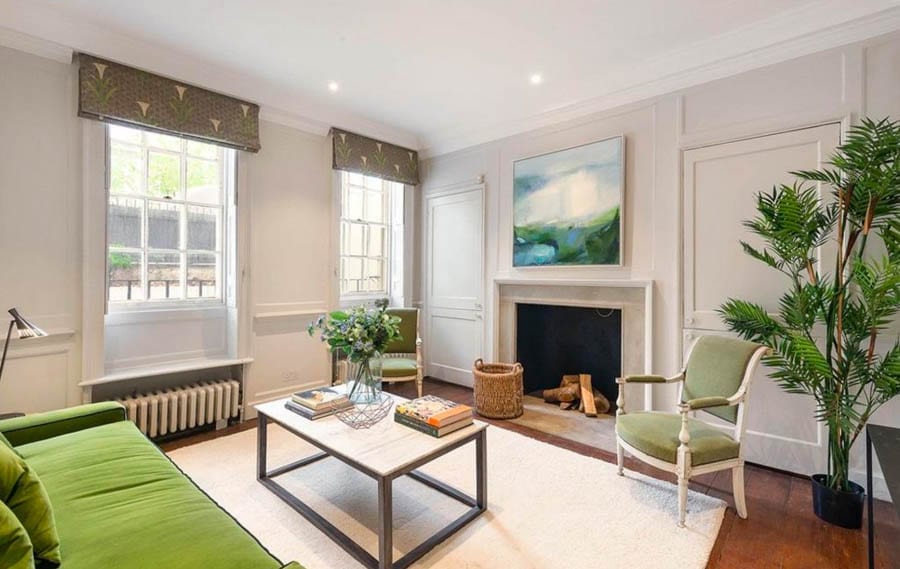
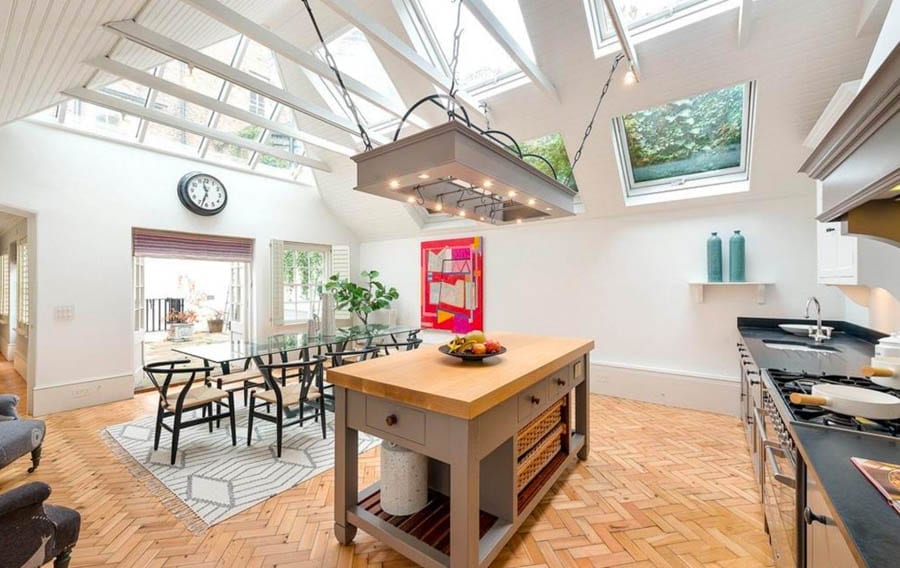
Spread over five floors and extending to 3,179 square foot, the renovated Georgian property provides 3 reception rooms, a vast dining kitchen created out of a former artists’ studio space, 5 bedrooms and 4 bathrooms. It has a garden to the front and a courtyard also.
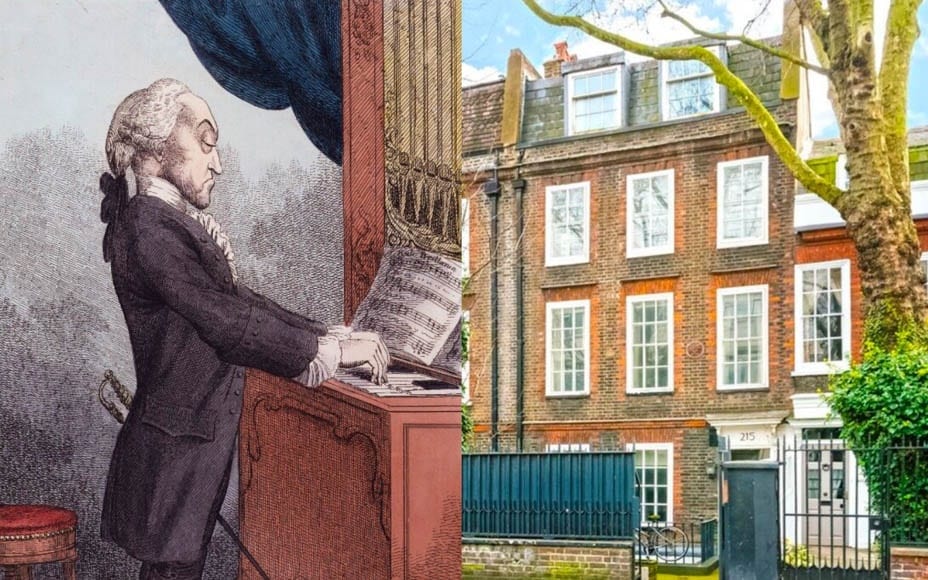
Dame Ellen Terry and Thomas Arne
Though only briefly home to Thomas Arne – a Roman Catholic and Freemason best known for both Rule, Britannia! and A-Hunting We Will Go – in 1771, actress Dame Ellen Terry lived in 215 Kings Road from 1904 to 1920. It is reported that her possessions there were sold off in 1921 as part of “an attempt to fend off bankruptcy” and of it, a newspaper article titled ‘The Ghosts of Ellen Terry’ reported:
“Surely civilisation was never responsible for the invention of the auction sale. It is such a heartless proceeding. Even a barbarian chief, waving a fierce spear, could not look more relentless than the auctioneer with the dull thud of his cruel little hammer. And surely no barbaric women with palm-leaves and fuzzed hair ever wore harder expressions than the crowd of modern sisters gathered yesterday in Ellen Terry’s old home in Chelsea, as they watched the exquisite china and other mementos of a great artist whisked off by sharp bidders for ridiculously small sums.”
Knight Frank seek £6.45 million ($8.30 million, €7.15 million or درهم30.47 million) for the now “famously haunted” freehold house.
“Playboy” turned lawyer Alexander van der Zwaan had it all but destroyed his reputation after being jailed for 30 days for lying to the FBI in April 2018 over Russia’s links to President Trump’s election campaign. Aside from receiving positive publicity in Tatler after marrying Eva Khan, daughter of a Ukrainian-Russian billionaire named German Khan, in a “lavish society ceremony” at Luton Hoo, Bedfordshire in June 2017, this “ostentatious” Belgian-born, Notting Hill based attorney might now realise that telling the truth is generally for the best.
Alexander van der Zwaan with his art critic wife Eva Khan at their 2017 wedding; ‘Tatler’ lauded it as one of the “seven big weddings” of that year