Matthew Steeples takes a look at a £36 million Kensington mansion formerly owned by disgraced business tycoons Alan Bond and Lord Black; its former chatelaine was known for stating “I have an extravagance that know no bounds”
Sir Winston Churchill’s daughter Mary Soames once described the buccaneering businessman and media tycoon Lord Black of Crossharbour as “London’s biggest bore unhung” whilst his wife, Lady Black – better known as the author and journalist Barbara Amiel – was suggested to be just a “rich bitch” by Sarah Sands in a “case for the defence” article in the Independent in October 2006.
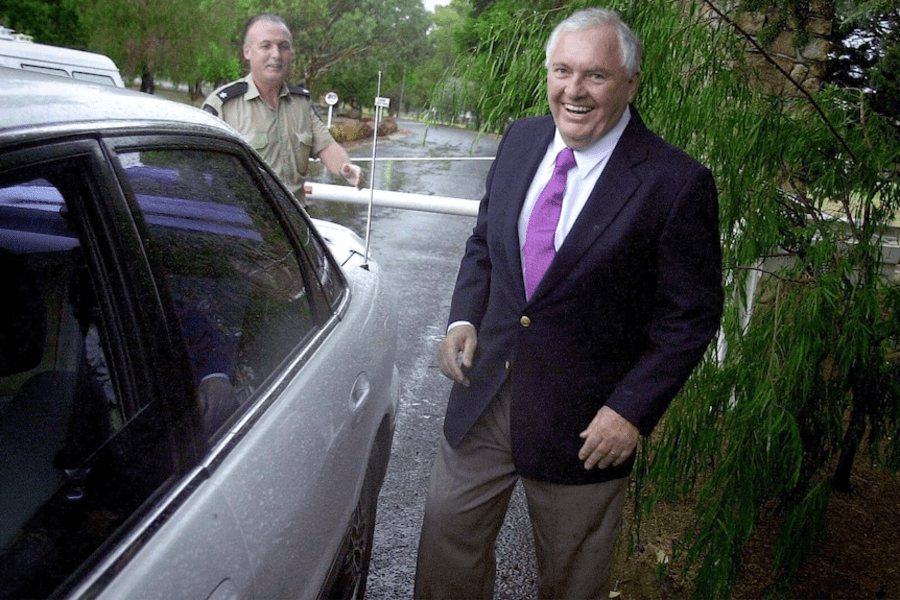
“Poster boy for the 80s” turned fraudster and jailbird Alan Bond (1938 – 2015) was an English-Australian businessman equally Marmite-like in being liked or loathed and now a Kensington mansion owned for a time by both subsequently disgraced businessmen is once again for sale.
14 Cottesmore Gardens, formerly known as 12 – 14 Cottesmore Gardens, was purchased by Alan Bond’s Satellite Group for £7 million in the 1980s and sold by administrators of that business to Conrad Black and his wife for the knockdown sum of just £3.5 million in 1992.
Plain old Mr and Mrs Black (as they then were) lavished further millions – some of which came from the company Hollinger International, Inc., which ultimately resulted in their downfall – on the double fronted 19th century mansion and used it for entertaining on a lavish scale. Guests, including the likes of Prince and Princess Michael of Kent, Joan Collins, Margaret Thatcher, Henry Kissinger, Jimmy Goldsmith, James Hanson, Arnold Weinstock, Jacob Rothschild, Peter Mandelson and Tony Blair, were said to flock to the parties they gave there, but in 2005 these gatherings of upto 400 people at a time came to an almighty end.
Forced to sell at a bargain basement price of just £13.1 million on an ask of £17.5 million as the Canadian born billionaire faced jail time in America, Lord and Lady Black’s tenure was over and the residence saw its “arriviste torch” passed to Juan and Adriana Villalonga, a couple described as “a Mexican telecom czar and his beauty-queen wife.” Of what came next, The Globe And Mail’s Paul Waldie pointedly penned in February 2007: “[They] quickly erased many of the features that the Blacks prized.”
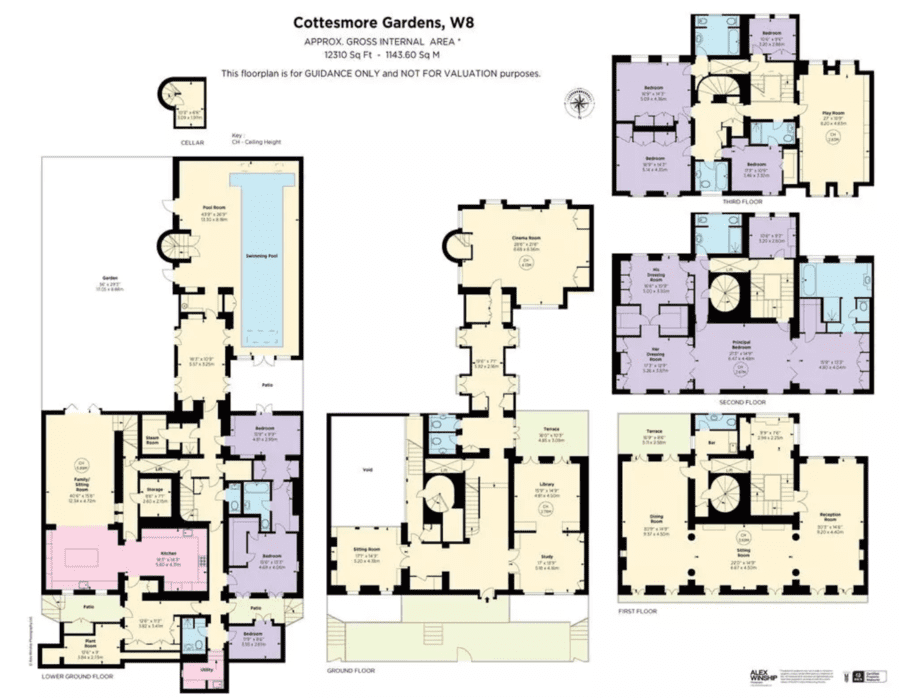
Once again for sale as of April 2023, the value of 14 Cottesmore Gardens has again been deemed to have substantially risen. Knight Frank offer the 12,310 square foot, five-storey residence at a punchy price of £36 million and laud it as “imposing” and “presented in good order throughout.” They add that a “pre-planning consultation” has found that further accommodation could be added that would take the internal space to more than 15,000 square feet; business barons with deep pockets only need apply.
Editor’s Note – Unlike as is the case in many publications, this article was NOT sponsored or supported by a third-party. Follow Matthew Steeples on Twitter at @M_Steeples.
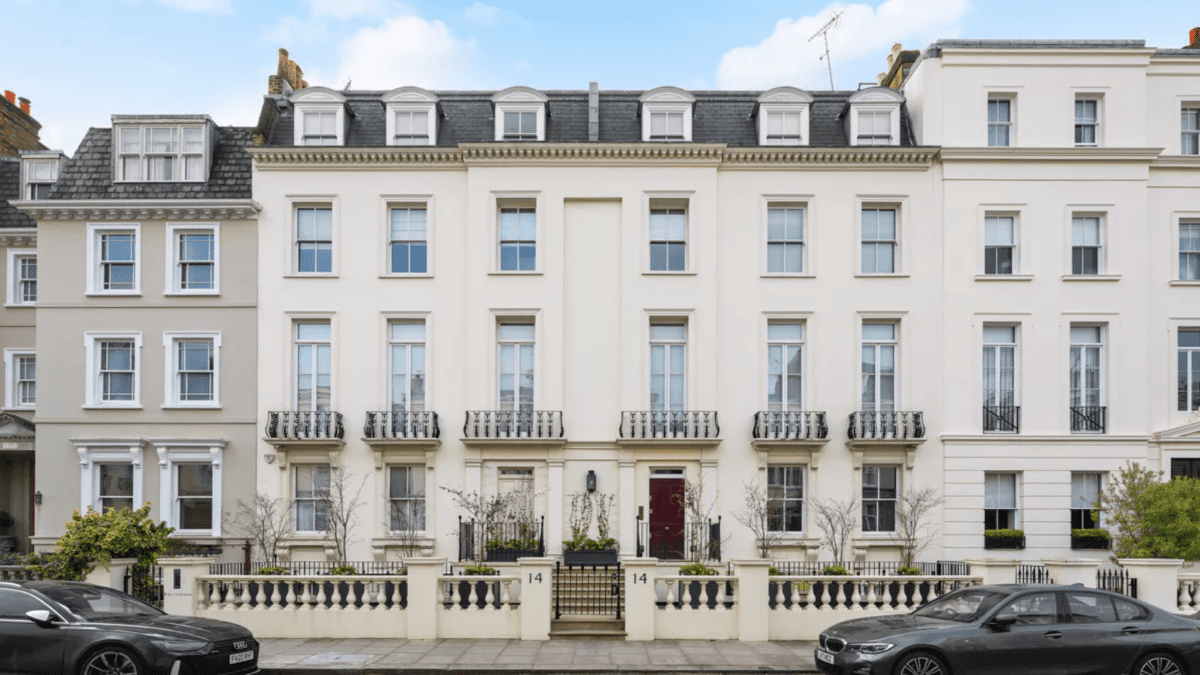
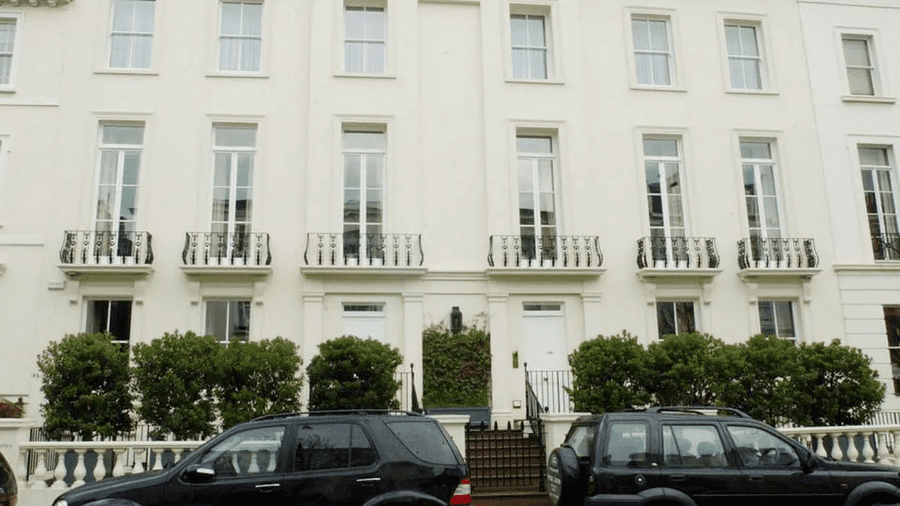
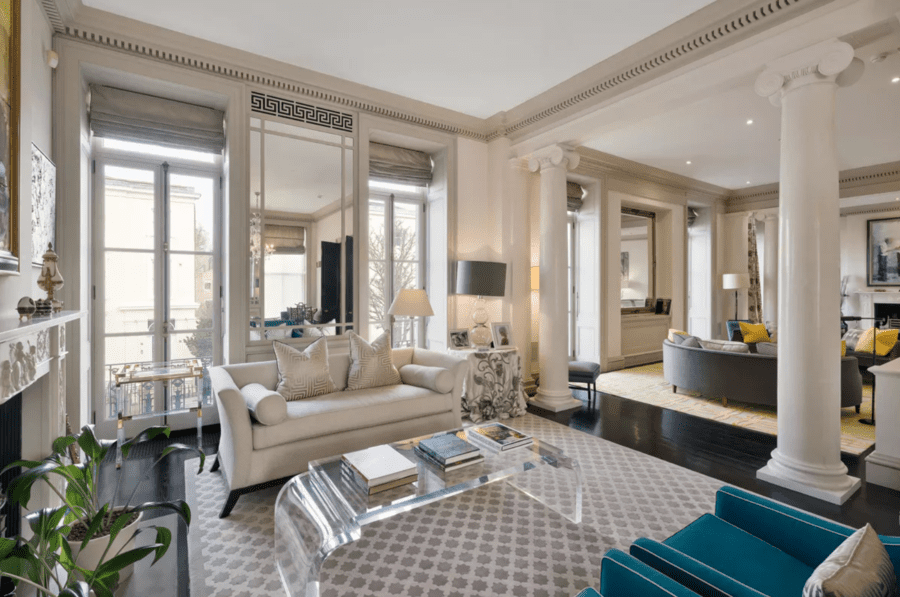
Pictured Top – 54-foot wide 14 Cottesmore Gardens is described by selling agents Knight Frank as “offering lateral living so often requested but so hard to find in central London.” They neglect to mention that with its hedges cut back to the minimum, the place actually looks extremely forlorn.
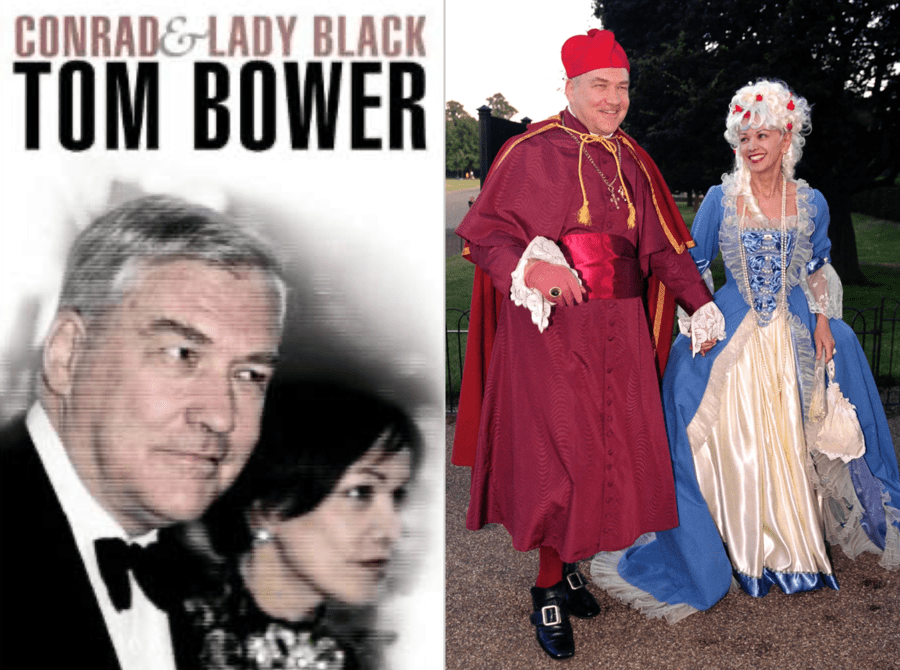
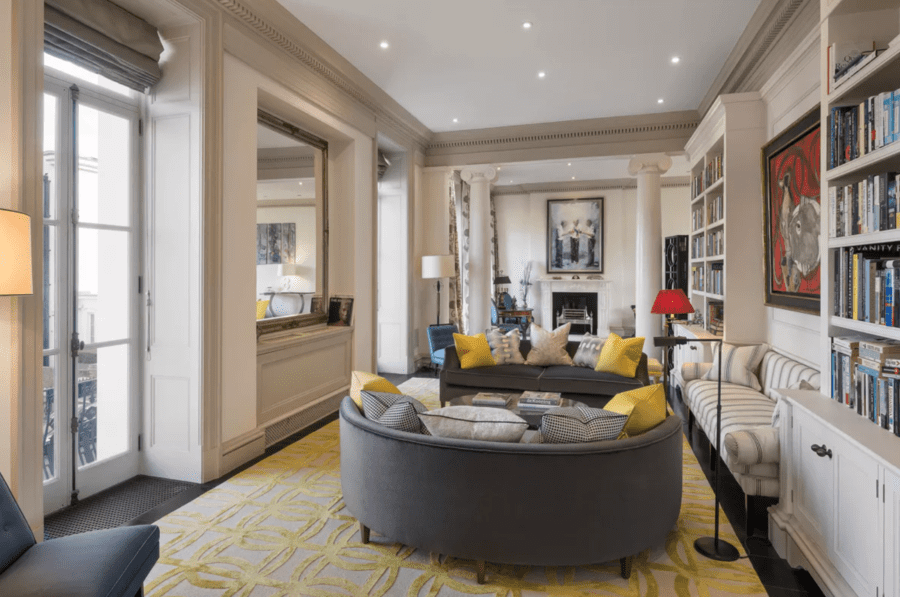
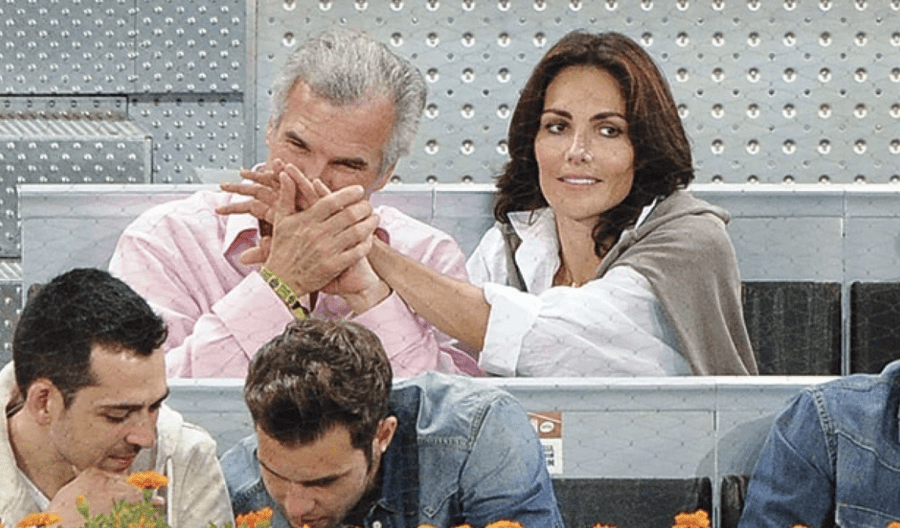
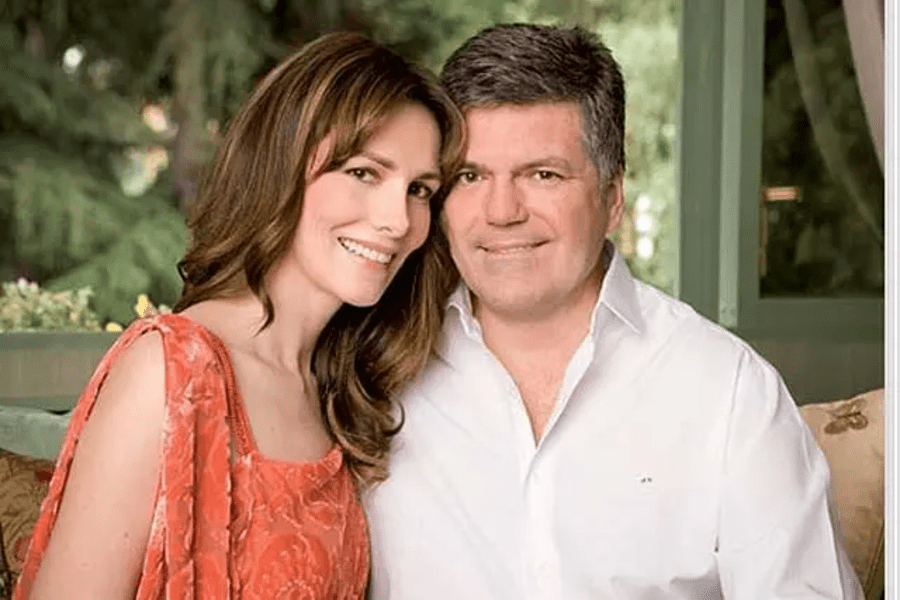
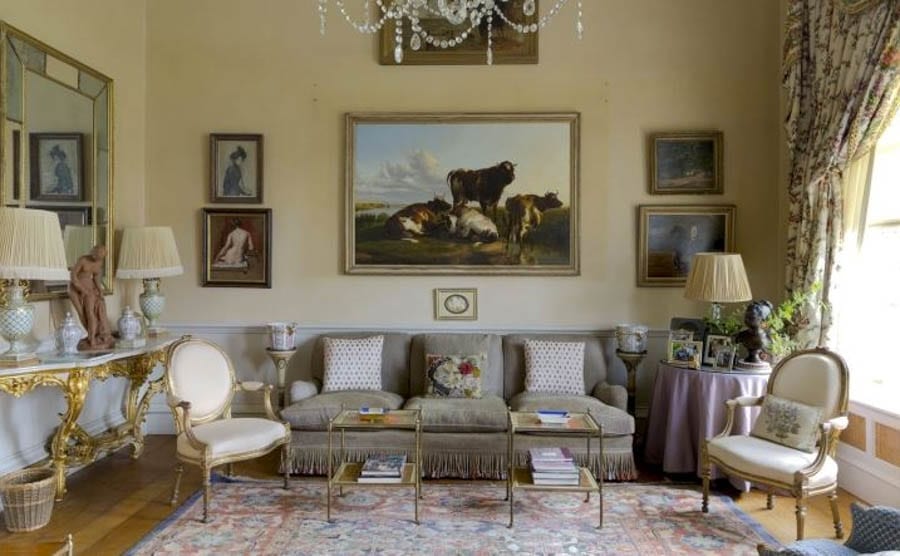
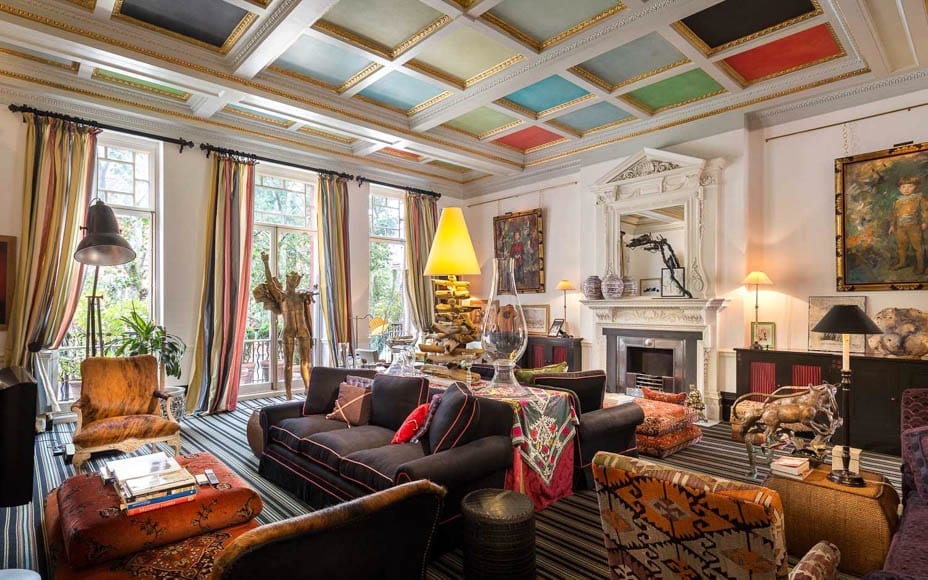
Flamboyant Lord and Lady Black dressed as Cardinal Richelieu and Marie Antoinette for a party at Kensington Palace in 2000. For a time, the couple employed 17 butlers (if Tom Bower is to be believed) and had two private jets and homes – aside from the 19th Cottesmore Gardens mansion – in New York, Palm Beach and Toronto. “Guests packed into their parties at Cottesmore Gardens,” Bower remarked in his 2006 book the couple, adding: “Amiel was a big spender… Under the control of senior butler Andrew Lightwood, second butler Peter Wilson and a succession of third butlers, Amiel’s life in Kensington had become what her constantly changing staff called ‘bizarre.’ Each recruit was taken by Lightwood on an introductory tour of the house, ending on the roof. ‘Make sure the landing lights are on at all times,’ instructed Lightwood solemnly, ‘because Madame takes off from here on her broomstick looking for cats. She needs the lights to guide her return.’ His face would crack into a smile. ‘Most important, take care that she never sees you. She hates seeing any of us.’ Amiel’s eccentricity demanded that her staff hid whenever she approached, diving into cupboards if necessary, and never entered her quarters when she was present. Every day, all the bed linen was changed and subjected to ‘the penny test.’ A coin was dropped onto the sheets. If it failed to bounce they were not drawn sufficiently tight. Every cushion was arranged to a precise pre-ordained position, and each towel placed exactly as Amiel had predetermined. ‘Andrew!’ she screamed down the telephone on one memorable occasion, ‘the towels are in the wrong place!’ Lightwood, as Amiel knew, was in New York, but he was expected to telephone the staff in the house in London to rectify the error. ‘You f**king pillock!’ she yelled at another member of staff for reading her ‘Daily Mail’ before it was delivered to her.”Barbara Amiel Black (or ‘Lady Black’ as she prefers to be known) in her drawing room at Cottesmore Gardens (pictured). Of her, Sarah Sands on Lord and Lady Black in the ‘Independent’ in October 2006 opined: “Conrad and Barbara in their monstrous, glamorous way, knew how to throw parties. The talk was of geo-politics and hemlines. Nowadays, we scorn their extravagance and doubt the source of their wealth with prune-faced hindsight. Meanwhile, everyone is sucking up to Russians…. Barbara would disingenuously begin her midnight calls to me by saying in her low, breathy voice: ‘I hope I am not disturbing you.’ She would then offer little glimpses of her own home life. I remember her mentioning that Conrad Black was upstairs playing with his fleet of toy gun ships in the bath… I remember her examining an exhibition of doll’s houses at the Chelsea Flower Show and sighing how restful it would be to live in this cosy little home. How she envied people in small houses. The burden of wealth was one of her more dangerous fantasies. At one of her Gatsby-style parties in Kensington, she flinched at the elaborate canapés on offer: ‘Really, all I want is a sausage,’ she said, piteously. Then, she ran a hand down her inconceivably expensive dress and whispered: ‘I hate these parties, I am so shy.’ Later, I was invited to her boudoir, where she lay on cushion surrounded by her women friends. She was Kensington’s Cleopatra, surrounded by maidens such as the designer and Forte daughter Olga Polizzi, the political thinker Tessa Keswick and the writer Miriam Gross.”The very same drawing room at 14 Cottesmore Gardens today. The décor is now somewhat more modern and less ‘classical country house-ified.’ It’s certainly more Soho Farmhouse than Alberto Pinto in style; it is currently a space that the former Meghan Markle would feel more at home than say, perhaps, the likes of Lord and Lady Black’s chum Ghislaine Maxwell and her fellow noxious nonce Ponzi scheming paedophile boyfriend Jeffrey Epstein. Mr Pinto was responsible, it should be noted, for the designs of most of Epstein’s residences.The front elevation of 12 – 14 Cottesmore Gardens during the era it was owned by Lord and Lady Black.Multiple entries for Lord and Lady Black during the time they owned 14 Cottesmore Gardens appeared in the ‘Little Black Book’ address book often attributed as being that of the friends and associates of Jeffrey Epstein, but that featured more of the contacts of Ghislaine Maxwell in fact. In October 2020, Barbara Amiel took revenge on the pension pot plunderer’s padeophile sex trafficker daughter by featuring her in her “score-settling” memoir ‘Friends & Enemies: A Life in Vogue, Prison, & Park Avenue.” Maxwell had “dumped” Lady Black when Lord Black was being investigated for fraud. She wrote of their last meeting: “We were friends – so putting on my ‘So good to see you’ face, I headed for her. She bolted. Turned that sharp tight little turn when you really want to get away. And that was it.” Of the clear lover of plastic surgery Lady Black, in October 2020, Sarah Sands remarked in ‘The Mail on Sunday’: “She had a bohemian, almost masculine, view of opportunistic sex. She describes, for instance, accompanying an early love in his white Triumph sports car ‘in which once or twice I had performed fellatio to the fascination of passing truck drivers, all for fun.’”After getting out of the clink in 2012, Lord and Lady Black decided to go back on the ‘razzle-dazzle’ and posed for photographers before heading back to London to party with friends. In May 2019, the rambunctious peer arrogantly announced he’d be returning to the House of Lords after President Donald Trump pardoned and praised him. Commenting, of this pardon, Lord Black declared: “I’m not bitter… Officially in the United States, I’ve never been charged and I won in the end. It was a war and there are casualties in wars. I lost the time, I lost a lot of money, but as you can see my standards of living isn’t bad… The truth is, these, last 15 years, I haven’t been as interested in British politics as I was before – in the Thatcher years. It could be quite interesting again, in fact it is as of right now – it’s very interesting… It’s my good fortune that at a time when it is feasible, it happens – by happy coincidence – that it is a time of great fermentation in British public affairs.” Surprisingly, he doesn’t seem to have turned up on occasions since.The previous owner of 14 Cottesmore Gardens, Alan Bond (1938 – 2015), will forever be remembered as “Australia’s most notorious corporate criminal.” Born in Hammersmith, London, Bond’s first crime occurred when he was charged with theft aged 14 in Fremantle in Australia and whilst he is remembered for bankrolling the successful challenge for the 1983 America’s Cup, it is for causing the then biggest corporate collapse in Australian history that he will be go down in history. Former Miss Mexico Adriana Abascal López-Cisneros (at the time Adriana Villalonga) bought the house in 2005. She divorced the Spanish businessman Juan Villalonga in 2009 and married the French businessman Emmanuel Schreder in Ibiza in June 2013. In August 2014, the magazine ‘Quién’ featured the model and television presenter on its cover and at that time she described her new husband as “the love of my life.”Madrid born Juan Villalonga became the joint owner of 14 Cottesmore Gardens with his then wife Adriana Abascal – the couple were married between 2000 and 2009 – in 2005. He is listed on Companies House as being a director of the now dissolved Medikidz Foundation at the address between August 2009 and November 2013. Married since 2011 to a photographer named Vanessa Von Zitewitz, Mr Villalonga was a partner at McKinsey & Company in the 1980s, CEO for Credit Suisse First Boston and Bankers Trust in Spain in the early 1990s and CEO of Telefónica from 1996 to 2000. He was named as one of the best performing chief executive officers in the world by ‘Harvard Business Review’ in 2010 and is also linked to addresses in Monaco.
The Names & Numbers – 14 Cottesmore Gardens (formerly known as ’12 – 14 Cottesmore Gardens’), Kensington, London, W8 5PR, United Kingdom
April 2023 – Offered for sale for £36 million ($44.4 million, €40.9 million or درهم163.2 million) through Knight Frank. Valued on Homipi at an upper sum of £28.558 million ($35.250 million, €32.440 million or درهم129.456 million).
2009 – Mr and Mrs Villalonga divorce and subsequently Adriana Abascal married Emmanuel Schreder, a French businessman, in Ibiza in June 2013.
2005 – Sold by Lord and Lady Black for £13.1 million ($16.2 million, €14.9 million or درهم59.4 million) to Spanish businessman Juan Villalonga Navarro and Mexican model, Miss Mexico winner and television presenter Adriana Abascal López-Cisneros Villalonga.
October 2004 – Placed for sale for £17.5 million ($21.6 million, €19.9 million or درهم79.3 million) according to NZ Herald.
January 2004 – Valued at £14 million ($17.3 million, €15.9 million or درهم63.5 million) according to The Globe And Mail. At the time, the “mansion” in “the upscale Kensington neighbourhood” was described as having “10 bedrooms, 6 bathrooms and a swimming pool.”
Featured also in The Guardian in an article by Chris Tryhorn. Quoting Lord Black, he shared: “At a certain price, anything is for sale. [It has] been shown to people in the not-too-distant-past.”
Going further, Tryhorn added: “Artwork from the 18th and 19th centuries lines the walls, and there is plenty of storage space for the extensive wardrobe and shoe collection of Lord Black’s wife, Barbara Amiel, who famously declared once that her ‘extravagence knows no bounds.’ … It was originally two homes and one of the two original front doors is now a ‘deliveries’ entrance. He has used it in the past to host dinners with butler and maid service that was part-paid by Hollinger.”
Also in 2004, in a profile in The Spectator, Peter Oborne wrote:
“Every year the Blacks threw two parties, one at Christmas and one summer event, at their double-fronted 11-bedroom mansion in Cottesmore Gardens. Everybody who mattered at the time went: Margaret Thatcher, Henry Kissinger, Jimmy Goldsmith, James Hanson, Arnold Weinstock, Jacob Rothschild, royalty, the playwright Tom Stoppard.”
“Some of these, injudiciously as it turned out, agreed to join the main Hollinger board. The luckier ones – Peter Carrington, Robert Salisbury – got away with being made directors of TheTelegraph. As the Tories faded out, Labour ministers started to arrive, the indefatigable Peter Mandelson, David Blunkett and other ministers eager to ingratiate themselves with the Tory press. Prince and Princess Michael of Kent were assiduous in attendance. In London, the Nineties belonged to the Blacks. They were London’s most glamorous power couple.”
“There had been a time when both Blacks had kept their feet on the ground. This ceased to be the case. One evening Barbara Black rang Charles Moore panic-stricken from her Kensington home. There had been a last-minute drop-out from one of the famous Black dinner parties. ‘I’m short of a woman,’ she told Moore. Moore surveyed the newsroom. His gaze alighted on the journalist Eleanor Mills, by chance the stepdaughter of the Cabinet minister Tessa Jowell.”
“An hour later, hastily groomed, made-up and brushed, Mills was sipping pre-dinner drinks in Cottesmore Gardens. Then disaster struck. A male guest, Max Fisher, dropped out. Mills was approached by Conrad Black. ‘Finish your drink and skedaddle,’ he told her. Barbara Black then told her to go to the kitchen and out through the servants’ door, where the driver would pick her up and take her home.”
2001 – Conrad Black is elevated to a life peerage in the United Kingdom at the suggestion of Tony Blair. He sat on the Conservative benches in the House of Lords until 2007 as The Right Honourable The Lord Black of Crossharbour KCSG, but took a “leave of absence” between 2012 and 2019.
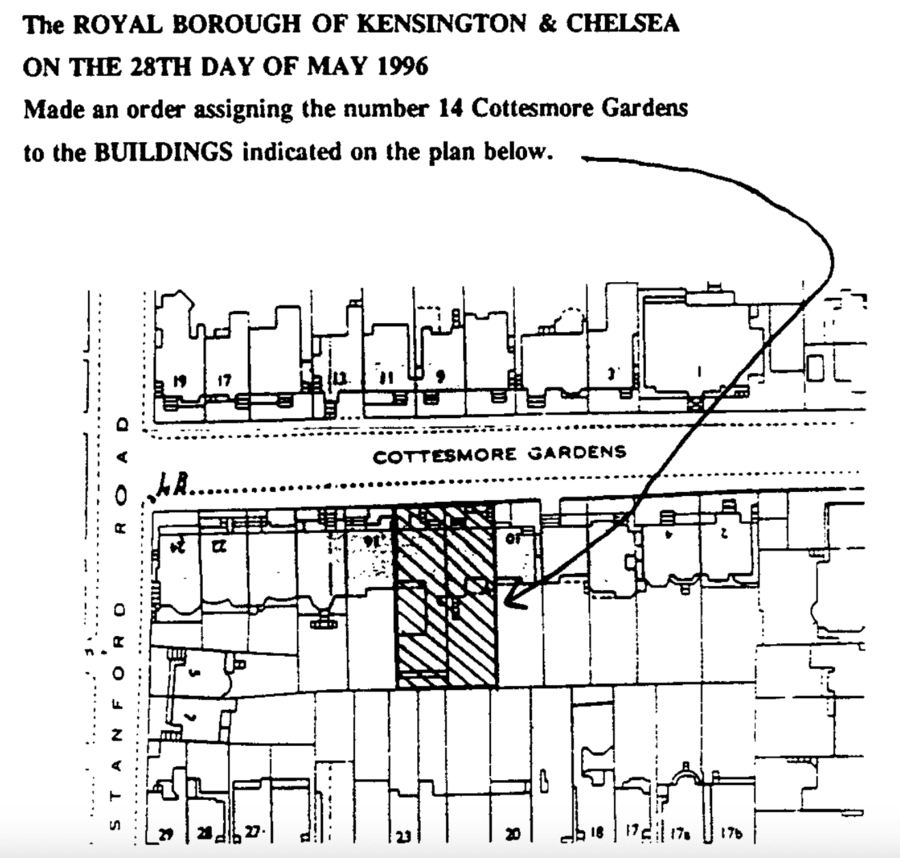
28th May 1996 – The Royal Borough of Kensington And Chelsea ordered that 12 – 14 Cottesmore Gardens “shall be known and described” simply instead as 14 Cottesmore Gardens.
Mid 1990s – The Blacks set about renovating 12 and 14 Cottesmore Gardens with the help of J. E. Evans Associates. Of the work in October 2006, The Sunday Times shared a segment of Tom Bower’s 2006 hatchet job Conrad and Lady Black that read: “Amiel vowed to create a palace that would attract celebrity worshipers of a power couple. Part of the first floor was to be removed to create a huge ground floor reception area.”
1992 – 12 and 14 Cottesmore Gardens sold by the administrators of the affairs of Alan Bond through estate agents Savills to media tycoon Conrad Black and his Watford born journalist wife Barbara Amiel Black for “well under the asking price” for a sum of £3.5 million ($4.3 million, €4 million or درهم15.9 million).
Mr Bond had been granted mortgages valued at £16.2 million ($20 million, €18.4 million or درهم73.5 million) on the property by Bell Satellite Services on the property along with two others at 4 and 16 Belgrave Mews in London, SW1 previously according to a report published by Financial Review in March 1990.
1991 – Rented to an American businessman for £6,000 per week ($7,400, €6,800 or درهم27,200 per week).
1990 – Placed in the hands of administrators of Mr Bond’s and placed for sale through Savills for a bargain basement sum of £3.8 million ($4.7 million, €4.3 million or درهم17.2 million) according to Financial Review.
1980s – Sold to Alan Bond’s Bell Satellite Group for £7 million ($8.6 million, €8 million or درهم31.7 million).
Circa 1905 – Walter Tapper is said to have “designed a library with handsome Arts and Crafts plasterwork (now removed) at the rear of the building.”
1869 – In their current marketing blurb, Knight Frank suggest: “There has been a house on the site of 12 – 14 Cottesmore Gardens since at least 1869. The current house has been altered, extended and most notably joined over the subsequent century and a half. With the local planning department strongly opposed to further amalgamation of homes, opportunities to acquire a house of this width will be rarer still in the future.”
1850s to 1860s – Built “under the direction of David Howell, of Serjeants Inn, Fleet Street.” Mr Howell was described in 1853 as an “articled clerk to a solicitor, lately carrying on business as a solicitor.” The architecture was lauded as: “Designed in a bold classical manner, with rather fleshy consoles and modillions… and bands of Vitruvian scroll between the bases of the ground-floor windows.”
More photographs of the £36 million mansion…
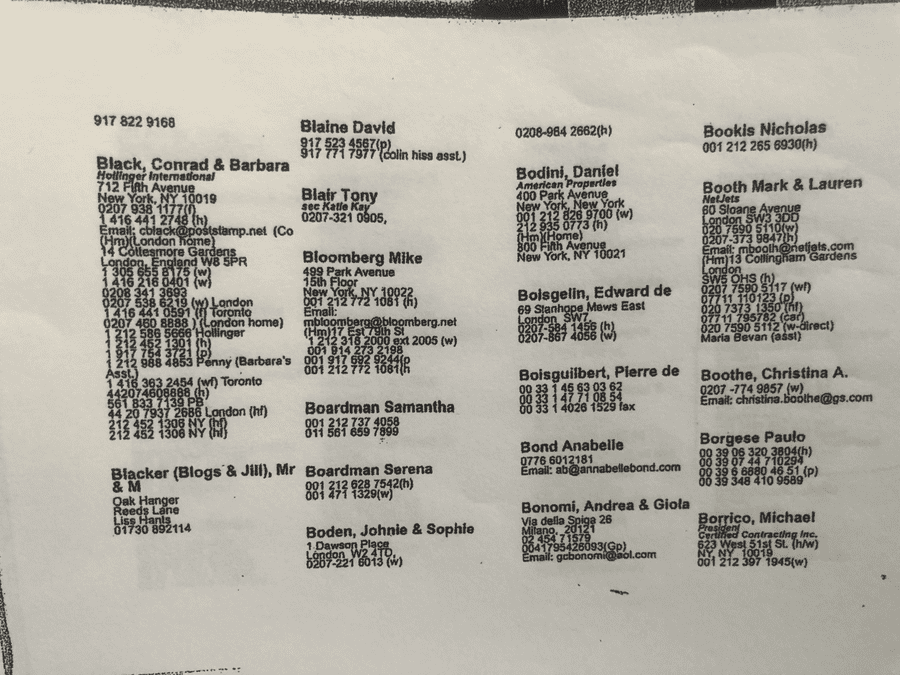
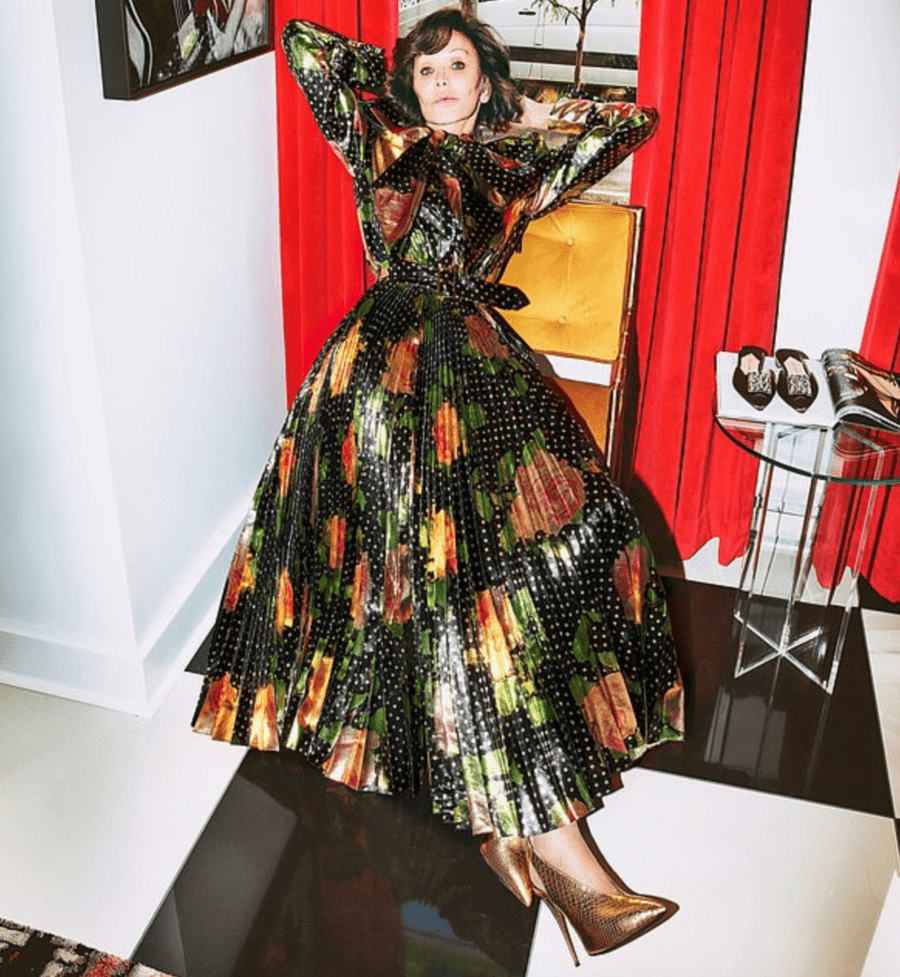
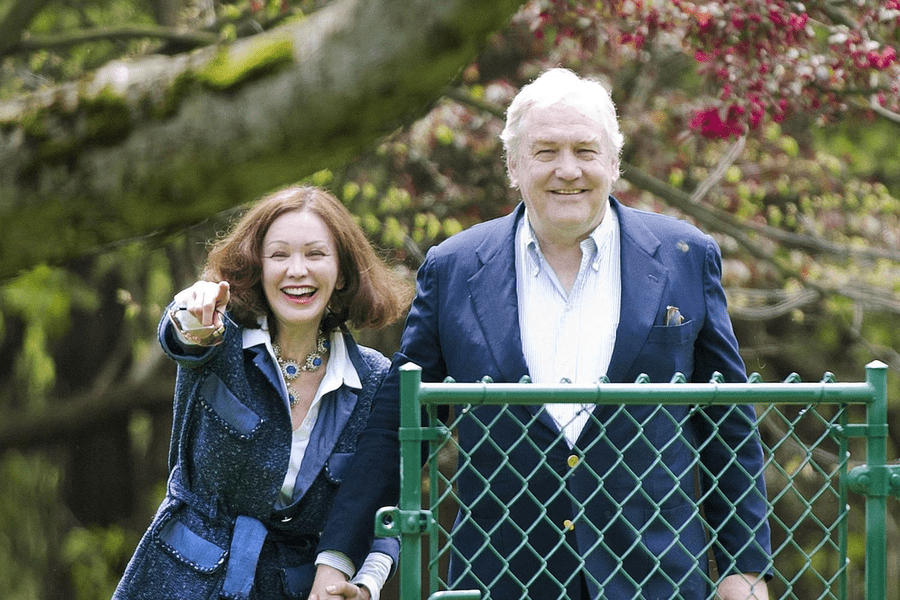
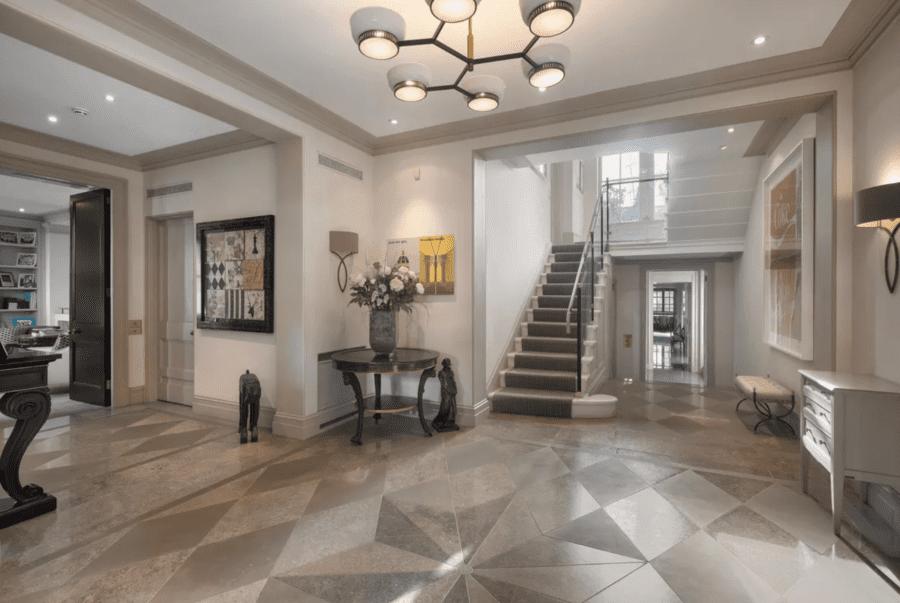
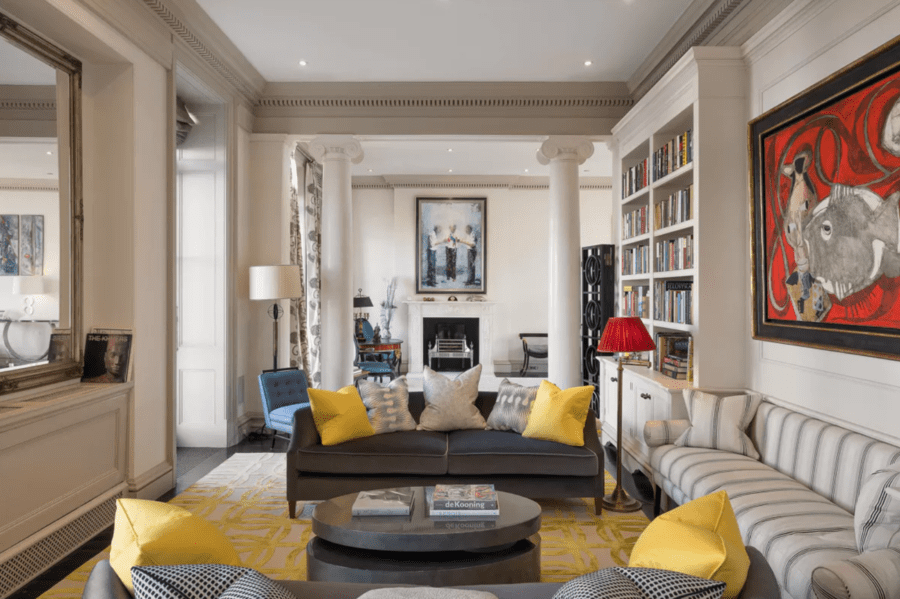
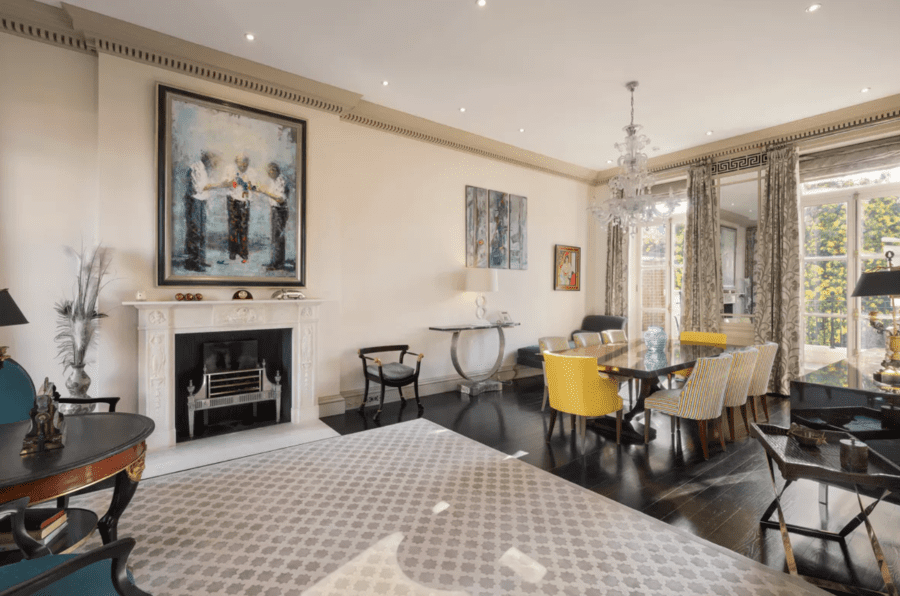
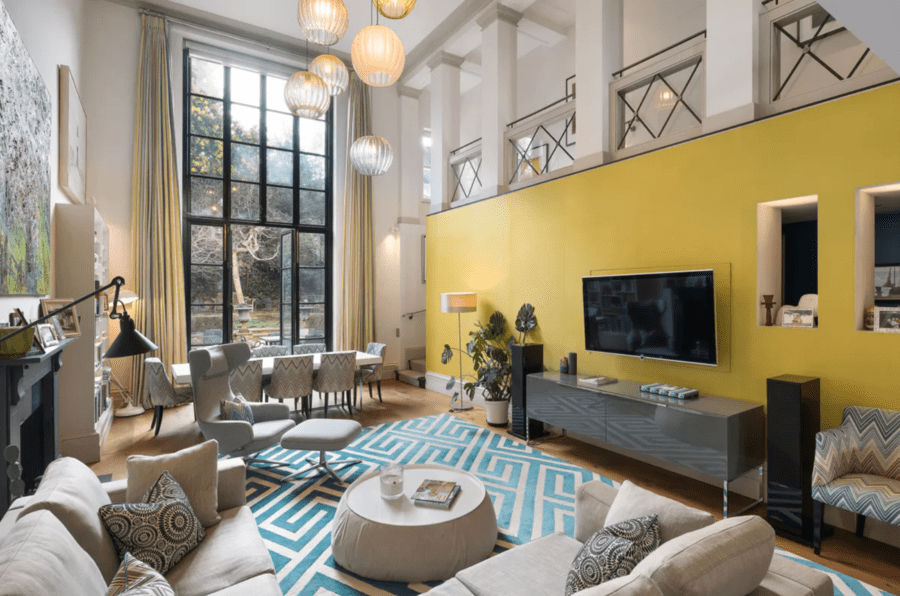
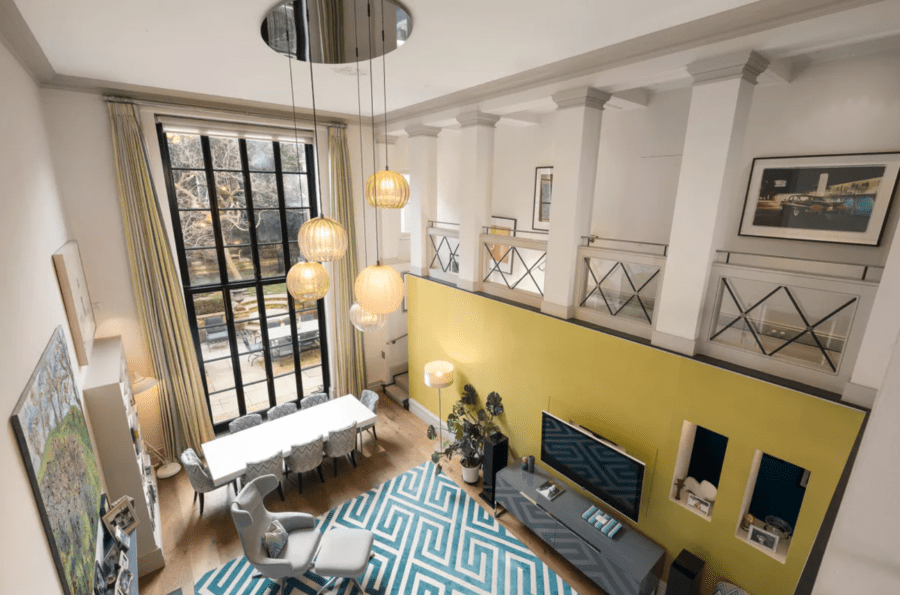
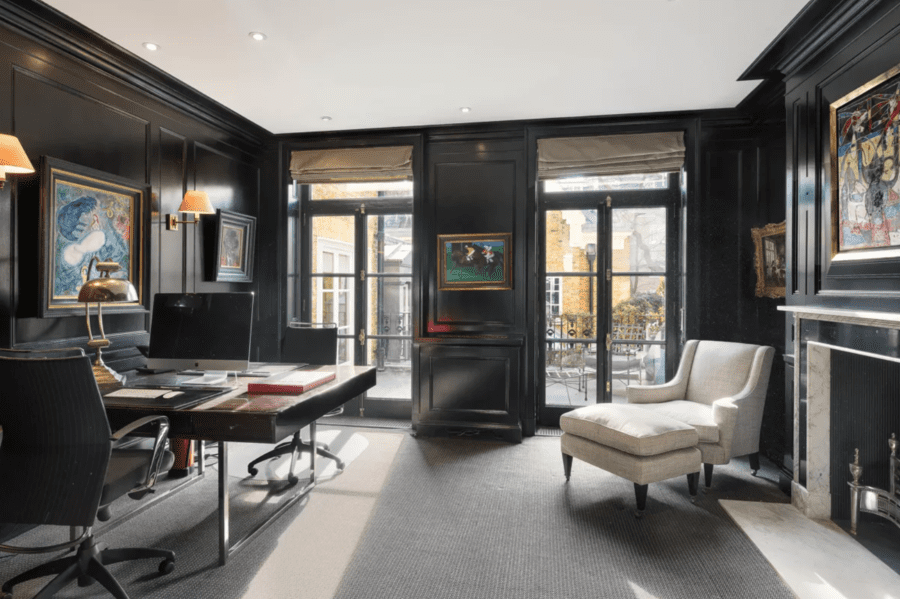
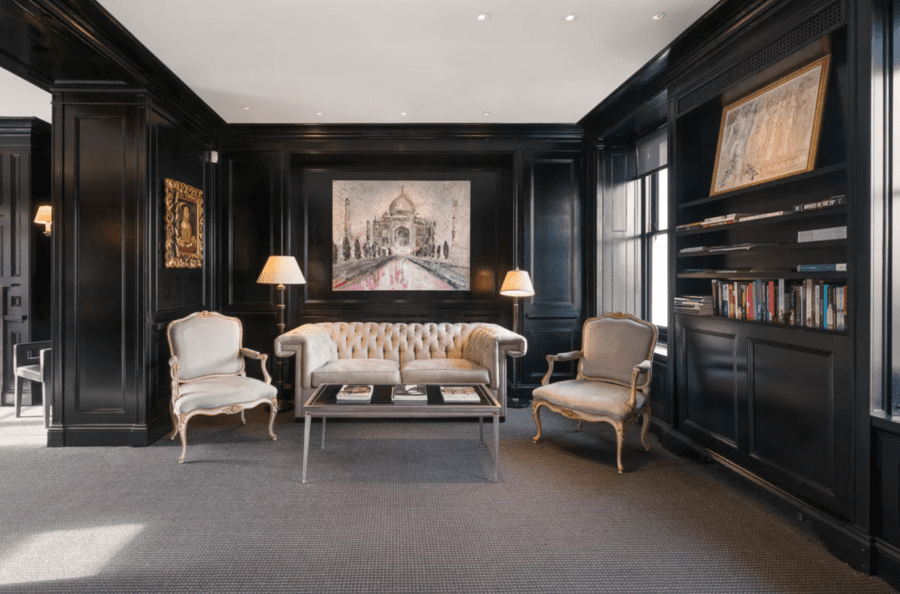
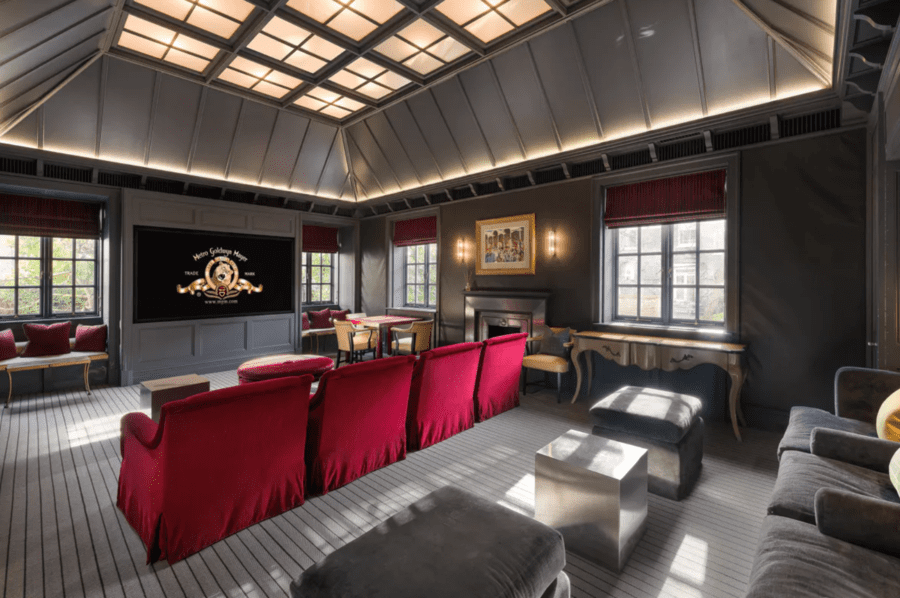
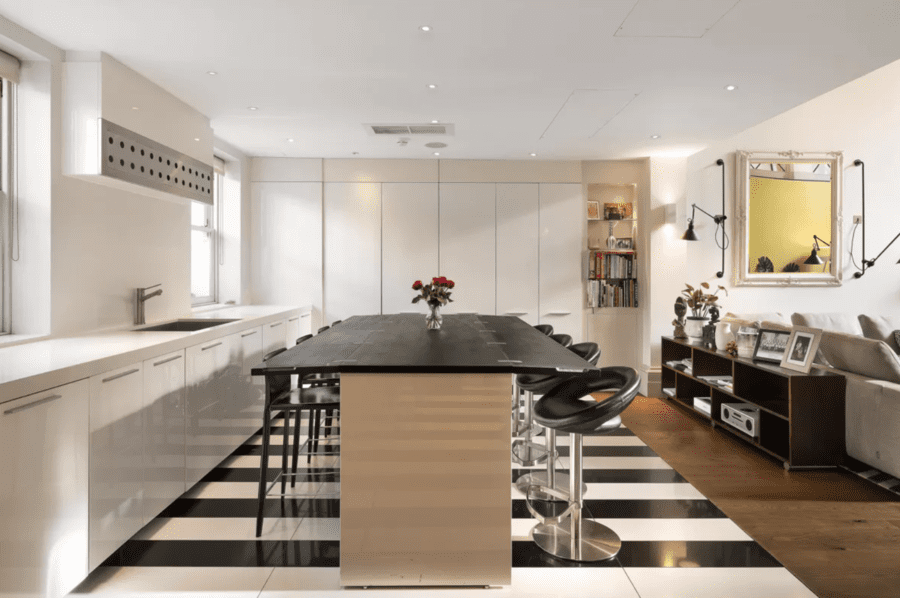
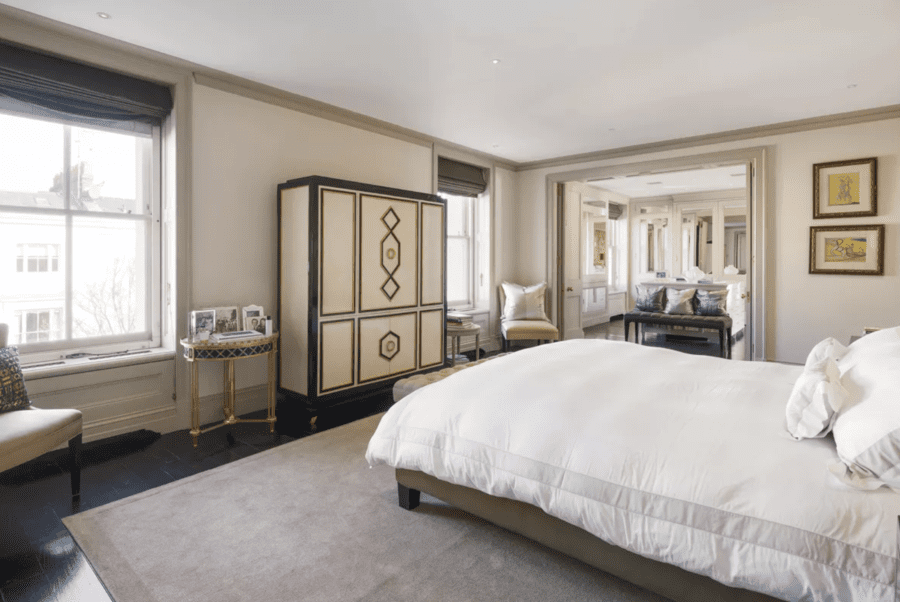
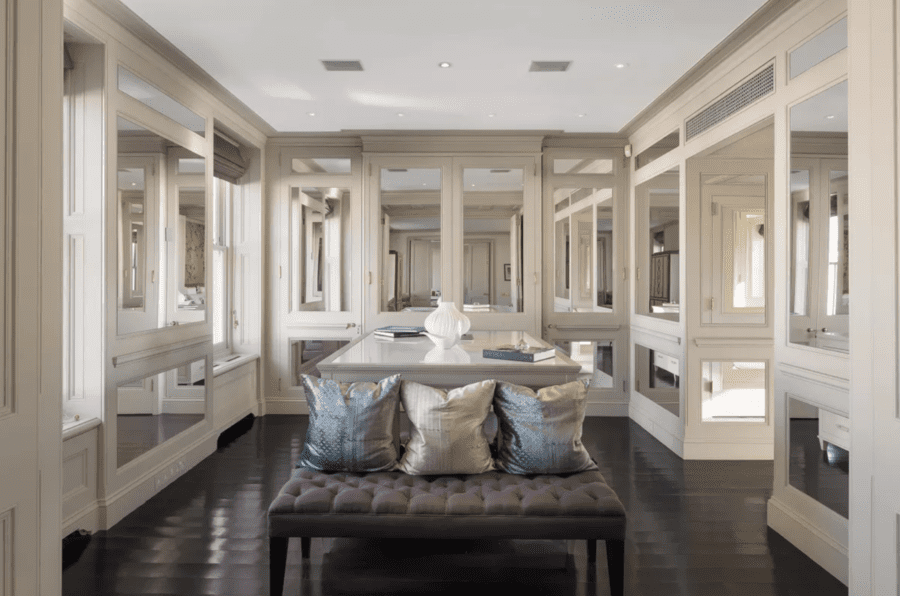
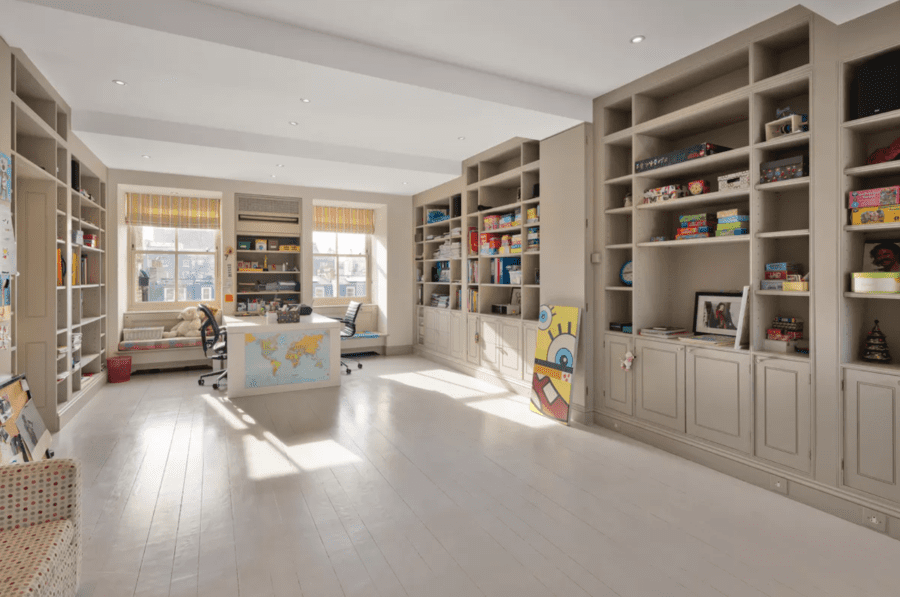
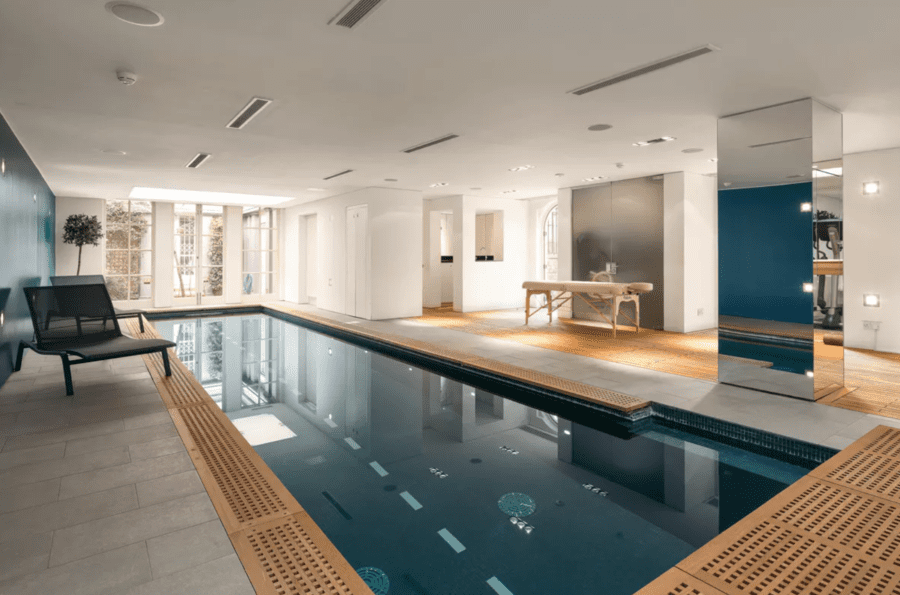
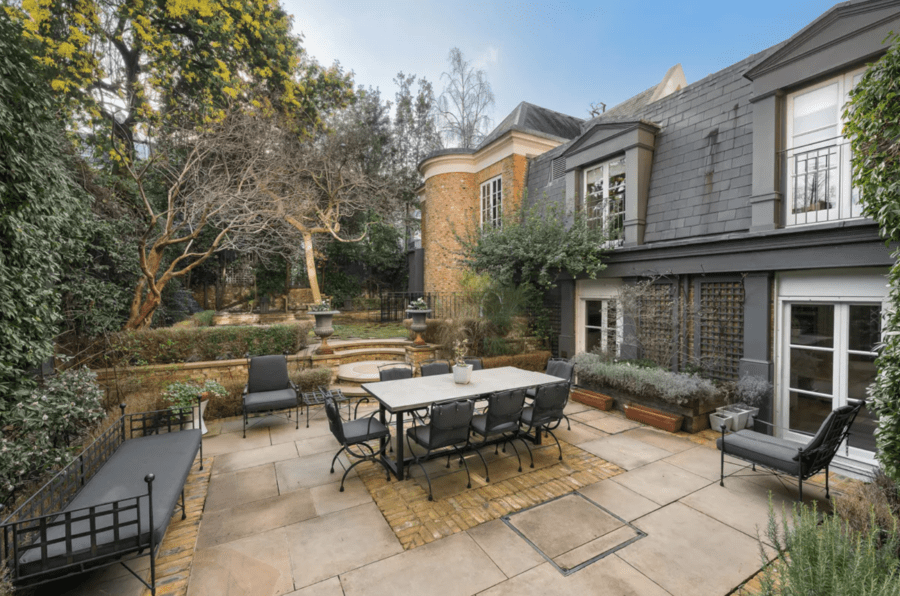
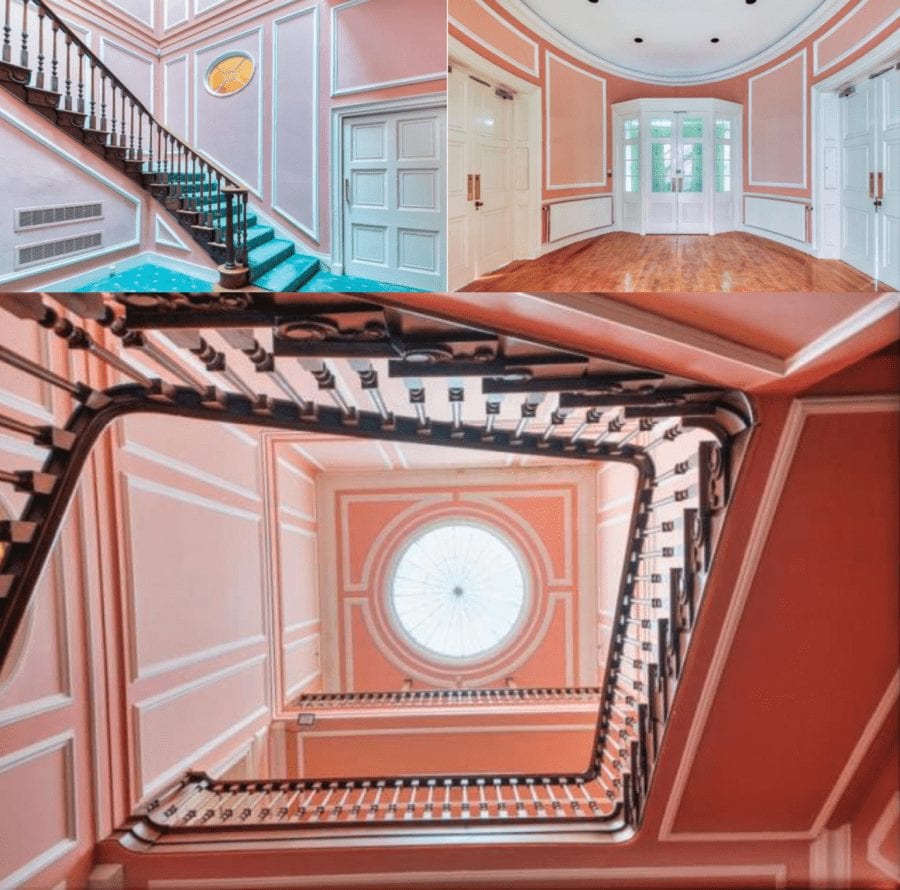
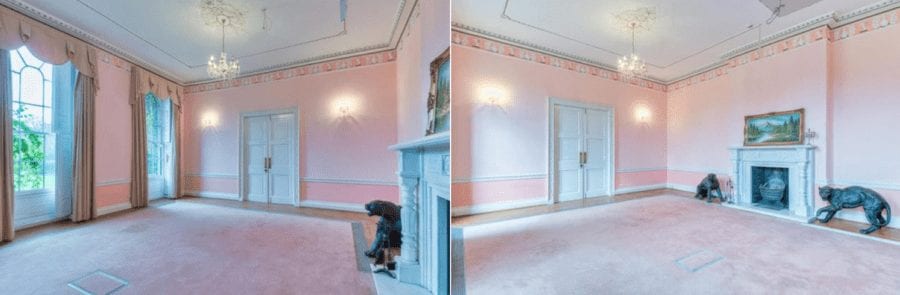
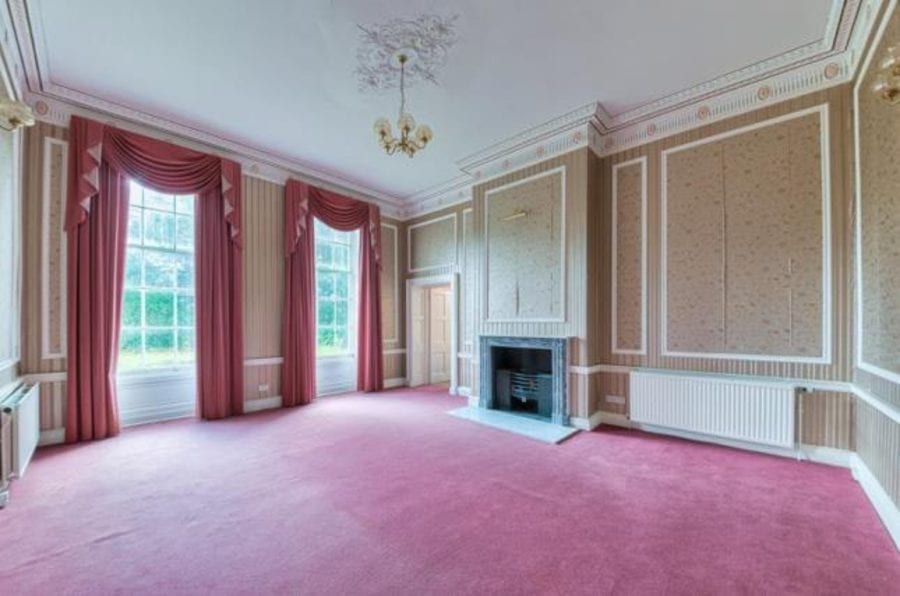
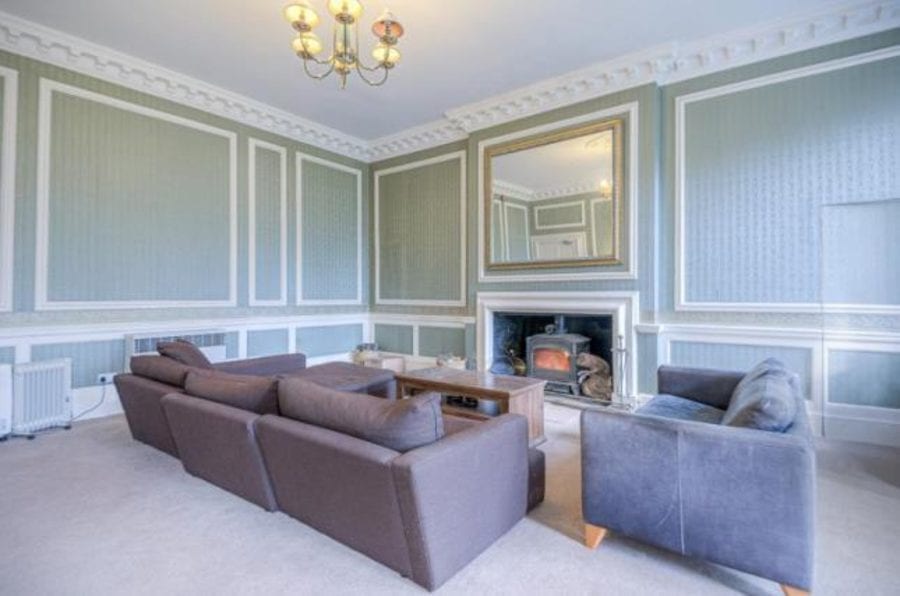
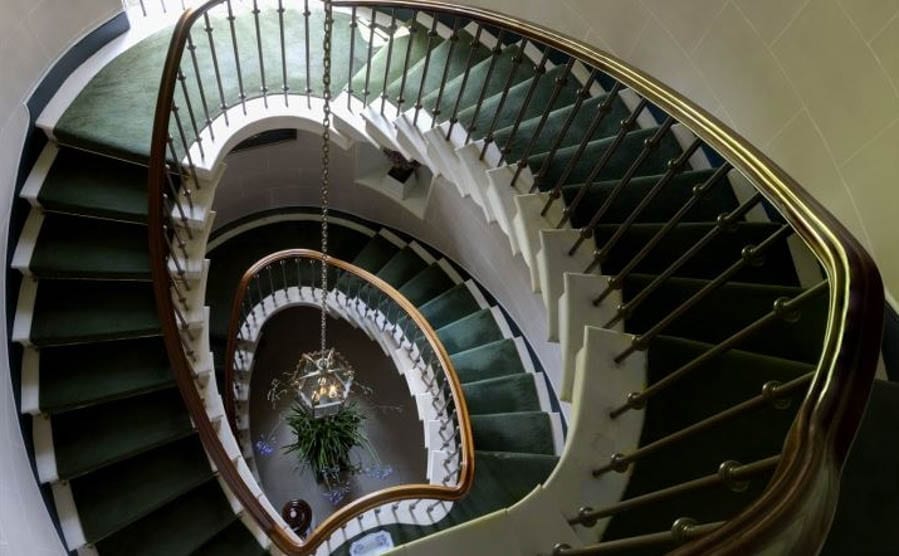
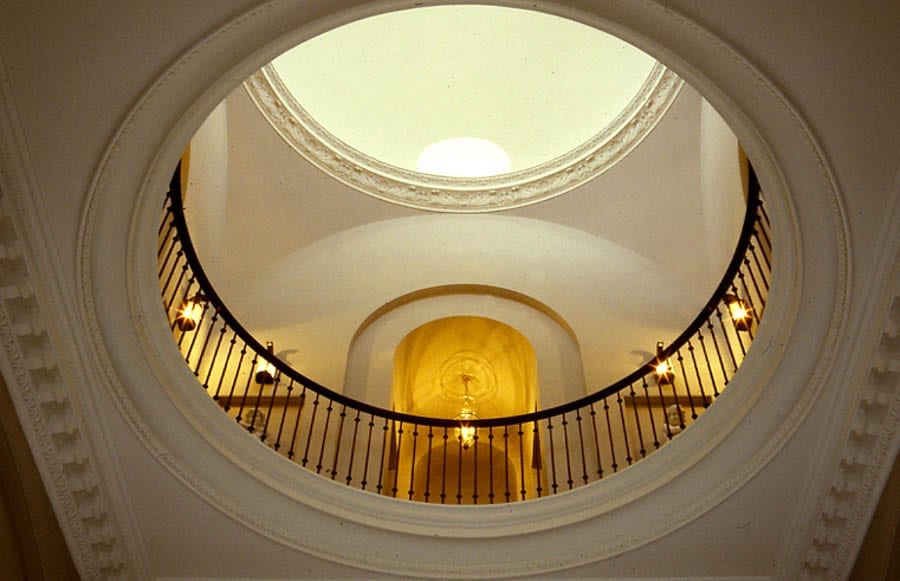
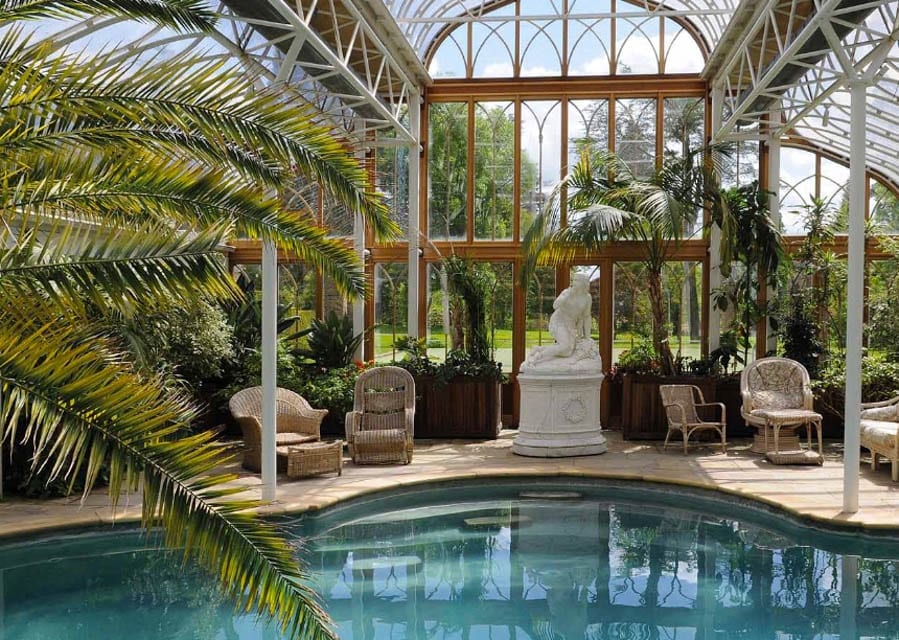
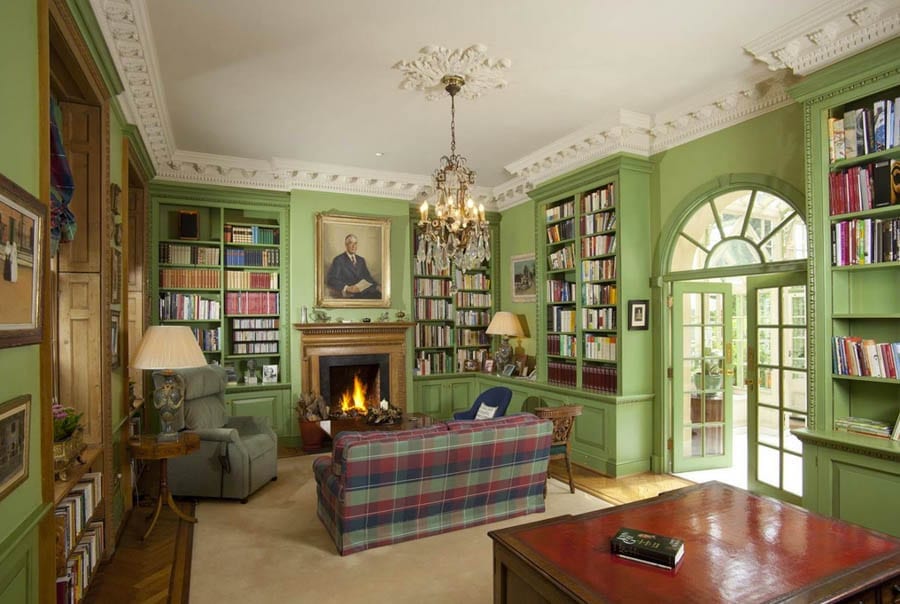
An entrance hall where power and privilege have most certainly mingled previously.The 54-foot wide drawing is lauded by selling realtors Knight Frank as “arguably the best room in the house” and “double aspect.” They add: “[It has] six windows overlooking the street and additional views over the private garden to the rear.”The columns where Barbara Amiel Black once posed for photographs remain, but the subsequent owners eliminated much of the 1990s ‘brash’ that had been installed by a Watford born woman whose excess clearly offended so many.This dining room, where Conrad Black hosted presidents and prime ministers, is now somewhat diminished. The table for eight looks completely out of place and a future owner would do well to install something a little grander.A double height entertaining space was installed at the insistence of the loftier-than-lofty Lady Black in the 1990s and it remains today. However, it is now currently being used for more casual affairs such as Netflix viewing rather than being the scene of something that you’d more likely find in the ‘House of Cards’ in fact.A new owner might reinstate the grandeur of the past; sadly, however, this seems unlikely and the purchaser is more likely to be a footballer or Internet tycoon than a super-connected business tycoon.This currently very dark and very depressing study would most certainly not appeal to the very clearly very, very bright yet very, very pompous The Right Honourable The Lord Black of Crossharbour KCSG – a man who is said to count Julius Caesar and Napoleon Bonaparte as “his military heroes.” Of him in July 1997, Mark Honigsbaum in the ‘Independent’ remarked: “Although Black’s grandfather had briefly been a business partner of Harold Harmsworth, the original Viscount Rothermere, it was from his father, George Montegu Black Jr, that Black learned the art of corporate warfare, the importance of historical perspective and that gambling provides a disappointing rate of return compared to the Dow Jones index… The young Conrad was precocious. At the age of eight he sank his life savings of $60 into a single share of General Motors. He also became obsessed with Napoleon, and would astound his father’s friends by reeling off details of campaigns. Another story has him washing dollar bills and hanging them out to dry on a line outside his father’s home in Toronto. The last is apocryphal – Black says he slipped in the mud and was cleaning his change – but the image of the young capitalist, wise beyond his years, is accurate. His childhood tutor, the historian Laurier LaPierre, once asked Black why he always seemed to have the air of someone waiting for something to happen… A few years ago, for instance, the rumour went round Fleet Street that Black had bought Napoleon’s preserved penis at an auction. Black denied it, but many remain convinced that Bonaparte’s body part sits in Black’s collection of military curios… Black is no philanderer and is devoted to his second wife, the former ‘Sunday Times’ columnist Barbara Amiel. They are said to be intellectual soul mates and the parties at their four-storey mansion in Kensington are famous for bringing together a cross-section of the great and good.”One could not imagine the likes of the late great Baroness Thatcher, for example, liking the idea of sitting in this extremely depressing and dark waiting area. A new owner would do well to obliterate a décor scheme that could have only been favoured by a completely colour blind banker.A room currently described as a ‘cinema room’ measures 28’6” by 21’6” and is situated at the rear of the house. One can imagine Conrad Black having sat here for hour upon hour watching historical dramas about Napoleon with the likes of chums such as the acclaimed historian Andrew Roberts, the gambling tycoon John Aspinall and the politician and diarist Alan Clark, but a new owner will be more likely next showing episodes of ‘Succession’ – based on ‘The Telegraph’ tycoon’s rival Rupert Murdoch – than viewing historical works one most definitely suspects.Dining whilst the staff cook would NEVER have been on the agenda in the era that pomposity reigned whilst Lady Black was chatelaine of 14 Cottesmore Gardens.A 2,000 square foot entire floor fit for a tycoon… The master bedroom suite of the house takes up the entirety of the second floor of the building. It incorporates not only the principal bedroom, but also a “his” dressing room and a “her” dressing room as well as a sitting area, a bathroom, a shower room and storage rooms. It has direct lift access and is bigger than the average Brit’s entire house.A dressing room in the house where Barbara Black opened up to ‘Vogue’ and displayed “closets overflowing with dazzling evening gowns, designer handbags and 100 pairs of Manolo Blahnik shoes. ‘I have an extravagance that knows no bounds,’ she famously declared. Unfortunately for Lady Black, the article was closely perused at investment company Tweedy, Browne, a Hollinger International shareholder.”This playroom certainly did not exist in the era that Lord and Lady Black owned the property. It would be more likely crammed with books or stuffed with Manolo Blahnik shoes than toys from Toys ‘R Us. A new owner may likely reinstate it as an additional bedroom or office or games room perhaps.The pool room measures 43’9” by 26’9” and is no doubt where Lady Black spent many an hour relaxing.The garden to the rear was where Lord and Lady Black hosted their annual summer party (with guests “spilling” into their drawing room also). In surprisingly Tardis-like fashion, the duo were able to supposedly squeeze in upto 400 guests at such occasions. Amongst those said to have enjoyed hospitality there were Joan Collins and of such, magazine publisher Nicholas Coleridge wrote: “If you get a kick out of milling about with present and former prime ministers, cabinet ministers, minor royals, dukes, editors, vastly rich Americans, distinguished historians, gossip columnists, playboys and lots of pretty ‘it’ girls, then this was the place to be.”The existing floor plan of the property illustrates the vast scale of the building offered. A buyer, Knight Frank observe, has additional options and “a pre-planning consultation has been carried out with RBKC by leading architects Studio Indigo.” They add: “[It] would completely reconfigure the house adding an additional basement floor and taking the internal space to more than 15,000 square foot. The resulting house would have a 40-foot by 41-foot south-facing rear garden.”A plan of the site as presented in 1996 when 12 and 14 became known just as 14 Cottesmore Gardens.
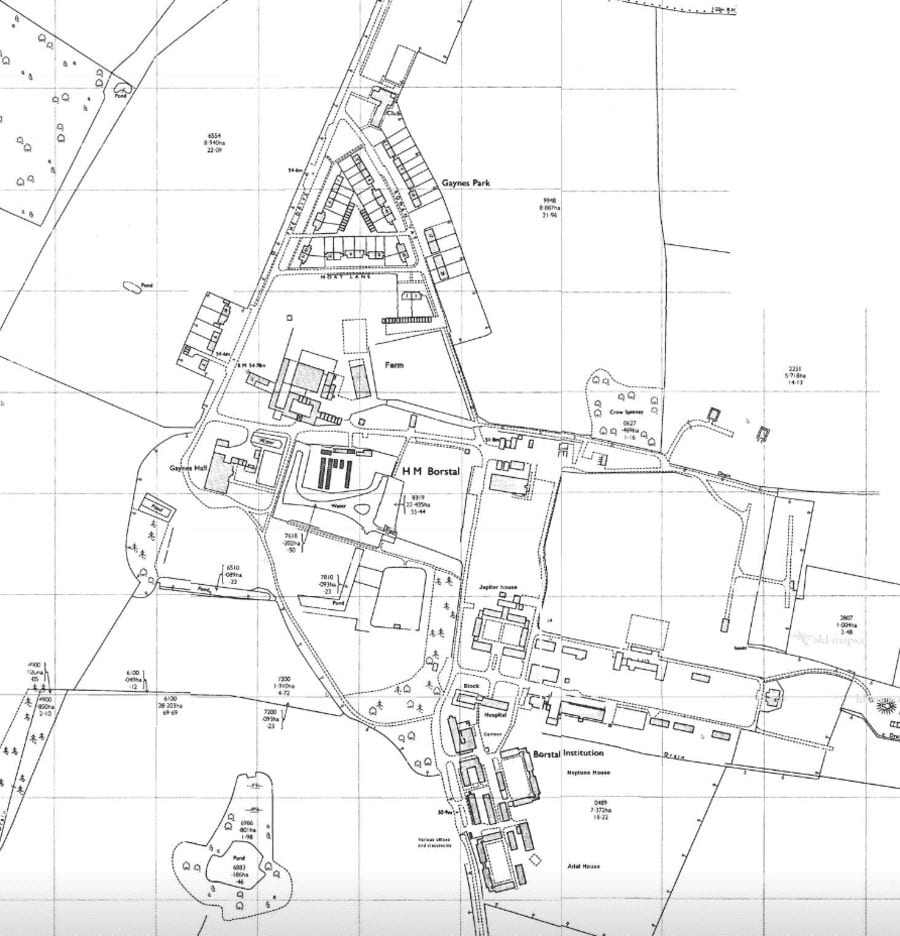
Cambridgeshire mansion used by Special Operations Executives in the Second World War and as a borstal subsequently for sale; Gaynes Hall is next to the prison that housed Max Clifford and was briefly a cannabis farm in 2019
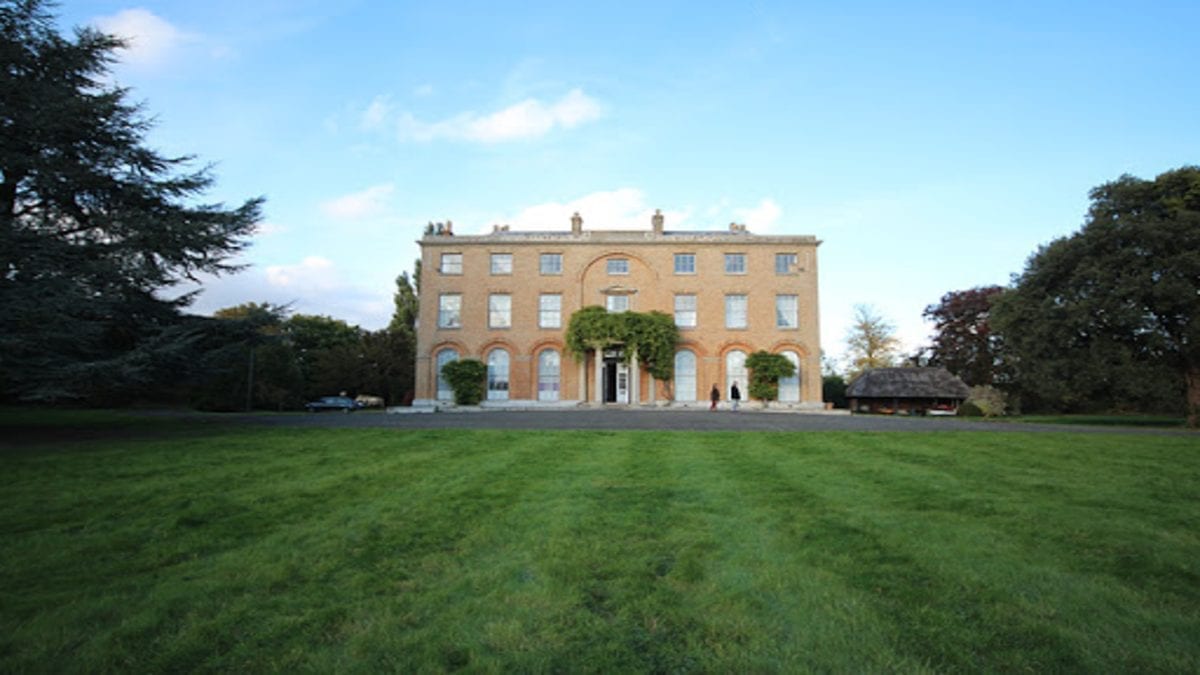
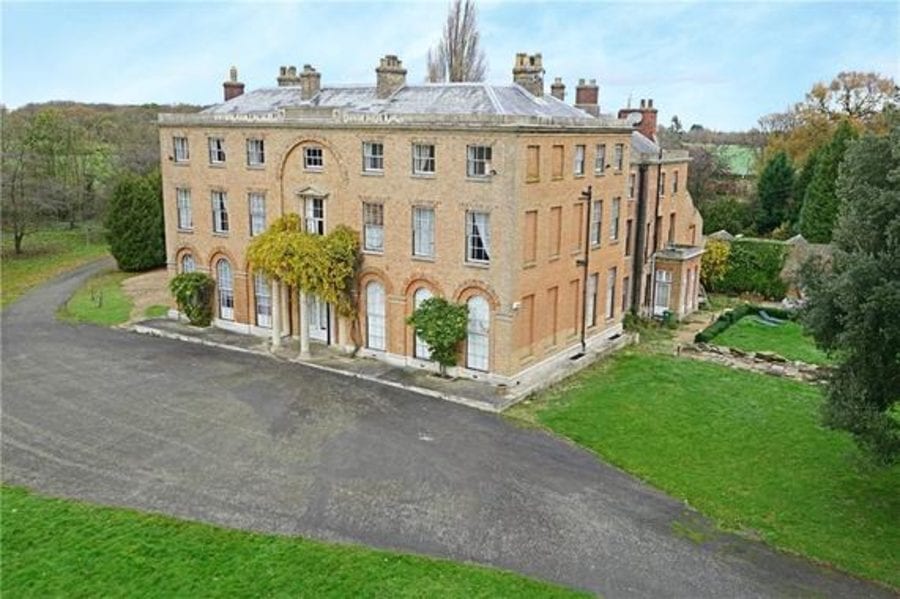
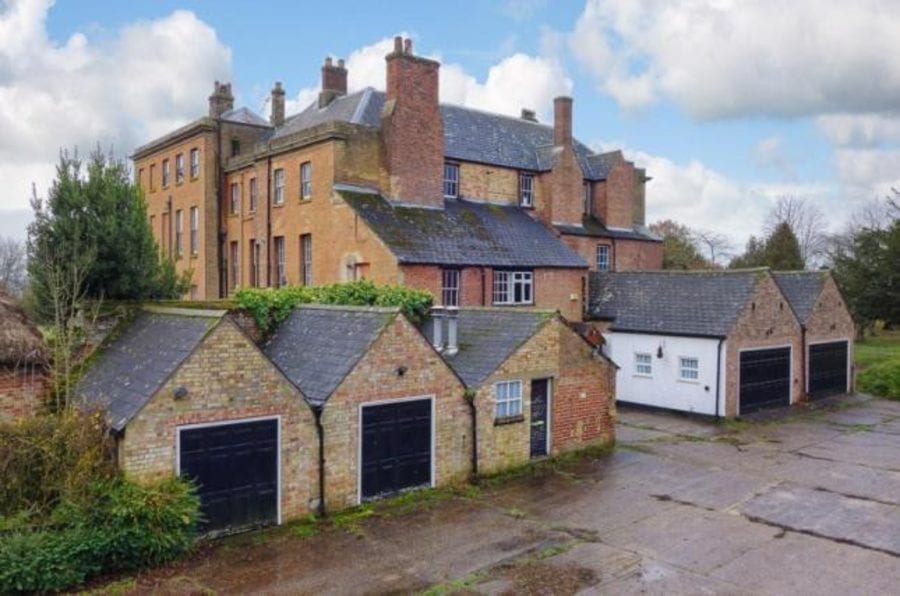
Grade II* listed Georgian mansion in Cambridgeshire for sale for £2.65 million in spite of being in far from perfect condition and next door to a prison housing 1,220 convicted sex offenders.
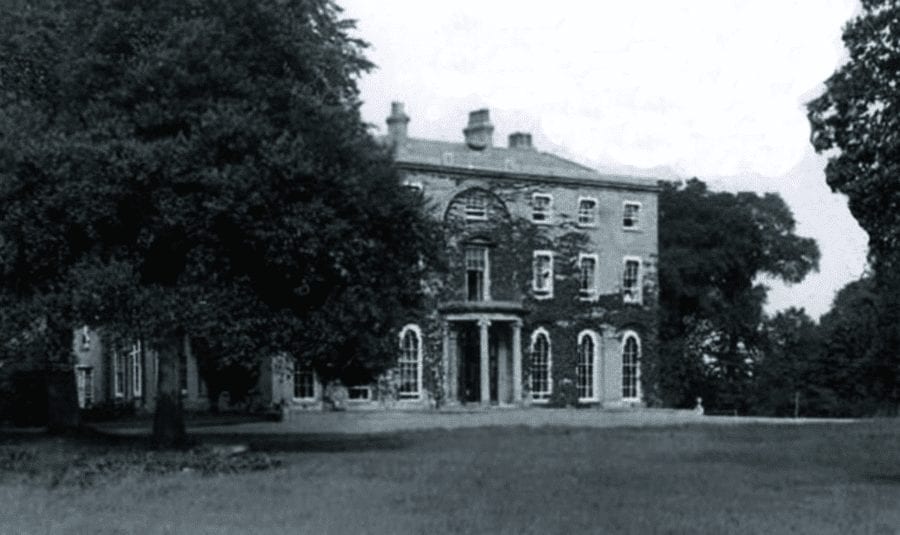
The estate was owned by the aristocratic Duberly family from 1798 until 1940. An earlier house on the house had been home to Oliver Cromwell’s namesake and uncle.
It was requisitioned in the Second World War by the Special Operations Executive. Hitler was so annoyed by the operations at Gaynes Hall that he supposedly nicknamed the place “the hornet’s nest.”
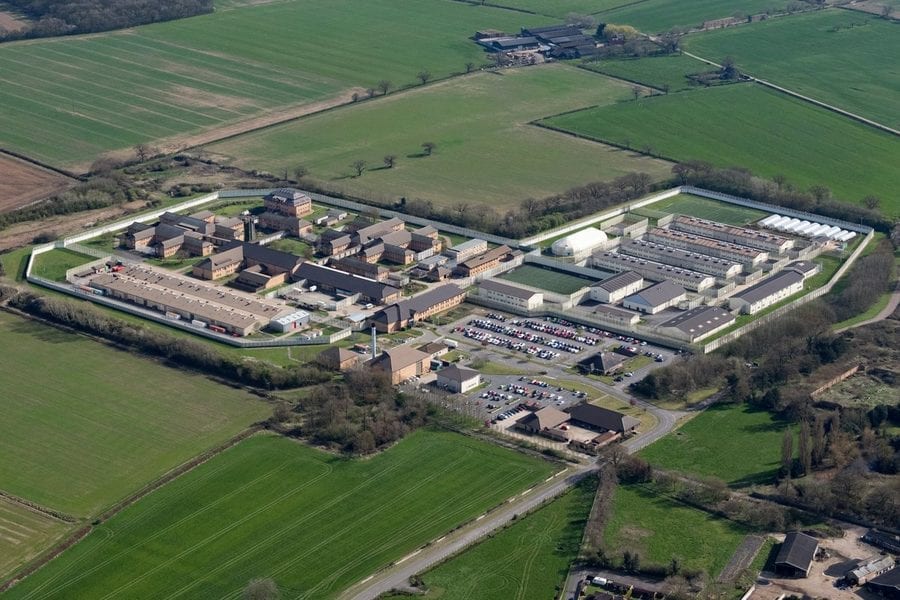
After the war, the hall became a borstal and after that closed, part of the estate became HM Prison Littlehey – famous for housing PR ‘guru’ Max Clifford, victim of a miscarriage of justiceStephen Downing and Australian cricketer Alex Hepburn.
More recently, the estate came to public attention after being discovered to be the centre of operations for drug lords. £250,000 of cannabis were seized there in 2019.
In June 2019, once ritzy Gaynes Hall at Perry, near Huntingdon in Cambridgeshire came to public attention when a drugs baron who’d turned part of the building into a cannabis farm was jailed. For his troubles, Nebir Tahiraj was relieved of £250,000 of drugs and ‘gained’ a sentence of 13 months.
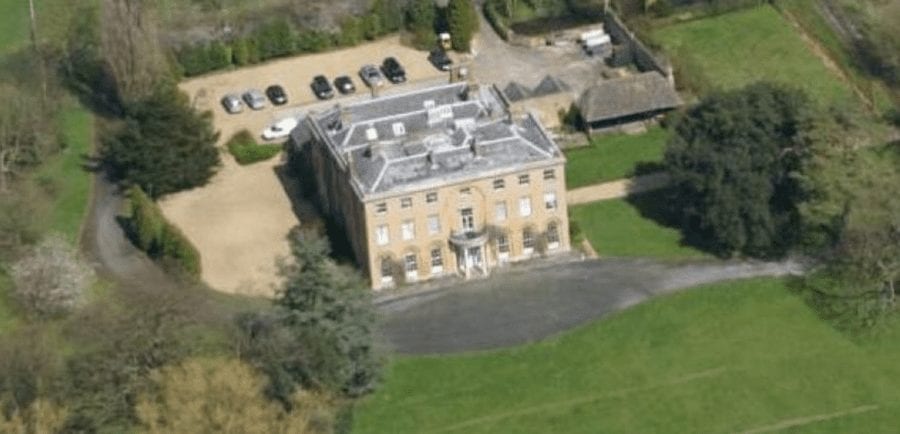
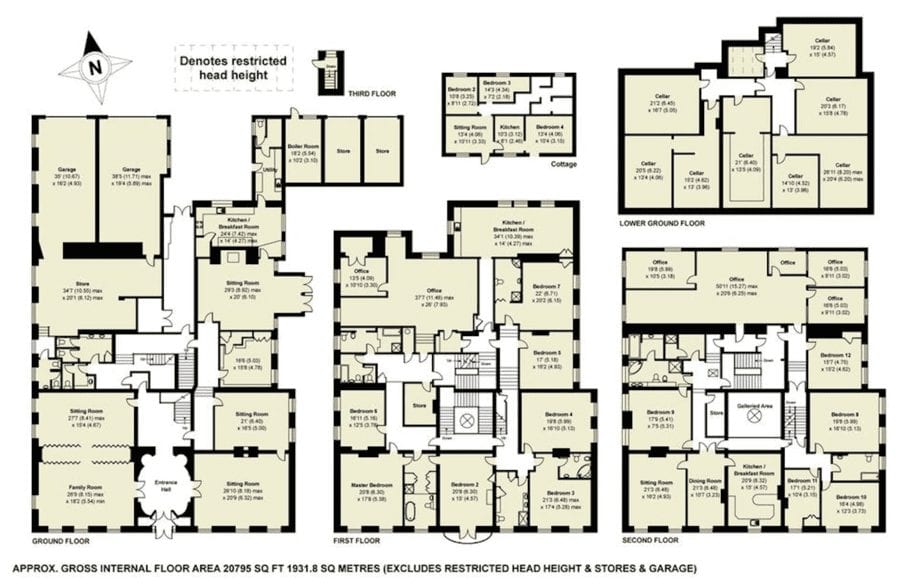
Grade II* listed and built circa 1800 for Sir James Duberly (1758 – 1832), the gault brick house was originally plaster rendered. Of three storeys plus cellars and seven bays, the 20,795 square foot building is currently being marketed by agents Wilson Peacock for £2.65 million – up from £2.2 million back in 2019.
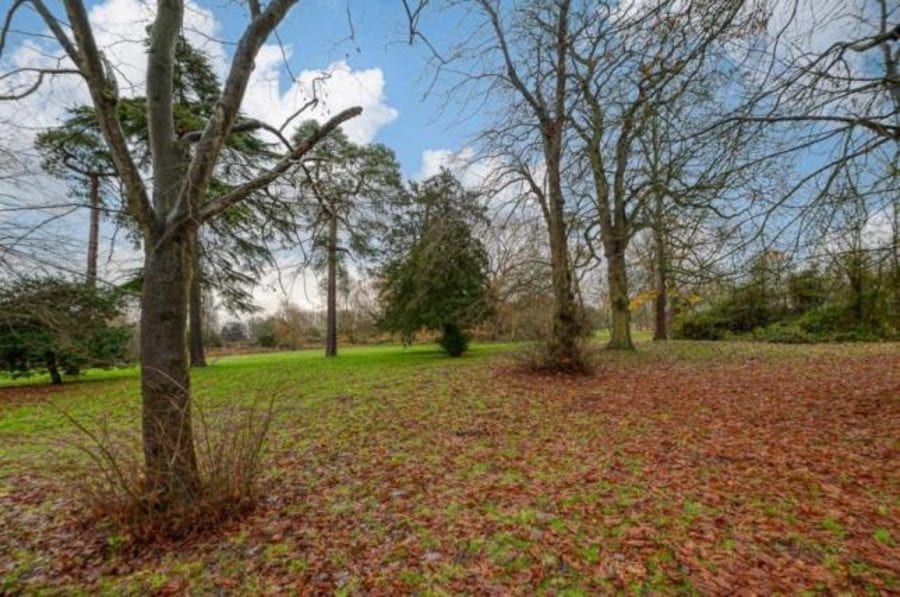
Gaynes Hall (also known as ‘Gaines Hall’ occasionally) stands in 16 acres of grounds including lakes and a moat and comes with a three bedroom cottage “requiring full modernisation and refurbishment.” It was home to the Duberly family until 1940 when it was requisitioned by Special Operations Executives (SOE) on the instructions of Winston Churchill.
Supposedly, according to the local Parish Council’s website, Hitler was so exasperated by the activities at Gaynes Park that he referenced the house “the hornet’s nest.” It was known locally during this period as a “spy school” and its master, Wing Commander Thomas Odett, was nicknamed ‘The White Rabbit’ on the basis that “he was always popping up in unexpected places.”
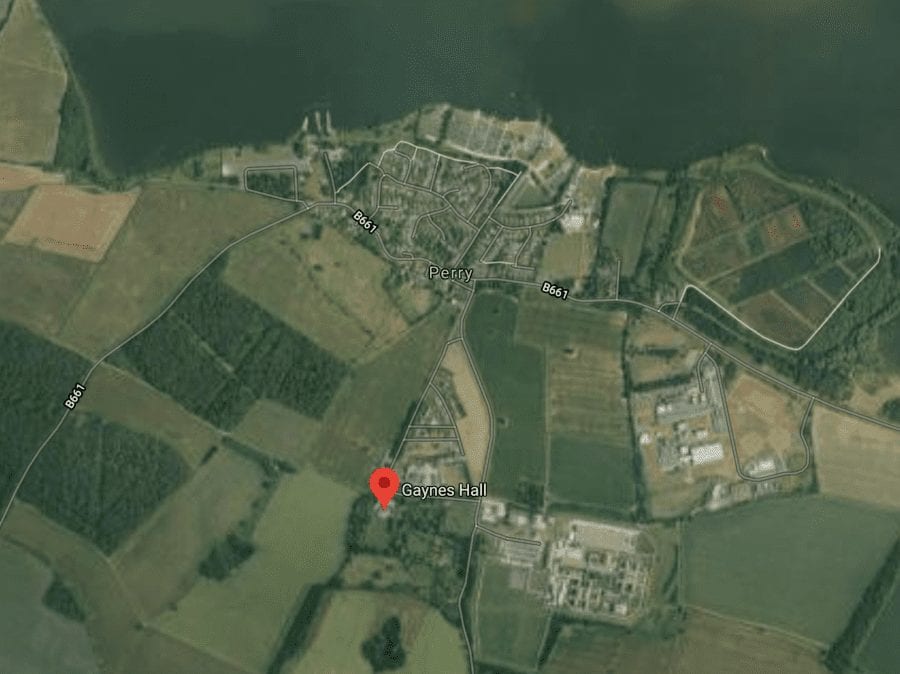
After the war, the mansion became the governor’s residence and administrative offices of the newly created Her Majesty’s Borstal Gaynes Hall and remained in that use until 1983 when the borstal closed. Her Majesty’s Prison Littlehey, which is best known as the place of death of the public relations ‘guru’ paedophile Max Clifford, was subsequently opened next door and residents of Perry get to hear its sirens periodically if a prisoner escapes or there is a disturbance.
In 1985, AIM Cambridge (later AIM Technology) leased the hall and from the Ministry of Defence and converted it into offices. When their business failed, the building became empty and in 1990, Gaynes Hall was sold again. In the years since, it has been in mixed use.
In need of some attention – Gaynes Hall has variously been used as a grand residence by aristocracy, requisitioned for use by Special Services Executives (SOE), served as an administrative office and governor’s house for a borstal and been converted to offices. It is currently configured in ‘mixed-use’ format and includes 20,975 square foot of accommodation.An aristocratic drug farm – Nebir Tahiraj was imprisoned in 2019 after having turned part of Gaynes Hall into a cannabis farm. He was caught with over £250,000 of drugs on the premises after neighbours complained about the noxious smell.Proximity to a prison – An aerial view of Her Majesty’s Prison Littlehey. Gaynes Hall is situated just to the west.Rapists next door – Convicted rapist and ex-cricketer cricketer Alex Hepburn, Stephen Downing (whose conviction for murder was overturned in 2002 after he had served 27 years in prison) and paedophile Max Clifford (who died in the prison) are connected by having been imprisoned at the Category C male prison HM Prison Littlehey. It has a capacity for 1,200 male prisoners – who all have been convicted of sexual offences.A once grand gentleman’s residence – Gaynes Hall in an image taken circa 1913. An earlier house on the site was leased for 21 years by Sir Oliver Cromwell (1566 – 1655), the uncle and namesake of the lord protector, from 1599.
The Names & Numbers – Gaynes Hall, Perry, Great Staughton, Huntingdon, Cambridgeshire, PE28 0ST, United Kingdom
December 2019 – Listed for sale by Wilson Peacock Country Homes at the increased price of £2.65 million ($3.35 million, €2.96 million or درهم12.32 million).
14th June 2019 – 35-yeard old Nebir Tahiraj found guilty at Cambridge Crown Court of “being concerned in the production of cannabis” in his flat at Gaynes Hall and jailed for 13 months. When police raided the property, they “found more than 200 plants at varying stages of growth, growing equipment and two large bags of cannabis ready to be sold” worth circa £250,000 ($316,000, €279,000 or درهم1.2 million). He attempted to claim “he was being exploited and kept at the flat against his will,” but the National Crime Agency (NCA) discovered he had been willingly involved.
Mid 2019 – For Sale for £2.2 million ($2.8 million, €2.5 million or درهم10.2 million) through Michael Graham.
March 2019 – Fleet Assist announce they will be moving their business from Gaynes Hall to Ermine Business Park in Huntingdon.
2002 – Purchased by the Malik family (according to Wikipedia).
1994 – 2002 – Owned by the McCallion family (according to Wikipedia).
1985 – Converted to offices and used by firms including AIM Cambridge (AIM Technology) and Fleet Assist in the years subsequently. Part-let as apartments and by the room also for residential use.
1945 – 1983 – Used as the governor’s residence and administrative officers of the Her Majesty’s Borstal Gaynes Hall. ‘Boys’ who were detained there have recounted their experiences on this fascinating Facebook page; it plainly was not an especially pleasant place.
1940 – Requisitioned for use by Special Operations Executive (SOE). Gaynes Hall – under the codename ‘Station 61’ – became the headquarters for Air Liason Officers and used as a ‘hotel’ for them prior to their being dropped into occupied Europe.
1798 – 1940 – Owned by the Duberly family. The present house was constructed for them circa 1800 to the designs of architect George Byfield (circa 1756 – 1813).
Vast “fairytale” château in France’s Loire Valley for sale for ‘just’ £28 million in spite of having had £80 million spent already on its renovation; it was most famously owned by Madame de Pompadour
In 2017, a Lebanese-born, Monaco-based property developer named Edmond Baysari placed what selling agents Sotheby’s International Realty describes as the “most beautiful and majestic castle in [the] Loire Valley” on the market. It’s so big and so costly to maintain that it remains for sale still today.
Harvard educated Mr Baysari purchased the 102,257 square foot château for about £4.3 million in 1983 from the Parisian glassmakers Saint-Gorbain. It had been used as their company retreat from 1939 and had earlier belonged to Jeanne Antoinette Poisson – the official chief mistress of Louis XV from 1745 to 1751 and a woman better known as ‘Madame de Pompadour’ – in the years prior to her premature death from tuberculosis in 1764 aged just 42.
Providing “regally appointed” accommodation so vast that it is not even described in detail that includes around 50 bedrooms and a wine cellar capable of housing 30,000 bottles amongst other things, Château de Menars – or the ‘Palace Pompadour’ as some have nicknamed it – costs around £800,000 per year to run. In total, some £80 million has been spent renovating it “using the same methods” that the king’s mistress originally employed.
Of why he is selling, the heirless businessman’s lawyer, Jack Anderson, told Reuters in 2017: “[Mr Baysari] realises destiny is going to take him… His goal is to know that it’s in the hands of someone who’s going to continue the beauty of the chateau and maintain it.”
The 104 acres of grounds that surround the château includes vineyards yielding pinot noir grapes, “elegant” geometric grassed lawns and more than a mile of frontage to the River Loire. Classical sculptures and gazebos abound and there is, according to Reuters, “a cobbled courtyard large enough to land a helicopter” also.
During Baysari’s ownership guests at Château de Menars have supposedly numbered Prince Charles, Mikhail Gorbachev, Mick Jagger and President Ronald Reagan. Now, Sotheby’s International Realty point out: “We think this could be perfect for the creation of a luxury hotel complex… Or for the acquisition of an extraordinary and very large private property.”
His “English spoken” [sic] agent, Jean-Pierre Piganiol, seeks £27.6 million and according to Forbes, “several nine-figure offers from Russian and Middle Eastern billionaires looking for a trophy home” have already been turned down.
The Names & Numbers – Château de Menars, Loire Valley, Blois, 41000, France
1983 to 2017 – The sum said to have been spent on restoration of the Château de Menars is said to have been £80.1 million ($100 million, €91.4 million or درهم367.3 million). Annual upkeep costs are said to be £801,000 million ($1 million, €914,000 million or درهم3.7 million).
1983 – Sold to Edmond Baysari for 5 million francs or the equivalent of £4.3 million ($5.4 million, €4.9 million or درهم19.7 million).
1949 – Declared an Historic Monument of France.
1939 – Sold after his death by Mr Allard’s daughters, Blanche Lasserre, Yvonne Arnodin and Jeanne Goirand, to Saint-Gobain, the Parisian glassmakers, for use as their company retreat.
April 1912 – Acquired for 700,050 francs (about £27,400 at that time) by Félix Allard, a “contractor for public works.” He modernised the château and added mains water, hot air heating, gas lighting and electricity and features including a large gallery area.
1760 – Purchased by Madame de Pompadour (1721 – 1764) for 1 million livres (about £75,000 at that time). She “sold some pearl bracelets to meet the first payment” and commissioned the architect Ange-Jacques Gabriel to build two new wings on either side of the two existing pavilions on the property. Sadly for her, she never saw it completed as she died from tuberculosis in 1764.
1728 to 1732 – Stanislas Leszcynski (1677 – 1766), the King of Poland, stayed at Château de Menars whilst in exile as a guest of the Charon family.
1669 – Jean-Jacques Charon (1643 – 1718), son of Jacques Charon, “added two unequal wings to the chateau and considerably enlarged the estate.”
1646 – Commencement of the construction of a castle on the site by one Jacques Charon. It “composed of a main building and two symmetrical pavilions.”
Off-the-wall 24-carat gold 1958 Austin Healey that would appeal to Liberace to be sold at auction in New York with an estimate of £420,000
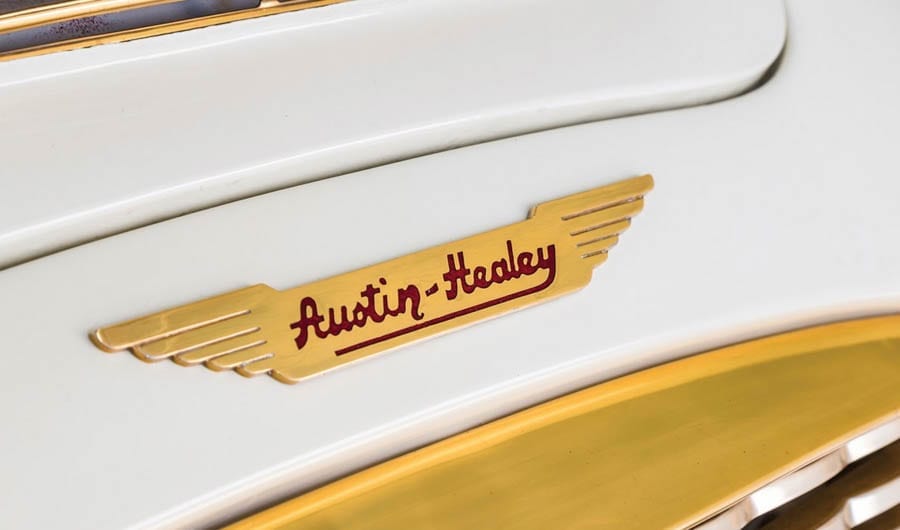
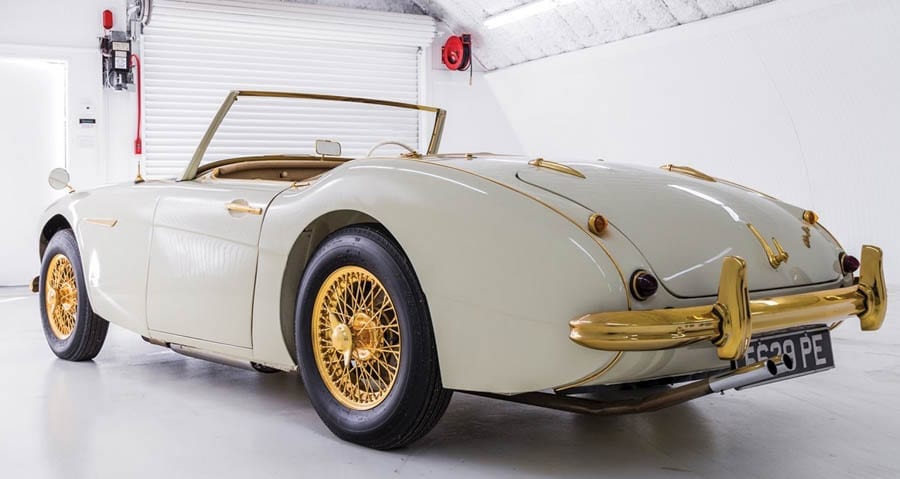
A truly bonkers one-off 1958 Austin-Healey 100-Six that was given the monikers ‘Goldie’ and ‘The Golden Child’ is to be sold at auction in December.
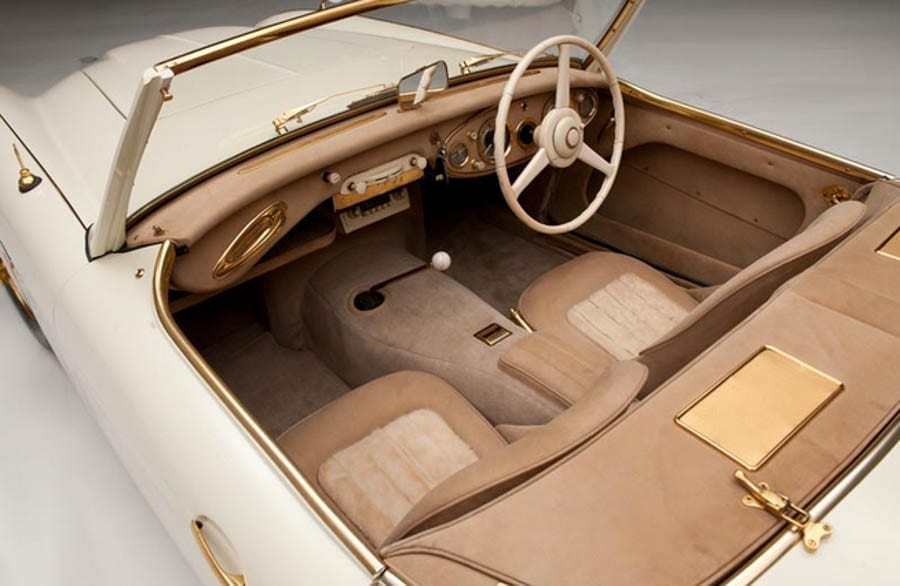
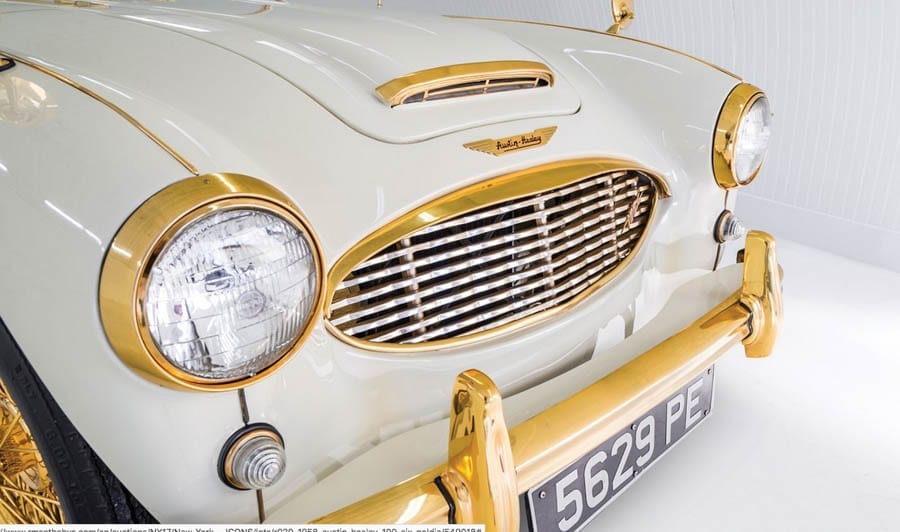
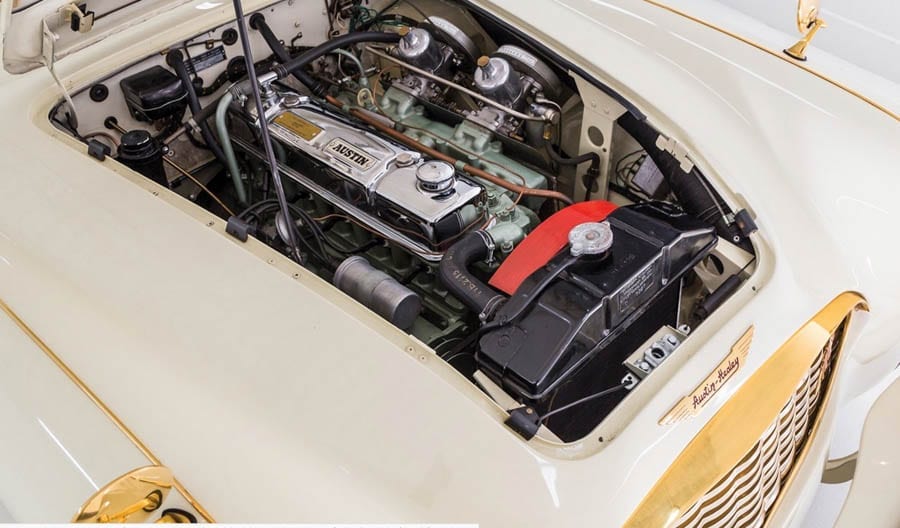
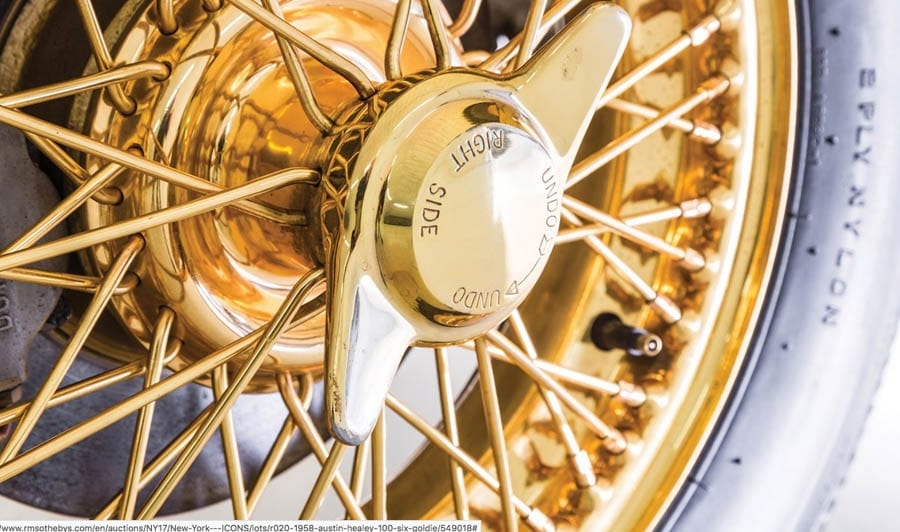
For sale for 165% less than it was offered for in 2013 but 781% more than it was valued at in 1958, ‘Goldie’ is capable of speeds of upto 120 miles per hour but what makes her unique is that all brightwork – including the trimming washers and screws, wire wheels, disc brakes, bumpers and instruments – are plated in 24-carat gold.
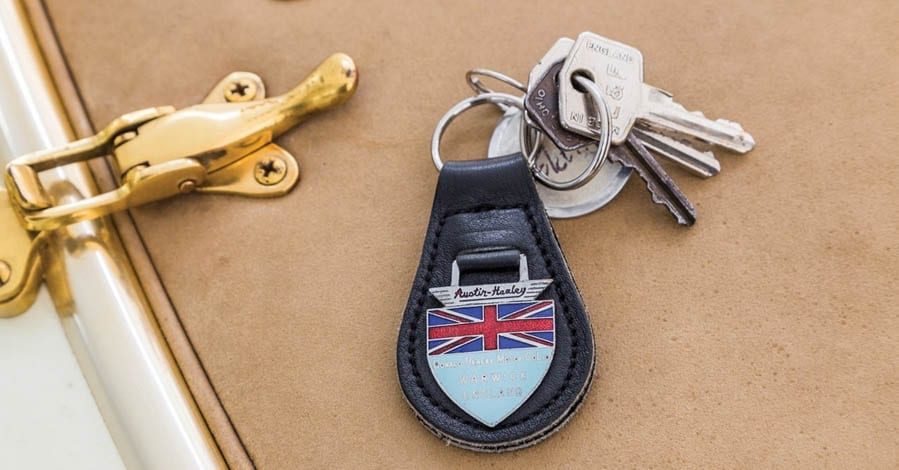
The car’s interior is trimmed in champagne Connolly kid leather and champagne diadem mink by London furrier Lorna Doon Snow adorn the inserts and back squabs of the bucket seats and the key ring comes complete with a solid-gold scale replica of the car itself.
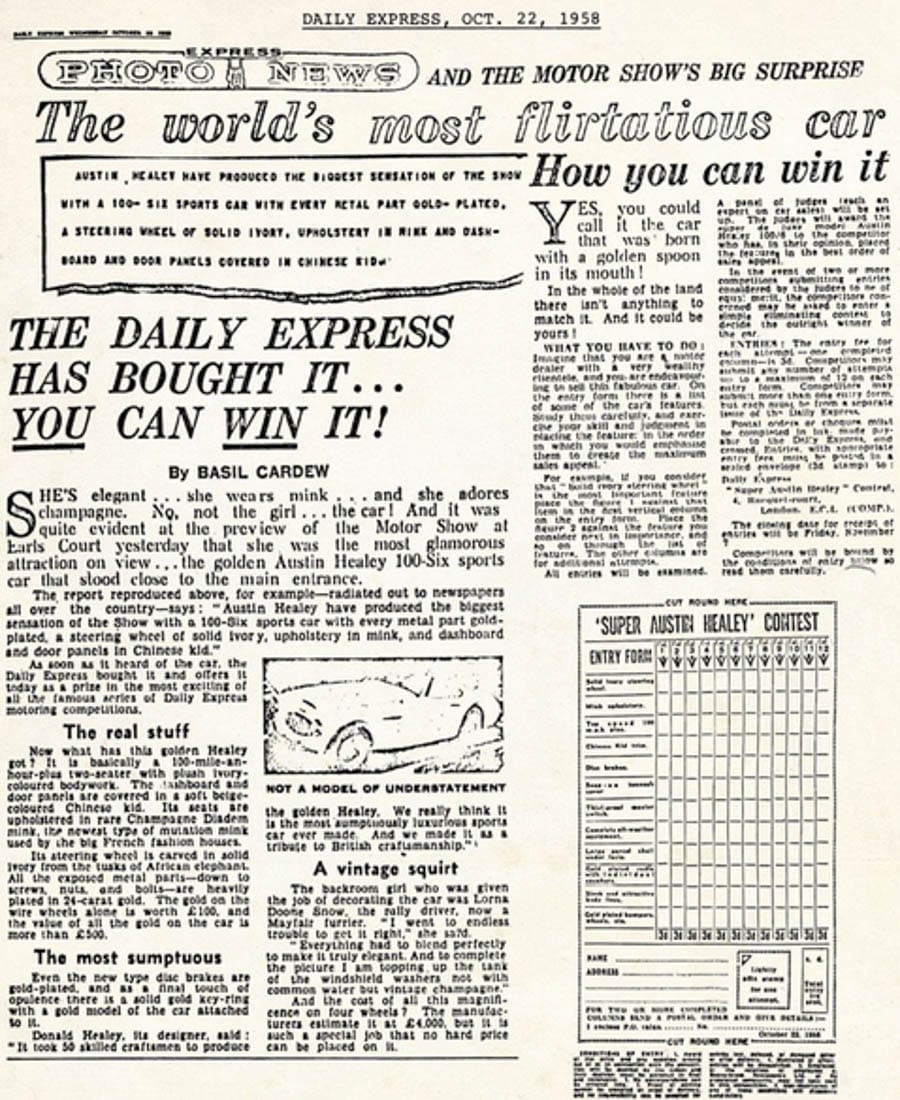
The brainchild of Donald Healey’s then PR manager, Ken Gregory, in association with the Daily Express’s then motoring correspondent, Basil Cardew, ‘Goldie’ was the show-stopping car exhibited at the entrance to the 1958 London Motor Show at Earl’s Court. She reportedly wowed audiences and no doubt would have been dubbed a ‘dream machine’ by the motoring world’s most extravagant doyenne, Lady Docker.
Sold immediately to the paper the Daily Express dedicated a page to the promotion of a reader competition to win ‘Goldie’ on 22nd October 1958. Of her, they remarked:
“[This is] the world’s most flirtatious car… The Daily Express has bought it… You can win it. She’s elegant… she wears mink… and she adores champagne. No, not the girl… the car!”
“The real stuff… The most sumptuous… A vintage squirt… The biggest sensation of the [Motor Show at Earl’s Court]… Yes, you could call it the car that was born with a golden spoon in its mouth!”
“In the whole of the land there isn’t anything to match it.”
Surprisingly, the winner of the competition decided to sell the vehicle immediately. She was first road-registered in February 1959 and then passed through various owners until being completely restored by Bruce and Inan Phillips of Healey Surgeons of Washington, D.C. between 1983 and 1986.
Speaking of what the current marketing catalogue entry describes as “the most spectacular Austin Healey ever produced,” Inan Phillips is said to have remarked: “[‘Goldie’ was] one fantastic running and driving car… The smoothest driving Austin Healey we’ve ever owned.”
In time sold to a wealthy businessman and Jeep restorer named Dennis Collins from Wylie, Texas, ‘Goldie’ was offered for sale first on eBay and then at auction in Houston, Texas for £758,000 in 2013 and 2014. It appears no sale went through and now an estimate of £265,000 to £417,000 has been set for this striking creation.
RM Sotheby’s will sell ‘Goldie’ at their annual New York ‘Icons’ sale on 6th December. They list the vehicle as being “without reserve.” If only Liberace were still around to put in a bid.
‘Goldie’ – The Numbers
December 2017 – Offered for sale at auction with no reserve and an estimate of £265,000 to £417,000 ($350,000 to $550,000, €300,000 to €471,000 or درهم1.3 million to درهم2 million) in New York.
January 2014 – Offered for sale with a ‘buy-it-now’ price of £758,000 ($1 million, €857,000 or درهم3.7 million) on eBay.
March 2013 – Offered for sale for £758,000 ($1 million, €857,000 or درهم3.7 million) in Houston, Texas by Collins Brothers Jeep owner Dennis Collins.
October 1958 – Valued at £4,000 (the equivalent of £86,000, $113,000, €97,000 or درهم417,000 today) prior to being sold to the Daily Express and offered in a reader competition in London.
“One of Britain’s finest 20th-century country houses” has been placed for sale for £20 million; it comes with 530 acres and was built by the late businessman Sebastian de Ferranti in the 1980s
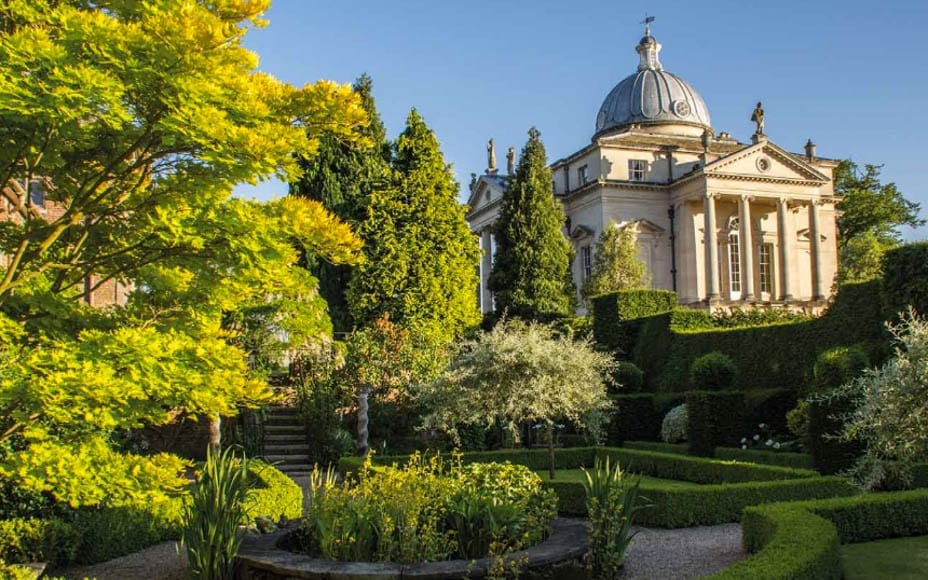
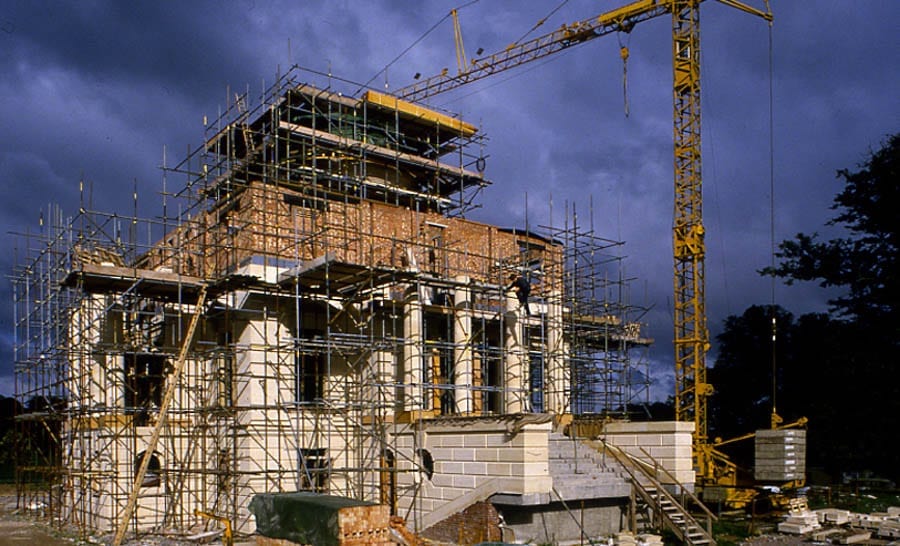
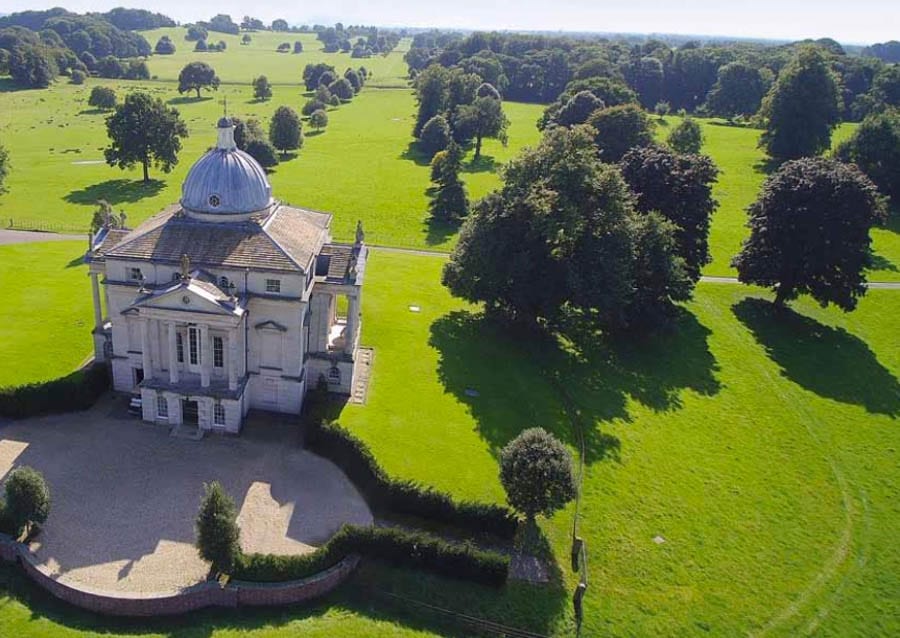
One could imagine being in the early 18th century or in Italy even on first taking a look at the Palladian style Henbury Hall, near Macclesfield in Cheshire. However, as Moliere said: “One is easily fooled by that one loves” and in reality this 12,496 square foot beauty was actually constructed between 1980 and 1986.
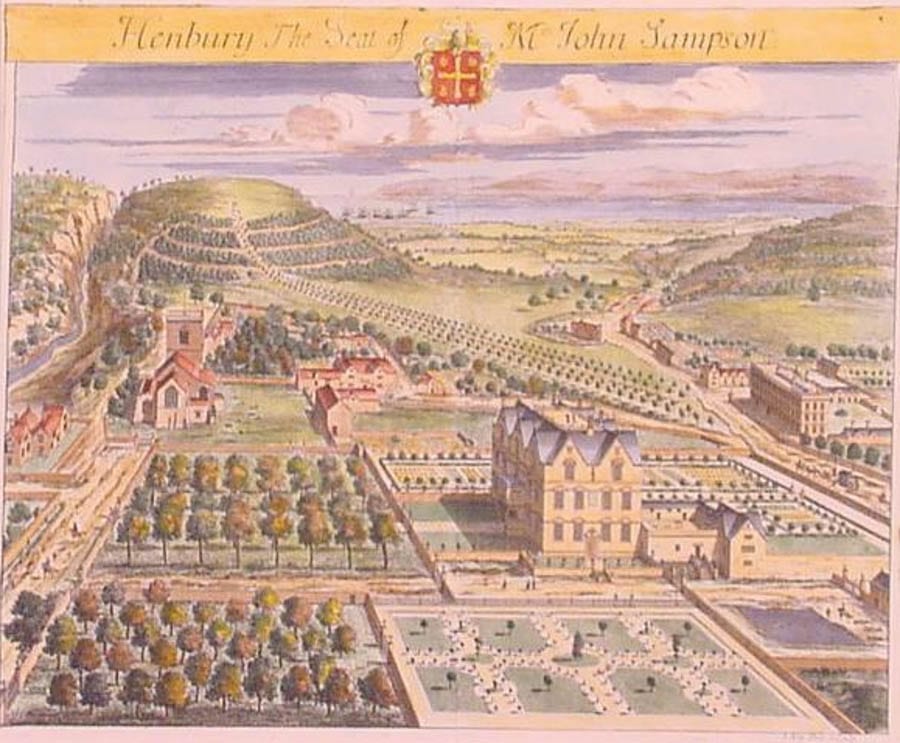
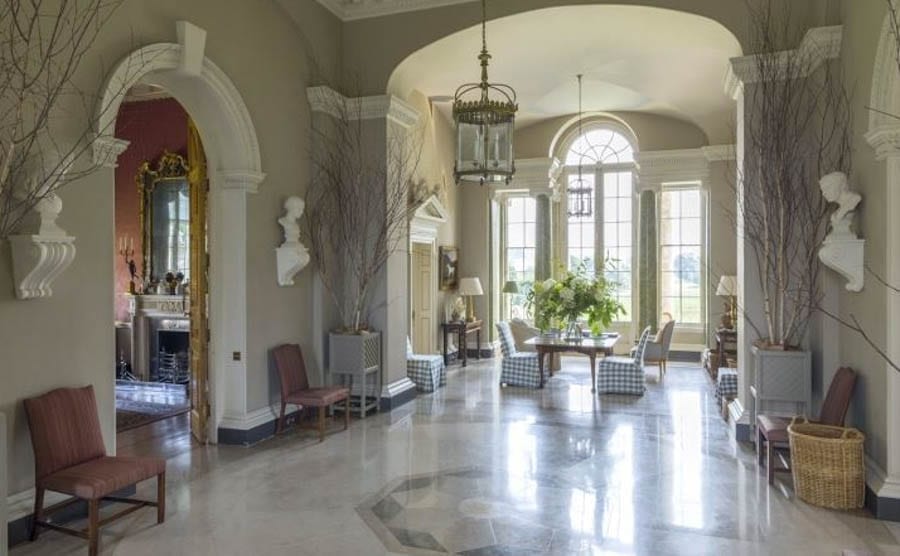
The vision of the buccaneer businessman and patron of the arts Sebastian de Ferranti (1927 – 2015) and based upon Palladio’s Villa Rotunda at Vizenza, the 6-bedroomed main residence stands on the site of an earlier mansion demolished in the 1950s. It was designed by the architect Julian Bicknell in conjunction with Felix Kelly and David Mlinaric, was constructed by Tarmac Construction and is faced with warm-toned limestone from north east France. The estate also includes a Grade II listed dower house, five further houses and cottages, a Grade II listed and stable block and courtyard.
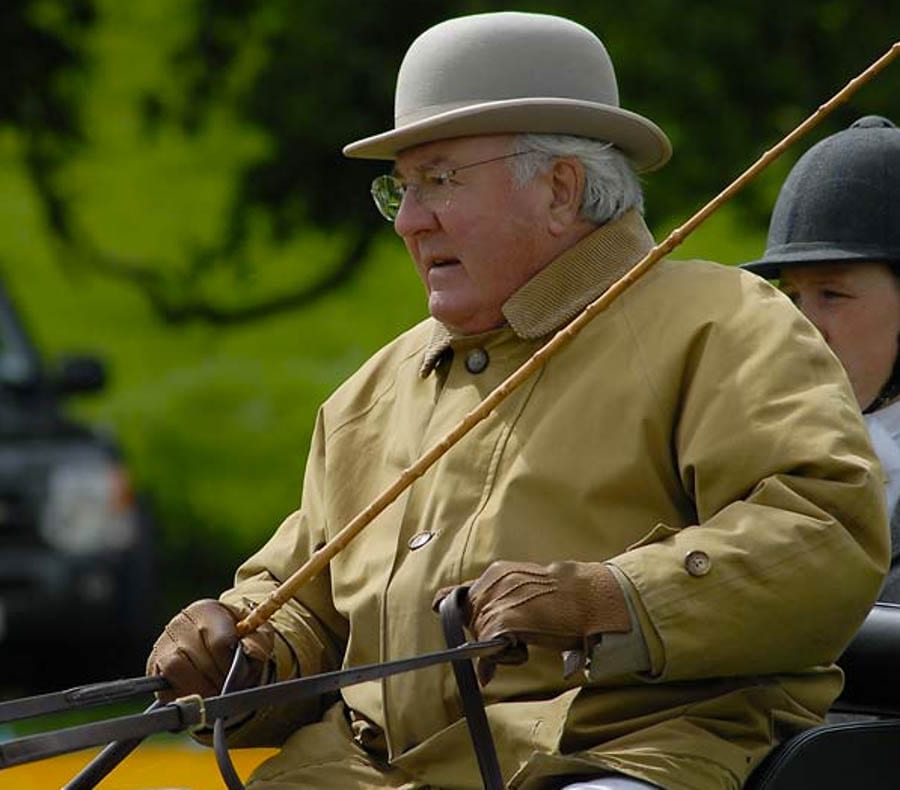
The late Sebastian de Ferranti
Henbury Hall during construction
A depiction of the original Henbury Hall in 1707
The front elevation of the current Henbury Hall with parkland beyond
Aside from 12 acres of immaculate gardens with a series of lakes, there is a 200 year old landscaped park, woodland, agricultural land, a beautifully designed swimming pool, a tennis court and a polo field.
Selling agents Savills offer the Henbury Hall Estate as a whole for a guide price of £20 million – a world away from the £9,000 sum the estate sold for in 1872 (the equivalent of £934,000 today).
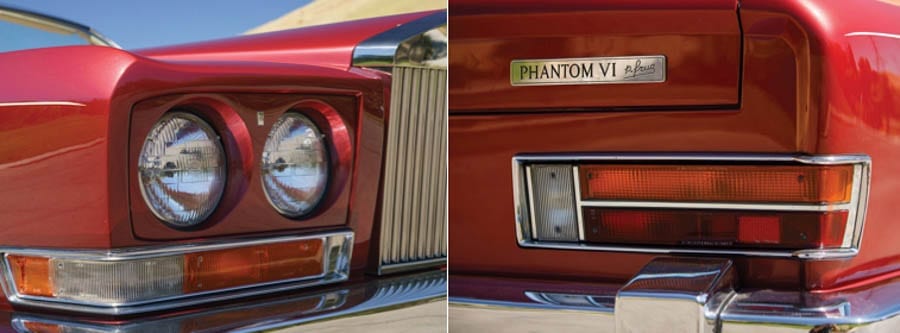
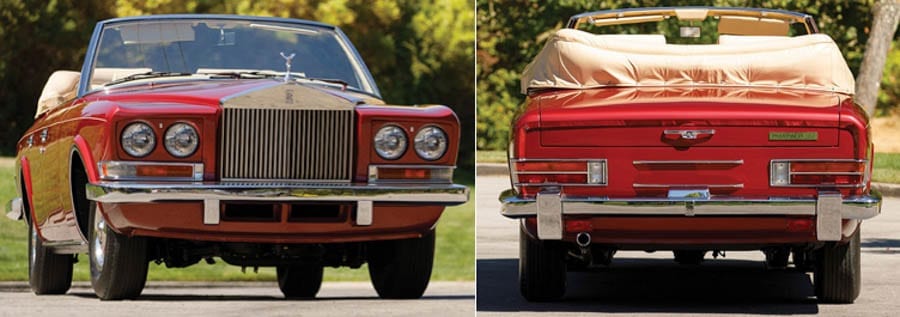
One-off 1971 Rolls-Royce Phantom VI cabriolet to be auctioned; originally commissioned by a British playboy turned jailbird with connections to Princess Margaret but only actually completed in 1993
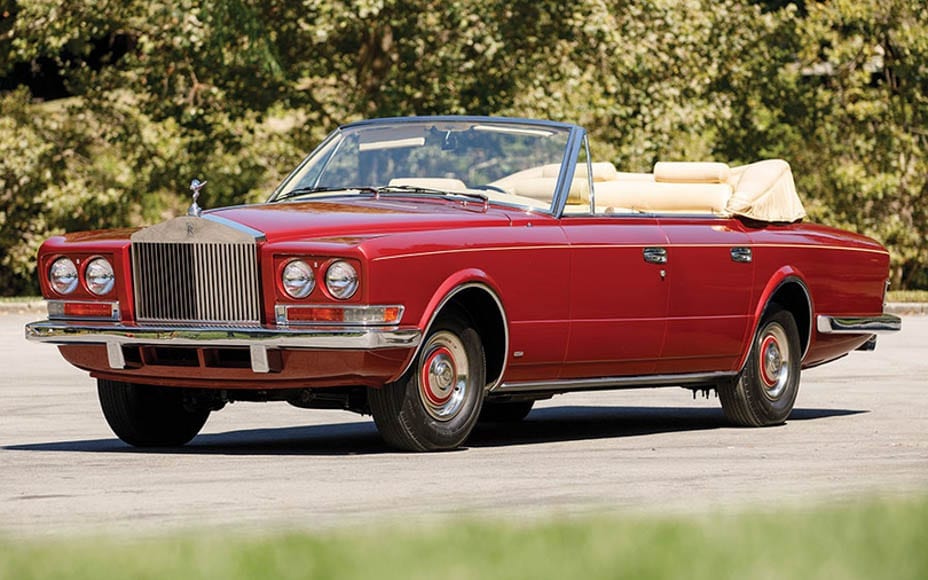
Offered with an estimate of £308,000 to £462,000 ($400,000 to $600,000, €340,000 to €511,000 or درهم1.5 million to درهم2.2 million), this truly unique, one-of-one design was amazingly the final Rolls-Royce Phantom VI completed in spite of the model remaining in production until 1991. This mammoth beast of a car, surprisingly, however, has just 72 miles on its clock and is thus described as “as brand new.”
The car’s first owner, Robert ‘Bobby’ Buchanan-Michaelson, was a bit of a playboy but sadly he never got to actually drive or be driven in it. A “member of Princess Margaret’s inner circle of friends,” this Cambridge graduate was a member of the “Mayfair mammas’ lists of the season’s most eligible bachelors” until “exchanging his Edwardian hacking jacket for prison grey” in 1954 after being jailed for 12 months for an import/export fraud according to a report in Sydney’s World’s News in August that year.
Some years after being freed, ex-con Buchanan-Michaelson took part in the 10,000 mile 1968 London to Sydney Marathon in a Mercedes-Benz 280SE. In a book about the adventure he was described as both a “successful and wealthy businessman, employing a cook, a butler, a maid and a chauffeur” and as an “accomplished sportsman.” Also listed as a lavish spender, Buchannan-Michaelson was later bankrupted in November 1977 – though at the time he lived in grandeur at both at Churchbury Manor at Fairford, Gloucestershire and 26 The Vale, in Chelsea, London, SW3.
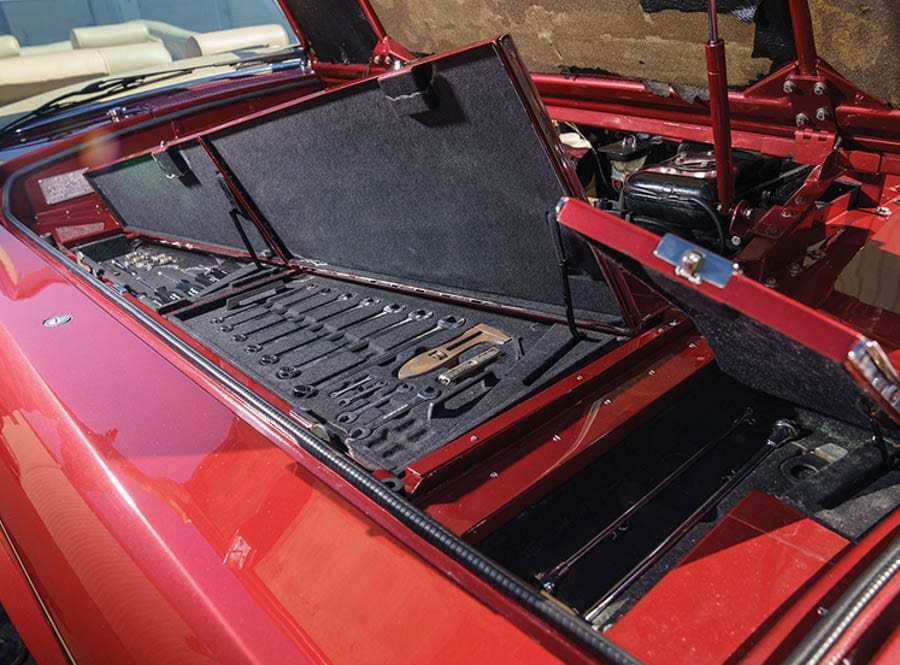
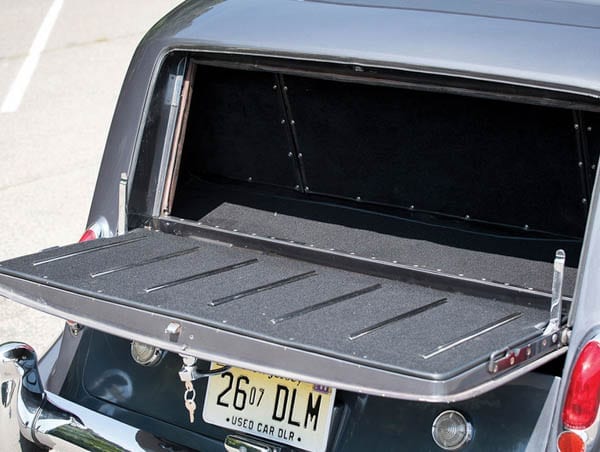
In 1970, in the period between the international car race and his bankruptcy, Buchanan-Michaelson commissioned Rolls-Royce to build him a Phantom VI. After delivery to Jack Barclay Ltd. In June 1971, the vehicle’s chassis was sent to Frua of Torino, Italy to have bodywork fitted but for some reason work stopped and it was not until 1977 – and by now with a new American owner, James Leake, and new drawings of its eventual form – that the project continued.
With Pietro Frua (1913 – 1983) retiring soon thereafter and Mr Leake’s death in 1983, the chassis passed to new ownership and it was only eventually completed as a finished motor vehicle in 1993.
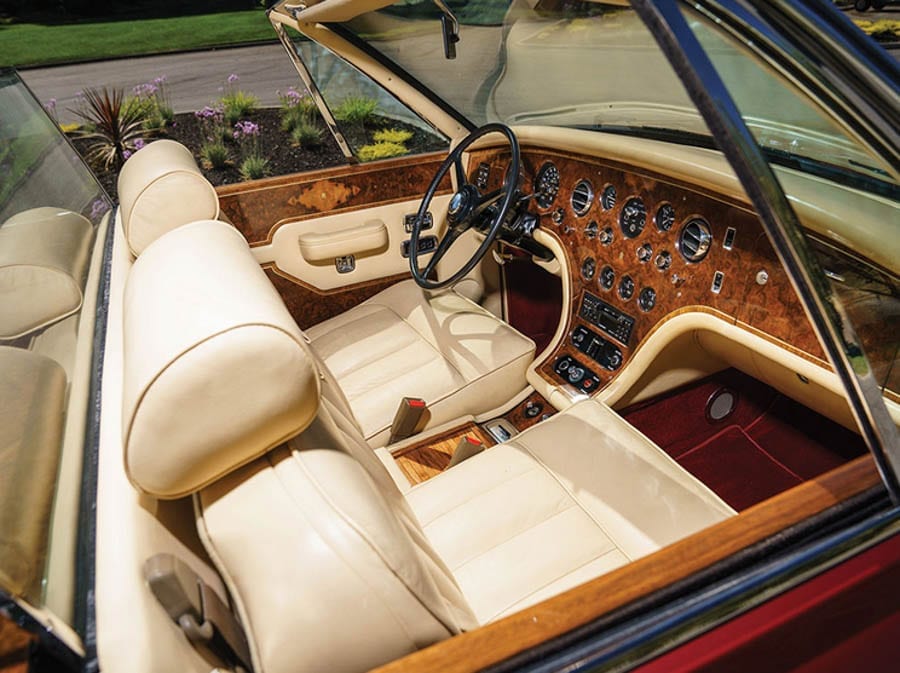
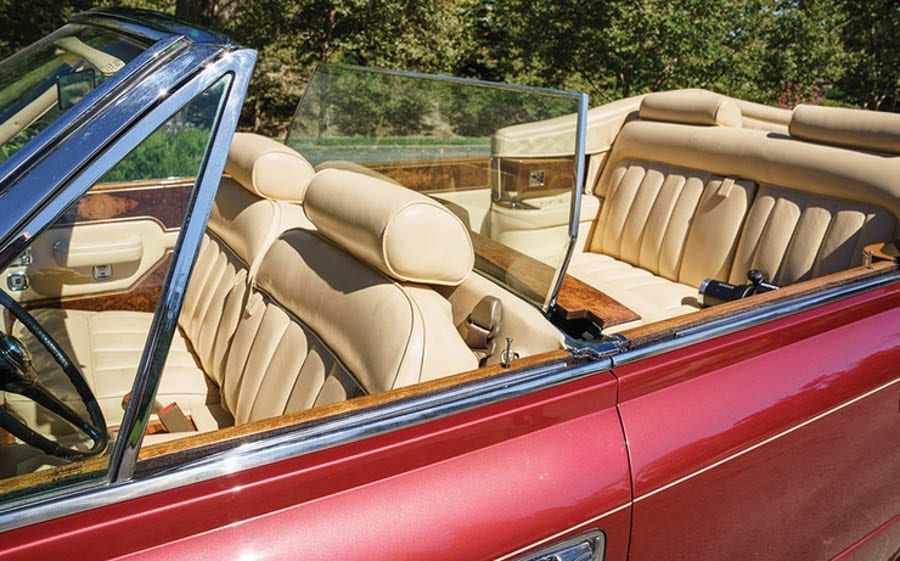
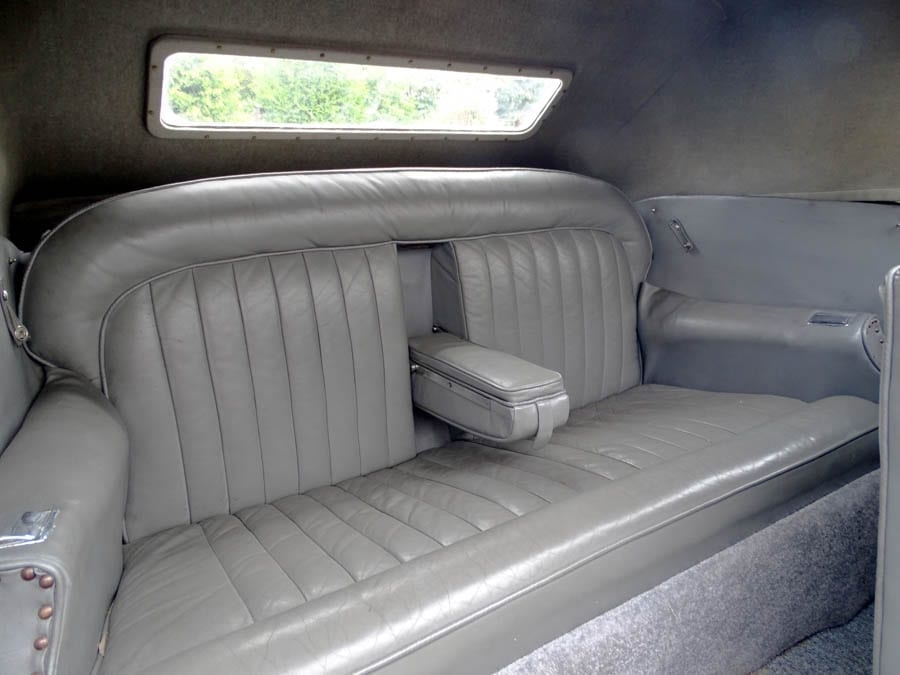
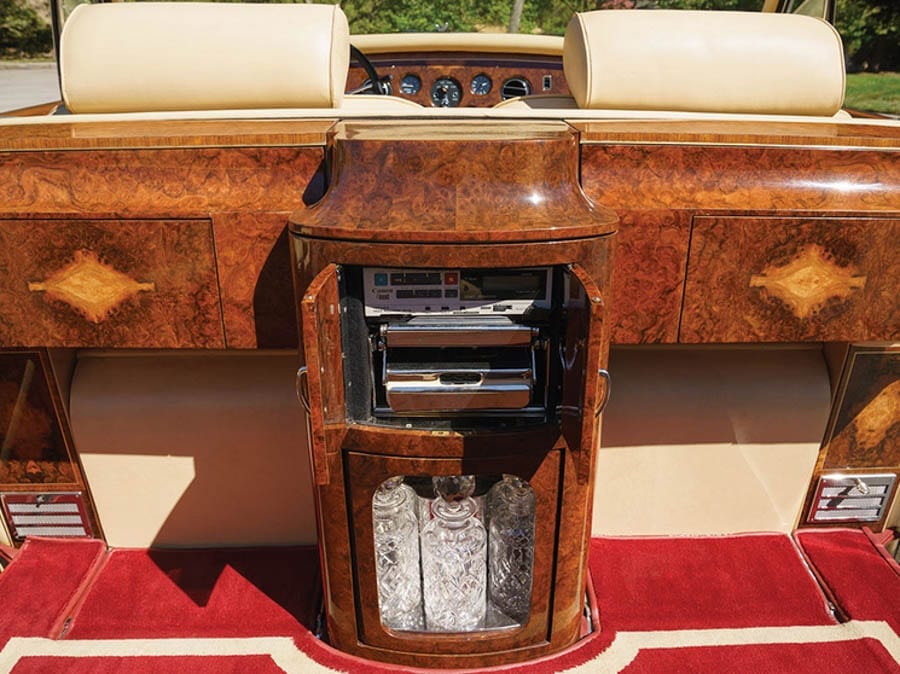
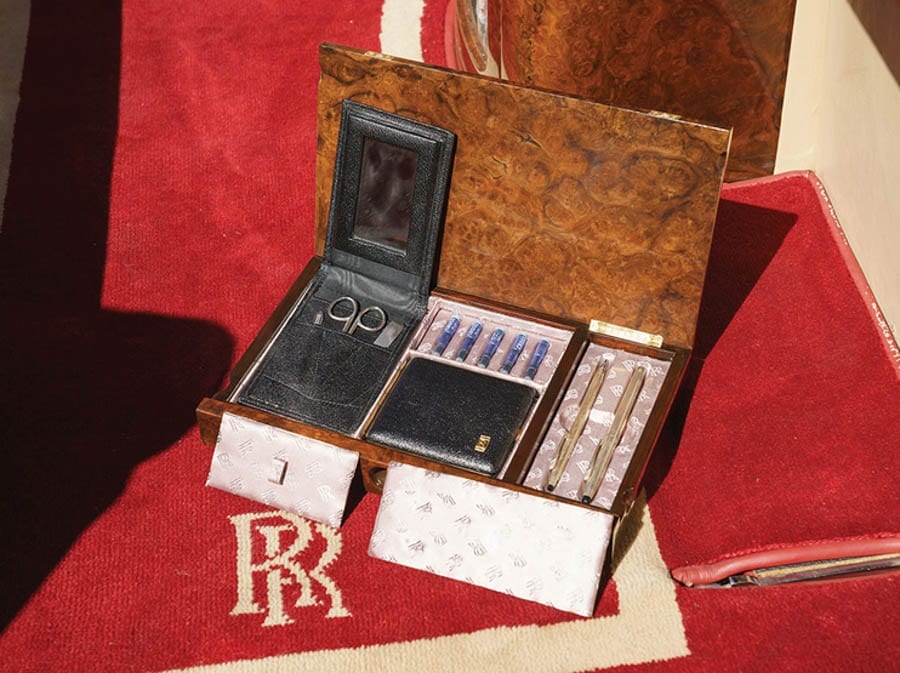
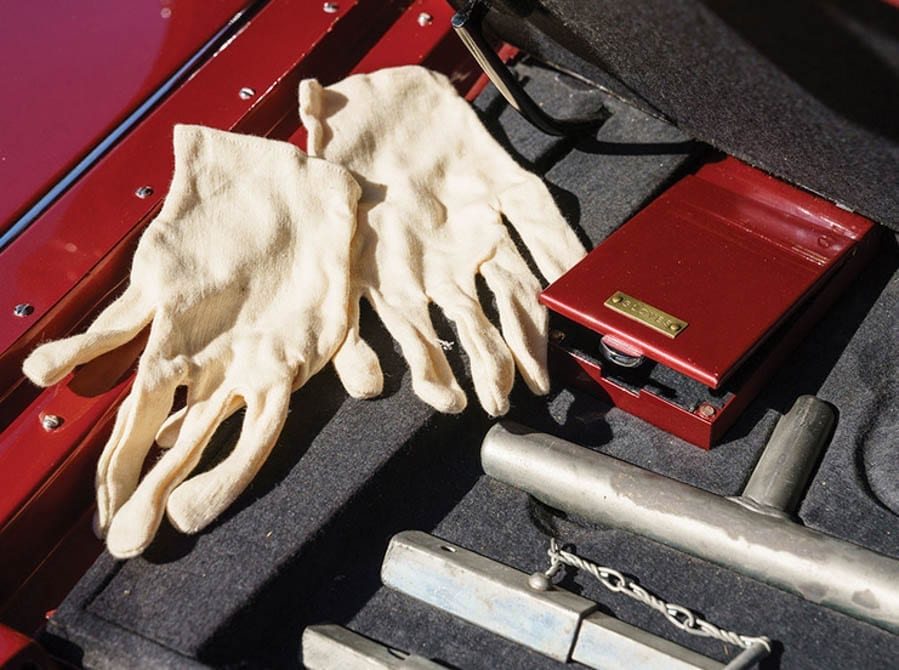
That year, the four-door ‘state cabriolet’ was displayed at the Geneva Motor Show and its boxy look must have surely either have wowed or horrified visitors. It is described as having “an elaborate multi-position convertible top allows the car to be configured as a sedanca de ville, landaulet or fully open convertible.” The interior is trimmed in burled walnut with sterling silver inlays and amongst other luxuries are front and rear heating, air-conditioning, fresh-air ventilation systems, a television, a video player, a radio and a cocktail cabinet. Underneath the seats is a portable Davidoff cigar humidor and even a matching silk-lined ladies’ vanity case. What more could anyone ever need?
RM Sotheby’s will sell the Frua Phantom VI at their Monterey sale in California on 19th August and term it: “The last word in modern opulence.”
Vast “architecturally rich” Knightsbridge apartment for sale for £8.5 million
A Knightsbridge triplex with a truly extravagant interior has gone on sale for £8.5 million ($10.9 million, €9.7 million or درهم39.9 million).
Spread over the ground, basement and first floors of a Grade II listed portered building in Pont Street, SW1X, the apartment has an impressive drawing room, a dining room, a study, 4, bedrooms, 4 bathrooms. It extends to 3,791 square foot and benefits from its own private entrance door and internal lift.
Offered by agents Russell Simpson, the property is within a semi-Dutch, semi-Queen Anne style building that dates to the 1870s. Its architecture was later termed ‘Pont Street Dutch’ by Sir Osbert Lancaster CBE (1908 – 1986) and was also referenced as being typical of “tall sparingly decorated red brick mansions for very wealthy occupants” by Sir Nikolaus Pevsner CBE (1902 – 1983). Whether an incoming purchaser will buy-to-live or, as is so often the case in this area of money park London, buy-to-leave remains to be seen.
EXCLUSIVE – “Nationally important” Grade II* listed Berkshire mansion in 130 acres for sale for £26 million; its interior is yet to be renovated
A Grade II* listed building capable of being reinstated as one of Britain’s finest country houses has just been placed on the market for £26 million.
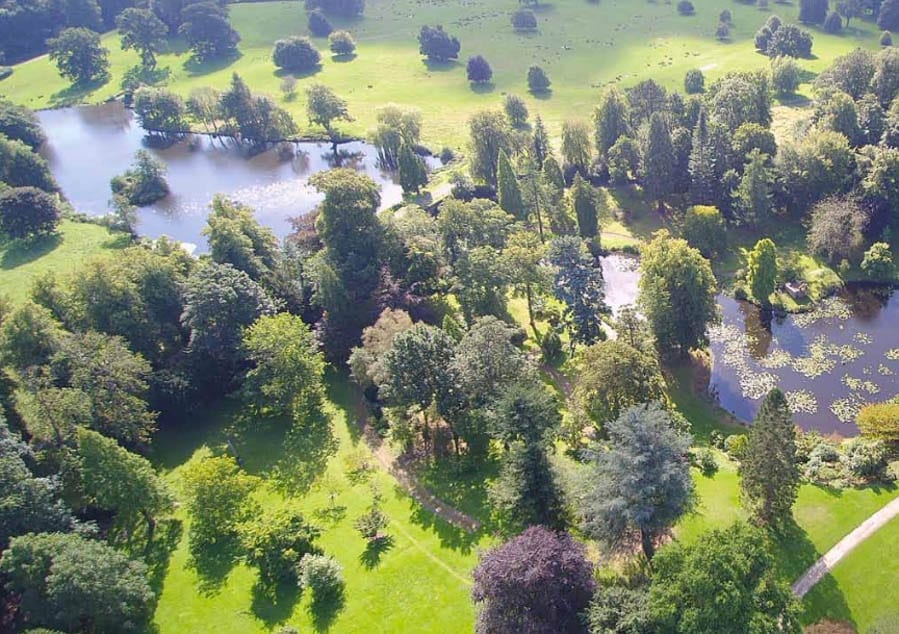
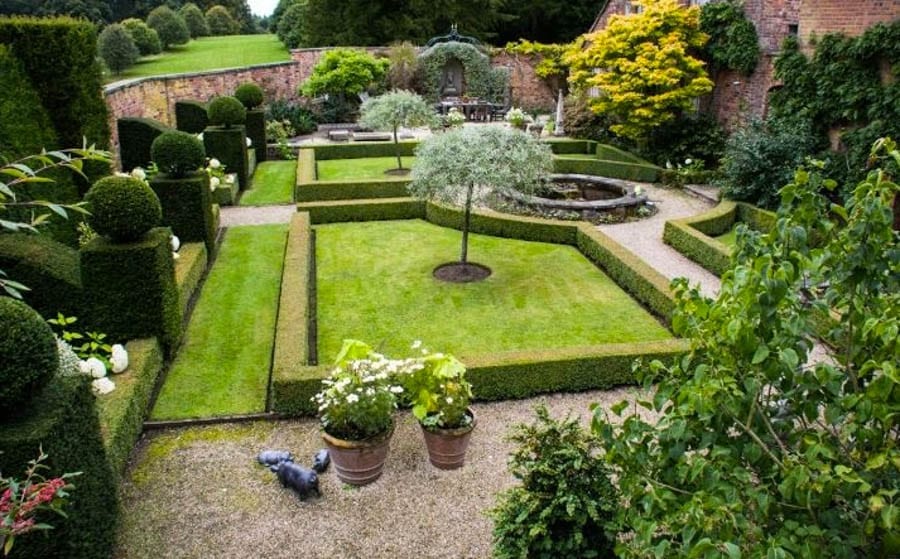
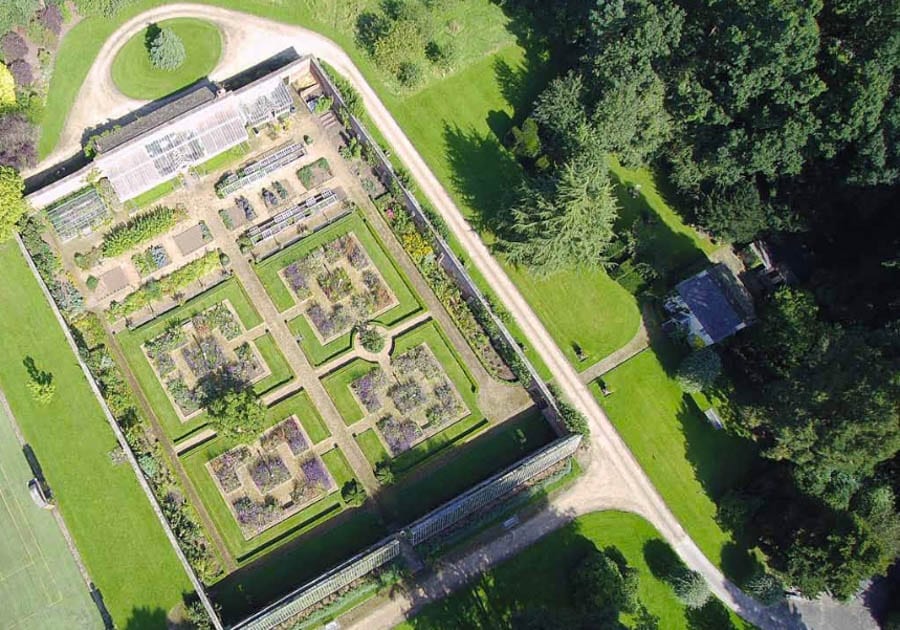
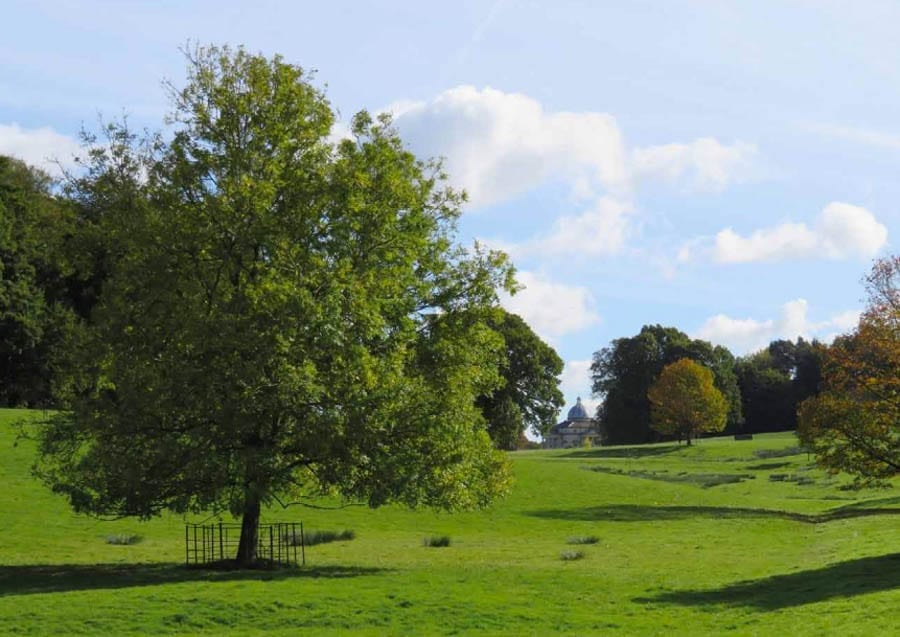
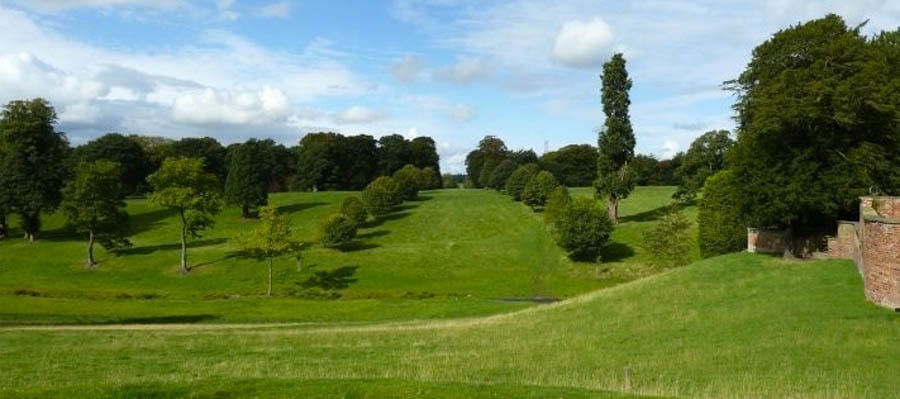
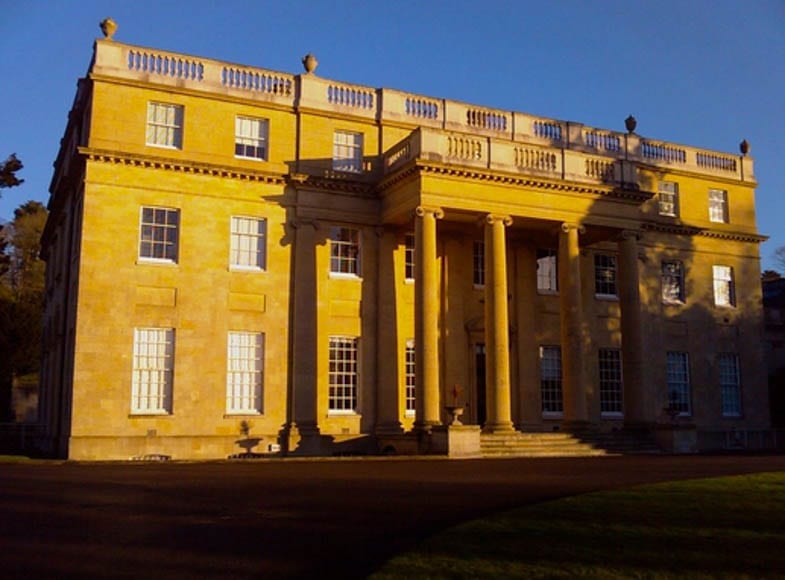
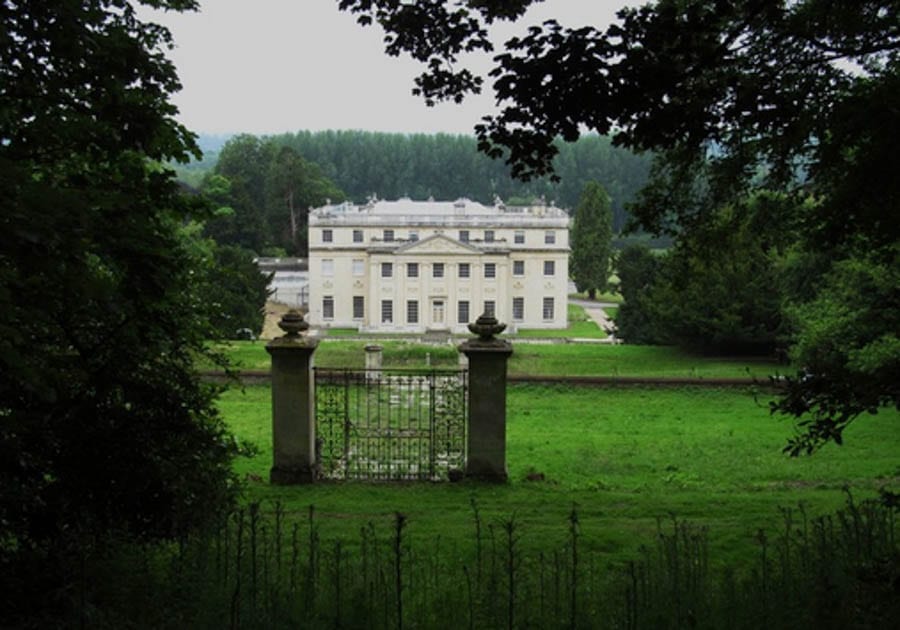
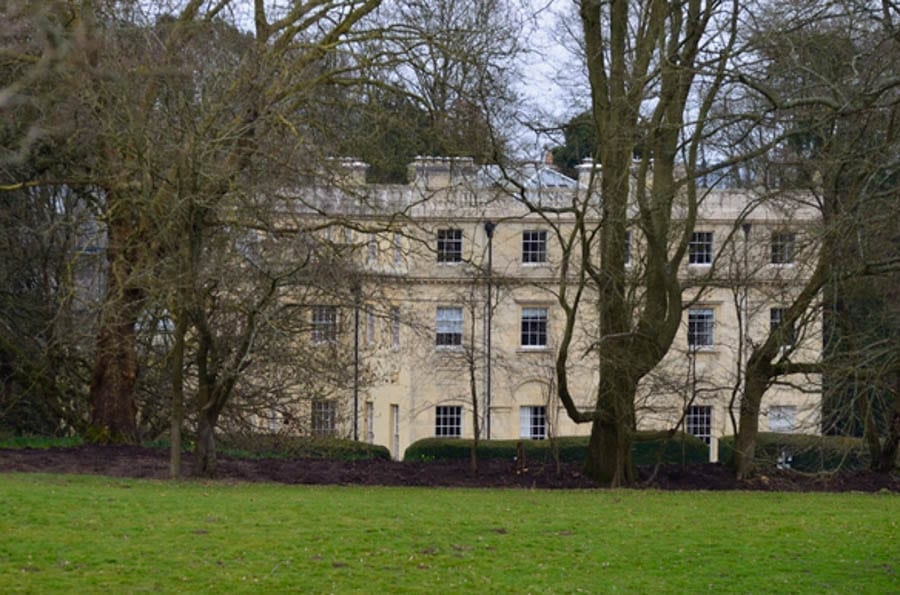
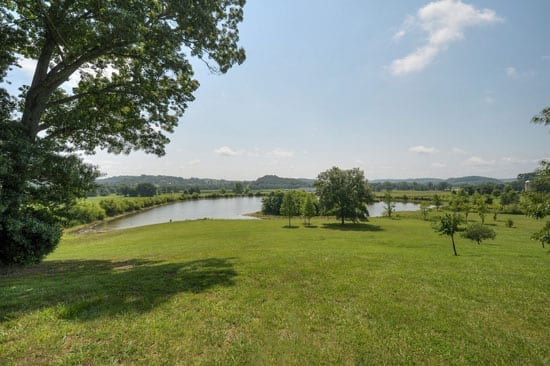
Benham Park – formerly known as Benham Vallence – at Marsh Benham, near Newbury comes with around 130 acres of Grade II listed Capability Brown (1716 – 1783) designed parkland and currently extends to 27,620 square foot. It has planning permission in place to either revert to a truly epic single family mansion or to convert into a 100 bedroom ‘wellness centre’ to rival Champneys in Hertfordshire and Clinique La Prairie in Switzerland. The schemes proposed would provide between 50,000 and 140,000 square foot of accommodation and, already, businessmen Harry Marriott and Michael Fresson, owners since 2011, have restored the exterior of the building along with its gardens and park.
Built at the behest of the nobleman William Craven (1738 – 1791) to designs of the Fulham born architect Henry Holland (1745 – 1806) in 1774 – 1775, this fine neoclassical house was constructed from Bath stone and later altered by the extremely wealthy Sutton baronets during their tenure in the late 19th and early 20th centuries. The estate was sold for £1 million to the innovative computer manufacturers Norsk Data in 1983 and remained in the firm’s ownership until it was dissolved in 1992. It then became the offices of other technology companies until again being placed for sale for £6 million in 2010.
Benham Park in the era when it was used as offices; the modern buildings have now been demolished and the car park landscaped
The main mansion prior to renovation of its exterior
A view from another angle (after external renovation)
From the lake
And from its imposing entrance
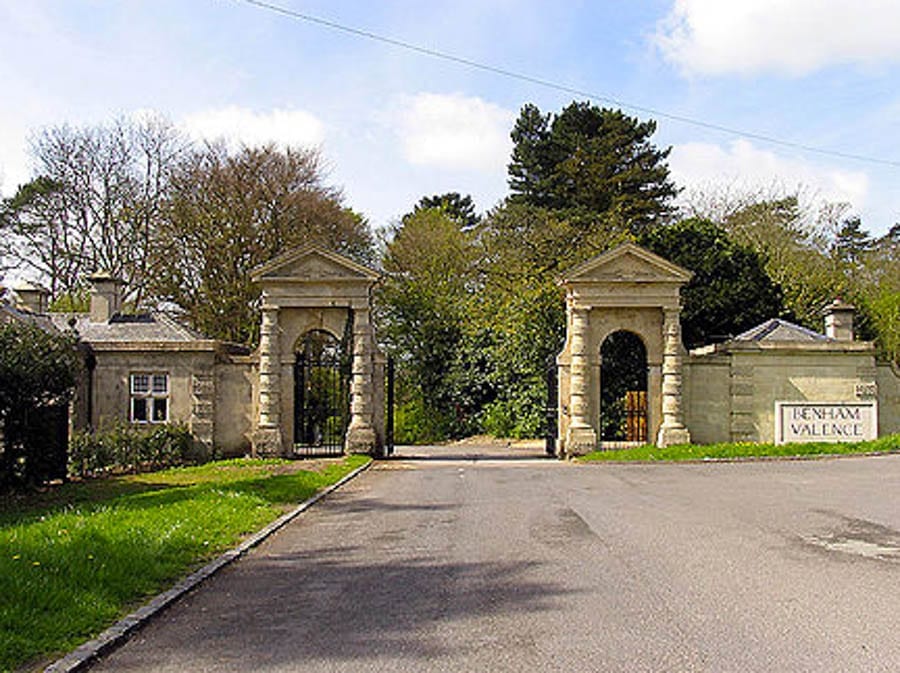
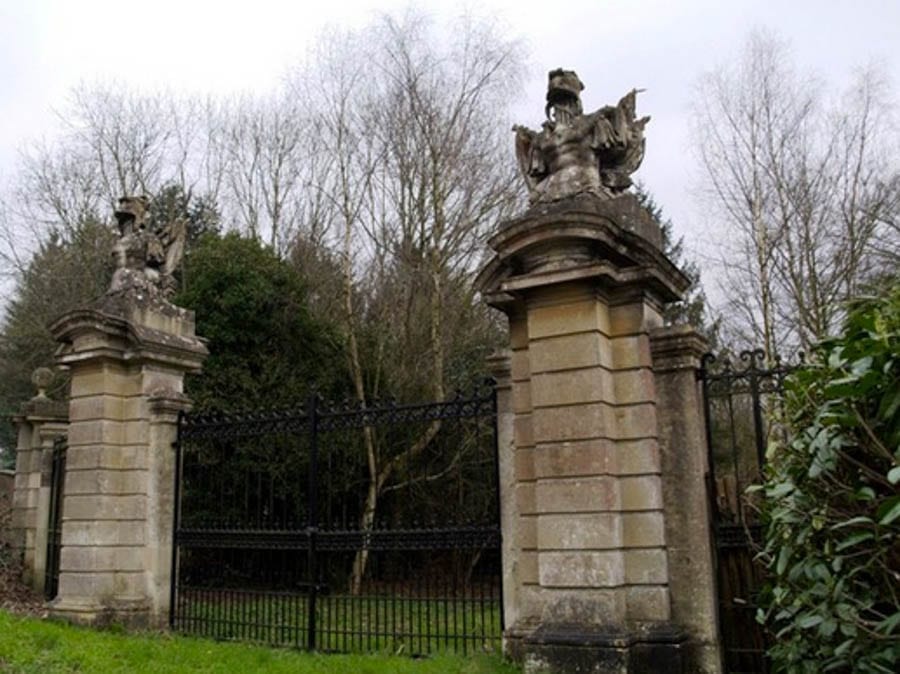
One of several entrances to the estate
Another set of impressive gates
Should a buyer use the existing designs for a residential scheme, they would find themselves owning a house that would not only come with 12 reception rooms and 29 bedroom suites, but also one with a sports complex, a sculpture gallery, a 40-seat cinema and garaging for 50 cars. Aside from an existing 5-bedroom mill house on the estate’s 10 acre lake and a gate lodge, the proposals would add a further 8 additional ancillary houses also.
Of Benham Park, Crispin Holborow of selling agent Savills commented:
“[This] is a nationally important stately home so its sale presents a very exciting proposition for a future owner to oversee its transformation. The prospect of restoring a property of such magnificent proportions with excellent access to London has not arisen for many years, and we expect interest from potential buyers for either its reinstatement as a significant country residence or its repurpose into a world leading wellness centre”.
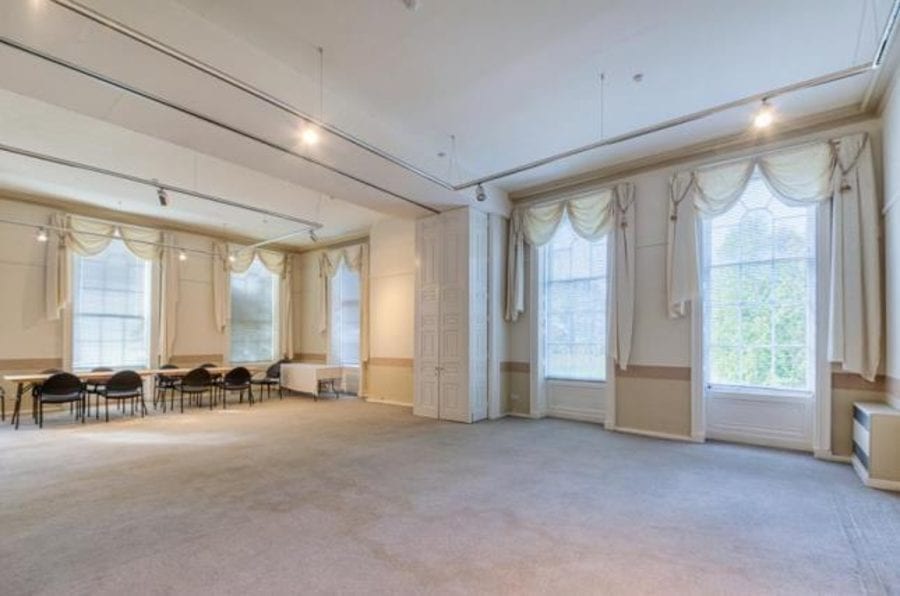
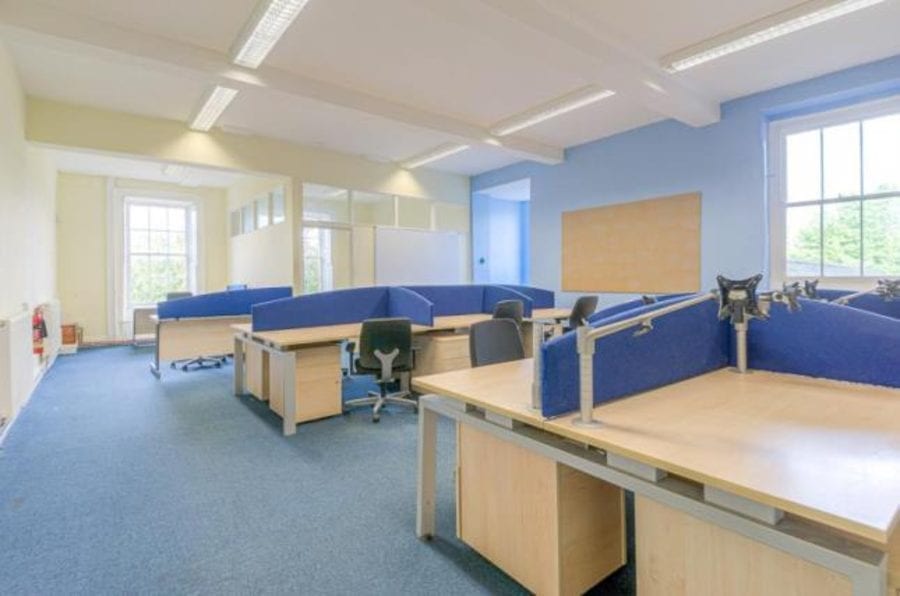
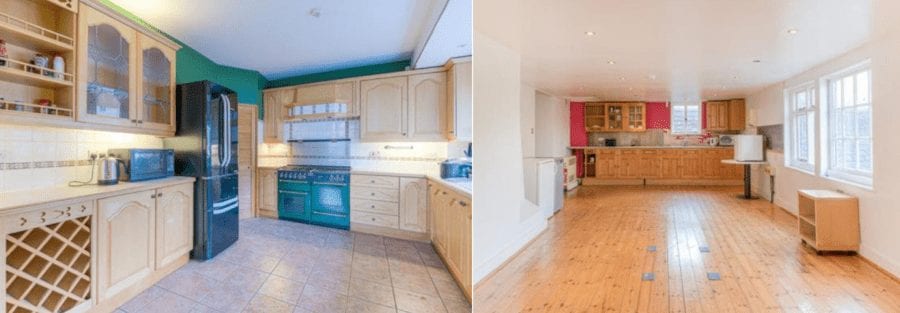
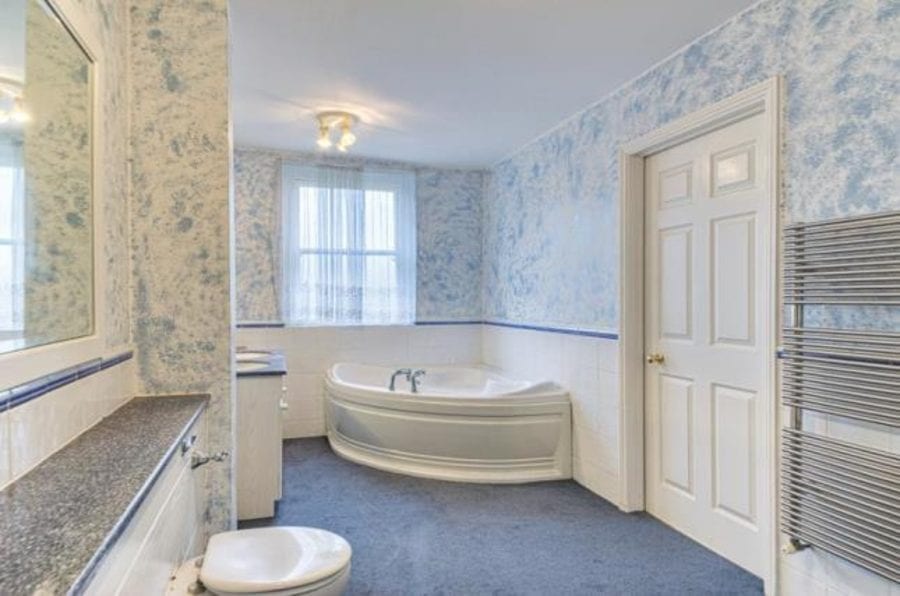
Those looking to extend the compound further have the option to purchase two separately owned properties that were formerly part of the estate. A house known as ‘Greenhouses’, for sale with Savills, is offered for £1.3 million and comes with 1.47 acres of land whilst Mill Bank House, which stands in 2 acres, is on the market through Strutt & Parker.
The Numbers – Benham Park
1771 – 1774
William Craven, 6th Baron Craven paid Capability Brown £7,150 for works to the house and grounds. This sum is the equivalent of £989,000 today ($1.3 million, €1.1 million or درهم4.7 million).
1982
Sold to Norsk Data for £1 million (the equivalent of £3.2 million, $4.1 million, €3.7 million or درهم15.1 million today) by Sir Richard Sutton (born 1937).
2010
Placed on the market for £6 million ($7.7 million, €6.9 million or درهم28.3 million).
2011
Sold to Harry Marriott and Michael Fresson for £5 million ($6.4 million, €5.7 million or درهم23.6 million).
2017
Benham Park placed on the market for £26 million ($33.4 million, €29.9 million or درهم123 million).
Separately owned estate houses
Mill Bank House – On the market for £1.4 million ($1.8 million, €1.6 million or درهم6.6 million).
Greenhouses – On the market for £1.3 million ($1.7 million, €1.5 million or درهم6.1 million).
Born in 1983 in Alnwick, Northumberland, Nick Bell is amongst the few youngsters who genuinely deserve the accolade “entrepreneur”. A former pupil of The Royal Grammar School, Newcastle, Bell sold his first company, Tennfront.com, for £1 million at the age of 16 and has been vice president of content at Snapchat since 2013. Meeting him has been described as being like a “golden ticket” to success. He has over 5,000 followers on Twitter.






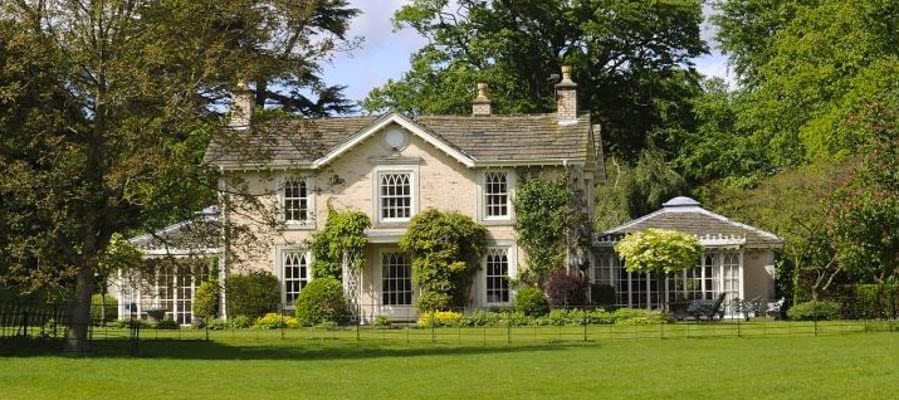
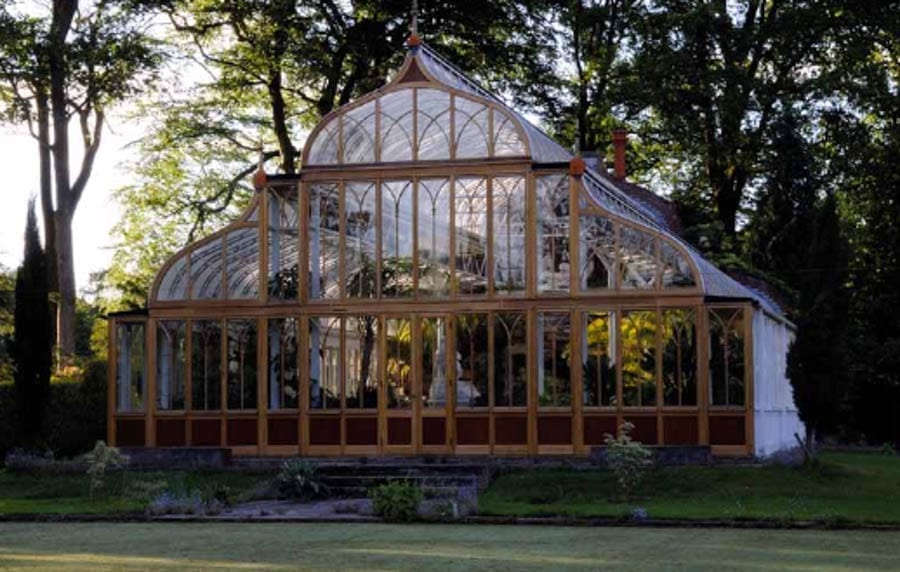
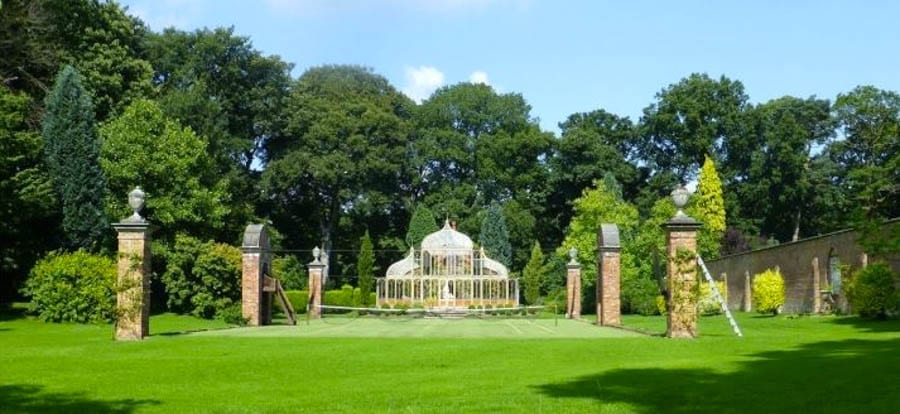
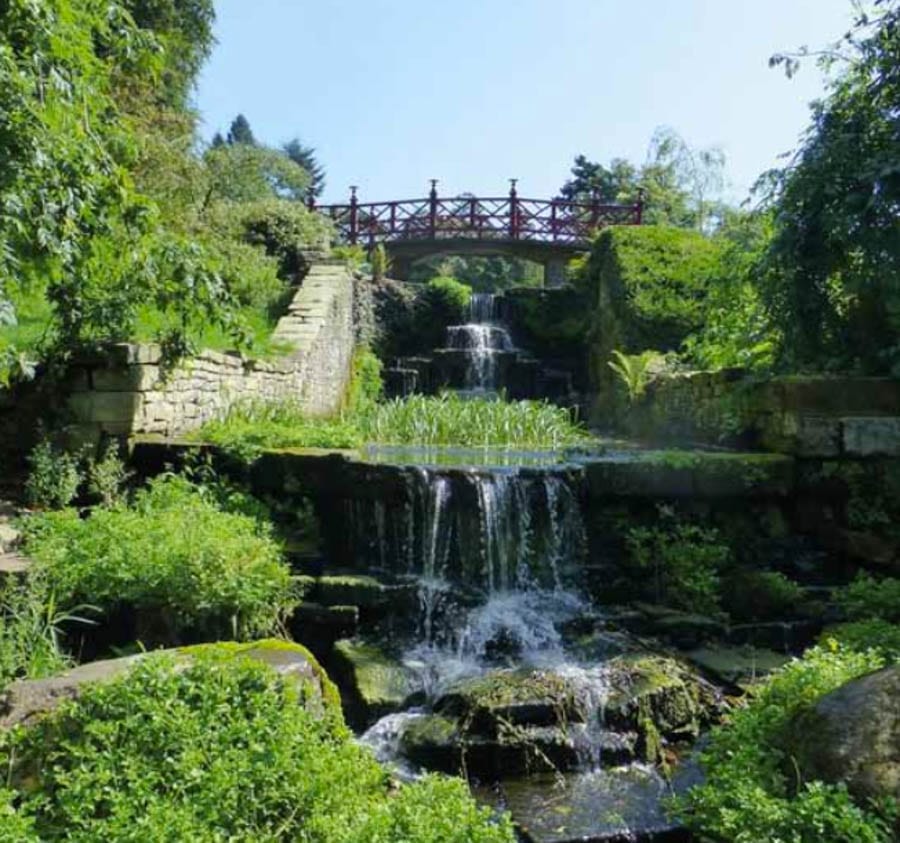


 Mill Bank House – On the market for £1.4 million ($1.8 million, €1.6 million or درهم6.6 million).
 Greenhouses – On the market for £1.3 million ($1.7 million, €1.5 million or درهم6.1 million).