Category: London Underground

  • Word of the Week 2021 – Malversation

    Word of the Week 2021 – Malversation

    In sharing the meaning of ‘malversation,’ Susie Dent sums up the morally bankrupt regime currently in power in Britain

    Consistent in her ability to supply many a ‘Word of the Week’ for The Steeple Times, etymologist and Countdown ‘Dictionary Corner’ stalwart Susie Dent has gone and done it again.


    Tweeting on Thursday and following up on her brilliant use of ‘thunderplump’ earlier this week, Dent remarked on a word of Middle French origin that sums up Boris Johnson’s Conservative government. Her missive read:


    Word of the day is ‘malversation’ (16th century): the corrupt administration of power.


    In a week when ‘Bosie The Clown’ has shown his true colours in his inept handling of ‘Owen Paterson-gate,’ we have most definitely seen ‘malversation.’


    That anyone views it acceptable that an already handsomely paid MP and former minister took over £500,000 extra to lobby for private companies is bad enough, but that his cretinous colleagues were then forced to march through the lobbies in support of this charlatan is an utter disgrace.


    Forever more a ‘malverser,’ Paterson – who was quite happy to sit in Parliament for 24 years without previously moaning about how “cruel” a place he supposedly now believes it to truly be – will be remembered now as a ‘King of Sleaze.’ Equally, if this prized prig thinks he’ll now be “clearing his good name,” he’s about as likely to see another pig fly across the sky above his vast Shropshire mansion.


    Shame on Owen Paterson, but more so shame on Boris Johnson and his wholeheartedly rotten government.
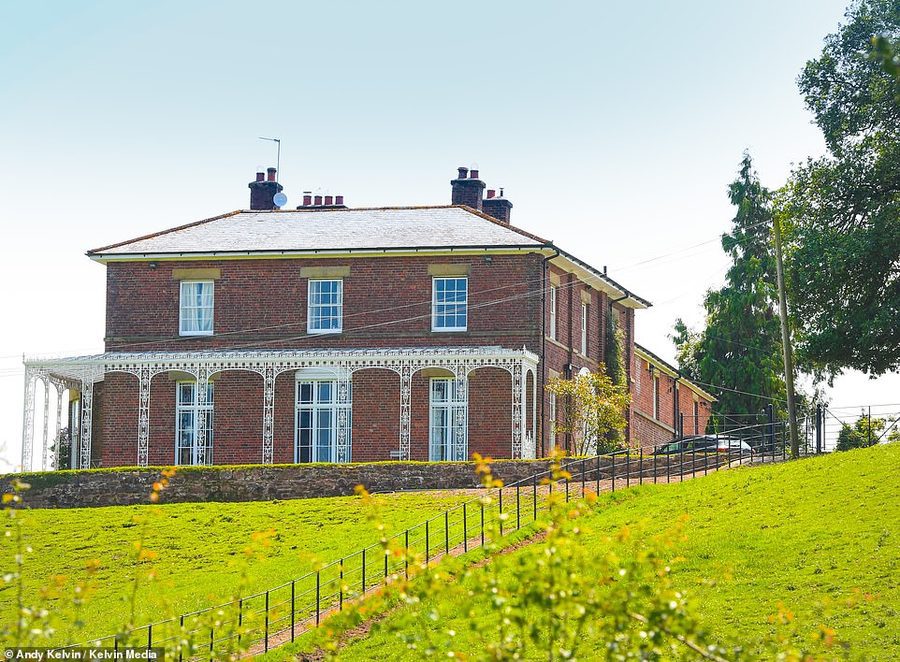
     

    Owen Paterson mansion
    Owen Paterson was able to live in palatial splendour in a vast Shropshire mansion courtesy of not only his salary as a Conservative Member of Parliament, but also because he greedily and without hesitation or consideration for morality took over £500,000 from private companies. That he said he’d “do it all again” about sums up the arrogance of this grubby piece of toerag.
    According to Merriam-Webster, ‘malversation’ – first knowingly used in 1549 – can be defined as “misbehavior and especially corruption in an office, trust, or commission” or more simply as a “corrupt administration.” Going further they add: “The form ‘mal-’ is often a bad sign in a word, and malversation is no exception. In Middle French, ‘mal-’ (meaning ‘bad,’ from the Latin word for ‘bad,’ ‘malus’) teamed up with ‘verser’ (‘to turn, handle,’ from the Latin verb ‘vertere,’ ‘to turn’) to create ‘malverser,’ a verb meaning ‘to be corrupt.’ This in turn led to the French noun ‘malversation’, which was adopted by English speakers in the mid-16th century. Some other ‘mal-’ words that entered English from Middle French are ‘maladroit’ (‘inept’), ‘malcontent’ (‘discontented’), and ‘maltreat’ (‘to treat badly’).”
  • The ‘Battersea Power Station (Station)’ Debate

    The ‘Battersea Power Station (Station)’ Debate

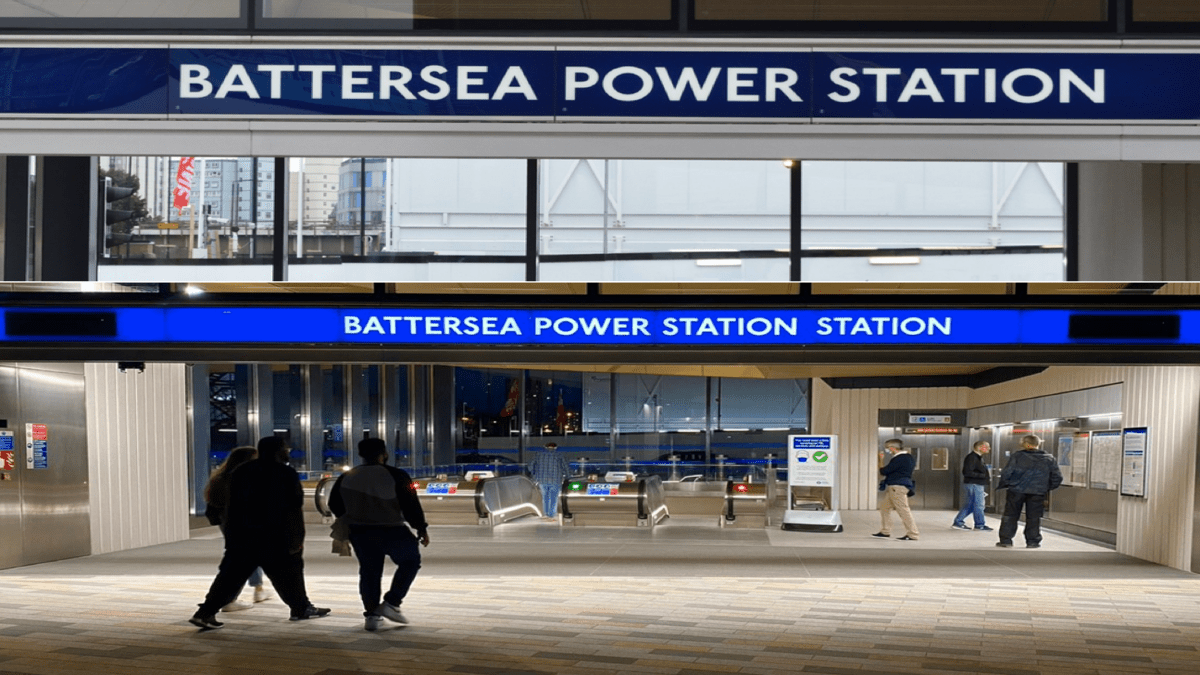
    Twitter users get into a tizzy as to whether the new ‘Battersea Power Station’ should be called that or ‘Battersea Power Station Station’; let’s get them started on ‘King’s Road’ vs. ‘Kings Road’

    People who use Twitter can be beyond pedantic, but yesterday “the world’s only model village and miniature city expert” and presenter of UKTV’s The Architecture The Railways Built Tim Dunn got 6,400 of them overexcited by arguing that the sign for the new Battersea Power Station underground stop should actually read ‘Battersea Power Station Station.’


    Claiming “OK, yes, this might be my OCD rising but I LIKE CONSISTENCY,” Mr Dunn suggested that Transport for London’s “guidelines say that the blue panel/lozenge above the entrance must say ‘X STATION.’” He cited as evidence for his claim images of the entrances to the stops at Woodford, Burnt Oak and Bond Street – all of which feature the word “station” after their names.


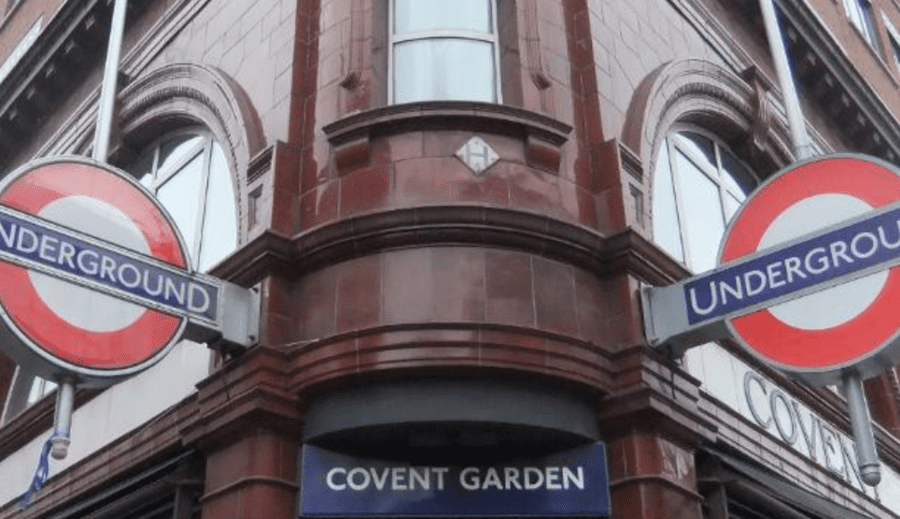
    Covent Garden Station
    The sign at Covent Garden lacks the word “station,” however.
    Hyde Park Corner Station
    As does the original entrance at Hyde Park Corner. The current signage above ground simply reads “Underground” whilst internally there is no mention of “station” either.

    Though it appears Dunn is correct in the main, Covent Garden seems to be an exception to this rule and does not carry the word “station” on the signage at its entrance. Equally, at Hyde Park Corner the signage at ground level just reads ‘Underground’ and the original entrance lacked the word “station” also.


    In response, whilst one Twitter user suggested: “A station is only a station if it isn’t already a station” and another added: “I was listening to a featuring on this on BBC Radio 4; made my brain ache,” the majority agreed with the “inner pedant” of Dunn, another pointedly concluded: “THEY ARE THE RULES.”


    Given that’s decided then, perhaps Mr Dunn and chums could move onto deciding what another contentiously named London transportation link should be referenced. It is time for someone to finally solve the ongoing debate of whether it is the ‘Kings Road’ or ‘King’s Road.’ Even, the Royal Borough of Kensington and Chelsea council haven’t been able to make their minds up about that.


    King's Road Kings Road
    In the case of the signage for the “Kings Road” or “King’s Road” in SW3, the local council, the Royal Borough of Kensington and Chelsea, cannot even make up their minds.
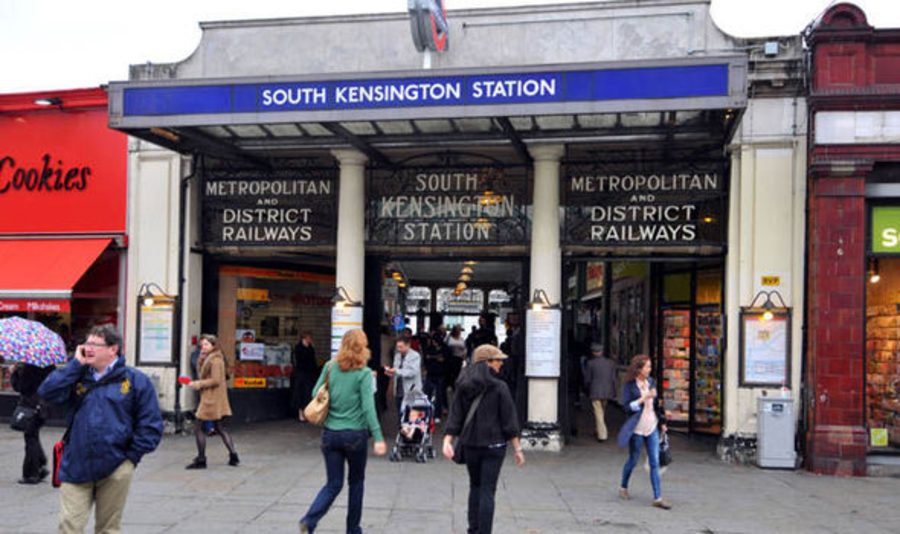
    South Kensington Station
    The signage at South Kensington Underground Station complies with the “rules” Mr Dunn suggests Transport for London operate by.
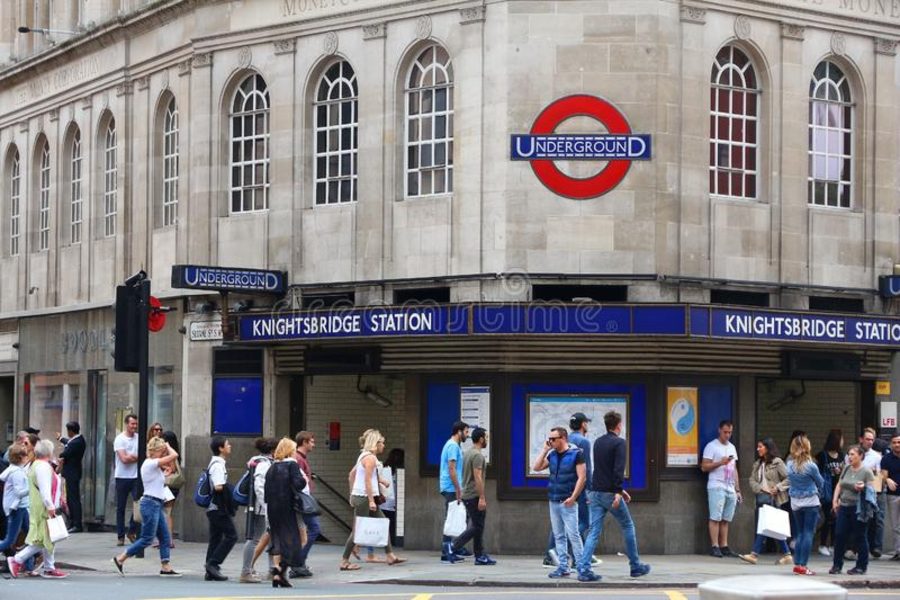
    Knightsbridge Station
    As does that at Knightsbridge Underground Station.